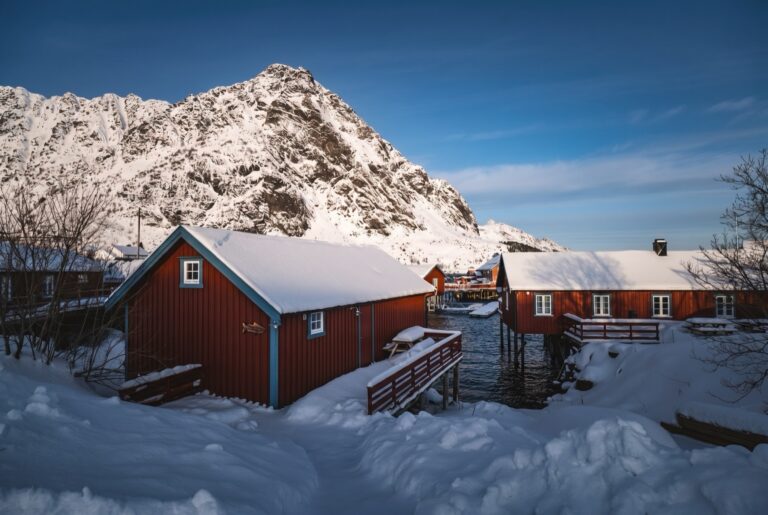
Welcome to Longyearbyen, Svalbard, a place where there are more snowmobiles than permanent residents. A town where you have to stash your rifle in a special locker before entering the supermarket, where restaurants ask you to take off your shoes, and where dying is officially discouraged, because the local cemetery hasn’t accepted new burials for decades. That’s exactly what this northernmost fully functioning town on Earth is like.
Although it sounds like the plot of a gritty Nordic thriller, the reality is incredibly warm and cosmopolitan. Longyearbyen on Norway’s Svalbard archipelago (Spitsbergen) is home to roughly 2,400 people from more than 60 countries, who together face the polar night and the unpredictable Arctic weather. You’ll find top-notch dining, cozy cafés, a university campus, and even the northernmost brewery on the planet.
This guide walks you through the very best the town has to offer — from snug little cafés and dark mine shafts to where you can grab a beer brewed from glacier water. I’ll also let you know which time of year to come so you don’t get stuck in total darkness, and where to stay, because moving around the island comes with some very strict safety rules.
TL;DR
- Best time to visit: Late February and early March offer magical blue light, April is ideal for snowmobiling, and summer is best for boat trips to see wildlife.
- Safety first: You can’t go beyond the town limits without a firearm or an armed guide, which is why most activities are tied to organized tours.
- Getting from the airport: The flybuss airport bus (100 NOK) takes you into the center and stops at all the main hotels.
- Quirky rules: You take off your shoes in hotels and museums, and you can only buy alcohol in the shop by showing a boarding pass.
- Don’t miss: Be sure to visit the Svalbard Museum, check out the portal of the global seed vault, and taste beer brewed from glacier water.
- Budget: Svalbard is expensive — expect to spend hundreds of euros a day just on organized tours.
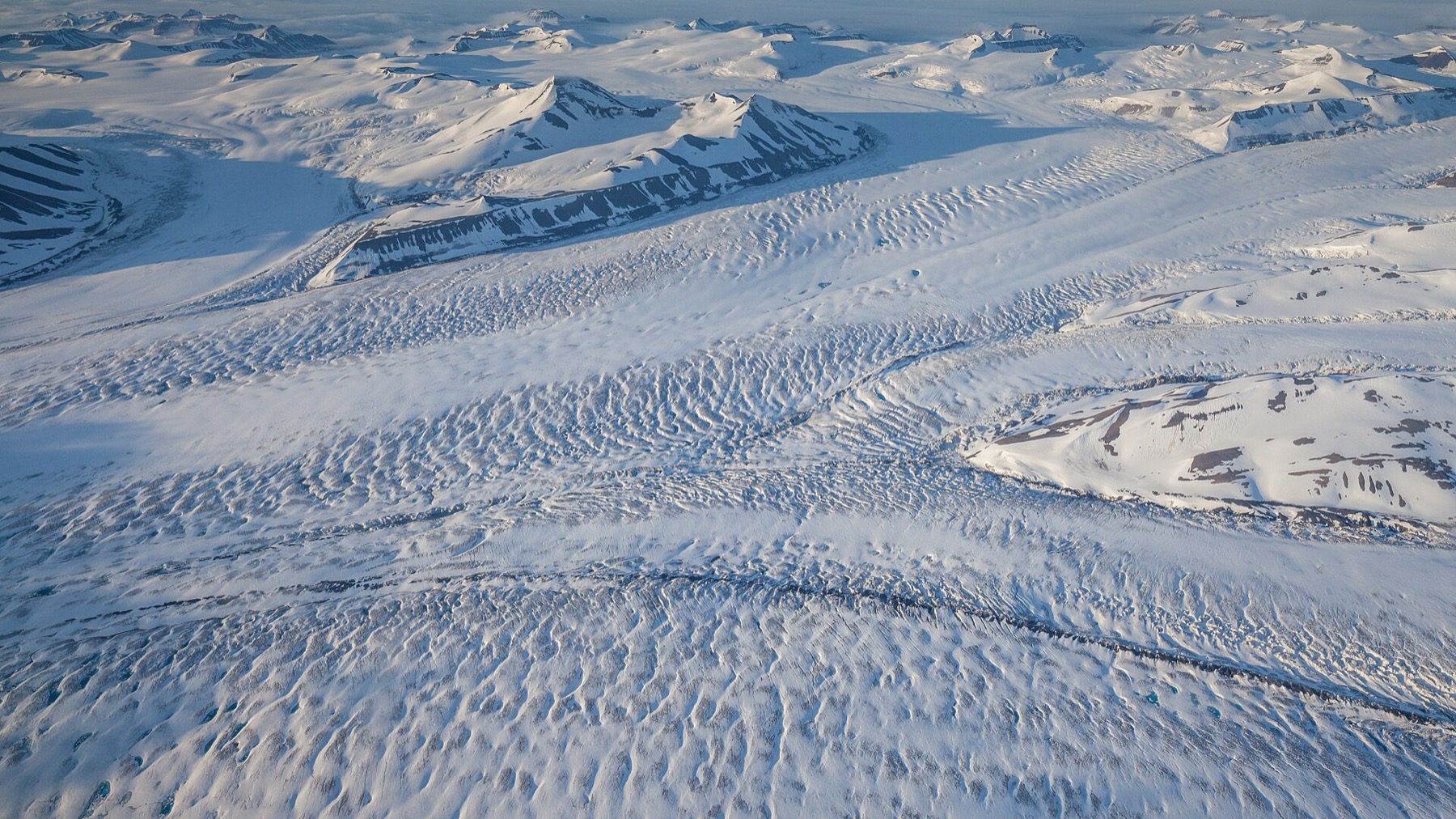
The full destination guide: Norway — guide and what to see
When to Visit Longyearbyen
Picking the right season is absolutely crucial on Svalbard, because nature here dictates ruthlessly what you can do. From late October to mid-February the polar night rules, and from November 11 to January 30 the sun never rises above the horizon at all. November and December can be very harsh, windy, and dark, so outdoor activities are kept to an absolute minimum. On the other hand, it’s the only time you can theoretically watch the northern lights even at high noon, which is a genuine world first. Travelers often point out, though, that Svalbard lies paradoxically too far north, so the aurora itself tends to be weaker here than, say, in Norway’s Tromsø.
The best compromise and the most photogenic time is considered to be the turn of February and March, when the snowy landscape is bathed in a fascinating blue light. On March 8 the locals also cheerfully celebrate the so-called Solfest, the day when the sun’s rays first touch the steps of the old hospital. April is then the absolute peak of the winter season. The days grow longer incredibly fast, the snow offers ideal conditions for snowmobiles, and the sun is already high in the sky. Just be aware that hotels tend to sell out well in advance and temperatures still regularly drop to -20 °C.
The summer season kicks off in May, and from late June to August it brings endless midnight sun and melting ice. This is when all the boat trips depart from Longyearbyen to see walruses, whales, and the vast bird cliffs. Locals sometimes call summer the muddy season, because the snow melts and you’ll need genuinely good waterproof hiking boots for the trails, but the blooming tundra is absolutely worth it. The ideal length of stay in town is roughly 4 to 5 days, and it’s smart to keep one day as a buffer. Flights from Oslo occasionally get canceled due to strong winds.
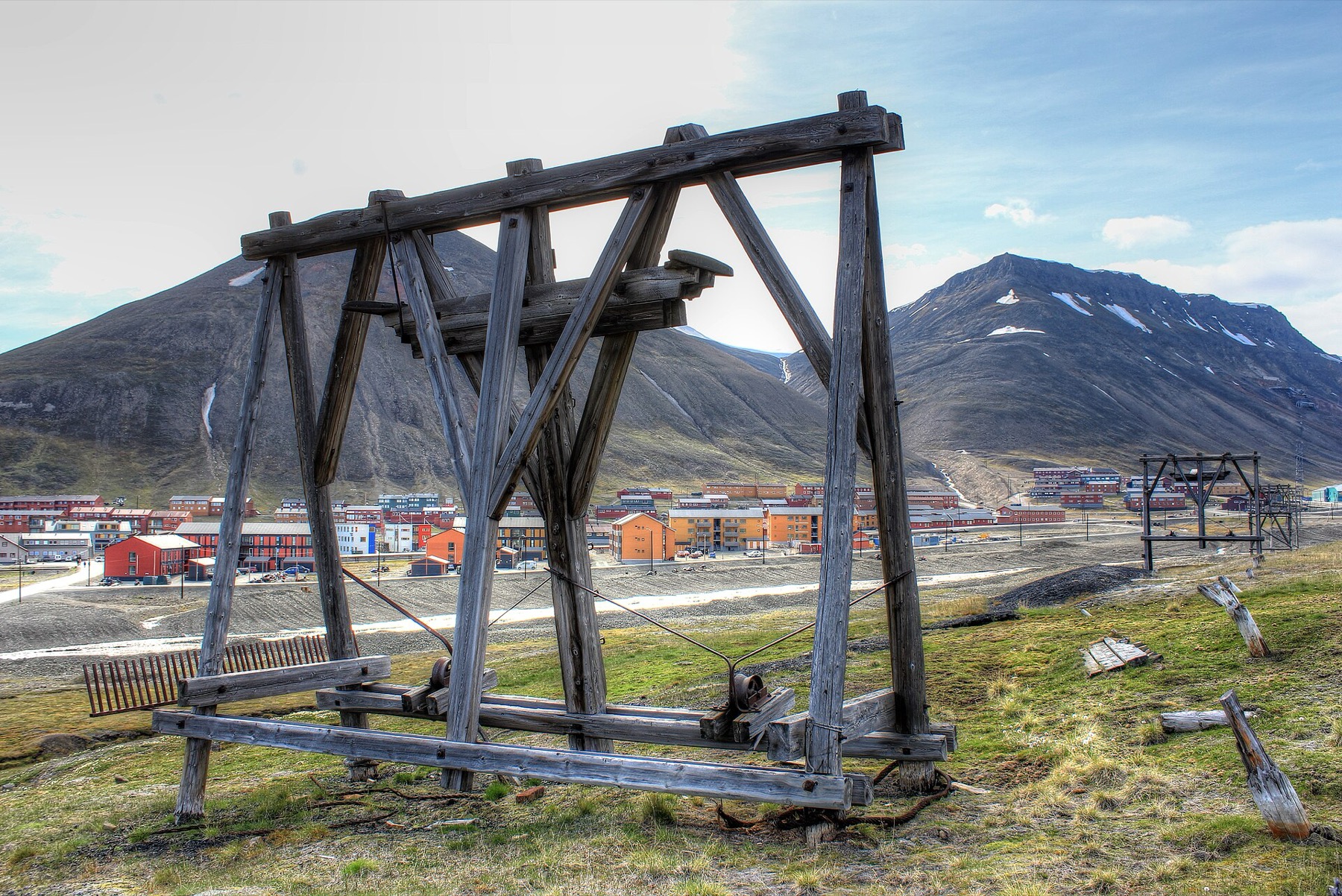
Where to Stay in Longyearbyen
💡 Tip for accommodation and experiences: We prefer to look for accommodation on Booking.com, where the cancellation terms are usually the best. For tickets, tours, and activities it pays to compare and buy through GetYourGuide.
Since the town is very small and classic Airbnb apartments basically don’t exist here, you’ll be choosing from just a handful of hotels and guesthouses. I recommend booking your accommodation far in advance, easily three quarters of a year ahead, because capacity fills up extremely fast, especially in April and summer. From the airport you can easily reach all the main hotels on the flybuss airport bus, which costs around 100 NOK one way.
If you’re after absolute comfort and a great location, stay at the popular Radisson Blu Polar Hotel Spitsbergen. It sits right in the center, offers fjord views from outdoor hot tubs, and prices start from around €300 a night. For lovers of boutique style and luxury, the absolutely ideal choice is Funken Lodge, which rises on a hill above town and boasts fantastic breakfasts. Just keep in mind that in a winter blizzard the uphill walk from the center is a bit more demanding.
A golden middle ground with authentic historic atmosphere are the Coal Miners’ Cabins in the Nybyen district, where miners once slept. Also very popular is the Basecamp Hotel, which instantly charms you with its rugged trapper design full of wood and furs. An excellent central option is the modern Svalbard Hotell Polfareren, or the quirky guesthouse Mary-Ann’s Polarrigg, set in a former miners’ lodge and offering a great restaurant too.
If you’re traveling on a limited budget, the hostel Gjestehuset 102 is probably the cheapest decent option in town, with a bed from around €70 a night. Just count on a thirty-minute walk into the center, which in the biting Arctic cold can be quite a challenge. 😅
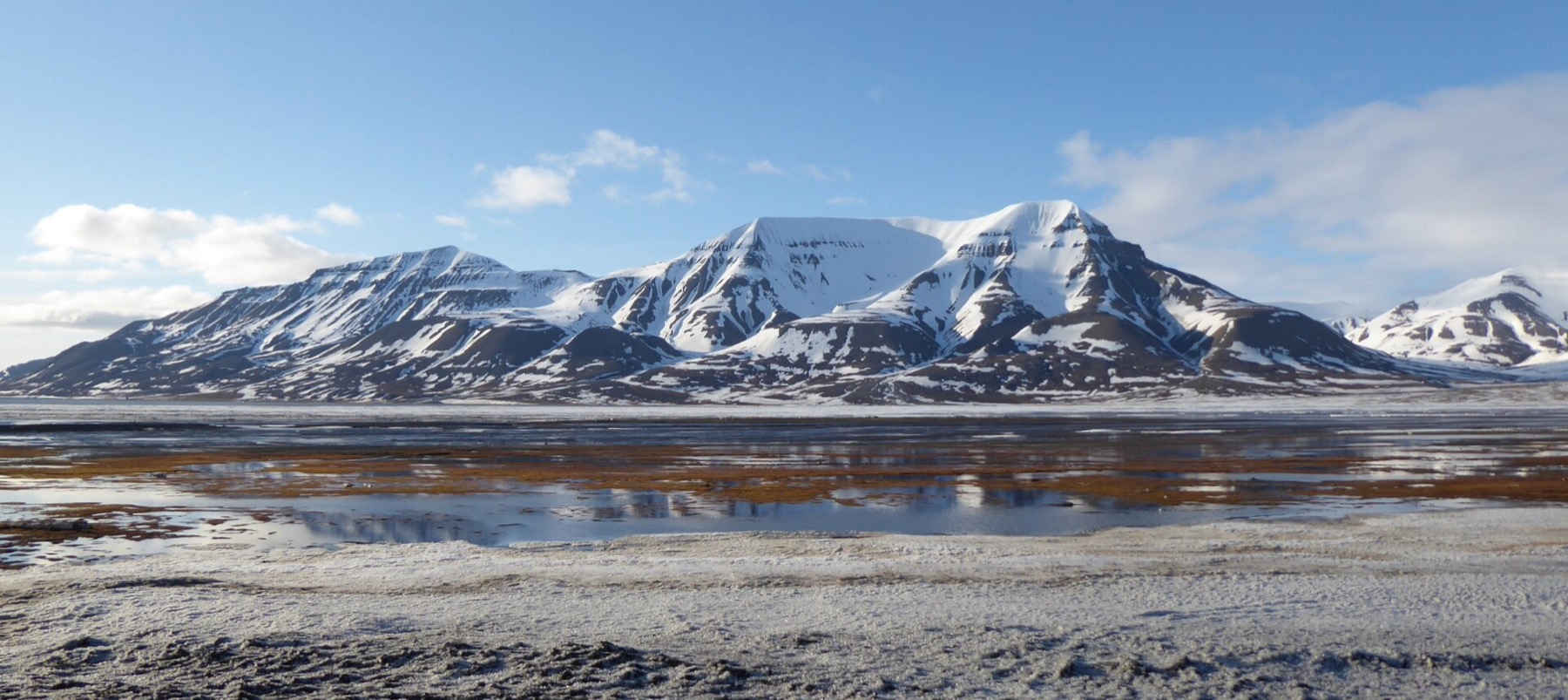
12 Things to See and Do in Longyearbyen
Even though the town is small, there’s surprisingly plenty to see, and some things you truly won’t find anywhere else on the planet. Here are twelve tips that will help you make the most of it without any pointless wandering.
1. Colorful houses and the main street
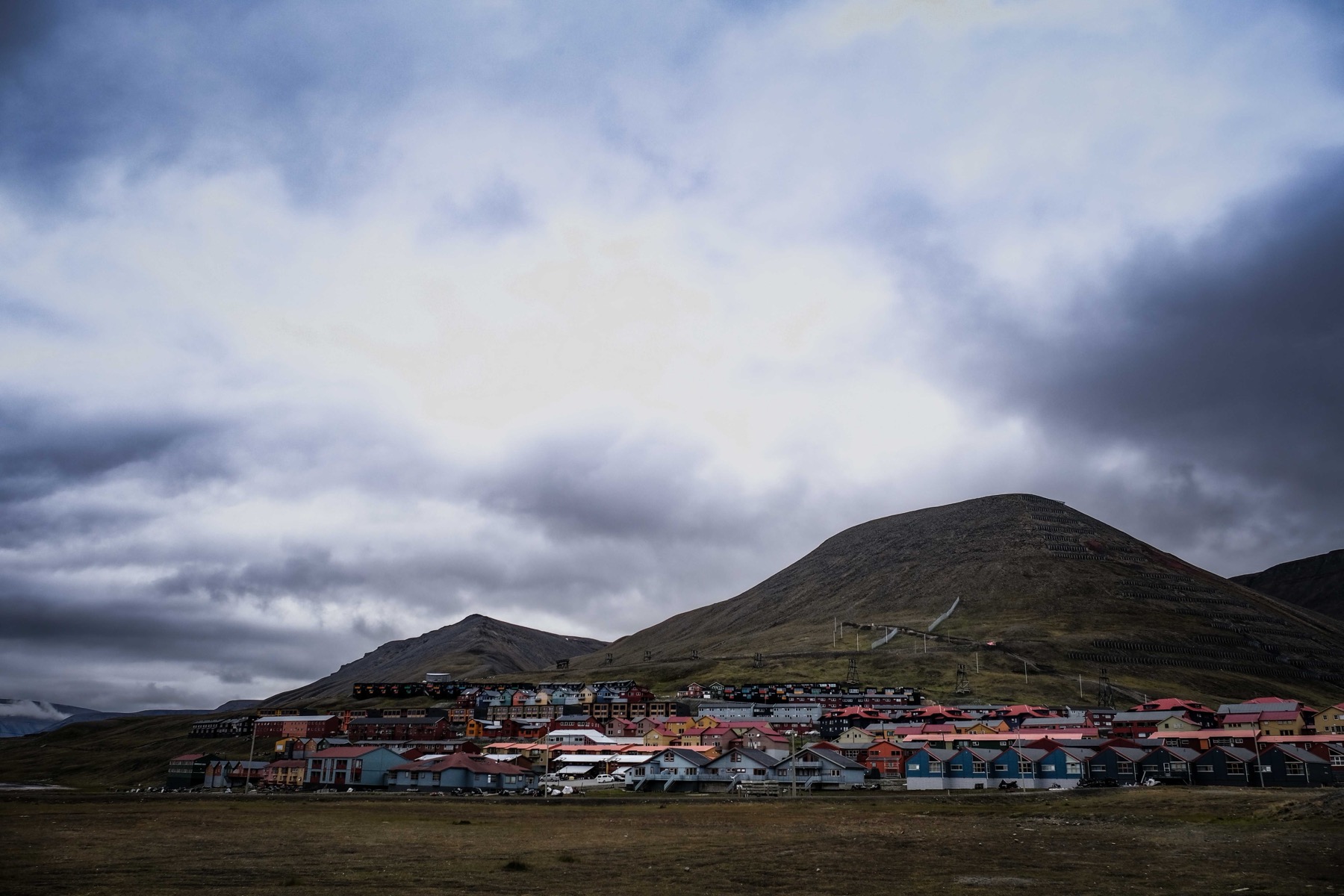
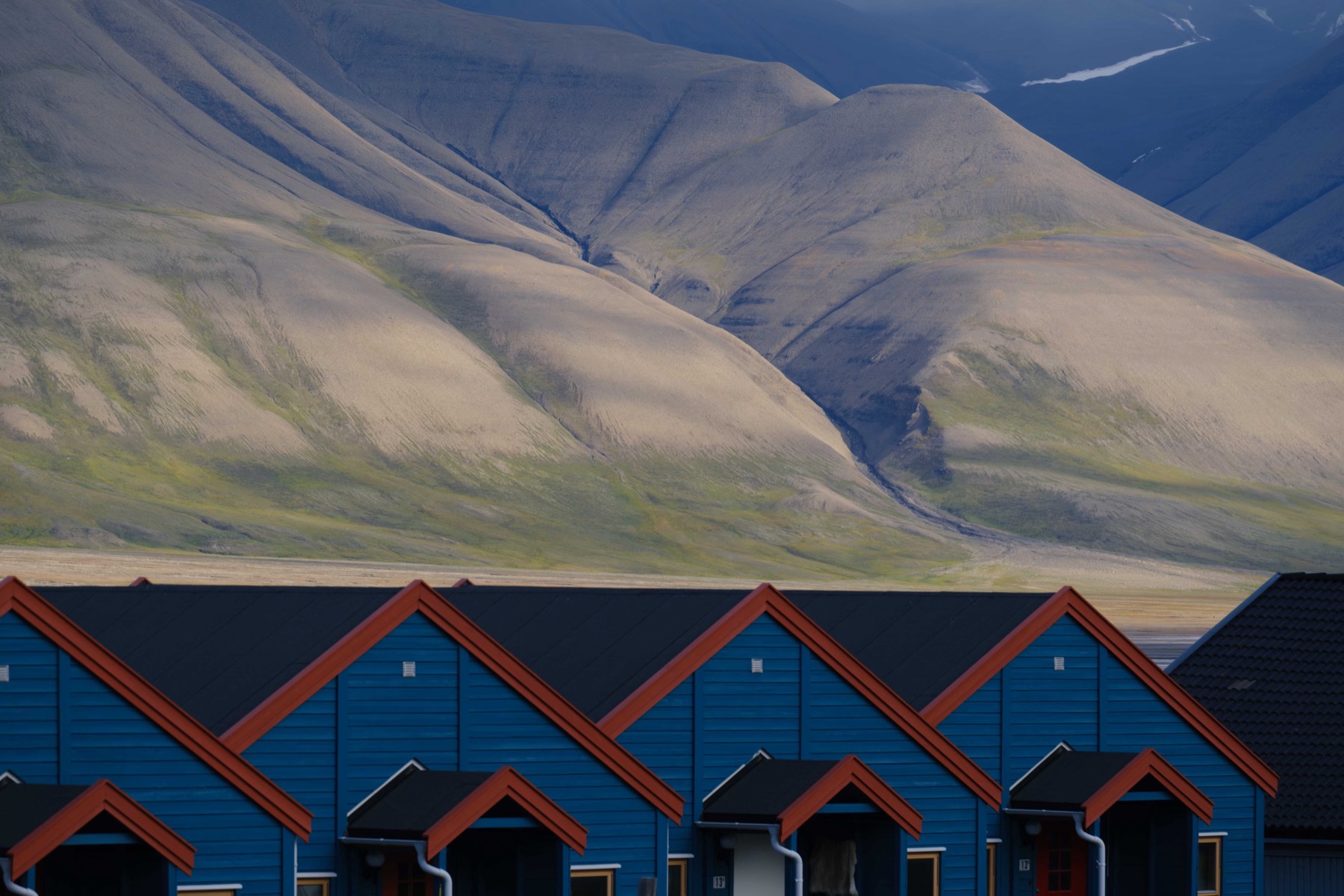
On your first walk through town, the brightly colored facades of the local houses immediately catch your eye, contrasting with the harsh surrounding nature. These vivid colors are no accident at all — they’re meant to psychologically help residents get through the endlessly long dark months of the polar night. The main pedestrian zone is lined with cozy cafés, shops selling luxury outdoor gear, and parked snowmobiles everywhere. In fact, there are officially more of them registered than there are residents.
As you enter many buildings, you’ll notice one huge peculiarity. In most hotels, museums, and even the tourist information center, you have to take off your shoes right at the entrance. This unusual tradition comes from the days of massive coal mining, when locals tried to keep the ubiquitous black dust from being tracked into clean interiors. Today it’s more of a cultural ritual, so don’t forget to pack some nice — and above all warm — socks.
On the edges of town you’ll be sure to come across the most photographed road sign in the world. It shows a black polar bear in a red triangle with the warning “Gjelder hele Svalbard,” meaning “Applies to all of Svalbard.” This very sign clearly marks the boundary of the safe zone, the so-called Management Area 10, beyond which you can’t take a single step without a loaded rifle or an armed escort.
💡 Tip: Carrying a firearm into the Svalbardbutikken supermarket and other public buildings is strictly forbidden. In front of the shop you’ll therefore find special lockable cabinets for rifles, where hunters and guides must leave them.
2. Svalbard Museum
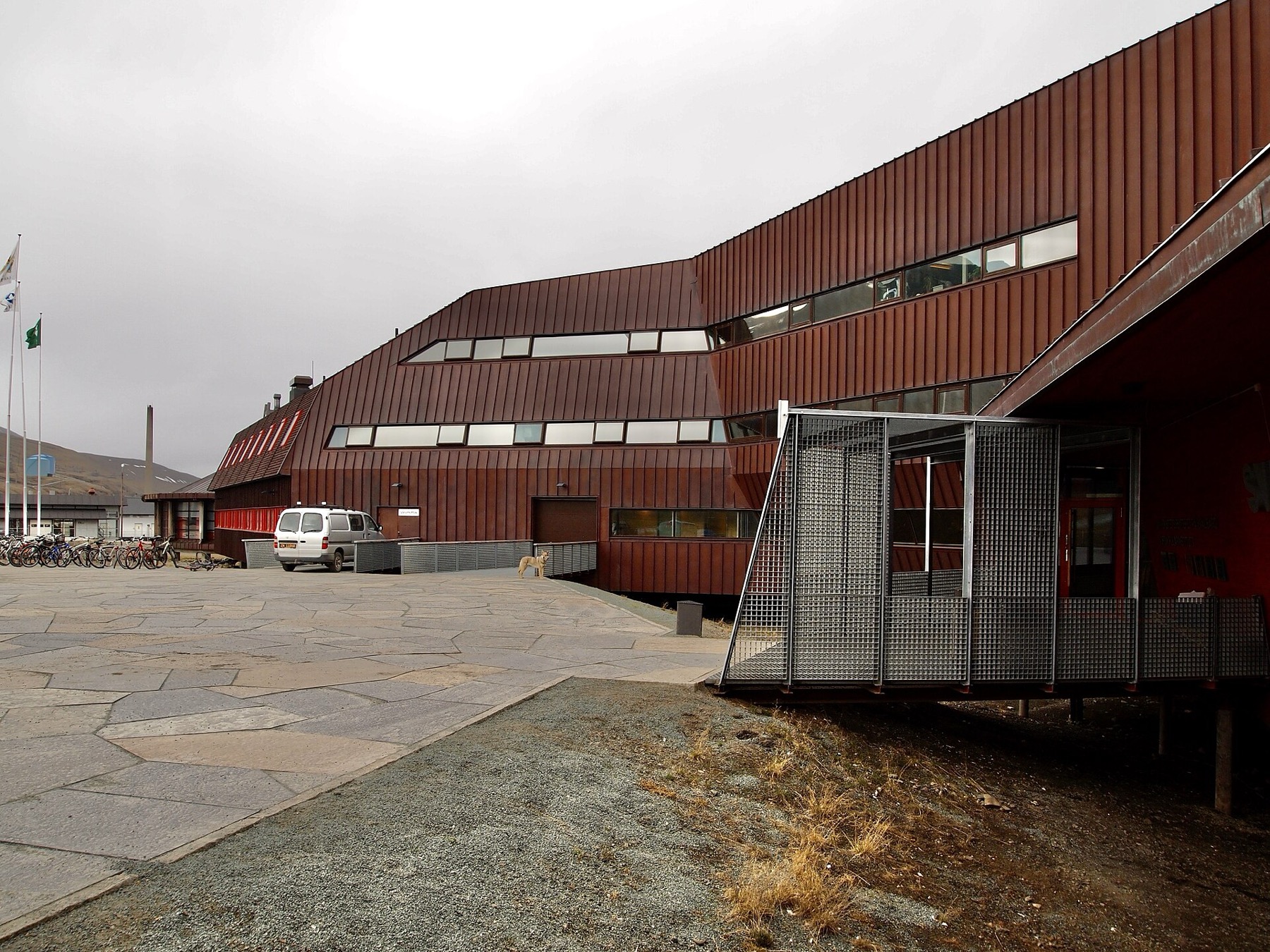
If you really want to understand in depth how this inhospitable place even works, your first steps should clearly head to the Svalbard Museum. This award-winning and extremely modern exhibition offers the best possible introduction to the history and nature of the entire archipelago. You’ll learn absolutely everything from the brutal first whaling expeditions, through the harsh life of Russian Pomor hunters and Norwegian trappers, to modern geological research and coal mining.
A large part of the beautifully designed museum is devoted to the unique Arctic fauna and flora. Up close you can view a majestic stuffed polar bear, a huge walrus, and the endemic Svalbard reindeer. With its disproportionately short legs and stocky body, it looks more like a cute plush toy than a rugged Nordic animal. You’ll also find fascinating, detailed information on how local animals managed to biologically adapt to the extreme cold and endless darkness.
Admission for an adult costs 160 NOK, roughly €14, and children under 18 get in completely free. The museum is open every day, mostly from 10 a.m. to 5 p.m., and you should set aside at least two hours for a really thorough visit. Remember that the strict shoe-off rule applies here too, right in the lobby by the ticket desk.
💡 Tip: The museum has a very well-stocked shop with amazing books about polar expeditions, maps, and Arctic literature you won’t find anywhere else.
3. North Pole Expedition Museum
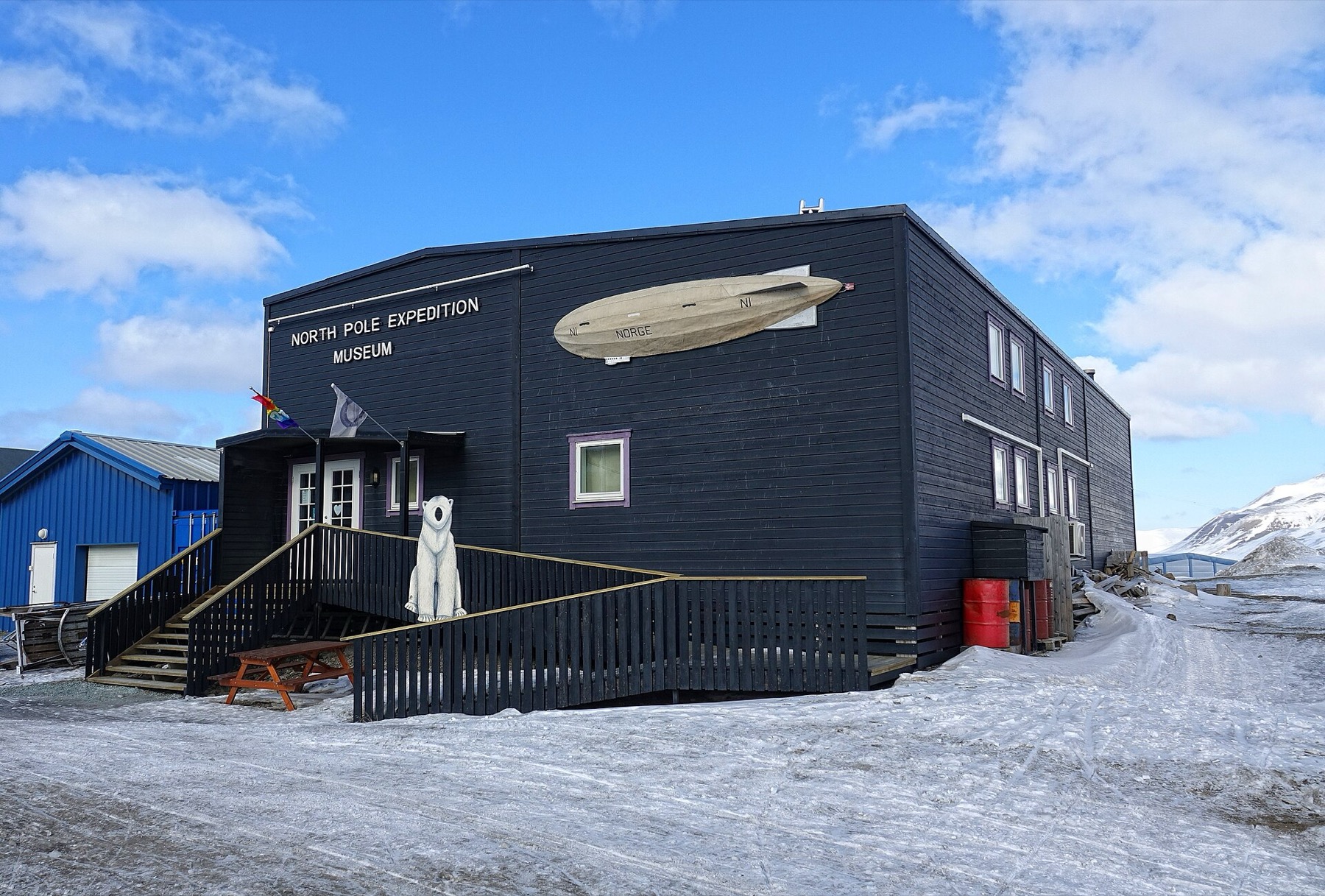
A little farther toward the harbor lies another fascinating institution that will delight absolutely every lover of history and adventure. The North Pole Expedition Museum focuses exclusively on the heroic and very tragic attempts to reach the North Pole using giant airships. It was from Longyearbyen and the nearby research town of Ny-Ålesund that the most famous and boldest polar expeditions once set off.
The star of the gripping exhibition is the story of the airship Norge from 1926, aboard which the legendary Roald Amundsen, Umberto Nobile, and Lincoln Ellsworth successfully flew over the North Pole. But the exhibition also maps in great detail the subsequent catastrophic voyage of the airship Italia, which crashed tragically onto an ice floe in 1928 and triggered the largest international rescue operation in the entire history of the Arctic.
In the two-story museum you’ll find heaps of stunning period photographs, original film footage, old newspaper clippings, and preserved personal belongings of polar explorers. It’s open daily from 9 a.m. to 5 p.m. Three times a week — on Monday, Wednesday, and Friday — there are also morning guided tours with an excellent guide, which add incredible depth to the dramatic stories.
💡 Tip: The exhibition is really quite specific and text-heavy, so if you have even a slight interest in aviation history and the conquest of the polar regions, you’ll be absolutely thrilled and could easily spend an entire afternoon here.
4. Svalbard kirke
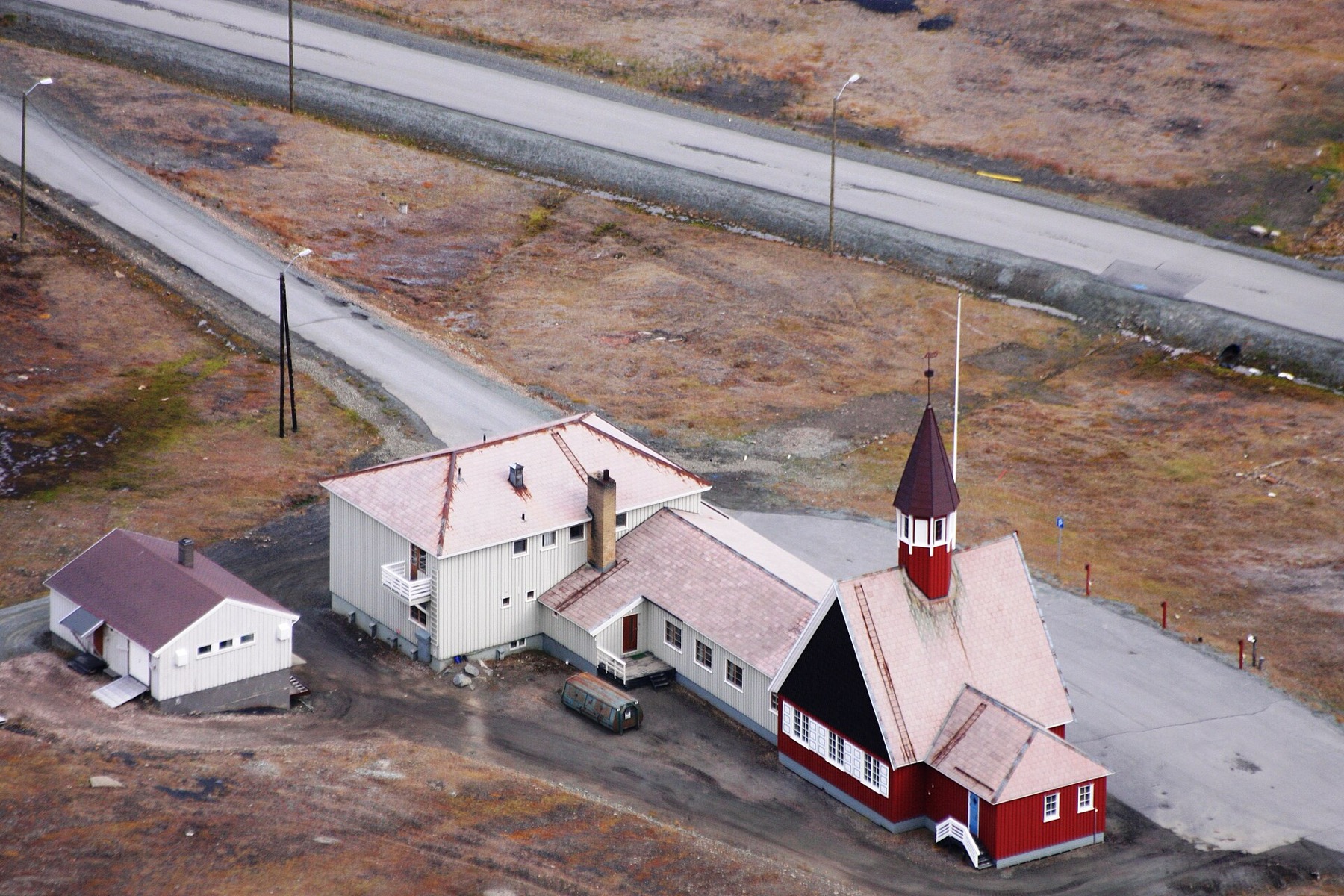
Even if you’re not religious at all, you definitely shouldn’t miss a visit to the friendly local church during your walk through town. Svalbard kirke is, after all, the northernmost Christian church in the whole world and forms the absolute social heart of the local community. The wooden building with its typical bright red facade stands on a slightly elevated spot above town, and its large windows offer a beautiful view over the entire valley and the frozen fjord.
The most interesting thing about this sanctuary is that it’s open around the clock, 24/7. It works not just as a place for quiet prayer, but above all as a safe refuge and cozy social space for all permanent residents and freezing visitors alike. Inside you can sink into comfy armchairs in the adjoining lounge, warm up by the fireplace, and read a book.
The parish also offers weary tourists free hot coffee, tea, and cookies, and especially during the polar night people love to come here to shelter from the darkness and the icy wind, so the church works like a communal living room for the whole town. In crisis situations it also carries huge symbolic significance — during the devastating avalanches of past years, for example, it served as the main crisis center for evacuated residents.
💡 Tip: Quite unsurprisingly, you have to take off your shoes right at the door of this church too, so don’t forget to bring clean and ideally woolen socks so your feet don’t get cold from the floor.
5. Svalbard Bryggeri
Getting a truly local beer on Svalbard was practically impossible for many decades. Under a very old Norwegian law from 1928, originally meant to prevent severe alcoholism among the hard-working miners, commercial alcohol production was strictly banned across the whole archipelago. But former miner and pilot Robert Johansen spent a full five years wearily battling the authorities and, in 2014, finally achieved an unprecedented change to the constitution.
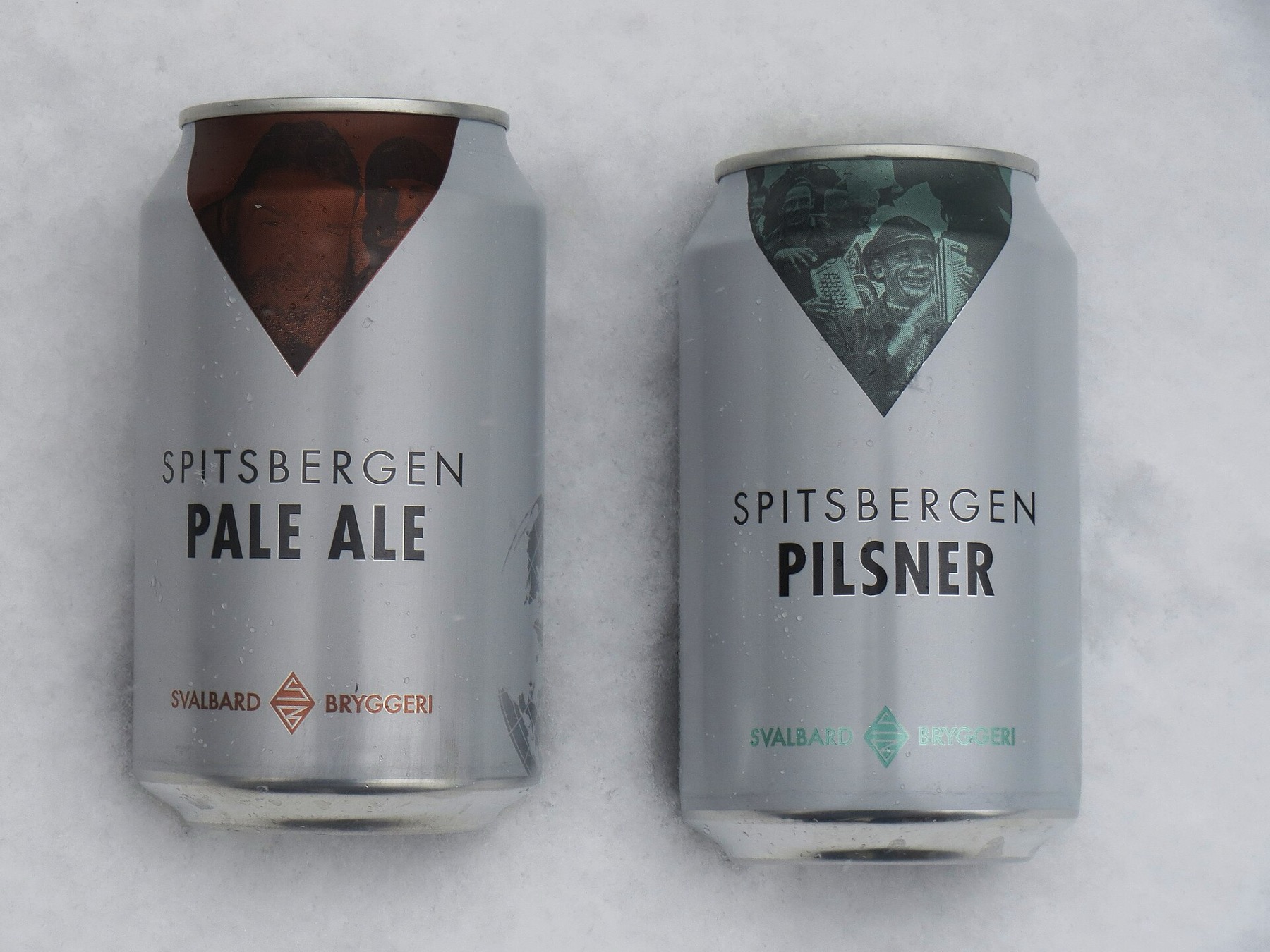
Thanks to his incredible persistence, Svalbard Bryggeri was able to open, the world’s northernmost brewery, set at the 78th parallel in the middle of the Arctic wilderness. The first trial batch of beer was bottled here in the summer of 2015, and since then it’s become a huge hit across the whole island. The uniqueness of this beer lies, among other things, in the fact that it’s brewed from incredibly pure freshwater ice from the nearby Bogerbreen glacier, which is roughly two thousand years old.
The brewery offers fantastic and very funny guided tours combined with a generous tasting. On them you’ll learn absolutely everything about the absurd bureaucratic hurdles that preceded its founding, and you’ll taste five different kinds of local beer straight away. The tours usually take place on Monday, Wednesday, and Saturday in the early evening, last about an hour and a half, and cost around €45.
💡 Tip: On Friday evenings the brewery turns into a very popular bar for the locals. It does get quite crowded, but it’s a great chance to soak up the authentic Nordic atmosphere.
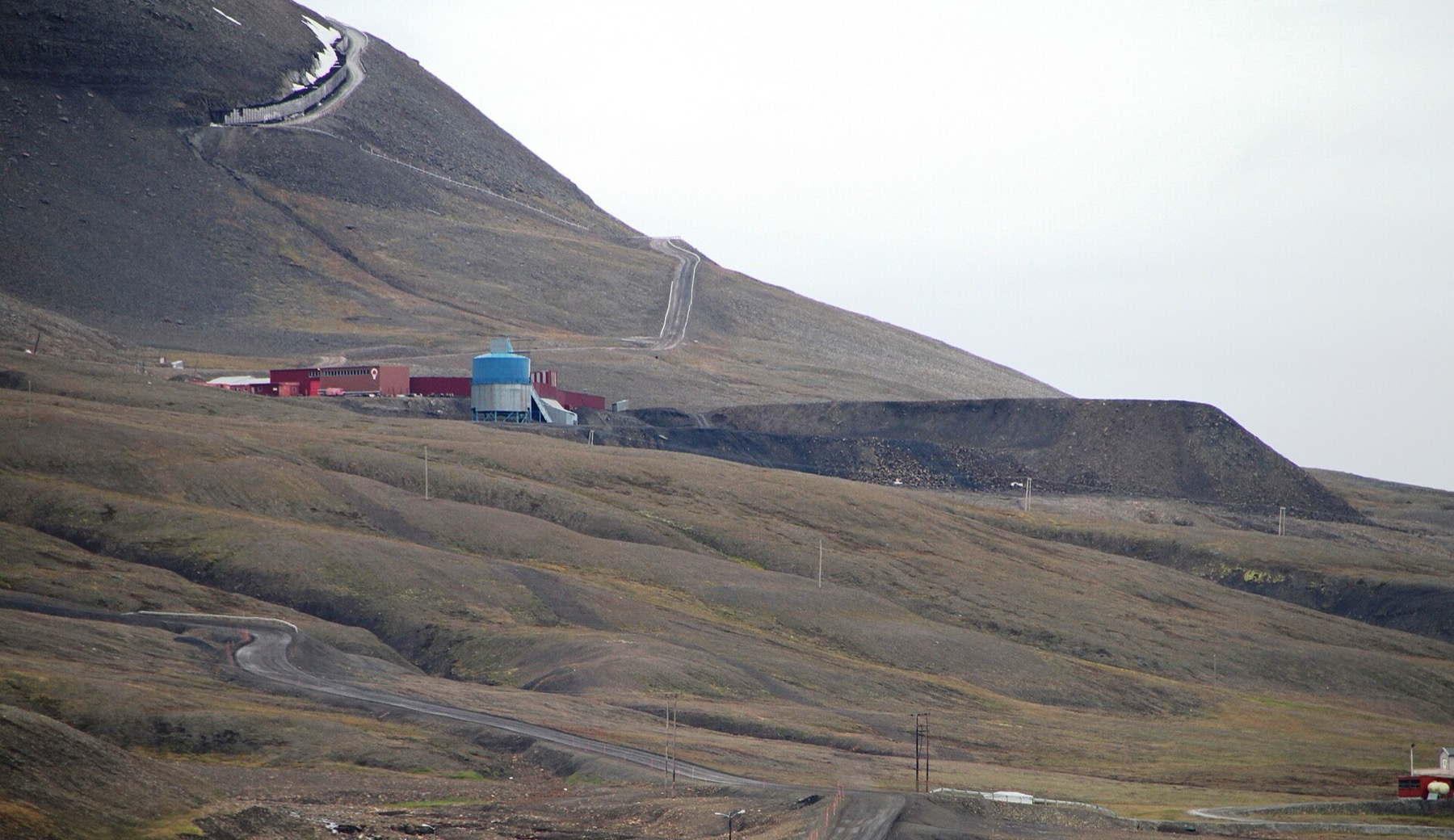

6. Tour of the Gruve 3 coal mine
The entire modern existence of Longyearbyen is utterly inseparable from coal mining, which began in earnest here in 1906 thanks to the American entrepreneur John Munro Longyear. To truly grasp how extremely demanding and dangerous this work was in Arctic conditions, head off on a tour of the historic mine Gruve 3. This mine was permanently closed in 1996 and today works as an absolutely fascinating time capsule, where time seems to have stood still.
During the dark tour you’ll be kitted out with a classic miner’s helmet, a strong headlamp, and a special heavy overall. An experienced guide first leads you through the sprawling outdoor facilities, shows you the grimy workshops, and finally takes you right into the dark, icy mine shafts. You’ll see the original preserved machinery and hear harsh stories about how miners had to work lying down for whole days in seams just 60 centimeters high.
And right now this tour is even more powerful than before: at the end of June 2025, the last active Norwegian mine, Gruve 7, was closed, definitively ending the entire coal chapter of Svalbard after nearly 120 years. The Norwegian town is now going through a complex and costly transition to cleaner energy sources, relying primarily on tourism and research.
💡 Tip: You can easily book tickets for the three-hour mine tour online. Inside the shafts there’s a constant temperature close to freezing and a strong draft, so really dress very warmly.
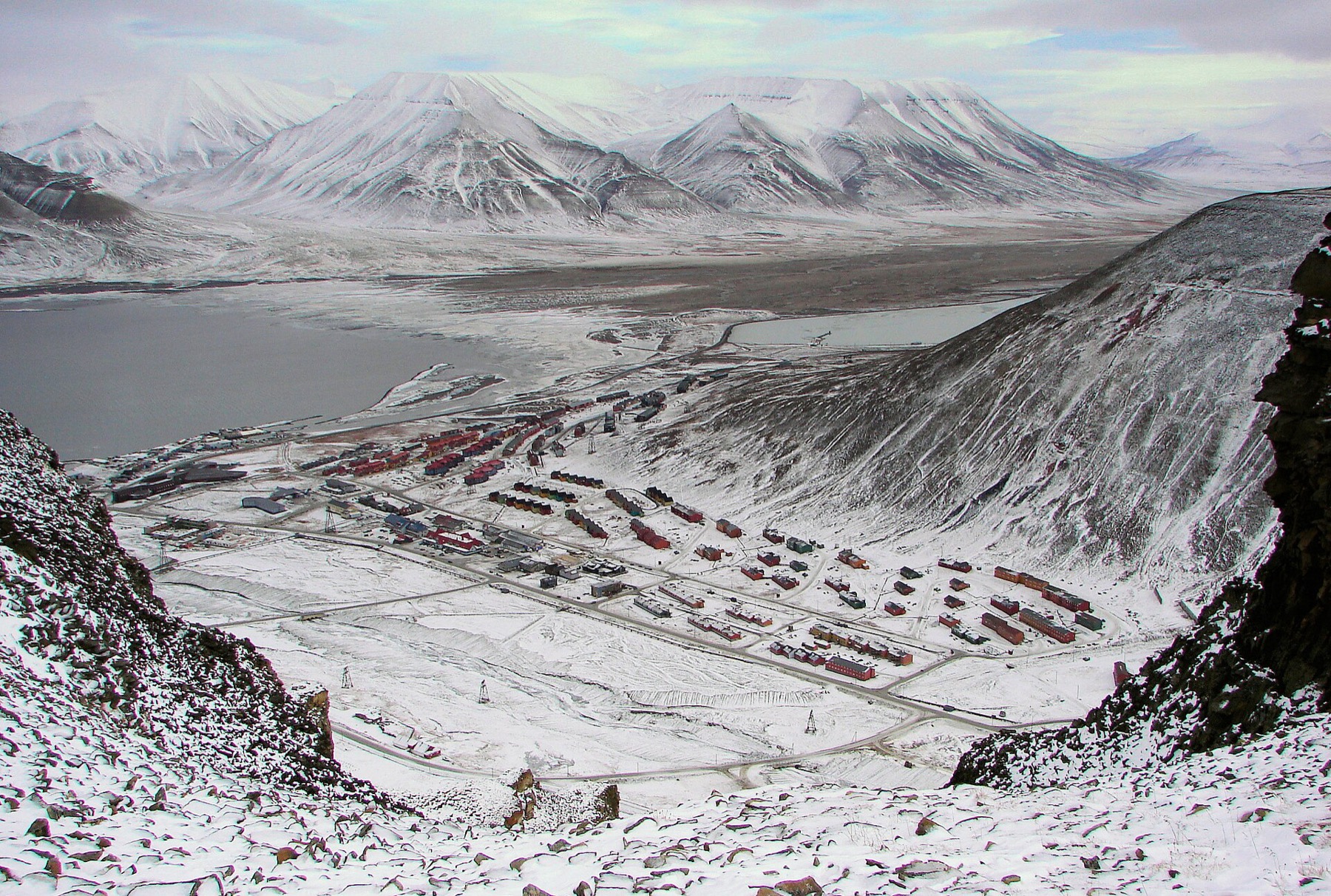
7. Camp Barentz
If you want to experience the real, unspoiled Arctic wilderness without needing physically demanding expeditions, book an unforgettable evening at Camp Barentz. This cozy camp lies about ten kilometers outside town in the wide Adventdalen valley. It’s located far from any light pollution, which makes it an absolutely superb spot for watching the magical northern lights during the winter months from October to March.
The main building of the camp is a precise wooden replica of the historic hut in which the discoverer of Svalbard, Willem Barents, harshly wintered on Novaya Zemlya in 1596. Inside, a huge blazing fire catches your eye, where armed guides greet you with a smile (yes, armed, because bears don’t book ahead for morning coffee). The whole evening is then all about storytelling about the life of trappers in the far north.
During the evening a traditional hot meal is served, often an unlimited amount of hearty reindeer stew. Vegetarians needn’t worry, though — just let them know in advance and they’ll prepare an excellent meat-free alternative for you. There’s also coffee brewed right over the fire and sweet Arctic desserts. The highlight of the program is a fascinating educational talk about the king of the Arctic, the mighty polar bear, where you’ll learn absolutely everything about its habits and surprising migration routes.
💡 Tip: This immensely popular trip lasts about three hours and costs around 1,545 NOK, roughly €135. Convenient bus transfer from your hotel and back is of course included in the price.
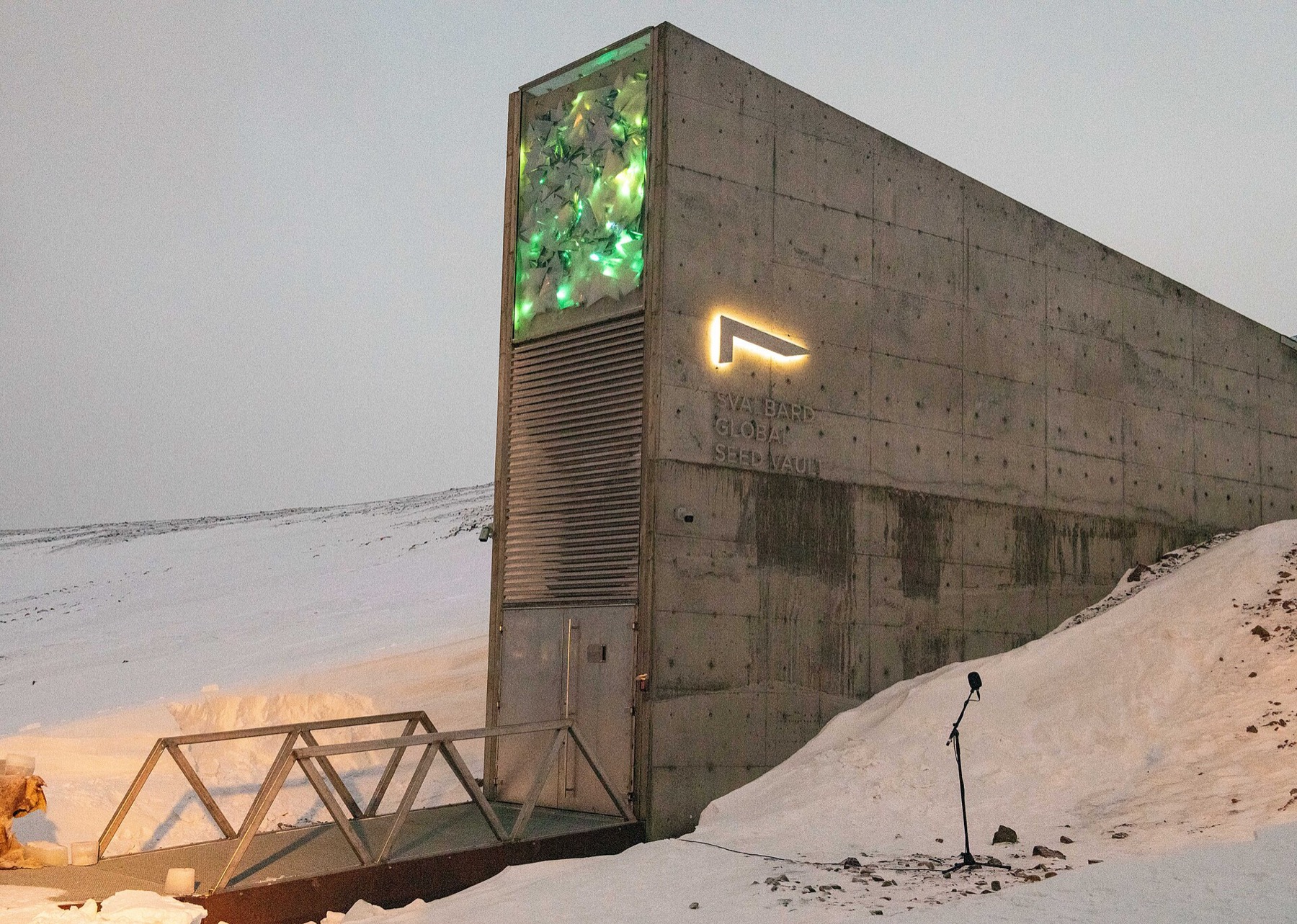
8. Portal of the global seed vault
High above Longyearbyen’s airport, set deep into the frozen slope of Platåberget mountain, lies the famous Svalbard Global Seed Vault, often nicknamed in the media as the doomsday vault. This key global backup system opened in February 2008 and serves to safely preserve seeds of the world’s agricultural crops in case of huge global catastrophes, wars, or irreversible climate changes.
Currently, deep in the permafrost at a constant and carefully guarded temperature of -18 °C, more than 1.4 million seed samples from all over the world are safely stored. Although this place is immensely important for the future survival of humankind, as an ordinary tourist you’ll never get inside under any circumstances. Entry is strictly forbidden to outsiders, and the massive vault opens only a few times a year to receive new precious shipments.
Even so, it’s absolutely worth making the trip up to the vault for a while. The imposing concrete entrance portal, which juts sharply out of the snowy slope, is decorated with a stunning light art installation. Especially on a winter night, the blue-green glowing roof in the middle of utter wilderness feels almost magical and mystical. It’s a very popular short stop on sightseeing bus tours.
💡 Tip: You could theoretically walk to the illuminated portal straight from the airport, but remember that it sits on the very edge of the safe zone, so it pays to keep your eyes peeled or better yet rely on an organized guided ride.
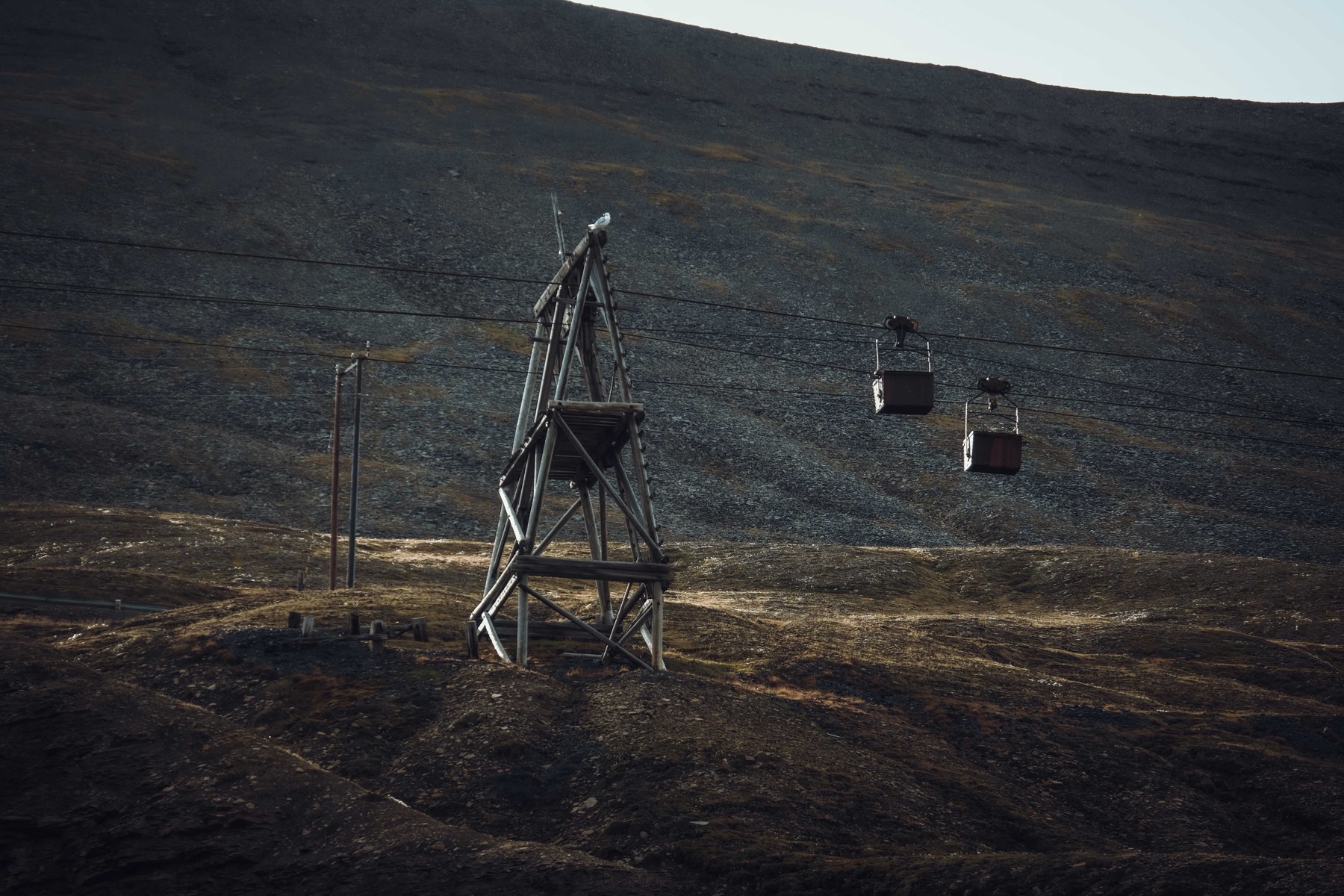
9. Short guided hikes (Platåberget and Sarkofagen)
The landscape around Longyearbyen practically begs for hiking, but as already mentioned, you simply can’t go past the polar bear sign on your own. Local authorities require that anyone leaving the red-marked safe zone carries a loaded rifle, a flare gun, and, of course, knows how to handle them in a crisis situation.
For the average tourist it’s practically impossible to simply borrow a firearm these days, because the approval process can take up to two months and involves a lot of complicated paperwork. That’s why by far the best solution is to join an organized trek with a certified guide. Very popular, for example, is the hike up the plateau mountain Platåberget, which rises to 450 meters and offers a breathtaking view over the whole town and the frozen Isfjord. A great alternative is the hike to the summit of Sarkofagen, which leads right along the edge of the glacier.
The guides on these hikes act not only as your personal protection against bears, but also serve as excellent sources of information about local wildlife, the melting permafrost, and geology. During the short Arctic summer, be aware that the terrain tends to be very muddy and slushy, so you definitely can’t do without quality waterproof hiking boots.
💡 Tip: As of 2026, new strict rules also apply to rescue-operation insurance. If you go with an official tour operator, they handle all the complicated bureaucracy and hefty insurance guarantees for you. A half-day hike will cost you roughly 800 to 1,000 NOK.
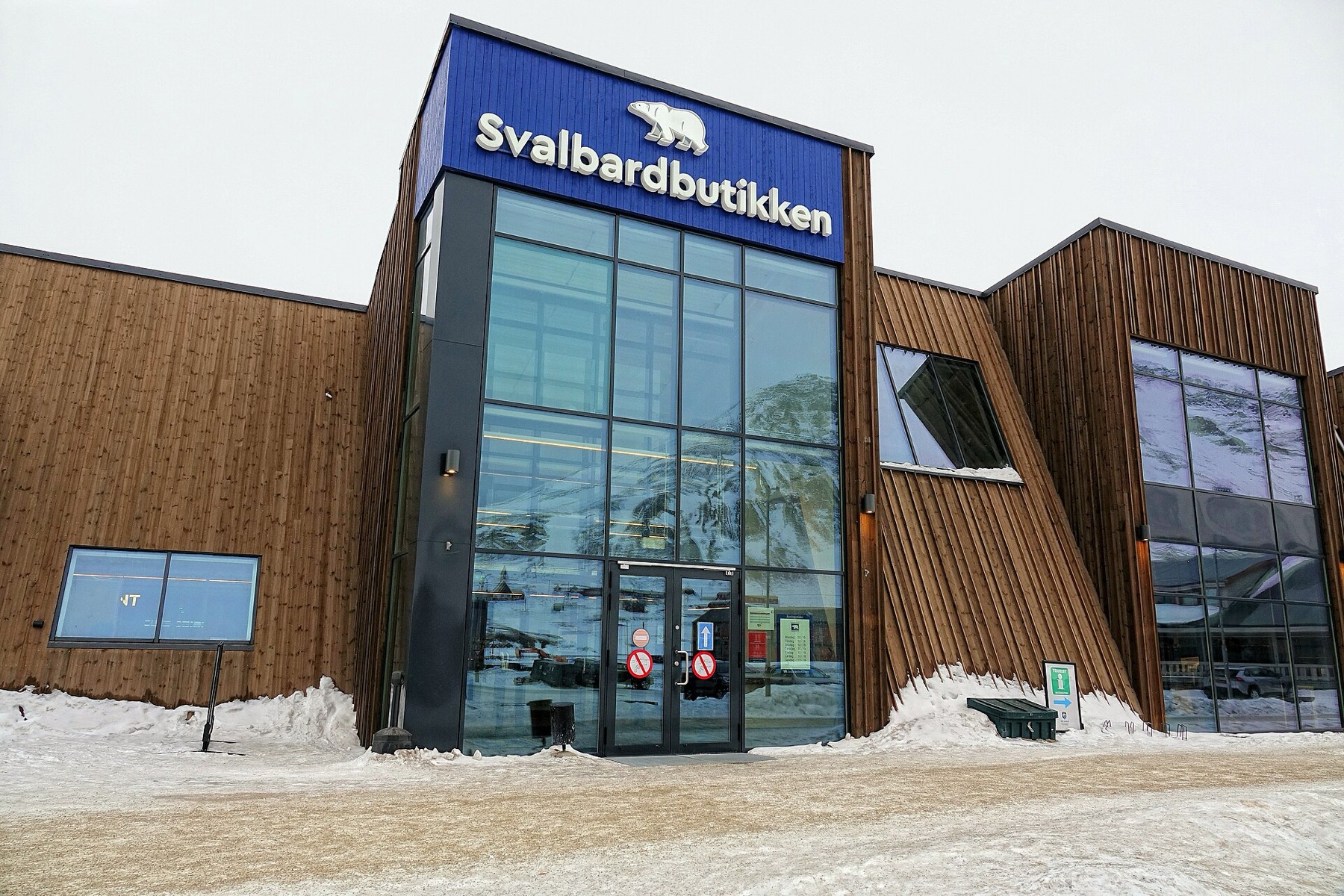
10. Shopping, Nordpolet, and alcohol tied to your flight ticket
Svalbard is a free-trade zone, which in practice means that no Norwegian VAT or high excise taxes apply here. Thanks to this, sporting and outdoor gear in the local shops is surprisingly cheaper than on the Norwegian mainland. If you need a new winter jacket or quality merino wool, it pays to shop right here in the center.
A completely different and much more complicated story, though, is written when it comes to alcohol, which is subject to a strict rationing system. It’s a leftover from the coal-mining days, when the authorities tried to limit drinking among the miners. Alcohol is sold exclusively in the special Nordpolet section inside the main Svalbardbutikken supermarket. Local residents have strict monthly quotas here, allowing them to buy, for example, only 24 cans of beer and two bottles of spirits.
As a tourist you can of course buy alcohol, but at the checkout you must present a valid boarding pass or return flight ticket. Without a ticket the cashier won’t sell you a single can of local beer. While alcohol is cheaper here, fresh food is, on the contrary, noticeably more expensive due to the costly air transport.
💡 Tip: Remember that on your way back to Oslo or Tromsø you’re on a domestic flight. So alcohol bought on Svalbard is not covered by the usual international duty-free import limits, so it’s better to drink any larger stash before departure.
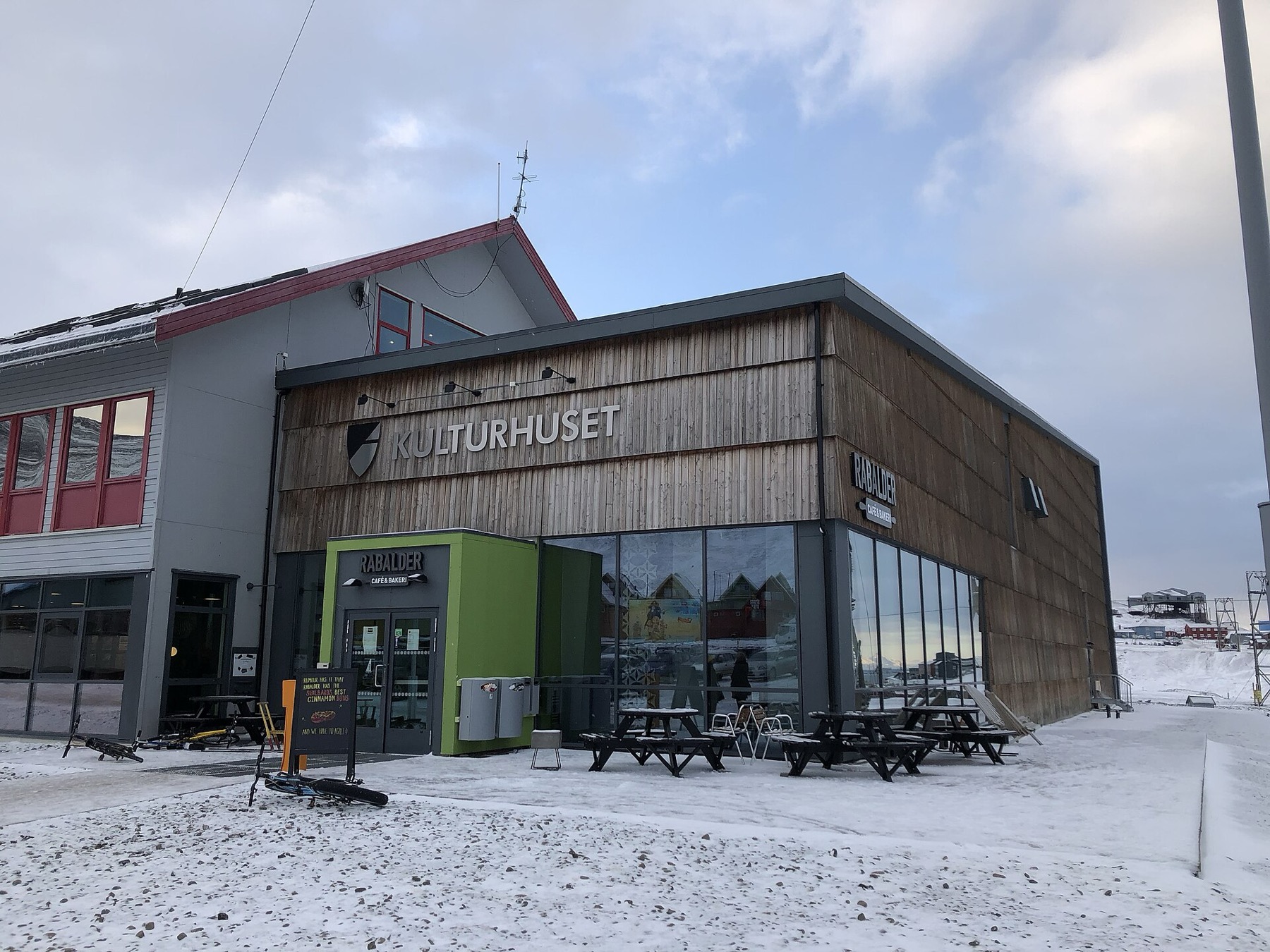
11. Kunsthall Svalbard and Arctic galleries
Who would expect to find working galleries and a lively cultural scene at the end of the world? And yet here they are! For just 2,400 residents there are several art institutions. One of the most interesting is the Kunsthall Svalbard gallery, which falls under the art museum in northern Norway and brings modern visual art to the remote Arctic.
The local exhibitions very often focus on themes closely tied to the north, such as ongoing climate change, relentless isolation, melting glaciers, or the tangled history of polar discoveries. The exhibition spaces themselves are on the smaller side, but the curatorial selection tends to be absolutely top-notch and offers a great contrast to the frosty reality outside.
In the town center you’ll also come across smaller private galleries and charming craft workshops. It’s right there that you can buy original jewelry or beautiful prints by artists inspired by the play of light, the northern lights, and the endless white wilderness.
💡 Tip: Cultural life here pulses mainly during local festivals. If you arrive in autumn, you might catch the popular Dark Season Blues music event, while in spring people cheerfully celebrate Solfest, which welcomes the long-awaited return of the sun above the horizon.
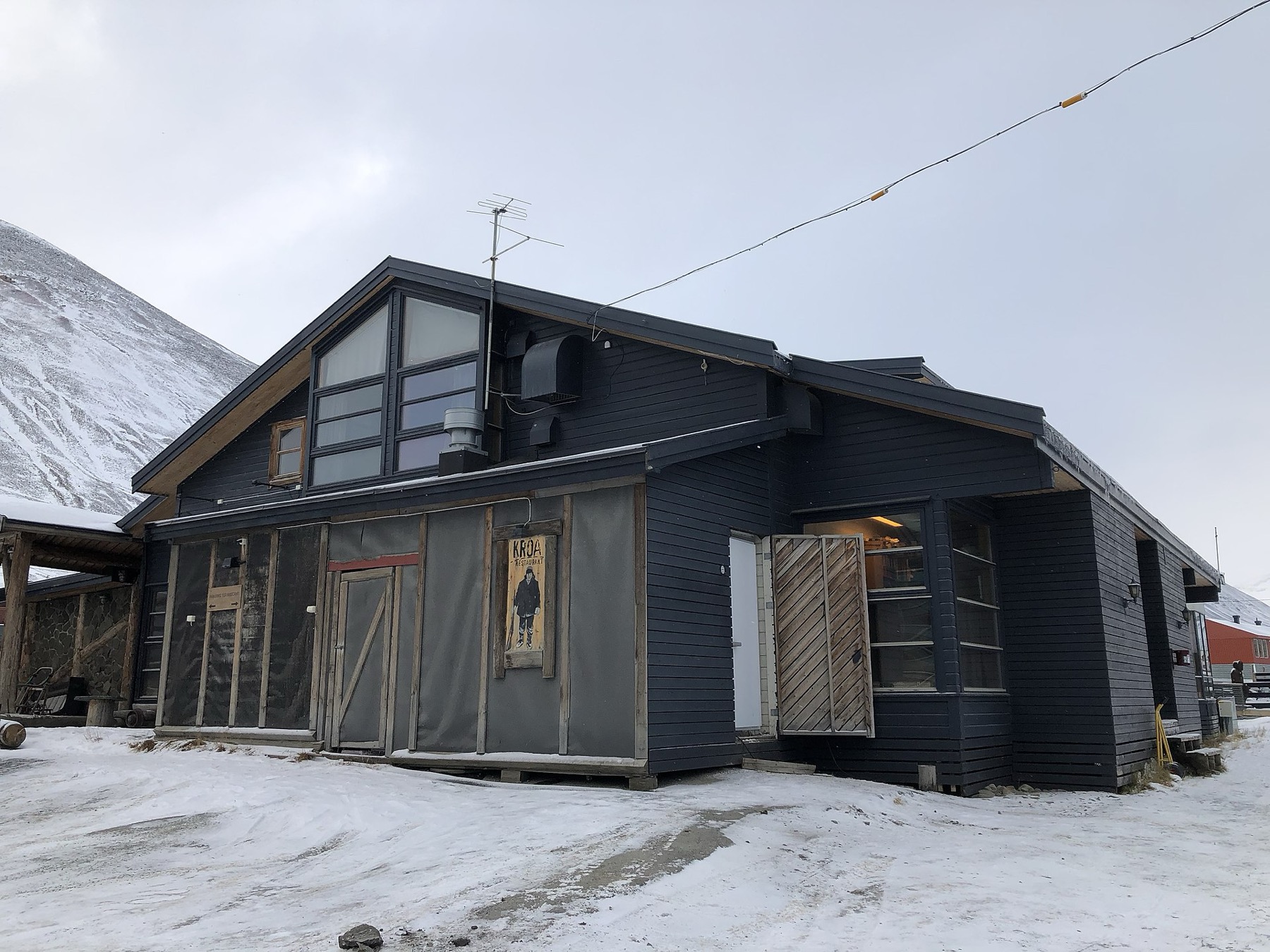
12. Where to eat and the northernmost chocolate shop
For a town so extremely cut off from the rest of the world, the local food scene is absolutely phenomenal. Right off the bat I have to mention the celebrated Fruene café, which is officially the northernmost chocolate shop in the world. They make superb pralines shaped like polar bears and great coffee that’s absolutely ideal for warming up after a frosty walk.
For an excellent lunch or dinner, be sure to head to the popular Kroa restaurant. It’s built entirely from massive driftwood and has a wonderfully relaxed atmosphere. They serve fantastic pizza at pretty reasonable prices, which all vegetarians will surely appreciate. I also have to mention the modern Stationen restaurant, which tastefully combines Norwegian classics with international cuisine.
If you’re after real culinary luxury, book a table at the legendary Huset restaurant. This institution is located in the old cultural house and hides beneath it a wine cellar with more than 15,000 bottles. Although Nordic establishments commonly tempt you with lots of fish and local meat specialties, most quality restaurants, including the Funken Lodge hotel, also offer a very thoughtful and tasty vegetarian menu.
💡 Tip: Dining in restaurants is generally very expensive. A typical main course will cost roughly 250 to 400 NOK, that’s about €22 to €35. If you want to save, the Svalbardbutikken supermarket is superbly stocked and even has a hot food counter with service.
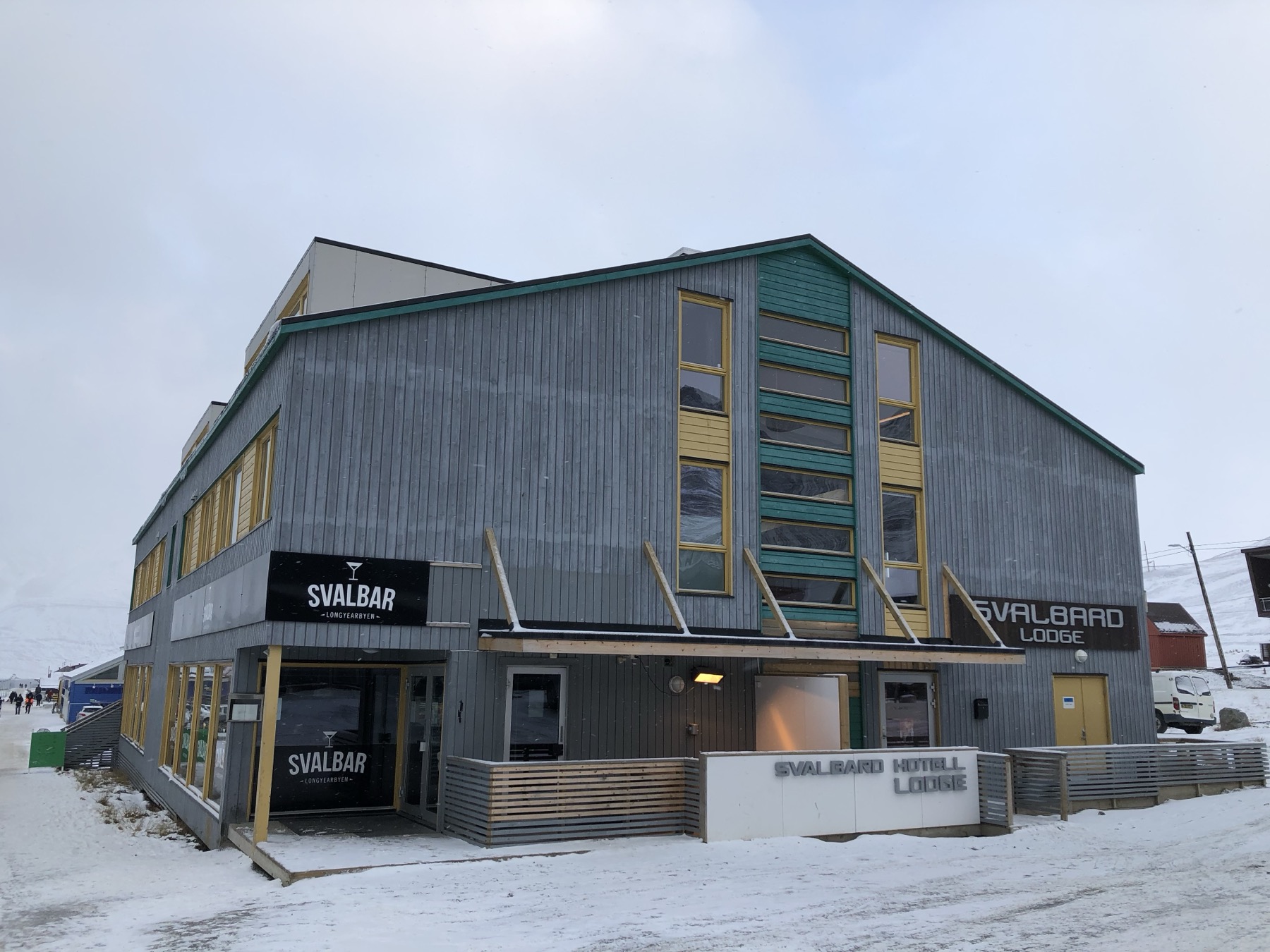
Where to Go Next from Longyearbyen
The town itself will easily keep you busy for two days, but the real magic lies beyond its borders. Full-day trips are expensive, sure, but they form the absolute essence of a journey to the end of the world.
- Tours and cruises in Svalbard: In summer, set off on a small expedition ship to the mysterious glaciers; in winter, I recommend a dog-sledding ride.
- Pyramiden and Barentsburg: Discover what the once-famous Soviet mining towns look like, where you’ll even find the northernmost statue of Lenin.
- Interesting facts about Svalbard: Read more fascinating curiosities about the place where keeping cats is forbidden.
- Tromsø: the gateway to the northern lights: Most flights to Svalbard have a layover right in Tromsø. Stop here for a few days, because this city is much better for aurora hunting.
Frequently Asked Questions
Planning your trip and still have plenty of unanswered questions? Svalbard is such a specific destination that it pays not to underestimate anything. Here are the answers to what travelers ask most often.
How many days do I need for a visit to Longyearbyen?
For a typical stay in the city with a few day trips to the surrounding area, 4 to 5 days are absolutely ideal. If you come just for a long weekend, you risk missing out on everything due to a delayed flight or bad weather. A longer stay of more than a week only makes sense if you’re following up with a multi-day expedition cruise around the islands.
Can I move around the city without a weapon?
Yes, within the clearly marked safety zone that covers the entire city centre, the harbour and the road to the airport, you can move around completely freely without a rifle. But as soon as you pass the traffic sign with the polar bear, you’re entering the wilderness, where a weapon or the presence of an armed guide is an absolute necessity.
Is it difficult to get from the airport to the centre?
Not at all, it’s very easy. For every arrival and departure there is always an airport bus (flybuss), which costs around 100 NOK (approximately €9) per journey. It stops at all the main hotels and guesthouses in town, so it will take you with your luggage right to your door.
How expensive is eating in restaurants?
Unfortunately, Svalbard is one of the most expensive destinations in all of Europe. For a regular main course in a restaurant you’ll pay between 250 and 400 NOK (€22–35), and an ordinary burger costs around 220 NOK. You can save significantly by buying ingredients at the local well-stocked supermarket.
Do regular mobile data work on Svalbard?
Yes, and surprisingly well. Longyearbyen is connected to mainland Norway by huge underwater optical cables, so the internet here is extremely fast and stable. Your European roaming data should work here without any problems, but to be safe, check with your operator beforehand.
Is it worth going to Svalbard primarily for the northern lights?
Paradoxically, not at all. Longyearbyen lies too far north, beyond the main belt of the northern lights. Although you can see them here during polar night, they’re often weaker than in northern continental Europe. If aurora borealis is your main goal, head to Tromsø instead.
Where do I have to take off my shoes?
This curious shoe-removal rule applies in almost all hotels and guesthouses, in the Svalbard Museum, in the church and in some shops. At the entrances you’ll always find large shoe racks and often communal slippers. I recommend packing warm and, most importantly, clean woollen socks for your trip.
Tips and Tricks for Your Vacation
Don’t Overpay for Flights
Search for flights on Kayak. It’s our favorite search engine because it scans the websites of all airlines and always finds the cheapest connection.
Book Your Accommodation Smartly
The best experiences we’ve had when looking for accommodation (from Alaska to Morocco) are with Booking.com, where hotels, apartments, and entire houses are usually the cheapest and most widely available.
 🚗 Car rental on the roadVerified rental cars in Norway
Search with the DiscoverCars comparison engine — it compares prices from dozens of local and international rental companies, and most bookings come with free cancellation.
Compare car prices in Norway →Don’t Forget Travel Insurance
Good travel insurance will protect you against illness, accidents, theft, or flight cancellations. We’ve had a few hospital visits abroad, so we know how important it is to have proper insurance arranged.
Where we insure ourselves: SafetyWing (simple monthly subscription) and TrueTraveller (for extra-long trips).
Find the Best Experiences
Get Your Guide is a huge online marketplace where you can book guided walks, trips, skip-the-line tickets, tours, and much more. We always find some extra fun there!