Road tolls in Norway work unlike anywhere else in Europe: you won’t drive through a single barrier, you won’t buy any motorway vignette, and yet you’ll still pay for the roads. The Nordic toll system is fully automated, so you simply glide under the cameras, soak up breathtaking views of the fjords, and the bill lands in your mailbox as much as two months after your holiday is over. If you’re planning a road trip through this country, one detail will catch you off guard: no gates, no cashier’s window, and yet you still pay for the roads — the big question is whether it’s worth sorting out any kind of registration in advance.
Norway may be a paradise for nature lovers, but its roads come with very strict rules, and breaking them can make your trip a lot more expensive. That’s why I’ve put together a complete and very practical guide to Norway’s tolls and traffic rules for 2026, so you can avoid unnecessary fines, understand how the discounts for electric cars work, and know exactly what budget to plan for.
TL;DR
- No vignettes or booths: In Norway you pay point-based tolls for driving through specific sections, tunnels, or when entering major cities — everything is captured by cameras mounted above the road.
- The invoice comes to you automatically: If you do nothing at all, the cameras photograph your licence plate and the Swedish company Epass24 mails you a paper invoice, plus a fee for tracing the owner in the registry (up to €10).
- Registering in advance is key: Register your plate and payment card for free on the Epass24 website — this way you avoid the tracing fees and your receipts arrive conveniently by email.
- The AutoPASS tag saves you 20%: A physical box behind the windscreen gives a blanket discount on all passages, but for a regular petrol car on a two-week holiday it usually isn’t worth it, given the extra admin and the deposit.
- Motorhomes over 3.5 tonnes must have the tag: Heavier motorhomes fall into the truck rate, which is two to three times higher, but if they have a valid AutoPASS tag and category M1 in their registration papers, they pay the cheap car rate.
- Electric cars no longer drive for free: In 2026, zero-emission vehicles pay roughly 30 to 70% of the standard rate, but for many toll projects (such as the deepest tunnel, Ryfast) you only get this discount with a valid tag.
- Speed really is monitored: Fines are draconian and the camera tolerance is minimal — for example, doing 130 km/h in a 110 zone will cost you a fine of over €830 (10,100 NOK) in 2026.
The full destination guide: Norway — guide and what to see
10 Things You Need to Know About Driving and Road Tolls in Norway
Foreign travellers are often baffled on Norwegian roads by the fact that there are no price lists and nowhere to pay. Let’s take a look at the ten key rules for how this Nordic system works and what to watch out for.
1. No Vignettes and Barrier-Free Gates
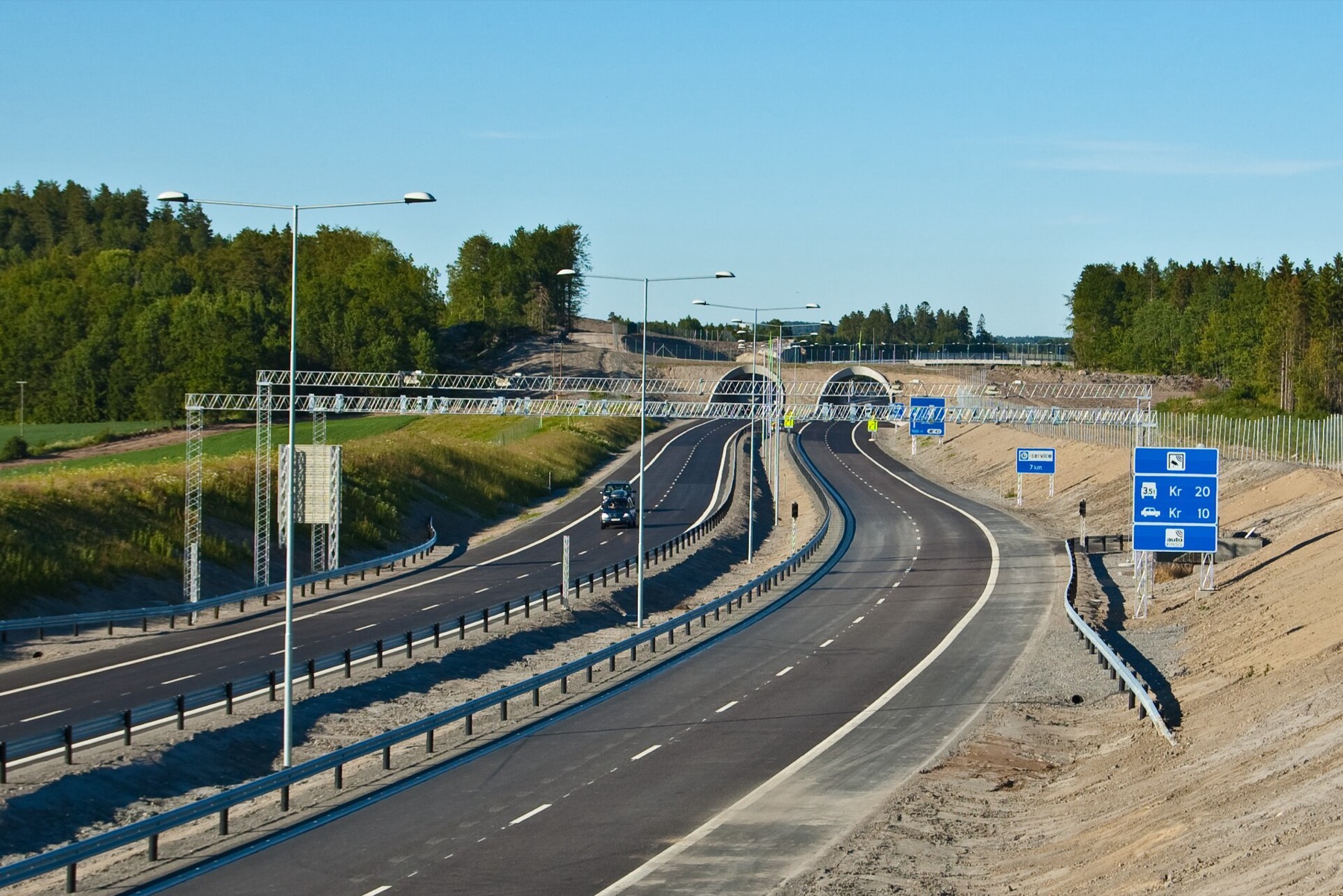
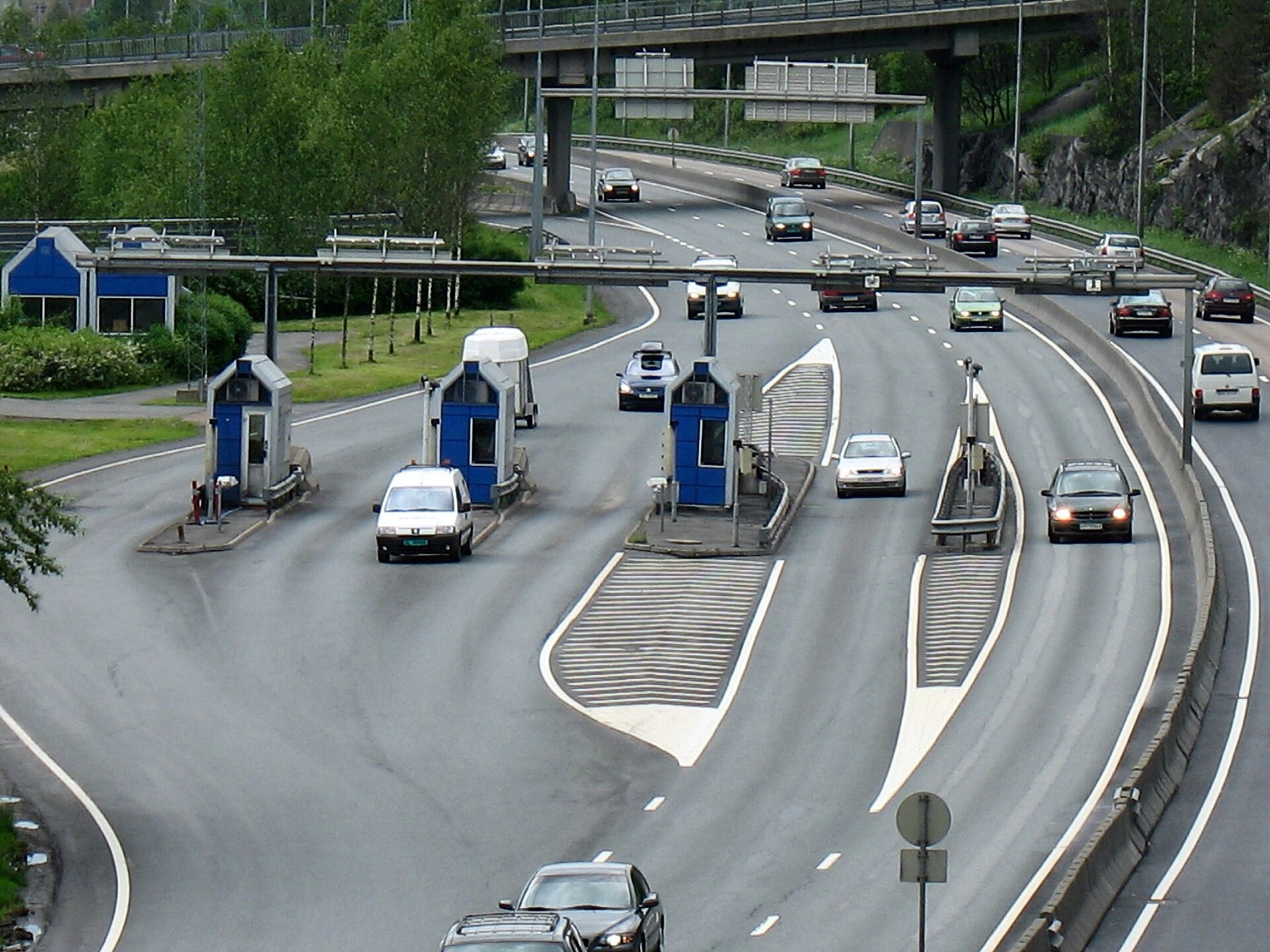
In Norway you won’t find any motorway vignette at all, not even an electronic one like the kind used in Austria or Switzerland. Instead, the country runs a so-called point-based toll system, where you only pay for passing through a specific toll station. These stations are called bomstasjoner in Norwegian, and the charge is known as bompenger.
The whole system is completely automatic, and since the summer of 2020 — when the last booth at the Atlanterhavstunnelen was finally closed — there isn’t a single staffed payment point left in the country. This means that you don’t stop or slow down when passing a gate; you simply glide under the gantry with its cameras. The system reliably records you either via an electronic tag behind your windscreen or by simply photographing your licence plate.
Tolls typically apply to the city cordons around major hubs like Oslo, Bergen or Trondheim, as well as newly built stretches of motorway, long undersea tunnels and some significant bridges. Interestingly, once a particular infrastructure project has been paid off through the collected tolls, the charge is usually scrapped. The famous Atlantic Road, the tunnel near Kristiansund and the Ryaforbindelsen toll near Tromsø are all completely free to drive today. If you head out on a motorcycle, you have a huge advantage, because single-track vehicles pay no road tolls in Norway at all.
💡 Tip: You can find a map of all current toll stations on the official autopass.no website, but in practice you don’t need to study it at all — outside the big cities, toll sections are practically impossible to avoid.

2. What Happens With a Foreign Car and How Epass24 Works
If you get in your car, head to Norway and arrange absolutely nothing in advance, you’re not breaking any law. The cameras on the toll gates simply photograph your licence plate, and the system operator passes this data to Epass24, which is the official billing partner for foreign vehicles.
This Swedish company traces the vehicle owner in international databases and mails you a paper invoice by regular post to the address on your registration documents. The bill typically arrives one to three months after you get home. The downside of this passive approach is that a rather annoying owner-tracing fee is added to the toll itself — up to around ten euros for every invoice issued.
That’s why I definitely recommend the register-in-advance option, which is very simple and takes just a few minutes. On epass24.com you create a free account, enter your plate and email address, and link the profile to a payment card. This way you completely avoid the tracing fees, your receipts arrive neatly by email, and the amount is deducted automatically. What’s more, if you have an electric car or a hybrid, you can upload your vehicle’s emissions data here, which is absolutely crucial for getting the correct eco rate. That way you don’t have to worry about a paper letter getting lost in the post and racking up a huge penalty.
💡 Tip: When registering with Epass24, be extremely careful about typos in your licence plate or choosing the wrong country of registration. If the system doesn’t match your car, you’ll get a paper invoice with the surcharge anyway.
3. The AutoPASS Tag: Who It Makes Sense For and How to Get It
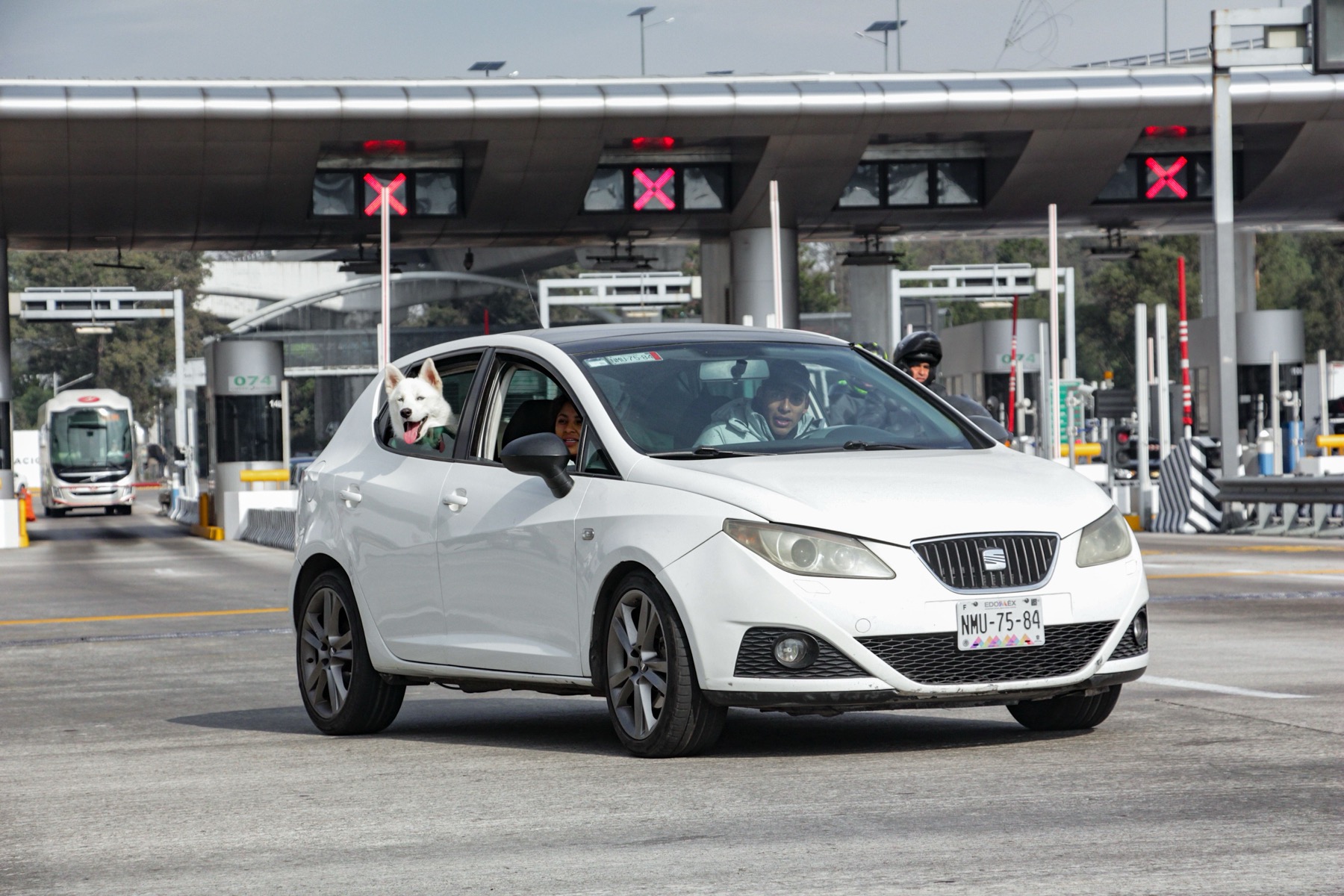
Besides photographing plates, Norway has a second layer to the system — the AutoPASS tag, commonly called a bombrikke in Norwegian. It’s a small electronic box that you stick behind your windscreen, and the toll gates read it from a distance. If you have a valid contract with one of the tag issuers, you automatically get a twenty-percent discount on every passage through a toll station.
It sounds great, but for the average tourist with a petrol car heading north for two weeks, the tag often isn’t worth the hassle. You have to pay a refundable deposit of around 200 NOK, and physical delivery of the tag by post abroad takes two to four weeks. A typical road trip around the fjords generates tolls of roughly a thousand Norwegian kroner, so the discount would give you back around two hundred kroner — which, for a lot of people, simply isn’t worth the admin.
On the other hand, the tag clearly pays off for three groups of travellers. First, owners of electric cars, because at many tunnels you won’t get the eco discount without a tag. Second, drivers of motorhomes over three and a half tonnes, for whom the tag is a lifesaver against astronomical fees. And third, people who visit Scandinavia repeatedly or for longer periods. The Norwegian tag can also be very easily linked to paying on the big Danish and Swedish bridges, such as the famous Øresund.
💡 Tip: If you do decide to get a tag, the best-rated provider with no monthly fees in 2026 is SkyttelPASS, through which you can easily order the box online.

4. A Rental Car in Norway and Toll Re-billing
If you fly to Oslo or Bergen and rent a car on arrival, the rules of the game change slightly. You can’t set up your own Epass24 contract for a Norwegian rental plate, because the car is already registered in the system. Most rental cars come with a local AutoPASS tag already stuck on, which dutifully logs all your passages during your holiday.
In this case the toll is charged directly to the rental company, which then re-bills it and charges it to your credit card afterwards. So don’t be alarmed if a charge of a few dozen euros hits your card even a month after you’ve handed the keys back. Rental companies very often add a small handling fee for processing the invoice, running to a few dozen Norwegian kroner per rental day. Large motorhome rental companies, for example, sometimes charge a flat-rate toll package upfront.
Definitely don’t try to pay the fees in cash at petrol stations or hunt for some kind of terminal — with a rental car there’s simply no way around the system. Before picking up the vehicle, just carefully check the terms for how high a toll-processing handling fee the particular company charges, so you’re not surprised once you get home.
💡 Tip: Keep your trip itinerary for at least two months after you get home. When the rental company later charges you for tolls, you can use your day-by-day breakdown to check they’ve billed you only for your own passages and not another customer’s.

5. Motorhomes Over 3.5 Tonnes Need to Pay Attention
This is by far the most important point for all campervanners and owners of big conversions. The Norwegian toll system strictly divides vehicles into two rate groups: group one, up to three and a half tonnes, pays the standard prices. Meanwhile, group two, for heavier vehicles, pays roughly two to three times as much.
For example, driving through the undersea Ryfast tunnel costs a regular car 119 NOK, but a vehicle over the set limit pays an incredible 357 NOK for a single trip. If you have a large motorhome weighing over three and a half tonnes, you’re facing these astronomical fees at every camera. There is, however, one very important exception. A heavy motorhome with category M1 in its registration documents falls into the cheap passenger-car group.
But there’s a big catch: you only get this benefit if you have a valid contract and a fitted AutoPASS tag. Without the box behind your windscreen, the system judges your plate by weight and charges everything at the crushing truck rates. So for heavier motorhomes, getting a tag is an absolute must that can save you huge sums on a single holiday. On top of that, for vehicles over three and a half tonnes in purely commercial operation, the tag is legally mandatory, and its absence carries a hefty on-the-spot fine of 8,000 NOK.
💡 Tip: When applying for an AutoPASS tag for a heavy motorhome, don’t forget to carefully upload a scan of your registration documents. The Norwegian side must clearly see that it really is a category M1 motorhome, so they set the correct, cheaper tariff.
6. Electric Cars No Longer Drive for Free (2026 Rates)
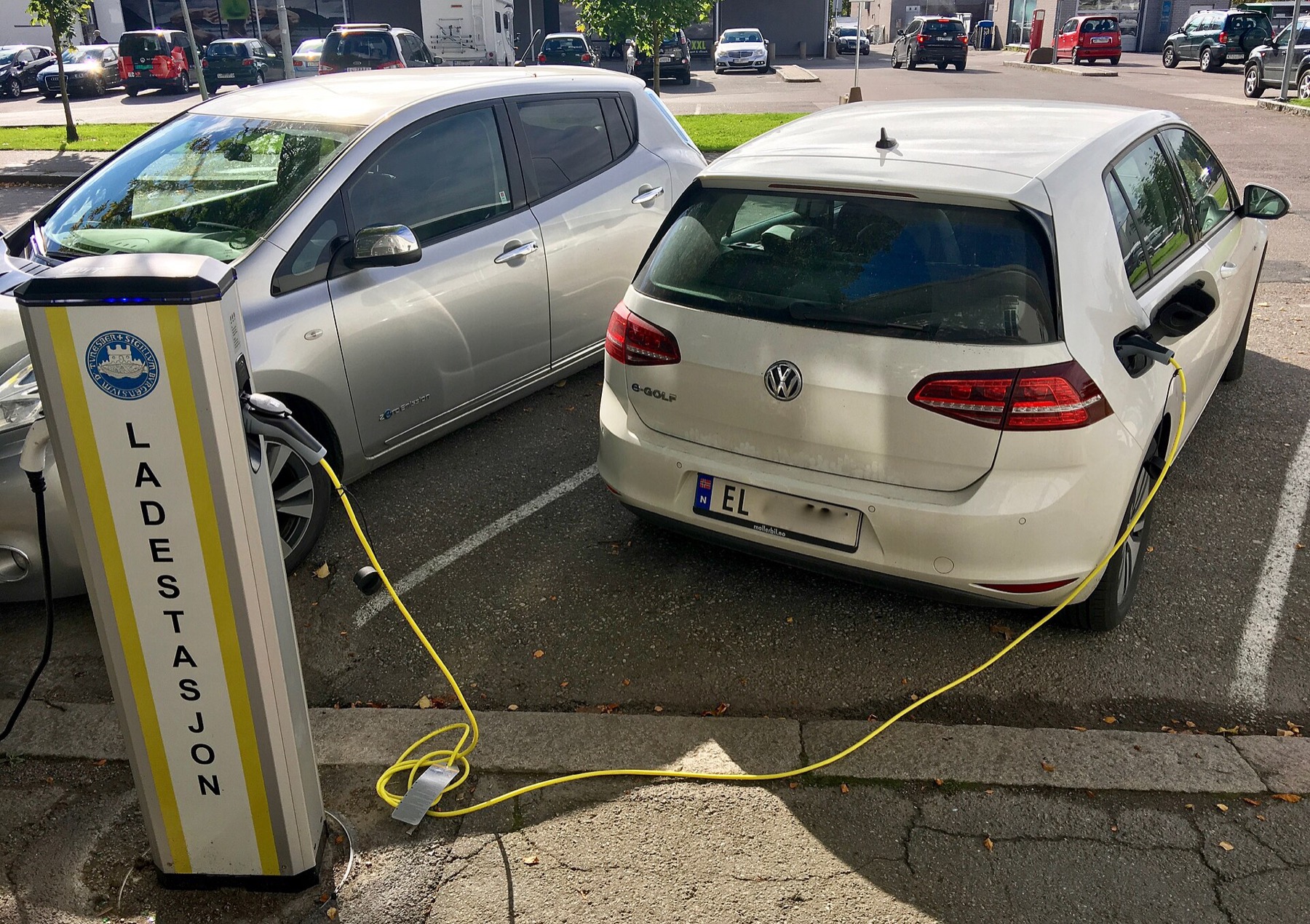
For many years Norway was the promised land for electric cars, where you paid no tolls and parking was almost free. But that lovely era is now definitively over, and in 2026 the system is set up much more strictly. The basic nationwide rule states that zero-emission cars pay a maximum of seventy percent of the rate for a regular petrol vehicle.
The actual size of the discount then varies by region and project. In the toll cordon around Oslo an electric car pays roughly half the standard price, in Trondheim the discount is thirty percent, and in Bergen there was a fairly dramatic jump in eco tariffs this spring. The crucial catch, though, is that at a whole range of toll gates you only get the electric-car discount with a valid AutoPASS tag.
This applies especially to the extensive projects run by the Ferde company in the southwest of the country. If you arrive in an electric car on a foreign plate and don’t have a tag with you, you’ll pay the full 119 NOK to pass through the aforementioned Ryfast tunnel, whereas with a tag it would be just 66.64 NOK. So if you’re heading north in an electric car, definitely sort out a tag well in advance to avoid overpaying needlessly.
💡 Tip: Norway’s charging network is second to none, and you’ll find fast chargers even at very remote fjords. Fast-charging prices in 2026 run to around five to eight Norwegian kroner per kilowatt-hour, so driving on electricity works out financially similar to running on petrol. The main saving lies precisely in the lower tolls and discounted ferries.
7. Speed Limits and Draconian Fines
Whereas in central Europe we’re used to 130 km/h on motorways and cameras with a bit of tolerance, in Norway you’ll have to slow down significantly, in every sense of the word. The general speed limit is 50 km/h in built-up areas and 80 km/h outside them. On better roads you’ll most often come across 90 km/h, and the absolute nationwide maximum is 110 km/h, which only applies on a few selected motorway stretches around Oslo.
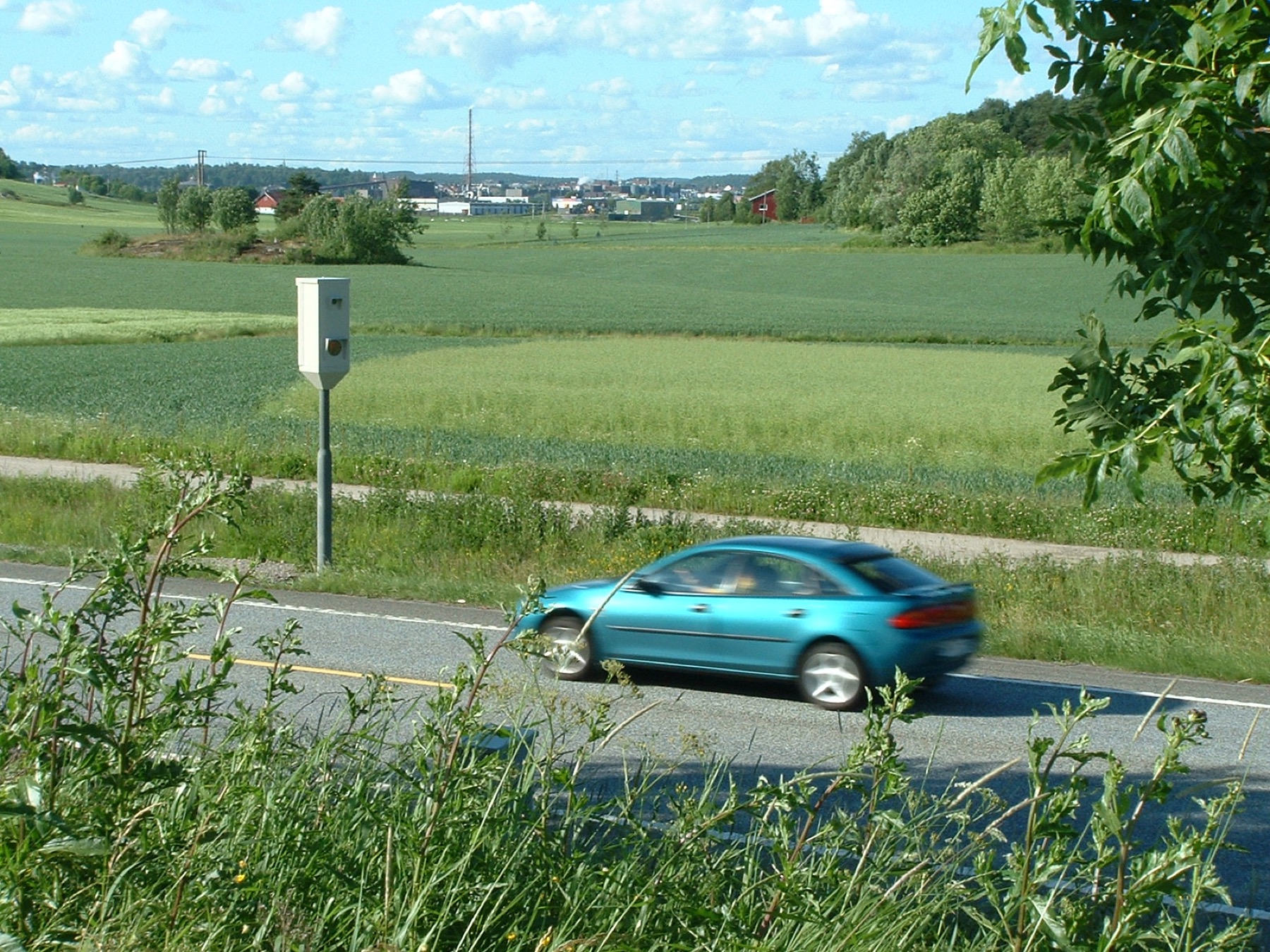
Norwegian cameras have a tolerance of just three kilometres per hour, and fines rose again to astronomical heights in February 2026. If you do 130 km/h in that 110 zone, get ready for a fine of over €830, which is exactly 10,100 NOK. Exceeding the limit by twenty kilometres per hour on an ordinary road will cost you 7,450 NOK, and at higher speeds you lose your driving licence on the spot.
Besides the classic fixed cameras, which are always signposted in advance, watch out big time for so-called average-speed cameras. The cameras photograph you at the start and end of a section and reliably calculate your average speed. This system is deployed massively, especially in long undersea tunnels, where it’s tempting to put your foot down, and dozens of new monitored sections are added every year.
💡 Tip: Set your cruise control exactly to the posted limit and don’t try to blend in with the supposed crowd. Norwegian fines are actively enforced across borders, and the police may want you to pay a hefty sum by card right on the spot.

8. Zero Tolerance for Alcohol and Mandatory Headlights
One beer at lunch and then behind the wheel? That simply doesn’t fly in Norway, and the looming fines will convince you faster than any lecture. The legal blood-alcohol limit is just 0.2 per mille, which in practice means absolute zero tolerance. The penalties for drink-driving are among the harshest in all of Europe, and the local courts really don’t cut anyone any slack.
If a reading over half a per mille is recorded, the standard fine is set at one and a half times your gross monthly salary, on top of which comes an automatic driving ban, and at higher readings even an unconditional prison sentence. Locals take it extremely seriously, and driving even after a single glass of wine is socially completely unacceptable here.
Another key peculiarity is the requirement to use dipped headlights all day, even at high noon in the middle of the polar day, when the sun in the north doesn’t set at all. Your mandatory equipment must include a warning triangle and a reflective vest kept within the driver’s reach at all times. If you head into the mountains outside the main summer season, remember that while winter tyres for passenger cars aren’t formally tied to the calendar, there’s a strict requirement for adequate grip. In Nordic conditions, that means a tread depth of at least three millimetres.
💡 Tip: In mountain areas you’ll very often come across signs warning of wildlife. Take them completely seriously — a collision with a huge moose or a herd of reindeer wandering across the road is a very real and dangerous risk up north.
9. Ferries as Part of the AutoPASS System
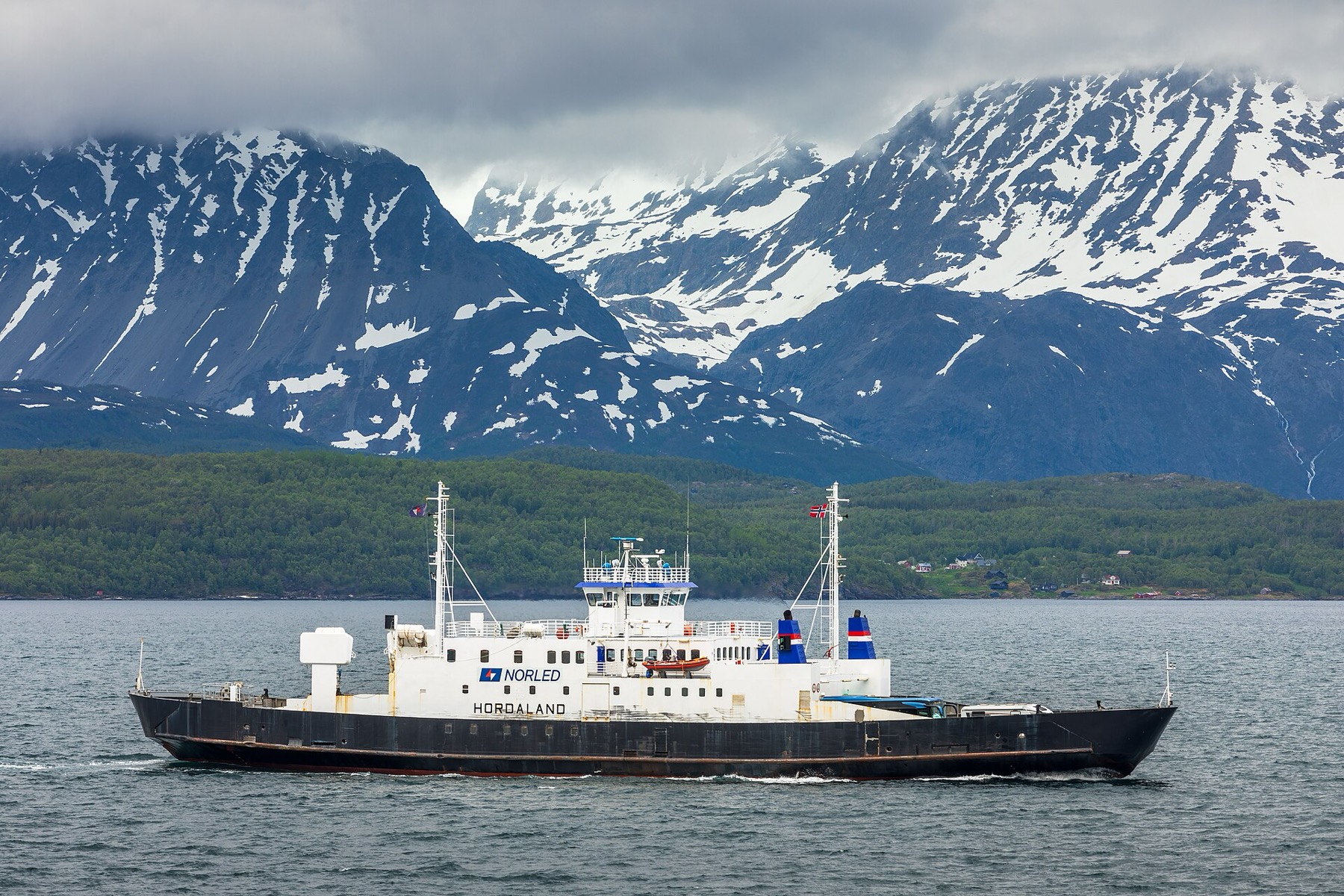
When travelling along the stunning west coast full of deep fjords, you won’t avoid domestic ferries, which function as a natural part of the Norwegian road network. Just like on the roads, here too a fully automatic system called AutoPASS-ferje reigns. As you drive on board, the cameras again photograph your licence plate or read your tag, and you no longer buy a paper ticket in advance.
The ferry price depends solely on the length of your vehicle and rises very sharply. While a passenger car or smaller van up to six metres pays the base rate, for an eight-metre motorhome you can easily pay more than double. If you’ve set up an AutoPASS tag, you get an automatic ten-percent discount on ferries.
If you’ve got a lot of crossings ahead of you, though, you can set up a special prepaid account. For vehicles up to eight metres you send a deposit of 2,200 NOK and then travel on all domestic ferries with a huge fifty-percent discount. For electric cars, this discount even stacks with the eco tariff, so crossing the water costs you next to nothing. Any unused balance is refunded to your account without the slightest problem after your holiday.
💡 Tip: Foot passengers travel completely free on these short fjord ferries in Norway. You pay solely for the space that the motor vehicle itself takes up on board.

10. The Most Common Tourist Mistakes That Cost Money
On travel forums, the same stories keep coming up from people who paid the price for not knowing the Nordic rules. The most common and most expensive mistake is ignoring the invoice from Epass24. The letter can take a good three months to arrive from abroad, it looks like some strange Swedish spam, so people simply throw it out. What follows is a stern reminder with a hefty fee, and then the debt is handed over to an international collection agency, which can quickly turn an original 800 NOK into thousands.
Another big trap is peak-hour tolls in the major cities. The cordons around Oslo, Bergen and Trondheim have different rates for normal traffic and for the morning and afternoon rush hours. If you arrive in central Bergen at eight on a Tuesday morning, you’ll pay the maximum possible rate. But if you plan your trip cleverly for the weekend or arrive outside the busy hours, you’ll save significantly.
Drivers also often forget the so-called time rule, timesregelen in Norwegian. This means that if you pass through several toll gates within the same city cordon in a single hour, you only pay for one passage. So there’s no need to panic when three different cameras photograph you in quick succession while you hunt for a parking spot in Oslo.
💡 Tip: An interesting insider fact for summer holidaymakers: in the huge cordon around the capital, Oslo, peak-hour rates don’t apply on weekends, on public holidays, and not for the whole month of July either, when Norwegians take their mass holidays.

Where to Stay Along the Way
If you’re on a long road trip and just need to grab some strategic sleep near the main routes after gruelling hours at the wheel, you’ll definitely appreciate accommodation with guaranteed, secure parking. Finding a spot for your car in the centres of Norwegian cities is often a nightmare that costs a fair bit of money too. So I’ve picked out tips ranging from cheaper options to comfortable hotels, always with easy parking and quick access back onto the main route. Norwegian hotel breakfasts, by the way, are a thing in their own right: expect warm dishes, fish and cheeses, not just a bread roll with jam.
- Thon Hotel Oslo Airport: A great choice if you land late in the evening, pick up a car at Gardermoen airport and want to set off north fresh in the morning. They have a huge car park right by the hotel, and their generous breakfasts are absolutely legendary. The rooms are quiet even for a late arrival, and reception is open around the clock, so touching down at two in the morning won’t throw anyone.
- Citybox Bergen Danmarksplass: A modern and very affordable hotel a short drive from central Bergen, ideal for travellers on a tight budget. A huge plus is the large parking garage right next to the building and fully contactless check-in via a terminal, so you can arrive even late at night without stressing about reception closing.
- Quality Hotel Panorama (Trondheim): A higher standard on the southern approach to Trondheim, right by the key E6 motorway. It’s an absolutely ideal spot for a quick transit, because you won’t have to wander through the city centre at all or pay unnecessary tolls to enter the inner cordons. The hotel offers spacious family rooms, and the upper floors have a beautiful view of the surroundings.
Practical Summary and Guideline Toll Prices for 2026
To give you a better idea of how much Norway’s roads will cost you, here are some concrete examples of toll rates valid for 2026. Exchange rates naturally shift a little, but as a rough guide, reckon that 1 NOK is worth about €0.09.
| City / Section | Regular car (peak) | Electric car (peak) |
|---|---|---|
| :— | :— | :— |
| Oslo (inner cordon) | 47 NOK (~€4) | 26 NOK (~€2.30) |
| Oslo (off-peak) | 38 NOK (~€3.40) | 21 NOK (~€1.90) |
| Bergen (peak) | 64 NOK (~€5.70) | 44 NOK (~€3.90) |
| Trondheim (peak on E6) | 44 NOK (~€3.90) | 30 NOK (~€2.70) |
| Ryfast tunnel (no tag) | 119 NOK (~€10.60) | 119 NOK (~€10.60) |
| Ryfast tunnel (with tag) | 95.20 NOK (~€8.50) | 66.64 NOK (~€5.90) |
A model calculation for a typical road trip: If you set off on a classic 10- to 14-day loop along the Oslo – Bergen – Trondheim – Oslo route, you’ll pass through dozens of gates and enter several city cordons. Foreign travellers with a regular petrol car and no tag will realistically spend between 700 and 1,500 NOK (roughly €65 to €135) on tolls along this route. So it’s not an amount that will ruin your budget — provided you don’t rent a big heavy motorhome and forget to sort out an AutoPASS.
Before you leave, you can calculate your exact route in Norwegian online calculators (for example bompengeappen.no or on the websites of local operators), which will show you the precise price including all current projects and tunnels.
Where to Go Next
- Read our detailed Norway by car: road trip and itinerary, where you’ll find a map and a day-by-day travel plan.
- Heading across the sea? Everything about the boats and prices is in the article Ferry to Norway: routes and prices.
- Travelling with a home on wheels? Check out our special guide Norway by campervan: rules and campsites.
- Curious about the overall budget? We’ve broken it down in How much a holiday in Norway costs.
- Looking for specific places? Browse the article Norway: 50 tips on what to see, or find out how to drive the famous Atlantic Road and Trollstigen route.
Frequently Asked Questions
Do I need to pay for a motorway vignette in Norway?
No, Norway does not use any time-based motorway vignette system in the form of stickers or electronic vignettes. You pay for motorways, roads, tunnels and bridges exclusively through point-based tolls when passing under a specific toll camera. The system automatically charges you only for the section you actually drove through, with no need to stop anywhere.
How do I pay tolls with a foreign car?
By far the easiest option is to register your license plate and payment card on the official Epass24 website before departure. The system will then automatically send you invoices directly to your email and charge your card. If you don’t do this, you’ll receive a paper invoice at home, but it will include an additional fee for tracing the vehicle owner.
What if I ignore the Norwegian invoice?
I definitely don’t recommend trying that, because the Norwegians actively pursue their claims internationally. After an unpaid invoice, you’ll receive a stern reminder with a substantial fee, and the debt is promptly handed over to international collection agencies that pursue it across Europe. What started as an ordinary €40 can very quickly become a truly unpleasant and expensive problem.
How much does the toll cost in Oslo?
Prices in 2026 depend on what time of day you enter the city. A regular petrol car pays 47 NOK when entering the inner ring during peak hours, and 38 NOK off-peak. Great news for summer tourists is that peak-hour surcharges aren’t applied at all on weekends, public holidays and throughout the entire month of July.
Do electric vehicles pay tolls in Norway?
Yes, the golden era of free passage has definitively ended in Norway. Electric vehicles in 2026 typically pay thirty to seventy percent of the regular petrol rate. However, at many toll stations you’ll only get this eco-discount if you have a valid AutoPASS chip registered in your vehicle.
How much is a speeding fine in Norway?
The rates are enormous and radar tolerance is just three kilometres per hour. If you exceed the speed limit on a motorway by twenty kilometres per hour, you’ll pay a fine of 7,450 NOK in 2026, which is more than €600. If you exceed it by thirty-six kilometres per hour on an expressway, it’s already 16,700 NOK, and above this threshold you lose your driving licence on the spot. It definitely pays to drive strictly according to the rules.
Do I need an AutoPASS chip for a private car?
For a regular two-week road trip in a petrol or diesel car, the complicated process of obtaining a chip, paying a deposit and waiting for postal delivery probably isn’t worth it – free registration on the Epass24 portal will work absolutely reliably for you. However, the chip is a necessity for motorhomes over three and a half tonnes, which would otherwise pay astronomical freight rates, and it’s also highly recommended for electric vehicles to claim eco-discounts at individual toll stations.
Tips and Tricks for Your Vacation
Don’t Overpay for Flights
Search for flights on Kayak. It’s our favorite search engine because it scans the websites of all airlines and always finds the cheapest connection.
Book Your Accommodation Smartly
The best experiences we’ve had when looking for accommodation (from Alaska to Morocco) are with Booking.com, where hotels, apartments, and entire houses are usually the cheapest and most widely available.
 🚗 Car rental on the roadVerified rental cars in Norway
Search with the DiscoverCars comparison engine — it compares prices from dozens of local and international rental companies, and most bookings come with free cancellation.
Compare car prices in Norway →Don’t Forget Travel Insurance
Good travel insurance will protect you against illness, accidents, theft, or flight cancellations. We’ve had a few hospital visits abroad, so we know how important it is to have proper insurance arranged.
Where we insure ourselves: SafetyWing (simple monthly subscription) and TrueTraveller (for extra-long trips).
Find the Best Experiences
Get Your Guide is a huge online marketplace where you can book guided walks, trips, skip-the-line tickets, tours, and much more. We always find some extra fun there!