You are standing on the edge of a huge crater, feeling the warmth of the earth beneath your feet while the air smells of sulfur. In front of you stretches a landscape that looks like another planet: black lava, steaming fissures, and not a tree in sight. Then you look down into Halemaʻumaʻu Crater and realize you are looking straight into the throat of one of the world’s most active volcanoes. 🌋
That is exactly what the first day in Hawaiʻi Volcanoes National Park on the Big Island feels like. And honestly, no guidebook or Instagram photo can prepare you for it. This is a place where you can literally watch new land being born. The planet’s crust is not some abstract term from a geography textbook here. It is right under your feet, hot and alive.
Set aside two full days for the park and you still will not want to leave. Hawaiʻi Volcanoes National Park is much more than “look at a volcano and move on.” You will find rainforest, lava caves, trails across solidified lava fields, ancient Hawaiian petroglyphs, and, with a little luck, glowing lava. In this article, I’m sharing 15 tips for things to see and do in Hawaiʻi Volcanoes National Park, along with advice on when to go, where to stay, what it costs, and how to make the most of the park even if you only have one day.
A summary for anyone who doesn’t have time to read the whole article
- Hawaiʻi Volcanoes National Park lies in the southeast of the Big Island (Hawaiʻi) and is home to two active volcanoes: Kīlauea and Mauna Loa.
- Admission is $30 per car (valid for 7 days), or free with the America the Beautiful Pass ($80 per year for all US national parks).
- The park is open 24/7, 365 days a year. At night, it has an extra-magical atmosphere because you may see the crater’s red glow.
- The best time to visit is April to June or September to November, when there are fewer visitors and the weather is pleasant.
- Plan at least one full day, ideally two. There is more to see than it might seem at first.
- Kīlauea Iki Trail is probably the best hike in the park: you walk through rainforest and then descend directly into a crater.
- Allow at least 2–3 hours for Chain of Craters Road (driving there and back plus stops).
- Thurston Lava Tube is a short but fascinating walk through a lava cave, ideal for families too.
- Accommodation is easiest to find in Volcano Village right by the park or in Hilo (45 minutes by car).
- Bring a jacket and raincoat: the park sits at around 1,200 m and it often rains.
The full destination guide: USA Travel Guide — guide and what to see
When to visit Hawaiʻi Volcanoes National Park and how to get there
Before getting to the actual tips, let’s clarify a few practical details: when to visit, how to reach the park, and what to bring. This information will save you a lot of stress once you arrive.
The best time to visit
You can visit Hawaiʻi Volcanoes National Park year-round; it never closes. The weather here is quite different from the rest of Hawaiʻi, though. The park lies around 1,200 metres above sea level, so temperatures range from 15–22 °C (yes, you can actually feel cold in Hawaiʻi 😅). It is also fairly damp and often rainy, especially around Kīlauea, where the rainforest thrives on constant moisture.
The best months are April–June and September–November. These periods bring fewer tourists, a lower chance of rain, and more comfortable temperatures. July and August, as well as the Christmas holidays, are the busiest times; queues form especially at popular spots such as Thurston Lava Tube and the Jaggar Museum overlook.
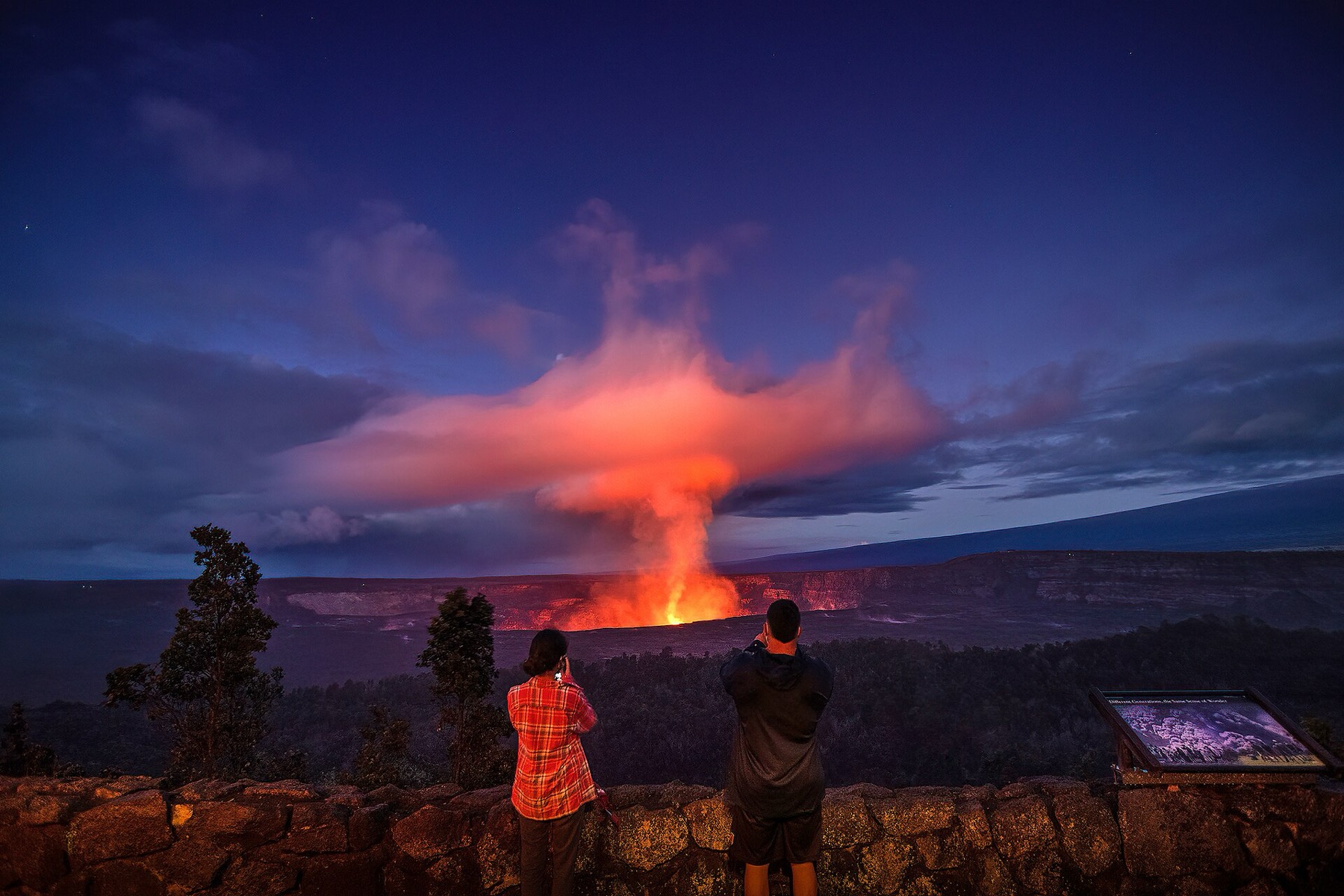
One thing always applies: stay until evening or come at night. If Kīlauea is active and lava is visible in the crater, you will see a red glow after dark reflected in the clouds and crater walls. It is absolutely hypnotic and the kind of experience that brings people back again and again.
How to get to the park
The park is on the southeastern coast of the Big Island, approximately 45 minutes by car from Hilo and about 2.5 hours from Kailua-Kona on the west coast. If you fly to the Big Island, there are two airports: Hilo (ITO) is closer, while Kona (KOA) is more popular and has more connections.
A car is practically essential. Public transportation does exist on the Big Island (the Hele-On Bus), but services are infrequent and inconvenient for visiting the park. Compare rental companies in one place through RentalCars. Book as early as possible in Hawaiʻi, because cars can be scarce and prices rise sharply during the high season.
If you are flying from the US mainland or Europe, search for cheap flights on Kiwi, our favorite flight-search portal. Common connecting points include Los Angeles, San Francisco, and Seattle. And if Hawaiʻi appeals to you more broadly, take a look at our Maui guide, packed with more tips.
What to bring
This matters because the park surprises many people. You arrive from the beach in Kona wearing shorts and flip-flops, then suddenly find yourself in mist and 15-degree temperatures. I recommend bringing:
- A jacket or sweatshirt: mornings and evenings are genuinely chilly
- A raincoat: rain is frequent and unpredictable
- Sturdy shoes: you will not get far across lava fields in flip-flops (for longer hikes, proper hiking boots are useful)
- Plenty of water and snacks: there is only one restaurant and one small shop in the park
- A flashlight or headlamp: for evening crater viewing and possibly Thurston Lava Tube (part of the cave is unlit)
- Sunscreen: even when it is cloudy, UV radiation is strong at this elevation
Where to stay and how much a visit to Hawaiʻi Volcanoes National Park costs
Let’s look at how much your park visit will cost and where to spend the night. Hawaiʻi is not exactly easy on the wallet in general, but with some planning you can keep things reasonable.
Park admission
Admission is $30 per private vehicle, covering everyone inside and valid for 7 days. Walk-in visitors and cyclists pay $15 per person. If you plan to visit several US national parks (and you should—here is our list of the most beautiful places in the USA), buy the $80 America the Beautiful Annual Pass. It pays for itself by your third national park visit.
Where to stay
You essentially have three options:
1. Volcano Village: a tiny town just 5 minutes from the park entrance. This is our number-one choice. You will find B&Bs, smaller hotels, and plenty of Airbnb rentals in charming wooden cottages surrounded by rainforest. The atmosphere is magical. You wake to birdsong and mist drifting between the trees. Prices range from around $120–250 per night.
2. Hilo: the largest town on the eastern side of the island, 45 minutes from the park. It is more affordable and has more restaurants and shops. Hilo feels like a more “real” Hawaiian town—less touristy and rainier, but with a wonderful atmosphere. Accommodation ranges from $80 per night in a motel to $200+ in better hotels.
3. Kona / the west coast: if you stay on the west side, which is popular for beaches and resort hotels, the park is 2–2.5 hours away. You can manage it as a day trip, but you will miss evening crater viewing, which would be a shame.
Specific tips for Volcano Village and the surrounding area: the closest place to the crater is the historic Volcano House inside the park. Its rooms overlooking the Kīlauea caldera sell out months in advance. In the village, Kilauea Lodge, with its renowned restaurant, is an excellent choice, as are the romantic bungalows at Volcano Village Lodge, hidden in the rainforest.
In Hilo, the best-located option is Grand Naniloa Hotel right by Hilo Bay. A cheaper classic next door is Hilo Hawaiian Hotel, with ocean views.
How much do two days in the park cost for two people?
An approximate two-day budget for two people:
- Admission: $30 (one car, valid for 7 days)
- Accommodation (2 nights, Volcano Village): $250–500
- Car rental (2 days): $80–150
- Gas: $20–30
- Food (2 days): $80–120
- Total: approximately $460–830 for two people
15 things to see and do in Hawaiʻi Volcanoes National Park
Now for the most important part: what should you actually see and do in the park? I have put together 15 tips, from the “must-see” stops you should not miss to lesser-known places most visitors never reach. They are roughly arranged in the order I would recommend exploring the park: starting around Kīlauea and continuing onward.
1. Kīlauea Visitor Center: start here
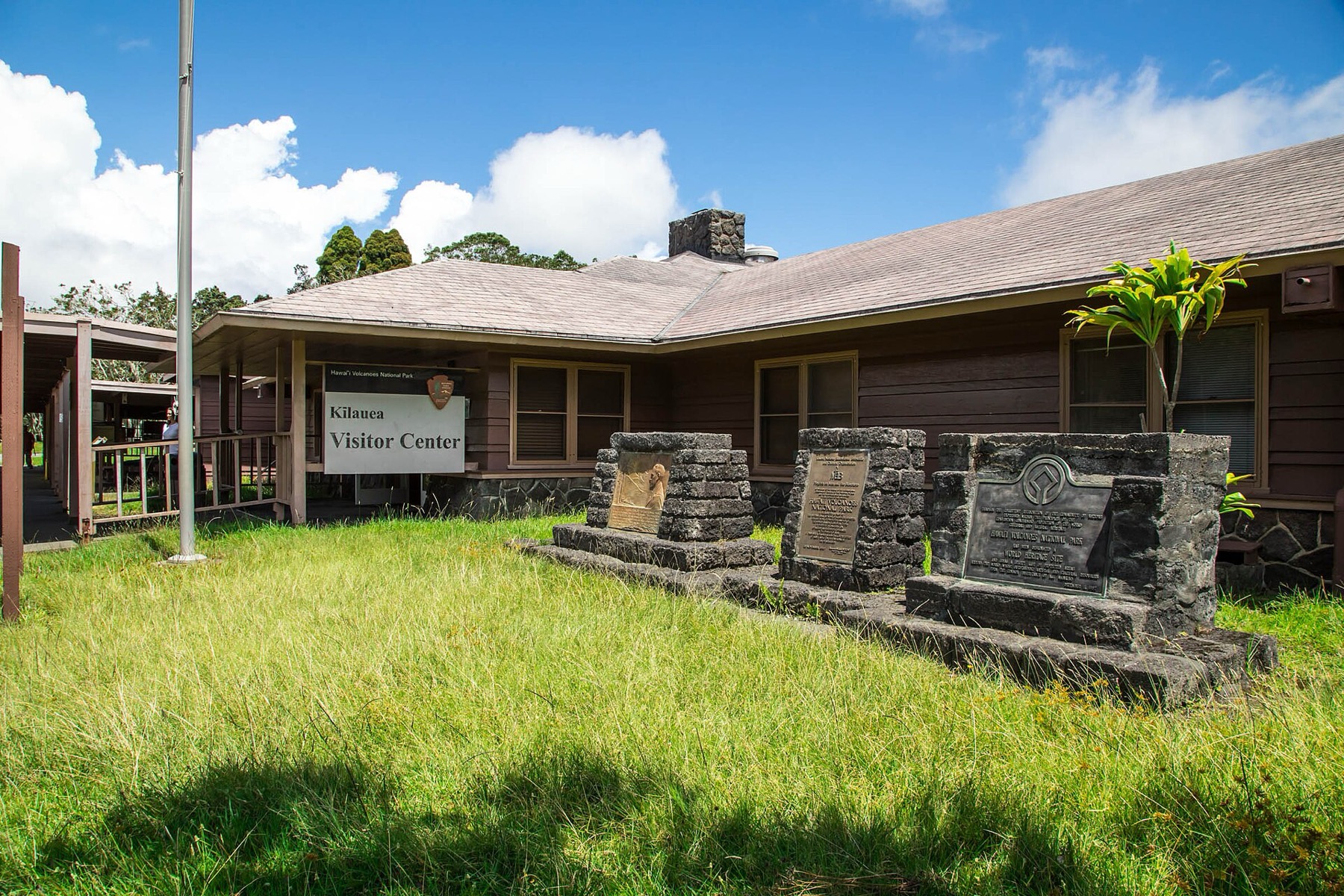
Whether you have an hour or two days in the park, your first stop should always be the Visitor Center just inside the main entrance. Rangers have the latest information about open trails, possible volcanic activity, and road conditions.
Inside, you will find a small but excellent museum with interactive exhibits about geology, Hawaiian mythology, and eruption history. A short documentary about the park is shown every 15 minutes. I recommend watching it—it gives you useful context for everything you see afterward.
The rangers are incredibly friendly and helpful. Do not hesitate to ask about anything, from the best hiking trails to whether lava can be seen anywhere. This is where you get the freshest information, the kind no website or guidebook can provide.
2. Steam Vents and Steaming Bluff: the earth breathing
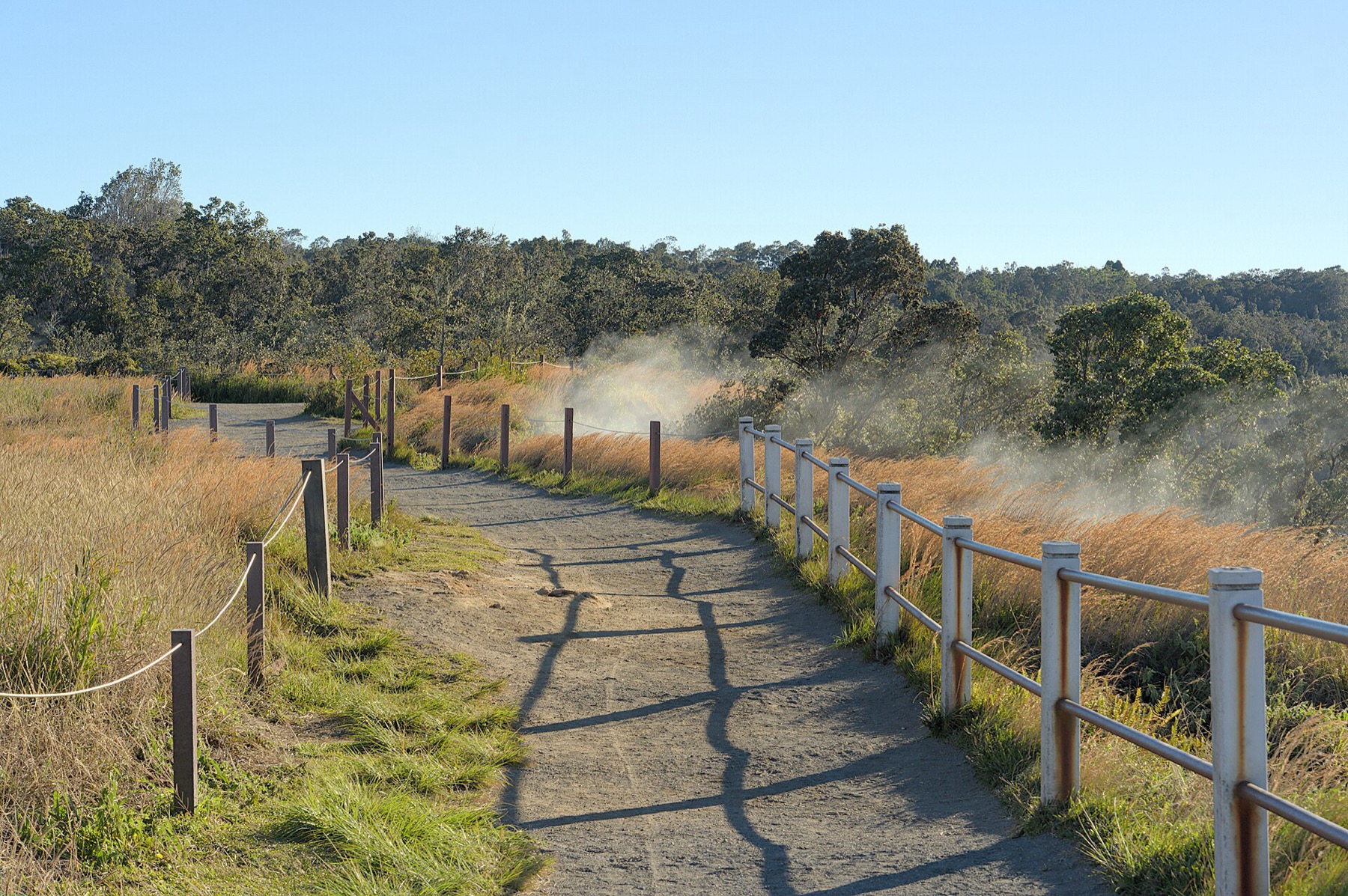
Just a few minutes by car from the Visitor Center, you will reach Steam Vents, where hot steam rises from cracks in the ground. You park right by the road, get out, and find yourself surrounded by steam, as if in some supernatural bathhouse. It feels unreal. You realize how thin the layer of rock is between you and the Earth’s molten interior.
From here, continue along the short path to Steaming Bluff, which offers a beautiful view of the Kīlauea caldera. In the right conditions—cool mornings or after rain—there is so much steam that you feel as if you are in a Turkish hammam in the middle of a lava field. 😅
It is a quick stop (15–20 minutes is enough), but an unforgettable one. It is also free and requires no special equipment.
3. Halemaʻumaʻu Crater: the heart of Kīlauea
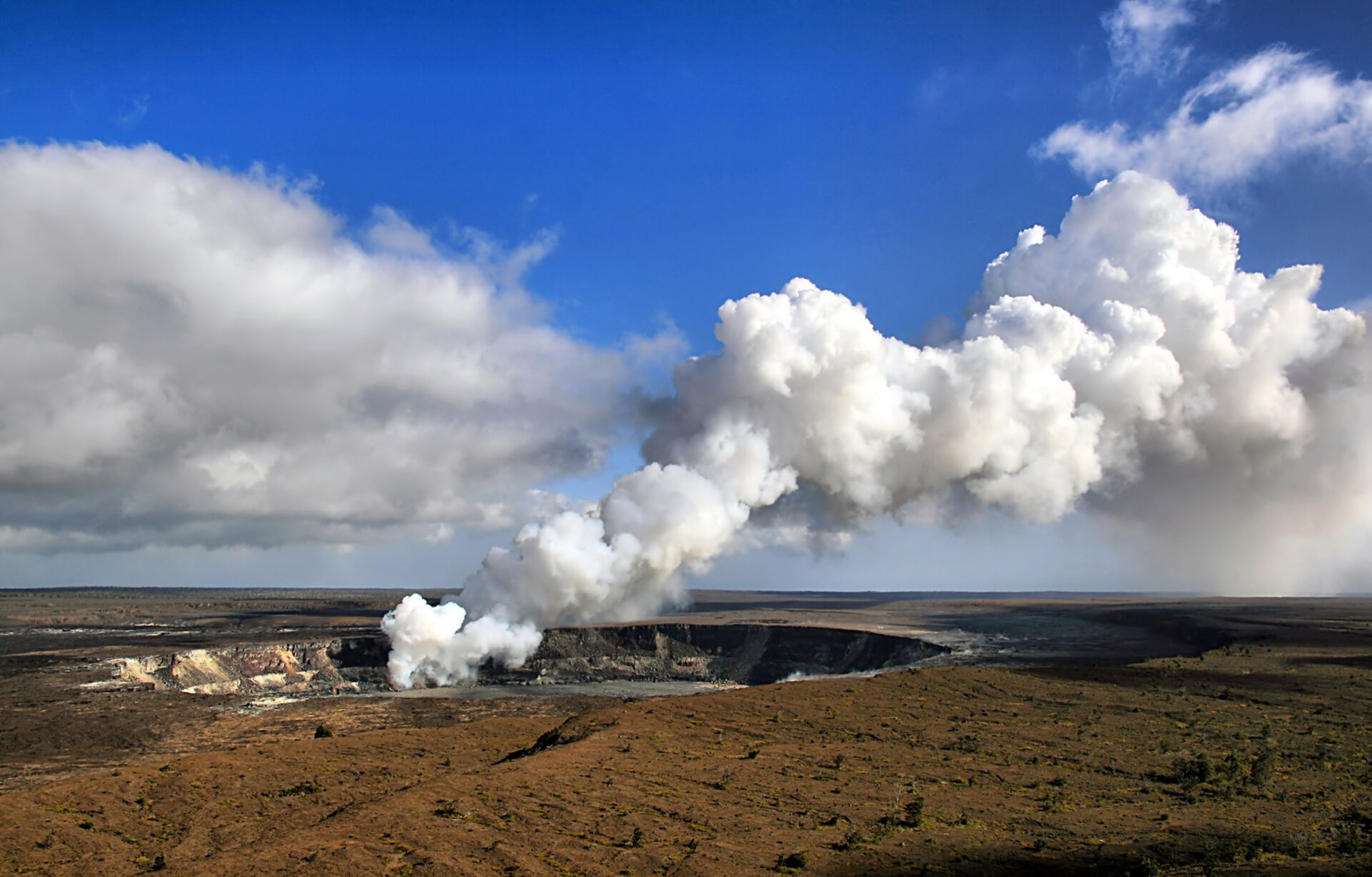
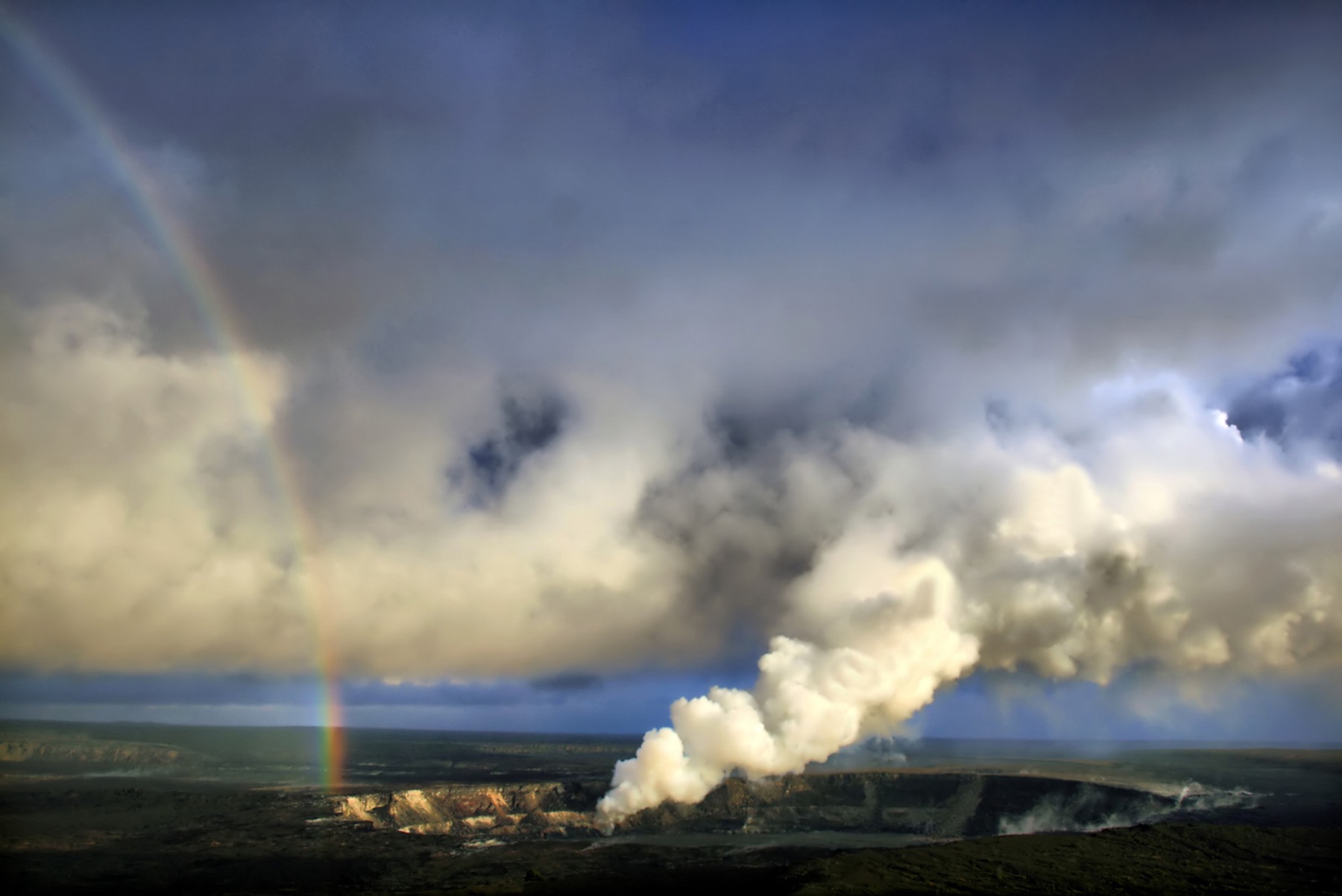
This is the stop. The main reason people come here. Halemaʻumaʻu Crater is a huge crater inside an even larger crater—the Kīlauea caldera—and it is where the most dramatic eruptions of recent years have taken place.
In Hawaiian mythology, Halemaʻumaʻu is the home of Pele, goddess of fire, lava, and volcanoes. It is a sacred place in Hawaiian culture, and you can feel that respect there. You may see people leaving offerings—flowers or fruit—at the crater’s edge.
The best views are from several overlooks along the Crater Rim Trail. During the day, you will see a huge crater with a steaming floor and walls in every shade of ochre, gray, and black. The moment that makes staying late worthwhile comes at night: the red glow of the lava reflects off the clouds above the crater. It is hypnotic, and you will not experience anything quite like it anywhere else in the world.
Important: Volcanic activity changes constantly. Kīlauea had a major eruption in 2018 and further active phases from 2020 to 2023; conditions can change at any time. Always check the current status on the NPS website or with the rangers.
4. Kīlauea Iki Trail: the best hike in the park
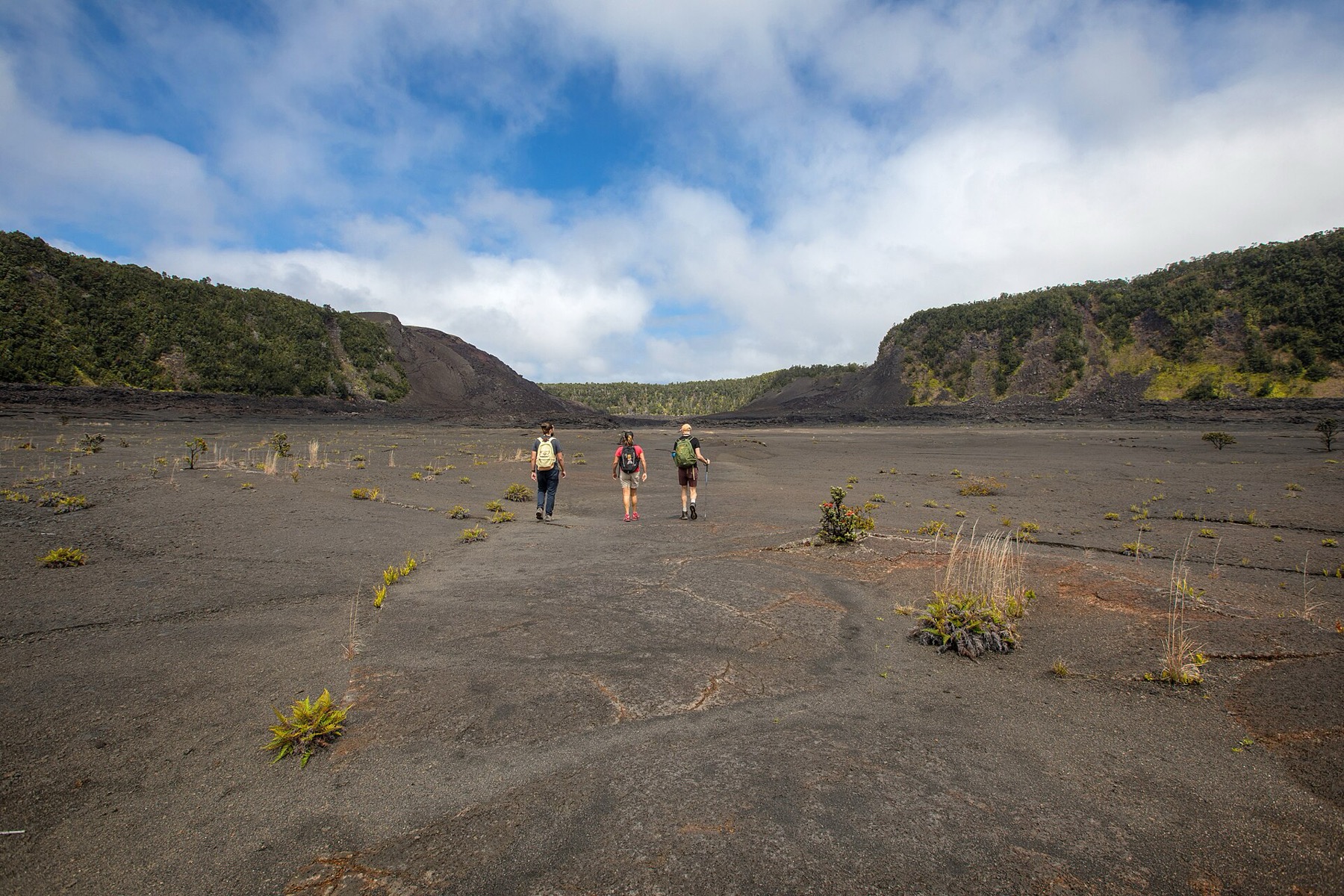
If you have time for only one hike, make it Kīlauea Iki Trail. Visitors consider it one of the most beautiful trails not only in this park, but perhaps in all of Hawaiʻi. The loop is approximately 6.4 km and takes 2–3 hours.
The trail begins in rainforest, with huge ferns, flowering ʻōhiʻa trees, and birdsong. It is so lush and green that you feel as though you are in Jurassic Park. Then the forest suddenly ends, you descend a steep trail, and find yourself on the crater floor: a flat black expanse of solidified lava with steam rising here and there. The contrast is incredible—you walk straight from a forest full of life into a lunar landscape.
The trail crosses the crater floor formed during the 1959 eruption. In places, the lava is still warm beneath the surface. Yes, you can actually feel the heat through the soles of your shoes.
Tip: Set out in the morning, ideally around 8:00, when there are fewer people and the air is fresh. The trail is moderately challenging, so you need good shoes and plenty of water. There is no shade on the lava.
5. Thurston Lava Tube (Nāhuku): a walk inside the volcano
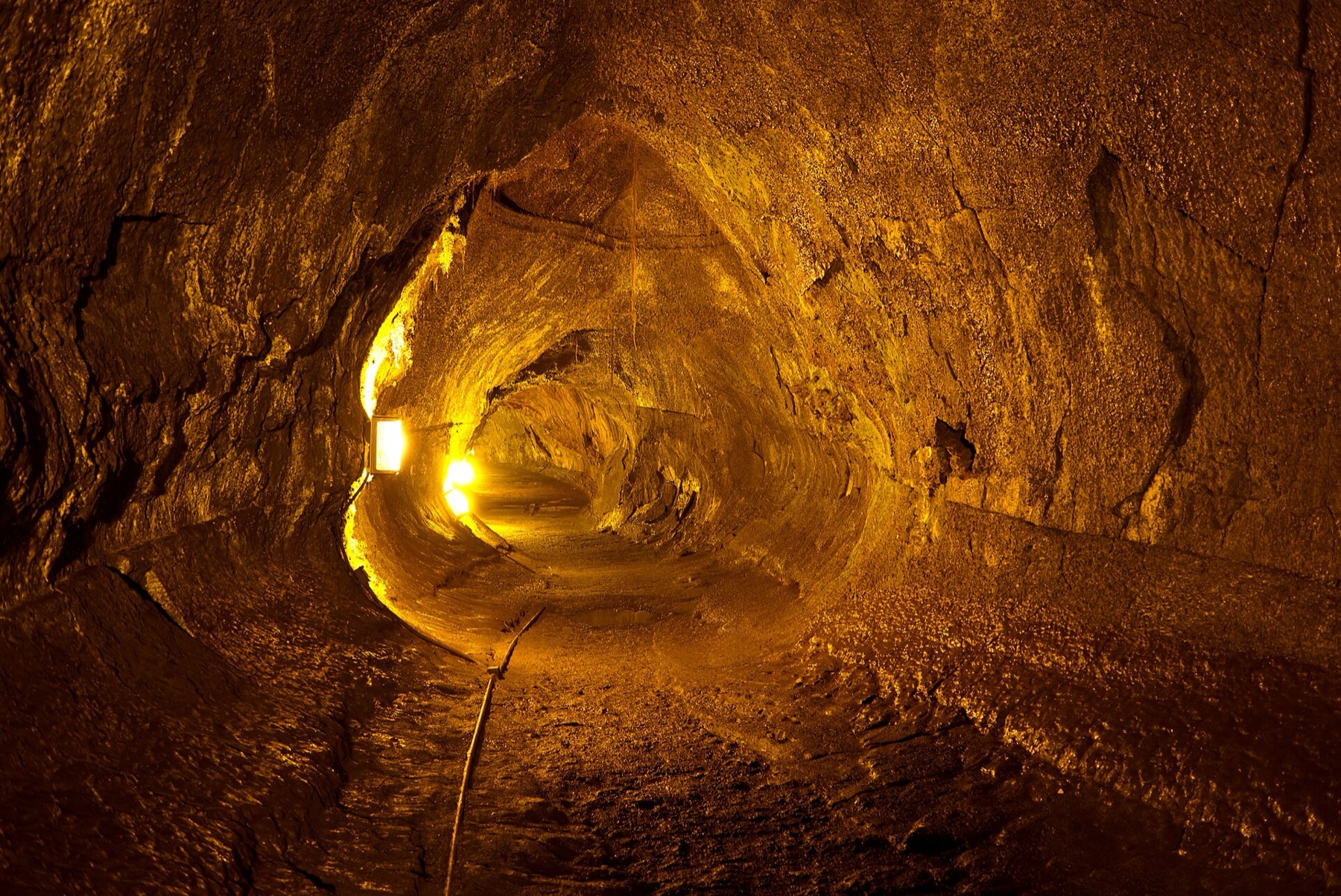
Thurston Lava Tube is one of the park’s most popular attractions, and for good reason. It is a lava cave—a tunnel formed when the surface of a lava flow cooled while lava continued flowing inside, eventually draining away and leaving a hollow space.
The entire walk takes about 20–30 minutes. First you pass through a beautiful rainforest—dense, green, and wet, a completely different world from the lava fields just minutes away—and then enter the cave. The main part of the tunnel is lit and has a paved walkway, making it an easy walk suitable for families with children and strollers.
For adventurers: Beyond the illuminated section, the tunnel continues into an unlit area that you can explore with a flashlight. It is longer, darker, and much more atmospheric. I definitely recommend a headlamp!
Thurston Lava Tube gets very busy, so if you dislike crowds, arrive early in the morning or late in the afternoon.
6. Devastation Trail: a walk through the apocalypse
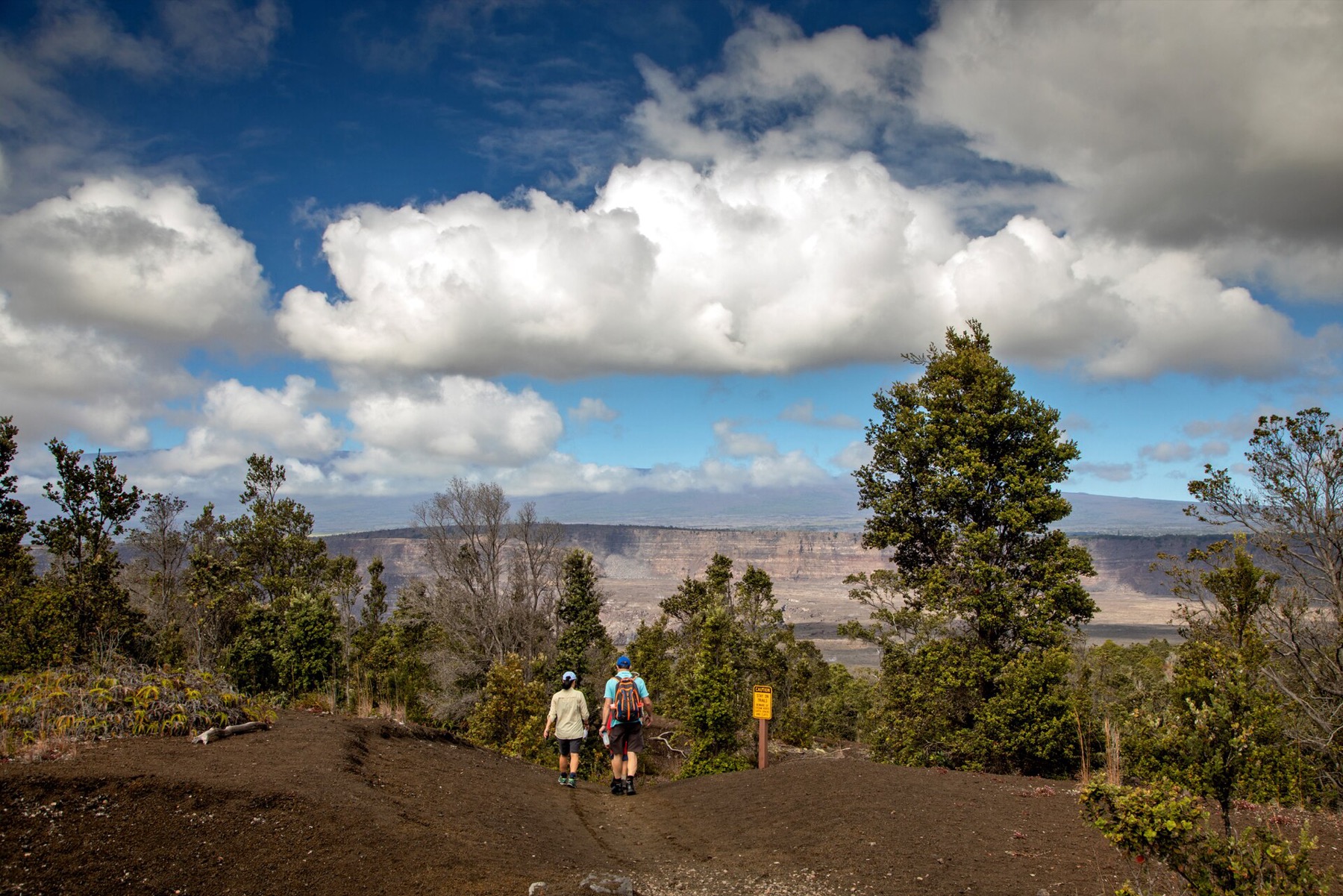
If you want to see what a volcano can do to a landscape, Devastation Trail is the trail for you. It is a simple, flat, paved path (about 1.6 km there and back) through an area devastated by the 1959 eruption of Kīlauea Iki.
Imagine a forest buried in volcanic ash and pumice within a few hours. Dead white tree trunks stick out of the ground like skeletons, while new life slowly pushes through around them. That is where the beauty lies: small ferns and ʻōhiʻa lehua shrubs with red flowers. It is a quiet story about how nature always wins in the end.
The trail is accessible and truly manageable for everyone. It is ideal as a short stop between longer hikes.
7. Chain of Craters Road: to the ocean through lava fields
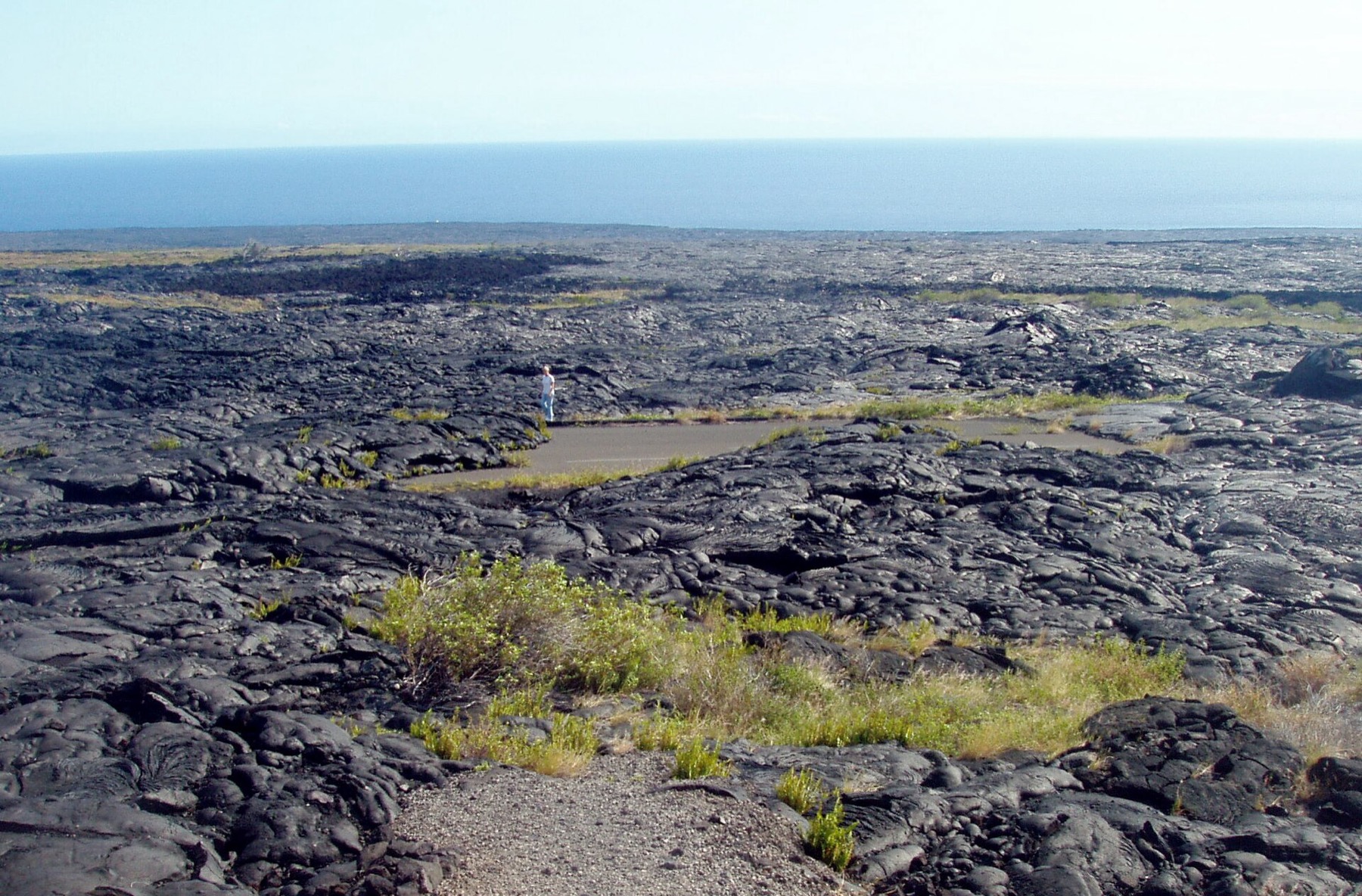
Chain of Craters Road is a 31-km road descending from the edge of the Kīlauea caldera to the Pacific coast. It is one of the most dramatic roads we have ever driven. You start in rainforest, pass one crater after another, and gradually watch the landscape turn into endless lava fields: black, rippling, and otherworldly.
The drive takes roughly 45 minutes each way without stops, but expect to pull over every few minutes. There are numerous overlooks, short trails, and places where you can get out and explore the lava fields up close.
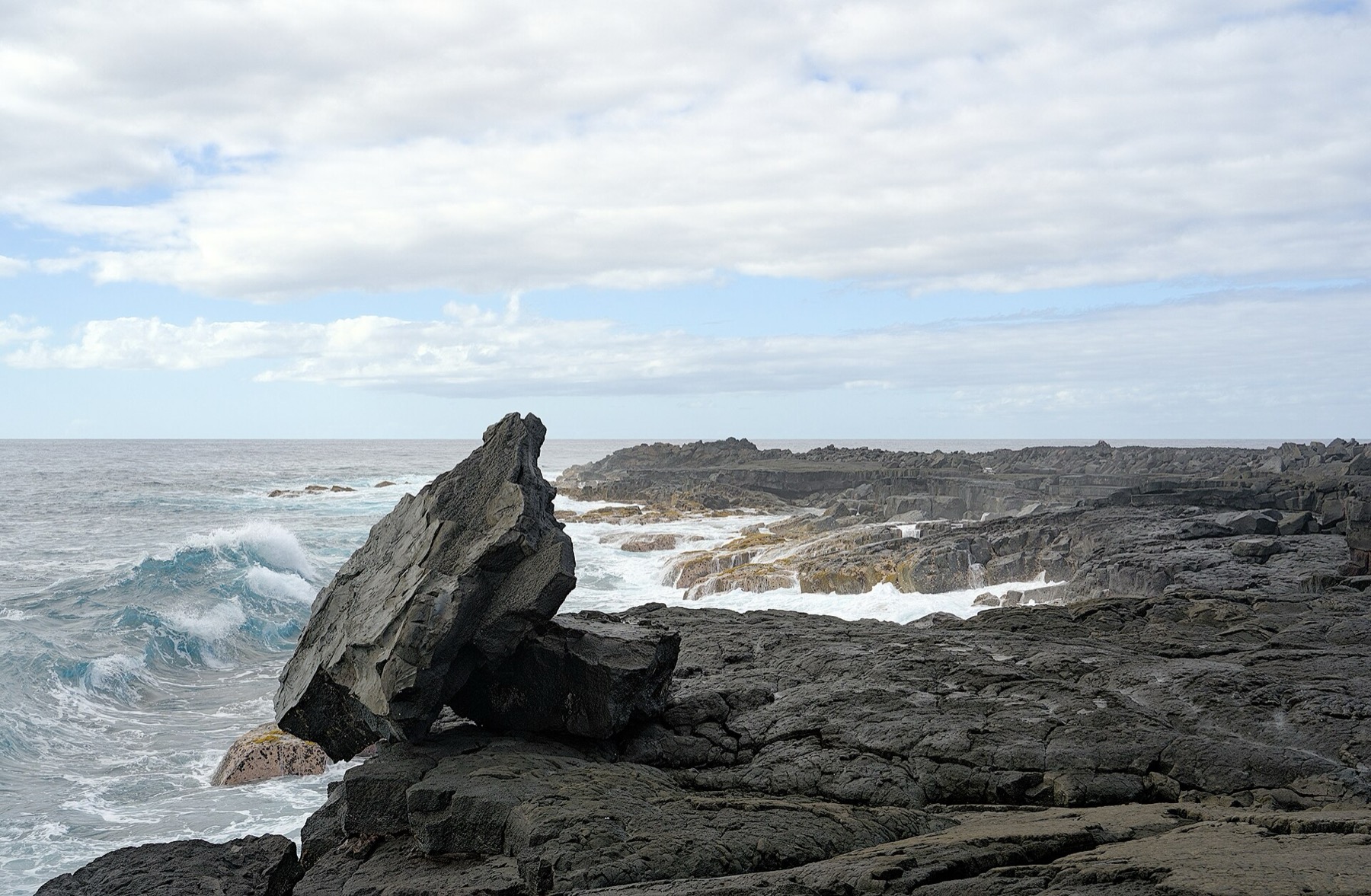
At the end of the road, you will find Hōlei Sea Arch, a massive rock arch carved by waves into the lava cliff. It is a beautiful place for a picnic and a rest before driving back.
Important: The road is a dead end, so you must turn around at the end and return the same way. The round trip, including stops, takes at least 2–3 hours. Bring plenty of water and snacks; there are no facilities along the way.
8. Puʻu Loa Petroglyphs: 23,000 stories carved into lava
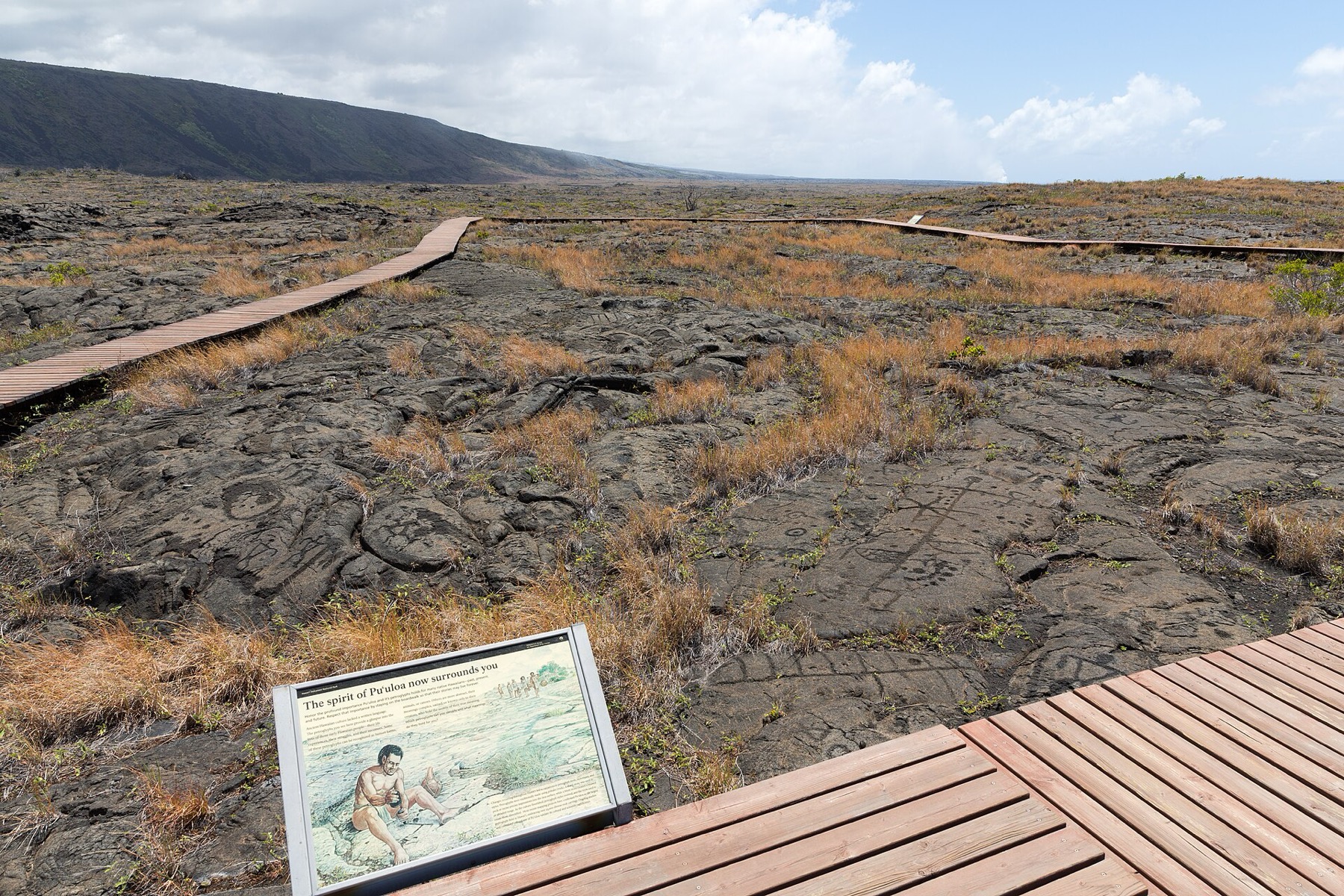
I would call this the park’s “hidden treasure.” Many people either do not know about the petroglyphs or skip them because they are slightly off the main routes. That is a shame, because Puʻu Loa is one of the largest petroglyph sites in all of Hawaiʻi, with more than 23,000 images carved into lava rock by ancient Hawaiians.
The petroglyph trail branches off Chain of Craters Road and is about 2.4 km there and back. It crosses an exposed lava field with no shade and plenty of sun, so a hat and water are essential, but the terrain is relatively flat.
At the site, wooden boardwalks let you look down at hundreds of images: circles, human figures, canoes, and animals. Many are piko—small holes where the umbilical cords of newborns were placed as a symbol of their connection to this land. It is a deeply spiritual place, and the peace there is extraordinary.

9. Crater Rim Trail: walking around the caldera’s edge
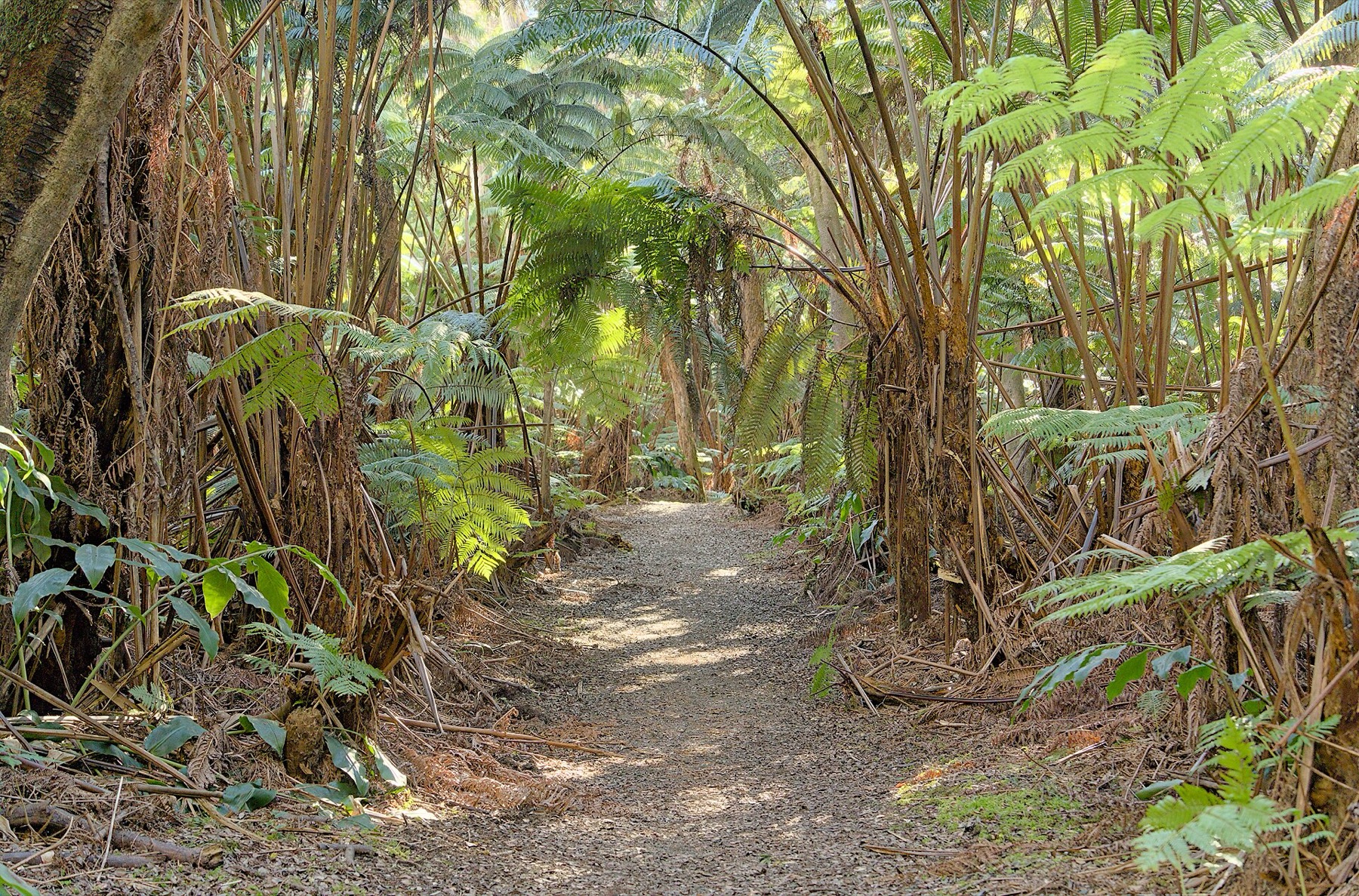
Crater Rim Trail is a network of trails running along the edge of the Kīlauea caldera. You do not need to walk the entire loop, which is over 17 km; simply choose the sections that interest you.
The most popular sections run from the Visitor Center to Steam Vents and onward to Kīlauea Overlook. Most sections are easy and paved, making them suitable for less experienced hikers too.
Be careful: Part of the southwestern section around Halemaʻumaʻu is often closed because of volcanic gases (SO₂). Always ask the rangers which sections are currently open. If you have breathing problems or asthma, take this seriously—volcanic gases are no joke.
10. Mauna Loa: the largest volcano on Earth (for the adventurous)
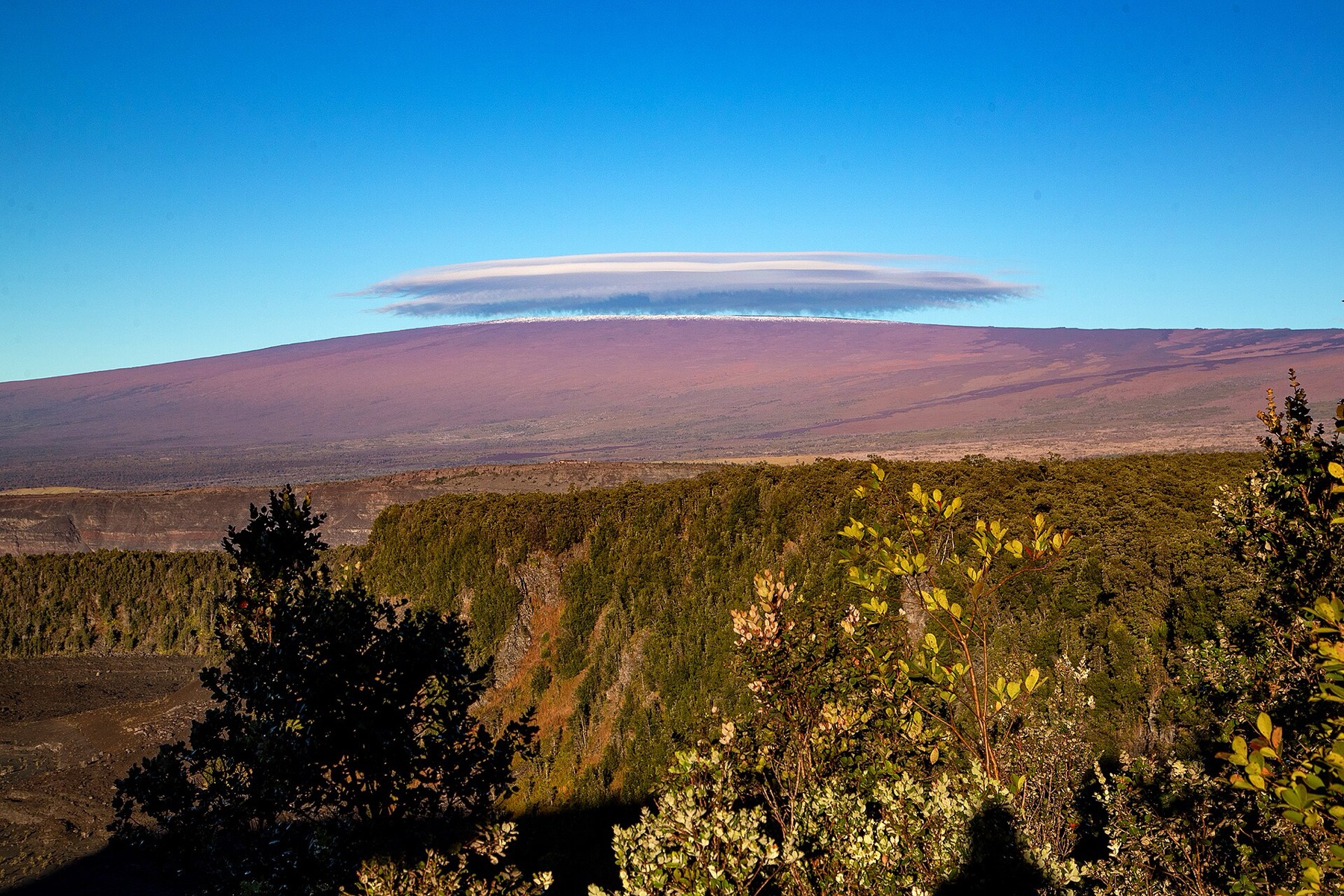
Kīlauea may steal the attention, but Mauna Loa is the real star. It is the largest active volcano in the world. From its base on the ocean floor, it rises more than 9,000 metres, making it one of the most massive mountains on the planet. Most visitors do not see Mauna Loa as a “volcano” because it is so broad and gently sloping that it does not look dramatic. That is exactly what makes it fascinating.
If you are an experienced trekker, you can set out on the Mauna Loa Trail. Reaching the summit is extremely demanding, however—over 60 km there and back, taking 2–4 days, with an elevation above 4,000 m—and requires a permit and serious preparation. Altitude sickness is a real risk.
For ordinary visitors, I recommend at least driving to Mauna Loa Lookout. The turn-off from the main road (Mauna Loa Road) climbs about 22 km, offering views of both volcanoes. The road is narrow and winding, but an ordinary car can manage it.
11. Seeing the crater glow at night: the most magical experience
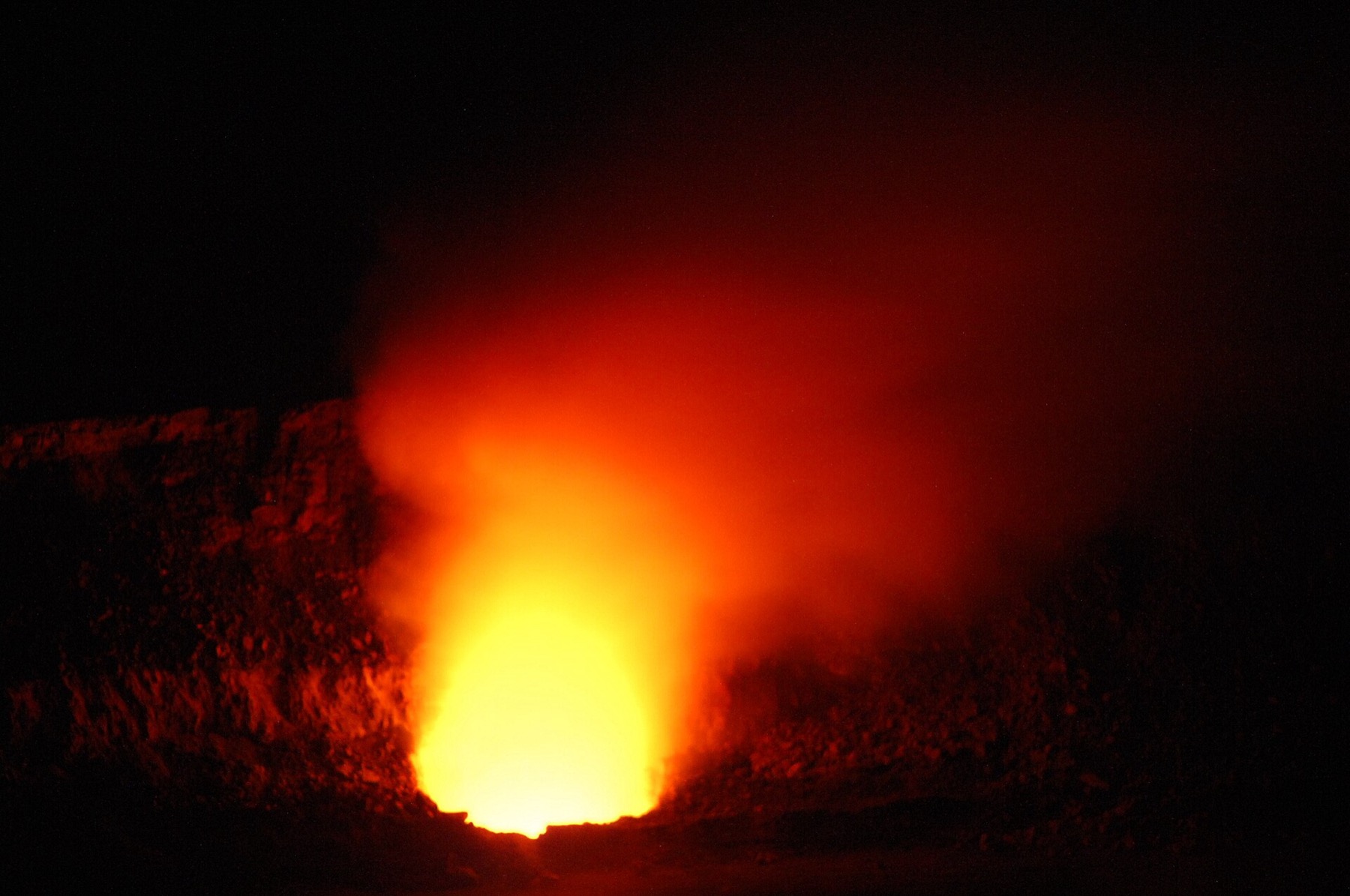
If you do only one thing in the park, come at night. Seriously. I keep repeating this tip because it is the strongest experience the park offers. Many people do not know about it or skip it because they assume the park closes at night (it does not—it is open 24/7!).
After dark, head to Kīlauea Overlook or the viewpoints around Halemaʻumaʻu. If the volcano is active, you will see the red glow of lava reflected in the clouds and crater walls. It is completely hypnotic. You sit in silence, surrounded by darkness, with the Earth’s interior glowing in front of you.
Tip: Bring warm clothes (temperatures drop to 8–12 °C at night), hot tea in a thermos, and a blanket or sleeping mat to sit on. Some people stay for hours. 😁
12. Nāpau Trail: a wild backcountry route
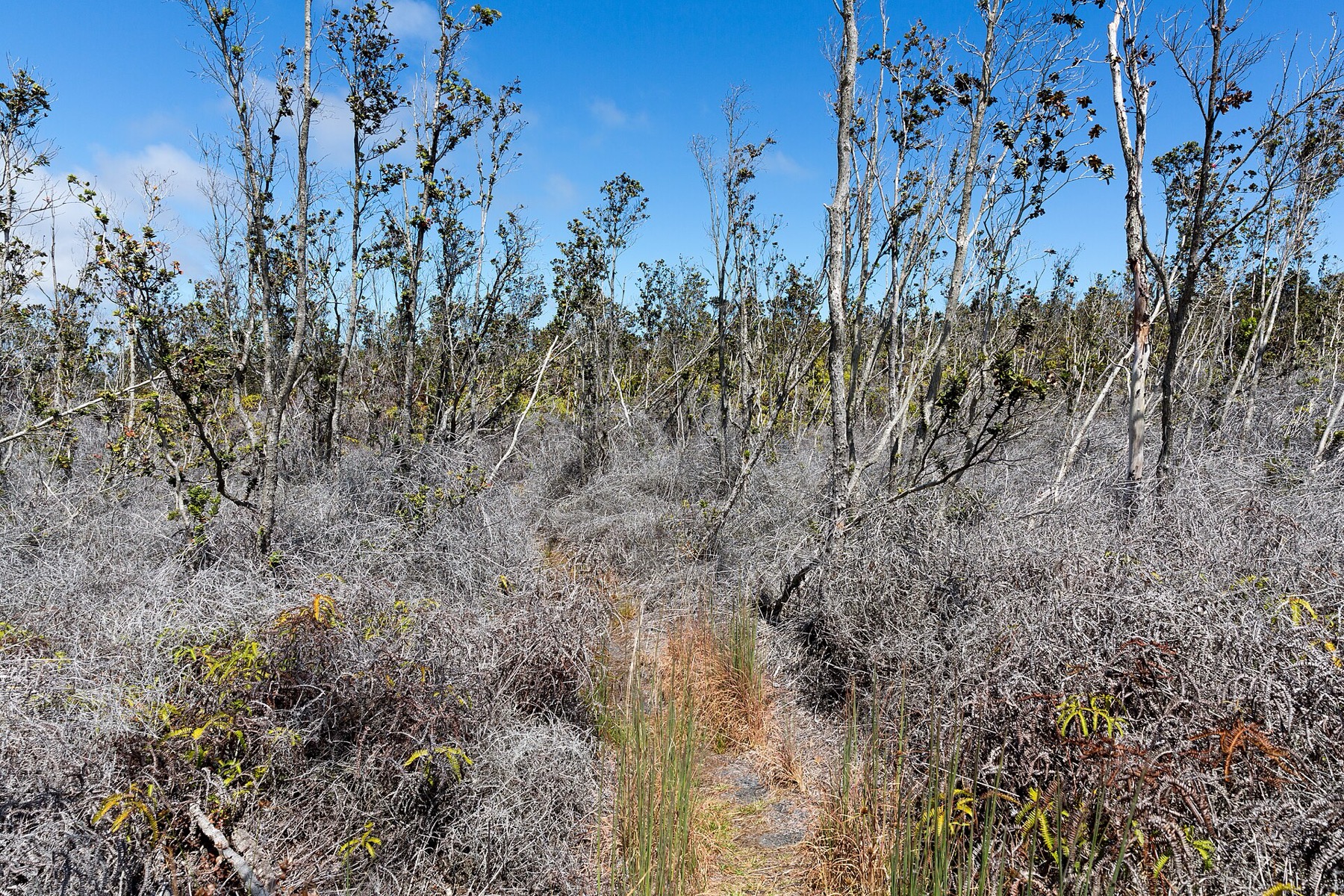
If you want to escape the crowds and reach a wilder part of the park, Nāpau Trail is a great choice. It is about 11 km there and back (or 22.5 km as a one-way trek returning by another route) and crosses lava fields and rainforest while passing the Puʻu Huluhulu and Makaopuhi craters.
You need a permit from the rangers for this route. It is free, but you must register at the Visitor Center. The trail is moderately to highly challenging, with uneven terrain, sections that are poorly marked, and weather that can change quickly.
The reward? Peace, solitude, and the feeling that you have genuinely reached the end of the world. Hikers report seeing barely three people all day.
13. Bird Park (Kīpukapuaulu): an oasis of life amid the lava
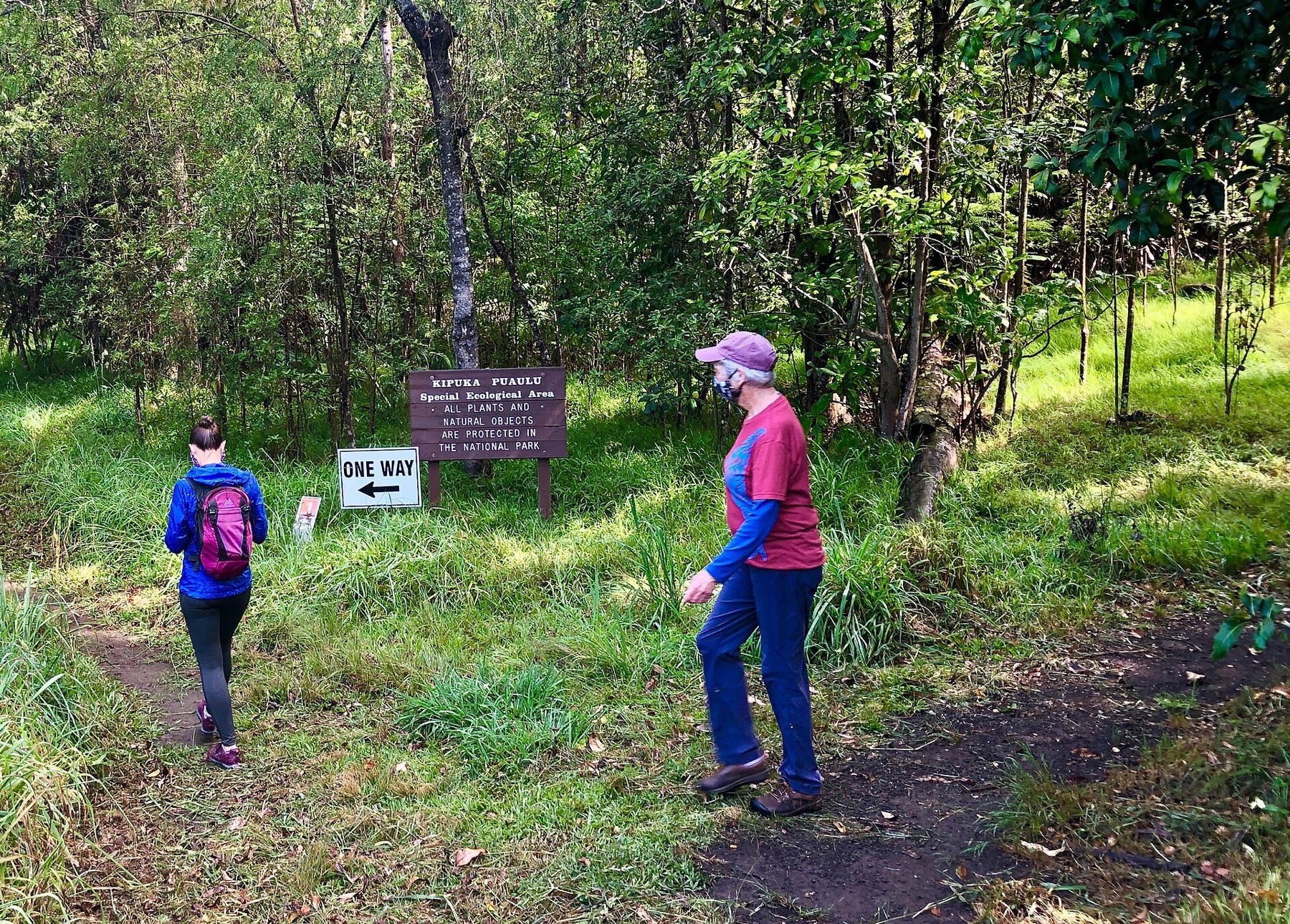
Kīpukapuaulu, commonly called Bird Park, is not the kind of place you might expect to find in a volcanic park. It is a kīpuka, an island of old forest that survived while surrounded by lava flows. Imagine black lava all around and, in the middle, a lush green forest filled with birds.
The loop is about 2 km and is one of the most pleasant walks in the park. Huge ʻōhiʻa trees, person-high ferns, and rare Hawaiian birds flying around you: ʻapapane, ʻamakihi, and, if you are very lucky, perhaps the endangered ʻelepaio.
It is a beautiful counterpoint to the lava fields, reminding you that volcanoes are not only about destruction but also the foundation of new life.
14. Hōlei Sea Arch: where lava meets the ocean
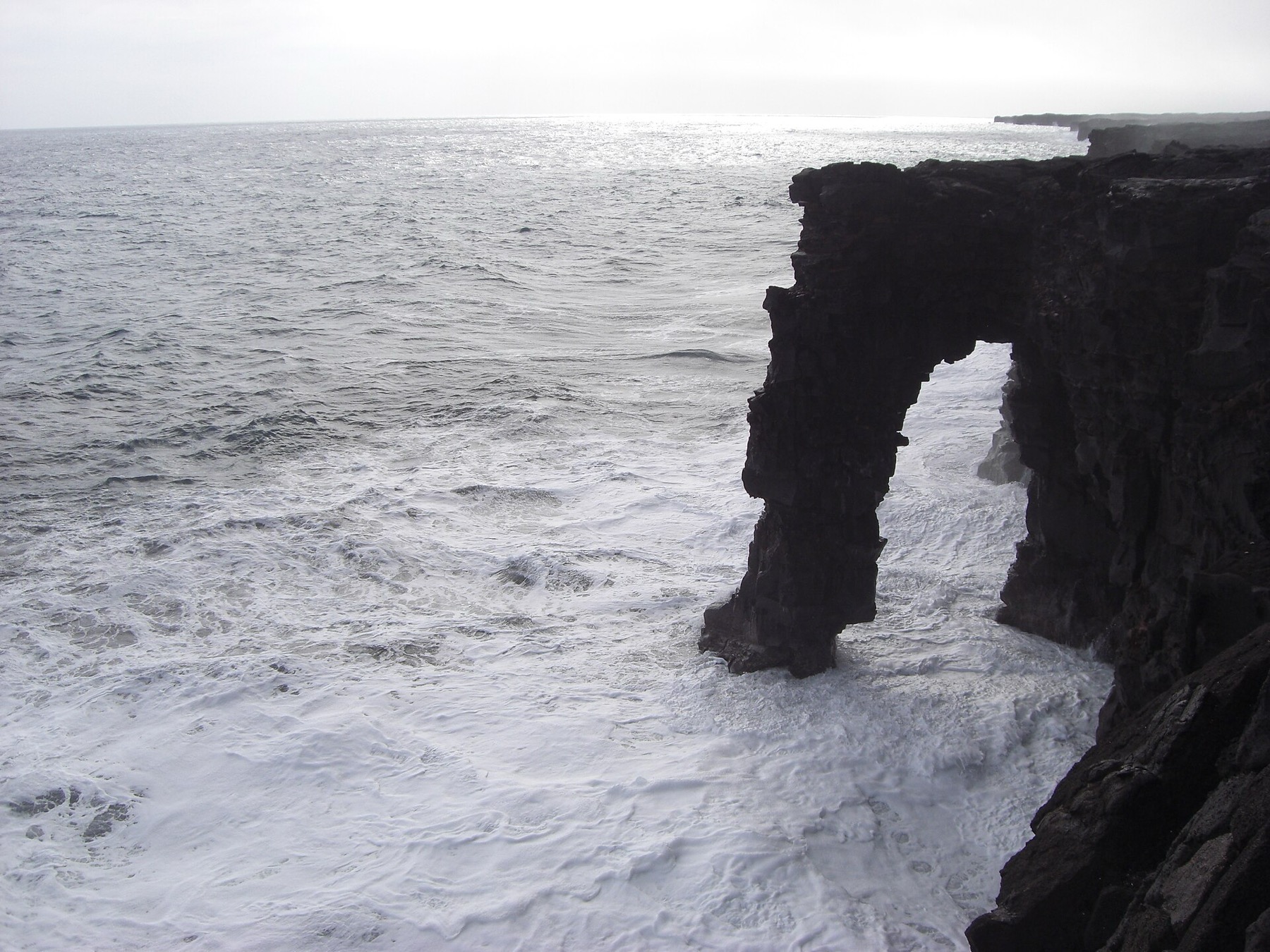
At the end of Chain of Craters Road, where the road stops by high lava cliffs, you will find Hōlei Sea Arch, an impressive arch carved by the ocean into solidified lava. Waves crash here with tremendous force, turning the whole place into a show of nature’s power.
It is a great place to rest after driving Chain of Craters Road. Benches offer somewhere to sit and watch the waves. You may occasionally see sea turtles or frigatebirds here too.
Safety warning: The cliffs are unstable and the waves unpredictable. Stay on marked paths and keep away from the edges. Unfortunately, falls from the cliffs are not uncommon.
15. Sulphur Banks (Haʻakulamanu): yellow earth at Sulphur Banks
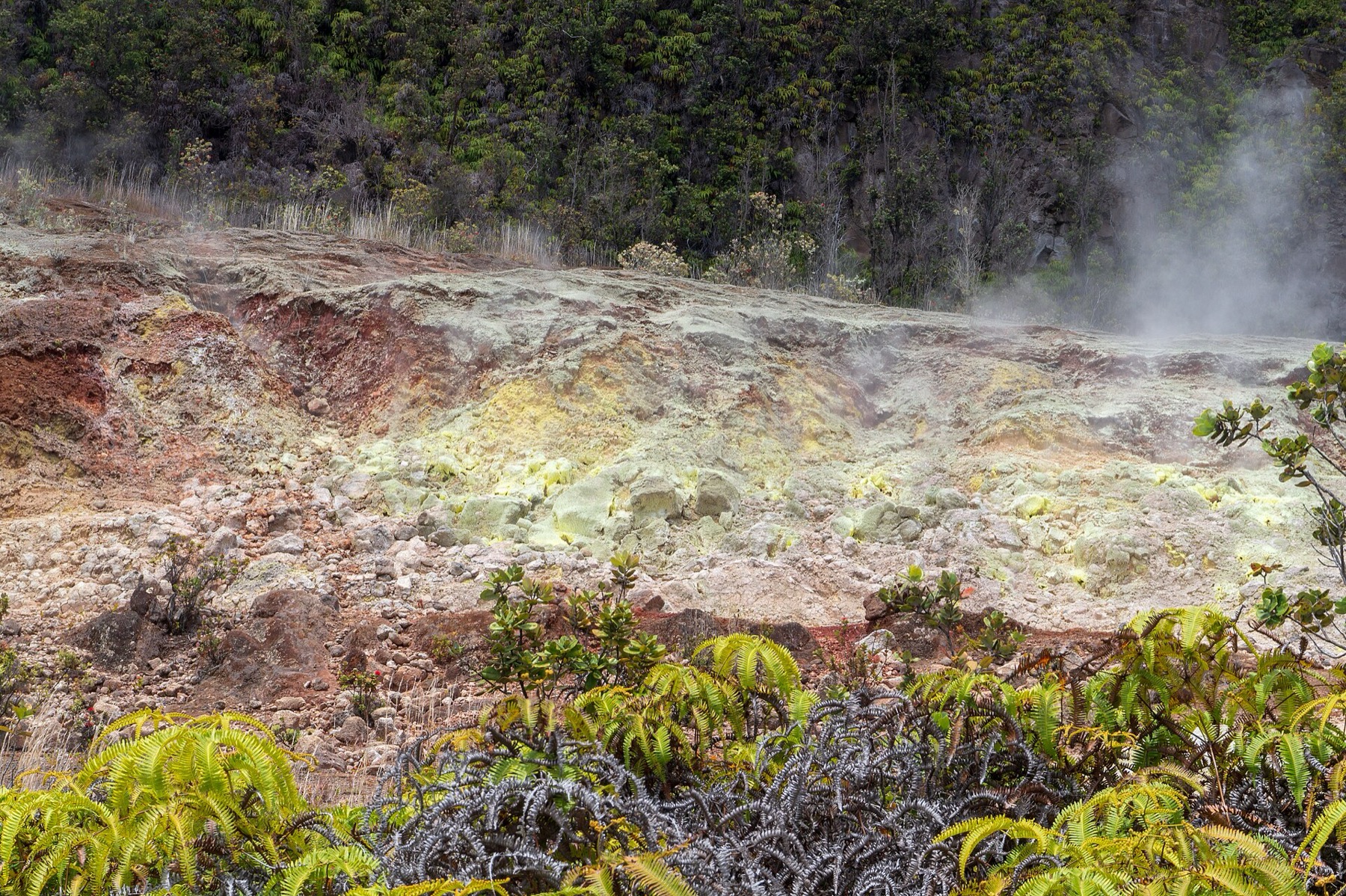
Our final tip is a short but visually unique stop. Sulphur Banks are places where volcanic gases—mainly sulfur dioxide and hydrogen sulfide—rise to the surface and leave bright yellow and orange sulfur crystals on the surrounding rocks.
The trail is short, about 800 metres, flat, and starts directly at the Visitor Center, so it is easy to add to the beginning or end of your visit. The air smells—or rather stinks 😅—of hydrogen sulfide, with that familiar rotten-egg odor. It is not the most pleasant scent, but the colors and shapes of the sulfur deposits are fascinating.
Tip: People with breathing problems should be cautious, as gas concentrations change with the wind and volcanic activity.
💡 Tip: If you would rather not drive unfamiliar roads at night, check out organized volcano tours on GetYourGuide. An evening glow-viewing tour is led by a local guide who also takes care of transportation. You can find similar tours in Hilo or Kona, but booking online gives you a better chance of securing a place in high season.
Food and drink in and around the park
Food is not particularly easy to find in Hawaiʻi Volcanoes National Park, so prepare in advance. Inside the park, you essentially have two options, and neither is a major gastronomic experience.
Inside the park
Volcano House is a historic hotel right on the edge of the Kīlauea caldera (yes, right there—the dining room looks into the crater, which is pretty crazy). Its The Rim restaurant serves an all-day menu: breakfast, lunch, and dinner. The food is decent, though priced like a resort ($15–35 per main course). But the view!
The second option is a small snack shop near the Visitor Center, selling sandwiches, drinks, and snacks. It will keep you going, but it is not a culinary experience.
Volcano Village
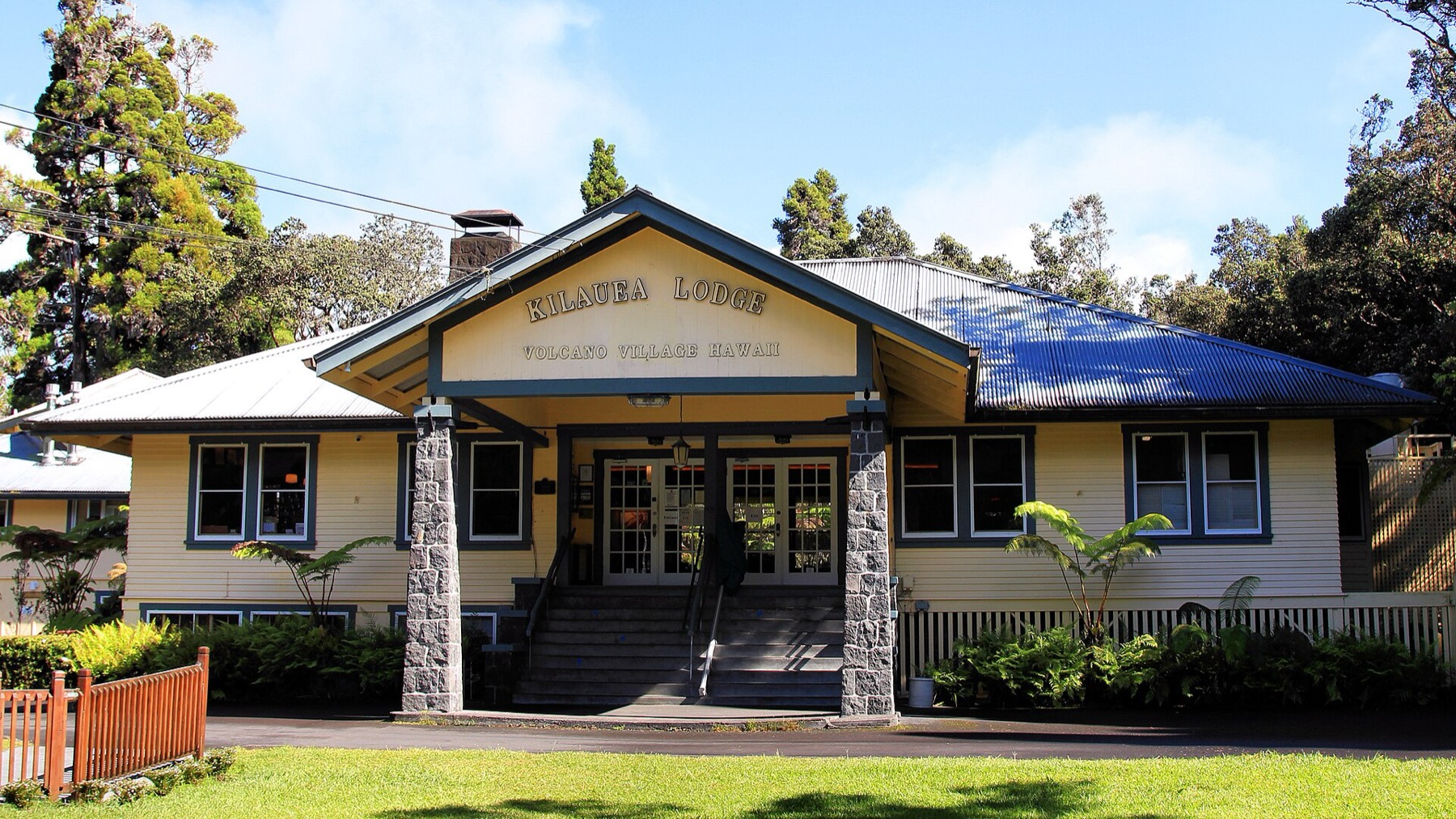
Volcano Village, 5 minutes from the park, has a surprisingly good food scene:
- Kīlauea Lodge & Restaurant: a welcoming restaurant serving continental cuisine, local fish, and steaks. Main courses cost around $20–40. There is a fireplace, wooden interior, and the atmosphere of a mountain lodge.
- Thai Thai Bistro & Bar: excellent Thai food at reasonable prices. After a full day on the lava fields, a bowl of Tom Kha Gai is exactly what you need.
- Volcano Farmers Market: every Sunday from 6 to 10 a.m. Local fruit, baked goods, and coffee—perfect for breakfast.
- Café Ono: a small café with excellent cappuccino and homemade cakes.
Hilo
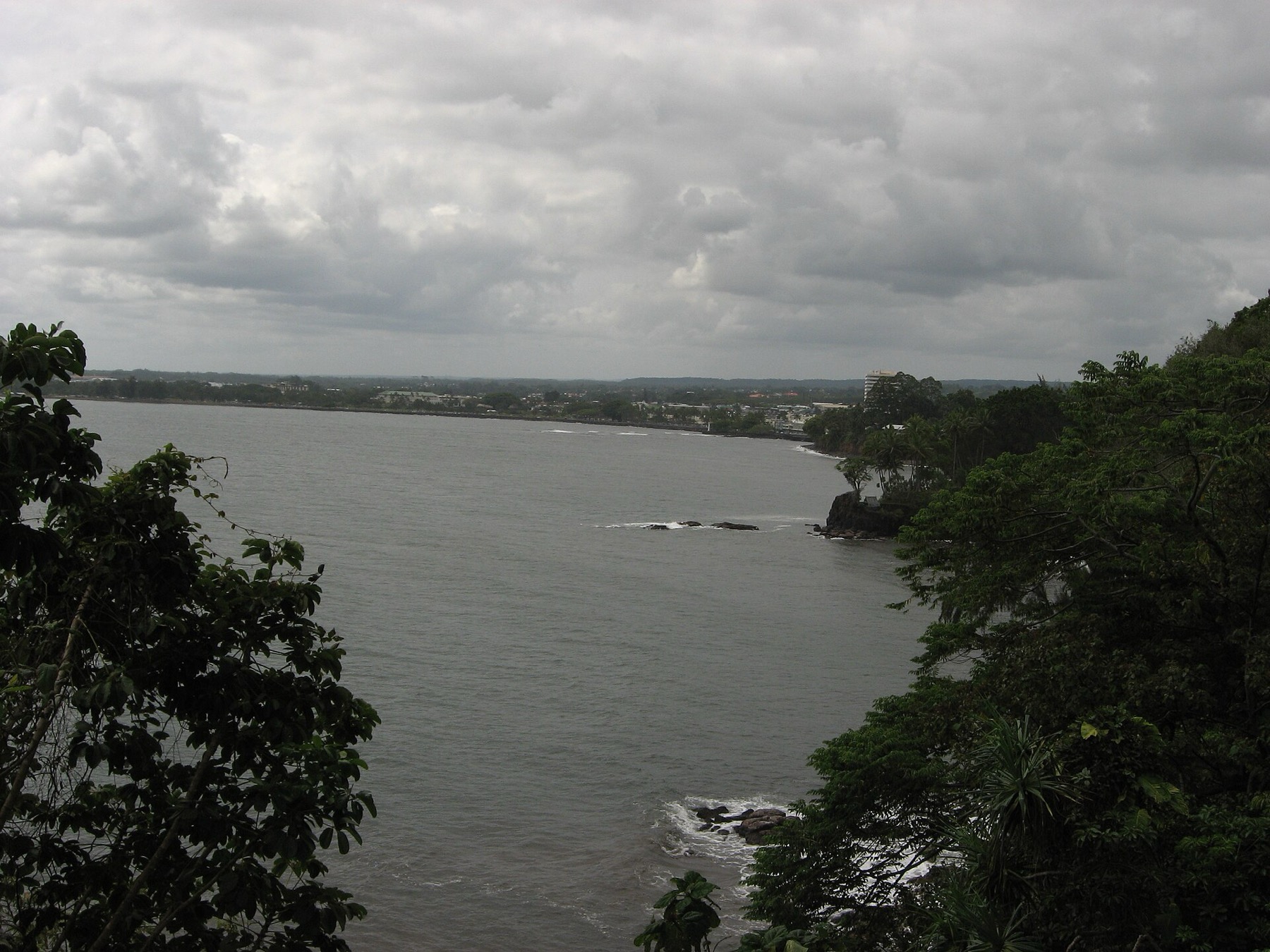
If you stay in Hilo, you will have many more options. Local classics include:
- Hilo Bay Café: probably the best restaurant in town, with local ingredients and excellent fish
- Suisan Fish Market: poke bowls right by the fish market; it does not get fresher
- Ken’s House of Pancakes: a legendary local spot open 24 hours, serving classic American breakfasts
Hawaiʻi Volcanoes National Park: map and orientation
The park is surprisingly vast, covering more than 1,300 km² from the ocean coast to the 4,169-metre summit of Mauna Loa. But do not worry: most highlights are concentrated around two main roads:
1. Crater Rim Drive: the road around the Kīlauea caldera; part of it is sometimes closed because of volcanic gases. This is where you will find the Visitor Center, Steam Vents, Halemaʻumaʻu Crater, Thurston Lava Tube, Kīlauea Iki, and Devastation Trail.
2. Chain of Craters Road: the road leading from Crater Rim Drive down to the coast. This is where you will find craters, lava fields, petroglyphs, and Hōlei Sea Arch.
Download a park map in advance from the official NPS website (nps.gov/havo), or pick one up free at the Visitor Center. Offline maps on your phone (Google Maps or Maps.me) work only intermittently in the park; reception is weak or nonexistent in most places. If you are touring Hawaiʻi more broadly and need mobile data, take a look at our Holafly eSIM review.
Practical tips for your visit
Safety
Volcanic gases are a real risk. The park monitors air quality and closes areas with dangerous SO₂ concentrations. People with asthma, heart conditions, and pregnant women should be extra cautious. If you smell a strong sulfur odor and start coughing, move immediately to an area with clean air.
On lava fields, never leave marked trails. Solidified lava can be thin and fragile, with cavities and hot spots beneath the surface. And remember: lava is extremely sharp, so falling on it can cause serious injuries.
What to pack
Hawaiʻi is an excellent destination for traveling with carry-on luggage only. Take a look at our guide on how to pack a carry-on. For the park, however, bring one extra warm layer.
 🚗 Car rental on the roadVerified rental cars in the United States
Search with the DiscoverCars comparison engine — it compares prices from dozens of local and international rental companies, and most bookings come with free cancellation.
Compare car prices in the United States →Travel insurance
Do not travel to the USA without insurance—medical care in America can cost astronomical amounts. For shorter trips, we choose insurance through SafetyWing, which offers excellent coverage at a reasonable price.
Car rental
You need a car on the Big Island. Full stop. Compare prices through RentalCars and book as early as possible; in high season, prices double and cars sell out.
10 interesting facts about Hawaiʻi Volcanoes National Park
For fans of “fun facts,” here is a bonus: ten facts that will help you appreciate this park even more:
1. The park was established on August 1, 1916, and was one of Hawaiʻi’s first national parks. It was originally called Hawaii National Park and also included Haleakalā on Maui, which became separate in 1961. 2. Kīlauea is one of the most active volcanoes in the world. From 1983 to 2018, it poured out lava almost continuously—one of the longest eruptions in recorded history. 3. Mauna Loa is the largest volcano on Earth by volume, estimated at 75,000 km³. Measured from its base on the ocean floor, it would be taller than Mount Everest. 4. The park is one of the few places in the world where you can see all five climate zones, from tropical coast to the subarctic summit of Mauna Loa. 5. The Puʻu Loa petroglyph site has more than 23,000 images, making it one of the richest in the entire Pacific. 6. Thurston Lava Tube is around 500 years old, yet it looks as though the lava drained away only yesterday. 7. More than 700 homes were destroyed during Kīlauea’s 2018 eruption in the Leilani Estates area outside the park. The lava flows added almost 3.5 km² of new land to the coast. 8. The park is a UNESCO World Heritage Site (since 1987) and an international biosphere reserve. 9. The nēnē (Hawaiian goose), Hawaiʻi’s official state bird, lives in the park. It was nearly wiped out—only 30 remained in the 1950s—but conservation programs have brought the population back to more than 3,000. 10. The goddess Pele remains a living part of Hawaiian belief. Visitors who take lava rocks from the park reportedly often mail them back because they believe the stones bring bad luck. The park receives dozens of packages containing rocks every year. 😅
Where to go next
- The world’s most famous volcanoes: 16 fiery mountains worth seeing, from Etna to Fuji.
- Wrangell–St. Elias: the largest national park in the USA and Matanuska Glacier in Alaska.
- Alaska road trip: itineraries for 7 to 21 days of another great American adventure.
Frequently asked questions about Hawaiʻi Volcanoes National Park
Is Hawaiʻi Volcanoes National Park worth visiting?
Absolutely yes. It’s one of the most unique places in the world. Where else can you walk on solidified lava, look into an active crater, and walk through a lava tube? Even if you’re not a geology fan, the landscape will captivate you. It’s an absolute highlight of the Big Island and one of the best national parks in the USA.
What volcanoes are in Hawaiʻi Volcanoes National Park?
The park is home to two active volcanoes: Kīlauea and Mauna Loa. Kīlauea is smaller but much more active and accessible. Mauna Loa is the largest volcano on Earth by volume, but the ascent to its summit is extremely challenging and requires special preparation. Most visitors focus on Kīlauea and its surroundings.
Can you see lava in Hawaiʻi Volcanoes National Park?
It depends on when you come. Kīlauea is one of the most active volcanoes in the world, but eruptions don’t happen continuously. When the volcano is active, you can see a red glow from Halemaʻumaʻu crater (best after dark) or even lava flows. When it’s quiet, you’ll see a smoking crater, steam vents, and vast solidified lava fields, which is fascinating in itself. You can find the current status on the NPS website or on the Hawaiian Volcano Observatory (USGS) pages.
How much does entry to Hawaiʻi Volcanoes National Park cost?
Entry is $30 per private vehicle (approx. €25), valid for 7 days. Pedestrians and cyclists pay $15 per person (approx. €13). Motorcycles $25 (approx. €21). The best deal is the America the Beautiful Annual Pass for $80 (approx. €70), valid for a year at all US national parks.
How much time do I need to visit the park?
The minimum is half a day (4–5 hours), you’ll manage the Visitor Center, Steam Vents, Halemaʻumaʻu viewpoint, Thurston Lava Tube, and a short walk. Ideal is 1 full day (you’ll also fit in Kīlauea Iki Trail and Chain of Craters Road). For a relaxed visit with all the tips from this article, count on 2 days. And if you also want Mauna Loa or backcountry trails, easily 3+.
Is the park safe for families with children?
Yes, a large part of the park is accessible to families. Thurston Lava Tube, Steam Vents, Devastation Trail, and the Halemaʻumaʻu viewpoints are easy and safe. Kīlauea Iki Trail can be managed by older children (8+). It’s important to watch warnings regarding volcanic gases—young children and people with respiratory problems are more sensitive.
Where to stay near Hawaiʻi Volcanoes National Park?
The best choice is Volcano Village, a village right at the park entrance with B&Bs, Airbnbs, and small hotels. A more budget-friendly alternative is Hilo (45 min by car). In the park itself, you can stay at Volcano House (a hotel on the crater rim, pricier but a unique experience) or at the campgrounds Kūlanaokuaiki and Nāmakanipaio (tents, simple cabins). The campgrounds operate on a first-come-first-served basis, so arrive early. Hawaiʻi Volcanoes National Park is a place that will change your perspective on how our planet works. Whether you come for a few hours or several days, you’ll leave with the feeling that you’ve seen something truly exceptional. And you might say to yourself: “I have to experience this again.” 🌋
Tips and Tricks for Your Vacation
Don’t Overpay for Flights
Search for flights on Kayak. It’s our favorite search engine because it scans the websites of all airlines and always finds the cheapest connection.
Book Your Accommodation Smartly
The best experiences we’ve had when looking for accommodation (from Alaska to Morocco) are with Booking.com, where hotels, apartments, and entire houses are usually the cheapest and most widely available.
Don’t Forget Travel Insurance
Good travel insurance will protect you against illness, accidents, theft, or flight cancellations. We’ve had a few hospital visits abroad, so we know how important it is to have proper insurance arranged.
Where we insure ourselves: SafetyWing (best for everyone) and TrueTraveller (for extra-long trips).
Why don’t we recommend any Czech insurance company? Because they have too many restrictions. They set limits on the number of days abroad, travel insurance via a credit card often requires you to pay medical expenses only with that card, and they frequently limit the number of returns to the Czech Republic.
Find the Best Experiences
Get Your Guide is a huge online marketplace where you can book guided walks, trips, skip-the-line tickets, tours, and much more. We always find some extra fun there!