The Oresund Bridge is an incredible feat of engineering that permanently changed the map of Scandinavia. Travelling from the Danish capital to southern Sweden by train takes less time than you might spend stuck in morning traffic crossing a major city. You may know it from dark Nordic crime dramas, but in real life it is the fastest and most convenient connection for a summer road trip or a long weekend. Before you put your foot down, however, it pays to know a few essential rules. The toll barriers can catch inexperienced travellers off guard, and an incorrect payment can become surprisingly expensive.
You can cross the bridge without any preparation, but you risk paying twice as much as necessary. Below you will find everything you need to know: from the latest 2026 toll prices and a clever subscription scheme to tips on where to stay for less.
A quick summary for anyone who does not have time to read the whole article
- Basic toll price: In 2026, a one-way crossing for a standard passenger car costs roughly 470–510 DKK (approximately €65–70).
- How to save substantially: If you are travelling there and back, online registration for the ØresundGO programme (formerly BroPas) is worthwhile and reduces the price of one crossing to just 178 DKK.
- Where you pay: The toll station is located only on the Swedish side, in the Lernacken area. From Denmark, you simply drive onto the bridge without stopping.
- The train is cheaper: For couples and solo travellers, the Öresundståg train is much better value. A ticket costs around 145 SEK, and the journey from central Copenhagen to Malmö takes 40 minutes.
- Do not forget your documents: Sweden has extended random border checks until November 2026. A valid passport or national ID card is essential for every passenger.
- Transport options at a glance:
Car: around €65 per direction, ideal for families with a full boot. Train: around €13 per person, unbeatable for couples heading into the city centre. Bus: from about €6 with FlixBus, the cheapest option for solo travellers. Ferry (Helsingør): a perfect alternative for road trips heading straight north towards Gothenburg.
- Cheaper accommodation: Hotels in Swedish Malmö are significantly cheaper than in Copenhagen, so basing yourself on the Swedish side makes good sense.
The full destination guide: Sweden — guide and what to see
17 Things You Need to Know Before Your Trip
It looks like a straightforward motorway drive, but crossing between two Scandinavian countries has its quirks. From buying your bridge ticket and understanding speed limits to unpredictable autumn weather, it is always better to know what you are getting into.
We have put together the most important points to save you both stress and money along the way. Let us take a look at what to keep an eye on so you do not pay more than necessary.
1. What exactly are the Oresund Bridge and Peberholm Island?
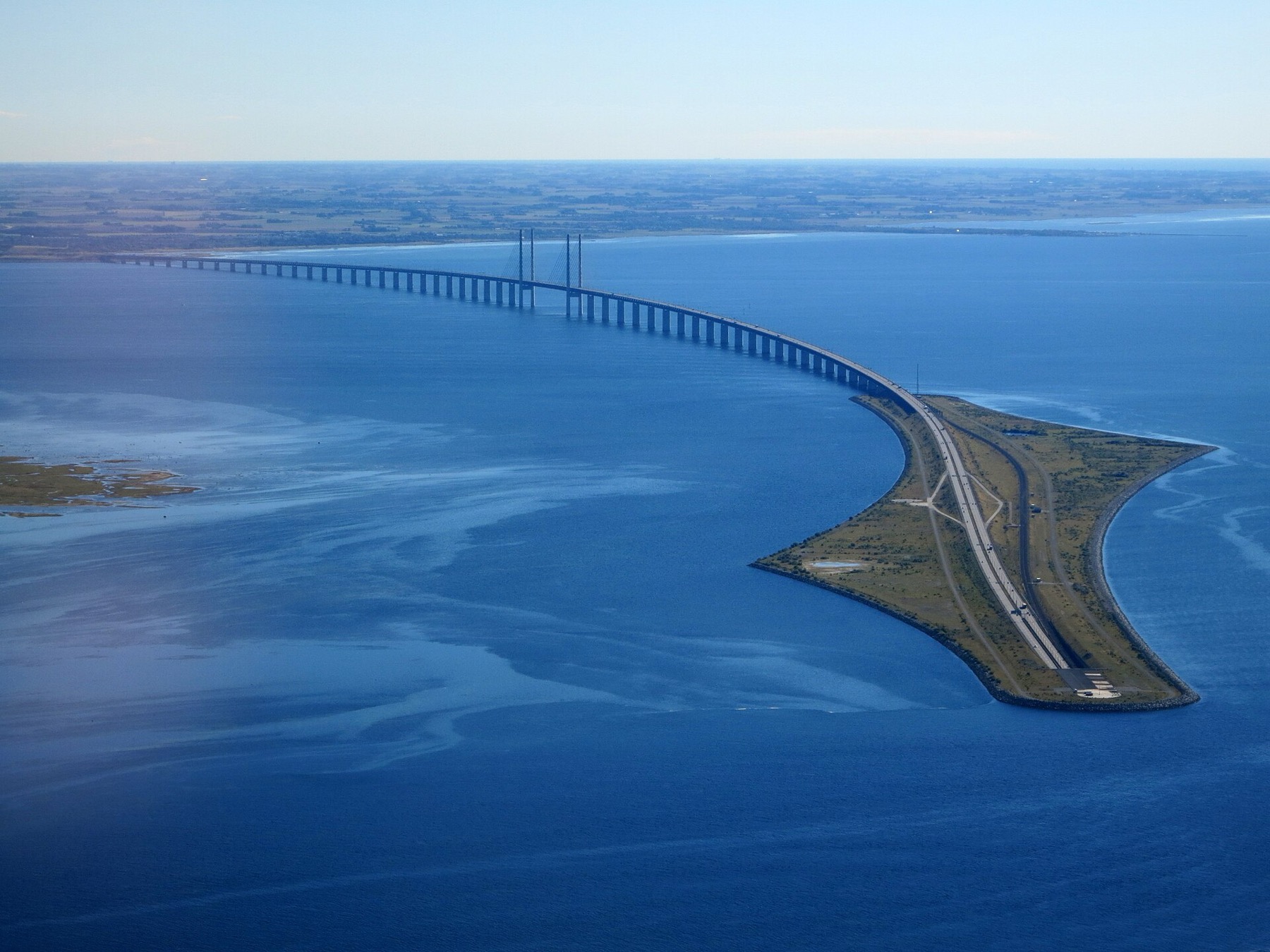
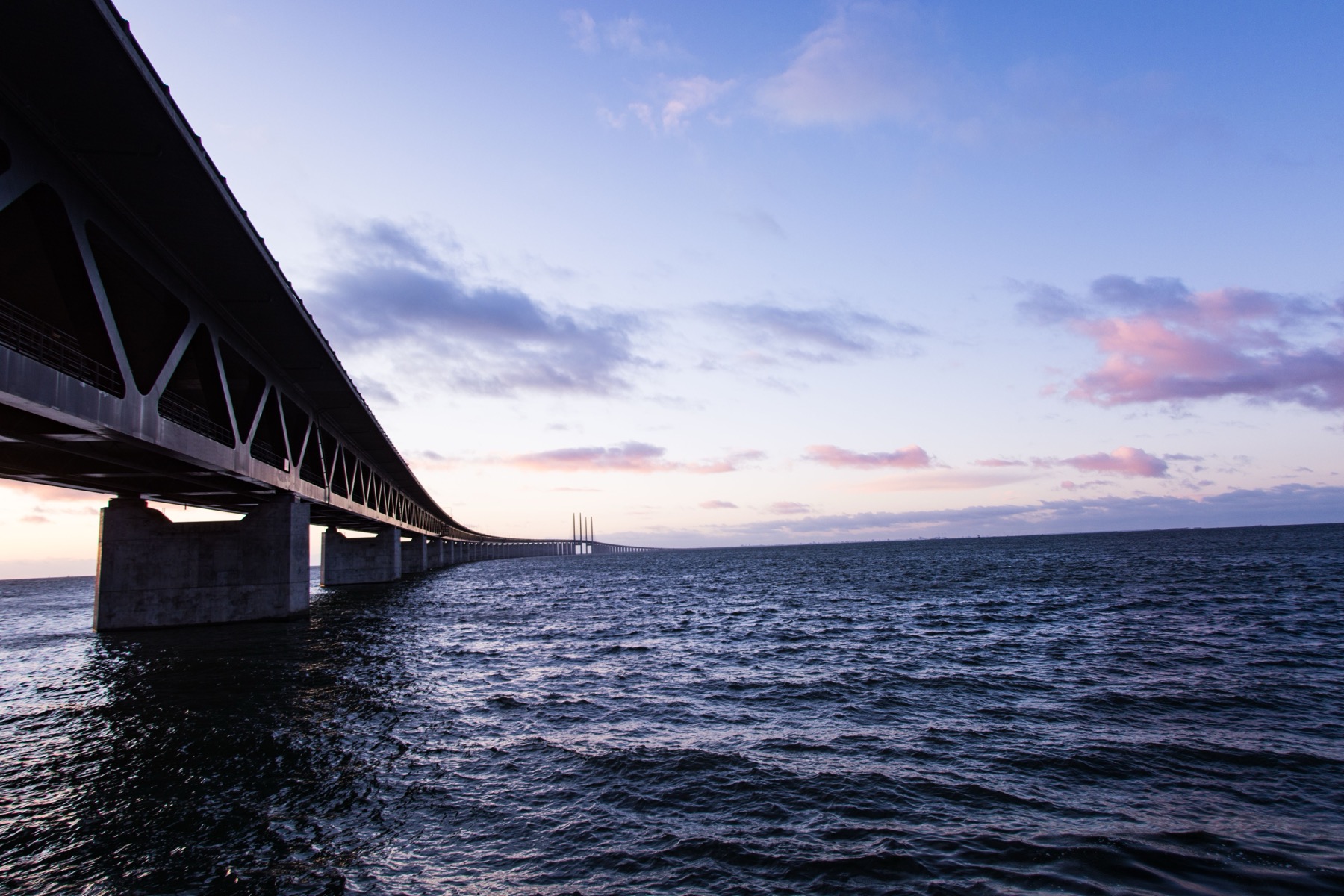
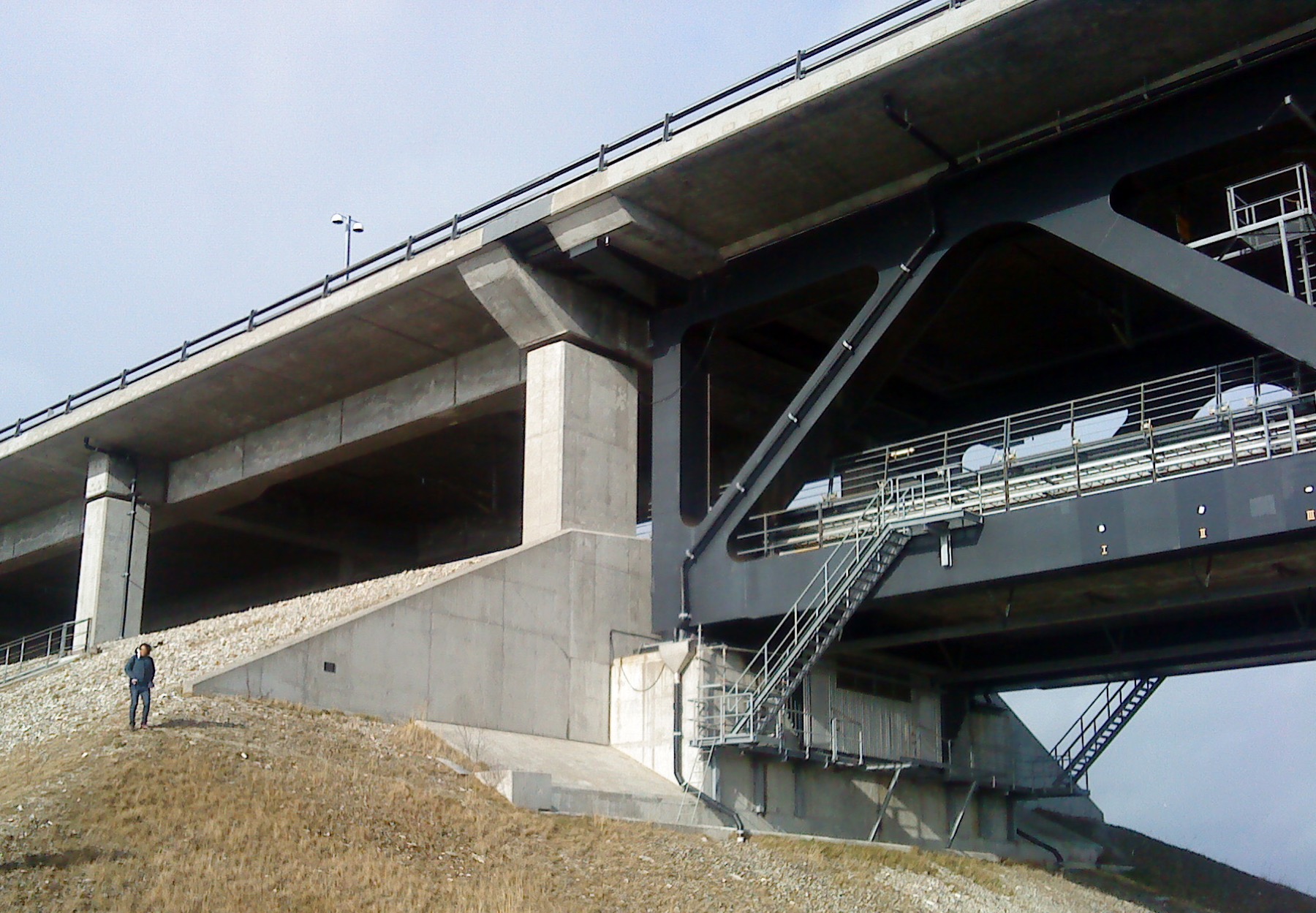
When someone says “bridge”, most people automatically picture massive concrete pillars rising high above the water from one shore to the other. Here, however, the architecture is much more complex and fascinating. The entire connection is an impressive 16 kilometres long, while the suspension bridge itself accounts for just under 8 kilometres. The rest of the route cleverly runs below sea level so that tall structures would not interfere with air traffic. The builders had to solve a huge logistical problem involving Copenhagen’s international Kastrup Airport, which lies directly on the Danish coast. Tall pillars from a conventional bridge would have posed a serious threat to landing aircraft, so the engineers came up with a brilliant compromise. Roughly halfway across the strait, they created the entirely new artificial island of Peberholm, where the road changes direction.
On this small piece of land, both the motorway and the double-track railway smoothly descend underground into the four-kilometre Drogden underwater tunnel, taking you safely beneath the flight path. Peberholm Island also serves as a unique botanical and biological laboratory. Only scientists are permitted to enter, and nature is developing here freely, without any human intervention. From your car window, you can see a patch of newly emerging wilderness in the middle of the sea, unlike anything else in Scandinavia. During the crossing itself, pay close attention to your speed: the limit here is 110 km/h. Sweden is generally dotted with unobtrusive grey speed-camera poles (ATK) that do not flash but reliably record violations; fines start at 1,500 SEK for minor speeding.
💡 Tip: If you are driving, roll down the windows just before entering the tunnel. The acoustic change from the roaring wind on the bridge to the enclosed space beneath the sea is an experience in itself.
2. Passenger-car tolls and prices in 2026
You will pay a fair amount for this engineering marvel, so it is worth planning for it financially. Toll prices are adjusted every year and also depend on the season, with the summer months traditionally being the most expensive. A standard one-way ticket bought directly at the toll station or online without a discount costs 470–510 DKK for an ordinary passenger car up to 6 metres long. In other words, budget roughly €65–70 for a single crossing. Official prices are primarily listed in Danish kroner (DKK) or Swedish kronor (SEK). The Oresund Bridge is, incidentally, one of the few tolled roads you will encounter, as Swedish motorways are otherwise completely free for passenger cars.
At the terminal, I always recommend paying by card and choosing to be charged in the local Scandinavian currency. Never let the terminal convert the amount into your home currency through dynamic currency conversion (DCC), as the exchange rate will usually cost you extra. Also bear in mind that if you are towing a trailer, carrying bikes on a rear rack, or driving a motorhome longer than 6 metres, the price automatically doubles at the toll gate. The six-metre limit is strict, and the sensors measure it with uncompromising accuracy.
💡 Tip: Measure your car before setting off, including all racks and roof boxes. If you are just over the six-metre limit, it may be worth taking the bikes off and putting them inside temporarily—you can save more than €60.
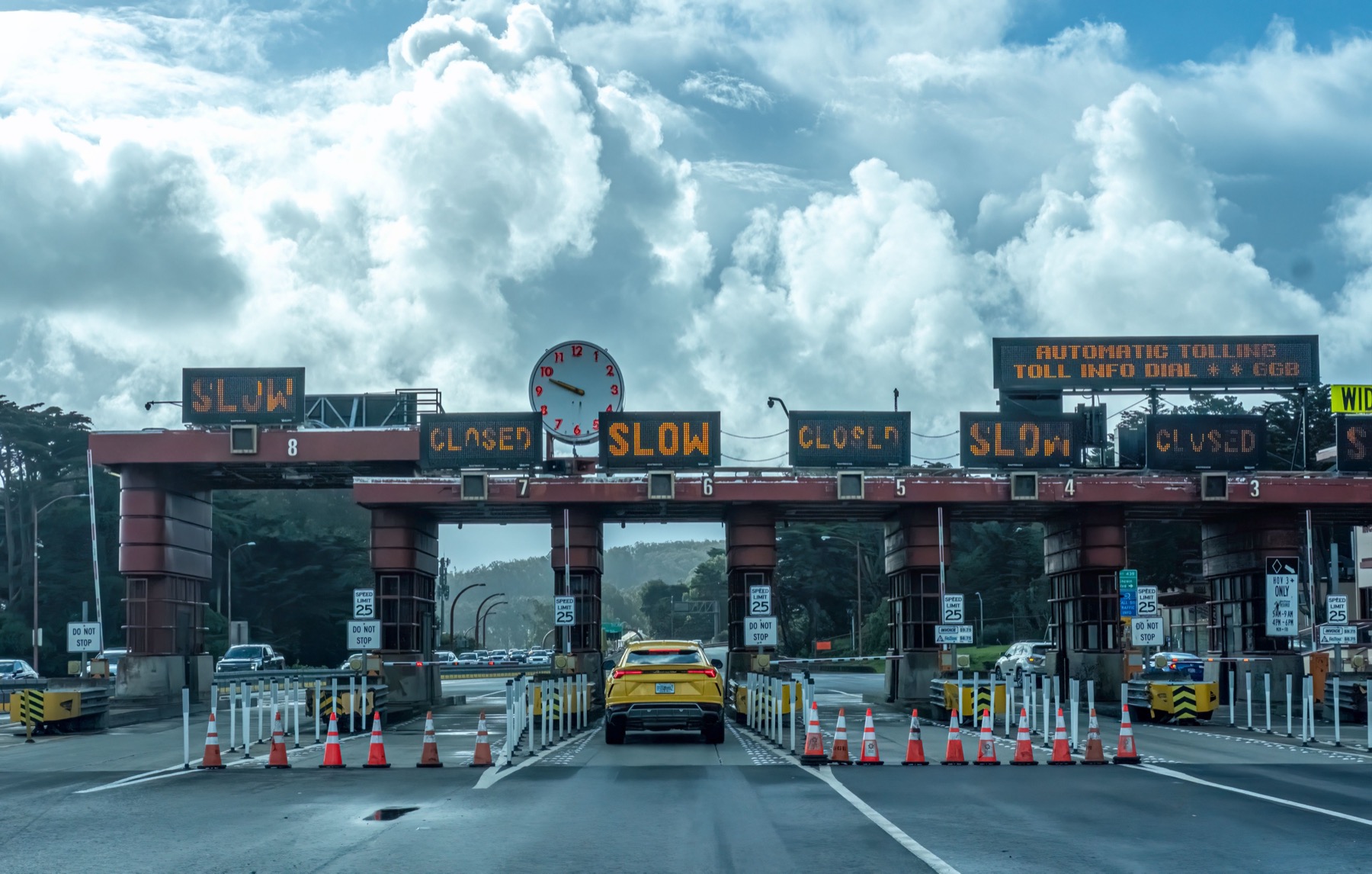
3. Is the annual ØresundGO subscription worth it?
This is the question that comes up during almost every planning session: is a subscription really worthwhile if you are only going once? Most tourists hesitate over whether it makes sense to buy the ØresundGO discount programme (formerly known as BroPas) when they are travelling to Sweden for just one summer holiday. The answer is clear. If you are planning to cross the bridge both ways, it always pays off. The programme works through a fixed annual fee of around 359 DKK. Once you pay this amount, you become a subscriber.
As a result, the price of one crossing drops from 510 DKK to just 178 DKK. When you add the annual fee and two discounted crossings, the total comes to around 715 DKK. Two full-price crossings would cost you more than 1,000 DKK. The saving is therefore immediate and very noticeable from your first trip. You must register online before leaving and link the subscription to your vehicle’s registration number. The system will then recognise your number at the bridge and let you pass smoothly without stopping.
💡 Tip: The annual subscription renews automatically after twelve months, charging your card for another year. Remember to cancel it in your user profile as soon as you return from your holiday.
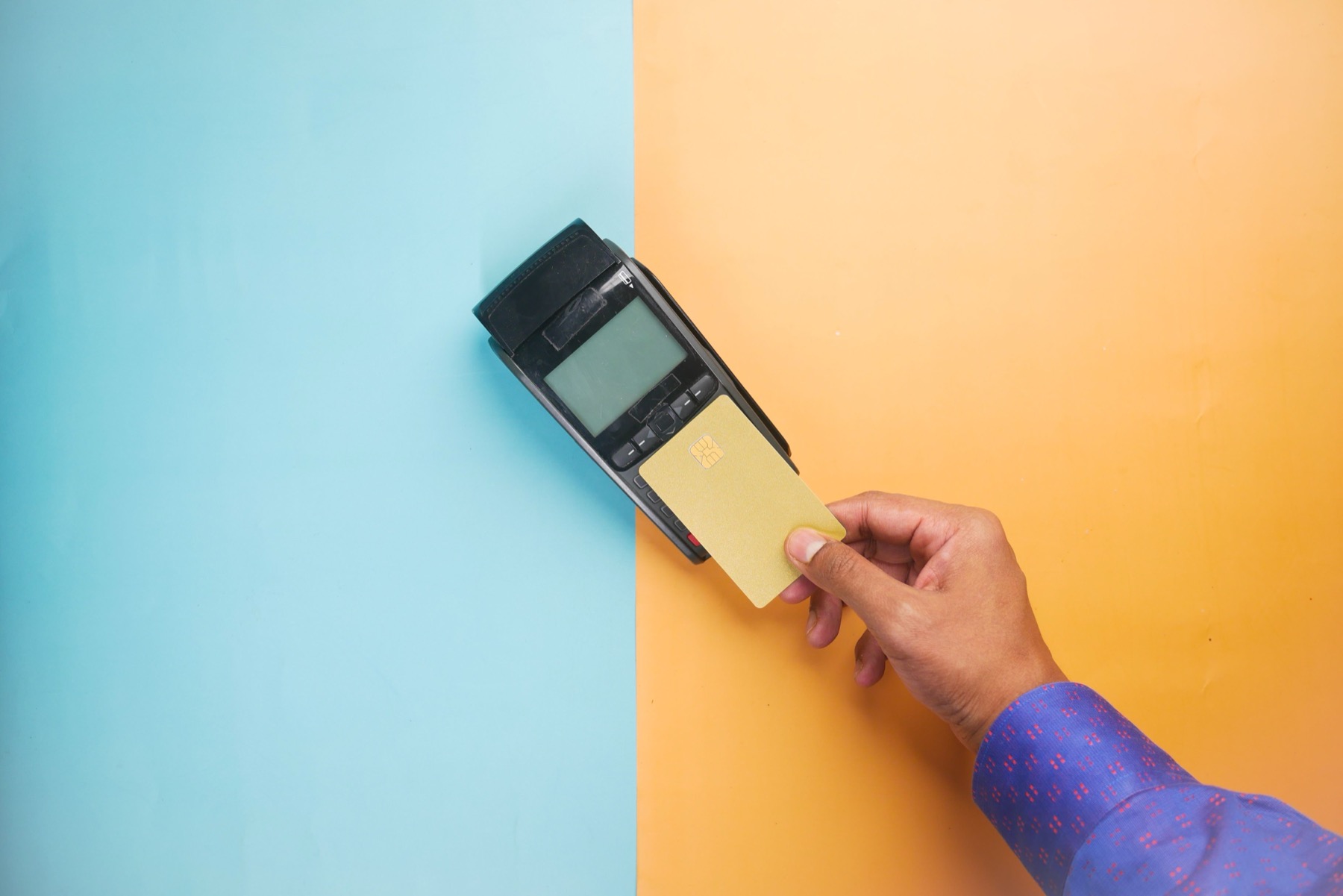
4. How payment works at the toll gate
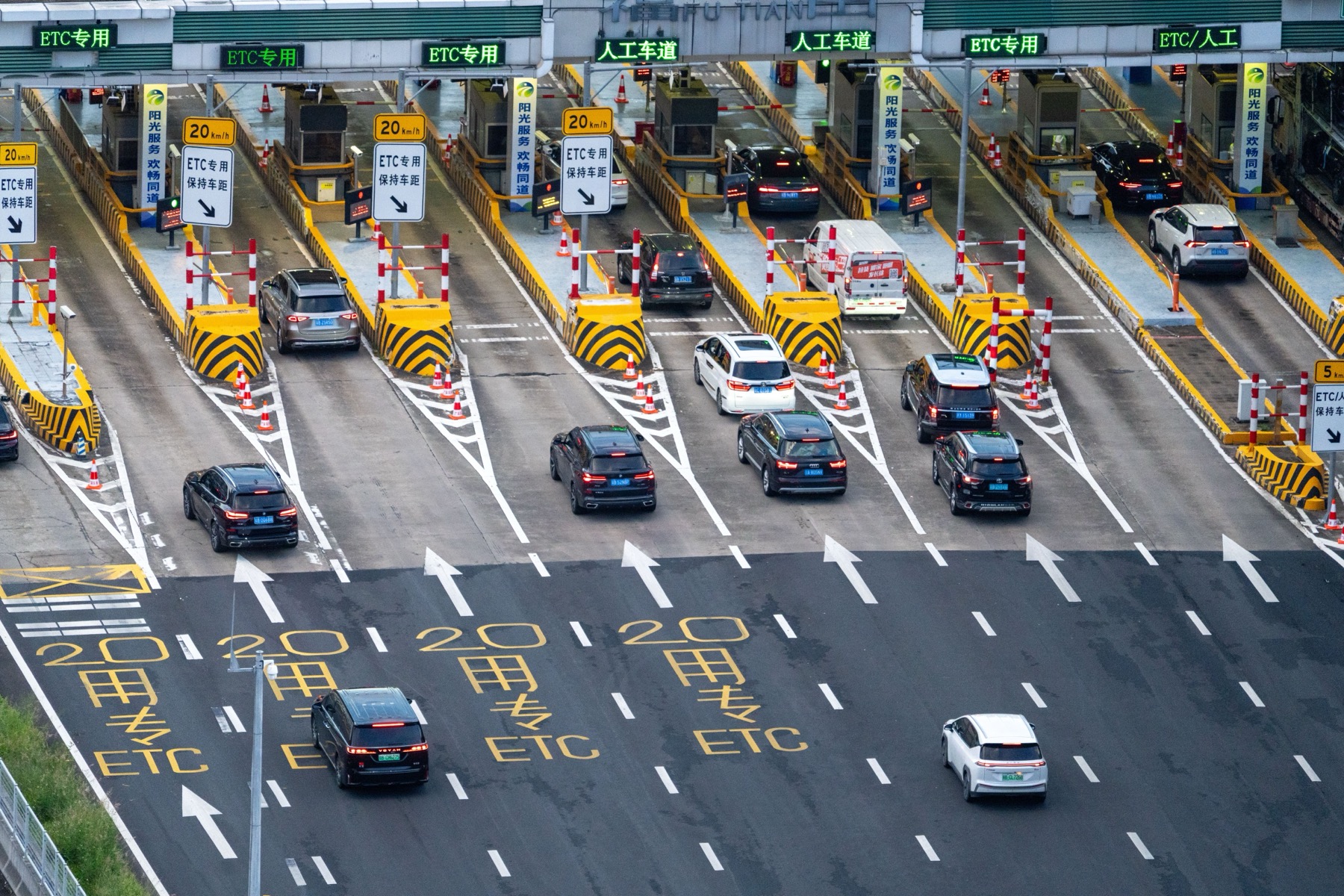
The whole system is designed to prevent unnecessary queues and keep traffic moving as quickly as possible. The key thing to know is that the Lernacken toll station is located exclusively on the Swedish mainland. If you are travelling from Denmark, you drive onto the bridge, pass through the tunnel, cross the entire stretch of sea and pay only after reaching Swedish soil. On the return journey from Sweden to Denmark, you pay at the very beginning instead. Before the station, you will see clearly colour-coded lanes; move into the correct one early, depending on how you plan to pay.
Green lanes marked BroBizz/Auto/ØresundGO are reserved for subscribers using number-plate recognition or an electronic device. You pass through these lanes at around 30 km/h without stopping. Blue lanes are for ordinary card payments: stop, tap your card (all common types, including Visa and Mastercard, are accepted) and continue. Yellow lanes are for cash payments or situations where you need help from a member of staff. Remember that Sweden is almost entirely cashless, so having a card is essential.
💡 Tip: If you pay by card in a blue lane, you can easily switch the terminal menu to English. Stop close enough that you do not need to get out of the car, and have your card ready in your hand.
5. The Epass24 system and the risk of unnecessary fines
Sweden uses a nationwide network of smart cameras to collect various charges, including urban tolls in Stockholm and Gothenburg. Although the Oresund Bridge still has physical barriers, accidentally entering a green subscriber lane does not mean you are off the hook if you have not paid and the barrier happens to let you through. You are definitely not in the clear. The cameras will record your number plate, and a bill for the full toll plus a hefty administration fee will be sent to your home address abroad. Authorities can easily trace you through international databases.
Many drivers therefore use free registration with the Epass24 system. You simply upload your payment card and vehicle registration number. Any outstanding charges for bridges or the aforementioned urban congestion taxes are then automatically charged without penalties or delays. Setting up an account takes five minutes and saves you a great deal of stress over letters arriving from abroad. Good news for summer road trips: Stockholm’s urban toll is usually waived throughout July.
💡 Tip: Set up your Epass24 account at least a week before departure. The system needs some time to activate it and link it to your registration number and payment card.
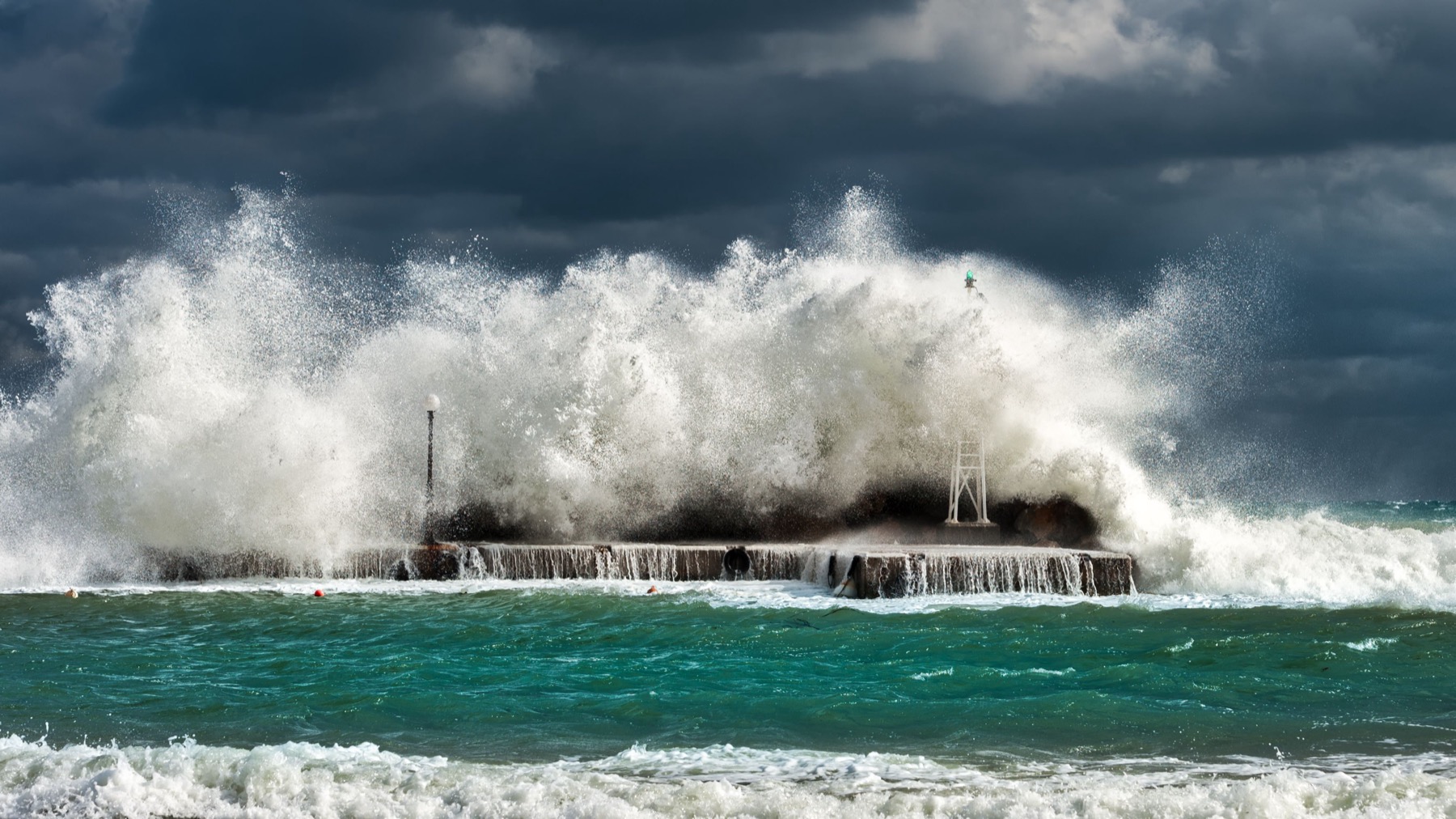
6. When is the bridge closed, and what should you do in strong winds?
The sea between Denmark and Sweden can quickly reveal its harsh and unpredictable side. Strong winds are the main enemy of smooth traffic and the one thing that can reliably bring the bridge to a standstill. The bridge’s official website always shows its current traffic status. In moderate winds, electronic signs simply lower the speed limit as a precaution. But once gusts exceed a certain safety threshold, the situation becomes more serious.
First, vehicles particularly vulnerable to wind are banned. This mainly affects empty lorries, caravans, cars with trailers and tall motorhomes that could be overturned by a crosswind. In extreme autumn storms, the bridge may be closed completely to all traffic for several hours. Fortunately, motorway information signs warn you dozens of kilometres in advance, so you will not get stranded just before the water. I recommend following the official app, which sends real-time notifications about speed-limit changes and closures directly to your phone.
💡 Tip: If you are travelling with a caravan and the bridge is closed to wind-sensitive vehicles, do not try to take the risk. Pull into the nearest rest area, make yourself a coffee and wait. Ordinary closures usually last only a few hours.
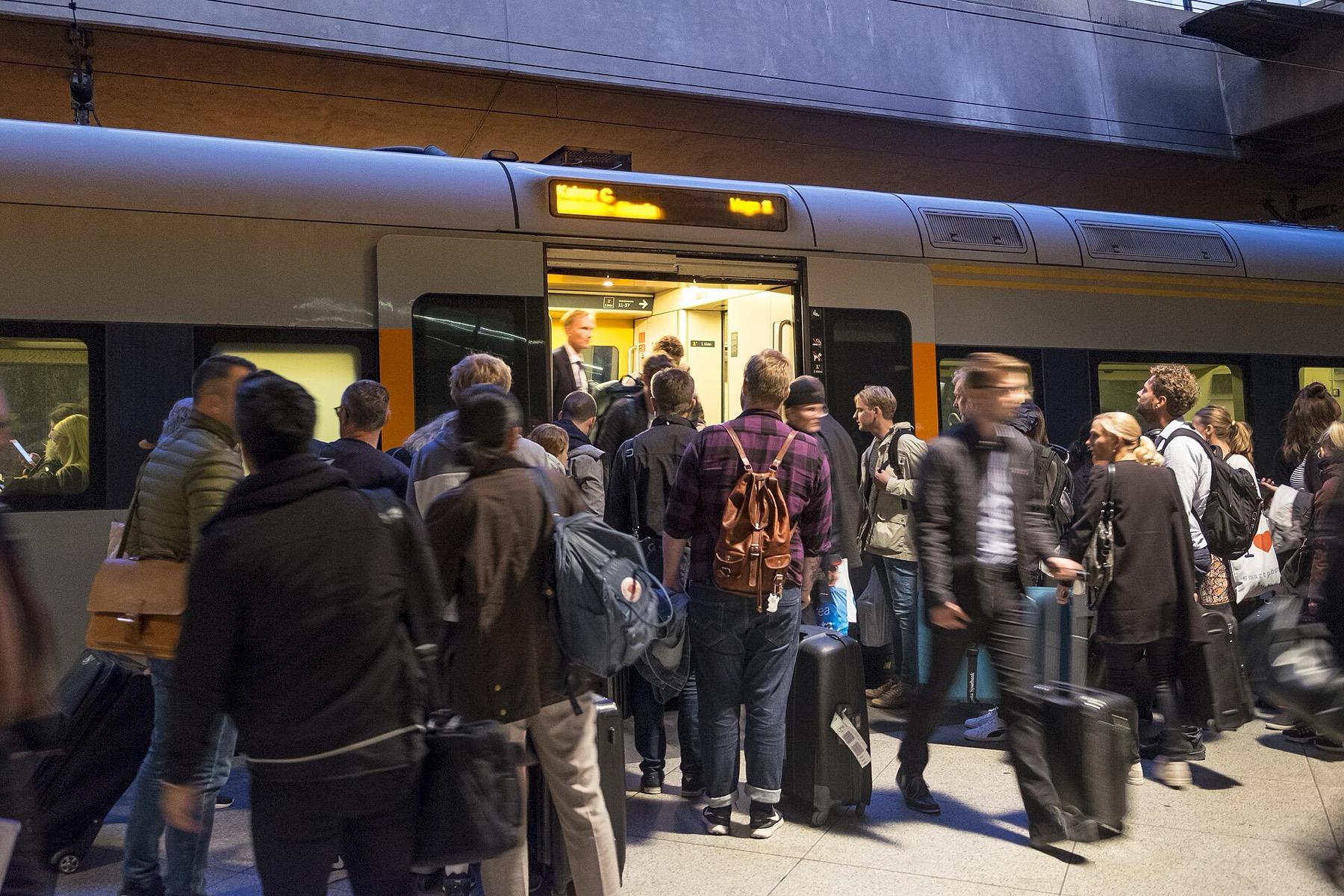
7. Train from Copenhagen to Malmö: Why it is often better
If you are not hauling bulky camping equipment and are simply heading off for a relaxed city break, leave the car at home. Öresundståg trains are an unbeatable and environmentally friendly way to travel. They run every 20 minutes, even more frequently during the morning and afternoon rush hours, and the entire journey from Copenhagen Central Station to Malmö Central Station takes approximately 40 minutes. An adult ticket costs around 145 SEK, and children are entitled to significant discounts.
The easiest way to buy tickets is through the Skånetrafiken mobile app, where you can activate them immediately. The train’s biggest advantage is that it takes you straight into the centres of both cities. Parking in Copenhagen and Malmö is astronomically expensive—often more than €30 per day—and searching for a free space in narrow streets will cost you plenty of time and nerves. You will also see the bridge structure much better from the train window than from behind the wheel. In 2026, there is another major bonus: the Swedish government is heavily subsidising public transport and has cut monthly ticket prices in half across the board from July to December.
💡 Tip: If you plan to travel more extensively around Skåne or onwards to Stockholm by train, check the multi-day passes in the app. The subsidised prices make them exceptionally good value.
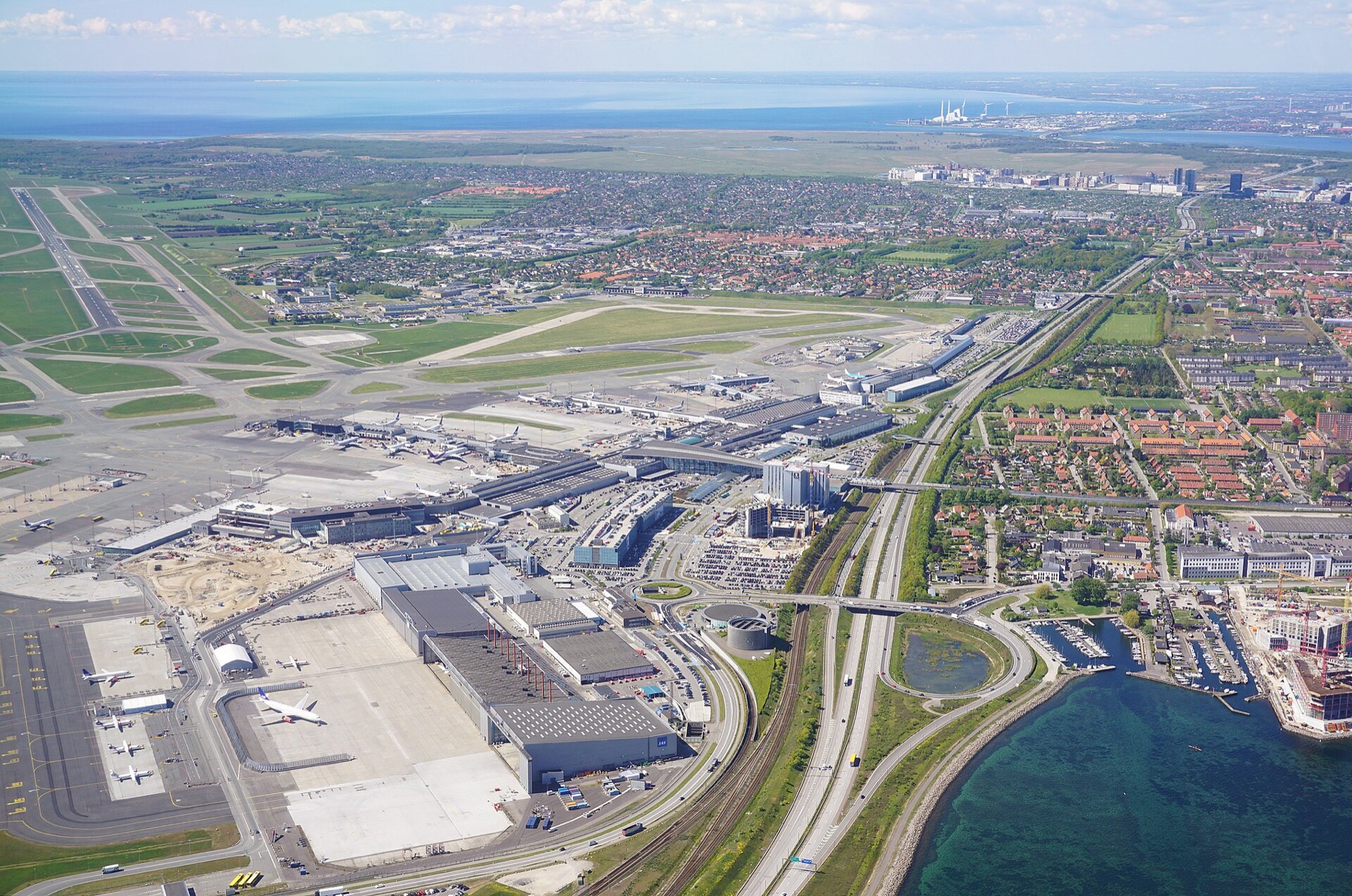
8. Travel directly from Kastrup Airport
This is one of Europe’s great transport luxuries and a reason it makes sense to fly to Denmark even if your destination is southern Sweden. Copenhagen’s international Kastrup Airport (CPH) lies just a few metres from the entrance to the underwater tunnel. From the arrivals hall, simply take the escalators down to the underground train platforms. You do not need a transfer bus or an overpriced taxi. If you are heading north, board a train towards Malmö or Gothenburg and you will be stepping out in Sweden in less than 25 minutes.
That is why many savvy travellers buy cheap flights to Copenhagen. It is much faster and often considerably cheaper than travelling via remote airports such as Stockholm Skavsta, which lies more than 100 kilometres from the city and requires a 90-minute bus transfer. At Copenhagen Airport, signs pointing to the trains appear practically as soon as you leave baggage reclaim, so you really cannot miss them. Trains run so frequently that there is no need to stress about a precise departure time.
💡 Tip: Buy your train tickets after landing from the red Skånetrafiken machines in the arrivals hall near baggage reclaim, or use the mobile app. There is no point buying them in advance: trains do not require seat reservations and cannot sell out.
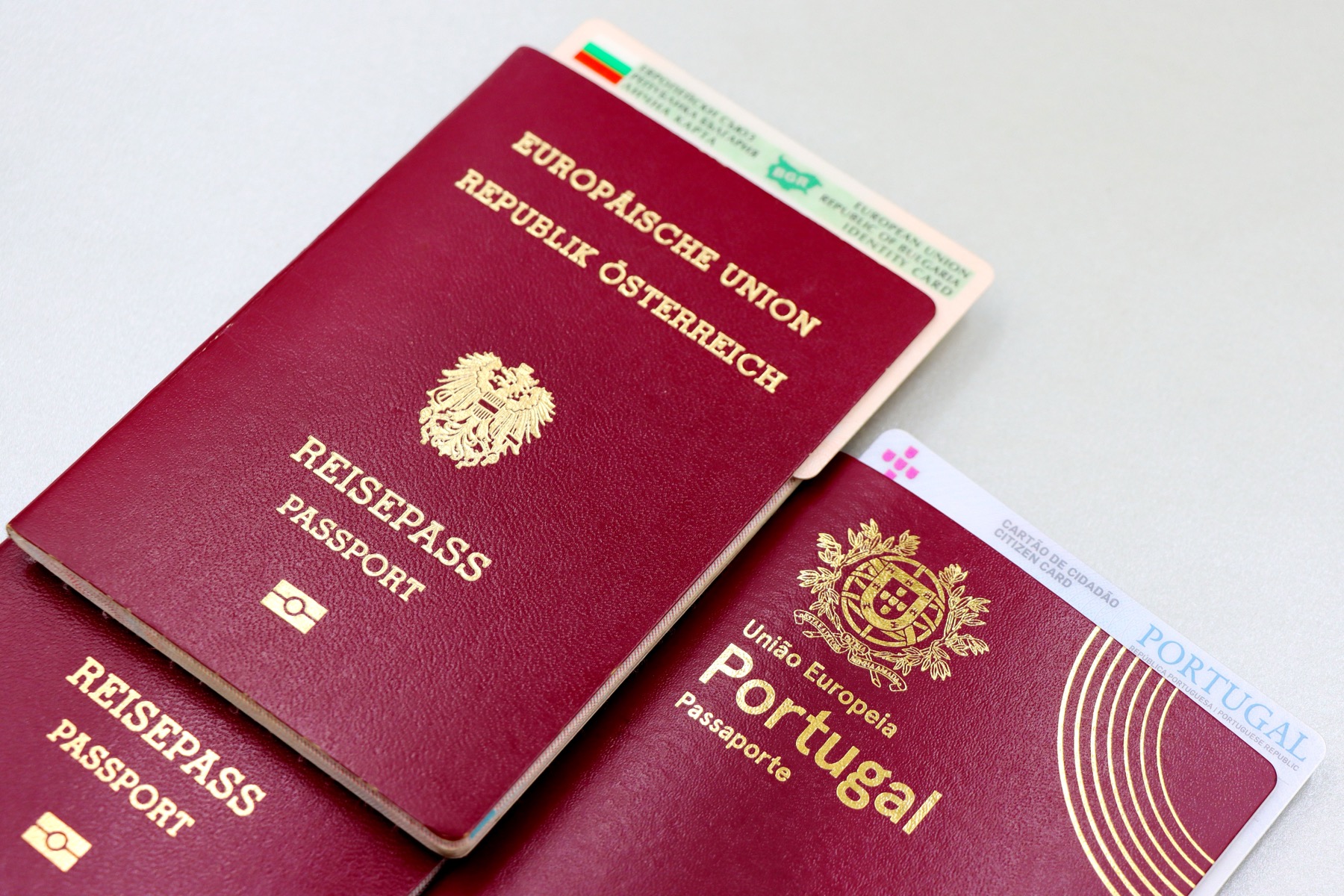
9. Border checks and preparing your documents
Although both countries are part of the Schengen Area, free movement without checks does not quite apply here. For internal security reasons, the Swedish government has extended random checks at internal borders at least until November 2026 and takes them seriously. Whether you drive your own car through the toll gates or travel comfortably by train, you must always carry a valid national ID card or passport. Checks take place exclusively on the Swedish side after crossing the sea.
Police officers often walk through train carriages, check passengers’ documents and randomly direct cars into special lanes for inspection. Do not forget documents for every child, including the youngest ones—a birth certificate is not enough—and travelling with only a driving licence is not permitted. You risk a fine and being refused entry. German authorities have even issued an official warning that a driver carrying a passenger without valid documents may face serious legal problems.
💡 Tip: Have your documents in your hand as the train pulls into Malmö Hyllie station, the first stop in Sweden. This will speed things up and allow the officers to check you quickly.
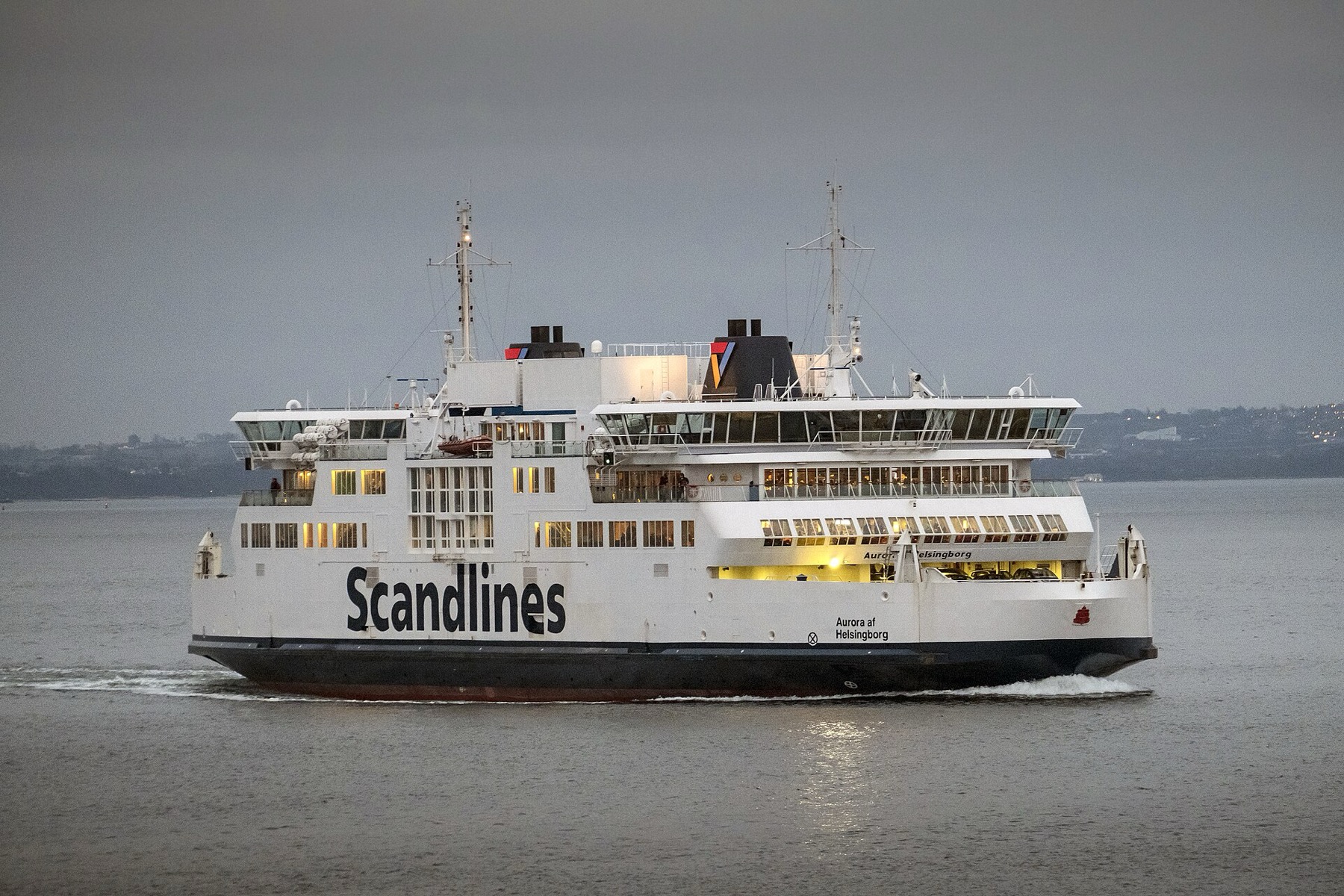
10. The Helsingør–Helsingborg ferry as a cheaper alternative
The Oresund Bridge is not the only way to cross the sea between these two countries. Around 50 kilometres north of Copenhagen lies the historic Danish town of Helsingør, from where a frequent ferry runs to Swedish Helsingborg. The crossing takes just 20 minutes, and Öresundslinjen ferries (formerly known as ForSea) shuttle back and forth constantly. During busy periods, they depart every 15 minutes, so you never have to wait long to board.
This option is perfect for road trips heading straight north towards Gothenburg or the Norwegian fjords. It allows you to avoid Copenhagen’s heavy rush-hour traffic, and a ferry ticket is often slightly cheaper than the bridge toll itself. You will also enjoy fantastic views of both coasts from the deck. If you choose this route, make sure to visit the famous, majestic Kronborg Castle in Helsingør before boarding. This is where William Shakespeare set his celebrated tragedy about the Danish prince Hamlet.
💡 Tip: Buy your ferry tickets online at least a day in advance; they are usually cheaper than buying them at the barrier. At the port, simply scan the code on your phone and drive straight onto the ship.
11. Comparing prices: car, train and bus
Your travel budget plays a major role in planning for most people. The overview speaks for itself, so choose according to how many of you are travelling and what you are carrying in the boot:
- Car: Around €65 one way (or about €24 with an ØresundGO subscription). It makes a great deal of sense for a family of four with a full boot, tents and food supplies, because the total cost is split between the passengers and the car doubles as a base.
- Train: Around €13 per adult. It is ideal for couples, backpackers and solo travellers. Children and students often receive significant discounts, and you also save on expensive city-centre parking. Another excellent way to reach Sweden is the Snälltåget night train from Dresden via Copenhagen directly to Stockholm.
- Bus: Companies such as FlixBus and Vy bus4you offer Copenhagen–Malmö tickets from an incredible €6. It is easily the cheapest way to cross the water. The buses are modern and comfortable and use the same bridge as cars. Just bear in mind that the journey takes a little longer because of possible traffic jams near the airport or delays during border checks.
💡 Tip: If you are travelling by bus, pay close attention to which stop in Copenhagen you are leaving from. Some services depart near the main railway station, while others leave directly from Kastrup Airport.


12. Practical tips for travelling with children and a caravan
Travelling with a motorhome has some clear specific considerations on the bridge. As mentioned above, the toll changes exactly at the six-metre length limit for longer vehicles. Measure your vehicle beforehand, including bike racks, so that the doubled amount on the display does not catch you by surprise. Many caravan travellers take a well-earned break at a large rest area with beautiful views of the bridge immediately after the toll gate on the Swedish side, where clean toilets and picnic tables are available. During the actual 16-kilometre crossing, stopping is strictly forbidden. You cannot simply pull into the emergency lane to take a photo—safety cameras will spot it immediately.
If you are arriving in a motorhome, watch out for a common misunderstanding. Sweden’s famous right of public access to nature (allemansrätten) does not apply to motor vehicles. You cannot park your caravan on a beach or in a forest meadow; you must use an official parking area (ställplats) or campsite. In southern Sweden, also keep an eye on your valuables, as unfortunately break-ins do occasionally happen in motorhomes, even at busy rest areas.
💡 Tip: If you are travelling with small children, show them a documentary about how the underwater tunnel was built. The journey beneath the sea will then be a much more exciting experience for them.
13. The dark fame of the series Bron/Broen
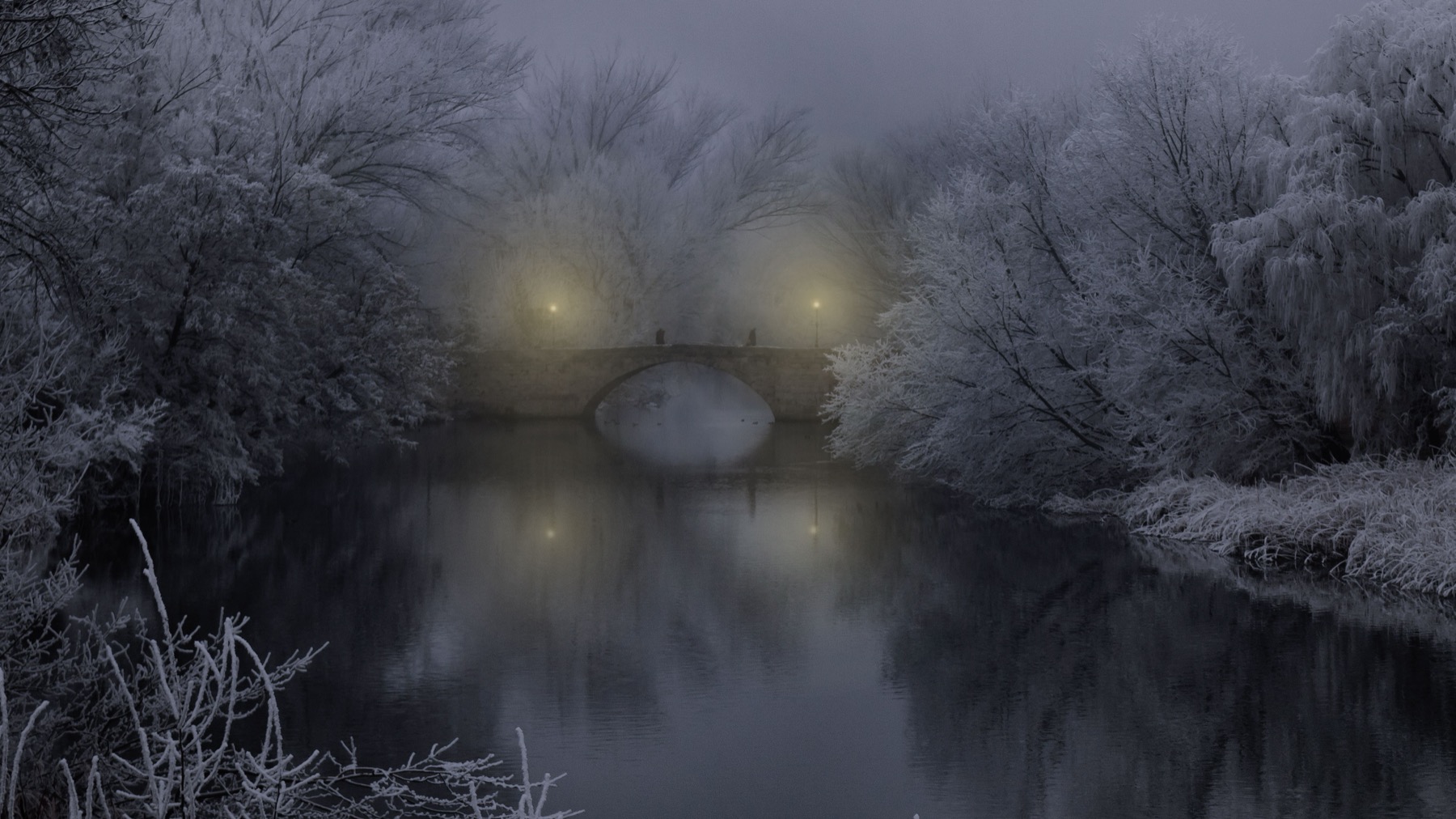
For hundreds of thousands of people around the world, this remarkable bridge became a global icon thanks to one of the best crime series of the past decade. The dark Swedish-Danish co-production The Bridge (Bron/Broen), featuring the unforgettable and socially awkward detective Saga Norén, begins with the discovery of a body precisely on the border between the two countries in the middle of the bridge. The series drew crowds of enthusiastic tourists to the area, and in Malmö you can still book special guided tours of the filming locations.
The bridge itself is, of course, far less dramatic and is not used for film murders. Every day, tens of thousands of ordinary people use it to commute between the two countries. For local residents, the bridge is simply part of everyday life. Danes travel to Sweden for cheaper homes, while Swedes cross the water for higher salaries. It is a slightly different kind of romance from Saga Norén’s, but fascinating in its own way. 😉 And if you are wondering whether Malmö is safe, the answer is yes. The gang-related problems that make the news take place in distant suburbs such as Rosengård; the historic centre and the area around the bridge are perfectly calm for tourists.
💡 Tip: If you are a fan of the series, head to Malmö’s Västra Hamnen district. You will easily recognise many of the modern buildings and streets from the television screen.
14. What to see in Copenhagen if you only have one day
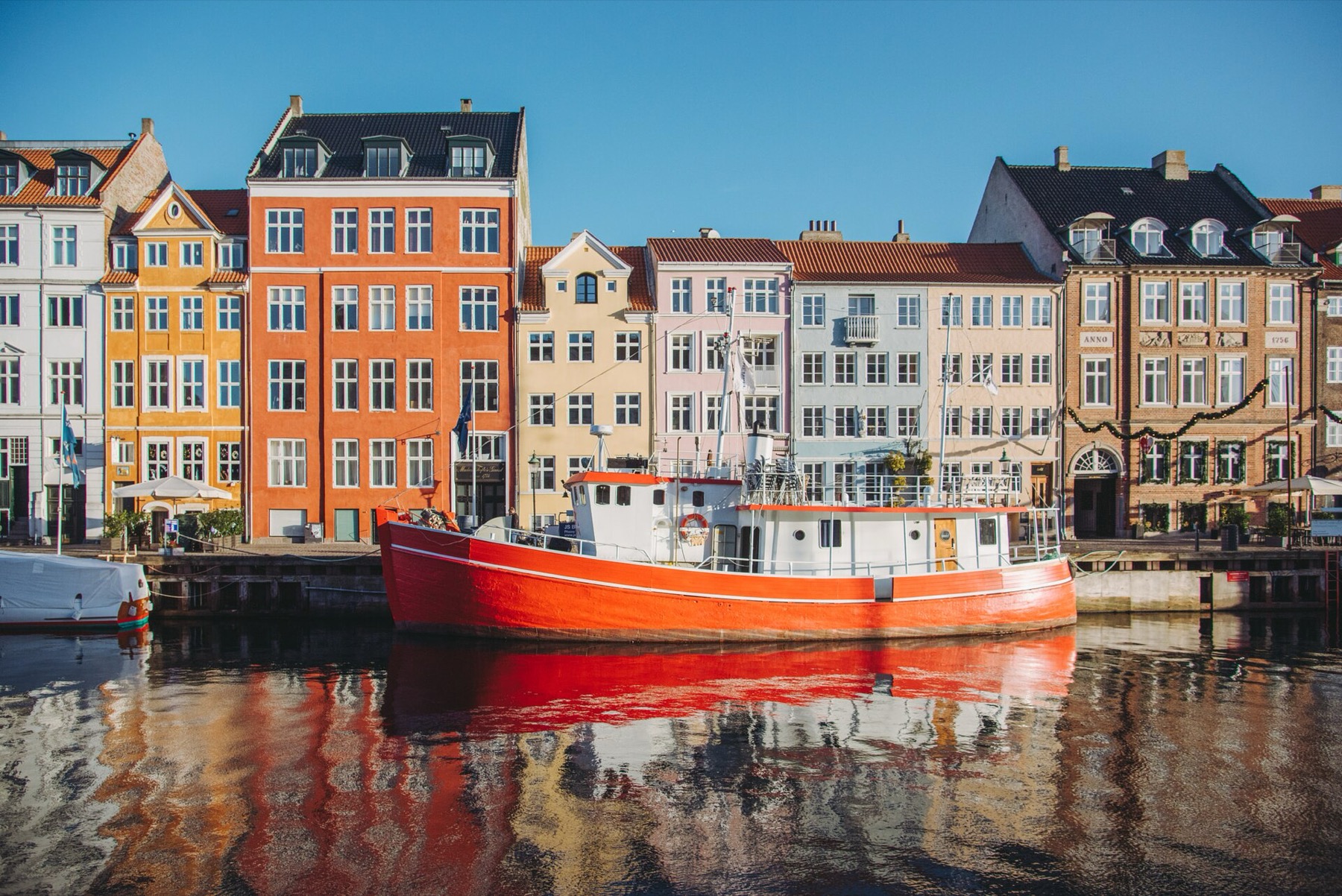
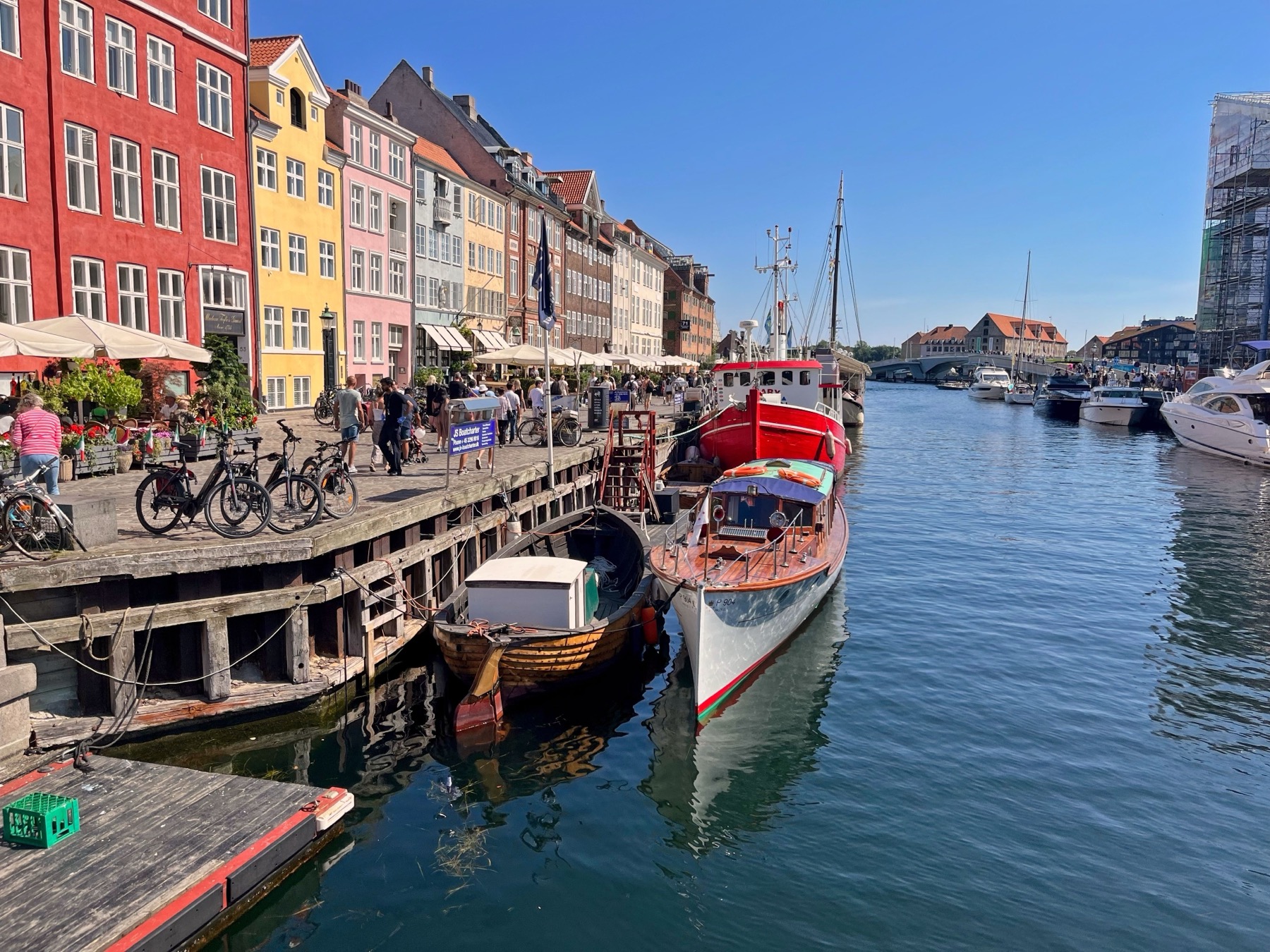
Copenhagen is absolutely beautiful, but it is also very expensive. If you are making a day trip from your Swedish base, focus on the best sights in the centre. From the main station, walk to the historic Tivoli amusement park and continue along the city’s longest shopping street, Strøget. You absolutely must see the iconic Nyhavn harbour with its colourful houses. It may be a huge tourist cliché, but the view of the wooden boats and canal never gets old, and you simply have to take a photo here.
In the afternoon, rent a bike (for example through the popular Donkey Republic app). Copenhagen is the world capital of cycling, and riding along its wide, safe cycle paths is one of the best experiences the city offers. When you get hungry, try a traditional Danish open sandwich called smørrebrød, which is also easy to find in many excellent vegetarian versions. It is often served with a generous layer of potatoes, quality mayonnaise, radishes and fresh herbs, which will keep you full until dinner.
💡 Tip: Avoid the overpriced restaurants right in Nyhavn. Turn down a side street two blocks away or head to Torvehallerne market, where you will find fantastic food at much more reasonable prices.
15. What to see in modern Malmö
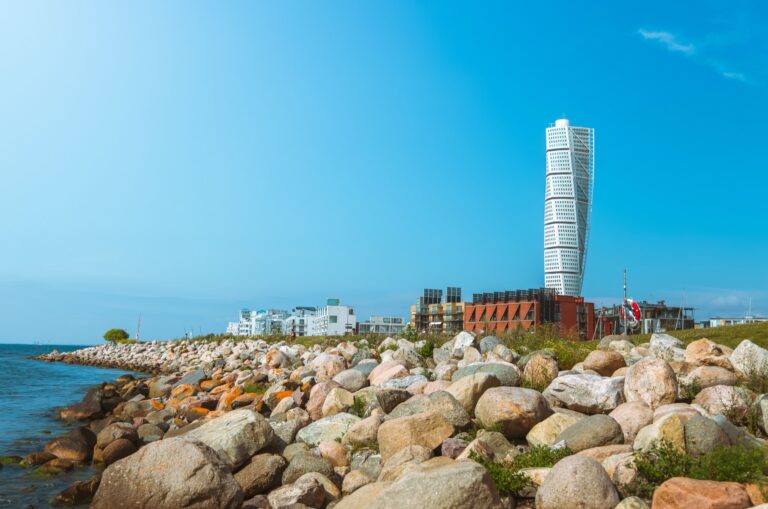
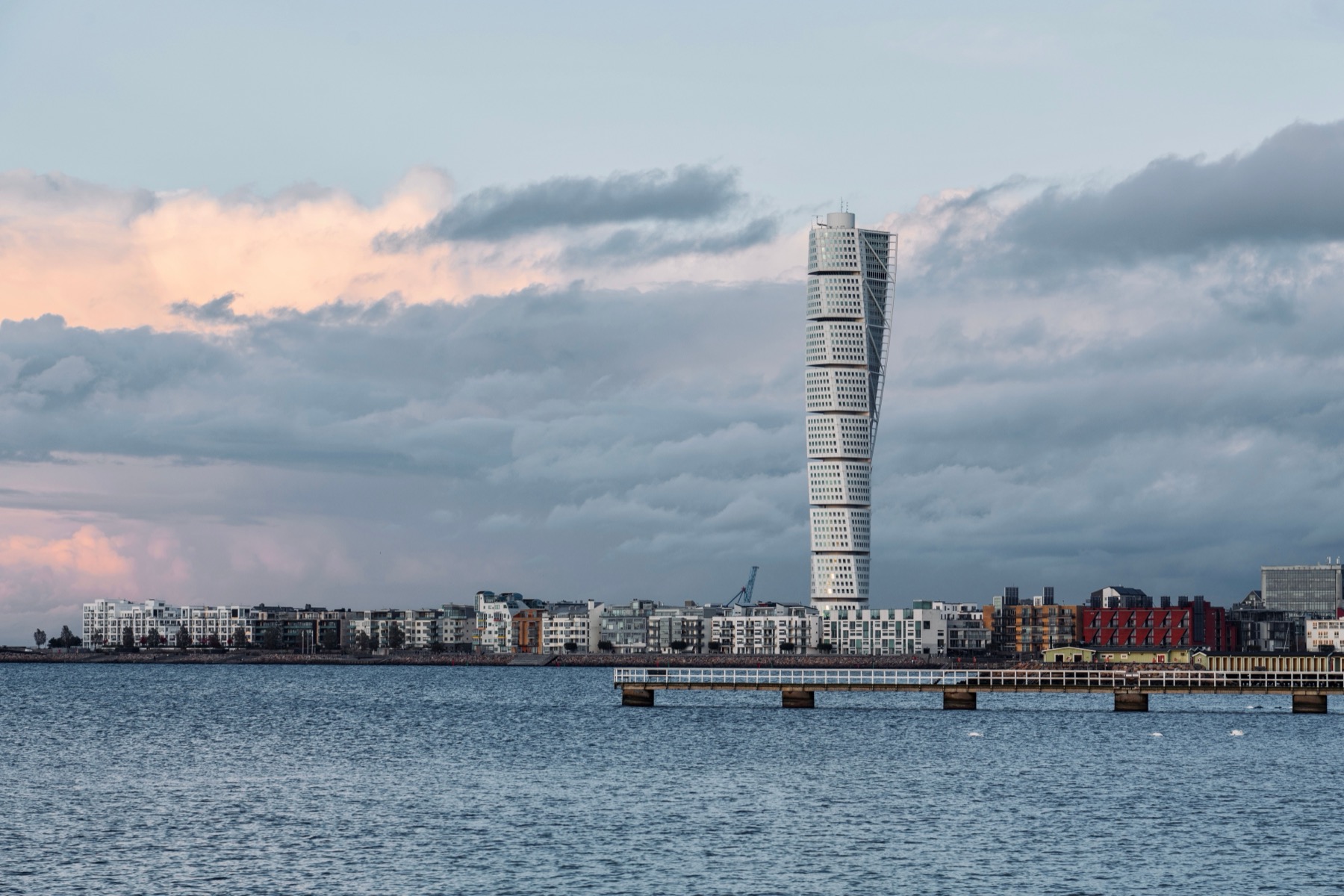
Malmö may surprise you. The first impression of an industrial district quickly gives way to a modern waterfront and design-filled cafés. The city has been transformed beyond recognition over the past twenty years. Your first stop should be Turning Torso, a 190-metre twisting skyscraper designed by architect Santiago Calatrava. Unfortunately, you cannot go up, as the building has no public observation deck and contains only luxury apartments. A walk around it in the eco-friendly Västra Hamnen district by the sea is nevertheless well worth it.
You will find the historic heart of the city around the picturesque square of Lilla Torg. Its cobbled lanes are lined with beautiful half-timbered houses dating back to the days when the city still belonged to Denmark. It is the perfect place to slow down and admire the contrast between the old architecture and the modern waterfront development.

16. Where to eat: legendary falafel and Swedish fika
If you want to experience truly modern Malmö in all its contrasts, head to Möllevångstorget square (known simply as Möllan). This multicultural neighbourhood is home to Malmö’s legendary falafel, a local institution. For the best bites, try places such as Jalla Jalla or Möllans Falafel. You can get a delicious fresh falafel roll here for next to nothing, often 50–70 SEK, or roughly €4–6. Vegetarians and food lovers alike can eat extremely well for a fraction of the usual Swedish restaurant prices, which are otherwise very high.
When you fancy something more traditional, stop at Smak near Konsthall gallery, which serves an excellent lunch menu at a reasonable price. And for the famous Swedish fika—a coffee break with something sweet—I recommend Lilla Kafferosteriet in the city centre. They make perfect cinnamon buns and roast their coffee on site. A coffee here costs roughly 65–100 SEK.
17. A road trip through Skåne and a stop in Lund
If you have arrived by car, do not stay only in Malmö. The southern province of Skåne offers fantastic opportunities for relaxed day trips with very short drives. Just outside the city lies the ancient university gem of Lund. Its majestic cathedral contains a unique 15th-century astronomical clock that comes to life twice a day, usually at exactly 12:00 and 15:00. Wooden knights stage a duel to the sound of historic organ music. Continue south by car to picturesque Ystad, full of perfectly preserved half-timbered houses, where you can follow in the footsteps of the fictional detective Wallander.
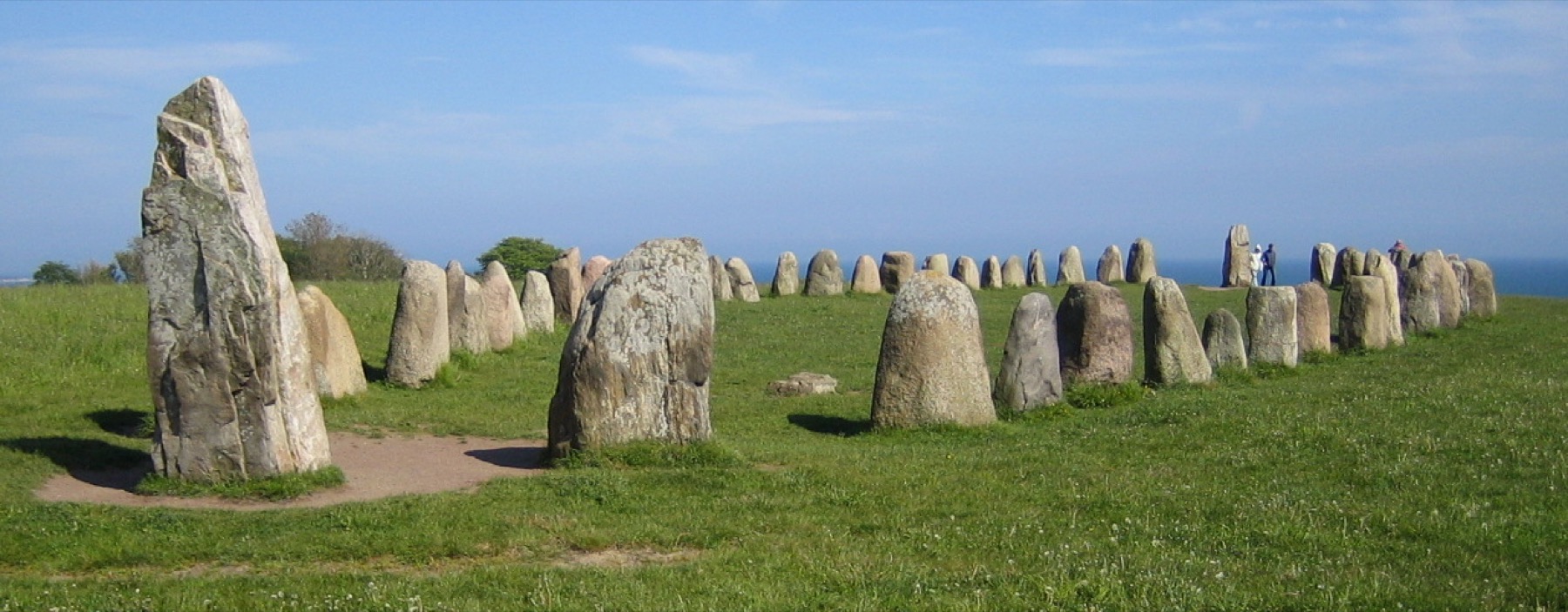
Do not miss the magical megaliths of Ales stenar. This Swedish Stonehenge consists of 59 enormous boulders arranged in the shape of a 67-metre-long ship. They stand on a high cliff directly above the crashing waves of the Baltic Sea, creating an extraordinary Iron Age atmosphere. If you are longing for white sand and a swim, drive to the Falsterbo Peninsula. Its sandy beaches with colourful bathing huts look more like a film set than the rugged European north—it is a wonderful surprise to discover what Scandinavia can offer. ☺️
💡 Tip: Swedish motorways are completely free for passenger cars, and you do not need a motorway vignette. You can therefore criss-cross the entire province of Skåne and explore smaller roads without any additional charges.
Where to Stay in Malmö (and Why Not Copenhagen)
💡 Accommodation and experience tip: We prefer to look for accommodation on Booking.com, where you often find the best cancellation policies. It is also worth comparing and booking tickets, tours and activities through GetYourGuide.
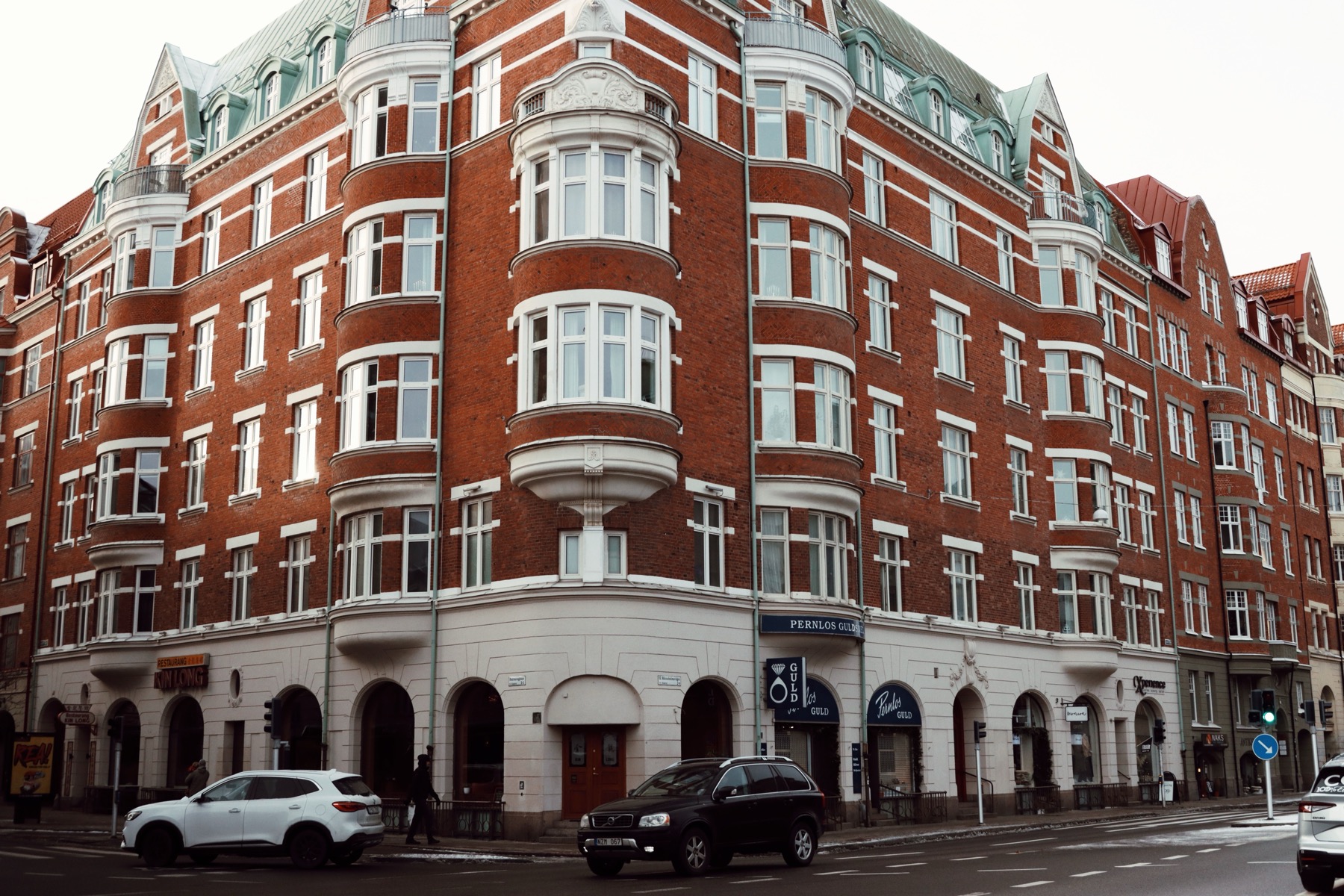
This is one of the smartest travellers’ secrets and it can save you a lot of money. Staying right in Copenhagen can blow your budget at an astonishing speed. Prices for an ordinary mid-range hotel there often reach astronomical levels, while hostels can cost as much as a lovely guesthouse elsewhere. That is why it makes perfect sense to make Malmö your main base in Sweden. Hotels are much cheaper here, the standard of service is high, and you can easily and quickly hop over to the Danish capital by train during the day.
Malmö offers excellent hotels at prices that would only get you a bunk in a shared room in Copenhagen. It is worth focusing on the area immediately around the main railway station (Malmö Centralstation), which you will appreciate when setting off across the water in the morning. Another excellent location is the modern Västra Hamnen district right by the sea. From here, you can easily reach both the train station and the main sights, then spend the evening strolling along the wooden piers with a view of the bridge.
Here are some specific tips for tried-and-tested hotels in Malmö:
- Moment Hotels: This is a secret tip for anyone keeping an eye on their budget. The hotel is just a few steps from the main railway station, making it ideal if you are planning day trips to Copenhagen by train. The rooms are smaller and minimalist, but clean and modern, and breakfast is included (rooms are available from around €80 per night).
- Clarion Hotel Malmö Live: If you want to make the most of your stay and love spectacular views, this is an excellent choice. The tower stands a short walk from the station, and from the upper floors and the sky bar you can see the whole city and, on a clear day, the Oresund Bridge itself (prices from €105). The breakfasts here are famous for their generous portions and huge selection.
- Story Hotel Studio Malmö: A wonderful boutique hotel with gorgeous industrial design. It is located in a modern area close to the harbour and historic centre. On the roof, you will find a restaurant with a fantastic terrace, while the rooms are furnished with an incredible eye for detail (prices from around €115). It is an ideal choice for couples looking for something a little more special and stylish.
- Havshotellet: If you prefer peace and quiet and would like to stay close to the sea, try this unique hotel by Limhamn harbour. Every room is decorated in a distinctive nautical style, and the design inspired by historic ships will completely draw you in (prices from €100). You can easily reach central Malmö by local bus, so you will not be cut off from the action.
A Sample One-Day Trip Across the Bridge
If you are spending your holiday in Copenhagen but would also like to tick Sweden off your list, we have put together the perfect one-day itinerary for you. There is no rushing involved—just enjoyable exploring with plenty of time for coffee. The trip is easy to do by train, so leave your car parked and save thousands on Copenhagen parking and Swedish tolls.
9:00 Depart from Copenhagen: Take an Öresundståg train from the main station (København H) or directly from Kastrup Airport. A ticket costs approximately 145 SEK, or around €15. The journey takes you under the sea and then high across the bridge, and is remarkably quick. Remember to keep a valid identity card or passport handy for the Swedish border check.
9:45 Morning fika in Malmö: Get off at Malmö Centralstation and walk to the old town, Gamla Staden. Settle into one of the cafés on the historic cobbled square of Lilla Torg. Order a strong coffee and a fresh cinnamon bun (kanelbulle), which will cost you around 70 SEK. Soak up the morning atmosphere among the beautiful half-timbered houses.
11:00 Modern architecture: Head towards the sea and the Västra Hamnen district. Walk along the long wooden piers, which offer a great view of the bridge in the distance, and continue right to the foot of the twisted skyscraper Turning Torso. The district is a showcase for sustainable Swedish development and provides a perfect contrast to the historic centre.
13:00 Lunch on a budget: Feeling hungry? Head to the multicultural Möllevången district (Möllan). Treat yourself to legendary Malmö falafel in pita bread with fresh vegetables and tahini sauce. This vegetarian delight costs just 60 SEK and will easily keep you full for the rest of the afternoon.
14:15 Train to Lund: Board a train at the nearby underground Triangeln station and ride for just 15 minutes to the historic university town of Lund. Your destination is the majestic Romanesque Lund Cathedral, dating from the 12th century.
15:00 Astronomical clock and return: Be in the cathedral at exactly 15:00, when its unique 15th-century astronomical clock comes to life. Wooden knights battle to the sound of historic organ music. After your visit, explore the picturesque streets filled with students and ivy-covered houses. Around 17:00, board a direct train and head back to Copenhagen.
Practical Oresund Bridge Summary and Approximate Prices
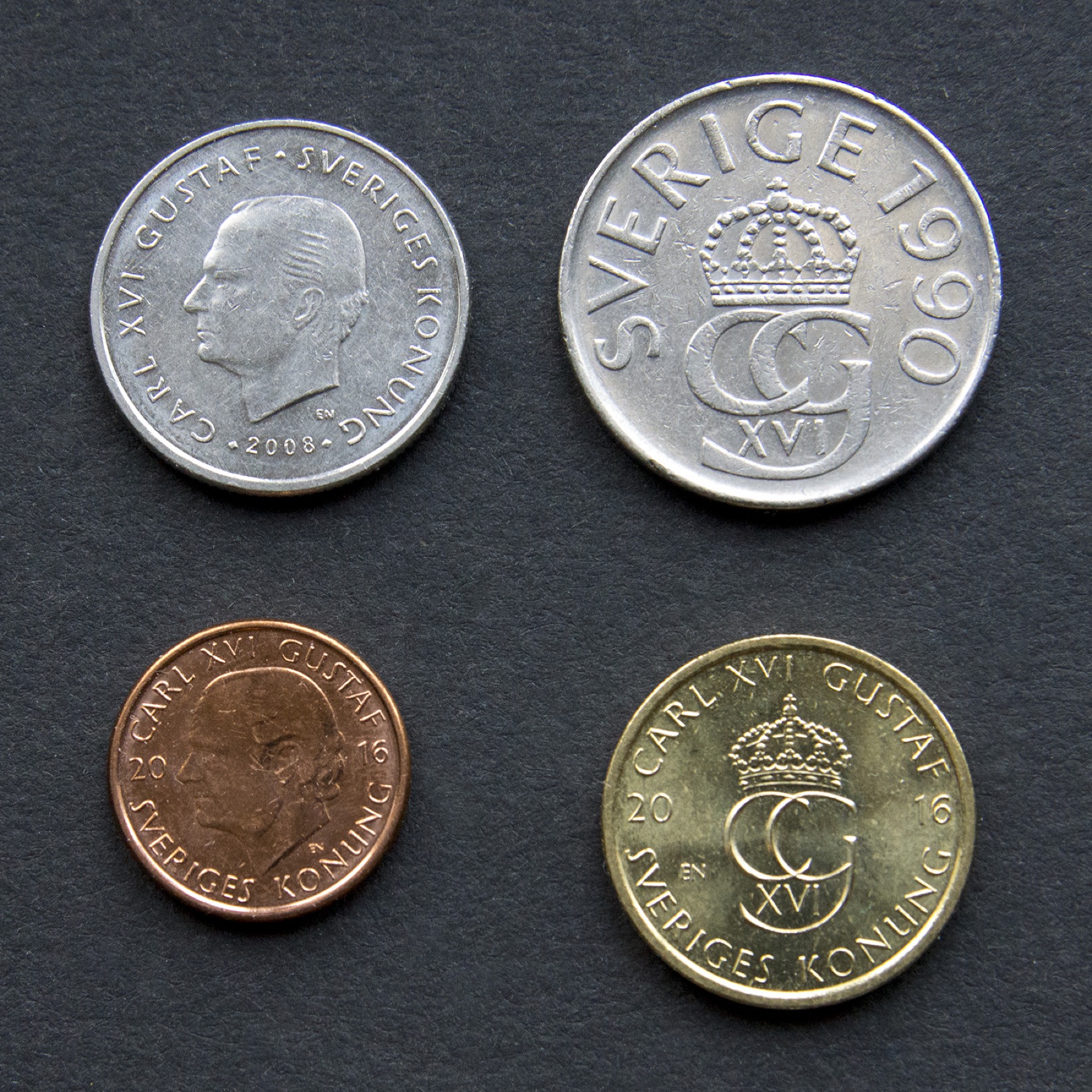
To make planning your trip easier, we have prepared a quick overview of approximate prices for 2026. Exchange rates naturally change, but the ratio usually remains roughly the same (1 SEK ≈ 0.22 DKK, 1 DKK ≈ €0.13).
- Toll (car without a subscription): 470–510 DKK (approximately €60–65)
- Toll (car with ØresundGO): 178 DKK (approximately €25)
- Annual ØresundGO fee: approximately 359 DKK (approximately €50)
- Copenhagen–Malmö train (one-way): approximately 145 SEK (approximately €15)
- FlixBus (one-way): from approximately €6
- Coffee and cinnamon bun (fika): approximately 70 SEK (approximately €6)
- Falafel in Malmö (Möllevångstorget): approximately 60 SEK (approximately €6)
Where to Go Next
If you already have your trip across the bridge planned, take a look at our other guides too. They will help you put together the rest of your Nordic adventure.
- Sweden: 30 Tips for Things to See and Do
- Copenhagen: 25+ Tips for Things to See and Do
- Stockholm: 25 Tips for Things to See and Do
- European Holidays: 17 Most Beautiful Places
Frequently Asked Questions
We have put together answers to the most common questions travellers have before crossing the strait. They are quick and concise, so you can be sure that nothing will catch you by surprise on the way.
How much exactly does the bridge toll cost?
In 2026 you’ll pay 470 to 510 DKK (approximately €63–68) for a one-way crossing in a standard passenger car up to six meters long. It depends on whether you’re traveling during peak summer season and whether you buy your ticket online or on-site. With smart registration and an ØresundGO subscription, the price drops dramatically to 178 DKK (around €24) per crossing.
Can I pay at the toll booth with a regular payment card?
Yes, paying with a regular card is completely hassle-free and quick. Just make sure to get into the blue lane in time. The terminals accept all common cards (Visa, Mastercard) and the menu can easily be switched to English. I recommend you always choose to be charged in the local currency to avoid unfavorable exchange rates.
Do I need BroPas (ØresundGO) if I’m only going once there and back?
Yes, it’s definitely worth it and you’ll save money. The annual registration fee pays for itself on your very first round trip. Instead of two full-price tolls, you pay one fixed annual fee and two significantly discounted tolls, which ultimately saves you a considerable amount of money in your travel budget. Just remember to cancel the subscription after you return.
How long does the train journey from Copenhagen to Sweden take?
The modern Öresundståg train takes approximately 40 minutes from the main station in central Copenhagen to the main station in Swedish Malmö. However, if you board directly at Copenhagen’s Kastrup airport, where the line dives under the sea, the journey to Malmö takes just under 25 minutes.
Do I need a passport when traveling between EU countries?
Absolutely yes. Sweden has extended random border checks at least until November 2026, and a valid ID card or passport is absolutely mandatory. Without it, you risk hefty fines and being denied entry to the country. Even small children must have their own travel document; a birth certificate is not sufficient.
Can you cross the bridge by bike or on foot?
No, the Öresund Bridge is open exclusively to motor vehicles and trains. For safety reasons (strong winds, highway-speed traffic, and the four-kilometer underwater tunnel), pedestrians and cyclists are strictly prohibited. However, you can take your bike with you on the train for a fee, which will transport you across the water.
Is it cheaper to take the ferry from Helsingør?
The short twenty-minute ferry route from Danish Helsingør to Swedish Helsingborg is often slightly cheaper than the one-time toll on the bridge. This option makes perfect sense if your road trip continues straight north along the coast toward Gothenburg or into the Norwegian fjords.
Can I take a rental car across the border?
Most major international rental companies allow this without problems, but you must always get written approval in advance in your rental agreement. Some companies charge a special fee for crossing the border, so carefully read the terms of your specific reservation so you won’t face any surprises when returning the car.
Tips and Tricks for Your Vacation
Don’t Overpay for Flights
Search for flights on Kayak. It’s our favorite search engine because it scans the websites of all airlines and always finds the cheapest connection.
Book Your Accommodation Smartly
The best experiences we’ve had when looking for accommodation (from Alaska to Morocco) are with Booking.com, where hotels, apartments, and entire houses are usually the cheapest and most widely available.
Don’t Forget Travel Insurance
Good travel insurance will protect you against illness, accidents, theft, or flight cancellations. We’ve had a few hospital visits abroad, so we know how important it is to have proper insurance arranged.
Where we insure ourselves: SafetyWing (best for everyone) and TrueTraveller (for extra-long trips).
Why don’t we recommend any Czech insurance company? Because they have too many restrictions. They set limits on the number of days abroad, travel insurance via a credit card often requires you to pay medical expenses only with that card, and they frequently limit the number of returns to the Czech Republic.
Find the Best Experiences
Get Your Guide is a huge online marketplace where you can book guided walks, trips, skip-the-line tickets, tours, and much more. We always find some extra fun there!