

When people think of Alaska and Glacier Bay National Park, most picture that classic wilderness scene — bears roaming free and enormous chunks of ice crashing into the ocean. But I have to warn you about something. The reality at Glacier Bay Alaska is a thousand times more dramatic, more spectacular, and considerably wetter than you could ever imagine. ☺️ It’s the absolute end of the world in the best possible sense, where nature shows no mercy and you’re merely a very humble guest.
Glacier Bay National Park is a place where absolutely no roads lead, yet hundreds of thousands of people flock here every year to witness the vanishing ice giants with their own eyes. Most of them see it from the deck of massive cruise ships, but we’ll also show you how to do it independently and combine it with the wonderful historic town of Sitka. Pack your warmest layers, a solid pair of wellies, and let’s dive into this Alaskan wilderness that’s guaranteed to send shivers down your spine (and not just because of the temperatures 😁).
Here’s what I’ve put together for you: 13 tips covering everything from glacier theatrics and bear rescue centres to the best fish restaurants in Sitka, where nobody will judge you for turning up in soggy wellies.
The full destination guide: Alaska — guide and what to see
TL;DR
If you’re in a rush and just need the key takeaways before diving into the details, here’s a lightning-fast summary. Think of it as a life raft packed with the most essential information about the whole area, so you know exactly what you’re signing up for.
- No roads at all: There are no roads leading to Glacier Bay or Sitka. You can only get here by cruise ship, ferry (Alaska Marine Highway), or small aircraft.
- Two ways to visit: 95% of visitors arrive on huge cruise ships (and never set foot on land), while the remaining 5% travel independently via the small settlement of Gustavus and Bartlett Cove.
- Main highlights: Monumental tidewater glaciers (Margerie, Johns Hopkins) that thunder into the ocean, plus an incredible concentration of wildlife.
- When to go: The season is very short — everything operates only from May to September. The rest of the year, the area is essentially shut down for winter.
- Weather: Expect a temperate rainforest climate. It rains an average of 230 days a year, so a quality waterproof jacket and wellies are absolute necessities.
- The town of Sitka: The former capital of Russian America, packed with history, lovely little cafés, and brilliant hiking trails — often combined with Glacier Bay on the same trip.
When to visit and how to get to Glacier Bay
Planning a trip to Southeast Alaska is a bit of a logistical puzzle, because you can toss any notions of simply hiring a car right out the window. Let’s look at when it makes sense to fly here and the different ways you can reach this icy kingdom without having to swim.
Southeast Alaska runs on an unforgiving seasonal rhythm. The only sensible window to visit is from 1 May to 30 September. We prefer coming in the middle of summer, when the days are long and the chances of your fingers not going numb are slightly higher. From October to April, the little towns go quiet, hotels shut up shop for winter, and the bay is fully reclaimed by nature. And if you’re hoping for the Northern Lights, I’m afraid I’ll have to disappoint you — the constant cloud cover and relatively low latitude mean you won’t spot them here. For that, you’d need to head further north to Fairbanks.
So how do you actually get here? You essentially have two options, and each one defines your entire experience. The first, chosen by 95% of all visitors, is an Alaska glacier bay cruise on a large ship. These typically depart from Seattle or Vancouver and, as part of a roughly seven-day itinerary, sail into the national park for one full day. The crucial thing you need to know is that the ship doesn’t dock anywhere — you never step ashore. Once the vessel crosses the park boundary, rangers board from a small boat and spend the rest of the day narrating over the ship’s PA system, pointing out what you’re seeing and alerting passengers to whale sightings.
The second option — the one we more adventurous types choose — is travelling independently. The gateway in this case is the tiny settlement of Gustavus, which is served by commercial flights from Juneau or by Alaska Marine Highway ferries. From the airport, a single 14-kilometre paved road leads to Bartlett Cove, the only spot in the entire enormous national park where you’ll find any semblance of civilisation, a bed, and a hot meal. If you’re already travelling around Alaska, be sure to search for cheap flights on comparison sites — we often snag great deals on inter-Alaskan hops between Juneau, Sitka, and Anchorage. Flying from the UK, your best bet is usually to fly into Seattle or Anchorage via airlines like British Airways, Virgin Atlantic, or Icelandair, then connect on Alaska Airlines to Juneau.
The journey often involves a tiny prop plane that bounces around in the wind like a paper kite. But the aerial views of endless rainforests and labyrinthine fjords are absolutely worth the slightly queasy stomach. I’d strongly recommend packing some motion sickness tablets, even if turbulence doesn’t normally bother you.
Where to stay and how much it all costs
If you don’t opt for a cruise ship with a cabin included, you’ll need to sort accommodation well in advance. Capacity in Southeast Alaska is extremely limited, and during the peak summer season, everything tends to be hopelessly sold out a good six months ahead.
🏨 Recommended hotels in Gustavus, Alaska
- Luxury: Glacier Bay Lodge
- Mid: Annie Mae Lodge Gustavus
- Budget: Bear Track Inn Gustavus
Inside Glacier Bay National Park itself, there is exactly one hotel: the Glacier Bay Lodge in Bartlett Cove. It has just over fifty rooms, so you can imagine how quickly they vanish. It’s a beautiful timber lodge nestled in the rainforest, from where small catamarans depart each morning for the glaciers. If you’re on a very tight budget and love sleeping outdoors, Bartlett Cove Campground is right next door and camping is free — but caravans are strictly prohibited and you need to arrive early enough to grab a spot.
When you camp out here, you might be woken in the middle of the night by the odd snap of twigs. Your mind immediately conjures up an enormous bear, even though it often turns out to be a very curious fox. Trust me, camping in this wilderness is truly a once-in-a-lifetime experience. Most independent travellers therefore combine their visit to the bay with a stay in the town of Sitka, which is the historic hub of the region and offers much better facilities.
How much accommodation and living costs in Sitka
Alaska is definitely not a budget destination, and it’s important to plan for that. A standard double room in a decent hotel like the Sitka Hotel or Westmark Sitka will easily set you back €185–260 per night in July. Food prices are also higher because everything has to be shipped in by boat or flown in.
- Mid-range budget: Accommodation in hotels like the Aspen Suites Hotel Sitka, including domestic flights, works out to roughly $1,700 (around €1,570) per person for a four-day stay.
- Eating out: A basic burger and chips at a pub will run you $20–25 (about €19–23), while a nicer seafood dinner easily exceeds $40 per person.
- Excursions: A full-day boat trip from Bartlett Cove to the glaciers costs roughly $250 (around €230) per person — but honestly, it’s the single best investment you can make here.
- Car hire: We normally use comparison sites like DiscoverCars.com, though in Sitka and Gustavus you’d only need a car to drive a few kilometres. Most people get by with hotel transfers or on foot.
Honestly, the budget for a trip like this can balloon quickly if you’re not careful. You can save money by occasionally picking up supplies from local supermarkets and making yourself a simple salmon sandwich on a bench by the harbour. Funnily enough, those moments — sitting there with a roll in hand, gazing out at the sea — end up being some of the very best of the whole holiday.
Glacier Bay and Sitka: 13 places and experiences you can’t miss
I remember standing there for the first time, completely lost for words — and believe me, that doesn’t happen to me very often. 😅 Here are thirteen places that make it all worthwhile.
Whether you opt for a leisurely stroll through town with a steaming cup of coffee in hand or set out on a rugged expedition to the vanishing glaciers, one thing is certain. Every corner of this wilderness holds a quiet, indescribable magic that burrows deep under your skin and never lets go.
1. Margerie Glacier (the iconic ice wall)
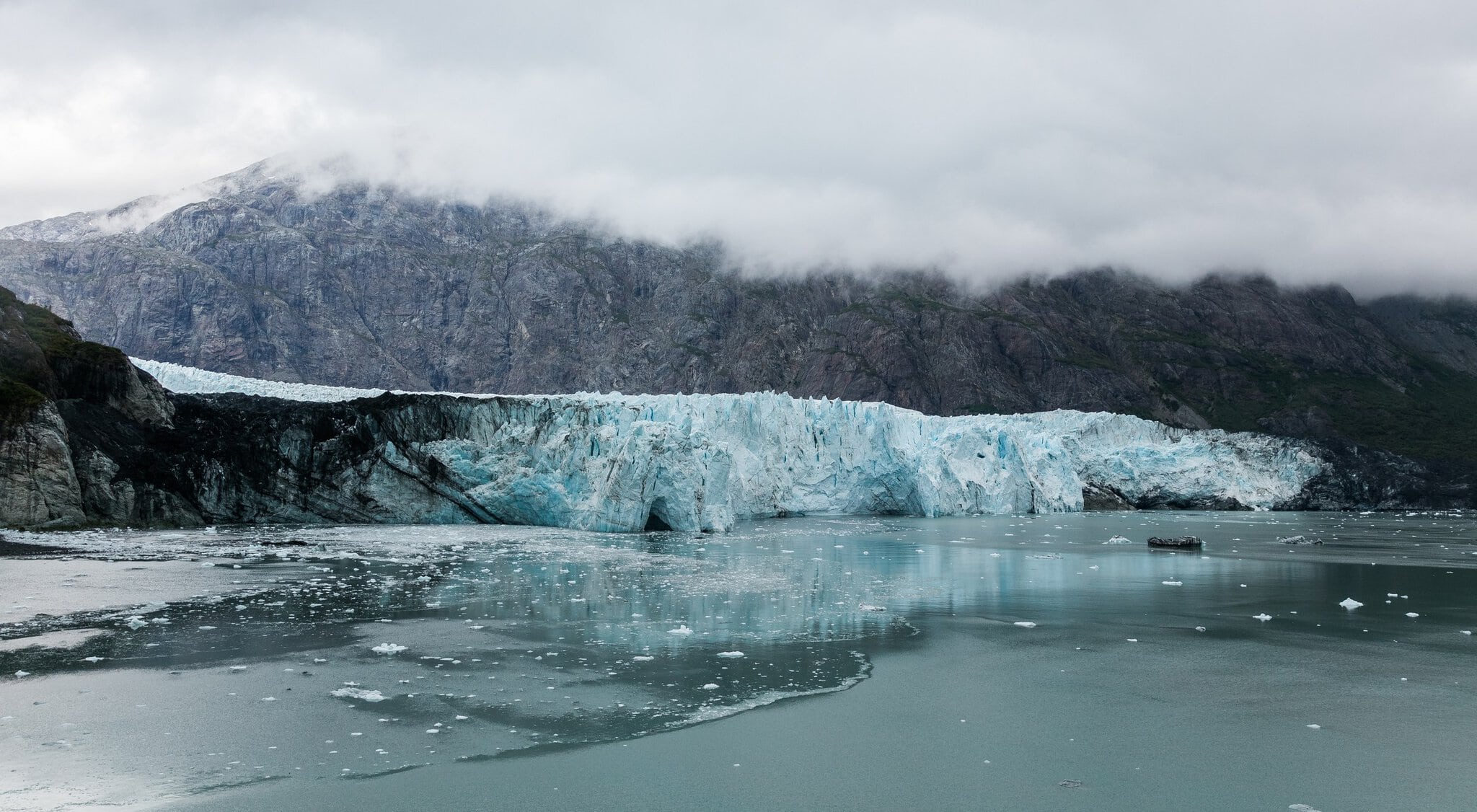
If you’ve ever seen a photo from Glacier Bay, chances are it featured Margerie Glacier. It’s the absolute visual icon of the entire park — stretching an incredible 34 kilometres and plunging into the sea as a colossal wall of blue and white ice, over 60 metres high. Every time we sail up to it, we just stand silently on deck, staring at that immense mass.
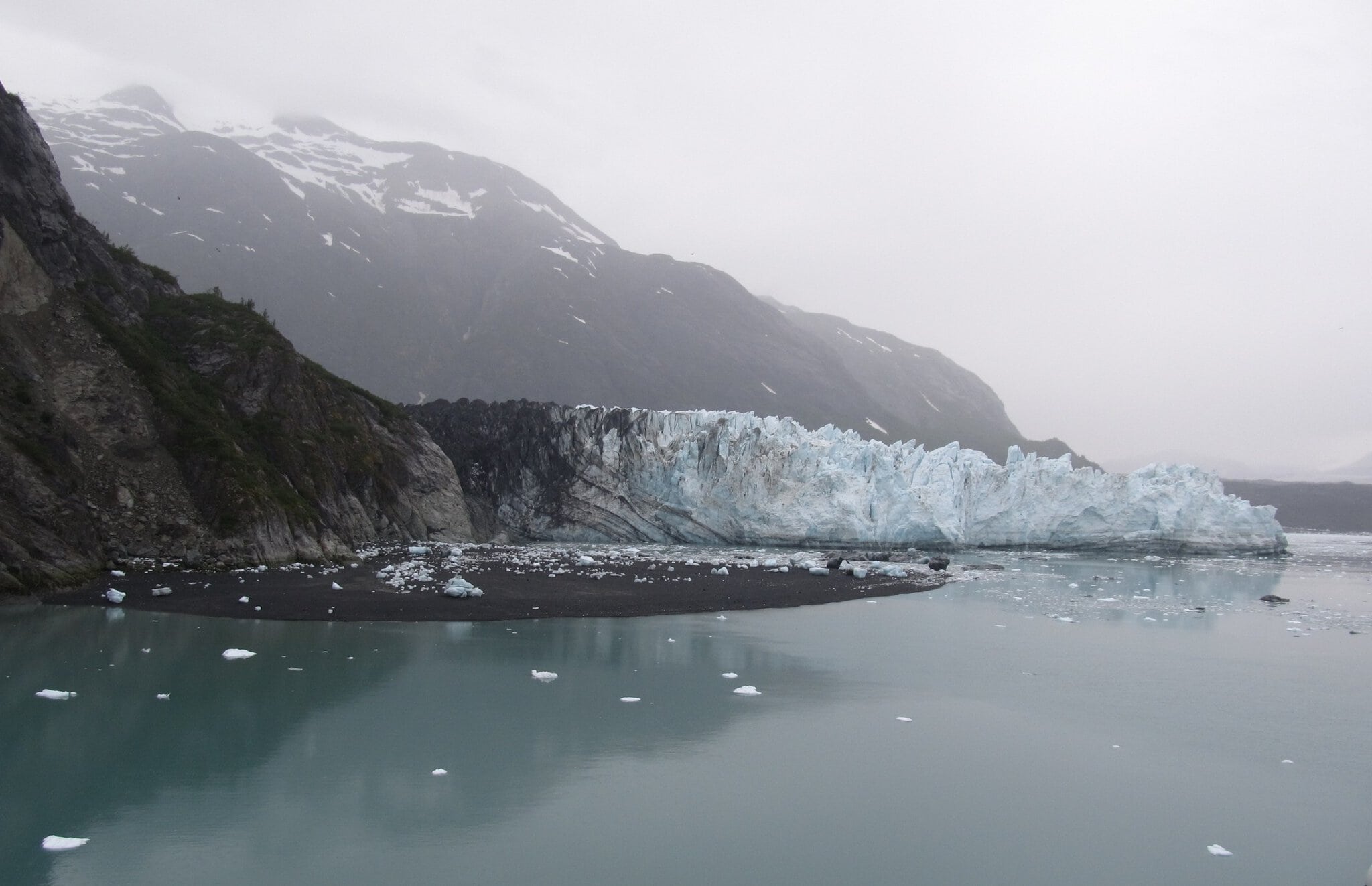
The ice here flows at roughly 1.8 metres per day, which in practice means one thing: something is always happening. Because the glacier doesn’t rest on the fjord floor but on an underwater ledge, blocks of ice tear away with an absolutely deafening roar and crash straight into the waves. This process is called calving, and it’s a spectacle guaranteed to give you goosebumps — the sound is like a massive thunderstorm or an explosion.
When a truly large piece breaks off, it takes a few seconds before that booming sound even reaches you. There’s a strange delay that utterly captivates you. I always pack an enormous flask of hot tea and happily freeze on deck for hours, just so I don’t miss that moment.
2. Johns Hopkins Glacier (home of seal pups)
This is the fastest-moving glacier in the park, advancing at four and a half metres per day, its surface streaked with dark bands of moraine that make it look like some kind of giant motorway. The local speciality here is underwater calving — huge blocks break off deep beneath the surface and then explosively shoot up like torpedoes, which means ship captains have to be extremely careful.
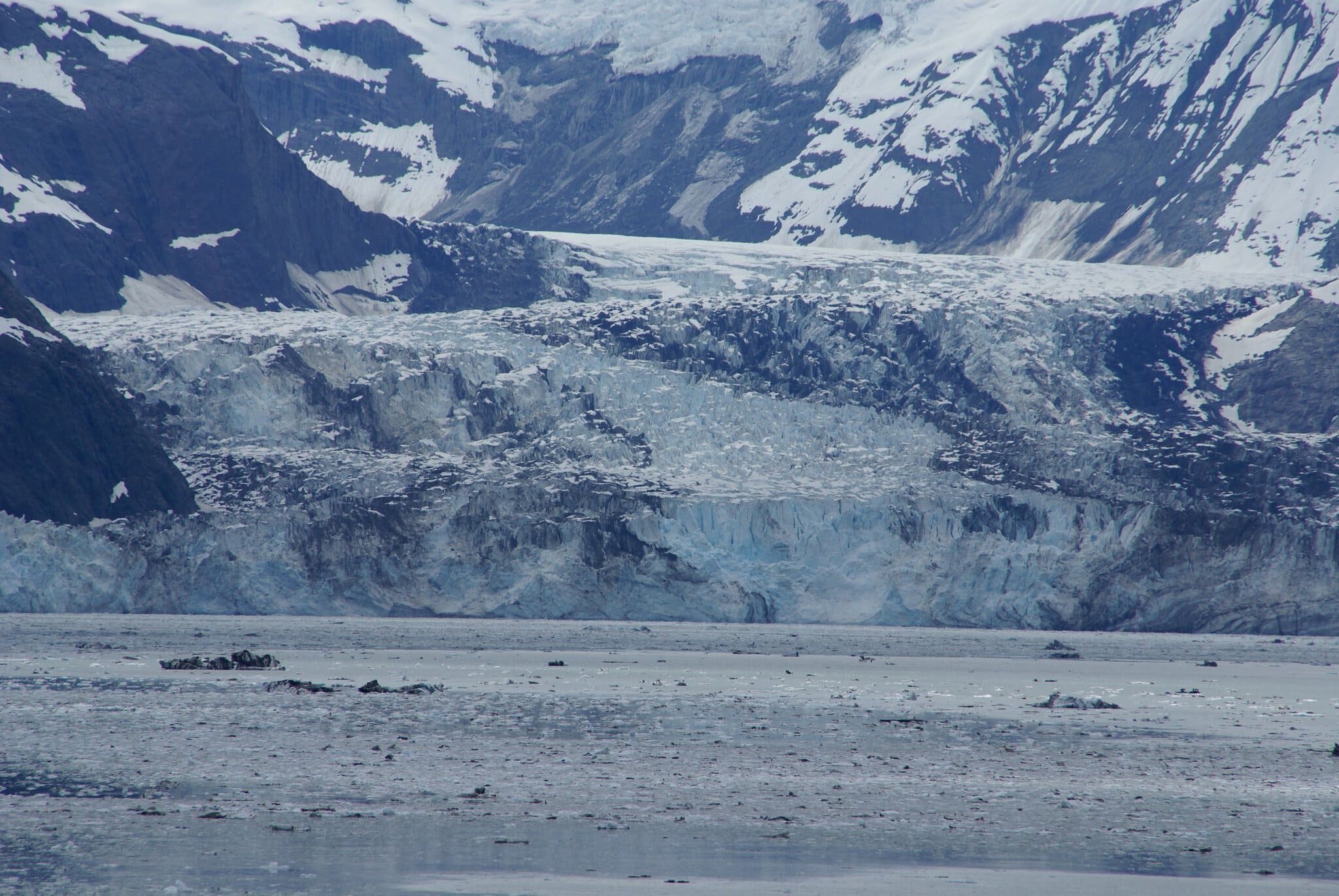
But there’s something else that makes this place truly extraordinary. In summer, thousands of harbour seals gather here, using the floating ice floes as safe, floating maternity wards. The floes protect both the mothers and their newborn pups from hungry orcas. To safeguard nursing mothers, cruise ships are strictly banned from entering the inlet from early May through early September — engine noise would frighten the mothers, which could mean certain death for the pups.
Visitors take home stacks of photos showing tiny seal pups like little white balls scattered across the ice. Occasionally they bark comically at each other, the sound carrying beautifully across the water. It’s no wonder the park service works so hard to protect this unique animal nursery from the outside world.
3. Lamplugh Glacier (intensely blue ice)
While Margerie and Johns Hopkins trade on sheer drama, Lamplugh Glacier wins you over with its unbelievable colour. From a distance, it looks as though it’s radiating an intense blue neon glow. This optical phenomenon occurs because immense pressure forces all the air out of the ice, and the crystals then absorb every colour of the spectrum except blue.

Currently, Lamplugh is what’s known as a grounded glacier — it doesn’t sit directly in the water but on land, with the sea only lapping at its face during very high tides. It’s a phenomenal spot for photographers, because against the backdrop of the dark Fairweather Range mountains, that blue ice simply glows in the distance.
We were standing right by it when the sun briefly peeked through heavy rain clouds and lit up the ice face. The colour was something I can barely describe — somewhere between sapphire and crushed ice drenched in blue syrup. Whatever you do, bring a proper camera, because phone photos simply can’t capture that depth of colour.
4. Grand Pacific Glacier (the unassuming creator of the bay)
At first glance, you might think this glacier is nothing special, because it doesn’t look anything like those pristine white ones you see in documentaries. Grand Pacific actually resembles an enormous quarry — most of its surface is covered in rock, mud, and gravel. But don’t let its earthy appearance fool you, because this is the very colossus that carved out the entire Glacier Bay in the past.
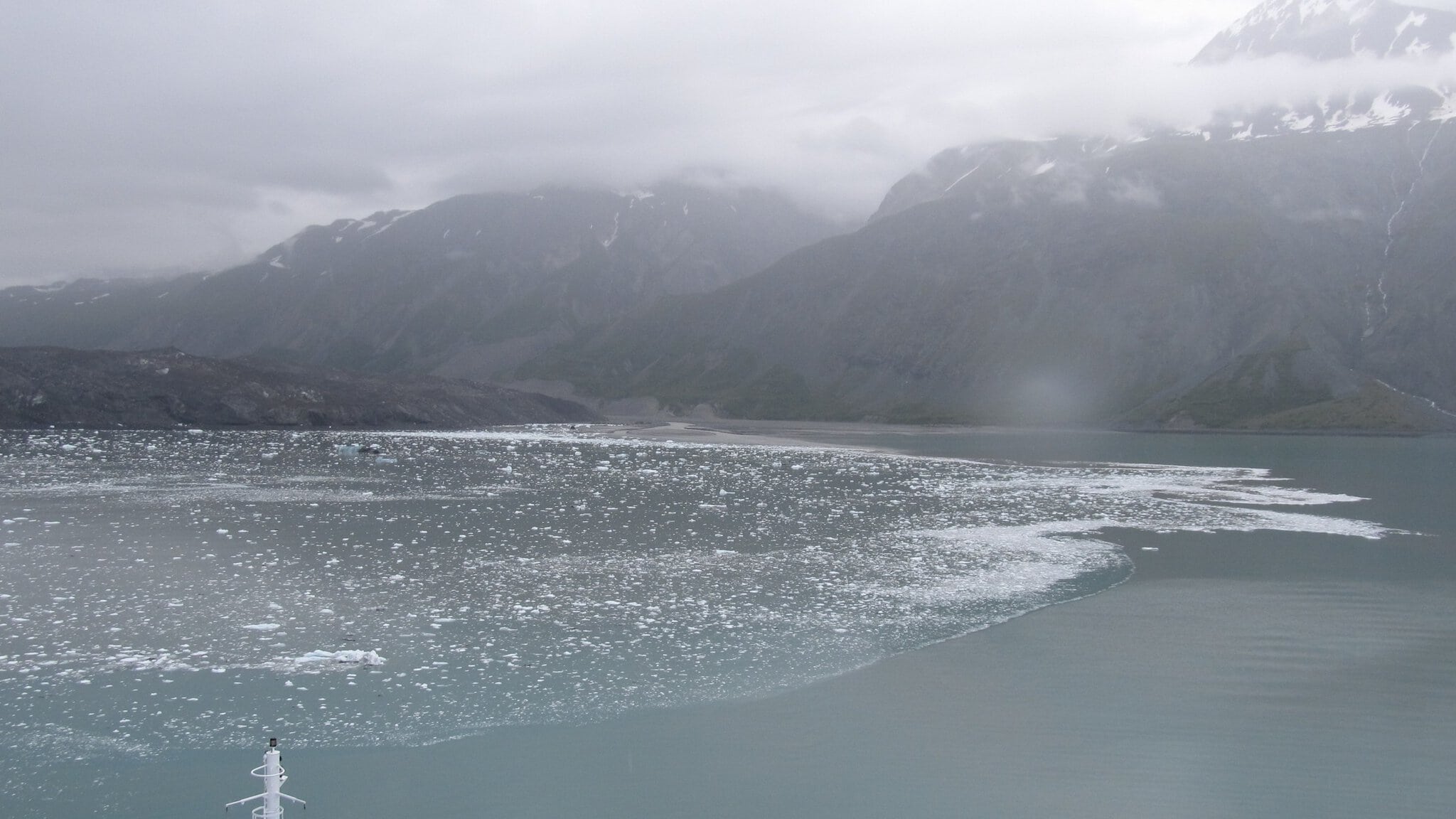
As recently as 1750, it filled the entire present-day bay as a single massive river of ice over a kilometre thick. In the span of just under three centuries, it has retreated an astonishing 105 kilometres deeper inland and today effectively forms the border between Alaska and Canada’s British Columbia. You stand before this enormous muddy wall and wonder how on earth this was once pure ice. Nature is quite literally rewriting the map right before your eyes.
Remarkably, when the first explorers ventured into this area, the glacier was in a completely different position than it is today. You can’t help but wonder how they felt, sailing into the unknown and seeing nothing but an endless wall of ice. It’s fascinating to witness in real time how such tremendous forces shape and transform our planet.
5. Bartlett Cove (the only slice of civilisation)
If you’re visiting the park independently from Gustavus, your entire life will revolve around Bartlett Cove. It’s a gorgeous spot in the heart of the rainforest where you’ll find the main visitor centre, park headquarters, and an excellent café inside the Glacier Bay Lodge. We always love grabbing a hot coffee here before heading out into the rain.
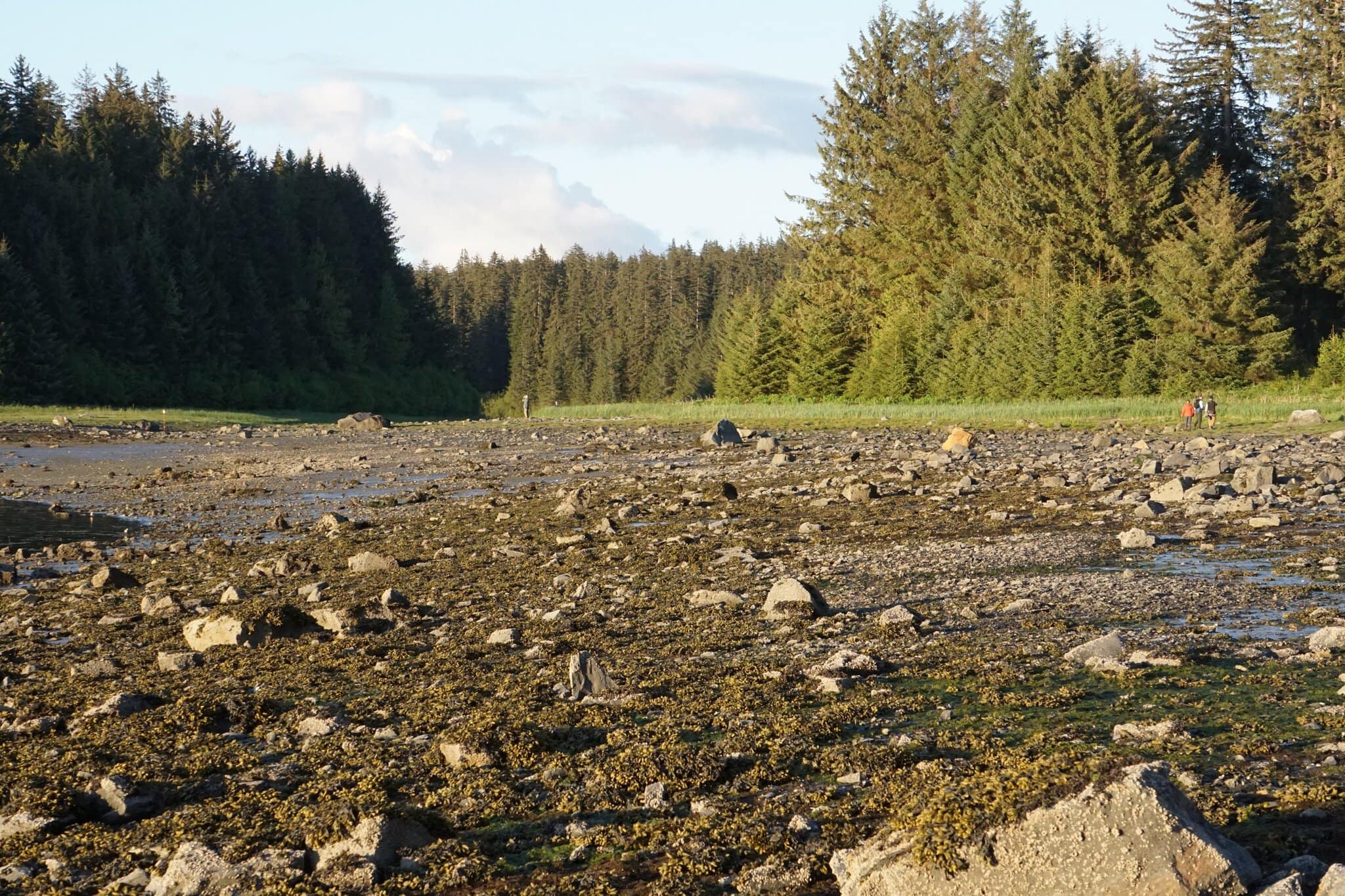
Bartlett Cove is also home to the only two maintained hiking trails in the entire park, so if you fancy stretching your legs, I’d definitely recommend the Forest Loop Trail. The route winds through dense spruce rainforest carpeted in soft moss and enormous ferns — you’ll feel a bit like you’ve stepped into Jurassic Park. Just stay alert, because moose and bears wander through here pretty regularly.
We were once lost in our thoughts when we suddenly heard heavy footsteps and cracking wood right next to us. Thankfully it was just a cow moose, who completely ignored us and carried on contentedly munching leaves. Our hearts were still pounding though, and we promptly started singing out loud to let the forest know we were there.
6. Humpback whale watching and bubble-net feeding
Thanks to the absence of commercial fishing, Glacier Bay is an absolute paradise for whales. During the summer, hundreds of humpbacks migrate here from the warm waters of Hawaii to feast after their long journey. If you’re lucky — and we’ve been lucky a few times — you’ll witness their mesmerising hunting technique known as ‘bubble-net feeding’.
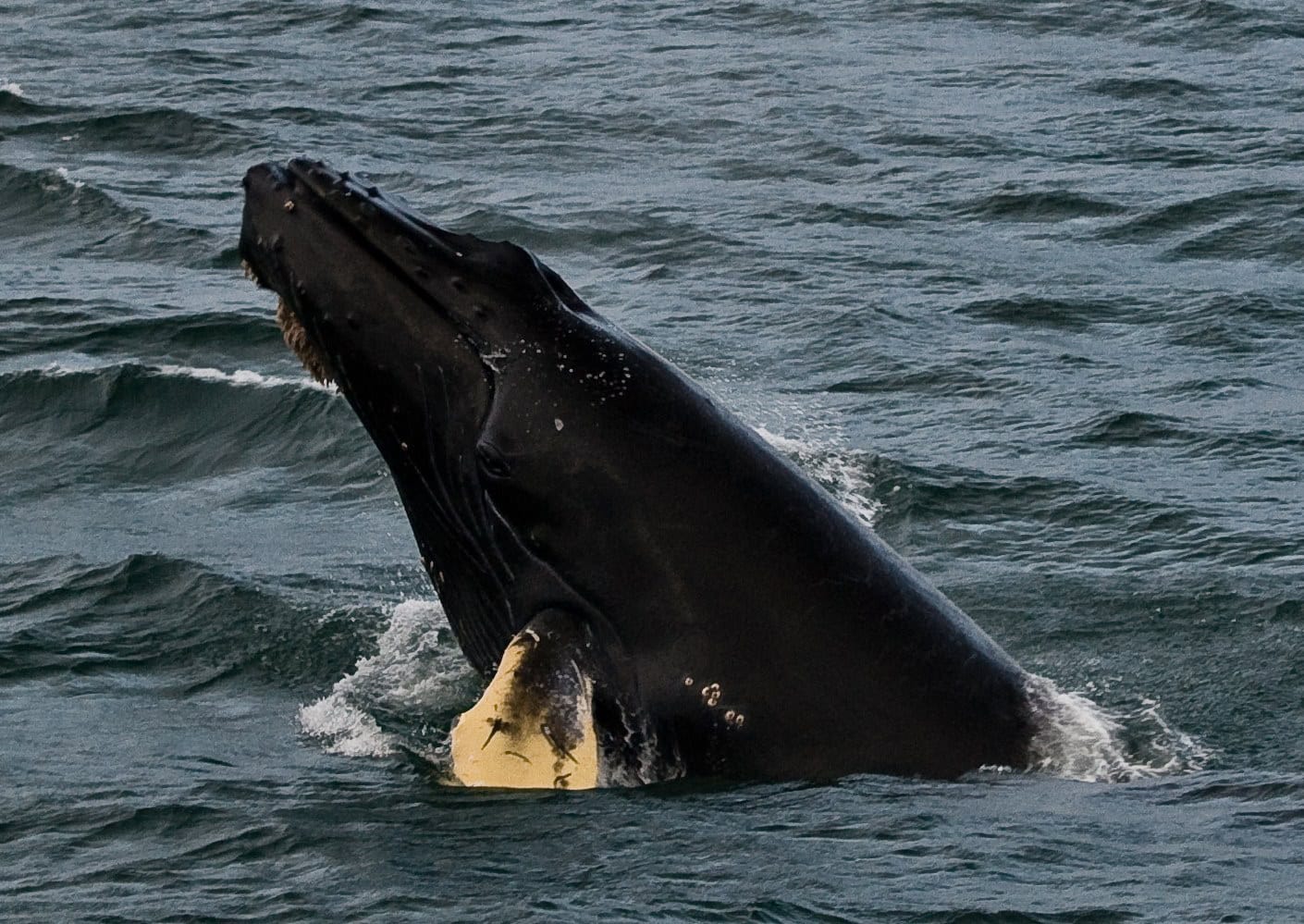
Here’s how it works: a group of whales coordinate, blowing a ring of bubbles underwater to trap a huge shoal of fish inside a kind of cylindrical net, then surge upward together with their mouths gaping wide right through the centre. It’s an absolutely jaw-dropping display of animal cooperation. On the surface, you’ll also spot sea otters, which regularly float on their backs and crack open shellfish on their bellies with a stone. They’re impossibly cute.
When a whale exhales its massive spout on the surface, it comes with a characteristic fishy odour that hits your nose before you even see the animal. But that majestic arc of the tail fluke as the creature slowly dives back into the ocean depths is simply breathtaking — an experience that never gets old, even after the fiftieth time.

7. Sea kayaking among the ice floes
This is probably the best tip for those of you who crave real adventure and don’t mind getting a bit wet. A kayak rental operates right at Bartlett Cove, and the bay looks completely different from the water’s surface than it does from the deck of a big ship. Suddenly you realise just how incredibly small you are against those mountains and glaciers.
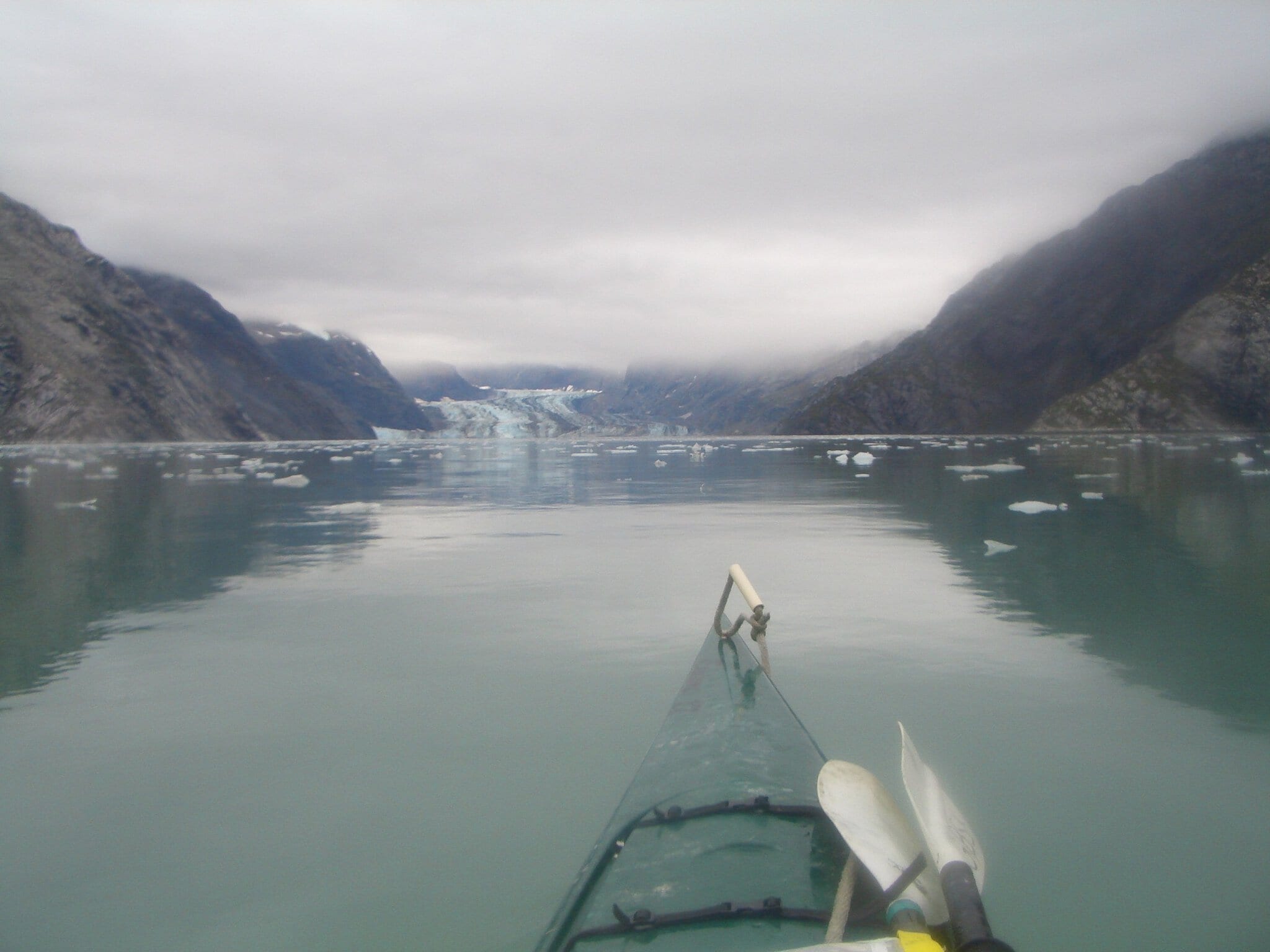
A hugely popular service here is the “camper drop-off.” In practice, the morning boat loads you up along with your kayak and tent and deposits you dozens of kilometres deep in the wilderness, leaving you to your own devices. You can then spend days paddling among floating ice near Reid Glacier, sleeping on deserted beaches, listening to nothing but the swish of water and the occasional whale’s breath. Just make sure you bring proper waterproof hiking boots and pack everything in dry bags, because as I’ve said — it rains here all the time.
Sitting in a fragile little kayak while chunks of ice the size of a small car drift past you takes some seriously steady nerves. Trying to take photos and paddle at the same time can easily end in a very unwelcome and freezing cold swim. If you go for it, definitely take the time to plan your route carefully — your reward will be total, uninterrupted freedom.
8. Sitka National Historical Park (a rainforest of totems)
When we shift from Glacier Bay to nearby Sitka — as many travellers naturally do — your first stop should be the local historical park. Entry is free, and it offers a beautiful, roughly two-kilometre flat trail through the rainforest, lined with stunning wooden totem poles carved by the indigenous Tlingit people.
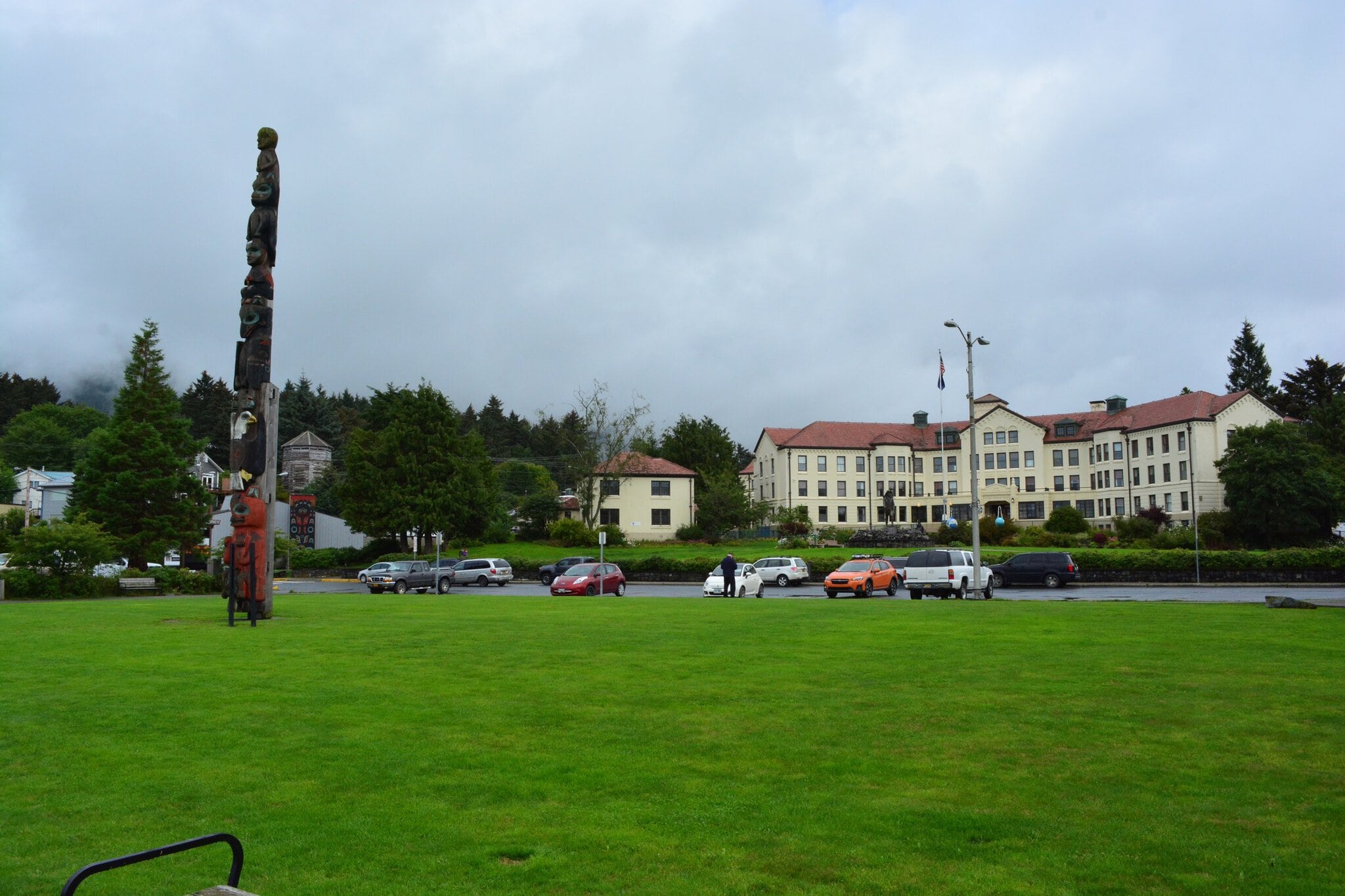
This very spot was the site of the famous 1804 battle in which the Tlingit tribe fell to Russian settlers, an event that changed the face of Alaska for decades. Walking among the towering, dripping trees while carved eagle and bear faces gaze down at you from every direction is an atmosphere of incredible mystery.
With every step along those well-kept paths, a profound stillness washes over you — even though the local history is, at times, quite wild and bloody. The totems themselves hold entire family stories and mythological legends. I love coming here early in the morning, when wisps of mist still linger between the trees and the whole place looks like something from an ancient fairy tale.
9. Fortress of the Bear (rescuing orphaned cubs)
Seeing a bear in the wild is an amazing experience, but let’s be honest — it doesn’t always happen, and not everyone is keen to come face-to-face with one on a deserted forest trail. In Sitka, make sure you visit Fortress of the Bear, a wonderful rescue centre for orphaned bear cubs that wouldn’t have survived in the wild on their own.
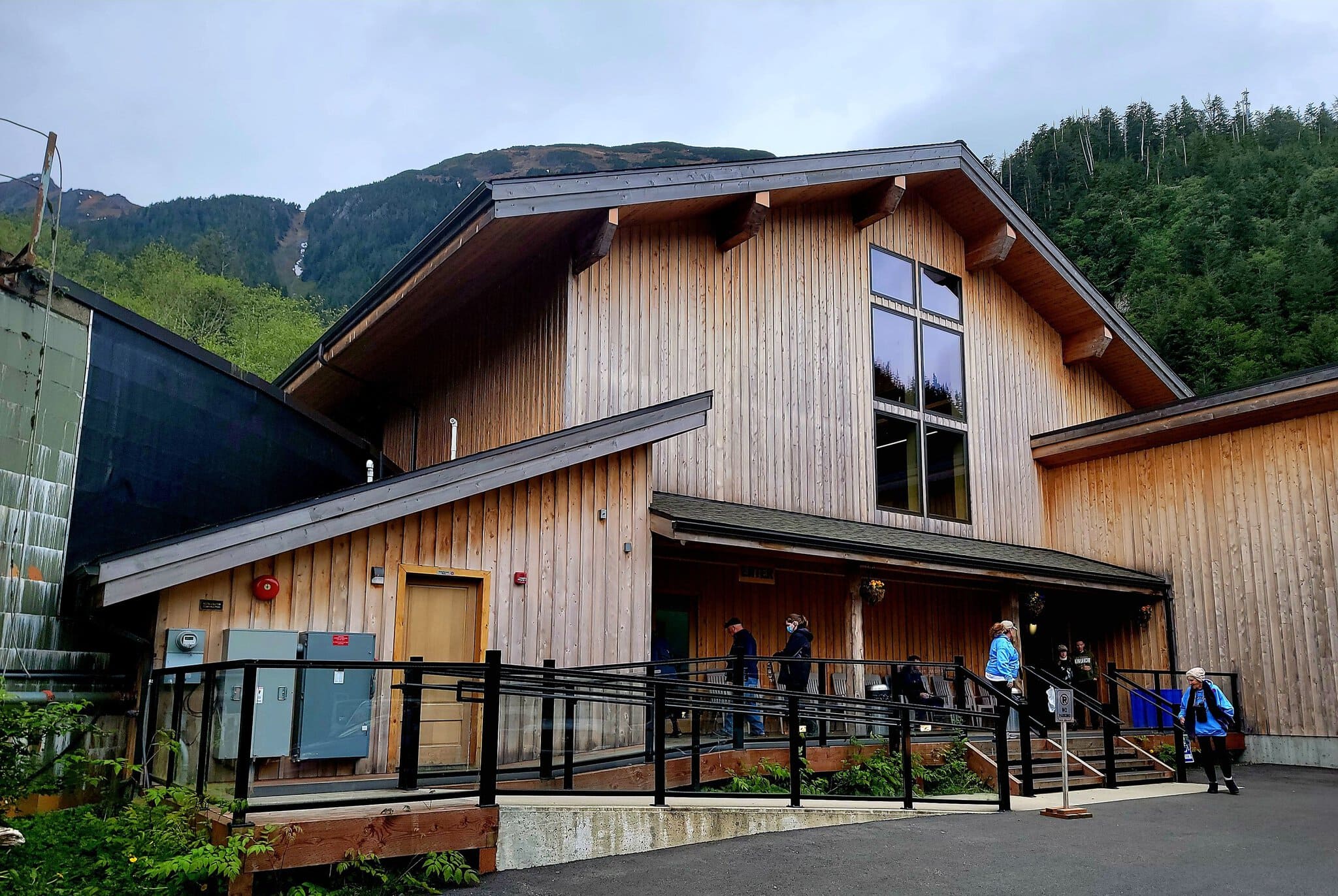
A fun fact: the enclosures were built inside the huge empty tanks of a former pulp mill, so the animals have plenty of space and you can safely watch them from an elevated platform as they swim or play. In peak season, definitely buy your tickets online in advance — the moment a cruise ship pulls in, enormous queues form.
It was an incredibly emotional experience for me, especially when the handlers share the stories of each individual furry resident who wouldn’t have stood a chance in the wild after losing its mother. You’ll sometimes see bears wrestling with enormous enthusiasm over an old tyre, or just lazily chewing on a paw. It’s wonderful to see that tourist money can fund such meaningful and vital projects.
10. Alaska Raptor Center (the eagle clinic)
Just a stone’s throw from the bear fortress sits another brilliant rescue project, this time dedicated to birds. The Alaska Raptor Center operates as a rehabilitation clinic primarily for injured bald eagles, receiving roughly 200 birds each year. Many have collided with power lines or been hit by cars.
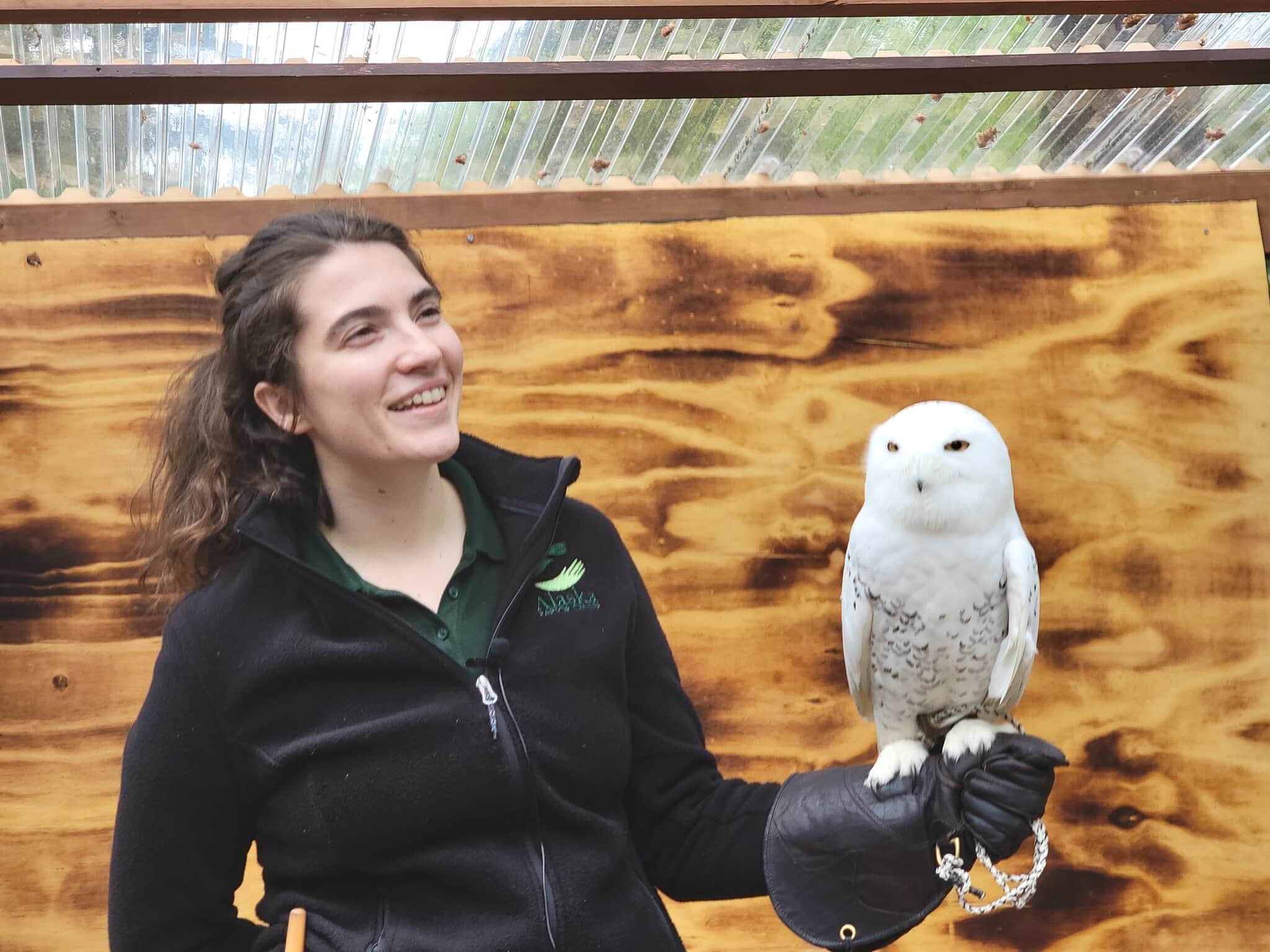
They have an enormous flight training hall where eagles practise flying again before being released back into the wild. Those that sadly can’t return due to permanent injuries live in large outdoor aviaries and serve as avian ambassadors. Standing face-to-face with a majestic eagle is an experience that roots you to the spot. 😁 You won’t forget it in a hurry.
Their piercing gaze seems to look straight into your soul, and up close, they’re staggeringly large and regal. The clinic does truly incredible work, and besides bald eagles, you’ll also encounter various owls and falcons that the carers patiently feed with tweezers. If you love birds, set aside an entire afternoon for this place.
11. Saint Michael’s Cathedral and Sitka’s Russian heritage
Sitka is a town that catches you off guard at first glance, because its centrepiece looks as though it’s been airlifted straight from Moscow. Right in the middle of the main crossroads stands the unmissable Russian Orthodox Cathedral of St Michael, complete with its distinctive onion domes. The original 19th-century building sadly burned down in the 1960s, but the townspeople managed to rescue the precious icons and rebuilt the church.
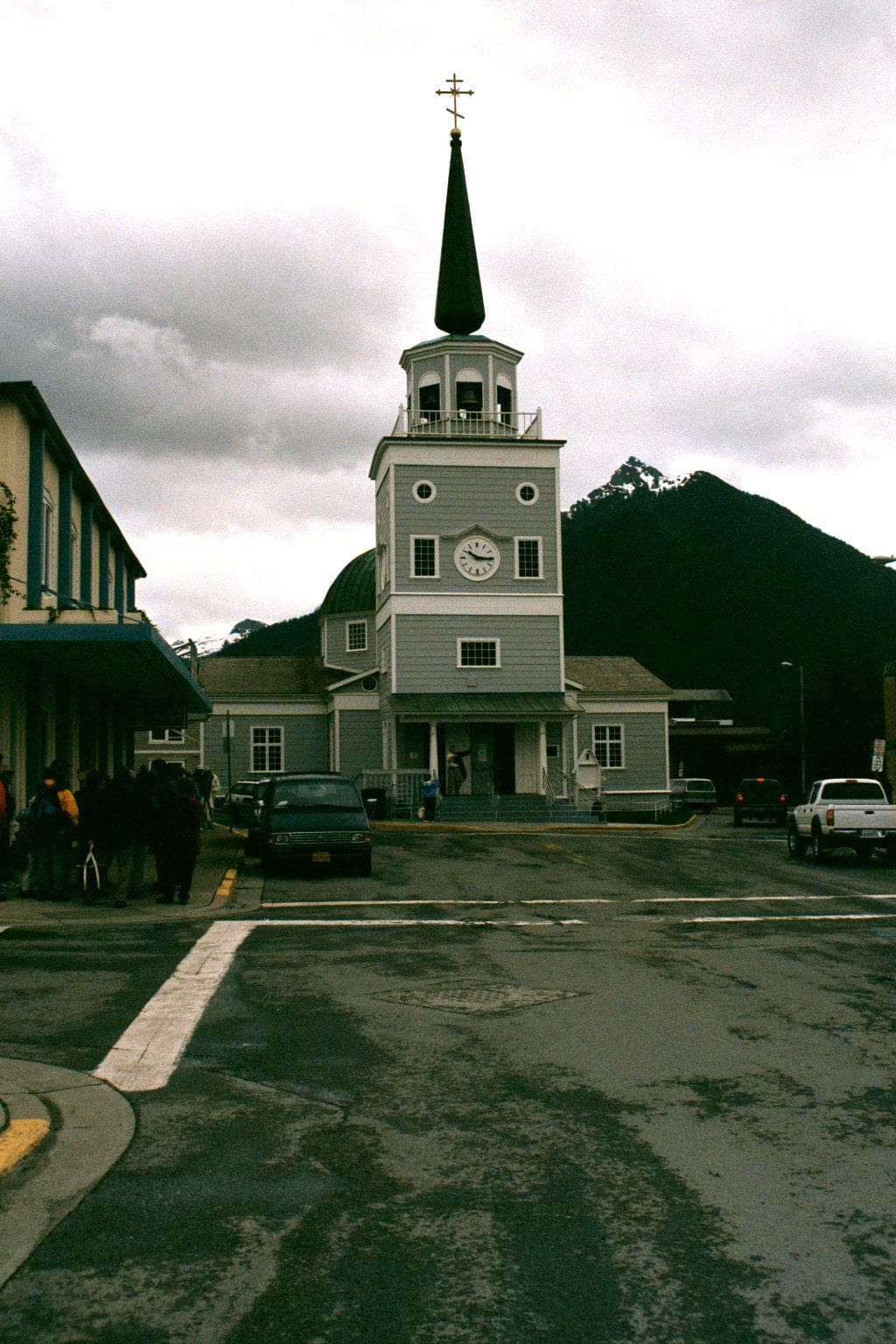
Between 1808 and 1867, Sitka served as the capital of Russian America and was known as Novo-Arkhangelsk. The historic Russian Bishop’s House is definitely worth a visit — it’s managed by park rangers and is one of the oldest Russian structures in the United States, reportedly built without a single nail, which sounds utterly unbelievable. And if you still have the energy, climb the small hill of Castle Hill, where the official transfer of Alaska to the United States took place.
The whole town is full of unexpected contrasts — Orthodox crosses mingling with a modern American harbour and indigenous culture. Sometimes it’s enough to just wander the streets, soak up that remarkable blend, and imagine what it must have been like when the fur trade was booming and this place was the centre of everything.
12. Indian River Trail (a trail teeming with salmon)
If you have a free afternoon in Sitka and want to get out for a proper walk, the trail along Indian River is probably our favourite pick for a more relaxed day. It’s a shade over four kilometres through dense forest, ending at the rather lovely Indian River Falls.
The real reason to come here, though, arrives in autumn. The river is absolutely packed with spawning salmon making their way upstream. And where there are thousands of salmon, there are inevitably bears — so on this hike you genuinely need to make a lot of noise. A bear bell on your rucksack isn’t just for laughs here; it’s essential prevention. We chat, clap, and occasionally even sing to make sure we don’t surprise any furry friend around a bend.
Watching those fish fight with every ounce of strength against the current in desperately shallow water, battered and utterly exhausted, is a powerful display of raw instinct. And honestly, the smell of all those fish in various stages of decomposition is a far cry from a French perfumery. But this is Alaska at its purest and most raw, and it’s exactly this kind of thing that draws us all here.
13. Mt Verstovia (for those who want a challenge)
The last tip is for those of you with solid fitness who want to earn the best possible views over the entire bay, dotted with tiny islands. Mt Verstovia is a fairly gruelling 5-kilometre trail with a brutal 760 metres of elevation gain, so it’ll cost you plenty of sweat and perhaps a few choice words before you scramble to the top.
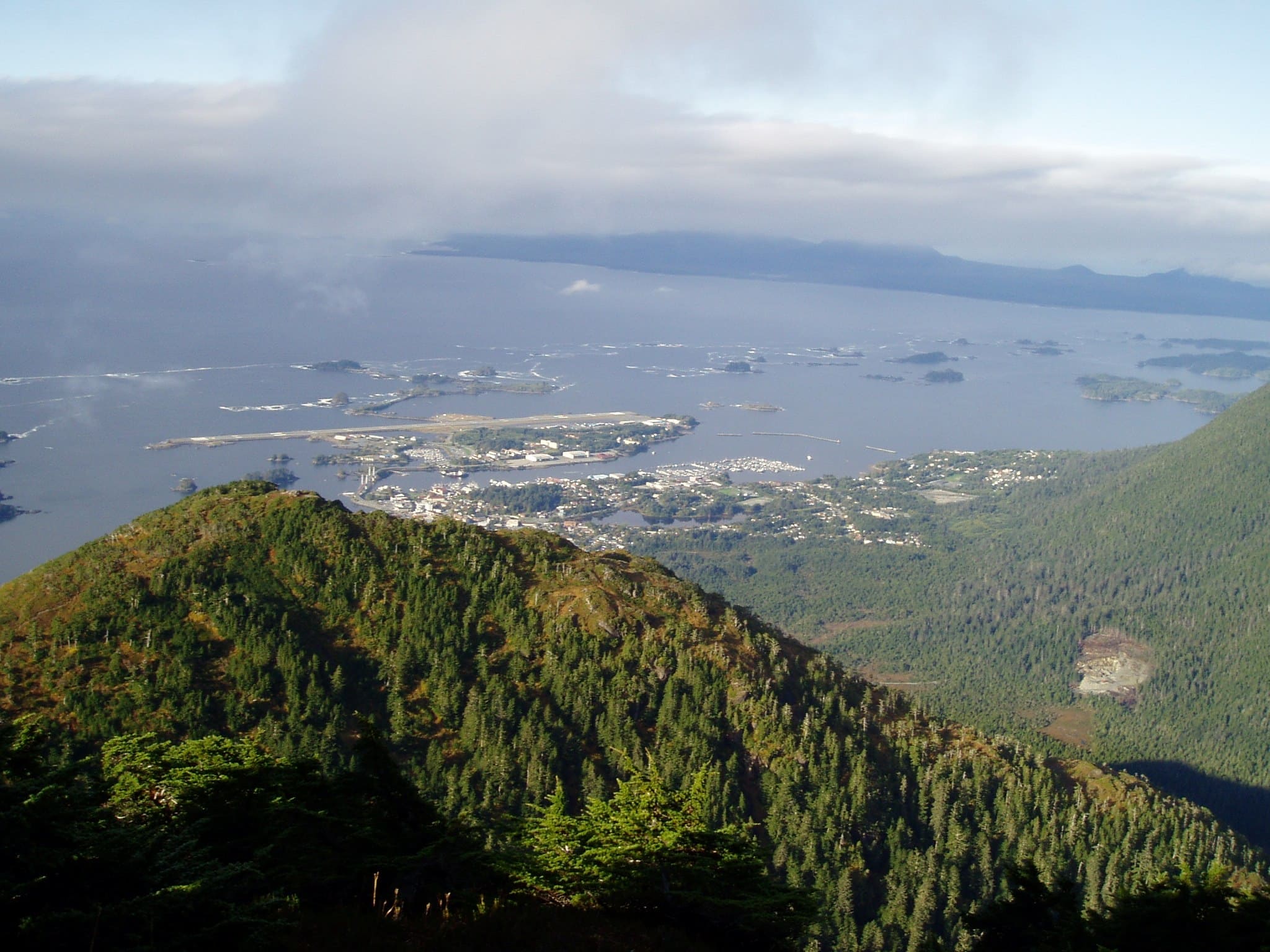
The path climbs steeply through rainforest, sometimes requiring you to clamber over roots and push through scrub, but when you finally reach the viewpoint known as Picnic Rock, you’ll understand why it was all worth it. You’ll see all of Sitka laid out before you, the volcanic cone of Mt. Edgecumbe on the horizon, and the deep blue ocean waters far below. Just make sure to bring a warm jacket, because it’s usually incredibly windy up top.
Trudging up those endless root-formed steps, there are moments when you’d love nothing more than to turn around and head to a café for something sweet. But if you reach the summit just as the clouds part, you’ll forget every aching muscle. Definitely bring trekking poles too, because the descent is arguably even harder on the knees than the climb up.
Map of points of interest for your phone
Where to eat in Sitka
After a full day in the rain, we’re always ravenous, and after all those adventures you absolutely deserve a good dinner. 😉 Here are our favourite finds.
For local seafood, the absolute number one is Beak Restaurant. The food is fantastic, and the interesting thing is they categorically refuse tips because they pay their staff a fair wage upfront. The laid-back atmosphere over a massive plate of halibut really does the trick. If you’re after something a bit more refined and manage to snag a reservation, try Ludvig’s Bistro. They have a small, incredibly cosy space and serve wonderful Mediterranean cuisine using Alaskan ingredients — their seafood chowder is famous far and wide. It’s the ideal spot to order a superb meal with a glass of good wine and simply unwind.
When you fancy a quick classic and a great pint, head to the Bayview Pub — a thoroughly authentic Alaskan watering hole where you can tuck into excellent fish and chips and wash it down with beer from a local brewery. If you’ve got kids in tow or a craving for Italian, Mean Queen Pizza is your lifesaver — they do genuinely good pizza and have a lovely view of the harbour. And for your morning kickstart? Definitely Highliner Coffee, where all the local commercial fishermen in their wellies come for breakfast and a brew. It’s got a wonderfully gritty atmosphere. I’d recommend ordering their speciality roast and just watching the buzz around you.
Where to go next
If you’re currently planning an Alaska trip and gathering tips for other great destinations in the area, be sure to check out our other published articles, where we cover specific places in much more detail.
We’re constantly adding new insights from our travels, because Alaska is simply too vast to cover in a single visit. Trust me — the moment you first set foot here, you’ll already be planning your next expedition on the flight home.
- Want to read more about how cruise ships work? Check out our Alaska Cruise Guide, where we untangle the whole logistical maze.
- Curious about what else Alaska’s capital has to offer? We’ve put together an awesome Juneau guide for you.
- And if you’re planning to spend more time among Russian history and totem poles, don’t miss our detailed article on things to see in Sitka.
Tips and tricks before travelling to Alaska
Planning a trip to such a remote corner of the world can be pretty stressful, because you simply don’t know exactly what to expect once you’re there. Over the years, we’ve come to rely on a handful of tried-and-tested services and tricks that save us not just money, but crucially, time and nerves.
The foundation of everything is solid preparation from the comfort of home, whether that’s buying flights or securing a reliable connection to the rest of the world. Here are three things without which our northern adventures would be far more complicated — and honestly, a lot riskier. UK citizens don’t need a visa for stays under 90 days but must apply for an ESTA before departure.
- Cheap flights: Flight comparison works well even up here in the north. Search for deals on sites that cover Alaskan domestic hops — especially handy for connecting between Juneau, Sitka, and Anchorage. From the UK, look for connecting flights via Seattle or Anchorage on airlines like British Airways, Icelandair, or Condor.
- Travel insurance for the edge of the world: In Alaska, you never know what might happen. For wilderness trips, we always go with comprehensive travel insurance — do your research and make sure it covers emergency evacuation, which is essential in such remote areas.
- Mobile data even in the rainforest: Want to send photos home the moment you land? Check out our review of Holafly, which keeps us connected even in the most remote places thanks to eSIM technology.
 🚗 Car rental on the roadVerified rental cars in Alaska
Search with the DiscoverCars comparison engine — it compares prices from dozens of local and international rental companies, and most bookings come with free cancellation.
Compare car prices in Alaska →Frequently Asked Questions (FAQ)
How do you get to Glacier Bay National Park?
There are no roads leading to the park, so the only way in is by water or air. Most visitors arrive aboard large cruise ships, which simply sail through the park without stopping on land. Independent travelers can take a ferry from the Alaska Marine Highway system or catch a small plane from Juneau to the settlement of Gustavus, which is just a short distance from the visitor center at Bartlett Cove.
How much does a cruise to Glacier Bay cost and why is the number of vessels limited?
Multi-day Alaska cruises typically range from 800 to 2,500 USD per person depending on cabin type and the specific cruise line. Due to strict protection of the local ecosystem, the park limits daily vessel traffic to just 153 boats total. Of these, only two large cruise ships are allowed to enter the bay each day, which is why these cruises often sell out well in advance.
When is the best time to visit Glacier Bay?
The main tourist season runs from late May through early September, when the area enjoys its warmest weather and longest days. During these summer months, daytime temperatures average between 10 and 15°C (50-59°F), and you’ll have the best chance of witnessing active glacier calving. Outside this season, the park is virtually inaccessible to regular tourists and most visitor services are completely closed.
Which glaciers in Glacier Bay are the most famous?
Among the most popular is Margerie Glacier, a tidewater glacier renowned for its activity and frequent calving of massive chunks of ice directly into the ocean. Another spectacular sight is Johns Hopkins Glacier, though boats can only approach it from a greater distance due to seal breeding protection. Overall, the national park contains more than 1,000 glaciers, with several dozen reaching all the way to sea level.
What wildlife can I see during a cruise through the park?
Glacier Bay is one of the best places in the world to spot humpback whales, which migrate here in summer to feed. Harbor seals often rest on floating ice floes, and with a bit of luck you might see orcas, sea otters, or sea lions. On shore, both brown and black bears are commonly seen, and steep cliffs provide nesting sites for puffins and bald eagles.
Can you camp in Glacier Bay National Park?
Yes, the only official maintained campground is located at Bartlett Cove near the visitor center. Camping there is free, but requires advance registration and completion of mandatory bear safety training due to the ever-present bears. Experienced adventurers can also obtain permits for backcountry camping along the remote coastline throughout the bay.
Is there a cheaper alternative to a Glacier Bay cruise?
If a Glacier Bay cruise is too expensive or already sold out, Tracy Arm fjord makes an excellent and more affordable alternative. This narrow glacial inlet lies south of Juneau and offers similarly breathtaking scenery with steep cliffs and the majestic Sawyer Glaciers. Day trips on smaller boats to Tracy Arm can easily be booked as a day excursion directly from the harbor in Juneau.
Tips and Tricks for Your Vacation
Don’t Overpay for Flights
Search for flights on Kayak. It’s our favorite search engine because it scans the websites of all airlines and always finds the cheapest connection.
Book Your Accommodation Smartly
The best experiences we’ve had when looking for accommodation (from Alaska to Morocco) are with Booking.com, where hotels, apartments, and entire houses are usually the cheapest and most widely available.
Don’t Forget Travel Insurance
Good travel insurance will protect you against illness, accidents, theft, or flight cancellations. We’ve had a few hospital visits abroad, so we know how important it is to have proper insurance arranged.
Where we insure ourselves: SafetyWing (simple monthly subscription) and TrueTraveller (for extra-long trips).
Find the Best Experiences
Get Your Guide is a huge online marketplace where you can book guided walks, trips, skip-the-line tickets, tours, and much more. We always find some extra fun there!
More from Alaska
Full guide →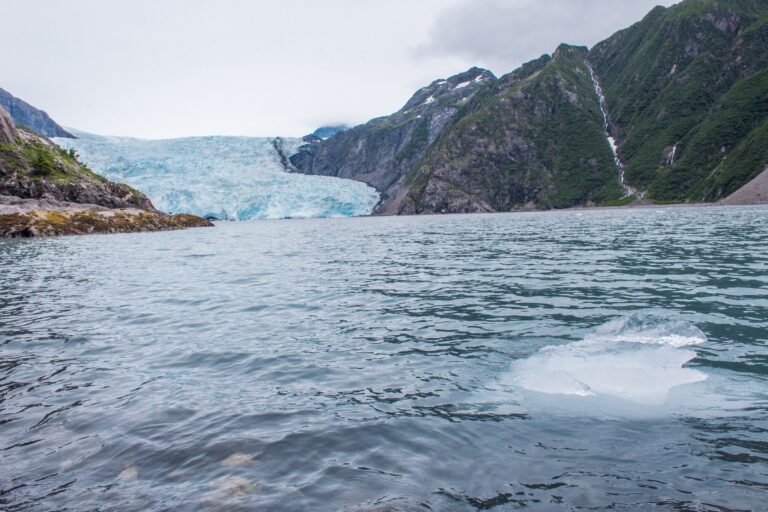 ItineraryAlaska Road Trip: The Best Itinerary for 7, 10, 14 and 21 Days
 When to goWhen to Visit Alaska: The Best Month for Northern Lights and Travel (2026)
 ActivitiesKatmai & Brooks Falls, Alaska: Iconic Bear Viewing (Fat Bear Week)
 PricesHow Much Does an Alaska Vacation Cost: 2026 Budgets
 Getting thereAlaska from the UK: Flights, ESTA, Car Hire & Money (2026 Logistics Guide)


