Driving to the Alps for a winter holiday can be an unforgettable experience, but also a serious test of your nerves behind the wheel. While in summer you simply throw your bags in the boot and head to the coast, mountain weather is unforgiving even when it comes to the smallest mistakes in preparation. A single unexpected snowstorm on an Alpine pass and without the right equipment, your dream trip can turn into several hours waiting for a tow truck. Austrian police are also absolutely uncompromising during winter checks, and counting on getting through with summer tyres can become extremely expensive. That’s why I’ve written down everything you definitely shouldn’t underestimate before departure — from tyres to reflective vests to the rescue corridor.
TL;DR
- Winter tyres in Austria are mandatory from 1 November to 15 April when there is snow, ice or slush on the road.
- Minimum tread depth for winter tyres must be at least 4 millimetres, otherwise they are treated as summer tyres.
- The 3PMSF symbol (mountain with snowflake) has been required since the 2025/26 season; the M+S marking alone is no longer sufficient for police.
- Reflective vest in Austria must be stored directly in the cabin within the driver’s reach, not buried under luggage in the boot.
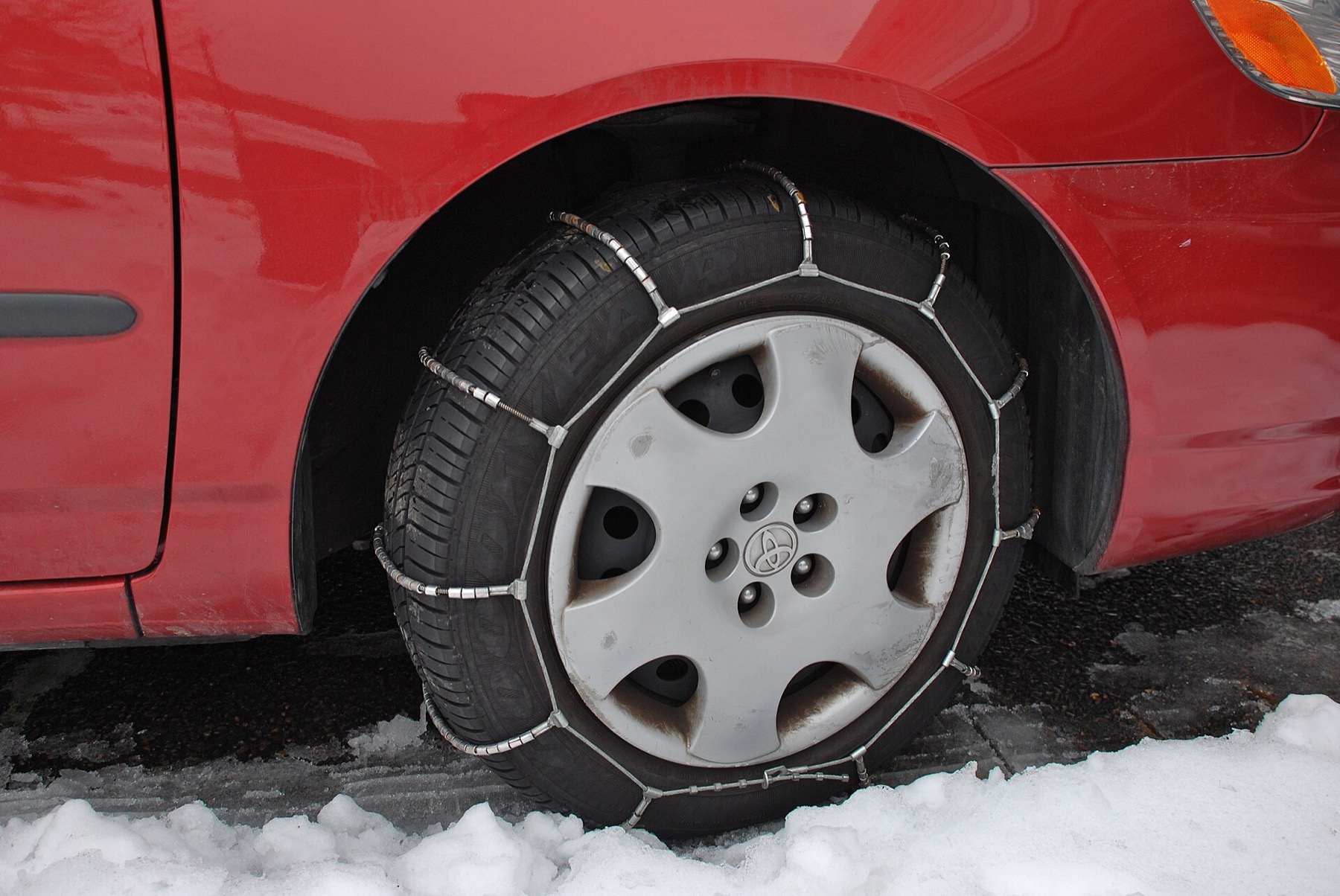
- Snow chains may only be fitted on a continuous layer of snow and the maximum permitted speed with them is 50 km/h.
- Rescue corridor must be formed on the motorway immediately when traffic slows down, otherwise you risk hefty financial penalties.
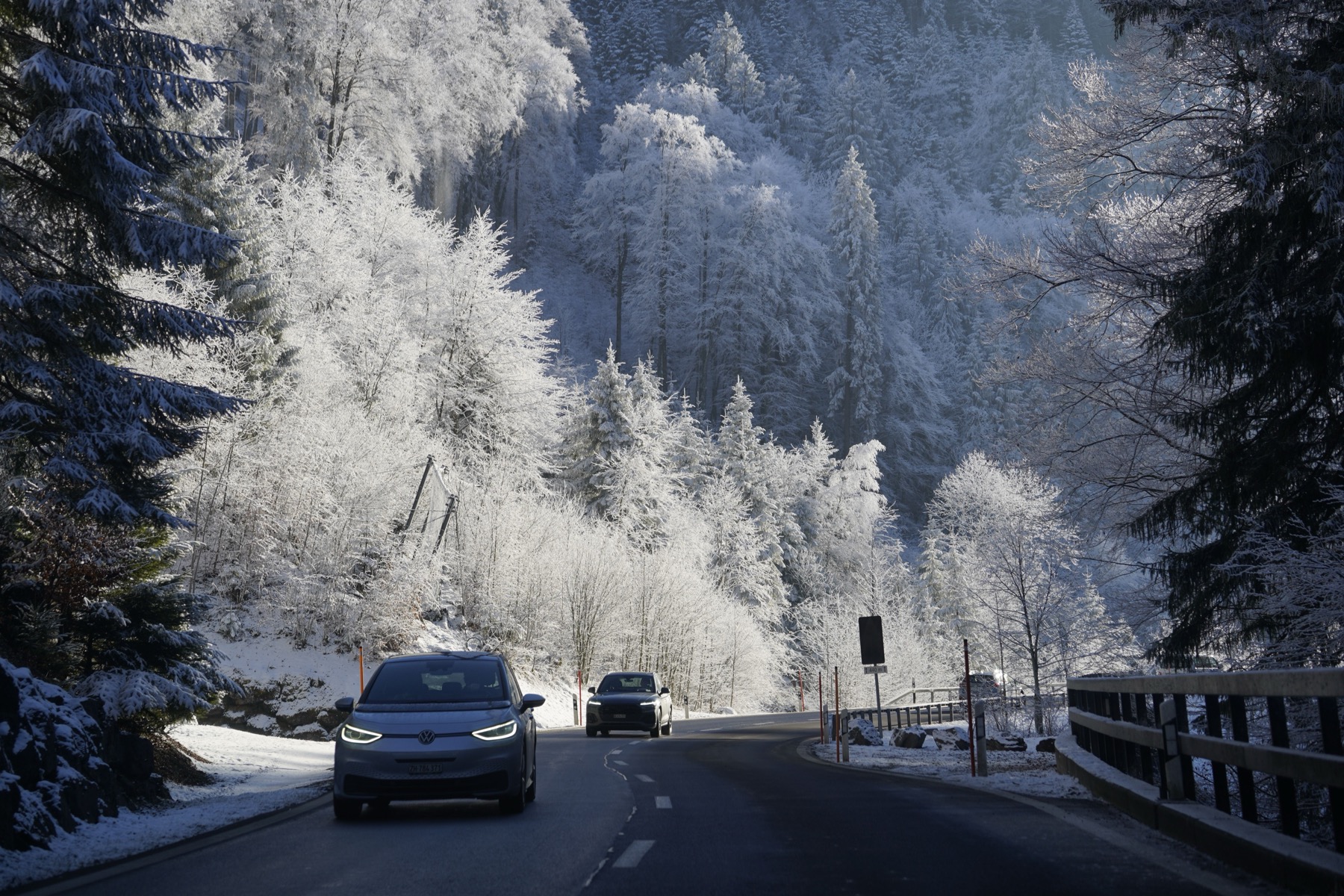
The full destination guide: Europe — guide and what to see
12 Things You Must Know About Winter Driving
If you’re planning to drive to a ski resort in your own car, you need to know not only the technical requirements for your vehicle, but also the specific traffic rules in transit and destination countries.
1. Winter Tyres in Austria and the Threat of Fines
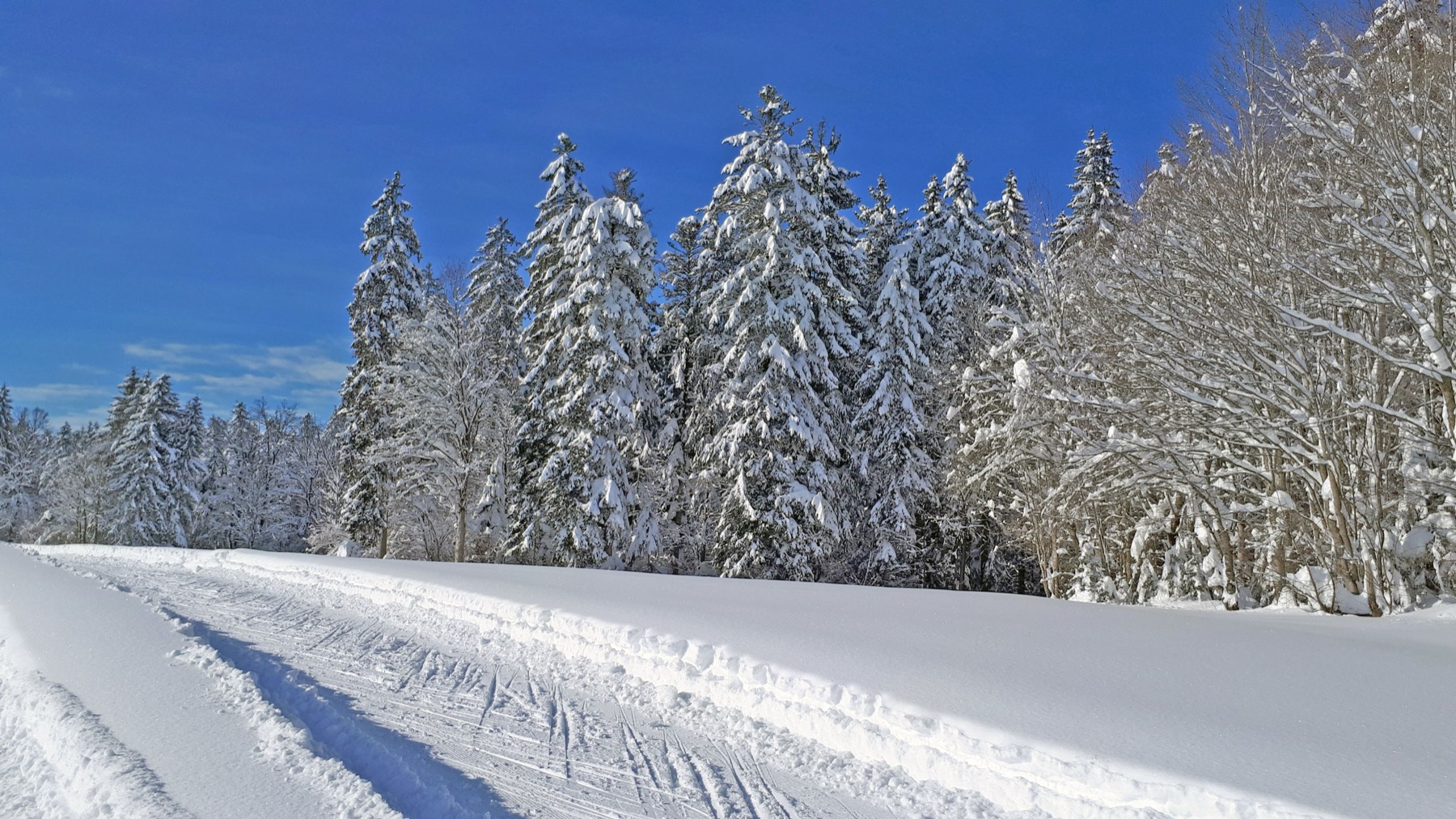
Austrian laws approach winter tyres very practically, but all the more strictly. The requirement to have winter tyres fitted applies here during the period from 1 November to 15 April, specifically in so-called winter conditions. These occur when the road surface is covered with snow, ice or slush. Austrians don’t insist on changing tyres if it’s sunny and dry in mid-December, but we all know that mountain weather can change from minute to minute. You can always check the current rules directly on the Austrian automobile club ÖAMTC website.
If police stop you in such weather on summer tyres, you’ll receive an on-the-spot fine of €35. That may seem like a small amount, but the situation changes dramatically the moment you block traffic or, worse still, cause an accident. In such a case, the administrative penalty for endangering traffic flow can climb up to €5,000. Insurance companies also often reduce or completely refuse claims for accidents on unsuitable tyres, and then your insurer will leave you facing a six-figure bill on your own.
For a tyre to be considered winter-ready in Austria at all, it must have a minimum tread depth of 4 millimetres. For older diagonal tyres, it’s even 5 millimetres. The standard legal limit of 1.6 millimetres for summer tyres is completely inadequate in winter. Shallow grooves cannot hold enough snow and the rubber loses its so-called self-cleaning ability. The result is immediate loss of grip and the car becomes uncontrollable. ☺️ I therefore recommend that before your trip you take out a gauge and actually measure a sample to be sure.
2. The 3PMSF Symbol Is Now Essential
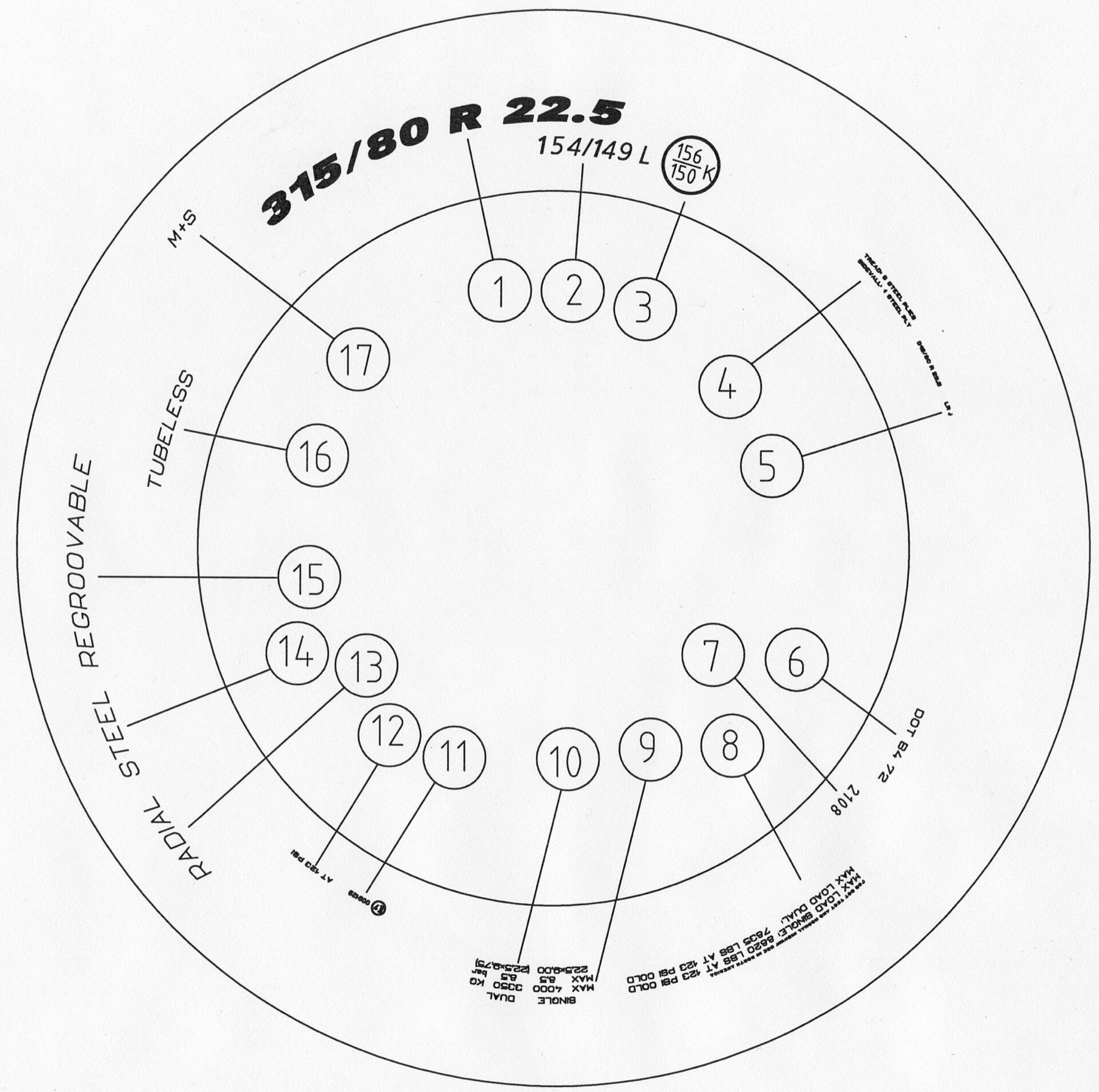
A fundamental change that will definitely catch out plenty of holiday drivers is the tightening of rules for marking winter tyres. For many years it was perfectly sufficient if a tyre had the letters M+S embossed on its sidewall, which stands for Mud and Snow. Since the 2025/26 season, however, Germany, Slovakia and in practice other Alpine countries have required the 3PMSF symbol. You’ll recognise it easily — it’s a small pictogram of a mountain peak with a snowflake.
The reason for this radical change is purely safety-related and honestly makes a lot of sense. Manufacturers could stamp the M+S marking on tyres practically at will without any objective testing, so you’ll find it even on many ordinary all-season city tyres. In contrast, tyres with the 3PMSF symbol must pass strict tests for braking and traction on packed snow. They therefore have genuinely guaranteed properties for real winter conditions.
If police stop you and you have older tyres with only the M+S marking on your car, from the perspective of German or Slovak police you’re driving on summer tyres — and all the fines that go with that await you. So before your trip, definitely squat down by your car and check the sidewalls of all four wheels. If you don’t find the mountain peak with snowflake there, you’re facing an unavoidable visit to a tyre service before heading to the mountains, where you’ll need to get more modern rubber.
3. Tyre Rules in Neighbouring Countries
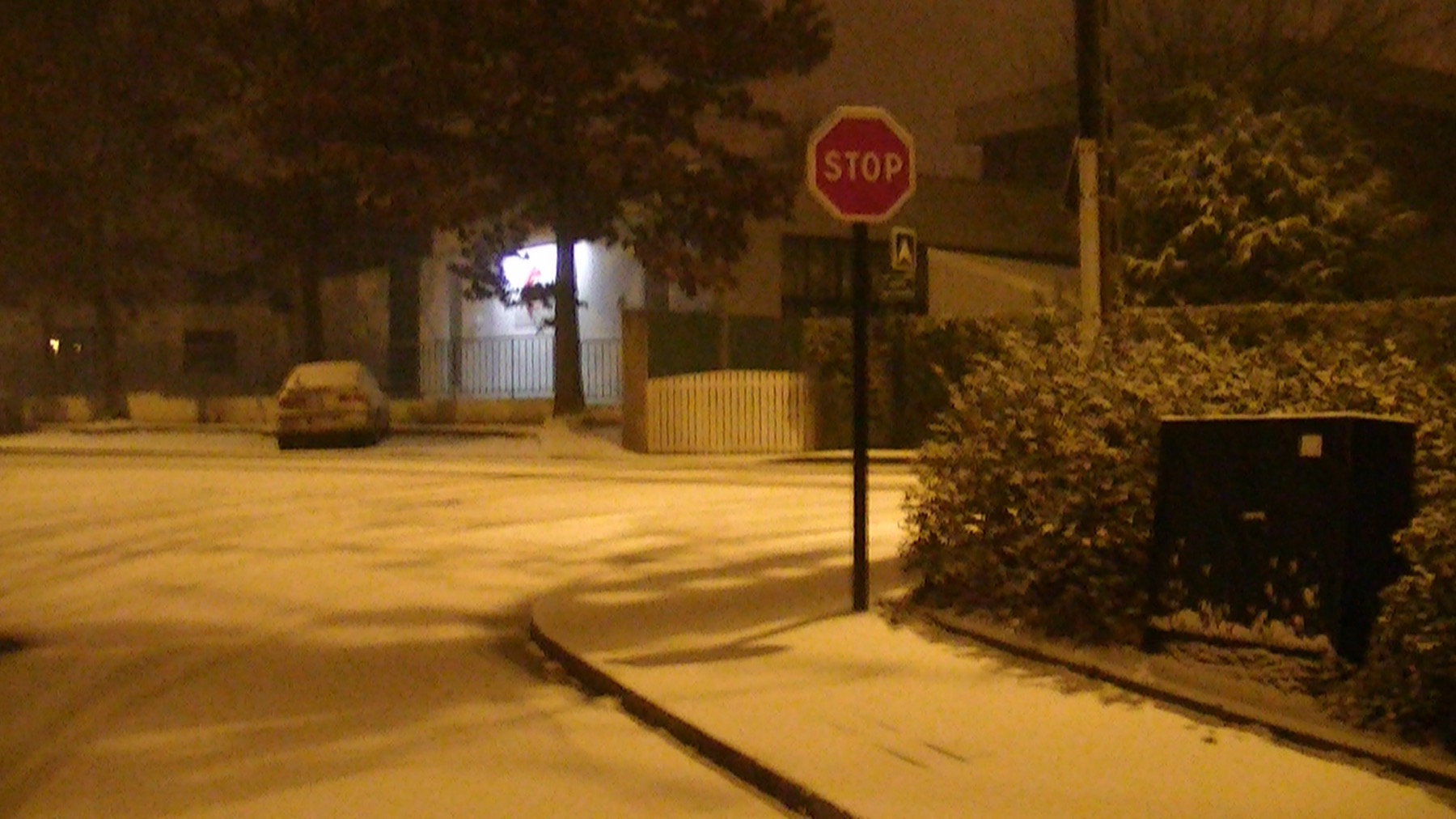
Each country has its own legislation and on a trip to the mountains you’ll usually drive through several. In the Czech Republic, the requirement applies from 1 November to 31 March when there is snow or ice on the road, or when this can be expected given the weather. You must always have a tread depth of at least 4 millimetres. Similar rules apply in Slovakia, where you can look up all current regulations and sanctions in advance on the Ministry of the Interior website. The date there is shifted from 15 November to 31 March when there is a continuous layer of snow, and violation carries a fine of around €40.
Germany applies a purely situational requirement without specific dates, which is sometimes confusing for drivers. The law states that a vehicle must have winter equipment when there is snow, black ice or frost on the road. If a blizzard catches you on a German motorway and you have summer tyres, the fine starts at €60 and increases depending on how much you obstruct other drivers. If you’re heading through the Balkans, in Slovenia you need winter tyres from 15 November to 15 March with a minimum tread of 3 millimetres, and in Croatia until 15 April with 4 millimetres.
Popular Italy is a specific chapter. There is no uniform nationwide regulation there, but requirements are decided by the administrators of individual road sections. Especially in the north in the Alpine regions, you’ll often encounter signs that require winter tyres or snow chains in the boot. These orders apply regardless of whether the sun is currently shining and the road is completely dry, so you must always have the equipment with you. Before the Italian border, check the forecast with the reliable Austrian meteorological service GeoSphere.
4. When You Must Fit Snow Chains and When You Must Not
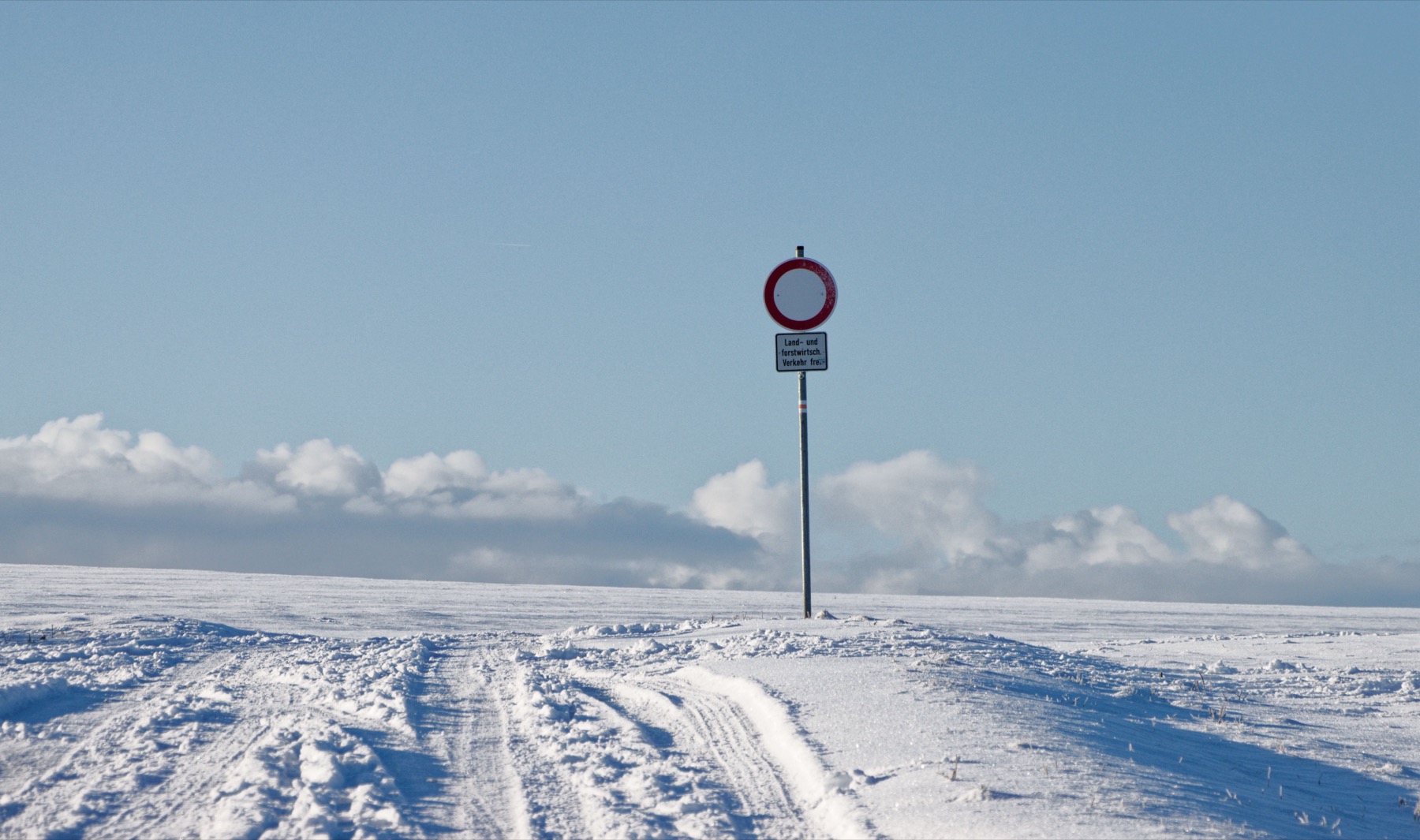
Even the best winter tyre has its physical limits and on steep Alpine climbs it simply sooner or later loses traction. Fitting snow chains is mandatory where this is ordered by a blue traffic sign with a white symbol of a chain on a wheel. This sign means you can only continue if you have chains fitted on at least the two drive wheels, or on all four if required by your car’s manufacturer. Definitely don’t ignore it, because police very much like to check this.
But it’s equally important to know when you absolutely must not use chains. The golden rule is that chains belong exclusively on a continuous layer of snow or ice. As soon as you descend from a mountain pass into a valley onto wet or dry tarmac, you must remove them immediately. Driving with chains on bare asphalt irreparably damages the steel links themselves, destroys your tyres and tears chunks out of the road surface, for which police can fine you heavily.
Also don’t forget the strict speed limit. With chains fitted, you may drive at a maximum speed of 50 km/h. Chains are not structurally designed for higher speeds and physics cannot be fooled. If you put your foot down, strong centrifugal force can tear them apart and flying pieces of steel will reliably destroy your wheel arches, mudguards or even sever brake hoses, which is a real nuisance. And dealing with a tow truck in the middle of a blizzard is really something you don’t want.
5. How to Choose the Right Size and Type of Chains
A snow chain is definitely not a universal piece of equipment that fits every car. It’s purchased for a specific tyre size. You’ll find this embossed in large letters on the tyre sidewall, consisting of width, profile and rim diameter, which typically looks something like 205/55 R16. Before buying, carefully write down these numbers and don’t rely on guesswork or a friend’s advice. Any mismatch would mean the chain won’t fit properly or will fall off the wheel.
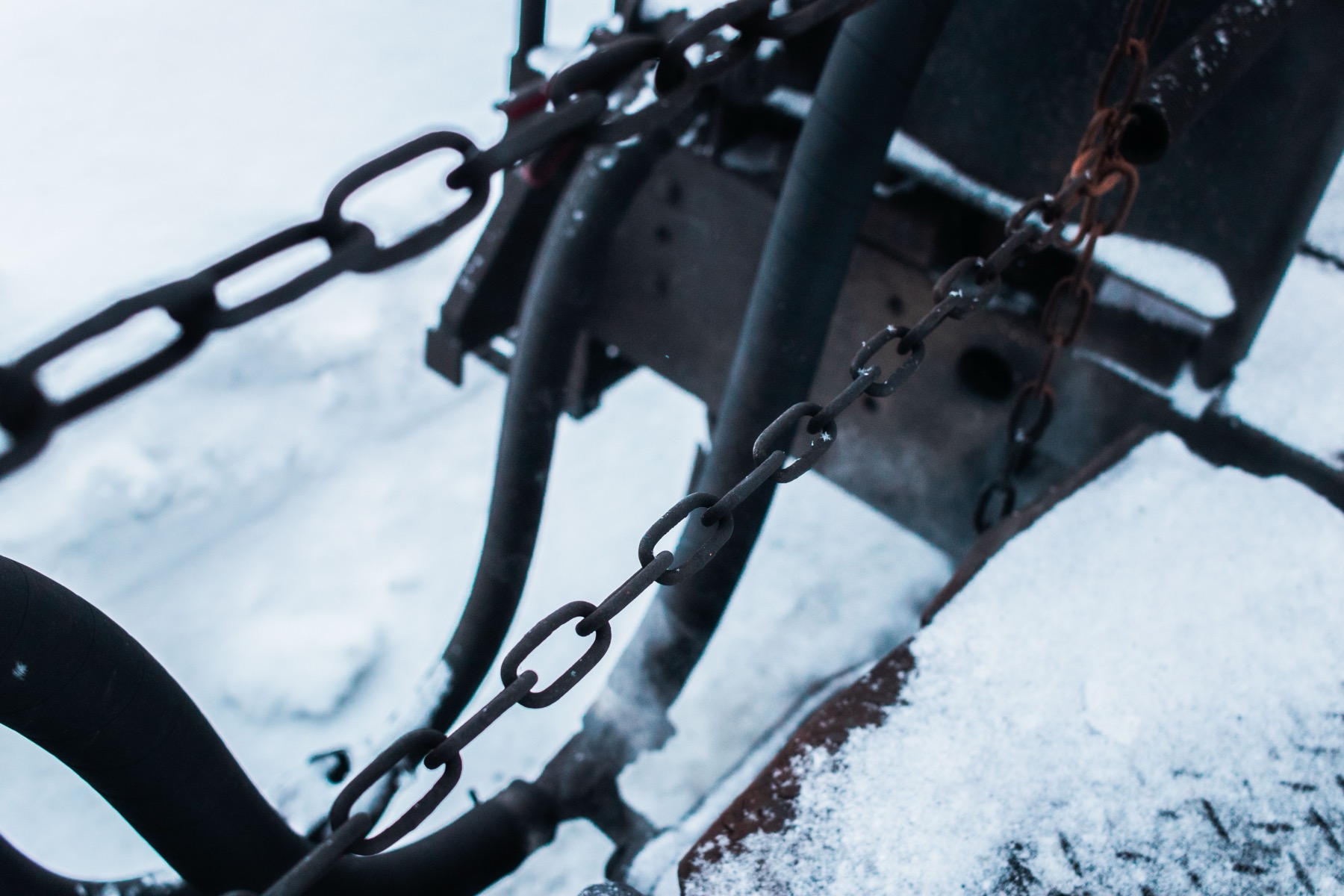
The most common choice for demanding Alpine conditions is steel full-coverage chains with a cross pattern. They’re also called X-pattern or H-pattern chains and offer absolutely the best traction on ice and long service life. You can get these basic models from around €40, while higher-quality steel chains from reputable brands will cost you approximately €100 and up. It’s always worth paying more for stronger steel links, especially if you plan to drive to the mountains regularly.
An interesting alternative is textile snow socks, which are very lightweight, quiet and take up minimal space in the boot. They have a very low construction height, making them perfect for sportier cars with little clearance between the wheel and the wheel arch. Their downside is significantly shorter lifespan, as they wear through very quickly on patches of dry asphalt. For those who want the best, there are also premium chains with automatic tensioning, which are more expensive but will save you a lot of hassle in freezing conditions.
6. Step-by-Step Guide: How to Fit Snow Chains
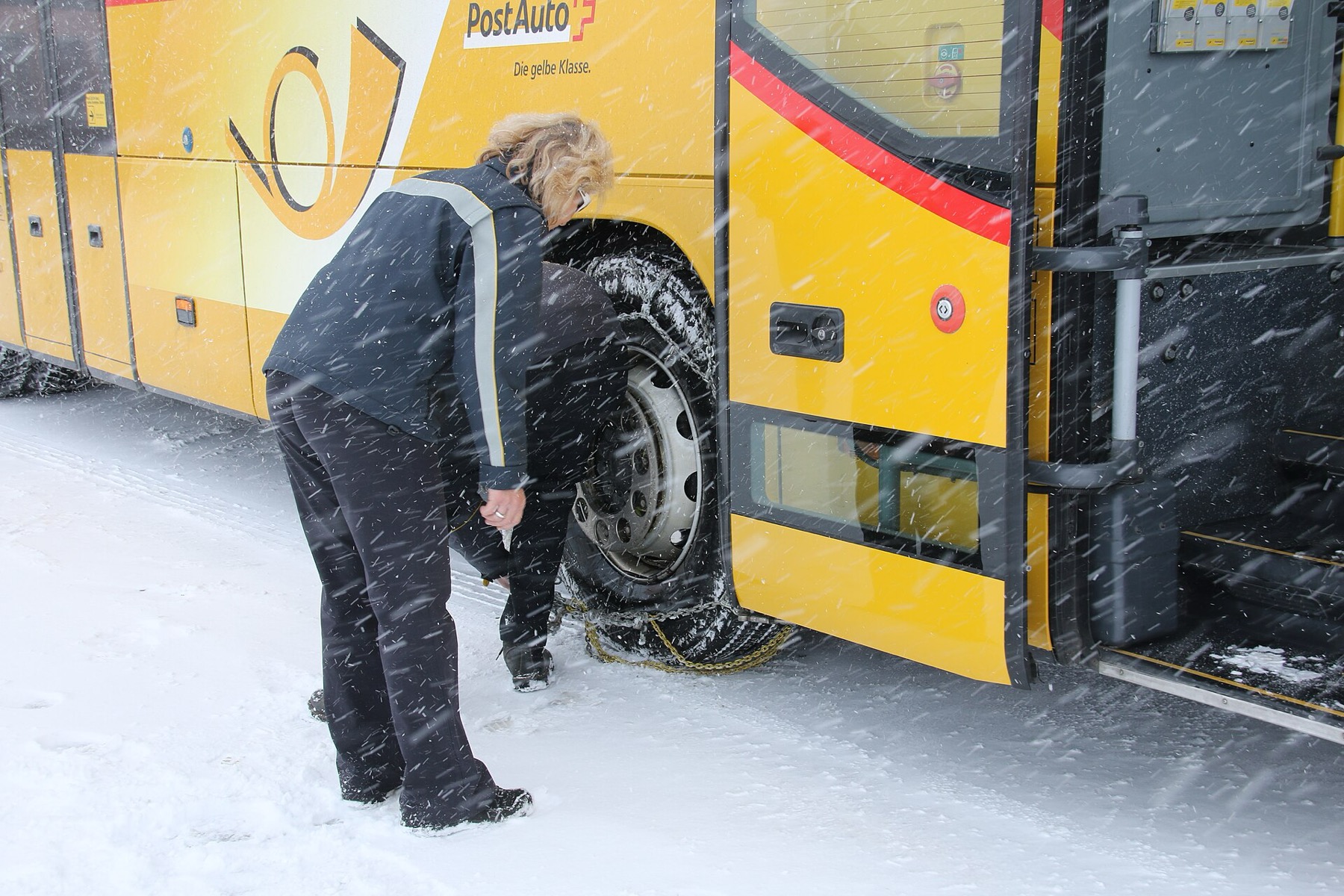
Fitting chains is exactly the activity you don’t want to do for the first time in your life in the dark during heavy snowfall. Chains are always fitted to the driving axle, so on regular cars they go on the front, and on older BMWs or Mercedes on the rear. On all-wheel-drive vehicles you absolutely must check your vehicle manual, where the manufacturer specifies exactly which wheels to fit them on to avoid damaging the inter-axle differential.
💡 Tip: Practice the entire fitting process at home as a dry run in your garage or on a dry driveway. The first time can easily take twenty minutes, which in freezing conditions with a queue of nervous drivers behind you is a truly unpleasant experience. Pack heavy-duty work gloves and a headlamp in the boot with your chains. The procedure is as follows:
1. Stop in a safe and visible location, ideally on flat ground away from the main traffic flow. Immediately put on your reflective vest and pull the handbrake firmly. 2. Take the chain out of its box, carefully unravel it and check that no links are caught or twisted. 3. Feed the entire chain behind the wheel and connect the inner steel hoop, which usually has coloured plastic stops. Then pull it over the top part of the tyre towards you. 4. Connect the outer fasteners on the front of the wheel and tension the chain as much as possible by hand using the tensioning mechanism or elastic cord. 5. Get back in the car, drive forward a few dozen metres and then you must get out again and re-tension the chains. Centrifugal force will have loosened them slightly after driving, and a loose chain could damage the car.
7. Required Equipment and the Tricky Reflective Vest
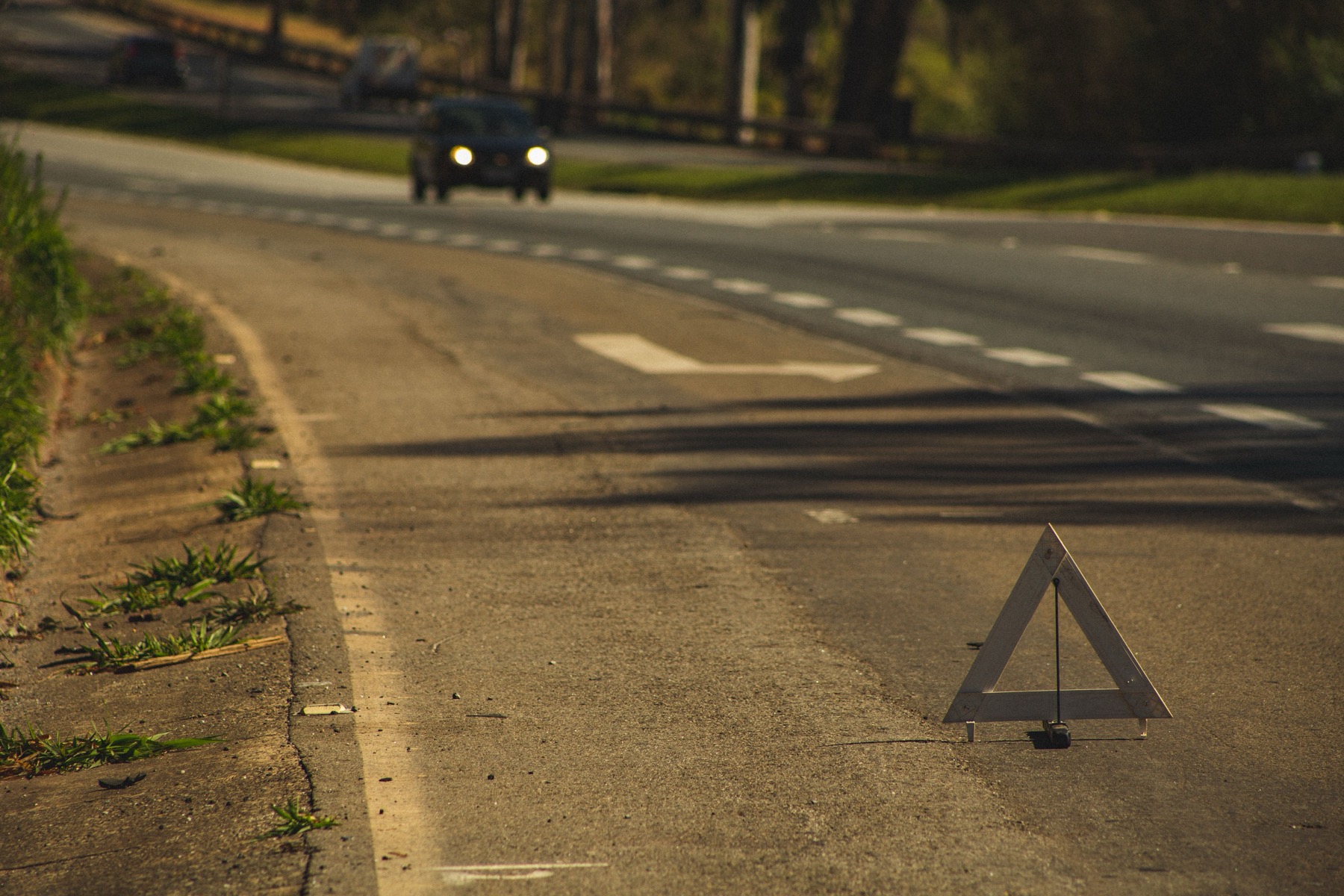
When travelling to Austria you must have your car equipped according to local regulations, which differ in several important details from those in many other countries. A warning triangle and valid first aid kit are obvious requirements, and police occasionally check the expiry date. With the first aid kit, Austrian police are sometimes particular about it containing unopened packages and meeting European standards. Spare bulbs aren’t directly required by Austrian police, but they’re worth having for your own peace of mind. Many national regulations also require carrying a spare wheel or repair kit for punctures.
The most common stumbling block during police checks is a simple reflective vest. Austrian law strictly requires that the driver’s reflective vest be stored in the cabin. You must be able to reach it directly from the driver’s seat without having to leave the car. Ideally keep it in the glove compartment or in the door pocket where it’ll be immediately at hand. Try to check that you have enough vests for all passengers, even though it’s not strictly mandatory for them.
If you have your vest neatly folded with the spare wheel under the luggage in the boot, the police officer will issue you a fine without mercy. The law logically states that when making an emergency exit from the vehicle outside built-up areas on a motorway or expressway, you must already be wearing the vest the moment you open the door and step onto the carriageway. And honestly, a vest that costs next to nothing is really worth it.
8. Speed Limits and IG-L Environmental Zones
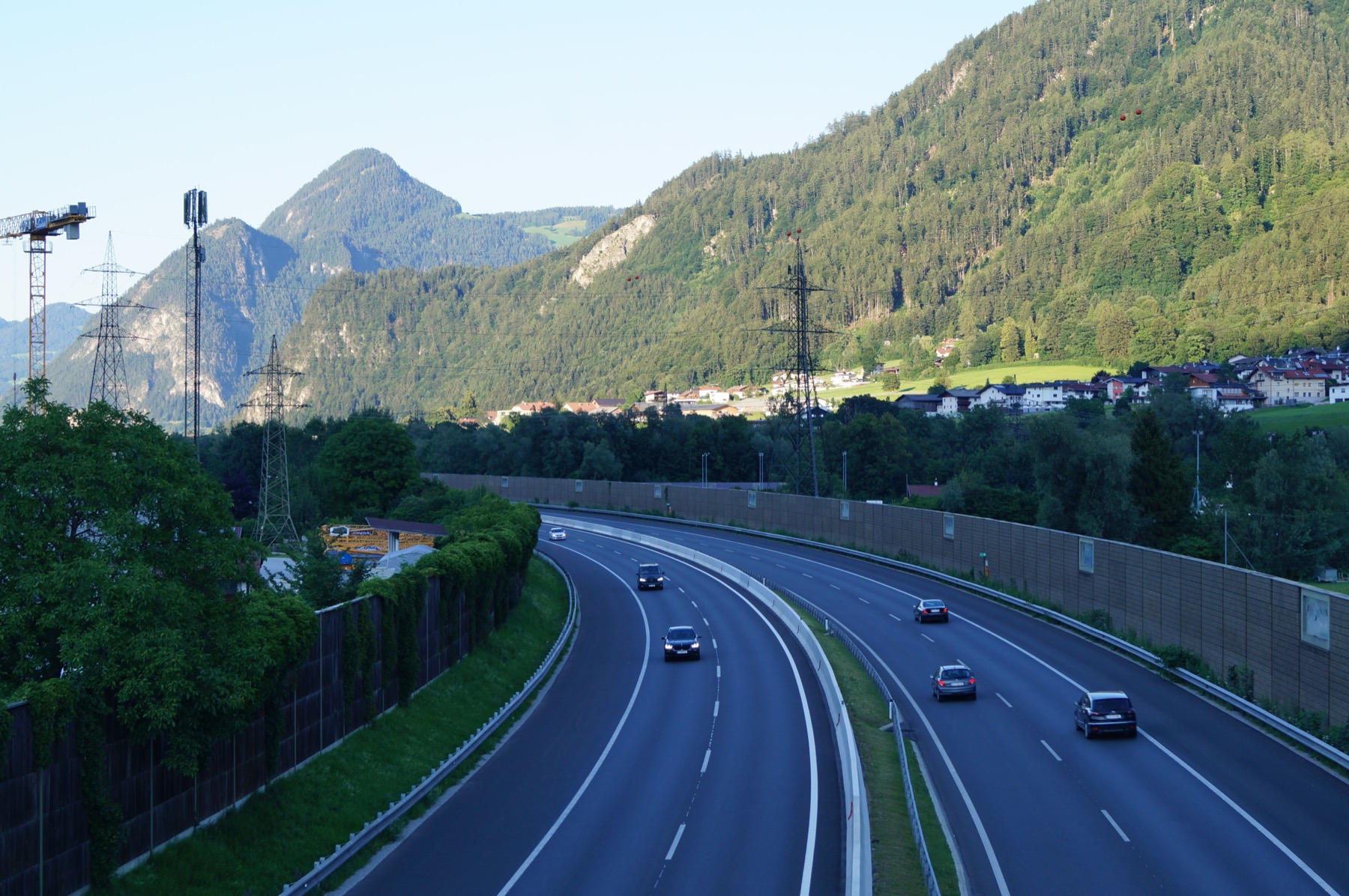
Speed limits in Austria at first glance are exactly the same as in many European countries. On motorways the maximum permitted speed is 130 km/h, outside built-up areas you can drive 100 km/h and in built-up areas the standard 50 km/h. Speeding is almost always punished with a financial penalty, and Austrian radar tolerance is really minimal and will often catch you when exceeding by just a few kilometres per hour. So forget the habit of actually driving 140 km/h – it doesn’t pay off here.
You must pay special attention to so-called IG-L zones. The abbreviation stands for the Air Quality Protection Act and you’ll find these zones most commonly on the Tyrolean motorways A12 Inntal and A13 Brenner. Speed here is permanently limited to 100 km/h to reduce emissions and noise in the narrow Alpine valleys. Don’t be fooled by driving on a wide and empty motorway or by the absence of traditional police officers. Intelligent systems measure speed very precisely.
Radars in these environmental sections measure constantly and fines reliably arrive in mailboxes across Europe. It’s important to know that if you’re caught speeding in an IG-L zone, you don’t just pay a regular speeding fine but a much higher penalty for environmental pollution. These amounts can be many times higher than for a standard traffic offence and can easily exceed hundreds of euros.
9. Emergency Corridor (Rettungsgasse)
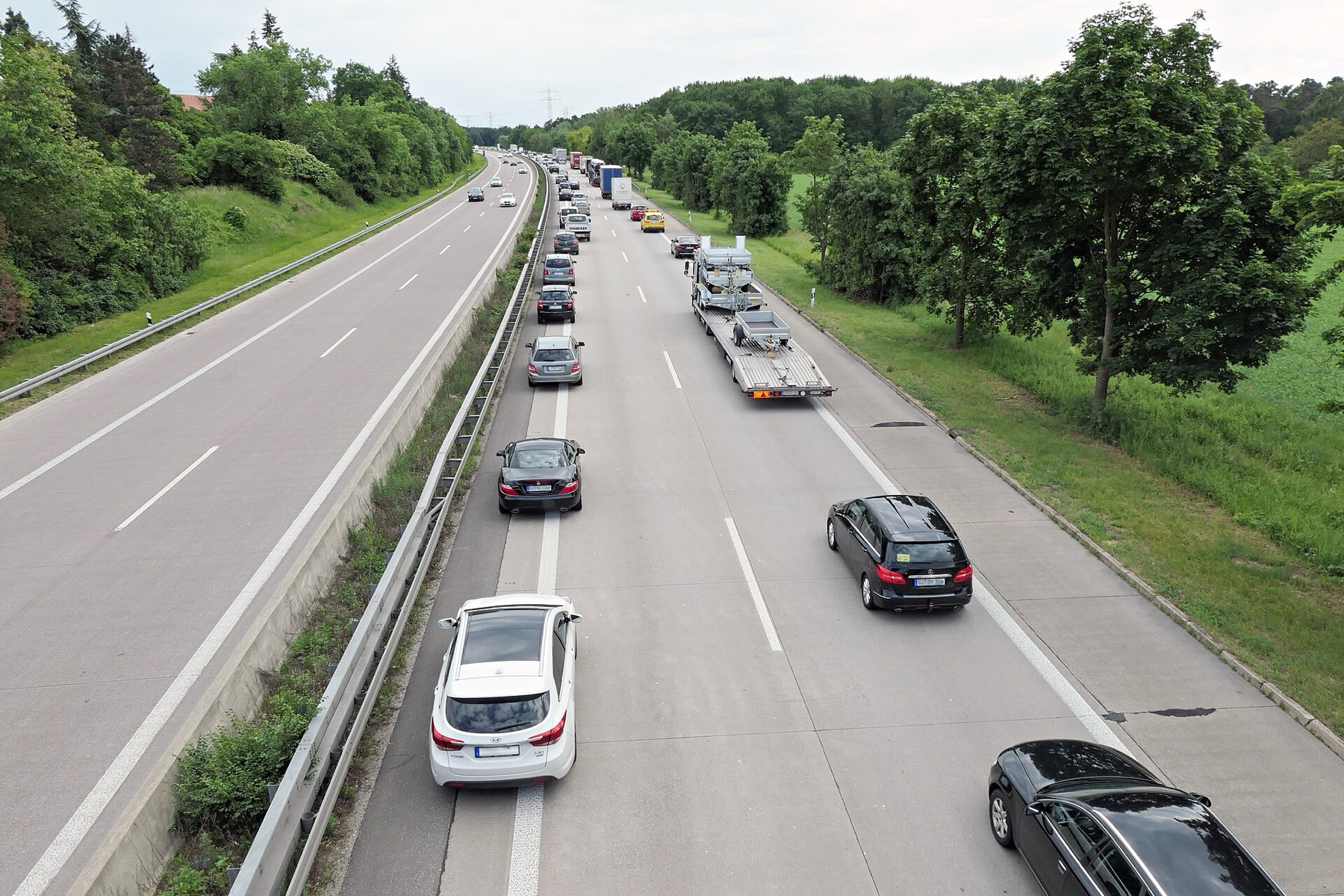
This is something that catches many foreign drivers off guard: Austrians take the emergency corridor absolutely seriously and ignorance is no mitigating circumstance here. They use a system called the emergency lane, known in German as Rettungsgasse. You must start forming this lane immediately as soon as traffic begins to slow down, not when you hear sirens behind you.
The rule is very simple and logical in practice. Cars in the far left motorway lane move as far left as possible, right up to the guide line or onto the hard shoulder. All other cars in the middle and right lanes move as far right as possible. This creates a wide empty lane in the middle through which fire services, ambulances and police can pass safely and quickly directly to the accident site. Even if you’re crawling along, always keep in mind that you must have space to move aside.
Failure to comply with this rule is punished very severely and police are completely uncompromising in this regard. If you don’t create an emergency corridor, or if you try to drive through it illegally to bypass the queue, you face fines climbing into thousands of euros. Cameras on motorways and toll gantries carefully record this offence and the Austrians really don’t let it go unpunished.
10. Planning Your Route and Avoiding Traffic Jams
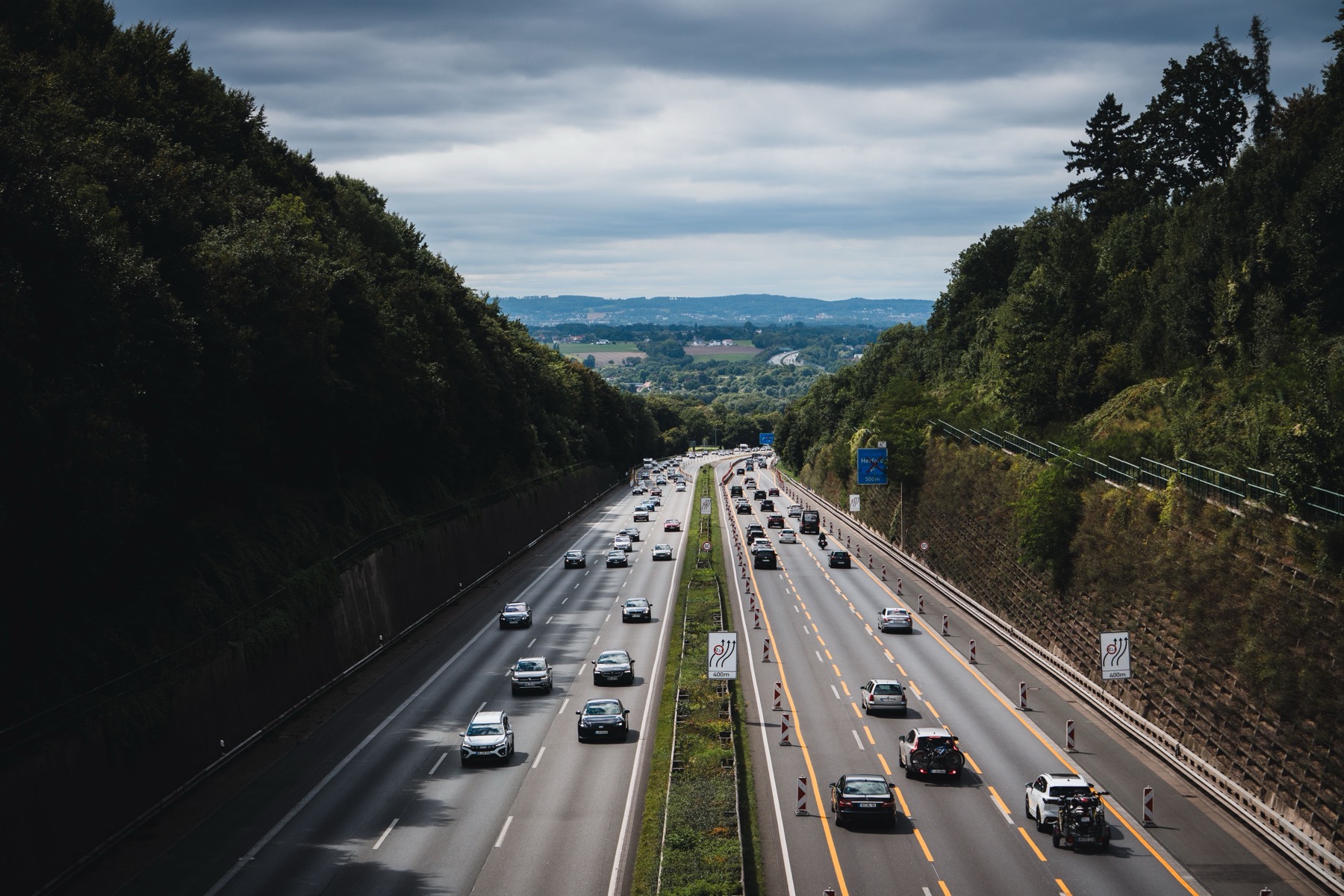
Route planning plays a crucial role in whether you arrive at the slopes fresh or completely exhausted from constant stop-and-go traffic. The main access routes to the Austrian Alps typically run either through Munich from the northwest or via Vienna from the east, both offering good connections to popular ski regions. The Munich route leads directly to Tyrolean resorts, while the Vienna corridor provides quick access to Styrian and Salzburg skiing areas.
International travellers heading to the Alps have several route options depending on their destination. One popular route leads to Salzburg and its surrounding resorts, taking approximately five hours of comfortable driving from central European hubs. Another well-travelled option runs through Munich towards Tyrol. While German motorways are toll-free, they can get quite congested, particularly during peak winter weekends.
The biggest enemy of winter travellers is the dreaded Saturday queue. Alpine resorts traditionally change their accommodation turnover on Saturday mornings, when thousands of people are leaving and thousands more arriving. If your accommodation allows even a bit of flexibility, set off on Friday evening and stay somewhere along the way – Saturday queues before Salzburg are an experience you really don’t need to treat yourself to. You can easily save yourself two hours of nerve-wracking standstill traffic. 😅
11. Hidden Costs: Tunnels and Motorway Vignettes
Before you drive onto the Austrian motorway network, you need to sort out the usage fee. You can buy an Austrian motorway vignette conveniently online from home, saving yourself stops at borders and unnecessary queues at petrol stations. Don’t forget though that if your journey continues further south, you’ll also need a vignette for Slovenia or Switzerland, which are purchased completely separately.
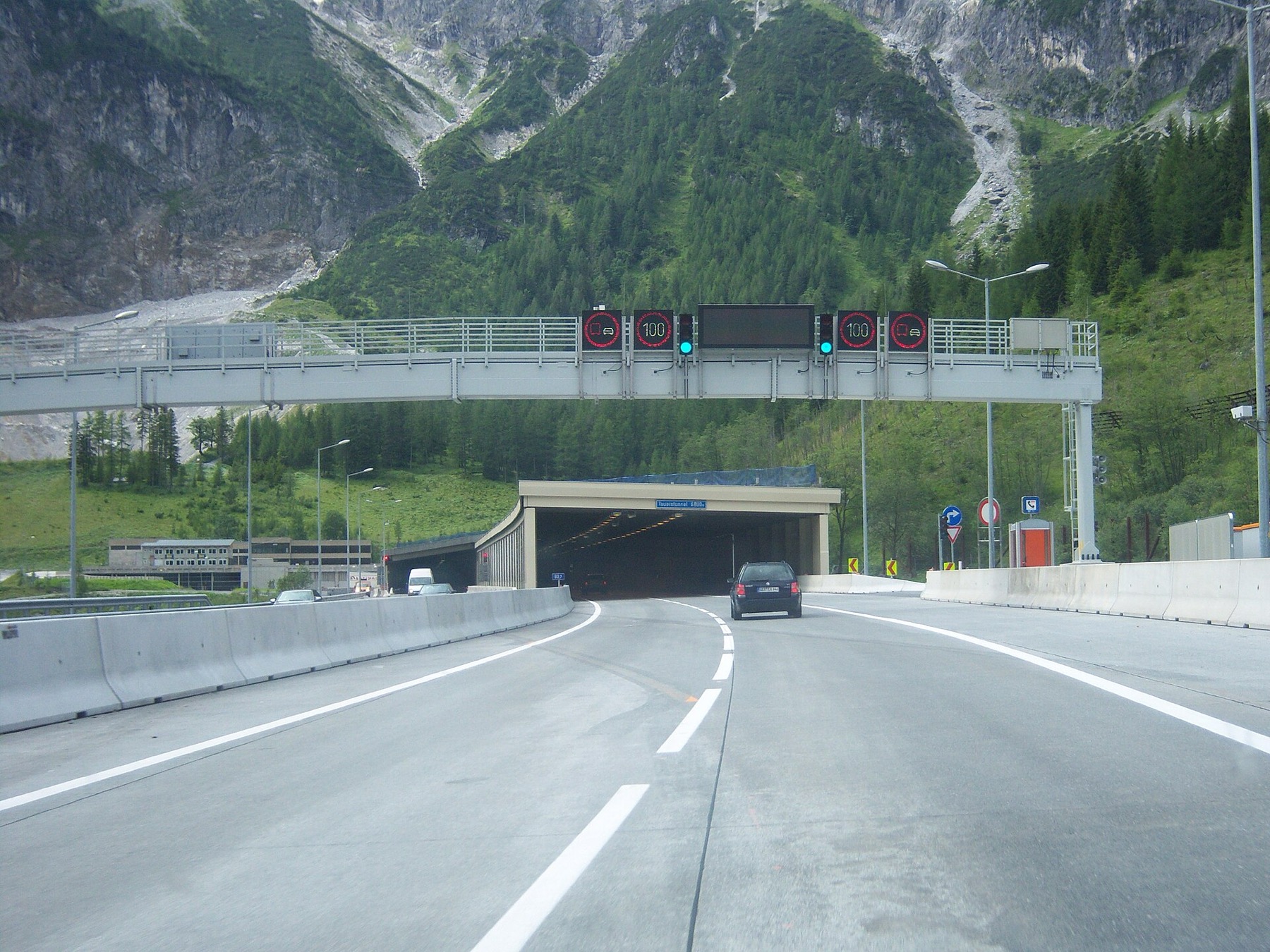
Many drivers forget about so-called section tolls when planning their holiday budget. Austria has several large tunnels and mountain passes in the Alps that charge an extra fee on top of the standard motorway vignette. A typical example is the busy Tauern Tunnel on the A10 motorway, where you’ll pay €15 for a single passage. You won’t avoid stops at toll booths when travelling to Italy either, where you’ll encounter classic barrier systems on motorways.
Another heavily used section is the A13 motorway over the Brenner Pass, where the toll gate will charge you €12.50. Passage through the Arlberg Tunnel costs €13. These fees are paid directly at toll gates by card or cash. If you want to avoid waiting in queues, you can prepay them online on the road authority website ASFINAG, which then allows you to drive through the dedicated green lane without stopping – something truly priceless after an exhausting journey.
12. What to Check on Your Car and How to Load Skis
Winter conditions don’t forgive poor vehicle condition, so you should give your car some attention before the trip. Before you set off, check your tyre pressure, which naturally drops in freezing temperatures and worsens driving characteristics. Also crucial is a perfectly functioning battery and topping up antifreeze screen wash with resistance to at least −20 °C, because frozen liquid smeared across the windscreen at 130 km/h on the motorway really isn’t a situation you want to be in.
Definitely pack a quality ice scraper, snow brush, warm gloves and, just in case, a warm blanket and charged power bank in your boot. If you’re carrying equipment in a roof box, remember that a coffin on the roof significantly increases fuel consumption and shifts the car’s centre of gravity, so you need to enter corners much more carefully. Also pay close attention when entering underground hotel car parks, where you often won’t fit with a mounted box and risk damaging the roof.
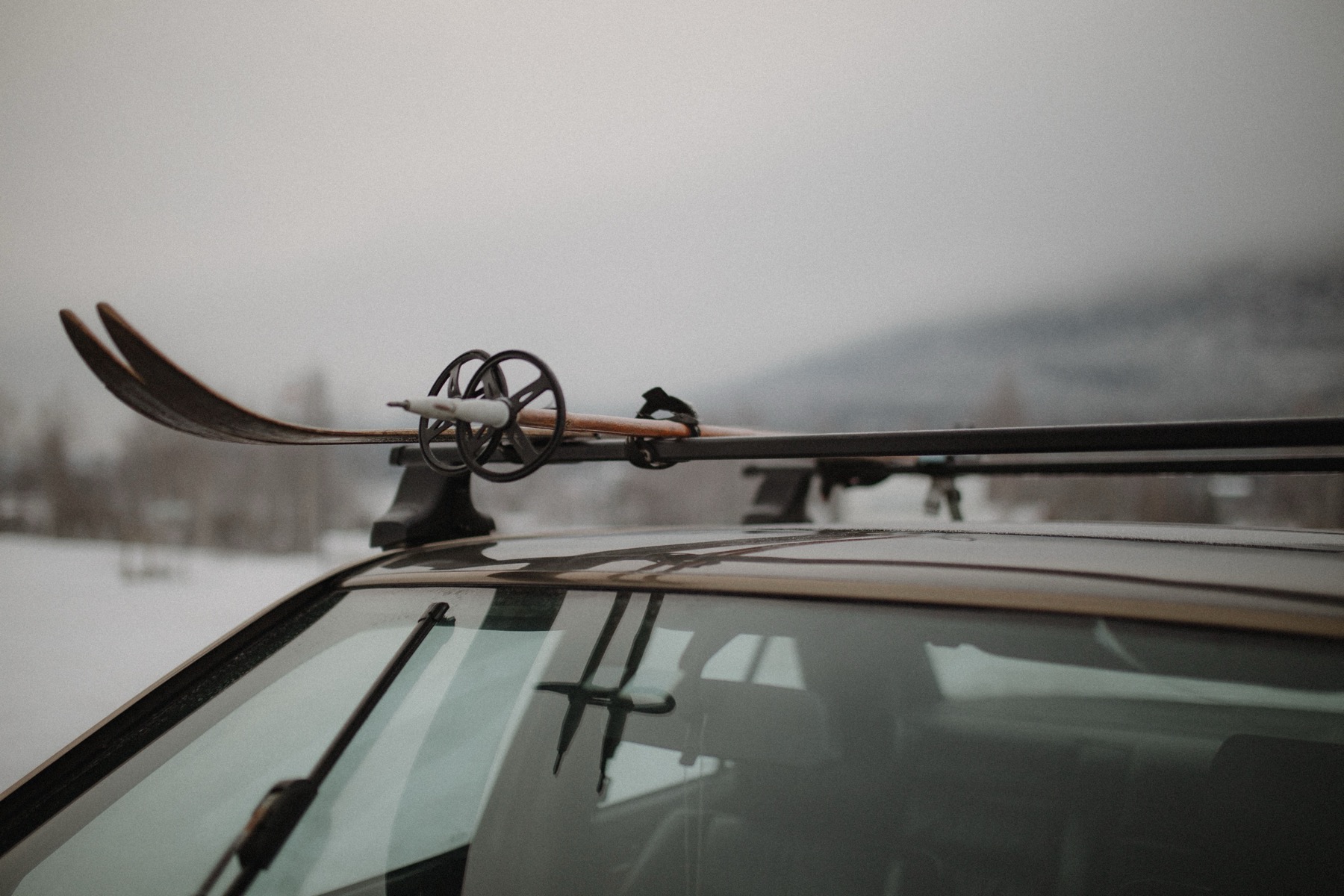
If you’re carrying skis and poles inside the vehicle, they must be absolutely firmly secured with straps to the eyelets in the boot. During emergency braking or, heaven forbid, a collision, loosely placed skis become a deadly projectile that will reliably smash through the windscreen or seriously injure passengers in the front seats. For inspiration on what else not to forget, check out our article on what to take to the mountains.
Practical Summary and Indicative Prices
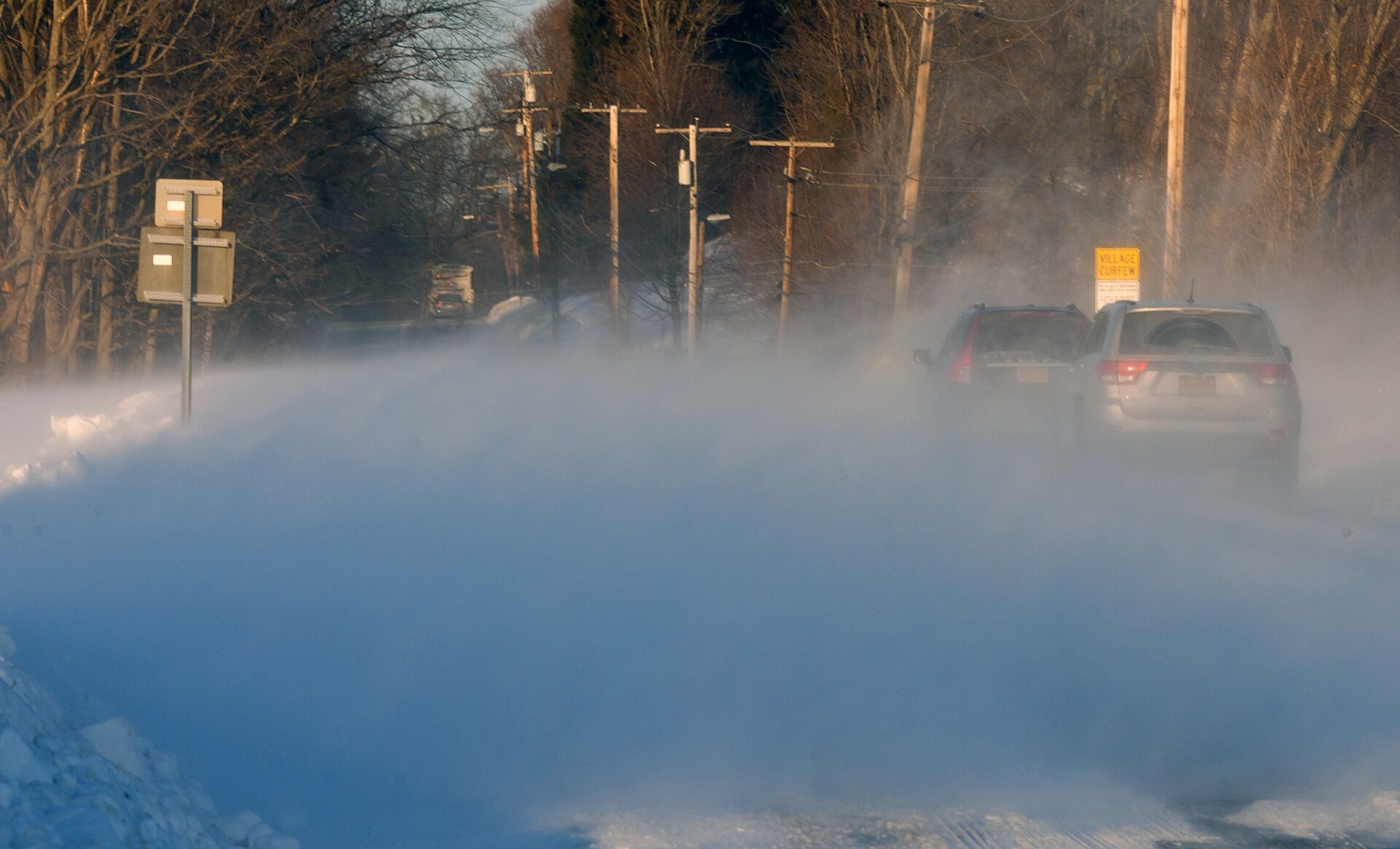
To give you a better idea of what additional costs you can expect on your journey, I’ve prepared an indicative overview for 2026. Prices may vary slightly depending on specific retailers.
- Basic steel snow chains: from €40 to €100
- Textile snow socks: from €60 to €125
- Tauern Tunnel toll (A10): €15 per single passage
- Brenner motorway toll (A13): €12.50 per single passage
- Arlberg Tunnel toll: €13 per single passage
- Fine for summer tyres (without accident): €35 on-the-spot
- Fine for speeding in IG-L zone: can exceed hundreds of euros depending on severity
Where Next
If you’ve already sorted out transport and are looking for more inspiration for your winter holiday, we’ve written several useful guides for you. You might be interested in our tips for a cheap skiing holiday, where you’ll discover how to save on ski passes.
An interesting alternative to the expensive Alps could be excellent skiing in Poland, which offers a great price-to-quality ratio. And if you’d like to use Austrian motorways in warmer months too, check out our popular 7-day road trip through Austria.
And if you’re wondering where that journey might actually lead, browse through the world’s largest ski resorts and find out how many of their kilometres are just marketing.
Where should you head with all that equipment? Choose from the 20 best Austrian resorts.
Frequently Asked Questions
Before any trip abroad, plenty of small questions arise that you’re sometimes not completely sure about. To save you time searching through regulations, I’ve summarized the answers to the most common practical puzzles that people often ask before heading to the Alps.
Can I drive to Austria on summer tyres if it’s dry?
Yes, if it’s sunny between 1 November and 15 April and the road is completely dry, summer tyres don’t break the law. But mountain weather changes incredibly fast, and a single afternoon snow shower will mean you can’t continue driving. So it’s better not to risk it – the fines are really high.
Are tyres marked M+S enough?
From the 2025/26 season onwards, they’re no longer enough in many countries, including Germany and Slovakia. You’ll only pass a police check safely with tyres that have the 3PMSF symbol on the sidewall – the mountain peak icon with a snowflake. Unlike M+S, this mark guarantees that the rubber has passed actual winter tests.
What tread depth does the Austrian police require?
Austrian law requires a minimum tread depth of 4 millimetres across the entire tyre profile for winter driving. If you have less, your car is treated as if it were fitted with summer tyres. For older cross-ply tyres, the limit is even 5 millimetres.
Where do I need to carry a reflective vest?
In Austria, a reflective vest for the driver must be stored directly in the vehicle cabin so you can reach it easily from the driver’s seat. If you keep it in the boot under your luggage, you’ll get a hefty fine during a police check.
Which wheels do snow chains go on?
Snow chains always go on the driven axle. For front-wheel-drive vehicles they go on the front wheels, for rear-wheel-drive on the rear. If you have a 4×4 vehicle, you need to check your car manufacturer’s manual, where the axle for chains is specified precisely, so you don’t damage the differential.
What speed can I drive at with chains fitted?
With snow chains fitted, the maximum permitted speed is limited to 50 km/h. At higher speeds the steel links would wear excessively and there would be a risk of damaging the wheel arches or important brake lines on your car.
What is an IG-L zone on Austrian motorways?
These are stretches of motorway with speed limited to 100 km/h because of air-quality protection laws, found mainly in Tyrol. If you exceed the speed here, you pay a much higher fine for environmental pollution, not just the usual penalty for a traffic offence.
Tips and Tricks for Your Vacation
Don’t Overpay for Flights
Search for flights on Kayak. It’s our favorite search engine because it scans the websites of all airlines and always finds the cheapest connection.
Book Your Accommodation Smartly
The best experiences we’ve had when looking for accommodation (from Alaska to Morocco) are with Booking.com, where hotels, apartments, and entire houses are usually the cheapest and most widely available.
Don’t Forget Travel Insurance
Good travel insurance will protect you against illness, accidents, theft, or flight cancellations. We’ve had a few hospital visits abroad, so we know how important it is to have proper insurance arranged.
Where we insure ourselves: SafetyWing (simple monthly subscription) and TrueTraveller (for extra-long trips).
Find the Best Experiences
Get Your Guide is a huge online marketplace where you can book guided walks, trips, skip-the-line tickets, tours, and much more. We always find some extra fun there!