If you’re planning to drive through Austria on your way to the sea, or you’re heading to the Alps for a ski trip, the Austria vignette is an absolute must-have that you need to sort out before you cross the border. Whether you’re going skiing in the Alps in winter or on a summer road trip to Croatia or Italy, Austrian motorways simply have to be paid for, and Austrian police show no mercy. The system is superbly organized and the motorways are in perfect condition, but there are a few pitfalls hidden in it that can end up costing you a pretty penny.
On top of that, the rules have changed slightly again for 2026, and a huge milestone is coming, because sticker vignettes are being phased out for good. From 2027 there’ll be nothing to stick on your windscreen at all, and everything will run purely digitally. In this guide we’ll take a detailed look at how much the Austria vignette costs, where you can safely buy it without nonsensical surcharges, and what traps to watch out for.
The big topic here is above all the 18-day waiting period when buying online, because of which your new vignette may not be valid immediately, and then there’s section tolling too. Austria has plenty of tunnels and mountain passes where a standard motorway vignette simply isn’t enough and you’ll have to reach for your wallet again. Better to go through it all now in the comfort of your home than nervously at the border. 😉
TL;DR
- Base prices for 2026: An annual vignette for a car costs €106.80, the two-month one €32, the 10-day one €12.80 and the 1-day one will set you back €9.60.
- 1-day vignette: You can only buy it digitally — a physical sticker for a single day doesn’t exist at all.
- End of stickers: 2026 is the absolute last year for the classic stick-on vignettes; from 1 February 2027 the system will be 100% digital.
- Watch out for the 18-day rule: If you buy an annual or two-month vignette online as an ordinary consumer, it only becomes valid after 18 days. There is a legal way around it, though.
- Draconian fines: If you’re caught without a valid vignette, you’ll pay the so-called substitute toll of €200 on the spot (this figure went up in 2026).
- Section tolls: For passing through major tunnels (Tauern, Brenner, Arlberg, Karawanken) you pay extra fees on top of the regular vignette.
- Winter tyres: They’re mandatory from 1 November to 15 April whenever wintry conditions prevail on the road (snow, ice), and must have a tread depth of at least 4 millimetres.
The full destination guide: Austria — guide and what to see
12 Things You Need to Know About the Austria Vignette
Before you hit the road, it’s good to know a few basic rules. The Austrian system may be top-notch, but it has its quirks that can cost you money for nothing. We’ve put together the most important things to watch out for.
1. Complete Austria vignette price list for 2026
Austria offers four validity options for cars up to 3.5 tonnes. The most commonly bought 10-day vignette costs €12.80. If you’re going on a longer holiday and only coming back after a fortnight or so, it’s worth getting the two-month vignette for €32. The annual vignette costs €106.80 and has one huge advantage — it’s valid for a full 14 months (from 1 December of the previous year until 31 January of the following year).
A great recent addition is the 1-day motorway vignette for €9.60. You’ll appreciate it especially when you’re just transiting through Austria on your way south and returning by a different route, or when you’re just popping into Vienna and back. With the 1-day vignette, though, remember that it only exists in digital form, so you won’t find it as a sticker at a petrol station. Motorcyclists naturally get lower prices — €5.10 for ten days and €42.70 for the annual vignette.
Prices for 2026 have risen by 2.9 percent compared to the previous year due to indexation based on the consumer price index. The good news is that the digital and classic sticker vignettes cost exactly the same, down to the cent. If you’re wondering how much the vignette will cost in 2027, you’ll have to wait until autumn. ASFINAG usually publishes these amounts in November, but you can expect another modest increase of a few percent.
💡 Tip: Always double-check the complete, up-to-date price list before your trip on the official ASFINAG website, where you’ll find the exact amounts for motorcycles too.
2. The definitive end of sticker vignettes is near
If you’re one of those drivers who like to collect motorway stickers on their windscreen like trophies from their travels, 2026 is your last chance. Austria is scrapping sticker vignettes and switching to a purely digital system from 1 February 2027. This year’s physical vignette (fiery red for 2026) will be on sale until the end of January 2027 and its validity will expire exactly on 31 January 2027.
This makes sense — the digital vignette is simply more practical. It’s tied to the number plate, so there’s no more of that annoying scraping off of the old sticker with a razor blade and removing leftover glue. Plus, you don’t have to worry about windscreen damage (if a stone flies into it, for example), which would otherwise make you lose the physical vignette for good.
Don’t be misled by the term “digital”, though. The fact that the vignette will only be electronic from 2027 doesn’t mean you need the internet to buy it. Just like today, you’ll still be able to buy it physically at the till of a petrol station or at a newsagent’s. The clerk simply enters your number plate into the system and you get a paper receipt as confirmation.
💡 Tip: If you have cars in the family with so-called interchangeable plates (which works in Austria), one digital vignette covers up to three vehicles. And in some cases a vignette can be transferred within your customer account when your plate formally changes.
3. The biggest tourist trap: the 18-day rule
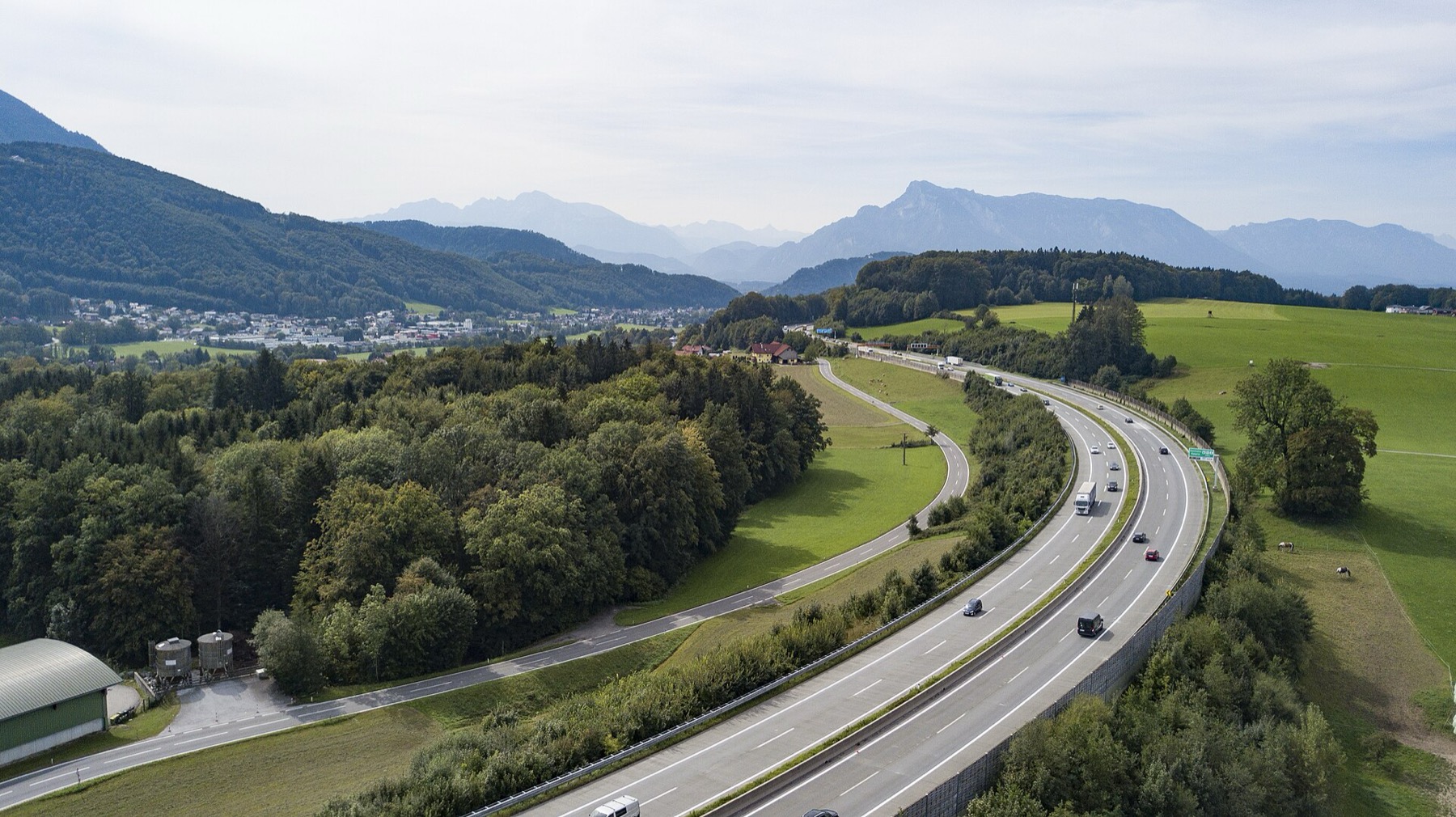
This is probably the most important point of the whole article, and it’s where a huge number of people get caught out. When you buy a digital vignette online, the two-month and annual versions aren’t valid immediately. Due to European consumer protection laws, they only become valid on the eighteenth day after purchase. You have fourteen days to withdraw from a distance contract, plus three days added on for postal delivery.
So if you bought a two-month vignette online from your sofa on 1 July and set off on holiday the very next day on 2 July, you’d be driving without a valid vignette and asking for a hefty fine. Luckily, this legislative trap doesn’t apply to the 1-day and 10-day vignettes. For these short-term versions you can choose immediate validity in the basket and hit the road in five minutes if you like.
But what should you do if you urgently need an annual or two-month vignette with immediate validity? You have two legal options. The first is to stop at a petrol station or a special machine and buy it physically. A physical purchase isn’t governed by the online sales rules, so the vignette is valid right away. The second option is to tick the box during online purchase that says you’re buying as a business (VAT registered). Companies don’t have the right to withdraw from the contract, so the vignette is active immediately.
💡 Tip: If you’re buying an annual vignette online for the next year and want it to follow on seamlessly, you must complete the purchase by 14 January at the latest. Only then will the 18-day period elapse by 31 January, when the old vignette expires.
4. Where to buy safely and avoid resellers
The best and by far the safest place to buy is the official ASFINAG online shop (shop.asfinag.at). The site is available in English, so you don’t need to worry about not understanding something. The whole process takes about two minutes. You enter the country where the vehicle is registered, your number plate, choose the vignette type, enter an email for the confirmation and pay by card.
Online, though, you’ll come across a huge number of unofficial sellers. When you type “Austria vignette” into a search engine, you’ll often get sites that look very professional and pose as official. The problem is that they add a hidden intermediary fee to the base price of the vignette. A 10-day vignette can end up costing you several euros more than the usual sub-€13.
If you’re not sure, always check that you’re really on a site ending in asfinag.at. A great alternative is also the official ASFINAG mobile app, which I recommend having downloaded on your phone. Not only can you easily buy the vignette through it, but you’ll also find live traffic information, road closures and views from motorway cameras.
💡 Tip: After buying, always carefully check the number plate you entered on the confirmation email. If you make a typo, the system will treat you as a car without a vignette and any fine will be on you.
5. Buying the vignette physically on the road
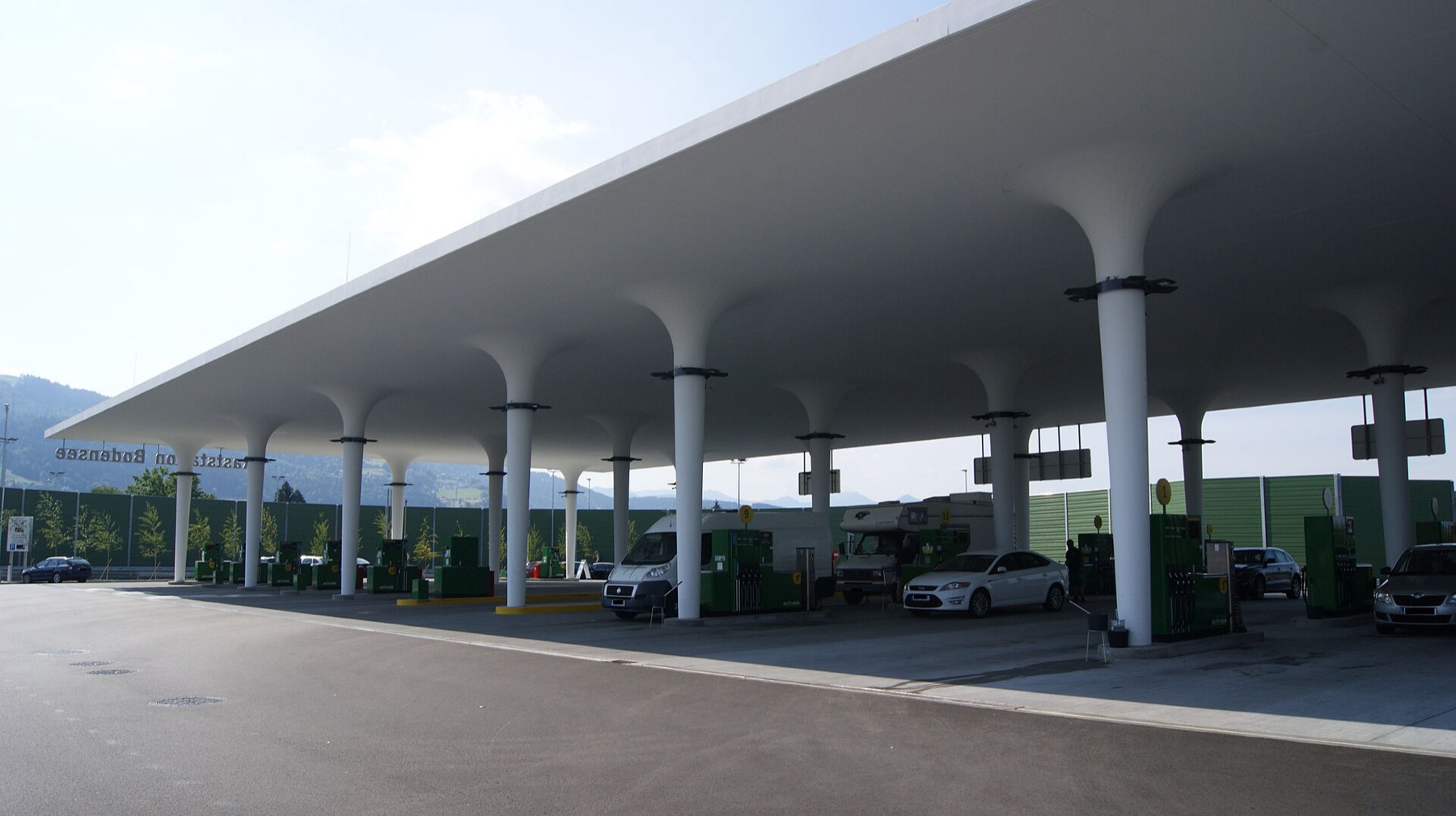
If you don’t want to deal with online purchases, Austria won’t let you down: there are over six thousand sales points, so it’s almost harder not to bump into one. These include practically all petrol stations in Austria, newsagents, branches of the Austrian motoring clubs ÖAMTC and ARBÖ, and even special self-service machines at rest areas.
A big advantage is that you can easily get the vignette right before the border as well. Most large petrol stations near the Austrian border routinely sell Austrian vignettes. If you’re paying in a foreign currency, watch out for the exchange rate the seller uses. It’s always better to pay by card with a good rate than to hand over cash.
If you come across a yellow ASFINAG self-service machine, the purchase is very intuitive. You switch the menu to English, tap in your number plate on the touchscreen, pay contactlessly by card and the machine prints out a paper confirmation. Honestly, anyone can do it and it takes no longer than a minute.
💡 Tip: Always keep the paper confirmation of your digital vignette purchase, or the bottom part of the sticker, at least until the validity ends. It’s your only proof in case something goes wrong with the camera system.
6. Section tolls: where the vignette won’t be enough
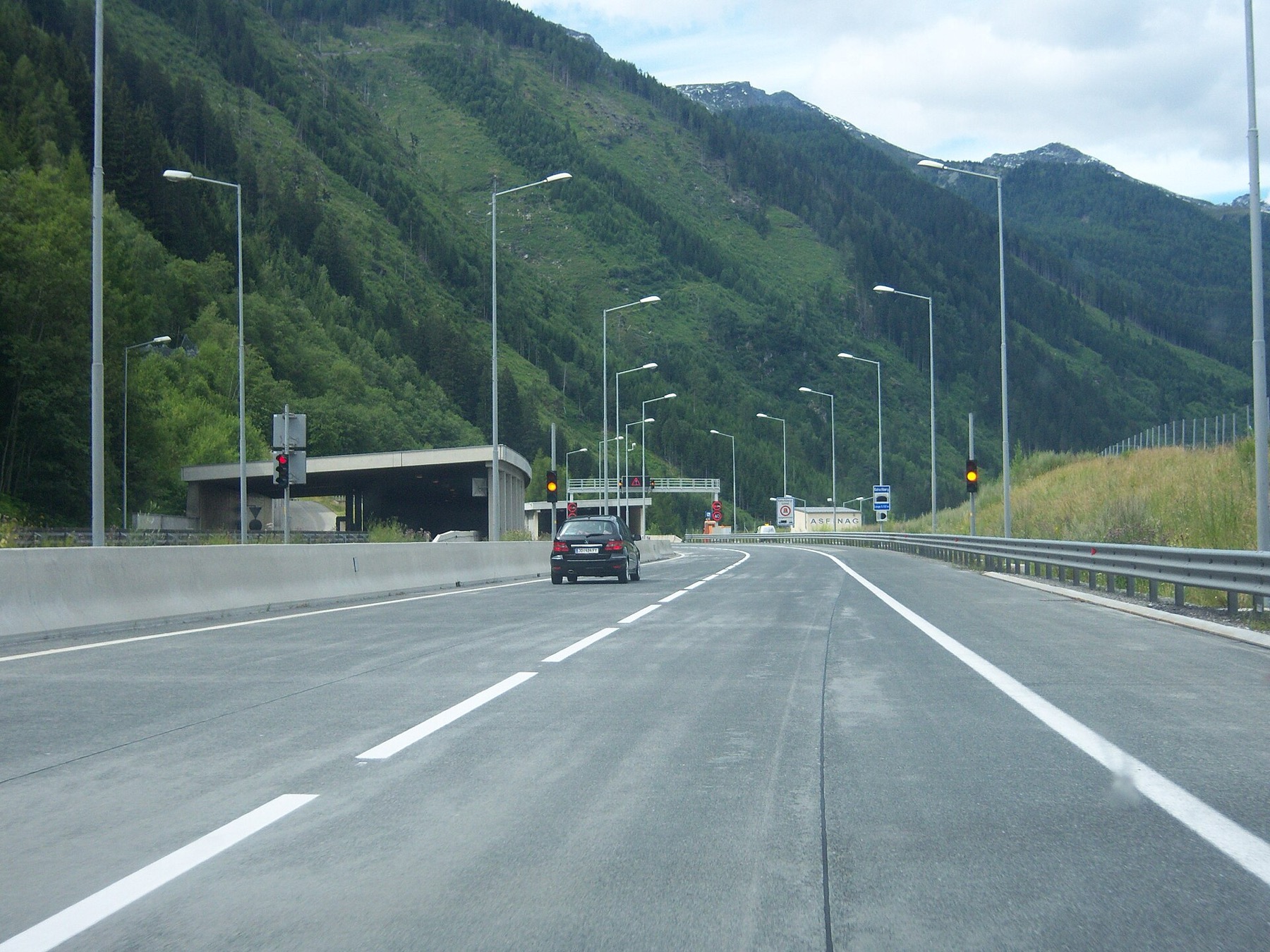
This is one thing that can unpleasantly surprise a lot of travellers. You buy a motorway vignette, cruise along the motorway, and suddenly toll gates with a barrier appear in front of you. Austria has several extremely pricey sections (mainly the long alpine tunnels) that a regular motorway vignette doesn’t cover, and you have to pay the so-called section toll (Streckenmaut) for them.
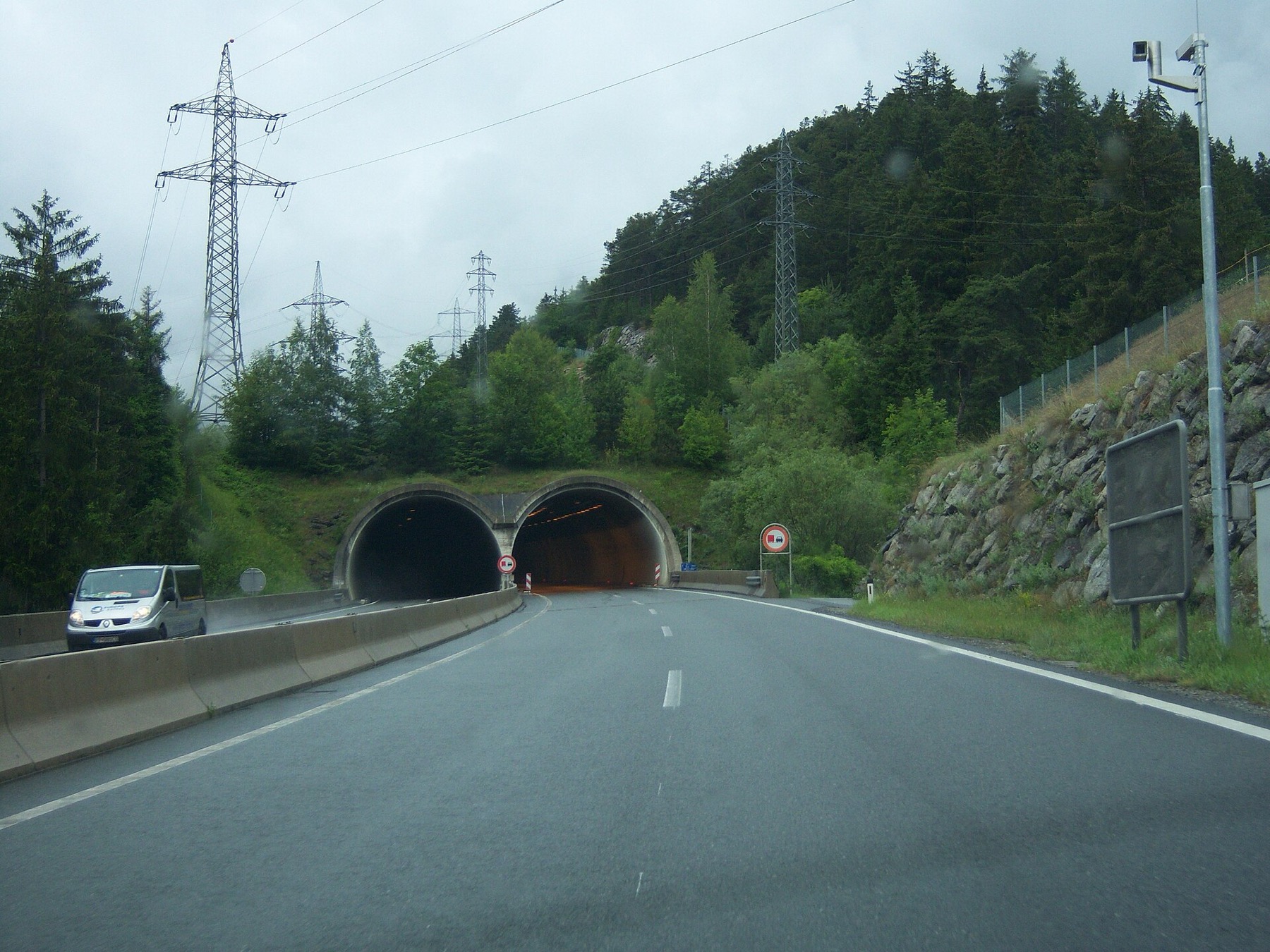
This applies to the busiest routes. If you’re heading to Croatia or to Salzburg for skiing, you can’t avoid the A10 motorway and, with it, the tolled Tauern and Katschberg tunnels. Driving through this section will cost you €15. If you’re heading via Innsbruck to Italy, you’ll pay €12.50 for the Brenner Pass on the A13 motorway. The Arlberg passage on the S16 road costs €13, and the Karawanken tunnel on the border with Slovenia (A11 motorway) will set you back €9.
You can pay these fees in cash or by card right there at the toll gate. But if you want to avoid the summer queues, I recommend using the digital section toll service. You pay for the passage online in advance against your number plate, then simply drive through a special lane (marked green), where a camera reads your plate and the barrier opens automatically.
💡 Tip: For frequent travellers there’s a service called FLEX. You register your number plate and link it to a payment card. Then you just drive through the green lanes without stopping and the toll amount is deducted from your card automatically after you pass.
7. Increased fines and the substitute toll
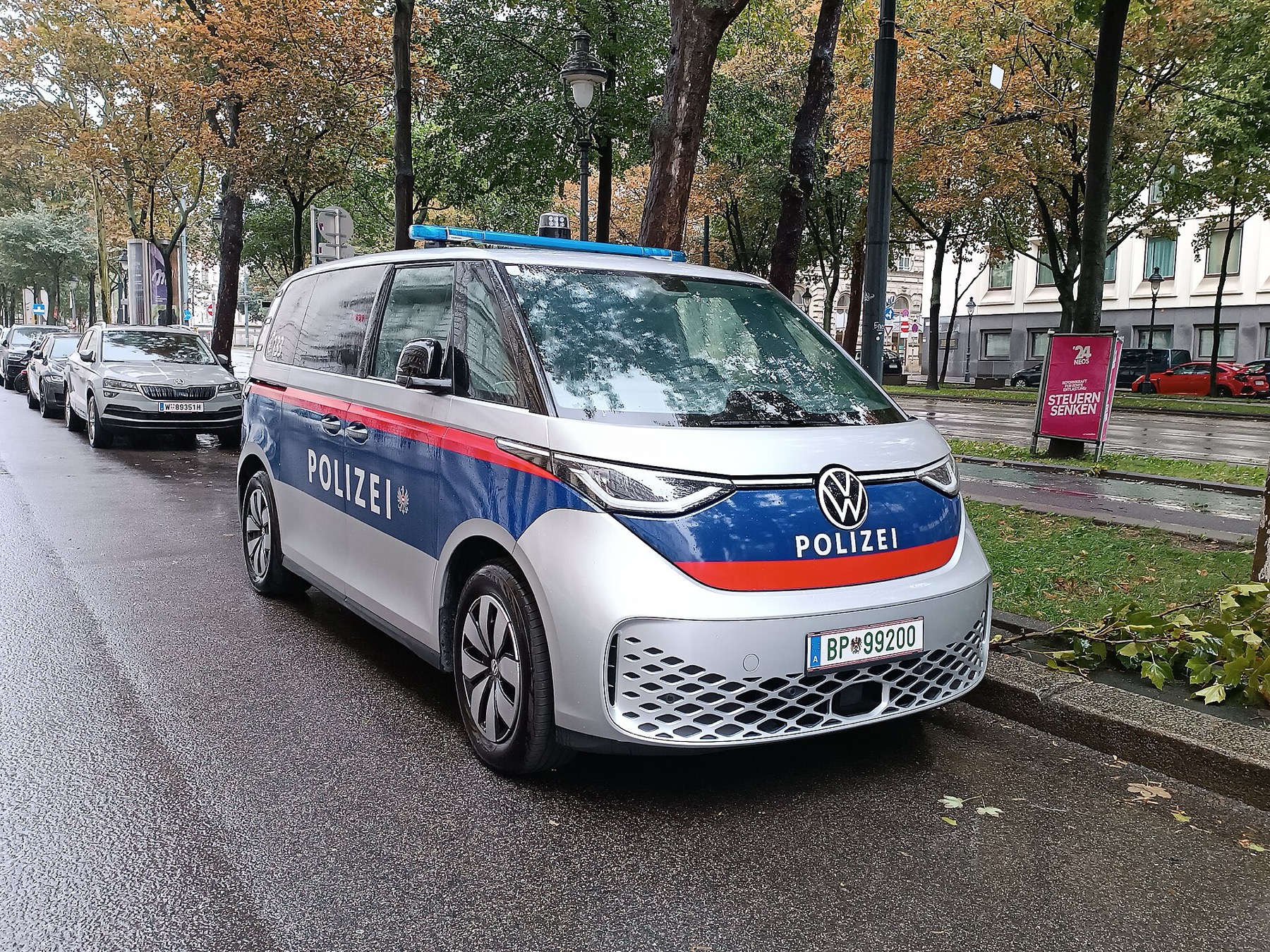
The Austrian enforcement system is merciless. The toll operator ASFINAG uses a system of automatic cameras that constantly change their positions, plus dozens of mobile patrols operate in the field. If you drive onto a tolled section without a valid vignette, the system will catch you sooner or later. Trying to sneak through without paying really doesn’t pay off here.
What’s more, from 1 January 2026 the fines got a lot tougher. Without a valid vignette you’ll face the so-called substitute toll (Ersatzmaut), and heads up — from 2026 it has climbed to €200 for cars (the €120 you may read on older websites hasn’t applied for a long time). Paying it closes the whole matter and you avoid further hassle.
But if you didn’t pay the substitute toll (whether to the patrol on the spot or after receiving a letter from Austria), the whole thing moves into administrative proceedings. And that’s where the fun really ends — the fine in administrative proceedings can climb as high as €3,000, which is a hefty price for the €13 you saved on a 10-day vignette. Also watch out that if you have a sticker vignette applied incorrectly (say on a tinted strip of the glass or just taped on), you’re treated as if you had no vignette at all.
💡 Tip: Thanks to European agreements, the Austrian authorities have access to foreign vehicle registers. A letter demanding payment will arrive at your home address, and ignoring it is the worst thing you can do.
8. Four sections where you don’t need a vignette at all
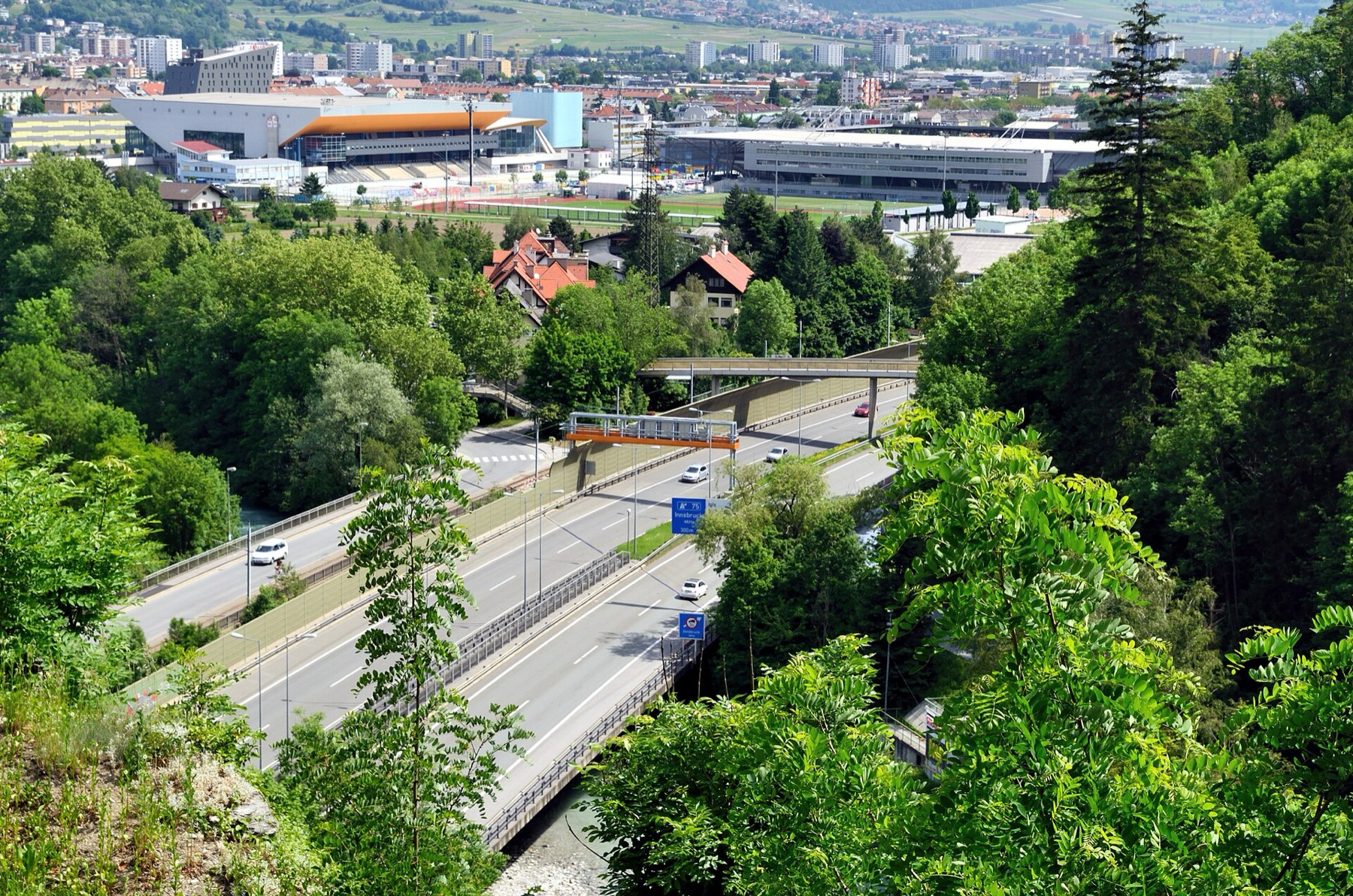
It might surprise you, but in Austria there are four specific motorway sections that are completely exempt from tolls. As a rule, you need a motorway vignette on all motorways (marked with the letter A) and expressways (marked with the letter S). This exemption came about mainly to prevent drivers from dropping down into small villages just past the border and clogging up the local roads.
The first toll-free section is a stretch of the A1 Westautobahn from the German border (Walserberg) to the Salzburg-Nord exit. The second is a very popular section on the A12 Inntalautobahn from the border (Kiefersfelden) to the Kufstein-Süd exit. The third exception is on the A14 Rheintal/Walgau motorway from the border (Hörbranz) to Hohenems. The last exception is the still-unfinished A26 motorway in Linz.
On all other first-class roads (Landesstraße) you pay nothing at all and, in theory, you could cross the whole of Austria on them for free. In practice, though, it doesn’t make sense: you’ll lose a huge amount of time, you have to drive through dozens of villages with speed cameras, and in winter you’ll also face mountain passes that can be dangerous or completely closed.
💡 Tip: Even though you don’t need a vignette on these four sections, keep a very close eye on the exits. If you drive past the sign marking the end of the toll-free section and a camera catches you, you won’t escape a fine.
9. Winter tyres and rules for the winter season
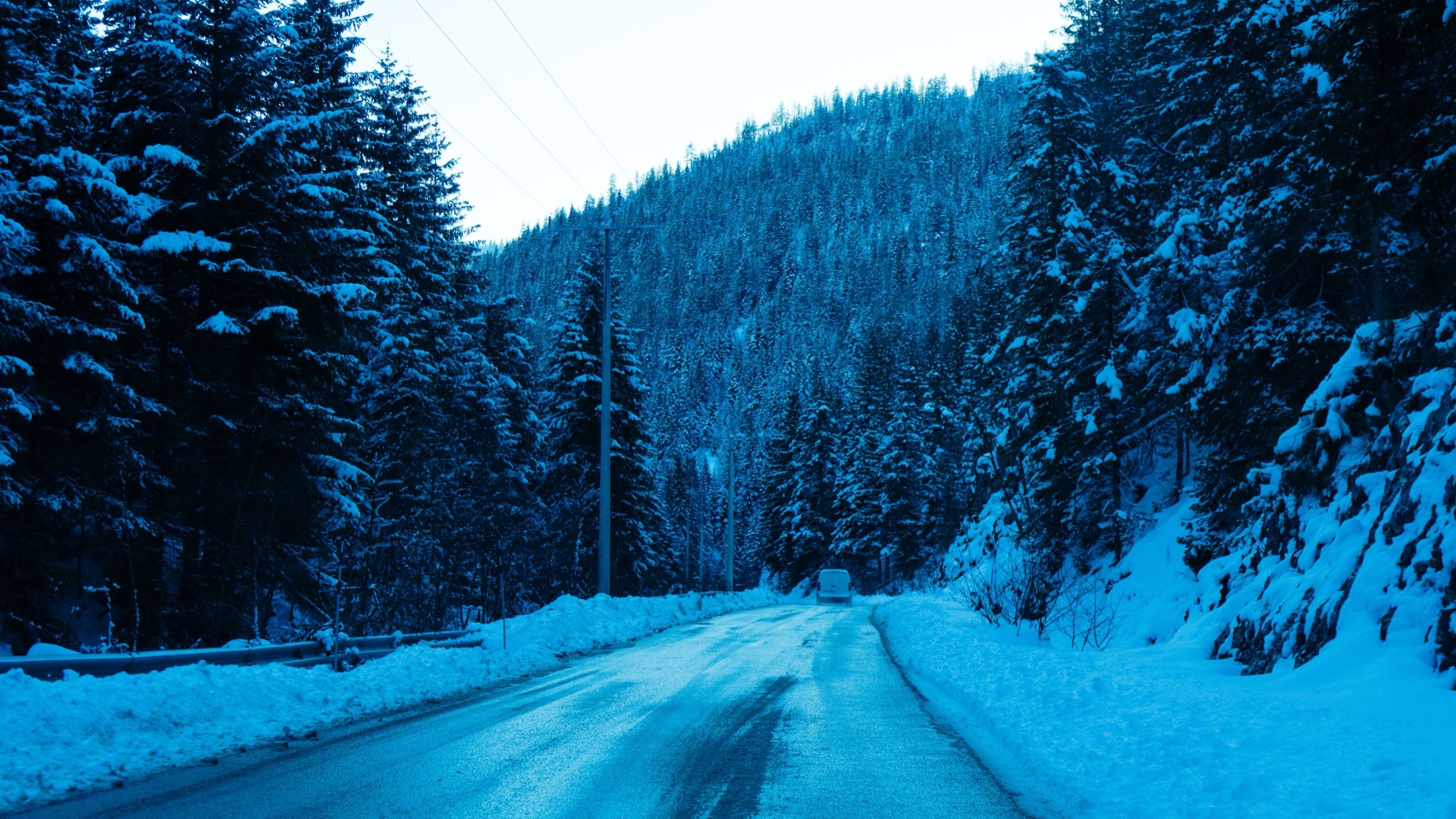
If you’re heading to Austria for skiing or perhaps for the Advent markets, you need your car flawlessly prepared. Austrian laws on winter equipment are strict. Winter tyres are mandatory from 1 November to 15 April, but note that this applies on a situational basis. You must have them fitted whenever wintry conditions prevail on the road, which means snow, ice, slush or frost.
There’s one crucial trap hidden here. In Austria, a tyre is only considered a winter tyre if it has a minimum tread depth of 4 millimetres. If your tread bears the M+S mark or the snowflake symbol but is worn down to, say, 3 millimetres, the Austrian police treat it as a summer tyre. And driving on summer tyres in wintry conditions means a fine of at least €35, or thousands of euros if you block traffic or cause an accident.
An alternative is snow chains fitted on the drive axle, but you may only use them where the road is continuously covered in snow or ice, otherwise you’d damage the asphalt. In mountain areas you’ll also come across round blue signs that make chains mandatory for absolutely everyone, no matter how good your tyres are.
💡 Tip: Police in the alpine regions routinely stop cars and measure tyre tread. If you don’t meet the 4-millimetre limit, they can ban you from driving on until conditions ease, which will reliably ruin your whole holiday.
10. Mandatory equipment and speed limits (watch out for IG-L)
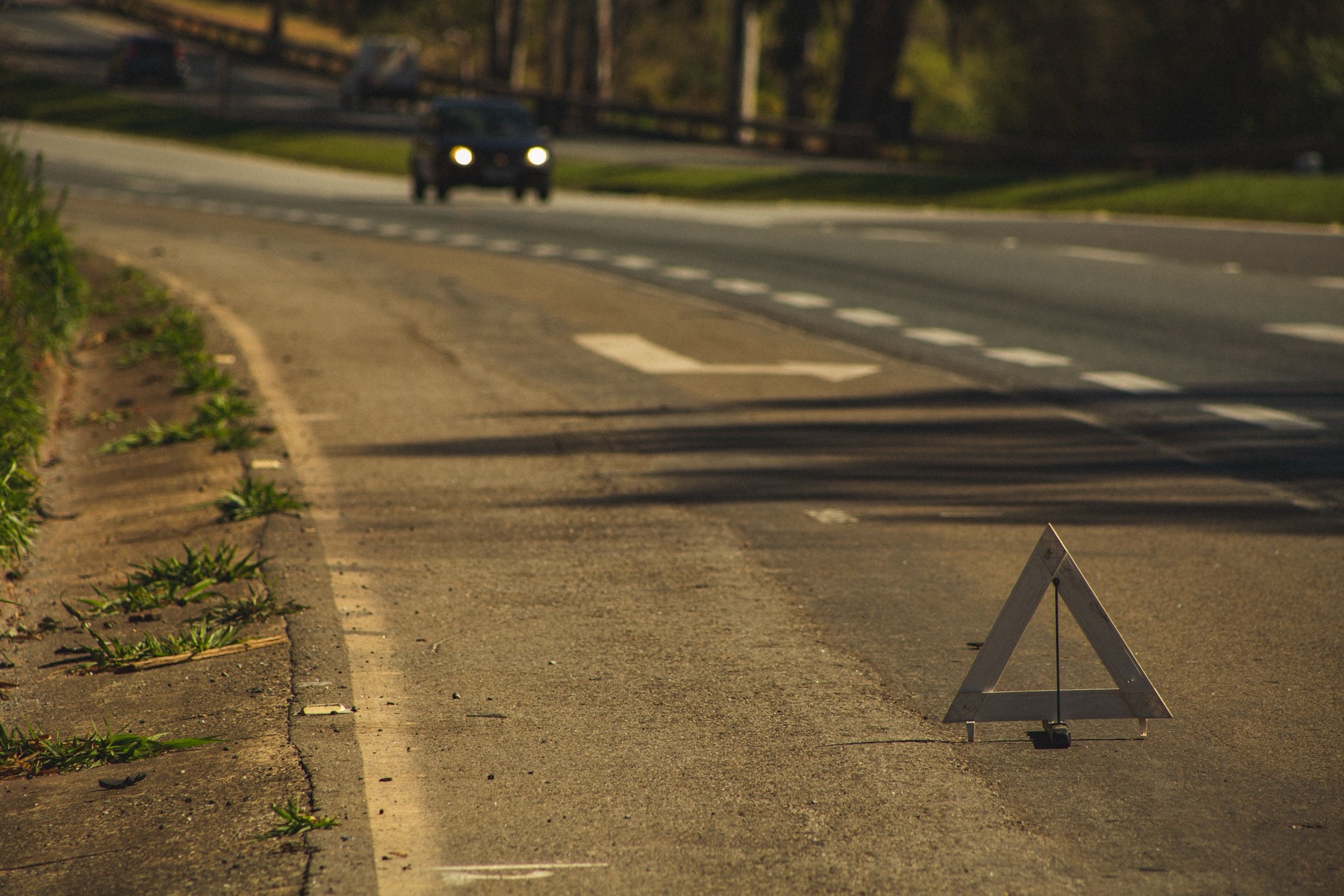
When packing the car, don’t forget the mandatory equipment, because the Austrians like to check that too. A warning triangle and a first-aid kit are a given. A key point to remember is the high-vis vest. In Austria, the reflective vest must be within reach from the driver’s seat — you can’t have it buried at the bottom of the boot under your luggage. If you have to leave the vehicle in an emergency on the motorway, you must put it on before you even get out.
As for alcohol, Austria is a little more lenient and tolerates 0.5 per mille of alcohol in the blood. If you’re a novice driver, however, and have held your licence for less than two years, a strict limit of 0.1 per mille applies to you. The general speed limits are the usual ones: 130 km/h on the motorway, 100 km/h outside built-up areas and 50 km/h in built-up areas.
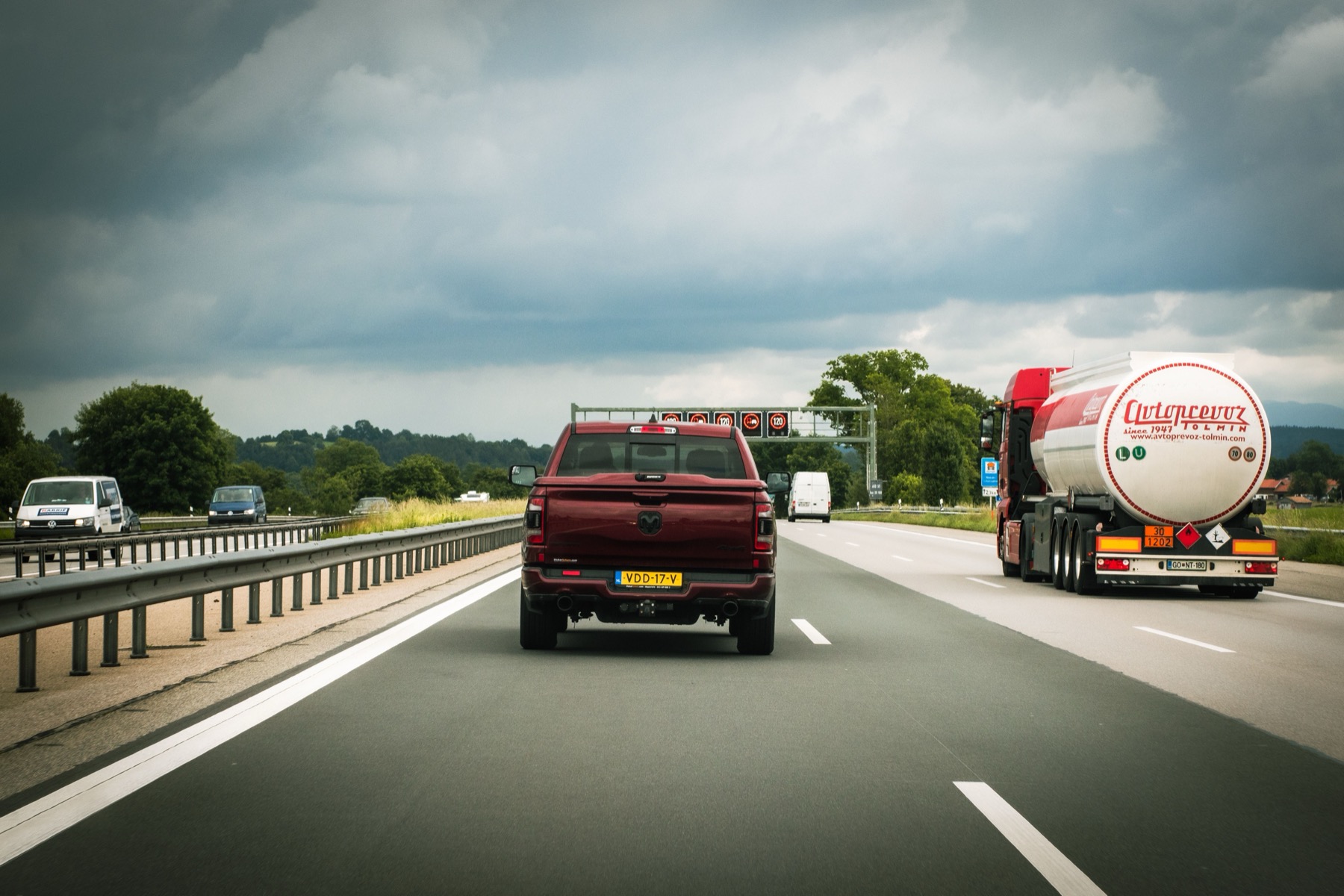
On motorways, though, watch out very carefully for the electronic signs marked IG-L. You’ll find them very often on the A12 and A13 motorways in Tyrol or around Salzburg. They stand for “Immissionsschutzgesetz-Luft”, i.e. the air pollution control act. When they show 100, you must slow down to 100 km/h because of emissions. Fines for speeding in an IG-L zone are extremely high — they’re not treated as a mere traffic offence, but as an environmental damage offence. In other words: this really isn’t a place where you want to push your luck.
💡 Tip: Modern navigation apps like Waze or Google Maps usually warn you about IG-L zones, but it’s always best to watch the illuminated signs above the motorway. Speed in these sections is measured by a dense network of fixed cameras.
11. How much you’ll pay on the way to the slopes or the sea
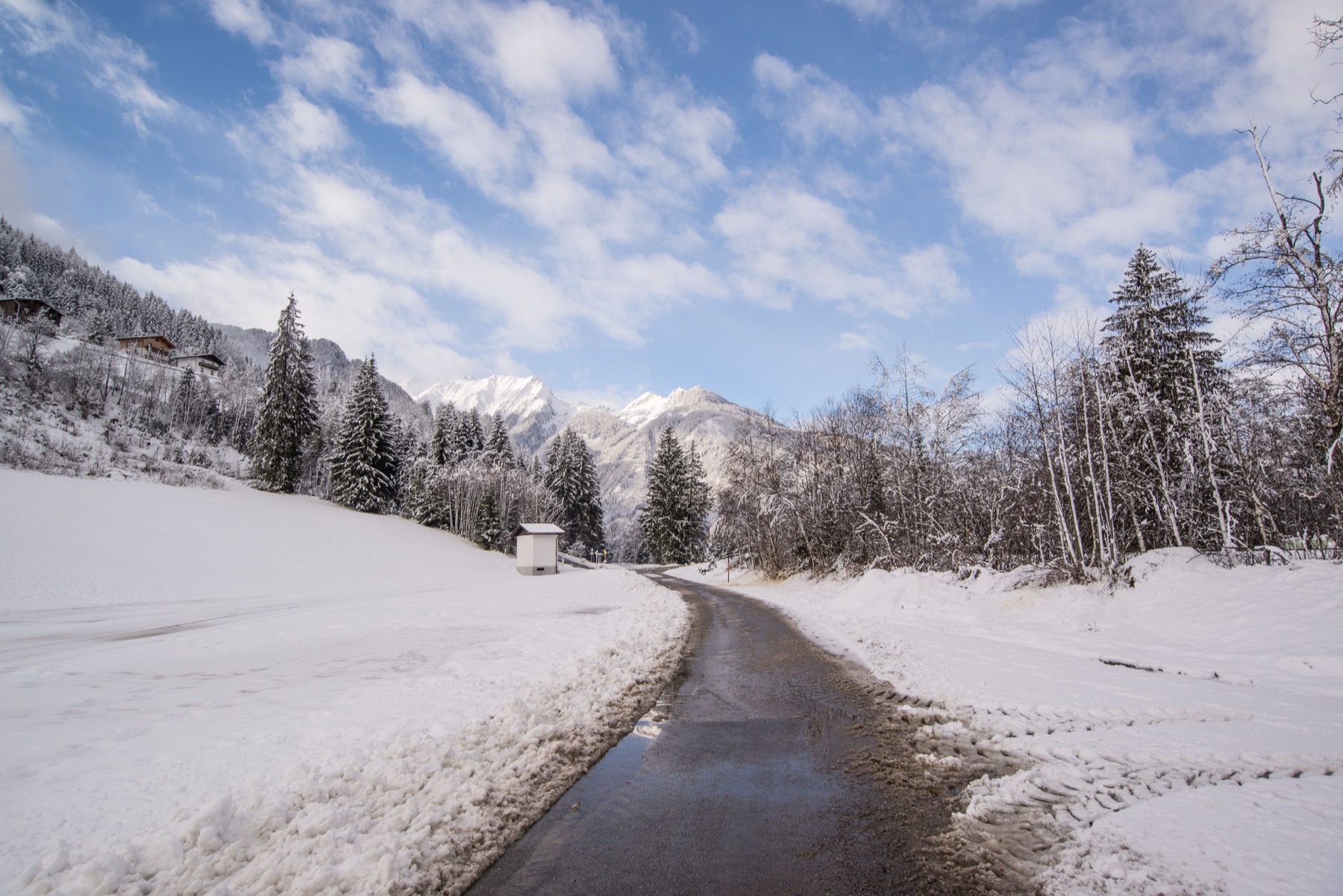
To show it in practice, let’s work out how much the fees add up to on the most common routes. If you’re heading to the popular Ski amadé, Obertauern or Katschberg area in winter, you’ll take the A10 motorway. In that case you’ll pay €12.80 for a 10-day vignette plus €15 for passing through the Tauern tunnels. All in all, the trip there will cost you around €28 in motorway fees; on the way back you’ll pay another €15 for the tunnel if you don’t return the same day.
If you’re going skiing in the Zell am See or Kaprun area, you can avoid the tolled Tauern section. Just leave the A10 motorway at the town of Bischofshofen. This detour is a fair bit slower, though, and runs on ordinary roads, which can be unpleasant in heavy snowfall. So it’s up to you whether you’d rather save fifteen euros or pay extra for the comfort and speed of the motorway.
In summer, when driving to Italy and the sea via the Brenner, be prepared: you won’t dodge the fees at all. On top of the €12.80 10-day vignette you have to add €12.50 for the Brenner Pass (A13 motorway). If you’re heading to Croatia via Slovenia (towards Ljubljana), on top of the Austrian vignette there’s a €9 fee for the Karawanken tunnel.
💡 Tip: If you’re going on holiday to Croatia for the classic 7 nights (say Saturday to Saturday), the 10-day vignette will comfortably cover your trip there and back.
12. How to check validity and what to do when your plate changes
It often happens that you’re not sure whether your digital vignette is still valid, or whether you made a mistake in the number plate when buying. ASFINAG offers a very handy tool for exactly this. Right on their website you’ll find a “Validity query” (Gültigkeitsabfrage) tab. There you simply enter your number plate and the system instantly shows you whether you have a valid motorway vignette and, if so, until when. It’s anonymous and quick.
If you’re buying a used car and the previous owner bought an annual Austrian vignette for it, we have good news: the digital vignette is tied to the number plate, so it passes seamlessly to you along with the car and there’s nothing extra to sort out. The problem arises the moment you get a new number plate when re-registering the car.
If your number plate changes (for example due to plate theft, loss, or when you re-register the car), the annual motorway vignette can be transferred to the new plate. You have to apply for this through your customer account on the ASFINAG website and provide the necessary documents from the police or the authorities. For short-term vignettes (10-day, two-month) no transfer is unfortunately possible.
💡 Tip: If you buy a digital vignette in advance but then change your mind about the trip or swap cars, you can change the number plate in the system free of charge before its validity begins. Once the vignette becomes valid, though, it simply can’t be done.
Practical Summary and Guide Prices
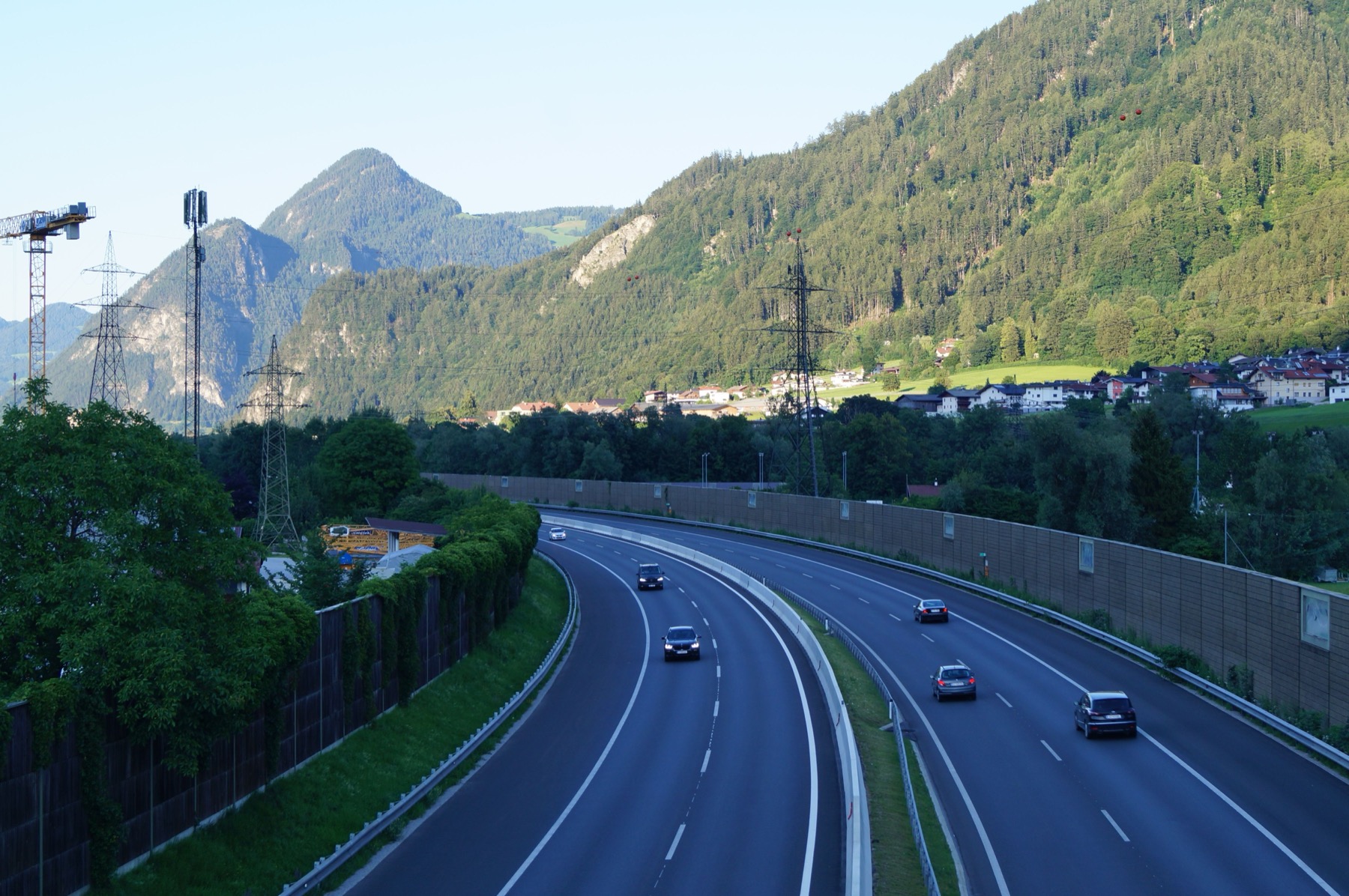
For quick orientation before your trip, let’s sum up the most important amounts for 2026 (prices are for cars up to 3.5 tonnes and apply to both the digital and physical form). If you’re going on holiday, always add a few extra euros to your budget for section tolls.
- 1-day vignette: €9.60 (digital only, great for transit)
- 10-day vignette: €12.80 (the most common option for a standard holiday)
- 2-month vignette: €32.00 (worth it for trips longer than 14 days)
- Annual vignette: €106.80 (valid for a full 14 months from December to January)
- Substitute toll (on-the-spot fine): €200.00 (applies from 1 January 2026)
- A10 Tauern tunnel: €15.00 (extra fee on the way to Salzburg/Croatia)
- A13 Brenner Pass: €12.50 (extra fee on the way to Italy)
Where to Next
If you’ve already sorted out your vignette and you’re getting ready to hit the road, be sure to check out our other practical articles on the blog. We’ll help you plan your trip and remember what not to forget.
- Read the details of how Austria is scrapping sticker vignettes.
- Get inspired by our 7-day road trip around Austria.
- Find some well-earned relaxation in our article on the best thermal baths and water parks in Austria, or discover the best wellness hotels in Austria.
- If you’re just passing through on your way south, our guide to Croatia by car will come in handy.
- And if you’re heading to the slopes, don’t forget to check what to pack for the mountains.
- Before you set off, also look over what your car needs for the mountains in winter — chains, tyres and mandatory equipment.
- Heading to the big Alps? Check out the largest ski resorts in the world and how much of their kilometres is just marketing.
- And if you’re still choosing where to go, browse the 20 best Austrian resorts, complete with ski pass prices.
Frequently Asked Questions
We’ve prepared answers to the most common questions we get about motorway vignettes in Austria.
Where can I buy an Austrian motorway vignette without markup?
The cheapest way, with absolutely no hidden fees, is to buy it at the official e-shop shop.asfinag.at, in their mobile app, at Austrian petrol stations, at ASFINAG vending machines, or at ÖAMTC automobile club branches. Avoid unofficial resellers online who charge unnecessary handling fees.
When are winter tyres mandatory in Austria?
The obligation to have winter tyres fitted applies from 1 November to 15 April, but only when winter conditions are present on the road (snow, ice, slush). Crucially, winter tyres in Austria must have a tread depth of at least 4 millimetres, otherwise they are considered summer tyres.
Why isn’t my online annual vignette valid immediately?
This is due to the European consumer protection law, which gives you 14 days to withdraw from a distance purchase contract (plus 3 days for delivery). If you need your annual or two-month vignette to be valid immediately, you must buy it physically at a petrol station, or when purchasing online, tick the box indicating that you are buying as a business (with a company registration number).
How much does an Austrian motorway vignette cost in 2026?
The basic prices for cars up to 3.5 tonnes are: 10-day for €12.80, 2-month for €32, annual for €106.80, and the new 1-day digital vignette for €9.60. Prices for 2027 will be published by ASFINAG during autumn.
Does the classic adhesive motorway vignette still exist?
You can still buy it for 2026 (it’s red in colour), but it’s absolutely the last time. From 1 February 2027, Austria will definitively abolish adhesive vignettes and switch exclusively to a digital system linked to licence plates.
What is the fine for driving without a motorway vignette in Austria?
If you are stopped by a mobile patrol or photographed by a camera without a valid vignette, you must pay a so-called substitute toll of €200 (the amount increased from the previous €120 in 2026). If you don’t pay this substitute toll, the case goes to administrative proceedings, where the fine can reach up to €3,000.
Does the motorway vignette cover the Tauern and Brenner tunnels?
No, the standard vignette is not sufficient for the major Alpine tunnels. Austria has introduced section tolls (Streckenmaut). For passage through the Tauern Tunnel on the A10 motorway, you’ll pay an additional €15, and for the Brenner Pass on the A13 motorway, expect to pay €12.50.
Tips and Tricks for Your Vacation
Don’t Overpay for Flights
Search for flights on Kayak. It’s our favorite search engine because it scans the websites of all airlines and always finds the cheapest connection.
Book Your Accommodation Smartly
The best experiences we’ve had when looking for accommodation (from Alaska to Morocco) are with Booking.com, where hotels, apartments, and entire houses are usually the cheapest and most widely available.
 🚗 Car rental on the roadVerified rental cars in Austria
Search with the DiscoverCars comparison engine — it compares prices from dozens of local and international rental companies, and most bookings come with free cancellation.
Compare car prices in Austria →Don’t Forget Travel Insurance
Good travel insurance will protect you against illness, accidents, theft, or flight cancellations. We’ve had a few hospital visits abroad, so we know how important it is to have proper insurance arranged.
Where we insure ourselves: SafetyWing (simple monthly subscription) and TrueTraveller (for extra-long trips).
Find the Best Experiences
Get Your Guide is a huge online marketplace where you can book guided walks, trips, skip-the-line tickets, tours, and much more. We always find some extra fun there!