A Croatia road trip in your own car gives you incredible freedom, because you don’t have to rely on flight schedules and you can pack half your house into the boot if you fancy it. If you’re planning a summer holiday and wondering which way to head for the sun, a surprisingly relaxed journey awaits you — one that recent European changes have made even smoother. Proper preparation is absolutely essential, though, because pointless fines, endless queues or confusion at toll gates can really put a damper on the start of your holiday. I’ve put together a complete guide with a detailed comparison of routes, up-to-date information on motorway vignettes and practical tips for finding your way around the ports. Make yourself a good coffee and let’s plan your perfect summer road trip together.
TL;DR
- End of border checks: Croatia has been part of the Schengen Area since 2023, so you’ll no longer sit in long queues at the Slovenian and Hungarian borders.
- Transit vignettes: Driving through Austria, a ten-day vignette costs €12.80, a Slovenian weekly one comes to €16, and a Hungarian ten-day pass is roughly €18.
- Croatian tolls in 2026: The classic toll gates with barriers are still in operation, and you’ll pay an average of €7.50 per 100 kilometres for a car.
- Ferries and catamarans: If you’re heading to the islands with a car, you’ll need to book your Jadrolinija ferry ticket well in advance during the summer season, as spaces sell out fast.
- Pelješac Bridge: Travelling to the far south towards Dubrovnik, you no longer have to pass through the Bosnian corridor at Neum — instead you cross the new, toll-free bridge.
- Parking in cities: Historic centres of major cities are closed to cars or extremely pricey — in Dubrovnik you can easily pay over €10 for an hour of parking.
The full destination guide: Croatia — guide and what to see
10 things you need to know
1. Two main driving routes
💡 Tip: Choosing the right route mainly depends on where you’re setting off from and exactly which destination you’re heading to.
If you’re driving to Croatia from the UK, most road-trippers cross the Channel and then head down through Germany, Austria and Slovenia — the classic and fastest approach. From the Channel you’ll aim for Munich, then continue past Graz and through the Slovenian city of Maribor until you reach Zagreb, where the A1 motorway takes you straight to the sea. Once you reach Zagreb, it’s roughly 750 kilometres onward, and reaching sunny Split takes over ten hours of driving (around 1,035 kilometres). If your goal is northern Istria or the Kvarner region, you’ll turn off already in Slovenia towards Ljubljana and drop down onto that picturesque peninsula via the Učka tunnel.
An alternative route through Hungary makes a lot of sense if you’re coming down the eastern side of Europe, saving both time and money. You’d head towards Budapest, then take the M7 motorway down to the Letenye border crossing, where you smoothly connect to the Croatian motorway network. The advantage of this route is not only the gentler terrain and the near-total absence of tunnels, but also the lower toll costs, since you only buy a single Hungarian transit vignette. So you can be sitting down for lunch in the Croatian capital and enjoying your first holiday coffee before you know it.
When planning, don’t forget regular breaks, because fatigue behind the wheel is genuinely treacherous on these long stretches and microsleep creeps up on you unnoticed. Along the Austrian and Hungarian motorways you’ll find well-equipped rest stops with clean toilets, where you can safely stretch your legs and perhaps grab a light vegetable sandwich or a fresh salad to recharge for the next few hundred kilometres.
2. Schengen and the end of border checks
💡 Tip: Before you set off, check that all your personal documents are valid, because random checks in border regions still take place.
Croatia joining the Schengen Area on 1 January 2023 is absolutely fantastic news for every motorist, and it saves hours of time and a whole lot of frustration. The dreaded border crossings at Macelj or Letenye, where in the summer heat you once sat in endless queues for hours, are now something you glide straight through without the slightest delay. No more rolling down windows, digging out passports that have slid under the seat and handing them to customs officers — you simply drive past the abandoned booths and carry on towards your holiday at motorway speed.
Although permanent border checks have been scrapped, that certainly doesn’t mean you can set off without any documents. Every traveller, including small children, must carry a valid passport or national ID card, because local police can carry out random checks anywhere inland or at motorway exits. As the driver you must of course have a valid driving licence, the vehicle registration document and a printed Green Card, which serves as international proof of insurance.
If you’re planning day trips outside the European Union during your holiday, for example to neighbouring Bosnia and Herzegovina or wild Montenegro, you won’t escape the classic border checks. Fairly long queues still form at these crossings during the summer months, so it’s best to plan any such excursions for the early morning hours, when traffic is a little calmer and the sun isn’t quite so scorching ☺️.
3. Transit vignettes and where to buy them
💡 Tip: Sort out all your vignettes comfortably from home through the official state e-shops to avoid overpriced commissions at petrol stations near the borders.
When driving through Austria you must have a valid vignette, which you can buy in purely digital form on the official website of ASFINAG. The ten-day version will cost you €12.80 in 2026, and a huge advantage is that the nonsensical 18-day consumer cooling-off period no longer applies, so the vignette becomes valid immediately after payment. Besides the standard vignette, don’t forget to check whether your particular route passes through any of the tolled Alpine tunnels, which charge a special section toll paid directly on the spot.
Slovenia uses a modern e-vignette system, which you buy most safely on the official DARS portal. For most ordinary cars you need category 2A, with a weekly vignette costing €16 and a monthly one €32 (an annual one is €117.50). If you’re heading to the coast for the classic two weeks, you’ll unfortunately need to buy either two weekly vignettes or one monthly one, which makes driving through Slovenia a bit pricier than Austria.
If you choose the route through Hungary, you’ll buy the electronic e-matrica vignette, sold exclusively on the nemzetiutdij.hu portal. A ten-day vignette for a car costs 6,900 forints, which is roughly €18. The system is very intuitive — you simply enter your vehicle’s registration plate and select the correct country of registration, and confirmation arrives in your inbox straight away.
4. Croatian tolls and the barrier system
💡 Tip: For a quicker passage, have some small euro notes or a payment card ready, or consider getting an ENC electronic device if you travel more often.
Croatia does not yet use the classic time-based vignette system — instead you pay for the kilometres you actually drive via toll gates. If you’ve read about a revolutionary barrier-free system, don’t be misled: during the 2026 summer season the classic barriers are still in place, so you’ll take a paper ticket from the machine when you join the motorway and pay an attendant or a machine when you exit. The new barrier-free Crolibertas system with cameras, for which foreigners will have to register in advance, is only planned to fully launch in March 2027, so this year be ready for the traditional stops.
The toll for an ordinary car (category I) averages around €7.50 per 100 kilometres, but remember that during the peak summer season (usually June to September) a surcharge of roughly ten per cent applies. If you drive the whole route from the Slovenian border via Zagreb down to sunny Split on the A1 motorway, budget around €26 in tolls for a single journey. You can pay in cash in euros, but it’s far more convenient and quicker to use an ordinary contactless card, which you just tap against the terminal.
If you go to Croatia regularly, or plan to travel a lot between the coastal towns during your holiday, getting an ENC device is worth it. This handy on-board unit lets you pass through dedicated toll lanes without stopping, and you also get around a 21 per cent discount on all charges. Starter packages with prepaid credit cost from around €60 and are available at selected HAC sales points.
5. Ferries and catamarans to the islands
💡 Tip: In high season, buy your car ferry ticket online well in advance, otherwise you may not fit onto the boat at all and end up spending half a day waiting.
Travel to Croatia’s magical islands is provided mostly by the state ferry company Jadrolinija, which operates an extensive and reliable network of lines along the entire coast. It’s very important to distinguish between a classic ferry, which carries cars and people, and a fast catamaran, which is intended solely for foot passengers. If you need to reach an island with your own vehicle, you must filter your search on the website or app exclusively for the large car ferries, otherwise you’ll buy a ticket for the wrong vessel.
The most popular routes, such as the crossing from Split to the port of Supetar on the island of Brač, take around fifty minutes and run fairly frequently in summer. A ticket for an adult costs around €6.50, but you’ll pay considerably more to transport a car — the amount often runs into several tens of euros depending on the size of the vehicle. Longer routes, say to the gorgeous island of Hvar (the crossing to Stari Grad takes over two hours) or distant Vis, are of course far more demanding on both wallet and time.
In the summer months it’s absolutely essential to arrive at the port at least an hour before departure, even if you’ve carefully bought your car tickets in advance. Cars are lined up in special lanes by destination, and boarding takes time and careful organisation by the port staff. Outside the main season the situation is much calmer and you can usually buy tickets on the spot at the kiosk by the pier without any problem.
6. Driving quirks and traffic rules
💡 Tip: Stick to the speed limits, because Croatian police are very uncompromising and fines are enforced on the spot with zero tolerance for excuses.
Driving in Croatia thankfully doesn’t differ much from driving elsewhere in Europe, though some details might surprise you and it’s worth being prepared. Speed limits are set at the usual 50 km/h in towns, 90 km/h outside built-up areas, 110 km/h on expressways and 130 km/h on motorways. Coastal roads, especially the famous and photogenic Adriatic Highway, are full of blind bends and steep drops, so it really doesn’t pay to rush anywhere — better to soak up the views of the turquoise sea.
The blood-alcohol limit for drivers in Croatia is set at 0.5 per mille, but with one huge exception that few tourists know about. For drivers under the age of 24 and all professionals the limit is absolute zero, so if you fall into that age group you’ll have to skip that evening glass of local wine. Mandatory vehicle equipment includes a warning triangle, a reflective vest for every passenger who gets out, and a first-aid kit — and it’s recommended to carry spare bulbs too, unless your car has modern LED headlights.
If a police patrol stops you for speeding, be prepared for the fact that fines are genuinely very high, ranging from seventy euros for a minor offence up to an unbelievable two thousand euros for the serious ones. Daytime running lights are only compulsory in the winter period, specifically from the last Sunday in October to the last Sunday in March, but for purely safety reasons I strongly recommend driving with lights on all year round.

7. When is the best time to set off
💡 Tip: Avoid travelling on Saturdays, because apartment rentals change over and the whole motorway network sees the biggest surge of the entire week.
Even though scrapping the Schengen borders has significantly sped up crossing Europe and done away with the hour-long queues, your departure timing still plays an absolutely key role in how relaxed your journey will be. The biggest enemy of every driver heading south is Saturday mornings in July and August, when the vast majority of tourists from across Europe are checking into their accommodation or, conversely, ending their holiday. On these days huge queues form in front of the toll gates near Zagreb (especially at the Lučko toll station), and all the approach roads to the big resorts around Split or Makarska become hopelessly clogged.
If you have the option to plan your holiday flexibly, set off on a weekday, ideally from Tuesday to Thursday, or else leave your departure until Sunday afternoon or Monday. A great strategy chosen by many experienced travellers is driving overnight, which brings several notable benefits. Motorway traffic is minimal, outdoor temperatures are far more pleasant and you’ll also save fuel, because you won’t need to run the air conditioning at full blast — while the kids in the back seats comfortably sleep through most of the journey.
When driving at night, though, you must place maximum emphasis on rest and safety, because darkness and monotonous motorways can quickly lull you. If you’re travelling with a partner, swap over at the wheel regularly and stop at the nearest rest area for a coffee at the first sign of drooping eyelids. It helps a lot to monitor the traffic situation through various apps, such as the official app of the Croatian automobile club HAK, which will warn you in good time about overnight tunnel closures for maintenance and even show you live footage from the motorway cameras.
8. Parking in cities and useful apps
💡 Tip: Don’t drive into the historic centres at all — instead use the park-and-ride car parks on the edges of towns, saving yourself a lot of stress in the narrow streets and a lot of money on overpriced zones.
Parking in Croatian towns can be a downright nightmare during the hot summer, and the prices can catch an unsuspecting tourist off guard. The worst situation is down south in Dubrovnik, one of the most expensive and busiest spots in the whole country. Parking right next to the Old Town can cost you more than €10 an hour, and since 2025 there’s also been a restricted-traffic zone here that you’re not even allowed to enter with an ordinary car. It’s far more sensible to leave your car in a more distant car park (where prices drop to a bearable €3 an hour) and walk fifteen minutes into the centre, or not drive out from your hotel at all and use the reliable city bus.
In Split the situation is a little better, but the centre around Diocletian’s Palace is constantly packed with cars and tourists. The red zone near the port costs over a euro an hour, while the blue zone further from the sea is noticeably cheaper. To pay hassle-free, definitely download the local Parking M-Split app to your phone, so you don’t have to hunt for coins in your pockets and can easily extend your parking remotely, straight from the beach or your restaurant table 😅.
If you’re planning a trip to Zadar, I’ve got great news that will save you a lot of time hunting for a spot. Just a short distance from the historic peninsula you’ll find a large free car park by Marka Marulića street, from where it’s only a pleasant five-minute walk into the very heart of the centre. If it happens to be full, paid parking in Zadar is among the cheapest compared with the south, and an hour costs a very friendly few tens of cents, so you needn’t worry about a day trip ruining you.
9. The Bosnian corridor and the Pelješac Bridge
💡 Tip: The route across the new bridge is not only smoother but also offers absolutely breathtaking views of the turquoise sea and the surrounding islands, which you simply mustn’t miss.
If your journey heads to the very south, to Southern Dalmatia, until recently you had to pass through a roughly nine-kilometre stretch across the territory of Bosnia and Herzegovina in the small town of Neum. In the past this meant double border checks, tiresome waiting in queues and formally leaving the Schengen Area, which considerably complicated the trip to Dubrovnik and added long hours to it.
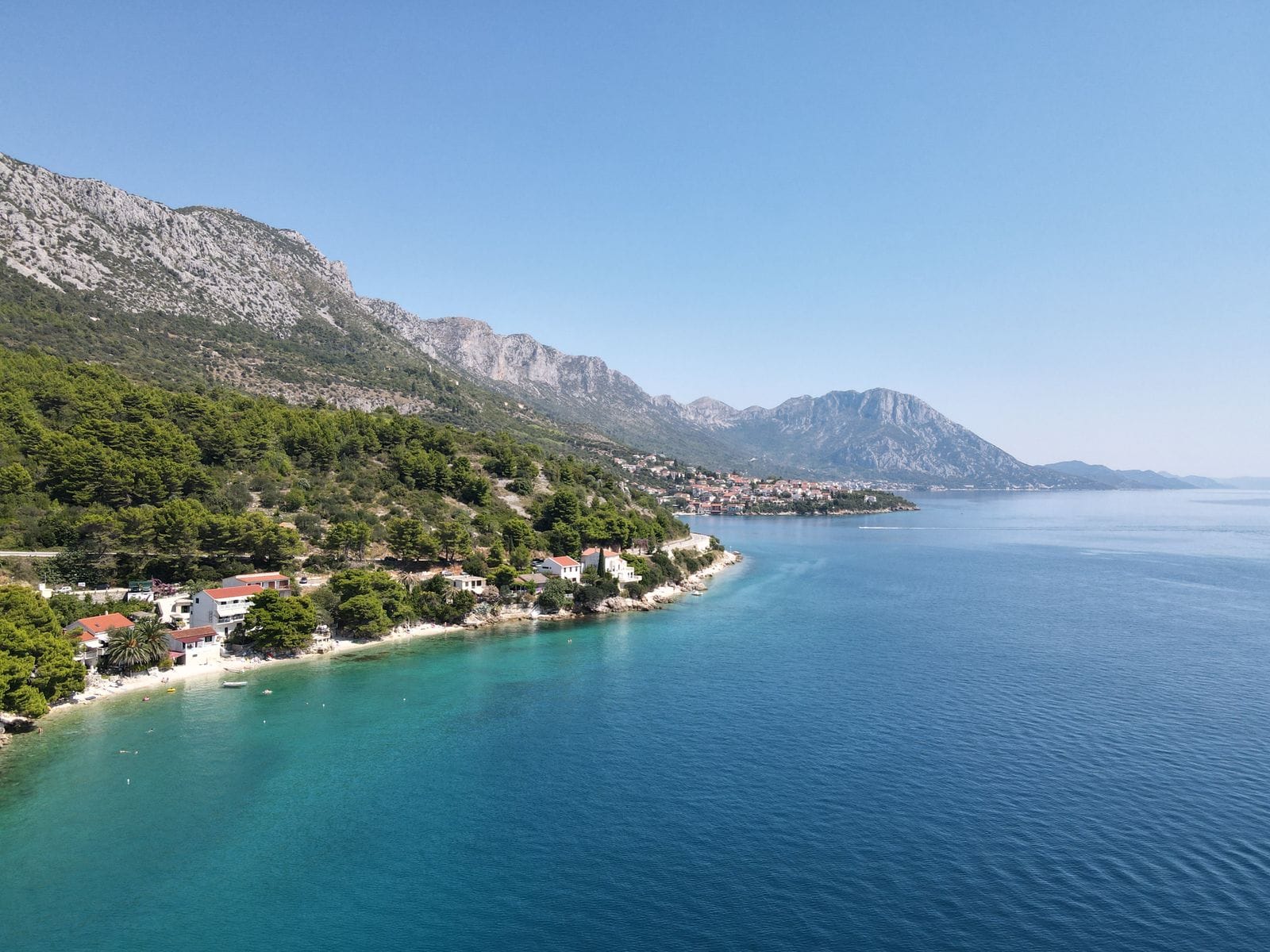
Since the summer of 2022, however, this long-standing problem has been very elegantly solved by the impressive Pelješac Bridge, which connects the Croatian mainland directly to the picturesque Pelješac peninsula. Thanks to this fantastic modern structure you can comfortably bypass all of Bosnia entirely on Croatian territory, without having to stop and show your passport to anyone. Crossing the bridge is completely free for all vehicles too, so you needn’t worry about any hidden extra toll — a very welcome bonus.
If for some reason you nonetheless decide to take the old route through the town of Neum, remember that for those few kilometres you are leaving the European Union. You’ll have to present valid travel documents, and you should watch out for data roaming, because internet charges in Bosnia are downright astronomical and your phone will switch to the local network very quickly as soon as you approach the border 😉.
10. Getting your bearings in the regions
💡 Tip: For a first visit to Croatia I recommend Istria, which is the closest region and offers gorgeous historic towns with an Italian flavour.
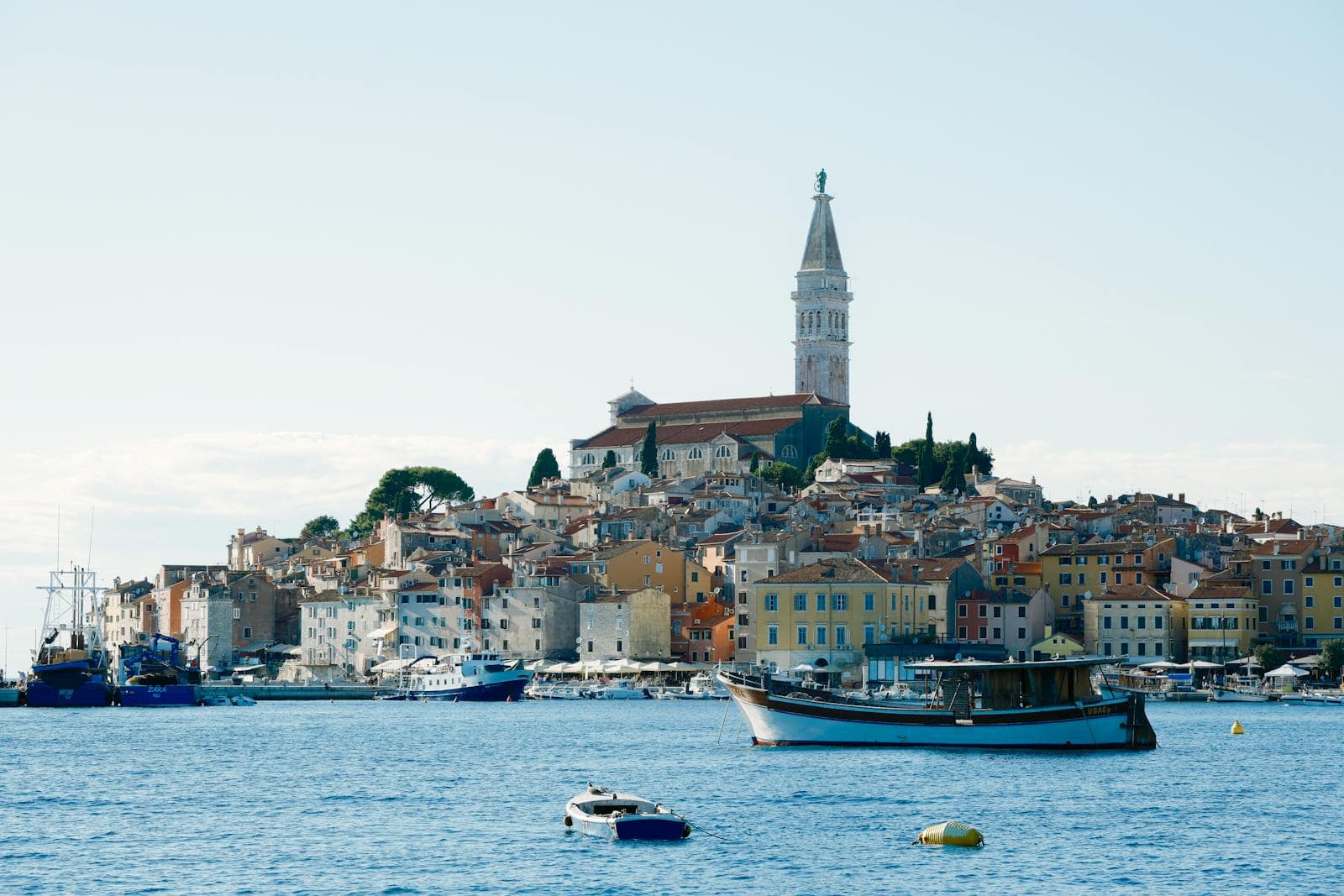
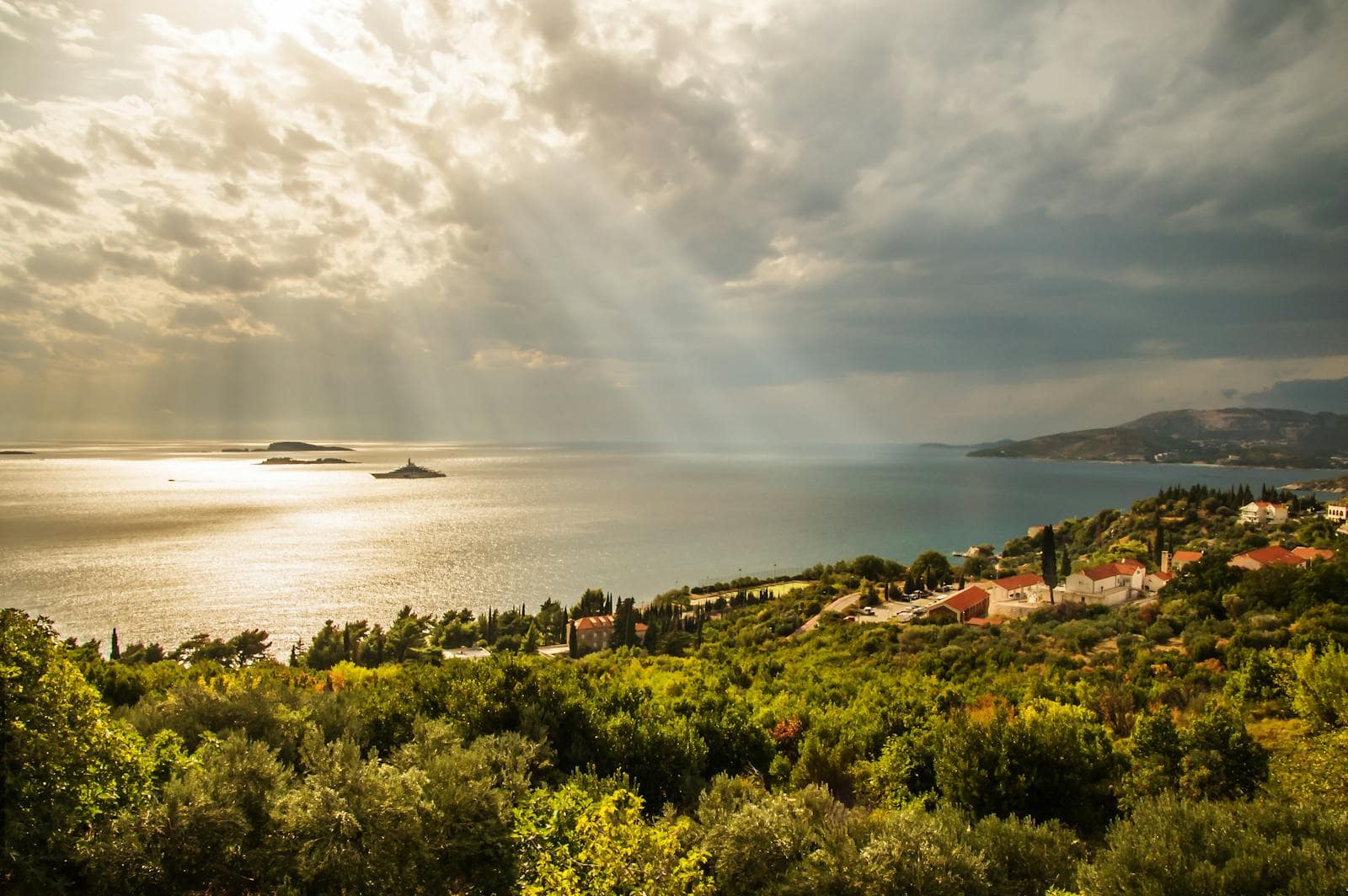
Croatia’s coastline is enormous and divides into several main regions, each with its own utterly unique atmosphere and distinctive landscape. In the northwest lies the Istria peninsula, which you reach fastest via Ljubljana. Here you’ll find romantic towns like Rovinj, Pula with its ancient amphitheatre, or the picturesque inland town of Motovun. In the hidden lanes of these little towns you’ll discover superb family-run konobas serving fantastic homemade truffle pasta or creamy mushroom risotto. Right next door is Kvarner, which includes well-known resorts like Opatija and the islands of Krk, Cres and Pag.
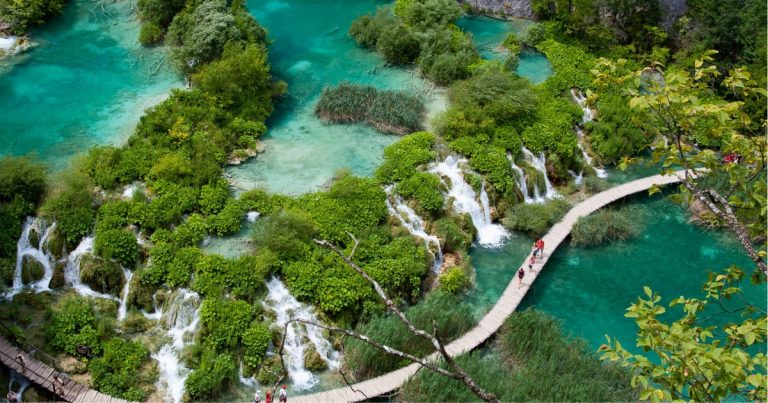
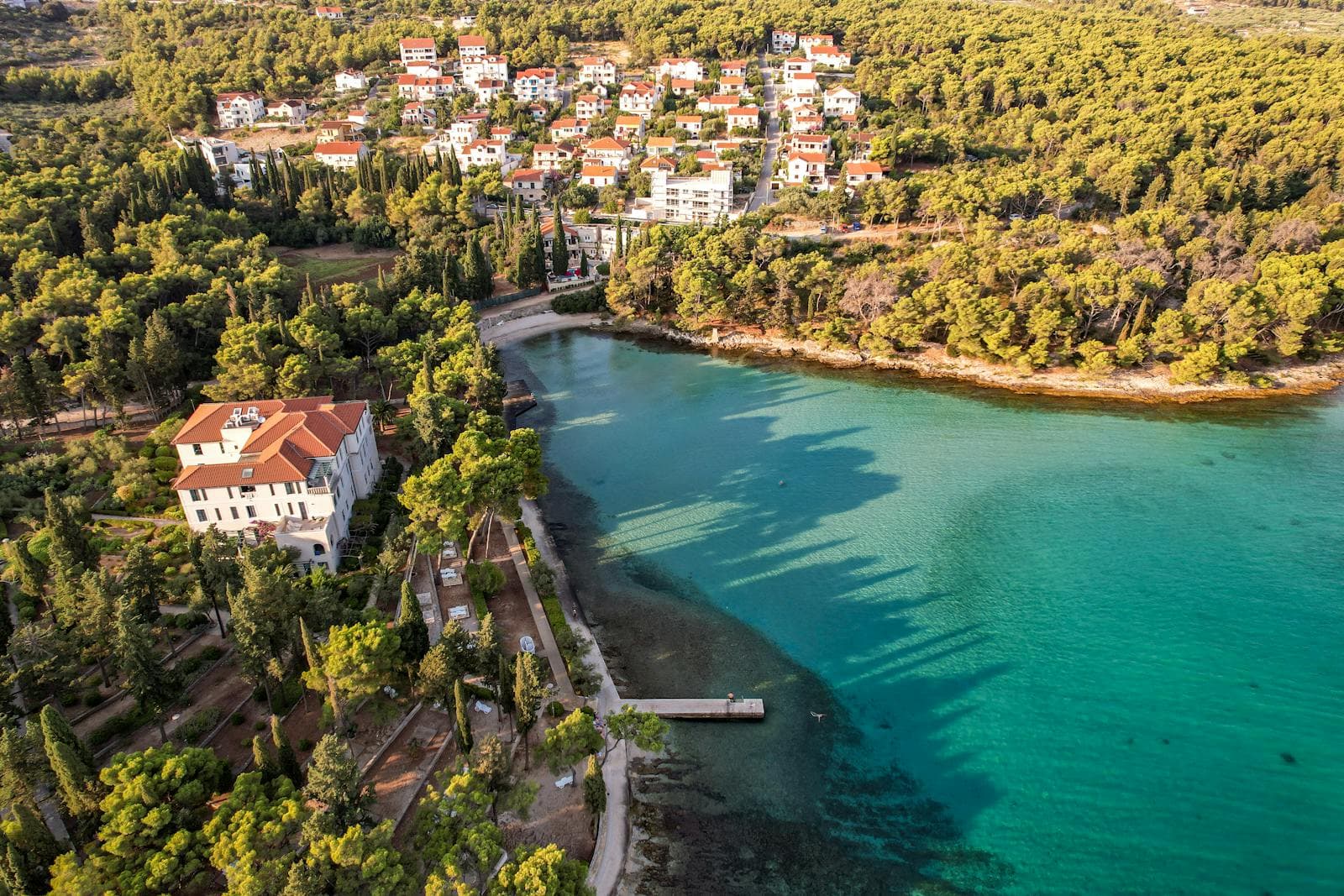
Heading south stretches the very long region of Dalmatia, which splits into three parts. In Northern Dalmatia you’ll be captivated by Zadar or the stunning national parks of Krka and Kornati. Central Dalmatia is best known for the Makarska Riviera and historic Split, from where the vast majority of ferries to the popular islands of Brač and Hvar set sail. The beaches here are mostly pebbly, beautifully kept and lined with fragrant pine groves.
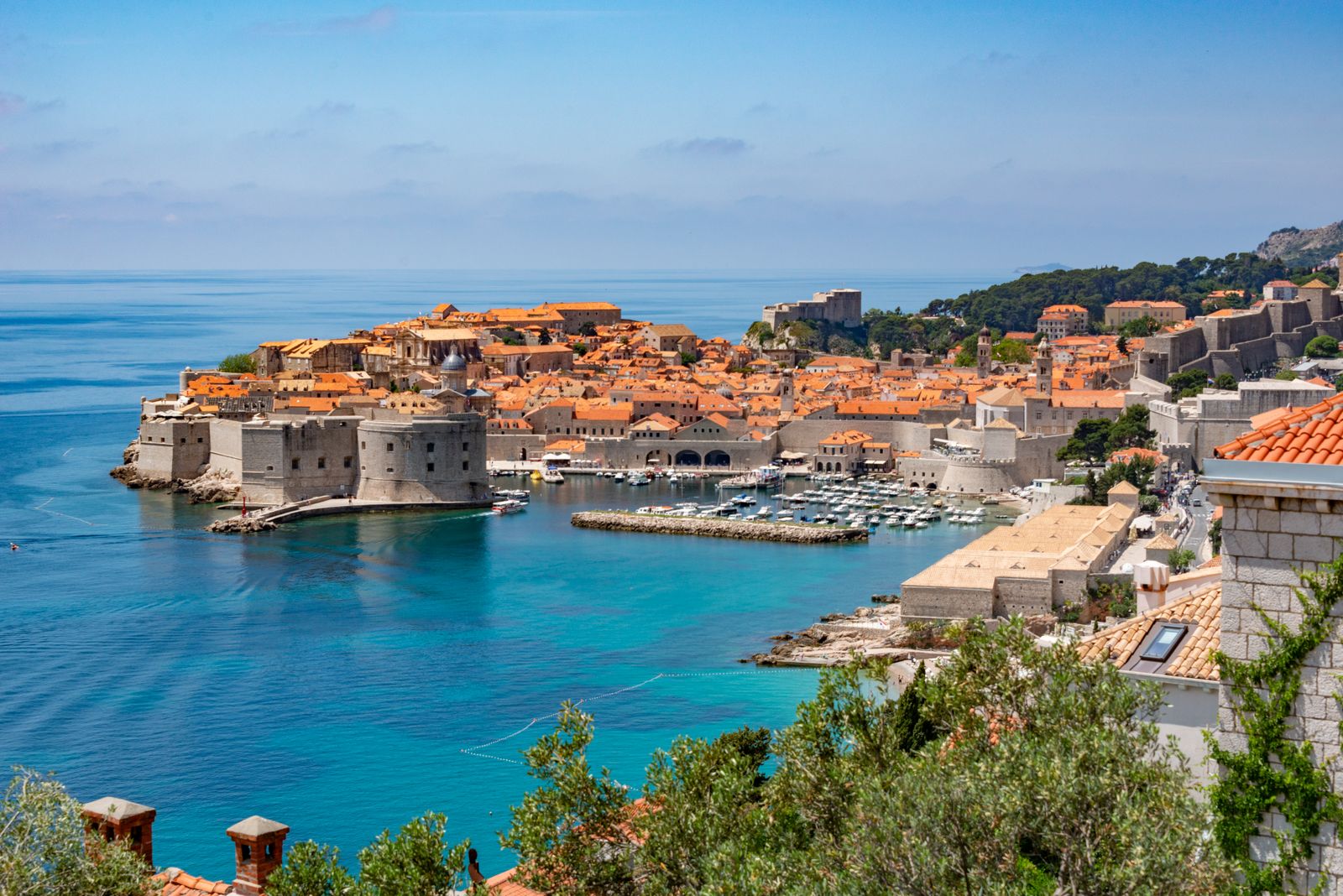
Right at the bottom lies Southern Dalmatia, dominated by majestic Dubrovnik and the Pelješac peninsula, famous for its top-class vineyards. The journey here is admittedly the most demanding in terms of time (be prepared for at least thirteen hours of driving), but your reward will be beautiful, wild nature, far less crowded beaches and crystal-clear water that begs you to snorkel all day.
Practical summary and approximate prices
To give you a better idea of your travel budget, here’s an overview of the most important charges you need to reckon with in 2026.
- Austrian vignette (10 days): €12.80
- Slovenian vignette (7 days): €16
- Hungarian vignette (10 days): approx. €18 (6,900 HUF)
- Croatian tolls (car): on average €7.50 / 100 km
- Toll Zagreb – Split (one way): approx. €26 in the summer season
- Ferry Split – Brač (per person): €6.50
- Discount with an ENC device: approx. 21 to 22 per cent
💡 Tip for accommodation and experiences: We like to search for accommodation on Booking.com, which usually has the best cancellation terms. Tickets, tours and activities are then worth comparing and buying through GetYourGuide.
Where to next
If you’re after more practical information or looking for inspiration for your trip, we’ve prepared several other useful guides on the blog. If you’re not sure which spot to pick for this year’s holiday, take a look at the article on where to holiday in Croatia. Lovers of views and mountain passes will surely appreciate the unusual itinerary describing the amazing drive through the Julian Alps to Zadar. If adventure on the waves appeals to you, read what Croatia by boat looks like, and don’t forget to check out our tried-and-tested tips for the best accommodation in Croatia.
Frequently asked questions
Do I need an international driver’s license for Croatia?
No, you really don’t need an international driver’s license for Croatia. Since Croatia is a full member state of the European Union, your valid Czech driver’s license in the form of a standard plastic card is completely sufficient for driving and any police checks.
Where can I buy an ENC toll box?
You can easily purchase the ENC onboard unit directly in Croatia at selected sales points of Hrvatske autoceste (HAC), which are mostly located in close proximity to major toll plazas. Basic starter packages with prepaid credit cost from around 60 euros and are worth it for frequent trips.
Did the toll change in 2026?
In the summer season of 2026, Croatian motorways still use the traditional payment system through conventional toll barriers where you take a ticket and pay when exiting. The new barrier-free camera system (called Crolibertas) has been delayed and is expected to launch in March 2027.
How do you pay tolls on the Istrian peninsula?
The highway network in Istria, known locally as the Istrian Ypsilon, is operated by the private company Bina Istra, which has its own toll pricing system separate from the rest of the country. On these sections, you pay at traditional toll booths, and the system accepts both cash and standard contactless payment cards without any issues.
Can I transport a car on a catamaran?
No, catamarans are fast boats designed exclusively for transporting foot passengers and vehicles have no access to them whatsoever. If you need to transport your car to the island, you must carefully filter and select a classic large ferry when purchasing your ticket with Jadrolinija.
Is it worth taking the route off the toll highways?
Bypassing the toll sections on the old D1 road will save you money on the rather expensive tolls, but your journey will be significantly extended by several hours. During peak summer season, you’ll also often get stuck behind slow caravans on these back roads and will constantly be driving through dozens of villages with strict speed limits.
What to do when I get a parking ticket?
If you find a fine ticket under your windshield wiper, I recommend paying it as soon as possible, ideally right away at the nearest local post office branch or via bank transfer according to the attached instructions. Croatian authorities are very efficient at enforcing fines retroactively through European systems, and any potential increases due to enforcement fees tend to be drastic.
Tips and Tricks for Your Vacation
Don’t Overpay for Flights
Search for flights on Kayak. It’s our favorite search engine because it scans the websites of all airlines and always finds the cheapest connection.
Book Your Accommodation Smartly
The best experiences we’ve had when looking for accommodation (from Alaska to Morocco) are with Booking.com, where hotels, apartments, and entire houses are usually the cheapest and most widely available.
 🚗 Car rental on the roadVerified rental cars in Croatia
Search with the DiscoverCars comparison engine — it compares prices from dozens of local and international rental companies, and most bookings come with free cancellation.
Compare car prices in Croatia →Don’t Forget Travel Insurance
Good travel insurance will protect you against illness, accidents, theft, or flight cancellations. We’ve had a few hospital visits abroad, so we know how important it is to have proper insurance arranged.
Where we insure ourselves: SafetyWing (simple monthly subscription) and TrueTraveller (for extra-long trips).
Find the Best Experiences
Get Your Guide is a huge online marketplace where you can book guided walks, trips, skip-the-line tickets, tours, and much more. We always find some extra fun there!