Waterton Lakes, Canada: 10 Tips on What to See and Do

TL;DRWaterton Lakes National Park in Alberta, Canada, packs in ten essential highlights: the view from Bear’s Hump (2.8 km, about 45 minutes), the tough Crypt Lake Trek, which National Geographic ranks among the world’s top 20 hikes, the red-hued Red Rock Canyon, Cameron Falls, Bertha Lake (4–5 hours) and a boat trip on The International over to America’s Glacier National Park, together forming the world’s first International Peace Park. The showstopper is the iconic Prince of Wales Hotel, built in 1927 on a bluff above Upper Waterton Lake. The best time to visit runs from mid-June to mid-September, ideally late August or early September. Driving from Calgary is the easiest option — the journey takes just under three hours (about 270 km) — and in season a room will set you back CAD 250–400 a night.

Planning to visit Waterton Lakes Canada — specifically Waterton Lakes National Park in the heart of Alberta? When people think of national parks in this part of the world, the overwhelming majority immediately blurt out Banff or Jasper. Lukáš and I were no different — when we first started planning our road trip through western Canada, we only had eyes for those famous turquoise lakes. But then someone told us to head all the way south to the American border, to a place where the endless, flat Canadian prairie quite literally smashes into a wall of massive rocky peaks from one second to the next. And that’s how we discovered Waterton Lakes National Park.

This park is probably the most intimate and laid-back place we’ve experienced in the Canadian Rockies. There’s no overwhelming mass tourism here — the town of Waterton basically has just three streets, and the whole place has this wonderfully homely atmosphere. Yet you’ll still find some of the best trails in North America, bears that occasionally stroll right past your car, and an iconic clifftop hotel where the wind blows so fiercely it could practically knock you off your feet — coffee and all 😅.

So let’s dive in — I’ll show you the Crypt Lake trek that’ll leave your legs aching and your heart full (in the best possible way), a blood-red photogenic canyon, a boat ride across the border on a vintage vessel, and a few more things that’ll have you kicking yourself for not visiting sooner. Plus the practical stuff: accommodation, prices, and when to actually come so you don’t arrive to find the entire town in hibernation.

TL;DR

  • Best viewpoint: The Bear’s Hump hike. It’s short but seriously steep (about 45 minutes up), but the view of the town and lakes from the top is simply unbeatable.
  • Top adventure experience: Crypt Lake Trek. Ranked among the world’s 20 best trails by National Geographic, it involves a boat ride, climbing a ladder, and squeezing through a narrow rock tunnel.
  • For families and photographers: Red Rock Canyon. A beautiful scenic drive takes you to a canyon with red rocks where you can wade through a creek in summer.
  • Watch the season: Waterton has an incredibly short season — pretty much everything only operates from mid-June to mid-September. Outside these months, the town is almost completely shut down.
  • Getting there: The easiest option is to fly into Calgary and hire a car at the airport — the drive south takes roughly three hours.

When to Go and How to Get to Waterton

If you’re thinking about visiting this stunning corner of Alberta, there’s something important you need to know. Waterton Lakes National Park has an absolutely tiny summer season. This really isn’t a place you’d want to visit “off-season,” because in winter the town is home to only about a hundred permanent residents and the vast majority of restaurants, hotels, and petrol stations are simply closed. The best time to go is from mid-June to mid-September. We’d personally recommend late August or early September, when the mosquitoes have eased off a bit and the mountains start catching those gorgeous autumn colours.

The easiest route here is via Calgary, which has plenty of international flight connections. From the UK, you can find direct flights from London to Calgary with airlines like WestJet and Air Canada, or budget-friendly connecting flights via other hubs. We’ve had consistently great experiences with DiscoverCars for hiring vehicles worldwide, so we always book a car in advance to pick up at the airport. The drive south from Calgary is roughly 270 kilometres and takes just under three hours at a comfortable pace through flat prairie. The dramatic moment when the mountains suddenly rise up in front of you out of nowhere is truly breathtaking.

Where to Stay and How Much Waterton Costs

When searching for hotels in Waterton Lakes National Park, you need to be prepared for two things. First, the town (Waterton townsite) is genuinely tiny, and second, peak-season prices can climb pretty high. If you want to experience the true atmosphere of the park, definitely stay right in the village — but you’ll need to book as far as six months in advance because capacity fills up at an unbelievable rate. A standard double room in a decent hotel here will run you roughly 250 to 400 CAD per night during peak summer (that’s about 170 to 270 €). We’d recommend the popular Waterton Lakes Lodge Resort for extra comfort, or the slightly cosier Crandell Mountain Lodge, which has that lovely mountain cabin feel.

For those who prefer sleeping under the stars, there’s the famous Townsite Campground. It’s probably the most popular campsite in the entire area — right on the lakeshore with views straight across to the mountains and the town. Sites for tents and caravans can be booked through the official Parks Canada website, but again, when bookings open (usually in January or February), the best spots vanish within minutes. A campsite pitch costs around 30 to 40 CAD (roughly 20 to 27 €) per night.

Waterton Lakes National Park: 10 Places to Visit and Things to Do

This tucked-away corner of Canada had us hooked from day one, so we’ve put together a proper mix for you — something for those who want to push their legs to the limit, but also things where you simply stand there open-mouthed, wondering if anywhere can really be this beautiful.

1. Prince of Wales Hotel — the Cliff-Top Icon

Even if you don’t spend the night here, this building is impossible to miss when visiting the park. The Prince of Wales Hotel was built in 1927 and looks like a giant Swiss mountain chalet that someone accidentally dropped onto a high bluff above Upper Waterton Lake. It’s easily the most photographed spot in the entire park, and the moment you pull up in front of it, you’ll immediately understand why.
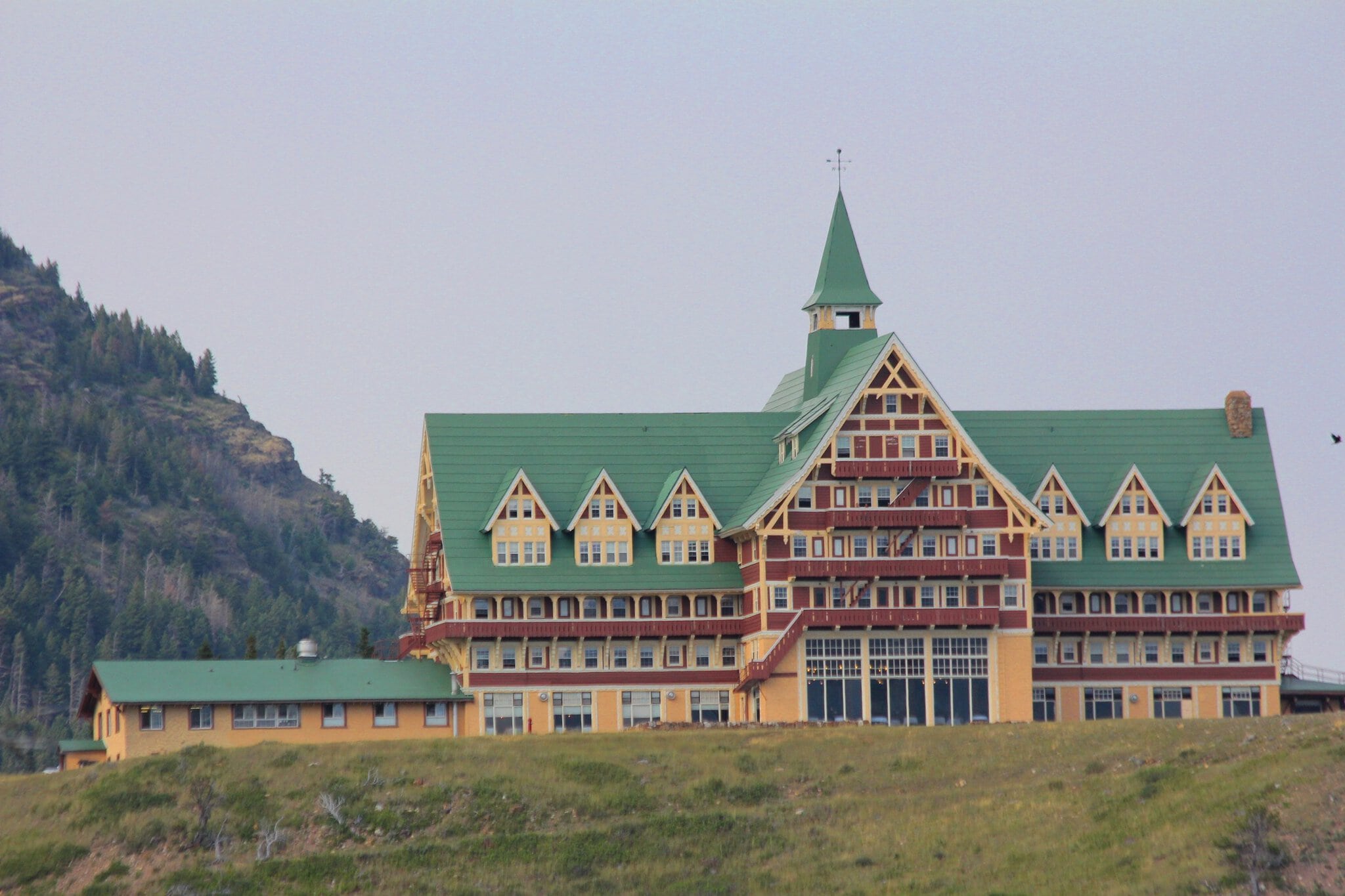
Here’s a fun fact: the entire hotel is built from wood and sits in a spot where the winds are so ferocious that massive supports had to be built into the structure. Even today, as you sit inside the magnificent lobby of the Prince of Wales Hotel with its enormous windows, sipping an overpriced coffee, you’ll occasionally hear the whole giant timber frame creak and groan. I’d definitely recommend popping in for the traditional afternoon tea — the view through the glass wall straight onto the lake and surrounding mountains is worth every penny.

2. A Stroll Through the Tiny Town of Waterton

Waterton townsite isn’t a town in the traditional sense — it’s more like a cluster of a few streets with a handful of small hotels, restaurants, and three souvenir shops. But that’s exactly where its incredible charm lies. The whole place feels wonderfully safe, clean, and friendly, especially in the evening when hikers return from the trails and everyone sits out on patios with a beer or ice cream.
It’s not at all unusual to be heading out for your morning coffee and have a herd of deer or bighorn sheep casually cross the road in front of you — the animals have long since gotten used to people and wander freely between the houses. What amused us most (and slightly terrified us, to be honest) was just how close they get to you — but please respect the national park rules and don’t approach or feed them.

3. Hike Bear’s Hump for the Best View

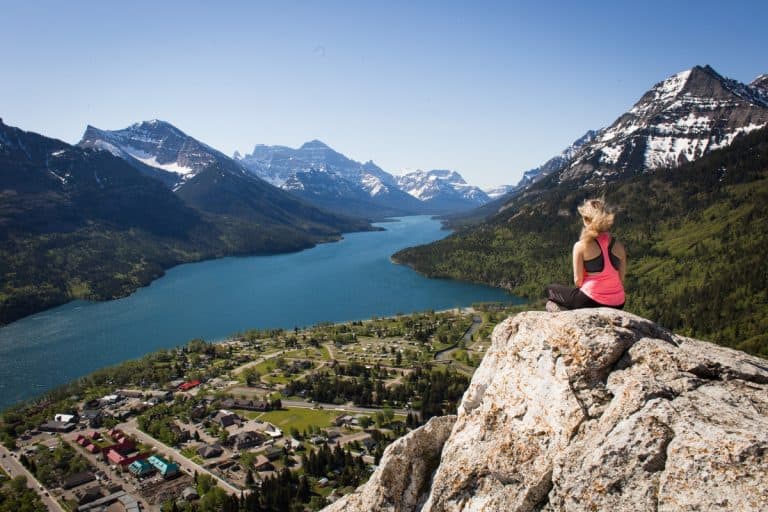
If you only have time for one short hike and want to see all of Waterton spread out beneath you, head up Bear’s Hump. It’s only a 2.8-kilometre return trail, but brace yourself — it’s essentially a staircase to the sky. The elevation gain is pretty steep, so you’ll definitely work up a sweat, though Lukáš and I managed it in about 45 minutes.
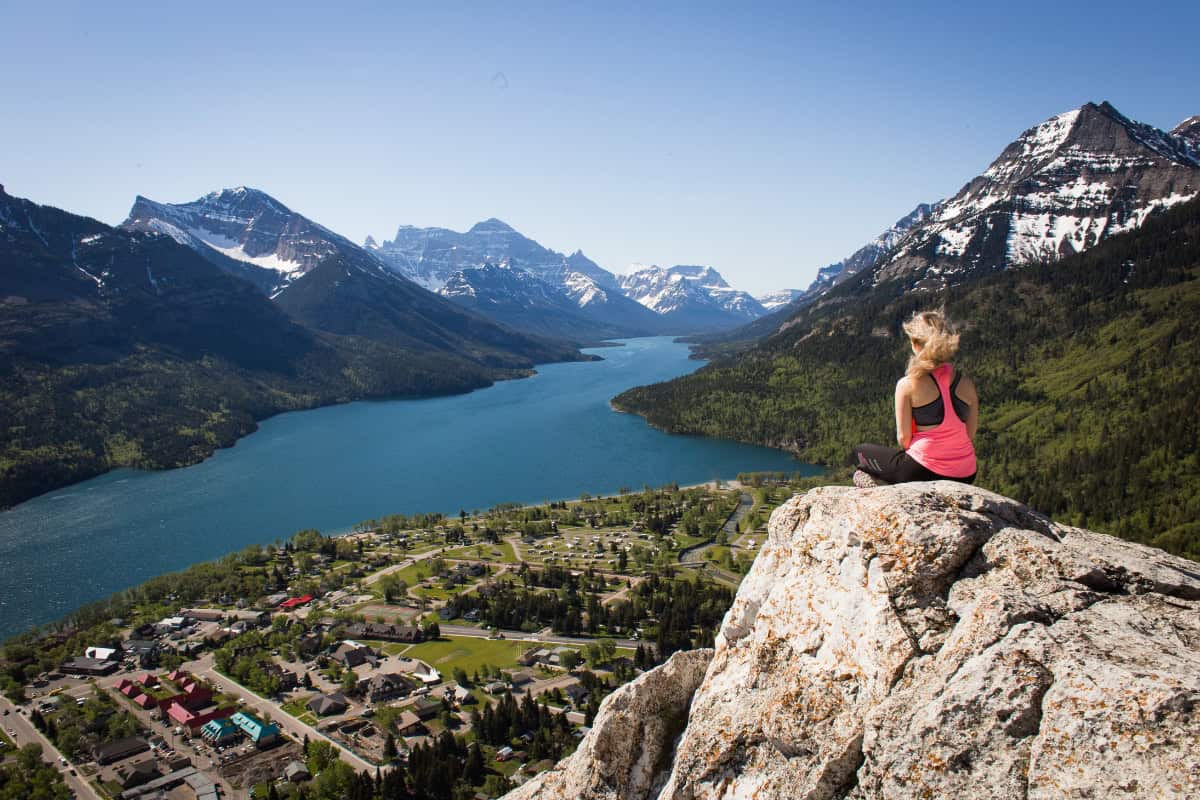
The reward at the top, however, is absolutely spectacular. You find yourself on a flat rock high above the town, with the entire beauty of the lake, the Prince of Wales Hotel, and the Canadian prairie stretching out in the distance below you. It’s especially magical at sunrise or sunset, when the rocks catch that perfect golden glow — pure paradise on earth. It does get seriously windy up there though, so even in the height of summer, throw a light jacket in your daypack.

4. Red Rock Canyon — a Colourful Marvel

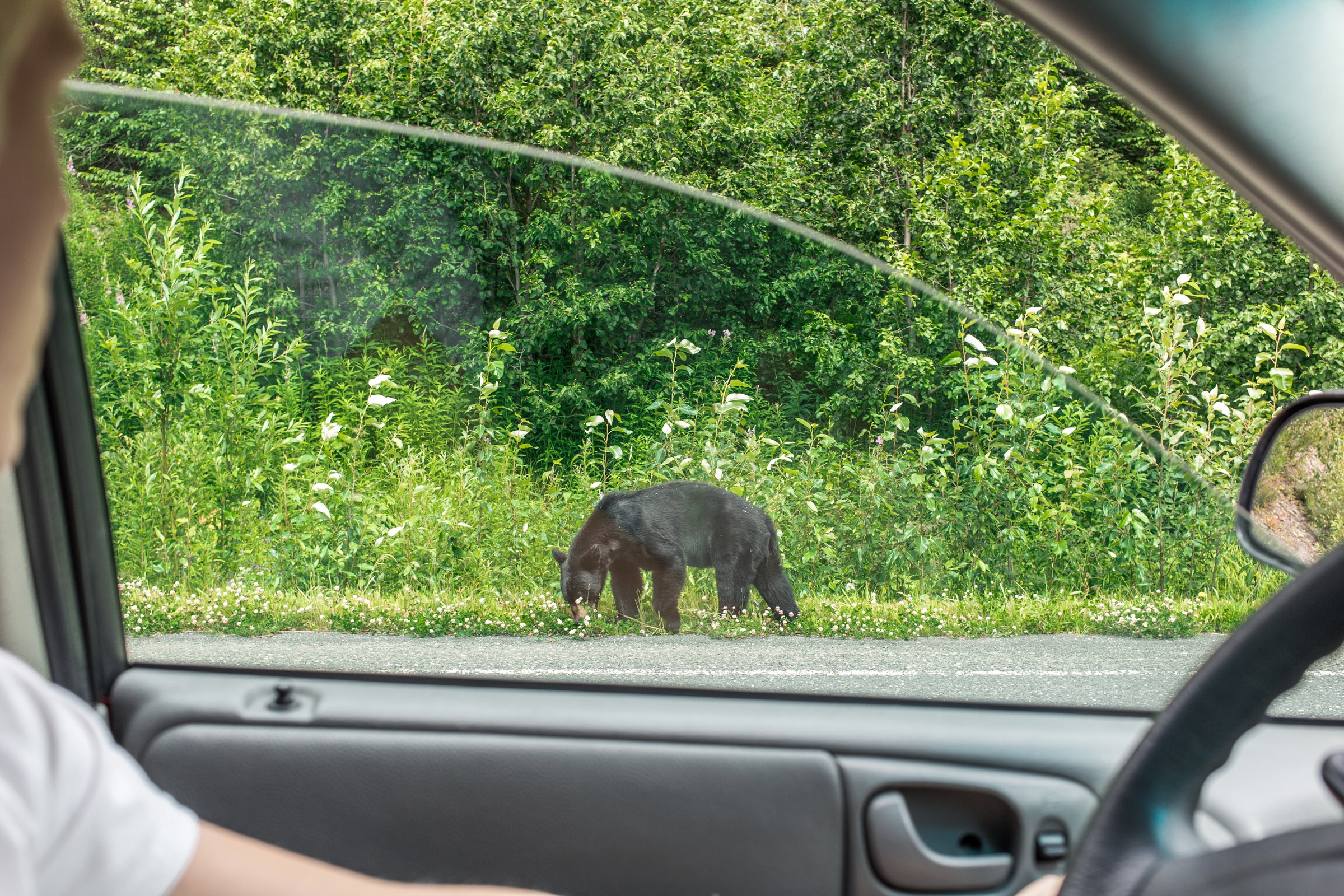
If you search for Waterton Lakes National Park Red Rock Canyon online, you’ll see photos that might make you think someone went overboard with Photoshop. But the canyon really is that intensely red. The drive along the scenic Red Rock Parkway to get there is an experience in itself, winding through gorgeous valleys where we even spotted a black bear grazing just off the roadside.
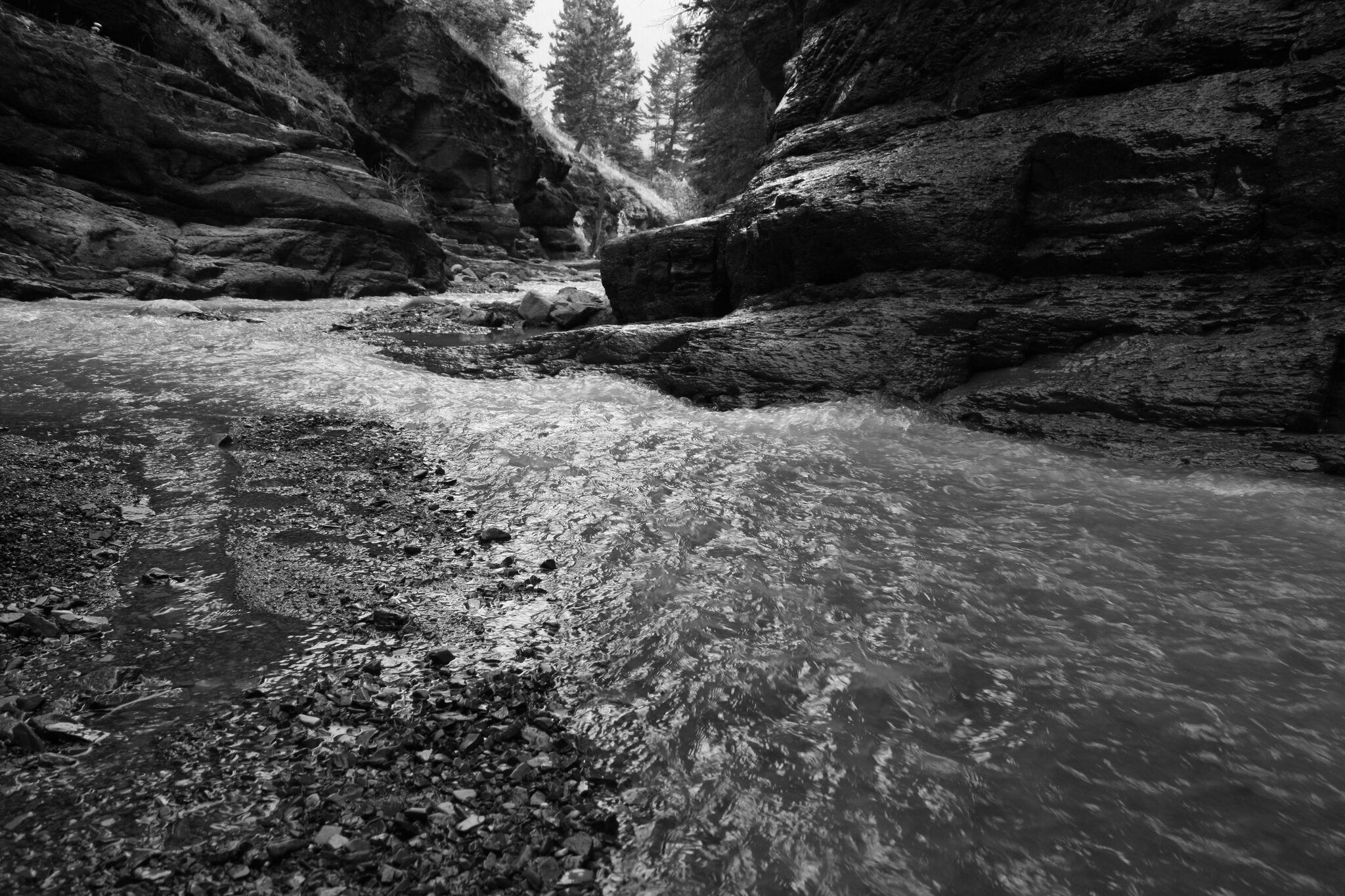
The canyon itself is relatively shallow, with a crystal-clear, ice-cold creek flowing along the bottom. The contrast of crimson rocks, vivid green pines, and blue sky makes it one of the most popular spots for families with children, who love wading through the stream on hot summer days. You’ll spend about an hour here, unless you fancy tackling some of the shorter trails that start from the nearby car park.

5. Crypt Lake Trek — a National Geographic Adventure

This is the absolute crown jewel for hiking enthusiasts. The Crypt Lake Trek is consistently ranked as one of the best — and most adventurous — trails in North America (National Geographic itself placed it in the world’s top 20). It’s no ordinary forest walk. It starts with boarding a boat at the marina, which ferries you across the lake to the trailhead, because there’s simply no way to reach the starting point on foot.
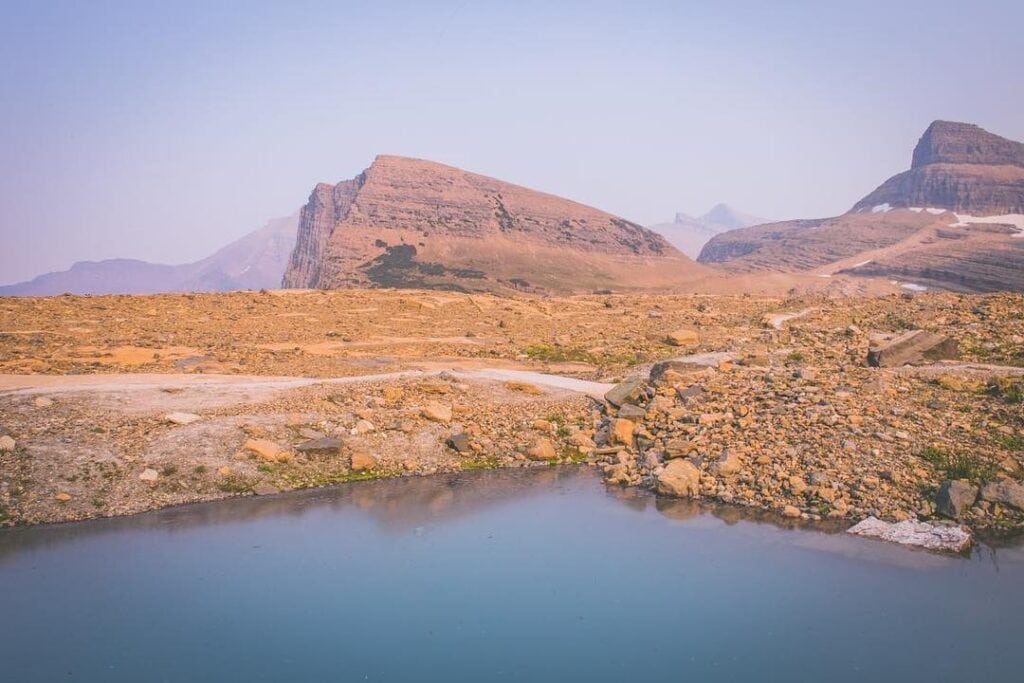
What follows is a roughly 20-kilometre loop with around 700 metres of elevation gain, during which you’ll squeeze through a narrow natural tunnel carved into the rock, tackle a section of cable-assisted trail (essentially a mini via ferrata), and climb an iron ladder. At the end, you reach the emerald-green Crypt Lake, which sits partly on the American side of the border and often has chunks of ice floating on it even in the middle of summer. It’s an unforgettable experience, but make sure you wear proper, well-broken-in hiking boots — tired feet on an exposed ledge are no laughing matter.

6. Cameron Falls Right in Town

A waterfall you don’t have to hike for hours uphill to reach? Yes, Waterton delivers that too. Cameron Falls is located right on the edge of the village, so you can reach it with an easy stroll in just a few minutes from any hotel or campsite. It’s wonderfully accessible, with a safe pathway and viewing platforms around it.

Locals told us about a curious phenomenon that we were gutted to have missed: during extreme rainstorms, the water washes red minerals (called argillite) off the rocks higher up in the hills, and the waterfall turns a vivid pink for a few hours. We only saw it in its classic clear, foamy state, but even so, it’s a hugely photogenic spot.

7. A Boat Cruise Across the Border

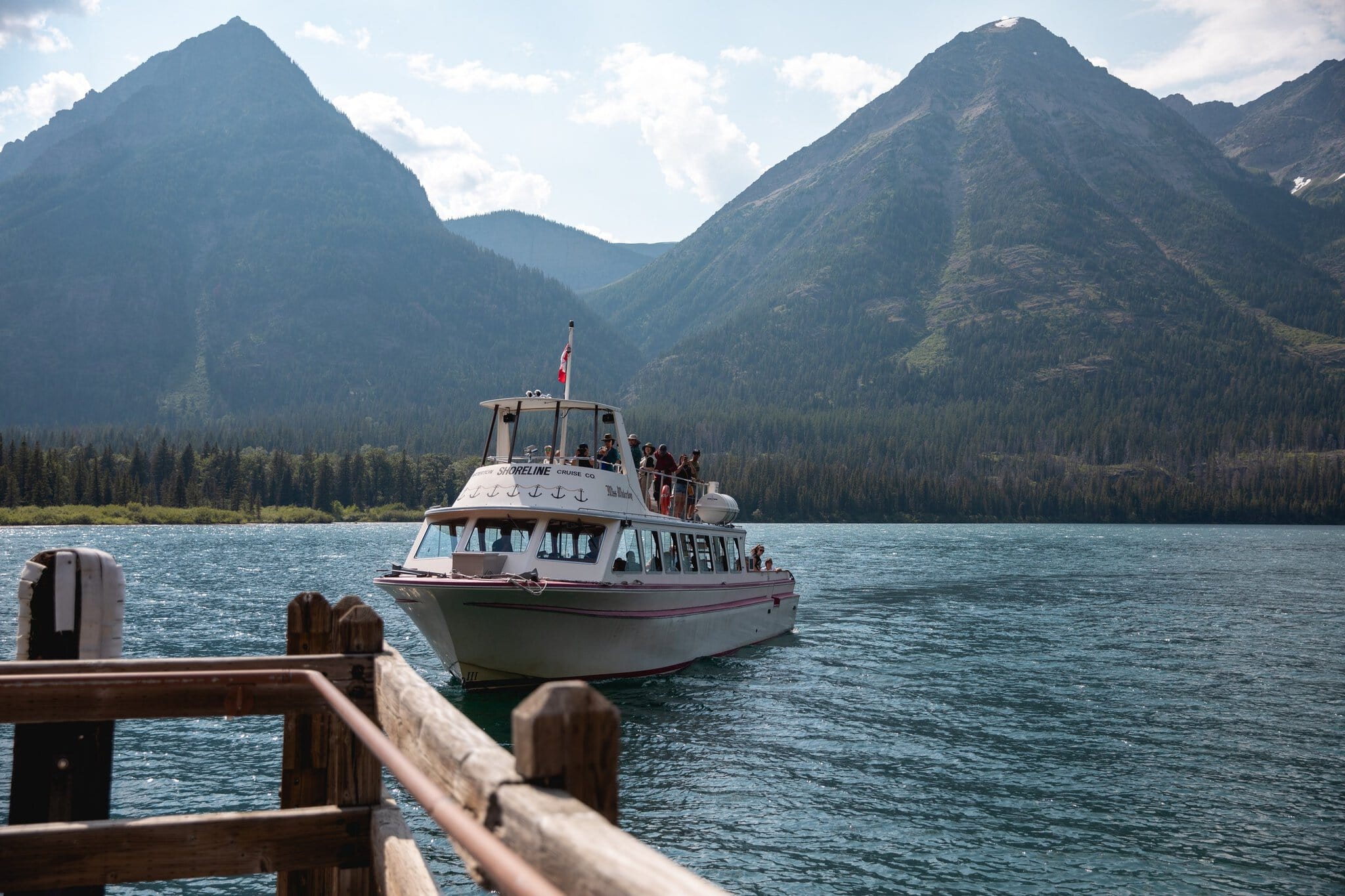
Because Upper Waterton Lake is split by the international border between Canada and the USA, one of the most popular experiences here is a cruise on the historic tour boat, The International. The boat departs from the marina right in Waterton and in roughly two hours takes you to the southern tip of the lake, to a place called Goat Haunt, which is already in Montana, USA.
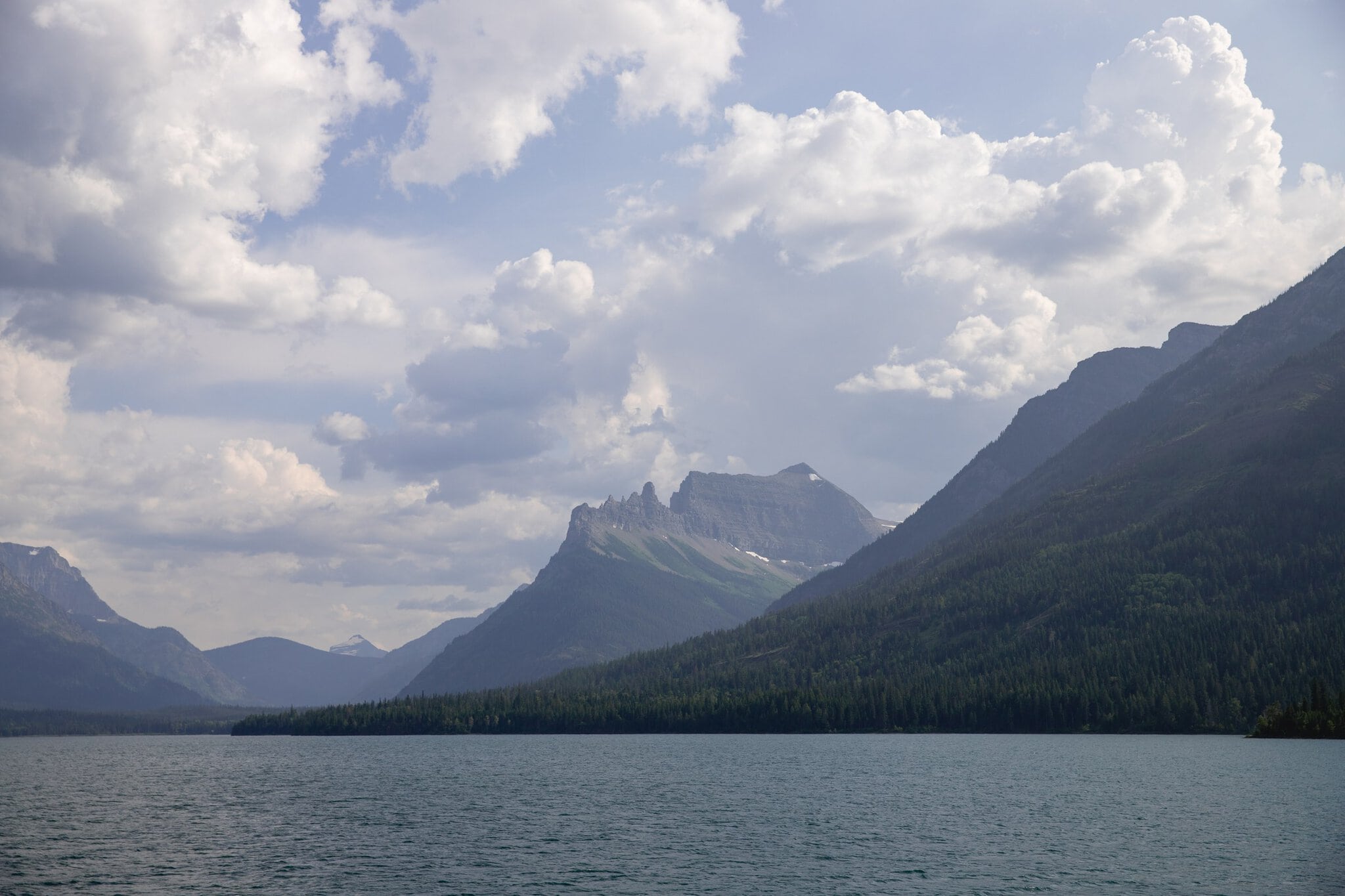
A word of warning — if you want to disembark on the American side and hike into Glacier National Park, you’ll need your passport and a valid travel authorisation (British citizens need an ESTA). We didn’t realise this until we were already on the boat, so we only saw Goat Haunt from the deck 😅. I’d recommend booking your boat tickets in advance — it gets pretty busy.

8. Akamina Parkway and Canoes on Cameron Lake

Another jaw-dropping road to drive is the roughly 16-kilometre Akamina Parkway. It leads you out of the village and high up into the mountains, ending at the stunning subalpine Cameron Lake. You’ll notice straight away that you’re several hundred metres higher — the temperature drops noticeably and the air is wonderfully crisp and fragrant with pine.
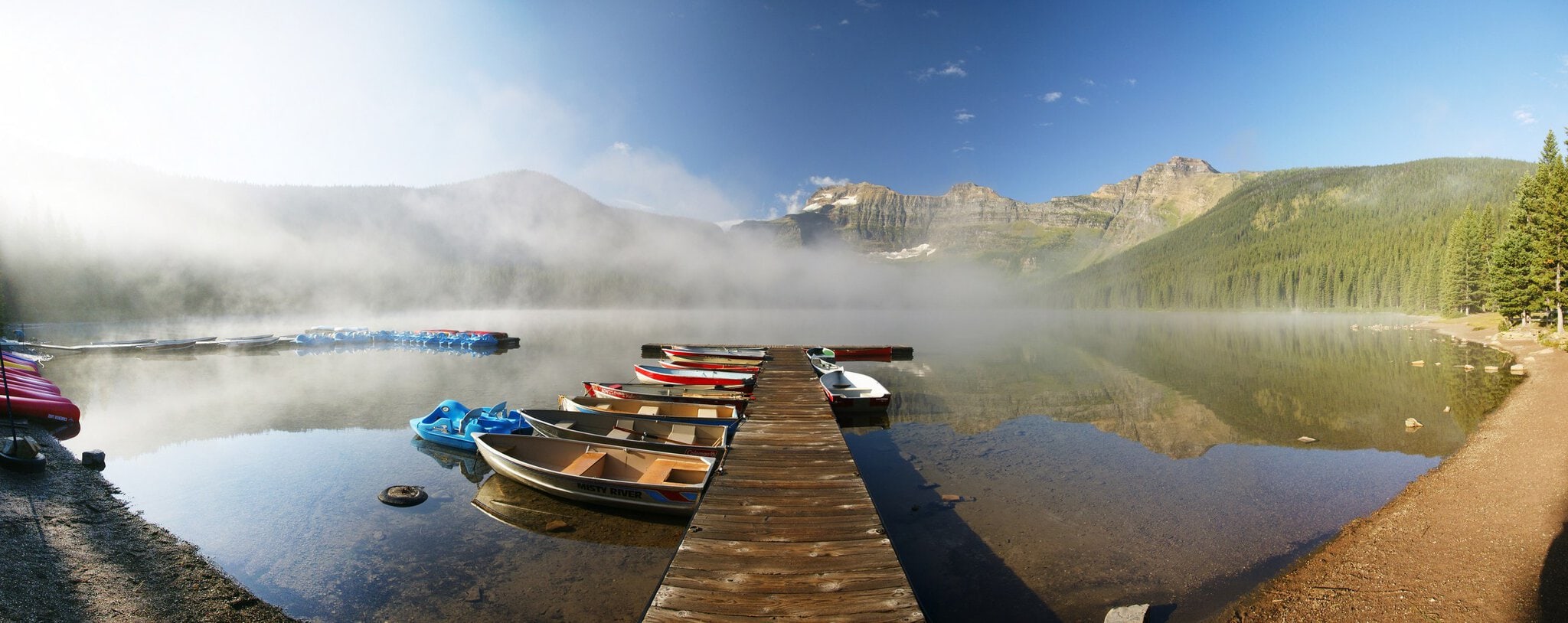
We absolutely love hiring boats at places like this, and here’s your perfect chance. Right by the lake there’s a small rental shop (often run by cheerful students on their summer jobs) where you can grab a red canoe or paddleboard for a reasonable price and head out on the water. From the middle of the lake, you can see massive glaciers slowly sliding down into the water at the far end — a scene you simply won’t forget.

9. Bertha Lake Trail and Waterfalls

If you’re looking for a hike that sits somewhere between the easy canyon strolls and the demanding Crypt Lake, Bertha Lake Trail is the one. It starts just a stone’s throw from Waterton townsite, and we tackled it on one of our first mornings after arriving. The trail rises gently at first to the lovely Bertha Falls (manageable for just about everyone — roughly an hour’s walk).
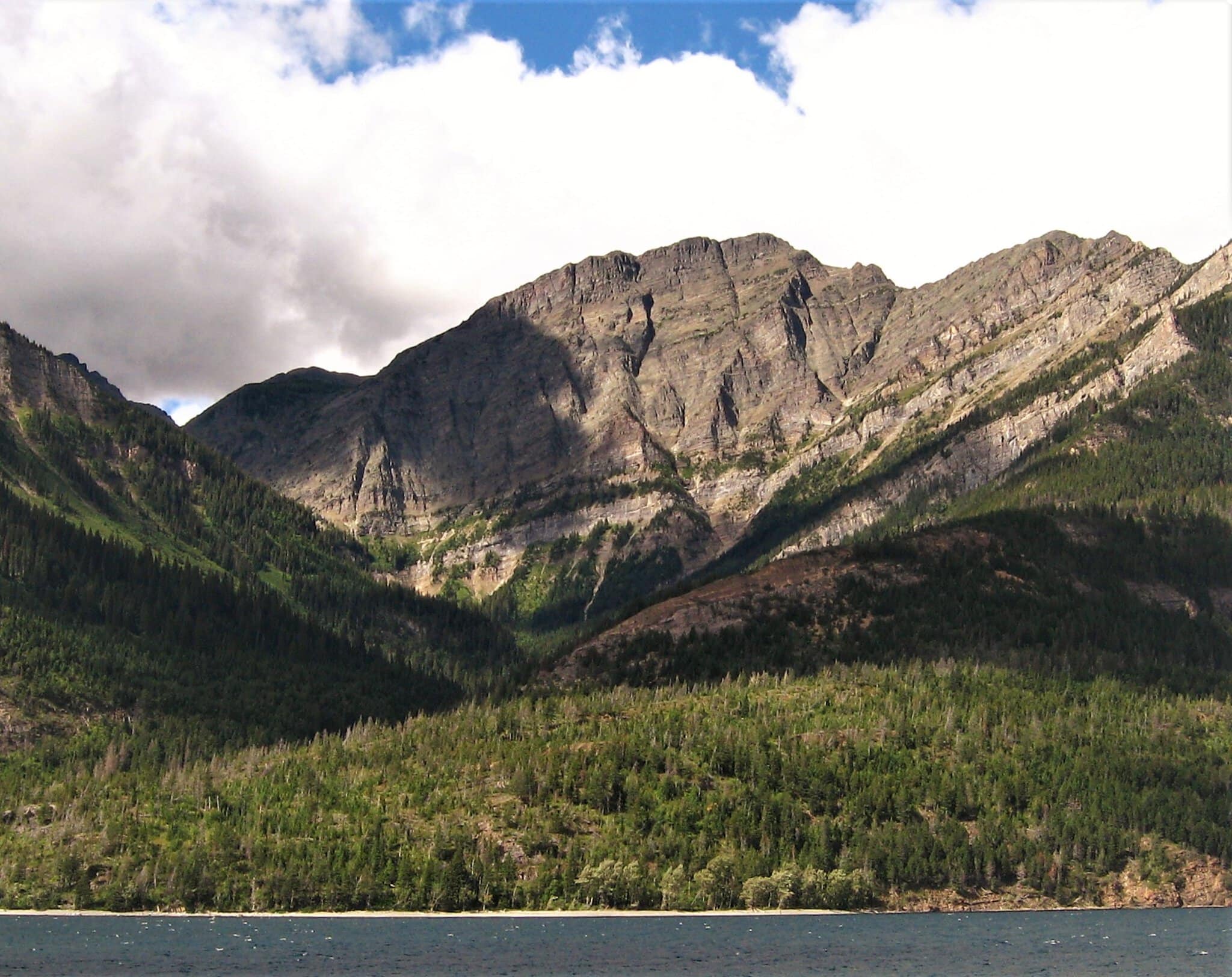
If you’ve got the energy, though, you can continue from the falls up a steeper climb through endless switchbacks all the way to Bertha Lake itself. This blue-green gem is tucked away high in the mountains, ringed by towering rock faces, and the moment you arrive, you’ll completely forget that just half an hour earlier you were cursing every single step uphill 😁. The return trip to the lake and back takes roughly 4 to 5 hours depending on your pace.

lukas a lucka
Lukáš and Lucie recommend
Where to Stay near Waterton Lakes
5 accommodations — wellness hotels, resorts and other lodging options

10. The Connection with Glacier National Park, USA

Here’s something most people don’t know about Waterton: just beyond the mountains on the American side, it seamlessly connects with Glacier National Park, together forming the world’s first International Peace Park. In 1932, the two parks were formally united to create the historic Waterton-Glacier International Peace Park.
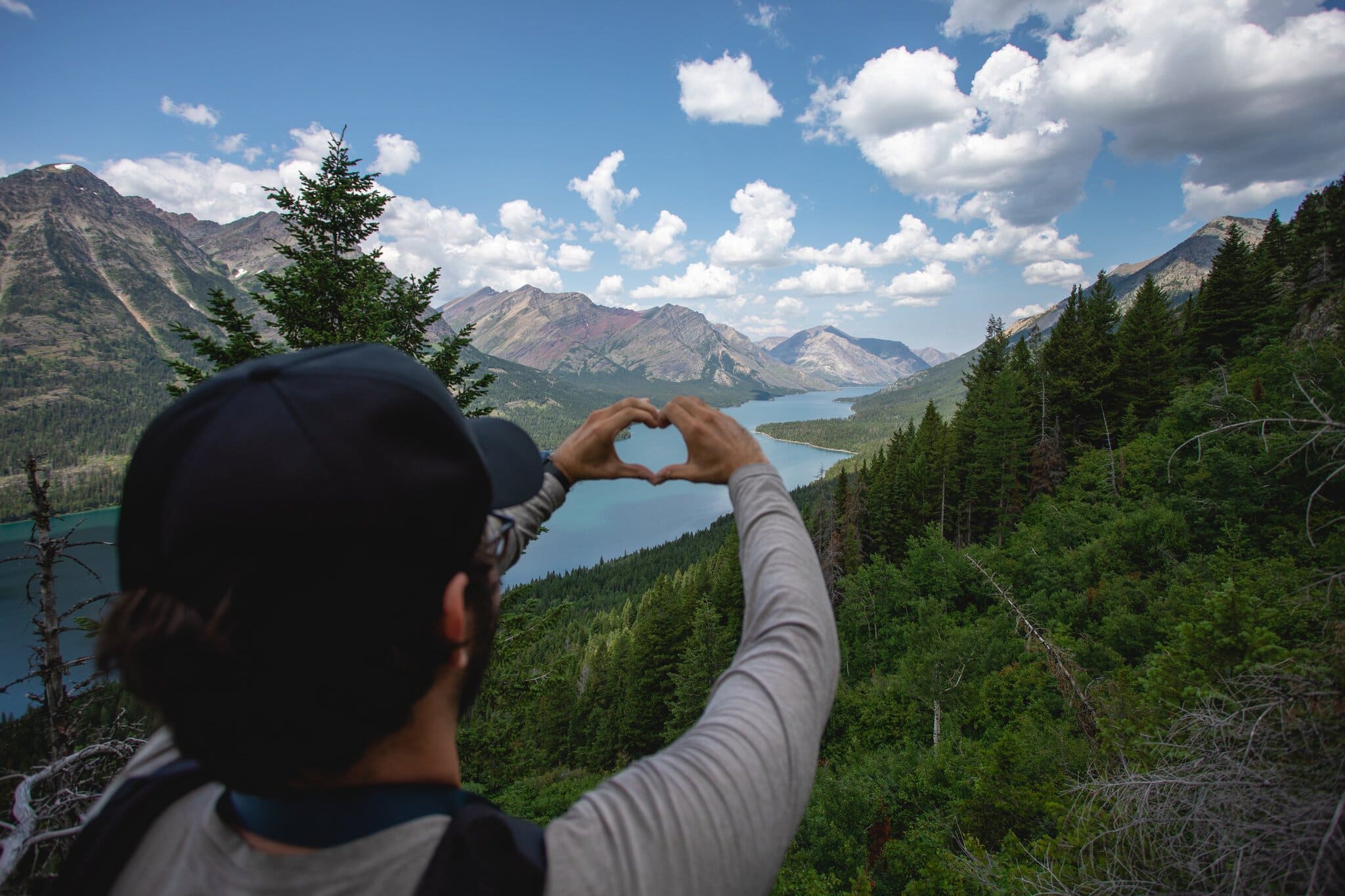
We’d highly recommend combining your Waterton visit with a drive across into Montana to experience the legendary Going-to-the-Sun Road in Glacier. In a single day, you can go from the quiet, intimate Canadian park to one of the most dramatic mountain roads in the entire United States. It’s a trip you’ll look back on with incredible fondness, even if the white-knuckle driving above sheer drops on the American side tests even the most seasoned drivers 😅.

Where to Eat and Drink

We figured that in a town with three streets we probably wouldn’t starve, but we weren’t expecting any culinary revelations either. Waterton pleasantly surprised us, though. If you need a quick and affordable calorie refuel after a tough hike, definitely head to Wieners of Waterton. They do brilliant hot dogs in homemade buns loaded with everything from cheese and onions to special sauces. There’s always a queue, and it’s an absolute local institution.

For a sweet morning treat, the little café and bakery Waffelton is perfect. You can smell it from the street — they make proper waffles piled with fresh fruit, whipped cream, and of course traditional Canadian maple syrup. And if you fancy a slightly more upmarket evening meal, try the Lakeside Chophouse. You sit right by the water, they serve excellent steaks and local fish, and while it’s a bit pricier, the view of the mountains reflected in the lake is worth every cent.

Where to Go Next: What to Do Nearby

If you’re planning a wider road trip through western Canada, don’t miss the more famous (though considerably busier) spots further north. We’ve written detailed guides for you.

Travel Tips and Tricks (Not Just) for Canada

  • Finding flights: Search for cheap flights to Calgary on Kiwi — it’s our favourite flight comparison tool and we regularly find great deals there.
  • Hiring a car: We use DiscoverCars.com all around the world — in Canada, a car is an absolute must.
  • Mobile data abroad: Signal in the mountains is patchy at best, but in towns and on the roads you’ll want data. Check out our review of the Holafly eSIM so you’re sorted.
  • Booking accommodation: Wherever possible, we rely on Booking.com — it’s our go-to hotel search engine.
  • Don’t forget insurance: Healthcare in Canada costs astronomical amounts. For shorter trips we go with a standard policy, and for longer stays or digital nomads we recommend SafetyWing.

Frequently Asked Questions (FAQ)

Still have questions? Here are the ones we get asked most often in the comments and on Instagram.

Is Waterton Lakes National Park worth visiting?

Absolutely. While you won’t find massive lakes like Lake Louise in Banff, you also won’t find nearly as many crowds. The park has a wonderfully intimate atmosphere, excellent hiking trails, and plenty of wildlife. It’s a hidden gem of southern Alberta.

How many grizzly bears live in Waterton?

Local ranger estimates vary, but the greater area (including adjacent parks) is home to over 1,000 bears. Naturally, fewer live directly within Waterton itself, but there’s a very good chance you’ll spot either a grizzly bear or a smaller black bear from a distance during your visit. Always carry bear spray with you.

Is Waterton the most beautiful national park in Canada?

That’s a really tough question to answer because beauty is subjective. Many people consider Banff or Jasper the most beautiful thanks to their massive glacial lakes. However, Waterton is often considered the most beautiful in terms of how close the mountains are immediately after arriving from the flat prairies, and how cozy it feels.

What makes Waterton Lakes National Park so special?

The biggest highlight is that together with the American Glacier National Park, it forms the world’s first international peace park. And here’s another fun fact: over half of all plant species found in the entire province of Alberta grow here, so botanists could easily spend a whole week exploring.

What’s the camping situation like at Waterton Lakes National Park?

Camping is very popular here, but lakeside spots fill up quickly. The best and most accessible option is Townsite Campground right in the heart of the action. It has showers and you’re close to shops, but you need to book months in advance. There are also more remote backcountry campsites in the park for backpackers.

Is there a park map and where can I get one?

Of course. As soon as you drive through the park entrance gate, where you’ll pay the daily admission fee (or show your annual Parks Canada Discovery Pass), you’ll receive a very clear paper map with all the main attractions. Larger visitor centers with more detailed trail maps are located right in Waterton townsite.

Are drones allowed in the park?

No, drones are not permitted in any national park in Canada. If local rangers catch you flying one, you risk having your equipment confiscated and facing a really hefty fine that could completely blow your vacation budget. So it’s better to take aerial shots from Bear’s Hump instead.

Tips and Tricks for Your Vacation

Don’t Overpay for Flights

Search for flights on Kayak. It’s our favorite search engine because it scans the websites of all airlines and always finds the cheapest connection.

Book Your Accommodation Smartly

The best experiences we’ve had when looking for accommodation (from Alaska to Morocco) are with Booking.com, where hotels, apartments, and entire houses are usually the cheapest and most widely available.

Don’t Forget Travel Insurance

Good travel insurance will protect you against illness, accidents, theft, or flight cancellations. We’ve had a few hospital visits abroad, so we know how important it is to have proper insurance arranged.

Where we insure ourselves: SafetyWing (best for everyone) and TrueTraveller (for extra-long trips).

Why don’t we recommend any Czech insurance company? Because they have too many restrictions. They set limits on the number of days abroad, travel insurance via a credit card often requires you to pay medical expenses only with that card, and they frequently limit the number of returns to the Czech Republic.

Find the Best Experiences

Get Your Guide is a huge online marketplace where you can book guided walks, trips, skip-the-line tickets, tours, and much more. We always find some extra fun there!
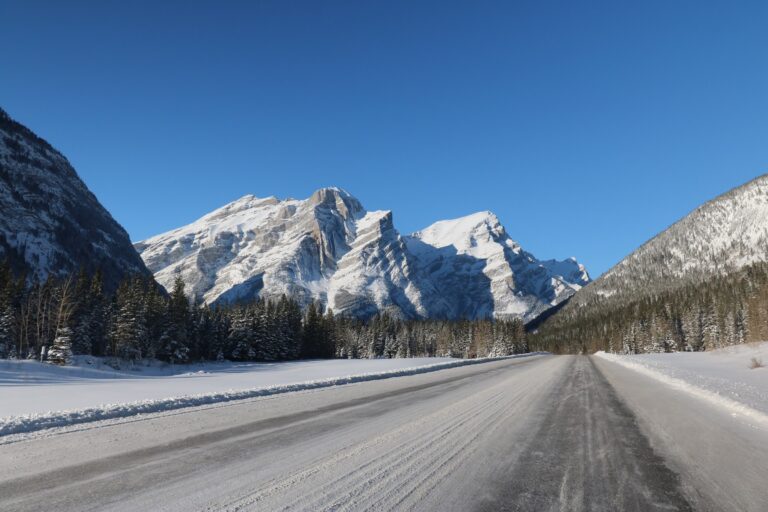
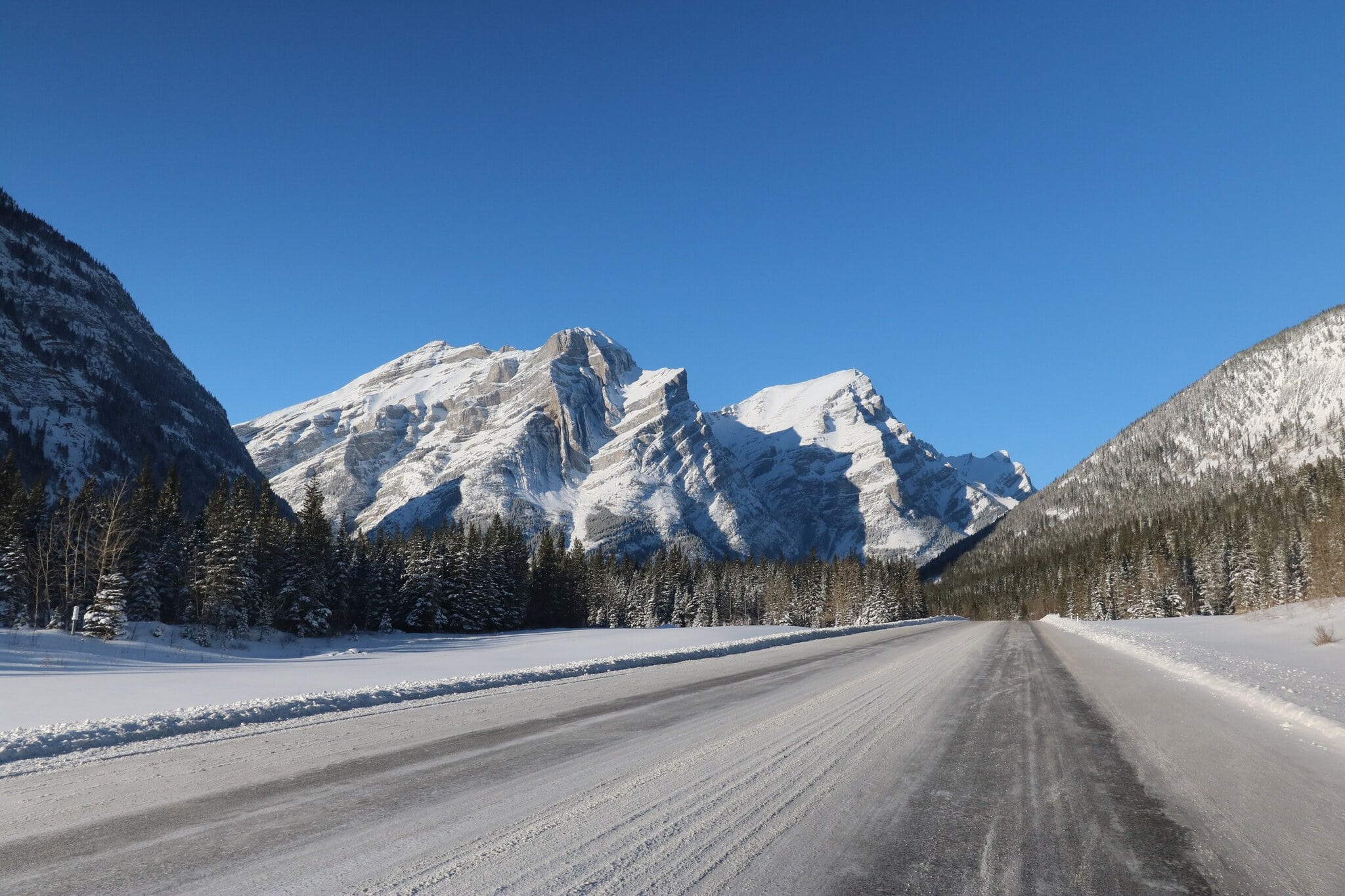
Kananaskis, Canada: 10 Best Hikes Away from the Crowds

TL;DRKananaskis Country is a stretch of provincial parks west of Calgary, right next to Banff National Park, with turquoise lakes and mountain peaks every bit as stunning but without the crowds. Among the 10 recommended trails are the easy Grassi Lakes near Canmore, Highwood Pass (2,206m) — the highest paved road in Canada — the alpine Rawson Lake (about 8km), and the tough Mount Yamnuska, complete with chain-assisted scrambling (about 11km). You’ll need a Kananaskis Conservation Pass, which costs 15 CAD per vehicle per day. The best time to go is late June to August, or mid-to-late September for the golden larches, and two to three days is plenty for a visit.

When we lived in Canada back in 2016 and 2017, Lukáš and I had the gorgeous Kananaskis Country right on our doorstep, with the Rocky Mountains forming our everyday view. While we naturally spent the first few months exploring the famous Banff National Park, we eventually ran out of trails there and started looking further afield. Luckily, the locals let us in on their best-kept secret — Kananaskis Canada (often simply called K-Country).

It’s a vast area of provincial parks sitting right next to Banff, yet offering equally stunning — if not more beautiful — views, turquoise lakes, and majestic mountain peaks, all with a fraction of the international tourist attention. So here’s our personal shortlist of places we returned to again and again, spots where we completely forgot Banff even existed. You’ll see for yourself that Banff National Park isn’t the only thing worth visiting in Alberta. I’ll also share where to stay, how the new entry fee works, and what to watch out for in the wilderness.

TL;DR

If you’re on the go and just need a quick overview of the essentials, here are the key things you should know before visiting this stunning Canadian wilderness:

  • Entry fee required: A Kananaskis Conservation Pass is now mandatory for the entire area, costing 15 CAD (about €10) per day per vehicle. You can buy your Kananaskis pass online from the comfort of your hotel and simply print the ticket or save it to your phone.
  • Fewer crowds, more bears: Kananaskis Canada is primarily visited by locals from Calgary on weekends, so you won’t encounter hordes of tour buses — but you’ll have a much higher chance of spotting wildlife (bear spray is an absolute must).
  • Our base camp: We always stay in the neighbouring town of Canmore, but if you want luxury right inside the park, head to the Pomeroy Kananaskis Mountain Lodge.
  • Getting around: You’ll definitely need your own car, as public transport won’t get you to the most beautiful lakeside areas, although an occasional shuttle runs to the main campgrounds.
  • Main highlights: The highest paved road in Canada (Highwood Pass) and countless hikes ranging from easy strolls (Grassi Lakes) to challenging scrambles (Mount Yamnuska).

Where Is Kananaskis and Why You Should Visit

When people think of Canada and mountains, Banff or Jasper instantly spring to mind. So when I recommend our favourite destination, people often ask: Where is Kananaskis? This enormous area, made up of several provincial parks and protected zones, sits in the foothills and mountains of the Canadian Rockies, west of Calgary and roughly southeast of Canmore and Banff National Park. If you pull up a Kananaskis country map, you’ll see it borders the national park directly, but the rules and management work a bit differently since it’s provincial rather than national territory.

So why should you go? I remember one morning when Lukáš and I hiked for hours without seeing a single person — just rustling leaves and the distant murmur of a creek. At Lake Louise, that would be unthinkable even in January. This is a place where you can experience raw, untouched Canadian wilderness, breathe fresh mountain air scented with pine, and feel like the mountains belong entirely to you. Better still, it’s very accessible from Calgary airport, so if you’re planning a road trip through western Canada, I’d strongly recommend setting aside at least two to three days for K-Country.

Practical Information: When to Go, Fees, and Getting There

Let’s get the logistics sorted first. Kananaskis isn’t a town — it’s a vast wilderness area — so it pays to be well prepared. Once you leave the main highway, you’ll quickly lose mobile signal and there are simply no shops out here.

Best Time to Visit Kananaskis

We personally love the Canadian summer (late June to August), when the trails are dry, all the high-altitude lakes have thawed, and the weather is perfect for hiking in a t-shirt. However, if you’re visiting Canada specifically for jaw-dropping autumn colours, mid to late September is the most magical time. That’s when the local larches turn a brilliant gold, creating a stunning contrast against turquoise lake water and the first dusting of snow on the peaks.

It’s absolutely breathtaking, though you should expect chilly mornings. Winter (November to April) is harsh — many roads, including the spectacular Highwood Pass, are completely closed — but the area transforms into a paradise for cross-country skiing and snowshoeing.

Kananaskis Conservation Pass

Until 2021, entry to most provincial parks in Kananaskis was free, but that changed due to a massive surge in visitor numbers. Today, you need a Kananaskis Conservation Pass, which costs 15 CAD (roughly €10) per day per vehicle, or 90 CAD (about €60) for an annual pass.

I’d highly recommend buying your Kananaskis pass online before you leave your hotel or accommodation. Just enter your car’s registration number and the system will automatically register you. Scanners at trailhead car parks regularly check for passes, and fines for not having one are unpleasantly steep (around 150 CAD / €100), so it’s definitely not worth the risk.

How to Get There and Car Hire

We’ve had great experiences with DiscoverCars, which we use all over the world, and Canada is no exception. Simply pick up your car at Calgary airport and in under an hour on the Trans-Canada Highway, you’ll be turning onto the famous Highway 40 that cuts through the heart of Kananaskis.

While there is a Kananaskis Country shuttle (the local Roam Transit service runs from Canmore to certain areas in summer), if you want to discover hidden lakes and stop at viewpoints, a car is absolutely essential here. There’s no train service to Kananaskis, unfortunately. The most convenient route from the UK is to fly into Calgary — airlines like WestJet, Air Canada, and British Airways operate direct or one-stop flights from London. For the best deals, we always use flight comparison sites to hunt down bargains.

Where to Stay: Canmore vs. Kananaskis Village

When it comes to choosing a base, you essentially have two main options. You can either opt for the civilised charm of the mountain town of Canmore, or stay right in the heart of the park at the small settlement of Kananaskis Village. If you’re curious about the Kananaskis village elevation, it sits at roughly 1,522 metres above sea level, which means even just staying there rewards you with spectacular views from your window — though nights can be quite chilly even in summer.

If you enjoy coffee shops, breweries, restaurants, and want a large supermarket within walking distance, I’d definitely go for accommodation in Canmore, which is also a brilliant and more affordable alternative to pricey Banff. Canmore sits right on the edge of Kananaskis Country, so most trailheads are just a short drive away while you retain all the comforts of civilisation. Summer accommodation prices in Canmore typically range from €130 to €230 per night for two people, depending on whether you choose a small motel or a self-catering apartment (which is hugely worthwhile in Canada — you’ll save a fortune on expensive restaurant breakfasts and dinners).

On the other hand, if you fancy a taste of Canadian luxury and the perfect post-hike relaxation, book the legendary Kananaskis lodge (officially the Pomeroy Kananaskis Mountain Lodge). It’s a luxury resort nestled deep in the forest where you can often spot elk or even bears right from the grounds. The biggest draw of this hotel is the Kananaskis Nordic Spa — incredible outdoor hydrotherapy pools with hot and ice-cold plunge pools surrounded by forest. Accommodation here isn’t cheap (often around €270 to €380 per night), but if you’re celebrating an anniversary or want to treat yourself to one day of pure indulgence on your road trip, it’s arguably the best hotel in all of Alberta.

10 Best Hikes and Things to Do in Kananaskis Canada

Let’s finally get to the good stuff. We visited all 10 of these places during our year living in Canada and can wholeheartedly recommend them to any nature lover. We managed to put together itineraries for Lukáš’s parents (classic family-friendly walks) as well as ourselves (chain-assisted scrambles up cliff faces), and both types of outing were equally brilliant. Just don’t forget to bring proper hiking boots, because Canadian terrain can be seriously unpredictable.

1. Grassi Lakes: Enchanting Turquoise Pools

If you’re looking for something relatively easy, or you’ve got small children in tow, Grassi Lakes is an absolute classic that you simply can’t miss. The trail starts just outside Canmore and takes roughly 15 to 20 minutes to walk up. The route splits into two options — a wide, easy path through the forest and a slightly more challenging rocky trail past a small waterfall with views over the entire valley and Canmore spread out below like a model village. Lukáš and I always took the “harder” route up and used the wider path to loop back down to the car.

Your reward at the top is two small, impossibly clear pools tinged an emerald turquoise. The water is so pristine you can see fallen tree trunks on the bottom and make out every pebble beneath the surface. You could easily spend hours here watching rock climbers tackle the steep limestone walls above the lakes. Since it’s so close to Canmore, afternoons can get quite busy, so either set an early alarm or head up in the evening.

2. Highwood Pass: The Highest Paved Road in Canada

Highwood Pass isn’t so much a hike as an absolutely incredible driving experience. It’s a section of Highway 40 that reaches an elevation of 2,206 metres, officially making it the highest paved road in all of Canada. Driving this road is genuinely breathtaking. Dramatic mountain peaks tower around you, dense forests give way to alpine meadows carpeted with wildflowers, and there’s a very good chance you’ll encounter bighorn sheep calmly licking salt right in the middle of the road — or occasionally even a solitary grizzly.

Pull over at the small car park at the very top of the pass. From there, you can take a short stroll along the boardwalks that wind through the fragile alpine tundra on the Highwood Meadows Trail (about 1 km). One important note though — to protect wildlife and due to winter conditions, this entire stretch of road (from the junction with Kananaskis Lakes Trail southward) is completely closed every year from 1 December to 14 June. If you visit in July or August, you’ll have ideal conditions.

3. Rawson Lake: An Alpine Gem Beneath a Rock Wall

Rawson Lake is probably our absolute favourite hike in all of Kananaskis. The trailhead is at the enormous Upper Kananaskis Lake in Peter Lougheed Provincial Park. The first part of the trail runs completely flat along the lakeshore, passing the impressive Sarrail Falls — a thundering waterfall fed by melting snow and glacial ice. After that, a fairly steep climb through mossy forest awaits. The total distance including the return is about 8 kilometres, so allow a good three to four hours with a break at the top.

Once you scramble up through the forest, a basin suddenly opens before you, revealing the deep blue Rawson Lake with the towering rock wall of Mount Sarrail rising vertically above it. It’s a scene straight out of a wilderness survival magazine. If you’ve still got energy to spare, you can continue on a brutal ascent (more like crawling through scree) up to the Sarrail Ridge viewpoint above the lake, where you’ll be rewarded with views of both large Kananaskis lakes in the valley far below.

4. Mount Yamnuska: A Challenge for the Brave

When you drive from Calgary towards the mountains on the highway, the first enormous rock face that rises dramatically before you like a giant limestone barrier is Mount Yamnuska (officially Mount John Laurie). Reaching its summit is a bucket-list goal for most local mountaineers, but I have to be upfront with you — this is no afternoon lakeside stroll. It’s a very demanding hike that transitions into scrambling, meaning you’ll be climbing on all fours using your hands on steep rocky terrain.

The route to the summit is about 11 kilometres and includes a steep cliff face and a notorious section where you must cling to chains bolted into the rock with a sheer drop beneath your feet. The reward, though, is extraordinary — on one side you can see the flat prairies stretching hundreds of kilometres to the east, and on the other, an endless ocean of mountain peaks. The descent is then hilariously fun (and murder on your knees), as you slide down a massive slope of loose gravel known locally as a scree slope. If you’re not great with heights, give this one a miss with a clear conscience.

5. Galatea Lakes: A Hidden Gem Among the Rocks

The hike to Galatea Lakes is utterly idyllic, though a bit longer (roughly 17 kilometres return), so it’s best to set aside a full day. The trail begins with a suspension bridge over the Kananaskis River — which is incredibly photogenic in itself. From there, the route climbs gradually through the forest, crossing the river several more times on charming little wooden bridges. The sound of rushing water is everywhere, and in summer the air smells of sun-warmed pine needles.

About three-quarters of the way in, you’ll reach Lillian Lake, where there’s a small tent campsite with fire pits and benches — the perfect spot for a packed lunch. While Lillian Lake is beautiful on its own, I’d strongly encourage you to push on and tackle the remaining steep kilometre through scree to reach Galatea Lakes. These two alpine lakes, tucked into a frigid mountain cirque above the treeline, have an unbelievable turquoise colour and often still have massive chunks of ice floating on them well into July.

6. Spray Lakes Reservoir and the Dusty Smith-Dorrien Trail

Another spectacular chapter of what Kananaskis has to offer is the area around the enormous Spray Lakes Reservoir. To reach it from Canmore, you need to drive up the steep, winding, and crucially unpaved gravel road called the Smith-Dorrien Trail. The drive itself is an experience — in summer your car will be coated in a layer of fine white dust and the washboard surface will rattle your teeth, but the views… the views are absolutely worth it.

The lake itself stretches for many kilometres through the valley. The water is ice-cold, deep blue, and the surface often shimmers like a mirror, perfectly reflecting the surrounding mountains like Mount Nestor and Mount Buller. We once spent an entire afternoon simply skimming stones across the glassy surface and watching the reflections ripple — and we didn’t care one bit that we hadn’t climbed a single peak. Several makeshift car parks along the lake let you walk straight down to the water and have a picnic on beaches of driftwood. It’s also a popular spot for paddleboarding or kayaking, though the water is so cold that if you fell in, you really wouldn’t want to be far from shore.

7. Ribbon Lake: Waterfalls and a Touch of Adrenaline

The hike to Ribbon Lake starts in Kananaskis Village by Ribbon Creek. We always loved this trail because the first few kilometres wind pleasantly through a picturesque forest along a crystal-clear stream, with numerous small waterfalls and cascades, and the going isn’t particularly demanding. Along the way you’ll encounter Ribbon Falls, a truly majestic waterfall whose spray creates a refreshing mist — very welcome on hot Canadian summer days.

If you want to reach Ribbon Lake itself, you need to prepare for a serious challenge in the form of a chain-assisted rock wall. Getting up this cliff ledge requires considerable care, as you’re climbing a near-vertical face using only steel cables for support, and when it rains, it gets dangerously slippery. Above the wall, though, a peaceful turquoise Ribbon Lake awaits, cradled between steep rock walls. The total trail distance is around 21 kilometres, and if you’re considering an overnight stay in the backcountry, there’s a campsite by the lake.

8. Burstall Pass: Autumn Larch Magic

If I had to pick just one hike for a September visit to Kananaskis, I’d point without hesitation to Burstall Pass. It starts once again from the famous gravel Smith-Dorrien Trail and treats you to several distinct types of landscape in a single day. First, you wade through wetlands and willow thickets where you’ll often spot moose tracks — so keep your eyes peeled (and your bear spray handy).

The real magic begins when you climb steeply above the treeline — that’s where you’ll find endless alpine meadows and forests of larches that glow an electric yellow in late September and early October, looking utterly otherworldly against the snow-capped rocky peaks. Once you reach Burstall Pass (about 15 kilometres return), you cross an invisible border and peer into the neighbouring valley, straight into Banff National Park, with a fantastic view of the glacier and summit of Mount Assiniboine — Canada’s own Matterhorn.

lukas a lucka
Lukáš and Lucie recommend
Where to stay in Kananaskis
2 accommodations — wellness hotels and other lodging options

9. Peter Lougheed Provincial Park and Kananaskis Lakes

Beyond the hikes, it’s well worth simply spending time exploring the lake valleys in Peter Lougheed Provincial Park. Upper and Lower Kananaskis Lakes are so vast — fed by melting glaciers — that the first time Lukáš and I saw them, we genuinely couldn’t believe they were lakes and not a small inland sea. This is ideal for families who don’t fancy climbing a thousand metres of elevation (and honestly, they don’t have to — it’s stunning right at the water’s edge). You can set up your camping chairs, light a fire at the public barbecue grates provided, and grill burgers or hot dogs. Firewood is often available right at the site.

If you’re a water enthusiast, you can hire a canoe or small aluminium boat at Lower Kananaskis Lake and head out fishing (don’t forget a fishing licence) or simply explore the deserted islands. We always had a soft spot for the little peninsula at Point Campground, where we’d often just sit on the rocks, sip coffee from a thermos, and wait to see if a moose might wander out of the forest for its morning drink.

10. King Creek Ridge: Short Suffering, Maximum Reward

Looking for a hike you can knock out in just a couple of hours before lunch but still want a view that’ll blow everyone on Instagram away? King Creek Ridge is exactly what you need. This trail is barely 7 kilometres return, but brace yourself — the first two kilometres are pure, brutal punishment as you climb almost vertically straight towards the sky. The path is steep, dusty, and your calves will be begging for mercy. 😅

At the end of the ridge, though, a phenomenal 360-degree panorama of the entire Kananaskis Valley awaits. A fantastic sweep of glacier-carved valleys unfolds before you, headed by the majestic Mount Wintour and the Opal Range. Find yourself a nice flat rock, lean back, and gaze in wonder at the deep canyons and endless forests below you. And because of its steepness, this trail usually isn’t overly busy, so there’s a very good chance you’ll enjoy that view in absolute silence.

Where to Eat and Refuel After a Hike

After a full day hiking in the mountains, you won’t want to skimp on dinner. If you’re staying at (or just passing through) Kananaskis Village, I have to mention the restaurants inside the Pomeroy Kananaskis Mountain Lodge. They have an Italian restaurant called Forte, where they make excellent wood-fired pizza — after 20 kilometres on your feet, you’ll truly appreciate that carb-loaded goodness. For a special evening that won’t completely destroy your budget, try the Cedar Room, where they serve phenomenal Alberta beef steaks.

Most of our favourite eateries, however, are right in Canmore. We absolutely love The Grizzly Paw Brewing Company, which has huge windows overlooking the mountains and serves outstanding craft beer alongside excellent burgers (poutine — Canadian chips smothered in gravy and cheese curds — is practically compulsory on the side). Another great spot is Rocky Mountain Flatbread Co., where they cook with local, often organic ingredients, and their flatbreads and salads are genuinely fantastic. If you just need a coffee and a massive muffin for the road, pop into The Rocky Mountain Bagel Co. — they arguably make the best bagels for miles around.

Tips and Tricks: Practical Details That Are Worth Their Weight in Gold

Don’t leave anything to chance that could ruin your dream trip into the Canadian wilderness.

What to Pack and How to Survive a Bear Encounter

Always dress in layers for the mountains (mornings by the lakes can be as cold as 5°C, while afternoons in the sun reach 25°C), and most importantly, carry bear spray clipped to your backpack strap at all times — we encountered grizzlies in Kananaskis more often than we’d have liked.

The spray must genuinely be within arm’s reach on your pack (never buried at the bottom of your bag — it’ll be useless there). In Kananaskis, grizzlies love to graze on roadside grass in spring, so vigilance is needed the moment you step out of your car.

Don’t Forget Travel Insurance

Hiking in Kananaskis, however straightforward it may seem, always demands responsibility. A helicopter rescue could cost more than your entire holiday, and trust me — you really don’t want to deal with that without proper cover. Healthcare in Canada is extremely expensive for visitors, so comprehensive travel insurance is essential.

Our recommended travel insurance is SafetyWing, which has never let us down in all our years of travelling through North America and handles everything quickly online.

Hiring a Car in Canada

If you’re flying into Calgary or Edmonton, I’d highly recommend the comparison site DiscoverCars.com, which Lukáš and I have been using to hire cars for years now — and we’ve never once arrived at the airport to find the car we booked wasn’t available.

Ideally, go for a vehicle with higher ground clearance. On gravel roads like the Smith-Dorrien Trail, it’ll do wonders for your nerves (and for your anxiety about the damage deposit on the car’s undercarriage 😅).

Where to Go Next in Canada

Once you’ve explored Kananaskis, don’t stop your road trip there. Alberta has an enormous amount more to offer.

Frequently Asked Questions (FAQ)

To wrap everything up neatly, Lukáš and I have put together answers to the most common questions you’re likely to have before heading to the Kananaskis area.

Do I need an entry pass for Kananaskis?

Yes, since 2021 you need a Kananaskis Conservation Pass, which costs 15 CAD per day per vehicle, or 90 CAD for an annual pass. The pass doesn’t cover parks that fall under the national park system (like neighboring Banff), which require a separate pass. You can easily purchase it online through the official Alberta provincial website.

Are there bears in Kananaskis and do I need bear spray?

Absolutely yes. K-Country has a large and healthy population of both black bears and especially grizzly bears. The wilderness here is less impacted by tourism than Banff, so the animals are more undisturbed. Bear spray is an absolute must for all hikes, and it’s recommended to hike in groups (minimum 4 people) and make noise in areas with limited visibility. We only had to pull our spray out of its holster once, but that was enough to convince us to carry it everywhere after that.

Does cell phone service work in Kananaskis?

Once you leave the main Trans-Canada Highway and the town of Canmore and head down Highway 40, you’ll lose cell signal pretty quickly. You can usually pick up a weak signal around Kananaskis Village hotel, but most areas like Kananaskis Lakes have no coverage at all. Always download offline maps (like Google Maps or AllTrails) to your phone beforehand!

Is it better to visit Banff or Kananaskis?

Banff offers world-famous lakes (Louise, Moraine) and great infrastructure—it’s perfect for a first visit, but be prepared for massive crowds and high prices. Kananaskis offers equally stunning and dramatic mountain scenery with a much more authentic wilderness experience without the crowds. We recommend combining both areas.

Can I swim in the lakes in Kananaskis?

Technically yes, but most of these are alpine lakes fed by glacial melt. Water temperatures rarely rise above 5 to 10 degrees Celsius even in the hottest August weather. A quick dip (polar plunge) is a popular way to refresh after a tough hike, but it’s definitely not suitable for actual extended swimming—hypothermia is a real risk.

Can I camp wild in Kananaskis?

Random camping in your vehicle (boondocking/stealth camping) outside designated areas in Kananaskis and Alberta provincial parks is generally prohibited and strictly enforced with fines due to wildlife concerns. For overnight stays, you must use official campgrounds (often paid and requiring reservations) or for true backcountry camping, use designated permitted sites along trails, which also require fees.

Can you see the Northern Lights in the Kananaskis area?

While Alberta is fairly far north, ideal viewing of the Aurora Borealis requires a wide, unobstructed horizon facing north. In Kananaskis you’re trapped in deep valleys surrounded by tall mountains that block your view, so you’ll have much better luck catching the Northern Lights from the flat prairies near Calgary or Edmonton. However, they are occasionally visible here during periods of exceptionally strong solar activity.

Tips and Tricks for Your Vacation

Don’t Overpay for Flights

Search for flights on Kayak. It’s our favorite search engine because it scans the websites of all airlines and always finds the cheapest connection.

Book Your Accommodation Smartly

The best experiences we’ve had when looking for accommodation (from Alaska to Morocco) are with Booking.com, where hotels, apartments, and entire houses are usually the cheapest and most widely available.

Don’t Forget Travel Insurance

Good travel insurance will protect you against illness, accidents, theft, or flight cancellations. We’ve had a few hospital visits abroad, so we know how important it is to have proper insurance arranged.

Where we insure ourselves: SafetyWing (best for everyone) and TrueTraveller (for extra-long trips).

Why don’t we recommend any Czech insurance company? Because they have too many restrictions. They set limits on the number of days abroad, travel insurance via a credit card often requires you to pay medical expenses only with that card, and they frequently limit the number of returns to the Czech Republic.

Find the Best Experiences

Get Your Guide is a huge online marketplace where you can book guided walks, trips, skip-the-line tickets, tours, and much more. We always find some extra fun there!
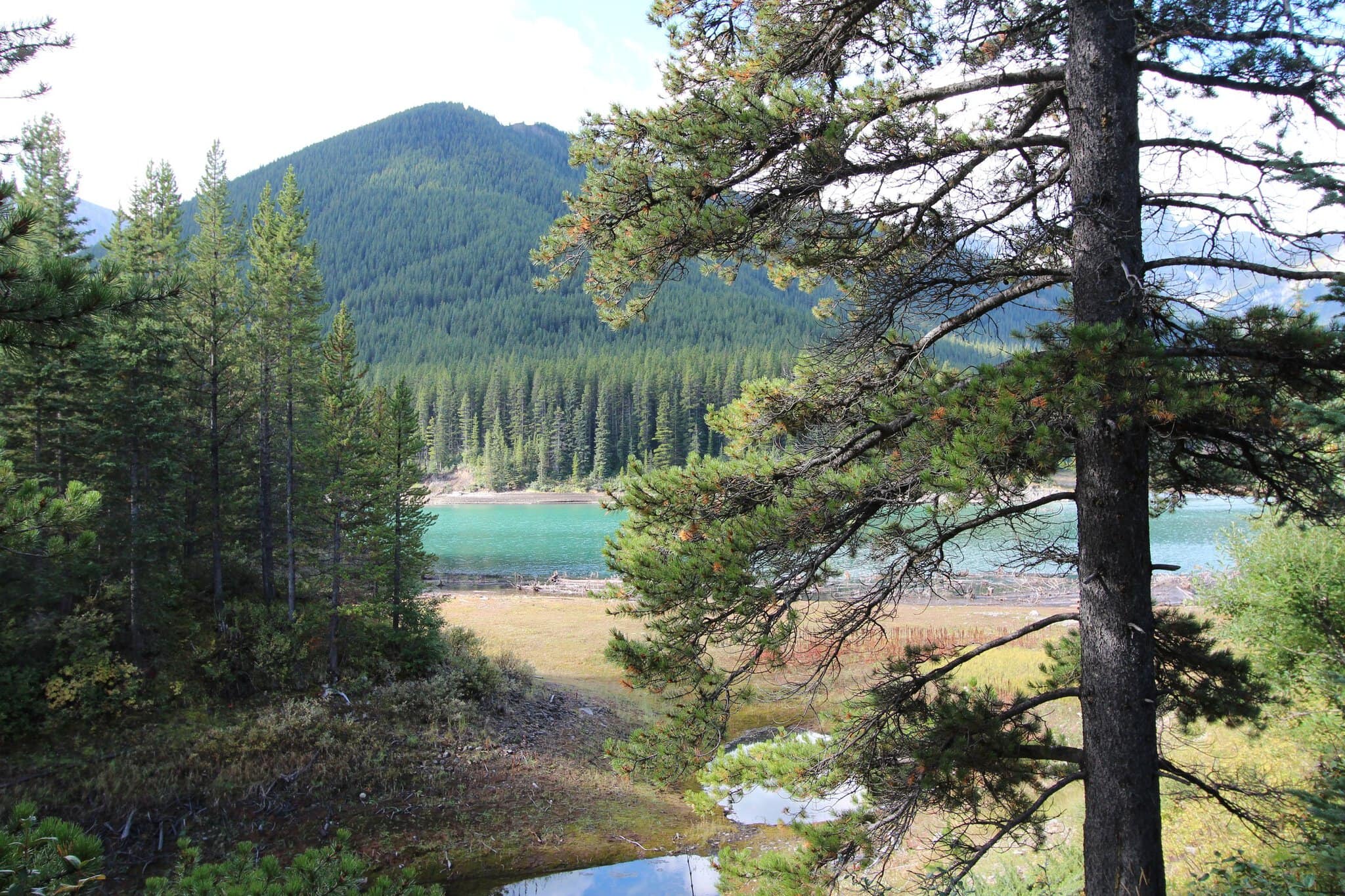
Fairbanks, Alaska: 12 Best Things to See and Do (Aurora Capital + Chena Hot Springs)

TL;DRFairbanks, Alaska, sits just 315 kilometres from the Arctic Circle and ranks among the best places on Earth to watch the Northern Lights, visible from late August to mid-April, with peak season running December to March. Among the 12 key tips, standouts include a soak at Chena Hot Springs, where the water sits at 41°C, an hour and a half from town; hunting for aurora from the Murphy Dome viewpoint (879m, free to visit); and a cruise on the Riverboat Discovery for $106. A hotel room costs $150 to $300 a night, while the glass-domed igloos at Borealis Basecamp start at $625 per person, per night, at the very least. You’ll need a hire car here — distances are huge and public transport barely exists.

You expect freezing cold and get a heatwave instead. That’s exactly what happened to us in Fairbanks. This isn’t just any ordinary city — it’s one of the best places to discover the best things to do in Fairbanks Alaska. A rugged corner of the world just 195 miles from the Arctic Circle, where winter temperatures plummet far below freezing and summer brings endless daylight with the sun refusing to dip below the horizon.

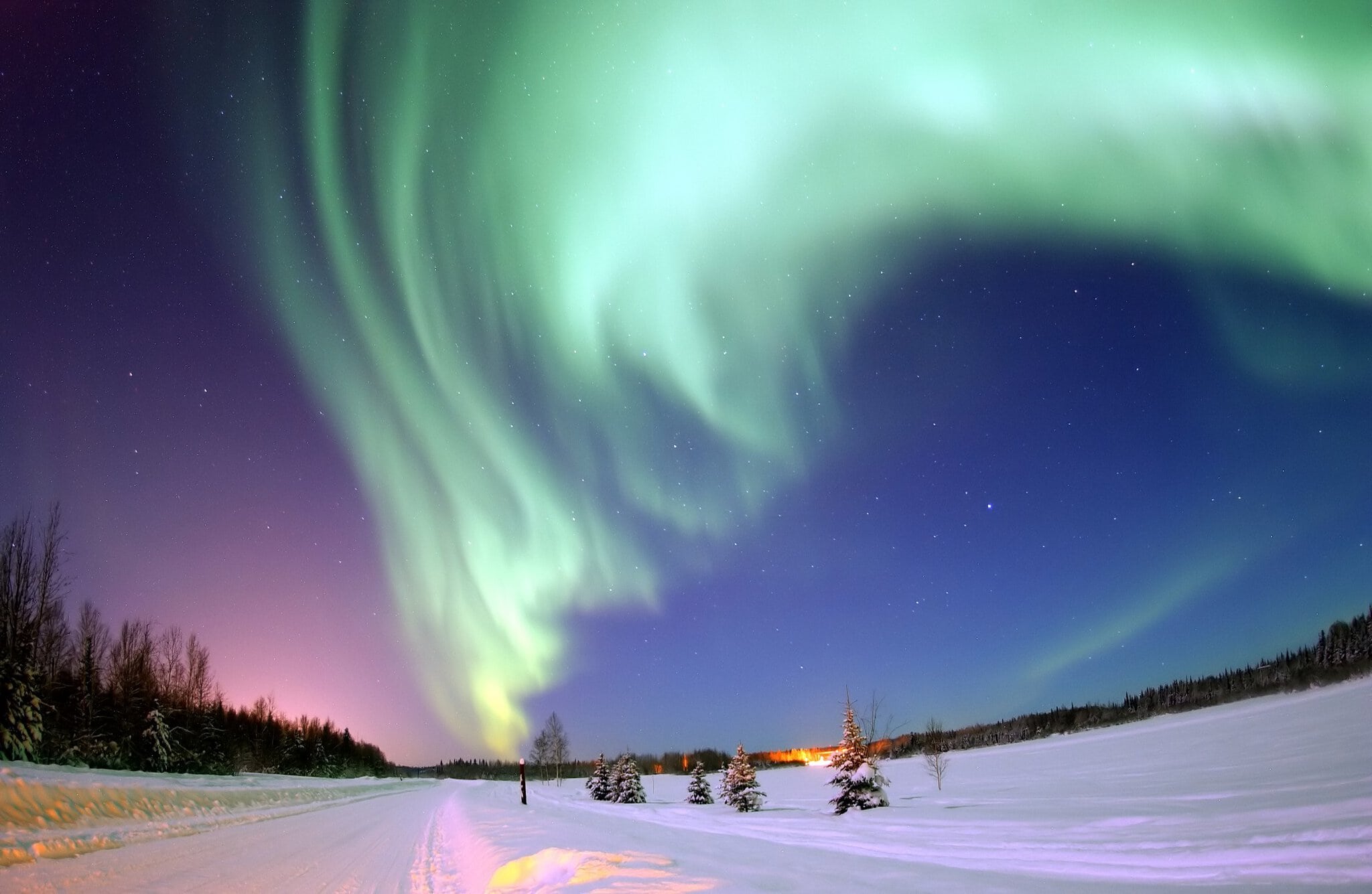
Lukáš and I fell head over heels for this place, mainly because of one magical show in the sky. Fairbanks sits directly beneath the auroral oval, making it simply one of the best spots on Earth for chasing the northern lights. We’ve put together 12 must-see places and experiences that we wouldn’t dream of leaving without. And yes, I’ll get to the bit about bringing flip-flops for the showers too. 😅

TL;DR

  • Best time for northern lights: The aurora season opens from late August to mid-April, but the absolute peak is from December to March.
  • Summer midnight sun: If you visit in June or July, you won’t see the northern lights due to the endless daylight, but you’ll enjoy fantastic nature and river cruises.
  • Where to stay: For full service and river views, go for Pike’s Waterfront Lodge; for a more reasonable budget, we recommend Wedgewood Resort.
  • Top experience: Soaking in the outdoor rock lake at Chena Hot Springs when it’s -22 °F outside and your wet hair freezes solid on your head.
  • Getting around: You simply can’t manage without a rental car here — distances are enormous and public transport is so infrequent we didn’t spot a single bus all week.

When to Fly to Alaska and How to Get to Fairbanks

Planning a trip to Alaska takes a bit of strategic thinking, because the climate here can seriously test your limits. Fairbanks holds the official title of the coldest city in the US, with winter temperatures routinely hitting minus 40. If your main goal is the northern lights, you need to visit between late August and April. The sun only shines for a few hours a day in winter, and the long dark nights provide the perfect canvas for the celestial show. We regularly spend freezing nights outdoors here, so seriously — don’t underestimate the importance of quality layered clothing.

Summer is a completely different world. From May to August the city comes alive, temperatures can climb close to 90 °F, and around the solstice the sun shines for 22 hours a day. It’s the ideal time to explore national parks and try gold panning, but you simply won’t see the aurora because it never gets dark enough. Definitely avoid April and early May though. Locals call this period “breakup season,” when the river ice cracks, the snow melts, mud is everywhere, and most tourist attractions are still closed.

As for getting there, from the UK you’ll most commonly fly via Seattle or Chicago, or catch a domestic flight from Anchorage. Look for affordable flights on comparison sites — we love using aggregators for complex itineraries. Once you land, head straight to the car rental desk. Lukáš and I have had consistently great experiences with Booking.com for accommodation, and a solid SUV with good tyres is absolutely essential up here — without one, you won’t get far.

Where to Stay and How Much Fairbanks Costs

Budgeting for Alaska is often a painful conversation, because neither accommodation nor food comes cheap. Fairbanks offers everything from classic hostels to luxury glass igloos, but always expect to pay a premium for a location at the edge of the world. Standard hotel prices range from around $150 to $300 (roughly £120–£240) per night for two. A restaurant meal will set you back at least $30 per person, and once you add organised excursions, a week-long stay can add up to quite a hefty sum.

If you’re after comfort and excellent service, have a look at Pike’s Waterfront Lodge. It sits right on the banks of the Chena River near the airport and, besides gorgeous views, boasts a highly regarded restaurant. We often head here when we want a dependable base after a gruelling day in sub-zero temperatures.

If you prefer a city-centre location and don’t mind larger hotels, Westmark Fairbanks Hotel is a classic choice frequently used by major tour operators. For families or travellers who need more space, the sprawling Wedgewood Resort is an excellent option. And if you’re travelling on a shoestring and crave a communal atmosphere, Billie’s Backpackers Hostel is a legendary stop for every independent adventurer.

12 Best Things to See and Do in Fairbanks, Alaska

Right then, where to begin? Our notebooks are overflowing, but we’ve narrowed it down to twelve experiences that would make it impossible to drag us away from Fairbanks. This little city blends untamed wilderness with a fascinating gold rush history, and we guarantee you won’t be bored for a single minute.

1. Chase the Northern Lights from Murphy Dome

Murphy Dome is an absolute legend among local aurora hunters. It’s a former US Air Force radar station located just over 20 miles from the city. At an elevation of 2,884 feet, it’s the highest accessible point in the wider area, which means a perfect 360-degree view with absolutely zero light pollution from town. Entry is completely free, so all you need to do is fill up the tank, brew a thermos of hot tea, and hit the road.

I do need to give you an honest warning about the drive, though. The road up can be unforgiving in winter, and quality winter tyres are an absolute must. It’s also frequently windy at the top, so the wind chill makes it feel far colder than down in town. But when the sky above you suddenly ignites with green ribbons dancing from horizon to horizon above the snow-covered spruce tops, you instantly forget that you can’t feel your toes. ☺️

2. Warm Up at Chena Hot Springs (With Eyes Half-Closed)

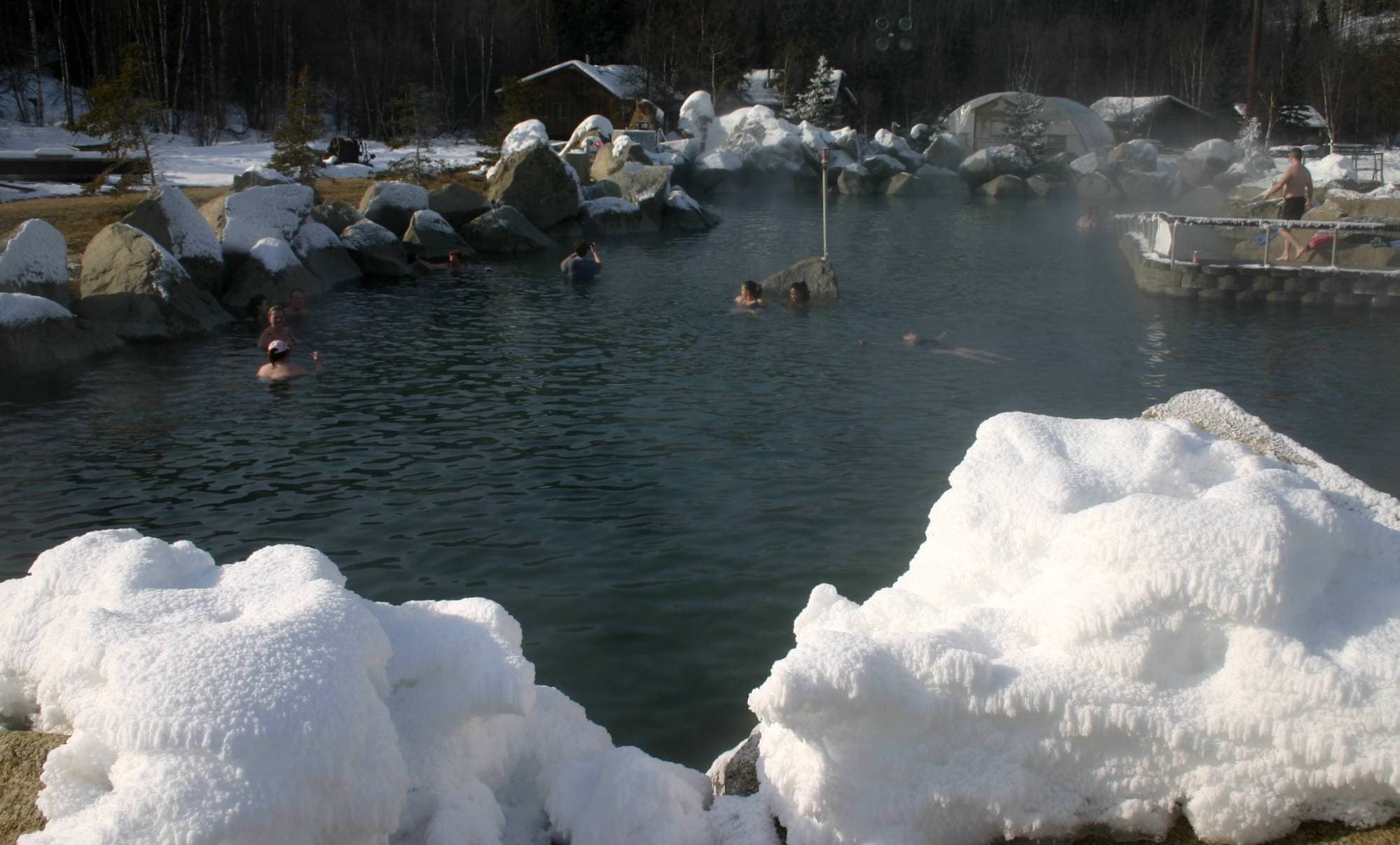
About an hour and a half’s drive northeast of Fairbanks, you’ll find the famous Chena Hot Springs resort. The journey takes you through beautifully desolate scenery, and at the end of it awaits an outdoor rock lake filled with natural thermal water at a blissful 106 °F. Soaking in hot water while snow falls on your head and your hair turns into frozen icicles is an absolutely iconic Alaskan experience you simply cannot miss. The resort operates year-round, and in winter it’s also a brilliant spot for stargazing and aurora viewing.

Now for the less romantic bit that guidebooks tend to gloss over. The resort has seen better days. The changing rooms and indoor pool aren’t exactly shining examples of pristine cleanliness, and I’d strongly recommend bringing your own flip-flops for the showers. The outdoor rock lake itself, however, is fantastic. You can also pay to visit the Aurora Ice Museum for around $25 (about £20). Just be very careful on the drive back to Fairbanks at night — after a long hot soak, exhaustion hits hard, and driving through a dark, snowy landscape demands your full concentration.

3. Walk with Reindeer at Running Reindeer Ranch

About 25 minutes from the centre lies Running Reindeer Ranch, and it’s no sad zoo — it’s a genuine family project where the reindeer simply walk alongside you. During the hour-long visit, you’ll stroll through an enchanting birch forest with free-roaming reindeer by your side. They’re not penned in; they just amble next to you, occasionally stopping to nibble on twigs, and the whole time they feel more like very large, very fluffy pets.

The owners have tremendous respect for their animals, and their stories are packed with fascinating insights into life in the tundra. The experience costs between $85 and $120 (roughly £70–£95) per adult depending on the season, and it wraps up with a cosy sit-down indoors over homemade biscuits and tea.

4. Museum of the North and Mammoth Skulls

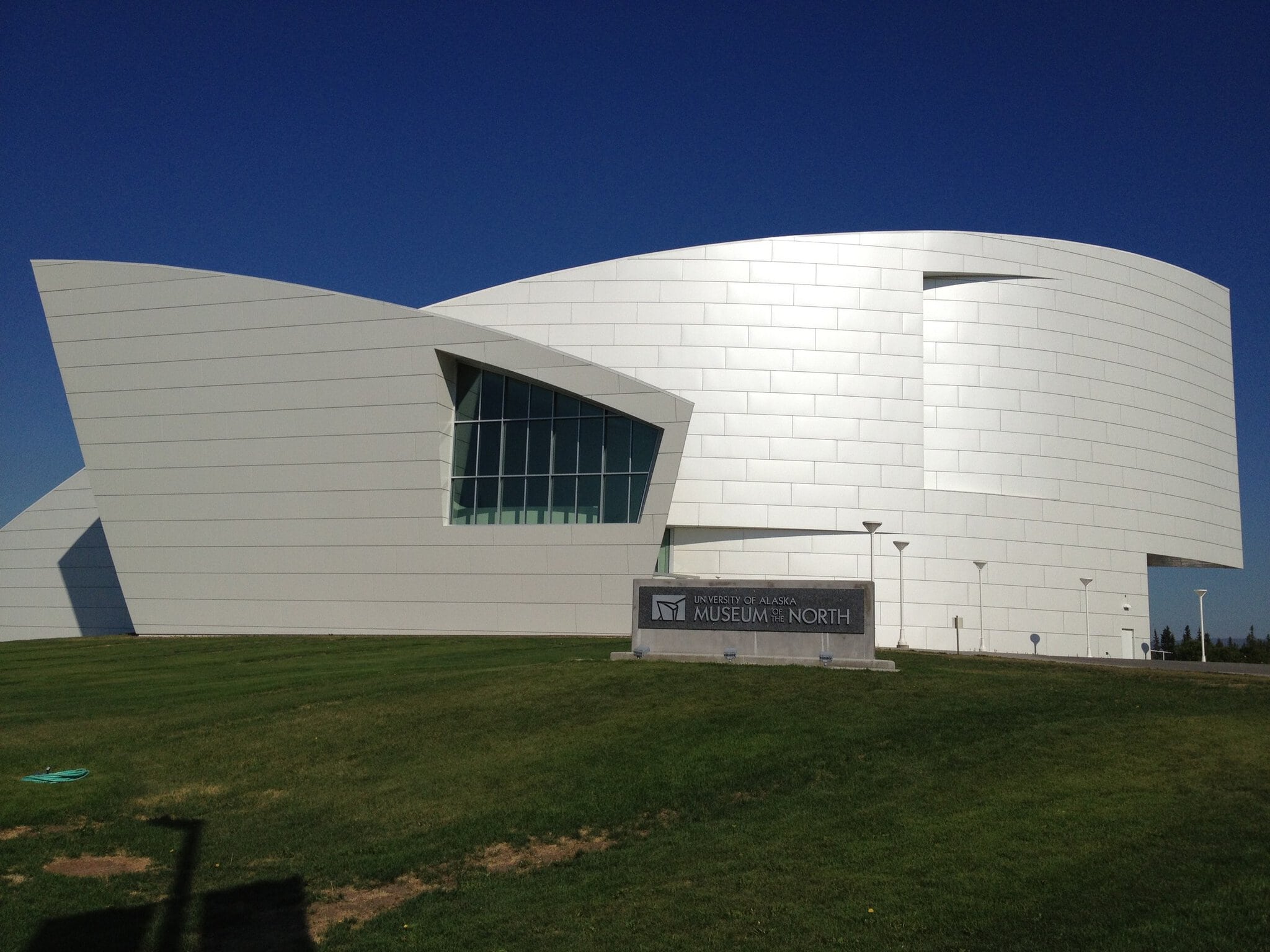
On the University of Alaska Fairbanks campus, there’s a building with strikingly modern architecture that houses the Museum of the North. Even if you’re not typically a museum person, this place will genuinely captivate you. It brings together the most valuable treasures of the entire North. It helped us understand what we’d actually been looking at during all those days outdoors — far better than wandering through the landscape completely clueless. Admission is $22 (about £17) for adults and you’ll need roughly two hours.

The star of the “Gallery of Alaska” exhibition is an enormous mounted brown bear that truly drives home the sheer size of these animals. The woolly mammoth skull is equally awe-inspiring, as is a perfectly preserved mummified bison from the Ice Age. They also have brilliant displays explaining the physics of the northern lights — well worth understanding before you head out into the middle of the night to hunt for them yourself.

5. Sternwheeler Cruise on Riverboat Discovery

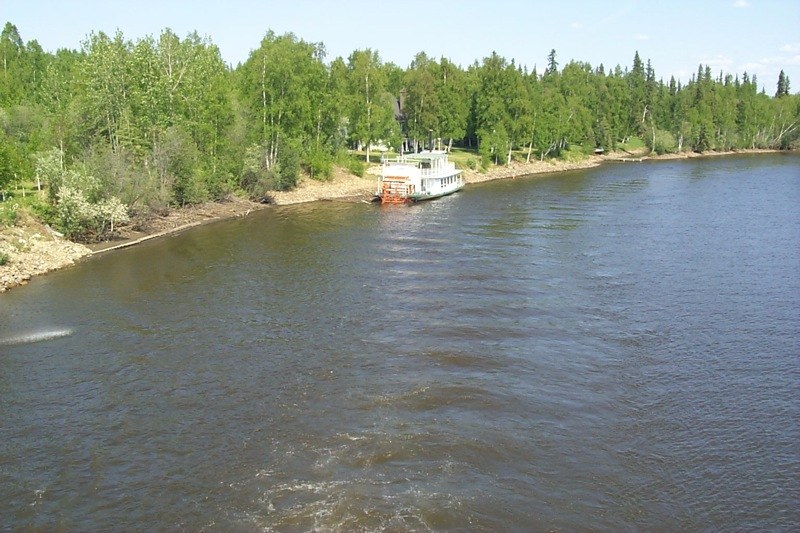
During the summer months, a cruise along the Chena and Tanana rivers aboard the historic sternwheeler Riverboat Discovery is probably the most popular activity in town. The three-hour trip costs $106 (about £85) and runs roughly from late May to early September. This is no boring sightseeing cruise — the entire voyage is packed with action and demonstrations of local life from start to finish.

During the cruise, a small floatplane — a “bush plane” without which life in Alaska simply wouldn’t function — lands on the water right beside your boat and takes off again. You’ll watch a sled dog training demonstration at the kennel of a famous Iditarod champion, and at the end you’ll disembark at a carefully constructed replica of a Native Alaskan village. There, locals show you the traditional way of life of the Athabascan people, including traditional fish smoking techniques for salmon.

6. Gold Panning and History at Gold Dredge 8

Fairbanks probably wouldn’t exist at all if it weren’t for the gold rush at the turn of the twentieth century. The excursion to Gold Dredge 8 takes you back in time and shows you the staggering history of industrial gold mining. The trip begins with a ride on a replica of the narrow-gauge Tanana Valley Railroad and costs $76 (about £60) per adult. Along the way, you’ll also get a close-up look at a section of the famous Trans-Alaska Pipeline, which we’ll cover in the next tip.

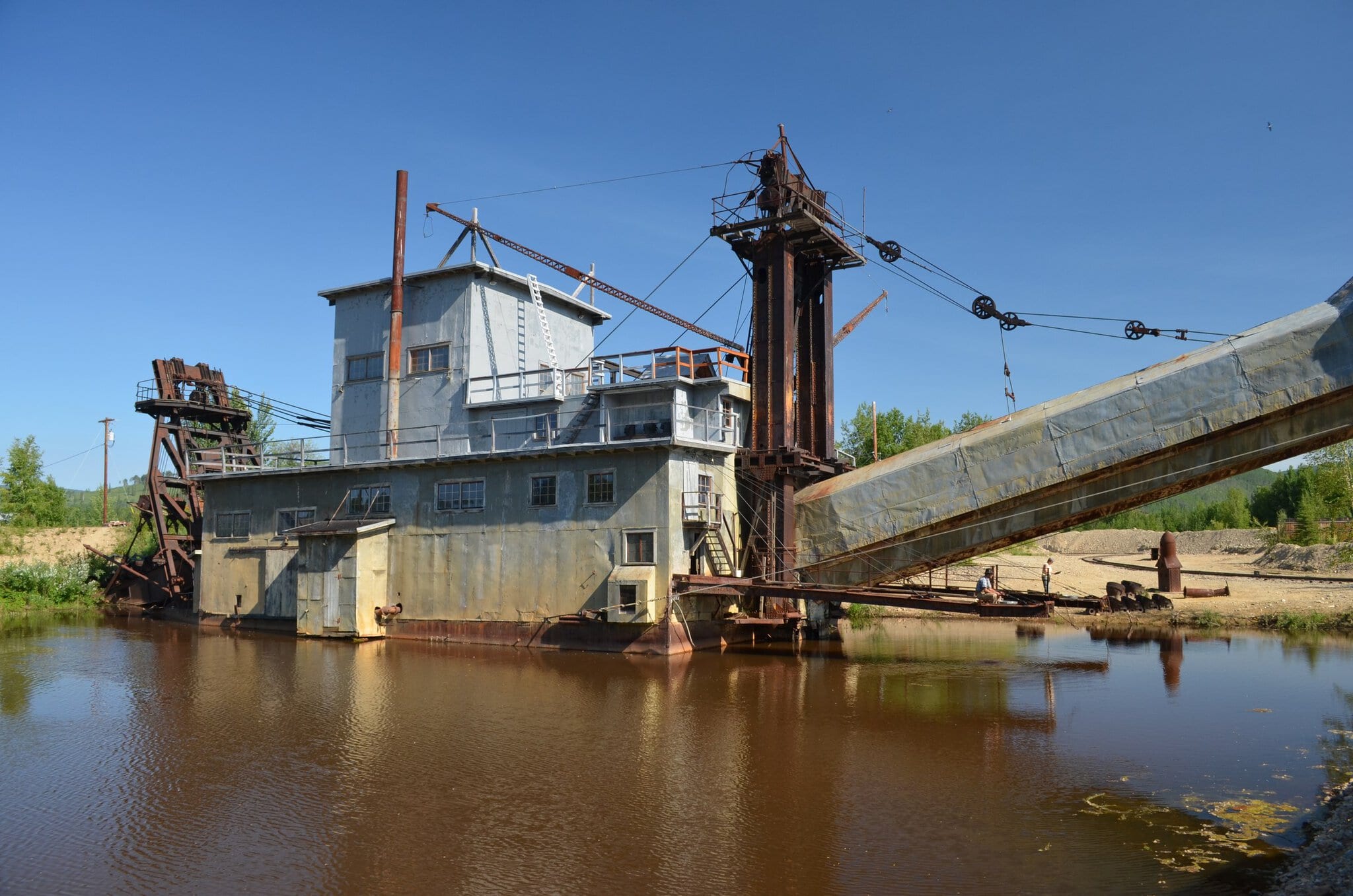
The highlight of the tour is exploring the enormous rusting dredge that once devoured the landscape and spat out precious gold. At the end of the excursion, every visitor receives their own pan filled with gravel and gets to try traditional gold panning. Finding gold flakes is practically guaranteed, and the staff will weigh your haul on the spot and value it at the current market rate. 😁

7. Luxury Borealis Basecamp for the Discerning Traveller

If you want to experience the northern lights in maximum luxury and aren’t afraid of splashing some serious cash, Borealis Basecamp is the place for you. This resort sits north of the city, well beyond the reach of any light pollution, and its main draw is its modern glass igloos. Imagine lying in an enormous warm bed while green ribbons dance across the sky directly above you.

I do need to add a small note about the price, though. A night here starts at a minimum of $625 (around £500) per person, and stays are usually sold as two-night packages. Locals sometimes chuckle and shake their heads at tourists paying that much for something they see for free from their car window on a hilltop. That said, if you’re planning a proposal or an unforgettable honeymoon, this is a sure-fire winner.

8. Stress-Free Fun with an Organised Aurora Tour

Not everyone fancies driving frozen roads at night and searching for deserted pull-offs in the dark. That’s precisely why Fairbanks has countless agencies ready to take you on an organised aurora hunt. We can personally recommend Greatland Adventures, which offers eight-hour trips for around $345 per person. The big advantage is that the guides know exactly where to go based on real-time weather and cloud cover.

The price includes comfortable heated transport, hot drinks, and — most importantly — professional photography. Capturing the aurora on an ordinary phone is often disappointing, and the guides will take stunning portraits of you right under the glowing sky. They even offer a money-back guarantee if the weather doesn’t cooperate, which you’ll genuinely appreciate in unpredictable Alaska. Our guide told us about the time his engine froze solid at -49 °F and he had to wait for rescue in a sleeping bag in the boot of his car. That story properly got me.

9. Engineering Marvel: The Trans-Alaska Pipeline

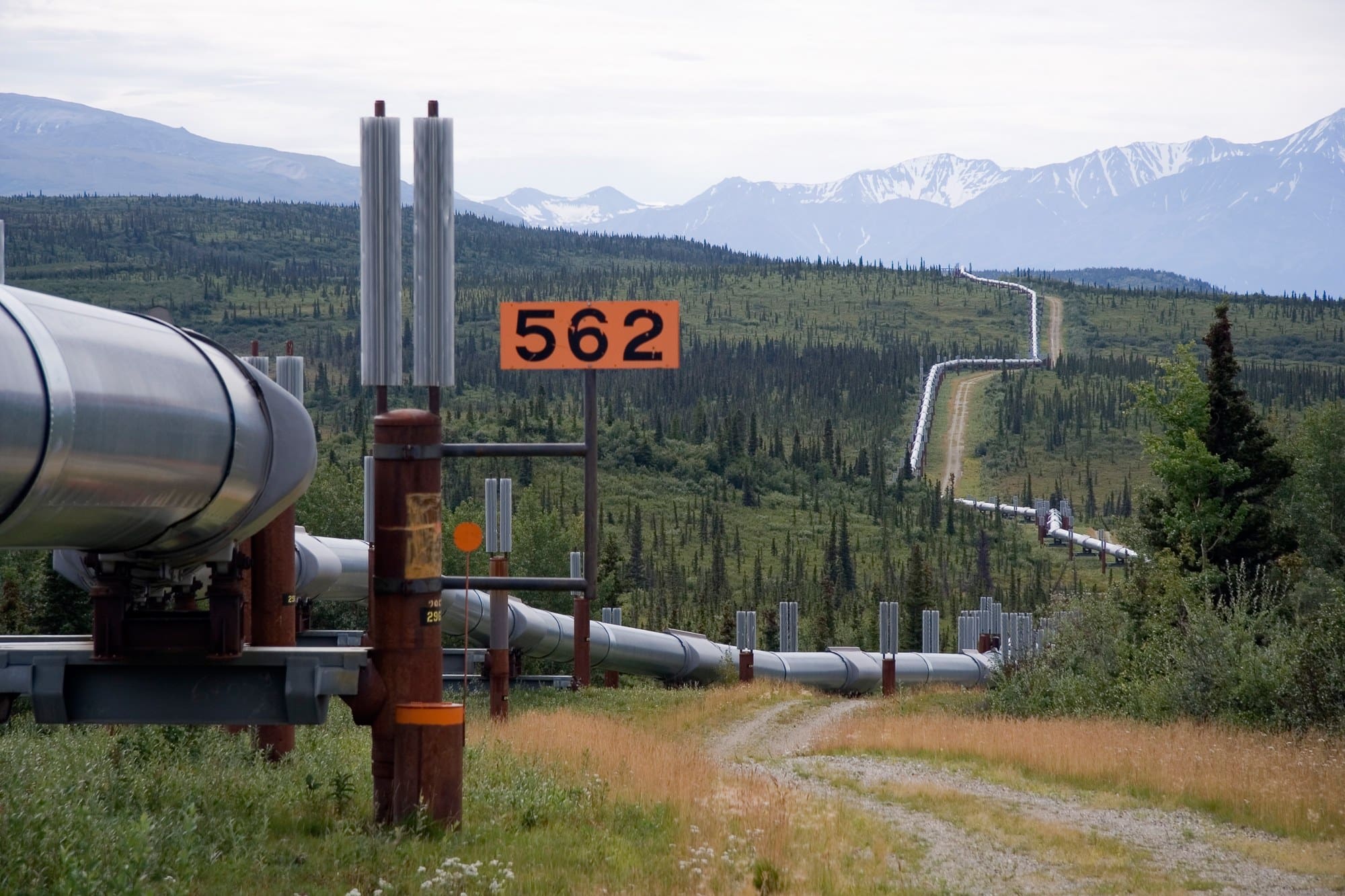
You might wonder why on earth you’d drive out to admire a giant pipe, but the Trans-Alaska Pipeline is an engineering marvel that essentially shaped the modern history of the state. I’ll admit I originally wanted to drive right past it without stopping, but Lukáš talked me into it. And I have to say, when you see it up close, the sheer scale of it just hits you. Over 800 miles of pipeline transporting oil from the Arctic Ocean all the way south.

The official Trans-Alaska Pipeline Viewpoint is just north of the city, right off the Steese Highway, and it’s completely free. You can get up close to the enormous pipe — over three feet in diameter — and read the information boards explaining how engineers had to solve problems with permafrost (permanently frozen ground) and earthquakes. It’s a quick stop, but absolutely essential for understanding the Alaskan economy.

lukas a lucka
Lukáš and Lucie recommend
Where to Stay in Fairbanks
6 accommodations — wellness hotels, resorts and other lodging options

10. Skiland and Views from Cleary Summit

About 20 miles north of Fairbanks lies the Cleary Summit ridge, which opens up some of the most breathtaking views across the Tanana River valley and the distant peaks of the White Mountains. In summer, it’s a gorgeous spot for a short outing with stunning panoramas; in winter, the entire area transforms into another strategic location for aurora viewing.

This is where you’ll find Skiland, which boasts the northernmost operating chairlift in all of North America. Don’t expect an Alpine mega-resort with endless runs — it’s more of an intimate, local affair — but it has enormous charm. The resort also operates as a special Aurora Viewing Lodge during winter, so you can duck inside for warmth with a mug of hot chocolate while it’s bitterly cold outside.

11. Dog Sledding and the Spirit of the Iditarod

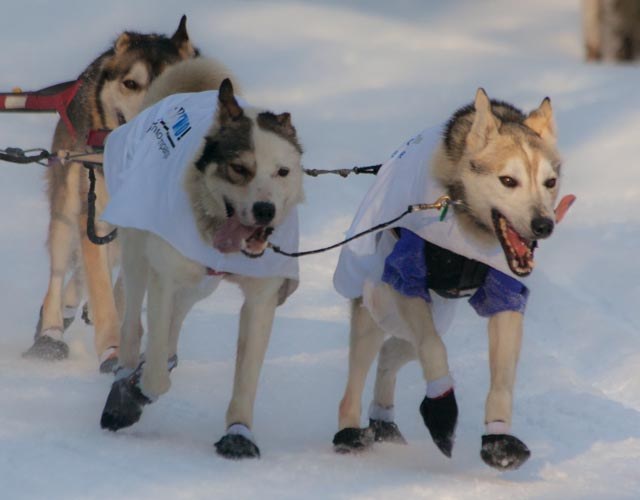
Alaska and dog sledding go together like fish and chips. The legendary Iditarod race usually starts down in Anchorage, but when the area lacks snow, organisers move the official restart straight to Fairbanks. Mushing is taken deadly seriously here, and mushers are huge local celebrities.

Even if you don’t time your visit for race day, there are several fantastic kennels around the city where you can go for a ride. We recommend Black Spruce Dog Sledding. Gliding through a silent, snow-covered forest where the only sounds are the dogs’ breathing and the runners hissing over the snow is pure magic. You’ll typically pay between $100 and $250, and you get to help harness the dogs and reward them with a proper fuss afterwards.

12. Say Hello to Santa in the Town of North Pole

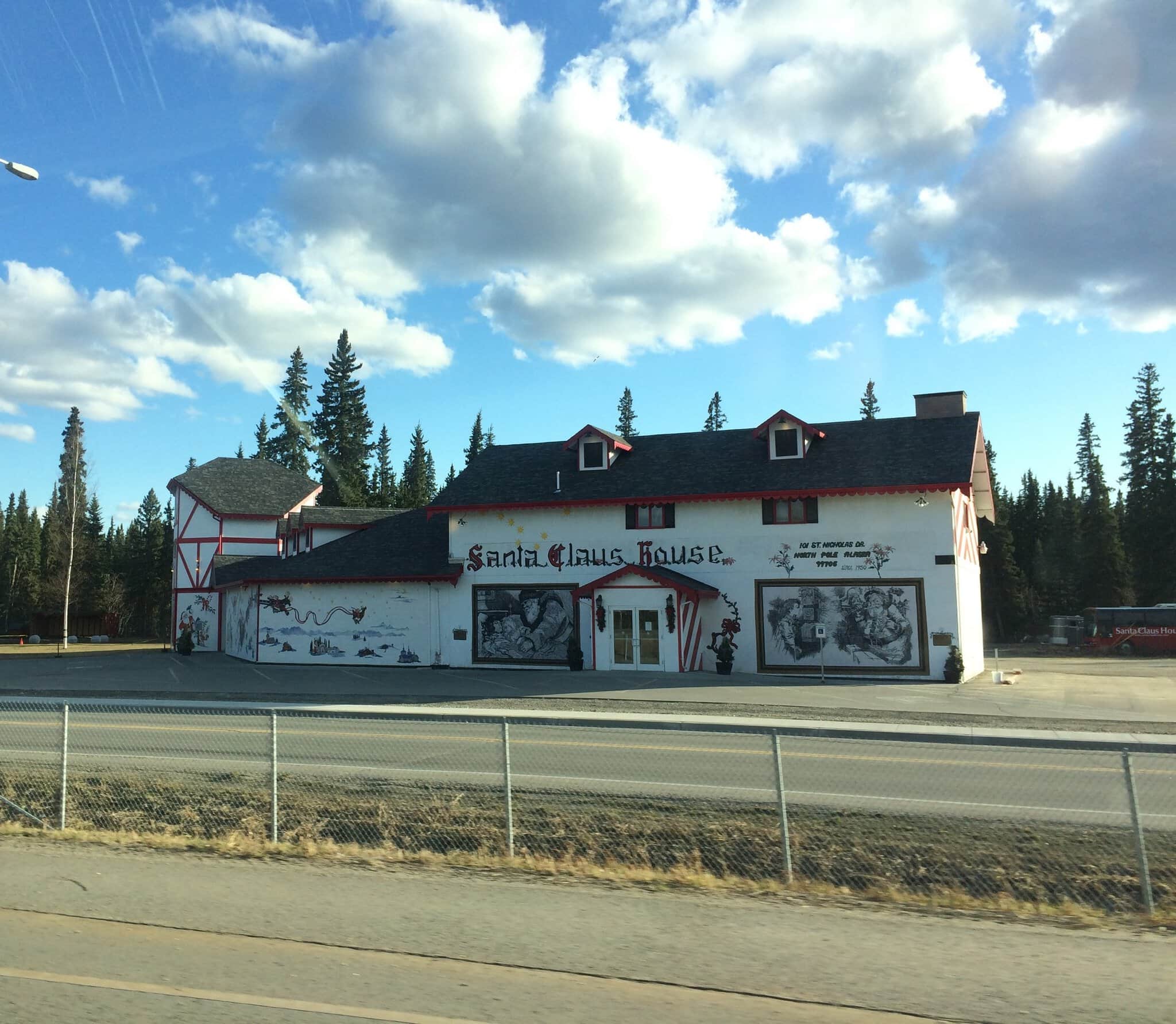
Alright, this one’s a bit kitsch, but when you’re this close you simply have to stop. Southeast of Fairbanks lies a town called North Pole, where Christmas clearly never ends. Streets here go by names like Snowman Lane and Kris Kringle Drive, and the lamp posts are shaped like giant candy canes. The main attraction is the enormous Santa Claus House shop.

Entry is of course free. You can buy just about every Christmas ornament known to humankind, and you might even bump into the official Santa himself. What Lukáš and I enjoyed the most, though, was the local post office. You can send a postcard to anyone back home and it’ll arrive stamped with the official North Pole postmark. For family or friends, it makes a wonderfully thoughtful souvenir. 😉

Where to Eat Well in Fairbanks

Let’s be honest — Alaska isn’t exactly a foodie destination. Most things are flown in from the Lower 48, which you’ll realise the moment you open a menu and your jaw hits the floor. But a few places genuinely surprised us.

For a romantic dinner, definitely head to The Pump House Restaurant & Saloon. This iconic restaurant is built in a stunning gold rush-era style and specialises in local seafood and fantastic steaks from premium beef. Expect to pay around $45 for a main course, but the local fillet with fresh halibut and a crème brûlée to finish is absolutely worth it. Another excellent, slightly more upscale option right in the city centre is Lavelle’s Bistro.

If you’re after something more relaxed and budget-friendly during the day, try The Crepery in downtown Fairbanks, where they make excellent savoury and sweet crêpes priced from $10 to $18. For a hearty, massive Alaskan breakfast, you must visit Sam’s Sourdough Cafe. They make legendary sourdough pancakes from a starter that allegedly dates back to the very first gold prospectors.

FAQ — Frequently Asked Questions About Fairbanks

I’ve gathered the most common questions readers send me when planning a trip to Fairbanks. If there’s anything I’ve missed, don’t hesitate to drop me a message.

When should I visit Fairbanks, Alaska?

It depends on what you want to see. If you’re primarily chasing the northern lights, you need to visit in winter, ideally between December and March, when the nights are longest and there’s a good chance of clear skies. If you want to enjoy nature, national parks, and gold panning, summer from June to August is your best bet.

How expensive is Alaska?

Let’s be honest, Alaska is one of the pricier US states because most things have to be shipped in from the Lower 48. You’ll pay around 150–300 USD per night for mid-range accommodation, and a meal at a regular restaurant will run you about 30–50 USD per person. Car rental and gas will take another big bite out of your budget.

How do I get to Alaska?

The fastest route from Europe is by air with one or two connections. You’ll typically fly through major US hubs like Seattle or Chicago, which have direct flights to Fairbanks or Anchorage International Airport.

How long is the flight to Alaska?

From Prague, expect 15 to 20 hours of travel time, which is enough to make you look like a zombie when you land. That’s why I recommend going for at least a week—otherwise, the acclimatization just isn’t worth it.

What are my chances of seeing the northern lights?

Surprisingly high! Fairbanks sits right under the auroral oval. Official statistics show that if you spend at least three consecutive nights here during winter season and actively watch the night sky, your chances of seeing the northern lights exceed 80%.

Do I need a car in Fairbanks?

Absolutely. American cities aren’t built for pedestrians, and that goes double for Alaska. The distances between attractions, hotels, and aurora viewing spots are huge. Public transportation barely exists outside the downtown core, so a decent rental SUV is essential.

When is breakup season and why should I avoid it?

Breakup season runs roughly from mid-April to mid-May, when winter transitions to spring. Snow melts rapidly, river ice cracks loudly, and everything turns into a giant sea of mud. The northern lights aren’t visible anymore due to the long daylight hours, and summer attractions are still closed. It’s hands down the worst time to visit.

Tips and Tricks for Your Vacation

Don’t Overpay for Flights

Search for flights on Kayak. It’s our favorite search engine because it scans the websites of all airlines and always finds the cheapest connection.

Book Your Accommodation Smartly

The best experiences we’ve had when looking for accommodation (from Alaska to Morocco) are with Booking.com, where hotels, apartments, and entire houses are usually the cheapest and most widely available.

Don’t Forget Travel Insurance

Good travel insurance will protect you against illness, accidents, theft, or flight cancellations. We’ve had a few hospital visits abroad, so we know how important it is to have proper insurance arranged.

Where we insure ourselves: SafetyWing (best for everyone) and TrueTraveller (for extra-long trips).

Why don’t we recommend any Czech insurance company? Because they have too many restrictions. They set limits on the number of days abroad, travel insurance via a credit card often requires you to pay medical expenses only with that card, and they frequently limit the number of returns to the Czech Republic.

Find the Best Experiences

Get Your Guide is a huge online marketplace where you can book guided walks, trips, skip-the-line tickets, tours, and much more. We always find some extra fun there!
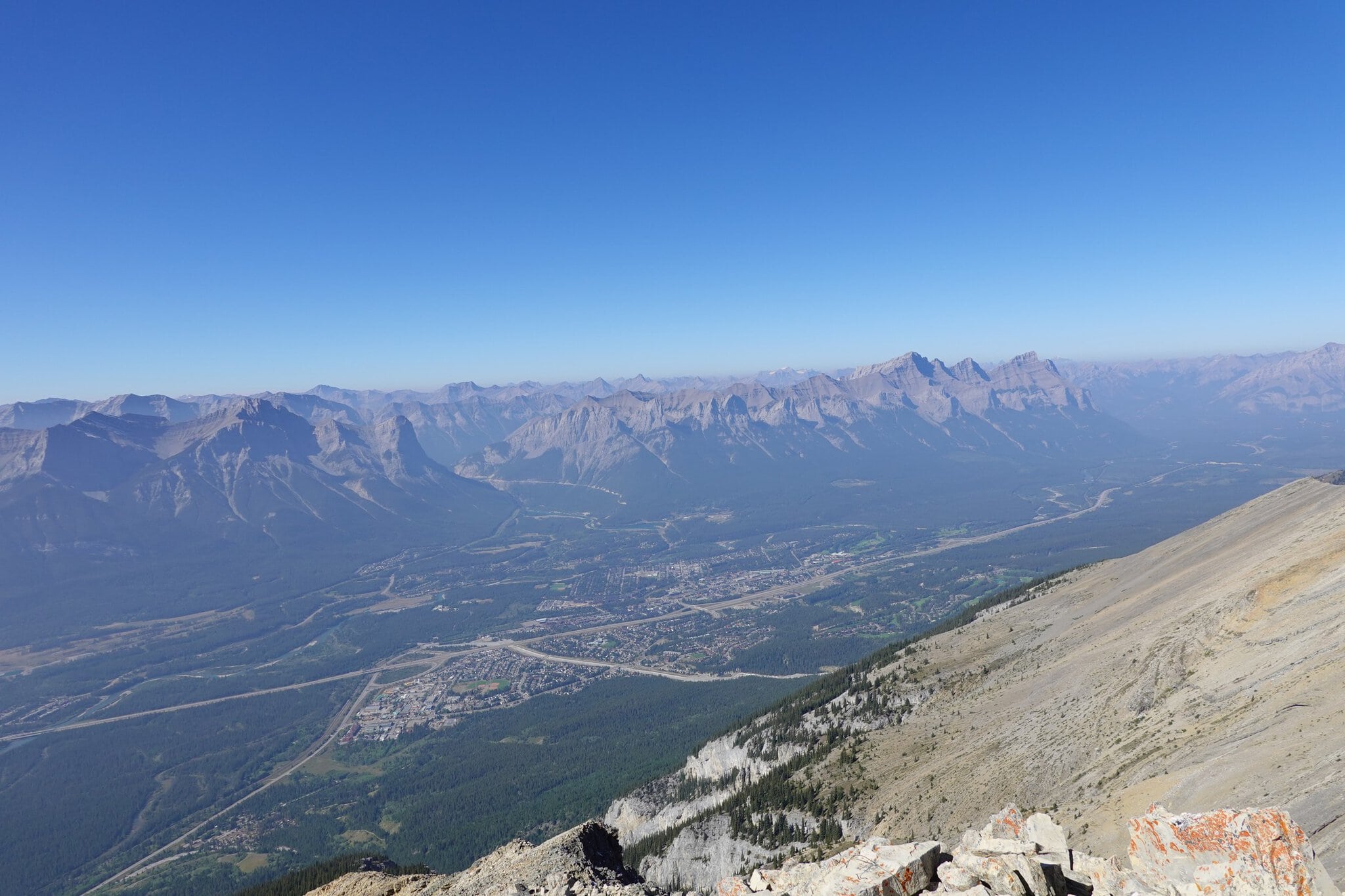
Sitka, Alaska: 12 Things to See and Do (Russian Heritage of the Inside Passage)

TL;DRSitka, Alaska is where Russian heritage meets the wild scenery of the Inside Passage. Among the 12 tips here, standouts include Saint Michael’s Cathedral, the Russian Bishop’s House (the oldest Russian building in the US), the Fortress of the Bear rescue centre ($15 entry) and the Alaska Raptor Center ($17). There are no roads into town — you’ll need to fly in or take the Alaska Marine Highway ferry. June to August is the best time to come, when there’s a good chance of spotting whales bubble-net feeding, especially in August. Expect rain — it falls on 230 days a year on average — and hotel rooms running $250 to $400 a night.

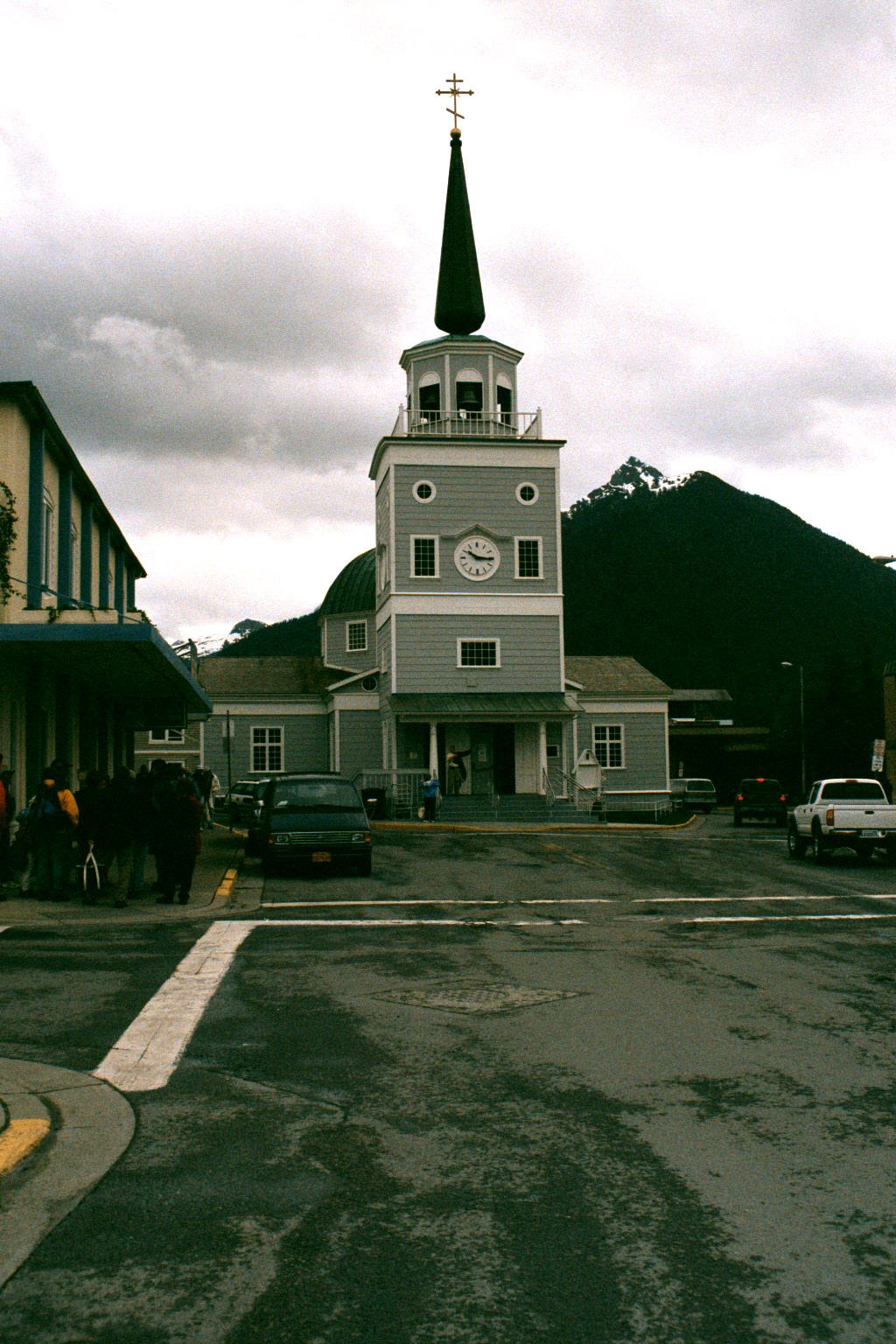
The first time you step off a small plane onto a runway lashed by the ocean on every side, it hits you immediately: Sitka, Alaska is a completely different world. An overcast sky, the ever-present scent of pine and salt, and then — right in the middle of the American wilderness — an Orthodox cathedral with onion-shaped domes. It looks as though someone took a slice of Tsarist Russia and accidentally dropped it into the heart of an Alaskan rainforest. And, as it happens, that’s pretty much what did happen.

This town, which absolutely no roads lead to, wins you over on day one. Maybe it’s the bald eagles perched on the spruce trees like pigeons back home, or maybe it’s sitting in a pub eating fresh salmon next to burly fishermen in rubber waders. Sitka is simply a place where the bloody history of Russian colonisers blends with the ancient culture of the Tlingit people and the wildest nature you can possibly imagine.

We’ll go from the Russian cathedral to bears, from orphaned eagles to whales that hunt inside rings of bubbles — I’ll simply show you twelve things that will make you fall head over heels for Sitka. And I’ll also tell you honestly what costs more here than you’d expect.

TL;DR

  • No roads lead here: You can only reach Sitka by plane or boat. Leave the car at home, you won’t need it.
  • Russian history: Don’t miss Saint Michael’s Cathedral and the Russian Bishop’s House — they’re a striking contrast to the surrounding wilderness.
  • Bears and eagles: Fortress of the Bear and the Alaska Raptor Center are absolute musts, especially if you don’t have time to track down animals in the forest.
  • Weather: Expect rain. It rains here on average 230 days a year, so a quality Gore-Tex jacket and waterproof boots are survival essentials.
  • Book accommodation months ahead: Capacity here is tiny and the summer season is short. Hesitate and you’ll be sleeping in a tent (in the rain, with bears around).

When to Visit Alaska and How to Get to Sitka

Planning a trip to southeast Alaska is governed by an unforgiving calendar and Mother Nature. Trying to improvise off-season trips here is a losing battle from the start. The town comes alive in May, when the first cruise ships arrive, and by the end of September it settles back into hibernation.

Peak Season and What to Pack

The best time is from June to the end of August, but even then temperatures barely scrape eighteen degrees and it usually drizzles during the day. Sitka lies in a temperate coastal rainforest, where snow drifts and bitter frosts belong to the interior — here, water rules.

The constant rain will leave you feeling a bit despairing at times, but you’ll come to understand it’s simply part of the deal. Quality waterproof layers and high rubber boots — which the locals affectionately call “Alaskan sneakers” — really aren’t optional. Without them you’re completely lost in Sitka (trying it in ordinary trainers is a mistake you won’t forget). If you’re coming with hopes of the Northern Lights, I have to disappoint you — thanks to the constant cloud cover and the location, you probably won’t see them here. But you’ll get your fill of whales in summer.

Getting to a Town With No Roads

This is probably the biggest shock for most British travellers. You simply cannot drive to Baranof Island, where Sitka sits. The absolute rule here is “no road access”. The only way in is Sitka Rocky Gutierrez Airport on the neighbouring islet of Japonski Island, which is connected to the centre by a substantial bridge.

The quickest option is to fly in, but plenty of people use the ferries of the Alaska Marine Highway system. The boat journey from nearby Juneau is gorgeous — you glide through bays full of forested islets — you just need to set aside considerably more time for it. From the UK, the easiest route is a transatlantic flight to Seattle or Anchorage with the likes of British Airways or Virgin Atlantic, then a regional Alaska Airlines hop to Sitka. To compare connections and find cheaper fares, we always check the booking portals first.

Where to Stay in Sitka and How Much It Costs

Finding good accommodation in this Alaska town for a reasonable price is a real art. Hotels here can be counted on one hand, the season lasts only a few months, and anyone who doesn’t start looking around January ends up staring at vacancies at the campground (in the rain, with bears nearby). Prices stay fairly high, which is typical for Alaska, because almost everything has to be shipped in at great effort.

🏨 Recommended Hotels in Sitka

Browse all hotels in Sitka on Booking.com (via our affiliate link, aid 2397601).

As a rule, expect to pay between $250 and $400 (roughly €230 to €370) per night for an ordinary mid-range room during the summer months. It’s not cheap, but if you want a peaceful, dry night’s sleep, you don’t have many other options.

Historic Charm or Modern Comfort

If you want to treat yourself, probably the best-known spot is the Sitka Hotel right on the main drag, Lincoln Street. It has undergone a wonderful renovation that married Victorian style with modern touches, and the windows look straight out over the harbour. We really love these old buildings with soul, even if the walls can occasionally be a touch thin 😅. Sometimes you can even hear the gulls as if they were standing right on your nightstand, but that’s simply part of the harbour atmosphere.

For families or anyone planning to stay several days, the Aspen Suites Hotel Sitka is a huge win. They have fully equipped kitchenettes, which will save you absurd sums on restaurant meals. Shopping at the local supermarket isn’t exactly cheap either, but it still works out better than eating breakfast and dinner out every day.

Options for a Tight Budget

If you’re travelling with a backpack and watching every penny, your only salvation will be the Sitka International Hostel. It’s a classic hostel with shared rooms and a kitchen, but be prepared for fairly strict rules, including a curfew.

Plenty of people also try their luck with small Bed & Breakfasts run by locals, who often even offer to pick you up from the airport for free. That contact with local people who were born here and know every stone is often simply priceless.

Things to See and Do in Sitka: The 12 Best Tips

Russian icons of incalculable value in the morning, feeding orphaned bears at noon, and panting up a steep hill through dense rainforest in the afternoon — that’s Sitka in a nutshell. So let’s get to it.

1. Sitka National Historical Park

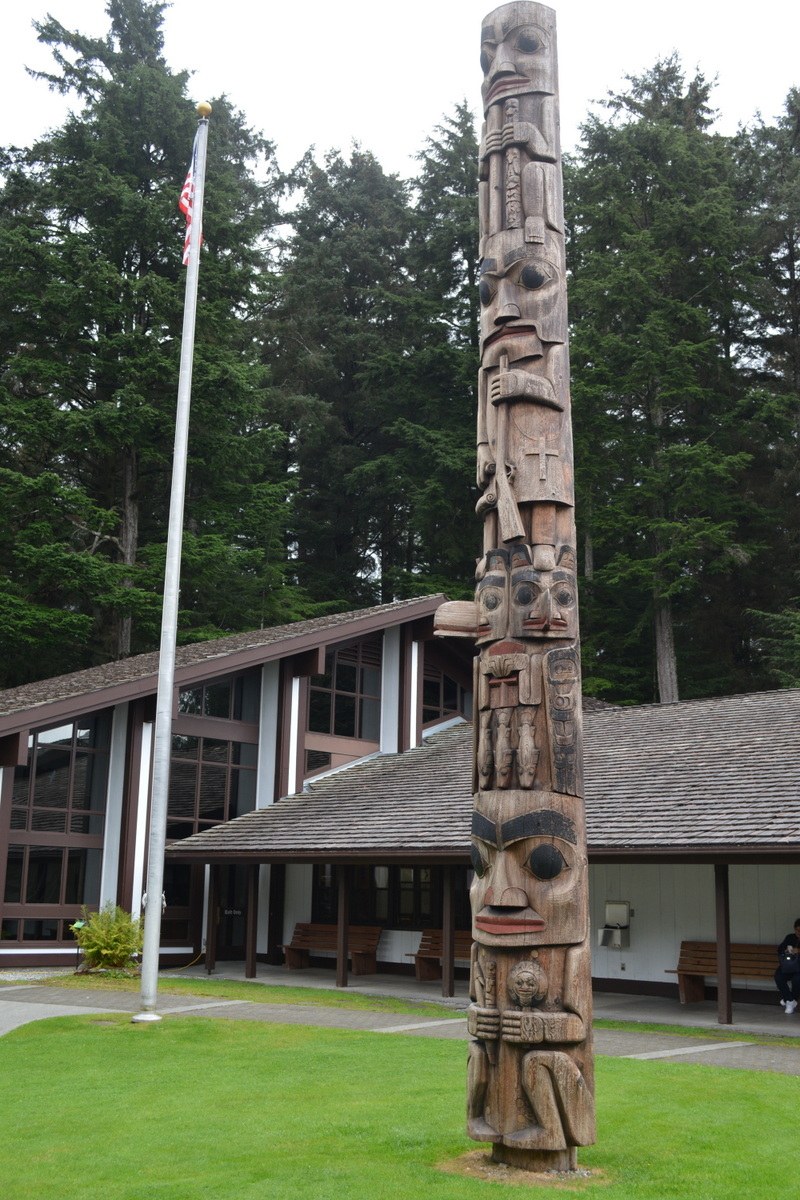
This is the smallest national historical park in all of Alaska, and personally I rank it among the most magical places of all. There’s no need to worry about boring, dusty display cases — instead, an amazing trail runs right through the coastal rainforest. Sitka National Historical Park hides a roughly two-and-a-half-kilometre trail that runs along perfectly flat ground, lined the whole way by enormous, hand-carved totem poles of the indigenous Tlingit people.

The park protects the site where, in 1804, a bloody battle was fought between the Tlingit and Russian settlers. The silence that now reigns there makes those events weigh on you in a strange way. Only the ocean murmurs, and somewhere above you an eagle cries. I realised there that I’d never in my life walked through such a charged place. A huge bonus is that for 2026, admission to the entire park and visitor centre is completely free. Be sure to set aside at least two hours for it.

2. Saint Michael’s Cathedral

Walking down the main road, you suddenly come upon a roundabout with no obelisk in the middle, but a beautiful Orthodox cathedral. The green domes and golden crosses look utterly surreal against the backdrop of the rugged Alaskan mountains. The original wooden structure stood here from 1844 and was the nerve centre of the Russian Church in North America.

As beautiful as the building is, it carries a sad yet heroic history. In 1966, the original cathedral burned to the ground. The locals at the time, regardless of which god they happened to believe in, ran into the flames and rescued almost all the precious icons and artefacts with their bare hands. The cathedral was then rebuilt to the exact original plans.

When you step inside, you’re immediately enveloped by the heavy scent of incense and beeswax from the candles. Visitors stand there utterly spellbound before the embossed frames of the rescued icons — the whole atmosphere inside has an incredible power, despite the newer walls.

3. Fortress of the Bear (Bear Rescue Centre)

I’ll admit I didn’t know what to expect from a bear rescue centre built on the grounds of an old paper mill, but this turned out to be one of our biggest experiences in Sitka. Fortress of the Bear is home to orphaned bear cubs that state authorities would otherwise have ordered to be put down. It’s about 8 kilometres from the centre, and the amazing thing is its setting — the enclosures are formed from the huge tanks of a former pulp factory. It looks like something out of a post-apocalyptic film, but the bears get excellent care here.

Admission is $15 (about €14) for an adult, and children under seven go free. Since lots of people arrive from the giant cruise ships, the centre sometimes limits walk-in entries, so if you’re travelling independently like we were, I warmly recommend buying tickets online in advance so you don’t end up standing disappointed outside the gate.

Visitors here often catch little scenes, like a young brown bear spending a good half hour determinedly trying to sink a plastic barrel. It’s incredible fun, and for a moment you completely forget what unbridled predators they are out there in the wild.

4. Alaska Raptor Center

Just a stone’s throw from the national park you’ll find another top-class rehabilitation centre, this time dedicated to birds of prey. The Alaska Raptor Center takes in and treats around two hundred injured bald eagles, owls and other raptors each year. Their main goal is to release the birds back into the wild, which they mostly manage.

Some birds, however, suffer injuries so severe that they wouldn’t survive in the wild, and they stay on as permanent ambassadors. And seeing a bald eagle from two metres away, staring at you with those huge pale eyes, is an experience that sent shivers down our spines for a good hour after we left. Adult admission is $17 (about €16), and honestly? Very cheap.

They also have a huge flight aviary here, where the birds retrain their muscles after treatment before release. It’s like an avian gym, and watching their gradual return to form, with those enormous wingspans, is incredibly moving and worth every cent of the admission.

5. Russian Bishop’s House

At first glance you don’t expect any miracle here — another museum, another historic building. But it really gets you. It’s the oldest Russian building in the entire United States, dating from 1842, and the whole massive log structure of spruce timber was built back then without using a single nail. Today it’s one of only four surviving buildings from the Russian era.

The house is now managed by the rangers of the National Park Service, and the interiors are restored with incredible precision. As you wander through rooms full of original furniture, you genuinely feel transported back to the nineteenth century.

In one of the rooms you’ll see a beautiful old samovar, and suddenly you can vividly imagine all the building’s residents gathering around hot tea during those harsh Alaskan winters. That raw historical atmosphere simply hangs in the air and pulls you in, even if you’re not exactly a history buff.

6. Whale Watching and Bubble-Net Feeding

The waters around Sitka and the whole Inside Passage are bursting with life in summer. We were mainly interested in the humpback whales, which migrate an enormous distance all the way from Hawaii to fatten up here. If you come in August, you have a huge chance of seeing something absolutely unique — so-called bubble-net feeding.

It’s a hunting technique in which the whales create an impenetrable ring of bubbles underwater, drive entire shoals of fish into it, and then surface together with their mouths gaping wide open. Anyone who sees it with their own eyes will never forget the sight and sound for the rest of their life. On top of that, sea otters routinely loaf around the boats, lying on their backs and looking like they haven’t a care in the world.

One tip well worth following: skip the giant cruise catamarans built for a hundred people and pay a bit extra for a small boat with a local skipper instead. That feeling, when you’re sitting just above the surface and feel yourself rocked on the wave with every breach of a huge whale, simply can’t be put into words.

7. Castle Hill

At first glance it’s just an ordinary bare little hill near the harbour, but world history was rewritten here. It was on this very mound, on 18 October 1867, that the ceremonial handover of Alaska to the United States took place. The Russian flag with its double-headed eagle came down, and the American one went up.

Today you won’t find any castle here, even though the name Baranof Castle State Historic Site suggests one, but the view of Sitka Sound and Mt. Edgecumbe volcano in the distance is absolutely phenomenal. There’s no admission fee — you just climb a few steps, lean into the cold wind and soak up the view.

It’s genuinely incredibly windy up top, though, so even in the August summer you’ll happily pile on just about every layer you’ve got in your backpack. The stunning photos with the volcano in view will absolutely make up for those frozen fingers — photographers here usually burn through about half a memory card.

8. Sheldon Jackson Museum

This unassuming museum, founded in 1887, is actually the oldest museum in Alaska. We expected some small exhibition, but inside it took our breath away. The Sheldon Jackson Museum hides an incredible collection of indigenous artefacts, put together by a rather active missionary of the same name.

You’ll find goods and tools of the Inuit, Aleut and Tlingit from the days before the modern American world steamrollered their traditional culture. From masterfully carved masks to skin-covered kayaks, this museum is a gem for anyone interested in anthropology.

For me personally, the most fascinating thing by far was the huge collection of wooden ritual masks. Some look quite terrifying, others almost comical, but each of them breathes the age-old skill of the people who carved them through long, dark evenings by a crackling fire.

9. A Walk Along the Indian River Trail

Sitka offers incredible hiking options right on the edge of town. If you’re not exactly a mountaineer and would rather have an easy stroll, head out on the Indian River Trail. The trail measures a little over four kilometres one way, is essentially flat, and leads through gorgeous rainforest along the river to a smaller waterfall.

This route is truly beautiful, but you need to be on your guard. In autumn the river fills with migrating salmon, which naturally attracts the local furry residents. If you set off here, definitely take bear spray with you and chat loudly the whole time so you don’t surprise anyone in the bushes.

It’s recommended to walk the trail in groups of two or more and to loudly sing or holler every few minutes, so every bear within a kilometre knows you’re coming. It feels a bit comical at first, but all the local rangers will confirm with a straight face that this really is the best possible life insurance.

10. Hiking Mount Verstovia for the Bold

If you’re in good shape and want to see Sitka from a bird’s-eye view, this is the hike for you. The Mt. Verstovia route is only five kilometres there and back, but over that short distance you climb a brutal 760 metres of elevation. It’s essentially an endless ascent up steps made of roots and mud.

You’ll swear a few times on the way up 😅, but once you finally scramble onto the viewpoint called Picnic Rock, you forget all your aching muscles. A view opens up over the whole bay with its hundreds of green islets. People don’t tend to go up to the actual rocky summit any more, as the ridge is unmaintained and dangerous.

The way down is perhaps even a touch worse than the slog up, because that ever-present mix of mud and roots is unbelievably slippery. My knees remembered that descent for a good three days afterwards, but with hindsight I have to admit that epic feeling at the top was worth the effort — and the swear words.

lukas a lucka
Lukáš and Lucie recommend
Where to Stay in Sitka
5 accommodations — wellness hotels, hotels and other lodging options

11. Mt. Edgecumbe: Alaska’s Fuji

When you look out over the ocean from Sitka, your eye is immediately drawn to the perfect cone of the dormant Mt. Edgecumbe volcano, rising nearly a thousand metres on neighbouring Kruzof Island. Because of its shape it’s often nicknamed the Japanese Fuji, and it’s a huge challenge for all capable hikers.

Getting to it is no joke, though. You have to rent a boat in town, get dropped off on a beach, and then face an 11-kilometre trek one way. The route starts in annoying bogs (locals call them muskeg), continues through forest, and ends with a climb through loose volcanic ash. This is definitely not a Sunday-afternoon outing for beginners.

During the small-boat crossing to the island, it often gets pretty rough on the more open water, so seasickness tablets should probably be mandatory kit for any landlubber. But this gruelling sea voyage is simply an inseparable part of the whole rugged adventure.

12. Sitka Sound Science Center

If you have time left over or have children with you, be sure to stop by the mouth of the Indian River, where the local research centre and aquarium are based. The Sitka Sound Science Center is no enormous sea world, but they have excellent touch tanks with starfish and sea anemones that you can carefully feel.

The centre is also home to a fully functioning salmon hatchery. You’ll learn everything about the harsh life cycle of Alaskan fish, and overall it’s a very pleasant stop for an hour, especially when it’s bucketing down outside (which is pretty likely here).

I was initially quite reluctant to touch anything in those touch tanks at all, but in the end I gently stroked a purple starfish and, to my surprise, it was remarkably hard. It may be a complete trifle, but it somehow connects you with that fascinating underwater world far more personally.

Where to Eat Well: Alaskan Seafood and Coffee

In Sitka you eat what the fishermen pulled out of the ocean that morning, and you can tell instantly on the plate. Halibut, wild salmon and fantastic Dungeness crab don’t travel halfway around the world here — they journey from the icy water almost straight onto your plate. Eating out is fairly expensive, with an average dinner for two with drinks easily setting you back $100 (around €92), but the experience is usually superb.

If you want to experience something special and don’t mind paying extra, head to Beak Restaurant. They cook with the best of the morning’s catch, and the salmon there is an experience in itself. What’s more, as one of the few establishments in the USA, they refuse tips because they simply pay their people a decent wage. Refreshing. Another huge hit is Ludvig’s Bistro, a little slice of the Mediterranean in Alaska, but the space is genuinely microscopic and you’ll need a reservation roughly from the moment you book your flights.

For families with children or a laid-back evening, Mean Queen Pizza is great. It’s fairly loud, they make excellent pizza, and you can look straight out at the bay and harbour from your table. For a quick energy boost after a hike, or when you need a good coffee to perk you up, pop into Highliner Coffee, where even rugged commercial fishermen come to soak up caffeine in the morning before heading out to sea. And if you’re after something cheaper, the Mangiare restaurant on the ground floor of the Sitka Hotel serves fairly affordable Italian classics.

Where to Go Next in Alaska

Alaska is enormous, and Sitka is often just one stop while travelling along the southeast coast. If you’re planning to explore the Inside Passage region further, definitely take a look at our article about the capital, Juneau, which is an easy hop by plane from Sitka.

If you’re planning to travel by boat, we’ve put together a comprehensive guide to Alaska cruises, where you’ll find tips on what to expect and how to choose the right route. The amazing gold-rush towns of Haines and Skagway are also well worth a stop — they’ll instantly transport you back in time more than a hundred years.

Tips and Tricks for Travelling (Not Only) Around Alaska

When you’re packing for wilderness like this, logistics play the leading role. Planning a trip like this takes a fair few evenings, and a few things can really catch you off guard.

So that you don’t have to google everything from scratch, I’ve gathered the most important practical tips neatly in one place. It’ll save you a lot of time, nerves and, in the end, a bit of money too, which you can then better spend on a nicer dinner or a boat trip.

Where to Find Flights

For searching out flights, especially here in North America, we constantly use the same approach. From the UK, you’ll fly transatlantic to a hub like Seattle and then connect on a regional Alaska Airlines flight, so it pays to compare combined routes on a good flight search engine to nab the cheapest fares.

Always pay close attention, though, to the permitted baggage weight — on small Alaskan planes this is taken very strictly for safety reasons, and oversized cases attract hefty fines.

Renting a Car

Although you won’t need a car in Sitka, you can’t get around the rest of Alaska without one. We’ve used RentalCars long-term all over the world — we first tried them in Canada, where they bumped us up to a bigger car on the spot at no extra charge, and we haven’t switched since. They have good insurance and so far haven’t surprised us with anything unpleasant.

On top of that, in Alaska’s peak season the best and most reliable SUVs disappear very quickly. I’d definitely recommend locking in a car as soon as you have your paid flights in hand, so you don’t end up stuck with some tiny city runabout on muddy roads.

Booking Accommodation

Booking.com is our favourite hotel search engine — I recommend setting up reservations as early as possible (this goes double for places like Alaska), because they often offer free cancellation up to a few days before arrival.

For the first few days it pays to make two backup reservations at different places (where free cancellation is allowed) and then make your final decision based on the current itinerary and weather.

Don’t Forget Insurance and Connectivity

Don’t even think about heading to the States without proper insurance. For shorter holidays we choose insurance from AXA, where we have a 50% discount for you, while for longer adventures and long-term trips we swear by SafetyWing. And to avoid ruining our wallet on roaming, and to have data even in the rainforest where possible, we use the Holafly eSIM.

Thanks to the ever-present mud and rain, ordinary trainers won’t cut it in Alaska. If you’re not sure what to put on your feet, take a look at our article on how to choose the right hiking boots.

Frequently Asked Questions (FAQ)

When we flew to Alaska all those years ago, I had a huge number of questions in my head, and I’ll admit some of them were probably pretty naive. We’d read up on plenty, but reality occasionally looked a bit different.

So here I’ve gathered the most common questions our friends ask when we tell them over a glass of wine about our experiences in and around Sitka. Maybe it’ll help you form a more complete and better picture of this amazing and wild corner of the world.

Who lives in Alaska?

Alaska’s population is a diverse mix. You’ll find indigenous peoples (Inuit, Yupik, Aleut, and here in the south primarily the Tlingit tribe), descendants of Russian settlers, tough commercial fishermen, and plenty of modern-day adventurers who escaped from big American cities seeking peace in the wilderness. I personally loved chatting with locals in shops and on the street. They have that typical calm, down-to-earth approach to life, and almost nothing is an unsolvable problem for them.

What is typical of Alaska?

Alaska is most characterized by untamed nature, glaciers, thousands of bears, and rivers full of migrating salmon. In the Inside Passage region, the cold temperate rainforest is also typical, along with enormous distances between towns, which often have no roads at all and require flying by plane. But for me, above all else, it’s that completely unique scent. It smells of clean salt water, decaying wet conifer needles, and rain in a way you simply won’t experience anywhere else on the planet.

How many lakes are there in Alaska?

It sounds almost unbelievable, but across Alaska’s vast territory there are more than three million natural lakes. Most of them are completely untouched by civilization and inaccessible to humans. It’s precisely for this practical reason that float planes, or seaplanes, are so popular here. These small winged machines can safely land on water even in places that would otherwise take you a whole week to hack through impenetrable forest with a backpack.

What does Alaska border?

Alaska doesn’t border any other U.S. state. Its land border to the east is shared with Canada (specifically with Yukon territory and British Columbia province). To the west, across the Bering Strait, it shares a maritime border with Russia, and at the narrowest point these two superpowers are just over three kilometers apart. The sense of geographical remoteness here is truly overwhelming at every turn. Sometimes you genuinely feel with amazement that it’s just you, a few trees, and then the actual end of the world.

Is it extremely cold in Sitka in winter?

Surprisingly not. Sitka lies in a temperate zone by the ocean, so winters here are almost laughably mild by Alaskan standards. Temperatures average above freezing (around 4–6 °C) and it mostly rains instead of snowing. The problem here isn’t the cold, but the constant dampness. Locals explain with humor that classic snow doesn’t usually last long on the roads here and typically melts into wet slush within a few hours.

When is the best time for whale watching?

You have the best chance of seeing hundreds of humpback whales and their unique bubble-net feeding method during the summer months, ideally in August. I highly recommend bringing a good pair of binoculars on the boat and arming yourself with a really good dose of patience, because whales, despite what the captains want, swim wherever they please.

Can you drive to Sitka from the American mainland?

Absolutely not. Sitka is located on an island and the no road access rule applies. The only option is to fly here by plane or use a boat, whether a commercial cruise ship or the state-run Alaska Marine Highway ferries. Cars in town belong only to locals who had to have them shipped here by boat with considerable effort. It may sound a bit impractical to a European at times, but honestly, it’s precisely because of this huge barrier that the town still maintains its incredibly peaceful atmosphere completely free of traffic jams.

Tips and Tricks for Your Vacation

Don’t Overpay for Flights

Search for flights on Kayak. It’s our favorite search engine because it scans the websites of all airlines and always finds the cheapest connection.

Book Your Accommodation Smartly

The best experiences we’ve had when looking for accommodation (from Alaska to Morocco) are with Booking.com, where hotels, apartments, and entire houses are usually the cheapest and most widely available.

Don’t Forget Travel Insurance

Good travel insurance will protect you against illness, accidents, theft, or flight cancellations. We’ve had a few hospital visits abroad, so we know how important it is to have proper insurance arranged.

Where we insure ourselves: SafetyWing (best for everyone) and TrueTraveller (for extra-long trips).

Why don’t we recommend any Czech insurance company? Because they have too many restrictions. They set limits on the number of days abroad, travel insurance via a credit card often requires you to pay medical expenses only with that card, and they frequently limit the number of returns to the Czech Republic.

Find the Best Experiences

Get Your Guide is a huge online marketplace where you can book guided walks, trips, skip-the-line tickets, tours, and much more. We always find some extra fun there!
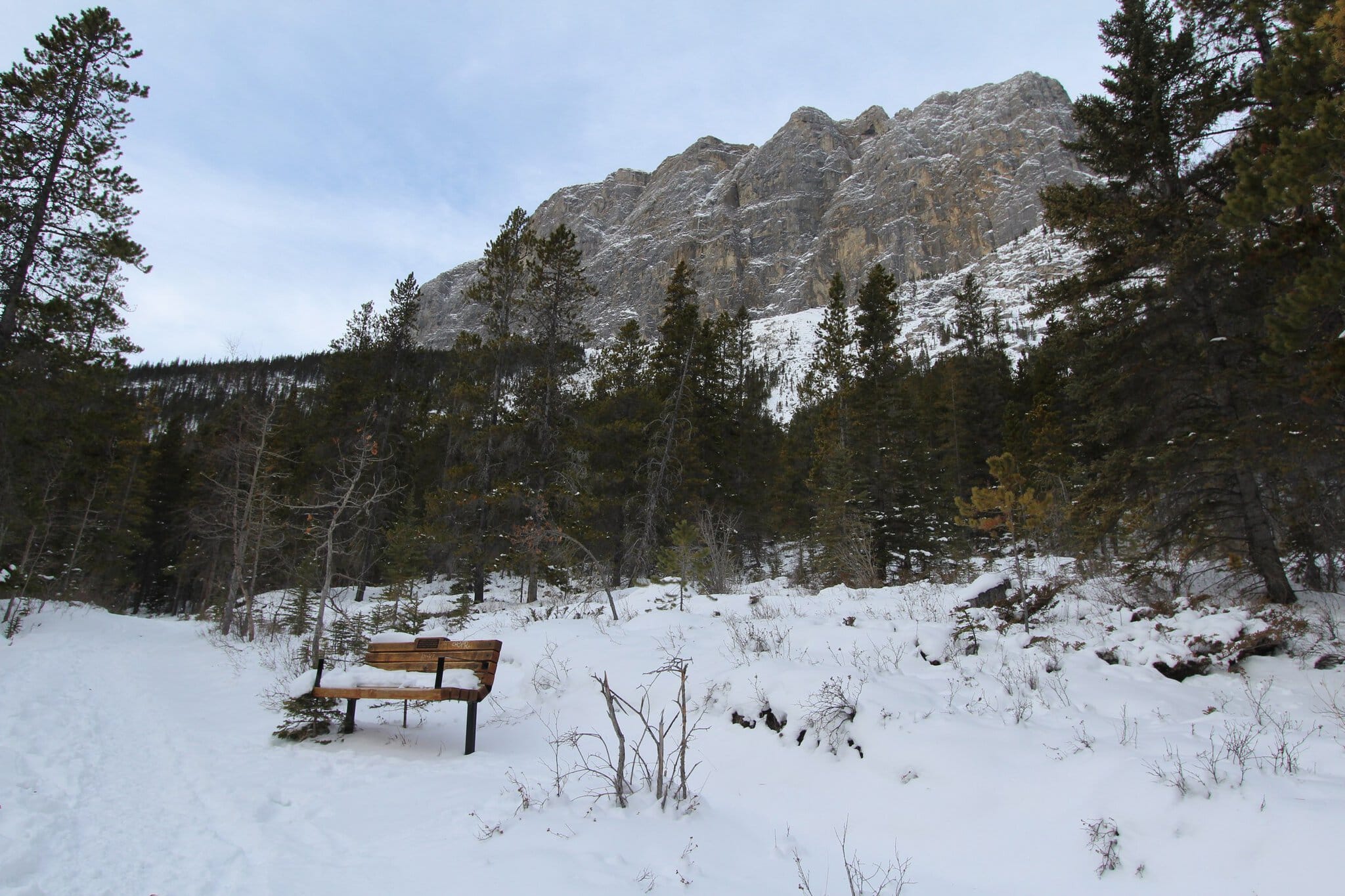
Bears in Alaska: Where to See Them & Safety Tips (Complete Guide)

TL;DRThe best spots for bear-watching in Alaska are Katmai National Park, home to the legendary Brooks Falls (an estimated 2,200 brown bears), and the quieter Lake Clark, with its Silver Salmon Creek area — both reachable only by floatplane. The best time to go is mid-June to late August, ideally between mid-July and early August, when the bears are busy catching leaping salmon. A day trip to Katmai costs $1,255 from Homer or $1,540 from Anchorage, while a three-day stay at Lake Clark starts at $2,950. You’ll need gear like bear spray (buy it once you’re there) and a solid grasp of the rules for close encounters — play dead with a grizzly, fight back against a black bear. Oddly enough, the most dangerous animal in Alaska is the moose, responsible for more injuries and fatal road accidents than any bear.

Alaska isn’t some manicured national park in Utah where you cruise in on perfect tarmac and grab an overpriced coffee at the entrance. This is a raw, unforgiving ecosystem, and you’re stepping straight into the living room of the planet’s largest predators.

A lot of visitors arrive with this romanticised catalogue fantasy of sitting on a log and photographing Alaska bears catching salmon from five metres away. The reality, though, is that bears, Alaska, and safety are three words you absolutely must take deadly seriously here. So here’s everything we’ve learned over the years — told straight, and sometimes with our hearts genuinely in our throats. You’ll find out how to make the most of this incredible wilderness, how to avoid being eaten alive by mosquitoes (or something bigger), and what to prepare for, because this state will test you in every possible way.

TL;DR

  • Best time to visit: Mid-June to late August if you want to see bears catching salmon.
  • Top spots for bears: Katmai National Park (the legendary Brooks Falls) and Lake Clark. Bear in mind you can only get there by bush plane, and it costs a fortune.
  • Essential gear: Bear spray (buy it when you arrive — it’s not allowed on planes) and insect repellent with at least 40% DEET.
  • Grizzly vs. black bear: With a grizzly, play dead. With a black bear, fight for your life.
  • Biggest danger: Surprisingly, it’s not bears — it’s moose, which aren’t afraid of people, attack without warning, and frequently cause fatal road accidents.
  • Budget: Alaska is an extremely expensive destination. Bear viewing trips cost between $1,200 and $3,000 (roughly £950–£2,400) per person, so start saving well in advance.

When to Go and How to Get to Alaska

Planning a trip to Alaska is not something you leave to the last minute — the tourist season is incredibly short and the best excursions sell out months in advance. We learned that the hard way. Focus on a very specific window during summer.

If you want to witness those famous scenes of bears snatching leaping salmon, you need to be there between mid-July and early August. That’s when the salmon run peaks and the rivers are teeming with fish. May and June are beautiful — the mountaintops are still capped with snow and nature is waking up — but bears are only just emerging from their dens and tend to forage in meadows instead. September brings stunning autumn tundra colours, but winter is already knocking at the door and many tourist services start winding down.

The journey from the UK is a long one and usually requires at least two connections. We’re big fans of hunting down cheap flights through Kiwi, which is probably our favourite tool for piecing together more complex itineraries. You’ll typically fly from London via a US hub on the west coast — Seattle is a popular option — and then catch a connecting flight straight to Anchorage. The whole journey takes at least 18 to 24 hours, so definitely pack a good book and some compression socks for the plane.

Because Alaska is enormous and public transport is practically non-existent (apart from trains between a few main towns), you’ll absolutely need a car. We typically use DiscoverCars.com to compare prices across different rental agencies. Make sure you book a 4×4, because many of the most interesting spots sit at the end of gravel roads where a standard saloon would struggle — or the rental company simply won’t allow it. We always reserve our car as soon as we’ve bought our flights, because during Alaska’s summer season vehicles vanish before your eyes and prices skyrocket.

Where to Stay and How Much It All Costs

When planning a trip to Alaska, you need to brace yourself for one uncomfortable fact: it’s seriously expensive. Most goods have to be shipped in, the season is short, and locals try to earn their entire year’s income in just three months.

As a rough guide, a decent motel room in peak season will easily set you back $250 to $350 a night (around £200–£280). A main course at a restaurant typically runs about $30 (£24), and excursions are a whole chapter unto themselves. If you want to fly out on a bush plane for a bear viewing trip, expect to pay at least $1,200 to $1,500 (£950–£1,200) per person for a single day. We saved a fair bit by cooking our own meals from groceries bought at local supermarkets like Fred Meyer or Walmart. Booking.com is our go-to hotel search engine — we’d recommend booking your accommodation a good six months in advance.

Anchorage will most likely be your gateway. It’s a pragmatic sort of city that won’t wow you with historical beauty at first glance, but it has everything you need before heading into the wilderness. You could stay at The Lakefront Anchorage, which offers stunning views of floatplanes landing on Lake Hood — the atmosphere is incredible. If you’re after something more budget-friendly and functional, try Qupqugiaq Inn, though good luck pronouncing the name on your first go 😅.

If you head south to the Kenai Peninsula, you’ll almost certainly end up in Homer. It’s a gorgeous fishing town at the end of the road with views of volcanoes and glaciers. Homer is famous for the narrow strip of land jutting out into the sea known as Homer Spit. Try staying at Land’s End Resort right at the tip, where you can watch sea otters straight from your room window.

Alaska Bears: 12 Tips for Safe Bear Viewing & What to See

Right, now for the main event. Turning up here unprepared would be genuinely foolish, so here are our most important tips for getting close to bears, making the most of it, and — crucially — coming home in one piece. The wilderness here does not forgive mistakes.

1. Katmai National Park and the Legendary Brooks Falls

This is the absolute epicentre of bear viewing on the entire planet. Those iconic photographs of brown bears standing on the edge of a waterfall catching leaping salmon mid-air? They come from right here. Katmai National Park alone is home to an estimated 2,200 brown bears, and in July dozens of them congregate along the Brooks River.

There’s no road into the park, so the only way in is by floatplane — which is a mini-adventure in itself. A day trip from Homer costs around $1,255 (roughly £1,000), while from Anchorage it’s about $1,540 (£1,230). Be aware that the viewing platform at the falls has a strict limit of 40 people and a one-hour-per-person time slot, so there’s nearly always a queue.

If you’d like to stay overnight, you can try your luck in the lottery for a spot at the legendary Brooks Lodge. A cabin runs between $1,200 and $1,600 per night, and spots are drawn years in advance. The area is also home to the famous online phenomenon Fat Bear Week, where people vote each autumn for the fattest bear. These incredible animals can pack on a staggering 300 kilograms before winter hibernation — in 2025, the winner was a male bear named 32 Chunk, who triumphed despite having suffered a broken jaw during the summer.

2. Lake Clark: A Crowd-Free Alternative

If the thought of queuing on a viewing platform in Katmai fills you with dread, Lake Clark is a stunning and far more intimate alternative. This national park sits slightly off the main tourist radar and offers truly premium bear viewing, mostly in the Silver Salmon Creek area. The key difference is that there are no elevated wooden walkways here — you observe the bears from ground level, accompanied by highly experienced armed guides.

The atmosphere is completely different — much wilder and calmer. You’ll often find yourself walking through tall grass or across muddy beaches while bears graze nearby, completely unbothered by your presence. It does, of course, come with an even heftier price tag.

A three-day all-inclusive stay at a local lodge (Silver Salmon Creek Lodge, for example) starts at $2,950 from Anchorage (around £2,350). It’s a huge investment, but if you love wildlife photography and don’t want to just briefly glimpse the bears in passing, it’s probably the best experience we’ve ever had in Alaska.

3. Denali National Park and the Quest for the Mountain

Denali National Park is a legend in its own right, drawing visitors with Alaska’s famous “Big Five.” If you’re lucky, you could spot a grizzly, a moose, a caribou, a Dall sheep, and a wolf — all in a single day. Wolves, though, are incredibly rare; there are roughly 1,800 across the whole of Alaska and they tend to steer well clear of people. The park is dominated by North America’s tallest peak, which has been officially renamed back to Mt. McKinley (though the park itself retains the name Denali).

The catch with the mountain is a bit of a running joke 😅. It’s so massive that it creates its own weather and spends most of its time shrouded in thick cloud. Locals even have a name for it — “The 30% Club” — because only about 30 percent of park visitors are lucky enough to see the mountain fully clear. On our first visit, all we saw was a wall of thick grey mist, and we finally understood the frustration of all those people lugging expensive cameras around.

There’s one crucial practical detail you need to know before visiting. Since 2021, the only road leading deep into the park has been closed roughly at its midpoint (mile 43) due to a massive landslide called the Pretty Rocks Landslide. The park service has confirmed that repairs will take a long time, with full bus service not expected to resume until around 2027. You can still drive the shorter section, but you won’t be able to reach the most remote corners of the park.

4. Kaktovik and Polar Bears in Alaska (With an Important Warning)

This is an experience in a completely different league. The village of Kaktovik on Barter Island lies far above the Arctic Circle and has become world-famous for autumn polar bear viewing. The local Iñupiat community has permission to conduct traditional whale hunts, and the remains attract dozens of hungry polar bears, which tourists then photograph from small boats. So yes — there are polar bears in Alaska, and Kaktovik has long been the place to see them.

For a long time, it was the mecca of Arctic photography, but there’s a major development you need to be aware of. For the 2026 season, commercial tourism to Kaktovik has been completely suspended. The village was struggling under the weight of tourist numbers and is now working to establish a new, more sustainable model — premium operators are planning a return no earlier than 2027.

If you’re planning a trip in the near future, cross this one off your itinerary straight away and invest the (considerable) savings into a grizzly trip further south instead. Polar bears simply require enormous planning with several years’ lead time.

5. Alaska Brown Bear vs Grizzly: How to Tell Them Apart

A lot of people get confused by the terminology, but biologically, we’re talking about the exact same species (Ursus arctos). The difference is purely about where they live and what they eat. The coastal brown bear has access to unlimited supplies of fatty salmon, which is why it grows to enormous proportions — typically weighing between 350 and 450 kilograms. The inland grizzly is its leaner cousin, surviving mainly on roots, berries, and small mammals, and usually weighing “only” 200 to 350 kg.

What really matters, though, is being able to tell a grizzly from a smaller black bear, because the way you should react in an attack depends entirely on which one you’re facing. The single most important identifying feature is the massive muscular hump between the shoulders, which grizzlies use for digging. Black bears simply don’t have it.

Grizzlies also have a distinctly concave facial profile — almost dish-shaped — while black bears have a straighter profile. And if you come across tracks in the mud, just look at the claws. Grizzly claws are astonishingly long, easily five to ten centimetres, leaving deep imprints well in front of the pad itself.

6. Black Bear: The Smaller, More Agile One

The black bear (Ursus americanus) is a far more adaptable creature, and it’s the one you’re most likely to encounter near the edges of towns or at campsites. Don’t be fooled by the name, though — in Alaska, their fur colour varies wildly, and you can easily come across a “black” bear that’s a bright brown or even cinnamon.

As I mentioned, they lack that distinctive shoulder hump, and their nose runs in a straight line from the forehead when viewed in profile. What’s really important for your safety, though, are their claws. They’re only about three centimetres long, curved, and perfectly designed for climbing. Thanks to these claws and their lighter weight, a black bear can scramble up a tree with astonishing speed.

That’s a huge difference compared to a heavy adult grizzly, which generally doesn’t climb trees (though exceptions do exist, so don’t bank on it as your only escape plan). A black bear might seem slightly cuter than a one-tonne giant from Katmai, but it’s still a wild and dangerous predator that deserves your utmost respect.

7. Bear Spray Is an Absolute Must

Heading into the Alaskan wilderness without bear spray is gambling with your life, plain and simple. If you’re tempted to save a few dollars on this, you’re risking far more than it’s worth. Bear spray is essentially an oversized pepper spray — a highly concentrated capsaicin aerosol that fires an orange cloud under extreme pressure, reaching seven to nine metres. It costs between $50 and $60 (£40–£48) and is sold everywhere; we picked ours up at an REI store.

The biggest trap for tourists is that bear spray is classified as a pressurised weapon. In practice, this means you cannot take it on a plane — not in hand luggage, not in checked luggage. You simply have to buy it when you arrive and leave it at your hotel for the next traveller before you fly home, or hand it in at the airport’s dedicated disposal point.

For the spray to be of any use whatsoever, you must carry it on your chest in a dedicated holster or on your belt. If you’ve cleverly buried it at the bottom of your rucksack under a rain jacket and your packed lunch, it’s completely useless during a bear charge — which unfolds in seconds. Experts also recommend practising your draw regularly, because under stress, people often forget to flick the safety catch with their thumb. If the worst happens, fire short one-second bursts aimed slightly downward in front of the animal, so the bear runs into the stinging cloud itself.

8. Encounter Rules: What to Do When Things Get Serious

I’ll be completely honest with you — bear attacks in Alaska are not just horror stories designed to scare city tourists. Between 2023 and 2026, there were several very serious and, sadly, fatal incidents, including people who were simply out for an early morning jog on their own driveway near Kenai. You need to keep a cool head at all times and know exactly what to do depending on the type of bear and the situation.

If you spot a bear from a distance (more than 100 metres) and it hasn’t noticed you yet, simply back away quietly the way you came. There is one absolutely paramount rule: never, under any circumstances, run. Running instantly triggers a predator’s chase instinct, and since a bear can match the speed of a racehorse, you haven’t got a chance of outrunning it.

Sometimes a bear will perform what’s known as a bluff charge — an intimidation rush. It will sprint at full speed directly towards you and slam on the brakes just before reaching you. In that moment, you have to overcome the greatest fear of your life, stand your ground, speak in a calm, deep voice, and have your spray unsafetied and ready.

With a grizzly, the attack is usually defensive (it’s been startled or is protecting cubs), so curl into a ball, hands behind your neck, legs spread so it can’t flip you, and play dead. Keep your backpack on — it acts as excellent spine protection. Conversely, if a black bear attacks, or if any bear is silently stalking you (known as predatory behaviour), never play dead. In that situation, you must fight for your life with absolutely everything you have, aiming for the nose or eyes.

lukas a lucka
Lukáš and Lucie recommend
Where to Stay in Alaska
6 accommodations — resorts, hotels and other lodging options
⭐ TOP CHOICE 🏨 Hotel
The Lakefront Anchorage
Hotel in Anchorage with an amazing view of seaplanes landing on Lake Hood, which has incredible atmosphere.
★★★★ Check prices
Check availability
🏨 Hotel
Qupqugiaq Inn
More affordable and functional accommodation in Anchorage, though you probably won’t pronounce the name on the first try 😅.
★★★★ Check prices
Check availability
🌲 Resort
Land’s End Resort
Resort in Homer right on the tip of the Homer Spit, where you can watch sea otters directly from your room window. Beautiful fishing town at the end of the road with views of volcanoes and glaciers.
★★★★ Check prices
Check availability
🏔️ Lodge
Brooks Lodge
Iconic accommodation in Katmai National Park right at Brooks Falls, where spots are allocated by lottery. A cabin right in the heart of Alaskan wilderness at the legendary waterfall with bears.
★★★★ from $1,200 – $1,600/night
Check availability
🏔️ Lodge
Silver Salmon Creek Lodge
Premium accommodation in Lake Clark National Park with intimate bear viewing directly from the ground accompanied by armed guides. Three-day all-inclusive stay with bear photography opportunities in a wilder and more peaceful atmosphere.
★★★★ from $2,950 for 3-day stay
Check availability
🔍 Search
View all accommodations in Alaska
Explore all available accommodation options in Alaska and find the best one according to your preferences and budget.
★★★★ Compare prices
Check availability

9. Alaskan Moose: Surprisingly the Most Dangerous Resident

This might surprise you, but the animal responsible for by far the most human injuries and fatalities in Alaska each year isn’t a toothy bear — it’s the moose. This half-tonne giant on long legs with enormous sharp hooves moves through the wilderness and cities in near-total silence, and it has absolutely zero fear of humans. They regularly graze on front lawns right in the middle of Anchorage.

The first danger window is the autumn rut, when bulls with massive antlers are pumped full of hormones and extremely aggressive. The second — and arguably even more dangerous — period is spring, when cows fiercely protect their calves. A mother with a calf can charge without any warning whatsoever. A safe observation distance for moose is at least 30 metres, and the moment the animal pins its ears back or the hair on its neck bristles, you’re in serious trouble and need to get behind a sturdy tree immediately.

The hidden and very common killer is vehicle collisions with moose. Hundreds of such crashes happen in Alaska every year. A moose’s dark, massive body perfectly absorbs headlight beams at night, so you only see it at the very last moment. Because the animal stands on such long legs, the impact takes its legs out and the entire half-tonne body comes crashing through the windscreen onto the front seats. If you’re driving after dark, you need to be on maximum alert.

10. Mosquitoes: Alaska’s Unofficial State Bird

Alaskan mosquitoes are the stuff of legend, and locals jokingly refer to them as the unofficial “state bird.” Tourists who think they know annoying summer bugs — whether from the south of England or a lakeside holiday — are often left in absolute shock at the sheer aggression with which mosquitoes descend on anything that moves here. As someone aptly put it on a local forum: “Alaska doesn’t have mosquitoes. Alaska has bloodthirsty dragons that are immortal and infinite.” 😅

Those lovely lemon-scented repellents you pick up at Boots back home? You can chuck them straight in the bin — they fail spectacularly here. You need the hard stuff. Look for products containing at least 40% DEET, though locals heading into the backcountry routinely use the 100% formulations. A great and slightly less toxic alternative is Picaridin.

What will truly save not just your skin but your sanity while trekking is a head net (mosquito net that goes over your cap). It costs a few dollars, you pop it over your hat, and suddenly you can breathe without swallowing a handful of mosquitoes. Especially if you’re heading to the interior or the swampy areas of Denali National Park, don’t even think about venturing out without one.

11. Whales and Bald Eagles: Rulers of Sea and Sky

Once you’ve had your fill of bears, make sure you head to the coast, because watching cetaceans in their natural habitat is pure magic. Humpback whales are probably the crowd favourite, and they can be spectacularly observed during August around Kenai Fjords or Glacier Bay. From a boat, you might witness the unique behaviour known as bubble-net feeding, where whales create a net of bubbles and cooperatively herd shoals of fish.

If you want to see orcas, head to the town of Seward and take a cruise into Resurrection Bay. Orcas frequently hunt salmon and marine mammals here, and the sight of that enormous dorsal fin slicing through the water is utterly mesmerising. Critically endangered belugas can sometimes even be spotted from your car as you drive along the Seward Highway south of Anchorage, following the shores of Turnagain Arm.

And while you’re watching the water, don’t forget to look up. Alaska is home to an estimated 50,000 bald eagles. They’re everywhere — literally perched on lampposts along the highways like pigeons. If you’re a real fan, head to the Chilkat Bald Eagle Preserve near the town of Haines, where thousands gather in autumn for the late salmon run.

12. Salmon: The Beating Heart of Alaska

Alaska’s entire ecosystem — and particularly the lives of its top predators, led by bears — depends on the jaw-dropping annual spectacle of the salmon run. These fish dictate the rhythm of life, and if you want to connect with locals (or understand animal behaviour), you need to learn to recognise the five key Pacific species.

The largest is the majestic King (Chinook), which can weigh anywhere from 10 to 50 kilograms and runs from May to July. The most famous — the one you’ll recognise from every documentary thanks to its vivid red colour during spawning — is the Sockeye (Red). It runs from June to August and is the primary, most calorie-dense food source for the giant bears at Brooks River in Katmai.

Then there’s the Silver (Coho), a feisty, hard-fighting fish beloved by sport anglers, with its run peaking in late summer through August and September. This is the one bears gorge on last to pack on their final fat reserves before winter hibernation. Rounding out the list are the small Pink salmon (which arrive in massive shoals every odd year) and the autumn-running Chum. When bears manage to feast on these fish, they survive the brutal winter. When fish numbers are low, the whole ecosystem suffers.

Where to Eat Well in Alaska

Alaska’s food scene probably isn’t the reason foodies fly in from around the globe, but if you love fish and seafood, you’re in heaven. Any half-decent coastal restaurant will serve fantastic fresh halibut. This enormous flatfish gets turned into absolutely everything here — from luxurious steaks to the best fish and chips I’ve ever had.

In Anchorage, definitely check out Moose’s Tooth Pub & Pizzeria. Don’t be put off by the name — they do serve excellent pizza, but they also have their own superb beer from Broken Tooth Brewing, and the vibe is wonderfully laid-back. There’s always a massive queue of locals and tourists alike. And if you head south to Homer, don’t miss a stop at the legendary Salty Dawg Saloon right on the beach. This little wooden shack is completely covered inside with thousands of dollar bills left by visitors from around the world, and it has this brilliantly dark, friendly, seafaring atmosphere.

Alaska is full of tiny drive-through coffee huts — often just charming little wooden shacks by the roadside — and we once got a better flat white from one in the middle of absolute nowhere than from half the cafés in London. Lukáš still doesn’t believe me. ☺️

Further Reading

If Alaska has captured your heart the way it captured ours, here are some articles we wrote while the experiences were still fresh and our boots were still caked in mud. They’ll be a huge help for specific planning and on-the-ground logistics:

Before you head off into this rugged wilderness, don’t forget to sort out decent travel insurance — we use AXA for our trips (where we get a 50% discount) and True Traveller for longer expeditions. You can find a detailed comparison in our SafetyWing review here. And since mobile coverage outside major towns can be patchy, we’d recommend sorting your data in advance with our favourite eSIM from Holafly. For trekking through swamps and tundra, make sure you pack proper footwear — find inspiration in our hiking boots guide.

FAQ — Frequently Asked Questions About Bears in Alaska

I’ve gathered the most common questions I get from readers planning an encounter with Alaska’s bears. If something’s missing, don’t hesitate to drop me a message.

When are bears most active?

Bears are most active early in the morning (at dawn) and in the late afternoon through dusk. During hot summer days, they usually lounge in the shade, so your best chance of spotting them is early after waking up.

When should I fly to Alaska to see bears?

The ideal window for visiting is from mid-June through the end of August. If your primary goal is to see bears catching salmon in the rivers, you’ll need to go between mid-July and early August.

How expensive is Alaska?

Extremely. Expect an average motel during the summer season to cost $250–350 (around €230–320) per night, and a full-day bear-viewing trip by small plane will run you $1,200 to $1,500 (up to €1,400) per person. Flights and car rentals will significantly increase this budget even further.

How many people live in Alaska?

Alaska is the largest but also one of the least populated states in the US. It’s home to just under 740,000 residents, with the vast majority (roughly half) concentrated in the greater Anchorage metropolitan area.

Can I pack bear spray in my luggage on the plane?

No, absolutely not. Bear spray falls under the category of pressurized weapons and is not allowed in either carry-on or checked baggage. You’ll need to purchase it after arriving in Alaska at local stores (REI, Walmart).

What should I do if a moose attacks me?

If you encounter an aggressive moose (especially in fall during rutting season or in spring with mothers and calves), immediately take cover behind a sturdy tree, building, or car. These animals are fearless and attack with their massive weight.

Can I drink water straight from rivers in Alaska?

Even though the water may look crystal clear at first glance, never drink it without filtering. Due to wildlife, it can contain parasites and bacteria that cause severe intestinal problems. Always use a travel water filter.

Tips and Tricks for Your Vacation

Don’t Overpay for Flights

Search for flights on Kayak. It’s our favorite search engine because it scans the websites of all airlines and always finds the cheapest connection.

Book Your Accommodation Smartly

The best experiences we’ve had when looking for accommodation (from Alaska to Morocco) are with Booking.com, where hotels, apartments, and entire houses are usually the cheapest and most widely available.

Don’t Forget Travel Insurance

Good travel insurance will protect you against illness, accidents, theft, or flight cancellations. We’ve had a few hospital visits abroad, so we know how important it is to have proper insurance arranged.

Where we insure ourselves: SafetyWing (best for everyone) and TrueTraveller (for extra-long trips).

Why don’t we recommend any Czech insurance company? Because they have too many restrictions. They set limits on the number of days abroad, travel insurance via a credit card often requires you to pay medical expenses only with that card, and they frequently limit the number of returns to the Czech Republic.

Find the Best Experiences

Get Your Guide is a huge online marketplace where you can book guided walks, trips, skip-the-line tickets, tours, and much more. We always find some extra fun there!
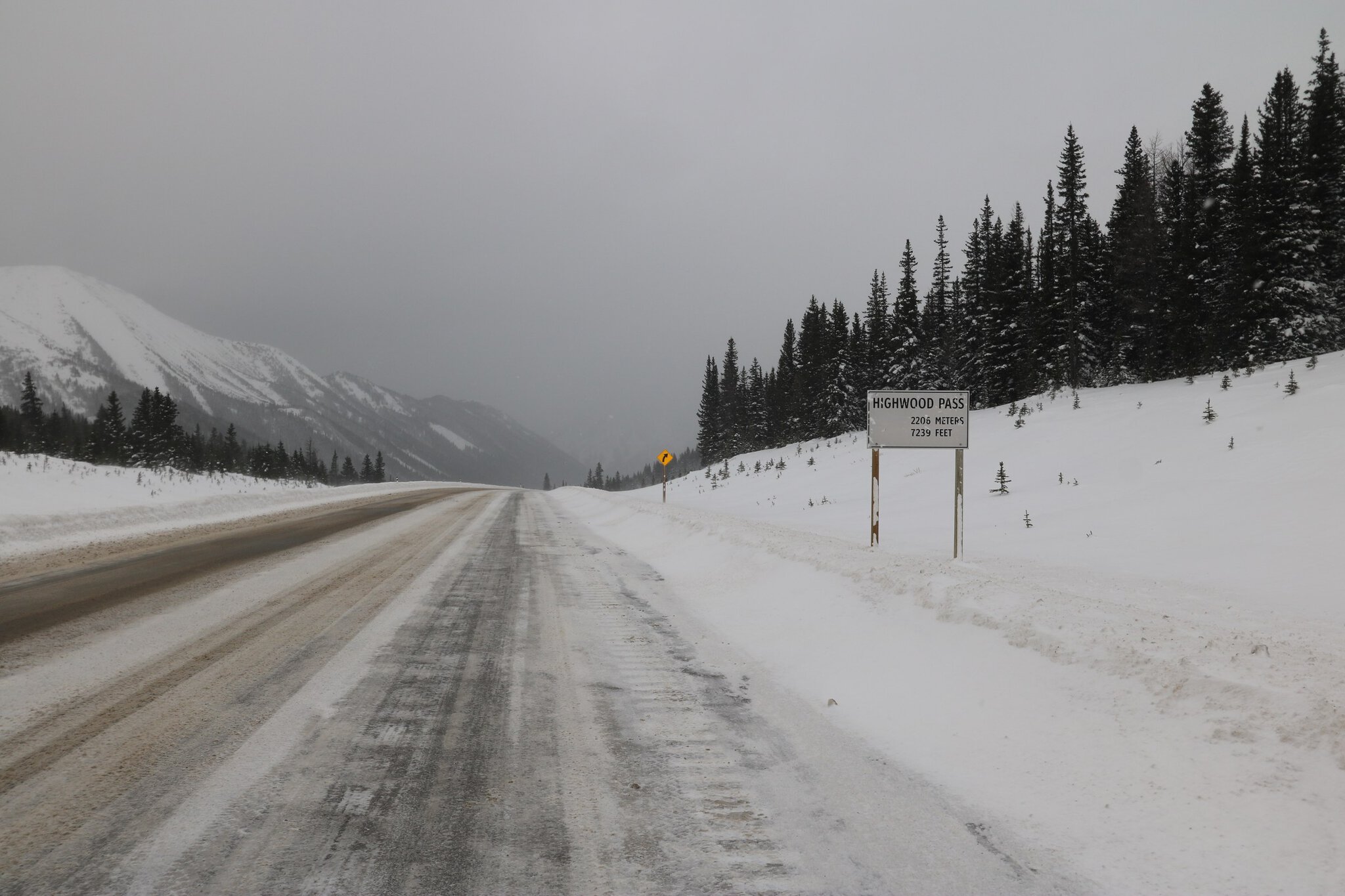
Alaska Cruise: The Complete 2026 Guide (Inside Passage, Glacier Bay, Prices)

TL;DRA 2026 Alaska cruise usually means a seven-night round trip or one-way sailing from Seattle or Vancouver, built around a full day glacier-watching at Glacier Bay National Park or Hubbard Glacier, with stops in Juneau, Skagway and Ketchikan. The season runs from late April to late September — July and August are the warmest months, but late May or early September gets you better prices and thinner crowds. Budget $1,500–$2,500 per person for a seven-night cruise in a balcony cabin, plus port fees of around $250, tips of $18–$25 a day, and flights on top. A balcony cabin is pretty much essential for watching glaciers and whales, while windowless inside cabins are cheaper but cost you the main reason you’re on this cruise in the first place.

When you wake up on your Alaska cruise, pull back the cabin curtains, and instead of a boring stretch of ocean you see majestic snow-capped peaks rising straight out of turquoise water, you’ll know this is going to be an absolutely spectacular experience. Lukáš and I learned one crucial lesson in Alaska: organising a road trip eats up most of your energy and budget, because in remote areas you’re hunting for overpriced motels and praying you don’t hit a moose on a dark highway.

A cruise ship, on the other hand, takes roughly five percent of the effort — you simply board in Seattle and your floating hotel-restaurant carries you through some of the most breathtaking bays on Earth. ☺️ So next time, it’s definitely by ship.

So what’s in store here? I’ll help you choose the right ship, cabin, and route, reveal exactly how much this adventure cost us in 2026, and share local tips from every port — including the ones the guidebooks don’t mention.

TL;DR

  • Best route: The most popular and logistically easiest option is a seven-day roundtrip cruise from Seattle or Vancouver. No complicated domestic flights to worry about.
  • Glaciers are the main event: Always pick an itinerary that includes Glacier Bay National Park or Hubbard Glacier. That’s what you’re here for.
  • A balcony is a must: Saving money on a windowless interior cabin is a huge mistake. In Alaska, you want to watch whales from your bed, not fight for a spot on the open deck in the rain.
  • When to go: The season runs from May to September. July is the warmest, but the best prices and smaller crowds come in May or September.
  • Budget: Expect roughly $1,500 to $2,500 (around €1,400 to €2,300) per person for a seven-day balcony cabin cruise, plus flights and spending money for excursions.

When to go on an Alaska cruise and how it all works

The Alaska cruise season is ruthlessly dictated by unpredictable weather. The first ships set sail in late April and the last ones leave the glacial bays around the end of September. If you’re looking for the sweet spot between a good price and bearable weather, I’d recommend targeting late May or early September. Seattle’s cruise terminal is expecting record numbers in 2026, so planning a year ahead isn’t just an advantage anymore — it’s an absolute necessity. The secret to surviving Alaska also lies in layering. It’s freezing in the morning, you’re stripping down to a T-shirt in the midday sun, and by evening on deck you’re reaching for a beanie again.

The 2024 Alaska cruise season already shattered every historical visitor record, and 2026 promises even bigger crowds as new cruise lines enter Alaskan waters. If you’re sailing from Seattle or Vancouver, you simply need to book a standard transatlantic flight from the UK. From the airport, you can easily get to the cruise terminal by Uber or a dedicated ship transfer.

People often ask us how to reach the port of Seward, and there are essentially two options. From Anchorage (where you’d fly into) you can get to Seward either on the scenic Alaska Railroad train (which is an experience in itself) or by a dedicated bus service. The journey takes roughly two and a half to three hours through jaw-dropping scenery.

How to choose a cabin

When it comes to picking a cabin, I need to give you a strong warning. Interior cabins with no window might look temptingly cheap — starting at around $400 to $700 for the week — but for Alaska, it’s probably the worst possible idea. The weather outside is often cold and drizzly, and the thought of battling three thousand other passengers for a view of a calving glacier on the open top deck in howling wind is hardly romantic.

Personally, I consider a balcony cabin an absolute must. Trust me, the feeling of wrapping yourself in a blanket with a hot cup of tea on your own private balcony while blue icebergs drift past is simply priceless. Interior cabins are fine for the Caribbean, where you spend all day by the pool, but Alaska is all about the views.

Prices in 2026 average between $1,300 and $2,500 (roughly €1,200 to €2,300) per person. It’s a premium, sure, but the moment you carry your morning coffee out to your private balcony in a dressing gown and spot an orca gliding past, you’ll forget every dollar you spent. The traditional market leaders are Princess Cruises and Holland America Line, which have priority access to the glacial bays. Celebrity Cruises is a superb choice for more discerning adults. On the other hand, if you’re travelling with kids and don’t mind livelier entertainment, Norwegian Cruise Line Alaska or the magical Disney Cruise Alaska will be right up your street.

The base cruise fare is just the beginning, though, so definitely factor that into your budget. You’ll need to add port fees and taxes (around $250), mandatory crew gratuities (roughly $18 to $25 per day), and optional packages for Wi-Fi or alcohol, which can easily drain another $100 a day from your wallet.

Before embarkation (or after disembarkation) you’ll almost certainly need to spend at least one night in the port city. Never fly in on the day of departure — any flight delay could mean the ship simply leaves without you. In Seattle, we like to stay near Pike Place Market, which is a short hop to the Pier 66 cruise terminal. You could try the lovely Edgewater Hotel, which sits right on the waterfront. For finding and comparing hotels, we always use Booking.com.

Itineraries: Where to sail and how to pick the right route

This is the decision that agonises everyone the most. A roundtrip from Seattle, or a one-way sailing from Vancouver? Spoiler: it mostly depends on how much logistical hassle you want with flights. Roughly four out of five people go for a roundtrip, and it’s also our recommendation for a first-time Alaska cruise. Each route has its own quirks and trade-offs, though. If you’re prone to seasickness, for instance, this is something you really need to consider.

The most popular choice is a roundtrip cruise from Seattle. The voyage starts and ends in the same place, which saves you a fortune on return flights from the UK. These ships, however, must round the western coast of Vancouver Island through the open Pacific, where the waves can occasionally get a bit rough. A typical itinerary takes you to Juneau, Skagway, Ketchikan, and a scenic glacier cruise.

The second very popular option is a roundtrip from Vancouver, Canada. The advantage here is that from day one the ships sail through the sheltered waters of the Inside Passage, where the surrounding islands mean there are virtually no waves. Seasickness is genuinely minimal on this route — making a Vancouver to Alaska cruise a brilliant choice for nervous first-timers.

2. Humpback whale watching from small boats

If you love wildlife and want to see whales — specifically humpbacks and occasionally orcas — Juneau is arguably the best place on Earth for it. The whales migrate here in summer to feed and linger in the shallow waters near the port.

The biggest mistake you can make is buying a mass excursion through the cruise line on an enormous catamaran carrying a hundred people. Instead, book a trip with a local independent operator (such as Harv & Marv’s Outback Alaska), who’ll take you out on a small boat with a maximum of six passengers.

The price ranges from $180 to $360 (around €165 to €330), but the whales are so unbelievably close that Lukáš and I practically forgot to breathe — and there’s no annoying jostling at the railing. The local skippers know exactly where to go and guarantee you’ll spend a solid three hours on the water. Plus, these established operators guarantee they’ll get you back to the ship on time.

3. The town of Skagway and Gold Rush atmosphere

Skagway sits at the northernmost tip of the Inside Passage and essentially functions as a living museum of the legendary 1898 Klondike Gold Rush. Walking through the centre feels like stepping onto the set of a Wild West film. Close your eyes and you can almost picture desperate prospectors wading through the mud here over a century ago.

The entire centre is lined with wooden boardwalks, historic buildings, and period saloon bars. It’s incredibly photogenic, although I’ll be honest — in peak season up to four thousand tourists disembark here daily, which makes it a pretty crowded affair. 😅

Don’t miss the famous Red Onion Saloon, which used to operate as an upscale brothel for gold miners. Today you can enjoy a great beer while waitresses in period corsets cheerfully regale you with the raciest stories from its colourful past.

4. White Pass & Yukon Route train ride

While Skagway is a charming town, the real reason people come here is the train. The historic narrow-gauge White Pass & Yukon Route railway is an engineering marvel. Prospectors built it in an incredible twenty-six months, blasting through over 450 tonnes of explosives into solid granite rock.

Today, this gorgeous vintage train takes you on a three-hour breathtaking journey through a mountain pass, climbing to nearly a thousand metres. You’ll pass sheer cliffs, deep gorges, and thundering rivers. It’s arguably the most popular and most sold-out excursion in all of Alaska.

You have two options for buying tickets. Purchasing through the cruise line means peace of mind — you board the train conveniently right at the dock beside the ship (expect to pay around $170). If you buy directly from the railway, you’ll save a few dollars ($155), but you’ll need to walk about fifteen minutes from the port to the historic train station in the town centre.

5. Ketchikan, salmon, and totem pole culture

Ketchikan is the first Alaskan port that ships enter when sailing north. It’s nicknamed the Salmon Capital of the World, and you’ll find five different species here (fish lovers will be in seventh heaven). Ketchikan is also reportedly the rainiest city in America, and we can confirm that. It rained the entire afternoon we were there, but it gave the place that authentic northern atmosphere. We bought a hot tea and sheltered under the awning of one of the wooden houses on Creek Street.

It’s also home to the world’s largest collection of hand-carved wooden totem poles. If you’re interested in the culture of the indigenous Tlingit people, head to Saxman Native Village or the Totem Heritage Center, both near the port. It’s fascinating to watch the carvers at work, shaping enormous cedar trunks into art.

Right in the town centre, don’t miss the famous Creek Street. It’s a historic boardwalk built entirely on wooden stilts over a salmon-filled creek. It was once a red-light district full of bootleggers and ladies of the night; today the houses hold charming cafés, galleries, and souvenir shops. From the walkway, you can often spot seals playing in the water below.

6. Floatplane flight over Misty Fjords

If you’ve got budget left in Ketchikan and want an experience you’ll remember for the rest of your life, book a floatplane flight over Misty Fjords National Monument.

It’s a vast area of dramatic, glacier-carved granite fjords where no roads lead and no large ship can reach. The floatplane takes off directly from the water in the harbour and carries you over an incredible landscape of majestic mountains, deep lakes, and dense forests. Most pilots land on the surface of a remote mountain lake in the middle of absolute wilderness so you can soak in the silence and photograph the surrounding beauty.

The excursion costs a premium $300 to $400 (around €275 to €370), but everyone who’s done it agrees it’s the best investment of the entire holiday. Just be aware that these flights are quite often cancelled at the last minute due to low cloud cover and poor weather.

7. Sitka and a taste of Russian history

Sitka is the former capital of Russian Alaska (once known as Novo-Arkhangelsk) and has a completely different atmosphere from the other ports. The tourist crowds aren’t as overwhelming and the town has retained a much more authentic local character, partly because it sits on the open ocean coast.

The Russian legacy is palpable at every turn. The centrepiece is the beautiful wooden Saint Michael’s Cathedral with its distinctive onion domes, which I’d definitely recommend popping into.

Just outside town lies Sitka National Historical Park, with a coastal trail lined by ancient spruce trees and indigenous totem poles. When Lukáš and I walked it early in the morning, we barely saw another soul. After days spent jostling in crowds, it was pure luxury.

8. Icy Strait Point and an escape from commercialism

Icy Strait Point (near the village of Hoonah) is a slightly different kind of port. It’s privately owned by the local Tlingit tribal corporation. If you’re tired of diamond shops and tacky souvenirs in Skagway or Juneau, you’ll love this place. The emphasis here is on preserving local culture and respecting nature.

Besides fantastic, intimate whale watching, you’ll also find one big adrenaline highlight here. They have one of the world’s longest ziplines, called ZipRider. The seat whisks you at tremendous speed from the mountaintop straight down to the beach by the port.

Or you can simply sit by a fire on the shore, try the local halibut tacos, and chat with indigenous residents about what life is like in Alaska during the harsh, dark winter months.

lukas a lucka
Lukáš and Lucie recommend
Where to Stay in Alaska
2 accommodations — hotels and other lodging options

9. Fortress of the Bear rescue centre

Seeing a bear in the wild in Alaska is probably everyone’s dream, but let’s be honest — bears keep well away from ports swarming with noisy tourists. If you want to see them, I’d recommend visiting the Fortress of the Bear rescue centre, located just outside Sitka.

This isn’t a zoo — it’s a non-profit organisation caring for orphaned bear cubs whose mothers were often killed in collisions with cars or by poachers. The bears live in huge enclosures converted from former paper mill water treatment tanks, which doesn’t look the most natural, but the animals have safety and first-class care.

Admission is just around $15, and honestly, seeing those bears up close made me wish I’d donated more. The keepers will tell you incredible stories about each animal by name.

10. A mandatory stop in Victoria, Canada

If your cruise starts and ends in American Seattle, you’ll almost certainly have a short stop in the Canadian port of Victoria on Vancouver Island. The reason is purely bureaucratic. US law (the Passenger Vessel Services Act, or PVSA) prohibits ships under a foreign flag from carrying passengers between two American ports without a foreign port call.

The ship typically docks in the evening, often for just four to six hours. Most people immediately rush off to catch buses heading to the famous Butchart Gardens — one of the most beautiful and immaculately maintained botanical gardens in the world.

If you’d rather not pay for the garden excursion, I’d suggest grabbing a taxi from the port or simply walking into Victoria’s centre. It’s a gorgeous little city with a deep British heritage, a beautifully illuminated Parliament building, and the elegant Fairmont Empress hotel.

11. Ship excursions vs. independent shore trips

Buying port excursions is the moment that makes or breaks your budget. Cruise lines charge an enormous mark-up on their excursions (commonly thirty to fifty percent). The trade-off for that price is peace of mind: a ship excursion guarantees the vessel will never leave without you, even if your tour bus gets a flat tyre.

Personally, we prefer booking independent local operators in Alaska. It means lower prices, much smaller groups, and a more personal touch (as I mentioned with the whale watching). There’s one massive caveat, though. If you miss the ship’s departure, the captain won’t wait. Hotel costs and a flight to the next port come straight out of your own pocket, with zero sympathy from anyone. Always give yourself at least a two-hour buffer before the all-aboard time.

12. Ferries for slow adventurers (AMHS)

If the thought of being crammed onto a mega-ship with four thousand other passengers and having to dress up for dinner frankly terrifies you, there’s a brilliant local alternative: the Alaska Marine Highway System (AMHS), the state-run ferry network.

It works like a highway on water for local residents. A one-way adult ticket from Washington State to Alaska costs roughly $250 to $350 (around €230 to €320). There are no pools or casinos on these vessels — just honest transport. You can slash your budget even further by skipping the pricey cabin altogether and pitching your own tent on the open rear deck, sleeping under the stars like a proper adventurer. ☺️

Where to eat

Food on the ship is a topic Lukáš and I can talk about for hours. Included in your fare is a main dining room with a multi-course evening menu and a massive buffet that’s open practically from dawn to midnight — which posed a certain danger for us. We were pleasantly surprised to find salmon served often on board, and it was excellent. What’s not included are the so-called specialty restaurants (steakhouses, sushi bars), which charge a cover of $30 to $50 per person. Remember that drinks beyond basic water, drip coffee, and morning juice at the buffet are all charged separately. If you enjoy wine with lunch and dinner or a few cocktails by the pool, definitely do the maths before sailing to see if an all-inclusive drinks package pays off.

Once you’re ashore, give yourself a break from ship food. In Skagway or Juneau you’ll find local restaurants serving Salmon Bake — huge fillets of fresh Alaskan salmon slow-roasted on a grill over open alder wood outdoors in the forest. It’s not the cheapest meal, but the aroma and flavour are something you won’t experience anywhere else on Earth. In Juneau, Lukáš and I always happily queue for the insanely good crab at Tracy’s King Crab Shack. And if you fancy a proper seafood feast with a harbour view right in Skagway, head straight to Skagway Fish Company — they do the best fish and chips under the sun.

Further reading

If you’re fascinated by America’s wild north and Alaska, make sure to check out our other detailed articles on this breathtaking destination, where we dive even deeper:

Tips and tricks for a smooth voyage

These are our tried-and-tested websites and services that Lukáš and I have used for years and never travel without.

Where to find flights

Search for cheap flights on Kiwi — it’s our favourite portal that brilliantly combines even budget airlines across America. For flights from the UK to Seattle or Vancouver, always book at least six months in advance. British Airways, Virgin Atlantic, and various oneworld and Star Alliance partners fly direct or with one stop from London.

Car hire

If you want to explore Alaska independently or travel before or after the cruise, we regularly use the comparison site DiscoverCars.com. We’ve had consistently great experiences with them worldwide, and they show you prices from all major rental companies in one place.

Don’t forget travel insurance

On a cruise — and especially in the US with its notoriously expensive healthcare — quality travel insurance is an absolute must. For shorter trips we typically go with a standard UK provider, and for longer exploratory journeys we rely on True Traveller. You can read more in our SafetyWing review.

Mobile data in Alaska

Don’t waste money on overpriced roaming from your UK network. I’d recommend setting up an eSIM from Holafly before you leave, which gives you fast unlimited data across the entire United States.

FAQ — Frequently asked questions about Alaska cruises

Here are the answers to the questions I get asked most often by readers planning their first Alaska cruise.

What’s the best month for an Alaska cruise?

You’ll find the best weather with the longest days and least chance of persistent rain in July and August. However, this is peak season, so expect the highest prices and tourist crowds. If you’re looking for a good compromise, we love late May and early June. There’s still plenty of dramatic snow on the mountain peaks and the bears are just waking up.

Which cruise line is best for Alaska?

There’s no one-size-fits-all answer—it depends on who you’re traveling with. Princess and Holland America have been doing this for years and have virtually guaranteed entry to Glacier Bay, which in our opinion is the number one reason to choose them. If you’re going with kids, Disney Cruise Line or NCL with their top-deck entertainment areas are your best bets. Try browsing reviews for individual ships based on your priorities.

How much does a week-long Alaska cruise cost?

For a week-long cruise per person in a nice balcony cabin, you’ll pay on average between $1,500 and $2,500 depending on the month and cruise line. But you’ll also need to factor in flights to Seattle or Vancouver, port fees (around $250), gratuities (about $150 per week), and shore excursions (typically $100–300 per tour).

What’s the cheapest month for an Alaska cruise?

The cheapest months (known as shoulder season) are May and late September. Cruise lines need to fill their massive ships at the edges of the season, so cabin prices can drop by as much as a third. May is a bit cooler and you might encounter bigger waves at sea, while September tends to be damper with more frequent rain, but the scenery is gorgeous.

What about seasickness on an Alaska cruise?

The Inside Passage itself is protected by a mass of islands, so the sea is calm as a pond for most of the journey. If you’re sailing from Vancouver, you’re protected virtually the entire time. However, if you’re departing from Seattle, you’ll have one day of open ocean sailing where it can get a bit choppy. I definitely recommend bringing motion sickness patches or Dramamine as a precaution.

Do I need visas for a cruise to the USA or Canada?

Yes, and pay close attention to this. Because most ships start, end, or stop in Canada (Vancouver, Victoria) while also entering U.S. ports in Alaska, you’ll need approved electronic visas for both countries. That means the U.S. ESTA and the Canadian eTA. Ship staff check these very thoroughly during boarding, and without them you simply won’t be allowed on the ship.

Can you work seasonally on an Alaska cruise?

Absolutely—working on a cruise ship in Alaska sounds like an amazing adventure. Cruise lines are constantly hiring thousands of employees for positions like servers, bartenders, cabin stewards, or receptionists. Just be prepared for hard work. It’s common to work 10 to 14 hours a day, seven days a week for several months. The upside is decent earnings since you have no expenses for food and accommodation on board, and you’ll spend your free hours exploring Alaskan ports.

Tips and Tricks for Your Vacation

Don’t Overpay for Flights

Search for flights on Kayak. It’s our favorite search engine because it scans the websites of all airlines and always finds the cheapest connection.

Book Your Accommodation Smartly

The best experiences we’ve had when looking for accommodation (from Alaska to Morocco) are with Booking.com, where hotels, apartments, and entire houses are usually the cheapest and most widely available.

Don’t Forget Travel Insurance

Good travel insurance will protect you against illness, accidents, theft, or flight cancellations. We’ve had a few hospital visits abroad, so we know how important it is to have proper insurance arranged.

Where we insure ourselves: SafetyWing (best for everyone) and TrueTraveller (for extra-long trips).

Why don’t we recommend any Czech insurance company? Because they have too many restrictions. They set limits on the number of days abroad, travel insurance via a credit card often requires you to pay medical expenses only with that card, and they frequently limit the number of returns to the Czech Republic.

Find the Best Experiences

Get Your Guide is a huge online marketplace where you can book guided walks, trips, skip-the-line tickets, tours, and much more. We always find some extra fun there!
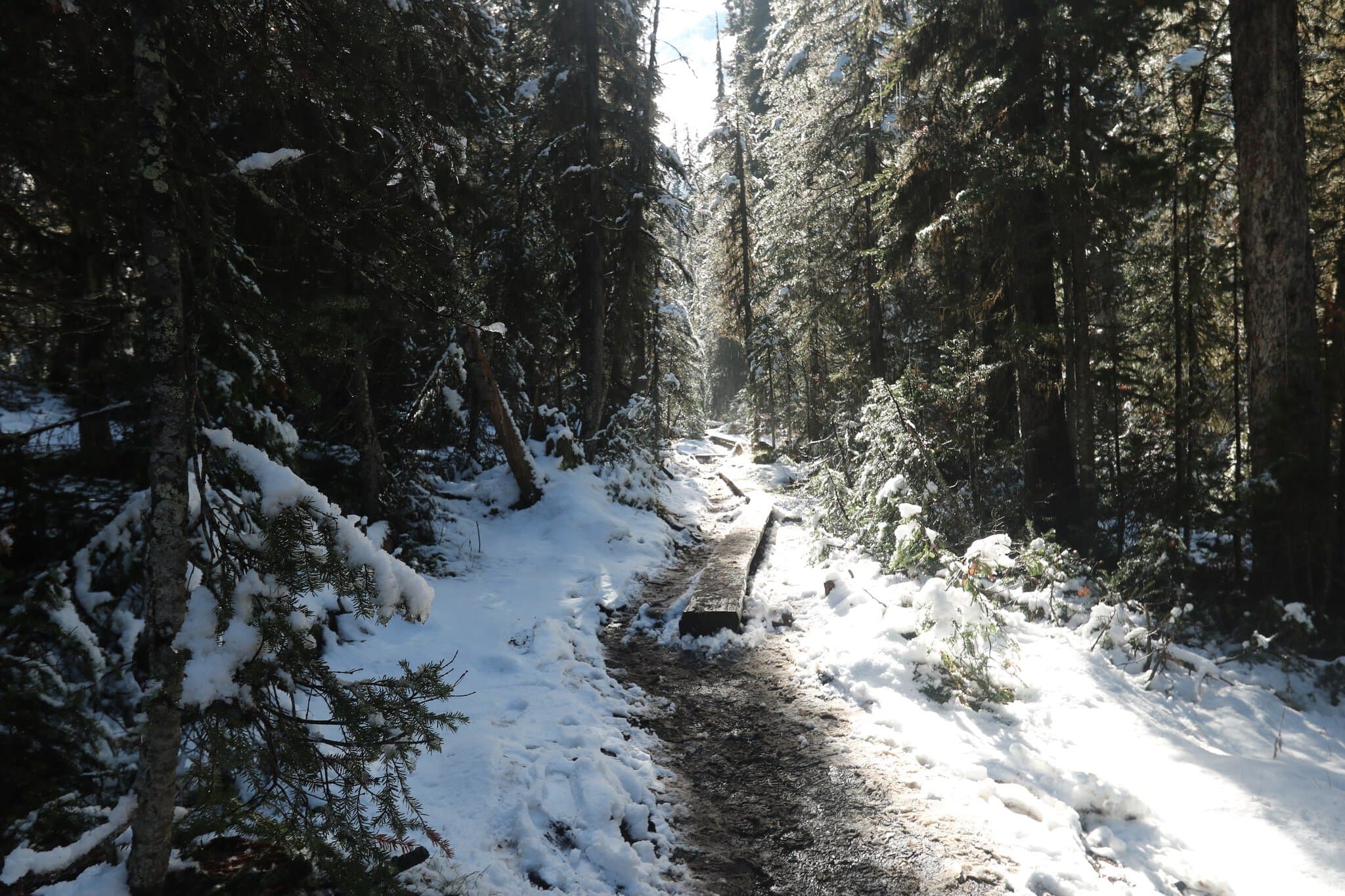
Victoria, Canada: 12 Best Things to See and Do (Inner Harbour, Butchart, Tea)

TL;DRVictoria, tucked at the southern tip of Vancouver Island, has 12 highlights worth building a trip around, from the Inner Harbour with its parliament buildings to traditional afternoon tea at the Fairmont Empress (75–90 CAD per person) and the Butchart Gardens (entry around 41 CAD, half an hour’s drive from the centre). Two to three full days is the sweet spot, and anywhere from spring to autumn works, though early spring is hard to beat when the cherry blossoms are out. Don’t skip whale watching for orcas and other whales (best season May to October, tours run around 130–150 CAD), the floating homes at Fisherman’s Wharf, or Fan Tan Alley in Chinatown, the narrowest street in North America. Most people reach Victoria on the BC Ferries crossing from Vancouver, which takes about ninety minutes.

When you think of Canada, most people picture untamed wilderness, deep forests, and bears — but the capital of British Columbia is a completely different world. Victoria, Canada is essentially a little slice of old England that someone accidentally relocated to the west coast of North America. Lovingly nicknamed the “City of Gardens,” it immediately surprised me with its incredibly laid-back atmosphere, historic brick buildings, and the fact that red double-decker buses actually cruise down the streets. ☺️

I’ve put together everything I think is genuinely worth your time — from the harbour to afternoon tea at the Empress to orcas on the horizon — and I’m upfront about what disappointed me too.

TL;DR

If you’re sitting on the ferry right now, frantically Googling things to do in Victoria BC today, and just need a quick rundown of the highlights, here are the key things you absolutely shouldn’t miss:

  • Most photographed downtown: Inner Harbour is the heart and soul of the city, home to the majestic Parliament Buildings and the historic Fairmont Empress hotel.
  • A foodie experience: Traditional British afternoon tea at the Empress hotel is pricier, but worth every penny.
  • Floral paradise: Butchart Gardens ranks among the most beautiful gardens in the world and is a must-visit regardless of the season.
  • Wildlife encounters: Victoria is one of the best places on earth for whale and orca watching right from the ocean.
  • History and curiosities: Canada’s oldest Chinatown hides Fan Tan Alley — the narrowest commercial street in all of North America.
  • Relaxation and views: Fisherman’s Wharf offers adorable colourful houseboats and fantastic food right on the water.

When to Visit Victoria and How to Get There

Planning a trip to Victoria requires a bit of preparation, as the city sits on the southern tip of Vancouver Island — so you can’t simply drive there on a motorway. You’ll find, though, that the journey itself becomes the first great adventure of your trip.

The most common — and arguably most romantic — way to reach Victoria is by ferry with BC Ferries from Vancouver. You depart from Tsawwassen terminal and the crossing to Swartz Bay near Victoria takes about an hour and a half. The route weaves through a stunning bay dotted with small forested islands, and it’s not uncommon to spot whales or seals right from the ferry deck. I strongly recommend booking ferry tickets well in advance online during summer, as they sell out completely. If you’re in a hurry and have been searching for flights to Victoria BC, you can take small seaplanes that take off directly from the water in downtown Vancouver and land right in Victoria’s Inner Harbour — pricier, but an absolutely spectacular experience. If you’re flying from the UK, look for affordable flights on comparison sites — you’ll typically fly into Vancouver (YVR) with airlines like Air Canada or British Airways from London Heathrow, then connect to Victoria from there.

As for the weather, Victoria’s climate is incredibly mild by Canadian standards. Winters are rainy but rarely see snow, and summers are pleasantly warm without being unbearably hot. The best time to visit is from spring through autumn. I’d honestly recommend early spring, because Victoria has an enormous number of cherry trees and their spring blossoming transforms the entire city into a pink dream. Before heading out on any specific excursions, always double-check the 10-day weather forecast for Victoria BC, as coastal weather can change quite quickly.

And if you’re planning to explore the island further and discover the wild nature beyond the city, I’ve had consistently great experiences renting cars through comparison platforms — just make sure to book well ahead, including a spot on the ferry.

Where to Stay in Victoria and How Much It Costs

Victoria isn’t exactly a budget destination, and accommodation will likely take a significant chunk of your budget, especially if you visit during the peak summer season. That said, it’s a city where paying a bit more for location genuinely pays off — you’ll be able to walk to most attractions comfortably.

Victoria’s centre is surprisingly compact. The best — and naturally most expensive — area to stay is around Inner Harbour and the Downtown district. If you base yourself here, Parliament, the museum, and the best restaurants will all be a stone’s throw from your room. A decent hotel room in the centre will cost roughly 250 to 400 CAD per night in season (around €170 to €270). If you fancy the luxury of the iconic Fairmont Empress hotel, be prepared to pay easily double that.

For slightly friendlier prices, look for accommodation in James Bay, a gorgeous, quiet residential neighbourhood full of historic houses just behind Parliament. Walking through these streets, I stopped in front of a garden gate more than once, wondering whether I could simply move in. You’ll find plenty of smaller guesthouses and bed-and-breakfast options with a homely atmosphere here.

In terms of overall living costs, Victoria is comparable to Vancouver. A standard restaurant meal costs 25 to 40 CAD (roughly €17 to €27), a beer at a pub runs about 8 CAD (€5.50), and attraction entry fees range between 20 and 50 CAD. When you pull up a map of Victoria BC on your phone and start planning your routes, you’ll be pleased to know the centre is very walkable, and a reliable, reasonably priced bus network covers the more distant spots.

Victoria Canada: 12 Best Things to See and Do

Right, now for the good stuff. Comfortable shoes are an absolute must — I underestimate this every single time and regret it every single time. Even though Victoria city is relatively small, you’ll rack up quite a few kilometres on foot.

1. Inner Harbour and the Majestic Parliament Buildings

Inner Harbour is the absolute heart and soul of Victoria, and the entire city revolves around it. Every time I come here, I feel like I’ve stepped inside a postcard. Small boats and luxury yachts bob on the water, seaplanes touch down every few minutes, and street performers and buskers line the waterfront.

The most striking landmark overlooking the harbour is the British Columbia Parliament Buildings. These massive stone structures with copper domes look very stately during the day, but the real magic happens at dusk. Back in 1897, the architect fitted the building with over three thousand lightbulbs that trace its entire outline after dark. It’s an incredibly romantic sight, best enjoyed from a bench on the waterfront with a cup of hot coffee in hand.

If you’re interested in history and politics, you can go inside Parliament for a free guided tour that explains how the Canadian political system works. The tour is apparently quite interesting, but I’ll be honest — I’ve never actually done it. I’m perfectly happy to admit that I much prefer sitting on the grass in front of the building, watching the harbour bustle, and soaking in the peaceful atmosphere, interrupted only by the occasional toot of a boat horn.

2. Traditional Afternoon Tea at the Fairmont Empress

Right across from the harbour stands another iconic building — the grand, ivy-covered Fairmont Empress hotel. Even if you’re not staying here, you absolutely must try their famous Afternoon Tea, because it’s an experience you won’t forget. It’s been running since 1908, and they’ve served kings, queens, and Hollywood stars.

Fair warning, though — it’s not cheap. Afternoon tea costs around 75 to 90 CAD per person (depending on the season, roughly €50 to €60), which might seem a lot for tea and a few cakes. But what you’re really paying for is the experience and the elegance. They seat you in a grand salon overlooking the harbour, serve their own special tea blend in rose-patterned porcelain, and bring out a three-tiered tray of perfect finger sandwiches, warm scones with homemade strawberry jam and clotted cream, and exquisite petit fours.

Try to dress up a bit for the occasion, as the hotel has a smart casual dress code. It’s one of those moments where you genuinely feel like British aristocracy on holiday — and we absolutely loved every second of it, even though we had to survive on cheaper bistro meals for the rest of the day 😅. You’ll definitely need to book in advance online, especially in summer when tables fill up weeks ahead.

3. Butchart Gardens — A Floral Masterpiece

If you could only see one thing outside Victoria’s city centre, it has to be Butchart Gardens. Located about a 30-minute drive north of downtown, these gardens are genuinely a world-class attraction. Admission is around 41 CAD (roughly €28) — an investment you absolutely won’t regret.

The story behind this place is quite fascinating. Originally, it was a huge, ugly limestone quarry owned by the Butchart family. When the quarry was exhausted, Jennie Butchart decided to transform the moonscape into a garden and had tonnes of fertile soil hauled in from surrounding farms. The result is the Sunken Garden — and when you first peer down into it from the lookout above, your jaw will genuinely drop.

The gardens are open year-round and look completely different each season. Spring brings tens of thousands of tulips and daffodils, summer dazzles with massive blooming roses, and in autumn the Japanese Garden erupts in incredible shades of red and gold. We love arriving first thing in the morning right when the gates open, before the tourist crowds descend — the whole place feels impossibly magical and peaceful.

4. Whale and Orca Watching

The ocean around Vancouver Island teems with marine life, and Victoria is one of the world’s premier bases for whale watching. The waters surrounding the island are home to both resident and migrating pods of orcas (killer whales), humpbacks, and minke whales.

Several companies run daily trips from Inner Harbour. You can choose either a larger, enclosed, heated vessel — a great option for families with children — or hop aboard a small, fast Zodiac inflatable. We’d wholeheartedly recommend the Zodiac. They’ll squeeze you into enormous red survival suits that make you look like the Michelin Man and you can barely move, but the experience of being so close to the water, feeling the salt spray on your face, and seeing a massive black orca fin just metres away — it’s simply indescribable.

The trip typically lasts about three hours and costs around 130 to 150 CAD per person (roughly €90 to €100). The captains are highly experienced and share whale-sighting information with each other, so the chances of spotting them are quite high (some companies even offer a free repeat trip if you don’t see any whales). I’d recommend booking in advance through a platform like GetYourGuide, which often offers free cancellation.

5. The Colourful Houseboats of Fisherman’s Wharf

About a fifteen-minute stroll from Inner Harbour towards the ocean, you’ll stumble upon Fisherman’s Wharf — a wonderfully unique and ridiculously photogenic corner of the city. It’s essentially a network of wooden docks lined with brightly painted floating homes (houseboats) where locals actually live year-round.

Some houseboats are small and charming, others look like modern floating villas, but they all share one thing in common — vivid paint jobs and overflowing flower boxes. Beyond the residential homes, you’ll find several floating food stalls. Head here around lunchtime, grab some fresh fish and chips from Barb’s Fish and Chips, park yourself on a wooden bench, and watch the lively bustle of the little harbour.

Feeding the harbour seals is now strictly forbidden (and the fines are genuinely hefty), but you’ll see them anyway — they hunt their own fish and couldn’t be more relaxed about it. To get back to the centre, by the way, you can hop on the little yellow Victoria Harbour Ferry water taxi, which is both faster and more fun than walking.

6. Royal BC Museum

My mum and I aren’t usually big museum people, but this one genuinely blew us away. Mum spent two hours in the First Nations section and I practically had to drag her out so we wouldn’t miss dinner. The Royal BC Museum ranks among the best in all of Canada. The exhibits aren’t just glass cases and long labels — the entire museum is built around incredible dioramas and immersive spaces.

The most breathtaking section is dedicated to the Indigenous peoples (First Nations) of the Pacific coast. You’ll see enormous, intricately carved totem poles, ceremonial masks, and full-scale traditional dwellings. You’ll learn a great deal about the complex and often deeply painful history between colonisers and local Indigenous communities — essential context for understanding modern Canada.

On the second floor, an elaborate natural history exhibition awaits where you walk through a life-size rainforest, caves, and an underwater world. Admission is around 29 CAD (roughly €20), and you could easily spend three hours here without a moment of boredom.

7. Chinatown and the Narrowest Alley — Fan Tan Alley

Victoria’s Chinatown may not rival Vancouver’s or San Francisco’s in size, but it holds one enormous distinction — it’s the oldest Chinatown in all of Canada and the second oldest in North America. It sprang up in the mid-nineteenth century during the Gold Rush, when thousands of Chinese workers and merchants arrived.

Today it’s a fascinating jumble of brick buildings, colourful lanterns, tea houses, and traditional Chinese medicine shops. The beating heart of the neighbourhood is Fan Tan Alley. This unassuming passage holds the record as the narrowest commercial street in all of North America — at its tightest point it measures just ninety centimetres across, so if you’re carrying a large backpack, you might genuinely get stuck.

In the past, it was a hotbed of illegal gambling and opium dens riddled with secret escape routes, but today you’ll find small art galleries, vinyl record shops, and stylish boutiques. You’ll often come across very distinctive handmade silver jewellery here. I discovered a brand called Pyrrha (they make jewellery from antique wax seals and it’s absolutely stunning), bought a necklace, and still wear it to this day as a souvenir I’m genuinely proud of.

8. Beacon Hill Park and the Historic Mile Zero

When you need a break from the city buzz, head on foot to the vast Beacon Hill Park, which stretches south of the centre. It’s a huge green oasis full of towering trees, ponds, beautifully manicured flower beds, and winding paths.

The park has one wonderfully quirky feature — dozens of peacocks roam freely throughout it. At times you’ll feel like you’re in a fairy tale as a peacock fans out its magnificent tail right on the lawn in front of you. If you’re travelling with kids, definitely don’t skip Beacon Hill Children’s Farm, where little ones can pet freely roaming goats.

At the park’s southern edge, where the land meets the ocean, you’ll find an understated but significant monument marked Mile 0. This spot marks the very beginning (or end, depending on your perspective) of the iconic Trans-Canada Highway, which stretches an incredible 8,000 kilometres across the entire country to the far eastern coast in Newfoundland. We stood there for about ten minutes, gazing at the snow-capped peaks across the strait, not really wanting to move. One of those moments when you wonder why you live anywhere else.

lukas a lucka
Lukáš and Lucie recommend
Where to stay in Victoria
2 accommodations — wellness hotels and other lodging options

9. Craigdarroch Castle and a Baron’s Fortune

Canada isn’t exactly a country where you’d expect medieval castles, but Victoria has its own very distinctive Craigdarroch Castle. It’s a grand mansion in an ostentatious Victorian style, built in the 1880s by Scottish coal baron Robert Dunsmuir, one of the wealthiest men in the entire province at the time.

Sadly, the baron didn’t live to see his mansion completed, but the house still stands today as a fascinating museum. From the outside, the building with its small turrets looks rather stately, but the real opulence awaits inside. The interiors are clad in the finest wood from around the world, filled with an incredible amount of original furniture and dozens of gorgeous stained-glass windows.

Admission is around 20 CAD (roughly €14) and the tour takes about an hour. Don’t expect knights or dungeons — it’s more of a lavish showcase of what a person could build in the nineteenth century when they had truly, deeply serious money. The oak staircase alone is stunning, and I walked up and down it three times, just for the sheer joy of it.

10. Spring Spectacle — Cherry Blossoms in Victoria

If you manage to time your trip to Victoria between late February and early April, you’ll witness one of the most beautiful natural displays the city has to offer. Thanks to its exceptionally mild climate, Victoria boasts one of the earliest and most spectacular spring blossoms in all of Canada.

The city is positively studded with thousands of cherry and plum trees whose canopies transform into enormous pink and white clouds. Streets like View Street and the areas around James Bay become carpeted in petals that drift through the air like colourful snow. Locals absolutely adore it — the first blooms symbolise the definitive end of the grey, rainy winter.

There are even special blossom maps you can follow to plan a full-day walking route. It’s an incredibly photogenic time, and if you’re considering a spring trip and can’t decide on dates, I’d recommend aiming for this window. My mum and I were there in early March and I took about four hundred photos, half of which are nothing but trees. Mum was very patient.

11. Cycling the Galloping Goose Regional Trail

Victoria is an incredibly bike-friendly city, packed with protected cycle lanes and considerate drivers, but its crowning glory is the Galloping Goose Trail. This former railway line has been ripped up and transformed into a gorgeous, roughly sixty-kilometre trail that winds from the city centre deep into forested countryside and small rural communities far from civilisation.

You can easily rent a bike (or an e-bike if you’d rather not work too hard) right in the city centre for a half day and set off. The route is mostly beautifully flat and surrounded by greenery, with plenty of small cafés and blackberry bushes along the way where you can stop for a quick snack.

You obviously don’t need to ride the entire trail — a few hours out of the city and back is more than enough. It’s hugely relaxing and a brilliant way to see places you’d never reach by car or on foot — and a lovely way to stretch your legs after all those generous meals at the local restaurants.

12. A Slow Afternoon in the Elegant Oak Bay

If you want to experience the real “old British Victoria,” head to the outlying neighbourhood of Oak Bay. Situated slightly off-centre on the eastern shore, this district is full of grand homes, quiet lanes, and small independent boutiques selling antiques and designer clothing. Locals walk their dogs here at a pace that suggests they’re in absolutely no hurry — and I suspect they’re not — and I honestly envy them.

Stop by the local marina, where a wonderfully relaxed island vibe washes over you — grab a superb coffee overlooking moored yachts and the occasional seal. Oak Bay Avenue is then the perfect spot for quiet shopping and soaking up the atmosphere, with several smaller, less touristy tea rooms where you can enjoy excellent afternoon tea at noticeably friendlier prices than the famous Empress hotel.

This area has its own unique charm, and for many visitors it’s their favourite part of the entire city — free from tourist crowds, filled instead with dog-walking locals simply enjoying the quiet life.

Where to Eat in Victoria and What to Try

The food scene in Victoria is incredibly rich. The city benefits massively from its coastal location, so you’ll find phenomenal fresh seafood everywhere. There’s also a strong student community, which means the café culture is thriving and specialty coffee is a given.

If you’re hunting for the best restaurants in Victoria, Canada, focus on seafood. An absolute institution is Red Fish Blue Fish — a small, wood-clad container built right on a pier in Inner Harbour. The queue can stretch over an hour, but their wild salmon fish and chips and incredible fish tacos are genuinely worth the wait.

For breakfast, I’d recommend Blue Fox Cafe (the eggs Benedict here are on another level) or Jam Cafe for pancakes. But beware — on weekends you’ll be queuing outside at eight in the morning, and I’m really not the type to do that. I did it. No regrets. For coffee, my mum and I always pop into Habit Coffee — it’s a safe bet with lovely staff. Also make sure to explore Victoria’s many small craft breweries and sample the local beer.

Where to Go Next in Canada and Pre-Trip Essentials

Victoria is a fantastic jumping-off point from which to start exploring the far wilder corners of Canada’s west coast — it would be a shame to stay in the city alone.

  • From Victoria, definitely head further north to explore the rest of Vancouver Island. Along the way, you can stop at the endless surfing beaches in Tofino and walk through ancient rainforests full of towering old-growth trees.
  • On your way back to the mainland, check out our tips on what to see in Vancouver — a modern, gleaming metropolis embraced by snow-capped mountains on all sides that we absolutely adore.
  • eSIM card: Don’t forget to sort out mobile data before flying to Canada so you can use navigation on the road and around the city. We regularly use eSIMs and in our Holafly review you’ll find out why we think it’s currently the best and easiest option.
  • Travel insurance: Never, ever travel outside Europe without insurance. If you’re looking for health cover for longer trips that might involve working remotely or digital nomad life, read our SafetyWing review.

Frequently Asked Questions (FAQ)

I’ve put together quick answers to the most common questions to make planning your trip to Victoria as easy as possible.

What should I see in Victoria?

The main attractions include Inner Harbour with the Parliament Buildings, the luxurious Fairmont Empress hotel, the stunning Butchart Gardens, the Royal BC Museum, and the charming floating homes at Fisherman’s Wharf. Definitely make time for a whale watching boat tour as well.

How many days do I need to visit Victoria?

Two to three full days is absolutely ideal to explore the entire downtown area at a relaxed pace, sit in a café, enjoy afternoon tea, take a trip out of the city to Butchart Gardens, and go on a half-day whale watching cruise without feeling rushed or stressed.

What’s the difference between Vancouver and Victoria?

Vancouver is a huge, modern, and fast-paced metropolis full of glass skyscrapers and international business, located on the Canadian mainland. Victoria, situated on a neighboring island, is by contrast a smaller, quieter, and more historic city with distinctly English architecture and a slower pace of life.

Do I need to book the ferry from Vancouver in advance?

Yes, if you’re traveling with a car and especially during the summer season, booking BC Ferries tickets online is almost essential to avoid waiting at the port for several hours for the next available ferry. For foot passengers without a car, it’s usually not as much of an issue.

When’s the best time to see whales and orcas near Victoria?

Whales and various species of marine mammals can be found around the island year-round, but the peak and most successful season for orca watching runs from May through roughly the end of October.

Can you pay with US dollars in Canada?

No, in Canada you pay with Canadian dollars (CAD). While some tourist spots near the American border might accept US bills, the exchange rate is usually very unfavorable. We recommend paying by card everywhere – you’ll rarely need cash here.

Is afternoon tea at the Fairmont Empress worth it?

If you’re looking for a cheap snack, then definitely not, as prices run around 75 to 90 CAD per person (approximately 50 to 60 EUR). However, if you want to treat yourself to a luxurious experience full of English elegance, excellent service, and taste something traditional in a beautiful historic setting, it’s an experience worth the money.

Tips and Tricks for Your Vacation

Don’t Overpay for Flights

Search for flights on Kayak. It’s our favorite search engine because it scans the websites of all airlines and always finds the cheapest connection.

Book Your Accommodation Smartly

The best experiences we’ve had when looking for accommodation (from Alaska to Morocco) are with Booking.com, where hotels, apartments, and entire houses are usually the cheapest and most widely available.

Don’t Forget Travel Insurance

Good travel insurance will protect you against illness, accidents, theft, or flight cancellations. We’ve had a few hospital visits abroad, so we know how important it is to have proper insurance arranged.

Where we insure ourselves: SafetyWing (best for everyone) and TrueTraveller (for extra-long trips).

Why don’t we recommend any Czech insurance company? Because they have too many restrictions. They set limits on the number of days abroad, travel insurance via a credit card often requires you to pay medical expenses only with that card, and they frequently limit the number of returns to the Czech Republic.

Find the Best Experiences

Get Your Guide is a huge online marketplace where you can book guided walks, trips, skip-the-line tickets, tours, and much more. We always find some extra fun there!
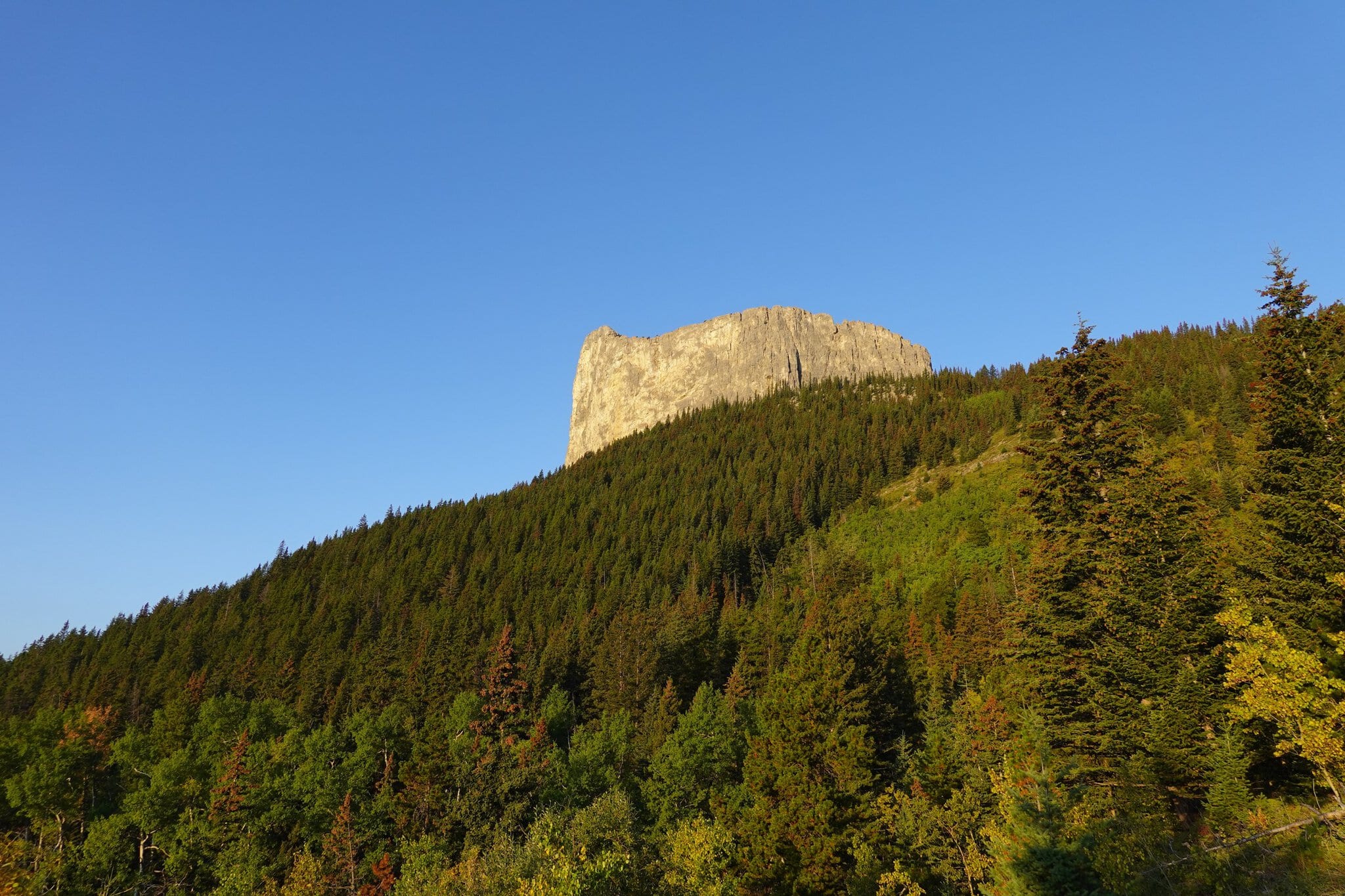
How Much Does an Alaska Vacation Cost: 2026 Budgets

TL;DRA ten-day Alaska road trip for two, with mid-range accommodation, a car and excursions, comes to around $11,000 — roughly 253,000 Kč. A two-week trip for a family of four with premium experiences can push towards $22,000 (over half a million Kč), while combining a cruise with a week-long road trip (Cruisetour) costs around 292,000 Kč. The best time to go is late May to early September, the only stretch when you get a reliable 100-day tourist season. The big costs are car hire ($150–300 a day), accommodation in Anchorage or near Denali ($150–500 a night), and bear-watching in Katmai at Brooks Falls, where transport alone comes to nearly a thousand dollars a person. You can save money by renting a campervan ($200–400 a day) or cooking your own meals, which knocks $50 to $100 a day off costs for two people.

I remember it like it was yesterday — the moment Lukáš and I first sat down with a spreadsheet to work out the real Alaska vacation cost for two people. We had visions of untamed wilderness, majestic glaciers, and brown bears snatching salmon from rushing rivers. What completely floored us were the initial price estimates. Alaska isn’t just a slightly pricier version of the US mainland. It’s essentially a logistical island where everything has to be shipped in at enormous expense, and the tourist season lasts a mere hundred days a year. That said, skimping isn’t worth it — we still regret everything we decided to skip. You’ll probably only visit Alaska once in your lifetime.

There was nothing for it but to sit down and crunch those numbers properly, because Alaska will blow through your budget in ways no European holiday could ever prepare you for. Below you’ll find realistic breakdowns for different types of travellers — from road trips and campervans to cruise combinations — plus tips on where to save and what’s absolutely worth every penny.

TL;DR

  • Peak season is extremely short: The ideal time to visit is late May through early September, when the weather is bearable and everything is open.
  • Baseline budget for two: Expect a ten-day road trip for two with a rental car and mid-range accommodation to run roughly $11,000 (around €10,000).
  • Car hire and flights are the biggest expenses: Renting a basic SUV in summer easily costs $150–$300 per day. Search for cheap flights well in advance — ideally as early as winter.
  • Campervan to the rescue: Renting a campervan will set you back over $200 a day, but you’ll save a fortune on hotels and expensive restaurants.
  • Bear viewing is a luxury: A trip to Katmai to see the famous Brooks Falls will cost nearly $1,000 per person just for logistics and flights — but it’s an absolutely spectacular experience.
  • Don’t forget insurance and bear spray: The American healthcare system shows no mercy (trust me, you don’t want to find out the hard way 😅) and bear spray must be purchased on arrival — you can’t take it on a plane.

When to Go to Alaska and How to Get There

The best time to visit is unquestionably the Alaskan summer, which essentially runs only from June through August. We experienced days when the sun barely sets and you can photograph snow-capped peaks at midnight in broad daylight. If you want to save a bit, try the shoulder season in May or September, when prices can drop by a third. There’s a massive catch, though. The weather during those months is wildly unpredictable, and by mid-September many hotels, restaurants, and tour operators simply shut up shop for the winter.

Getting from the UK to Anchorage isn’t exactly a quick hop. There are no direct flights, so you’re looking at one or more likely two connections, with the total journey stretching to 16–22 hours. Think of it as a mini pre-trip before the real adventure even begins. We swear by good flight search engines. Hunt for cheap Alaska flights on comparison sites, booking well in advance. Return fares in economy typically range between $1,500 and $2,500 (roughly £1,200–£2,000). If you spot a ticket under £1,200, don’t think twice — snap it up immediately.

Before you travel, don’t forget the paperwork. As British citizens, you need an ESTA electronic travel authorisation, which costs $21 and is valid for two years. You can complete it online in a few minutes. One more very practical tip for staying connected: to have mobile data for navigation and finding accommodation the moment you land, I recommend setting up an eSIM from Holafly, which you can install on your phone before you even leave home.

Where to Stay in Alaska and How Much It Costs

I remember the moment I first pulled up hotel prices in Anchorage for July. I nearly slammed my laptop shut and went for a lie-down. A room that would cost $120 in winter was selling for a cool $400 in peak season.

Sticker shock will likely hit you the moment you start searching for your first night’s lodging. A room that would go for $120 in winter easily sells for $350–$500 per night in July. And we’re talking about average hotels here — nothing remotely luxurious. People on forums regularly share stories of a basic motel costing more than a luxury Caribbean resort 😅.

Anchorage offers the widest selection. If you want to treat yourself, consider the iconic Hotel Captain Cook with ocean views, where nights start at $450. Mid-range options like the Hilton Anchorage or Westmark Anchorage will run you $200–$300. If you need something cheaper near the airport after a long flight, check out the Coast International Inn by Lake Hood, where you can keep it under $150.

The area around Denali National Park is similarly eye-watering, especially in the strip known as Glitter Gulch right by the entrance. The popular McKinley Chalet Resort offers lovely log cabins, but be prepared to pay $250–$400 per night. On a tighter budget, you’ll need to look further from the park or settle for simple motels like the Denali Park Hotel at roughly $150–$220. The cheapest option is of course camping, which runs $30–$50 if you can snag a spot. I’d also recommend checking smaller platforms like Hipcamp, where locals rent out private pitches for tents or vans, often with jaw-dropping views at a fraction of the price of a regular campground.

Alaska Vacation Cost: 15 Things You’ll Spend the Most On (and How to Save)

Here’s everything we wish we’d known before hitting the “book” button.

1. Three Sample Budgets So You Know Where You Stand

To give you a realistic picture, we’ve put together three sample budgets for the 2026 season. The first scenario is a ten-day road trip for two with stops in Anchorage, Denali, and the Kenai Peninsula. With mid-range accommodation, a rental car, and several excursions, budget around $11,000 — roughly €10,000 or £8,700.

The second scenario is for a family of four over 14 days. Here the logistics really add up, and the total including all parks and a premium bear-viewing flight climbs to around $22,000 — just over €20,000. The third option is a combination of a one-week cruise followed by a week in a rental car. This so-called Cruisetour comes in at approximately $12,700 for two, or about €11,600.

2. Renting a Car Is a Battle for Survival

Sorting out transport is the absolute cornerstone of your entire trip, and leaving it to the last minute is pure financial suicide. A basic SUV from major companies like Hertz or Enterprise costs $150–$300 per day in July and August. Lukáš and I have had consistently good results using comparison sites to lock in the best deals well in advance.

Believe me — once Alaska’s season kicks off, cars at the airport simply run out. I’ve read stories of people whose ten-day rental price jumped overnight from $1,300 to an eye-watering $2,500, simply because they dithered over booking. If you know your dates, reserve as early as January.

3. Hidden Traps with Car Hire and Gravel Roads

Once you’ve reserved a car, read the fine print very carefully. Standard international rental companies strictly prohibit driving on unpaved gravel roads. That means your contract won’t cover you on the legendary McCarthy Road to Kennicott Glacier or on the remote Dalton Highway heading beyond the Arctic Circle.

If these iconic routes are on your itinerary, you’ll need to go with local outfits like Go North Adventures. They’ll happily rent you a properly kitted-out vehicle with two spare tyres for genuine backcountry driving, but expect to pay 30–50% more. Also watch out for hefty one-way drop-off fees. Picking up a car in Anchorage and leaving it in Fairbanks can easily tack on an extra $500.

4. Campervan: The Ultimate Budget Lifesaver

Feeling like hotel and car prices are completely detached from reality? Then it’s time to consider renting a campervan. You’ll merge transport and accommodation costs into one, and solve the massive problem of expensive dining by having your own little kitchen. Travelling with a house on wheels makes enormous sense in this vast wilderness.

Rentals through companies like Great Alaskan Holidays range from $200 to $400 per night. While that sounds steep, compared to $300 for an average hotel plus $200 for a car, you’re actually coming out ahead each day. Plus, you wake up in the middle of stunning forests or with views of towering mountain ranges — something no roadside motel room could ever match ☺️.

5. National Park Entries and the America the Beautiful Pass

Even though it feels like Alaska charges you an arm and a leg for everything, access to its incredible nature can be sorted quite neatly and cheaply. If you plan to visit multiple federal parks like Denali or Kenai Fjords, grab the America the Beautiful pass straight away. This annual pass costs $80 and covers entry for your entire vehicle at most national parks across the United States.

The investment pays for itself incredibly quickly — typically within just a few days of travel. Do note, however, that this pass doesn’t cover Alaska’s state parks, such as the popular Chugach. You’ll need to pay a separate daily fee for those, usually $5–$25 per vehicle.

6. Bears at Katmai: The Trip That’ll Break the Bank

Watching brown bears snatch leaping salmon right out of the air at Brooks Falls is the dream of pretty much everyone heading to Alaska. Unfortunately, it’s the kind of experience that’ll make you wince when the bill arrives. Katmai National Park isn’t accessible by road — you have to fly in.

The logistics are a bit like a jigsaw puzzle: a return flight from Anchorage to King Salmon costs around $500, and from there a floatplane ferries you to the camp for another $450. So that’s $1,000 per person on transport alone — before you’ve even spotted a single bear. If you want to sleep on-site in a cabin, nights climb above $1,200. Many people opt for organised day trips, which also cost a small fortune but spare you all the hassle of connections.

7. Boat Trips to Glaciers and Whales

Alaska’s coastline is best explored from the water, and these excursions are worth every single penny. Turquoise glaciers crashing into the ocean with a thunderous roar will leave you genuinely breathless. One of the most popular experiences is a cruise to Aialik Glacier in Kenai Fjords National Park, departing from the port of Seward.

These full-day boat trips typically cost $200–$280 per person. If you love wildlife and want to see humpback whales, head out on a whale-watching tour around Juneau. Smaller boats carrying just a handful of passengers offer a more intimate experience and run $180–$360. Summer tours fill up remarkably fast — we nearly left it too late and there were only two spots left, so book in advance, ideally at the same time as your flights.

lukas a lucka
Lukáš and Lucie recommend
Where to Stay in Alaska
6 accommodations — wellness hotels, resorts and other lodging options

8. Buses in Denali and Scenic Flights

Denali National Park has one enormous quirk: you’re not allowed to drive your own car beyond a point just past the entrance. You have to use their official green buses. A basic Transit Bus ticket costs around $30, but far better are the narrated Tundra Wilderness Tours at $150–$200, where an experienced driver-guide will point out caribou, moose, and — with a bit of luck — grizzlies.

For those who don’t mind heights and are willing to splash out on an absolutely jaw-dropping experience, there are scenic flights from the town of Talkeetna. Small ski-equipped planes whisk you to the base of North America’s highest peak and even land right on a snow-covered glacier. This thrill costs $400–$700, but touching down on glacial ice at 4,000 metres is the kind of moment that leaves you grinning for a solid twenty minutes. We regret not booking it. To this day.

9. AMHS Ferries: A Slow Alternative to Cruise Ships

Commercial cruises are wonderfully comfortable, but if you’re on a tight budget with plenty of time, there’s the state-run Alaska Marine Highway System. Think of it as a massive floating motorway connecting coastal communities. The sailing from Washington State or Canada to Alaska takes several days.

Basic passenger fares work out to a very reasonable $220–$320, which is a huge difference compared to a commercial cruise at $2,000+. There are caveats, though. You pay extra for a vehicle, and a cabin costs additional money on top. The truly adventurous solve this by rolling out a sleeping bag on deck under the heated solarium or pitching a small tent up there. It’s rough, but incredibly authentic.

10. Travel Insurance Is an Absolute Must

If there’s one thing you must not cut corners on, it’s travel insurance for the United States. The American healthcare system is baffling to Europeans and, more importantly, staggeringly expensive. A routine treatment for a sprained ankle can run into tens of thousands of dollars, and if you need a helicopter evacuation from the backcountry, bills can soar toward $100,000.

Without solid cover, you’re essentially risking personal bankruptcy. We have firm rules for our trips. For shorter journeys we go with well-reviewed providers like True Traveller or SafetyWing, and always set the coverage limits as high as they’ll go. Make sure your policy specifically covers the USA and outdoor adventure activities.

11. Hidden Taxes and Tipping Culture

American tipping culture will catch up with you at every turn in Alaska. Coming from the UK, we’re not used to it being quite so pervasive, but staff here genuinely depend on tips for their livelihood. In restaurants, leaving 18–22% on top of the bill is automatically expected. But it doesn’t stop there — taxi drivers get 10%, porters get $2 per bag, and you should tip boat or hiking guides $10–$20 per day for their services.

Although Alaska has no statewide sales tax, don’t celebrate just yet. Individual cities levy their own local taxes. In Anchorage you won’t pay tax on food, but you’ll get hit with a hefty surcharge on accommodation and car hire. In towns like Seward or Homer, expect to add about 7% to every purchase at the till.

12. Unexpected Expense: Bear Spray

Your very first day will present an annoying logistical and financial snag. You simply don’t venture into Alaskan forests without bear spray — it’s your primary safety net in an unexpected encounter. The problem is that the FAA strictly prohibits carrying this spray on aircraft, even in checked luggage.

You can’t bring it from home or from another state. You’ll need to buy one for roughly $50–$60 right after landing, at outdoor shops like REI or at Walmart, and before your return flight you’ll have to toss it or give it away to someone in the airport car park. It’s a frustrating waste of money, but there’s simply no way around it.

13. When to Buy Alaska Flights and Why You Shouldn’t Wait for Sales

We’re often asked whether it’s worth holding out for last-minute flight deals. For Alaska, the answer is a resounding no. The season is so short and aircraft capacity so limited that as summer approaches, prices shoot up and never come back down.

The best time to buy summer flights is between January and March — that’s when you can still snag genuinely good deals with carriers like British Airways, Lufthansa, or Delta Airlines flying via hubs like Seattle. If you put it off until May, you could find yourself staring at fares of £2,000–£2,500+. And that kind of blow will send shockwaves through your entire budget spreadsheet.

14. Clothing and Gear to Bring from Home

One mid-July day, we were caught in a fjord by wind and horizontal rain so fierce I wondered why umbrellas even exist. Alaska will throw this at you three times a day without batting an eye. Outdoor shops there are predictably expensive, so bring everything essential in your suitcase from home.

The key is layering. You need quality base layers, a warm mid-layer (a lightweight down jacket works brilliantly), and a waterproof Gore-Tex shell jacket and trousers on top. On your feet, wear well-broken-in, sturdy hiking boots that can handle miles of muddy terrain. Forget the umbrella — in Alaskan winds it’ll just be a nuisance.

15. Buying Your Own Food Like a Local

As we’ve established, restaurants here are eye-wateringly expensive. So how do you cope if you don’t have a rock star’s budget? We handled it our way: shopping for ingredients at Fred Meyer or Safeway and cooking ourselves. We found that saving $50–$100 a day for two people is entirely doable once you let go of the idea that every meal has to be eaten out.

By making your own breakfast on a portable stove in the morning and getting by on loaded sandwiches at some scenic viewpoint during the day, you can easily pocket that $50–$100 daily saving for two. Also invest in a big thermos for hot tea or coffee — it’ll be an absolute lifesaver on those blustery hikes ☺️.

Food and Drink: Where to Eat Without Going Broke

Restaurant bills in Alaska perfectly mirror the logistical challenges of the entire state. Many visitors arrive with the romantic, naive assumption that they’ll be gorging on cheap salmon and enormous crabs fresh from fishermen from dawn to dusk. Not quite. Most of the best catch is frozen right on the boats and shipped to lucrative markets in the Lower 48 or Asia.

A simple lunch of a burger, chips, and a drink at an average place runs $20–$35 per person. A nicer dinner will cost $40–$65, and if you go for fine dining with a view, expect $120–$200 for the evening.

If you’re in Anchorage, here are a few specific recommendations. For families and pizza lovers, there’s the legendary Moose’s Tooth Pub & Pizzeria. It’s an independent pizzeria with the highest revenues in the US, they brew their own excellent beer, but be prepared to wait up to ninety minutes for a table. You’ll pay a reasonable $20–$40. For a perfect breakfast or brunch, head to Snow City Cafe right in the centre, where we’d recommend the eggs Benedict with Alaskan crab. The crab is pricey, but this morning treat is absolutely worth it.

For view-chasers and luxury seekers, Crow’s Nest on the 20th floor of the Hotel Captain Cook is the spot. They have an incredible wine list and superb halibut, but be prepared to leave a few hundred dollars behind. If you need to save, one of the few decent alternatives to fast food chains is the local Wraps Sandwich Cafe, where you can get a solid meal for under $15. We also became fans of small bakeries in Anchorage, where you can grab an excellent muffin and coffee for a few dollars — the perfect start before a long day on the road.

Frequently Asked Questions (FAQ)

How much does a trip to Alaska cost overall?

A ten-day road trip for two people with mid-range comfort will run you about 10,000 EUR. A fourteen-day luxury stay with premium excursions for a family of four can reach up to 20,000 EUR. The cost is largely influenced by airfare and accommodation type.

When is the best time to visit Alaska?

The main and really only stable season lasts about 100 days from late May to early September. During summer you can expect the best weather, open roads, and all tourist attractions and restaurants in full operation.

How expensive is Alaska compared to the rest of the USA?

Alaska is significantly more expensive than most American states. All goods and supplies have to be shipped in from thousands of miles away. Food, accommodation, and services tend to be 30 to 50% more expensive in summer than in the continental United States.

How long is the flight from Europe to Alaska?

From Prague or Vienna, expect at least one connection, but more often two. Total travel time including airport layovers ranges from 16 to 22 hours depending on your chosen routing through the USA or Canada.

Can I rent an RV in Alaska?

Yes, campervans and RVs (recreational vehicles) are extremely popular because they solve the problem of expensive accommodation and food all at once. Rentals during peak season run about 200 to 400 dollars per day depending on vehicle size.

Is a cruise worth it?

For many people, yes. It combines accommodation, transportation to remote glaciers, and meals into one clear fixed price. If you snag a good deal on a balcony cabin, it can actually work out cheaper than a traditional road trip on land.

Do I need to watch out for bears?

Absolutely. Bear spray is an absolute must, whether you’re going on a long trek into the mountains or just a short walk near town. However, you can’t transport it on a plane, so you’ll need to buy it locally after you arrive.

Tips and Tricks for Your Vacation

Don’t Overpay for Flights

Search for flights on Kayak. It’s our favorite search engine because it scans the websites of all airlines and always finds the cheapest connection.

Book Your Accommodation Smartly

The best experiences we’ve had when looking for accommodation (from Alaska to Morocco) are with Booking.com, where hotels, apartments, and entire houses are usually the cheapest and most widely available.

Don’t Forget Travel Insurance

Good travel insurance will protect you against illness, accidents, theft, or flight cancellations. We’ve had a few hospital visits abroad, so we know how important it is to have proper insurance arranged.

Where we insure ourselves: SafetyWing (best for everyone) and TrueTraveller (for extra-long trips).

Why don’t we recommend any Czech insurance company? Because they have too many restrictions. They set limits on the number of days abroad, travel insurance via a credit card often requires you to pay medical expenses only with that card, and they frequently limit the number of returns to the Czech Republic.

Find the Best Experiences

Get Your Guide is a huge online marketplace where you can book guided walks, trips, skip-the-line tickets, tours, and much more. We always find some extra fun there!
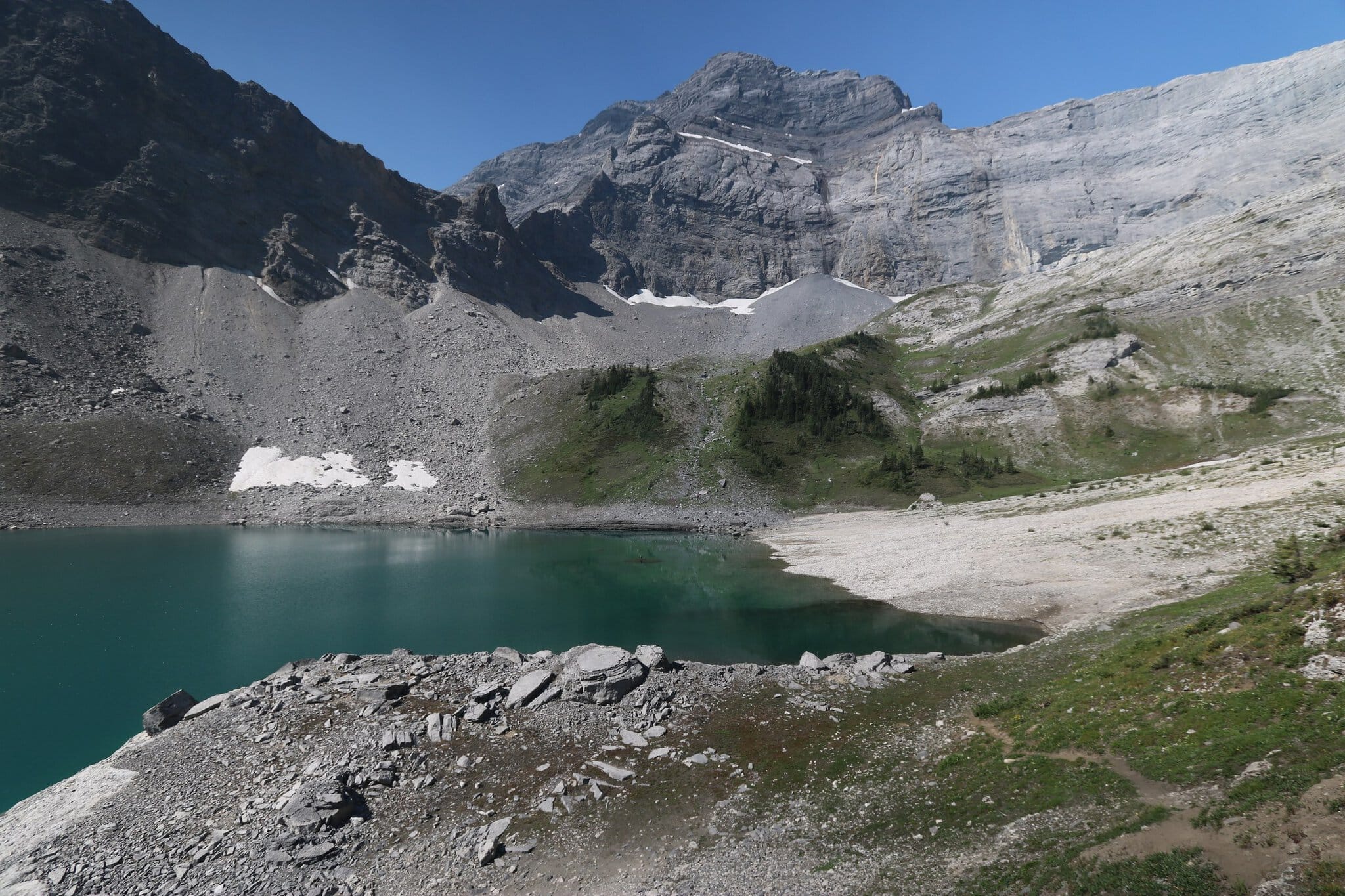
Tofino, Canada: 12 Best Things to See and Do (Surf, Storm Watching, Pacific Rim)

TL;DRTofino, on Canada’s Vancouver Island, packs in twelve standout experiences: surfing at the famous Cox Bay, walking the 16-kilometre Long Beach in Pacific Rim National Park, and an easy afternoon at Chesterman Beach with a walk out to Frank Island at low tide. November to March is prime time for storm watching, with waves reaching up to 12 metres, while whale watching runs from March to October. You can also head out to the Hot Springs Cove thermal springs or the Wild Pacific Trail in nearby Ucluelet. Getting there from the mainland takes about three hours by ferry and car along Highway 4, a night’s accommodation runs CAD 300 to 1,500, and it’s worth booking up to six months ahead.

Tofino Canada is exactly the kind of place where ancient rainforests tumble straight into the wild ocean, bald eagles wake you with their cries in the morning, and the air is perpetually thick with salt mingled with the scent of thousand-year-old cedars. It gets under your skin from the very first breath and never lets go. Although we arrived with sky-high expectations, reality still blew us away — and I mean that as the highest possible compliment.

The moment you first step onto an endless beach where icy Pacific waves crash against the shore and a proper ocean wind hits your face, you instantly understand why surfers, nature lovers, and romantic souls flock here from all over the world. Tofino, British Columbia, has a way of selling itself so completely that you forget the rest of the country even exists ☺️. We absolutely fell in love with the laid-back local vibe, where luxury resorts rub shoulders with a slow-paced surf lifestyle, and it’s perfectly normal to walk into an excellent restaurant wearing wellies and a mud-splattered jacket.

I’ve put together twelve places and activities that completely won me over in Tofino, whether you’re catching waves, watching whales, or simply sitting with a hot coffee gazing at a storm. I’ll also share the best time to visit, where to stay strategically, and how much this adventure at the edge of the world actually costs.

TL;DR

  • Best beaches: Long Beach in Pacific Rim National Park (perfect for long walks) and Chesterman Beach (easy access from town and stunning sunsets).
  • Surfing: Cox Bay is the most famous surf spot with the best waves. For beginners, we recommend lessons with Pacific Surf School or Surf Sister.
  • Winter storms: From November to March, people come here for “storm watching,” when waves can reach up to 12 metres.
  • Wildlife excursions: In spring and summer, don’t miss a whale watching tour (grey whales and orcas) or a zodiac trip to see black bears hunting for crabs on the beaches.
  • Getting there: From the mainland, you need to take a ferry to Vancouver Island (to Nanaimo or Victoria), then drive roughly three hours along the winding Highway 4 through the mountains. From the UK, fly into Vancouver (direct flights are available from London Heathrow with Air Canada or British Airways) and continue from there.
  • Prices: Tofino is one of the most expensive destinations in Canada — accommodation should be booked six months or more in advance.

When to Visit and How to Get to Tofino

When to visit really depends on what you’re after, because Tofino wears a completely different face in summer than it does in winter. If you want to surf (or at least give it a go in slightly more bearable conditions), go sea kayaking, hike through the national park, and soak up long sunny days, aim for the summer months from June to September. Just be prepared for a town that’s bursting at the seams and accommodation prices that shoot through the roof.

From November to March, on the other hand, Tofino transforms into a dramatic scene straight out of a disaster movie. This is storm watching season, when massive winter storms slam into the coast and you can watch twelve-metre waves lash the shoreline from the warmth of your hotel room beside a crackling fire. It’s incredibly romantic and utterly mesmerising to witness.

The journey itself is an experience in its own right. First, you need to reach Vancouver Island, typically by ferry from mainland Vancouver to Nanaimo harbour. From the UK, you can fly direct from London Heathrow to Vancouver with Air Canada or British Airways, and budget-friendly connections via other European hubs are also widely available. From Nanaimo, you’re in for a roughly three-hour road trip along the iconic Highway 4, which winds through majestic mountain ranges, past deep lakes, and over narrow bridges. We’d recommend hiring a car straight from the airport — comparing prices well in advance is key, as summer rates climb quickly. The road can be quite tricky in places and is often icy in winter, so don’t underestimate the need for winter tyres and cautious driving.

Where to Stay and How Much It Costs

Tofino really isn’t a cheap destination, and if you’re visiting during peak summer season, brace yourself for a bit of wallet pain. To give you an idea, a night in an average hotel or a decent Airbnb will set you back roughly 300 to 500 CAD (about £175 to £290 / €200 to €340). Luxury resorts with ocean views can easily climb to 800–1,500 CAD per night. Camping is the more affordable option (around 50–80 CAD per night), but campsites tend to be hopelessly sold out up to nine months in advance. Despite some people confusingly calling it “Tofino Island,” it’s actually a town on a peninsula on Vancouver Island, and there are strict rules against wild camping or sleeping in your car — so I wouldn’t recommend trying it.

🏨 Recommended Tofino Hotels

Browse all hotels in Tofino on Booking.com.

If you want the ultimate experience and budget isn’t a concern, the absolute icon is the Wickaninnish Inn. This legendary hotel sits right on a cliff above Chesterman Beach — exactly the kind of place where you want to watch winter storms in a bathrobe with a glass of wine in hand.

An excellent, albeit still premium, alternative is Pacific Sands Beach Resort, right on surfing hotspot Cox Bay. They have lovely fully equipped apartments with kitchenettes, which can save you a fortune on eating out. For those looking for a balance between price and quality who want to be closer to the town centre, we can recommend Tofino Resort + Marina.

12 Best Things to See and Do in Tofino Canada

Here are twelve places and activities that won me over the most in Tofino — and you should thank me for spending all that time scouting them out on your behalf. From jaw-dropping beaches and adventurous boat trips to peaceful walks through ancient rainforests, there’s something here for everyone.

1. Iconic Long Beach and Pacific Rim National Park

When someone says Tofino, this is exactly the place most people picture first. Long Beach is an incredible 16-kilometre stretch of hard-packed sand lining the coast of Pacific Rim National Park. It’s the longest sandy beach on all of Vancouver Island, and walking along it is a truly magical experience. The beach is littered with enormous silver-bleached tree trunks that the ocean hurled ashore during massive winter storms. Locals often use these logs as impromptu benches or windbreaks for picnics.

By the way, you’ll need a National Park Pass to enter the park (you can buy one from the machines at the car park — we always forget and end up queuing at the visitor centre 😅). Park at Incinerator Rock, a massive rock formation jutting out of the sand where waves crash so spectacularly that your first half hour will vanish just taking photos. The water is freezing year-round and the currents are unpredictable, so this definitely isn’t a spot for a casual swim — but for long, windswept walks in a proper jacket, it’s absolute paradise. If you’re planning longer hikes on the surrounding trails, make sure to read our guide on how to choose the right hiking boots before you go.

2. Tame the Waves at Cox Bay

Cox Bay is the beating heart of Tofino’s surf culture. If Tofino is the capital of Canadian surfing, then this crescent-shaped bay is its finest playground. Waves roll in straight from the open Pacific, and the shape of the bay creates consistent conditions all year round. We spent ages here just sitting on driftwood logs watching pros in black wetsuits glide confidently across the water while seagulls circled overhead.

If you fancy trying surfing for yourself, Tofino is the ideal place. Just bear in mind that the water hovers around 10–12°C even in the middle of summer, so a seriously thick wetsuit with a hood and booties is an absolute must. The town has several excellent surf schools — we recommend the renowned Pacific Surf School or the all-women Surf Sister, both of which have incredibly patient instructors and top-notch gear. It’s pretty hard work for beginners, but that feeling when you first stand up on the board and ride the whitewater is absolutely worth the freezing and the mouthfuls of salt water 😅.

3. The Spectacular Theatre of Storm Watching

As I touched on earlier, bad weather in Tofino is actually a massive tourist draw. From late autumn through early spring, Vancouver Island’s west coast faces enormous low-pressure systems that form over the Gulf of Alaska. These storms unleash awe-inspiring natural power in the form of hurricane-force winds and waves that can reach a staggering 10 to 12 metres. Watching this raw force from a safe vantage point is one of the most iconic experiences you can take home from Canada.

And the best part? Zero physical effort required. Pull on your cosiest jumper, brew a pot of tea or pour a glass of good wine, and settle in by the enormous picture window in your hotel. If you’re feeling a bit more adventurous and have proper waterproof gear, you can head straight to the beach or the viewing platform in the national park. Just be extremely careful of so-called “sneaker waves” — rogue waves that can surge far higher than the rest without warning and easily drag you into the sea. Never turn your back on the ocean.

4. Chesterman Beach: The Perfect Beach for Everyone

If I had to pick just one beach to return to every evening, it would be Chesterman Beach. Its huge advantage is that it sits right on the edge of Tofino itself, making it perfectly accessible on foot or by bike from many accommodation options. The beach is shaped like the letter W and is split into north and south sections, each with a slightly different atmosphere and different wave conditions.

The real magic happens at low tide. The water retreats dramatically, revealing a sandy spit that lets you walk dry-footed all the way out to the romantic little Frank Island. Just keep a close eye on the tide times so you don’t get stranded — the water rises remarkably fast here. The tide pools along the beach are teeming with life; you can spot colourful sea stars, anemones, and tiny crabs. And when the sun starts dipping towards the horizon, you won’t find a more beautiful sunset spot anywhere in Tofino.

5. Boat Trip to Hot Springs Cove

This is exactly the kind of adventure you’ll be telling all your friends about when you get home. Hot Springs Cove isn’t just any old hot springs — they’re tucked deep inside Maquinna Provincial Park with no road access whatsoever. To get there, you need to take a roughly ninety-minute boat ride or fly by floatplane across the breathtaking inlets and islets of the Clayoquot Sound protected area. The journey alone is a highlight, and you’ll often spot whales, sea otters, or seals lounging on the rocks along the way.

Once you arrive at the dock, there’s still a gorgeous two-kilometre boardwalk through ancient rainforest ahead of you. At the end of the trail, you’ll find natural hot springs bubbling out of the rocks directly into the ocean. The water at the source is nearly 50°C and gradually cools as it cascades through a series of natural rock pools towards the icy sea. The trick is to find a pool at just the right temperature, listen to the forest hum around you, and let the occasional ocean wave give you a refreshing splash. Definitely book your trip well in advance — boat capacity and pool space are both limited.

6. Whale Watching

This was hands down one of my biggest highlights of the entire trip — and I’ve seen whales several times before. Near Tofino, it’s just different. Every year from March to May, a massive grey whale migration passes through as the whales travel from the warm waters of Mexico up to the Arctic. Around twenty thousand whales swim through, and many of them linger in the bays around Tofino throughout the summer to feed in the nutrient-rich waters.

Local tour operators offer trips on larger, comfortable boats with covered cabins, or on fast inflatable zodiacs. We always prefer the zodiacs — you sit right above the waterline in a warm survival suit and the connection with nature is so much more intense. Besides grey whales, with a bit of luck you might also encounter iconic orcas or majestic humpbacks. The experienced guides approach the whales with maximum respect, maintaining strict distances to avoid stressing the animals.

7. Meares Island and the Giant Trees on Big Tree Trail

If you want to see what Canada looked like before European settlers arrived, simply hop on a water taxi at the harbour in Tofino and let it whisk you across to nearby Meares Island in about ten minutes. This island is home to some of the oldest and largest trees in all of British Columbia, and it’s also an important cultural site for the Tla-o-qui-aht First Nation, who successfully saved this place from mass logging years ago.

Right at the dock, you’ll find the start of the legendary Big Tree Trail — a short, roughly one-kilometre path along wooden boardwalks through an utterly magical old-growth forest. Here stands the famous Hanging Garden Tree, an incredible western red cedar estimated to be 1,500 to 2,000 years old. Standing beneath this colossus draped in moss and ferns is a genuinely humbling experience that stops you in your tracks for a moment. Just don’t forget your waterproofs — even on sunny days, water constantly drips from the branches above.

8. Black Bear Watching

While most visitors to Canada head inland to see bears, Vancouver Island’s west coast offers a completely unique way to observe these magnificent animals. Forget nervous encounters on hiking trails — here, you go to see them by boat. Tours are timed around the tides, because low tide is the key to a great sighting.

When the water retreats, it exposes the rocky shoreline of Clayoquot Sound. That’s when black bears emerge from the dense forest and lumber straight onto the beach, flipping over heavy rocks with their enormous paws to find their favourite treat — small shore crabs. The boat captain cuts the engine and you drift silently along the coast, watching bear families in their completely natural habitat. It’s safe for both you and the bears, and you’ll have an incredible chance to take some stunning photographs.

9. Hidden Gem: Tonquin Beach

While Long Beach and Chesterman Beach feature on the front page of every guidebook, Tonquin Beach is a quiet little secret that tends to be passed around by word of mouth among locals. It’s located just a short distance from the town centre, reached via a beautiful forest trail that eventually dissolves into what feels like an endless flight of wooden steps (which you’ll really feel on the way back 😅).

This beach is much smaller and more intimate than the others. Sheltered by rocks on both sides, it’s one of the few spots in Tofino where the wind doesn’t really reach, making it a lovely place to relax with a book or enjoy a peaceful picnic. Tonquin Beach also happens to face the perfect direction for watching sunsets. If you head here in the evening, pop a headtorch in your bag — the trail back through the dark forest to town isn’t lit.

lukas a lucka
Lukáš and Lucie recommend
Where to Stay in Tofino
6 accommodations — wellness hotels, hotels and other lodging options

10. Wander the Streets of Tofino Townsite

Although nature is the main reason people come here, the town centre itself (Tofino Townsite) is well worth a few hours of your time. It’s a small, colourful, and incredibly friendly little town scattered along the harbour, where surf culture mingles with an artistic community and Indigenous heritage. The air is filled with the scent of coffee, fresh fish, and pine.

Don’t miss the Roy Henry Vickers Gallery. Even if you’re not usually a gallery person, this traditional longhouse-style building packed with incredible vibrant prints and wood carvings by the celebrated Indigenous artist will win you over. The town centre is also a great spot for souvenir shopping, whether it’s locally made natural cosmetics crafted from kelp seaweed or beautiful hand-knitted wool jumpers.

11. Sea Kayaking in Sheltered Inlets

Surfing isn’t for everyone, and let’s be honest — not everyone fancies being pummelled by massive waves and freezing in the ocean. If you’re looking for a calmer but equally immersive way to explore the waters around Tofino, go sea kayaking. Unlike the exposed beaches, the intricate channels and inlets of Clayoquot Sound offer sheltered, calm waters that even complete beginners can handle.

During a guided multi-hour excursion, you’ll glide silently across water that mirrors the surrounding mountains and dark forests. It’s not uncommon for a curious seal to pop up right beside your kayak, an eagle to circle overhead, or a whale to spout in the distance. The guides will also take you into coves that larger boats can’t reach, sharing stories along the way about how the Indigenous peoples who have lived here for thousands of years view this landscape.

12. Take a Detour to Ucluelet and the Wild Pacific Trail

Although this article revolves around Tofino, it would be a huge mistake not to mention its sister town Ucluelet (locals simply call it “Ukee”), which lies just about forty minutes’ drive to the south. While Tofino is known for its sandy beaches and surf culture, Ucluelet perches on dramatic rocky cliffs and has a much grittier, more fishing-village feel to it.

The main reason to make the trip is the phenomenal Wild Pacific Trail. We specifically recommend walking the Lighthouse Loop, which hugs the cliffs all the way to the picturesque Amphitrite Point Lighthouse. The views of crashing ocean and windswept trees shaped by years of relentless gales are absolutely breathtaking. It’s an easy, beautifully maintained walk and one of the very best things you can do along the entire Vancouver Island coast.

Where to Eat in Tofino

Honestly, the food in Tofino surprised me more than anywhere else in Canada. You wouldn’t expect this level of dining in a small town at the end of the world, but local chefs have access to incredibly fresh ingredients straight from the ocean — from salmon and halibut to crab — plus locally grown produce.

The absolute must-try is Tacofino. It’s now a famous chain across British Columbia, but it all started right here, in a single orange food truck parked behind a surf shop. Their fish tacos with crispy cod and spicy mango mayo are legendary. In summer, expect to queue for up to an hour — but it’s completely worth the wait.

If you want to experience the very best of local dining and don’t mind splashing out, book a table at Wolf in the Fog. It regularly wins awards for best restaurant in Canada, and their innovative menu focused on local ingredients — served in a casual, buzzy, and friendly atmosphere — is fantastic. For great coffee and breakfast, head to Tofino Coffee Roasting Company, and in the evening, wash away the dust of the day with a craft beer at Tofino Brewing Co, where they brew a unique Kelp Stout made with actual seaweed.

Tips and Tricks for a Smooth Trip

Before you set off to explore Canada’s west coast, here are a few of our tried-and-tested tips to help with planning. Tofino is a fairly remote destination, so a bit of preparation really goes a long way.

Finding Affordable Flights to Canada

From the UK, direct flights to Vancouver are available from London Heathrow with Air Canada and British Airways. If you’re flexible on dates, keep an eye out for deals — we always start tracking prices well in advance, ideally six months before departure.

Connecting flights via hubs like Dublin, Reykjavik, or Calgary can sometimes turn up surprisingly cheap fares. Once you’re in Vancouver, it’s a ferry and scenic drive to reach Tofino — and that journey is an adventure in itself.

Hiring a Car Is a Must

You can technically get to Tofino by bus from Victoria or Nanaimo, but I genuinely can’t imagine doing the island without a car — especially if you want to visit the national park or head down to Ucluelet. Summer prices climb quickly, so book as early as possible.

When we hired ours, we left it a bit late and nearly ended up stuck with a ridiculously overpriced pickup truck. It’s well worth sorting it out the moment you’ve booked your flights. The drive through the mountains is a brilliant experience in its own right — just watch out for wildlife that can suddenly dart onto the road.

Staying Connected

Outside of town, mobile signal on the island is often patchy or completely non-existent, but having data when you arrive in built-up areas and hotels is really handy. We’d recommend checking out an eSIM like Holafly — read our Holafly review to see how it works. You can have your internet sorted before you even board the plane.

Definitely download offline maps to your phone before you set off. When you drive into the forests around Kennedy Lake and the signal vanishes entirely, you’ll be very glad you know exactly where you’re going 😁.

Don’t Forget Good Travel Insurance

Canadian healthcare is world-class, but astronomically expensive for foreign visitors. Any surfing injury or hiking mishap could end up costing a fortune. We often use nomad-friendly insurance — find out more in our SafetyWing review.

This is especially important if you’re planning to surf or hike along slippery rainforest trails. We take out insurance automatically with every trip, because as the saying goes — fortune favours the prepared, and you truly never know what might happen on the road.

Where to Go Next

Canada has an incredible number of places that deserve your attention. If Vancouver Island charmed you as much as it did us, or you’re planning to explore other corners of this enormous country, we’ve written plenty of other guides from our travels.

Whether you’re after big-city inspiration or want to keep exploring the wilderness, have a look at these articles:

FAQ — Common Questions Before a Trip to Tofino

I’ve gathered the most frequently asked questions from readers about travelling to Tofino. If something’s missing, feel free to drop me a message.

What’s the deal with bears and safety in Tofino?

Black bears live in the forests all around the area and occasionally wander to the edges of beaches or into town. There are strict rules about not leaving food outside and keeping garbage bins locked. On hiking trails, make noise (talk or chat) so you don’t surprise a bear. If you do see one, back away slowly and calmly—don’t approach. Attacks are extremely rare.

Do I need a car to explore Tofino and the surrounding area?

It definitely makes things easier. Tofino itself is small and walkable, and you can rent an e-bike to get to nearby beaches. However, if you want to visit Pacific Rim National Park or the town of Ucluelet, a car is basically essential.

When’s the best time for whale watching?

The main season kicks off in March, when tens of thousands of gray whales migrate north past the coast—that’s the big draw. But the season runs all the way through October, since many whales stick around to feed in local waters over the summer. Summer also gives you a better chance of spotting orcas or humpback whales.

Is it worth visiting Tofino in winter?

Absolutely! Winter (November through February) is storm watching season, when massive storms hammer the coastline. It’s a completely different experience from summer—much moodier, more romantic, and quieter since there are far fewer tourists. Premium accommodation prices tend to be better too. Just don’t forget proper waterproof gear.

Should I stay in Tofino or Ucluelet?

Tofino has more acclaimed restaurants, direct access to long sandy surf beaches, and a slightly more laid-back, hipster vibe. Ucluelet is about 40 minutes south, noticeably cheaper, quieter, with rockier cliffs and fewer beaches. If you want to surf every day, go with Tofino. If you’re after peace and quiet and don’t mind driving around a bit, Ucluelet is a great (and cheaper) alternative.

Tips and Tricks for Your Vacation

Don’t Overpay for Flights

Search for flights on Kayak. It’s our favorite search engine because it scans the websites of all airlines and always finds the cheapest connection.

Book Your Accommodation Smartly

The best experiences we’ve had when looking for accommodation (from Alaska to Morocco) are with Booking.com, where hotels, apartments, and entire houses are usually the cheapest and most widely available.

Don’t Forget Travel Insurance

Good travel insurance will protect you against illness, accidents, theft, or flight cancellations. We’ve had a few hospital visits abroad, so we know how important it is to have proper insurance arranged.

Where we insure ourselves: SafetyWing (best for everyone) and TrueTraveller (for extra-long trips).

Why don’t we recommend any Czech insurance company? Because they have too many restrictions. They set limits on the number of days abroad, travel insurance via a credit card often requires you to pay medical expenses only with that card, and they frequently limit the number of returns to the Czech Republic.

Find the Best Experiences

Get Your Guide is a huge online marketplace where you can book guided walks, trips, skip-the-line tickets, tours, and much more. We always find some extra fun there!
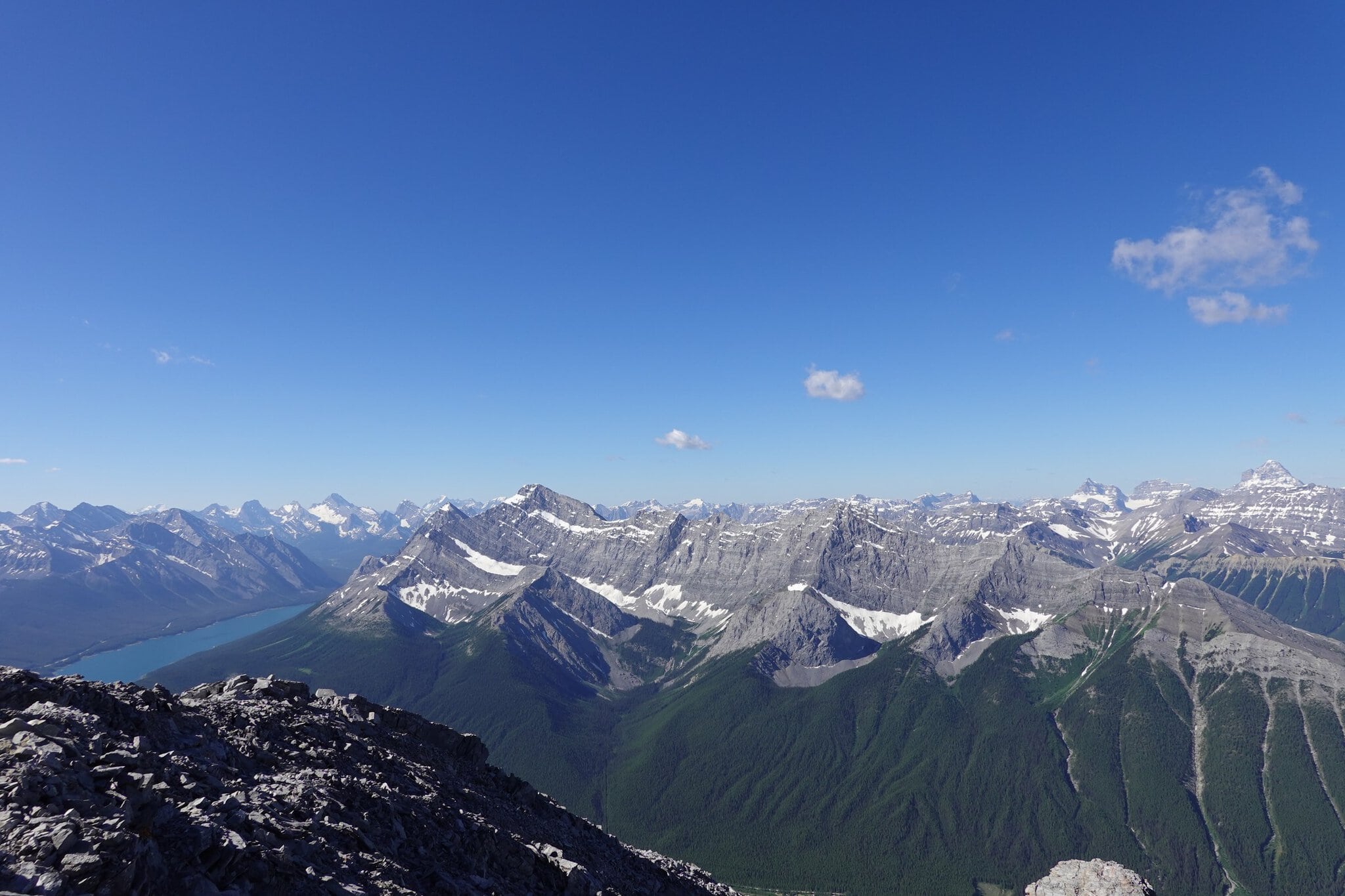
Pacific Rim National Park: Long Beach, Wild Pacific Trail & Complete Guide 2026

TL;DRPacific Rim National Park is the only national park on Canada’s west coast, sitting on Vancouver Island and split into three sections: Long Beach (a 16km stretch of sand between Tofino and Ucluelet), the Broken Group Islands, and the 75km West Coast Trail. July to September is best for beaches and surfing, October to March for storm-watching, and spring for the grey whale migration. From Vancouver, take the ferry to Nanaimo, then follow Highway 4 (roughly 3–4 hours). Park entry costs 11 CAD (about 190 CZK) a day, rooms in Tofino or Ucluelet start at 250 CAD a night, and the Wild Pacific Trail in Ucluelet gives you dramatic clifftop ocean views for free.

If you’re planning a road trip to Pacific Rim National Park, there’s one thing you need to know upfront. You have to drive all the way to the very edge of the continent, where dense rainforests collide head-on with the untamed Pacific Ocean. The journey across Vancouver Island eventually brings you here, to a place that will genuinely take your breath away. Pacific Rim National Park is the only national park on Canada’s west coast, and trust me — its wild, raw atmosphere gets under your skin from the very first moment.

Fog drifting lazily between ancient cedars, enormous waves crashing against rocks, endless beaches littered with massive driftwood logs, and air so clean and salty you almost want to drink it. Throw in the odd black bear trotting across the road, and you’ve got the picture. We spent over a week here, so I know exactly what’s worth your time and what you can skip — so keep reading. I’ll tell you how to get here, where to stay without blowing your budget, and share our favourite trails plus tips for jaw-dropping whale watching and the legendary winter storms.

TL;DR

  • Where is it: On the west coast of Vancouver Island in British Columbia, divided into three main sections (Long Beach, Broken Group Islands, and West Coast Trail).
  • When to go: July to September for classic hiking, beaches, and kayaking. October to March for iconic storm watching, and spring for grey whale migration.
  • How to get there: Take a ferry from mainland Vancouver to Nanaimo or Victoria, then drive across the island on Highway 4 (about 3 to 4 hours of incredibly winding roads). From London, you can fly to Vancouver with Air Canada or British Airways, then catch the ferry.
  • Where to stay: Your ideal base is either the pricier surf town of Tofino or the quieter, slightly more affordable fishing village of Ucluelet. The park also has the excellent Green Point campground.
  • Top experiences: Walking the 16-kilometre Long Beach, exploring the rainforest on elevated boardwalks, hiking the Wild Pacific Trail in Ucluelet, and of course surfing, bear watching, or whale watching.
  • Park entry: You’ll need a Park Pass, which costs around 11 CAD (about €7.50) per day. Check current prices and opening times on the official Parks Canada website.

What exactly is Pacific Rim National Park and why should you visit?

Many people assume Pacific Rim is just a single beach or forest near the town of Tofino. In reality, this national park stretches along a rugged coastline and is split into three completely different, standalone sections that aren’t even connected by road — and yet it’s a wilderness that feels perfectly balanced, the kind where you genuinely feel like the first person to set foot there.

The first and by far most accessible section is the Long Beach Unit, situated right between the towns of Tofino and Ucluelet. This is where you’ll find those famous sweeping beaches, surfers, and gorgeous rainforest hiking trails that you can easily explore over a weekend.

The second section is the Broken Group Islands — essentially a cluster of more than a hundred tiny islets scattered across Barkley Sound. You can only reach them by boat or kayak. If you love multi-day paddling and sleeping under the stars on deserted beaches, this is absolute paradise.

And finally, there’s the legendary West Coast Trail. It’s a 75-kilometre multi-day trek packed with mud, ladders, cable cars across rivers, and total disconnection from civilisation. It runs through the southern part of the island, and getting a permit is about as difficult as winning the lottery 😅. Most regular visitors head to the Long Beach section, which is what this guide focuses on. You can find all the latest information about all three sections on the official Pacific Rim NPR website.

When to visit Pacific Rim NP: a seasonal breakdown

If you’re planning a trip to this part of British Columbia, you first need to decide what kind of experience you’re after. The weather here completely changes the game, and each season offers an entirely different atmosphere.

From late June to early September is the classic summer season. That means the warmest temperatures, relatively little rainfall (by rainforest standards), and ideal conditions for camping, long hikes, and surfing in slightly more bearable water. However, this is also when accommodation books up months in advance and prices skyrocket.

Spring (mainly March to May) is the best time for watching migrating grey whales as they swim from Mexico all the way to Alaska. It’s an absolutely mesmerising spectacle — thousands of these enormous creatures passing just off the coast.

Then there’s autumn and winter, specifically from late October to March. While you’d normally run screaming from most holiday destinations in November, Pacific Rim transforms into a place people visit specifically for the bad weather — and I’ll admit, at first I thought they were mad, but now I completely get it. Powerful storms roll in from the ocean, waves reach several storeys high, and the wind bends trees to the ground. People flock here to luxury hotels with floor-to-ceiling glass walls, where they curl up by the fireplace with a mug of hot chocolate or a glass of wine and watch nature put on the most incredible show.

💡 Local tip: If you want to experience storm watching but don’t have a fixed date, keep an eye on the forecast a week ahead at Environment Canada — the most dramatic storms arrive 24–48 hours after deep low-pressure systems from the south near Alaska. You can then book a hotel last-minute at a very reasonable price.

How to get to the west coast and where to hire a car

The journey to the edge of the continent is quite an adventure in itself. It looks simpler on a map than it is in reality. In most cases, you’ll be starting from mainland Vancouver, from where you first need to get across to Vancouver Island.

If you’re flying from the UK, direct flights from London Heathrow to Vancouver are available with Air Canada and British Airways (roughly 9.5 hours). From there, the most common route to Pacific Rim National Park is via ferry with BC Ferries. You sail from the Horseshoe Bay or Tsawwassen terminal to Nanaimo. The crossing takes just under two hours and is a beautiful scenic ride — you can often spot seals from the deck.

Once you drive off the ferry in Nanaimo, you face the cross-island drive on Highway 4 heading west. It’s about 200 kilometres, but expect it to take at least 3 to 4 hours. The road quickly changes from a dual carriageway to an incredibly winding mountain route with steep climbs, blind corners, and frequent delays due to roadworks or landslides. It’s not for the faint-hearted, but the views of deep lakes and forests are magical.

If you fly directly to the island, your base will likely be the capital city Victoria (about a 5-hour drive from there) or the smaller airport in Comox.

We’ve had consistently good experiences with DiscoverCars, which we use all over the world. Make sure you book well in advance, because in summer the rental companies on Vancouver Island sell out completely. You don’t necessarily need a 4×4 SUV for this trip — the road is paved all the way to the ocean — but a car with a bit more power for the hills will come in handy.

💡 Local tip: The ferry from Tsawwassen has better views of bays and dolphins than the one from Horseshoe Bay, though it’s a longer drive to the terminal. Book your specific sailing at least a day ahead — during summer, the 15 CAD reservation fee is well worth it.

Where to stay and how much it costs

Finding reasonably priced accommodation here can be a real challenge, because prices stay stubbornly high and budget options are few and far between. Pacific Rim National Park sits largely in no man’s land between two towns. At the northern end you’ll find the famous surf town of Tofino, and at the southern end the old fishing village of Ucluelet. Whichever you choose, expect average room prices in peak season from 250 CAD (around €170) per night upwards. Check current deals and compare prices on Booking.com for Tofino or Booking.com for Ucluelet.

Accommodation in Tofino (livelier, surfy, pricier)

Tofino has become iconic. You’ll find excellent cafés, food trucks, surf schools, and a wonderfully hipster vibe. If you want the best food within walking distance and a morning surf lesson right on your doorstep, this is the place. Our complete Tofino guide is in a separate article. Our favourite hotels and resorts often have direct beach views — for example, the legendary Pacific Sands Beach Resort, which is hands-down the best choice if you’re coming for winter storm watching.

Accommodation in Ucluelet (quieter, wilder, slightly cheaper)

While Tofino sits beside long sandy beaches, Ucluelet (locals call it “Ukee”) perches on dramatic rocky cliffs. It’s a quieter alternative where you’re more likely to bump into fishermen than surfers. There are fewer tourists, stunning views of the churning ocean, and accommodation tends to be a touch easier on the wallet. Our top pick is the Black Rock Oceanfront Resort, which sits right on the cliff edge and has incredible character.

Camping inside the national park

If you want to get as close to nature as possible and experience proper camping right inside the park, the only option in the Long Beach section is the Green Point Campground. It’s a beautiful, well-maintained campground tucked in the forest right above the beach. Given how popular it is, you need to book your spot months in advance through the official Parks Canada reservation system as soon as spring dates open. The entire season usually sells out within hours.

Pacific Rim National Park: 10 places to visit and things to do

Let’s finally dive into the best that this corner of British Columbia has to offer. Most of the tips I’m listing are in the Long Beach area, so they’re all easily accessible by car. Don’t forget that the weather here changes every hour, so always pack a rain jacket even if the morning sun is blazing. That constant shift in atmosphere is actually what makes the local trails so magical.

1. Long Beach: 16 kilometres of untamed beauty

As the name suggests, Long Beach is the beating heart of this entire area. It’s an incredible 16-kilometre-long, wide strip of fine sand pounded relentlessly by wild ocean waves. This is where surfers from around the world flock to tackle the cold Pacific swells, and this is the beach that turned the whole area into Canada’s unofficial surf capital.

Walking along the beach is an absolute must, especially when the tide goes out and you find yourself strolling past enormous driftwood logs — tree trunks so massive that during storms the waves toss them around like matchsticks.

We’d also recommend heading out early in the morning, when heavy fog rises from the ocean and the sun struggles to break through the clouds. It’s an almost mystical experience. And if you’re lucky enough to catch a summer sunset, prepare yourself for skies painted in the most outrageous shades of purple and orange.

2. Wild Pacific Trail in Ucluelet: a clifftop walk

Although technically the Wild Pacific Trail sits just outside the national park boundary near the town of Ucluelet, it would be a crime not to mention it. It’s probably our favourite walk in the whole area, and better yet, it’s completely free. The trail winds along jagged cliffs and rocky headlands draped in impenetrable forest, offering some of the most dramatic ocean views you’ll ever see.

The most popular section is the Lighthouse Loop (roughly a 2.6-kilometre circuit), which takes you to the picturesque red-and-white Amphitrite Point Lighthouse. When the ocean is rough and waves smash into the cliffs, sending spray metres into the air, this place is truly spectacular.

We did it in regular trainers and managed just fine, so if you were hoping for an excuse to buy new hiking boots, you won’t find one here 😁 The trail network totals around 9 kilometres, so you can easily spend an entire afternoon wandering and scanning the horizon from clifftop benches for whales or bald eagles circling overhead.

3. Storm watching: when nature flexes its muscles

As I hinted at earlier, from late October to March people don’t come here for a tan — they come for the extreme weather. Storm watching is a fascinating pastime, and local hoteliers have turned it into a booming business. When the radio announces an approaching Pacific storm, hotels fill up in no time.

The best part is that you can enjoy nature’s fury in total comfort. Check into a room with a floor-to-ceiling glass wall facing the ocean, light the fireplace, brew a cup of tea, and watch the apocalypse rage outside from the comfort of your sofa. Winter winds here regularly top 100 kilometres per hour, and the ocean reveals a dark, almost terrifying side.

If you dare to venture outside, make sure you wear the best waterproof gear you own (some luxury hotels even lend it to guests) and head out to watch from a safe distance. One warning you should take seriously: never stand on the driftwood logs near the beach. Waves reach further than you’d expect, and sweeping a person off their feet is child’s play for them.

4. Hot Springs Cove: natural hot springs in the wilderness

If you have a spare day in your itinerary and a slightly more generous budget, definitely take the full-day boat trip to Hot Springs Cove. These natural hot springs are completely isolated, north of Tofino in Maquinna Provincial Park, and the only way to reach them is by water (or floatplane).

The boat ride alone, roughly an hour and a half each way, is a brilliant experience. The skipper points out landmarks along the coast, and if you’re lucky, you might spot whales or seals basking on the rocks. After docking, a roughly 30-minute walk through deep rainforest along an elevated boardwalk awaits.

At the end of the trail, you’ll find the real magic. Hot geothermal water (around 50 °C) flows out of the rock and cascades down through a series of natural pools, until the lowest one mingles with the icy Pacific Ocean. You can pick exactly the pool temperature that suits you. Just be aware that this is a hugely popular attraction, so you’ll rarely have it entirely to yourself.

5. Rainforest Trail: a walk through ancient temperate rainforest

Canada’s west coast is home to temperate rainforest, a truly unique ecosystem. To understand it and soak up its atmosphere, you need to stop at the Rainforest Trail. It’s located right off the main road between Tofino and Ucluelet and consists of two loops (Route A and Route B), each about 1.5 kilometres long.

The entire route follows beautifully maintained boardwalks with plenty of steps. If you stepped off them, you’d immediately sink into deep moss and ferns. Towering all around you are centuries-old western red cedars and hemlocks, with clumps of old man’s beard hanging from the branches and the air thick with the scent of damp wood and earthy soil.

It’s one of the most beautiful walks in the park — one where you genuinely feel like you’ve stepped into Jurassic Park. Information boards along the way reveal fascinating details about how this complex ecosystem sustains itself with nutrients that salmon bring from the ocean and bears and wolves carry into the forest.

6. Schooner Cove Trail: beaches and wildlife

Another gorgeous combination of forest and ocean is the Schooner Cove Trail. It’s roughly 2 kilometres one way and once again takes you through an enchanting forest on steps and boardwalks until you emerge right onto a long sandy beach and coastal rock formations.

What makes this spot exceptional is the incredible amount of marine life in the intertidal zone. If you arrive at low tide, the rock pools (tide pools) between the headlands are teeming with purple and orange starfish, sea anemones, crabs, and all sorts of other tiny sea creatures.

It’s absolutely essential to check tide tables beforehand, because some parts of the beach can be completely cut off at high tide — and you definitely don’t want to get stranded. Also stay alert: bears often roam the forest edges along the beaches in the early morning or evening, foraging for something to eat.

lukas a lucka
Lukáš and Lucie recommend
Where to Stay in Pacific Rim National Park
4 accommodations — campgrounds, resorts and other lodging options

7. Whale watching

Gaze out from the cliffs across the open ocean, and there’s a good chance you’ll spot a misty spout rising above the surface as a whale takes a breath. Whale watching is simply part of the fabric of this area, and the local operators are absolute experts. Every spring, over twenty thousand grey whales pass along the coast of Vancouver Island during their incredibly long migration from Mexico’s lagoons to the Arctic.

The best season for whale watching boat trips runs from roughly March to late October. Tour boats depart from both Tofino and Ucluelet. You’ll commonly encounter humpback whales or magnificent orcas too. Unlike some other parts of the world, the companies here follow very strict ethical guidelines on how close they can approach the animals, so you won’t be causing them any stress.

From personal experience, we’d strongly recommend bringing very warm clothing. Even when it’s pleasant on shore, out on the open water the wind chill gets to you surprisingly fast. You’ll find several operators in Tofino, and if you want a guaranteed spot during peak season, definitely book ahead.

8. Surfing in Tofino: worth it even in freezing water

It might sound bonkers to wade into water that barely reaches 13 degrees Celsius even at the height of August, but once you arrive, the surf vibe is utterly infectious. Half the cars in the car parks have boards strapped to the roof and people in wetsuits are everywhere.

Pacific Rim — and especially the beaches around Tofino like Chesterman Beach or Cox Bay — offers waves for complete beginners and seasoned pros alike. If you fancy giving it a go, pop into one of the local schools, such as Storm Surf Shop or Pacific Surf School. They’ll kit you out in a thick, full-body wetsuit complete with booties, gloves, and a hood, so you honestly won’t feel the cold in the water at all.

The lessons here are brilliantly well organised, the instructors are incredibly friendly, and after a few hours in the waves every muscle in your body will be screaming. But I guarantee that when you first stand up on the board and ride even the tiniest whitewash to shore, it’ll be one of the best moments of your entire trip.

9. Broken Group Islands by kayak: a multi-day adventure

If you love solitude and true wilderness, we need to move from the Long Beach area into the second of the park’s three sections. The Broken Group Islands is an enormous labyrinth of roughly a hundred islands and islets with no roads, no hotels, and no shops. It’s one of the most renowned sea kayaking destinations in the world.

People head into this paradise on multi-day expeditions. You can either join an organised group with a guide (which we wholeheartedly recommend if you don’t have extensive experience, due to treacherous currents and rapidly changing weather), or arrange a boat charter and get dropped off from Ucluelet or Port Alberni at the edge of the area with your kayaks.

Sleeping at beach camps scattered across the islands is a raw, stunningly beautiful experience — your only lullaby at night might be seals or the rattling of crabs scuttling across the sand.

10. West Coast Trail: the iconic trek for the bold

No guide would be complete without the West Coast Trail. This really isn’t your average Sunday stroll. It’s a 75-kilometre, extraordinarily demanding trek — both physically and mentally — along the south-eastern edge of the national park. The trail was originally created in the early 20th century as a rescue route for sailors from ships that frequently wrecked here due to cliffs and fog.

Today, it’s a challenge that enthusiasts tackle over 5 to 7 days. The route involves fording icy rivers, scrambling up dozens of enormous wooden ladders bolted to cliff faces, hauling yourself across hand-operated cable cars suspended high above canyons, and — above all — wading through a lot of mud.

Securing a spot is a monumental battle. Reservations sell out within minutes of opening in spring. On top of that, you need top-notch gear, a detailed trail map, and you must complete a mandatory safety briefing from park wardens before setting off. It’s an unforgettable kind of madness you’ll be reminiscing about for years, but only for those truly prepared and properly equipped.

Pacific Rim with kids: yes or no?

If you’re wondering whether to bring the family to the west coast, my answer is a resounding yes. Even though it might sound like rugged wilderness, the area around Tofino and Ucluelet is actually fantastic for kids.

The huge, wide beaches of fine sand with no big rocks are like the world’s biggest sandpit. The constantly wet, firm parts of the sand are perfect for running, building castles, or just rolling about. All the boardwalks through the rainforest, like the Rainforest Trail, are also brilliant. They’re safe and easy to walk, though a pushchair would struggle with all the steps — I’d recommend a baby carrier instead.

On top of that, the local surf schools run excellent programmes for little beginners. Our Jonáš was still a bit too young for surf school, but he was completely fascinated by every ripple in the water, and that alone kept him entertained for an entire afternoon. If your kids are over six and can swim, the instructors will happily take them under their wing and squeeze them into tiny wetsuits. Watching the little ones battle with a surfboard bigger than they are is impossibly cute.

Where to eat: what to try in Tofino and the surrounding area

Travelling and food go hand in hand, and even at the end of the world, surrounded by forest and ocean, you certainly won’t go hungry. Quite the opposite, in fact. Tofino has become a celebrated culinary destination with first-rate restaurants serving locally sourced ingredients.

An absolute legend you simply cannot miss is Tacofino. They’ve since expanded to Vancouver and beyond, but it all started right here at a single orange food truck tucked away on a gravel car park next to a surf shop. Their fish taco with fresh Pacific halibut or local salmon and a secret sauce is utterly divine. There are usually queues, but the wait is absolutely worth it.

If you’re after something fancier (or want to celebrate not falling off a ladder into the mud on the West Coast Trail), book a table at Wolf in the Fog in downtown Tofino. They do an incredible fusion of seafood and foraged ingredients from the surrounding forests, the menu changes constantly, and the atmosphere is wonderfully cosy.

And finally, where better to eat the freshest wild salmon in Canada than right here on the coast? Practically any local pub or fish shack will serve you excellent salmon, Dungeness crab, or enormous oysters from the surrounding bays.

💡 Local tip: Tacofino has reduced opening hours from November to February (closing at 3 pm) and is often shut on Mondays and Tuesdays — check the day on their website in advance, or you’ll miss the best fish tacos we’ve ever had.

Practical tips before your visit and park safety

Before you set off, here are a few things you should know:

1. Park Pass: As with all Canadian national parks (such as Banff or Jasper), there’s an entry fee. A day pass costs roughly 11 CAD per adult (around €7.50). If you’re visiting other Canadian national parks in the same year, consider buying the annual Discovery Pass — it often pays for itself. Stop at the Pacific Rim Visitor Centre at the Tofino/Ucluelet junction, where you can sort everything out and grab a printed map of the area.

2. Limited mobile signal: Once you leave Victoria or Nanaimo and start climbing into the mountains toward the west coast, you’ll very likely lose signal. Download all your offline maps beforehand and queue up some music for the drive. You’ll have signal in the towns of Tofino and Ucluelet themselves, but on most of the more remote beaches, not so much.

3. No drones: Hoping to capture this beauty from the air? Tough luck. Drone flying is strictly prohibited across the entire Canadian national parks system (except with special permits), and wardens hand out hefty fines and confiscate drones.

4. Bear safety: We saw more wildlife here than we expected, and bears are definitely not a myth. They roam everywhere, including the beaches, where they forage for food washed ashore. If you’re camping in the park, it’s absolutely mandatory to leave no food, toothpaste, or anything scented outside. Everything must be locked in your car or in the special bear-proof steel lockers provided at each campsite. We were a little nervous on our first night camping 😅, but as long as you follow the cleanliness rules and don’t create a “fragrant mess” at camp, the risk of a bear paying you a nighttime visit is absolutely minimal. On hikes, we’d also recommend carrying certified bear spray.

Useful links and what to sort before your trip

Here are our tried-and-tested recommendations for services that have saved us time and money for years. Hopefully they’ll come in handy for you too. ☺️

Where to find flights

Search for affordable flights on Kiwi — it’s our go-to portal that consistently finds the best combinations, including connections to North America. From the UK, look for direct flights from London Heathrow to Vancouver with Air Canada or British Airways, or consider connecting via a European hub for cheaper fares.

We recommend looking well in advance, ideally up to six months ahead. If you don’t mind a bit of discomfort, you can sometimes snag great deals with a longer layover.

Hiring a car for the road trip

We regularly use the comparison site DiscoverCars. It’s brilliant because it aggregates most major hire companies in one place so you can easily compare prices. In summer, cars disappear at an incredible rate, so don’t count on last-minute booking.

Don’t forget travel insurance

Whatever you do, don’t skimp on travel insurance for Canada — healthcare for non-residents there is astronomically expensive. For both longer and shorter trips, we can wholeheartedly recommend SafetyWing insurance for nomads.

We can vouch from experience that dealing with medical claims through them is genuinely straightforward and quick. You never know what might happen on a trek, and that peace of mind is worth every penny.

Mobile data and internet

For the past few years, we’ve been using eSIM cards exclusively. You buy one online, download it to your phone, and you’ve got internet the moment you land. Give our tried-and-tested Holafly a look.

When driving around the island, offline maps are useful, but being able to look up an open restaurant or check real-time weather radar is priceless. Installation takes just seconds before you fly.

Gear for the Canadian wilderness

When heading to the west coast, proper waterproof footwear is non-negotiable. Check out our guide to choosing hiking boots so you don’t make a mistake and end up with sore feet.

It’s not just about the boots, though. Invest in a quality waterproof jacket with a membrane too, because out here in the rainforest you’ll truly appreciate layers that dry quickly.

Where to go next

If you’re keen on more tips and want to combine your Canada trip with other exciting destinations, don’t miss our other articles on the blog. These are definitely worth exploring:

FAQ — Frequently asked questions about Pacific Rim National Park

Still have unanswered questions about visiting Canada’s Pacific coast? Here are the most common ones our readers ask about Pacific Rim National Park and Tofino.

How much does it cost to enter Pacific Rim National Park?

A daily pass (Park Pass) costs around 11 CAD per adult (about €7.50). If you’re planning to visit multiple Canadian national parks in the same year, the annual Discovery Pass at roughly 75 CAD is excellent value. You can pay at the Pacific Rim Visitor Centre or directly at car parks — you can also buy it online in advance on the Parks Canada website.

How do I get from Vancouver to Pacific Rim National Park?

The most common route is by BC Ferries from Horseshoe Bay or Tsawwassen to Nanaimo (about 2 hours), then driving Highway 4 across the island to Tofino/Ucluelet (3 to 4 hours). Book the ferry in advance during summer. An alternative is flying into Tofino on a small plane with Pacific Coastal Airlines, though it’s pricier.

When is the best time to visit Pacific Rim?

July to September is the warmest and driest period — ideal for beaches, surfing, kayaking, and hikes. Late October to March brings the iconic storms (storm watching). March to May is grey whale migration season. Avoid mid-June, when the weather is unpredictable and the season hasn’t fully kicked off.

Can I swim in the ocean here?

That depends on how tough you are. The water rarely exceeds 13 to 14 degrees even in the middle of a hot summer. Without a proper wetsuit (at least 4/3 or 5/4 with booties), you’ll last roughly a few dozen seconds before you can’t feel your feet. The vast majority of people just dip their toes in up to the ankles before running away 😅.

How long should I spend here?

The ideal time for exploring the Long Beach area and the towns of Tofino and Ucluelet is at least 3 full days (2 nights). That gives you time for a hike, a surf lesson, a wander through the rainforest, and some fantastic food. If you’re coming for the West Coast Trail or paddling the Broken Group Islands, plan on a full week with plenty of advance preparation.

Where can I see wildlife in the national park, and what about bears?

You’ll spot wildlife practically everywhere — on beaches, cliff-edge trails, and even from your car window (that’s how we saw our first bear, right by the road). Black bears, and occasionally the rarer grizzly, are usually found near water where they forage for food. Orcas, grey whales, and seals you’ll obviously only see from a tour boat with local operators. Remember to attach a bell to your backpack and carry bear spray on walks.

Do I need a reservation for the West Coast Trail?

Yes, a permit is mandatory and the number of spots is very limited. Reservations open on the Parks Canada website each January for the May–September season and capacity typically sells out within hours. Before starting, you must attend a mandatory safety briefing from park wardens and have top-quality hiking gear.

I hope this guide helps you plan an unforgettable trip to Pacific Rim National Park. If you’re planning a longer journey through Canada, check out our complete Vancouver Island road trip itinerary, where you’ll find a day-by-day route including tips on accommodation, restaurants, and activities.

Tips and Tricks for Your Vacation

Don’t Overpay for Flights

Search for flights on Kayak. It’s our favorite search engine because it scans the websites of all airlines and always finds the cheapest connection.

Book Your Accommodation Smartly

The best experiences we’ve had when looking for accommodation (from Alaska to Morocco) are with Booking.com, where hotels, apartments, and entire houses are usually the cheapest and most widely available.

Don’t Forget Travel Insurance

Good travel insurance will protect you against illness, accidents, theft, or flight cancellations. We’ve had a few hospital visits abroad, so we know how important it is to have proper insurance arranged.

Where we insure ourselves: SafetyWing (best for everyone) and TrueTraveller (for extra-long trips).

Why don’t we recommend any Czech insurance company? Because they have too many restrictions. They set limits on the number of days abroad, travel insurance via a credit card often requires you to pay medical expenses only with that card, and they frequently limit the number of returns to the Czech Republic.

Find the Best Experiences

Get Your Guide is a huge online marketplace where you can book guided walks, trips, skip-the-line tickets, tours, and much more. We always find some extra fun there!