

If you’re planning a road trip to Pacific Rim National Park, there’s one thing you need to know upfront. You have to drive all the way to the very edge of the continent, where dense rainforests collide head-on with the untamed Pacific Ocean. The journey across Vancouver Island eventually brings you here, to a place that will genuinely take your breath away. Pacific Rim National Park is the only national park on Canada’s west coast, and trust me — its wild, raw atmosphere gets under your skin from the very first moment.
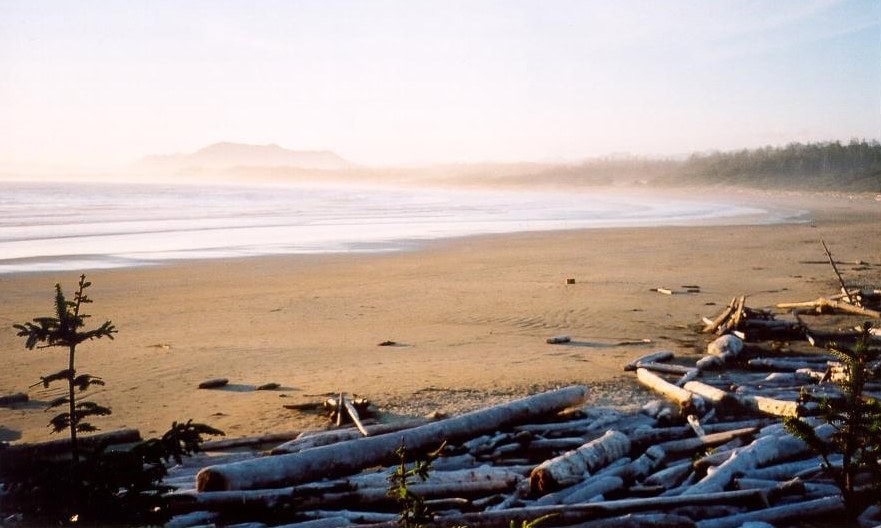
Fog drifting lazily between ancient cedars, enormous waves crashing against rocks, endless beaches littered with massive driftwood logs, and air so clean and salty you almost want to drink it. Throw in the odd black bear trotting across the road, and you’ve got the picture. We spent over a week here, so I know exactly what’s worth your time and what you can skip — so keep reading. I’ll tell you how to get here, where to stay without blowing your budget, and share our favourite trails plus tips for jaw-dropping whale watching and the legendary winter storms.
The full destination guide: British Columbia — guide and what to see
TL;DR
- Where is it: On the west coast of Vancouver Island in British Columbia, divided into three main sections (Long Beach, Broken Group Islands, and West Coast Trail).
- When to go: July to September for classic hiking, beaches, and kayaking. October to March for iconic storm watching, and spring for grey whale migration.
- How to get there: Take a ferry from mainland Vancouver to Nanaimo or Victoria, then drive across the island on Highway 4 (about 3 to 4 hours of incredibly winding roads). From London, you can fly to Vancouver with Air Canada or British Airways, then catch the ferry.
- Where to stay: Your ideal base is either the pricier surf town of Tofino or the quieter, slightly more affordable fishing village of Ucluelet. The park also has the excellent Green Point campground.
- Top experiences: Walking the 16-kilometre Long Beach, exploring the rainforest on elevated boardwalks, hiking the Wild Pacific Trail in Ucluelet, and of course surfing, bear watching, or whale watching.
- Park entry: You’ll need a Park Pass, which costs around 11 CAD (about €7.50) per day. Check current prices and opening times on the official Parks Canada website.
What exactly is Pacific Rim National Park and why should you visit?
Many people assume Pacific Rim is just a single beach or forest near the town of Tofino. In reality, this national park stretches along a rugged coastline and is split into three completely different, standalone sections that aren’t even connected by road — and yet it’s a wilderness that feels perfectly balanced, the kind where you genuinely feel like the first person to set foot there.
The first and by far most accessible section is the Long Beach Unit, situated right between the towns of Tofino and Ucluelet. This is where you’ll find those famous sweeping beaches, surfers, and gorgeous rainforest hiking trails that you can easily explore over a weekend.
The second section is the Broken Group Islands — essentially a cluster of more than a hundred tiny islets scattered across Barkley Sound. You can only reach them by boat or kayak. If you love multi-day paddling and sleeping under the stars on deserted beaches, this is absolute paradise.
And finally, there’s the legendary West Coast Trail. It’s a 75-kilometre multi-day trek packed with mud, ladders, cable cars across rivers, and total disconnection from civilisation. It runs through the southern part of the island, and getting a permit is about as difficult as winning the lottery 😅. Most regular visitors head to the Long Beach section, which is what this guide focuses on. You can find all the latest information about all three sections on the official Pacific Rim NPR website.
When to visit Pacific Rim NP: a seasonal breakdown
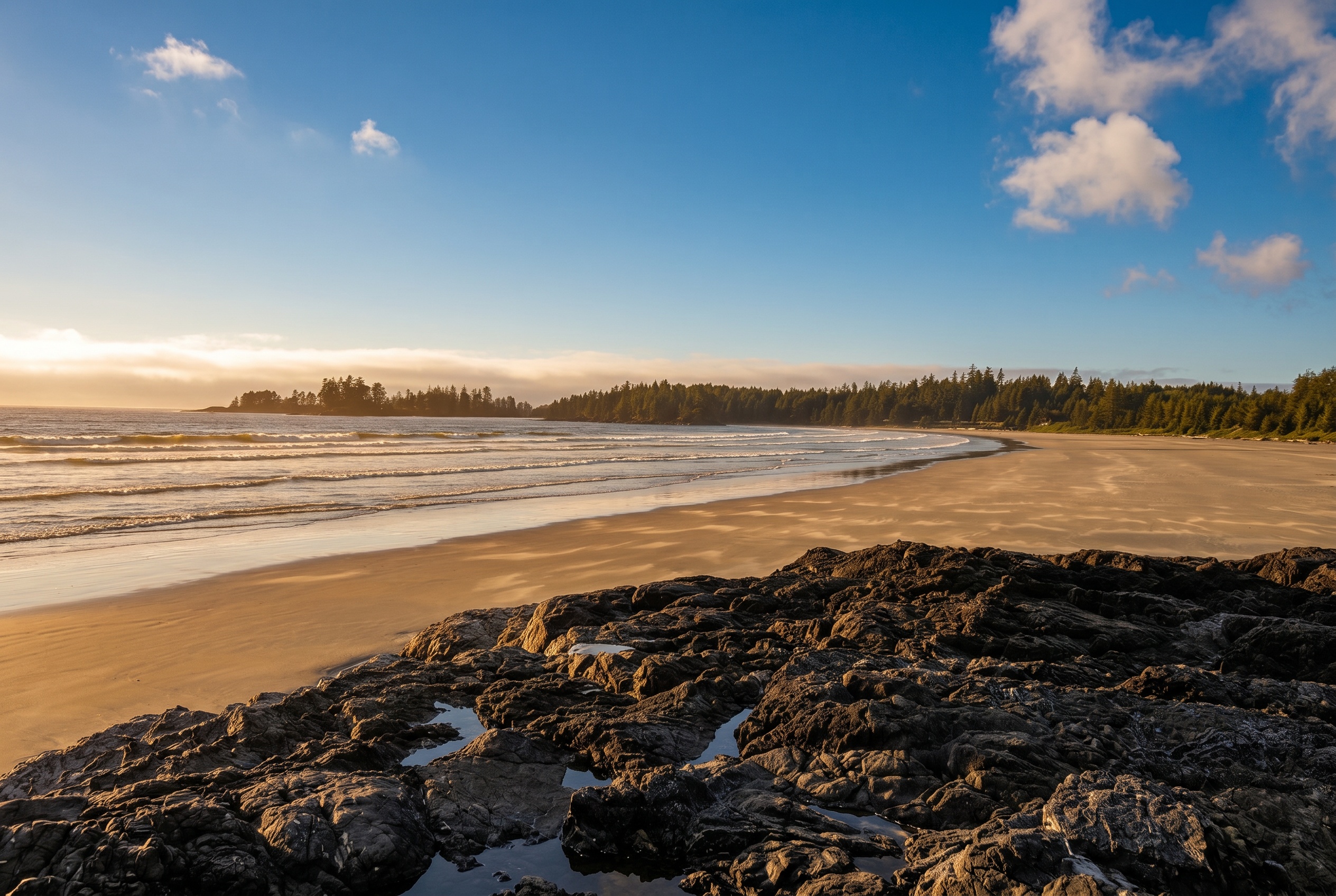
If you’re planning a trip to this part of British Columbia, you first need to decide what kind of experience you’re after. The weather here completely changes the game, and each season offers an entirely different atmosphere.
From late June to early September is the classic summer season. That means the warmest temperatures, relatively little rainfall (by rainforest standards), and ideal conditions for camping, long hikes, and surfing in slightly more bearable water. However, this is also when accommodation books up months in advance and prices skyrocket.
Spring (mainly March to May) is the best time for watching migrating grey whales as they swim from Mexico all the way to Alaska. It’s an absolutely mesmerising spectacle — thousands of these enormous creatures passing just off the coast.
Then there’s autumn and winter, specifically from late October to March. While you’d normally run screaming from most holiday destinations in November, Pacific Rim transforms into a place people visit specifically for the bad weather — and I’ll admit, at first I thought they were mad, but now I completely get it. Powerful storms roll in from the ocean, waves reach several storeys high, and the wind bends trees to the ground. People flock here to luxury hotels with floor-to-ceiling glass walls, where they curl up by the fireplace with a mug of hot chocolate or a glass of wine and watch nature put on the most incredible show.
💡 Local tip: If you want to experience storm watching but don’t have a fixed date, keep an eye on the forecast a week ahead at Environment Canada — the most dramatic storms arrive 24–48 hours after deep low-pressure systems from the south near Alaska. You can then book a hotel last-minute at a very reasonable price.
How to get to the west coast and where to hire a car
The journey to the edge of the continent is quite an adventure in itself. It looks simpler on a map than it is in reality. In most cases, you’ll be starting from mainland Vancouver, from where you first need to get across to Vancouver Island.
If you’re flying from the UK, direct flights from London Heathrow to Vancouver are available with Air Canada and British Airways (roughly 9.5 hours). From there, the most common route to Pacific Rim National Park is via ferry with BC Ferries. You sail from the Horseshoe Bay or Tsawwassen terminal to Nanaimo. The crossing takes just under two hours and is a beautiful scenic ride — you can often spot seals from the deck.
Once you drive off the ferry in Nanaimo, you face the cross-island drive on Highway 4 heading west. It’s about 200 kilometres, but expect it to take at least 3 to 4 hours. The road quickly changes from a dual carriageway to an incredibly winding mountain route with steep climbs, blind corners, and frequent delays due to roadworks or landslides. It’s not for the faint-hearted, but the views of deep lakes and forests are magical.
If you fly directly to the island, your base will likely be the capital city Victoria (about a 5-hour drive from there) or the smaller airport in Comox.
We’ve had consistently good experiences with DiscoverCars, which we use all over the world. Make sure you book well in advance, because in summer the rental companies on Vancouver Island sell out completely. You don’t necessarily need a 4×4 SUV for this trip — the road is paved all the way to the ocean — but a car with a bit more power for the hills will come in handy.
💡 Local tip: The ferry from Tsawwassen has better views of bays and dolphins than the one from Horseshoe Bay, though it’s a longer drive to the terminal. Book your specific sailing at least a day ahead — during summer, the 15 CAD reservation fee is well worth it.
Where to stay and how much it costs
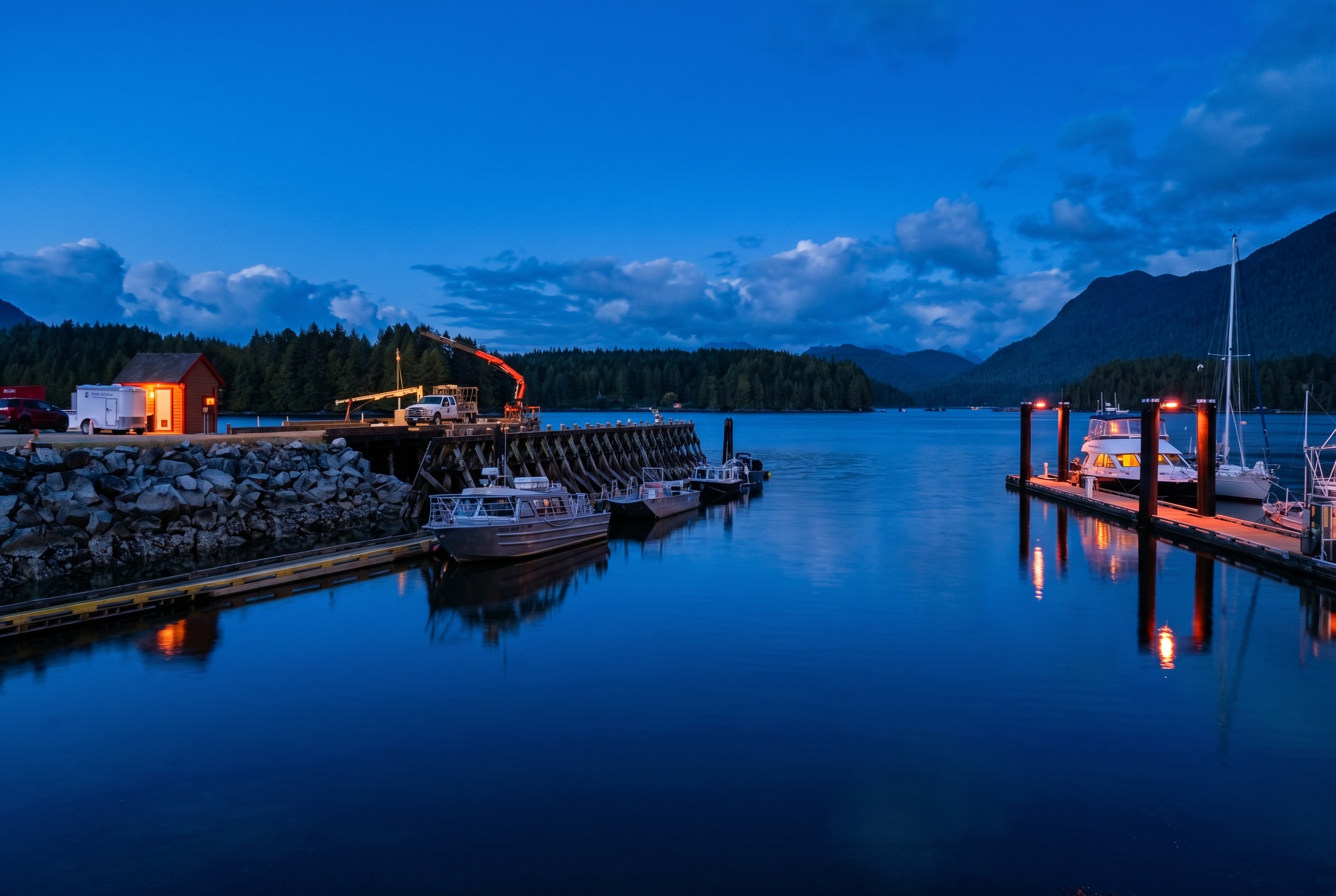
Finding reasonably priced accommodation here can be a real challenge, because prices stay stubbornly high and budget options are few and far between. Pacific Rim National Park sits largely in no man’s land between two towns. At the northern end you’ll find the famous surf town of Tofino, and at the southern end the old fishing village of Ucluelet. Whichever you choose, expect average room prices in peak season from 250 CAD (around €170) per night upwards. Check current deals and compare prices on Booking.com for Tofino or Booking.com for Ucluelet.
Accommodation in Tofino (livelier, surfy, pricier)
Tofino has become iconic. You’ll find excellent cafés, food trucks, surf schools, and a wonderfully hipster vibe. If you want the best food within walking distance and a morning surf lesson right on your doorstep, this is the place. Our complete Tofino guide is in a separate article. Our favourite hotels and resorts often have direct beach views — for example, the legendary Pacific Sands Beach Resort, which is hands-down the best choice if you’re coming for winter storm watching.
Accommodation in Ucluelet (quieter, wilder, slightly cheaper)
While Tofino sits beside long sandy beaches, Ucluelet (locals call it “Ukee”) perches on dramatic rocky cliffs. It’s a quieter alternative where you’re more likely to bump into fishermen than surfers. There are fewer tourists, stunning views of the churning ocean, and accommodation tends to be a touch easier on the wallet. Our top pick is the Black Rock Oceanfront Resort, which sits right on the cliff edge and has incredible character.
Camping inside the national park
If you want to get as close to nature as possible and experience proper camping right inside the park, the only option in the Long Beach section is the Green Point Campground. It’s a beautiful, well-maintained campground tucked in the forest right above the beach. Given how popular it is, you need to book your spot months in advance through the official Parks Canada reservation system as soon as spring dates open. The entire season usually sells out within hours.
Pacific Rim National Park: 10 places to visit and things to do
Let’s finally dive into the best that this corner of British Columbia has to offer. Most of the tips I’m listing are in the Long Beach area, so they’re all easily accessible by car. Don’t forget that the weather here changes every hour, so always pack a rain jacket even if the morning sun is blazing. That constant shift in atmosphere is actually what makes the local trails so magical.
1. Long Beach: 16 kilometres of untamed beauty
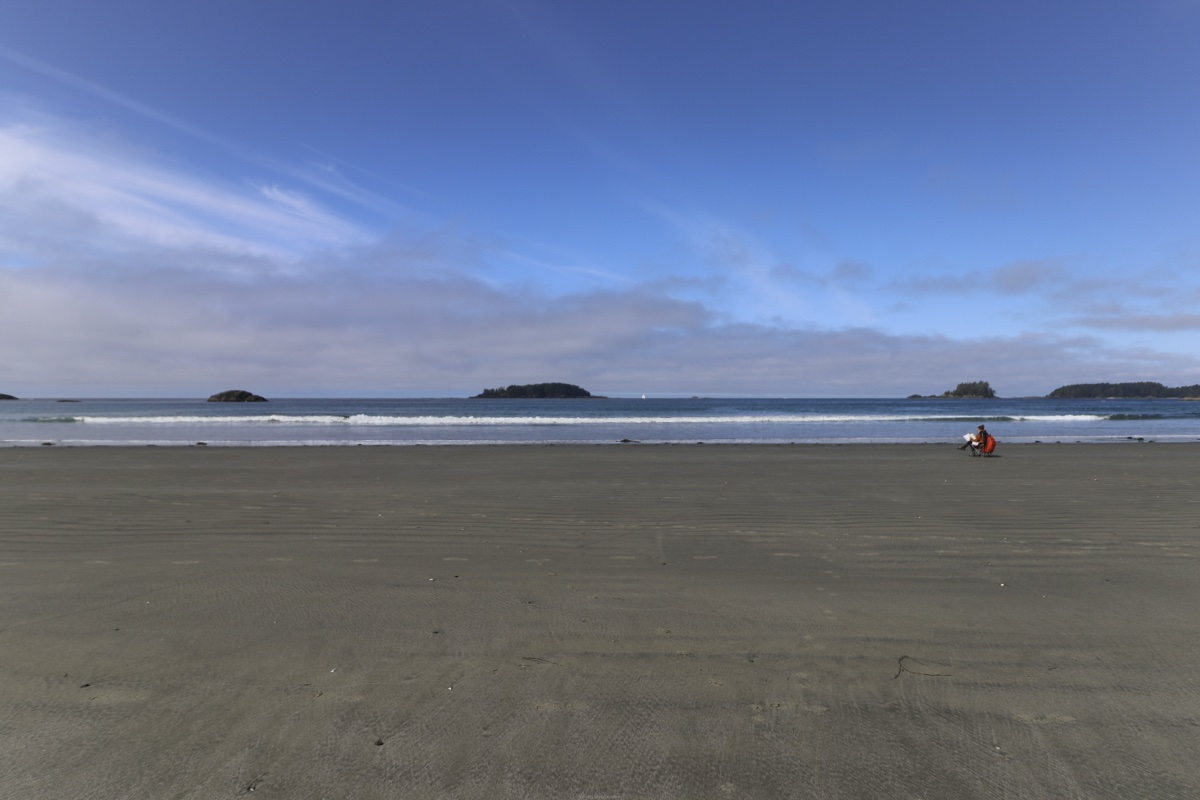
As the name suggests, Long Beach is the beating heart of this entire area. It’s an incredible 16-kilometre-long, wide strip of fine sand pounded relentlessly by wild ocean waves. This is where surfers from around the world flock to tackle the cold Pacific swells, and this is the beach that turned the whole area into Canada’s unofficial surf capital.
Walking along the beach is an absolute must, especially when the tide goes out and you find yourself strolling past enormous driftwood logs — tree trunks so massive that during storms the waves toss them around like matchsticks.
We’d also recommend heading out early in the morning, when heavy fog rises from the ocean and the sun struggles to break through the clouds. It’s an almost mystical experience. And if you’re lucky enough to catch a summer sunset, prepare yourself for skies painted in the most outrageous shades of purple and orange.
2. Wild Pacific Trail in Ucluelet: a clifftop walk
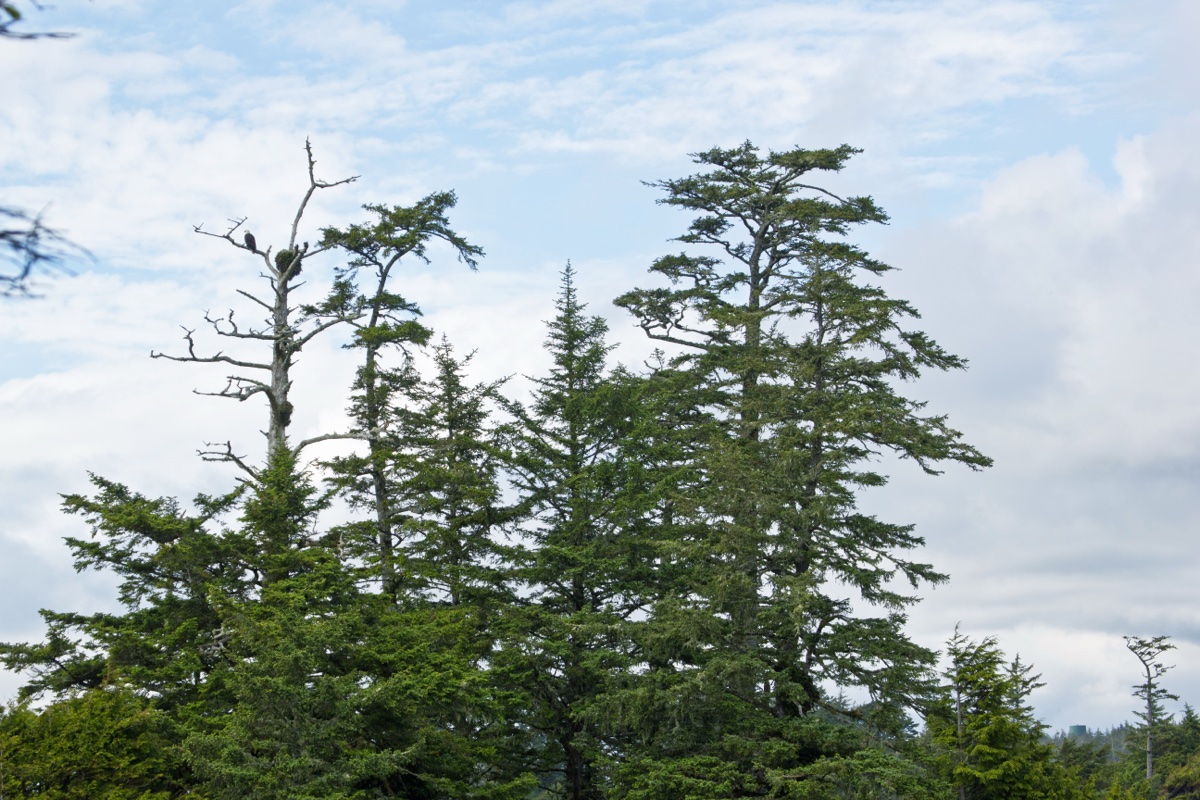
Although technically the Wild Pacific Trail sits just outside the national park boundary near the town of Ucluelet, it would be a crime not to mention it. It’s probably our favourite walk in the whole area, and better yet, it’s completely free. The trail winds along jagged cliffs and rocky headlands draped in impenetrable forest, offering some of the most dramatic ocean views you’ll ever see.
The most popular section is the Lighthouse Loop (roughly a 2.6-kilometre circuit), which takes you to the picturesque red-and-white Amphitrite Point Lighthouse. When the ocean is rough and waves smash into the cliffs, sending spray metres into the air, this place is truly spectacular.
We did it in regular trainers and managed just fine, so if you were hoping for an excuse to buy new hiking boots, you won’t find one here 😁 The trail network totals around 9 kilometres, so you can easily spend an entire afternoon wandering and scanning the horizon from clifftop benches for whales or bald eagles circling overhead.
3. Storm watching: when nature flexes its muscles
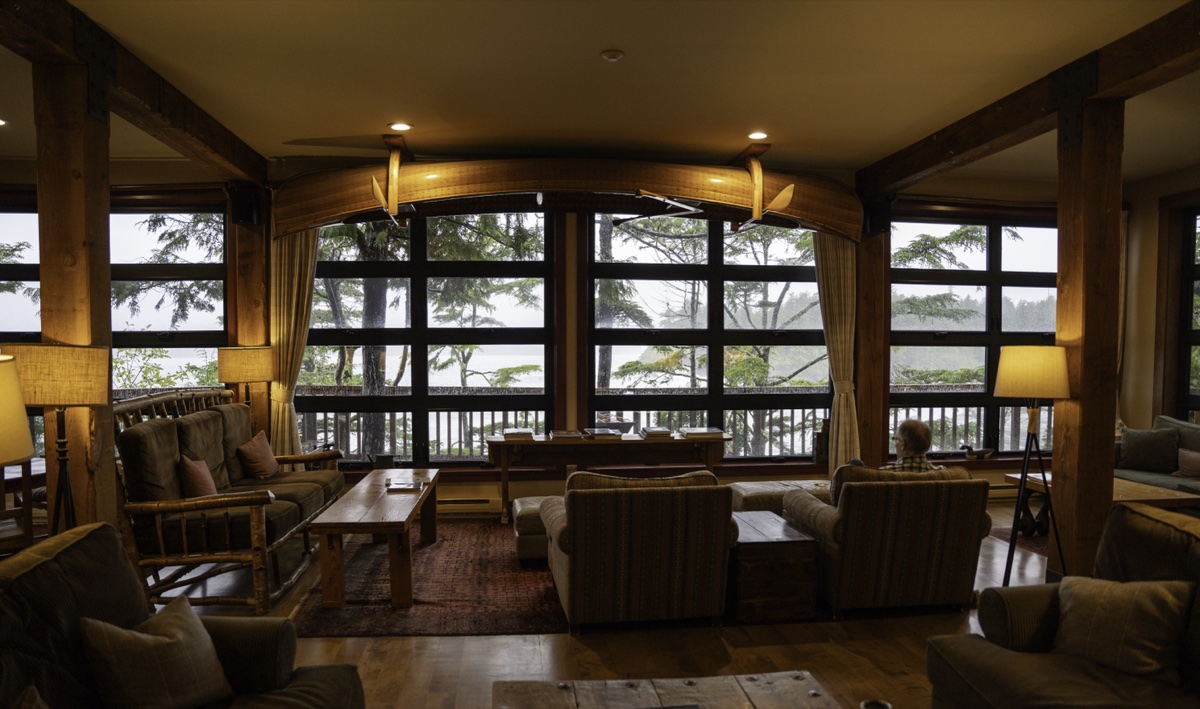
As I hinted at earlier, from late October to March people don’t come here for a tan — they come for the extreme weather. Storm watching is a fascinating pastime, and local hoteliers have turned it into a booming business. When the radio announces an approaching Pacific storm, hotels fill up in no time.
The best part is that you can enjoy nature’s fury in total comfort. Check into a room with a floor-to-ceiling glass wall facing the ocean, light the fireplace, brew a cup of tea, and watch the apocalypse rage outside from the comfort of your sofa. Winter winds here regularly top 100 kilometres per hour, and the ocean reveals a dark, almost terrifying side.
If you dare to venture outside, make sure you wear the best waterproof gear you own (some luxury hotels even lend it to guests) and head out to watch from a safe distance. One warning you should take seriously: never stand on the driftwood logs near the beach. Waves reach further than you’d expect, and sweeping a person off their feet is child’s play for them.
4. Hot Springs Cove: natural hot springs in the wilderness
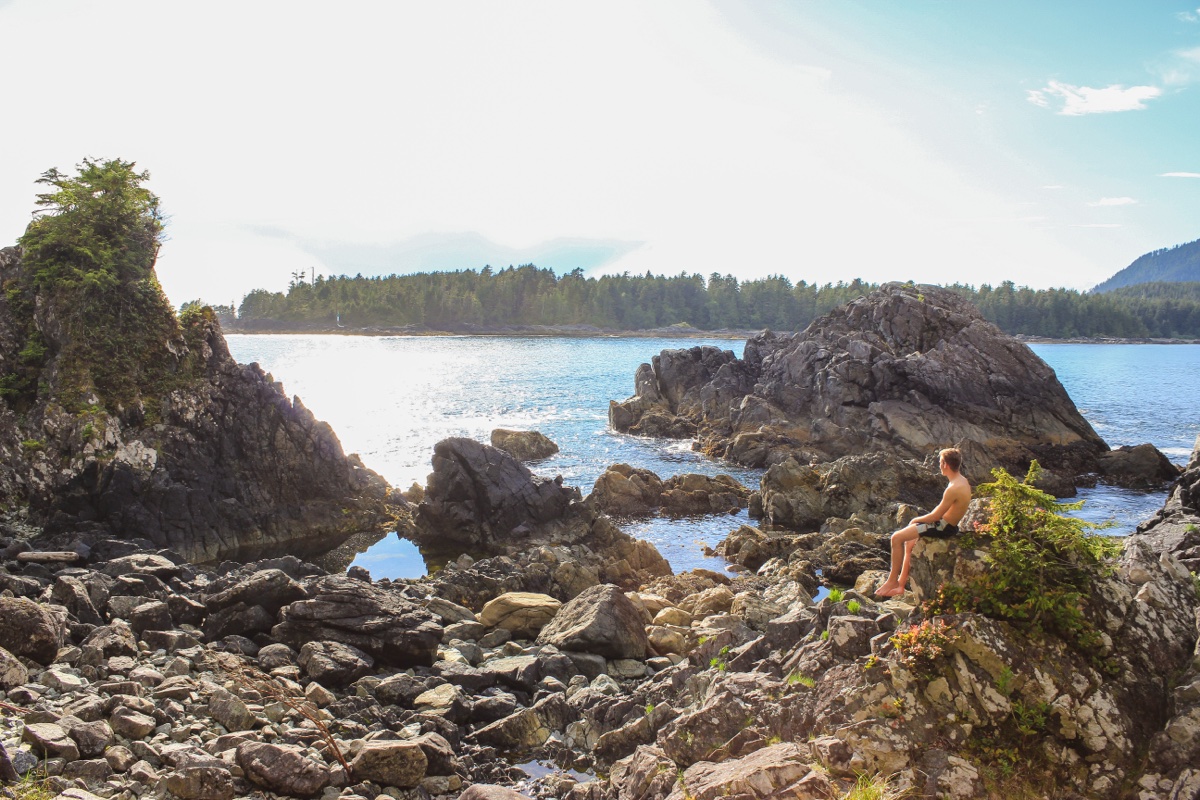
If you have a spare day in your itinerary and a slightly more generous budget, definitely take the full-day boat trip to Hot Springs Cove. These natural hot springs are completely isolated, north of Tofino in Maquinna Provincial Park, and the only way to reach them is by water (or floatplane).
The boat ride alone, roughly an hour and a half each way, is a brilliant experience. The skipper points out landmarks along the coast, and if you’re lucky, you might spot whales or seals basking on the rocks. After docking, a roughly 30-minute walk through deep rainforest along an elevated boardwalk awaits.
At the end of the trail, you’ll find the real magic. Hot geothermal water (around 50 °C) flows out of the rock and cascades down through a series of natural pools, until the lowest one mingles with the icy Pacific Ocean. You can pick exactly the pool temperature that suits you. Just be aware that this is a hugely popular attraction, so you’ll rarely have it entirely to yourself.
5. Rainforest Trail: a walk through ancient temperate rainforest
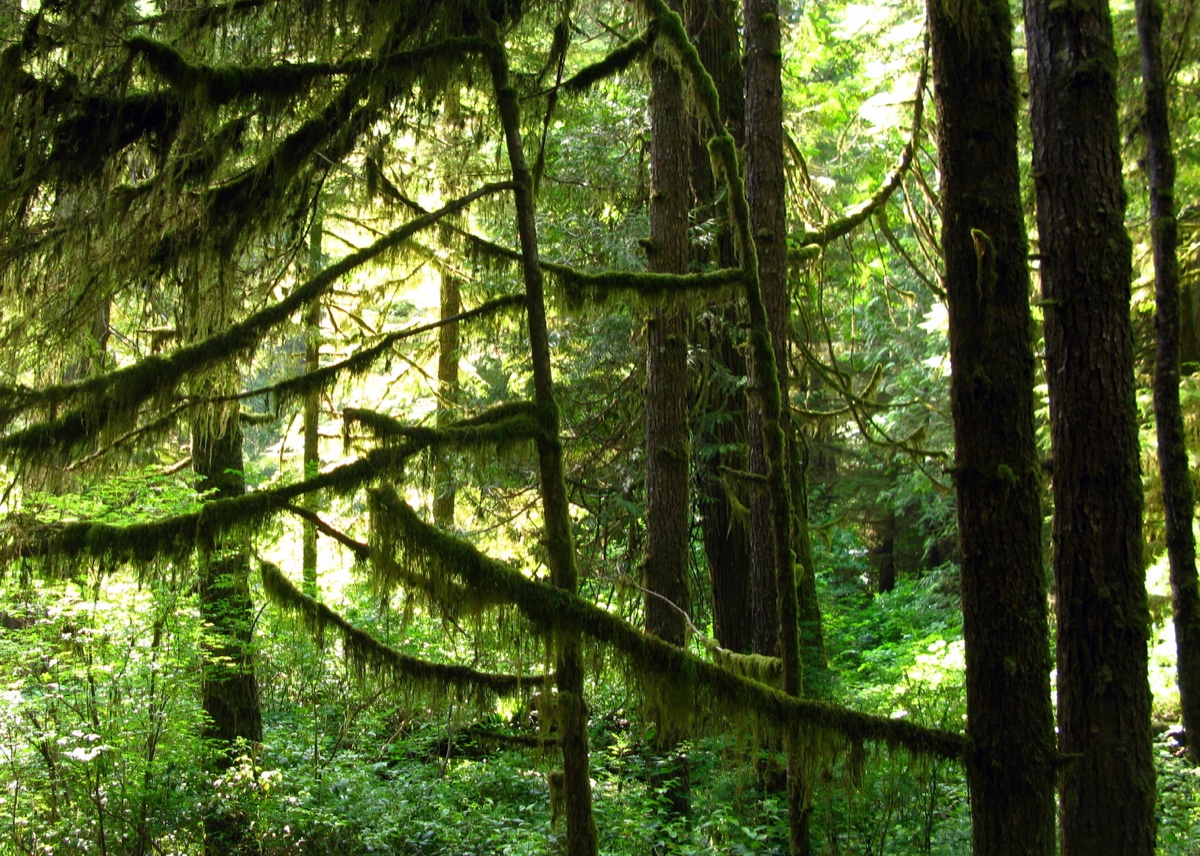
Canada’s west coast is home to temperate rainforest, a truly unique ecosystem. To understand it and soak up its atmosphere, you need to stop at the Rainforest Trail. It’s located right off the main road between Tofino and Ucluelet and consists of two loops (Route A and Route B), each about 1.5 kilometres long.
The entire route follows beautifully maintained boardwalks with plenty of steps. If you stepped off them, you’d immediately sink into deep moss and ferns. Towering all around you are centuries-old western red cedars and hemlocks, with clumps of old man’s beard hanging from the branches and the air thick with the scent of damp wood and earthy soil.
It’s one of the most beautiful walks in the park — one where you genuinely feel like you’ve stepped into Jurassic Park. Information boards along the way reveal fascinating details about how this complex ecosystem sustains itself with nutrients that salmon bring from the ocean and bears and wolves carry into the forest.
6. Schooner Cove Trail: beaches and wildlife
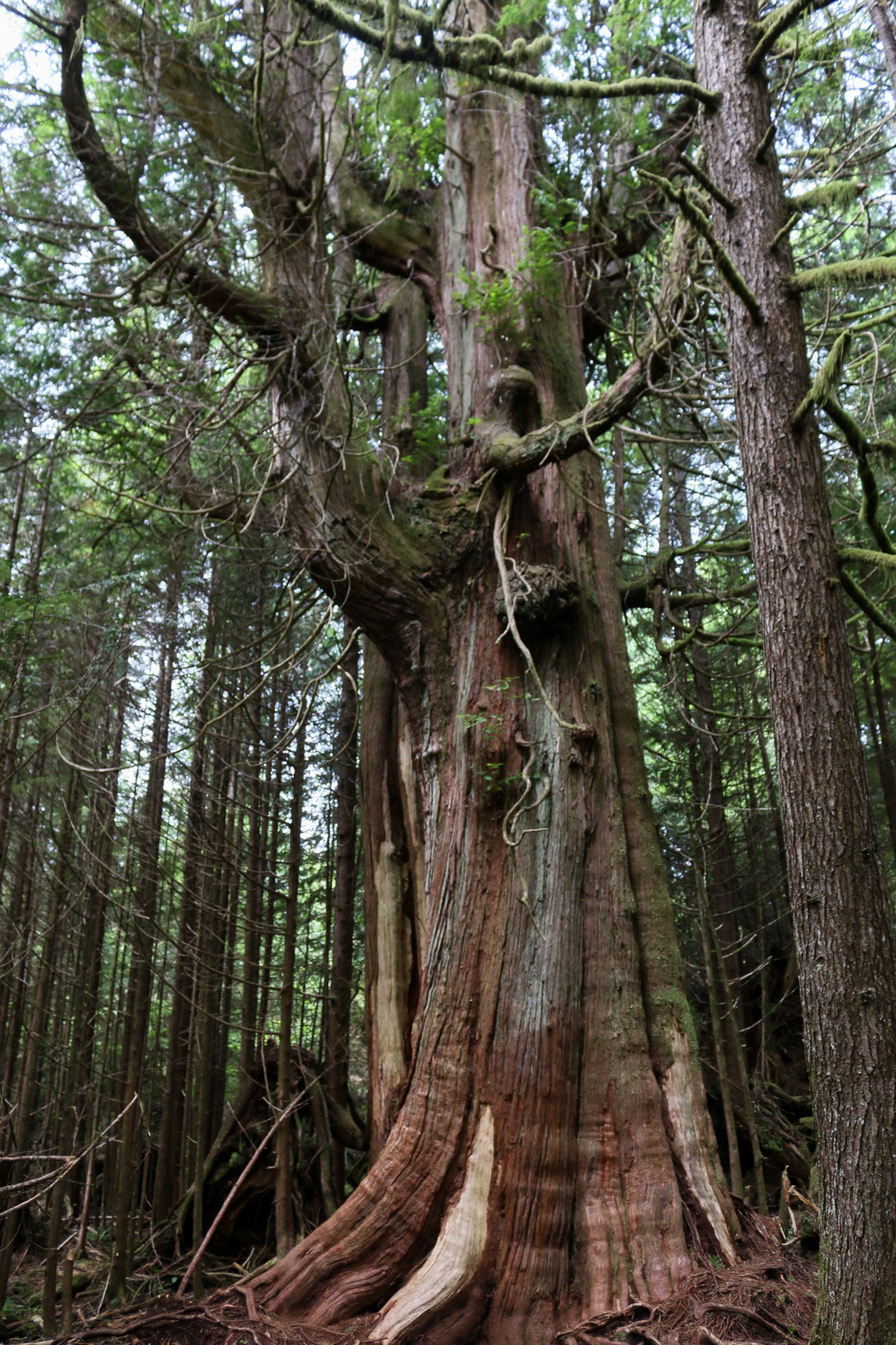
Another gorgeous combination of forest and ocean is the Schooner Cove Trail. It’s roughly 2 kilometres one way and once again takes you through an enchanting forest on steps and boardwalks until you emerge right onto a long sandy beach and coastal rock formations.
What makes this spot exceptional is the incredible amount of marine life in the intertidal zone. If you arrive at low tide, the rock pools (tide pools) between the headlands are teeming with purple and orange starfish, sea anemones, crabs, and all sorts of other tiny sea creatures.
It’s absolutely essential to check tide tables beforehand, because some parts of the beach can be completely cut off at high tide — and you definitely don’t want to get stranded. Also stay alert: bears often roam the forest edges along the beaches in the early morning or evening, foraging for something to eat.

7. Whale watching
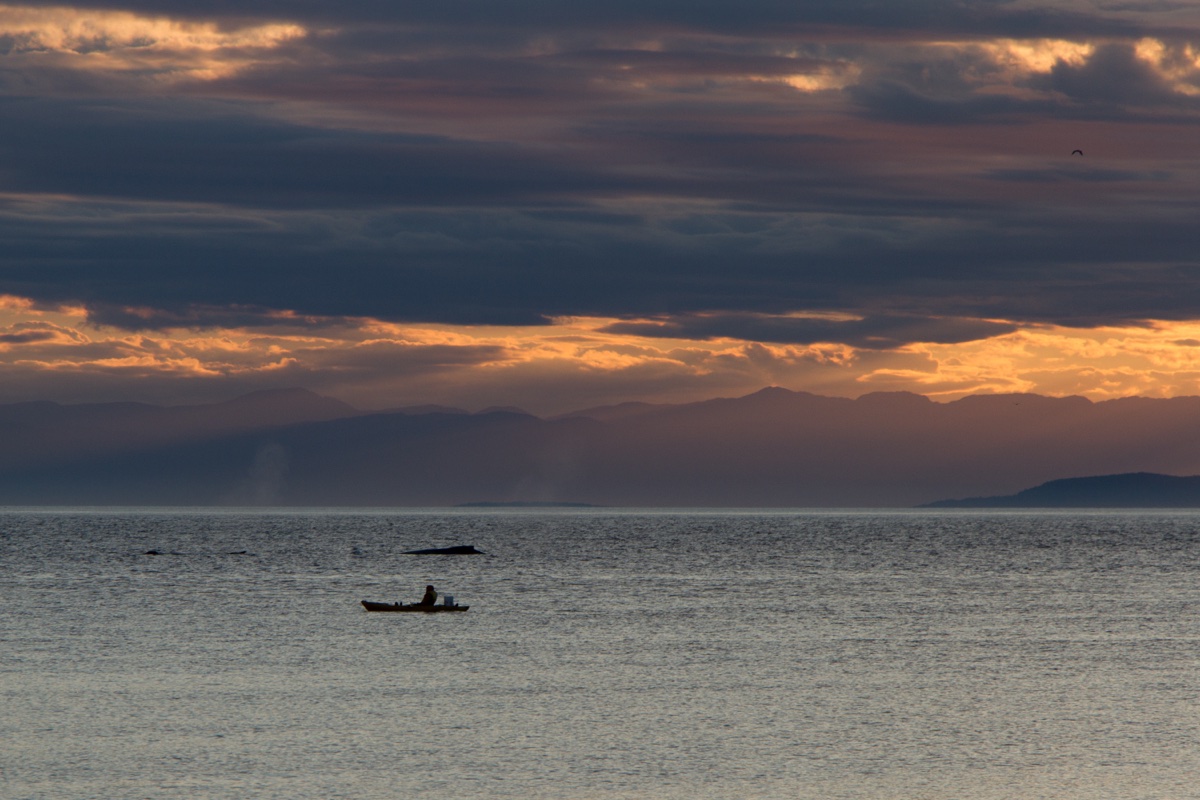
Gaze out from the cliffs across the open ocean, and there’s a good chance you’ll spot a misty spout rising above the surface as a whale takes a breath. Whale watching is simply part of the fabric of this area, and the local operators are absolute experts. Every spring, over twenty thousand grey whales pass along the coast of Vancouver Island during their incredibly long migration from Mexico’s lagoons to the Arctic.
The best season for whale watching boat trips runs from roughly March to late October. Tour boats depart from both Tofino and Ucluelet. You’ll commonly encounter humpback whales or magnificent orcas too. Unlike some other parts of the world, the companies here follow very strict ethical guidelines on how close they can approach the animals, so you won’t be causing them any stress.
From personal experience, we’d strongly recommend bringing very warm clothing. Even when it’s pleasant on shore, out on the open water the wind chill gets to you surprisingly fast. You’ll find several operators in Tofino, and if you want a guaranteed spot during peak season, definitely book ahead.
8. Surfing in Tofino: worth it even in freezing water
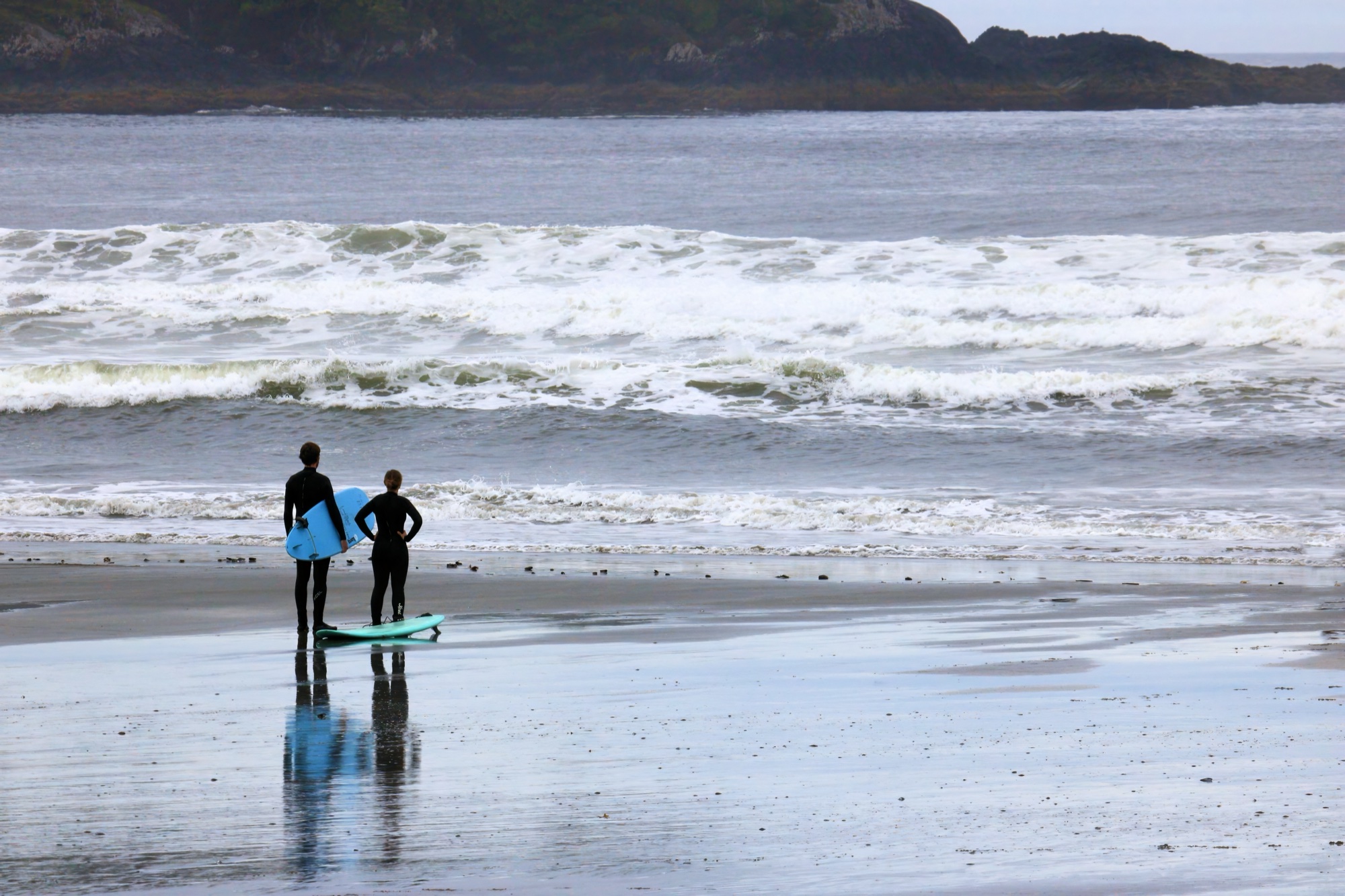
It might sound bonkers to wade into water that barely reaches 13 degrees Celsius even at the height of August, but once you arrive, the surf vibe is utterly infectious. Half the cars in the car parks have boards strapped to the roof and people in wetsuits are everywhere.
Pacific Rim — and especially the beaches around Tofino like Chesterman Beach or Cox Bay — offers waves for complete beginners and seasoned pros alike. If you fancy giving it a go, pop into one of the local schools, such as Storm Surf Shop or Pacific Surf School. They’ll kit you out in a thick, full-body wetsuit complete with booties, gloves, and a hood, so you honestly won’t feel the cold in the water at all.
The lessons here are brilliantly well organised, the instructors are incredibly friendly, and after a few hours in the waves every muscle in your body will be screaming. But I guarantee that when you first stand up on the board and ride even the tiniest whitewash to shore, it’ll be one of the best moments of your entire trip.
9. Broken Group Islands by kayak: a multi-day adventure
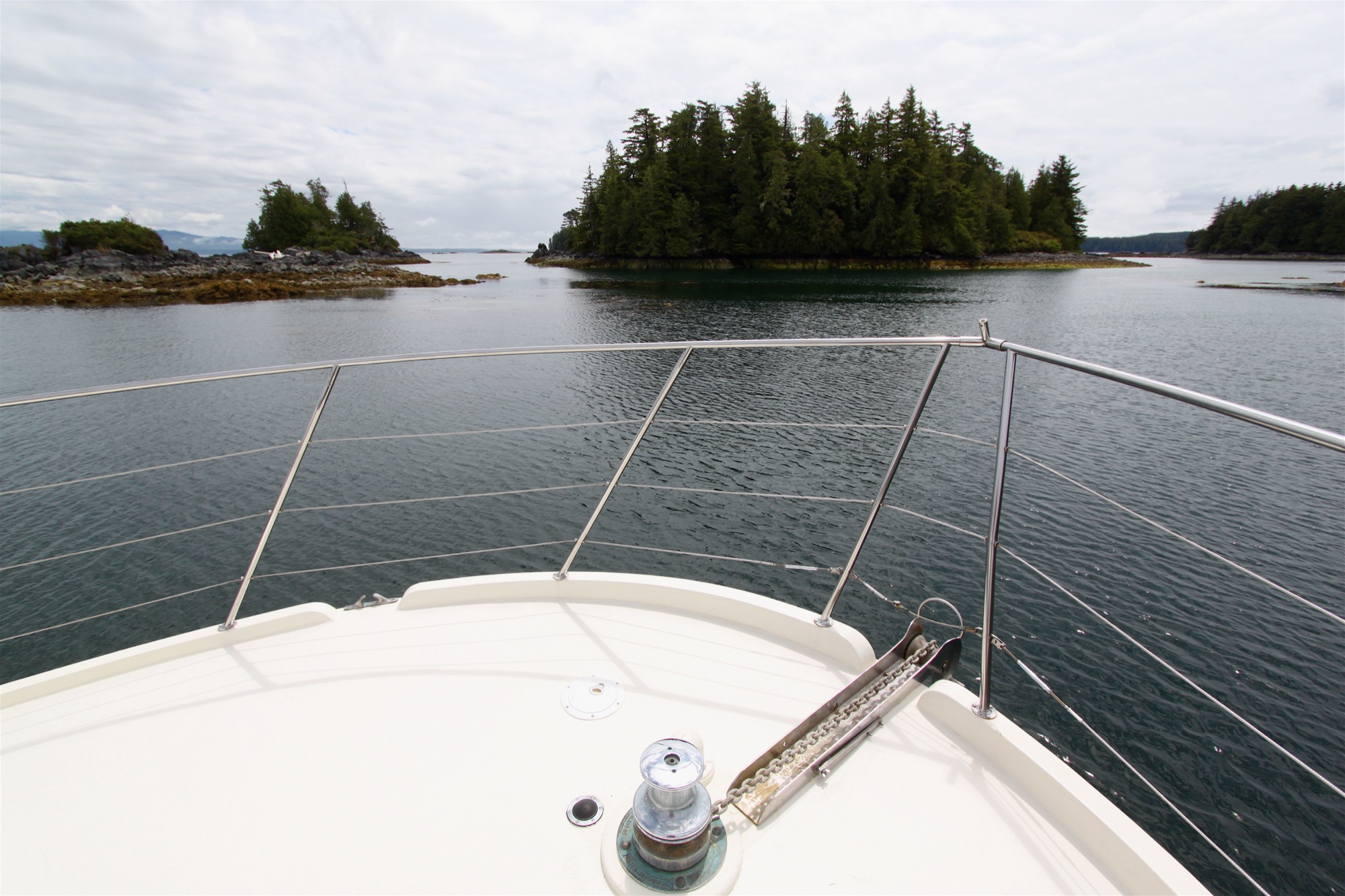
If you love solitude and true wilderness, we need to move from the Long Beach area into the second of the park’s three sections. The Broken Group Islands is an enormous labyrinth of roughly a hundred islands and islets with no roads, no hotels, and no shops. It’s one of the most renowned sea kayaking destinations in the world.
People head into this paradise on multi-day expeditions. You can either join an organised group with a guide (which we wholeheartedly recommend if you don’t have extensive experience, due to treacherous currents and rapidly changing weather), or arrange a boat charter and get dropped off from Ucluelet or Port Alberni at the edge of the area with your kayaks.
Sleeping at beach camps scattered across the islands is a raw, stunningly beautiful experience — your only lullaby at night might be seals or the rattling of crabs scuttling across the sand.
10. West Coast Trail: the iconic trek for the bold
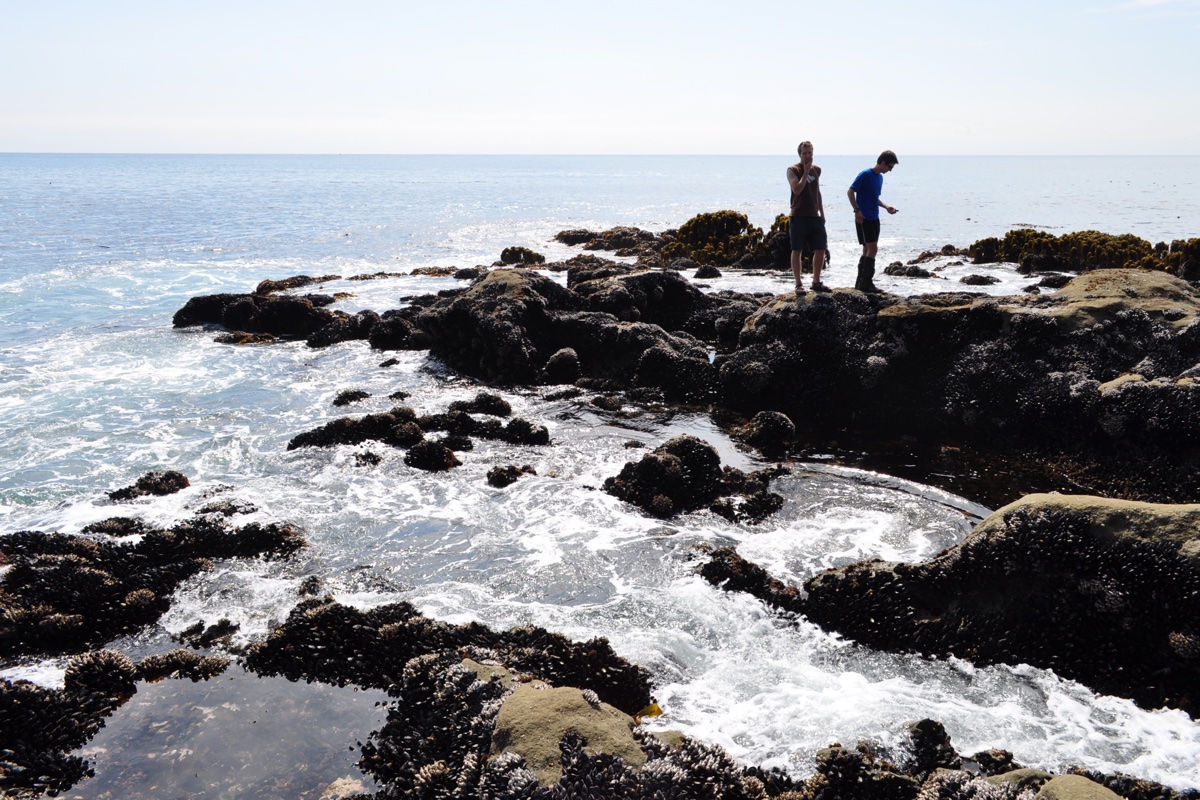
No guide would be complete without the West Coast Trail. This really isn’t your average Sunday stroll. It’s a 75-kilometre, extraordinarily demanding trek — both physically and mentally — along the south-eastern edge of the national park. The trail was originally created in the early 20th century as a rescue route for sailors from ships that frequently wrecked here due to cliffs and fog.
Today, it’s a challenge that enthusiasts tackle over 5 to 7 days. The route involves fording icy rivers, scrambling up dozens of enormous wooden ladders bolted to cliff faces, hauling yourself across hand-operated cable cars suspended high above canyons, and — above all — wading through a lot of mud.
Securing a spot is a monumental battle. Reservations sell out within minutes of opening in spring. On top of that, you need top-notch gear, a detailed trail map, and you must complete a mandatory safety briefing from park wardens before setting off. It’s an unforgettable kind of madness you’ll be reminiscing about for years, but only for those truly prepared and properly equipped.
Map of points of interest for your phone
Pacific Rim with kids: yes or no?
If you’re wondering whether to bring the family to the west coast, my answer is a resounding yes. Even though it might sound like rugged wilderness, the area around Tofino and Ucluelet is actually fantastic for kids.
The huge, wide beaches of fine sand with no big rocks are like the world’s biggest sandpit. The constantly wet, firm parts of the sand are perfect for running, building castles, or just rolling about. All the boardwalks through the rainforest, like the Rainforest Trail, are also brilliant. They’re safe and easy to walk, though a pushchair would struggle with all the steps — I’d recommend a baby carrier instead.
On top of that, the local surf schools run excellent programmes for little beginners. Our Jonáš was still a bit too young for surf school, but he was completely fascinated by every ripple in the water, and that alone kept him entertained for an entire afternoon. If your kids are over six and can swim, the instructors will happily take them under their wing and squeeze them into tiny wetsuits. Watching the little ones battle with a surfboard bigger than they are is impossibly cute.
Where to eat: what to try in Tofino and the surrounding area
Travelling and food go hand in hand, and even at the end of the world, surrounded by forest and ocean, you certainly won’t go hungry. Quite the opposite, in fact. Tofino has become a celebrated culinary destination with first-rate restaurants serving locally sourced ingredients.
An absolute legend you simply cannot miss is Tacofino. They’ve since expanded to Vancouver and beyond, but it all started right here at a single orange food truck tucked away on a gravel car park next to a surf shop. Their fish taco with fresh Pacific halibut or local salmon and a secret sauce is utterly divine. There are usually queues, but the wait is absolutely worth it.
If you’re after something fancier (or want to celebrate not falling off a ladder into the mud on the West Coast Trail), book a table at Wolf in the Fog in downtown Tofino. They do an incredible fusion of seafood and foraged ingredients from the surrounding forests, the menu changes constantly, and the atmosphere is wonderfully cosy.
And finally, where better to eat the freshest wild salmon in Canada than right here on the coast? Practically any local pub or fish shack will serve you excellent salmon, Dungeness crab, or enormous oysters from the surrounding bays.
💡 Local tip: Tacofino has reduced opening hours from November to February (closing at 3 pm) and is often shut on Mondays and Tuesdays — check the day on their website in advance, or you’ll miss the best fish tacos we’ve ever had.
Practical tips before your visit and park safety
Before you set off, here are a few things you should know:
1. Park Pass: As with all Canadian national parks (such as Banff or Jasper), there’s an entry fee. A day pass costs roughly 11 CAD per adult (around €7.50). If you’re visiting other Canadian national parks in the same year, consider buying the annual Discovery Pass — it often pays for itself. Stop at the Pacific Rim Visitor Centre at the Tofino/Ucluelet junction, where you can sort everything out and grab a printed map of the area.
2. Limited mobile signal: Once you leave Victoria or Nanaimo and start climbing into the mountains toward the west coast, you’ll very likely lose signal. Download all your offline maps beforehand and queue up some music for the drive. You’ll have signal in the towns of Tofino and Ucluelet themselves, but on most of the more remote beaches, not so much.
3. No drones: Hoping to capture this beauty from the air? Tough luck. Drone flying is strictly prohibited across the entire Canadian national parks system (except with special permits), and wardens hand out hefty fines and confiscate drones.
4. Bear safety: We saw more wildlife here than we expected, and bears are definitely not a myth. They roam everywhere, including the beaches, where they forage for food washed ashore. If you’re camping in the park, it’s absolutely mandatory to leave no food, toothpaste, or anything scented outside. Everything must be locked in your car or in the special bear-proof steel lockers provided at each campsite. We were a little nervous on our first night camping 😅, but as long as you follow the cleanliness rules and don’t create a “fragrant mess” at camp, the risk of a bear paying you a nighttime visit is absolutely minimal. On hikes, we’d also recommend carrying certified bear spray.
Useful links and what to sort before your trip
Here are our tried-and-tested recommendations for services that have saved us time and money for years. Hopefully they’ll come in handy for you too. ☺️
Where to find flights
Search for affordable flights on Kiwi — it’s our go-to portal that consistently finds the best combinations, including connections to North America. From the UK, look for direct flights from London Heathrow to Vancouver with Air Canada or British Airways, or consider connecting via a European hub for cheaper fares.
We recommend looking well in advance, ideally up to six months ahead. If you don’t mind a bit of discomfort, you can sometimes snag great deals with a longer layover.
Hiring a car for the road trip
We regularly use the comparison site DiscoverCars. It’s brilliant because it aggregates most major hire companies in one place so you can easily compare prices. In summer, cars disappear at an incredible rate, so don’t count on last-minute booking.
 🚗 Car rental on the roadVerified rental cars in British Columbia
Search with the DiscoverCars comparison engine — it compares prices from dozens of local and international rental companies, and most bookings come with free cancellation.
Compare car prices in British Columbia →Don’t forget travel insurance
Whatever you do, don’t skimp on travel insurance for Canada — healthcare for non-residents there is astronomically expensive. For both longer and shorter trips, we can wholeheartedly recommend SafetyWing insurance for nomads.
We can vouch from experience that dealing with medical claims through them is genuinely straightforward and quick. You never know what might happen on a trek, and that peace of mind is worth every penny.
Mobile data and internet
For the past few years, we’ve been using eSIM cards exclusively. You buy one online, download it to your phone, and you’ve got internet the moment you land. Give our tried-and-tested Holafly a look.
When driving around the island, offline maps are useful, but being able to look up an open restaurant or check real-time weather radar is priceless. Installation takes just seconds before you fly.
Gear for the Canadian wilderness
When heading to the west coast, proper waterproof footwear is non-negotiable. Check out our guide to choosing hiking boots so you don’t make a mistake and end up with sore feet.
It’s not just about the boots, though. Invest in a quality waterproof jacket with a membrane too, because out here in the rainforest you’ll truly appreciate layers that dry quickly.
Where to go next
If you’re keen on more tips and want to combine your Canada trip with other exciting destinations, don’t miss our other articles on the blog. These are definitely worth exploring:
- Our complete Vancouver Island road trip itinerary, with day-by-day plans for the entire island.
- Right on the park’s doorstep, don’t miss our dedicated article on what to see and do in Tofino.
- Most trips to the island start in British Columbia’s capital — our Victoria tips, where Old England greets you straight from the harbour, are here.
- And of course, you can’t skip our guide to the stunning city of Vancouver, which is most likely where you’ll fly into Canada.
FAQ — Frequently asked questions about Pacific Rim National Park
Still have unanswered questions about visiting Canada’s Pacific coast? Here are the most common ones our readers ask about Pacific Rim National Park and Tofino.
How much does it cost to enter Pacific Rim National Park?
A daily pass (Park Pass) costs around 11 CAD per adult (about €7.50). If you’re planning to visit multiple Canadian national parks in the same year, the annual Discovery Pass at roughly 75 CAD is excellent value. You can pay at the Pacific Rim Visitor Centre or directly at car parks — you can also buy it online in advance on the Parks Canada website.
How do I get from Vancouver to Pacific Rim National Park?
The most common route is by BC Ferries from Horseshoe Bay or Tsawwassen to Nanaimo (about 2 hours), then driving Highway 4 across the island to Tofino/Ucluelet (3 to 4 hours). Book the ferry in advance during summer. An alternative is flying into Tofino on a small plane with Pacific Coastal Airlines, though it’s pricier.
When is the best time to visit Pacific Rim?
July to September is the warmest and driest period — ideal for beaches, surfing, kayaking, and hikes. Late October to March brings the iconic storms (storm watching). March to May is grey whale migration season. Avoid mid-June, when the weather is unpredictable and the season hasn’t fully kicked off.
Can I swim in the ocean here?
That depends on how tough you are. The water rarely exceeds 13 to 14 degrees even in the middle of a hot summer. Without a proper wetsuit (at least 4/3 or 5/4 with booties), you’ll last roughly a few dozen seconds before you can’t feel your feet. The vast majority of people just dip their toes in up to the ankles before running away 😅.
How long should I spend here?
The ideal time for exploring the Long Beach area and the towns of Tofino and Ucluelet is at least 3 full days (2 nights). That gives you time for a hike, a surf lesson, a wander through the rainforest, and some fantastic food. If you’re coming for the West Coast Trail or paddling the Broken Group Islands, plan on a full week with plenty of advance preparation.
Where can I see wildlife in the national park, and what about bears?
You’ll spot wildlife practically everywhere — on beaches, cliff-edge trails, and even from your car window (that’s how we saw our first bear, right by the road). Black bears, and occasionally the rarer grizzly, are usually found near water where they forage for food. Orcas, grey whales, and seals you’ll obviously only see from a tour boat with local operators. Remember to attach a bell to your backpack and carry bear spray on walks.
Do I need a reservation for the West Coast Trail?
Yes, a permit is mandatory and the number of spots is very limited. Reservations open on the Parks Canada website each January for the May–September season and capacity typically sells out within hours. Before starting, you must attend a mandatory safety briefing from park wardens and have top-quality hiking gear.
I hope this guide helps you plan an unforgettable trip to Pacific Rim National Park. If you’re planning a longer journey through Canada, check out our complete Vancouver Island road trip itinerary, where you’ll find a day-by-day route including tips on accommodation, restaurants, and activities.
Tips and Tricks for Your Vacation
Don’t Overpay for Flights
Search for flights on Kayak. It’s our favorite search engine because it scans the websites of all airlines and always finds the cheapest connection.
Book Your Accommodation Smartly
The best experiences we’ve had when looking for accommodation (from Alaska to Morocco) are with Booking.com, where hotels, apartments, and entire houses are usually the cheapest and most widely available.
Don’t Forget Travel Insurance
Good travel insurance will protect you against illness, accidents, theft, or flight cancellations. We’ve had a few hospital visits abroad, so we know how important it is to have proper insurance arranged.
Where we insure ourselves: SafetyWing (simple monthly subscription) and TrueTraveller (for extra-long trips).
Find the Best Experiences
Get Your Guide is a huge online marketplace where you can book guided walks, trips, skip-the-line tickets, tours, and much more. We always find some extra fun there!
More from British Columbia
Full guide → ItineraryVancouver Island, Canada: 7-Day Road Trip + 12 Tips on What to See
 Day tripsVancouver, Canada: 27 Best Things to Do and See
 What to seeVictoria, Canada: 12 Best Things to See and Do (Inner Harbour, Butchart, Tea)
 What to seeTofino, Canada: 12 Best Things to See and Do (Surf, Storm Watching, Pacific Rim)
 What to seeRevelstoke, Canada: 12 Things to See and Do (Heritage City & Meadows in the Sky)


