Katmai & Brooks Falls, Alaska: Iconic Bear Viewing (Fat Bear Week)

TL;DRKatmai National Park in southwest Alaska is the top spot on earth for watching brown bears — around 2,200 of them live here, gathering at Brooks Falls to catch salmon. July is the best month to visit, when the main platform (capacity 40 people, one-hour limit) can get packed with up to thirty bears at once. August is quieter, and by September the bears have moved back down to the river mouth. There are no roads into the park. You’ll need to fly from Anchorage to King Salmon, then hop on a 20-minute floatplane to Naknek Lake. A night at Brooks Lodge runs $1,200–$1,600, and rooms are allocated by lottery a year and a half in advance. Camping costs $18 a night, while day trips from Homer or Anchorage come in at $1,200–$1,600 per person. In late September and early October, the online Fat Bear Week contest lets fans vote for the park’s chunkiest bear.

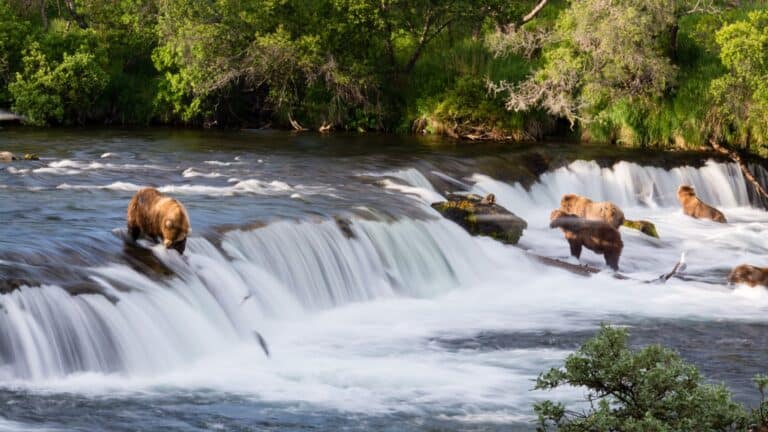
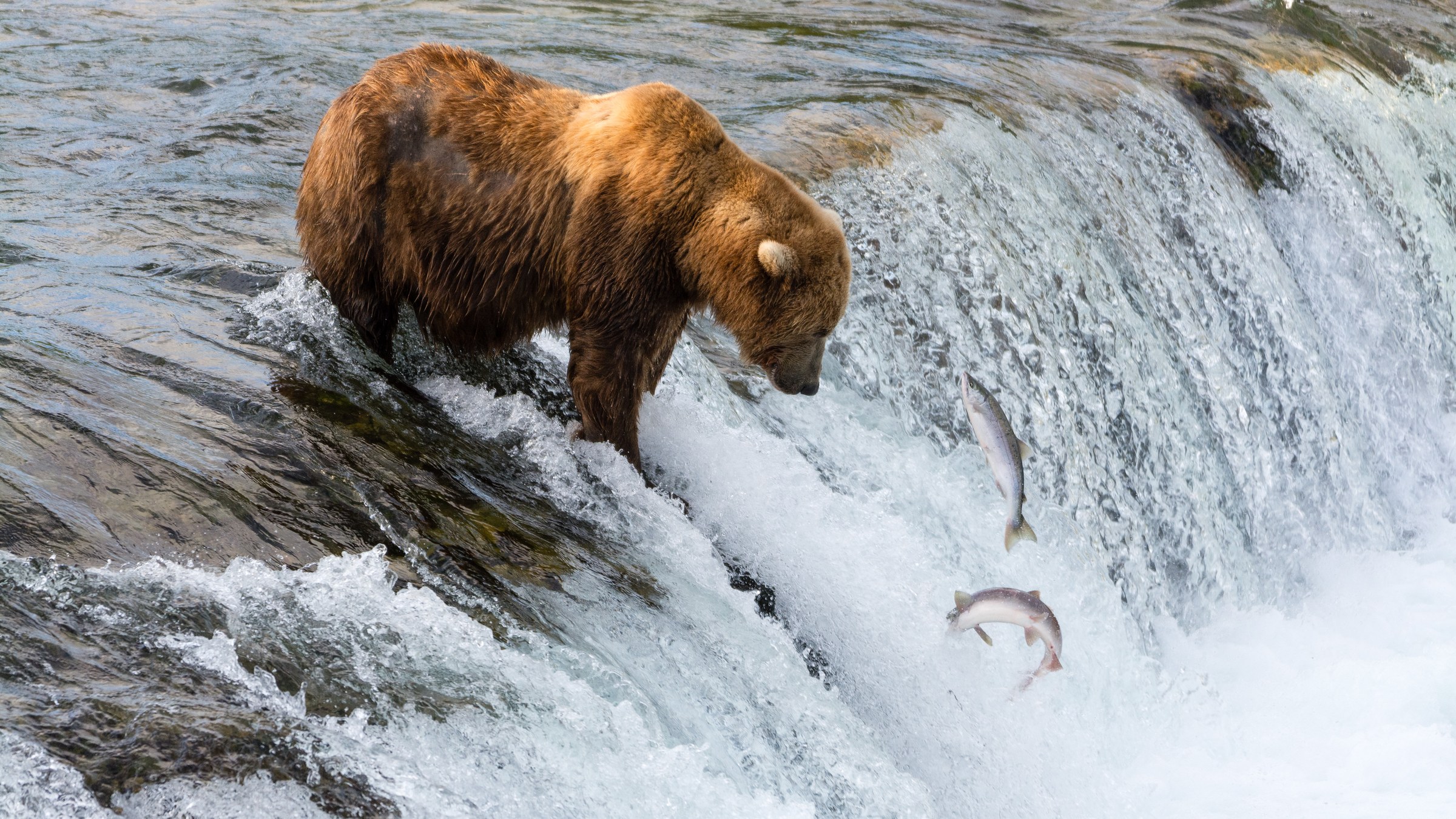
When people hear Katmai National Park, most picture that famous scene from nature documentaries. You’re standing on a raised wooden platform, icy water roaring beneath you, and just a few metres away a massive brown bear snatches a leaping salmon mid-air from the foaming river. This is the iconic bear viewing experience that takes place in Alaska — and thousands of travellers from around the world dream of witnessing it with their own eyes.

Katmai National Park is an uncompromising wilderness on the far southwest tip of Alaska. No roads lead here, and this vast territory belongs entirely to nature — ruled by brown bears. Around 2,200 of them live in the park, converging from the surrounding area on one critical protein source: migrating sockeye salmon. Getting to this paradise requires a higher budget, patience with planning, and a willingness to fly in a small floatplane. But it’s one of the most intense wildlife encounters you can have anywhere in the United States.

This guide exists to help you navigate the complex logistics before you even set foot in the park. You’ll find everything from booking flights and the accommodation lottery to what to do when a massive grizzly is walking straight towards you on a narrow trail.
TL;DR

  • Best time to visit: July is the absolute peak season for watching bears catch leaping salmon at Brooks Falls. August is a dead month (bears head into the tundra for fresh blueberries), and in September they return to the river mouth to feast on dying fish.
  • How to get there: There are absolutely no roads into the park. You need to fly from Anchorage to the small town of King Salmon (about an hour on a commercial flight), then take a small local floatplane (roughly 20 minutes) directly onto the surface of Naknek Lake right at Brooks Camp.
  • Day trips: If you can’t secure a bed in the park, fully organised day trips can be booked from coastal Homer or from Anchorage. Expect to pay roughly $1,200 to $1,600 per person (around €1,100–€1,500).
  • Where to sleep: Right by the thundering falls, there’s a single Brooks Lodge (rustic cabins at $1,200–$1,600 / €1,100–€1,500 per night, with places allocated by lottery a year and a half in advance) or a small campground protected by an electric fence ($18 / €17 per night — slots vanish from the website in January within minutes).
  • Fat Bear Week: A brilliantly fun online tournament to crown the park’s fattest bear, held every autumn on the internet, with millions of enthusiastic fans voting worldwide.

When to Go & How to Get to Katmai National Park

Getting here requires far more planning than a standard road trip. A hire car won’t do you any good — there are simply no roads into the park. It’s all about finding the right balance between cost and time, and transport connections in remote Alaska have their own quirks.

The logistics chain usually starts at Anchorage’s Ted Stevens International Airport. If you’re flying from the UK, you’ll typically connect through Seattle or another US hub before reaching Anchorage. From there, you need to catch a commercial flight (often operated by Alaska Airlines) to the isolated settlement of King Salmon. Tickets cost several hundred dollars and the flight takes about an hour. King Salmon serves as the bustling gateway town where you transfer to a small floatplane.

The well-known operator for this leg is Katmai Air. The twenty-minute flight is an experience in itself — you land directly on the surface of Naknek Lake right beside the Brooks Camp visitor centre. However, northern weather doesn’t always cooperate, so a slower water taxi from King Salmon serves as a backup option when fog rolls in.

Timing is everything. The bear calendar is dictated entirely by the salmon run. The absolute peak for photography is July, when the main upstream migration is in full swing and you’ll regularly see up to thirty bears jostling at Brooks Falls at once. August, on the other hand, is poor for riverside viewing — the bears wander off into the tundra for wild berries. September brings a second peak, when the predators return to gorge on dying salmon near the river mouth.

Where to Stay & How Much It All Costs

Demand massively outstrips the park’s capacity, so it’s wise to sort accommodation up to two years ahead. Most visitors end up staying in Anchorage or Homer and paying a local operator for a complete day-trip floatplane package (typically around $1,500 / €1,400 per person).

🏨 Recommended Hotels in King Salmon, Alaska

Browse all hotels in King Salmon, Alaska on Booking.com.

If you’d rather arrange your own accommodation outside the park boundaries and fly in for day trips, set up a base in Homer or Anchorage. Both offer better infrastructure, shops, and a wider choice of restaurants.

For those determined to sleep inside the park, there are essentially three distinct accommodation options. Each one requires either a hefty budget or a serious stroke of luck in an online lottery.

Brooks Lodge: The Famous Bed Lottery

This is the only solid roof right by Brooks Falls. The concessioner operates 16 rustic bunk-bed cabins. Prices range from $1,200 to $1,600 (€1,100–€1,500) per cabin per night (sleeping up to 4 people). Cabins are allocated through a strictly managed lottery — applicants register in December for a season that’s still a year and a half away.

The rooms are tiny and basic, but waking up early in the morning to the sound of thundering water is priceless. Especially when you know that day-trippers won’t arrive for another three hours and you have the park virtually to yourself.

Brooks Camp Campground: Camping Behind an Electric Fence

If you’re up for a bit of adrenaline and on a tighter budget, you can pitch your own tent inside the park. The campground sits right in the middle of grizzly territory, so it’s surrounded by a high-voltage electric fence. A night costs $18 (around €17) per person in peak season. Capacity is limited to 60 people and spots are released on Recreation.gov each January. July dates usually disappear within minutes.

The campground provides designated tent sites and robust steel food lockers for safely storing all your food. Rangers check the electric fence daily. That said, the thought of a bear sniffing around your canvas tent is enough to put many visitors off — plenty opt for a safer day trip instead.

Luxury Fly-in Lodges Away from the Crowds

If the lottery doesn’t go your way, several premium lodges operate around Bristol Bay. One example is Grosvenor Lodge, with capacity for just 6 guests. Prices for these exclusive all-inclusive experiences (3 to 4 days) start at $4,000 (€3,700) and climb as high as $12,000 (€11,000) per person.

You’ll also find smaller family-run operations where guides take you to the river by motorboat. The advantage of these isolated spots is absolute peace and quiet without the tourist crowds, letting you enjoy the wildlife in a far more intimate setting.

Katmai National Park: 15 Tips on What to See & Do

Katmai National Park isn’t just about one viewing platform. This volcanic region offers fascinating geology, treks through ash-covered valleys, and very specific safety rules. Here’s a list of the most important practical things and fantastic places to visit.

1. Brooks Falls & the Main Viewing Platform

The iconic Brooks Falls waterfall is a 1.2-mile paved trail from the visitor centre. During the brief summer, this is where those famous shots of grizzlies catching leaping salmon are taken. The view from the elevated wooden Falls Platform is breathtaking, and the animals are surprisingly close.
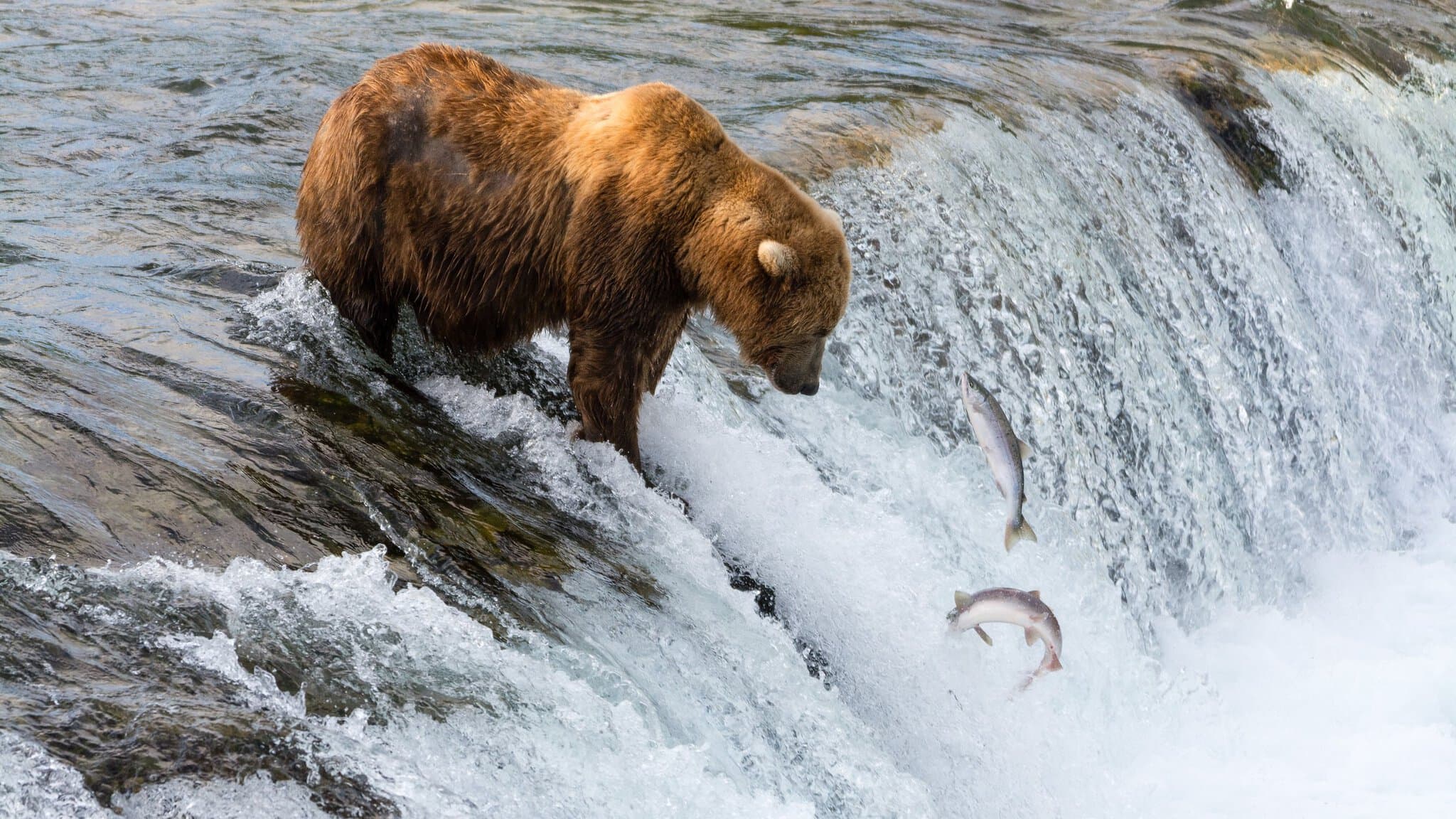
In July, arm yourself with patience. The main platform has a strict capacity limit of 40 people. Rangers maintain a waiting list and hand out pagers. Once your pager buzzes, you’re allowed exactly one hour on the platform. After that you must leave, and if you want to keep photographing, you’ll need to sign up again at the bottom of the list.

2. Lower River Platform for Afternoon Lounging

A short walk back towards the river mouth, you’ll find the Lower River Platform. Unlike the falls, there’s no hourly time limit here. It’s the perfect spot for watching mother bears with cubs, who tend to avoid the waterfall area dominated by aggressive males.
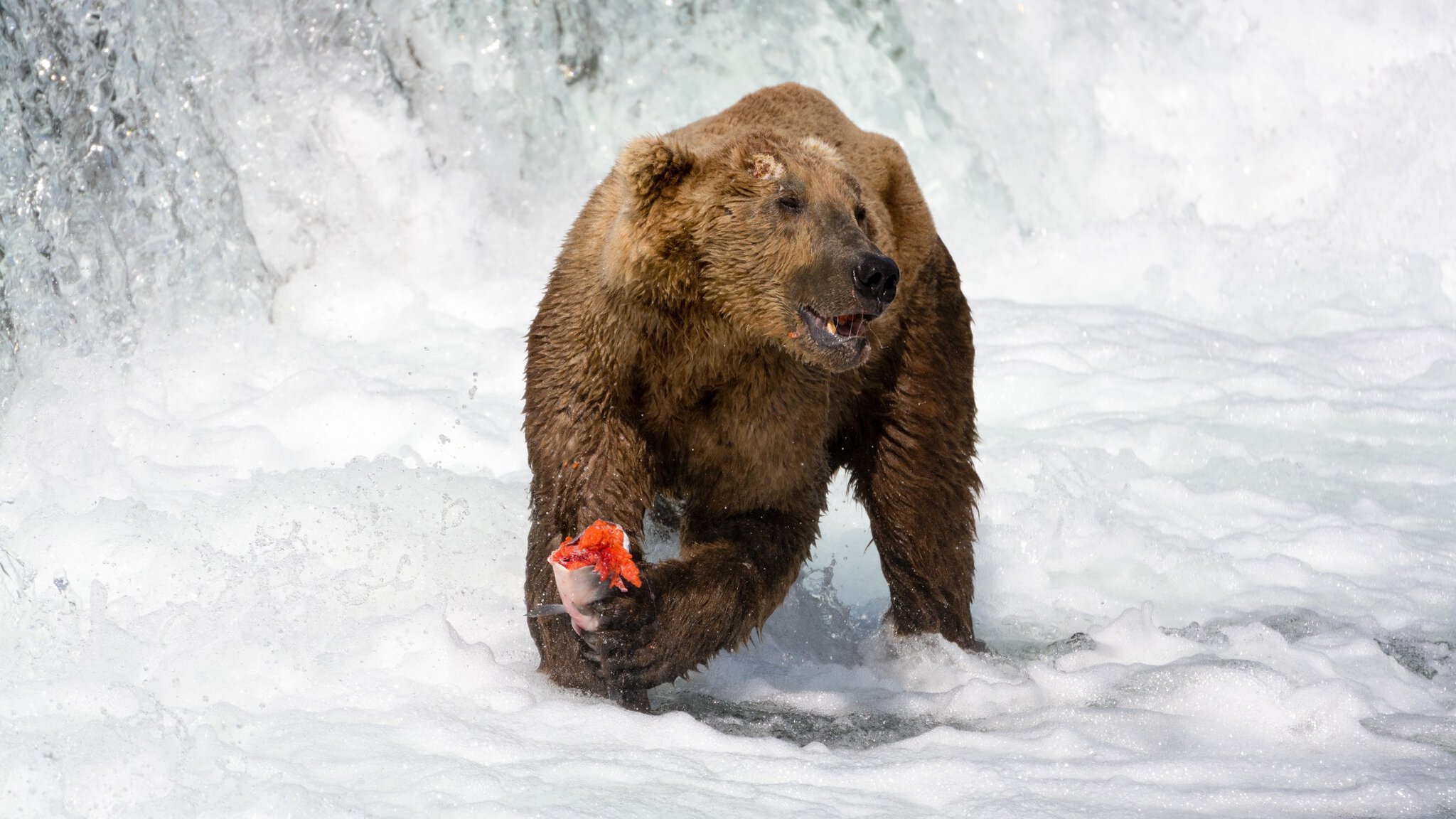
In the cooler month of September, this is where most of the action shifts. Bears feed on dying salmon in the shallows — fish that have drifted downstream after spawning. It’s a raw look at the cycle of nature, but for the bears it’s their last source of calories before hibernation.

3. Mandatory Bear Etiquette (Bear School)

As soon as you land, rangers will direct you to a mandatory safety briefing known as Bear Etiquette, or informally “Bear School.” Every single visitor must complete it. At the end, you receive a pin badge that allows you to move freely along the marked trails.
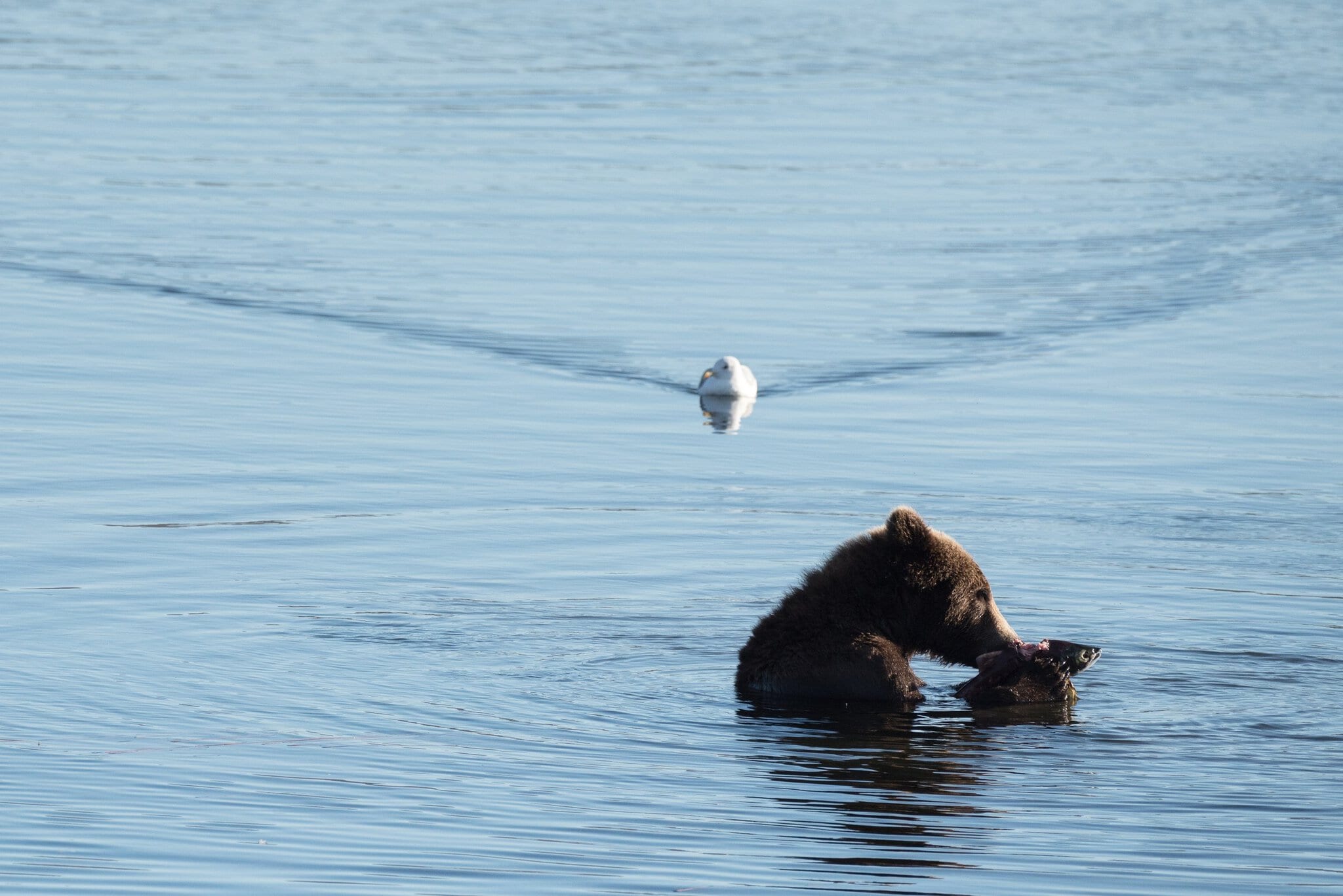
The video teaches you what to do when you encounter a bear. The fundamental rule: never run. You’ll learn to back away slowly and speak in a deep, calm voice. Bears have absolute right of way in the park. If one lies down in the middle of the trail, you must wait at a safe distance until it decides to leave on its own.

4. The Fat Bear Week Phenomenon

If you can’t make it to the park in person, you can follow the action online. The organisation Explore.org operates a network of live webcams at Brooks Falls. In late September and early October, the viral event Fat Bear Week takes place — a fun bracket-style tournament where fans vote for the fattest bear ahead of hibernation.
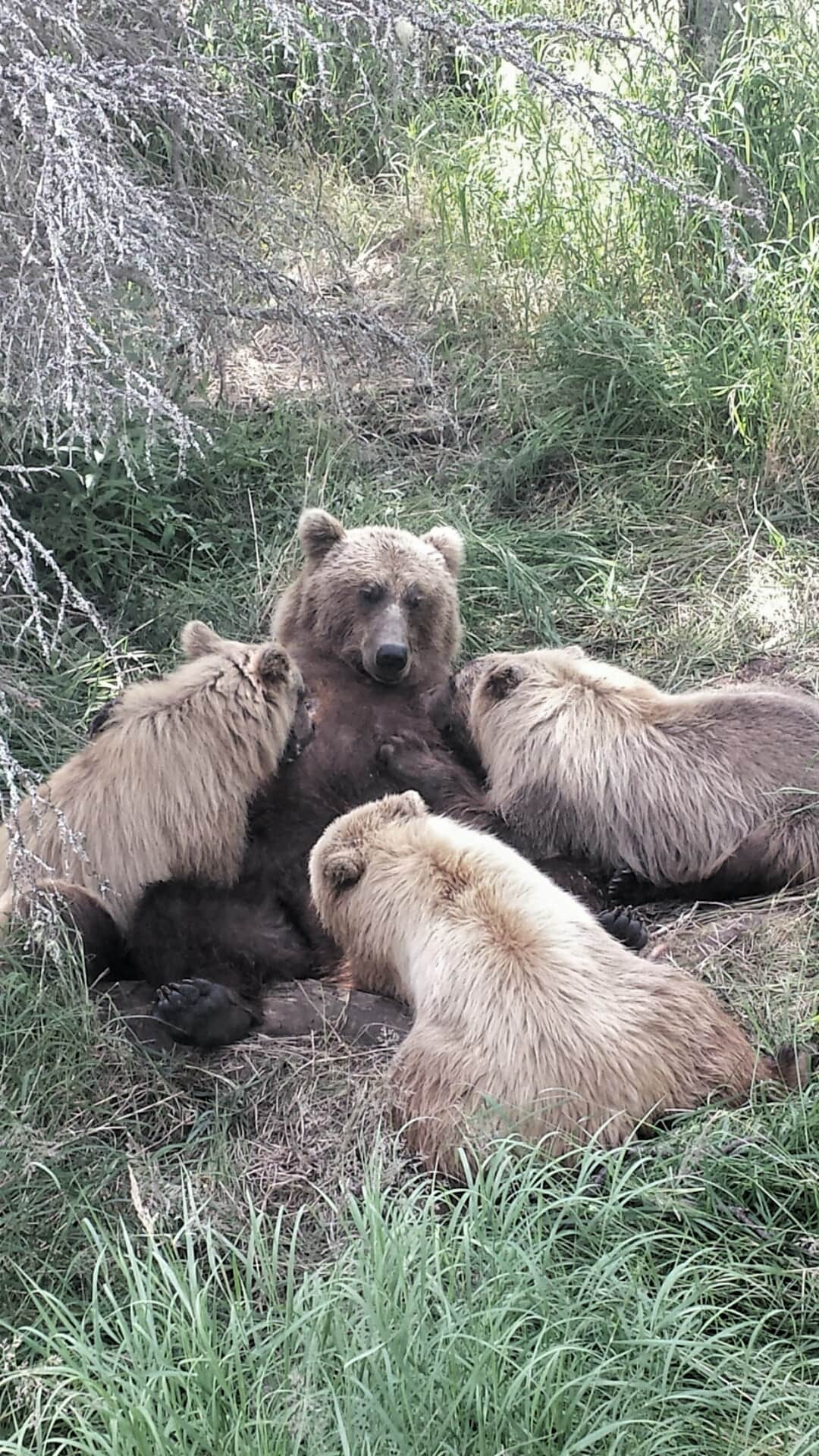
Viewers compare before-and-after photos of the bears from the start and end of summer. These animals can pack on over 300 kilograms of fat. In 2023, the winner was bear #32, known as Chunk. You can read more about the project on the official Explore.org website.

5. Trip to the Valley of Ten Thousand Smokes

The geological heart of the park lies further inland. In 1912, the Novarupta volcano erupted here — the largest volcanic eruption of the 20th century. The landscape was buried under a 200-metre-deep layer of ash and pumice. The Valley of Ten Thousand Smokes now offers a view of a barren, moon-like landscape carved by deep canyons.
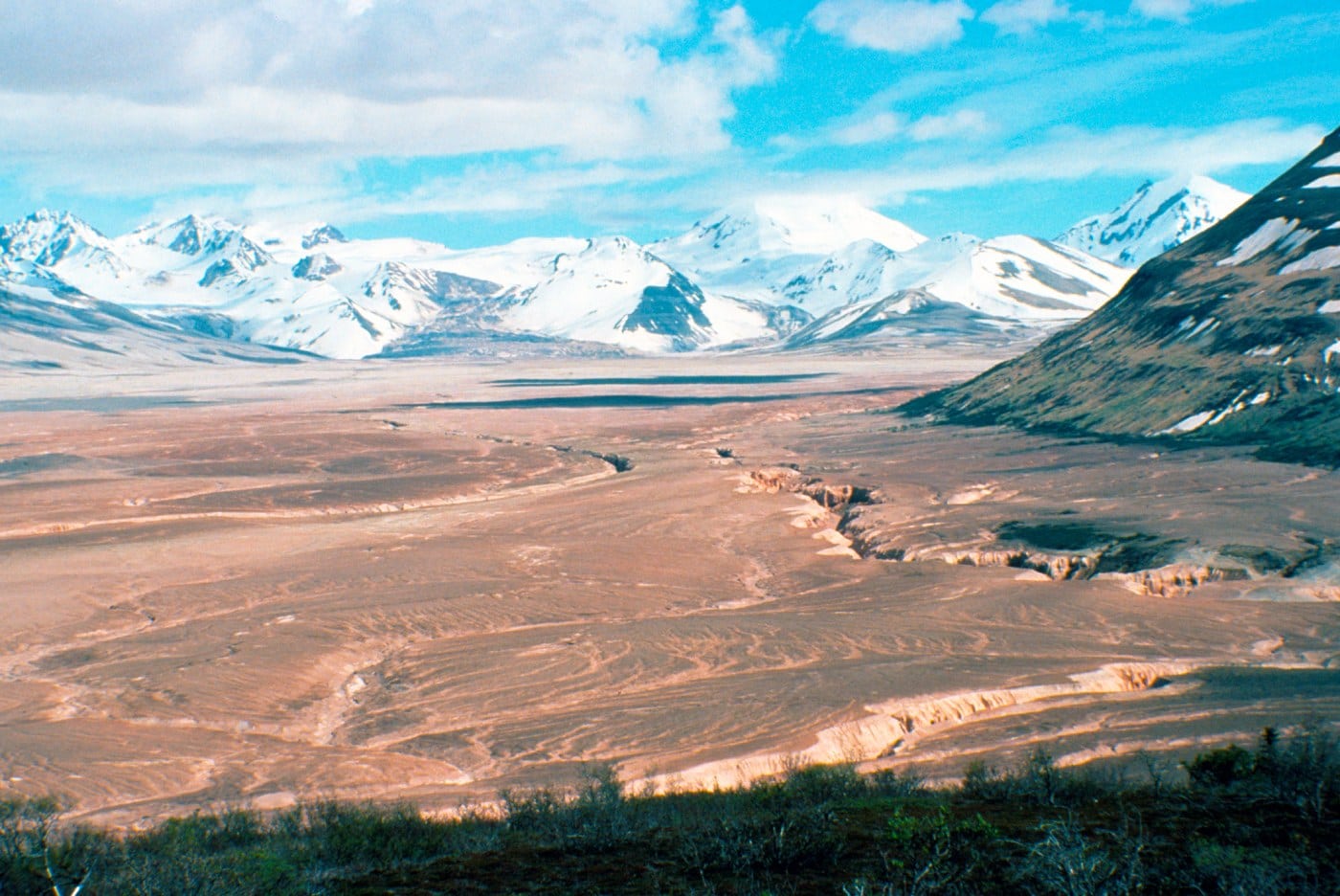
A specially modified 4×4 bus runs from Brooks Camp. The return trip along the dusty 23-mile road costs around $115 (€105) including a packed lunch. The full-day tour departs at nine in the morning and makes an excellent alternative on days when the viewing platforms are packed. More information is available on the National Park Service (NPS) website.

6. Hiking Down into the Volcanic Crater

The bus drops you at the Overlook Cabin trailhead, which offers stunning views of the volcanoes. For fitter visitors, there’s a recommended hike down to the valley floor. This means wading through deep volcanic ash and sharp chunks of pumice.

It’s a tougher walk, but the feeling of standing in a desolate wasteland contrasting with the green tundra is unforgettable. Make sure to pack sturdy hiking boots. Fine volcanic sand easily gets into your socks and can shred your heels.

7. Flightseeing Over the Devastated Landscape

A more comfortable alternative is a scenic flight over the volcanic terrain. Katmai Air offers flightseeing tours by floatplane. During the roughly one-hour flight, you soar directly over the crater of Mt. Katmai and the entire smoking valley.
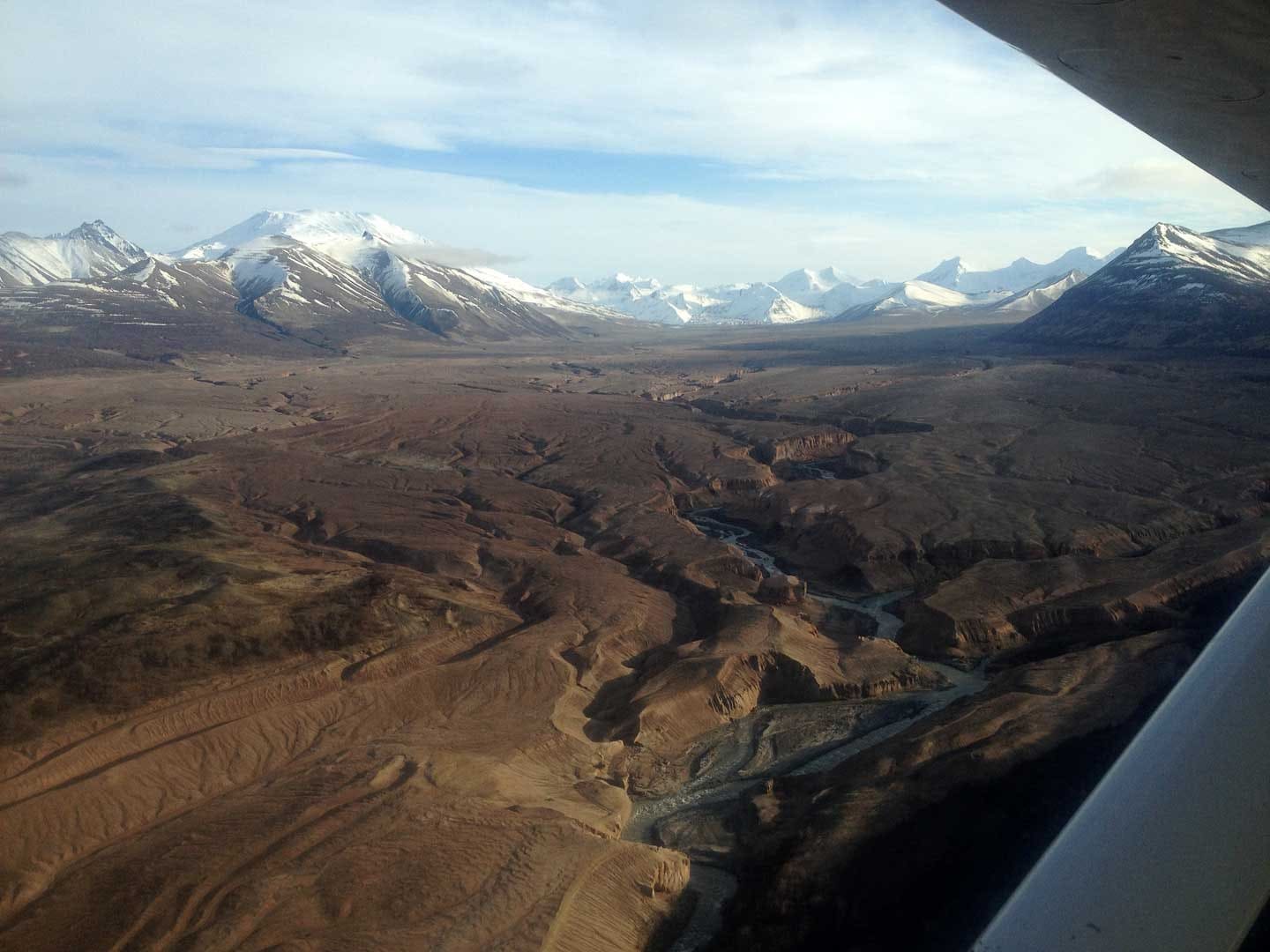
Prices are around $400 (€370) per person (with a minimum of two paying passengers). The panoramic views of turquoise-filled craters surrounded by volcanic debris are among the most stunning sights imaginable. From the air, you can sometimes spot solitary bears roaming the wilderness below.

8. A Crowd-Free Alternative: Lake Clark National Park

If the crowds at Katmai put you off, neighbouring Lake Clark National Park offers a quieter, more premium alternative. The key difference is that there are no artificial viewing barriers or wooden platforms here.
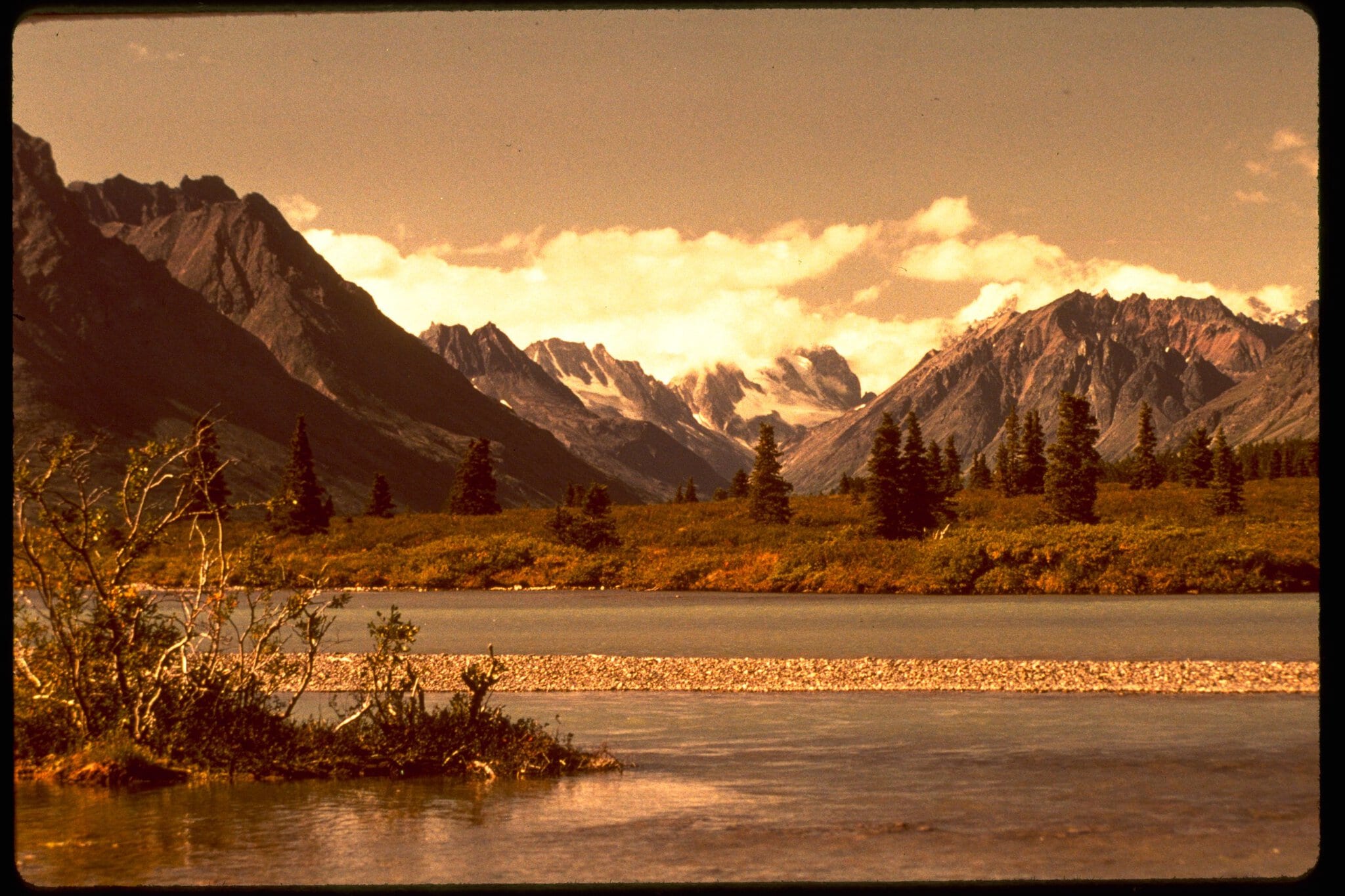
Bear viewing here happens right at ground level, at eye height. ATV-pulled carts are used to move along the beaches. It’s a far more intimate experience for photographers. But you’ll pay a premium for that tranquility. A stay at Silver Salmon Creek Lodge, for instance, runs around $3,000 (€2,750) for a weekend all-inclusive package.

lukas a lucka
Lukáš and Lucie recommend
Where to Stay in Katmai and Brooks Falls
6 accommodations — wellness hotels, resorts and other lodging options
⭐ TOP CHOICE ⭐ Luxury
Brooks Lodge Katmai
The only solid wooden roof right at Brooks Falls. The concessionaire operates 16 rustic cabins with bunk beds. Cabins are allocated through a strictly monitored lottery in December for the season that takes place a year and a half later. Opportunity to wake up early in the morning and listen to the roar of water while day-trippers won’t arrive for another three hours.
★★★★ from 1,200 to 1,600 USD/night
Check availability
🌲 Resort
Grosvenor Lodge
Premium lodge away from the main tourist crowds in Bristol Bay. Exclusive all-inclusive experience with capacity for only 6 guests. Suitable for those who don’t win the Brooks Lodge lottery. The advantage is absolute peace without tourist crowds.
★★★★ from 4,000 to 12,000 USD/3-4 day stay
Check availability
🏡 Lodge
Katmai Wilderness Lodge
Budget accommodation option in the vicinity of Katmai National Park. Small family-run business where guides take you to the river by motorboat. Offers wildlife viewing in a more intimate atmosphere than directly at Brooks Falls.
★★★★ Check prices
Check availability
⛺ Camping
Brooks Camp Campground
Camping in your own tent right inside the park, in the middle of grizzly territory. The campground is surrounded by a high-voltage electric fence. Capacity limited to 60 people, spots are released on Recreation.gov in January and July dates disappear within minutes. Offers designated campsites and robust steel lockers for safe food storage.
★★★★ 18 USD/night
Check availability
🌲 Resort
Silver Salmon Creek Lodge
Premium lodge in neighboring Lake Clark National Park – a quieter alternative to Katmai without crowds. Wildlife viewing takes place directly from the ground, at eye level, without artificial viewing platforms. Much more intimate experience for photographers with movements along beaches on trailers pulled by ATVs.
★★★★ approx. 3,000 USD/weekend all-inclusive package
Check availability
🔍 Search
View all accommodations in Katmai and Brooks Falls
Explore all available accommodation options in Katmai and Brooks Falls and find the best one according to your preferences and budget.
★★★★ Compare prices
Check availability

9. Camping & the Food Cache System

Camping at Brooks Camp Campground comes with extremely strict food safety rules. Local bears have an outstanding sense of smell, and any scent can draw them straight to your tent. The park service therefore requires rigorous compliance with the regulations.
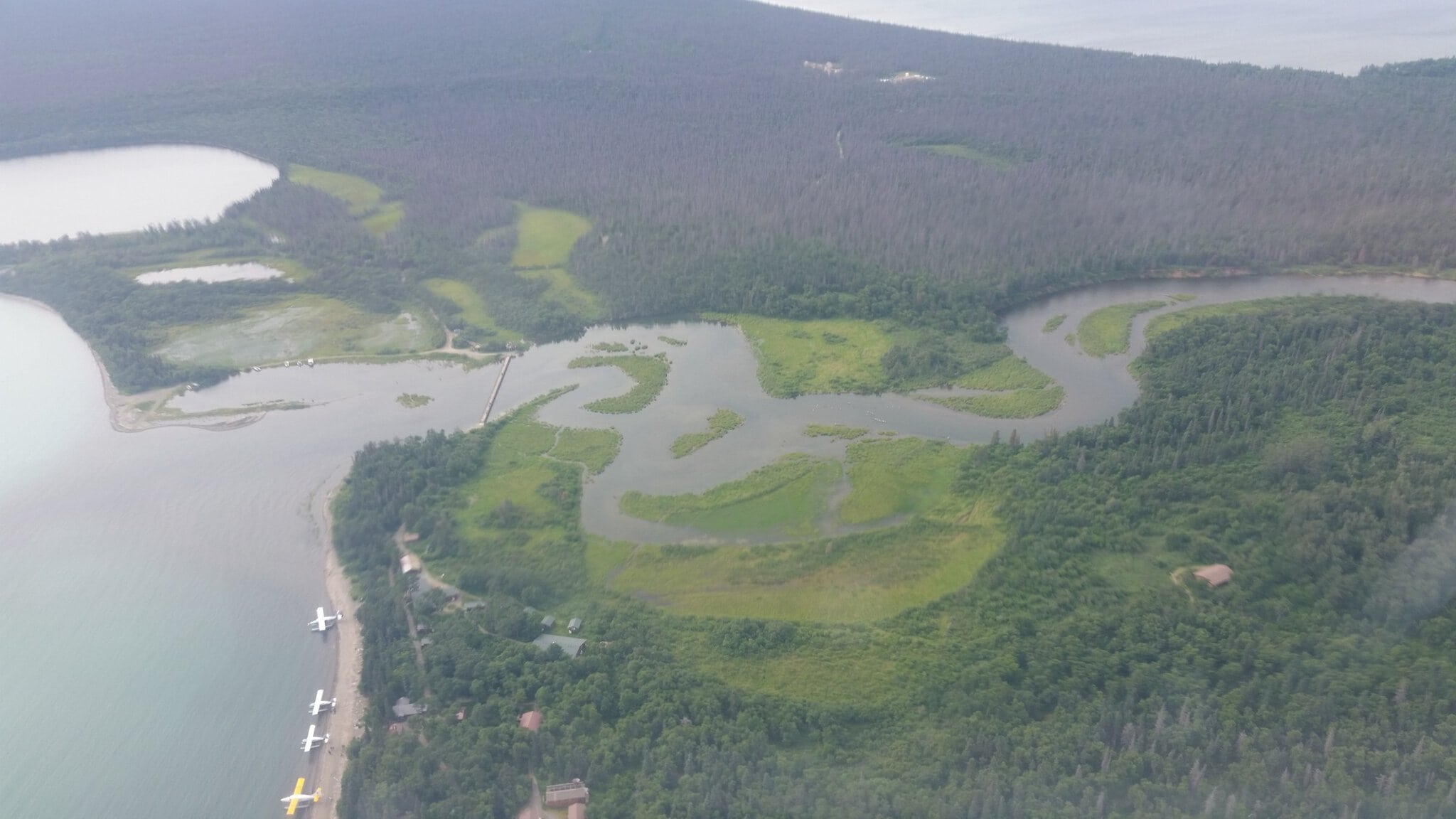
Anything with a scent — not just food, but also toothpaste, sunscreen, and deodorant — must be immediately locked inside wooden storage boxes known as food caches. Cooking and eating are only permitted at designated picnic tables protected by mesh enclosures.

You’re not even allowed to keep the clothes you cooked in inside your sleeping tent. Rangers take these rules extremely seriously, and any violations can result in expulsion from the camp and hefty fines.

10. Extreme Weather Changes & Flight Delays

Alaska’s weather is notoriously unpredictable and changes fast. Flights into Katmai operate under Visual Flight Rules (VFR), meaning pilots need good visibility. If thick fog descends, heavy rain sets in, or strong winds pick up, floatplanes simply won’t take off.

A day trip takes 6–7 hours in total, but you’ll realistically spend about three hours at the falls. It’s entirely possible that the plane drops you off but can’t return to collect you in the evening due to weather. Stranded visitors end up sleeping at the visitor centre. Always pack a backup supply of any essential medication and extra warm clothing.

11. Bear Viewing at Naknek Lake

Many visitors rush straight to the waterfall and ignore what’s happening at Naknek Lake. Yet just metres from the cabins and parked floatplanes, bears regularly wander past. They often rest here or watch fish in the shallows.
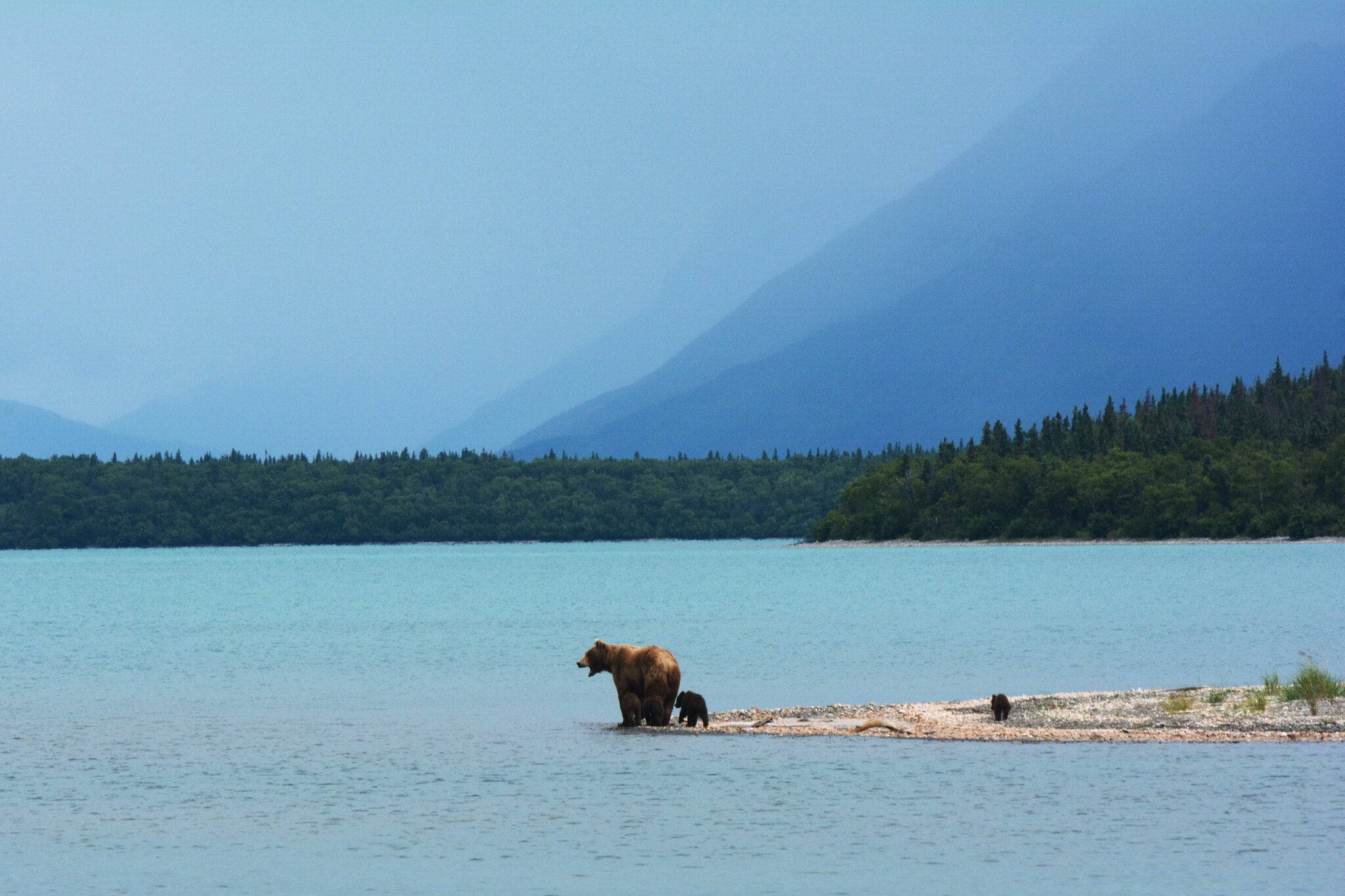
From a safe distance set by the rangers, you can watch mother bears fishing in the cold lake waters while their cubs play on the shore. These seemingly ordinary moments are often the most photogenic of the entire day.

12. World-Class Fishing

Katmai doesn’t just attract photographers — it’s also a magnet for passionate sport anglers. Bristol Bay and its surrounding rivers rank among the world’s best fishing destinations for trophy salmon and trout.
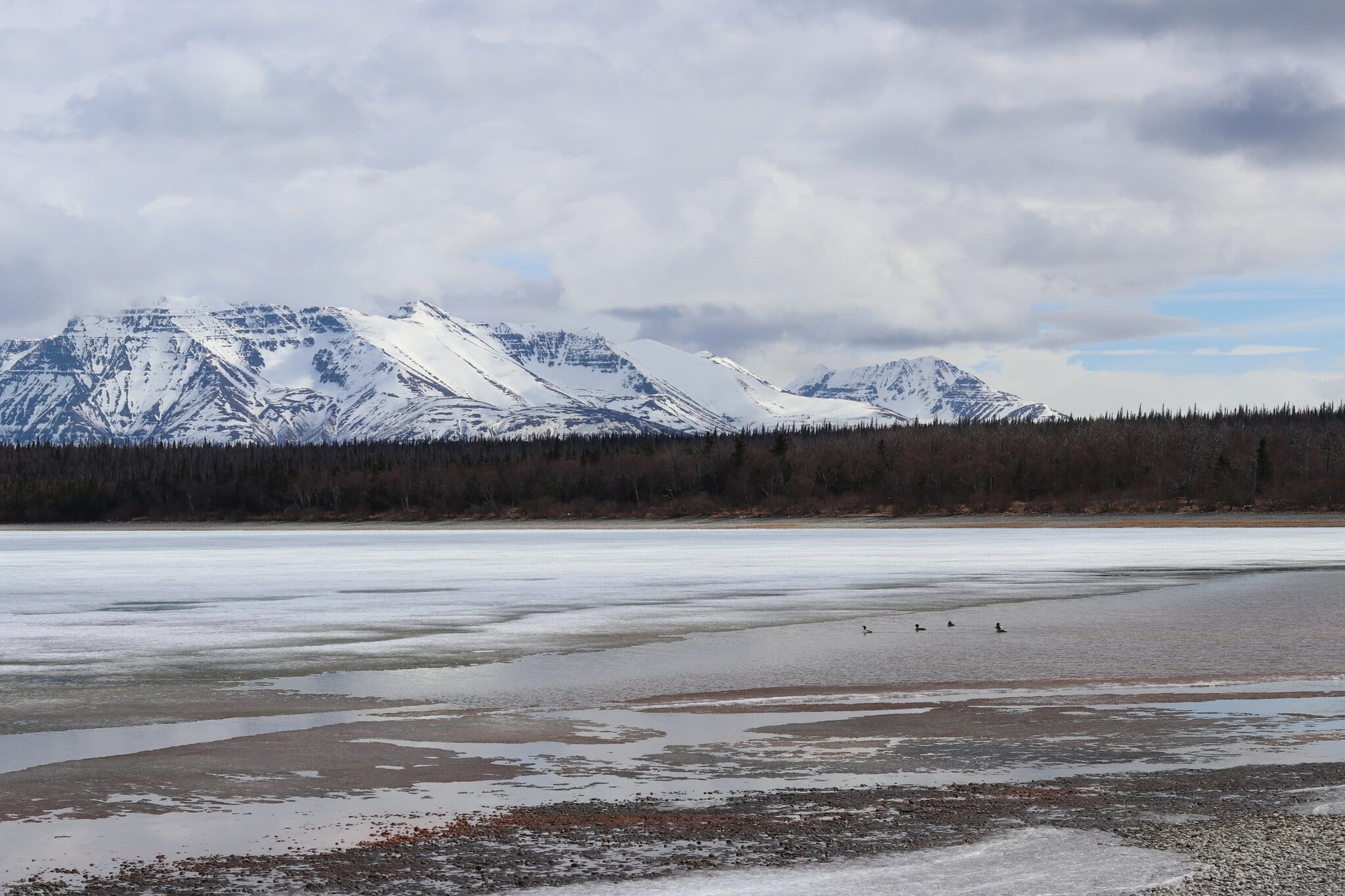
There’s one critical rule when fishing: if you hook a large fish and its thrashing attracts a bear, you must immediately cut the line and back away. The bear always has priority, and safety comes first.

13. What to Pack for This Trip

Alaska’s weather can shift from blue skies to freezing rain in a matter of minutes. The key to both survival and comfort is proper layering.

  • Base layer: Quality merino wool that keeps you warm even when wet.
  • Mid layer: A warm insulating layer (fleece or lightweight down jacket).
  • Outer layer: A proper waterproof jacket and trousers with a breathable membrane.
  • Footwear: Sturdy, waterproof hiking boots.
  • Gear: A long telephoto lens for safe photography. Leave umbrellas at home — they can startle the animals.

14. Limited Dining at Brooks Lodge

After long hours of waiting in the cold and rain, hunger will inevitably strike. But a casual picnic on the grass is out of the question here. Eating food in unprotected areas is strictly prohibited and carries hefty fines.

Brooks Lodge has a restaurant open to all visitors. It serves American buffet-style fare — burgers, soups, and hot drinks. After hours of freezing on the viewing platform, a heated log cabin and a hot chocolate or coffee feel like absolute salvation. Expect high Alaskan markups, though, since every last supply has to be flown in.

15. When to Give Up & Watch Bears Elsewhere

It’s worth being honest with yourself: a trip to Katmai isn’t for everyone. It’s an incredibly expensive and logistically demanding journey. The accommodation lottery is stressful, flights are frequently delayed, and once you arrive, you’ll find crowds of tourists with massive telephoto lenses — which can shatter any image of untouched Alaskan wilderness.

If you’d rather skip the complex logistics and thousands of dollars, Alaska offers more accessible bear viewing locations. Many are reachable by hire car directly on paved roads.

A brilliant alternative is the Kenai Peninsula. Along the Russian River or near the harbour town of Seward, you can watch bears catching salmon completely free of charge from purpose-built walkways. The experience is a touch less wild, but your wallet and your nerves will thank you. There are also specialised bear-safe excursions to other parts of Alaska.

Where to Go Next from Katmai National Park

If you’re planning further travels around Alaska, here are a few ideas for your next stop:

  • From Katmai, you’ll almost certainly be flying straight back to the hub of it all, so grab a coffee in the waiting lounge and have a read of our guide on what to see in Anchorage, Alaska.
  • If you’re studying the map for a great day trip to the park via the coast, check out our detailed article on what to see in Homer — a stunningly beautiful harbour town that’s absolutely packed with anglers chasing giant halibut.
  • Before any notion of venturing deeper into the dark Alaskan wilderness with a backpack, I strongly and sincerely recommend reading our essential guide on how to behave during a bear encounter — because those guidelines could quite literally save your life out there.

FAQ — Frequently Asked Questions About Katmai & Brooks Falls

Planning a trip to Katmai raises plenty of questions. Here are answers to the most common ones we get from readers. If anything’s missing, feel free to drop us a message.

When is the best time to visit Brooks Falls?

July is ideal for watching bears hunt salmon at Brooks Falls—that’s when the fish run begins and dozens of bears gather at the falls. September is great for seeing large, well-fed bears at the mouth of the river, and it coincides with the popular Fat Bear Week. June and August are quieter periods with fewer bears.

What is Fat Bear Week?

Fat Bear Week is a beloved annual online competition (always in early October) where fans vote for the fattest bear at Brooks Falls before hibernation. The categories and photos are organized by Katmai Park Service, and it’s followed worldwide—you can watch live on explore.org webcams. It’s a great way to get to know the park even if you’re not visiting in person.

Can you drive to Katmai National Park?

No, there are no roads leading to Katmai. The only options are by plane (typically a floatplane from King Salmon, Homer, or Kodiak) or boat from surrounding communities. Most travelers combine a commercial flight from Anchorage to King Salmon with a short floatplane hop to Brooks Camp.

Is it safe to camp in the park?

Yes. Brooks Camp is surrounded by an electric fence, and very strict rules apply—all food, toiletries, and scented items must be stored in steel lockers outside your tent. Before your first stay at the campground, you’ll go through mandatory safety training with rangers. Bear attacks on humans are extremely rare here.

How much does a day trip to Katmai cost?

Organized day trips from Anchorage, Homer, or Kodiak typically range from €1,100 to €1,450 per person. This usually includes round-trip flights, ranger safety training, park entrance fees, and often a light lunch. Multi-day stays at Brooks Lodge cost significantly more and require booking 18 months in advance through a lottery system.

How many bears live in Katmai?

Katmai National Park is home to an estimated 2,200+ brown bears (grizzlies), making it one of the largest bear populations in the world. You’ll never see most of them—they concentrate seasonally where salmon are most abundant, mainly at Brooks Falls and the mouth of Brooks River.

What should you do if you encounter a bear?

Never run. Back away slowly, speak in a deep, calm voice, and give the animal absolute right of way. If a bear approaches, use bear spray. In the park, you’re required to maintain a minimum distance of 50 yards (45 meters) from bears and 100 yards (90 meters) from mothers with cubs.

Tips and Tricks for Your Vacation

Don’t Overpay for Flights

Search for flights on Kayak. It’s our favorite search engine because it scans the websites of all airlines and always finds the cheapest connection.

Book Your Accommodation Smartly

The best experiences we’ve had when looking for accommodation (from Alaska to Morocco) are with Booking.com, where hotels, apartments, and entire houses are usually the cheapest and most widely available.

Don’t Forget Travel Insurance

Good travel insurance will protect you against illness, accidents, theft, or flight cancellations. We’ve had a few hospital visits abroad, so we know how important it is to have proper insurance arranged.

Where we insure ourselves: SafetyWing (best for everyone) and TrueTraveller (for extra-long trips).

Why don’t we recommend any Czech insurance company? Because they have too many restrictions. They set limits on the number of days abroad, travel insurance via a credit card often requires you to pay medical expenses only with that card, and they frequently limit the number of returns to the Czech Republic.

Find the Best Experiences

Get Your Guide is a huge online marketplace where you can book guided walks, trips, skip-the-line tickets, tours, and much more. We always find some extra fun there!
Talkeetna, Alaska: 10 Best Things to See and Do (Denali Gateway & Flightseeing)

TL;DRTalkeetna is a picturesque Alaskan town of under a thousand people, roughly 200 kilometres south of Denali National Park, and it’s the perfect base for scenic flights over North America’s tallest mountain. There are 10 key tips here: from flightseeing over the Kahiltna Glacier for about $300 (glacier landings cost around $440), to a visit to Nagley’s General Store with its feline mayor Aurora, historic Main Street, the river confluence at Talkeetna Riverfront Park, and the mountaineers’ cemetery. The best months to visit are late May, June and July, though only about 30% of visitors actually get a full view of the mountain. A double room in high season costs $4,000-$8,000 a night.

When we first started planning our trip through Alaska, the name Talkeetna didn’t really ring any bells. I figured it was just a necessary pit stop on the long Parks Highway heading north toward Denali National Park. But as so often happens when you travel, the places you expect nothing from end up stealing your heart. This quirky little town of Talkeetna Alaska, home to fewer than a thousand residents and famously led by a cat mayor (yes, you read that right 😅), completely won us over.

It’s the kind of place where rugged mountaineers just back from weeks-long expeditions rub shoulders with camera-toting tourists and unhurried locals on the same street. If you’re wondering what to see and do in Talkeetna, you’ll find exactly the kind of authentic frontier atmosphere you know from old TV shows — all set against the backdrop of North America’s tallest mountain.

I’ll tell you everything from scenic flights to the best cinnamon rolls you’ll ever taste, but first grab yourself a coffee. Let’s take a closer look at this Alaskan gem. ☺️

TL;DR

  • Ideal base camp: Talkeetna is a strategic alternative to the overpriced hotels right at the entrance to Denali National Park, sitting roughly 125 miles to the south.
  • Flightseeing: This is the absolute hub for scenic flights. Taking a small plane up to the continent’s highest peak is pricey, but honestly, we’d pay for that view again in a heartbeat.
  • Cat mayor: The town is famous for having an honorary cat mayor for over twenty-five years (currently Mayor Aurora holds office at the local general store).
  • Mountain views: Denali hides behind clouds most of the time. There’s even an unofficial “30% Club” — that’s the proportion of visitors who actually get to see the entire mountain during their trip.
  • Food scene: You absolutely must try the famous local bakeries and pubs where mountaineers from around the world gather.

When to Visit and How to Get to Talkeetna

Alaska’s tourist season is relatively short. We recommend visiting in late May, June, or July. August tends to be quite rainy, and temperatures start dropping quickly in September — though you do get a chance to catch autumn colours and the Northern Lights. The Alaska Range acts like a giant wall that traps moist air from the ocean, so be prepared for frequent rain and overcast skies. As the locals like to say, there’s no such thing as bad weather, only bad clothing — so a quality waterproof jacket is an absolute must.

If you’re planning lots of outdoor walking, definitely check out our favourite hiking boots so you’re not covered in blisters after day one. Don’t forget solid travel insurance either — for shorter trips we go with AXA with a discount, and for longer adventures we use SafetyWing. And to stay connected with data for navigation on the road, take a look at eSIMs from Holafly.

Getting Around and Parking in Town

Once you’ve made it to Talkeetna, you might be wondering where to actually park your rental car. During peak summer season it can be a real challenge — the main street gets absolutely packed and parking spots are seriously hard to come by.

Where to Leave Your Car and Getting Around on Foot

Lukáš and I made the rookie mistake of trying to park as close to the centre as possible on our first visit. We circled around for a good twenty minutes and ended up having to move further out anyway. Your best bet is to use the official overflow car parks right at the entrance to town. They’re clearly signposted, there’s usually space even during the afternoon rush, and they only cost a few dollars a day.

From the car park, it’s roughly a ten-minute walk to the main street. The whole town is so compact that you won’t need a car at all after that. Everything is easily walkable, and you get to admire the charming log cabins along the way. If you arrive by train, the station is literally steps from the centre, which is incredibly convenient.

Talkeetna Alaska Lodging: Where to Stay and How Much It Costs

Alaska generally isn’t a budget-friendly destination, and peak summer season drives accommodation prices up significantly. Expect to pay between $170 and $350 (roughly £135–£280) per night for a comfortable double room during high season. Talkeetna is hugely popular thanks to Denali flightseeing tours, so definitely don’t leave your booking to the last minute — it’s best to reserve several months in advance.

If you want to compare all current options, check out all hotels in Talkeetna on Booking.com through our partner link (it won’t cost you a penny more, but it helps me keep writing guides like this ☺️).

Our Recommended Hotels in Talkeetna

  • Luxury with Denali views: Talkeetna Alaskan Lodge — a legendary mountain lodge perched on a hilltop with a sweeping panoramic terrace. On a clear day, you can see the entire Denali massif. Fireplaces in common areas, a quality restaurant, and friendly staff. Expect $300–$500 per night in season.
  • Historic B&B in the centre: Talkeetna Roadhouse — an iconic building from 1917 right on Main Street, where breakfast is served at communal tables and the baked goods are the best in town. Simple but authentic rooms from $130 per night. Perfect for travellers who value atmosphere over modern comforts.
  • Mid-range by the river: Susitna River Lodging — cosy cabins and apartments right on the Susitna River, a short walk from the centre. They have their own kitchenettes, so you can save a fair bit on food. Expect $180–$250 per night.
  • Budget-friendly: Latitude 62 Motel — a no-frills motel on the edge of town by the road. Nothing fancy, but clean and practical for a one-night stay if you’re watching the pennies. From $120 per night.

💡 Tip: If you want to see Denali from your bed, book a higher-floor room at Talkeetna Alaskan Lodge facing north, and add a note saying “mountain view” to your reservation. Without that note, you might end up in a room facing the forest — and you’ll only catch Denali from the terrace.

10 Best Things to See and Do in Talkeetna Alaska

When we rolled into Talkeetna, I was immediately struck by just how tiny it is. Most of the action takes place along a single main street that ends at the confluence of three rivers. Let’s dive into what you absolutely shouldn’t miss during your visit — and what’s truly worth splashing out on.

1. Denali Flightseeing Tour

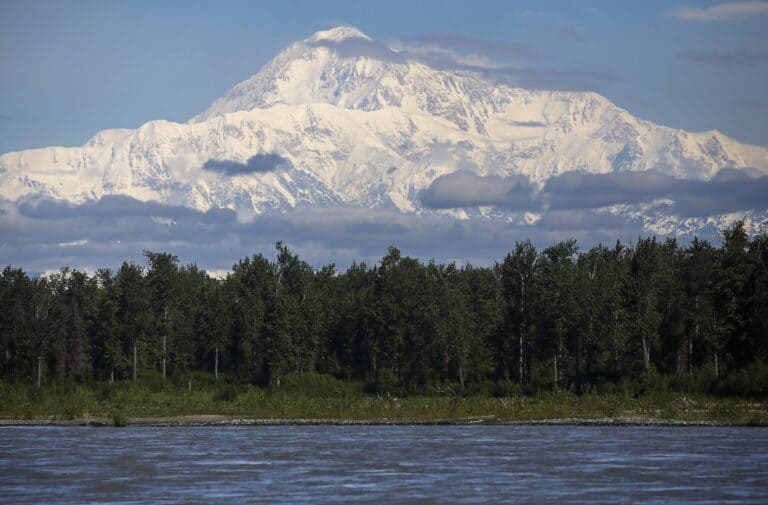
This is an absolute must, and if I could only recommend one single thing to spend money on in Alaska, this would be it. Denali (formerly and now once again officially known as Mount McKinley — more on that later) stands at a staggering 20,310 feet, and seeing it up close is something you’ll never forget. The mountain is shrouded in cloud cover much of the time — it’s only visible from the ground about 30 percent of the time. That’s why several flight operators have set up shop here to take you above the clouds.

Three main companies operate from the local airstrip — the best known are probably Talkeetna Air Taxi and K2 Aviation. A one-hour flight costs around $300 (about £240), and you’ll soar over endless glacier valleys, past jagged granite peaks, and see enormous ice crevasses so close it sends shivers down your spine.

Fair warning though: flying in small bush planes like Cessnas or de Havilland Otters can be quite bumpy. If you’re prone to motion sickness, definitely take something before the flight — you don’t want to spend the whole time staring into a paper bag instead of enjoying the jaw-dropping views.

2. Glacier Landing

If you’re already going up in a plane, I’d highly recommend paying the extra for the glacier landing option. It takes the whole flightseeing experience to an entirely different level. The flight with landing lasts about an hour and a half and costs around $440 (approximately £350) per person. The aircraft are fitted with special skis that the pilot deploys as you approach the glacier.

The most common landing spots are the mountaineers’ base camp on Kahiltna Glacier or the breathtaking Don Sheldon Amphitheater. When the plane touches down on that vast white expanse surrounded by towering walls of rock, the engines cut out and you step into absolute silence — you feel impossibly small. It’s only here that you truly grasp the sheer scale of Alaska’s wilderness.

One thing to note: on top of the flight cost, there’s a $15 national park fee payable on site. You can skip it, however, if you already have an America the Beautiful annual pass (which I’d definitely recommend if you’re planning to visit multiple parks in Alaska or elsewhere in the US). You’ll spend roughly 20 to 30 minutes on the glacier — just enough time for photos, a snowball fight, and a retreat back to the warmth of the plane.

3. Visit Nagley’s General Store and the Cat Mayor

This might sound like a joke, but in Talkeetna it’s a dead-serious affair. Talkeetna isn’t formally incorporated as a city, so it can’t have an officially elected government. Back in 1997, the locals decided — partly as a laugh — to elect a ginger tom called Stubbs as honorary mayor. This cat took his duties surprisingly seriously for a full twenty years, holding court at Nagley’s General Store and famously sipping water laced with catnip from a margarita glass every afternoon.

Mayor Stubbs had quite the wild life — he reportedly survived falling into a deep fryer and being attacked by a dog — but eventually passed away in 2017. The office was taken over by a new generation of cats, and the current mayor is a feline called Aurora.

So when you pop into the wooden Nagley’s General Store right in the centre, don’t forget to look out for Madam Mayor. The shop itself is a fascinating piece of history — you can buy everything from coffee and souvenirs to insect repellent (which you’ll desperately need in Alaska). It’s the beating heart of Talkeetna, a charming small-town institution.

4. Stroll Down Historic Main Street

Talkeetna’s Main Street feels like a film set straight out of the Wild West or the Gold Rush era. Most buildings are made from stacked logs, some sport peeling painted signs, and outside every other doorway you’ll find a bench occupied by locals. It’s no wonder this place is said to have been the main inspiration for the cult TV show Northern Exposure.

As you wander along, you’ll stumble upon plenty of small art galleries where local artists sell jewellery, hand-carved wooden figures, and paintings inspired by the wild landscape. Make sure to stop by Aurora Dora, a tiny gallery dedicated entirely to stunning Northern Lights photography.

Even though the town fills up with tourists in the summer and you’ll occasionally have to weave around coach tour groups, it still keeps its character. Nobody gets stressed here, everything moves at its own pace, and you’ll quickly find yourself falling into the same rhythm. I recommend heading down here first thing in the morning, while it’s still quiet and you can photograph those adorable wooden buildings in peace.

5. Views from the Confluence at Talkeetna Riverfront Park

Walk all the way to the end of Main Street and the road leads you naturally to Talkeetna Riverfront Park. Don’t expect manicured flower beds or paved paths — it’s more of a long beach covered in smooth pebbles and driftwood, stretching along the riverbank.

This is where three mighty glacial rivers converge — the Susitna, Chulitna, and Talkeetna. It’s the perfect spot for a quiet moment with a cup of coffee in hand. If you’re lucky and hit the right day, this is also one of the best places to catch a ground-level view of Denali itself.

The whole Denali visibility thing is actually quite amusing. As I mentioned earlier, the mountain loves to hide behind clouds — up to 70 percent of the time, even in summer. That’s why locals jokingly induct anyone who manages to see and photograph the entire peak into the so-called “30% Club.” ☺️

6. Short Hike at Talkeetna Lakes Park

If you need a break from the buzz of planes and the bustle of the main street, head just outside town to Talkeetna Lakes Park. It’s a network of peaceful, forested lakes connected by well-maintained trails. From the town centre, it’s just a few minutes’ drive or a pleasant longer walk.

The most popular route is a roughly 3.5-mile loop around the lake, which is almost completely flat — so you can manage it in regular trainers (as long as it hasn’t been absolutely churned up after rain). Along the way you’ll likely spot locals walking their dogs or cycling, and there’s a great chance of seeing waterfowl.

I do need to give you a serious warning about Alaskan mosquitoes, though. Near still water in summer, they’re ferociously aggressive and will eat you alive, so a quality repellent with a high DEET content and long sleeves are non-negotiable. It sounds grim, but properly sprayed up and moving, you’ll absolutely love the walk.

7. Talkeetna Historical Society Museum

At first glance it looks like just a cluster of small wooden cabins near the main street, but the local historical museum is well worth a visit — especially when it rains (which around here is actually quite often 😁). The museum is spread across several historic buildings, including the old train depot and the town’s very first school.

You’ll learn fascinating things about the indigenous Athabaskan people, as well as the hardships endured during the construction of the local railway that eventually brought life to the region. What captivated me most was a huge room housing a detailed relief model of Mount Denali.

There you can trace the route climbers take to attempt the summit and read gripping — and often harrowing — stories from various expeditions. Admission is just a few dollars, and the museum genuinely deserves it. At the very least, you’ll be helping to keep this little piece of wilderness history alive.

8. Jet Boat Tours on the Rivers

Alaska’s rivers are enormous, ice-cold, and treacherously unpredictable thanks to constantly shifting sandbars and shallows beneath the surface. Instead of regular boats, special jet boats with very shallow drafts operate here, nimbly threading through this watery maze. Tours are hugely popular and depart directly from town.

You can book anything from two-hour excursions to full-day expeditions. The great thing is that the captains know the river like the back of their hand and will take you to places you simply can’t reach on foot. From the river, you also have the best chance of spotting local wildlife — moose grazing on the banks, beavers busy at their lodges, and occasionally a solitary black bear, though you shouldn’t count on that one.

lukas a lucka
Lukáš and Lucie recommend
Where to Stay in Talkeetna
5 accommodations — wellness hotels, hotels and other lodging options

9. Talkeetna Cemetery: A Place of Remembrance

This is a spot with a heavier, but deeply important atmosphere. Just beyond the airstrip lies a small cemetery tucked away in a birch grove, a stark reminder of the harsh reality of Alaska’s mountains. Denali draws hundreds of climbers from around the world every year, but far from all of them make it home.

Alongside the graves of old settlers and bush pilots, you’ll find a dedicated memorial for the mountaineers who lost their lives on the massif — many of whose bodies were never recovered. Scattered memorial plaques sit among the trees, and occasionally someone quietly lays down an ice axe, a carabiner, or Tibetan prayer flags. Even without a single word spoken, it’s incredibly powerful. When you visit, be respectful and soak in the extraordinarily peaceful atmosphere beneath the birches.

10. Find Out What the Mountain Is Actually Called

This isn’t a specific place to visit, but it’s essential context that’ll come up in every conversation you have with a local over a beer. The name of that big white mountain everyone’s trying to catch a glimpse of has been the subject of an incredible legislative tug-of-war in America for decades — a political ping-pong match, if you will.

It all started in the late nineteenth century when a gold prospector named the peak after presidential candidate William McKinley. The name stuck for over a hundred years. But the indigenous Athabaskan people had always called it Deenaalee (meaning “The High One”). In 2015, the Obama administration officially restored the name Denali, which most Talkeetna locals strongly welcomed.

But the story doesn’t end there. In early 2025, Executive Order 14172 came into effect, mandating that the federal name revert to Mount McKinley. Interestingly, the adjacent national park still retains the name Denali. It’s a proper legislative mess. Locals often take it with good humour, but if you get chatting with them, you’ll quickly discover that for them it’ll always simply be “The Mountain.”

Talkeetna Alaska Restaurants: Where to Eat and Drink

For such a tiny town, Talkeetna’s food scene is surprisingly diverse, and after a full day exploring outdoors, you definitely won’t go hungry. This is largely because mountaineers pour in after weeks of sub-zero temperatures and freeze-dried rations, absolutely ravenous and wanting nothing more than a massive plate of proper food and a cold beer.

The absolute legend is Talkeetna Roadhouse. From the outside, the building on Main Street looks rather unassuming, but inside you’ll find enormous communal wooden tables where you simply pull up a seat next to other travellers. They serve lumberjack-sized breakfasts and make what are hands-down the best cinnamon rolls in all of Alaska — and I’m really not exaggerating. They’re so big that one will comfortably feed two people.

If you’re craving pizza, Mountain High Pizza Pie is your answer. You can’t miss the place — it’s the building with the bright purple facade on Main Street. What makes them special is that they combine Italian classics with Alaskan ingredients.

And for a proper local experience, you simply must hit West Rib Pub & Grill. The name alone — referring to one of the toughest climbing routes on the mountain — tells you exactly who you’ll be rubbing shoulders with. It’s the kind of place where mountain guides swap stories with bush pilots while someone at the bar dissects a recent rescue mission. They’ve got loads of local brews on tap — definitely try the punchy “9 Lives” IPA from Midnight Sun Brewing. The food is hearty pub grub, and after a massive halibut burger with chips, you probably won’t be going on any more hikes that day — but you’ll feel great about it. 😅

Frequently Asked Questions (FAQ)

We’ve put together answers to the most common questions travellers have about Talkeetna. Loads of people have written to us with similar queries, so hopefully this will help you plan your Alaskan adventure.

Who lives in Talkeetna, Alaska?

The town has just under a thousand permanent residents, and the mix of people is incredibly diverse. You’ll meet families of old-timers, bush pilots, mountain guides, artists seeking peace and quiet, and in summer, a huge community of seasonal workers in the tourism industry. What they all share is a love of the mountains and a quirky, somewhat isolated lifestyle. When we chatted with some of them at the local pub, we quickly realized it’s a very tight-knit community. Everyone knows everyone, and they don’t hesitate to help each other out when the brutal winter hits.

What’s typical of Alaska and Talkeetna in particular?

Alaska is known for its untamed wilderness, vast distances, mosquitoes, and bears. Talkeetna, on the other hand, is absolutely defined by its laid-back, almost hippie atmosphere, log cabins, sitting outside pubs, and constantly watching the clouds hoping the mountain will reveal itself. And of course, the cat mayor. It’s simply a completely different world where time has stood still and you can finally take a break from the constant rush. It’s precisely this tranquility that keeps most travelers coming back.

Is a flightseeing tour to Denali from Talkeetna really better than visiting the national park?

They’re two completely different experiences. Visiting Denali National Park is about wildlife watching, hiking in the tundra, and taking a bus deep into the wilderness. A flight from Talkeetna, on the other hand, gives you the best, unobstructed visual experience and a view of the incredible scale of the glaciers and mountain peaks from above. In our opinion, the ideal is to combine both. If your budget allows it, Lukáš and I definitely recommend doing the hiking trails down below and then checking it out from a bird’s eye view. The two perspectives complement each other perfectly.

Can you see Denali directly from downtown?

Yes, in very good visibility (which unfortunately isn’t often), you can see the mountain beautifully from Talkeetna Riverfront Park at the confluence of the rivers or from the deck of the Talkeetna Alaskan Lodge. The view is impressive because although the mountain and town are far apart, there are no other mountain ranges standing between them. We recommend getting up early in the morning, grabbing a coffee, and going to sit by the water. Those morning views, when the air is still completely clear, are the most beautiful of all anyway.

When do I have the best chance of seeing the mountain and joining the ‘30% Club’?

Statistically, the best and most stable conditions for viewing the mountain without clouds are at the turn of May and June. The summer months are often rainy. There’s also a rule that early morning (around 3 to 5 AM) tends to have clearer skies before the daytime clouds start forming. We actually woke up even before dawn for this, and even though it meant dark circles under our eyes, the view was worth every minute of sleep we lost.

Where do you go shopping in Talkeetna?

Don’t expect any big supermarkets. The main hub is the historic Nagley’s General Store, where you can buy basic groceries and supplies. Besides that, there are plenty of small shops with souvenirs, art, and handmade goods right on Main Street. Visitors usually do their bigger supply runs on the way through Wasilla or Anchorage. We did a big shop in a larger town before arriving, and here we just picked up fresh baked goods. It’ll save you a lot of money and hassle along the way.

How many lakes are there in Alaska in total?

How many lakes are in Alaska? Well, this number really blew us away too—over three million. Most don’t even have names and you can only reach them by floatplane. Alaska just doesn’t do things small, and you’ll notice that at every turn, even here around Talkeetna Lakes. When you fly up there, you’ll see those lakes scattered across the landscape like little mirror fragments. From the plane, it looks even more impressive than from the ground.

Tips and Tricks for Your Vacation

Don’t Overpay for Flights

Search for flights on Kayak. It’s our favorite search engine because it scans the websites of all airlines and always finds the cheapest connection.

Book Your Accommodation Smartly

The best experiences we’ve had when looking for accommodation (from Alaska to Morocco) are with Booking.com, where hotels, apartments, and entire houses are usually the cheapest and most widely available.

Don’t Forget Travel Insurance

Good travel insurance will protect you against illness, accidents, theft, or flight cancellations. We’ve had a few hospital visits abroad, so we know how important it is to have proper insurance arranged.

Where we insure ourselves: SafetyWing (best for everyone) and TrueTraveller (for extra-long trips).

Why don’t we recommend any Czech insurance company? Because they have too many restrictions. They set limits on the number of days abroad, travel insurance via a credit card often requires you to pay medical expenses only with that card, and they frequently limit the number of returns to the Czech Republic.

Find the Best Experiences

Get Your Guide is a huge online marketplace where you can book guided walks, trips, skip-the-line tickets, tours, and much more. We always find some extra fun there!
Vancouver Island, Canada: 7-Day Road Trip + 12 Tips on What to See

TL;DROur seven-day Vancouver Island loop runs from Victoria through Tofino, Parksville and Campbell River to Telegraph Cove, where you can watch orcas in the Johnstone Strait. Key stops include Butchart Gardens, Long Beach in Pacific Rim National Park, the Cathedral Grove rainforest with trees over 800 years old, and the rooftop goat market in Coombs. You reach the island on the BC Ferries crossing from Tsawwassen to Swartz Bay (around 90 minutes), so book your spot well ahead. The best time to go is late June to early September, or the quieter months of May and September, with a week’s budget for two coming in at around CAD 3,400–4,500. If you’re short on time, the 289 km Pacific Marine Circle route makes a good 2–3 day alternative.

When my mum and I first visited western Canada and explored the area around Vancouver, we were absolutely blown away by the nature — but it was immediately clear that next time we’d need to do the real Vancouver Island road trip. The island is a whole chapter of its own, and so many of you have been asking how to actually get there from the mainland and what there is to see. I haven’t personally criss-crossed every last corner of the island yet, but since we’re planning a big return to Canada, I’ve done such thorough research that I can serve up the best possible itinerary for you. I spent what felt like dozens of hours poring over maps and guidebooks, so this really is a polished plan with all the bells and whistles.

Brace yourself — Vancouver Island isn’t some tiny islet with a few trees that you can pop over to for an afternoon. It’s roughly half the size of Ireland, and you’ll find everything here from ancient rainforests and wild surf beaches to quaint British-style towns where afternoon tea is still a serious affair. If you’re planning your dream loop through this part of Canada, get your cameras ready and pack comfortable shoes, because the ocean views and endless forests will genuinely take your breath away. ☺️ My mum and I have always been completely captivated by this landscape, and I reckon it’ll get you too.

TL;DR

Here’s a quick summary for those of you who are in a rush and just need the key highlights of our Canadian loop. Of course, I’d recommend reading the full article — it’s packed with personal insights and practical tips.

  • Ideal length: You’ll need a minimum of 7 days for this loop to avoid spending the entire holiday behind the wheel.
  • Route in a nutshell: Vancouver, Victoria, Tofino, Parksville, Campbell River, and Telegraph Cove.
  • Top experiences: Orca watching, surfing Pacific waves, walking through ancient rainforest, and visiting the market with goats on the roof.
  • Transport: BC Ferries are an absolute must — without booking in advance, you simply won’t get your car on the ferry during peak season.
  • Budget: Canada isn’t cheap, and the island is even pricier — be prepared for high accommodation costs (especially in Tofino).

If any of that sounds familiar, or you’ve already got flights booked, let’s dive into the finer details. I promise that with this guide, nothing on the island will catch you off guard.

Before You Go: Practical Information and Planning

Let’s take a look at how to actually plan a road trip around Vancouver Island in British Columbia, what to watch out for, and roughly how much it’ll cost. Canada’s west coast has its own quirks, and it pays to know what you’re getting into so you’re not blindsided by sold-out ferries or unpredictable weather once you arrive.

I’m the type of traveller who likes to have things under control, so I don’t leave much to chance. My mum would happily just pack a bag and go, but trust me — when it comes to Vancouver Island, doing your homework at the computer beforehand pays off enormously.

When to Visit Vancouver Island

If you want guaranteed sunshine and pleasant temperatures, the ideal time to visit is hands-down late June to early September. Keep in mind, though, that this is also when most Canadians and Americans descend on the island, so accommodation prices skyrocket and the most popular spots can be heaving with tourists. We always try to find a happy medium, so I’d say the sweet spot is May or September — the weather is still fairly decent, but the crowds have largely thinned out.

Winter (November to February) is very rainy, but Tofino has its own special magic during this period — it’s called storm watching, and it’s exactly what it sounds like: you sit cosily in your hotel room with a coffee in hand, watching the Pacific literally rage outside the window. I’ll admit, it seriously tempts me. 😅 Whenever you decide to go, I always recommend layering your clothing, because the weather here can change from one minute to the next.

How to Get to the Island and Ferry Tips

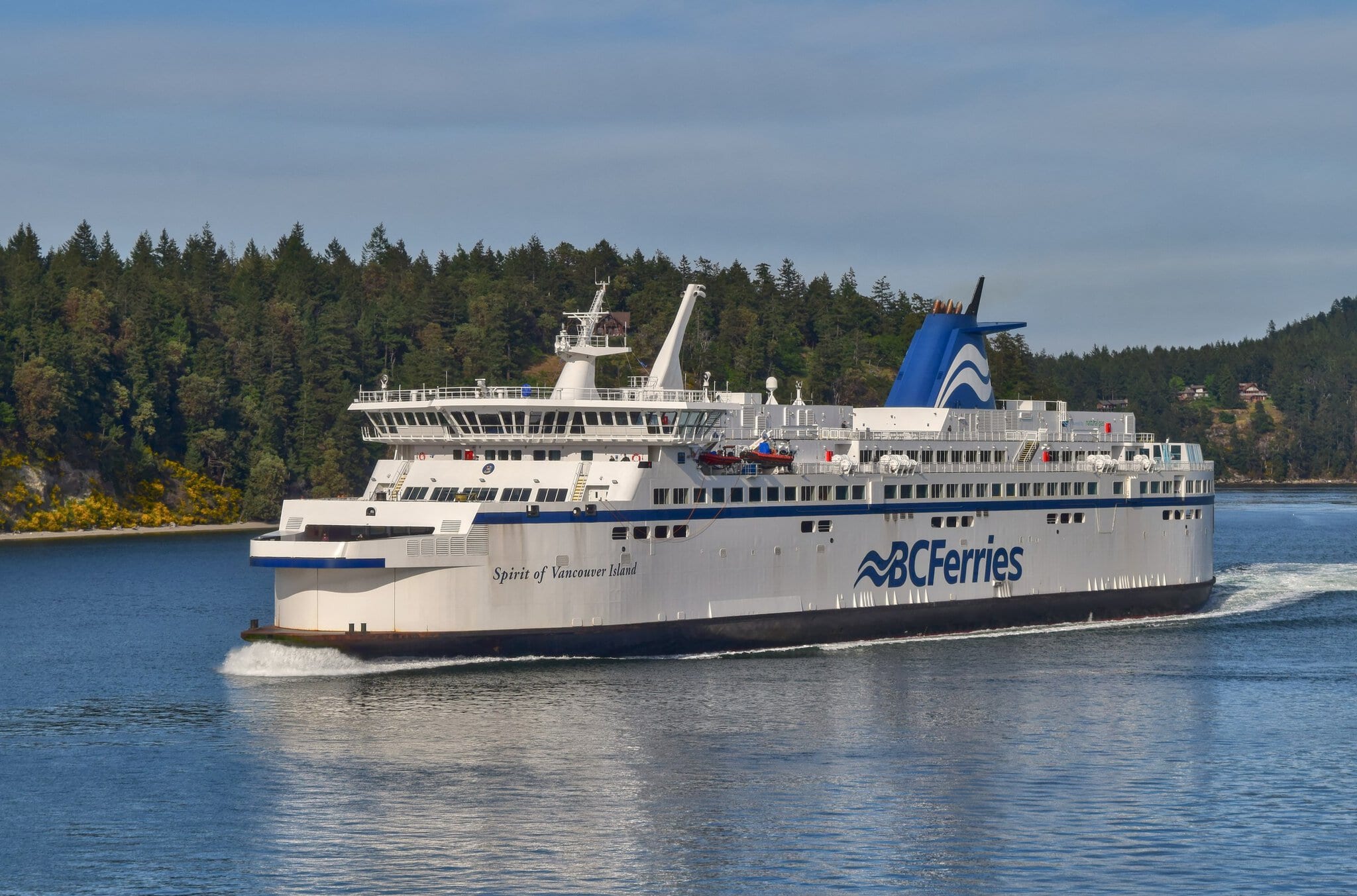
Most travellers start their trip in Vancouver itself. From the UK, you can find direct flights to Vancouver from London Heathrow with British Airways or Air Canada, and there are connecting options from other UK airports. Once in Vancouver, you’ll need to load your rental car onto a BC Ferries vessel. For this itinerary, the best route is from Tsawwassen terminal (just south of Vancouver) to Swartz Bay (just north of Victoria). The crossing takes about an hour and a half and is practically a scenic cruise in its own right — you can often spot seals or even whales right from the upper deck with your camera at the ready.

Now seriously, don’t underestimate this: you need to book ferries online several weeks in advance. Without a reservation during peak season, you could easily spend half a day queuing and still not make it onto the boat (and trust me, it won’t just be you losing your patience — it’ll be the whole car). 😅 With a pre-purchased ticket, you just need to arrive at the gate roughly 45 minutes before departure and you’ll board stress-free.

Car Hire and Driving

You really can’t do without a car on the island — public transport outside the capital Victoria is pretty limited. The roads, however, are beautiful, wide, and in excellent condition, so you don’t necessarily need a massive 4×4 SUV; a standard car will do just fine. I’ve had consistently good experiences with DiscoverCars, which I use all over the world because it lets you instantly compare all the major hire companies. Definitely pick up your car at Vancouver airport so you’re sorted from the start.

As for the actual driving, Canadians are incredibly considerate and calm behind the wheel. The main thing to get used to is their 4-way stop intersections, where the rule is simple: whoever arrived first, goes first. It sounds complicated, but after a few goes you’ll realise it’s actually beautifully smooth and everyone just gives each other a friendly wave.

Food: Where to Eat Well on the Island

Travel and good food go hand in hand, and I have to say western Canada really delivers on the culinary front. Forget boring fast food (though you can obviously get a cracking burger here too) — the stars of the show are fresh fish, incredible seafood, and local farm-to-table produce from the surrounding valleys.

If you want to properly enjoy the local food scene, be prepared for the fact that dining out isn’t exactly cheap. On top of the menu price, you’ll always need to add tax plus roughly 15 to 20% tip, which is essentially expected in Canada.

Our Specific Restaurant Recommendations

In Tofino, we discovered an absolute gem for anyone who loves casual dining. If you’re into Mexican food with a Pacific twist, you absolutely must visit the legendary Tacofino. Their fish tacos with fresh cod, crunchy cabbage, and utterly perfect salsa became such a hit that they now have locations on the mainland too — but the original orange truck in Tofino has the best surfer vibe by far.

As for the northern part of the island, salmon and hearty fried fish reign supreme. In the town of Campbell River, grab a meal at the popular Dick’s Fish & Chips, which you’ll find just a stone’s throw from the water. Crispy fish pieces with a generous serving of homemade chips and views of the harbour are exactly what you need after a long day in the wild outdoors.

Where to Stay and Budget Tips

Budget planning is probably the least fun part of trip preparation, but there’s no getting around it. Canada generally isn’t a cheap destination, and Vancouver Island is one of those places where prices climb quite high, especially during peak summer season.

🏨 Recommended Hotels in Victoria BC

Browse all hotels in Victoria BC on Booking.com (via our affiliate link with aid 2397601).

I’ve put together a basic overview so you know roughly how much to have set aside before you travel. Personally, I prefer the middle ground — the cheapest hostels don’t appeal and I don’t need gold taps in the bathroom either.

Accommodation and Day-to-Day Costs

Accommodation on Vancouver Island will set you back a pretty penny — I’ll be upfront about that. Tofino in particular has far too little capacity for the number of people wanting to stay there, so the best beachfront spots get snapped up before you’ve even finished your morning coffee. Book three to four months in advance, no excuses. A decent double room during peak season averages around 250 to 400 CAD per night (roughly €170 to €270), and in Tofino it can easily be double that.

In terms of overall budget, a ferry crossing for a car and two people costs around 100 to 120 CAD one way. Restaurant meals run about 25 to 40 CAD per main course. All told, I’d budget roughly €2,200 to €3,000 for a week-long road trip for two (excluding flights to Canada, but including car hire, petrol, accommodation, and food). It obviously depends on how much luxury you treat yourselves to, or whether you occasionally opt for a supermarket shop and a picnic in the wild — something my mum and I love doing.

Itinerary: 7-Day Vancouver Island Road Trip Step by Step

This route combines the very best of Vancouver Island — a touch of Britain, a dose of wilderness, a splash of whales, and goats on a roof thrown in for good measure. A little bit of everything. It’s fairly intensive in terms of driving, but I promise every stop is worth it, and by the end of the trip your memory card will be bursting with incredible photos.

I’ve arranged the days logically so you minimise dead driving time and get the most out of every area. If you’d like, you can always add an extra day at certain stops — especially around the national parks, you could easily spend a whole week.

Accommodation Overview Day by Day

For easy reference, here’s a quick overview of where to sleep each night. You can click through to all the hotels on Booking.com via our partner link (it doesn’t cost you any extra, but it helps me keep writing guides like this).

DayLocationRecommended hotel (budget level)Booking
1–2VictoriaThe Magnolia Hotel & Spa (luxury) / The Embassy Inn (mid-range)Hotels Victoria
3–4TofinoLong Beach Lodge Resort (luxury) / Pacific Sands Beach Resort (mid-range)Hotels Tofino
5ParksvilleThe Beach Club Resort (mid-range)Hotels Parksville
6Campbell RiverPainter’s Lodge (authentic wooden resort)Hotels Campbell River
7Return to mainland

💡 Tip: During peak season (July–August), book all accommodation ideally 4–6 months in advance. Tofino and Victoria sell out first, with other locations following a few weeks later.

Day 1. From the Mainland to British Elegance

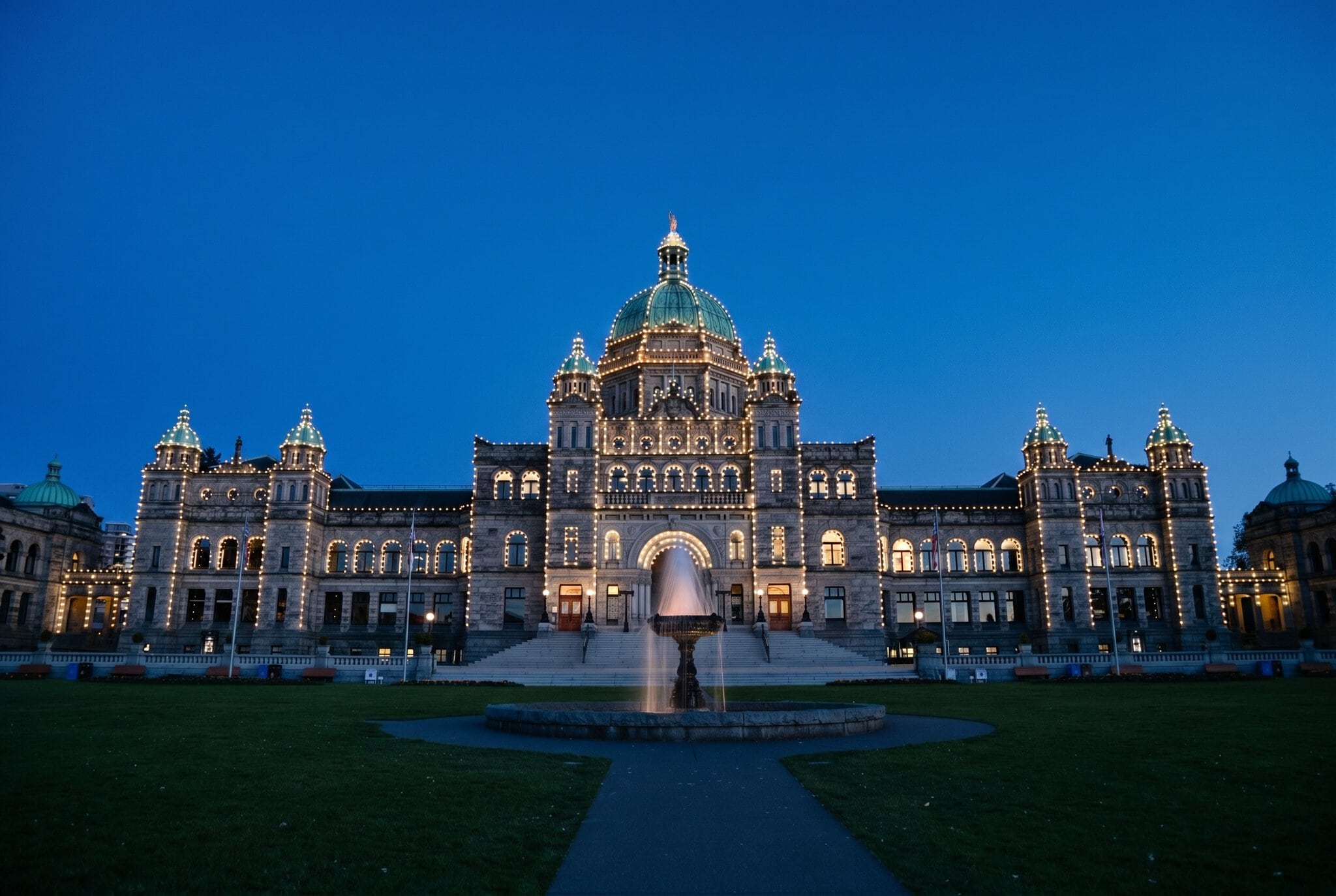
Your first day starts fairly early, heading from Vancouver to Tsawwassen ferry terminal. I’d recommend booking a 9 or 10 a.m. sailing so you arrive on the island with plenty of time and don’t lose half your day. After disembarking at Swartz Bay, hop in the car and drive about half an hour south, straight into the heart of Victoria — which, incidentally, is the capital of the entire Canadian province of British Columbia (yes, it’s not Vancouver, as many people assume 😅). Parking in the centre is fairly straightforward, with plenty of underground car parks available.

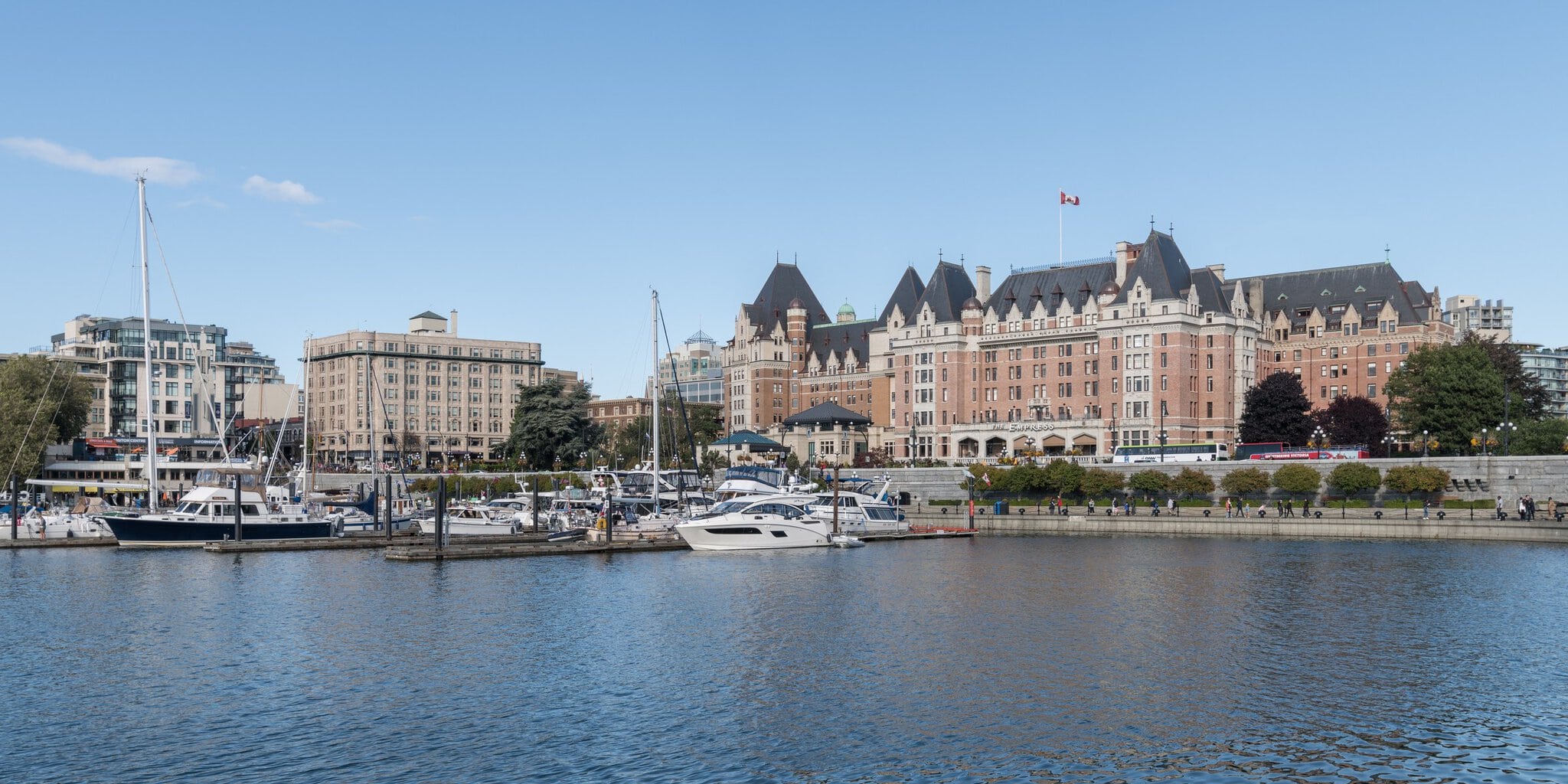
Victoria is an utterly charming city with an incredibly strong British atmosphere. Spend the afternoon strolling around Inner Harbour, a buzzing waterfront packed with street performers and gorgeous views. The iconic Fairmont Empress hotel towers directly above the harbour, looking like an old English castle. You can book a traditional afternoon tea here, though the price tag (around 90 CAD / roughly €60 per person) is quite eye-watering. For dinner, head to the pub Bard & Banker, which serves excellent beer and has live music in a stunning historic interior.

Where to stay in Victoria:

If you want to treat yourself, The Magnolia Hotel & Spa is top-notch, right in the city centre. For a more affordable but still excellent option, check out The Embassy Inn, just a short walk from the harbour and Parliament.

Day 2. Dream Gardens and Ocean Bliss

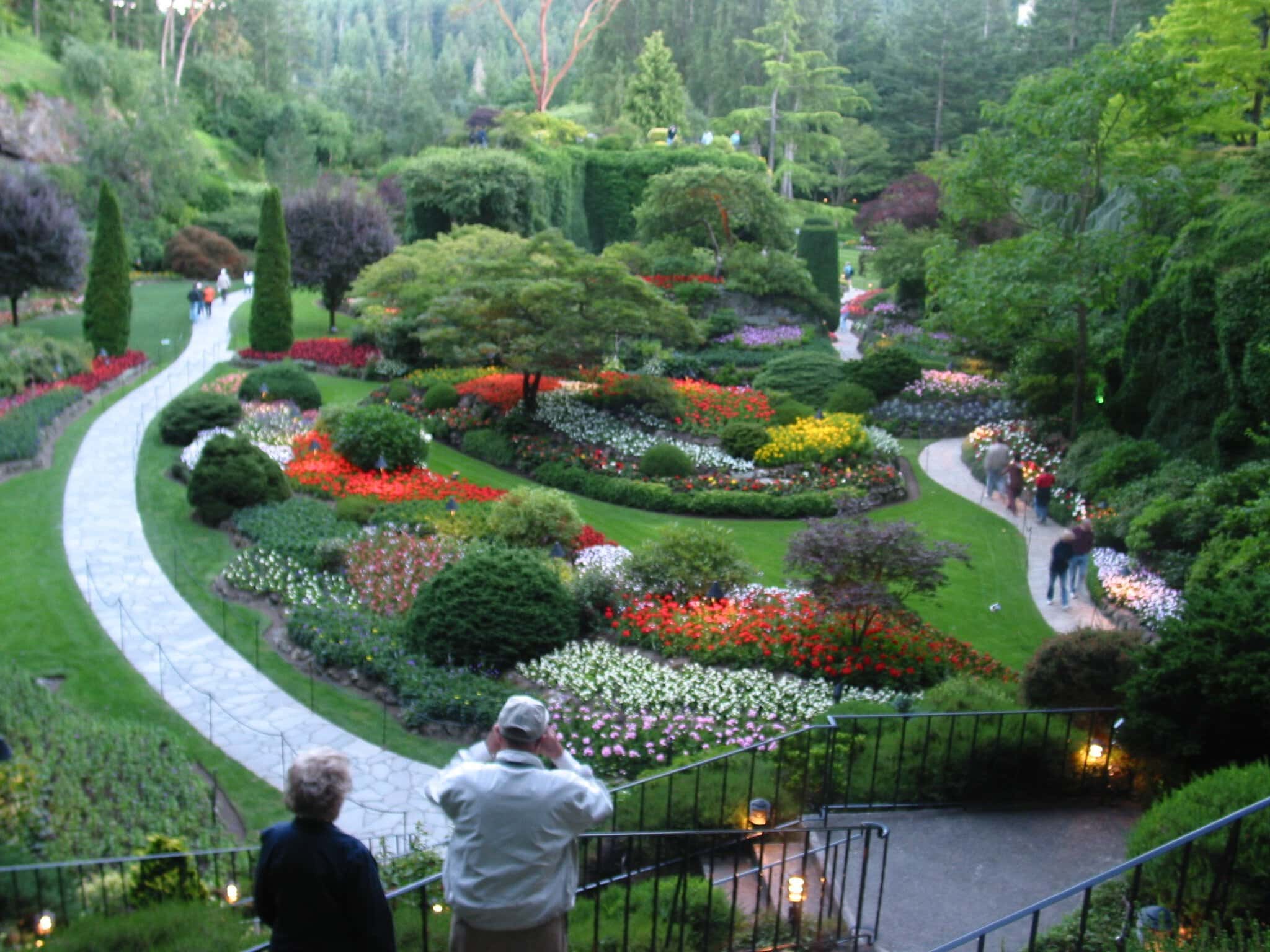
On day two, I’d recommend starting bright and early with a visit to Butchart Gardens. They’re about a 30-minute drive north of the centre and arguably the most famous attraction in the entire area. Admission is around 40 CAD (roughly €27), but once you step inside, you’ll understand why. A former limestone quarry has been transformed into an unbelievable floral paradise where every plant is trimmed to absolute perfection, and the Sunken Garden looks like something out of a fairy tale. A morning visit is ideal for beating the biggest crowds from tour buses.

After lunch, head back to Victoria and take a wander through Beacon Hill Park. It’s a huge, free-to-enter park right by the ocean where peacocks roam freely and the viewpoints let you gaze across the strait to the snow-capped peaks of Washington State in the US. It’s a wonderfully laid-back spot — perfect for grabbing a takeaway coffee and just soaking up the seaside atmosphere. On the way back, it’s well worth driving along Dallas Road, which runs right along the waterfront and offers some of the best ocean views you’ll find anywhere.

Day 3. Into the Wilderness of the West Coast

Today you’re in for the longest and arguably most beautiful drive of the entire trip, crossing the island from sunny Victoria to wild Tofino on the west coast. The journey takes roughly 4 to 5 hours of pure driving time, but the road winds through mountains, past crystal-clear lakes, and you’ll constantly want to pull over for photos. Once you pass the town of Port Alberni — your last chance to stock up on cheaper supplies at a large supermarket — the road starts to narrow. This is where you enter true wilderness, so make sure you’ve got a full tank.

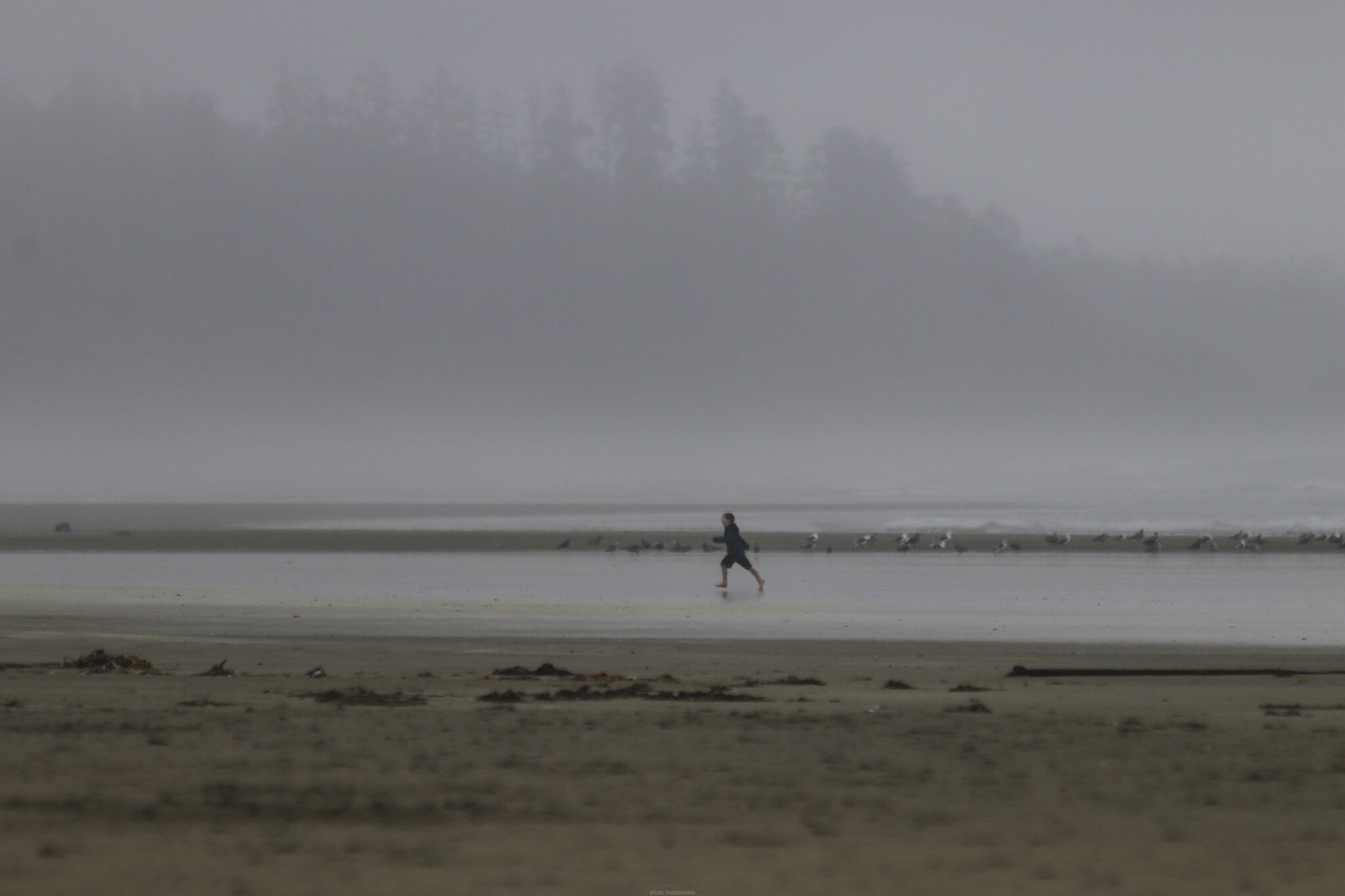
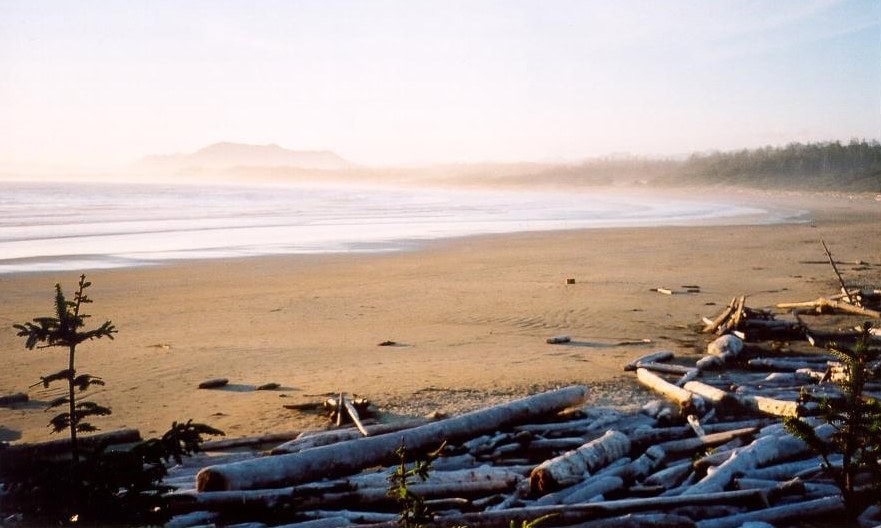
Your destination is the renowned Pacific Rim National Park. Before you reach Tofino itself, definitely stop at the coast. Long Beach is a vast sandy stretch battered by Pacific waves, littered with gigantic driftwood logs. It’s raw, wild, and windswept, so pack a jumper even in summer. Then you’ll arrive in Tofino — a quirky little surfer town full of surf shops, cosy cafés, and bistros serving fresh seafood (we’d recommend the legendary Tacofino).

Where to stay in Tofino:

One of the most beautiful places to lay your head is Long Beach Lodge Resort, where you have a direct view of the ocean and the sunsets are the stuff of legend. If it’s full (which happens often), take a look at Pacific Sands Beach Resort, right next to the famous Cox Bay.

Day 4. Surfing and Hot Springs in the Rainforest

Tofino is the unofficial surf capital of Canada, and even if you’ve never stood on a board, you should at least soak up the atmosphere at Cox Bay, where surfers in wetsuits are leaping into the cold water from the crack of dawn. You can book a beginner’s lesson, or simply stroll along the beach, breathe in the salty air, and admire how gracefully people catch those massive waves. I’m more the type who cheers from the shore with a hot tea in hand.

In the afternoon, book yourself one of the best experiences the island has to offer — a trip to Hot Springs Cove. These are natural hot springs hidden deep in the rainforest, with no road access whatsoever. You need to travel roughly an hour and a half by boat (or fly by floatplane) and then walk about two kilometres along wooden boardwalks through the forest. The spring water sits at nearly 50°C and cascades over rocks directly into the icy ocean. It’s not a cheap excursion (the boat trip runs around 150 to 180 CAD / roughly €100 to €120), but the feeling of sitting in hot water while gazing out at the wild ocean is absolutely priceless.

Day 5. A Cathedral of Trees and Goats on a Roof

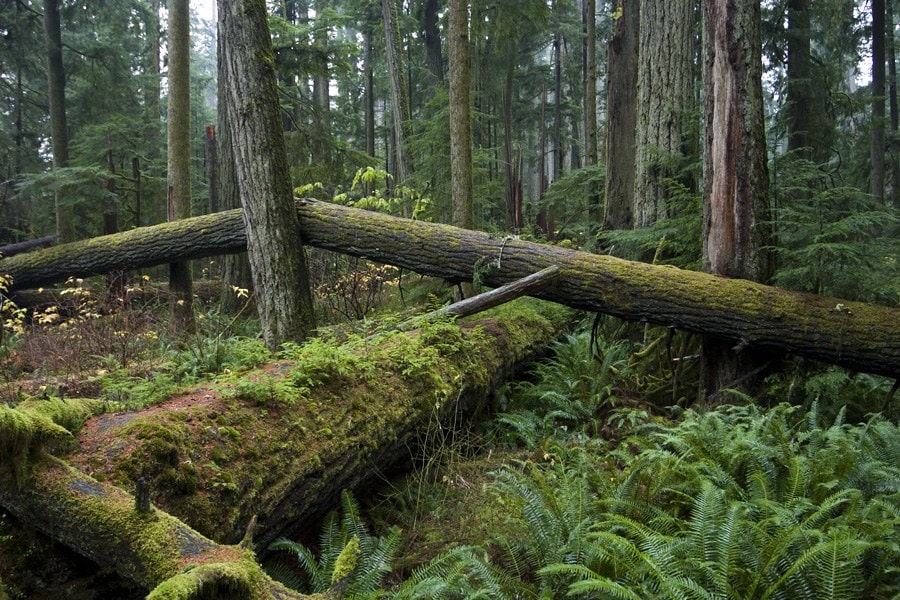
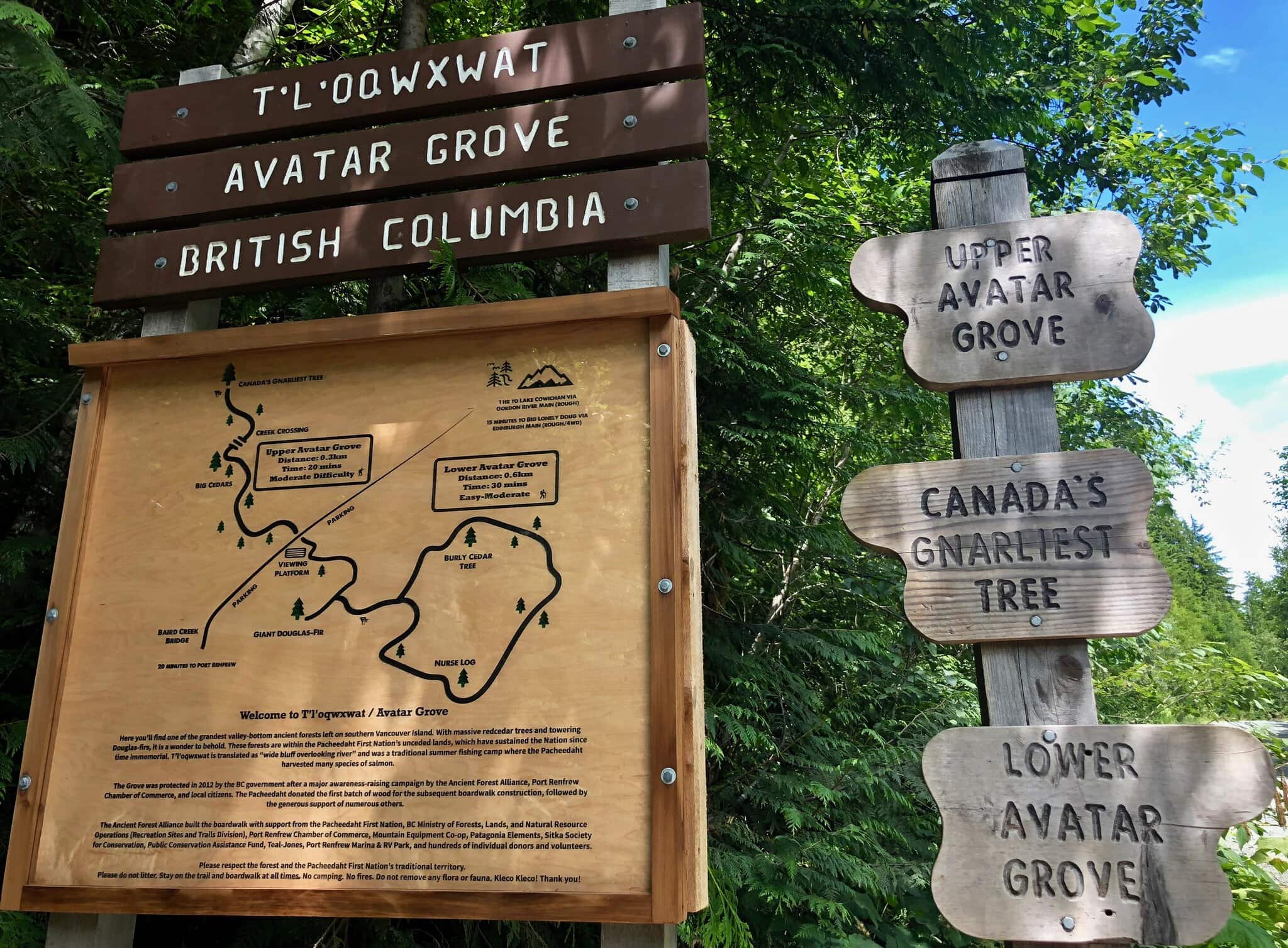
This morning you’ll bid farewell to Tofino and head back to the east side of the island along the same stunning road. On the way, definitely stop at MacMillan Provincial Park, known for good reason as Cathedral Grove. One of the last remaining stands of old-growth rainforest grows here, with Douglas firs and western red cedars over 800 years old. The trunks are so thick you’ll feel like a small child standing next to them, and the light filtering through the canopy creates an almost sacred atmosphere. This is where you’ll appreciate quality hiking boots, as the trails can get quite muddy.

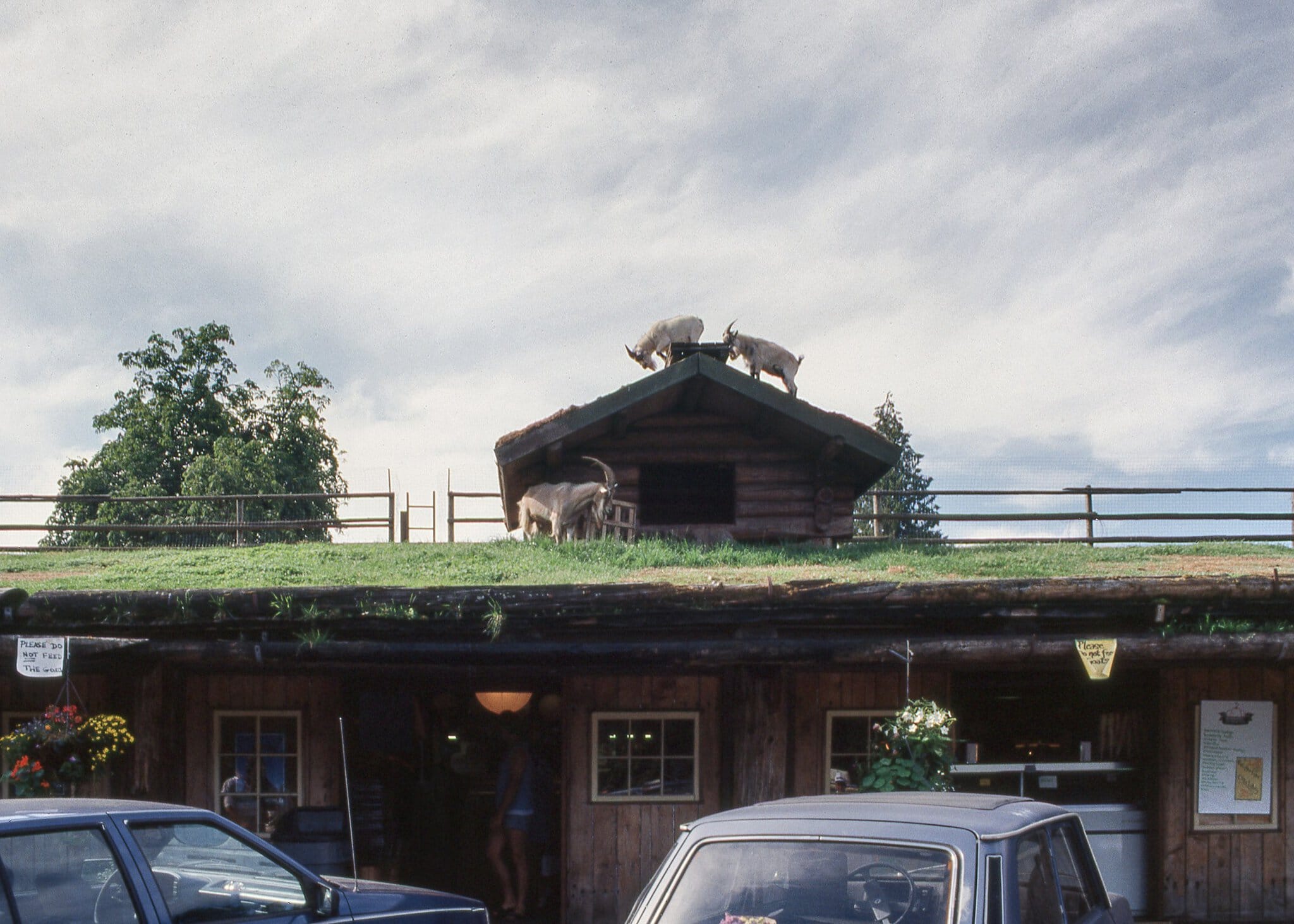
In the afternoon you’ll reach the village of Coombs, famous for one completely bizarre attraction. They have the renowned Old Country Market, on whose grass-covered roof live goats roam freely and graze 😁. It’s admittedly a bit of a tourist trap packed with people, but it’s so amusing that you simply have to stop, buy some excellent homemade ice cream, and snap that obligatory goat-on-the-roof photo. For the evening, drive on to the nearby coastal town of Parksville. The sea here is much calmer than Tofino, and thanks to the long, shallow beaches it’s considerably warmer too — you can actually swim here in summer.

Where to stay in Parksville:

The absolute classic here is The Beach Club Resort, located right on the main promenade with gorgeous views from the rooms of a beach that stretches for miles at low tide.

lukas a lucka
Lukáš and Lucie recommend
Where to Stay on Vancouver Island
6 accommodations — wellness hotels, resorts and other lodging options

Day 6. Majestic Mountains in the Oldest Park and Heading North

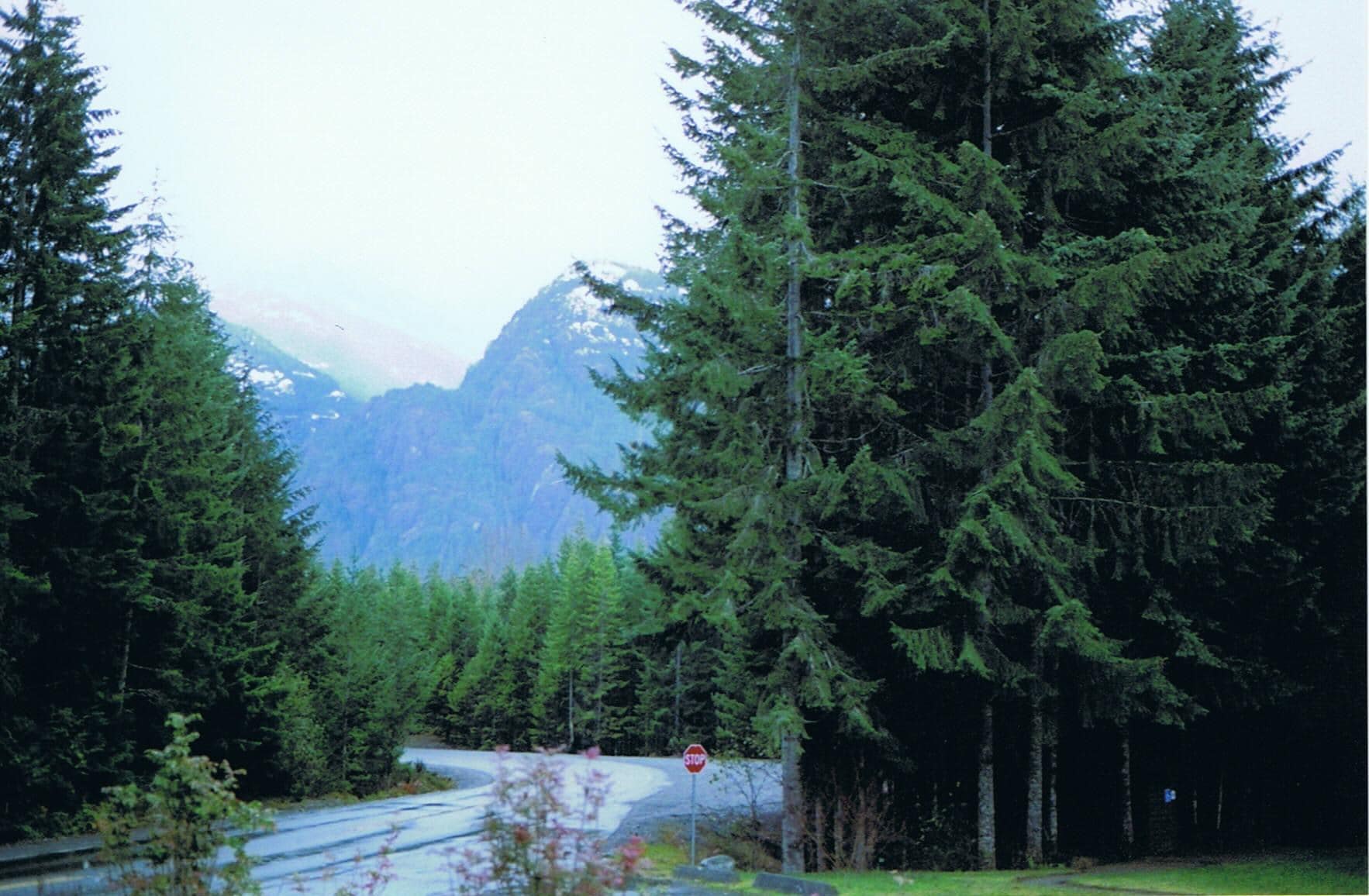
From Parksville, head northwest into the island’s interior, where Strathcona Provincial Park awaits. It’s the oldest provincial park in British Columbia and offers a completely different landscape to the coast. Here you’ll find rugged mountains with snow-capped peaks, wild rivers, and deep valleys. The main draw for visitors is the stunning, intensely turquoise Buttle Lake. The road runs right along its edge, so you can stop at dozens of small pull-offs and take in incredible views where the mountains are mirrored on the still water.

There are plenty of shorter hikes to waterfalls — for instance, the very easy walk to Lupin Falls or the slightly longer trail to Myra Falls, which cascade down the rocks in stages. Around 5 p.m., head back to the coast and drive on to the town of Campbell River. Known as the Salmon Capital of the World, it’s the ideal launching point for further northern adventures. For a great dinner, pop into Dick’s Fish & Chips — the seafood is absolutely fresh and the portions will definitely fill you up after a day of hiking.

Where to stay in Campbell River:

For an authentic experience, try the legendary Painter’s Lodge. It’s a somewhat older, traditional wooden resort, but it oozes genuine old-Canada atmosphere and sits right on the water with a fantastic view across the strait.

Day 7. Orca Watching at Telegraph Cove and the Return

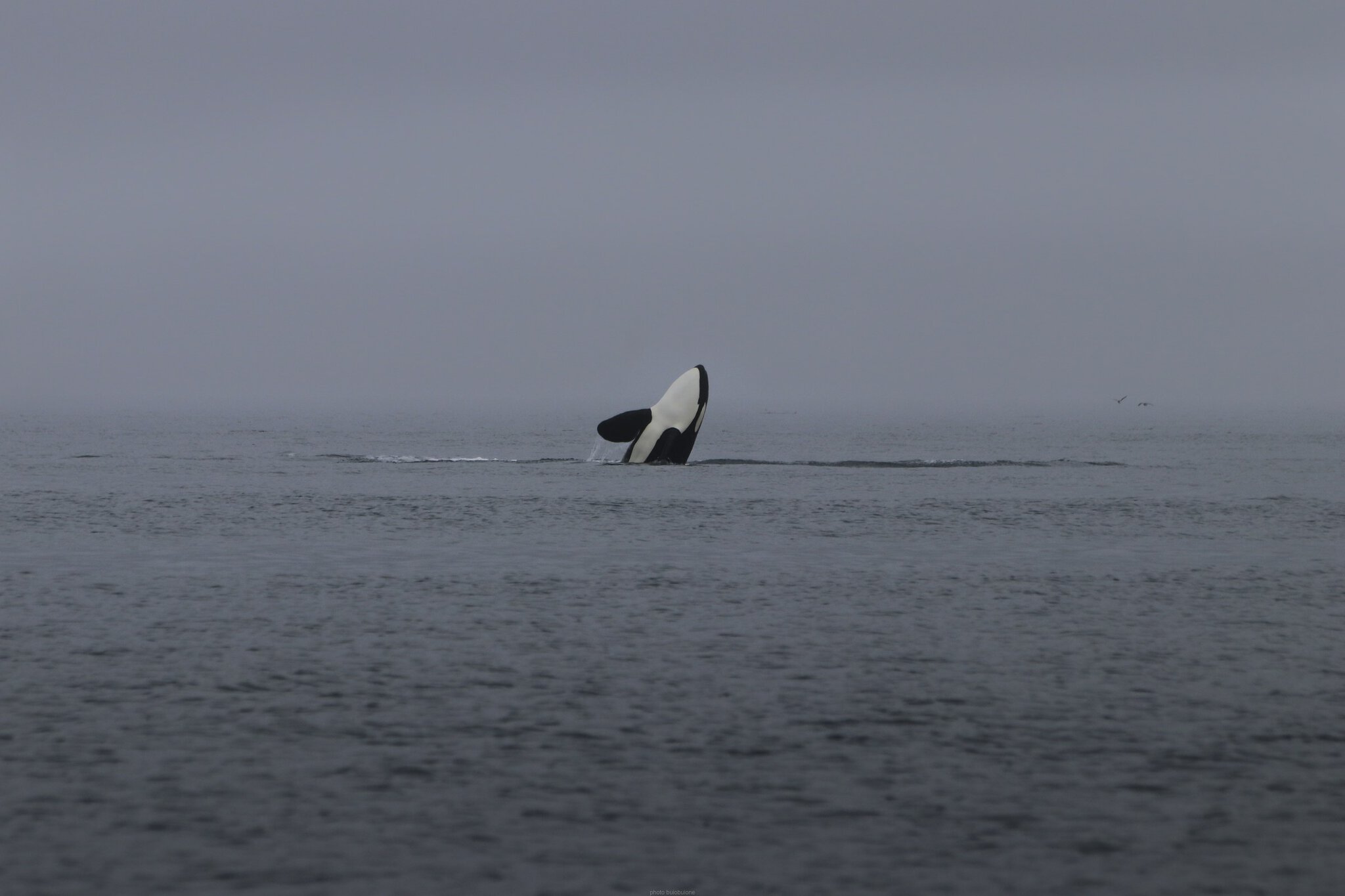
Your final day starts with a slightly longer drive. From Campbell River, head about two hours further north to the tiny historic village of Telegraph Cove. This little settlement is built entirely on wooden stilts over the water and looks incredibly picturesque, like something from an old film. But the main reason everyone comes here lies a little further out in the cold ocean waters. The nearby Johnstone Strait is one of the best places in the entire world to observe orcas (killer whales) in their natural habitat.

Book a morning boat excursion with a licensed guide, settle onto the deck, and keep your eyes peeled. Seeing those majestic black-and-white dorsal fins gliding smoothly out of the water just metres from your boat is a goosebump-inducing experience. The whales hunt passing salmon here and travel in large family pods. After this powerful experience, all that’s left is the gradual return to reality. Get in the car and drive south to Nanaimo ferry terminal (about a three-hour drive), from where you’ll catch an afternoon or evening ferry back to the mainland and Vancouver.

Short Version: Pacific Marine Circle (If You Only Have 2–3 Days)

I understand that not everyone has a full week to drive around the entire island, and your Canadian holiday may need to be split between plenty of other destinations. If you’re heading here and only have two or three days earmarked, the ideal alternative is a route called the Pacific Marine Circle.

It’s a roughly 289-kilometre loop that starts and ends in Victoria. Think of it as a taster of everything the island has to offer, just in a much more compact and time-friendly package — and one my mum and I thoroughly recommend for anyone on a tight schedule.

What You’ll See on This Shorter Loop

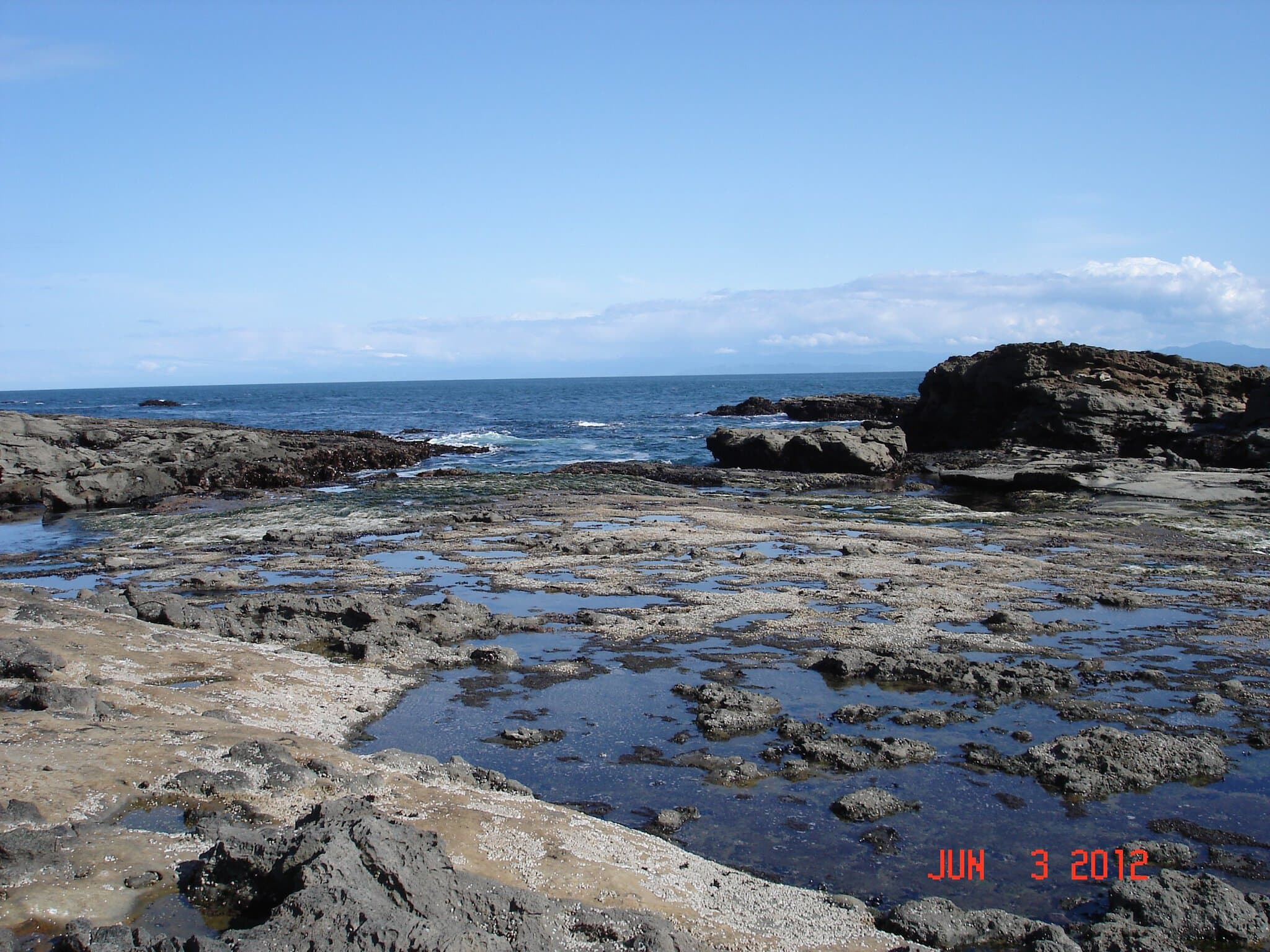
The route takes you through the sleepy seaside town of Sooke towards the wild beaches near Port Renfrew. There, you absolutely must explore the famous Botanical Beach with its beautiful natural rock pools that appear at low tide, teeming with marine life.

The road then curves inland towards Cowichan Lake and through a valley dotted with charming little farms, cideries, and vineyards before leading you back to the ferry. You can drive it over a long weekend, and even though you won’t see the far north or Tofino, you’ll absolutely take away that quintessential Canadian wilderness feeling.

Where Else to Go in Canada

If you’re still in the planning stages for your road trip and wondering what else not to miss in Canada, definitely check out our other articles from this region. A great starting point is our detailed guide on what to see in Vancouver — without question one of the most beautiful cities in the world, where the ocean meets the mountains.

I think it’s precisely this combination — the rugged island coastline on one side and the snow-capped peaks of the Rocky Mountains on the other — that keeps drawing us back to Canada time and again. The country is vast, and each province offers a completely different vibe.

National Parks in the Interior

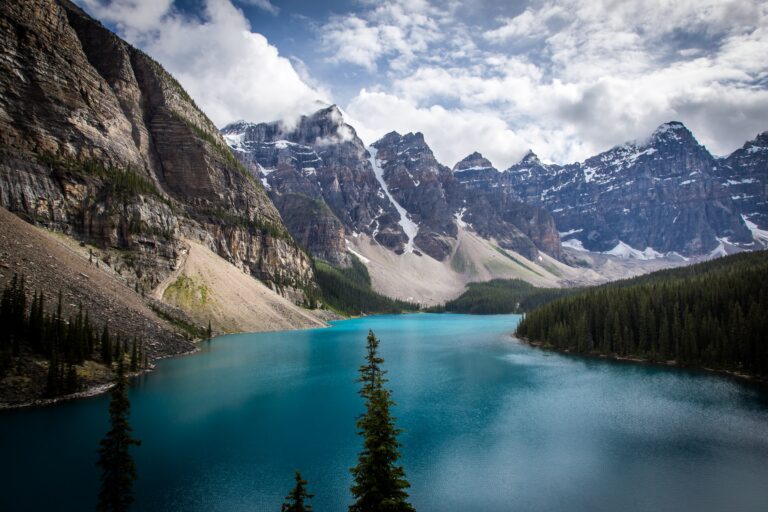
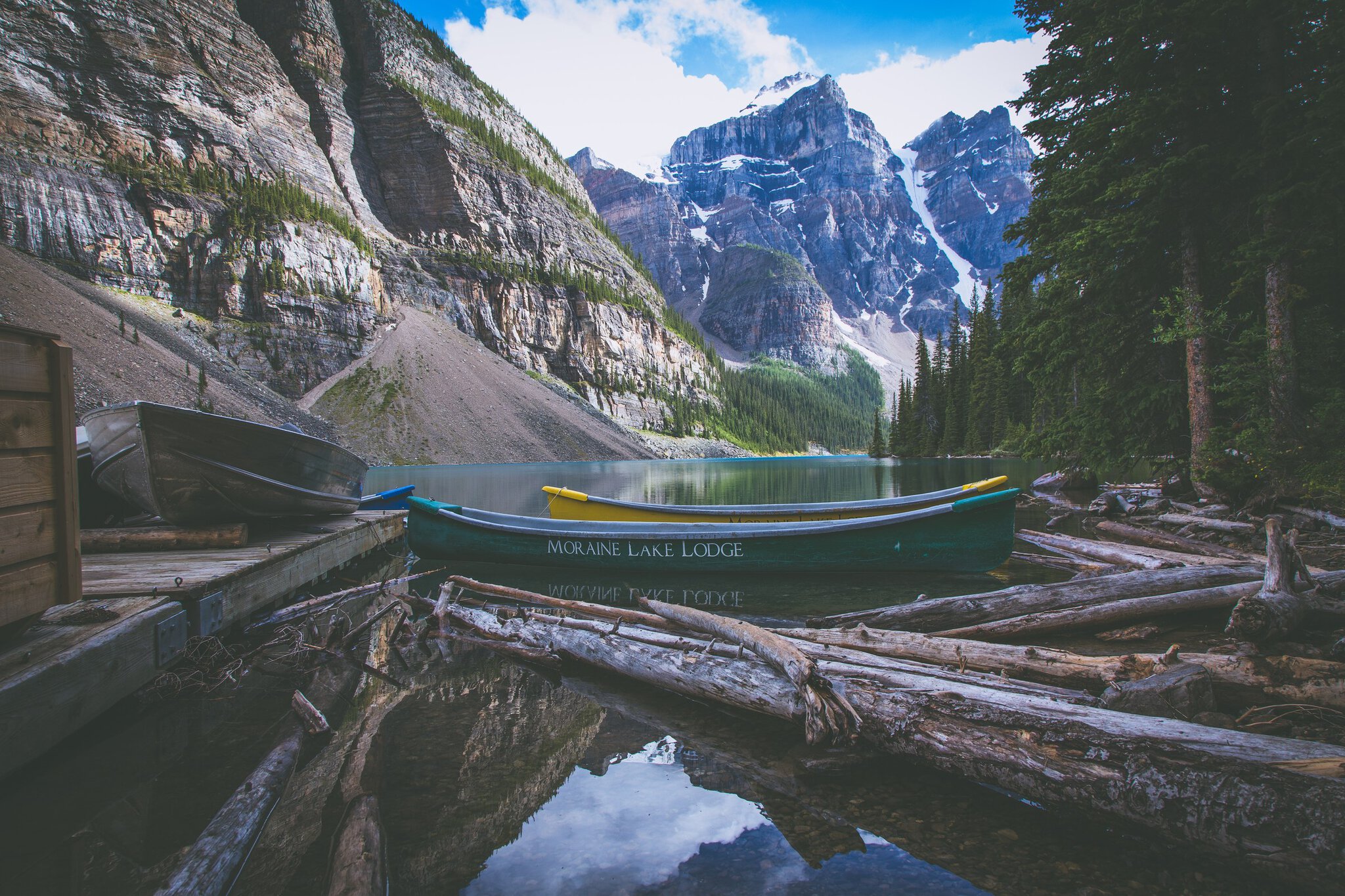
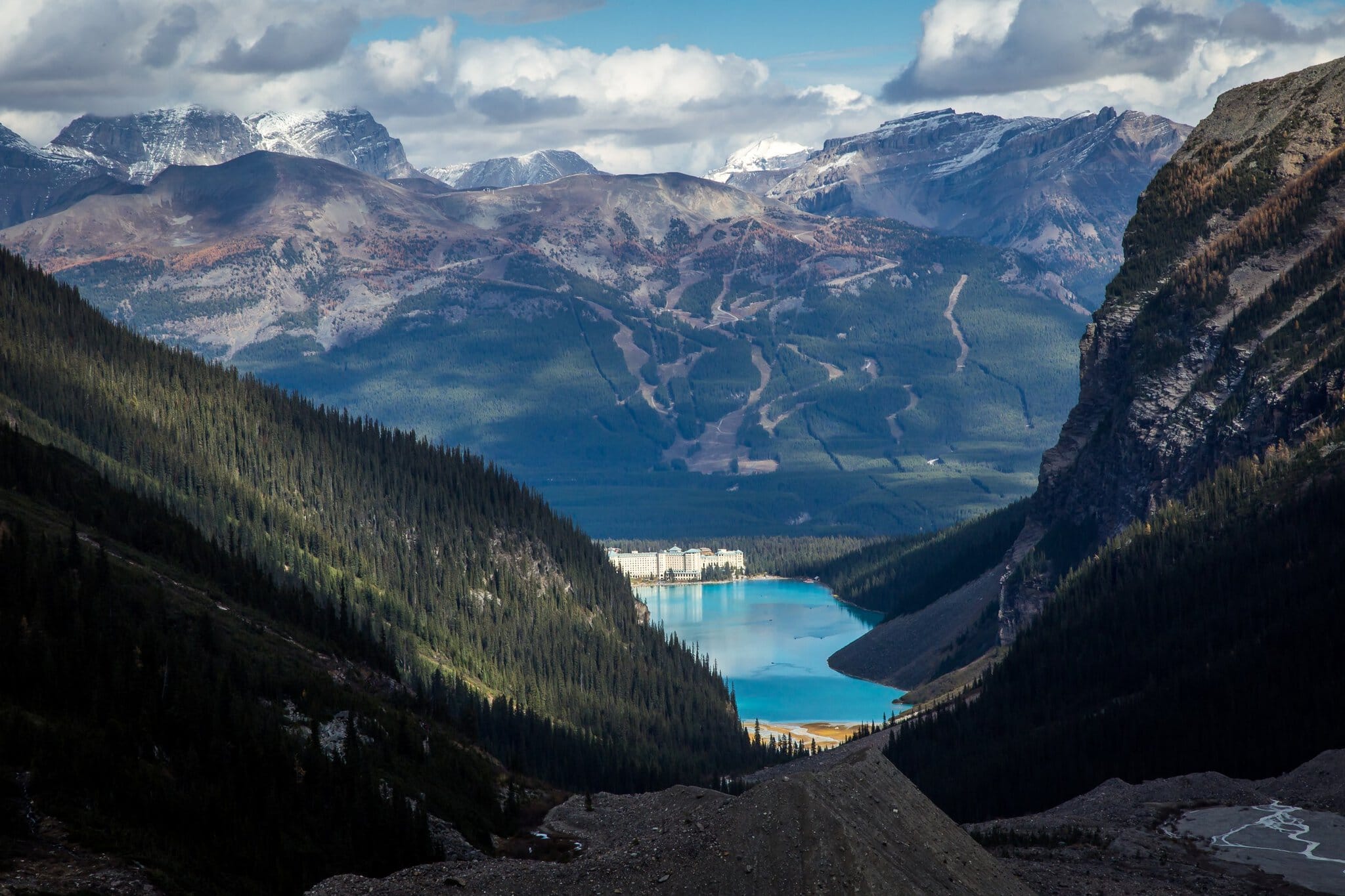
And if you’re heading straight from the coast to the national parks in the interior, the Canadian Rockies are an absolute must. There you’ll find the most famous turquoise lake of them all, which we covered in our big article on Lake Louise and Banff National Park.

You’ll find hundreds of kilometres of hiking trails there, and I guarantee that when you see those lakes surrounded by glaciers, you’ll understand why people flock here from all over the world. It’s well worth heading to the lakes early in the morning, before the first crowds of tourists arrive with their cameras — the morning stillness and the reflection of the mountains on the water is one of the most powerful experiences you’ll take home from Canada.

Travel Tips and Tricks

To wrap up, here are a few of my personal, purely practical tips. These are services I routinely use when organising any international trip, not just to Canada.

They always save me loads of time at the computer and, more importantly, money — which we’d rather spend on great food or boat trips once we’re there. Hopefully these tips will help with your planning too.

Finding Flights

For cheap flights to Vancouver, we always start by searching on Skyscanner or Google Flights, which are great for comparing airlines and finding clever connections. From the UK, you can often find direct flights from London Heathrow with British Airways or Air Canada, or good-value connecting options via hubs like Amsterdam or Reykjavík.

We always try to book flights at least a few months in advance, especially for the summer season when prices to Canada typically shoot up. Being flexible by a few days either way can also make a surprising difference to the fare.

Car Hire

As I mentioned earlier in the article, I’ve had consistently great experiences with DiscoverCars, which I use with a clear conscience all over the world. They have completely transparent terms and an enormous selection of every vehicle category, from compact cars to campervans.

In Canada, automatic transmission is the absolute standard, so don’t worry at all if you’re used to driving a manual back home. You’ll get the hang of it within five minutes, and on those long Canadian highways you’ll end up really appreciating it.

Booking Accommodation

Booking.com is hands down our favourite hotel search engine. In Canada, it’s especially worth collecting levels in their Genius loyalty programme, because 10 to 15% discounts on already expensive British Columbia accommodation can save you a genuinely significant amount in the end.

I also love that most properties offer free cancellation. That’s particularly handy for places like Tofino, where you book months and months in advance but still want the flexibility to shuffle your itinerary by a day at the last minute.

Don’t Forget Travel Insurance

This is non-negotiable for us. Canada is outside the EU (and any reciprocal healthcare agreements with the UK are very limited), and medical treatment there is astronomically expensive — so travelling without insurance is a real gamble.

If you’re looking for reliable, tried-and-tested cover for travellers, definitely read our SafetyWing review. It’s the insurance we’ve been happily using for years because you can set it up from home in a few clicks and it covers everything that matters.

Mobile Data Without the Hassle

Having online maps and internet constantly at your fingertips is an absolute essential on any road trip abroad. We now swear by digital SIM cards, which save you from hunting around the airport for a shop.

Check out our Holafly review. You simply load an eSIM onto your phone at home, and the moment you land in Canada you’ve got unlimited data — so you can start navigating to the ferry terminal straight from the airport without a single hitch.

FAQ — Frequently Asked Questions About Vancouver Island

Western Canada and Vancouver Island can be a bit of a puzzle to plan, so I regularly get similar questions in my inbox and comments. Here are the answers to the most common ones, all in one handy place.

How long does the ferry ride to Vancouver Island take?

The crossing from Tsawwassen terminal near Vancouver to Swartz Bay (Victoria) takes about an hour and a half. The journey itself is very comfortable, with restaurants, cafés, and observation decks on board. However, when you factor in arrival at the terminal and boarding, you should allow around three hours total.

Do I need a 4×4 vehicle to explore the island?

No, a regular car is perfectly fine for the route described in this itinerary. All the main roads between Victoria, Tofino, and Campbell River are paved highways. You’d only need an SUV if you were planning to venture deep into the forests on logging roads.

Are there bears and other wild animals on Vancouver Island?

Yes, Vancouver Island has one of the largest populations of black bears and cougars in all of North America. On hiking trails, it’s important to make noise, ideally travel in groups, and always pack out all your trash and food to avoid attracting animals to your car or campsite.

Do I need to book the ferries in advance?

I highly recommend it. Especially during summer months and on weekends (or during Canadian public holidays), ferries can be sold out several days ahead. If you show up without a reservation, there’s a good chance you’ll spend hours waiting at the terminal for a spot that may never come.

Is the long drive to Tofino really worth it?

Absolutely. Tofino and Pacific Rim offer a completely different, rugged and wild landscape compared to the calm east coast, and it’s probably the place you’ll remember most from the entire island.

What are gas prices like on the island?

Gas on Vancouver Island (especially in more remote areas like Tofino or north of Campbell River) tends to be significantly more expensive than on the mainland around Vancouver. We recommend always filling up your tank in larger towns like Victoria or Nanaimo, where prices are more reasonable.

Can you see whales and orcas right from the shore?

Occasionally yes, you might get lucky and spot water spouts from passing whales in the distance from west coast beaches. However, if you want a guaranteed sighting and to see orcas up close (especially in the north near Telegraph Cove), it’s definitely worth paying for a professional guided boat tour.

Tips and Tricks for Your Vacation

Don’t Overpay for Flights

Search for flights on Kayak. It’s our favorite search engine because it scans the websites of all airlines and always finds the cheapest connection.

Book Your Accommodation Smartly

The best experiences we’ve had when looking for accommodation (from Alaska to Morocco) are with Booking.com, where hotels, apartments, and entire houses are usually the cheapest and most widely available.

Don’t Forget Travel Insurance

Good travel insurance will protect you against illness, accidents, theft, or flight cancellations. We’ve had a few hospital visits abroad, so we know how important it is to have proper insurance arranged.

Where we insure ourselves: SafetyWing (best for everyone) and TrueTraveller (for extra-long trips).

Why don’t we recommend any Czech insurance company? Because they have too many restrictions. They set limits on the number of days abroad, travel insurance via a credit card often requires you to pay medical expenses only with that card, and they frequently limit the number of returns to the Czech Republic.

Find the Best Experiences

Get Your Guide is a huge online marketplace where you can book guided walks, trips, skip-the-line tickets, tours, and much more. We always find some extra fun there!
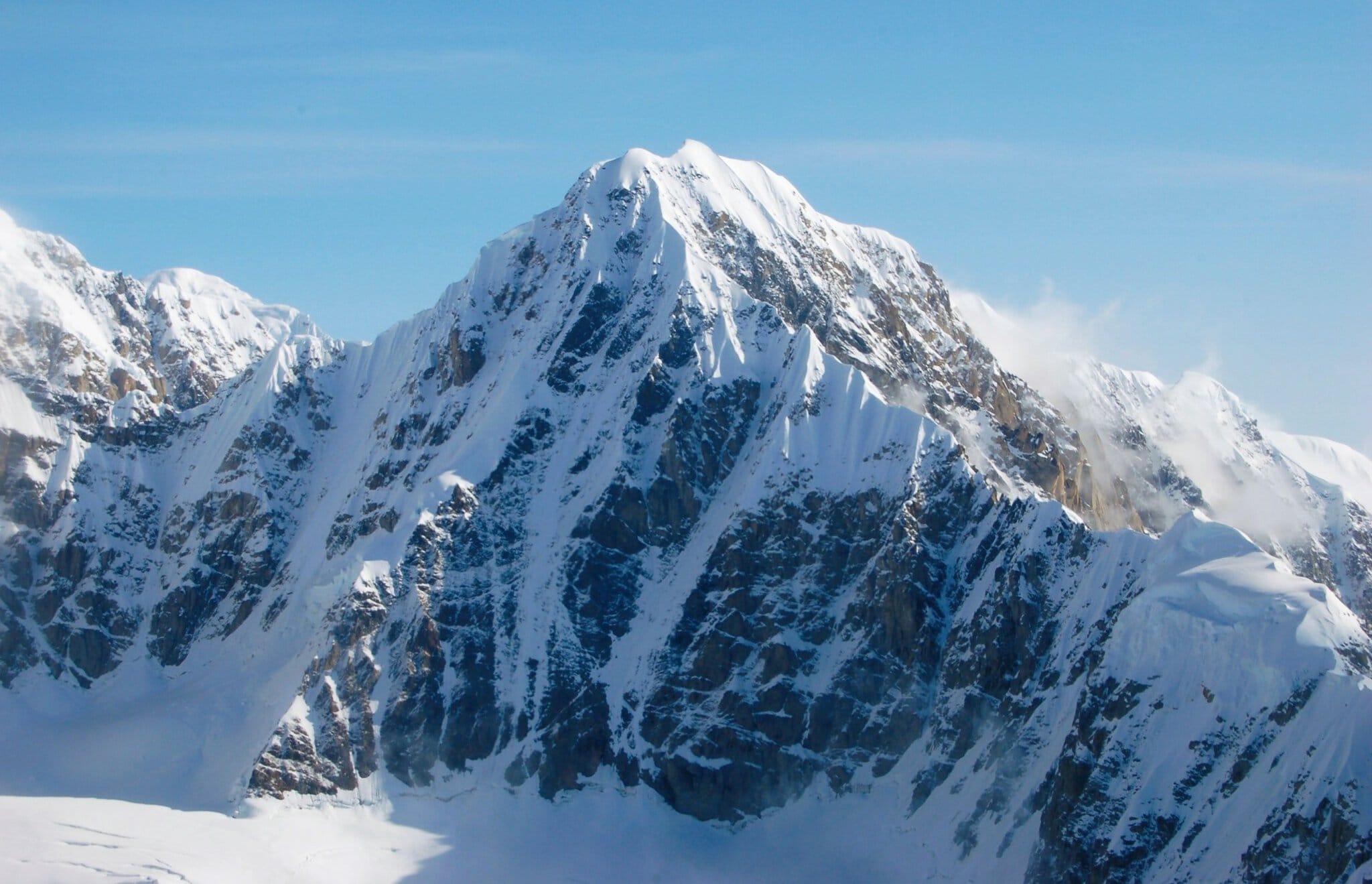
Moraine Lake, Canada: 12 Tips on What to See and Do in 2026

TL;DRMoraine Lake in Banff National Park, Alberta, has been accessible only by Parks Canada shuttle or commercial transport since 2023, since the road is permanently closed to private cars. Booking for the 2026 season opens 15 April at 8am MDT, and tickets vanish within minutes. The best time to go is mid-July to the end of September, when the lake thaws to that famous turquoise, while the golden larches in Larch Valley put on a show between 22 and 30 September during “Larch Madness”. There are 12 tips here, including the Rockpile Trail viewpoint nicknamed the “Twenty Dollar View”, the hike up to Sentinel Pass (2,611m), and canoe hire at 160 CAD an hour. The lake sits about 14 kilometres from the village of Lake Louise.

I remember it like it was yesterday — the first time I saw Moraine Lake. I was with my mum and it was snowing. You could barely see a thing, and she was pretty disappointed. It never crossed my mind that one day I’d end up living just a short drive away. And if someone had told me that in a few years the road would be permanently closed to private cars and people would be joining a virtual queue of tens of thousands just to get a shuttle seat, I wouldn’t have believed it. But that’s exactly the reality of visiting Moraine Lake Canada today.

Although the logistics around Canada’s national parks have become a bit of a nightmare, Banff National Park — and Moraine Lake in Alberta in particular — is absolutely worth the effort. Every time I come back, I’m blown away all over again by how real and unfiltered that water colour is. If you’re thinking about heading to the Canadian Rockies, brace yourself for a planning marathon, but I promise you — the moment you lay eyes on the Valley of the Ten Peaks in person, every ounce of stress will melt away. ☺️

I’m going to give you 12 concrete tips, from the famous viewpoint that once graced a twenty-dollar bill to early-morning photo magic to an honest look at whether those outrageously priced canoes are actually worth it. And of course, I’ll walk you through the full guide to surviving the reservation system for 2026. ☺️

TL;DR

  • Don’t drive here: The road to the lake has been permanently closed to private vehicles since 2023.
  • Shuttle reservations are essential: The official Parks Canada shuttle for the 2026 season opens on 15 April at 8:00 AM MDT — tickets sell out within minutes.
  • When the lake thaws: Don’t plan a trip for May. The lake usually doesn’t thaw until late June, and before then the surface is either frozen or lacks that iconic turquoise colour.
  • Larch Madness: The most stunning autumn scenery (golden larches) appears in Larch Valley between roughly 22–30 September, but expect enormous crowds.
  • Canoes cost a fortune: Renting the iconic red canoe will set you back 160 CAD (about 110 €) per hour.
  • A lifeline for photographers: If you want to catch sunrise without the crowds and can’t snag an official ticket, private services like Alpine Start Shuttle depart as early as 4:00 AM.

When to Go and How to Get There (Brace Yourself for Logistical Chaos)

Not long ago, you could simply hop in a car and drive up. Since 2023, however, Moraine Lake Road has been completely closed to private vehicles year-round. The reason is straightforward — the car park at the top was bursting at the seams, creating hours-long traffic jams that even blocked emergency services. Today you have to use public transport, which requires seriously meticulous planning, especially during the summer peak when visitors flock here from all over the world. The route from Lake Louise to Moraine Lake is extremely busy, and without a reservation you simply won’t make it to the water.

The lake sits about 14 kilometres from the village of Lake Louise in Alberta, which is where most travellers set off from. The season here is very short — the road typically opens in early June and closes after Canadian Thanksgiving in mid-October. Bear in mind that if you arrive in early June, the lake will most likely still be frozen and you won’t get that turquoise spectacle. The ideal window to visit is from mid-July through to the end of September.

Parks Canada Shuttle (and a Queue of 75,000 People)

This is the official — and by far the cheapest — way to reach the lake. Parks Canada operates a bus service from a large Park and Ride lot on the outskirts of Lake Louise village. The catch is that tickets for the official Parks Canada shuttle are released months in advance and the demand is absolutely staggering. For 2026, mark your calendar: 15 April at 8:00 AM Mountain Time (MDT).

The system works like this: you buy a ticket for a specific departure time, and then you can also use the free Lake Connector shuttle that runs between Lake Louise and Moraine Lake. I’d recommend having browsers open on multiple devices and clicking the very second the clock hits 8:00. Tickets only cost a few dollars, so it’s worth grabbing one even if you’re not 100% sure about your exact day yet.

Alternatives for Photographers and Those Happy to Pay More

If you don’t get lucky in the official sale, the world won’t end — though your wallet might shed a tear. Commercial operators like Moraine Lake Bus Company or Fairview Tours offer their own transfers. These tickets can sometimes be snagged even a few weeks beforehand, but while the government shuttle costs pocket change, you’ll pay anywhere from 50 to 100 CAD (roughly 35–70 €) per person with a private company. At the extreme end, luxury private tours can run up to 550 CAD (around 380 €) for the day.

If you’re a keen photographer wanting to catch that magical morning light when the sun hits the peaks of the Valley of the Ten Peaks, the official buses won’t help — they don’t start running until around 6 AM. Your saving grace is the Alpine Start Shuttle, which whisks you up from the village as early as 4:00 AM. It’s a brutal wake-up call, especially when it’s freezing outside (which in the mountains it practically always is at that hour), but the photos and the silence at the lake are worth every shivering minute.

Where to Stay Near Moraine Lake and How Much It Costs

Accommodation in Banff National Park isn’t exactly budget-friendly, and the Lake Louise area is arguably the priciest part of the entire park. When you add the 15% tax on top, plus the tipping culture that’s customary in Canada for pretty much every service, your holiday budget can balloon quickly. Still, I genuinely believe everyone should visit this area at least once and stay as close as possible — commuting from distant Calgary (where hotels are half the price) will drain you completely and eat into your precious time.

For accommodation in the immediate area, expect to pay at least 150–300 € per night for two, and during the peak summer season prices routinely double. A big advantage of the pricier hotels right in the village is that they often include free parking and some even offer their own shuttle service to the lakes. We’ve found that the best strategy is to book your room at least six months ahead.

If you asked me what the ultimate cheat code for this entire area is, I’d say: Moraine Lake Lodge. It’s the only hotel right on the lakeshore. A night here will cost you roughly the same as a decent second-hand car, but guests enjoy one enormous, incredible perk — they can drive to the lake in their own vehicle. Yes, the road closure doesn’t apply to hotel guests. So if you want to experience the Canadian wilderness in absolute luxury, wake up to lake views from your bed, and skip the bus stress entirely, this is the ultimate bonus in the national park.

If Moraine Lake Lodge is out of your budget, you’ll find comfortable and more affordable options in Lake Louise on Booking.com (about 15 minutes’ drive from the lake) or directly in Banff (40 minutes’ drive, a much wider selection and slightly lower prices).

Moraine Lake: 12 Things to See and Do

Now we’re getting to the good stuff. Moraine Lake isn’t just about that one viewpoint near the car park — even though that alone will blow your mind. Around the lake there’s a network of incredibly beautiful hiking trails, from easy flat walks to gruelling climbs where you’ll be grateful for a proper pair of hiking boots.

I’d suggest splitting the area into sections. If you only have a few hours, focus on the immediate lakeside. If you have a full day, definitely head up to the higher elevations where you’ll leave 90% of the tourists behind and discover the true mountain wilderness.

1. Rockpile Trail and the Famous Twenty Dollar View

If you’ve ever seen a photo of Moraine Lake, there’s a 99% chance it was taken from right here. Rockpile Trail is quite possibly the shortest and easiest “hike” in the world. As the name suggests, it’s a massive pile of boulders that forms a natural dam at one end of the lake. You’ll reach it in about five minutes from the bus stop and the path is genuinely effortless.

This viewpoint is commonly nicknamed the “Twenty Dollar View,” and there’s a good reason for that. This exact vista — turquoise water backed by ten snow-capped peaks — once graced the Canadian twenty-dollar banknote, issued in the 1970s. Just be prepared for company — you definitely won’t have it to yourself. Even so, the scent of pine needles and fresh mountain air in the morning gives the whole place an atmosphere that’s hard to beat, no matter how many other visitors are around.

2. Valley of the Ten Peaks

The Valley of the Ten Peaks isn’t so much a specific destination as it is the jaw-dropping scenery that dominates the entire lake. Standing on the Rockpile, you’re looking directly at ten massive rocky summits rising above 3,000 metres. Each mountain has its own name, with the tallest being Mount Hungabee at over 3,400 metres above sea level.

The peaks were originally named after numerals in the Stoney Nakoda language, before cartographers renamed them after explorers and railway magnates. A typically Canadian story. Those mountains also act as a protective wall, which is why the lake surface is often as still as glass — perfect for photography. If you’re lucky enough to hit a completely windless moment, you’ll see every single peak reflected in the water.

3. Larch Valley (and the Frenzy Known as Larch Madness)

If you love autumn colours, this place needs to be on your bucket list. The hike into Larch Valley is fairly steep, kicking off with a seemingly endless series of switchbacks through the forest that’ll have you properly sweating. But once you climb above the treeline, a vast alpine valley filled with larch trees opens up before you. Unlike most conifers, larches turn golden in autumn and then shed their needles.

The best time to visit is a very specific window, usually between 22 and 30 September, when the larches turn an electrifyingly bright gold. Canadians even have a special term for this period — “Larch Madness” — and it’s not the slightest bit of an exaggeration. People from across the country descend on Banff purely for this valley. You’ll see dozens of photographers, families, and dog walkers. The views of autumn trees with glaciers behind them are so spectacular you’ll forget all about being out of breath from those awful switchbacks. 😁 Make sure to pack plenty of snacks and — most importantly — water, because there are no drinking fountains up top.

4. Hiking to Sentinel Pass

Sentinel Pass is the natural extension of the Larch Valley hike, and if you’ve still got energy in the tank, I’d absolutely recommend pushing on. While plenty of people make it to the larch-filled valley, only the more determined carry on to the pass. From the valley floor you can already see the pass above you — a sharp notch between two peaks. The trail crosses open scree fields full of rocks big and small, so once again, good boots are non-negotiable.

When you finally scramble up to the 2,611-metre summit, your reward is an unbelievable panoramic view in both directions. On one side, the entire Larch Valley spreads out below you with the Valley of the Ten Peaks behind it, and on the other you’ll see the steep and deserted Paradise Valley. It’s frequently very windy up here, and even if it’s warm down in the valley, a windproof jacket is absolutely essential — we once got caught in a light snowstorm up here at the end of August, no joke.

5. Consolation Lakes (Escape the Crowds)

Looking for a break from the hundreds of people crammed onto the Rockpile? Head to Consolation Lakes. This trail starts from essentially the same spot as the viewpoint path, but branches off into the forest and follows a creek. It’s a relatively flat and very pleasant walk, taking roughly an hour and a half one way.

You’ll reach two smaller glacial lakes surrounded by massive mountain walls — primarily Mount Babel and Mount Quadra. Don’t expect the same turquoise colour as Moraine Lake; the water here has more of a deep blue hue. But the atmosphere is wonderfully peaceful. To reach the water’s edge, you’ll need to hop across some giant boulders left behind by a retreating glacier. We usually bring a good flask of coffee and soak in the silence that you simply can’t get at the main viewpoint — and occasionally you’ll spot marmots sunbathing on the rocks.

6. Canoeing on the Lake (at the Price of a Decent Hotel)

This is probably the most photogenic activity you can do here, but I’ll be honest — it requires closing your eyes when you pay. Renting one of the iconic red canoes from Moraine Lake Lodge is outrageously expensive, currently running at about 160 CAD (around 110 €) per hour. When I worked in Lake Louise, it cost about a third of that and even then we thought it was steep.

That said, if your budget allows it, this is a moment you’ll never forget. Once you paddle a few dozen metres from shore, all the noise fades away and you find yourself alone in the middle of that unreal turquoise splendour. The water is full of so-called rock flour — fine stone dust that reflects sunlight and gives the lake its colour. The feeling of your paddle slicing through the perfectly opaque surface is pure magic. The rental operates on a first-come, first-served basis, so I’d suggest making this your very first activity of the morning.

7. Moraine Lake Lakeshore Trail

For those who don’t fancy tackling any elevation gain but still want to soak in the views from different angles, the trail along the lakeshore is ideal. It starts near the canoe rental and winds along the right-hand shore for just under three kilometres. The path leads through a beautiful old-growth coniferous forest, and the lake is within arm’s reach the entire way.

At the end of the trail, you’ll reach the point where glacial meltwater feeds into the lake. Here you’ll find small wooden boardwalks and a wild stream. It’s fascinating to see how milky and opaque the glacial water is before it settles into the larger lake. This route is completely flat, making it easily manageable even with small children.

8. Eiffel Lake (Panoramas Without the Crowds)

Eiffel Lake is a somewhat overlooked gem. Most people who start the Larch Valley trail blindly follow the crowds up towards the pass and completely miss the Eiffel Lake turnoff. And that’s a real shame. Once the trail splits after the first steep switchbacks and you head left, the crowds vanish instantly and you find yourself on a wonderfully scenic path traversing the mountainside.

You’ll reach a much smaller lake with a gorgeous deep colour, but the real bonus is that throughout the entire hike you have the Valley of the Ten Peaks laid out in front of you — and from this perspective the mountains look even more imposing than from down at Moraine Lake. The trail is less steep than Sentinel Pass, so it’s an excellent alternative if you want stunning alpine views without quite as much effort. Plus, there’s a good chance you’ll encounter whistling marmots hiding among the rocks along the path.

9. Watching the Sunrise (Alpine Start)

I touched on this briefly in the transport section, but sunrise at Moraine Lake is, for me, probably the most powerful visual experience in all of Canada. It’s not just about fewer people (though you’ll still be jostling for position with other photographers at the viewpoint) — it’s all about the light. The sun rises behind you and first illuminates only the very highest tips of the Ten Peaks, which glow in an incredibly vivid orange and pink.

As the sun gradually climbs, that fiery line creeps down the rock faces towards the lake. And if there’s no wind, the entire colour show is reflected back to you on the water’s surface. To see this, you’ll need to book an early shuttle or be a guest at the expensive hotel right on the shore. Don’t forget to bring seriously warm clothing — even in the middle of summer, it can be below zero up here in the early hours.

lukas a lucka
Lukáš and Lucie recommend
Where to Stay near Moraine Lake
3 accommodations — wellness hotels, hotels and other lodging options

10. Swimming in the Lake? Only for the Brave

I often get asked whether you can actually swim in Moraine Lake. The answer is: technically yes, but in practice you’ll change your mind very quickly. The lake is fed by melting glaciers from nearby mountains, which means the water temperature — even in the height of the hottest August — rarely exceeds 4 to 5°C. It’s genuinely like jumping into a barrel of ice.

Plenty of tourists dip their ankles in for a funny Instagram shot, but very few last more than ten seconds because the cold is instantly painful. If you’re a cold-water enthusiast and the Wim Hof method is part of your daily routine, you might enjoy it — but don’t expect anything resembling a recreational swim at the beach.

11. Connecting with Lake Louise (Roam Transit)

If you’ve made the journey all the way out here, you’ll definitely want to combine Moraine Lake with the nearby famous Lake Louise. The good news is that the national park system has thought of this — a free shuttle called the Lake Connector runs from the upper car park.

To use the Connector, you’ll need a valid reservation for one of the Parks Canada buses, or a special Super Pass from local operator Roam Transit, which runs from the town of Banff. Buses between the two lakes run roughly every 15 minutes and the journey takes just over twenty minutes. If you were driving, you’d have to head back down to the highway and queue again at the other car park, so this shuttle is a massive time-saver and much kinder on the nerves.

12. Picnic by the Lake

It might sound simple, but one of the best tips I can give you is to bring your own food. Scattered around Moraine Lake are several sturdy wooden benches and picnic tables. The café at the lodge is nice enough, but the prices are aimed squarely at international tourists — and honestly, a humble sandwich with a jaw-dropping view tastes far better than an overpriced meal in a packed dining room.

Stop off in Lake Louise village at the grocery store or at Laggan’s bakery, pick up some fresh bread, coffee and a few treats, and have yourself a feast in the wild. Just one request, please — never leave food unattended. Despite the idyllic setting, you’re deep in bear country, and on top of that there are incredibly bold squirrels and Clark’s nutcrackers that will steal a roll right out of your hand the second you look away. 😉

Where to Eat and Refuel

Dining options right at the lake are very limited, which is understandable given the remote location. If hunger strikes, you can try one of the following — just be prepared for alpine-level prices.

  • Snowbird Cafe: A small café that’s part of Moraine Lake Lodge. You can grab a decent specialty coffee, hot chocolate, sandwiches and excellent muffins here. They also do a great ice cream, which you’ll truly appreciate on a hot summer day after descending from Sentinel Pass. Prices are on the high side, but that’s to be expected.
  • Moraine Lake Lodge Dining Room: We haven’t actually dined here ourselves (the price tag always put us off 😅), but the reviews rave about the local game and fish dishes, and the view from the window is a perfect match. I’d recommend making a reservation well in advance, especially if you’re not a hotel guest.

Tips and Tricks for Travelling to Canada

Planning a transatlantic trip takes some serious effort, so I want to share the services we swear by — they’ve saved us loads of time and money on all our flights from Europe.

Finding Flights to Canada

When we fly to Calgary or Vancouver, we always search for flights through Kiwi — it’s our favourite booking platform. It can combine airlines that don’t normally partner with each other, which has saved us a fortune, especially when connecting through London or Frankfurt. From the UK, you’ll find direct flights to Calgary with airlines like WestJet and Air Canada, or good-value connections through Icelandair or Air Transat. The savings mean more money for things like renting that outrageously priced canoe on the lake.

Renting a Car for a Road Trip

Honestly, I can’t imagine doing Canada without a car (unless you’re staying at just one lake). Lukáš and I have had consistently good experiences with DiscoverCars, which we use all over the world. It’s a comparison site, so you’ll always see the best deals from all the major rental companies in one place. In Canada, it’s definitely worth going for a car with a bit more power under the bonnet — the mountain passes can be seriously steep.

Don’t Forget Insurance and Connectivity

Whatever you do, don’t set foot in Canada without proper travel insurance — healthcare for visitors is horrendously expensive. We’ve been using and recommending SafetyWing insurance for years. You can buy it online from anywhere in the world and it covers the vast majority of tourist activities.

And if you want to be connected the moment you land (say, to frantically check those tricky Moraine Lake shuttle reservations), definitely look into digital SIM cards. We use Holafly — you can download it to your phone in under a minute and skip the hassle of hunting for a plastic SIM at the airport.

Where to Go Next

Moraine Lake is just one of many iconic lakes in the Canadian Rockies. If you’re planning a longer road trip, have a look at our other articles:

FAQ — Frequently Asked Questions About Moraine Lake

I’ve gathered the most common questions readers ask me when planning a trip to Moraine Lake. If anything’s missing, feel free to drop me a message.

Can I drive my own car to Moraine Lake?

Not since 2023. Access to Moraine Lake is only possible via Parks Canada shuttle bus or commercial transportation—Parks Canada closed the parking lot due to overcrowding. The only exceptions are guests of Moraine Lake Lodge and organized tours. Book your shuttle tickets in advance online through Parks Canada.

Why is the water at Moraine Lake so intensely turquoise?

The unusual turquoise color comes from so-called ‘rock flour’—fine glacial sediment carried into the lake by melting glaciers. These microscopic particles reflect the blue and green spectrum of sunlight. The color is most intense from late June through September, when glaciers are melting most actively and the water is at its most saturated.

When is the best time to visit Moraine Lake?

For the turquoise color and all attractions open: late June through mid-September. For golden larches and fewer crowds: late September through early October. Before the second half of June, the road is usually closed due to snow and avalanches. In winter, the lake is frozen and inaccessible.

What time of day has the fewest crowds at Moraine Lake?

Your best bet is to catch the very first morning shuttle (around 5:30–6:00 AM). Not only will you get the most beautiful morning light and peace and quiet, but you’ll also avoid the crowds that arrive between 9 AM and 4 PM. A second wave of calm comes after 6 PM, when people head back to their hotels.

Is visiting Moraine Lake worth the shuttle bus hassle?

Absolutely, 100%. Most travelers find Moraine Lake more beautiful than neighboring Lake Louise—it has a more dramatic mountain backdrop (the famous Ten Peaks) and even more intensely turquoise water. Even after multiple visits, the view from Rockpile Trail will take your breath away every single time.

Can I swim in Moraine Lake?

Technically yes, but practically only for polar bear swimmers. The water comes directly from melting glaciers, so even in the middle of a hot summer, the temperature stays between 4–5°C (39–41°F). Most visitors just dip their feet in and immediately run away. Instead of swimming, try renting a canoe—it’s an experience you won’t find anywhere else in Canada.

How many days do I need in the Moraine Lake area?

You can see Moraine Lake itself in half a day. For the entire area (Moraine Lake + Lake Louise + Lake Agnes Tea House + Johnston Canyon), set aside at least 2–3 days. If you want to combine it with Icefields Parkway and Jasper, plan for a week to ten days.

Tips and Tricks for Your Vacation

Don’t Overpay for Flights

Search for flights on Kayak. It’s our favorite search engine because it scans the websites of all airlines and always finds the cheapest connection.

Book Your Accommodation Smartly

The best experiences we’ve had when looking for accommodation (from Alaska to Morocco) are with Booking.com, where hotels, apartments, and entire houses are usually the cheapest and most widely available.

Don’t Forget Travel Insurance

Good travel insurance will protect you against illness, accidents, theft, or flight cancellations. We’ve had a few hospital visits abroad, so we know how important it is to have proper insurance arranged.

Where we insure ourselves: SafetyWing (best for everyone) and TrueTraveller (for extra-long trips).

Why don’t we recommend any Czech insurance company? Because they have too many restrictions. They set limits on the number of days abroad, travel insurance via a credit card often requires you to pay medical expenses only with that card, and they frequently limit the number of returns to the Czech Republic.

Find the Best Experiences

Get Your Guide is a huge online marketplace where you can book guided walks, trips, skip-the-line tickets, tours, and much more. We always find some extra fun there!
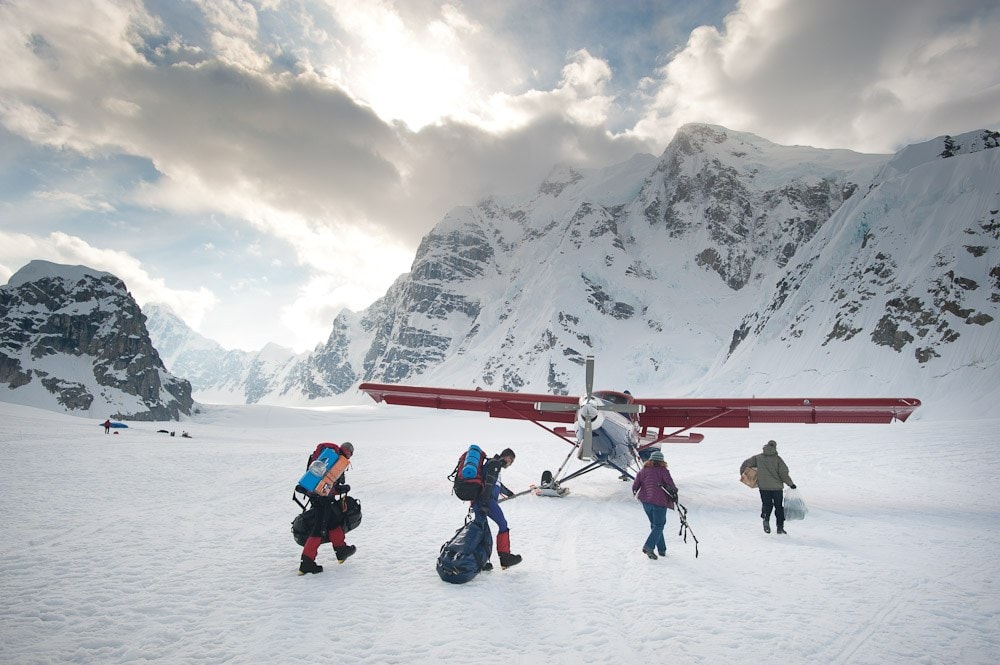
Icefields Parkway: 232 km of the World’s Most Scenic Road (Complete Guide)

TL;DRThe Icefields Parkway (Highway 93) runs 232 km between Banff and Jasper in Alberta, Canada. You can drive it in about 3 hours, but with viewpoints and hikes you’ll want a full day — ideally 8 to 10 hours. There are 14 key stops along the way, with the best being turquoise Peyto Lake, Athabasca Falls, the Athabasca Glacier, and the Wilcox Pass hike, which comes with views of mountain sheep. The best time to visit is late June to early September, when the lakes are at their most vivid. There’s no mobile signal along the route, and just one petrol station with a steep markup at The Crossing Resort. Accommodation is limited, and in peak season hotel rates typically run 5,000 to 8,000 CZK a night — camping is a cheaper option, with sites like Waterfowl Lake Campground costing 280 to 350 CZK a night.

Everyone will tell you that this road, also known as Highway 93, is simply something you have to see with your own eyes. When I first drove the Icefields Parkway with my mum, I knew instantly I had to come back — it’s hands down the most beautiful road I’ve ever driven. It’s also one of the reasons we kept making the trip from Banff to Jasper just to go to the cinema (even though Banff has its own). Sweeping curves beneath massive snow-capped peaks, wild turquoise lakes that force you to pull over because your brain simply can’t process that intense colour, and enormous glaciers creeping down from the mountains. The entire landscape is so epic that you sometimes feel like you’ve stepped right into a nature documentary.

I know, I know — the internet is absolutely brimming with Icefields Parkway guides. But none of them will walk you through this road as thoroughly as ours. 😁 Every stop from the iconic must-sees to the hidden gems where Lukáš and I had the place completely to ourselves. Accommodation, fuel, crowds, hikes, what to watch out for, and why the Snocoach left us a little disappointed. You’ll find that those 232 kilometres can easily fill an entire day — and you still won’t have had enough. ☺️

TL;DR

  • Where is it: Highway 93 (Icefields Parkway) connects the Canadian national parks of Banff and Jasper in the province of Alberta.
  • Length and time: It’s 232 kilometres long. The drive alone takes roughly 3 hours, but with viewpoints and hikes, set aside a full day (ideally 8 to 10 hours).
  • Key rule: There’s zero mobile signal along the route and only one single petrol station with a hefty mountain surcharge. Fill up in Banff or Jasper before you set off.
  • Wildlife: You’re in bear country. Bear spray is an absolute must, even if you’re only stepping out for a short viewpoint.
  • Route highlights: The turquoise Peyto Lake, the thundering Athabasca Falls, the mighty Athabasca Glacier, and our favourite hike Wilcox Pass, where you’re virtually guaranteed to spot bighorn sheep.

When to Drive the Icefields Parkway and Essential Info

Highway 93 Icefields Parkway is open year-round, but if you want to enjoy all the hikes and see the lakes in their most dazzling turquoise, plan your trip squarely for the summer months. Even so, be prepared for the fact that the Canadian Rockies play by their own rules — the weather here can flip on a dime. Sunshine can give way to a heavy downpour within ten minutes, and Lukáš and I quickly learned that keeping a rain jacket within arm’s reach is the absolute foundation of a successful day out.

The best time to visit is from late June to early September. But I do need to warn you about something we experienced first-hand. Even in the middle of July you can get hit by a sudden snowstorm. During our summer road trip, we had mornings where we were scraping ice off the windows of our beloved van Chiquita with chattering teeth, only to be sweating in a t-shirt by the lake that afternoon, desperately seeking shade. Lukáš and I quickly became disciples of the layering system — you simply can’t function here without it. Winter tyres are mandatory from November to April, but in winter the road is often closed due to avalanche risk and conditions are only suitable for very experienced drivers accustomed to unpredictable mountain blizzards.

One more thing you absolutely cannot forget: the entire highway lies within national park territory, so without a valid park pass they won’t let you through. You’ll be checked at the toll gate just past Lake Louise or past Jasper, and you can buy your pass in advance online through the official Parks Canada website. There is absolutely no mobile signal along the entire length of the road, so I strongly recommend downloading offline maps to your phone (many people search for “icefields parkway google maps” for offline use) or grabbing the official “icefields parkway map pdf” directly from the Parks Canada website so you know exactly which kilometre to stop at. If you want to stay connected, consider picking up an eSIM with a Canadian data plan from Holafly or Yesim before your trip — though keep in mind that coverage along the parkway itself is essentially nonexistent regardless of provider.

Where to Stay and How Much It Costs

Finding accommodation directly on the Icefields Parkway is quite a challenge, because you’re in the middle of protected wilderness with an absolute minimum of commercial buildings. Most people solve it by setting off early in the morning from Lake Louise (or Banff) and driving through to Jasper, where they spend the night. From our own experience, this is the most sensible option — unless you’re sleeping in your car or a tent like we did.

If you’re travelling with a rental car and looking for hotels, brace yourself for seriously high prices. The Canadian Rockies are an expensive destination, and during peak summer season prices routinely climb to 200–320 € per night for two people. It’s the price you pay for the staggering beauty all around you, so it’s worth factoring this in when you’re building your budget.

Accommodation tips along the route and nearby:

  • On the route itself: There are essentially just a handful of options. One is The Crossing Resort, roughly halfway along the route near the petrol station — very handy when you’re tired from driving. A more luxurious option is Glacier View Lodge right at the Columbia Icefield, where you’ll pay a premium but wake up to spectacular views of the ice from your room.
  • In Lake Louise (start): We can recommend the stunning and historic Fairmont Chateau Lake Louise if you fancy treating yourself to pure luxury, or the more budget-friendly Mountaineer Lodge.
  • In Jasper (finish): At the end of the road, the choice is much wider. A lovely option with a cosy log-cabin feel is Becker’s Chalets right by the river, where you can fall asleep to the sound of rushing water.

If you’re camping like we did, you’ll find several “first come, first served” campgrounds along the route (popular ones include Waterfowl Lakes Campground and the picturesque Wilcox Creek). This means whoever arrives first gets a spot — no reservations, even though the Parks Canada system normally loves bookings. In peak season, this means getting there ideally before 2 PM, otherwise you’ll very likely be out of luck and have to drive on to the next one, which in the wilderness with no signal can be pretty stressful.

A pitch at one of these beautiful backcountry campgrounds without services (you’ll find a pit toilet, a fire ring, and a stack of firewood) costs around 16–20 CAD (roughly 11–14 €) per night. I still remember how we held our breath at one of those campsites when a massive elk strolled past right next to our van. It’s pure, unadulterated romance with nature — just make sure you meticulously store absolutely all food and scented toiletries in your car or in the special bear-proof lockers overnight, because bears have an incredible sense of smell and you definitely don’t want to share your breakfast with one. I recommend reading up on the camping rules on the official Banff National Park website.

Icefields Parkway: 14 Stops You Can’t Miss

Let’s walk through the full itinerary of stops, running south to north — from Lake Louise towards Jasper. This is exactly how the vast majority of travellers do it, and it makes the most sense from a photography perspective too: with the morning sun behind you, your photos will be far more striking. Get your cameras ready, brew some coffee for your thermos, and make sure you’ve got a full tank — we’re heading out. For each stop, I’ve included the approximate kilometre from the toll gate at Lake Louise so you can easily find your way even without the internet.

1. Crowfoot Glacier (km 33)

Just past the 33-kilometre mark, we pulled over for the first time to gaze at Crowfoot Glacier — a glacier shaped like a crow’s foot. You can park right by the road, so you don’t technically even need to get out of the car, though of course you’ll want to. The glacier got its name because it once had three enormous ice tongues that faithfully resembled a giant crow’s talon dug into the rock.

Sadly, global warming has taken a harsh toll — the lowest “toe” has already melted away and disappeared for good. There’s something genuinely poignant about looking at that exposed rock, because you’re witnessing climate change in real time. Even so, it’s a fantastic first taste of what awaits you on this glacier road trip. It tends to be quite windy here thanks to Hector Lake sitting right below in the valley, so grab your windbreaker for this very first stop.

2. Bow Lake and Num-Ti-Jah Lodge (km 39)

Just a short distance further, you’ll come across Bow Lake — one of the largest and, in my opinion, most gorgeous lakes along the entire route. The water is so incredibly blue and freezing that even if you just dip your fingers in during summer, they go numb instantly. Behind it, the massive Bow Glacier rises majestically, feeding the lake with the rock flour that gives it that surreal turquoise colour — creating a scene that looks like it’s been ripped straight from a postcard you’d secretly envy on Instagram.

On the lakeshore, you’ll spot the iconic wooden Num-Ti-Jah Lodge with its distinctive red roof, beautifully contrasting against the blue water. It was built by legendary mountain guide Jimmy Simpson in the early 20th century and radiates a wonderfully old-world wilderness atmosphere. It’s a perfect spot for a short stroll along the shore and some stunning reflection photos with the mountains mirrored on the surface. If you have more time and fancy a proper hike, a roughly 9-kilometre trail leads from here to the waterfalls right beneath the glacier itself — but most people spend about half an hour here before pressing on to the next adventure. (We wrote more about the lakes in this area in our Lake Louise guide.)

3. Peyto Lake from Bow Summit Viewpoint (km 40)

This is an absolute classic that you simply cannot skip, even though it does feel a bit like organised chaos at first glance. ☺️ Peyto Lake is probably the most photographed lake along the entire route, and the moment you look down from the viewpoint, you’ll instantly understand why. It has a perfect wolf-head shape (or a dog, as Lukáš insists) and a blazing turquoise colour so vivid it looks almost unreal. Lukáš and I stood up there holding hands, just silently staring, because the view completely disarms you.

From the large car park at Bow Summit (which, by the way, is the highest point on the entire highway at 2,067 m above sea level), you’ll face a short but fairly steep climb to a wooden viewing platform — about ten minutes of brisk walking. Because it’s a massive tourist magnet from around the world, the platform gets besieged by tour buses in summer and you’ll hear dozens of different languages. Lukáš and I got crafty about it — we wandered along an unassuming beaten path a little further into the forest, where the crowds magically vanished and we finally had the wolf-shaped lake all to ourselves, free to photograph it without stray elbows in every shot.

4. Mistaya Canyon (km 71)

After roughly another half hour of relaxed driving, I’d definitely recommend stopping at Mistaya Canyon. From an unassuming gravel car park, a short trail winds downhill through the forest to the river — barely fifteen minutes of easy walking. Then suddenly a narrow, deep rock gorge opens up before you, where a glacial river surges through with incredible force, carving the pale limestone into amazingly smooth, sculpted shapes that look like works of art.

The roar of the wild water is so deafening that you can barely hear each other even when shouting. But please be extremely careful and don’t approach the slippery, wet edges of the rocks — and absolutely don’t try to step over the safety railings for a better photo. The water here is so mercilessly fast and cold that a fall would give you no chance whatsoever. That said, it’s a mesmerising display of raw Canadian nature at its most untamed, and we sat on a safe boulder for a very long time just taking it all in.

5. Saskatchewan Crossing (km 77): A Practical Pitstop

This isn’t so much a natural landmark as an absolutely crucial waypoint where Highway 93 intersects with Highway 11. Saskatchewan Crossing is the only place along the entire 232 kilometres where you can buy fuel, use a proper flushing toilet in a restaurant, or grab something hot to eat. It’s a little island of civilisation in the middle of endless coniferous forests, where everyone pauses to catch their breath.

I do need to give you an honest heads-up about one thing that’ll probably catch you off guard. Prices for absolutely everything — especially fuel — are eye-wateringly high here. The owners know perfectly well that a desperate tourist with an empty tank will pay whatever it takes to avoid being stranded in bear-filled wilderness, so a litre of fuel here routinely costs up to 50% more than in the towns. That’s exactly why we told you at the start to fill up in Banff. When we stopped here back in 2017, we just grabbed an overpriced coffee for the thermos, soaked in a bit of the petrol station ambience, and bolted back towards the mountains.

6. Weeping Wall (km 106)

The Weeping Wall is a massive limestone face on Cirrus Mountain that, during spring and early summer when the snow melts, releases so many cascading streams that the mountain genuinely looks like it’s weeping from dozens of eyes — and you can see the whole show right from your car window. Those tears of water slowly trickle down the grey rock, forming a beautiful web of tiny streams that catch little rainbows in the sunlight.

In summer it makes for a lovely, quick stop, but the real magic — and a touch of madness — happens in winter. When all those delicate streams freeze solid and form enormous ice organ pipes, the cliff becomes a world-famous ice-climbing wall, drawing daring climbers with ice axes from across the globe to test their limits. In summer, you’ll at least enjoy a pleasant chill radiating off the rock that gives you a brief respite from the heat.

7. Big Bend and the Summit Viewpoint (km 115)

Just past the Weeping Wall, the road starts climbing sharply and relentlessly, twisting into an enormous U-shaped hairpin aptly called Big Bend. I still remember our beloved old van Chiquita wheezing up this brutal hill in second gear while Lukáš and I sat in tense silence, eyes glued to the temperature gauge, wondering if the poor thing would actually make it to the top without steam pouring from under the bonnet. 😅

Once you finally crest that seemingly endless hairpin and the engine gets a breather, a small pull-off to a viewpoint car park appears on the right. Definitely stop there. The sweeping view back down the broad Saskatchewan River valley, with its deep, endless forests framed by sheer rock walls, is precisely the kind of jaw-dropping vista that makes people google whether this drive is actually worth it. It absolutely is — and this is where you’ll snap some of the best panoramic photos of the entire trip.

8. Parker Ridge Hike (km 120)

Parker Ridge is exactly the kind of hike that makes you wish you’d planned a whole week here. If you have the time and fancy a proper leg-stretch after hours in the car, this is an outstanding choice. It’s roughly a 5-kilometre return trail with about 250 metres of elevation gain. The narrow path climbs fairly steeply via switchbacks, quickly rising above the treeline to open up brilliant views — and at the very end, an absolute showstopper awaits.

When you finally crest the barren ridge, a fierce cold wind hits you in the face and suddenly a vast panoramic view of the longest glacier tongue in the Rockies — the Saskatchewan Glacier — unfolds before you. You’ll definitely want sturdy footwear for this one; even in mid-July there are treacherous snow patches and it can get quite slippery. Luckily, we never go anywhere without proper hiking boots, which have kept us steady on many a Canadian trail.

9. Columbia Icefield and Athabasca Glacier (km 127)

This is the beating heart of the entire Icefields Parkway. Columbia Icefield is a colossal ice field that’s said to be roughly the size of Vancouver, feeding rivers that flow into three different oceans. I couldn’t fathom that statistic at the time, but once you’re standing there scanning the horizon in every direction, you begin to grasp the sheer scale. What you see from the road is actually “just” one of its tongues — the famous Athabasca Glacier. This is also where you’ll find the main visitor centre, where you can warm up with a hot soup after a breezy afternoon, buy a pair of warm socks, and use the only Wi-Fi for miles around. More official information about activities can be found on the Columbia Icefield website.

This is also where they sell tickets for the popular “Snocoach” or Ice Explorer — massive buses on monstrous wheels that drive you right up onto the glacier itself, where you then get about 20 minutes to walk around on the ice alongside dozens of other visitors. It costs a fair bit — around 119 CAD (about 80 €) per person. I’ll be honest with you though: for us, it felt a bit like a tourist trap, and the crowds with clicking cameras are truly enormous. Lukáš and I both agreed that a far better and more authentic experience of the raw landscape is to simply walk up to the glacier’s toe on foot, completely free of charge (just park in the lower car park and hike about a kilometre uphill on a steep trail) — though of course you must not step onto the blue ice itself without a mountain guide due to extremely dangerous crevasses.

lukas a lucka
Lukáš and Lucie recommend
Where to Stay on Icefields Parkway
6 accommodations — wellness hotels, campgrounds and other lodging options

10. Wilcox Pass Hike: Better Than the Skywalk (km 127)

If you’re craving the absolute best view of Athabasca Glacier and the sprawling Columbia Icefield, skip the pricey commercial attractions for once and join us on the Wilcox Pass hike. You’ll find a small car park tucked right by the road just before the visitor centre. It’s roughly an 8-kilometre return trail that takes about 3 to 4 hours at a comfortable pace, with around 400 metres of elevation gain — enough to work up a good sweat.

This is probably our single favourite hike in the entire area, and we still think about it to this day. A beautiful forest trail gradually leads you up to vast green alpine meadows. Here you can sit down in the famous red Adirondack chairs, pull out your snacks, and take in the entire white glacial expanse from a stunning bird’s-eye perspective. And what’s the very best part? You’ll almost always spot herds of wild bighorn sheep, peacefully grazing and occasionally fixing you with a curious stare. It’s a quintessentially Canadian experience that won’t cost you a single extra dollar — and it puts every overpriced commercial viewpoint to shame.

11. Glacier Skywalk (km 135)

A few kilometres further on, you’ll find the Glacier Skywalk — a horseshoe-shaped glass walkway cantilevered out over the Sunwapta River valley. Tickets cost around 39 CAD (roughly 27 €), and you can only reach the platform by shuttle bus from the visitor centre — private cars aren’t allowed. For anyone who loves modern architecture, a touch of adrenaline, and the thrill of peering through a transparent glass floor straight down to a 280-metre drop below, it’s certainly a memorable experience that’ll make more than a few heads spin.

However, if you’ve just come down from Wilcox Pass all sweaty and happy, I’d honestly give the Skywalk a miss with a clear conscience. The views from our hike felt far more dramatic, more expansive, and above all more natural than this somewhat artificial scrum on a glass walkway where you’re constantly waiting for your turn at the railing.

12. Sunwapta Falls (km 175)

As the road gradually draws closer to Jasper, the landscape outside the window begins to subtly transform — the trees grow noticeably taller, the air feels warmer, and the wide valleys open up even more. Take a short break here and stop at Sunwapta Falls, a gorgeous set of thundering waterfalls on the river of the same name. The main upper falls with its iconic little island of green conifers right in the middle of the raging channel is less than a five-minute walk from the car park, so absolutely everyone can manage it.

💡 My little tip: Most tourists hop out of the car, snap a photo of the upper falls by the railing, and immediately drive off again. Do yourself a huge favour and follow the lovely, gentle forest trail about two more kilometres downhill to the Lower Sunwapta Falls. You’ll have the place 99% to yourselves and can soak up the muted power of the cascading water and the enchanting beauty of the wild, mossy old-growth forest all around, fragrant with resin and damp pine needles.

13. Goats and Glaciers Viewpoint (km 188)

This is just a subtle, quick roadside stop about 40 kilometres before Jasper itself, one that plenty of cars simply blow past without noticing. The road here runs alongside the turquoise Athabasca River, and a short pull-off to a small gravel car park leads you in a few steps to a viewpoint on a steep bank with a gorgeous panorama.

The sand and soil on these cliffs are packed with minerals, making them act like a giant natural salt lick — mountain goats regularly flock here in whole herds, though sometimes you’re out of luck and won’t spot a single one. But when you do catch them clambering around in their signature white coats with little black horns, it’s a wonderful spectacle. Even if the goats don’t show, the calming view of the broad river with majestic Mt. Kerkeslin in the background is always worth the quick leg-stretch.

14. Athabasca Falls (km 199)

Our very last major stop before you finally roll into the destination town of Jasper is the mighty Athabasca Falls. They’re not particularly tall — just over 20 metres — but the sheer volume and raw power of the water forcing itself through a narrow gorge carved from incredibly hard quartzite is absolutely staggering. You can feel the vibrations through the soles of your feet.

A fairly extensive network of safe walkways and bridges has been built around the falls, so you can photograph them from loads of great angles. But the same rule applies here as at Mistaya Canyon: never, ever climb over the stone barriers chasing a better selfie. The rocks are slippery all around, and falling into this churning cauldron would mean a swift and certain end. That aside, the atmosphere here is simply fantastic — fine mist swirls everywhere, refreshing your face on a hot day, and on sunny afternoons rainbows of all sizes form constantly above the canyon. (More tips from the destination itself can be found in our article about Jasper, Canada, or check out the official Jasper National Park website.)

Food and Drink on the Road

Food along the route? Well, how do I put this nicely. Options are minimal, and what is available will leave your wallet stinging long after you get home. At the visitor centre near Columbia Icefield, you can grab a mediocre and fairly pricey burger with chips in a pinch, and the same goes for the restaurant at The Crossing Resort, where prices are even steeper.

The smartest and most enjoyable approach is to stock up on a big supply of food the day before at a supermarket. ☺️ You’ll have a much better time eating your own packed lunch at a scenic pull-off, and you’ll save a decent chunk of cash for an evening pint in Jasper. If you’re a coffee lover, a portable coffee maker like Outin is a game-changer for brewing a proper cup at any viewpoint along the way.

Where to Go Next

The Icefields Parkway is just one stunning leg of a wider road trip through Alberta and British Columbia. Check out our other articles:

FAQ — Frequently Asked Questions About the Icefields Parkway

I’ve gathered the most common questions from readers planning a trip along the Icefields Parkway. If there’s anything I haven’t covered, feel free to drop me a message.

How long is the Icefields Parkway and how long does it take to drive?

The Icefields Parkway (Highway 93N) stretches 232 kilometers between Lake Louise and Jasper. Without stops, you could technically drive it in about 3 hours, but honestly — you’d be missing out on everything you came here for. Plan for at least a full day from dawn to dusk, or ideally split the route over two days with an overnight in Jasper or somewhere along the way.

Do I need a national park pass?

Yes. The Icefields Parkway runs through Banff and Jasper National Parks, so you’ll need a valid Parks Canada day pass (around 11 CAD per person per day). If you’re traveling around Canada for longer, the annual Discovery Pass at roughly 75 CAD is worth it. You can buy the pass at the toll gate near Lake Louise, at visitor centers, or online.

When is the best time to drive the Icefields Parkway?

Peak season runs from June through the end of September. In July and August, the lakes are at their most brilliant turquoise and all stops are open, but it’s also the busiest. Mid-September to early October is gorgeous with golden larches and fewer crowds. In winter, much of the route is closed or extremely challenging for safety reasons — I wouldn’t recommend it for regular tourists.

Can you drive the Icefields Parkway without your own car?

Technically yes — there are organized tours from Banff and Jasper (like Brewster Express or SunDog Tours), but they have fixed itineraries and short stops. If you want to really experience the route properly, a rental car is unbeatable. Public transportation is virtually non-existent here.

Is there cell phone signal on the Icefields Parkway?

Almost none. Outside of Lake Louise, The Crossing Resort midway along the route, and Jasper, expect zero signal for the entire 200 kilometers. Download offline maps (both Google Maps and Maps.me), contacts, and everything you need beforehand — and if your car breaks down, be prepared to wait for a passing driver.

Where should I fill up with gas?

Fill up your tank completely in Lake Louise or Banff. The second (and last) gas station on the route is at The Crossing Resort roughly halfway through. Prices there are extremely high, so treat it as an emergency backup only. In Jasper at the end of the route, there are more gas stations and prices return to normal.

Can I encounter bears on the Icefields Parkway?

Yes, and fairly often! The park is home to both black bears and grizzlies. You’ll frequently see them grazing right by the roadside — if that happens, never get out of your car, take photos through the window, and slowly drive past. If you’re hiking on trails, always carry bear spray and make noise.

Tips and Tricks for Your Vacation

Don’t Overpay for Flights

Search for flights on Kayak. It’s our favorite search engine because it scans the websites of all airlines and always finds the cheapest connection.

Book Your Accommodation Smartly

The best experiences we’ve had when looking for accommodation (from Alaska to Morocco) are with Booking.com, where hotels, apartments, and entire houses are usually the cheapest and most widely available.

Don’t Forget Travel Insurance

Good travel insurance will protect you against illness, accidents, theft, or flight cancellations. We’ve had a few hospital visits abroad, so we know how important it is to have proper insurance arranged.

Where we insure ourselves: SafetyWing (best for everyone) and TrueTraveller (for extra-long trips).

Why don’t we recommend any Czech insurance company? Because they have too many restrictions. They set limits on the number of days abroad, travel insurance via a credit card often requires you to pay medical expenses only with that card, and they frequently limit the number of returns to the Czech Republic.

Find the Best Experiences

Get Your Guide is a huge online marketplace where you can book guided walks, trips, skip-the-line tickets, tours, and much more. We always find some extra fun there!
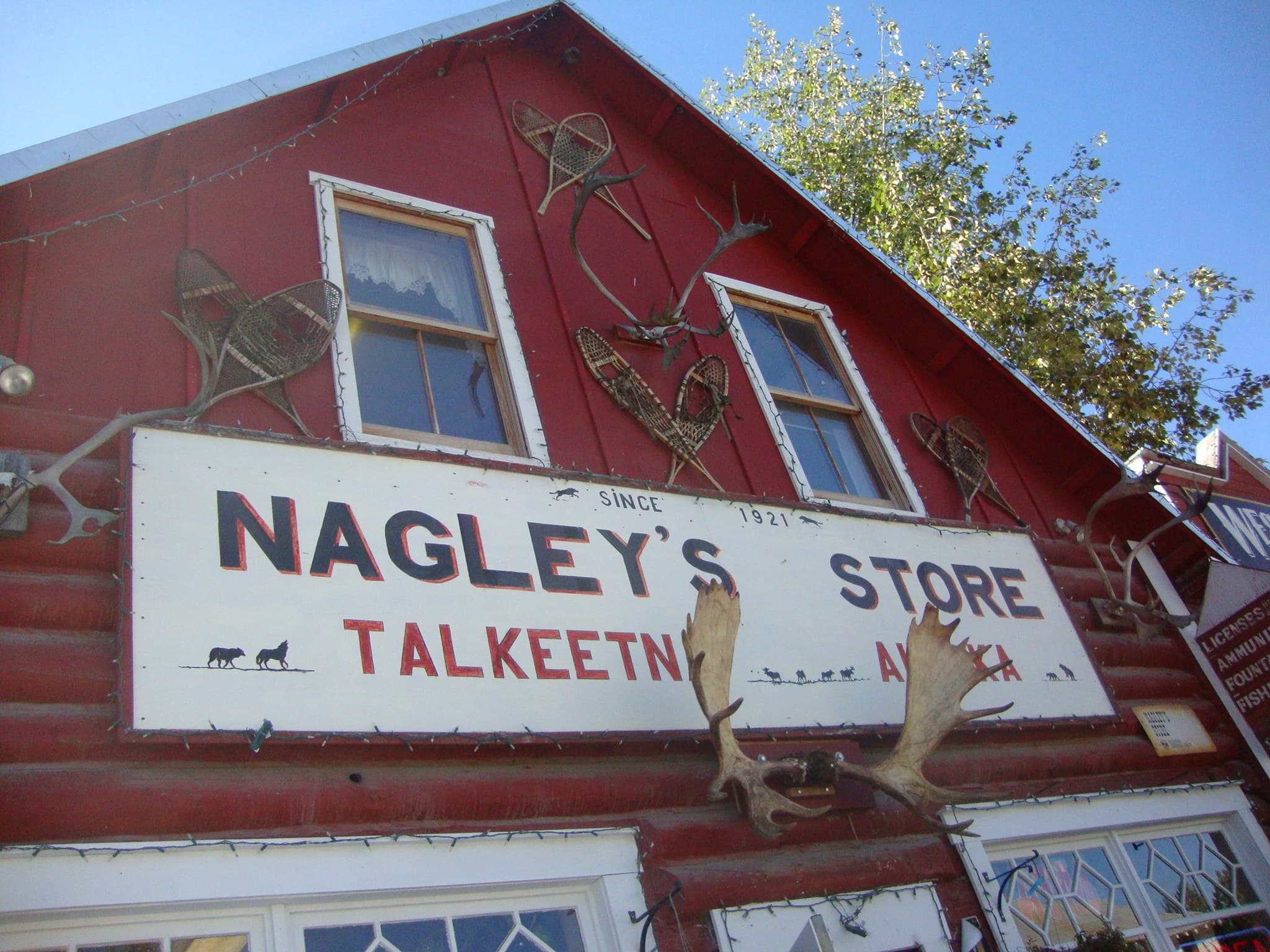
Canmore vs. Banff: Where to Stay in the Canadian Rockies (2026 Comparison)

TL;DRCanmore is a noticeably cheaper and less touristy base than Banff for a Rockies trip – rooms here run 30 to 40% less, while a basic room in Banff can easily set you back 350 to 500 CAD a night (around 6,000 to 8,500 Kč). The two towns are only about 20 minutes apart on the highway, so you can easily drive over from Canmore to Lake Louise, Moraine Lake or Banff Avenue. Canmore also sits outside the national park, so you won’t need a Discovery Pass, and it’s got its own draws like Grassi Lakes, Ha Ling Peak and the Three Sisters Mountains. The best months to visit are June to September for hiking, December to March for skiing, or May and October if you’d rather skip the crowds.

When Lukáš and I first arrived in Banff, Canada, in the summer of 2016 to work, we had no idea that our hearts would ultimately be won over by the nearby town of Canmore. We had huge, almost cinematic expectations — the photos we’d seen online promised untamed wilderness and log cabins with fireplaces. Reality brought us crashing back to earth pretty quickly, though, because we ended up with a tiny room barely two metres square, sharing a single kitchen with forty other people from all over the world.

😅 Banff is undeniably one of the most beautiful places on the planet, but it’s also a massive tourist bubble where accommodation and food prices soar to astronomical heights. Later, when we were living and working in Calgary, we kept coming back to the mountains regularly — but we very quickly discovered what most locals already know. If you want to experience the true beauty of the Canadian Rockies without blowing your entire budget and dodging the biggest crowds, the answer is Canmore.

The question of Canmore vs Banff is probably the most common dilemma travellers face when planning a trip to Alberta, and I completely understand why. The two towns are separated by barely twenty minutes by car, both sit in a breathtaking valley surrounded by majestic peaks, yet each offers a completely different experience. While Banff is the bustling hub of the national park, packed with souvenir shops and pricey restaurants, Canmore still retains the feel of a genuine mountain town where people actually live, shop at normal supermarkets, and walk their dogs on stunning trails after work. ☺️

And because I know that almost everyone planning a trip to the Rockies wrestles with the Canmore vs Banff question, I’ll give you a straightforward overview of everything that matters. We’ll cover accommodation, prices, and I’ll throw in personal tips — from the legendary Ha Ling Peak and the turquoise Grassi Lakes to the unassuming little cafés that serve the best cappuccino. 😉

TL;DR

If you’re already packing your bags and don’t have time to read the full article, at least take away these key points — a few things that surprised us on our first trip and that I wish we’d known in advance.

  • Accommodation in Canmore is significantly cheaper (often 30–40% less than Banff), and you get much more spacious rooms or entire apartments with kitchenettes for your money.
  • The distance isn’t an issue — driving from Canmore to Banff town centre takes just 20 minutes on the highway, making it perfectly convenient for daily trips to the main attractions.
  • You don’t need a national park pass to stay in Canmore itself — you only buy one when you enter the gates of Banff National Park, which can save you money on days when you want to explore just the Canmore area or Kananaskis (though you’ll need a Kananaskis Conservation Pass for that).
  • Stock up on groceries in Calgary beforehand. If you’re driving from the airport, make a stop at the giant Costco in Calgary — buying food in the mountains is seriously expensive.
  • Canmore has fewer crowds and a more relaxed vibe — you’ll find plenty of brilliant hiking trails, wildlife, and beautiful lakes, so there’s absolutely no chance of getting bored.

When to Visit and How to Get to the Mountains

We experienced all four seasons in Canada, and trust me, choosing the right one really matters. So don’t skip this section, even if travel logistics usually bore you. A lot depends on whether you’re dreaming of turquoise lakes or world-class powder skiing.

The peak tourist season runs from June to September, when all the high-altitude lakes like Moraine Lake and Lake Louise have finally thawed and glow with the most intense blue you can imagine. Summer also means every hiking trail is open, but you’ll have to contend with massive crowds and the highest accommodation prices. The winter season from December to March is paradise for winter sports lovers — the local ski resorts rank among the best in the world, and both Banff and Canmore look like something straight out of a fairy tale under a blanket of snow. If you want to dodge both the crowds and extreme prices, consider the shoulder seasons (May or October), though you always risk unpredictable weather and the fact that many higher trails will still be buried under snow.

As for getting there, your gateway will be Calgary International Airport (YYC). From the UK, several airlines offer flights with one connection via European hubs — search for the best deals on Kiwi. The easiest way to reach the mountains from the airport is by car. Lukáš and I have had consistently great experiences with DiscoverCars, which we use everywhere around the world, and having your own wheels gives you enormous freedom. The drive from Calgary to Canmore takes just over an hour along the straight Trans-Canada Highway. If you’d rather not hire a car, you can use bus services like Banff Airporter or On-It Transit (summer only), which will drop you right at your hotel.

💡 TIP from our years in Calgary: Before you head for the mountains, do a big shop in Calgary. We swore by Costco, where you can grab enormous packs of groceries at a fraction of the price — an absolute lifesaver when you’ve got an apartment with a kitchen in Canmore. Supermarkets in Banff (like IGA) and even the Safeway in Canmore are noticeably pricier.

Canmore vs Banff: Where to Stay and How Much It Costs

Accommodation and budget are probably the very first thing that settles the Canmore vs Banff debate — and Canmore wins this one pretty convincingly. It edges ahead thanks to friendlier pricing and a much wider variety of places to rest your head after a full day of mountain hiking.

🏨 Recommended Hotels in Canmore

Browse all hotels in Canmore on Booking.com.

Banff is a gorgeous historic town surrounded by mountain peaks, but its downside is the strict building regulations imposed by the national park. No new construction is allowed, which means the supply of accommodation is limited while demand from around the world is enormous. A small, fairly basic hotel room in peak season can easily set you back 350–500 CAD per night (roughly £200–£290 / €230–€330), and that’s just the average. Canmore, on the other hand, sits just outside the national park boundary where regulations aren’t nearly as tight, and plenty of new resorts have sprung up in recent years. It’s perfectly normal for accommodation in Canmore to be 30–40% cheaper — for the price of a tiny room in Banff, you can get a beautiful, fully equipped apartment with a fireplace and mountain views.

If you’re after specific hotel recommendations, our favourite spot in Canmore is the Falcon Crest Lodge apartment complex, where you get your own kitchen and washing machine — something you’ll appreciate immensely after a week of hiking. For those seeking a touch more luxury, there’s the majestic Malcolm Hotel with its stunning outdoor pool and views straight onto the iconic Three Sisters mountain range.

If you absolutely insist on staying right in the thick of things and strolling down Banff Avenue in the evening without getting in the car, you’ll need a bigger budget. The iconic Fairmont Banff Springs is an enormous castle nestled in the forest (though prices here can run into the hundreds of pounds per night), but a very pleasant and more affordable option is the Moose Hotel and Suites or the rustic Banff Caribou Lodge, which has a lovely spa.

Canmore and Surroundings: 15 Must-Visit Places and Things to Do

Even though many people stay in Canmore purely to save money and drive to Banff every day, it would be a huge shame to overlook the area around Canmore itself. You’ll find spectacular trails, beautiful lakes, and — best of all — far fewer tourists. Let’s dive into the best this area has to offer.

1. Three Sisters Mountains: The Iconic View

If Canmore has a visual symbol, it’s undoubtedly the Three Sisters. These three jagged peaks — officially named Big Sister, Middle Sister, and Little Sister — tower over the town and are visible from practically every angle. Personally, I don’t think the sight of them ever gets old. I still remember driving along the highway from Calgary for the first time and watching these mountains emerge before us — it was absolutely jaw-dropping.

The best photos can be taken along the Bow River, particularly at a quiet spot called Policeman’s Creek Boardwalk, where the mountains are perfectly reflected on the water’s surface in the calm morning light. If you’re into photography, I’d recommend getting up early, grabbing a coffee from a local roastery, and heading to the river before the wind picks up.

For the more adventurous, there’s also an unofficial, unmarked Three Sisters Viewpoint — you’ll need to push through some bushes and cross a dry creek bed to reach it, but your reward is an absolutely perfect view without power lines and, most importantly, without tourists.

2. Grassi Lakes: A Turquoise Gem for Everyone

A trip to Grassi Lakes is an absolute must if you’re spending time in Canmore — it’s probably the most popular short hike in the entire area. It’s a perfect outing for families with kids or for anyone who wants to stretch their legs after a long flight from Europe. The walk to the lakes takes roughly one to two hours depending on your pace and how often you stop for photos.

You can choose between two routes (Upper and Lower). I always recommend heading up via the more challenging path (Grassi Lakes Trail – Difficult), which does include a few steeper stone steps but takes you past waterfalls the entire way and opens up amazing views back towards the town of Canmore. You can then come back down on the easy, wide gravel path.

The lakes at the top are indescribably vivid — a deep, crystal-clear blue-green in which you can see fallen tree trunks and fish swimming about. Lukáš and I spent many a Sunday afternoon here with a book in hand — it’s a genuine oasis of calm (as long as you don’t go at midday in the middle of July, when you’ll be sharing the spot with quite a few others 😅).

3. Ha Ling Peak: A Challenge with a Breathtaking Reward

If you fancy pushing yourself a bit harder and Grassi Lakes feels like just a warm-up, turn your attention to Ha Ling Peak. This striking flat-topped mountain dominates the landscape south of Canmore, and climbing it is one of those experiences you simply won’t forget. Fair warning though: it’s a proper slog, so make sure you’ve got quality hiking boots.

The trail underwent a massive renovation a few years ago — loads of wooden steps and chains were added to the steepest sections, making it much safer now, even though it’s still just as physically demanding. Over roughly 3 to 4 hours, you’ll gain more than 700 metres of elevation, mostly through sharp switchbacks in the forest before emerging above the tree line onto a rocky scree field.

The view from the summit, though, is worth every drop of sweat. The entire Bow Valley and town of Canmore spread out below you like a living map. It’s often extremely windy up on the ridge, so pack a windproof jacket even in the middle of summer — it can be bitterly cold up there.

4. Canmore Nordic Centre: From Cross-Country Skiing to Mountain Biking

Canmore has Olympic heritage, and even though it might not seem like it at first, this is more than just a pub quiz fact. Thanks to the 1988 Games, the town is home to the top-notch Canmore Nordic Centre Provincial Park — a place local athletes adore but tourists sometimes completely overlook. Right on the edge of town, you’ll find a year-round outdoor playground.

In winter, the centre transforms into a cross-country skiing paradise with more than 65 kilometres of perfectly groomed, world-class trails. You’ll find routes for complete beginners as well as seasoned pros, and because the trails are partially lit in the evening, you can even ski after sunset. If you don’t have your own gear, the local rental shop Trail Sports will sort you out.

In summer, the snow melts away to reveal a fantastic network of mountain biking trails. Narrow forest singletracks weave between the trees and offer incredible fun. Lukáš and I aren’t exactly professional bikers, so we always appreciated the wider, well-maintained paths where you can enjoy a pleasant walk towards Mine Meadow.

5. Quarry Lake: Summer Cool-Down by the Lake

When the mercury climbs towards 30°C in summer and Canmore starts baking, every local heads straight to Quarry Lake. This lake was created by flooding a former mine and is now a gorgeous recreation area with sandy beaches and sweeping grassy areas that are absolutely made for an afternoon picnic.

I should say upfront, though — swimming in Quarry Lake is really only for the brave among you. The water is freezing even in the warmest summer months, fed by melting snow from the surrounding mountains, so think of it more like a mild cold-water dip. 😁 For a quick refresh, though, it works an absolute treat.

The lake offers stunning panoramic views of the Mount Rundle ridge on one side and Ha Ling Peak on the other. A flat, easy trail loops all the way around, so even if you don’t fancy a swim, you can enjoy a lovely evening stroll at sunset. Be aware that you’ll need to pay a parking fee — the town recently introduced one due to the huge influx of visitors.

6. Kananaskis Country: Alberta’s Hidden Treasure

If Canmore prides itself on being a quieter alternative to Banff, then Kananaskis Country is the ultimate escape from mass tourism. This vast area of parks and reserves begins just a 15-minute drive southeast of Canmore and offers pristine wilderness full of bears, elk, and mountain peaks that rival anything in the neighbouring national park.

Locals absolutely rave about this area. Our former colleague from Calgary hiked exclusively in Kananaskis, precisely because even on summer weekends you get that authentic feeling of having the mountains to yourself. I’d definitely recommend driving along Highway 40, which is a fantastic scenic experience in its own right (note: a large section is closed in winter to protect wildlife). For hiking, check out Ptarmigan Cirque for incredible valley views, or the slightly longer Rawson Lake trail.

💡 Practical note: Unlike Canmore, if you want to park and explore Kananaskis Country, you’ve needed to buy a Kananaskis Conservation Pass since 2021. It might sound a bit confusing that you need a different pass for each direction from town, but trust me — the money you invest in this pass pays for itself in quieter trails.

7. Spray Lakes Provincial Park and the Dusty Smith-Dorrien Road

Just above Canmore, if you drive past Grassi Lakes and continue up the unpaved road known as Smith-Dorrien Trail, the wild world of Spray Lakes Provincial Park opens up before you. This elongated reservoir in a narrow mountain valley is where some scenes from the film The Revenant with Leonardo DiCaprio were shot, and the atmosphere here is genuinely rugged and Nordic.

The road itself is an experience — incredibly dusty in summer and covered in a thick layer of packed snow in winter — but you can manage it carefully in a regular car (just make sure your rental company doesn’t prohibit driving on gravel roads). It’s precisely this more difficult access that keeps the area beautifully deserted.

In summer, you’ll often see people on paddleboards or in kayaks on the lake, while in winter, when the water freezes solid, it becomes a popular spot for ice fishing and open-air skating. Along the way, you’ll also find trailheads for hikes like Tent Ridge or Smutwood Peak — some of the most photogenic (and quite demanding) trails in the area.

8. Grotto Canyon: A Walk Through a Dry Riverbed

Grotto Canyon is a fascinating and slightly different kind of outing from what you’d usually do in the Rockies — instead of climbing a high hill for views, you’re descending deep into a narrow limestone canyon. It’s about a fifteen-minute drive from central Canmore along the old 1A highway.

The entire hike follows the bed of a dry creek (in spring, when the snow melts, there can be some water, so bring waterproof boots). As you venture deeper into the canyon, the walls begin to rise and narrow around you until you reach a small waterfall surrounded by fascinating geological formations. A brilliant bonus is that keen-eyed visitors can spot centuries-old Indigenous pictographs painted in red ochre on the smooth rock walls.

We especially love this outing in winter. When the creek and waterfalls freeze, the entire canyon floor transforms into a thick ice slide and you can wander through it like an ice kingdom — but don’t even think about coming here in winter without crampons on your boots, or you’ll be falling over with every step 😅.

9. Policeman’s Creek Boardwalk and Bow River Loop

Sometimes you simply don’t feel like trudging uphill for hours, and for exactly those days, Canmore has a perfectly lovely network of easy, well-maintained trails right in town. The most beautiful of them is the Policeman’s Creek Boardwalk, a wooden walkway that winds through the heart of town above wetlands and springs.

It starts right by Main Street, so you can grab a coffee and a warm muffin, and within two minutes you’re strolling along wooden planks surrounded by reeds and trees, with snow-capped peaks rising in the background above you. It’s a magical spot where you might come across ducks, beavers, and with a bit of luck (or bad luck) even a wandering moose.

The boardwalk connects seamlessly to the Bow River Loop, which forms a large circuit around the turquoise Bow River. The path crosses the old Engine Bridge — a favourite stop for photographers that breathes the industrial history of the entire valley. It’s an absolutely idyllic stroll before dinner.

10. Canmore Cave Tours (Rat’s Nest Cave)

I’ll admit, a cave called Rat’s Nest didn’t exactly fill me with excitement at first. But just outside town, beneath Grotto Mountain, lies a cave system that will convince you Canmore has yet another ace up its sleeve — one that’s been left in an almost entirely wild, untouched state.

Don’t expect paved walkways or colourful artificial lighting here — you can’t enter the cave without a guide from Canmore Cave Tours, and before going in you’ll be kitted out with a coverall, helmet, and headlamp. What awaits is squeezing through narrow crevices, crawling on your belly, but also admiring enormous stalactites, underground pools, and the bones of prehistoric animals.

Given that the temperature inside the cave stays a constant 5°C year-round, it’s an absolutely fantastic activity when it’s bitterly cold outside in winter and the thermometers read minus twenty, or when it rains all day in summer and there’s no point heading out for an outdoor hike.

lukas a lucka
Lukáš and Lucie recommend
Where to Stay in Canmore and Banff
6 accommodations — wellness hotels, hotels and other lodging options

11. Nakiska Ski Area: Winter Family Fun

Skiing in the Canadian Rockies is a topic all on its own, and while everyone raves about Sunshine Village or Lake Louise, we fell in love with Nakiska. It’s a resort about half an hour from Canmore that locals treat as something of a well-kept secret.

Nakiska was built for the alpine events during the 1988 Olympics, so the runs are wide, perfectly maintained, and incredibly fast. Locals love this resort because it has a much more relaxed, family-friendly atmosphere, and the lift queues are nothing like the maddening lines at the more famous national park resorts.

For those of us who like a lie-in, the proximity is a massive bonus. While getting to Lake Louise from Canmore would take over an hour and require a painfully early start for parking, you can leave Nakiska after breakfast and be flying down the slopes in no time. Lift passes also work out a bit friendlier on the wallet, which definitely counts when you’re watching your budget.

12. Alternative to Hot Springs

When people think of Banff, they immediately picture the famous Banff Upper Hot Springs or the historic Cave & Basin. The truth, however, is that you can’t actually swim at Cave & Basin — it serves only as a museum with an endangered species of snail — and the Upper Hot Springs tend to be so packed with tourists in the evening that you can barely find a spot to sit, let alone relax in peace.

If you’re staying in Canmore, you don’t need to drive north at all for a warm soak — there are several local alternatives. While there aren’t natural hot springs with an outdoor pool per se, a number of local hotels offer absolutely stunning “hot pools” with mountain views that you can access for a fee even without being a guest (for example, the Kananaskis Pomeroy Mountain Lodge nearby has the Kananaskis Nordic Spa — an incredible experience with outdoor saunas and pools at various temperatures).

The community recreation centre, Elevation Place, also has a beautiful modern pool complex with a large hot tub where locals go to unwind after tough hikes. It might not sound as romantic as natural springs, but trust me — after a day in the mountains, bubbling hot water with a view of the valley will bring you back to life just as well, and at a fraction of the cost.

13. A Trip into History at Canmore Museum

Canmore has a surprisingly rich and gritty history that’s far less polished and tourism-oriented than Banff’s story. This town began as a tough coal-mining settlement, and the mines only closed relatively recently in 1979. It’s this fascinating transformation from industrial village to mountain resort that the local Canmore Museum documents.

It’s located right in the town centre in the Civic Centre building, and while it’s not enormous, you can easily spend an hour here. They have great interactive exhibits about the geology of the mountain range, coal mining, and how the Olympic preparations changed the town forever. Admission is just a few dollars, making it a perfect low-key activity for a rainy afternoon.

Right next to the museum, you can also visit the NWMP Barracks (North West Mounted Police Barracks). It’s the oldest original building in Canmore, dating from 1893, which once housed police patrols keeping order among the rowdy miners. Today, costumed guides will happily regale you with tales of how tough life was on Canada’s Wild West.

14. Helicopter Tour Over the Rocky Mountains

I’ll be honest — a helicopter flight sat in the “one day, when we can afford it” column of our bucket list for ages, and then someone gave it to us as a gift. Since then, I recommend it to absolutely everyone, because I guarantee that seeing these massive mountain ranges from a bird’s-eye view will bring tears to your eyes.

You can choose from shorter 15-minute flights circling the Three Sisters to longer trips over the glaciers of Mt. Assiniboine (often called “Canada’s Matterhorn”), which would otherwise take several days to reach on foot. We once received a scenic flight like this as a gift, and the feeling when the helicopter rises above the forested valley and you see miniature spruce trees and glacial pools below is something that’s nearly impossible to put into words.

The helipad is just a short distance from central Canmore, and these scenic flights are obviously best planned for clear, sunny days when your views won’t be obscured by low clouds.

15. Daily Trips to Banff’s Top Attractions

Let’s be clear: staying in Canmore absolutely does not mean you’ll miss out on the wonders of Banff — it’s actually the perfect strategic base for day trips to the park’s most famous sites. When you hop in the car in Canmore in the morning, you can reach the legendary Lake Louise in Canada in under an hour, or neighbouring Moraine Lake (though these days you can only get there by shuttle bus — remember to book months in advance!).

You can hike to the top of Sulphur Mountain or ride the Banff Gondola up, explore Johnston Canyon with its gorgeous waterfalls, or drive along one of the world’s most beautiful roads — the Icefields Parkway — towards Jasper National Park.

If you’re planning to spend several days in Banff and are thinking about working or spending an extended period in Canada, don’t forget to read our detailed article about what it’s like to work in Canada, where we share our personal adventures and experiences.

Food and Drink: Where to Refuel After a Hike

As I mentioned earlier, food prices in Banff can be genuinely eye-watering. While Canmore isn’t exactly “cheap” either, restaurants here offer much better value for money, and the service is far friendlier since it’s locals who actually eat here. As a rough guide, expect to pay around 25–35 CAD (about £15–£20 / €17–€23) for a decent main course — and that’s before tips and local tax, so budget a little extra.

Our absolute morning essential was always Rocky Mountain Bagel Co. They bake the best, freshest bagels for miles around, and their breakfast sandwiches with egg and bacon (plus excellent drip coffee) will fuel you for any mountain. Queues around eight in the morning often stretch out the door, but they move quickly, so don’t give up.

For lunch or a post-hike dinner, you absolutely must visit Grizzly Paw Pub & Brewing Company. It’s a local brewery right on the main street where, alongside a cracking Alberta beef burger, you’ll get outstanding craft beers — and for those who don’t drink alcohol, they brew their own craft sodas in flavours like root beer and grapefruit. It’s one of those proper, wood-panelled Canadian pubs with a buzzing atmosphere. Another great tip is Blake, a more modern restaurant with views that serves fantastic Asian fusion dishes when you need a break from burgers and chips.

Practical Tips to Wrap Up

To keep your Canadian holiday stress-free, it pays to think ahead about a few seemingly small details that can save you heaps of time and money once you’re there.

Where to Get Mobile Data?

Canada has notoriously expensive mobile plans, and roaming charges from UK networks can quickly add up, so we recommend buying an eSIM in advance. Holafly offers excellent coverage (we’ve also written a detailed Holafly review).

We wouldn’t travel without it, because it saves you the hassle the moment you land. You step off the plane at Calgary Airport, switch on your data, and can immediately pull up navigation to the mountains without faffing about trying to buy a local SIM at some kiosk.

Don’t Forget Travel Insurance

Canadian healthcare may be world-class, but for visitors it’s prohibitively expensive. Even a simple sprained ankle on a hike could cost you tens of thousands of pounds without insurance. For shorter trips, a good UK travel insurance policy will do the job. For longer stays — or if you’re planning to work — we’ve been using SafetyWing for years (check out our SafetyWing review).

It works brilliantly as a subscription and you can set it up even when you’re already on the road. Lukáš used to pay month by month, which gave us complete freedom without needing a fixed return date.

Passes and Permits

If you’re staying in Canmore, you don’t need to pay anything. However, the moment you drive past the Banff National Park sign, you must have a valid Discovery Pass (national parks pass). For visits shorter than a week, buy a day pass. If you’re staying longer or travelling as a family, it’s worth purchasing an annual Discovery Pass — you can even have it mailed to your home before you fly out.

Simply hang the pass from your rear-view mirror and you’re sorted. Park wardens check car parks quite diligently, and fines for a missing pass can seriously dent your holiday budget — so don’t try to cut corners on this one.

Further Reading

If you’re already exploring the beauty of the Canadian Rockies, you’ll definitely find our other articles packed with tips and itineraries from this incredible country useful:

FAQ — Canmore vs. Banff: Your Most Common Questions

I’ve gathered the most frequently asked questions readers send me when they’re wrestling with the Canmore vs. Banff dilemma. If there’s anything I’ve missed, feel free to drop me a message.

Is it better to stay in Banff or Canmore?

It depends on what you’re looking for from your trip. If you want a romantic atmosphere, a historic downtown, and don’t mind significantly higher prices and crowds of tourists, Banff is the classic choice. If you want more spacious accommodation, savings of 30 to 40% on costs, easy access to supermarkets with normal prices, and a more local feel, Canmore is definitely the better option.

Is it okay to stay in Canmore if I want to visit Banff?

Absolutely, it’s actually very common practice. From Canmore to Banff is about 20 minutes by highway, which is less time than you sometimes spend inching through downtown Prague. You can explore Banff’s attractions during the day and return to quieter Canmore for dinner in the evening.

Is Canmore worth visiting even if I’m not staying nearby?

Definitely yes. Even if you’re staying right in the national park, I’d recommend taking a full day trip to Canmore. It has an incredibly relaxed atmosphere, great coffee shops, cheaper souvenirs, and hikes like Grassi Lakes or Ha Ling Peak are among the best in the entire area.

Which is cheaper, Banff or Canmore?

Canmore is significantly cheaper. Accommodation is typically one-third to half the price of Banff, restaurant prices are more reasonable, and most importantly, you can buy groceries at regular supermarkets without the steep ‘mountain markup.’ Plus, if you’re not visiting Banff on a given day, you don’t need to pay the national park entrance fee.

Do I need a national park pass for Canmore?

You don’t. Canmore sits right on the border but is still just outside the Banff National Park boundary. You only need to have a pass purchased when you actually enter the national park itself. Be aware though, for the nearby Kananaskis area you’ll need a different, special Kananaskis Conservation Pass.

Are there wild animals in Canmore like in Banff?

Yes, and quite frequently. Elk or deer occasionally wander through town, and both black bears and grizzlies live in the surrounding forests. The exact same rules apply here as in the national park—you should carry bear spray, hike in groups, and make noise in the woods.

How does the weather in Canmore compare to Banff?

Both towns are very close to each other and at roughly the same elevation (Canmore is only slightly lower), so the weather is essentially identical. Keep in mind that mornings and evenings can be chilly even in midsummer, so pack clothing suitable for layering. Winters here are harsh with tons of snow.

Tips and Tricks for Your Vacation

Don’t Overpay for Flights

Search for flights on Kayak. It’s our favorite search engine because it scans the websites of all airlines and always finds the cheapest connection.

Book Your Accommodation Smartly

The best experiences we’ve had when looking for accommodation (from Alaska to Morocco) are with Booking.com, where hotels, apartments, and entire houses are usually the cheapest and most widely available.

Don’t Forget Travel Insurance

Good travel insurance will protect you against illness, accidents, theft, or flight cancellations. We’ve had a few hospital visits abroad, so we know how important it is to have proper insurance arranged.

Where we insure ourselves: SafetyWing (best for everyone) and TrueTraveller (for extra-long trips).

Why don’t we recommend any Czech insurance company? Because they have too many restrictions. They set limits on the number of days abroad, travel insurance via a credit card often requires you to pay medical expenses only with that card, and they frequently limit the number of returns to the Czech Republic.

Find the Best Experiences

Get Your Guide is a huge online marketplace where you can book guided walks, trips, skip-the-line tickets, tours, and much more. We always find some extra fun there!
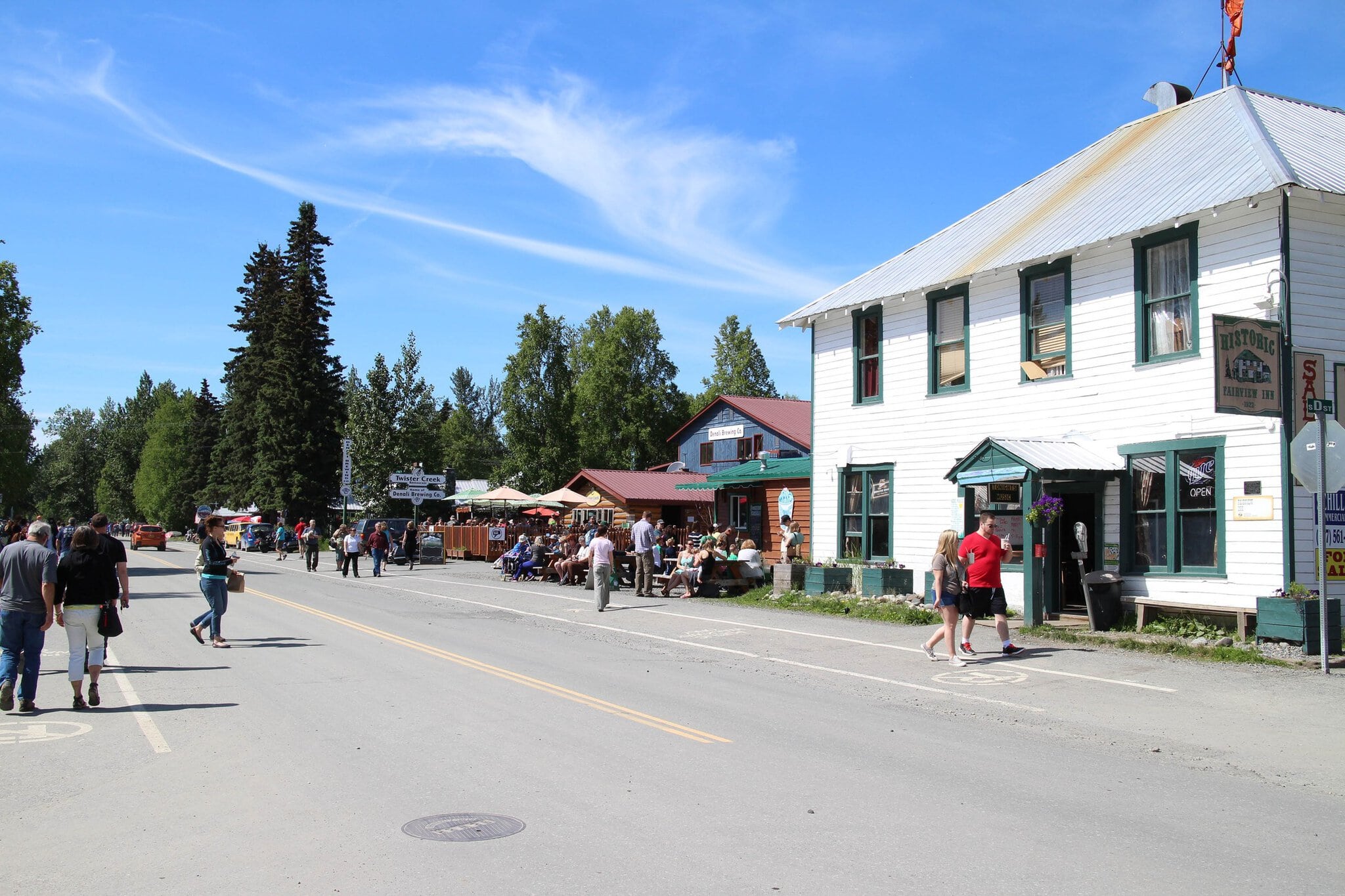
Jasper, Canada: 15 Tips on What to See and Do (After the 2024 Fire)

TL;DRJasper is back in fine form for 2026, well after the 2024 wildfires — the town centre and the legendary Jasper Park Lodge both survived and are up and running, though Maligne Canyon and Mt. Edith Cavell remain closed. Among the 15 tips, the boat trip to Spirit Island on Maligne Lake stands out (around 80 CAD, 1,360 Kč), along with a stop at Athabasca Falls and a walk on the Columbia Icefield, plus the Valley of the Five Lakes loop (4.5 km), reopening on 23 May 2026. The best weather runs June to September, while stargazers should time their trip for the Jasper Dark Sky Festival (16–25 October 2026). The easiest way in is by car from Calgary or Edmonton along the Icefields Parkway (the drive takes around five hours), and it’s worth sorting entry with a Canada Strong Pass.

When Lukáš and I lived and worked in western Canada back in 2016 and 2017, Jasper National Park was our magical retreat. While neighbouring Banff was bursting at the seams with tourists, Jasper offered a much more laid-back vibe. I remember cruising the legendary Icefields Parkway in our old Honda, popping into Jasper for a movie night, and squeezing in a hike or two along the way. It was pure freedom and one of the best experiences of our lives — and if you’re wondering about the best things to do in Jasper Canada, we’ve got plenty to share.

That’s exactly why our hearts broke in July 2024 when the news was flooded with footage of devastating wildfires. The flames consumed vast stretches of forest and, tragically, struck the town of Jasper itself. We sat at home glued to the news, watching in horror as the places where we’d laughed and sipped coffee were swallowed by fire. But nature is an incredibly powerful force. Although it took time and the park had to undergo a massive revitalisation effort, Jasper is awakening in new beauty in 2026. It looks a little different — charred stumps have replaced trees in many areas, but fresh green shoots are already pushing through, and the park carries a completely new, deeply powerful atmosphere.

So I decided to put together a guide on what awaits you in Jasper right now — what’s open, what’s still closed, where to sleep and eat, and how much to budget. Read on so you can hit the road fully prepared.

TL;DR

  • Key changes for 2026: The beloved Valley of the Five Lakes officially reopens on 23 May 2026. However, Maligne Canyon and Mt. Edith Cavell remain closed for safety reasons.
  • The town is alive: Downtown Jasper has been largely restored, and the iconic Jasper Park Lodge (JPL) survived the fire and is fully operational.
  • Must-sees: A boat cruise to Spirit Island on Maligne Lake is an absolute must, as are Athabasca Falls and a walk on the Columbia Icefield’s Athabasca Glacier.
  • Best time to visit: The best weather runs from June to September, but if you love stargazing, plan your trip for October when the Jasper Dark Sky Festival takes place (16–25 October 2026).
  • Park passes: For 2026, we recommend picking up the Canada Strong Pass, which covers all Canadian national parks and directs a portion of the proceeds toward wildfire recovery.
  • Getting there: The best option is to rent a car in Calgary or Edmonton and drive the iconic Icefields Parkway.

When to Visit Jasper and How to Get There

Planning a trip to the Canadian Rockies requires a bit of strategic thinking. Mountain weather is notoriously unpredictable, and conditions down in town can be worlds apart from what you’ll find up by the glaciers. Be prepared for the fact that logistics in vast Canada are a touch more demanding than in Europe, but with a solid plan, you’ll manage just fine. Let’s break it all down so you can save both your nerves and your wallet.

The absolute best time to visit Jasper is from late June to early September, when the turquoise lakes are at their most vibrant and most high-altitude trails are snow-free. We explored Canada in July and while it was beautifully warm during the day — t-shirt weather — the moment the sun dipped below the horizon, we were shivering in our down jackets. Count on chilly mornings and evenings no matter what. If you want to dodge the biggest crowds, September is your sweet spot. The autumn colours lend an unreal edge to the already dramatic landscape, and after the fires, the contrast between golden trees and charred trunks makes for a truly mesmerising scene.

The best way to reach Jasper is by car. Most visitors from the UK will fly into Calgary or Edmonton — you can find decent transatlantic fares by shopping around on flight comparison sites like Kiwi. Airlines such as WestJet and Air Canada operate direct routes from London, or you can look for connecting flights with other carriers. From Calgary, the route takes you through the stunning Banff National Park along the breathtaking Icefields Parkway (Highway 93), which is a jaw-dropping experience in its own right. The drive takes roughly five hours of pure driving time, but I guarantee you’ll spend the entire day stopping at every lookout. Lukáš and I have had great long-term experience with DiscoverCars, which we use worldwide to find the best car rental deals. Don’t forget that you’ll need a valid park pass to enter — for 2026, we highly recommend the annual Canada Strong Pass, which also directly supports the local community’s recovery efforts.

For general tips on planning a big road trip out west, check out our article on preparing for a road trip through Canada and the USA.

Where to Stay in Jasper and How Much to Budget

Finding accommodation in Jasper was already tricky before 2024, and the wildfires have made things even more challenging. Capacity is slowly recovering and many hotels are back in business, but demand is still massive and supply somewhat smaller than before. That means one absolutely golden rule: if you’re visiting in summer, book your accommodation a good six months in advance.

The town of Jasper is the perfect base for all your adventures. Plenty of great places to stay have survived, and we were incredibly relieved to learn that the iconic Jasper Park Lodge (JPL) on the shores of Lac Beauvert made it through the inferno unscathed. It’s definitely at the top end of the price scale — expect to pay around 600–800 CAD per night (roughly €400–530) — but if you’re after true luxury in log cabins with mountain views, it’s hard to beat. For us mere mortals, classic motels and hotels right in town are the way to go, with peak-season prices hovering around 250–350 CAD per night for two (about €165–230).

Canada is generally not a cheap destination, and the national parks even less so. You’ll save on groceries if you stock up at a big supermarket in the city before heading into the mountains, as prices in Jasper’s local shops tend to be about a third higher. If you’re planning to camp — which we did quite a lot in our trusty Chiquita — expect to pay around 30–40 CAD per night (roughly €20–27) at a national park campground, but sites vanish from the Parks Canada reservation system the moment they open in spring.

Things to Do in Jasper Canada: 12 Must-See Spots in 2026

Nature here truly doesn’t need our help — it does its thing on a grand scale, all by itself. Here are twelve places I’d only skip under extreme duress.

1. The Town of Jasper and Its Reborn Atmosphere

The heart of the entire park beats right in downtown Jasper. When you arrive today, you’ll feel the immense gratitude of the locals who managed to save much of their town. You’ll find charming little cafés, souvenir shops, and loads of outdoor gear stores, and a stroll down Connaught Drive with that crisp mountain air filling your lungs is simply wonderful.

Pop into the local visitor centre, where the rangers will give you the latest updates on bear activity along the trails and any closures. The community here has rallied together incredibly after the fires, and every pound you spend at local restaurants or shops helps them get back on their feet. And the atmosphere of the town in the evening, as the sun sets behind the mountains and the streets light up, is pure magic.

2. Maligne Lake and the Iconic Cruise to Spirit Island

This is the ultimate Jasper classic — the image almost everyone has seen on postcards. Maligne Lake is the largest glacial lake in the Canadian Rockies, and its deep turquoise colour will quite literally take your breath away. The drive from town takes just under an hour, and the road is one of the best spots to catch moose or bears right by the roadside.

The absolute highlight is the boat cruise to Spirit Island, a tiny islet with a handful of trees that holds sacred significance for Indigenous peoples. The cruise lasts about an hour and a half, with tickets running around 80 CAD (approximately €53). It’s not the cheapest outing and you need to book well in advance, but the view of that little island ringed by snow-capped peaks is worth every penny.

3. The Disappearing Medicine Lake

On the way to Maligne Lake, you’ll pass Medicine Lake — one of the park’s greatest natural mysteries. It’s called the “disappearing lake” because in autumn and winter, the water vanishes entirely underground, leaving behind a vast muddy basin crossed by a small stream. Indigenous peoples considered it pure magic; for modern geologists, it’s a fascinating system of underground caves that can’t drain the summer snowmelt fast enough, causing the lake to temporarily fill up.

We visited in the middle of summer when the lake was beautifully full, but today the charred trees along its shores create a hauntingly dramatic backdrop. Pull over for a quick stop, snap that striking contrast of blue water and fire-scarred forest, and take a moment to appreciate how endlessly nature reinvents itself.

4. Pyramid Lake and Patricia Lake

If you’re looking for a spot just outside town for a relaxed afternoon, these two lakes sitting side by side are a perfect choice. They’re nestled at the foot of the towering Pyramid Mountain, which has a distinctive rusty hue and glows beautifully at sunset.

At Pyramid Lake, I’d recommend renting a canoe or a paddleboard — though fair warning, the water is absolutely freezing and you really don’t want to fall in. There’s also a small wooden bridge leading to Pyramid Island, which is an incredibly popular and wonderfully romantic spot for a morning coffee while mist still rolls over the water and there’s not a soul in sight.

5. Valley of the Five Lakes (Reopening May 2026!)

This is huge news for every Jasper fan. Valley of the Five Lakes was one of the most popular easy-going hikes in the park, but it had been closed for a long time due to fire damage. The grand reopening is scheduled for 23 May 2026, and we honestly can’t wait to get back out there.

It’s a fairly easy loop trail of about 4.5 kilometres that takes you past five smaller lakes. Each one shimmers in a completely different shade of green and blue depending on its depth and algae content. It’s an ideal outing for families with kids or for those days when you don’t feel like scrambling up any big peaks but still want a proper taste of Canadian wilderness.

6. Athabasca Falls

Athabasca Falls may not be among Canada’s tallest waterfalls, but they’re certainly among the most powerful. The sheer volume of glacial water thundering into a narrow limestone canyon is so immense that you can hear the roar long before the falls come into view. You stand on the safe viewing platform and feel a fine icy mist on your face — which is actually quite refreshing on a hot summer’s day.

A network of short paved paths and stairs winds around the falls, making them accessible to everyone. But because they sit right off the Icefields Parkway, parking in summer can be a real battle during the middle of the day. I’d recommend heading out early in the morning or late in the afternoon, once the tour buses have ferried their passengers back to the hotels.

7. Sunwapta Falls

Just a short drive further south along the highway, you’ll find another stunning waterfall — Sunwapta Falls. Water from a nearby glacier plunges into a deep gorge, and a tree-topped island in the middle of the river splits the flow into two channels right before the drop. It’s an incredibly photogenic spot that always surprises visitors with its raw power.

A short trail from the upper main waterfall leads to the Lower Falls. Most tourists skip this roughly two-kilometre woodland walk, which is a big mistake — you’ll find yourself completely alone in the wild, and while the lower falls are smaller, they’re all the more enchanting for it.

8. Columbia Icefield and Athabasca Glacier

This is an experience you won’t forget in a hurry. Roughly on the border between Jasper and Banff national parks lies the Columbia Icefield — an enormous ice field from which several glaciers creep downhill. The most accessible is the Athabasca Glacier, where you can walk right up to its very edge and witness first-hand how this colossal mass of ice is, sadly, retreating more each year.

If you want to step onto the glacier itself, you have two options. You can book a guided tour (never venture out on your own — hidden crevasses are no joke), or hop aboard a massive vehicle called the Snocoach, whose wheels are as tall as an adult, and ride straight onto a safe section of ice. It’s admittedly a bit commercialised and the tickets aren’t cheap, but walking on thousands-of-years-old ice in a summer t-shirt and sipping crystal-clear glacial water is something pretty special.

9. Columbia Icefield Skywalk

While you’re at the glacier, you’ll likely be tempted by the nearby Skywalk attraction. It’s a glass-floored observation platform jutting out from a cliff high above Sunwapta Valley. You buy a combo ticket at the visitor centre and they shuttle you there by bus.

I’ll be blunt: the Skywalk is a bit of a tourist trap and it’s perpetually packed. If you’ve got a fear of heights and don’t mind paying a premium for the adrenaline rush of walking on glass 280 metres above a canyon, it’ll be a great experience. But we’ve always preferred lacing up our boots for a proper hike nearby, where you can soak in the views for free and without the crowds.

10. Wilcox Pass — The Perfect Hike

With the popular Mt. Edith Cavell and its stunning meadows still closed to the public after the fires, many hikers are searching for a worthy alternative. Our vote goes firmly to Wilcox Pass. The trailhead sits right by a campground near the Columbia Icefield, and the hike is roughly 8 kilometres return with about 400 metres of elevation gain.

It’s a steep climb right from the start, but once you break above the treeline, you’re rewarded with some of the most spectacular panoramic views of the Athabasca Glacier anywhere in the park. It’s also a spot where you’re almost guaranteed to encounter majestic bighorn sheep grazing calmly just metres from the trail. Definitely bring proper hiking boots, though — the terrain is rocky and it can be seriously windy up top even in summer.

11. Jasper Skytram to Whistler’s Peak

Want to see all of Jasper National Park spread out beneath you without hours of sweaty climbing? Hop on the Jasper Skytram — Canada’s highest and longest aerial tramway. In just a few minutes, it whisks you up to over 2,200 metres above sea level, just below the summit of Whistler’s Mountain.

From the upper station, I’d strongly recommend scrambling up an additional 200 metres of elevation to the actual summit. It’s quite a slog in the thin mountain air, but the 360-degree panorama spanning hundreds of kilometres of peaks and turquoise lakes far below is worth every drop of sweat. Just make sure you bring a warm jacket and a hat — even if it’s thirty degrees down in town, it can easily be freezing or snowing up top.

lukas a lucka
Lukáš and Lucie recommend
Where to Stay in Jasper
2 accommodations — wellness hotels, hotels and other lodging options

12. Jasper Dark Sky Festival (16–25 October 2026)

If you’re considering an autumn trip to Canada, this is an event you absolutely shouldn’t miss. Jasper is the second-largest Dark Sky Preserve in the world, which means strict light-pollution regulations are in place, and the night sky here is impossibly clear, blanketed with millions of stars.

The festival offers a packed programme of space talks, evening stargazing sessions through massive telescopes led by local experts, and even symphony concerts performed right under the stars. Telescopes are set up around Pyramid Lake, you bundle up in a blanket with a cup of hot chocolate in hand, and with a bit of luck — if solar activity is high — you might even catch the northern lights dancing across the sky. It’s romance beyond words.

Closed Areas: What You Won’t See in 2026 Due to the Fires

I’ll be straight with you — some parts of the park suffered devastating damage, and their recovery will take many years. Parks Canada places absolute priority on visitor safety, as unstable ground and charred root systems create serious risks of landslides and falling trees.

In 2026, Maligne Canyon — our once-beloved limestone gorge full of bridges and waterfalls — remains completely closed. The fire destroyed most of the wooden infrastructure and safety barriers. Similarly, the entire area around the majestic Mt. Edith Cavell is off-limits this year, including the popular trails to the glacial lake at its base.

Longer multi-day backcountry routes for experienced hikers, such as the popular 44-kilometre Skyline Trail, are also reporting partial closures and limited operations in the 2026 season because some backcountry campsites along the route burned to the ground. Always check the official Parks Canada website for the latest updates before heading out.

Where to Eat in Jasper

Canada is a massive melting pot of cultures, and thankfully that spills over into the food scene. The town of Jasper has plenty of spots where you can reward yourself with a great meal after a long day in the mountains. And because many local businesses barely survived both Covid and the subsequent fires, your visit means even more to them.

Our absolute favourite mornings always started at the legendary Bear’s Paw Bakery. They serve the best cinnamon buns and enormous muffins that’ll fuel you for a full day of mountain adventures. Just be prepared to queue — the morning lines here are no joke.

For dinner and a well-earned pint, head straight to Jasper Brewing Co. — the first craft brewery ever to operate inside a Canadian national park. Try their brilliant Jasper the Bear Ale and pair it with poutine — Canada’s iconic fries smothered in gravy and cheese curds. It sounds strange, looks even stranger, but it’s a national institution! If you’re into Asian food, Kimchi House serves fantastic Korean dishes at reasonable prices, which is a real treat in an otherwise pricey mountain town.

Tips and Tricks for Travelling to Canada

Preparing for a road trip across the pond can get expensive if you don’t know where to save. Here’s a roundup of the services we’ve been using for years and genuinely stand behind.

Finding Cheap Flights

I covered flights and car rentals in more detail in the “How to Get to Jasper” section above, so feel free to scroll back up.

As a general rule, there’s no point waiting for last-minute miracles on transatlantic flights during peak summer — they simply don’t happen. We always set up price alerts on our favourite platform Kiwi in the autumn, and the moment we see a decent deal, we book without hesitation so we can relax.

Renting a Car in Canada

You simply can’t get around Canadian national parks without a car — public transport between lakes and viewpoints is practically non-existent. Lukáš and I have had consistently great results with the comparison site DiscoverCars, which we use all over the world. Ideally go for an SUV so you’ve got comfort and plenty of room for your rucksacks.

One important thing: make sure you have comprehensive insurance with zero excess. Stones flicked up by lorries on the highway can do a real number on your windscreen, and the last thing you want at the end of your dream holiday is a hefty bill at the rental desk.

Booking Accommodation

As I mentioned, book well in advance. Booking.com is our go-to hotel search engine because it covers everything from cheap highway motels to the most beautiful resorts. A massive perk is the free cancellation option on most listings, just in case your plans change.

When we’re searching for accommodation, we always read recent reviews from other travellers carefully, as they often reveal details you’d never spot from the professional photos. We also pay close attention to whether parking is included in the price, because in central Jasper it can sometimes be surprisingly tricky to find a spot.

Don’t Forget Travel Insurance and Mobile Data

Healthcare in North America is eye-wateringly expensive — breaking your leg on a glacier without insurance could cost you your life savings. For shorter trips we opt for travel insurance from providers like World Nomads or True Traveller, and for longer adventures we rely on True Traveller. You can read more in our review of SafetyWing and other travel insurance options.

To post those bear photos on Instagram straight away or navigate with Google Maps, grab an eSIM before you go. We’ve written about this in detail in our Holafly review. It saved us a ton of hassle hunting for Wi-Fi in cafés.

Where Else to Go in Canada

If you’ve hired a car for two or three weeks, it would be a huge shame to stay only in Jasper. Make sure you don’t miss the iconic Banff National Park with its impossibly blue lakes, or check out our detailed guide on what to see around Lake Louise. Western Canada is seriously addictive!

FAQ — Frequently Asked Questions About Jasper National Park

When planning a trip to the Canadian national parks, I keep getting the same questions — from park sizes to bear safety concerns. Here are the most common answers in one place, so you don’t have to scour the internet.

Where is Jasper National Park located and how big is it?

Jasper is located in the province of Alberta in the Canadian Rockies, north of Banff National Park. Spanning over 11,000 square kilometers, it’s a massive area filled with glaciers, mountains, lakes, and wildlife.

What’s our largest national park?

In the Czech Republic, the largest national park is Šumava. Yes, Šumava! We love it, even though Jasper could probably fit it several times over. But that makes it all the more precious, right? 😉

How many national parks does Canada have?

Canada currently has 48 massive national parks and reserves. They’re managed by Parks Canada and cover incredibly diverse ecosystems, from Arctic tundra to temperate rainforests.

How many national parks does the USA have?

If you combine your trip to Canada with a visit to the United States, there are another 63 official national parks managed by the National Park Service waiting for you.

What’s the oldest national park in the world?

While Jasper was established in 1907 and Banff in 1885 (as Canada’s oldest park), the very first and oldest national park in the entire world is America’s Yellowstone, founded in 1872.

What does Jasper look like now after the 2024 fires?

While the fire affected nearly 30% of the park’s area and parts of the town, by 2026 the vast majority of the main tourist infrastructure has been restored. You’ll see swaths of burned trees, but nature is bouncing back remarkably quickly, and the key lakes and viewpoints along the highway are fully accessible.

Can I encounter a bear in Jasper?

Yes, and it’s very likely! The park is home to both black bears and the formidable grizzly bears. You can often see them grazing right by the roadside. But always remember: never get out of your car, don’t try to approach them for a better photo, and on hiking trips always carry bear bells and bear spray.

Tips and Tricks for Your Vacation

Don’t Overpay for Flights

Search for flights on Kayak. It’s our favorite search engine because it scans the websites of all airlines and always finds the cheapest connection.

Book Your Accommodation Smartly

The best experiences we’ve had when looking for accommodation (from Alaska to Morocco) are with Booking.com, where hotels, apartments, and entire houses are usually the cheapest and most widely available.

Don’t Forget Travel Insurance

Good travel insurance will protect you against illness, accidents, theft, or flight cancellations. We’ve had a few hospital visits abroad, so we know how important it is to have proper insurance arranged.

Where we insure ourselves: SafetyWing (best for everyone) and TrueTraveller (for extra-long trips).

Why don’t we recommend any Czech insurance company? Because they have too many restrictions. They set limits on the number of days abroad, travel insurance via a credit card often requires you to pay medical expenses only with that card, and they frequently limit the number of returns to the Czech Republic.

Find the Best Experiences

Get Your Guide is a huge online marketplace where you can book guided walks, trips, skip-the-line tickets, tours, and much more. We always find some extra fun there!
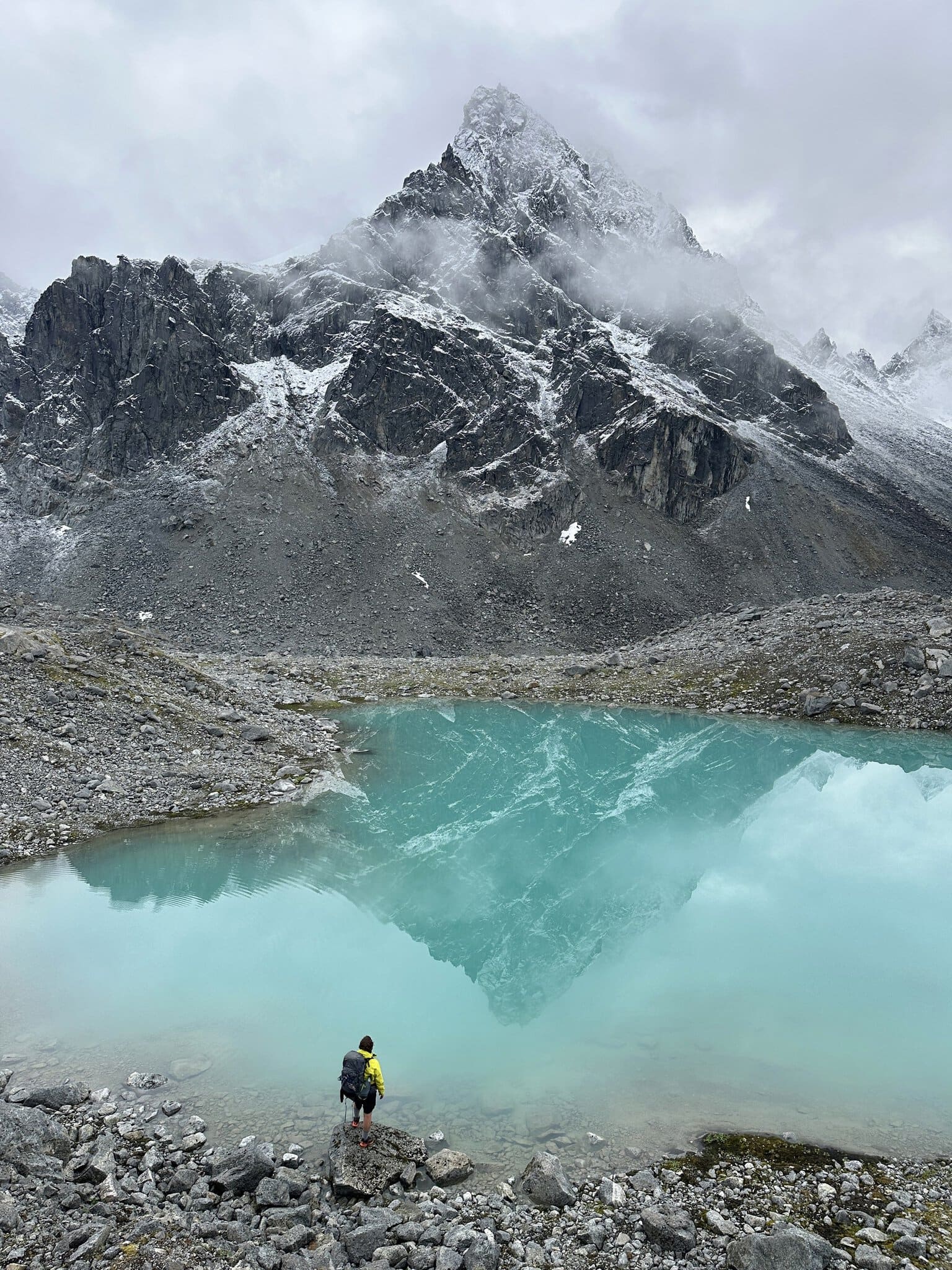
Yoho National Park, Canada: 10 Best Things to See and Do (Emerald Lake, Takakkaw)

TL;DRYoho National Park in British Columbia is all about the emerald waters of Emerald Lake, where you can hire a canoe (90 CAD/hour) and walk the 6 km loop around the lake in about 2.5 hours. Add to that the 384-metre Takakkaw Falls and the Natural Bridge rock formation over the Kicking Horse River. Ten more tips cover the turquoise waters of Lake O’Hara (the shuttle bus takes only 42 people a day, tickets 24.50 CAD), the Burgess Shale fossil beds, the tough Iceline Trail and the easy stroll to Wapta Falls. Entry costs around 11 CAD a day or 75 CAD for an annual pass. The best time to visit is late June to early September, and one day covers the basics, while longer hikes need two to three days. You can base yourself in the village of Field, in Lake Louise, or find cheaper rooms in Golden.

When Lukáš and I lived in Canada back in 2017, we were incredibly lucky to call a place near Yoho Canada home. We were based right in Lake Louise at the time — an amazing experience, but honestly, during peak season the tourist crowds there could get a bit overwhelming. Every time we had a day off and wanted to escape the masses, we’d jump in the car and head west across the provincial border into British Columbia. It took just about thirty minutes, and suddenly we were in a completely different world. Welcome to Yoho National Park.

The name “Yoho” comes from the Cree language and means awe or wonder — and trust me, that’s exactly what you’ll feel the first time you see the emerald waters of Emerald Lake or the majestic Takakkaw Falls. Although Yoho sits right next to the famous Banff National Park, it’s considerably smaller, wilder, and thankfully a lot quieter. For us, it was an absolute favourite, and to this day I love flicking through our old photos from trips to Natural Bridge, where a wild river carves its way through solid rock. ☺️

So here are our 10 tips for things you absolutely shouldn’t miss in this stunning corner of the Canadian Rockies — whether you’re planning a quick stop on a road trip or want to pitch a tent and stay for a week. I’ll also share advice on where to stay, how the Yoho National Park day pass works, and how to arm yourself with patience when booking the iconic Lake O’Hara bus.

TL;DR

If you’re sitting in the car, sipping a coffee from Tim Hortons and just need a quick rundown, here’s the essential stuff at a glance:

  • The park’s star attraction: Don’t miss Emerald Lake. You can rent a canoe or walk around the entire lake on foot (it takes about 2.5 hours and it’s gorgeous).
  • The tallest waterfall: Takakkaw Falls is the second-highest waterfall in all of Canada, and you can drive right up to it (unless you have a very long caravan — the road has some seriously tight switchbacks).
  • Lake O’Hara: The most beautiful spot in the park, but you can’t get there without a bus reservation that sells out within seconds. On foot, it’s a tedious 11-kilometre forest road just one way.
  • Admission: You’ll need a Parks Canada Discovery Pass (if you’re in Canada for a longer trip) or you can buy a day pass at the gate.
  • Where to sleep: The closest place is the tiny village of Field, or alternatively neighbouring Lake Louise or the more affordable town of Golden.
  • Watch out for bears: You’re in the wilderness. Both grizzlies and black bears call this place home, so bear spray is an absolute must on every hike.

Where is Yoho National Park located and how to get there

If you’re typing “where is Yoho National Park located” into Google right now, let me save you the trouble. Yoho lies in the province of British Columbia, right on the western slopes of the Canadian Rocky Mountains. To the east, it borders Banff National Park, and to the south, Kootenay National Park. It’s a very compact park, and the Trans-Canada Highway (Highway 1) runs straight through it, making it incredibly easy to access.

The nearest major airport is in Calgary, Alberta. From there, it’s roughly a two-and-a-half-hour drive to the park via Banff and Lake Louise. If you’re flying in from the UK, you’ll find direct flights from London to Calgary with airlines like WestJet and Air Canada. We’ve had consistently great experiences with DiscoverCars for booking hire cars around the world, so I’d recommend sorting your rental right at the airport. Without a car, getting around Canada’s national parks is virtually impossible.

When entering the park, you’ll need a valid pass. You essentially have two options. You can buy a Yoho National Park day pass, which costs around 11 CAD (about €7.50) per person per day, or you can get an annual Parks Canada Discovery Pass (roughly 75 CAD / €50 per person, or 150 CAD / €100 for a whole vehicle). If you’re also planning to visit Banff, Jasper, and the Icefields Parkway, the annual pass will absolutely pay for itself after just seven days of travel.

When to visit Yoho and what the weather is like

The Canadian Rockies are stunning all year round, but if you want to tackle the best Yoho National Park hikes and see the lakes in their iconic turquoise glory, you need to come in summer. The ideal window is from late June to early September. Just bear in mind that mornings and evenings can be chilly even in July, and mountain weather can change from one minute to the next.

Winter in Yoho is magical, but many roads are closed. The road to Takakkaw Falls, for example, shuts down entirely for winter due to avalanche risk, and you’ll only reach Emerald Lake with proper winter tyres. If you’re a keen skier, you’ll appreciate the proximity of Kicking Horse Mountain Resort or the nearby Lake Louise Ski Resort — but for the average visitor, winter in the Canadian Rockies is more of a survival challenge than a holiday 😅.

Where to stay and how much camping costs in Yoho National Park

Finding accommodation inside the park is a bit of a challenge, because unlike Banff, there’s no big town here. The heart of the park is the village of Field, home to roughly 160 residents. It’s an absolutely charming little place full of small wooden houses, many of which operate as guesthouses. I’d highly recommend checking out the popular Truffle Pigs Lodge, which also has a fantastic restaurant, or the cosy Canadian Rockies Inn. Since accommodation is so limited, rooms tend to get booked months in advance and prices during peak season can climb to 200–270 € per night.

An alternative is to stay in nearby Lake Louise, which makes a strategic base for exploring both parks. That’s where we used to admire the majestic Fairmont Chateau Lake Louise. If you’re after something more budget-friendly and don’t mind a bit of a drive, the town of Golden in British Columbia (about an hour from Field) is a great option — you’ll find supermarkets and more affordable motels like the Travelodge by Wyndham. You can compare prices easily on Booking.com.

For nature lovers, the best option is of course camping in Yoho National Park. The park offers four main campgrounds, with Kicking Horse Campground being the most popular. Camping will set you back a very reasonable 20–27 € per night per campsite. Campgrounds typically open in May and close at the beginning of October. Make sure to book your spot through the Parks Canada reservation system as soon as bookings open in spring, because the best sites vanish within the first few hours.

10 best things to see and do in Yoho Canada

Right, let’s get into it. Here are the places Lukáš and I kept coming back to every chance we got, plus a few we didn’t manage ourselves but you absolutely should. We’ve packed in everything from our time spending every free moment soaking up this incredible corner of the Rockies.

1. Emerald Lake and the iconic canoes

Emerald Lake is the absolute jewel of the park and quite possibly one of the most photographed spots in all of Canada. As the name suggests, the water has an incredible emerald-green colour, created by fine rock flour from melting glaciers. Unlike Moraine Lake in Banff, this lake sits at a slightly lower elevation, which means it thaws earlier and is surrounded by lush green vegetation.

When I look back at our old Yoho National Park photos (still saved on my phone as IMG_4960 and so on), I can vividly recall the peacefulness of walking around the lake. The Emerald Lake Loop trail is just under six kilometres, almost entirely flat, and takes roughly two to two and a half hours at a leisurely pace. Along the way, you’ll spot plenty of wildflowers and might even encounter a moose — they love hanging out in the marshes at the back of the lake. I still remember the time we stood there watching a moose family grazing contentedly just a stone’s throw from us.

If you fancy a proper romantic experience, you can rent one of the iconic red canoes right on the shore. Be warned though — romance comes at a price. Canoe hire from The Emerald Sports and Gifts costs about 90 CAD (around €60) per hour. It’s not cheap, but the view of Mount Burgess from the middle of the lake is simply worth every penny.

2. Takakkaw Falls and the roaring water

The second-highest waterfall in Canada, plunging from an incredible height of 384 metres, is something that will absolutely blow you away. The word “Takakkaw” means “magnificent” in the Cree language — and honestly, they nailed it. Even the drive to the falls through the Yoho Valley is an unforgettable experience in itself.

The road is very narrow with several extremely tight switchbacks where longer vehicles and caravans actually have to reverse. But once you finally reach the car park, you’ll hear the thunderous roar of falling water long before you even catch a glimpse of the falls.

From the car park, a short paved path leads directly to the base of the waterfall. The closer you get, the wetter you’ll be — the icy spray from that height carries for dozens of metres. Try to arrive early in the morning or in the late afternoon to avoid the biggest crowds, and you might even spot a beautiful rainbow hovering above the cascading water. It’s an absolutely stunning sight.

3. Natural Bridge over the Kicking Horse River

This spot is incredibly easy to reach — it’s just a few minutes’ drive off the main highway on the road to Emerald Lake. Natural Bridge is a natural rock bridge that the wild Kicking Horse River has carved through massive limestone over thousands of years. Originally, a regular waterfall flowed here, but over time the water found its way through cracks beneath the rock and created this fascinating formation.

When we visited for the first time and snapped our photos (the famous IMG_4979 in our archive 😁), what fascinated us most was the sheer brute force of the water. The Kicking Horse River is no gentle stream — it’s a massive surge of blue-white water thundering beneath the rock bridge with a deafening roar.

There are viewing platforms along the river, and I’m genuinely asking you — please don’t climb over the railings for a better photo. The rocks are constantly wet and slippery, and this river takes no prisoners. The view from the platform is brilliant too, I promise. 😉 The whole visit won’t take more than half an hour, making it an ideal quick stop.

4. Lake O’Hara and the booking frenzy

This is the place that gets talked about the most in connection with Yoho, and simultaneously breaks the hearts of thousands of visitors every year. Lake O’Hara is an utterly pristine alpine area full of turquoise lakes, dramatic peaks, and golden larches. To protect this fragile environment, the park has imposed extremely strict limits — only 42 people per day can access the area by bus (not counting those staying at the expensive lodge or campground up there).

The bus runs only from 14 June to 7 October and a ticket costs 24.50 CAD (about €17). Sounds reasonable, but honestly, actually securing a reservation is more stressful than sitting your university finals 😅. Bookings open in spring (check the Parks Canada website for the exact date) and sell out in the blink of an eye. You’ll typically need five devices, lightning-fast internet, and a hefty dose of luck.

If you can’t snag a bus ticket, there’s still one option — you can walk. That means hiking 11 kilometres along a rather dull, wide forest road with a decent elevation gain just to reach the lake, then another 11 kilometres back. And that doesn’t even count the hikes you’ll want to do once you’re up there. We gave this one a miss, but I know people who did it and said the views at the top made every aching muscle worth it.

5. Fossils at the Burgess Shale

Did you know that Yoho is a UNESCO World Heritage Site? That’s thanks to the Burgess Shale, one of the most important palaeontological sites on the planet. Here you’ll find fossils of marine creatures over half a billion years old, with incredibly well-preserved soft tissues.

There’s a catch though — you can’t visit on your own. To reach the fossil beds at Mount Stephen or Walcott Quarry, you must join an organised guided hike led by Parks Canada. These are full-day treks (around 7 to 8 hours) and quite physically demanding, with steep ascents along the way. We didn’t manage to do this one in the end (our son Jonáš wasn’t born yet and I’ll be honest, I was a bit daunted by such a long slog), but if I could, I’d go in a heartbeat. If you’re fascinated by the history of our planet and evolution, this will absolutely captivate you. You can literally hold a rock in your hand and see the imprint of a creature from long before the age of dinosaurs.

6. Iceline Trail for keen hikers

If you’re a strong hiker looking for the best Yoho National Park hikes, the Iceline Trail is the cream of the crop. This roughly 20-kilometre loop takes you high above the Yoho Valley, where you’ll walk right alongside the edges of vast glaciers.

The view of Takakkaw Falls from the opposite slope is simply breathtaking. It’s a genuinely challenging full-day hike though, so bring plenty of water, snacks, and most importantly, wear proper footwear. If you need help choosing the right gear, check out our guide on how to pick hiking boots, because you won’t last five minutes on the Iceline Trail in trainers. The trail starts at the car park below Takakkaw Falls and passes several smaller waterfalls and glacial lakes along the way.

7. An easy walk to Wapta Falls

If you’re after something less strenuous, we’d recommend Wapta Falls. This massive waterfall — 30 metres high and 150 metres wide on the Kicking Horse River — is one of the largest by water volume in all of Canada.

The trail winds through forest, is about 2.5 kilometres one way, and is manageable for almost anyone, including families with children. At the end of the path, you can descend to a small clearing right at the base of the falls, where you’ll truly feel the immense power of the cascading water. The trail can get quite muddy after rain, so sturdy boots are advisable here too. This spot is far less crowded than Emerald Lake, so you can enjoy a bit of that true Canadian tranquillity.

8. Spiral Tunnels — an engineering marvel

Building the railway through the Rockies was a nightmare for Canadian Pacific in the nineteenth century. Trains at Kicking Horse Pass frequently derailed due to the impossibly steep gradient. Engineers came up with a brilliant solution — they bored spiral tunnels into the surrounding mountains. The train enters the mountain, loops around inside, and emerges several dozen metres higher or lower.

On Highway 1 you’ll find a viewpoint (Spiral Tunnels Viewpoint) from where you can watch this spectacle unfold. If you’re lucky enough to catch a long freight train, you’ll witness a curious sight — the locomotive is already emerging from the upper tunnel entrance while the tail end of the train is still entering the lower one. The train essentially crosses over itself. It’s a popular stop that takes just a few minutes, but the sight is well worth it.

lukas a lucka
Lukáš and Lucie recommend
Where to Stay in Yoho National Park
6 accommodations — wellness hotels, resorts and other lodging options

9. The charming village of Field

As I mentioned earlier, Field is essentially the only settlement within the national park. Make sure to stop here for at least a short wander. It has a wonderful intimate atmosphere — the houses are colourful and well-kept, with towering rock walls rising up on all sides.

There’s also a small visitor centre where you can pick up a printed Yoho National Park map, ask the rangers about current bear activity on the trails, and grab some souvenirs. Field has a rich railway history, which is evident from the local architecture and a small cemetery nearby.

10. Winter fun at Kicking Horse Mountain Resort

Although it lies just outside the boundaries of Yoho National Park in the town of Golden, I can’t leave out Kicking Horse Mountain Resort. In winter, it’s a fantastic ski resort for lovers of steep terrain and deep champagne powder.

In summer, the resort transforms into a paradise for mountain biking and is also home to a sanctuary for an orphaned grizzly bear named Boo. It might tug at your heartstrings to see a bear in an enclosure, but Boo has an enormous stretch of mountainside at his disposal — the sanctuary was built to save him after his mother was killed by a poacher. A gondola ride up to the Eagle’s Eye restaurant (the highest-elevation restaurant in Canada) is a luxurious experience in its own right.

Where to eat well in Yoho

Dining in Canadian national parks tends to be pricey and uninspiring, but Yoho has one brilliant exception. It’s called Truffle Pigs Bistro and you’ll find it right in the village of Field. It’s an absolute gem of a restaurant with a laid-back atmosphere, excellent craft beer, and food you’d never expect in a tiny hamlet in the middle of the mountains. They serve superb beef ribs, fantastic burgers, and incredible desserts. It gets packed in summer, so I’d recommend arriving outside the main lunch and dinner rush — or just queue up, because it’s genuinely worth the wait.

If you’re in the mood for something more romantic and want to splash out, head to the Mount Burgess Dining Room at Emerald Lake Lodge. Lukáš and I celebrated our anniversary there, and I’ll remember the view from the window across the emerald surface of the lake for the rest of my life. They specialise in local British Columbia produce and Alberta beef.

Where to go next: What to see nearby

From Yoho, we continued east and honestly, we could have kept driving forever. Here’s what awaited us along the way:

  • Lake Louise: The neighbouring gem with Canada’s most famous lake and our former home.
  • Banff National Park: A Canadian classic with a bustling town, hot springs, and the iconic Moraine Lake.
  • Icefields Parkway: One of the most beautiful roads in the world, taking you from Lake Louise all the way to Jasper National Park past dozens of glaciers and waterfalls.

Practical tips before you go

Before you start packing your rucksack and booking flights, I’ve put together a few purely practical bits to keep in mind. I know what it’s like to plan a big trip to Canada, and sometimes it’s the most basic details that slip through the cracks.

When Lukáš and I first set off to explore the Rockies, we made plenty of rookie mistakes ourselves — from unnecessarily expensive mobile roaming to underestimating travel insurance, which in mountain terrain is something you really can’t afford to skimp on. I hope these tips will save you not just a lot of stress, but a fair bit of money too.

Hiring a car for your road trip

Having your own car is an absolute must for exploring Canada’s national parks. Buses run reasonably well between major cities, but they won’t drop you at trailheads, which means you’d be stuck with overpriced organised tours. We regularly use the comparison site DiscoverCars.com, where you can filter all available branches right at the major airports.

When choosing your vehicle, definitely consider a larger SUV, especially if you’re planning to venture beyond the main paved roads. Some access roads to more remote lakes can be gravel or full of potholes, so higher ground clearance is a real bonus. Plus, in a more spacious car, you can always have an emergency kip if a storm catches you out.

Don’t forget proper travel insurance

Medical care in Canada is astronomically expensive, and it’s definitely not something you want to pay out of pocket. A broken leg on a trek or a simple case of appendicitis without proper insurance could cost you tens of thousands of pounds — and that would be a pretty miserable souvenir from your holiday. For longer trips and our nomadic lifestyle, we prefer SafetyWing (have a look at our SafetyWing review too).

For shorter holidays of around two weeks, we’ve also had great results with providers like True Traveller, which is well-known among British travellers. Always read the policy terms carefully and check whether your cover includes mountain hiking above certain altitudes. We also like to add helicopter rescue cover, just in case.

Staying connected on the road

Local Canadian SIM cards from carriers like Bell or Rogers are outrageously expensive for visitors, and the data allowances are laughably small. You can easily end up paying over £50 for just a few gigabytes. Luckily, we discovered this in time and solved it neatly with an eSIM from Holafly.

You can buy one conveniently online from home, load it onto your phone via a simple QR code, and your data kicks in the moment you land. It’s such a relief not having to dash around the airport hunting for a carrier shop. Just make sure beforehand that your smartphone actually supports eSIM technology.

FAQ — Frequently asked questions about Yoho National Park

I’ve gathered the most common questions I get from readers planning a trip to Yoho. If there’s anything I’ve missed, feel free to drop me a message.

Which town is closest to Yoho National Park?

The small village of Field is located right inside the park. The nearest major tourist hub to the east is Lake Louise (in Alberta, 30 minutes away) and to the west is the town of Golden (in British Columbia, about 45 minutes away). Both of these towns offer much wider options for accommodation and shopping.

What are the must-see attractions in Yoho National Park?

The absolute essentials are Emerald Lake with its canoe rentals and Takakkaw Falls, which is one of the highest waterfalls in Canada. Also definitely worth a quick stop is the Natural Bridge, a natural rock bridge over the Kicking Horse River.

Are there grizzly bears in Yoho National Park?

Yes, Yoho National Park is home to both species of bears: grizzlies and black bears. When hiking, travel in groups, make noise, and always keep bear spray accessible. Never leave food or scented toiletries in your tent overnight.

How many days do I need to explore Yoho?

For the basics—visiting Emerald Lake, Natural Bridge, and Takakkaw Falls—one full day is plenty. However, if you want to tackle longer hikes like the Iceline Trail or try to secure a permit for Lake O’Hara, plan for at least two to three days.

Do I need to buy a ticket to enter Yoho?

Yes, like all Canadian national parks, you need a valid day pass for each day of your visit. You can pay the fee at the visitor center in Field or at park entrance gates. For longer trips, we recommend the annual Parks Canada Discovery Pass.

Where can I find a downloadable map of Yoho National Park?

You can get a free printed map at any Parks Canada visitor center. If you prefer a PDF version, you’ll find it available for download directly on the official Parks Canada website in the Yoho section. We also recommend the AllTrails app for detailed offline trail maps.

Can you swim in Yoho?

Technically yes, but practically it’s only for the truly brave. The water in the lakes, including Emerald Lake, comes straight from glaciers, so even in the middle of a hot summer the temperature rarely exceeds 5°C (41°F). For most people, that means a quick dip and an immediate scramble back out 😅.

Tips and Tricks for Your Vacation

Don’t Overpay for Flights

Search for flights on Kayak. It’s our favorite search engine because it scans the websites of all airlines and always finds the cheapest connection.

Book Your Accommodation Smartly

The best experiences we’ve had when looking for accommodation (from Alaska to Morocco) are with Booking.com, where hotels, apartments, and entire houses are usually the cheapest and most widely available.

Don’t Forget Travel Insurance

Good travel insurance will protect you against illness, accidents, theft, or flight cancellations. We’ve had a few hospital visits abroad, so we know how important it is to have proper insurance arranged.

Where we insure ourselves: SafetyWing (best for everyone) and TrueTraveller (for extra-long trips).

Why don’t we recommend any Czech insurance company? Because they have too many restrictions. They set limits on the number of days abroad, travel insurance via a credit card often requires you to pay medical expenses only with that card, and they frequently limit the number of returns to the Czech Republic.

Find the Best Experiences

Get Your Guide is a huge online marketplace where you can book guided walks, trips, skip-the-line tickets, tours, and much more. We always find some extra fun there!
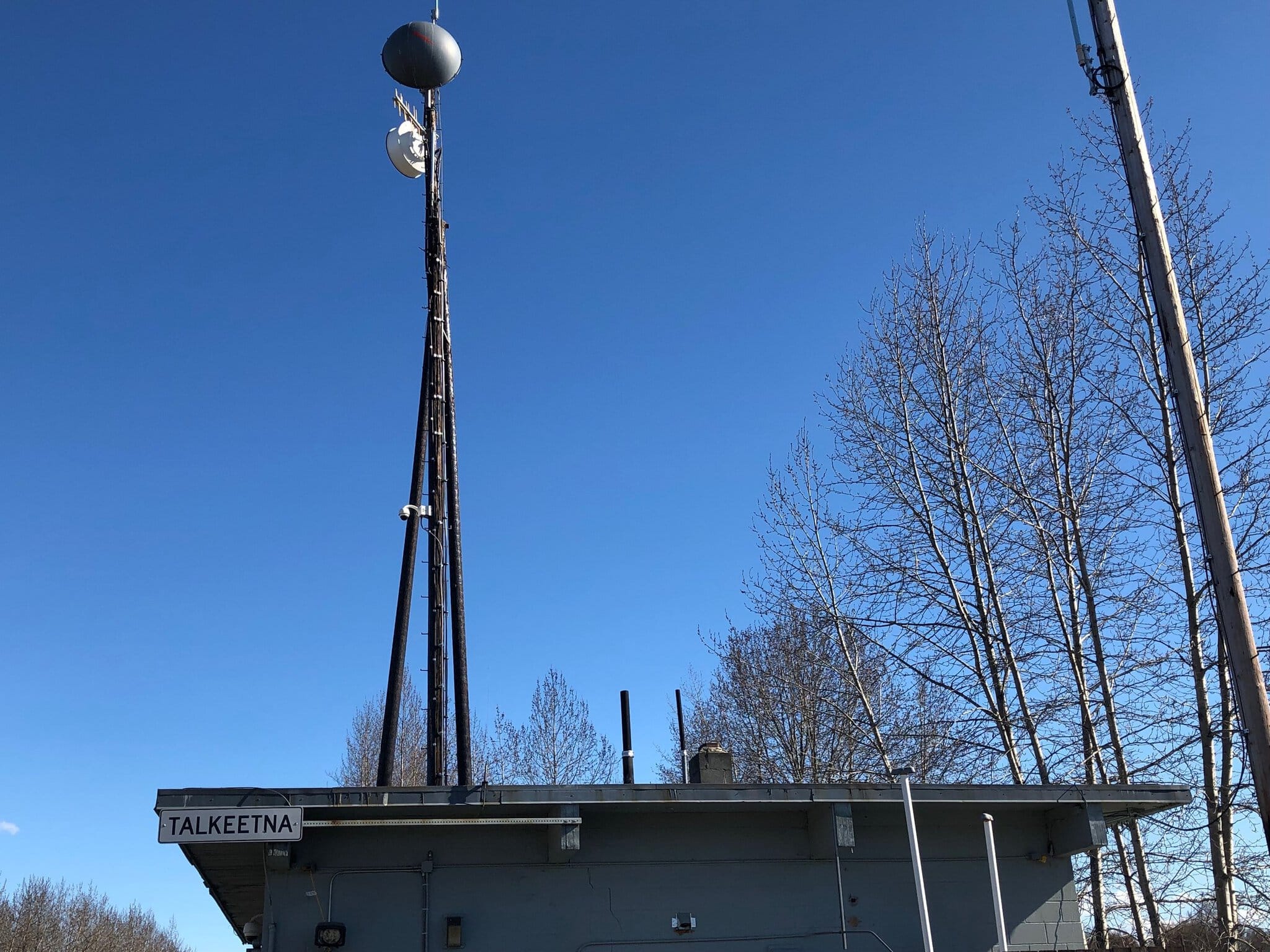
Okanagan, Canada: 20 Tips for Wine, Lakes & Hot Springs

TL;DRThe Okanagan Valley in southern British Columbia has over 180 wineries, warm-water swimming at Okanagan Lake, Skaha Lake, Kalamalka Lake and Osoyoos Lake, farmers’ markets piled with fresh fruit, and the Myra Canyon trestle trail with its 18 wooden bridges. The best time to go is June to September, ideally late August or early September, when harvest is in full swing and the fruit’s at its best. Base yourself in lively Kelowna or the quieter Penticton, near the legendary Naramata Bench. Tastings run 15 to 30 CAD, and a double room in season costs 250 to 450 CAD a night. Genuine hot springs, such as Halcyon Hot Springs or Ainsworth Hot Springs, are actually over in the neighbouring Kootenays, not right by Okanagan Lake itself. Strict drink-driving laws make it worth booking a guided tour with a driver for winery hopping.

The Canadian Okanagan Valley is a place you probably never think of when someone mentions western Canada. Most people instantly picture the snow-capped peaks of the Rockies, grizzly bears, and turquoise glacial lakes. But then you cross the mountains heading west, and suddenly the landscape begins to change dramatically. The air warms up, pine forests give way to orchards bursting with peaches and cherries, and everywhere you look, rows of grapevines cascade down towards the deep blue surface of a massive lake. The first time I saw it, I thought I was dreaming. Welcome to Okanagan Canada — a destination that completely rewrote everything I thought I knew about this country.

This corner of British Columbia is genuinely paradise on earth, and I’m honestly surprised that so few European tourists include it on their road trips. When we were working in Calgary back in 2016 and 2017, we drove out here on our very first mini road trip — it’s a favourite holiday spot for Albertans. Each visit was completely different, but they all had one thing in common: incredible food, world-class wine, and swimming in lakes that feel more like the Mediterranean in summer.

So come along — let me take you on a practical little guide. I’ll show you the wineries worth stopping at, the beaches where we spent entire lazy afternoons, and we’ll tackle the number one problem: who’s going to drive after all those tastings. 😅

TL;DR

  • Where is it and how to get there: The Okanagan Valley lies in the southern part of British Columbia, roughly a 4-hour drive from Vancouver or 7 hours from Calgary. You’ll absolutely need a rental car to explore the area.
  • Best base: Kelowna is the largest and liveliest town with the best amenities, while Penticton to the south is quieter and has a wonderful beachy atmosphere.
  • Top highlights: Wine tastings (there are over 180 wineries), swimming in warm lakes, farmers’ markets with fresh fruit, and cycling the historic Myra Canyon rail trail.
  • Watch out for driving: Canada has zero-tolerance drink-driving laws, and Uber barely works outside Kelowna. Always book an organised wine tour or a car with a driver for your tasting days.
  • Prices: The Okanagan isn’t exactly a budget destination — especially in the summer season, expect to pay a premium for accommodation and tastings.

When to Go and How to Get There

If you’re planning a holiday where you want to sip wine on sun-drenched terraces and swim in warm lakes, the best time to visit is hands-down June to September. Just be prepared for seriously scorching heat in July and August — summer temperatures regularly climb above 35°C, and in Osoyoos at the very southern tip, where Canada’s only semi-desert sits, it gets even hotter. We preferred visiting in late August or early September, when the punishing heat had eased off, the grape harvest was kicking in, and the best fruit was ripening on the trees.

As for getting there, you simply can’t manage without a car. If you’re flying in from the UK, you’ll most likely land in Vancouver, from where it’s a scenic four-hour drive to Kelowna, or in Calgary, which is about seven hours away through stunning national parks. For finding the best rental deals, Lukáš and I have had consistently great experiences with DiscoverCars, which we use worldwide to compare prices. Direct flights from London Heathrow to Vancouver are available with British Airways and Air Canada, and WestJet runs connecting flights from Vancouver to Kelowna if you’d rather skip the drive. For the cheapest fares, we always search on Kiwi — it’s our go-to flight comparison tool.

Where to Stay and How Much a Holiday Costs

I need to give you a fair warning right off the bat: the Okanagan Valley is considered a premium summer destination in Canada, and prices reflect that. While you can find reasonable deals outside peak season, accommodation costs skyrocket in July and August, and the best hotels tend to sell out months in advance.

Think carefully about where you base yourself, because distances around the lakes are bigger than they appear on the map. Driving from Kelowna to Osoyoos can easily take over two hours. We often stayed in Kelowna with our Canadian friends because it has the most restaurants and the best nightlife. When Lukáš and I were travelling in our van, we preferred quieter campsites further south near Penticton.

For a double room in a nice hotel with a pool, expect to pay an average of 250 to 450 CAD per night in summer (roughly €170 to €300). Campsites are naturally cheaper, running around 40 to 60 CAD per night (about €27–€40), but you need to book them the very second the reservation system opens in spring — otherwise, you haven’t got a chance. Wine tastings at most wineries cost between 15 and 30 CAD (€10–€20), though if you buy a bottle afterwards, the tasting fee is often waived.

Where to Stay

Choose your base depending on the vibe you’re after. Here are the areas that offer the most bang for your buck.

  • Kelowna: The hub of all the action. Perfect for those who want top-notch restaurants, a lakeside promenade, and the most famous large wineries at their doorstep. For a beautiful and very luxurious stay, check out the Delta Hotels by Marriott Grand Okanagan Resort right on the lake.
  • Penticton: The ideal compromise. The town sits right between two lakes, has a much more laid-back, surfer-style atmosphere than Kelowna, and from here you can cycle to the legendary Naramata Bench.
  • Osoyoos: The southernmost tip of the valley, perfect for lovers of serious heat and bold red wines. It looks almost like Mexico down here, and the lake water in summer is practically bath temperature. The Spirit Ridge resort offers fantastic vineyard views.

Okanagan Canada: 13 Things to See and Do in Canada’s Napa Valley

The valley offers an incredible range of experiences — and it’s far from just about drinking wine. Let’s dive into the best things to do in Okanagan Canada, whether you’re after active adventures on a bike, a refreshing swim, or simply want to discover the most beautiful viewpoints with a chilled glass of Chardonnay in hand.

1. Kelowna and the Iconic Mission Hill Winery

Kelowna is essentially the capital of the entire valley, and you definitely shouldn’t skip it. Head into town and stroll along the Waterfront Park promenade, where you can walk along the lakeshore, grab an enormous ice cream, and watch the boats go by. The city has a wonderfully relaxed, almost spa-town atmosphere, full of charming little cafés and excellent bistros.

But if you want a real wow moment, you need to drive just outside the city to Mission Hill Family Estate on the western shore. It looks like something straight out of Tuscany, complete with a grand bell tower and jaw-dropping architecture. I’ll be honest — their wines aren’t the cheapest, and you absolutely need to book your tasting in advance. But the view from their terrace over the lake near Kelowna is genuinely worth it, even if you only go for a single glass.

2. The Mystery of Okanagan Lake and the Ogopogo Monster

Okanagan Lake is an absolutely massive body of water — it stretches an incredible 135 kilometres in length and plunges over 230 metres at its deepest point. It’s the lifeblood of the entire valley, and no matter where you’re staying, you’ll always find yourself drawn back to it. You can rent paddleboards, pedal boats, or hire a motorboat and explore the countless hidden little coves dotted along the shoreline.

The lake also has one enormous quirk that Canadians absolutely adore. According to an old Indigenous legend, a monster called Ogopogo lives in its depths — think of it as Canada’s answer to the Loch Ness Monster. It’s obviously more of an endearing bit of local folklore — you’ll find Ogopogo statues around town, plus plush toys and T-shirts in every gift shop. But I have to admit, when we sat on the beach one evening staring out at the dark lake surface, the local mystical atmosphere definitely got under our skin. 😅

3. Cycling the Naramata Bench

If you ask me what the absolute best thing we did in the Okanagan was, I’d say Naramata Bench without a moment’s hesitation. It’s an elevated area near Penticton that’s home to an incredible concentration of small, family-run wineries. The road winds through rolling hills, offering fantastic lake views at every turn, and every few hundred metres you’ll spot a sign beckoning you in for a tasting.

The best way to explore Naramata is to rent a bike in Penticton (an e-bike is a smart choice — those hills can be a proper workout) and head out for a ride. There’s no need to worry about traffic; drivers here are very considerate because everyone knows the roads are full of tourists on wine-tasting adventures. Make sure to stop at Poplar Grove for stunning views and at Hillside Winery for excellent food.

4. Summer Vibes in Penticton and Skaha Lake

When you head south from Kelowna to Penticton, you’ll instantly feel the change in atmosphere. While Kelowna is slightly upscale and buzzy, Penticton is the embodiment of Canadian summer in flip-flops. The town sits on a narrow strip of land — Okanagan Lake washes its northern shore, while the considerably warmer Skaha Lake borders it to the south. You can hit one beach in the morning and the other in the afternoon.

If you visit in August, you might just catch the famous Peach Festival — a huge local event celebrating the peach harvest with live music, parades, and mountains of food. Another brilliantly fun activity is floating down the local irrigation channel. You buy a giant inflatable ring and simply let the current carry you from one lake to the other. It’s an absolute laugh, especially if you do it with a group of friends.

5. Organised Wine Tours — aka Who Is Going to Drive

This is an absolutely crucial point for anyone planning to taste wine. Canadian drink-driving laws are incredibly strict — the so-called zero tolerance here isn’t just an empty phrase. Police regularly set up checkpoints near wine regions, and there’s simply no getting away with having a couple of glasses in the sunshine and then getting behind the wheel. When we were with friends, one person always volunteered to be the designated driver for the day.

If you don’t want to hold back, the best solution is to book an organised wine tour. Plenty of companies operate in both Kelowna and Penticton — they’ll pick you up from your hotel in a minibus or even a limousine, whisk you around three or four pre-arranged wineries, sort out all the tastings, and then deliver you safely back afterwards. Uber used to be almost non-existent here; it does work in Kelowna these days, but definitely don’t rely on it in the more remote parts of the valley near smaller wineries.

6. Osoyoos and Canada’s Only Semi-Desert

If you keep driving south almost to the US border, you’ll reach the town of Osoyoos. The landscape changes colour once again — everything turns golden, and you suddenly find yourself in Canada’s only true semi-desert. Cacti grow here, you might spot a rattlesnake, and the summer heat is almost unbearable — which works wonders for the local grapes, producing full-bodied, bold red wines.

I highly recommend visiting Nk’Mip Cellars, which is the first Indigenous-owned winery in North America, run by the Osoyoos Indian Band. Alongside fantastic wines, you can pop into their desert cultural centre, where you’ll learn all about the history of this unique landscape and the culture of its Indigenous people. The water in Osoyoos Lake is the warmest in all of Canada — swimming here genuinely feels like stepping into a warm bath.

7. Cherries and Roadside Farm Stands

While the Okanagan region is best known for its wine, it’s also a massive fruit bowl. The moment you turn off the main highway onto the smaller back roads, you’ll keep stumbling upon charming little wooden farm stands selling fruit picked fresh from the tree. Prices aren’t that much lower than the supermarket, but the flavour is absolutely incomparable. We once bought a kilo of cherries at one of these stands, and I thought there was no way we’d finish them. We polished them off within an hour, standing right next to the car.

Cherry season peaks from late June through mid-July, and later in summer come the juiciest peaches and apricots I’ve ever tasted. Many farms also offer U-Pick experiences — they hand you a basket, you head into the orchard and pick whatever catches your eye, then weigh and pay at the exit. It makes for a lovely afternoon activity.

8. Cycling the Kettle Valley Rail Trail (KVR)

For those days when your head’s a bit sore from wine and you need some exercise, there’s the absolutely phenomenal historic KVR Trail — a former railway line converted into a cycling path. The most famous and most beautiful section is called Myra Canyon, set high in the hills above Kelowna. That particular day, Lukáš and I decided to be healthy and swap wine for bikes. Good call — at least until we realised the end of the trail was rather far from the start. 😅 You can rent a bike right at the trailhead and ride along the flat, old railway bed.

The real magic lies in the route crossing 18 original wooden railway trestle bridges and passing through two tunnels carved into the rock. Since you’re at a fair elevation, the views down into the valley are absolutely breathtaking. Most people just ride this section, but if you’re a keen cyclist, you can follow the trail for days across the entire region.

9. Hot Springs and Spa Retreats

While summer in the Okanagan is all about cooling off in lakes, if you visit in spring or autumn, you’ll definitely be tempted by hot springs. I should set expectations straight, though, because lots of people search for hot springs right by the lake. There aren’t any natural hot springs directly in the valley itself — but you just need to drive a short distance east into the Kootenays region, which borders the Okanagan and makes for a perfect road trip loop.

If your schedule allows, drive over to Arrow Lake to soak in Halcyon Hot Springs, or head to the magical caves of Ainsworth Hot Springs, where you can float through warm water inside rock tunnels full of stalactites. If you’d rather not leave the Okanagan, a great alternative on chillier days are the excellent wellness centres at the top hotels in Kelowna — for instance, Sparkling Hill Resort, which is entirely adorned with Swarovski crystals and offers luxury treatments with a view.

lukas a lucka
Lukáš and Lucie recommend
Where to Stay in Okanagan
3 accommodations — wellness hotels, resorts and other lodging options

10. Munson Mountain at Sunset

When you’re in Penticton and wondering where to sit and watch the sunset, head to Munson Mountain. It’s a fairly unassuming hill right above town, with huge white letters spelling out PENTICTON arranged on its slope — a bit like a Canadian version of the Hollywood sign.

The walk up is totally easy — about ten minutes from the car park — and at the top, you’ll find a bench, views over both lakes, and absolute peace and quiet. It pairs perfectly with a takeaway pizza and a bottle of local wine, which is exactly what Lukáš and I did every single time. ☺️

11. Kalamalka Lake Near Vernon

Right at the northern end of the Okanagan region, about forty-five minutes past Kelowna, lies the small town of Vernon. Most tourists turn around in Kelowna, but that’s a huge mistake — they’d be missing out on Kalamalka Lake, which is rightfully nicknamed the Lake of a Thousand Colours.

The water in this lake is full of tiny limestone crystals, and as it warms up through the summer and the sun hits it at different angles, the colour shifts from deep blue to a brilliant turquoise reminiscent of the lakes in Banff or Lake Louise. A large provincial park surrounds the lake with plenty of hiking trails, making it a great way to escape the biggest crowds that tend to gather further south.

12. Winter Escape to Big White Ski Resort

Although I’ve been writing about Canadian summers and swimming this whole time, I can’t forget what happens here in winter. When the vineyards disappear under snow and the valley fills with inversion clouds, life doesn’t stop — it just moves up into the hills. Less than an hour’s drive from Kelowna sits Big White Ski Resort, one of the most popular family ski resorts in Canada.

Big White Ski Resort near Kelowna
Big White Ski Resort near Kelowna (Photo: Hamedog at en.wikipedia / Wikimedia Commons, CC BY-SA 3.0)

The snow here supposedly has some of the best quality in the world. Lukáš and I have only been here in summer so far, but every friend who’s skied there raved about it. The so-called “snow ghosts” — trees wrapped in thick layers of snow and ice — look like something out of a horror film on photos. In a good way. 😅 The resort is designed as ski-in, ski-out, so you simply strap on your skis outside your cabin door and ride straight down to the lift.

13. Hiking and Bear Safety

You can’t go to Canada and not do at least one proper hike. The hills surrounding the Okanagan lakes are threaded with hundreds of kilometres of trails at various difficulty levels. In Kelowna, the Knox Mountain hike is hugely popular — you get a bird’s-eye view of the entire city from the top. Near Penticton, you can tackle the Skaha Bluffs, a favourite destination for rock climbers and hikers alike, where you wind your way between towering rock formations.

Hiking in the Okanagan — view of the lake
Hiking in the Okanagan — view of the lake (Photo: Lewin Bormann / Wikimedia Commons, CC BY-SA 2.0)

Even though you’re close to civilisation and surrounded by orchards and farms, you’re still in Canada and firmly in bear territory. Especially in autumn, when the fruit ripens, black bears often wander down from the mountains looking for an easy meal. Always carry bear spray on longer hikes, make plenty of noise, and check with locals about the current situation in whichever park you’re heading into.

Where to Eat and Drink

Canadian cuisine might not have the global fame of French or Italian food, but the Okanagan plays by different rules. Most good restaurants here cook with ingredients from neighbouring farms — the veg comes from the field next door, and the wine from the vineyard across the road. You can taste the difference on the plate immediately.

For a truly luxurious gastronomic experience, book a lunch table at one of the big winery restaurants — for example, Quails’ Gate Estate Winery. Their outdoor terrace overlooking the lake is pure romance.

In Penticton, I recommend the excellent café and bistro The Bench Market — they do brilliant coffee and fantastic avocado toast. For something more casual, when hunger strikes after an afternoon swim, keep an eye out for the food trucks around town. You’ll often stumble upon excellent Asian fusion or proper homemade burgers.

Where to Go from the Okanagan

If you’ve got more time in Canada and want to keep exploring, the Okanagan Valley is a brilliant springboard for further adventures. On our western Canada road trip, we had countless magical moments. Don’t miss these guides:

View of Fairmont Chateau Lake Louise from the Big Beehive trail
  • Our guide to cosmopolitan Vancouver — it might rain a bit more there, but you’ll fall head over heels for the city.
  • Our tips for the national parks and the iconic Lake Louise in the nearby Rocky Mountains.
  • If you fancy a longer stay, we’ve put together a complete guide to working in Canada and getting your visa sorted.

Practical Tips to Finish

When travelling overseas, never underestimate the importance of good travel insurance — healthcare in Canada is eye-wateringly expensive. We’ve been loyal fans of SafetyWing for years, and it covers us even on long-term trips. For staying connected in the Okanagan so you always have navigation to the next winery at your fingertips, I personally use an eSIM from Holafly — check out our Holafly review so you know what to expect.

Frequently Asked Questions (FAQ)

Here are answers to the most common questions you might have before your trip to the Okanagan Valley.

Where can I get a map of Okanagan Lake with tips for the best spots?

You can get the best map of the entire Okanagan Lake area (and the lake in general) with marked wineries for free at any tourist information center in Kelowna or Penticton. However, Lukáš and I prefer saving points directly in Google Maps, where we can see current opening hours for individual farm stands and wineries, which change frequently.

Is it safe to swim in the lakes in Okanagan?

Yes, swimming is completely safe and it's one of the main activities during summer months. Just watch out for boats and jet skis if you're swimming far from designated beach areas. Don't worry—no Lake Okanagan monster is going to drag you under! 😁

Do I really need reservations for every winery?

For the most famous and largest ones, yes—especially on summer weekends. At smaller family-run wineries, you can often just show up on your bike, knock on the door, and they'll happily take care of you. In fall after the season, things are generally much more relaxed.

How much money should I budget for a weekend stay?

Okanagan isn't the cheapest destination. For a weekend for two people, plan on around €400-600 (about 600-900 CAD) if you want to stay in a nice hotel, go on two organized tastings, and eat at restaurants. Camping and bringing your own food will obviously cut costs dramatically.

What animals might I encounter in the valley?

Okanagan is interesting for its warm climate, so in the southern semi-desert areas you might even come across rattlesnakes (though they usually keep to themselves). In the hills around the towns, black bears and deer move around quite frequently—there are tons of them—so be very careful on the roads at dusk.

Can you get around Okanagan using public transportation?

To be completely honest, no. While bus connections between cities like Kelowna and Penticton do exist, you simply can't visit wineries, viewpoints, and national parks without your own car.

Can you see the Northern Lights from Kelowna?

Even though you're in Canada, Kelowna is located quite far south, so seeing the Northern Lights here is pretty rare. During strong solar storms, you can occasionally spot them low on the northern horizon, especially if you head outside the city to dark spots without light pollution. But the experience isn't as intense as in the northern parts of the country.

Tips and Tricks for Your Vacation

Don’t Overpay for Flights

Search for flights on Kayak. It’s our favorite search engine because it scans the websites of all airlines and always finds the cheapest connection.

Book Your Accommodation Smartly

The best experiences we’ve had when looking for accommodation (from Alaska to Morocco) are with Booking.com, where hotels, apartments, and entire houses are usually the cheapest and most widely available.

Don’t Forget Travel Insurance

Good travel insurance will protect you against illness, accidents, theft, or flight cancellations. We’ve had a few hospital visits abroad, so we know how important it is to have proper insurance arranged.

Where we insure ourselves: SafetyWing (best for everyone) and TrueTraveller (for extra-long trips).

Why don’t we recommend any Czech insurance company? Because they have too many restrictions. They set limits on the number of days abroad, travel insurance via a credit card often requires you to pay medical expenses only with that card, and they frequently limit the number of returns to the Czech Republic.

Find the Best Experiences

Get Your Guide is a huge online marketplace where you can book guided walks, trips, skip-the-line tickets, tours, and much more. We always find some extra fun there!
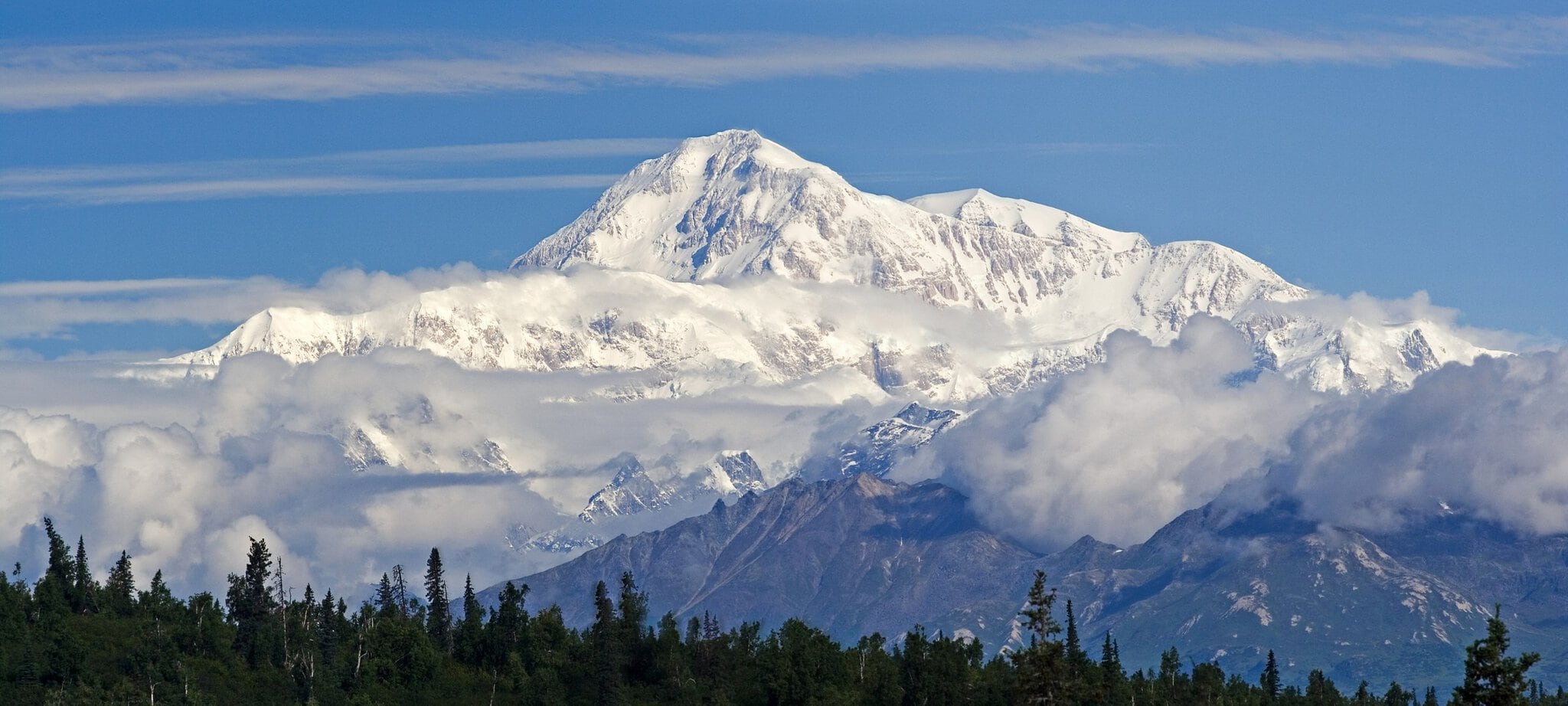
Edmonton, Canada: 15 Tips on What to See and Do

TL;DREdmonton packs in 15 solid tips on what to see and do: the vast West Edmonton Mall (the world’s third-largest, complete with a water park and roller coaster), the green sweep of the Edmonton River Valley (22 times bigger than Central Park), the glass pyramids of the Muttart Conservatory, the hipster Old Strathcona district around Whyte Avenue, the Royal Alberta Museum and the Art Gallery of Alberta, summer festivals like K-Days and the Fringe Theatre Festival, and a bison safari in Elk Island National Park, just 40 minutes from the city. The best time to visit is July and August, when it sits around 23°C, and 2–3 nights in the city is enough. A room costs roughly 150–250 CAD a night. Edmonton also works as the best northern gateway to Jasper National Park, 365 kilometres away — a 4–5 hour drive along Highway 16.

Edmonton doesn’t usually make the shortlist when people plan a trip to western Canada. Most travellers automatically fly into Calgary and head straight down to Banff. But if you want to experience the majestic Jasper National Park to the north without having to drive the entire route back and forth, Edmonton makes perfect sense as a base. Although it’s a city that travellers often overlook — treating it as little more than a one-day layover — the reality of the things to do in Edmonton, Canada might pleasantly surprise you.

During our thorough exploration of everything Edmonton and Canada have to offer, we discovered that this city in the middle of Alberta’s endless prairies has an atmosphere that genuinely caught us off guard. We expected an industrial prairie city; what we got was a festival frenzy where one massive event follows another all summer long. There’s a shopping centre so enormous it houses its own amusement park and a giant beach, and just beyond the city limits, huge herds of bison roam freely and will happily block your car on the road.

So, let’s get into it. I’ll be your guide from the best coffee shops to the bonkers shopping mall with its own roller coasters, all the way to how to get from here to the glaciers of Jasper as smoothly as possible — whether you’re planning two nights or a whole week.

TL;DR

  • Why visit Edmonton: It’s the perfect northern gateway to Jasper National Park, and the city proudly holds the title of “Festival City” — meaning summers are packed with an incredible atmosphere of live music, theatre, and street food.
  • Biggest oddity: West Edmonton Mall is the third-largest shopping centre in the world, and inside you’ll find a massive water park with artificial waves, an ice rink, and a fully functioning roller coaster alongside hundreds of shops.
  • Where to stay: Ideally around Whyte Avenue for lovers of independent cafés and nightlife, or Downtown for easy walking access to museums, galleries, and stunning river views.
  • Nature in the city: Edmonton River Valley is the largest connected stretch of urban parkland in North America — 22 times larger than New York’s Central Park — with hundreds of kilometres of cycling trails.
  • Just outside town: A mere 40-minute drive east lies Elk Island National Park, where you can safely observe free-roaming bison, elk, and plenty of waterfowl right from your car.
  • Road to Jasper: From Edmonton, it’s roughly 365 kilometres to Jasper via Highway 16 (the Yellowhead Highway) — about 4 to 5 hours of easy driving through flat prairie that gradually rises into dramatic mountain peaks.

When to Visit and How to Get to Edmonton

Planning a trip to Alberta takes a bit of strategic thinking. The local weather can be truly unforgiving — winters are long, dark, and brutally cold, with temperatures regularly dropping to minus thirty degrees Celsius and snow lingering for months on end. Let’s focus on when the best time to visit is for us mere mortals, and how to get here from the UK without spending two days stuck in airports.

We timed our visit perfectly in July — the city was buzzing with festivals, temperatures hovered around a pleasant 23°C, and there was live music somewhere every single evening. August is equally brilliant. Autumn in September brings gorgeous colours, but the nights are surprisingly chilly. If you’re heading straight to the mountains, the summer months have the huge advantage that virtually all high-altitude roads and trails are finally snow-free and safely passable.

When sorting out the practical details before your trip, keep in mind that Edmonton sits in the Mountain Standard Time (MST) zone. That means it’s 7 hours behind the UK (8 behind most of mainland Europe), so when you’re having your afternoon tea, they’re just waking up. If you’re flying from the UK, most connections will route you through Toronto, Montreal, or via major European hubs like Amsterdam or Frankfurt. You can find direct flights from London Heathrow with airlines like WestJet or Air Canada. Edmonton International Airport sits just south of the city, and you can reach the centre by bus number 747 or with a hire car — which you’ll absolutely need if your trip continues into the wilderness.

Where to Stay in Edmonton and How Much It Costs

Edmonton is a sprawling city by European standards, and choosing the right neighbourhood for your accommodation can save you a lot of time and frustration sitting in traffic. Canadian hotel prices can be a bit of a shock, especially during the peak summer season, but thankfully there’s a decent range from budget-friendly hostels to gorgeous luxury hotels overlooking the river valley.

A standard clean double room in a mid-range hotel will set you back roughly 150 to 250 CAD per night during summer (around €100 to €170). If you’re on a tighter budget, there are classic highway motels on the outskirts of the city or solid Airbnb apartments hovering around 100 CAD (about €65). But don’t forget one classic North American gotcha: the price you see online in Canada almost always has taxes added on top — usually another 9 to 11 percent — so don’t be caught off guard when you check out 😅. We’d recommend spending around two to three nights in the city, giving you plenty of time to soak up the atmosphere and stock up on supplies before heading towards the Rocky Mountains.

If you want to be right in the thick of the evening action and love long strolls between cafés and restaurants, your best bet is the area around Whyte Avenue in the Old Strathcona neighbourhood. It’s the hipster heart of the city — always buzzing — and you’ll find great boutique hotels like the Metterra Hotel on Whyte. On the other hand, if you’re travelling primarily with kids and your main goal is the famous mall with the amusement park, it makes sense to stay closer to the western part of the city — or even right inside the iconic Fantasyland Hotel, which has unbelievable themed rooms ranging from a space station to a Polynesian island. For classic city exploring of galleries and museums, Downtown is perfect — everything’s within walking distance, plus you can ride the glass funicular straight down into the beautiful green river valley.

12 Best Places to Visit and Things to Do in Edmonton

When people think of Edmonton, Canada, most immediately picture brutal winters, oil, and famous hockey — but the reality is far more colourful and diverse. Let’s take a detailed look at the very best this sprawling city has to offer, whether you’re into wild nature on the doorstep, modern art, colossal shopping centres, or pulsating summer festivals bursting with food and music.

1. West Edmonton Mall: A City Within a City

Lukáš and I promised each other we’d spend an hour there, tops. We came home four hours later. West Edmonton Mall is so absurdly vast that you lose all sense of time — it covers nearly fifty city blocks and is the third-largest shopping centre in the world. While we normally give mega-malls a wide berth on our travels, this place has a kind of indescribable, bizarre charm that makes you laugh and shake your head in disbelief at every turn. The official West Edmonton Mall website does offer a map, but trust me — you’ll get lost in there instantly.

Beyond hundreds of high-street and luxury shops and endless restaurant zones, you’ll find the enormous indoor World Waterpark with the largest artificial wave pool in North America and wild water slides. And as if that weren’t enough, right next door is Galaxyland — a massive indoor amusement park with a proper roller coaster whose cars zoom high above the heads of bewildered shoppers below. There’s even a professional NHL-sized ice rink and, in one of the main halls, an exact wooden replica of Christopher Columbus’s ship bobbing on an artificial lake. Entry to the mall itself and outdoor parking are free, but the big attractions come with fairly hefty admission fees.

2. Edmonton River Valley: The Green Heart of the City

After all that retail overload, we needed some fresh air, and Edmonton River Valley was exactly the right antidote. This valley is the largest continuous stretch of urban parkland in all of North America — twenty-two times bigger than Central Park, no less. The city with its modern skyline and glass towers sits high on the bluffs above the North Saskatchewan River, so getting down into the green valley means descending numerous wooden staircases or hopping on the convenient funicular. But once you’re down by the water, the noise of the city vanishes instantly and you feel like you’re deep in the wilderness.

It’s the best spot in the city to lace up a good pair of hiking boots and set off on endless walks, or rent a bike from one of the many hire shops. The network of paved and gravel trails stretches an incredible 160 kilometres and weaves through several massive interconnected parks. In the warm summer months, locals enthusiastically hire canoes and colourful paddleboards to cruise the wide river, while in winter — once a metre of snow has settled — all these parks transform into a beautifully maintained cross-country skiing paradise. Stunning views of the glass-towered skyline open up from many viewpoints along the valley edges, and at sunset the whole scene is pure romance.

3. Muttart Conservatory: Glass Pyramids Full of Life

When gazing across Edmonton’s skyline from the valley’s edge, you’ll inevitably notice four peculiar glass pyramids that look a bit like the entrance to the Louvre in Paris — but what’s inside is something else entirely. The Muttart Conservatory is essentially a beautifully designed indoor botanical garden, and for many locals it’s a lifeline during those endless, freezing winter months when they desperately need to see some fresh greenery, breathe in humid air, and warm up for a while.

Each of the three main pyramids represents a different global climate biome — there’s a tropical rainforest full of giant ferns, a temperate zone, and a stunning arid section bristling with prickly cacti. The fourth pyramid is special in that its exhibition changes throughout the year depending on the season, from spring blooms to winter holiday displays. Wandering through a steamy tropical jungle in your T-shirt while it’s bitterly cold outside and snow is piling up on the glass is a magical, almost meditative experience. Admission is around 15 CAD per adult (roughly €10), and a relaxed visit will take you just over an hour.

4. Whyte Avenue and the Historic Old Strathcona District

If you’re looking for the soul of the city, head south from the modern Downtown across the river to the historic Old Strathcona neighbourhood. Its main artery is Whyte Avenue, renowned for its relaxed, slightly hipster vibe, historic brick buildings, and an incredible concentration of independent shops, bakeries, and speciality coffee houses.

On weekends, the place really comes alive at the famous year-round Old Strathcona Farmers’ Market. It’s held in a large old hall where you can buy everything from fresh blueberries to artisan goat cheese and, of course, proper Canadian maple syrup in beautiful glass bottles from local farmers and producers. Come evening, the whole street transforms into a buzzing nightlife hub lined with excellent bistros and stylish pubs where locals enthusiastically pour craft beer from Alberta’s thriving brewery scene.

5. Hockey Madness and the Edmonton Oilers

Whether you’re a die-hard hockey fan who follows every match or couldn’t care less, the phenomenon that is the Edmonton Oilers simply cannot be ignored during your visit — because this city breathes hockey. The team, where the legendary Wayne Gretzky dazzled in the iconic 1980s and won multiple Stanley Cups, remains a massive source of pride not just for the city but for the entire province of Alberta. These days, superstar Connor McDavid tears up the ice, and whenever there’s a big game, practically every street is draped in blue and orange.

Games are played in the massive, ultra-modern Rogers Place arena, sitting right in the heart of Downtown in the fittingly named Ice District. The building boasts jaw-dropping modern architecture resembling a giant droplet of steel and gleaming glass. If you’re lucky enough to be in town during the NHL season — typically October through April — definitely try to grab tickets through official sellers. They’re not exactly cheap, but experiencing that incredible roar of a Canadian crowd rising from their seats is something you’ll never forget.

6. Royal Alberta Museum

Honestly, we went to the museum a bit out of duty, but the dinosaur skeletons on the ground floor won me over embarrassingly quickly — they’re enormous. And the section on Indigenous peoples (First Nations) is handled with such sensitivity and detail that we ended up spending nearly an entire morning there, despite originally planning just an hour. This brand-new museum is located right in Downtown and rightfully holds the title of the largest museum in all of western Canada, which you’ll grasp the moment you step into its glass-walled lobby.

Beyond those awe-inspiring prehistoric skeletons and mammoth bones — a reminder that Alberta is one of the richest palaeontological sites in the world — you’ll also encounter a genuinely fascinating giant insect exhibit. Interactive displays tell centuries-old stories of people and wildlife in a thoroughly modern and engaging way. It’s simply the ideal way to build a deeper respect for the local landscape and culture before you fire up the car and head west into the mountains.

7. Art Gallery of Alberta (AGA)

Even if you’re not particularly into fine art when travelling and would rather be out tramping over hills, the Art Gallery of Alberta building is absolutely worth seeing just for its jaw-dropping exterior alone. Its striking, photogenic façade is a wild swirl of curved matte zinc, glass, and steel. According to the architect, these shapes are meant to evoke the northern lights and the frozen currents of the Saskatchewan River — and amid the stern, sharp-edged skyscrapers of the business district, the whole thing feels like something out of a sci-fi film.

Inside, you’ll find three huge, light-filled floors packed primarily with modern Canadian and international contemporary art. Excellent temporary exhibitions rotate regularly, and the space itself is beautifully quiet and airy. If you’d like to save a few quid, the gallery frequently offers special days or evenings when admission is completely free — just check their website beforehand.

8. K-Days: July’s Festival Frenzy

If you visit Edmonton in late July, you’ll very likely stumble upon a massive event that locals have been raving about since the depths of winter. K-Days is a gigantic ten-day summer festival best described as a turbocharged funfair crossed with a music festival and an agricultural show. This grand tradition originally grew out of gold rush celebrations in the late nineteenth century, and today it’s simply the defining event of the Edmonton summer.

At the sprawling exhibition grounds, you’ll find dozens of neon-lit fairground rides that’ll turn your stomach just looking at them, and — crucially — countless stalls serving indescribable and often deep-fried food. Yes, you can genuinely find deep-fried Snickers bars, massive turkey legs, and every conceivable (and inconceivable) over-sweetened treat on a stick. During the day, you can catch wild rodeo events; evenings bring concerts by well-known and local bands on massive stages; and every single night wraps up with a long, spectacular fireworks display.

9. Edmonton International Fringe Theatre Festival (August)

Canada and theatre? You might not immediately put the two together when picturing lumberjacks and bears, but every August Edmonton hosts the second-largest alternative Fringe festival in the entire world. Only the original — and far more famous — Edinburgh Fringe in Scotland is bigger. During these wild eleven days, the already lively Old Strathcona neighbourhood transforms into one enormous open stage. Traffic stops and the streets are suddenly teeming with roaming street performers, buskers, comedians, jugglers, and tens of thousands of enthusiastic spectators.

The official theatre performances don’t just take place in traditional venues. You’ll find them absolutely everywhere — in back rooms of clubs, tiny cafés, school gymnasiums, and hastily erected tents in parks. Genres range from serious dramas to absurd comedies that leave you unsure whether to laugh or cry, all the way to utterly bewildering experimental avant-garde. The brilliant thing about the whole concept is that one hundred percent of ticket revenue goes directly to the performers themselves.

10. Elk Island National Park: A Safari 40 Minutes from the City

This is an absolute natural gem you really shouldn’t miss during your stay — especially if you’re using Edmonton primarily as a launchpad for the national parks and you can’t wait for your first encounter with true Canadian wildlife. Just under 45 minutes of easy driving east along the motorway from the city, you’ll find Elk Island National Park. Think of it as a miniature, fenced-in Canadian safari surrounded by quiet lakes, deep forests, and flowering wetlands that smell incredible at dawn.

This protected pocket of wilderness is home to one of the largest bison populations on the entire North American continent. Both the rarer and more massive wood bison and the smaller plains bison live peacefully here side by side. There’s a very high chance that during a slow drive through the park, these enormous, majestic creatures will simply block the road and you’ll have to wait fifteen minutes until they graciously decide to move. One golden rule applies here, though: bison are incredibly powerful and unpredictable animals, and even though they’re used to cars, absolutely do not get out of your vehicle for a better Instagram shot 😅. Just roll down the window and observe them with respect from the safety of your seat.

lukas a lucka
Lukáš and Lucie recommend
Where to Stay in Edmonton
3 accommodations — wellness hotels, hotels and other accommodation options

11. The Road to Jasper National Park

Flying into Edmonton is hands down the best logistical — and northern — gateway into the Canadian Rockies, specifically the wilder, more expansive, and thankfully slightly less crowded Jasper National Park. Highway 16, also known by its historic name the Yellowhead Highway, leads you straight there from the edge of the city. The entire route is roughly 365 kilometres, and if you don’t feel the need to stop for photos and coffee along the way, the relaxed drive will take approximately four to five hours.

The first stretch takes you through flat, agricultural prairie that at times feels almost monotonously endless. But as you approach the small resource town of Hinton, the flatness suddenly ends and snow-capped, majestic mountain peaks begin to rise on the horizon out of nowhere. That’s the moment you understand exactly why people come here. If you want to do the drive stress-free, we recommend getting up early, grabbing a coffee at a café or classic Tim Hortons in Edmonton to take away, and then simply enjoying from the car that breathtaking gradual transformation of the landscape. And make sure you’ve got a full tank of petrol, of course.

12. The 100 Street Funicular

Here’s one last lovely little tip — a practical gem that’ll make your exploration of the city much more pleasant, especially on days when your legs have already racked up tens of thousands of steps. As you already know, much of Downtown Edmonton sits high above the green river valley, and connecting these two very different worlds has always been a bit of a logistical challenge. A few years ago, the city came up with an elegant, modern solution: a short, glass-enclosed ground-level funicular that whisks you completely free of charge from Downtown down to the promenade in the valley below.

The cabin is entirely glass-walled, offering fantastic panoramic views of the blue river during the ride. The whole structure, along with its connecting pedestrian bridge, is architecturally impressive and blends beautifully into the surroundings. For parents with heavy pushchairs, cyclists, or anyone with dodgy knees, it’s an absolute godsend — but do ride it at least once regardless. It’s a fun little experience and, most importantly, it saves you the gruelling climb back up those endless steep stairs after a big, heavy lunch in the city ☺️.

Where to Eat: Bistro Praha and More Tips

Edmonton is a modern, highly cosmopolitan city full of immigrants, which means you’ll find brilliant food from every corner of the globe — from perfect, cheap Asian eateries in the suburbs to the most upscale classic Canadian steakhouses where you’ll pay handsomely for dinner. But if you happen to get a craving for hearty Central European comfort food during those long weeks on the road, we’ve got a surprisingly good tip right in the centre.

Right on the main street in Downtown, literally a stone’s throw from the Rogers Place hockey arena, you’ll find Bistro Praha. It’s a beloved institution with a long and rich history, founded by passionate Czech emigrants back in the 1970s. Inside, there’s a wonderfully old-world wooden interior, walls covered in pictures, and — most importantly — an extensive menu packed with beautifully slow-roasted duck, mountains of sauerkraut, proper fried cheese, and superb homemade apple strudel.

If you’d rather try something more local and contemporary, our other favourite spots are mostly along the aforementioned Whyte Avenue. For a seriously filling dinner and a warm, friendly atmosphere, head to a place called MEAT. The name might be slightly misleading for a restaurant that, while originally famous for the best smoked BBQ around, now also has excellent lighter vegetarian options and absolutely fantastic cocktails. For a morning pick-me-up coffee and pastries, you absolutely must stop by Transcend Coffee on the corner — locals swear it does the best flat white in the city. And don’t forget: in Canada, it’s completely standard to leave a tip of 15 to 20 percent on the pre-tax bill when dining at restaurants with table service.

Practical Tips Before Your Trip

Whether you’re still in the planning stages for Canada or already packing your bags, we’ve put together a few more practical links and bits of advice that Lukáš and I regularly rely on — and they might save you a few grey hairs before you fly out.

Hiring a Car Is a Must

Alberta is enormous, and relying on public transport outside the cities is simply not an option. If you’re heading into the national parks, a car is non-negotiable. Lukáš and I have long relied on DiscoverCars — they have a massive selection and clear insurance terms. We usually pick up the keys right at the airport desk upon landing, which lets you hop straight onto the motorway into the centre and skip the overpriced airport taxis.

Driving in Canada is generally an absolute breeze, especially if you hire an automatic — which you’ll get used to in about five minutes. Roads and motorways are incredibly wide, drivers are reasonably considerate, and the motorway speed limit is fairly low (around 110 km/h or 68 mph), which you’ll genuinely want to stick to thanks to frequent police patrols. Just watch out for one quirk before your first junction: in Canada, you’re allowed to turn right on a red light after stopping and checking it’s clear — unless a sign specifically says otherwise.

Don’t Skimp on Travel Insurance

Never, under any circumstances, underestimate travel insurance for a trip to Canada. Even if you’re only planning gentle lakeside strolls in the mountains and have no intention of tackling challenging peaks, a simple sprained ankle can get very expensive very quickly. For all our longer trips, we often go with SafetyWing — you can read more about how it works and what it covers in our detailed SafetyWing review.

Healthcare in Canada is extremely and ruthlessly expensive for all visitors without local insurance. A basic, short A&E visit for something trivial can easily cost you several hundred dollars just for the doctor glancing at you, let alone any prescribed medication from the pharmacy. Make sure to check at home what your policy covers for a potential helicopter evacuation from the mountains — these figures often fall well short with cheaper bank account travel insurance packages.

Mobile Data and Internet on the Road

Messing about at an airport kiosk trying to sort a local physical SIM card after thirteen hours of flying has always driven both Lukáš and me mad, so we switched to virtual eSIMs a while back and haven’t looked back. If your current phone supports this relatively new feature (which most newer models do these days), it’s hands down the quickest and easiest option for peace of mind. Check out our comprehensive Holafly review for details — with an eSIM from Holafly, you can have reliable data on your phone sorted while you’re still sitting on the sofa at home.

Do bear in mind, though, that strong mobile signal is largely limited to the big cities and the main motorway corridors. The moment you turn off the main road into more remote valleys or drive deep into national parks like Jasper or Banff, your signal will vanish quickly and you’ll be grateful for even a slow text message. That’s why we strongly recommend downloading all your offline maps, navigation, and ideally saving your accommodation confirmations to your phone while you’re still on the fast hotel Wi-Fi in Edmonton — so you’re not frantically trying to pull up a booking confirmation outside a cabin reception in the middle of nowhere with no internet.

FAQ — Frequently Asked Questions About Edmonton

If there’s anything still missing from this comprehensive Edmonton guide, we’ve rounded up quick answers to the most common questions people search for before their trip.

When did Edmonton last win the Stanley Cup?

The Edmonton Oilers last won the Stanley Cup in 1990. It was a legendary era just after Wayne Gretzky’s departure, when a strong team led by Mark Messier showed the entire hockey world they could bring home the championship even without their biggest star. The city has been eagerly waiting for another triumph ever since.

What’s the population of Edmonton?

The city of Edmonton itself has just over 1 million residents (roughly 1,010,000 according to the latest data). If you include the surrounding metropolitan areas and suburbs (the Greater Edmonton Area, which includes the airport), the total number exceeds 1.4 million, making it the fifth-largest city in Canada.

What can you see in Edmonton in one day?

If you only have one day in the city, we recommend skipping the giant shopping mall and instead heading out for a morning walk through the lush Edmonton River Valley. Then stroll across the bridge to the historic Old Strathcona neighborhood along vibrant Whyte Avenue, grab lunch and coffee there, and spend the afternoon admiring the glass tropical pyramids of the Muttart Conservatory.

Is it better to fly into Edmonton or Calgary?

It depends on which national parks you’re planning to visit. If Banff and Lake Louise are your main destinations, the Calgary airport is a bit closer from the south. But if you want to explore the more northern Jasper first and then drive south along the glaciers on the famous Icefields Parkway, flying into Edmonton and renting a car is an unbeatable strategic choice.

Is Edmonton safe at night?

Yes, Edmonton is generally a very safe and peaceful city for tourists. The usual rules apply as in any major city. At night, it’s best to avoid dark alleys right on the edge of Downtown, where there may be higher concentrations of homeless people or those struggling with issues. But in the main tourist areas, you don’t need to worry about anything during the day.

What’s the time difference in Edmonton compared to Central Europe?

Edmonton is in the Mountain Standard Time (MST) zone. Compared to Central European Time, it’s 8 hours behind. So if it’s noon here, it’s only 4 a.m. in Edmonton and most of the city is still fast asleep.

Can you see the northern lights in or around Edmonton?

Yes, and surprisingly often for people from Europe! Edmonton is far enough north and the surrounding Canadian prairies offer wide horizons without hills. Just drive a bit outside the city limits on a clear, frosty night away from light pollution (Elk Island National Park is ideal) and your chances of spotting the aurora borealis are pretty good—especially in late fall and winter when the nights are darkest.
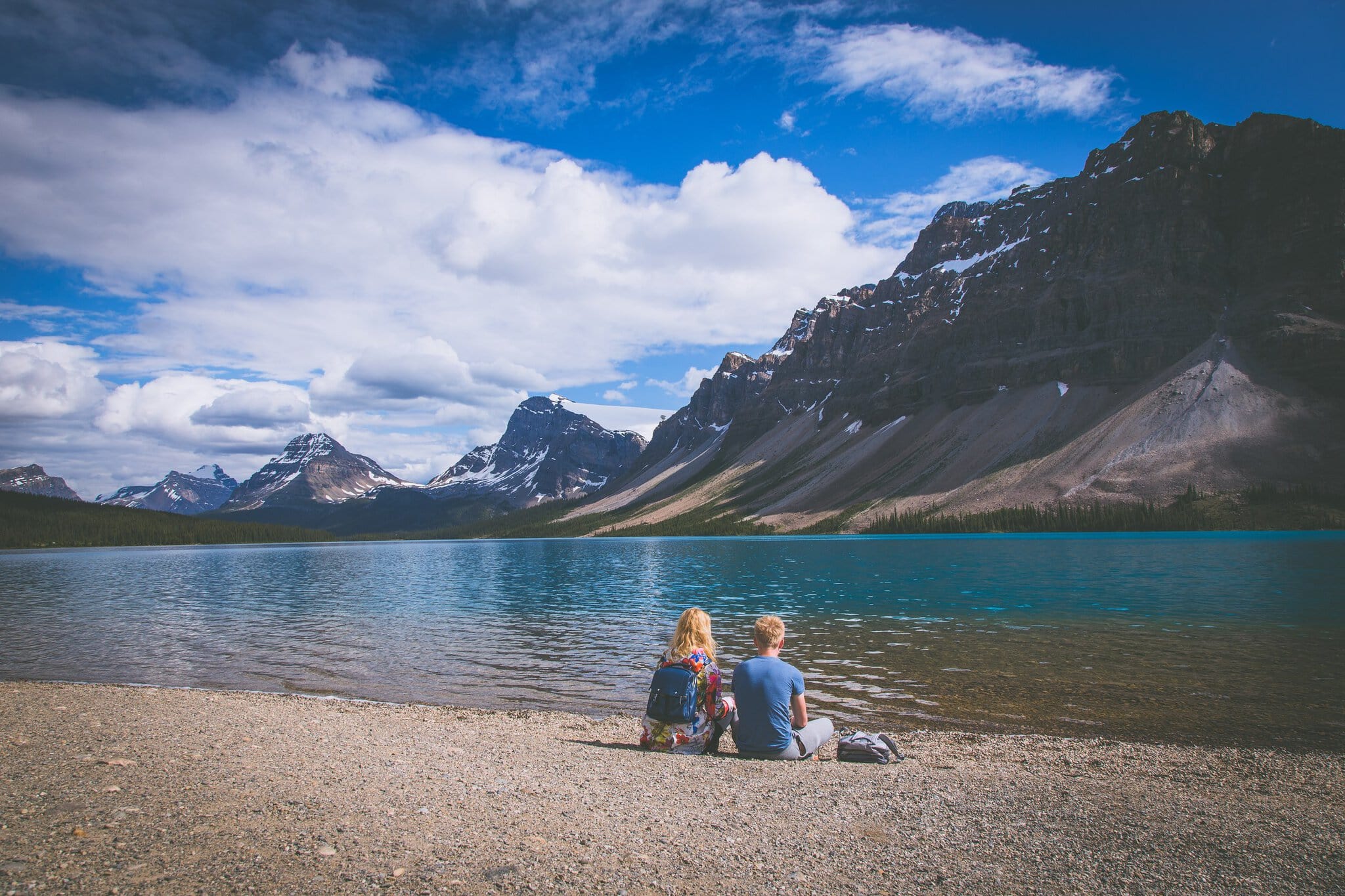
Tips and Tricks for Your Vacation

Don’t Overpay for Flights

Search for flights on Kayak. It’s our favorite search engine because it scans the websites of all airlines and always finds the cheapest connection.

Book Your Accommodation Smartly

The best experiences we’ve had when looking for accommodation (from Alaska to Morocco) are with Booking.com, where hotels, apartments, and entire houses are usually the cheapest and most widely available.

Don’t Forget Travel Insurance

Good travel insurance will protect you against illness, accidents, theft, or flight cancellations. We’ve had a few hospital visits abroad, so we know how important it is to have proper insurance arranged.

Where we insure ourselves: SafetyWing (best for everyone) and TrueTraveller (for extra-long trips).

Why don’t we recommend any Czech insurance company? Because they have too many restrictions. They set limits on the number of days abroad, travel insurance via a credit card often requires you to pay medical expenses only with that card, and they frequently limit the number of returns to the Czech Republic.

Find the Best Experiences

Get Your Guide is a huge online marketplace where you can book guided walks, trips, skip-the-line tickets, tours, and much more. We always find some extra fun there!