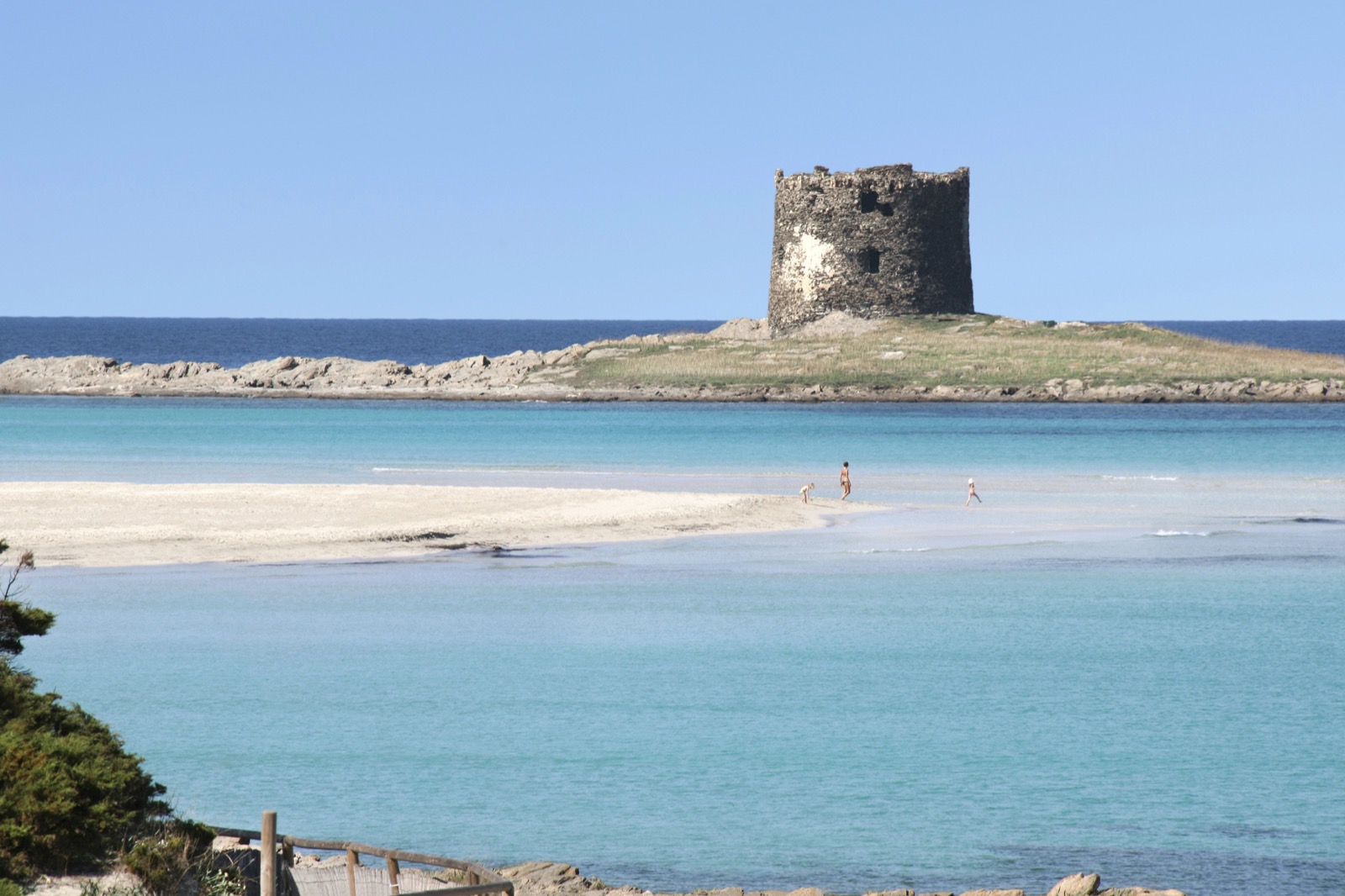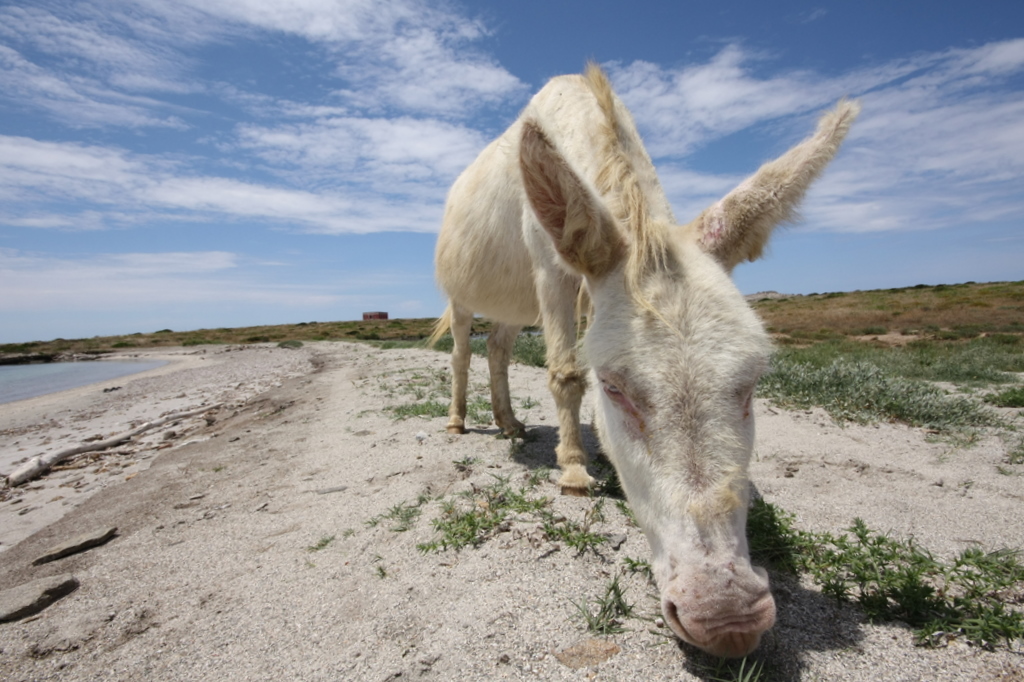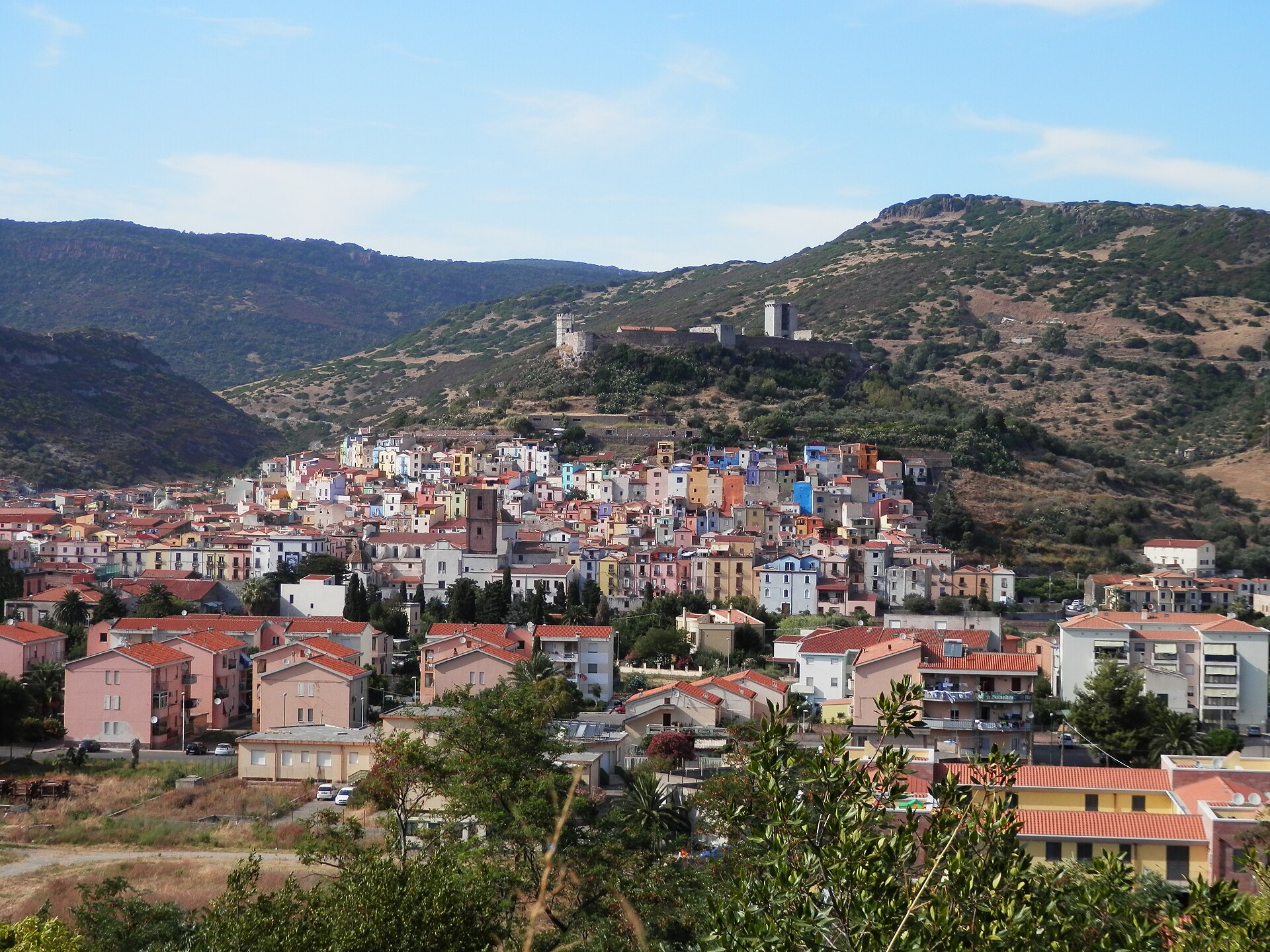
Montpellier, France: 13 Things to See and Do in 2026

TL;DRMontpellier in the south of France packs 13 ideas into one trip, from the medieval Écusson quarter to the futuristic L’Arbre Blanc in the modern Antigone district, plus the nearby beaches of Palavas-les-Flots and Carnon, about ten kilometres from the centre. Two days is enough for the city itself; add trips out to Sète and Nîmes and you’re looking at three to five days. The best time to visit is April to June or September and October, when temperatures sit at 20–28°C, while July and August push into 35–40°C territory. A double room in 2026 averages €120–€150 a night, and a tram ticket costs €1.60. Highlights include Saint-Pierre Cathedral, the world’s oldest medical faculty dating back to the 12th century, and the Musée Fabre.

If you’re looking for a spot in the south of France with incredible energy, forget the overcrowded and overpriced Riviera for a moment. Just across the Rhône River a completely different world begins, called Occitania, and its beating heart is right here in Montpellier, France. This is a city with a huge student population, which gives it an unbelievable buzz that will pull you in instantly. You won’t find the polished boutiques of Cannes here, but instead medieval lanes built from sun-soaked limestone, rugged castles in the surrounding hills, and beaches where, instead of Hollywood stars, you’ll meet local families with picnic baskets. Travellers often call this region “the other Riviera,” because it’s far more authentic and a lot easier on the wallet.

In this article you’ll find 13 things to see and do in Montpellier to make the most of your visit. Together we’ll wander through the historic Écusson quarter, check out the fantastic modern district of Antigone, and I’ll show you the easiest way to reach the nearby beaches. You’ll also learn where to base yourself strategically, the best time to go so you can dodge the summer inferno, and which day trips are absolutely worth adding to your itinerary.

TL;DR

  • Car-free historic centre: The Écusson quarter is a vast pedestrian zone full of narrow lanes where you’ll happily get lost among boutiques and cafés.
  • Architectural contrasts: From the historic Place de la Comédie you flow seamlessly into the modern Antigone district and on to the futuristic L’Arbre Blanc building.
  • The oldest medical school: The city boasts a university dating back to the 12th century, where the famous Nostradamus once studied.
  • Beaches within reach: You can get to the seaside resorts of Palavas-les-Flots or Carnon from the centre by bike or tram in under half an hour.
  • Transport as an experience: The local tram network is a work of art, with carriages designed in part by the famous fashion house Christian Lacroix.
  • Brutal summer heat: In July and August temperatures routinely hit 40 °C, so it’s best to plan your visit for spring or autumn.
  • Day trip to Sète: This nearby port town, nicknamed the Venice of Languedoc, offers waterways and summer jousting tournaments on boats.
When to Visit Montpellier

Timing your trip to Occitania is absolutely key, because the south of France can be tricky and doesn’t forgive mistakes. The best time to visit is clearly from April to the end of June, or later on throughout September and October. During these spring and autumn months you’ll enjoy very pleasant temperatures between 20 and 28 °C, everything is in bloom, and the days are long enough for endless evening strolls. The sights are also far quieter, so you can enjoy the city in total comfort without crowds or the stress of constantly hunting for a parking spot.

On the other hand, steer clear of July and August unless you’re a genuine lover of extreme heat. Summer temperatures in the Languedoc region are often downright brutal, with daytime highs regularly hitting 35 to 40 °C. Being outdoors at midday is physically exhausting, and walking through the baking lanes of the old town borders on pure masochism. During this period the local authorities frequently issue official warnings about dangerous heatwaves and the threat of wildfires. On top of that, August brings the nationwide French holidays, so you’ll need to brace yourself for jam-packed park-and-ride car parks and the absolute necessity of booking a table at any decent restaurant well in advance.

If you want to experience that genuine student atmosphere at its best, head over in October. After the long summer lull the city is once again full of young people, the cafés are bursting at the seams, and there are plenty of great cultural events on. The winter months in Montpellier are very mild and temperatures rarely drop below 10 °C, but a sharp, unpleasant wind often blows in off the sea. September and October are also a fantastic choice for wine lovers, as the entire region is in full harvest and the colours of the autumn vineyards under a blue sky are absolutely breathtaking.

Where to Stay in Montpellier

💡 Tip for accommodation and experiences: We like to look for places to stay on Booking.com, which usually has the best cancellation terms. For tickets, tours and activities it pays to compare and book through GetYourGuide.

Choosing the right neighbourhood will save you plenty of precious time and sore feet, because while the city is fairly compact, it’s quite spread out for getting around on foot. The best choice for a first visit is undoubtedly the historic centre of Écusson, which is entirely reserved for pedestrians. Here you’ll have all the main sights, tucked-away cafés and excellent restaurants literally a few steps from your bed. Just bear in mind that hotel prices here tend to be the highest of any quarter, and if you arrive by car you’ll have to leave it in one of the large underground park-and-ride facilities on the edge of the centre.

A great, quieter alternative is the modern Antigone or Port Marianne district, both just a short hop from the historic core towards the sea. These newer areas offer wider streets, an airier feel and far easier parking right by the hotels. The most important tram lines also run through here, so you can reach the historic centre in just five minutes. In 2026, prices for a night for two people average around 120 to 150 euros for quality mid-range accommodation, climbing a little higher, of course, in peak summer season.

Montpellier also makes an absolutely ideal base for exploring all of Occitania. From here you can easily set off on day trips to the sea, to the Roman amphitheatre in Nîmes, or to discover the rugged history of the Cathar castles in the mountains. For something specific I’d recommend Hôtel des Arceaux, set in a quiet quarter right next to the famous stone aqueduct. It has a lovely shady garden and a wonderfully authentic French feel. If you’re after something more luxurious, take a look at Hôtel Oceania Le Métropole just off the main square, which even has its own pool cleverly hidden in a quiet inner courtyard. When searching for a place to stay, simply rely on the classic Booking, where you’ll find the widest range for every budget.
13 Things to See and Do in Montpellier

Montpellier isn’t a city you can simply rush through with a checklist in hand. You really need to soak it up, slow down and live it. So let’s take a look at the specific spots that make this southern French city so special.
1. Place de la Comédie and the Opera House

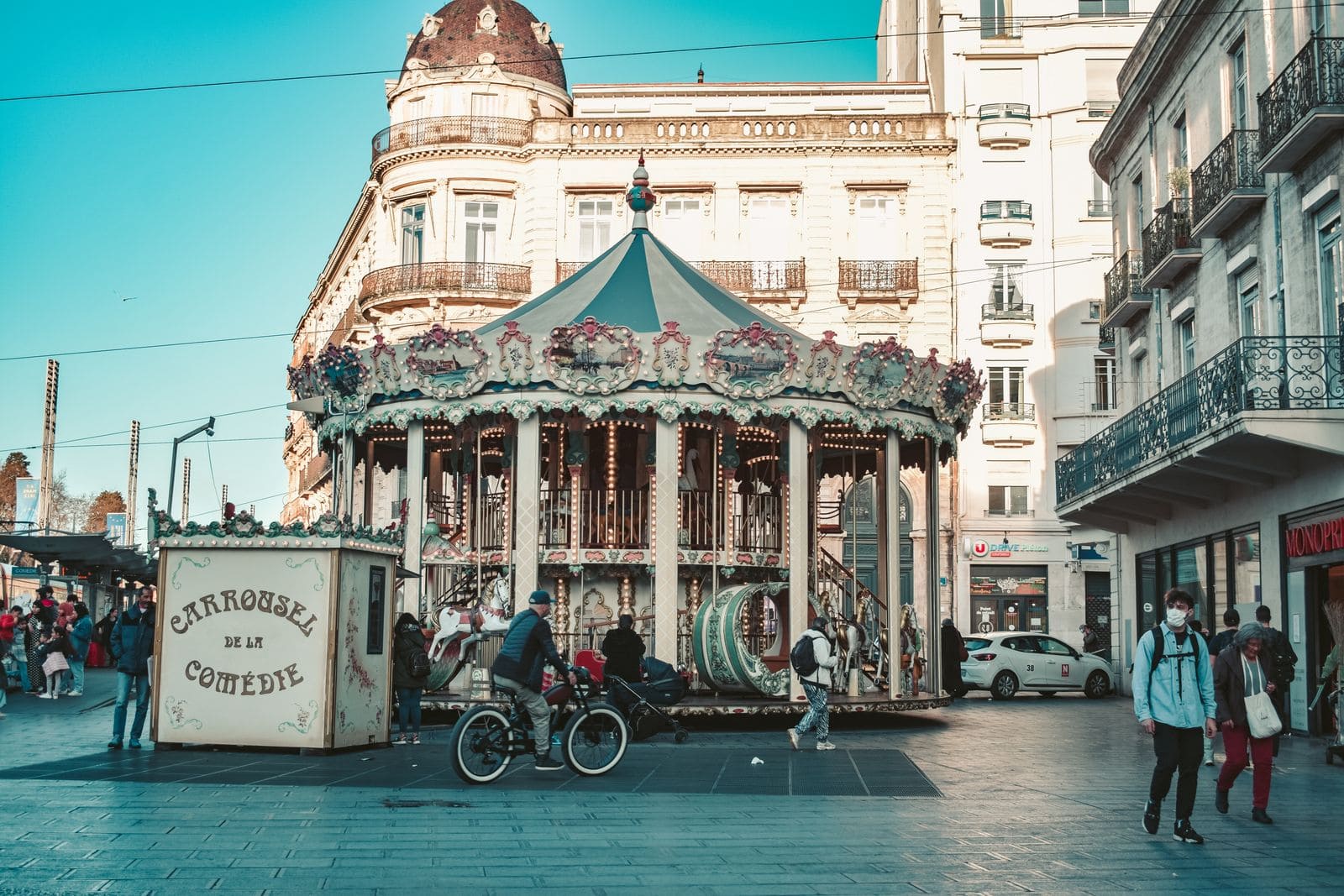
Sooner or later your steps will inevitably lead you to the enormous Place de la Comédie, which locals call nothing other than L’Œuf, meaning “the Egg.” The square earned this playful name thanks to its distinctive oval shape, once hemmed in by busy roads. Today it’s a giant pedestrian zone paved with smooth white limestone that shimmers incredibly in the fierce southern sun, forming the absolute centrepiece of the whole city. The square is so vast that during the day you’ll easily find your own favourite corner for sitting and watching the world go by.

At one end of the square the 19th-century Opéra Comédie rises majestically, its ornate architecture strikingly reminiscent of the famous Palais Garnier opera house in Paris. Most people traditionally gather right in front of it by the beautiful Three Graces fountain, which is the best-known landmark for any meet-up in the city. It’s an ideal place to sit on the stone rim of the fountain and simply watch the incredible bustle of students and street performers.

A continuous row of traditional cafés and restaurants with sprawling outdoor terraces lines the entire square. Even though coffee prices on the square are noticeably higher, that luxurious view of the colourful trams gliding past is absolutely worth it. The atmosphere really thickens towards the evening, when the façades of the historic buildings are beautifully lit and the square comes alive with live music. It’s a huge, fascinating contrast to the sleepy medieval villages scattered throughout the surrounding Languedoc region.

💡 Tip: Don’t buy your meals at the restaurants right on the square — they’re mostly overpriced tourist traps. Pop in just for a coffee or a glass of local wine, and head into one of the narrow lanes towards the historic centre for a proper, authentic dinner.
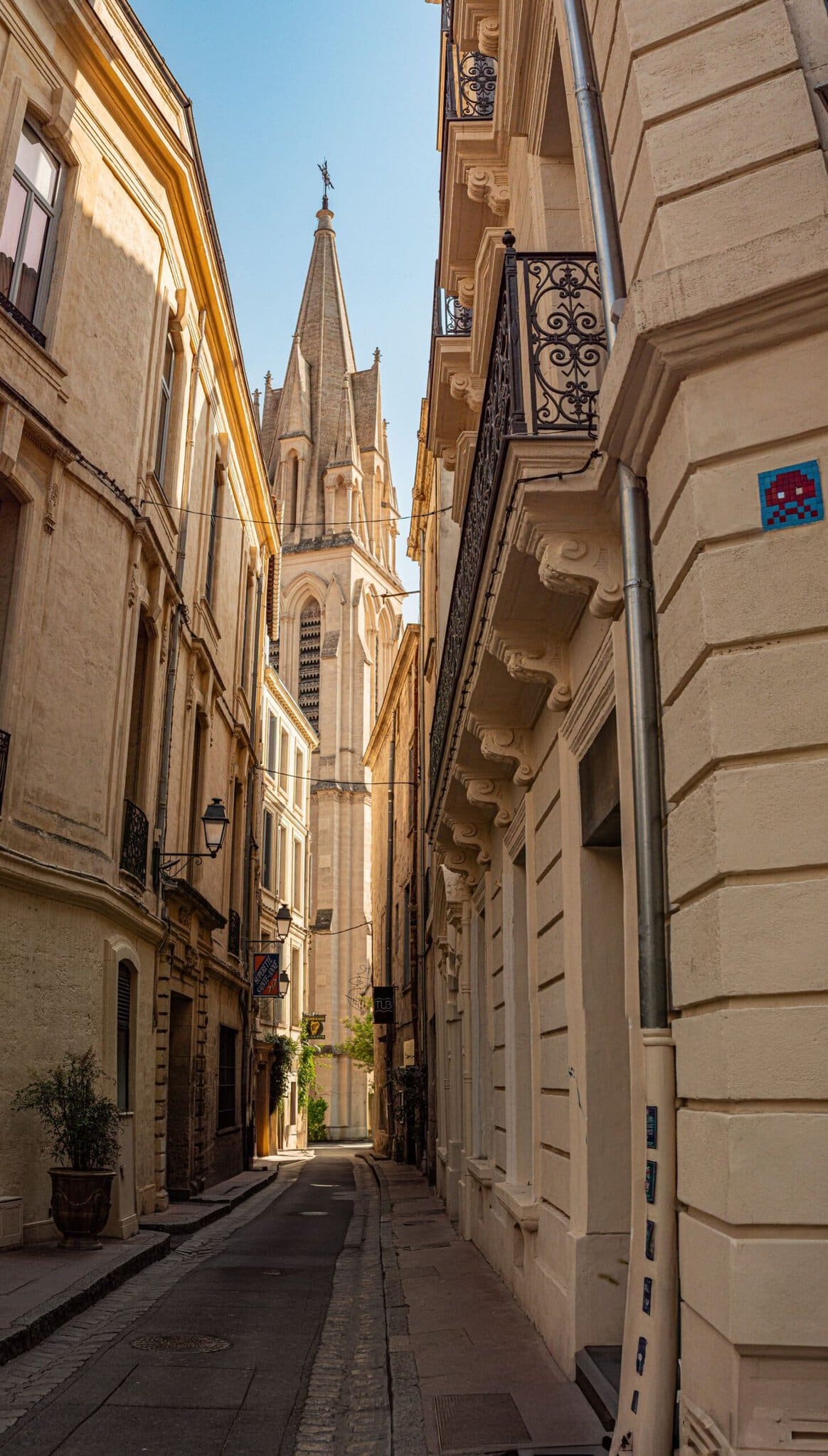
2. The Historic Écusson Quarter and Its Lanes

Just behind Place de la Comédie the Écusson quarter begins, a tangle of gorgeous medieval lanes that form the historic heart of the entire city. The name comes from the original shape of the old fortifications, which from a bird’s-eye view resembled a knight’s shield. Today it’s one of the largest connected pedestrian zones in all of Europe, so you can safely wander for hours without worrying about cars darting about. This whole region is often nicknamed “the other Riviera,” and in these picturesque lanes you’ll immediately understand why.

The main artery is the bustling Rue de la Loge, packed with shops, luxury boutiques and well-known brands. But the truly interesting stuff hides away in the narrow side lanes, where the hot sun reaches only for a few hours a day. That’s where you’ll find small independent bookshops, antique dealers and tucked-away cafés serving the best specialty coffee in the city. On your wanderings, be sure to head towards the romantic little squares of Place Saint-Roch or Place de la Canourgue.

As you stroll, keep a close eye on the large, heavy wooden gates. Behind them hide beautiful inner courtyards of the luxurious 17th- and 18th-century mansions of the local nobility, known as hôtels particuliers. Most are privately owned, but occasionally the massive gates are left ajar and you can peek into stunning hidden gardens with ornate staircases. It’s like secretly glimpsing into a long-vanished world of the old French aristocracy.

💡 Tip: Try deliberately getting lost in the lanes around the Saint-Roch church. There are plenty of great little bistros here, and on the walls of the surrounding houses you’ll find enormous, incredibly realistic murals (trompe-l’œil) that visually enlarge the whole little square.
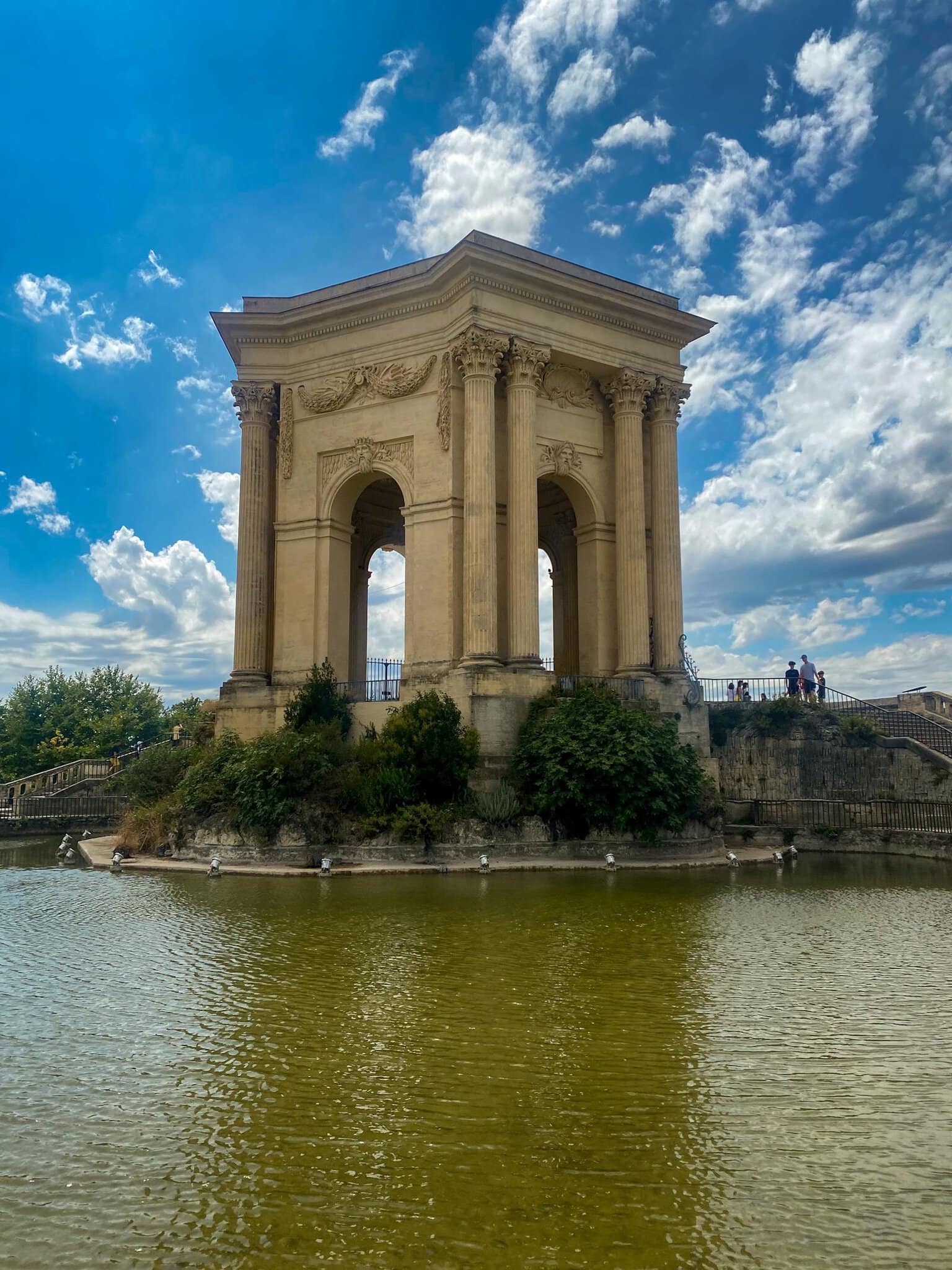
3. The Triumphal Arch and Promenade du Peyrou

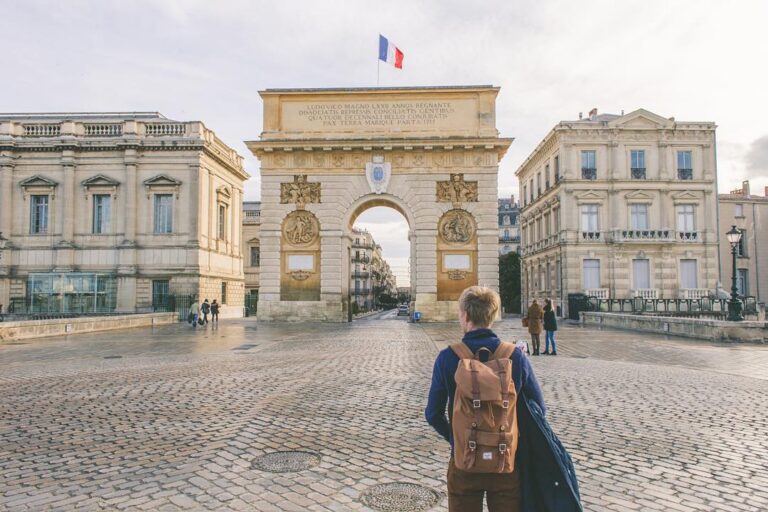
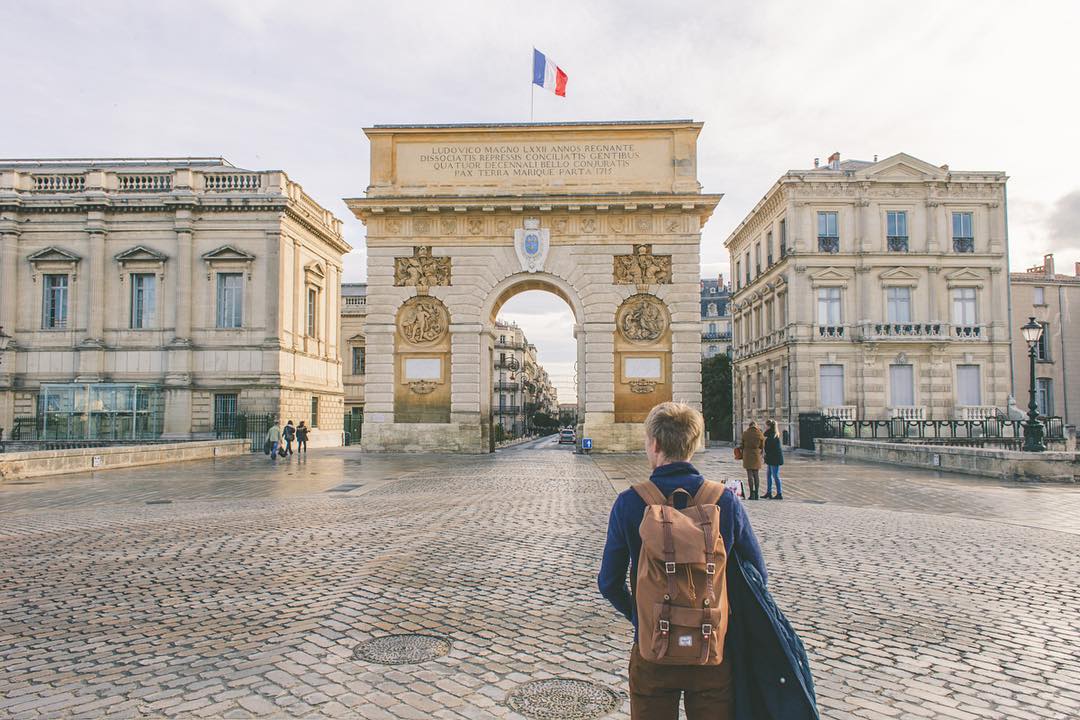
If you want to treat yourself to the very best panoramic view of the city and the wider surroundings, you’ll need to climb up to the Promenade du Peyrou. This is a huge two-tiered terrace sitting on the highest strategic point of the old town. The grand gateway to this royal promenade is the magnificent Triumphal Arch (Porte du Peyrou), built at the end of the 17th century in honour of King Louis XIV. Walking beneath its massive vaults instantly transports you to the heyday of the French monarchy.

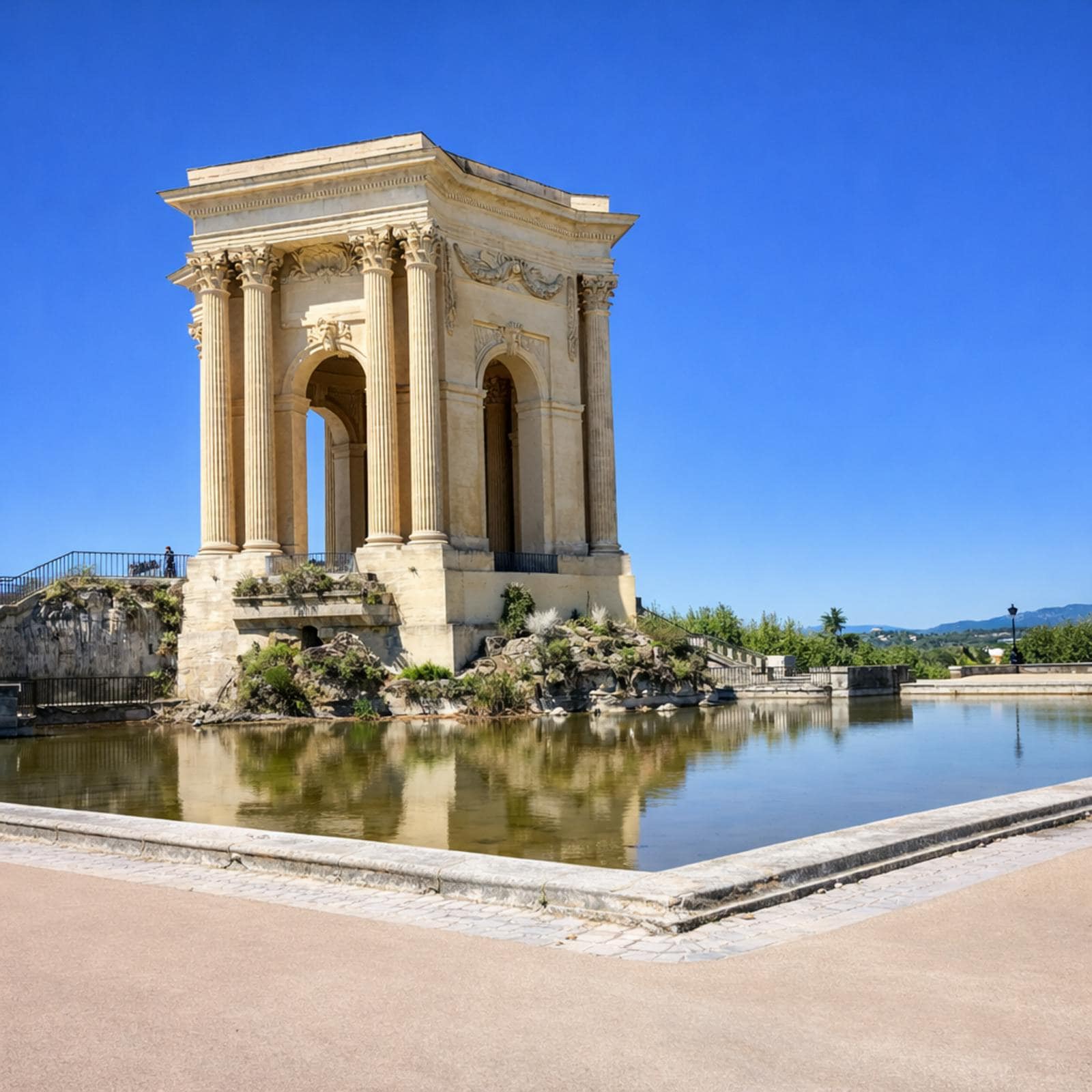
The promenade itself is a sprawling, carefully tended park with broad sandy paths, mature shady plane trees and an equestrian statue of the king at its centre. At the very end of the terrace you’ll find the beautiful Château d’eau water tower, directly connected to the imposing stone Saint-Clément aqueduct. In the past this aqueduct brought fresh drinking water to the city from fourteen kilometres away. Its tiered arches will instantly remind you of the famous nearby Roman Pont du Gard near Nîmes, though this one is many centuries younger.

The promenade is hands down the best place in the whole city to watch the sunset. On a clear day you can see in one direction all the way to the rugged peaks of the Cévennes National Park, and in the other towards the glittering Mediterranean Sea. Locals very often come here with a blanket, a bottle of good wine and a wedge of cheese to round off a busy day in peace.

💡 Tip: Every Sunday morning a very popular traditional flea market (brocante) is held right under the trees on the promenade. You’ll find absolutely everything here, from old French books to retro crockery, and the laid-back atmosphere is fantastic.
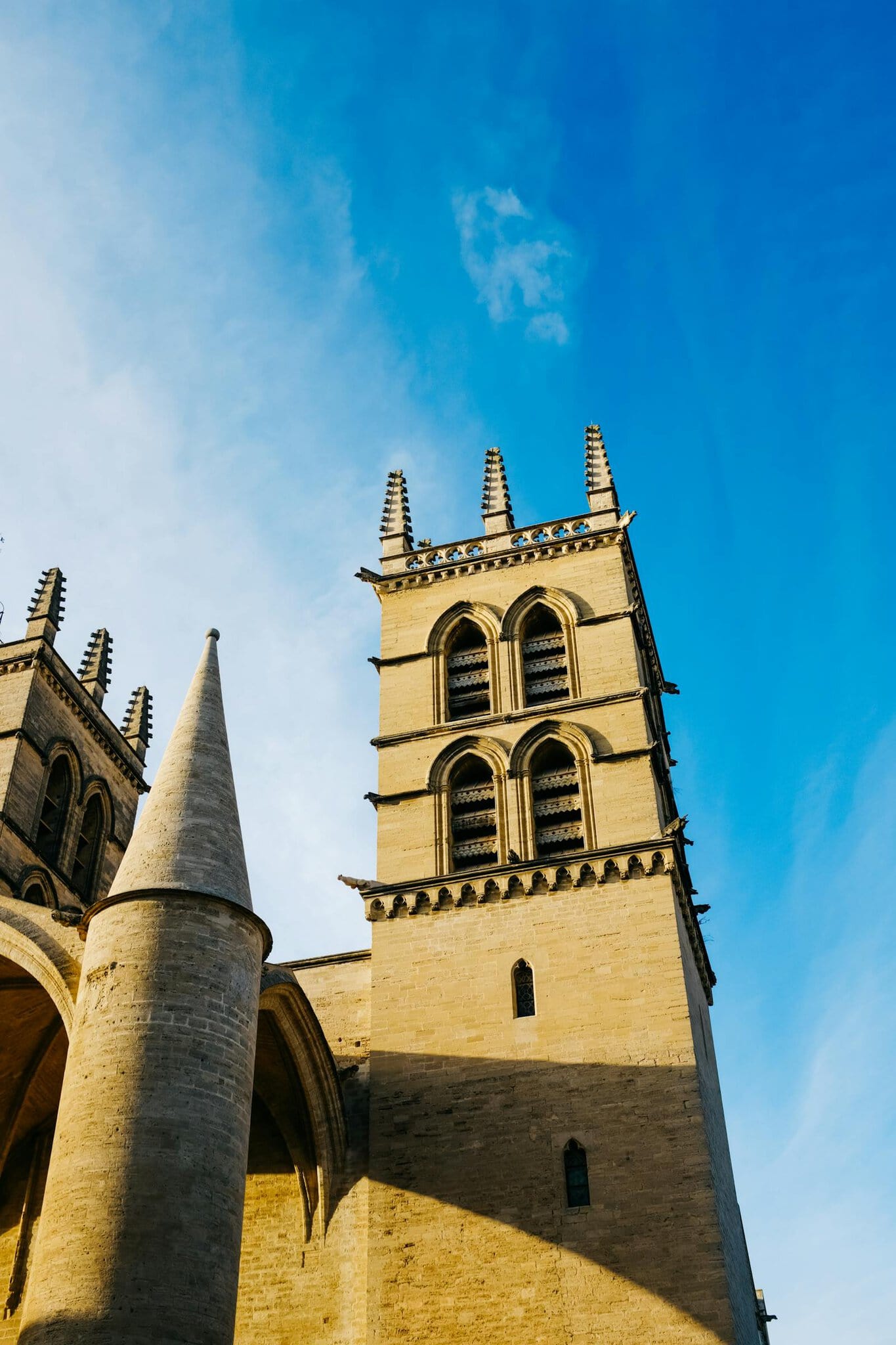
4. Saint-Pierre Cathedral and Its Fortress-Like Look

As you weave through the northern part of the historic centre, you’ll come across a building that will probably catch you off guard at first. From the outside, Saint-Pierre Cathedral looks more like an impregnable military fortress than a welcoming, inviting place of worship. Its façade is flanked by two massive cylindrical towers supporting an enormous stone canopy, and the whole structure feels immensely heavy and impenetrable. This rugged, defensive architecture is actually very typical of the historic Occitania region.

This brutal appearance has a clear, bloody historical reason. The cathedral was originally a monastery church, and during the very harsh religious wars of the 16th century it served as a genuine defensive bastion for Catholics against attacks by Protestants. It was also the only church building in the city to survive these wild conflicts at all. The history of southern France is full of similar clashes and fortresses — just think of the nearby Cathar castles hidden high in the mountains by the Spanish border.

But once you pass through the heavy wooden doors and step inside, a huge and beautiful contrast awaits you. The interior is surprisingly bright, incredibly peaceful, and adorned with gorgeous stained-glass windows and an impressive historic organ. Entry to the cathedral is completely free and offers a very welcome cool refuge during the scorching summer days, when outdoor temperatures climb dangerously towards an uncomfortable 40 °C.

💡 Tip: Don’t forget to walk around the back of the cathedral through the narrow lanes. There you’ll find a small, quiet little square with a view of the old university buildings, where time stopped some three hundred years ago and you’ll barely meet a single noisy tourist.
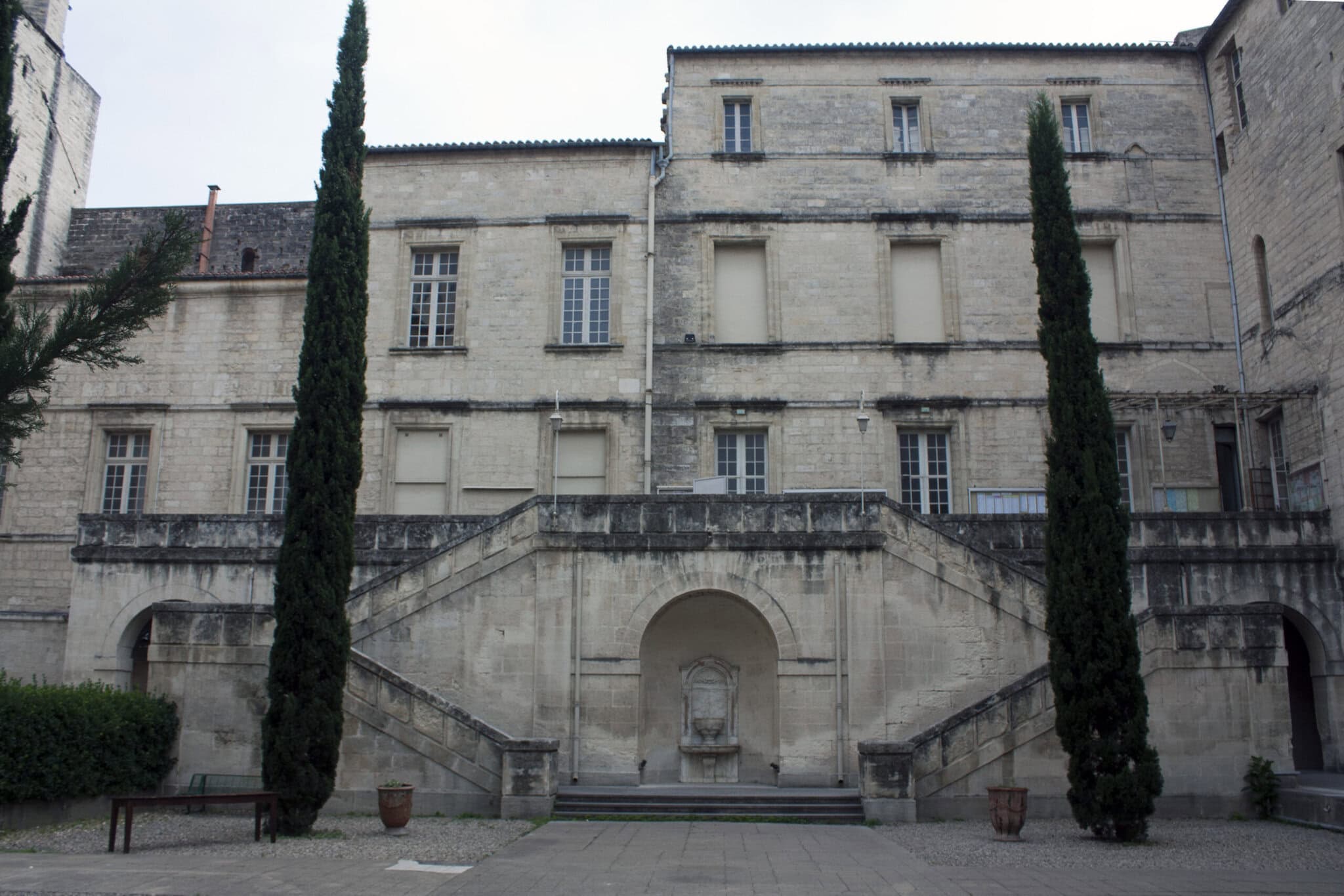
5. The Oldest Working Medical School in the World

Right next door to the massive cathedral sits an institution that has made Montpellier famous throughout the academic world. The local medical school (Faculté de Médecine) is officially the oldest continuously operating medical school on the planet. It was founded back in the 12th century, and to this day future generations of doctors are trained in its historic halls. There’s an incredible feeling in walking the very same corridors as medieval scholars.

The faculty is housed in a magnificent former monastery building, and its history is packed with illustrious names. In the Middle Ages, Nostradamus famously studied here, though he was apparently eventually expelled in disgrace. He earned his living as an apothecary, which the strict academic rules of the time absolutely forbade. The celebrated Renaissance writer François Rabelais also worked here, pushing the boundaries of contemporary thought with his provocative texts.

You can’t normally just walk into the faculty’s interior, as it’s fully used for teaching, but the city organises guided tours. On these you can peek into the old libraries and, above all, into the fascinating anatomy museum (Conservatoire d’Anatomie). This unique museum is full of historic wax figures and old anatomical specimens. It’s admittedly a slightly bizarre and dark experience, but for lovers of medical history it’s an absolute must, showing the evolution of science in practice.

💡 Tip: You really need to book the faculty tours well in advance through the official tourist office, as they’re constantly sold out. For 2026, full admission costs around 15 euros.
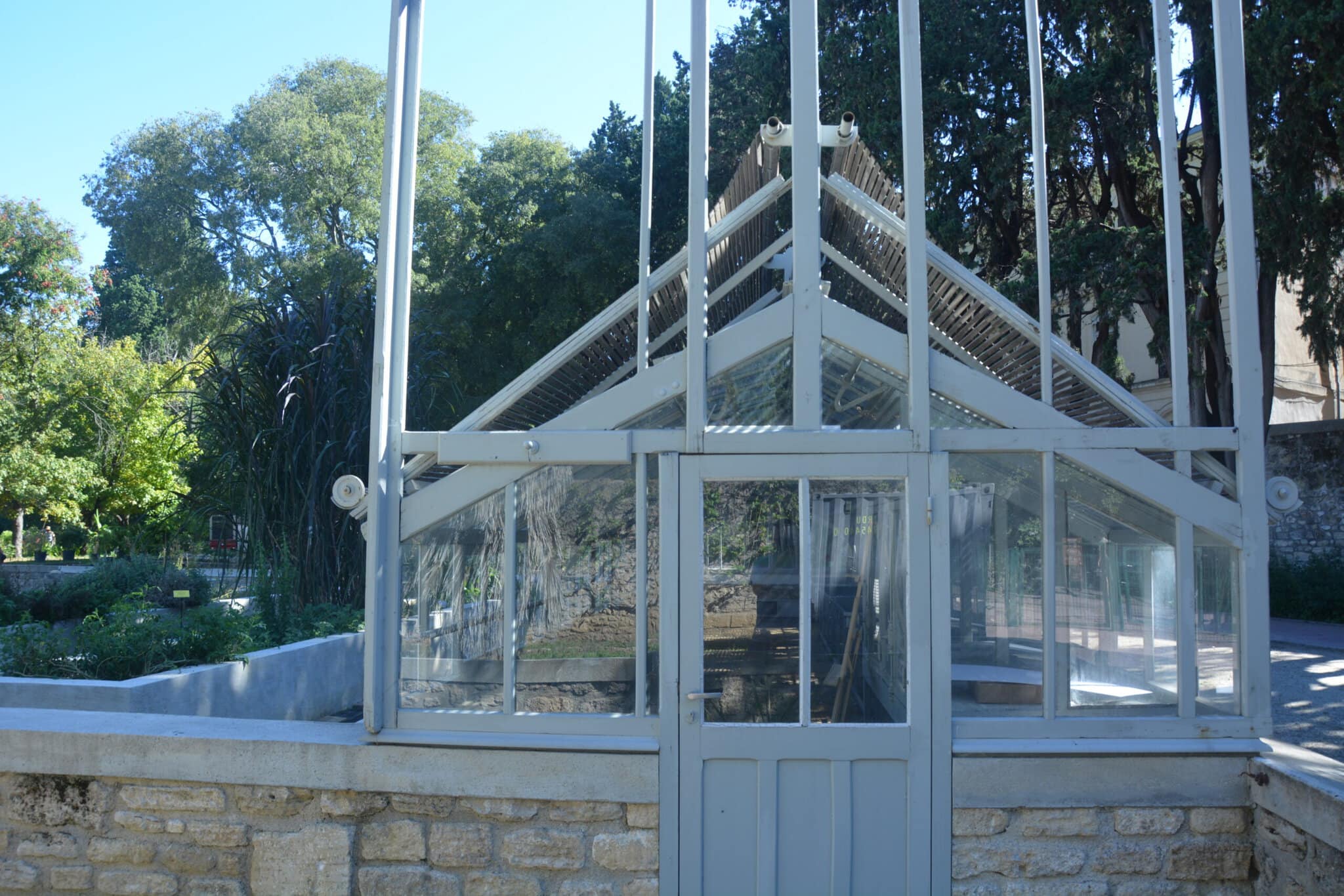
6. The Jardin des Plantes Botanical Garden

If you need a break from the constant hustle of the city and a place to hide from the blazing sun, head for the Jardin des Plantes. This tranquil botanical garden lies just a short distance from the medical school, and it’s no ordinary park. It was founded back in 1593 on the direct orders of King Henry IV, and by a wide margin it’s the oldest botanical garden in all of France.

Originally it served exclusively to help medical students carefully cultivate and study rare medicinal herbs. Today it’s a vast green oasis covering nearly five hectares, home to thousands of plant species from around the world. You can stroll along wide shady avenues, explore historic greenhouses filled with exotic flora, or admire centuries-old trees that recall the days of the French kings. In the scorching summer, when Occitania practically bakes under a 40 °C sun, it’s a perfect, safe refuge with a wonderfully cool microclimate.

The garden has a wonderfully wild and romantic feel — don’t expect any strictly clipped, geometric French lawns here. There are small ponds, discreet hidden benches and plenty of quiet corners where you can read a book in peace. Entry to the garden is free year-round, but keep in mind that the whole site is firmly closed to the public on Mondays for regular maintenance.

💡 Tip: Look for the so-called wishing tree. It’s a very old, gnarled olive tree near the main entrance, into whose bark visitors tuck small paper notes bearing their secret wishes.

lukas a lucka
Lukáš and Lucie recommend
Where to stay in Montpellier
3 accommodations — hotels, wellness hotels and other accommodation options

7. The Modern Antigone District and Ricardo Bofill

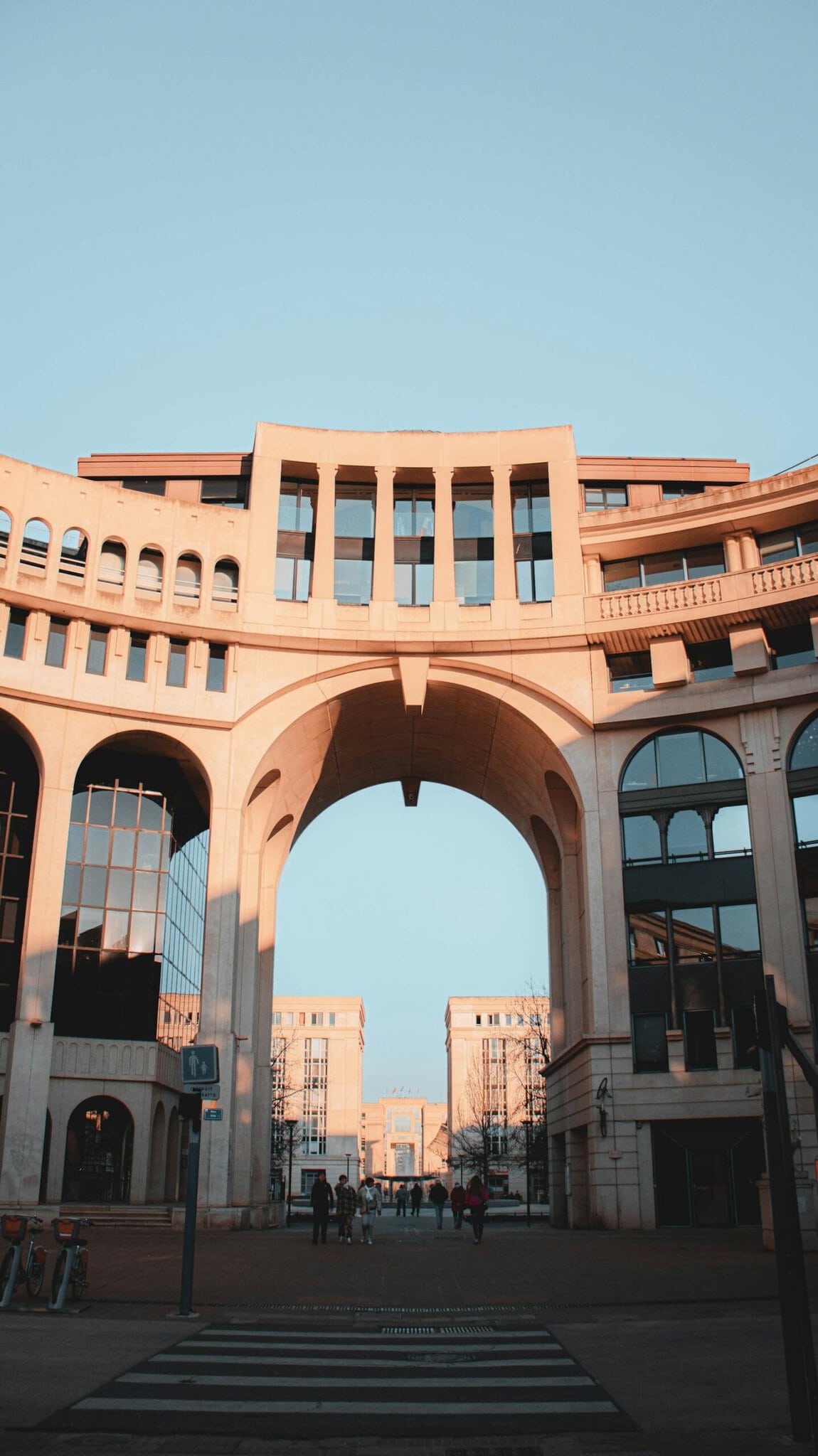
Montpellier isn’t all about wandering through the Middle Ages — the city also has a very self-assured, futuristic side. The best proof of this is the Antigone district, lying east of the historic centre towards the river. It sprang up in the 1980s on the site of disused military barracks and was designed by the famous Catalan architect Ricardo Bofill. It’s an utterly fascinating architectural counterpoint to the narrow, winding lanes of the old town.

When you first set foot in Antigone, you’ll get the intense feeling you’ve stepped into a sci-fi film set in ancient Greece. The whole sprawling district is built in a monumental neoclassical style. Everything is dominated by enormous columns, gigantic symmetrical squares, cascading fountains and buildings made of concrete the colour of pale sandstone. It’s exactly the kind of utopian architecture that stirs strong emotions, much like the famous concrete pyramids in the nearby beach resort of La Grande-Motte.

The best way to take in the whole district is to start at the large Polygone shopping centre and walk the entire main axis all the way down to the banks of the River Lez. The route leads you smoothly across several huge squares lined with cafés and luxury apartments. At the very end by the river, a fantastic view opens up onto the modern glass building of the regional council.

💡 Tip: Walk through the Antigone district in the evening hours. All the main buildings are dramatically lit, which heightens their ancient look even further and creates a fantastic backdrop for night photography.
8. The Architectural Marvel of L’Arbre Blanc

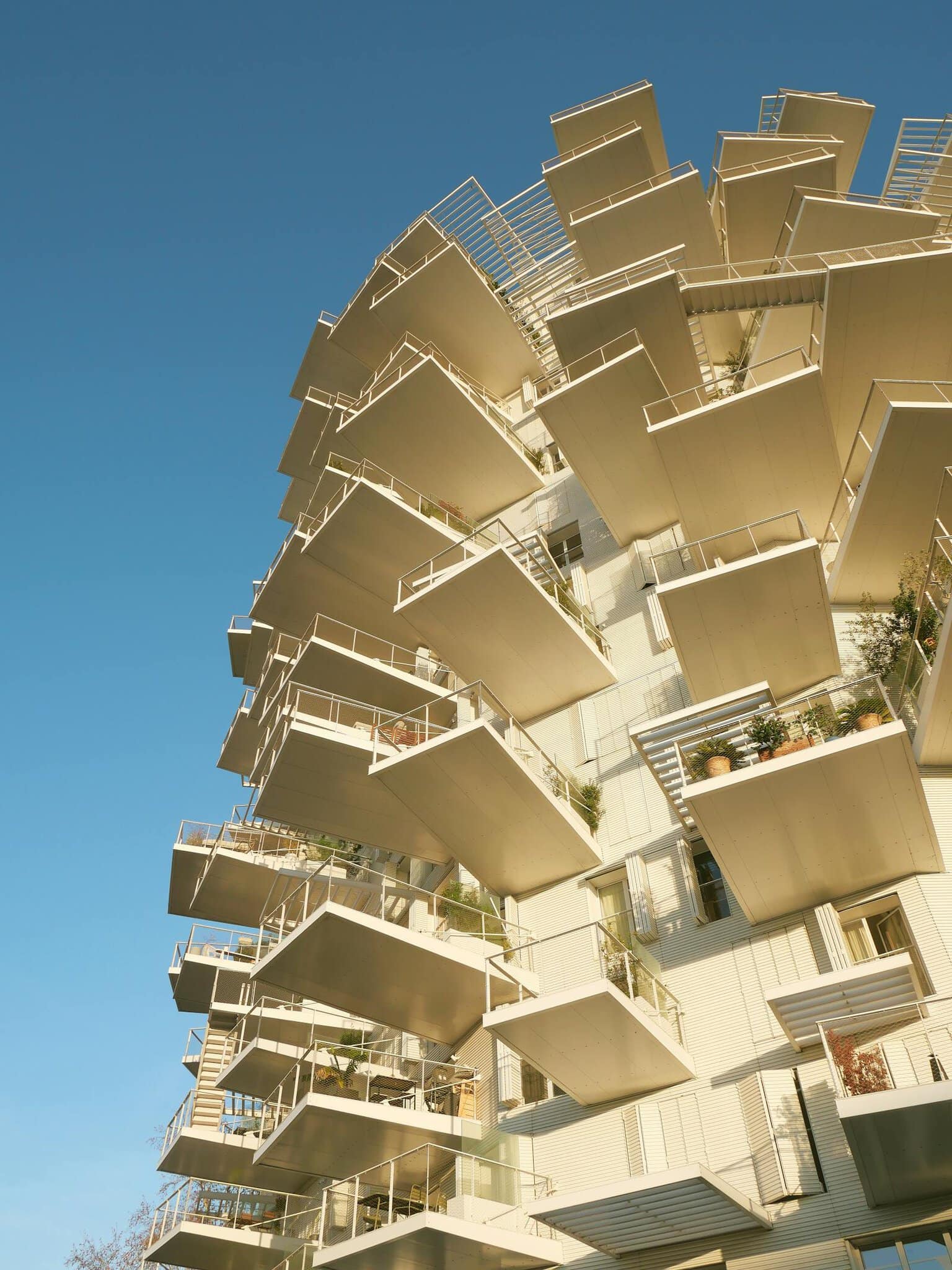
Once you’re at the end of the Antigone district by the River Lez, just look east and your eyes will be drawn to an incredible structure that somehow defies the usual logic of gravity. The building called L’Arbre Blanc, meaning “the White Tree,” is a masterpiece of modern architecture from the 21st century. It was completed fairly recently and instantly became a proud new symbol of modern, dynamic Montpellier.

This seventeen-storey residential building really does look at first glance like an enormous, leafy tree. From its brilliant white façade, long cantilevered balconies jut out in every direction, looking like giant leaves reaching for the sun. The balconies are genuinely huge — some are even seven metres long — and residents have full-blown outdoor gardens and large dining tables on them. It’s a fantastic example of how to innovatively and boldly connect indoor and outdoor living space.

Although the building is primarily residential and you obviously can’t get into the private luxury apartments, the lower section offers an accessible gallery and an excellent restaurant. But the absolute best is to take the express lift up to the rooftop bar, Rooftop de l’Arbre Blanc. Here you can enjoy a superb cocktail and soak up a stunning panoramic view of the whole city, the distant sea and the nearby peaks of the national park.

💡 Tip: Drinks at the rooftop bar are admittedly a touch pricey (reckon on around 15 euros for a cocktail in 2026), but that exclusive view is absolutely worth it. Try to book in good time for exactly sunset — it’s an unforgettable experience.
9. Musée Fabre and European Art

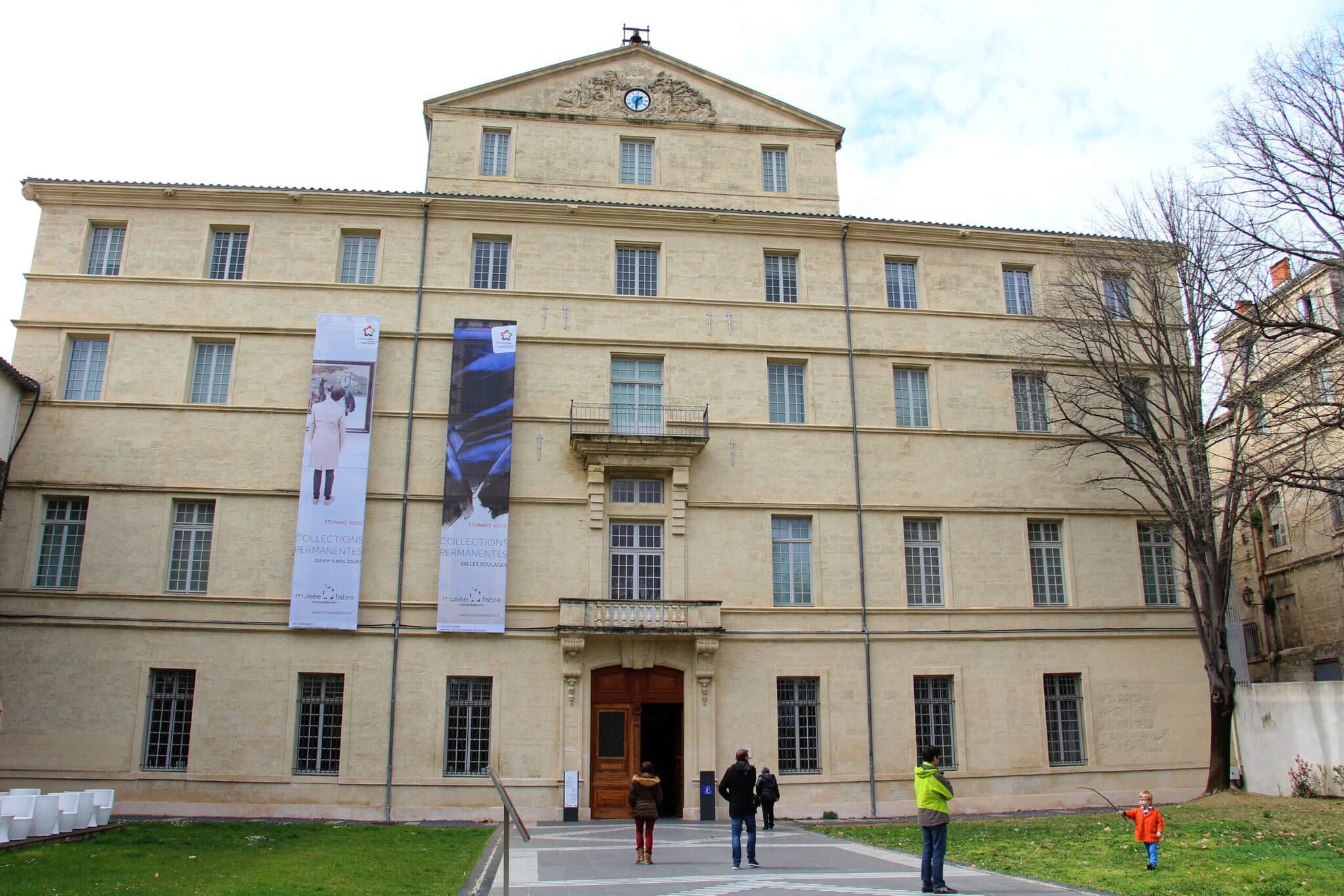
For lovers of fine art, a visit to Montpellier is utterly incomplete without a longer stop at the Musée Fabre. Without any exaggeration, this is one of the most important fine art museums in all of France, right after the Louvre in Paris and the famous Musée d’Orsay. The museum was founded in the 19th century by the acclaimed local painter François-Xavier Fabre, and today it’s housed in a magnificent restored palace near the main Comédie square.

The collections here are vast and guide you very clearly and chronologically through the history of European art — from the Renaissance through dramatic Baroque to Impressionism and modern works. You’ll find famous canvases by masters such as Rubens, Delacroix and Courbet. After an extensive renovation the museum’s interiors are also beautifully bright and airy, so the exhibited works look absolutely perfect. The south of France has always magically drawn artists thanks to its distinctive light, as clearly demonstrated by the nearby coastal town of Collioure, where the whole Fauvist movement was born years ago.

A separate and very fascinating chapter is the new modern wing, dedicated to the contemporary artist Pierre Soulages. This French painter is known worldwide for his lifelong fascination with the colour black, and the museum holds a huge collection of his large, dark canvases. The contrast between classic historic art and these modern abstractions works brilliantly.

💡 Tip: If you happen to be in the city on the first Sunday of the month, you’re in luck — entry to the museum’s extensive permanent collections is completely free for everyone that day. Standard admission otherwise runs at around 9 euros.
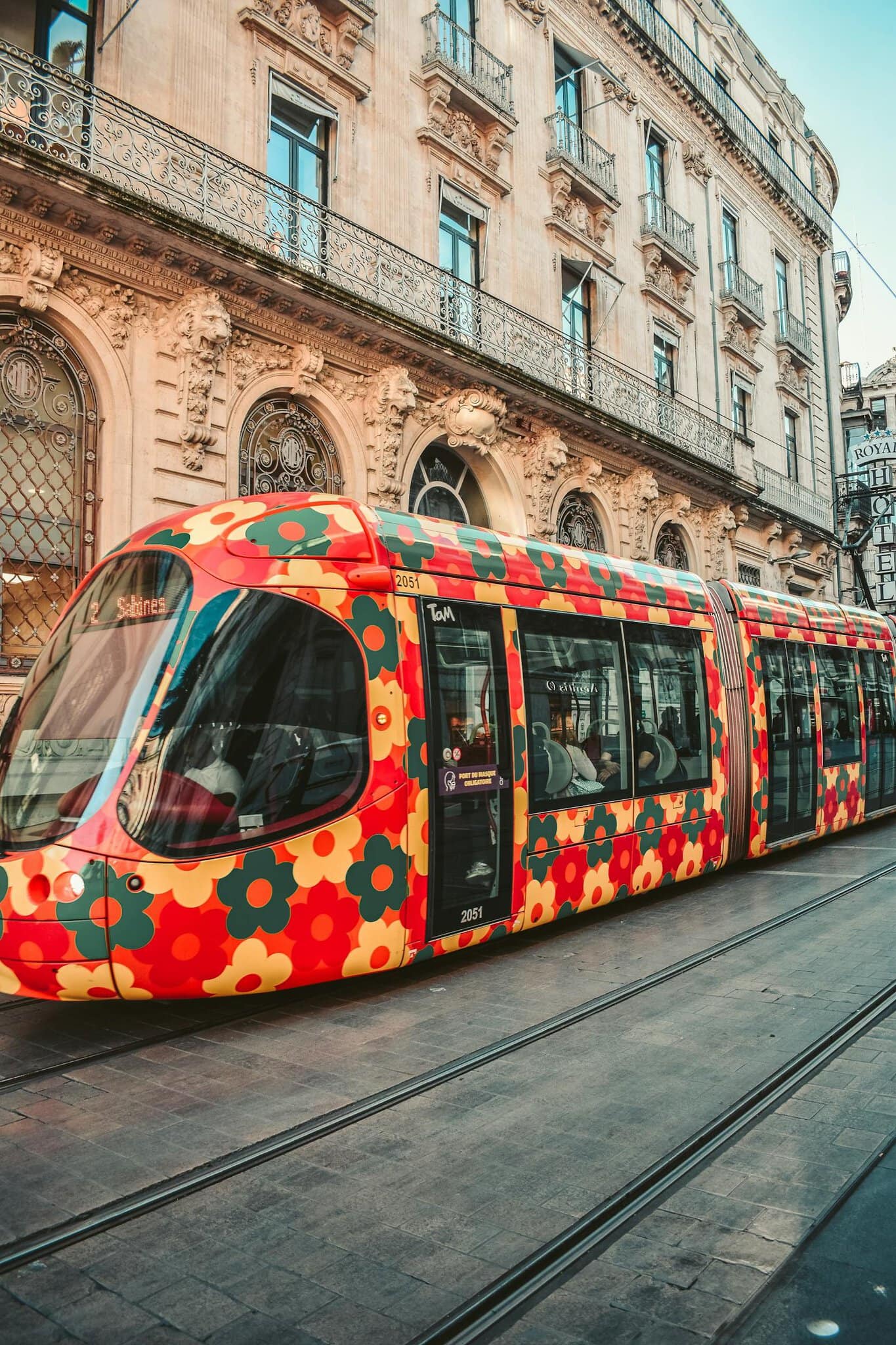
10. A Ride on the Designer Trams

In most European cities, public transport is just a purely functional, dull way of getting from point A to point B. In Montpellier, though, it’s a fully-fledged tourist and visual experience. The city’s extensive tram network is a world first in terms of design. The city once made the visionary decision to turn its trams into rolling works of art, calling in top designers from across the country to draw them up.

Currently four main lines run reliably through the city, and each has its own distinctive look. Lines 3 and 4 were even designed by the famous fashion house Christian Lacroix. Line 3 is a mysterious black, adorned with wonderful colourful sea-creature motifs that clearly symbolise its route towards the southern beaches. Line 4, by contrast, is luxuriously gold and richly studded with elegant ornaments that shimmer beautifully in the harsh summer sun.

Taking the tram is also the best way to calmly take in the wider city centre when your feet are aching after a full day of walking. The trams run incredibly quietly, often along tracks beautifully set into green grass. For locals, public transport has recently become completely free. As a tourist you’ll need to buy a single ticket, but it costs a very reasonable 1.60 euros. Given the enormous parking problems across the whole region, the local transport is a real lifesaver.

💡 Tip: Tickets have long stopped being sold by the driver. At every stop you’ll find modern machines where you can pay by card, or you can simply tap your payment card directly on the orange terminal inside the carriage.
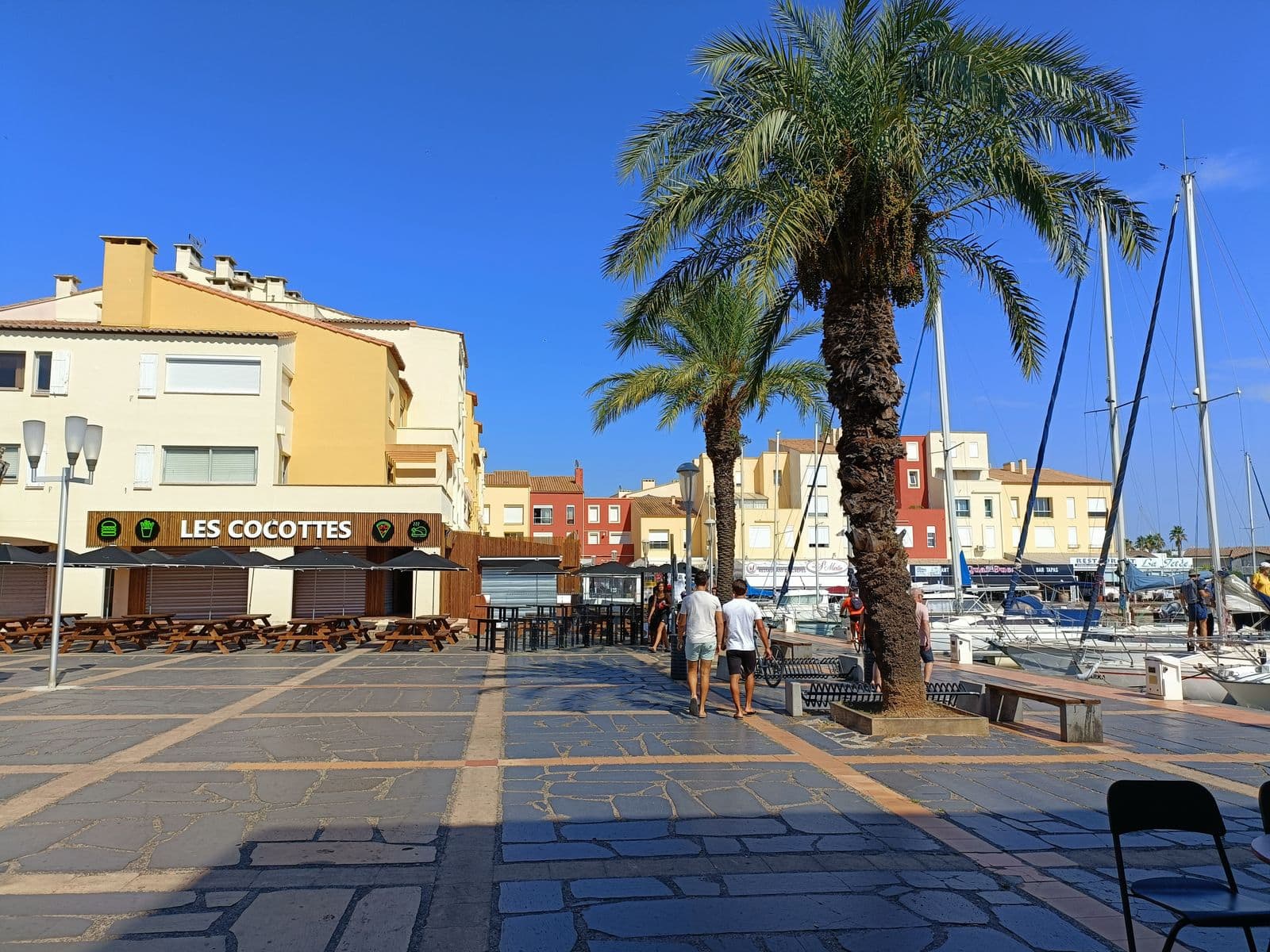
11. A Trip to the Beaches of Palavas-les-Flots and Carnon

Although Montpellier doesn’t sit directly on the coast, the sea is literally within arm’s reach. The nearest beaches are roughly ten kilometres from the centre and you can get to them very easily and quickly. The Languedoc coast, however, differs significantly from the famous Côte d’Azur. Don’t expect any dramatic cliffs plunging into the water here, but rather kilometres of long, very wide sandy beaches that are occasionally whipped by a stronger wind. The most popular resorts in the immediate vicinity of the city are Palavas-les-Flots and Carnon.

You can of course reach the resorts in a rental car, but in the summer months the only access roads are hopelessly clogged from the morning onwards. The much smarter option is to rent a bike and set off along the safe, flat cycle path that runs alongside the River Lez all the way from the centre to the sea. The ride takes just over half an hour, and along the way you’ll pass a beautiful nature reserve with wetlands.

If you don’t fancy pedalling in the typical southern heat, take tram line 3 with its black sea design, which will drop you off on the edge of the resort at the Pérols Étang de l’Or stop. From there it’s about a fifteen-minute walk to the sea, or you can hop on the connecting summer shuttle bus. On the way to the sea you’ll also ride past vast salt lakes, where you can very often spot enormous flocks of pink flamingos in their natural habitat.

💡 Tip: The beaches in Palavas can get really crowded and noisy in summer. If you head a little further on towards Grand Travers beach, you’ll find much wider and noticeably calmer stretches without quite so many parasols.
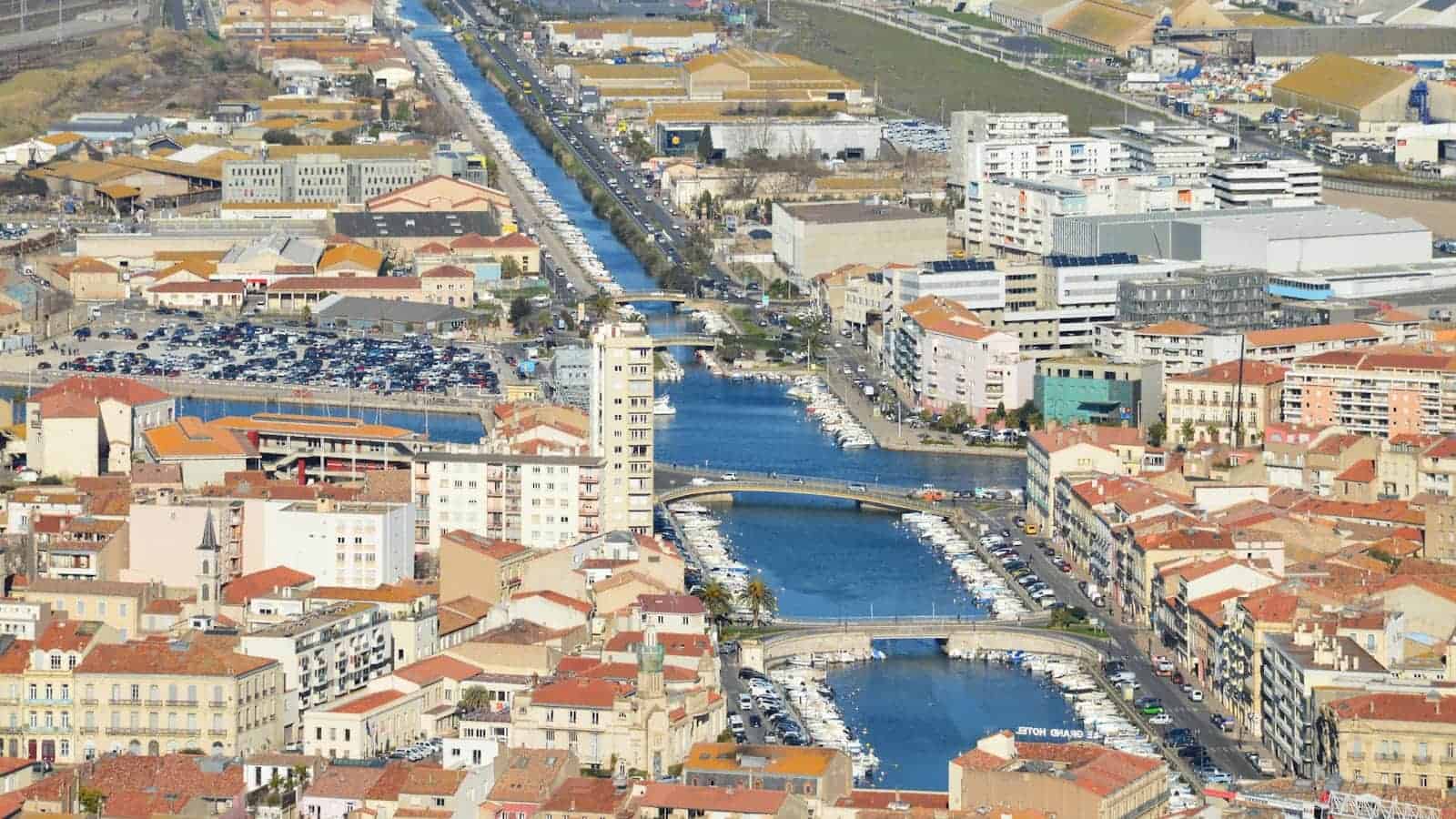
12. Sète: The Venice of Languedoc and Water Tournaments

If you have time for just one single full-day trip from Montpellier during your stay, definitely head to nearby Sète. This fascinating port town lies about half an hour west by train and is an absolute regional gem. It doesn’t resemble a typical neat French resort for wealthy tourists, but rather a rough, salty, hard-working fishing port criss-crossed by a dense network of deep canals. That’s exactly why it’s so often nicknamed the Venice of Languedoc, and there’s a wonderfully raw atmosphere here.

Dozens of colourful fishing boats and small authentic restaurants crowd around the main canal. The main local speciality served everywhere here is tielle. It’s a traditional spiced pie made from bread dough, filled with finely chopped octopus and a spicy tomato sauce. If you want to see the whole town from a bird’s-eye view, drive or hike up the steep Mont Saint-Clair hill. From there you’ll get a fantastic view of the sea and the huge Étang de Thau lagoon, where the famous oysters have been farmed for generations.

The absolute highlight of summer in Sète is the famous joutes nautiques. These are traditional water jousting tournaments that have been held here since the incredible 17th century. Two heavy wooden boats powered by rowers race towards each other, and the men standing on a raised platform at the stern try to knock one another into the water with a long wooden lance. It’s an incredibly loud, adrenaline-fuelled and thrilling spectacle that the whole town experiences with gusto.

💡 Tip: If you’re planning a trip to one of these tournaments, arrive in town early in the morning. The spots with a good view along the canals are hopelessly taken many hours before the contest even begins.
13. Student Nightlife and Café Culture

Montpellier really never sleeps at night, largely thanks to its huge, energetic student community. Nearly a third of the city’s residents are young people under thirty, which is naturally reflected in the incredibly vibrant nightlife and unflagging café culture. In the evening the entire historic Écusson centre transforms into one big, bustling terrace, as people finally head out into the cooler lanes for some fun after a sweltering summer day.

The hub of the evening fun is the ancient little squares like Place Jean Jaurès or Place de la Canourgue. The bars and small bistros here offer a very relaxed atmosphere, and there’s often great live music too. The south of France is also world-famous for its local wine, so a visit to one of the many wine bars (bar à vin) is an absolute must. You can spend hours here with friends over a glass of excellent, full-bodied Corbières wine from the Languedoc region, which often costs less than an ordinary coffee in central Paris.

To go with the good wine, I recommend trying the local delicacies. Most bars offer great vegetarian tapas, large boards of superb local cheeses, Provençal herb-marinated olives, proper black olive tapenade and freshly baked, crusty baguette. It’s clearly the best way to fully soak up the laid-back southern vibe with all your senses, no unnecessary rushing.

💡 Tip: If you’re after a slightly more alternative atmosphere, head to the Beaux-Arts quarter, just north of the historic centre. It’s a much-loved local bohemian district full of small independent pubs, street musicians and local artists.

Where to Go Next from Montpellier

Montpellier is an absolutely ideal starting point for exploring the wider Occitania. Whether you head east or west, within an hour’s drive or train ride you’ll hit places of enormous historical significance.

If you love ancient Rome and classical history, definitely set off to the northeast. Waiting there for you is Nîmes and the Pont du Gard. In Nîmes you’ll find the best-preserved Roman amphitheatre in the world, with a capacity of 24,000 seats, where grand open-air summer concerts and historical reenactments are still held today. Right next door stands the perfect ancient temple Maison Carrée, recently added to the UNESCO list. Just outside the town arches the monumental three-tier Roman aqueduct, the Pont du Gard. In summer people routinely swim beneath its two-thousand-year-old arches, and in the evening there’s a fantastic light-and-sound show you definitely shouldn’t miss.

Head west, on the other hand, and you’ll discover a place that looks as if it leapt straight out of a fairy-tale book. The medieval fortified town of Carcassonne is the largest preserved fortress in Europe. Its fifty-two towers and mighty ramparts will absolutely astound you. In the summer months it gets unbearably hot during the day and the crowds are extreme, so it pays to arrive early in the morning or, conversely, late in the evening, when entry to the outer lanes is also free and the fortress is beautifully lit. If you’re there on the 14th of July, you’ll witness one of the biggest firework displays in all of France.

Also worth a mention is a trip north into the Cévennes National Park. Here you’ll find the tallest motorway bridge in the world, the famous Millau Viaduct, designed by architect Norman Foster. Just beyond it open up the dramatic limestone canyons of the River Tarn (Gorges du Tarn). It’s a breathtaking area where you can admire circling vultures from the floor of the gorge, paddle the river by canoe and enjoy the rugged nature far from the typical crowds on the coast.

Frequently Asked Questions

How long does a tour of Montpellier take?

Two full days are plenty for the city itself. During that time you’ll be able to leisurely stroll through the historic center, visit the museum of fine arts, take a look inside the cathedral, and soak up the evening atmosphere on the terraces. But if you’re also planning to head to the beaches or take trips to nearby towns like Sète or ancient Nîmes, it’s ideal to set aside three to five days for your whole stay.

Is Montpellier a safe city?

Yes, the historic center and main tourist zones are completely safe during the day and there’s a very relaxed atmosphere. However, as in any larger European city, you need to watch out for pickpockets, especially in crowded trams, on large squares, and at Sunday flea markets. At night, it’s better to avoid solitary walks through outlying neighborhoods or dimly lit parks.

Do they speak English in Montpellier?

Given that this is a huge university town with a large number of students and international researchers, the level of English here is considerably better than in the rest of the deep French countryside. In hotels, museums, and restaurants in the center, you’ll get by in English without major problems. However, it always helps a lot if you start the conversation with basic French phrases like “bonjour” and “merci”.

How to get from the airport to the center?

Montpellier-Méditerranée Airport is located very close to the city itself. The easiest and cheapest way is to use the airport bus line (Navette Aéroport line 620), which will take you to Place de l’Europe square in about fifteen minutes. From there, you can simply transfer to the city tram network, which will comfortably take you anywhere in the centre or to your chosen accommodation district.

Are the beaches in the area sandy or pebbly?

The entire coastline of the Languedoc region, which the city of Montpellier borders, is characterized by its endlessly long and very wide sandy beaches. Don’t expect any dramatic cliffs or pebbles here like on the French Riviera. The sand is very fine and light, which is absolutely ideal for long walks along the sea, lounging around, and for families with children.

How does public transportation work for tourists?

Although local residents have been traveling by public transport for free since the end of 2023, tourists still need to buy tickets. However, the system is incredibly simple and modern. You don’t need to look for tobacco shops or struggle with printing paper tickets. Just tap your regular payment card on the orange terminal when boarding the tram and the fare of €1.60 will be automatically deducted.

How much does food cost in restaurants (2026 prices)?

The prices in Occitanie are somewhat more friendly than in Paris or on the expensive Riviera, but you’re still in France and you need to keep that in mind. For a main course in a standard restaurant, you’ll pay on average 18 to 25 euros. If you want to save money, look for the so-called “Menu du Jour” (daily menu) around lunchtime, where you’ll get a starter, main course and dessert usually for a very pleasant 20 to 25 euros total.

Tips and Tricks for Your Vacation

Don’t Overpay for Flights

Search for flights on Kayak. It’s our favorite search engine because it scans the websites of all airlines and always finds the cheapest connection.

Book Your Accommodation Smartly

The best experiences we’ve had when looking for accommodation (from Alaska to Morocco) are with Booking.com, where hotels, apartments, and entire houses are usually the cheapest and most widely available.

Don’t Forget Travel Insurance

Good travel insurance will protect you against illness, accidents, theft, or flight cancellations. We’ve had a few hospital visits abroad, so we know how important it is to have proper insurance arranged.

Where we insure ourselves: SafetyWing (best for everyone) and TrueTraveller (for extra-long trips).

Why don’t we recommend any Czech insurance company? Because they have too many restrictions. They set limits on the number of days abroad, travel insurance via a credit card often requires you to pay medical expenses only with that card, and they frequently limit the number of returns to the Czech Republic.

Find the Best Experiences

Get Your Guide is a huge online marketplace where you can book guided walks, trips, skip-the-line tickets, tours, and much more. We always find some extra fun there!
Jökulsárlón and the Glaciers of Iceland’s Southeast: 12 Things to See and Do

TL;DRThe glacier lagoon Jökulsárlón and the black-sand Diamond Beach across the road, scattered with giant icebergs, are the star attraction of south-east Iceland, alongside the quieter Fjallsárlón lagoon and the Hoffell hot tubs. There are 13 tips here for the area, including walking on the Vatnajökull glacier with a certified guide and winter trips into the blue ice caves. From Reykjavík it’s just under 380 kilometres to the lagoon, roughly five hours’ drive, so it’s worth splitting the journey with an overnight stop in Vík or the hamlet of Hof. An amphibian boat trip to the glacier costs 7,100 ISK, a Zodiac rubber boat 16,600 ISK, and entry to the lagoon itself is free — you only pay 1,000 ISK for parking. Summer, from June to August, is best for the long days, or come in winter between November and March for the ice caves and the northern lights.

We woke up early, packed our things at our little guesthouse, and set off towards the southeast, where a landscape from an entirely different planet was waiting for us. The moment the giant white spectre of the Vatnajökull glacier first appeared on the horizon, Lukas and I were left utterly speechless.

This is exactly where the famous Jökulsárlón glacier lagoon lies — the place where vast masses of ancient ice meet the wild Atlantic. Of all the iceland glaciers we hoped to see, this was the one we were looking forward to the most. On one hand, watching the bluish chunks of ice drift lazily across the surface was breathtakingly romantic. On the other, a strange sadness crept over us, because here you can see with your own eyes just how quickly this majestic glacier is retreating and melting away.

In this article you’ll find 13 tips on what to see and do around the Jökulsárlón glacier lagoon, how to plan your trip, and what to watch out for. I’ll tell you where to base yourself strategically, how things look for vegetarians, and how much these icy adventures will ultimately set you back.

TL;DR

  • The main star: The Jökulsárlón glacier lagoon and Diamond Beach across the road, scattered with giant chunks of ice, are absolute must-sees.
  • Active experiences: Walk on the glacier with crampons (guided only) or, in winter, explore the stunning blue ice caves.
  • Fewer crowds: Stop by the smaller, calmer Fjallsárlón lagoon, or soak in the Hoffell hot tubs with mountain views.
  • Safety first: Never stand with your back to the ocean at Diamond Beach because of sudden waves, and never set foot on a glacier without a certified guide.
  • Logistics: It’s five hours of solid driving from Reykjavík, so a day trip really isn’t worth it — far better to stay nearby and enjoy the area at a relaxed pace.

When to go and how to get there

From Reykjavík it’s just under 380 kilometres to the glacier lagoon, which works out to roughly five hours of solid driving. We split the journey up cleverly, because doing it there and back in a single day would be sheer madness — you’d never actually enjoy any of the beauty along the way.

In reality you’ll stop at practically every other waterfall, so the ideal approach is to spend a night roughly halfway, near the town of Vík, and arrive at the glaciers the next day feeling fresh. The Ring Road (Route 1) is fully paved and well maintained here, but be prepared for more than 150 narrow single-lane bridges (the so-called Einbreið brú), where the rule is always that the car nearer the bridge has priority, and eye contact with oncoming drivers is absolutely essential.

If you’re wondering about the ideal time to visit, the whole Jökulsárlón area is enchanting year-round — the season just changes which activities are on offer. Summer (June to August) brings endless days and the midnight sun, with around 21 hours of daylight near 21 June. But count on huge crowds of tourists and steep accommodation prices.

A special word of warning about August 2026: on 12 August a total solar eclipse is set to pass over Iceland, and even though the southeast won’t sit directly in the path of totality, the entire island is expected to be hopelessly booked out. Winter (November to March), by contrast, is magical because you can explore the ice caves and, with a bit of luck, catch the Northern Lights — you’ll just need to keep a close eye on the official road conditions portal every morning, as snowstorms occasionally close the main route entirely.

When hiring a car, don’t cut corners on insurance and always pay extra for sand and ash protection (SAAP). On the vast plains below Vatnajökull the wind often blows so fiercely that it whips up fine volcanic dust, which can wreck your car’s paintwork in a matter of minutes — the damage can run into thousands of pounds, and a standard collision policy won’t cover it.

Another Icelandic quirk involves opening doors: the local gales can literally rip them off their hinges, so Lukas and I quickly learned to hold the doors firmly with both hands. Also bear in mind that since 2026 Iceland has applied a new per-kilometre tax on passenger cars, amounting to just under 7 ISK per kilometre (about £0.04), which rental companies often handle as a fixed daily fee of around 1,500 ISK — so factor that into your budget, according to the official government portal.

💡 A note for readers travelling from the UK: there are no direct routes to Iceland’s east, so most people fly into Keflavík (near Reykjavík) — easyJet, Jet2 and Icelandair all run direct flights from London, Manchester, Edinburgh and beyond. From there it’s the five-hour drive described above, so hiring a car is essentially a must.

Where to stay and how much it costs

Finding affordable lodging in the southeast can be a real challenge, as there aren’t many large hotel complexes around here and the best guesthouses are often sold out months in advance. The whole stretch is dominated by smaller guesthouses and farms, where a standard double room runs roughly from €115 to €205 per night.

Lukas and I ruled out camping in a tent straight away, because even at the turn of September and October it was properly cold here, so we opted for cosy apartments with a shared kitchenette instead. Don’t forget that every booking also adds an accommodation tax of around 800 ISK (about €5.50) per room per night — for campsites it’s 400 ISK — as the Icelandic tax authority explains in detail.

💡 Specific accommodation tips (check prices and availability on Booking.com and book early — in season and around the 2026 eclipse they disappear months ahead):

If you want to be as close as possible to all the main attractions and minimise the morning drives, look for accommodation in the hamlets of Hof or Freysnes, just a short hop from Skaftafell National Park. You’ll find the very pleasant three-star Adventure Hotel Hof here, but if you’re after genuinely luxurious lodging right by the lagoon, try the gorgeous Fosshotel Glacier Lagoon, which even has a spa.

Nightly rates there can climb to as much as €330 in high season, but for comfort lovers it’s an incredible treat after a long, freezing day.

A considerably cheaper option, and a logical base for exploring the eastern part, is to carry on to the town of Höfn, where you’ll find the widest choice of options including hostels and shops. It’s still about an hour’s drive east from the lagoon, but if you plan to continue further into the Eastern Fjords, it’s an absolutely ideal strategic point.

For travellers on a really tight budget (around €2,700 to €3,700 per couple for the whole week), the most sensible choice is to hire a heated campervan and sleep at campsites — there’s one huge, superbly equipped site right in Skaftafell and another in Höfn. Wild camping, by the way, is strictly forbidden in Iceland.

Jökulsárlón and around: 4 tips for icy splendour

Let’s dive straight into the biggest draws that bring travellers here from all over the world. This area is so photogenic you won’t know where to point your camera first, and I guarantee you’ll fill up your memory card within the first few hours.

1. The Jökulsárlón glacier lagoon

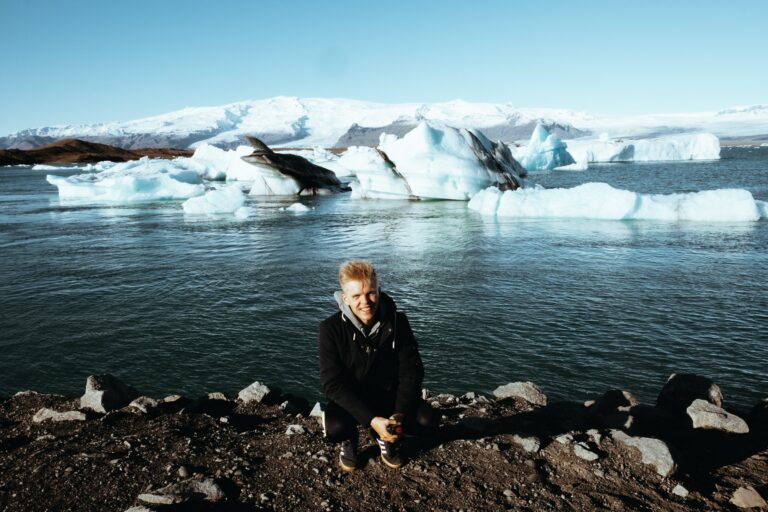
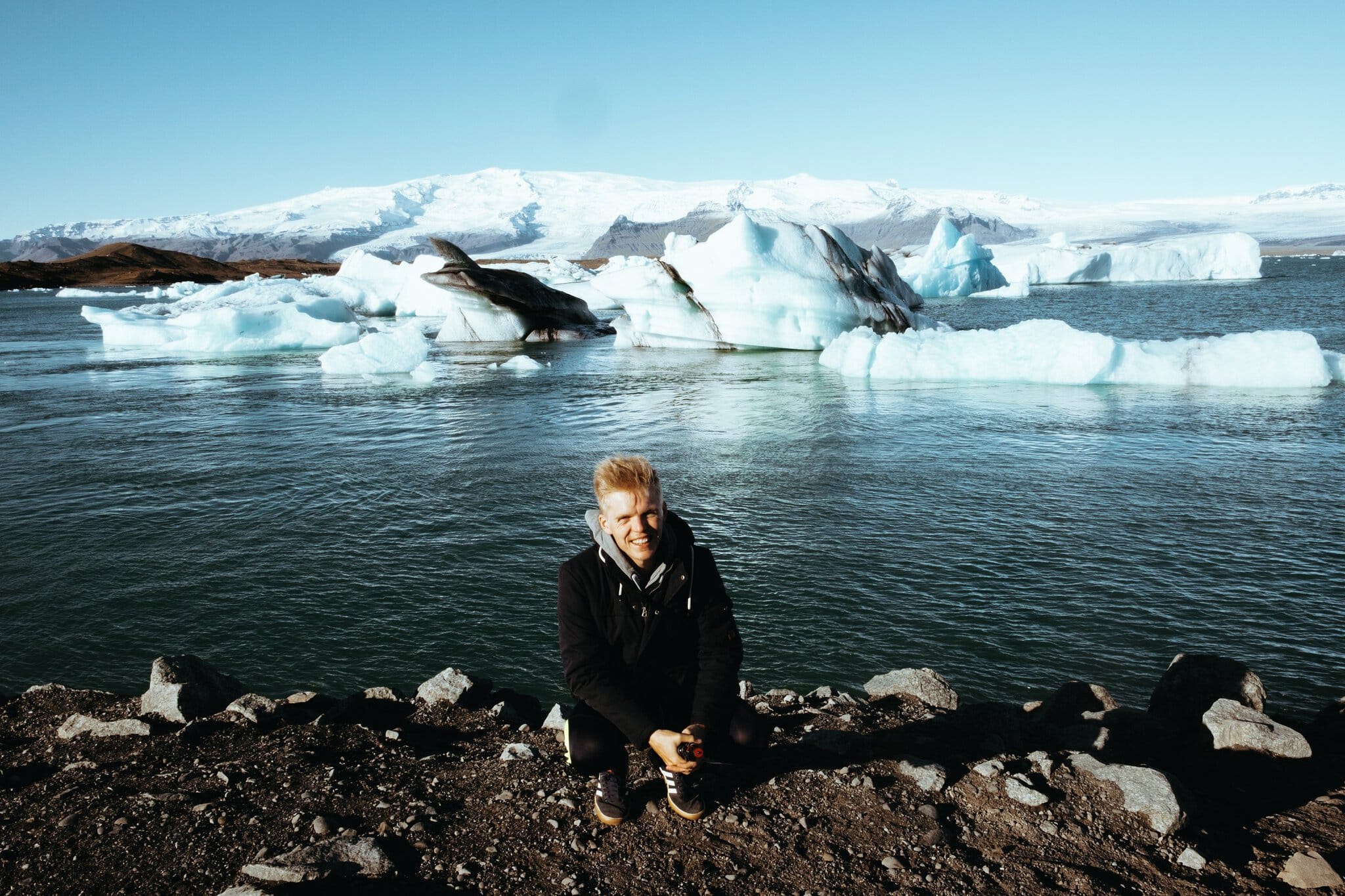
This is the place to stop even if you only get to see one single thing in Iceland. The enormous Breiðamerkurjökull glacier tongue empties out here, constantly calving massive chunks of centuries-old ice into the deepest lake on the entire island. We spent around two hours here just standing on the shore, utterly mesmerised, watching the incredible play of colours — from brilliant white through deep turquoise to streaks of black volcanic ash.

A big bonus is that seals are fairly common in the lagoon, happily hunting fish or just lazing about on the ice floes. While we were walking along the shore, a curious little head popped up just a few metres away several times — the seal sized us up for a moment, then vanished beneath the surface with total elegance.

Access to the lagoon itself is free; you only pay 1,000 ISK for parking (about €7), and right by the car park there’s a café open year-round where you can warm up. If you want to scope out conditions from home and check the cloud cover, you can use the official weather site, which offers accurate forecasts for the whole region.

💡 Tip: Tickets and organised tours (in Iceland and beyond) are well worth booking ahead online on GetYourGuide — they fill up fast in season.

2. A boat tour of the lagoon: Amphibian vs. Zodiac

Once you’re at the lagoon, it would be a real shame not to get up close to those icy giants right from the water itself. During the main season, which runs roughly from 1 May to the end of October, you have two main types of boat to choose from, and it’s a bit of a dilemma that comes down mainly to your budget and who you’re travelling with. In summer it gets seriously packed, so be sure to book your tour well in advance, or you’ll be left gazing wistfully from the shore.

The first and most accessible option is the large amphibian boat, which rolls straight into the water from dry land on huge wheels. It’s a slower, calmer ride of about 40 minutes, and an adult ticket costs 7,100 ISK (about €49).

Children aged 6 to 12 pay 3,500 ISK and the youngest under five go completely free, so for families it’s hands-down the best choice — the guide will even let you taste a piece of thousand-year-old ice during the ride.

But if you’re after a bigger adventure and want to feel the wind in your hair, pay a little extra for the smaller rigid-hull Zodiac boat. The trip costs 16,600 ISK (around €115) and children aged 10 to 12 pay 8,300 ISK, but the experience is in a different league entirely. The boat is much faster and in about 75 minutes takes you up to eight kilometres out, right to the glacier wall itself — somewhere the slow amphibians can’t reach — and you can weave through narrow channels in the immediate vicinity of enormous ice floes.

3. Diamond Beach and the jewels of ice

Just cross the main road from the lagoon towards the ocean and you’ll find yourself in an entirely different world on Breiðamerkursandur beach. A short river carries all the melting chunks of ice out to sea, where the waves grind them smooth and cast them back onto the jet-black volcanic sand.

We were running around here completely thrilled, because the contrast of crystal-clear ice against the coal-black backdrop is an absolute paradise for photographers, especially at sunrise, when the warm morning light shines through the ice blocks and gives them an almost magical glow.

I have to warn you extremely emphatically about the wild local Atlantic, though, because this is one of the most dangerous spots in all of Iceland. The beach is notorious for its treacherous sneaker waves, which can strike out of nowhere far further and far more powerfully than the calm surface would ever suggest.

So never stand on the beach with your back to the ocean while taking a selfie by the ice, and don’t step right in front of an ice floe the moment a wave is coming in, even a small one — the heavy ice can easily crush you. You’ll always find the current warnings on the Safetravel safety portal.

4. Fjallsárlón as a quieter alternative

If the huge crowds, packed car parks and ever-present noise at the main lagoon start to grate on you, drive about ten minutes back west to Jökulsárlón’s little sibling. The Fjallsárlón lagoon isn’t as enormous and its water doesn’t have quite that deep blue colour, but it has one huge advantage: the glacier tongue itself towers much closer to the shore, making it feel all the more majestic and dramatic.

We enjoyed absolutely wonderful peace and quiet here, as noticeably fewer tourists come this way and there’s a very intimate atmosphere. You can simply sit on the shore in total silence and listen to the booming crack of ancient ice as another floe breaks off somewhere in the distance.

Small rubber Zodiac boats operate here too, in case you fancy a water adventure in smaller groups, well away from the biggest tourist bustle of the main lagoon.

Vatnajökull National Park and Skaftafell: 4 tips for active travellers

The western part of the southeastern tip belongs to the vast Vatnajökull National Park, which covers an incredible eight percent of Iceland’s entire area and offers some of the best hiking trails on the island. Here you can work up a sweat hiking to beautiful waterfalls, or strap on some proper crampons and head out to explore the deep crevasses right on the glacier’s surface.

5. A glacier hike — walking on the ice

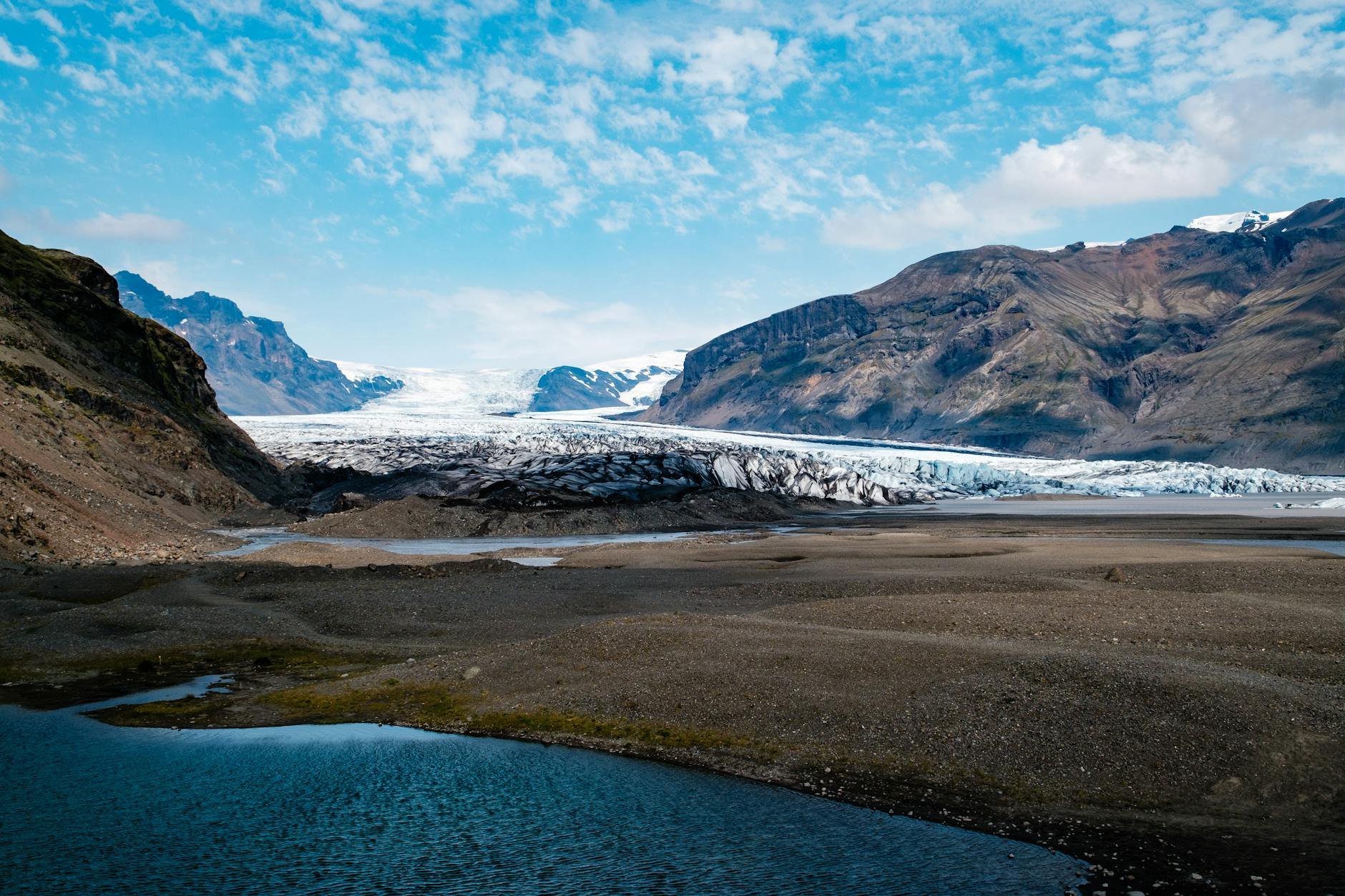
This is an experience I wholeheartedly recommend to anyone with even half-decent fitness. Walking across the surface of the huge Vatnajökull glacier on the Falljökull or Skaftafellsjökull tongues, peering carefully into deep blue holes and hopping over little streams of crystal-clear ice water, is simply something quite extraordinary. The Skaftafell visitor centre is the main base from which all these tours regularly set off.

The single most important rule in all of Iceland, though, is that you must never set out onto a glacier on your own. It’s riddled with treacherous crevasses cunningly hidden beneath a thin layer of snow or volcanic dust, and a fall into one would be fatal. Always book your hike with certified companies like Arctic Adventures or Glacier Guides.

A standard three-hour beginner’s hike costs around €120, and the professional guide will lend you all the safety gear — from a helmet and harness to an ice axe and crampons. Just don’t forget to bring your own sturdy, waterproof boots above the ankle, because you simply can’t attach crampons to soft trainers.

💡 Tip: Tickets and organised tours (in Iceland and beyond) are well worth booking ahead online on GetYourGuide — they fill up fast in season.

6. The blue ice caves in winter

If you’re lucky enough to be planning your trip during the cold winter months from November to March, you get a truly unique chance to explore the so-called Crystal Caves or Blue Caves right inside the glacier. These caves form every summer as huge volumes of water melt beneath the glacier, then freeze solid again in winter into incredible organic shapes. Sunlight then filters through the old mass of compressed, bubble-free ice, creating the most intense sapphire colour.

Just as with the glacier walk, you may enter only in the company of a guide, because the glacier is constantly moving and the cave ceilings can collapse in warmer weather. The tours usually start with a departure from a special car park near Jökulsárlón in lifted super-jeeps with giant tyres, since the route to the caves is completely impassable for ordinary cars.

Prices for the three-hour trip range roughly from 19,900 to 28,900 ISK (about €138 to €200), and considerably higher for special photography tours, but it’s an experience you’ll never forget as long as you live.

Experiences & tickets
traveler-rated · GetYourGuide
Reykjavik: Jokulsarlon Glacier Lagoon & Diamond Beach Tour
★★★★★ 4.7 · 3 835 reviews
from €202
I want this experience →
🔗 These are affiliate links — they don't change your price and help us create content. · All experiences →
lukas a lucka
Lukáš and Lucie recommend
Where to Stay near Jökulsárlón
4 accommodations — hotels, wellness hotels and other lodging options

7. The black Svartifoss waterfall

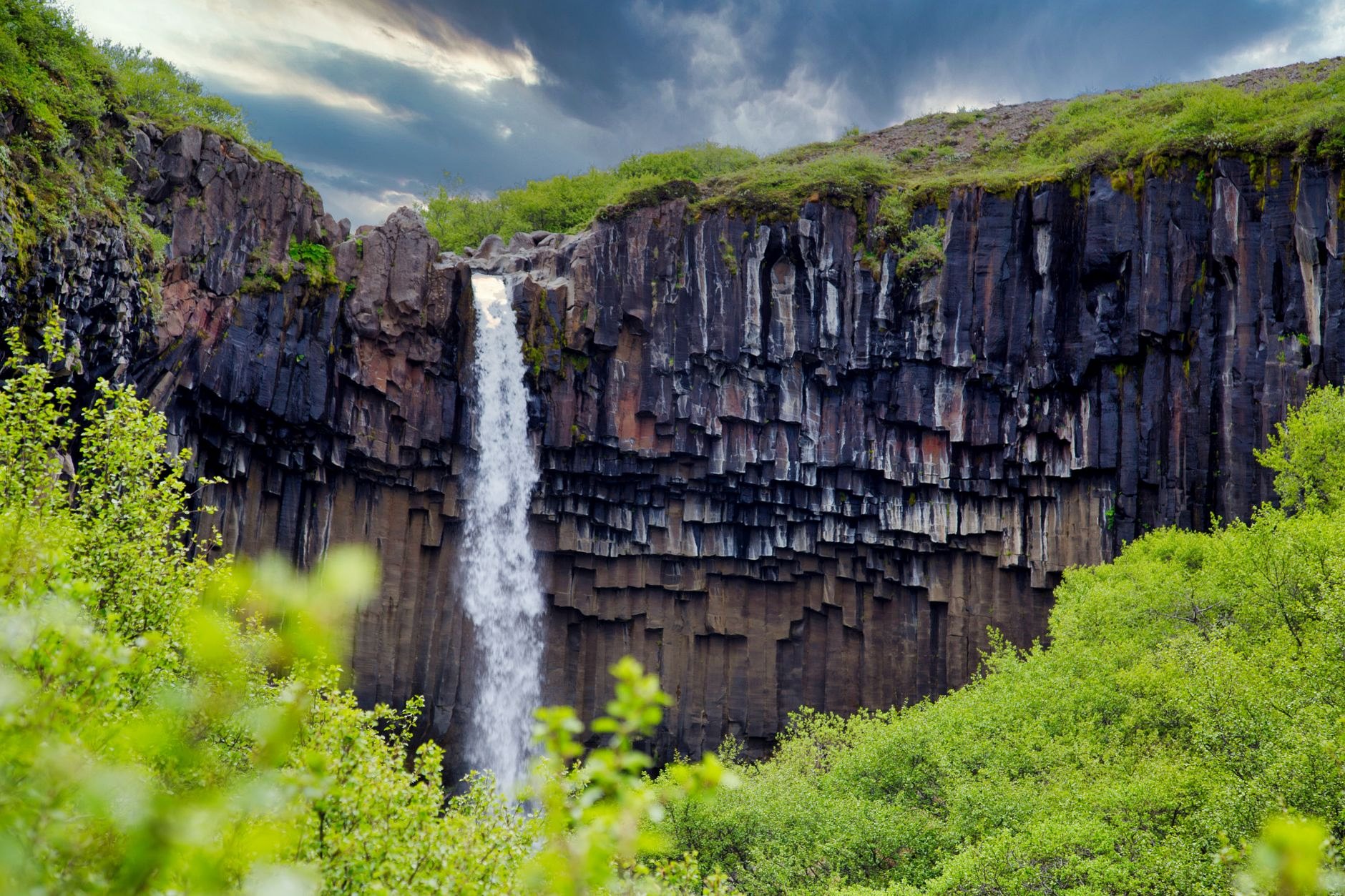
Once you’re in Skaftafell, be sure to make time for the walk from the visitor centre, gently uphill, to this beautiful and unique waterfall. The whole loop is roughly two and a half kilometres and takes a little over an hour. Even though the waterfall isn’t especially tall and doesn’t have a dizzying flow of water, what makes it remarkable is its dramatic geological backdrop.

The water thunders down over perfect, geometrically regular hexagonal columns of dark black basalt, which look visually like the immense pipes of a giant organ. This natural phenomenon once inspired the famous Icelandic architect Guðjón Samúelsson when he designed the iconic Hallgrímskirkja church in Reykjavík, and if you stand here for a while, mesmerised, you’ll immediately spot the obvious architectural resemblance.

8. An easy walk to the Skaftafellsjökull glacier

If you don’t feel like strapping on crampons and paying for a hike across the glacier surface itself, the national park offers a very pleasant free alternative. From the information centre, an easy and beautifully maintained trail leads straight to the foot of the mighty Skaftafellsjökull glacier tongue.

It’s almost perfectly flat, so you can manage it even with kids, and at the end a fantastic view opens up of a giant mass of ice that looks as though it wants to bite straight into the gravel bed. Here too you’ll see a small lagoon full of murky glacial water and smaller broken-off floes, and it’s a great spot for a moment of quiet contemplation and some stunning photos without having to pay for a guide.

Heading east: 5 tips for lesser-known spots and relaxation

Once you’ve thoroughly explored the famous lagoons, most tourists turn straight back towards Reykjavík, but I warmly recommend not rushing and carrying on along Ring Road 1 further towards the town of Höfn. The landscape starts to change here, the passing traffic thins out rapidly, and you’ll find peaceful corners where you can rest beautifully.

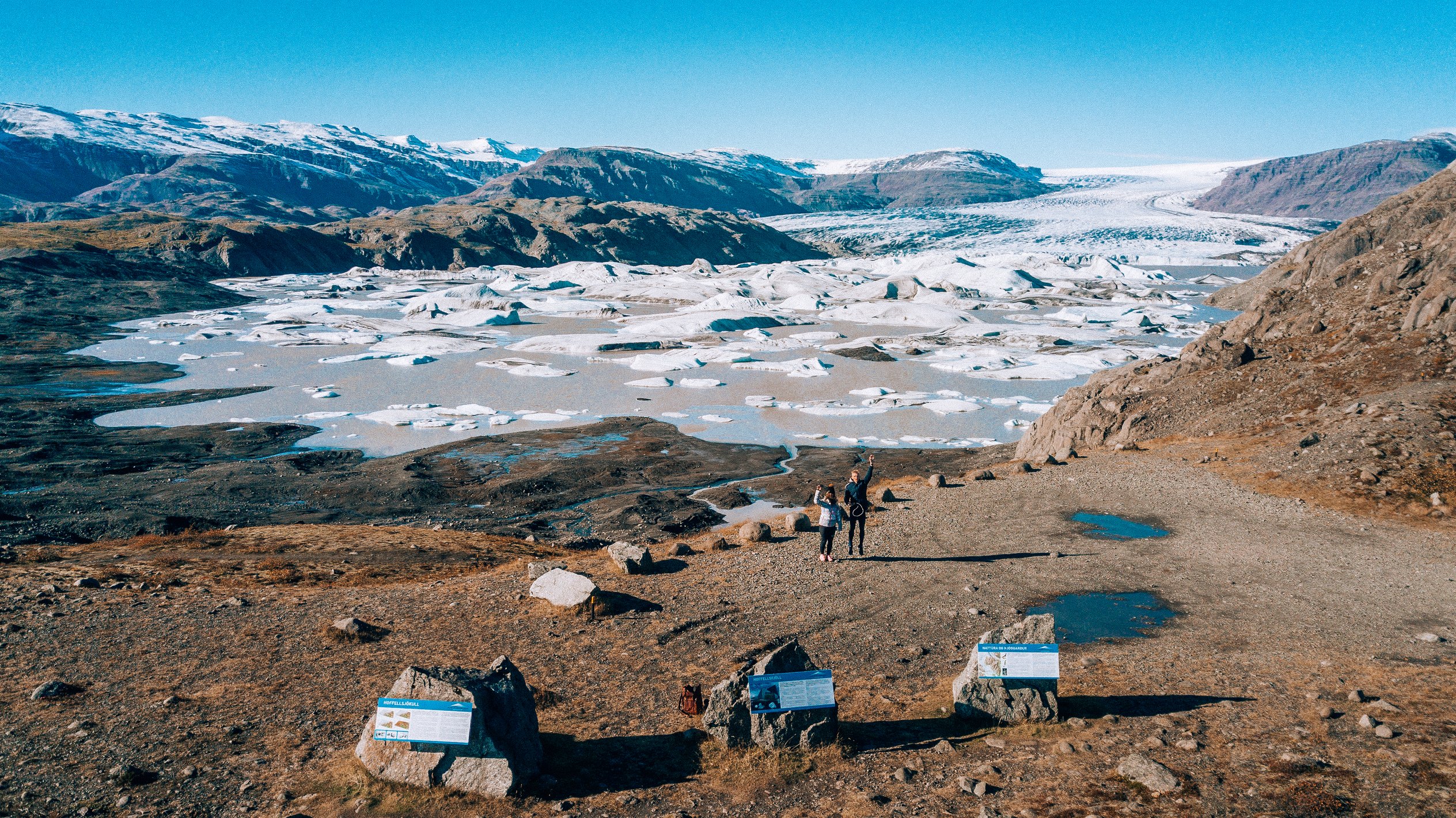
9. The mysterious Hoffellsjökull glacier

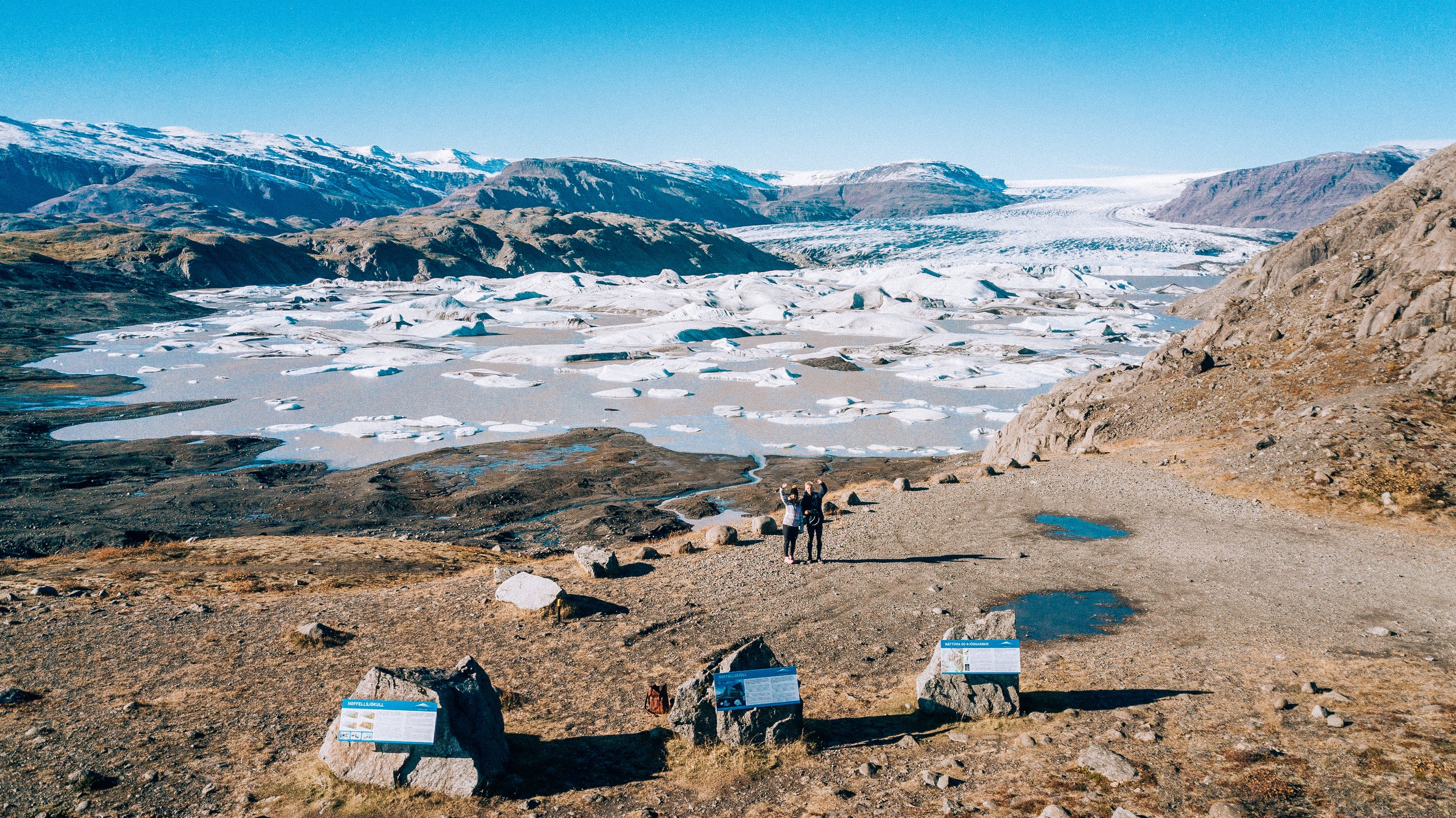
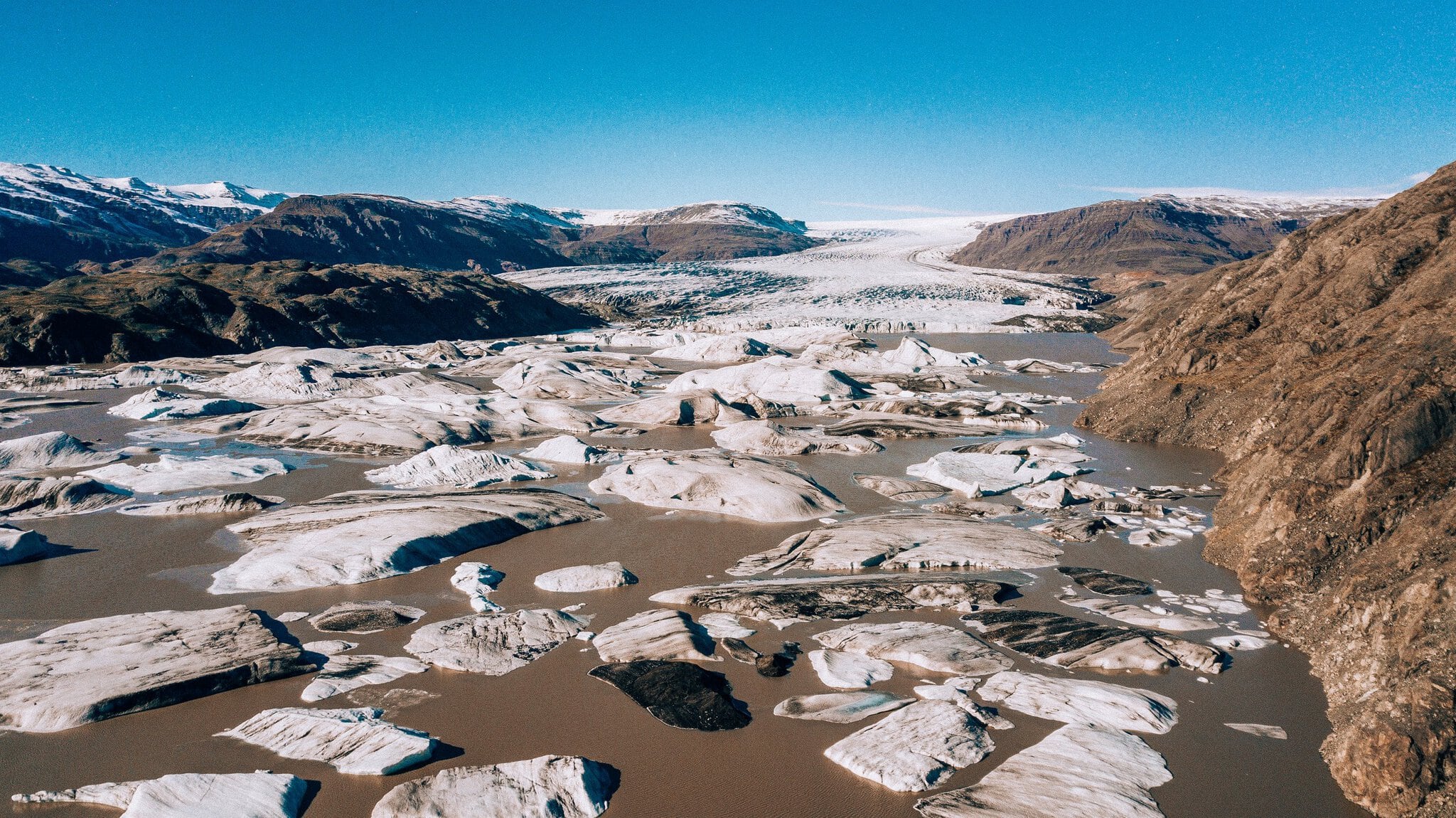
As we slowly approached Höfn by car, we couldn’t resist turning off the main tarmac onto a slightly bumpy, dusty track towards the Hoffellsjökull glacier. It’s a considerably less visited area and offers a glimpse of a rawer, muddier, wilder face of Icelandic nature — one that hasn’t been smoothed over for crowds of tourists with cameras.

When we reached it, a slightly oppressive melancholy settled over Lukas and me. This glacier tongue is retreating extremely fast and dramatically melting, so all that’s forming beneath it today is a murky lagoon full of silt from the bedrock, and it’s entirely possible that in a few decades there’ll be almost nothing left of it.

Even so, it was an immensely powerful and rather peaceful stop, where you fully grasp the enormous force of the climate change unfolding around us.

10. A soak with a view at the Hoffell hot tubs

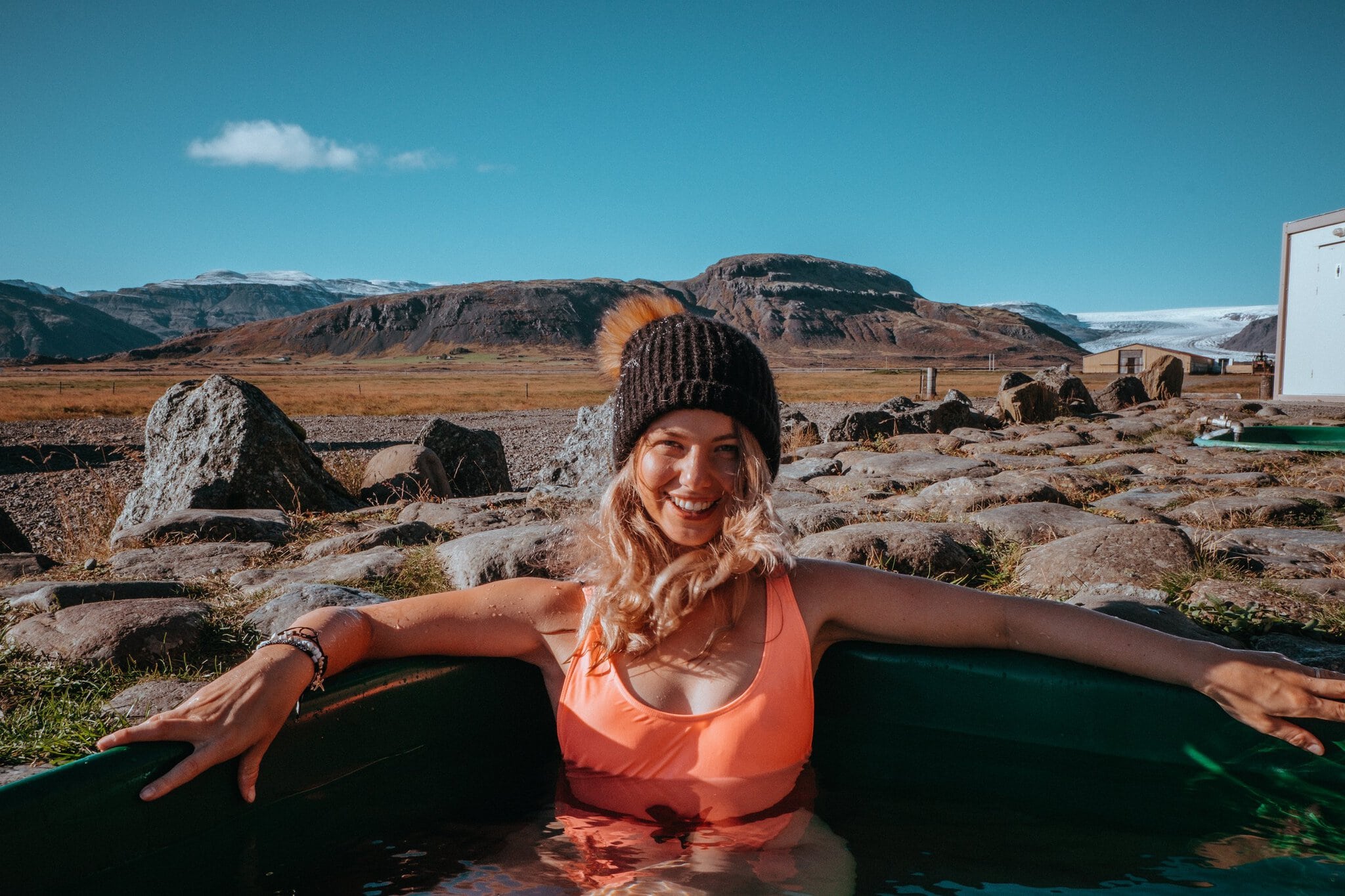
After a long day spent in the icy wind amid the frozen plains, there’s nothing better than sinking into hot thermal water. About fifteen minutes’ drive from Höfn, right by the turn-off to the glacier mentioned above, you’ll find the charming Hoffell hot tubs — a cluster of five smaller round pools built right into the rock, with an unbelievable view of the surrounding mountain peaks.

We spent a good two hours here just warming up our aching muscles after all that endless walking. Entry costs a very reasonable 2,000 ISK (about €14) and the site is usually open daily from ten in the morning to nine in the evening, though it often closes for the winter in November.

On site there are only the most basic outdoor showers and a small wooden changing hut, so don’t expect a luxury hotel spa — but what you do get is genuine, unfiltered Icelandic romance in pristine nature.

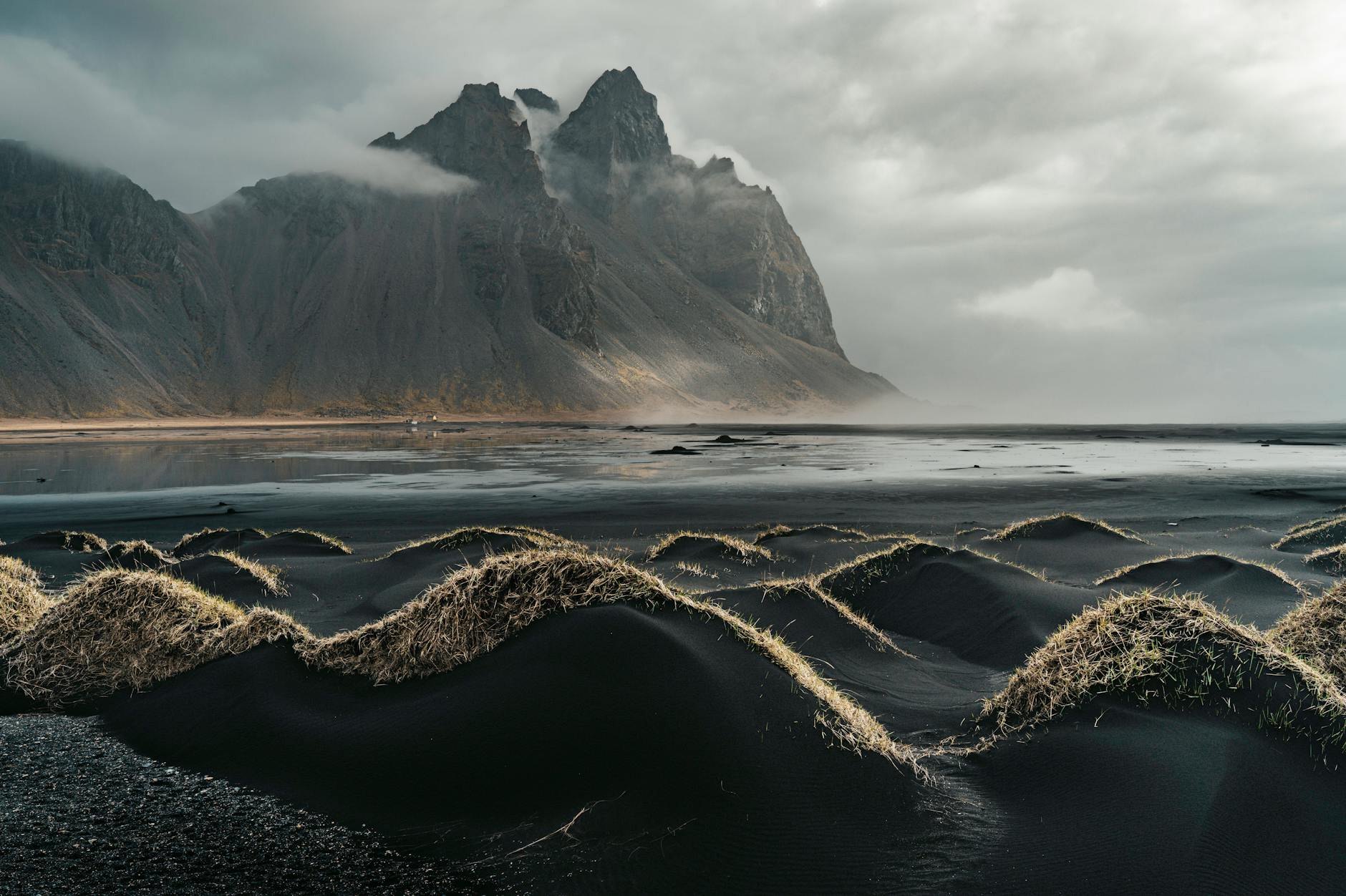
11. The photogenic Vestrahorn mountain and the Stokksnes dunes

A short way beyond Höfn, the dramatic Stokksnes peninsula juts out into the sea, dominated by the iconic, jagged Vestrahorn mountain of black gabbro, often also called Batman Mountain because of its distinctive shape. The beaches here are lined with beautiful grassy dunes of black volcanic sand, where seals occasionally lounge lazily, and photographers from all over the world come here to hunt for the best compositions.

The peninsula sits on private land, so there’s an entry fee of 1,100 ISK (about €8) payable at the local Viking Café, while children under sixteen thankfully get in free. The café is open from nine to six in the evening, but outside those hours an automatic gate operates, so you can easily get in for sunrise too.

The admission fee includes, incidentally, a walk around an old Viking village — admittedly just an abandoned film set built for some long-ago shoot, but it looks surprisingly authentic and gives the place a faintly mysterious atmosphere.

12. Admiring the Eystrahorn massif

If you happen not to have time to detour to Stokksnes and pay the entry fee, another beautiful sight is guaranteed by the stunning Eystrahorn mountain, which you drive right past on the Ring Road as you head even further into the remote Eastern Fjords. It’s a similarly steep, dark rock massif plunging straight into the ocean waves, and we watched it in awe straight from our car window.

When you’re lucky with ideal weather conditions and the ocean is unusually calm, the enormous mountain reflects on the shallow waters of the wide bay, offering a postcard-perfect view. It’s more than enough to pull over at one of the small, safe lay-bys along the main road, climb out of your warm car, and just soak in the incredible wildness of Iceland’s unspoilt east for a while.

13. The little turf church of Hofskirkja

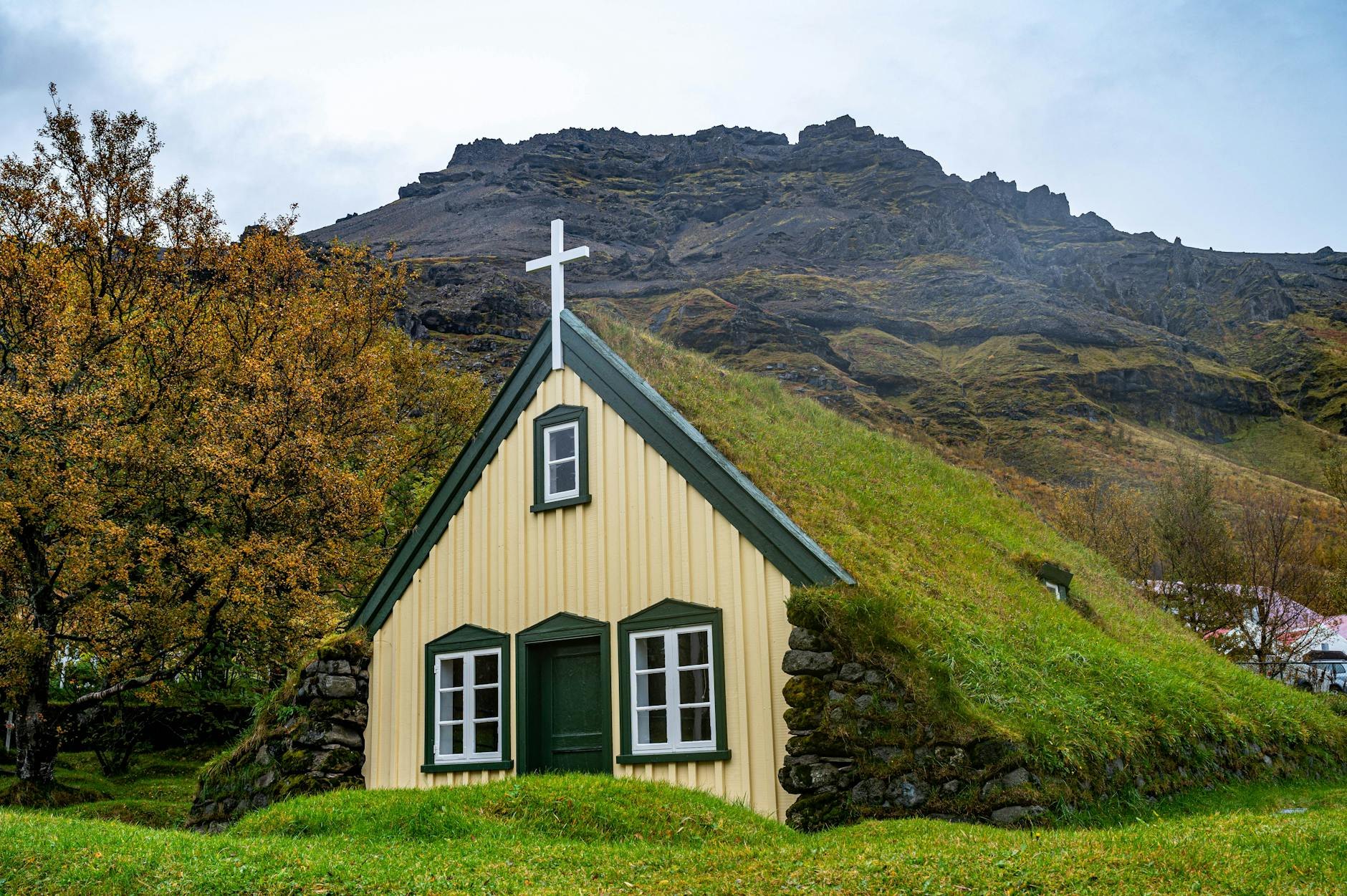
As one final little tip for travelling through this area, I have to mention the hamlet of Hof, just a short hop from Skaftafell National Park. In the middle of this tiny village — where, incidentally, you’ll also find very pleasant farm accommodation — stands the beautiful historic Hofskirkja church from the nineteenth century, complete with a traditional turf roof carpeted in lush green grass that once served as ingenious natural insulation against the cold.

It looks exactly like somewhere out of the Shire in Lord of the Rings, because the church is surrounded by a beautiful old cemetery where the individual graves are just grassy mounds blending into their surroundings.

Hofskirkja is one of just six surviving turf churches in all of Iceland and is cared for by the national museum, so while it’s certainly no half-day-trip attraction, it’s an absolutely perfect detour for a ten-minute photo stop as you pass through the hamlet.

Where to eat in the land of langoustines when you’re vegetarian

The town of Höfn, which works as a perfectly logical base for the eastern tip of the area and for stocking up at the cheap Bónus supermarket (that’s the one with the funny pink pig in its logo), is famous across all of Iceland as the lobster capital. In reality, local fishermen here haul up huge quantities of langoustines (humar in Icelandic) — smaller and, by all accounts, incredibly sweet little sea creatures.

If you eat seafood, every single carnivorous guide here recommends the legendary Pakkhús restaurant, housed in an old red warehouse right by the harbour, whose roasted langoustines in garlic butter are renowned, with a main course costing around 6,000 to 8,000 ISK (about €41 to €55).

Since Lukas and I are vegetarians, though, all this lobster fame was more of a logistical headache for us, and we were worried we’d end up cooking pasta in our room again. So we headed into the centre hoping to find something, and I’m delighted to report that it was the very Pakkhús we’d been dreading that pleasantly surprised us!

Even though it’s primarily a fishermen’s paradise, we ordered a fantastic vegetarian dish here made of golden-roasted potatoes, sweet potatoes, a hearty portion of chickpeas and juicy sun-dried tomatoes. It was a really big, filling plate that hit the spot incredibly well after a freezing day spent out on the glacier, and proved that you certainly won’t go hungry without meat in Iceland.

As a second great option in town, I warmly recommend the very cosy Otto Matur & Drykkur, which conjures up wonderful hot soups, coffee and excellent fresh pastries — just always check the current daily menu in advance to see whether they have something fully vegetarian on offer.

And by the way, never buy bottled water in Icelandic restaurants, because the ordinary tap water (which they’ll pour you everywhere for free) is literally crystal-clear glacial water of the very highest quality.

Where to go next

If you’ve ticked off the southeast and are wondering where to head next on this island of fire and ice, definitely don’t miss our other guides and tips — because while you can have your accommodation near Jökulsárlón booked, Iceland is enormous. I’ve put together more articles packed with our inspiration and practical experience.

If you’re travelling the route from the airport, be sure to explore what to see on Iceland’s south coast, where the most beautiful waterfalls and cliffs await you. For general advice on flights and budgets, our big Iceland guide will come in handy, with everything you need for a hassle-free trip.

If you’re going in the colder months, we’ve also put together an overview of what Iceland is like in October and how much it all costs, and so you don’t freeze along the way, you’ll definitely appreciate our article on where to find the 16 best hot springs in Iceland. As for getting there, easyJet, Jet2 and Icelandair all fly direct to Keflavík from major UK airports, and we always hire our car through a reliable comparison site for the best long-term experience.

Turista u ledovcové laguny Jökulsárlón s ledovci v pozadí 🚗 Car rental on the road Verified rental cars in Iceland

Search with the DiscoverCars comparison engine — it compares prices from dozens of local and international rental companies, and most bookings come with free cancellation.

Compare car prices in Iceland →
DiscoverCars comparison✓ free cancellation on most bookings✓ no hidden fees

Frequently asked questions

How far is it from Reykjavik and can you do it in a day?

From Reykjavik to Jökulsárlón lagoon it’s about 375 kilometers, which takes at least five hours of pure driving in one direction without any stops. As a day trip it’s incredibly exhausting, even grueling, so I absolutely don’t recommend it – it’s much more sensible to split up the journey and spend the night in Vík or in the Skaftafell settlement, for example.

Is it worth taking the amphibious boat tour, or better to go with the Zodiac inflatable?

It depends on your budget and group. The amphibious vehicle is cheaper (7100 ISK per adult), slower and much more suitable if you have small children with you. The Zodiac costs considerably more (around 16600 ISK), but the small rubber boat takes you a full eight kilometres further into the depths of the lagoon and weaves you right up close to the glacier wall, making it a more thrilling experience.

What time of year do these lagoon boat tours actually operate?

The main boat season on the lagoon runs roughly from May 1st to October 31st. In winter, boats don’t operate due to too much ice on the surface and worse weather conditions, but instead of boat trips, the exciting ice cave exploration season begins.

When exactly can you visit the blue ice caves under the glacier?

The caves (so-called Crystal or Blue Caves) are stable and safe only during the winter months when it freezes, which is roughly from mid-November to March. Visits are possible only with a certified guide, departing in special super jeeps, and prices range from €135 to €195.

Can I go for a walk on the glacier by myself without a paid guide?

Definitely not, it is strictly forbidden and above all it would be an enormous gamble with your own life. Very deep crevasses are often hidden beneath a thin layer of snow or sand, into which you can fall, so glacier hikes and cave visits should always be done only with certified professionals.

Should I visit Jökulsárlón, or rather the nearby Fjallsárlón?

Ideally both! Jökulsárlón is the main and deepest lagoon with intense blue color and the bonus of Diamond Beach across the street, but it can get really crowded during season. Fjallsárlón is a smaller, quieter lagoon with darker water, where the glacier wall itself is visually much closer and you’ll avoid the biggest crowds.

Is it possible to eat vegetarian in Höfn, which is full of lobsters and fish?

Yes, it’s definitely possible and you don’t need to worry about it at all. Although the town of Höfn is famous for lobster fishing, you can eat wonderfully here even without meat. Even the most famous fish restaurant Pakkhús offers, in addition to fish, excellent and very filling vegetarian dishes made from roasted potatoes, chickpeas and sweet potatoes, just make sure to always check the current menu in advance.

Tips and Tricks for Your Vacation

Don’t Overpay for Flights

Search for flights on Kayak. It’s our favorite search engine because it scans the websites of all airlines and always finds the cheapest connection.

Book Your Accommodation Smartly

The best experiences we’ve had when looking for accommodation (from Alaska to Morocco) are with Booking.com, where hotels, apartments, and entire houses are usually the cheapest and most widely available.

Don’t Forget Travel Insurance

Good travel insurance will protect you against illness, accidents, theft, or flight cancellations. We’ve had a few hospital visits abroad, so we know how important it is to have proper insurance arranged.

Where we insure ourselves: SafetyWing (best for everyone) and TrueTraveller (for extra-long trips).

Why don’t we recommend any Czech insurance company? Because they have too many restrictions. They set limits on the number of days abroad, travel insurance via a credit card often requires you to pay medical expenses only with that card, and they frequently limit the number of returns to the Czech Republic.

Find the Best Experiences

Get Your Guide is a huge online marketplace where you can book guided walks, trips, skip-the-line tickets, tours, and much more. We always find some extra fun there!
Sardinia, Italy: 25 Best Things to See and Do in 2026

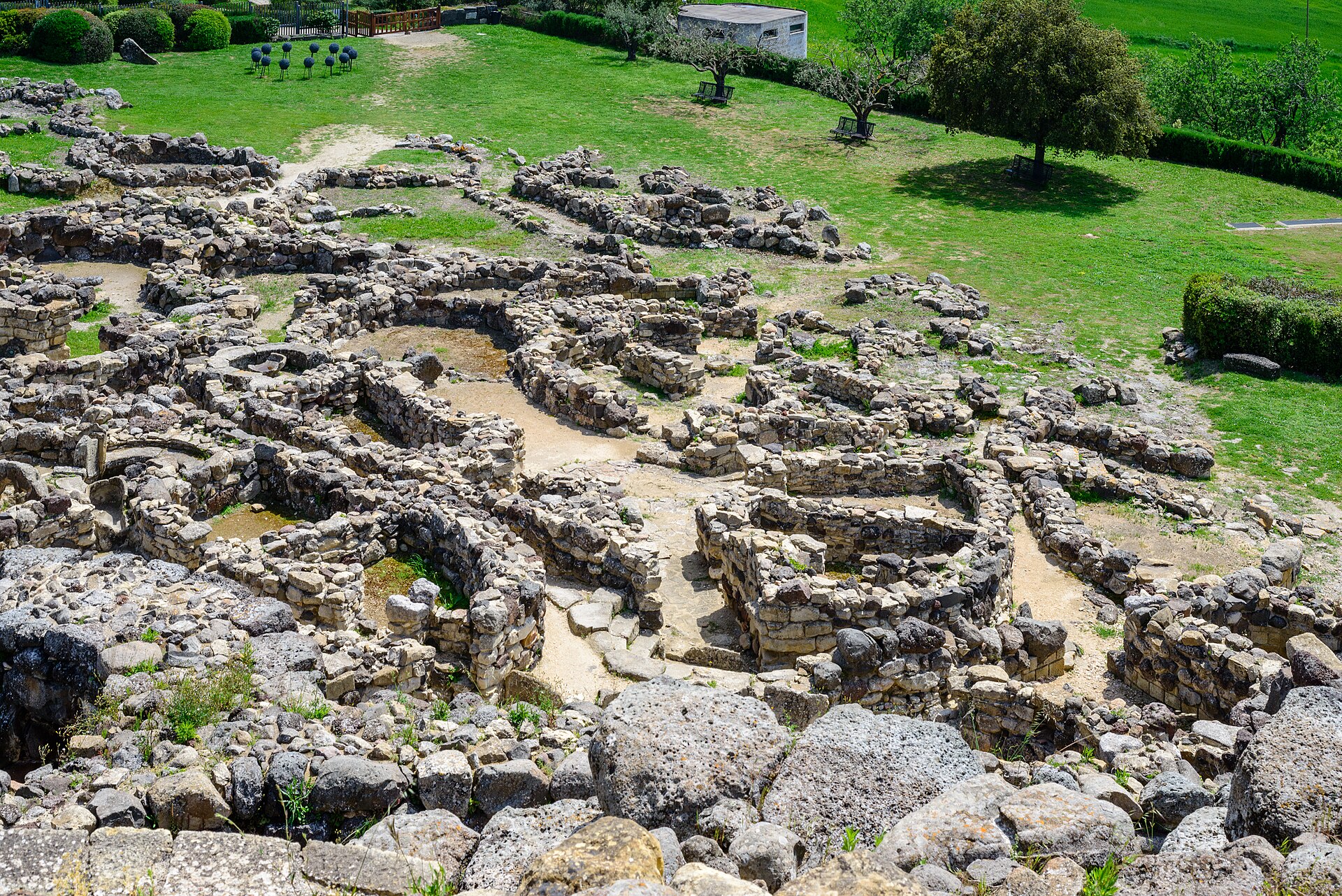
TL;DRSardinia is packed with brilliant spots — this roundup has 25 of them, from the beaches of La Pelosa and Cala Goloritzé to historic towns like Alghero and Cagliari with its old Castello quarter. June and September are the best months to go, when the sea sits at a warm 22–24°C and the crowds thin out compared to July and August. You can fly direct to Olbia, Cagliari or Alghero, or take the ferry from Livorno to Olbia, which takes 7 to 10 hours. Budget €100 to €250 a day per person, and a car is pretty much essential — though watch out for fines of €80 to €200 if you stray into a ZTL restricted zone. The island is scattered with over 7,000 mysterious nuraghe structures, including the UNESCO-listed Su Nuraxi near Barumini.

You know that feeling when you’re craving Caribbean-style exotica but can’t face twelve hours on a plane? If there’s one place in the Mediterranean that can genuinely rival the Caribbean’s beaches, it’s Sardinia, Italy. This vast Italian island serves up an absolutely incredible mosaic of experiences, from beaches with soft white sand and turquoise water to a wild interior carved through with deep canyons.

A holiday in Sardinia can take on almost endless forms. Some come for the glamour of the famous Emerald Coast, others hunt out remote coves reachable only via a tough trek, and plenty of people just want to wander the romantic lanes of historic towns. The island is also renowned for its longevity and authentic cuisine, which is rather different from what you’ll find on mainland Italy.

In this guide I’ll give you a complete rundown of the very best that Italy’s second-largest island has to offer. Together we’ll work through 25 tips on fascinating places, I’ll help you with the logistics, ferries and car hire, and I’ll flag up the strict rules that apply on the most beautiful beaches.

TL;DR

  • The most beautiful beaches have limits: You won’t get into the most famous coves like La Pelosa or Cala Goloritzé without booking in advance. The authorities manage them through an app, charge fees and enforce strict rules (such as compulsory mats under your towel to stop the sand being damaged).
  • A car is a must: Public transport on the island is fairly limited. If you want to discover hidden spots, you’ll struggle without a hire car, but be extremely careful of fines for driving into historic centres (ZTL zones).
  • Diverse regions: The northeast tempts you with the luxurious Costa Smeralda and the La Maddalena islands, the northwest offers historic Alghero, the east will stun you with the cliffs of the Golfo di Orosei, and the south delights with a calmer vibe around Cagliari.
  • Rich history: Over 7,000 so-called nuraghi are scattered across the island. These are mysterious Bronze Age stone structures you genuinely won’t find anywhere else in the world.
  • When to go: The best weather in Sardinia is said to come in June and September. The sea is pleasantly warm by then, but you’ll dodge the August crowd chaos and the extreme prices.

When to Visit Sardinia

Getting the timing right is absolutely key to a successful trip, because the island changes quite dramatically over the course of the year. Let’s look at when to go to Sardinia so you get the most out of your stay and avoid any nasty surprises.

Spring months like April and May bring very pleasant air temperatures of around 18 to 23 degrees, which makes for absolutely ideal conditions for hiking and exploring the sights. The sea, however, is still quite cool at this time, usually sitting between 15 and 19 degrees, so swimming is really only for the hardiest souls. On the upside, the landscape is beautifully green and full of wildflowers in this period.

The real beach season kicks off in June, when temperatures climb towards 28 degrees and the sea warms up to a lovely 22 degrees. Travellers generally rate June as one of the best months to visit, since the island isn’t yet bursting at the seams but the summer mood is already in full swing. July and August, by contrast, are the absolute peak of the season, with temperatures routinely topping 30 degrees and water as warm as a bath. Just be prepared for an enormous influx of tourists, packed beaches and accommodation that can easily cost a hundred percent more.

An absolutely critical date is 15 August, the Italian holiday of Ferragosto. Pretty much all of Italy is on holiday then, and it becomes practically impossible to park or find a free table in a restaurant. September, on the other hand, is many travellers’ secret tip. After the hot summer, the sea stays a fantastic 24 degrees, the crowds gradually thin out and air temperatures settle at a far more bearable 27 degrees.

How to Get to Sardinia

Getting to the island takes a little planning, but thanks to growing competition between carriers it’s now fairly easy and affordable. It just comes down to whether you’d rather fly in quickly or make a road trip of it and bring your own car.

By air

The fastest way to travel is, of course, by plane. The island is served by three main international airports: Cagliari in the south, Olbia in the northeast and pretty Alghero in the northwest. If you’re hunting for flights to Sardinia from the UK, there are plenty of options in summer. Carriers such as easyJet, Ryanair and British Airways run seasonal routes from London airports to Cagliari and Olbia, while Alghero is a brilliant gateway for exploring the northwest coast. Booking a few months ahead usually nets you the best fares.

By ferry

For anyone who wants to crisscross the island in their own car or campervan, the ferry to Sardinia is the ideal choice. Boats sail from several Italian ports, with the busiest routes running from Livorno, Genoa or Civitavecchia. The crossing from Livorno to Olbia is usually the cheapest and takes roughly 7 to 10 hours, so plenty of people cleverly opt for overnight crossings with the option of booking a cabin. If you fancy combining a visit to more than one island, there’s also a fantastic and fast connection from neighbouring Corsica. The hop from the French town of Bonifacio to Santa Teresa Gallura in Sardinia takes just 50 minutes.

Car hire and the tricky ZTL zones

A holiday in Sardinia is practically impossible without a car, because while buses reliably connect the larger towns, sadly they won’t get you to the most beautiful hidden beaches. You can easily hire a car right at the airports, but it pays to watch out for a few pitfalls. Forums have long warned about certain budget rental companies that put fairly aggressive pressure on you to buy expensive insurance add-ons if you don’t happen to own a classic credit card. Local companies tend to be noticeably more relaxed about debit cards, and always photograph the car in detail when you pick it up.

Pay close attention to traffic restrictions in towns. The abbreviation ZTL (Zona a Traffico Limitato) marks zones with restricted access into historic centres. These areas are ruthlessly monitored by cameras, and unauthorised entry — even for just a few seconds while innocently turning around — means an automatic fine of between 80 and 200 euros. If you see an illuminated sign reading “Varco Attivo”, it means the zone is active and entry is forbidden. Trust me, the best strategy is always to park nicely on the outskirts and walk into the centre instead.

Where to Stay in Sardinia

Choosing the right base is absolutely fundamental to a happy trip, because the island is far bigger than it looks on a map. Driving from one end to the other can easily eat up hours, so for a shorter stay it’s always best to pick one region and really enjoy it properly.

The northeast, around the Costa Smeralda and Gallura, is considered the most luxurious — and, honestly, the most expensive — part of the island. You’ll find the most exclusive resorts here, along with a superb launch point for boat trips to the La Maddalena archipelago, but you’ll have to dig deeper into your pocket. The northwest, with Alghero’s airport, offers absolutely excellent value for money alongside gorgeous historic towns. The east coast around the resort of Cala Gonone, meanwhile, is a paradise for lovers of untouched nature, dramatic cliffs and more demanding treks.

The south of the island, around the capital Cagliari, is often unfairly overlooked by tourists, even though it’s said to hide the very best beaches in the Chia and Villasimius areas. Anyone seeking absolute peace and an authentic taste of Sardinian culture should head for the mountainous interior. There you’ll come across traditional stone villages and so-called agriturismi — romantic farms offering accommodation and fantastic home cooking at very reasonable prices.

💡 Specific accommodation tips across the regions (check prices and availability on Booking.com, and book early in high season):

Southern Sardinia: 5 Things to See in and Around Cagliari

The southern part of the island offers a fascinating mix of ancient history, lively city life and sprawling beaches that, judging by the photos, more than hold their own against the most celebrated bays in the north. Let’s take a look at the highlights.

1. Cagliari and the historic Castello quarter

The island’s capital is romantically set across several hills, and its historic heart is the majestic Castello quarter. This old fortified district is surrounded by massive walls and made up of a tangle of narrow lanes, above which rise the 14th-century Pisan towers of Torre dell’Elefante and Torre di San Pancrazio. A stroll along these steep streets offers constant views over the blue Golfo degli Angeli.

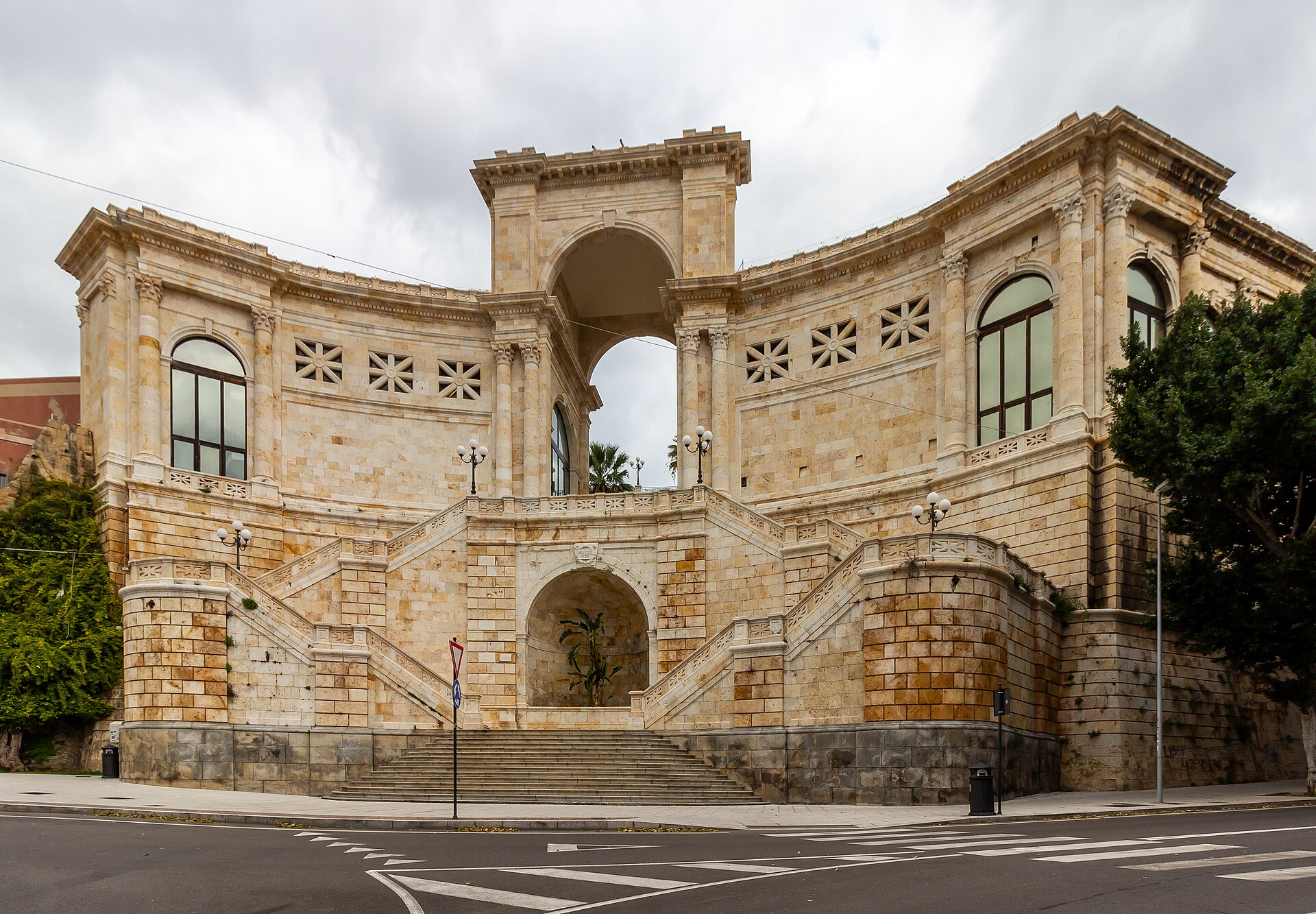
An utterly unmissable landmark is the Bastione di Saint Remy, an enormous neoclassical viewing terrace of white limestone. It’s said to offer the best view in the whole city, especially the moment the sun dips below the horizon. You’ll also be wowed by the Roman amphitheatre carved straight into the rock and the National Archaeological Museum, home to a rare collection of mysterious nuraghic figurines.

2. Poetto beach and the pink flamingos

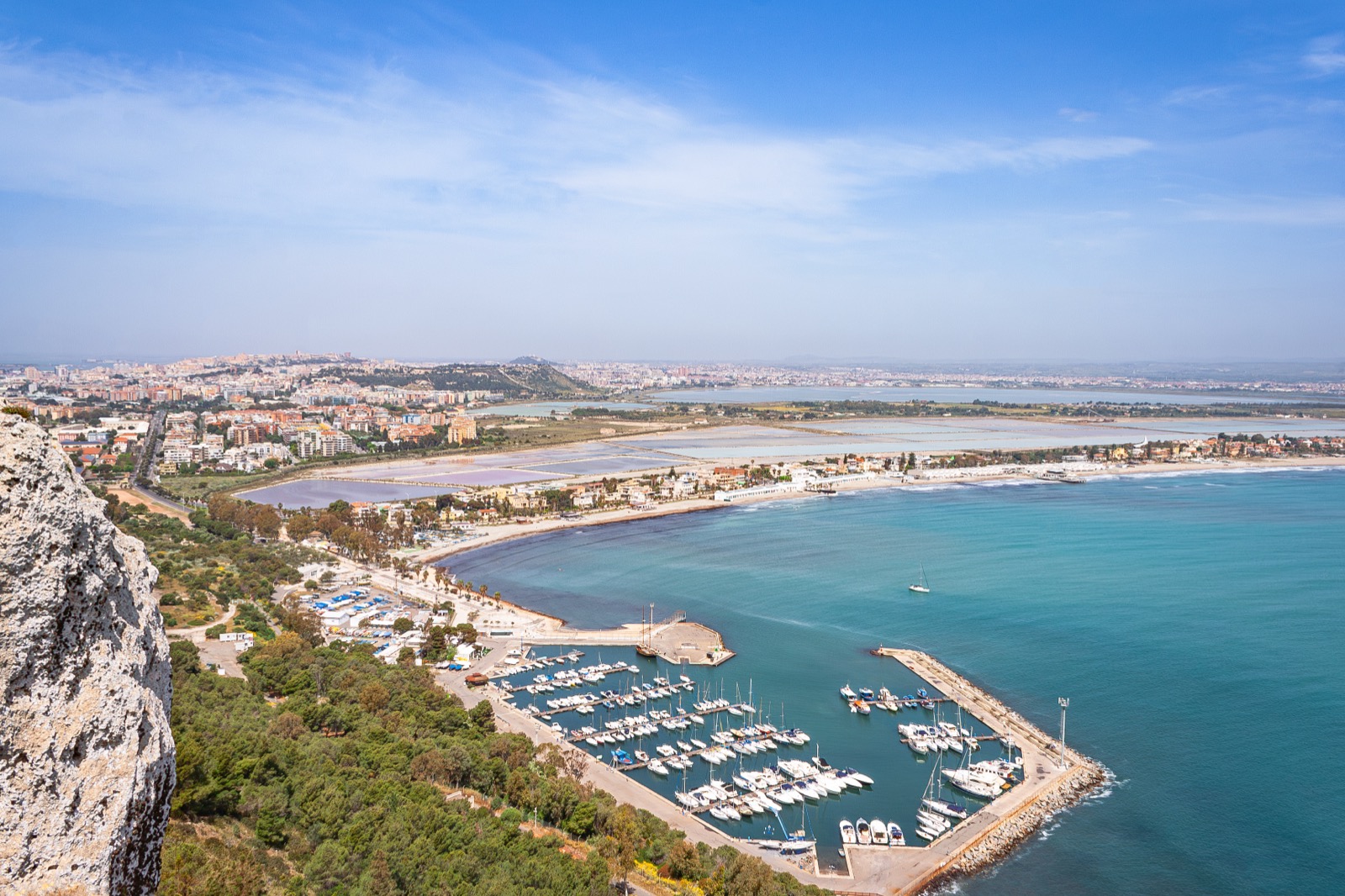
The city flows straight onto the eight-kilometre-long Poetto beach, the main summer relaxation hub for locals. It’s covered in beautifully fine sand, lined with hundreds of cafés and bars, and at its far end the iconic rock formation of Sella del Diavolo (the Devil’s Saddle) rises majestically.

Just behind the beach stretches a vast system of shallow lagoons and salt pans in Molentargius Park, home to huge colonies of wild flamingos. Picture this: these gorgeous pink birds live here all year round and can be watched beautifully right from the cycle paths that run through the park.

💡 Tip: Tickets, boat trips and organised tours fill up fast in season, so it pays to buy them online in advance on GetYourGuide.

3. The ancient city of Nora

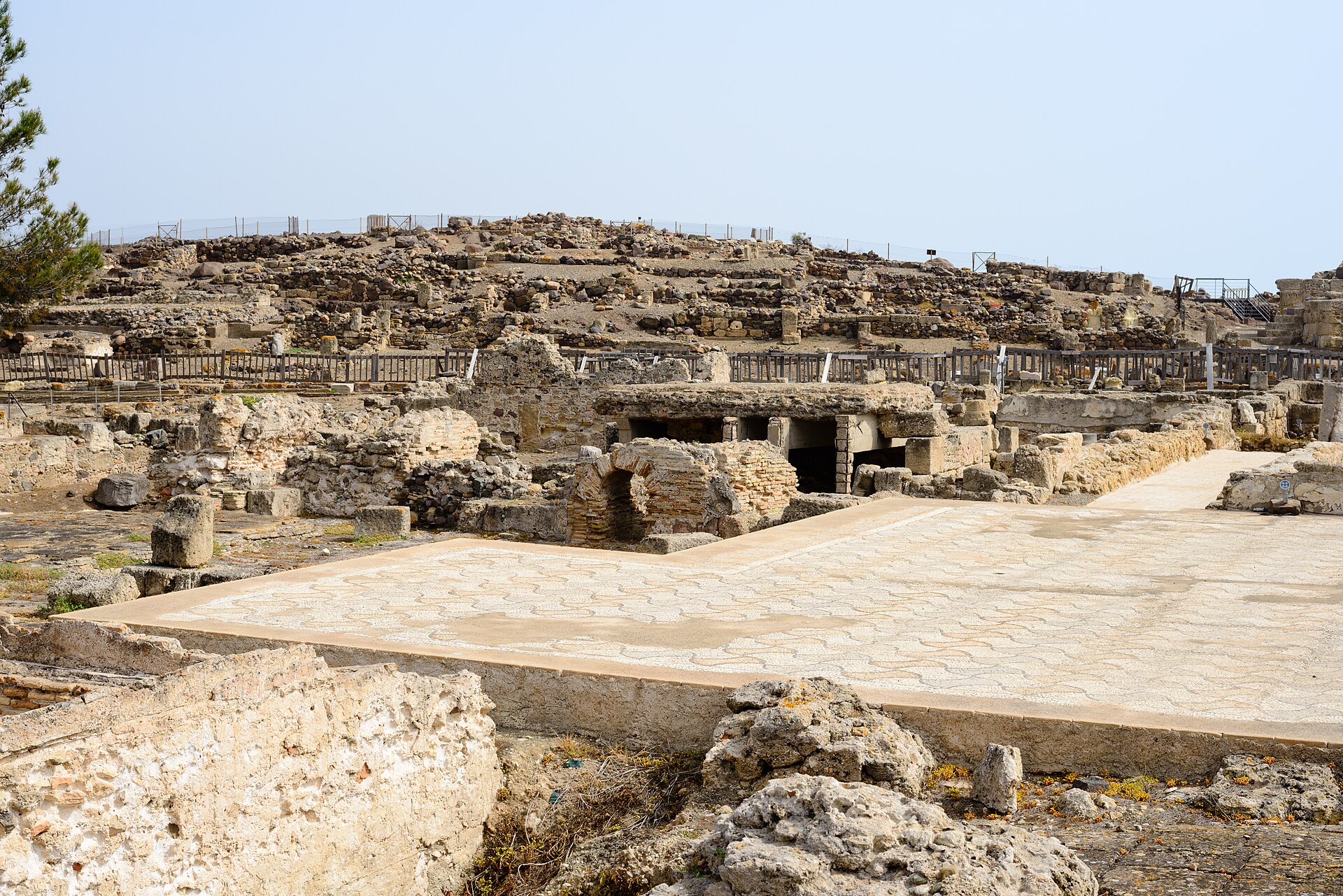
A short distance from the resort of Pula, one of the island’s most important archaeological sites spreads across a narrow peninsula. Nora was originally founded by the Phoenicians, later taken over by the Carthaginians and finally by the Romans, each of these cultures leaving its indelible mark.

Today you can stroll along ancient paved streets, admire well-preserved mosaics in the ruins of old houses and explore the remains of Roman baths. In the partly preserved theatre, the murmuring sea itself forms the backdrop to the stage. Part of the ancient city has also sunk below the surface over the centuries, so divers are in for a treat and can explore the ruins underwater too.

4. The beaches around Chia and Tuerredda

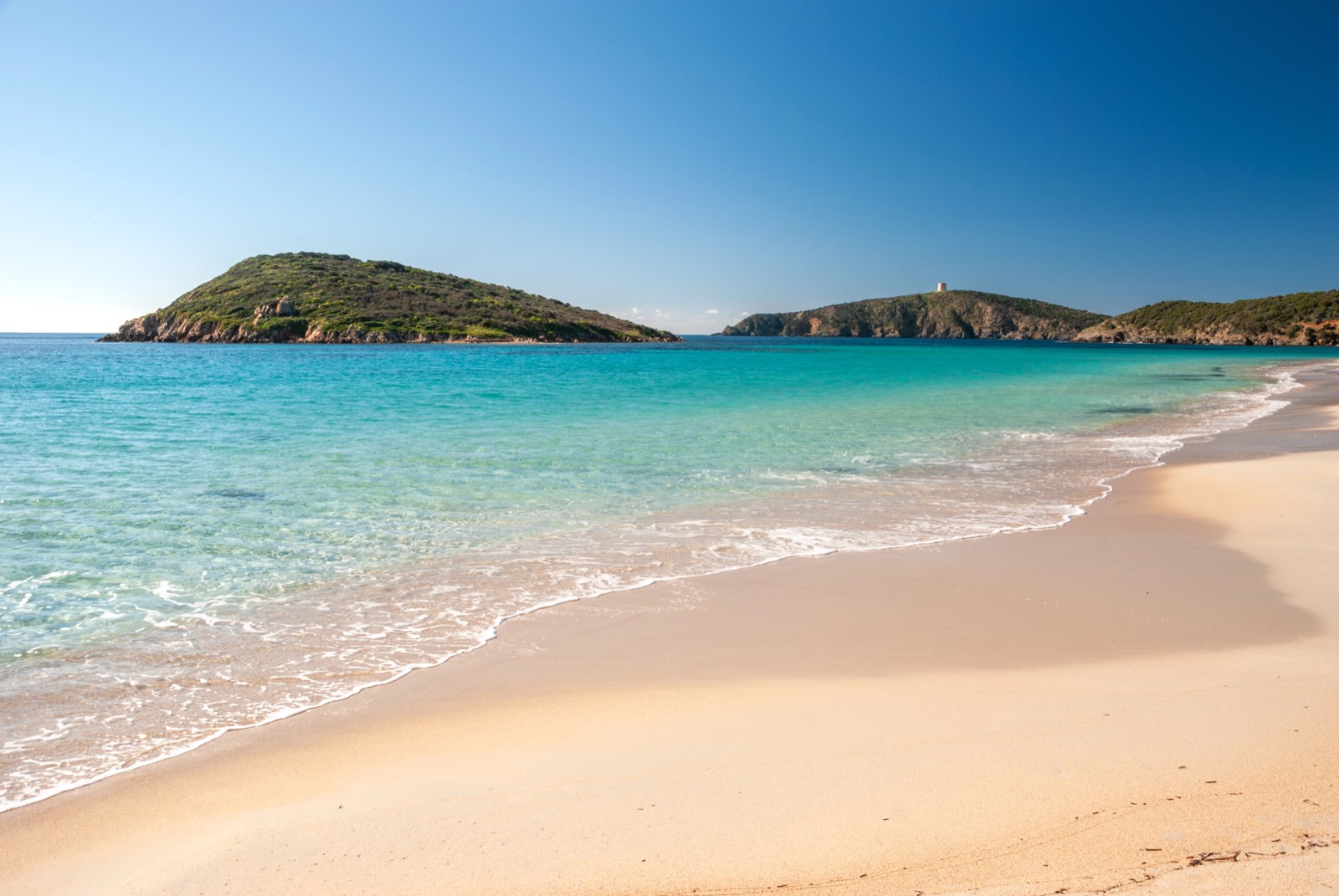
About an hour’s drive west of Cagliari lies a coastline that, by all accounts, is graced with the best beaches in Sardinia. The Chia area is utterly characterised by its enormous sand dunes, covered in ancient junipers and thankfully protected from development. The water here shimmers in unbelievably vivid shades of blue and green.

The crown jewel of the area is Tuerredda beach, with a view of the small islet of the same name, which you can reportedly swim to easily. Because its beauty drew unsustainable numbers of people, a strict daily limit of a maximum 1,100 visitors was introduced here. Be sure to check the official information for the current season, as an electronic booking system via a mobile app should be running from summer 2025.

5. The Villasimius nature reserve

On the opposite side from Cagliari lies the little town of Villasimius and the gorgeous protected Capo Carbonara peninsula. If you’re after perfectly sheltered lagoons and beaches reminiscent of exotic destinations, you’ll be thrilled here.

An absolute phenomenon is Porto Giunco beach, lapped by the sea on one side and bordered on the other by the Notteri lagoon, where flocks of flamingos wade once again. No less famous is the Punta Molentis cove with its fine white sand and granite boulders. I just have to warn you that driving in to Punta Molentis comes with a fairly hefty charge, and in summer the car park fills up terribly early in the morning, so do set your alarm.

The East Coast: 4 Tips for Breathtaking Cliffs and Mountains

The east of the island, around the Ogliastra region and the Golfo di Orosei, shows perhaps Sardinia’s most dramatic face. Here limestone mountains plunge in steep cliffs straight into the sea, creating perfectly hidden coves that only the fittest can reach by land.

6. The unreachable beauty of Cala Goloritzé

This beach regularly wins polls for the most beautiful beach in the world. Its landmark is the over-100-metre-high limestone spire of Punta Caroddi, which rises majestically above the tiny white pebbles. Swimming beneath the natural stone arch in the crystal-clear water is said to leave you with a memory for life.

Getting to the beach, though, is a bit of a purgatory. For ecological reasons, boats aren’t allowed near the shore and anchor far out at sea. By land you can only reach it via a hike from the Golgo plateau, which takes roughly an hour and a half on the way down and considerably longer on the climb back up. Entry to the trail also comes with a fee of around 7 euros, and a strict limit of 250 people at any one time applies. You have to book in advance through the “Heart of Sardinia” app, and the gate to the trail closes uncompromisingly in the afternoon. Always check the rules on the official website of the Baunei area.

7. A boat trip from Cala Gonone and the Cala Mariolu cove

Given how inaccessible most of the east coast is, it’s an absolute must to hire a dinghy — locally known as a gommone — or pay for an organised boat trip. Most boats set off from the picturesque harbour of Cala Gonone or, a little further south, from Arbatax.

The greatest gem of these cruises is the Cala Mariolu cove, famous for its pinkish-white pebbles and water so clear that boats look as though they’re floating in mid-air. Here too the authorities have cracked down on overcrowding and introduced a limit of 700 visitors per day. Every visitor simply has to have a generated QR code and pay a small ecological fee, even if you arrive in your own hired boat.

💡 Tip: Tickets, boat trips and organised tours fill up fast in season, so it pays to buy them online in advance on GetYourGuide.

8. Europe’s toughest trek and the Gorropu canyon

The Supramonte mountains, rising right above the gulf, hide a trail called Selvaggio Blu. Travellers commonly rate this multi-day trek as one of the very hardest routes in all of Europe. It demands a perfect sense of direction, abseiling and often the company of a professional mountain guide.

For us ordinary mortals, though, a far more accessible outing is the trip into the Gola Su Gorropu canyon, which, with sheer walls up to 500 metres high, ranks among the deepest gorges in Europe. The walk to the canyon floor and scrambling between the giant limestone boulders makes for a lovely half-day adventure.

9. The Cala Luna cove and the Bue Marino cave

Cala Luna is a hugely iconic crescent-shaped beach, lined at the back by deep caves and a freshwater lagoon full of pink oleanders. Unlike other coves, you can reportedly reach it via a fairly manageable two-hour walking trail straight from the resort of Cala Gonone.

Near the beach, too, is the sea cave Grotta del Bue Marino, which can only be entered by boat. It got its name from the rare monk seal that once basked here. A tour of the enormous underground chambers full of illuminated stalactites makes a great escape from the midday summer sun.

The Northeast: 5 Spots Full of Luxury and Natural Beauty

This area combines untouched national-park nature with an enormous wealth of the international jet set, who took a shine to the northeast coast as far back as the 1960s.

10. La Maddalena National Park and archipelago

The archipelago, made up of seven main islands and dozens of smaller ones, is one of the absolute highlights of what to see in Sardinia. The whole area is a protected national park, boasting a beautifully jagged coastline and dozens of hidden coves with crystal-clear water.

Experience says that the best way to explore the archipelago is on a full-day boat trip, which usually sets off from the port of Palau. Anyone who prefers their own pace can use the regular ferry, which carries cars from Palau to the main island in under twenty minutes. From there you can drive on across to the neighbouring island of Caprera, linked to the main one by just a narrow bridge.

💡 Tip: Tickets, boat trips and organised tours fill up fast in season, so it pays to buy them online in advance on GetYourGuide.

11. The Emerald Coast and Porto Cervo

The famous Costa Smeralda, or Emerald Coast, was created in the 1960s as the vision of Prince Aga Khan. From an inhospitable, scrubby coastline he created an absolute playground for the world’s billionaires and celebrities. The whole area is architecturally unified into a beautiful Mediterranean style that blends perfectly with the surrounding landscape.

The centre of all this luxury is the town of Porto Cervo, with its huge marina where some of the world’s largest megayachts usually moor. Even the average traveller can wander the promenades lined with boutiques of the priciest fashion brands, though. The local beaches, such as Spiaggia del Principe or Liscia Ruja, are publicly accessible, but I won’t lie to you — parking nearby will give your wallet a serious airing.

12. The island of Caprera and the memorial to a hero

The island of Caprera is loved not only for its untouched beaches and fragrant pine forests, but also thanks to an Italian national hero. Giuseppe Garibaldi chose this very island to spend the final years of his life, and his house has now been turned into a fascinating museum.

From a nature point of view, Caprera’s biggest draw is the so-called Sardinian Tahiti, Cala Coticcio beach. Given its huge popularity and small size, the authorities have imposed a strict limit of just 60 people per day. On top of that, entry is only possible accompanied by a certified guide and after booking and paying a fee in advance, so you’ll need to plan your visit well.

lukas a lucka
Lukáš and Lucie recommend
Where to Stay in Sardinia
6 accommodations — hotels, resorts and other lodging options

13. The lunar landscape of Capo Testa

At the very northern tip of the island, a short distance from the town of Santa Teresa Gallura, the headland of Capo Testa juts into the sea. This place is a true geological wonder, because the constant action of the strong wind and sea waves has carved utterly fantastical shapes into enormous granite boulders.

A walk among these smoothly polished rocks is said to feel like travelling across the surface of another planet. Small coves with crystalline water hide between the boulders, and the whole area is absolutely magical at sunset, when the granite takes on a rich golden colour and the white cliffs of neighbouring Corsica outline the horizon.

14. The forbidden Pink Beach on Budelli island

Spiaggia Rosa, or the Pink Beach, is a phenomenon that sadly fell victim to its own popularity. The sand here took on a unique pink hue thanks to the microscopic shells of marine organisms. In the past, tourists carried this pink sand away by the kilo in bottles, which led to irreversible damage to the entire ecosystem.

That’s why, since 1998, access to the beach has been strictly forbidden, with an absolute ban on swimming or anchoring boats within 70 metres of the shore. If you were to break the ban or try to take a little sand away, you’d risk a draconian fine of between 500 and an incredible 3,500 euros. These days you can only admire the beach from the deck of a boat and from a safe distance.

The Northwest: 5 Tips for Historic Towns and Caribbean Beaches

The northwest coast has yet another completely different atmosphere. It owes this to centuries of Spanish rule and slightly harsher weather conditions, which have shaped the majestic local cliffs over the ages.

15. The Catalan town of Alghero

Alghero is often called little Barcelona, because to this day it retains an incredibly strong Catalan character — right down to the local dialect and bilingual street names. The historic centre is neatly encircled by mighty defensive walls, along which runs a gorgeous promenade lined with old cannons and restaurants with sea views.

Inside the walls awaits a tangle of narrow paved lanes full of shops selling the typical Sardinian red coral. The entire old town is a strict ZTL zone, so it’s essential to leave your car in the large overflow car parks along the harbour and head into the centre on foot.

16. The stalactite realm of Grotta di Nettuno

Not far from Alghero, the steep limestone cliffs of Capo Caccia rise from the sea, and within them you’ll find the stunning Neptune’s Grotto. This enormous underground system, full of mighty stalactites and stalagmites, stretches almost two and a half kilometres and even hides a large underground salt lake.

There are two ways to reach the cave. The most comfortable is an excursion boat straight from the harbour in Alghero. The second, far more adventurous route goes by land and involves descending the so-called Goat Steps, of which exactly 654 are carved into the sheer rock face. You do need to keep an eye on the forecast, though, as the cave naturally closes in strong winds and rough seas. You’ll find the opening hours on the official Alghero information portal.

17. The Caribbean beach of La Pelosa in Stintino

At the very northwestern tip of the island lies a beach often said to be perhaps the most beautiful in all of Europe. The shallow water here shimmers in every imaginable shade of turquoise, and the fine white sand contrasts beautifully with an old watchtower on a tiny islet.

But as you already know, a holiday in Sardinia wouldn’t be complete without a mention of strict rules. To protect the vanishing sand, the authorities have made it compulsory to place a special firm mat under your towel, which you can readily buy nearby. Anyone laying a towel directly on the sand is asking for a fine of up to 100 euros. You’ll also pay an entry fee of around 3.50 euros and are required to rinse your feet before leaving the beach. A strict daily limit of 1,500 visitors applies here, so you’d best book your slot well in advance through the official Spiaggia La Pelosa booking system.

18. Asinara National Park and the white donkeys

Directly opposite La Pelosa beach, the elongated island of Asinara appears in the sea. Until the late 1990s, this island served as a kind of Italian Alcatraz. It was home to a maximum-security prison for feared mafia bosses.

Thanks to this total isolation, however, the local nature remained incredibly untouched and the island was declared a national park. Today organised excursions come here, during which visitors admire the wild nature and, above all, the symbol of the whole island: a unique breed of small albino donkeys with enchanting blue eyes.

19. The pastel town of Bosa

The drive south from Alghero along the coastal SP105 road is said to be one of the very most beautiful scenic routes on the island. The destination of this trip is usually the charming town of Bosa, which spreads along the Temo, the only navigable river in Sardinia.

Bosa will charm you with its brightly coloured houses, which rise in terraces up the slope and are crowned by the medieval Castello Malaspina. The town became famous for its traditional leatherwork, lace-making and the production of an excellent Malvasia dessert wine, which it would be a shame not to taste.

The Interior and West: 6 Experiences of Authentic Sardinia

Anyone who sticks to the coast only really gets to know half the island. The interior and the western edge offer amazing archaeological mysteries, rugged mountains and traditions that have survived here for thousands of years.

20. The megalithic Nuraghe structures and the Su Nuraxi complex

As you travel around the island, you’re bound to notice strange stone towers shaped like a truncated cone, which the locals call nuraghi. These gigantic structures of huge boulders stacked on top of each other without a drop of mortar date back to the Bronze Age, and an incredible 7,000 of them survive on the island. Historians still argue to this day over whether they served as fortresses, temples or the dwellings of ancient chieftains.

The best-preserved and most spectacular complex is Su Nuraxi, near the village of Barumini. Its central tower reaches an impressive height of over eighteen metres and is surrounded by a whole village of smaller stone dwellings. The exceptional nature of this place is confirmed by its inscription on the UNESCO World Heritage list. You can only visit with a guide here, who will explain the structure’s complex defensive system in detail.

21. Street art in the village of Orgosolo

Deep in the rugged mountains of the Barbagia region lies the village of Orgosolo, which in the past was known above all as a refuge for bandits and outlaws. Today, though, it’s famous around the world for something entirely different: its wall paintings, or murals.

The walls of the local houses are decorated with over 150 large-scale paintings, the first of which began to appear in the late 1960s. These paintings often carry powerful political and social messages, criticising wars or simply illustrating the hard life of the local shepherds. A walk through the lanes of Orgosolo is like visiting a lovely open-air gallery.

22. The rice beach of Is Arutas on the Sinis peninsula

The west coast in the province of Oristano hides one truly unique geological wonder. Is Arutas beach is not made of ordinary sand but of tiny, perfectly polished grains of coloured quartz, which in size and shape really do resemble grains of rice.

These grains shimmer in white, pink and greenish tones, creating an incredible spectacle. Unfortunately, here too the sand was once massively stolen, which is why any collecting of the quartz pebbles is absolutely forbidden and is heavily fined under the watch of wardens and cameras. The water at this beach gets deep very quickly and it’s popular among surfers, as the strong mistral wind quite often blows here.

23. The ancient city of Tharros

At the very end of the Sinis peninsula, with a view over the endless sea, sprawl the extensive ruins of the ancient city of Tharros. Like Nora in the south, this remarkable city too experienced Phoenician, Punic and then, of course, Roman rule.

Here you can admire the remains of old Roman streets, temple foundations and majestic columns that rise right above the sea’s surface. Touring the ancient city is fascinating, but in the summer months you’ll have to reckon with an absolute lack of shade. That’s why it’s warmly recommended to plan your visit for early morning or late afternoon.

24. The stone giants of Mont’e Prama

Just a short distance from Tharros and the town of Cabras, one of the most important archaeological discoveries in the Mediterranean took place in the 1970s. During ordinary field ploughing, farmers found thousands of fragments here, from which archaeologists gradually assembled gigantic stone statues up to two and a half metres tall.

These stone giants, depicting various warriors or archers with typical round eyes, are among the oldest monumental statues in Europe and date from the nuraghic period. You can comfortably view most of these unique giants today in a lovely modern museum right in the town of Cabras.

25. The mountain region of Barbagia and agriturismo

The Barbagia region is the very soul of the island. Its name was reportedly given by the ancient Romans, who never managed to fully subdue this area of dense forests and steep mountains and therefore branded the locals barbarians. The landscape is dominated by the Gennargentu massif, with Sardinia’s highest peak, Punta La Marmora.

Travellers rave that the best way to get to know this area is to stay at a traditional agriturismo. These family farms offer not only peaceful accommodation in nature but, above all, unforgettable evening feasts full of local ingredients. Just be prepared for the fact that dinners here are served as a fixed multi-course menu and usually don’t start until around half past eight in the evening.

What to Taste in Sardinia

Sardinian cuisine differs quite a lot from classic Italian fare, because it stems from the pastoral traditions of the rugged interior, rather than just from fishing as you might expect from an island. The food here is very hearty, built on quality local ingredients and herbs.

Vegetarian specialities

If, like us, you tend to seek out meat-free dishes, you’ll be delighted on the island. The absolute highlight is the local pasta called culurgiones. These are beautifully braided parcels filled with a mixture of potato, fresh mint and pecorino cheese, most often served with a simple tomato sauce. An utterly typical accompaniment to every meal is the thin, crispy bread pane carasau, affectionately nicknamed “music paper”. Shepherds used to take it into the mountains because it kept for long months, and it can be soaked in sauce to make the excellent dish pane frattau.

For dessert, it would be a sin to skip seadas. These are large fried pastry parcels filled with young stretchy cheese, generously drizzled while still warm with bittersweet Sardinian honey, often from the flowers of the wild strawberry tree. A great side to many dishes is a refreshing salad of thinly sliced raw artichokes, called insalata di carciofi.

Traditional meat and fish dishes

To round out the overall picture of Sardinian gastronomy, it’s only fair to mention that a great symbol of the island’s cuisine is porceddu, a suckling pig spit-roasted for several hours over a fire of fragrant myrtle and juniper wood. Among seafood, bottarga is renowned — dried and grated mullet roe, known as Sardinian caviar. Locals love to add it to a couscous-like pasta called fregola.

Sardinian wines and liqueurs

The local wines tend to be quite robust and strong. The king of the reds is the Cannonau grape, which reportedly contains an unusually high amount of antioxidants and is often credited with a share in that famous Sardinian longevity. Among the white wines, the wonderfully fresh Vermentino dominates, especially the one from the Gallura area. To finish off every dinner, a chilled shot of mirto automatically lands on the table — a very strong herbal liqueur made from the berries of the ever-present myrtle.

Practical Tips to Finish

So that nothing catches you off guard during your dream stay, it pays to know a few basic practical pointers, whether they concern your wallet, your safety or the mistakes we tourists so often repeat.

Budget and prices — is Sardinia expensive?

I won’t lie to you, Sardinia isn’t exactly among the cheapest destinations, but with a bit of planning it can be done for reasonable money. A daily budget usually sits somewhere between 100 and 250 euros per person, depending on your travel style. By far the priciest is a stay in the northeast around the Costa Smeralda, in July and August, when accommodation prices can easily shoot up by 100 percent. You’ll save significantly by travelling in June or September, staying inland and eating at local family-run pizzerias. Don’t forget to add parking fees at the beaches to your budget — these can easily be 2 euros an hour.

Safety and health

The island is reportedly considered a genuinely very safe destination with minimal crime, and the standard European emergency number 112 works here. You need to be more careful of the natural elements. The summer sun is extremely strong here, so quality sunscreen and shelter from the midday heat are an absolute must. Unpleasant jellyfish can sometimes appear in the sea, and if you get stung, it’s recommended not to rinse the spot with fresh water but to wash it thoroughly with salty seawater and scrape off any tentacle remains with a stiff card. Have great respect, too, for the strong mistral wind, which can whip up dangerously large waves, so always keep an eye on the warning flags on the beaches.

The most common visitor mistakes

One of the very biggest blunders is underestimating distances. The island doesn’t exactly have model motorways — plenty of roads are full of bends, and covering sixty kilometres can easily take an hour and a half in the mountains. Another mistake is trying to circle this enormous island in a single week, since it’s far better to pick one base and properly explore its surroundings. In summer it’s also foolish to arrive at popular beaches around midday, because the car parks are bursting at the seams before twelve. And of course, always check whether your dream beach requires that online booking, so you don’t make the journey for nothing.

Where to Next

If island life in the Mediterranean appeals to you and you’re wondering where to head for your next adventure, we’ve got several more pieces of inspiration for you:

  • The island just across the strait offers a completely different atmosphere — read our detailed guide to Corsica.
  • For lovers of extreme mountain hiking, we’ve written up our experiences and advice for the famous Corsican GR20 trek.
  • If you prefer a cooler climate and dramatic history, take a look at our itinerary for a road trip through Normandy and Brittany.

Frequently Asked Questions

When is the best time for a vacation in Sardinia?

The best combination of warm sea, bearable air temperatures and especially smaller crowds is offered by the months of June and September. In July and August, the sea is as warm as bathwater, but the island faces a huge influx of visitors and pretty outrageous prices.

How to get to Sardinia from Czechia?

“`html
By far the fastest way is by direct flights, for example with Smartwings from Prague to Olbia or Cagliari, or with Ryanair to the beautiful Alghero. Those who want to go by their own car must drive to Italian ports (such as Livorno or Genoa) and take night or day ferries.
“`

Is Sardinia expensive?

Honestly, it’s actually one of the pricier European destinations, especially in August and in the northeastern regions like Costa Smeralda. But you can definitely visit on a smaller budget if you choose accommodation a bit more inland, travel outside the peak season, and shop at supermarkets.

Do I need a car in Sardinia?

Definitely yes, a car is almost essential for fully experiencing the island. Public transport works well only between major cities, but unfortunately you simply won’t reach the most beautiful beaches and national parks by bus.

Which are the most beautiful beaches in Sardinia?

Among the absolute top spots are the famous La Pelosa in the northwest, Cala Goloritzé and Cala Mariolu on the eastern cliff coast, or the stunning sand dunes at Chia beach in the south. It just depends on whether you prefer sand or cliffs.

Do I need to book beach access in advance?

For the most famous beaches, it’s really a necessity these days. For example, at La Pelosa, Cala Goloritzé or Cala Brandinchi bays, there’s a very strict visitor limit in place and reservations must be made through official apps several days in advance to be sure.

What is a nuraghe and where to see it?

Nuraghe is an incredibly mysterious megalithic tower from the Bronze Age that seriously doesn’t exist anywhere else in the world. On the island you’ll find over 7,000 of them, and the absolute largest complex is Su Nuraxi near the village of Barumini, which is also listed on the UNESCO World Heritage List.

Tips and Tricks for Your Vacation

Don’t Overpay for Flights

Search for flights on Kayak. It’s our favorite search engine because it scans the websites of all airlines and always finds the cheapest connection.

Book Your Accommodation Smartly

The best experiences we’ve had when looking for accommodation (from Alaska to Morocco) are with Booking.com, where hotels, apartments, and entire houses are usually the cheapest and most widely available.

Don’t Forget Travel Insurance

Good travel insurance will protect you against illness, accidents, theft, or flight cancellations. We’ve had a few hospital visits abroad, so we know how important it is to have proper insurance arranged.

Where we insure ourselves: SafetyWing (best for everyone) and TrueTraveller (for extra-long trips).

Why don’t we recommend any Czech insurance company? Because they have too many restrictions. They set limits on the number of days abroad, travel insurance via a credit card often requires you to pay medical expenses only with that card, and they frequently limit the number of returns to the Czech Republic.

Find the Best Experiences

Get Your Guide is a huge online marketplace where you can book guided walks, trips, skip-the-line tickets, tours, and much more. We always find some extra fun there!
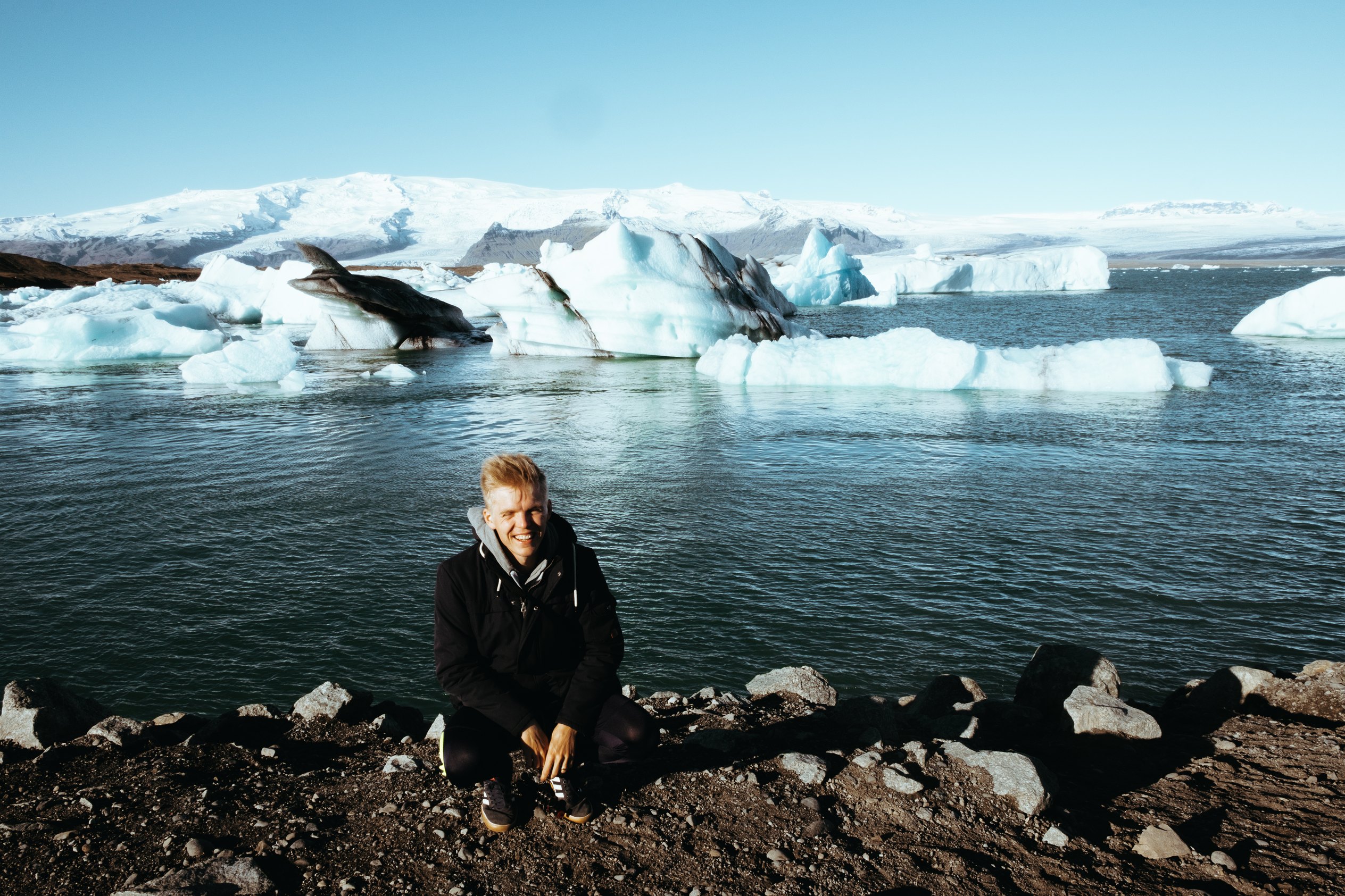
Chalkidiki, Greece: 15 Things to See and Do in 2026

TL;DRChalkidiki is the Greek peninsula made up of three “fingers” – Kassandra (resorts and nightlife), Sithonia (the wildest and most beautiful, with Kavourotrypes beach and the Vourvourou lagoon) and Athos (a monastic republic, off-limits to women, where men need a special permit). The region has more Blue Flag beaches than anywhere else in Greece, and there are 15 ideas here for day trips, including Thessaloniki, hiking up Mount Olympus and the royal tombs at Vergina. The best time to visit is May or September to October, when the sea’s warm and the crowds have thinned out. Fly into Thessaloniki, which is about an hour’s drive from the peninsula.

While half of Europe is booking flights to Santorini and Mykonos, seasoned travellers quietly load up their cars and head north on their own steam. And Chalkidiki in Greece is exactly why they do it. Here you’ll find the best beaches on the Greek mainland, dense pine forests tumbling straight into the sea, Byzantine mystique, and water so clear it rivals the Caribbean.

Look at the map and the peninsula resembles Poseidon’s trident plunged into the Aegean Sea. Each of the three “fingers” offers a completely different experience, and choosing the right one will define the whole character of your holiday. Chalkidiki also has a huge advantage: it doesn’t suffer the cruise-ship crush of the southern islands, and prices here are far friendlier.

In this guide I’ll show you 15 things to see and do in Chalkidiki. We’ll walk through all three fingers, the most beautiful beaches, day trips nearby, plus when to go and where to stay. Let’s dive in. ☺️

TL;DR

  • The three fingers of Chalkidiki: Kassandra (resorts and nightlife), Sithonia (the prettiest and wildest) and Athos (the monastic republic).
  • Sithonia is the jewel of mainland Greece, with turquoise coves, the Vourvourou area and the famous Kavourotrypes beach.
  • Athos can only be visited in person by men with a special permit. For everyone else, there’s a boat trip around the monasteries from Ouranoupoli.
  • Best beaches: Kavourotrypes (Orange Beach), the Vourvourou lagoon and the long sandy beaches of Kassandra for families.
  • Day trips nearby: foodie Thessaloniki, climbing mythical Mount Olympus and the royal tomb at Vergina.
  • When to go: ideally May or September and October, when the sea is warm and the crowds have vanished.
  • Most people arrive by car, and the nearest airport is in Thessaloniki, also well served by carriers such as Ryanair, easyJet and Lufthansa.

The three fingers of Chalkidiki: which one to choose

Chalkidiki is made up of three peninsulas, affectionately known as the fingers, and each has a completely different character. Before you book your accommodation, it pays to know what you’re getting into, because driving between the fingers takes quite a while and in a single holiday you’ll usually only get to know one of them properly.

Kassandra is the westernmost and most developed, packed with resorts and entertainment. Sithonia is the middle one, green and wild, a paradise for nature lovers and beautiful beaches. And Athos is the easternmost, mysterious and largely off-limits, home to the monastic republic. Let’s take a closer look at each.

Kassandra: beaches, resorts and nightlife

The westernmost tip of the peninsula is the most developed and the best choice if you’re after comfort and fun. You’ll find beach bars, sunbeds with service, water sports and lively evenings here, with the town of Kallithea as the epicentre of the action, coming alive mainly after dark.

The beaches here are long and sandy and the sea is shallow, which makes Kassandra an ideal choice for families with small children. The price for that perfect infrastructure, though, is the loss of any wildness. In high season it can be shoulder to shoulder, and finding a deserted cove is nearly impossible. But if you want a holiday where everything is at your fingertips and there’s somewhere to go in the evening, Kassandra won’t let you down.

The village of Afytos

Even busy Kassandra hides its gems. The biggest is the traditional stone village of Afytos (sometimes spelled Athytos), perched on a cliff with views over the sea and the silhouette of Mount Olympus on the horizon. The lanes are lined with houses built from local stone, small galleries and little cafés, and the whole village is a protected heritage zone. Come in the late afternoon, stroll up to the main square with its church and stay for the sunset, it’s one of the loveliest experiences on the entire first finger.

Nea Fokea and Possidi

As you travel around Kassandra, stop in the village of Nea Fokea, dominated by a Byzantine watchtower by the sea and an underground cave linked to the legend of Saint Paul. At the very southern tip of the peninsula you’ll find Cape Possidi, a long sandy spit running out into the sea with a lighthouse at the end. The water is shallow on both sides and it feels as though you’re walking on the surface of the sea. It’s one of the most photogenic spots in all of Chalkidiki.

Sithonia: the prettiest and wildest finger

The middle finger is exactly why people come back again and again. Sithonia is hillier, greener and incomparably wilder than Kassandra. The road winds through pine groves and every other bend reveals a view of a turquoise cove straight out of an advert.

Vourvourou and the islet of Diaporos

Don’t miss the Vourvourou area on the east coast, where the sea resembles a huge lagoon sheltered by small islands. If you’ve got a bit of an explorer in you, rent a small motorboat (you won’t need a skipper’s licence) and head out to the islet of Diaporos. You’ll discover hidden coves you can’t reach by land, and you’ll feel like castaways in paradise.

Kavourotrypes (Orange Beach)

Another Sithonia icon is Kavourotrypes beach, also known as Orange Beach. It’s a chain of little sandy coves framed by smooth white rocks, where the water is an unbelievably vivid colour. Just be prepared: in August, quiet battles are fought over towel space. Your best bet is to arrive early in the morning, or save your visit for June or September.

Porto Koufo and Sarti

At the southern tip of Sithonia lies Porto Koufo, one of the largest natural harbours in the entire Mediterranean. The bay is so perfectly enclosed by cliffs that it’s completely invisible from the open sea, and during World War II the Germans hid their submarines here. Today it’s a peaceful spot with tavernas by the water and a great base for boat trips. On the east coast, don’t miss the town of Sarti, from which, in clear weather, you get a fairytale view across the sea straight to Mount Athos, especially at sunrise.

The mountain village of Parthenonas

Above the resort of Neos Marmaras, tucked into the hills, hides Parthenonas, a long-abandoned stone village that enthusiasts are slowly bringing back to life. It’s worth hiking up or driving here for the atmosphere of old Greece, and above all for the view from the local café over the whole Sithonia coast. It’s the perfect contrast to lazing on the beach.

Camping in Sithonia

Sithonia unofficially serves as the camping capital of Greece. Campsites like Armenistis and Thalatta are among the best rated in the whole country, and waking up in the morning to a sea view beneath the pines is an experience in itself. For those of us who love sleeping under the stars, it’s the ideal base.

Athos: the monastic republic and boat trips

The easternmost peninsula is home to the Monastic Republic of Athos, also known as the Holy Mountain, one of the most mysterious places in Europe. The so-called avaton applies here, a rule banning women from entering that has been upheld for more than a thousand years. The ban even extends to female domestic animals (with the exception of cats, which hunt the mice). 😅

If you’re a man and want to visit the monasteries in person, a bureaucratic ordeal awaits. You have to arrange a special permit called a diamonitirion well in advance, and the number of visitors is strictly limited to around 100 Orthodox and 10 non-Orthodox men per day.

For most mortals (and all women), the only option is a boat trip. The boats set off from the town of Ouranoupoli and sail along the coast, but under strict rules they may not come closer than 500 metres to the shore. Even from that distance, though, it’s an utterly fascinating sight: monumental monasteries clinging to sheer cliffs.

lukas a lucka
Lukáš and Lucie recommend
Where to stay in Chalkidiki
4 accommodation tips — across price categories

The most beautiful beaches in Chalkidiki

Beaches are the main reason to come to Chalkidiki, and the region boasts the most Blue Flags in all of Greece. Besides the already mentioned Kavourotrypes and the Vourvourou lagoon, these are also worth a mention.

On Kassandra, go for the long organised beaches around Kallithea and Pefkochori, ideal for families thanks to the gradual entry and full facilities. On Sithonia, besides Orange Beach, try the surrounding hidden coves, of which there are countless; just pull over by the road and walk down. And if you love the wilderness, seek out the lesser-known beaches on the southern tip of Sithonia, where you’ll find peace and quiet even in August.

💡 Tip: Water shoes come in handy here too, because many of the prettiest coves have stony or pebbly bottoms. Shade, however, is not something you need to worry about, as most beaches are lined with pines that provide a pleasant natural nook for free.

Day trips nearby: Thessaloniki, Olympus and Macedonian treasures

A big advantage of Chalkidiki is that it lies a short drive from several absolute treasures of northern Greece. If you have a car, it would be a mistake to stay only on the beach.

An hour’s drive from the peninsula lies Thessaloniki, the second-largest and, according to many, the best food city in Greece, full of UNESCO-listed Byzantine churches and superb street food. We’ve got more tips in our guide to Thessaloniki. From Chalkidiki you can also set off to the mythical Mount Olympus, the highest mountain in Greece and the seat of the ancient gods, whose ascent from the town of Litochoro is one of the finest treks in the country.

And history lovers must not miss Vergina, which hides the unlooted tomb of Philip II of Macedon, father of Alexander the Great. The museum is built right inside the underground burial mound, and the atmosphere of darkness and illuminated golden artefacts will give you goosebumps. A little further on lies Pella, the birthplace of Alexander the Great, famed for its detailed pebble mosaics.

Right in Chalkidiki, a short distance from the coast, you’ll also find the prehistoric Petralona cave with stalactites and travertine pools, where in the 1960s one of the oldest skulls of prehistoric man in Europe was discovered. It’s a great tip for a cooler activity on a day when it’s too hot on the beach.

When to go to Chalkidiki

As in the rest of Greece, high summer (July and August) brings extreme temperatures and the biggest crowds, with heatwaves nudging 40 °C no rarity. The advantage of the north, though, is that it’s far less troubled by the meltemi wind, which lashes the southern islands from mid-May to September and disrupts the ferries.

The best time is May (ideal for sightseeing and day trips, though the sea is still refreshing) and then September to October. The autumn months are the absolute sweet spot, when the crowds vanish, prices drop and the sea is as warm as a bath after the summer. If you want to combine beaches with trips to Thessaloniki and Olympus, autumn is the clear choice.

Where to stay in Chalkidiki

💡 Tip for accommodation and experiences: We prefer to look for accommodation on Booking.com, where the cancellation terms tend to be the best. The specific hotels I recommend below were chosen based on real reviews across price ranges. For day trips, boat tours and tickets, compare on GetYourGuide.

Kassandra has the widest choice of hotels and the easiest transport. A premium experience with its own marina is offered by the sprawling Sani Beach, while a highly rated mid-range option around Pefkochori is Anna Island, where guests praise the best breakfast they’ve ever had. An affordable choice a few steps from the beach is Agnes Deluxe Hotel.

Quieter and the most naturally beautiful is the middle finger, Sithonia. For a stylish design resort with an almost private beach in a pine forest, look to EKIES All Senses Resort, while families will be well served by the extensive Acrotel Athena Pallas Village. Sithonia is also a camping paradise, so with a tent or campervan you’ll sleep in the loveliest spots right by the sea.

Anyone wanting to explore Athos should stay in Ouranoupoli, from where the boat trips along the Holy Mountain depart. A luxury stay here is provided by the five-star Eagles Palace with its own sandy beach, while a more affordable option is the beachfront Hotel Akti Ouranoupoli Beach Resort, a few steps from the harbour. Prices in the north are noticeably friendlier than on the islands, so you can enjoy your holiday even on a reasonable budget.

Where to next

Before you set off, take a look at our other articles about Greece:

Frequently asked questions

What to see in Chalkidiki?

The main attractions are the beaches, especially Kavourotrypes (Orange Beach) and the Vourvourou lagoon with the islet of Diaporos on Sithonia. Also worth seeing is a boat trip around the monasteries of the monastic republic of Athos from Ouranoupoli. From Chalkidiki, it’s easy to take day trips to gastronomic Thessaloniki, climb Mount Olympus, or visit the ancient tomb of Philip II in Vergina.

What are the names of the three peninsulas of Chalkidiki?

The three peninsulas, or “fingers,” are called Kassandra, Sithonia, and Athos. Kassandra is the most developed, with resorts and nightlife; Sithonia is the most beautiful and wildest, with turquoise bays; and Athos is home to the monastic republic, where entry is restricted to a limited number of men with special permission.

Which finger of Chalkidiki is the most beautiful?

Sithonia, the middle finger, is generally considered the most beautiful. It’s mountainous, green, and wild, with countless turquoise bays, the Vourvourou area, and the famous Kavourotrypes beach. Kassandra is more developed and better suited for those looking for resorts and entertainment, while Sithonia is a paradise for nature lovers and camping enthusiasts.

When to go to Chalkidiki?

The best times are May and the period from September to October. May is lovely for trips and sightseeing, although the sea is still refreshing, while September and October are the sweet spot with warm sea water, pleasant temperatures, and no crowds. July and August bring the greatest heat, crowds, and the highest prices.

Can women visit Athos?

No, women have been banned from entering the Athos peninsula for over a thousand years due to a rule called avaton. The ban also applies to female animals (except cats). Only men with special permission called a diamonitirion can visit the monasteries in person, and only around 110 are admitted daily. Everyone else can enjoy Athos from a boat trip departing from Ouranoupoli.

How to get to Chalkidiki from abroad?

The most common way to reach Chalkidiki is by car; the journey from central Europe is roughly 1,500 km and runs through Hungary, Serbia, and North Macedonia. Expect tolls in the range of several dozen euros for the trip. The nearest airport is in Thessaloniki (about an hour’s drive), which is served by flights from surrounding countries, and you can rent a car on arrival.

What is the sea like in Chalkidiki?

The sea in Chalkidiki is exceptionally clean and clear; the region has the most Blue Flags in all of Greece. On Sithonia, the water in the bays has a brilliant turquoise to emerald color, while on Kassandra the beaches are rather long, sandy, and shallow, ideal for families. The seabed can be rocky in places, so water shoes are recommended.

Tips and Tricks for Your Vacation

Don’t Overpay for Flights

Search for flights on Kayak. It’s our favorite search engine because it scans the websites of all airlines and always finds the cheapest connection.

Book Your Accommodation Smartly

The best experiences we’ve had when looking for accommodation (from Alaska to Morocco) are with Booking.com, where hotels, apartments, and entire houses are usually the cheapest and most widely available.

Don’t Forget Travel Insurance

Good travel insurance will protect you against illness, accidents, theft, or flight cancellations. We’ve had a few hospital visits abroad, so we know how important it is to have proper insurance arranged.

Where we insure ourselves: SafetyWing (best for everyone) and TrueTraveller (for extra-long trips).

Why don’t we recommend any Czech insurance company? Because they have too many restrictions. They set limits on the number of days abroad, travel insurance via a credit card often requires you to pay medical expenses only with that card, and they frequently limit the number of returns to the Czech Republic.

Find the Best Experiences

Get Your Guide is a huge online marketplace where you can book guided walks, trips, skip-the-line tickets, tours, and much more. We always find some extra fun there!
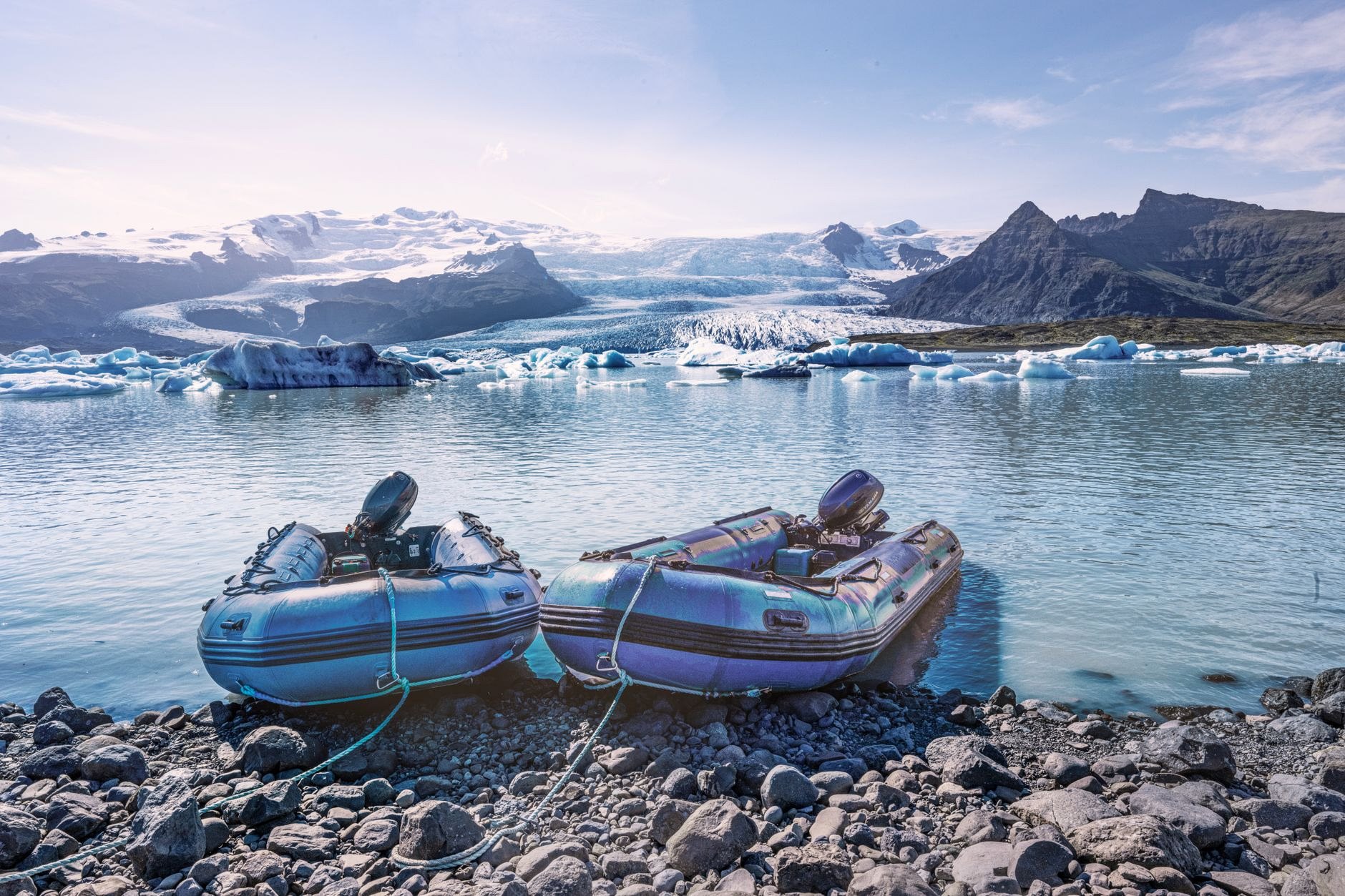
Peloponnese, Greece: 15 Best Things to See in 2026

TL;DRThe Peloponnese is a huge peninsula in southern mainland Greece, covering over 21,000 square kilometres — perfect for a 7 to 14-day road trip. Among 15 key tips are romantic Nafplio with its Venetian Palamidi fortress, ancient Mycenae and its Lion Gate, the theatre at Epidaurus, the clifftop town of Monemvasia, Byzantine Mystras, ancient Olympia, and Simos beach on the island of Elafonisos, about ten minutes away by ferry. You could also add Delphi up north. The best time to go is April to June or September to October, when you’ll avoid the scorching summer heat.

While the crowds squeeze through the narrow lanes of Santorini and weave between sunbeds on Mykonos, mainland Greece moves at its own gloriously slow pace. And its beating heart is the Peloponnese, Greece’s vast peninsula almost the size of Slovenia, where you’ll find absolutely everything. Snow-capped peaks, citrus groves, world-class ancient sites, medieval fortress towns and empty beaches that rival the Caribbean.

This is Greece for road-trip lovers, history buffs and anyone who has already had their first taste of the islands and wants to discover the country from a different, more authentic side. Prices here aren’t set for cruise-ship passengers, and the tavernas welcome you with a smile and a jug of house wine.

In this guide I’ll show you 15 of the best things to see in the Peloponnese and mainland Greece, from romantic Nafplio through ancient Mycenae and Olympia all the way to the oracle at Delphi. Let’s dive in. ☺️

TL;DR

  • The Peloponnese is road-trip heaven. A huge peninsula with antiquity, mountains, medieval towns and turquoise beaches.
  • Nafplio is the most romantic town on the mainland, an ideal base with the Venetian fortress of Palamidi looming above.
  • Ancient stars: Mycenae with its Lion Gate, the theatre of Epidaurus with its perfect acoustics, and Olympic Olympia.
  • Monemvasia is the “Greek Gibraltar”, a medieval town hidden behind a giant rock.
  • For swimming, head south to Simos beach on the islet of Elafonisos, white sand straight out of the Caribbean.
  • Delphi was the navel of the world for the ancient Greeks, a dramatic ancient site up in the mountains.
  • You get around by car. The mainland is best explored on your own wheels, ideally on a 10 to 14-day loop.

The Corinth Canal: gateway to the Peloponnese

The gateway to the Peloponnese is the Corinth Canal, and it’s worth stopping here even if only for twenty minutes. Looking down into the 80-metre-deep and just 24-metre-wide gorge, carved through the rock at the end of the 19th century, is guaranteed to get your adrenaline going. From the bridge above, the ships slipping through the narrow channel look like toys, and it’s the perfect moment to realise you’re rolling into a peninsula with thousands of years of history.

Nafplio: the most romantic town on the mainland

Just beyond Corinth lies Nafplio, the first capital of modern Greece and hands down the most romantic town on the entire mainland. Here you’ll find narrow lanes full of Venetian architecture, balconies draped in bougainvillea and waterfront cafés looking out over the picturesque islet of Bourtzi.

Towering above the town is the huge Venetian fortress of Palamidi, which legend says is reached by 999 steps. There are actually a few fewer, but even so you’ll work up a proper sweat climbing them in the summer sun, and your reward is a breathtaking view over the whole town and the bay. Nafplio is the ideal base for your first days in the Peloponnese, with lovely evenings spent by the sea and a warm, laid-back atmosphere.

Mycenae and Epidaurus: the ancient stars of the north

Nafplio makes a great base for exploring two ancient giants that sit just a short drive apart.

Mycenae was the seat of King Agamemnon, and you enter through the famous Lion Gate, which dates back to the 13th century BC. It was right here that the archaeologist Heinrich Schliemann discovered the legendary golden mask, and the sight of the mighty Cyclopean walls carries you thousands of years back in time.

The second gem is Epidaurus, the best-preserved ancient theatre in Greece. Its acoustics are so perfect that if someone strikes a match in the middle of the orchestra, you’ll hear it right up in the top row. In summer a theatre festival takes place here, and experiencing an ancient tragedy under the stars is a once-in-a-lifetime moment.

Monemvasia: the Greek Gibraltar

The deeper south into the Peloponnese you drive, the wilder the landscape becomes. On the eastern finger of the peninsula lies Monemvasia, nicknamed the “Greek Gibraltar”. It’s a medieval fortress town hidden behind an enormous rock that once broke away from the mainland during an earthquake.

The most amazing thing is that you can’t see the town at all from the mainland. You can only drive as far as the main gate, and from there you continue on foot straight into a maze of stone lanes, boutique hotels and family tavernas tucked into the rock. It feels like stepping into another century, and it’s one of the most powerful experiences in all of Greece.

Wild Mani and Byzantine Mystras

The middle finger of the Peloponnese, the Mani peninsula, is rugged, parched and utterly fascinating. The locals, the Maniots, proudly claim to be direct descendants of the Spartans. The landscape is dominated by tall stone clan towers, from which feuding families once shot at one another and which today have been turned into unique guesthouses. It’s a land where the roads are lined with prickly pears and the sea crashes against steep cliffs.

On the way back to the northwest you can’t miss Mystras, a Byzantine ghost town on the UNESCO list, spreading up a steep slope near Sparta. Wandering among the ruins of palaces, monasteries and churches with their surviving frescoes can easily fill half a day, and it’s one of the most atmospheric places in the country.

Olympia and Caribbean beaches

On the western side of the Peloponnese lies Olympia, the birthplace of the Olympic Games. When you walk across the original ancient stadium and stand on the starting line where athletes competed as far back as 776 BC, you feel the incredible atmosphere of ancient times wash over you.

And if you’re after perfect swimming, hop over to the far south to the islet of Elafonisos, reached by a ferry from the mainland that takes just about ten minutes. The local Simos beach, with its white sand and turquoise water, genuinely rivals the Caribbean, and it’s mostly the Greeks themselves who come here to relax. Train lovers will be delighted by the historic rack railway from Diakopto, which winds its way through the stunning Vouraikos Gorge up to mountain Kalavryta.

lukas a lucka
Lukáš and Lucie recommend
Where to Stay in the Peloponnese
4 accommodation tips — across price categories

Delphi: the navel of the ancient world

When you leave the Peloponnese and head north of Athens, the road takes you into the Parnassus mountains. Here, on a dramatic slope overlooking an endless valley of olive trees, lies Delphi, which for the ancient Greeks was the centre of the universe.

According to legend, Zeus released two eagles from opposite ends of the world and they met right here, at a spot marked by a stone called the omphalos, or the navel of the world. People from all over the Mediterranean made the pilgrimage here to consult the oracle Pythia, who in a trance delivered ambiguous prophecies. Today you can walk along the Sacred Way, see the remains of the Temple of Apollo, the ancient theatre and the well-preserved stadium high up the slope, and admire the famous bronze statue of the Charioteer of Delphi in the museum.

On the way to Delphi you’ll also drive through the mountain village of Arachova, full of stone houses, which in winter turns into a chic ski resort. Stop here for a coffee and try the local formaela cheese, which is grilled much like halloumi and is a real vegetarian treat.

When to visit the Peloponnese and the mainland

A big plus of mainland Greece is its long season and more bearable heat than on the parched islands. Spring and autumn are best, meaning April to June and September to October, when the weather is ideal for exploring ancient sites and going on hikes without roasting in the midday sun.

Summer (July and August) brings extreme heat to the ancient sites, so if you’re travelling then, set out for the ruins early in the morning and save the afternoons for swimming. Unlike in the Cyclades, the meltemi wind isn’t much of a problem here either, so the sea along the southern beaches tends to stay calm.

Where to stay in the Peloponnese

💡 Tip for accommodation and experiences: We prefer to look for accommodation on Booking.com, which usually has the best cancellation terms. I picked the specific hotels I recommend below based on real reviews across price ranges. For tours, boat trips and tickets, compare options on GetYourGuide.

The ideal base for the ancient stars of the north is Nafplio, one of the most beautiful towns in Greece. For a stay in an 18th-century stone mansion, the highly rated Aetoma Hotel sits right in the old town, while the more affordable and equally charming Pension Dafni is tucked into the cobbled lanes below Palamidi fortress.

For the wild south, an unforgettable stop is the rock town of Monemvasia. You can stay right inside the medieval walls at the stone Guesthouse Kellia with its garden and sea view, or at the boutique Bastione Malvasia Hotel, built from Byzantine-Venetian buildings. A peaceful base for stony Mani is the seaside Kalamitsi Hotel in Kardamyli.

In the west near ancient Olympia you’ll appreciate the family-run Hotel Europa Olympia with a pool and a view, or the budget-friendly Hotel Pelops a short walk from the excavations. If you head to Delphi, stay at the Amalia Hotel Delphi with its panoramic view down the valley all the way to the sea. Prices on the mainland are far friendlier than on the famous islands, and flexible bookings come in handy when your plans shift during a road trip.

Where to next

Before you set off, take a look at our other articles about Greece too:

Frequently asked questions

What to see in the Peloponnese?

In the Peloponnese, don’t miss the romantic town of Nafplio with the Palamidi fortress, ancient Mycenae with the Lion Gate, and the Epidaurus theatre with its perfect acoustics. Also worth seeing are medieval Monemvasia hidden behind a rock, Byzantine Mystras, Olympic Olympia, and the wild Mani peninsula with its stone towers. For swimming, head south to Simos beach on Elafonisos island.

What is the Peloponnese and where is it located?

The Peloponnese is a large peninsula in southern mainland Greece, connected to the rest of the country by only a narrow isthmus cut through by the Corinth Canal. With an area of over 21 thousand square kilometres, it’s almost as large as Slovenia. It’s not an island, though it’s sometimes mistakenly called one. You’ll find mountains, ancient monuments, medieval towns, and beautiful beaches here.

When to visit the Peloponnese?

Spring (April to June) and autumn (September to October) are best, when the weather is ideal for exploring ancient sites and swimming, without extreme heat. Summer brings high temperatures at archaeological sites, so visit the ruins early in the morning. Unlike the Cyclades, there’s no strong meltemi wind here, so the sea around the southern beaches remains calm.

How to get to the Peloponnese?

The most common way to reach the Peloponnese is by car from Athens, from where it’s just under two hours across the Corinth Canal to Nafplio. Athens airport is the main gateway; from there it’s worth renting a car, because the mainland is best explored independently. Public transport works, but with a car you’ll have much more freedom during your road trip.

How long do I need for the Peloponnese?

To properly explore the Peloponnese, plan ideally for 7 to 10 days; for a grand circuit of the entire mainland including Delphi, easily 14 days. The peninsula is huge and the distances between monuments are significant, so you definitely won’t breeze through it in a weekend. If you’re short on time, focus on the north around Nafplio with Mycenae and Epidaurus.

Is the Peloponnese worth it instead of the Greek islands?

For lovers of history, road trips, and authentic Greece, absolutely yes. The Peloponnese offers world-class ancient monuments, medieval towns, mountains, and beautiful empty beaches, all without crowds and at significantly lower prices than the famous islands. It’s ideal to combine it with the islands or with mainland Delphi and Meteora into one big Greek road trip.

Tips and Tricks for Your Vacation

Don’t Overpay for Flights

Search for flights on Kayak. It’s our favorite search engine because it scans the websites of all airlines and always finds the cheapest connection.

Book Your Accommodation Smartly

The best experiences we’ve had when looking for accommodation (from Alaska to Morocco) are with Booking.com, where hotels, apartments, and entire houses are usually the cheapest and most widely available.

Don’t Forget Travel Insurance

Good travel insurance will protect you against illness, accidents, theft, or flight cancellations. We’ve had a few hospital visits abroad, so we know how important it is to have proper insurance arranged.

Where we insure ourselves: SafetyWing (best for everyone) and TrueTraveller (for extra-long trips).

Why don’t we recommend any Czech insurance company? Because they have too many restrictions. They set limits on the number of days abroad, travel insurance via a credit card often requires you to pay medical expenses only with that card, and they frequently limit the number of returns to the Czech Republic.

Find the Best Experiences

Get Your Guide is a huge online marketplace where you can book guided walks, trips, skip-the-line tickets, tours, and much more. We always find some extra fun there!
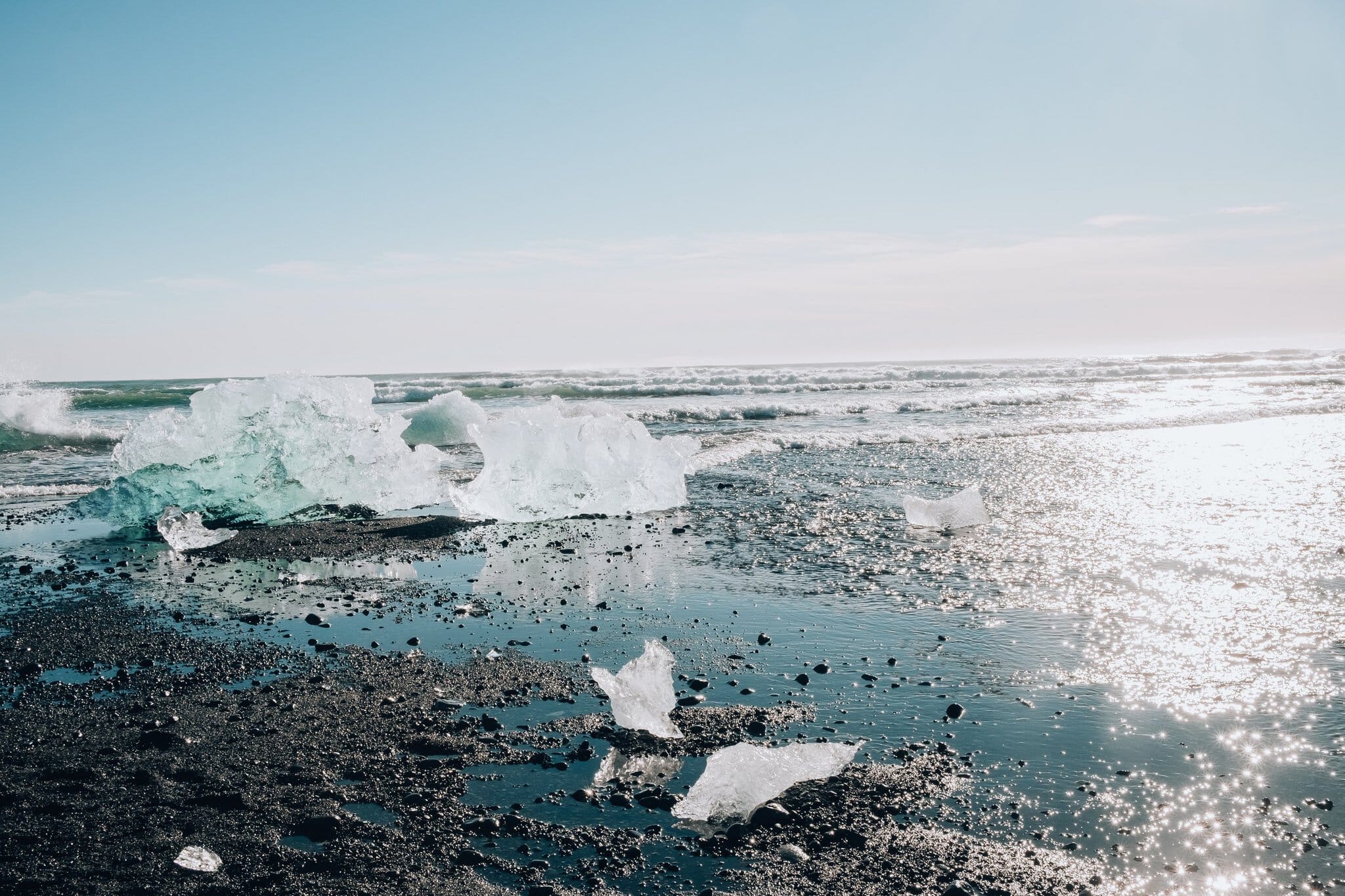
Meteora Monasteries in Greece: Complete 2026 Guide (Fees, Hours & Tips)

TL;DRMeteora is a UNESCO-listed complex of six working monasteries dating back to the 14th century, perched on sandstone pillars above the town of Kalambaka in central Greece — the most visited are Great Meteoron, Varlaam and Roussanou. Entry to each monastery costs around 3 euros (roughly 75 Kč), opening hours and closing days vary from one to the next, and there’s a strict dress code: shoulders covered, long trousers or a skirt. It’s about a 4-hour drive from Athens, or 4 to 5 hours by train. Two nights in Kalambaka or Kastraki is the sweet spot, giving you time to catch both sunrise and sunset over the rocks.

There are places where you get the feeling that physics has stopped working. The Meteora monasteries in Greece are exactly that kind of place. Out of the flat Thessalian plain, giant sandstone towers hundreds of metres high suddenly shoot skyward, and perched on their very summits, as if floating between heaven and earth, balance ancient Orthodox monasteries. No wonder the name Meteora literally means “suspended in the air.”

It’s one of the most spectacular and still slightly underrated landscapes in Europe, a UNESCO World Heritage Site, and after Mount Athos the most important monastic centre in Greece. Whether you’re coming for the spiritual side, for photos that look like another planet, or for hiking among the rock towers, Meteora will win you over.

In this guide you’ll find everything you need for a visit to the Meteora monasteries: which six monasteries you can visit, entrance fees and opening hours, how the dress code works, how to get here, and where to stay. Let’s dive in. ☺️

TL;DR

  • Meteora is a complex of six working monasteries built on top of sandstone towers in central Greece, a UNESCO World Heritage Site.
  • The entrance fee is around €3 per monastery, so keep some small change on you.
  • There’s a strict dress code: covered shoulders, long trousers for men, a long skirt for women (they lend wraps for free at the entrance).
  • Each monastery closes on a different day, so check the opening hours in advance so you don’t miss out.
  • It’s ideal to stay two nights in Kalambaka or Kastraki and catch both sunrise and sunset, when the rocks change colour.
  • From Athens it’s about a 4-hour drive, and there’s also a train.

What is Meteora and why visit

Meteora’s story is as dramatic as its landscape. As early as the 14th century, monks fled here to escape raids, seeking safety and solitude on the inaccessible rock summits. Originally the only way up to the monasteries was via long ladders or in nets hauled up on ropes — something you can still see at a few of them today.

Today, staircases carved straight into the rock lead up to the monasteries, so while the visit is a bit of a workout, pretty much anyone can manage it. At the peak of its glory there were more than twenty monasteries here; today six remain inhabited, all listed as a UNESCO World Heritage Site. Wandering between them, looking down over the plain from up high and watching the stone towers bathe in the morning or evening light, is an experience that gets under your skin.

The six Meteora monasteries in Greece: which to choose

Visiting all six in a single day is theoretically possible, but exhausting. If you’re short on time, pick two or three depending on what appeals to you. Here’s a quick overview.

Great Meteoron and Varlaam

Great Meteoron (the Monastery of the Transfiguration) is the oldest, largest and highest of the six. You’ll find a fascinating museum here, plus an old kitchen and an ossuary, and the views are absolutely breathtaking. Right across the ravine stands Varlaam, the second-largest monastery, with beautiful frescoes and an old net once used to haul up supplies and even people. This pair is among the most visited and it makes sense to explore them together.

Roussanou and St. Nicholas Anapausas

Roussanou, thanks to its lower position and access via a little bridge, is one of the most accessible and photogenic monasteries, and today it’s home to nuns. It looks as if it grows straight out of the rock. The small St. Nicholas Anapausas hides gorgeous frescoes by the Cretan master Theophanes, and it’s usually the least crowded, so you can enjoy it in peace.

Holy Trinity and St. Stephen

Holy Trinity (Agia Triada) sits in the most dramatic spot, reached by the most demanding climb up steps carved into the rock. It might look familiar — the James Bond film For Your Eyes Only was shot here. And finally there’s St. Stephen, a convent on the edge of the complex that’s the most accessible of all, since you reach it via a bridge with no strenuous climb. That makes it ideal for visitors who struggle with stairs.

Practical info: entrance fees, opening hours and dress code

A visit to Meteora has its rules, and it’s worth knowing them in advance so you don’t end up disappointed at the gate.

The entrance fee for each monastery is around €3 and is paid separately, so make sure you have enough small change on you. Opening hours vary from monastery to monastery, and crucially each one is closed on a different day of the week (which often changes between summer and winter). Before you set off, check the current times on the official tourist website so the monastery you’ve got your heart set on doesn’t shut right in front of you.

The key thing is the dress code, which is genuinely strictly enforced. Men must wear long trousers and have covered shoulders, women a long skirt and covered shoulders (and note — trousers really aren’t acceptable for women). If you don’t have a skirt, they’ll lend you a wrap for free at the entrance, but it’s better to plan for it and bring your own suitable clothing.

💡 Tip: The most beautiful light is early in the morning and at sunset, when the sandstone rocks shift in colour from ochre to a rich orange. The viewpoints along the road between the monasteries are free at sunset, and you’ll witness one of the most gorgeous sights in all of Greece.

lukas a lucka
Lukáš and Lucie recommend
Where to stay in Meteora
4 accommodation tips — across price categories

How to get to Meteora from Athens and beyond

Meteora lies in central Greece near the town of Kalambaka, far from the coast, so most people visit it as part of a mainland road trip. From Athens it’s about a 4-hour drive along the motorway, and from Thessaloniki it’s a little less.

Don’t give up if you don’t have a car, though — there’s also a train to Kalambaka from both Athens and Thessaloniki (the journey takes roughly 4 to 5 hours). The Greek railways are undergoing restructuring following accidents in recent years, so always double-check the current timetable in advance. From Kalambaka you can reach the monasteries by local bus, taxi, on an organised tour, or by bike or on foot if you’re in good shape. A car is clearly the most convenient option, though, with a smooth paved road running between the monasteries.

Where to stay near Meteora

💡 Tip for accommodation and experiences: We prefer to look for accommodation on Booking.com, which usually has the best cancellation terms. The specific hotels I recommend below were picked based on real reviews across price ranges. For tours, boat trips and tickets, compare options on GetYourGuide.

The smaller, more picturesque Kastraki sits right beneath the rock towers and has a quieter, more village-like atmosphere. For rock views from breakfast onwards, I recommend the boutique Tsikeli Boutique Hotel Meteora with its garden café, the family-run Hotel Doupiani House on the highest point of the village, or Dellas Boutique Hotel right by the Agios Nikolaos monastery. Affordable and full of character is the stone Guesthouse Sotiriou, dating from 1845.

The larger Kalambaka offers full infrastructure, restaurants and the widest choice of accommodation. A great mid-range option with balconies facing the rocks is Hotel Kosta Famissi, while more spacious facilities are on offer at Grand Meteora Hotel a short distance from the monasteries. Whichever spot you choose, it’s worth booking a room with a view of the rocks — waking up to the monasteries in the rising sun is unforgettable.

Ideally, stay here for two nights. You’ll have enough time to experience the magical sunrise and sunset, and to wander around several monasteries at a relaxed pace without rushing. Rooms with a view fill up fast, so book well ahead.

Where to go next

Before you head off, take a look at our other articles about Greece:

Frequently asked questions

What does Meteora mean?

The word Meteora comes from Greek and literally means “suspended in the air” or “hovering aloft”. The name perfectly captures the monasteries here, which stand atop steep sandstone cliffs as if floating between heaven and earth. The same Greek root is found in the word meteor.

How many Meteora monasteries are there and how many can you visit?

Today there are six functioning monasteries in Meteora that can be visited: Great Meteoron, Varlaam, Roussanou, St. Nicholas Anapausas, Holy Trinity, and St. Stephen. In the past there were over twenty. All six are listed as UNESCO World Heritage sites. In one day you can manage two to four, but ideally spread your visit over two days.

How do you get to Meteora?

Meteora is located near the town of Kalambaka in central Greece. From Athens you can drive via the motorway in about 4 hours, and there are also trains (4 to 5 hours) from both Athens and Thessaloniki. From Kalambaka you can reach the monasteries by car, local bus, taxi, or organized tour. Visiting by car is the most convenient option, as the monasteries are connected by paved roads.

What are the entrance fees and opening hours in Meteora?

Entry to each monastery costs around €3 and is paid separately, so have some change with you. Opening hours vary between the individual monasteries and each has a different closing day of the week, often differing in summer and winter. Always check the current times on the official website before your visit to make sure your chosen monastery isn’t closed.

What is the dress code in the Meteora monasteries?

The dress code is strictly enforced. Men must have long trousers and covered shoulders, women must have a long skirt and covered shoulders (trousers are not sufficient for women). If you don’t have appropriate clothing, they will lend you a wrap-around shawl or skirt free of charge at the entrance. Cover your shoulders even in hot weather, without that you won’t be allowed inside.

How long should you stay in Meteora?

Ideally stay two nights in Kalambaka or Kastraki. This gives you time to visit several monasteries without rushing and, most importantly, to experience both sunrise and sunset, when the rocks turn orange – the highlight of the entire experience. If you only have one day, you can manage two to three monasteries and at least one sunset from a viewpoint.

Tips and Tricks for Your Vacation

Don’t Overpay for Flights

Search for flights on Kayak. It’s our favorite search engine because it scans the websites of all airlines and always finds the cheapest connection.

Book Your Accommodation Smartly

The best experiences we’ve had when looking for accommodation (from Alaska to Morocco) are with Booking.com, where hotels, apartments, and entire houses are usually the cheapest and most widely available.

Don’t Forget Travel Insurance

Good travel insurance will protect you against illness, accidents, theft, or flight cancellations. We’ve had a few hospital visits abroad, so we know how important it is to have proper insurance arranged.

Where we insure ourselves: SafetyWing (best for everyone) and TrueTraveller (for extra-long trips).

Why don’t we recommend any Czech insurance company? Because they have too many restrictions. They set limits on the number of days abroad, travel insurance via a credit card often requires you to pay medical expenses only with that card, and they frequently limit the number of returns to the Czech Republic.

Find the Best Experiences

Get Your Guide is a huge online marketplace where you can book guided walks, trips, skip-the-line tickets, tours, and much more. We always find some extra fun there!
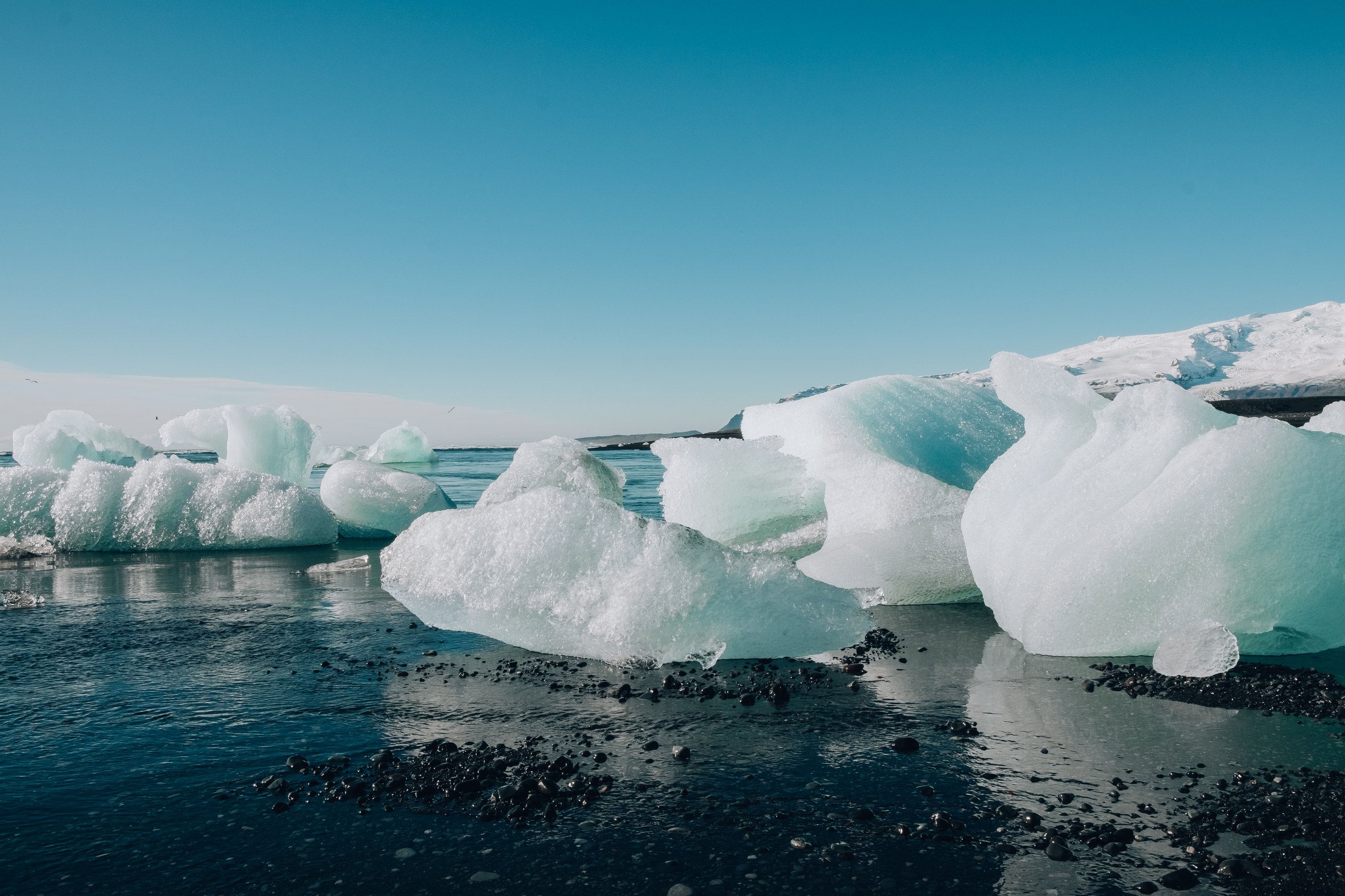
Skopelos Island, Greece: 15 Best Things to See and Do in 2026

TL;DRSkopelos, part of Greece’s Sporades islands, gets 15 tips here, from Mamma Mia! film locations to the best beaches and practical know-how. Key stops include the main town, Skopelos Town (Chora), with its whitewashed houses and grey slate roofs, the tiny chapel of Agios Ioannis sto Kastri (about 200 steps up), and Kastani beach from the film. Add in the beaches of Milia and Panormos, Evangelistria Monastery, and a day trip to Alonissos and its National Marine Park. There’s no airport, so you’ll get here by ferry via Skiathos (under an hour’s crossing) or from the mainland ports of Volos and Mantoudi. The best time to visit is May, June and September.

If you’ve ever dreamed of wandering around the island from the movie Mamma Mia!, you’ve found your destination. Skopelos Island in Greece is that green paradise with an emerald sea where Meryl Streep sang ABBA songs, and it’s still one of the calmest and most authentic islands in all of Greece. It lies in the Sporades archipelago, and its biggest asset is one seemingly trivial detail: it has no airport. And that works as the perfect filter against the crowds.

Skopelos is mountainous, incredibly green, and smells of pine trees and plums. The main town, with its white houses and grey slate roofs, ranks among the prettiest in the entire Aegean Sea, the beaches look like something out of an ad, and the atmosphere is laid-back and welcoming. No wonder people keep coming back.

In this guide I’ll show you 15 things to see and do on Skopelos, from film locations to the prettiest beaches, plus practical info on how to get there and when to go. Let’s dive in. ☺️

TL;DR

  • Skopelos is green, calm and authentic. No airport, so no crowds, just an emerald sea and pine forests.
  • The main town (Chora) is an architectural gem with white houses, grey slate roofs and 360 little churches.
  • Mamma Mia! mecca: the Agios Ioannis sto Kastri chapel on a cliff (200 steps) and Kastani beach from the film.
  • The prettiest beaches: Milia, Panormos and Kastani, all with turquoise to emerald water.
  • The island smells of plums, with the local Avgato dried plums and their sweets as a signature specialty.
  • How to get there: by ferry from Skiathos or from mainland ports, the island has no airport.
  • When to go: ideally May, June and September.

Skopelos Town: the prettiest chora in the Sporades

The main town, Skopelos Town, known locally as Chora, is a genuine architectural gem, and the moment you arrive you’ll understand why people fall in love with it. Don’t go looking for the classic Cycladic blue domes here, though, they build differently in the Sporades.

The houses may glow with white plaster, but their roofs are covered in traditional grey slate and the balconies are wooden. The narrow lanes climb steeply uphill towards the ruins of the old Venetian fortress, and the whole town is woven through with dozens of tiny Byzantine churches, of which the island has an incredible 360. An evening stroll along the harbour, when the lanterns light up and the smell of the tavernas drifts through the air, has a truly one-of-a-kind atmosphere.

In the footsteps of Mamma Mia!

The history of modern Skopelos splits into before 2008 and after. That’s when a Hollywood production arrived with Meryl Streep and Pierce Brosnan to shoot the musical Mamma Mia!, and the island became a global sensation overnight. Film tourism is still alive and well here, and for fans it’s a real holy grail.

The Agios Ioannis sto Kastri chapel

The main draw is the little church of Agios Ioannis sto Kastri, perched on a dramatic rock jutting straight out of the sea on the northeast of the island. You’ll face a climb of roughly 200 steep steps carved into the stone, but at the top you’re rewarded with the small chapel where the famous film wedding took place and an absolutely breathtaking view of the sea. Head up early in the morning or towards the evening, as the sun beats down mercilessly during the day and the narrow staircase quickly clogs up with tourists.

Kastani beach

The second must-do stop for film fans is Kastani beach, the setting for most of the beach and dance scenes. Today there’s a modern beach bar with sunbeds and the sea is crystal clear. It is, however, a very popular spot, so if you’re after peace and quiet, wander over to the neighbouring beaches instead.

The prettiest beaches on Skopelos Island

Thanks to its dense greenery, Skopelos is one of the few islands where pine trees grow literally down to the water and provide natural shade. Here are the beaches you shouldn’t miss.

Milia is considered the most beautiful beach on the island. It’s long, lined with tall pines, and offers a fantastic view of the little island of Dassia opposite. The deep bay of Panormos, meanwhile, takes on a rich emerald colour from the reflection of the surrounding trees and is great for snorkelling. And if you love film nostalgia, the already-mentioned Kastani ranks among the prettiest even without the cameras.

💡 Tip: Skopelos beaches are mostly pebbly, so bring water shoes. In return you’ll get crystal-clear water and the shade of the pines, something you’ll struggle to find anywhere else in Greece. The ideal approach is to drive along the west coast by car or scooter and hop between beaches.

Evangelistria Monastery and the taste of plums

High above the main town, on the slope of Mount Palouki, stands the Moni Evangelistria monastery dedicated to the Virgin Mary. It rewards you with panoramic views over the whole of Chora and the island of Alonissos opposite, and it’s a peaceful, spiritual place far from the bustle of the beaches.

And then there’s a flavour you’ll forever associate with Skopelos. While the rest of Greece smells of olives and lemons, Skopelos smells of plums. Several unique varieties are grown here, including the most famous one called Avgato, and you’ll find the local dried plums absolutely everywhere. In the tavernas be sure to try the traditional sweet dessert of avgato preserved in syrup or plum pastries. Vegetarians are in for a treat here too, with fresh vegetables, cheeses and salads straight from the local gardens.

A trip to Alonissos and the marine park

Being in the Sporades and skipping the third sibling, the island of Alonissos, would be a mistake. It lies just to the east and is synonymous with unspoilt nature. Around it stretches the National Marine Park, the largest protected marine area in all of Europe and the last refuge of the critically endangered Mediterranean monk seal.

For divers there’s a real gem too. Off the islet of Peristera, at a depth of around 25 metres, lies a giant ancient shipwreck from the 5th century BC, full of amphorae and nicknamed the “Parthenon of shipwrecks”. In 2020 it opened as Greece’s first underwater museum. Even if you don’t dive, a boat trip into this wilderness is worth it.

lukas a lucka
Lukáš and Lucie recommend
Where to Stay in Skopelos
4 accommodation tips — across price categories

How to get to Skopelos

Skopelos has no airport, which is a bit of a secret behind why it stays so calm. Most often you’ll reach it via the neighbouring island of Skiathos, which does have an airport, served by major carriers such as easyJet and other seasonal charter flights, and from there you continue by ferry or fast boat (the crossing takes just under an hour).

The other option is a ferry from the mainland ports of Volos or Mantoudi on the island of Evia. Getting around the island itself is easiest by car or scooter, letting you tour all the beaches and mountain villages at your own pace. Public transport does exist, but you’ll be far freer with a car.

When to go to Skopelos

The best time to visit is May, June and September. In spring the island is gloriously green, in bloom, and the sea is already warm enough for swimming, while September offers water heated up over the whole summer and a relaxed atmosphere. July and August are the hottest and busiest, though even then it’s considerably calmer here than on islands with airports.

What’s more, thanks to its dense greenery and pine forests, Skopelos copes with the summer heat a little better than the parched Cyclades, because shade really is everywhere here.

Where to stay on Skopelos Island

💡 Tip for accommodation and experiences: We prefer to look for accommodation on Booking.com, which usually has the best cancellation policies. The specific hotels I recommend below were chosen based on real reviews across price ranges. For tours, boat trips and tickets, compare options on GetYourGuide.

The most atmospheric base is Skopelos Town (Chora), from where everything is close by. For a breathtaking view of the harbour and old town from your room I recommend Aperanto Galazio (expect steps uphill), while a quieter option with a pool above town is Denise Hotel, popular especially with couples.

The prettiest beaches lie on the west coast around Panormos bay. For a luxury stay, the design-led Adrina Resort & Spa sits right on its own beach, while the more affordable, family-friendly Panormos Beach Hotel is just a few steps from the sea. For peace among the pines above the beach, go for Stafylos Suites & Boutique Hotel with its seasonal pool.

A quieter and cheaper alternative is the north of the island around Glossa and Loutraki, close to the Mamma Mia film locations. A superbly rated apartment with harbour views can be found here at Casa di Levante. Accommodation right in Chora with a harbour view is pricier, but the atmosphere is worth it, so book well in advance.

Where to next

Before you set off, take a look at our other articles about Greece:

Skopelos is, of course, first and foremost the Mamma Mia island. Where exactly each scene was filmed and why the sequel was shot somewhere else entirely, I break down in the article Where Mamma Mia was filmed.

Frequently asked questions

What to see on Skopelos?

On Skopelos, you mustn’t miss the picturesque main town of Chora with its white houses and grey slate roofs, the iconic Agios Ioannis sto Kastri chapel from Mamma Mia!, and the most beautiful beaches: Milia, Panormos, and Kastani. The Evangelistria Monastery with its views and the neighbouring island of Alonissos with its marine park are well worth a visit. Be sure to try the local plums and the sweets made from them.

Which island was Mamma Mia filmed on?

Most of the 2008 film Mamma Mia! was filmed on the Greek island of Skopelos in the Sporades archipelago. The famous wedding scene took place at the Agios Ioannis sto Kastri chapel perched on a rock above the sea, and the beach scenes were shot at Kastani Beach. Parts of the footage were also filmed on the neighbouring island of Skiathos and on the mainland near Damouchari.

How to get to Skopelos?

Skopelos doesn’t have an airport, so you get here by ferry. The most common route is via the neighbouring island of Skiathos, which does have an airport, from where a ferry or high-speed boat takes just under an hour. The second option is ferries from the mainland ports of Volos or Mantoudi on Evia. The best way to get around the island is by car or scooter.

When to go to Skopelos?

May, June, and September are the best months. In spring, the island is fresh and green with flowers in bloom, the sea is already warm enough for swimming, and the crowds haven’t arrived yet, while September offers warm water and tranquility. July and August are the hottest and busiest, but thanks to the dense greenery and shade from pine trees, the heat on Skopelos is more bearable than on the barren Cyclades.

Is Skopelos worth it even for those who haven’t seen Mamma Mia!?

Absolutely. Skopelos is a beautiful and peaceful island even without the film fame. It attracts visitors with its lush greenery, emerald sea, pine-fringed beaches with shade, picturesque Chora, and laid-back atmosphere without crowds. The film locations are a nice bonus, but the island offers much more, especially for lovers of nature, tranquility, and authentic Greece.

What are the beaches like on Skopelos?

Skopelos beaches are mostly pebbly with crystal-clear, turquoise to emerald water, and are often lined with pine trees growing right down to the water, providing natural shade. The most beautiful include Milia, Panormos, and the famous Kastani. Water shoes come in handy because of the pebbles, but you’re rewarded with exceptionally clean water and a coolness you won’t find elsewhere.

Tips and Tricks for Your Vacation

Don’t Overpay for Flights

Search for flights on Kayak. It’s our favorite search engine because it scans the websites of all airlines and always finds the cheapest connection.

Book Your Accommodation Smartly

The best experiences we’ve had when looking for accommodation (from Alaska to Morocco) are with Booking.com, where hotels, apartments, and entire houses are usually the cheapest and most widely available.

Don’t Forget Travel Insurance

Good travel insurance will protect you against illness, accidents, theft, or flight cancellations. We’ve had a few hospital visits abroad, so we know how important it is to have proper insurance arranged.

Where we insure ourselves: SafetyWing (best for everyone) and TrueTraveller (for extra-long trips).

Why don’t we recommend any Czech insurance company? Because they have too many restrictions. They set limits on the number of days abroad, travel insurance via a credit card often requires you to pay medical expenses only with that card, and they frequently limit the number of returns to the Czech Republic.

Find the Best Experiences

Get Your Guide is a huge online marketplace where you can book guided walks, trips, skip-the-line tickets, tours, and much more. We always find some extra fun there!
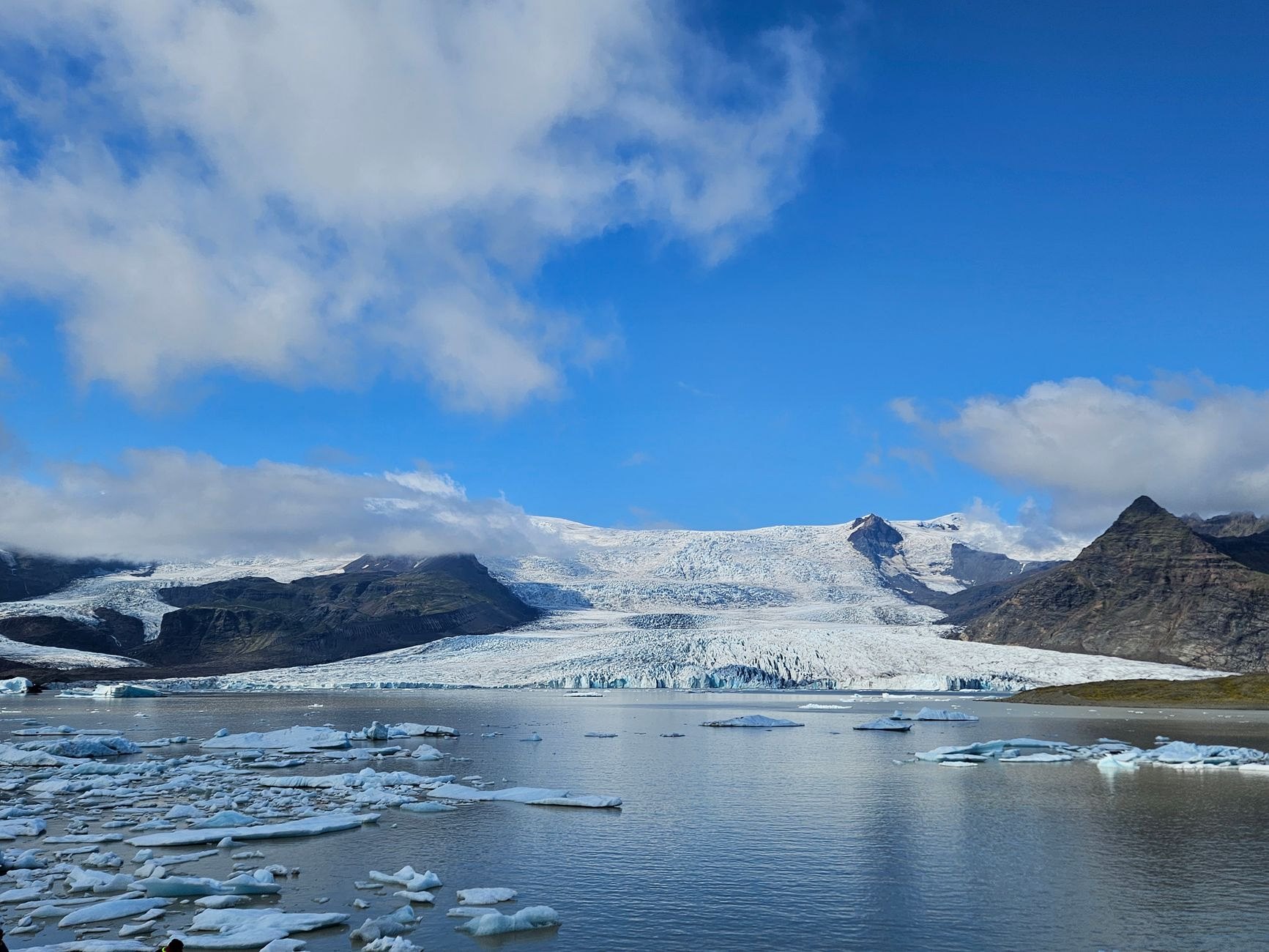
Paros, Greece: 15 Things to See and Do on the Island in 2026

TL;DRParos comes with 15 tips on what to see and do: the buzzing harbour town of Parikia with its Byzantine church of Ekatontapiliani, the romantic fishing village of Naoussa, the granite Kolymbithres beach that could pass for the Seychelles, windsurfer favourite Golden Beach, and the hilltop village of Lefkes inland. Don’t skip a trip to bohemian Antiparos next door — the ferry from Pounta harbour takes about 10 minutes, and its stalactite cave has 411 steps down to explore. Paros is a cheaper alternative to Mykonos and Santorini, with the same elegant Cycladic feel. The best time to visit is May, June or September, when crowds thin out and you get pleasant weather without the strong meltemi winds that hit in July and August.

Are you looking for the real, postcard-perfect Cyclades with dazzling white houses and blue shutters, but dread the idea of paying a hundred euros for a sun lounger and squeezing through crowds from cruise ships in the alleys? Then Paros in Greece is exactly what you need. This island isn’t nicknamed “the little Mykonos without the Mykonos prices” by chance, and it’s one of the most elegant, yet still affordable, destinations in all of Greece.

Paros works as a golden middle ground. You’ll find narrow lanes bursting with bougainvillea, stylish boutiques and cafés, movie-worthy fishing harbours, and gorgeous beaches where the water looks like it belongs in the Seychelles. And all of that without having to sell a kidney. The island mainly attracts couples, food lovers, and anyone chasing that balance between relaxation and style.

In this guide I’ll show you 15 things to see and do on Paros, from magical Naoussa through granite beaches to a day trip to bohemian Antiparos. Let’s dive in. ☺️

TL;DR

  • Paros is elegant and affordable. Postcard Cycladic beauty, but at a fraction of the price of Mykonos and Santorini.
  • Two faces of the island: busy Parikia with ancient monuments and the magical fishing village of Naoussa in the north.
  • Prettiest beaches: Kolymbithres with granite rocks straight out of the Seychelles, and Golden Beach, a windsurfing mecca.
  • Don’t skip the interior, especially the mountain village of Lefkes with its traditional cafés and calm.
  • A trip to Antiparos is a must. A bohemian little island 10 minutes away by ferry with a huge stalactite cave.
  • When to go: ideally May, June or September. In summer the meltemi wind blows here, but it pleasantly cools things down.

Parikia: the island’s gateway with an ancient soul

The island’s main port and town is Parikia, where the ferries pour out crowds of visitors. Don’t let that first impression by the harbour put you off, though, because just behind it hides a charming old town full of winding lanes, white houses, and plenty of tavernas.

Worth a visit here is the Frankish castle built directly from ancient marble columns, and above all the Byzantine church of Ekatontapiliani, or the Church of a Hundred Doors, one of the most important and oldest in all of Greece. A stroll through Parikia in the evening, once the lights come on and the cruise-ship crowds have left, has a magic all its own.

Naoussa: the most charming harbour in the Cyclades

The real gem of the island, though, is the fishing harbour of Naoussa in the north. Once a sleepy little village, it has gradually become the epicentre of Cycladic charm, and yet it has kept its soul.

The old harbour is lined with tavernas whose tables sway literally centimetres above the sea, little white chapels, and lanes full of flowers. In the evening people come here for a cocktail, for fresh food, and above all to soak up the atmosphere, which is absolutely magical. It’s one of those places where you easily lose track of time and end up sitting late into the night.

The prettiest beaches on Paros

Paros offers beaches you’d struggle to find anywhere else in Greece, and each one is completely different. Here are the ones you shouldn’t miss.

Kolymbithres

This beach looks more like the Seychelles than Greece. It’s set among smooth granite rocks sculpted by wind and water into rounded shapes, with turquoise water collecting between them in little natural pools. It’s a paradise for photos and for hiding from the sun in the shade of the rocks, and it lies a short boat ride from Naoussa, so you can easily reach it across the bay.

Golden Beach (Chrissi Akti)

A long strip of golden sand on the southeast of the island that, thanks to its steady wind, is an international mecca for windsurfing and kitesurfing. World Cup races are even held here, so whether you want to try a board or just watch the colourful sails on the waves, you’re in the right place. Even without the sport, it’s a beautiful, spacious beach with good facilities.

Marble, wind and the island’s interior

Even in antiquity Paros was famous for its marble, so pure and translucent that masters carved their most celebrated works from it. The world-famous statue of the Venus de Milo, admired today by visitors to the Louvre in Paris, was born from it. Traces of the ancient quarries can still be found in the island’s interior to this day.

And it would be a mistake to skip that interior. Hidden away in it is the village of Lefkes, the island’s former capital, sitting in the mountains surrounded by pines and olive trees. Total peace reigns here, the white lanes wind uphill, and you’ll find the best traditional cafés (kafenia) for miles around. Sitting here over a Greek coffee, far from the beaches, is balm for the soul.

A day trip to Antiparos

Being on Paros and not hopping over to neighbouring Antiparos would be a sin. The ferry from Pounta port crosses in about ten minutes and opens up a completely different world.

Antiparos is smaller, quieter, and radiates a bohemian atmosphere, and it’s no coincidence that even actor Tom Hanks bought a house here. The island’s main draw is the enormous stalactite cave in its centre, which you descend into via 411 steps and which ranks among the oldest visited caves in the world. Add a coffee in the harbour village and you’ll feel like time has stopped here.

lukas a lucka
Lukáš and Lucie recommend
Where to Stay in Paros
4 accommodation tips — across price categories

Where to eat and what to try

Paros is a paradise for food lovers and you’ll find countless tavernas here, mainly in Naoussa and Parikia. As vegetarians you’ll feast on fresh Cycladic salads, fried cheese, local fava and tomato fritters, and plenty of sweets.

The island is also famous for its wine and cheese; the local xinomyzithra cheese and Paros wines are among the things you should taste. Sitting in a waterside taverna in Naoussa, where the tables sway above the surface, is a gastronomic experience in itself, even if you only have a salad and a carafe of wine.

When to visit Paros (weather and best time)

As on the rest of the Cyclades, on Paros in Greece July and August are the hottest and busiest. In these months the meltemi wind also blows strongest here, which cools things pleasantly in the heat but whips up the waves and can complicate the ferries. Windsurfers, on the other hand, love it.

The best months are May, June and September. In spring the island is fresh and blooming, the sea is already warm enough for swimming and the crowds haven’t arrived yet, while September offers warm water and a more relaxed atmosphere. If you’re mainly heading here for romance and calm, bet on September.

Where to stay on Paros: the best hotels

💡 Tip for accommodation and experiences: We prefer to look for accommodation on Booking.com, which usually has the best cancellation terms. I picked the specific hotels I recommend below based on real reviews across price ranges. For tours, boat trips and tickets, compare options on GetYourGuide.

A practical base is Parikia by the harbour, where the ferries and buses set off. A highly rated, cheaper choice in the heart of the old town is Pelican Paros, where you’ll appreciate the cleanliness, friendly staff and free snacks. A step up is the stylish KOKOON with a garden, a few minutes from Livadia beach.

The most atmospheric spot is fashionable Naoussa in the north. For an exceptional seaside stay there’s the five-star Cosme, a Luxury Collection Resort right on Agii Anargyri beach, or the design-led Cove Paros with one of the best restaurants on the island. A pleasant mid-range option a short walk from the centre is Senia Hotel with sea-view rooms.

For peace and beaches, choose the south of the island. Right by the famous windsurfing Golden Beach, the family-run Golden Beach Hotel has been running on the sand since the 1980s, while in the picturesque fishing village of Aliki the quiet Angeliki Seaside Hotel sits a few steps from the sea. Paros works out cheaper than Mykonos or Santorini, but it fills up fast in season, so book early.

Where to go next

Before you set off, take a look at our other articles about Greece:

Frequently asked questions

What to see on Paros?

On Paros you must not miss the magical fishing harbor of Naoussa, the old town and Byzantine church Ekatontapiliani in Parikia, and the beaches of Kolymbithres with granite rocks and Golden Beach for windsurfing. Worth a trip are the mountain village of Lefkes in the interior and especially the neighboring island of Antiparos with its giant stalactite cave. The island is ideal for couples and lovers of good food.

Where is the island of Paros located?

Paros lies in the heart of the Cyclades in the Aegean Sea, right next to the island of Naxos and not far from Mykonos and Santorini. It is among the most accessible Cycladic islands, excellently connected by ferries to Athens (both Piraeus and Rafina ports) and to the surrounding islands, making it perfect as part of island hopping.

Is Paros expensive?

Paros is more expensive than, say, neighboring Naxos, but significantly cheaper than Mykonos or Santorini, where prices tend to be 40 to 60% higher. It therefore offers excellent value for money, Cycladic beauty and elegance at reasonable prices. The most expensive is fashionable Naoussa, while you’ll find cheaper accommodation in Parikia or near the southern beaches.

Which is the most beautiful island, Paros or Naxos?

It depends on what you’re looking for. Naxos is more family-friendly, more rustic and has the best sandy beaches for children, while Paros is more elegant, more cosmopolitan and more stylish, ideal for couples. Both islands are neighbors and can easily be combined during one holiday with a short ferry ride.

When to go to Paros?

The best times are May, June and September. In May and June the island is fresh, blooming and the sea is already swimmable, while September offers warm water and a calmer atmosphere after the main season. July and August are the hottest and busiest, with the strongest meltemi winds, which windsurfers love.

How to get to Paros?

You can most commonly reach Paros by ferry from the Athens ports of Piraeus or Rafina, with the journey taking approximately 3 to 4 hours (less by fast ferry). The island also has a small airport with domestic flights from Athens. Thanks to its location in the center of the Cyclades, Paros is excellently connected to the surrounding islands as well, making it easy to include in island hopping.

Tips and Tricks for Your Vacation

Don’t Overpay for Flights

Search for flights on Kayak. It’s our favorite search engine because it scans the websites of all airlines and always finds the cheapest connection.

Book Your Accommodation Smartly

The best experiences we’ve had when looking for accommodation (from Alaska to Morocco) are with Booking.com, where hotels, apartments, and entire houses are usually the cheapest and most widely available.

Don’t Forget Travel Insurance

Good travel insurance will protect you against illness, accidents, theft, or flight cancellations. We’ve had a few hospital visits abroad, so we know how important it is to have proper insurance arranged.

Where we insure ourselves: SafetyWing (best for everyone) and TrueTraveller (for extra-long trips).

Why don’t we recommend any Czech insurance company? Because they have too many restrictions. They set limits on the number of days abroad, travel insurance via a credit card often requires you to pay medical expenses only with that card, and they frequently limit the number of returns to the Czech Republic.

Find the Best Experiences

Get Your Guide is a huge online marketplace where you can book guided walks, trips, skip-the-line tickets, tours, and much more. We always find some extra fun there!
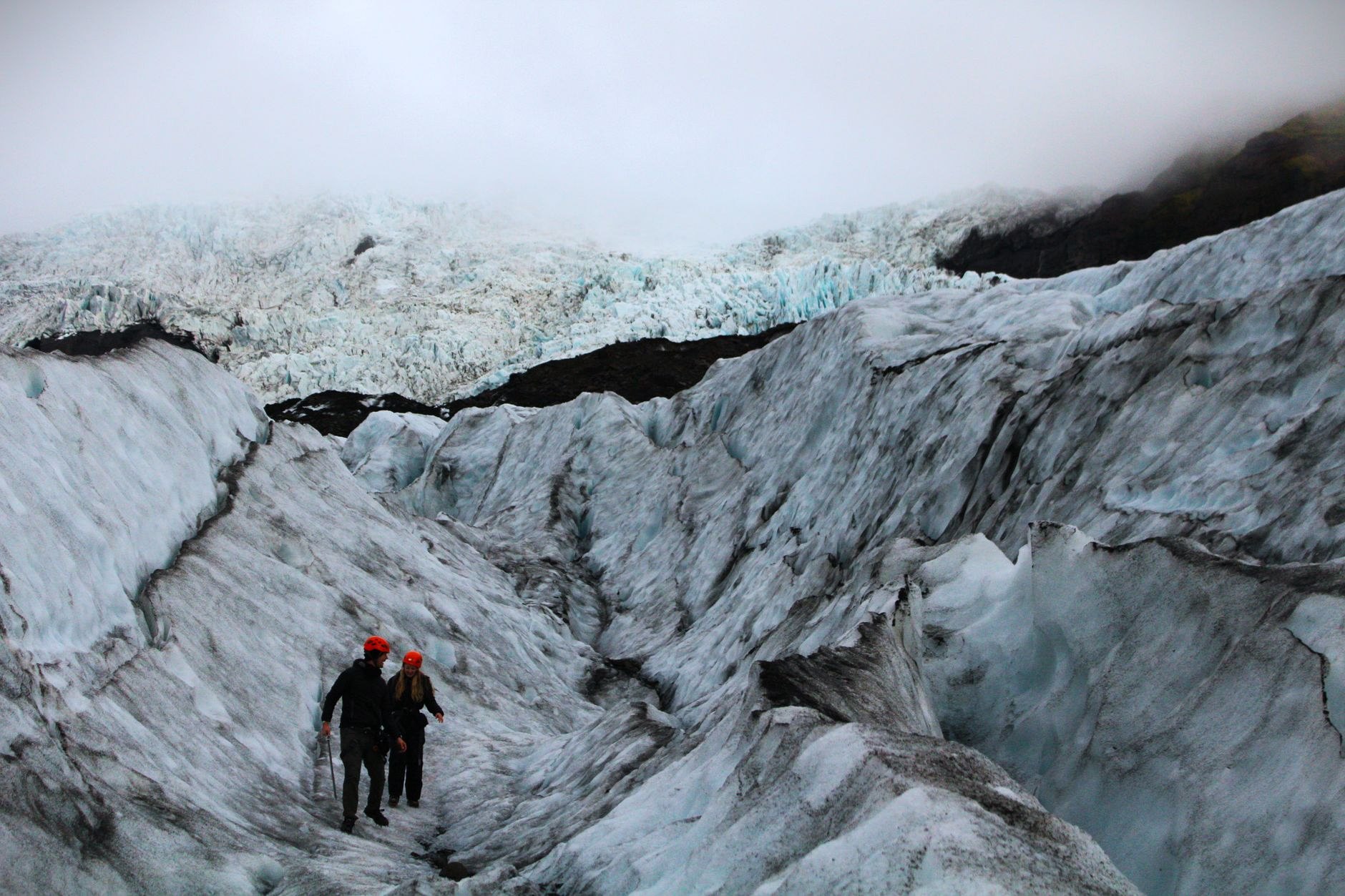
Thassos Island, Greece: 15 Best Things to See and Do in 2026

TL;DRThassos, Greece’s northernmost island, is nicknamed the “emerald island” for the thick forests running right down to the sea, with prices 40 to 60% lower than Mykonos or Santorini. Among the 15 tips are Golden Beach, the marble-pebbled Marble Beach and the natural pool at Giola, plus the mountain villages of Panagia and Theologos, Archangelos Monastery and the ancient ruins in the capital, Limenas. There’s no airport for charter flights, so you’ll arrive by ferry from Keramoti (35 to 40 minutes) or Kavala (about 75 minutes), and the roughly 100-kilometre coastal loop is easily driven in a single day. May, June and September are the best months to visit, when the sea’s warm and the crowds have thinned out.

There’s a Greek island that most people from Western Europe and North America barely know, yet Central Europeans and Balkan travellers adore it wholeheartedly. Thassos island in Greece is the country’s northernmost island, and because it has no airport for big charter flights, it has kept its laid-back, unspoiled atmosphere. You get here by car, and the reward is dense pine forests tumbling straight into the sea, marble beaches and prices you simply won’t find in southern Greece anymore.

It’s nicknamed the “emerald island” because it’s covered in green from the coastline all the way up to the mountain peaks. A coastal road loops around it in an almost perfect circle roughly 100 kilometres long, so you can comfortably drive around the whole island in a single day, stopping at a different gorgeous bay every few minutes.

In this guide I’ll show you 15 things to see and do on Thassos, from the prettiest beaches to mountain villages and practical info on how to get here and when to go. Let’s dive in. ☺️

TL;DR

  • Thassos is green, quiet and cheap. No big airport means no crowds from Western Europe and prices 40 to 60% lower than on Mykonos or Santorini.
  • You get here by car and ferry. Most often from the port of Keramoti (crossing just 35 to 40 minutes), or from the city of Kavala.
  • Best beaches: Golden Beach for families, photogenic Marble Beach with white marble pebbles, and the natural pool Giola, known as the Tear of Aphrodite.
  • Beyond the beaches it’s worth driving through the mountain villages of Panagia and Theologos, visiting the Archangelos Monastery and the ancient sites in Limenas.
  • You can drive around the whole island in a day — the coastal loop is only around 100 km.
  • When to go: ideally May, June or September, when the sea is warm and it’s peaceful.

How to get to Thassos in Greece

Thassos has no airport for large charter flights, so you can’t fly here directly. That’s a bit of its secret, and exactly why it stays unspoiled. Most travellers head here by car, or fly into Thessaloniki or Kavala and continue overland from there. Carriers like Ryanair, easyJet and Lufthansa serve Thessaloniki from major European hubs, and from the airport it’s an easy drive to the ferry.

You then reach the island by ferry from one of two spots. The most common and fastest is the port of Keramoti, from where the crossing to the capital, Limenas, takes just 35 to 40 minutes, with boats running practically non-stop in season. The second option is the crossing from the larger city of Kavala to the port of Skala Prinos, which takes around 75 minutes. Taking your car on board is no problem — and it’s the best way to enjoy the island.

Where to stay on Thassos

💡 Tip for accommodation and experiences: We prefer to look for accommodation on Booking.com, which usually has the best cancellation terms. I picked the specific hotels I recommend below based on real reviews across all price ranges. For trips, boat cruises and tickets, compare options on GetYourGuide.

Most visitors choose the capital, Limenas, in the north as their base, as everything is close from there and in the evening you have dozens of tavernas within walking distance. A cheaper yet highly rated option right in the centre by the port is Hotel Angelica, praised for its sea view and the breakfast included in the price. A notch higher, but still reasonably priced, is Akti Hotel, with a quiet seaside location and a terrace that couples rate as high as 9.8.

If you want a holiday mainly by the water, head to the east coast to Golden Beach (Skala Potamia). Just a few dozen metres from the sand you’ll find Porto Thassos Apartments & Studios, with exceptionally warm hosts and daily cleaning, or the more modern Meli Suites right on the beach. On the quieter north-west, by the shallow sea ideal for kids, you’ll be delighted by Hotel Prinos.

Families with children will appreciate the large beach resorts in the south. In Potos there’s the sprawling Alexandra Beach Thassos Spa Resort with pools, a spa and sports facilities, while in Limenaria there’s Hotel Blue Dream Palace Tripiti Resort, the only hotel on the island with its own water park. Prices for both accommodation and food here are noticeably friendlier than on the southern islands, so you’ll enjoy a week’s holiday for a reasonable amount of money. Whatever you choose, book well in advance during the season.

The prettiest beaches on Thassos island

The beaches are the main reason to come to Thassos, and each one has its own character. Here are the ones you shouldn’t miss.

Golden Beach (Chrissi Ammoudia)

A three-kilometre stretch of fine golden sand on the east coast, framed by green mountains. The water here is shallow, calm and warm, which makes Golden Beach an absolutely ideal base for families with kids. You’ll find plenty of facilities in the form of tavernas and sunbeds, yet there’s still room to spread out your own towel.

Marble Beach (Saliara)

This beach looks like it’s from another planet. Instead of sand it’s covered in tiny, snow-white marble pebbles, which combine with the sea to create an almost neon-turquoise water colour. The road to it runs along a dusty track from a marble quarry, so expect your car to be coated in a layer of fine white dust by the end of the day. But the view is absolutely worth it.

Giola: the Tear of Aphrodite

Giola is a natural pool carved by the sea into the rocky cliffs on the south of the island. Jumping into this so-called “Tear of Aphrodite” is a must for the brave. A short but steep walk leads down to it, and in season you’ll probably wait a while in a queue for the perfect photo. Still, it’s one of the most photogenic spots on all of Thassos.

Paradise and Aliki

On the southeast of the island you’ll find Paradise Beach (Makryammos) with turquoise water and pines right down to the sea. A short drive further lies the picturesque double bay of Aliki, hugged by a peninsula with an ancient marble quarry and ruins. Swimming among the ancient columns that have tumbled into the sea here is an absolutely magical experience.

What to see and do beyond the beaches

It would be a mistake to spend your entire Thassos holiday on the beach alone. The island’s interior hides green mountains, traditional villages and ancient sites.

Thassos town (Limenas) and its ancient past

The capital, Limenas (often simply called Thassos town), is a lively harbour town with a pleasant waterfront lined with tavernas. But it also hides a rich history: you’ll come across an ancient agora, an archaeological museum and an old theatre set into the slope above town, with a beautiful view of the sea. A stroll among the ruins at sunset is the perfect way to end the day.

The mountain villages of Panagia and Theologos

Drive up into the hills and discover the real Thassos. The village of Panagia charms with its stone houses topped with slate roofs, narrow lanes and little streams of water trickling everywhere. Theologos, the island’s former capital, is a showcase of traditional Thassian architecture and the kind of calm you won’t find on the coast. In the local tavernas you’ll taste home cooking far from the tourist bustle.

Archangelos Monastery

On the southern coast, clinging to a cliff high above the sea, stands the Archangelos Michael Monastery. It’s a convent with a stunning view over the Aegean Sea, and it reportedly holds a rare relic — a nail from the Cross of Christ. Entry is free; just remember to dress appropriately, covering your shoulders and knees.

Experiences & tickets
traveler-rated · GetYourGuide
Thassos: Full-Day Cruise with Swimming Stops & Snack
★★★★★ 4.8 · 77 reviews
from €60
I want this experience →
🔗 These are affiliate links — they don't change your price and help us create content. · All experiences →
lukas a lucka
Lukáš and Lucie recommend
Where to stay in Thassos
4 accommodation tips — across price ranges

A boat trip and a waterfall in the mountains

If you want to see Thassos from a different perspective, set out on a full-day boat trip around the island, which usually departs from Limenas or Skala Potamia and stops for swims in bays you can’t reach by land. And nature lovers shouldn’t miss the Kefalovrysi waterfall near the village of Potamia, reached by a pleasant trail through a shady forest along a stream — the perfect refreshment on a hot day.

On the south of the island you’ll also find the pleasant resorts of Limenaria (with the fairy-tale Palataki manor house above the sea) and quiet Pefkari, with pines right down to the water, great for diving and snorkelling.

What to taste and what to bring home

Thassos is famous for its natural products, and its food scene is a world away from tourist traps. The island is literally dotted with olive trees, so the local olive oil is some of the best in Greece and you can buy it straight from the growers.

The second treasure is Thassos honey, especially the pine and thyme varieties, born of the scent of the flowering hills. And third, tsipouro, the local spirit that tavernas often pour you on the house. As vegetarians, you’ll eat wonderfully here — fresh salads, fried saganaki cheese, fava purée and vegetables from local gardens.

When to go: Thassos weather in Greece

Like the rest of northern Greece, Thassos is at its prettiest outside the peak of summer. July and August bring the hottest weather and the most visitors (mainly from the Balkans), though even then it’s quieter here than on the famous southern islands.

The best months are May, June and September. In May and June everything is fresh and green, nature is in bloom and the sea is already warm enough to swim in, while September offers water warmed through by the whole summer and a pleasant calm. One advantage of Thassos is that, unlike the Cyclades, it isn’t plagued by the strong meltemi wind, so the sea is usually calm.

Where to go next

Before you set off, take a look at our other articles about Greece too:

Frequently asked questions

What to do on Thasos island?

The main attraction is the beaches, especially Golden Beach for families, the photogenic Marble Beach with white marble pebbles, and the natural pool Giola. Besides swimming, it’s worth driving around the entire island, visiting the mountain villages of Panagia and Theologos, exploring the Archangelos Monastery, and seeing the ancient ruins in Limenas. Food lovers will appreciate the local olive oil, honey, and tsipouro.

How to get to Thasos?

Thasos doesn’t have an airport for charter flights; you reach it by car and ferry. Most commonly, you take the ferry from the mainland port of Keramoti, where the crossing to Limenas takes just 35 to 40 minutes and ferries run continuously during the season. The second option is the ferry from the town of Kavala (approximately 75 minutes). The nearest airports are in Kavala and Thessaloniki.

When to visit Thasos?

The best months are May, June, and September. In spring the island is lush and green with flowers blooming and the sea becoming swimmable, while in September the water is bathwater-warm after summer and the atmosphere is peaceful. July and August are the hottest and busiest months, though it’s still quieter here than on the famous southern islands.

What is the sea like on Thasos?

The sea around Thasos is exceptionally clean and crystal clear; the island has numerous Blue Flag beaches. At Golden Beach the water is shallow and calm, ideal for children, while at Marble Beach it has an almost neon-turquoise color thanks to the white marble pebbles. The seabed is sometimes pebbly, so water shoes come in handy.

Why visit Thasos instead of the southern islands?

Thasos is greener, quieter, and significantly cheaper than the famous southern islands. Thanks to the absence of a large airport, it doesn’t attract crowds from western Europe, and accommodation and food prices are typically 40 to 60% lower than on Mykonos or Santorini. It’s especially appreciated by families, nature lovers, and anyone seeking authentic Greece without overcrowded beaches.

How big is Thasos and can you drive around it?

Thasos is a relatively small island; the coastal road circles it in a loop of about 100 kilometers. You can comfortably drive around the entire island in a single day, even with frequent stops at beaches and viewpoints. A car is definitely the best way to get around here, and it also allows you to reach the mountain villages inland.

Tips and Tricks for Your Vacation

Don’t Overpay for Flights

Search for flights on Kayak. It’s our favorite search engine because it scans the websites of all airlines and always finds the cheapest connection.

Book Your Accommodation Smartly

The best experiences we’ve had when looking for accommodation (from Alaska to Morocco) are with Booking.com, where hotels, apartments, and entire houses are usually the cheapest and most widely available.

Don’t Forget Travel Insurance

Good travel insurance will protect you against illness, accidents, theft, or flight cancellations. We’ve had a few hospital visits abroad, so we know how important it is to have proper insurance arranged.

Where we insure ourselves: SafetyWing (best for everyone) and TrueTraveller (for extra-long trips).

Why don’t we recommend any Czech insurance company? Because they have too many restrictions. They set limits on the number of days abroad, travel insurance via a credit card often requires you to pay medical expenses only with that card, and they frequently limit the number of returns to the Czech Republic.

Find the Best Experiences

Get Your Guide is a huge online marketplace where you can book guided walks, trips, skip-the-line tickets, tours, and much more. We always find some extra fun there!
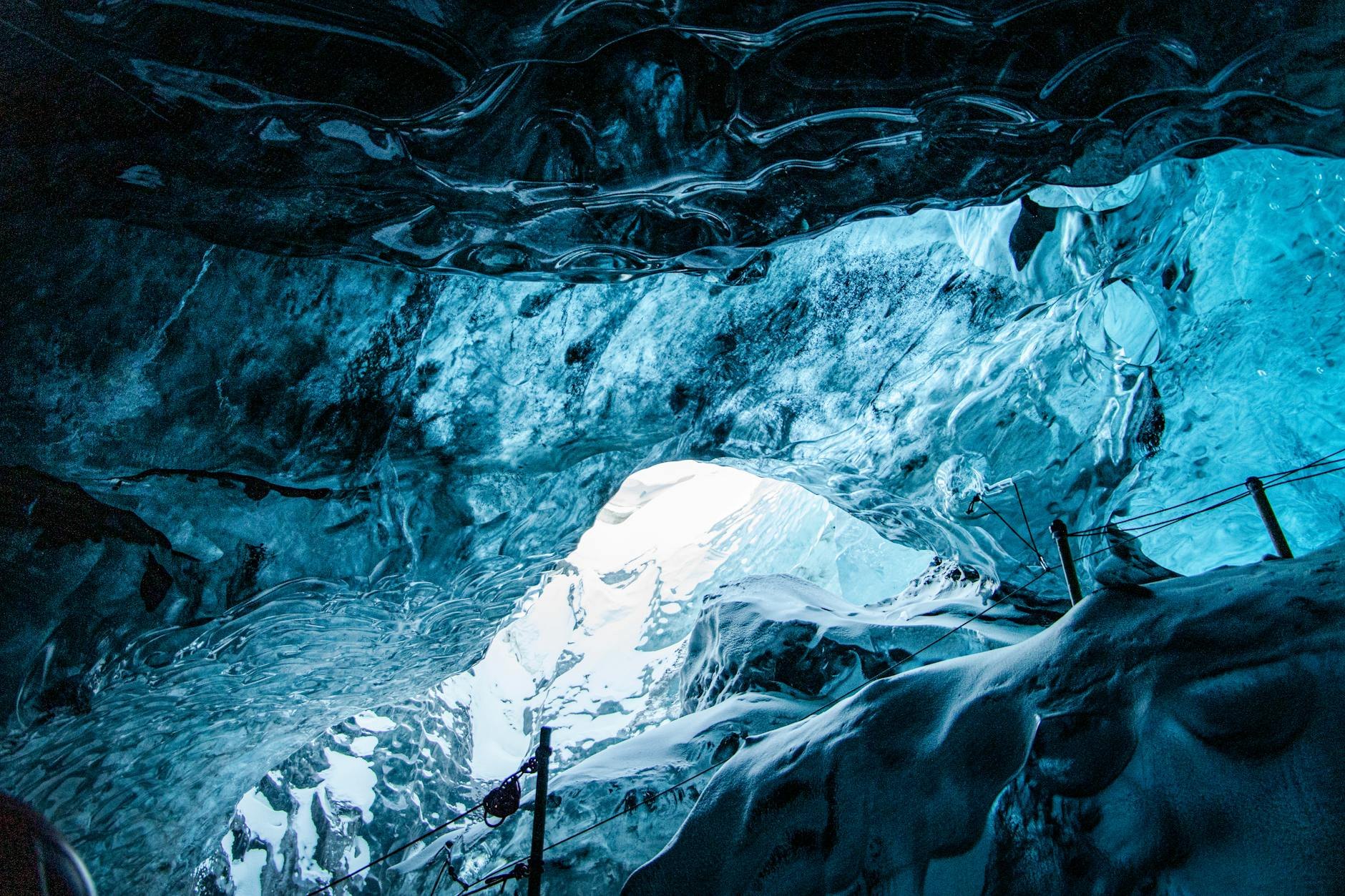
Skiathos, Greece: 14 Best Things to Do and See

TL;DROn Skiathos, a small Greek island of 47 km² in the north-west Aegean, the main draw is the capital Chora with its Venetian Bourtzi fortress, more than 60 beaches (the best are Koukounaries, Lalaria, Banana Beach and Agia Eleni), and the Evangelistria Monastery up in the hills. There are 14 ideas here, from a boat trip round the Mamma Mia filming locations to the 14th-century ruins of Kastro castle and plane-spotting by the airport. Summer (around 30°C) or spring (16–20°C) are the best times to visit — steer clear of October to December, when the island gets heavy rain. The airport is 2 km from the centre, the bus costs €3, and a return boat trip to Lalaria beach comes to about €20.

Mamma Mia! Haven’t heard of the charming Greek island of Skiathos? Even if you haven’t visited, you’ve likely seen its beauty in scenes from the famous musical movie Mamma Mia!.
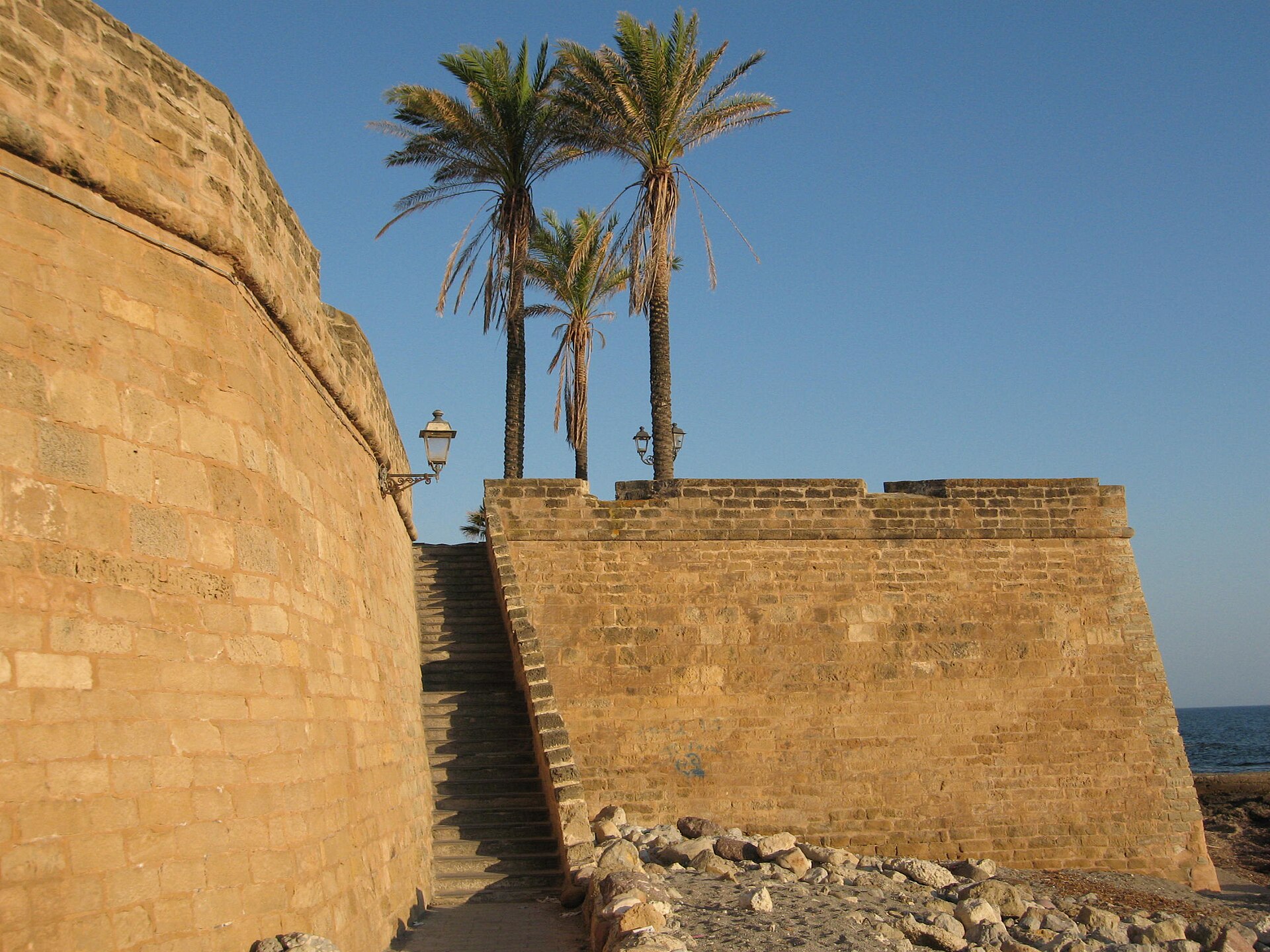
Though one of the smallest Greek islands, at just 47 km², Skiathos packs a lot of charm and adventure in the northwestern Aegean Sea.

Stroll through the quaint streets of Skiathos Town, lined with iconic white and blue houses, or relax on endless sandy beaches lapped by crystal-clear turquoise waters. For nature lovers, the island’s mountainous hills offer a glimpse of Greece’s stunning landscapes.

And don’t forget, all of this can be enjoyed with the sounds of ABBA playing in your mind! 😊
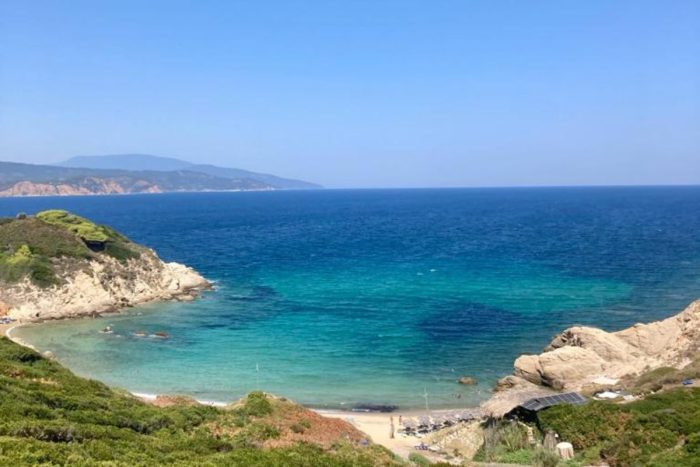
Best Time to Visit Greek island of Skiathos

You’re sure to enjoy a perfect summer holiday in Skiathos, with daytime temperatures around 30°C and pleasant nights at around 20°C. If you prefer a quieter getaway without the usual beach and swimming crowds, consider visiting in spring, when temperatures are milder, ranging from 16°C to 20°C—ideal for exploring the island.

However, I’d advise against visiting Skiathos from October to December due to heavy rainfall during that period.

How to Get from the Airport to Skiathos

As mentioned, Skiathos is a small island, and its airport is conveniently located just 2 km from the town center. Many backpackers, myself included, simply walk from the airport. The distance isn’t far, and the road is pleasant with sidewalks, so no worries about dodging any wild scooter drivers. 😄

Alternatively, you can catch a bus that runs directly from the terminal to the port, though it only operates twice a day. A ticket from the airport costs 3 euros, and you can check the timetable on the official website.

TIP: The same bus can also take you to various beaches. Skiathos has essentially one main road with bus stops numbered 1 to 26, starting from the main town and stopping at many beaches along the way. The fare is also 3 euros.

If you have a lot of luggage or miss the bus, you can opt for a taxi or car rental. Taxis are available right outside the terminal, and the trip to town will cost between 7 and 10 euros.

For those who want to explore the island with more freedom, I recommend renting a car or scooter—assuming you have a confident driver among you (sadly, I’m not one of them 😄). It’s the best way to enjoy Skiathos at your own pace without relying on bus schedules.

Best Hotels in Skiathos

As mentioned, Skiathos is a very small island, so no matter where you stay, you’ll find it easy to get around quickly.

If you’re looking for accommodation near the airport, Skiathos Holiday Resort is a great option. For a more budget-friendly stay, consider Alkmene Studios. And if you’re seeking something more luxurious, treat yourself to Mystery Skiathos Luxury Residence.

14 Best Things to Do and See in Skiathos

Skiathos instantly captured my heart, and its fame as a filming location for Mamma Mia only adds to its charm and popularity. So, let’s dive into 14 Best Things to Do and See on this beautiful island.

Fun fact: Skiathos is one hour ahead of the time in the Czech Republic!

Take a tour of the town of Chora

The island’s capital, Chora, sits on the southeastern tip of Skiathos. It’s a charming town filled with the iconic white and blue houses typical of the Greek islands. You’ll find plenty of restaurants, cafes, bars, clubs, shops, and hotels to explore.

In the heart of the town, you’ll come across the ruins of the Venetian fortress of Bourtzi, which once divided the town. Take a leisurely stroll through the winding streets until you reach the Agios Nicolau Church and its clock tower. From there, you’ll be treated to stunning views of the town and the endless blue of the Aegean Sea.

Walk through the Scenic Skiathos Harbour

The harbour is just a short walk from the town, where you can enjoy a leisurely stroll along the Papadiamanti promenade by the sea. As you walk, you’ll admire the boats and luxurious yachts anchored there, along with cruise ships and ferries departing for nearby islands.

Fun fact: The harbour’s pier was featured in the filming of Mamma Mia! It’s the iconic spot where all three “fathers,” played by Pierce Brosnan, Colin Firth, and Stellan Skarsgård, meet for the first time.

Explore the Stunning Beaches of Skiathos

Skiathos is home to over 60 stunning beaches, offering something for everyone. You’ll find urban beaches close to the town center, easily accessible on foot, as well as more secluded, picturesque beaches that require a bit more effort to reach by bus, scooter, or car. Both options are well worth exploring!

The most beautiful beaches on Skiathos include:

  • Koukounaries beach,
  • Krifi Ammos beach,
  • Agia Eleni beach,
  • Lalaria beach,
  • Achladies beach,
  • Castro Beach,
  • Banana Beach,
  • Achladies beach,
  • beach canapist,
  • Vassilias beach,
  • Xanemos beach (beware, this beach is nudist).

Rent a boat and visit Lalaria beach

Lalaria Beach is one of the most breathtaking beaches on Skiathos, and part of its allure is that it can only be reached by boat. You have two options: you can either rent a boat (for smaller boats, all you need is a European driving license) or book a boat trip to the beach.

Most tour companies offer two sailings a day, and a round-trip ticket typically costs around 20 euros. You can also browse and book a variety of boat trips on GetYourGuide.

Lalaria Beach is a stunning pebble beach, framed by towering cliffs and highlighted by its famous rock arch. Legend has it that if you swim through the arch three times, you’ll stay forever young and beautiful!

Because of its remote location, there are no amenities or restaurants, so be sure to bring snacks and water. The water’s entrance is steep, but it’s perfect for snorkeling. Keep in mind that there’s limited shade, so pack plenty of SPF for sun protection.

Nearby, you’ll also find caves with beautiful turquoise walls, and many boat tours include stops to explore these magical spots.

There are also caves with turquoise walls around Lalaria. You can book a boat trip to these caves.

Visit the nearby island of Skopelos

If I’m highlighting Skiathos for its Mamma Mia fame, I can’t leave out the nearby island of Skopelos, another key filming location for the movie. Skopelos offers a similar experience to Skiathos, with charming towns, beautiful beaches, stunning nature, delicious restaurants, and, of course, Mamma Mia backdrops.

You can easily reach Skopelos by ferry, making it perfect for a day trip or an extended stay. Alternatively, you can opt for a boat tour, which I’ll cover in more detail below.

Mamma Mia trip

If you’re not already humming an ABBA song while reading this, I must be doing something wrong! 😄 I highly recommend booking the Mamma Mia boat trip, which is offered by nearly every local company. You can also easily book it through GetYourGuide for a seamless experience.

Take a walk along the Papadiamanti promenade, and you’ll easily spot the various excursion stands offering tours. Most Mamma Mia boat trips are quite similar in both itinerary and price. However, keep in mind that the schedule can change due to weather or rough seas (which I experienced firsthand).

I booked a day trip that included a visit to the town of Skopelos, Lalaria Beach, the nearby turquoise caves, and the famous Agios Iannis Church, where the wedding scene from Mamma Mia was filmed. Unfortunately, due to high winds, we couldn’t visit Lalaria or the caves, which was a big disappointment (but hey, if I don’t get to see them, I guess I’ll just have to fly back again! 😄).

On the bright side, I got to explore Kastani Beach, where the duet between Sophie and Skye was filmed, ending with that amazing dance scene featuring a lot of musclemen in snorkels. 😍 I can also confirm that the cliff with the Agios Iannis Church is an absolutely stunning spot!

Spotting aircraft

Skiathos Airport is often called the European Sint Maarten due to its short runway and the thrilling experience of watching planes take off and land just overhead. The planes fly so close, it feels like they’re right above you!

TIP: Before heading out for some aircraft watching, check the flight schedules on Flightradar24 to time it perfectly.

Shopping in local shops

Skiathos is brimming with charming shops offering a variety of local products, including jewelry, spices, handbags, shoes, clothes, belts, and other souvenirs. Whether you’re just browsing or planning to shop (depending on how much room you have in your backpack 😊), it’s a great way to take home a piece of the island!

Go to the summer cinema screening

If you haven’t had your fill of Mamma Mia yet (though, is that even possible? 😄), you can visit the popular summer cinema to watch the movie with a lively dance performance. Occasionally, they show other films as well.

You can check the cinema’s schedule on their Instagram or Facebook, and tickets are available at the door.

Visit the house of a Greek writer

The renowned Greek writer Alexandros Papadiamantis once lived in Skiathos, and his former home has been transformed into a museum dedicated to his life and work.

Monastery of the Annunciation of the Virgin Mary

Another must-see on the island is the Monastery of the Annunciation of the Virgin Mary, one of Skiathos’ most visited landmarks. Nestled in the mountains, this monastery is a stunning example of Greek architecture, with its interior adorned by beautiful Greek art frescoes.

Ruins of Kastro Castle

At the northernmost tip of the island, you’ll find the Kastro Castle, dating back to the 14th century—or at least what remains of it. The surviving structures include the Gennisi tou Christou and Agios Nikolaos churches, as well as the original entrance gate.

Trekking through virgin landscapes

If you’re a fan of active holidays, Skiathos won’t disappoint. The island is filled with well-marked hiking trails that take you through beautiful landscapes, including vineyards, olive groves, and pine forests. It’s the perfect destination for nature lovers looking to explore on foot.

Get a tattoo

If you’re looking for a lasting memory of your visit to Skiathos, consider stopping by the island’s only tattoo studio, Inkspiration Tattoo. Just make sure to go on the last day of your holiday so you can enjoy swimming in the sea beforehand! 😄

lukas a lucka
Lukáš and Lucie recommend
Where to Stay in Skiathos
4 accommodations — wellness hotels, resorts and other lodging options

What to taste

Greek cuisine needs no introduction, and Skiathos offers plenty of opportunities to savor its traditional dishes:

  • Gyros: Grilled meat served with pita and tzatziki. Perfect after a night of dancing at the local clubs.
    TIP: You can find excellent gyros at Taverna Folia in the town center.
  • Moussaka: A layered dish made with potatoes and minced meat, similar to lasagna.
  • Souvlaki: Grilled pieces of meat served on a skewer.
  • Greek Salad: A fresh mix of tomatoes, cucumber, onion, feta cheese, and olives, topped with salt, oregano, and olive oil.

The town is full of great restaurants, so don’t hesitate to sit down and enjoy a meal. I personally recommend Taverna Folia, Primavera, and Bourtzi for an authentic dining experience.

Important Note: Be sure to drink only bottled water on the island, as tap water is not recommended.

Best Places for Nightlife in Skiathos

You’ll find plenty of bars along Papadiamanti Street, many of which offer daily happy hours with discounted drinks.

Keep in mind that Greeks tend to follow a different schedule, with the nightlife really kicking off after 2 a.m. 😴

Some of the most popular clubs in Skiathos include:

  • Pure
  • Jaguar
  • Borzoi
  • Bad Boys Club
  • Apotheke Club
  • De Facto
  • Totem

I also recommend trying the party boats, which sail out at sunset once a week (usually Saturdays) during the summer. These boats feature a bar, dance floor, and a DJ for a night of fun on the open sea.

Frequently asked questions:

How do I get to Skiathos?

The easiest way is to take a direct flight from Prague to Skiathos.

How to get from Skiathos to Skopelos?

A ferry runs regularly between the islands. You can also take advantage of a boat trip.

What are the best beaches in Skiathos?

Skiathos is famous for its beautiful beaches. Among the most popular are Koukounaries, Banana Beach and Lalaria. Each of them has its own unique charm.

Where is Skiathos?

Skiathos is a small Greek island in the northwestern Aegean Sea. It is the westernmost island in the North Sporades group of islands.

Tips and Tricks for Your Vacation

Don’t Overpay for Flights

Search for flights on Kayak. It’s our favorite search engine because it scans the websites of all airlines and always finds the cheapest connection.

Book Your Accommodation Smartly

The best experiences we’ve had when looking for accommodation (from Alaska to Morocco) are with Booking.com, where hotels, apartments, and entire houses are usually the cheapest and most widely available.

Don’t Forget Travel Insurance

Good travel insurance will protect you against illness, accidents, theft, or flight cancellations. We’ve had a few hospital visits abroad, so we know how important it is to have proper insurance arranged.

Where we insure ourselves: SafetyWing (best for everyone) and TrueTraveller (for extra-long trips).

Why don’t we recommend any Czech insurance company? Because they have too many restrictions. They set limits on the number of days abroad, travel insurance via a credit card often requires you to pay medical expenses only with that card, and they frequently limit the number of returns to the Czech Republic.

Find the Best Experiences

Get Your Guide is a huge online marketplace where you can book guided walks, trips, skip-the-line tickets, tours, and much more. We always find some extra fun there!