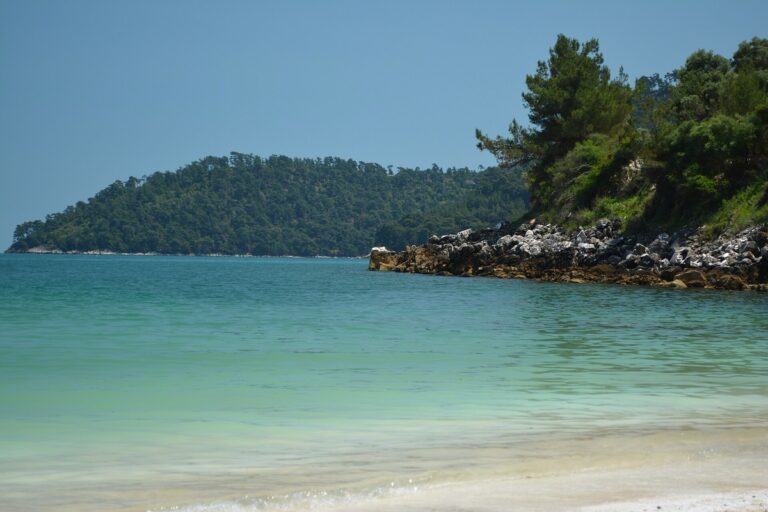
Close your eyes and picture the perfect holiday — chances are you’re imagining turquoise water and an endless stretch of white sand or pebbles baking in the sun. You’re definitely not alone. The best beaches in Greece are searched for hundreds of thousands of times every month, and it’s no wonder. Greece has literally thousands of them and consistently ranks second in the world for Blue Flag awards, currently holding around 620.
Finding your dream cove, though, isn’t as simple as jabbing a finger at a map. Some of the most famous beaches are now groaning under the weight of crowds, others have been closed by nature itself, and still others have been quietly hijacked by overpriced beach clubs where two sunbeds cost more than your flight.
That’s why this honest guide exists. I’ll walk you through 20 of the most beautiful Greek beaches, sorted by what you actually want from your holiday — alongside the practical rules for 2026 (sunbeds, the closed Navagio, the new beach law) and a handy summary table at the end. Let’s dive in. ☺️
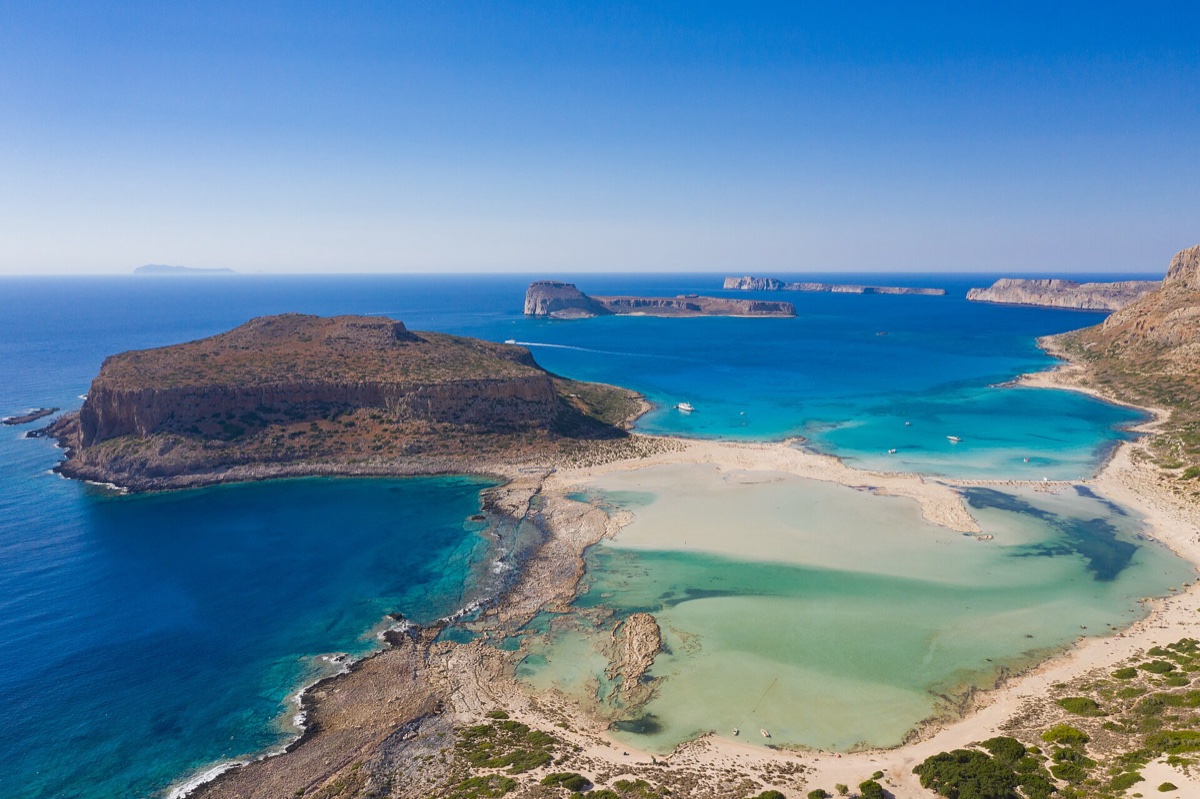
The full destination guide: Greece — guide and what to see
TL;DR
- Postcard-perfect iconic beaches: Elafonissi (pink sand), Balos (lagoon), Myrtos, and Sarakiniko. Stunning, but often packed — arrive early to make the most of them.
- Watch out for Navagio (Shipwreck Beach) on Zakynthos: it’s still closed for 2026 due to ongoing rockfalls. You can’t set foot on the sand or swim near the wreck — views from a boat or the clifftop lookout are your only options.
- Families with children will love the shallow, calm waters of Agios Georgios (Naxos), Tigaki (Kos), and Golden Beach (Thassos).
- Party from afternoon till dawn at Super Paradise (Mykonos), Paradise Beach (Kos), and Kavos (Corfu).
- Escaping the crowds is easy at Voidokilia, Simos, Vai with its palm grove, or the wild sands of Egremni.
- New beach law: at least 70% of every beach must remain free of sunbeds and umbrellas. You can now lay your own towel down almost anywhere.
- Water shoes are a must on the Ionian Islands — the pebbles and sea urchins are no joke.
Essential Greek Beach Rules for 2026
Before you head out to catch some sun, it’s worth knowing how things work right now — Greek beach culture has changed considerably in recent years, and a few things have shifted quite dramatically.
The biggest talking point is sunbeds and umbrellas — and the wildly varying prices. On quieter islands like Thassos or on the mainland, a set of two sunbeds and an umbrella will cost you around 5 to 15 euros per day. At the luxury beach clubs of Mykonos, that same setup can set you back an eye-watering 100 euros or more. On many smaller islands like Kos or Naxos, the friendly “free sunbed with a purchase” rule still applies — order a frappé and something to eat at the nearby taverna and the spot is yours for the day.
The golden rule: always ask the price upfront. Many beach bars don’t display a price list anywhere, and your eyes will water when the bill arrives.
The Towel Movement and the New Law
If you’d rather not pay anything and prefer to spread your own towel, the law is now firmly on your side. Under Greek legislation, at least 70% of every beach must remain freely accessible to the public (and in Natura 2000 protected zones, that rises to 85%). For years, bar operators ignored this and staked out the sand all the way down to the waterline — but in the summer of 2023, a huge wave of public anger erupted, known as the “Towel Movement” (Κίνημα της Πετσέτας). Locals protested against illegal sunbed sprawl, the government cracked down hard, deploying drones and handing out fines of between 2,000 and 60,000 euros. People can now report violations directly from the beach via the official MyCoast app, which received more than eleven and a half thousand complaints in a single summer. The result? You can now plant your own umbrella almost anywhere.
Sea Urchins, Pebbles, and Safety
Lifeguards and warning flags are only found on large, organised beaches, where a red flag means swimming is prohibited. At wild coves, you’re on your own — so keep two things in mind.
The Ionian Islands (Kefalonia, Lefkada, Zakynthos) are famous for their extraordinary blue water, which they owe to white limestone pebbles. They look spectacular, but walking on them is genuinely painful, so water shoes are an absolute necessity here. The second hazard is sea urchins, which tend to cluster on rocks and stones in clear water. On a purely sandy beach you won’t encounter them, but the moment you’re picking your way into the sea over rocks, watch your step carefully.
The good news is that Greek waters rank among the cleanest in Europe. The country has 623 Blue Flag beaches for 2025, a designation that covers water quality, safety, and facilities all in one. If you’re travelling with someone with limited mobility, check out the Seatrac accessible ramps, which are now installed at nearly 150 Greek beaches and allow independent sea entry.
Iconic Beaches You Know from Postcards
These are the beaches you’ve seen in travel brochures and all over Instagram. They’re breathtaking — but their fame comes at a price, so going in with a strategy makes all the difference.
Navagio (Shipwreck Beach), Zakynthos
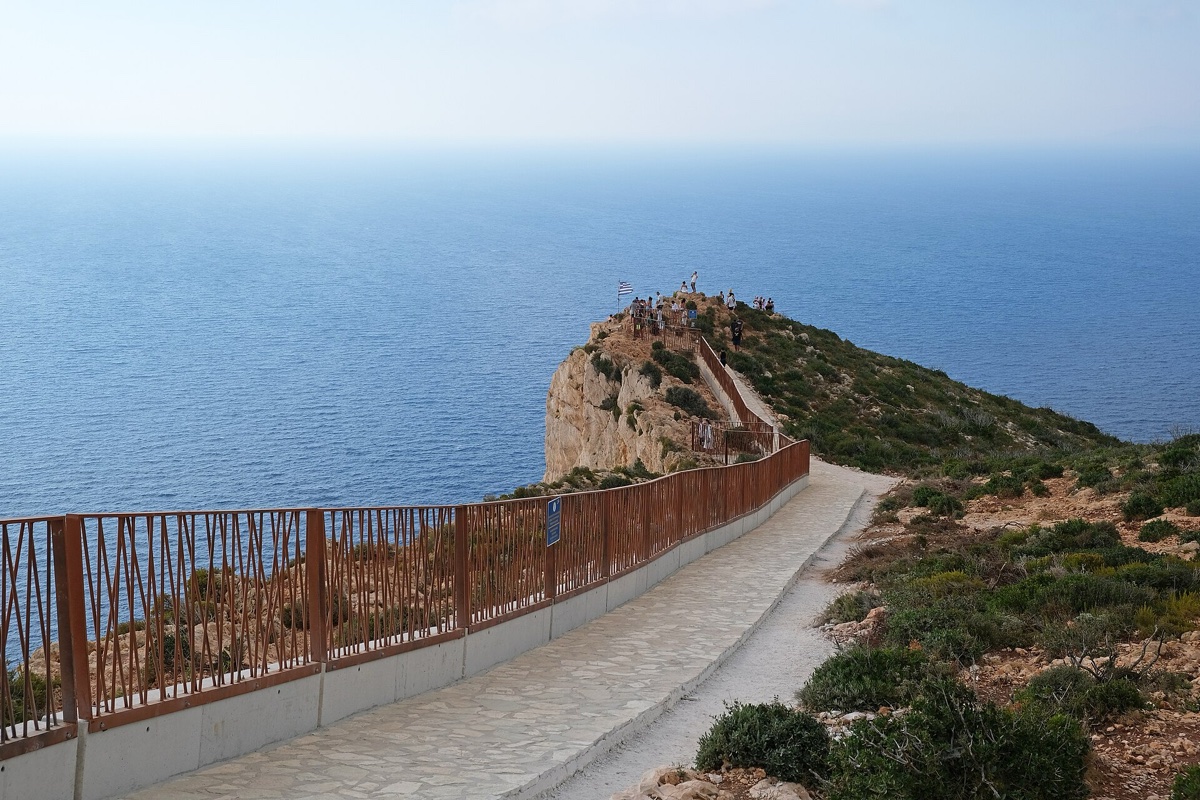
A cove sheltering the rusting hull of the smuggler’s ship Panagiotis, surrounded by sheer white limestone cliffs — this is probably the most photographed spot in all of Greece. It’s also a genuine headache at the moment.
⚠️ Current status for 2026: the beach is closed to visitors. Following a series of dangerous rockfalls and seismic activity, authorities extended the strict access ban after an inspection in March 2026. You cannot set foot on the sand or swim near the wreck — indefinitely. Don’t be taken in by touts promising a picnic right next to the ship.
So what can you do? You can either book a boat trip (departing from Porto Vromi, Alykes, or Skinari) that takes you into the cove to photograph it from the deck. Or head to the clifftop viewing platform high above the beach, which offers an equally jaw-dropping perspective. Expect queues and occasional restricted access, especially in strong winds. For more tips on making the most of the island, check out our guide to Zakynthos.
💡 Tip: You can browse and book Navagio boat trips in advance on GetYourGuide — it saves you hunting for tickets on the day and lets you pick the best-reviewed boat.
Elafonissi, Crete
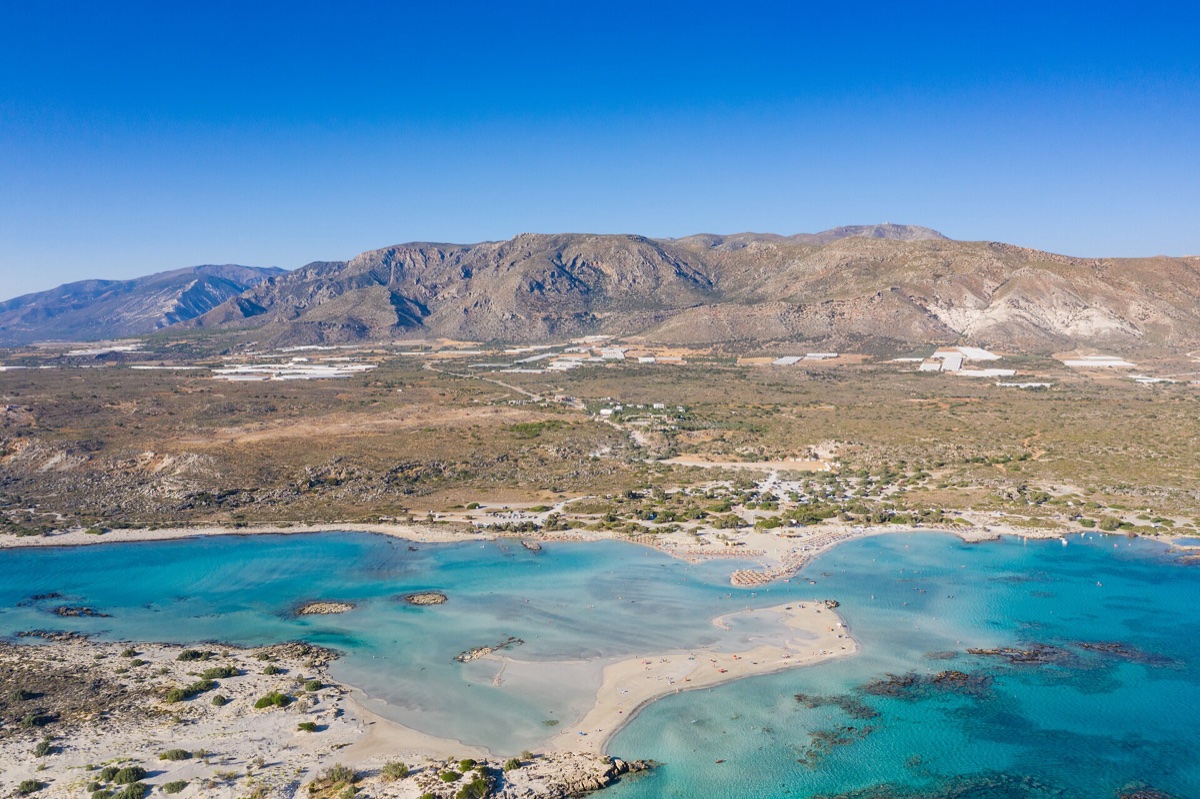
A lagoon on the south-western tip of Crete, famous for its blush-pink sand — the colour comes from crushed shells of tiny sea creatures. The water is incredibly shallow and warm, so you can simply wade from the mainland across to the small islet alongside, and kids have a playground that looks straight out of a fairy tale.
It sounds like paradise, but in July and August Elafonissi becomes an absolute ant colony, with hundreds of cars and dozens of coaches arriving daily — up to 5,000 people on a single day. To truly enjoy it, you need to be strategic. Arrive before 10am, or alternatively after 5pm, once the organised tour groups have left. And remember that the entire lagoon is a nature reserve, so you can’t take the pink sand home as a souvenir. More tips in our guide to Crete.
Balos, Crete
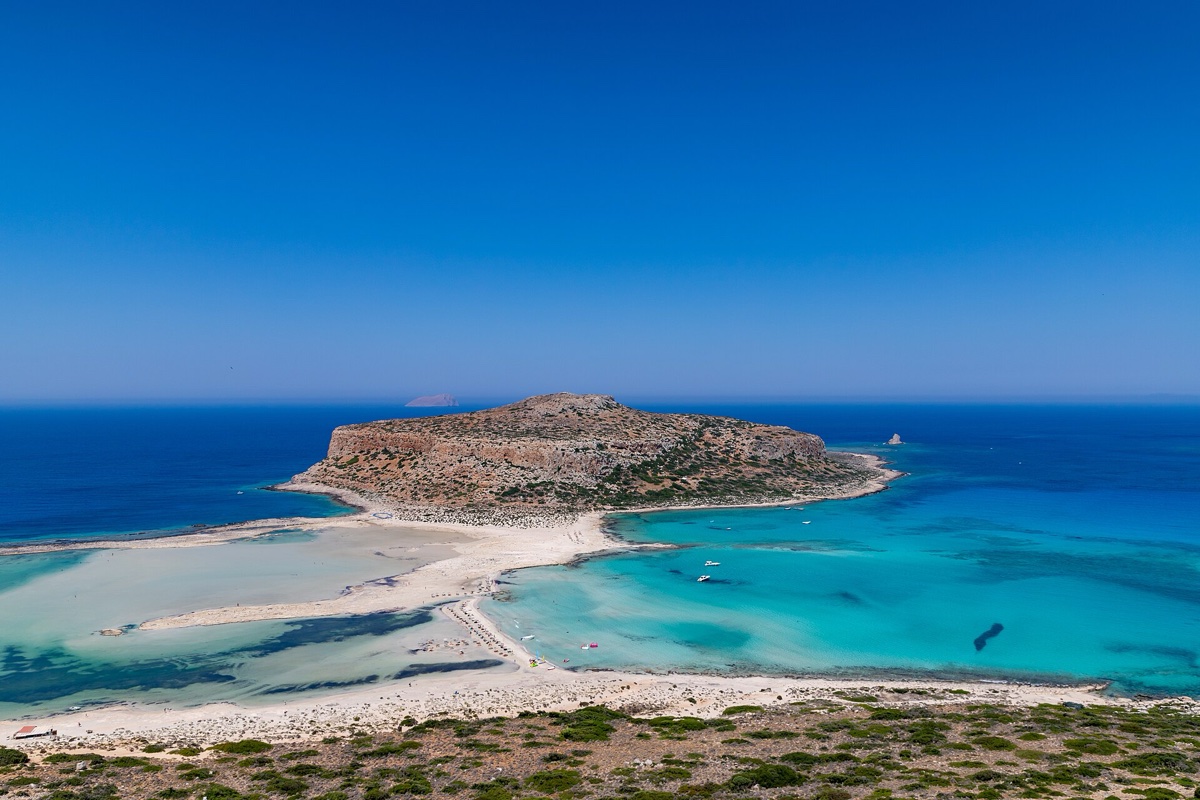
Another Cretan lagoon, this time in the north-west — raw, wild beauty where dozens of shades of blue and green collide. Getting here is half the adventure.
The more relaxed option is a full-day boat trip from Kissamos harbour (around 30–40 euros), which also stops at the pirate islet of Imeri Gramvousa before dropping you right at the water’s edge. The alternative is driving, but that means eight kilometres of dusty off-road track along the cliff edge — a route most car hire companies explicitly exclude from their insurance. At the end you park and descend (and later, in the blazing heat, climb back up) about twenty minutes along a rocky footpath. The reward is an utterly unbeatable view from above that will stay with you long after you’ve left.
💡 Tip: You can book a full-day boat trip to Balos and Gramvousa from Kissamos well in advance on GetYourGuide — boats fill up fast in high season.
Myrtos, Kefalonia
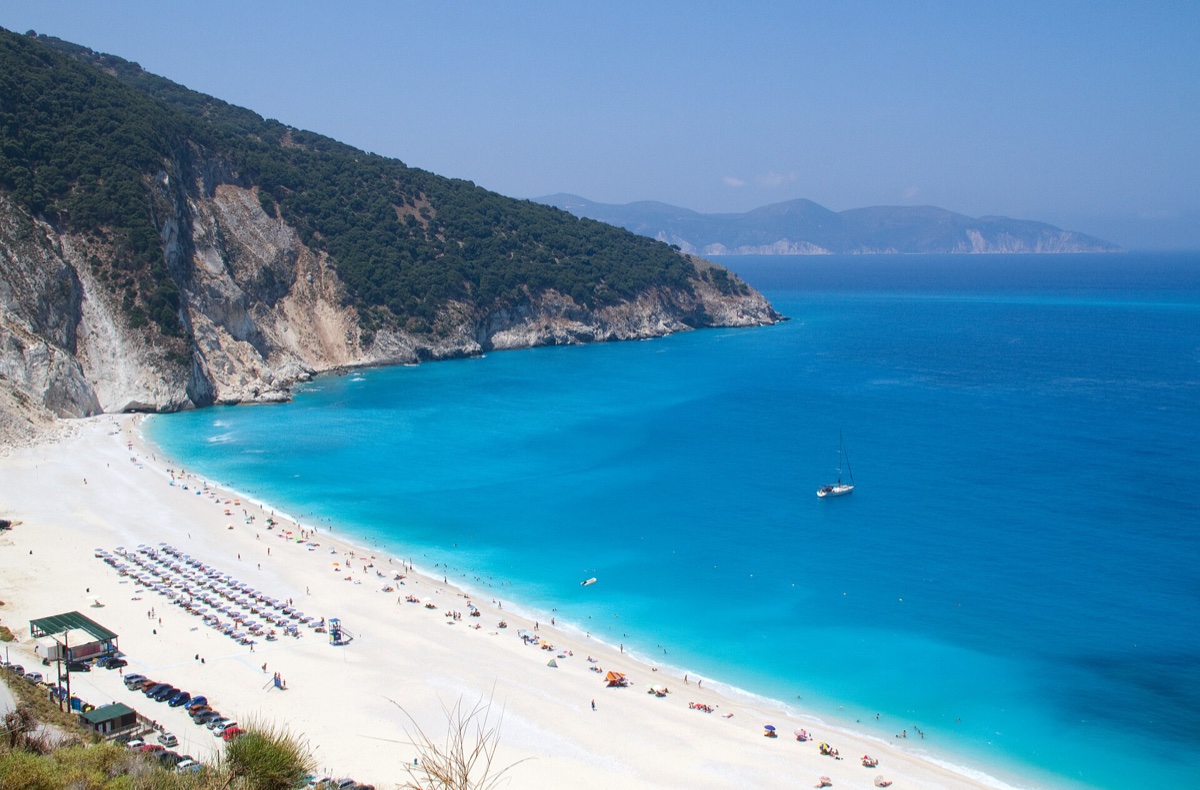
Dazzling white pebbles set against deep blue water and steep green cliffs — Myrtos has a dramatic, almost cinematic quality that makes it one of the most photographed beaches in the Ionian Islands.
The water drops sharply and the currents can be deceptively strong, so this isn’t the ideal spot for young children. For confident swimmers and photography lovers, though, it’s an absolute must. Don’t forget your water shoes — the pebbles are unforgiving. Kefalonia has plenty of quieter coves too; see our guide to Kefalonia for more.
Porto Katsiki, Lefkada
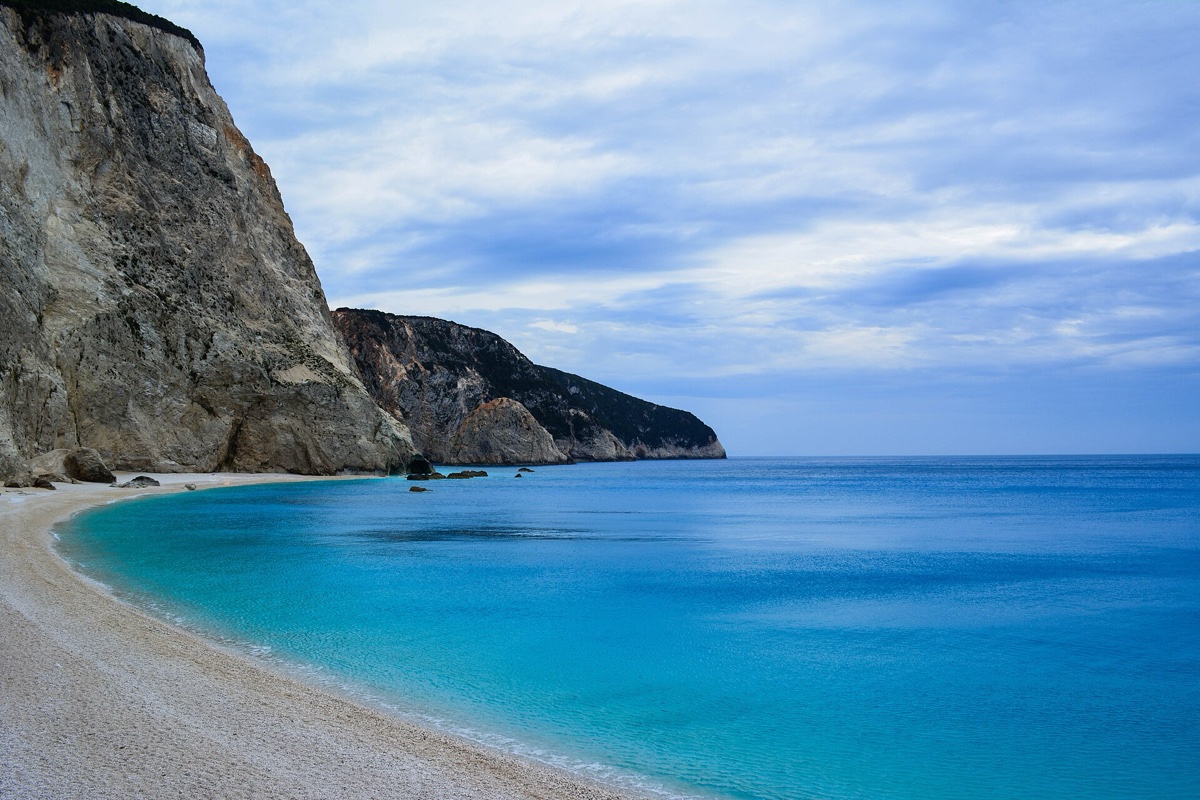
The name translates as “Goat Harbour” — because once upon a time, only goats could get down here. These days a road leads to the clifftop and you descend to the beach via around a hundred steep steps bolted into the rock face. The water, thanks to the limestone bedrock, is a milky, otherworldly turquoise that genuinely takes your breath away.
Worth knowing: in the afternoon the sun hammers mercilessly off the white cliff face, so bring plenty of water and prepare for serious heat. Lefkada has many more beaches of this calibre — explore them in our guide to Lefkada.
Sarakiniko, Milos
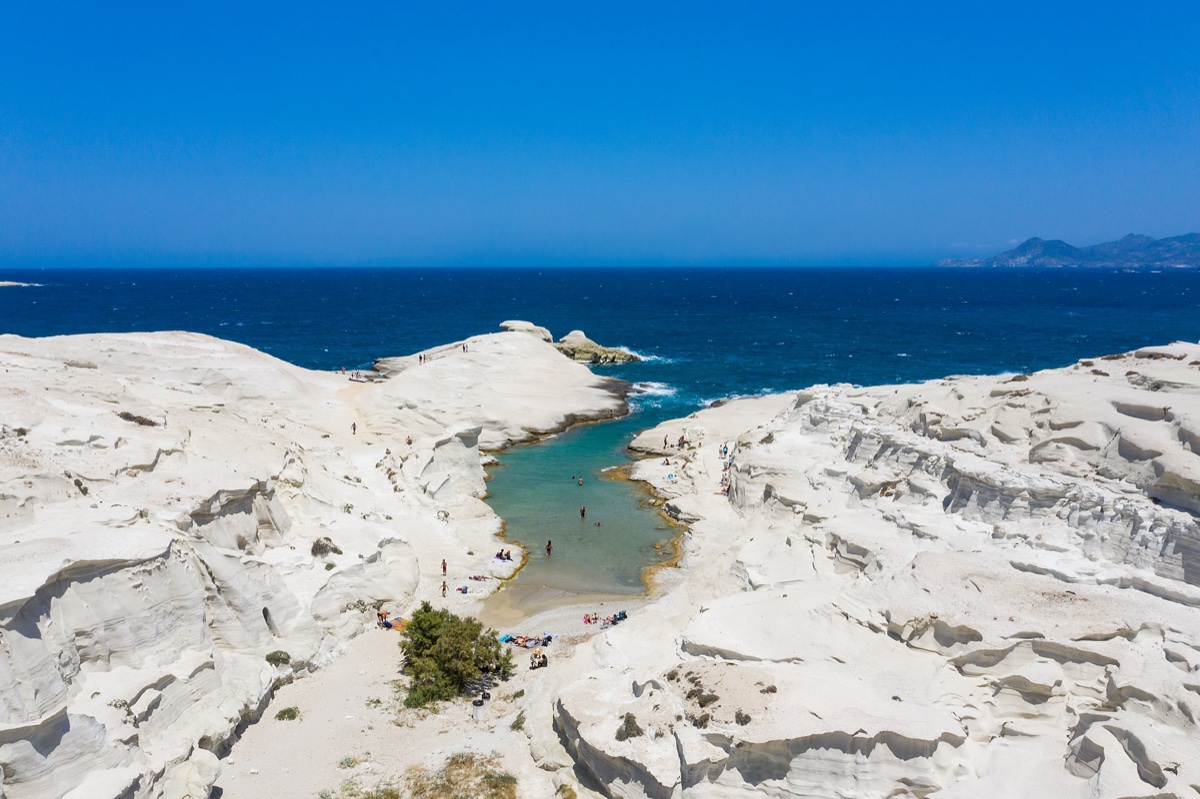
Sarakiniko isn’t really a beach in the traditional sense — it’s more like a lunar landscape. Brilliant white volcanic rock has been sculpted by wind and sea into smooth, rounded forms; there’s barely any sand, you lie directly on sun-warmed stone, and you leap into the water from the rocks.
It’s an experience you won’t find anywhere else in Greece — just bear in mind that there is absolutely no shade on those white rocks, and the stone reflects the sun so intensely that you’ll burn in no time. Bring a hat, plenty of sunscreen, and aim to arrive early in the morning or late in the afternoon. We cover this volcanic island in more detail here.
Family-Friendly Beaches
Travelling with kids? Then dramatic cliffs and deep water aren’t what you’re after. You want fine sand for building castles, a gently shelving entry where toddlers can splash safely, and solid facilities — toilets, tavernas, the works. These beaches were made for little swimmers.
Agios Georgios, Naxos
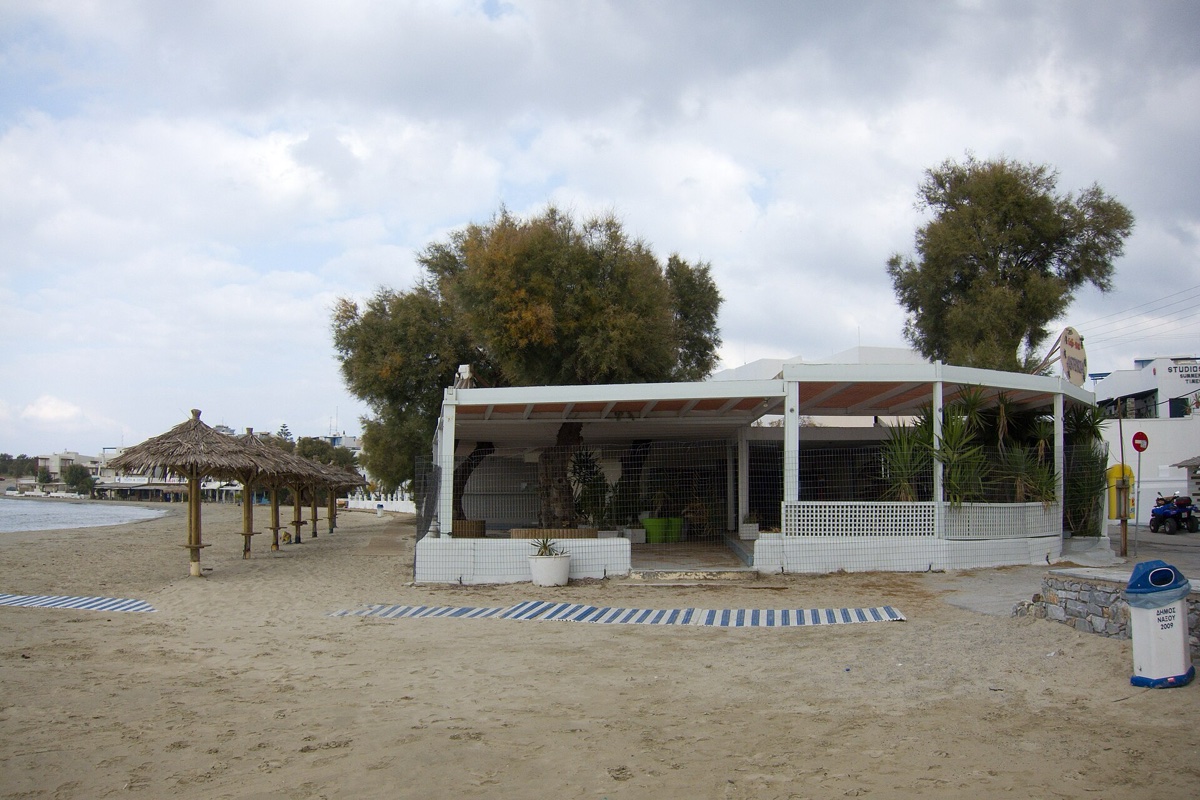
Naxos is generally considered to have the best sandy beaches of all the Cycladic islands, and Agios Georgios sits right beside the main town of Chora. The water stays shallow for tens of metres from the shore, waves are almost non-existent, and parents can sit at a taverna with their children in full view the whole time.
A huge bonus is that you can walk here straight from town — no car needed at all. If you’re choosing one island for a family holiday, Naxos is a safe bet every time.
Tigaki, Kos
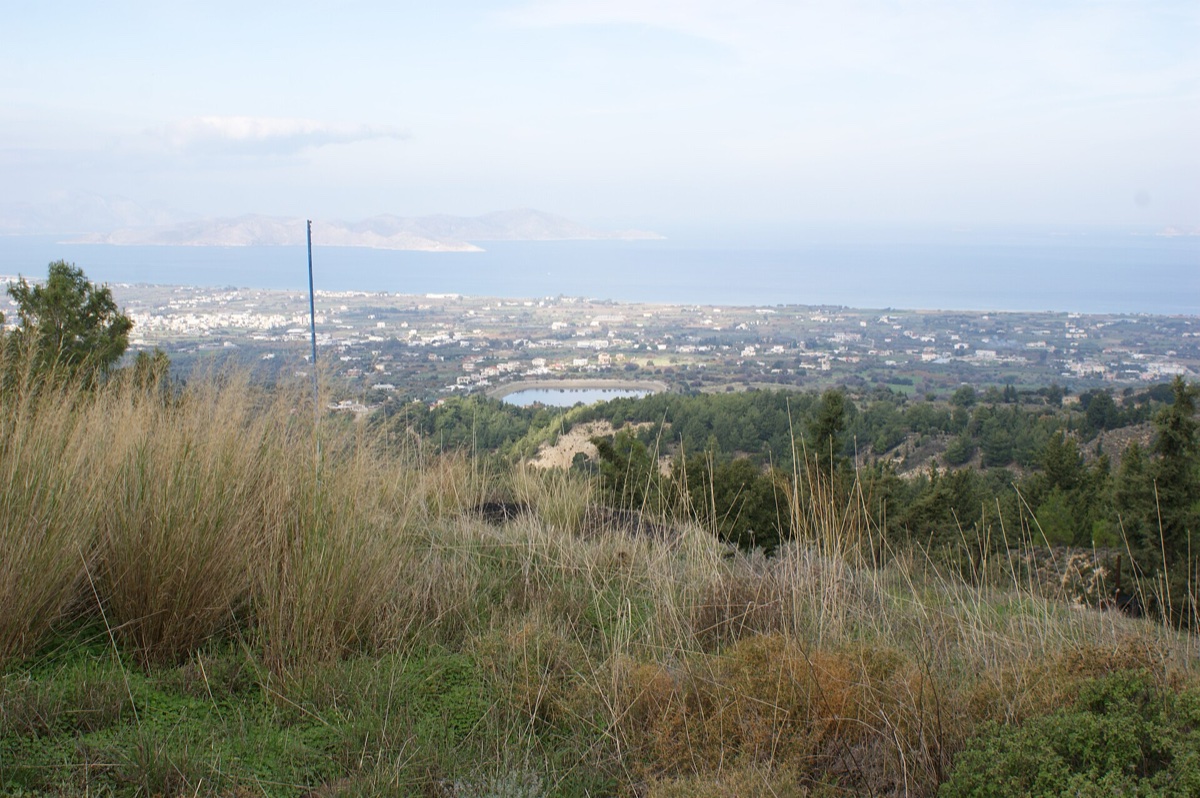
A long, wide strip of pale sand on the north coast of Kos, with excellent facilities and plenty of sunbeds — but also plenty of free space for your own towel. The water is crystal clear, exceptionally shallow, and holds a Blue Flag. Tigaki is calm, well-equipped, and ideal for a holiday with children. Kos is also brilliant for cycling, so you can easily ride here from town. For more island highlights, take a look at our guide to Kos.
Golden Beach (Chrissi Ammoudia), Thassos
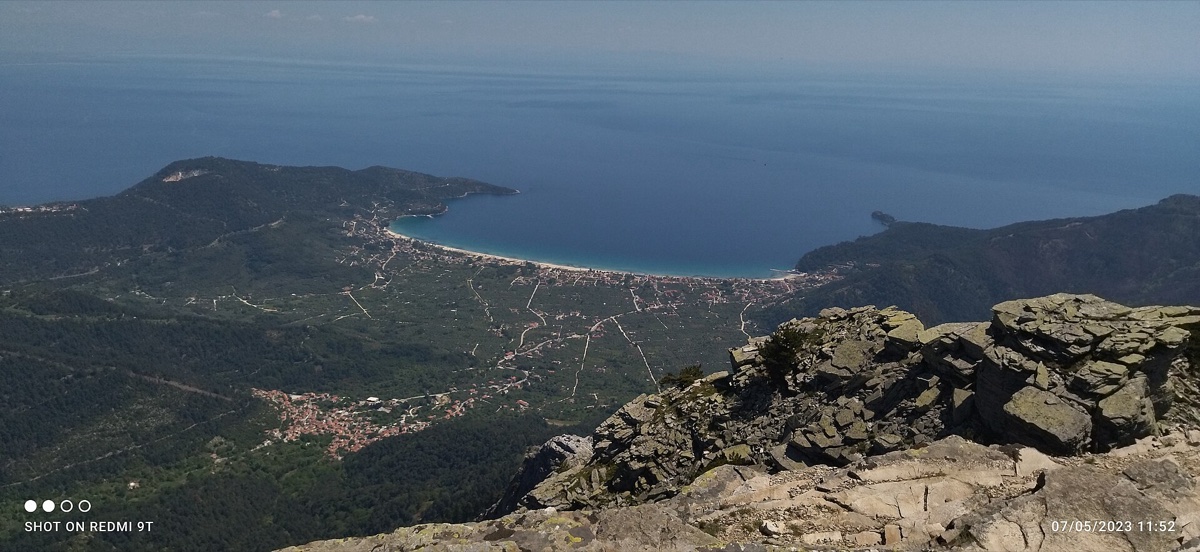
Golden Beach lives up to its name. Three kilometres of soft sand backed by lush green mountains, with calm, warm water that’s perfect for the youngest swimmers. Thassos is also one of the most affordable Greek islands, so you won’t be paying a fortune for sunbeds here. If you’re after relaxed family vibes without the crowds or inflated prices, this is your place.
Falassarna, Crete
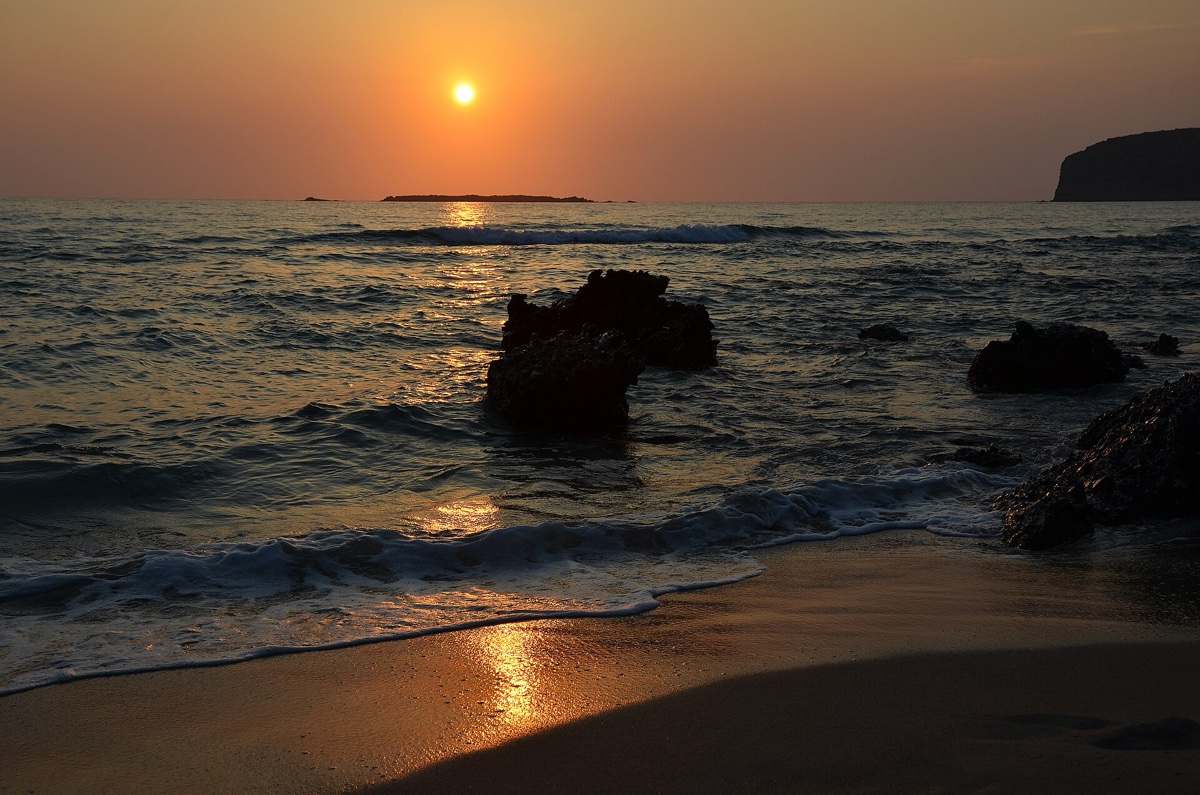
If Elafonissi feels too overwhelming, Falassarna on the western coast of Crete is an excellent alternative. It’s enormous — made up of several adjoining sandy sections — so even at the height of summer you can find your own quiet corner. The water is beautifully clear and the beach is well-equipped.
The open sea does mean a stronger breeze here on occasion, which wave-lovers will appreciate more than absolute beginners in the water. In return, it rewards you with some of the finest sunsets on the entire island.
Agios Gordios, Corfu
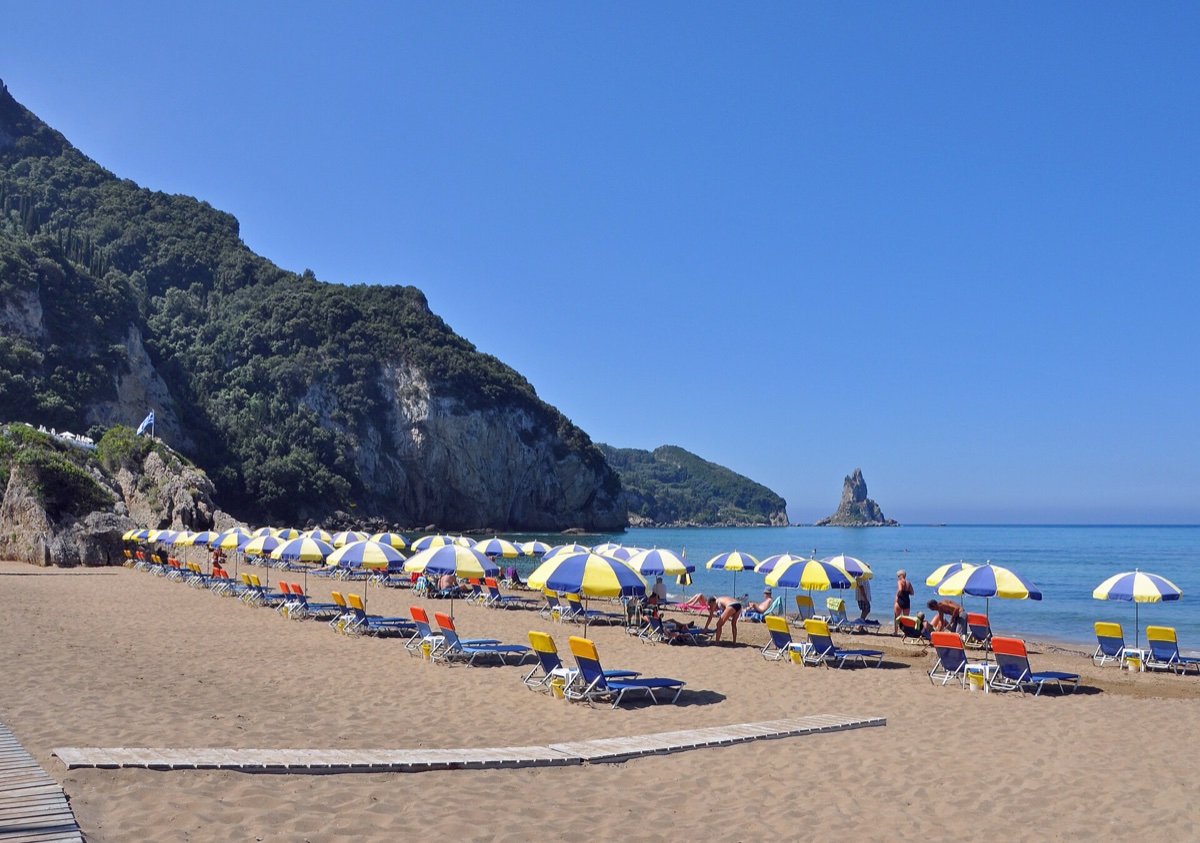
A beautiful bay on Corfu’s west coast, surrounded by ancient olive groves and dramatic rock formations. The sand is a little coarser than elsewhere, but the entry into the water is completely safe and there are some excellent family-run tavernas right on the beach. It’s one of those spots where you can happily spend an entire day without a care in the world. More island tips in our guide to Corfu.
Party Beaches for Dancing Till Dawn
If a beach holiday means DJ sets, cocktails, and dancing in the sand rather than a quiet book and the sound of the waves, Greece has its legends. Just don’t go near these if you’re after peace and quiet. 😅

Super Paradise, Mykonos
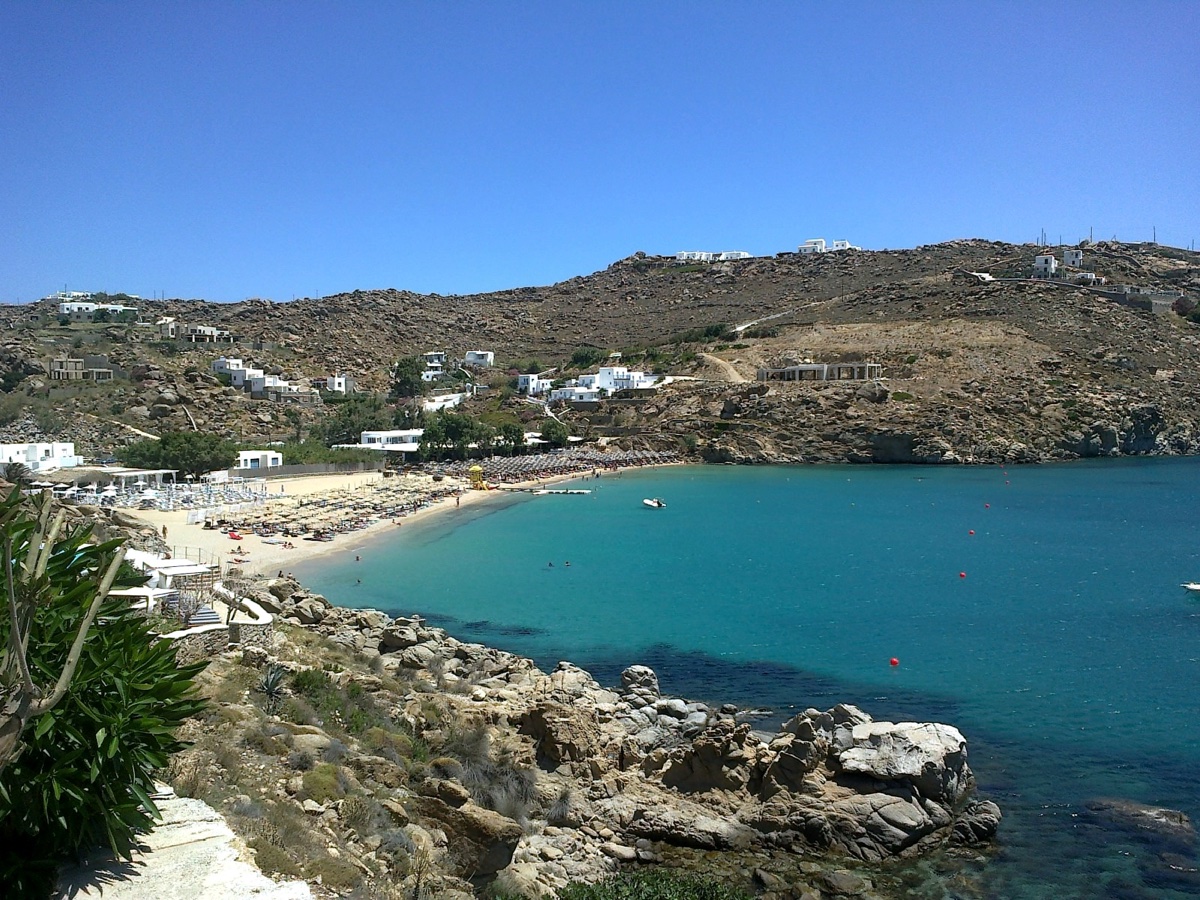
Ground zero for Greek beach hedonism. By day it’s all luxury sunbeds and expensive cocktails; come afternoon the music cranks up and the whole cove transforms into an enormous open-air club packed with the global jet set.
It is expensive, exclusive, and very, very loud — sunbeds at premium clubs like Scorpios need to be reserved weeks in advance. But if you want to dance the night away and feel like a celebrity for a day, you’re in exactly the right place. We cover the most famous party island in Greece in our guide to Mykonos.
Paradise Beach, Kos
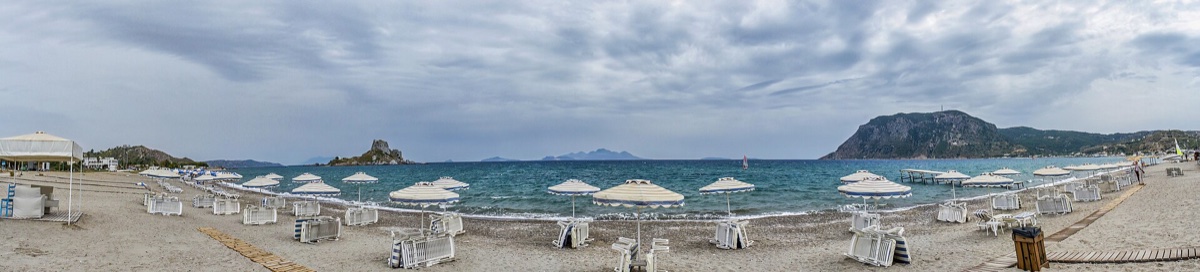
A smaller and considerably more affordable cousin of the Mykonos legend. Also known as “Bubble Beach” because volcanic activity sends tiny streams of bubbles rising up from the seabed. It’s a brilliant swim during the day, and by afternoon a lively atmosphere takes hold with music and water sports. The perfect compromise when you want fun but aren’t prepared to pay Mykonos prices.
Kavos, Corfu
The southern tip of Corfu has been claimed almost entirely by young British holidaymakers. The beach itself isn’t the prettiest on the island, but if you’re after cheap drinks, loud music, foam parties, and a raucous nightlife scene, Kavos delivers on every count. It’s a purpose-built party zone and one of the most intense in Europe — families and anyone seeking quiet should definitely look elsewhere.
Map of points of interest for your phone
Wild and Quiet Beaches Away from the Crowds
For those who want nothing but wind and waves, and don’t mind trading beach-bar comforts for space and silence. The reward is solitude, elbow room, and the feeling that you’ve discovered it all yourself.
Kavourotrypes (Orange Beach), Halkidiki
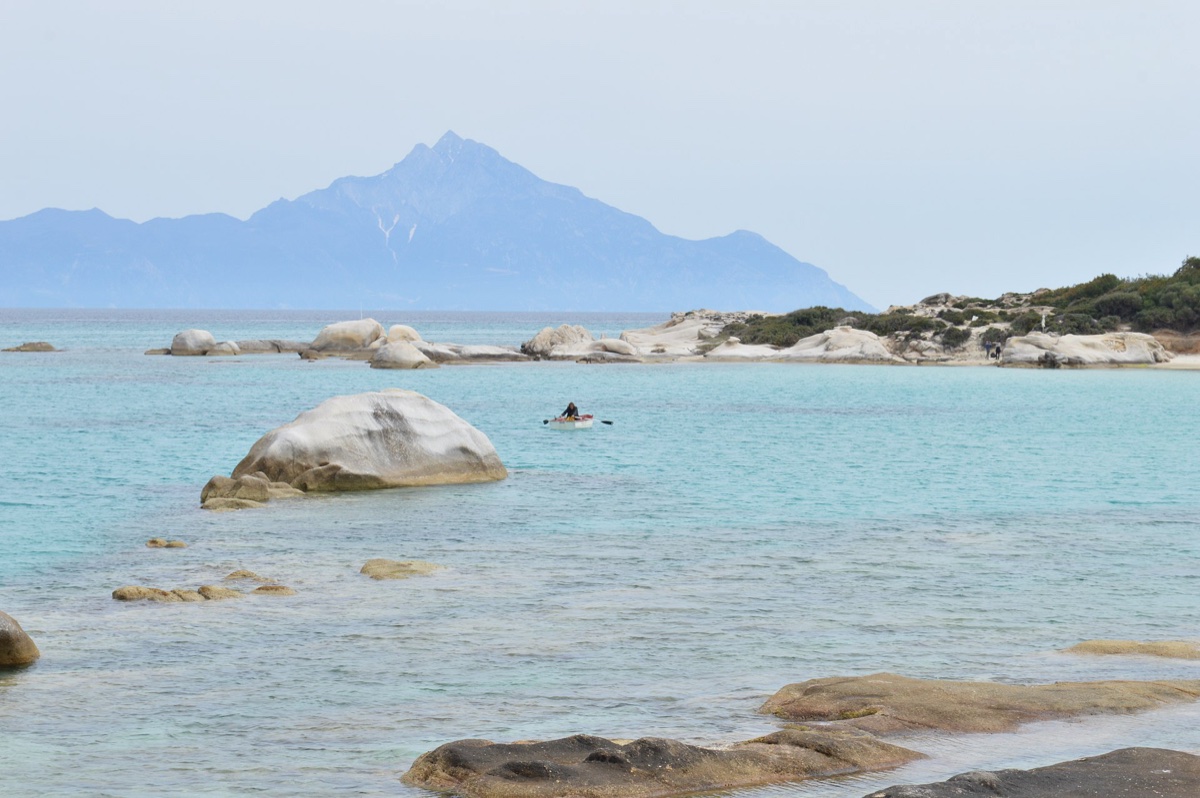
A cluster of small coves with white sand and turquoise water, framed by fragrant pine forests and smooth white rocks. This isn’t one continuous beach — it’s a whole chain of hidden coves along the Sithonia peninsula in Halkidiki.
It does get busy in peak season, but in June or September it turns into absolute paradise. Halkidiki also holds more Blue Flags than any other region in Greece, so water quality is never in doubt.
Egremni, Lefkada
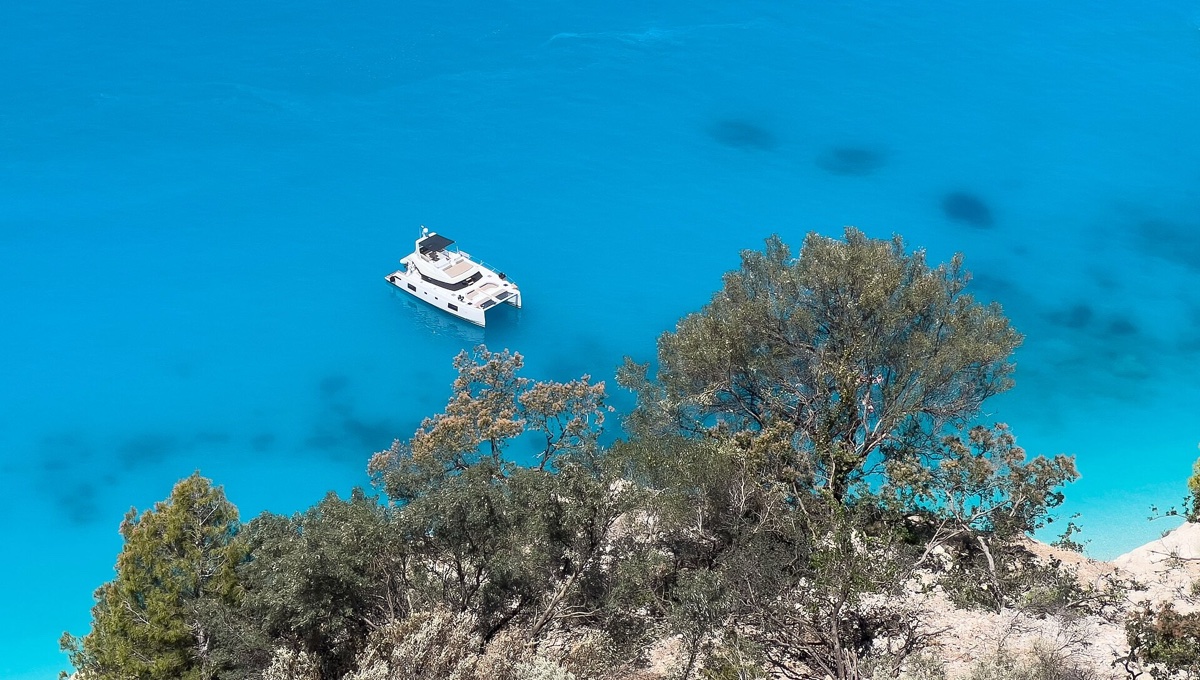
⚠️ Access remains difficult. The famous staircase leading down to this stunning beach was largely destroyed by a powerful earthquake in 2015. It has been partially rebuilt, but the descent — and especially the climb back up — in summer heat is an extremely demanding undertaking that I wouldn’t recommend to anyone who isn’t in solid physical shape.
The best and safest way to experience Egremni is to arrive by boat from Nidri or Vassiliki. From the water, that endless wall of white cliff plunging into turquoise sea looks even more extraordinary than from above.
Vai, Crete
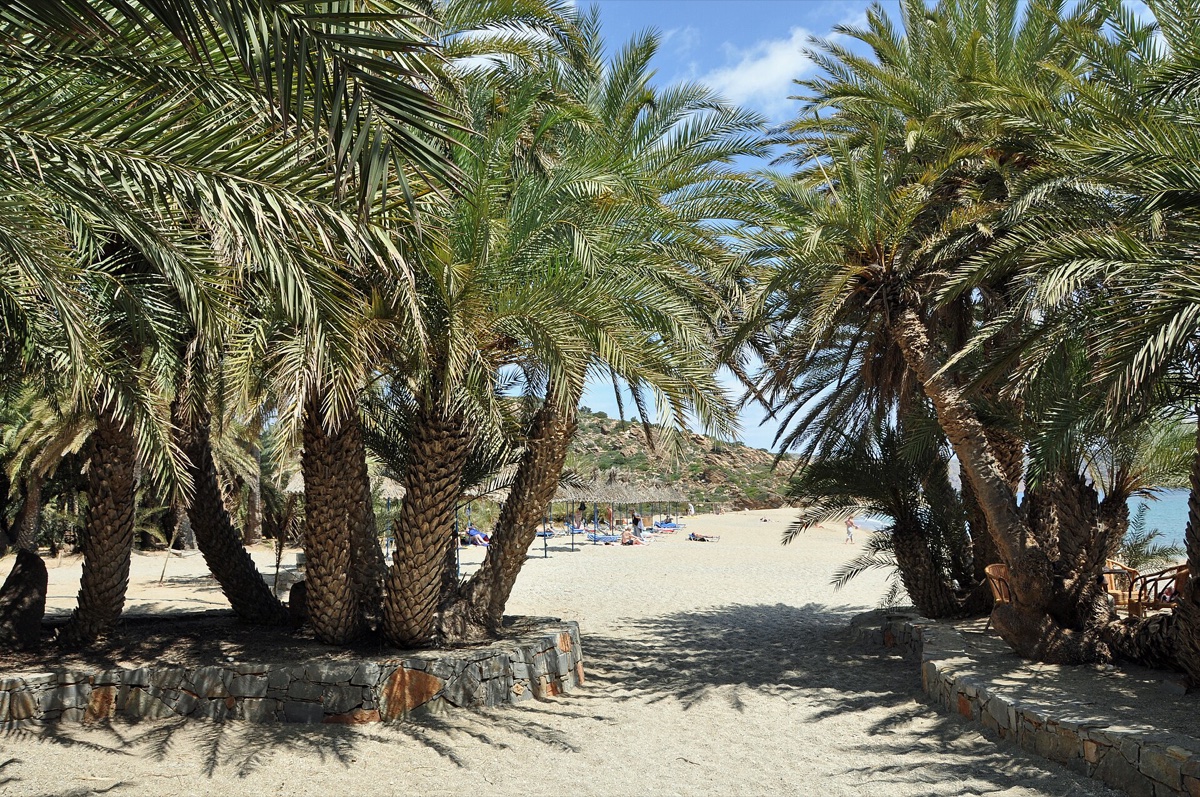
At the far eastern tip of Crete you’ll find something genuinely unique: the largest natural palm grove in Europe. With thousands of date palms swaying behind the shoreline, Vai feels more like the Caribbean than the Mediterranean — and it’s a sight you simply don’t expect.
It does function as an organised beach with full facilities, but venture a little further from the main entrance and you’ll find the peace and quiet you came for. It’s a long drive to the other end of the island, but absolutely worth the effort.
Simos, Elafonisos
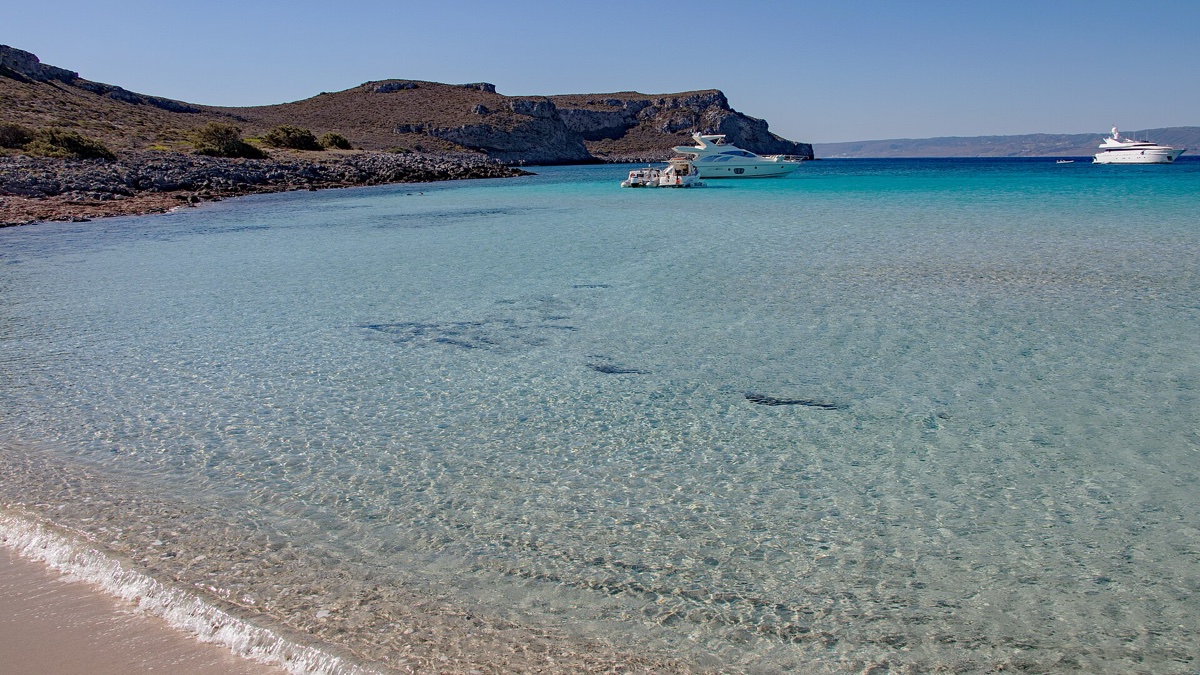
A bit of a hidden gem, this one. Elafonisos is a small island just off the southern tip of the Peloponnese (not to be confused with Elafonissi in Crete), and you reach it via a short ferry crossing from the port of Pounta — barely ten minutes on the water.
Simos is a spectacular double bay of fine white sand and dunes, nicknamed the “Caribbean of Europe”. It’s a remote spot favoured by Greeks themselves, so if you want to go where the locals go, this is it.
For Nature Lovers: Turtles and a Perfect Crescent
To finish, two beaches where the main attraction isn’t a beach bar or sunbeds, but nature itself. One is home to endangered sea turtles; the other has a shape so perfect it barely seems real.
Gerakas, Zakynthos
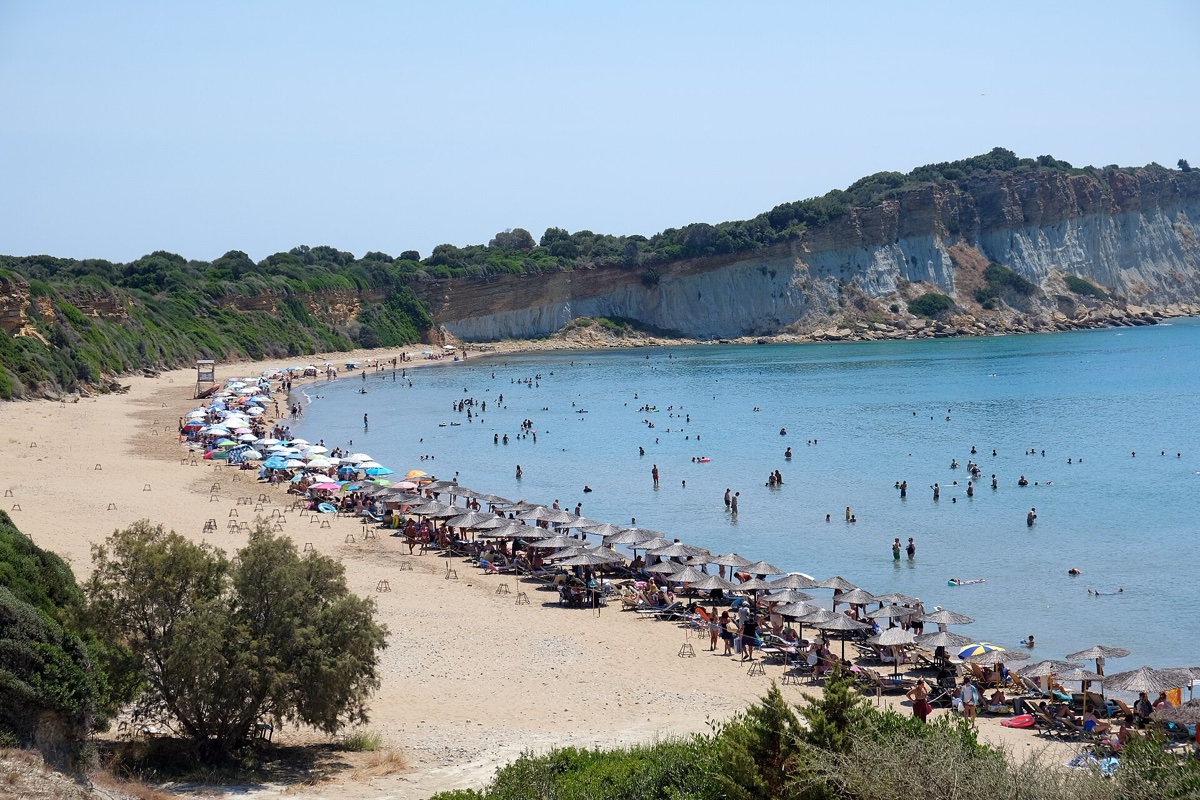
Zakynthos is about far more than a closed shipwreck. In the south of the island lies Gerakas, a key nesting site for the endangered loggerhead sea turtle (Caretta caretta), which falls within the National Marine Park and operates under strict rules.
You can’t plant your own umbrella in the sand (to protect the nests), no dogs are allowed, motorised water sports are banned, and crucially the beach closes strictly at sunset. The water is beautifully clear, warm and shallow, and with a snorkel you may well spot a fully grown loggerhead just metres from the shore. Just remember the golden rule: don’t touch, don’t chase — observe quietly from a respectful distance. Full park rules are on the official website.
Voidokilia, Peloponnese
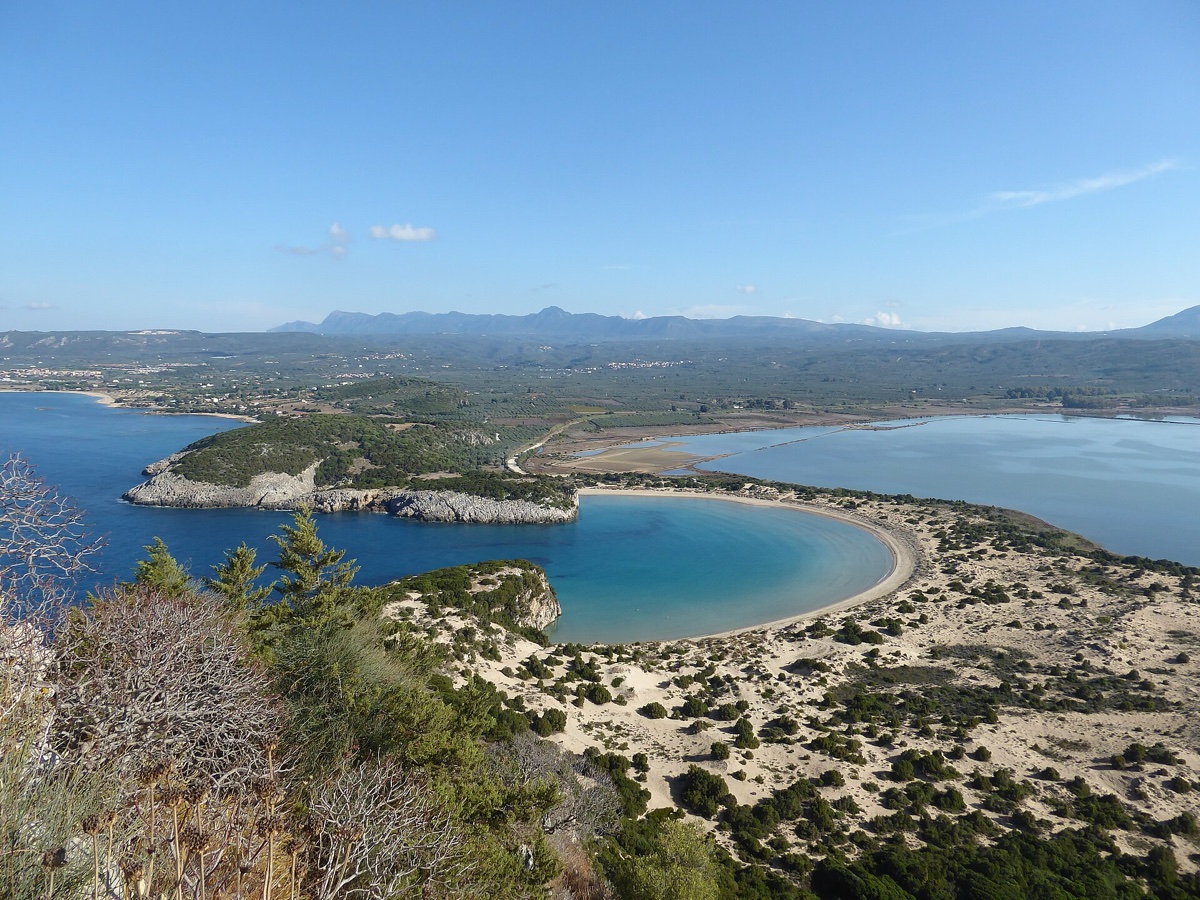
An almost flawless semicircle in the shape of the Greek letter omega (Ω), rimmed by a band of sand dunes. Voidokilia on the Peloponnese is so perfectly symmetrical it looks almost artificial, and it’s one of the most photogenic beaches in the whole of Greece.
The water is shallow and calm, and above the beach sits the Cave of Nestor alongside a Frankish castle, while behind it a lagoon teems with birdlife. This is a wild, protected beach with no cafés or sunbeds, so bring your own shade, water, and snacks. For all its simplicity, it’s one of the most unforgettable spots in Greece.
The Full List: TOP 20 Greek Beaches at a Glance
Here’s a quick overview of all twenty beaches in one place — whether you’re choosing by island, beach type, or whether you’re travelling with children or in search of a party.
| Beach | Island / Region | Surface | Best for | How to get there |
|---|---|---|---|---|
| Elafonissi | Crete | pink sand | families, photos | car/bus (arrive early) |
| Balos | Crete | sand | adventurers | boat from Kissamos or off-road |
| Navagio ⚠️ | Zakynthos | white pebbles | closed to visitors | view from boat or clifftop only |
| Myrtos | Kefalonia | white pebbles | strong swimmers, adults | car (steep winding road) |
| Sarakiniko | Milos | white rock | photos, cliff jumping | car, scooter |
| Porto Katsiki | Lefkada | pebbles | couples, swimmers | car + 100 steps |
| Agios Georgios | Naxos | fine sand | families with young children | walk from Chora town |
| Tigaki | Kos | sand | families, relaxation | car, cycle from Kos town |
| Golden Beach | Thassos | sand | families | car, bus |
| Falassarna | Crete | sand | families, wave lovers | car |
| Agios Gordios | Corfu | coarser sand | families | car, bus |
| Super Paradise | Mykonos | sand | party, luxury | car, water taxi |
| Paradise Beach | Kos | sand | party, young crowds | car, bus |
| Kavos | Corfu | sand | wild nightlife | car, bus to south of island |
| Kavourotrypes | Halkidiki | sand / rock | peace, nature | car, then walk through forest |
| Egremni ⚠️ | Lefkada | pebbles | adventurers | boat from Nidri (steps risky) |
| Vai | Crete | sand | exotic scenery lovers | car to eastern Crete |
| Simos | Elafonisos | white sand | escaping the crowds | ferry from Peloponnese |
| Gerakas | Zakynthos | sand | turtle watching | car (strict NP rules apply) |
| Voidokilia | Peloponnese | sand | nature lovers | car (crescent-shaped bay) |
Where to Stay Near the Best Greek Beaches
💡 Accommodation tip: We always search for places to stay on Booking.com, which tends to have the best cancellation policies — handy if weather or beach access conditions change. For tours, boat trips, and activities, it’s worth comparing and booking through GetYourGuide.
Where you base yourself depends hugely on which beaches you want to explore. On Crete, choose your base according to the beaches on your list. For Elafonissi and Balos, Chania in the west is ideal; for Vai and the eastern beaches, Sitia or Agios Nikolaos make more sense. Apartment prices start around 50–70 euros per night, and in high season booking a few months ahead is wise.
For family beaches, Naxos or Kos are reliable choices — both have plenty of self-catering apartments within walking distance of the sea. If you’re heading to Mykonos for the party scene, bear in mind it’s the most expensive island in Greece and a decent place to stay in season will start at around 150 euros a night. Kos offers a similar vibe at a fraction of the cost.
For quieter beaches like Voidokilia or Simos, staying in the surrounding villages gives you an authentic atmosphere and local prices. Wherever you’re headed, it’s worth comparing options on Booking.com and booking early — the best value options go first.
Whether you end up at a buzzing beach bar in the Cyclades or a hidden cove in the Ionian Islands, don’t forget what matters most: respect the local rules, look after the nature around you, and soak up every bit of that incredible laid-back feeling the Greek coast does better than anywhere else. Have a wonderful trip! ☺️
Read More
Before you go, check out our other articles on Greece to get every last detail of your holiday sorted:
- Where to go in Greece: islands, mainland, and travel tips
- Crete holiday guide: 34 things to see and do
- Zakynthos holiday guide: 20 things to see and do
- What to pack for a holiday in Greece
Frequently Asked Questions
Where are the most beautiful beaches in Greece?
Some of the absolute most beautiful include the Cretan lagoon of Elafonissi with its pink sand and Balos, the omega-shaped Voidokilia on the Peloponnese, the dramatic Myrtos on Kefalonia, and the lunar landscape of Sarakiniko on Milos. But it really depends on what you’re looking for. For families, the best will be the shallow sandy beaches on Naxos and Kos, while adventurers will prefer the wild coves of the Ionian Islands.
Is Navagio beach (the shipwreck) open in 2026?
No. Navagio on Zakynthos is still closed to entry for 2026 due to dangerous landslides and seismic activity. Access to the beach and to the wreck is forbidden; in March 2026 the authorities extended the ban indefinitely. You can only see it from an excursion boat that sails into the cove, or from the viewing platform on the cliff above the beach.
Which Greek beach is best for families with children?
For families with small children, Agios Georgios on Naxos is ideal, where the water stays shallow even dozens of meters from shore. Other excellent choices include Tigaki on Kos, Golden Beach on Thassos, and Agios Gordios on Corfu. All feature fine sand, gradual entry into the water, minimal waves, and good facilities with tavernas and restrooms.
How much does a sun lounger cost on a Greek beach?
Prices vary enormously. On quieter islands and the mainland, you’ll pay around 5 to 15 euros per day for a set of two loungers and an umbrella, while luxury beach clubs on Mykonos can easily charge 100 euros or more. On many smaller islands, there’s a ‘free lounger with purchase’ policy, and by law 70% of every beach must remain free access, so you can always lay down your own towel for free.
When are the turtles on Zakynthos?
Loggerhead sea turtles nest on Zakynthos roughly from June to August, when the females lay their eggs, and the hatchlings emerge from around August to October. Your best chance of spotting one is on Gerakas, Dafni, and Marathonisi beaches, or while snorkelling in Laganas bay. Always observe them from a distance and never touch them.
Where is the warmest and cleanest sea in Greece?
The warmest water is usually found in the south, on Crete, Rhodes, and in the Dodecanese, where the sea stays pleasantly warm well into October. As for cleanliness, Greek waters are among the cleanest in Europe, with the country boasting over 620 Blue Flag beaches. The Ionian Islands are particularly famous for their exceptionally crystal-clear water, thanks to the white limestone seabed.
Are there sharks or jellyfish in Greek waters?
You don’t need to worry about sharks—attacks on humans are extremely rare in Greece and you won’t typically encounter them while swimming. You may occasionally come across jellyfish, but most are harmless. Just watch out for the purple warning flag, which indicates the presence of marine hazards. A more practical concern is sea urchins on rocky beaches, which can be avoided by wearing water shoes.
Tips and Tricks for Your Vacation
Don’t Overpay for Flights
Search for flights on Kayak. It’s our favorite search engine because it scans the websites of all airlines and always finds the cheapest connection.
Book Your Accommodation Smartly
The best experiences we’ve had when looking for accommodation (from Alaska to Morocco) are with Booking.com, where hotels, apartments, and entire houses are usually the cheapest and most widely available.
 🚗 Car rental on the roadVerified rental cars in Greece
Search with the DiscoverCars comparison engine — it compares prices from dozens of local and international rental companies, and most bookings come with free cancellation.
Compare car prices in Greece →Don’t Forget Travel Insurance
Good travel insurance will protect you against illness, accidents, theft, or flight cancellations. We’ve had a few hospital visits abroad, so we know how important it is to have proper insurance arranged.
Where we insure ourselves: SafetyWing (simple monthly subscription) and TrueTraveller (for extra-long trips).
Find the Best Experiences
Get Your Guide is a huge online marketplace where you can book guided walks, trips, skip-the-line tickets, tours, and much more. We always find some extra fun there!