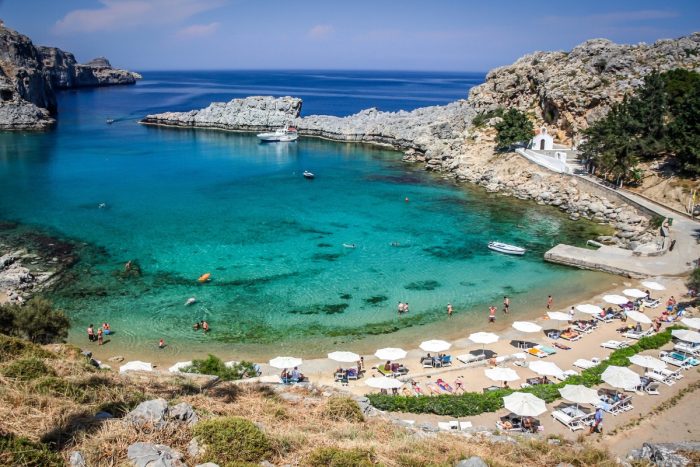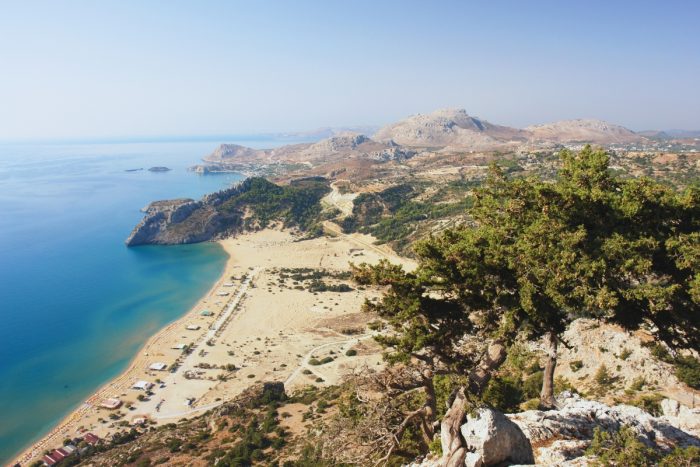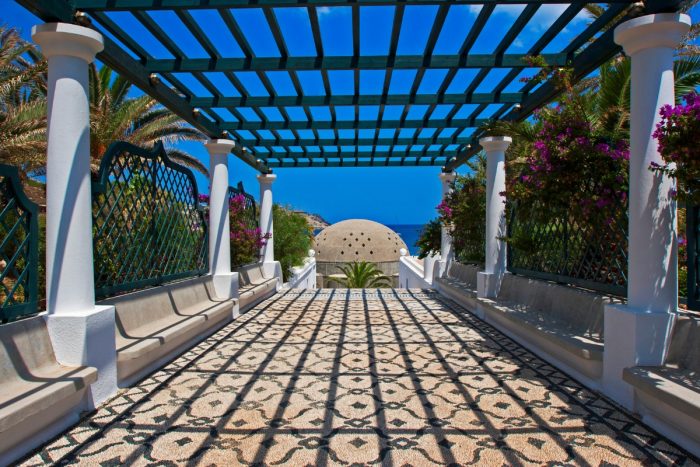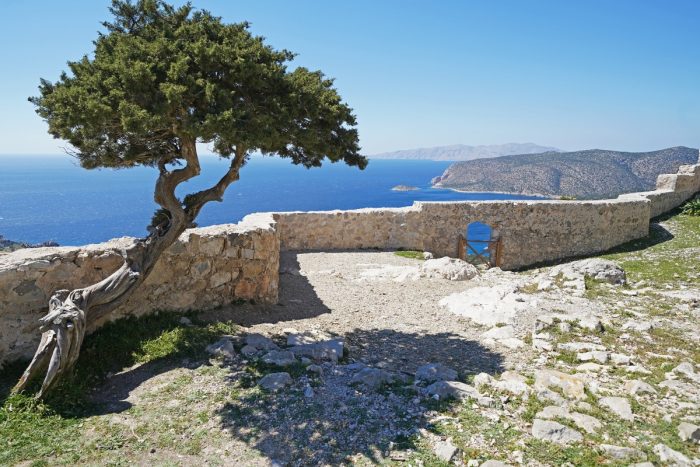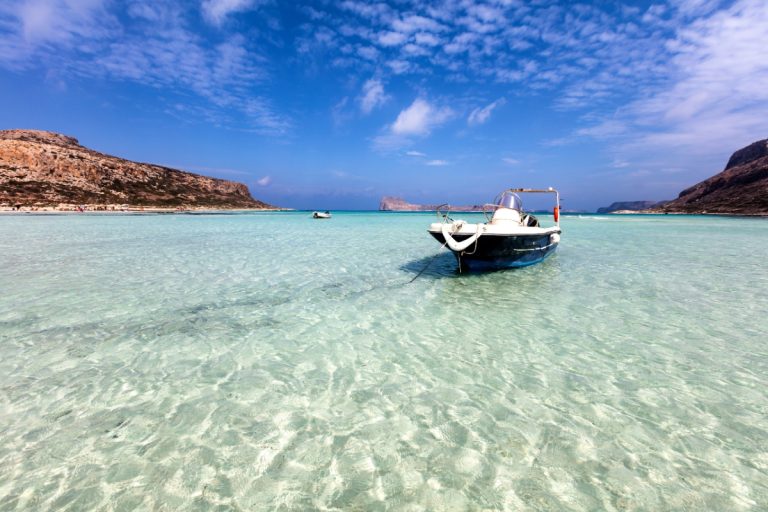
Crete, Greece: 34 Best Things to Do and See

TL;DRCrete, Greece’s largest island and home to over 4.7 million visitors a year, comes with 34 tips covering the palace of Knossos near Heraklion, the island of Spinalonga with its former leper colony, the Samaria Gorge, and beaches like pink-sand Elafonissi or the rocky lagoon at Balos. May to October is the best window, when the island gets up to 300 sunny days a year — August is the hottest month, with air temperatures around 30°C and the sea at 25°C. If you want fewer crowds and lower prices, aim for June or September. Entry to Knossos costs €15–€20 depending on whether it includes the museum, and you’ll want more than a week to properly explore the island’s ancient sites, Venetian fortresses and mountain villages like Anogeia.

Crete, Greece’s largest island, is a must-visit destination with a unique charm that attracts over 4.7 million tourists each year. Known for its fascinating blend of ancient history, breathtaking landscapes, and vibrant local culture, Crete offers an authentic Greek experience. My own first visit as a child left a lasting impression—tales of the Minoan civilization and the island’s history as a leprosy treatment center captivated me, especially at ten years old!

According to Greek mythology, Crete holds special significance as the birthplace of Zeus, king of the gods, adding a layer of mystique to this incredible island. In this guide, we’ll walk you through the best times to visit, essential sights, thrilling activities, and ideal places to stay for an unforgettable holiday in Crete, Greece.
Best Time to Visit Crete

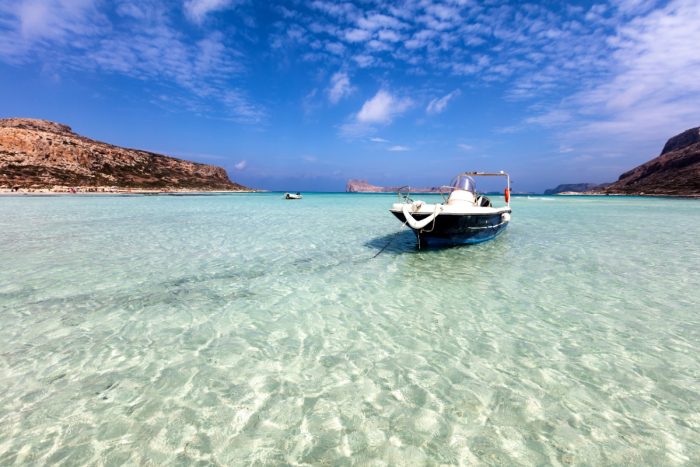
Crete is an ideal summer holiday destination, especially between May and October, thanks to its prime location between Europe and Africa, providing up to 300 days of sunshine each year.

The peak tourist season falls during the summer months, with August being the hottest, reaching air temperatures of around 30°C and water temperatures around 25°C. However, this is also the busiest time, with the highest prices and the most crowds.

For a more relaxed experience with lower prices and fewer tourists, consider visiting in June or September. If you’re curious about the monthly sea temperatures in Crete, check out the table below for more details.

MoonAverage air temperatureAverage water temperature
January15 °C16.6 °C
February15 °C15.9 °C
March17 °C15.9 °C
April20 °C16.8 °C
May23 °C19.6 °C
June27 °C23.1 °C
July28 °C25.8 °C
August29.9 °C26.5 °C
September27.5 °C25.5 °C
October23 °C23.3 °C
November18.9 °C20.9 °C
December14.8 °C18.4 °C

Best Hotels in Crete

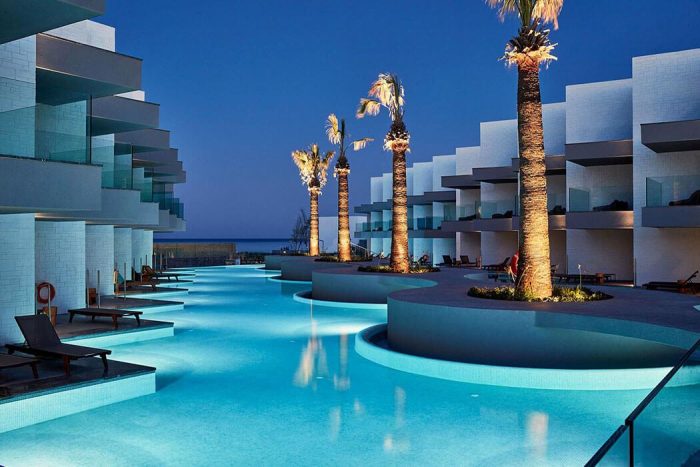
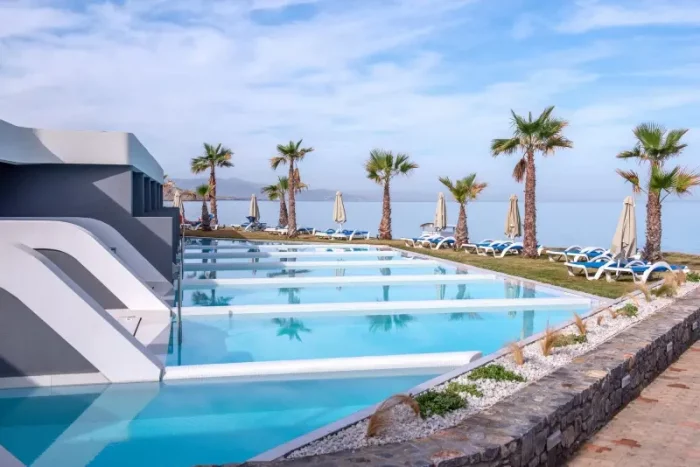
For families traveling with kids, Stella Village Seaside Hotel is one of the best choices in Crete, offering an all-inclusive experience complete with water slides that kids absolutely love. If your little ones are anything like mine, a hotel with slides is a must! I’m pretty sure my child will feel the same way when he’s a bit older. 😂

If Stella Village is fully booked, another fantastic option is Arina Beach Resort, which also features a great location and fun water slides for the kids. ☺️
Crete’s Historical Highlights: What You Need to Know

Crete was the birthplace of one of Europe’s earliest civilizations—the Minoan civilization, which emerged around 2000 BC and flourished between 1700 and 1450 BC. This era saw the construction of impressive palaces like Knossos and showcased advanced cultural and technological achievements.

Following the decline of the Minoan civilization around 1100 BC, Crete experienced a period of downturn and later became part of several major empires, including the Roman, Byzantine, and Ottoman. In modern times, Crete eventually joined the independent nation of Greece.
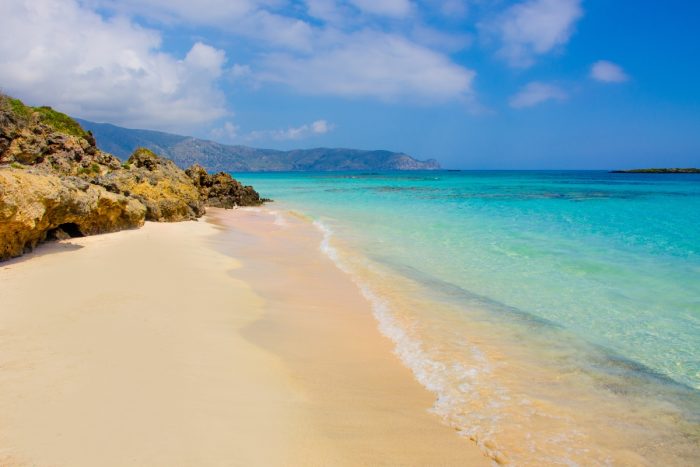
Crete’s rich history and archaeological heritage showcase the influences of various cultural and political powers. From the Ancient Greeks and Romans to the Byzantine Empire, the Arab and Venetian periods, and later Turkish rule, Crete has experienced significant transformations. Each era left its unique mark on the island, reflected in its architecture, art, and local traditions.

In the 20th century, Crete played a notable role in World War II and later became part of modern Greece. This union paved the way for economic development and a thriving tourism industry.

34 Best Things to Do and See in Crete

Curious about what to see and do in Crete? Whether you’re traveling as a couple, with kids, or solo, Crete has so much to offer that a week’s holiday won’t be enough if you want to experience even half of what this incredible island has in store.

Let’s explore some top recommendations for Crete’s most beautiful spots, must-visit beaches, historic landmarks, popular hiking trails, and scenic trips to charming villages and nearby islands.

Crete: the most interesting sights

As noted, Crete is deeply connected to the Minoan civilization and ancient Greek mythology. But that’s just the beginning—remember, I also mentioned an island where people with leprosy were once treated, adding another layer to Crete’s fascinating history.
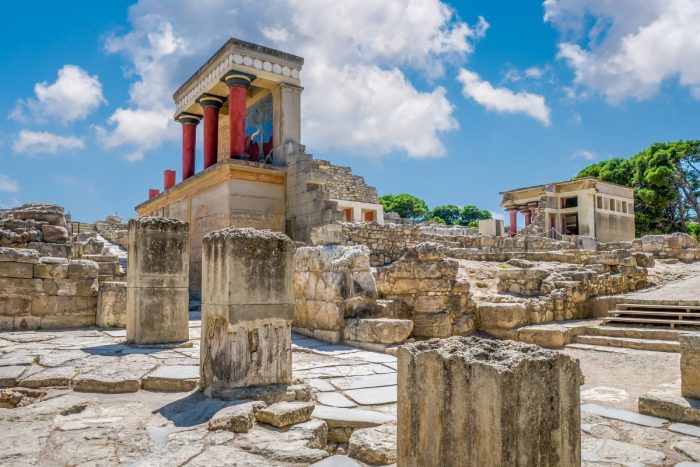
Knossos Palace

The Palace of Knossos is one of the most visited and significant historical sites in Crete and all of Greece, likely serving as the main center of the Minoan civilization.

The original palace was constructed as early as the 19th century BC, with its peak around 1400 BC. Today, visitors can explore the extensive ruins uncovered in the 20th century, as well as a partial replica of the palace. This archaeological site spans approximately 2 hectares and is located near the capital city, Heraklion.

Knossos is easily accessible from central Heraklion via public bus line 2, which runs every 30 minutes. Tickets cost €1.50 and can be purchased at a newsstand or from a vending machine. For added convenience, tickets are also available on GetYourGuide, and due to the attraction’s popularity, it’s best to buy in advance online to avoid long lines.

AdmissionOpening hours
15 EUR (premises), 20 EUR (with museum)November – March: 8:00 – 17:00, April – October: 8:00 – 20:00

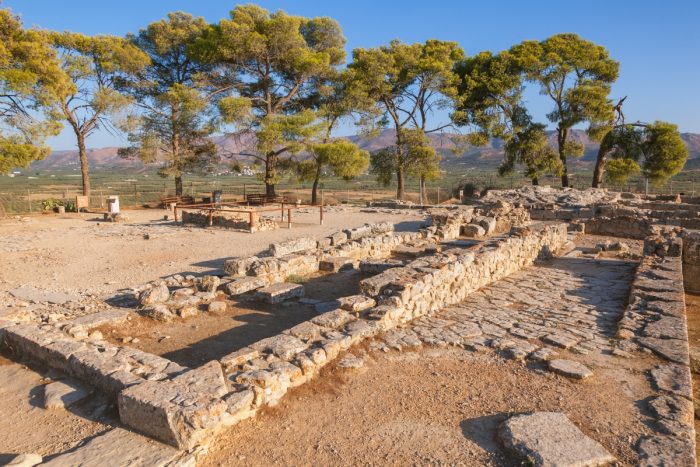
Faistos

The archaeological site and Minoan palace of Faistos, also known as Phaistos, sits atop a hill, offering stunning panoramic views of the surrounding landscape.

Phaestos was the second-largest Minoan city and a key administrative center in south-central Crete, with influence extending over the Amari and Agios Vassilios areas in the Rethymno region and throughout the southern part of Heraklion.

According to legend, the city was founded by Phaistos, son of Hercules. Homer even mentions Phaestos as a participant in the Trojan War, led by Idomeneus, the king of Knossos and all of Crete.
Gortyna

The archaeological site of Gortys, also known as Gortyna, lies about one kilometer outside the village of Agii Deka, along the main road from Heraklion toward Mires, Timbaki, and Agia Galini.

Gortys was initially inhabited during the Minoan period, but it rose to prominence as one of Crete’s most powerful city-states during the Dorian era. Later, under Roman rule, it became the capital of Crete.
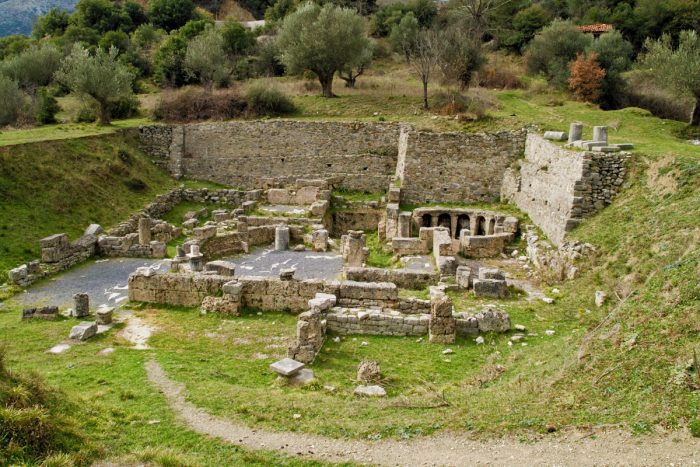
The excavations at Gortys reveal fascinating ruins, including the Basilica of St. Titus, the Roman Odeon with a unique 5th-century BC inscription detailing city laws, a small Greek theater, and an ancient acropolis.

Beyond the main site, visitors can explore other remarkable monuments, such as the sanctuary dedicated to the Egyptian deities Isis and Serapis, the temple of Apollo Pythios, the Roman Praetorium, Roman baths, and another Roman theater.

Rethymno

Rethymno, home to over 30,000 residents, is the third-largest town in Crete and a major tourist destination. Nestled nearly halfway between Heraklion and Chania, the town boasts a charming old harbor, a historic center with narrow, winding streets, an impressive Venetian fortress, and the longest stretch of beaches on the island.
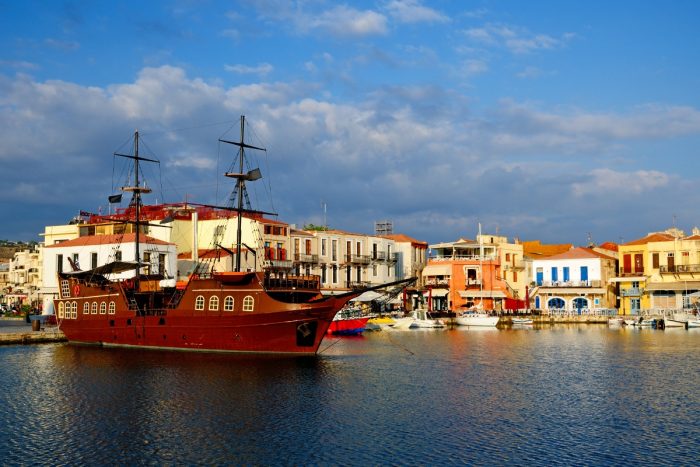
Rethymno’s sandy beach begins just steps from the old port and stretches over 9 km through the resort areas of Perivolia, Platanes, Adelianos Kampos, and Sfakaki. This lively, budget-friendly beach is perfect for travelers looking to be at the heart of the action, with a variety of low-rise apartment hotels, tavernas, and bars lining the shore.

Top Sights in Rethymno:

  • Fort Fortezza: The largest Venetian fortress in Crete, offering stunning views over the city and sea.
  • Venetian Harbor: A charming area in the historic center, featuring a waterfront promenade and a 19th-century lighthouse built by the Egyptians.
  • Rimondi Fountain: A decorative Venetian fountain from the 17th century, located in the heart of the old town.

Spinalonga Island

As I mentioned earlier, one of my strongest memories from visiting Crete as a child was learning about the island where people with leprosy were once treated.

This island, Spinalonga, is a small but memorable place in the Gulf of Elounda, located on Crete’s eastern coast.
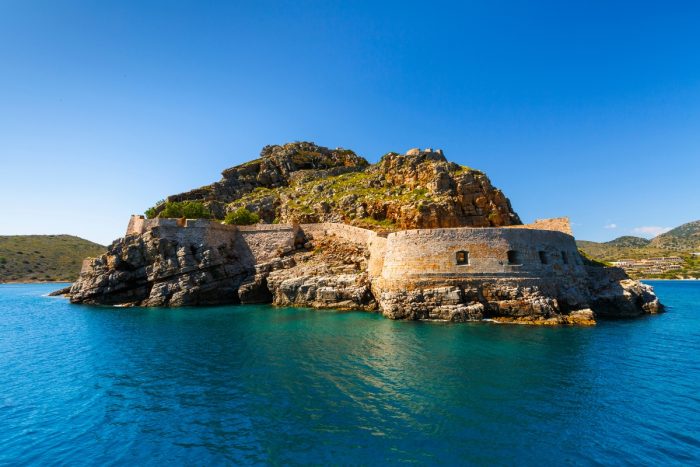
On Spinalonga, you can explore the well-preserved remains of a Venetian fortress built in the late 16th century to defend the bay and the port of Elounda from Ottoman invaders. Despite holding out for over 70 years, the fortress eventually fell to the Turks in 1715.

After the Turks left Crete in 1905, Spinalonga became a leper colony, one of the last in Europe, and remained in operation until it was closed in 1954.

Getting to Spinalonga is easy—book a tour through your travel agent, use the GetYourGuide platform as we did, or venture out on your own. Entry to the fortress costs €8.

The island is accessible only by boat during the summer season, from May to October. Regular ferries depart from three locations: the resort towns of Agios Nikolaos and Elounda, and the nearby village of Plaka.

Arkadi Monastery

Located southeast of Rethymno, the Arkadi Monastery is an important Eastern Orthodox shrine with a profound role in Cretan history. The monastery was central to the resistance against Ottoman rule, particularly during the 1866 revolt.

During this uprising, 943 Greeks, mostly women and children, took refuge in the monastery. Rather than surrender, they chose to ignite barrels of gunpowder in a powerful act of self-sacrifice. Tradition holds that the monastery was founded by a monk named Arcadius, though its exact founding date is unknown. The current buildings date back to the 16th century.
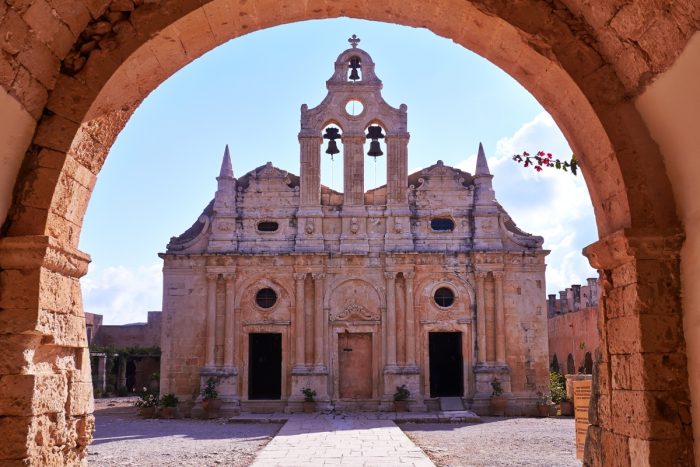
The monastery is open daily from 9 am to 8 pm, with services held at 6 am and 6 pm. Visitors can also enjoy a small on-site café and browse a souvenir shop for mementos.

Agia Triada Monastery

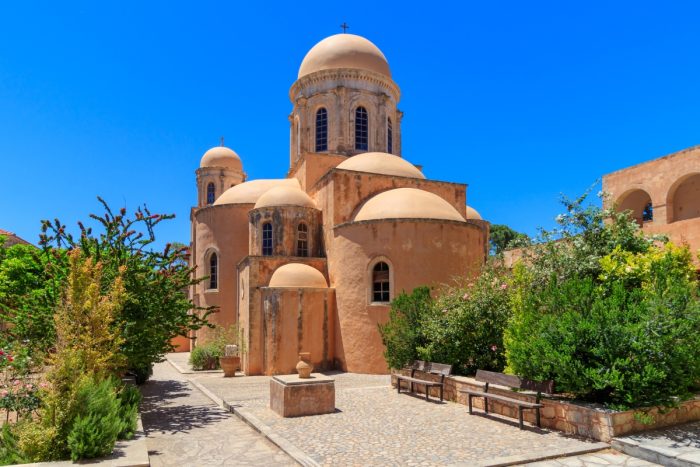
The charming Byzantine Monastery of the Holy Trinity, also known as Tzagaroli after the two brothers who built it in the 17th century, is nestled on the hillside of the Akrotiri peninsula, just a few kilometers from Chania.

It’s no surprise that this monastery is considered one of the most beautiful in Crete and is undoubtedly one of the island’s most fascinating sights.
Moni Preveli Monastery

Moni Preveli Monastery, located 37 km south of Rethymno, Crete, is set in a stunning landscape overlooking the Libyan Sea and surrounded by an exotic palm forest. The monastery is divided into two separate complexes, “Piso” and “Kato Monastiri,” which are about 2 km apart.

According to legend, the monastery was established during the Venetian period, similar to many other Cretan monasteries. Originally, the site housed two larger monasteries and several smaller ones, which eventually merged to form the larger Preveli Monastery. Over the years, dedicated abbots have made it one of the wealthiest monasteries in western Crete. Preveli Monastery also played a crucial role in Crete’s liberation struggles against the Ottoman Empire.
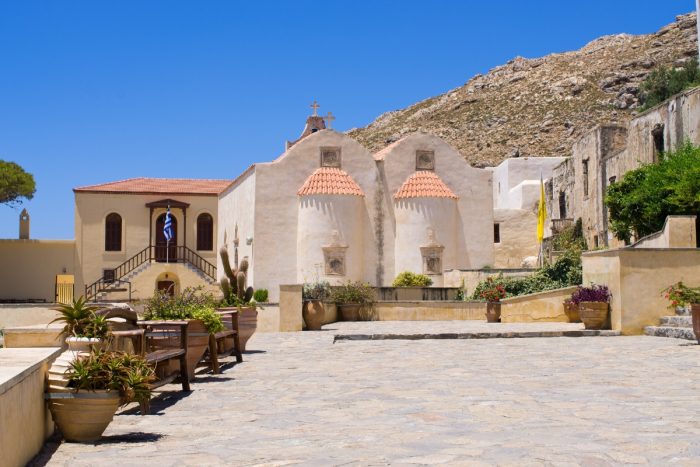
The first building you’ll encounter upon arriving from Rethymno is Kato Monastiri, dedicated to Agios Ioannis Prodromos. Today, it stands completely abandoned. Piso Monastiri, more familiar to visitors, is dedicated to Agios Ioannis the Theologian. Sadly, none of the original structures have survived intact; those not destroyed by the Turks were heavily altered in later renovations.

Among the monastery’s treasured relics are the 1750 painting Christ the King of Kings by artist Mix. Preveli, a 13th-century icon of St. John the Theologian, a silver chandelier in the Theologos temple with a gilded gospel and chalice, and a bronze Russian-style chandelier from 1908 crafted in Moscow.

The monastery also holds a revered silver cross containing holy wood. For those interested in delving deeper into the monastery’s history, there is an archive and a cadastral book available. The decline of Preveli Monastery began after 1960, and today it is maintained by a single monk.

Archaeological Museum of Heraklion

Located in the historic center of Heraklion, this museum is a popular destination for both locals and tourists. Designed by Patroclus Karantinos, the building was constructed between 1935 and 1958 on the site of the Venetian Monastery of Saint Francis, which was destroyed in an 1856 earthquake.

The museum showcases artifacts from the Neolithic period (7000 BC) to the Roman period (200 AD), offering a comprehensive look at Crete’s history, including its Minoan culture.

Highlights of the collection include the famous Disk of Phaistos from the second millennium BC, an enduring mystery with its undeciphered symbols. Other remarkable items are pieces of Minoan jewelry—necklaces, earrings, and diadems—that display impressive craftsmanship and intricate detail.

Tickets can be easily purchased on GetYourGuide or directly on-site, though you may face lines during the summer season.

Chanion Folk Museum

The Chanion Folk Museum, located in the heart of the old town of Chania on Halidon Street, next to the Catholic Church, offers a glimpse into traditional Cretan life during the 18th and 19th centuries.

Visitors can explore a fascinating collection of tools, raw materials, and products from traditional crafts, small industries, and rural life. The museum showcases models of rural occupations, domestic arts, and examples of typical country house interiors. Additionally, there’s a dedicated workshop that keeps the art of Cretan embroidery alive, where intricate embroidery pieces are created for visitors to admire.

The most beautiful beaches in Crete

While Crete’s historical sites are a big draw, you’ll also want to explore its stunning swimming spots. Here’s a look at some of the most beautiful beaches in Crete.

Elafonissi – beach in Crete with pink sand

Elafonissi in Crete is renowned for its crystal-clear turquoise waters and unique pink sand beaches. A sandy stretch about 200 meters wide connects the mainland to the small island of Elafonissi, creating a 400-meter-long beach with access to the sea on both sides.
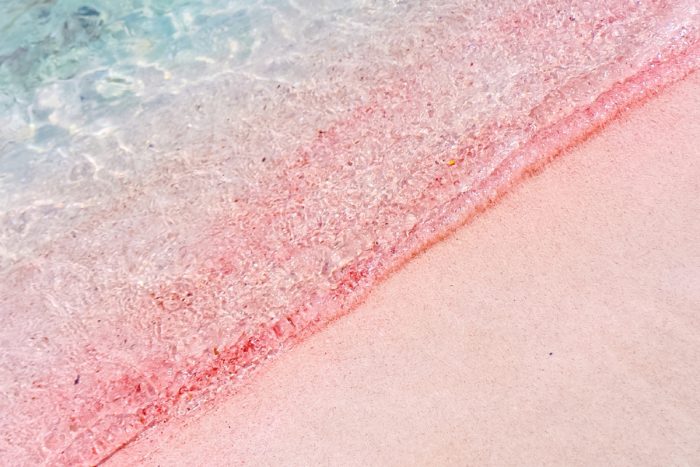
This beach is perfect for families with children, thanks to its shallow, calm waters. It also offers convenient amenities, including sunbed and umbrella rentals, showers, a small bar, and a tavern.

Elafonisi Island is about 1 km long and offers numerous small platforms with stunning views. Due to its distance from major cities, it remains pleasantly uncrowded in the early morning and late evening.

Just 2 km from Elafonisi is the picturesque Kedrodasos Beach, known for its shallow, clear waters and beautiful scenery. Elafonisi is also home to rare plant and animal species, including juniper bushes, sea daffodils, and the endangered loggerhead sea turtle.

Located in western Crete in a secluded area, Elafonisi is best reached by car. It is 76 km from Chania and 211 km from Heraklion. The last stretch of the drive involves narrow, winding roads, and there is a parking lot by the beach for €5 per day. For those without a car, buses run from Chania to Elafonisi once daily, departing around 9:00 am and returning at 4:00 pm, with the trip taking about 2 hours each way. A round-trip ticket costs €11.

Balos beach

Balos Beach in Crete is one of the island’s most picturesque spots, offering perfect swimming conditions far from the busy resorts and towns. A sandy stretch links the Gramvousa peninsula to the small rocky islet of Tigani, creating a tranquil lagoon ideal for families with young children.

Towards the lagoon’s edge, the sea deepens, with waters turning a stunning azure and remaining crystal clear. This protected area is a habitat for sea turtles, cormorants, and falcons, adding to its natural charm.
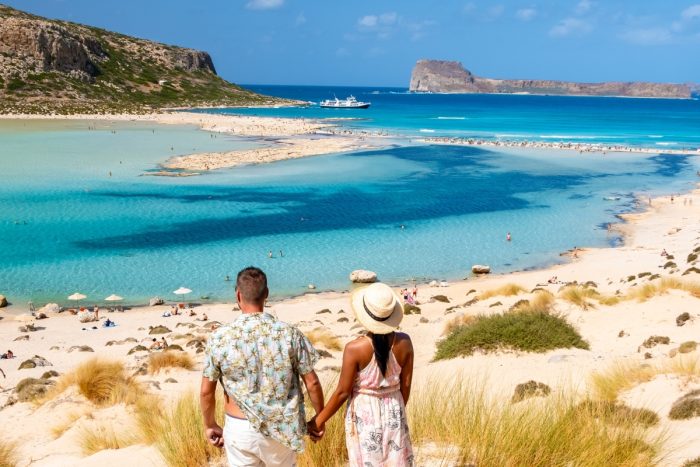
If you plan to visit, it’s best to arrive early in the morning. There is a small beach bar with a limited number of sun loungers and umbrellas, which fill up quickly during high season.

Balos is accessible by car from Kissamos, with clear signage along the way; however, the final stretch is a gravel road that requires a €1 fee. Alternatively, daily boat trips depart from Kissamos, often stopping at the nearby Gramvousa islet, home to a Venetian fortress dating back to 1579–1582.

Falassarna beach

Falassarna Beach, on Crete’s west coast, is widely regarded as one of the island’s most stunning beaches.

This expansive stretch of fine, light sand with occasional small pebbles is set against a striking, dramatic landscape.

The beach is equipped with showers, sun loungers, and umbrellas, and you’ll find small bars nearby for drinks and snacks. It’s also one of the best spots on the island to watch the sunset.
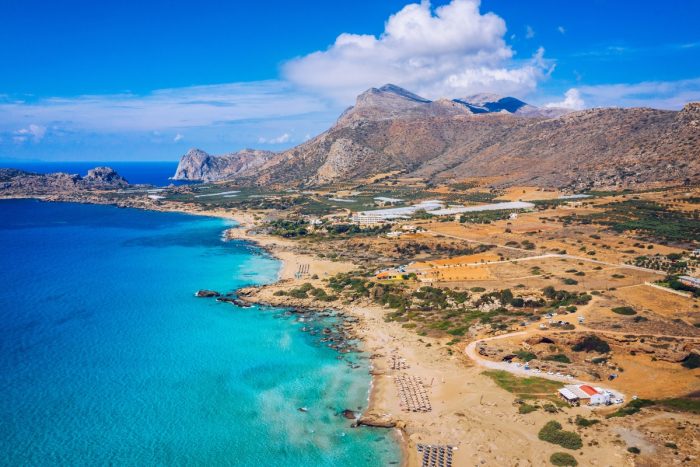
The easiest way to reach Falassarna Beach is by car. Located 14 km from Kissamos and 52 km from Chania, the route from Kissamos is well signposted and leads directly to a free parking lot next to the beach. During the summer season, regular KTEL buses run from Chania to Falassarna, with one-way tickets costing about €8.50.

Vai beach

Vai Beach, also known as Palm Beach, is located on the eastern tip of Crete and is surrounded by gentle hills. It’s renowned for its stunning date palm grove, a unique natural feature and one of Crete’s iconic symbols.
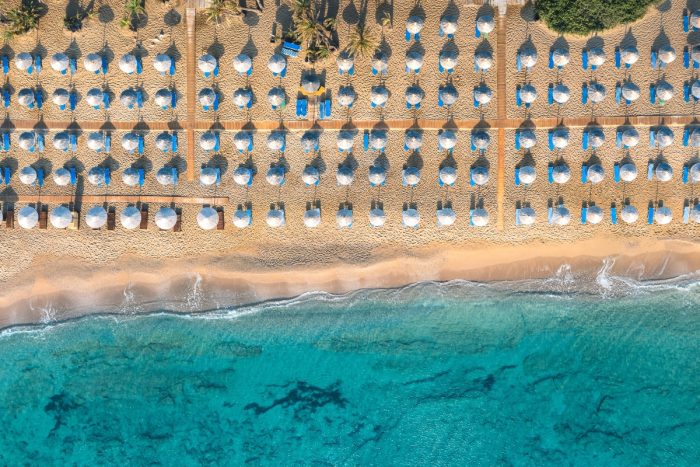
The palm grove here is unique, as these trees grow naturally, unlike other areas in Crete where palms are planted. While most of the grove is fenced off, the section closest to the beach is open to the public.

Vai Beach features fine white sand and a gentle slope into the sea, with small, colorful pebbles along the shore. You’ll find all the essentials for a comfortable beach day, including showers, restaurants, restrooms, and shops.

A large parking lot is available nearby, with a fee of €3 per day during high season, parking is free in the off-season.

Matala beach

Matala Beach, located on Crete’s southern coast, is one of the island’s most beautiful spots, known for the impressive rock formations surrounding it.

One of these cliffs is dotted with dozens of small caves, carved out around 2000 BC. An interesting fact: in the 1970s, these caves became a popular hangout for members of the hippie movement.
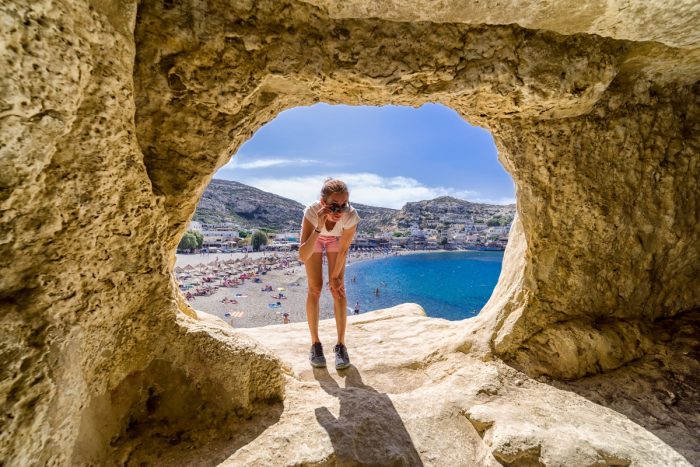
Matala is a smaller, quieter resort with most of its buildings being hotels, apartments, or guesthouses. It’s easily accessible by car from Heraklion, with the drive taking about an hour and 15 minutes. From May to October, buses also run from Heraklion to Matala 3-4 times a day, with a one-way ticket costing around €8.50 and a journey time of about 2 hours.

Seitan Limania beach

Another stunning beach in Crete is Seitan Limania Beach, also known as “Devil’s Harbour.” This picturesque spot is framed by high cliffs, and, as you can see in photos, the water is incredibly clear.

Located near Chania on the Akrotiri peninsula, it’s an easy 30-minute drive from Chania town. There is free parking available for about 30-40 cars, so it’s best to arrive early to secure a spot.
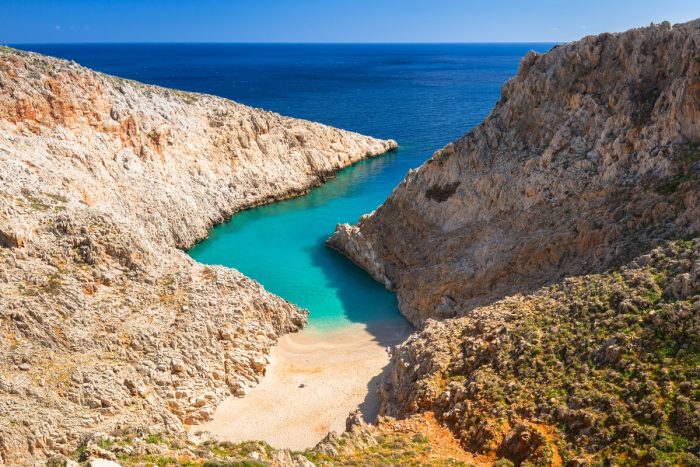
The walk from the parking area to the beach takes about 15-20 minutes. Since there are no shops or restrooms at the beach, be sure to bring everything you’ll need for your visit.

Stavros beach

Stavros Beach, also known as Zorba’s Beach, is located in the northeast corner of Akrotiri, near Chania. This beach gained international fame as the filming location for the movie Zorba the Greek in the 1960s. Today, it’s popular for its stunning appearance, with beautiful golden sand, crystal-clear water, and a highly photogenic setting.
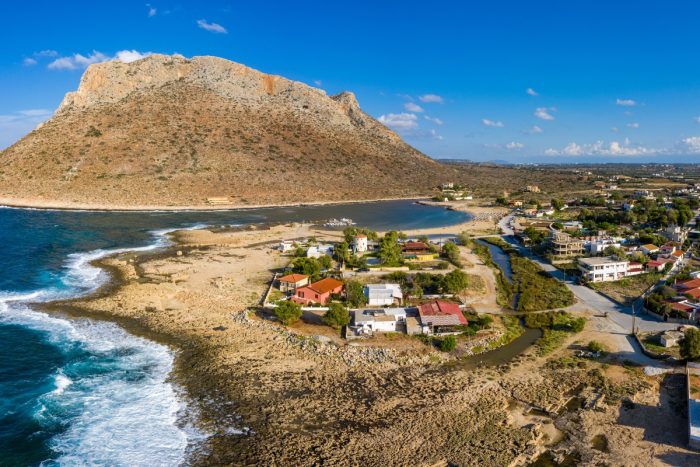
Stavros Beach has all the amenities you might need, including restaurants, public restrooms, sunbeds for rent, showers, and changing facilities at both ends of the beach. However, renting a sunbed here is on the pricier side, costing around €25-30 for two sunbeds and an umbrella.

Frangokastello beach

Frangokastello Beach is one of Crete’s most stunning beaches, distinguished by a medieval Venetian castle overlooking the shore. Nestled in a valley beneath the White Mountains, it is located 13 km east of Chora Sfakion and 80 km southeast of Chania. Free parking is conveniently available right by the beach.
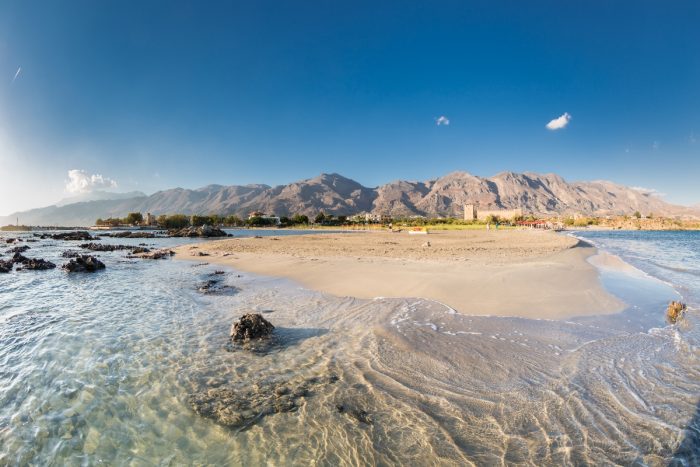
Frangokastello Beach is especially popular with families with young children due to its shallow, calm waters. The area is well-equipped with amenities, including restaurants, restrooms, and shops, making it ideal for a comfortable family day by the sea.

Just a short 300-meter walk east of the main beach, you’ll find the stunning Orthi Ammos Beach, known for its impressive sand dunes.

Triopetra

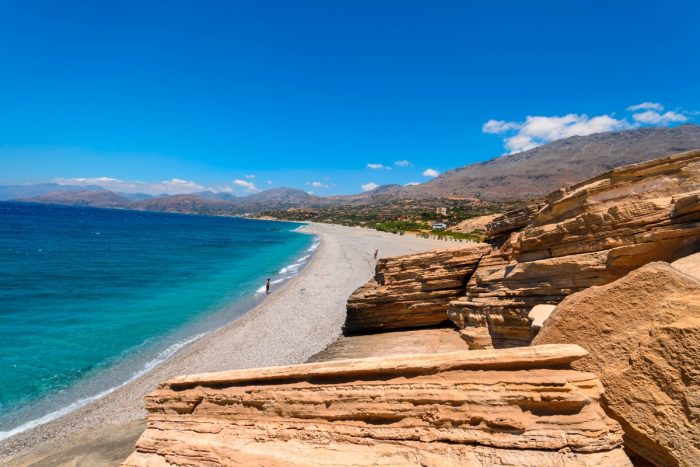
Another must-see among Crete’s most beautiful beaches is Triopetra. The name “Triopetra,” meaning “Three Rocks,” comes from the striking rock formations that emerge from the sea. Located about 50 km south of Rethymno and 13 km southwest of Akoumia, this beach offers a unique and scenic experience.
Tips for excursions in Crete

Looking to do more than just relax on the beach? Here are our top recommendations for excursions to help you explore Crete further.

Samaria Gorge Trek – 5 – 7 hour trek

If you enjoy hiking and are visiting Crete outside the peak summer heat, don’t miss the Samaria Gorge.

This southeastern area is a sanctuary for the rare kri-kri, a species of Cretan wild goat found almost exclusively here and on a nearby island.

The hike through Samaria National Park covers 13 km, but you’ll need to walk an additional 2 km eastward to reach Agia Roumeli, bringing the total distance to 15 km (about a 5-7 hour trek). The most famous section of the gorge, known as “The Gates,” features walls that narrow to just four meters wide and rise nearly 300 meters high.

The village of Samariá, located within the gorge, was abandoned in 1962 to create the national park. Both the village and the gorge are named after the ancient village church, Óssia María.

DetailInformation
Opening hours07:00 – 15:00 (daily, from 1 May to 31 October)
From 15:00 until sunset only 2 km walk
Admission5 € per person
Children up to 15 years free of charge
Other notesKeep your ticket for checking on exit
Where to buy ticketsOn site or via GetYourGuide.

Imbros Gorge – alternative for families with children

Imbros Gorge (Greek: Φαράγγι Ίμπρου) is a beautiful, less-crowded alternative to the more famous Samaria Gorge in Crete, offering a shorter yet scenic hike ideal for families with children.

The trail begins in the village of Imbros and ends in Komitades, covering a distance of 8 km with an elevation gain of about 500 meters. The average hiker can complete the route in about 2.5 hours, including stops for photos and refreshments (which you’ll need to bring along).
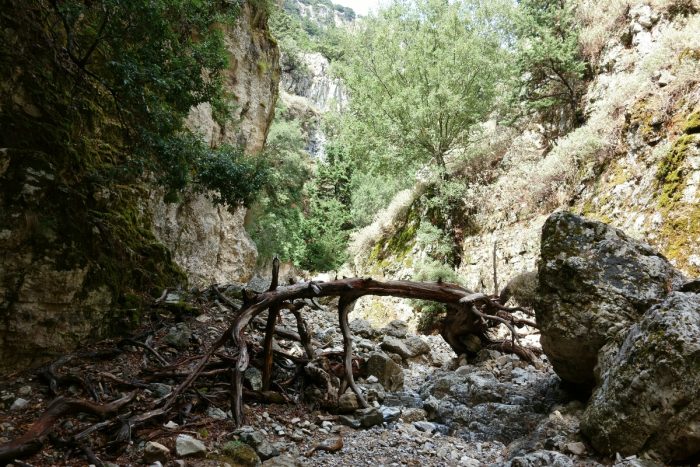
The narrowest section of Imbros Gorge is only 1.6 meters wide, while the canyon walls tower up to 300 meters, offering spectacular views. Keep an eye out for wild goats as you hike!

The gorge is open year-round, with an entrance fee of €2.50 per adult from May through October.

The main entrance to the gorge is about 1 km from the village of Imbros, where free parking is available. Be cautious of tavernas in the village advertising “gorge entry”—the actual main entrance gate is located elsewhere!

Anogeia

Another beautiful excursion you can book through a travel agency or on GetYourGuide is a trip to the charming village of Anogeia, located on the slopes of Mount Psiloritis at an altitude of 700 meters.

Why visit Anogeia? This village showcases a unique side of Crete. Here, you can admire traditional folk arts and crafts and experience local Christian music, which has deep roots in Cretan culture.

In the first week of July, Anogeia hosts the “Iakinthia” music festival, featuring renowned Cretan musicians like Nikos Xylouris and Vasilis Skoulas, both natives of the village.

For caving enthusiasts, the area around Anogeia offers hidden gems like the Sfendoni Cave in the nearby village of Zoniana. This cave features impressive and rare stalactites and stalagmites, making it a must-visit for those interested in exploring Crete’s underground wonders.
Loutro

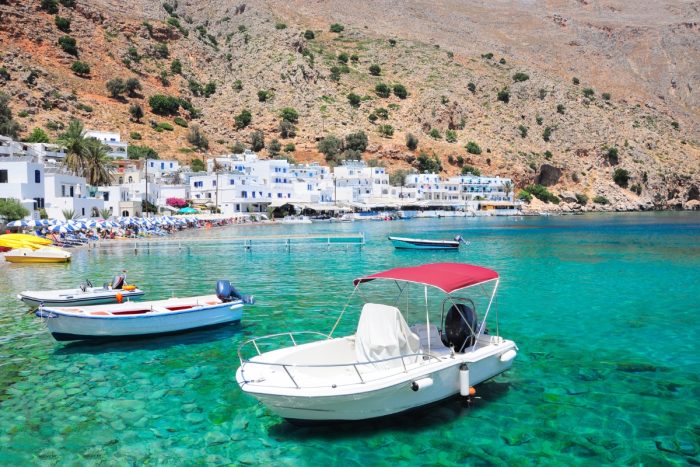
Another wonderful excursion is a boat trip to the picturesque village of Loutro. The whitewashed houses stand out beautifully against the stunning natural surroundings, creating a postcard-perfect scene that’s sure to keep your camera busy.

Cooking course in Lefka Ori

If you love Greek cuisine, consider a full-day Cretan cooking course in the White Mountains (Lefka Ori) through GetYourGuide, where you’ll discover the magic of healthy, delicious Mediterranean cooking. This experience is one of the island’s most popular excursions.

Plakias

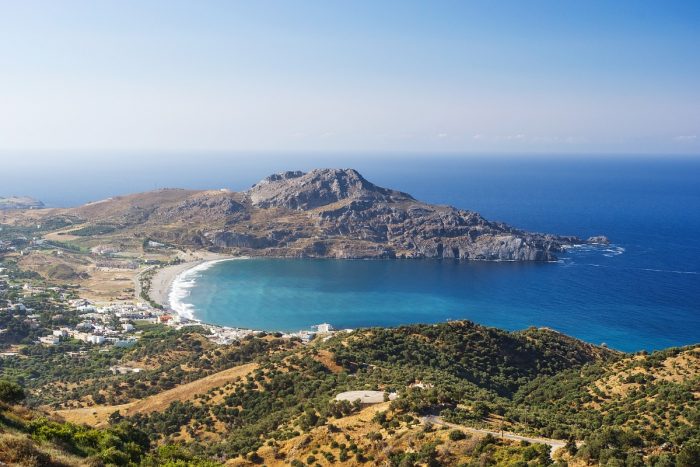
Be sure to visit Plakias. Once a small fishing village, it’s now a vibrant resort known for its expansive sandy beach stretching over 1 km and stunning views of the island of Gavdos.
Agios Nikolaos

Another must-visit town in Crete is Agios Nikolaos, with roots dating back to the Bronze Age. A key attraction is Lake Voulismeni, a scenic lake connected to the sea and lined with lively cafes and restaurants, especially vibrant in the evening.
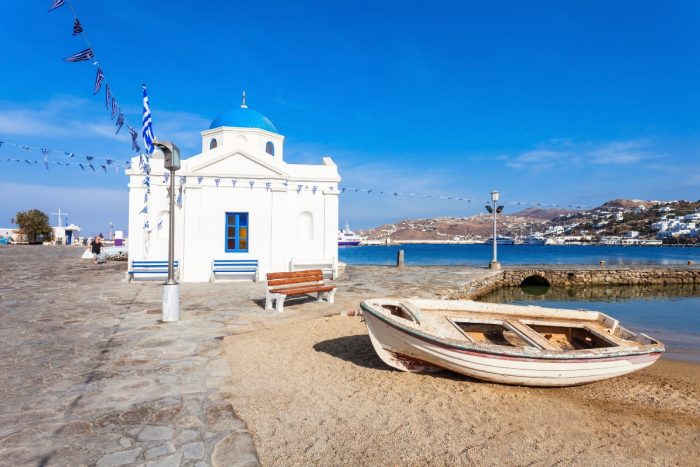
Mount Sfakion

Another charming town in Crete is Chora Sfakion, the largest settlement in the remote and mountainous region of Sfakia, though it has just 265 residents. 😁

Visitors can enjoy Vrissi Beach and several nearby pebble beaches. The local economy thrives on tourism, fishing, olive oil production, and sheep and goat farming. During the Venetian and Turkish occupations, up until the 18th century, the town prospered through a flourishing trade with its own small fleet.
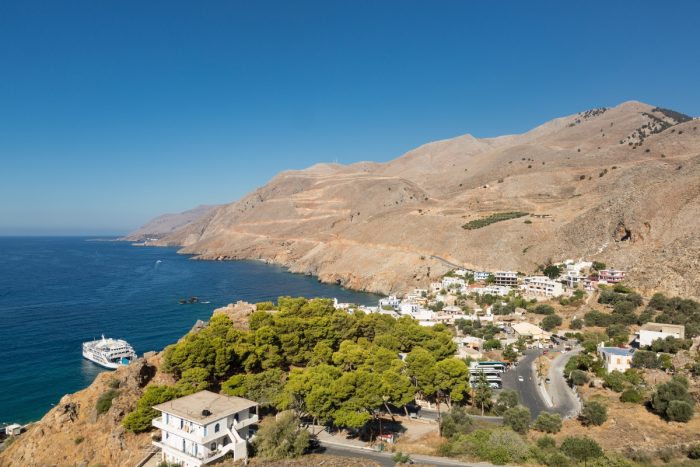
Chora Sfakion is known as a stronghold of resistance against both Venetian and Turkish occupiers. The impenetrable White Mountains to the north and rugged beaches to the south helped locals fend off invaders. Nearby, the village of Anopolis is the birthplace of one of Crete’s most famous revolutionaries, Daskalogiannis.

Chrissi – Golden Island

Chrissi (also spelled Chrysi, Chryssi, or Chrisi), known as “Golden Island” or Gaidouronisi (“Donkey Island”), is an uninhabited islet about 15 km south of the resort town of Ierapetra in Crete. With its fine white and golden sands, crystal-clear waters, and fragrant cedar forests, it has the allure of an exotic paradise.
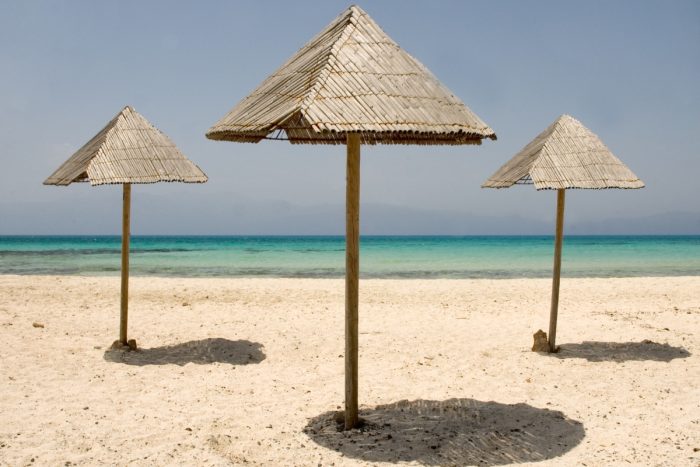
Two of the island’s most beautiful beaches are Golden Beach and Belegrina Beach. Chrissi is also home to a 300-year-old cedar forest in its center and unique marine fossils along the beaches.

Beyond its stunning beaches and cedar groves, Chrissi features the small Orthodox church of Agios Nikolaos, dating back to the 13th century, as well as the remains of a Minoan settlement on the northwest side of the island.

Chrissi is accessible by cruise boats from the port of Ierapetra, with the journey taking about 30 minutes. You can book a boat trip to Chrissi through GetYourGuide.

The village of Mochlos

For an authentic taste of a traditional fishing village, head to the north coast of Crete and visit the village of Mochlos. From here, you can also take a trip to the nearby island of the same name.
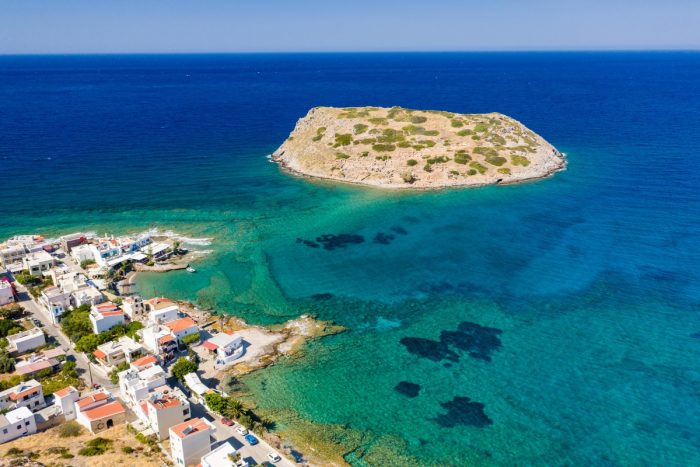
Island of Mochlos

Mochlos Island is a lesser-known Minoan archaeological site, discovered in 1907 by American archaeologist Richard Seager with the help of local fishermen. Excavations in 1908 revealed ancient Minoan graves and dwellings.

Zakros

Another stunning area to explore in Crete is Zakros, known for its beautiful Kato Zakros Beach. This pebbly beach lies in a sheltered bay, offering a peaceful and scenic setting.
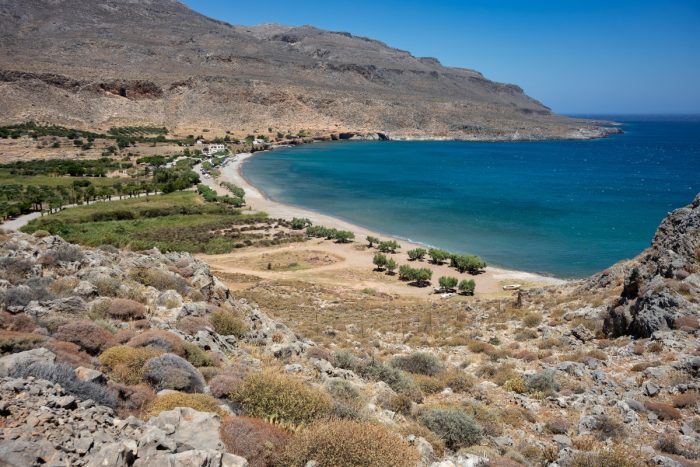
Don’t miss the Minoan Palace of Zakros, located in Kato Zakros just a few hundred meters from the sea. It was the last Minoan palace discovered in Crete and, although smaller than those at Knossos, Malia, and Phaistos, it’s well worth a visit. The surrounding area, known as the Valley of the Dead, is also notable for its many Minoan tombs.

What to do with children in Crete

If you’re visiting Crete with kids, there’s no shortage of family-friendly activities to enjoy. Here’s a look at some of the top excursions and attractions for children in Crete beyond the ones already mentioned.

Snorkeling

One of the most popular activities throughout Greece is a snorkeling trip. These excursions can be booked for a few hours, a half-day, or a full day, with options to go on larger or smaller boats, catamarans, and sometimes even yachts.

Many snorkeling trips include a Greek barbecue or snacks, depending on the trip length. If you’re not traveling through a tour operator, you can easily book a snorkeling excursion through GetYourGuide.

Experiences & tickets
traveler-rated · GetYourGuide
Chania: Boat Trip with Guided Snorkeling Tour
★★★★★ 5.0 · 283 reviews
from €75
I want this experience →
🔗 These are affiliate links — they don't change your price and help us create content. · All experiences →

Go to the cave of the god Zeus

The impressive Dikteon Andron, or Zeus Cave, is a stunning stalactite cave located in the Dikte Mountains at an altitude of 1,025 meters, near the village of Psychro (often referred to as Psychro Cave).

Greek mythology holds that this cave was the birthplace of Zeus, the supreme Olympian god. Archaeological research shows that the cave has been inhabited since the Neolithic period and was primarily used as a burial site.

Most tour operators offer excursions to the cave, but you can also visit independently by booking through GetYourGuide.

Visit a waterpark in Crete: Watercity

If your kids are anything like I was, they’ll probably want to spend at least a day at a water park. Watercity is a fantastic water park in Crete, and I can’t wait to take our little one there once he’s a bit older.

Tip: I recommend buying tickets in advance to avoid long lines with the kids. You can easily do this on GetYourGuide or through the official website, although it can be a bit cluttered.

Aquarium in Crete

A visit to the aquarium is a favorite excursion for families with children in Crete, offering an up-close look at the fascinating underwater life of the Mediterranean Sea. It’s one of the island’s most popular attractions for families, and tickets can easily be purchased online through GetYourGuide. While tickets are also available at the entrance, expect long lines during the high season.

lukas a lucka
Lukáš and Lucie recommend
Where to stay in Crete
3 accommodations — resorts, hotels and other accommodation options

Frequently Asked Questions

Why go to Crete?

Crete is one of the most beautiful Greek islands, with stunning beaches, great activities for families with children, and hiking tours for those who love hiking.

Where is the beach with pink sand in Crete?

The pink-sand beach is called Elafonisi, 76 km west of Chania.

Is Crete suitable for holidays with children?

Yes, Crete is one of the best Greek islands for holidays with young and older children.

What is Crete like in October?

Crete is one of the sunniest islands in Greece (300 days of sunshine a year) and even in October the weather is pleasantly sunny.

Is Crete or Corfu better?

Crete is definitely more popular than
Corfu
but whether it is better depends on what you expect from the island.

Where is it not blowing in Crete?

The north coast is less windy than the south. But it may be too hot for that.

Is North or South Crete better?

The north of Crete is more touristy and less windy, and the sea is calmer. In the south, it is more quiet, ideal for a romantic stay for two, but you have to take into account bigger waves.

What is the sea temperature in Crete?

The sea temperature in Crete in summer is around 26 degrees.

What is the sea like in Crete?

The sea in Crete is clean, turquoise and warm in summer.

Tips and Tricks for Your Vacation

Don’t Overpay for Flights

Search for flights on Kayak. It’s our favorite search engine because it scans the websites of all airlines and always finds the cheapest connection.

Book Your Accommodation Smartly

The best experiences we’ve had when looking for accommodation (from Alaska to Morocco) are with Booking.com, where hotels, apartments, and entire houses are usually the cheapest and most widely available.

Don’t Forget Travel Insurance

Good travel insurance will protect you against illness, accidents, theft, or flight cancellations. We’ve had a few hospital visits abroad, so we know how important it is to have proper insurance arranged.

Where we insure ourselves: SafetyWing (best for everyone) and TrueTraveller (for extra-long trips).

Why don’t we recommend any Czech insurance company? Because they have too many restrictions. They set limits on the number of days abroad, travel insurance via a credit card often requires you to pay medical expenses only with that card, and they frequently limit the number of returns to the Czech Republic.

Find the Best Experiences

Get Your Guide is a huge online marketplace where you can book guided walks, trips, skip-the-line tickets, tours, and much more. We always find some extra fun there!

Corfu, Greece: 22 Best Things to Do and See

TL;DRCorfu is one of Greece’s most popular and greenest islands, with gorgeous beaches, laid-back resorts and plenty of culture, plus excellent Greek tavernas. Flights take around 2 hours, or you can arrive by ferry from Albania or mainland Greece. Don’t miss Corfu’s UNESCO-listed old town, the beaches at Paleokastritsa and Canal d’Amour, or the view over the tiny island of Pontikonisi. The best time to go is May to October, and Corfu suits families and couples alike. This guide has 22 tips on what to see and do, the best beaches, and where to head for a day trip.

We find ourselves returning to Corfu every few years, often as a perfect end to our travels through the Balkans. Corfu is one of our favorite Greek islands, offering a little bit of everything—stunning beaches, charming resorts, and a rich array of cultural experiences. And, of course, like the rest of Greece, Corfu boasts a fantastic selection of Greek restaurants. Here’s a guide to the 22 best things to see and do in Corfu.

Best Ways to Travel to Corfu

Corfu is easily accessible by air or ferry from Albania or mainland Greece. While it’s also possible to travel from Italy, it’s not the most convenient option, as the journey can be quite lengthy.

Corfu: weather and sea temperature by month

🌡️ Warmest: July (daytime 32 °C) · 🌊 Warmest sea: July (27 °C) · ☔ Least rainfall: July

MonthDayNightSeaRainy days
January13 °C9 °C17 °C15
February14 °C9 °C16 °C8
March15 °C10 °C16 °C10
April18 °C12 °C17 °C10
May22 °C16 °C20 °C10
June28 °C21 °C24 °C3
July32 °C24 °C27 °C1
August32 °C24 °C27 °C3
September27 °C21 °C27 °C10
October23 °C18 °C24 °C10
November19 °C14 °C21 °C15
December15 °C11 °C18 °C16

Source: climate normal 2019–2024 (Open-Meteo, measured data)

By air to Corfu

Corfu is about a 2-hour flight from Prague. However, due to the time difference between the Czech Republic and Greece, it may feel like the trip takes an extra hour when heading there and an hour less on the return.

To reach Corfu, you can book flights with the budget airline Ryanair, which operates seasonal flights from March to October. Ticket prices start at around 2,500 CZK outside the peak tourist season. Alternatively, SmartWings flies from multiple Czech cities, though their fares tend to be higher.

For more affordable options, consider checking flights from nearby airports, especially outside the busy tourist season:

  • Vienna: Ryanair, Wizz Air
  • Bratislava: Ryanair
  • Wrocław: Ryanair
  • Berlin: easyJet, Ryanair

If you plan to explore other parts of Greece, you can also fly into Athens, which offers numerous domestic flight connections. Volotea, for example, provides daily flights with one-way tickets starting from €25.

By ferry or boat to Corfu

If you’re traveling to mainland Greece, the most common and convenient route is via the port of Igoumenitsa. The ferry journey takes around 1 hour and 30 minutes, with 6 to 10 departures available daily.

Ticket prices for adults typically start at around €10, though you might find online promotions offering a reduced fare of €5. If you’re bringing a car, expect to pay around €40 per vehicle. For information on schedules, prices, and special deals, you can check out Kerkyra Seaways or the Ferries.gr platform.

We traveled from Greece and from Sarandë in Albania. The ferry from Sarandë to Corfu takes about 35 to 40 minutes. Tickets can be purchased online, often with a 10% discount compared to buying them at the port. This route is serviced by Ionian Seaways, with a one-way fare of €19 and a round-trip fare of €38.

During our bike trip, we also traveled from Corfu to Italy. You have several destination options, including Ancona, Bari, and Brindisi. For purchasing tickets, we recommend using Ferries.gr, where you can also find schedules from various operators. If traveling with a vehicle, it’s best to book your tickets at least one week in advance.

Essential Travel Documents Needed for Your Trip to Corfu

You can enter Corfu, a Greek island, using either an ID card or a passport, whether you arrive by air or by ferry—both documents are accepted. If you plan to visit Albania during your trip, a passport is not required, an ID card is sufficient, even though Albania is not part of the EU or Schengen area.

Best Hotels in Corfu

Unfortunately, we always ended up arranging accommodation at the last minute and never quite found what we were looking for. To avoid this, try booking early and checking availability at Angsana Corfu Resort & Spa.

Where to rent a car in Corfu

Renting a car in Corfu is simple, especially at the airport. We always use the DiscoverCars platform and have never encountered any issues. We recommend opting for a smaller car, as some roads can be narrow, and parking spaces are often limited.

Best Time to Visit Corfu

The best time to visit Corfu is from June to September, when the weather is perfect for a summer getaway. The sea reaches its warmest in August, with temperatures up to 26°C.

  1. June: Corfu is less crowded, and while the air is pleasantly warm, the sea is still a bit cooler.
  2. July – August: These are the hottest, busiest, and most expensive months, perfect for swimming and sunbathing, with average temperatures around 30°C.
  3. October – April: This period sees few tourists, making it an ideal time for hiking and exploring the island’s sights. Daily temperatures range from 15-22°C.

22 Best Things to Do and See in Corfu

You could easily spend two weeks in Corfu without ever getting bored. The island is quite large, and traveling between destinations takes time, so a week isn’t enough to see everything it has to offer.

The most beautiful beaches in Corfu

Corfu truly offers beaches for every preference, from secluded coves to lively sandy shores with bars and restaurants. Whether you’re looking for a peaceful swim in a quiet bay or an active day of snorkeling and water sports, you’ll find the perfect spot here.

Paleokastritsa

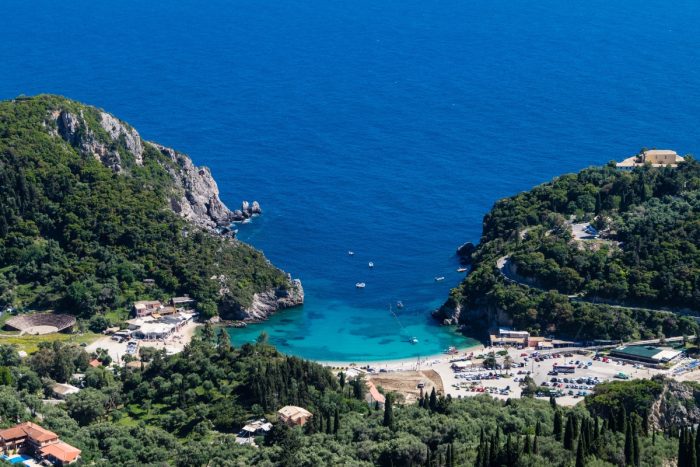
Paleokastritsa is renowned for its stunning pebble beaches and crystal-clear waters, making it a paradise for snorkeling and diving enthusiasts. You’ll also enjoy breathtaking views of the lush, green hills that surround the area.

Sidari – Love Canal

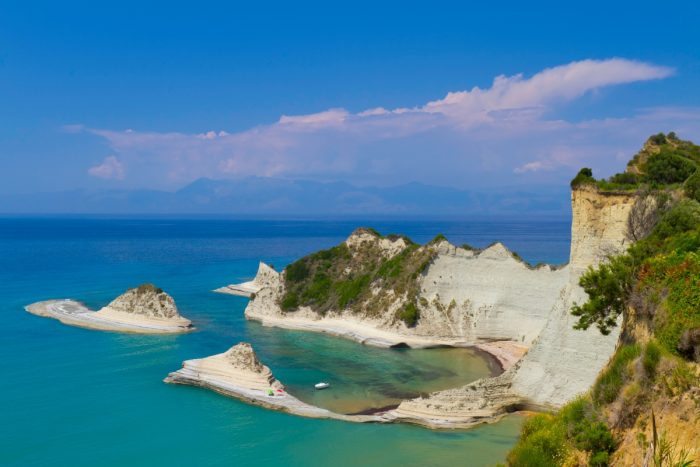
Sidari, a charming seaside resort on Corfu’s northern coast, is home to one of Greece’s most stunning and romantic natural wonders—the Canal of Love (Canal d’Amour). This unique attraction, shaped by the erosion of soft sandstone cliffs, is a favorite among couples and draws visitors from around the globe.

Local legend has it that if a couple swims through the rock tunnel together, they will remain together forever. This romantic allure draws couples from all over the world.

Visitors can also rent a boat to explore the nearby bays, including some that are only accessible by water, or hike through the scenic hills surrounding the area. There are plenty of restaurants and bars nearby, perfect for a refreshing break on a warm summer day.

Glyfada

Glyfada boasts a long stretch of golden sandy beach, making it a favorite spot for both families and young travelers. It’s one of the most well-known beaches on the island.

Agios Gordios

Agios Gordios Beach is a perfect retreat for nature enthusiasts and those who appreciate stunning views. Surrounded by towering cliffs and lush olive groves, it offers a serene environment for relaxation.

Halicoun

Halikounas Beach features a long stretch of fine sand and crystal-clear waters, making it an ideal spot for families and windsurfing enthusiasts. Its expansive size ensures that everyone can find their own slice of paradise, even during the busy summer months.

Agios Georgios

Agios Georgios is one of those rare spots in Corfu that has managed to preserve its tranquility and authentic charm while still offering everything you need for a perfect holiday. Located on the island’s northwest coast, this stunning beach is known for its long stretches of golden sand and crystal-clear waters.

Agios Georgios is home to one of the longest and most stunning beaches in Corfu, surrounded by lush green hills and charming olive groves, creating a perfect setting for relaxation. The shallow, calm waters make it an ideal destination for families with children.

Beyond sunbathing and swimming, Agios Georgios offers a variety of water sports, including windsurfing, jet skiing, and diving. Nature enthusiasts can explore nearby hiking trails that wind through the beautiful landscape, offering breathtaking views of the surrounding area.

Myrtiotissa

Myrtiotissa is often regarded as one of the most beautiful beaches in Corfu. This small, secluded stretch of sand is nestled between steep cliffs and lush vegetation, creating a truly intimate and serene atmosphere.

Sights to see in Corfu

Corfu is a treasure trove of cultural gems, featuring everything from grand palaces to charming historic fortresses. These sites reflect the island’s rich history, with some even earning a place on the UNESCO World Heritage list. Let’s explore some of the most fascinating ones.

Achilleion – Palace

Achilleion, a stunning palace situated in the southern part of Corfu, is one of the region’s most significant cultural landmarks. Built in 1890 for the Austrian Empress Elisabeth of Bavaria, also known as Sissi, the palace is named after the legendary Greek hero Achilles, whose statue stands proudly in the palace gardens.

Tours can be conveniently booked through GetYourGuide.

The old fortress in Corfu

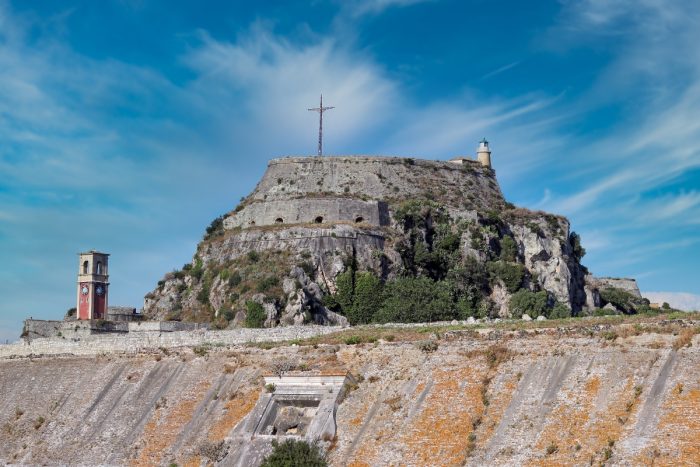
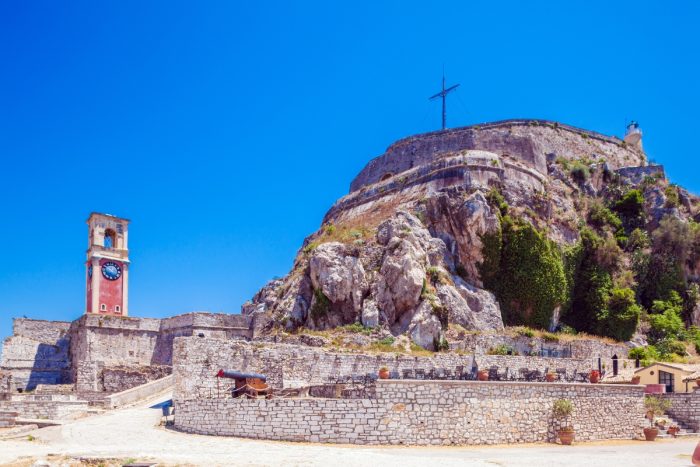
The Corfu Fortress, also known as Paleo Frourio, sits on a rocky peninsula that extends into the Ionian Sea. It was constructed in the 15th century by the Venetians to defend against Ottoman invasions.

The fortress combines elements of Byzantine, Venetian, and British military architecture and offers stunning views of Corfu Town and the surrounding sea.

Within its walls, you’ll find several historic structures, including the former British military hospital, which has been transformed into a museum.

New fortress in Corfu

The New Fortress of Corfu, or Neo Frourio, is another of the island’s significant historical landmarks and a prime example of military architecture. Built by the Venetians in the 16th century, this fortress overlooks the city of Kerkyra, offering strategic views of both the town and the sea.

Its imposing walls and well-preserved defensive structures showcase the advanced military engineering of that era. Inside the fortress, you’ll find historic buildings and corridors, along with open spaces that now host cultural events and concerts.

Paleopolis – Archaeological Museum of Corfu

The Archaeological Museum of Corfu is situated in the Mon Repos area. The museum features an extensive collection of artifacts uncovered during archaeological excavations in the region.

Byzantine Museum

The Byzantine Museum houses a valuable collection of icons and religious artifacts, offering a glimpse into the richness and depth of Byzantine culture.

Church of Saint Spyridon

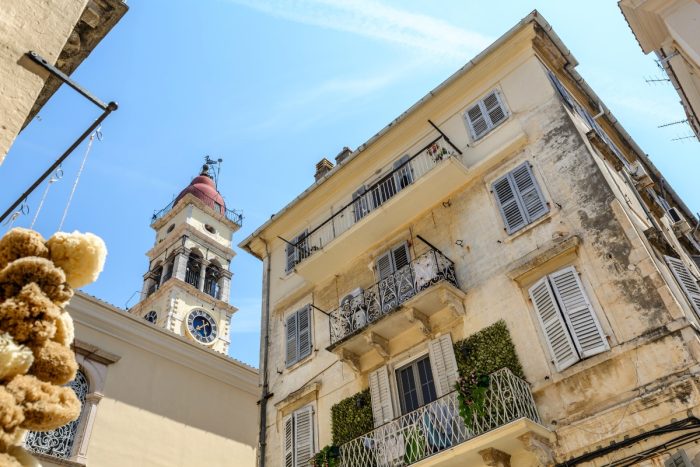
In the heart of the Old Town stands the Church of Saint Spyridon, dedicated to the island’s patron saint. Its iconic red bell tower is a defining feature of the city’s skyline, while the interior holds magnificent icons and relics.

These historic sites offer a glimpse into the rich and diverse history of Corfu, whether your interest is in the Middle Ages, antiquity, or more recent periods. From UNESCO World Heritage sites to enchanting monasteries like Vlacherna Monastery, Corfu invites you to explore its timeless beauty and marvel at the heritage preserved over centuries.

Tips for the best viewpoints in Corfu

If you love exploring new places, we’ve compiled a list of the best and most popular attractions in Corfu that we’ve enjoyed visiting over the years.

Bella Vista in Pelekas

In Pelekas, you’ll find Bella Vista, one of the island’s most famous viewpoints. It’s renowned for offering one of the most breathtaking panoramic views in Europe.

The Kaiser’s Throne

At this historic site, you can sit on the Kaiser’s Throne and take in the stunning views of the Corfu landscape. According to legend, German Emperor William II was particularly fond of this hill for its peaceful atmosphere and the breathtaking views of the island’s west coast.

View of Paleokastritsa

One of the most stunning views in Corfu can be found in Paleokastritsa. If you’re visiting during the summer, it’s best to start your trip in the morning to avoid the heat and a potentially exhausting journey.

Things to do in Corfu: Tips for excursions

There are plenty of activities to enjoy in Corfu. You can either join organized tours through a travel agency or plan your own adventure using GetYourGuide, which is our preferred booking platform.

Boat trips – e.g. to Paxos and Antipaxos

One of the most popular excursions in Corfu is a boat trip to the nearby islands of Paxos and Antipaxos, where you’ll discover hidden caves and crystal-clear waters. If you’re visiting Corfu independently and not through a tour operator, we recommend using GetYourGuide to find tours. We’ve been using this platform for years, booking dozens of trips and tickets without any issues.

Diving and snorkelling

If you love diving and snorkeling, it’s always best to take a boat out to explore the open sea. However, if a boat trip isn’t available, try visiting one of these top snorkeling spots:

  • Paleokastritsa: A popular destination for spotting marine life, including fish and sea urchins.
  • Agios Georgios Pagon: Located on Corfu’s northwest coast, this beach offers long stretches of sand and clear waters, making it perfect for snorkeling.
  • Kerasia: A peaceful beach in the northeast, surrounded by olive groves, offering great snorkeling opportunities.
  • Avlaki: Near Kassiopi, this beautiful beach is known for its excellent conditions for snorkeling.
  • Nissaki: A small but charming beach on the northeast coast, ideal for snorkeling.
  • Agios Gordios: Famous

Trip to Metéora in Greece

If you’ve always wanted to visit Meteora in Greece—a stunning complex of monasteries perched atop sandstone cliffs—you have the opportunity to do so from Corfu, where day trips are available. I’m not sure if Czech tour operators offer these excursions, but you can easily book a day trip yourself through GetYourGuide.

Hiking – e.g. Corfu Trail

If you visit outside the peak season, trekking is a great option. One of the most popular routes is the Corfu Trail. However, avoid planning a hike in July and August, as the weather is typically too hot for comfortable trekking.

Aqualand Water Park

Wondering what to do in Corfu with kids? Take them to Aqualand, a water park filled with plenty of slides and pools. If you have older children, you can relax and enjoy a drink while they have a great time exploring the attractions.

Trip to Albania to Butrint National Park

You can book this day trip through GetYourGuide or a travel agency. The excursion takes you to Butrint National Park, a UNESCO World Heritage Site.

The journey begins with a scenic cruise across the Ionian Sea from Corfu to Saranda, offering stunning views of both Corfu and Saranda, with their crystal-clear waters and sandy beaches.

At Butrint National Park, you’ll have the chance to explore the well-preserved ruins of an ancient Greek city, including an amphitheater and a baptistery.

Not interested in Corfu? Check out our article on where to go on holiday in Greece.

lukas a lucka
Lukáš and Lucie recommend
Where to Stay in Corfu
2 accommodations — resorts and other lodging options

Frequently Asked Questions

What to do with children in Corfu?

Head to a local waterpark or take them on a boat trip or snorkelling trip.

What are the most beautiful beaches in Corfu?

The most beautiful beaches in Corfu are definitely Sidari, Paleokastritsa or Glydas.

What documents do I need to travel to Corfu?

All you need is a passport or ID.

How far is it from Corfu to Albania?

From Corfu to Albania is only 1.5 hours by ferry.

What to taste in Corfu?

In Corfu you should definitely try sofrito (sliced beef cooked in white wine and garlic), pastitsada (spicy beef or rooster ragout served with macaroni) and local olive oil.

Tips and Tricks for Your Vacation

Don’t Overpay for Flights

Search for flights on Kayak. It’s our favorite search engine because it scans the websites of all airlines and always finds the cheapest connection.

Book Your Accommodation Smartly

The best experiences we’ve had when looking for accommodation (from Alaska to Morocco) are with Booking.com, where hotels, apartments, and entire houses are usually the cheapest and most widely available.

Don’t Forget Travel Insurance

Good travel insurance will protect you against illness, accidents, theft, or flight cancellations. We’ve had a few hospital visits abroad, so we know how important it is to have proper insurance arranged.

Where we insure ourselves: SafetyWing (best for everyone) and TrueTraveller (for extra-long trips).

Why don’t we recommend any Czech insurance company? Because they have too many restrictions. They set limits on the number of days abroad, travel insurance via a credit card often requires you to pay medical expenses only with that card, and they frequently limit the number of returns to the Czech Republic.

Find the Best Experiences

Get Your Guide is a huge online marketplace where you can book guided walks, trips, skip-the-line tickets, tours, and much more. We always find some extra fun there!
Thessaloniki, Greece: 22 Best Things to Do and See

TL;DRThessaloniki is Greece’s second city, where ancient ruins, Byzantine heritage and Mediterranean charm all come together. Spring and autumn are the best times to visit, with pleasant weather and no crowds; summer gets hot but suits the nearby beaches perfectly. Don’t miss the White Tower, the seafront promenade, the Hagia Sophia church or the upper town of Ano Poli. Direct flights only run in summer, so otherwise you’ll need to connect via Vienna or Bratislava. Bus 01X runs from the airport into the centre. The guide has 22 tips on what to see and where to head on a day trip.

Greece isn’t just about Athens and islands in the turquoise sea, but also about cities where antiquity, Byzantine culture, and Mediterranean charm blend. Thessaloniki (also known as Salonica), Greece’s second-largest city, is precisely such a place.

Whether you’re a history buff, a foodie, or a beach lover, Thessaloniki offers something for everyone. In this article, “Thessaloniki, Greece: 22 Best Things to Do and See”, I have 22 tips for you on what to see and experience in Thessaloniki.

When to Visit Thessaloniki

The best time to visit Thessaloniki is spring and autumn, when the weather is pleasant and the city is almost free of tourists. Summer months tend to be very hot, but they are ideal for a summer vacation and visiting nearby beaches. Winter is mild and suitable for those who want to experience a quieter atmosphere in the city.

💡You might also like: Skiathos Holiday

How to get to Thessaloniki

You can easily get to Thessaloniki by plane via Thessaloniki Makedonia International Airport, which is well-connected to many European cities. However, direct flights from Prague only operate during the summer months. Alternatively, you can fly from Vienna, Bratislava, or Nuremberg.

From the airport to Thessaloniki city center, you can then get there by bus number 01X, whose stop you’ll find by following the blue line from the arrivals hall.

You can buy a ticket at the ticket sales booth for 1.80 euro or from the machine directly on the bus, but it only accepts coins and doesn’t give change, so you need to have the exact amount. The journey from the airport to the city center takes around 45 minutes. You can also use blue taxis with a white roof (that’s how you recognize official Greek taxi drivers), which are usually Czech Škoda cars.😄

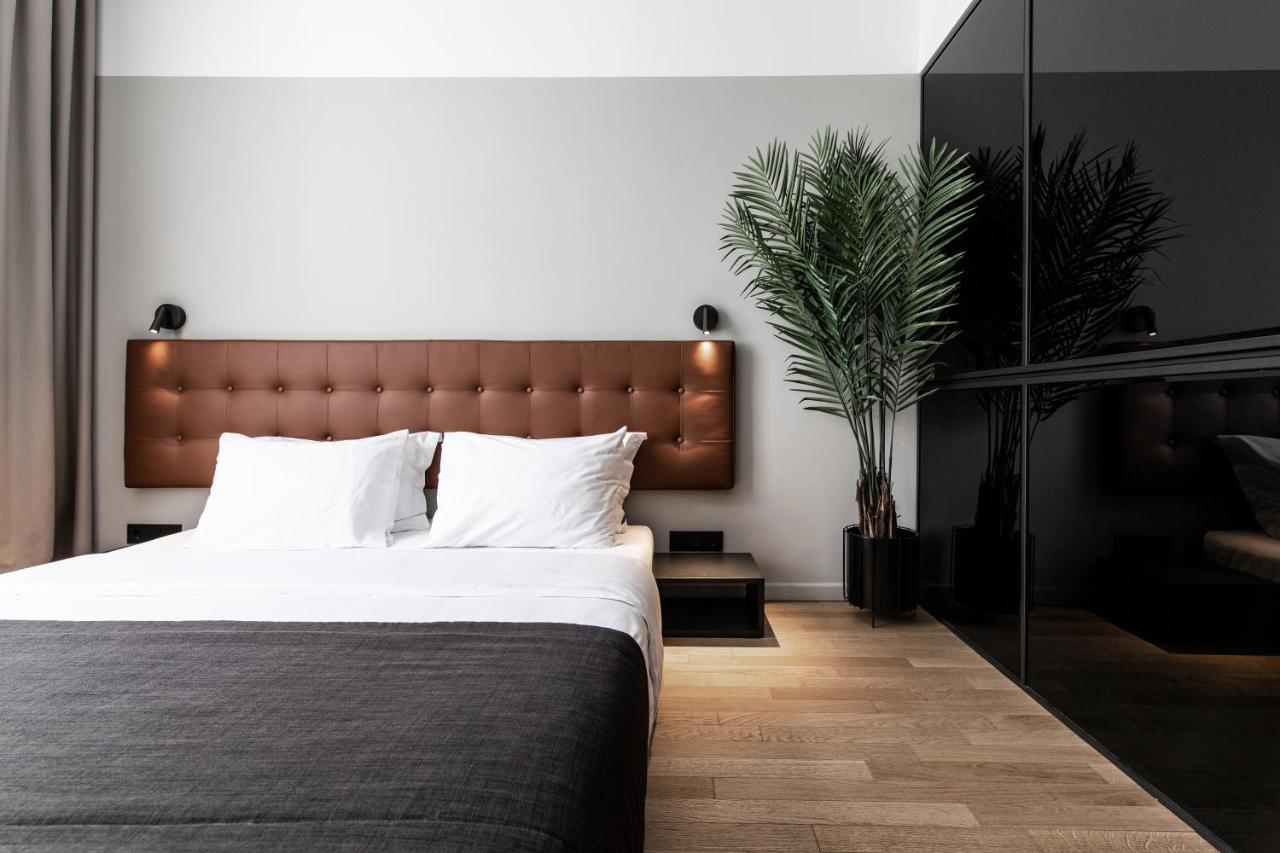
Thessaloniki: where to Stay

I recommend staying in the city center, for example, near Aristotle Square, from where you’ll be close to all the main attractions:

  • The Modernist Thessaloniki (luxury option),
  • Roomore Apartments (mid-range option),
  • Nea Metropolis (cheaper alternative).
Accommodation in Thessaloniki

Thessaloniki, Greece: 22 Best Things to Do and See

If Thessaloniki has caught your interest or you’re just looking for a way to spice up a long weekend, I’ve put together 22 tips for you on what to see and do in Thessaloniki.

💡TIP: What to Do on Zakynthos Island

White Tower

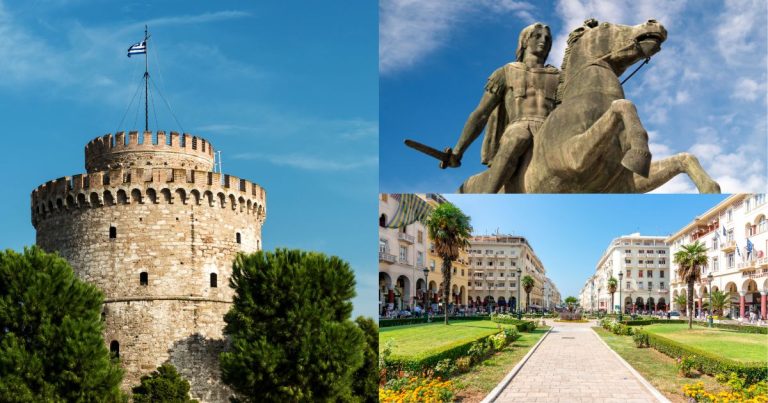
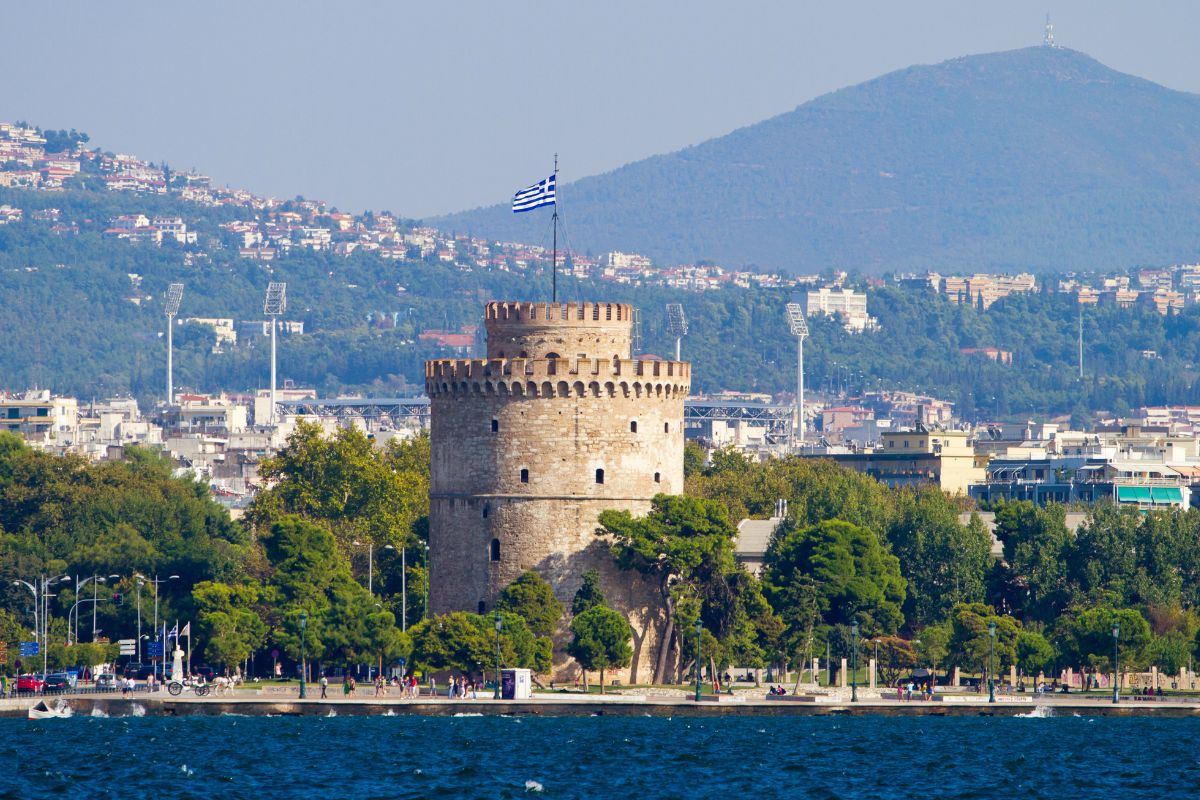
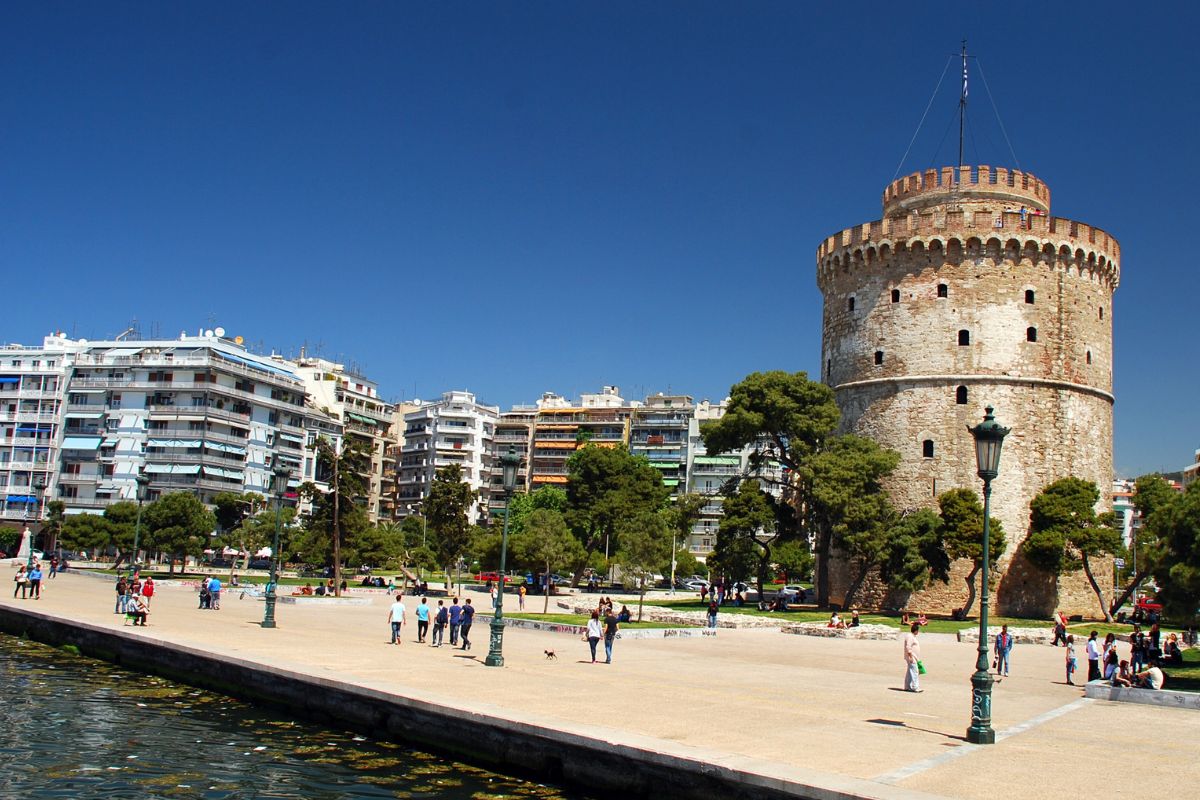
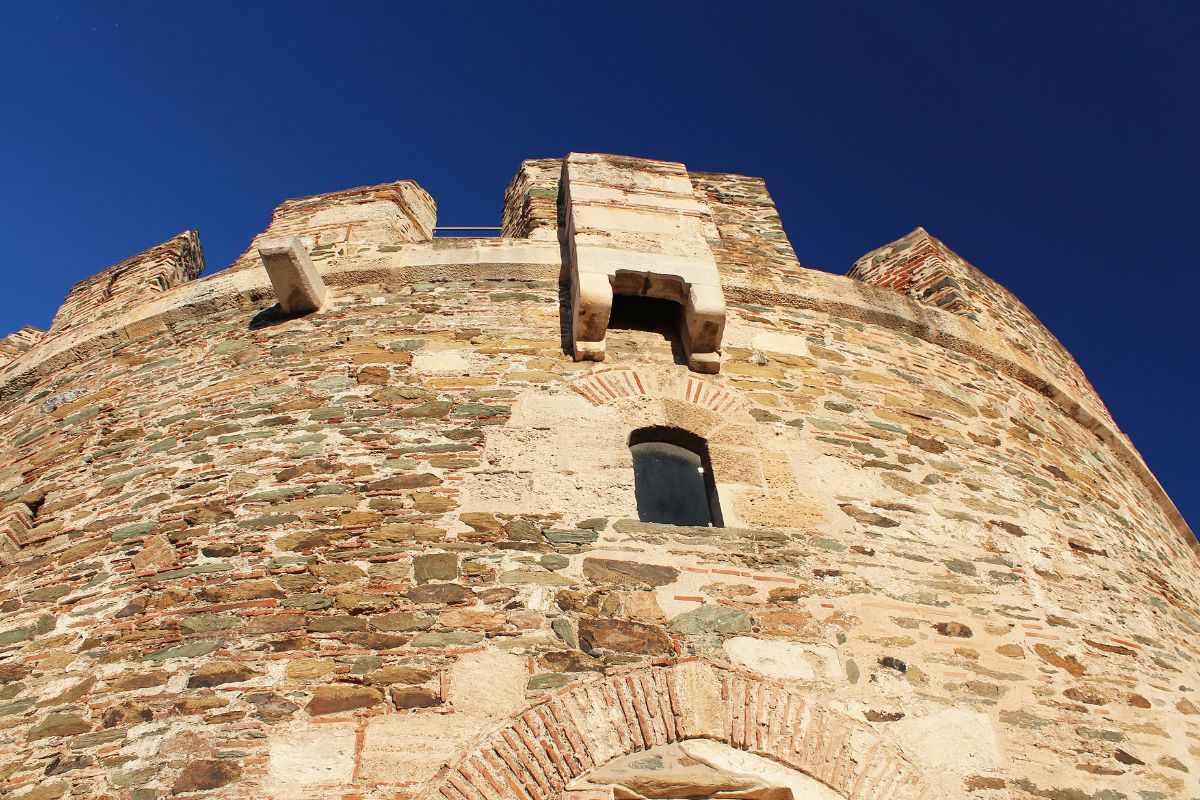
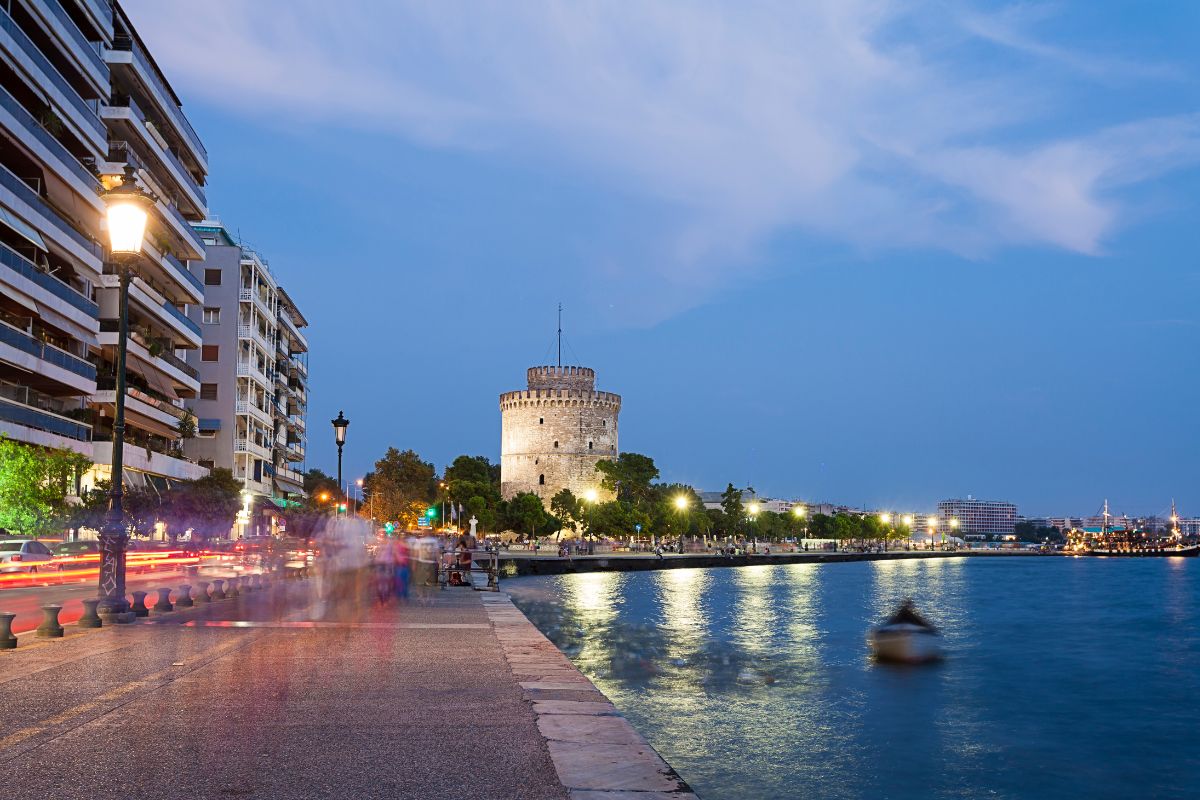
The White Tower is an icon of Thessaloniki and one of the city’s most significant landmarks. It originally served as part of the city walls and a defensive fortress during the Ottoman Empire. In later years, it was used as a prison.

Today, you’ll find a museum dedicated to the city’s history, guiding you from antiquity to modern times. At the top of the tower, there’s a viewpoint where you can enjoy a magnificent panoramic view of the city and the Aegean Sea.

Arch of Galerius (Kamara)

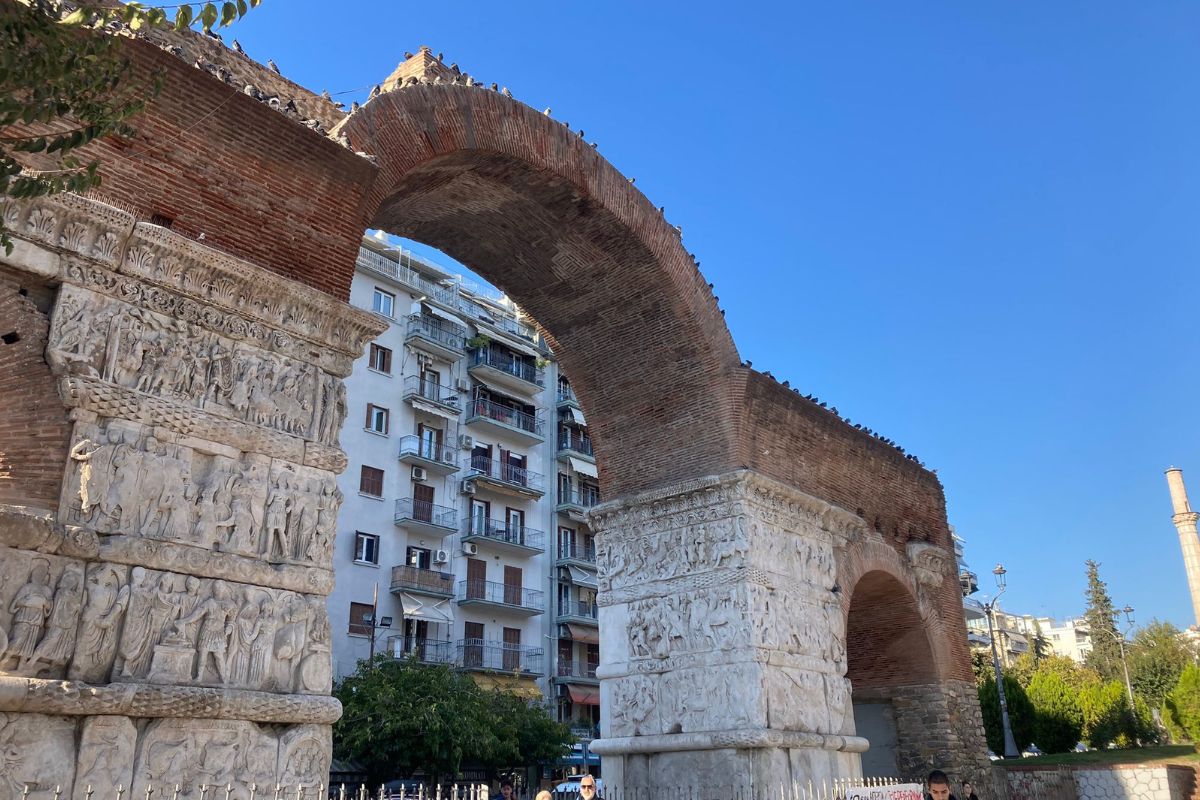
This arch, also known as Kamara, was built in honor of Emperor Galerius after his victory over the Persians in 298 AD. The marble reliefs on the arch depict battle scenes and other symbols of the Roman Empire’s power.

Rotunda

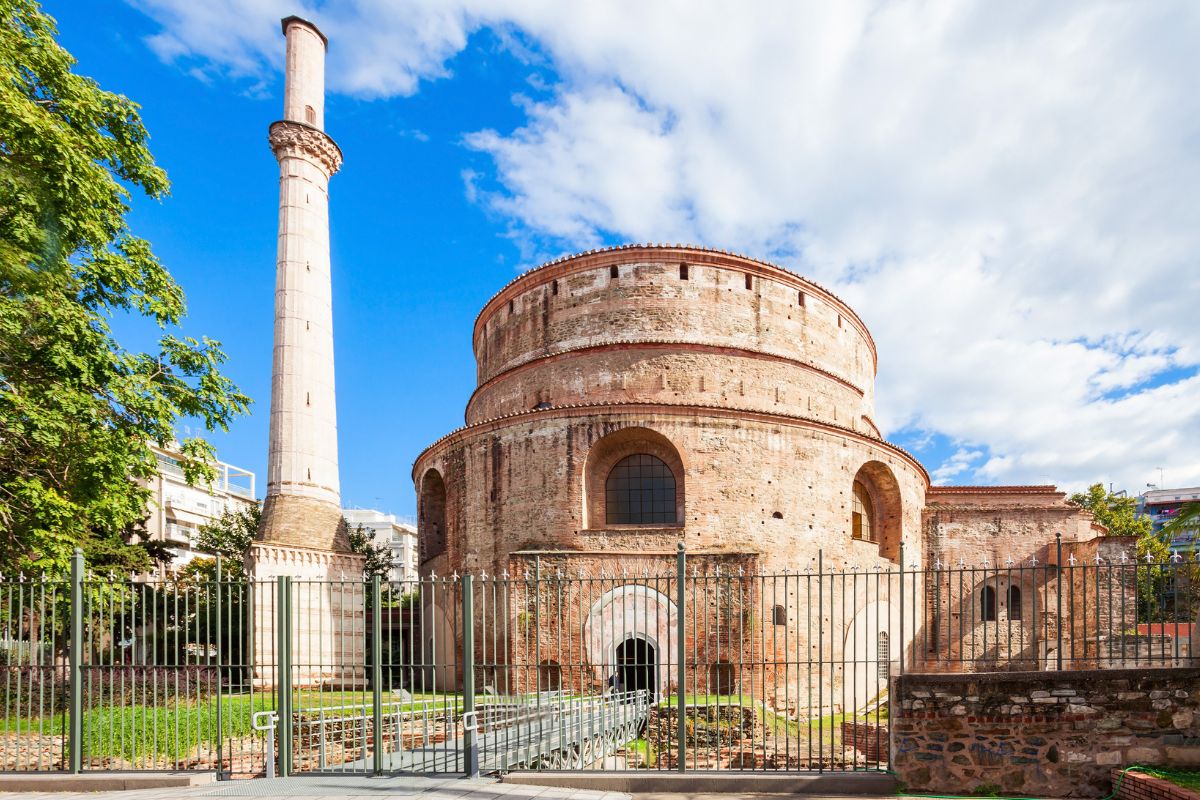
The Rotunda, also known as Agios Georgios, is one of the oldest structures in Thessaloniki. It was built around 306 AD. and originally served as a pagan temple. Later, it was converted into a church and, under Ottoman rule, into a mosque. Today, it is a UNESCO World Heritage site.

Palace of Emperor Galerius

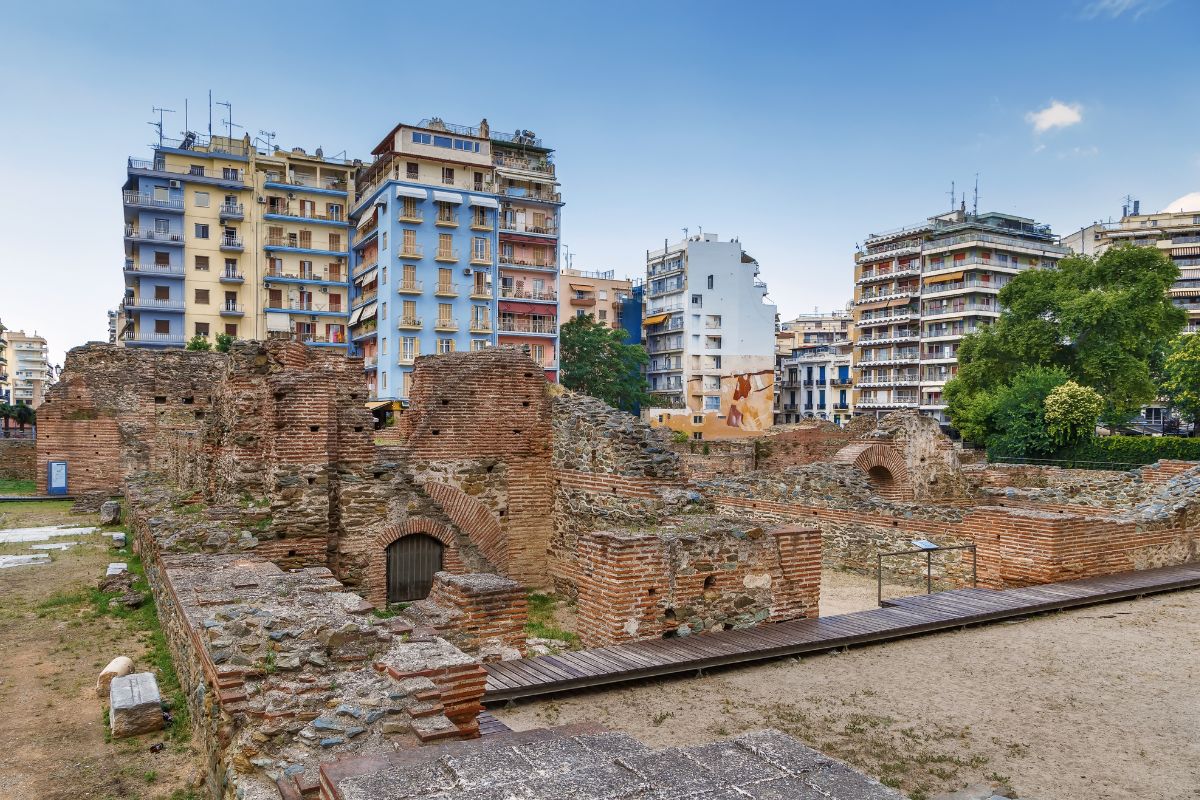
The ruins of this palace showcase the grandeur of Roman architecture. The palace was part of an extensive complex that also included the Rotunda and the Arch of Galerius. To this day, you can explore the remnants of walls, mosaics, and courtyards, which indicate how rich and elaborate this palace was.

Roman Forum (Agora)

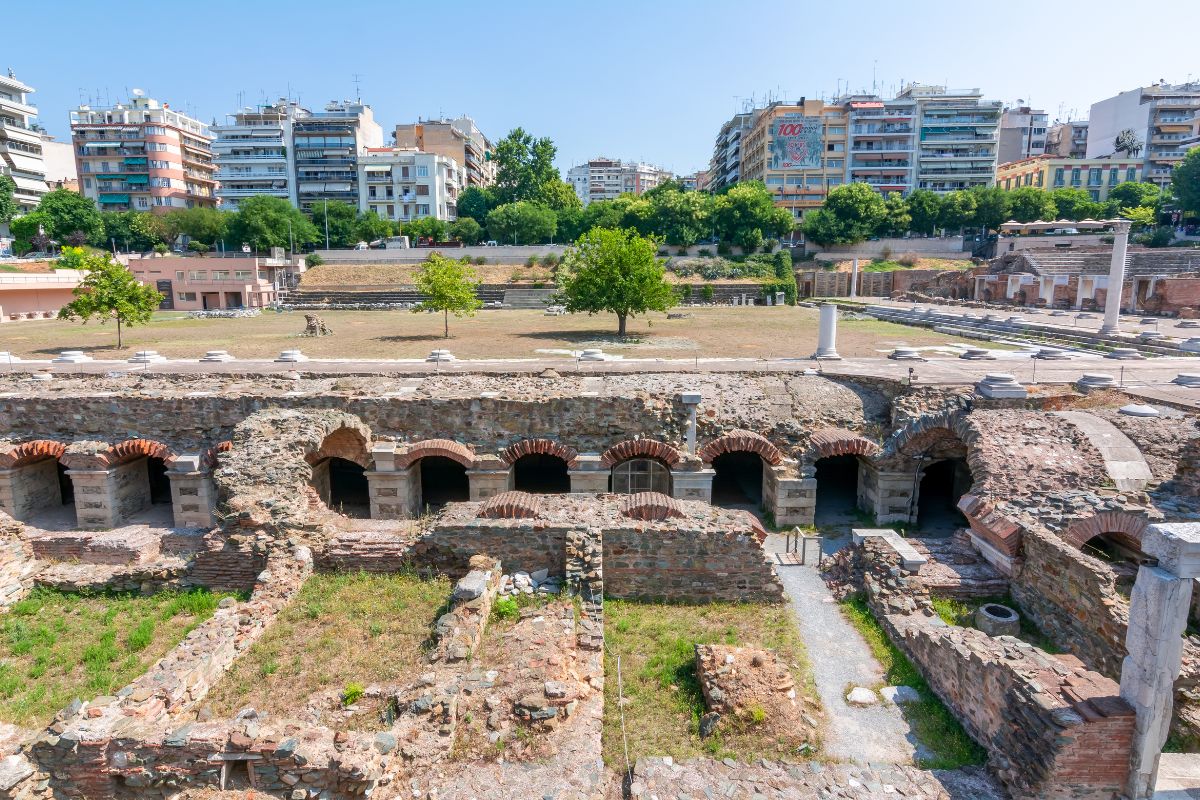
The Roman Forum offers a glimpse into life during Roman times. Here you’ll find the remains of a theater, a marketplace, and public baths. The Forum was the center of social and commercial life.

Trigonion

Trigonion, also known as the ‘Tower of the Winds,’ is part of the ancient city walls. This fortress was a strategic point for the city’s defense.

Ano Poli (Upper Town)

Ano Poli is the oldest and most picturesque part of Thessaloniki. The district, with its narrow streets, colorful houses, and traditional tavernas, has a truly authentic atmosphere. A walk through this part of the city will take you back in time. Additionally, there are several historic churches and places worth visiting.

Church of Saint Demetrius (Agios Dimitrios)

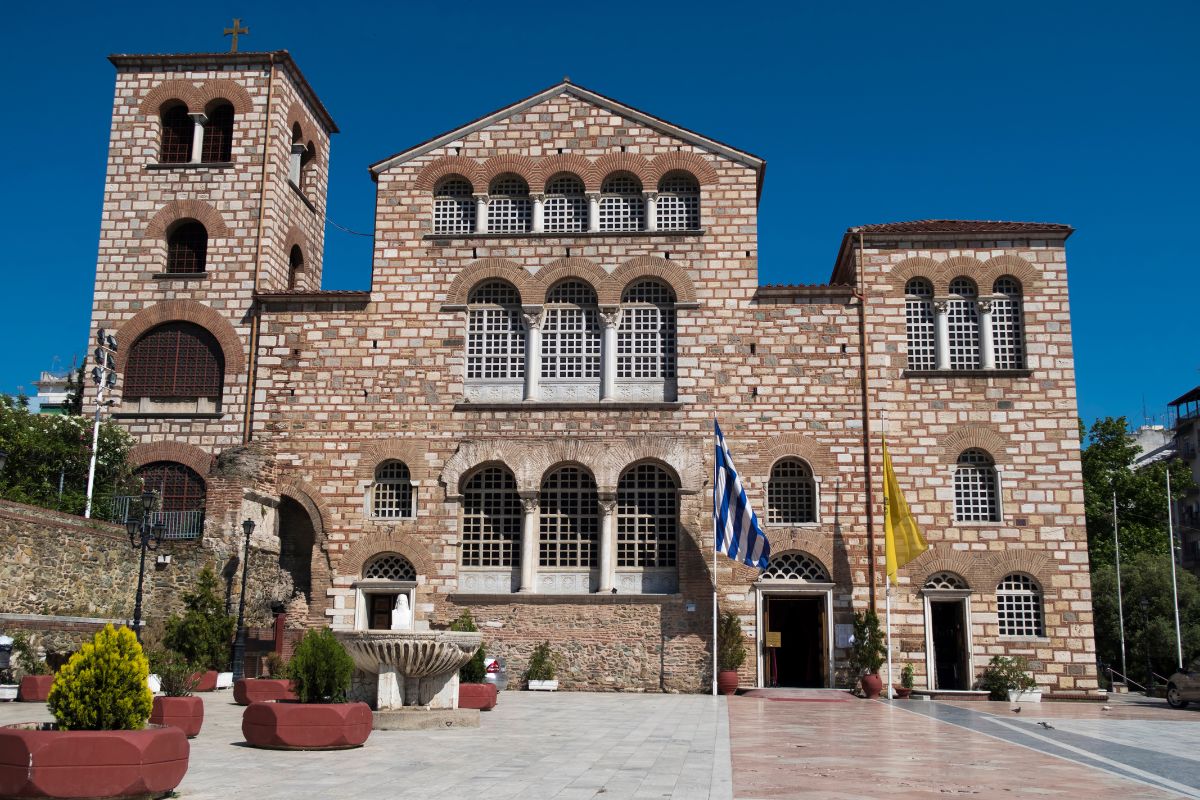
This church, dedicated to the city’s patron saint, Saint Demetrius, is the largest basilica in Greece. The church is a significant pilgrimage site and has been listed as a UNESCO World Heritage site. In the crypt, you can visit the catacombs, which are connected to the legend of Saint Demetrius.

Aristotle Square

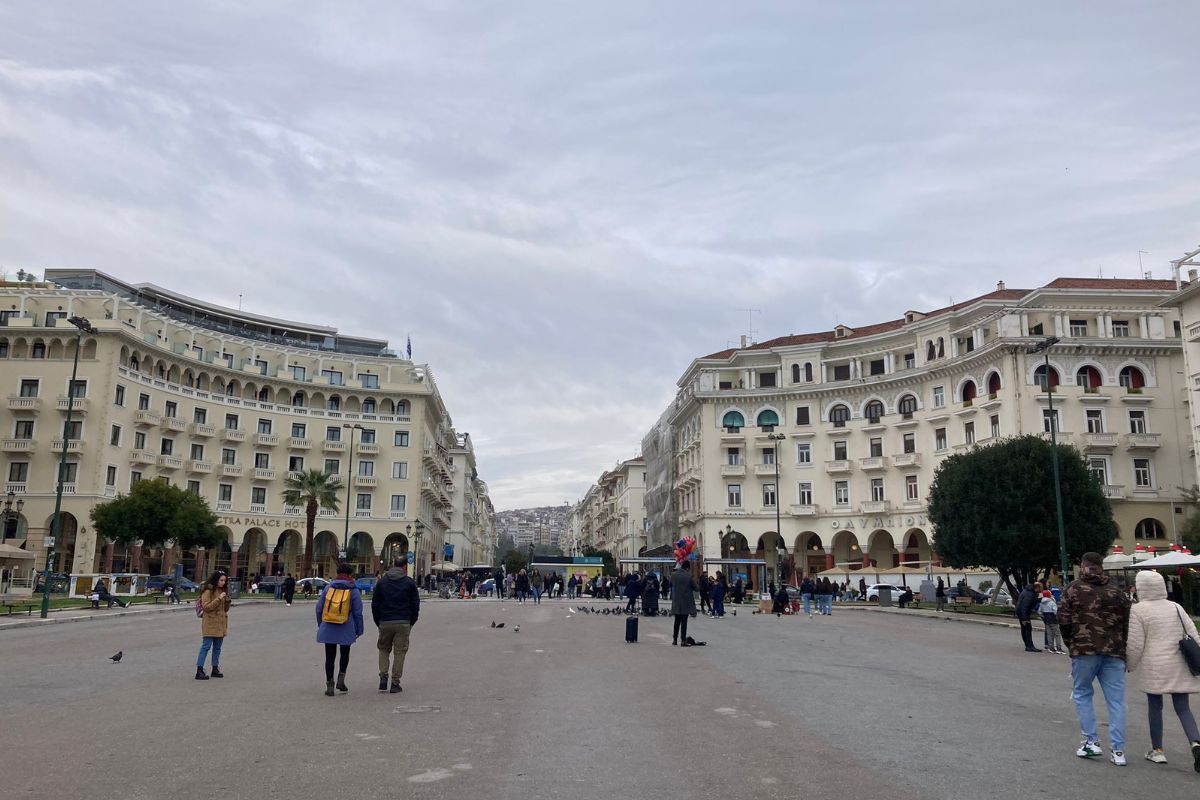
Aristotle Square is the heart of Thessaloniki. Surrounded by neoclassical buildings, cafes, and restaurants, it’s a great place to relax or shop.

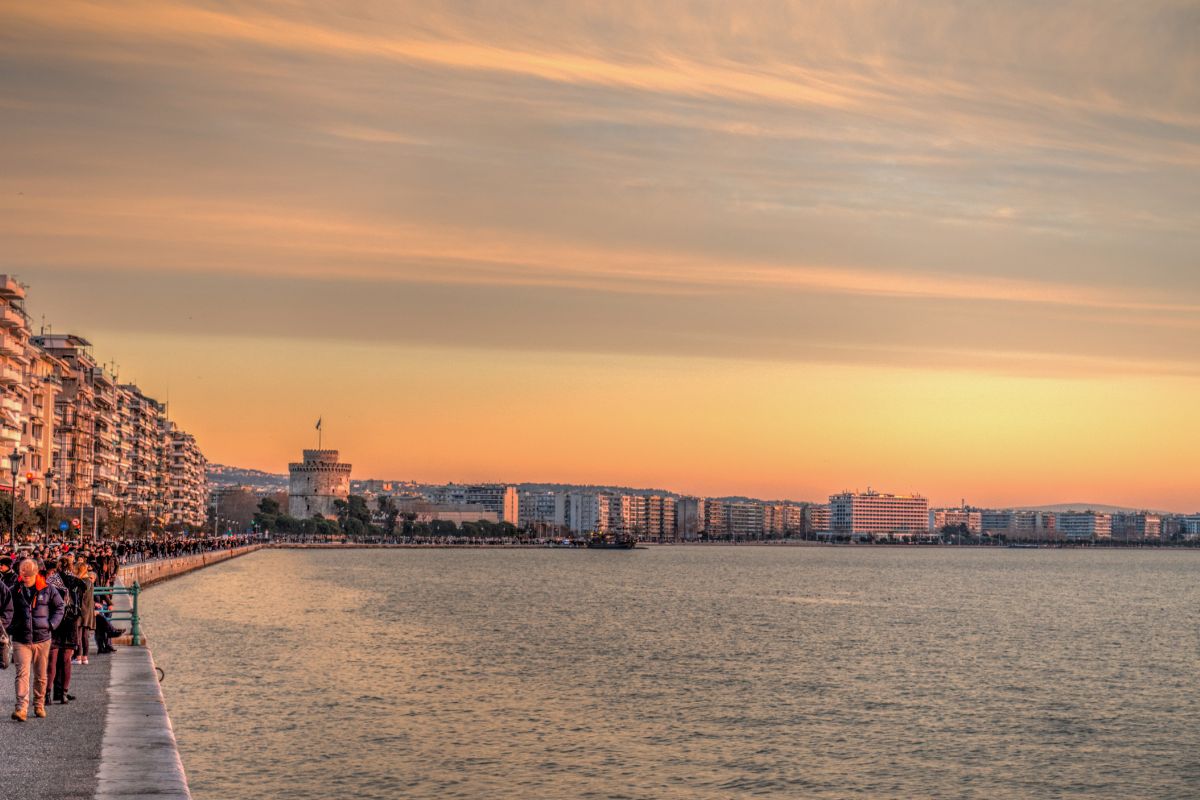
Seaside Promenade

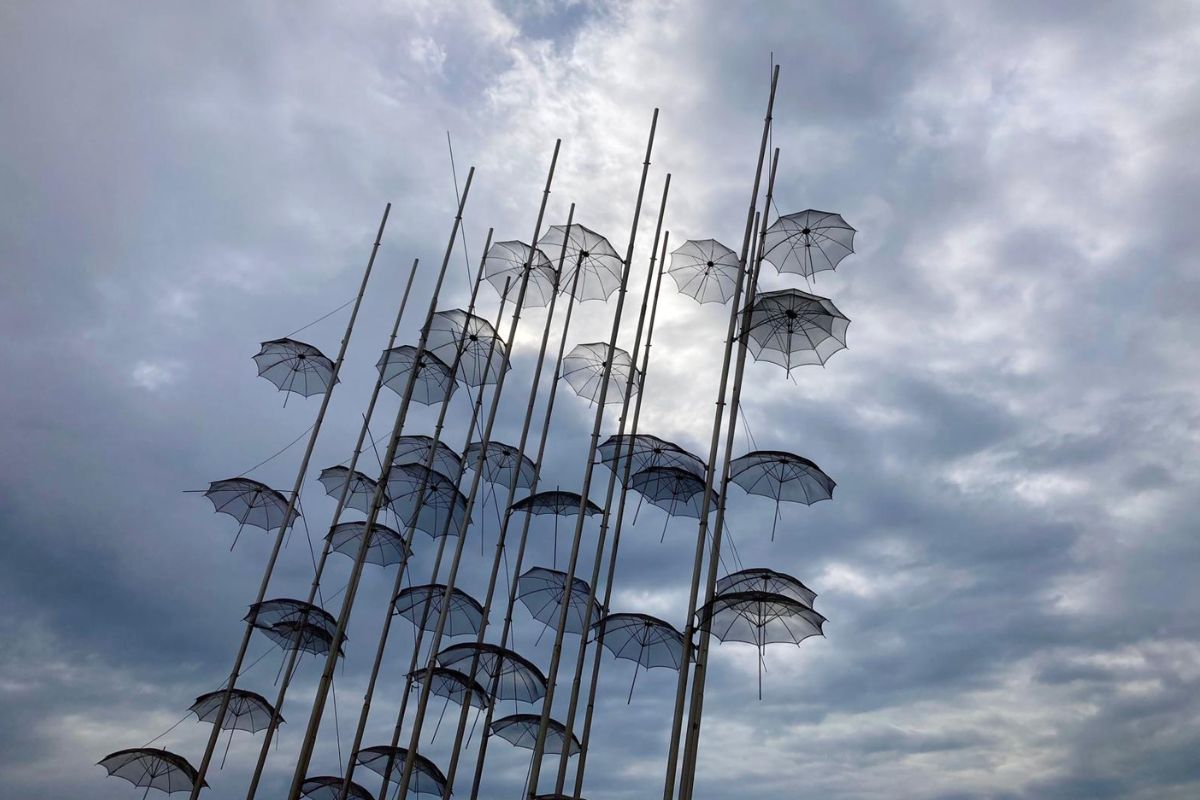
Who wouldn’t love a stroll by the sea? Thessaloniki’s long seaside promenade is an ideal place for walks, jogging, or enjoying a coffee (which you can buy at the Greek chain Coffee Island☕). It stretches from the White Tower to the port, and along the way, you’ll encounter many interesting sculptures, including the famous “Umbrellas” installation.

“Umbrellas” Installation

This modern art installation by George Zongolopoulos has become a symbol of modern Thessaloniki. They are photogenic and especially impressive if you happen to catch the sunset.

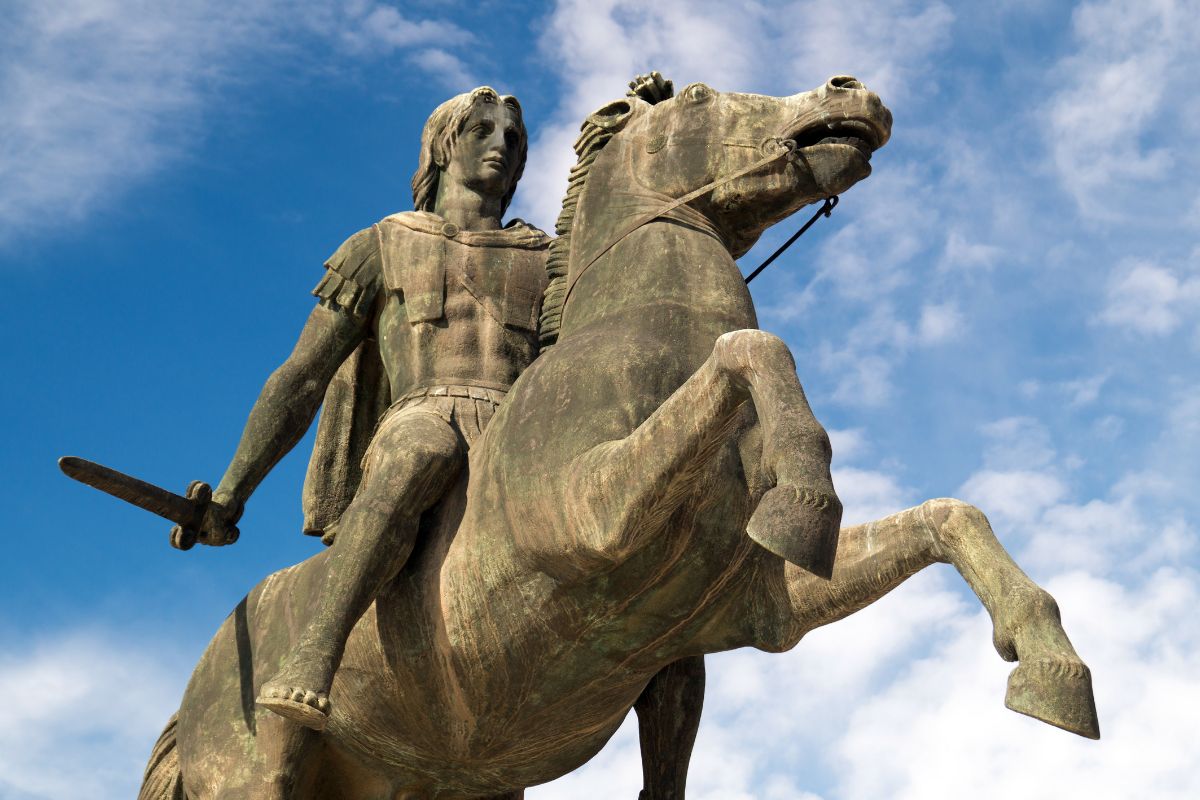
Statue of Alexander the Great

This magnificent equestrian statue commemorates the famous Macedonian king, who originated from this very region. It is located on the waterfront.

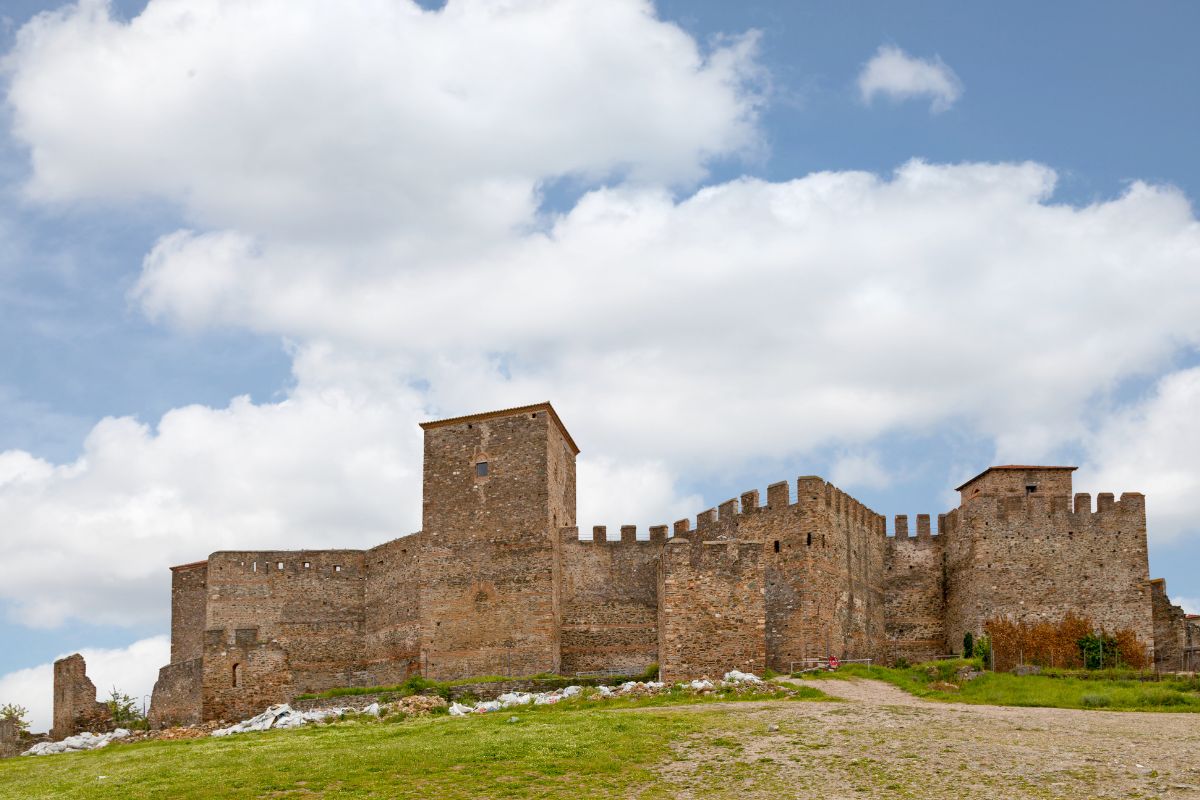
Heptapyrgion

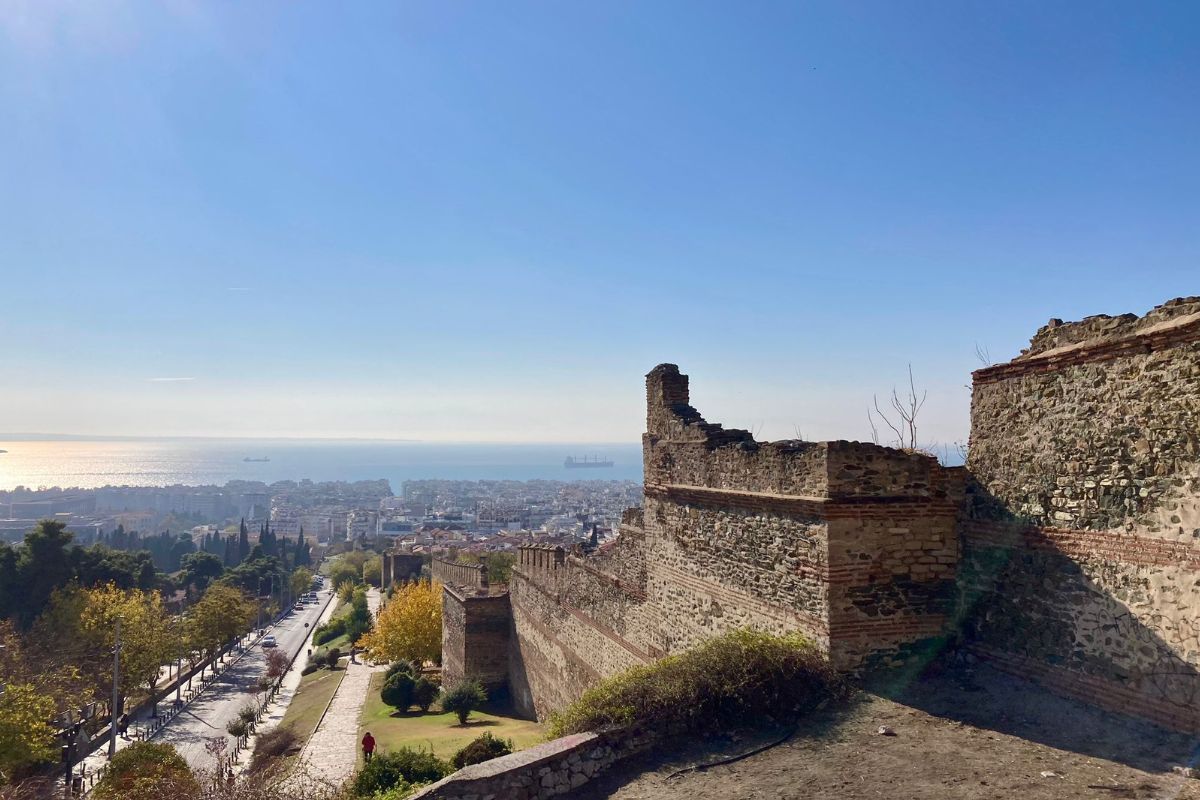
This medieval fortress, also known as “Eptapyrgio,” was part of the city walls. It is located on a hill above Ano Poli and offers breathtaking views of the entire city. The fortress has a rich history, including a period when it served as a prison.

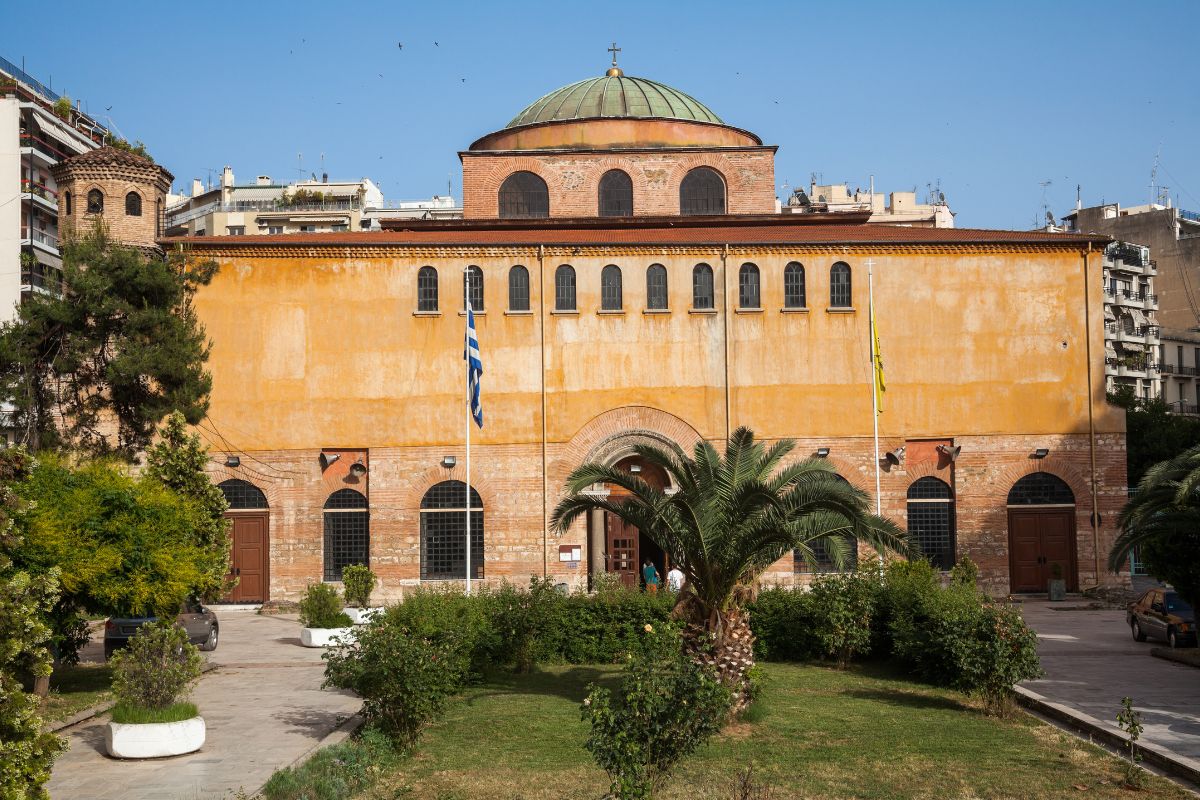
Hagia Sophia

This Byzantine basilica is one of the oldest churches in Thessaloniki. It was inspired by the famous Hagia Sophia in Istanbul and boasts beautiful mosaics and frescoes.

Agios Pavlos

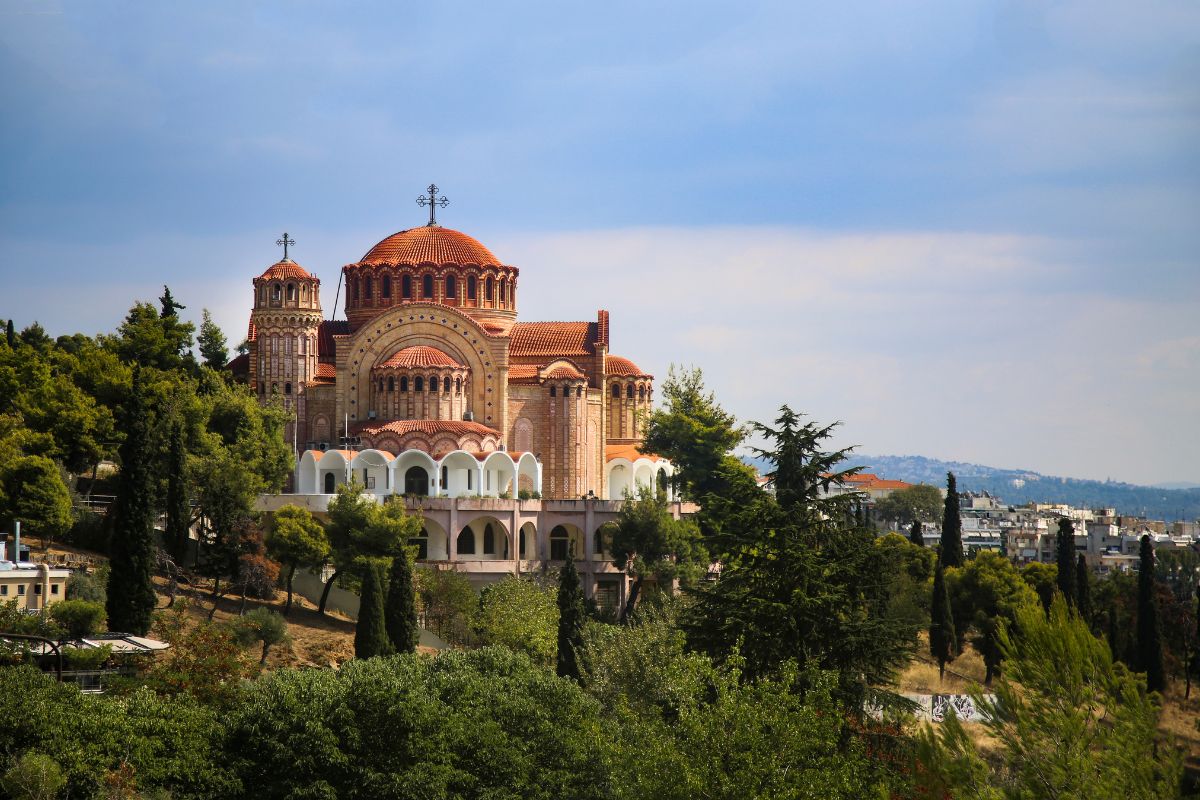
Agios Pavlos is a picturesque church in Thessaloniki dedicated to Saint Paul, who is considered an important apostle of Christianity. The church is located on a hill in a quiet part of the city. The interior of the church is adorned with beautiful icons and frescoes that emphasize the Byzantine tradition.

Modiano Market

Modiano is a traditional Greek market where you’ll find fresh fruit, vegetables, fish, spices, and local delicacies.

Peraia Beach

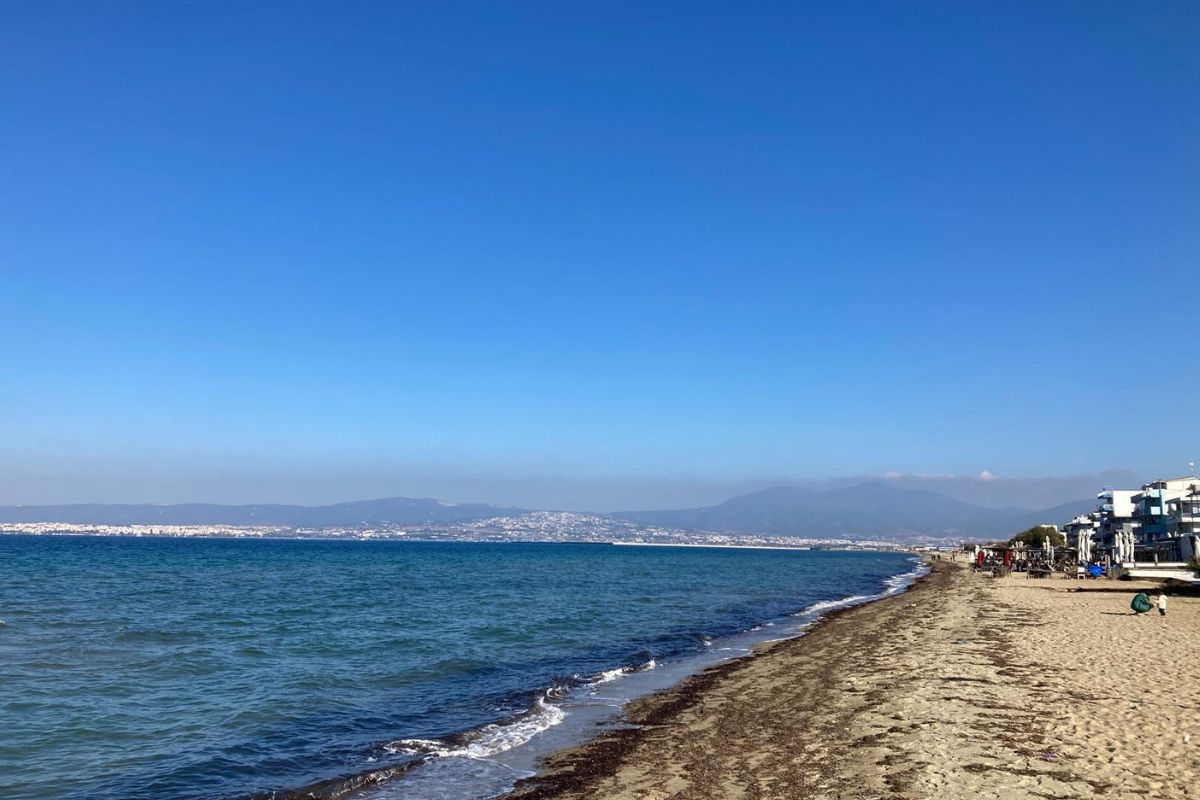
Peraia, just a 30-minute drive from Thessaloniki city center (about an hour by bus), is a popular retreat for both locals and tourists. The beach is long, sandy, with clear waters and a gradual entry into the sea.

Along the coast, you’ll find a variety of cafes, tavernas, and bars where you can enjoy traditional Greek dishes and drinks. Peraia also offers a magnificent view of the entire Thessaloniki coastline, especially at sunset.

Archaeological and Byzantine Museum

Both of these museums offer a glimpse into the city’s rich history:

  • The Archaeological Museum focuses on the period of ancient Greece and contains fascinating artifacts from the Macedonian era, including jewelry, sculptures, and pottery.
  • The Byzantine Museum is dedicated to Thessaloniki’s medieval period, when the city was an important center of the Byzantine Empire. Here you will see unique wall paintings and mosaics.

Port and Warship

The Port of Thessaloniki is not just a place for shipping, but also a cultural hub. You’ll find museums, galleries, and modern cafes here.

While strolling through the port, you can visit the warship Velos, which has been converted into a museum. The ship dates back to World War II. If you’re interested in military technology or naval history, a visit will be an unforgettable experience for you.

Excursions in the Surroundings

Thessaloniki is a good starting point for excursions in the surrounding area. You can venture out on your own or choose from the organized tours offered on the GetYourGuide portal.

Mount Olympus

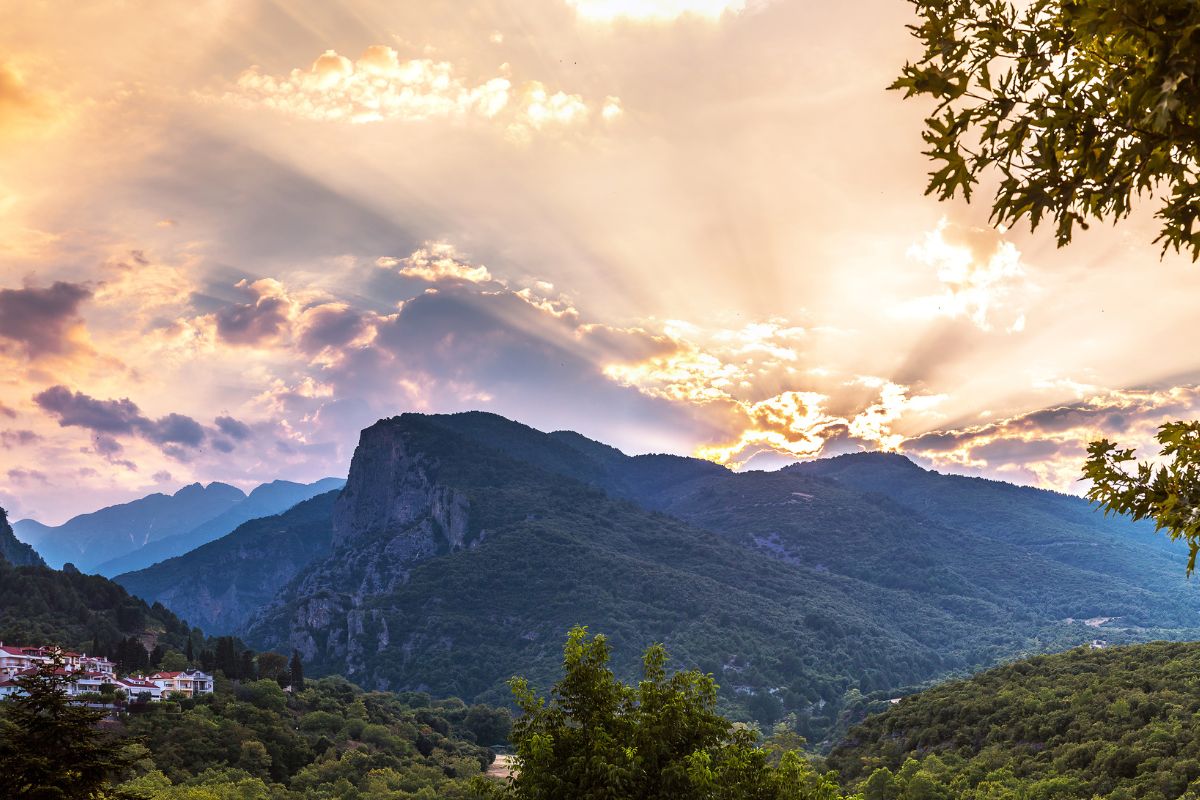
Mount Olympus, rising about 100 km southwest of Thessaloniki, is an icon of Greece. According to Greek mythology, this majestic massif was home to the gods. Today, it is a popular destination for nature lovers and hikers.

You can hike to one of its peaks or enjoy a walk at the foot of the mountain. Olympus National Park is a UNESCO World Heritage site. And with a bit of luck with the weather, you might even catch a glimpse of Olympus directly from Thessaloniki.

Meteora

Meteora, located approximately two hours from Thessaloniki, is one of the most amazing places in Greece. This extraordinary complex of monasteries is situated atop rock pillars that rise above the landscape. The monasteries, some of which are still inhabited by monks, offer unforgettable views and a spiritual atmosphere.

Halkidiki

The Halkidiki peninsula is a paradise for beach and nature lovers. It is divided into three “legs” – Kassandra, Sithonia, and Athos.

  • Kassandra is known for its lively resorts and nightlife.
  • Sithonia offers quiet coves and unspoiled nature, ideal for families with children.
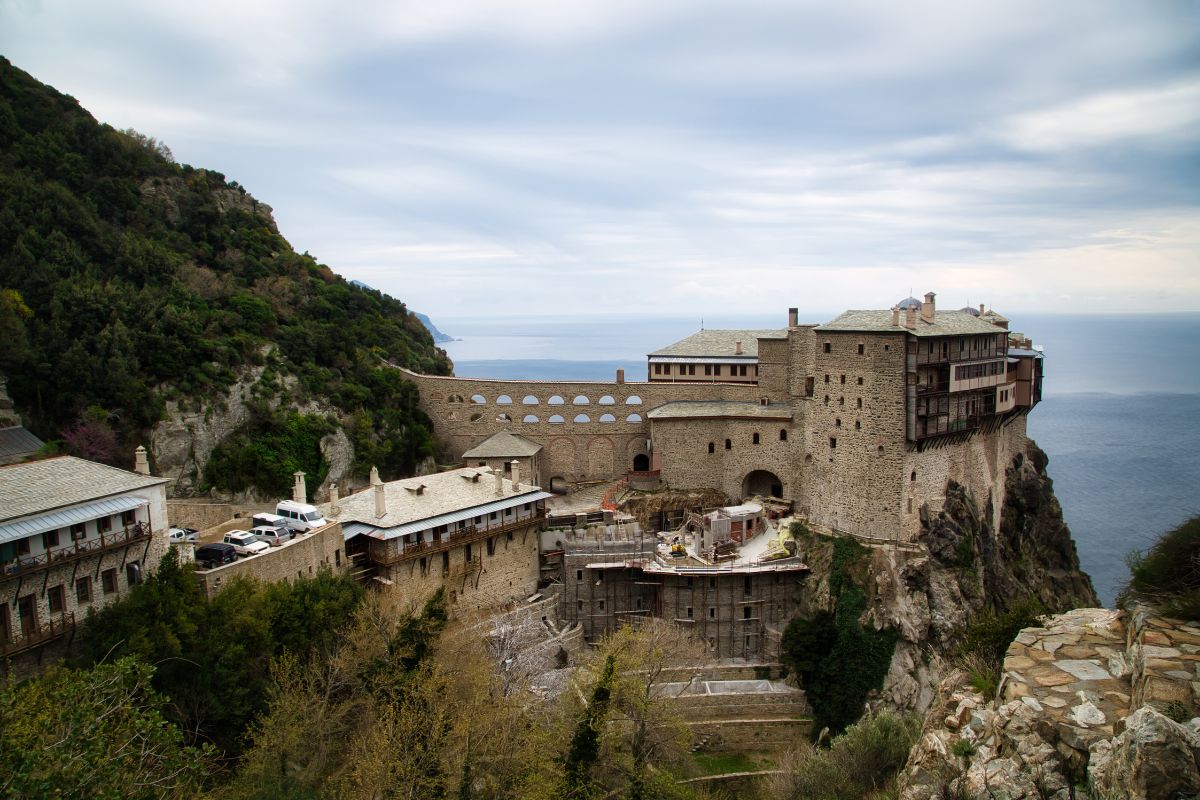
  • Athos is a place with monasteries and strict rules, where only men can enter, and that too with special permission.
lukas a lucka
Lukáš and Lucie recommend
Where to Stay in Thessaloniki
4 accommodations — wellness hotels, hotels and other accommodation options

What to Taste in Thessaloniki

Thessaloniki is literally a paradise for gourmets and lovers of Greek cuisine. Don’t forget to taste:

  • gyros and souvlaki,
  • moussaka,
  • cafe freddo,
  • tzatziki,
  • Greek salad,
  • local desserts – baklava and halva,
  • eggplant dip melitzanosalata,
  • mpougatsa pastry filled with cheese, spinach, or meat,
  • retsina (Greek wine with added resin).

💡 TIP: Try the restaurants Tsinari Tavern and The Pasha House or the Tabya cafe.

FAQ

How many days to visit Thessaloniki?

We recommend 3–4 days for a thorough exploration of the city.

Is Thessaloniki an expensive city?

No, it’s not. Prices are favorable, especially outside the main tourist season.

How to get around Thessaloniki?

The city is easy to explore on foot, or you can use city buses or taxis.

Is there a rich nightlife in Thessaloniki?

Thessaloniki is a student city, so in the evening you can head out for fun to many bars and clubs. We recommend visiting the Ladadika district.

Is Thessaloniki suitable for families with children?

Yes, the city offers many attractions that will keep children entertained.

Tips and Tricks for Your Vacation

Don’t Overpay for Flights

Search for flights on Kayak. It’s our favorite search engine because it scans the websites of all airlines and always finds the cheapest connection.

Book Your Accommodation Smartly

The best experiences we’ve had when looking for accommodation (from Alaska to Morocco) are with Booking.com, where hotels, apartments, and entire houses are usually the cheapest and most widely available.

Don’t Forget Travel Insurance

Good travel insurance will protect you against illness, accidents, theft, or flight cancellations. We’ve had a few hospital visits abroad, so we know how important it is to have proper insurance arranged.

Where we insure ourselves: SafetyWing (best for everyone) and TrueTraveller (for extra-long trips).

Why don’t we recommend any Czech insurance company? Because they have too many restrictions. They set limits on the number of days abroad, travel insurance via a credit card often requires you to pay medical expenses only with that card, and they frequently limit the number of returns to the Czech Republic.

Find the Best Experiences

Get Your Guide is a huge online marketplace where you can book guided walks, trips, skip-the-line tickets, tours, and much more. We always find some extra fun there!
Zakynthos, Greece: 20 Best Things to Do and See

TL;DRZakynthos is a lush Greek island with turquoise water, where you can dive with loggerhead turtles, try surfing, or head to the famous Navagio beach. The best time to go is June to September, when the sea’s a warm 22–26°C — for a quieter trip, aim for June or September, just outside peak season. The prettiest and calmest spot is the southeastern side of the island around Vassilikos and Gerakas, and you can get around on local KTEL buses or with a hire car.

Zakynthos is undoubtedly one of Greece’s most stunning islands, drawing in over 850,000 visitors annually. With its lush greenery, vibrant flowers, and perfectly turquoise seas, it’s no surprise this island captures the hearts of so many travelers.

In Zakynthos, you can snorkel alongside gentle sea turtles, try your hand at surfing, or take a leisurely stroll through the charming villages where locals enjoy a relaxed pace of life. Still wondering if Zakynthos should be your next holiday destination? Let’s explore the best sights, places to stay, and exciting activities that make Zakynthos an unforgettable getaway!

Best Time to Visit Greece

Zakynthos enjoys a Mediterranean climate, with mild, rainy winters and hot, sunny summers. For a beach holiday, the best time to visit is during the summer months, from June to September.

August offers the warmest sea temperatures, making it perfect for families traveling with children. If you prefer a quieter experience outside of peak tourist season, consider visiting in June or September for warm weather and fewer crowds.

MoonAir temperature (°C) Min – MaxSea temperature (°C)
January7.7 – 14.116
February7.7 – 14.615
March8.8 – 16.515
April11 – 19.516
May14.6 – 24.719
June18.5 – 29.622.5
July20.8 – 32.425
August21.4 – 32.826.5
September18.6 – 28.125.5
October15.2 – 23.723
November12 – 19.220
December9.2 – 15.617.5

Holidays Zakynthos: Tips where to look for the best tours

For the best deals to Zakynthos, check out Invia, where you’ll find a curated selection of tours from 150 verified Czech travel agencies, ensuring reliability and quality. This platform also allows you to easily compare tour prices across agencies, making it simple to find the option that best fits your budget and preferences.

Best Hotels in Zakynthos

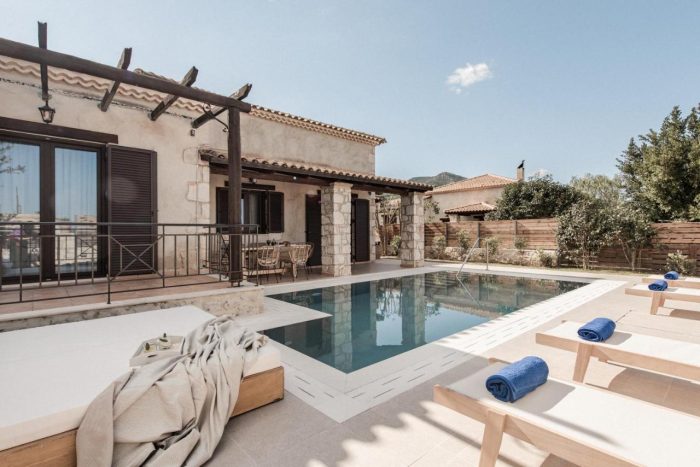
Zakynthos offers a wide range of beautiful accommodations, including hotels, apartments, and villas. One top choice is Viatzo Villas—be sure to check their availability for an unforgettable stay.

For families traveling with kids who prefer an all-inclusive experience, the Bitzaro Grande Hotel & Suites is a fantastic option. However, it’s highly popular, so it tends to book up quickly.

Easy Ways to Get Around Zakynthos

If you’re not traveling with a tour operator—which typically covers most of the island through organized excursions—you can rely on local buses (KTEL) to reach popular destinations like Tsilivi, Laganas, Alykes, Keri, and Vassilikos. The central bus station is located in Zakynthos Town, with additional stops around the island.

For maximum convenience, renting a car is the best option. DiscoverCars is a reliable service in Greece, and we’ve had great experiences with them. You can easily pick up your car at the airport upon arrival.

Taxis are also available throughout the island if you prefer that option.

Fascinating Facts About Zakynthos Island

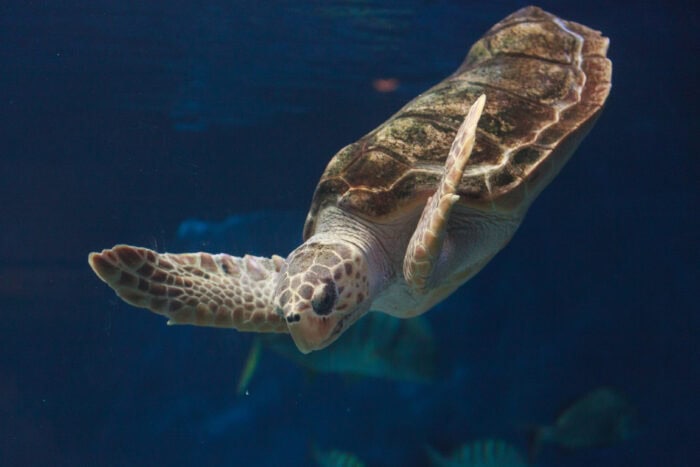
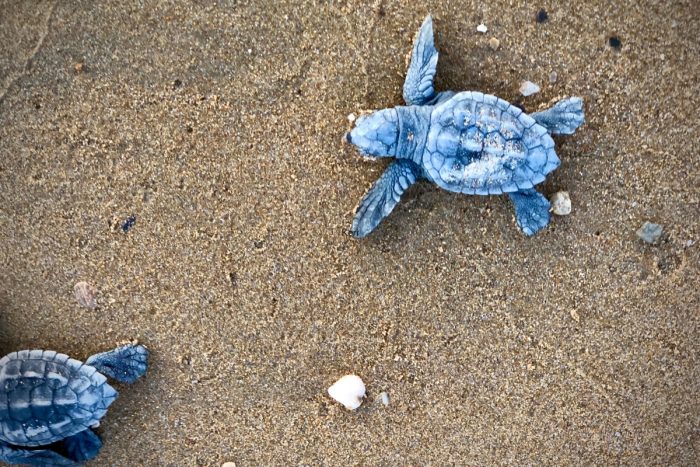
Many of us are familiar with the Giant Tortoise, or Caretta caretta, especially from holiday specials, but did you know that Zakynthos is one of the few places in the Mediterranean where you can actually see these remarkable sea turtles?

These impressive creatures can reach lengths of up to 1 meter and weigh as much as 135 kg. Female sea turtles return every two to four years to the same beach in Zakynthos where they were born to lay up to 100 eggs. After about 60 days of incubation, the baby turtles hatch and make their way to the sea, beginning their challenging journey to adulthood.

The Caretta caretta primarily feeds on jellyfish, crustaceans, and sometimes mollusks, playing a vital role in keeping the marine ecosystem balanced. By controlling jellyfish populations, these turtles help sustain a healthy environment in the Mediterranean.

Read on to discover the best spots in Zakynthos to catch a glimpse of these amazing turtles in their natural habitat!

Best Things to Do and See in Zakynthos

You’ll never run out of things to do in Zakynthos! Explore some of Greece’s most beautiful beaches, catch a glimpse of the famous Caretta caretta sea turtles, or take a leisurely stroll through the historic streets of Zakynthos Town. Let’s dive into the top sights and activities Zakynthos has to offer.

Navagio beach

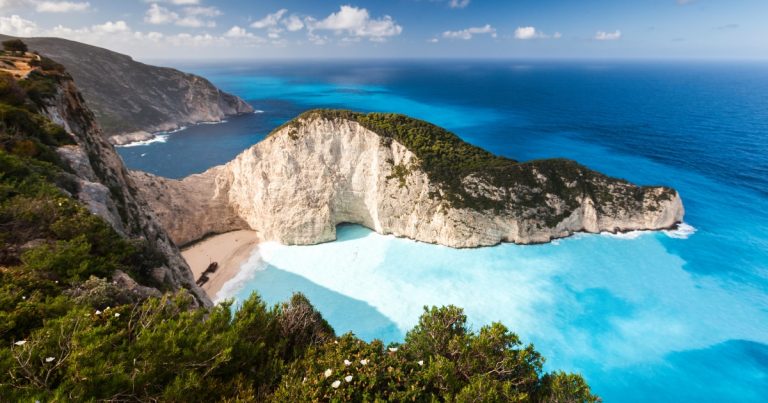
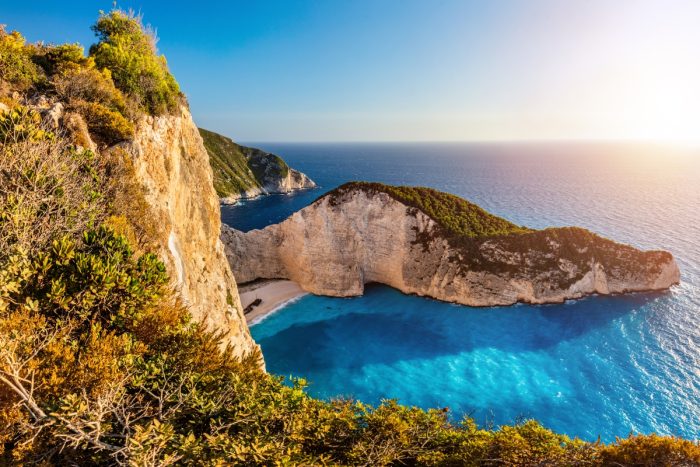
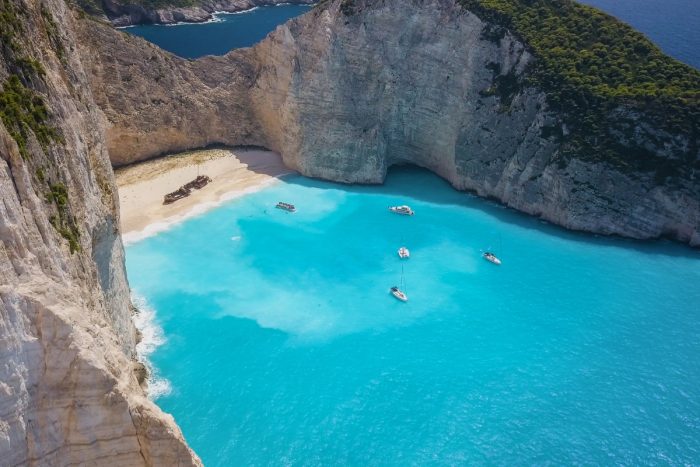
Navagio Beach, or “Shipwreck Beach,” is one of the most iconic and photogenic beaches in Greece, making it Zakynthos’s top attraction. During the summer, the beach attracts large crowds of tourists, so if you’re not expecting this, it can impact your experience. Planning ahead can help you make the most of your visit to this stunning destination.

Navagio Beach, located on the northwestern tip of Zakynthos, is renowned for the Panagiotis shipwreck, which has rested on its sands since 1980 after a stormy wreckage brought it ashore.

Access to the beach is only possible by boat; however, it was closed in 2023 due to the risk of falling rocks. You can conveniently book a boat trip to Navagio through GetYourGuide or arrange one with your tour operator if you’re traveling as part of a group.

Experiences & tickets
traveler-rated · GetYourGuide
Zakynthos: Shipwreck Beach with Blue Caves Land & Sea Tour
★★★★★ 4.9 · 4 211 reviews
from €40
I want this experience →
🔗 These are affiliate links — they don't change your price and help us create content. · All experiences →

Blue Caves

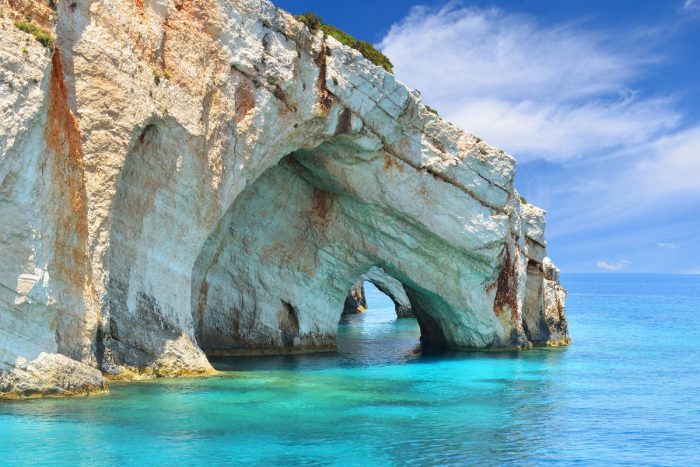
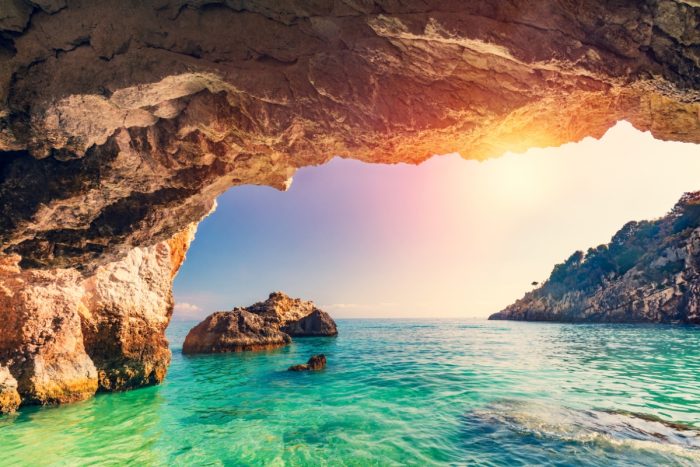
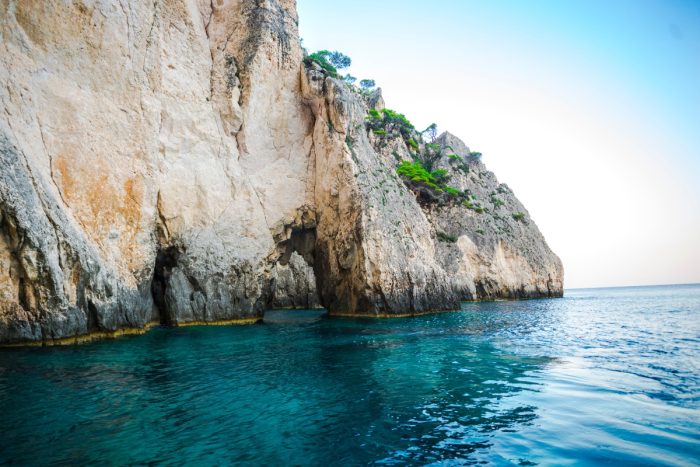
Another highly popular excursion in Zakynthos is a visit to the Blue Caves. These caves are famous for their striking limestone formations and the vibrant turquoise sea, which shimmers brilliantly as sunlight reflects off the water.

The best time to visit is early in the morning, when the sunlight enhances the water’s vibrant color.

Most cruises to the Blue Caves depart from the port of Agios Nikolaos. You can easily book a trip through GetYourGuide or with your tour operator. Many visitors choose to combine this excursion with a trip to Navagio Beach for an unforgettable experience.

Experiences & tickets
traveler-rated · GetYourGuide
Zakynthos: Shipwreck Beach with Blue Caves Land & Sea Tour
★★★★★ 4.9 · 4 211 reviews
from €40
I want this experience →
🔗 These are affiliate links — they don't change your price and help us create content. · All experiences →

Laganas

For those seeking nightlife, Laganas is a must-visit. This bustling resort, which evolved from a quaint village into a vibrant tourist hub, offers an impressive array of restaurants, bars, discos, and shops, all set against the backdrop of a stunning, long beach.

Laganas is popular not only with young visitors but also with families, thanks to its excellent beach facilities and gradual, family-friendly entrance to the sea. The beach is part of the Zakynthos National Marine Park, where the famous Caretta caretta turtles are protected, adding a unique natural charm to this lively area.

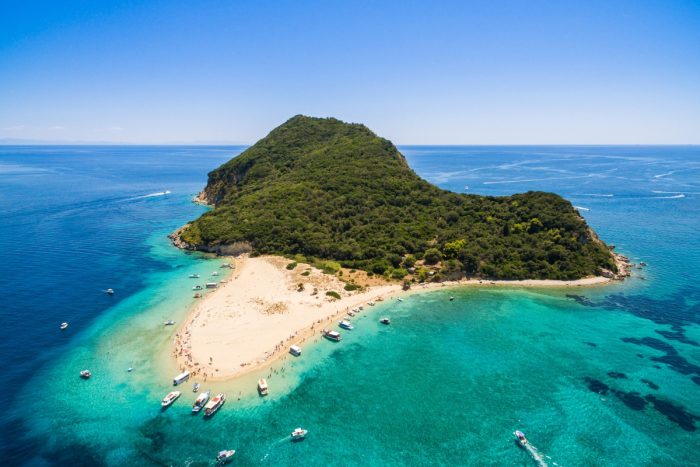
Marathonisi – Turtle Island

Marathonisi, or “Turtle Island,” is a small, uninhabited island in the southern part of Zakynthos, nestled within the Bay of Laganas.

This island is a favorite nesting spot for Caretta caretta turtles, which come here to lay their eggs in the sand. The island itself even has a shape that resembles a turtle!

Marathonisi features two main beaches. The larger, sandy Marathonisi Beach, with its soft golden sand, serves as a nesting ground for the turtles. Nearby, there is a smaller, pebble beach that leads to two scenic coves.

The island’s landscape is mostly rocky, making it an ideal spot for snorkeling, particularly around its caves. Since there are no facilities on Marathonisi, be sure to bring water and some snacks for your visit. Access to the island is by boat, which you can easily book through GetYourGuide or with your tour operator.

Xigia Beach

Xigia Beach, located on the northeast coast of Zakynthos, is one of the island’s most stunning beaches. The water here has a unique milky color, thanks to sulfur springs flowing from nearby sea caves. Access to this beach is only possible by boat, making it a secluded and memorable spot to visit.

Xigia Beach is renowned for its therapeutic properties, with waters rich in sulfur and collagen. These minerals provide natural relief for inflammatory conditions like arthritis and rheumatism, while also benefiting a range of skin ailments.

Gerakas Beach – Turtle Beach

Gerakas Beach, situated on the southeastern tip of Zakynthos, is one of the island’s most tranquil and well-known “turtle beaches.”

This serene spot is a favored nesting ground for giant sea turtles, particularly from May through September. To protect the nesting sites, the beach is carefully managed, and access is prohibited from dusk until dawn. Visitors are reminded to tread carefully along the beach and avoid disturbing the sand to help preserve this vital habitat.

The beach is accessible only by car, with a paved road from the Vassilikos resort leading directly to it. Parking is available along the roadside near the beach. Gerakas Beach is located approximately 16 km from Zakynthos Town.

Keri Cave

The Keri Caves, located on the southwest coast of Zakynthos between the cliffs of Kapo Marathia and Mizithres, are accessible only by sea. Most visitors arrive by boat or kayak. The easiest way to explore the caves is by booking a trip through GetYourGuide, which often includes stops at Marathonisi and Cameo Islands for a full experience.

Most cruises depart from the lively ports of Agios Sostis or Laganas Bay, allowing you to select a departure point that’s conveniently close to your accommodation.


Banana Beach

Banana Beach is one of the most stunning beaches in Zakynthos and a must-visit during your stay. It’s the perfect spot to spend a full day by the sea, offering everything you need for a relaxing beach day.

Located on the southeastern coast of Zakynthos, this beach is famous for its long stretch of soft, golden sand, beautifully contrasting with the crystal-clear waters.

Porto Limnion

Another must-visit in Zakynthos is Porto Limnionas, an isolated bay surrounded by steep cliffs. While not a traditional beach, this rocky cove with its crystal-clear waters is perfect for snorkeling and diving.

You can enter the water from the small pebble beach or, for the adventurous, by jumping directly from the rocks. Arrive early in the morning to enjoy this beautiful spot before it gets busy, as it’s one of the island’s most popular destinations.

Tip: Just nearby, you’ll find another beautiful bay worth visiting—Porto Roxa.

Cape Skinari

Cape Skinari, located at the northernmost tip of Zakynthos, offers breathtaking views of rugged cliffs, limestone caves, and a picturesque lighthouse.

On clear days, you can even see the nearby island of Kefalonia and its majestic Enos Mountains. The renowned Blue Caves are also nearby and are primarily accessible by boat from the port of Agios Nikolaos. For those who prefer a land approach, a pathway with steps leads down to the water from the windmill on the headland.

Cape Skinari’s main landmarks include a traditional Greek windmill with a charming restaurant and a picturesque lighthouse. Built in 1897, the lighthouse stands atop a 67-meter-high point and offers some of the best views in the area. Although the interior isn’t open to the public, the lighthouse is still worth a visit for its historical significance and stunning panoramic vistas.

Town of Zakynthos

During your holiday in Zakynthos, don’t miss exploring the island’s capital, Zakynthos Town, also known as Zante. Be sure to visit St. Mark’s Square, rich in history, and Solomos Square, the city’s largest square, where major cultural events and festivals are held year-round. Take a leisurely stroll along the pedestrian-friendly Roma Street, lined with shops and traditional Greek restaurants.

Church of Agios Dionysios

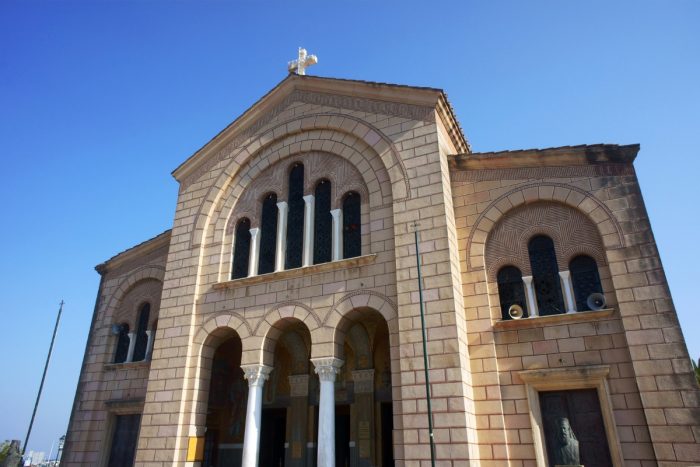
The Church of Agios Dionysios, located near the harbor in the heart of Zakynthos Town, is dedicated to Saint Dionysios, the island’s patron saint, and serves as its religious center.

The original church, built in the 18th century, was destroyed by an earthquake in 1893. Reconstruction began in 1925 and took 23 years to complete. Remarkably, the church survived the devastating 1953 earthquake without any damage, a fact that locals regard as both a miracle and a blessing.

The Church of Agios Dionysios is a three-aisled basilica featuring Corinthian columns that support its roof. It’s also renowned for its 40-meter-high bell tower, a striking landmark overlooking the harbor.

Bohali Castle – the Venetian Castle of Zakynthos

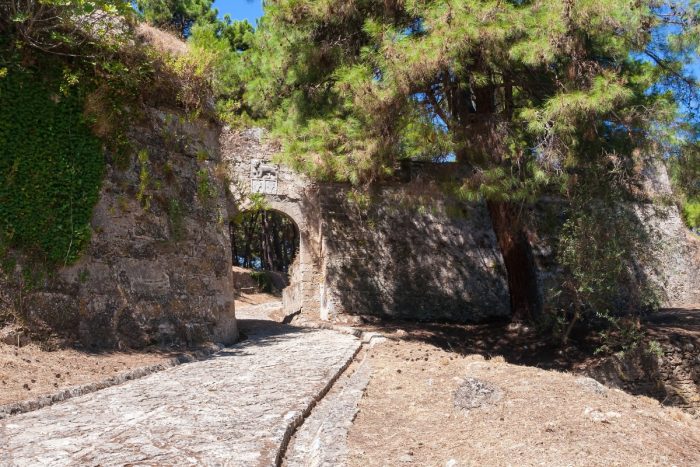
The Venetian Castle on Zakynthos, located just outside the capital, is a remarkable example of Venetian architecture in the Ionian Islands. Built in the 15th century, the castle sits atop a hill in a scenic pine forest, offering breathtaking views of Zakynthos and the Ionian Sea.

The castle’s history dates back to 1460, when it was nearly destroyed by the Turks, but it was later restored and completed by the Venetians in 1646. As you pass through the main gate, look for the Winged Lion of St. Mark, symbolizing the Venetian Empire’s rule over the Ionian Islands. Once the island’s central capital, the castle now shows signs of its tumultuous history, including damage from earthquakes, wars, and pirate raids.

Located about 2 kilometers from the capital’s center, the castle is a short 5-minute drive or a 20-minute uphill walk. If you’re visiting in the summer, plan to go in the morning and bring water.

Entry is just €4, and while there’s no guidebook or map available, information signs throughout the site provide helpful context.

Askos Park – zoo and forest park

Looking for a family-friendly outing? Here’s a great suggestion!

Askos Park, also known as Askos Stone Park, is a unique attraction in Zakynthos. This 124-acre nature reserve serves as a forest park, wildlife sanctuary, agricultural research center, and even an archaeological site.

Open to visitors since 2002, the park is a popular destination for families with children, offering a perfect blend of nature and learning.

The main attraction at Askos Stone Park is its diverse wildlife, living freely in their natural habitats. Visitors can see birds of prey, pigeons, regal peacocks, and in designated areas, observe deer, rabbits, ponies, cows, horses, goats, sheep, water turtles, squirrels, and chinchillas.

The park is also home to rare Platonia deer and North American raccoons. Visitors can feed some of the animals, try their hand at cow milking, or even participate in traditional olive picking.

Askos Stone Park gets its name from its unique stone structures, including stone walkways, walls, old stables, and cellars built from wood and stone. The park also features famous stone-carved tanks, created around 600 years ago to collect rainwater, adding a historical touch to this beautiful natural site.

Solomos Museum

The Solomos Museum, officially named the Museum of Solomos and Eminent Zakynthians, is located in St. Mark’s Square in the northern part of Zakynthos. Founded in 1959, the museum honors two prominent figures from the island, Dionysios Solomos and Andreas Kalvos. It houses collections of local 18th- and 19th-century art, sculptures, musical instruments related to notable Zakynthians, ceramics, and portraits of the island’s most significant figures. Since March 2022, mathematician Eleni Pylarinou has served as the museum’s director.

Dionysios Solomos, born on April 8, 1798, in Zakynthos, was a renowned Greek poet and the author of “Hymn to Liberty,” the first two stanzas of which form Greece’s national anthem. In 1828, he moved to Corfu to focus on his poetry. Since 1968, his remains have been housed in the museum’s mausoleum.

Andreas Kalvos, born on April 1, 1792, in Zakynthos during the Republic of Venice, was the author of five volumes of poetry and drama.

Venetian Bridge in Argassi

The Venetian Bridge in Argassi, also known as the Argassi Bridge, dates back to the 19th century and is located on Argassi Beach, just 350 meters from the town center.

Constructed from local limestone tuff, the bridge originally featured three arches stretching 13 meters in length and standing 10 meters from the shore. Today, only half of the bridge with its three arches remains visible, while the other half has sunk below sea level.

Monastery of Panagia Skopiotissa

The Monastery of Panagia Skopiotissa on the island of Zakynthos is perched atop a mountain, on the site of an ancient temple dedicated to the goddess Artemis. Marble fragments from this ancient temple were used to construct the entrance gate and to decorate the church’s interior. Dating back to the 15th century, the old monastery was built in the Byzantine style and is the oldest church on the island.

Reaching the monastery is challenging, with a steep and rocky path in some places, but the stunning views from the top and the ruins scattered across the landscape make the journey well worth it. In 1534, the monastery was entrusted to the noble Logotheton family, who continue to maintain it today. The church, built in the shape of a cross on the site of Artemis’s temple, stands amid the remains of what was once a flourishing monastery.

Korakonissi

The Korakonissi rock formation, located in the northwest near the village of Kiliomenos, resembles a small island yet is connected to the mainland.

What sets Korakonissi apart is its striking natural arch and rock pools, which have been naturally carved over time. Like much of Zakynthos, the water here is crystal clear, and its depth makes it an ideal spot for snorkeling.

Panagia Yperagathou Monastery

The Monastery of Panagia Yperagathou in Zakynthos, founded in the 17th century and affiliated with the Monastery of Sinai, is dedicated to the Virgin Mary. Inside, visitors can admire historic icons and beautiful murals. Though no longer inhabited, it once held great significance for the island of Zakynthos.

Yperagathou Monastery is located near the village of Kiliomeno, about 8 km southwest of Maherado and roughly 15 km from Zakynthos Town. The route to the monastery winds through flower-filled fields, offering lovely views of Zakynthos’s mountains. The peaceful surroundings include a small plateau shaded by pine and oak trees, making it a serene destination.

Zante Water Village – water park

If your kids love water parks as much as I did when I was young (and I’m sure ours will be the same!), a visit to Zante Water Village is a must. As one of the largest water parks in Greece, it’s packed with fun for the whole family.

It’s best to purchase tickets in advance; we usually use GetYourGuide for its reliability, but if you’re with a travel agent, they may also be able to arrange tickets for you.

While tickets are available at the entrance, lines can get long, and waiting with kids—or even without—can be a hassle.

lukas a lucka
Lukáš and Lucie recommend
Where to stay in Zakynthos
3 accommodations — hotels and other lodging options

Is it suitable to holiday in Zakynthos with children?

I first visited Zakynthos as a child, and it truly is a paradise for families. There’s no need to plan anything too elaborate—exploring caves, snorkeling, and spotting Caretta caretta turtles are activities everyone can enjoy, both kids and adults alike. Plus, the sea is calm, and many beaches have a gentle, gradual entry into the water, making them safe and perfect for families to relax and play.

Frequently Asked Questions

How big is Zakynthos?

The island has an area of 410 km2 and a coastline of 123 km 3. the largest in the Ionian Sea.

Where is Zakynthos?

Zakynthos can be found in the Ionian Sea.

What to do with children in Zakynthos?

Take a boat trip to see the Caretta Caretta turtles, Zante Water Village or the local zoo.

What is the sea like in Zakynthos?

In Zakynthos, the sea is clean and warm in the summer months – ideal for swimming.

Where are the turtles in Zakynthos?

In Zakynthos, there are turtles on Gerakas beach, but only during the nesting season.

When to fly to Zakynthos?

Zakynthos is most often flown from June to September.

What to do in Zakynthos?

In Zakynthos you can watch Caretta Caretta turtles, explore caves, snorkel or just lounge on the beaches with perfectly clear water.

Tips and Tricks for Your Vacation

Don’t Overpay for Flights

Search for flights on Kayak. It’s our favorite search engine because it scans the websites of all airlines and always finds the cheapest connection.

Book Your Accommodation Smartly

The best experiences we’ve had when looking for accommodation (from Alaska to Morocco) are with Booking.com, where hotels, apartments, and entire houses are usually the cheapest and most widely available.

Don’t Forget Travel Insurance

Good travel insurance will protect you against illness, accidents, theft, or flight cancellations. We’ve had a few hospital visits abroad, so we know how important it is to have proper insurance arranged.

Where we insure ourselves: SafetyWing (best for everyone) and TrueTraveller (for extra-long trips).

Why don’t we recommend any Czech insurance company? Because they have too many restrictions. They set limits on the number of days abroad, travel insurance via a credit card often requires you to pay medical expenses only with that card, and they frequently limit the number of returns to the Czech Republic.

Find the Best Experiences

Get Your Guide is a huge online marketplace where you can book guided walks, trips, skip-the-line tickets, tours, and much more. We always find some extra fun there!
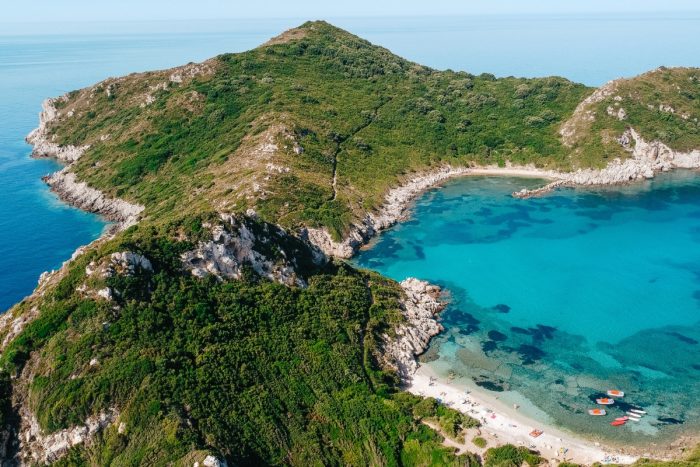
Rhodes, Greece: 21 Best Things to Do and See

TL;DRRhodes has it all: the medieval Old Town with its knights’ monuments, the picture-postcard village of Lindos with its acropolis, and gorgeous beaches all along the coast. The best time to visit is May to October, when temperatures hit 25–30°C and the sea’s lovely for swimming, especially July to September. Hire a car so you can explore properly — the island’s best hidden corners and idyllic beaches are scattered all over the place.

Rhodes, one of Greece’s most beloved islands, attracts over 2.5 million visitors annually. My childhood trip to this enchanting island remains one of my fondest family memories. In this guide, we’ll highlight the best things to do and see in Rhodes, top places to stay, and insider tips on finding affordable tours. Plus, we’ll share the ideal times to plan your visit to make the most of your trip.

Best Hotels in Rhodes

The northern part of Rhodes, including its capital city, and the island’s east coast are the main hubs of tourism. This area is home to the majority of resorts, making it an excellent choice for families with children.

One standout option is the Atlantica Dreams Resort, an all-inclusive hotel that caters to both families and couples, offering a perfect blend of relaxation and activities for all ages.

Best Places to Rent a Car in Rhodes

If traveling by bus isn’t your style or you want the freedom to explore the hidden gems of Rhodes, renting a car is the way to go. We’ve had great experiences using DiscoverCars when renting a vehicle in Greece.

With your own car, you can discover the island’s hidden corners at your own pace. You’ll be amazed by the charming agricultural landscapes dotted with olive groves and the sweeping hills covered in thorny shrubs. Plus, you’ll stumble upon stunning beaches around nearly every bend.

Best Travel Agencies for Affordable Tours in Rhodes

If you prefer not to travel to Rhodes independently, we recommend browsing tours on the Invia portal. It offers the largest selection of tours from 150 Czech travel agencies, making it easy to compare prices and find the best deal for your trip.

Best Time to Visit Rhodes

Rhodes is one of the warmest Greek islands, making it a great destination from late spring to early autumn. For those wondering when to visit, the best time is between May and October, when temperatures range from 25 to 30°C (77 to 86°F). If swimming is a priority, July, August, and September offer the warmest waters.

MoonAverage temperature (°C)Water temperature (°C)
January1217
February1316
March1516
April1817
May2219
June2622
July2924
August3025
September2724
October2323
November1820
December1418

21 Best Things to Do and See in Rhodes

Rhodes offers a wealth of activities and sights, making it difficult to see everything in just one week. To help you make the most of your trip, we’ve compiled a list of the island’s most beautiful spots and top activities, allowing you to choose what interests you most. For those who want to experience it all, we suggest planning a 14-day stay in Rhodes.

Rhodes town

I had the chance to visit Rhodes as a child, and it sparked my love for Greek culture, history, and ancient sites. But if cultural landmarks aren’t your thing, you can still enjoy simply wandering through the charming narrow streets and exploring the many shops and boutiques. ☺️

Castello: Palace of the Grand Master of the Knights of Rhodes

The Palace of the Grand Master of the Knights of Rhodes, also known as Kastello, is a stunning medieval castle and one of the few examples of Gothic architecture in Greece. Originally built as a citadel, it later served as both a residence and a fortress for the Knights of St. John.

The palace was originally built in the late 7th century and underwent repairs after an earthquake in 1481. In 1522, following the Ottoman Empire’s conquest of the island, it served as a headquarters and fortress.

In 1856, a lightning storm triggered an explosion in a powder magazine, which partially destroyed the palace. During the Italian occupation of Rhodes from 1937 to 1940, the damaged sections were restored by Italian architect Vittorio Mesturino, though the restoration faced criticism for lacking historical accuracy.

Rhodes Archaeological Museum

The Rhodes Archaeological Museum is housed in the Great Hospital of the Knights, a historic structure built between 1440 and 1489. As a UNESCO World Heritage Site, the museum boasts an impressive collection of classical, Hellenistic, and archaic artifacts, including sculptures, funerary objects, and decorative items.

Noteworthy exhibits include the renowned Tomb of Calliaris, the statue of Venus, the bathing Aphrodite, “Drunken Dionysos,” and the headless statue of Artemis. On the ground floor, visitors can explore artifacts from the Ottoman era and the period of the Knights, along with various other historical finds.

PeriodOpening daysOpening hoursAdmission (Adults)Admission (Reduced)Special ticket package
April 1 – 31. OctoberMonday – Sunday8:00 – 17:30 (last entry at 17:00)6 €3 €10 €
November 1 – 31. MarchTuesday – Sunday (Monday closed)8:00 – 15:00 (last entry at 14:30)6 €3 €10 €

Clock tower (Roloi) in Rhodes

The Clock Tower (Roloi) in Rhodes is the highest point in the Old Town, though it may not catch your eye at first glance. The ideal time to visit is after dark when its illuminated facade creates a truly captivating sight.

The Clock Tower, dating back to 1852, was originally used to notify the Greek population of Turkish time during Ottoman rule. Today, visitors can climb a steep wooden staircase to the top, where historical photographs documenting the tower’s extensive restoration are displayed.

While the view from the top is somewhat limited due to small windows, the tower remains a popular spot for watching the sunset. The €5 entrance fee also includes a complimentary drink at the outdoor café by the tower’s entrance.

Ruins of the Church of Our Lady at the Castle

The ruins of the Church of Our Lady at the Castle, also known as the Virgin of the Burgh, are located in the medieval town of Rhodes, near the Gate of the Virgin Mary. Originally built as a Gothic Roman Catholic church in the 14th century, it was likely one of the first structures erected by the Knights of St. John. During the Turkish occupation of Rhodes, the church was converted into a mosque.

Only three apses and portions of a small chapel remain from the original church, as much of the structure was destroyed during World War II bombings. This site is particularly significant, as it is one of the few surviving Roman Catholic churches from that era on the Greek islands. The name “Burgh” refers to the bourgeoisie who lived in this part of town, distinguishing them from the knights.

The church ruins are open to the public with no admission fee or set visiting hours, allowing visitors to explore this historic site freely at any time.

Kahal Shalom Synagogue

Kahal Shalom Synagogue in Rhodes, the oldest synagogue in Greece, is located in the Jewish quarter known as La Juderia. Built in 1577, it remains active to this day.

This Sephardic synagogue endured challenging times, particularly during the Turkish occupation and World War II, which saw the tragic decline of the island’s Jewish community. Today, it also houses the Jewish Museum of Rhodes, preserving the rich history of the Jewish presence on the island.

AdmissionOpening hoursNotes
6 € (children under 12 free)10:00 – 15:00 (1 April – 31 October), Winter season: closed, visits by appointmentClosed on Saturdays and public holidays

Schmetterlingstal (Valley of the Butterflies) Rhodes

One of my favorite experiences in Rhodes was visiting the Valley of the Butterflies (Petaloudes). You can explore this beautiful spot on your own through a GetYourGuide booking or join a tour arranged by a tour operator.

The Valley of the Butterflies, also known as Petaloudes or Schmetterlingstal, is located on the western side of Rhodes, about 5 kilometers southeast of the village of Theologos.

The Valley of the Butterflies is one of Rhodes’ most popular attractions, where you can witness thousands of Panaxia butterflies (Quadripunctaria Poda) gathering during the summer months to breed. Due to its popularity, it’s highly recommended to purchase tickets in advance.

This serene valley is home to the unique Zitia tree, which creates cool, shaded paths that are ideal for the butterflies and a favorite spot for them to rest.

Here’s what you need to know about entrance fees and opening hours for the Valley of the Butterflies:

PeriodOpening hoursAdmission (Adults)Admission (Children under 12 years)
June 1 – 14. September8:00 – 18:005 €Free
September 15 – 31. May8:30 – 16:303 €Free

As previously mentioned, you can buy tickets and book tours to the Rhodes Valley of the Butterflies through GetYourGuide.

Lindos, the heart of Rhodes

This charming port town on the island’s east coast, located about 52 km from the airport, is a must-see when visiting Rhodes.

Lindos is known for its stunning medieval fortress and ancient acropolis, with a temple perched high above the whitewashed houses. You can hike up to the top or opt for a donkey ride for a unique experience.

For photography enthusiasts, Lindos is a paradise. Be sure to allow plenty of time to capture the striking contrast between the white buildings and the fortress atop the rocky hill.

The temple offers breathtaking views of St. Paul’s Bay, with its crystal-clear waters that are perfect for snorkeling.

Lindos also features two beautiful sandy beaches, providing the perfect spot to cool off in the sea or relax in the sun after exploring the town. For a unique souvenir, consider picking up hand-embroidered tablecloths and fabrics—traditional crafts that trace back to the time of Alexander the Great.

Acropolis in Lindos

In the historic village of Lindos, you’ll find charming whitewashed houses along narrow, winding streets, all beneath the ancient Acropolis perched on a hilltop. Explore the impressive ancient ruins while enjoying stunning views of the Aegean Sea’s vibrant blue waters.

Filerimos

For hiking enthusiasts and those who appreciate panoramic views, Filerimos Hill in Rhodes is a must-visit. This 267-meter-high hill is located just 8 km southwest of the capital. The trail to the summit spans four kilometers, offering a scenic and rewarding hike.

At the summit, where the acropolis of ancient Ialyssos once stood, you’ll find monuments from various historical eras: the ruins of a monastery from the Knights’ period, remnants of the Temple of Athena, a Crusader church, and parts of Byzantine fortifications. The main highlight is the 15-meter-high cross-shaped tower, offering stunning views that stretch all the way to the coast of Asia Minor.

Kameiros

Kameiros is one of the three ancient cities on Rhodes, situated on the island’s west coast at the base of Mount Akramytis, near the stunning sandy beach of Ayios Minas. Founded in the 10th century BC, Kameiros is even mentioned by Homer. The city thrived during the 7th century BC but suffered destruction from earthquakes in 226 BC and again in 142 BC.

Ancient Kameiros was once among the most powerful cities of its time. In the 5th century BC, it joined forces with Lindos and Ialyssos to form the influential city-state of Rhodes. Kameiros was primarily an agricultural hub, known for producing olive oil, wine, and figs. During its golden age in the 6th century BC, it became the first city on Rhodes to mint its own coins and controlled the western and central parts of the island.

Built on three levels along the northwest coast, about 50 km from the city of Rhodes, the ruins of this ancient city now form a significant archaeological site, attracting visitors with its rich history and stunning location.

The most beautiful beaches, coves and thermal springs in Rhodes

Rhodes is one of the most renowned Greek islands, boasting numerous breathtaking beaches perfect for swimming, snorkeling, and windsurfing. Let’s explore some of the most beautiful beaches that Rhodes has to offer.

Prasonisi

Prasonisi, also known as Prassoníssi, is a cape situated at the southern tip of Rhodes, approximately 92 km from Rhodes Town and 40 km from Lindos. The name Prasonisi translates to “green island” in Greek. In the summer months, when water levels drop, this unique spot transforms into a peninsula, connecting it to the main island of Rhodes.

Prasonisi is renowned for its beautiful beach, considered one of the most stunning in Rhodes. Prasonisi Beach is a true paradise for windsurfing enthusiasts, especially in July and August when the northern winds, known as meltemi, sweep through the area.

During these months, the beach is bustling with activity, offering the perfect opportunity to watch skilled windsurfers in action every day.

St. Paul’s Beach

St. Paul’s Beach, also known as Agios Pavlos Beach, is situated on the southeast coast of Rhodes, close to Lindos. The beach offers a picturesque view of the rocky hilltop crowned by the Acropolis of Lindos, adding a touch of history to its stunning coastal scenery.

The beach features soft golden sand and crystal-clear turquoise waters, making it perfect for families with children, who can safely swim in the shallow areas near the shore.

According to local legend, St. Paul landed here with his ship in 51 AD, which is how the beach got its name. While you’re there, don’t miss the chance to visit the charming St. Paul’s Church, a quaint white chapel perched on a hill overlooking the bay, adding a serene touch to the beautiful landscape.

Tsambika beach

With its soft golden sand and warm Mediterranean waters, Tsambika Beach is easily one of our favorites.

Tsambika Beach is located 25 km south of Rhodes Town, nestled beneath the rocky hill where the Tsambika Monastery sits. The beach offers sun loungers and umbrellas for rent at 20 euros, and thrill-seekers can enjoy activities like jet-skiing and parasailing. An inflatable water park is also available, providing fun for both children and adults. Visitors can find a variety of bars and restaurants along the beach, as well as convenient amenities such as showers and restrooms.

Kalithea Hot Springs

The hot springs of Kalithea, located just 9 km from Rhodes Town, are among the island’s top tourist attractions. Known as Kalithea Springs or Kallithea Terme (Πηγές Καλλιθέας in Greek), this site has been renowned for its therapeutic and medicinal properties since the 7th century. While the thermal springs are no longer active, visitors can still explore the historic bathing areas and enjoy the rich heritage of this beautiful location.

This enchanting location is surrounded by lush gardens, featuring waterfalls and elegant oriental-style buildings. Today, it stands as one of the most iconic landmarks in Rhodes. Although the original spa facilities are no longer in use, the beautifully restored site, nestled among palm and pine trees, now hosts charming restaurants and cafes, offering visitors a unique blend of history and relaxation.

Anthony Quinn’s Cove

The bay, named after the famous actor Anthony Quinn, who fell in love with Rhodes while filming The Guns of Navarone in 1961, is a charming spot. Though relatively small, it spans about 10 meters in width and 250 meters in length, offering an intimate and picturesque setting.

Actor Anthony Quinn was so captivated by this secluded cove that he purchased a plot of land here.

If you’re traveling from Rhodes Town, the fastest route to Anthony Quinn Beach is via the Rhodes-Lindos provincial road, followed by the turn towards Kallithea. The drive takes about 20 minutes and covers roughly 15 kilometers. Once you arrive, you’ll find free parking on site and a short set of steps leading down to the bay.

Monolithos Castle

Monolithos Castle on Rhodes, built in the 14th century by the Knights to control the sea and protect locals from pirate raids, is one of the four main castles on the island.

Perched atop a 236-meter-high cliff, Monolithos Castle offers stunning views of the coastline and commands the landscape near the village of Monolithos in southwestern Rhodes. The walk to the castle entrance is short and accessible. Inside, you’ll find ancient reservoirs and the ruins of the whitewashed Church of St. Panteleimon.

Monolithos Castle is open to visitors every day, around the clock, with free admission.

Monolithos CastleInformation
Opening hoursMonday to Sunday, 24/7 (open area)
AdmissionFree
AddressVillage of Monolithos, Western Rhodes
TransportTaxi, Bus, Car, Motorcycle, Bicycle

Tips for excursions in Rhodes

In Rhodes, you can enjoy activities like kayaking, diving, or even taking a romantic boat trip that includes a barbecue featuring Greek specialties. If you’re traveling with a tour operator, tours can be easily booked through your guide, or you can book independently, as we did, using GetYourGuide.

Kayaking on the pirate route

Kayaking is one of our favorite activities in Greece, and it’s easy to book, whether through your guide or GetYourGuide. We prefer using GetYourGuide, as we haven’t traveled with a tour operator for over a year, though I did visit Rhodes with a travel agency a long time ago.

This kayaking adventure follows the famous Pirate Route, starting at Kathara Beach in Faliraki. There, you’ll meet your guide and receive a safety briefing before setting off in your own two-seater kayak.

Throughout the trip, you’ll have the opportunity to swim directly from your kayak, explore sea caves and hidden beaches, and enjoy a picnic lunch on a popular local beach. You can also snorkel or take a leap into the water from the rocks for a bit of extra fun.

Fast boat trip to the island of Symi

In Rhodes, you can take a scenic trip to the island of Symi, either through your tour operator or conveniently via GetYourGuide. This 6.5-hour cruise offers breathtaking views of Rhodes Old Town and the picturesque Symi Island, famous for its neoclassical houses mirrored in the calm sea.

Onboard a modern speedboat, you can soak up the sun on the outdoor deck or unwind in the air-conditioned interior, enjoying panoramic views of the Rhodes city walls, Old Town minarets, the medieval clock, and the Sea Gate. Along the way, you’ll also pass landmarks such as the 46-meter-high Naillac Tower, the Rhodes Windmills, St. Nicholas Fortress, and the Rhodes Aquarium.

Once you arrive at Symi Bay, you’ll have over three hours to explore the island’s unique charm before making your return to Rhodes.

Eight-hour expedition around the north of the island

Discover the hidden gems of Northern Rhodes on a full-day 4WD safari tour. This 8-hour adventure takes you deep into the island’s interior, offering breathtaking panoramic views and revealing lesser-known, yet enchanting locations.

When you book through GetYourGuide, you’ll enjoy convenient pick-up directly from your hotel, with service available in Rhodes Town, Ialyssos, Ixia, Kalithea, Faliraki, Afandou, and Kolymbia.

The tour price includes hotel transfers, a delicious lunch (with wine) at a traditional taverna, and the guidance of a multilingual expert, ensuring a memorable and seamless experience.

Romantic sunset cruise with Greek barbecue

For a more romantic experience, consider booking a sunset boat trip with a Greek BBQ through GetYourGuide. Departing from Mandraki Harbour in Rhodes, you’ll sail to the beautiful Kalithea Springs, where you can take a refreshing swim in the crystal-clear waters or simply relax on deck and take in the stunning views.

During the cruise, enjoy unlimited drinks from the open bar, featuring Aperol Spritz, beer, wine, and a variety of other cocktails and beverages. The highlight of the trip is a delicious, authentic Greek BBQ, adding a perfect touch to your evening on the water.

Sightseeing tour of Rhodes by Hop-on Hop-off bus

Lukas and I are big fans of using hop-on hop-off buses. They provide a comfortable way to see all the key sights in just about an hour. With the flexibility to hop on and off throughout the day, you can explore the city at your own pace.

The buses are air-conditioned, making for a pleasant ride, and they take you to all the must-see spots, including Elli Beach, the Aquarium with its fascinating Mediterranean marine life, the old town, and the historic site where the Colossus of Rhodes once stood.

Diving in Rhodes

Scuba diving with GetYourGuide is another great option, suitable for both beginners and more experienced divers. Before the dive, you’ll receive a thorough safety briefing and have ample time to practice breathing underwater.

Please note that this activity is not recommended for children under 8 years old, pregnant women, or individuals with heart conditions, respiratory issues, or epilepsy.

lukas a lucka
Lukáš and Lucie recommend
Where to stay in Rhodes
2 accommodations — hotels and other accommodation options

What does Rhodes look like after the 2023 fire?

By October, many areas of Rhodes showed little evidence of the fire. You can see how it looked in the autumn in the video.

Frequently Asked Questions

When is it windy in Rhodes?

In Rhodes, north-westerly winds, known as Meltemi, usually 4-6 in strength, prevail during the summer months. These winds are weaker in May and June, stronger in July and August and disappear in autumn when the high Balkan barometric pressure drops.

Where does it blow in Rhodes?

On Rhodes, the west side of the island is windier with rougher beaches, while the east side is calmer but usually warmer.

When to fly to Rhodes

It’s best to fly to Rhodes in July or August if you’re planning to go swimming and want guaranteed sunny weather. June and September are also pleasant.

When to go to Rhodes?

The best time to go to Rhodes is in July or August, when the weather is at its best.

What is Rhodes?

Rhodes is a Greek island, one of the most visited islands in Greece.

Where is it not blowing in Rhodes?

On Rhodes, it doesn’t blow on the east side.

Is Rhodes safe?

Yes, Rhodes is safe, as are all the islands of Greece.

How big is Rhodes?

The island of Rhodes is spear-shaped, 49.5 miles (79.7 km) long and 24 miles (38 km) wide, with a total area of approximately 541 square miles (1,400 km²) and approximately 137 miles (220 km) of coastline.

Do I need water shoes for Rhodes?

Yes, water shoes are recommended in Rhodes, especially if you are visiting pebble beaches or rocky areas where there may be sharp rocks and urchins.

What is the sea like in Rhodes?

The sea in Rhodes is beautiful, clean and warm.

Tips and Tricks for Your Vacation

Don’t Overpay for Flights

Search for flights on Kayak. It’s our favorite search engine because it scans the websites of all airlines and always finds the cheapest connection.

Book Your Accommodation Smartly

The best experiences we’ve had when looking for accommodation (from Alaska to Morocco) are with Booking.com, where hotels, apartments, and entire houses are usually the cheapest and most widely available.

Don’t Forget Travel Insurance

Good travel insurance will protect you against illness, accidents, theft, or flight cancellations. We’ve had a few hospital visits abroad, so we know how important it is to have proper insurance arranged.

Where we insure ourselves: SafetyWing (best for everyone) and TrueTraveller (for extra-long trips).

Why don’t we recommend any Czech insurance company? Because they have too many restrictions. They set limits on the number of days abroad, travel insurance via a credit card often requires you to pay medical expenses only with that card, and they frequently limit the number of returns to the Czech Republic.

Find the Best Experiences

Get Your Guide is a huge online marketplace where you can book guided walks, trips, skip-the-line tickets, tours, and much more. We always find some extra fun there!
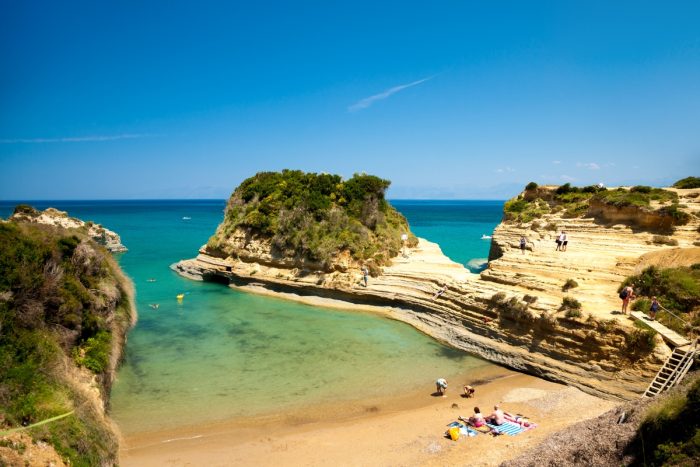
Mykonos, Greece: 15 Best Things to Do and See

TL;DRMykonos serves up a mix of history, beaches and nightlife, and here are 15 ideas to build a holiday around — from Chora, with its Kato Mili windmills and the church of Panagia Paraportiani, to Little Venice and a trip to the island of Delos, 30 minutes away by boat. The main season, June to August, is best for beaches and partying, while April–May and September–October bring quieter crowds and lower prices. Beaches range from the wild Paradise and Super Paradise to the exclusive Psarou and the laid-back Agios Sostis. Budget €100–€150 a day per person for mid-range comfort, with lunch at a taverna costing €15–€25 and bar drinks from €8.

When you hear Greece, most of us picture white houses with blue shutters, crystal clear sea, tzatziki, and an atmosphere that instantly transports you into the life from the Mamma Mia movie. Mykonos is precisely that kind of place.

This small island in the Cyclades archipelago has become synonymous in recent years with luxury holidays, endless nightlife, and beautiful beaches. It’s nicknamed “the Greek Ibiza”, and it’s no wonder. After sunset, this idyllic Mediterranean island transforms into an entertainment epicenter, attracting visitors from all over the world. But Mykonos offers much more than just parties. So let’s check out 15 tips on what to do and see there.

Summary for those who Don’t Have Time to Read the Whole Article

  • Best time to visit: High season (June-August) for parties and beaches, April-May and September-October for a calmer atmosphere and better prices.
  • Accommodation: In the capital Chora for nightlife, in the Ornos or Platis Gialos areas for peace and relaxation (e.g., Margie Mykonos Hotel or Hotel Charrissi)
  • Don’t miss: Kato Mili Windmills, Little Venice, Panagia Paraportiani Church, a trip to Delos island.
  • Transport: It’s ideal to rent a car, as not all beaches are easily accessible by bus; you can book it through a trusted portal DiscoverCars.
  • Budget: Medium to higher price range, lunch in a tavern 15-25 €, drink in a bar from 8 €.

When to Go to Mykonos

Mykonos has its charm in every season, but each brings something different.

Summer Months (June – August)

The main tourist season is when Mykonos truly comes alive. Temperatures range around 25-30°C, the sea is wonderfully warm, and all beach clubs, restaurants, and hotels are open. This is also the time of the largest tourist crowds and highest prices. If you’re planning a summer holiday in Mykonos, book your accommodation well in advance.

Late Spring and Early Autumn (April-May / September-October)

These months offer a happy medium. The weather is still pleasant, with temperatures around 20-25°C, but without the summer crowds. Accommodation prices are more reasonable, and you can enjoy the island more peacefully. In October, the sea can even still retain summer temperatures.

Winter Months (November – March)

Winter in Mykonos is quiet, and many businesses are closed. Temperatures hover around 15°C, and the weather can be unpredictable. On the other hand, if you’re looking for authentic island life without tourists and low prices, it can be an interesting option for your visit.

Read also: Skiathos Holiday

Mykonos: where to Stay

The choice of accommodation in Mykonos depends on the type of holiday you prefer. If you want to be in the center of the action, then choose Chora. The quieter areas are Ornos and Platis Gialos. We recommend these accommodations:

15 Tips on What to See and Do in Mykonos

Let’s take a look at 15 tips on what to see and do in Mykonos.

Mykonos Town (Chora)

Mykonos Town is a living museum of Cycladic architecture. Narrow cobbled streets wind between white cube houses with blue shutters and doors, creating a perfect labyrinth full of surprises. Every alley leads to a small square, a tiny church, or a viewpoint. It’s liveliest here in the evening, when the lights come on and restaurants open.

A walk through the town is an experience in itself. You’ll come across galleries, boutiques with Greek fashion, traditional taverns, and bars. The town’s atmosphere changes throughout the day – in the morning it’s calm and romantic, in the afternoon it fills with tourists, and in the evening it comes alive with nightlife.

Kato Mili Windmills

A row of six windmills on a hill above Mykonos is the most photographed motif on the entire island. These white structures with wooden sails date back to the 16th century and originally served to grind grain. Today, they are not only a tourist attraction but also offer a perfect viewpoint over the town and harbor.

It’s most beautiful here at sunset, when the windmills are beautifully silhouetted against the orange sky. Footpaths lead around the windmills, allowing you to reach various viewpoints.

Little Venice

On the southern edge of the capital, you’ll find a district with the poetic name Little Venice. Colorful houses with wooden balconies literally touch the sea surface, reminiscent of the famous Italian city on water. Most of these houses now host restaurants, cafes, and bars with terraces overlooking the sea.

Panagia Paraportiani Church

On the northern edge of the town stands one of the most unusual churches you’ll ever see. Panagia Paraportiani looks more like a modern sculpture than a traditional sanctuary. In fact, it’s a complex of five small churches that were gradually added from the 15th to the 17th century.

The church is most beautiful in the evening at sunset, when its unusual outlines create a silhouette against the blue sky.

Delos Island

Just a 30-minute boat ride from Mykonos lies one of the most significant archaeological sites in all of Greece. According to mythology, Delos Island is the birthplace of the god Apollo and his sister Artemis, and thus it was a sacred place for the ancient Greeks for centuries.

Today, you can walk among the ruins of temples, a theater, commercial quarters, and admire the famous Terrace of the Lions. A trip to Delos is a must-see for anyone who loves history and wants to explore the roots of European civilization. Boats depart several times a day from Mykonos Town harbor.

Paradise Beach

Paradise Beach is legendary among beach party lovers. During the day, it’s a beautiful sandy beach with clear water, but in the afternoon it transforms into a giant open-air dance floor. The Paradise Beach Club hosts events with famous names from all over the world.

Super Paradise Beach

Even wilder than Paradise is the neighboring Super Paradise Beach. The Cavo Paradiso beach club is among the most famous on the entire island.

You might also like: Zakynthos Holiday

Psarou Beach

Psarou is the most exclusive beach in Mykonos, regularly visited by celebrities and wealthy tourists. The famous Nammos beach club offers luxurious sunbeds, first-class service, and premium cocktails. The prices are commensurate, but the experience is unforgettable.

Agios Sostis Beach

At the opposite end from the party beaches lies Agios Sostis on the northern coast. This quiet beach is surrounded by nature and often visited only by locals. There is no infrastructure here, so bring your own supplies. It’s an ideal place for relaxation and reading a book.

Ano Mera Village

In the island’s interior lies the traditional village of Ano Mera, which represents the quieter side of Mykonos. The main square is lined with taverns where you can taste local specialties without tourist markups. Also visit the beautiful 16th-century Panagia Tourliani Monastery with its rich decoration and historical icons.

Archaeological and Maritime Museum

For culture lovers, Mykonos offers two interesting museums. The Archaeological Museum displays finds from Delos island and Mykonos itself, including beautiful ancient sculptures and pottery. The Maritime Museum focuses on the long maritime tradition of the Cyclades and exhibits ship models, navigation instruments, and historical maps.

Elia Beach

Elia is the longest beach in Mykonos, with fine sand and a gently sloping seabed, making it an ideal place for families with children. The beach offers full services, including taverns, sunbed rentals, and water sports.

Sunset at 180° Sunset Bar

For an unforgettable sunset, head to the 180° Sunset Bar, located on a hill above the town with panoramic views of the Aegean Sea. The bar is designed so that nothing obstructs your view of the setting sun. Reservations are necessary, especially on weekends.

Nightlife

Your holiday in Mykonos wouldn’t be complete without experiencing the local nightlife. The town offers a wide range of options for going out – from bars with sea views to wild dance clubs. Skandinavian Disco is among the most famous, Jackie O’ is a popular dance club, and Galleraki offers excellent cocktails.

Water Sports and Diving

The clear waters around Mykonos offer excellent conditions for diving and snorkeling. You’ll find underwater walls, caves, and shipwrecks here. Diving centers are located on Paradise, Lia, and Kalafatis beaches. For adrenaline junkies, jetskiing, parasailing, or wakeboarding are also available.

lukas a lucka
Lukáš and Lucie recommend
Where to stay in Mykonos
4 accommodations — hotels and other lodging options

FAQ

How much does a holiday in Mykonos cost?

Mykonos is one of the more expensive destinations in Greece. Expect a budget of 100-150 € per person per day for a mid-range standard, including accommodation, food, and activities. A more luxurious stay can cost several hundred euros per day.

Is Mykonos suitable for a family holiday?

Definitely yes, if you choose the right place. Avoid the party area around Paradise Beach and stay, for example, in Ornos or Platis Gialos. The island offers beautiful beaches and cultural sights suitable for children too.

How to get to Mykonos from the Czech Republic?

The most convenient is a flight with a layover in Athens. During the summer season, direct flights are sometimes available. An alternative is to go to Vienna and take a direct connection with Ryanair from there (summer only).

Is it necessary to book accommodation in advance?

Absolutely yes, especially for the summer season. Quality accommodation at reasonable prices sells out months in advance.

Do I need a car in Mykonos?

You don’t need one, but beaches are not very well accessible by bus; however, you can use a taxi instead of a car.

Tips and Tricks for Your Vacation

Don’t Overpay for Flights

Search for flights on Kayak. It’s our favorite search engine because it scans the websites of all airlines and always finds the cheapest connection.

Book Your Accommodation Smartly

The best experiences we’ve had when looking for accommodation (from Alaska to Morocco) are with Booking.com, where hotels, apartments, and entire houses are usually the cheapest and most widely available.

Don’t Forget Travel Insurance

Good travel insurance will protect you against illness, accidents, theft, or flight cancellations. We’ve had a few hospital visits abroad, so we know how important it is to have proper insurance arranged.

Where we insure ourselves: SafetyWing (best for everyone) and TrueTraveller (for extra-long trips).

Why don’t we recommend any Czech insurance company? Because they have too many restrictions. They set limits on the number of days abroad, travel insurance via a credit card often requires you to pay medical expenses only with that card, and they frequently limit the number of returns to the Czech Republic.

Find the Best Experiences

Get Your Guide is a huge online marketplace where you can book guided walks, trips, skip-the-line tickets, tours, and much more. We always find some extra fun there!
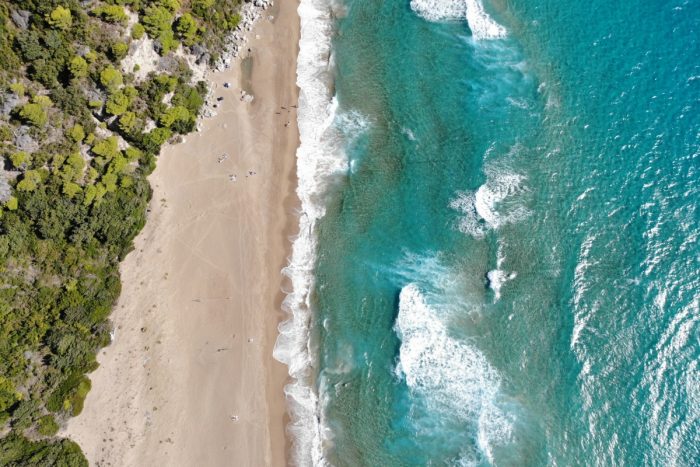
Santorini, Greece: 16 Best Things to Do and See

TL;DRSantorini has 24 top picks for what to see and do, from black and red sand beaches to volcano trips, wineries and ancient ruins. Highlights include Perissa beach with its black sand, Kokkini (Red Beach) with its red cliffs, romantic Oia and its sunsets, the capital Fira, and the archaeological site of Akrotiri, buried by the eruption of Thera around 1627 BC. Swimming weather is best from June to September, with July and August as peak season and temperatures above 30°C, while June and September are quieter alternatives. It’s also worth taking a boat trip out to the Nea Kameni volcano and the hot springs, or trying Assyrtiko wine at the Santo Wines winery, where a tour with tasting costs €12 a head.

Santorini, one of Greece’s most stunning and photogenic islands, attracts over two million visitors each year—and it’s easy to see why. Unlike other Greek islands, Santorini offers unique beaches with striking black and red sands, alongside charming whitewashed villages topped with iconic blue-domed roofs. The island’s breathtaking sunsets and romantic ambiance make it a must-visit destination.

If you’re planning a trip, here’s a guide to the best things to do and see in Santorini to make the most of your holiday.

Best Time to Visit Greece

For those seeking the best weather in Santorini, plan your visit for July or August. However, these months coincide with peak tourist season. If you prefer a quieter atmosphere while still enjoying warm seas, June or September are ideal alternatives.

  • High Season (July and August): Santorini sees over two million visitors annually, with the majority arriving during these peak months. July and August offer perfect swimming conditions, with daytime temperatures often exceeding 30°C. Be prepared for large crowds and higher accommodation rates during this time.
  • Transition Season (May, June, September, October): Temperatures remain pleasant, ranging from 20°C to 30°C, and the sea stays warm enough for swimming. With fewer tourists, you can enjoy a more relaxed atmosphere and slightly lower prices.
  • Low Season (November to April): These months bring cooler temperatures, often dropping below 15°C, and the sea becomes too cold for swimming. Many hotels and restaurants close during this period, but it’s an opportunity to explore Santorini without the crowds and experience authentic Greek life.
MoonAverage air temperature (°C)Average sea temperature (°C)
January12 – 1616
February12 – 1616
March13 – 1716
April15 – 2017
May20 – 2519
June24 – 2922
July26 – 3024
August26 – 3025
September24 – 2824
October20 – 2522
November17 – 2220
December13 – 1718

Where to find the cheapest and best tours to Santorini

For the best and most affordable tours to Santorini, I recommend using the Invia portal. This popular travel platform offers a wide range of options from over 150 Czech travel agencies, allowing you to easily compare prices and find the best deal.

To avoid any hassle, it’s a good idea to book your trip early through their First Minute Deals. Santorini is a highly sought-after destination, and waiting for last-minute deals can mean missing out on the best options. However, occasionally, Invia offers such great last-minute deals that they can be even more affordable than planning your trip independently.

Best Places to Rent a Car in Santorini

If you prefer exploring Santorini on your own, renting a car at the airport is a convenient option. For years, we’ve relied on DiscoverCars, a platform that allows you to effortlessly compare offers from various rental providers to find the best deal.

Best Hotels in Santorini

For those seeking luxury accommodation in Santorini, the AVAL All Suite Hotel is an excellent choice. Renowned for its modern and spotless suites, this hotel offers guests a high level of comfort, including in-room whirlpools for a touch of indulgence. Located in Messaria, right in the heart of the island, it serves as the perfect base for exploring all that Santorini has to offer.

An even more luxurious option is the Olvos Luxury Suites, though it may be beyond the budget for some travelers.

16 Best Things to Do and See in Santorini

Wondering what to see and do in Santorini? Rest assured, boredom is not an option on this stunning island. Known as the jewel of the Cyclades, Santorini offers unique experiences, from exploring its striking black and red sand beaches to visiting fascinating archaeological sites and hiking around a volcanic crater.

The most beautiful beaches and marinas in Santorini, Greece

Santorini’s beaches are truly breathtaking, renowned for their unique character and volcanic origins. Each one offers a distinct experience, whether you prefer the dramatic black sand, vibrant red cliffs, or serene hidden coves. However, don’t expect the typical white sand you’ll find on islands like Lefkada or Corfu.

Perissa Beach Black Sand Beach

As mentioned earlier, Santorini’s beaches are quite unlike those on other Greek islands, thanks to the island’s volcanic origins. For example, Perissa Beach features striking black sand that creates a stunning contrast with the crystal-clear waters, offering a truly unique experience.

Kokkini beach

Kokkini, or Red Beach, is anything but ordinary. It’s famous for its striking red cliffs and sand, which give the water a stunning dark turquoise hue. While reaching the beach can be a bit challenging, the breathtaking views of the colorful cliffs and the excellent snorkeling opportunities make it well worth the effort.

Kamari beach

Kamari Beach offers a different vibe compared to the typical Greek postcard scenes. This beach features a long stretch of black pebbles, creating a unique coastal experience. It’s lined with numerous bars and restaurants overlooking the sea, making it the perfect spot to savor a glass of Greek wine or a refreshing summer cocktail while soaking in the vibrant holiday atmosphere.

Ammoudi Bay

Ammoudi Bay, a charming harbor nestled beneath the cliffs of Oia, is a favorite spot for romantic dinners. Visitors can enjoy a swim in its tranquil waters or take a boat trip to the nearby island of Palea Kameni to explore the volcano.

Sights in Santorini

History enthusiasts will find plenty to love in Santorini. The island is rich with prehistoric and ancient landmarks, as well as the iconic traditional Greek architecture.

Fira

A visit to Santorini isn’t complete without exploring its capital, Fira. This charming town is known for its iconic white, cube-shaped buildings that line the edge of the dramatic caldera. Fira also offers breathtaking views of the coastline, especially at sunset, when the entire town is bathed in a warm, golden glow.

Agios Theodori

The Church of Agios Theodori is a beautiful example of traditional Greek architecture, featuring bright white walls and a distinctive blue dome. It offers a serene atmosphere for quiet reflection and serves as a stunning backdrop for photography. ☺️

Akrotiri

Akrotiri in Santorini is one of Greece’s most fascinating archaeological sites and a must-see for history enthusiasts and lovers of ancient civilizations. This ancient city was buried beneath volcanic ash during a massive eruption of the Thera volcano around 1627 BC, making it one of the best-preserved remnants of Minoan civilization.

If you plan to visit, it’s a good idea to purchase tickets in advance through GetYourGuide, unless you’re traveling to Santorini with a tour operator.

Ancient Thera

Ancient Thera, a significant archaeological site, sits atop Mesa Vouno in Santorini, Greece. Once the island’s capital, this ancient settlement offers breathtaking views of the Aegean Sea. Its strategic hilltop location was chosen for both defense and its stunning panoramas.

As you explore the ruins of Ancient Thera, you’ll discover remnants of public buildings, houses, streets, and a theatre. The site is particularly notable for its well-preserved wall paintings and various artifacts that provide a glimpse into the past.

Tips for Hiking in Santorini’s Volcanic Landscape

Santorini offers incredible nature walks and adventures, highlighting the island’s volcanic origins and stunning panoramic views.

A boat trip to the hot springs and a walk to the volcano

Embark on an unforgettable journey to the heart of Santorini’s volcanic landscape with a boat trip to the crater of Nea Kameni. Your adventure begins with a scenic walk from the port of Fira, where you can take in the views and encounter the island’s famous donkeys along the way. Upon reaching Nea Kameni, challenge yourself with a half-hour hike to the summit of the volcano, where you can observe sulfuric fumes and steam rising from the crater—a powerful reminder of the island’s volcanic activity.

The trail is lined with jagged lava rocks and vibrant flowers that contrast beautifully with the dark volcanic terrain. Be sure to bring plenty of water and wear sturdy shoes for the hike.

A highlight of the trip is a stop at the hot springs, accessible by swimming from the boat. While the water may feel cool initially, it warms up as you get closer to the springs. For those who prefer not to swim, you can relax on the boat and enjoy the views.

You can easily book this excursion through GetYourGuide for a seamless experience.

Horseback riding in volcanic landscape

For a truly unique experience, consider booking a horseback tour through the volcanic landscape with GetYourGuide. It’s an unforgettable way to explore Santorini’s stunning terrain.

Gastronomy and winemaking in Santorini

Santorini’s gastronomy is as remarkable as its landscape. The island’s unique volcanic soil imparts a distinctive flavor to its local produce, making the culinary experience truly unforgettable.

Be sure to try traditional dishes like fava, a creamy mashed chickpea dish, and tomatokeftedes, flavorful tomato fritters with a spicy kick. Santorini’s wines, particularly the renowned Assyrtiko variety, are celebrated for their fresh, mineral-rich taste that pairs perfectly with the island’s cuisine.

Santo Winery

Santo Wines in Santorini is a must-visit for wine enthusiasts and anyone looking to experience the island’s stunning beauty. Located near the village of Pyrgos, this winery is perched on a cliff, offering spectacular views of the caldera.

Visitors can enjoy a wide selection of local wines, and for a more immersive experience, there’s a tasting menu featuring Greek specialties, priced at €110 or €125 for two people. A tour of the winery costs €12 per person, including a 20-minute guided tour and a tasting of two signature wines: the Assyrtiko and the Kameni.

The winery also features a shop where you can purchase Santo wines and a variety of local gourmet products. Open year-round, Santo Wines stays open until midnight during the summer, allowing guests to soak in the evening ambiance while watching the sunset over the caldera.

For those traveling by bus, direct routes to Santo Wines are available from Fira, Perissa, and Akrotiri.

Domaine Sigalas winery

Domaine Sigalas Winery, nestled in the charming village of Oia, Santorini, is renowned for producing high-quality wines that have gained international acclaim and numerous awards.

Founded by Paris Sigalas in 1991, the winery began in the family cellar and expanded in 1998 with the establishment of a modern facility and a 30-hectare vineyard. Here, Paris cultivates local grape varieties such as Assyrtiko, Aidani, Athiri, Gaidouria, Platana, and Mavrotragano. The winery adopted the name “Domaine Sigalas” in 2003.

Reaching the winery is convenient by bus, with the nearest stop on the Oia-Fira route just a 20-minute walk away.

Wine museum in a natural cave

The Koutsogiannopoulos Wine Museum in Santorini is a unique attraction set inside a natural cave, eight meters underground, stretching through a 300-meter-long labyrinth. The Koutsogiannopoulos family spent 21 years bringing this incredible museum to life.

The museum showcases the history of winemaking on Santorini, covering the period from 1660 to 1970. Visitors can explore a range of engaging exhibits, including sound effects, lifelike mannequins, and authentic winemaking tools, machinery, and containers—some of which are rare finds. The exhibits walk you through each stage of wine production, from pruning and plowing to harvesting, treading, and weighing the grapes.

The Koutsogiannopoulos Wine Museum in Santorini is uniquely situated in a natural cave, eight meters underground, and spans a labyrinthine space of 300 meters. It took the Koutsogiannopoulos family 21 years of dedicated effort to bring this museum to life.

The museum showcases the rich history of winemaking and the life of Santorini’s winemakers from 1660 to 1970. The exhibition includes fascinating elements such as sound effects, displays with still mannequins, and authentic machines, tools, and containers—some of which are rare finds. Visitors can explore the various stages of wine production, from pruning and plowing to harvesting, grape treading, and weighing.

Visitors can explore the museum at their own pace with a self-guided audio tour available in 14 languages. Tickets can be conveniently purchased through GetYourGuide.

The tour concludes at the office of Grigorio Koutsogiannopoulos, the founder of the family winery, where you can view his personal belongings dating back to 1870. Afterward, guests can visit the tasting room to sample four of the finest wines produced by the family winery.

Tomato Museum

The Tomato Industrial Museum “D. Nomikos” in Santorini offers a captivating glimpse into the island’s rich history of tomato processing. Located on Vlychada Beach, surrounded by striking volcanic rock formations, the museum is housed in the former Nomikos family tomato processing factory, which was transformed into a modern museum in 2014.

Santorini’s small-fruited tomato is a signature product of the island, prized for its small size, firm skin, juicy flesh, and sweet flavor—making it perfect for tomato puree. This distinctive taste comes from the island’s arid yet nutrient-rich volcanic soil. The original factory was established by George Nomikos in 1945 and operated until 1981, when a sharp decline in tomato production led to its closure.

The museum is open from April to November, Tuesday to Sunday, from 10:00 AM to 6:00 PM. Admission is €10 for adults and €6 for children aged 12 to 18, students, and seniors over 65. Children under 12 enjoy free entry.

Getting to the museum is easy, with options including a 20-minute local bus ride from Fira, a taxi, or driving your own car, with plenty of street parking available nearby.

Fishing in Santorini

Fishing is a beloved activity in Santorini, and Santorini Fishing Tours offers an unforgettable experience for enthusiasts. Their tours combine traditional fishing with opportunities to sunbathe, savor Greek cuisine, and swim in the crystal-clear waters.

The company provides all the necessary fishing gear, and their experienced staff will guide you every step of the way. If you make a catch, you can even grill your fish on board while enjoying stunning sunset views and a glass of local wine.

Tips for other activities on the island

Santorini offers a variety of sea-based activities that are not only enjoyable but also perfect for discovering the island’s natural beauty. Whether you prefer kayaking, snorkeling, or fishing, there are plenty of opportunities for active fun on the water.

Snorkelling or yacht trip

If you’re ready for a change of pace from lounging on the beach, wine tasting, or capturing photos of white houses with blue roofs, consider taking a boat trip. You can easily book a snorkeling adventure or a relaxing day on a catamaran through GetYourGuide or with a local guide. It’s the perfect way to see Santorini from a new perspective.

Interested in visiting Santorini? Check out our article: Where to Go on Holiday in Greece.

lukas a lucka
Lukáš and Lucie recommend
Where to stay in Santorini
3 accommodations — wellness hotels, hotels and other accommodation options

Frequently Asked Questions

Where is Santorini?

Santorini is an island in the southeastern Aegean Sea.

When to go to Santorini?

If you want to swim, the ideal period is from June to September.

How to get to Santorini?

Santorini can be reached very easily by air or by ferry from mainland Greece.

How to travel around Santorini?

The easiest way is to rent a car through DiscoverCars or use local bus services.

Tips and Tricks for Your Vacation

Don’t Overpay for Flights

Search for flights on Kayak. It’s our favorite search engine because it scans the websites of all airlines and always finds the cheapest connection.

Book Your Accommodation Smartly

The best experiences we’ve had when looking for accommodation (from Alaska to Morocco) are with Booking.com, where hotels, apartments, and entire houses are usually the cheapest and most widely available.

Don’t Forget Travel Insurance

Good travel insurance will protect you against illness, accidents, theft, or flight cancellations. We’ve had a few hospital visits abroad, so we know how important it is to have proper insurance arranged.

Where we insure ourselves: SafetyWing (best for everyone) and TrueTraveller (for extra-long trips).

Why don’t we recommend any Czech insurance company? Because they have too many restrictions. They set limits on the number of days abroad, travel insurance via a credit card often requires you to pay medical expenses only with that card, and they frequently limit the number of returns to the Czech Republic.

Find the Best Experiences

Get Your Guide is a huge online marketplace where you can book guided walks, trips, skip-the-line tickets, tours, and much more. We always find some extra fun there!
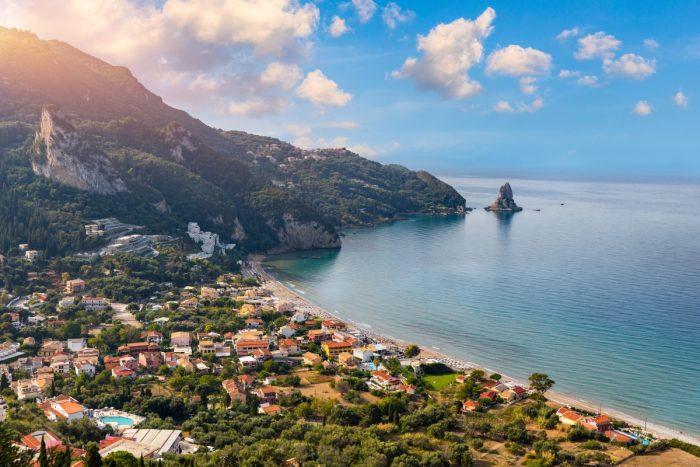
MobiMatter eSIM Review: A Cheap Travel eSIM Alternative

TL;DRMobiMatter is an eSIM comparison platform launched in Dubai in 2022, stacking up deals from more than 25 providers across 200-plus destinations, including the whole Balkan region, the Caribbean, Latin America and Africa. Prices tend to come in 30–50% cheaper than rivals, with packages ranging from 1 GB to 100 GB and validity from just 1 day up to a full year — that year-long eSIM option is genuinely unusual. You install it via QR code or straight through the app within 3 months of purchase, and you can share data over hotspot. On Trustpilot it’s rated 4.2 out of 5 from more than 41,000 reviews; the downsides are an English-only app and no 24/7 support.

Travelling across multiple countries and tired of sorting out a new SIM card in each one? We’ve got a solution for you. MobiMatter offers a huge range of regional travel eSIM data plans, so you can travel across an entire continent without having to change or set anything up at the border. If that sounds like exactly what you need, keep reading our review.

TL;DR

  • What it is: MobiMatter is an aggregator of eSIM deals from various providers – it works like a comparison platform where you find the best prices in one place
  • Main advantage: Regional and global eSIM packages covering several countries at once – ideal for trips across continents
  • Coverage: More than 200 destinations, including less common ones like the entire Balkans, the Caribbean, Latin America or Africa
  • Prices: Often 30–50% cheaper than the competition, with packages starting at just a few dollars
  • Data volume: 1 GB to 100 GB, no unlimited plans
  • Validity: From 1 day up to a full year – a unique offer of annual eSIMs
  • Installation: Via QR code or directly in the app, within 3 months of purchase
  • Hotspot: Yes, you can share data with other devices
  • Drawbacks: App in English only, occasionally cluttered, support isn’t 24/7

You might also like: Holafly eSIM Review

What exactly is MobiMatter?

MobiMatter is a relatively young player in the eSIM market – it was founded in 2022 in Dubai. But it isn’t a classic eSIM provider as you might expect. It’s more of a smart comparison platform that brings together offers from various providers and operators in one place.

As a result, you often don’t buy an eSIM directly from the operator in a given country, but from one of the partner providers. And that’s exactly how MobiMatter manages to offer such great prices.

The service focuses mainly on data eSIMs, though occasionally you’ll come across packages with a few free calling minutes too. The biggest advantage, however, is the option of a single eSIM for several countries at once – ideal for anyone planning a tour of Europe or Asia.

Coverage: Where can you go with MobiMatter?

Despite being on the market for a relatively short time, MobiMatter offers eSIMs for more than 200 countries. And what’s more – its range of regional and global eSIMs is among the broadest out there.

You can choose special packages for:

  • the Caribbean,
  • the Middle East,
  • Latin America,
  • all of Europe (including the entire Balkans, Israel and Turkey),
  • all of Asia,
  • and even interesting combinations like the USA, Australia and Thailand in a single package.

The European packages are especially appealing, because they cover the vast majority of European countries, including those less common Balkan destinations where other services often fall short.

Data volume and validity

You won’t find unlimited eSIMs with MobiMatter. The standard range includes packages with 3, 5, 10, 20 or 50 GB. For the most demanding users there’s also, for example, a 100 GB eSIM for Europe, which MobiMatter resells through Airalo at exactly the same price.

Worth noting: Top-ups across countries

With almost every package you can top up your eSIM with more gigabytes. And the clever part is that you can even top up a European eSIM with data for the USA, avoiding another installation altogether. It’s a handy option for anyone who doesn’t plan their route in advance.

As for validity

You’ll typically find packages for 7, 15 or 30 days, often tied to data volume. But take note – MobiMatter also offers:

  • one-day eSIMs – ideal as a backup,
  • annual eSIMs – which you practically won’t get anywhere else,

The 1 GB packages valid for 30 days are particularly handy. While elsewhere 1 GB is only valid for 7 days, here it can serve you the whole month as a backup connection for emergencies – say, when you need to block a bank card or call a taxi.

Important note: For some packages the validity only starts once you connect to a network in the given country, while for others it starts as soon as you install it. Since some packages may include the UK as well, we recommend holding off on installation until just before you leave. Either way, you must install the eSIM within 3 months of purchase.

You might be interested in: Drimsim eSIM Review

Prices

As we already mentioned, MobiMatter is very competitively priced. That’s mainly thanks to its enormous range of different providers. For African countries, the Balkans, Latin America or the Caribbean, you’d struggle to find anything cheaper.

A little trick when choosing

Because MobiMatter offers loads of different packages, you’ll need to dig through them a bit to find the best deal.

A real-world example: Travelling to Japan but also planning to visit Thailand, Malaysia and Singapore? It’s worth paying an extra 3 dollars for an eSIM covering all 4 countries instead of just Japan. You’ll save both time and money.

Website and app: They work, but could be better

Both the website and the app are available in English only. That might be a minor hurdle for some, but you can still make reasonable sense of everything with basic English.

The layout isn’t entirely ideal – you can get a bit lost among the offers and you’ll need to spend some time finding the best-value package for your trip.

What we do appreciate

A big plus is installing the eSIM directly from the app. That’s far more convenient than tedious manual setup.

If you’re heading to several countries, try entering all the required countries into the search at once – with a bit of luck a good-value regional eSIM will pop up that’s valid in all of them.

The website covers the basics – how to install the eSIM or how to track your data usage. But if you run into a genuine problem during purchase or use, you’ll have to contact support.

Purchase and installation: Is it complicated?

So how does buying and installing work with MobiMatter?

Payment

You can only pay in US dollars, either by:

  • debit or credit card,
  • Apple Pay or Google Pay,
  • new: in cryptocurrencies (Bitcoin, Ethereum, PayPal USD, USD Coin and Tether),
  • or directly through Binance.

Installation

After your purchase you’ll get an email and a QR code will appear on your phone screen. MobiMatter has made QR code installation the preferred option, but for that you need a second device to scan it with.

Our tip: If you don’t have a second device to hand, you can also install the eSIM manually using the code from the email, straight from your phone settings. You won’t find this anywhere on the MobiMatter website, but it works without a hitch.

The easiest way

The simplest option is to buy and install directly in the app. Your purchased eSIM appears and you can tap straight on “Install” – it’s done in moments.

Note: Installation must be done within 3 months of purchase, and of course you need a phone that supports eSIM.

Can you share data via hotspot?

Yes! Since MobiMatter doesn’t offer any unlimited data packages, you’re free to use a hotspot and share your data with other devices too. Just bear in mind that your data will run down faster as a result.

Loyalty programme: Is it worth it?

MobiMatter has a loyalty programme, but it’s geared more towards regular users.

With each purchase you can choose:

  • an immediate 3% discount,
  • or 10% cashback to use next time.

The catch with cashback

Cashback sounds great, but there’s a catch – you can only redeem credits once you’ve accumulated more than 15 dollars. And what’s more, if you don’t make a single purchase within a year, your credits expire completely.

Referring friends

For referring a friend you’ll get 50% of the cost of their first purchase (up to 5 dollars). They get the same amount, but only as cashback, so they can only use it after reaching 15 dollars and on a future purchase.

Customer support: How quickly do they help?

If you ever need advice on anything, you can reach MobiMatter through their contact form, which you’ll find on the website and in the app. Just be prepared to do it in English.

Getting to the form takes a fair bit of clicking around – they’ll repeatedly push the FAQ at you, which might not help. But once you finally submit your query, they reply by email fairly quickly.

Security and data protection

MobiMatter uses a secure process for distributing eSIM profiles, which reduces the risk of misuse or data loss during installation. eSIM profiles are digital, so there’s no risk of physical damage or theft as with a classic SIM.

Data transfer during activation is encrypted, so sensitive information isn’t easily accessible to third parties. According to most users, activating and using the eSIM goes smoothly and security isn’t an issue.

For even more privacy you can use a VPN, especially on public networks.

What do other travellers say about MobiMatter?

On Trustpilot, MobiMatter has an overall rating of 4.2 out of 5 based on more than 41,000 reviews. Most users praise:

  • ease of use,
  • quick installation,
  • good connectivity in different countries,
  • great prices.

There are some negative experiences too:

  • some users found their data ran down quickly,
  • occasional activation problems,
  • more complicated complaint handling.

Pros and cons: At a glance

Curious about the pros and cons of MobiMatter?

✅ Pros

  • Huge selection of regional and global plans – we found packages here you won’t get anywhere else.
  • Low prices – often 30–50% cheaper than the competition.
  • Hotspot support – share your internet with other devices.
  • Annual eSIMs – a unique offer for frequent travellers.
  • Installation straight from the app – more convenient than QR codes.
  • Cryptocurrency payments – for fans of digital currencies.

❌ Cons

  • App layout – you can occasionally get lost among the offers.
  • English only – could be a hurdle if your English isn’t strong.
  • No 24/7 support – replies can take longer at weekends.
  • Expiring loyalty points – you lose your credits after a year without a purchase.
  • More complicated complaints – because you’re often referred back to the eSIM provider.

Who is MobiMatter ideal for?

For a quick overview, we’ve put MobiMatter side by side with its most common rivals. This is a rough comparison – prices change depending on the destination and promotions, so treat it as a guide.

ServiceCoverageData typePrice from (approx.)HotspotEnglish support
MobiMatter200+ countries (marketplace)Data (various operators)see pricing aboveDepends on plan✅ Yes
Airalo200+ countriesData packages~€3.50/GBYes✅ Yes
Holafly160+ countriesMostly unlimited dataHigher (unlimited)Limited✅ Yes
Saily (NordVPN)200+ countriesData packages~$3.99/GBYes✅ Yes
lk-sim.com (ours)200+ countriesData packagesfrom €3Yes✅ Yes
A rough comparison of eSIM providers. Always check current prices in the relevant app.

We recommend MobiMatter especially to:

  • backpackers planning a trip across multiple countries,
  • digital nomads who need a flexible connection,
  • budget travellers hunting for the best price,
  • anyone comfortable with English and a bit of tech.

It’s less suitable for:

  • travellers who need support in their own language,
  • people looking for a perfectly intuitive app with no learning curve,
  • those who need instant 24/7 support.

Verdict: Is MobiMatter worth it?

Based on our experience, we can say that yes, it’s definitely worth it. Especially if you’re planning a trip to several countries at once and don’t want the hassle of swapping SIM cards at every border.

The prices are genuinely competitive, and in many destinations (the Balkans, Latin America and Africa in particular) MobiMatter simply comes out as the cheapest option.

Yes, the layout could be clearer and support in your own language would be lovely. But if you can overlook these little things, you get a reliable service at a great price.

For anyone who isn’t put off by a bit of English and wants to save money, MobiMatter is a clear choice.

Prices, coverage and terms for eSIM services change frequently. The figures in this article are approximate and were verified in June 2026 – always check the current offer directly in the provider’s app before buying.

Frequently asked questions

What is MobiMatter and how does it work?

MobiMatter is an eSIM offer aggregator from various providers founded in 2022 in Dubai. It works as a comparison site where you can find eSIM packages from more than 25 providers for 200+ destinations in one place. This allows you to easily compare prices and choose the best deal. Purchase and installation are done online, usually within a few minutes.

What are the main advantages of MobiMatter compared to the competition?

The biggest advantage is the regional and global eSIM packages – you can travel across entire Europe or Asia with a single eSIM without switching at borders. MobiMatter offers some of the lowest prices on the market (often 30-50% cheaper than competitors) and unique annual eSIM plans that you practically can’t find elsewhere. Coverage includes even less common destinations like the entire Balkans, Caribbean, or Africa.

How long does it take to install an eSIM from MobiMatter?

The installation of an eSIM usually takes 3-5 minutes. After purchase, you’ll receive an email with a QR code, or you can install the eSIM directly in the MobiMatter app with one click. The installation must be completed within 3 months of purchase. We recommend installing the eSIM just before departure, as some packages start their validity period upon installation.

Can I share internet via hotspot with MobiMatter eSIM?

Yes, hotspot is possible with all data packages. Since MobiMatter doesn’t offer unlimited plans, you can share data with other devices without any issues. Just keep in mind that when sharing, your data depletes faster, so calculate in advance how many gigabytes you’ll need.

How much does an eSIM from MobiMatter cost?

Prices start from just a few dollars for short-term packages. For example, you can get 5 GB for Europe for 7 dollars, 20 GB for the USA for 17 dollars. Annual global packages with 13 GB cost around 42 dollars. Specific prices depend on the destination, data volume, and validity period. You can pay by card, Apple/Google Pay, or cryptocurrencies.

Does MobiMatter work in Czechia or Slovakia?

Yes, some European regional packages include the Czech Republic and Slovakia. If you have a European eSIM with coverage in the Czech Republic, you can use it at home too. However, be aware that validity may start running from installation – that’s why we recommend installing it just before you start using it.

Tips and Tricks for Your Vacation

Don’t Overpay for Flights

Search for flights on Kayak. It’s our favorite search engine because it scans the websites of all airlines and always finds the cheapest connection.

Book Your Accommodation Smartly

The best experiences we’ve had when looking for accommodation (from Alaska to Morocco) are with Booking.com, where hotels, apartments, and entire houses are usually the cheapest and most widely available.

Don’t Forget Travel Insurance

Good travel insurance will protect you against illness, accidents, theft, or flight cancellations. We’ve had a few hospital visits abroad, so we know how important it is to have proper insurance arranged.

Where we insure ourselves: SafetyWing (best for everyone) and TrueTraveller (for extra-long trips).

Why don’t we recommend any Czech insurance company? Because they have too many restrictions. They set limits on the number of days abroad, travel insurance via a credit card often requires you to pay medical expenses only with that card, and they frequently limit the number of returns to the Czech Republic.

Find the Best Experiences

Get Your Guide is a huge online marketplace where you can book guided walks, trips, skip-the-line tickets, tours, and much more. We always find some extra fun there!
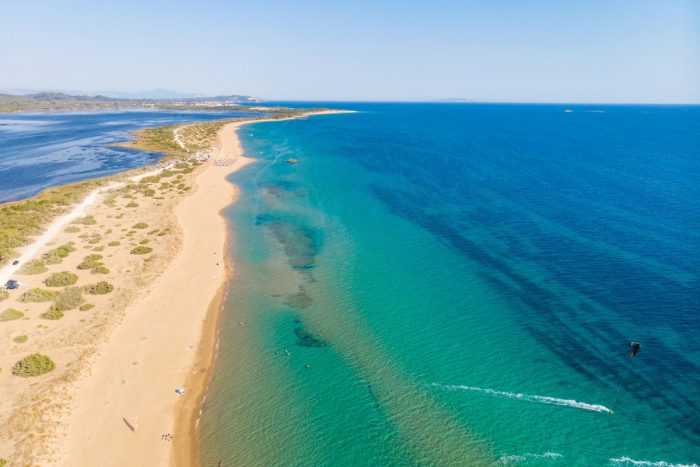
Monty eSIM Review: A Cheap Travel eSIM Worth It?

TL;DRMonty eSIM is a data-only eSIM from Monty UK Global Limited covering more than 190 countries, with prices starting at $0.99 and 1 GB European bundles (Switzerland, Turkey) from just $1.99 — a cheap option, though not a flawless one. Data plans range from 500 MB to 50 GB with validity of 7 to 30 days, and setup via QR code takes a few minutes. There’s no support for phone calls, though, and customer service only runs in English over WhatsApp. The main downside is patchy connectivity and latency as high as 300 ms, with problems reported in Egypt, Dubai and Vietnam, while customer support rates just 2.5/5 on Trustpilot. On the plus side, you get 10% cashback after your third purchase, plus the option to top up data. Overall it scores 3.5/5 — fine for casual travel around Europe, less so for work trips where you need reliable internet access.

Planning a trip abroad and looking for a reliable internet connection without sky-high roaming charges? Monty eSIM markets itself as an affordable travel eSIM and a budget alternative to traditional SIM cards. Let’s take a look at whether this service is genuinely worth your attention, or whether the low price comes with compromises in quality.

TL;DR

  • Coverage in 190+ countries
  • Data plans from $0.99
  • App in English only, installation via QR code
  • No phone calls – data plans only
  • Main advantages: Very low prices, especially for Europe (1 GB from $1.99), quick and simple installation in minutes, 10% cashback for regular customers, regional and global plans, the option to top up your data
  • Main drawbacks: Unstable connection in some locations, high latency (issues with video calls), support only via WhatsApp, English only, frequent complaints about customer support, no unlimited plans
  • Verdict: A cheap option for low-maintenance travellers across Europe. For business trips and a stable connection, you’re better off choosing a pricier but more reliable provider.

Read also: Drimsim Review

What Is Monty eSIM?

Monty eSIM is a digital SIM card from Monty UK Global Limited, offering travel data plans in more than 190 countries worldwide. The service launched on 1 September 2022 and has been trying to compete with the established players in the eSIM market ever since.

The main advantage of eSIM technology is that you don’t need a physical SIM card – everything is installed digitally, straight onto your phone, using a QR code. That means no hunting for SIM card shops after you land, no swapping tiny cards, and no risk of losing your original SIM.

Coverage and Data Plan Options

What kind of coverage and plans does Monty eSIM offer? Read on.

Country Availability

Monty eSIM covers over 190 countries, putting it among the top eSIM providers. Most plans work across several countries at once, which is handy if you’re planning to visit a few destinations on a single trip.

The lineup includes:

  • local plans for individual countries,
  • regional plans (for Europe, Asia, Latin America, for example),
  • global plans – be careful, not all of them actually work everywhere, so always check the list of supported countries before you buy.

Data Volume and Validity

Data plans start at a modest 500 MB and go all the way up to 50 GB. For most countries you’ll find at least a 10 GB plan, which should be plenty for everyday use.

Plan validity usually ranges between 7 and 30 days, depending on the price. The shorter the validity period, the lower the price for the same amount of data.

Important note: Validity starts when you connect to a local network, not when you buy the plan. So if you buy an eSIM for Switzerland that also works in the UK and install it at home, the clock starts ticking while you’re still in Britain. We recommend activating the plan as late as possible before you leave and switching the eSIM off while you’re still at home.

You might also like: Yesim eSIM Review

Prices – Are They Really That Good?

Prices start from just $0.99 (around €0.90), which sounds tempting. The best deals are above all for:

  • Europe – Switzerland or Turkey, for example: 1 GB from just $1.99,
  • popular Asian destinations – good prices for Thailand and Vietnam,
  • North America – competitive deals for the USA and Canada,

Less attractive are the plans for Balkan countries such as Albania or Montenegro.

A Curious Quirk About Pricing

An interesting paradox is the pricing for Martinique and Guadeloupe. These Caribbean islands belong to France, so EU rules apply there. In theory, then, you could use an EU eSIM plan for $2.15 instead of a dedicated Caribbean plan costing $6.99.

Most plans allow top-ups, so if you run out of data, you don’t have to install a new eSIM – you can simply recharge your existing one.

Installation and Use

How do you install Monty eSIM?

How to Install It

The installation process really is straightforward:

  1. Download the app Monty eSIM (iOS or Android).
  2. Check compatibility – make sure your phone supports eSIM.
  3. Choose a plan and pay (by card, Apple Pay or Google Pay).
  4. Scan the QR code that arrives in your email.
  5. Activate on arrival in your destination country.

The app is intuitive and easy to navigate, so anyone should be able to find their way around. The downside may be that it’s only available in English.

Registration and Login

Monty uses an unusual login method – instead of a password, it sends you a verification code by email every time you log in. This can be a little annoying at times, but on the plus side, in practice you only really log in when making a purchase.

Connection Speed and Quality

This is where things start to get complicated. According to tests and user reviews, Monty eSIM’s performance is inconsistent.

What Works Well

  • Download and upload speeds are surprisingly good in cities.
  • Basic use – web browsing, social media, email – works without a hitch.
  • Streaming generally works fine.

What Works Less Well

  • High latency (ping) – in some cases up to 300 ms, due to distant routing via the USA.
  • Unstable connection in rural and less developed areas.
  • Problems with video calls because of the high latency.
  • Online gaming – not really usable.

Some users reported that the connection stopped working altogether after a few days of use, especially in Egypt, Dubai and Vietnam. Others complained about frequent dropouts – the connection would work, then disconnect, and you’d have to toggle airplane mode on and off.

Hotspot and Data Sharing

Technically, hotspot is enabled on most plans, which means you can share your connection with other devices. That’s great if you need to connect a laptop or tablet.

But beware: Some users reported issues with the hotspot not working even when it was supposed to be supported. On top of that, sharing via hotspot eats through your data significantly faster.

You might be interested in: Holafly Review

Customer Support – Monty eSIM’s Weak Spot?

This is where Monty eSIM falls down the most. While it offers 24/7 support, the quality of service is very uneven:

The Positives

  • 24/7 availability,
  • fairly quick responses (in some cases).

The Negatives

  • WhatsApp only – email and the contact form just redirect you to WhatsApp, which isn’t ideal for anyone who doesn’t use the app.
  • English only.
  • Inconsistent quality – while support can handle everyday queries, when it comes to technical problems (a hotspot that won’t work or connection dropouts, for example), they often can’t offer a solution.
  • Refund problems – some users were refused a refund even when the service didn’t work at all.

Loyalty Programme

Monty eSIM offers one of the most generous cashback schemes on the market – 10% of every purchase goes back into your account. Is there a catch? The cashback only kicks in after your third purchase, and then with every one after that.

On top of that, Monty eSIM runs a referral programme – bring a friend on board and you both get $3 in credit.

For frequent travellers this programme can pay off, but for occasional users it’s not all that appealing.

Monty eSIM Pros and Cons – Summary

So let’s wrap it all up.

✅ Pros

  • Very competitive prices, especially in Europe
  • Wide coverage in more than 190 countries
  • Simple installation via the app
  • 10% cashback for repeat customers
  • The option to top up your data
  • Regional and global plans
  • Hotspot is (in theory) supported

❌ Cons

  • No unlimited data plans
  • Unstable connection in some areas
  • High latency due to distant routing
  • Customer support via WhatsApp only
  • English only
  • Activation problems for some users
  • Doesn’t work for traditional phone calls (data only)
  • Mixed experiences with refunds

Who Is Monty eSIM Right For?

Monty eSIM can be a good choice for:

  • Travel around Europe – this is where the prices are genuinely good value.
  • Low-maintenance users – if you only need a basic connection for WhatsApp, maps and social media.
  • Frequent travellers – thanks to the cashback programme.
  • Budget travellers – if price is your main consideration.

We don’t recommend Monty eSIM for:

  • Business trips that require a stable, fast connection.
  • Video calls – the high latency causes problems.
  • Online gaming – the same latency issue.
  • Remote areas – a higher risk of dropouts.
  • Users who need reliable support in a language other than English.

Alternatives to Monty eSIM

For a quick overview, we’ve lined Monty eSIM up against its most common competitors. This is a rough comparison – prices vary by destination and promotions, so treat it as a guide.

ServiceCoverageData typePrice from (approx.)HotspotEnglish support
Monty eSIM190+ countriesData planssee pricing aboveYes✅ Yes
Airalo200+ countriesData plans~€3.50/GBYes✅ Yes
Holafly160+ countriesMainly unlimited dataHigher (unlimited)Limited✅ Yes
Saily (NordVPN)200+ countriesData plans~$3.99/GBYes✅ Yes
lk-sim.com (ours)200+ countriesData plansfrom €3Yes✅ Yes
A rough comparison of eSIM providers. Always check the latest prices in the relevant app.

If Monty eSIM hasn’t won you over, consider these proven alternatives:

  • Airalo – the best-known provider, with solid support,
  • Yesim – excellent ratings and reliability,
  • Nomad – quality service at good prices,
  • Saily – focused on security and privacy,
  • Holafly – a favourite for long trips.

Final Verdict

Monty eSIM is an interesting budget alternative for travellers who want to save money and don’t mind the odd technical hiccup. The low prices and wide coverage are tempting, but you have to accept that quality and reliability won’t always be consistent.

If you’re travelling around Europe, only need a basic connection and enjoy a bit of an adventure (including the occasional troubleshooting session), Monty eSIM can be a good choice. But if you need a stable connection for work, video calls or simply for peace of mind, you’re better off spending a few dollars more on a more established provider.

Our rating: 3.5/5 – great as a cheap backup option or for undemanding use, but not for anyone expecting a premium service.

💡 Handy Tip

Before buying, always read the latest reviews for your specific destination – experiences vary dramatically from country to country. And don’t forget to check whether your phone is compatible with eSIM technology!

Prices, coverage and terms for eSIM services change frequently. The details in this article are approximate and were verified in June 2026 – always check the current offer directly in the provider’s app before buying.

Frequently Asked Questions

How much does Monty eSIM cost?

Prices start from 0.99 USD for the smallest packages. The most popular packages for Europe cost from 1.99 USD for 1 GB. The price depends on the destination, data volume (500 MB to 50 GB) and validity period (7-30 days). Topping up an existing package is also possible.

Is Monty eSIM reliable?

The experiences are mixed. In major cities and in Europe, it usually works well. In some countries (Egypt, Vietnam, Dubai), users have reported frequent outages and poor connection quality. The Trustpilot rating is only 2.5/5, which suggests issues with service consistency.

Does Monty eSIM hotspot work?

Yes, hotspot is theoretically supported on most packages. You can share the connection with other devices. However, some users have reported issues with hotspot functionality despite official support. Sharing data also significantly speeds up its consumption.

How fast is the connection with Monty eSIM?

Download and upload speeds in cities are usually good (4G/LTE, sometimes 5G). The problem is high latency (up to 300 ms) due to routing through the USA, which causes issues with video calls and online gaming. In rural areas, the connection tends to be slower or unstable.

Tips and Tricks for Your Vacation

Don’t Overpay for Flights

Search for flights on Kayak. It’s our favorite search engine because it scans the websites of all airlines and always finds the cheapest connection.

Book Your Accommodation Smartly

The best experiences we’ve had when looking for accommodation (from Alaska to Morocco) are with Booking.com, where hotels, apartments, and entire houses are usually the cheapest and most widely available.

Don’t Forget Travel Insurance

Good travel insurance will protect you against illness, accidents, theft, or flight cancellations. We’ve had a few hospital visits abroad, so we know how important it is to have proper insurance arranged.

Where we insure ourselves: SafetyWing (best for everyone) and TrueTraveller (for extra-long trips).

Why don’t we recommend any Czech insurance company? Because they have too many restrictions. They set limits on the number of days abroad, travel insurance via a credit card often requires you to pay medical expenses only with that card, and they frequently limit the number of returns to the Czech Republic.

Find the Best Experiences

Get Your Guide is a huge online marketplace where you can book guided walks, trips, skip-the-line tickets, tours, and much more. We always find some extra fun there!
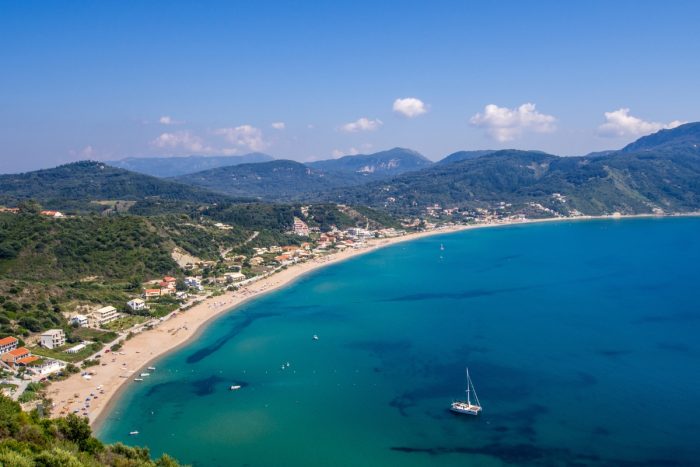
New York in 3 Days: What to See on Your Holiday

TL;DRThis three-day New York itinerary splits the city by neighbourhood: day one covers Midtown (Central Park, Top of the Rock, Rockefeller Centre, Times Square, then a Broadway show in the evening), day two takes in Brooklyn and the Financial District (Brooklyn Bridge, DUMBO, the Statue of Liberty, Wall Street, the 9/11 Memorial), and day three is for a museum of your choice plus skyscrapers like the Chrysler Building, Grand Central Terminal and the Empire State Building. Excluding flights, budget $650–$1,500 a head, and the New York CityPASS can knock up to 34% off admission prices. Base yourself on Manhattan itself, ideally in Midtown, Flatiron or the Financial District. May, June, September and October are the best months to go, and the subway now runs on contactless OMNY payments at $3 a ride.

Wondering what to see in New York in 3 days? We’ve visited New York several times and know the city pretty well by now. Whether you’re planning your New York holidays or a quick city break, here’s a tried-and-tested itinerary that will help you see the very best of New York in just 72 hours.

New York holidays: What to see in 3 days in New York

Weather: When to Visit New York? 

The best time to visit New York is during autumn, winter, and spring. In summer, the city can get uncomfortably hot, and even though you can always duck into a museum to cool off, there are simply better destinations for a summer holiday. Plus, summer brings the biggest crowds of tourists.

Although winter months can be bitterly cold, there’s nothing quite as magical as New York blanketed in snow. The most beautiful months to visit are May, June, September, and October.

MonthAverage Max. Temp (°C)Average Min. Temp (°C)Average Rainfall (mm)Average Rainy Days
January3-39410
February4-2799
March9111010
April16711411
May221210511
June271811210
July292011711
August28191129
September24151088
October1891128
November1241029
December6-110110

Where to Stay in New York: Best Hotels

For a 3-day visit to New York, we recommend staying right on Manhattan so you don’t waste precious time commuting from other boroughs. New York is enormous, and getting around takes much longer than you might expect.

Our favourite hotels include Artezen Hotel on Wall Street and Best Western Plus Soho Hotel near SoHo and Chinatown.

Where to stay in New York: Best Western Plus Soho Hotel

How to Save Up to 34% on Admission in New York

Pick up a New York CityPASS on GetYourGuide and save around 34% on admission fees. It includes entry to:

  • Empire State Building
  • American Museum of Natural History

Plus, you get to choose 3 of the following attractions:

  • Top of the Rock® Observation Deck
  • Ferry Access to Statue of Liberty and Ellis Island
  • 9/11 Memorial and Museum
  • Circle Line Sightseeing Cruises
  • Intrepid Sea, Air, and Space Museum
  • Guggenheim Museum

What to See in New York in 3 Days: Itinerary

We’ve put this itinerary together to minimise unnecessary travel — so you’re not zigzagging across the city all day. If you decide to swap any activities around, check the map first to make sure you’re not adding extra miles to your day.

Day 1: Midtown Manhattan

  • Depending on how early you get up, kick off your morning with a stroll through Central Park — no visit to New York would be complete without it. You definitely won’t cover the entire park though; it spans over 340 hectares! 😁
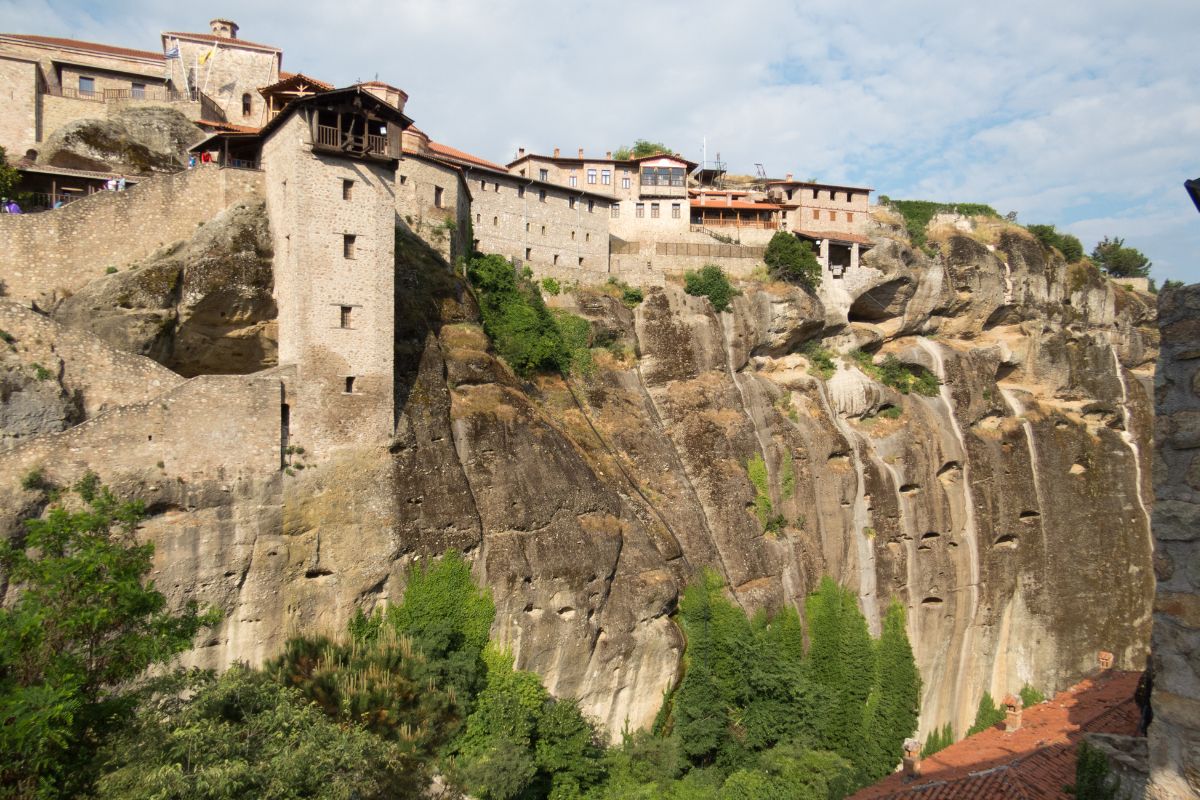
What to see in New York?
Top of the Rock – observation deck
  • Top of the Rock – there’s nothing quite like seeing the city from above. If you haven’t bought a CityPass, grab your ticket for Top of the Rock on GetYourGuide. From here, you’ll get stunning views of the famous Empire State Building. You can of course go up the Empire State Building too, but in our opinion, the views from Top of the Rock are far better.
  • Have a wander around Rockefeller Center. If you’re a LEGO fan, pop into the store on 5th Avenue before heading to St. Patrick’s Cathedral. This iconic Catholic church sits on Fifth Avenue in the heart of New York, right opposite the Rockefeller Center.
  • Art lovers should head to MoMA – the Museum of Modern Art. Otherwise, continue towards Times Square, where you’ll find dazzling billboards and famous shops like Hershey’s Chocolate World and the Disney Store.
  • Round off your day with a walk along Broadway and Columbus Circle. We highly recommend catching a Broadway show — you can safely buy tickets on GetYourGuide. Don’t buy tickets from street vendors! They’re often scams.
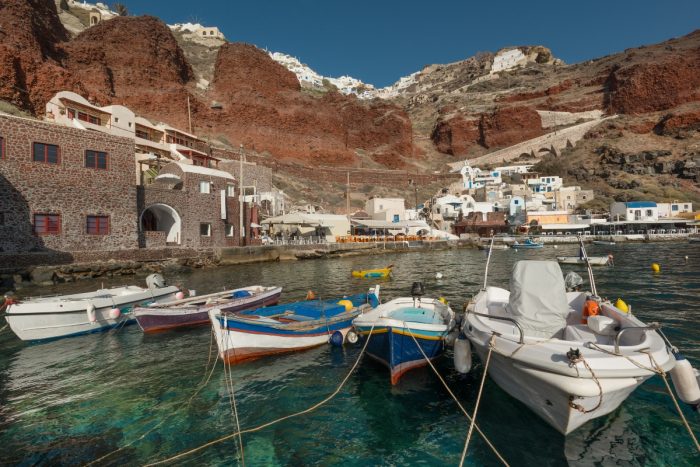
Day 2: Brooklyn and Financial District

  • Start your second day in Brooklyn at the Brooklyn Heights Promenade, which offers breathtaking views of the Manhattan skyline. From here, make your way to Brooklyn Bridge via the DUMBO neighbourhood. (DUMBO — short for “Down Under the Manhattan Bridge Overpass” — is a small but vibrant neighbourhood in Brooklyn, sitting right between the Brooklyn and Manhattan bridges. You’ll get gorgeous views of Brooklyn Bridge from here.)
New York in 3 days: Brooklyn Bridge
Brooklyn Bridge
  • Battery Park – Take a stroll through Battery Park, where you’ll find The Sphere, a peace symbol that originally stood between the Twin Towers at the World Trade Center before being damaged in the September 11 attacks and relocated here. From Battery Park, you can catch a ferry to Ellis Island and the Statue of Liberty. If you haven’t included Statue of Liberty access in your CityPass, book your ticket on GetYourGuide to skip the queue.

💡 TIP: Try the ferry search engine and price comparison tool Ferryscanner.

What to see in New York: Statue of Liberty
  • Once you’re back on the mainland, head to Wall Street and explore the world’s most famous financial district. Keep an eye out for the iconic Charging Bull statue, which symbolises an optimistic and thriving financial market.
  • From there, make your way to the 9/11 Memorial and Museum — a deeply moving site and museum created in memory of the nearly 3,000 people who lost their lives in the terrorist attacks of September 11, 2001. It stands on the very spot where the Twin Towers of the World Trade Center once stood.
  • If you still have time, we highly recommend visiting the One World Observatory. You can book your ticket on GetYourGuide.
  • Combine dinner with a wander through Little Italy or Chinatown.

Day 3: Museums or Attractions of Your Choice

Visit at least one museum that catches your eye — you won’t regret it. Here are our top picks:

  • The Metropolitan Museum of Art (The Met) — home to two million works of art, including paintings by Vincent van Gogh, Rembrandt, Vermeer, Cézanne, and Titian.
  • The Guggenheim Museum — just a short walk from The Met, it houses works by Pablo Picasso, Vincent van Gogh, Wassily Kandinsky, and many more leading artists.
  • The Intrepid Museum — officially known as the Intrepid Sea, Air & Space Museum, it’s a must for anyone fascinated by aircraft, ships, submarines, and space exploration.
  • New Museum — if you love contemporary art as much as we do, this is one of the best museums in the world for it.
  • American Museum of Natural History — one of the most popular museums on the planet, welcoming over 5 million visitors each year.
American Museum of Natural History
  • Next, head to the Chrysler Building — one of New York’s most iconic skyscrapers, built in 1930 in the stunning Art Deco style.
  • From the Chrysler Building, it’s a short walk to Grand Central Station (Grand Central Terminal), the iconic railway station you might recognise from the film Friends with Benefits, starring Mila Kunis and Justin Timberlake.
  • From here, continue to the Empire State Building. If you have enough time, you can ride the lift to the top — just make sure you’ve booked your ticket in advance (for example, through GetYourGuide).
  • If your legs aren’t aching too much, walk from the Empire State Building to another landmark skyscraper: the Flatiron Building, famous for its distinctive wedge shape.
What to see in New York: Flatiron Building
  • For your final evening, we recommend an evening cruise around Manhattan — we did this ourselves and it was an absolutely brilliant experience. We found ours on GetYourGuide. Availability varies by season, with different cruises running in winter and summer.
lukas a lucka
Lukáš and Lucie recommend
Where to stay in New York
3 accommodations — hotels and other lodging options

Read More

Want to know whether New York is safe, what else there is to see, or what to eat while you’re there? Check out our article with 44 tips on what to see in New York.

Planning a longer stay? Read our guide on what to see in New York in 5 days.

Tips and Tricks for Your Vacation

Don’t Overpay for Flights

Search for flights on Kayak. It’s our favorite search engine because it scans the websites of all airlines and always finds the cheapest connection.

Book Your Accommodation Smartly

The best experiences we’ve had when looking for accommodation (from Alaska to Morocco) are with Booking.com, where hotels, apartments, and entire houses are usually the cheapest and most widely available.

Don’t Forget Travel Insurance

Good travel insurance will protect you against illness, accidents, theft, or flight cancellations. We’ve had a few hospital visits abroad, so we know how important it is to have proper insurance arranged.

Where we insure ourselves: SafetyWing (best for everyone) and TrueTraveller (for extra-long trips).

Why don’t we recommend any Czech insurance company? Because they have too many restrictions. They set limits on the number of days abroad, travel insurance via a credit card often requires you to pay medical expenses only with that card, and they frequently limit the number of returns to the Czech Republic.

Find the Best Experiences

Get Your Guide is a huge online marketplace where you can book guided walks, trips, skip-the-line tickets, tours, and much more. We always find some extra fun there!