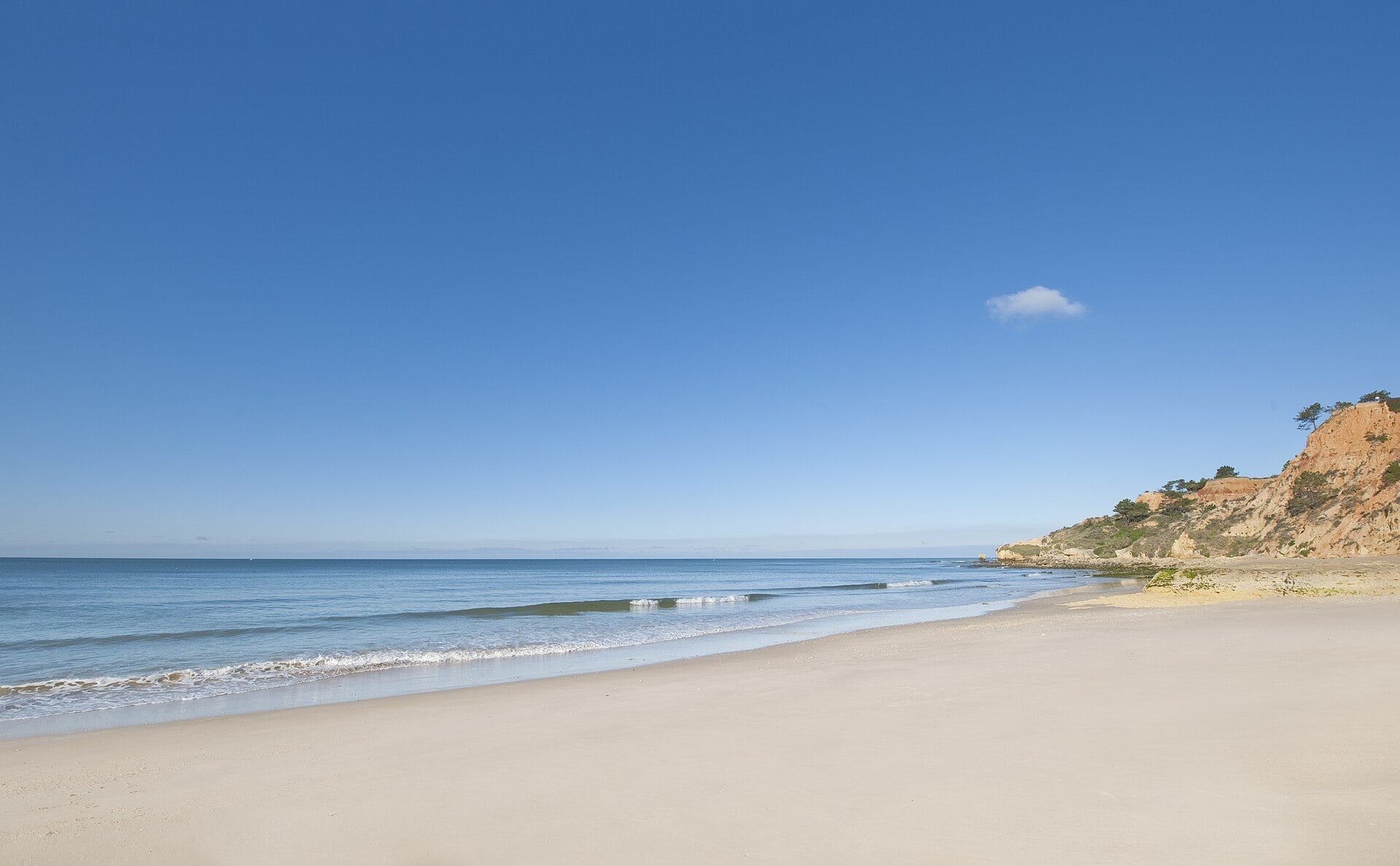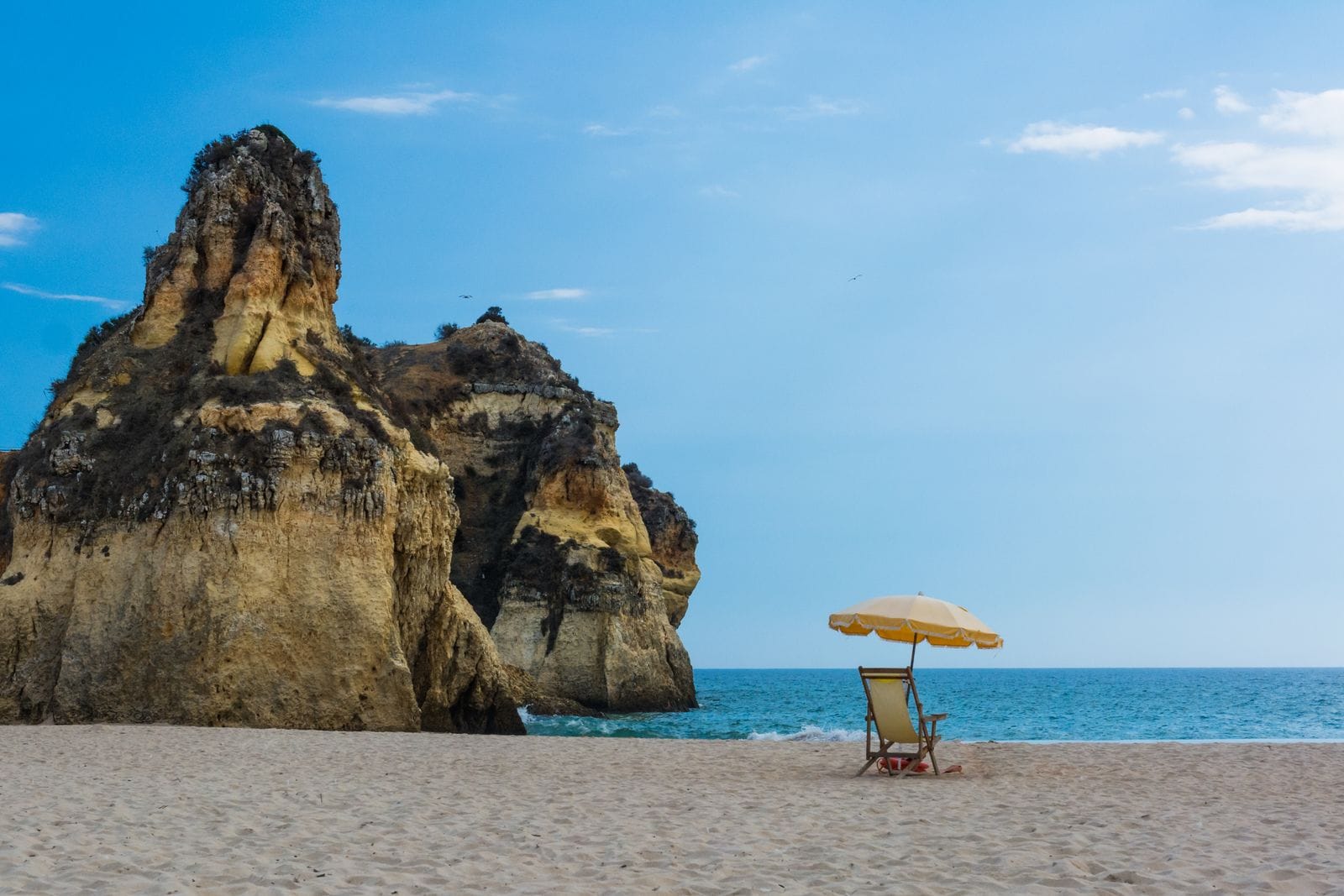
When to Visit Egypt? Weather and Sea Temperature Month by Month

TL;DRThe best months for swimming in Egypt are June to November, when the Red Sea stays above 26°C, peaking in August at 28–30°C (up to 30°C in Marsa Alam). For sightseeing at Luxor, the Valley of the Kings or Cairo, November to March is ideal, with air temperatures dropping to a manageable 22–26°C so the heat won’t ruin a full day out. April, plus the stretch from October to mid-November, strikes the best balance between warmth and comfortable sightseeing. The sea is coldest in February and March (around 21°C), while in winter the warmest water (23–24°C) is down south in Marsa Alam, as Hurghada and Sharm el-Sheikh tend to be cooler and windier. Flights are cheapest in May, June and autumn outside public holidays, and priciest in July, August and over Christmas.

Picture that wonderful moment when, after just a few hours in the air, you step out at an Egyptian airport and that typical hot, dry air hits your face — the kind that simply smells like holiday. Egypt is honestly one of the few destinations worth visiting at literally any time of year, but it’s hugely important to know what to realistically expect from each month. While some people head here in August full of excitement for water that feels more like a warm broth in a bathtub, others happily escape the biting British winter in January to wander among the breathtaking ancient pyramids in peace and without the crazy crowds. And another traveller enjoys the absolutely perfect compromise in April, when it’s pleasantly warm — just right for lounging on the beach with a book and for full-day trips around the area.

Every season here has its own unmistakable charm, but you’ll also run into a few little pitfalls that the glossy holiday brochures conveniently forget to mention. The main rule is actually quite simple, and trust me, it’s well worth sticking to: summer and autumn are made for swimming, winter is absolutely ideal for relaxed history sightseeing and romantic desert wanders, while spring and autumn are probably the best possible compromise for the indecisive among us.

There are also major differences between the resorts themselves, something a lot of people forget in the excitement of booking. Especially in the winter months, the sea in the more southerly Marsa Alam is a few degrees warmer than in the more northern Hurghada, which you’ll really notice during a morning dip. In this little guide I’ll break down Egypt’s weather month by month, we’ll look at exact air and sea temperatures together, and I’ll happily advise you on the best time to go for the most beautiful snorkelling, when to visit the monuments, and when you’ll grab your dream holiday for the very best price.

TL;DR

  • Egypt works all year round: Warm sunshine and dry weather are a near-certainty here, because it really only rains very rarely, and even then mostly in the north near Cairo.
  • Peak swimming season: For proper swimming and long, fascinating snorkelling, the absolute best period is from June to November, when the sea is steadily above 26 degrees, with the water reaching its warmest in scorching August.
  • Time for the monuments: For relaxed sightseeing — Cairo, magical Luxor, or adventurous desert trips — it’s ideal to go from November to March, when the otherwise relentless heat won’t finish you off in the sun.
  • The golden middle ground: Probably the best overall weather comes in April and then from October to mid-November, when you’ll enjoy lovely warmth and beautifully heated water while still managing a few bearable trips.
  • Winter swimming: In winter the warmest sea is clearly in Marsa Alam (around 23 to 24 °C), while Hurghada and Sharm el-Sheikh are noticeably cooler and unpleasantly windier.
  • Temperature extremes: The absolute hottest air awaits you in July and August (commonly 37 to 38 °C), the coldest in January (a still very pleasant 22 °C during the day).
  • What to watch out for: Definitely factor in the treacherous spring wind called khamsin, and also the jellyfish season, which runs roughly from mid-March to early June — so keep your eyes peeled.
  • When you’ll save: The most expensive times are, of course, the popular summer holidays and Christmas, while it’s cheapest in May, June and autumn outside public holidays, when you can snag genuinely lovely prices.

Egypt Weather Month by Month: 12 Faces of a Desert Paradise

The following detailed figures and temperatures apply primarily to well-known Hurghada, which serves as the main reference point for most British visitors. It’s worth remembering, though, that the slightly more southern Marsa Alam is generally a bit warmer and the water temperature there is especially higher in winter, which swimming lovers will definitely appreciate. The hugely popular Sharm el-Sheikh on the Sinai Peninsula, meanwhile, is the hottest in summer, but thanks to its clever location in a bay, it’s far less windy — so you’ll warm up nicely there. All the values below represent long-term averages of daytime air temperatures in the shade and average sea temperatures, so you get the most accurate picture possible.

1. January: Ideal Time for the Pyramids and Escaping the Cold

January in Egypt is exactly the month when people don’t fly here primarily for wild tropical swimming, but rather to warm up in the sunshine and heat that we so desperately lack back home in rainy Europe. The average daytime air temperature hovers around 22 °C, which feels incredibly pleasant — rather like a really lovely, sunny spring day back home. The sun still has plenty of strength, too, so if you stretch out on a poolside lounger at midday, you’ll catch a beautiful tan without any trouble.

The big turning point, though, comes at sunset, which in January sadly falls quite early — and trust me, you’ll notice it the moment the sun goes down. The evenings and nights can be unexpectedly chilly, with temperatures easily dropping to 10–12 °C. A warm hoodie and long trousers are therefore an absolute must for evening strolls around a sprawling resort, because without them you’ll be genuinely cold and, instead of romance, you’ll just be chattering your teeth 😅

The Red Sea temperature in January slowly drops to around 22 °C, which is no big problem for hardier swimmers, but for that wonderful hour-long snorkelling session it’s simply not enough without a wetsuit. On top of that, Hurghada often gets a colder wind in this period, which mercilessly lowers the feels-like temperature once you climb out of the water — so you’ll want to wrap yourself in a towel as fast as possible.

On the other hand, this month is absolutely perfect for exploring history and wandering among the monuments. So if you’ve always secretly dreamed of visiting the mysterious Valley of the Kings in Luxor or the majestic pyramids of Giza, January is exactly the right time to go — there’s no risk of heatstroke anywhere, you won’t be swimming in your own sweat, and you’ll easily manage a full day out in the open. 💡 Tip: Choose your resort really carefully, because in January it’s absolutely key that your dream hotel has a heated pool — otherwise, thanks to the night-time chill, you almost certainly won’t get into it at all, which would be a real shame.

2. February: The Coolest Sea, but Beautiful Sunshine

February’s weather doesn’t differ much from January’s, but for us swimming lovers it brings one rather crucial change: February is when the sea in Egypt is at its coldest of the whole year. While the air warms up nicely to a very pleasant 23 °C during the day, the water temperature in popular Hurghada and Sharm el-Sheikh drops to 21 °C, which you really do notice.

This is simply a temperature that most of us honestly don’t fancy staying in for very long. If a warm sea is an absolute priority for you and you’d still like to travel in February, trust me, the only sensible choice is Marsa Alam. Thanks to its location deep in the south, the sea there still holds around 23 °C, which makes a genuinely noticeable difference in the water — and you won’t be shivering.

February days are otherwise beautifully sunny and the sky is almost cloudless, so if you’re not planning to just lie on the beach, it’s a fantastic time for a more active holiday. Head out on quad bikes into the desert, visit a traditional Bedouin village, or take that longed-for trip to Cairo without baking to a crisp.

Just as in January, it still holds that evenings call for warmer clothing, so definitely don’t leave that jumper or light jacket at home. In restaurants outside the enclosed hotel complexes it can also get a bit chilly after dark, because locals simply aren’t set up to heat indoor spaces. 💡 Tip: February is often exactly the month when you can grab the very cheapest last-minute deals to Egypt. If you don’t mind slightly cooler water and you’re mainly going to relax with a good book in the sun, you can easily save a fair bit of money.

3. March: The Arrival of Spring and the Treacherous Khamsin Wind

With March, real, sunny spring arrives in Egypt and temperatures start climbing fairly quickly. By day the air now reaches a great 26 °C, which is absolutely ideal for lazy lounging on the beach. The evenings gradually warm up too, but you’d still better toss that light jumper for evening strolls into your suitcase.

The sea, sadly, warms up much more slowly than the land, so the water is still around a cooler 21–22 °C, making swimming more of a refreshing than a relaxing affair. March is also rather treacherous because of an entirely different phenomenon — the hot desert wind called khamsin, which it’s good to prepare for in advance.

This wind carries fine sand from the desert, can blow for several days in a row, and occasionally turns the sky a rather strange yellowish shade. It’s probably not something that would utterly ruin your whole holiday, but it can be a bit unpleasant while relaxing on the beach, and in Hurghada this wind also tends to whip up bigger waves 😅

Another thing to brace yourself for in March is the start of jellyfish season. As the water slowly wakes up to warmer life, the first transparent visitors appear along the coast — ones I personally never welcome with much joy. 💡 Tip: If you’re flying in March and want to avoid the worst of the wind, choose hotels in Sharm el-Sheikh instead. Its bays are sheltered by the mighty mountains of the Sinai Peninsula, so you won’t feel that annoying khamsin nearly as much there.

4. April: The Golden Middle, with a Risk of Jellyfish

April is considered by many travellers to be one of the very best months to visit Egypt, simply because the weather is absolutely fairy-tale. Daytime temperatures already climb towards 30 °C, the sun warms your back beautifully, but luckily it’s not yet that gruelling, utterly exhausting summer heat where you find yourself praying for a scrap of shade.

The sea is finally starting to wake up and warm, so with an average of 22–23 °C, swimming is far more pleasant and you’ll last considerably longer snorkelling over those gorgeous corals. April is, quite simply, the perfect time when you can still manage a trip to Luxor without collapsing, while already enjoying a full-blown beach holiday with all the trimmings.

There is, however, one little catch I have to be honest about. April is historically regarded as the absolute peak of jellyfish season in Egyptian waters, and as the sea warms up nicely, these little critters naturally move closer to the shore and into those beautiful shallow lagoons.

Most species in the Red Sea are luckily fairly harmless to humans and their sting is more of an unpleasant burning, but for the more sensitive among us or for small children it can be a needlessly stressful experience that nobody wants to deal with on holiday. 💡 Tip: Pack a small bottle of ordinary vinegar in your travel first-aid kit. If a jellyfish stings you, vinegar instantly neutralises the venom and relieves that nasty burning far better than rinsing with fresh water, which actually makes the pain worse.

5. May: The Last Easy Breath Before Summer

In May, the local spring definitively gives way to real, hot summer, so the sun burns with enormous intensity and the daytime air temperature commonly reaches 34 °C. The evenings, luckily, are now beautifully warm, so you can leave the hoodies at home with a clear conscience and enjoy long night-time strolls in just a T-shirt or a favourite light dress.

What’s probably most important for many of us, though, is that the sea finally reaches a fantastic 24–25 °C. That’s a temperature even us true warmth-lovers can appreciate, and trust me, snorkelling over the coral reefs in Marsa Alam or off Giftun Island in Hurghada in May is simply pure bliss.

May is also exactly the month when that pesky jellyfish season finally winds down and the sea cleans up beautifully again. It’s also the period just before the summer school holidays kick off across Europe in full force, which means hotels are still relatively quiet and not packed with crowds of families and children — so you’ll enjoy a bit of romance too.

On the other hand, I have to be honest and warn you that sightseeing trips are already getting fairly demanding in May. Walking around the Valley of the Kings in 35-degree heat without a single patch of shade requires really good fitness and literally litres of drinking water, so think carefully before taking on a similar adventure. 💡 Tip: May is the absolute best month for snapping up bargain holidays right before the main summer season. Tour operators try to fill last-minute capacity ahead of the holidays, so you’ll often find luxurious five-star resorts at a fraction of the usual price.

6. June: The Real Tropics Begin

With June, real, genuine summer hellfire arrives in Egypt — something probably only die-hard lovers of extreme heat will appreciate. The air steadily exceeds 36 °C in the shade, and trust me, in direct sunlight that feeling is multiplied, so all hotel life smoothly shifts to just the pool’s surface, the shade beneath a parasol, and the cooling embrace of air-conditioned rooms.

In June the Red Sea starts to resemble the warmest of bathtubs, because the water temperature reaches a gorgeous 26 °C, which beautifully guarantees you can splash about for hours without a single goosebump ☺️. For all passionate divers and keen explorers with mask and snorkel, the very best season kicks off, because in water this warm the underwater world is incredibly alive and beautifully colourful.

As for long sightseeing trips to the inland monuments, better forget them entirely in June, because a walk around Cairo or Luxor in this heat turns into a fight for bare survival, with heatstroke lurking behind literally every stone. If you do crave adventure, definitely book boat trips out to the open sea, where at least a hint of that longed-for fresh breeze will cool you down.

June, of course, also means the approaching end of the school year, so families with children slowly start rolling into the resorts, entertainment programmes ramp up to full speed, and the slides in the hotel water parks don’t get a moment’s rest.

💡 Tip: The June sun really shows no mercy, so don’t forget to pack factor 50 sun cream and, above all, get yourself a special UV-protection swim shirt — you’ll burn your back watching the fish before you even realise you’re roasting.

7. July: Extreme Heat and Peak Season

July is, without exaggeration, one of the harshest months of the whole year, when the air literally shimmers like over a sizzling grill and daytime temperatures regularly hit 37 °C — and deep in the south, in Marsa Alam or near the desert, they’ll easily lick forty. Even at night the mercury rarely dips below 28 °C, so I’ll tell you straight: better make your peace with the fact that without a humming air-con in your room, you simply won’t get a wink of sleep 😅.

The sea, on the other hand, resembles a giant heated spa, because it’s a wonderful 27 °C and in those cute shallow lagoons by the hotel it sometimes reaches thirty. This means one thing only: an absolute paradise for little rascals, who can paddle at the water’s edge from morning till night without the slightest fear of goosebumps or catching a cold.

This period is simply reserved for the purest beach romance, when all your physical activities are very wisely limited to the cooler early mornings or lazy late afternoons. During the worst of the midday sun even the locals prudently hide under awnings and in the shade of the palms, so the resort streets look a little like a ghost town.

I also mustn’t forget to mention that July is the absolute peak of the tourist season for families with children from all corners of Europe, so expect the best hotels to vanish months in advance, the occasional little queue for your favourite dessert at dinner, and holiday prices climbing to their annual maximum.

💡 Tip: If the thought of crowds around the central pool makes you a little queasy, try filtering for hotels that hide rooms with a shared pool in their offer. You’ll get far more peace, can toss your towel on a lounger whenever you fancy, and it’s just a step to the water across a sun-drenched terrace.

8. August: Swimming in Hot Broth

If July seemed like proper madness, then August is the true embodiment of a blazing furnace 😁 The air averages 38 °C, but you should definitely add a degree or two by the sea, and even though the desert wind occasionally tickles you, don’t expect any saving cool from it — it’s more like the hot air when you blast a hairdryer at full power in the bathroom.

On the other hand, the sea itself will absolutely amaze you, because the water temperature reaches a record 28 °C, and in my beloved Marsa Alam in the south the mercury easily tips towards thirty. In places it genuinely feels like a vast thermal spa where the water no longer refreshes you much, but swimming becomes the most beautiful form of slow, endless relaxation.

For all those shivery types who otherwise dip no more than a big toe before dashing for a towel, August in Egypt is an absolute dream come true, because you can float on the surface for four hours straight watching the majestic turtles without your chin even slightly trembling from cold.

Just like the previous month, though, I have to warn you that traipsing around among ancient temples is sheer madness, and unfortunately holiday prices are jacked up because of the school holidays as high as they can go. In August, simply prepare for your only daily concern to be gracefully moving from a soft lounger into the warm sea and back to the beach bar for another chilled drink.

💡 Tip: Even if you feel you’re not thirsty in water as warm as afternoon tea, make sure to stay constantly hydrated, because in August you sweat like mad even just resting under a parasol. Carry bottled water everywhere, drink it by the litre, and go easy on those overly sweet, colourful all-inclusive cocktails so you don’t feel rough in your room that evening.

9. September: Warm Sea and Falling Prices

September finally brings that magical time when the whole coast starts to breathe a sigh of relief from the most brutal heat and the biggest crush of eager holidaymakers — the kids dutifully head back to school, the poolside walkways calm down, and the air starts dropping to a more bearable 35 °C.

But the best part of it all is that, after a whole summer, the sea is so fantastically warmed through that it easily holds a luxurious 27 °C, giving you an absolutely dreamy combination where the sun no longer saps your energy during the day, yet in the water you still feel like you’re at a wellness spa.

That’s exactly why September is a little secret treasure of all seasoned travellers, because the whole atmosphere in the complexes suddenly slows down, you’ll easily snag the nicest table with a view at dinner, and you can even tell from the smiling staff that the biggest August stress has lifted from their shoulders 🙂.

The second half of the month, in particular, finally opens the door to a few less demanding trips, so you can set off by boat to explore the nearby reefs with a clear conscience, or ride quad bikes into the desert after dark — all without feeling like someone’s locked you in a roasting oven.

💡 Tip: Holiday prices finally start dropping pleasantly with the start of the school year, so if you have the freedom and aren’t tied to school holidays, definitely plan it for the second half of September — you’ll get a hearty dose of perfect summer weather for far more agreeable off-season prices.

10. October: The Absolute Best Month of the Year

If you asked anyone who flies to Egypt with clockwork regularity, they’d probably blurt out a single word: October. This month is simply the absolute peak of the Egyptian season when it comes to ideal conditions for the most relaxing holiday possible.

By day the air is an absolutely perfect 32 °C, exactly that gentle warmth in which you catch a gorgeous tan but don’t feel faint by the pool, and the evenings are just right — mild and incredibly pleasant — so you can sit out on the terrace with a shisha in total peace.

The sea at this time is still like the best morning coffee and holds a fantastic 26–27 °C, so you can splash about in the waves from dawn till dusk. At the same time, the air temperatures have dropped to a level where, after the gruelling summer break, you can finally take on full-day trips again, because Luxor, the Valley of the Kings and Cairo are bearable in October once more — and honestly fascinating.

Probably the only downside of October is that quite a lot of people know about its sheer perfection, so hotels tend to be decently full, and at the end of the month, during the UK school half-term, prices fly up rather steeply for those few days 😅 💡 Tip: Given October’s huge popularity, really don’t leave booking until the last minute, because quality, well-rated hotels with beautiful reefs are often hopelessly sold out for this month many months in advance.

11. November: The Last Chance for Warm Swimming

For me, November is that lovely transitional month between warm autumn and chillier winter, but luckily it still leans more towards autumn. The air drops to a pleasant 28 °C, which for many of us is the most comfortable temperature of all — one where you don’t start sweating a second after stepping out of an air-conditioned hotel room.

The biggest miracle, though, is still the sea, because the water cools far more slowly than the air, so the sea still holds a lovely 25 °C. That makes November an incredibly versatile month, when you can head out to the monuments first thing in the morning, comfortably swim in the sea in the afternoon without your teeth chattering, and enjoy a quiet, romantic stroll in the evening.

As the end of the month nears, however, the days get noticeably shorter, the sun sadly sets early, and the evenings now simply call for a lighter jacket or a chunkier jumper. The wind may also pick up a little more often, which fairly lowers the feels-like temperature on the beach.

Either way, November is an absolutely great choice for anyone wanting to escape our dreary British autumn but who doesn’t want to fork out a fortune for summer or holiday dates, because prices are very reasonable and the resorts themselves are nicely, soothingly calm. 💡 Tip: In November, really pay attention to exactly where you’re flying. If you plan to swim and snorkel a lot, start favouring Marsa Alam over Hurghada, because by late November in Hurghada it can be quite cold after climbing out of the water due to the wind.

12. December: Christmas Under the Palms

December in Egypt is quite a specific affair, and for a lot of people it’s the perfect month to come and spend a slightly unconventional Christmas. Instead of snow and biting frost, you’ll find tall palm trees and daytime temperatures around 24 °C — during the day it’s still lovely and warm in the sun, and the poolside loungers tend to be cheerfully full ☺️

The sea, though, has noticeably cooled by this time and the temperature drops towards 23 °C, which is certainly enough for a quick dip or shorter snorkelling session, but for long water fun you’ll need a bit of hardiness. The days are also very short, and on the stroke of four in the afternoon the sun loses its strength and it cools down outside fairly quickly.

On the other hand, December is once again fantastic for sightseeing trips and Nile cruises, because in Luxor and bustling Cairo it’s extremely pleasant during the day — feeling roughly like the end of summer back home in the UK.

While the start of December is among the very cheapest dates of the whole year, as soon as Christmas and New Year’s Eve strike, the situation changes dramatically. Christmas dates are sold out long in advance and prices soar to fairly astronomical heights. 💡 Tip: If you’re flying to Egypt for Christmas or New Year’s Eve, remember that hotels usually require a mandatory surcharge for the festive gala dinner — which tends to be a grand event with lots of good food and entertainment, but you’ll often pay an extra few hundred pounds on top of the original holiday price.

Sea Temperature in Egypt and Its Quirks

Trust me, for a huge number of people heading to Egyptian resorts, the water temperature actually matters far more than the air temperature. And here the Red Sea has a very clear and beautifully predictable curve, with comfortably warm water above 26 degrees lasting roughly from June to November.

The sea temperature peaks in August, when in the shallow, warmed-through bays of Marsa Alam it can climb to an incredible 30 °C. The Red Sea is also hugely specific in being one of the saltiest seas in the world, which in practice means the water will buoy you up beautifully, making snorkelling far easier because you simply don’t have to work as hard to stay on the surface.

Conversely, the sea is coldest in February and early March, when in the more northern resorts like Hurghada and Sharm el-Sheikh it drops to 21 degrees. That’s certainly not icy water, but if you’re spoilt by thermal baths or love a hot summer bath, long lounging in the waves will start to feel a bit unpleasant after a while.

There’s one big “but”, though, that a lot of people don’t know about. The water temperature also varies depending on what kind of sea access your hotel has. If the resort has a gentle entry through a sandy lagoon, the water there warms up much faster from the sun and can easily be two degrees warmer than the open sea. But if you enter the sea from a long jetty straight into the deep by the reef, prepare for noticeably cooler currents.

Hurghada vs. Marsa Alam vs. Sharm in Winter: Where Is It Warmest?

In the summer months it probably doesn’t matter which specific destination in Egypt you end up choosing, because proper heat and beautifully warmed water await you everywhere — but trust me, in the winter months your choice of resort matters enormously. The daytime air is very similar everywhere, but the huge differences in sea temperature and wind intensity can catch you out rather unpleasantly.

Marsa Alam lies deep in the south, roughly three hundred kilometres further south than famous Hurghada, and is simply much closer to the equator — which plays an absolutely huge role for your comfort in winter. It offers you steadily the warmest water of all the resorts, because even in the coldest months it holds its pleasant 23–24 degrees. So if you’re planning to go in January or February primarily for swimming and endless snorkelling, Marsa Alam is the clear — and really the only logical — choice for you.

By contrast, Hurghada is huge, wonderfully bustling and the most affordable, but in winter the water is considerably cooler and it’s without question the windiest resort in Egypt. That ever-present wind mercilessly drives the feels-like temperature down, so once you climb out of the slightly cooler sea onto a blustery beach in February, you’ll probably wrap yourself in a fluffy towel pretty fast 😅. On the other hand, I have to admit these specific weather conditions make it an absolute paradise for keen kitesurfers from all over the world.

And then there’s Sharm el-Sheikh, which has roughly the same cool winter water as Hurghada, but boasts one enormous advantage in the landscape itself. This whole popular resort lies on the Sinai Peninsula, and many hotels are located in sheltered bays that are also beautifully protected by mighty mountains. Thanks to this, it’s nowhere near as windy there in winter, and even an ordinary day on the beach in January feels far more pleasant and warmer than out on the exposed, windy plain of Hurghada.

What to Watch Out for in Egypt

Although typical Egyptian weather is mostly beautifully gentle and perfectly predictable, there are a few small natural phenomena that can slightly spoil that longed-for moment of rest if you don’t know about them well in advance.

The spring khamsin wind: This hot, very dry wind usually strikes in spring, from March to May, and can whip up sand and dust from the desert so fine that it turns the whole sky a strange yellow and noticeably reduces visibility. It can occasionally blow for several days in a row, and although it’s not dangerous to you in any way, expect to find that tiny sand pretty much everywhere after a day on the beach — even between your teeth 😁.

Jellyfish season: This is a topic a lot of you ask about very often, and I don’t blame you at all. The traditional jellyfish season lasts roughly from mid-March to early June, with the biggest invasion usually arriving in April, when the water tips over towards higher temperatures. Most species found in the Egyptian Red Sea are luckily completely harmless, and if you happen to bump into one of the stinging critters, the sensation is more like a mild nettle burn. In the warm summer and autumn, jellyfish practically don’t appear near the beaches at all, so you can relax.

Ever-present wind and red flags: Especially in windier Hurghada, or at some hotels in Marsa Alam with direct access to the open sea, it tends to be quite windy all year round. That’s wonderful sometime in August, when this breeze pleasantly cools you, but a minor problem arises at hotels whose only sea access is via a really long jetty. When the wind picks up and bigger waves rise, the lifeguards waste no time, hoist the red flag and uncompromisingly ban entry from the jetty into the deep. Please, this really isn’t worth the risk, even if it’s a great shame that you won’t get to your favourite reef for two days running.

The Ramadan period: The sacred Islamic month of Ramadan is one of those typical movable feasts, which in 2026 falls roughly between 19 February and 20 March, and in 2027 shifts to February and early March. For you as a tourist tucked away in a beautiful seaside resort, practically nothing changes, and food and drink flow cheerfully on, but you should be a little understanding and bear in mind that hotel staff fast faithfully during the day and don’t even drink plain water — so by evening the lads may be visibly tired. Outside the resorts, take care, because small local cafés and restaurants may have quite limited opening hours during the day, and some famous monuments close a little earlier.

When Egypt Is Cheapest and When You’ll Pay More

Egypt is simply a classic holiday destination, which is why the prices of package holidays and flights faithfully and precisely track the UK school holidays and just about every bank holiday. Whenever children are off school, tour operators logically crank prices up nicely, and you’ll sadly pay more for that longed-for rest.

When it’s by far the most expensive: The absolute peak is the classic summer holidays — July and August — which, ironically, are also the very hottest months, when you’ll literally bake. Another huge price extreme is the magical period of Christmas and the boisterous New Year, when Egypt becomes a very popular winter escape to warm sunshine, and we certainly mustn’t forget the spring and Easter holidays.

When you’ll book cheapest: If you’d like to save a bit of money and aren’t tied to the school year, you have two golden windows in the calendar. The first is the lovely period of May and June — just before the real summer madness breaks out. From my point of view, though, the very best and most cost-effective time of the whole year is probably the second half of September and all of October, with the single exception of the half-term break at the very end of the month. During autumn the weather and the warmed-through water are absolutely fantastic, yet holiday prices fall steeply because demand from families with children has dropped sharply — and you can enjoy peace and luxury for a fraction of the price ☺️.

💡 Tip: Before you even pull your card out of your wallet and buy that dream holiday, definitely take a look at our smart comparison of holidays to Egypt. Our AI carefully compares the most up-to-date offers from various operators on the exact same hotels and dates every single day, and in a single second it’ll show you where you can get the very same stay for hundreds of pounds less. And if you’re a slightly more adventurous type who prefers to travel independently without an operator, don’t forget to compare flight prices, which our system cleverly updates every twenty minutes across every existing airline.

Pobřeží Rudého moře v Egyptě 🚗 Car rental on the road Verified rental cars in Egypt

Search with the DiscoverCars comparison engine — it compares prices from dozens of local and international rental companies, and most bookings come with free cancellation.

Compare car prices in Egypt →
DiscoverCars comparison✓ free cancellation on most bookings✓ no hidden fees

Where Next: Read More Articles About Egypt

So, are you clear on when you’ll set off for the sunshine? Then it’s high time to start planning a specific destination and calmly think about what to actually pack, so you’re not stressing at the last minute. Here I’ve put together more articles from the blog that will definitely help with those pre-departure preparations:

  • Where to Holiday in Egypt: My big, honest guide that compares the individual resorts in detail, neatly explains the differences between them and, above all, advises exactly where to go for the best experiences, colourful reefs, or lively nightlife.
  • Marsa Alam: 13 Tips: The deep south, absolutely divine peace, magical sea turtles, adorable dugongs, and the very warmest sea in winter. Definitely read up on everything you can see and experience in this paradise for all divers.
  • Hurghada: 13 Tips: The very biggest, busiest and most affordable resort, from which it’s perfectly easy to take trips to Luxor. Come and find out which little beaches are worth a visit and where to shop well for souvenirs.
  • What to Pack for a Holiday in Egypt: A very clear, practical and detailed list of things you mustn’t forget before flying off to the desert and sea, including my honest tips on which medicines and clothing to pack.

Frequently Asked Questions

When is actually the best time to go to Egypt?

Here, I always say that it purely depends on what you actually expect from your vacation. For all-day swimming and that kind of long, joyful snorkeling, the absolute best period is from June to November, when the sea is already beautifully warm. However, if your main goal is more about exploring ancient Cairo, Luxor, and desert trips, it’s ideal to go from November to March, when the unbearable heat won’t destroy you outside. The best compromise for both beach and excursions is then offered by April and the months from October to mid-November.

What is the sea temperature in Egypt?

The water is genuinely comfortably warm, consistently staying above 26 degrees, roughly from June until the end of November. The sea reaches its absolute peak in August, when it regularly hits 28 to 30 degrees and feels more like heated thermal baths. The coldest period, on the other hand, is in February and March, when in northern resorts it drops to around 21 degrees, which is a bit of a test of courage for us warmth-lovers 😅. During the winter months, the warmest water is definitely in the sun-soaked southern Marsa Alam.

Can you fly to Egypt in winter too?

Definitely yes, because winter there is fantastic for escaping our Czech damp weather and absolutely perfect for wandering around monuments. During the day, the air warms up to a pleasant 22 to 24 degrees, but evenings are noticeably cooler and definitely require a warm hoodie. The sea water is logically colder, so if you want to primarily swim and splash around in winter, definitely choose Marsa Alam, which has the warmest sea of all the resorts.

What’s the weather like in Egypt in summer?

In the summer months from June to August, Egypt experiences truly extreme heat. The air in the shade regularly reaches 37 to 38 degrees and the sea warms up to an incredible 28 degrees. While this is absolutely perfect for spending all day on the beach and in the water, this weather is extreme for trips inland and, quite frankly, downright dangerous. Please also bear in mind that this is the main family season with the absolute highest package holiday prices.

When exactly do jellyfish appear in Egypt?

The main jellyfish season in the Red Sea lasts roughly from mid-March to early June, with the absolute peak usually coming in April, when the water temperature starts to rise. However, occurrence varies from year to year and depends heavily on ocean currents, but trust me, it’s good to know that the vast majority of species in Egypt are completely harmless to humans. During the hot summer and autumn, jellyfish are then usually not found near the coast at all.

When will a holiday in Egypt be the cheapest for me?

The most advantageous and cheapest travel dates are usually in May, early June, and then in the second half of September through October, so logically always outside our Czech school holidays. The most expensive, on the other hand, are the summer holidays and of course the peak period around Christmas and New Year’s Eve. In my opinion, the autumn months, and especially October, offer you the absolute best combination of price, divine peace and quiet, and fantastic weather.

Tips and Tricks for Your Vacation

Don’t Overpay for Flights

Search for flights on Kayak. It’s our favorite search engine because it scans the websites of all airlines and always finds the cheapest connection.

Book Your Accommodation Smartly

The best experiences we’ve had when looking for accommodation (from Alaska to Morocco) are with Booking.com, where hotels, apartments, and entire houses are usually the cheapest and most widely available.

Don’t Forget Travel Insurance

Good travel insurance will protect you against illness, accidents, theft, or flight cancellations. We’ve had a few hospital visits abroad, so we know how important it is to have proper insurance arranged.

Where we insure ourselves: SafetyWing (best for everyone) and TrueTraveller (for extra-long trips).

Why don’t we recommend any Czech insurance company? Because they have too many restrictions. They set limits on the number of days abroad, travel insurance via a credit card often requires you to pay medical expenses only with that card, and they frequently limit the number of returns to the Czech Republic.

Find the Best Experiences

Get Your Guide is a huge online marketplace where you can book guided walks, trips, skip-the-line tickets, tours, and much more. We always find some extra fun there!

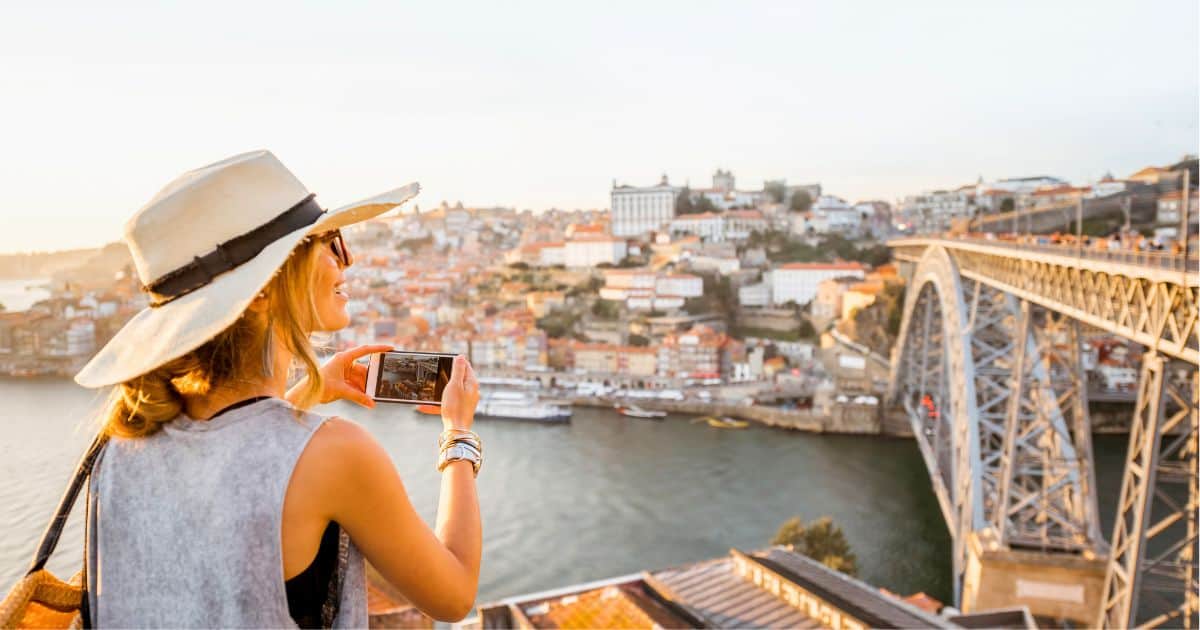
Lake Como: Guide to Towns, Boat Transport & Tips (2026)

TL;DRLake Como is a gorgeous Italian lake shaped like an upside-down fork, one of the deepest in Europe, hemmed in by steep slopes and snow-capped Alps. Along its shores you’ll find grand villas, romantic towns like Bellagio, Varenna and Como, and scenic walking paths. The best way to explore is by ferry between the towns. This guide covers the prettiest towns, how the ferries work, and where to find the best views. April to October is the best time to come.

When Lukáš and I first laid eyes on Lake Como, we were standing on the platform in Varenna, completely speechless. Turquoise water, snow-capped Alpine peaks behind it, and colourful little towns clinging to steep hillsides all around. I remember thinking it couldn’t possibly be real. But it absolutely is. 😊

This Italian lake, shaped like an upside-down fork, covers an area of 146 km² and ranks among the deepest lakes in Europe (up to 410 metres!). Along its shores you’ll find lavish billionaire villas, medieval castles, romantic harbours, and hiking trails with jaw-dropping views.

In this guide, I’ll walk you through the most beautiful towns around Lake Como, explain how boat transport on Lake Como works, and share practical tips we’ve tested first-hand. Whether you’re planning a day trip from Milan or a week-long Lake Como holiday — this is the guide you need.

Views in Varenna
Views in Varenna

TIP: Check out our article on the 10 most beautiful places in the Italian Alps.

Why Visit Lake Como

Lake Como isn’t just another Italian lake. It’s a place where Alpine wildness meets Italian elegance — and that contrast is absolutely captivating. Within an hour, you can travel from cosmopolitan Milan to a lakeside town where time seems to slow right down.

The lake has so much to offer that you’d need weeks to see absolutely everything. Grand villas with botanical gardens, medieval castles, cable cars soaring into the clouds, water sports, and perfect Italian cuisine — all in one place. And best of all: Lake Como is still a touch quieter than the overcrowded Lake Garda. 😉

Varenna — a town on Lake Como

Best Time to Visit Lake Como

You can visit Lake Como year-round, but the most pleasant period runs from April to October. We visited in February and had lovely weather, though some villas and gardens were closed for the season.

The best Lake Como weather with warm temperatures and sunny days stretches from March to November. Peak season (June–September) means more tourists, but also more boat connections and longer opening hours. If you’re into winter sports, head out in January or February — there are several ski resorts in the surrounding mountains.

💡 TIP: The sweetest months are May and September — pleasant temperatures, blooming gardens, and far fewer crowds than July and August.

How to Get to Lake Como

There are several ways to reach Lake Como. It all depends on where exactly you’re heading and how much you want to see.

From the UK, the easiest option is to fly into Milan. Budget airlines like easyJet, Ryanair, and British Airways operate regular flights to Lake Como‘s nearest airports — Milan Malpensa (MXP) and Milan Bergamo (BGY) — from London, Manchester, Edinburgh, and other UK cities. From there, it’s a short onward journey by train or car.

By Train from Milan

The train is the most comfortable and cheapest option. From Milano Centrale station, direct Trenord trains run to Como San Giovanni — the journey takes around 40 minutes and a one-way ticket costs 5–7 €. If you’re heading straight to Varenna, take the route via Lecco (approx. 1 hour).

Check specific connections at trenitalia.com or in the Trenord app.

By Car — Parking and Tips

A hire car is arguably the best choice if you want to explore the entire lake and the surrounding mountain villages. Bear in mind you’ll need to pay motorway tolls (Telepass or payment at toll booths) and expect limited parking in Como and Bellagio.

💡 TIP: The ferry search and price comparison tool Ferryscanner comes in handy if you’re planning a car ferry crossing.

Your best bet is to park at a park-and-ride on the outskirts (e.g. Autosilo Valmulini in Como, around 15 €/day) and continue by boat. Parking is easier in Varenna — there’s a public car park above the train station.

Organised Day Trips from Milan

If you’d rather not worry about transport, you can join an organised day trip from Milan. Most include visits to Bellagio, Varenna, and a cruise on the lake. You’ll find plenty of options on GetYourGuide:

Lake Como
Lake Como

Towns Around Lake Como

Lake Como is enormous and surrounded by dozens of beautiful towns. Each has its own character — from bustling Como to elegant Bellagio and peaceful Varenna. Here’s an overview of the most interesting ones.

Visiting Varenna
Visiting Varenna

Varenna — A Romantic Gem

I wholeheartedly recommend visiting picturesque Varenna — it’ll take your breath away the moment you step off the train. Varenna sits on the eastern shore and is easily accessible by train from Milan or by ferry from Bellagio and Menaggio. It’s nicknamed “The Town of a Thousand Opportunities” — and honestly, it’s hard to disagree. 😊

It’s perfect for romantic strolls, relaxing by the lake, swimming, or exploring local landmarks. You’ll find Castello di Vezio, Villa Monastero, and Villa Cipressi here. One fascinating feature is the Fiumelatte river — just 250 metres long, white thanks to its high limestone content, and mysteriously drying up from October to March.

For hiking, you can tackle the ancient Sentiero del Viandante trail, which follows the eastern shore of the lake.

Varenna
Varenna

Bellagio — The Pearl of Lake Como

Bellagio sits right where the lake splits into its two branches, offering panoramic views in both directions. The historic centre is a maze of narrow cobbled lanes climbing uphill from the harbour — known as salita Serbelloni. It’s no wonder Bellagio is called “the pearl of Lake Como”.

What to see in Bellagio:

  • Villa Melzi Gardens — admission around 8 €, stunning in spring (azaleas, rhododendrons)
  • Punta Spartivento — a public park on the tip of the peninsula, the best spot for sunset (free entry)
  • Villa Serbelloni — guided garden tour (booking required)

💡 FOOD TIP: Avoid the restaurants right by the harbour. You’ll find much better value a few streets up — try Bilacus or Trattoria San Giacomo.

Bellagio
Bellagio

Como — The Gateway to the Lake

At the southwestern tip of the lake you’ll find the town of Como itself. It’s the capital of the Como province and where most tourists arrive first — the train station is right in the centre. Como boasts a rich cultural scene, beautiful architecture, and a brilliant food scene.

Top things to see in Como:

  • Cathedral of Santa Maria Assunta — an imposing Gothic building right in the centre
  • Silk Museum — Como was once the silk capital of Europe
  • Basilica of Sant’Abbondio — a Romanesque gem from the 11th century
  • Como–Brunate funicular — 7 minutes to the clouds (one-way 3 €, return 5 €)

The town of Como is an excellent base for exploring other towns around the lake.

The town of Como
The town of Como

Menaggio — A Base for Day Trips

Menaggio is a charming town on the western shore of Lake Como. It’s strategically located in the middle of the lake, making it easy to reach Bellagio and Varenna by ferry. Nearby you’ll find the Menaggio & Cadenabbia Golf Club.

Menaggio also makes a superb base for hiking in the surrounding mountains and for exploring the western shore without the tourist crowds.

Menaggio
Menaggio

Lecco — The Quieter Eastern Shore

Lecco sits at the foot of Mt. Grigna and Resegone and is an ideal spot for nature lovers and outdoor enthusiasts. The surrounding hills and mountains offer fantastic hiking with stunning views of Lake Como and the Alpine peaks.

Lecco is also a popular destination for water sports — windsurfing and sailing. And unlike touristy Bellagio or Varenna, you’ll mostly encounter locals here.

Lecco
Lecco

Tremezzo and Tremezzina — Villas and Gardens

On the western shore lies Tremezzo (now part of the municipality of Tremezzina). The main attractions are Villa Carlotta with its breathtaking botanical garden and the famous Villa del Balbianello on the peninsula near Lenno.

Villa del Balbianello is arguably the most photogenic spot on the entire lake — you may recognise it from Star Wars: Episode II or Casino Royale. Admission 2026: around 12 € (garden) or 22 € (garden + interior). You can reach it by boat from Lenno (5 minutes, about 7 € return).

💡 TIP: Arrive at Villa del Balbianello first thing in the morning when it opens — queues start building after 11 am.

Villa Carlotta in Tremezzo

Other Towns Worth a Stop

Cernobbio

Cernobbio is known for its gorgeous architecture and exceptional views. The historic centre is full of narrow lanes and traditional Italian restaurants. One of the most famous spots is Villa d’Este — a luxury Renaissance palace and hotel surrounded by sprawling gardens.

Cernobbio
Cernobbio

Argegno

Argegno is a small town that draws visitors with its peaceful atmosphere and beautiful views. From the harbour you can hop on a boat trip, and nearby there’s a cable car up to Pigra with panoramic views of the lake and the Alps.

Argegno
Argegno

Nesso

On the eastern shore you’ll find Nesso, famous for its twin waterfalls — Orrido di Nesso. It’s a small, peaceful, and incredibly photogenic town that’s well worth a stop.

Nesso
Nesso

Careno

Careno is an authentic lakeside town on the eastern shore. Narrow lanes with traditional Italian houses and the Church of San Martino towering above the lake — only those in the know come here.

Careno
Careno

Mandello del Lario

Mandello del Lario is famous for its ties to motorcycle culture — this is where Moto Guzzi has its headquarters, and you can visit their museum. Otherwise, it’s a tranquil town with beautiful surroundings.

Mandello del Lario
Mandello del Lario

Gravedona ed Uniti

Gravedona ed Uniti sits on the northern tip of the lake. The Italian physicist Alessandro Volta spent time here in his youth (you know, the man behind the voltaic pile — the first electrical battery 😊). The standout landmark is the Church of Santa Maria del Tiglio, unique in the region.

Gravedona ed Uniti
Gravedona ed Uniti

Pescallo

Just a few minutes from Bellagio you’ll find the fishing village of Pescallo — known for its peaceful atmosphere and blissful emptiness. You can hire kayaks and water skis here.

Pescallo
Pescallo

Boat Transport on Lake Como

Boat transport is the heart of getting around Lake Como. It’s operated by Navigazione Laghi (navigazionelaghi.it) and is arguably the most beautiful way to explore the lake. Cruising between towns with the Alps as your backdrop — that’s something you simply can’t experience from a car.

Types of Boats

You’ll encounter three types of vessels on the lake:

  • Battello (slow steamer) — the cheapest option, stopping at every port. Ideal if you want to see as many towns as possible.
  • Aliscafo (fast hydrofoil) — more expensive but twice as fast. Great for longer journeys.
  • Traghetto (car ferry) — carries vehicles too! Only operates in the central part of the lake on the Bellagio–Menaggio–Varenna–Cadenabbia route.

Prices and Timetables 2026

A one-way ticket from Bellagio to Como costs around 12–15 €. The ferry between Varenna, Bellagio, and Menaggio runs at 4–6 €. If you’re planning to explore the lake over several days, it’s worth getting a day pass (biglietto giornaliero, around 30 €) or a three-day pass.

During peak season (June–September), boats run every 30–60 minutes on the main routes. Outside the season, services are less frequent — always check the current timetable at navigazionelaghi.it.

💡 TIP: The car ferry (traghetto) between Varenna, Bellagio, and Menaggio is a genius shortcut — the crossing takes just 15 minutes and saves you driving all the way around the lake.

Lake Como is absolutely stunning.

Where to Stay on Lake Como

Accommodation around Lake Como can get pricey, especially during peak season. You’ll find more affordable Lake Como hotels in Varenna, Como, or smaller towns like Menaggio. Another option is staying in Milan — it’s less than an hour by train to the lake.

In Varenna, I recommend Villa Varenna. In Bellagio, Hotel Centrale Bellagio offers excellent accommodation, and in Como you can opt for Como Luxury Rooms.

Accommodation in Varenna
lukas a lucka
Lukáš and Lucie recommend
Where to stay at Lago di Como
4 accommodations — hotels and other lodging options

Best Viewpoints and Attractions on Lake Como

Lake Como is packed with spots that’ll make your jaw drop. Here are the best viewpoints and landmarks you shouldn’t miss.

Villas on Lake Como

The towns around Lake Como are surrounded by magnificent villas with blooming gardens. Several of them are open to visitors:

Villa Monastero
Villa Monastero
  • Villa Olmo (Como) — stunning architecture and expansive gardens, free entry to the park.
  • Villa Monastero (Varenna) — originally a 16th-century monastery, now a museum and botanical garden with lake views.
  • Villa Cipressi (Varenna) — dating from the 16th century, now a luxury hotel. A popular wedding venue.
  • Villa Carlotta (Tremezzo) — one of the most important cultural landmarks on the lake. Features a museum and art gallery.
  • Villa Serbelloni (Bellagio) — an imposing villa where Winston Churchill and John F. Kennedy once stayed.
  • Villa Melzi (Bellagio) — 19th-century villa with beautiful azalea gardens.
  • Villa Bernasconi (Cernobbio) — built for a silk merchant, now a cultural centre.
  • Villa Erba (Cernobbio) — featured in the 2004 film Ocean’s Twelve.
Experiences & tickets
traveler-rated · GetYourGuide
Lake Como: Private Boat Cruise with Customizable Itinerary
★★★★★ 5.0 · 28 reviews
from €300
I want this experience →
🔗 These are affiliate links — they don't change your price and help us create content. · All experiences →

Castello di Vezio

On the hill above Varenna you’ll find Castello di Vezio, a castle steeped in medieval history. It’s open to the public today and offers gorgeous views over the lake and the whole of Varenna. The walk up takes about 20 minutes, and it’s worth every step.

Como–Brunate Funicular

From the town of Como, you can ride the funicular up to the village of Brunate and enjoy one of the finest views over the southern arm of the lake. The funicular runs every half hour from 6 am to 10:30 pm. A one-way ticket costs 3 €, return 5 €.

Piani d’Erna Cable Car

In Lecco, you can take the cable car up to 1,375 metres and soak in spectacular views of the lake and the surrounding Alps.

View from the Piani d'Erna cable car
View from the Piani d’Erna cable car

Isola Comacina

The only island on Lake Como — the popular Isola Comacina. The island measures about 350 metres in length and has been inhabited since Roman times. It was destroyed in the 12th century during a conflict between Como and Milan. Today it’s a popular destination for day-trippers — you can reach it by boat.

Isola Comacina
Isola Comacina

Punta Spartivento

Punta Spartivento is the furthest tip of the Bellagio peninsula, featuring a lovely park and panoramic lake views. Entry is free, and it’s one of the best spots to watch the sunset.

Monte Sighignola

If you’re travelling by car, don’t miss the summit of Monte Sighignola on the Swiss-Italian border. Breathtaking views from 1,320 metres above sea level — it’s aptly nicknamed the “Balcony of Italy”.

Things to Do on Lake Como

Swimming and Beaches on Lake Como

Swimming in Lake Como is a truly special experience. How often do you get the chance to swim in a warm Alpine lake while gazing at snow-capped peaks? The water heats up to 24 °C in summer.

Check out some of the local beaches:

  • Lido di Villa Olmo (Como) — right in town, easy access.
  • Lido di Bellagio — a lido with views of both arms of the lake.
  • Lido di Varenna — a small beach right below the town.
  • Lido di Lenno — a beach complex near Villa del Balbianello.
  • Lido di Menaggio — a public beach with sun and refreshing swimming.
Swimming in Varenna
Swimming in Varenna

Hiking

Lake Como and its surroundings offer fantastic hiking opportunities. The most popular trails include the Sentiero del Viandante (along the eastern shore from Lecco to Colico) and the Greenway del Lago di Como (a 10 km walk along the western shore between Colonno and Cadenabbia).

Sentiero del Viandante

Water Sports

Lake Como is a hub for water sports. You can try windsurfing, kitesurfing, or water skiing. Equipment hire is available in most larger towns — Lecco and Domaso are the most popular spots for water sports.

Extreme Cycling

Cyclists will love the loop from Varenna via Esino Lario and Parlasco, where a roughly three-hour ride takes you through 1,500 metres of elevation gain. The area around the lake is a paradise for both road and mountain biking.

Winter Sports

Lake Como has plenty to offer in winter too. You can head to one of the local ski resorts:

  • Pian di Bobbio,
  • Monte Sighignola,
  • Valchiavenna.

Practical Tips for Visiting Lake Como

How Many Days to Plan

On a day trip from Milan, you can squeeze in one or two towns (typically Como + Bellagio, or Varenna + Bellagio). But honestly? Lake Como deserves a slower pace. I’d recommend at least 2–3 nights so you have time to explore more towns, cruise by boat, and truly soak up the atmosphere.

Travel Insurance

I’d recommend having good travel insurance for any trip to Italy. You never know what might happen — whether it’s a cancelled flight or an injury during a mountain hike. While your EHIC/GHIC card covers basic healthcare in EU countries, comprehensive travel insurance will protect you against a much wider range of mishaps.

Fun Facts About Lake Como

Lake Como is an utterly captivating lake, and here are some interesting facts about it:

  • The water is surprisingly warm — despite its glacial origins, it heats up to 24 °C in summer.
  • Lake Como is one of the deepest lakes in Europe (maximum depth: 410 m).
  • The lake is teeming with fish — local restaurants serve fresh lavarello (whitefish) and missoltini (dried sardines).
  • It sits at an elevation of 198 metres above sea level.
  • George Clooney owns a villa (Villa Oleandra) in the town of Laglio on the western shore. And apparently, he’s completely down to earth. 😁
  • Villa del Balbianello featured in Star Wars: Episode II and Casino Royale — making it a must-see for Lake Como Star Wars fans.

Frequently Asked Questions

What towns are around Lake Como?

Dozens of picturesque towns are scattered around the lake. The most visited include Bellagio (the pearl of the lake at the junction of its two branches), Varenna (a romantic gem on the eastern shore), Como (the provincial capital and gateway to the lake), Menaggio (a great base on the western shore), and Lecco (a paradise for outdoor activities). Other interesting towns include Tremezzo, Cernobbio, Argegno, and Nesso.

How do I get to Lake Como?

From the UK, fly to Milan (Malpensa or Bergamo) with airlines like easyJet, Ryanair, or British Airways. From Milano Centrale station, direct Trenord trains run to Como San Giovanni (40 minutes, 5–7 €) or to Lecco/Varenna (about 1 hour). By car, expect motorway tolls and limited parking. The nearest international airport is Milano Malpensa.

How does boat transport work on Lake Como?

Boat services are operated by Navigazione Laghi. Three types of vessels run on the lake: battello (slow steamer), aliscafo (fast hydrofoil), and traghetto (car ferry). The car ferry connects Varenna, Bellagio, Menaggio, and Cadenabbia. A one-way ticket from Bellagio to Como costs around 12–15 €, while a day pass is about 30 €.

Where is the best place to stay on Lake Como?

It depends on your style. Bellagio is the most beautiful but priciest. Varenna offers a romantic atmosphere at more affordable rates. Como is practical as a base with direct train links to Milan. Menaggio is a quieter alternative on the western shore. Book well in advance during peak season.

How many days should I plan for Lake Como?

On a day trip from Milan, you can visit 1–2 towns. For a relaxed exploration of the lake, I’d recommend at least 2–3 nights. With a full week, you can see most of the highlights including villas, funiculars, and hiking trails.

Tips and Tricks for Your Vacation

Don’t Overpay for Flights

Search for flights on Kayak. It’s our favorite search engine because it scans the websites of all airlines and always finds the cheapest connection.

Book Your Accommodation Smartly

The best experiences we’ve had when looking for accommodation (from Alaska to Morocco) are with Booking.com, where hotels, apartments, and entire houses are usually the cheapest and most widely available.

Don’t Forget Travel Insurance

Good travel insurance will protect you against illness, accidents, theft, or flight cancellations. We’ve had a few hospital visits abroad, so we know how important it is to have proper insurance arranged.

Where we insure ourselves: SafetyWing (best for everyone) and TrueTraveller (for extra-long trips).

Why don’t we recommend any Czech insurance company? Because they have too many restrictions. They set limits on the number of days abroad, travel insurance via a credit card often requires you to pay medical expenses only with that card, and they frequently limit the number of returns to the Czech Republic.

Find the Best Experiences

Get Your Guide is a huge online marketplace where you can book guided walks, trips, skip-the-line tickets, tours, and much more. We always find some extra fun there!

Brno, Czech Republic: Best Things to Do and See

TL;DRBrno, the Czech Republic’s second-largest city, offers a historic centre that can easily be explored in just a few hours. Highlights include Špilberk Castle, the Cathedral of St Peter and St Paul on Petrov hill, the functionalist Villa Tugendhat listed as a UNESCO World Heritage Site, and the Old Town Hall with its legendary Brno dragon. Nearby you’ll also find the Brno Reservoir, the Pálava region and the Slavkov battlefield (site of the Battle of Austerlitz). The city centre is anchored by the bustling Freedom Square (Náměstí Svobody) and the historic Cabbage Market (Zelný trh).

Brno, the second largest city in the Czech Republic, offers many interesting sights, monuments, and attractions worth seeing and experiencing. In this guide I will share with you Brno, Czech Republic: Best Things to Do and See. A tour of the historic part of the city can be done in a few hours, and you can also visit some of the nearby landmarks and natural beauties of the Moravian metropolis. We have compiled 20 tips for you on what to see and do in Brno.

Where to Stay in Brno

You can’t go wrong with any accommodation in Brno city center:

TIP: What to do in Pálava: 15 tips for trips in the area.

Brno, Czech Republic: Best Things to Do and See

Among the city’s most famous symbols is the Brno dragon in the Old Town Hall. The area around Brno also offers many other interesting places to visit, such as the functionalist UNESCO monument Villa Tugendhat, castles, chateaus, and monasteries, as well as the Brno Dam or the Slavkov battlefield.

It may already be clear to you that you definitely won’t be bored in Brno, we have compiled 20 tips for you on what to see and do in Brno.

Historical Sights

Brno was founded in the 13th century , and offers visitors the opportunity to delve into its history through many preserved buildings and cultural monuments. Among the most significant historical sights are, for example, the majestic Špilberk Castle, the Cathedral of Saints Peter and Paul, the Basilica of the Assumption of Our Lady, or the Capuchin Crypt.

Špilberk Castle

Špilberk is a significant historical monument in Brno and a dominant structure on a hill in the city center. It was founded in the 13th century and served as a defensive stronghold and residence for Moravian margraves. Later, it was rebuilt into a fortress and was known in its time as “Austria’s toughest prison”. Today, the castle is open to the public.

Cathedral of Saints Peter and Paul at Petrov

The Cathedral of Saints Peter and Paul, also known as Petrov, is one of the most significant cultural and spiritual monuments in Brno. The original Romanesque church was founded in the 12th century, and the cathedral’s current Neo-Gothic appearance dates back to the 19th century. From the cathedral tower, there is a beautiful view of the city and the surrounding landscape.

Villa Tugendhat

Villa Tugendhat is one of Brno’s architectural gems and is inscribed on the UNESCO list. It was built in 1930 according to the design of the famous German-American architect Ludwig Mies van der Rohe for the Tugendhat family. The villa is a unique blend of functionalist architecture and luxurious living, with a remarkable view of Brno. Today, it is open to the public for tours and cultural events.

Old Town Hall

The Old Town Hall, located in the very heart of Brno, is the oldest preserved building on Freedom Square. It was built in the 13th century and later underwent several reconstructions. It is famous for its Gothic tower and stone arcaded corridor adorned with sculptures and coats of arms. The tower also houses a well-known symbol of Brno, a dragon hanging from the ceiling. The Old Town Hall is now home to an information center and tourist attractions.

Freedom Square

An iconic place in the center of Brno is Freedom Square, a bustling square full of shops, cafes, and historic buildings, where various cultural events and markets are held. The dominant feature of the square is a modern astronomical clock, which attracts the attention of both tourists and locals.

Zelný Trh

Zelný trh is Brno’s marketplace with a rich history dating back to the Middle Ages, where visitors can buy fresh fruit, vegetables, flowers, and regional products.

Museums and Galleries

In Brno, you can visit a number of interesting museums and galleries that will delight all lovers of history, culture, and art.

Moravian Museum

The Moravian Museum is the oldest and largest museum in Moravia, focusing on the research and presentation of Moravia’s cultural heritage. It features exhibitions dedicated to archaeology, ethnography, art history, and natural sciences.

Moravian Gallery

The Moravian Gallery is the second largest art museum in the Czech Republic, specializing in visual arts, design, and architecture. The gallery hosts permanent exhibitions and temporary displays of various art movements and periods.

Mendel Museum

The Mendel Museum is a museum dedicated to the life and work of Gregor J. Mendel, the founder of genetics. In the museum, you will learn about his research on plants, especially peas, and how his discoveries influenced modern science.

Technical Museum

The Technical Museum is dedicated to the development of technology and techniques in the Czech Republic. In the museum, you will find collections of older and modern machines, means of transport, weapons, and many other technical devices that demonstrate progress and innovation over time.

Nature and other Activities

Brno also offers many opportunities for nature lovers and active holidays. For example, nature reserves and parks, such as Lužánky or the popular Špilberk Park, provide an ideal place for relaxation and sports activities.

Brno Dam

The Brno Dam is a popular spot for sports activities, recreation, and relaxation. It offers opportunities for swimming, water sports like yachting or windsurfing, as well as walks and picnics in the surrounding nature. Nearby, you will also find the magnificent Veveří Castle, which is also worth a visit.

Brno Zoo

If you have children, we definitely recommend visiting the local zoo. Brno Zoo is home to many animal species, from mammals to birds and reptiles. It is an ideal place for families with children or animal lovers. The zoo regularly organizes various exhibitions and social events.

Kraví Hora

Kraví hora is a beautiful park that offers a natural oasis in the middle of the city and is also a very popular place for all those who want to exercise, relax, or simply meet friends. You will also find the Brno Observatory and Planetarium here, which are an excellent choice for curious visitors who want to learn more about space research or astronomy.

Observation Towers

In the city and its surroundings, there are several observation towers that offer breathtaking views of the landscape and Brno city center. For example, the observation tower on Holedná or on Babí lom are worth a visit.

Festivals and Theatres

Brno is also known for its rich theatre scene and diverse festival offerings.

Brno City Theatre

Brno City Theatre is among the most famous theatres in Brno and offers a wide range of genres, from drama to operetta and musical. The theatre’s artistic ensemble consists of talented actors, singers, and dancers. For audiences interested in theatre-related activities, Brno City Theatre annually organizes festivals focused on various genres.

The scientific community can look forward to festivals such as Science Mundi, which presents the latest scientific knowledge and research. Brno City Theatre also organizes events as part of the project Brno — City in the Heart of Europe, which supports intercultural dialogue and interaction among individual European countries.

HaDivadlo

HaDivadlo is another important part of Brno’s theatre scene. It is known for its unconventional productions and experimental approach to theatrical art. Performances are staged here that are not afraid to discuss sensitive social topics and open new horizons for audiences.

This theatre also regularly hosts the Brno Lunapark festival, or theatre with coffee, which offers theatrical performances in cafes throughout the city. HaDivadlo also frequently participates in Degeneration NEXT, a festival focused on young and new theatre creators.

Other Points of Interest

Finally, we have a few more Brno attractions that you shouldn’t miss during your visit.

Capuchin Crypt

The Capuchin Crypt is one of the most interesting places in Brno. Located in the heart of the city, near Zelný trh, it is known for its mysterious atmosphere and history. This Baroque crypt served as a burial place for members of the Capuchin order and important figures of the city. Thanks to specific conditions and burial methods, the bodies of the deceased naturally mummified here, which gives the crypt its special and mysterious atmosphere. Visitors can see not only the friars but also coffins with richly decorated inscriptions and symbols in the crypt.

Monastery of St. James

Brno is rich in monasteries. One of them is Monastery of St. James , located near the Church of St. James and the Ossuary of St. James. The monastery was founded in the 13th century and for centuries served as a center of spiritual life and education. Throughout its history, it underwent many architectural modifications that gave it its current form.

Basilica of the Assumption of the Blessed Virgin Mary

The Basilica of the Assumption of Our Lady in Brno is one of the city’s most significant sacred buildings. It is located on Mendel Square and is part of the former Cistercian monastery. This impressive Gothic structure was completed in the 14th century, and its majestic architecture with high vaults and rich decoration continues to fascinate visitors today. The basilica’s interior is adorned with magnificent frescoes, altars, and stained glass windows depicting scenes from the life of the Virgin Mary.

Labyrinth under Zelný Trh

One of the most mysterious and interesting places in Brno is the Labyrinth under Zelný trh. This mysterious underground maze of the oldest cellar spaces in Brno will take you into the city’s history and all its secrets. Explore the minter’s cellars, enjoy the atmosphere of past times, and discover the treasures hidden in this unusual place.

FAQ

What are the main tourist attractions in Brno?

The main tourist attractions include Špilberk Castle, the Cathedral of Saints Peter and Paul, Freedom Square, Zelný trh, the Capuchin Crypt, Villa Tugendhat, and the Brno underground.

Where can I find the best view of the city?

The best view of the city is offered by the tower of the Cathedral of Saints Peter and Paul, the observation tower at Špilberk Castle, and Kraví hora.

Which museums are worth visiting?

We recommend visiting the Moravian Museum, the Technical Museum in Brno, the Museum of Romani Culture, and the Brno City Museum at Špilberk.

What to do with children in Brno?

For families with children, we recommend visiting the zoo, the Vida! science center, or taking a walk in Lužánky Park. Another great place is the Brno underground.

Tips and Tricks for Your Vacation

Don’t Overpay for Flights

Search for flights on Kayak. It’s our favorite search engine because it scans the websites of all airlines and always finds the cheapest connection.

Book Your Accommodation Smartly

The best experiences we’ve had when looking for accommodation (from Alaska to Morocco) are with Booking.com, where hotels, apartments, and entire houses are usually the cheapest and most widely available.

Don’t Forget Travel Insurance

Good travel insurance will protect you against illness, accidents, theft, or flight cancellations. We’ve had a few hospital visits abroad, so we know how important it is to have proper insurance arranged.

Where we insure ourselves: SafetyWing (best for everyone) and TrueTraveller (for extra-long trips).

Why don’t we recommend any Czech insurance company? Because they have too many restrictions. They set limits on the number of days abroad, travel insurance via a credit card often requires you to pay medical expenses only with that card, and they frequently limit the number of returns to the Czech Republic.

Find the Best Experiences

Get Your Guide is a huge online marketplace where you can book guided walks, trips, skip-the-line tickets, tours, and much more. We always find some extra fun there!
Poland: 9 Best Places for Your Holiday

TL;DRPoland is packed with modern theme parks and water parks, which makes it a brilliant choice for a family holiday with kids — and plenty of them sit close to the border, perfect for a weekend break. This guide rounds up 9 of the best theme parks and water parks in Poland, from ride-packed adventure parks to sprawling indoor water worlds. For each one, we’ll tell you what age group it suits and what you can expect once you’re there. You can visit all year round, since the indoor water parks keep running through winter too.

Poland has become a popular destination for family vacations in recent years, mainly due to the growing number of modern amusement parks and water parks. Our northern neighbors offer excellent facilities for an active vacation with children, which takes place not only by the sea or in the mountains, but also in thematic parks full of attractions. Moreover, many of them are located relatively close to the Czech borders, making them an ideal destination even for weekend trips.

In this guide, I will share with you the Poland: 9 Best Places for Your Holiday where you can go with your family for an unforgettable experience.

TL;DR

  • Poland offers a number of modern amusement parks and water parks with excellent value for money
  • The best time to visit is May to September, fewer people outside the main season (July-August)
  • Energylandia is the largest amusement park in Poland (120+ attractions) with sections for different age groups
  • Legendia is the oldest Polish amusement park, ideal for families with children aged 4-12
  • Majaland (Kownaty and Warsaw) are parks themed around Maya the Bee, suitable for children aged 5-10
  • Zatorland and JuraPark Krasiejów combine entertainment with education (dinosaurs, mythology)
  • Suntago Wodny Świat is the largest indoor water park in Europe
  • Aqua Park Reda offers a unique experience – swimming with sharks
  • Most parks are easily accessible by car from the Czech Republic (especially Energylandia and Legendia from Ostrava)
  • Ticket prices range around 99-179 PLN for adults (560-1000 CZK)
  • Family or multi-day tickets are often available, which are more advantageous
  • Most parks also offer dining and accommodation options nearby or directly on site (we recommend Holiday Park Zator or Green Village w Aquapark Reda)

When to Visit Polish Amusement Parks

Most Polish amusement parks are open from spring to autumn, with the main season running from June to September. During this period, all attractions are fully operational and visitors can also enjoy outdoor activities and water attractions. However, especially during the summer holidays, it is necessary to expect higher visitor numbers and longer queues at popular attractions.

If you want to visit amusement parks without crowds of tourists, we recommend going in May, June, or September, when the weather is still pleasant, but visitor numbers are lower. For water parks, any time of year is ideal, as most of them offer both indoor and outdoor attractions.

💡You might also be interested in: Vacation in Poland by the sea

Poland: 9 Best Places for Your Holiday

We have compiled a list of the best amusement parks in Poland for you.

Energylandia – the Largest Amusement Park in Poland

Energylandia in Zator (near Krakow) is undoubtedly the star among Polish amusement parks. Since its opening in 2014, it has been constantly expanding and now offers over 120 attractions on an area of more than 70 hectares. The park is divided into several thematic zones adapted for different age groups.

For children under 6, there is the Bajkolandia zone with approximately 20 attractions. Families with children will appreciate the Strefa Familijna zone with 14 attractions, while older children and adults can test their courage in the extreme Strefa Ekstremalna zone, where they will find, for example:

  • Hyperion – one of the tallest and fastest roller coasters in Europe (142 km/h)
  • Zadra – an impressive wooden roller coaster full of twists and turns
  • Formuła – a modern steel coaster with loops and acrobatic elements

The complex also includes a water park with pools and slides, making Energylandia an ideal place for a full-day or even multi-day visit. An adult ticket costs approximately 179 PLN (about 1000 CZK), a reduced ticket for a child under 140 cm and seniors over 65 is 129 PLN (about 730 CZK). Discounted two-day tickets are also available.

🏠Accommodation TIP: Holiday Park Zator

Legendia – the Oldest Amusement Park in Poland

Legendia in Chorzow near Katowice has a long history dating back to 1959. In recent years, it has undergone extensive reconstruction and modernization, thanks to which it now offers modern attractions in a pleasant environment.

The main attractions of the park are:

  • Lech Coaster – a modern roller coaster with a thematic focus on Slavic mythology
  • Bazyliszek – an interactive attraction combining a ride and laser shooting
  • Górnicza Kolejka – a historical ride in an underground world inspired by mining

The park is ideal for families with children aged 4 to 12, but also offers attractions for older children and adults. Standard admission for adults is around 159 PLN, for children 149 PLN, and children under 2 years pay a symbolic 10 PLN.

🏠Accommodation TIP: Hotel Diament Arsenal Palace

Majaland Kownaty and Majaland Warsaw

Majaland is a network of amusement parks inspired by popular children’s characters, such as Maya the Bee. In Poland, we can find two – Majaland Kownaty near the German border and Majaland Warsaw near Warsaw.

Both parks are primarily aimed at families with younger children (approximately 5-10 years old) and offer a range of attractions such as:

  • Family roller coasters with gentle turns
  • Water attractions and slides
  • Carousels and various themed rides
  • Interactive playgrounds

Tickets range from 115-145 PLN for visitors over 1 meter tall, children pay half price, and the smallest ones (under 85 cm) have free entry. Don’t forget that parking is paid separately (around 17-18 PLN).

🏠Accommodation TIP: Hotel Port

Zatorland and JuraPark Krasiejów

For families who want to combine entertainment with education, the thematic parks Zatorland and JuraPark Krasiejów are ideal.

Zatorland in Zator offers four thematic zones:

  • Park of moving dinosaurs with over 100 life-size models
  • Mythology Park with characters from Greek mythology
  • Insect Park with giant models of various insect species
  • Lunapark with traditional fairground attractions

JuraPark Krasiejów focuses on paleontology and prehistory. Visitors can admire over 200 life-size dinosaur models, visit a time tunnel, or pavilions with fossils. The park also offers educational programs where children can try out excavations.

Prices in these parks are favorable – an adult pays around 99 PLN, children from 91 cm also 99 PLN, and family or two-day tickets are available, which can be more advantageous.

💡Read also: Best wellness hotels in Poland

lukas a lucka
Lukáš and Lucie recommend
Where to stay in Poland
6 accommodations — resorts, hotels and other lodging options

Best Water Parks in Poland

If you are looking for water adventures, then we have selected the best water parks in Poland for you.

Suntago Wodny Świat – the Largest Indoor Water Park in Europe

Suntago Wodny Świat in Wręcza near Warsaw is the largest indoor water park in Europe. It is divided into several thematic zones:

  • Jamango Water Jungle – tropical zone with slides and pools
  • Relax Zone – quiet zone with thermal pools
  • Saunaria – sauna world with various types of saunas and wellness procedures

The water park is a perfect place for a year-round visit, as thanks to the indoor attractions, you can enjoy it even in winter or bad weather.

🏠Accommodation TIP: Suntago Village

Aqua Park Wodny Krakow

One of the largest water parks in Poland offers not only pools but also an artificial river and several unusual slides. There are five outdoor slides available: Kongo, the multimedia TWISTER, the fiery SPEED FIRE, the extremely fast NITRO, and the indoor MAMBA.

For children, there are special attractions such as the Rainbow slide or the “family” of crocodile slides. There is also a water climbing wall, Rainbow Path, water polo, and a basketball court. Children will certainly appreciate the pirate island with a pirate ship and water cannons.

🏠Accommodation TIP: Hotel Swing

Aqua Park Reda – Swimming with Sharks

A unique water park on the Baltic Sea coast is Aqua Park Reda, which combines an aquarium with a water park. On an area of 7000 m², you will find 500 meters of water slides, 500 pontoons, and… 15 sharks! Yes, in this water park you can actually swim with sharks.

🏠Accommodation TIP: Green Village w Aquapark Reda

Aqua Park Zakopane

The Aquapark in the mountain resort of Zakopane offers both indoor and outdoor pools. Children will find recreational pools with geysers, a paddling pool with warm water, five different slides, and a wild river.

An interesting feature is the possibility of swimming in thermal water outdoors during the summer season with a magnificent view of the Tatras. There is also a whirlpool, a sauna world, a 5-lane bowling alley, and several refreshment stands.

🏠Accommodation TIP: Domki Krupa Chochołów

Aqua Park Wroclaw

In the capital of Lower Silesia, you will find a water park offering a wave pool, a lazy river, jacuzzis, and children’s pools. The youngest visitors can use the zone called Children’s Bay, which is also adapted for children from 4 months.

Older children and adults will appreciate the multimedia slides, the High-Fly ski jump, or the turbo slide. The complex also includes a recreational pool, a salt pool with geysers and showers, a sauna, fitness, and refreshments.

🏠Accommodation TIP: Campanile Wroclaw Centrum

Amusement Parks in Poland: Practical Tips for your Visit

Finally, we have compiled some practical tips for your visit.

How to get to Polish Amusement Parks

Most amusement parks in Poland are easily accessible by car. Parking lots are usually spacious and located in the immediate vicinity of the park entrances. Some parks, such as Energylandia, also offer bus transport from larger cities like Krakow or Katowice.

For visitors from the Czech Republic, the most convenient way to travel is by car, especially if you are heading to parks in southern Poland:

  • Energylandia in Zator is approximately a 2-hour drive from Ostrava
  • Legendia in Chorzow is even closer to the Czech border, about an hour and a half drive from Ostrava
  • Majaland Kownaty is further away, but still accessible from the Liberec and Ústí nad Labem regions (approx. 3 hours drive)

Accommodation near the Parks

If you are planning a longer visit, it is a good idea to consider accommodation near the park. Energylandia offers its own resort with themed rooms, while a wide range of hotels and guesthouses are available around Legendia and Majaland Kownaty. We recommend, for example, Hotel Port.

For families, it may be advantageous to choose accommodation with half board or full board so that they do not have to worry about meals during a demanding day at the amusement park.

Dining in Amusement Parks

Most amusement parks have a wide range of dining facilities where you can enjoy various types of food – from fast food to classic restaurants. Some parks, such as Energylandia, also offer themed restaurants that complement the overall experience of visiting the park.

Prices in restaurants inside the parks tend to be higher, so it’s a good idea to bring at least some snacks and drinks with you, if the park rules allow it.

Tips for Visiting with Children

  • Plan your visit outside the main season, if possible, to avoid long queues.
  • Check the restrictions for individual attractions in advance – some have minimum height or age requirements.
  • Take advantage of discounted family tickets or two-day tickets if you are planning a longer stay.
  • Arrive right at the park’s opening to have enough time and avoid the biggest queues.
  • Bring your swimwear to amusement parks too – many of them also have water attractions.
  • Don’t forget sunscreen and a hat in the summer months.

Conclusion

In recent years, Poland has become a true paradise for lovers of amusement parks and water parks. Thanks to an attractive combination of modern attractions, favorable prices, and good accessibility from the Czech Republic, it represents an ideal destination for a family vacation or an extended weekend.

From the largest amusement park Energylandia, through the educational JuraPark Krasiejów, to the largest indoor water park in Europe, Suntago Wodny Świat – Polish amusement parks have something to offer visitors of all ages. And with new attractions and parks being added every year, we have a lot to look forward to in the future.

So, if you are looking for fun, adrenaline, and experiences for the whole family, consider visiting one of the Polish amusement parks – you won’t regret it!

Frequently Asked Questions

What is the ideal age for children to visit Polish amusement parks?

Most Polish amusement parks offer attractions for children of all ages. Majaland is ideal for children aged 5 to 10, Energylandia has zones for all age groups, and parks like Zatorland or JuraPark Krasiejów are suitable for school children and preschoolers.

Is it necessary to book tickets in advance?

Especially during the main season, it is recommended to buy tickets online, as it saves time and often offers better prices. Some parks have a limited daily number of visitors, so prior booking is more secure.

What is the price difference between Polish and Czech amusement parks?

Polish amusement parks often offer better value for money than Czech parks. For a similar or lower price, they offer more attractions and more modern facilities. For example, admission to Energylandia costs approximately 1000 CZK for an adult, which is comparable to larger Czech parks, but the scope and quality of attractions are significantly higher.

Is it possible to pay with euros or cards in Polish amusement parks?

In Polish amusement parks, it is usually possible to pay with payment cards. Cash is accepted in Polish zlotys (PLN), not euros. Therefore, we recommend having Polish currency or a payment card with you.

Tips and Tricks for Your Vacation

Don’t Overpay for Flights

Search for flights on Kayak. It’s our favorite search engine because it scans the websites of all airlines and always finds the cheapest connection.

Book Your Accommodation Smartly

The best experiences we’ve had when looking for accommodation (from Alaska to Morocco) are with Booking.com, where hotels, apartments, and entire houses are usually the cheapest and most widely available.

Don’t Forget Travel Insurance

Good travel insurance will protect you against illness, accidents, theft, or flight cancellations. We’ve had a few hospital visits abroad, so we know how important it is to have proper insurance arranged.

Where we insure ourselves: SafetyWing (best for everyone) and TrueTraveller (for extra-long trips).

Why don’t we recommend any Czech insurance company? Because they have too many restrictions. They set limits on the number of days abroad, travel insurance via a credit card often requires you to pay medical expenses only with that card, and they frequently limit the number of returns to the Czech Republic.

Find the Best Experiences

Get Your Guide is a huge online marketplace where you can book guided walks, trips, skip-the-line tickets, tours, and much more. We always find some extra fun there!

Greece: 5 Best Places for Your Holiday

TL;DRWhich Greek islands are the most beautiful? Out of thousands, only a handful really stand out, and no single one suits everyone. This guide helps you pick the right island for what you’re after: crystal-clear sea, family-friendly resorts, or those postcard-perfect white houses with blue roofs. We go through the loveliest islands one by one, with what makes each of them special. The best time to visit is May to October. Go find your dream Greek island.

Which island in Greece is the most beautiful? There are thousands of Greek islands, but some of them stand out. Each of the Greek islands mentioned below is rightfully one of the most beautiful islands in Greece, but they won’t always be the right choice for everyone. Luckily, we have information to help you choose!

It always depends whether you want perfectly clean sea, perfect facilities for families with children or you want perfect photos of white houses with blue roofs. Let’s take a look at each island in detail.

What are the greenest and most beautiful islands in Greece?

While it’s clear which is the largest island in Greece, some will probably quibble with us when it comes to the ones we call the most beautiful island in Greece or the greenest island in Greece. 😁

It doesn’t matter, we all have different tastes and the most beautiful Greek island might be different for everyone. Nevertheless, we hope that this list of the most beautiful islands in Greece will help someone in choosing a holiday. Read carefully so you know what to expect from each island.

The greenest island in Greece – Zakynthos

Among the greatest pearls of Greece are Zakynthos often described as the greenest island in Greece, known for its lush vegetation and beautiful beaches.

With more than 850,000 visitors a year, this island attracts tourists for its sandy beaches, Caretta Caretta turtles and crystal clear water. Zakynthos is suitable for both holidays for two and family holidays with smaller children.

In Zakynthos you can go on a number of boat trips, snorkelling and caving. The beaches of Zakynthos are perfect. However, there are not as many activities for hiking enthusiasts as in Crete.

Best hotels in Zakynthos: Where to stay

Zakynthos is one of the smaller but highly sought after destinations, so the best accommodation tends to be gone very quickly if you are lucky enough to still have availability in Viatzo Villas , definitely don’t hesitate

For families with smaller children, an all-inclusive hotel is a good choice ; our favourites include the Bitzaro Grande Hotel & Suites. You can’t usually get one at the last minute, but maybe you’ll get lucky.

Tip: Read our detailedarticle about holidays in Zakynthos.

The most beautiful island of Greece – Santorini

Santorini is often considered the most beautiful island in Greece, at least it is the most popular among influencers for its whitewashed, blue-roofed houses and breathtaking sunsets.

But if you’re after white sand or pebble beaches, Santorini is not the ideal choice. Santorini’s beaches are black and red sand, so it ‘s more likely to be for sunsets over white villages with blue roofs. Santorini is more suitable for a romantic holiday for two than for a holiday with children.

Where to stay in Santorini to make sense

Santorini is worth the extra cost, if still available, we recommend AVAL All Suite Hotel . This hotel has absolutely gorgeous apartments where you can book a room with a veranda. You’ll find it in Messaria, in the middle of the island, which is just an absolutely perfect location for exploring the island.

The most beautiful island of Greece – Corfu

Now that we’ve named Santorini as the most beautiful, we can give Corfu the title of the most beautiful. 😁 Why not? Forbid me to… It’s such a nice island that doesn’t play games and you can still experience the authentic Greek atmosphere even in the midst of the tourism.

Lukas and I are extremely keen to return to Corfu as we find it absolutely perfect for a peaceful holiday at great prices.

In Corfu you have absolutely everything you need for a perfect active and leisurely holiday. You won’t be bored here whether you’re 10 years old or 70. There is something for everyone. We wrote more about Corfu Here.

Best hotel: where to stay in Corfu

If you’re lucky enough to get a free room, we definitely recommend staying at Angsana Corfu Resort & Spa.

The largest island of Greece – Crete

Greece’s largest island is also the most visited of all Greek destinations (over 4.7 million tourists visit it annually). And no wonder.

The island offers stunning beaches, archaeological excavations, mysterious stories of the Minoan civilization and plenty of activities for children in the form of snorkeling and kayaking trips in the footsteps of pirates.

If you haven’t been to Crete yet and are thinking about where to go in Greece, I would probably choose Crete. Especially if you are going to Greece for the first time and you don’t know what you want from a Greek holiday. In Crete you have everything.

Tip: Read our detailed article on Crete .

Where to stay in Crete? Tips for the best resorts

For families with children there is Stella Village Seaside Hotel which offers both on-site slides and an all-inclusive package. Which is a guaranteed recipe for a peaceful holiday, even for those who have small or bigger pets at home.

If you’re unlucky and it’s already full, check out Arina Beach Resortwhich has a great location and water slides for the kids. ☺️

The southernmost island of Greece – Rhodes

Rhodes is rightfully one of the most beautiful islands in Greece, as evidenced by the statistic that over 2.5 million tourists visit it every year. Rhodes is also known as one of the warmest islands in Greece, so people start coming here for swimming and sun in May and the season stretches into October.

The biggest tourist attraction is probably the Valley of the Butterflies, but Rhodes is also known for a very diverse range of historical sites such as the medieval Palace of the Grand Master of the Knights, a rare example of Gothic architecture in Greece, the Archaeological Museum located in the Great Hospital of the Johanites, or the Clock Tower in Rhodes Town.

Rhodes also has beautiful beaches and you can go on boat trips and snorkelling again. However, there is not as much on offer as in Crete or Zakynthos.

Tip: Read the detailed article about Rhodes .

Hotel tips: where to stay in Rhodes

Most of the resorts are located in the northern and eastern part of the island, where there are also the best facilities for families with children. For example, try an all-inclusive hotel Atlantica Dreams Resort .

lukas a lucka
Lukáš and Lucie recommend
Where to stay on Greek islands
6 accommodations — resorts, wellness hotels and other lodging options

Where to next?

Are none of the above mentioned Greek islands appealing to you or have you already visited them all? Never mind, we have an article for you: 29 tips on where to go on holiday in Greece.

If you disagree with us and have other favourites among the Greek islands, be sure to let us know in the comments. And don’t be mad at us. We all have different tastes and everyone liked the most somewhere a little different. 😁

Where to buy tours to Greece

After you have chosen the most beautiful island of Greece to your liking, it’s a good idea to decide whether you want to go to Greece on your own or with a tour operator. I have done both and everything has its advantages and disadvantages.

If you’re travelling on your own, book your accommodation early and often you can’t do without a car – unless you just want to lounge around in a hotel (not a bad thing either, if you enjoy it, don’t let it talk you out of it 😁). Book a car through DiscoverCars.

If you fly on your own, be sure to check out our article, on how to get cheap flights.

And where to look for tours? I recommend checking out the portal Invia, because there are probably all the tours offered by Czech travel agencies, so there is a choice from 150 Czech travel agencies that are verified by this portal so you can be sure that they are trustworthy. There won’t be any small local travel agencies, but I would be afraid of that. 😁

Frequently Asked Questions

Can I fly to Greece on my ID?

Yes, you just need an ID card or passport.

Which Greek island is the most beautiful?

The most beautiful Greek island is Santorini, but it doesn’t have the most beautiful beaches.

When to go on holiday to the sea in Greece?

Flights to Greece are most common from June to September, and to the Greek island of Rhodes from May to October.

Tips and Tricks for Your Vacation

Don’t Overpay for Flights

Search for flights on Kayak. It’s our favorite search engine because it scans the websites of all airlines and always finds the cheapest connection.

Book Your Accommodation Smartly

The best experiences we’ve had when looking for accommodation (from Alaska to Morocco) are with Booking.com, where hotels, apartments, and entire houses are usually the cheapest and most widely available.

Don’t Forget Travel Insurance

Good travel insurance will protect you against illness, accidents, theft, or flight cancellations. We’ve had a few hospital visits abroad, so we know how important it is to have proper insurance arranged.

Where we insure ourselves: SafetyWing (best for everyone) and TrueTraveller (for extra-long trips).

Why don’t we recommend any Czech insurance company? Because they have too many restrictions. They set limits on the number of days abroad, travel insurance via a credit card often requires you to pay medical expenses only with that card, and they frequently limit the number of returns to the Czech Republic.

Find the Best Experiences

Get Your Guide is a huge online marketplace where you can book guided walks, trips, skip-the-line tickets, tours, and much more. We always find some extra fun there!
Spain Holiday: 17 Best Places to Visit in Spain

TL;DRSpain serves up sunshine, beaches and a friendly buzz, and there’s something here for everyone. The guide rounds up 17 ideas for your holiday: swimming spots in Andalusia, the Costa Brava, or the Balearics and Canaries, historic cities like Barcelona, Seville and Granada, and active breaks that mix surfing with mountain hikes. Head there between June and September for the beaches, while spring and autumn are best for the cities. We’ll help you pick the right spot for you.

When you think of a holiday in Spain, sunshine, beaches and the laid-back charm of the Spanish way of life immediately spring to mind. Although we personally love Andalusia the most — we go back almost every year — there are so many incredible destinations and best places to visit in Spain that it’s hard to narrow them down.

Whether you prefer lounging by the sea, exploring historic sites, or want an active holiday filled with surfing or mountain adventures, Spain has something for everyone.

Spain Holiday: 17 Best Places to Visit in Spain

Weather in Spain: When to Visit

If you’re after a beach holiday, you’ll want to head to Spain between June and September. However, if you’d rather explore the stunning sights of Andalusia, visit Madrid or Barcelona, you can count on pleasant weather from March to October. You can even visit Andalusia for sightseeing as early as February — we’ve been there and enjoyed sunshine and a lovely 20°C.

Flights to Spain: Finding Cheap Deals

From the UK, there are plenty of affordable options for getting to Spain. Budget airlines like easyJet, Ryanair and Jet2 offer direct flights from London, Manchester, Birmingham and other major UK airports to destinations across Spain. If you’re not sure how to bag cheap flights, check out our guide to finding the best airfares.

17 Best Places to Visit in Spain

Spain offers an almost endless number of destinations to explore. Every corner of the country is a little different, every island has its own charm, and ultimately you’ll have to decide for yourself which spot you love the most.

If you asked us for our top pick of the best places to visit in Spain, we’d probably send you to Andalusia, which really has a bit of everything. But let’s take a look at 17 of the most popular destinations for a holiday in Spain.

Malaga – Beach Holiday on the Costa del Sol

Looking for a beach holiday in Spain? Malaga is one of the most beautiful cities on Spain’s southern coast, sitting right on the stunning Costa del Sol. It’s the perfect destination for anyone who wants a relaxing seaside break while also exploring the beauty of Andalusia.

Costa del Sol – one of the best places to visit in Spain
Beach holiday in Spain? How about the Costa del Sol!

Some of the most popular beaches in Malaga include:

  • Playa de La Malagueta
  • Playa de La Caleta
  • Playa de La Misericordia

Beyond the beaches, the city boasts impressive historical landmarks and a rich cultural scene. Make sure to visit places like:

  • Alcazaba – an 11th-century Moorish fortress.
  • Malaga Cathedral – a striking 16th-century building.
  • Pablo Picasso’s Birthplace – where you can see works by the famous painter and get a glimpse into his life.

Where to Stay in Malaga

A highly-rated option is ESTUDIO EN TORREMOLINOS CENTRO and B&B Casa Rubí.

Ibiza – Surfing, Nightlife and Active Holidays

Ibiza is one of Spain’s most famous islands, renowned for its gorgeous beaches, dance clubs and vibrant nightlife. While Ibiza is well known for its party scene and beaches, there’s actually much more to it than that. You can enjoy surfing as well as a chilled-out beach holiday.

Visit Dalt Vila, a UNESCO World Heritage Site in Ibiza Town. This historic centre is surrounded by medieval walls, and its narrow streets and ancient buildings reveal the island’s rich history. You can also visit the Santa Maria Cathedral and the Archaeological Museum.

Spain Holiday: Ibiza
Beach holiday in Spain? For an active seaside break, head to Ibiza.

The Ses Salines area, also a UNESCO site, is famous for its salt flats and is home to many bird species, including flamingos.

Don’t miss the chance to try traditional Spanish dishes on Ibiza, which are built around fresh fish and seafood. A typical Spanish dish on Ibiza is “bullit de peix”, a fish stew served with potatoes and a traditional fish sauce. Also be sure to sample local liqueurs like Hierbas Ibicencas.

Check out the local markets too, such as Las Dalias, where you’ll find handmade jewellery, clothing and artwork.

Fancy a more active holiday? Ibiza has beautiful hiking trails and cycling routes. Explore Cala d’Hort for stunning views of the mystical island of Es Vedrà, or head to protected areas like Parc Natural de ses Salines.

Best Hotels in Ibiza: Where to Stay

Among the best hotels is definitely Hotel Rural & Spa Can Curreu, though it’s often fully booked during peak season. Another great choice is Hotel Rural Xereca.

Mallorca

Mallorca, the largest of the Balearic Islands, offers a wonderful mix of beautiful beaches and historic sites — perfect for anyone looking for sun, sea and culture all in one trip.

The cuisine on Mallorca is exceptional, and along the coast you’ll find countless restaurants with sea views. Try local specialities like “sobrassada” (a spicy soft sausage) and “ensaïmada” (a sweet pastry), and enjoy fresh fish and seafood at seaside restaurants, paired with local wines.

Mallorca – one of the best places to visit in Spain
Mallorca is a brilliant island for couples and families with small children alike

Be sure to visit Mallorca’s capital — Palma. Check out the La Seu Cathedral, the Royal Palace of Almudaina and the Arab Baths.

For the more adventurous, the Serra de Tramuntana mountain range, a UNESCO World Heritage Site, offers breathtaking views and stunning hiking trails.

Where to Stay in Mallorca: Best Hotels

Among the best hotels on Mallorca is Grupotel Parc Natural & Spa. If you’re travelling without children, consider Hipotels Bahia Cala Millor – Adults Only.

Menorca

Menorca is often considered the quieter sibling of its neighbour, Mallorca. This smaller island is ideal for cycling holidays and exploring historic towns like Ciutadella and Mahón.

It’s perfect for those seeking a laid-back holiday, with gorgeous beaches and a rich history stretching back to prehistoric times. Menorca is famous for its talayots — ancient stone structures that offer a fascinating glimpse into the island’s distant past.

Menorca – a beach holiday in Spain
Beach holiday in Spain: Menorca

Make sure to try the local Mahón cheese, which has Protected Designation of Origin status, and the traditional pastry Ensaimada. Local restaurants also serve fresh fish and seafood, an essential part of the island’s culinary experience.

The island is home to several nature reserves and offers stunning hiking trails through picturesque landscapes. Popular spots include the S’Albufera des Grau natural park.

Where to Stay in Menorca

One of the best beachfront hotels is Villa Forte. If you’re travelling without children or with kids over 12, take a look at Hotel Villa Chiquita – Adults Only – Over 12.

Canary Islands

The Canary Islands, also known as the “Islands of Eternal Spring”, are a Spanish archipelago in the Atlantic Ocean, beloved for their year-round pleasant weather, diverse landscapes and rich culture. Some of our friends spend Christmas there, or even the entire winter.

Canary Islands

Tenerife

Tenerife, the largest of the Canary Islands, is home to the imposing El Teide volcano — the highest point in Spain. The island offers stunning beaches, popular family-friendly resorts and a lively nightlife scene.

Accommodation tip: Apartamentos Vista Sur

Gran Canaria

Gran Canaria is known for its incredible diversity — from the sand dunes of Maspalomas to lush green mountain valleys. The island is ideal for travellers looking for a combination of beach relaxation and outdoor activities. Don’t miss the capital Las Palmas, where you can dive into the local culture and history.

Resort tip: Radisson Blu Resort Gran Canaria

Lanzarote

Lanzarote, known for its unique volcanic landscape, is home to Timanfaya National Park. This island is perfect for those who want an active holiday exploring unusual natural scenery. Also visit the Jardín de Cactus and discover the work of local artist César Manrique.

Beachfront accommodation tip: Canaryislandshost l The Secret Suites

Fuerteventura

Fuerteventura is paradise for water sports enthusiasts, particularly windsurfing and kitesurfing. The island boasts endless white-sand beaches that are ideal for relaxation and sunbathing. Corralejo and Jandía are popular areas for tourists seeking both relaxation and entertainment.

Beachfront accommodation tip: INNSiDE by Meliá Fuerteventura – Adults Only

La Palma

La Palma, often called “La Isla Bonita” (The Beautiful Island), is ideal for hiking and discovering natural wonders. The island features dense forests, dramatic rock formations and is perfect for stargazing thanks to minimal light pollution.

Romantic accommodation tip for couples: Hotel Hacienda de Abajo-Adults Only-Lujo

La Gomera and El Hierro

For those seeking peace and quiet far from the main tourist crowds, La Gomera and El Hierro are ideal. These smaller islands are perfect for hiking, nature watching and experiencing authentic Canarian culture.

Bilbao

Bilbao is one of the most beautiful cities in Spain, and we visited it in February on our way to Portugal. It’s located in the Basque Country in northern Spain. The city is best known as the home of the Guggenheim Museum of modern art, but trust me — you’ll fall in love with it even if art isn’t really your thing.

Long weekend in Spain? How about Bilbao!

You absolutely shouldn’t miss the Guggenheim Museum — this iconic building houses an extensive collection of modern and contemporary art. It’s one of the city’s most recognisable landmarks and was designed by the famous architect Frank Gehry.

Bilbao also has a beautiful old town, and if you’re there, don’t forget to visit the local market: Mercado de la Ribera. This large traditional market is the perfect place to sample authentic Basque food and discover local culinary traditions.

Where to Stay in Bilbao

If it’s not fully booked, check out the Bilder Boutique Hotel.

San Sebastián – For Foodies and Surfers

San Sebastián, also known as Donostia in Basque, is a stunning city on Spain’s northern coast, sitting on the Atlantic shoreline in the Basque Country.

San Sebastián is one of the world’s most important gastronomic destinations, particularly famous for its high concentration of Michelin-starred restaurants. The city is regarded as a foodie paradise and offers some of the best culinary experiences in Spain — and indeed the world.

An amazing café in San Sebastián

Visit, for example, Arzak, a family-run restaurant led by chef Juan Mari Arzak and his daughter Elena, or Mugaritz, headed by chef Andoni Luis Aduriz, which holds two Michelin stars.

One of San Sebastián’s main attractions is La Concha beach, famous for its fine white sand. The city itself is also stunning — make sure to visit the Basilica of Saint Vincent and Plaza de la Constitución.

San Sebastián

For the best views of the city and surrounding landscape, take a trip up Monte Igueldo. A funicular takes you to the top of the hill, where you can soak in the panoramic views.

San Sebastián isn’t just about beaches and food — the city also offers plenty of options for surf lovers.

Where to Stay in San Sebastián

One of the finest hotels in San Sebastián is the Villa Eugenia Boutique Hotel.

Barcelona – Long Weekend in Spain

Barcelona is the ideal destination for a long weekend in Spain. One of Barcelona’s biggest draws is its architecture. The city is home to the famous architect Antoni Gaudí, known for his remarkable buildings such as Sagrada Familia, Park Güell and Casa Batlló.

We’d highly recommend buying tickets in advance — even outside peak season — through GetYourGuide. While you can buy tickets on the spot, the queues can be horrendous. Our relatives ignored this advice and ended up not getting into Sagrada Familia at all.

Beyond history and architecture, Barcelona is also famous for its beautiful beaches stretching along the coastline.

Art lovers will find plenty of galleries and museums to explore. The local art and culture scene is incredibly vibrant, and there’s always something going on. Visiting places like the Museu Picasso or Fundació Joan Miró is an absolute must.

For more details, read our article on things to do in Barcelona.

Spain Holiday – best places to visit in Spain
Spain Holiday: Barcelona is ideal for a long weekend break in Spain

Where to Stay in Barcelona

If you’re on a tight budget, a great hostel is Sant Jordi Hostels Gracia. For good-quality accommodation that won’t break the bank, try Hotel Granvia, which is housed in a gorgeous 19th-century building.

We drove to Barcelona by car with our dogs, so our options were limited. We ended up choosing Hotel Gaudí, which has a breathtaking rooftop view of Palau Güell. The rooms themselves are quite small though, and the hotel has seen better days. 😁

Madrid

Madrid is Spain’s most visited city, and a large number of visitors come here for the football.

Football in Madrid is more than just a sport — it’s a passion that runs through the very heart of this vibrant city. Two world-famous clubs, Real Madrid and Atlético Madrid, call this city home, each with its own unique history and fiercely loyal fanbase. Real Madrid, based at the iconic Santiago Bernabéu stadium, is one of the most successful football clubs in history, known for its star players and record-breaking trophy haul.

Spain Holiday: Madrid

On the other side of the city, Atlético Madrid plays at the Wanda Metropolitano stadium and is known for its cohesive team play and strong fighting spirit.

Visiting Madrid during the football season is a once-in-a-lifetime experience for any football fan.

If football isn’t your thing, no worries — you can visit the Royal Palace (Palacio Real) or the Moorish-influenced architecture. Art lovers will find the Museo del Prado, where you can admire works by famous Spanish painters.

Beyond its historical landmarks, Madrid is also a hub for Spanish culture, with regular cultural events taking place throughout the year. Key venues include the City Hall and the National Theatre.

Where to Stay in Madrid

One of the most beautiful boutique hotels in Madrid is the Only YOU Boutique Hotel Madrid, right in the city centre. Another excellent central option is Plaza Mayor Suites & Apartments. Near the stadium, you’ll find Oasis urbano en el corazón financiero / Castellana.

Seville – Andalusia

Seville is one of the most beautiful cities in Andalusia and the capital of the region. The city is known for its rich history, architectural gems and, of course, as the birthplace of flamenco.

Seville is also famous for its gorgeous gardens and parks. When we’re in the city, we love simply strolling along the orange tree-lined promenades. There’s so much worth seeing in Seville, and it’s also a brilliant base for exploring the rest of Andalusia.

Spain Holiday: Best places to visit in Spain

Where to Stay in Seville

In Seville, stay at Apartamentos Reyes Catolicos if it’s available. Looking for something truly luxurious? Try Hotel Colón Gran Meliá.

Granada – Andalusia

Granada is one of Spain’s most beautiful and beloved historic cities, located in the enchanting region of Andalusia. Millions of tourists from around the world visit every year for its history, stunning architecture and unique art. Here are a few places you absolutely shouldn’t miss when visiting Granada:

  • Alhambra: Without doubt the city’s most famous and precious landmark, this Moorish palace is a true treasure of history and art.
  • Historic Centre: Granada’s amazing streets are packed with shops, restaurants and bars where you can try traditional tapas or enjoy a glass of sangria.
  • Generalife: This palace and its gardens are part of the Alhambra complex and were built as a summer residence for the Moorish rulers. The Generalife is known for its beautiful fountains, gardens and terraces, offering gorgeous views of the city.
  • Granada Cathedral: Built on the site of a former mosque, this is one of the largest cathedrals in Spain. Construction began in 1523 and took over 180 years to complete.
Spain Holiday: Granada

Where to Stay in Granada?

An affordable yet lovely option is Hotel Macià Real De La Alhambra. For something more upscale, check out Boutique Hotel Luna Granada Centro.

Valencia

Valencia is Spain’s third-largest city, located on the eastern coast of the Iberian Peninsula. It’s known for its rich cultural heritage, beautiful beaches and modern architecture — making it a fantastic destination for a holiday in Spain.

Visit the Old Town, where you’ll find the Cathedral, La Lonja de la Seda (the former Silk Exchange) and Mercado Central (the Central Market). Don’t miss the futuristic Ciudad de las Artes y las Ciencias complex either, which houses various museums, theatres and an aquarium.

Valencia – one of the best places to visit in Spain
Best places to visit in Spain? How about Valencia!

While in Valencia, you simply must try the quintessential Spanish dish — paella — which originates from right here.

The beaches in Valencia are gorgeous and enjoyable for all ages. Among the most beautiful are:

  • Playa de la Malvarrosa
  • Playa de las Arenas
  • Playa Patacona

Valencia is a city where sports play a big role. You can enjoy sailing, diving or golf here. Beyond water sports, it’s worth mentioning the local football team Valencia CF, which ranks among the top Spanish and European clubs.

Where to Stay in Valencia?

Among the most beautiful accommodation options are Palau Apartments Valencia, or check whether the Soho Valencia hotel has availability.

lukas a lucka
Lukáš and Lucie recommend
Where to stay in Spain
6 accommodations — resorts, wellness hotels and other lodging options

Frequently Asked Questions

What are the most beautiful Spanish islands?

The most beautiful Spanish islands are Ibiza, Menorca and Mallorca.

Which is the most beautiful Canary Island?

La Palma is often considered the most beautiful Canary Island, but it really depends on what you want to see and experience.

Where to go in Spain in winter?

In winter, head to the Canary Islands, where the weather is pleasant all year round.

Where are the best beaches in Spain?

Some of the best beaches in Spain can be found around Malaga.

Where to go in Spain with kids?

For a family holiday, head to Malaga on the Costa del Sol or to Mallorca.

Where to surf in Spain?

San Sebastián in the Basque Country is one of Spain’s top surfing destinations.

Where to fly to in Spain?

Fly to Barcelona or Madrid for a long weekend. For a beach holiday, fly to Malaga or Ibiza. From the UK, there are direct flights with easyJet, Ryanair and Jet2.

Best family destinations in Spain?

Take the kids to Mallorca or Malaga — both are perfect for families.

What are the beaches like in Spain?

Spain mostly has sandy beaches, though you’ll also find pebbly stretches depending on the location.

What is the sea like in Spain?

The sea in Spain is clean and warm during summer.

Tips and Tricks for Your Vacation

Don’t Overpay for Flights

Search for flights on Kayak. It’s our favorite search engine because it scans the websites of all airlines and always finds the cheapest connection.

Book Your Accommodation Smartly

The best experiences we’ve had when looking for accommodation (from Alaska to Morocco) are with Booking.com, where hotels, apartments, and entire houses are usually the cheapest and most widely available.

Don’t Forget Travel Insurance

Good travel insurance will protect you against illness, accidents, theft, or flight cancellations. We’ve had a few hospital visits abroad, so we know how important it is to have proper insurance arranged.

Where we insure ourselves: SafetyWing (best for everyone) and TrueTraveller (for extra-long trips).

Why don’t we recommend any Czech insurance company? Because they have too many restrictions. They set limits on the number of days abroad, travel insurance via a credit card often requires you to pay medical expenses only with that card, and they frequently limit the number of returns to the Czech Republic.

Find the Best Experiences

Get Your Guide is a huge online marketplace where you can book guided walks, trips, skip-the-line tickets, tours, and much more. We always find some extra fun there!
The 12 Best Cafes in Budapest + Where to Go For Breakfast

TL;DRBudapest is a coffee lover’s paradise, and caffeine fiends will fall for it hard. You’ll find gorgeous hipster cafés alongside grand old coffeehouses steeped in history. This guide rounds up 12 of the best cafés for great coffee, breakfast or brunch. Spring (April–June) or autumn (September–October) are the best times to walk the city, when it’s neither too hot nor swamped with tourists. Base yourself in the centre — most of Budapest is easily walkable.

I’m sure you’ve heard that Budapest is a café paradise. If you love good coffee and the beautiful surroundings of hipster cafes, I promise you’ll love Budapest as much as we do. Let’s take a look at the 12 best coffee shops in Budapest.

When to go to Budapest?

The best time to visit Budapest is spring (April-June) or autumn (September-October). Budapest is quite hot in summer and there are a lot of tourists. We also don’t recommend winter, because it’s usually very cloudy and cold.

Tip: Read the article, What to see in Budapest.

Where to stay in Budapest?

Be sure to stay in the centre, Budapest can be easily walked almost entirely on foot, saving you time and money on transport.

Cheap accommodation in Budapest

Try the Flow hostel, where we stayed when we were saving every penny. It’s a rather designer and nice hostel, a short walk from the market and super money.

Luxury accommodation in Budapest

We tried Hotel Vision, it has great breakfast, location and wonderful rooms. It’s stunning, but quite expensive. Aria Hotel Budapest by Library Hotel Collection .

Best value for money

The Eurostars Danube Budapest, the Novotel Budapest Danube or the Milford Suites Budapest are such golden centres .

lukas a lucka
Lukáš and Lucie recommend
Where to Stay in Budapest
6 accommodations — hotels, wellness hotels and other accommodation options

Patisseries, bistros and cafés in Budapest: where to go for the best coffee and breakfast

In Budapest, you’ll enjoy great food, culture, history and amazing cafes. Every time we’re there, we discover another one. We are adding a list of our favourites. If you are looking for what to see in Budapest, be sure to read our second article.

1) Madal Cafe – great coffee and cakes

Madal Café has three branches in Budapest. We liked the one at Ferenciek Tere 3, where you can sit and work in peace. Madal Café not only has excellent coffee, but also vegan cakes. Plus, if you’re looking for stable and fast wi-fi, this is your place.

2) Where to brunch in Budapest? Try Blue Bird Cafe

If you’re looking for a café in Budapest where you can also have a great meal, then Blue Bird Café is a great option. Delicious avocado toast, pancakes with Nutella and banana served as sushi, great coffee and a colourful Mexican-style setting are all available at Blue Bird Cafe.

3) Contact – for lovers of fine coffee

You will find the choice coffee in the popular café Kontakt , which belongs to the same owner as the Szimply bistro across the street. The place is a bit smaller, you’ll have to go across the street for food, but the coffee, they make world class coffee.

4) Budapest breakfast: only Szimply

Szimply is not a café, but a bistro (they don’t serve coffee here, you have to bring it from Kontakt), which is famous for the best breakfast in Budapest. It’s no wonder there’s often a half hour wait for a table, their breakfasts are a true work of art for your taste buds.

If they don’t have room, don’t leave. They’ll give you a machine that will let you know when a table is available, and in the meantime you can enjoy your coffee across the street at Kontakt.

5) Dose Espresso Budapest

You can also go to Dose Espresso Bar for quality coffee and good cakes. Their coffee is said to please even the biggest coffee snobs.

6) SuWu

A café with a very simple interior, but one of the best lattes in Budapest. It offers savoury filled croissants, chocolate muffins, macaroons and doughnuts.

7) Törökméz

You can also head to the right side of the river for a colourful coffee or a great breakfast. While the aforementioned cafés can be found around the centre of Pest, this treasure can be found just off the Margit Híd Bridge.

8) Toprum Budapest – a café overlooking Budapest

Want to have breakfast with a view of Budapest? Make a reservation for brunch at Toprum. Whether you’re craving waffles, pancakes, avocado toast or classic yogurt with granola and fruit, they have it all.

9) Vinyl &Wood

The café caught our eye with its small shop on the ground floor, where they sell stylish wood products, but also offer great cakes, lemonades and good coffee is a must on our list.

10) Eco Café Magnet

Looking for a café near Parliament? Head to Eco Café Magnet, which offers filter coffee and matcha lattes in addition to fine espressos, lattes and cappuccinos.

11) Budapest Baristas

If, like us, you’re staying at the amazing hipster hostel Flow, this cafe is just around the corner. Beware, it gets pretty crowded during breakfast and brunch. The food here is excellent.

12) Cinnamon

On the right bank of the river you will also find a quiet and pleasant café Cinnamon. They serve eggs, porridge and fresh croissants for breakfast, which can be a nice change from avocado toast (if you’re obsessed with it like I am and eat it everywhere).

Tips and Tricks for Your Vacation

Don’t Overpay for Flights

Search for flights on Kayak. It’s our favorite search engine because it scans the websites of all airlines and always finds the cheapest connection.

Book Your Accommodation Smartly

The best experiences we’ve had when looking for accommodation (from Alaska to Morocco) are with Booking.com, where hotels, apartments, and entire houses are usually the cheapest and most widely available.

Don’t Forget Travel Insurance

Good travel insurance will protect you against illness, accidents, theft, or flight cancellations. We’ve had a few hospital visits abroad, so we know how important it is to have proper insurance arranged.

Where we insure ourselves: SafetyWing (best for everyone) and TrueTraveller (for extra-long trips).

Why don’t we recommend any Czech insurance company? Because they have too many restrictions. They set limits on the number of days abroad, travel insurance via a credit card often requires you to pay medical expenses only with that card, and they frequently limit the number of returns to the Czech Republic.

Find the Best Experiences

Get Your Guide is a huge online marketplace where you can book guided walks, trips, skip-the-line tickets, tours, and much more. We always find some extra fun there!
The 27 Best Hipster and Insta Cafes in Prague You Must Visit

TL;DRPrague’s café scene just keeps growing, and this guide rounds up 27 of the best hipster and Instagram-friendly cafés in Prague, perfect for a catch-up, brunch or an afternoon with your laptop. Each one comes with a tip on what makes it stand out, plus a map you can pull up on your phone. Whether you’re after minimalist specialty coffee spots or cosy cafés with homemade cakes, there’s something to match your mood. Go beyond the tourist centre and discover Prague’s proper coffee culture.
Our article about the ten best hipster cafes in Prague is visited by dozens of coffee lovers every day. But it’s from 2018 and the cafes in Prague are growing at a rapid pace. Because you deserve to visit ALL the most beautiful cafes in Prague, we have a new list for 2019. In total, 27 other Prague cafés that are ideal for meetings, brunch and work. At the end of the article you will find a map that you can easily download to your phone. Our list is full of hipster-themed cafes and all of them are insta-friendly, so don’t forget your phones and cameras. There will be plenty to photograph! 🙂

1) Cafe Chloe

Interior / Girly dates https://www.instagram.com/p/Bp4CE4TFtnt/?utm_source=ig_share_sheet&igshid=1bd5k8fhasp6n It can only be pink…. This tiny café with flower wall is a café for the ultimate girly party. Romantic decor, beautiful pink drinks and cupcakes. Careful, the cafe is really tiny.

2) Café pod Lipami

The best hot chocolate in Prague
hot chocolate with whipped cream held by hands
Hot chocolate from Kavárna Pod Lipami, photo: Facebook Kavárna Pod Lipami, crop
A cute little café just off Letenský náměstí, where you can have sweet cakes or soup in addition to good coffee. Some claim that they have the best hot chocolate in Prague. You’ll have to judge for yourself if that’s true.

3) Café Neustadt

Working meetings
Woman holding a latte at Cafe Neudstadt
Café Neudstadt, photo: Facebook Café Neudstadt
For quiet business meetings around Charles Square, I usually disappear to Cafe Neustadt, located in the courtyard of the New Town Hall. The cafe is quiet, they have excellent coffee and you can also have something to eat.

4) Super Tramp Coffee

Good coffee and food, business meetings for those who like hipster places https://www.instagram.com/p/BqP6p2nFNEG/?utm_source=ig_share_sheet&igshid=8f9lh5mghtw4 Inside you will find beautiful floral decorations, friendly service and a quiet environment for meetings and work. Again, this is one of the most hipster cafes in Prague, besides great cakes you can also enjoy music from the gramophone. Summer seating takes place on the outside steps.

5) Loft cafe Karlin

For online work and business meetings
Interior of Loft Cafe Karlín
Loft Cafe Karlin, photo: Facebook Loft Cafe Karlín
Loft cafe Karlín was established in 2017 and from the beginning it has been presented as a café that is suitable for work and business meetings. The concept of the café is the work of entrepreneur Michal Dubský and David Kolář, who wanted to create a pleasant innovative space where only selected coffee is served. You can have a small snack here and the wifi works mostly without problems.

6) Cafedu

For learning and working online
Two baguettes and a latte at Cafed
The food and coffee at Cafed is excellent, photo: Facebook Cafedu
Cafedu presents itself as a quiet non-stop study room and it fulfills this purpose at first glance. It has large windows, desks spacious enough to work and fast wifi. If you love Dos Mundos coffee like we do, you’ll be right at home here. The café is bustling with students studying or working on projects together. Unfortunately, it is so popular that it is often full. Always remember to check the second floor as well.

7) Periphery Cafe

Work meetings, hanging out with friends
Periferie Cafe interior
Periferie Cafe, photo: Facebook Periferie Cafe
You won’t find that many beautiful cafés in Braník, but Periferie Cafe has everything hipsters and families with children are looking for. Here you can find organic products and homemade strudel, and if you feel like a beer, no problem. Also suitable as a place for business meetings.

8) Style & Interior

Business meetings and dates
interior of the café Style and Interier Prague
Inside the Styl and Interier café in Prague
Treasure in Vodičkova Street. If you’re looking for a quiet place to meet, especially during the warm spring and summer months, head to the charming garden of the Style & Interier café in Vodičkova Street. If you love cheesecake, we’ve never been disappointed here.

9) Ema Espresso Bar

Good coffee, latte art https://www.instagram.com/p/BphtrkvlW2s/?utm_source=ig_share_sheet&igshid=1az3sdytu8kpr Very stylish and unfortunately often full cafe. Ema is synonymous with perfect latte art in Prague, which is why she is often the target of local Instagrammers. Again, you won’t die of hunger here, you can have a good coffee with and a good cake or bun. The simple interior won’t let you down either. Unfortunately, it’s not easy to find a vacancy here.

10) Dos Mundos Café

Meetings, delicious brunch and coffee https://www.instagram.com/p/BstH2wMAAmn/ I think the best coffee in Prague is at Dos Mundos. Period. Okay, a hundred people, a hundred tastes, but I love the coffee at Dos Mundos and happily recommend them everywhere I go. My favourite branch is in Letná, it has swings, it’s quiet for meetings and work.

11) Alf & Bet

Good coffee, bakery
Alf & Bet café interior
Alf & Bet, photo: Facebook Alf & Bet
Café and bakery in one not far from Palmovka station dressed in industrial outfit. You probably won’t go here for a business meeting or to study, but you can definitely get good coffee and great pastries here.

12) Café only

All types of appointments https://www.instagram.com/p/Bpl8gbxjq0i/?utm_source=ig_share_sheet&igshid=1d0s1s4y9hdz Vršovice is no longer a forgotten corner, you can just go to Café for a great brunch or just sit down over a good coffee. They offer eggs, porridge and smoothie bowl. Their desserts are also praised. Nice environment for all types of meetings.

13) Soloist Espresso Bar

Great coffee/dates/meetings https://www.instagram.com/p/BnQgiUABqWi/?utm_source=ig_share_sheet&igshid=v56swgaay5yo Another nice little café in Letná, where the owner prepares your coffee directly, has two types of coffee from Coffee Source and Colonna roasters on the grinder every day.

14) Oliver’s Coffee Cup

Work meetings / quiet workplace
Oliver's Coffee Cup
Oliver’s Coffee Cup, photo: Facebook Oliver’s Coffee Cup
This cozy café right on the busy Wenceslas Square, where they can even make you a bear for a latte, reminds me in a way of Kontakt café in Budapest. Ideal for a quick escape from the hectic Wenceslas Square. Also suitable as a place for workshops.

15) Cacao Prague

Meetings / dates / good food / smoothies https://www.instagram.com/p/Bp2alQtHbam/?utm_source=ig_share_sheet&igshid=1gtcn5w38nw2z Cacao may not have the most insta-friendly interiors, but you won’t complain at breakfast. Here you will find not only delicious cakes and great sandwiches, but also a huge selection of healthy meals and smoothies. Whether you love Buddha bowls or would like to have a green smoothie, Cacao has it all.

16) SmetanaQ

Work online / work meetings / dates / food
SmetanaQ
SmetanaQ, photo: Facebook SmetanaQ
The stylish café next to Hollar on Smetana Embankment used to be my frequent retreat during my university days. They not only have good coffee, but also fast internet and excellent waffles and sandwiches.

17) Happy Cafe

Work meetings / healthy cakes /
The old café
Happy Cafe, photo: Facebook Št’astná kavárna
Good coffee in cheerful mugs, amazing desserts and sandwiches made in-house are prepared from the finest ingredients sourced from local producers. I’ve grown to love it especially for the owners who really have their hearts in the right place. The café has wifi and is ideal for work and any meetings due to its quiet environment.

18) Café looking for a name

Business meetings / Online work / Food / Coffee
Cafe looking for a name
Café looking for a name, photo: Facebook Café looking for a name
Who hasn’t been here, it’s as if he hasn’t lived among Prague hipsters. Seriously, this café in Andel has everything you want from a café. They have created a relaxed comfortable environment with excellent coffee and food in the former joinery shop. Their eggs benedict was once an Instagram hit and I don’t know anyone who hasn’t taken a picture of their toilets. Well, there’s a reason, by the way, go there yourself. They have fast internet and this place is good for business meetings and dates. Just beware, you often have to wait for seats.

19) Cobra

Brunch / Food / Interior https://www.instagram.com/p/BpWbH4xFi7Z/?utm_source=ig_share_sheet&igshid=1iozc5y55mos8 For a stylish brunch that’s not only great, but also looks good, try Cobra. In interesting interior they serve you the most trendy food that will satisfy not only your sweet tooth but also your Instagram. The coffee is also great.

20) Cafe spirit

Goodies / coffee / meetings / readings
Cafe Spirit
Cafe Spirit, photo: Facebook Cafe Spirit
Another place that is known for its goodies that look great and taste just as good. Good coffee is already in our selection of attractions. This small café in Žižkov is ideal for meetings or just to sit down with a book.

21) Mouse Candy Shop

History / Honest Czech desserts https://www.instagram.com/p/Bios6WhBSKb/?utm_source=ig_share_sheet&igshid=jhbs23w423y7 Confectionery Mouse follows the First Republic history of confectionery František Mouse. His pastry shop in Vodičkova Street has been frequented by Prague families for decades. I recommend visiting at least once in your life if you like history and traditional desserts. Definitely a nice place to take visitors.

22) Cafe Letka

Meetings / Interior / Food
Cafe Letka
Cafe Letka
On their website you can read “The squadron was a café already during the monarchy. But then she forgot how to be a café for a hundred years. Today, Letka is a modern café with everything.” I can’t say how it was a hundred years ago, but today you can really find everything you need. A pleasant environment, a fine breakfast/brunch menu and of course great coffee. The perfect place for meetings.

23) La Boheme Cafe

Meetings / Teas / Interior https://www.instagram.com/p/BYJGJetFnQr/?utm_source=ig_share_sheet&igshid=1vjma63n2xd03 If you prefer tea to coffee, you’ll know this place. The beautiful setting of La Boheme Cafe in Vinohrady offers an ideal place for meetings.  They have a great selection of teas, and of course the coffee is good too.

24) BOHO Cafe and store

Meetings, online work, food
Interior of BOHO Cafe and store
BOHO Cafe and store, photo: Facebook BOHO Cafe and store
Nice place in Vinohrady to work, to read and to eat. The Boho Cafe also has a great wine selection and a small outdoor seating area.

25) Laundry Café

Meetings, food, coffee https://www.instagram.com/p/BWnWUmhAYt8/?utm_source=ig_share_sheet&igshid=bedf5ncnemi8 Homemade soups, cakes and fine coffee, Prádelna café is a quiet café in Vinohrady with outdoor seating. You can come here for a light lunch or a business meeting.

26) Monolok Cafe

Best avocado toast, business meetings, online work, coffee
{%ALT_TEXT%}
{%CAPTION%}
For a long time I was trying to find out where they have the best avocado toast in Prague. The winner for me was Monolok Cafe, where we like to go not only for breakfast, but also for business meetings. In Monolok they have a stable wifi connection, just ask for the password and you can work from here in in peace.

27) Cloud Coffee

Reading, studying, meetings
Coffee and cake on the table at Oblak Coffee
Cloud Coffee, photo: Facebook Oblak Coffee
A small café in Vršovice, which is a good place for reading, studying and meetings. It stands out for its friendly service, good sandwiches and excellent coffee. It is obvious that the owners love good coffee.
Tip: other cafes in Prague on Firmy.cz

Map of Prague cafes to download to your phone

If you have Google Maps on your phone, you can download a map of Prague cafes to your phone. You can open it anytime and see which of these great cafes is closest to you. The ultimate tool for thirsty coffee lovers! [mailerlite_form form_id=”10″]

Tips and Tricks for Your Vacation

Don’t Overpay for Flights

Search for flights on Kayak. It’s our favorite search engine because it scans the websites of all airlines and always finds the cheapest connection.

Book Your Accommodation Smartly

The best experiences we’ve had when looking for accommodation (from Alaska to Morocco) are with Booking.com, where hotels, apartments, and entire houses are usually the cheapest and most widely available.

Don’t Forget Travel Insurance

Good travel insurance will protect you against illness, accidents, theft, or flight cancellations. We’ve had a few hospital visits abroad, so we know how important it is to have proper insurance arranged.

Where we insure ourselves: SafetyWing (best for everyone) and TrueTraveller (for extra-long trips).

Why don’t we recommend any Czech insurance company? Because they have too many restrictions. They set limits on the number of days abroad, travel insurance via a credit card often requires you to pay medical expenses only with that card, and they frequently limit the number of returns to the Czech Republic.

Find the Best Experiences

Get Your Guide is a huge online marketplace where you can book guided walks, trips, skip-the-line tickets, tours, and much more. We always find some extra fun there!
Mikulov, Czech Republic: 10 Best Things to Do and See

TL;DRMikulov is a lovely town in South Moravia, right in the heart of Pálava, ringed by vineyards and limestone hills. Highlights include the château, the Holy Hill with its Way of the Cross, the old Jewish quarter, the main square, and some cracking wineries and cafés. It’s a great base for exploring Pálava, cycling out to the Nové Mlýny reservoirs, or just pottering about on two wheels. The town is at its best in spring, and especially in autumn during the wine harvest. The guide has 10 tips on what to see and do in and around Mikulov, plus where to go for wine and where to get a good meal.

I visited Mikulov for the first time less than a year and a half ago. And it was love at first sight. Since then I have been returning to Mikulov whenever possible. Since you’ve noticed and often write to me for tips on what to do in Mikulov, I put together this article with the places that have stuck in my heart.

If you don’t find your favorites here, please let me know in the comments, and forgive me – there are hundreds of beautiful places in Pálava, and they can’t all fit into one article. In this article, Mikulov, Czech Republic: 10 Best Things to Do and See, you’ll find places to see in Mikulov, cafes you should visit, and buildings you must see.

Why I fell in love with Mikulov and Pálava

While there are many truly beautiful places in the Czech Republic, Pálava has its own unique charm. Here you’ll find beautiful and diverse nature, white rocks, vineyards, bodies of water, and in spring, a flood of pink blossoms.

There is more sun here, ancient oaks decorate the bank of the blind arm of the Dyje River and in the Milovnice Forest you will find warm-loving oak forests, which do not grow outside South Moravia in the Czech Republic. Every time I come here, I feel like I’m in my beloved Italy. Time passes more slowly here and you don’t have to be ashamed of the wine for breakfast.

Accommodation Tips for Pálava.

Mikulov, Czech Republic: 10 Best Things to Do and See

Most people come to Mikulov for good wine. However, it was probably grown here in the 2nd century. century. And thanks to the terrifying warming, Moravian wines are gaining in quality every year. But if you are not a fan of wine, or you can’t drink, Mikulov is still a great place for trips.

1) Holy Hill Mikulov

When I asked Lukas if we were going “to the hill”, he thought we were going for ice cream. After finding out what he had actually agreed to, he was slightly disappointed. But not for long.

Svatý kopeček is a beautiful cross path that ends with a panoramic view of the whole Mikulov. I visit Svatý Kopeček every time I visit.

Not only does it make you feel better when you go there right after lunch or dinner, but it’s also great to think and, most importantly, to see this beautiful city from above.

This Stations of the Cross are among the oldest in the Czech lands and include a total of 17 buildings: 14 Stations of the Cross chapels, the Chapel of St. Sebastian and the Bell Tower and Chapel of the Holy Sepulchre. The Stations of the Cross were built by the owner of the Mikulov estate, Bishop of Olomouc and Cardinal František of Dietrichstein, as an expression of gratitude to God for overcoming the plague epidemic in 1622.

2) Mikulov Castle

The former Liechtenstein and later Dietrichstein castle stands on a prominent cliff and is the main dominant feature of Mikulov. It acquired its present form in 1719 after a fire, and unfortunately it was not the last one. In 1945, during the retreat of the German army, it burnt down again and in the 50s it was rebuilt. years, it had to undergo a demanding reconstruction.

You can visit the castle on three tours. One will take you through the history of the castle, the second will take you to the castle library, and if you choose the third, you will be guided through the castle cellar with a giant barrel and learn all about the history of wine.

Opening hours of the castle in Mikulov

MonthDays of the weekOpening Hours
December, January, February, Marchclosedclosed
April, October, NovemberFri-Sun9:00-16:00
May, June, SeptemberTue-Sun9:00-17:00
July, AugustMon-Sun9:00-18:00

Tour circuits and prices

  • A – History / full admission 120 CZK, reduced 60 CZK, family 260 CZK
  • B – Chateau Library / full admission 60 CZK, reduced admission 30 CZK, family admission 140 CZK
  • C – Chateau cellar with a giant barrel / full admission 60 CZK, reduced 30 CZK, family 140 CZK

3) View from the tower – St. Wenceslas Church

New in 2019 is the opening of the tower of the Church of St. Wenceslas Square, from where you have a view of the square, the castle and the rooftops of the historic town. The only shame is that the whole view is fenced off, so you have to look and take pictures through the cracks.

4) Dietrichstein Tomb

The flames also accompany the history of the Dietrichstein tomb, which used to be a church but burned down in 1784. The church was converted into a tomb and today it contains 45 coffins and 3 urns with the remains of the Dietrichstein family. Interestingly, the founder of the tomb, Prince Franz Josef Dietrichstein, is buried in Vienna and only his heart was placed in the tomb. After the reconstruction, part of the space is also used as a gallery.

Opening hours of the Dietrichstein Tombs

MonthDays of the weekOpening Hours
April, May, June, September, OctoberMon-Sun10:00-17:00
July, AugustMon-Sun9:00-18:00
November, Marchreservations onlyfrom 10 persons

Admission to the Dietrichstein Tomb

  • full 70 CZK, reduced 50 CZK, family 190 CZK
  • evening tours – full 100 CZK, reduced 50 CZK, family 250 CZK
  • admission November-March: full 100 CZK, reduced 50 CZK, family 250 CZK

5) Goat Castle

Which view of Mikulov is the most beautiful? You’ll have to decide that for yourselves, but the one from Kozí hrádek will likely be among the best. Kozí hrádek is one of the three rocky landmarks of Mikulov and originally it was a two-storey artillery tower with a gallery, which served to defend the castle.

6) Quarry near Mariánský Vrch – on Janičův Vrch

Where to go swimming in Mikulov? If you don’t mind not being alone, try this flooded limestone quarry. Unfortunately, it is very popular, but once you reach it, you will understand why. A little Czech Croatia.

7) Winery U Kapličky

For great wine and good food overlooking the Pálava Mountains, head to Zaječí to the U Kapličky winery. I recommend to stay here, they have a swimming pool with a panoramic view of the Pálava, wellness and pleasant rooms. Wine tastings are often held here, and even discos (honestly, that quite startled us 🙂 ).

It is a family winery, which was founded in 2005 and is focused on the production of quality wines from grapes grown in their own vineyards, their quality is confirmed by a number of awards that they regularly receive.

8) Cafe Fara

In addition to great coffee, this stylish café in Klentnice offers strongly modernized traditional Czech cuisine and accommodation in a wooden guesthouse built on the site of the original pigsties. The café and bistro is located in the original rectory, which has been restored in a thoroughly historic manner, including the original facade.

If you’re looking for a place to spend the weekend on warm days, be sure to check out Cafe Fara check it out. The guest house also has a stunning swimming pool, which has a stylish relaxation area.

9) Lavender Farm of the Old Woman

Have you always wanted to go to Provence so you can walk through a lavender field? Then you don’t have to go to France. Exactly such a field is located not far from Mikulov in Starovičky. Beware, lavender grows in June and July, so enjoy your visit to the lavender field well plan. In Starovičky, you buy an entrance in their shop, and then they direct you to the field. You can also buy a variety of lavender products in the shop, from soap to lavender coffee. For lavender lovers, this is paradise.

10) Orphanage

Orphan’s Castle is a ruin of a Gothic castle that you can visit at any time of the year. If you are not in the mood for a longer hike, a short trail leads directly from the village Klentnice. However, if you would like to take a longer walk, you can walk here from Mikulov and then continue to Děvičky.

lukas a lucka
Lukáš and Lucie recommend
Where to stay in Mikulov
6 accommodations — campsites, wellness hotels and other lodging options

Cycling routes in the vicinity of Mikulov: Cycling from Mikulov to Hraniční zámek

South Moravia is primarily flat, so the surrounding area is perfect for bike trips. From Mikulov you can go, for example, via Sedlec to Hlohovec to Hraniční zámek. This route is 24 km long and is suitable for families with children. For more information please find Here. More cycling routes can be found in the tab On the bike on the Mikulov website.

Where to eat in Mikulov – Restaurant Mikulov

There are many excellent places in Mikulov, but I liked especially Sojka, which I have to visit every time we visit. Modern fresh cuisine where you can go with your vegetarian and vegan friends and everyone will have a great meal.

Another great restaurant is the elegant bistro Drogerka , but if you want to celebrate an anniversary or for a more festive dinner, you can check out Marcel Ihnacak’s restaurant in Boutique Hotel Tanzberg .

Where to go for breakfast and coffee in Mikulov

The first day we always head to Bistro Kuk where they have several kinds of freshly baked bread and sweet pastries. However, they offer a variety of more and less healthy dishes to start your day with.

If you’re looking for eggs for breakfast, head to Bistro Kafé – Like Home. If you love pancakes, be sure to head to Kafe Pala, where they have a selection of sweet and savoury pancakes, and excellent coffee is a must!

Accommodation Mikulov

Your first visit to Mikulov should include stylish accommodation. But if you’re looking for something cheaper, look for example at Guesthouse Slavia , hostel Castle-Wall-Inn or Pension na Náměstí . You can also camp near Mikulov, the cheapest camp is Camp Pálava, where there is a simple restaurant and mostly clean showers. If you pay a little extra, you can go camping in the Mars camping site, which is near the Nové Mlýny water reservoir, where there is also a sandy beach. You can also rent water sports equipment here.

Experience accommodation Mikulov

Apartments Antico

If I were to recommend only one accommodation in Mikulov – without hesitation – try Apartments Antico. If you’re not afraid of gothic and a bit of a shot owner, go ahead and pick a basement apartment! Accommodation in the 800-year-old gothic cellar left perhaps the biggest impression on Lukáš and me from the whole Mikulov.

This apartment is experiential, and as its owner Petr says: “(…) it does not meet the current commercial concept, everything is crooked, worn and trampled, of course with 21st century elements.” These gothic apartments are located in a renovated Renaissance house from the 17th century. and they’re the best in the whole city. And I hate the Gothic.

Steinhaus

For those who don’t like gothic, and would prefer something more moderate, there is the Štajnhaus guesthouse, which must satisfy every Prague hipster. The Instagram apartments have a modern minimalist feel that respects the character of the historic building.

Hotel Galant

This hotel is especially famous for its spa, which is located on the rooftop. In addition to a rooftop hot tub and swimming pool, it also has its own wine cellar and a small brewery. Unfortunately, every time we wanted to go, it was sold out. Maybe next time.

Important links for visitors to Mikulov

Current weather in Mikulov

MIKULOV Current weather

Mikulov Trips

During your visit, you definitely shouldn’t miss Mikulov Castle, which houses an exhibition on winemaking and regional history. Svatý kopeček (Holy Hill), with its Stations of the Cross, offers beautiful views of the town and the surrounding landscape. For history enthusiasts, the Dietrichstein Tomb or the synagogue and Jewish cemetery, one of the largest in the Czech Republic, are interesting destinations.

If you’re up for a longer trip, head to Archeopark Pavlov, where you can learn more about the prehistoric settlement of this area. Another great stop is the Lednice-Valtice Cultural Landscape, which is just a few kilometers away and offers beautiful gardens, romantic buildings, and Lednice Castle.

Sports enthusiasts will appreciate the cycling paths through the vineyards, which lead, for example, to Nové Mlýny, where you can relax by the water. Mikulov and its surroundings offer countless excursion possibilities, whether you love history, nature, or good wine.

What to Do in Mikulov when it Rains

Even rainy weather in Mikulov doesn’t have to deter you from great experiences. Visit Mikulov Castle to learn more about the region’s history and winemaking. The Dietrichstein Tomb, which holds the rich past of the noble family, is also an excellent choice.

Culture lovers will enjoy Galerie Konvent with its contemporary art exhibitions, or the Regional Museum, home to the famous giant barrel. If you’re seeking relaxation, head to the wine cellars, where you can sample renowned Moravian wines and soak in the pleasant atmosphere. And if you want to warm up, an ideal choice is wellness at one of the hotels or a short trip to Aqualand Moravia in Pasohlávky.

Frequently Asked Questions

Where to stay in Mikulov?

For cheaper accommodation we recommend Guesthouse Slavia. Hipsters will love the Steinhaus and history lovers will love the Antico Apartments.

Where to go in Pálava for wine?

Excellent wine, equally good food and beautiful views can be found at the Vinařství u Kapličky or Václav Winery.

Where to eat in Mikulov?

For delicious food, go to Sojka or the Drogérka restaurant. For coffee, visit the Kuk bistro.

Tips and Tricks for Your Vacation

Don’t Overpay for Flights

Search for flights on Kayak. It’s our favorite search engine because it scans the websites of all airlines and always finds the cheapest connection.

Book Your Accommodation Smartly

The best experiences we’ve had when looking for accommodation (from Alaska to Morocco) are with Booking.com, where hotels, apartments, and entire houses are usually the cheapest and most widely available.

Don’t Forget Travel Insurance

Good travel insurance will protect you against illness, accidents, theft, or flight cancellations. We’ve had a few hospital visits abroad, so we know how important it is to have proper insurance arranged.

Where we insure ourselves: SafetyWing (best for everyone) and TrueTraveller (for extra-long trips).

Why don’t we recommend any Czech insurance company? Because they have too many restrictions. They set limits on the number of days abroad, travel insurance via a credit card often requires you to pay medical expenses only with that card, and they frequently limit the number of returns to the Czech Republic.

Find the Best Experiences

Get Your Guide is a huge online marketplace where you can book guided walks, trips, skip-the-line tickets, tours, and much more. We always find some extra fun there!
Where to Vacation in Italy: 15 Tips for the most Beautiful Places

TL;DRItaly is so varied that there’s something for everyone: sea, historic towns and mountains. This guide rounds up 20 of the best places for a holiday in Italy. Head to Puglia, Sardinia or Sicily for swimming, to Rome, Florence and Venice for the sights, or to the Dolomites and lakes Como and Garda for the scenery. The cities are loveliest in spring and autumn, while the coast is best in summer. We’ll help you pick the right trip for whatever you’re after.

I think we didn’t realize for a long time that Italy is probably the most frequent destination we return to. Although we go to Portugal for a month every year, we visit Italy several times a year. We are in the Dolomites every year (yes, we’re going again this year), and we’ve been to Rome and Tuscany several times, and we even spent a whole week in Venice. Today we bring you tips on where to go on vacation in Italy.

When to Go on Vacation to Italy

Go to Rome in spring or autumn to avoid the main tourist season. The same applies to Tuscany and Venice. If you’re heading to the sea, the best swimming weather will be from June to September.

lukas a lucka
Lukáš and Lucie recommend
Where to stay in Italy
6 accommodations — wellness hotels, hotels and other lodging options

Where to Vacation in Italy: the most Beautiful Places

Now let’s look at where to go in Italy for the sea and where to go in Italy for the mountains. We’ll show you the most beautiful places in Italy. Then let us know in the comments where your favorite places are and what we should visit in Italy. 😁

Dolomites

How many times have we been to the Dolomites? I can’t even count anymore, but we return there every year. We camped there, cycled through them, and explored them by caravan and car.

Our favorite season is autumn, when the Dolomites begin to turn golden. You definitely shouldn’t miss Lago Sorapis, Tre Cime, or Seiser Alm. Read about what to see in the Dolomites.

Rome

Rome captivates me with every visit. Besides the magnificent monuments and amazing gastronomy, you’ll definitely notice the extremely relaxed atmosphere. You can fly to Rome very easily, and getting from the airport to the city center is a breeze.

Rome is ideal for a long weekend and is a great place for all history lovers. Be sure to visit the Colosseum, Pantheon, Forum, and Vatican. All our tips on how to enjoy Rome to the fullest and avoid queues, where to stay to easily get there from the airport and be close to the center, you’ll find in our article.

Where to Stay in Rome

We were thrilled with Residenza Cavallini, which is five minutes from the airport express bus stop, a short walk from the Vatican and the Trevi Fountain.

Venice

There’s a reason why Venice has a problem with a large number of tourists, and currently you have to pay an entrance fee to the city if you’re not staying there. Venice is a magical, romantic city full of history, admired by visitors for centuries.

During your visit, you definitely must take a gondola ride, visit the Doge’s Palace or the Gallerie dell’Accademia, enjoy the sunset at Ponte di Rialto, and spend at least one evening in Piazza San Marco. 40 tips on what to see in Venice, but most importantly, where to stay and how to skip ticket queues, you’ll find in our article about Venice. Venice is not ideal for parents with small children who need to use a stroller to get around the city.

If you’re already in Venice, you can take a trip to the second largest city in Veneto, the romantic Verona. If you’re interested in more, read our 32 tips on what to see and do in Verona. You can get from Venice to Verona by train in an hour and a half.

Where to Stay in Venice

Tuscany

Anyone who knows me knows I love Tuscany. Beautiful nature, Etruscans, and romantic cities that gave us so many world-renowned Renaissance painters that I can’t even list them all off the top of my head; among the most famous natives are Leonardo da Vinci, Michelangelo Buonarroti, Sandro Botticelli, Piero della Francesca, Masaccio, and Filippo Lippi.

Tuscany is also known for its picturesque hilly landscapes, vineyards, and olive groves. I recommend, like us, going by bike as well; it’s wonderful to cycle here. If you’re not passionate cyclists, in the article about Tuscany you’ll also find our tip for a road trip by car. You definitely must visit Pisa, Siena, Florence, the Chianti wine region, and the Saturnia thermal baths.

TIP: If you decide to visit Pisa and its Leaning Tower, then read our article for more details.

Where to Stay in Tuscany:

To the Sea on the Amalfi Coast: Vacation in Campania

The Amalfi Coast is known for its breathtaking beaches and turquoise sea. Among the most famous resorts are Positano, Amalfi, Praiano, or Ravello. All villages and towns are located on steep hillsides; the town centers are mostly by the sea, and houses continue to climb high into the mountains. Enjoy the sun on Spiaggia di Fornillo beach in Positano or Arienzo beach.

The Amalfi Coast, like the rest of Italy, has a rich history. Visit the ancient city of Paestum, an impressive archaeological site, or explore the charming town of Ravello with its historic villas and gardens.

This area in Italy is also great for people who prefer nature walks over lounging by the sea. Embark on the famous Sentiero degli Dei (Path of the Gods) trail, which offers breathtaking coastal views.

You might be interested in: 12 tips on what to see in Positano.

Accommodation in Positano

Accommodation in Positano is quite expensive, so be prepared for prices starting at hundreds of euros per night.

  • Best value for money: Hotel Royal Prisco
  • Luxury accommodation: Il San Pietro di Positano

Sicily

Sicily, the pearl of the Mediterranean Sea, is an island full of contrasts. This island offers not only beautiful beaches and crystal-clear waters but also a fascinating history and rich culture, reflected in its many monuments, cities, and traditions.

Don’t miss a visit to Agrigento, where an amazing complex of ancient Greek temples known as the Valley of the Temples awaits you. These sites are proof of Sicily’s rich history and its connection to ancient Greece.

Taormina, one of the most beautiful and picturesque towns in Sicily, is also worth a visit. A stroll through its narrow streets full of flowers and colorful facades is like a journey into a fairy tale. Visit the ancient Greek theater with breathtaking views of the sea and Etna, and don’t forget to taste local specialties like cannoli.

For nature and adventure lovers, climbing Mount Etna is an unforgettable experience. This active volcano is the highest and most active volcano in Europe. Explore lava fields, craters, and breathtaking views from the summit of this impressive mountain.

Where to Stay in Sicily

  • Affordable accommodation: Villa Agrumeto
  • Luxury accommodation: Therasia Resort Sea and SPA
  • Mid-range option: Hotel Villa Cute

Milan

If you love design and fashion, head to Milan for your vacation. This Italian metropolis is ideal for a long weekend, and besides being the heart of fashion and design, it also offers countless cultural treasures, fascinating history, and a very energetic atmosphere.

Milan’s dominant feature is the magnificent Gothic Duomo cathedral, which literally captivates with its impressiveness and beauty. The city is also home to the world-renowned La Scala opera house; if you love culture, you should definitely go to an opera or ballet.

An unmissable stop in Milan is the Church of Santa Maria delle Grazie, home to one of the most significant works of world art – Leonardo da Vinci’s Last Supper mural.

Milan is world-renowned as a center of fashion and design, so if you love shopping, you shouldn’t miss the luxurious shopping street Via Montenapoleone.

For nature and history lovers, a visit to Sempione Park and Sforza Castle is ideal. A stroll along the park’s green avenues offers a pleasant respite from the city’s hustle and bustle.

If you know us, you know we’re not big on sports, but if you are, you might want to visit the San Siro football stadium.

Where to Stay in Milan

  • Accommodation in the center: INTOMILAN Galleria Duomo

TIP: For more tips on accommodation in Milan, read our article.

Lake Como

From Milan, it’s a stone’s throw to Lake Como and its beautiful towns. I would recommend at least a day trip to picturesque Varenna to everyone. However, if you have more time, there’s definitely a lot to explore around the lake. Read our article with 34 tips on what to see and do at Lake Como.

Pompeii

Pompeii, a city frozen in time, represents a fascinating place that takes us back to ancient Rome. The destruction caused by the volcanic eruption in 79 AD buried this city under a layer of ash and lava, and it is precisely because of this that we can now look into the past and glimpse the lives of its inhabitants.

Most people go to Pompeii from Naples for a day trip. All information about Pompeii, including admission fees, can be found HERE.

Capri Island

Capri, the pearl of the Tyrrhenian Sea, is a small Italian island that has attracted visitors for centuries with its beauty, romantic atmosphere, and rich history. This gem among islands is an ideal place for relaxation, but also for discovering the secrets it hides. You can get to Capri Island from Naples by ferry.

One of the most famous and beautiful places on Capri is the Blue Grotto (Grotta Azzurra), which you can only reach by boat with a ferryman.

On the island, you can also visit the picturesque town of Anacapri and its main attraction – Villa San Michele, which was built by the Swedish physician and writer Axel Munthe. A stroll through the villa’s gardens will reward you with magnificent views of the sea and the surrounding landscape.

Don’t forget to taste the famous limoncello on the island, a typical liqueur from Capri.

TIP: What to see and do on Capri Island

Naples

If you’re looking for a vacation spot with rich history and culture, interesting monuments, and delicious food, Naples is the right place for you. Naples is the largest city in Southern Italy and is located on the Tyrrhenian Sea coast. The city is full of historic buildings, ancient churches, and museums, making it an ideal destination for history lovers.

You should definitely head to Piazza del Plebiscito, the largest square in Naples, where several important landmarks are located, including the Royal Palace, the Basilica of San Francesco di Paola, and the Church of San Carlo all’Arena. The square is also surrounded by several cafes and restaurants, where you can enjoy delicious Italian coffee and traditional Neapolitan pizza.

The Archaeological Museum in Naples is one of the main tourist destinations, as you’ll find a number of archaeological artifacts from ancient Rome and Greece there. Also, be sure to take a trip to Mount Vesuvius and Sant’Elmo Castle, which is located on a hill above Naples and offers magnificent views of the city and its surroundings.

Read more: 32 tips on what to do and see in Naples

What to Taste in Naples – Traditional Italian Delicacies

Don’t forget to taste Neapolitan pizza, which is thin like traditional Italian pizza but has high edges. Neapolitan pizza is on the UNESCO World Heritage list. If you love sweets, be sure to try “sfogliatella” in Naples – a crumbly puff pastry with a filling of ricotta, vanilla, and candied fruit. Another sweet specialty is “baba” – a leavened cake with rum glaze.

Where to Stay

  • Affordable accommodation: San Gaetano bed
  • Mid-range option: Di Palma Suite
  • Luxury: Residenza Matilde

Sardinia

Another great place to go for a vacation in Italy is Sardinia, an Italian island in the Tyrrhenian Sea, known for its diversity and contrasts. On one hand, it offers a coastline with crystal-clear turquoise waters and white beaches reminiscent of the Caribbean; on the other, there’s a rugged interior with grazing sheep herds and a traditional way of life.

The island is unique for the culture of the Nuragic people, who began building the first truncated cone-shaped stone structures called nuraghes on the island. These structures are almost 4,000 years old, and thousands of them are found on the island.

In addition to the sights, Sardinia also offers excellent local specialties, which are influenced by shepherds and their way of life. These include local cheeses, such as Pecorino Romano and Pecorino Sardo, as well as wines, among which Cannonau and Monica are the most famous.

Sardinian festivals are a magnificent display of local costumes, masks, music, and dance, as well as local gastronomy. Religious holidays are a great attraction for tourists, who can thus get to know the local culture and traditions.

The island also boasts corals, which is reflected in the name of the coastal stretch between Alghero and Bosa, called the Coral Riviera. Coral fishing has a long tradition in Sardinia, dating back to the 14th century.

Where to Stay in Sardinia:

  • Accommodation by the sea with a pool: Hotel Cala di Volpe, a Luxury Collection Hotel, Costa Smeralda

Cinque Terre

Cinque Terre is an area on the Ligurian Riviera, widely visited by both Italian and foreign tourists, and is listed as a UNESCO natural world heritage site. This area consists of five charming villages, precisely nestled between steep cliffs. The area is an ideal place for tourists and trekking enthusiasts.

The original inhabitants were fishermen and cultivators of grape varieties, who adapted to the natural conditions and built their homes on the slopes. The area was declared a national park, which means a constant influx of visitors who transformed the original peaceful rhythm of life into a prosperous locality full of shops and restaurants.

Each of the five Cinque Terre villages has its own charm. Manarola is the oldest and has pastel-colored houses, Monterosso al Mare is the largest and has a vast beach, Corniglia is situated high above the sea and is surrounded by vineyards, Riomaggiore is the easternmost and has colorful houses nestled into steep slopes, and Vernazza has the only natural harbor in the entire area and a medieval fortified castle. Tourists can take the Path of Lovers, which connects all the villages, or they can have guides show them hidden spots.

Where to Stay in Cinque Terre

The most romantic village is certainly Manarola, which is also the most photogenic:

  • Accommodation in Manarola: Affittacamere San Giorgio

Southern Italian Puglia: Bari, the Capital

Head to Southern Italian Puglia, which offers several beautiful cities, a lot of history, and UNESCO World Heritage sites. Its capital is Bari, which will welcome you with the intricate streets of its old town combined with a modern metropolis.

Bari has an international airport and an ideal location for excursions in the surrounding area. Also worth visiting are the cliffside town of Polignano a Mare, Monopoli, charming Alberobello, or the cave city of Matera.

Where to Stay in Bari

Accommodation in the center: B&B Palazzo San Michele

Genoa

If you like port cities, then definitely visit the birthplace of Christopher Columbus — Genoa. It is the capital of the Liguria region and the province of Genoa. Here you can enjoy its rich history, swim in the sea, or go on excursions in the surrounding area. From Genoa, for example, you can visit the industrial metropolis of Turin, which you can reach by train in 2 hours.

For a more detailed itinerary, read our article.

Orvieto

If you’ve never heard of Orvieto, you’re not alone. But that’s a mistake. This Italian city in Umbria has the most beautiful cathedral in all of Italy. Be smart and instead of Tuscany, head to Umbria and visit its picturesque towns, beautiful landscape, and taste local wines. Umbria is a hidden gem of central Italy that not everyone knows about yet.

Experiences & tickets
traveler-rated · GetYourGuide
Cassino: Monte Cassino Battlefield Tour by Anna Priora
★★★★★ 4.9 · 33 reviews
from €120
I want this experience →
🔗 These are affiliate links — they don't change your price and help us create content. · All experiences →

FAQs

What is the best time to visit Italy?

If you want to swim, the best time to go is sometime between June and September; for exploring cities, late spring or early autumn is ideal.

What currency is used in Italy?

Italy uses the euro.

What is the official language in Italy?

The official language in Italy is Italian.

Do I need a visa to visit Italy?

No, you don’t. EU citizens can move freely within Italy.

Is tap water safe to drink in Italy?

Yes, it is safe, although in some locations, bottled water is recommended.

Do you tip in Italy?

Yes, it’s not mandatory, but it’s common. However, the amount is not fixed; most Italians round up the amount.

What types of power outlets are used in Italy?

In Italy, type F and L sockets are used, and the standard voltage is 230 V, 50 Hz.

What is the best way to get around Italy?

If you don’t have a car, you can use buses, taxis, or trains, which are extremely popular among Italians for travel between larger cities.

Do I need travel insurance for a holiday in Italy?

Yes, whenever you travel abroad, you should have travel insurance. We find AXA insurance to be the cheapest. You can easily arrange it online even a few minutes before departure.

Can I pay everywhere with a credit card?

Most hotels, restaurants, and shops in Italy accept credit cards, but just like at home, it’s good to have some cash, as you might encounter establishments that don’t accept cards.

Tips and Tricks for Your Vacation

Don’t Overpay for Flights

Search for flights on Kayak. It’s our favorite search engine because it scans the websites of all airlines and always finds the cheapest connection.

Book Your Accommodation Smartly

The best experiences we’ve had when looking for accommodation (from Alaska to Morocco) are with Booking.com, where hotels, apartments, and entire houses are usually the cheapest and most widely available.

Don’t Forget Travel Insurance

Good travel insurance will protect you against illness, accidents, theft, or flight cancellations. We’ve had a few hospital visits abroad, so we know how important it is to have proper insurance arranged.

Where we insure ourselves: SafetyWing (best for everyone) and TrueTraveller (for extra-long trips).

Why don’t we recommend any Czech insurance company? Because they have too many restrictions. They set limits on the number of days abroad, travel insurance via a credit card often requires you to pay medical expenses only with that card, and they frequently limit the number of returns to the Czech Republic.

Find the Best Experiences

Get Your Guide is a huge online marketplace where you can book guided walks, trips, skip-the-line tickets, tours, and much more. We always find some extra fun there!