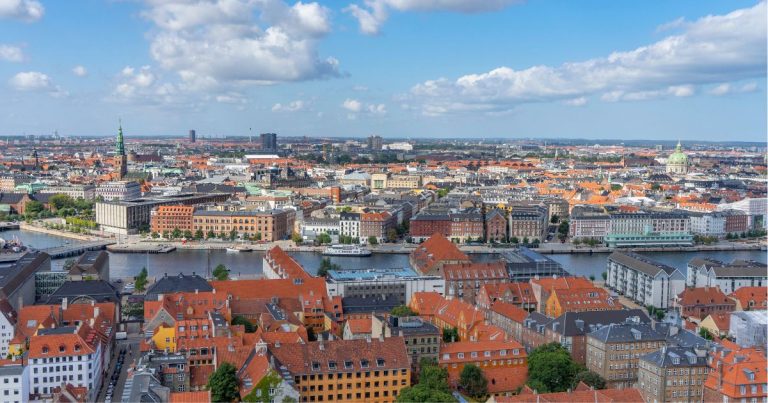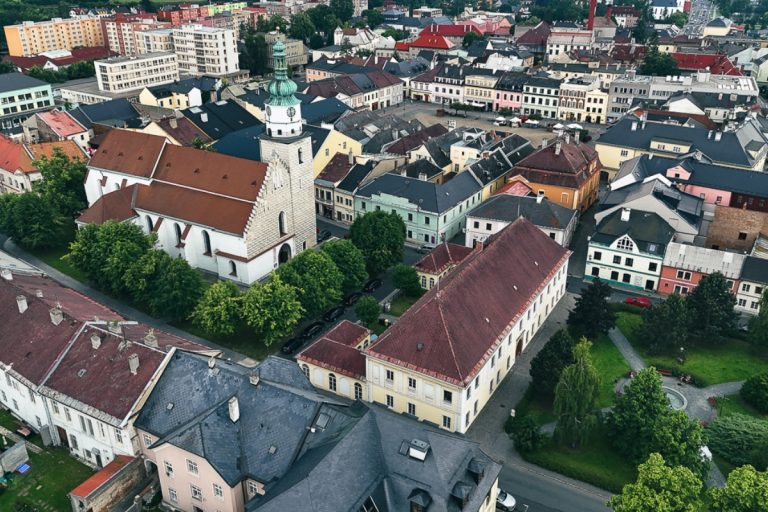
29 Tips On What To See In Dubrovnik

TL;DRThe best things to see in Dubrovnik include the old town with Stradun street, the city walls (entry €35), Pile Gate, Fort Lovrijenac, the Rector’s Palace, Sponza Palace and the Cathedral of the Assumption. For a swim, head to Banje beach, Copacabana or Ploče, while day trips take you to the island of Lokrum (10 minutes by ferry), Cavtat (20 km away), Korčula (2.5 hours by boat) or Mljet National Park. Dubrovnik gets over 1.5 million visitors a year, so it’s worth arriving in the old town first thing in the morning and timing your trip for spring or autumn, when there are fewer crowds — or summer, when the sea sits at a pleasant 22 to 25°C. There’s also a cable car (€27) with views over the city, plus Game of Thrones filming locations like Fort Bokar and Minčeta Tower.

Dubrovnik is like Český Krumlov, a charming historical town that is worth a visit, but you have to plan it well. Dubrovnik is visited by more than 1.5 million people every year and it’s no wonder, it’s surrounded by imposing walls, has a stunning historic centre and there are nice beaches nearby. Let’s take a look at what to see in Dubrovnik, where to stay strategically and how to plan your visit to make the most of it.

When to go on holiday to Dubrovnik

Generally, it is best to go in spring or autumn, when temperatures are pleasant to explore and there are far fewer tourists. Most of the tourists are in Dubrovnik during the summer, when people come here not only for the city but also for the sea.

If you come here like we did this summer, don’t make the same mistake we did the first time! Don’t go to Dubrovnik in the afternoon, but go first thing in the morning. This year we went to the centre of Dubrovnik on the eighth and it was a completely different experience than five years ago on electric bikes.

Weather in Dubrovnik

Sea temperatures from June to September are perfect for swimming, with highs between 28 and 30°C. But be prepared for the tourist rush, this is the time of year when Dubrovnik comes alive in full force!

MoonAverage air temperature (°C)Average sea temperature (°C)
January1213
February1313
March1514
April1815
May2318
June2622
July3024
August3025
September2622
October2119
November1616
December1315

Where to stay in Dubrovnik

Ideally you should stay in the centre, but you have to take into account that the prices of hotels and apartments are three times higher than elsewhere in Croatia . If you’re driving, always look for accommodation with parking, it’s almost impossible to park in the centre of Dubrovnik and parking costs 10 euros per hour.

If you stay just outside the centre, you can use the bus, but it works great here Uber which we used throughout our visit. We were advised by the owner of the apartment and it cost only a little more than the bus tickets.

  • Low-cost accommodation: the Apartment Diverti or Apartments Ella, which we snagged at the last minute. We recommend taking an Uber to the city centre.
  • Nice central accommodation: LOCUS Dubrovnik.

Book your accommodation in time, otherwise not only will it be no good, but you will pay 8000 CZK per night!

What to see in Dubrovnik: Dubrovnik’s historic centre

The historic centre of Dubrovnik is one of the most picturesque and interesting places in the whole Croatia. This stunning old town was declared a UNESCO World Heritage Site in 1979 and is a popular destination for tourists from all over the world.

Dubrovnik, known as the “Pearl of the Adriatic”, is a city with a rich history and stunning architecture. Here you will find beautiful buildings such as the Rector’s Palace, the City Walls, the Franciscan and Dominican Monasteries, Pile Gate and St. Jana and Lovrijenac. Let’s see what you can find in the centre and what you should

Walk along the main street of Stradun

The main street of the old town is called Stradun, a cobbled street lined with historic buildings and beautiful baroque churches. In addition to the beautiful buildings, there are many cafes and restaurants.

City walls

One of the most important features of Dubrovnik’s historic centre are the imposing walls that surround the entire city.

These massive walls were built to defend the city against enemies and still refer to Dubrovnik’s former ability to resist raids and control its surroundings. If you want to go to the walls, it will cost you 35 euros per person.

If you’re going there and you speak English, we recommend getting a guided tour through GetYourGuide so you can make the most of every euro.

Pile Gate (Pile Gate)

“Pile” is a Greek word meaning door. So actually this gate is called the Door. ☺️ And you might have seen it in Game of Thrones (if you love GoT like we do, be sure to take some of the guided tours via GetYourGuide). This gate is the main gate to the city and also to the city walls.

Rock fortress Lovrjenac

This rock fortress is one of the most photogenic places in Dubrovnik. It’s on the cliffs above the sea. It was built in 11. century to protect the city of Dubrovnik from enemy attacks and used to be a key defensive point in the area. It’s best known as a filming location for Game of Thrones – yes it’s the famous King’s Landing.

Rector’s Palace

Rector’s Palace from 15. century is a stunning Gothic-Renaissance building that served as the seat of the Rector of the Dubrovnik Republic. Today it houses a cultural centre where exhibitions, concerts and other cultural events are held.

Upon entering the palace, you will find yourself in a magnificent courtyard surrounded by columns and elegant arcades. Every piece of the palace is meticulously decorated and reflects the rich culture and art of Dubrovnik.

The palace has a number of historic halls that served as offices, courtrooms and living rooms of the rectors. These rooms are decorated with magnificent frescoes, works of art and rare furniture.

Sponza Palace

At the end of Placa (Stradun) Street, next to Luža Square, is the monumental Gothic-Renaissance Sponza Palace . The Sponza is one of the most beautiful palaces in the city, which has retained its original appearance.

It was built between 1516-1522 and its appearance suggests the possible appearance of most public and private palaces in Dubrovnik before the earthquake of 1667.

The Sponza Palace takes its name from the place where rainwater (Spongia – “alluvium”) used to collect. During the time of the Republic, this palace served as a customs office and warehouse, and was therefore often called Divona (from the Italian dogana – “customs house”). The palace also formerly housed a mint, bank, treasury and armoury.

Today, Sponza Palace is home to the most important cultural institution in Dubrovnik – the archive. The archive is located on the first floor.

Tvrđava Bokar

If you say Dubrovnik, it’s just Tvrđava Bokar, which I’ll introduce first. This large spherical fortress from the 15. century was also an important part of the city’s defense and represents a masterpiece of medieval engineering. It is located on the southern side of the Dubrovnik walls and its position protected the entrance to the harbour.

For Game of Thrones lovers, we can’t fail to mention that Tvrđava Bokar is probably the most famous location from Game of Thrones. She appeared most frequently in the second and third series.

Dubrovnik Cathedral (Cathedral of the Great Lady, Cathedral of Mary’s Resurrection)

Dubrovnik Cathedral, also known as the Cathedral of the Assumption, is one of the most important religious monuments in Dubrovnik. This imposing Gothic cathedral is located in the heart of the city’s historic centre and its towers dominate the surrounding skyline.

The cathedral was built in 12. century and serves as the main Catholic church in Dubrovnik. Its architecture is a beautiful combination of Romanesque, Gothic and Renaissance elements. The entrance to the cathedral is decorated with a beautiful portal and the interior is richly decorated with important works of art.

One of the most important elements in the cathedral is its main altar, which is the work of the famous Italian sculptor Raphael Bonami.

Church of the Assumption of the Virgin Mary

The Church of the Assumption is another important church in Dubrovnik, located not far from the cathedral. This church is considered one of the oldest churches in Dubrovnik and its history dates back to the 12th century. century. Its architecture is largely Gothic with some Renaissance elements.

The Church of the Assumption is surrounded by a picturesque square and historic buildings. The interior of the church is decorated with magnificent frescoes and sculptures that show the rich artistic heritage of Dubrovnik.

Franciscan Monastery

The Franciscan monastery was founded in 14. century and is the oldest still a functioning monastery in the city. Its architecture and peaceful surroundings will enchant you on arrival. In the past, the monastery was an important cultural and educational centre where scribes and apothecaries met and shared their knowledge.

An interesting fact is that the monastery is located Europe’s oldest pharmacy founded in 1317 and still in operation. Entering it is like a journey through time – the original furnishings, ancient glass apothecary bottles and herbal remedies will transport you back to the time when medicines and herbal remedies were produced here.

Tvrđava Minčeta

This fortress was named after the Munchet family. It was built in 15. century and has a characteristic cylindrical tower. The best view of it is when you climb back outside the historic walls through the Pile Gate and then climb the stairs a little above the historic centre.

This fortress is also one of the filming locations of Game of Thrones. It served as the entrance to the House of the Undying.

Dominican Monastery

The Dominican Monastery, founded in 1225, is one of the oldest monasteries in the city. Although it may not look it from the outside, it is one of the most important historical and cultural buildings in Dubrovnik.

Inside the monastery there is a beautiful monastery church, which is decorated with important works of art and altars. Interestingly, the Dominican Monastery houses an extensive library, which is considered one of the most valuable in the region. Inside there are thousands of old books and rare manuscripts that testify to the ancient intellectual tradition of this place.

The interior of the church is richly decorated. The most remarkable piece is the large golden cross above the main altar, the work of Paolo Veneziano from the 14th century. century.

The monastery complex acquired its final form in the 15th century. century, when the sacristy, chapter hall and monastery corridor were added. The magnificent arcades of the corridor were built between 1456 and 1483 to a design by the Florentine architect Masso di Bartolomeo.

Fortress of St. Ivana – Tvrdava Svetog Ivana

From the terraces of the fortress of St. Ivana you can enjoy a panoramic view of the entire city of Dubrovnik, the Tyrrhenian Sea and the surrounding islands.

Church of St. Ignatia

This beautiful Baroque building was built in 1699-1725 under the direction of the Jesuit painter and architect Andrei Pozzo.

The interior of the church is decorated with frescoes by Gaetano Garcia. The church is famous for its magnificent staircase, which is reminiscent of the Spanish Steps in Rome. Next to the church there is also the Issau College Collegium Ragusinum, which began teaching in 1658.

Today the college serves as the Bishop Ruđer Bošković Classical High School. The College is also known for its significant library, which contains tens of thousands of volumes, including several incunabula.

Hardcore Revelin

Fortress Revelin in Dubrovnik was built in 1463. This fortress defended the eastern part of the city from the mainland and the entrance to the harbour. In 1538, the fortress was rebuilt into a spacious and strong fortress in the shape of an irregular quadrangle under the instructions of the engineer Antonio Ferramolino of Bergamo.

Revelin has three entrances and was fortified by a moat and the sea on three sides. In the spacious interior of the fortress, the famous Renaissance bell-maker Ivan Rabljanin had furnaces for the production of cannons and bells. Currently, various stage performances are held on the large terraces of the fortress during the Dubrovnik Summer Festival.

Activities in Dubrovnik not to be missed

In Dubrovnik, you don’t just have to walk around, you can also take a cable car overlooking the city or go kayaking.

Dubrovnik cable car

If you’re looking for a great view of the city, take the cable car. Yes, it is quite expensive, the cable car costs 27 euros (up and down). You can check the current prices here.

Kayaking at sunrise or sunset

Probably one of the most beautiful experiences you can go on in Dubrovnik is kayaking early in the morning or at sunset. You can book this activity very easily and at the last minute via GetYourGuide. In high season, however, we recommend booking in advance as they are often sold out.

Where to swim in Dubrovnik

The beaches in Dubrovnik are not among the best in Croatia and often not the cleanest. But there’s nothing better than escaping to a less visited beach to escape the crowds in the centre of Dubrovnik in the afternoon.

Banje beach

Banje Beach is the most famous and popular beach in the town, offering crystal clear waters and a breathtaking view of the old town.

Copacabana Beach

Copacabana beach is one of the most famous beaches in Dubrovnik and is located on the Lapad peninsula. The beach is ideal for families with children. Copacabana Beach also has a special entrance for people with disabilities.

Ploce beach

On the eastern side of Dubrovnik’s walls is the main city beach in Ploče. It is considered one of the most beautiful beaches on the Adriatic and is often referred to as the beach for the “rich” and the “poor”.

The reason is that one part of the beach is freely accessible, while the other part is only for those who want to rent a sunbed.

Beach for dogs – Danče Beach

If you are travelling with dogs, you can go to Danče Beach, which is 5 minutes from the historic centre. The beach is one of the oldest in Dubrovnik and has clear water and rocks from which you can jump into the Adriatic Sea.

The best time to visit is early in the morning when the beach is empty, so you and your pet can enjoy the beach to the fullest.

Beach for dogs – Lapad Beach

Lapad beach is a quiet beach surrounded by pine trees, which is ideal for those who want to escape the hustle and bustle of the city.

There are several restaurants and cafés nearby, so you can grab a bite to eat or enjoy a refreshing drink while sunbathing. The beach is well maintained and there are plenty of sunbeds and umbrellas for rent, so you can almost always find a spot.

There are many shaded areas on the beach, which you and your dogs will appreciate. The beach is one of the cleanest.

lukas a lucka
Lukáš and Lucie recommend
Where to Stay in Dubrovnik
4 accommodations — hotels and other lodging options

Dubrovnik and surroundings excursions

Dubrovnik is also a great base for exploring the nearby islands such as Lokrum, the Elaphiti Islands and many more.

Locrum

Located just 600 metres from Dubrovnik Harbour, the Lokrum islet can be reached by fast ferry in 10 minutes.

After a very short ferry ride, get ready to spend a day exploring, because Lokrum Island has everything from the filming locations of Game of Thrones, an amazing botanical garden and of course, beautiful beaches.

On the island you will also find the fortress of St. Jan, which is one of the most important defensive points of the Dubrovnik walls. Its origins date back to the 16th century. century, when it was built as part of the city’s extensive defensive system.

How to get there: The ferry to Lokrum departs two to four times an hour, depending on the season, and takes about 10 minutes.

If you’re adventurous and a bit adventurous, you can also kayak from Dubrovnik to the island of Lokrum – you’ll definitely see views you wouldn’t otherwise experience.

Cavtat

Since this old town is relatively close to Dubrovnik (only 20 km), it is very easy to get here. You can rent a car or taxi (only 30 minutes away), or take a public bus or ferry.

Cavtat is a kind of small Dubrovnik, with a historic centre full of quaint town charm, shops, restaurants and swimming spots, but thankfully without the crowds!

You can hike along the Ronald Brown Trail (8 km), which offers stunning views of the Croatian landscape. Visit also the house of Vlaho Bukovac and the church of St. Nicholas.

Korcula

Kočula can be reached in 2.5 hours by ferry. Apart from being a stunning medieval town, Korcula also offers beautiful scenery that you won’t see on any other trip from Dubrovnik.

Be sure to visit some of the Renaissance palaces and relax in one of the outdoor cafés while sipping coffee or local wine.

Tip: If you are a wine lover, you must drive through the wine region on the Peljesac peninsula and visit the local wine cellar, which is included in many organised trips to Korcula from Dubrovnik. You can find them, for example, on GetYourGuide, which Lukas and I use for interesting trips.

Mljet National Park

The easiest way to get to Mljet National Park is to book an organized trip through GetYourGuide (especially if you only have one day to explore everything the park has to offer). But if you want, you can also take the ferry yourself.

Mljet has been recommended to us by many travellers, mainly because there are no crowds of tourists. It simply hasn’t been discovered yet. Mljet is the greenest island in Croatia. Visit the lakes here, one of which even has a small island with a Benedictine monastery.

Elaphiti Islands

The Elaphiti Islands are an archipelago of 13 islands located near Dubrovnik on the Croatian coast. The most famous islands of the Elaphiti archipelago are Kolocep, Lopud and Shipan.

How to get here: Either you book a trip through GetYourGuide again or you have to get to the port of Gruž on the other side of the city first.

Museums in Dubrovnik

While strolling down the main street of the Old Town, the Stradun, don’t forget to visit the Sponza Palace. This former palace and transcription room now serves as a Cultural History Museum, which focuses on the city’s history, art, manuscripts and coins.

Sea lovers should not miss a visit to the Maritime Museum, located in the Fortress of St. Jana. The museum focuses on the maritime history and trade of the Dubrovnik Republic, including their strong influence in the Mediterranean in the 16th century. century.

The last tip is War Museum on Mount Srđ . Here you can learn more about the history of the wars that hit Dubrovnik, especially the siege of the city during the war in the 90s. years 20. century.

Games of Thrones and Dubrovnik

Dubrovnik is known as one of the main filming locations for the popular Game of Thrones series, which has contributed greatly to the high popularity of this beautiful Croatian city. This is where scenes from King’s Landing, the capital of the Seven Kingdoms, were filmed.

Movie locations in Dubrovnik

  1. Lovrijenac Fort (Hard Lovrijenac) – Red Fort: Joffrey’s Feast, dialogues between Cersei and Littlfinger (Season 1)
  2. Dubrovnik West Pier (Zapadna Obala) – Blackwater Bay: scenes with Shae watching Sansa with Littlefinger (Season 3)
  3. Pile Harbour (Pile) – King’s Landing Harbour: Departure by boat from King’s Landing, e.g. Myrcella’s departure for Dorne (Season 2, Episode 6)
  4. Dubrovnik West Port (Zapadna Obala) – Facade with a door in the rocks: the scene with the Killer Flaps as they enter the city (Season 2)
  5. Fort Bokar – King’s Landing: Scenes with characters walking on the walls of King’s Landing (Various seasons)
  6. Park Gradac – Purple Wedding: scenes overlooking the park where the Purple Wedding was filmed (Season 2)
  7. Pile Gate – The Rising, the Return of Jamie Lannister: the scene of the Rising and the return of Jamie Lannister to King’s Landing (Various Seasons)
  8. Mincheta Tower – House of the Undying: the scene where Daenerys searches for her dragon children (Season 2)
  9. Stairs at the Church of St. Ignatius – Cersei’s Path of Shame: The scene with Cersei walking through the streets of King’s Landing and being shamed (Season 5, Episode 10)
  10. Nameless Street – Uprising: the scene where Sansa flees the uprising (Season 2, Episode 6)
  11. Rector’s Palace (Prince’s Court) – Qarth: Scenes set in Qarth (Season 2)
  12. St. Dominica – Journey of Shame: Cersei’s Journey of Shame Scene (Season 5, Episode 10)
  13. The steps in front of the Dominican monastery – A speech against the Lannisters: The scene when they give the speech against the Lannisters (Season 2, Episode 5)
  14. The Gate of Ploce – Cersei’s Walk of Shame, Tyrion scene: Cersei’s Walk of Shame scene and Tyrion scene (Various seasons)
  15. Lokrum Island – Some Scenes from Qarth: Scenes from Qarth (Season 2, Episode 5)

The creators of the series chose Dubrovnik because of its historic centre and well-preserved medieval walls, which act as an ideal backdrop for epic battles and intrigue.

Tip for Game of Thrones lovers

If you speak English, you should go on one of the guided tours of the city focusing on Game of Thrones. For example, the reliable portal GetYourGuide offers such a service.

Transportation around Dubrovnik

Public transport is provided by Libertas Dubrovnik buses. A total of 13 city lines connect Dubrovnik with towns such as Cavtat, Ston and Orebic. Information on timetables and ticket prices can be found at the company’s website.

For out of town trips you can rent a car, we always use DiscoverCars and have never had a problem with them (we always take insurance from them as well).

Between Dubrovnik and the islands you can easily move by ferry.

Where to eat in Dubrovnik

If you want something better, you can try the restaurant Taj Mahal, which has a Michelin star. For breakfast you can go to Lanii Breakfast, Lunch and Dinner and for a cheaper meal you can go to Vege Oak.

If you’ve been travelling in Croatia for a while, you might want to make a change. There is also an excellent Indian Incredible India Dubrovnik in Dubrovnik. The best view is the Panorama restaurant above Dubrovnik.

Drink tip: A beautiful bar on the cliffs is the BARD bar.

Dubrovnik prices: how much does what cost

Prices in Dubrovnik are much higher than in other parts of Croatia, you can pay an average of 35 euros or more for a meal in a restaurant for two, and for accommodation you can expect to pay from 150 euros or more.

Tip: What to see in Croatia? See 24 tips, where to go on holiday in Croatia.

Frequently Asked Questions

Where was Games of Thrones filmed?

Games of Thrones was filmed in several locations in Croatia, one of the most famous locations being Dubrovnik.

Where is King’s Landing in Dubrovnik?

King’s Landing is a fictional location from Game of Thrones and can be found in the Lovrjenac Rock Fortress.

What is the price of a cable car in Dubrovnik?

The price of the cable car in Dubrovnik is 27 euros going up and down.

What to see in Dubrovnik?

In Dubrovnik you should definitely know Stradun (main street), the walls, Pile gate, Lovrijenac, St. Francis, St. Dominica, Rector’s Palace and Sponza Palace.

What was filmed in Dubrovnik?

Dubrovnik was the location of the Game of Thrones series, where it served as a backdrop for the fictional King’s Landing. Also filmed in Dubrovnik were Star Wars: The Last Jedi (2017) and Robin Hood (2018)

When to visit Dubrovnik?

The best time to visit Dubrovnik is spring and autumn for sightseeing tours and summer for swimming.

Tips and Tricks for Your Vacation

Don’t Overpay for Flights

Search for flights on Kayak. It’s our favorite search engine because it scans the websites of all airlines and always finds the cheapest connection.

Book Your Accommodation Smartly

The best experiences we’ve had when looking for accommodation (from Alaska to Morocco) are with Booking.com, where hotels, apartments, and entire houses are usually the cheapest and most widely available.

Don’t Forget Travel Insurance

Good travel insurance will protect you against illness, accidents, theft, or flight cancellations. We’ve had a few hospital visits abroad, so we know how important it is to have proper insurance arranged.

Where we insure ourselves: SafetyWing (best for everyone) and TrueTraveller (for extra-long trips).

Why don’t we recommend any Czech insurance company? Because they have too many restrictions. They set limits on the number of days abroad, travel insurance via a credit card often requires you to pay medical expenses only with that card, and they frequently limit the number of returns to the Czech Republic.

Find the Best Experiences

Get Your Guide is a huge online marketplace where you can book guided walks, trips, skip-the-line tickets, tours, and much more. We always find some extra fun there!
How to Make Money on Instagram: 6 Proven Tips

TL;DRThere are six main ways to make money on Instagram: influencer marketing and brand partnerships, premium content via Patreon or HeroHero, affiliate marketing with commission on sales, selling your own product, selling your own service, and promoting your own business. Brand deals are open to accounts with as few as 1,000 followers, with rates for under 5,000 followers running to a few hundred crowns, while influencer Leoš Mareš charges at least 400,000 crowns per partnership and pulls in several million a month. Hashtags can boost a post’s reach by up to 50%, and the sweet spot is around 11 out of the maximum 30 allowed. Most people earn nothing in their first few months on Instagram — this is a long game, not a quick payday.

I’m sure you’ve heard of people earning tens or even hundreds of thousands per Instagram post. You might be thinking, “But they have millions of followers too, I can never reach that!” I’ll probably surprise you today, the truth is that you don’t need millions of followers to make money on Instagram. Even just a thousand is enough to make money on Instagram. So let’s take a look at how to make money on Instagram.

But first – what is Instagram?

Instagram is a social network with 1 billion active users that focuses primarily on visuals (videos and photos) and is only available as a smartphone app. A web interface exists, but you cannot upload posts through it.

Instagram allows its users to share photos and videos, in the form of photo or video posts, short videos in the form of so-called. Insta Stories, which disappear after 24 hours, or by sharing longer videos (up to 10 minutes) in Instagram TV (IGTV) format.

Instagram went under Facebook in 2012.

If you’re serious about Instagram, check out my guide to 25 tips and tricks for a successful Instagram.

What Instagram is for

Users look to Instagram for inspiration and entertainment. Instagram is often referred to as a “friendlier social network” than Facebook. Instagram is all about visuals and videos, so you’ll find a number of accounts dedicated to travel, food, fitness, fashion and beauty.

But in the last year, there has also been a growing number of accounts where photo captions and Instagram stories are becoming more important than the photos themselves. Users can also follow the everyday life of celebrities on Instagram, for example, Leoš Mareš or Beyonce are active on the social network.

How Instagram works and basic concepts

Instagram is a phone app and is therefore controlled entirely via smartphone.

Followers – Followers

One of the most important aspects on Instagram is the number of followers, which are the users who follow your account. This metric measures how many people are interested in your content and adding you to their stream. The higher the number of followers, the greater your reach and potential for marketing purposes.

Followings – Followed

The number of followings indicates the number of people you follow. It is important to follow other users through the followings feature. These followers represent your audience and potential sources of inspiration. Following and interacting with interesting profiles is key to building your network of contacts and expanding the reach of your content.

Instagram Story or Instagram Stories

The format of posts (video or photo) that disappear after 24 hours. These stories appear when you click on a user’s profile photo and can make both photos and videos. They are the perfect way to instantly engage your followers and provide them with ongoing content.

Instagram Story Highlights – Saved Instagram Stories

Instagram allows users to save selected Instagram Stories that appear below the caption in their profile. This element is known as Instagram Story Highlights. By storing and organising selected posts into relevant topics or categories, you can give visitors to your profile an overview of what you do and what content you offer.

Insta Story Live Stream

Features when you can broadcast live. For example, it’s useful for questions and answers from your followers. You can broadcast live with another user.

Instagram Reels

The most popular video format is Instagram Reels.

Instagram Reels is another interesting feature offered by this popular social network. This is a format for short videos that are between 15 seconds and 90 seconds (previously 60 seconds). IG took this format from TikTok to compete with it. At Reels, it’s popular to follow trends and experiment with them. One minute they were all imitating a dance from Wednesday, the next they were making Wes Anderson-inspired videos.

How to make a successful Instagram in a nutshell

This article isn’t about building a successful Instagram, so we’re only going to cover this in detail. However, gaining a sufficient number of followers is a prerequisite for greater earnings. The number of followers is one of the main indicators of the success of your Instagram profile.

High-quality photos and unified profile

The key to success on Instagram is posting quality photos or videos that engage other users, accompanied by interesting or entertaining text.

Previously, most celebrity accounts were dedicated to photo editing (the vast majority used Lightroom ) and shoot with high quality cameras (more in the article How to choose a camera for bloggers ).

Today there is more emphasis on quality content and video. Many successful Instagrammers take photos and videos of everything on their iPhone. But that doesn’t mean that post-production is any easier than it used to be. Everything has to be thoroughly edited and possibly textured in other applications before it goes out.

In general, you should stick to one main theme and a unified visual design.

Hashtags help you make your posts more visible

The choice of hashtags (a word or phrase marked with a “#”) used to indicate a keyword is more important than we all think. Hashtags can help you to make your post more visible.

Hashtags should be relevant to the content. If you’re posting from your holiday in Greece, you can add hashtags like #dovolena #recko or #greece.

You can tag up to 30 hashtags, but the ideal number for Instagram’s algorithm is 11.

Instagram rewards active users

If you yourself are not active on Instagram, i.e. you don’t look at other people’s Stories, you don’t respond to posts and you don’t like them, Instagram knows that. And Instagram prefers active users – user activity = money for Instagram. So if you want to succeed on Instagram, you need to interact with other users – like their photos and comment on them.

Tip: Detailed instructions, How to make a successful Instagram here.

How to start making money on Instagram

And here we are at last. In this section, we’ll show you ways to make money with Intagram. As we mentioned at the beginning, you usually don’t need tens of thousands or even hundreds of thousands of followers to start making money on Instagram. You can start with a few hundred followers. The important thing is to build a community of relevant followers, and keep in touch with them.

How much does it cost?

Many brands and Instagrammers are proof that more than money, Instagram will cost you a lot of time. If you invest a sufficient amount of care to your account, you will grow. The biggest investment you’ll have to make, will be into taking quality photos and videos at the moment. And especially the cutting and trimming.

How long before Instagram starts earning you money?

It really depends on a number of aspects. Most people don’t earn anything for the first few months after they start marketing on Instagram. Instagram is more of a long run than a sprint. But by the time you reach the finish line, all your efforts can pay off many times over.

1) Influencer marketing and collaboration

Most people think of making money on Instagram as working with brands. Influencers build their reputation on social media by sharing quality and valuable content with their followers.

It can be focused on almost anything that people are interested in. Popular is weight loss, fitness, recipes or travel. Brands then pay them to take photos and film with their products.

You might be surprised, but you don’t need tens of thousands of followers to collaborate. We got our first collaboration when I had only 1700 followers and I know people who get collaborations even under 1000 followers. How is that possible?

They either have a very well read blog (as is the case here) or they have a very narrowly focused target audience and know how to sell to them. I know a young lady who focuses on moms with kids, she only has something like 1100 followers, but every post has dozens of comments from other moms! More about collaborations with influencers in our next article.

Tip, how much influencers make.

How to set a price

The price is very individual anddepends onyour negotiating skills. However, up to 5000 followers, prices are usually in the hundreds. How to determine your price can be found in our next comprehensive article on working with Instagram influencers .

How much does Leoš Mareš earn on Instagram

At the end of 2018, Forbes magazine published an interview with Leoš Mareš, one of the biggest influencers on Czech Instagram.

Leoš Mareš ‘s Instagram profile has more than 44 million views per week and reaches over 1.2 million people.

Of course, Leoš Mareš knows how to make good use of this, 50% of his income comes from his Instagram collaborations (25% of his income comes from moderating private events, 10% from appearing on TV, 10% from concerts and only 5% from radio).

He earns several million crowns a month on Instagram. Leoš Mareš said that the minimum price for cooperation on his Instagram is CZK 400 000. On Instagram, he has collaborated with brands such as MasterCard, Mall.cz and Penny.

2) Patreon or HeroHero

If you’ve already built up a following, you can create premium content on Patreon or HeroHero where people pay a monthly fee to see it.

For example, we have an account at Patreon where we share more sensitive data – for example, exactly how much we earn from our blog (and what exactly our profits are), our journey to buy a flat in Portugal and our best online marketing tactics. In short, everything we wouldn’t want to give away publicly for free.

There are, of course, more platforms than Patreon and HeroHero , for example Pickey which is Czech.

3) Affiliate Marketing

You’ve probably already read about affiliate marketing with us, it’s a great way to make money on your blog and on social media. Unlike influencer marketing, affiliate marketing is not about building brand awareness, it’s about driving sales.

It works quite simply, if someone makes a purchase through you from a brand whose affiliate program you are signed up to, you get a commission on the sale. Affiliate program has for example Alza, 4camping or Pilulka.cz.

On Instagram, it’s a bit more complicated because you can’t put links in individual posts, but now at least anyone can put a link in Instagram Stories (previously there was a limit of over 10,000 followers) or in a profile. You may also have a special code that your followees will use when making a purchase. This is usually solved by using a discount code.

Generally affiliate marketing is much more interesting in the case of written blog than Instagram.

4) Selling your own product

If you make bracelets, sew beautiful clothes or have written an e-book, for example, you can sell that on Instagram too. This social network is ideal for presenting almost any product that has a target audience somewhere between 18 and 50 years old.

5) Selling your own service

Skilled hairdressers, nail technicians or photographers can easily gain not only clients but also prestige through Instagram. I know a number of hairdressers who became famous thanks to Instagram, they were full even months in advance, so they could afford to increase the price by 200% in 12 months!

But it doesn’t just apply to hairdressers, you can practically sell any service today, whether you are marketing, couching or teaching foreign languages. Thanks to the Reels format, you can engage people with witty and educational posts and you don’t exactly have to have a job that’s visually appealing.

This doesn’t just apply to the above, whatever creative activity you do, you can build a decent business around it on Instagram. The more visual it is, the more chance you have of success.

Instagram is a great tool for showcasing skilled craftsmen, but also dentists.

6) Promotion of your own business

Those who already have their own business can use Instagram to promote it. Whether through your own Instagram or by collaborating with influencers. There are a number of brands that have seen tremendous growth thanks to Instagram. An example is the Czech producer of natural cosmetics Renovality.

Beware, Instagram is not for everyone. Still, most users are in the under 30 age group, so if your product is targeting 50+, you should probably look for other channels.

Frequently asked questions

How to make money on Instagram?

Collaborating with brands or selling your own products or services. You can also move some content to paid channels.

How long before I can start making money on Instagram?

It depends on the focus of the content. For some it can be from 10 000 followers, for others it can be from 1000.

How much can I earn with Instagram?

It’s individual. Some Czech influencers earn millions a month.

Do I need a business license to make money on Instagram?

In most cases, yes. You should properly tax all your income.

Tips and Tricks for Your Vacation

Don’t Overpay for Flights

Search for flights on Kayak. It’s our favorite search engine because it scans the websites of all airlines and always finds the cheapest connection.

Book Your Accommodation Smartly

The best experiences we’ve had when looking for accommodation (from Alaska to Morocco) are with Booking.com, where hotels, apartments, and entire houses are usually the cheapest and most widely available.

Don’t Forget Travel Insurance

Good travel insurance will protect you against illness, accidents, theft, or flight cancellations. We’ve had a few hospital visits abroad, so we know how important it is to have proper insurance arranged.

Where we insure ourselves: SafetyWing (best for everyone) and TrueTraveller (for extra-long trips).

Why don’t we recommend any Czech insurance company? Because they have too many restrictions. They set limits on the number of days abroad, travel insurance via a credit card often requires you to pay medical expenses only with that card, and they frequently limit the number of returns to the Czech Republic.

Find the Best Experiences

Get Your Guide is a huge online marketplace where you can book guided walks, trips, skip-the-line tickets, tours, and much more. We always find some extra fun there!
Castles on The Loire River: 7 of the Most Beautiful to See

TL;DRThe Loire Valley has around 2,000 châteaux, and the 12 most beautiful — including Chambord, Chenonceau, Villandry and Azay-le-Rideau — are easy to cover on a 5–6 day driving route, basing yourself in Blois. May to September is the best window, ideally late May, when the roses are out and the crowds haven’t arrived. Entry runs €9–€20 a person, each château takes 1–2.5 hours to see, and a 5–6 day budget for two comes to €900–€1,200. From Paris, it’s 2.5 hours to Tours on the A10 motorway (tolls around €25), or 1 hour 15 minutes by TGV.

If you love castles and castles, you must visit France to the Loire Valley. The chateaux on the Loire are some of the most beautiful in the world and there are about 2,000 of them in total. Supposedly, this is a kind of French Hollywood, in the past, whoever meant something owned a chateau on the Loire. But let’s now take a look at the most beautiful castles on the Loire to see.

We’ve planned a 5-6 day journey that will take you through seven of the most beautiful castles in the Loire Valley. You’ll see majestic buildings, beautiful gardens, small towns and of course taste delicious French wine. Don’t forget to download our complete route map, including all recommended places, directly to your phone.

Where to stay in the Loire Valley

We thought for a long time whether it would be more convenient to move to a new accommodation every day or to start from the same place. In the end, we decided that it would be best if we stayed in one place. We chose the city of Blois, mainly because there are plenty of restaurants, shops and, as we discovered, excellent bakeries that made every morning more enjoyable.

For example, stay at the stunning Hotel la Forge du Roy or the Happy Cocoon apartments if you’re travelling with more than two people.

When to go to the Loire Chateaux

The main tourist season is from May to September, when the weather is ideal for walks through the castle parks and castle tours. However, even during spring and autumn it is beautiful here, in spring the gardens come alive with flowers, in autumn they shine with warm colours. The pre-Christmas period has something to offer, as some castles have impressive Christmas decorations.

How to get from the Czech Republic to the chateaux on the Loire?

From the Czech Republic it is about 1200 km, so it is much more convenient to fly by plane to Paris, where you can rent a car. Caution if you fly to the airport Orly they have a limited supply of cars on the weekend. So we flew with Air France at Charles de Gaulle where you can rent and return a car at night without any problems. As always, we rented the car through DiscoverCars, with whom we have never had a problem (we have to knock ☺️).

The 7 most beautiful castles on the Loire

Unless you plan to spend several years in the Loire, it is not in your power to visit all of the 2,000 castles you will find here. We have therefore prepared a selection of the best ones to visit. Of course, everyone has different tastes and we all have different experiences when travelling, so not everyone has to agree with us. 😬

1) Chambord Castle

Chambord Castle is one of the most famous castles in the Loire Valley and is definitely worth a visit. Ideally, head here first thing in the morning and if you don’t want to wait in a long queue for tickets, buy them in advance, for example through the reliable GetYourGuide portal, which we recommended in Rome (the Italian system didn’t work, but GetYourGuide did, thankfully) and in Seville (we didn’t have to wait in a queue for several hours),

The castle was built as a hunting lodge for Francis I and is known for its magnificent Renaissance architecture. The local fascinating two-storey spiral staircase is said to have been designed by Leonardo da Vinci himself.

The castle is huge, but even if you get bored of the interiors, climb to the top for a spectacular view of the castle and gardens.

2) Chenonceau

Chateau Chenonceau is often referred to as “the chateau of women” because it has historically been primarily owned by women. One of the most beautiful, it is characterized by its postcard gallery across the Cher River.

Be sure to go to the castle again some day first thing in the morning, because the crowds of tourists flow here as well. There is often a waiting list for tickets, so be sure to buy them in advance, for example via GetYourGuide.

The castle also has quite extensive gardens, but there is not much shade. It is privately owned by the Menier family, which also owns the famous chocolate factory. ☺️

3) Chaumont

Chaumont Castle is famous for its garden festival. We recommend going to this castle first thing in the morning, because it takes 10 minutes to walk from the car park to the castle. Inside, the castle is not very large, but the gardens are probably the largest of all (at least it felt like it to us and we were not able to explore them in the afternoon as we would have liked).

Lovers of houseplants and cacti will find a lot to like here, as they have beautiful greenhouses with monsters and succulents.

Chaumont Castle is also historically significant, having been donated by Catherine de Medici to Diana de Poitiers. This castle is now publicly owned and hosts various cultural events. Tickets can again be purchased in advance on GetYourGuide.

4) Blois

Blois Castle is considered one of the most important historical monuments in France. It was the seat of seven French kings and ten queens. JIts architecture includes elements of late Gothic and early Renaissance.

Although it has quite large interiors, you can go here only in the afternoon, because it has no gardens. Today, the chateau is owned by the city of Blois and is open to the public. Tickets can be purchased through GetYourGuide or at the door. However, be aware that queues may form in the summer season.

5) Villandry

Villandry Castle is famous for its magnificent gardens, which are considered one of the most beautiful in Europe. They are quite large, but in summer you will appreciate that there is a shaded walk along the gardens so you can see the whole thing without partying.

In addition to ornamental gardens and fountains, there is also a vegetable garden. In autumn they also grow pumpkins, which looks really amazing in the castle gardens (I saw it in the photos and regretted that we arrived at the end of May).

The interior is beautiful, but not as extensive as Blois, but you can climb up to the top of the tower where you have a view of the gardens.

6) Cheverny

Cheverny Castle is one of the best preserved castles in the Loire Valley , and one of the few castles that feels so cosy you wouldn’t even mind living there. Every room is furnished to the last detail, so there’s none of the typical chateau chill we usually feel from Czech castles.

The decoration and furniture is from 17. century. Interestingly, this chateau is still owned by the same family that built it, the Hurault family, and is open to the public all year round. In the castle gardens you will also find 100 hunting dogs and if you are here around 11. hours, you can see how they’re fed. Again, buy your tickets in advance at GetYourGuide.

7) Château du Clos Lucé

The Château du Clos Lucé is worth a visit mainly because Leonardo da Vinci spent the last three years of his life here and the entire château is dedicated to this famous painter.

The castle will be enjoyed not only by adults but also by children, as a large part is dedicated to the inventions of Leonardo da Vinci. In the garden you can try out the water pump or the tank invented by this Renaissance thinker and scientist (although he is mainly known as a painter, he did not consider himself only a painter).

This castle is privately owned and open to the public all year round. It’s extremely popular, so again, we recommend buying tickets in advance through GetYourGuide.

lukas a lucka
Lukáš and Lucie recommend
Where to stay in the Loire Valley
4 accommodations — hotels and other lodging options

Map of Loire castles on your phone

In exchange for an email, we will be happy to send you an interactive map of all the castles and accommodation mentioned in this article.

Itinerary for 5-6 days: Chateaux on the Loire

If you’re wondering how to put together a program, you don’t have to. We’ve been through all the locks, made enough mistakes in the planning that you don’t have to make them anymore. As we said above, we recommend staying in Blois, from where you’ll be making daily excursions. Let’s now take a look at the ideal itinerary.

Day 1. Arrival in Paris and transfer to Blois

We recommend renting a car through DiscoverCars right at the airport so you can head straight to Blois to check in upon arrival. You can stay at la Forge du Roy or the Happy Cocoon apartments.

Day 2. Chaumont and Blois

The first place to go is Chaumont Castle, so you can explore the gardens in peace. You can then have lunch in the chateau or move on to Blois. There are even several places to eat right inside the castle.

The Chateau Bois is ideal for an afternoon, as you can hide from the heat in the cool interiors. Although the castle is quite large, it has no gardens.

Day 3. Chenonceau and Clos Lucé

In the morning, head to Chenonceau, one of the most beautiful and most visited castles on the Loire. You can then choose to visit the Chateau of Amboise or Clos Lucé, home to Leonardo da Vinci.

Day 4. Chambord and Cheverny

Be sure to head to Chambord first, which is the more popular and more extensive of the two. But if you’d like to see dog feeding in Cheverny you’re gonna have to switch. Feeding is usually at 11:30.

Day 5. Villandry and Tours

If you’re flying out the next day, head first to the beautiful half-timbered houses in the town of Tours, where you can stay for lunch. After lunch, visit the stunning Chateau Villandry, which has some of the most beautiful gardens of any chateau on the Loire.

If you fly up 6th day morning like us, we recommend to check in on the 5th. the evening of the day at the airport. One of the cheapest accommodations is at the Premiere Classe Roissy CDG, but it’s really just an overnight stay, don’t expect a miracle.

Day 6. – Departure

If you return a car rented through DiscoverCars, it is extremely easy to return the car, we rented a car from Sixt through them and the whole process took about five minutes. You only need to be at the airport about 2 hours before departure (even with a reserve).

Locks on the Loire by bike

If you’re a keen cyclist, consider heading to France on your bikes. The Loire Valley is one of the most popular destinations for cycling in France. There are well-maintained and very well-marked cycle paths here, and the terrain is not too difficult.

The “Loire à Vélo” cycle path is more than 900 km long and stretches from Nevers to the Atlantic Ocean. If you follow this cycle path, it will take you past most of the most famous chateaux such as Chambord, Chenonceau and Blois.

Frequently Asked Questions and Answers (FAQ)

Which castles to go to with the kids?

The chateaux of Cheverny, Clos Lucé and Chambord are suitable for children. The castle in Blois, on the other hand, is unsuitable.

How long to go to the Loire Chateaux?

You can do the most important things in 4-6 days.

Which are the most beautiful castles on the Loire?

This is very subjective, but the most popular are Chenonceau, Chambord and Chaumont.

How much does it cost to enter the Loire Chateaux?

It ranges between 12 and 20 euros per person.

Where to buy tickets in advance for the Chateaux du Loire?

GetYourGuide is reliable, or you can try local lock sites.

How far are the chateaux on the Loire from Paris.

The Loire Valley is approximately 200 km southwest of Paris, which is roughly equivalent to a 2-3 hour drive, but it really depends on where you’re going. If you are travelling by train, the journey from Paris to Tours, one of the main cities in the Loire Valley, takes about an hour and a half.

Tips and Tricks for Your Vacation

Don’t Overpay for Flights

Search for flights on Kayak. It’s our favorite search engine because it scans the websites of all airlines and always finds the cheapest connection.

Book Your Accommodation Smartly

The best experiences we’ve had when looking for accommodation (from Alaska to Morocco) are with Booking.com, where hotels, apartments, and entire houses are usually the cheapest and most widely available.

Don’t Forget Travel Insurance

Good travel insurance will protect you against illness, accidents, theft, or flight cancellations. We’ve had a few hospital visits abroad, so we know how important it is to have proper insurance arranged.

Where we insure ourselves: SafetyWing (best for everyone) and TrueTraveller (for extra-long trips).

Why don’t we recommend any Czech insurance company? Because they have too many restrictions. They set limits on the number of days abroad, travel insurance via a credit card often requires you to pay medical expenses only with that card, and they frequently limit the number of returns to the Czech Republic.

Find the Best Experiences

Get Your Guide is a huge online marketplace where you can book guided walks, trips, skip-the-line tickets, tours, and much more. We always find some extra fun there!
Croatia: 5 Best Places for Your Holiday

TL;DRCroatia is brilliant to explore by chartered boat, and five island areas stand out. Susak has sandy beaches that suit families with kids. The Kornati archipelago packs in 147 islets and the Sestrice lighthouse. The Pakleni Islands off Hvar number 16 islets, including the nudist spot Jerolim and the bay at Palmižana. Korčula, birthplace of Marco Polo, offers the resort of Vela Luka and the village of Lumbarda. And Lastovo, about 14 km from Korčula, has been protected as a nature park since 2006. You can book a boat online through charter companies, and if you don’t hold the right licence, you can hire one with a skipper included.

Have you ever considered swapping a hotel for a boat on your holiday? 🛳️ You’ll avoid crowded beaches and discover unique corners you never even knew existed. Many interesting places are only accessible by water. On a boat, peace awaits you, a self-guided journey, rarely visited places, and unforgettable experiences. Let’s take a look at how to have a great boat holiday in Croatia. In this guide I will share with you Croatia: 5 Best Places for Your Holiday that are perfect for exploring by boat.

💡 You can easily book a vessel online through charter companies. Boat rental in Croatia is really not a problem nowadays. Choose the type of vessel, its size, the number of cabins, and, of course, the date you want to go on holiday. If you don’t have the necessary skipper’s license, you can also rent a boat with a captain.

You’ll travel from the Czech Republic to the Croatian port by car, where your boat will be waiting for you. And the adventure can begin. In this article, we’ll show you five areas with islands that are typically inaccessible without a boat. You definitely have to see them 😊

Map of Islands to Visit

Susak Island

You must visit this cozy sandy island if you’re going on a boat trip with children. It is located on the border of the Kvarner Bay, which is known for its azure clear water and other beautiful islands. The beaches are clean, sandy, and gently sloping, which is not so common in Croatia. Children can play to their heart’s content in the sand here.

The picturesque town on the island is completely car-free, full of old houses and winding streets. You’ll also find a few very good establishments with local specialties here. The island is also great for lovers of good wine. You can stroll through the hills, admire vineyards, dense bamboo groves, visit a cemetery or a lighthouse. You won’t want to leave this green splendor.

Kornati

You’ve certainly heard of the archipelago consisting of 147 islets, at least by word of mouth. What’s amazing about Kornati, however, is that you can spend your entire holiday here and discover something different every day. For example, head to the area between Dugi Otok and Otok Kornati islands, where Telaščica Nature Park and Kornati National Park meet.

Beautiful views, picturesque nooks and islets await you here, as well as historical monuments, such as the Sestrice lighthouse admired by tourists. However, when sailing through Kornati National Park, find out about entrance fees. If you anchor here, you need a valid ticket, which is best purchased online.

Pakleni Islands (Pakleni)

Are you planning a boat trip closer to Split? You certainly won’t miss large islands like Brač or the tourist-loved Hvar. And it’s definitely from Hvar that you should head to the Pakleni Islands. They consist of 16 islets, with Jerolim being the most visited, a nudist paradise. You can go here for a day trip, or anchor overnight in the marina in Palmižana Bay.

You’ll find dense pine growth here, after whose resin the archipelago is named. Mediterranean herbs like rosemary, sage, and laurel also add to the beauty of the islets. However, life here is very difficult, which is why there is almost no settlement here nowadays. During the summer months, many bars and restaurants are open here. Historical monuments from the Roman settlement era are also present.

Korčula

From Hvar, you can easily get to Korčula Island. This island will appeal to you if you love old towns full of life. It is home to the city of Korčula, which is the birthplace of the important traveler Marco Polo. However, the city doesn’t just thrive on its famous native. You can stroll through winding streets, admire old houses, buy creations from local artists, and enjoy good food.

Korčula Island also offers less bustling places. For example, the spa resort Vela Luka or the fishing village Lambarda, where you can admire old noble residences.

Lastovo

Lastovo Island lies about 14 km from Korčula. It is home to a town of the same name and various smaller settlements. Lastovo and the smaller islets around it have been declared a nature park since 2006. So, there’s no shortage of beautiful natural views here, and you’ll also find a number of historical monuments and enjoy good food and drink.

Source: Pixabay.com

Tips and Tricks for Your Vacation

Don’t Overpay for Flights

Search for flights on Kayak. It’s our favorite search engine because it scans the websites of all airlines and always finds the cheapest connection.

Book Your Accommodation Smartly

The best experiences we’ve had when looking for accommodation (from Alaska to Morocco) are with Booking.com, where hotels, apartments, and entire houses are usually the cheapest and most widely available.

Don’t Forget Travel Insurance

Good travel insurance will protect you against illness, accidents, theft, or flight cancellations. We’ve had a few hospital visits abroad, so we know how important it is to have proper insurance arranged.

Where we insure ourselves: SafetyWing (best for everyone) and TrueTraveller (for extra-long trips).

Why don’t we recommend any Czech insurance company? Because they have too many restrictions. They set limits on the number of days abroad, travel insurance via a credit card often requires you to pay medical expenses only with that card, and they frequently limit the number of returns to the Czech Republic.

Find the Best Experiences

Get Your Guide is a huge online marketplace where you can book guided walks, trips, skip-the-line tickets, tours, and much more. We always find some extra fun there!
Barefoot Shoes: Everything You Need to Know

TL;DRBarefoot shoes have a thin, flexible sole (3–6 mm), zero drop between heel and toe, and a wide toe box that mimics walking barefoot and strengthens the muscles in your feet. According to the survey mentioned, 76% of wearers notice improvements in foot problems, 55% in back pain, 38% in hip pain and 36% in headaches. They can help with flat feet, bunions, hammertoes and plantar fasciitis, unlike orthotic insoles, which only passively support the arch. Be Lenka, VIVOBAREFOOT and Angles Fashion are among the most popular brands, with Bosky and Anatomic offering cheaper options, and Fare Bare and Affenzahn making kids’ models. To find your size, measure your foot length and add 0.5–1.2 cm.

When Lukáš came back from a medical check-up with a diagnosis of flat feet, we started looking into whether barefoot shoes could help. In this article, we’ve compiled everything we learned during our in-depth research. You’ll find out what barefoot shoes are, what health issues they can address, how to choose the right size, and which brands came out on top in our review.

What Are Barefoot Shoes?

Barefoot shoes are specially designed footwear that mimics the experience of walking barefoot. Think of them as a compromise between walking completely unshod and wearing conventional shoes. Their main advantage is naturalness. The idea is to get back to our roots — to the kind of walking that nature intended for us.

Why Wear Barefoot Shoes?

If we look at the evolution of the human foot, we’ll discover that thousands of years ago our ancestors walked exclusively barefoot. Modern shoes with their various insoles and heels are actually a very recent invention. And as numerous studies show, our bodies can respond to these unnatural additions with a range of health problems.

Key Benefits of Wearing Barefoot Shoes

  • Improved posture: Without heels and insoles, your body is forced into a more natural position. This can lead to better overall posture and reduce pain in your back, hips, knees, and neck.
  • Stronger foot and leg muscles: Wearing barefoot shoes naturally activates and strengthens the muscles in your feet and lower limbs, which can improve stability and help prevent injuries.
  • Natural gait: Barefoot shoes allow your toes and feet to move freely, promoting a healthy walking pattern.
  • Better proprioception: Proprioception is our awareness of body position and movement. Barefoot footwear provides better ground contact, improving our ability to sense and respond to our environment.
  • Prevention and treatment of foot problems: Barefoot shoes can help prevent or address a range of foot issues, including flat feet, hammer toes, bunions, and plantar fasciitis (inflammation of the tissue on the sole of the foot).
  • Comfort: Many people find that barefoot shoes are simply more comfortable than traditional footwear because they allow the feet to move more naturally.

Disadvantages of Barefoot Shoes

Barefoot shoes do have some drawbacks worth mentioning.

  • Price: Barefoot shoes tend to be more expensive than conventional footwear.
  • Adjustment period: Getting used to barefoot shoes can take a while, and they may feel uncomfortable at first. However, this varies greatly from person to person.

What Makes Barefoot Shoes Special

Proper barefoot shoes should have the following characteristics:

  • Flexible and thin sole: The sole should bend both crosswise and lengthwise to allow proper muscle engagement while walking. It’s typically thin (3–6 mm), which provides better ground feel and surface contact.
  • Zero drop: Barefoot shoes should have no height difference between the heel and the toe, supporting a natural foot position and allowing unrestricted movement. This helps prevent issues associated with shortening of the Achilles tendon.
  • Wide toe box: It’s crucial that the shoes provide enough room for toe movement. A wide toe box ensures your toes aren’t squeezed together and allows the foot muscles to strengthen properly.
  • No arch support: Barefoot shoes have no built-in arch support and no internal heel cushioning. This lets the foot work naturally and build strength on its own.
  • Lightweight: Barefoot shoes should be light so they don’t restrict foot movement. A lightweight design ensures comfort and freedom of motion.

What Barefoot Shoes Can Help With

Barefoot shoes can help with back pain, hip problems, and issues with your arches. Let’s take a closer look at each one.

Flat Feet

Many doctors still prescribe orthotic insoles, but these only act as passive support for the transverse and longitudinal arches — they literally prop the arch up. When you support your arch with an insole, you don’t teach your feet to use the arch on their own. You’re not strengthening the muscles or learning to control them, so you’re not addressing the root cause. Barefoot shoes, on the other hand, can actually help with this problem by training your arches to work again and strengthening the muscles where it matters most.

Common Foot Problems

  • Fallen arches: This condition occurs when the longitudinal arch of the foot loses its normal height and elasticity. It can cause pain and discomfort while walking, and tends to worsen over time.
  • Bunions: A bunion is a deformity where the big toe gradually bends towards the other toes. This can lead to pain, redness, and difficulty finding suitable footwear.
  • Heel spurs: These are bony growths on the heel that can cause pain while walking. Heel spurs are often associated with inflammation of the plantar fascia, the tissue on the underside of the foot.
  • Plantar fasciitis: This is an inflammation of the plantar fascia that causes pain on the bottom of the heel or along the foot. The pain is often most intense with the first steps in the morning.
  • Tailor’s bunion (bunionette): This is a deformity where the little toe bends inward towards the other toes. It can cause pain and discomfort while walking and limited toe mobility.

According to a survey, 76% of respondents reported improvement in foot problems after switching to barefoot shoes. Among those who wear both barefoot and conventional shoes, only 61% noticed improvement. Those who wear barefoot shoes exclusively reported improvement in 81% of cases.

Knee Pain

Barefoot shoes can help with knee pain in several ways:

  • Natural foot positioning: Wearing barefoot shoes promotes a natural foot position and proper biomechanics. When you walk barefoot or in barefoot shoes, you allow your feet to work and adapt to the terrain. This can help reduce the excessive impact and pressure on the knees that’s often associated with walking in rigid conventional shoes.
  • Better load distribution: Barefoot shoes typically have a thin and flexible sole, which allows for better load distribution while walking. Instead of concentrating pressure on the heel upon impact, barefoot shoes encourage the force to shift towards the forefoot. This can reduce the strain on your knees and minimise potential pain.
  • Stronger muscles around the knee: Walking barefoot requires more muscle engagement, particularly in the feet and thighs. Wearing barefoot shoes can stimulate these muscles and help strengthen stability around the knee. Stronger muscles act as natural joint support and reduce the risk of pain and injury.
  • Gait correction: Many people have poor walking patterns that put undue stress on their knees. Barefoot shoes can help adjust and correct your gait because they require more active and precise foot movement. This can reduce uneven strain on the knees and provide relief from pain.

Hip Pain

According to a survey, 38% of respondents wearing barefoot shoes reported improvement in hip problems. But how exactly do barefoot shoes help with hip pain?

  • More even hip loading: Properly positioned feet can transfer force and pressure more smoothly and evenly to the hips, which can reduce excessive strain and potential pain.
  • Better posture: Barefoot shoes promote a natural body alignment while walking. In rigid conventional shoes, the hips can shift forward and the pelvis can tilt too far, causing unnatural tension and hip pain. Barefoot shoes allow freer hip movement and a more natural stance.
  • Stronger muscles around the hips: Wearing barefoot shoes requires greater engagement of the leg and thigh muscles, including those around the hips. This strengthens and stabilises these muscles, which can help reduce pressure and tension on the hips. Stronger muscles around the hips act as protection and support for the joints, lowering the risk of pain.

Back Pain

According to a survey, 55% of respondents noticed improvement in back pain while wearing barefoot shoes. If you suffer from frequent back pain, barefoot shoes could make a real difference:

  1. Better body alignment: Wearing barefoot shoes supports natural body alignment while walking. Whereas rigid conventional shoes can restrict foot movement and distort spinal positioning, barefoot shoes allow freer foot movement and a more natural spinal alignment. This can help reduce tension and stress on the back, including the lower back.
  2. Muscle strengthening: Wearing barefoot shoes requires greater activity in the leg muscles, including the back muscles. This strengthens and stabilises these muscles, which can support better spinal alignment and reduce strain on the back. Stronger back muscles can also provide better support and protection for the spine.
  3. Better shock absorption: Barefoot shoes often have a thin and flexible sole that allows for better shock absorption while walking. This reduces the impact and stress on the spine and back. Softer shock absorption can be particularly beneficial for people with sensitive backs and help reduce pain.
  4. Improved stability and balance: Thanks to the natural foot movement and greater muscle activation that comes with wearing barefoot shoes, your overall stability and balance improve. Better stability can help correct postural imbalances and potential overloading of the back, which can lead to reduced back pain.

Headaches

If you frequently suffer from headaches and you’ve already tried everything else, barefoot shoes might be worth a shot. According to the survey mentioned above, 36% of respondents reported fewer headaches while wearing barefoot shoes.

Wearing barefoot shoes allows your feet to respond naturally to surface irregularities and improves body position awareness. This enhanced proprioception can help reduce tension and stress throughout the body, including the head.

Because barefoot shoes have a wider toe box, they reduce pressure on the feet and promote better blood circulation. Improved circulation can help reduce the tension and headaches that can be caused by poor blood flow.

Wearing barefoot shoes can help reduce neck and shoulder tension by promoting proper posture and allowing muscles to work more efficiently. When the muscles in your neck and shoulders aren’t overworked, headache pain and tension can decrease significantly.

Fatigue

People who wear barefoot shoes often say they feel less tired overall. Wearing barefoot shoes requires greater engagement of the foot muscles, as they don’t offer as much cushioning and support as conventional footwear. This strengthens the foot muscles and improves their performance. As a result, you won’t feel as fatigued after long periods of standing or walking.

Weak Pelvic Floor

As many of us know, the function of the foot arch also affects the pelvic floor. Wearing barefoot shoes demands better stability and balance, which means the pelvic floor muscles have to work harder to maintain correct body alignment. This strengthens the pelvic floor muscles and improves their tone and function.

Best Barefoot Shoes Brands for Women and Men

Gone are the days when barefoot shoes were considered ugly — today there are plenty of stylish designs that can hold their own against conventional footwear. Barefoot ballet flats have become particularly popular recently, and they’re almost indistinguishable from standard ones. We’d recommend checking out Little Shoes for a fantastic selection.

Best Barefoot Shoes Brands for Adults

One of the most popular brands is undoubtedly Be Lenka, which offers everything from sandals and ballet flats to trainers. You might be pleased to know that these beautiful shoes come from a Slovak manufacturer, with products made in the Czech Republic and Slovakia.

VIVOBAREFOOT is another hugely popular choice, widely recommended by physiotherapists. It’s a UK-born brand and one of the largest barefoot shoe manufacturers in the world. They’re also among the highest quality on the market. These shoes are suitable for running too. This is the brand I personally chose, and it was love at first wear.

Another interesting brand is Angles Fashion, which produces stylish winter barefoot boots — some of them look remarkably like fashionable knee-high boots.

For more budget-friendly options, check out Anatomic and Bosky — they offer excellent ultra-lightweight barefoot shoes that are ideal for travelling.

The Czech brand Vasky has also recently started producing barefoot shoes. Unfortunately, we can’t fully recommend them, as our experience with this brand hasn’t been the best. I once had a lovely pair of their slippers that stained my feet so badly I ended up throwing them away. So I’d personally steer clear of Vasky barefoot shoes, but if anyone has had a different experience, we’d love to hear about it.

Best Children’s Barefoot Shoes

If you’re looking for great children’s barefoot shoes, try the brand Fare Bare, which makes wonderful sandals. Our beloved Be Lenka also produces barefoot shoes for kids.

You might also be interested in Affenzahn, which makes children’s cotton barefoot shoes with an ergonomic shape. Their little shoes are incredibly light, fasten easily with Velcro, and are perfectly breathable — ideal even for first steps. You’ll appreciate their very thin, flexible, and non-slip sole that supports the natural dynamics of walking and gradual foot roll.

How to Choose the Right Size of Barefoot Shoes

Choosing barefoot shoes involves two steps. First, measure your foot length, then add 0.5–1.2 cm to get your ideal shoe size.

How to Measure Your Foot Size: Step by Step

  1. Place a sheet of paper on a flat surface.
  2. Stand on the paper.
  3. Put your full weight on the foot, as a weight-bearing foot is longer.
  4. Use a pencil to mark the heel and the tip of the longest toe.
  5. Measure the distance between the two marks with a ruler.
  6. This measurement is your foot length.

Frequently Asked Questions

Why are barefoot shoes healthy?

Barefoot shoes support healthy walking and a natural posture. This also means they can help prevent and relieve certain health problems, such as pain in the back, knees, hips and neck.

Who should wear barefoot shoes?

Barefoot shoes are suitable for everyone.

Where can I buy barefoot shoes?

In the Czech market, the largest retailers include Naboso.cz and Littleshoes.cz.

What can barefoot shoes help with?

They help prevent and treat certain health problems, such as pain in the back, hips, knees, and neck.

Do barefoot shoes help with flat feet?

For flat feet, exercise helps, but the most important thing is to give the foot room to move freely, and that’s exactly what barefoot shoes are good for. That’s why barefoot shoes can be far more suitable than orthopedic insoles, which only passively support the foot. They help not only to prevent flat feet but are also suitable for anyone who already has flat feet, including flat feet, hammer toes, bunions (growths on the big toe) and plantar fasciitis (inflammation of the surface ligament on the sole of the foot).

Will barefoot shoes help with hammer toes?

Yes, conventional shoes restrict the foot and don’t force it to strengthen its muscles. Barefoot shoes give your feet room, strengthen the arch, and prevent hammer toes and bunions. If you have problems with hammer toes, barefoot shoes are ideal for this.

Are barefoot shoes suitable for bunions?

Yes, barefoot shoes help with bunions because, unlike regular footwear, they give your feet room and help strengthen the muscles in the foot.

Are barefoot shoes suitable for plantar fasciitis?

Yes, barefoot shoes are also recommended for plantar fasciitis.

Are barefoot shoes suitable for bunions on the big toe?

Yes, barefoot shoes are also recommended for bunions.

Can you run in barefoot shoes?

Yes, there are barefoot running shoes too. However, there still aren’t many studies to say whether this is better than running in regular shoes.

What are some affordable barefoot shoes?

More affordable brands include Bosky and Anatomic.

What are the best barefoot shoes?

It’s a matter of preference, but we really like Be Lenky, VIVABAREFOOT, and for winter, Angles Fashion.

Sources

Bonacci, Jason, et al. “Take your shoes off to reduce patellofemoral joint stress during running.” British journal of sports medicine 48.6 (2014): 425-428.

KLIMPERA, Lukáš. Jak vyléčit ploché nohy? Boty pomohou, vložky ne vždy. AHINSA shoes [online]. 2023, 03 February 2023. Available at: https://ahinsashoes.cz/blogs/news/jak-vylecit-ploche-nohy

Tips and Tricks for Your Vacation

Don’t Overpay for Flights

Search for flights on Kayak. It’s our favorite search engine because it scans the websites of all airlines and always finds the cheapest connection.

Book Your Accommodation Smartly

The best experiences we’ve had when looking for accommodation (from Alaska to Morocco) are with Booking.com, where hotels, apartments, and entire houses are usually the cheapest and most widely available.

Don’t Forget Travel Insurance

Good travel insurance will protect you against illness, accidents, theft, or flight cancellations. We’ve had a few hospital visits abroad, so we know how important it is to have proper insurance arranged.

Where we insure ourselves: SafetyWing (best for everyone) and TrueTraveller (for extra-long trips).

Why don’t we recommend any Czech insurance company? Because they have too many restrictions. They set limits on the number of days abroad, travel insurance via a credit card often requires you to pay medical expenses only with that card, and they frequently limit the number of returns to the Czech Republic.

Find the Best Experiences

Get Your Guide is a huge online marketplace where you can book guided walks, trips, skip-the-line tickets, tours, and much more. We always find some extra fun there!
How to Start a Blog in 2026 – A Simple Step-by-Step Guide

TL;DRThe simplest way to start a blog is your own domain paired with WordPress, the world’s most popular free blogging platform. You can get everything set up, domain and hosting included, in under an hour, and running costs come to roughly £3 a month, with a domain costing around £5 a year. Free platforms like Blogger aren’t worth it, they only give you a long, clunky third-level address and won’t let you earn money from the blog. Once WordPress is installed, you pick a theme and plugins, then it’s all about creating decent content and monetising it through ads, affiliate marketing or sponsored posts, which can bring in anywhere from a few hundred to several thousand pounds a month.

Want to build a quality content-driven website or start blogging but not sure how to start a blog? Our blog has earned us over €40,000, and we’ve built content websites and blogs for our clients that attract hundreds of thousands of visitors every month. We’ll walk you through starting a blog step by step. Whether you’re launching a personal or business blog, this guide has you covered.

Blogging is one of the most creative and enjoyable things we’ve ever discovered. It brings us joy, new friendships, and generates income. It opens doors to fascinating communities and serves as an excellent portfolio piece for our clients.

What Is a Blog?


A blog is essentially a content-based website used for publishing and sharing content in the form of articles or posts. Blogs serve as a medium for expressing thoughts, experiences, opinions, or information. They’re also frequently part of a company’s content strategy.

What Should a Blog Look Like?

A blog should be well-structured so readers can navigate it easily. That means having clearly and concisely named categories. It’s also essential to choose a theme that’s readable (responsive) on all types of devices and visually appealing at the same time.

Why Start a Blog?

If you’re a professional, blogging is a brilliant way to build your reputation in your field. As a business, a blog can help you attract relevant traffic that converts into customers who order your services or buy your products. A blog is also a fantastic way to build a brand.

A blog can also be a great source of extra income if you’re on parental leave or currently between jobs. And one more thing: writing a blog is genuinely fun. Keep reading if you want to learn how to start a blog that actually succeeds.

What Should You Blog About?

The most important thing is to choose a topic you enjoy and find interesting – that’s what will keep you going. Always pick a subject you genuinely understand.

As a first step, you should prepare a content plan outlining everything you’ll write about. You can learn how to do that in our dedicated article. Next, study up on how to write articles properly so people can actually find your content. After that, it’s time to start writing.

How to Drive Traffic to Your Blog

If you want to make money blogging, the most important thing is to learn the basics of SEO, email marketing, and content marketing. Here are the key principles for generating quality traffic:

  1. Create quality content: Your top priority should be producing high-quality content that’s interesting, informative, and valuable for your readers. Without great content, you won’t earn a penny. If writing isn’t your strong suit, we recommend taking a copywriting course or at least learning the fundamentals of writing SEO-friendly articles.
  2. Learn the basics of SEO: SEO (Search Engine Optimization) is the process of optimising your content so it ranks higher in search engines. Properly used keywords, meta descriptions, quality backlinks, and optimal page structure can help people discover your blog.
  3. Social media: Harness the power of social media to promote your blog. Share your posts across all platforms – Facebook, X (formerly Twitter), Instagram, and LinkedIn – and regularly post links to your content.
  4. Email marketing: Email marketing remains one of the most powerful marketing tools available. Start collecting email addresses from day one and regularly update your subscribers about new blog posts.
  5. Write guest posts on other websites: Reach out to fellow bloggers and write guest posts on their blogs with a link back to yours.
  6. Build collaborations: Partner with other bloggers or influencers in your niche and consider joint activities such as webinars, podcast appearances, competitions, or mutual social media promotion.

Can You Make Money Blogging?

Yes, you can absolutely make money with a blog if you know how to write articles people actually read and understand the basics of affiliate marketing. Blogging can earn you hundreds or even thousands of pounds a month. But keep in mind that it won’t happen overnight – it takes a lot of time and effort. That’s why we recommend this path mainly to people who genuinely enjoy writing and creating content.

How to Make Money From a Blog

Once people are reading your blog, it’s time to start monetising it. There are several ways to earn money from a blog. Here are the most common methods:

  1. Advertising: One of the most widespread methods is display advertising. You can sign up for an ad network like Google AdSense, which lets you place ads on your blog. You’ll earn a certain amount for every click or impression. Keep in mind that this only becomes worthwhile with high traffic volumes.
  2. Affiliate marketing: With affiliate marketing, you promote other companies’ products or services on your blog. If your visitors click a link and make a purchase, you earn a commission on that sale. There are countless affiliate programmes offering commissions through your referral links. We’ve written more about affiliate marketing on Patreon.
  3. Sponsored content: If you’ve built a loyal readership and high domain authority, you can land sponsored content deals from companies. This means writing articles that promote their products or services in exchange for payment. Alternatively, they may pay you to publish their article on your blog.
  4. Creating your own product or service: If you have enough expertise in a particular field, you can create your own product or service to offer through your blog. This could include e-books, online courses, consulting services, and more.
  5. Memberships and paid content: If you provide valuable and exclusive content on your blog, you could consider offering a paid membership.

The key is that your blog needs sufficient traffic – without it, you won’t earn a thing. That’s why it’s so important to create quality content that’s relevant and engaging for your target audience. Patience is equally essential, along with consistently working on growing and promoting your blog.

How Much Can You Earn From a Blog?

If you follow us on Patreon, you’ll know that blogging can be a full-time income. Skilled bloggers often earn far more than influencers with hundreds of thousands of followers. Top bloggers around the world make hundreds of thousands of dollars a month.

Which Blog Niches Are the Most Profitable?

According to international statistics, food blogs and lifestyle blogs tend to earn the most. However, these are also among the most competitive niches, making them less ideal for beginners.

You should never choose a topic solely based on earning potential. You can make money with virtually any topic people are interested in. The food and fitness niches in particular are extremely competitive and may not be the best choice when you’re just starting out.

Most Profitable Blog Categories According to International Studies

  • Food,
  • Fashion,
  • Lifestyle,
  • Travel.

Where to Start a Blog

Many new bloggers start on free platforms like Blogger.com or WordPress.com (the hosted version). While free blogging sounds tempting, it comes with a whole range of drawbacks, and based on our experience, we don’t recommend these platforms at all. Other popular platforms include Wix.com, Squarespace, and Tumblr.com.

Free platforms only give you a subdomain (web address). Your blog address ends up looking something like ‘yourblogname.wordpress.com‘. These addresses are unnecessarily long and hard to remember. The blog doesn’t truly belong to you either, and it lacks most advanced features while preventing you from properly monetising your content.

If you want to make money from your blog, it’s essential to have your own domain and build it on WordPress.org (the self-hosted version). This platform is free to use and is the most widespread and flexible content management system in the world.

The best solution for a blog is your own domain with the WordPress blogging system.

What Is a Custom Domain?

A custom domain is a second-level domain, which in the case of our blog looks like ‘www.loudavymkrokem.cz‘. Domains with a .co.uk or .com extension cost around £10–15 per year, and by purchasing one, you become its owner. A domain with your own name looks more credible and gives you full control over your website.

What Is WordPress?

WordPress is the most widely used blogging platform in the world – and for good reason.

It’s free, you can choose from a huge range of themes, you can use plugins (add-on modules that extend functionality), and you can monetise your blog without any restrictions.


How to Start a Blog on WordPress

To set up your WordPress blog, all you need is a domain name and web hosting where you’ll install WordPress. Everything can be purchased and assembled within an hour, and the entire running cost comes to roughly £3–4 per month.

  • A domain is simply your website’s name with an extension – for example, our loudavymkrokem.cz
  • Web hosting is the online storage where your blog will live

Simple guide to installing WordPress


Choosing and Installing a WordPress Theme

You’ve got your own domain and WordPress is installed. The system comes with several attractive themes out of the box, but there are thousands more available in the theme directory – and most of them are free. Check out our guide on how to pick the right one.

10 Tips for Choosing the Best WordPress Theme


Choosing and Installing WordPress Plugins

Once your theme is installed and configured, it’s time to choose your plugins. Plugins are feature packages that you can install on WordPress for free at any time.

We’ve tested over 200 of them and put together a bulletproof combination that will boost your blog’s traffic, discoverability, loading speed, and security. They’re organised by category with setup instructions included.

18 Best WordPress Plugins for Your Blog


How to Make Money Blogging

Our readers often ask how we earn money from our blog. Our main source of blog income is affiliate marketing, but there are plenty of ways to start making money from your blog from day one.

5 Ways to Make Money Blogging

How to Earn Money Blogging With Affiliate Marketing


How to Promote Your Blog

7 Ways to Promote Your Blog for Free

A blog’s success rises and falls with its traffic. You can get traffic either through organic search (visitors coming from search engines) or through strategic promotion.


GDPR for Bloggers

Since May 2018, all bloggers in the European Union are required to publish a Privacy Policy on their website.

To make things easier for everyone, we’ve put together a practical guide on how to create one, complete with a free template to download.

Complete GDPR Guide for Bloggers in 8 Steps

Can you make money from a blog?

Yes, our blog covered our rent in Prague for a long time. You can earn tens of thousands or even hundreds of thousands from blogging (roughly €2,000-20,000+ EUR).

How to write a blog

It’s important to write your blog in line with SEO. If you don’t know how to write, you can also get help from artificial intelligence.

How to write articles with artificial intelligence

The best tool for writing articles with artificial intelligence is ChatGPT.

How to start a blog for FREE

Start a blog on WordPress, the most widely used blogging platform in the world.

How to set up a WordPress blog

You’ll find a guide to setting up a WordPress blog in this article.

Where should I start a blog?

The best option is to start a blog on WordPress.

How to start a blog and make money?

Start a blog on WordPress, begin writing valuable content that people care about, and then you can monetise it through affiliate marketing or advertising.

What should a good blog look like?

A blog should have a clear and organized structure that allows readers to navigate it easily. An attractive and responsive design that displays properly on different types of devices is also important.

Why start a blog?

A blog is a great way to build your reputation in your field and also to monetize your knowledge.

What should I write about on my blog?

Only write about topics you truly understand.

Is it better to write a blog or become an influencer?

Blogging is more advantageous because if you follow proven best practices, you can start earning money from your blog within six months. Plus, once you have an established money-making blog, it doesn’t matter if you stop writing for a few months. The blog keeps earning.

Does it make sense to start blogging?

Yes, even though it might seem like there are lots of blogs out there, there aren’t many quality ones. Especially if you choose a very narrow niche, you can quickly become the best in your field.

What is WordPress?

WordPress is the platform for building content websites in the world. It’s free and you can choose from a vast number of graphic templates, use plugins (extension modules that add extra features) and make money from your blog without any restrictions.

Tips and Tricks for Your Vacation

Don’t Overpay for Flights

Search for flights on Kayak. It’s our favorite search engine because it scans the websites of all airlines and always finds the cheapest connection.

Book Your Accommodation Smartly

The best experiences we’ve had when looking for accommodation (from Alaska to Morocco) are with Booking.com, where hotels, apartments, and entire houses are usually the cheapest and most widely available.

Don’t Forget Travel Insurance

Good travel insurance will protect you against illness, accidents, theft, or flight cancellations. We’ve had a few hospital visits abroad, so we know how important it is to have proper insurance arranged.

Where we insure ourselves: SafetyWing (best for everyone) and TrueTraveller (for extra-long trips).

Why don’t we recommend any Czech insurance company? Because they have too many restrictions. They set limits on the number of days abroad, travel insurance via a credit card often requires you to pay medical expenses only with that card, and they frequently limit the number of returns to the Czech Republic.

Find the Best Experiences

Get Your Guide is a huge online marketplace where you can book guided walks, trips, skip-the-line tickets, tours, and much more. We always find some extra fun there!
Practical Guide: How to Choose the Best Travel Gear

TL;DRYour choice of travel gear really comes down to how you travel: a rucksack or backpack suits hopping between local buses across Asia and frequent moves, while a suitcase works better for city breaks. The authors recommend specific models – the Osprey Kestrel (68 litres) for men, the Osprey Kyte (48–66 litres) for women, and the Thule Landmark travel backpack as a solid middle ground between quality and price. Core kit includes a Hydrapak Stash water bottle, a foldable daypack and packing organisers, while trekking calls for an ultralight tent, sleeping mat, sleeping bag and a mini stove. In five years of heavy flying, an airline has lost their luggage just once, but they still always pack a day’s change of clothes and basic toiletries in their hand luggage.

Curious about what travel gear we pack for our trips? We’ve explored the USA, Canada, Europe, Asia and Africa, travelling on foot, by bicycle, by car and even by campervan — and we’d like to think we’ve nailed our travel gear for every type of adventure. In this article, you’ll find the best equipment for travel based on our hands-on experience.

Working remotely while travelling is, in our opinion, the best way to make the most of location independence. The downside? On top of our regular travel gear, we lug around a ton of electronics that take up roughly half of our packing space. So our list might not be for everyone.

Honestly, we’re amazed at how much we manage to carry! But every single item on our list has earned its place for a good reason. And because we know how helpful these kinds of packing lists are — they’ve certainly helped us — we decided to share exactly what we travel with.

Travel Luggage: Suitcase, Hiking Pack, or Travel Backpack?

The first question every traveller faces is what type of luggage to go for. Personal preference plays a part, but practicality matters most. If you’re hopping on local buses across Southeast Asia, a comfortable hiking pack or backpack is the way to go. But if you’re mainly heading on city breaks, a suitcase makes far more sense. Only you can decide, but these questions should help you narrow it down:

  • What’s my most common style of travel?
  • How often do I move from place to place during a trip?
  • Which countries do I travel to, and where am I planning to go next?
  • How long are my typical trips?

You essentially have four options: a suitcase, a hiking pack, a travel backpack, or a wheeled travel bag.

Since we travel frequently and to all sorts of destinations, we own a bit of everything. We take the hiking pack on trips where we won’t be renting a car, will be moving around a lot, and staying in hostels. Travel bags and backpacks come along for long weekends, and we break out the suitcases when we’re planning to stay put in one place for a while.

A backpack is an essential piece of travel gear

Osprey Kestrel Hiking Pack (Men’s)

The Kestrel range is incredibly durable and high quality. Lukáš carries the black 68-litre version, which fits absolutely everything.

ospey kyte damska krosna

Osprey Kyte Hiking Pack (Women’s)

The Kyte is a more compact pack designed for women, with a more ergonomic shape and nicer colour options. Lucie has the 66-litre version, though 48 litres is more than enough for most trips.

batoh thule

Thule Landmark Travel Backpack

Choosing a travel gear backpack can be tricky. Our top pick is the Thule Landmark — it’s pricier, but you get guaranteed quality and a brilliantly thought-out internal layout.

For an in-depth comparison of travel backpacks, check out reviews on sites like Wirecutter or Switchback Travel.

Essential Travel Gear

This is our core set of must-have travel gear that comes with us absolutely everywhere — camping trips included.


Trekking and Camping Gear

We love heading out on long hikes in the mountains and camping under the stars. Weight and quality are our top priorities, so we invest in higher-end outdoor gear. And don’t forget insect repellent — it’s a lifesaver!


Electronic Travel Gadgets

We rely on electronic devices for our work, and without the following gadgets, life on the road would be much harder. Every single piece of this travel gear is valuable enough that we gladly accept the extra weight in our bags.


Why Don’t We Travel with Carry-On Only?

For long weekends, we sometimes fly with just a carry-on, but for most trips we bring a full-size suitcase or a large hiking pack. The reason is simple: our electronics alone fill the cabin bag, leaving zero room for anything else.

A common argument against checking luggage is the fear of the airline losing your bag. But here’s the thing — in five years of flying tens of thousands of kilometres a year, we’ve never had a bag go missing. Before that, it happened just once, and the suitcase turned up the next day.

That said, we always hedge our bets. In our carry-on, we pack at least one change of clothes, plus a toothbrush, toothpaste, and small travel-sized toiletries. That way, even if our checked bag is delayed, we can still function like civilised human beings. 😊

Staying Connected: Useful Travel Accessories for Connectivity

One thing we can’t stress enough is staying connected while abroad. Having reliable internet access is essential — especially for digital nomads like us, but also for navigating, booking accommodation, and keeping in touch with family. We highly recommend picking up an eSIM before your trip. Services like Holafly or Yesim offer affordable data plans for virtually any destination, so you can skip the hassle of hunting for a local SIM card on arrival.

Tips and Tricks for Your Vacation

Don’t Overpay for Flights

Search for flights on Kayak. It’s our favorite search engine because it scans the websites of all airlines and always finds the cheapest connection.

Book Your Accommodation Smartly

The best experiences we’ve had when looking for accommodation (from Alaska to Morocco) are with Booking.com, where hotels, apartments, and entire houses are usually the cheapest and most widely available.

Don’t Forget Travel Insurance

Good travel insurance will protect you against illness, accidents, theft, or flight cancellations. We’ve had a few hospital visits abroad, so we know how important it is to have proper insurance arranged.

Where we insure ourselves: SafetyWing (best for everyone) and TrueTraveller (for extra-long trips).

Why don’t we recommend any Czech insurance company? Because they have too many restrictions. They set limits on the number of days abroad, travel insurance via a credit card often requires you to pay medical expenses only with that card, and they frequently limit the number of returns to the Czech Republic.

Find the Best Experiences

Get Your Guide is a huge online marketplace where you can book guided walks, trips, skip-the-line tickets, tours, and much more. We always find some extra fun there!
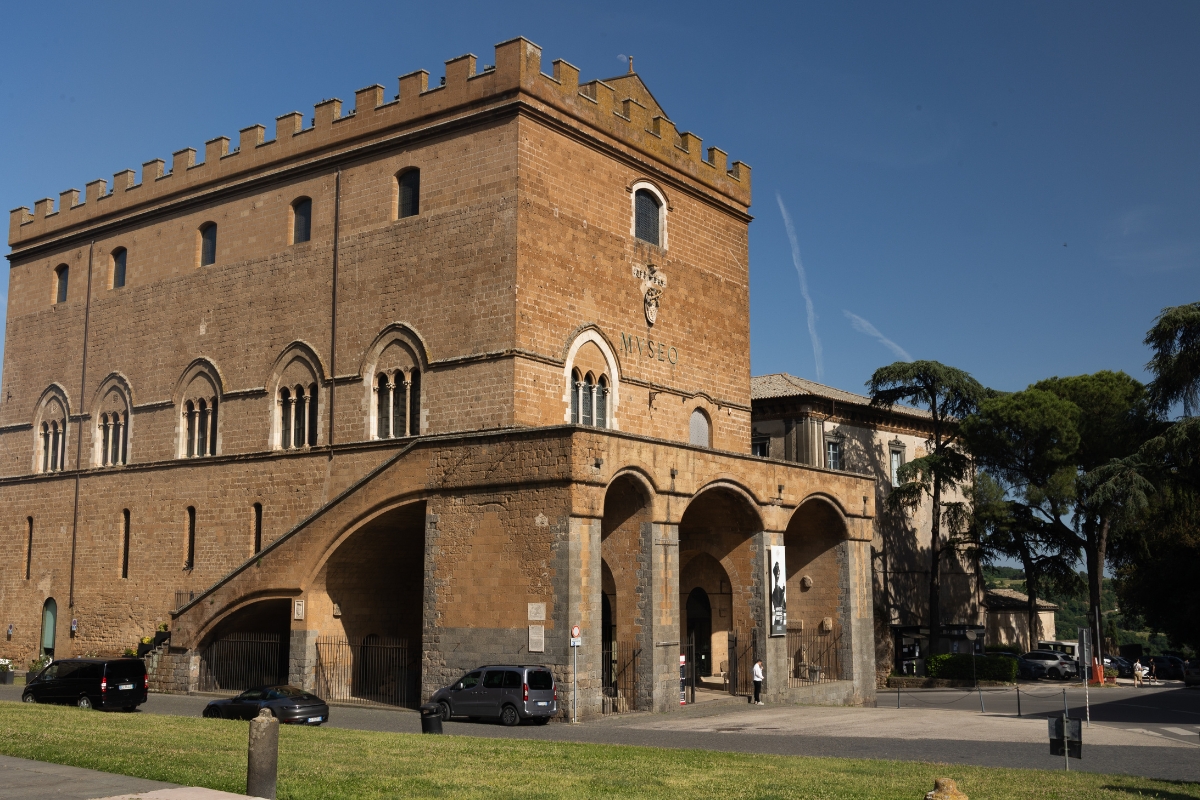
Four-Day Guide to Kašperské Hory: The Hidden Gem of Šumava, Czechia

TL;DRA four-day exploration of Kašperské Hory takes in the historic centre with its Gothic St Margaret’s Church, Kašperk Castle (tickets from 120 CZK), Černé Lake (the deepest glacial lake in Czechia, up to 40 metres), Laka Lake, the Sušice municipal outdoor pool 15 kilometres away, and Boubín primeval forest, home to trees up to 400 years old. The trail to Černé Lake from the hamlet of Javorná runs about 4 km, while Laka Lake means a 5-kilometre walk from Nová Hůrka. The trip peaks at the Boubín viewpoint, standing 1,362 metres up, with its 21-metre lookout tower built in 2005. May to September is the best time to come, when you can also explore the Bat Trail through the underground passages beneath Kašperské Hory’s town hall.

Kašperské Hory Czechia is a place where time stands still and nature reigns supreme. Nestled in the heart of Šumava, one of the largest national parks in the Czech Republic, this enchanting area offers an unforgettable escape from the everyday hustle.

Kašperské Hory – A Paradise Without the Crowds

Kašperské Hory (often shortened to “Kašperky” by locals) offers a unique combination of sprawling forests, crystal-clear rivers and lakes, and sweeping panoramic views. Nature truly pulses with life here, and every season brings its own special charm. Best of all? You’ll barely see another tourist 😊

Kašperské Hory is also brimming with historical treasures. The town is steeped in stories of medieval mining, King Charles IV, and Kašperk Castle, which gave the entire town its name. The area is also home to some of the best-preserved historical buildings in the Czech Republic, adding yet another layer to its unique appeal.

For those seeking active adventures, Kašperské Hory delivers in spades. Whether it’s mountain biking, hiking, skiing, or simply strolling along picturesque trails, there’s something for everyone. And if you’re more of a culture buff, you’ll find plenty to enjoy too — from museums and galleries to displays of traditional crafts.

💡 We’ve put together a four-day itinerary that takes you through some of the best spots Kašperské Hory has to offer, so you can make the most of everything this wonderful region has in store.

Day 1: A Step Back in Time and a Date with Nature

Morning: The Town of Kašperské Hory

Your first day in Kašperské Hory begins with a wander through the charming little town itself. This medieval settlement is full of character and history. On the main square, you can admire Renaissance and Baroque buildings at every turn. Just off the square you’ll find the Gothic Church of St. Margaret.

With its dominant tower and stunning stained-glass windows, this sacred building is one of the highlights of Gothic architecture in the region. And if you’re a real fan of Gothic style, take a stroll to the western edge of town, where you’ll find the cemetery Church of St. Nicholas — the oldest ecclesiastical monument in the town. Construction began in 1315 and was completed in 1330.

Afternoon: Šumava Museum and Underground Tunnels

After lunch, pay a visit to the Šumava Museum (admission: around 5 € for adults, 3 € for children), located right in the centre of Kašperské Hory. The museum introduces you to the rich history and natural treasures of the region. You can explore exhibitions dedicated to the local flora and fauna, the history of mining, and learn more about the traditions and customs of the people who once lived here. And if you’re a motoring enthusiast, we recommend popping into the Historic Motorcycle Museum as well.

If you’re visiting Kašperské Hory during the sweltering summer months, you can quite literally take refuge underground. The Town Hall basement tunnels are open to the public from May to September as part of a guided tour called the Bat Trail, which kicks off with an exploration of the underground passages.

💡 If you fancy a more active afternoon, you could head out on one of the many hiking trails that lead into the heart of the Šumava forest. For example, the trail to the Bílá Strž waterfall is very popular. It’s suitable for families with small children and pushchairs too.

Evening: A Hearty Dinner and a Good Night’s Rest

After a packed day, check into one of the local guesthouses such as Penzion U Jelena, or browse Booking.com for a wider range of accommodation in Kašperské Hory. For dinner, treat yourself to some local Šumava cuisine.

Here are some of the best restaurants in the area:

RestaurantCuisineRating
Restaurace U MedvědaCzech, International4.5/5
U StepanaSteak House4.5/5
Pizzerie pod HrademItalian, Pizza4.3/5
Bistro pod Nebem – OUR TOP PICKVegan, Healthy4.7/5
Rosta CaféCafé, European4.2/5

Day 2: Forest Trails and Adrenaline on Two Wheels

Morning: Kašperk Castle

After breakfast, set off on an excursion to Kašperk Castle, situated just a few kilometres from town. Admission starts from around 5 €.

The castle that gave Kašperské Hory its name is one of the best-preserved medieval fortresses in the Czech Republic. It was built by master builder Vít Hedvábný and named Karlsberg (Kašperk) in honour of Charles IV, who commissioned it as a watchtower castle. Its purpose was to guard not only the town but, more importantly, its mines, gold-panning sites, and ore mills — as well as the famous Golden Trail (Zlatá stezka) trade route between Kašperské Hory and Bavaria.

From the castle, you’ll be rewarded with magnificent views over the surrounding forests and hills of Šumava — absolutely worth the climb. The castle currently offers several guided tour circuits, which we’ll outline below. If you have younger children, we’d recommend the third option — they’ll love it!

  • Tour: Life at the Castle: This 60-minute tour lets you explore the castle interior and learn about its history and what daily life was like within its walls. The tour includes the burgrave’s quarters, the ruins of the castle palace, and the eastern tower. At the end, you can watch a unique video projection about life in a medieval castle. Admission is around 6.50 € for adults and 5 € for students and seniors. Family tickets cost approximately 19 €.
  • Tour: Transformations of the Castle: This 55-minute tour focuses on how the castle has changed throughout its existence. You’ll see the ground floor of the burgrave’s quarters, the castle bailey, the ground floor of the eastern tower, and the ruined palace. Admission is the same — around 6.50 € for adults and 5 € for students and seniors. Family tickets are approximately 19 €.
  • Children’s Tour: This 70-minute interactive tour is designed for children aged 6–11. Kids complete tasks during the tour that help them “free” an enchanted character, picking up loads of fascinating facts along the way. Tours run every Wednesday and Thursday at 11:00 and 14:00 during the summer season. Admission is around 5 €, and advance booking is required at info@kasperk.cz.
lukas a lucka
Lukáš and Lucie recommend
Where to stay in Kašperské Hory
2 accommodations — hotels and other lodging options

Afternoon: Černé Jezero (Black Lake)

After visiting the castle, get ready for the next leg of your journey, which takes you to Černé Jezero (Black Lake). The lake is one of the greatest natural attractions near Kašperské Hory and is the largest and deepest glacial lake in the Czech Republic. It reaches depths of up to 40 metres and covers an area of nearly 18 hectares. Thanks to its size and appearance, the lake looks like a deep, almost infinite dark mirror, beautifully contrasting with the surrounding forests.

The hiking trail to Černé Jezero begins at the hamlet of Javorná, where you can park your car. The trail is well-marked and accessible to all ages, including families with children. The path to the lake runs mostly through forest and is approximately 4 km long.

Along the way, you’ll be treated to gorgeous views of the surrounding landscape, including lush Šumava forests, mountain meadows, and numerous streams. Don’t forget to bring your camera — the scenery around Černé Jezero is some of the most photogenic in all of Kašperské Hory.

Once you arrive at the lake, you’ll understand why it’s one of the most popular spots in the area. You can have a picnic on the shore, take a walk around the lake, or simply sit down and soak up the peace and quiet of this stunning place. You can also observe the local flora and fauna, including many species of waterfowl.

Černé Jezero is surrounded by a web of mysterious and fascinating stories that draw curious visitors. It’s said, for instance, that perfectly preserved bodies of drowned people lie at the bottom, kept intact by the lake’s frigid waters. While many of these tales are rooted in myths and legends, some may hold a grain of truth. After all, the lake sits in the heart of deep forests that are themselves full of secrets.

💡 One of the most famous stories dates back to 1964. In August of that year, the Czechoslovak State Security allegedly retrieved crates from the lake bed that supposedly contained a “Nazi archive” and lists of previously unpublished names of Nazi informants. The entire operation was filmed by Czechoslovak Television, which turned it into a successful documentary. However, because the planned shipment of documents from the KGB archives was delayed, the crates planted on the lake bed actually contained nothing but worthless paper. Despite this, journalists didn’t see through the disinformation campaign — codenamed Operation Neptune — for a remarkably long time.

Day 3: A Day Immersed in Nature

Morning: Lake Laka

After breakfast, head out to Lake Laka. Sitting at an altitude of 1,096 metres, Lake Laka is not only the smallest of the Šumava lakes but also has the largest catchment area. Despite its modest size — just 2.78 hectares with a maximum depth of only 3.9 metres — it hides a unique phenomenon: a layer of peat at the bottom, something you won’t find in any other Šumava lake. Another captivating feature is the floating islands, whose positions shift over time and which are often covered with sphagnum moss, sedge, and bilberry bushes.

💡 You can’t reach the lake by car — you’ll need to leave your vehicle at Nová Hůrka and walk the five kilometres on foot.

The history of the lake area is also intriguing. After World War II, the lake fell within the border zone, and a guard station was built here for the border patrol. After the fall of the Iron Curtain, the building lost its purpose and eventually had to be demolished due to repeated vandalism.

Afternoon: Sušice Municipal Swimming Pool

If you’re looking for a family-friendly activity or simply want to spend a relaxing afternoon, we highly recommend a visit to the Sušice Municipal Swimming Pool. This popular spot, located just 15 kilometres from Kašperské Hory, is perfect for both fun and relaxation — whether you’re a keen swimmer or prefer lounging on dry land.

The Sušice pool complex features several pools — a main swimming pool for adults, a smaller pool for children, and a paddling area for the littlest ones. All pools are regularly inspected and well-maintained, so you can look forward to clean, safe water. For the thrill-seekers, there’s also a water slide that provides plenty of fun for visitors of all ages.

If you’d rather stay dry, there’s a lovely green lawn where you can spread out a blanket and enjoy a picnic, relax under the trees with a book, or simply soak up the sunshine.

Day 4: Into the Wild and Winding Down

Morning: Boubín Primeval Forest

On the final day of your trip to Kašperské Hory, step into the Boubín Primeval Forest — one of the oldest nature reserves in the Czech Republic, established back in 1858. Known as the “King of Šumava’s Primeval Forests”, Boubín is home to trees that are up to 400 years old and tower over 50 metres high.

The trail around Boubín Primeval Forest and Boubín Lake is a truly unique experience in the heart of Czech Šumava. The route is 4 km long but ranks among the more challenging ones, so it’s best suited for those with a reasonable level of fitness — and it’s definitely not suitable for families with pushchairs.

The hike begins at the car park near Idina Pila, 2 km from the village of Zátoň. Park up here and set off. The first section follows along Kaplický Stream and passes beneath a railway viaduct until you reach the Idina Pila Information Centre. Here you can read up on the Boubín Primeval Forest and surrounding area to prepare yourself for what lies ahead.

From here, the path continues to Boubín Lake, the first stop on the educational trail. The lake sits at an altitude of 920 metres and is surrounded by primeval forest.

If you decide to press on further, be prepared for a tougher stretch. The trail winds through the primeval forest and isn’t heavily maintained for tourists.

Here are the highlights along the route:

  1. Boubín Primeval Forest: This is the second-oldest preserved primeval forest in Bohemia. It was declared a reserve as early as 1858 and offers a unique glimpse into the natural wealth of this region.
  2. Boubín Lake: This small lake was created in 1836 for floating timber

to the glassworks in Lenora. Its maximum depth is just 4 metres and it covers an area of 0.37 hectares.

  1. Lookout Tower on Boubín Summit: The summit of Boubín is a symbol of Šumava. Since 2005, a 21-metre-high lookout tower has stood here, offering breathtaking views

over the surrounding landscape.

  1. Idina Pila Information Centre: This renovated information centre features a modern exhibition dedicated to the Boubín Primeval Forest and the wider Boubín area.

Afternoon: Boubín Viewpoint

After your morning exploring the Boubín Primeval Forest and visiting Boubín Lake, the afternoon brings yet another brilliant local experience. Following a tasty lunch featuring local specialities, set off for the next part of your adventure — the Boubín Viewpoint.

The Boubín Viewpoint is one of the highest and most beautiful lookout points in all of Šumava. It rises to 1,362 metres above sea level, and since 2005 it has been topped with a renovated wooden lookout tower. This 21-metre-tall structure gives visitors the chance to take in the full beauty and majesty of Šumava. The ascent is made via wooden walkways and stairs that lead you through dense forest all the way to the summit.

Once you reach the top, a jaw-dropping panorama awaits. The views over the surrounding Šumava landscape — thick forests, green meadows, and shimmering blue lakes — are truly awe-inspiring. On a clear day, you can even see as far as the Bavarian Forest, part of the nature park across the border in Germany.

If you’re after a slightly more mysterious vantage point, legend has it that the finest views belong to Šibeniční vrch (Gallows Hill) just outside town, where a pillory dating from 1630 was relocated in the 19th century — having previously stood right on the main square as a place of public shame.

Linger a while at the summit and savour the beauty that nature has laid out before you. You can have a picnic, snap some incredible photos, or simply admire the views and unwind after a full day. The Boubín Viewpoint is absolutely worth the visit and makes a perfect finale to your day’s adventure — and indeed to this entire four-day holiday in Kašperské Hory!

We hope our itinerary has helped you or at least inspired you to plan your own trip to this wonderful corner of Czechia.

Tips and Tricks for Your Vacation

Don’t Overpay for Flights

Search for flights on Kayak. It’s our favorite search engine because it scans the websites of all airlines and always finds the cheapest connection.

Book Your Accommodation Smartly

The best experiences we’ve had when looking for accommodation (from Alaska to Morocco) are with Booking.com, where hotels, apartments, and entire houses are usually the cheapest and most widely available.

Don’t Forget Travel Insurance

Good travel insurance will protect you against illness, accidents, theft, or flight cancellations. We’ve had a few hospital visits abroad, so we know how important it is to have proper insurance arranged.

Where we insure ourselves: SafetyWing (best for everyone) and TrueTraveller (for extra-long trips).

Why don’t we recommend any Czech insurance company? Because they have too many restrictions. They set limits on the number of days abroad, travel insurance via a credit card often requires you to pay medical expenses only with that card, and they frequently limit the number of returns to the Czech Republic.

Find the Best Experiences

Get Your Guide is a huge online marketplace where you can book guided walks, trips, skip-the-line tickets, tours, and much more. We always find some extra fun there!
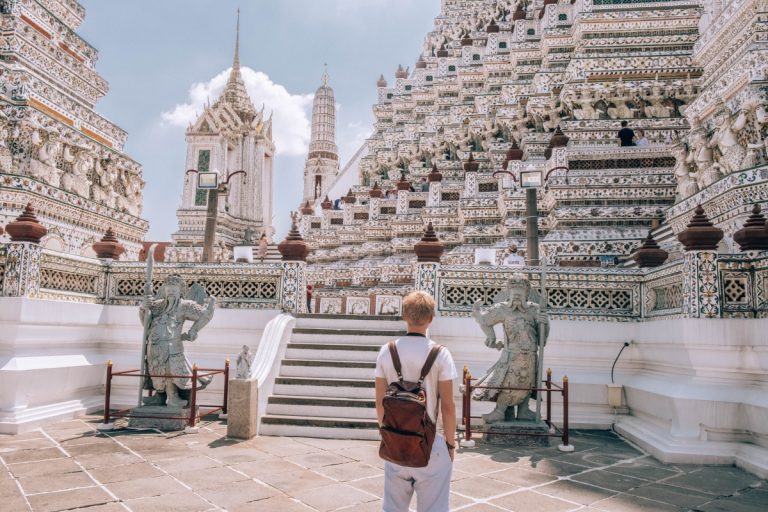
Kurzeo Review: Which Online Courses Are Worth Buying?

TL;DRThe top-rated courses on Kurzeo include Canva for Beginners by Lenka Coates (1790 CZK, 20 lessons), How to Use TikTok for Business by David Duc (2990 CZK) and Influencer Marketing Law by Petra Dolejšová (690 CZK). Also worth a look are Adobe Lightroom for Beginners by Petr Klempa (990 CZK, 12 lessons) and Facebook and Instagram Promotion Basics by Václav Blahout (990 CZK, 19 lessons). Kurzeo is a Czech e-learning platform with video courses in Czech — access never expires, and you get a certificate once you finish. The least engaging, in the author’s experience, was the Facebook ads course, since it only covers the basics and won’t suit anyone more advanced. Overall, the review reckons Kurzeo is worth the money, thanks to friendly prices and genuinely good tutors.

Over the past six months, I’ve been carefully studying five online courses on the Kurzeo educational platform so I could tell you whether they’re actually worth the investment. The courses are genuinely well-produced, the instructors are carefully chosen, but it always depends on your current skill level and what you expect to get out of them. This Kurzeo review will reveal which online courses I enjoyed the most and where I think your money is best spent.

What Is Kurzeo?

Kurzeo is a Czech educational platform that runs entirely in your web browser. On this platform, you can purchase courses from Czech experts in various fields. The online courses are clear, professionally filmed, and delivered as video lessons. Some instructors also include supplementary written materials.

Kurzeo Review: What I Liked About the Platform

One of the biggest advantages of Kurzeo compared to other platforms is that it’s in Czech and access to courses isn’t time-limited. This is a huge benefit compared to courses from Online Digisemestr, which are quality offerings but expire after a set period. Here are the main advantages of Kurzeo:

  • Great selection of marketing courses,
  • high-quality production values,
  • option to speed up video playback,
  • excellent instructors,
  • unlimited lifetime access to courses,
  • certificate upon completion.

What I Didn’t Like About Kurzeo

I don’t have too many complaints about the platform itself — you don’t need a particularly powerful device or a blazing-fast internet connection to run the courses. However, since I’ve been somewhat spoiled by the American courses on Masterclass, I did miss the following features:

  • Kurzeo doesn’t have a mobile app,
  • you can’t download courses for offline viewing,
  • lessons don’t automatically mark themselves as completed — you have to click a button manually.

What Online Courses Does Kurzeo Offer?

The Kurzeo platform offers a wide range of courses across various categories. Below you’ll find a list of courses broken down by category, along with information about who they’re best suited for:

Online Marketing and Social Media Courses:

  1. How to Use TikTok for Business – David Duc
    • Suitable for entrepreneurs, marketing specialists, and influencers. This course is ideal for anyone who wants to get familiar with TikTok.
  2. Canva for Beginners – Lenka Coates
    • This course is perfect for all marketing specialists, whether you’re a beginner or more advanced. I’d recommend it wholeheartedly. Lenka Coates is one of the top Canva experts in the Czech Republic.
  3. Fundamentals of Advertising Copywriting – Martina Bechyňová
    • Suitable for copywriters, marketing specialists, and entrepreneurs, as well as bloggers, social media managers, and SEO specialists.
  4. Facebook (and Instagram) Advertising Basics – Václav Blahout
    • Suitable for entrepreneurs, but especially for anyone just getting started with Facebook advertising.

Online Courses on Marketing Law:

  1. Law in Influencer Marketing – Petra Dolejšová
    • Suitable for influencers and marketers, but also for entrepreneurs and companies looking to collaborate with influencers. Petra Dolejšová is one of the leading experts on influencer marketing law.
  2. Law in Marketing – Petra Dolejšová
    • For anyone working in marketing. Suitable for marketers, companies, and entrepreneurs.

Online Courses in Graphic Design and Photo Editing:

  1. How to Edit Photos in Adobe Lightroom – Petr Klempa
    • Suitable for photographers, marketers, graphic designers, influencers, and bloggers.
  2. How to Design the Perfect E-book – Lenka Coates
    • Suitable for marketers, authors, and entrepreneurs.
  3. Lifestyle Photography Online Course – Petr Klempa
    • Suitable for photographers, influencers, and bloggers.
  4. Adobe Illustrator for Beginners – Miroslav Šulc
    • Suitable for aspiring graphic designers, designers, and students.

Quality Online Yoga Courses:

  1. Yoga for Beginners – Bára Sedláková
    • Suitable for yoga beginners and anyone looking for relaxation.
  2. Yoga Restart – Bára Sedláková
    • Suitable for those who want to get back into yoga or are looking for a fresh start.
  3. Yoga After Work – Bára Sedláková
    • Suitable for anyone with a desk job.

Communication and Personal Development:

  1. Fundamentals of Confident Communication – Lukáš Adam
    • Suitable for individuals looking to improve their communication skills and confidence.

Which Online Courses on Kurzeo Are the Best?

This is highly individual, as it really depends on your business or profession. Personally, I really enjoyed the Canva course with Lenka Coates, but I also liked the TikTok introduction with David Duc.

If you’re just getting started with Facebook advertising, I can also recommend the course with Václav Blahout. It’s ideal for beginners and intermediate users who need to get their bearings with the setup. As always, Petra Dolejšová is excellent, and so is Petr Klempa with his Lightroom course. Below, I break down the five courses I’d recommend.

Review: Law in Influencer Marketing Course with Petra Dolejšová

This short online course with Petra Dolejšová is just as brilliant as seeing her speak live. And you don’t have to travel anywhere or pay for expensive in-person training (the online course costs just around 28 €).

Petra Dolejšová covers everything you need to know about influencer marketing law. I’m a big fan of Petra — I’ve heard her speak at conferences many times and I’m convinced that her talks are some of the most informative in the marketing world.

Thanks to her, we’ve avoided a whole host of problems in influencer marketing. This is a course that absolutely everyone who wants to do influencer marketing should take. Why? Because you don’t want to end up in a legal dispute with an influencer, and you certainly don’t want to be paying fines. Influencers cost serious money, so you’d better have everything legally watertight.

Who it’s for: Anyone dealing with influencer collaborations.

Price: approx. 28 €

Review: Online Course for TikTok Success

These days, TikTok is one of the fastest-growing social media platforms, and its impact on business is impossible to ignore. If TikTok intimidates you as much as it did me, this course is for you. It’s also great for anyone who wants to build a successful presence on TikTok.

Although it’s one of the pricier courses on the Kurzeo platform, I found it the most educational of them all. Probably because I’d been actively avoiding TikTok up until that point.

The course kicks off with an introduction to TikTok, showing you everything the platform can offer. It then dives into profile optimisation and the TikTok algorithm, which is crucial for achieving viral success.

What I enjoyed most were the specific tips on creating content that actually performs well on TikTok. The instructor walks you through video styles for businesses and entrepreneurs that grab attention and attract customers. With his guidance, you’ll learn how to effectively film and edit videos to make them as engaging as possible for viewers.

What resonated with me the most was the combination of practical advice and theoretical background, which helped me understand how TikTok works and how to leverage it for business.

Who Is David Duc?

David Duc is the founder of TikTokuj.cz, a brilliant marketer, and a TikTok expert. In a short space of time, he managed to amass over 280,000 followers and 7 million likes on his videos. He originally ran a travel agency, but when Covid hit, he started exploring online business opportunities. His success on TikTok inspired him to found the agency TikTokuj.cz, which specialises in training creators and entrepreneurs in the world of TikTok.

  • Who it’s for: Marketers and anyone who wants to succeed on TikTok.
  • Price: approx. 120 €

Review: Adobe Lightroom Photo Editing Basics Course

As you well know, we absolutely swear by Lightroom — it’s the best tool for photo editing. If you’re looking for a beginner-friendly Adobe Lightroom online course, I’d recommend this one by Petr Klempa. For just around 40 €, this course opens the door to the fascinating world of photography and shows you how to turn your shots into true masterpieces.

The course contains 12 lessons that walk you through:

  • The entire photo editing process,
  • basic workflow,
  • importing and exporting photos,
  • creating your own presets.

The lessons on photo filtering and keyboard shortcuts are also brilliant — they’ll help you save time and streamline your entire editing workflow. And as if that weren’t enough, the course includes a bonus lesson on using Lightroom on iPad, so you can work with your photos on the go.

  • Who it’s for: Any photographer who wants to master Lightroom and take their photos to the next level.
  • Price: approx. 40 €

Review: Canva for Beginners Course

I’ve been working in Canva for years, yet I still picked up plenty of tips I didn’t know about in this course. So while it’s aimed at beginners, it’s so comprehensive that even experienced users will discover something new. Although it’s one of the pricier courses on the platform, for around 72 € you get access to a wealth of content that teaches you how to create professional graphics quickly and easily.

The course is led by the biggest Czech Canva expert — Lenka Coates, who is an instructor and founder of the project Canva – Grafika lehce (Graphics Made Easy). This project has been running since 2020. Her main goal is to help entrepreneurs and individuals learn how to use the online graphic design tool Canva so they can effectively promote their products and services on social media.

The course is divided into 20 lessons covering everything from creating a Canva account to sharing your designs. You’ll learn how to upload and edit your own photos and images, and how to work with the text tool.

If you want to work more efficiently with Canva or are just getting started, this course is absolutely top-notch.

Review: Facebook and Instagram Advertising Basics Course

If you’re a beginner or intermediate user when it comes to Facebook and Instagram advertising, this is a very useful course. For just around 40 €, it opens the door to the fascinating world of social media and helps you effectively promote your product or service.

Instructor Václav Blahout walks you through all the fundamentals you need to know for running a successful campaign.

The course consists of 19 lessons that guide you through every aspect of setting up and managing ad campaigns on Facebook and Instagram. From choosing the right campaign objective, to setting your budget and schedule, to detailed audience targeting — you’ll have full control over your advertising.

For more advanced users, lesson 16 will likely be the most interesting, as it covers international expansion. This lesson will convince you that the possibilities of Facebook and Instagram advertising are virtually limitless, and that you can achieve success beyond your own country’s borders.

Personally, I found this course the least engaging of the bunch, simply because it covers the very basics of Facebook advertising. It’s therefore not suitable for advanced users and experts looking for tips on funnels or other more sophisticated Facebook ad strategies.

  • Who it’s for: Beginners and intermediate users in the world of Facebook advertising.
  • Price: approx. 40 €

So, Is It Worth Investing in Kurzeo?

The pricing is really affordable and the quality is high. If you find a course that interests you, I wouldn’t hesitate to buy it. Always read the reviews for individual courses and check who they’re aimed at before making your decision. I hope my review helps you choose the right one. If I decide to study any more courses from Kurzeo’s catalogue, I’ll be sure to update this article.

Got any tips for interesting online courses? Drop them in the comments! If you’re a marketer or blogger, don’t forget to follow us on our Patreon, where we share our secret marketing and blogging monetisation tips every week.

FAQ – Frequently Asked Questions

Kurzeo Review

Lucie Konečná

Platform Usability
Instructor Quality
Course Quality
Course Selection
Course Pricing

Summary

The pricing is really affordable and the quality is high. If you find a course that interests you, I wouldn’t hesitate to buy it. Always read the reviews for individual courses and check who they’re aimed at before making your decision. I hope my review helps you choose the right one. If I decide to study any more courses from Kurzeo’s catalogue, I’ll be sure to update this article.

4.6

Tips and Tricks for Your Vacation

Don’t Overpay for Flights

Search for flights on Kayak. It’s our favorite search engine because it scans the websites of all airlines and always finds the cheapest connection.

Book Your Accommodation Smartly

The best experiences we’ve had when looking for accommodation (from Alaska to Morocco) are with Booking.com, where hotels, apartments, and entire houses are usually the cheapest and most widely available.

Don’t Forget Travel Insurance

Good travel insurance will protect you against illness, accidents, theft, or flight cancellations. We’ve had a few hospital visits abroad, so we know how important it is to have proper insurance arranged.

Where we insure ourselves: SafetyWing (best for everyone) and TrueTraveller (for extra-long trips).

Why don’t we recommend any Czech insurance company? Because they have too many restrictions. They set limits on the number of days abroad, travel insurance via a credit card often requires you to pay medical expenses only with that card, and they frequently limit the number of returns to the Czech Republic.

Find the Best Experiences

Get Your Guide is a huge online marketplace where you can book guided walks, trips, skip-the-line tickets, tours, and much more. We always find some extra fun there!
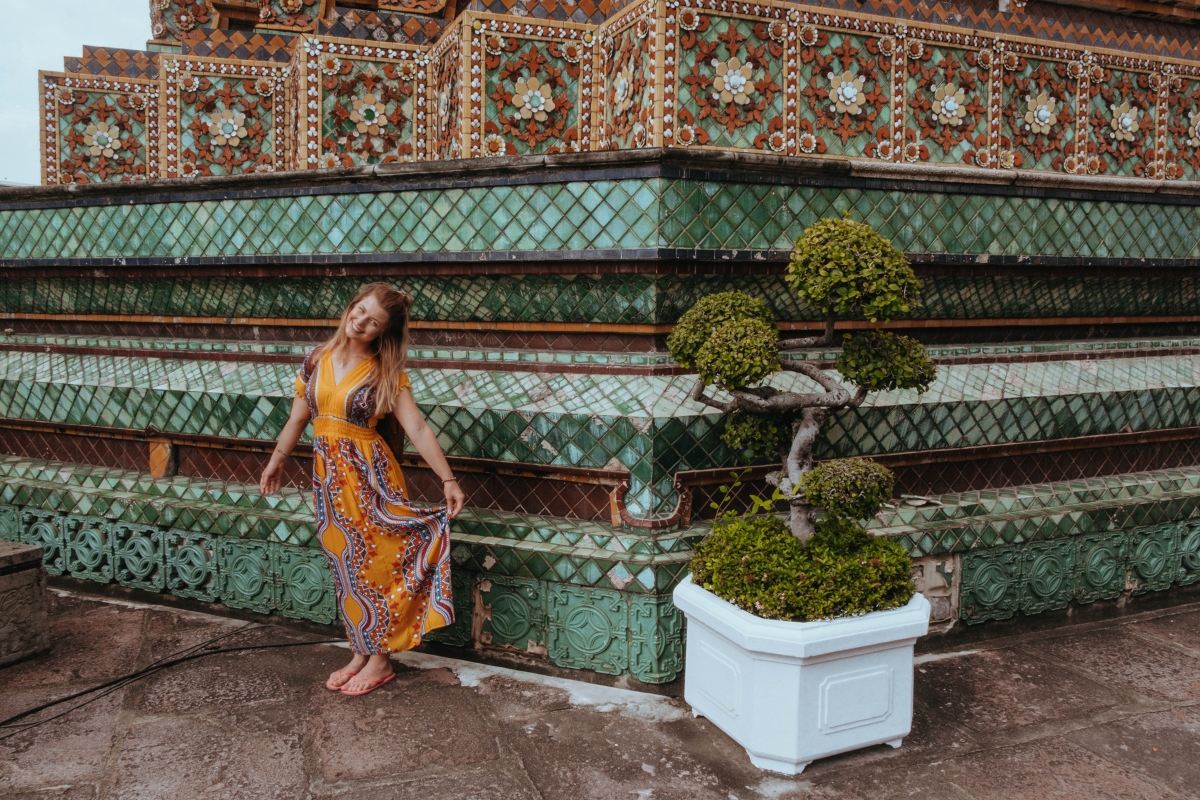
🎯 Freelo Review: Czech Project Management Tool 2026

TL;DRAfter four years of running Freelo with a team of up to ten people, the author gives it a full 10 out of 10 and calls it the best project management software around. There’s a free Free plan for up to 3 projects and 3 users with 500 MB of storage, while paid tiers start with Freelance at 800 CZK a month and go up to the Enterprise plan at 39,900 CZK a month for larger corporations. Key features include time tracking, mind maps, a kanban board, financial overviews and notifications, and new users get 14 days free to try it out plus a 30-day money-back guarantee. Freelo also integrates with Trello, Asana, Google Calendar, Fakturoid and Vyfakturuj.cz, among others.

We’d always been used to working on our own — notebooks and email were all we ever needed. But when our company nanoSPACE started growing rapidly, alongside our agency LK MEDIA, the team expanded practically overnight to nearly ten people. Suddenly, project management became an absolute nightmare. That’s when we started looking for a proper project management tool — and eventually found Freelo. This Freelo review covers everything we’ve learned after four years of using it daily.

We spent a while trying out different tools — from Trello to Asana to Basecamp — but ultimately settled on Freelo, a Czech-made platform where we’ve been paying for team plans for four years now.

What Is Freelo

I won’t lie — I’ve always struggled with managing people, and the more of us there are, the worse I get at it. So I appreciate and try out every tool that promises to help 😅. I’ve tested dozens of them, and Lucka (my wife and business partner) is rightfully frustrated by my constant switching. Luckily, Freelo came along at just the right time.

Freelo turned out to be the best online tool for project management in a small team. I haven’t found anything better. Team collaboration is simpler and more transparent thanks to it, and my anxiety about juggling dozens of projects has dropped significantly.

Freelo is a web-based tool you can use from anywhere. It works brilliantly on desktop, and the mobile app does a decent job too.

What Is Freelo Used For?

Freelo is a tool that streamlines and improves project management. It lets you create projects and break them down into tasks and subtasks. Once a specific task is assigned, everyone on the team knows exactly what they need to do on a given project.

Freelo also makes life easier for us managers — we have a complete overview of what’s happening across our companies and what stage each task and project is at.

🚨 With Freelo, nobody forgets deadlines, tasks don’t fall behind (as long as you stay on top of things 😎), and no information gets lost anywhere.

Team members no longer have to dig through emails for information and work briefs. Every assigned task triggers a notification directly within the platform. Alongside the task, they’ll find detailed instructions in the comments about what needs doing and by when. For good measure, every notification is also sent as an email alert. All tasks are just a few clicks away.

But Freelo isn’t just for businesses. It’s also an incredibly useful tool for freelancers.

💡TIP: You can try Freelo right now. The basic plan is completely free, and if your team has up to 3 people managing a maximum of 3 projects, it stays free forever. 😎

Freelo: Pros and Cons

Let’s start with the pros:

  • ✅ Freelo is one of the best project management software tools out there.
  • Countless useful features for project management — projects, tasks, subtasks, notifications, detailed overviews, financial reports, time tracking, and much more.
  • A very clean, user-friendly interface that genuinely anyone can learn to use.
  • Plenty of pricing plans to choose from + a completely free basic plan.
  • A well-built tool with a clean, modern design and strong localisation options.
  • Integration options with a wide range of third-party apps and services.

I thought long and hard, but honestly couldn’t come up with any real drawbacks 😅. Some might consider the 3-project limit on the Free plan a downside, but you have to expect that with a plan that costs nothing.

Freelo Features Overview

Freelo packs a serious punch when it comes to features.

Project Management

The core function of Freelo is managing projects. After creating a new project, you can invite team members who’ll be working on it and then assign individual tasks with deadlines.

Projects offer several display options — you can view tasks in a list or in columns.

Every team member is notified of a new task assignment via an in-app notification and an email alert. In the comments section of each task, you can provide detailed instructions on how to proceed, and even upload supporting files.

Project management becomes far more efficient with Freelo. Everyone knows what to do, how to do it, and when it’s due. I have complete oversight of everything — for every task, I can see who’s responsible (and therefore who to praise or have a word with).

Notifications

Freelo’s notification system is highly customisable. The initial setup takes a bit of time as you gradually figure out what you want to be notified about immediately and what can wait. You can filter out less important notifications and only be alerted about the things that truly matter.

On top of that, Freelo sends regular activity summaries to everyone involved in a given project. You can opt for hourly or daily digests.

Project File Storage

Each project comes with its own well-organised file storage. All important documents and analyses are right at your fingertips. You don’t have to worry about which project a file belongs to — files never get mixed up between different projects.

The storage also integrates with services like OneDrive and Google Drive, among others.

Kanban Columns/Rows

You can display individual tasks within projects exactly how you need them. This is made possible by Kanban columns — To-Do, In Progress, and Done. Getting a clear picture of what’s completed and what still needs doing couldn’t be easier.

Mind Map – Bird’s-Eye View of Your Project

You can break down any project into a clear hierarchical structure. It displays a tree view from the biggest, most important tasks all the way down to the smallest subtasks. This gives you a perfect overview and ensures you haven’t forgotten any task within the project.

Permission Settings

You can restrict each team member’s access so they only see the tasks they’re actually working on.

Planning Calendar

The planning calendar lets you quickly and easily set deadlines for individual tasks. This calendar is then available to everyone involved in the project. They can easily see — in a visual format — what needs to be done by when, and who’s responsible for what.

Financial Overviews and Reports

You can also set a budget for each project. From there, you can conveniently view the total spending across all your projects. The financial budget for a given project stays clearly visible at all times. Already-spent funds are deducted from the original total budget. This way, you always know where your project stands financially — how much you’ve spent or earned.

Time Tracking

Make sure your team members switch on the time tracking feature when working on a task. It records the time they spend on each assignment. If you enter their hourly rate into Freelo, you’ll also get an instant overview of how much completing that particular task actually cost you.

Within Freelo, you can also set hourly rates and invoice directly from the platform — for example through integrated invoicing services where Freelo offers seamless connections.

Templates

Freelo templates let you save workflows and guides that make future work even easier. You can then delegate tasks to less experienced colleagues, who simply follow the template step by step. Templates are also great for streamlining the creation of similar recurring projects — like listing products on an e-shop, for example. Beyond the workflow itself, templates can also include time estimates for when each task should be completed.

Team Notes

Another handy feature is team notes. You can discuss things under these notes just like you would under assigned tasks. They’re perfect for recording important company notes, workflows, and guides.

Freelo User Interface

Now that we’ve covered the features, let’s take a look at what the Freelo user interface actually looks like.

Dashboard

After logging in, every user lands on their Dashboard. This is your home page — a complete overview of all tasks across every project. You can filter the Dashboard to show exactly what you need: tasks assigned to you, tasks you’ve assigned to others, or tasks you’ve created.

The first thing everyone sees after logging in is which tasks need their immediate attention.

Projects, Reports, and Time Tracking

Above the Dashboard, you’ll find the main navigation — projects, reports, and time tracking.

  • In Projects, you’ll see a list of all projects you’re working on, or you can create a brand new project.
  • You can add tasks either from within a specific project view or with a single click on the + button found in the top-left corner of the screen once you’re logged in and viewing the Dashboard.
  • Reports give you an overview of everything that’s happened across your projects — all user activity, work logs, and similar data. You can also create custom reports.
  • In Time Tracking, you can start a timer for your work on any task. You’ll also find a complete overview of all hours worked.

Notifications, Users, Planning Calendar, Search, and Profile

  • Notifications contain all alerts about tasks and activities that have taken place.
  • In the Users section, you’ll see an overview of all team members and colleagues. You can easily invite a new member from here.
  • We’ve already covered the planning calendar feature — it’s accessible with a single click and lets you schedule task deadlines.
  • The search bar lets you find any task instantly. A really handy feature when you’ve got loads of tasks assigned and you’re looking for one specific one to work on.
  • The last button opens a menu where you can access your profile, plan settings, payment and billing details, and more.

And that’s the entire Freelo user interface. Dozens of useful features are neatly organised into just a handful of buttons and navigation menus. Everything is within easy reach — no complicated clicking through endless menus.

Freelo Pricing Plans

After signing up, everyone can try Freelo for the first 14 days completely free. After that, you choose either one of the paid plans or the Free plan, which costs nothing at all. However, the Free plan limits you to 3 active projects with a maximum of 3 collaborators. All paid plans offer unlimited projects and collaborators — except for the Business plan, where the number of collaborators depends on your licence count.

Free Plan

  • Up to 3 active projects, up to 3 collaborators, 500 MB storage, free.

Freelance Plan 🧑‍💻

  • Designed for freelancers.
  • Unlimited projects, unlimited users, mind map, Kanban columns and rows, time tracking, 15 GB data storage.
  • Approximately €32 per month (billed annually).

Team Plan 👫

  • For smaller businesses.
  • Everything in the Freelance plan + admin features (reports, overviews, permission management, multiple people can create tasks/projects and manage users — functioning as department heads), 100 GB data storage.
  • Approximately €72 per month (billed annually).

Business Plan 📊

  • For larger companies with multiple departments.
  • Team plan + more detailed reports and enhanced security, ERP integration option, 200 GB data storage.
  • Approximately €135 per month for 20 users (billed annually). Each additional user approximately €7 per month.

Enterprise Plan 🏙️

  • For large corporations.
  • Unlimited users.
  • Business plan + custom integrations, automation, SSO, SAML, SLA, dedicated success manager, data storage tailored to your individual needs.
  • Approximately €1,600 per month (billed annually).

Freelo Compatibility with Other Apps

Freelo itself is available as a standalone app. There are versions for iOS and Android smartphones, as well as a desktop application. That said, the web version is fully featured and works perfectly.

When it comes to integrations with other apps, the options are impressively broad. Freelo is compatible with Gmail, Google and Outlook calendars, Trello, Make, Asana, Raynet, Basecamp 2, Supportbox, Fakturoid, Vyfakturuj, and iDoklad. Within the file storage, you can also work with services like OneDrive, Google Drive, and Dropbox.

Freelo Customer Support

Freelo’s customer support is also excellent. If you need an answer immediately, there’s a phone line available on weekdays from 9:00 to 16:00 CET. If it’s less urgent, you can reach support via email, and they’ll respond within 24 hours. In most cases, though, you’ll get a reply the same business day.

The responses are friendly and professional. You’ll get all the information you need, and the support team is happy to help resolve any issue.

Final Verdict

On a scale of 1 to 10, Freelo scores a solid 10. It’s a tool that offers a wealth of useful project management features — including some that competing tools simply don’t have. Time tracking is a great example: on similar platforms, it’s usually locked behind paid plans, but on Freelo, it’s available to everyone.

A nice bonus is that Freelo was built by a Czech team, so it’s fully optimised for the Central European market. However, the interface is also available in English, making it perfectly usable for international teams.

Even the prices for the advanced plans aren’t steep at all, especially when you consider the features and content you get in return. The exception is the Enterprise plan, but that’s designed for large corporations.

Our final verdict? We’d call Freelo one of the best project management software tools for small and medium teams.

Frequently Asked Questions

What is Freelo and what is it used for?

Freelo is a Czech online project management and team collaboration tool that helps you organize tasks, track progress, communicate with your team, and share files.

Is Freelo free?

Freelo offers a free basic version with limited features. For advanced functionality and larger teams, paid plans are available at various price points.

Is Freelo available in languages other than Czech?

Yes, Freelo is also available in English, making it easy to collaborate with international teams.

Can Freelo be integrated with other apps and tools?

Yes, Freelo offers integrations with several popular apps and tools, including Google Calendar, Slack, Toggl, and others.

What’s the difference between Freelo and other project management tools like Trello or Asana?

Freelo focuses on simplicity and intuitive use, which makes it ideal for small to medium-sized teams. Plus, Freelo is a Czech-made tool, which can be an advantage for Czech companies. While Trello and Asana are also popular project management tools, they offer different features and ways of organizing tasks.

Is Freelo available on mobile devices?

Yes, Freelo has mobile apps for both Android and iOS, allowing you to manage projects and tasks on your mobile devices.

What if I’m not satisfied with Freelo after I’ve already paid?

Freelo offers a 30-day money-back guarantee from the date of purchase. If you’re not happy with the features or service, you can request a refund.

Freelo Review – Project Management Tool

Lukáš Konečný

Project Management
Task Creation
Time Tracking & Invoicing
Pricing Plans

Summary

Freelo is the best task management tool for small teams I’ve ever tried. And trust me, I’ve tried a lot! It does everything you’d need from such a tool.
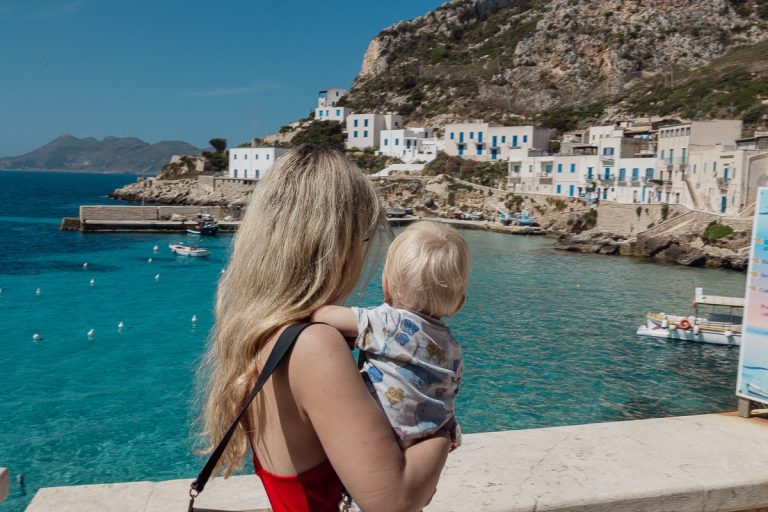
4.8

Tips and Tricks for Your Vacation

Don’t Overpay for Flights

Search for flights on Kayak. It’s our favorite search engine because it scans the websites of all airlines and always finds the cheapest connection.

Book Your Accommodation Smartly

The best experiences we’ve had when looking for accommodation (from Alaska to Morocco) are with Booking.com, where hotels, apartments, and entire houses are usually the cheapest and most widely available.

Don’t Forget Travel Insurance

Good travel insurance will protect you against illness, accidents, theft, or flight cancellations. We’ve had a few hospital visits abroad, so we know how important it is to have proper insurance arranged.

Where we insure ourselves: SafetyWing (best for everyone) and TrueTraveller (for extra-long trips).

Why don’t we recommend any Czech insurance company? Because they have too many restrictions. They set limits on the number of days abroad, travel insurance via a credit card often requires you to pay medical expenses only with that card, and they frequently limit the number of returns to the Czech Republic.

Find the Best Experiences

Get Your Guide is a huge online marketplace where you can book guided walks, trips, skip-the-line tickets, tours, and much more. We always find some extra fun there!