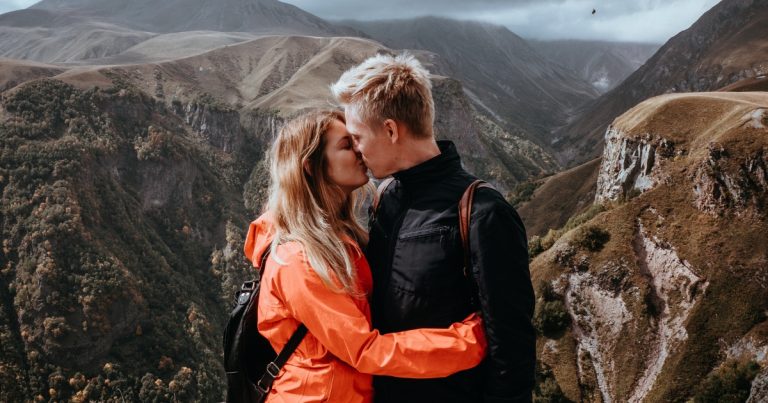
Georgia: 20 Best Places for Your Holiday

TL;DRGeorgia packs in mountains, sea, history and wine, and the best way to see it all is a ten-day road trip from Tbilisi through Mtskheta, Kazbegi (home to the dormant volcano Kazbek, 5,047 m), Kutaisi and the Martvili Canyon, on to Svaneti and the UNESCO-listed village of Ushguli, then back to Tbilisi via Vardzia and the spa town of Borjomi. There are 20 concrete tips here, and the highlights include Tbilisi’s Abanotubani sulphur baths, Svetitskhoveli Cathedral in Mtskheta, the cave towns of Vardzia and Uplistsikhe, and the seaside city of Batumi with its Batumi Boulevard promenade. Autumn (September to November) is the best time to come, when the rtveli grape harvest is in full swing, while Ushguli is best visited between June and September. And you can’t leave without trying the food — khachapuri, khinkali, and wine made the traditional way in clay kvevri vessels.

Georgia – a small country on the border of Europe and Asia, which has been gaining popularity among travelers in recent years. And it’s no wonder. This pearl of the Caucasus offers an incredible mix of ancient traditions, breathtaking nature, excellent gastronomy, and, above all, the endless hospitality of its local people. Discover a country where history meets the present and where every visitor leaves a piece of their heart.

On my first visit to Georgia, I was amazed by the diversity of the landscape – in a relatively small area, you’ll find the snow-capped peaks of the Caucasus, lush valleys full of vineyards, wild canyons, and the peaceful Black Sea coast. And it is this diversity that makes Georgia an ideal destination for all types of travelers – from active holiday enthusiasts to history buffs, gourmets, and those seeking relaxation.

Let’s take a look at the best this fascinating country has to offer. In this guide — Georgia: 20 Best Places for Your Holiday — I’ve prepared 20 tips that you definitely shouldn’t miss when visiting Georgia.
TL;DR

  • Georgia, a country you can visit all year round – in summer it offers mountains and the sea, in autumn grape harvesting, in winter skiing, and in spring a blossoming landscape.
  • The most beautiful natural sites include Kazbek, Svaneti with the village of Ushguli (UNESCO), Martvili Canyon, and the Black Sea coast in Batumi.
  • Historical monuments not to miss are Mtskheta with Svetitskhoveli Cathedral, Tbilisi with its sulfur baths, and the cave cities of Vardzia and Uplistsikhe.
  • Georgian cuisine and wine are unique worldwide – try khachapuri, khinkali, and wines made by the traditional qvevri method (clay amphorae).
  • The best way to experience local culture is to attend a traditional Georgian supra (feast) and watch a performance of folk dances and songs.
  • Don’t forget travel insurance.

Roadtrip through Georgia: 10-Day Self-Guided Itinerary

I recommend booking a car through DiscoverCars, it was hassle-free.

Day Route Main stops / what to see Accommodation
1 Arrival in Tbilisi Old Town, Narikala Fortress, Bridge of Peace, Abanotubani sulfur baths Hotel in Tbilisi
2 Tbilisi → Mtskheta → Kazbegi Mtskheta (Svetitskhoveli, Jvari), Ananuri, Zhinvali Reservoir, Gudauri Viewpoint, Stepantsminda Accommodation in Kazbegi
3 Kazbegi and surroundings Trek to Gergeti Glacier, Sno Valley, Dariali Gorge Accommodation in Kazbegi
4 Kazbegi → Gori → Uplistsikhe → Kutaisi Gori (museum), Uplistsikhe (cave city), Rikoti Pass Accommodation in Kutaisi
5 Kutaisi → Martvili Canyon → Mestia Martvili (boat trip), possibly Okatse, Enguri Dam Accommodation in Mestia
6 Mestia → Ushguli → Mestia Ushguli (towers, view of Shkhara, easy trek) Accommodation in Mestia
7 Mestia → Kutaisi Shdugra Waterfall, Svan villages Accommodation in Kutaisi
8 Kutaisi → Akhaltsikhe → Vardzia Rabati fortress, Mtkvari valley Accommodation in Vardzia
9 Vardzia → Borjomi → Tbilisi Vardzia (cave city), Borjomi spa Hotel in Tbilisi
10 Tbilisi Markets, cafes, last walk Hotel in Tbilisi

Practical Notes:

  • Allow enough time for the trip to Svaneti and Ushguli – the roads are really bad and the journey takes a long time.
  • For the trip to Ushguli, it’s best to hire a local driver with an off-road vehicle in Mestia; we didn’t, and it was hardcore. The easiest way is to book it as a tour through GetYourGuide.
  • The best time to visit Ushguli is from June to September; outside of the season, the roads can be even more hardcore than usual.
  • In mountainous areas, expect cooler weather even in summer.
  • Travel between major cities (Tbilisi, Kutaisi, Batumi) is possible by marshrutka or rented car.
When to Go to Georgia?

Georgia is a country that has something to offer in every season, but when to visit depends on what you expect from your trip.

Spring (March–May) awakens the Georgian landscape to fresh greenery. Temperatures are pleasant, mostly between 15–20 °C in the lowlands, which is ideal for exploring cities and historical monuments. Spring nature provides a beautiful backdrop – imagine the view from Jvari Monastery above Mtskheta overlooking the confluence of rivers surrounded by a blossoming landscape. It’s also a good time for lighter hiking in lower altitudes, while snow still lies in the mountains.

Summer (June–August) brings hot days in the lowlands (often 30–35 °C), which is why many locals and tourists head either to the mountains or to the sea. In the mountainous regions of Svaneti, Tusheti, or Upper Adjara, the climate is pleasant, around 15–25 °C, making them ideal places for trekking and mountain hiking. Black Sea resorts like Batumi or Kobuleti are in full swing – you can enjoy swimming, beach activities, and vibrant nightlife.

Autumn (September–November) is considered the most beautiful time to visit Georgia. In early autumn, days are still warm, the sea is heated, and tourist crowds thin out. Mountains and forests turn shades of red and gold, creating a breathtaking scenery. Autumn is also harvest time – in Kakheti and other wine regions, the traditional grape harvest (rtveli) takes place, during which you can help pick grapes and taste fresh young wine.

Winter (December–February) in Georgia has two faces – a mild climate in the lowlands and true winter in the mountains. In cities like Tbilisi, temperatures hover around 0 to 5 °C, and snow is not very common, allowing for comfortable sightseeing without crowds of tourists. In contrast, mountain resorts like Gudauri, Bakuriani, or Mestia offer excellent conditions for skiing and snowboarding from December to March, at a fraction of the prices of European resorts.
Georgia: 20 Best Places for Your Holiday

Let’s take a look at what to see and do in Georgia.

1. Tbilisi – a Metropolis Full of Contrasts

The capital city of Tbilisi is a vibrant metropolis where history intertwines with the present. Founded in the 5th century, the city lies on the Kura River and is surrounded by hills offering impressive views.

In the historic center, wander through the winding streets of the Old Town with its wooden balconies and traditional architecture. The dominant feature is Narikala Fortress , which you can reach on foot or by cable car. You’ll be rewarded with panoramic views of the entire city.

In the heart of Old Tbilisi, visit the Abanotubani district with its famous sulfur baths. You’ll easily recognize them by their characteristic brick domes, from which steam rises. The water, at a temperature of around 40 °C, has healing effects on the skin and joints, so don’t miss out on a traditional spa experience – a bath in a private bath followed by a traditional massage. However, be prepared for the typical sulfur smell, which is an integral part of the authentic experience.

A symbol of modern Tbilisi is the glass Bridge of Peace over the Kura River, which glows with thousands of LED lights at night. Another modern landmark is the monumental Sameba Cathedral (Holy Trinity) from 2004, one of the largest Orthodox churches in the world.
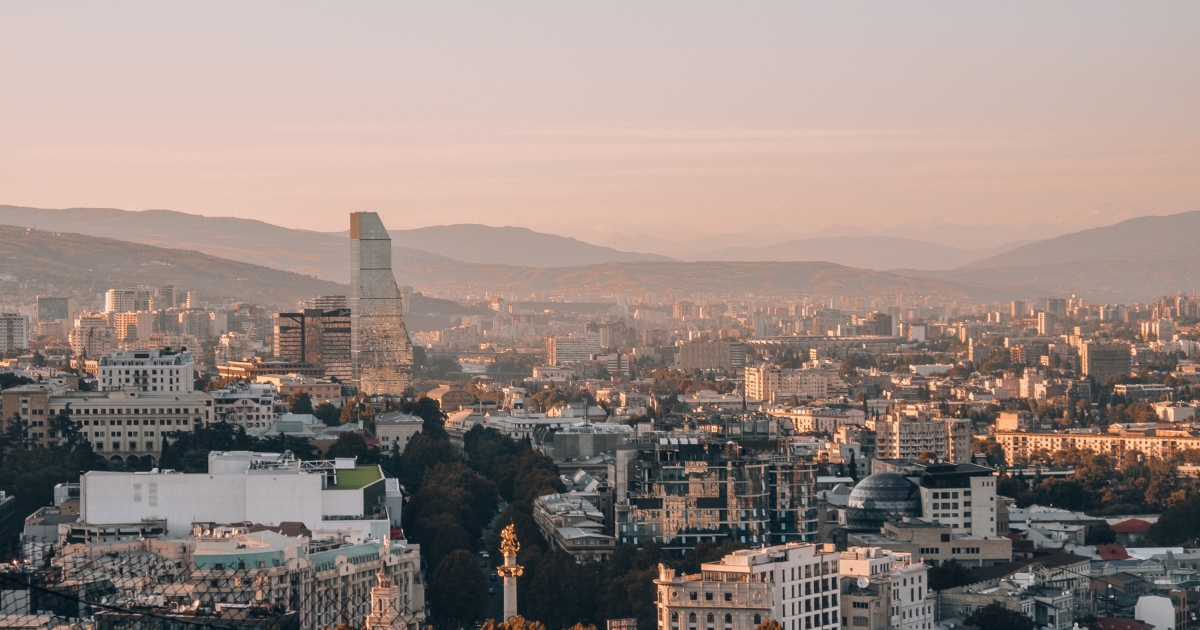
Tbilisi is also a culinary hub – in traditional restaurants, taste the best Georgian specialties like khachapuri, khinkali, or kupati, accompanied by quality local wine or cognac.

2. Kazbek and Kazbegi

The extinct volcano Kazbek (5,047 m above sea level) is one of the highest and most impressive peaks in the Caucasus. The area around Kazbek, also known as Kazbegi (now officially Stepantsminda), offers some of the most breathtaking mountain scenery in Georgia.

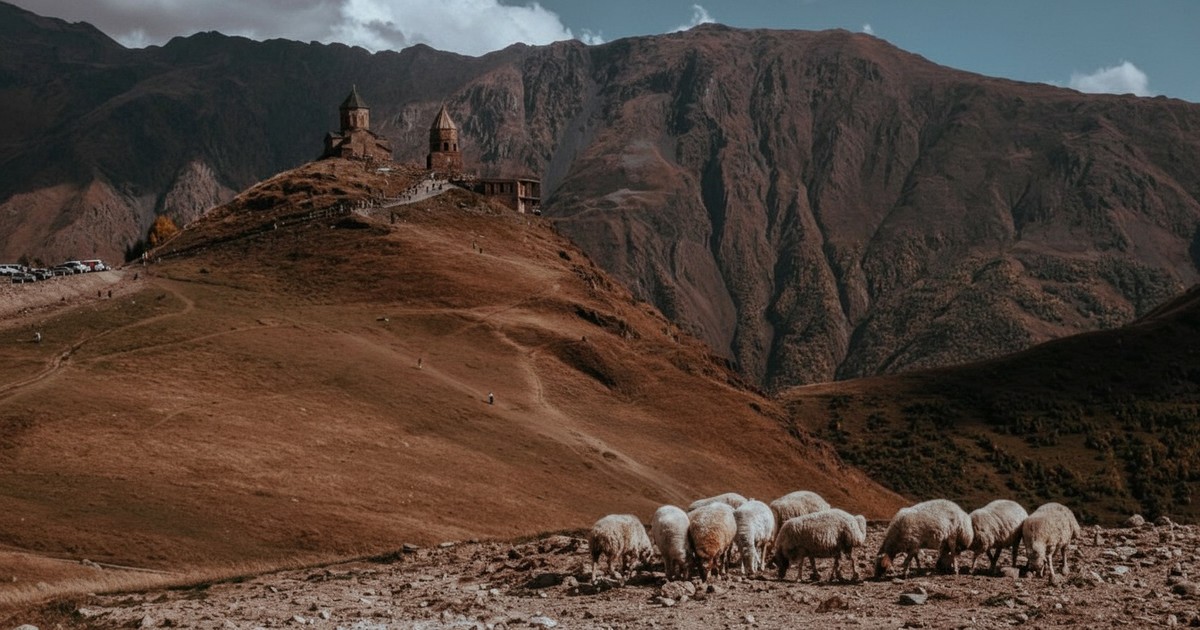
The most photographed spot is the church of Cminda Sameba (Holy Trinity Church), perched on a hill above the town of Stepantsminda at an altitude of 2,170 meters. The trek to the church takes approximately 2 hours and offers breathtaking views of the surrounding mountains. On a clear day, you can even see the majestic peak of Kazbek in the background.
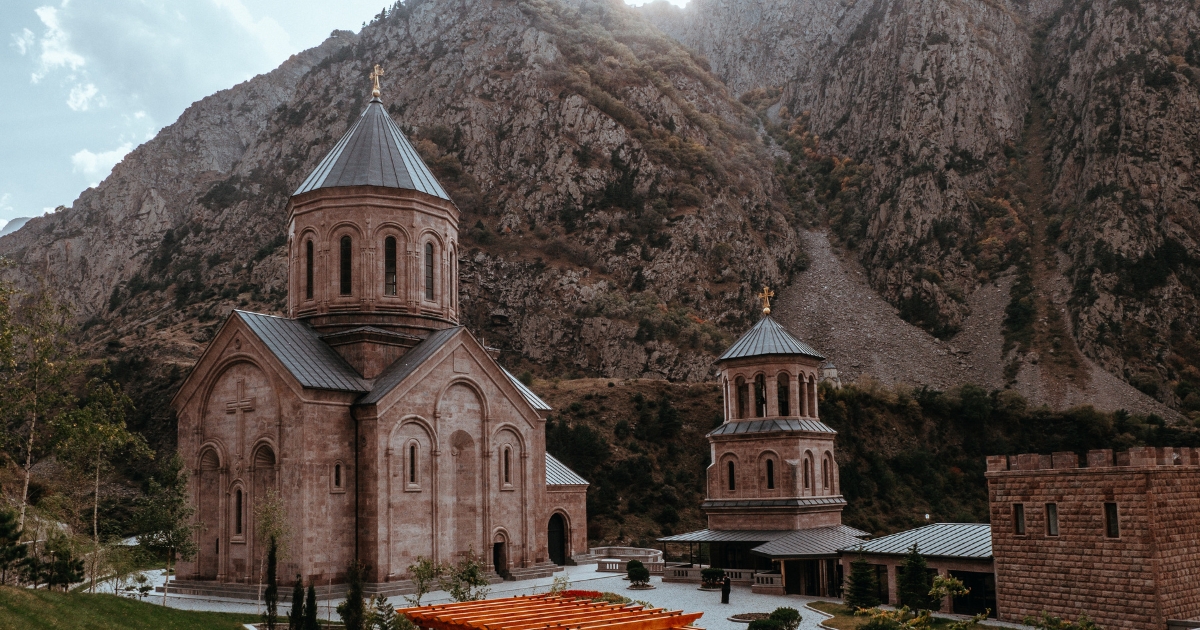
The Kazbegi area is accessible via the Georgian Military Road, which is an experience in itself. This historic road connects Tbilisi with the Russian border and passes through the Jvari Pass (2,379 m above sea level). Along the way, you’ll pass the Gudauri ski resort and the impressive Ananuri Fortress towering above the turquoise Zhinvali Reservoir.

For more experienced hikers, it is also possible to climb Kazbek itself, but this requires mountaineering equipment and an experienced guide. Less demanding alternatives include day treks in the surrounding area, for example, to glaciers or into the wild nature of Kazbegi National Park.

3. Svaneti – a Land of Towers and Untouched Nature

Svaneti is a mountainous region in northwestern Georgia that has preserved its unique culture and traditions due to its remoteness. The area is famous for its medieval defensive towers, which are a characteristic feature of the local landscape.

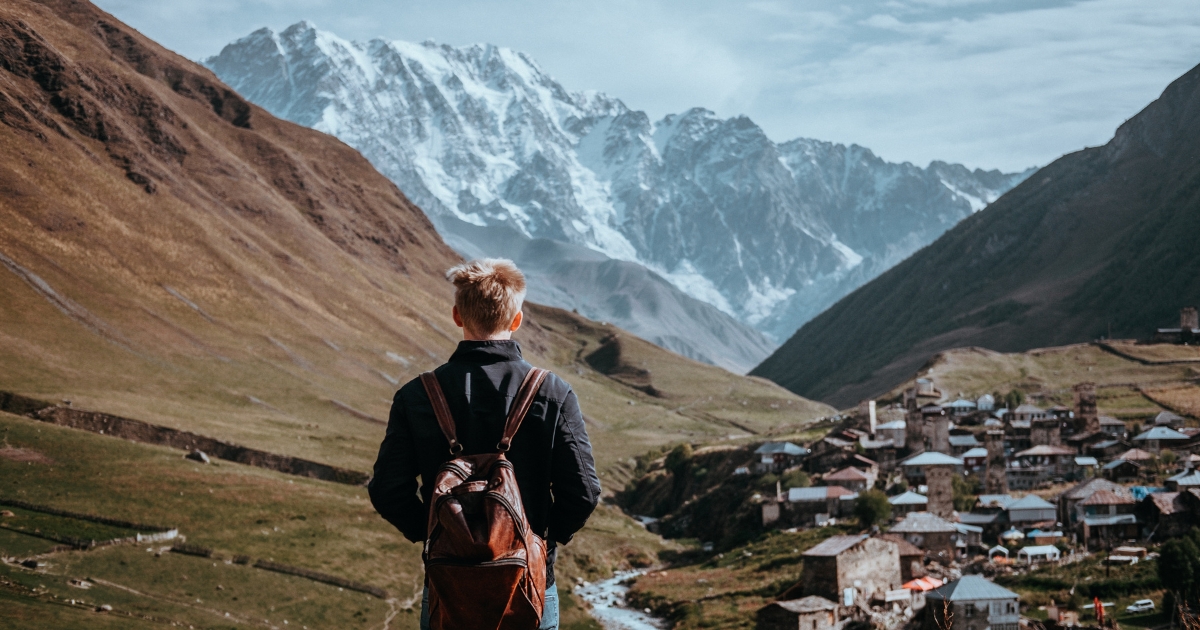
The heart of Svaneti is the town of Mestia, which serves as a base for excursions into the surrounding area. From here, you can embark on the popular four-day trek to the village of Ushguli, a UNESCO World Heritage site. Ushguli is considered the highest continuously inhabited settlement in Europe (around 2,200 m above sea level) and offers a glimpse into a life that has changed little over centuries. Dozens of 12th-century stone towers stand here against the backdrop of majestic mountains, including Georgia’s second-highest peak – Shkhara (5,193 m above sea level).
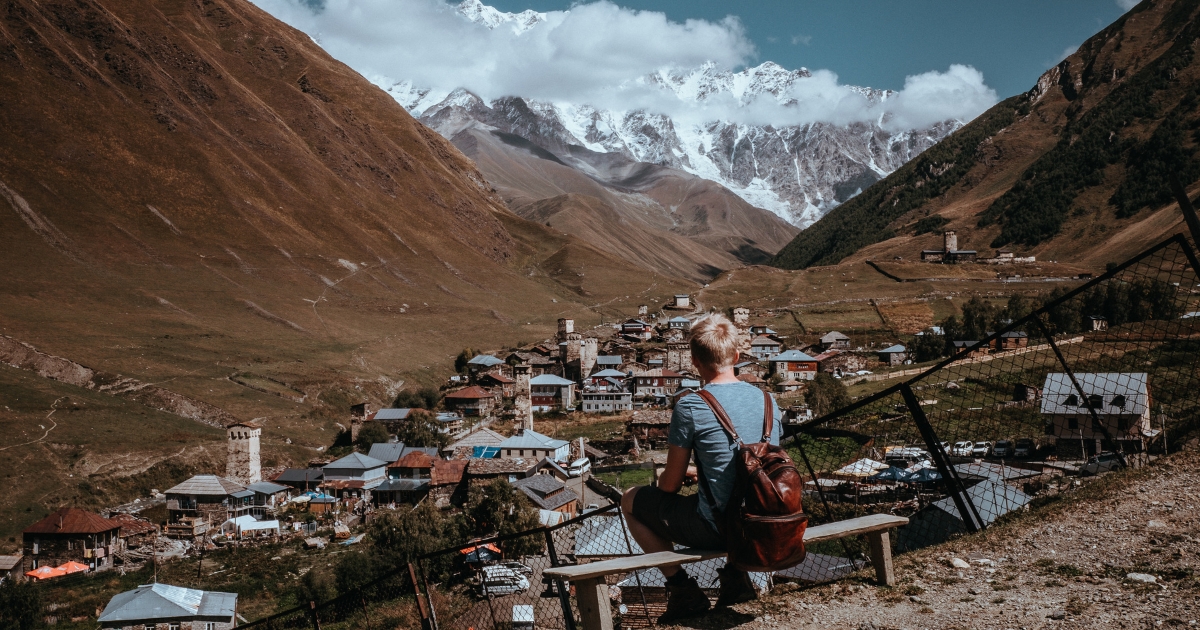
In summer, Svaneti is an ideal destination for hiking, mountain climbing, or horseback riding. In winter, the area transforms into a ski resort – around Mestia, the Hatsvali and Tetnuldi resorts attract visitors with powder snow and empty slopes.

Don’t forget to taste traditional Svan cuisine – especially kubdari (bread filled with spiced meat) and Svan salt, a spice blend with an inimitable flavor.

4. Mtskheta – the Spiritual Center of Georgia

Mtskheta, located just 20 km north of Tbilisi, is one of Georgia’s oldest cities and its spiritual center. Until the 6th century, it served as the capital of the Iberian kingdom, and today it still houses some of the country’s most sacred sites.

The city’s dominant feature is the 11th-century Svetitskhoveli Cathedral, a UNESCO World Heritage site. According to tradition, Christ’s robe is buried here, making it one of the holiest places in Georgian Orthodoxy. Explore the detailed stone reliefs on the facade and inside the church and soak in the atmosphere of a place where Georgian kings were crowned and buried for centuries.
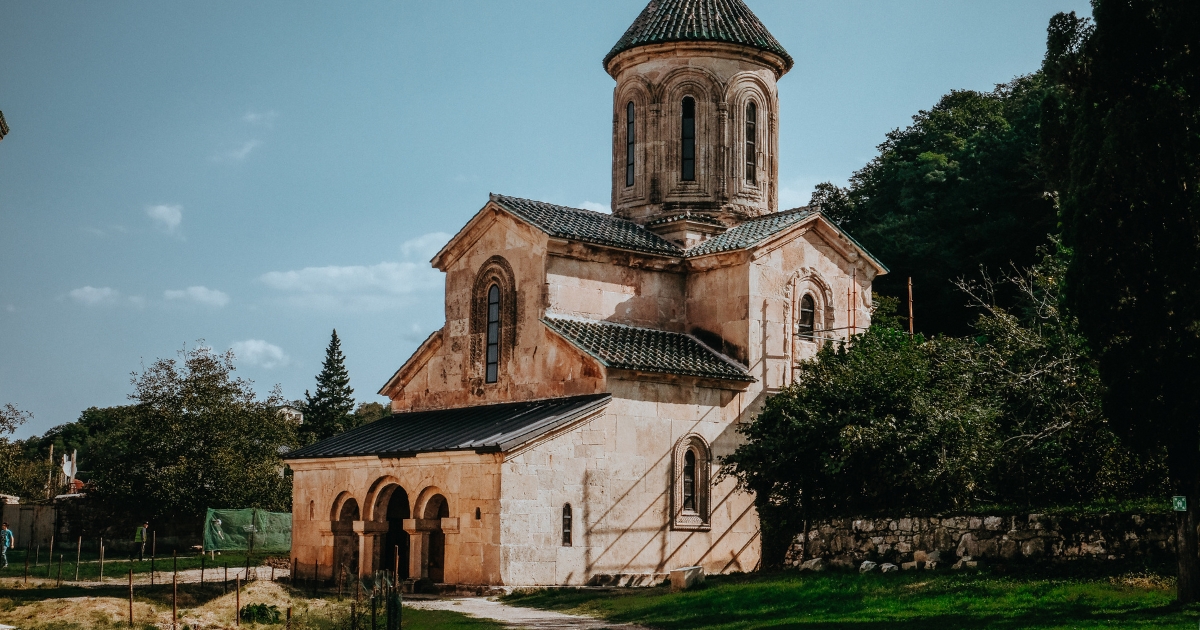
Perched on a hill above the confluence of the Aragvi and Kura rivers is the 6th-century Jvari Monastery, which offers panoramic views of Mtskheta and the surrounding landscape. This monastery is also a UNESCO World Heritage site and one of the oldest examples of Georgian Christian architecture.

Mtskheta is often visited as a half-day trip from Tbilisi, but it deserves more time. Stroll through the historic center, visit local markets with traditional products, and taste specialties in one of the family restaurants.

5. Batumi – the Pearl of the Black Sea

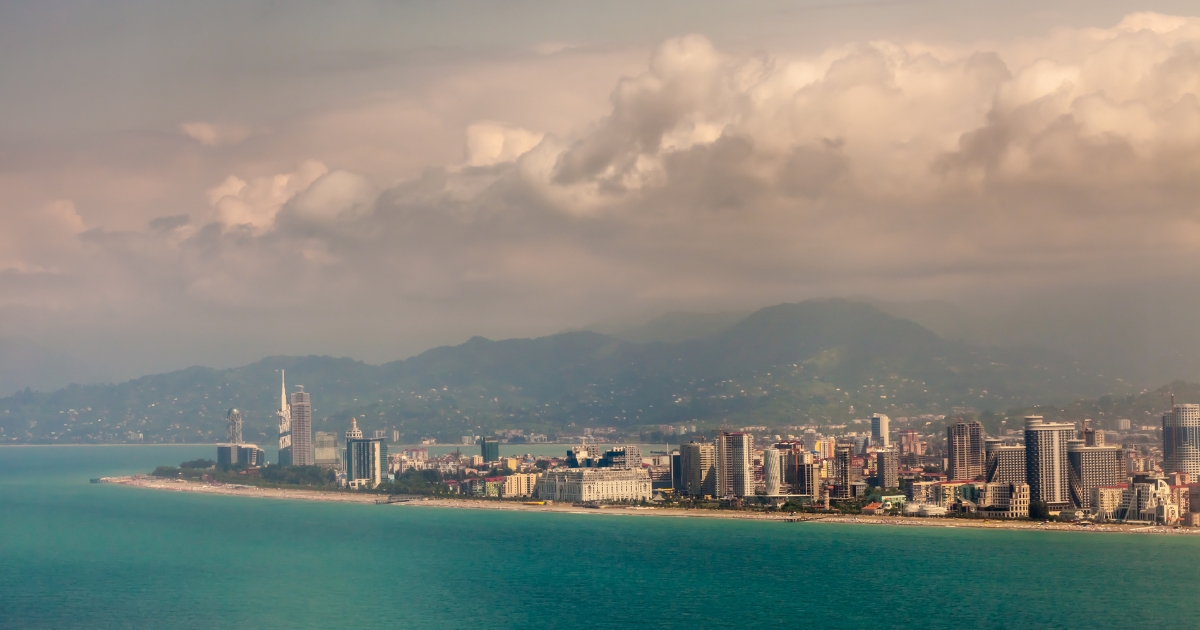
Batumi, the capital of the autonomous republic of Adjara, is Georgia’s most popular seaside resort. Located on the Black Sea coast, it combines elements of a spa town, a port, and a modern metropolis.

Along the coast stretches the several-kilometer-long Batumi Boulevard with palm trees, fountains, and sculptures – an ideal place for evening strolls. In summer, you can swim in the sea, sunbathe, or enjoy water sports on the pebble beaches. Those who prefer sandy beaches can visit nearby Ureki, known for its unique magnetic sand with alleged healing properties.
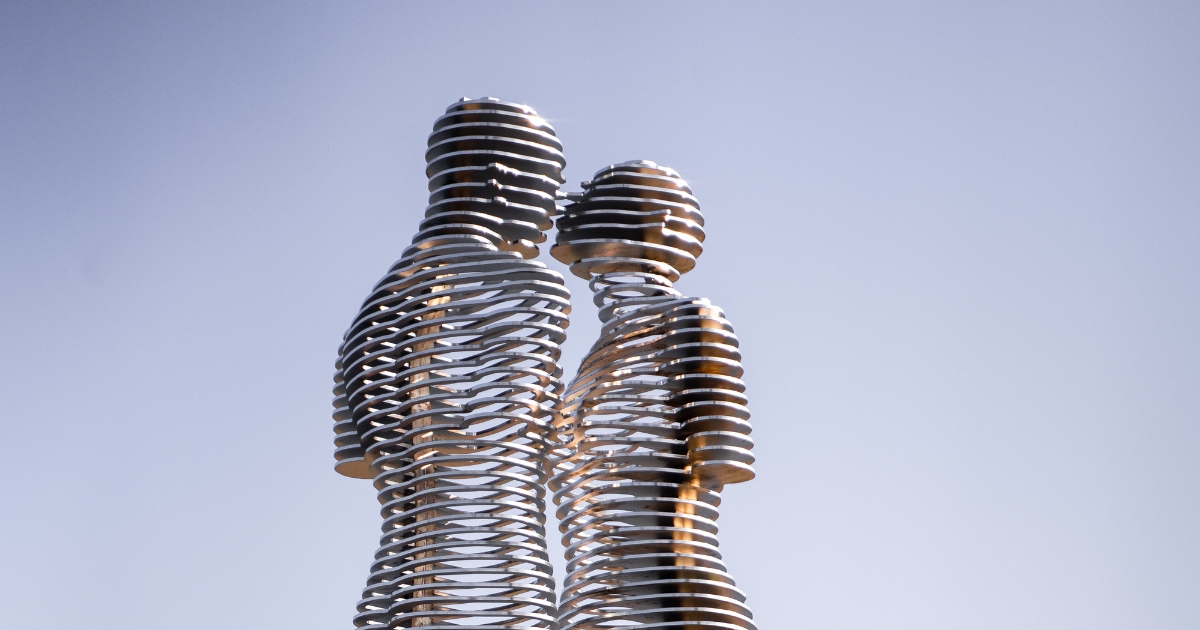
Batumi is known for its extravagant architecture – from elegant 19th-century buildings to futuristic 21st-century skyscrapers. City icons include the moving statue of Ali and Nino, symbolizing the tragic love story between a Muslim boy and a Georgian girl, and the 130-meter-high Alphabet Tower adorned with letters of the Georgian alphabet.

In Batumi’s historic center, you’ll find Piazza Square with a European atmosphere and Europe Square with a bronze statue of Medea commemorating the legend of the Golden Fleece. The extensive Batumi Botanical Garden, a few kilometers outside the city, is also worth a visit, hosting thousands of exotic plants thanks to its subtropical climate.

Evenings in Batumi are full of life – from the bustling port to restaurants and bars, dancing fountains, and casinos on the coast. Don’t forget to try the local specialty – khachapuri Adjaruli, a boat-shaped flatbread filled with egg.

6. Kakheti

Kakheti, in eastern Georgia, is the country’s most important wine region and the cradle of winemaking with an 8,000-year-old tradition. It is here that the oldest evidence of wine production in the world was found.

In Kakheti, the traditional method of wine fermentation in clay amphorae called qvevri, buried in the ground, is still used today. This method has even been inscribed on the UNESCO Intangible Cultural Heritage list and gives rise to characteristic amber wines.

When visiting the region, don’t miss a tour of traditional wineries, where you can observe the entire winemaking process and, of course, taste local varieties like Saperavi, Kindzmarauli, or Khvanchkara.

The center of Kakheti is the city of Telavi, from where you can take trips to wineries and historical sites. Nearby are the 11th-century Alaverdi Cathedral with an impressive 55-meter-high dome, the Nekresi monastery complex with views of the Alazani Valley, and Gremi Fortress, the former capital of the Kakhetian Kingdom.

Signagi, often called “the city of love”, is a romantic town. It lies on a hill above the Alazani Valley and is surrounded by preserved walls. It has a peaceful atmosphere with cobbled streets, cafes, and magnificent views of the surrounding vineyards and the distant Caucasus.

The best time to visit Kakheti is autumn, when the traditional grape harvest (rtveli) takes place. You can participate in grape picking, observe wine production, and join in the celebrations associated with this important event.
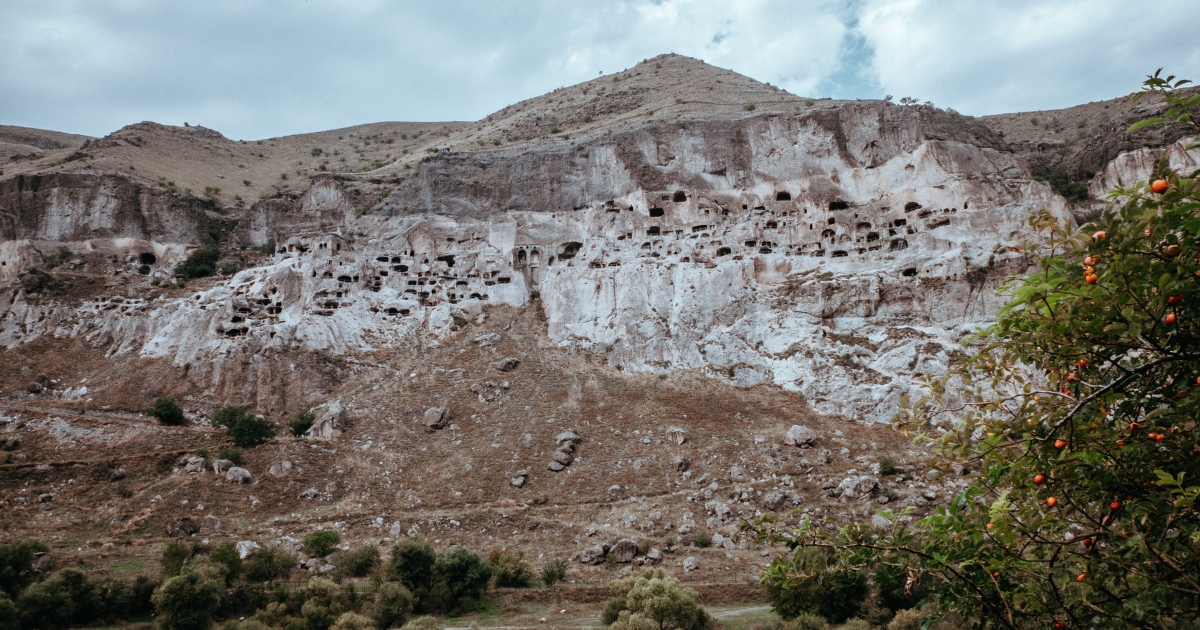
7. Vardzia – a Monumental Cave City

Hidden in the rocks of southern Georgia is the fascinating cave city of Vardzia, built in the 12th century during the reign of the legendary Queen Tamar. This monumental complex was originally designed as a fortress but gradually grew into an entire underground city with temples, dwellings, and storage rooms.

Vardzia stretches for half a kilometer along the Mtkvari River and once had up to 13 levels and around 3,000 rooms connected by tunnels. Today, about 500 spaces are accessible, including the main Church of the Dormition with valuable 12th-century frescoes depicting Queen Tamar.

Although part of the complex was damaged by an earthquake in 1283, Vardzia still impresses with its size and sophistication.. Some parts are still inhabited by monks who continue the spiritual tradition of the place.

Vardzia is located about 60 km from Akhaltsikhe, and two hours are enough for a visit.
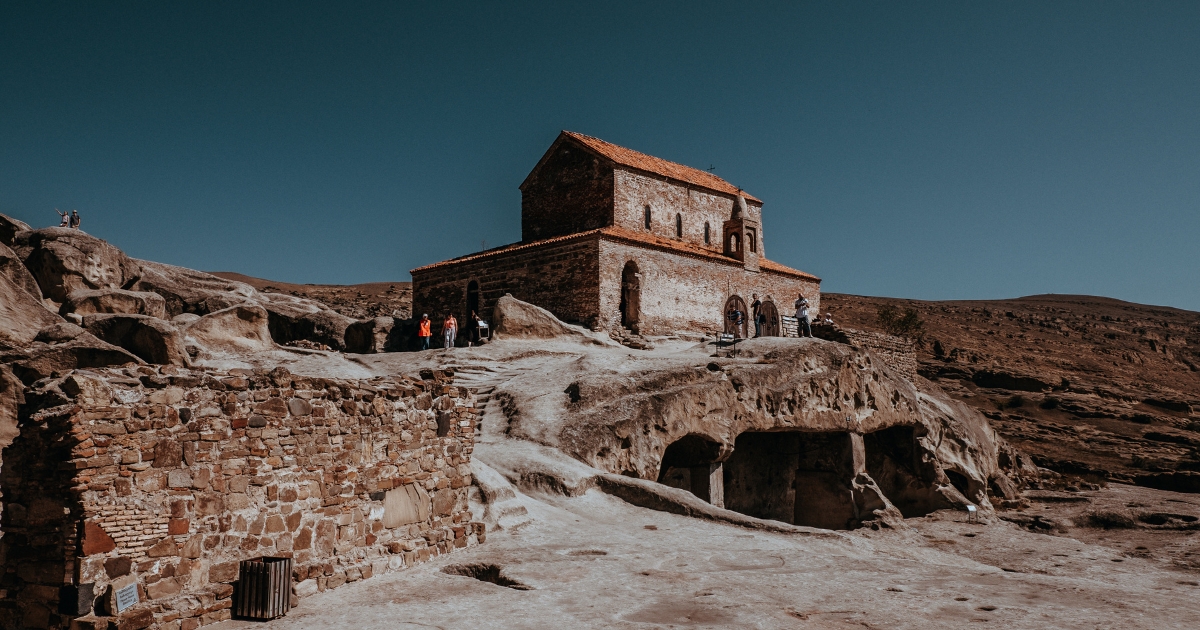
8. Uplistsikhe – the Oldest Rock-Hewn Town

Near the city of Gori lies one of the oldest settlements in Georgia – the rock-hewn town of Uplistsikhe, founded in the 1st millennium BC. This ancient city, carved into a sandstone massif, provides a fascinating insight into the lives of ancient civilizations.

Uplistsikhe was an important political and religious center of pagan Georgia before the arrival of Christianity. At its peak, it had around 20,000 inhabitants and was a crucial stop on the Silk Road. The city survived Mongol invasions and Arab incursions but began to decline after the establishment of new centers like Tbilisi and Mtskheta.

During your visit, you can wander through a labyrinth of carved streets, residential areas, storerooms, and temples. Among the most impressive parts are the pagan sanctuary, later converted into a Christian basilica, a wine cellar (marani) with large qvevri vessels, and a grand hall with a vaulted ceiling supported by rock pillars. The old pharmacy and theater are also interesting.

Uplistsikhe is located about 10 km east of Gori and can be easily visited as a day trip from Tbilisi.

9. Tusheti – a Remote Mountain Paradise

Tusheti, in northeastern Georgia, is one of the country’s most remote and beautiful regions. This mountainous area is accessible only a few months a year (usually from June to September), when the dirt road over the Abano Pass (2,926 m above sea level) is passable.

The journey to Tusheti is an adventure in itself – the 72 km long dirt road with steep drops and no guardrails is considered one of the most dangerous roads in the world. However, the reward for your courage is pristine mountain scenery, traditional stone villages, and an authentic way of life that has changed little over centuries.
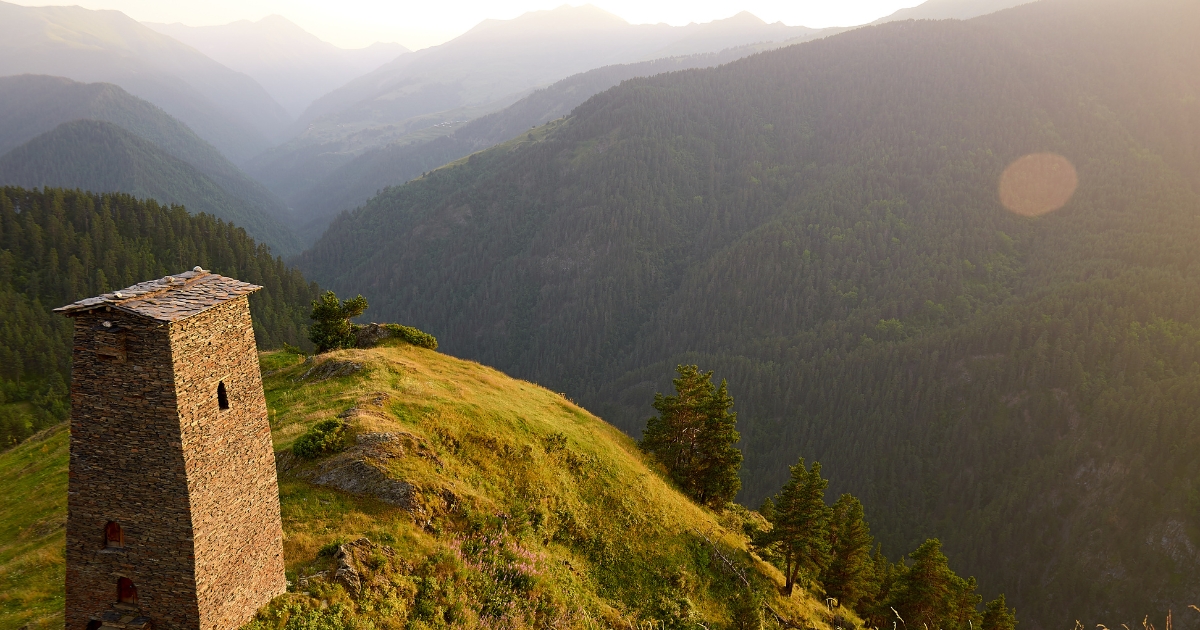
The main village of Tusheti is Omalo, with its characteristic Keselo fortress, which offers breathtaking views of the surrounding mountains. Other notable villages include Dartlo, with its typical Tushetian architecture, and Diklo, offering views of the border with Russian Dagestan.

Tusheti is a paradise for nature lovers and hikers. You can embark on day trips or multi-day treks through the Pirikiti and Gomecari river valleys, discover remote villages, and observe wild animals, including chamois, ibex, and rare birds.

The region is known for its traditions – local shepherds still live a semi-nomadic lifestyle, driving their flocks to the mountains in summer and descending to the lowlands in winter. Tushetian sheep cheeses, woolen products, and strong chacha brandy are sought-after souvenirs.

A visit to Tusheti requires thorough preparation – the region has no permanent electricity, mobile signal is limited, and accommodation options are modest (mostly family guesthouses or camping).

10. Martvili Canyon

In the western part of Georgia, in the Samegrelo region, lies a breathtaking natural formation – Martvili Canyon. This 2.4 km long gorge created by the Abasha River is extremely popular and quite expensive by local standards (and almost by ours too). While the canyon itself is beautiful, it’s quite small for the price, and the boat ride lasts about 10 minutes.
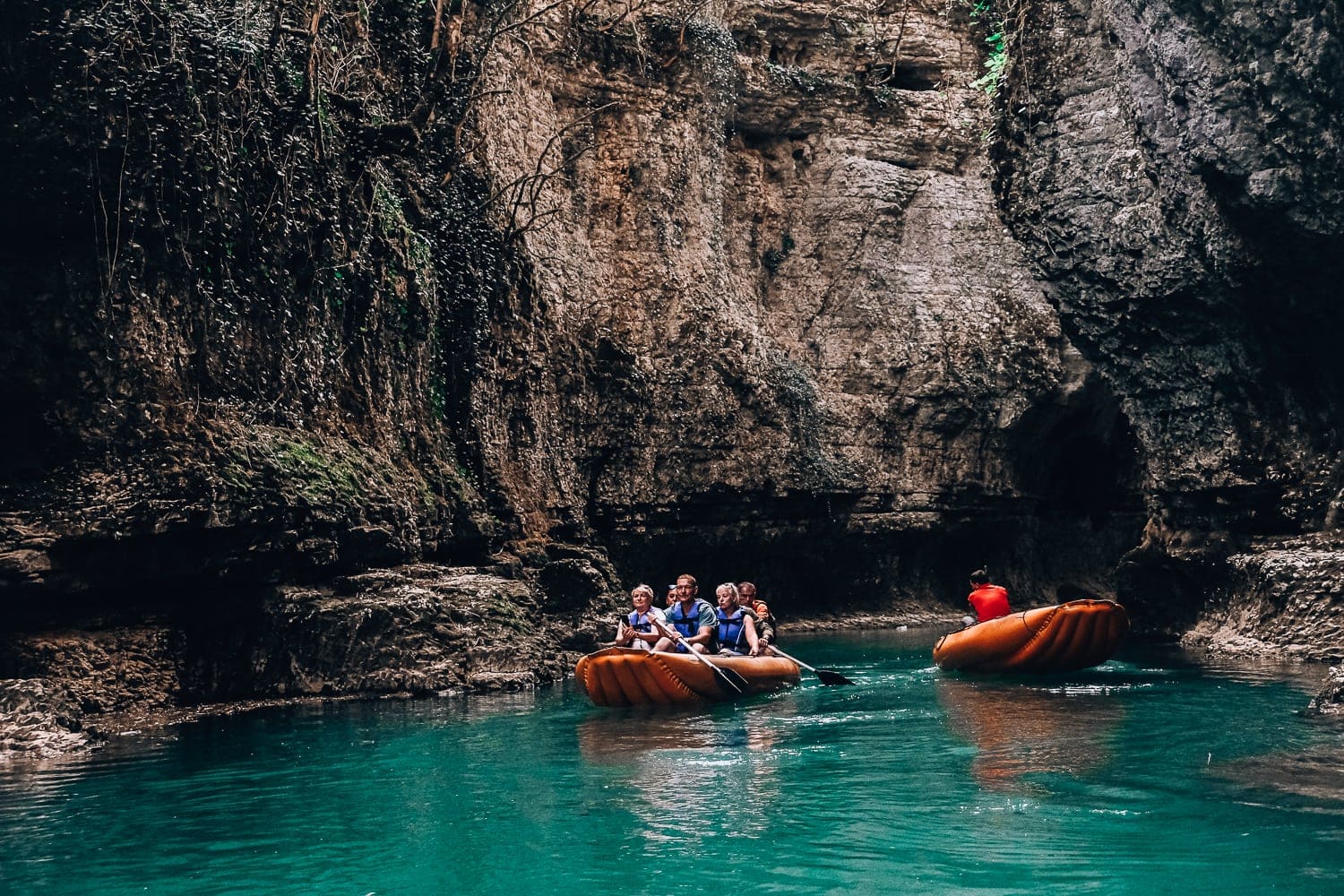
Near Martvili Canyon, Okatse Canyon is also worth a visit – another canyon with a 780-meter-long suspended walkway and a waterfall. Both canyons are located about 50 km from Kutaisi and are ideal for a day trip.

11. Prometheus Cave

In the karst region of Imereti, near the town of Tskaltubo, lies a fascinating cave complex known as Prometheus Cave. This underground labyrinth, discovered in 1984, is one of the largest caves in Georgia and offers visitors a glimpse into a magical world of stalactite formations.

The tour route leads through six main halls, which are effectively illuminated with colorful lights. The cave was named after the legend of Prometheus, who, according to Greek mythology, was chained to the Caucasus as punishment for stealing fire from the gods and giving it to humans. Georgians believe it was here that he suffered.
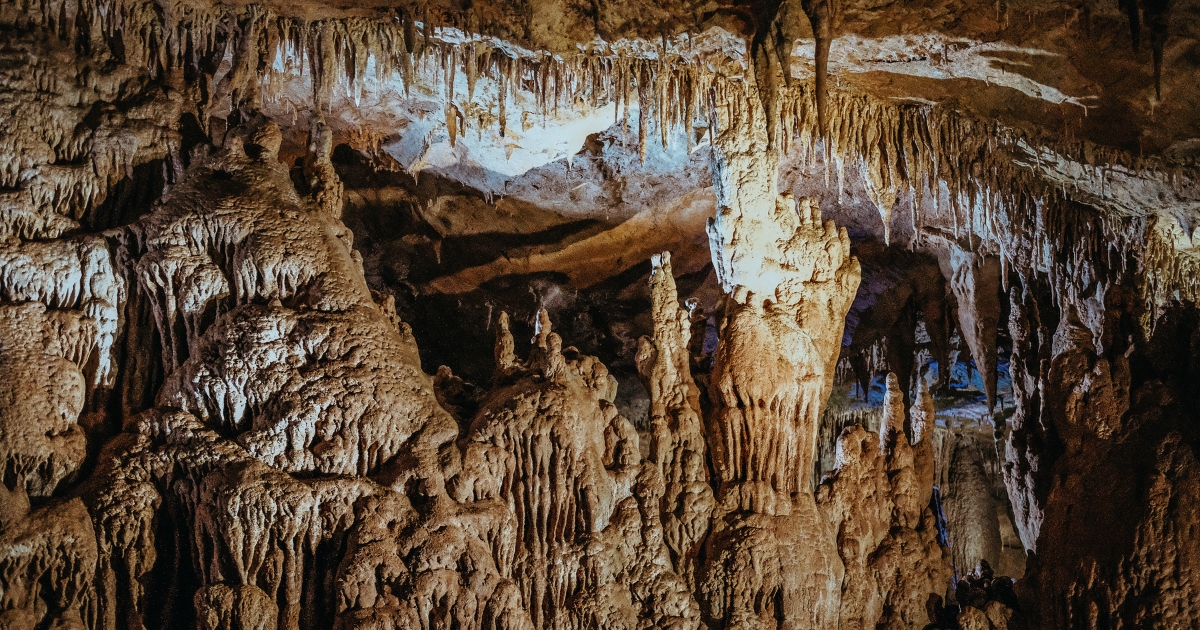
The cave tour takes approximately an hour, and at the end of the route, you can choose to return on foot or take a boat ride on the underground river (in my opinion, it’s not worth the money). The temperature in the cave remains around 14 °C year-round, so it’s advisable to bring a light jacket even on hot summer days.

Opinions on Prometheus Cave vary. Many consider it the most beautiful cave in Georgia, while others call it a tourist trap.

When planning your visit, keep a few important facts in mind:

  • The cave is a very popular tourist attraction
  • Tours are organized every half hour
  • Up to 60 visitors can be in a group at once
  • You won’t get much privacy here

If you don’t mind the presence of other tourists and can detach yourself from it, it’s definitely worth a visit. The cave is extensive and truly impressive.

12. Adjara – a Subtropical Paradise

Adjara is an autonomous republic in southwestern Georgia, known for its subtropical climate, long Black Sea coastline, and lush vegetation. Its capital is the aforementioned Batumi, but the region offers much more than just beach pleasures.

The interior of Adjara is mountainous and covered with dense forests – it is one of the rainiest areas of the Caucasus. Mtirala and Machakhela National Parks protect unique subtropical ecosystems and provide refuge for many endangered plant and animal species.
The region’s natural treasures include the Mahuntseti Waterfall, which plunges 20 meters into a narrow canyon, and Queen Tamar’s stone bridge, which spans the wild Adjaristskali River.

Adjara is also known for its mountain villages, where traditional crafts and ways of life are still preserved. In villages like Khulo or Shuakhevi, you can see the production of Adjarian cheese, mead, or traditional shaggy hats.

Adjarian gastronomy is influenced by its proximity to Turkey and the abundance of subtropical crops. In addition to Khachapuri Adjaruli, other specialties worth tasting include borano (melted cheese with butter), sinori (dough rolls filled with cheese), or achma (layered dough similar to lasagna).

13. Georgian Spa Culture

Georgia is a land of thermal springs, and spa traditions have deep roots here. Even in ancient times, Georgian mineral waters were valued for their healing properties and later became a popular destination for Russian nobility and famous personalities like Alexander Pushkin or Alexandre Dumas.

The most famous spa destination is the sulfur baths in Tbilisi’s Abanotubani district. These baths, with their characteristic brick domes, offer a traditional experience – bathing in hot sulfur water followed by a massage with an exfoliating kese mitt. You can rent a private bathroom of various categories, from basic to luxurious with marble pools.
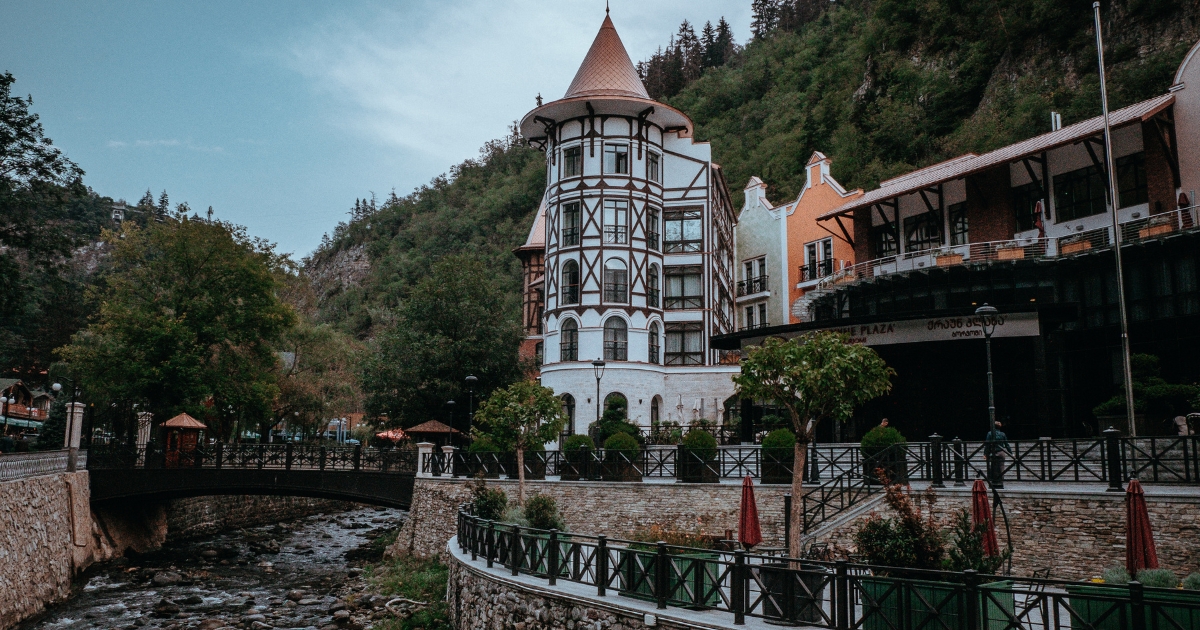
Another important spa center is Borjomi in central Georgia, famous for its mineral water, which is exported worldwide. In the city park, you can taste warm mineral water directly from the spring – it has a specific taste, saltier and warmer than the bottled version.

A lesser-known but fascinating spa destination is Tskaltubo, near Kutaisi. During the Soviet era, it was a luxurious spa, even visited by Stalin. . Today, some buildings are abandoned (and have become a destination for urban exploration enthusiasts), but others are renovated and again offer therapeutic baths in radioactive mineral water, which is said to help treat a range of ailments.

In the mountainous regions of Georgia, you’ll find other thermal springs; some are adapted as outdoor pools, while others remain in their natural state. Among the more famous ones are, for example, the hot springs in Tbatani in the Tusheti region or the thermal lakes in Nokalakevi in western Georgia.

14. Georgian Gastronomy – What to Taste in Georgia?

Georgian cuisine is one of the richest and most diverse in the world. Thanks to its location at the crossroads of cultures, it combines influences from the Caucasus, the Middle East, and the Mediterranean, while maintaining its unique identity.

An indispensable part of Georgian gastronomy is khachapuri – a cheese-filled flatbread that takes different forms in various regions. The most famous variants are Adjaruli (boat-shaped with an egg), Imeruli (round flatbread), and Megruli (with a double layer of cheese). Another popular specialty is khinkali – meat dumplings shaped like knots, which are eaten by hand according to a specific procedure: first, you suck out the juice, then eat the dumpling, and leave the tip (knot) on the plate.

Georgians love meat – typical dishes include mtsvadi skewers (shashlik), chicken tabaka (pressure-cooked), or chakhokhbili (chicken stewed with tomatoes and herbs). Vegetarians can enjoy a diverse palette of vegetable dishes – for example, badrijani (eggplant rolls filled with walnut paste), pkhali (vegetable pâtés with walnuts and pomegranate), or lobio (spicy beans in a clay pot).

Bread (puri), baked in a tone oven, is traditionally served with meals in Georgia, and of course, wine. For dessert, try churchkhela – walnuts or hazelnuts dipped in thickened grape juice, resembling candles, sold in every market.

An indispensable part of Georgian culture is the supra – a traditional feast where an endless array of dishes are served and elaborate toasts are led by a tamada (toastmaster). Supra is not just a meal, but a social ritual celebrating hospitality, friendship, and the joy of life.

15. Georgian Wine

Georgia is considered the cradle of winemaking – archaeological findings prove that wine was produced here as early as 8,000 years ago, making it the oldest wine region in the world. To this day, over 500 indigenous grape varieties are cultivated here, which is a global unique.

The most original aspect of Georgian winemaking is the traditional method of production in clay vessels called qvevri, which are buried in the ground. The must ferments together with the skins, seeds, and stems, which gives the wine its characteristic color and taste. This method was inscribed on UNESCO’s Intangible Cultural Heritage list in 2013.

The main wine region is Kakheti in the east of the country, but grapevines are cultivated in almost all regions. Among the most famous Georgian varieties are the white Rkatsiteli and Mtsvane, and the red Saperavi. Orange (amber) wines produced by the traditional method are typical, offering a complex taste with a higher tannin content.

16. Georgian Folk Dances and Music

Georgian folk culture is known for its energetic dances and unique polyphonic singing, which are among the most impressive in the world.

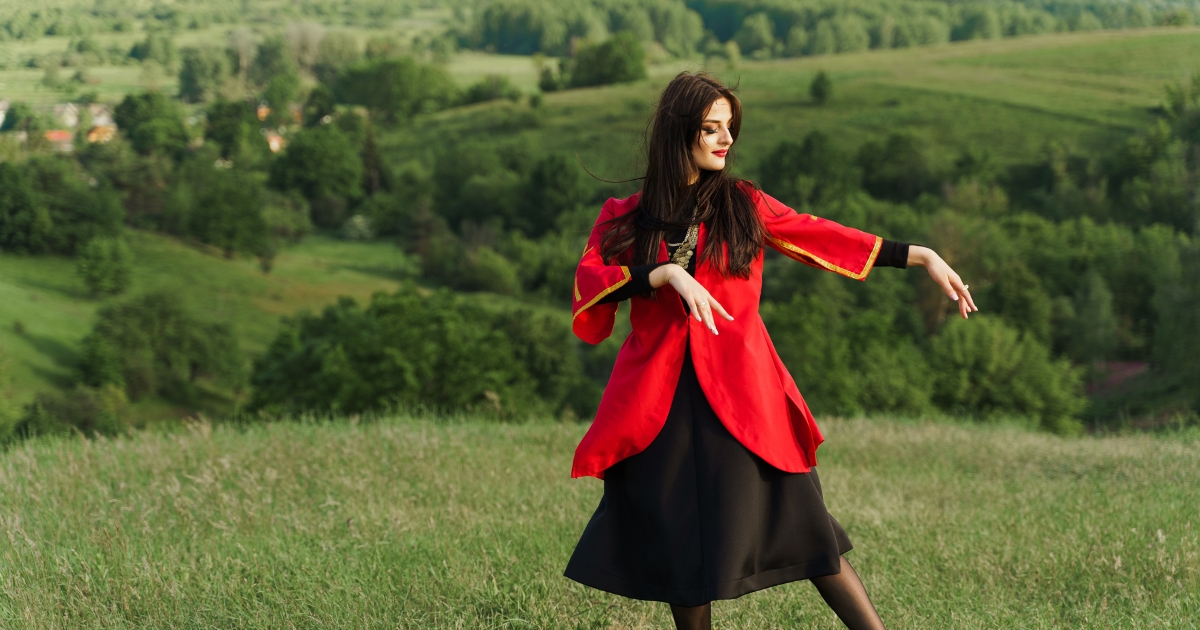
Georgian dances are a blend of athletic performance and dramatic art. Male dances like Khorumi or Khdao depict war themes and require incredible physical prowess – dancers whirl across the stage in acrobatic movements, balancing on their toes and performing acrobatic feats. Female dances like Kartuli or Acharuli, on the other hand, are graceful and elegant; the dancers seem to float in traditional costumes with long skirts. The dances often tell stories from history or everyday life and reflect the soul and temperament of the Georgian nation.

No less fascinating is Georgian polyphonic singing, which has been inscribed on UNESCO’s Intangible Cultural Heritage list. These multi-voiced choirs with surprising harmonic progressions are heard during church ceremonies and secular celebrations. Each region has its characteristic singing style – from the rugged mountain melodies of Svaneti to the complex harmonic structures of Western Georgia.

17. Skiing in Georgia at Gudauri and other Resorts

Georgia has become an increasingly popular destination for winter sports in recent years. Thanks to the snowy slopes of the Caucasus, modern infrastructure, and prices lower than in Alpine resorts, it attracts skiers from all over the world.

The largest and most modern resort is Gudauri, located on the Georgian Military Road, about 120 km north of Tbilisi.

The slopes at an altitude of 2,000–3,000 meters offer ideal conditions from December to April. The resort boasts over 70 km of slopes of varying difficulty, seven cable cars, and modern equipment, including artificial snowmaking.

Gudauri is known for its wide slopes and abundance of freeride terrain, making it a paradise for off-piste enthusiasts. For the most adventurous, there’s the option of heliskiing – skiing in off-piste terrain with helicopter access.
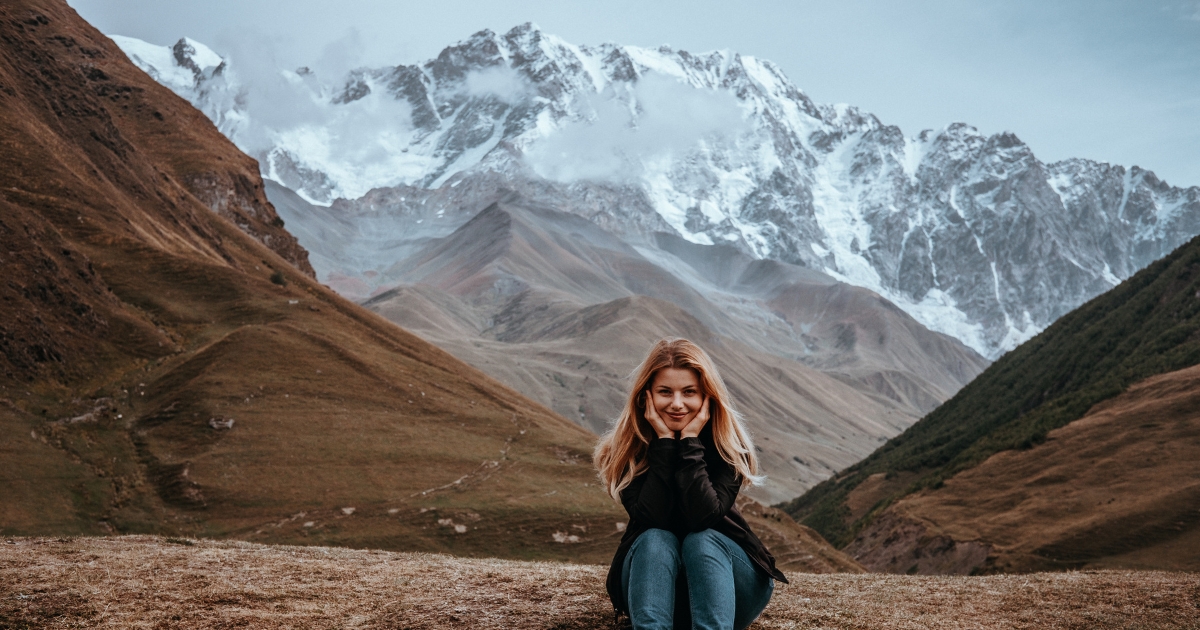
Another popular resort is Bakuriani in the Lesser Caucasus, about 180 km west of Tbilisi. This traditional family resort has gentler slopes and is ideal for beginners and intermediate skiers. Bakuriani hosted the Freestyle Skiing and Snowboarding World Championships in 2023, which contributed to the modernization of its infrastructure.

In Svaneti, near the town of Mestia, you’ll find the Hatsvali and Tetnuldi resorts. These more remote resorts offer skiing with breathtaking views of the Caucasian peaks and an authentic atmosphere far from the tourist crowds. Tetnuldi is a newer resort with modern cable cars and wide slopes, while Hatsvali is smaller and cozier.

The newest addition is the Goderdzi resort in Adjara, located on the ridge of the Lesser Caucasus. Its unique feature is its proximity to the Black Sea – on clear days, you can ski with a view of the sea.

In addition to skiing and snowboarding, Georgian resorts also offer other winter activities such as ski touring, snowshoeing, snowkiting, or motoskijöring. After a day on the slopes, you can warm up in one of the traditional restaurants with a glass of local wine or cognac.

18. Georgian Hospitality and the Traditional Supra

Georgians are renowned for their hospitality – according to a local proverb, “a guest is a gift from God”, and they treat them accordingly. If a Georgian invites you to their home or even just for a glass of wine, be prepared for an unforgettable experience full of food, drink, and warmth.

The pinnacle of Georgian hospitality is the supra – a traditional feast held on various occasions, from family celebrations to religious holidays and welcoming guests. The word “supra” literally means “tablecloth” and refers to a table laden with an abundance of dishes.
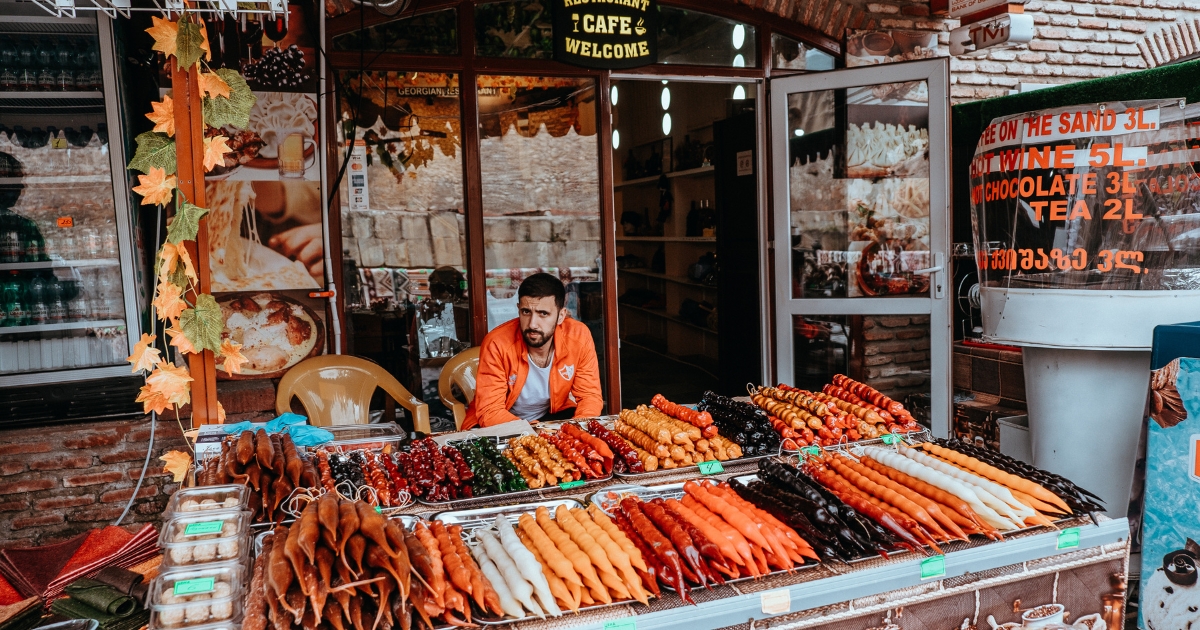
The supra has its strict rules and etiquette. At the head of the table sits the tamada (toastmaster), who is carefully chosen for their wisdom, eloquence, and knowledge of traditions. The tamada delivers a series of elaborate toasts throughout the evening, to which others respond and gradually drink their glass.

The themes of the toasts usually begin with gratitude to God, continue through family, friends, homeland, the deceased, and various philosophical reflections. Each toast is a small work of art that can include stories, poems, quotes, or personal memories.

No less important part of the supra is, of course, the food. The table groans under the weight of numerous courses, which are served gradually but often remain on the table, so by the end of the evening, the tablecloth is no longer visible. Typically, you start with cold appetizers (cheeses, vegetables, cured meats), continue with warm appetizers (khachapuri, lobio) and main courses (khinkali, shashlik, various meat and vegetable dishes), and finish with sweets and fruits.

Wine or chacha (Georgian brandy) is an indispensable part of the supra, consumed exclusively during toasts, never on its own. Glasses are usually refilled as soon as you finish them, and refusing further toasts can be considered impolite.

Supra is not just about food and drink, but primarily about community, sharing, celebrating life, and preserving traditions. It is a social ritual that strengthens bonds between people and creates space for deep conversations and joyful stories. If you receive an invitation to an authentic supra, definitely don’t miss it – it’s one of the most authentic ways to experience Georgian culture.
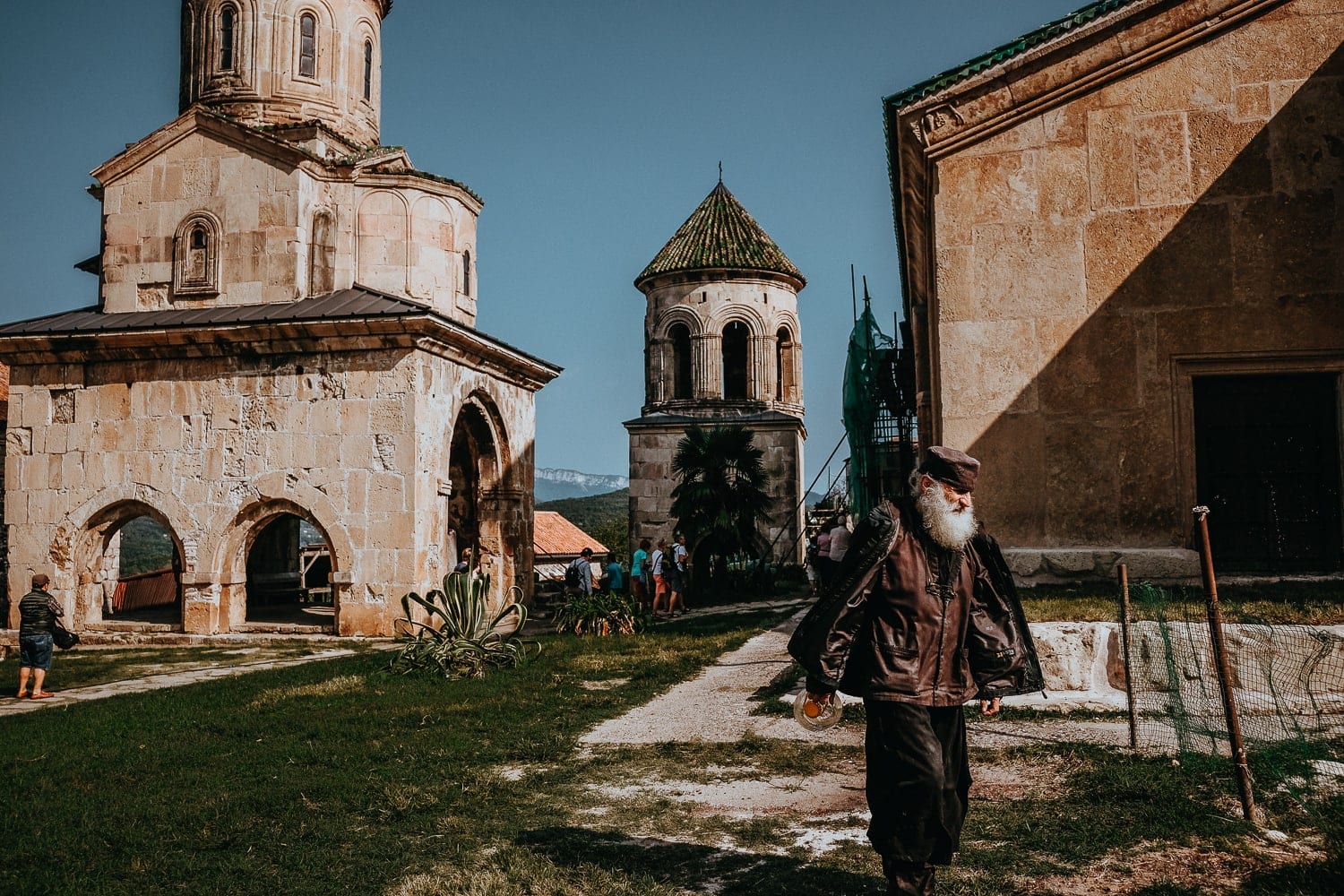
19. Kutaisi

Kutaisi, Georgia’s third-largest city and former capital of the Kingdom of Colchis, is an ideal starting point for exploring the western part of the country. The city itself has a rich history dating back to antiquity – according to Greek mythology, Jason and his Argonauts came here in search of the Golden Fleece.

In the center of Kutaisi, the colorful local market is worth a visit, where you can taste Western Georgian specialties and buy fresh produce. Above the city stands the 11th-century Bagrati Cathedral, which was inscribed on the UNESCO list but removed after a controversial reconstruction in 2012. Nevertheless, it offers impressive views of the city and the Rioni River.

About 12 km from Kutaisi is the Gelati Monastery Complex, a true treasure of medieval Georgian architecture and art. This monastery, founded by King David IV the Builder around 1106, served as a center of learning and is known for its magnificent frescoes and mosaics.

The main church of the Virgin Mary houses impressive 12th-18th century frescoes and a monumental apse mosaic depicting the Virgin Mary with child. The Gelati Complex is a UNESCO World Heritage site and is one of the most important monuments of Georgian Orthodoxy.

The surroundings of Kutaisi offer many other attractions. In addition to the already mentioned Prometheus Caves and Martvili Canyon, the nature reserve is also worth visiting Sataplia with dinosaur footprints and a viewing platform, Kinchkha Waterfall (one of the highest in Georgia), or the ancient city of Nokalakevi with remains of a 4th-century fortress.
20. Celebrations and Festivals

Georgia is a country rich in traditions and celebrations that reflect its unique history, religion, and culture.

Tbilisoba is an annual festival held in October, celebrating the founding of the capital city. The streets of Tbilisi transform into a huge celebration during this weekend with musical performances, dance ensembles, craft markets, and, of course, plenty of food and wine. You can watch traditional artisans at work, buy souvenirs, or taste specialties from various regions of Georgia. The festival culminates with fireworks and concerts in Freedom Square.

Rtveli (grape harvest) is not a one-time event, but rather a period from late August to October when grapes are harvested in various wine regions. It is a time of joy and abundance when families and friends gather to collectively pick and press grapes, prepare churchkhela, and celebrate the harvest. If you visit Kakheti or other wine regions during this time, you can join locals in the harvest, observe traditional wine production, and participate in lively celebrations with music and dance.

Mtskhetoba is celebrated in late October in the former capital city of Mtskheta. This holiday includes processions, church services in Svetitskhoveli Cathedral, and folk festivities with music, dance, and markets featuring local products. It’s an opportunity to witness traditional religious ceremonies and secular celebrations in one of Georgia’s most sacred places.
Berikaoba is a traditional carnival holiday celebrated before the start of Lent. Its roots date back to pre-Christian times and it includes masked parades, theatrical performances, and carnival merriment. Participants wear masks of animals and mythical figures and walk through villages, bringing good luck and fertility, and collecting gifts. The most authentic Berikaoba celebrations can be experienced in rural areas, such as Kakheti or Kartli.

Lomisoba is a pagan-Christian holiday celebrated annually in June in the mountain village of Lomisi in eastern Georgia. People pilgrimage here to honor Saint George and sacrifice animals (usually sheep) at the ancient monastery. The holiday includes traditional rituals, feasts, and sports competitions, offering a fascinating insight into the syncretism of pre-Christian and Christian traditions in Georgian culture.

Orthodox Christmas and New Year are celebrated in Georgia according to the Julian calendar – Christmas on January 7th and Old New Year on January 14th. During Christmas, the Alilo procession is a tradition, where people in traditional costumes walk through the streets, singing carols and collecting donations for the poor. New Year’s Eve is celebrated twice in Georgia – on December 31st according to the Gregorian calendar and on January 13th according to the Julian calendar. Both celebrations include lavish feasts, toasts, and the Mekvle tradition – the first visitor in the new year who brings good luck and prosperity.

FAQ

Is Georgia safe?

Georgia is one of the safest countries in the region with a low crime rate against tourists. Normal caution, as in any other tourist destination, is of course advisable. You should avoid visiting the separatist regions of Abkhazia and South Ossetia, which are not under the control of the Georgian government.

Do I need a visa for Georgia?

No, citizens of the EU, USA, Canada, and most European countries can enter Georgia without a visa and stay for up to 365 days. A valid passport is sufficient, which should be valid for at least the duration of your planned stay.

What is the Georgian currency and how much money should I bring?

The Georgian currency is the Georgian Lari (GEL). Exchange offices can be found at airports, in cities, and tourist areas. ATMs are widely available in larger cities and accept international payment cards. We recommend using a Revolut card to avoid exchange rate losses.

Tips and Tricks for Your Vacation

Don’t Overpay for Flights

Search for flights on Kayak. It’s our favorite search engine because it scans the websites of all airlines and always finds the cheapest connection.

Book Your Accommodation Smartly

The best experiences we’ve had when looking for accommodation (from Alaska to Morocco) are with Booking.com, where hotels, apartments, and entire houses are usually the cheapest and most widely available.

Don’t Forget Travel Insurance

Good travel insurance will protect you against illness, accidents, theft, or flight cancellations. We’ve had a few hospital visits abroad, so we know how important it is to have proper insurance arranged.

Where we insure ourselves: SafetyWing (best for everyone) and TrueTraveller (for extra-long trips).

Why don’t we recommend any Czech insurance company? Because they have too many restrictions. They set limits on the number of days abroad, travel insurance via a credit card often requires you to pay medical expenses only with that card, and they frequently limit the number of returns to the Czech Republic.

Find the Best Experiences

Get Your Guide is a huge online marketplace where you can book guided walks, trips, skip-the-line tickets, tours, and much more. We always find some extra fun there!

Nusa Penida, Indonesia: 15 Best Things to Do and See

TL;DRNusa Penida sits off Bali’s southern coast, reachable by fast boat from Sanur (30 minutes) or Padang Bai (45 minutes), and 3–4 nights are enough to work through 15 highlights. Top of the list is Kelingking Beach, with its cliff shaped like a T-Rex, along with the natural pool at Angel’s Billabong, the rock formation at Broken Beach, and snorkelling with giant manta rays at Manta Point. Also worth your time: Diamond Beach, Atuh Beach, Crystal Bay, Peguyangan Waterfall, the cave temple Goa Giri Putri, and the neighbouring islands of Nusa Lembongan and Nusa Ceningan. April to October is the best window, when the weather’s drier and the seas are calmer.

Imagine an island where cliffs tower over the ocean, where beaches with snow-white sand are hidden, and where time flows at a different pace than anywhere else. Nusa Penida is not just another stop on your trip to Bali; it’s a place that will take your breath away and stay in your heart forever.

Nusa Penida is just a thirty-minute ferry ride from the main island of Bali, yet it offers a completely different experience. In this guide, Nusa Penida, Indonesia: 15 Best Things to Do and See, we’ll cover the top spots and activities. Let’s look at 15 tips on what to see and do here.

TL;DR

  • Transport: You can get to Nusa Penida by fast boat from Sanur (30 minutes) or Padang Bai (45 minutes). Use 12GOAsia. On the island, you can rent a scooter or hire a local driver.
  • Accommodation: We recommend Penida Secret Villa or Namaste Bungalows.
  • Must-sees: Kelingking Beach with its iconic T-Rex cliff, Angel’s Billabong, Broken Beach, and snorkeling with giant manta rays.
  • When to go: The best period is April to October (dry season), avoiding rains and waves. The ideal length of stay is 3-4 nights.

Nusa Penida: how to get There

The journey to Nusa Penida is an adventure in itself, especially if news just broke that a certain ferry to Bali sank and passengers jumped into the sea.😄 Anyway, you have two ports to choose from:

From Sanur

Sanur is the most popular starting point for a trip to Nusa Penida, especially if you’re staying in the southern part of Bali. Fast boats depart from here daily from 7 AM until 4 PM, the journey takes approximately thirty minutes, and a round-trip ticket costs around 150,000 Rupiah (roughly 200 Czech Koruna) per person. You can purchase tickets online via 12GOAsia or directly at the harbor.

The advantage of fast boats from Sanur is their regularity and relative comfort. Most boats are equipped with air conditioning or fans and comfortable seats. If you have a weak stomach, I recommend sitting in the middle of the boat, where it sways the least, and bringing motion sickness medication.

From Padang Bai

Padang Bai is a traditional fishing port on the east coast of Bali. The fast boat journey takes around forty-five minutes and costs similarly to Sanur. However, fast boats depart less frequently from here, usually three to four times a day.

From Padang Bai, you’ll arrive at Sampalan Port on Nusa Penida, which is closer to the island’s eastern attractions. If you primarily plan to visit Diamond Beach or Atuh Beach, this route will save you time.

How to get around the Island

After disembarking on Nusa Penida, you have several options for getting around. Unfortunately, Grab or Gojek don’t operate here, but the most popular option is renting a scooter, which you can do right at the port. However, remember that the roads on the island are often steep, dusty, and require some experience with scooter riding.

Alternatively, you can hire a local driver with a car, which costs around 600,000 Rupiah (1,000 Czech Koruna) for the whole day. The driver will take you to the main attractions and often acts as a guide, telling you interesting facts about each place.

Nusa Penida: where to Stay

The choice of accommodation on Nusa Penida primarily depends on the type of holiday you prefer and which parts of the island you want to explore first. However, the location of your accommodation isn’t that crucial; the island is small, and you can get everywhere easily. We recommend these accommodations:

lukas a lucka
Lukáš and Lucie recommend
Where to Stay in Nusa Penida
4 accommodations — hotels and other lodging options

Nusa Penida, Indonesia: 15 Best Things to Do and See

Nusa Penida hides so many natural beauties and unique experiences that you could easily spend a whole week here and still discover something new. Every corner of the island has its charm. So, let’s look at 15 tips on what to see and do.

Kelingking Beach

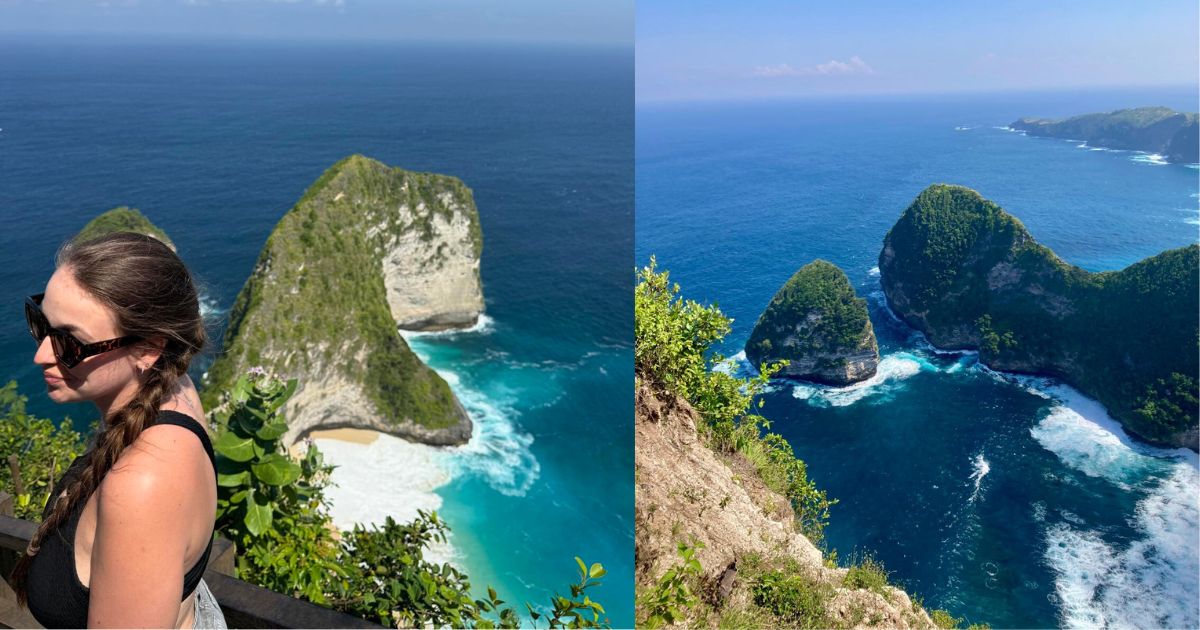
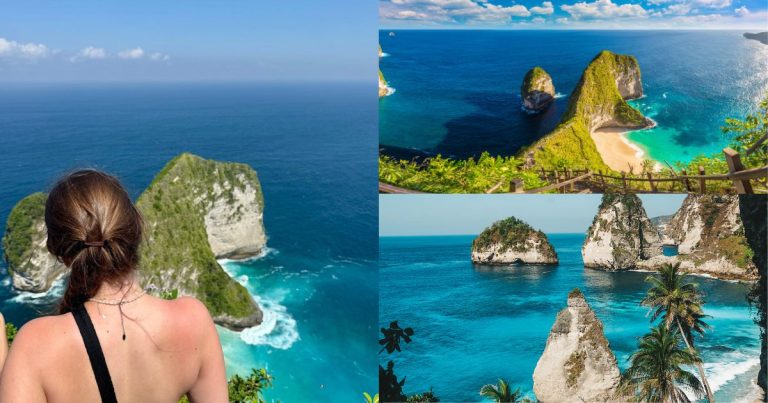
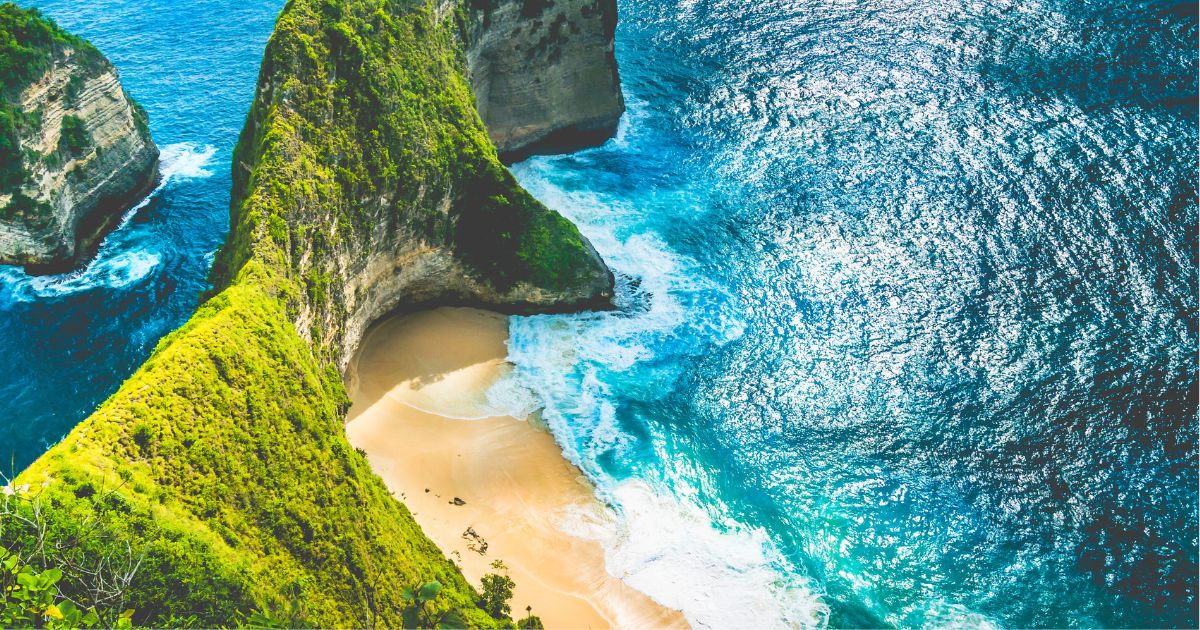
Kelingking Beach is undoubtedly the island’s crown jewel and the reason Nusa Penida got on every traveler’s map. The view from the cliff top resembles a giant T-Rex leaning towards the ocean, becoming an icon of the entire island and probably all of Bali. This formation also gave the beach its nickname “T-Rex Beach”.

The path down to the beach is challenging and almost involves rock climbing. The descent takes approximately an hour each way along a narrow and steep path, which in places is just a worn-out trail in the rock. In the hottest weather, this path is exhausting, and you’ll encounter many tourists at their limit. But if you don’t give up, a reward awaits you in the form of a practically private beach with white sand and turquoise water.

I recommend heading here as early as possible in the morning, ideally before 8 AM, to enjoy relative peace before the first organized tours arrive. Bring plenty of water, sunscreen, and sturdy footwear. However, be careful when swimming due to strong currents.

Angel’s Billabong

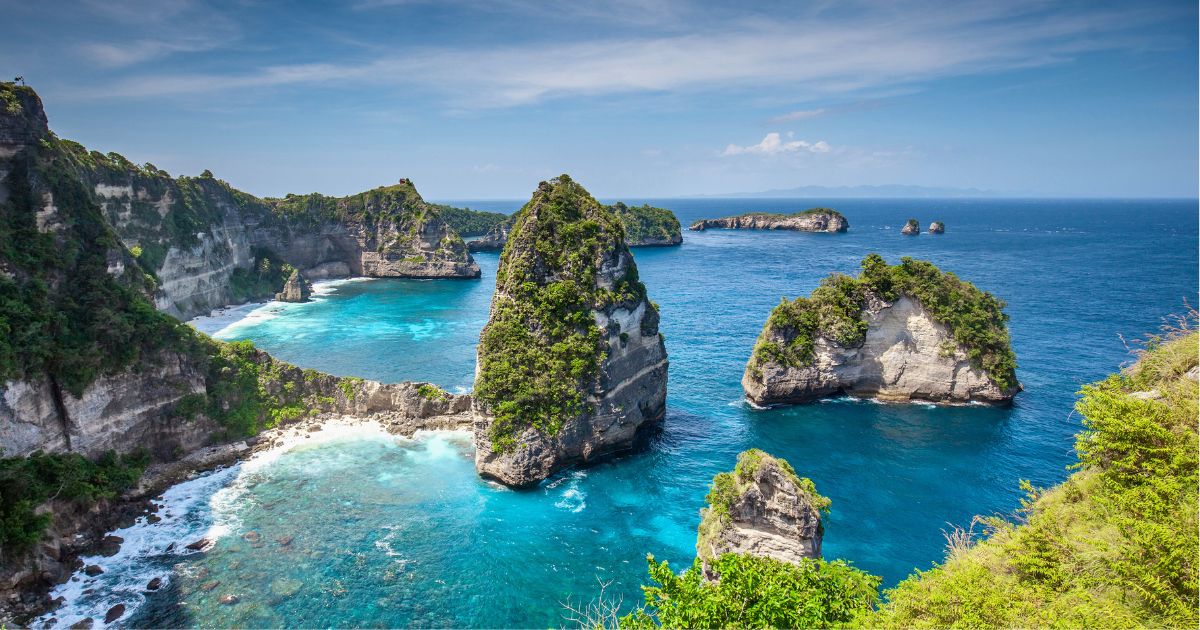
Just a ten-minute walk from Kelingking Beach, you’ll find one of the island’s most beautiful natural phenomena. Angel’s Billabong is a natural pool carved by waves into limestone rocks, creating an infinity pool with crystal-clear water at low tide.

The best time to visit is during low tide, when the water in the pool is calmest and clearest. Locals can advise you on the exact time of low tide, or you can download an app with tide information. However, be careful when entering the water – rocks can be slippery and sharp edges dangerous.

Broken Beach

Right next to Angel’s Billabong, you’ll discover another geological marvel: Broken Beach, or Pasih Uug in the local language. The ocean has carved its way through the limestone rocks here, creating a circular cove with a natural bridge under which seawater flows.

A safe path runs around the cove, offering various viewpoints of this natural bridge. The most beautiful light here is during the golden hour before sunset, when the limestone rocks turn warm golden tones. Sometimes you can even spot manta rays coming here to feed in the calm waters of the cove.

Diamond Beach

Diamond Beach on the east coast is perhaps the most beautiful beach on the entire island, named for its dazzling white sand that sparkles like diamonds in the sun. The path down to the beach was extremely dangerous until recently, but the local community built wooden stairs carved into the rock, which significantly eased the journey, although the descent is still challenging.

The beach is surrounded by cliffs and offers perfect conditions for swimming and sunbathing. The water here is calmer than on the west coast. However, be aware that the beach is not accessible at high tide, and the road to the parking lot is not in the best condition.

Atuh Beach

Near Diamond Beach lies another pearl of the east coast – Atuh Beach. This beach is less visited and has thus retained a calmer atmosphere. It is surrounded by rock formations that protrude from the ocean like natural sculptures. The most famous one resembles a giant finger pointing to the sky.

The descent to Atuh Beach is more for fitter tourists; it’s half walking, half climbing along a narrow path. On the beach, you’ll find sun loungers for rent. If there are larger waves and high tide simultaneously, the entire beach can be flooded with water. There’s also a small temple near the beach that macaques enjoy visiting.

From the Atuh Raja Lima viewpoint on the right side of the beach, you’ll get a breathtaking view of the entire coastline. You can even book stylish treehouse accommodation here with cliff views.

Snorkeling with Giant Manta Rays

Around Nusa Penida, there are several spots where you can snorkel with giant manta rays, an experience you won’t easily find elsewhere. Manta Point, off the island’s southern shores, offers a truly high chance of spotting this magnificent ray with a wingspan of up to six meters.

A snorkeling trip usually starts at one of the southern ports and continues via Crystal Bay to Manta Bay, which is right next to Broken Beach. If you’re lucky and the water is warm, you can also snorkel with giant manta rays or turtles. You cannot swim to these spots from the beach; you must go on an organized boat trip.

Crystal Bay

Crystal Bay is a beautiful beach in the south of the island, mainly suitable for snorkeling and swimming. The beach has white sand and crystal-clear water, although it’s not as pristine as it once was. Today, it’s half-blocked by an almost impassable fringe of sun loungers and umbrellas and adjacent warungs (local restaurants).

Nevertheless, Crystal Bay remains one of the few places on the island where you can comfortably swim. The water here is calmer than at most other beaches, and snorkeling conditions are excellent. You can observe rich underwater life, including colorful tropical fish.

Suwehan Beach

Suwehan Beach is a hidden gem of Nusa Penida. It has everything other beaches on the island have – steep cliffs, clear water, soft and silky sand – but one thing it lacks is a rush of tourists. You can even be alone on this beach for several hours before other visitors arrive.

Like other beaches, a steep and somewhat dangerous path leads here. You can leave your scooter at the parking lot at the top and also have lunch at a rather pleasant restaurant there.

Teletubbies Hills

In the middle of the island lies a peculiar place: fluffy, regular hills that resemble the landscape from a popular children’s TV series. Teletubbies Hills offers a viewpoint behind a secluded village, showcasing green hills that look exactly like those from Teletubbies.

If you’re passing through, be sure to stop here and take some photos. Part of Teletubbies Hills is also visible from the road to Diamond Beach.

Peguyangan Waterfall

Peguyangan is not a classic waterfall, but rather a series of natural pools fed by a freshwater spring that flows directly from the rock above the ocean. A steep path of blue stairs carved into the rock leads to this spot; there are over a thousand of them in total.

The path down is challenging, but you’ll be rewarded with breathtaking views of the wild coastline and the opportunity to swim in sacred pools. While you won’t reach the ocean here, that’s perfectly fine. Just be careful; if there’s one place on Nusa Penida people with vertigo shouldn’t go, it’s here.

Goa Giri Putri Temple

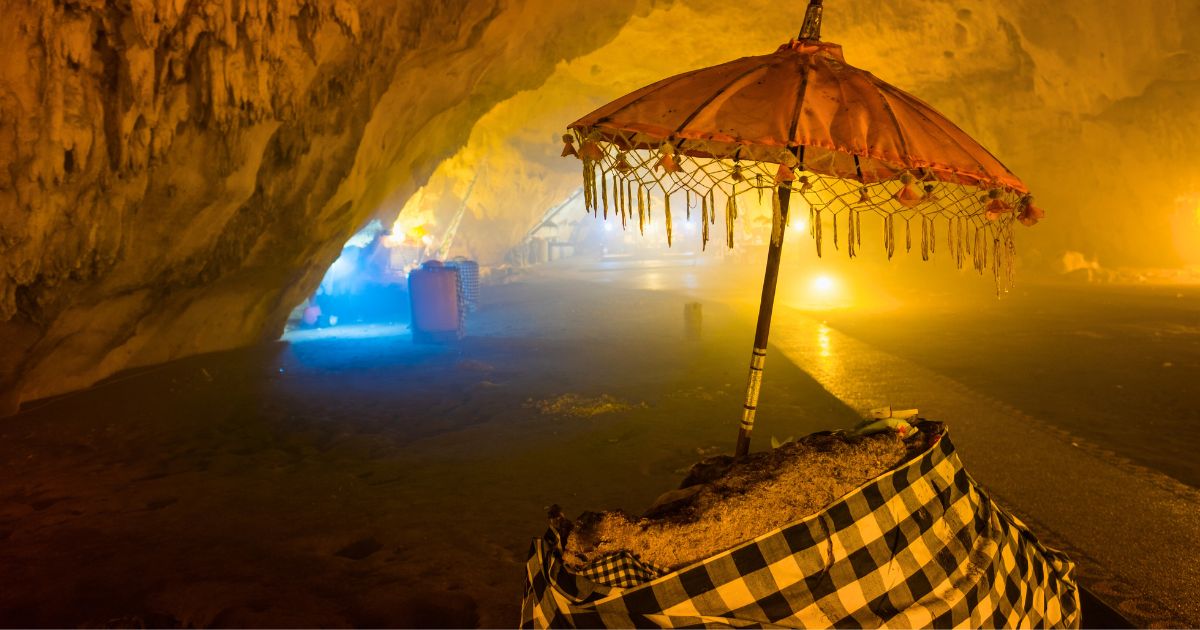
On the way to Atuh Beach, you cannot miss this large cave temple complex. Goa Giri Putri Temple is one of the most sacred places on the island. You can only enter through a small crevice in the cave, which is just wide enough for one slender person to squeeze through, but the spaces inside will then amaze you.

The cave is over 260 meters long, and during weekend ceremonies, it is filled to the point of breathlessness with chanting, the sound of bells, and the scent of incense sticks.

Nusa Lembongan and Nusa Ceningan Islands

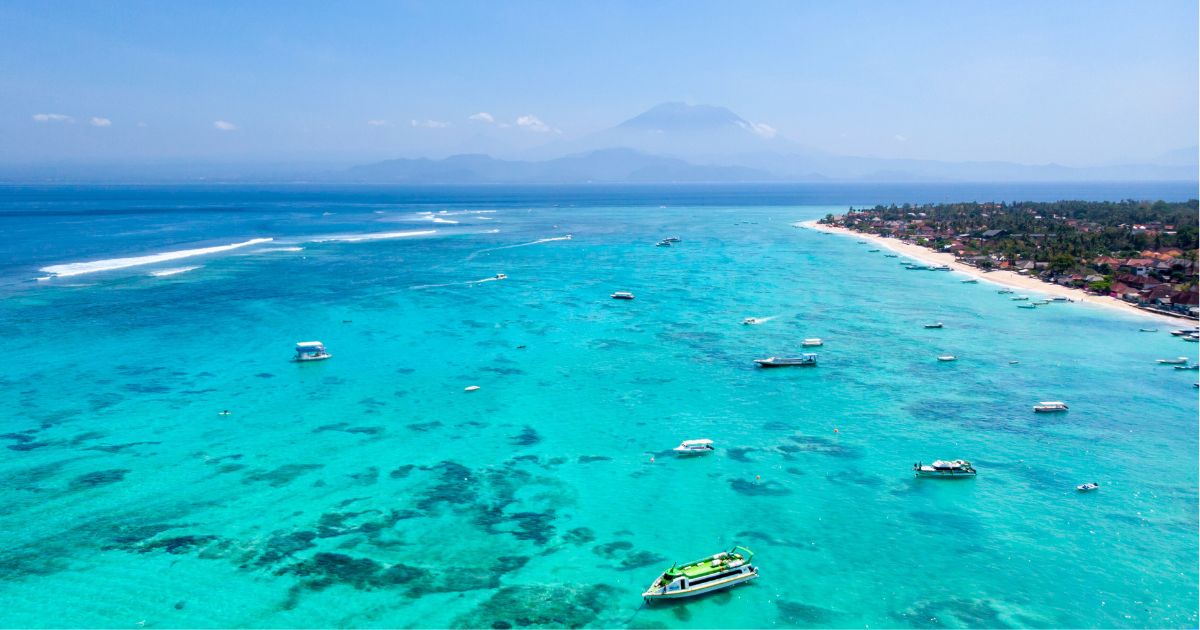
These two small islands are Nusa Penida’s smaller siblings and are connected by a yellow bridge, so you can travel between them without needing to board a boat. Boats from Nusa Penida will take you directly under the yellow bridge that connects both islands.

On the islands, you’ll find several beautiful beaches and cliff formations. On Nusa Ceningan, I especially recommend Blue Lagoon, a magnificent shallow bay with incredibly azure water, and Mahana Point, where you can try cliff jumping into the turbulent ocean. On Nusa Lembongan, visit Devil’s Tears, a natural attraction with high-splashing water that then cascades back into the ocean.

Along the way between the islands, you can also see mangrove forests, which are on the northern side of Lembongan. Just be aware when planning your visit to these islands that the last boat back to Nusa Penida departs at 5:00 PM.

Pura Dalem Penataran Ped

The most significant temple on the island is the Temple of Death, where believers go to pray for protection from diseases and demons. Every Balinese person is expected to visit here at least once in their lifetime. The temple is beautifully and distinctly decorated with glowing red fabric strips and intricate ornaments made of bamboo and palm leaves.

Pura Paluang

Pura Paluang Temple, also known as Pura Mechanic or Car Temple, is unique for its two concrete hollow shrines in the shape of a famous Volkswagen Beetle and a Jeep. According to locals, the gods like having their cars here. It’s one of the most peculiar things on the island and definitely worth a visit for its originality.

FAQ

How Long to Spend on Nusa Penida?

The ideal length of stay is 3-4 nights. This will allow you to calmly explore all the main attractions of the island, as well as the neighboring islands of Lembongan and Ceningan.

Is it safe to rent a scooter on Nusa Penida?

If you have experience riding a scooter, it’s the best way to get around the island. However, the roads are steep and sometimes in poor condition, so ride carefully. Always wear a helmet and pay attention to traffic.

When is the best time to visit Nusa Penida?

The best period is from April to October (dry season), when rainfall is minimal and the sea is calmer. You’ll avoid monsoon rains and have better conditions for all activities.

Is it worth going to Nusa Penida for just one day?

Even a one-day trip has its purpose, but it’s a shame. The island has so many beauties that you should allow yourself more time. If you only have one day, focus on the west coast (Kelingking Beach, Angel’s Billabong, Broken Beach) or book an organized tour from Bali.

Tips and Tricks for Your Vacation

Don’t Overpay for Flights

Search for flights on Kayak. It’s our favorite search engine because it scans the websites of all airlines and always finds the cheapest connection.

Book Your Accommodation Smartly

The best experiences we’ve had when looking for accommodation (from Alaska to Morocco) are with Booking.com, where hotels, apartments, and entire houses are usually the cheapest and most widely available.

Don’t Forget Travel Insurance

Good travel insurance will protect you against illness, accidents, theft, or flight cancellations. We’ve had a few hospital visits abroad, so we know how important it is to have proper insurance arranged.

Where we insure ourselves: SafetyWing (best for everyone) and TrueTraveller (for extra-long trips).

Why don’t we recommend any Czech insurance company? Because they have too many restrictions. They set limits on the number of days abroad, travel insurance via a credit card often requires you to pay medical expenses only with that card, and they frequently limit the number of returns to the Czech Republic.

Find the Best Experiences

Get Your Guide is a huge online marketplace where you can book guided walks, trips, skip-the-line tickets, tours, and much more. We always find some extra fun there!
Bali, Indonesia: 57 Best Things to Do and See

TL;DRBali comes with 57 specific tips broken down by area — from the spiritual hub of Ubud, with the Tegallalang rice terraces and the Monkey Forest, to the northern waterfalls of Sekumpul and Banyumala, the eastern temples of Besakih and Lempuyang, and down to the southern beaches of Uluwatu, Padang Padang and Nusa Penida with its Kelingking Beach. The best time to visit is April to October, with May, June, September and October the sweet spot. Highlights include the Tanah Lot temple, sunrise over Mount Batur, the UNESCO-listed Jatiluwih rice terraces, and Menjangan Island, the best spot for diving. Getting around costs 150–200 Kč a day for a scooter, or 600–1500 Kč for a private driver for the whole day.

Imagine an island where you wake up every morning to the sound of tropical birds, where green rice terraces alternate with turquoise lagoons, and where a spiritual atmosphere permeates everything. Bali is not just another tropical destination to tick off your travel list; it’s a magical place that will irrevocably captivate you with its beauty, culture, and endless variety of experiences.

On this Indonesian island, you’ll find virtually everything you could wish for, and there’s always something to do. Do you want to learn to surf? Do you long for spiritual cleansing in sacred temples? You’ll find that here too. In this guide I will share with you Bali, Indonesia: 57 Best Things to Do and See.

Do you love adventure and nature trips? Waterfalls you have to trek through the jungle to reach, volcanoes at sunrise, and hidden beaches where you’ll be completely alone await you. Do you want to practice yoga every day or take a yoga course? Well, where else to do it than in Bali, right? Do you want to enjoy smoothie bowls and other delicacies in beautiful establishments every day for just a few dollars? Fly to Bali.

So, let’s take a look at 57 places to see in Bali.

TL;DR

  • Best time to visit: April to October (dry season), but Bali is beautiful all year round (even with showers).
  • Accommodation: Ubud for culture (Kumala Ubud Villa), Seminyak for luxury, Canggu (e.g., Dicky House) for surfing and nightlife, Uluwatu for peace (e.g., Wiras Village or Zena Surf Suite).
  • Transport: Rent a scooter (if you dare) or use Gojek/Grab apps, or hire a driver with a car.
  • Biggest treasures: Rice terraces, Tanah Lot temple, Nusa Penida island, Sekumpul waterfalls, and sunrise at Mount Batur.

When to Go to Bali

Bali welcomes you with sunny and warm weather almost any time of the year, but if you want a perfect vacation, proper timing and a bit of planning are essential.

  • The dry season (April-October) is considered the best time to visit. The sun shines almost every day, temperatures hover around a pleasant 30 degrees Celsius, and humidity is not too high. This is an ideal time for sightseeing, relaxing on beaches, and mountain treks. However, be aware that this is when Bali receives the most tourists, so popular places will be crowded and prices a bit higher.
  • The rainy season (November-March) also has its charm. It usually rains only briefly during the day, then the sun comes out again, and the entire island becomes even greener thanks to the rain. Moreover, this is a time when you’ll encounter fewer tourists in Bali and enjoy a more authentic atmosphere. Just be careful in December, when crowds of visitors arrive on the island due to the Christmas holidays.

The best compromise? Try May, June, September, or October. In these months, you are almost guaranteed sunny weather, but there are fewer tourists than in the high season.

Bali Vacation: where to Stay

Choosing accommodation in Bali is quite a challenge – beautiful accommodations are around every corner, at a reasonable price, and each area of Bali has its own soul and atmosphere. So it’s almost impossible to decide where to stay. 😅

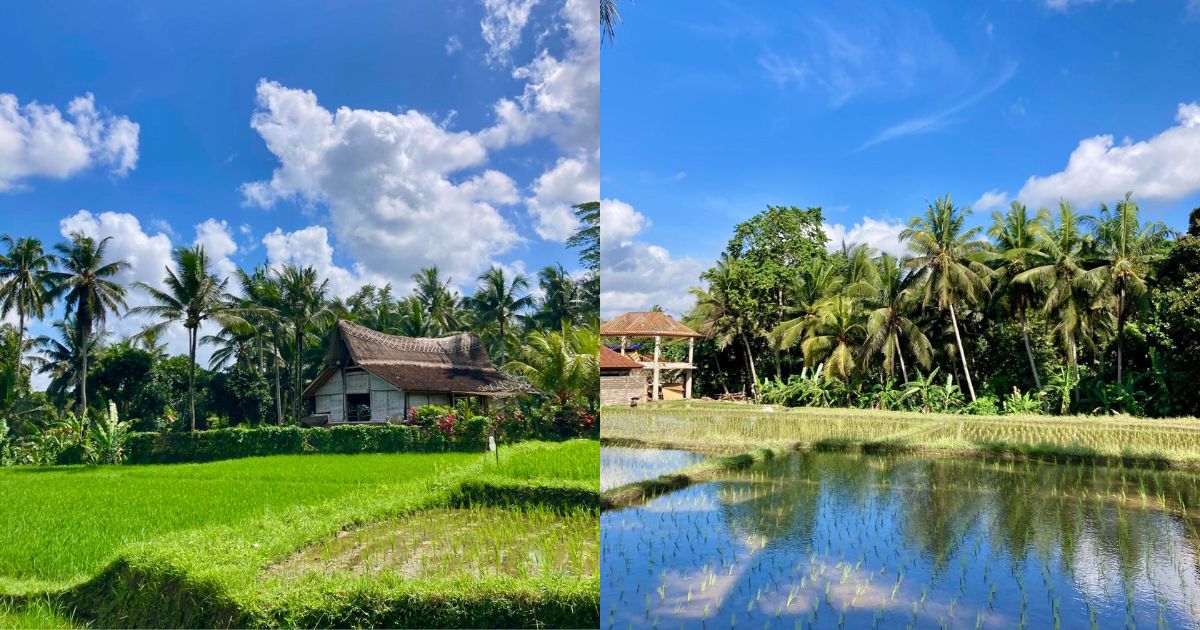
  • Ubud is the heart of spiritual Bali. Here you’ll sleep surrounded by rice fields, waking up to the sound of birds instead of noisy scooters. It’s an ideal place for those seeking peace, wanting to practice yoga, or explore Balinese culture. Stay in one of the beautiful resorts with jungle views.
  • Seminyak is for luxury lovers. You’ll find designer hotels, excellent restaurants, and the most beautiful beach clubs on the island. While it’s more expensive than other areas, the comfort and services are top-notch.
  • Canggu is loved by young travelers and surfers. The atmosphere here is relaxed, with trendy cafes everywhere and affordable accommodation. If you want to be in the center of the action but don’t want to spend a fortune, Canggu is a perfect choice.
  • Uluwatu is a paradise for those seeking peace and privacy. The area is less developed but all the more beautiful. It is located on cliffs with amazing ocean views.
  • Nusa Dua is a place of luxurious resorts with perfectly maintained beaches. It’s a great choice for families with children.

But if I had to recommend something, then these are the accommodations:

Bali and Transportation

Getting around Bali is an adventure in itself. There aren’t many road rules, and they drive on the left.

A scooter is king of local transport. For a rental fee of around 150-200 CZK per day, you gain complete freedom of movement. Just be careful with traffic – Balinese drivers are somewhat chaotic, and roads are often not in the best condition. Don’t forget your helmet and international driving permit.

A private driver costs approximately 600-1500 CZK for a full day and is a great investment if you want to visit more places or go on a longer trip. Local drivers know the best routes and often recommend hidden spots you wouldn’t find on your own.

But if you don’t want to bump around in a car, forgot to get an international driver’s license, or simply don’t dare to ride a scooter yourself, then my favorite mode of transport is the Grab or Gojek apps. They work on the same principle as Bolt or Uber, except here you have the option to get a scooter driver (calling a car is also an option). It’s reliable and very cost-effective. Plus, you don’t have to worry about parking or navigation. And it all adds to the Bali experience.

What not to Do in Bali

To ensure your vacation goes smoothly, avoid these common mistakes:

  • Do not disregard local customs. When visiting temples, wear long pants and cover your shoulders. You can borrow a sarong at the entrance. Never enter a temple barefoot and respect worshippers. Also, avoid entering a temple if you are menstruating – for Balinese, this is considered impure. And most importantly, behave quietly and respectfully, especially when prayers are taking place.
  • Do not photograph locals without permission. Be sensitive, especially at temples and during religious ceremonies. Balinese people are very friendly, but respect their privacy.
  • Do not underestimate the power of the sun. Even when it’s cloudy, the tropical sun is very intense. Use high-factor sunscreen and drink plenty of water.
  • Do not destroy or step on offerings (canang sari). These are small baskets made of palm leaves with flowers, rice or other food, and incense sticks. They are part of daily Balinese life. You’ll find them on sidewalks, in front of houses, in cars, and in shops. Be careful where you step; unintentionally destroying an offering is considered disrespectful.

We’ve Planned Your Bali Holiday for You

Tempted to follow exactly in our footsteps but dreading the hours spent planning? To make travelling as easy as possible for you, we’ve created an entire trip for you. We’ve put together our whole route, the best spots and all our tips into one clear itinerary. You can click through it in detail below, and if you like it, just a few clicks and you can set off without any worries!

Bali, Indonesia: 57 Best Things to Do and See

Let’s take a look at 57 places to see in Bali.

Ubud and Central Bali – the Spiritual Heart of the Island

The central part of Bali is a place where time has stood still. Among endless rice terraces and sacred jungle, you’ll find Ubud – a town that has become synonymous with Balinese spirituality and art. Here you’ll encounter authentic Bali, where every sunrise brings the sound of gamelan bells and the scent of incense from thousands of home shrines.

This area is ideal for those seeking peace and wanting to experience the true face of Balinese culture. Local villages awaken with crowing roosters, farmers in wide hats tend to their rice fields, and the air smells of jasmine and plumeria. It’s a place where you’ll realize why Bali is called the Island of the Gods.

Tegallalang Rice Terraces

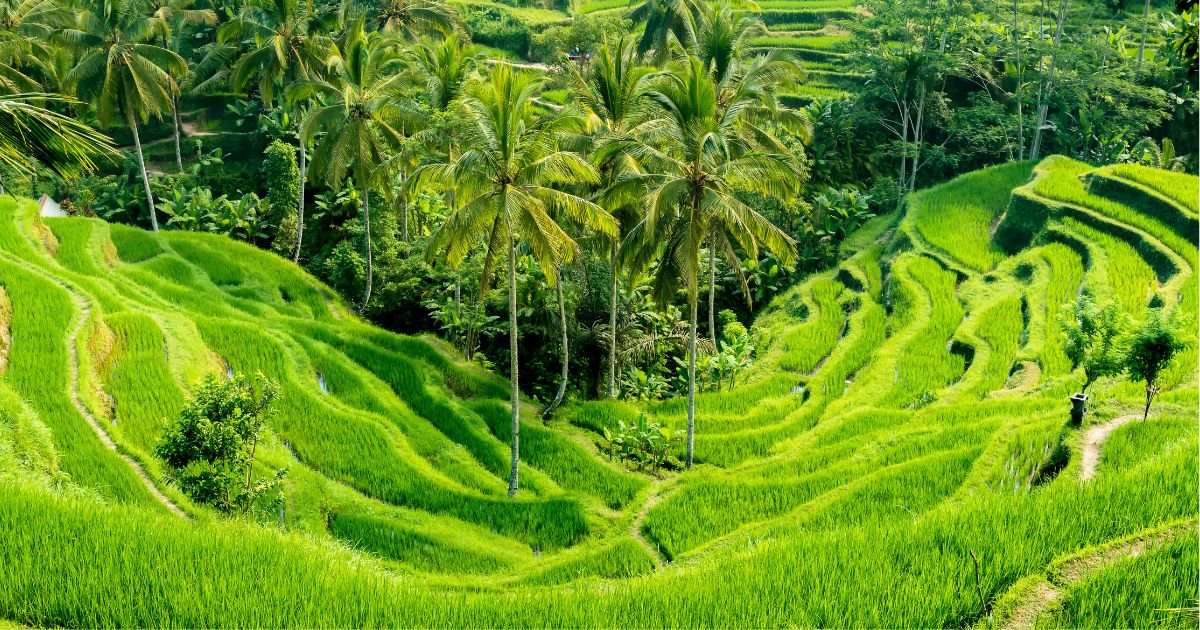
When you first see Tegallalang, you’ll understand why photographers from all over the world consider this place the most beautiful in Bali. Thousands of emerald green terraces wind along the hillsides like giant natural stairs leading up to the clouds. This 1000-year-old subak irrigation system is a masterpiece of engineering that still functions today without any modern technology.

Walk along the narrow dikes between the fields, where you’ll see farmers with hoes and golden grains on their backs. You can also try one of the iconic swings – the feeling of flying over the green terraces is unforgettable. The best light for photography is early morning or before sunset, when the entire valley is bathed in golden light.

Ubud Town

Ubud is not just a town; it’s a state of mind. Here, every alley hides a gallery with paintings by local artists, every other house is a yoga studio, and the air is filled with the sounds of Tibetan singing bowls and chanting mantras. In the center, you’ll find the Puri Saren Royal Palace, where descendants of the local royal family still live, and the traditional Pasar Ubud markets, where you can buy everything from fresh tropical fruit to wood carvings.

Monkey Forest

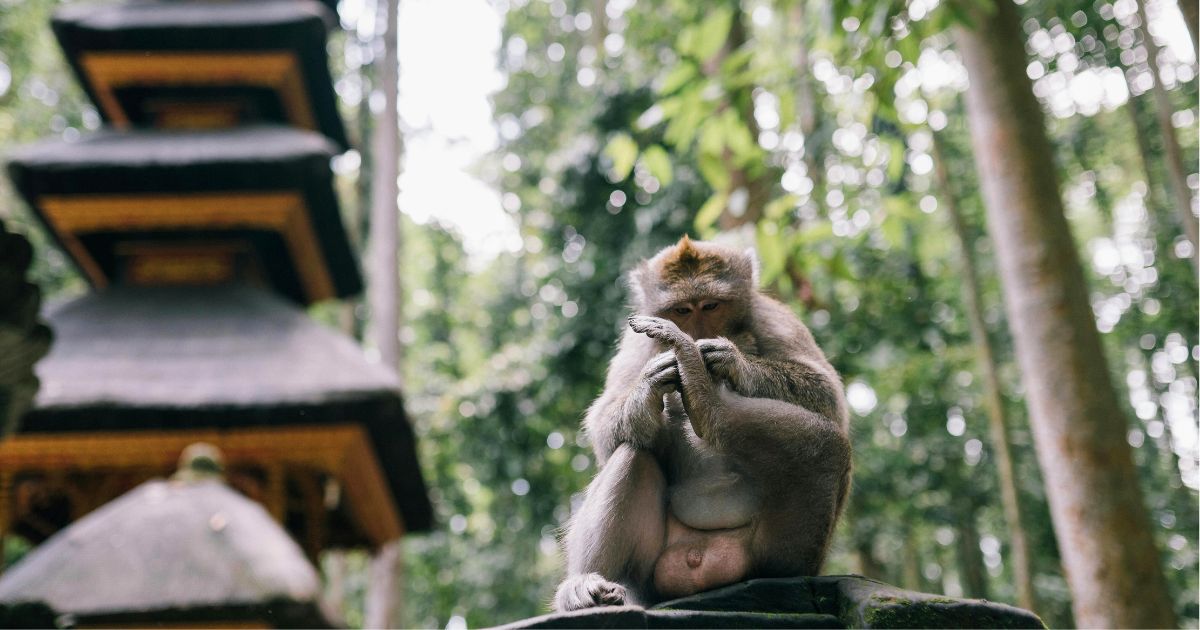
Monkey Forest is a sacred place with three ancient temples covered in moss and tropical vines. Among the beautiful banana trees and giant trees, over 700 macaques roam, having lived here for hundreds of years.

But be careful with your belongings; the local monkeys are incredibly clever and can steal your sunglasses, phone, water bottle, or even your entire backpack in seconds.

Tirta Empul Temple

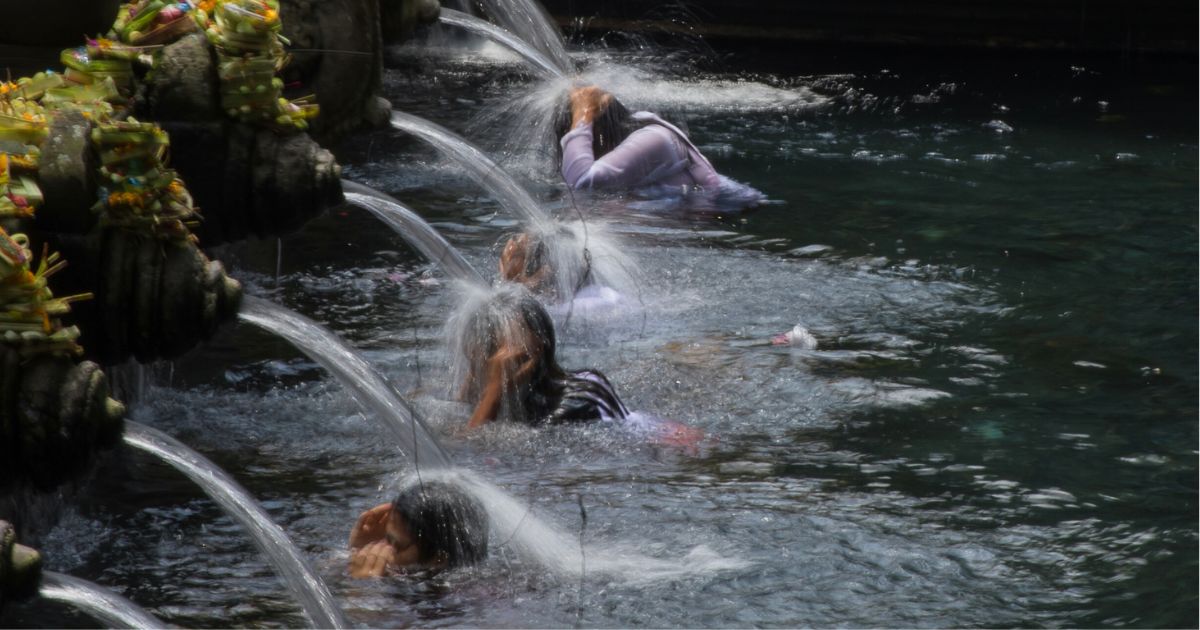
Tirta Empul Temple is a place where you can literally wash away all your worries and start anew. Tirta Empul is the most sacred place for ritual purification in all of Bali. The water from the sacred springs is said to heal illnesses, remove bad karma, and bring inner peace.

The purification ritual is a powerful spiritual experience. You’ll put on a traditional sarong, enter the sacred water, and gradually immerse yourself under each of the 12 fountains. The water is cold, but afterward, you should feel a sense of inner peace.

Goa Gajah (Elephant Cave)

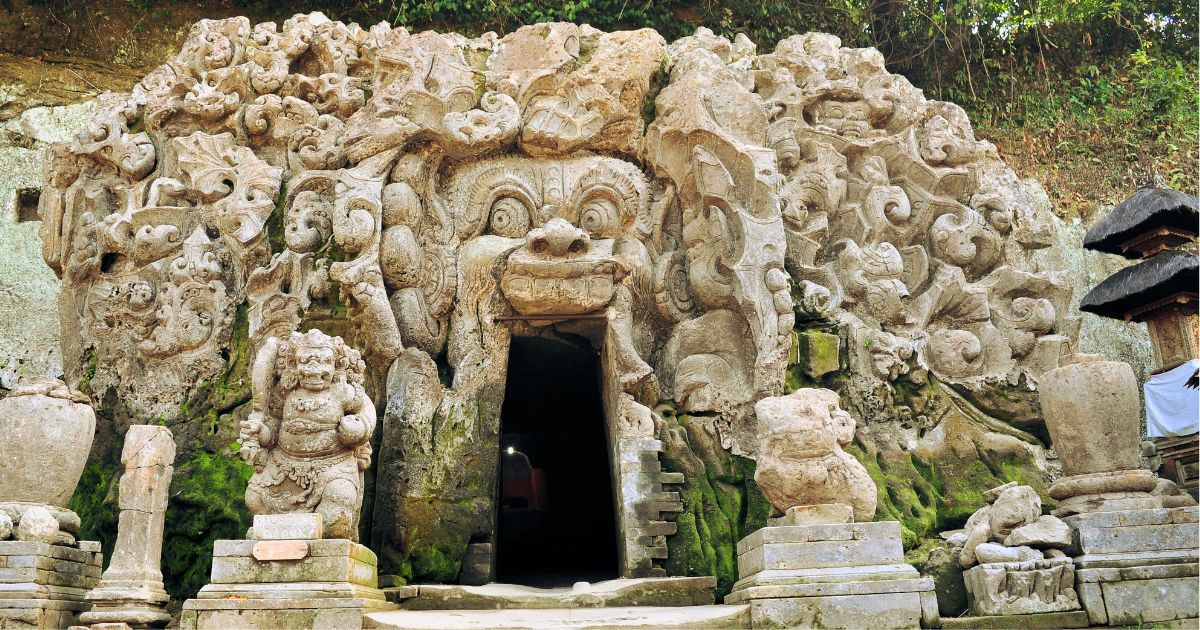
The first glimpse of the entrance gate to this mysterious cave will take your breath away. Giant demonic mouths with bulging tongues and teeth look like a gateway to the underworld. This 1000-year-old sanctuary was carved directly into the rock and served both Buddhists and Hindus as a place of meditation and spiritual ceremonies.

Inside the cave, you’ll find statues of Ganesha and other Hindu deities illuminated only by the faint light that penetrates the narrow entrance.

Gunung Kawi Tampaksiring

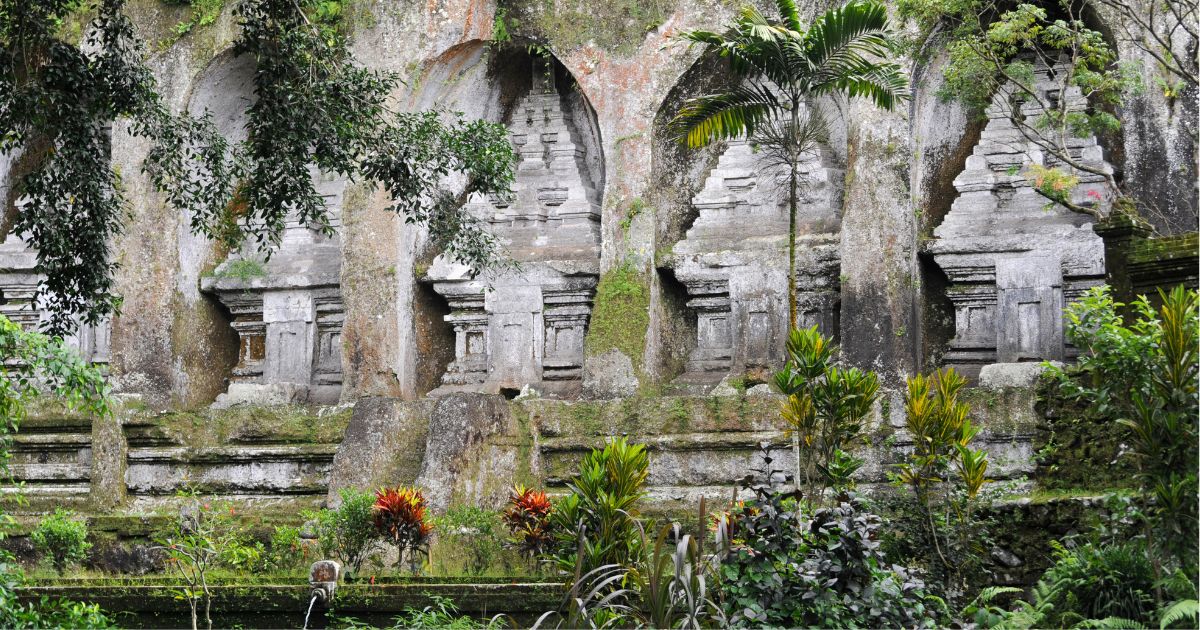
Descending 300 steps through the dense tropical jungle is like a journey into a forgotten civilization. And when ten 7-meter royal tombs carved directly into the rock face appear before you, you’ll feel the same awe as explorers of ancient monuments.

These 11th-century shrines are dedicated to King Anak Wungsu and his family. It is one of the most breathtaking archaeological sites in Bali, where history touches nature.

Tegenungan Waterfall

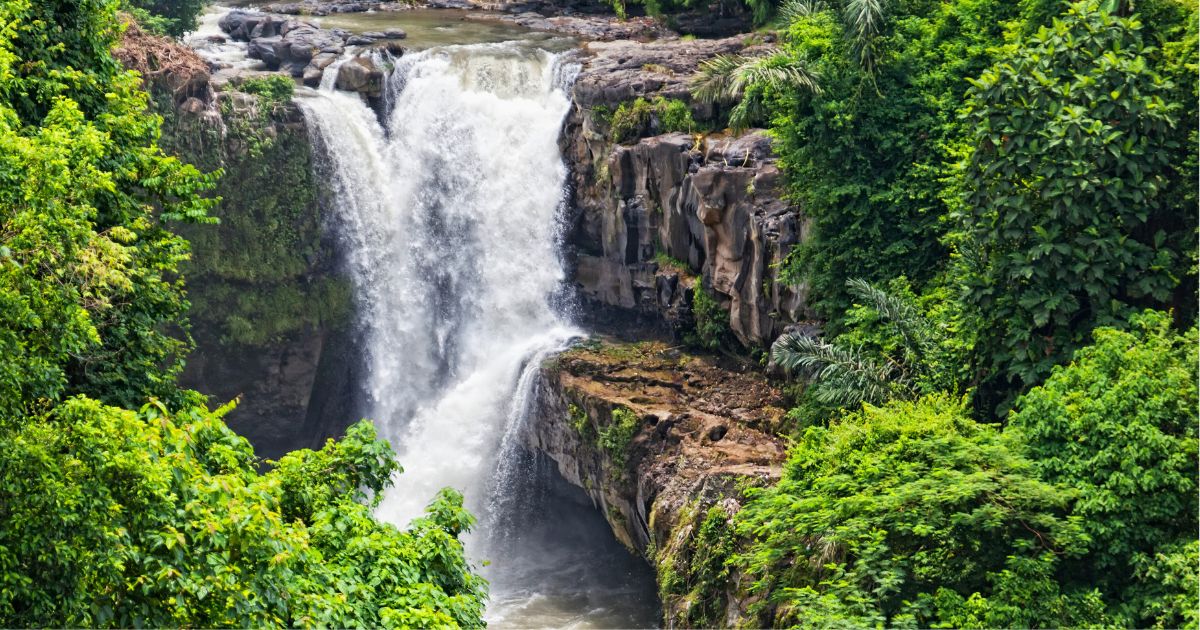
If you’re new to Bali, Tegenungan will be your first introduction to the local waterfalls. It’s just a half-hour drive from Ubud and easily accessible.

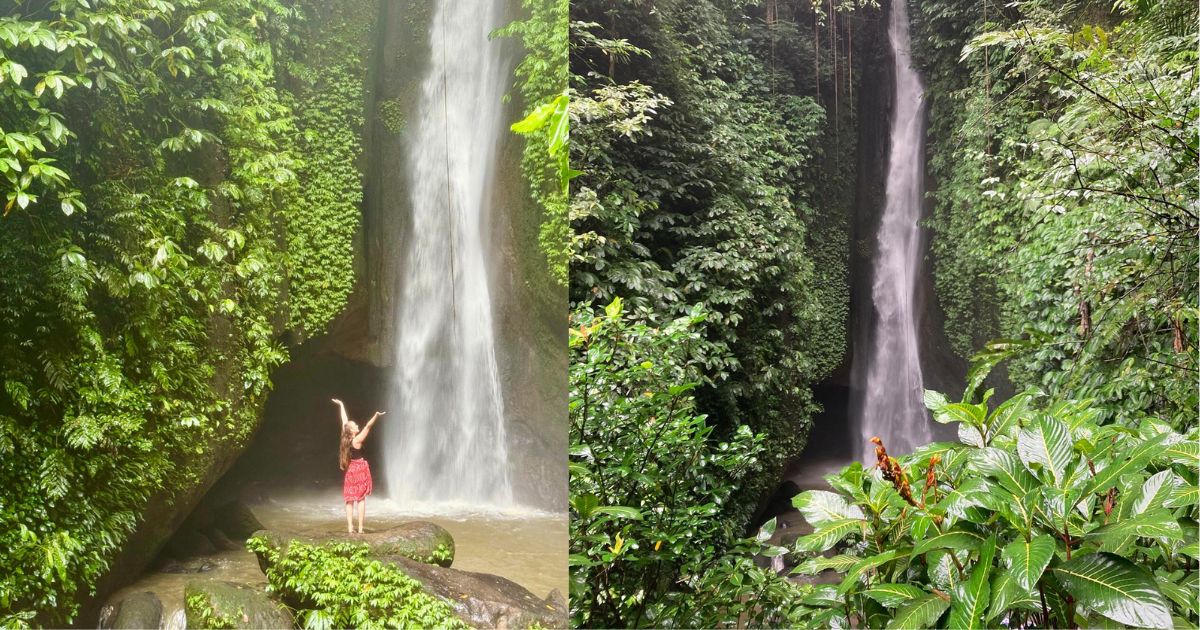
The 30-meter waterfall plunges into a natural pool where you can swim in clean mountain water. The surrounding moss-covered rocks and tropical ferns create a fairytale view. However, come early in the morning to avoid the crowds.

Coffee Plantations

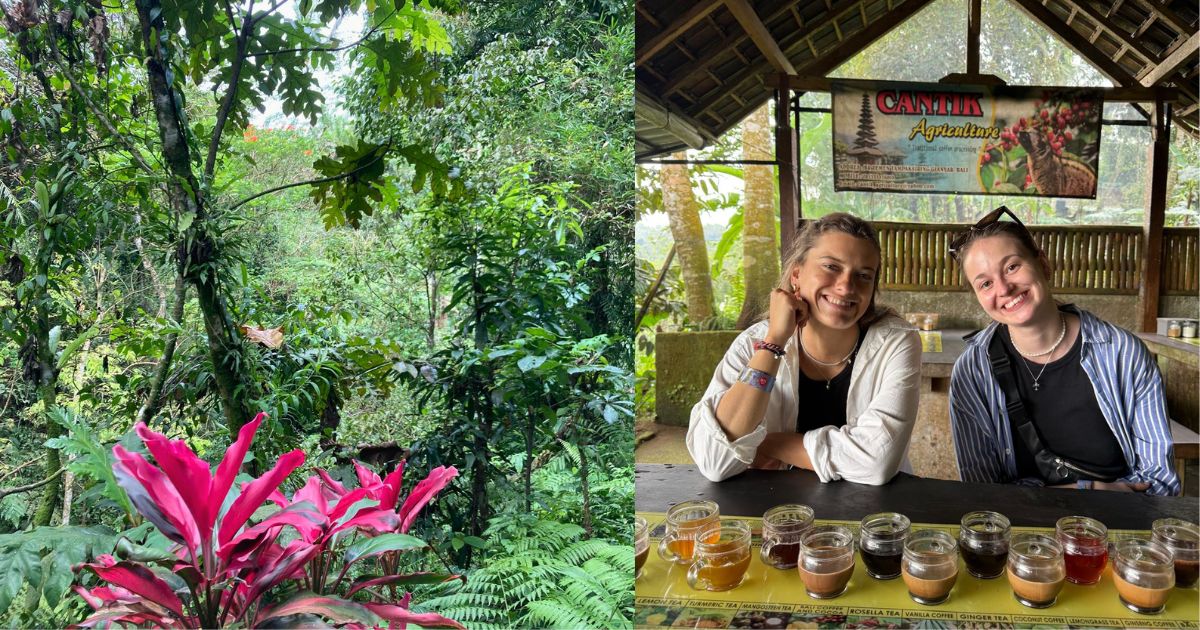
A visit to a coffee plantation in Bali is more than just a coffee tasting. You’ll immerse yourself in the way of life of local farmers. You’ll walk among coffee trees, see the entire process from bean to cup, and learn interesting facts about the famous civet coffee, Kopi Luwak. You can also taste various types of teas and spices grown by locals.

Campuhan Ridge Walk

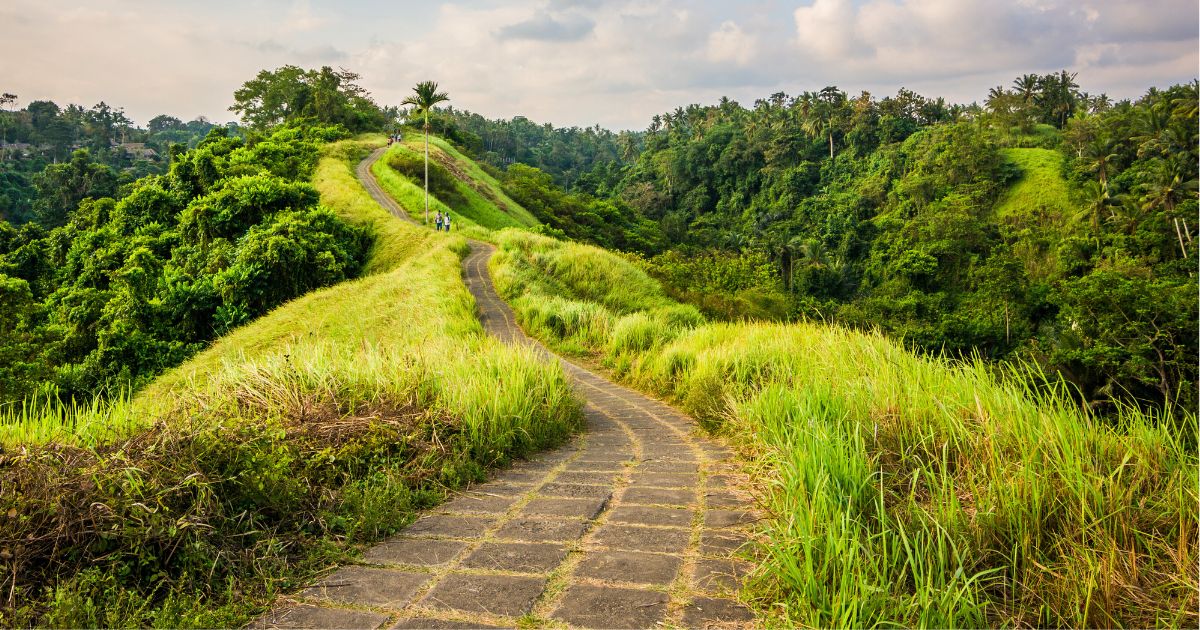
When you want to escape the hustle and bustle of Ubud, take this beautiful walk along the ridge. The narrow path winds between grassy hills, offering panoramic views of the jungle, rice fields, and distant mountains.

The best time is early morning or late afternoon, when the sun isn’t as strong and the landscape is bathed in golden light. The walk takes about an hour and ends in a small village where you can relax in a local cafe with a view of the valley.

North Bali – Land of Waterfalls and Tranquility

North Bali is a different world. Instead of heat and tourist crowds, you’ll find a cooler climate, fewer people, and the most beautiful waterfalls on the entire island. It’s an area for adventurers and nature lovers who aren’t afraid to go the extra mile for beauty. Black volcanic beaches, misty mountain lakes, and waterfalls hidden in the jungle all await you on the northern side of the island.

Sekumpul Waterfalls

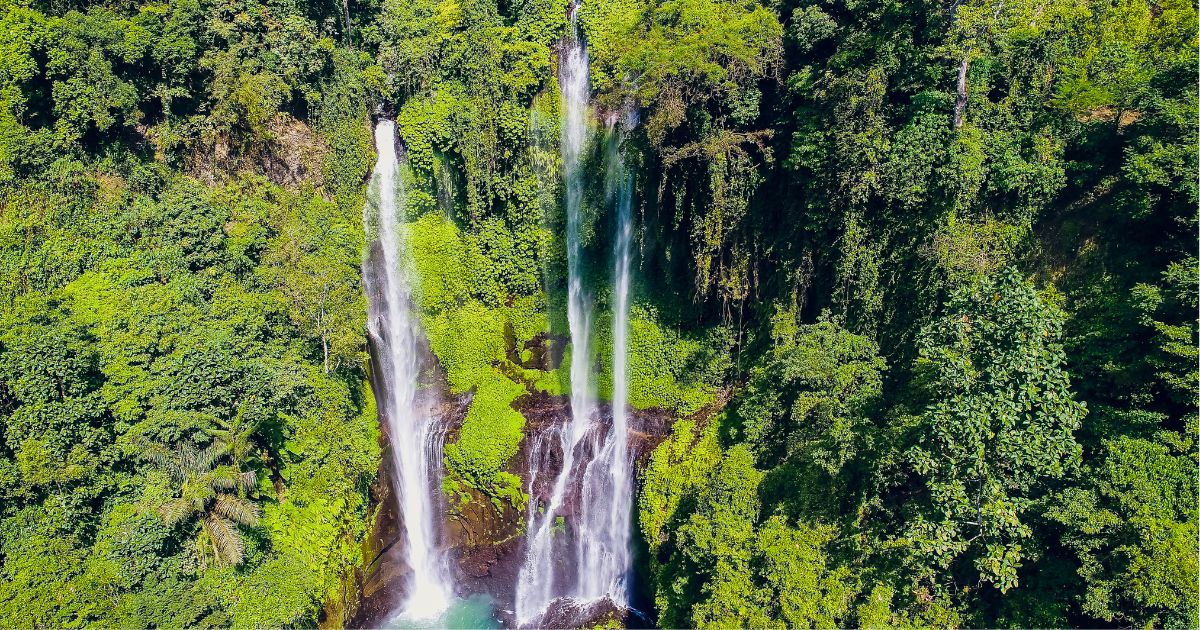
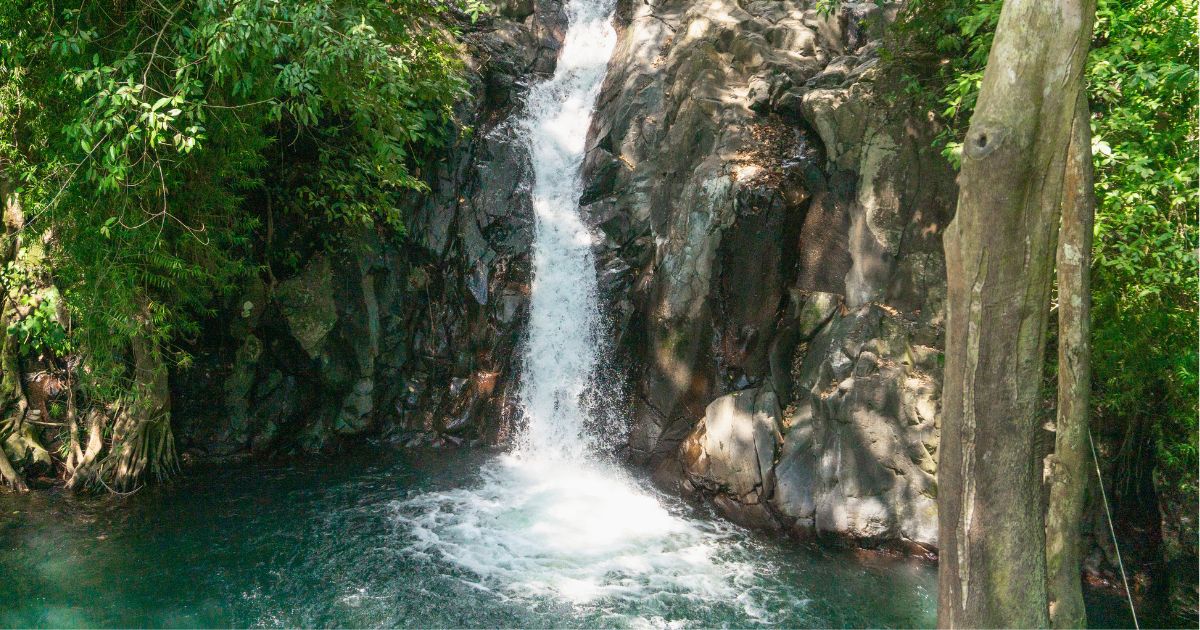
When, after an hour-long jungle trek, you behold seven majestic waterfalls plunging from a height of over 80 meters into an emerald green valley, you’ll understand why Sekumpul is considered the most beautiful waterfall in Bali. Each cascade has its own personality; some fall straight down, while others fan out.

Banyumala Waterfalls

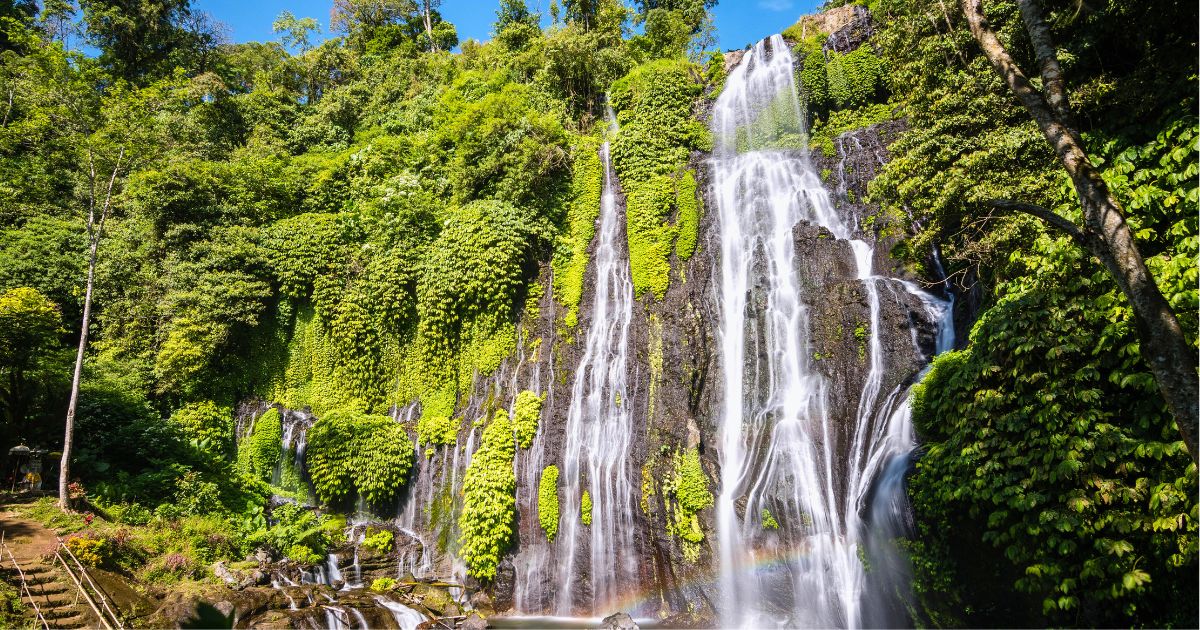
The twin Banyumala waterfalls are less known than Sekumpul, and that’s precisely what makes them so magical. Fewer tourists come here, so you have a better chance of enjoying this place in complete tranquility. The water cascades down a rock covered in moss and tropical plants into a crystal-clear pool.

Lovina Beach

Lovina Beach is famous for its black volcanic beach and, especially, for dolphin watching at sunrise. Every morning around 5 AM, traditional fishing boats depart from the small harbor, taking you directly among groups of wild dolphins.

Ulun Danu Beratan Temple

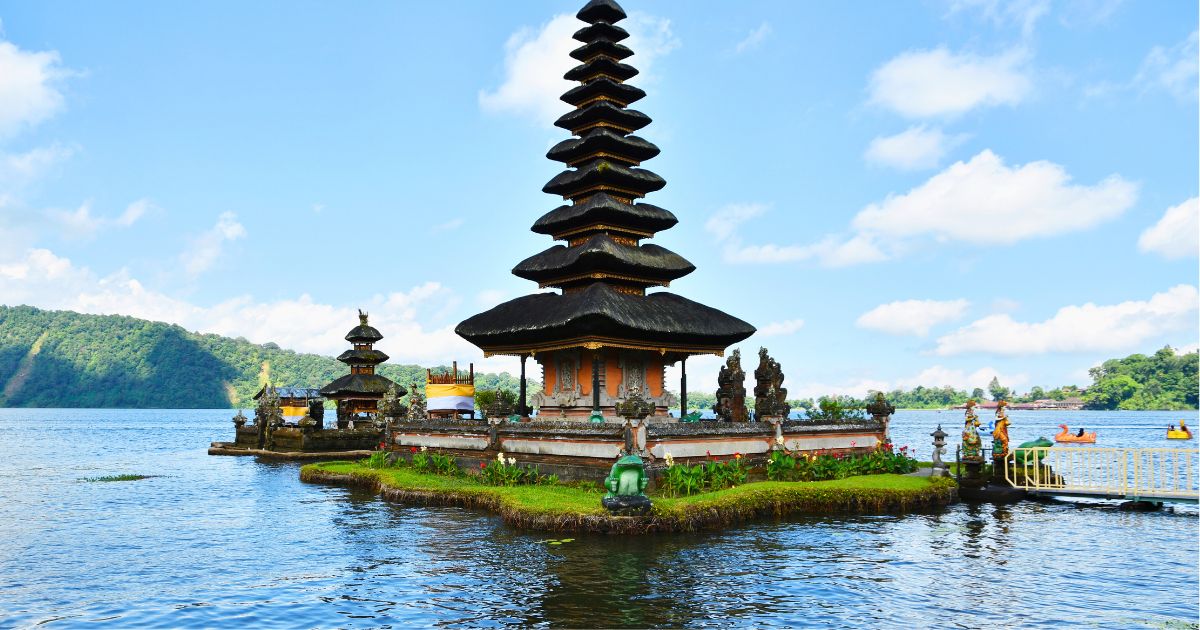
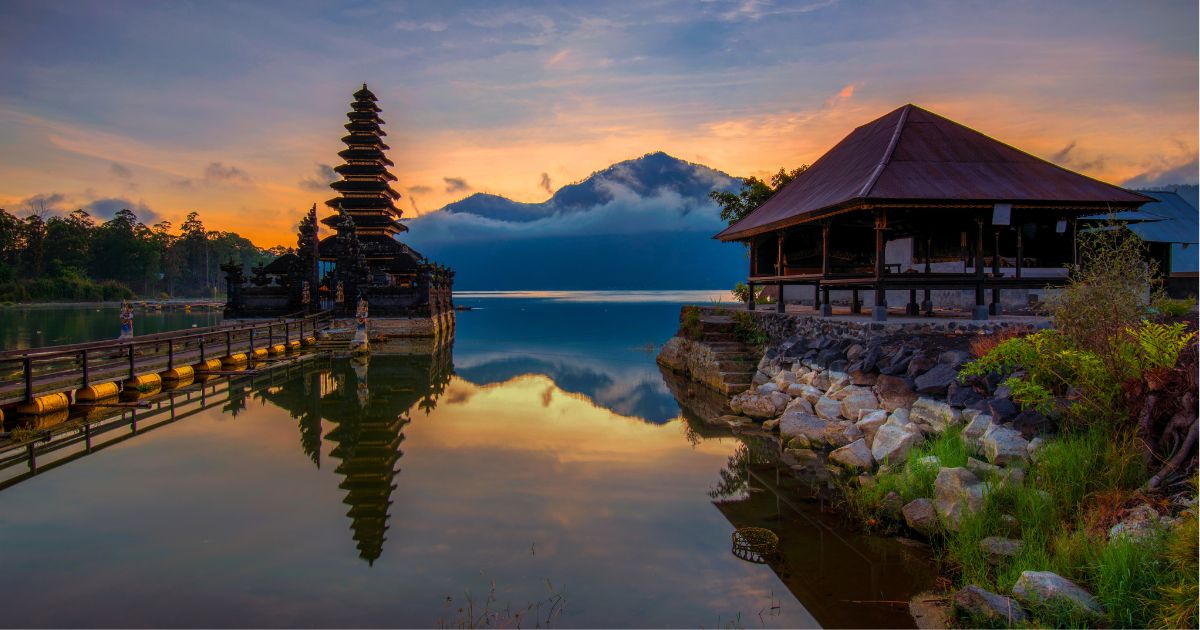
Ulun Danu Beratan is one of Bali’s most iconic temples, dedicated to Dewi Danu, the goddess of water. It is most beautiful at sunrise, when the first rays of sun reflect on the calm surface and the temple mirrors in the water. Be prepared for cooler weather, as the temperature at this altitude is several degrees lower, and there are often mists from the surrounding mountains.

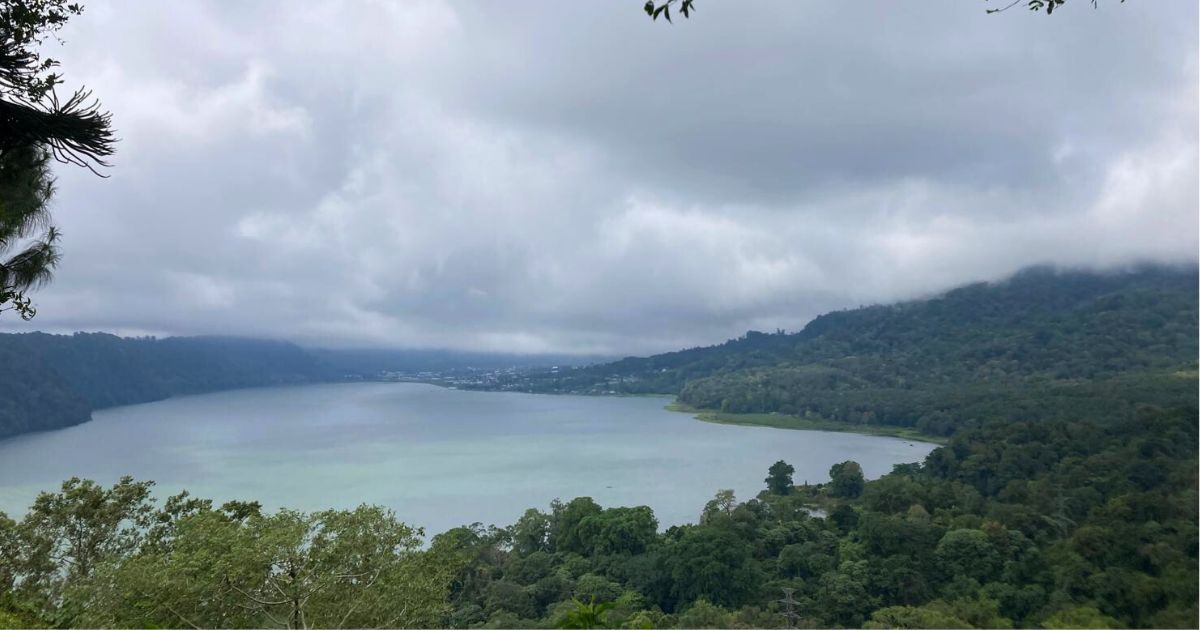
Danau Buyan Twin Lakes

Two beautiful mountain lakes surrounded by tropical rainforest are an ideal place to escape the tropical heat. The air here is cooler and cleaner, and a light mist often hovers over the surface.

The lakes are connected by a narrow channel, and you can walk along their shores on forest trails. It’s a perfect spot for a picnic, reading a book, or simply watching the play of light on the water. Locals here sell fresh tropical fruit and hot cocoa.

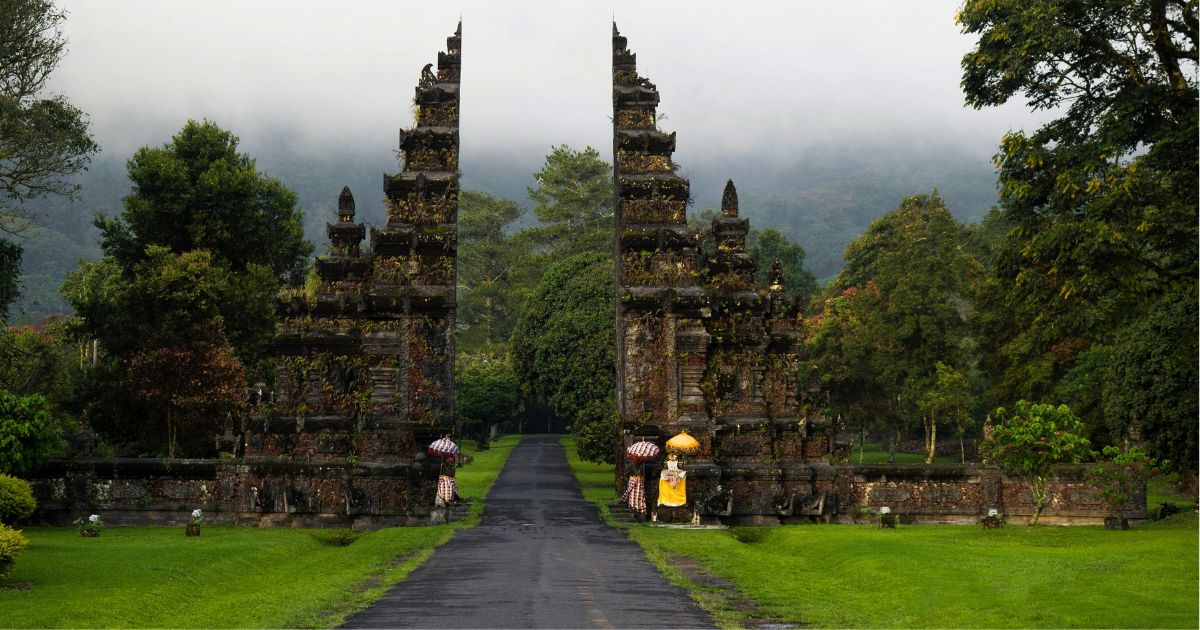
Handara Golf Resort

The famous entrance gates of the golf resort have become one of the most photographed places in Bali. Traditional Balinese architecture against the backdrop of green hills creates a beautiful view. Even if you’re not a golfer, it’s worth a visit. The entire resort is located in a beautiful mountain valley surrounded by forests and rice fields.

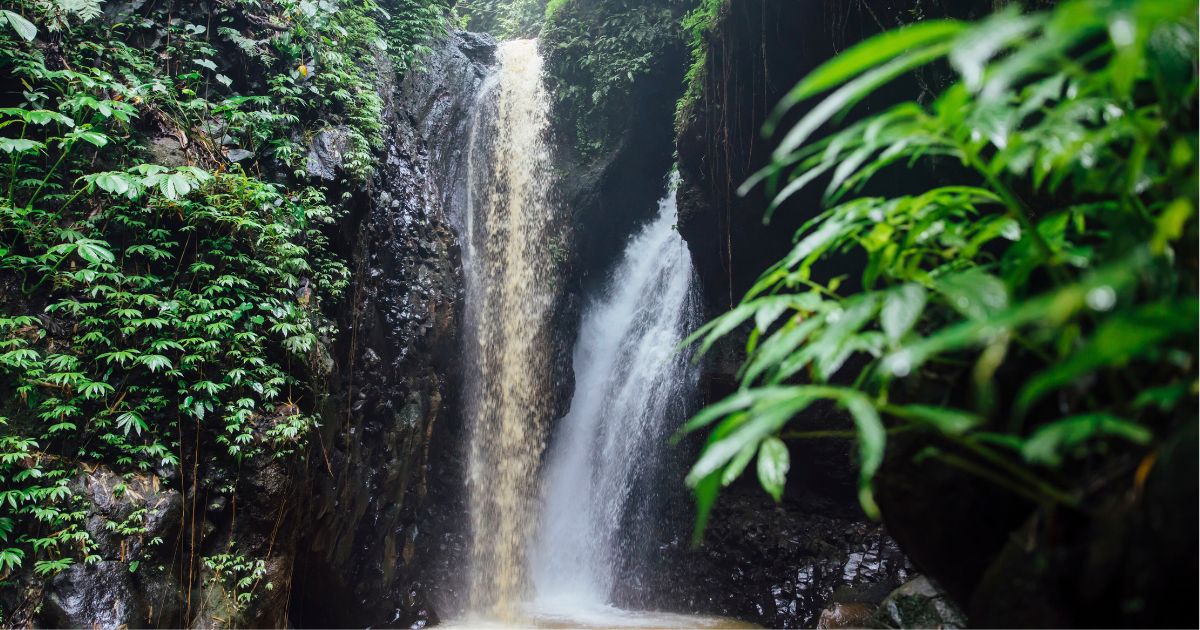
Gitgit Waterfall

The 35-meter Gitgit Waterfall is easily accessible from the main road between Bedugul and Singaraja, making it a perfect stop during a trip through the north of the island. The path to the waterfall leads along a well-maintained trail through tropical vegetation full of giant ferns and colorful orchids. The waterfall plunges into a natural pool where you can swim in clean mountain water.

Aling Aling Waterfall

For those seeking a bit more adrenaline, Aling Aling is the perfect choice. Besides the beautiful 35-meter waterfall, you can experience cliff jumping into deep pools, or a rope swing over the abyss.

There are waterfalls of various heights and difficulties, so everyone can find their own. The bravest can try a jump from 15 meters, while beginners can settle for safer 5-meter jumps. Local guides will teach you the correct technique and ensure safety.

East Bali – Land of Temples and Volcanic Beaches

The eastern part of Bali is the least tourist-affected area, and that’s precisely why it has its unique charm. On one side, you’ll find the island’s most sacred temples, and on the other, tranquil fishing villages with black volcanic beaches.

East Bali is ideal for those who want to experience authentic island life. Here you’ll meet fishermen heading out to sea before dawn, farmers working in their fields, and artisans creating traditional items using methods passed down through generations.

Besakih Temple

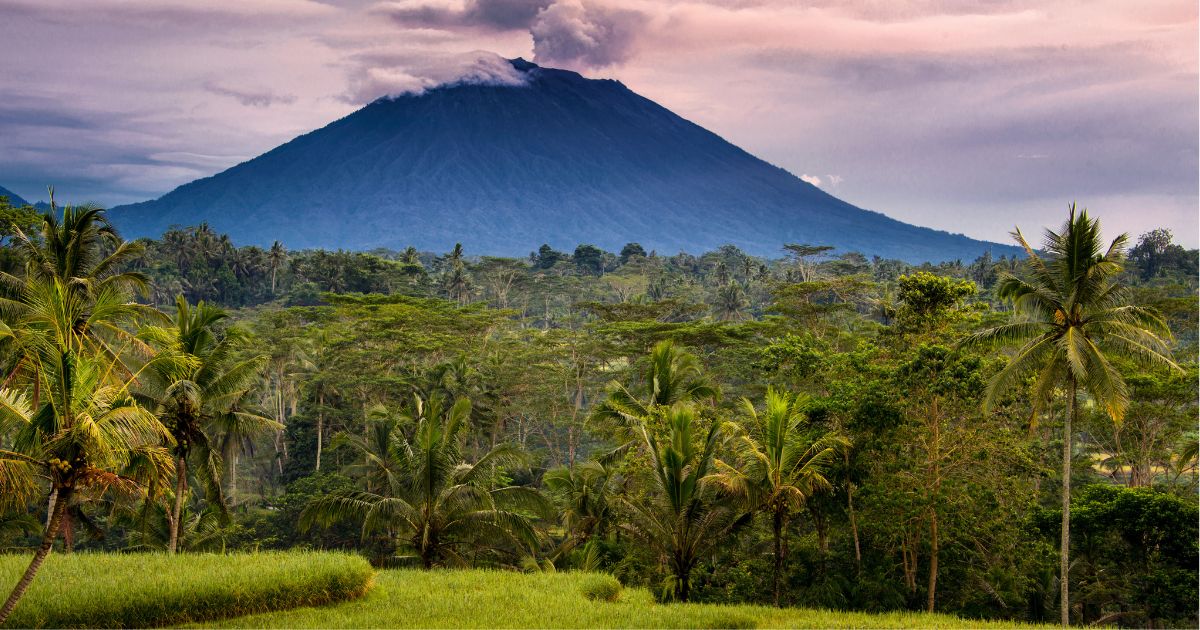
The complex of 23 temples scattered across the slopes of the sacred Mount Agung is the most sacred place in all of Bali. Locals call it the “Mother Temple”, and it is the center of Hindu faith on the island. Although entry inside is not permitted for tourists, the view from the outside is breathtaking.

The temples are built on six different levels, each with its specific function. The highest temple is dedicated to Shiva, the god of destruction and renewal. On clear days, you can see all the way to the ocean from here, but most often, the volcano’s peaks are shrouded in clouds.

Amed

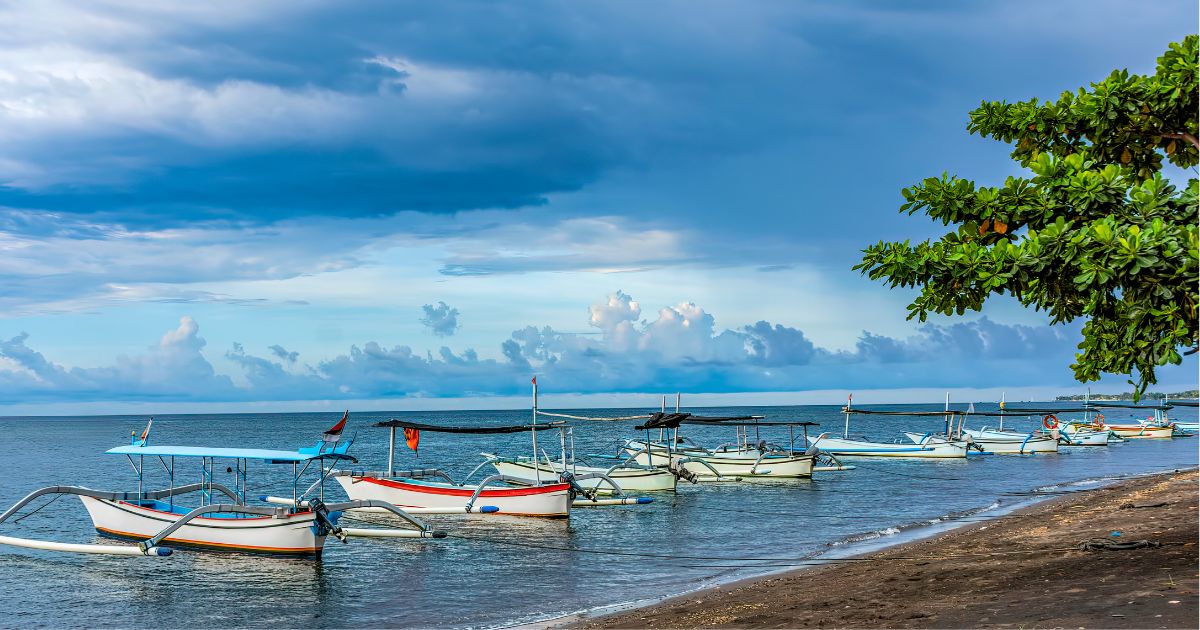
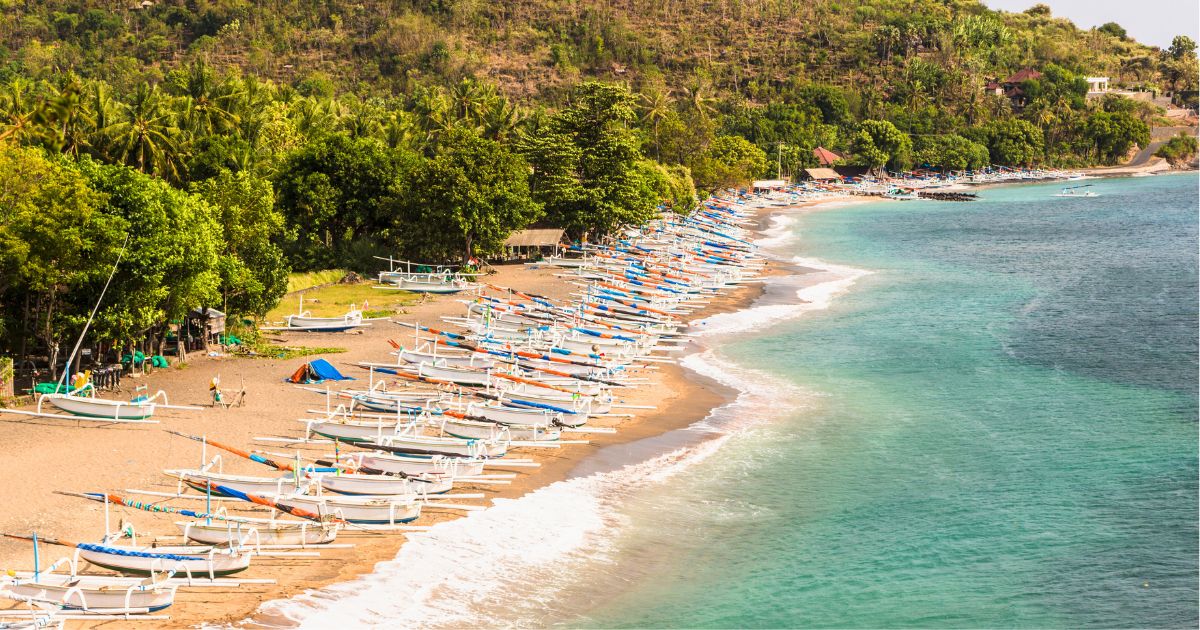
The tranquil fishing town of Amed is worlds away from the bustling south of Bali. Black volcanic beaches, traditional jukung fishing boats, and an atmosphere where time stands still. It’s a place to go for peace and excellent snorkeling.

Coral reefs start right off the shore, and the underwater world here is amazing. You can see colorful tropical fish, sea turtles, and with a bit of luck, even reef sharks. But the biggest attraction is the wreck of a Japanese ship from World War II, lying at a depth of 5-30 meters – it’s accessible even for beginner divers.

Tirta Gangga

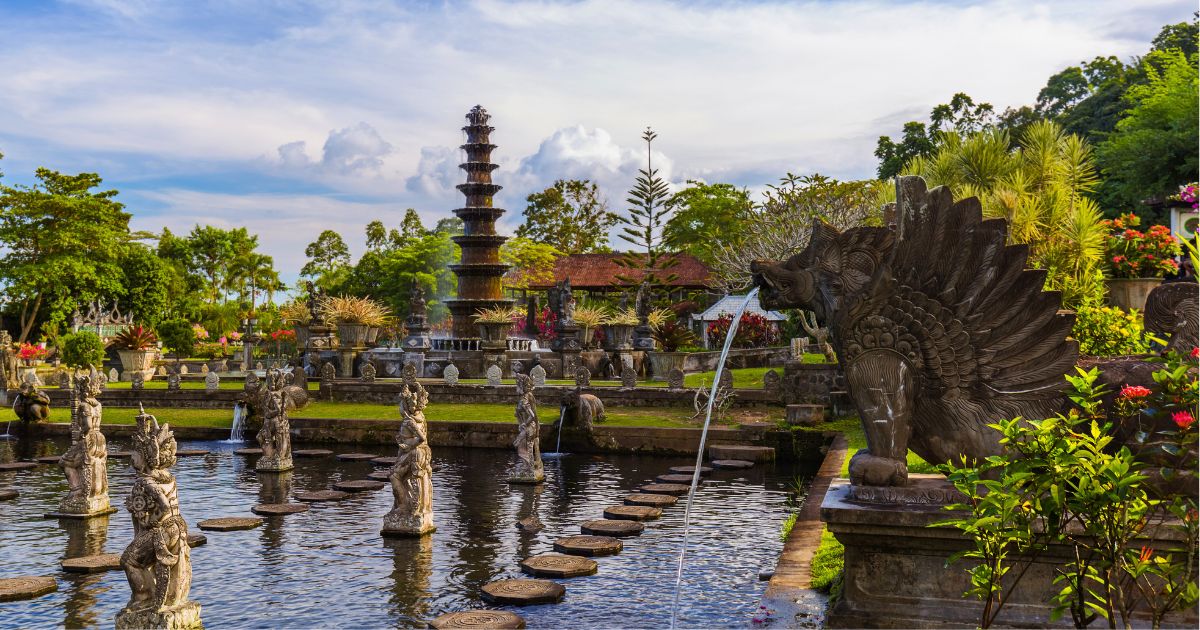
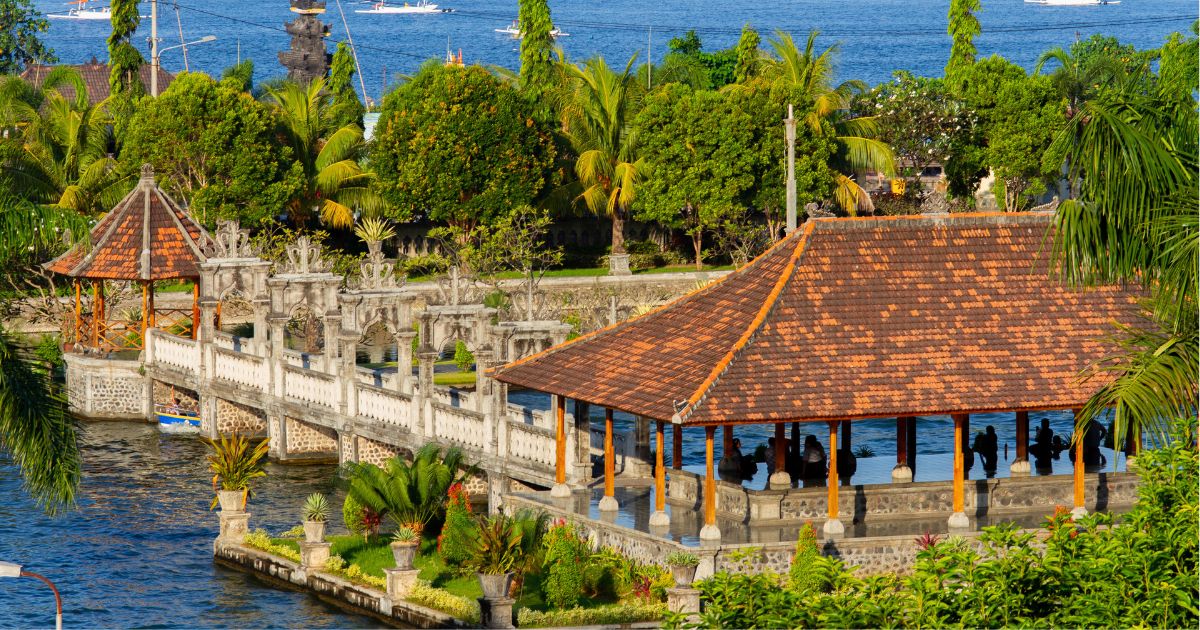
Tirta Gangga is a magnificent water palace with pools, fountains, and stone water lilies, looking like a place from a fairy tale. The King of Karangasem had it built in 1946 as his summer residence, but today it is open to the public, and you can even swim in some of the pools.

The entire complex is a masterpiece of Balinese garden architecture. Water winds among stone statues, over bridges and fountains in perfect harmony. It’s most beautiful early in the morning when the first sunbeams reflect on the water’s surface, and the whole place is bathed in golden light.

Taman Ujung

The second of the royal water palaces offers an even more romantic atmosphere than Tirta Gangga. It is located on a hill with amazing views of the east coast, and the entire complex feels like a place from another world.

The palace was partially destroyed by an earthquake and a volcanic eruption, but it has been beautifully reconstructed. The combination of traditional Balinese and European architecture creates a unique atmosphere. It is less visited than other sights, so you can often enjoy relative peace here.

Lempuyang Temple (Gate of Heaven)

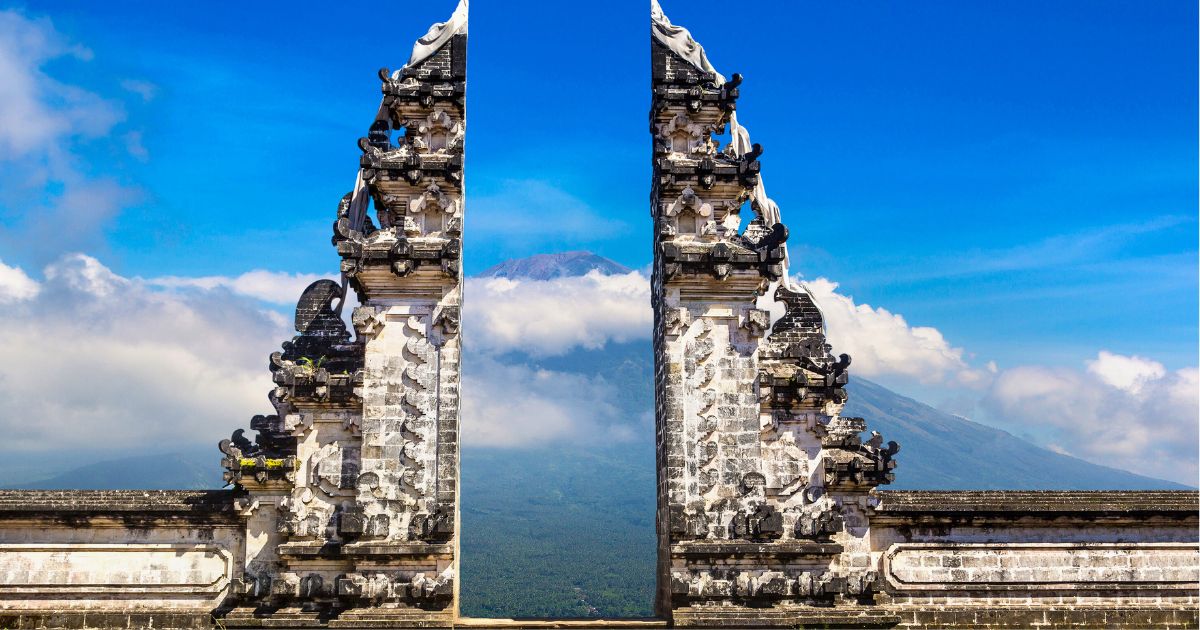
The climb of 1700 steps to Bali’s oldest temple is quite a challenge, but the view that awaits you at the top is worth it. The iconic “Gate of Heaven” frames the majestic Mount Agung, and on clear days, you can see all the way to the ocean.

Lempuyang Temple is one of the six most sacred temples in Bali, and its history dates back over 1000 years. The atmosphere is mystical and powerful; locals come here to perform their most important rituals. Come early in the morning to avoid the crowds and experience the sunrise over Agung.

Virgin Beach (Bias Tugel)

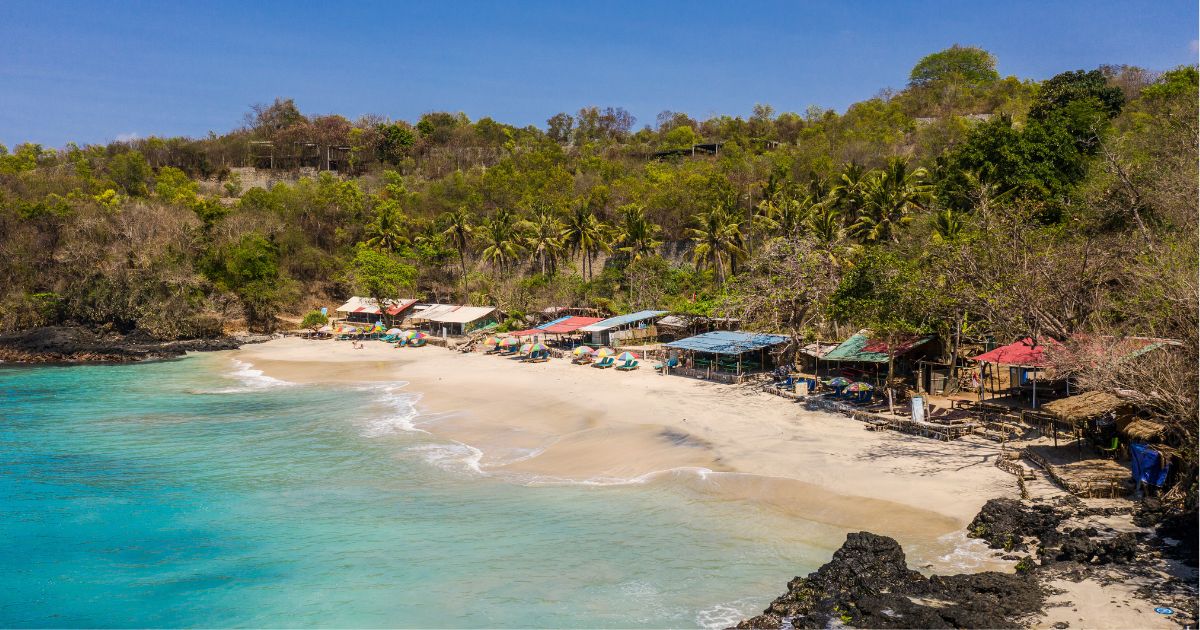
This beach is the exact opposite of most Balinese beaches. Instead of black volcanic sand, you’ll find fine white sand and turquoise water reminiscent of the Maldives. It’s a bit hidden from the main roads, so even in high season, you’ll find relative peace here.

The beach is surrounded by limestone cliffs covered with tropical vegetation, and the whole atmosphere is very peaceful. Locals here offer fresh coconuts and grilled fish. It’s an ideal place for a full day of relaxation by the sea.

Padangbai

The port town of Padangbai is a starting point for ferries to Lombok and the Gili Islands, but it’s worth a visit on its own. It has two beautiful lagoons with crystal clear water and fresh seafood in local restaurants.

Blue Lagoon is popular for snorkeling. The coral reefs here are in good condition, and marine life is diverse. If you’re lucky, you might encounter sea turtles or small reef sharks. After snorkeling, you can enjoy freshly grilled fish right on the beach.

Tenganan Village

A traditional village of Bali’s indigenous people, where time stopped centuries ago. Locals belong to the pre-Hindu Bali Aga ethnic group and still live according to ancient traditions. They produce textiles using the gringsing technique, which is found nowhere else in the world.

Volcanoes and Mountains

Balinese volcanoes are more than just mountains; they are sacred places where, according to locals, gods reside. Climbing one of them is a spiritual journey as much as a physical challenge. When you stand at the summit and watch the sun emerge above the clouds, you’ll understand why locals revere these mountains so much.

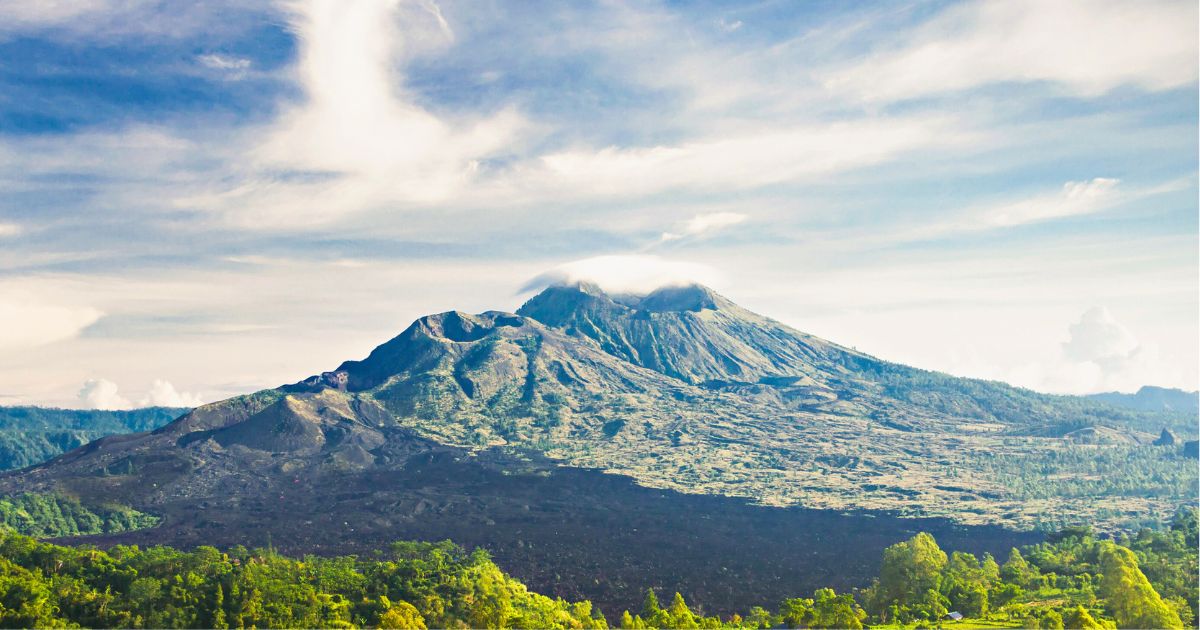
Each volcano has its own energy and atmosphere. Batur is more accessible and popular, Agung is a challenge for experienced climbers. But both will offer unforgettable views and the feeling of being on the roof of the world.

Sunrise at Mount Batur

Climbing Mount Batur is one of those experiences that will change your perspective on life. The night trek starts around three in the morning, and after two hours of climbing, you’ll find yourself at the summit of the active volcano just as the sun emerges over the horizon.

The view is unforgettable; below you lies a crater lake, Mount Agung rises in the distance, and on clear days, you can see all the way to Lombok. Steam rises from some craters, reminding you that you are standing on an active volcano. Local guides often bring eggs and bananas, which they cook in the hot volcanic soil.

Mount Agung (Trek)

Bali’s highest mountain (3142 m) is a challenge only for experienced climbers in good physical condition. The ascent takes 6-7 hours and is physically and mentally demanding, but the view from the summit is among the most beautiful in the world.

The path leads through various climatic zones, from tropical vegetation at the base through mountain forests to bare volcanic slopes at the summit. The last 500 meters are the most challenging. The slope is very steep, and the soil is loose. But when you reach the summit and see all of Bali below you, all the effort will be worth it.

Kintamani

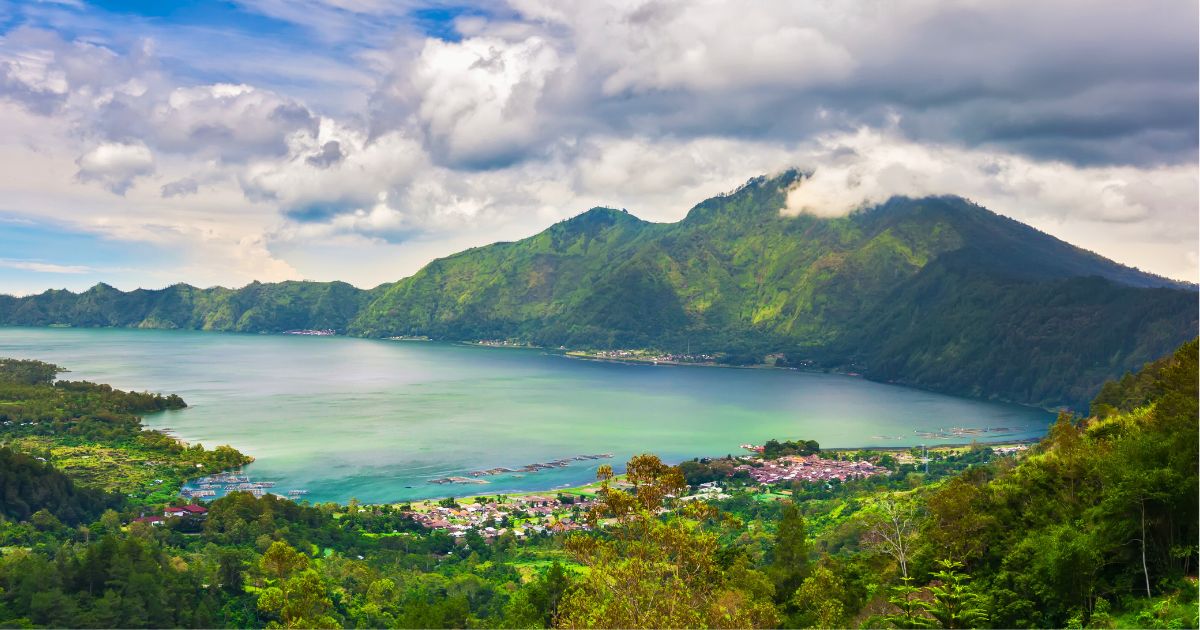
The area around Mount Batur offers some of the most beautiful views in all of Bali. From scenic restaurants, you can admire the crater with its lake, observe the volcano’s activity, and enjoy lunch with a panoramic view.

Local villages have preserved their traditional way of life. Locals grow vegetables in the volcanic soil, which is extremely fertile. You can visit one of the villages here and learn how life works near an active volcano.

Lake Batur

The crater lake near Mount Batur is a popular spot for picnics and relaxation. Local restaurants offer fresh fish prepared in all possible ways – grilled, fried, in curry, or soup. A specialty is fish raised directly in the lake.

The lake is also a starting point for climbing Mount Batur or for walks around the surrounding villages. The atmosphere is peaceful and the air clean, a complete contrast to the bustling south of the island.

South Bali and the Bukit Peninsula

The southern tip of Bali is a landscape of cliffs, hidden beaches, and perfect waves. Here you’ll find some of the most beautiful beaches in the world. It’s a kingdom for surfers, influencers, and anyone who loves the combination of adrenaline and stunning nature.

The Bukit Peninsula is drier and wilder than the rest of the island. Instead of rice fields, you’ll find savannas with acacia trees; instead of rivers, there are underground caves; and instead of calm beaches, there are cliffs with waves crashing against the rocks.

Uluwatu Temple

The temple is built on a 70-meter cliff above the turbulent ocean and is one of the most breathtaking places in Bali. The approach itself is an experience: you have to walk through a forest park full of monkeys, who are quite cheeky and like to steal anything shiny.

Padang Padang Beach

This small beach, hidden beneath the rocks, became famous thanks to the movie “Eat Pray Love” starring Julia Roberts. It’s therefore subject to a fee, and you have to squeeze through rock passages and descend narrow stairs to get there. Also, expect it to be crowded with people.

The beach is surrounded by high cliffs, and the waves here are ideal for surfing, and when you’re not surfing, you can relax at one of the beach bars built directly into the rocks. Be careful of the tide; at high tide, the beach almost disappears.

Nyang Nyang Beach

This is one of the most beautiful and least accessible beaches in Bali. The descent down a steep and sometimes dangerous path takes about 20 minutes and requires good fitness and sturdy shoes. But the reward is a pristine beach with white sand, where you’ll often be completely alone.

The beach stretches out beneath high cliffs and offers a feeling of complete separation from civilization. There are no restaurants or showers here, so you must bring everything you need with you.

Balangan Beach

This long white sand beach is popular among surfers worldwide, but non-surfers will also find something to enjoy here. Beach bars built on the cliffs offer amazing views and fresh coconuts straight from the palm tree.

There’s a typical surf culture here, where time is measured by the waves, not by the clock. You can learn to surf at one of the local schools or just watch how local pros handle the perfect waves.

Dreamland Beach

This beautiful beach, surrounded by limestone cliffs, offers perfect conditions for both surfing and swimming. The name “Dreamland” is not an exaggeration – white sand, turquoise water, and cliffs truly look like a dream.

You can spend the whole day here at the beach clubs on the beach with sunbeds, umbrellas, and great cuisine.

Bingin Beach

This small beach, accessible only by narrow staircases between the rocks, is home to some of Bali’s best surf spots. Warungs (local restaurants) built directly on the cliffs offer amazing views and fresh fish.

Suluban Beach

The beach, accessible only by crawling through caves in the cliffs, is an adventure in itself. You have to squeeze through narrow passages between the rocks, sometimes on all fours, but the result is worth the effort.

During low tide, a beautiful beach is revealed, ideal for relaxing and watching surfers. During high tide, the caves are flooded, and the beach is inaccessible, so timing your visit is important here. The local beach bar is hidden in the rock and offers cold Bintang (local beer) and fresh smoothies.

Pandawa Beach

This “hidden beach”, surrounded by high limestone cliffs, was long known only to locals. The access road leads directly through the cliff, a 30-meter hole drilled into the rock, which is remarkable in itself.

On the sides of the road stand statues of the five Pandawa brothers from the Hindu epic Mahabharata. The beach itself is long and wide with fine white sand. It is popular among families with children because the waves are not as strong as on other beaches in this area.

Garuda Wisnu Kencana

The monumental 121-meter statue of the Hindu god Vishnu on the mythical bird Garuda is the second-largest statue in the world. The cultural park offers not only a view of this amazing statue but also regular performances of traditional dances and panoramic views of all of South Bali.

The construction of the statue took over 20 years and is truly an impressive work. From the viewing platform at its base, you can see all the way to Java and Lombok. The park is also a venue for various cultural events and festivals.

West Bali

West Bali is a region of contrasts. On one side, you’ll find the island’s most photographed temple rising from the ocean; on the other, the last remaining jungle with rare animal species. It’s a place of sunsets that bid farewell to each day in Bali, and rice terraces so vast you could get lost in them for a whole day.

The area is less touristically developed than the south or center of the island, meaning you can still find authentic Balinese life here. Villages wake up to crowing roosters, farmers work in their fields, and in the evening, the air fills with the scent of incense from home shrines.

Tanah Lot

Bali’s most photographed temple, standing on a rocky islet in the ocean, is a symbol of the island. At low tide, you can walk to it across a rocky causeway; at high tide, it creates a perfect view of the temple surrounded by water and waves crashing against the rocks.

Jatiluwih Rice Terraces

The most extensive rice terrace system in Bali spans over 600 hectares across the slopes of Mount Batukaru. Jatiluwih, meaning “truly beautiful”, fully lives up to its name. It’s a place where you can walk for hours and keep discovering new views.

The terraces are listed as a UNESCO World Heritage site as an example of the perfect connection between man and nature. The traditional subak irrigation system has been functioning for over a thousand years without any modern technology.

West Bali National Park

West Bali National Park protects the last remaining piece of original jungle on the island and is home to rare animal species, including the white Bali Myna (Rothschild’s Mynah), which is a symbol of the island. Only a few dozens remain in the wild, so if you spot one, it’s great luck.

The park offers jungle trekking routes where you can see wild boars, langurs, and countless species of tropical birds. On the coast, there are coral reefs with amazing underwater life, ideal for snorkeling and diving.

Menjangan Island

Menjangan Island in the national park is considered the best diving spot in all of Bali. The coral reefs here are in perfect condition – something that is unfortunately already a rarity in Bali. Marine life is amazing; you can see sharks, turtles, manta rays, and countless species of tropical fish.

The island is small and uninhabited, so the underwater world remains untouched. Various diving schools from Bali organize trips here, but you can also rent a boat and go on your own. Snorkeling here is excellent even directly from the shore.

Balian Beach

This tranquil black sand beach on the west coast is popular among surfers looking for an alternative to the crowded south of the island. The atmosphere is relaxed, prices are reasonable, and the waves are excellent for both beginners and experienced surfers.

There aren’t as many luxury resorts or opulent restaurants here, but you’ll find basic comforts. It’s a place for those who want to experience Bali without an over-stylized tourist atmosphere.

Medewi Beach

Another surfing gem on the west coast offers some of the longest waves in Bali. The waves here break very slowly and for a long time, so one ride can last several minutes.

The surrounding rice fields create a beautiful backdrop, and the whole atmosphere is very peaceful. It’s a place where surfing becomes meditation and where you can experience Bali as it was before mass tourism.

Nearby Islands

The islands around Bali are incredible. Just a short boat ride and you’ll find yourself in places where time has stood still. Each island has its own personality: Nusa Penida is wilder, Lembongan is more relaxed and friendly, and Ceningan is the smallest of them.

Nusa Penida

Nusa Penida is the largest of the islands near Bali and is home to the most dramatic and beautiful cliffs and nature. Kelingking Beach, with its T-Rex-shaped cliff, is one of the most photographed places in all of Indonesia, but Nusa Penida offers much more.

The island is wilder and less developed than Bali. Roads are often just dirt tracks, electricity works only occasionally, and the internet is weak. But that’s precisely its charm; it’s a place where you can disconnect from civilization and experience nature in its rawest form.

Angel’s Billabong

A natural pool formed by erosion in the coral reefs fills with crystal clear water at low tide. The result looks like a luxurious pool carved directly from the cliffs with an endless ocean view.

Swimming is only possible at low tide and in calm seas. At high tide, the waves are too strong and dangerous. Locals know the exact timing and can advise you on the best time to visit.

Broken Beach

A natural arch in the cliffs, formed by millennia of erosion, creates an amazing lagoon connected to the ocean by an underground cave. Even if you can’t swim here due to strong currents, the view of this natural architecture is unforgettable.

The spot is perfect for watching the sunset, when the sky turns all shades of orange and pink.

Nusa Lembongan

A smaller island with a relaxed atmosphere, it’s ideal for a break from the hustle and bustle of Bali. There are no cars here; transport relies on bicycles and scooters, and life revolves around the tides.

The mangrove forests on the north side of the island are amazing to explore by kayak. You can paddle through the mangrove roots, observe diverse marine life, and experience complete tranquility.

Nusa Ceningan

The smallest of the islands, connected to Lembongan by a bridge, offers adrenaline in the form of cliff jumping from the Yellow Bridge. Local young men perform their acrobatic stunts here, jumping from a 10-meter height into the sea.

The island has only a few hundred inhabitants and a couple of restaurants, but the atmosphere is unforgettable. It’s a place where you get to know everyone within a day, and where everyone gathers at the only beach bar in the evening.

lukas a lucka
Lukáš and Lucie recommend
Where to Stay in Bali
5 accommodations — hotels and other lodging options

Bali Facts

  • Bali has over 20,000 temples – theoretically, you could visit a different temple every day for 55 years. Each has its unique architecture and spiritual energy.
  • Once a year, the island completely shuts down for 24 hours. During the Nyepi holiday (Balinese New Year), no one is allowed to leave their home, planes don’t fly, cars don’t drive, and even electricity is not used. The entire island is in absolute silence.
  • Balinese believe their island is a living organism and the mountains are its head. That’s why Mount Agung is considered sacred, and all major temples face it.
  • The “subak” rice field irrigation system has been operating for over a thousand years without any modern technology.
  • Hundreds of ceremonies are held daily in Bali. In front of every house, shop, and restaurant, you’ll find small baskets with flowers and rice; these are daily offerings to the gods.
  • Monkeys in Bali are considered sacred, and in some temples, verses from Hindu texts are even read to them.

FAQ

Do I need a visa for Bali?

Yes, you can obtain a visa either online or at Bali’s airport. It’s valid for 30 days and costs approximately 700 CZK. It can be extended for another 30 days.

Is Bali safe?

Bali is generally a very safe place. The most common issues are scooter thefts or items stolen from the beach. Be careful with traffic; locals drive chaotically.

How much money should I take to Bali?

With a budget of 800-1200 CZK per day, you’ll enjoy a comfortable holiday including accommodation, food, and activities. A luxury holiday will cost 2000-3000 CZK per day. Bali can also be very cheap if you eat at local restaurants and stay in hostels.

How to get to Bali from the Czech Republic?

The cheapest options are connecting flights via Kuala Lumpur, Singapore, or Istanbul. The journey takes 15-20 hours including layovers. Expect to pay 15,000-25,000 CZK for a round-trip ticket.

Tips and Tricks for Your Vacation

Don’t Overpay for Flights

Search for flights on Kayak. It’s our favorite search engine because it scans the websites of all airlines and always finds the cheapest connection.

Book Your Accommodation Smartly

The best experiences we’ve had when looking for accommodation (from Alaska to Morocco) are with Booking.com, where hotels, apartments, and entire houses are usually the cheapest and most widely available.

Don’t Forget Travel Insurance

Good travel insurance will protect you against illness, accidents, theft, or flight cancellations. We’ve had a few hospital visits abroad, so we know how important it is to have proper insurance arranged.

Where we insure ourselves: SafetyWing (best for everyone) and TrueTraveller (for extra-long trips).

Why don’t we recommend any Czech insurance company? Because they have too many restrictions. They set limits on the number of days abroad, travel insurance via a credit card often requires you to pay medical expenses only with that card, and they frequently limit the number of returns to the Czech Republic.

Find the Best Experiences

Get Your Guide is a huge online marketplace where you can book guided walks, trips, skip-the-line tickets, tours, and much more. We always find some extra fun there!
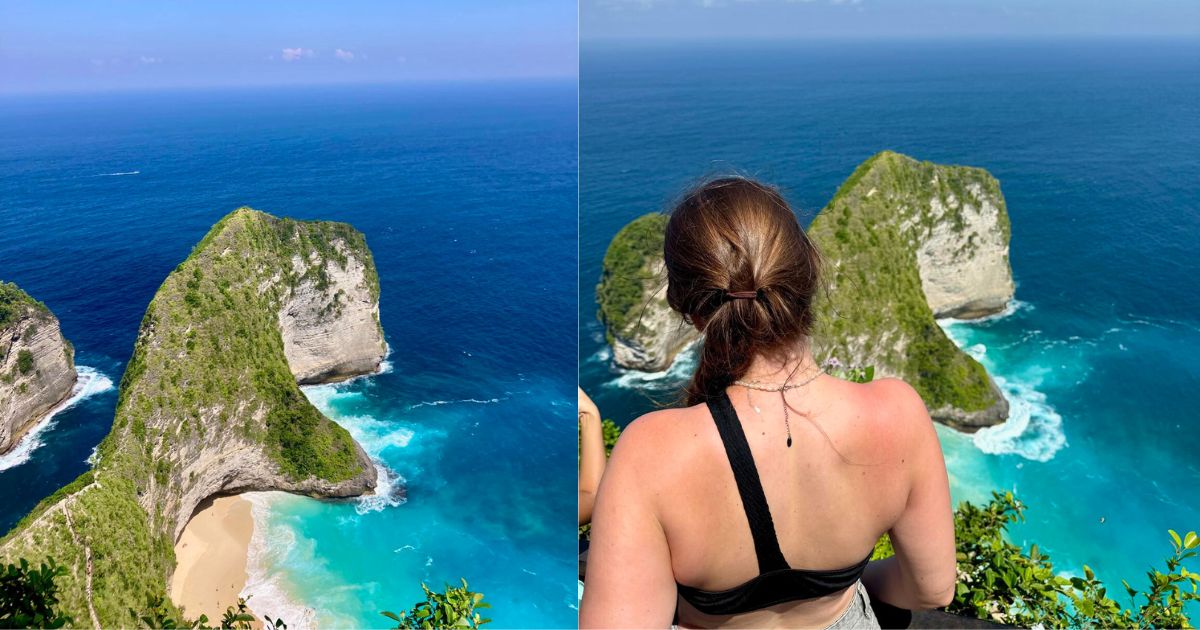
Pálava, Czech Republic: 10 Best Places for Your Holiday

TL;DRHere are 10 solid places to stay around Pálava, from guesthouses to apartments and hotels in Mikulov, Valtice, Pavlov and nearby villages. For a couple’s getaway, the minimalist Štajnhaus in Mikulov stands out, with five rooms in a 16th-century house. Families will love the Na Lontu apartment in Němčičky, a 74 m² space that sleeps up to six. For something romantic, Vila Mia Valtice offers 63 m² with vineyard views. Coffee lovers should check out Sousedi Pavlov, a guesthouse with four apartments and a café downstairs, while the colourful cottages at Opilé sklepy in Velké Pavlovice, complete with their own wine cellar, make a fun alternative. Book well ahead — Pálava is hugely popular and the best places fill up fast.

I love Pálava. I’ve been dragging Lukáš there whenever possible for a while now. If you ask me where to go on holiday in the Czech Republic, I’ll probably shout Mikulov or Pálava directly. South Moravia will charm you with its tranquility, excellent wine, cycling paths, and beautiful nature.

Since we return here almost every year, we’ve probably stayed in every village in Pálava by now. Today I will introduce you to tips for the best accommodation in Pálava; we’ll look at guesthouses, apartments, and classic hotels. We’ll look at accommodation with children and private accommodation.

Summary for those who Don’t Have Time to Read the Whole Article

  • If you want to stay in Mikulov, I recommend the minimalist Štajnhaus; it’s ideal accommodation for two.
  • For families with children, we recommend Na Lontu in Němčičky.
  • If you want a romantic getaway for two, check out Vila Mia Valtice.
  • Love good coffee? Stay at the guesthouse above the café Sousedi Pavlov.
  • Book your accommodation early and well in advance; Pálava is extremely popular, and the best places go quickly.

Accommodation in Pálava: Tips for Hotels, Guesthouses, and Apartments

In my list, you’ll find the best we’ve discovered in Pálava. If you have your own tips, be sure to write them in the comments.

Štajnhaus in Mikulov – Perfect Accommodation for Two

We visited Štajnhaus when we were traveling around the Czech Republic with Amazing Places, and I can confirm that it represents exceptional accommodation that redefines the concepts of design and architecture in the Czech environment.

This small guesthouse, created from a sensitive reconstruction of a 16th-century historic house in Mikulov’s former Jewish quarter, is the work of architect Jan Hora and represents an absolute paradise for lovers of minimalism and clean lines. Uneven walls and non-orthogonal corners are characteristic here, lending the space an authentic genius loci and creating an atmosphere we are not used to in our region.

The guesthouse has only five rooms named after dominant colors – yellow, blue, gray, green, and white – so book your accommodation early.

It won the Design Architecture 2019 and Small Guesthouses 2023 awards on Amazing Places.

Residence Adalbert – when You Want Accommodation and a Wine Cellar in One

Residence Adalbert in Valtice is an exceptionally luxurious space above a historic press house. Residence Adalbert has very tastefully furnished spaces combining modern design with historical elements. The spacious kitchen provides ample space for preparing your own meals, but if you truly want to enjoy your holiday, you can arrange for breakfast at a nearby partner hotel.

The true gem of this residence is the magical wine cellar. For wine lovers, it’s a true paradise – in the evening, you can enjoy a glass of excellent wine from local wineries or the Austrian winery Neustifter directly in the authentic cellar environment.

Residence Adalbert is part of the concept “Houses with a Soul,” operated by the Jílek family. Their dream is to offer romantic accommodation in buildings with rich history and a family atmosphere. And I must say, they are perfectly fulfilling this dream.

Vila Mia Valtice: Romantic Private Accommodation

Vila Mia Valtice is an absolutely unique place that you will love if you long for private accommodation and romance. This cozy villa is located in a quiet setting on the outskirts of Valtice, surrounded on one side by the castle wall and on the other by endless vineyards. Thanks to this exceptional location, you can enjoy complete privacy and relaxation away from the busy world.

During your stay, prepare for breathtaking vineyard views that are truly postcard-perfect. Sitting on the terrace with panoramic views of the rolling vineyard landscape at sunset will be a memory you cherish for a long time. The setting sun over the vineyard, the castle behind you, and all of it in complete privacy.

The villa’s interior is furnished with refined taste – modern yet cozy. It features a fully equipped kitchen, a comfortable bedroom, and a luxurious bathroom. The entire property spans 63 m² and provides all the comfort you might need during your holiday. The owner is very personal and friendly with guests; a bottle of local wine awaits you upon arrival.

The villa’s location is also very strategic – it’s just a short walk to the center of Valtice, where you can visit the castle, wine cellars, or go for a bike ride in the surroundings. For those who want to explore the surroundings by bike, it’s an ideal base for discovering the beauty of the Lednice-Valtice Cultural Landscape.

Hardy Cognac Pension Guesthouse: Accommodation with a Pool

Hardy Cognac Pension Guesthouse is a true unique gem among accommodation facilities in Pálava.

Upon arrival, the kind owner will welcome you with a glass of wine. The guesthouse’s interior is furnished in a style that subtly combines Moravian hospitality with French charm. The guesthouse offers several types of rooms and apartments, each with its own character.

Undoubtedly, the biggest attraction of the guesthouse is its unique cognac gallery. They have an extensive collection of exclusive cognacs that will satisfy even the most discerning connoisseurs.

Breakfasts at Hardy Guesthouse are a true gastronomic experience. Every morning, a rich selection of fresh and local products awaits you – homemade pastries, cheeses, cold cuts, fruits, and other delicacies. You can enjoy breakfast on the pleasant terrace with a courtyard view.

Hardy Guesthouse is located just 700 meters from Valtice Castle and 400 meters from the National Wine Salon of the Czech Republic. Free parking is available directly at the property in a monitored parking lot.

Sousedi Pavlov: Accommodation in Pavlov with a Café

The Sousedi Pavlov Guesthouse is not only beautiful accommodation but also a café. It is located in the picturesque village of Pavlov, which, in my opinion, is one of the best locations if you don’t want to go to Mikulov.

They will welcome you with open arms and a glass of excellent local wine. The guesthouse owners do their work with genuine passion and enthusiasm, which is evident at every step.

The accommodation offers four new, brand-new apartments, where light gently permeates the rooms, highlighting the wood and pleasant color tones. If you’re coming to enjoy not only wine but also to go hiking, you’ll especially appreciate the comfortable beds.

A big plus of this guesthouse is the café on the ground floor, where the aroma of freshly prepared breakfast wafts every morning. During the day, you can enjoy a cup of excellent coffee or a homemade dessert here. The guesthouse also includes a small shop offering local products, souvenirs, and the best wine from the area.

Villa Accommodation

Villa in Valtice offers exceptional accommodation that harmoniously combines modern architectural design with the beauty of the UNESCO World Heritage Site, the Lednice-Valtice Cultural Landscape.. This attractive apartment building, created in collaboration with architect Kokeš, you will find in a quiet part of the town on a hill with a magnificent view of Valtice Castle and the surrounding Liechtenstein monuments.

The Villa offers two spacious apartments with a terrace, each spanning 47 m², equipped with everything you will need. We especially appreciate the air conditioning; a fully equipped kitchenette with a dishwasher, a private bathroom, and as a bonus, access to a sauna are also standard. So, if you want some wellness, but only in a minimalist form, this is a great choice.

The exterior of the house beautifully blends with the rural Baroque buildings that inspired the architect, while the interior is designed in a modern minimalist style with an emphasis on quality materials and thoughtful details.

Na Lontu in Němčičky – Accommodation for Families with Children

If you are looking for a peaceful place amidst beautiful nature that is also ideal accommodation for families with children, check out Na Lontu in Němčičky. This apartment building is located in a picturesque cottage area beneath the Pálava Protected Landscape Area and offers a perfect escape from the city bustle.

You will be charmed by the garden full of greenery and flowers. For children, it’s a true paradise – they can romp on the trampoline or play on the grassy area, while parents relax on the terrace. Evening gatherings by the fire pit or grill with views of the surrounding vineyards will be among the most beautiful moments of your holiday.

The 74 m² apartment is very spacious and offers two bedrooms, providing enough space for up to six people. The interior furnishings are modern yet cozy, featuring a fully equipped kitchen with a dishwasher, oven, and hob. In summer, you’ll appreciate the air conditioning, as it can get really hot here without it.

The owner is very kind and helpful, providing you with all the necessary information about the surroundings and tips for trips.

Pohárek Pavlov

Pohárek Pavlov will primarily impress you architecturally. You’ll find it in our favorite Pavlov, offering four different apartments, each with its own character – brick, steel, wood, and concrete. All are furnished with an emphasis on quality materials and craftsmanship.

The accommodation includes a bistro serving excellent breakfasts, and during the day, you can have coffee or something good to eat here. Pohárek Pavlov won in the Apartments 2024 category on the Amazing Places portal.

Opilé Sklepy in Velké Pavlovice and the Wine Tasting Challenge

Opilé sklepy in Velké Pavlovice represent an absolute unique gem among accommodation facilities in South Moravia. Upon arrival, you will be captivated by their unconventional and playful architecture – a row of fifteen brightly colored houses that look like they’re straight out of a fairy tale. It’s no wonder that this original building won an award in the ‘Building of the Region’ competition.

The interior of the houses is just as remarkable as their exterior. On the ground floor, there is a dining room with a massive oak table, above which hangs a designer lamp – an ideal place for shared gatherings. The bedrooms are located on the upper floor and offer large windows with breathtaking views of the surroundings. The colors of the tiles, paving, electrical elements, and textiles match the facade colors of each house.

What truly makes Opilé sklepy exceptional, is their cellar. Each building hides a vaulted archival wine cellar with a tasting table in its basement. . During your stay, you can try the wine tasting challenge – a tasting experience during which you will sample wines from three local wineries (Mikulici, Laciny, and Zborovský). After successfully completing this “”demanding experience””, you will even receive a special certificate!

The location of Opilé sklepy is strategic – they are located in an original wine street, which is a popular destination for both locals and visitors. Velké Pavlovice is located near the most beautiful places in South Moravia, such as Pálava, Mikulov region, and the Lednice-Valtice Cultural Landscape. An important cycling path passes through the village, making it an ideal base for bike trips in the surroundings.

Castello Guesthouse

Castello Guesthouse offers charming accommodation in the center of Valtice, just 600 meters from Valtice Castle, perfectly combining family comfort with excellent access to local sights. T

The accommodation offers various room types, including multi-level studios with a sofa bed and a large double bed, all equipped with air conditioning, a private bathroom, and modern amenities such as a Nespresso coffee machine or minibar. You will receive a fresh breakfast in a nice basket at your door in the morning.

The guesthouse features a beautiful private garden with a pergola and an outdoor kitchen equipped with a gas grill, sink, and ice maker, creating an ideal environment for relaxation after a day spent exploring the Lednice-Valtice Cultural Landscape.

Families will appreciate the enclosed farmstead area providing safety for children and the option of accommodation with pets.

lukas a lucka
Lukáš and Lucie recommend
Where to stay in Pálava
6 accommodations — hotels and other lodging options
⭐ TOP CHOICE 🏨 Hotel
Štajnhaus
Exceptional accommodation in Mikulov that redefines the concepts of design and architecture. A small guesthouse created from the reconstruction of a historic 16th-century house in the former Jewish quarter. Only five rooms named after colors. Design & Architecture Award 2019 and Small Guesthouses 2023.
★★★★ Check prices
Check availability
🏡 Pension/B&B
Rezidence Adalbert
Luxuriously designed space above a historic wine press in Valtice. Tastefully furnished spaces combining modern design with historical elements. Includes a charming wine cellar. Part of the ‘Houses with Soul’ concept by the Jíleks family.
★★★★ Check prices
Check availability
🏡 Pension/B&B
Vila Mia Valtice
Romantic private accommodation on the outskirts of Valtice, surrounded by the castle wall and vineyards. Cozy villa with panoramic views of the vineyards, modern and comfortable interior of 63 m². Ideal for couples seeking romance and privacy.
★★★★ Check prices
Check availability
🏨 Hotel
Penzion Hardy Cognac & Pension
A unique accommodation in Pálava with a cognac gallery. The guesthouse combines Moravian hospitality with French charm. Rich breakfasts, swimming pool, 700 meters from Valtice Castle. Free monitored parking.
★★★★ Check prices
Check availability
🏡 Pension/B&B
Sousedi Pavlov
Guesthouse with café in Pavlov offering four new apartments. Ground floor café with fresh breakfasts and excellent coffee. Small shop with local products and wine. Ideal for coffee lovers and those seeking an authentic atmosphere.
★★★★ Check prices
Check availability
🏡 Pension/B&B
Villa Valtice
Exceptional accommodation in Valtice combining modern design with the UNESCO heritage site of Lednice-Valtice Cultural Landscape. Two spacious 47 m² apartments with terrace, air conditioning and sauna. Modern minimalist style inspired by rural baroque architecture.
★★★★ Check prices
Check availability

Tips and Tricks for Your Vacation

Don’t Overpay for Flights

Search for flights on Kayak. It’s our favorite search engine because it scans the websites of all airlines and always finds the cheapest connection.

Book Your Accommodation Smartly

The best experiences we’ve had when looking for accommodation (from Alaska to Morocco) are with Booking.com, where hotels, apartments, and entire houses are usually the cheapest and most widely available.

Don’t Forget Travel Insurance

Good travel insurance will protect you against illness, accidents, theft, or flight cancellations. We’ve had a few hospital visits abroad, so we know how important it is to have proper insurance arranged.

Where we insure ourselves: SafetyWing (best for everyone) and TrueTraveller (for extra-long trips).

Why don’t we recommend any Czech insurance company? Because they have too many restrictions. They set limits on the number of days abroad, travel insurance via a credit card often requires you to pay medical expenses only with that card, and they frequently limit the number of returns to the Czech Republic.

Find the Best Experiences

Get Your Guide is a huge online marketplace where you can book guided walks, trips, skip-the-line tickets, tours, and much more. We always find some extra fun there!
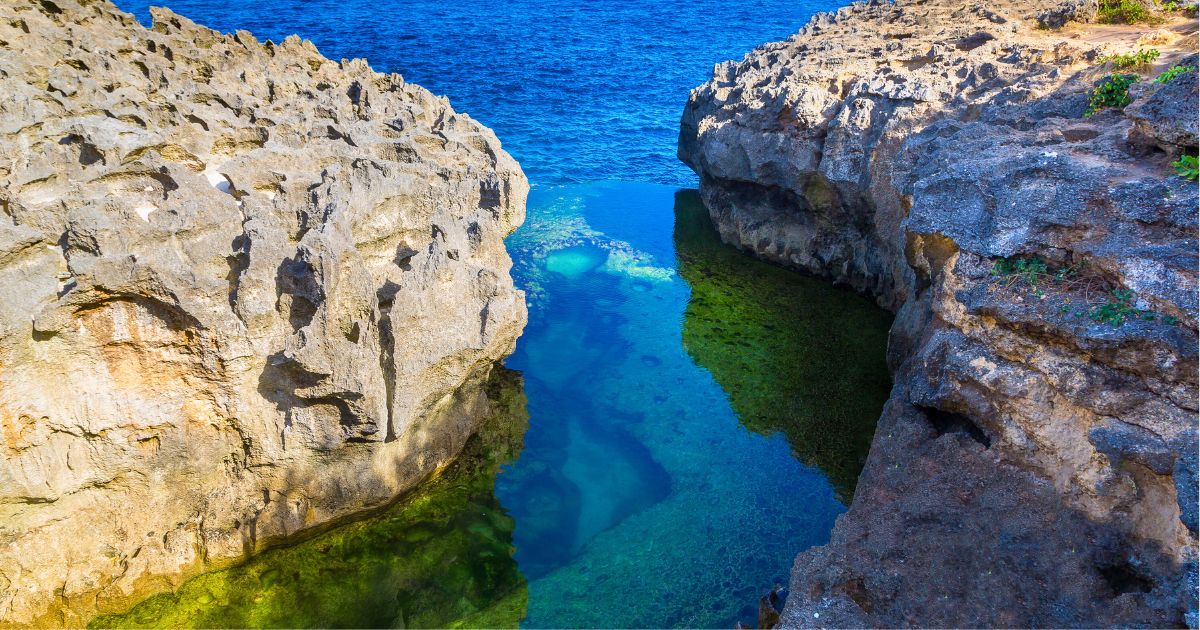
Krnov: 20 Things to See and Do in the City of Kofola and Organs

TL;DRKrnov in northern Moravia, a town of nearly 25,000 people where the Opava and Opavice rivers meet, has 20 ideas for a day out — from the historic centre with its 52-metre town hall tower to the Gothic church of St Martin with twin 67-metre spires, the unique synagogue dating from 1871 and the pilgrimage church at Cvilín. This is the birthplace of the legendary Kofola soft drink, and the town’s made its name producing organs with the Rieger firm since 1844. You’ll also find the ruins of Cvilín Castle, lookout towers at Ježník and Cvilín, and medieval frescoes in the Church of the Holy Spirit. One or two days is enough for Krnov, ideally paired with a trip out to the Jeseníky mountains.

Krnov is one of those hidden gems of northern Moravia that tourists often unfairly overlook. This town at the confluence of the Opava and Opavice rivers, in the foothills of the scenic Low Jeseník Mountains, is definitely worth a visit if you’re exploring Krnov, Czech Republic.

Thanks to our family, who have lived in the Jeseníky Mountains for years, we’ve had the chance to explore this region thoroughly. We have to say that while Bruntál is worth a quick coffee stop, Krnov will genuinely impress you with its historic centre and its growing number of modern establishments.

Krnov Savings Bank building

Few people know that this town of nearly 25,000 inhabitants was once one of the most important industrial centres of the entire Habsburg Monarchy. The first written mention of Krnov dates back to 1240, when it was founded at a strategic crossroads of trade routes connecting the Baltic Sea with Italy. In the mid-19th century, the town experienced a rapid boom thanks to the textile industry – it was home to dozens of textile companies, and Krnov rose to the top ranks of textile production in the entire monarchy, earning it the nickname “Silesian Manchester.”

Besides the textile industry, Krnov became famous for manufacturing the king of instruments – pipe organs, with production launched in 1844 by the Rieger company. And last but not least, some may remember that the legendary soft drink Kofola – often considered the Czech answer to Coca-Cola – has its roots right here.

View of Krnov
View of Krnov

TL;DR

  • Krnov is famous for organ manufacturing and Kofola, the iconic Czech soft drink that started being produced here in the 1990s.
  • Visit the historic centre with the town hall and the 67-metre-high twin towers of St. Martin’s Church
  • Don’t miss the unique synagogue, stunning views from lookout towers, and the majestic pilgrimage church on Cvilín Hill
  • Explore medieval frescoes in the Church of the Holy Spirit and the oldest building in town – St. Benedict’s Church
  • Take advantage of e-bike and scooter rentals to discover the surrounding trails
  • Recommended accommodation: Apartmán mezi stromy and Hotel Cvilín

Where to stay in Krnov – best tips

Krnov is small, so you don’t need to worry too much about location. If you prefer modern accommodation, check out the relatively new Apartmán mezi stromy. Among the top-rated options is also Hotel Cvilín, which may not look as luxurious as the apartments but offers excellent value. You can also browse more options on Booking.com.

lukas a lucka
Lukáš and Lucie recommend
Where to stay in Krnov
3 accommodations — hotels and other lodging options

20 things to see and do in Krnov

Let’s dive into everything you can see and do in Krnov. And if that’s not enough, stop by the local tourist information centre, where you’ll find so many materials you’ll want to stay for a week.

1. Historic centre with the town hall and savings bank

The centre of Krnov is dominated by a stunning town hall building with a 52-metre-high tower, which was ceremonially opened in 1903. On the tower, you can admire the coat of arms of Krnov, documented as early as 1311, though unfortunately its exact meaning has been lost to history. During the summer season, you can join a guided tour of the town hall tower, which offers beautiful views of the entire city.

The town hall is directly adjoined by an Art Nouveau savings bank building from 1906–1907, whose pride and joy is a historic café. An interesting fact: Czech director Dušan Klein filmed several scenes here with the well-known Czech actor Václav Postránecký for the film Konto Separato.

Art Nouveau Savings Bank, Krnov

2. Monumental St. Martin’s Church with twin towers

This Gothic gem, first mentioned in 1281, is impossible to miss. Its two 67-metre-high towers form the unmistakable silhouette of the town. Interestingly, the second tower was added only in the 16th century and was called the “Town Tower” because it served the town watchman, who guarded the peace and safety of Krnov’s residents until 1900.

Inside the church, you’ll find beautiful organs from 1904, built right in Krnov by the renowned Rieger company. During the summer months, you can climb the church tower and enjoy panoramic views.

St. Martin's Church with twin towers
St. Martin’s Church with twin towers

3. Krnov Synagogue

The Krnov Synagogue, built in 1871, is a true rarity. It is the only accessible synagogue in the entire Moravian-Silesian Region and one of the few that survived the Nazi era. The Neo-Romanesque building with Oriental elements is part of the “10 Stars” project, focused on revitalising Jewish heritage sites in the Czech Republic.

Inside, you can admire a permanent exhibition dedicated to prominent Jewish industrialists and entrepreneurs. Particularly unusual are the synagogue’s two towers – a feature that is extremely rare in the Czech lands.

4. Pilgrimage Church of Our Lady of Sorrows on Cvilín Hill

This Baroque masterpiece rises on the so-called Front Cvilín Hill at an altitude of 441 metres above sea level. More than 200 steps lead up to the church, but the climb is absolutely worth it!

The pilgrimage tradition of this site dates back to the 17th century. Between 1722 and 1729, an imposing Baroque church with two towers was built here, and it remains a popular pilgrimage destination to this day. The surroundings of the church feature a Way of the Cross consisting of 13 small Empire-style chapels from the early 19th century. The area around the church offers stunning views of the town and the surrounding countryside.

The pilgrimage church in Krnov is currently under renovation

5. Medieval frescoes in the Church of the Holy Spirit

This unassuming church hides an unexpected treasure. During renovations in the 1980s, unique medieval frescoes from the 15th century were accidentally discovered here. The collection consists of 27 paintings depicting biblical events from both the Old and New Testaments.

In terms of their scope, age, and artistic technique, this set of wall paintings is a unique testament to medieval art in this part of Silesia.

6. The oldest building in town – St. Benedict’s Church

St. Benedict’s Church in the Kostelec district represents the oldest surviving building in Krnov. Its eastern section is an original Romanesque structure that was decorated with highly valued frescoes in the mid-13th century. These were supplemented with additional paintings at the end of the 15th century. The church received its current Baroque appearance between 1769 and 1772.

Inside, you can admire a unique collection of wall paintings documenting several stages of medieval decoration, making it an exceptional heritage site.

7. Climb the Liechtenstein Lookout Tower on Cvilín Hill

On the northern slope of Front Cvilín Hill stands a 29-metre-high Liechtenstein Lookout Tower, built between 1902 and 1903. This cylindrical Romantic-style structure is topped with a viewing platform with battlements, offering stunning views of the town and the wider area. On a clear day, you can see not only all of Krnov but also the Polish border region and the panorama of the Jeseníky Mountains. The tower is open from May to October in fair weather.

Lookout tower on Cvilín Hill

8. Ruins of Cvilín Castle (Šelenburk)

At the summit of Rear Cvilín Hill, at an altitude of 423 metres above sea level, stand the ruins of the medieval Cvilín Castle, also known as Šelenburk or Lobenštejn. The first mention of the castle dates to 1253. It is a Gothic-style fortress with a massive cylindrical defensive tower – the largest of its kind in Czech Silesia.

According to legend, a treasure belonging to a robber knight is hidden beneath the castle ruins, but it can only be claimed by someone who spends three nights at the castle and faces the monsters that dwell there. The ruins are freely accessible year-round and offer beautiful views of the surrounding landscape.

https://www.youtube.com/watch?v=LXgHrWp2mME

9. Municipal Museum in Flemmich Villa

This Neoclassical residence was built in 1914 according to a design by Viennese architect Otto Prutscher for local textile manufacturer Theodor Flemmich.

Today it serves as the municipal museum, where you can admire both the architecturally significant building itself and its interesting exhibitions on the town’s history. The villa is surrounded by a beautiful garden and is one of the architectural gems of the town. The museum hosts regular exhibitions and is open every day except Mondays.

10. Try Kofola in its hometown

You might not know this, but the famous Czechoslovak soft drink Kofola has its roots right here in Krnov. It was developed as an alternative to Western cola drinks in the 1960s, and its production later became firmly established here.

When visiting Krnov, don’t miss the chance to try this iconic beverage in its hometown. Local cafés and restaurants often serve draught Kofola, which many say has the best taste of all.

Try Kofola in Krnov
Historic centre of Krnov

11. Burgher and brewing-right houses

The houses on Zámecké Square and Hobzíkova Street date mainly from the second half of the 16th century and are built in the Neo-Renaissance style. Some still preserve their original arcades, ground-floor vaults, and stucco decorations.

Many of these houses held the so-called brewing right – the right to brew and sell beer. In 1535, there were an impressive 162 houses with this right in the town, which speaks volumes about the exceptional prosperity of Krnov at the time. A stroll through these historic streets will transport you back to the days of the town’s former glory.

Historic centre of Krnov, things to see and do in Krnov
Historic centre of Krnov

12. Minorite Convent with the Church of the Nativity of the Virgin Mary

This imposing complex is inseparably linked to the town’s history. The Minorites (members of the Order of Friars Minor) came to Krnov in the second half of the 13th century. Under the rule of the Lutheran Hohenzollerns, they were expelled and didn’t return until after 1623.

The subsequent Baroque reconstruction gave the complex its present appearance. Inside the church, you can admire magnificent fresco decorations by painter Josef Stern from 1766. Although the convent once served as a hotel, it is now back in the hands of the Minorite order and offers visitors a glimpse into the town’s spiritual history.

13. Walk along the Swedish Wall with Neptune Fountain

The Swedish Wall is one of the preserved sections of the original town fortification system. It got its name from the Swedes who besieged Krnov during the Thirty Years’ War. It is a Renaissance arcade brick wall with lunette battlements.

In front of the wall stands a fountain with a statue of Neptune from 1750, which was relocated here from the chateau park in Slezské Rudoltice. This spot creates a unique atmosphere and serves as a reminder of the town’s turbulent history.

14. Rent an e-bike and explore the surroundings

The Tourist Information Centre in Krnov offers a great service – rental of e-bikes, scooters, and trekking poles.

Take advantage of this opportunity and set out to explore the beautiful surroundings. The area around Krnov offers numerous cycling trails of varying difficulty that will take you through the picturesque foothills of the Jeseníky Mountains or to the Polish border. E-bikes are the ideal choice for tackling the hilly terrain without excessive effort.

Historic centre of Krnov

15. Visit the lookout tower on Ježník Hill

Krnov’s second lookout tower is located on Ježník Hill at an altitude of 552.5 metres above sea level. The current 17.5-metre-high timber-frame structure was built in 2001, but it is already the third tower of its kind on this site.

The lookout tower, which is freely accessible year-round, offers lovely views of the town and surrounding landscape. A trip to Ježník can be combined with a walk along local forest paths or cycling trails.

16. Experience the KRRR! Film Festival

If you have the chance to visit Krnov in April, don’t miss the unique KRRR! film festival. It is one of the rare opportunities in Europe to watch films in 70mm format on a 105-square-metre curved screen.

This exceptional cinematic experience is offered in only four cities across Europe, and Krnov is one of them! The festival takes place at the local Mír 70 cinema, housed in an impressive Neo-Baroque building from 1903.

17. Visit the Evangelical Church

This Neo-Gothic gem with a 52-metre-high tower was built between 1901 and 1903. The church was constructed in response to the growing number of Protestants in Krnov at the turn of the 19th and 20th centuries. The land for the building was purchased from Prince Liechtenstein, and the ceremonial laying of the foundation stone took place on 28 June 1901. The church interior is more restrained than its Catholic counterparts, but this only highlights its architectural beauty and unique acoustics.

What to do in Krnov? Climb the Town Hall tower

18. Relax in the historic café of the Art Nouveau savings bank

The Art Nouveau savings bank building from 1906–1907 boasts a beautiful historic café that has preserved its original character.

Over a cup of coffee and a dessert, you can admire the unique interior with its original decorations and the atmosphere of the early 20th century. The café has become a favourite meeting spot for locals and tourists alike and has even been used as a film location.

19. Climb the Town Hall Tower

During the summer tourist season, you have the opportunity to climb the 52-metre-high tower of the Krnov town hall. From the gallery, you’ll enjoy a unique view of the historic town centre and surrounding landscape.

The tower is a replica of the tower of Vienna’s 18th district, Währing, and on its clock face you can see the historic town coat of arms. Regular tours run during the summer season, and group tours can be arranged through the tourist information centre.

20. Take the kids to the Méďa Leisure Centre (Shooting House)

Travelling with children? Then definitely visit the Shooting House (Střelecký dům), home to the Méďa Leisure Centre. This architecturally significant building from 1904–1907 was designed by the famous Krnov-born architect Leopold Bauer and originally served the local shooting association.

Today, you’ll find various activities here for both children and adults. On the building’s gable, you can admire life-size statues of medieval marksmen. The building is surrounded by an expansive garden that once served as a shooting range.

Frequently Asked Questions

How long should you spend in Krnov?

1–2 days is more than enough, but we recommend combining it with exploring the Jeseníky Mountains.

Tips and Tricks for Your Vacation

Don’t Overpay for Flights

Search for flights on Kayak. It’s our favorite search engine because it scans the websites of all airlines and always finds the cheapest connection.

Book Your Accommodation Smartly

The best experiences we’ve had when looking for accommodation (from Alaska to Morocco) are with Booking.com, where hotels, apartments, and entire houses are usually the cheapest and most widely available.

Don’t Forget Travel Insurance

Good travel insurance will protect you against illness, accidents, theft, or flight cancellations. We’ve had a few hospital visits abroad, so we know how important it is to have proper insurance arranged.

Where we insure ourselves: SafetyWing (best for everyone) and TrueTraveller (for extra-long trips).

Why don’t we recommend any Czech insurance company? Because they have too many restrictions. They set limits on the number of days abroad, travel insurance via a credit card often requires you to pay medical expenses only with that card, and they frequently limit the number of returns to the Czech Republic.

Find the Best Experiences

Get Your Guide is a huge online marketplace where you can book guided walks, trips, skip-the-line tickets, tours, and much more. We always find some extra fun there!
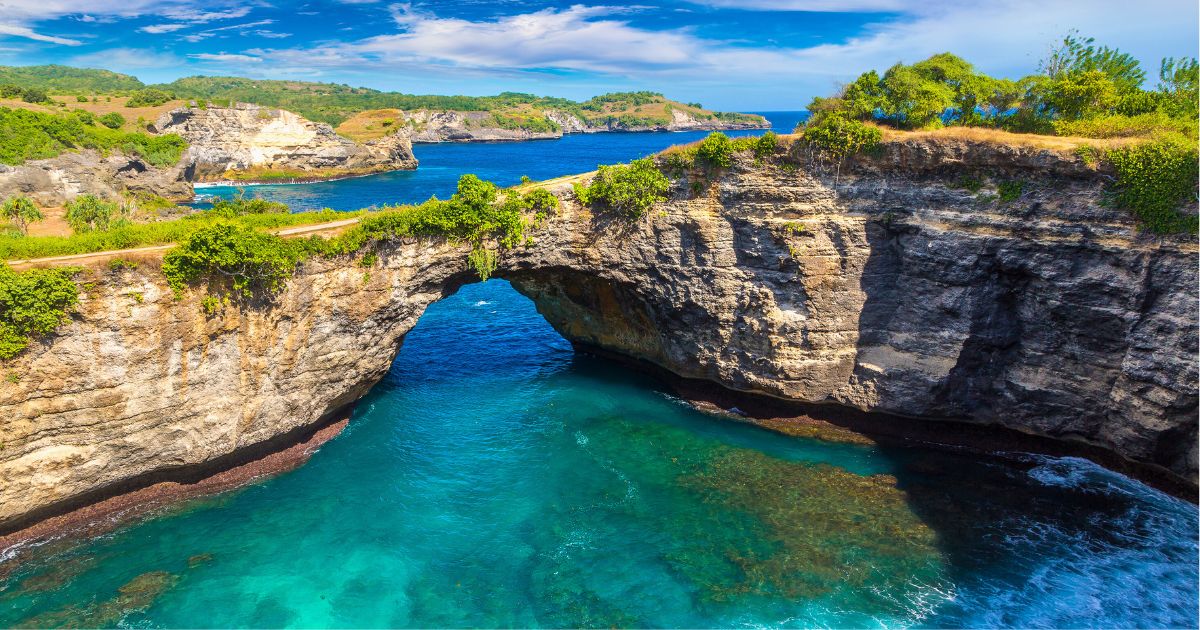
5 Ways to Make Money with a Blog in 2026

TL;DRThere are five main ways to make money from a blog in 2025: affiliate marketing, selling ads, selling articles and links, one-off brand collaborations, and selling your own products. The blog Loudavým krokem combines all of these to pull in 120,000–150,000 CZK a month, up from just 6,600 CZK back in 2023. The numbers behind it show the real potential: a Grammarly review earned 83 dollars in two weeks, the affiliate deal with insurer AXA brings in steady monthly commissions, and selling links brought in 20,500 CZK over two months. Blog as a hobby, and you’re looking at 1,000–10,000 CZK a month within a year, while a full-time blog can bring in anywhere from 10,000 to 300,000 CZK a month.

The blog you are currently reading earns 120-150 thousand CZK per month. And it wasn’t always like that. Even in 2023, we were generating only 6,600 CZK per month.

How did we achieve a sixfold increase in just one year?

We made a simple decision. What we had been doing for our clients for 12 years, we would finally start doing for ourselves. To close off any retreat, we publicly bet on Patreon that we would reach this goal (it was originally 60 thousand by the end of the year, but we achieved that in a few months). And then we started showing people, step by step, exactly what we do and how.

Today, we teach our know-how to hundreds of people annually. Many now successful bloggers have gone through our Blogging Challenge, quitting their jobs to fully dedicate themselves to blogging.

Making Money with a Blog is Completely Normal

Making money by writing a blog is not a bad thing. Especially for blogs that make their readers’ lives easier and teach them something new that helps them in the long run.

For example, here at Loudavým krokem, we write about travel, giving people tips on what to see, do, and what to watch out for. Our information is free; you don’t have to pay for it. Our greatest joy is when you write to us saying we’ve helped you. 🙂

However, to do it properly, we need to dedicate time to it. And as we all know, time isn’t free, so it’s good when your blog earns you something.

But why not Earn Extra Income in a Way that Ultimately Helps your Readers?

There are many ways to make money with blogs. We’ll discuss those you can use on your blog from day one.

  1. Affiliate Marketing
  2. Selling Ads
  3. Payments for Articles
  4. Individual Collaborations
  5. Selling Your Own Products
ebook ukazka

How much You Can Realistically Earn with your Blog

Blogging for fun is enjoyable, but if you plan to earn money with your blog, it’s hard work. Income from blogging is not constant, which makes it absolutely essential to build multiple revenue streams. However, you need to know how. To make money with a blog, you must not only know how to write but also understand marketing. That’s exactly what we teach in the Blogging Challenge.

Blog as a Hobby

If you treat your blog as a hobby and write articles in the evenings, you can build an income of 1,000 CZK – 10,000 CZK per month, within approximately one year.

Blog as a Primary Income Source

If you dedicate yourself to blogging full-time, you can earn between 10,000 CZK – 300,000 CZK per month within one year. Truly successful bloggers, however, combine all earning methods and often have 15-20 different income streams.

1) Affiliate Marketing

Affiliate marketing represents one of the most stable income sources for our blog. There are months when it accounts for 90% of our income. The principle is simple – we recommend products or services that we use ourselves, and we receive a commission for every successful conversion.

Product Reviews as Conversion Magnets

Reviews are one of the most effective ways to generate affiliate income. People who come across quality reviews are generally more likely to convert – they are more likely to purchase the recommended product through your link.

Thanks to product reviews, we gain three main benefits:

  • Free product for testing
  • Converting traffic
  • Sales commissions

How to get Products for Review

Over the years, thanks to reviews, we have acquired products worth tens to hundreds of thousands of CZK. For example, complete long-distance cycling gear (everything from helmets to sleeping bags, except bikes), children’s products, and much more.

To successfully obtain products for review, it’s good to:

  • Prepare a Media Kit with information about your website
  • Target topics that people actually search for (using SEO tools)
  • Contact manufacturers or sellers directly, not through intermediaries
  • Be patient – a response can take 2-3 weeks
  • Try reaching out via social media if email doesn’t work

#Example No. 1: Article on Travel Insurance

With Lucka, we are constantly traveling, and we were always dealing with travel insurance. Every now and then, we would go through insurance terms, compare experiences, prices, and coverage. Most insurance companies also insure you for a maximum of three months, and then you either have to return to the Czech Republic or pay a lot more money.

So I decided to do proper research and write an article about it. From day one, the article has had decent traffic, and commissions for insurance sales started pouring in. How is this possible? AXA and True Traveller, the two insurance companies mentioned in the article, have a partner program. We agreed on the terms with them, and we received a 50% discount from AXA.

See? We solved our own problem, shared the solution with our readers, and even earned something from it. For every person who clicks through from our article to one of the insurance companies and makes a purchase within 30 days, we receive an 8-15% commission.

#Example No. 2: Article on Grammarly

When we lived in Canada, communication with our surroundings was only in English. We didn’t want to look foolish (if we made mistakes), so we found the Grammarly app, which helped us (and still helps us) improve our written expression.

The basic version of the app, which is free, corrects word errors, checks grammar, and style. It works in Word, on the web, and on your phone – simply amazing.

But it was a completely new app, and we were the first among our acquaintances to discover it. So we wrote an article about it! Free English Grammar Check was the second Czech article on the blog, and it earned us $83 within two weeks.

We published the article on June 4, 2017, shared it on all social media, and sent it to all our friends. In one day, we managed to generate an incredible 3,630 visits, and conversions started coming in.

At that time, for Grammarly, we received $0.2 (approximately 4 CZK) for everyone who downloaded the free app and $20 for every purchase of an annual premium version subscription. This means that:

  1. We advised readers on a great app for English correction
  2. The app costs readers nothing, but it brings them great benefit
  3. We get 4 CZK for everyone who tries the app

Over the next two weeks, we had a total of 219 app downloads, and two people purchased an annual subscription from those, earning us a total of $83. Since then, the article generates between $0 – $2 every day. That’s several hundred CZK per month. Considering we haven’t touched the article for a year, that’s pretty good 🙂

2) Publishing Ads on your Blog

The most well-known way to earn money is by placing ads on your blog. With such advertising, you receive a reward ranging from 0.3 CZK – 5 CZK per click, but at the expense of reader comfort.

Many people today use ad-blocking applications, and honestly – who isn’t annoyed when three ads load in the middle of an article?

In the Czech Republic, ads from Sklik (a service by seznam.cz) are most commonly used. Compared to other ad providers, Sklik has several advantages:

  • You don’t need a trade license
  • Inserting ad code is simple
  • You can insert ads using WordPress plugins

A more effective option is to use ads directly from Google, for which the Adsense service is used. However, for that, you need to have a trade license, officially pay VAT, and fill out a lot of paperwork. Google AdSense is reportedly 10-30% more effective than Sklik, but due to the administration, most bloggers start with Sklik.

3) Selling Articles and Links

One of the subtle but effective ways to monetize a blog is by selling articles and links. In the last two months, this method has brought us a solid 20,500 CZK across three of our websites with varying traffic.

Why your Blog is a Sought-After Commodity

In the Czech environment, there are hundreds of marketing agencies that need to build quality backlinks for their clients every month. And this is where you and your carefully built blog come in.

Quality websites without unethical practices are increasingly valuable in today’s market. Especially as Google has clearly shown in the last six months that it prefers strong brands with a community both on and off their websites.

How to Start Selling

There are specialized platforms where advertisers (those looking for publication space) and publishers (you with your blog) meet. Just register and create offers.

For successful sales, it’s important to:

  • Respond quickly to inquiries (ideally within a few hours)
  • Set clear rules for what content you accept
  • Check the quality of websites you link to

More on Patreon.

What to Watch out For

Not every offer is worth accepting. Pay special attention to:

  • Offers from gambling, erotic, or non-bank loan sectors
  • Inquiries from direct competitors that could weaken your position

Even if someone offers you, say, 300 EUR for one article, consider whether the short-term gain is worth long-term damage to your website’s reputation.

4) Individual Collaborations

Establishing individual collaborations with various brands is not as difficult as it might seem. We secured our biggest collaborations simply by reaching out to them.

For example, we embarked on a month-long trip to magical places in the Czech Republic with Amazing Places, and it all started with one bold email. We saw that our friend was posting photos from a beautiful castle and wrote that she got there through Amazing Places. It seemed like a great way to travel around the Czech Republic, so I sat down, wrote an email, and that was it. This is what it looked like:

So don’t be afraid to reach out. At worst, they’ll trash your email 🙂

5) Selling your Own Products

One of the most effective ways to monetize a blog, often overlooked by many creators, is selling your own products. While most bloggers focus on affiliate marketing or ads, we also pursue creating valuable content that readers can purchase.

Our Successful Digital Products

E-book “How to Make Money Online – We poured our complete know-how from years of experience in online business into it. It’s for people who want to start earning online but have no idea how. This e-book was purchased by 30 people in a single day (approx. 9,000 CZK).

MEGA WORKSHOP– Our most successful product! The workshop “How to Earn 100,000 CZK Per Month from the Comfort of Your Home on Autopilot” became an absolute blockbuster. During a 1.5-hour online session, we revealed how we earn up to 100,000 CZK per month with our blog. This single workshop earned us an incredible 84,000 CZK!

mega workshop how to make money with a blog

How We Create our Products

We create all our digital products in Canva. You don’t need graphic design education or expensive programs – just a clear idea of what you want to create.

For sales, we use the simple system SimpleShop.cz, which easily integrates into our blog. The customer purchases the product and can download it immediately – the entire process is automated.

Why Selling your Own Products Works

People are willing to pay for expertise. Our experience shows that readers prefer to pay for comprehensive, high-quality content that saves them time and energy searching for information across the internet. When you offer them real value, they are willing to invest.

The biggest advantage of your own products is their potential for passive income. You create it once, and you sell it repeatedly – without additional costs.

Tips and Tricks for Your Vacation

Don’t Overpay for Flights

Search for flights on Kayak. It’s our favorite search engine because it scans the websites of all airlines and always finds the cheapest connection.

Book Your Accommodation Smartly

The best experiences we’ve had when looking for accommodation (from Alaska to Morocco) are with Booking.com, where hotels, apartments, and entire houses are usually the cheapest and most widely available.

Don’t Forget Travel Insurance

Good travel insurance will protect you against illness, accidents, theft, or flight cancellations. We’ve had a few hospital visits abroad, so we know how important it is to have proper insurance arranged.

Where we insure ourselves: SafetyWing (best for everyone) and TrueTraveller (for extra-long trips).

Why don’t we recommend any Czech insurance company? Because they have too many restrictions. They set limits on the number of days abroad, travel insurance via a credit card often requires you to pay medical expenses only with that card, and they frequently limit the number of returns to the Czech Republic.

Find the Best Experiences

Get Your Guide is a huge online marketplace where you can book guided walks, trips, skip-the-line tickets, tours, and much more. We always find some extra fun there!
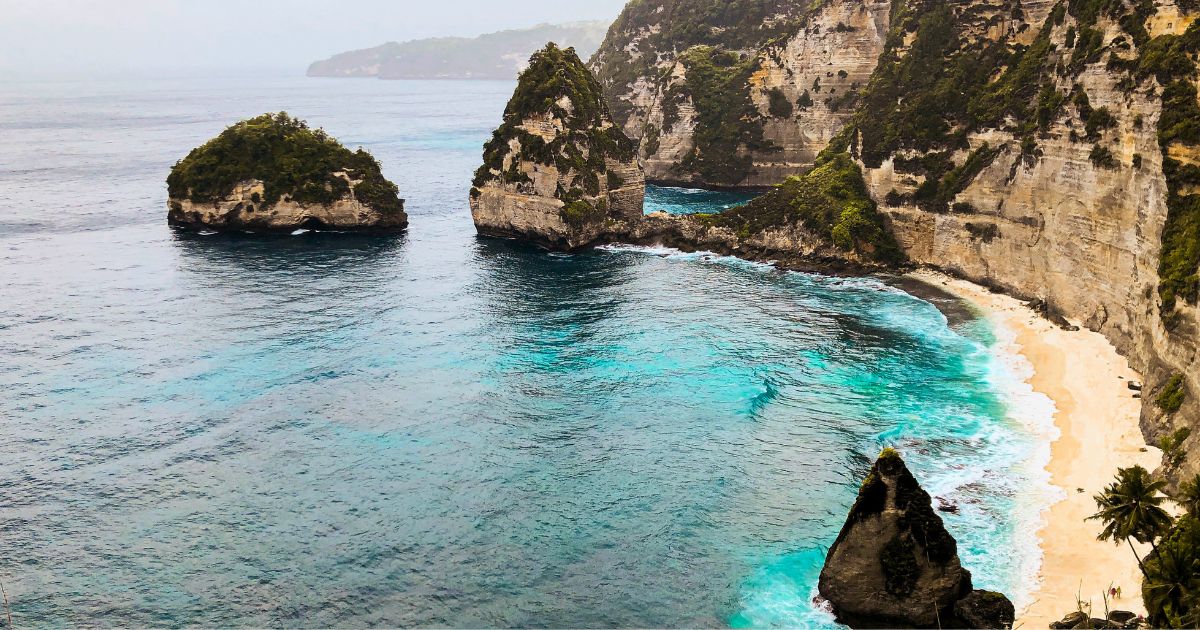
Montenegro: 15 Best Places for Your Holiday

TL;DRMontenegro packs in 15 ideas for a coastal or mountain break, from resort towns like Budva, Kotor, Sveti Stefan, Ulcinj and Perast on the Bay of Kotor, to the mountains of Durmitor, Lovćen, Biogradska Gora and Prokletije. Go for 7 to 14 days, ideally in June or September, when air temperatures sit at 26–27°C and the sea’s a warm 25°C, without the summer crowds. Flights to Podgorica or Tivat take 1 hour 40 minutes. Other highlights include Ostrog Monastery, Lake Skadar, and Durmitor National Park, home to Montenegro’s highest peak, Bobotov Kuk (2523m). Prices are lower than in Western Europe — rooms from €50 a night, lunch for €5–10.

I’ve traveled through Montenegro once by bike and once with a rooftop tent, and I swear I’d go back again in a heartbeat. In this guide I will share with you Montenegro: 15 Best Places for Your Holiday. In fact, it surprises me that while everyone today heads to Croatia or discovers the rugged beauty of Albania, they overlook Montenegro for some reason. And that’s a huge shame! This Balkan gem truly has it all – friendly locals, beautiful beaches with turquoise water, and majestic mountains full of unexpected surprises.

TL;DR

  • Montenegro has it all: beautiful coastlines (Budva, Kotor, Ulcinj) and impressive mountains (Durmitor, Lovćen, Prokletije), all at affordable prices.
  • If you want to go sightseeing, avoid summer and try June or September.
  • You can reach Montenegro from the Czech Republic by car in approximately 14–16 hours, or by plane to Podgorica or Tivat.
  • Montenegro uses the euro, but prices are lower than in Western Europe – a quality apartment can be found from €50/night, and lunch for €5-10.
  • I especially recommend visiting Kotor Bay, Budva, Ostrog Monastery, Durmitor National Park, and Lake Skadar.

Montenegro: weather and sea temperature by month

🌡️ Warmest: July (daytime 31 °C) · 🌊 Warmest sea: July (27 °C) · ☔ Least rainfall: July

MonthDayNightSeaRainy days
January11 °C5 °C15 °C13
February13 °C6 °C14 °C9
March15 °C8 °C14 °C12
April17 °C11 °C16 °C14
May22 °C16 °C20 °C16
June27 °C21 °C25 °C8
July31 °C24 °C27 °C4
August31 °C24 °C27 °C9
September26 °C20 °C25 °C12
October22 °C16 °C23 °C10
November17 °C12 °C20 °C15
December14 °C8 °C17 °C15

Source: climate normal 2019–2024 (Open-Meteo, measured data)

What to Watch out for when Vacationing in Montenegro?

  • Montenegro is not in the EU, so shared data from your mobile plan does not apply there, and you would have to pay for roaming to have internet on your phone. However, roaming is usually terribly expensive, so it’s better to buy a local SIM card or get an e-SIM.
  • Although Montenegro is not in the EU, euros are used here.
  • The European Health Insurance Card (EHIC) is not valid here, so don’t forget travel insurance.
  • An ID card is sufficient for entry (no passport needed).

Where to Stay?

By the sea:

  • Budva and surroundings: The most popular resort, where Vidikovac Budva offers great accommodation.
  • Petrovac: A quieter resort suitable for families with children, Hotel AQUILO is a great accommodation option.
  • Kotor: Ideal for history and culture lovers.
  • Ulcinj: A wonderful place for families with children, beaches with very fine sand, we recommend accommodation at Casa Al Mare
  • Perast: A tip for beautiful accommodation Heritage Grand Perast By Rixos

In the mountains:

  • Žabljak (Durmitor): A base for hikes in Durmitor National Park. Absolutely great accommodation is Apartmani Gala Žabljak.
  • Kolašin: A starting point for visiting Biogradska Gora National Park; if you’re looking for luxury accommodation, try Wulfenia Hotel & Spa.
  • Plav and Gusinje: Gateways to the wild Prokletije Mountains, stay for example at Salerno camp.

Why Choose Montenegro for a Seaside Vacation?

You might be asking: why Montenegro? It’s such a small country, only slightly larger than the Central Bohemian Region! But that’s precisely its charm.. Within an area of just 13,812 km², you’ll find everything most travelers desire.

This Balkan gem boasts 293 kilometers of coastline with crystal-clear waters, majestic mountains featuring some of Europe’s deepest canyons, and historic towns that rival those in Croatia. And thanks to the country’s compact size, you can visit all of this during one vacation! In the morning, you can swim in the sea, and by afternoon, you can admire views from mountain peaks. Larger countries simply can’t offer such luxury.

Just a few kilometers from the coast, and suddenly you’re in another world – villages where time has stood still, old women in black sitting on porches, goats grazing on hillsides. That’s the real, unadulterated Montenegro.

When to Go to Montenegro?

When to visit Montenegro? That depends on what you plan to do. For swimming, the ideal period is from June to September. In July and August, air temperatures are around 30°C (but can reach 40°C), and the sea is a pleasant 25°C, but you must expect crowds of tourists and higher prices.

Personally, I would recommend May, June, or September – in these months, the weather is still very pleasant (20-25°C), but there are significantly fewer tourists and lower prices.

Montenegro: 15 Best Places for Your Holiday

Lukáš and I have traveled through Montenegro twice, and I absolutely love it. I recommend going for at least a week, but ideally 10–14 days. Below you’ll find my tips on everything you can see and where to go for a holiday in Montenegro.

1. Budva and Surroundings

Budva is the tourist heart of Montenegro and undoubtedly the most famous resort in the country. You’ll find long sandy beaches, a beautiful historic center, and it’s quite lively with plenty of restaurants and bars.

The most popular is Slovenska plaža – a 1.7-kilometer long beach with fine sand, a gentle entry into the sea, and numerous bars and restaurants. If you’re looking for something quieter, head to Mogren beach, located near the Old Town.

When we cycled through Budva, I couldn’t get enough of the view of the old town surrounded by the sea. It resembles a small Dubrovnik, but without the crowds of tourists. Narrow stone streets, romantic squares, and sea views – an ideal place for an evening stroll with ice cream in hand.

Tip for beautiful accommodation: Vidikovac Budva

2. Sveti Stefan

About ten kilometers southeast of Budva lies one of the most photogenic places in Montenegro – the island of Sveti Stefan. This former fishing village has been transformed into a luxury resort, which is unfortunately inaccessible to the public (unless you are a guest of the Aman hotel). But the view of the small island covered with red-roofed houses and connected to the mainland by a narrow causeway is worth it even from afar.

Around Sveti Stefan, you’ll find beautiful beaches – especially Kraljeva plaža (King’s Beach) and Miločer beach. Both are partially publicly accessible and have beautiful pink sand and crystal-clear water.

Accommodation tip: Hotel & Spa Tino Sveti Stefan

3. Ulcinj and Velika Plaža

In the very south of Montenegro, near the Albanian border, lies Ulcinj – a city with a distinct oriental atmosphere. The main attraction, however, is Velika Plaža (Great Beach) – a 13-kilometer long strip of fine sand.

Velika Plaža is perfect for families with children due to its shallow entry into the sea. The area around the beach is not overcrowded with hotels, so you can enjoy swimming in a relatively natural environment.

When we camped here, we were thrilled by how few tourists there were, even in high season.

Accommodation tip: Casa Al Mare

4. Bay of Kotor and Perast

The Bay of Kotor (Boka Kotorska) is the southernmost fjord in Europe and one of the most beautiful places on the Adriatic. Although you won’t find large sandy beaches here, it’s a place that will charm you with its beauty and atmosphere.

The town of Perast is like something out of a fairy tale – Baroque palaces, small streets, and two picturesque islets in the middle of the bay: the natural Sveti Đorđe and the artificial Gospa od Škrpjela (Our Lady of the Rocks). You can take a boat to the latter and explore the church with beautiful frescoes.

In Perast and its surroundings, you’ll find small pebble beaches, often with their own pier and bar. For example, Bajova kula near Perast is a gravel beach in a pine grove with sun loungers and refreshments. My personal discovery is Orahovac beach – a small bay with crystal-clear water and minimal tourists.

Tip for a beautiful hotel: Heritage Grand Perast By Rixos

5. Herceg Novi

Herceg Novi is the gateway to the Bay of Kotor and has a unique Mediterranean resort atmosphere. The city is built on a slope, so wherever you go, you’re either climbing or descending, but the reward is breathtaking views of the bay.

The beaches in Herceg Novi are mostly pebble, but the water is crystal clear. The most popular are Savina beach and Žanjic Beach on the Luštica peninsula. If you’re looking for something quieter, try Žanjice or Rose beach.

6. Durmitor National Park

If you love mountains, Durmitor will captivate you. This UNESCO-listed national park is home to 48 peaks higher than 2000 meters, including Montenegro’s highest mountain – Bobotov Kuk (2523 m).

The heart of the park is the town of Žabljak, located at an altitude of 1450 meters and serving as an ideal starting point for hikes. The easiest trip, suitable for everyone, is the circuit around Black Lake (Crno jezero) – in less than two hours, you can walk around this majestic glacial lake surrounded by dense forests.

For more experienced hikers, I recommend climbing Bobotov Kuk or visiting one of the 18 glacial lakes. The Ćurevac viewpoint is also worth a visit, offering a breathtaking view of the Tara River Canyon – the second deepest canyon in the world after the Grand Canyon.

Accommodation tip in Žabljak: Apartmani Gala Žabljak.

7. Tara River Canyon and Đurđevića Tara Bridge

The Tara River Canyon is one of the deepest in Europe (up to 1300 meters in places) and offers breathtaking scenery. The best way to experience it is by rafting – an adrenaline-pumping ride through rapids and calmer sections where you can enjoy the beauty of untouched nature.

The symbol of the canyon is Đurđevića Tara Bridge – a 365-meter long arch bridge that spans 172 meters above the river’s surface. For the brave, there’s the option to zip-line across the canyon, an unforgettable experience.

8. Lovćen National Park and Njegoš Mausoleum

Mount Lovćen is considered a symbol of Montenegrin independence and offers incredible views of both the coast and the interior.. At the summit is the mausoleum of Petar II Petrović Njegoš, the national poet and ruler of Montenegro.

The path to the mausoleum involves 461 steps through a tunnel, but the reward is one of the most beautiful views in Montenegro – on a clear day, you can see up to 70% of the country’s territory.

The journey to Lovćen itself is an experience – the serpentines with 25 sharp turns from the city of Kotor provide breathtaking views of the Bay of Kotor.

For accommodation, we recommend Hotel Monte Rosa

9. Biogradska Gora National Park

Biogradska Gora is one of the last primeval forests in Europe and the oldest protected area in Montenegro (since 1878). The heart of the park is Biogradsko Lake, surrounded by ancient beeches, firs, and spruces, some of which are up to 500 years old.

An easy trail runs around the lake, suitable for children or less fit tourists. For the more active, there are more challenging routes leading deep into the primeval forest or to mountain meadows with views of the surrounding mountains.

Accommodation tip: Wulfenia Hotel & Spa

10. Prokletije – the Accursed Mountains

Prokletije (translated as “Accursed Mountains”) are the wildest mountain range in Montenegro and the last true wilderness in Europe. Sharp peaks, deep valleys, and glacial lakes form a landscape reminiscent of the Alps, but without the crowds of tourists.

The highest peak is Zla Kolata (2534 m), but even less demanding hikes offer unforgettable views. The towns of Plav and Gusinje serve as bases for trips into Prokletije, where you can taste authentic Montenegrin cuisine and experience traditional hospitality.

Accommodation tip: Salerno camp

11. Kotor

The ancient city of Kotor, a UNESCO World Heritage site, is a pearl of the Adriatic coast. Medieval walls, narrow stone streets, and squares with cafes create an irresistible atmosphere.

The city’s symbol is its walls, which climb up the steep slope to San Giovanni fortress. The climb is challenging (1350 steps), but the view of the bay is worth every drop of sweat. I recommend going early in the morning to avoid the heat and crowds of tourists.

Inside the walls, you’ll find the Romanesque Cathedral of St. Tryphon, St. Luke’s Church, and a number of palaces and squares. Kotor isn’t just about monuments – the atmosphere of its narrow streets, where the scent of coffee blends with the sea air, is an experience in itself.

Accommodation tip: Kotor Nest

12. Ostrog Monastery

Ostrog Monastery, built into an almost vertical rock face 900 meters above the valley, is the most important pilgrimage site in Montenegro. It was founded in the 17th century by Saint Basil of Ostrog, whose relics are preserved here.

The monastery consists of an upper and lower monastery. The upper one is built directly into the rock and contains two cave chapels with frescoes. The drive to the parking lot below the monastery is an experience in itself – a narrow road winds up a steep slope with sharp turns.

Even though I’m not religious, the atmosphere of this place deeply impressed me. Just be aware – in high season, hundreds of pilgrims come here, so be prepared for queues.

You’ll find perfect accommodation at Ostrog Wood House.

13. Cetinje

The historic capital of Montenegro (until 1918) is the cultural and spiritual center of the country. Although much smaller than the current capital Podgorica, it has an inimitable atmosphere and a number of interesting sights.

The most famous is Cetinje Monastery from the 15th century, which houses valuable relics including the hand of John the Baptist and parts of the True Cross. Also worth visiting are the former royal palace, now the National Museum, and Biljarda – once the residence of the prince-bishop and poet Petar II Petrović Njegoš.

Cetinje lies at the foot of Lovćen and offers a pleasant climate even on hot summer days, making it an ideal stop on the way from the coast to the mountains.

14. Lake Skadar

The largest lake in the Balkans, located on the border with Albania, is a paradise for nature and bird lovers. The lake is home to over 270 bird species, including rare pelicans and eagles.

The best way to explore the lake is by boat. Small boats will take you among water lilies and reeds, where you can observe birds and enjoy views of the surrounding mountains. Boat trips are organized from several places – the most famous is Virpazar, but I recommend the less touristy Rijeka Crnojevića.

Around the lake, you’ll find a number of small villages where you can taste local wine and fish prepared in traditional ways. Local specialties include eel and carp from Lake Skadar.

Accommodation tip: Apartments Vojislav

15. Stari Bar

Unlike the new Bar, which is a bustling port city, Stari Bar (Old Bar) is an abandoned city at the foot of Mount Rumija. After the earthquake in 1979, the city was largely abandoned and today forms a fascinating labyrinth of ruins.

A walk among the stone houses, churches, and palaces will transport you to another era. From the ramparts, there’s a beautiful view of new Bar and the sea. Old olive groves stretch around the town – some of the olive trees are said to be up to 2000 years old.

After exploring the ruins, you can have coffee or lunch at one of the restaurants below the ramparts, where they serve traditional dishes like pljeskavica, ćevapi, or local cheeses and cured meats.

lukas a lucka
Lukáš and Lucie recommend
Where to Stay in Montenegro
6 accommodations — wellness hotels, hotels and other accommodation options

How to get to Montenegro?

By car: From the Czech Republic to Montenegro, it’s approximately 1100 km, and the journey takes 14-16 hours of pure driving. The route goes through Austria, Slovenia, Croatia, and Bosnia, or through Serbia. Expect highway tolls in transit countries and potential queues at borders, especially during the summer season.

By plane: You can fly to Podgorica or Tivat in Montenegro. Air Montenegro offers direct flights (1 hour 40 minutes) from Prague; alternatively, you can fly with a layover (for example, via Vienna with WizzAir), but that can easily take 5-6 hours.

What to Try in Montenegro?

To be honest, for us vegetarians, Montenegrin cuisine isn’t that interesting. It combines Mediterranean and Balkan elements, but it’s very meat-based, and in less touristy areas, it was hard to find something to eat. Local specialties include:

  • Njeguški pršut (cured ham from the village of Njeguši)
  • Kačamak (corn porridge with cheese and butter)
  • Ćevapčići and pljeskavica (minced meat)
  • Fish and seafood on the coast
  • Vranac (red wine) and rakija (homemade brandy)

You can eat at a restaurant for 5-10€ per person, and even cheaper in konobas (local taverns).

FAQ

Is Montenegro a safe country for tourists?

Yes, absolutely, Montenegro is among the safe tourist destinations, and we never felt threatened there.

Do I need a visa to travel to Montenegro?

EU citizens can travel to Montenegro with only a valid ID card or passport; a visa is not required.

When to go to Montenegro?

If you want to swim, then from June to September.

Where are the most beautiful beaches in Montenegro?

Among the most beautiful beaches are Jaz Beach near Budva (sandy, 1.2 km long), Velika Plaža near Ulcinj (13 km of sandy beach), and the beaches near Sveti Stefan (Kraljeva Plaža, Miločer).

Is Montenegro suitable for a family vacation with children?

Absolutely yes. You’ll find sandy beaches with gradual entry into the sea (e.g., Velika Plaža) and the prices are great. With older children, you can also head to the mountains, where there are less demanding trails, such as the circuit around Black Lake in Durmitor.

Tips and Tricks for Your Vacation

Don’t Overpay for Flights

Search for flights on Kayak. It’s our favorite search engine because it scans the websites of all airlines and always finds the cheapest connection.

Book Your Accommodation Smartly

The best experiences we’ve had when looking for accommodation (from Alaska to Morocco) are with Booking.com, where hotels, apartments, and entire houses are usually the cheapest and most widely available.

Don’t Forget Travel Insurance

Good travel insurance will protect you against illness, accidents, theft, or flight cancellations. We’ve had a few hospital visits abroad, so we know how important it is to have proper insurance arranged.

Where we insure ourselves: SafetyWing (best for everyone) and TrueTraveller (for extra-long trips).

Why don’t we recommend any Czech insurance company? Because they have too many restrictions. They set limits on the number of days abroad, travel insurance via a credit card often requires you to pay medical expenses only with that card, and they frequently limit the number of returns to the Czech Republic.

Find the Best Experiences

Get Your Guide is a huge online marketplace where you can book guided walks, trips, skip-the-line tickets, tours, and much more. We always find some extra fun there!
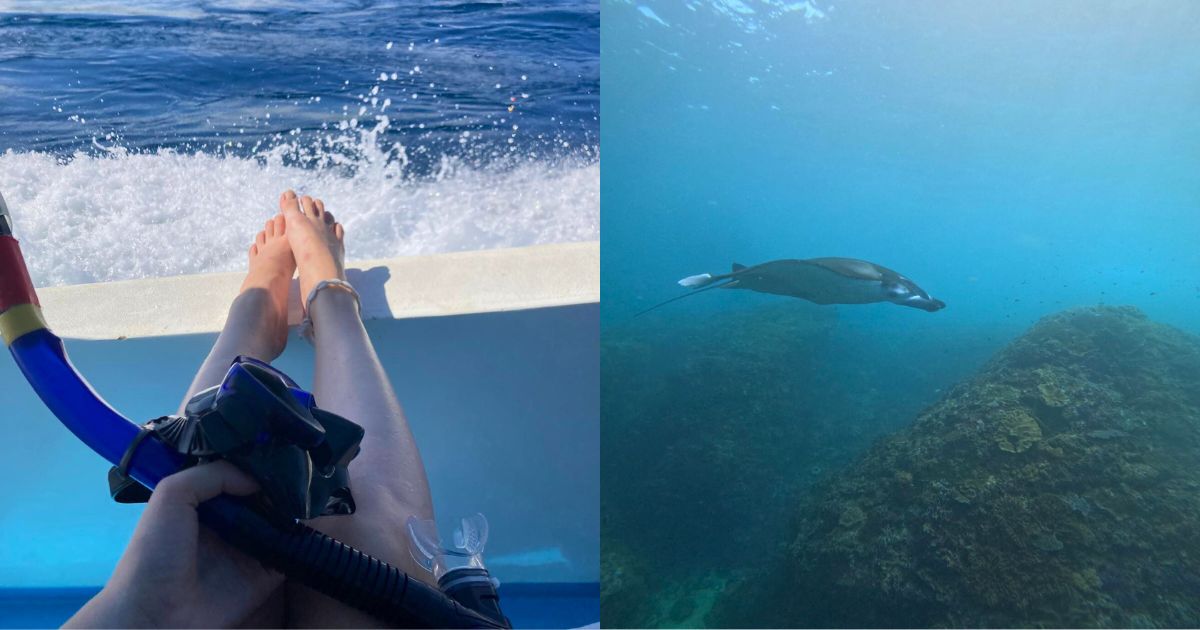
Best Face Cream in 2025: Top Picks

0
TL;DRThe best face cream for 2025 really comes down to your skin type. Dry, sensitive skin does best with CeraVe Hydratačním krémem… Let me restart that properly: The best face cream for 2025 really depends on your skin type. For dry, sensitive skin, CeraVe Moisturising Cream stands out, with ceramides and hyaluronic acid. If you’re after repair and brightening, go for Dr. Althea Pro Lab Resveratrol 345NA Intensive Repair Cream. Oily, acne-prone skin responds well to La Roche-Posay Effaclar Duo+, with salicylic acid and zinc. For firming and anti-ageing, there’s Medi Peel Boron-Tox Peptide Cream, packed with peptides and collagen, and for sun protection, Cosrx Aloe Soothing Sun Cream with SPF 50. The trick is picking a cream based on what’s actually in it — ceramides, antioxidants, peptides — and what your skin needs, not whatever’s trending. You’ll find all of these at the MAKEUP online shop.

Finding the best face cream in 2025 isn’t just about brands or trendy ingredients – it’s primarily about understanding what your skin truly needs. Whether you’re battling dryness, oiliness, or the first signs of aging, this carefully compiled guide will help you choose the right cream based on its ingredients, effectiveness, and compatibility with your skin.

What Makes a Face Cream “the Best”?

Before we dive into selecting the best creams, it’s important to understand what makes a cream considered the best face cream. It’s not just about hydration – key factors include skin barrier restoration, improved skin texture, and effective active ingredients.

Look for formulations with:

  • Ceramides and hyaluronic acid for skin hydration and regeneration
  • Antioxidants like resveratrol and vitamin E for environmental protection
  • Peptides and fermented ingredients for skin firming and anti-aging
  • Non-comedogenic and fragrance-free – ideal for sensitive skin

Let’s look at the top-rated creams in each category, which you can find on the website of the MAKEUP online store.

For Dry and Sensitive Skin: CeraVe Moisturizing Cream

If your skin feels tight, flaky, or irritated year-round, the iconic CeraVe Moisturizing Cream remains a staple in 2025. It’s hailed as the best face cream for dry and very dry skin. Its formula contains ceramides, hyaluronic acid, and glycerin – ingredients proven to restore the skin barrier.

Benefits

  • Non-comedogenic and fragrance-free
  • Contains phytosphingosine to soothe irritation
  • Suitable for adults, children, and infants
  • Multi-functional: for face and body

Added vitamin E also helps protect sensitive skin from environmental factors. It’s an excellent choice for anyone needing deep, long-lasting hydration without unnecessary frills.

For Repair and Brightening: Dr. Althea Pro Lab Resveratrol 345na Intensive Repair Cream

This Korean beauty gem is a quiet yet powerful weapon. Dr. Althea cream, enriched with botanical extracts like hibiscus, gardenia, and Centella Asiatica, is often praised as the best face cream for skin needing deep regeneration and brightening.

Benefits

  • High concentration of resveratrol for antioxidant protection
  • Niacinamide for improving skin tone and reducing redness
  • Evening primrose oil and lavender to soothe inflammation

Unlike typical moisturizing creams, this product addresses inflammation, pigmentation, and skin barrier restoration in one lightweight formula. Most suitable for women with sensitive or dull skin.

For Oily and Acne-Prone Skin: La Roche-Posay Effaclar Duo+

In 2025, few products rival Effaclar Duo+ when it comes to oily or problematic skin. Thanks to its combination of salicylic acid, niacinamide, and zinc PCA, it effectively treats acne while preventing the formation of new imperfections.

Benefits

  • Salicylic acid cleanses pores and prevents clogging
  • Zinc regulates sebum production without drying out the skin
  • Piroctone olamine acts against acne-causing bacteria

This formula functions as both a corrective cream and a treatment – making it the best face cream for teenagers and adults battling persistent acne.

For Firming and Anti-Aging: Medi Peel Boron-Tox Peptide Cream

Peptide skincare has seen a huge surge in 2025, and Medi Peel Boron-Tox cream is one of the best. Designed for women over 30, it combines shea butter, collagen, and fermented lactobacillus to smooth and firm the skin.

Benefits

  • More than 10 botanical and peptide active ingredients
  • Deep hydration thanks to jojoba, macadamia oil, and squalane
  • Firming effect without irritating retinoids

This isn’t just another moisturizer – it’s the best face cream if you desire firm, “glass” skin without irritation.

For Daily Sun Protection and Soothing: Cosrx Aloe Soothing Sun Cream SPF50+ PA+++

No skincare routine is complete without SPF. Cosrx Aloe Soothing Sun Cream is a hybrid solution that functions as both a sunscreen and a soothing moisturizer – ideal for sensitive skin exposed to the sun.

Benefits

  • Broad-spectrum SPF 50 protection
  • Aloe vera and vitamin E for soothing and regeneration
  • Lightweight, non-greasy texture

For those seeking a multi-purpose product, this is probably the best face cream with integrated sun protection, that hydrates, acts as an anti-inflammatory, and is ideal for layering under makeup.

Final Thoughts: how to Choose the Best Face Cream for You

The definition of the best face cream in 2025 depends solely on your skin’s unique needs. Always consider the interplay of ingredients with your regular routine, and don’t be afraid to layer creams or switch them up seasonally. On the MAKEUP online store, you’ll find all the necessary information to make an informed decision. In 2025, the best face cream isn’t a one-size-fits-all solution – it’s a personalized approach based on science, not just cosmetic trends.

Tips and Tricks for Your Vacation

Don’t Overpay for Flights

Search for flights on Kayak. It’s our favorite search engine because it scans the websites of all airlines and always finds the cheapest connection.

Book Your Accommodation Smartly

The best experiences we’ve had when looking for accommodation (from Alaska to Morocco) are with Booking.com, where hotels, apartments, and entire houses are usually the cheapest and most widely available.

Don’t Forget Travel Insurance

Good travel insurance will protect you against illness, accidents, theft, or flight cancellations. We’ve had a few hospital visits abroad, so we know how important it is to have proper insurance arranged.

Where we insure ourselves: SafetyWing (best for everyone) and TrueTraveller (for extra-long trips).

Why don’t we recommend any Czech insurance company? Because they have too many restrictions. They set limits on the number of days abroad, travel insurance via a credit card often requires you to pay medical expenses only with that card, and they frequently limit the number of returns to the Czech Republic.

Find the Best Experiences

Get Your Guide is a huge online marketplace where you can book guided walks, trips, skip-the-line tickets, tours, and much more. We always find some extra fun there!
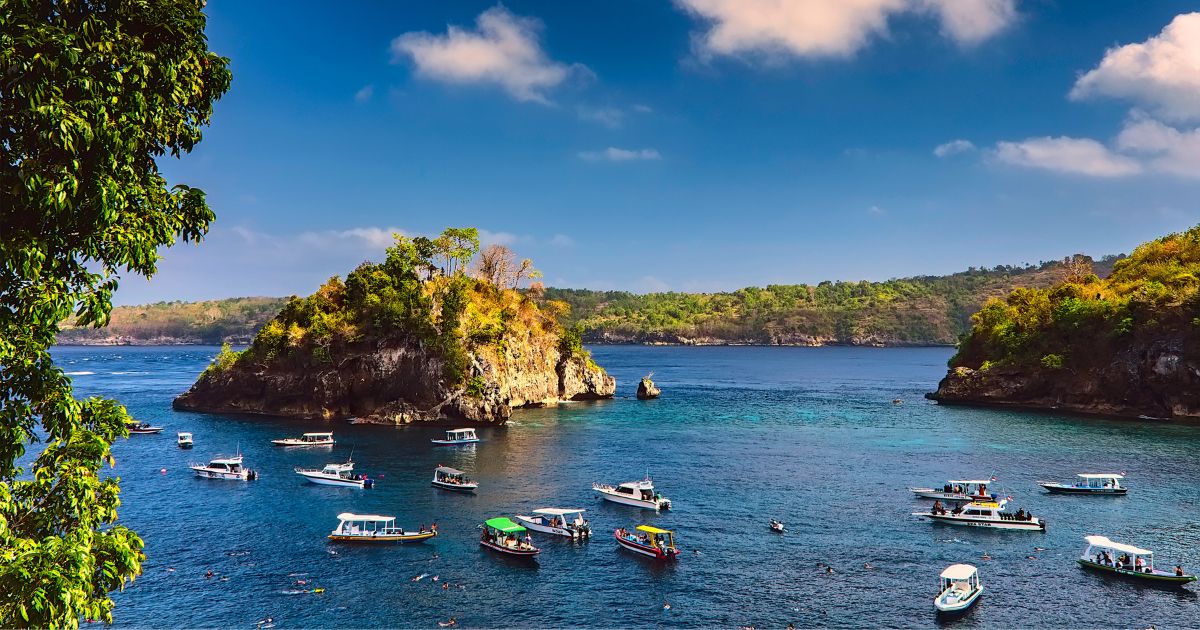
Vacation with a Baby: 13 Best Places for Your Holiday with a Small Child

TL;DRA holiday with a baby is manageable almost anywhere, as long as you plan your journeys around nap times and keep the pace slow enough for their routine. There are 13 specific ideas here, including Šumava, the Ore Mountains and the Beskids for your first trips within Czechia, the Baltic coast in Poland (Sopot), the Austrian lakes near Salzburg, southern Portugal (the Algarve, 18–25°C in winter), or Slovenia with Lake Bled (a 6km walking route) and Lake Bohinj (12km). For your first longer trip, stick to flights under 2 hours, time car journeys around nap times if you’re using a car seat, and book apartments with a kitchenette or hotels that include breakfast.

Refuse to stay home with a baby? Don’t worry, a child is definitely not an obstacle to travel. With Jonáš, who is now a year and a half old, we’ve traveled over 20,000 km and visited a large part of Europe. And he doesn’t like sitting in a car seat and isn’t the easiest child. You just need to know how to plan well and improvise, and anything is possible. In this article Vacation with a Baby: 13 Best Places for Your Holiday with a Small Child, I’ll tell you not only where to go on vacation with a baby, but also how to do it.

TL;DR

  • You can travel anywhere with a baby if you adjust your pace and expectations – it’s best to plan travel during the child’s sleep.
  • For your first vacation, it’s best to travel within the Czech Republic (Šumava, Ore Mountains or Beskids) to see what it will be like.
  • If you want to go to the water, with a small child we most enjoyed Poland (Baltic Sea), Austrian Lakes, or off-season Spain and Portugal.
  • For accommodation, choose apartments with a kitchenette or hotels with apartments and breakfast included.
  • The most important thing is flexibility and adapting to the child’s routine – don’t try to cram too many activities into your vacation.

How to Travel with a Baby

Traveling with a baby requires a slightly different approach than a vacation for two, but it certainly doesn’t mean you have to stay home. If someone tells you “it’s all about the baby, it’s not possible with some,” don’t be discouraged. If you have a healthy child, it’s possible. Our Jonáš is one of the most demanding children around, and on top of that, we travel with two dogs.

He never wanted to sit, nor be in a stroller or a carrier. Until he was 8 months old, before he started crawling, we had to carry him facing forward non-stop and couldn’t even stop or stand still, or he’d immediately start screaming. Even so, we traveled. How? Simply during naps.

And one more thing: The older he gets, the easier it is with him. And by one year old, he already loves traveling. He tolerates car rides more than loves them, but he enjoys discovering new places and can even last a while in the stroller.

Traveling During Naps

It’s best to travel during naps. Jonášek has a fairly well-established daily routine since he was a baby, which not only helps him sleep well at night but also makes him quite predictable for daytime naps. Since he absolutely hated the car seat when he was awake (and today he tolerates it for a maximum of an hour), we only traveled during naps.

We always set off before he was too tired, because overtiredness can cause even bigger problems, and let him fall asleep for his nap. This way, we even managed the trip to Portugal (yes, a 3,000 km journey… but it took a week). Personally, I didn’t venture into flying, mainly because we have two dogs (who travel with us) and because I feel it’s time to explore Europe.

If you were to choose flying, I recommend choosing flights of up to 2 hours for your first trips with a baby. However, planes are less predictable due to possible delays and other complications. I would only consider air travel if you have a very calm and adaptable child who handles changes and new situations well.

How to Choose Accommodation with a Baby

When Jonáš was smaller, we always chose only apartments with a kitchenette so we could cook for him anytime, and for ourselves too, because he went to bed earlier than we wanted to go to dinner. Hotels with apartments where we could go for breakfast were ideal.

Jonáš wasn’t a very easy baby and couldn’t handle sitting or standing still when awake (we had to carry him facing forward and be constantly on the move), so we didn’t really eat together unless he was asleep, and it was great when someone else prepared breakfast for us.

The older he gets, the more fun it is for us when we’re in a hotel and can go for breakfast and dinner. Jonáš likes people and he likes food, so now it’s much more flexible. We like to combine traveling by camper van, hotels, and apartments. Many people think that if we have a camper van, we only stay in it, but in reality, when we want to stay somewhere longer, we go to a hotel or apartment, and we like the camper van for transfers and road trips.

Where to Find Accommodation

It depends on the length of stay; if we’re going on a trip for up to 14 days, we look for accommodation via Booking. For longer stays of a month or more, we always choose Airbnb.

What to Pack for a Vacation with a Baby

Regardless of the destination, there are some things you shouldn’t forget:

  • Baby First Aid Kit – don’t forget fever medication, a nasal aspirator, something for a sore tummy, for teething (even if they’re not teething yet, it might happen), and especially for diaper rash (because even if they don’t usually get it, diaper rash might appear exactly when you’re on vacation and the pharmacy is closed).
  • Car Toys – they should be small so the child can easily manipulate them in the car seat; all interactive and flashing toys are great once the child can press buttons. For babies, high-contrast rattling toys. Don’t forget books you can look at together. Sensory books were also a hit with us.
  • Puffs – Does your child eat puffs? Take a supply. Especially to Italy, they are impossible to find there.
  • Plenty of diapers, wet wipes, and clothes – I pack 2-3 sets of clothes per day. If we’re going for longer than a week, I plan to do laundry once.
  • Lightweight and Compact Travel Stroller – ideally one that can recline fully; we chose the Joolz Aer and are satisfied.
  • Carrier, Wrap or Hip Seat – our Jonáš was never really keen on carriers or wraps, but the hip seat often saves us even now when he doesn’t want to be in the stroller, or when we go somewhere a stroller can’t.
  • Travel Cot – if you know it’s not available at the accommodation.
  • Foldable Travel Bathtub with Recliner – if your child doesn’t like showers or can’t sit in a regular bathtub.

Vacation with a Baby: 13 Best Places for Your Holiday with a Small Child

In this list, you’ll find places where we’ve been with our small child or where we arranged vacations for friends who just had a baby, so we know the location is suitable for parents with little ones.

1. Šumava with a Stroller

Our very first vacation with Jonášek, when he was just a few weeks old, was to Šumava. Since he still slept a lot during the day, we could easily go on shorter hikes and didn’t have to stress about him not liking the stroller.

Šumava is an ideal first destination for families with babies. You’ll find many stroller-friendly routes here, such as Jezerní slať from Kvilda, Chalupská slať, or the route from Borová Lada to Knížecí Pláně. Most of these routes are on paved paths, so you can manage them even with a stroller.

For accommodation, you can choose, for example, Apartmány U Sjezdovky in Kvilda, which is an excellent starting point for excursions in the area. Thanks to the peaceful environment and clean air, the baby will feel great, and you’ll relax from the city hustle.

2. Ore Mountains for Families

The Ore Mountains are another great tip for a vacation with a baby, especially if you’re looking for peace and beautiful nature. You can go to Boží Dar or even for a walk through the local peat bog with a stroller.

In the Ore Mountains, you can visit, for example, Boží vyhlídka, which is accessible via a paved path, or walk along the Mythical Ore Mountains Trail near Plešivec. If you also have older children, you can send them with their dad to Aquacentrum Agricola in Jáchymov.

As for accommodation, we recommend Hotel Testa in Boží Dar or Gentle Hide Designhotel.

3. Beskids and Wallachia

The Beskids are among the most popular destinations for families with small children, and I’m not surprised. Green hills, folk architecture, and numerous cycling and hiking trails will be loved by all family members. And most importantly, there are many wonderful wellness resorts where you can stay. I recommend Miura Hotel.

The best starting point for exploring the Beskids is Rožnov pod Radhoštěm, where you can visit the Wallachian Open-Air Museum, which is divided into three parts: Mlýnská dolina (Mill Valley), Valašská dědina (Wallachian Village), and Dřevěné městečko (Wooden Town). The Wooden Town is smaller, but you can easily move around here with a stroller.

Another great place is Pustevny, which you can reach by cable car from Trojanovice. At the top, you can see the famous Jurkovič shelters and go for a walk to the statue of Radegast. The path is also suitable for strollers.

4. South Bohemia with Little Ones

South Bohemia is one of the most beautiful and culturally rich regions of the Czech Republic. With a baby, you can visit, for example, Český Krumlov or Hluboká, but less known locations like Landštejn Castle, the Renaissance chateau Nová Bystřice, or Český Rudolec are also interesting.

The Czech Canada region, which stretches along the Austrian border, is known for its ponds and vast forests. For me, it’s ideal to stay in Jindřichův Hradec; we personally recommend Penzionek JH.

5. To the Baltic Sea

The Baltic Sea is a great alternative for those who want to go to the sea but don’t want to travel too far. The Polish coast is closer than Croatia, and a big advantage is that it’s not too hot here in the summer.

The Baltic coast is ideal with an older baby who can already sit and play. You’ll find plenty of playgrounds everywhere, restaurants with play areas, and great cafes. Polish Sopot, nicknamed “the Polish Monte Carlo”, will charm you not only with its majestic wooden pier extending into the sea but also with an atmosphere that is a mix of spa nostalgia and modern seaside life.

6. Austrian Lakes

The Austrian Lakes are an ideal destination for families with children. They are close to our borders, it’s not hot there in the summer, and you’ll find accommodation with facilities for children. You can go on stroller-friendly routes around the lakes.

We went to Austria when Jonáš was 3 months old, and we enjoyed it to the fullest. If you have older children, combine it with a visit to Salzburg, where there’s also a toy museum suitable even for children from 6 months old.

In Salzburg, we recommend visiting the Mirabell Gardens, where the famous scene from the film “The Sound of Music” was filmed, or Hellbrunn Palace with its water features, which will entertain children of all ages. For accommodation, you can choose Boutiquehotel am Dom or Hotel Wolf, both of which are family-friendly.

7. Southern Spain – Costa Del Sol

Southern Spain, specifically the Costa del Sol region, is a great destination for families with small children. It’s a bit further, so you’ll have to fly (unless you’re crazy like us and go by car or camper van), but anyone who wants warm sea and about 10 km of continuous promenade along the beaches, which can be navigated with a stroller, will try to manage it.

It’s no wonder that Spain is popular with small children; it’s warm here even outside the main season (which you should avoid with a baby), and Spaniards are great and friendly. Just be careful when choosing accommodation; check reviews to see if there’s any noise that could disturb your baby during sleep.

Areas like Marbella or Estepona offer quieter beaches and are ideal for families with children, while livelier resorts like Torremolinos are more enjoyable with older children.

8. Southern Portugal

With Jonáš, we spent almost three months in Southern Portugal; when we arrived, he was just 6 months old, and we even spent Christmas there. The Algarve has beautiful sandy beaches; in the winter months, it’s peaceful and relatively warm (18-25 degrees Celsius). Most importantly, it’s always sunny there; it rarely rains.

The most popular resorts are Carvoeiro, Albufeira, or Portimão. Carvoeiro is known for its beautiful beaches, such as Praia do Vale Centeanes or Praia da Marinha.

In Portimão, you can stay right by the beach in the Cozy beach front apartment or a bit further from the beach in the beautiful villa with a pool, Villa Moments – Guest House.

9. Dolomites

One of the places Lukáš and I return to almost every year, but where we’re only just planning to go with Jonáš, are the Dolomites. I recommend it mainly for less demanding children who can tolerate being in a stroller. But if you have such children, then the Dolomites are a clear favorite. But we know them like the back of our hand, so I’m taking the liberty of adding them here.

In the Dolomites, you’ll find many easy stroller-friendly routes, so you definitely don’t have to worry about them.

Recommended routes include:

  • Rifugio Fuciade in Val di Fassa, where a wide and gentle path leads from Passo San Pellegrino
  • Baita alle Cascate in Val San Nicolò, which starts from Pozza di Fassa
  • Rifugio Città di Fiume near Borca di Cadore
  • Malga Valparola from the Armentarola area

All these routes are relatively short (up to 90 minutes), with minimal elevation gain, and are suitable for families with strollers.

One of the top-rated apartments is Dolomiti Sweet Lodge, and Hotel Villa Gaia is definitely also worth mentioning.

10. Northern Italian Cities

Not tempted by the mountains? Go explore Northern Italian cities. Avoid big cities like Milan, but explore Verona or Modena. Italians love children and will accommodate you everywhere. Plus, if your child is starting to eat solid food, they’ll prepare plain pasta or pasta with tomato sauce for them anywhere, whether it’s on the menu or not.

Verona is known not only as the city of Romeo and Juliet but also as a city with rich history and architecture. You can walk around Piazza Bra, the largest square in Verona, or visit the Arena di Verona, the third-largest Roman amphitheater in the world.

Modena, in turn, is known for its gastronomy, especially balsamic vinegar and Parmigiano Reggiano cheese. The historic city center is a UNESCO World Heritage site, and you can admire the 12th-century cathedral here, and all tired parents will appreciate that good espresso can be found everywhere in Italy.

11. Southern France

The French are known for loving both children and dogs. In my opinion, traveling with children in France is one of the most relaxed countries for travel. It fascinates me that even at every larger gas station, they have a children’s corner and great food not only for adults but also for children.

With small children, the most popular destinations are Nice, Cannes, and Saint-Tropez, or you can go explore Provence. Nice offers beautiful beaches and the Promenade des Anglais, which is great for walks with a stroller. While Cannes is known for its film festival, you’ll also find beautiful sandy beaches here. Saint-Tropez is much quieter and also has beautiful, pleasant beaches.

Provence, on the other hand, is an area full of lavender fields, historic towns, and villages where time seems to have stood still. You can visit cities like Aix-en-Provence, Avignon, or Arles, where the famous painter Vincent van Gogh was born.

12. Lake Bled and Bohinj in Slovenia

An absolutely ideal destination for families with small children is Slovenia, specifically Lake Bled and Bohinj. It’s not far, it’s not too hot, and you can swim, enjoy cafes, restaurants, and the tranquility of the surrounding nature. I recommend choosing a hotel carefully to ensure maximum peace and service. If you don’t like hustle and bustle, I recommend staying by Lake Bohinj.

Lake Bled is known for its island in the middle of the lake with the Church of the Assumption of Mary. You can get to the island by boat, which is more suitable for slightly older children. However, there is a 6-kilometer long walking path around the lake, which is also suitable for strollers.

Lake Bohinj is the largest natural lake in Slovenia and is surrounded by mountains and forests. There is a 12 km long trail around the lake that you can walk or cycle. In summer, the water in the lake is warm enough for swimming, but it’s never too hot, which is ideal for small children.

For accommodation, you can choose Hotel Bohinj, which organizes programs for guests in the garden; one day there’s a barbecue, another day live music. Additionally, this hotel also has a wellness center, which you’ll appreciate after a day spent outdoors.

13. Switzerland and its Lakes

Switzerland is a more expensive destination, but it offers absolute peace, cleanliness, and perfect service, which you’ll appreciate when on holiday with a baby or small child. We were with Jonáš by the lake near Lucerne when he was just 4 months old, and it was an absolutely perfect holiday.

We stayed right by the lake, which turned out to be an excellent choice. Every day we could walk with the stroller along the shore, enjoying the beautiful nature and relaxing.

It was a big surprise for us that we managed a trip to Lucerne itself with Jonáš, which we hadn’t expected at all with our rather demanding baby. Lakes like Zurich, Geneva, or Lucerne are surrounded by beautiful cities that are pleasant for walks, even with a stroller. Thanks to excellent Swiss transportation, you can also easily move between cities and lakes without having to drive.

lukas a lucka
Lukáš and Lucie recommend
Where to stay on vacation with a baby
6 accommodations — wellness hotels, hotels and other accommodation options

FAQ

When is the best time to start traveling with a baby?

Whenever you feel ready. You can travel with a small baby almost immediately, provided they are healthy.

Is it better to fly or drive with a baby?

It depends on the distance and your child’s temperament. Flying is faster but less flexible. A car journey allows you to stop whenever you need and bring more things with you.

Tips and Tricks for Your Vacation

Don’t Overpay for Flights

Search for flights on Kayak. It’s our favorite search engine because it scans the websites of all airlines and always finds the cheapest connection.

Book Your Accommodation Smartly

The best experiences we’ve had when looking for accommodation (from Alaska to Morocco) are with Booking.com, where hotels, apartments, and entire houses are usually the cheapest and most widely available.

Don’t Forget Travel Insurance

Good travel insurance will protect you against illness, accidents, theft, or flight cancellations. We’ve had a few hospital visits abroad, so we know how important it is to have proper insurance arranged.

Where we insure ourselves: SafetyWing (best for everyone) and TrueTraveller (for extra-long trips).

Why don’t we recommend any Czech insurance company? Because they have too many restrictions. They set limits on the number of days abroad, travel insurance via a credit card often requires you to pay medical expenses only with that card, and they frequently limit the number of returns to the Czech Republic.

Find the Best Experiences

Get Your Guide is a huge online marketplace where you can book guided walks, trips, skip-the-line tickets, tours, and much more. We always find some extra fun there!
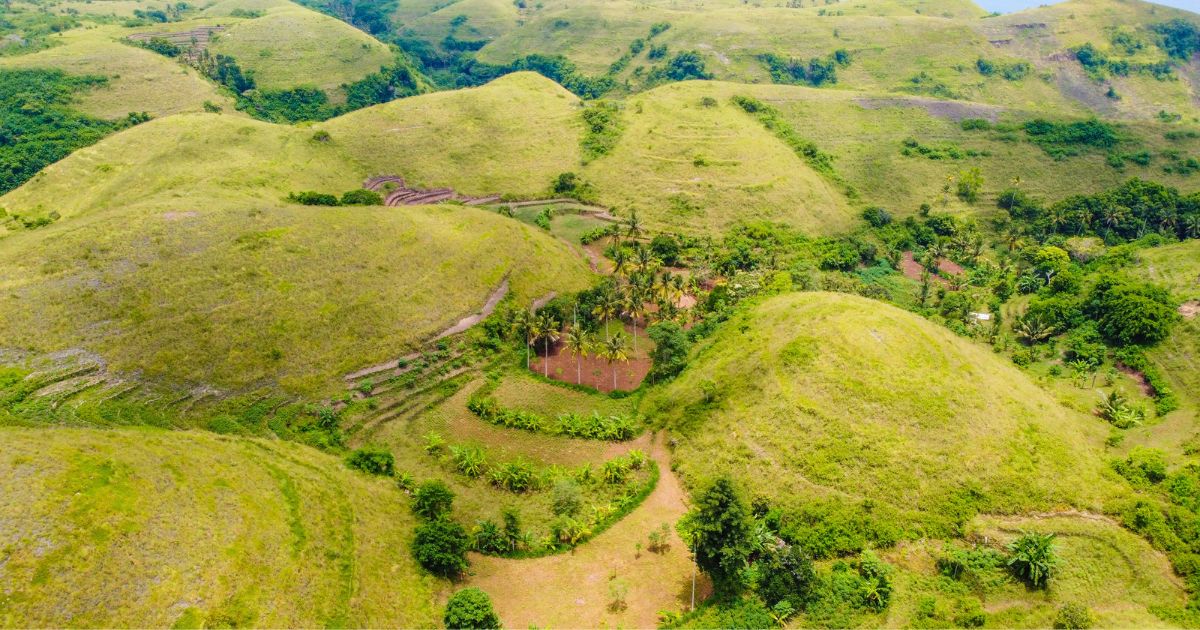
Dubai, UAE: What to Pack for Your Holiday

TL;DRPack light, breathable clothing in cotton, microfibre or linen for your Dubai trip, covering shoulders and knees, plus a layer (jumper, jacket) for cooler winter evenings when temperatures drop to 15–25 degrees. Sun cream with SPF 30 minimum, ideally 50, is essential, along with sunglasses, a hat and a type G adapter for your electronics. Chuck in a travel first-aid kit with something for diarrhoea and allergies, plus travel insurance — SafetyWing is a solid option. Bring a few types of footwear depending on what you’re up to: trainers for wandering the city, sandals for dinner out, flip-flops for the beach, and closed shoes with a sturdy sole for a desert trip, where it hits nearly 45 degrees even in summer.

Dubai – the city of the future, where traditional Arab culture meets the world’s most modern architecture. A city of golden sands, shopping malls as large as small towns, and skyscrapers that touch the clouds. If you’re planning a holiday to this amazing emirate, then you need to know what to pack to fully enjoy your stay. And we have a list for you of what to pack for your Dubai holiday.

Summary for those who Don’t Have Time to Read the Full Article

  • Pack light, breathable clothing made of cotton, nanomaterials, or linen, and don’t forget layers for air-conditioned spaces.
  • Sunscreen with high SPF, sunglasses, and a hat are a must all year round.
  • Dress modestly: shoulders and knees should be covered in public places.
  • Take a Type G adapter for charging electronics and a power bank for long trips.
  • Don’t forget a travel first-aid kit with medications for diarrhea, allergies, and basic supplies.
  • Also, don’t forget travel insurance, for example, SafetyWing.

You might also be interested in: What to See in Dubai and Where to Stay

What to Pack for a Holiday in Dubai

If you’re going on holiday to the Emirates, then we have a list for you of what to pack for your Dubai holiday.

You might also be interested in: How to Pack a Carry-On Bag

Clothing Adapted to Climate and Culture

Dubai will surprise you with its contrasts; while it can be up to 45 degrees Celsius outside, air conditioning often runs at full blast in shopping malls and hotels. Therefore, it’s important to think about layering clothes. For a base, choose light, breathable fabrics like cotton, nanofiber, or linen, which will keep you comfortable during hot days. Light colors also reflect sunlight better than dark ones.

Don’t forget that Dubai is part of a Muslim country, which means adhering to certain dress codes. In public places, your clothing should cover your shoulders and knees. Pack long-sleeved blouses, midi skirts, or long trousers. Gentlemen should opt for trousers or shorts reaching at least to the knees. Smart casual attire, sometimes even a suit or evening dress, is suitable for elegant restaurants and hotels.

For the winter months, when temperatures drop to a pleasant 15 to 25 degrees, pack a light sweater or jacket for evenings. Winters in Dubai are ideal for exploring the city and outdoor activities, but evenings can be surprisingly cool.

TIP: For ladies, we recommend ultralight and multifunctional Travel dresses.

Sun Protection as a Priority

The sun in Dubai is intense all year round. Sunscreen with an SPF factor of at least 30, ideally 50, is an absolute necessity. Don’t forget after-sun lotion, which will soothe your skin after a long day in the sun. Quality sunglasses with a UV filter will protect your eyes, and a wide-brimmed hat or a light scarf will provide shade and can also be used when visiting mosques.

Footwear for Every Occasion

Dubai offers an incredible variety of activities, from strolling through luxurious shopping malls to desert adventures. Therefore, you need different types of footwear. Comfortable sneakers are essential for long walks around the city and sightseeing. Elegant sandals are suitable for restaurants and evening strolls along the promenade.

For the beach and pool, flip-flops or water-resistant sandals are ideal. If you’re planning a desert trip or hiking, pack sturdy closed-toe shoes that will protect you from sand and rocks. Don’t forget that in some traditional places, shoes are taken off, so choose footwear that can be easily put on and taken off.

Electronics and Practical Accessories

Dubai uses Type G sockets (three-pin British), so a universal adapter is a necessity. A power bank is useful for long trips when you’ll often be photographing the city’s iconic landmarks. A waterproof phone case will be appreciated on the beach or during water sports.

A quality camera or at least a phone with a good camera will help you capture breathtaking sunsets over the desert, light shows at Burj Khalifa, or colorful souks in the old city.

Travel First-Aid Kit and Health Supplies

Medical care in Dubai is of a high standard, but it can be quite expensive. A basic first-aid kit should contain medications for headaches, diarrhea, allergies, and basic bandages and plasters. Don’t forget any medications you take regularly, and keep them in their original packaging with a prescription.

Hydration solutions and electrolytes may be useful for maintaining proper hydration in the hot climate.

Swimwear and Beach Essentials

Dubai offers beautiful beaches and luxurious hotel pools. Different types of swimwear allow you to choose according to activity and location. Quick-drying towels are practical and take up less space in your luggage. UV clothing provides additional protection during long exposure to the sun.

Don’t forget a cover-up for your swimwear for transitions from the beach to hotel areas. On some public beaches, stricter dress codes may apply, so check the rules of the specific place beforehand.

Clothing for Various Activities

Dubai offers activities for everyone. For a desert safari, pack light but long clothing that will protect you from sand and sun. Evening safaris can be cooler, so a light jacket is also useful. Quick-drying shorts and a UV-protected T-shirt are ideal for water sports.

For visits to luxurious restaurants and nightclubs, pack elegantly. Dubai is known for its fashion scene, so don’t be afraid to show off your best outfit. Men should have a collared shirt and long trousers available, women elegant dresses or suits.

Practical Packing Tips

Use packing cubes for better luggage organization. Pack at least two extra outfits, in case of unexpected opportunities or an extended stay. Keep important documents and medications in your carry-on luggage.

Don’t forget that some medications may be prohibited in the UAE, so check the current rules before you travel. You can bring a limited amount of alcohol, but buying it locally is only possible in specialized shops or licensed restaurants.

If cosmetics take up most of the space in your luggage, get waterless travel packaging.

Frequently Asked Questions

Is it necessary to dress conservatively even on hotel beaches?

On private hotel beaches and by pools, dress codes are more lenient. Bikinis and regular swimwear are fine. However, once you leave the hotel area, you should dress more modestly with covered shoulders and knees.

What sunscreen should I take for the desert climate?

A cream with at least SPF 30, ideally SPF 50, is recommended. Choose water-resistant variants and don’t forget to reapply the cream regularly. In Dubai, the sun shines intensely even in winter months, so protection is necessary all year round.

Can I buy everything I forget at home in Dubai?

Dubai offers excellent shopping opportunities, and most things can be bought locally, often at better prices than at home. Luxury shopping malls like Dubai Mall or Mall of the Emirates have everything from cosmetics to branded clothing.

Do I need special footwear for the desert?

For tourist trips to the desert, closed sports shoes are sufficient. For longer treks or more adventurous activities, pack sturdier footwear. Insulated soles will protect against hot sand during the summer months.

How to pack medications for a trip to the UAE?

Keep all medications in their original packaging with prescriptions. Some common medications may be controlled or prohibited in the UAE, so check the current rules on the embassy’s website. You can supplement your basic first-aid kit locally at pharmacies.

Tips and Tricks for Your Vacation

Don’t Overpay for Flights

Search for flights on Kayak. It’s our favorite search engine because it scans the websites of all airlines and always finds the cheapest connection.

Book Your Accommodation Smartly

The best experiences we’ve had when looking for accommodation (from Alaska to Morocco) are with Booking.com, where hotels, apartments, and entire houses are usually the cheapest and most widely available.

Don’t Forget Travel Insurance

Good travel insurance will protect you against illness, accidents, theft, or flight cancellations. We’ve had a few hospital visits abroad, so we know how important it is to have proper insurance arranged.

Where we insure ourselves: SafetyWing (best for everyone) and TrueTraveller (for extra-long trips).

Why don’t we recommend any Czech insurance company? Because they have too many restrictions. They set limits on the number of days abroad, travel insurance via a credit card often requires you to pay medical expenses only with that card, and they frequently limit the number of returns to the Czech Republic.

Find the Best Experiences

Get Your Guide is a huge online marketplace where you can book guided walks, trips, skip-the-line tickets, tours, and much more. We always find some extra fun there!