TL;DRTaormina, Sicily’s clifftop gem made famous by White Lotus, sits high above the coast with jaw-dropping views of Etna and the turquoise sea below. The star attraction is the ancient Greek theatre, Teatro Greco, while the best beaches are down at Isola Bella, reachable by cable car. From here you can also head up to Etna for the day. Expect to pay more for food and accommodation in the centre. Spring and autumn are the best times to come. The guide has 10 tips on what to see, where to swim, and how to get up to Etna.
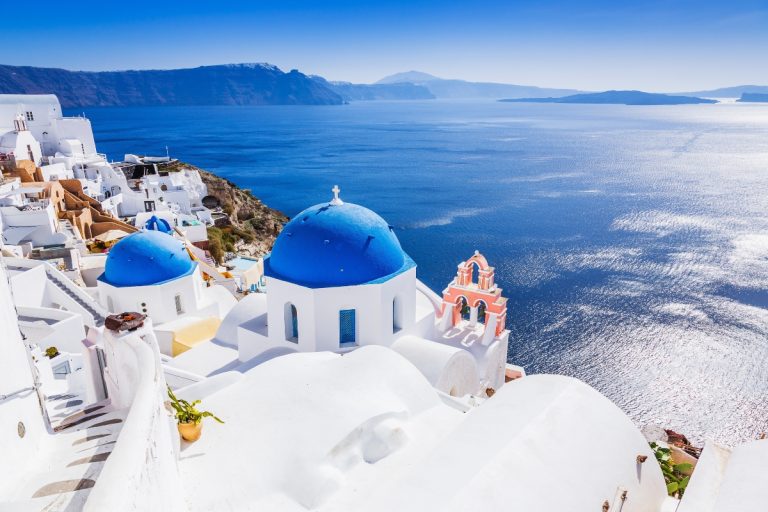
Taormina, often referred to as the pearl of Sicily, is among the most beautiful and most visited places on this Italian island. And after the series White Lotus, it’s even more popular.
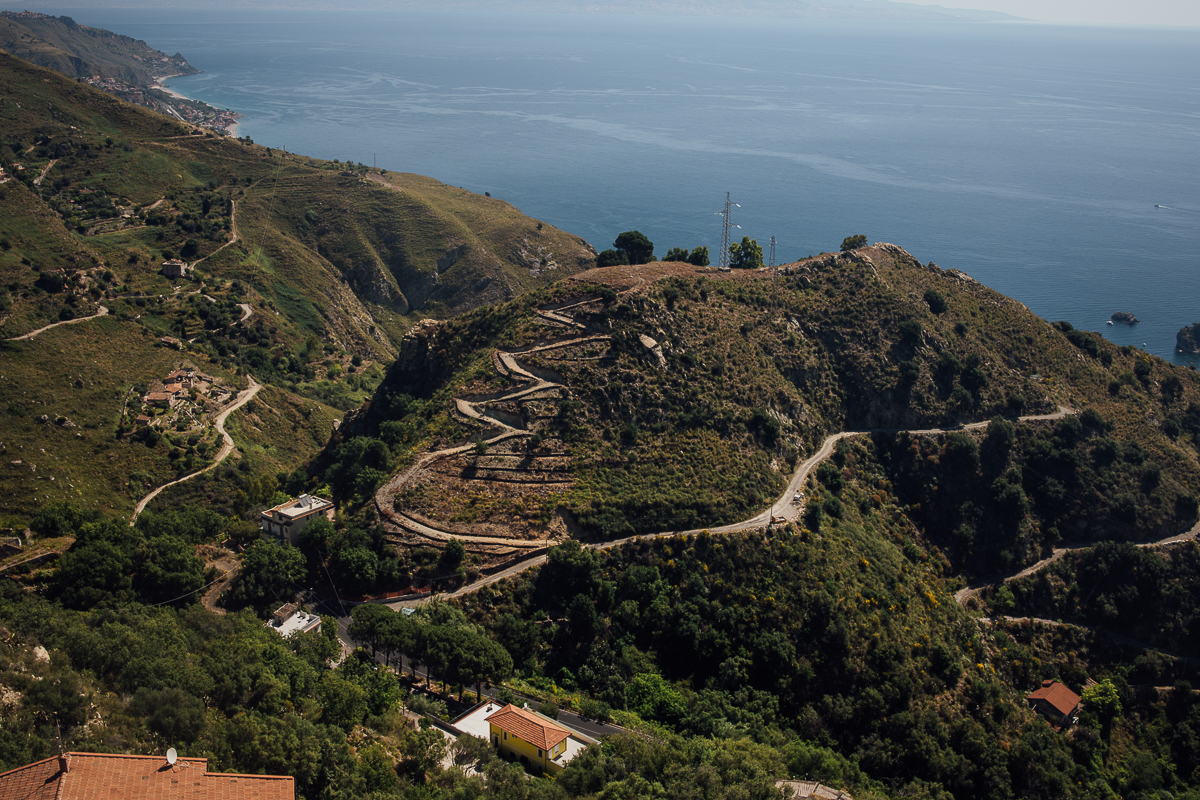
Perched high on the rocks, with breathtaking views of the turquoise sea, Etna, and the enchanting surrounding landscape, Taormina offers a perfect blend of history, culture, gastronomy, and beautiful beaches. In this article, we’ll look at what to see and do in Taormina.
Summary for those who Don’t Have Time to Read the Whole Article
It’s definitely worth visiting the ancient Greek theater (Teatro Greco) with stunning views of Etna.
The most beautiful beaches can be found near Isola Bella (accessible by cable car) with crystal clear water.
You can book a trip to Etna via GetYourGuide. With your own car, you can reach Rifugio Sapienza.
In the center of Taormina, expect higher prices – food, accommodation, and services are roughly double compared to other Sicilian cities.
The best time to visit is May-June and September-October, when the weather is pleasant without summer tourist crowds and heat.
Getting around Taormina by car is almost impossible; we opted for the hop-on hop-off bus.
When is the Best Time to Visit Taormina
We went to Taormina in May, and it was already quite hot, but it was just starting to be suitable for swimming. If you want to swim, choose June-September; spring and autumn are ideal for excursions.
Winter (November to March) isn’t as harsh here, around fifteen degrees Celsius, but it’s not for everyone. The city isn’t crowded with tourists, and prices are lower.
How to get to Taormina and how to get Around
The closest airport to Taormina is Catania-Fontanarossa Airport, located approximately 65 km south of the city. You can get to Taormina from the airport in several ways:
By Bus: From Catania Airport, direct Interbus buses run to Taormina. The journey takes approximately 1.5 hours, and a ticket costs around €8.
By Train: From the airport, you can first take a bus to Catania’s main train station and then continue by train to Taormina-Giardini station. The train journey takes approximately 45 minutes. From the train station, which is on the coast, you can reach the center of Taormina by bus or taxi.
By Car: If you only want to stay in Taormina, I don’t recommend it at all; getting around the city comfortably by car is impossible. However, if you’re traveling around the island, it’s fine; you can easily make a reservation through GetYourGuide, just make sure to get full coverage, as locals drive like crazy.
Getting around Taormina
Taormina’s town center itself is small and best explored on foot. The main tourist area around Corso Umberto is a completely pedestrian zone where cars are not allowed.
Cable Car: For travel from the center of Taormina to the beaches in Mazzarò Bay and Isola Bella, a cable car (funivia) is available. It runs every 15 minutes, and a one-way ticket costs around €3.
Buses: Local buses connect the center of Taormina with surrounding areas, including Giardini Naxos, Castelmola, and other nearby villages. They are relatively cheap and reliable. We used the hop-on hop-off bus because with a one-year-old, it was the only way to survive the journeys.
Taxi: Taxis are available in Taormina and can help you with transport to more distant places. However, keep in mind that they are quite expensive.
Where to Stay in Taormina
It always depends on what you want to see and do in Taormina.
In the City Center
If you’re coming here mainly for the culture, you can stay right in the center. Recommended hotels in the center include Hotel Villa Schuler with beautiful views of the sea and Etna, the family-run Hotel Villa Taormina in a historic building, or the modern Taodomus Boutique Hotel near Corso Umberto.
By the Beach
If you’re coming here for the sea, you’ll want to stay in the coastal areas below Taormina – Mazzarò, Isola Bella, or Giardini Naxos. Just a small warning, the prices are really on another level if you want beach access.
If price is no object for you: the luxurious (and very expensive) Mazzarò Sea Palace with its own beach, or Atlantis Bay – VRetreatswith panoramic views of the Isola Bella bay.
Nearby Resorts – Cheaper Option
If you want something more affordable, go for the resorts: Giardini Naxos or Letojanni. Prices here are significantly lower than in Taormina, but you still have easy access to the town by bus.
Taormina: Sights and other Places to See
Let’s now take a look at what’s worth visiting in Taormina.
Ancient Greek Theater (Teatro Greco)
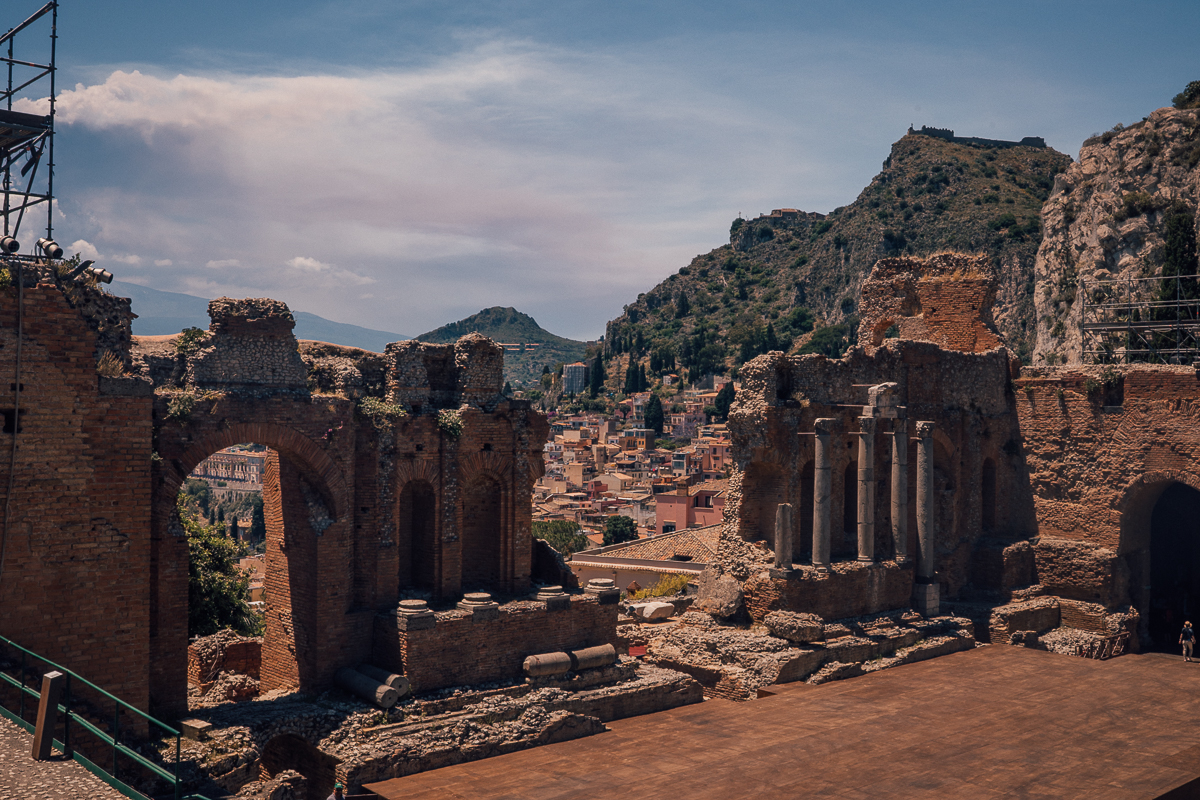
Taormina’s most famous monument is undoubtedly the Teatro Greco, dating back to the 3rd century BC. Although the name suggests it’s a Greek theater, most of the visible structures are actually from the Roman period, when the theater was rebuilt.
The theater is located in one of the most beautiful spots in the city, with breathtaking views of the Ionian Sea and majestic Etna in the background. With a diameter of 109 meters, it is the second largest ancient theater in Sicily (after Syracuse). To this day, various cultural events are held here, including concerts and the Taormina Film Fest.
I recommend coming early in the morning or later in the afternoon to avoid the largest crowds of tourists and ideally also the midday heat. Admission is around €10 and is definitely worth it.
Corso Umberto I
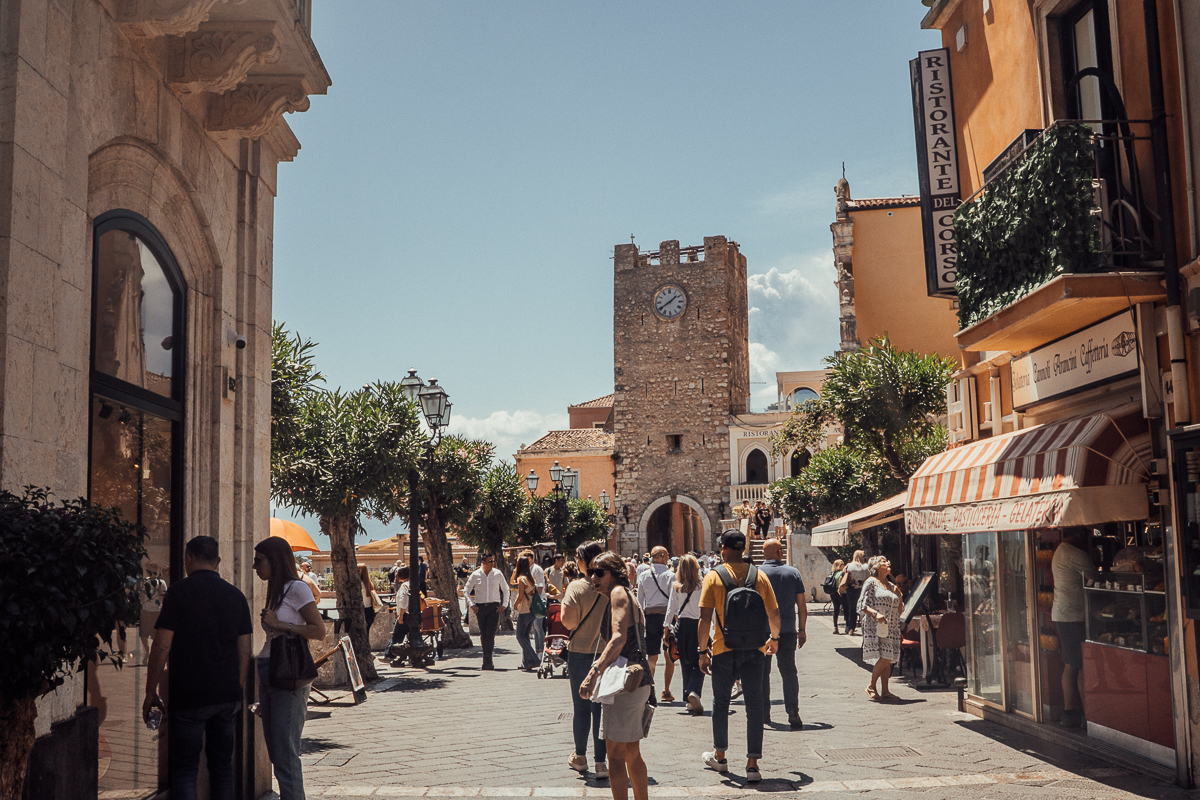
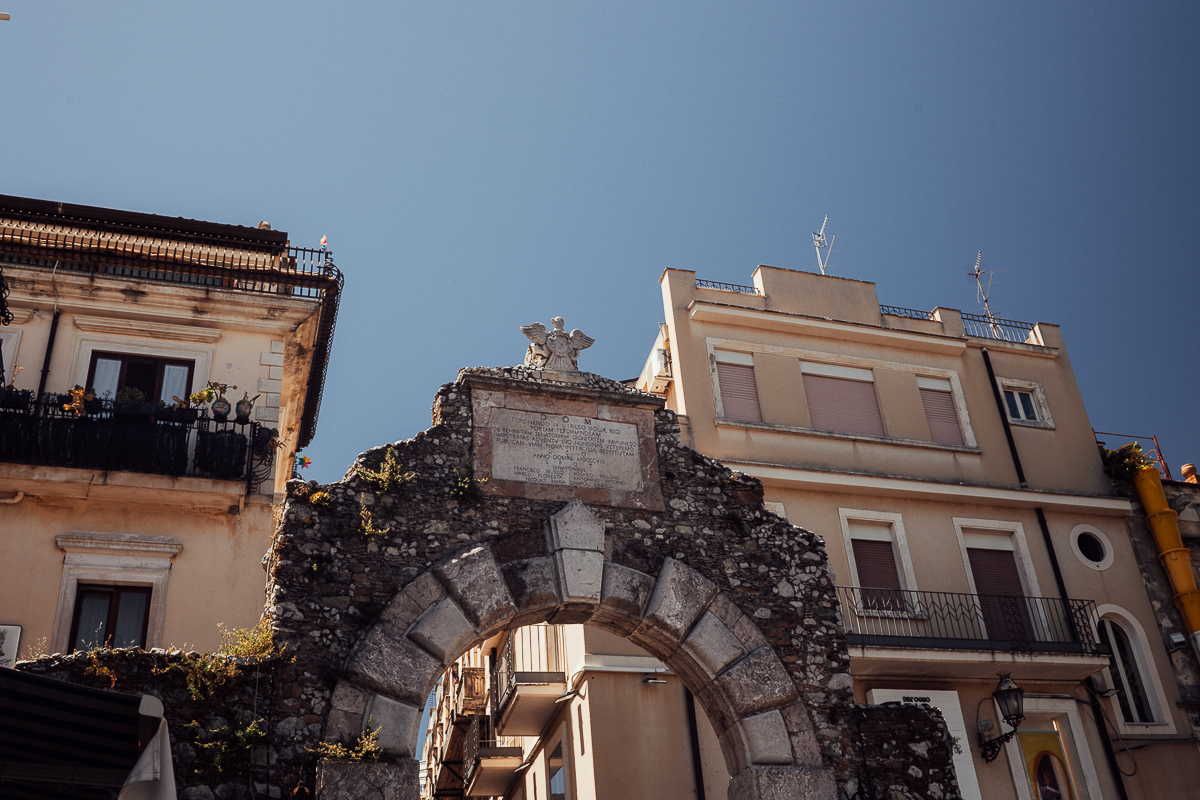
Taormina’s main thoroughfare is the pedestrian zone Corso Umberto I, which stretches between the city gates Porta Messina in the north and Porta Catania in the south. This street is lined with beautiful historic buildings, boutiques, cafes, restaurants, and souvenir shops.
Head here early in the morning, or you’ll face crowds of tourists like we did (unfortunately, with a child, not everything can be ideally planned, but at least he slept in the stroller and we had peace).
During a stroll along Corso Umberto, you’ll come across many interesting places, including Piazza IX Aprile – a beautiful square with a panoramic terrace offering stunning views. Here you’ll also find the Church of Sant’Agostino with its iconic bell tower, and nearby is Palazzo Corvaja, an impressive medieval palace that now serves as a museum.
Isola Bella
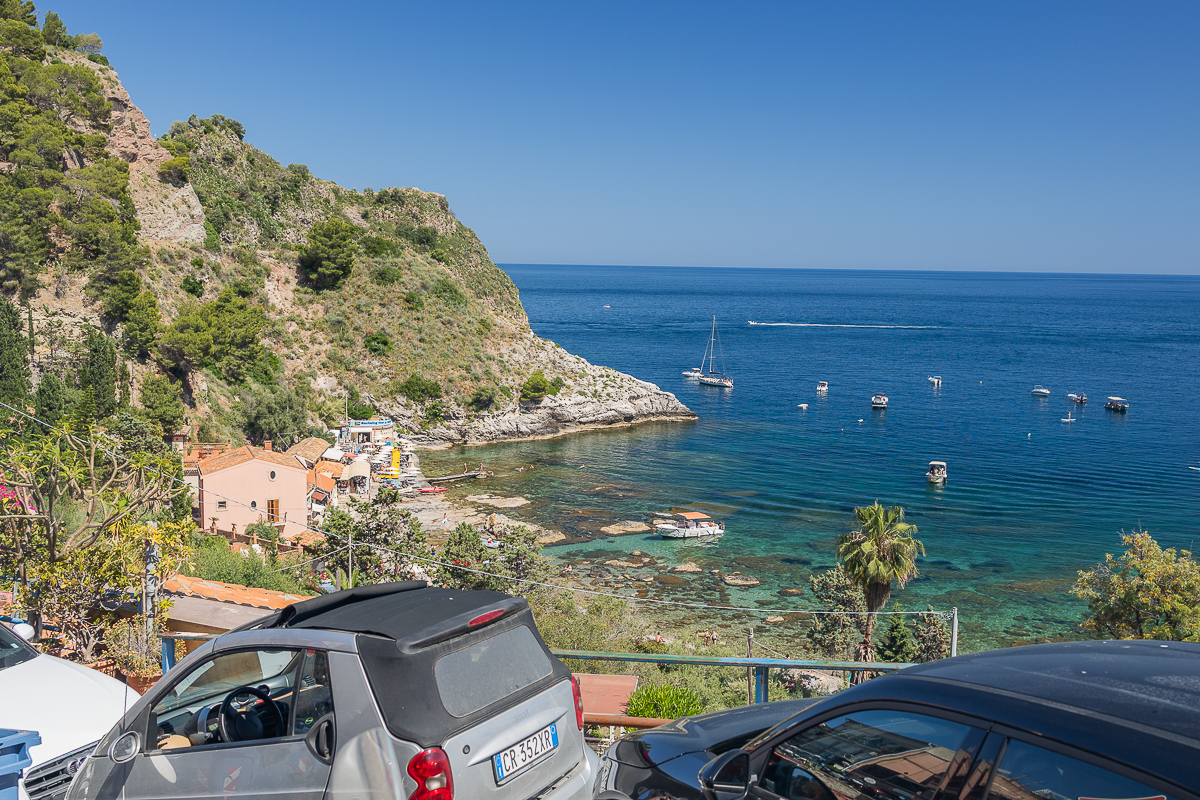
This small island, often called the “Pearl of the Ionian Sea”, is located in a bay below Taormina and is connected to the mainland by a narrow sand spit. Since 1998, it has been a protected nature reserve.
On Isola Bella, you’ll find lush subtropical vegetation and a small museum. The surrounding waters are crystal clear, which is why people come here to snorkel and dive. At low tide, you can reach the island dry-footed via a sandy path.
Isola Bella is most easily reached by cable car from the center of Taormina (Mazzarò station) and a short walk.
Isola Bella Taormina
Public Gardens Villa Comunale
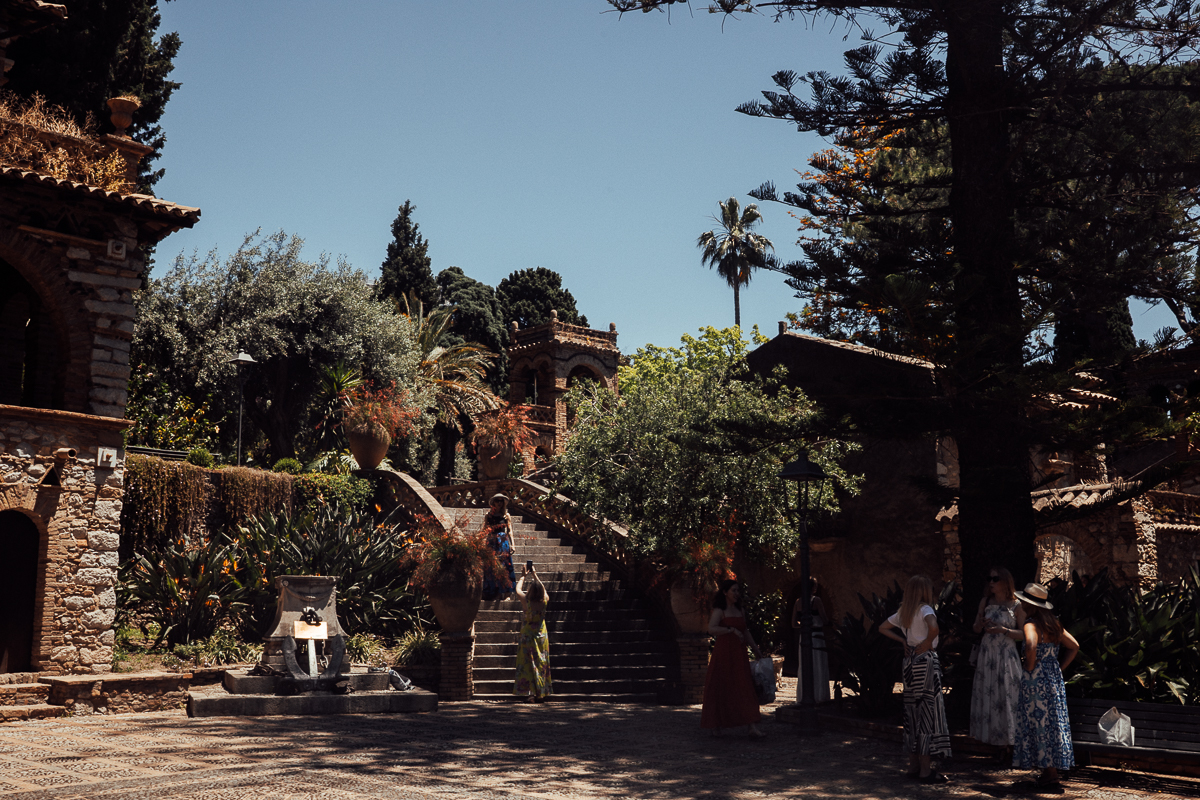
These magnificent English-style gardens were founded at the end of the 19th century by the Scottish aristocrat Lady Florence Trevelyan. Villa Comunale offers a peaceful green oasis in the middle of the bustling city, with magnificent views of the sea and Etna.
In the gardens, you’ll find diverse subtropical vegetation, including palms, cypresses, cacti, and bougainvillea. Of interest are the Victorian structures called “follies” – unusual brick pavilions and turrets that Lady Trevelyan had built as decorations.
Admission to the gardens is free, and they are open from morning until evening. We mainly came here to escape the heat.
Public Gardens Villa Comunale
Castelmola
This picturesque village is located on a hill above Taormina (approx. 550 m above sea level) and offers even more impressive views than Taormina itself. Castelmola is considered one of Italy’s most beautiful villages; whether that’s true, you’ll have to decide for yourself.
Besides breathtaking panoramas, you’ll find the ruins of a castle (Castello di Mola) here, offering amazing views of the surrounding landscape, and narrow stone streets with typical Sicilian houses. In local cafes, you can taste traditional almond wine, a specialty of this region.
You can get to Castelmola by bus from Taormina (the journey takes about 15 minutes) or on foot via a panoramic trail (a more challenging option with significant elevation gain).
Public Gardens Villa Comunale
Lukáš and Lucie recommend
Where to stay in Taormina
6 accommodations — wellness hotels, hotels and other accommodation options
Taormina boasts some of the most beautiful beaches in Sicily. Most of them are pebble or coarse sand, but the water is crystal clear everywhere. Here are the best ones:
Isola Bella
The already mentioned beach near the islet of Isola Bella is one of the most photogenic in the area. The pebble beach with crystal clear water is ideal for snorkeling.
Most of the beach is occupied by paid lidos (sunbeds and umbrellas for rent), but there is also a small section of freely accessible beach. During peak season, Isola Bella tends to be packed, so the only way to enjoy it peacefully is to go early in the morning.
Mazzarò
Mazzarò Bay is located right next to Isola Bella. There’s a pleasant pebble beach here. You’ll find many hotels and restaurants nearby, so there will be no shortage of refreshments. The sea has a beautiful emerald color, and nearby you can explore smaller sea caves, including the famous Blue Grotto (Grotta Azzurra).
Giardini Naxos
Unlike the intimate coves directly below Taormina, the resort of Giardini Naxos offers a long stretch of beaches in a wide bay south of the city. The surface consists of a combination of fine sand and small pebbles.
Giardini Naxos is the largest beach area around Taormina with several sections (Recanati, Schisò, San Giovanni). Along the coast, there’s a promenade full of bars, restaurants, and ice cream parlors.
You can get to Giardini Naxos by bus from Taormina (the journey takes approximately 20 minutes).
Letojanni and Mazzeo
North of Taormina, a long beach stretches, connecting the resorts of Mazzeo and Letojanni. It is a pebble-sand strip with very clear water, surrounded by greenery and mountains.
Letojanni is a lively seaside town with many restaurants and bars, where prices are lower than in Taormina. The local beach is wide and largely freely accessible, with a gradual entry into the sea, which is ideal for families with children.
Mazzeo is a quieter part closer to Taormina, with a beach covered in fine sand and surrounded by Mediterranean vegetation. Regular buses run from Taormina to both resorts.
Trip to Mount Etna
We prepared for a trip to Etna for the entire month we spent in Sicily, but ultimately postponed it because we decided that with one-year-old Jonáš, it would be more stress than fun, but thanks to that preparation, I can tell you almost everything you need to know.
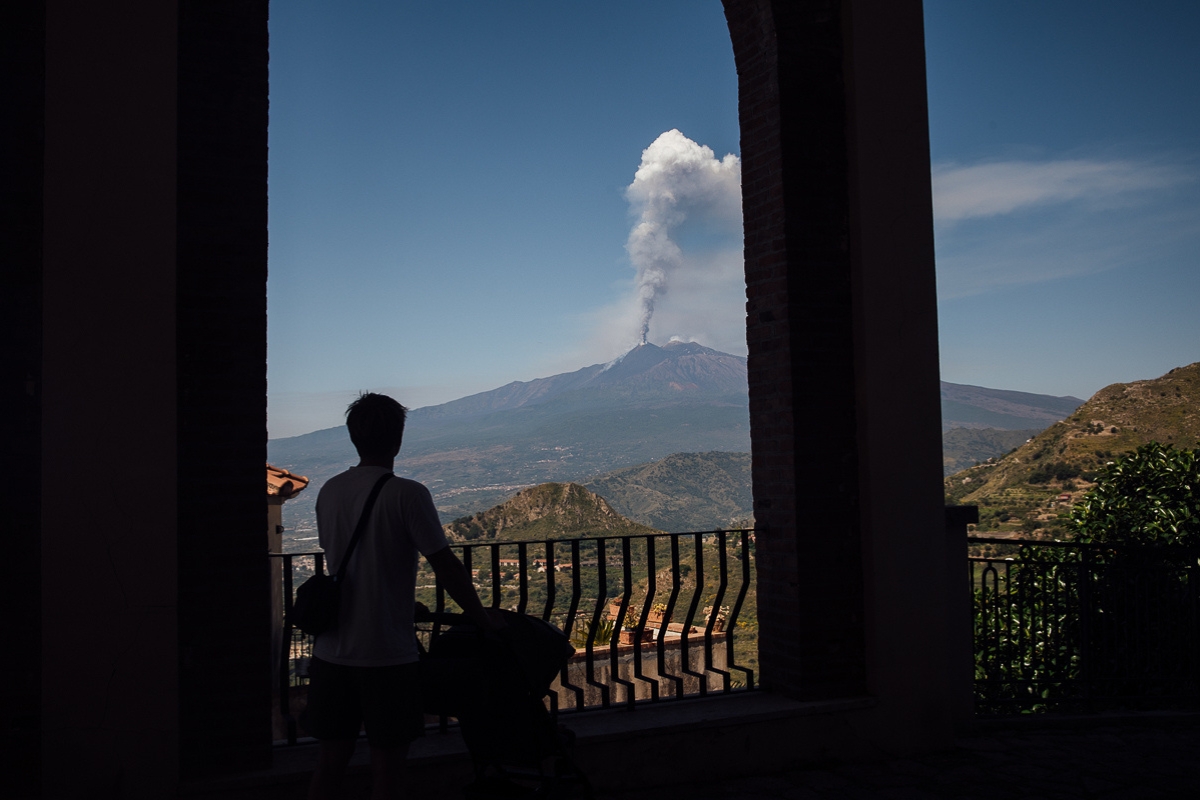
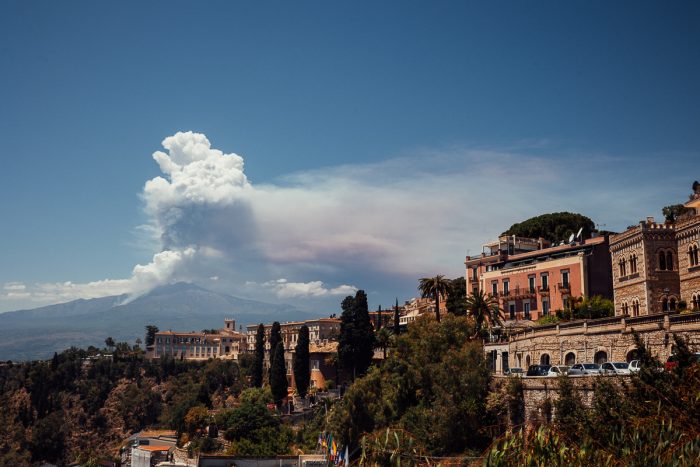
Etna (3,357 m above sea level) is Europe’s highest active volcano, which is good to know, because when we were in Taormina, there were such eruptions that tourists were fleeing Etna. However, no one was harmed, and you don’t have to be afraid to visit. There are several ways to go to Etna.
Southern Route via Rifugio Sapienza
The most popular and logistically simplest route leads from the south side via the mountain resort Rifugio Sapienza (1,900 m).. You can get here from Taormina by car in approximately 1.5 hours or by organized minibus as part of a tour. I had selected trips through GetYourGuide, where you can cancel even if your plans change.
From Rifugio Sapienza, you can take the cable car (Funivia dell’Etna) up to an altitude of approximately 2,500 m. A round-trip ticket costs around €50. At the upper cable car station, 4×4 off-road buses continue, taking you along a dusty road up to the observatory at an altitude of approximately 2,900 m. A complete package including the cable car, jeep, and guide costs €85–100 (it gets a bit more expensive every year).
With a licensed guide, you can then hike to the edge of the main craters, if conditions permit. It’s important to know that above 2,800 m, ascent is only possible with a guide – independent hikes to the summit have been prohibited since 2013 for safety reasons.
🔗 These are affiliate links — they don't change your price and help us create content. · All experiences →
Organized Tours from Taormina
Several companies in Taormina offer organized tours to Etna. Recommended ones include Go-Etna, Etna Experience, or Etna Tribe. Prices range from approximately €50 (for a half-day trip across lava fields) to €100 and more (for a full-day ascent to the summit craters, including the cable car).
The advantage of an organized tour is that you don’t have to worry about transport and organization. Moreover, guides know the volcano well and will provide you with interesting information about its history, geology, and current activity. I
Tips for Climbing Etna
Bring warm clothing and sturdy shoes. Even in summer, it’s cold and windy at the summit.
Don’t forget sunglasses, sunscreen, plenty of water, and a small snack.
Respect the guides’ instructions and the prohibition of entry into dangerous zones. Etna is an active volcano, and its activity can change suddenly.
It’s ideal to set off early in the morning. In the afternoon, clouds often gather, and the summit becomes shrouded.
Before your trip, check the current status of the volcano – access may be restricted during a strong eruption.
How to Visit Etna with Small Children?
You can visit Etna even with small children, if your children can sit and observe their surroundings (our one-year-old Jonáš couldn’t even handle an hour-long car ride, which is why we postponed the trip); when I was figuring out how to visit Etna with a one-year-old, most travelers recommended booking a panoramic bus through GetYourGuide.
🔗 These are affiliate links — they don't change your price and help us create content. · All experiences →
What to Watch out for: Tourist Traps in Taormina
Taormina is a beautiful city, but like any popular tourist destination, it has its downsides. Here are some things you should watch out for:
High Prices in the Center
Taormina is the most expensive destination in Sicily – generally, expect food, drink, accommodation, and service prices to be roughly double compared to Catania or other Sicilian cities. For example, pasta in a regular restaurant costs around €15, a fish main course €20-25, and an Aperol Spritz around €10.
Sunbeds and umbrellas on Taormina’s beaches are also significantly more expensive than elsewhere on the island. Before visiting a restaurant, always check the menu with prices, which should be displayed outside.
To save money, you can head to side streets off the main tourist routes or to neighboring resorts like Giardini Naxos or Letojanni, where prices are more favorable.
Coperto and other Fees
In Italian restaurants, a coperto (cover charge for table setting) of €2-3 per person is commonly charged. In Taormina, you might encounter additional surcharges. If you’re unsure what fees are included, don’t hesitate to ask the staff.
In some bars and cafes, there are dual prices – lower for consumption while standing at the bar, higher for sitting at a table. This is common practice in Italy, but it’s good to be aware of it.
Aggressive Sales and Street Offers
In busy parts of Corso Umberto and near major attractions, you might encounter street vendors who will try to push overpriced souvenirs on you. You might also come across street “artists” offering caricatures or portraits, who then demand exorbitant amounts.
Decline politely but firmly, and don’t let yourself be persuaded into an unplanned purchase. Likewise, be wary of “friendly” street photographers who might offer to take your picture – for a fee, of course.
Transport and Parking
Cars are not allowed into Taormina’s historic center (ZTL zone). Parking is available in large car parks on the outskirts of the city (Porta Catania, Lumbi) at relatively high rates.
FAQ
Is it necessary to have a car in Taormina?
Not at all; on the contrary, you won’t get anywhere with a car.
How to Get from Taormina to Etna?
The best way is an organized tour, which you can book, for example, through GetYourGuide, or drive to Rifugio Sapienza, from where you can continue by cable car and off-road bus.
Is it safe to drink tap water in Taormina?
It’s safe, but generally, tap water in Sicily is quite unpleasant (due to high mineral content).
Tips and Tricks for Your Vacation
Don’t Overpay for Flights
Search for flights on Kayak. It’s our favorite search engine because it scans the websites of all airlines and always finds the cheapest connection.
Book Your Accommodation Smartly
The best experiences we’ve had when looking for accommodation (from Alaska to Morocco) are with Booking.com, where hotels, apartments, and entire houses are usually the cheapest and most widely available.
Don’t Forget Travel Insurance
Good travel insurance will protect you against illness, accidents, theft, or flight cancellations. We’ve had a few hospital visits abroad, so we know how important it is to have proper insurance arranged.
Where we insure ourselves: SafetyWing (best for everyone) and TrueTraveller (for extra-long trips).
Why don’t we recommend any Czech insurance company? Because they have too many restrictions. They set limits on the number of days abroad, travel insurance via a credit card often requires you to pay medical expenses only with that card, and they frequently limit the number of returns to the Czech Republic.
Find the Best Experiences
Get Your Guide is a huge online marketplace where you can book guided walks, trips, skip-the-line tickets, tours, and much more. We always find some extra fun there!
TL;DRUshguli is a cluster of four villages (Zhibiani, Chvibiani, Chazhashi and Murkmeli) in Upper Svaneti, sitting at around 2,100–2,200m above sea level and famous for its medieval defensive towers (koshki), which make up part of a UNESCO World Heritage site. The best time to visit runs from June to September, with September the pick of the bunch for settled weather and fewer crowds. You can get there by 4×4 taxi from Mestia (about 50 GEL a person, taking 1.5–2 hours), drive yourself (46–50km, roughly 2 hours of tough driving), or tackle the four-day, 56km trek. Among the 12 tips are the Lamaria Church, Tamar’s Castle, the Shkhara Glacier, trying kubdari, and stargazing. Keep cash on you, pack warm clothes even in summer, wear sturdy boots, and respect Svan customs — and the free-roaming Caucasian shepherd dogs.
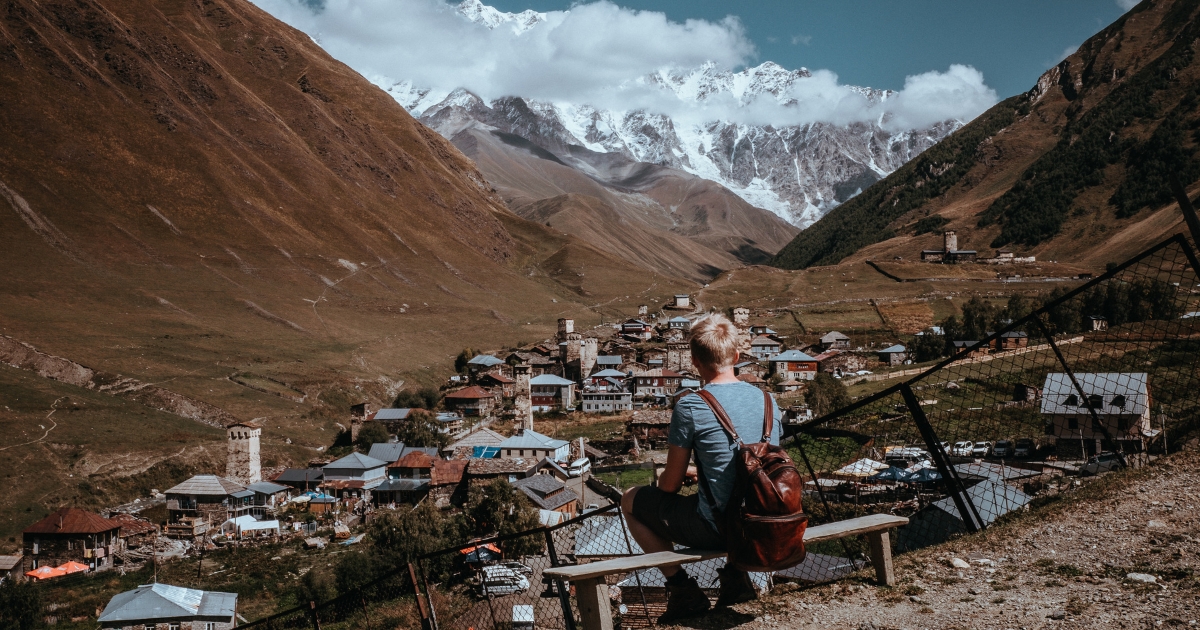
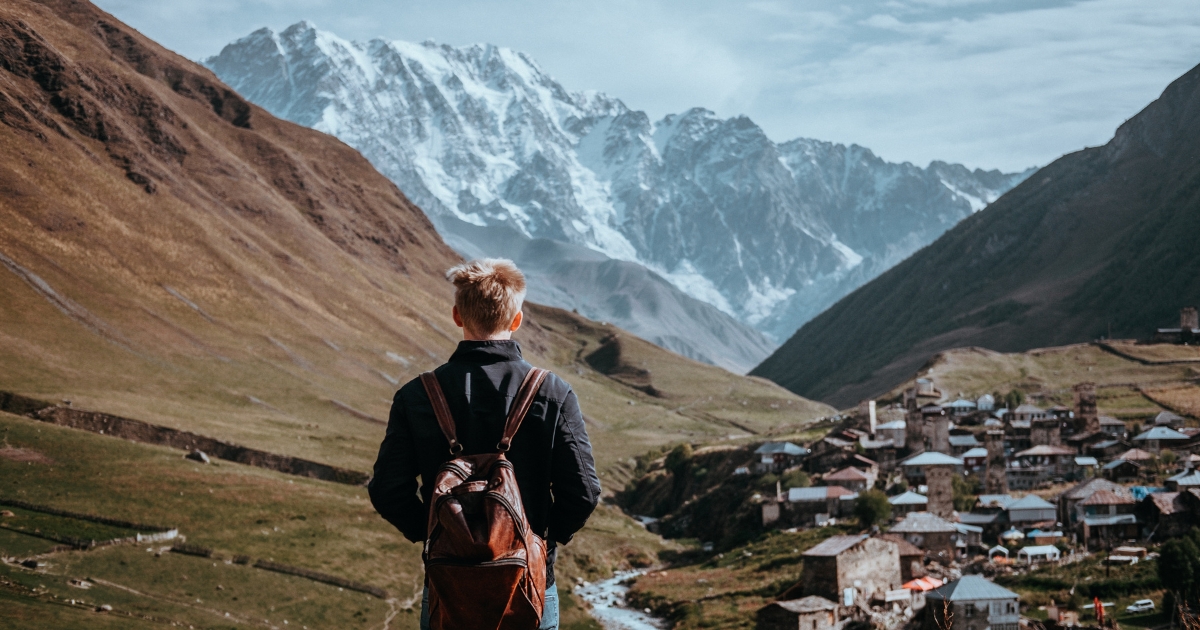
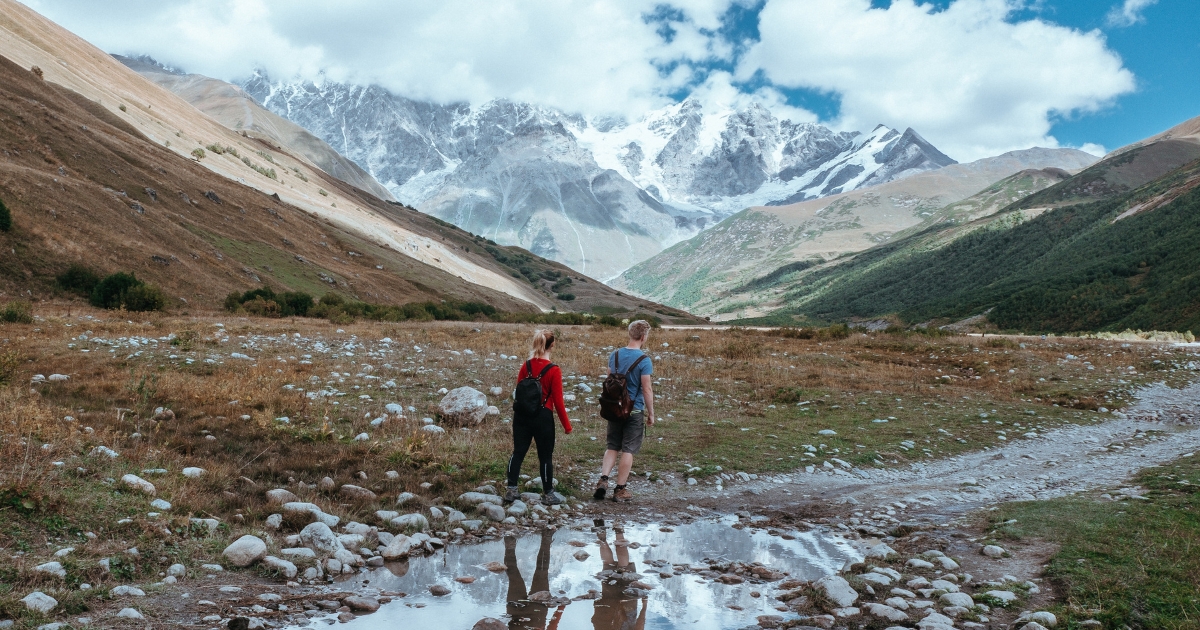
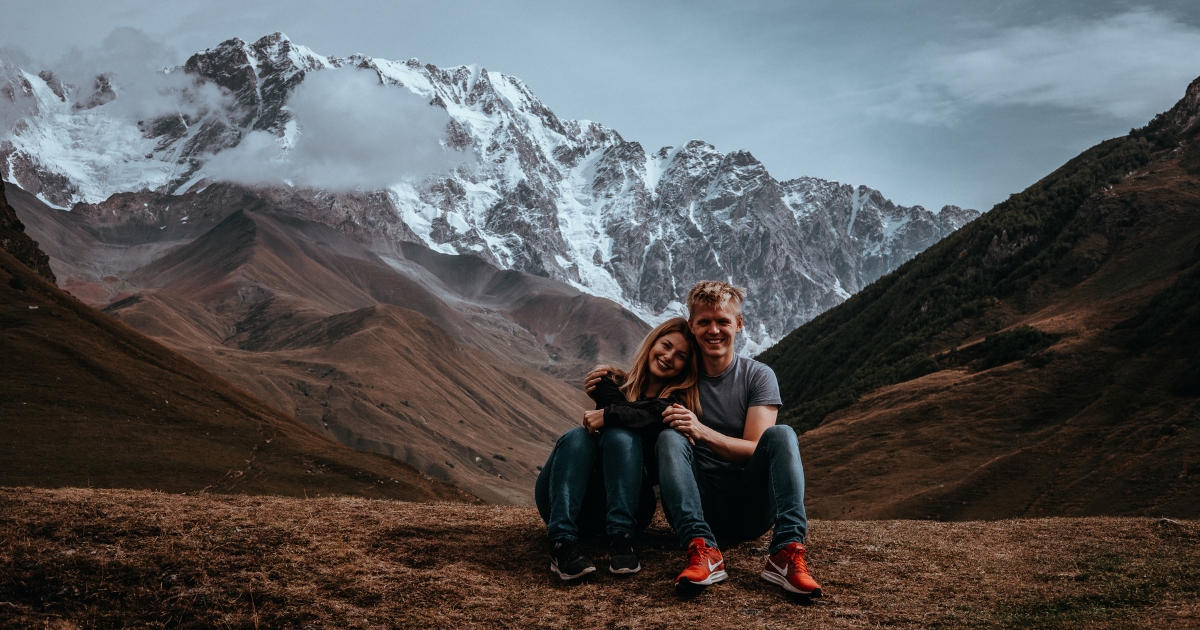
When we flew toGeorgia, it had already been over a year since we started traveling non-stop, and we were tired. It seemed nothing could surprise us, but when I first saw the stone defense towers against the backdrop of the majestic Caucasian peaks, I changed my mind. Ushguli (Ušguli in Czech), the highest permanently inhabited village in Europe (if Georgia is considered part of Europe), is a treasure hidden at an altitude of over 2,100 meters above sea level, in a remote corner of the mountainous Svaneti region.
This cluster of four small villages with characteristic defense towers, nestled beneath the majestic massif of Mount Shkhara (5,068 m), represents one of the most authentic places in the entire Caucasus. A place where time has stood still, where people live in harmony with nature, and where you can experience the atmosphere of the Middle Ages in its purest form.
Let’s explore this hidden gem of the Georgian mountains together and find out why it’s worth making the challenging journey here.
Summary for those who Don’t Have Time to Read the Whole Article
Ushguli consists of a cluster of four villages with unique stone defense towers, which are part of the UNESCO World Heritage site.
The best time to visit is from June to September, when the roads are passable.
To get to Ushguli, use an off-road taxi from Mestia (approx. 2 hours of driving through challenging terrain), or you can go by your own car, which is what we did, and I don’t highly recommend it.
Don’t forget plenty of cash, warm clothing even in summer, and sturdy footwear.
Stay at least overnight in a local guesthouse (Gamarjoba Guest and Art House) if you want the full experience.
Where is Ushguli and What should You Know?
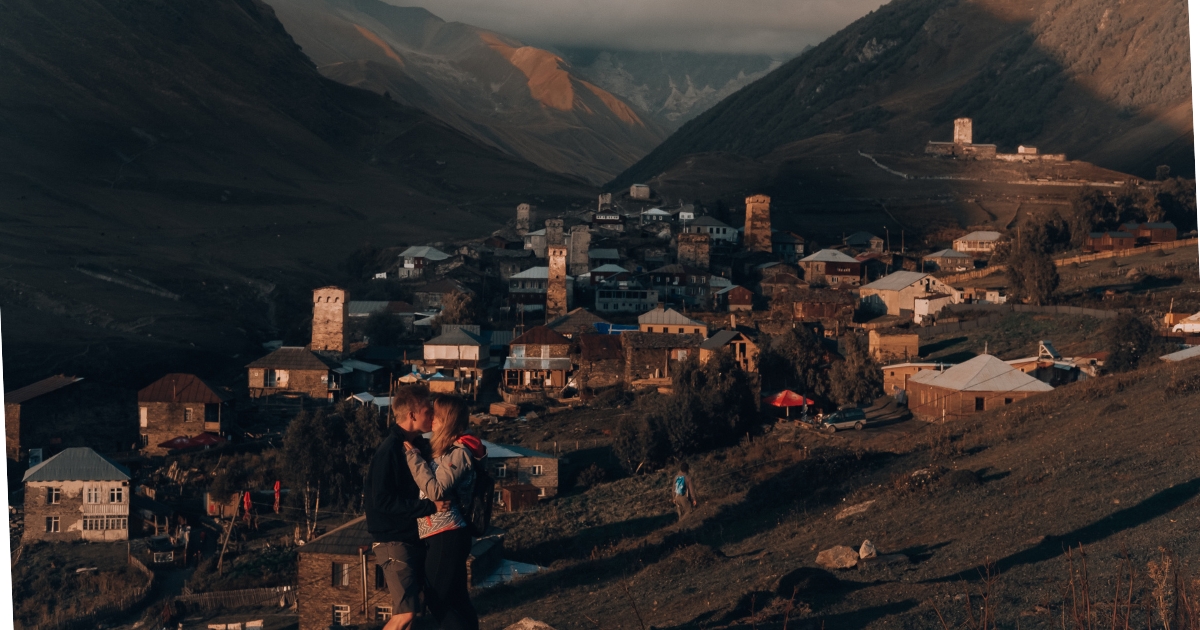
Ushguli is located in the northwestern part of Georgia, in the historical region called Upper Svaneti. In fact, it’s not one village, but a cluster of four small settlements – Zhibiani, Chvibiani, Chazhashi, and Murkmeli – with approximately 70 families and about 200 inhabitants in total.
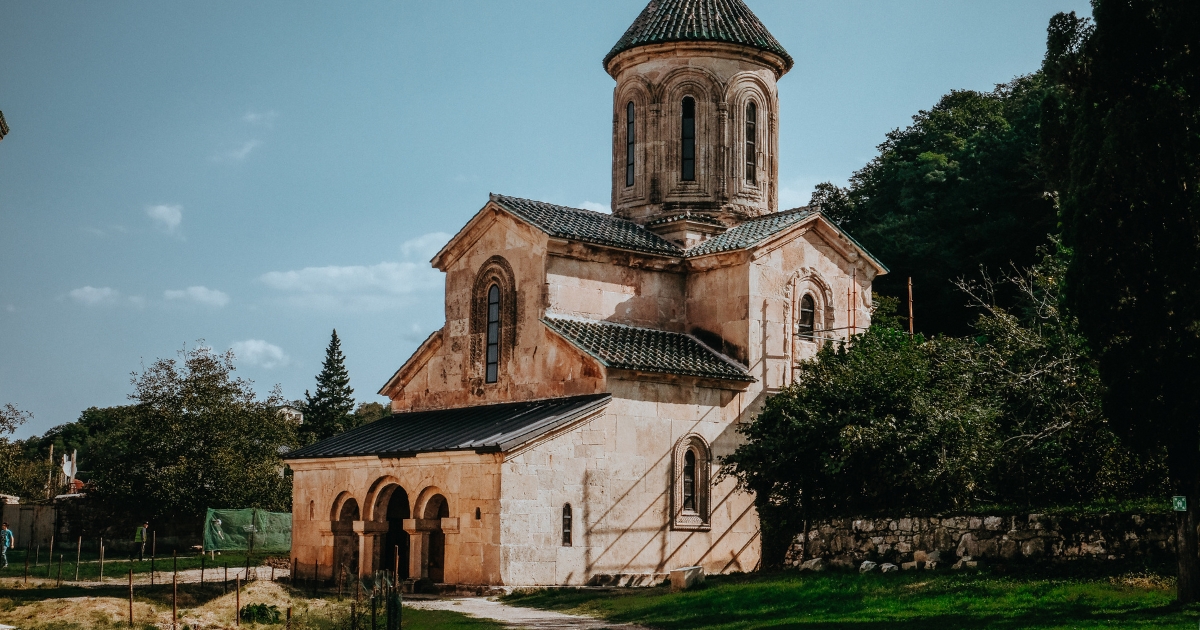
This area is famous for its typical medieval defense towers (koški) from the 9th-12th centuries, which were built as protection against invaders. Each family had its own tower, which also served as a refuge, granary, and emergency dwelling.
The entire Upper Svaneti is inscribed on the UNESCO World Heritage list. And believe me, deservedly so – the landscape of defense towers against the backdrop of five-thousand-meter peaks is something that will take your breath away.
What makes Ushguli so special? It’s not only its location at an altitude of around 2,100-2,200 meters above sea level (making it one of the highest permanently inhabited places in Europe), but also its isolation. Snow lies here for half the year, and in winter, Ushguli is cut off from the world for months. Thanks to this isolation, the village has preserved its authentic character.
Where to Stay and What to be Aware Of
Most people stay overnight in Mestia, but I recommend staying in Ushguli during the summer as well. Accommodation tends to be more modest, but that’s part of the experience. It’s not expensive yet either, so why not stay there? We liked Gamarjoba Guest and Art House.
When is the Best Time to Visit Ushguli?
If you want to avoid problems, the ideal time is from June to the end of September. During these months, the weather is usually most stable – plenty of sunshine, minimal precipitation, and all roads are passable.
July and August are the warmest months, but also the busiest – many groups go trekking during this period, and guesthouses can be full, so book your accommodation in advance. September is more suitable for those who want fewer tourists but still good weather.
June can be rainy at first, and snow may still lie in the passes on trekking routes. October is a lottery – the first half often still offers sunny days, but it can also snow prematurely and close the passes.
From November to May, Ushguli is usually inaccessible – the road is often closed by snow, and guesthouses are shut. Unless you are an experienced expedition traveler, do not venture into Svaneti in winter.
Personally, I recommend September – nature is vibrant with colors, the weather is usually stable, and you can enjoy the best of Ushguli without tourist crowds.
How to get to Ushguli: the Journey Itself is an Experience
The journey to Ushguli is an experience in itself, and if you want it to be hassle-free, use local services. Most people depart from Mestia, which is the main town of Svaneti, from where Ushguli is located approximately 46 km east (by road).
There is no direct public transport to Ushguli – no marshrutkas or buses run here. You have several options to get there:
Off-road Taxi from Mestia
The most common option is an off-road taxi from Mestia. Every morning, drivers with 4×4 vehicles (most often Delica vans) wait in Mestia’s central square. The price for a round trip is usually around 50 GEL per person.
It works like a shared taxi/shuttle – it departs around 10:00 AM when the car is full, and you arrive in Ushguli in approximately 1.5-2 hours. Drivers make stops at viewpoints along the way. You have a few hours on site for sightseeing, and the vehicle returns to Mestia around 3-4 PM.
If you want to stay overnight in Ushguli (which I highly recommend), arrange an individual return ride with the driver for the following day and pay upon your return.
Private Driver or Tour
If you want it to be truly hassle-free, I recommend going on a trip through GetYourGuide. It’s safe, comfortable, and most importantly, stress-free.
On Foot in the Mountains – the Famous Trek from Mestia to Ushguli
The most famous long-distance route in Georgia is the four-day mountain trek from Mestia to Ushguli (approximately 56 km in total). Along the way, you’ll cross passes around 2,500-2,700 m above sea level and pass through picturesque valleys with Caucasus panoramas.
The classic daily stages are: Mestia → Zhabeshi (16 km), Zhabeshi → Adishi (12 km), Adishi → Iprari (18 km) via Chkhunderi Pass (2,719 m) and the Adishchala River ford, and the final Iprari → Ushguli (12 km).
Overnight stays are in simple mountain guesthouses along the way, which have emerged in recent years in every village (Adishi, Iprari, etc.). For mountain hiking enthusiasts, this trek is a true highlight of a visit to Georgia.
By your Own Car
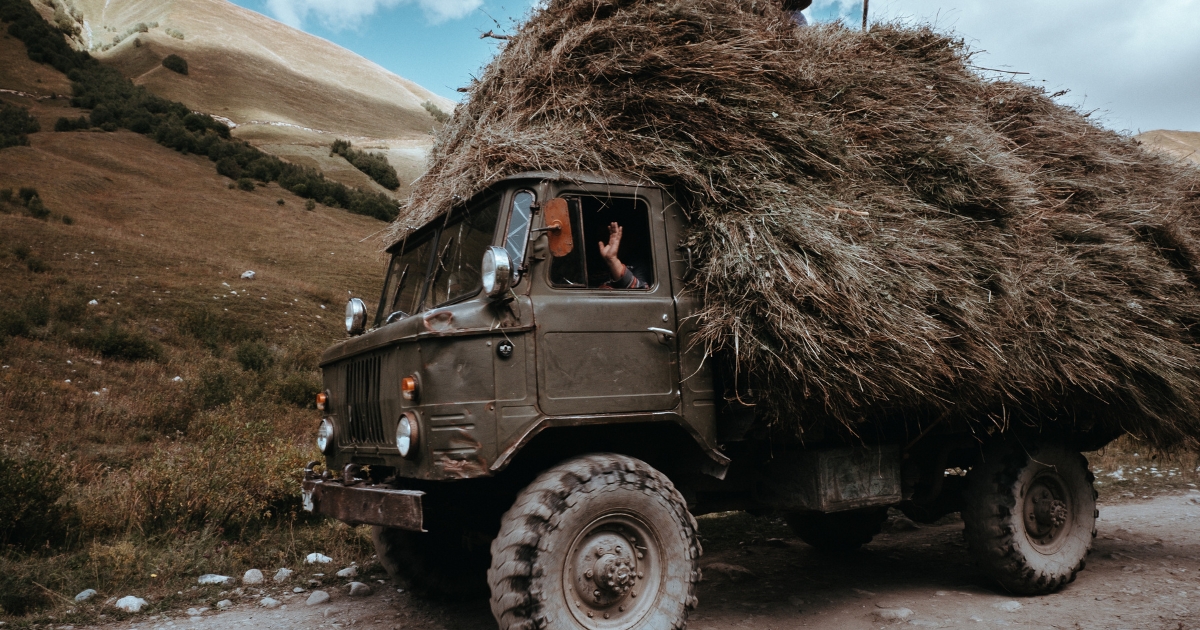
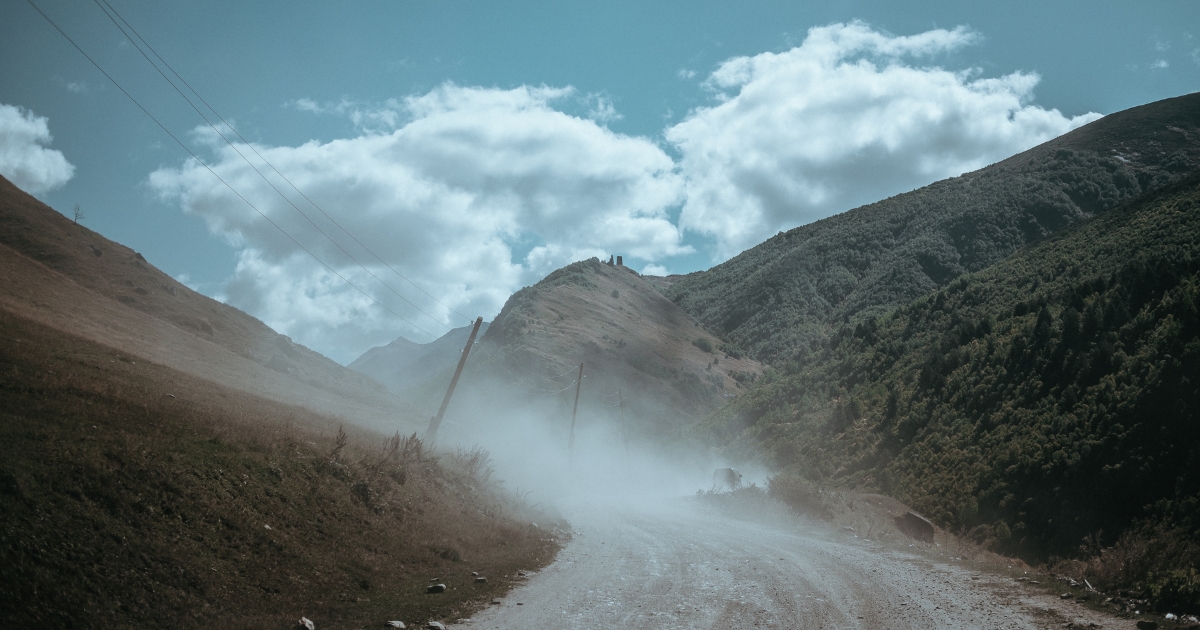
Ushguli is only accessible by car in summer and dry conditions, which is what we did, and it was quite hardcore. More than traveling in Europe, it reminded us of traveling in Uganda. The road from Mestia leads through a narrow valley along the Inguri River – the first approximately 30 km are now newly paved (concrete/asphalt), while the last roughly 15 km are a gravel and bumpy road.
The section before Ushguli is the worst – broken surface, potholes, occasional stream fords. P However, if there haven’t been recent rains, an experienced driver can manage it even with a regular car. However, it’s definitely better to have a 4×4 vehicle with higher ground clearance to avoid damage on the stony road.
From Mestia to Ushguli, allow approximately 2 hours of pure driving time (50 km), or easily 3 hours with photo stops and breaks.
12 Tips on What to See and Do in Ushguli
But now, let’s take a look at what to see and do in Ushguli.
1. Svan Defense Towers (Koški)
Symbol of Ushguli and all of Svaneti. These are tall stone towers from the 9th-12th centuries that served as fortified refuges and defense against invaders. Each family had its own tower, also used as a granary, stable, or emergency dwelling.
To this day, several dozen of these 3-5 story high towers have been preserved in Ushguli – typically square-shaped with small windows. The towers, along with the stone houses, create a unique open-air medieval museum, thanks to which Ushguli is under UNESCO protection.
From this perspective, the most picturesque is the village of Chazhashi, where the concentration of towers is highest and where the traditional character of the settlement has been preserved to this day.
2. Lamaria Church (Nanatsilevi)
On a raised hill above the village of Zhibiani stands the white Church of the Virgin Mary (Uspenie Bohorodice) from the 9th-10th centuries, known as Lamaria. I t is the most significant sanctuary in Ushguli, surrounded by an old cemetery from the 12th century. Original wall paintings and frescoes have been preserved inside.
Lamaria is shrouded in legends among the Svans – for example, it is said that women were not allowed to enter the church (perhaps due to an ancient superstition). Today, Lamaria is freely accessible to all visitors and offers an iconic view – a frequently photographed shot of the small church with a tower against the backdrop of the Shkhara glacier.
For the Svans, the place holds spiritual significance; Lamaria is the Svan name for the Mother of God, and locals still come here to pray for protection. Ancient bells hang by the church, and you’ll also find small stone chapels in the vicinity.
3. Museums and Treasures of Ushguli
Although Ushguli is very remote, it hides surprisingly valuable historical exhibits. The main Ushguli Historical Museum is located in one of the towers near the crossroads in the Chazhashi section.
For a symbolic entrance fee (approx. 3 GEL), you’ll see a collection of unique artifacts, such as old gold and silver jewelry, decorated 10th-century crosses inlaid with gold, or a 6th-century Syrian golden cup with biblical motifs. These treasures bear witness to the rich history of Svaneti; according to locals, the gold comes directly from the surrounding mountains. Photography inside is prohibited, but the experience is well worth it.
The Ethnographic Museum is located near Lamaria. A very old lady, who remembers the original use of the exhibited items, guides visitors there. You’ll see traditional Svan tools, weapons, costumes, and even a hand-operated water-powered flour mill. The entrance fee is around 5-10 GEL.
4. Shkhara Glacier and the Hike to It
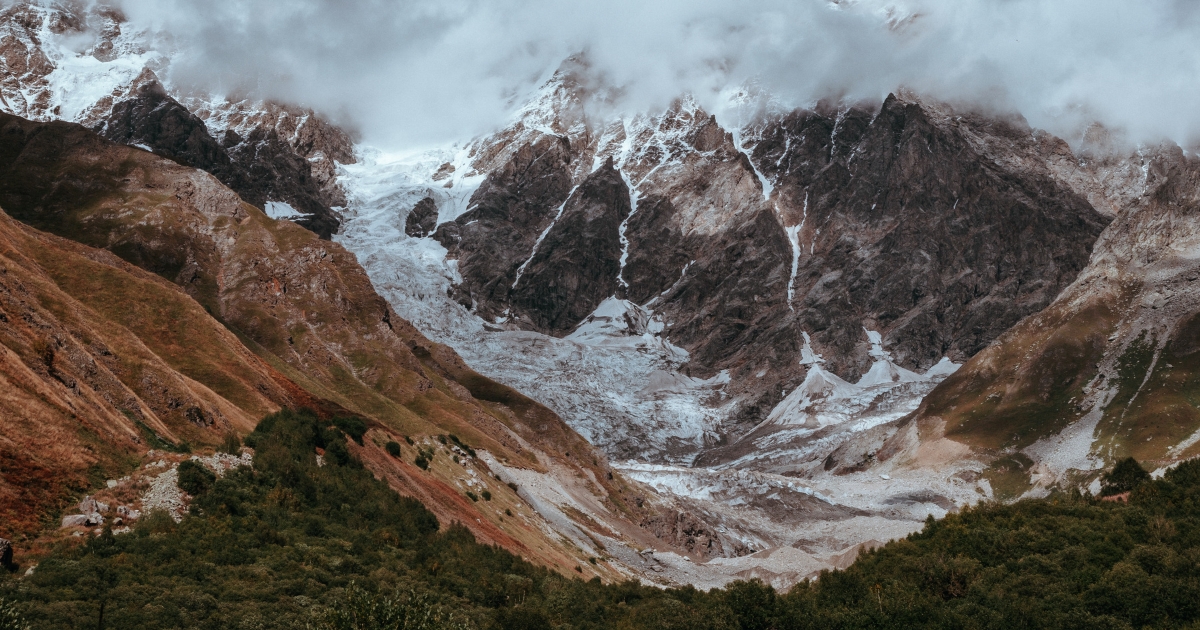
The hike to Shkhara Glacier (approx. 8 km one way) is one of the most beautiful and relatively easy treks in Svaneti. The trail follows the Inguri River and gently ascends to a moraine, offering a fantastic view of the glacier tongue and the peaks of Shkhara directly above you.
The round trip takes about 5-6 hours; most visitors set out early in the morning when the mountain is best visible (in the afternoon, it often gets shrouded in clouds).
5. Horse Riding
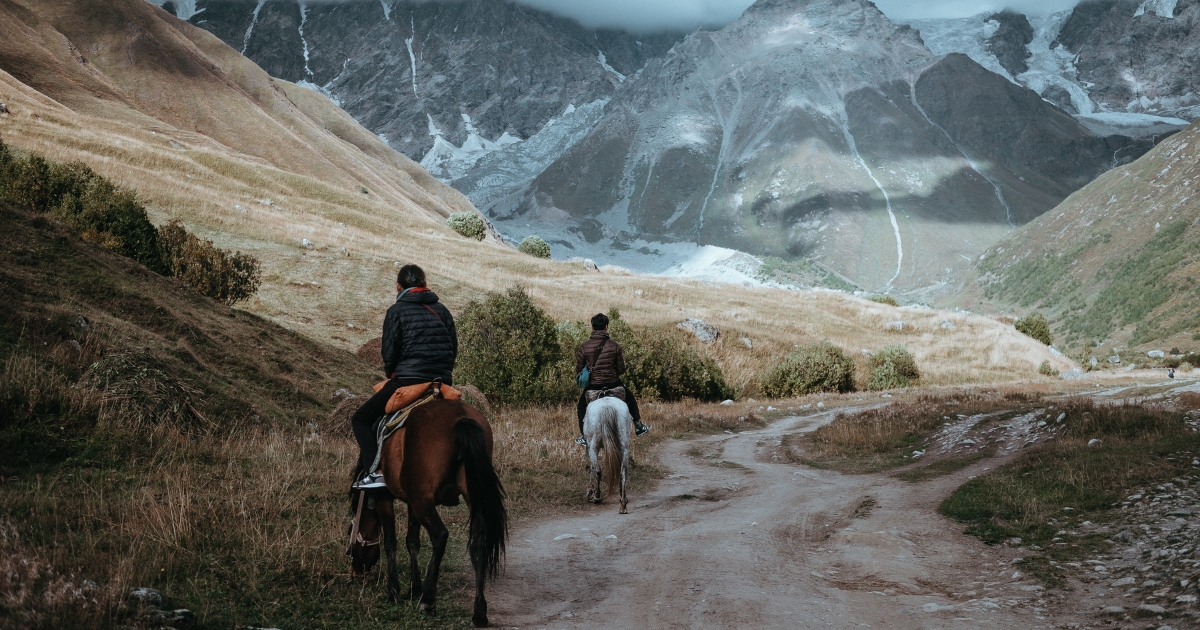
Those who don’t dare to go on foot can take advantage of local offers and hire a horse with a guide. For a multi-hour ride to the glacier, you’ll pay dozens of Lari (approximately 50 GEL and up per person, depending on the length and number of people in the group).
Horses are an inseparable part of Svan life, and the view of Ushguli from horseback has its unique charm. Local horses are accustomed to mountain terrain and will safely transport you even to more challenging places.
6. Zagaro Pass (Zagari)
Another natural attraction is Zagaro (Zagari) Pass – a high-mountain pass at an altitude of 2,622 m above sea level on the border of Upper and Lower Svaneti. From Ushguli, an old dusty road winds up the slope to it; as a walk, it’s approximately 7-8 km (2-3 hours) one way.
The reward is a panoramic view of both sides of the main Caucasian ridge. This route continues further into the remote Lentekhi region, but due to its difficulty (steep switchbacks, fords), it is only suitable for experienced tourists with off-road vehicles or mountain bikes.
7. Tower of Love and Tamar’s Castle
While walking through Ushguli, you definitely won’t miss the so-called Tower of Love. This isolated tower stands by the road from Mestia even before Ushguli, and drivers like to stop here. A tragic love story is associated with it (after which the tower was named) – it’s a Svan equivalent of Romeo and Juliet.
In Ushguli itself, visit Tamar’s Castle in the settlement of Chazhashi. The ruins, also known as Queen Tamar’s Summer Palace, stand on a small hill above the village. According to legend, the legendary Queen Tamar, whom the Svans still revere today, actually resided here in the 12th century – they even claim that the queen is buried in the inaccessible mountains of Svaneti. From the castle ruins, there is a beautiful view of the entire village.
8. Walk through all Four Villages
The entire Ushguli can be walked through from the highest part, Zhibiani, to the lowest, Murkmeli, in just approximately 30 minutes. Along the way, you’ll enjoy various views of the towers, peek into courtyards, and perhaps even encounter free-grazing cows, goats, or pigs wandering between houses – in Ushguli, farm animals move independently and return to their stables on their own in the evening.
I recommend starting in Zhibiani (the upper part, where Lamaria is located), then descending to Chvibiani, which lies by the river. Continue to Chazhashi (over a low hill) and finally visit Murkmeli with its additional towers and small church.
9. Tasting Svan Cuisine
Mountain cuisine is hearty and simple, based on dairy products, meat, and potatoes. A typical dish you must try in Ushguli is kubdari – a stuffed flatbread with spiced meat, considered the national dish of the Svans.
It is a dense leavened bread filled with chopped pork or beef, seasoned with mountain herbs, garlic, and especially Svanetian salt (svanuri marili) – a mixture of salt and aromatic spices (including cumin, coriander, fenugreek, dill). Thanks to this mixture, kubdari has a distinct spicy flavor and a beautiful aroma of Caucasian herbs. The flatbread is traditionally baked in a wood-fired oven to make the dough crispy and the meat inside juicy.
Another local specialty is tashmijabi – a cheese puree made from potatoes and homemade cheese (similar to the well-known Georgian elarji). You can also try chvishtari (cornbread with cheese pieces) or the famous khachapuri (cheese-filled bread) in its mountain variant. Svanetian salt is used in almost everything here, and you can even buy it to take home as an edible souvenir.
10. Sunset over the Ushguli Towers
One of the most magical experiences you can have in Ushguli is watching the sunset. When the evening rays illuminate the peaks of Shkhara and the defense towers cast long shadows into the valley, a sight like something from another world is created.
I recommend finding an elevated spot with a view of the village (for example, from Lamaria Church or Tamar’s Castle) and calmly observing how the landscape gradually turns into shades of orange and then purple. It’s a moment when you fully realize why the challenging journey to this remote corner of the world was worth it.
11. Stargazing
There is almost no light pollution in Ushguli, making it an ideal place for observing the night sky. If you’re lucky enough to have a clear night, you’ll see an incredible number of stars, a clearly visible Milky Way, and perhaps even some planets.
Locals often say that in the winter months, when the village is cut off from the world and covered in snow, the view of the stars above the snow-capped mountains is even more intense. It’s one of the few advantages of the harsh winter life in these remote areas.
12. Meeting Local Svans and Their Culture
The Svans – the indigenous inhabitants of Svaneti – are a small Caucasian nation that has preserved its distinct culture, language, and customs for centuries. They live in remote valleys and have never been fully subjugated by foreign conquerors. The name Ushguli reportedly comes from the Svan “ush-ishkhari guli” – “fearless heart”, which captures the determination of the locals to remain in the harsh mountains.
The Svans are Orthodox Christians, yet with many original elements of their faith. Long winter months cut off from the world have led generations of Svans to deep piety – “in the silence of the snow-covered mountains, there is nothing left but to turn one’s mind to eternity,” it is written in one Georgian report.
Life in Ushguli remains rustic and modest to this day. Locals traditionally engage in cattle breeding and hunting; unlike most Georgians, they hardly cultivate grapevines or indulge in large wine festivities. Mountain life has always been harsh, and the Svans are accustomed to ascetic simplicity.
Surprisingly, mobile coverage here is quite good – according to travelers, some operators (Magti, Geocell) even have LTE signal in Ushguli. However, quality fluctuates, and outages are not uncommon.
Wi-Fi networks are only exceptionally available (perhaps in one or two guesthouses via satellite), so don’t rely on Wi-Fi and rather get a data SIM card already in the city.
Respect for Locals and Their Customs
The Svans are proud people – treat their traditions with respect. For example, enter Lamaria Church dressed modestly (for women, a headscarf and covered knees are recommended, although today they no longer strictly require it).
It’s not advisable to climb towers without permission – some are private or in a dilapidated state. When photographing people, it’s polite to ask with a gesture or the words “photo ok?”. Many locals prefer to avoid being photographed, while others might surprise you and even invite you for tea.
Learn a few Georgian or Svan words (e.g., thank you = madlobt, Svan hva) – this will break the ice.
Beware of Dogs
Large Caucasian Shepherds are common in Svaneti – in Ushguli, you’ll see them roaming freely. They are usually not dangerous (unless you approach them); in fact, they often serve as unofficial “guides” for tourists around the village.
Nevertheless, it’s good to be cautious, especially outside the village near herds where dogs guard sheep from wolves – in such cases, it’s better to avoid a group of large dogs.
FAQ
Is Ushguli safe?
Yes. Locals are honest, and tourists are practically not at risk of theft. The main danger can be nature – be careful on mountain paths (steep cliffs, falling rocks) and don’t underestimate rapid weather changes.
How challenging is the trek from Mestia to Ushguli?
The four-day, 56 km trek from Mestia to Ushguli is moderately challenging. It requires good physical condition, as you will walk 12-18 km daily and overcome an elevation gain of up to 1000 meters. The most challenging day is the third, with the crossing of Chkhunderi Pass (2719 m) and a river ford. However, with good preparation, it is manageable even for moderately fit tourists.
Tips and Tricks for Your Vacation
Don’t Overpay for Flights
Search for flights on Kayak. It’s our favorite search engine because it scans the websites of all airlines and always finds the cheapest connection.
Book Your Accommodation Smartly
The best experiences we’ve had when looking for accommodation (from Alaska to Morocco) are with Booking.com, where hotels, apartments, and entire houses are usually the cheapest and most widely available.
Don’t Forget Travel Insurance
Good travel insurance will protect you against illness, accidents, theft, or flight cancellations. We’ve had a few hospital visits abroad, so we know how important it is to have proper insurance arranged.
Where we insure ourselves: SafetyWing (best for everyone) and TrueTraveller (for extra-long trips).
Why don’t we recommend any Czech insurance company? Because they have too many restrictions. They set limits on the number of days abroad, travel insurance via a credit card often requires you to pay medical expenses only with that card, and they frequently limit the number of returns to the Czech Republic.
Find the Best Experiences
Get Your Guide is a huge online marketplace where you can book guided walks, trips, skip-the-line tickets, tours, and much more. We always find some extra fun there!
TL;DRAustria’s best lakes for a holiday are Hallstättersee, Achensee, Wolfgangsee, Zellersee and Wörthersee. May to September is the sweet spot, when the water warms up to 28°C — Wörthersee stays warmest thanks to its thermal springs. Families do well at Zell am See, with its beaches and playgrounds, or the shallow Wolfgangsee, while Hallstatt delivers the culture fix with its UNESCO sites and salt mines. For watersports, head to Achensee for windsurfing, Wörthersee for sailing, or Attersee for paddleboarding, where underwater visibility runs past 20 metres. Grundlsee has 14 kilometres of groomed beaches, and for a place to stay, Pension Café zum Mühlbach or The House Zell am See are both worth booking.
Crystal clear water, Alpine peaks, and tranquil places far from tourist crowds – these are the Austrian lakes, Europe’s most beautiful hidden treasures. While you’ll be jostling among thousands of visitors on crowded Mediterranean beaches, here you’ll enjoy peace in untouched nature. We’ve compiled 10 tips for the best places at the Austrian lakes, including inspiration for excursions in the surrounding area.
The Austrian lakes are beautiful all year round, but each season has its specifics. Summer is, of course, the most popular – from June to August, water temperatures in lower altitudes reach a pleasant 20-25°C, and some lakes like Wörthersee even warm up to 28°C thanks to thermal springs at the bottom. During this time, you can fully enjoy all water activities, beaches are open, and hotels and restaurants have extended opening hours.
However, late spring and early autumn are ideal – May, September, and October. In these months, the weather is still pleasant, air temperatures are around 20-25°C, and the water is still warm from summer. Plus, you’ll avoid tourist crowds and enjoy a calmer atmosphere. May is also beautiful thanks to blooming meadows and fresh greenery.
Autumn has its charm in the form of colorful forests reflecting on the lake surface. Winter brings a romantic atmosphere of snow-capped peaks, and some higher-altitude lakes even freeze over.
Where to Stay at the Austrian Lakes
The choice of accommodation depends on the type of holiday you are planning. For family stays with children, we recommend hotels directly on the lake shore with their own beach and playgrounds. Zell am See offers a number of such facilities with lake and mountain views. For example, The House Zell am See.
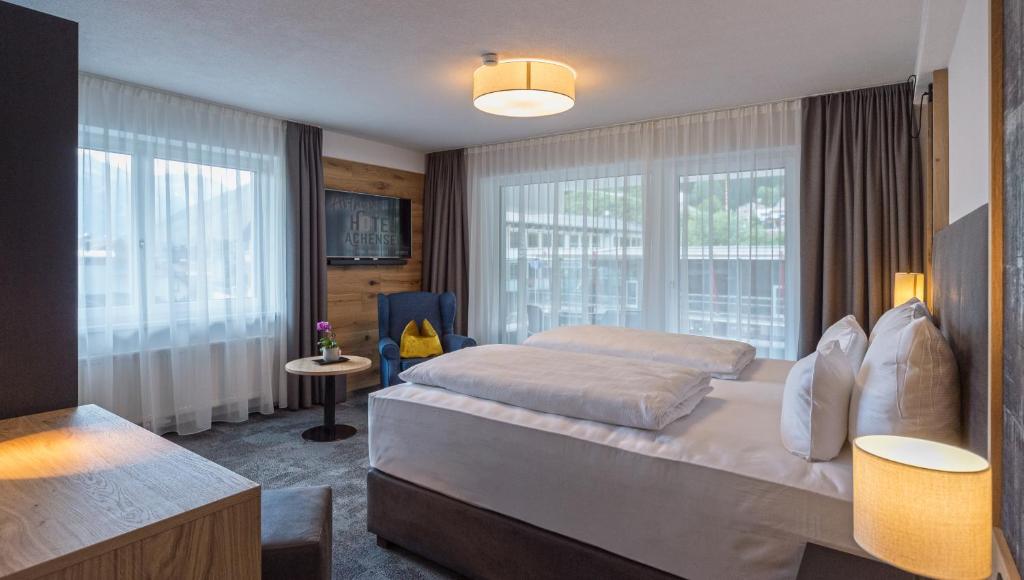
For active travelers, mountain hotels and guesthouses with their own wellness facilities, sports equipment rental, and organized excursions are ideal. In the Achensee area, you’ll find many such facilities focused on hiking, cycling, and water sports. Check out Arthur’s Hotel.
Accommodation, Achensee
10 Tips for the Best Places at the Austrian Lakes
Are you planning a holiday to the Austrian lakes? Then we have 10 tips for the best places at the Austrian lakes for you.
Hallstättersee
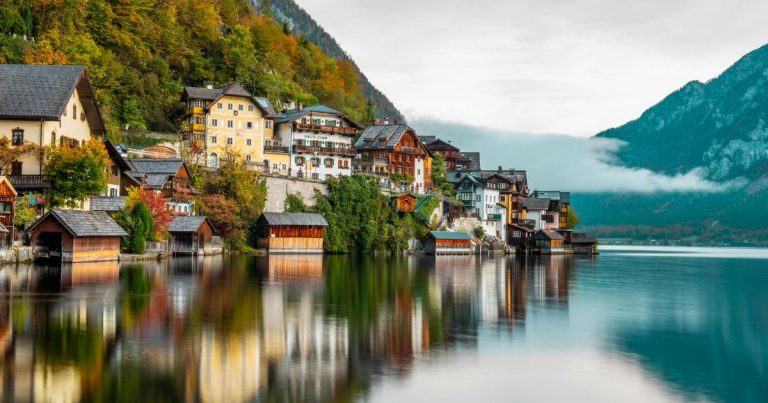
Hallstatt is a place that every visitor will remember forever. This picturesque town with only 800 inhabitants lies on the shore of Hallstättersee like a backdrop from the most beautiful Austrian film. Its history dates back to prehistoric times – salt mines have been operating here for thousands of years and are among the oldest in the world. UNESCO inscribed the entire area on its list due to the exceptional combination of natural beauty and cultural heritage.
A walk through the town is like a journey through time. Narrow streets lined with historic houses lead to the main square with the Evangelical Church, whose tower has become a symbol of Hallstatt. Nearby stands the Catholic Church of the Assumption of Mary with its famous charnel house, where painted skulls of former inhabitants are displayed, a tradition dating back to the 12th century.
Lake Hallstatt
Achensee
Tyrol’s largest natural lake is called the “Alpine Fjord”, and it’s no wonder. Azure water surrounded by almost vertical rock faces creates an atmosphere you’d more likely associate with Scandinavia. Achensee is a paradise for water sports enthusiasts. Consistent wind conditions make it one of the best places for windsurfing and kitesurfing in Central Europe.
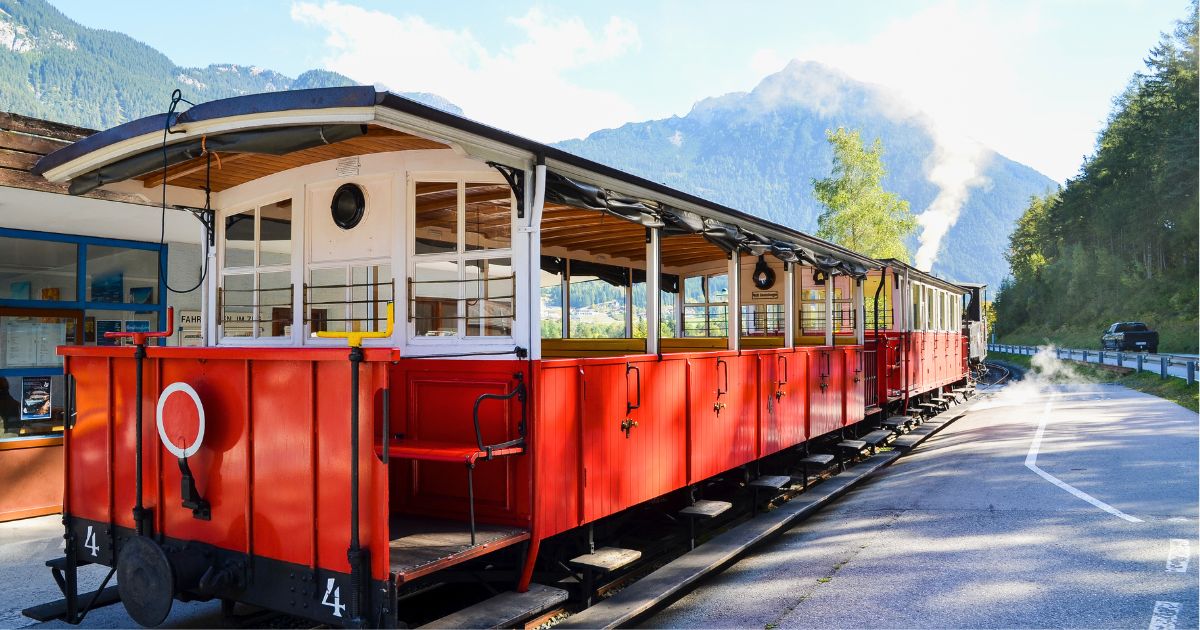
Families with children will appreciate the beach on the southern edge of the lake with shallow water entry, a sandy bottom, and a children’s playground. Vintage vehicle enthusiasts shouldn’t miss a ride on the cogwheel steam train from Jenbach to the lake shore. The surrounding mountains offer hundreds of kilometers of marked hiking trails of varying difficulty, from lakeside strolls to challenging ascents to surrounding peaks with panoramic views.
Wolfgangsee
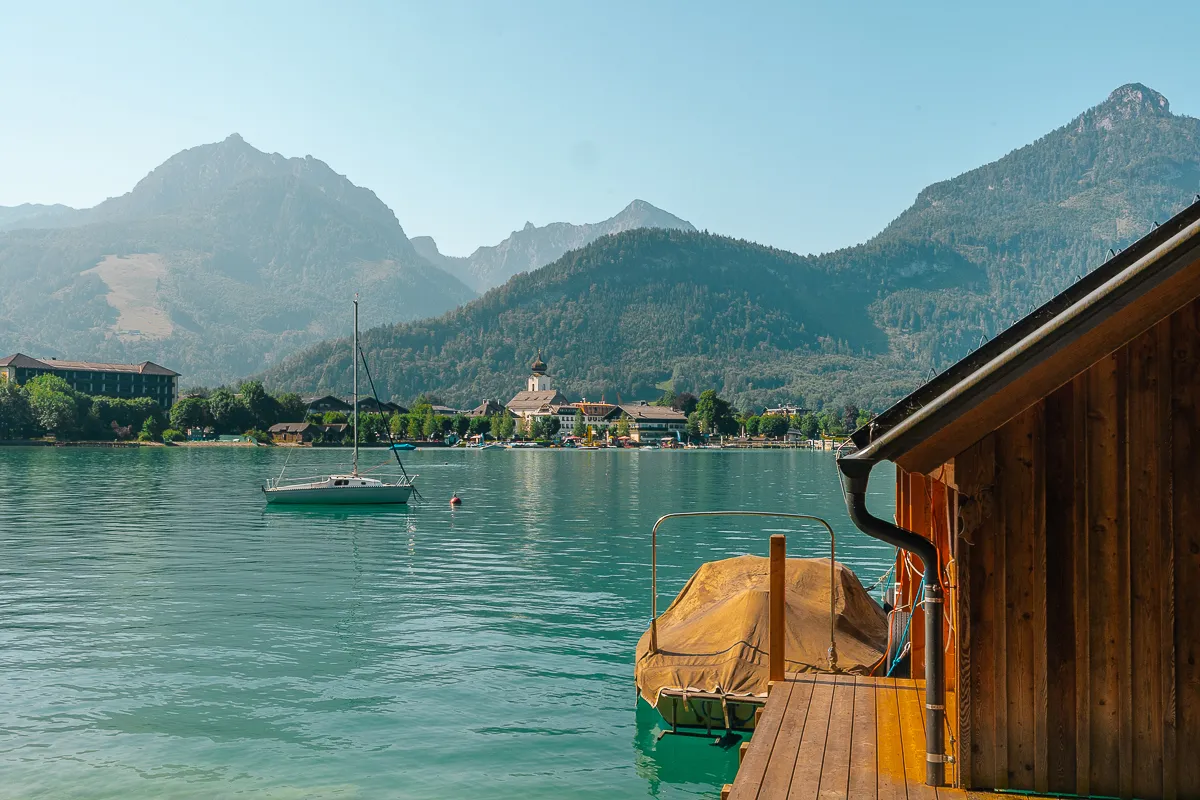
Wolfgangsee, named after Saint Wolfgang, is one of the most romantic Austrian lakes. Its shores are adorned by the legendary towns of St. Wolfgang with its pilgrimage church, St. Gilgen – Mozart’s mother’s birthplace, and Strobl with the charming atmosphere of a seaside resort. The lake is divided by a peninsula into two parts connected by a narrow strait, creating interesting scenery for boat trips.
The crystal-clear water reaches a pleasant 24°C in summer and is ideal not only for swimming but also for all water sports. You can rent a kayak, paddleboard, or sailboat, or take a ride on one of the nostalgic steamships. The surrounding landscape invites hiking – a popular ascent is to Schafberg, from where one of the most beautiful views of the entire Salzkammergut region can be enjoyed.
Wolfgangsee
Zellersee
Lake Zell is located in the heart of the Hohe Tauern National Park and offers a unique combination of a mountain lake with a backdrop of eternal snows and glaciers. The town of Zell am See is an ideal starting point for exploring the surroundings – from lakeside strolls to challenging high-altitude hiking and excursions to the Kitzsteinhorn glacier.
Among the perfectly maintained beaches with lawns and playgrounds, Seespitz beach stands out, offering water sports equipment rental. Golf enthusiasts will find two eighteen-hole courses nearby with lake and mountain views. In the winter months, Zell am See transforms into a skiing paradise with direct access to the glacier, so you can ski practically all year round.
Zellersee
Wörthersee
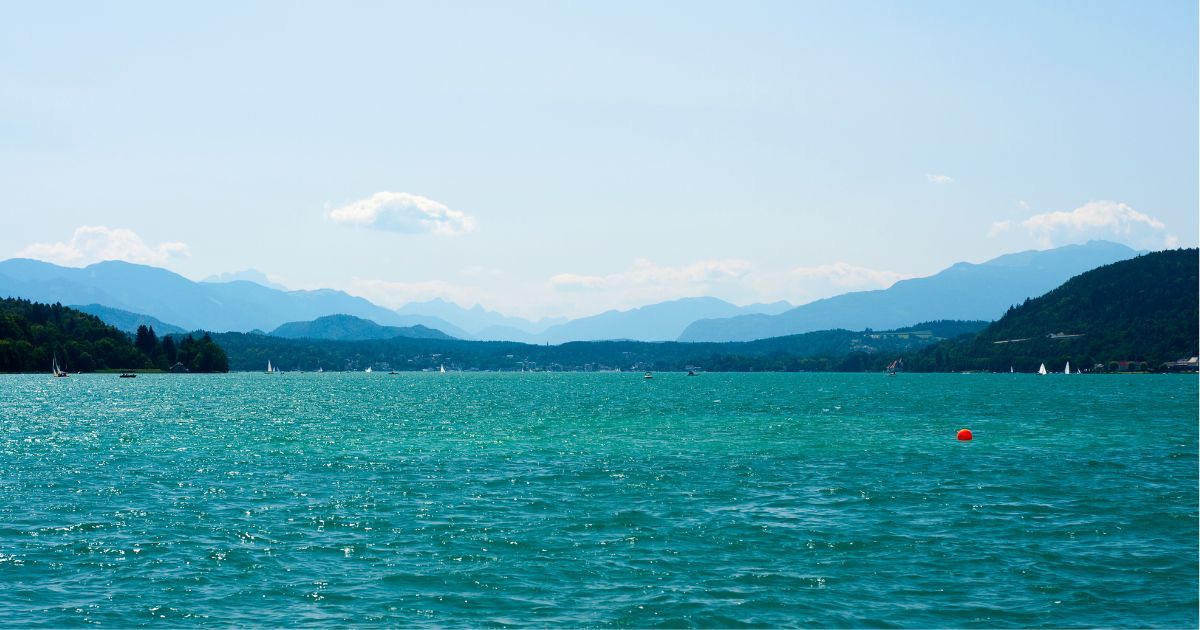
Carinthia’s largest lake is the warmest Alpine lake of all, thanks to its underground thermal springs. Water temperatures reach up to 28°C in summer, making it an ideal place for swimming and water fun. Long sandy beaches, crystal-clear water, and luxurious resorts with renowned wellness centers make it the Austrian version of the French or Italian Riviera.
Klagenfurt, on the northern shore of the lake, offers a rich cultural program, shopping, and nightlife. For active pursuits, there’s an extensive network of cycling paths around the entire lake, golf courses with panoramic views, and climbing opportunities in the surrounding Carinthian Alps. The Pyramidenkogel observation tower, the world’s tallest wooden observation tower, provides breathtaking views of the entire lake and the surrounding mountains.
Wörthersee
Attersee
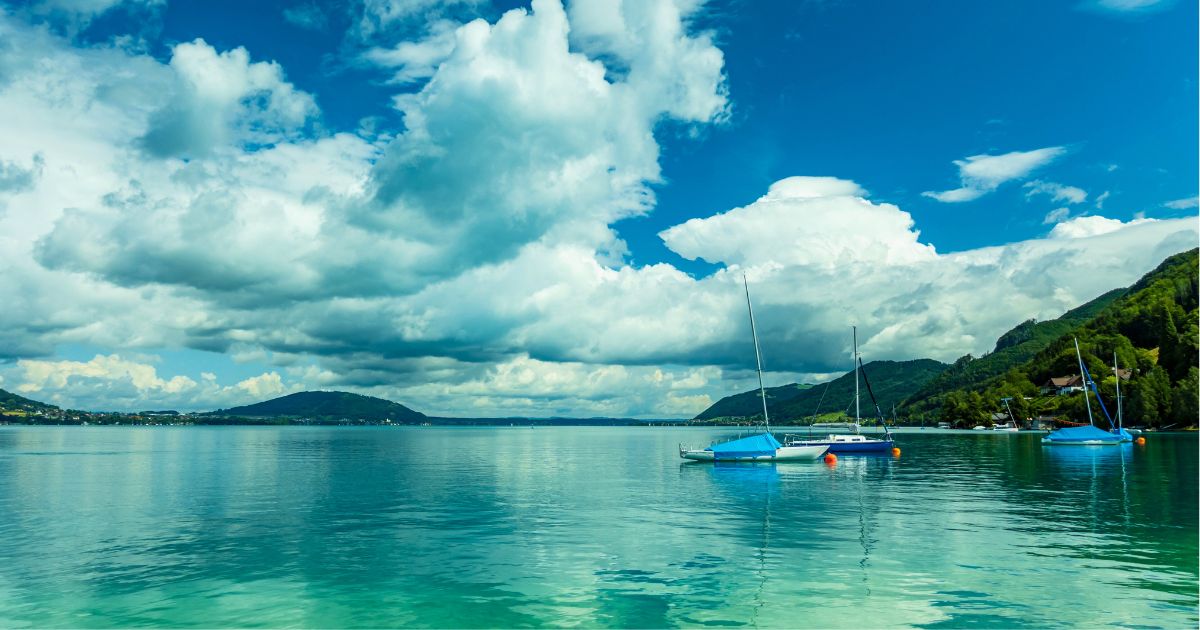
Austria’s largest inland lake is home to the cleanest drinking water in Central Europe. Attersee attracts not only with its size but primarily with its crystal-clear water, ideal for diving. Underwater visibility often exceeds 20 meters, allowing you to admire the rich underwater life and geological formations on the lakebed.
The shores of the lake are lined with a number of picturesque spa towns. Attersee, on the western shore, offers a historic center with villas from the early 20th century and quality beach services. Steinbach am Attersee is known as the birthplace of composer Gustav Mahler, where you can visit his composing hut today. Water sports have a long tradition at Attersee; international regattas and windsurfing championships are held here annually.
Attersee
Grundlsee
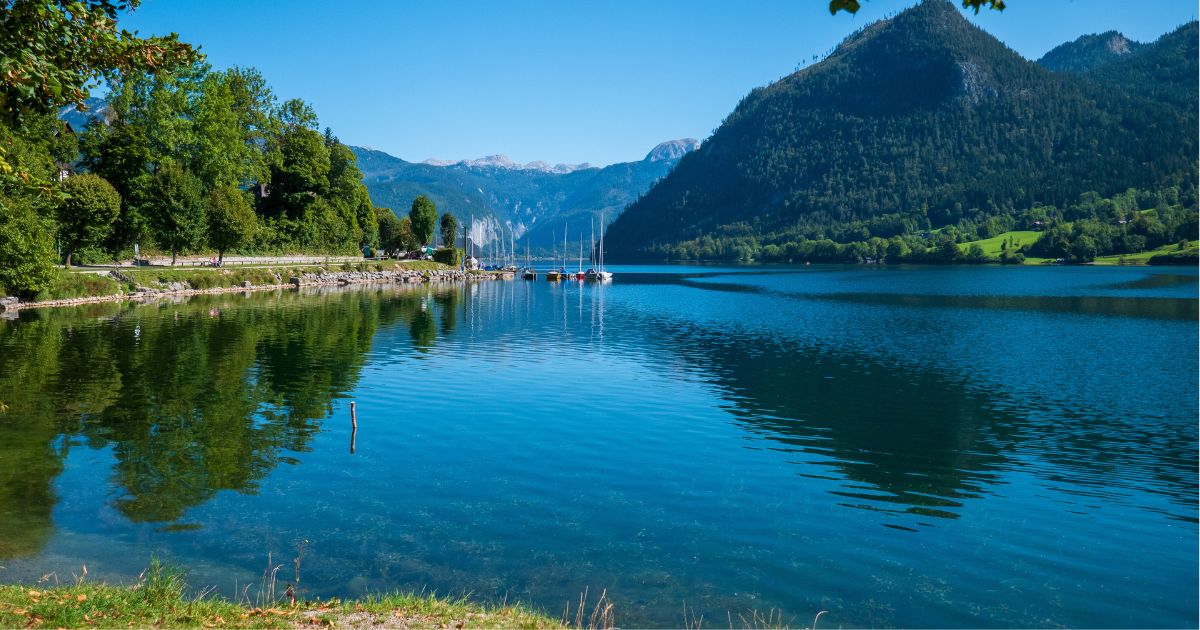
Styria’s largest lake is called the “Styrian Sea” due to its size and crystal-clear water, so pure it’s reportedly drinkable. Fourteen kilometers of perfectly maintained beaches, mostly freely accessible, provide ample space even on the busiest days. Water temperatures reach a pleasant 25°C in summer, making Grundlsee an ideal place for a family holiday.
The area is a paradise for fishermen. The lake is home to perch, pike, and trout, which require truly high-quality water. Local restaurants therefore serve excellent fish specialties directly from the lake. The surrounding landscape invites long walks and cycling trips along marked trails leading through the untouched nature of Salzkammergut.
Grundlsee
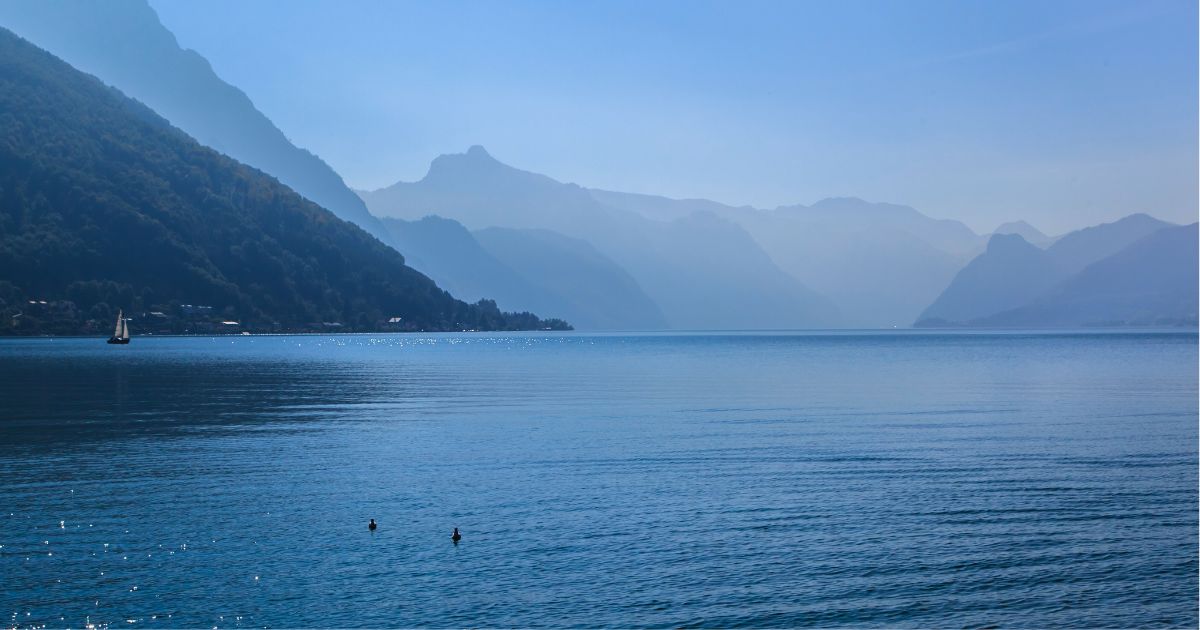
Traunsee
Traunsee in the Salzkammergut region is known as the largest lake in the region, where salt was historically mined. Today, the lake is a popular destination for tourists seeking refreshment on hot days. The water reaches a pleasant 20°C and offers ideal conditions for windsurfing, yachting, and diving. The romantic atmosphere is enhanced by cruises on traditional paddle steamers.
The town of Gmunden on the northern shore impresses with its town hall with a carillon and the famous Ort Castle, which appears to float on the lake’s surface. On the southern edge of the lake, you can take a cable car up to the Feuerkogel peak with panoramic views of the entire area. The village of Traunkirchen, with its parish church on a rock, resembles a majestic castle towering over the lake.
Traunsee
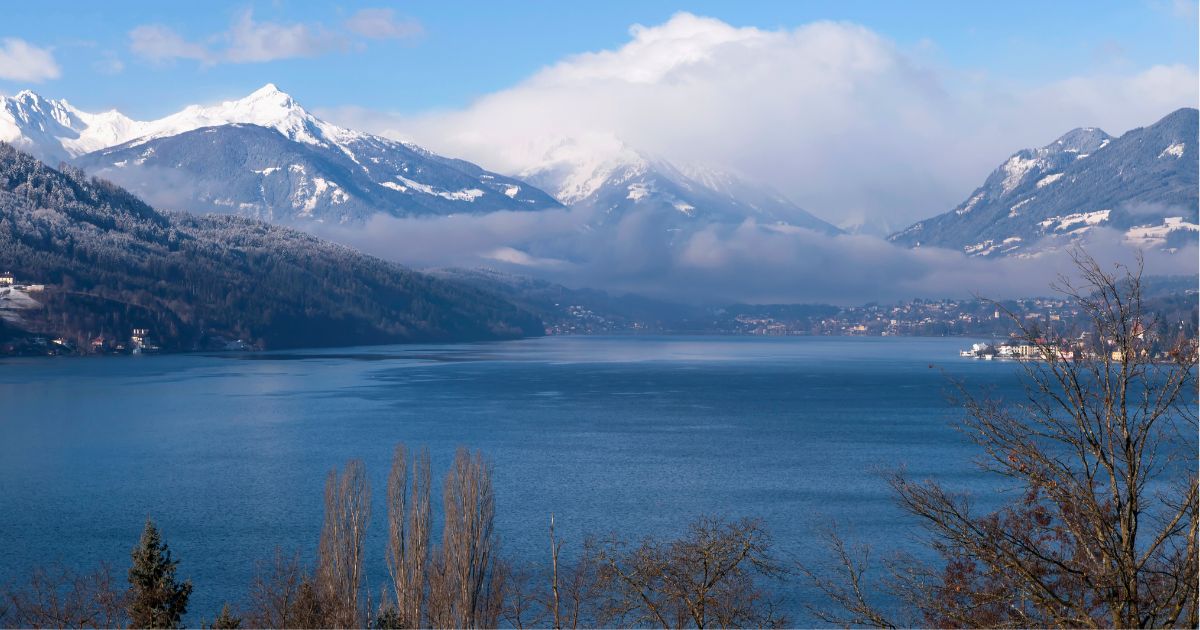
Millstätter See
Millstätter See is one of the warmest lakes in Carinthia, with summer water temperatures reaching up to 26°C. Millstatt Abbey on the northern shore of the lake is the cultural center of the area, with a rich history dating back to the 11th century. Classical music concerts and cultural festivals are regularly held here in the beautiful setting of the historic monastery.
The lake offers excellent conditions for all water sports and has several well-equipped beaches with rental facilities. Nature lovers will appreciate the nearby Nockberge National Park, which offers hundreds of kilometers of hiking trails and unique Alpine flora. The surrounding mountains provide excellent conditions for paragliding with landings directly on the lake shore.
Millstätter See
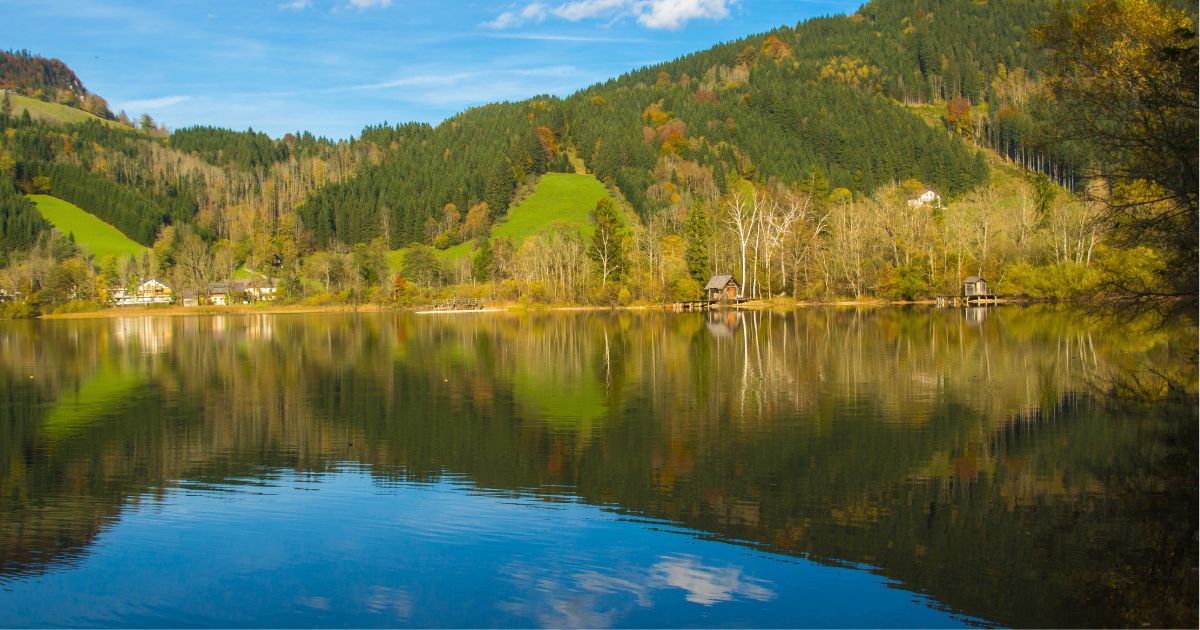
Lunzer See
Lunzer See in Lower Austria is a natural lake surrounded by steep hills and dense forests. The clean mountain environment and relative tranquility make it an ideal place for true relaxation away from the city bustle. Three diving platforms provide an adrenaline rush, while a large meadow serves as a natural beach for peaceful relaxation.
The Lunz am See area is the center of the Seetal tourist region (valley of three lakes) with a dense network of hiking trails. A circular route nearly 20 kilometers long leads visitors around all three lakes in almost untouched nature. In the evening, you can attend one of the concerts or theater performances held on a floating stage directly on the lake.
Lunzer See
Lukáš and Lucie recommend
Where to stay at Austrian lakes
4 accommodations — hotels and other lodging options
🔗 These are affiliate links — they don't change your price and help us create content. · All experiences →
Cogwheel Railway and Cable Cars
The Austrian lakes offer unique opportunities for excursions to the surrounding mountains using historic means of transport. The Achensee-Bahn steam railway is Austria’s oldest cogwheel railway and offers a ride from the valley to the lake shore. During the 45-minute journey, you’ll enjoy breathtaking views of the Alpine landscape and discover how our ancestors traveled.
The Dachstein-Krippenstein cable cars from Hallstatt will take you up to an altitude of almost 2000 meters, where you can visit ice caves, walk along suspension bridges, or enjoy panoramic views from the Five Fingers viewpoint. In the winter months, these cable cars are a gateway to winter sports, while in summer they serve tourists and lovers of high-altitude nature.
Achensee-Bahn
Cycling on Lake Trails
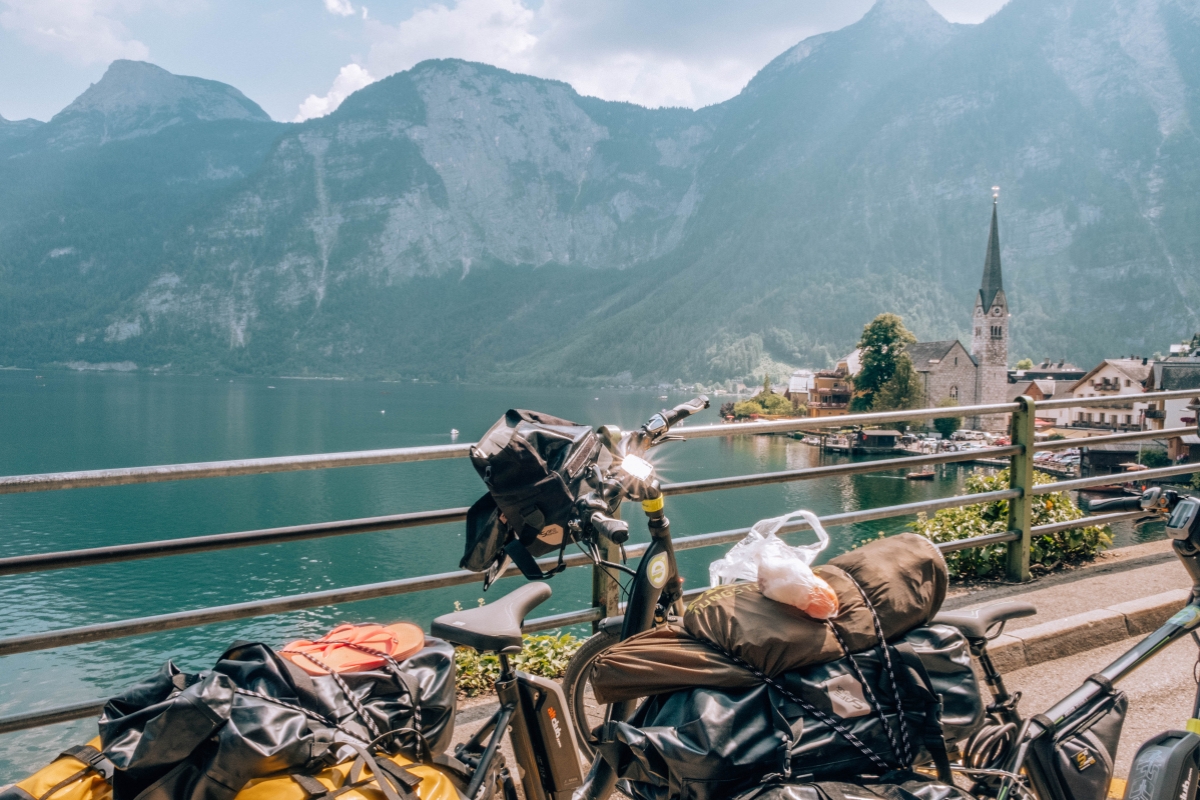
The Austrian lakes are connected by a network of cycling paths, allowing you to discover more places during one holiday. The most popular is the Salzkammergut-Radweg, which connects most of the lakes in the region and offers both asphalt paths for recreational cyclists and more challenging mountain sections for experienced bikers. The total length of the trail exceeds 350 kilometers.
The Attersee-Radweg is an easier circuit around Austria’s largest lake, also suitable for families with children. The route is mostly flat with gentle ascents and provides beautiful lake views along its entire length. You can rent e-bikes and enjoy a comfortable trip with the option of stopping in picturesque towns along the shore.
Boat Trips and Maritime Traditions
Steamships on the Austrian lakes are not just a tourist attraction but a true historical tradition. On Wolfgangsee, historic 19th-century paddle steamers still sail, taking you around the most beautiful spots on the lake. During the cruise, you’ll hear interesting stories about the region’s history and can enjoy Austrian specialties on board.
On Wörthersee, luxurious excursion boats offer evening cruises with gastronomic experiences and live music. You can also rent a smaller motorboat and explore the lake according to your own plan. Calmer alternatives include kayaks and paddleboards, which allow you to reach less accessible coves and enjoy the lake in complete tranquility.
Thermal Spas and Wellness
Many Austrian lakes have quality wellness centers and thermal spas nearby, utilizing natural geothermal resources. Bad Ischl, near Wolfgangsee, is famous for its imperial baths, where Austro-Hungarian aristocracy used to relax. Today, it offers modern wellness services in a historic setting.
Around Millstätter See, you’ll find several thermal springs with healing effects on the musculoskeletal system and stress conditions. The combination of warm baths with the lake’s cool mountain water creates an ideal regeneration program for body and mind. Many hotels offer wellness packages combining accommodation with unlimited access to the thermal spas.
FAQ
What is the water temperature in Austrian lakes in summer?
Water temperature varies according to altitude and lake size. The warmest are lower-lying larger lakes like Wörthersee (up to 28°C) and Attersee (22-25°C). Mountain lakes like Achensee reach around 20°C, which is still pleasant for swimming. The coldest are high-altitude lakes above 1000 meters, where the temperature does not exceed 15°C even in summer.
Do I need a vignette in Austria?
Yes, for driving on Austrian motorways and expressways, you need a vignette. A ten-day vignette costs €11.50 and a one-day vignette costs €8.60. You can buy it online with immediate validity or at petrol stations near the border. Without a vignette, you face a fine of up to €300.
Where can I find the most beautiful beaches at the Austrian lakes?
The most beautiful natural beaches can be found at Grundlsee (14 km of maintained shores), Attersee (long sandy beaches), and Millstätter See (tranquil coves). For families with children, the beaches at Zell am See with shallow entry and playgrounds are ideal. Wörthersee offers the most luxurious beach clubs with full services.
Can I camp at the Austrian lakes?
Wild camping is prohibited in Austria, but you’ll find many official campsites directly on the lake shores. The most popular campsites are Seecamping Berghof at Ossiacher See or Camping Hell at Millstätter See. Most campsites offer tent, caravan, and mobile home rentals with full amenities.
What water sports can I do on the Austrian lakes?
On all larger lakes, you can swim, paddleboard, yacht, and fish (with a license). Achensee and Attersee are ideal for windsurfing and kitesurfing due to windy conditions. Diving is best at Attersee and Traunsee with excellent visibility. Many lakes offer water sports schools for beginners.
Tips and Tricks for Your Vacation
Don’t Overpay for Flights
Search for flights on Kayak. It’s our favorite search engine because it scans the websites of all airlines and always finds the cheapest connection.
Book Your Accommodation Smartly
The best experiences we’ve had when looking for accommodation (from Alaska to Morocco) are with Booking.com, where hotels, apartments, and entire houses are usually the cheapest and most widely available.
Don’t Forget Travel Insurance
Good travel insurance will protect you against illness, accidents, theft, or flight cancellations. We’ve had a few hospital visits abroad, so we know how important it is to have proper insurance arranged.
Where we insure ourselves: SafetyWing (best for everyone) and TrueTraveller (for extra-long trips).
Why don’t we recommend any Czech insurance company? Because they have too many restrictions. They set limits on the number of days abroad, travel insurance via a credit card often requires you to pay medical expenses only with that card, and they frequently limit the number of returns to the Czech Republic.
Find the Best Experiences
Get Your Guide is a huge online marketplace where you can book guided walks, trips, skip-the-line tickets, tours, and much more. We always find some extra fun there!
TL;DRBefore you head off to Greece, here are 12 things worth packing. You’ll need a valid ID card (a passport only if you’re day-tripping to Turkey, say from Rhodes or Kos), travel insurance, high-SPF sunscreen, light summer clothes plus a hoodie for air-conditioned rooms, sandals and water shoes for sea urchins, swimwear, long-sleeved clothing for churches and monasteries, a basic first-aid kit with Panthenol for sunburn, a snorkel and beach gear, cash in euros and a card. Skip the plug adapter — Greece uses the same sockets as home. Peak summer season runs June to September; outside those months, expect cooler evenings and rain.
Planning your vacation in Greece this year? Excellent choice! In this guide “Greece: What to Pack for Your Holiday” we’ll walk you through everything you need. Sun, beautiful beaches, rich history, and the unforgettable atmosphere of the Greek islands and mainland await you. To ensure your vacation goes smoothly and you don’t miss anything, we’ve prepared a complete list of things you should definitely pack in your suitcase.
TL;DR
Most Important Things for Greece:
Documents: ID card or passport (children need their own document)
Sun Protection: High SPF sunscreen, head covering, sunglasses
Clothing: Light summer clothes, swimwear, something with long sleeves for churches
Footwear: Sandals, water shoes (against sea urchins)
Health: Basic first aid kit, Panthenol for sunburns
Beach Gear: Snorkel and mask, beach bag, beach towel
Travel Insurance, for example SafetyWing
Greece: What to Pack for Your Holiday
xxx
Documents
Essential Documents:
ID card or passport (valid for the entire duration of your stay)
Travel insurance (SafetyWing) and European Health Insurance Card
Flight tickets and accommodation documents
Driver’s license (if you plan to rent a car or scooter)
For Families with Children:
Children under 15 need their own travel document
A passport is recommended instead of an ID card for better readability
Important: If you plan a trip to Turkey (for example, from Rhodes or Kos), a passport is required!
Useful Cards:
ISIC student card – free entry to archaeological sites and state museums
International driver’s license
Weather-Appropriate Clothing
Summer Clothing (June – September):
Light, breathable clothing made from natural materials
T-shirts, shorts, summer dresses
Linen shirts for evenings
Sweatshirt or sweater for air conditioning and evening chill
Special Clothing:
Swimwear (ideally multiple pieces)
Clothing with long sleeves and covered knees (for visiting churches and monasteries)
Caution: Consult your doctor about the interaction of your medications with sun exposure!
Technology and Electronics
Basic Equipment:
Mobile phone with activated roaming
Chargers for all devices
Power bank
Camera and spare batteries
Useful Accessories:
Waterproof phone case
MP3 player for travel
Headphones
Electricity: In Greece, the sockets are the same as in the Czech Republic, you don’t need an adapter.
Practical Items
For Meals:
Sharp knife for cutting fruit
Small tray or cutting board
Water bottle
Water purification tablets (on islands, tap water is not potable)
Other Essentials:
Toilet paper (for the bus)
Paper tissues
Small laundry kit (detergent, line, pegs)
Bags for dirty laundry
Basic sewing kit
Money and Payments
Cash in euros
Payment cards (inform your bank about your trip)
Check card limits
Tip: In Greece, cash is preferred over cards, especially in smaller shops.
Entertainment and Culture
For Leisure Time:
Books or e-reader
Cards, crosswords
Notebook and pen for notes
Addresses for postcards
Language Essentials:
Basic Greek phrases
Czech-English dictionary
Area map
What NOT to Take to Greece
Prohibited Items:
Metal detectors (strictly prohibited!)
Drugs and narcotics
Firearms
Quantity Restrictions:
Alcohol and tobacco – observe permitted limits
Souvenirs from the sea require special permits
Cultural Specifics
Greek Customs:
Greeks are hospitable and friendly
Tipping in restaurants: 5-10% of the bill
Gesture for “no” = nodding the head forward
Gesture for “yes” = slight nod
Inappropriate Gestures:
Raised palm towards another person
Thumb and index finger joined
Practical Information
Time Difference: Greece is 1 hour ahead of the Czech Republic Currency: Euro Drinking Water: On the islands, we recommend bottled water Toilets: Toilet paper should be thrown in the bin, not the toilet!
Frequently Asked Questions
Is an ID card enough for Greece, or do I need a passport?
An ID card is sufficient for Greece. A passport is only required for a trip to Turkey.
Do I need to bring a plug adapter?
No, the sockets in Greece are the same as in the Czech Republic.
Can I drink tap water?
On the mainland, yes; on the islands, bottled water is recommended due to desalinated seawater.
Does my Czech SIM card work in Greece?
Yes, Greece is part of the EU, so you pay the same rates as at home. Just be careful about connecting to Turkish operators near the Turkish borders.
🔗 These are affiliate links — they don't change your price and help us create content. · All experiences →
Tips and Tricks for Your Vacation
Don’t Overpay for Flights
Search for flights on Kayak. It’s our favorite search engine because it scans the websites of all airlines and always finds the cheapest connection.
Book Your Accommodation Smartly
The best experiences we’ve had when looking for accommodation (from Alaska to Morocco) are with Booking.com, where hotels, apartments, and entire houses are usually the cheapest and most widely available.
Don’t Forget Travel Insurance
Good travel insurance will protect you against illness, accidents, theft, or flight cancellations. We’ve had a few hospital visits abroad, so we know how important it is to have proper insurance arranged.
Where we insure ourselves: SafetyWing (best for everyone) and TrueTraveller (for extra-long trips).
Why don’t we recommend any Czech insurance company? Because they have too many restrictions. They set limits on the number of days abroad, travel insurance via a credit card often requires you to pay medical expenses only with that card, and they frequently limit the number of returns to the Czech Republic.
Find the Best Experiences
Get Your Guide is a huge online marketplace where you can book guided walks, trips, skip-the-line tickets, tours, and much more. We always find some extra fun there!
TL;DRPacking for the seaside with kids means sorting travel documents for each child well ahead (allow 30 days), plus sun cream with SPF 50+, two swimsuits per child, UV clothing, water shoes, and a first-aid kit with fever and sunburn remedies. Add armbands or a swim vest, and for babies, nappies, baby food, a travel cot and a pushchair. Good family destinations include Poland, the Costa del Sol, the Costa Brava, the Greek islands of Corfu and Zakynthos, along with Croatia, the Canary Islands and Malta. Travel insurance, SafetyWing for example, is a must when you’re travelling with children.
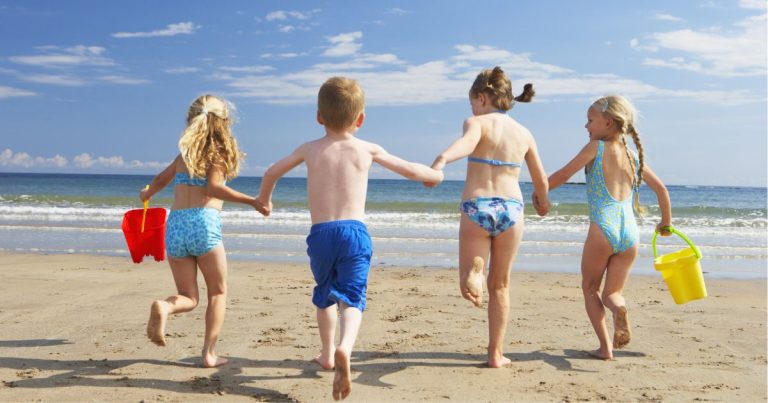
Planning a family beach holiday and already dreading the packing? Don’t worry! Packing with kids is admittedly a bit more complicated than without them, but with good preparation and the right packing list for holiday, you can handle it stress-free. The whole family can enjoy a seaside getaway — you just need to think ahead about what you’ll need and make sure you don’t forget the essentials that keep children comfortable and safe. So let’s take a look at what to pack for a beach holiday with kids.
TL;DR
The most important things you must not forget:
Travel documents for everyone (including the youngest children),
a first aid kit with basic medicines and a thermometer,
UV clothing and water shoes,
beach toys and swimming aids,
enough clothing for all types of weather,
for babies additionally: nappies, baby food (bring plenty of baby snacks — for example, certain baby cereals can be hard to find in Italy), dummies, a travel cot, pushchair, and everything for nappy changes.
The ideal destinations have gently sloping beaches, clean sea water, and good access to medical care.
For families with young children, Poland’s Baltic coast is a great option as it doesn’t get too hot in summer and has excellent facilities for kids. For older children, the Spanish Costa del Sol or Costa Brava are perfect, where you’ll find plenty of family-friendly hotels with children’s pools and kids’ clubs. Greek islands like Corfu or Zakynthos offer beautiful beaches with crystal-clear water and a welcoming atmosphere for children. Croatia is another excellent choice thanks to its proximity and clean sea.
For more adventurous parents with older kids, more distant destinations like the Canary Islandsor Malta are also worth considering — you’ll enjoy not only gorgeous beaches but also interesting day trips and the chance to explore new cultures. If you’re looking for family-friendly accommodation in any of these destinations, we recommend checking Booking.com for family rooms and apartments with kitchens.
When choosing your destination, don’t forget to check whether any vaccinations or special visas are needed for children. Also look into the quality of local drinking water and the availability of children’s food.
Beach Holiday with Kids: Complete Packing List
If you’ve got a family holiday coming up, we’ve put together a comprehensive packing list for holiday at the beach with kids.
Documents and Travel Papers
Every child, regardless of age, needs their own travel document. For travel within the EU, a valid passport or national ID card will do. For destinations further afield, a passport is essential. Arrange documents well in advance — processing can take several weeks. Don’t forget your European Health Insurance Card (EHIC) and travel insurance for the whole family (we recommend SafetyWing).
As a precaution, make copies of all important documents and store them separately from the originals. It’s also handy to have photos of your documents saved on your phone in case of loss or theft.
Sun Protection
Children’s skin is far more sensitive than adults’, so invest in quality sun protection. Sunscreen with SPF 50+ is an absolute must — bring enough for the entire holiday. Children under one year old should never be exposed to direct sunlight.
Besides sunscreen, don’t forget head coverings — hats, caps, or legionnaire-style caps with neck protection are ideal. Sunglasses with UV protection will shield your children’s sensitive eyes. For long stays at the beach, UV clothing is a brilliant investment — shirts and suits with UPF 50+ protection that work instantly without the wait after application.
Beach holiday with kids
Swimwear and Beachwear
Pack at least two swimsuits per child. After swimming, it’s important to change out of wet swimwear so your child doesn’t catch a chill or develop a urinary tract infection. For girls, a mix of two-piece and one-piece swimsuits is practical; for boys, both board shorts and fitted trunks are useful depending on pool requirements.
UV swimwear or neoprene suits are especially good for longer periods in the water or in areas with intense sunshine. Along with swimwear, add a light cover-up or beach dress for walking between your accommodation and the beach.
Footwear for Every Occasion
Children will need several types of shoes. Flip-flops or rubber slides for the beach and pool, sandals that can get wet for everyday wear, and sturdy water shoes to protect feet from sharp rocks or hot sand. For nature excursions, don’t forget walking shoes, and for restaurant dinners, pack something a bit smarter.
Clothing for All Weather
Even by the sea it can get chilly, especially in the evening or during bad weather. Pack for both scenarios:
For warm weather: light t-shirts with both short and long sleeves, shorts, summer dresses and skirts for girls, lightweight trousers in breathable fabrics.
For cooler moments: a hoodie or jumper, warmer trousers, a windbreaker for excursions or weather changes. Bring a scarf or light blanket on the plane — air conditioning can be surprisingly cold.
Holiday with kids
First Aid Kit and Medicines
A well-stocked first aid kit can save your entire holiday. The basics include fever and pain medication containing paracetamol or ibuprofen, oral rehydration salts for diarrhoea and vomiting, and cough and cold remedies.
For a seaside stay, sunburn treatment products are essential — such as Panthenol spray, cooling aloe vera gel, or after-sun cream. Don’t forget insect repellent, bite relief cream, and basic wound care supplies including scissors and antiseptic.
Any medication your child takes regularly should be packed in sufficient quantities with extra to spare. Include the original boxes and leaflets too.
It’s better to bring children’s toiletries and hygiene products from home, especially the products your kids are used to. Shampoo, shower gel, toothbrushes and toothpaste, combs, and towels. For the littlest ones, don’t forget nappy rash cream, talcum powder, and everything for nappy changes.
For girls, pack hair elastics, clips, and headbands — hair exposed to sun and salt water tends to tangle much more easily.
Travelling with a baby requires special preparation. Beyond the basics like nappies, wet wipes, and a changing mat, you’ll need baby food in sufficient quantities (you’d be surprised, but in Italy for instance it can be hard to find certain baby cereals, and the selection of pouches and other items is limited), bottles, dummies, and bibs.
A travel cot or at least a large muslin cloth for putting down on surfaces. A pushchair will be appreciated even for children who don’t use one at home anymore — in the heat and during long walks, it’ll be a lifesaver. Don’t forget a mosquito net and a blanket.
What Toys to Bring on Holiday
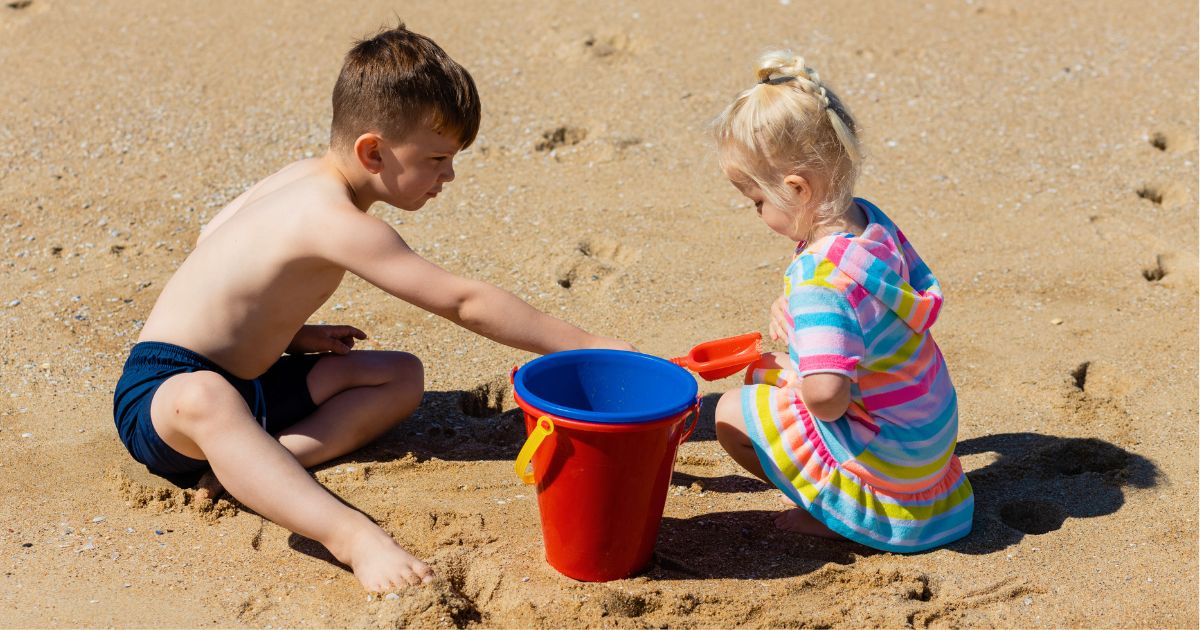
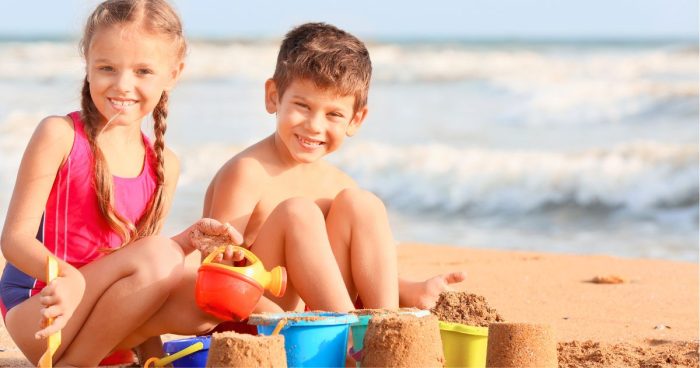
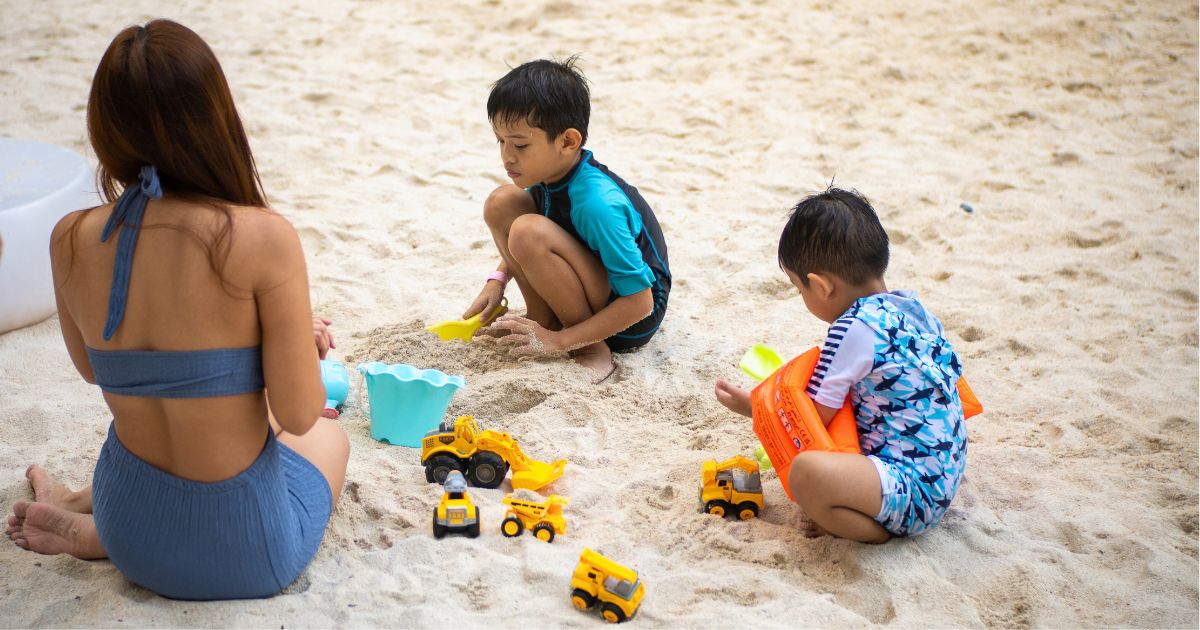
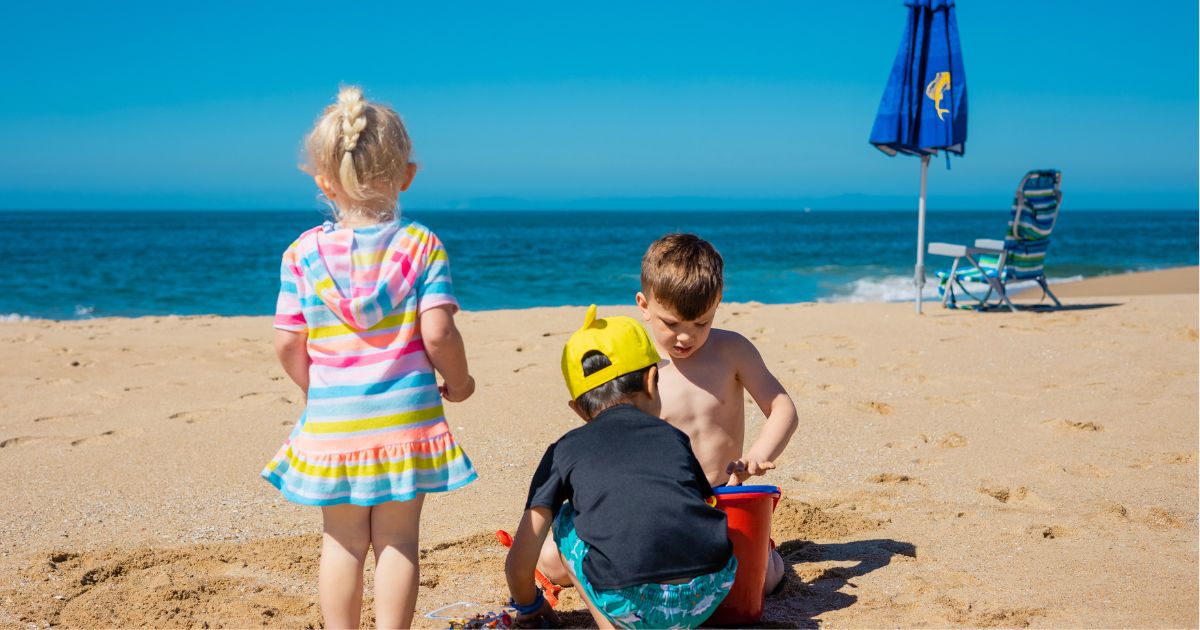
Sometimes less is more, so don’t overdo it. Let the kids pack their favourite cuddly toys and anything they can’t fall asleep without. For the beach, bring sand moulds, spades, a bucket, a ball, or a frisbee — though you can buy all of these at your destination, so if space is tight, you can skip them.
The most important toys are for the journey itself. Colouring books with crayons, storybooks, or a tablet loaded with films and games. Board games can entertain the whole family during shared evenings.
Beach holiday with kids: What to bring
Swimming Aids
Water safety is a top priority. Pack armbands, swimming vests, or rubber rings depending on your child’s age and swimming ability. Even for children who can already swim, it’s good to have some kind of flotation aid for longer periods in the water.
Don’t forget a snorkel and swimming goggles. In some destinations, water shoes are essential due to sharp rocks or sea urchins.
Frequently Asked Questions
How many swimsuits should I pack for kids?
At least two per child. After each swim, it’s important to change out of wet swimwear into dry ones so your child doesn’t get cold.
Do young children need travel insurance too?
Absolutely yes. Children are more prone to accidents and illness, and quality travel insurance with an assistance service can save not only money but also a lot of stress. We recommend SafetyWing.
Can I buy children’s toiletries at my destination?
It’s better to bring tried-and-tested products from home, especially sunscreen and products for sensitive skin. You may not find the same brands or formulations at your destination.
At what age does a child need their own travel document?
From birth. Every child, regardless of age, must have their own passport or ID card for travelling.
Is it safe to travel to the seaside with a baby?
With proper preparation, yes. Babies under 6 months should avoid direct sunlight and crowded places. Consult your paediatrician about the suitability of travel and any vaccinations needed.
Tips and Tricks for Your Vacation
Don’t Overpay for Flights
Search for flights on Kayak. It’s our favorite search engine because it scans the websites of all airlines and always finds the cheapest connection.
Book Your Accommodation Smartly
The best experiences we’ve had when looking for accommodation (from Alaska to Morocco) are with Booking.com, where hotels, apartments, and entire houses are usually the cheapest and most widely available.
Don’t Forget Travel Insurance
Good travel insurance will protect you against illness, accidents, theft, or flight cancellations. We’ve had a few hospital visits abroad, so we know how important it is to have proper insurance arranged.
Where we insure ourselves: SafetyWing (best for everyone) and TrueTraveller (for extra-long trips).
Why don’t we recommend any Czech insurance company? Because they have too many restrictions. They set limits on the number of days abroad, travel insurance via a credit card often requires you to pay medical expenses only with that card, and they frequently limit the number of returns to the Czech Republic.
Find the Best Experiences
Get Your Guide is a huge online marketplace where you can book guided walks, trips, skip-the-line tickets, tours, and much more. We always find some extra fun there!
TL;DRFor a Croatia trip, pack a valid ID card (fine for kids too), your health insurance card, travel insurance, a payment card and some euros in cash — since 1 January 2023, Croatia uses the euro, so kuna is out. You’ll also need swimwear, light summer clothes plus a hoodie for cooler evenings, water shoes for sea urchins, sun cream and towels. A basic first-aid kit with panthenol and mosquito repellent is a must too. Driving through Austria means you’ll need a reflective vest and enough euros for tolls. Depending on where you head, laid-back central Dalmatia with Split and Makarska is a good bet, as is historic Zadar or Šibenik up north, upmarket Dubrovník in the south, the islands of Brač, Hvar and Korčula, or the nature of Kamenjak and Plitvice Lakes national parks.
Croatia has been one of the most popular holiday destinations in Europe for many years — and it’s easy to see why. With its stunning Adriatic coastline, crystal-clear waters, and beautiful pebble beaches, it’s the perfect getaway. Having a solid Croatia packing list will make all the difference. Whether you’re planning to drive, take the bus, or fly to Croatia, proper preparation and packing the right items will help you enjoy a worry-free holiday.
TL;DR
Most important items: Valid passport or national ID card, European Health Insurance Card (EHIC), travel insurance (SafetyWing), bank card, and cash in euros.
Clothing: Swimwear, light summer clothes, but also a hoodie or jumper for cooler evenings.
For the beach: Sunscreen, water shoes (to protect against sea urchins), towels, and sunglasses.
Electronics: Phone with charger, power bank, camera.
Health: Basic first-aid kit with after-sun lotion, painkillers, and mosquito repellent.
For a road trip: Documents, enough euros for tolls, reflective vests.
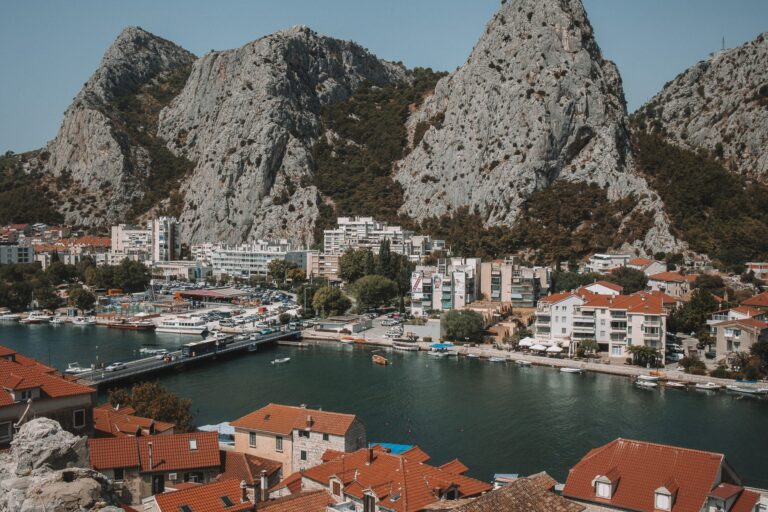
If you’re looking for a relaxing beach holiday, central Dalmatia is ideal, with towns like Split, Omiš, or Makarska. History lovers will appreciate the northern coast with Zadar or Šibenik. If budget isn’t a concern, head to southern Dalmatia and Dubrovnik.
For those who prefer islands, Brač, Hvar, or Korčula are excellent choices. If you’re drawn to unspoiled nature, visit national parks like Kamenjak or Plitvice Lakes.
If you’ve got a Croatia holiday coming up, here’s what you shouldn’t forget to pack:
Travel Documents and Money
The most important part of your Croatia packing list is travel documents. As a UK citizen, you’ll need a valid passport to enter Croatia (which has been an EU member state since 2013 and a Schengen area member since 2023). Make sure your passport has enough validity — at least three months beyond your planned departure date from Croatia.
Don’t forget your European Health Insurance Card (EHIC) or UK Global Health Insurance Card (GHIC), and definitely take out travel insurance (we recommend SafetyWing). If you’re driving, make sure you have a valid driving licence and appropriate car insurance.
As for money, Croatia uses the euro, so have enough cash for tolls and smaller expenses. Although you can pay by card almost everywhere (we recommend trying Revolut for great exchange rates), cash comes in handy for toilets on the road or in smaller shops. If you’re driving through Slovenia or Austria, keep some coins ready for motorway tolls there too.
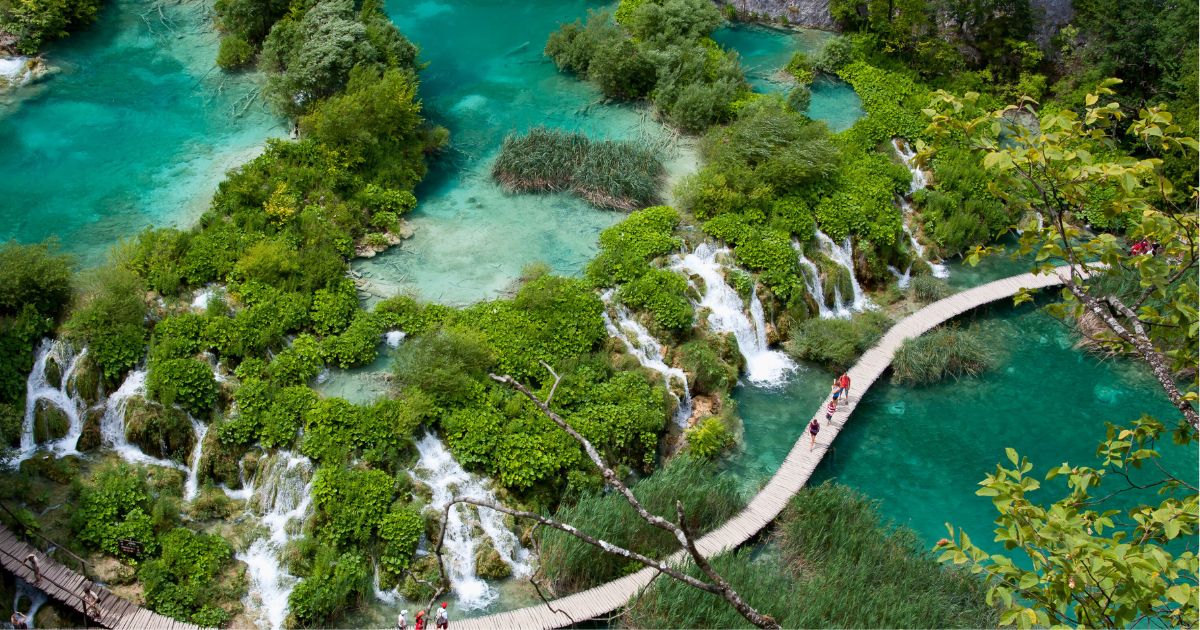
Plitvice Lakes – Croatia
Clothing for All Occasions
Even though you’re heading off on a summer holiday, don’t forget to pack clothes for cooler evenings. The Croatian coast can be surprisingly chilly in the evening, especially on the northern islands or during windy weather.
Your basic wardrobe should include several swimsuits (at least two, so one can dry while you wear the other), light summer clothing such as T-shirts, vests, shorts, and dresses (for example, the Travel or Oslo Summer dresses). However, also pack a hoodie or jumper, long trousers, and a light jacket for cooler evenings. Don’t forget a hat or cap to protect you from the intense sun.
As for footwear, pack flip-flops or sandals for everyday wear, sturdier shoes for excursions, and definitely water shoes. Croatian beaches are mostly rocky or pebbly, so water shoes are essential to protect your feet from sharp stones and sea urchins.
What to pack for a holiday in Croatia
Beach Essentials
For your time on the beach, make sure to pack high-SPF sunscreen, as the Croatian sun can be incredibly intense. After-sun lotion will help soothe your skin after a full day of sunbathing. Sunglasses with UV protection are an absolute must.
Bringing your own beach towels is practical, as you can use them anytime and anywhere. A beach mat or lightweight foam pad is also handy on rocky beaches, where sunbed hire can be quite pricey.
If you enjoy snorkelling, bring a mask, snorkel, and fins. The Croatian sea offers an amazing underwater world and it would be a shame to miss it. For families with children, inflatable water toys are always a good idea to pack.
Kamenjak National Park in Croatia
Toiletries and Cosmetics
For toiletries, pack the basics: toothbrush, toothpaste, shampoo, and shower gel. If you’re short on space, we recommend waterless cosmetics from NanoSpace. You can easily pick up anything else you need at local shops.
Your first-aid kit should include after-sun cream for sunburn, anti-itch gel for mosquito bites, and basic medication for pain, stomach issues, colds, and coughs. Don’t forget antiseptic, plasters, and a thermometer. If you take any regular medication, bring enough to last the entire trip along with your prescription.
Electronics
In this day and age, keeping your electronics charged is essential. Don’t forget chargers for your phone, camera, or tablet. A power bank will come in handy on long day trips or at the beach where there’s no way to charge your devices.
For leisure time, bring along your favourite books, magazines, cards, or puzzles. If you’re travelling with children, a tablet loaded with films or board games will help pass the time during the long journey and keep the kids entertained.
Croatia
Driving to Croatia
If you’re driving to Croatia from the UK or elsewhere in Europe, there are a few extra things to keep in mind. Before setting off, thoroughly check your vehicle, top up all fluids, and make sure you have the required safety equipment for each country you’ll be passing through.
When driving through Austria and Slovenia, you’ll need a reflective vest for each passenger. Have enough euros ready for Croatian motorway tolls — guard your toll ticket carefully, as losing it can result in a hefty fine (though these days, many things can be arranged online in advance).
Pack plenty of drinking water, basic toiletries, and snacks that can withstand higher temperatures. If you’re travelling with children, don’t forget window sun shades for the rear windows and entertainment for the long drive.
Croatia
Travelling with Children
If you’re travelling with children, you’ll need some extra preparation. Every child must have their own valid passport. If only one parent is travelling with the child, it’s a good idea to carry a notarised letter of consent from the other parent, just in case.
For a baby, pack a travel cot, pushchair, nappies, wet wipes, and everything needed for their care. Don’t forget their favourite toys, which will help them settle in a new environment.
Frequently Asked Questions
Do I Need a Passport for Croatia?
Yes, as a UK citizen you will need a valid passport to enter Croatia. EU citizens can enter with a valid national ID card. Make sure your passport is valid for at least three months beyond your planned date of departure.
What Currency Is Used in Croatia?
Since 1 January 2023, Croatia has used the euro. The Croatian kuna is no longer in circulation.
Do I Need a Motorway Vignette for Croatia?
No, Croatia doesn’t use a vignette system — you pay tolls on individual motorway sections. However, if you’re driving through Austria or Slovenia, you will need a motorway vignette for those countries.
Can I Pay by Card in Croatia?
Yes, card payments are accepted in most places in Croatia. However, it’s still a good idea to carry some cash in euros for tolls, toilets, or smaller shops.
Do I Need Vaccinations Before Travelling to Croatia?
No, there are no specific vaccinations required for travelling to Croatia. The country has a similar hygiene standard to the rest of the EU.
Can I Bring My Own Food to Croatia?
Yes, you can bring food for personal consumption. However, avoid perishable items, and keep in mind that if you’re driving through Bosnia and Herzegovina (for example, on the way to Dubrovnik), different import rules may apply.
🔗 These are affiliate links — they don't change your price and help us create content. · All experiences →
Tips and Tricks for Your Vacation
Don’t Overpay for Flights
Search for flights on Kayak. It’s our favorite search engine because it scans the websites of all airlines and always finds the cheapest connection.
Book Your Accommodation Smartly
The best experiences we’ve had when looking for accommodation (from Alaska to Morocco) are with Booking.com, where hotels, apartments, and entire houses are usually the cheapest and most widely available.
Don’t Forget Travel Insurance
Good travel insurance will protect you against illness, accidents, theft, or flight cancellations. We’ve had a few hospital visits abroad, so we know how important it is to have proper insurance arranged.
Where we insure ourselves: SafetyWing (best for everyone) and TrueTraveller (for extra-long trips).
Why don’t we recommend any Czech insurance company? Because they have too many restrictions. They set limits on the number of days abroad, travel insurance via a credit card often requires you to pay medical expenses only with that card, and they frequently limit the number of returns to the Czech Republic.
Find the Best Experiences
Get Your Guide is a huge online marketplace where you can book guided walks, trips, skip-the-line tickets, tours, and much more. We always find some extra fun there!
TL;DRTbilisi, Georgia’s capital and the jewel of the Caucasus, charms visitors with its old town’s winding lanes, where Orthodox churches, a mosque and a synagogue all sit side by side. The best views are from Narikala Fortress, reached by cable car from Rike Park, and from the Mother of Georgia statue. Don’t skip the traditional sulphur baths in the Abanotubani district or the country’s famous cuisine. The city’s cheap and welcoming. Spring and autumn are the best times to go. The guide has 25 tips on what to see and do, where to stay, and where to grab dinner.
You’ll fall in love with Tbilisi, the capital of Georgia and often called the pearl of the Caucasus, because it offers absolutely everything you could wish for. Founded in the 5th century by King Vakhtang Gorgasali, the city was a crossroads of trade routes for centuries, and to this day, Orthodox churches, a mosque, and a synagogue stand side by side, just a few steps from each other.
Tbilisi boasts a beautiful Old Town full of winding streets, historical monuments, and traditional sulfur baths, as well as modern architecture. If you love food, Georgian cuisine will delight you.
In this article, Tbilisi, Georgia: 25 Best Things to Do and See, you’ll find out what to see and do in Tbilisi, and where to stay.
The best city views are offered by Narikala Fortress, which you can reach by cable car from Rike Park, and the Mother of Georgia statue, which symbolically welcomes friends with a cup of wine and deters enemies with a sword.
Don’t miss the traditional sulfur baths in the historic Abanotubani district – you can choose public baths or rent a private bath room (60-100 GEL).
Taste Georgian specialties like Khinkali (meat-filled dumplings), Khachapuri (cheese-filled bread), or Pkhali (vegetable appetizers with walnut paste).
Explore the city’s contrasts: from the Old Town with its winding streets to the futuristic Bridge of Peace, from Orthodox cathedrals to hipster cafes in the former Fabrika factory.
For a day trip, head to nearby Mtskheta with its UNESCO World Heritage Sites, or to the Kakheti wine region for a tasting of traditional Georgian wines.
When to Visit Tbilisi?
When to visit Tbilisi? Spring (April-May) is probably the most beautiful time to visit Tbilisi. Temperatures are pleasant, ranging from 15-25°C, and the city turns green and blossoms. Plus, there aren’t as many tourists as in summer, so you can peacefully enjoy the sights and local atmosphere.
In summer, temperatures can exceed 30°C. The city is full of tourists, but it’s also alive with festivals. If you enjoy evening strolls and sitting on terraces, you’ll love it. Moreover, if you want to go hiking in the mountains for some summer tourism, I would choose summer or early September.
In autumn (September-November), temperatures gradually drop from the summer heat to a pleasant 15-20°C, and the city is enveloped in beautiful autumn colors. It’s the time for grape harvests and wine festivals, which are very important in Georgia, as the country has the oldest winemaking tradition in the world. November can be quite rainy, so I would personally choose September or the first half of October.
Winter (December-March) in Tbilisi is relatively mild, with temperatures around 5-10°C, occasionally dropping below zero. Snow is rare, but when it does fall, the city gains a romantic charm. Winter is the cheapest time to visit, and the Christmas atmosphere in Tbilisi is wonderful. In winter, you’ll mainly enjoy museums, galleries, baths, and cozy restaurants and wine bars.
Where to Stay in Tbilisi
It depends on what exactly you’re looking for. The Old Town (Abanotubani) is the heart of historic Tbilisi and an ideal place for those who want to be close to the main sights and traditional sulfur baths. Accommodation here often has a traditional Georgian character with wooden balconies and views of winding streets. Old City Apartment in Tbilisi is excellent.
The Sololaki district borders the Old Town and offers elegant accommodation in 19th-century Art Nouveau buildings. It’s a quieter area, but still within walking distance of the main attractions. Here you’ll find stylish boutique hotels that often preserve original architectural elements. We recommend the luxurious accommodation Pomegranate in Old Tbilisi.
The area around Freedom Square and Rustaveli Avenue is the modern city center with good public transport connections. You’ll find international hotel chains as well as smaller independent hotels here. This location is convenient for those who want to be close to shops, restaurants, and cultural institutions like the Opera or the National Museum. Rivendell Boutique By Umbrella offers beautiful accommodation near Rustaveli.
The Vera district is popular among younger travelers and artists. You’ll find many hipster cafes, galleries, and bars here. Accommodation in this area is often more affordable than in the city center itself and includes a range of hostels and apartments. The Tbilisi Pod is a nice and affordable hostel.
Tbilisi, Georgia: 25 Best Things to Do and See
Let’s take a look at what you should see in Tbilisi.
Narikala Fortress – the City’s Landmark and Best Viewpoint
This ancient fortress, founded in the 4th century, stands on a rocky promontory above the Kura River (Mtkvari). Its mighty defensive walls and the newly reconstructed St. Nicholas Church within the complex have been preserved to this day. You can ascend on foot through the narrow streets of the Old Town, or more comfortably by taking the modern cable car from Rike Park (fare approx. 2 Lari). From the walls of Narikala, a panoramic view of the entire city unfolds, especially impressive at sunset.
Holy Trinity Cathedral (Sameba)
The monumental Orthodox cathedral, completed only in 2004, is one of the tallest Orthodox churches in the world (measuring 86 m). It rises on a hill on the left bank of the river, forming an unmissable city panorama. Within the cathedral complex, you’ll find beautifully maintained gardens, and the terrace by the church offers another nice view of Tbilisi. Sameba is a symbol of modern Georgia and an example of traditional sacred architecture.
Mother of Georgia Statue (Kartlis Deda)
The aluminum statue of a woman with a sword and a cup of wine, overlooking the city from the slope next to Narikala, has become the personification of Tbilisi. It was erected in 1958 for the city’s 1500th anniversary and measures 20 meters. In one hand, she holds a cup of wine to welcome friends, and in the other, a sword to defend against enemies – symbolically expressing the Georgian national character. The statue can be reached by a short walk from Narikala Fortress along the ridge of Sololaki Hill.
Old Town and Religious Sights
The multicultural heritage of Tbilisi is reflected in the historic Abanotubani district and around Freedom Square. Ancient Georgian churches (e.g., Sioni Cathedral from the 6th century with relics of St. Nino, or Metekhi Church on a cliff above the river), an Armenian church, a mosque, and a synagogue all stand side by side here – all within a few minutes’ walking distance.
In Freedom Square (Tavisuplebis Moedani) in the heart of the city, a gilded column with a statue of St. George symbolizing independence stands tall – it is located on the site of the former Lenin statue, which was torn down in 1991. The square and the adjacent Rustaveli Boulevard form the main axis of the city center.
Rustaveli Avenue and Surroundings
The impressive 1.5 km long Rustaveli Avenue is lined with important buildings and cultural institutions. Here you’ll find the opulent National Opera building in Oriental style, the Rustaveli State Academic Theatre, the former Parliament building, the National Museum of Georgia (with rich archaeological collections and an exhibition on the Soviet occupation), as well as elegant cafes and Western-style shops.
While strolling along Rustaveli, you’ll also come across picturesque small squares (e.g., Gudiashvili) and several smaller museums and galleries. Not far beyond Freedom Square begins the Sololaki district, with preserved Art Nouveau buildings and a flea market near the Dry Bridge, where you can buy antiques and souvenirs.
Bridge of Peace
This modern glass pedestrian bridge over the Kura River, opened in 2010, has become one of Tbilisi’s contemporary symbols. In the evening, the bridge is spectacularly illuminated by hundreds of LED lights and puts on its own light show. Its boldly futuristic design sparks controversy, as it contrasts with the historic character of the surroundings. The bridge connects Rike Park on the left bank with the Old Town on the right bank and is a popular spot for evening strolls.
National Botanical Garden and Legvtakhevi Gorge Waterfall
The National Botanical Garden, located beneath the Narikala fortress walls, is also worth a visit; it cultivates over 4,500 plant species across 161 hectares (admission approx. 3 GEL). Also located directly in the city is the sulfur waterfall in Legvtakhevi Gorge near the baths – a small natural nook where a warm mineral spring cascades into a small river.
Jumah Mosque
The only surviving mosque in Tbilisi (the so-called Jumah Mosque, from the 19th century) stands near the waterfall; you’ll recognize it by its red brick minaret, and it’s accessible to tourists (shoes must be removed before entering).
Bathing in Traditional Sulfur Baths
Tbilisi is famous for its sulfur baths in the historic Abanotubani district. Hot mineral springs (38–45 °C) rich in sulfur emerge from underground here, giving the city its name (tbili means “warm” in Old Georgian). Typical bathhouses with brick domes provide beneficial baths that are said to help with skin and rheumatic conditions.
You can choose public baths (separated for men and women, admission around 5 GEL) or rent a private bath room with its own small pool for an hour (approx. 60–100 GEL depending on the quality of the baths). Traditional kisa scrubs and massages are also available for an extra charge.
Tip: The water can be very hot – if it’s too much for you, you can mix in cold water, but be careful with the faucet markings: cold water is paradoxically often marked with a red tap! After a relaxing bath, be sure to also try local tea or coffee in one of the nearby tea houses to rehydrate.
Folklore and Traditional Culture
Georgian folklore is renowned for its energetic dances and polyphonic musical expression. In Tbilisi, you can experience performances by the Sukhishvili National Ballet or folk ensembles that showcase captivating Caucasian dances in colorful costumes. Such performances are often part of cultural events or offered by some restaurants during dinner.
Also popular is the Rezo Gabriadze Puppet Theatre, which takes place in the picturesque Marionette Theatre with its whimsically crooked clock tower – every day at noon and 7:00 PM, a little angel emerges from the tower and rings a bell for a short performance called “The Circle of Life.” This experience is especially appreciated by families with children.
While strolling through the Old Town, you might also encounter street musicians playing the panduri (a traditional lute) and singing old Georgian songs, or visit one of the galleries featuring folk art and crafts. Georgians highly value their culture – try learning a few words in Georgian (e.g., gamarjoba = hello, madloba = thank you), the locals will appreciate it.
Markets and Bazaars
You’ll soak up the true atmosphere of a Caucasian marketplace at the local markets. The largest is Dezerter Bazaar, an extensive fresh food market near the main railway station. Upon entering, you’ll be amazed by piles of fragrant spices – turmeric, blue fenugreek, sumac – and heaps of fresh vegetables and fruits (e.g., pomegranates, melons, grapes in season).
Locals also sell homemade cheeses, pickled vegetables, herbs, and of course, churchkhela – traditional sweets made from nuts dipped in grape must. You can haggle and sample at the market, which is an experience in itself.
Another popular spot is the Flea Market at Dry Bridge, where you’ll find junk, antiques, military badges, old cameras, vinyl records, and paintings by local artists. For street food lovers, the evening Rezniční Market (Deserter market food stalls) is recommended, where you can taste grilled skewers, filled flatbreads, and other delicacies from street stalls.
Modern Districts and Cafe Culture
Tbilisi isn’t just about historic streets; it also boasts modern hipster spaces and cafes. An excellent example is the creative hub Fabrika – a former Soviet textile factory transformed into a stylish hostel with an inner courtyard full of bars, cafes, art workshops, and graffiti. In the evenings, it comes alive with concerts and open-air screenings, while during the day, you’ll find young artists working on their laptops over coffee.
Another trendy spot is the pedestrian zone Aghmashenebeli Avenue on the left bank, where new bars, bistros, and boutiques have sprung up after facade renovations – it’s called New Tbilisi. Vake and Vera, formerly residential districts, are also transforming into areas full of stylish cafes and wine bars. For instance, Cafe Stamba, located in a former printing house (part of a design hotel), is worth noting; there you can enjoy excellent coffee and pastries under the high ceiling of an industrial hall.
Tbilisi has a strong cafe culture – locals love to sit and chat over Turkish coffee or tea with a street view, and many establishments offer outdoor seating on the sidewalk or in courtyards.
Viewpoints, Cable Cars, and Park Attractions
Thanks to its hilly terrain, Tbilisi offers many beautiful views. A popular excursion destination is Mtatsminda Park, located on a hilltop above the city. You can reach it by the historic funicular from Chonkadze Street, which is an experience in itself. At the top, you’ll find an amusement park with a Ferris wheel, a roller coaster, and other attractions, as well as an observation terrace and a restaurant with an amazing panoramic view of Tbilisi – an ideal spot for dinner at sunset. Prices at the Mtatsminda restaurant are surprisingly affordable; you don’t have to worry about a surcharge.
Another cable car will take you from Rike Park to Narikala Fortress, as mentioned above – this gondola lift crosses the river and offers a bird’s-eye view of the Old Town during the ride. In good weather, it’s also worth taking the chairlift from Vake Park to Turtle Lake (Kus Tba) – it’s a smaller recreational lake named after the turtles that live there. Locals come here for picnics, and open-air concerts are held here in the summer.
If you prefer walking, head to the Mother of Georgia statue and then walk down to the city center from there – along the way, you’ll pass old Persian baths, gardens, and hidden nooks of Old Tbilisi.
Gastronomy: What to Taste and where to Eat in Tbilisi
Tbilisi is a paradise for food lovers. Georgian cuisine is renowned for its combination of distinct flavors, fresh ingredients, and fragrant spices. Hearty meat dishes and diverse vegetarian meals are typical – there’s something for everyone. Key ingredients include walnuts, eggplant, beans, corn, Sulguni cheese, fresh herbs like cilantro, and spices such as blue fenugreek or adjika.
Georgian Specialties You Must Try
Khinkali are large, manti-like dumplings filled with a juicy meat mixture, boiled and served sprinkled with pepper. They are also called “Georgian ravioli” or soup dumplings because broth forms inside – properly, khinkali should be eaten by hand, first biting into them and slurping the juice, then eating the rest (the top knot of dough is traditionally not eaten). The most common filling is a mixture of beef and pork with herbs (the so-called kalakuri or city style); in the mountains, lamb versions are also made, and there are variants with mushrooms, cheese, or potatoes. Khinkali are a highlight of Georgian cuisine – usually, a whole plate is ordered for the table and shared.
Khachapuri is literally “cheese bread,” the national dish of Georgia. It’s a leavened dough flatbread filled with melted Sulguni cheese, often shaped like a boat with an egg on top (Adjarian style from the Adjara region) or in a round, pizza-like form (Imeretian style from the Imereti region). There are many variations depending on the region. Hot khachapuri is incredibly filling and delicious – definitely have it for breakfast or as a quick street food. A popular street-food version is Penovani – khachapuri made from puff pastry. Anyone who loves cheese dishes will fall in love with khachapuri.
Mtsvadi (shashlik) are pieces of marinated meat (pork, beef, or chicken) skewered and grilled over hot coals. Georgian shashlik is usually served with sliced raw onion, sprinkled with pomegranate seeds, and accompanied by spicy tkemali plum sauce. Fresh shoti bread and a tomato and cucumber salad pair well with it. You’ll find Mtsvadi on the menu of almost every traditional restaurant – it’s a Caucasian classic similar to Turkish shish kebab.
Pkhali and Badrijani are cold appetizers made from ground cooked or roasted vegetables mixed with a seasoned walnut paste. Pkhali are small patties or rolls – popular variations include spinach, beetroot, or cabbage, always with walnuts, garlic, and cilantro. Badrijani Nigvziani are elongated rolls of grilled eggplant filled with walnut paste and garnished with pomegranate seeds. These delicacies are vegan and incredibly delicious. Together with mchadi corn bread and pickled vegetables, they form a traditional appetizer platter that pairs perfectly with wine.
🔗 These are affiliate links — they don't change your price and help us create content. · All experiences →
More Georgian Delicacies
Other typical dishes include Lobio (bean stew in a clay pot, often with cilantro and pickled cucumber), Khinkali filled with cheese or potatoes (vegetarian variants), Chakapuli (lamb stew with tarragon and white wine), Ostri (spicy beef ragout), or Kharcho (hearty beef and walnut soup).
For desserts, try churchkhela – a string of nuts coated in solidified grape juice, sold in every market. As a digestif, give chacha a chance, a Georgian grape brandy similar to Italian grappa – it’s strong but high-quality.
Best Restaurants in Tbilisi
Tbilisi has countless restaurants, from family-run establishments to modern fusion bistros. For a first introduction to Georgian cuisine, it’s worth visiting the Machakhela restaurant in the Old Town, which offers traditional plates with small portions of various dishes – ideal for tasting a bit of everything.
For authentic khinkali, locals recommend establishments like Pasanauri (it has branches in the city center, famous specifically for its khinkali dumplings) or the pub Varazi – great food at reasonable prices.
For a modern interpretation of Georgian recipes, visit the renowned restaurant Barbarestan, which draws from 19th-century preserved recipes and serves them in a noble style (reservations required). If you prefer a more informal setting, try the courtyard of Cafe Littera in the Writers’ House or the popular spot Shavi Lomi, where traditional flavors blend with the chef’s creativity.
Tbilisi is also the cradle of wine – Georgian winemaking, with an eight-thousand-year-old tradition of producing wine in clay qvevri vessels, is inscribed on the UNESCO list. Throughout the city, you’ll find cozy wine shops and wine bars where you can taste excellent Georgian wines from the Kakheti, Imereti, or Svaneti regions. Recommended places include Vino Underground or 8000 Vintages, where sommeliers will introduce you to the best of local varieties (Rkatsiteli, Saperavi, etc.).
Wherever you go, don’t hesitate to ask the staff for recommendations – Georgians are proud of their food and drink and will gladly advise you on what to try.
Lukáš and Lucie recommend
Where to stay in Tbilisi
5 accommodations — wellness hotels, hotels and other lodging options
Tbilisi comes alive after dark, offering a wide range of entertainment – from traditional wine cellars and lively bars to renowned techno clubs. The local nightlife is as diverse as the city itself, combining the hospitality of Georgian culture with modern trends.
Bars and Pubs in the Old Town
In the historic center, especially around Shardeni Street and on the banks of the Mtkvari River, you’ll find numerous bars, pubs, and wine cellars with a unique atmosphere. Popular spots include Dive Bar, hidden in the basement of one of the old houses – it offers a relaxed atmosphere, often features live music, and its interior is adorned with exposed brick walls creating a cozy feel.
Many establishments have outdoor courtyards with views of illuminated churches and the Narikala fortress walls. Worth trying are homemade wines (samotnare) served by the glass or the traditional herbal liqueur chacha. Also popular among travelers is Warszawa bar, known for its cheap shots and international crowd, or Black Dog Bar with local craft beer.
Night strolls through old Tbilisi are generally safe and pleasant – the streets are full of people in the evening, and you’ll often hear music drifting from open windows or courtyards.
Modern Clubs and Dance Scene
In recent years, Tbilisi has earned the reputation of being the “new Berlin” thanks to its vibrant electronic music scene. The most famous club is Bassiani, located underground beneath the Dinamo Arena football stadium. This industrial space, with a capacity for thousands of people, is a mecca for techno music – it regularly hosts top domestic and international DJs, and the club is renowned for its high-quality sound system and intense atmosphere until the early morning hours.
Similarly iconic is the club Khidi (Georgian for “Bridge”), situated – as the name suggests – under a bridge structure (Vakhusti Bridge) on the riverbank. It opened in 2016 and quickly became a favorite among hard techno enthusiasts. It has three floors, can accommodate up to 1200 people, and in addition to music, it also focuses on visual arts and performances.
Among other venues, Mtkvarze is worth mentioning – a club in a former Soviet printing house on the embankment, which combines live concerts with DJ nights in a trendy setting (especially popular within the expat community). Also sought after is the stylish Lolita bar in the Vera district, located in a renovated historic villa with garden seating – a cafe by day, a bar with music by night.
The aforementioned Fabrika offers evening events in addition to its daytime cafe buzz – alternative music concerts, open-air DJ sets, and dark bars in the adjacent graffiti-filled alleys. Nighttime Tbilisi can thus satisfy both lovers of lively dance parties and those seeking a more intimate setting for wine or beer.
Culture and Art after Dark
For those who prefer cultural experiences, Tbilisi has plenty to offer in the evening. Both the Shota Rustaveli State Academic Theatre and the Marjanishvili Theatre regularly stage dramatic performances (often in Georgian, but the experience of the acting is still worthwhile).
The magnificent building of the Tbilisi Opera and Ballet Theatre on Rustaveli Avenue hosts top-tier opera and ballet performances – if you can get tickets, don’t miss the opportunity to see, for example, the Georgian National Ballet in action.
For film lovers, there are stylish cinemas – such as Amirani or Rustaveli Cinema – which occasionally screen foreign films with English subtitles. Another interesting feature is the summer cinema in the park near the City Hall, where open-air films are screened in the summer.
Furthermore, a night stroll through the city will lead you to beautifully illuminated landmarks – the Narikala fortress walls, Sameba Cathedral, and Metekhi Church above the river are all lit up at night, creating a romantic atmosphere. And if you’d like to end your evening unconventionally, around midnight you can visit one of the 24-hour establishments – such as the restaurants Shemoikhede Genatsvale or Iveria Cafe – where you can get a hot meal or coffee at any time of night, which is especially appreciated by night owls and club-goers.
Day Trips from Tbilisi
The surroundings of Tbilisi are rich in attractive excursion destinations that can be visited on day trips. Here are tips for the most interesting places within reach of the capital:
Mtskheta – the Spiritual Heart of Georgia
The town of Mtskheta is located just ~20 km north of Tbilisi and is easily accessible by marshrutka (minibus) from Tbilisi (they often depart from Didube station, fare approx. 1 lari).
Mtskheta was once the ancient capital of Iberia, and today it is home to two UNESCO World Heritage Sites: the majestic 11th-century Svetitskhoveli Cathedral (the second largest cathedral in Georgia after the one in Tbilisi, said to house Christ’s robe according to legend), and the Jvari Monastery (Monastery of the Holy Cross) on a rock above the confluence of the Mtkvari and Aragvi rivers.
From this monastery, there is an iconic view of Mtskheta in the valley and the converging rivers – Georgians consider Jvari one of the most sacred symbols of their country, and many cross themselves when looking at it.
Mtskheta has a charming historic center with stone streets, where you’ll find stylish cafes, wine bars, and craft shops. The atmosphere here is peaceful and spiritual – a visit to Mtskheta is an unforgettable experience, especially if you happen to be there during a church service with mystical polyphonic chanting inside the cathedral.
Ananuri Fortress and Zhinvali Reservoir
Approximately 70 km north of Tbilisi, heading into the mountains along the Georgian Military Road, lies the picturesque Ananuri complex on the shore of the turquoise Zhinvali Lake. It is a medieval fortress of the Aragvi dynasty from the 16th–17th centuries, with preserved walls, towers, and two ancient churches adorned with reliefs.
The scenery is truly fairytale-like – the contrast of the reservoir’s blue-green surface and the surrounding forested mountains with the stone silhouette of the castle creates a perfect photo opportunity. Ananuri is one of the most visited castles in Georgia, not only for its beauty but also due to its easy accessibility: the journey from Tbilisi takes less than 2 hours, and most trips towards Kazbegi pass through here.
You can get here by marshrutka (e.g., heading towards Stepantsminda) or by rented car. It is recommended to climb the defensive tower, from where there is a panoramic view of Zhinvali Lake – especially on a sunny day, it’s well worth it. In summer, you can also swim in the reservoir or have a picnic on its shore.
Uplistsikhe and Vardzia Cave Cities
Georgia is famous for its ancient cave cities carved into sandstone cliffs. Closest to Tbilisi (approx. 100 km west) lies Uplistsikhe, which prospered for several centuries BC as a pagan and later a feudal city. Today, you can explore dozens of carved caves here – former temple halls, residential chambers, wine cellars – connected by tunnels and staircases. The most famous are the Tamada rock hall with carved inscriptions and the ancient theater.
Uplistsikhe is located near the city of Gori (Stalin’s birthplace, where you can visit the J. Stalin Museum, his birth house, and his railway carriage). Gori also has a fortress on a hill – a trip to Gori and Uplistsikhe can be combined into a single day. The cave city of Vardzia is another breathtaking site (12th century, Queen Tamar’s era), however, it is located in southern Georgia (about 4 hours from Tbilisi) and is more suitable for a longer trip or further travel into the country.
If you have time, Vardzia will impress you with the vastness of its complex (over 600 rooms carved into the rock) and well-preserved frescoes in the cave church. However, for a day trip, Uplistsikhe (half a day) or a Gori–Uplistsikhe combination (full day) is more practical.
Kakheti – the Wine Region
Wine lovers should not miss a trip east to the Kakheti region, renowned as Georgia’s most significant wine-producing area. Kakheti is not just about vineyards, but also ancient monasteries, picturesque towns, and the famous hospitality of its local people.
From Tbilisi, trips often head to Sighnaghi, a romantic hilltop town dubbed the “City of Love” with preserved fortress walls and views of the Alazani River valley. In Sighnaghi, you can visit the Wine Museum or taste wines from small producers (e.g., at Okro’s Wines cellar). Another center is Telavi, around which there are numerous chateau (castle wineries) – for example, Tsinandali Castle with a museum of the famous Chavchavadze wine-making family.
In Kakheti, you can take a wine tour – a trip to several wineries with tastings. Besides wine (from white Rkatsiteli to red Saperavi), you’ll also taste churchkhela and local cheeses. The region’s landmarks include Bodbe Monastery (the resting place of St. Nino) or Gremi Fortress. You can get to Kakheti by marshrutka (e.g., to Sighnaghi from Samgori station) or by car (the journey takes around 2–3 hours). Ideally, you should set aside at least one full day for Kakheti, but preferably two days with an overnight stay, to fully enjoy the peaceful rural rhythm and the sunset over the vineyards with a glass of wine in hand.
Kazbeg and Gergeti
For those yearning for mountain scenery, an unforgettable trip is the journey along the Military Road north to the foothills of Kazbegi. The road passes through the high-mountain Jvari Pass (2379 m) and offers stops such as the Friendship Arch monument with a valley view or the mountain resort of Gudauri (paragliding in summer, skiing in winter).
The destination is the village of Stepantsminda (Kazbegi) beneath the majestic Mount Kazbek (5047 m). Above the village, on a ridge at an altitude of 2170 m, stands the photogenic Gergeti Trinity Church (Cminda Sameba) with a panorama of snow-capped peaks – one of Georgia’s iconic images. You can reach the church by off-road vehicle from Stepantsminda or hike up (a more challenging trek of ~1.5 hours).
A full-day trip to Kazbegi is quite long (one way 3–4 hours), but absolutely unique for mountain and nature lovers. Alternatively, in summer, you can visit the closer destinations of Jinvali and Ananuri (mentioned above) and perhaps only go as far as Gudauri to the arch – you’ll still see the magic of the Caucasus.
Getting around the City
Tbilisi has a relatively efficient public transport system – two metro lines, a dense network of buses, and marshrutka minibuses. The metro runs from early morning until midnight, and a ticket costs just 1 lari; you’ll need a plastic Metromoney card (2 lari deposit) available from vending machines in the metro. Station names are written in both Georgian and Latin script and announced in English. Buses operate with the same card and cover most of the city; the fare is also 1 lari.
Marshrutkas (numbered vans) are cheap but can be more complicated – they don’t have fixed schedules or stops at tourist attractions, and you need to know their destination. For tourists, they can be difficult to use, and often a taxi or walking is a more convenient alternative.
Taxis in Tbilisi are available on every corner and relatively inexpensive. It’s recommended to use mobile apps like Bolt or Yandex Taxi, where you can see the price beforehand (a short ride in the center usually costs 5–10 GEL). This way you avoid haggling over the price and get an official vehicle – locals on forums recommend this approach. Driving around the city can be chaotic due to traffic and driving style, so if you’re not used to it, it’s better not to drive in the center and use public transport or taxis.
Car Rental vs. Public Transport
The decision of whether to rent a car in Tbilisi depends on your plans. A car is worthwhile if you want to take trips around the area independently – it gives you the freedom (e.g., to visit more remote monasteries, vineyards, or mountains). Roads from Tbilisi to major destinations (Mtskheta, Kazbegi, Kakheti) are mostly in good condition.
However, you need to account for somewhat wilder traffic: driving in Georgia is “headstrong” – drivers don’t always follow rules, they drive quite aggressively, and you might encounter cows, goats, or pigs on the road. However, as experienced travelers note, despite the chaotic impression, Georgian drivers are not outright reckless – they won’t intentionally endanger you, and if there’s a problem, they’ll gladly help. If you have average driving skills, you can drive in Georgia without major difficulties.
Parking in Tbilisi city center is limited – the Old Town streets are narrow and often crowded. There are paid zones (payment via SMS or app) and a few guarded parking lots, but it’s best to leave your car at your hotel/accommodation if possible and get around the city on foot or by taxi. Public transport within Tbilisi is more than sufficient for tourists – the metro and buses are reliable and have significantly improved in the last decade. For example, from Avlabari station (center), you can reach Didube bus station (the starting point for marshrutkas to regions) in a few minutes, etc. For longer distances within the city, you can also use the tram-train line (so-called Rapid Bus Transit) or newly introduced electric buses.
Safety in Tbilisi
According to statistics, Tbilisi is one of the safest cities in Europe. The level of street crime is very low, violent acts against tourists are rare, and overall, one can feel safe even at night. Police are present in the streets, and Georgians are very friendly and willing to help visitors.
Nevertheless, it’s wise to observe common precautions: be mindful of personal belongings in crowds and markets, and avoid visibly carrying large sums of money or valuables. While pickpocketing is not nearly as big a problem here as in other tourist cities, it does occasionally occur – especially in crowded metro or bus situations, keep an eye on your wallet and phone.
Begging children may be present near metro stations or in the city center – it’s not recommended to give them money, as they can be persistent and others might immediately gather. Instead, it’s better to offer food if you wish. Scams targeting tourists are not common, though some tourist restaurants in the center might try to charge “special” prices – always check your bill and insist on a correction if necessary (most establishments are honest, however). Using a taxi app will protect you from overcharging; if you negotiate with a street taxi driver, agree on the price beforehand.
Tap water in Tbilisi is commonly drunk by locals and is officially safe for health (it comes from mountain sources). However, travelers are advised to drink bottled water, or at least boil tap water, as a change in environment and water composition can cause stomach issues for more sensitive individuals.
Pharmacies are available in the city and well-stocked (they often dispense medicines without a prescription in urgent cases). Street food is mostly safe – grilled and baked dishes are heated through, just avoid raw salads in questionable places.
No vaccinations beyond routine ones are mandatory before traveling, but travel insurance is recommended (medical care in private facilities is of good quality but expensive without insurance). The unified emergency number in Georgia is 112 (it works for police, ambulance, and fire services, and operators usually speak English).
Interesting fact: upon entering the country, you often receive a leaflet with the tourist hotline number (0-800-800-909), which you can call for free 24/7 for advice or assistance in English. This is part of Georgia’s effort to ensure the safety and comfort of tourists.
What to Prepare for before Traveling to Georgia
Georgia is a very hospitable country – be prepared for locals to treat you like a valued guest. It’s not uncommon for strangers to approach you kindly, chat, or even invite you for a glass of wine. Georgians are proud of their culture and traditions, so it’s appropriate to show respect: for example, dress modestly when entering a church (women should cover their heads and shoulders with a scarf, men should wear long trousers), and at monasteries, it’s not recommended to shout loudly or smoke (smoking near temples is considered desecration and can lead to problems with the police).
Public drinking of alcohol is prohibited and fined in Georgia, as is smoking in many public places – so it’s better to enjoy a bottle of wine in a restaurant garden than on the street. Regarding traffic, be cautious when crossing roads – in Tbilisi, many drivers do not yield to pedestrians, even at crosswalks or on a green light. It’s always better to wait, even if you have the right of way, and make sure cars have stopped.
On travel forums (TripAdvisor, Reddit), people also advise: don’t overestimate your tolerance when consuming Chacha, the Georgian brandy, which is very strong – feel free to try it, but slowly, and toast with the traditional “Gaumarjos!” (Cheers!). If you venture outside Tbilisi, avoid entering the territories of Abkhazia and South Ossetia from the Georgian side – these are breakaway regions with unclear status, and entry there is illegal under Georgian law (and also dangerous). However, Georgia itself is safe; even hitchhiking is common, and drivers often give you a ride for free or for a symbolic fee.
And a final piece of advice: enjoy it! Tbilisi offers a mix of old and new, tranquility and bustle – immerse yourself in its atmosphere, taste everything you can, and let yourself be carried away by Georgian hospitality. Your adventure in Tbilisi will surely be unforgettable.
FAQ
How long to spend in Tbilisi?
3-4 days are ideal, but if you want to take day trips, I recommend 5-7 days.
How to get from Tbilisi airport to the city center?
You can get to the city center from Tbilisi International Airport in several ways. The most convenient is a taxi, which will cost you approximately 30-40 GEL (10-13 EUR). We recommend using the Bolt or Yandex app to ensure a guaranteed price. A cheaper option is bus No. 37, which runs every 30 minutes and costs 2 GEL.
Is Tbilisi safe?
Yes, Tbilisi is among the safest capital cities in Europe.
Tips and Tricks for Your Vacation
Don’t Overpay for Flights
Search for flights on Kayak. It’s our favorite search engine because it scans the websites of all airlines and always finds the cheapest connection.
Book Your Accommodation Smartly
The best experiences we’ve had when looking for accommodation (from Alaska to Morocco) are with Booking.com, where hotels, apartments, and entire houses are usually the cheapest and most widely available.
Don’t Forget Travel Insurance
Good travel insurance will protect you against illness, accidents, theft, or flight cancellations. We’ve had a few hospital visits abroad, so we know how important it is to have proper insurance arranged.
Where we insure ourselves: SafetyWing (best for everyone) and TrueTraveller (for extra-long trips).
Why don’t we recommend any Czech insurance company? Because they have too many restrictions. They set limits on the number of days abroad, travel insurance via a credit card often requires you to pay medical expenses only with that card, and they frequently limit the number of returns to the Czech Republic.
Find the Best Experiences
Get Your Guide is a huge online marketplace where you can book guided walks, trips, skip-the-line tickets, tours, and much more. We always find some extra fun there!
TL;DRThe 17 best tips for Uluwatu, on Bali’s southern peninsula, take in the Pura Luhur Uluwatu temple perched on a 70-metre cliff with its evening Kecak dance, Karang Boma cliff, and the beaches of Padang Padang, Bingin, Suluban (Blue Point), Nyang Nyang, Thomas Beach and Balangan, plus Single Fin bar, the Ulu Cliffhouse beach club and the 121-metre Garuda Wisnu Kencana statue. The best time to visit is April to October, when it’s dry and the surf conditions are at their best. Entry to the temple with the Kecak show costs 150,000 IDR, and Padang Padang beach costs 10,000 IDR to get onto. The easiest way to get around the peninsula is to hire a scooter for 60,000 IDR a day, and for a base, the article suggests either Pecatu or the quieter Ungasan.
Uluwatu is a place where limestone cliffs rise 70 meters above the ocean, where world-renowned surf waves alternate with calm sandy beaches, and where every sunset resembles a painting. Welcome to Uluwatu, a magical peninsula in southern Bali that can enchant almost any traveler.
Uluwatu is a more refined part of Bali. You’ll find nice establishments, boutiques, and great clubs here, often featuring famous DJs (e.g., Chainsmokers or Zedd). However, prices are higher here. Let’s take a look at Uluwatu, Bali: 17 Best Things to Do and See.
When to go: April to October is the ideal season for surfing and outdoor activities with minimal rainfall.
Accommodation: We recommend the Pecatu area (Zena Surf Suite) from where it’s a short distance to all attractions, or Ungasan (Villa Araya) if you prefer peace and quiet.
Attractions: Uluwatu Temple with Kecak dance, Karang Boma cliff, Padang Padang and Bingin beaches.
Surfing: Uluwatu offers world-renowned surf spots, but beware – most are suitable for advanced surfers.
Transport: The best way to get around is a scooter for 60,000 IDR (approx. $4.30) per day; the peninsula is calm and safe. If you don’t dare to ride a scooter yourself, Grab or Gojek work perfectly here.
🔗 These are affiliate links — they don't change your price and help us create content. · All experiences →
Where to Stay in Uluwatu
The Pecatu area is an ideal base for exploring the peninsula. From here, you can reach all main attractions within a 20-minute motorbike ride. Try Zena Surf Suite.
For those seeking an even calmer atmosphere, the Ungasan area on the very south of the peninsula is an excellent choice. Here you’ll find some of the most prestigious beach clubs like Savaya or Sundays Beach Club. So, stay at Villa Araya.
Uluwatu Accommodation
Uluwatu, Bali: 17 Best Things to Do and See
Let’s move on to what to see and do in Uluwatu. I have 17 tips for you.
Pura Luhur Uluwatu is undoubtedly the most famous landmark of the peninsula. This sacred temple, built in the 11th century on a dramatic 70-meter-high cliff, is dedicated to the spirits of the oceans and seas. In addition to breathtaking views of the endless Indian Ocean, the temple offers a unique performance of the traditional Kecak dance every evening at sunset.
This mesmerizing ritual, where more than 65 male voices create a polyphonic accompaniment to the dance performance, is among the most powerful cultural experiences in all of Bali. The show takes place daily from 6:00 PM to 7:00 PM, and the entrance fee is 150,000 IDR (about $10.70).
Uluwatu Temple
Karang Boma Cliff
Karang Boma, also known as Uluwatu Cliff, offers one of the most beautiful views on the entire island. You can observe surfers dozens of meters below you and, with a bit of luck, even sea turtles swimming in the clear water.
The best time to visit is an hour before sunset, when the cliff glows in golden hues. Unfortunately, in 2023, railings were installed, which limited access to the best viewpoints, yet it remains one of the most sought-after attractions on the peninsula.
Karang Boma
Suluban Beach
Suluban Beach, also known as Blue Point, is a hidden beach accessible only through a narrow passage between rocks, giving it a sense of true adventure. You can even find a shipwreck on the beach.
The path to the beach leads past the iconic Single Fin bar and a number of other shops and restaurants. During low tide, a wider area opens up for relaxation, while at high tide, the beach almost closes off. For surfers, this place is legendary – the waves at Blue Point are among the best in the world, but they are only suitable for very experienced surfers.
Suluban Beach
Single Fin Bar
Single Fin has become an iconic spot in Uluwatu and a must-visit for every visitor to the peninsula. This cliffside bar with panoramic ocean views offers some of the most beautiful sunsets in Bali. Every Sunday, it hosts a legendary Sunset Party with live music and DJ sets, attracting surfers and travelers from all over the world.
The bar’s atmosphere perfectly represents Uluwatu’s relaxed surf culture. You can relax here, watch surfers on the waves far below you, and enjoy cocktails. The bar is open every day, but Sundays are usually the best.
Padang Padang Beach
This small sandy cove gained worldwide fame thanks to the film “Eat Pray Love” starring Julia Roberts. The entrance fee to the beach is 10,000 IDR (about $0.73), and the beach is suitable for both swimming and beginner surfers. Smaller waves and a sandy bottom create a safe environment for those just learning to ride a surfboard. Due to its popularity, the beach can be quite crowded, especially on weekends.
Padang Padang Beach
Bingin Beach
This hidden beach is accessible only via a narrow alley followed by a five-minute walk down stairs to the ocean. It is precisely this slightly more difficult accessibility that ensures it’s never too busy here.
The beach is popular among surfers of all levels, and on the beach, you’ll find several cozy restaurants where you can enjoy fresh coconut water or traditional Indonesian food. Some hotels in this area offer rooms with direct ocean views.
Bingin Beach
Nyang Nyang Beach
If you’re looking for a true beach paradise without tourist crowds, Nyang Nyang Beach is your answer. This 1.5-kilometer-long beach with crystal-white sand stretches along limestone cliffs and, thanks to its remoteness, remains almost untouched by mass tourism. The path down to the beach is not a walk in the park, but the result is worth all the effort.
The wide beach offers plenty of space for everyone, and the ocean views are absolutely breathtaking. It’s an ideal place for romantic walks, meditation, or simply relaxing away from civilization. Don’t forget to bring enough water and food, as there are no services on the beach.
Nyang Nyang Beach
Thomas Beach
Thomas Beach is a perfect example of what makes Uluwatu so special. This beautiful white sandy beach is hidden among dramatic cliffs and offers an intimate atmosphere with several cozy beach bars.
On the beach, you’ll find fresh coconuts, the option to rent surfboards or paddleboards, and simple refreshments. The atmosphere is completely relaxed, and the beach is never crowded.
Balangan Beach
Balangan Beach is very popular among surfers, not only due to its quality waves but also thanks to the magnificent viewpoint from the top of the cliff. The viewpoint on the northern tip of the beach offers a panoramic view of the 200-meter-wide beach and allows you to watch surfers in action.
The beach itself offers ideal conditions for both surfing and swimming. During low tide, you can visit a bar with a pool right on the beach. Balangan is also known for its romantic sunsets, which is why you’ll often find wedding photographers at work here.
Balangan Beach
Jimbaran
Jimbaran captivates not only with its peaceful beach but primarily with the Kedonganan fish market and amazing beachfront restaurants. Local fishermen offer their fresh catches here every morning, and in many restaurants, you can have fish grilled according to traditional recipes.
Paragliding over Uluwatu
A view of the Uluwatu coastline from the air presents a completely different dimension of the peninsula’s beauty. Daily flights depart from the cliff near Nyang Nyang Beach and offer the chance to see the entire coastline from a bird’s-eye view during sunset. However, keep in mind that you cannot fly in flip-flops, so don’t forget to bring sturdy footwear.
Ulu Cliffhouse
Ulu Cliffhouse is a beautifully designed beach club perched on a cliff with breathtaking ocean views, offering comfortable sun loungers and a large swimming pool. The second part of the complex, the Ocean Deck, is accessible via wooden stairs leading along the cliff towards the ocean.
Garuda Wisnu Kencana Statue
GWK Cultural Park hosts an impressive 121-meter-tall bronze statue of the Hindu god Vishnu seated on the sacred eagle Garuda. The completion of this enormous statue took an incredible 28 years due to political issues, but the result is worth all the waiting.
The park also offers a theater with traditional Balinese dances, exhibitions, and various cultural events. The statue is the fourth largest in the world and is visible even from great distances. Park admission can be purchased online.
Garuda Wisnu Kencana
Dreamland Beach
Dreamland is popular among both beginner surfers and swimmers. You’ll find many shops and small beach clubs here where you can have a drink or food. The waves here are usually calmer than at other surf spots in Uluwatu.
Dreamland Beach
Pantai Tegal Wangi
The cliffs at Pantai Tegal Wangi are a popular sunset spot among locals and tourists alike. Small stairs lead down to an almost secluded white sandy beach. On this beach, you’ll find a cave that creates an amazing backdrop for sunset photography.
Visiting during high tide is not recommended for safety reasons. Unfortunately, in 2023, access to this place was temporarily closed, so check the current situation before visiting.
Pantai Tegal Wangi
Nusa Dua
The Nusa Dua area on the Bukit Peninsula offers some of Bali’s most luxurious resorts. In what was originally a presidential complex, you’ll find everything from excellent restaurants to beautiful sandy beaches and the island’s most modern golf course. Entry to the resorts is permitted even for non-guests, though you might expect a small check at the entrance gate.
In Nusa Dua, you’ll find several beaches – Bali Tropic, Sri Lanka, Mushroom, and Geger. Most of them are well-maintained and suitable for families with children due to their gradual sandy entry into the ocean.
Nusa Dua
Surfing
Uluwatu is synonymous with top-tier surfing. Surfers from all over the world come here to enjoy some of the best waves on the planet. However, most surf spots are for experienced surfers.
Beginners will find more suitable conditions at Dreamland or Padang Padang beaches, where the waves are smaller and safer. Surfboard rental costs around $8.60 per hour, and local surf schools offer lessons for all levels.
The best period to visit Uluwatu is from April to October, when it’s the dry season with minimal rainfall and ideal conditions for surfing and beach activities. Temperatures range between 25-32°C, and the southeast wind creates perfect waves for surfing.
Is swimming in Uluwatu safe?
Swimming in Uluwatu requires caution due to strong currents and large waves. Some beaches like Padang Padang or Thomas Beach are safer for swimming, while the main surf spots are more suitable for experienced swimmers. Always respect local conditions and warnings.
How to get to Uluwatu from the airport?
From Ngurah Rai International Airport in Denpasar, the journey to Uluwatu takes about 45 minutes. The most convenient option is a taxi or Grab for approximately 10-15 dollars. You can also use local transport services or rent a car.
Do I need a motorbike to get around Uluwatu?
A motorbike is definitely the best way to get around Uluwatu. The roads are calm and easy to navigate, and rental costs around 60,000 IDR (about $4.30) daily. Alternatively, you can use Grab, a taxi, or hire a driver for the whole day.
Can I learn to surf in Uluwatu?
Yes, but most surf spots in Uluwatu are suitable for advanced to expert riders. Beginners should start at Dreamland or Padang Padang beaches with smaller waves. Local surf schools offer lessons tailored to all levels, including full equipment.
Tips and Tricks for Your Vacation
Don’t Overpay for Flights
Search for flights on Kayak. It’s our favorite search engine because it scans the websites of all airlines and always finds the cheapest connection.
Book Your Accommodation Smartly
The best experiences we’ve had when looking for accommodation (from Alaska to Morocco) are with Booking.com, where hotels, apartments, and entire houses are usually the cheapest and most widely available.
Don’t Forget Travel Insurance
Good travel insurance will protect you against illness, accidents, theft, or flight cancellations. We’ve had a few hospital visits abroad, so we know how important it is to have proper insurance arranged.
Where we insure ourselves: SafetyWing (best for everyone) and TrueTraveller (for extra-long trips).
Why don’t we recommend any Czech insurance company? Because they have too many restrictions. They set limits on the number of days abroad, travel insurance via a credit card often requires you to pay medical expenses only with that card, and they frequently limit the number of returns to the Czech Republic.
Find the Best Experiences
Get Your Guide is a huge online marketplace where you can book guided walks, trips, skip-the-line tickets, tours, and much more. We always find some extra fun there!
TL;DRUbud in Bali comes with 13 essential tips, starting with the Monkey Forest, home to hundreds of macaques and three 14th-century Hindu temples. Add Pura Taman Saraswati with its lotus pond, the Ubud Palace, and the nine-kilometre Campuhan Ridge Walk. Beyond town, head to the Tegallalang rice terraces (about 10km north), the sacred springs at Tirta Empul (roughly a 20-minute scooter ride away), and the 11th-century Gunung Kawi tombs, reached down almost 300 steps. For a place to stay, pick the centre (Yulia Village Inn) or somewhere among the rice fields (Kumala Ubud Villa). The best time to visit is May to September, with temperatures of 24–30°C, and 2–5 days is the ideal length of stay. Scooters can be hired from as little as 50,000 IDR (around 80 Kč) a day.
When you hear Ubud, most of us immediately picture rice terraces, monkeys swinging through treetops, sunrise yoga, and a spiritual atmosphere that captivates you at first sight. In this guide, Ubud, Bali: 13 Best Things to Do and See, I’ll share the highlights. This small town in the heart of Bali is a place where Hindu temples sit alongside trendy cafes, and there’s truly a lot to do. Let’s take a look at 13 tips on what to see and do.
Main attractions include Monkey Forest, Saraswati Temple, the Royal Palace, and walks along Campuhan Ridge Walk.
Don’t miss nearby excursions to Gunung Kawi, the sacred Tirta Empul baths, and the Tegallalang rice terraces.
Practical tips: Rent a scooter for easy travel, respect local culture by wearing a sarong in temples, and taste local specialties in warungs (local restaurants).
Ubud
Ubud: where to Stay
Choosing accommodation in Ubud mainly depends on the type of experience you’re looking for. You essentially have two options, and both have their charms and advantages.
Staying in the city center is ideal if you want to have everything within reach. You’ll be just a few minutes’ walk from the main attractions, restaurants, markets, and evening dance performances. Check out Abipraya Ubud and Yulia Village Inn Ubud.
Accommodation in the countryside among the rice fields is something completely different — here you’ll experience true Balinese tranquility. Imagine waking up in the morning to views of endless green terraces where local farmers are working, while you sip coffee on your room’s terrace. Kumala Ubud Villa, for example, offers such accommodation.
🔗 These are affiliate links — they don't change your price and help us create content. · All experiences →
Monkey Forest (Sacred Monkey Forest Sanctuary)
The Monkey Forest, right in the heart of Ubud, is a place you simply must visit. It’s not just a tourist attraction, but a truly sacred site with three 14th-century Hindu temples. Several hundred long-tailed macaques live here, and they’ve become accustomed to human presence, perhaps a bit too much. These clever monkeys can open a backpack zipper faster than you can, and they’re no strangers to mobile phones or glasses either.
When walking through the forest, remember that you are entering their home. While monkeys may look cuddly, they are still wild animals. It’s safest to keep your hands to yourself, avoid smiling at them, and definitely don’t offer them food — if they see you have something, they will immediately try to steal it. The forest is beautiful not only because of the monkeys; you’ll also find magnificent trees, moss-covered deity statues, and three temples.
Monkey Forest
Pura Taman Saraswati Temple
One of the most photographed temples in Bali is hidden just off Ubud’s main street. The temple is dedicated to the goddess Saraswati, patroness of knowledge, art, and wisdom. The most beautiful aspect of this temple is its location. Access to it is via a bridge over a pond filled with pink and white lotus flowers. When the flowers are in bloom, it truly looks like something out of a fairy tale.
The best time to visit is early morning or before sunset, when the golden light is most beautiful and there are minimal tourists. The temple also comes alive every evening with traditional dance performances.
Pura Taman Saraswati
Royal Palace (Ubud Palace)
Ubud Palace, or Puri Saren Agung, stands in the very heart of the town and is a living testament to the region’s rich history. For centuries, the palace served as the seat of Ubud’s royal family, and some descendants still reside there today. The palace’s architecture showcases the best of Balinese art: intricately carved wooden pillars, golden adorned gates, and magnificent gardens filled with tropical plants.
During the day, you can explore the palace at your leisure and admire the detailed work of local artisans. However, the real magic begins after dusk, when the palace courtyard transforms into a theatrical stage. Various dance performances are held here every evening.
If city life tires you out a bit, head to the Campuhan Ridge Walk — one of the most beautiful and comfortable treks around Ubud. This nine-kilometer trail will lead you along hill ridges with amazing views of green valleys, rice terraces, and tropical jungle.
You’ll find the starting point just a short distance from the city center; the trail is well-marked and easy, so anyone can manage it. The most beautiful time for the walk is early morning or late afternoon, when it’s not as hot. Along the way, you’ll encounter local villagers on scooters, pass by small shrines, and reach the Sari Organic restaurant, where you can enjoy a well-deserved fresh juice or lunch with views of the rice fields.
Campuhan Ridge Walk
Traditional Art Market (Ubud Market)
Ubud Market is the heart of local commercial life. The market spans a large building and adjacent alleys right in the city center. You’ll find practically everything your heart desires here — hand-carved wooden statues, colorful textiles, leather goods, jewelry, spices, and traditional sarongs, which you’ll need for temple visits. Price negotiation here is an art in itself, and vendors expect prices to be discussed. Start by offering about a third of the asking price and gradually work your way to a fair amount that suits both parties.
Ubud Market
Blanco Museum
On a hill above Ubud, overlooking the Campuhan Valley, you’ll find a museum dedicated to the life and work of painter Antonio Blanco. This Spanish-American artist fell in love with Ubud in the 1950s and lived here until his death in 1999. Blanco was primarily known for his portraits of beautiful Balinese women, but his work encompassed a wide spectrum, from oil paintings to collages and poetry.
The museum is housed in the very home where the painter lived and worked, offering a unique opportunity to glimpse into the artist’s world. Besides his paintings, you’ll also see his studio, the family temple, and magnificent gardens overlooking tropical valleys. Blanco’s son, Mario, also a painter, manages the museum, and sometimes you might be lucky enough to meet him in person.
Tegallalang Rice Terraces
About ten kilometers north of Ubud, you’ll find the most photographed rice terraces in all of Bali: the Tegallalang Rice Terraces. They are the result of more than a millennium of rice cultivation tradition on mountain slopes. The terraces are managed by the Subak system, a traditional irrigation system listed as a UNESCO World Heritage site.
Tegallalang
Sacred Tirta Empul Baths
About twenty minutes by scooter northeast of Ubud, you’ll find one of Bali’s most sacred Hindu temples: Tirta Empul. The name means “holy spring”, and the temple is indeed built around several springs that locals consider healing and purifying.
Every day, hundreds of devotees from all over Bali come here to ritually bathe in the sacred water. As a tourist, you can also participate in this ritual; simply rent a sarong and follow the instructions of other worshippers. You start at the first spring and gradually move through all of them, immersing your head in the water at each one and making a wish or prayer.
Tirta Empul
Gunung Kawi Valley of the Kings
About fifteen minutes’ drive from the sacred baths, you’ll find the archaeological gem of Gunung Kawi, a complex of 11th-century rock-cut tombs. The journey to them is an adventure in itself — you’ll need to descend nearly 300 steps through the Pakerisan River valley, pass by rice terraces, and cross a stone bridge over the river.
At the bottom, a true spectacle awaits: ten enormous tombs carved directly into the rock face, each around seven meters high. The tombs are not actual burial sites but symbolic monuments to the Udayana royal dynasty. The entire complex is surrounded by lush vegetation and has a very mystical atmosphere. On your way back, you can relax at one of the local cafes and enjoy fresh coconut water.
Gunung Kawi
Yoga and Wellness
Ubud is a global mecca for yoga and wellness, so if you enjoy practicing, this is the place where it truly excels. You’ll find dozens of yoga studios in town, from traditional Balinese to modern international styles. The most famous is The Yoga Barn, a comprehensive center that hosts not only yoga classes but also meditation, dance, workshops, and retreat programs.
If you’re looking for something more intimate, head to smaller studios scattered throughout the town and its surroundings. Some are located right among the rice fields or in the tropical jungle, which adds an entirely different dimension to your practice.
Yoga in Bali
Coffee Plantations and Tastings
The area around Ubud is full of coffee plantations where you can discover the fascinating world of Indonesian coffee, including the famous civet coffee, Kopi Luwak. Visiting a plantation is not only fun but also educational — you’ll learn how coffee is grown, processed, and prepared using traditional methods.
During the excursion, they’ll show you the entire process from coffee bush to cup. You can taste various types of coffee and tea, and often get a small free sample of Kopi Luwak, one of the world’s most expensive coffees. The most authentic experience can be found at smaller family-run plantations off the main tourist routes, where owners are happy to share their knowledge and traditions with you.
Coffee Tasting at a Coffee Plantation
Cooking Classes
What better way to get to know the local culture than by learning to cook traditional Balinese dishes? In Ubud, you’ll find several excellent cooking schools offering both one-day courses and multi-day programs. Most courses begin with a visit to a local market, where you’ll get acquainted with exotic ingredients and spices. You can book a course online via GetYourGuide.
Afterward, you’ll move to a traditional Balinese kitchen, where you’ll learn to prepare classic dishes like nasi goreng (fried rice), rendang (spiced meat), gado-gado (vegetable salad with peanut sauce), or sate (grilled meat on skewers). The best part is that you get to eat everything you prepare, so you leave not only with new skills but also well-fed.
Balinese Cooking Class
Ring Making
If you love silver jewelry, especially rings, like I do, then in Ubud you can make your very own from scratch. You choose the type of ring, and then local Balinese artisans will guide you through the entire production process. You’ll start with a small piece of silver, which you’ll heat, shape, decorate, sand, and polish yourself. And finally, you’ll take home an original souvenir.
Ring Making
Lukáš and Lucie recommend
Where to stay in Ubud
4 accommodations — hotels and other lodging options
The ideal period is from May to September during the dry season, when temperatures are more pleasant (24-30°C) and there is less rainfall. This way, you avoid the rainy season, which lasts from October to March.
How long to spend in Ubud?
A minimum of 2-3 days is sufficient if you want to see the main sights. For a thorough exploration of the town and nearby excursions, I recommend 4-5 days. If you’re seeking spiritual relaxation and want to attend some courses or a retreat, feel free to stay a week or longer.
Do I need a car in Ubud, or is walking enough?
Ubud’s center can be explored on foot, but for excursions to the surrounding areas (rice terraces, temples, waterfalls), a scooter or car is essential. A scooter can be rented for as little as 50,000 IDR (approx. 80 CZK) per day.
What to wear when visiting temples?
To enter temples, you must have your shoulders and legs covered. The most practical items are a sarong and a scarf, which you can buy at a local market or often rent at the temple entrance for a small fee.
Is Ubud safe for travelers?
Yes, Ubud is a very safe place. The biggest “danger” comes from the monkeys in Monkey Forest and heavy road traffic. Basic caution when riding a scooter and interacting with monkeys is entirely sufficient.
Tips and Tricks for Your Vacation
Don’t Overpay for Flights
Search for flights on Kayak. It’s our favorite search engine because it scans the websites of all airlines and always finds the cheapest connection.
Book Your Accommodation Smartly
The best experiences we’ve had when looking for accommodation (from Alaska to Morocco) are with Booking.com, where hotels, apartments, and entire houses are usually the cheapest and most widely available.
Don’t Forget Travel Insurance
Good travel insurance will protect you against illness, accidents, theft, or flight cancellations. We’ve had a few hospital visits abroad, so we know how important it is to have proper insurance arranged.
Where we insure ourselves: SafetyWing (best for everyone) and TrueTraveller (for extra-long trips).
Why don’t we recommend any Czech insurance company? Because they have too many restrictions. They set limits on the number of days abroad, travel insurance via a credit card often requires you to pay medical expenses only with that card, and they frequently limit the number of returns to the Czech Republic.
Find the Best Experiences
Get Your Guide is a huge online marketplace where you can book guided walks, trips, skip-the-line tickets, tours, and much more. We always find some extra fun there!
TL;DRCanggu, on Bali’s south-west coast, comes with 10 top tips, from surfing at Batu Bolong Beach and Echo Beach to watching the sunset at beach clubs like La Brisa or Finns Beach Club. There’s also a trip to the Hindu temple Tanah Lot, about half an hour away, where entry costs 60,000 rupiah (roughly £3). You could add yoga sessions, a warung food crawl, a browse round Old Man’s Market or Love Anchor Market, watersports, a scooter ride out to the Jatiluwih rice terraces, or a day trip to Ubud, about an hour from Canggu. The best time to visit is the dry season from April to October, with temperatures around 30°C — May, June and September are quieter on the tourist front.
Canggu isn’t just another tourist destination. It’s a lifestyle. A place where tradition meets modernity, where Hindu temples stand next to hipster cafes, and where you can experience both spiritual peace through meditation and adrenaline from surfing in a single day. This area on the southwest coast of Bali has become a magnet for all surfers, digital nomads, influencers, and enthusiastic travelers looking for a piece of tropical paradise.
In my opinion, Canggu is one of the dirtiest and busiest places in Bali, but on the other hand, there’s always something to do and taste here. Let’s take a look together at Canggu, Bali: 10 Best Things to Do and See.
The party never ends here – beach clubs like La Brisa or Finns Beach Club offer unforgettable sunsets with cocktails. At Old Man’s, people dance on tables until the early hours.
Take trips from Canggu – visit Tanah Lot temple, the rice terraces, or Ubud.
🔗 These are affiliate links — they don't change your price and help us create content. · All experiences →
Where to Stay in Canggu
The choice of accommodation in Canggu is as diverse as the destination itself. It primarily depends on your budget and preferences.
For young travelers, The Farm Hostel is ideal, having become a legend among hostels in Bali. If you’re looking for something between a hostel and a hotel, guesthouses and small hotels are an excellent choice. For example, Dicky House or Wiras Village.
Canggu, Bali: 10 Best Things to Do and See
Heading to Canggu, Bali? Then my tips on what to see and do there might come in handy.
Surfing is the soul of Canggu, so you can’t leave without trying it. Batu Bolong Beach is ideal for beginners; the waves aren’t too big here, and the bottom is sandy, so falls aren’t as painful. Local surf schools offer lessons starting from 500 CZK, including board and wetsuit rental.
Echo Beach, on the other hand, is a mecca for more advanced surfers. The waves here are larger and more technical. If you’ve never surfed, we recommend starting at Batu Bolong and gradually moving to more challenging spots. Local instructors are usually very patient and fun – Canggu’s surf culture is based on relaxation and mutual support. Plus, they’ll even take your photo.
The best time to surf is early in the morning when the sea is calmer and there aren’t as many people in the water. Board rentals can be found practically everywhere, and prices are around 150 CZK per hour.
Canggu, Beaches
Discover the Best Restaurants in Canggu
Canggu is a gastronomic paradise where you’ll find food from literally all over the world. Start the traditional way at one of the local warungs – small family-run restaurants serving authentic Indonesian cuisine. Warung Sika or Warung Bu Mi offer meals starting from 50 CZK.
For healthy food lovers, a visit to The Shady Shack is a must, where they serve the best smoothie bowls, fresh salads, and raw cakes in all of Bali. While prices are higher (around 200-300 CZK per meal), the quality and presentation are on another level.
If you’re craving Mexican cuisine, Lola’s Cantina will prepare burritos and tacos that rival the best in Mexico. Crete Cafe, on the other hand, excels in Mediterranean cuisine – their hummus and falafel are legendary.
For coffee, head to Coffee “n” Oven, owned by a Czech, where they make great cheesecake, or to SatuSatu Coffee Company for the best espresso in the area. Dopio has excellent breakfasts.
Enjoy Sunsets at Beach Clubs
Sunsets in Canggu are among the most beautiful in the world, and the best way to enjoy them is at one of the luxurious beach clubs. La Brisa is an architectural gem made of bamboo with a boho atmosphere, where you can enjoy a cocktail while gazing at the ocean.
Finns Beach Club offers more luxury – an infinity pool, comfortable sun loungers, and direct service to your loungers. The entrance fee is usually around 500 CZK, which is credited towards your consumption.
The Lawn is another popular choice with a perfect sunset view. We recommend arriving around 5 PM to secure a good spot. Evenings here often feature live music or DJ sets.
For those who prefer a less commercial atmosphere, small beach bars along the coast are ideal. Just buy a Bintang (local beer), sit in the sand, and enjoy the simple pleasures of life.
Explore Tanah Lot Temple
About a half-hour drive from Canggu lies one of Bali’s most photogenic temples – Tanah Lot. This Hindu temple stands on a rocky islet, and at low tide, you can walk to it across the sand.
The temple is most beautiful during sunset, when the silhouette of the structure stands out against the orange sky. The entrance fee is 60,000 Indonesian Rupiah (about 100 CZK), and it’s definitely worth arriving well in advance.
Around the temple, you’ll also find many souvenir vendors and smaller warungs with local delicacies. It’s ideal to combine your visit with exploring the surrounding rice terraces.
Tanah Lot
Relax with Yoga
Yoga and Bali simply belong together. The Practice is one of the most renowned studios specializing in traditional Tantric Hatha Yoga. Lessons take place in a beautiful setting with rice field views, and the price is around 250 CZK.
If you prefer outdoor yoga, many instructors offer “beach yoga” right on the beach at sunrise. There’s nothing more beautiful than sun salutations with the actual sunrise over the ocean in the background. The funniest thing is that most local yoga instructors are Czechs living in Bali.
Discover the Art Scene and Local Markets
Canggu has a very vibrant art scene. You’ll find street art practically on every corner. Most artists are local Balinese who combine traditional motifs with modern style.
Old Man’s Market takes place every last Saturday of the month and is one of the best opportunities to buy original artworks, clothing from local designers, and handmade jewelry. The atmosphere is always very friendly, and local bands often play here.
Love Anchor Market is open every day and offers a wider selection of goods, including clothing, ceramics, and souvenirs. While prices are a bit higher, the quality is also better.
We also recommend taking the time to visit local galleries and studios where you can observe artists at work.
Try other Water Sports
Besides surfing, Canggu also offers other water activities. Stand-up paddleboarding is ideal for those who want to be on the water but prefer a calmer pace. Rentals can be found along the entire coast, and an hour on a paddleboard costs around 200 CZK.
Kayaking is another great way to discover the coast from a different perspective. You can rent a kayak and paddle towards the cliffs, where you’ll often see tropical fish and perhaps even turtles.
For the more adventurous, there’s kitesurfing. While Canggu isn’t the main center for this sport in Bali, you can find beginner lessons here. Prices start around 1,500 CZK for a full course, including equipment.
Scooter rental is very common in Canggu and costs around 150 CZK per day. With a scooter, you can easily discover nearby villages and hidden gems that would otherwise remain unknown to you.
Head towards Tabanan to see the magnificent Jatiluwih rice terraces, which are a UNESCO World Heritage site. The journey takes about an hour, but the views are worth it.
Another great option is a trip to Bedugul to Lake Bratan with its floating temple. This area is located in the mountains, so it has a more pleasant climate and amazing views.
Don’t forget that in Indonesia, they drive on the left, and traffic can be chaotic. If you don’t have experience riding a scooter in Asia, consider hiring a driver instead.
Enjoy the Nightlife
Canggu’s nightlife has its unique charm. It starts around 6 PM at beach clubs during sunset and continues in bars and clubs throughout the town.
Old Man’s is a legendary beach bar where parties take place every Wednesday and Saturday. The music is predominantly house and techno, the atmosphere is very relaxed, and people dance on tables here. Pretty Poison is a skate club where live bands play on Thursdays, and you can watch skateboarders.
Deus Ex Machina is a biker club with a huge garden that hosts some of the best parties in Canggu. If you miss a party, everyone ends up at Sand Bar – the only place open until the early hours.
Ubud
Take a Trip to Ubud
Ubud is about an hour’s drive from Canggu, so take advantage of that. While Canggu is about beaches and a modern lifestyle, Ubud is the center of Balinese culture and spirituality.
You can go here on your own or book an organized tour. It’s definitely worth visiting the Monkey Forest, the Tegalalang rice terraces, one of the many temples, or treating yourself to a traditional Balinese massage.
If you have more time, stay in Ubud overnight. The contrasts between these two places will help you better understand the diversity of Bali.
Lukáš and Lucie recommend
Where to stay in Canggu
4 accommodations — hotels and other lodging options
The best period is during the dry season from April to October, when there is minimal rainfall and temperatures are around 30°C. The most tourists are present in July and August, so if you prefer a less crowded period, choose May, June, or September.
Is Canggu Safe for Solo Travelers?
Yes, Canggu is generally a very safe place. Locals are friendly, and crime is very low. The biggest risks are scooter accidents and excessive sun exposure. We recommend wearing a helmet and sunscreen.
What is the Internet Like in Canggu?
Internet in Canggu is generally good, especially in cafes, hotels, and co-working spaces. Speeds typically range from 10-50 Mbps, which is sufficient for most activities. You can also buy a local SIM card with data at very reasonable prices.
Tips and Tricks for Your Vacation
Don’t Overpay for Flights
Search for flights on Kayak. It’s our favorite search engine because it scans the websites of all airlines and always finds the cheapest connection.
Book Your Accommodation Smartly
The best experiences we’ve had when looking for accommodation (from Alaska to Morocco) are with Booking.com, where hotels, apartments, and entire houses are usually the cheapest and most widely available.
Don’t Forget Travel Insurance
Good travel insurance will protect you against illness, accidents, theft, or flight cancellations. We’ve had a few hospital visits abroad, so we know how important it is to have proper insurance arranged.
Where we insure ourselves: SafetyWing (best for everyone) and TrueTraveller (for extra-long trips).
Why don’t we recommend any Czech insurance company? Because they have too many restrictions. They set limits on the number of days abroad, travel insurance via a credit card often requires you to pay medical expenses only with that card, and they frequently limit the number of returns to the Czech Republic.
Find the Best Experiences
Get Your Guide is a huge online marketplace where you can book guided walks, trips, skip-the-line tickets, tours, and much more. We always find some extra fun there!