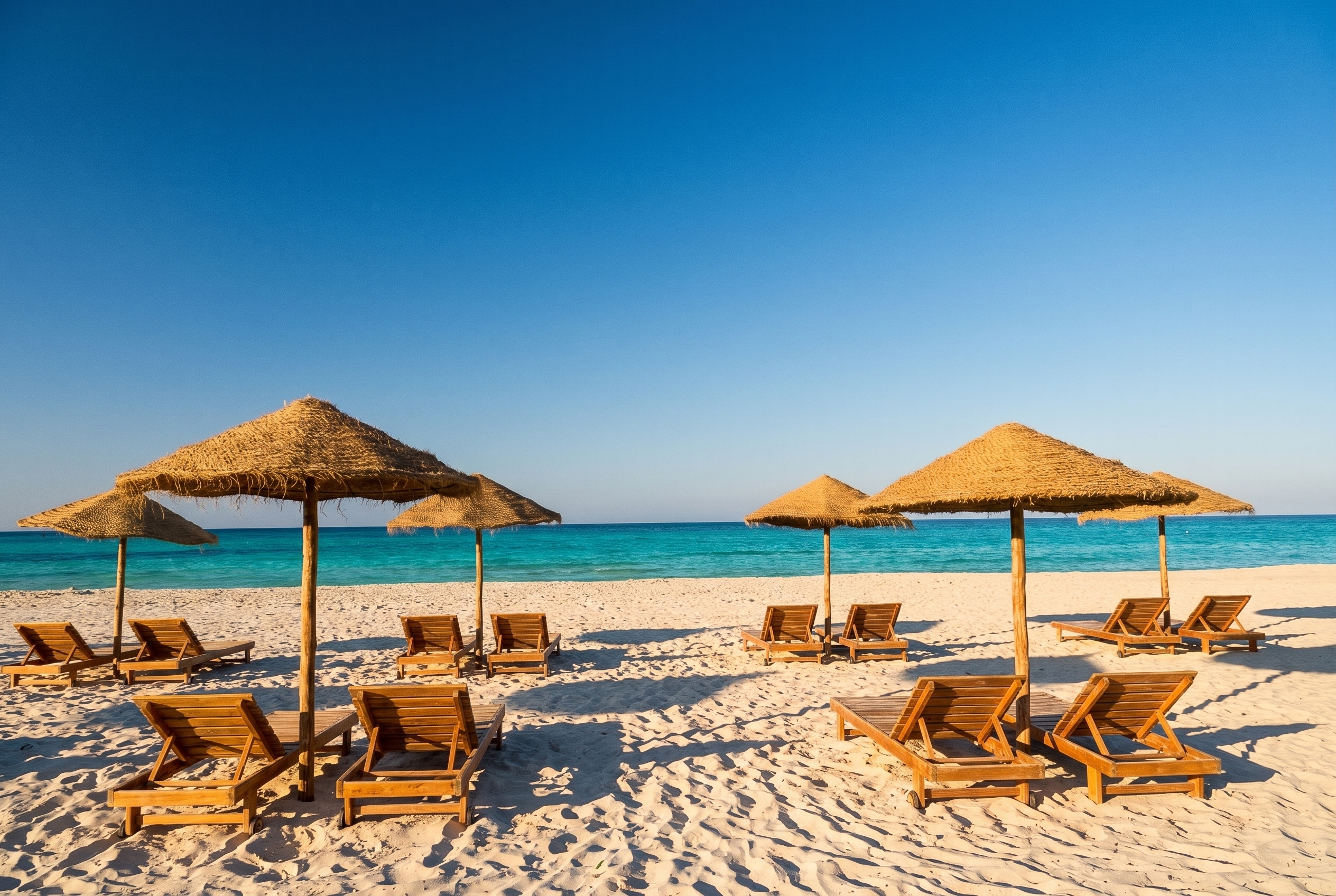
For beach lovers on a budget, Tunisia in North Africa is probably the cheapest way to reach genuinely warm sea, and you’ll get there in under three hours’ flight time from most European hubs. While a similar budget might buy you a week in a modest apartment in Croatia, here you get full tables under all-inclusive dining instead. Sadly, plenty of people never step outside the gates of their hotel resort, which is a huge shame, because this North African country offers so much more than just sun loungers by the pool.
If a holiday in Tunisia is tempting you right now, don’t settle for sipping drinks under a parasol — get out and discover the amazing local culture. Travellers very often ask what to see in Tunisia, and the answer is a colourful mix of ancient ruins, buzzing markets and fascinating desert landscapes. It may not seem that way at first glance, but this destination has great adventures on offer even for those who normally prefer independent, DIY travel.
In this article you’ll find a full 22 tips for specific places, from coastal resorts to the sand dunes of the Sahara, where a trip is absolutely worth it. I’ve also prepared detailed month-by-month weather tables based on real ten-year data, tips on getting around using shared louage vans or metered yellow taxis, and accommodation recommendations. There’s also an honest section on what to watch out for in this Muslim country, how paying with the local dinar works, and the fact that although the official language is Arabic, you’ll get by almost everywhere with French.
The full destination guide: Africa — guide and what to see
TL;DR
- The island of Djerba has the warmest sea in the whole country — in August the water hits an incredible 29.6 °C, and even in October it holds at a very pleasant 26.5 °C.
- During July and August, temperatures in the south climb past 33 °C and it statistically rains just 0.1 days a month, so you really don’t need to worry about non-stop sunshine.
- The most pleasant months for sightseeing and trips inland are clearly April, May, September and October, when you neatly dodge the punishing heat.
- Historic Carthage, the blue-and-white town of Sidi Bou Said and the old medina of Tunis are all UNESCO-listed and easy to cover on a single suburban railway line.
- The monumental amphitheatre in El Djem ranks among the best-preserved Roman arenas in the world, and by all accounts it wows even people who aren’t usually into ancient monuments.
- The endless Sahara is literally within reach — from Djerba you can easily join amazing two-day jeep trips right out among the dunes.
- The local dinar is a closed currency — you can’t legally buy it in advance abroad or take it out of the country, so always change money only after you land, at the airport.
- Although North African cuisine is very meat-heavy, vegetarians eat very well in Tunisia — you just need to learn to say everywhere that you strictly want your food without tuna.
Why go to Tunisia (and who it isn’t for)
Maybe you’re still weighing up whether this corner of North Africa is the right choice for your time off this year. Let’s take a proper look at what this destination absolutely excels at and who, on the other hand, I’d advise to look at other parts of the world instead. ☺️
6 reasons Tunisia is worth the trip
Value for money: It’s one of the cheapest all-inclusive destinations, where you get very generous service for your money. Often a stay in a lovely hotel with meals from morning to night works out cheaper than just renting an apartment somewhere in southern Europe, where you’d then have to buy food and flights on top.
Very warm sea and a long season: You can swim comfortably from June right through to the end of October, and the water temperature in the south feels more like a thermal spa. If you tend to feel the cold and your teeth usually chatter in the Mediterranean, you’ll most likely be absolutely delighted here.
Three different Tunisias in one: On a single holiday you can enjoy classic coastal relaxation, get lost in the alleys of an ancient medina full of colourful carpets and ceramics, and then head out into the silence of the endless desert. Few countries offer such huge, beautiful contrasts in a relatively small area.
Ancient monuments without the crowds: Travellers very often praise the fact that the wonderfully preserved Roman ruins here can be explored in relative peace, without being crammed in with hundreds of other tourists. The atmosphere at places like El Djem is said to have huge charm precisely because there are fewer visitors.
Close and easy to reach: Direct charter flights from major European hubs will get you to Enfidha, Djerba or Monastir airport in under three hours, which is an ideal option even for families with small children. There are no drawn-out connections or exhausting time changes — you simply board and can be sunbathing shortly after.
The Sahara and Star Wars film locations: In the south of the country you’ll discover fascinating salt lakes and deserted desert sets that reportedly look absolutely fantastic and draw film fans from all over the world. For many people the trip into the dunes is the crowning highlight of the whole stay, one they fondly remember afterwards.
Who Tunisia isn’t for
As much charm as this country has, I won’t lie to you — it’s definitely not a destination for everyone. If you recognise yourself in any of the points below, you might want to book flights to Spain or Greece instead, so you don’t end up needlessly frustrated once you’re there.
- Anyone who can’t stand being pestered in the medinas and haggling, because the market traders can be incredibly persistent and loud.
- Anyone who automatically expects European-standard service outside the resorts, spotlessly clean streets and general organisation.
- Anyone who copes badly with intense heat, since in summer the temperature in the sun regularly tips over 33 °C and the air literally shimmers.
- Anyone who wants to drink alcohol freely everywhere on holiday, because this is a Muslim country and you’ll mostly find beer or wine in hotels or specialised tourist venues.
- Anyone who absolutely doesn’t want to deal with a closed currency and cash, since you can only pay by card in better restaurants or supermarkets in the big cities — everywhere else the dinar rules.
When to go to Tunisia: weather month by month
Picking the right dates is absolutely key, because even though this is Africa, temperatures shift quite noticeably over the year. To make your decision easier, I’ve put together a detailed weather overview based on real ten-year averages from 2015 to 2024, drawn from the very accurate ERA5 meteorological reanalysis.
As for sea temperature, that comes from a detailed marine model covering 2019 to 2024, so don’t expect any prettied-up estimates from tour operator brochures — just hard data. Let’s start with the sunny south around the popular island of Djerba, which is statistically the hottest spot on the whole coast. 😅
| Month | Day | Night | Sea | Rainy days | Sun/day |
|---|---|---|---|---|---|
| January | 17 °C | 10 °C | 15 °C | 2.0 | 8.8 h |
| February | 18 °C | 11 °C | 15 °C | 3.7 | 9.6 h |
| March | 21 °C | 13 °C | 17 °C | 2.3 | 10.6 h |
| April | 23 °C | 15 °C | 19 °C | 2.6 | 11.2 h |
| May | 27 °C | 18 °C | 22 °C | 2.1 | 12.0 h |
| June | 31 °C | 22 °C | 25 °C | 0.0 | 12.9 h |
| July | 34 °C | 24 °C | 29 °C | 0.0 | 13.0 h |
| August | 34 °C | 25 °C | 30 °C | 0.8 | 12.6 h |
| September | 31 °C | 24 °C | 28 °C | 2.9 | 11.2 h |
| October | 28 °C | 20 °C | 26 °C | 3.1 | 9.8 h |
| November | 22 °C | 16 °C | 22 °C | 4.0 | 9.3 h |
| December | 18 °C | 12 °C | 17 °C | 4.0 | 8.7 h |
The north is cooler and rainier than the south
While the south tempts you with early swimming, northern resorts like Hammamet and the area around the capital, Tunis, have a slightly cooler, wetter climate. The data shows nicely that Hammamet gets around 8 to 9 rainy days a month in December and January, whereas southern Djerba has only about 3 to 4 wet days in the same winter period.
The sea also warms up a bit more slowly in the north, so in May the water around Tunis and Hammamet is usually a fresh 20 to 21 °C, which only cold-water fans will appreciate. The genuinely comfortable swimming season here really kicks off during June and holds until the end of October, when both air and water temperatures are perfect for spending whole days on the beach.
| Month | Day | Night | Sea | Rainy days | Sun/day |
|---|---|---|---|---|---|
| January | 16 °C | 9 °C | 17 °C | 5.0 | 8.4 h |
| February | 17 °C | 9 °C | 15 °C | 6.1 | 9.3 h |
| March | 18 °C | 11 °C | 16 °C | 8.4 | 10.1 h |
| April | 21 °C | 13 °C | 17 °C | 5.3 | 11.0 h |
| May | 25 °C | 16 °C | 20 °C | 5.3 | 12.0 h |
| June | 29 °C | 20 °C | 24 °C | 1.9 | 12.8 h |
| July | 33 °C | 23 °C | 27 °C | 0.3 | 13.1 h |
| August | 33 °C | 23 °C | 28 °C | 2.4 | 12.6 h |
| September | 29 °C | 22 °C | 27 °C | 5.3 | 10.8 h |
| October | 25 °C | 18 °C | 25 °C | 7.6 | 9.5 h |
| November | 21 °C | 14 °C | 22 °C | 6.7 | 8.8 h |
| December | 18 °C | 11 °C | 18 °C | 6.6 | 8.2 h |
The best months by type of holiday
- Swimming and beach relaxation: The ideal window is June to October, when the sea on Djerba ranges from a wonderful 25 °C up to 29.6 °C in August and you won’t want to get out of it at all.
- Sightseeing and the Sahara: If you’re planning trips inland, head here from March to May, or in October and November, when you comfortably avoid the sweltering summer days.
- Cheapest dates: From November to March you’ll get hotels for a fraction of the price, but bear in mind swimming in the sea definitely won’t be on the cards.
- What to avoid: July and August are totally unsuitable for long trips inland and into the desert, since the punishing heat will only wear you out for nothing.
Ramadan: what it means for tourists
When choosing your dates, it’s worth knowing that the country regularly observes the holy month of Ramadan, whose timing shifts forward by roughly 11 days each year. In practice this doesn’t affect the big beach resorts at all — they run completely normally — but outside them, local restaurants are closed during the day and the overall pace on the streets is noticeably slower. Locals do respect visitors, but it’s basic courtesy not to eat, drink or smoke in public, and to wait for refreshments until you’re in the privacy of your hotel or until after sunset.
What to see in Tunisia: 22 tips from Carthage to the Sahara
If you’re planning a trip to North Africa, Tunisia is guaranteed to surprise you with its huge variety, which stretches from the ancient monuments around the capital, through the green north and bustling resorts, all the way to the endless sand dunes in the south. Getting here is very easy: direct charter flights from major European hubs to Enfidha, Djerba or Monastir airport take roughly two and a quarter to three hours. Seasoned travellers strongly recommend avoiding the touts inside the terminal at Tunis, who offer overpriced rides, and instead heading to the official yellow taxi rank outside the building, where you should always insist the meter is switched on upfront.
Sadly, most visitors fly here purely for classic all-inclusive stays and barely leave the comfort of the hotel resort all week, which in my view is a huge shame. The most interesting historical treasures, authentic Arab markets and photogenic little towns are often just beyond the fence of your hotel, so it would be a real crime not to explore them. Let’s take a look together at the best this sun-drenched country has to offer, so you bring home much more than just a tan from a hotel lounger.
1. The medina of Tunis: a UNESCO-listed labyrinth
The historic centre of the capital is the best-preserved medina in all of North Africa, and its narrow, winding alleys instantly transport you back several centuries. The heart of this pulsating place is the imposing Great Mosque of Ez-Zitouna, surrounded by traditional souks (markets) divided by trade, where the scent of spices mixes with the hammering of coppersmiths. Guides agree that a walk through this maze is an absolute must for anyone who wants to soak up genuine Arab atmosphere.
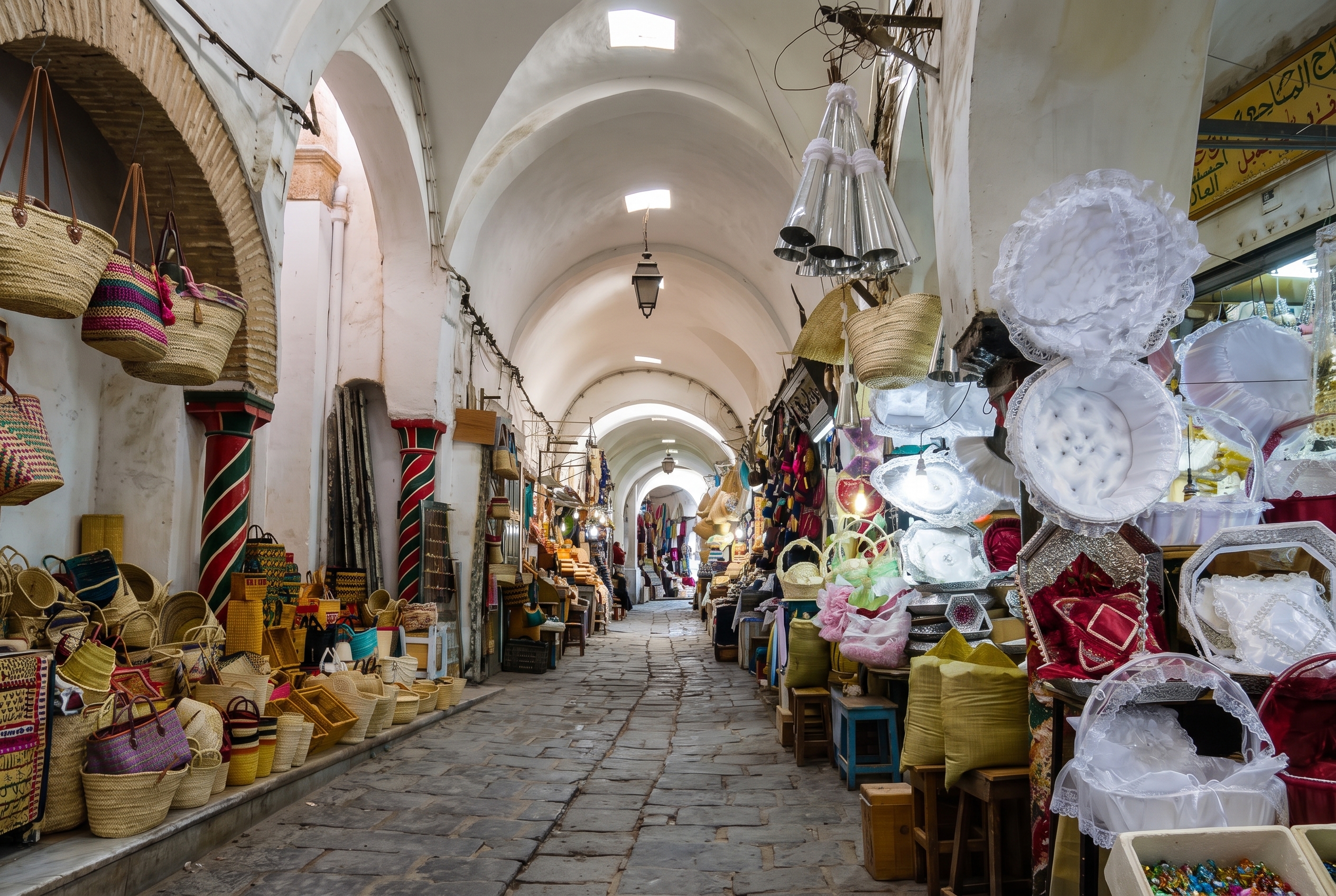
Head into the medina ideally first thing in the morning, when the alleys are quieter and the traders are only just setting out their goods. You’ll definitely be approached by various self-appointed guides who want to show you the way to the best rooftop viewpoint — respond with a polite but clear and firm refusal unless you fancy paying a hefty tip 😅. Since you’re in a Muslim country, don’t forget to wear something that covers your shoulders and knees for your walk through town.
2. Carthage: from an empire that rivalled Rome
Just a short distance from modern central Tunis lie the ruins of legendary Carthage, which in antiquity ruled the Mediterranean and fought the famous Punic Wars against the Roman Empire. Today it’s a sprawling, UNESCO-listed archaeological park where the key highlights include Byrsa Hill, the majestic remains of the Antonine Baths lining the shore, and the ancient Punic ports. Travellers particularly praise how the Phoenician, Roman and Byzantine layers of history blend together against a backdrop of sparkling blue sea.
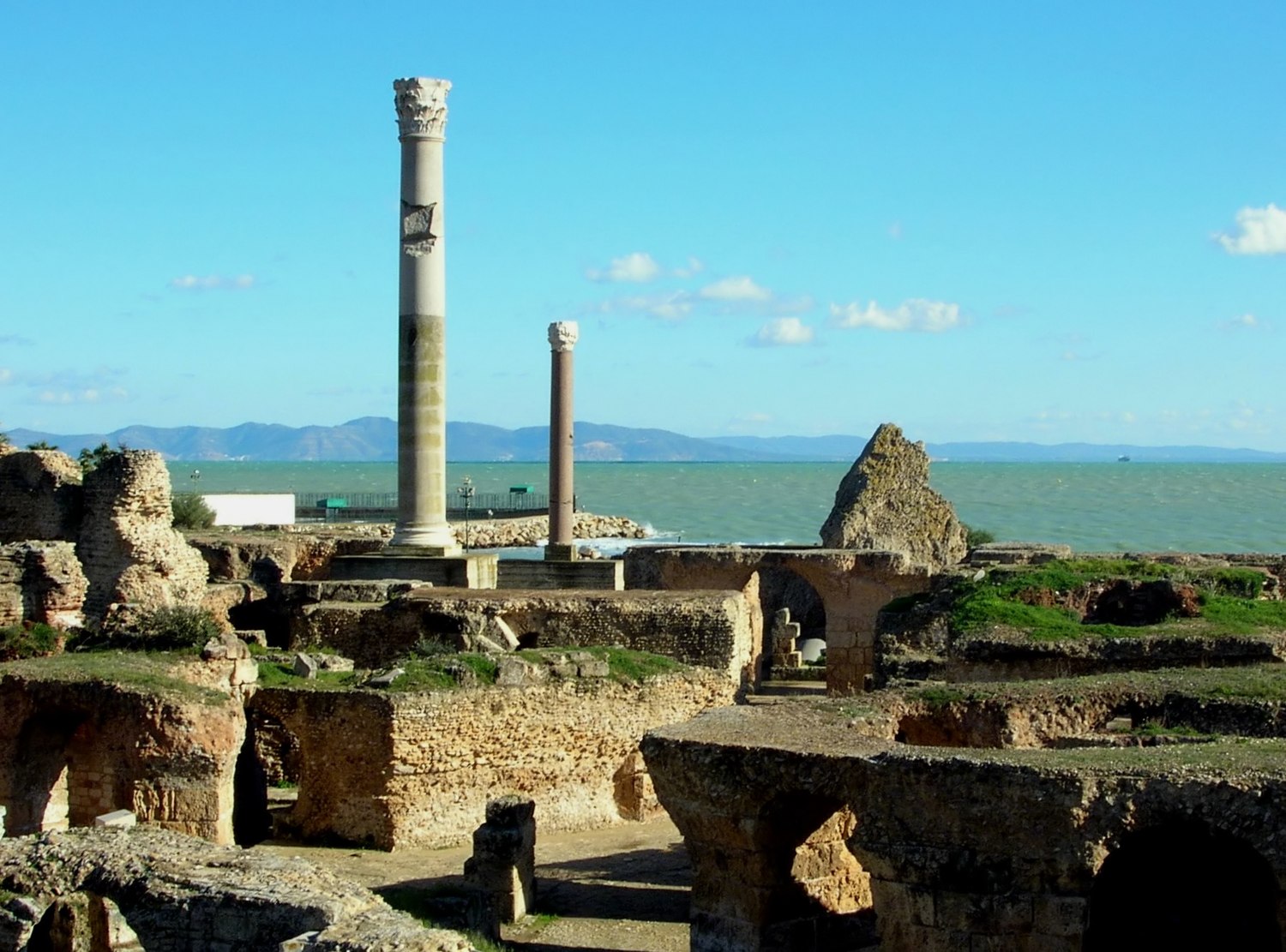
Getting to this historic site is completely hassle-free, because Carthage lies right on the route of the TGM suburban railway linking Tunis with the coast. For easier communication at ticket offices and monuments, French will come in handy — alongside official Arabic, it’s very widely spoken in Tunisia, whereas outside the main tourist resorts English will sometimes leave you stuck. The large site involves a lot of walking in direct sun, so comfortable shoes and plenty of water are an absolute must.
3. Sidi Bou Said: a blue-and-white town above the sea
Perched on a cliff above the Gulf of Tunis is the picturesque town of Sidi Bou Said, which in photos often resembles the Greek islands thanks to its dazzling white façades and signature bright blue doors with wrought-iron grilles. This spot has long drawn artists, writers and romantics from all over the world, who come to sit in the legendary Café des Nattes and admire the view of the moored yachts. It’s said to be one of the most photographed places in all of Africa, which is no wonder when you see those charming flower-filled alleys ☺️.
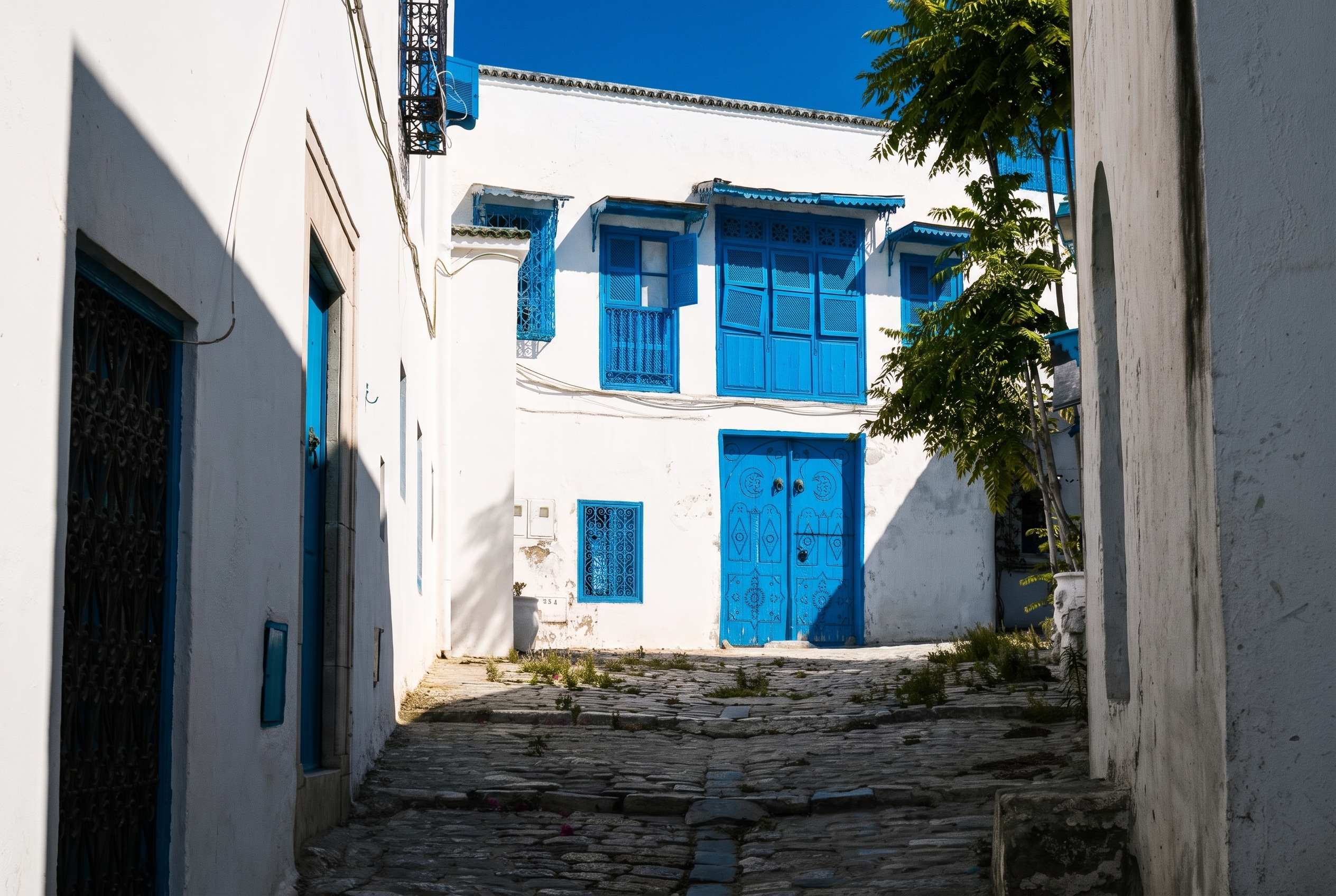
To save yourself the stress, definitely visit either very early in the morning or in the late afternoon, because at midday this small town is literally bursting at the seams with day-trippers. From Tunis you can reach it easily by TGM train or by yellow taxi — just make sure the driver has the meter running from the very start of the ride. Prices in the local cafés are noticeably higher than in the rest of the country, but for the atmosphere over a mint tea with pine nuts, many say it’s worth it.
4. The Bardo: mosaics you won’t see anywhere else
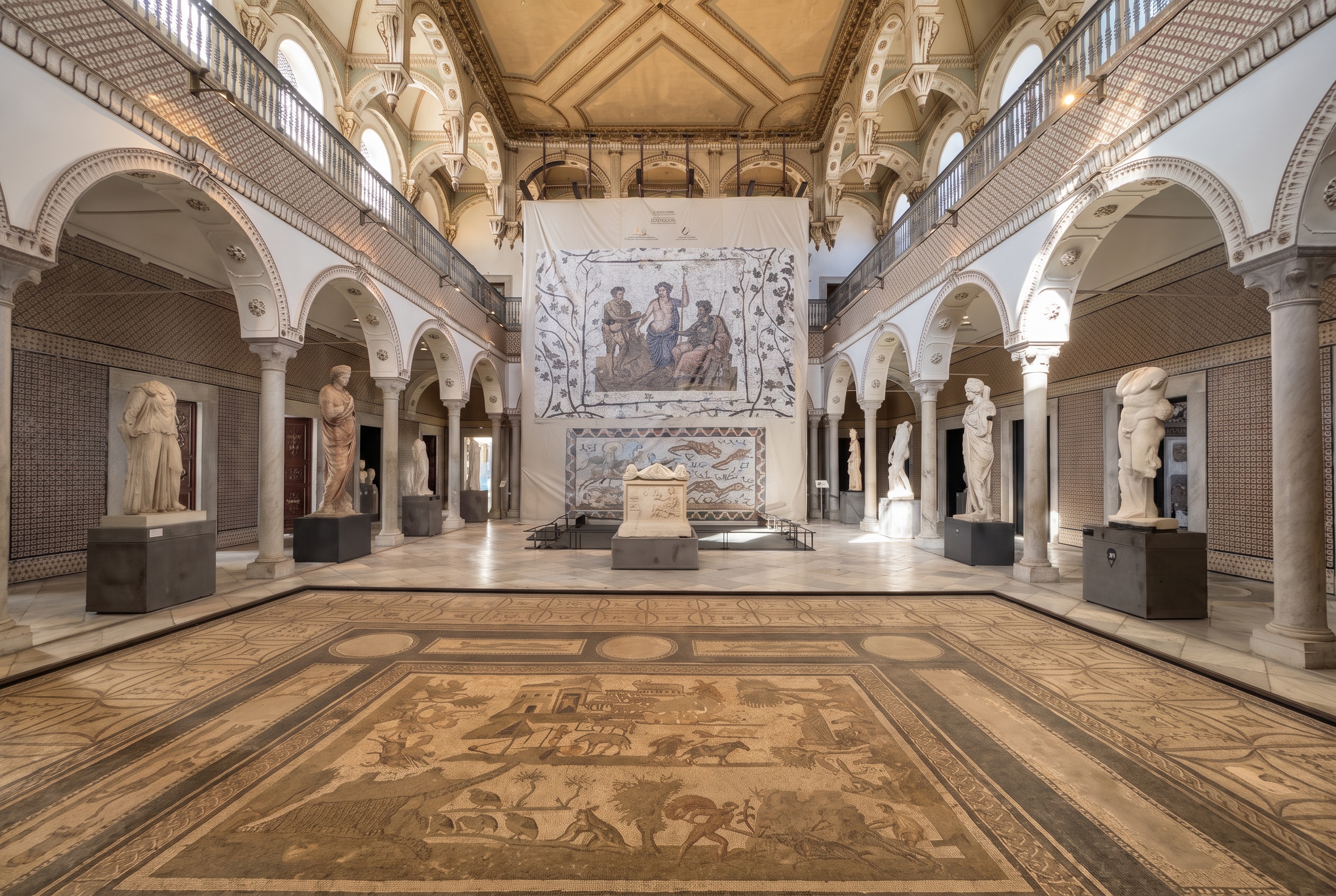
The Bardo National Museum is housed in the magnificent complex of a former palace of the Bey of Tunis and holds a treasure of incalculable value. Here you’ll find one of the largest and best-preserved collections of Roman mosaics in the world, which originally decorated the floors of wealthy villas across North Africa and now hang like giant paintings on the walls. The museum’s spaces combine Andalusian architecture with painted wooden ceilings, creating a truly unique setting for ancient statues and artefacts thousands of years old.
Both the entrance fee to the museum and souvenir shopping nearby have to be handled in the local currency, the Tunisian dinar (TND), which divides into a thousand millimes. Remember that the dinar is a strictly closed currency, which means you can’t bring it in from home — you have to change your euros or dollars only after landing in Tunisia. Before you fly out, you then have to spend any remaining dinars or change them back at the airport, and the exchange offices will ask you for the original exchange receipt to do so.
5. Hammamet: kasbah, medina and the north’s best beaches
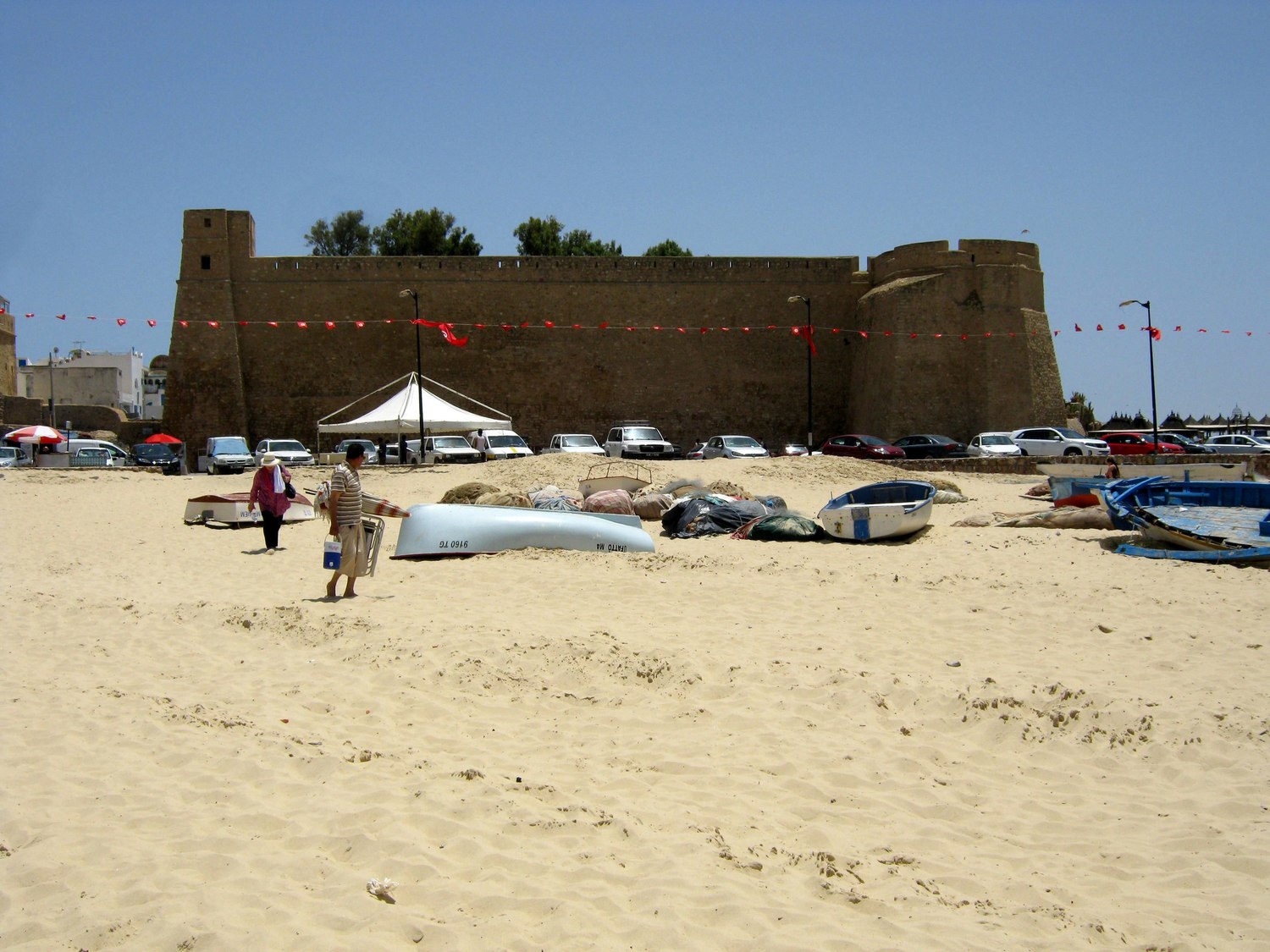
Hammamet is one of the oldest and most popular resorts in the country, where tourists come for wide beaches of fine, pale sand and a gentle slope into the sea. Besides the modern hotel zone, you’ll find a beautiful ancient medina and a majestic fortress, the kasbah, standing right on the shore and offering magical views over the whole coast. Within the preserved walls hide quiet residential lanes full of white houses and flowering gardens, a great place to escape the midday heat.
If you’re wondering where to go on holiday in September, Tunisia’s northern coast and Hammamet are an absolutely ideal choice at that time, because the sea is warm and the summer crowds are slowly disappearing. In the better hotels, larger restaurants and modern supermarkets in Hammamet you’ll pay by card without any trouble, but in the markets inside the medina and in smaller shops, cash is king. Always keep plenty of small coins and low-value notes on you, because traders often can’t give change.
6. Nabeul: ceramics and spices
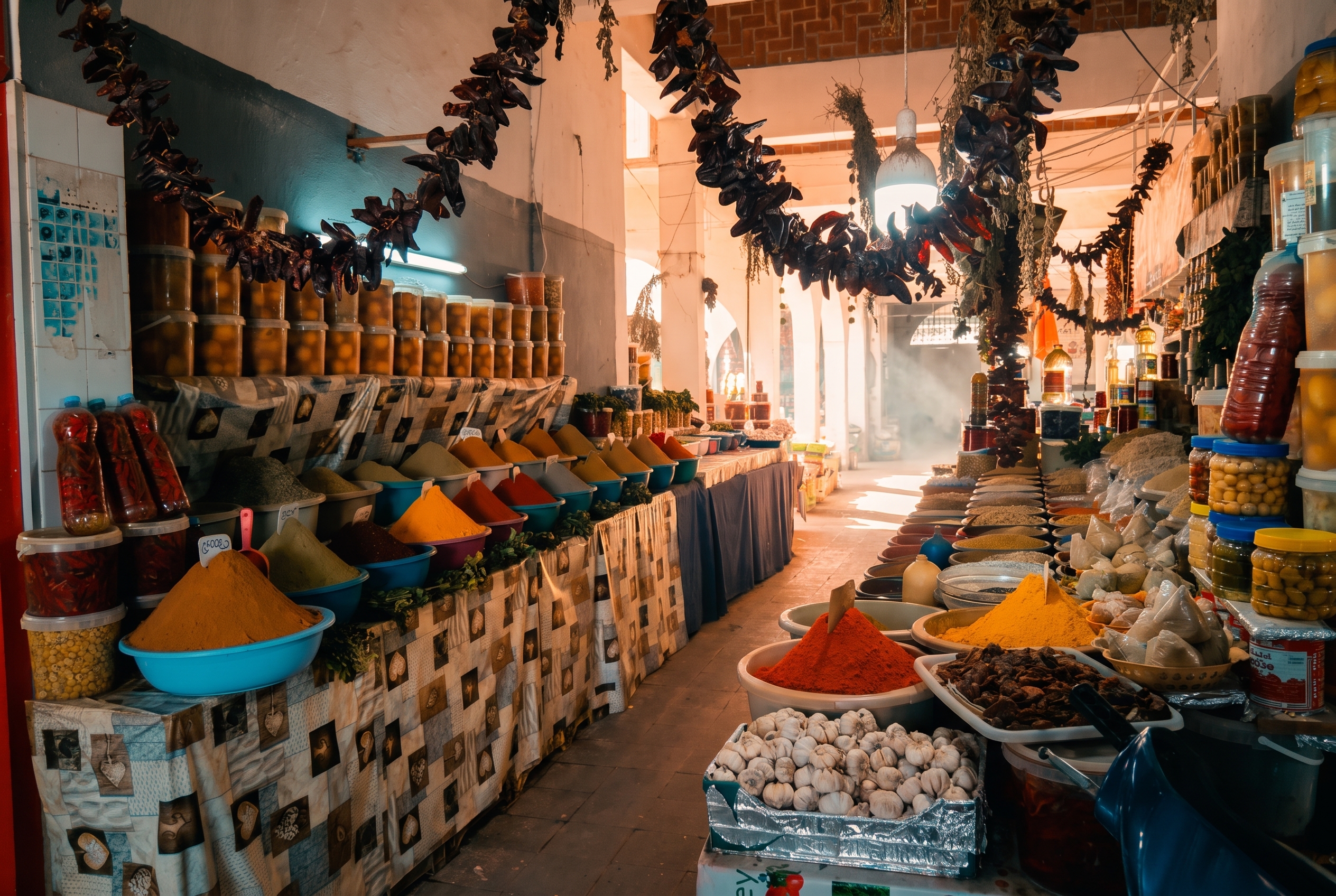
The town of Nabeul, just a short distance from Hammamet, is considered the capital of Tunisian ceramics, a craft with several centuries of tradition here. Local workshops produce beautifully decorated bowls, plates and tiles with typical Andalusian and Ottoman motifs, and you can often watch skilled craftsmen at work over their shoulders. The town comes alive above all during the big Friday market, when traders gather from far and wide and the streets fill with the scent of piles of fresh spices, herbs and citrus blossom.
For the trip between Hammamet and Nabeul, I warmly recommend trying a mode of transport called the louage — the classic shared eight-seater vans with coloured stripes. These vans have a fixed price and route and work on a very simple principle: they leave their stand the moment all eight seats are filled. It’s an incredibly cheap, fast and authentic way to travel safely between Tunisian towns alongside the locals.
7. Cap Bon and the thermal baths of Korbous
The Cap Bon peninsula juts into the Mediterranean towards Italy’s Sicily, and locals lovingly nickname it the green garden of Tunisia. This fertile region is dotted with citrus groves, vineyards and sleepy fishing villages that contrast sharply with the arid south. The biggest draw of the whole peninsula is the healing thermal springs in the little town of Korbous, where hot mineral water gushes from the rocks straight into the cool sea waves, creating utterly wonderful natural baths.
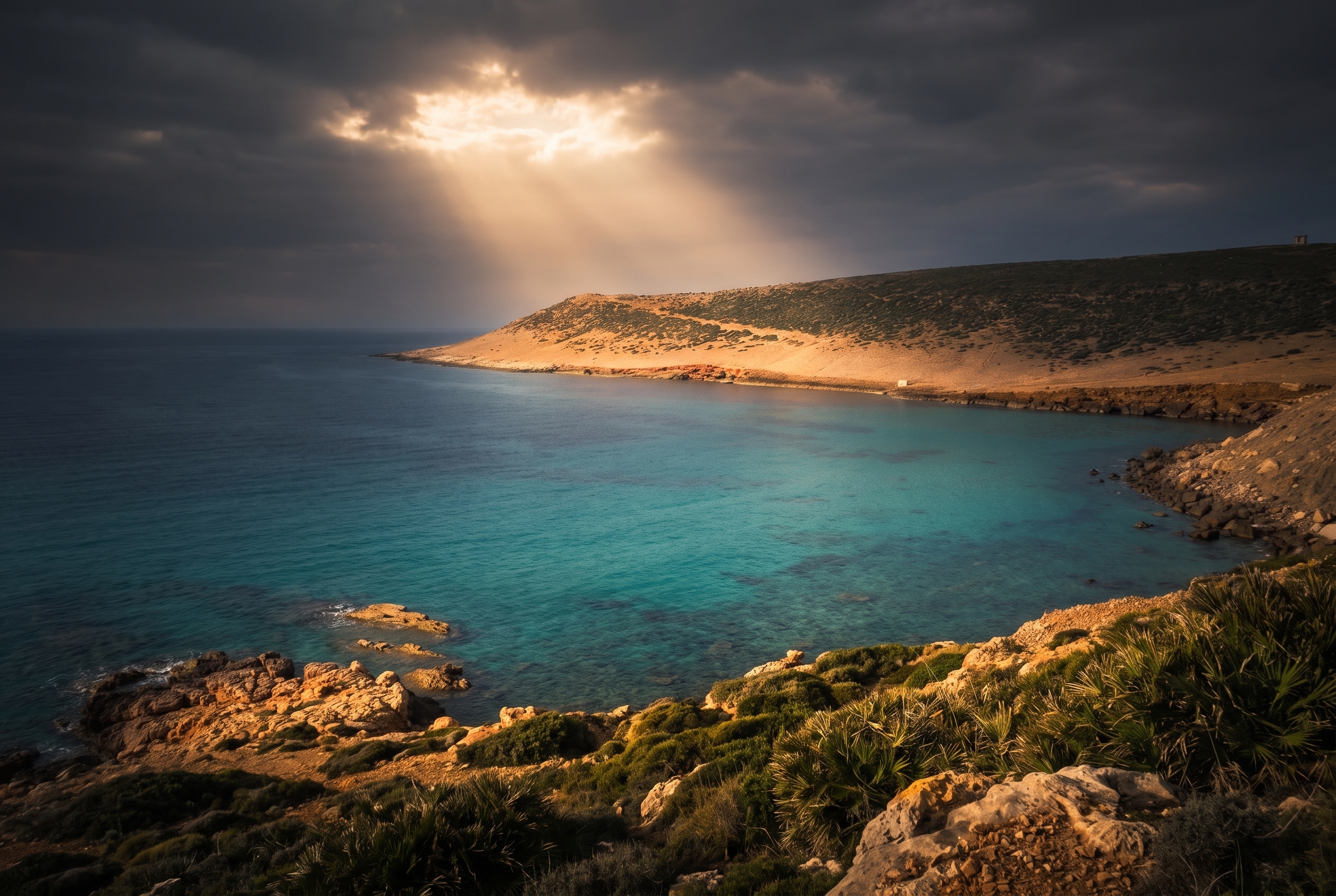
To explore the remote coves and viewpoints on the Cap Bon peninsula, it’s best to rent your own car, because public transport comes here only very sporadically. If you decide to drive, take extra care, because Tunisian traffic can be very chaotic and the rules are treated more like loose suggestions. Definitely sort out quality travel insurance before you go, so you know you’ll be well looked after in case of any unexpected health issues or minor accidents on the road.
8. Bizerte and the north
The northernmost city in all of Africa offers visitors a completely different atmosphere from the classic resorts on the east coast, and tourists often unfairly overlook it. Bizerte boasts a beautiful old harbour lined with cafés, above which rise the massive walls of a fortress and the narrow lanes of the old Andalusian quarter. The beaches along the northern coast are much wilder, often fringed with pine forests, and even in the height of summer you’ll find spots where you’ll lie completely alone.
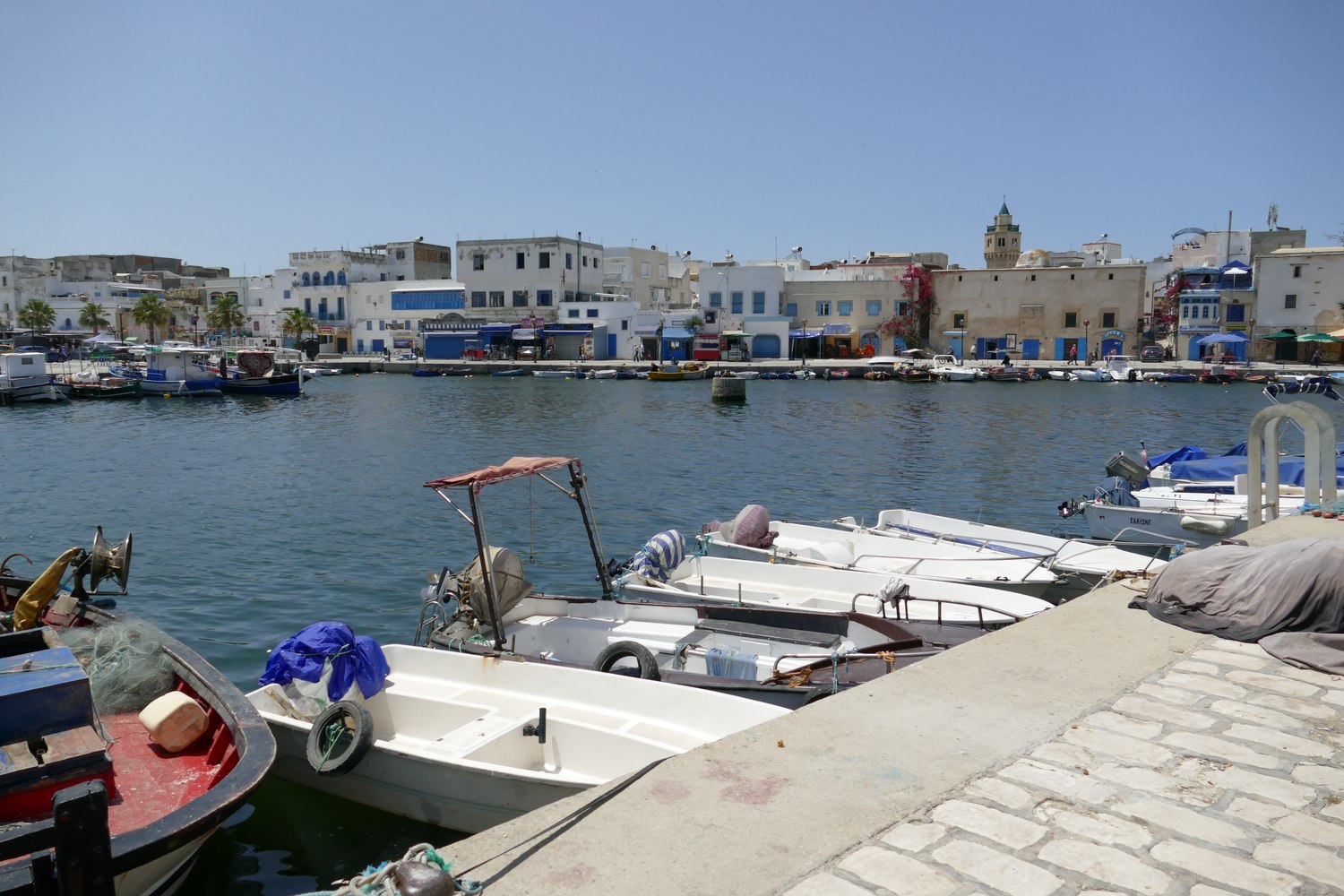
Because crowds of foreign tourists don’t head here, Bizerte has kept its very authentic character, which brings small communication challenges. By travellers’ accounts you won’t get far with English here, so it’s the perfect time to dust off some basic French or rely on a translation app and gestures. In the local spots by the old harbour you can enjoy excellent coffee and watch the fishermen untangling their nets exactly as they have done for centuries.
9. Sousse: medina, ribat and a lively resort
Sousse is one of the liveliest cities in Tunisia and masterfully combines the buzz of a modern holiday resort with deep history. Its heart is the sprawling, UNESCO-listed medina, guarded by an imposing fortified monastery called the ribat, whose tall watchtower offers a fantastic view over the town and harbour. According to guides, lovers of history and a slight shiver down the spine shouldn’t miss the extensive early Christian catacombs, which stretch for several kilometres beneath the city.
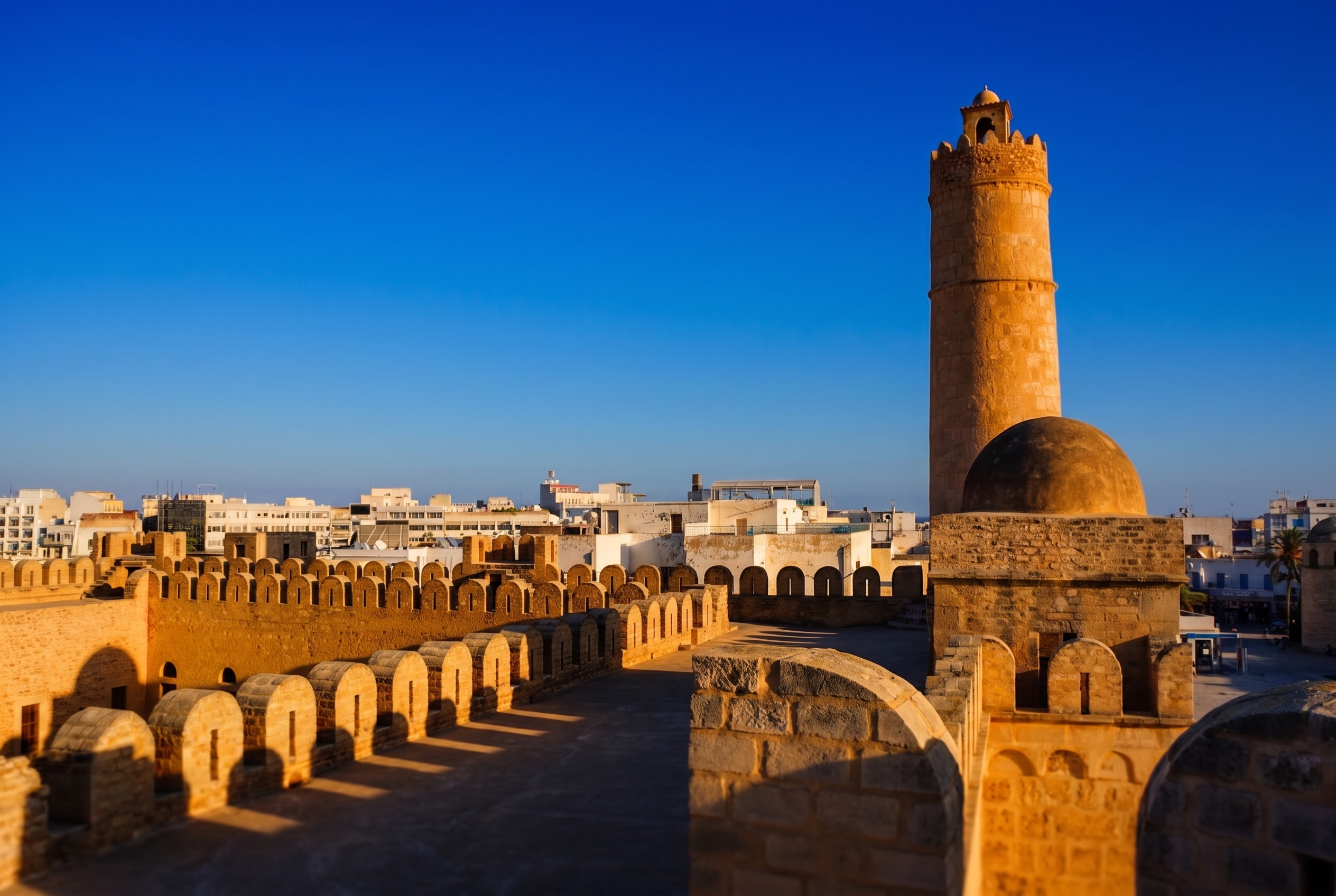
Walking the winding alleys of the Sousse medina, you’ll come across hundreds of shops selling ceramics, leather goods and hammered lamps, where haggling over the price is expected. Always remember that Tunisia is a traditional Muslim country, so even though you’re in a tourist town, don’t enter the medina and monuments in beachwear or plunging necklines. Respecting local customs about dress will earn you a much warmer welcome from traders and spare you unwanted glances.
10. Monastir: a mausoleum and a fortress from the movies
Neighbouring Monastir is a bit quieter than bustling Sousse, and its landmark is undoubtedly the enormous stone ribat, considered the finest military structure of Islamic architecture in North Africa. You might recognise these ancient walls from the big screen, because the legendary comedy Life of Brian was filmed here, along with the epic Jesus of Nazareth. Right next to the fortress stands the beautiful mausoleum of Habib Bourguiba, Tunisia’s first president, with a dazzling golden dome and tall minarets.
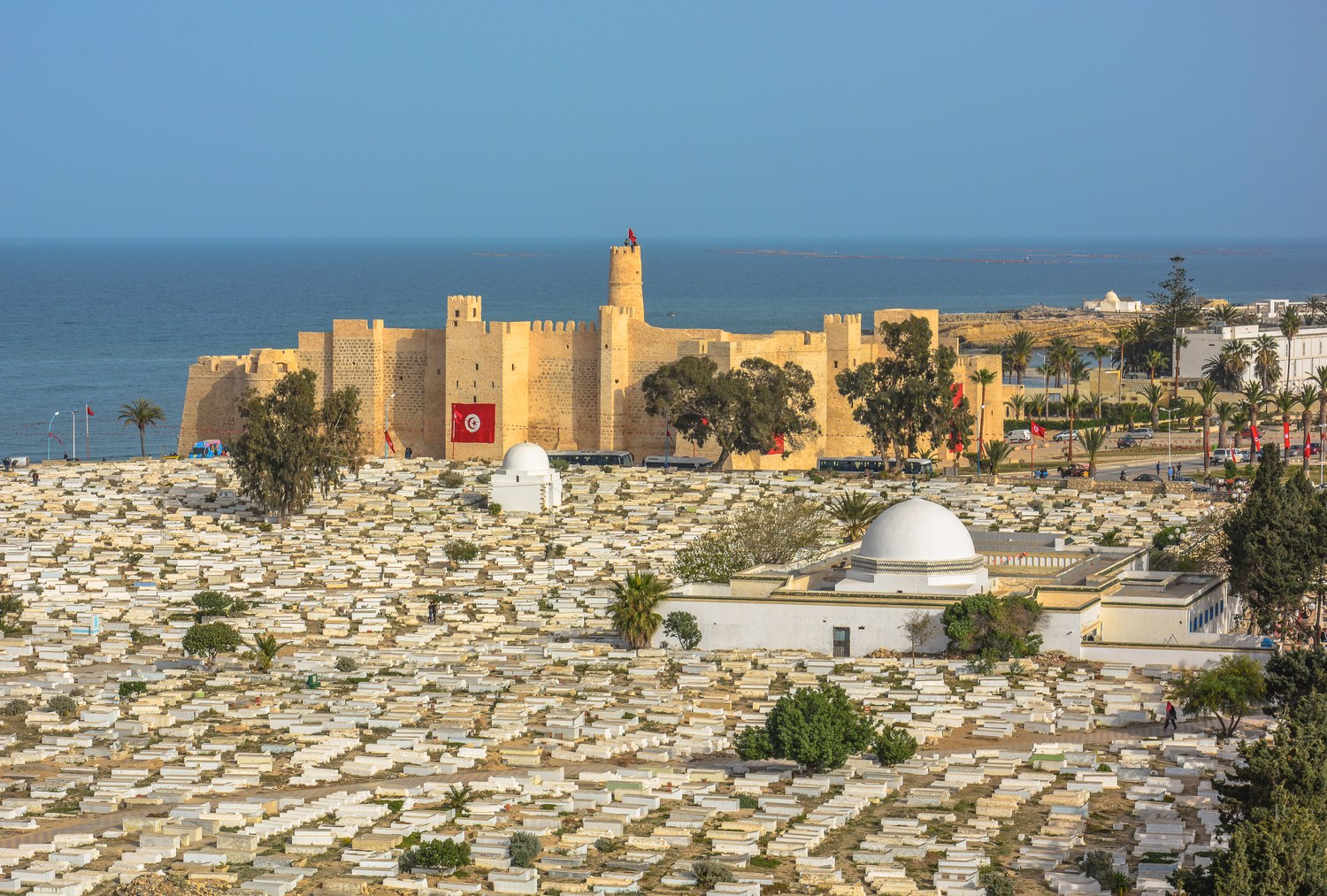
Reaching this area is very easy, because most holiday flights from Europe land right in Monastir or nearby Enfidha. If you’re planning a DIY trip rather than a package, check out our tips on how to find cheap flights, because outside the main summer season you can grab standalone tickets at very good prices. Monastir itself has a fairly compact centre you can easily walk around in one pleasant afternoon.
11. El Djem: a Roman amphitheatre that takes your breath away
Looking at the colosseum in the town of El Djem, it’s hard to believe you’re not standing in Rome itself, because this is one of the largest and best-preserved Roman arenas in the world. This monumental, UNESCO-listed structure once held over thirty thousand spectators, who came to watch bloody gladiator fights and battles with wild animals. What’s more, the colour of the sandstone blocks changes wonderfully depending on how the sun’s rays are hitting them.
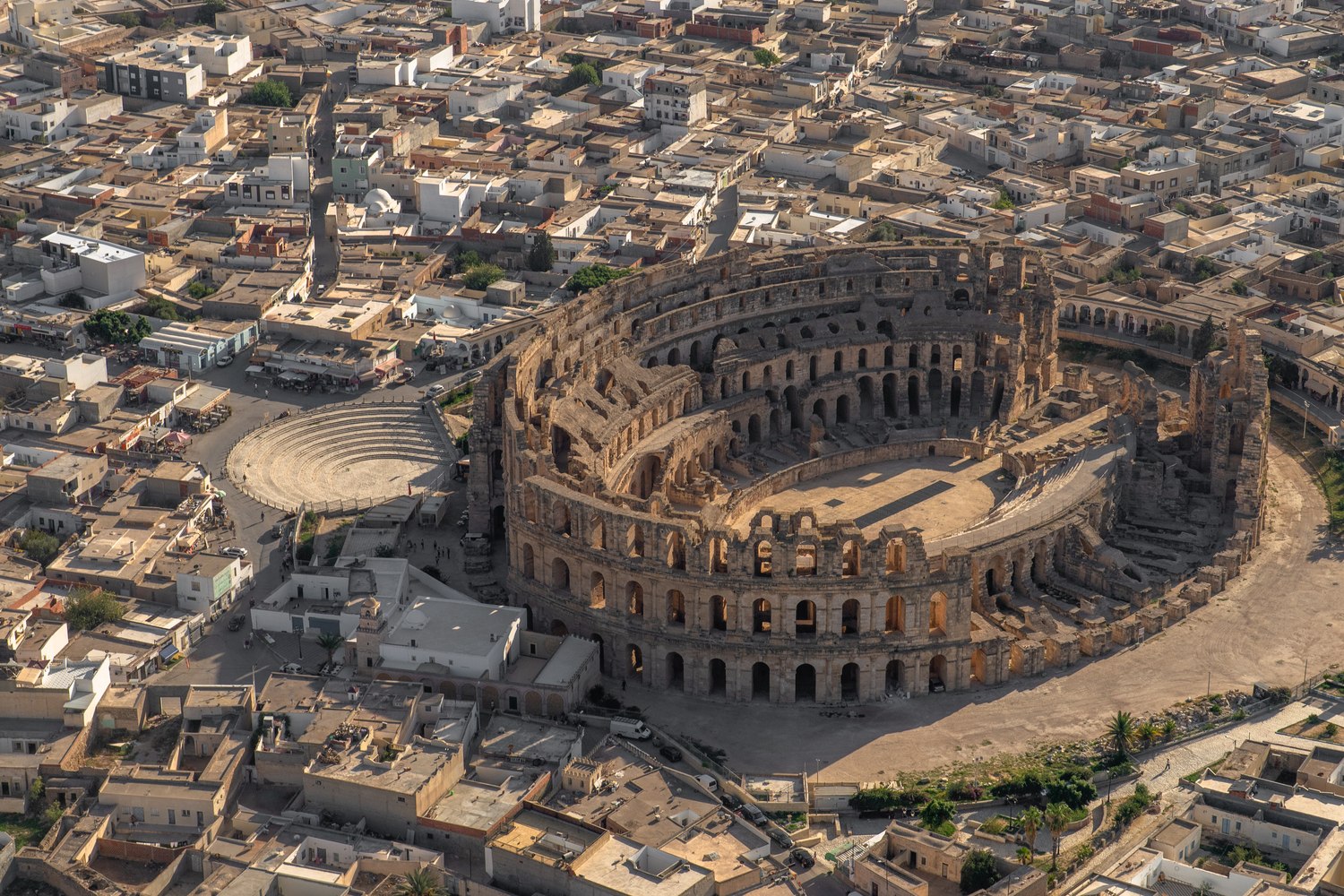
Compared with its more famous Italian sibling, El Djem has a huge advantage: you won’t stand in queues for hours and can explore the whole complex much more freely. Visitors particularly praise that you can climb right up to the highest tiers of the seating for a perfect view, and descend into the intricate underground, where in dark cells the gladiators once awaited their fate. The arena sits on the main railway line, so you can easily reach it by train from Sousse or Tunis.
12. Kairouan: Tunisia’s holiest city
Kairouan is the fourth holiest city of Islam, right after Mecca, Medina and Jerusalem, and you’ll feel its spiritual atmosphere at every step. The city’s landmark is the stunning Great Mosque with its massive minaret and huge courtyard, which serves as the architectural model for all the other mosques in North Africa. Also worth seeing are the ancient Aghlabid basins, which once supplied the whole city with water, and countless craft workshops, because Kairouan is famous for producing the finest knotted carpets.
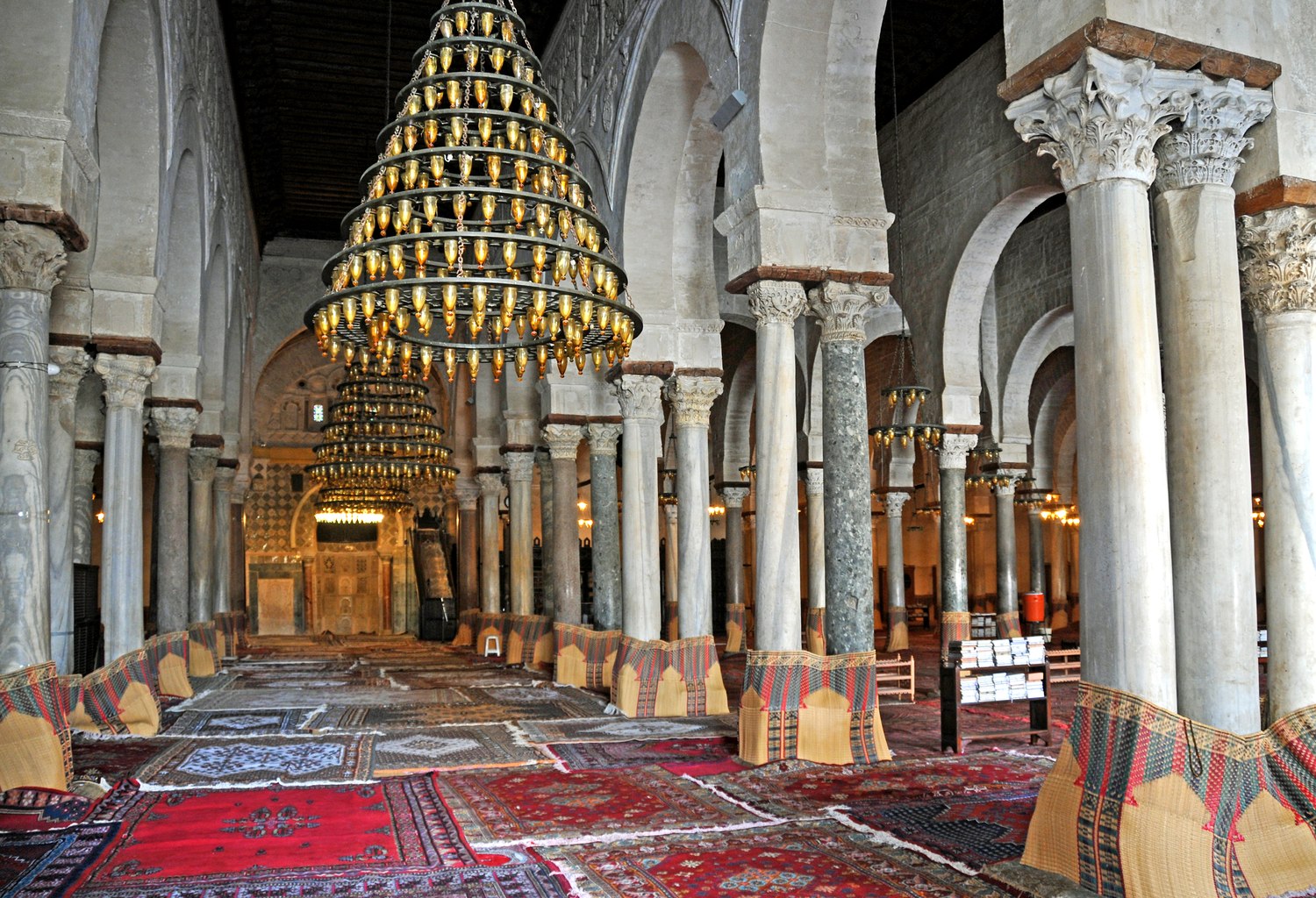
When visiting this deeply religious city, you must be very strict about the dress code, because entry to the sacred sites is completely off-limits to inappropriately dressed tourists. Remember too that non-Muslims may not enter the prayer halls directly, but can view and photograph their beautifully decorated interiors, with their dozens of columns, through the open doors from the courtyard. A walk through the local medina, by contrast, is full of life, and you’re guaranteed to meet traders who’ll happily invite you into their workshop for tea.
13. Djerba: the island with the warmest sea
The island of Djerba at the very south of the country is an absolute paradise for lovers of swimming and sunbathing, because locals proudly claim they get an incredible 320 sunny days a year. The most beautiful long, pale-sand beaches stretch mostly along the north-east coast and offer a very shallow, gradual entry into the water, which families with small children love above all. Thanks to its southern location, the sea here is a few degrees warmer than at the northern resorts, so the swimming season lasts considerably longer.
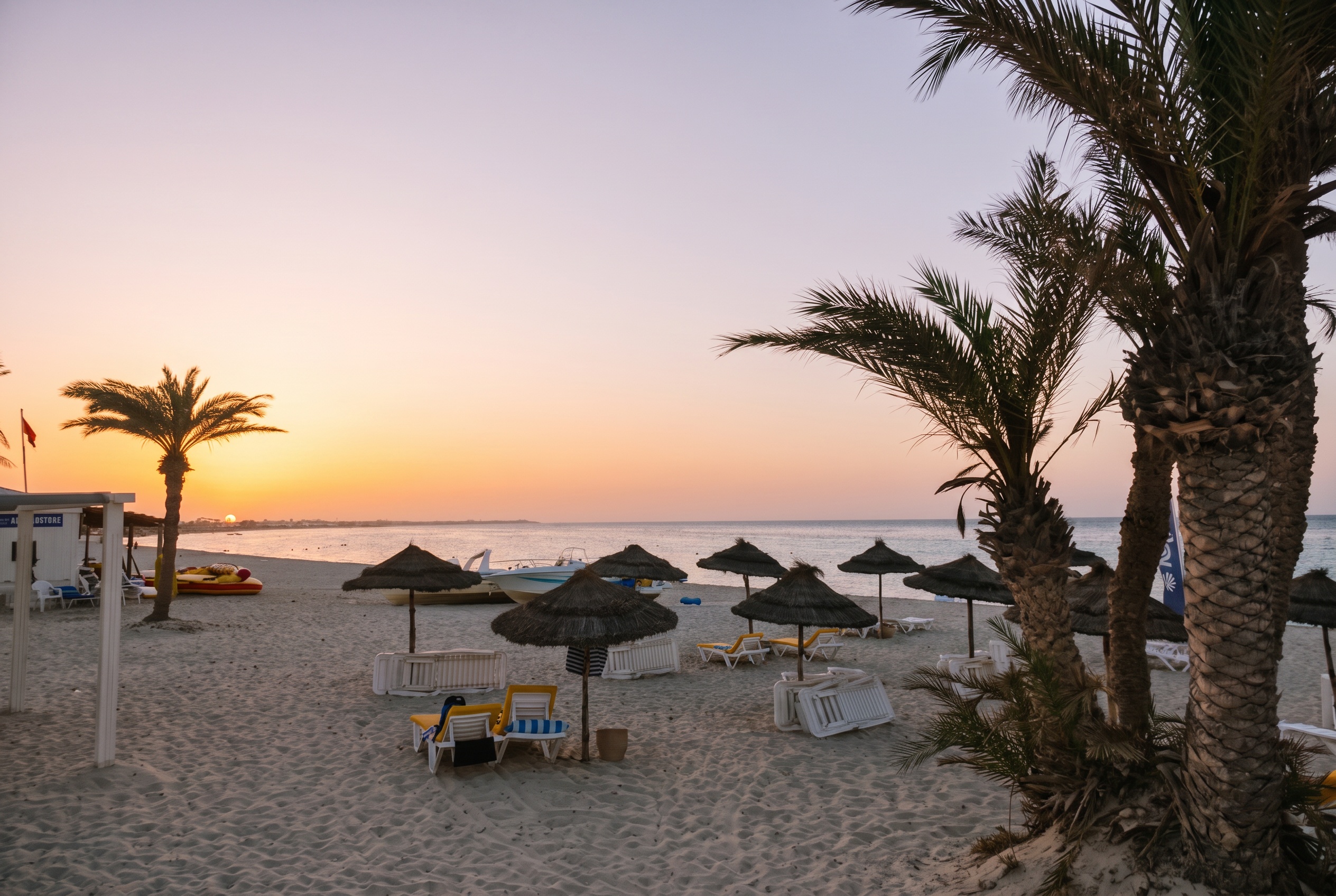
Getting to the island is as convenient as it gets for tourists, because international flights land right at the local Djerba-Zarzis airport and transfers to the hotels take just a few dozen minutes. The island is linked to the mainland by a Roman causeway, so you can easily take trips into the desert on the mainland, whether with a rental car or an organised tour. Djerba has a much more laid-back island atmosphere overall, and time flows noticeably slower here than in the rest of Tunisia.
14. Houmt Souk: the capital of Djerba
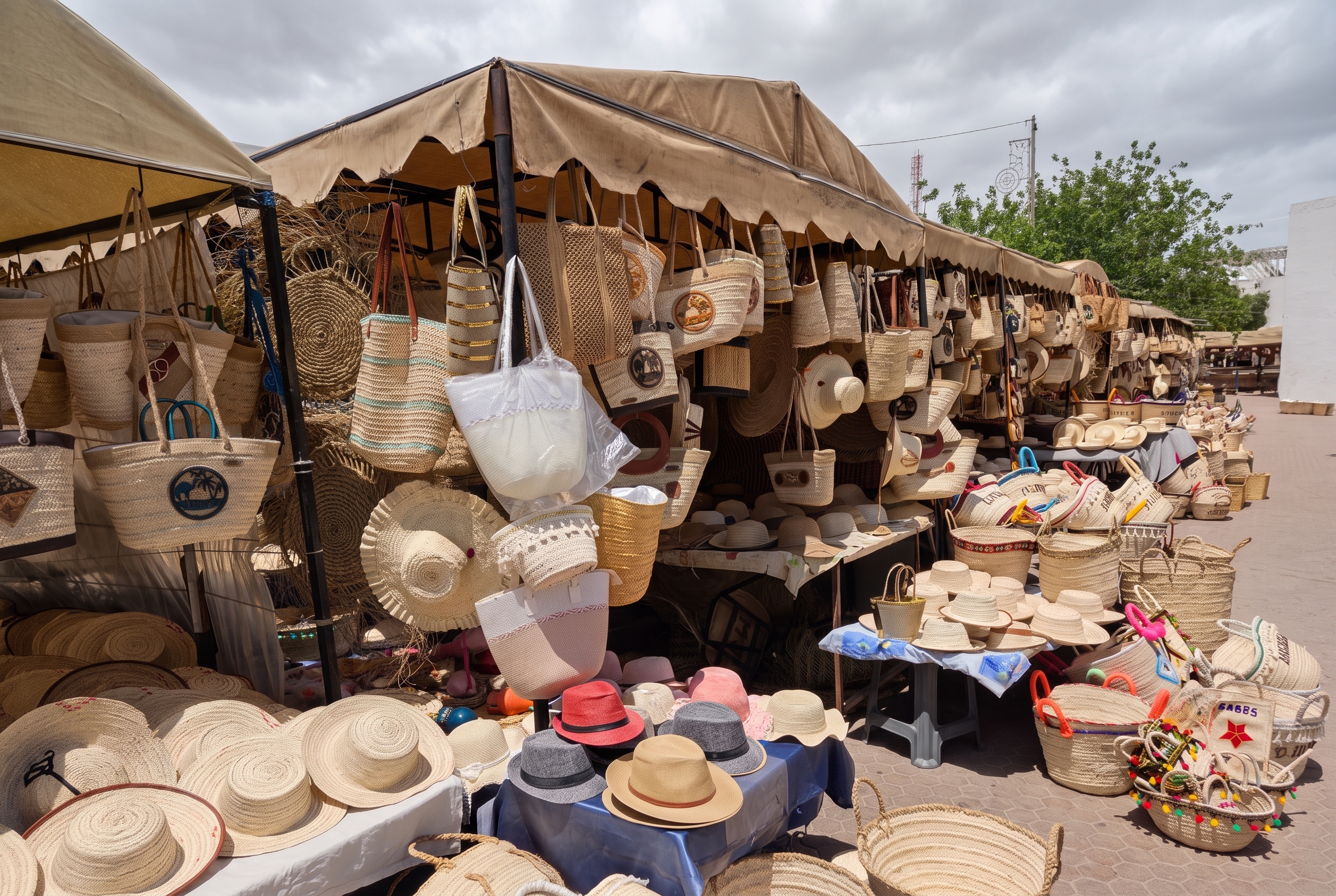
The administrative centre of the whole island is the charming little town of Houmt Souk, whose name literally translates as “marketplace”, which perfectly captures its character. In the centre you’ll find a tangle of alleys full of traditional souks with colourful fabrics, ceramics and jewellery, while on the shore rises the massive defensive fortress of Borj El Kebir from the fifteenth century. Just a short walk from the fortress lies a picturesque fishing harbour, where lively auctions of freshly caught fish and octopus are held early every morning.
Around the island and into Houmt Souk, you’ll get around best in the ubiquitous yellow taxis, which are exceptionally cheap and run practically constantly. The important rule applies again, though: before getting in you must check whether the driver is willing to switch on the meter, otherwise at the end of the trip they may demand an absurdly high tourist surcharge. The town itself is full of cosy little cafés in the shade of bougainvillea, where you can rest after shopping over a strong Arabic coffee.

15. Djerbahood in Erriadh: street art in the heart of a village
The traditional village of Erriadh in the interior of Djerba underwent an incredible transformation a few years ago, when over a hundred and fifty artists from around the world gathered here for a unique art project. They painted the old white façades, walls and doors with hundreds of beautiful murals and street-art works, creating an open-air gallery now known as Djerbahood. This spot quickly became one of the most photogenic stops on the island, where ancient architecture blends completely naturally with modern art.
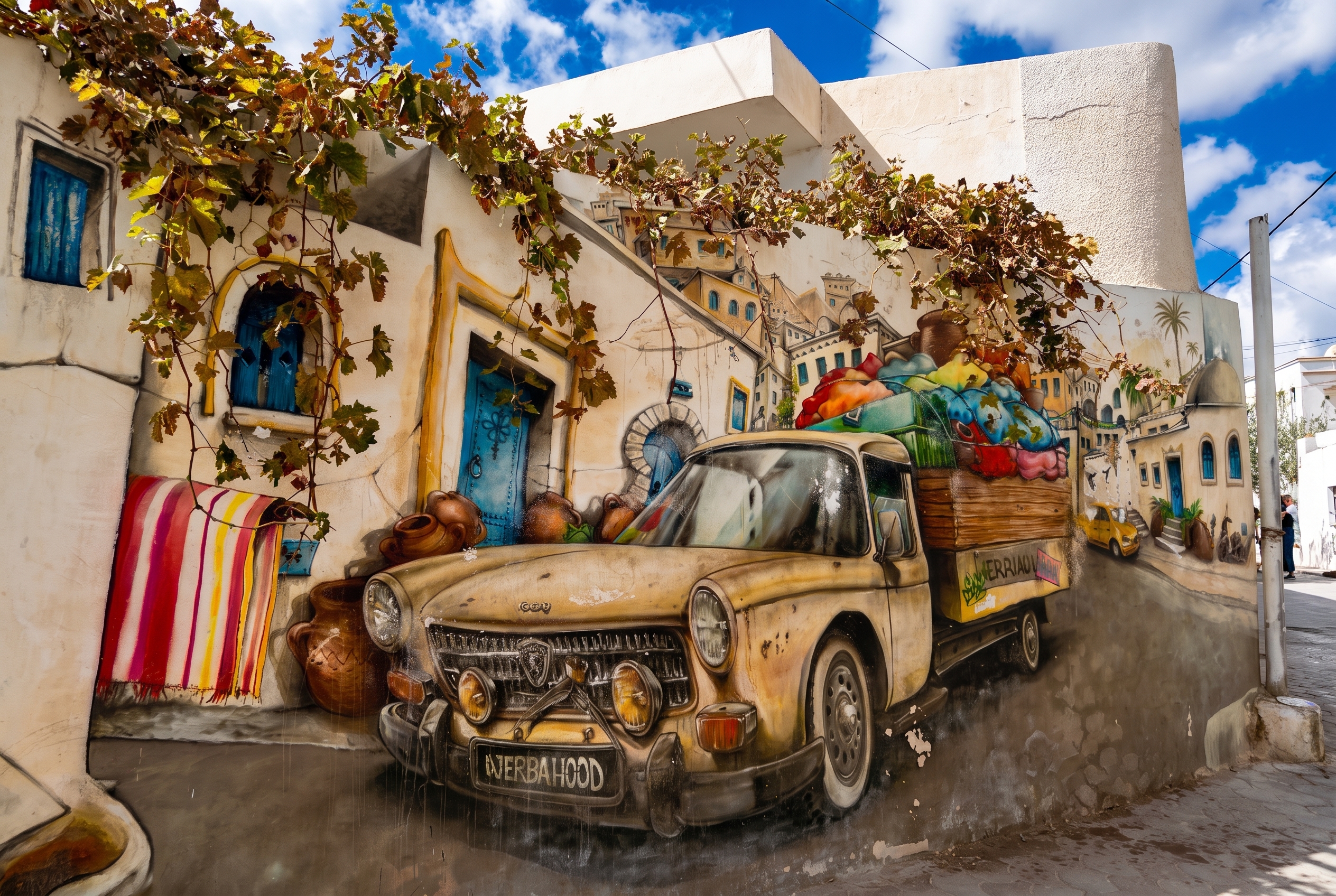
A walk through the alleys feels like a treasure hunt, because the wonderful murals often hide in tucked-away passages or on crumbling little walls, so it’s worth spending a good few hours here. As this is a residential village, travellers recommend being quiet and fully respecting the privacy of local residents, into whose windows tourists are literally peering. Definitely bring plenty of cash, because the local little cafés and souvenir shops don’t take cards.
16. El Ghriba Synagogue
Djerba is home to one of the oldest and most important Jewish communities in the entire Arab world, whose centre is the beautiful El Ghriba Synagogue near the village of Erriadh. The interior of this sacred building is richly decorated with blue tiles, carved wood and silver ornaments, which combined with the beams of light creates a very mystical atmosphere. According to legend, the synagogue hides in its foundations a stone from the destroyed Temple of Solomon in Jerusalem, and pilgrims from all over the world gather here every year.
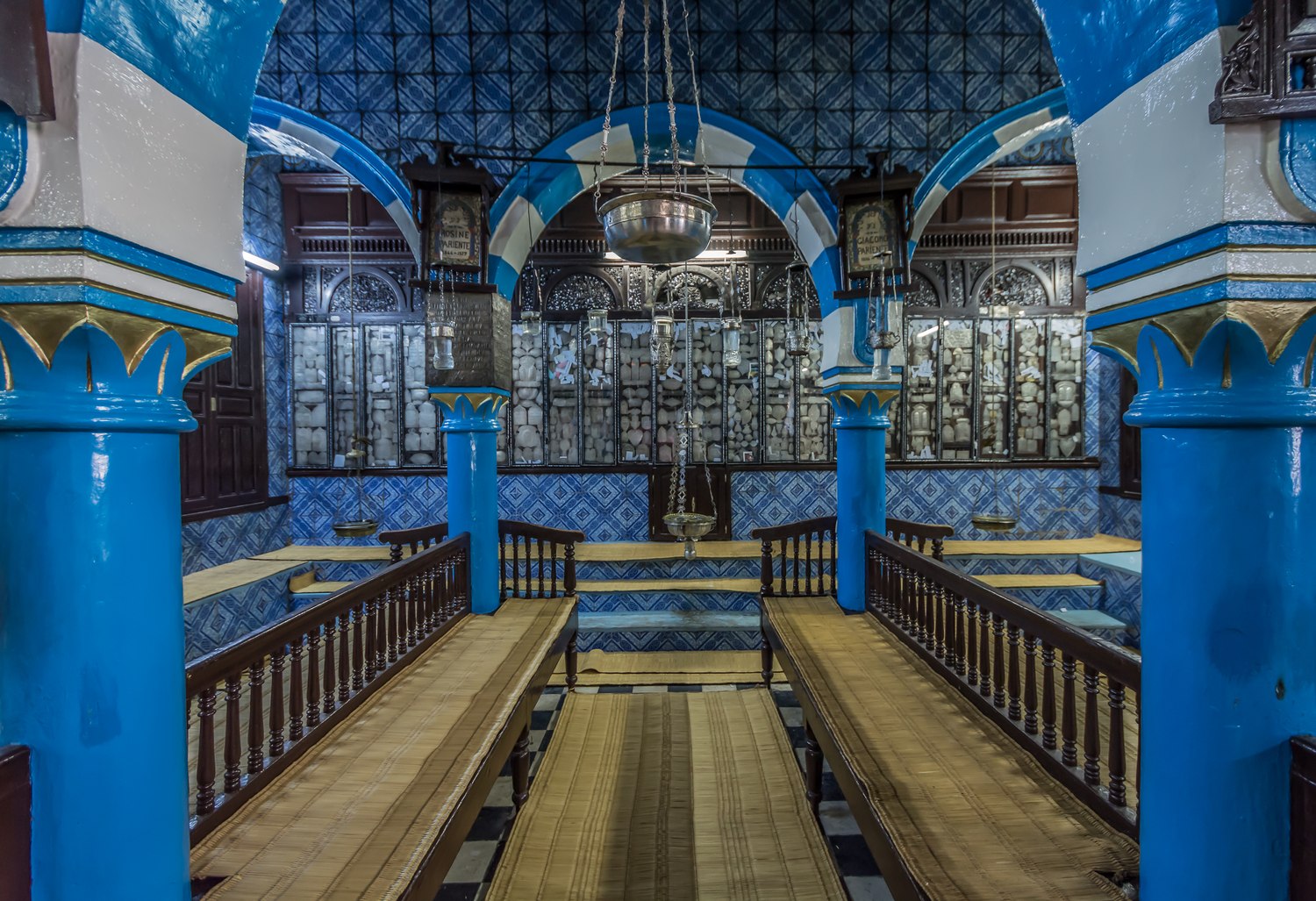
Given its historical importance and the security situation, you should expect thorough security checks on entry, similar to those at the airport. Inside the synagogue there are strict dress rules, so both men and women must cover their heads and wear long trousers or a skirt. If you don’t have a suitable headscarf with you, the staff at the entrance will happily lend you the necessary covering so you can view this architectural gem without any problem.
17. Guellala and its pottery tradition
On the island’s southern coast lies the peaceful village of Guellala, famous since ancient times for its excellent pottery. Local craftsmen mine quality clay from nearby underground deposits and, in dozens of small workshops, throw amphorae, bowls and jugs on traditional wheels, which they then fire in huge clay kilns. Besides the workshops themselves, where the potters will gladly invite you in to watch them work, you’ll also find an interesting museum devoted to Djerban traditions, weddings and folklore.
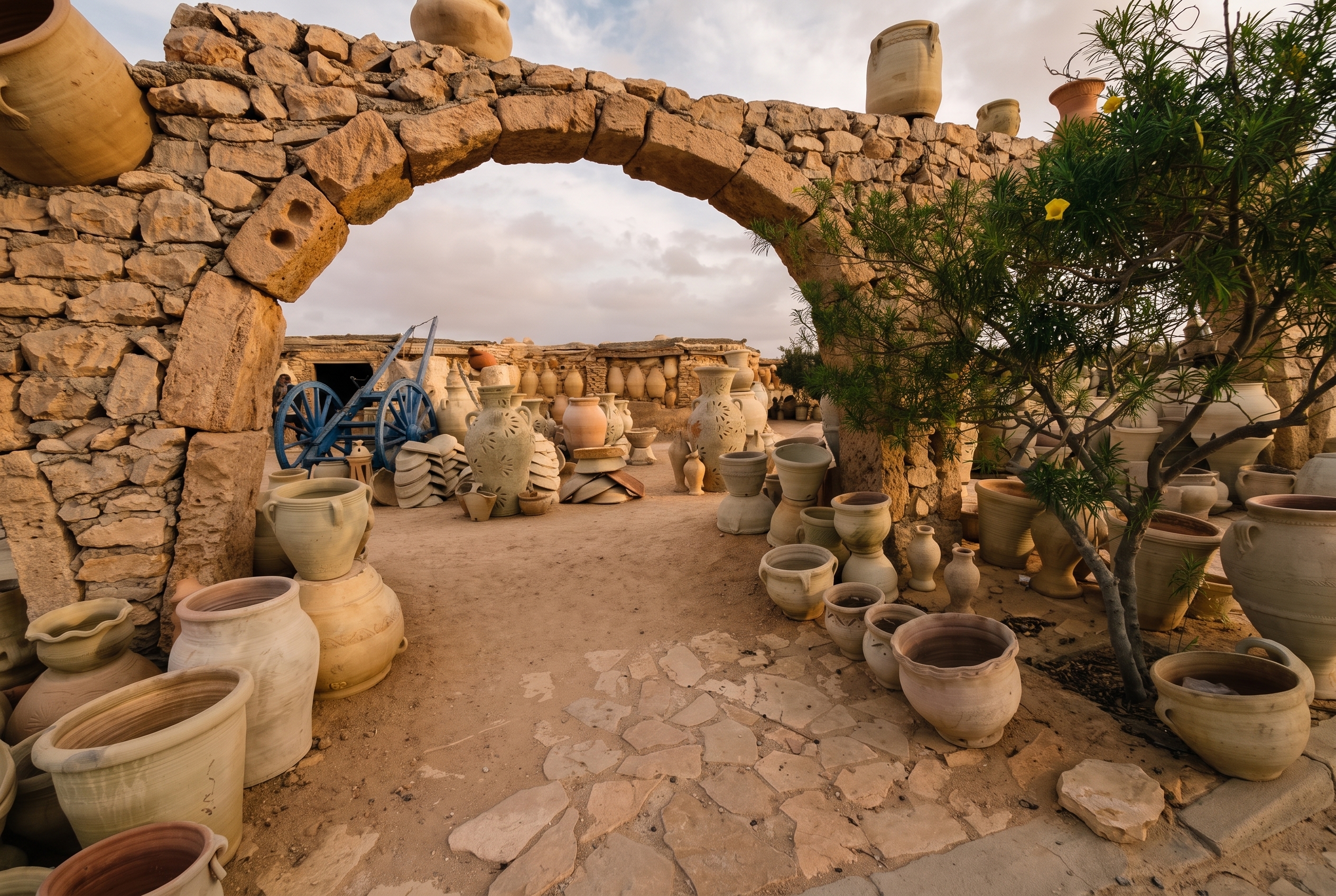
If you’re planning to take fragile ceramic souvenirs home from Guellala, have the traders carefully wrap them in several layers of newspaper so they survive the flight. When buying handcrafted goods, I’ll remind you again that you can’t legally take Tunisian dinars out of the country, so change only as much cash as you really plan to spend on gifts and refreshments. Haggling over the price is completely normal here, but it takes place in a friendly spirit over a glass of sweet mint tea.
18. Flamingo Island and the lagoon
The Ras Rmel peninsula, which locals never call anything but Flamingo Island, is a beautiful stretch of untouched nature in the north of Djerba, reached by excursion boat from Houmt Souk harbour. Here you’ll find a large, shallow lagoon with crystal-clear water, which in the winter and spring months is a favourite stop for huge flocks of pink flamingos on their migration route. In summer the birds fly off, but the place turns into a perfect destination for swimming and lazing on fine-sand beaches with no large hotel complexes.
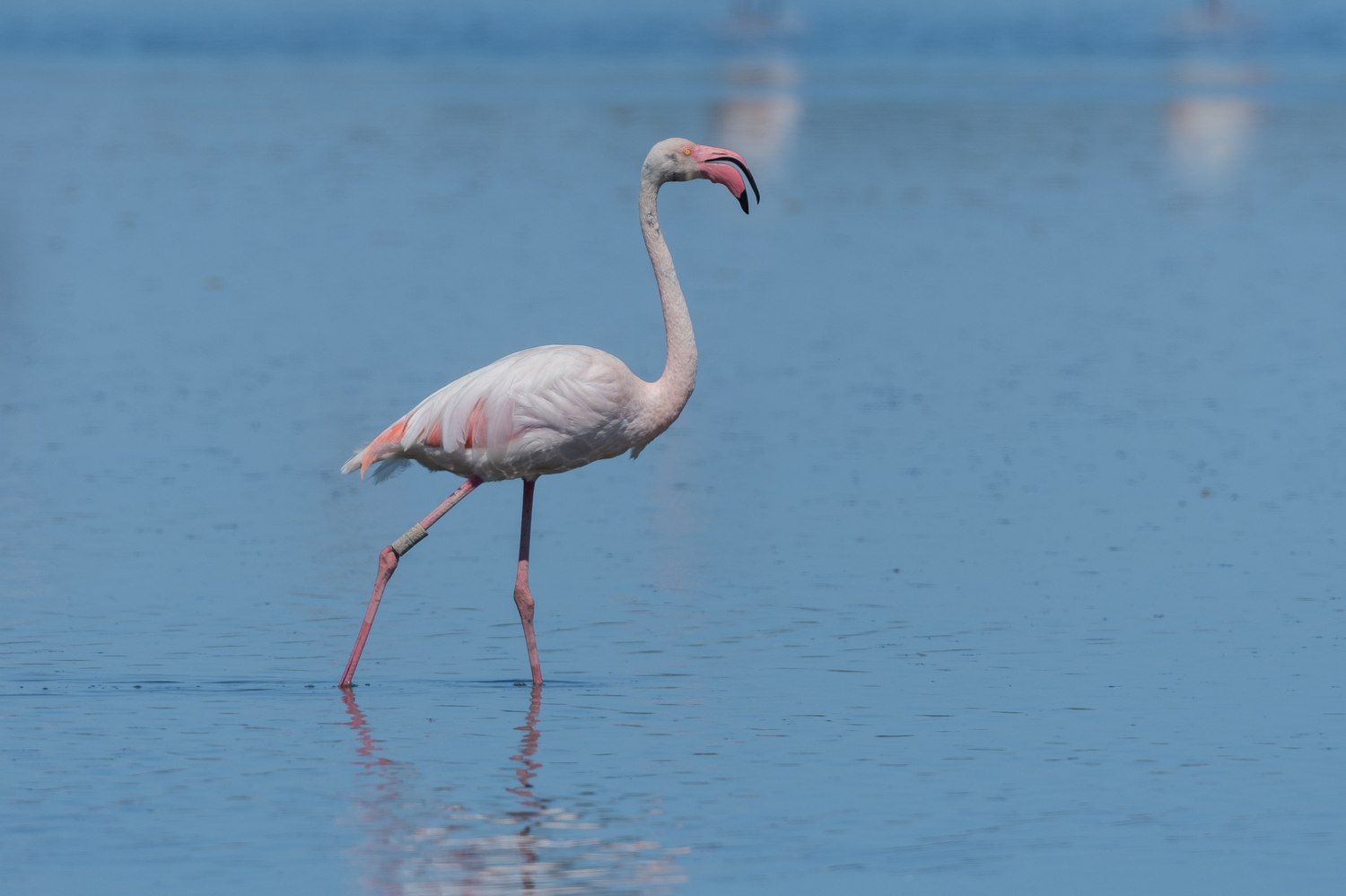
Trips to the lagoon are sold by dozens of agencies and by the pirate-boat captains themselves right at the harbour, with the price usually including the cruise, swimming and a simple lunch on the beach. The prices of these trips aren’t fixed, so don’t be afraid to haggle a little for better terms with the touts by the boats, especially if you’re travelling in a larger group. Don’t forget to pack high-factor sunscreen and a hat, because on the lagoon’s long sandy spits there’s practically nowhere to hide from the sharp sun.
19. Douz: the gateway to the Sahara
The town of Douz lies at the very edge of civilisation and has rightly earned the nickname the gateway to the Sahara, because the endless dunes of the Grand Erg Oriental begin right beyond its outskirts. Tourists come here for real desert adventure, which includes camel rides at sunset, dune-buggy driving and, above all, a magical night in a traditional Berber camp under the starry sky. Every December there’s also the famous International Sahara Festival, where the Bedouin show off their equestrian skills.
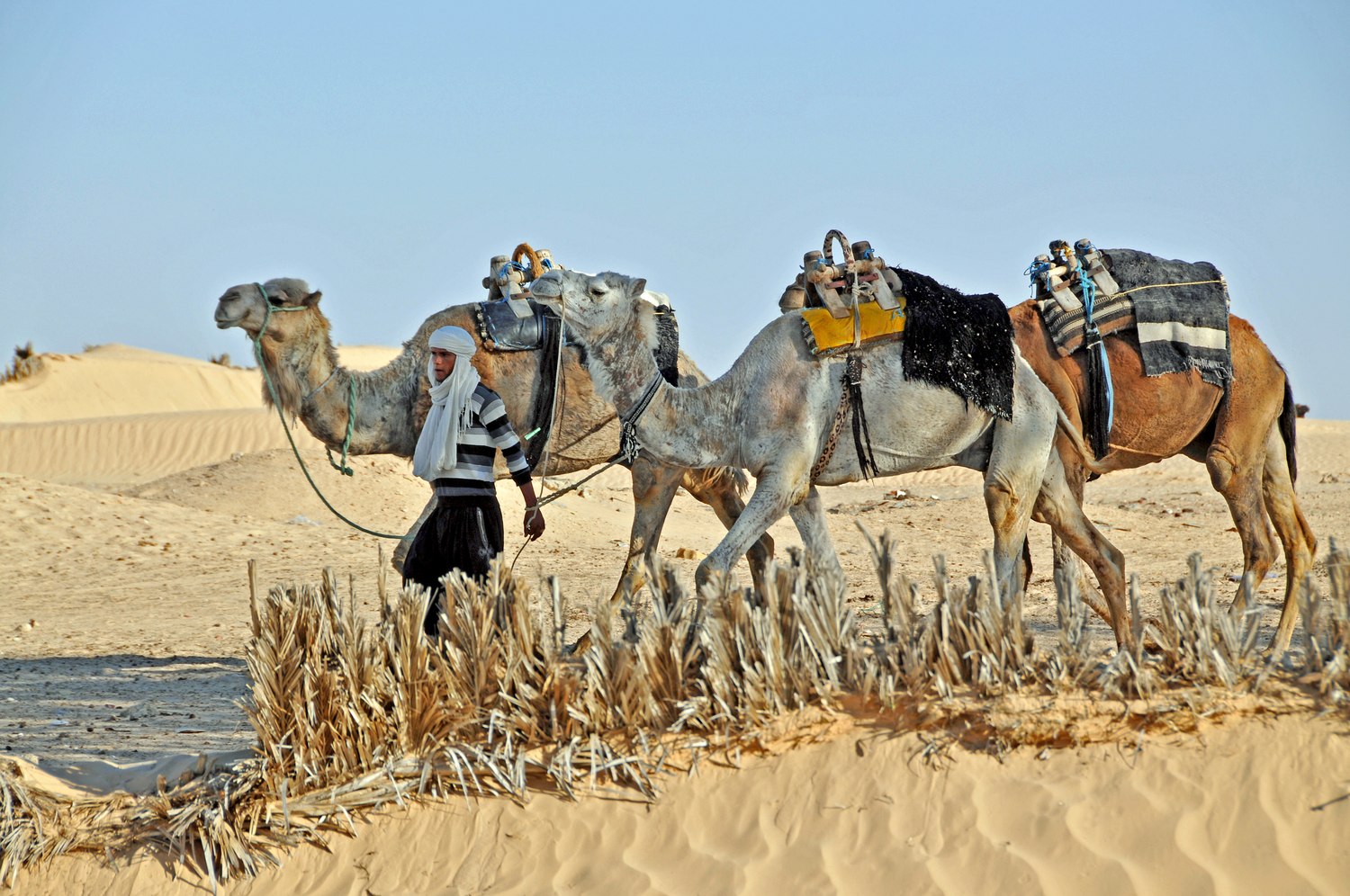
When planning a desert trip, don’t underestimate your packing, because although temperatures climb to dizzying heights during the day, after sunset the temperature in the sand dunes drops dramatically and the nights can be very cold. You can reach Douz from the coastal resorts by bus or shared louage van, but most travellers prefer organised two-day trips that handle all the logistics and desert accommodation for you.
20. Tozeur, Chebika and the mountain oases
The area around the town of Tozeur is a fascinating world where huge green palm groves, fed by underground springs, suddenly rise out of the parched, stony desert. The greatest jewels of this region are the nearby mountain oases of Chebika, Tamerza and Mides, which nestle in the shade of deep canyons and where the famous scenes from the film The English Patient were shot. In these dramatic gorges with small waterfalls and pools, you feel as though you’ve landed on a completely different planet, which travellers rate among the greatest experiences in all of Tunisia.
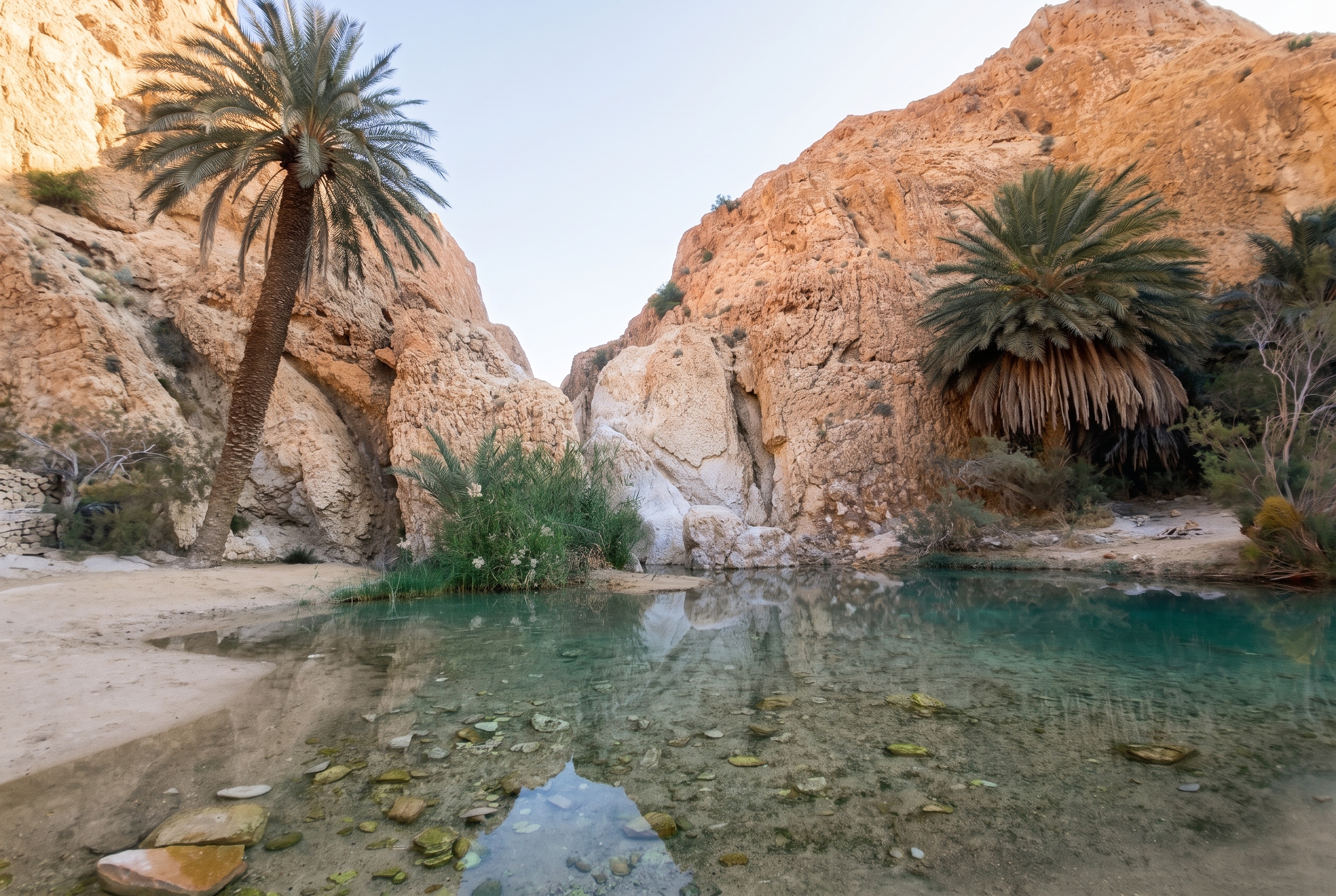
Shared louage vans will only take you to the main towns like Tozeur, but there’s no regular public transport running directly to the mountain oases. To explore these remote canyons you have to hire a 4×4 with a local driver, who knows the dusty tracks by heart and will safely guide you through the more demanding stretches of terrain. Jeeps set out from Tozeur early every morning, which is the perfect time for a walk in the oases before the sun beats down on the scorching rock walls.
21. Star Wars film locations: Matmata and Ong Jemel
The Tunisian desert is practically sacred ground for all fans of the Star Wars saga, because director George Lucas chose the otherworldly landscape here as the home planet of Tatooine. In the Berber village of Matmata you can visit unique underground dwellings dug into the earth, one of which served as the iconic home of Luke Skywalker. Near the town of Nefta, amid the dunes at Ong Jemel, the complete sand sets of the town of Mos Espa still stand to this day, simply left to their fate by the filmmakers after shooting.
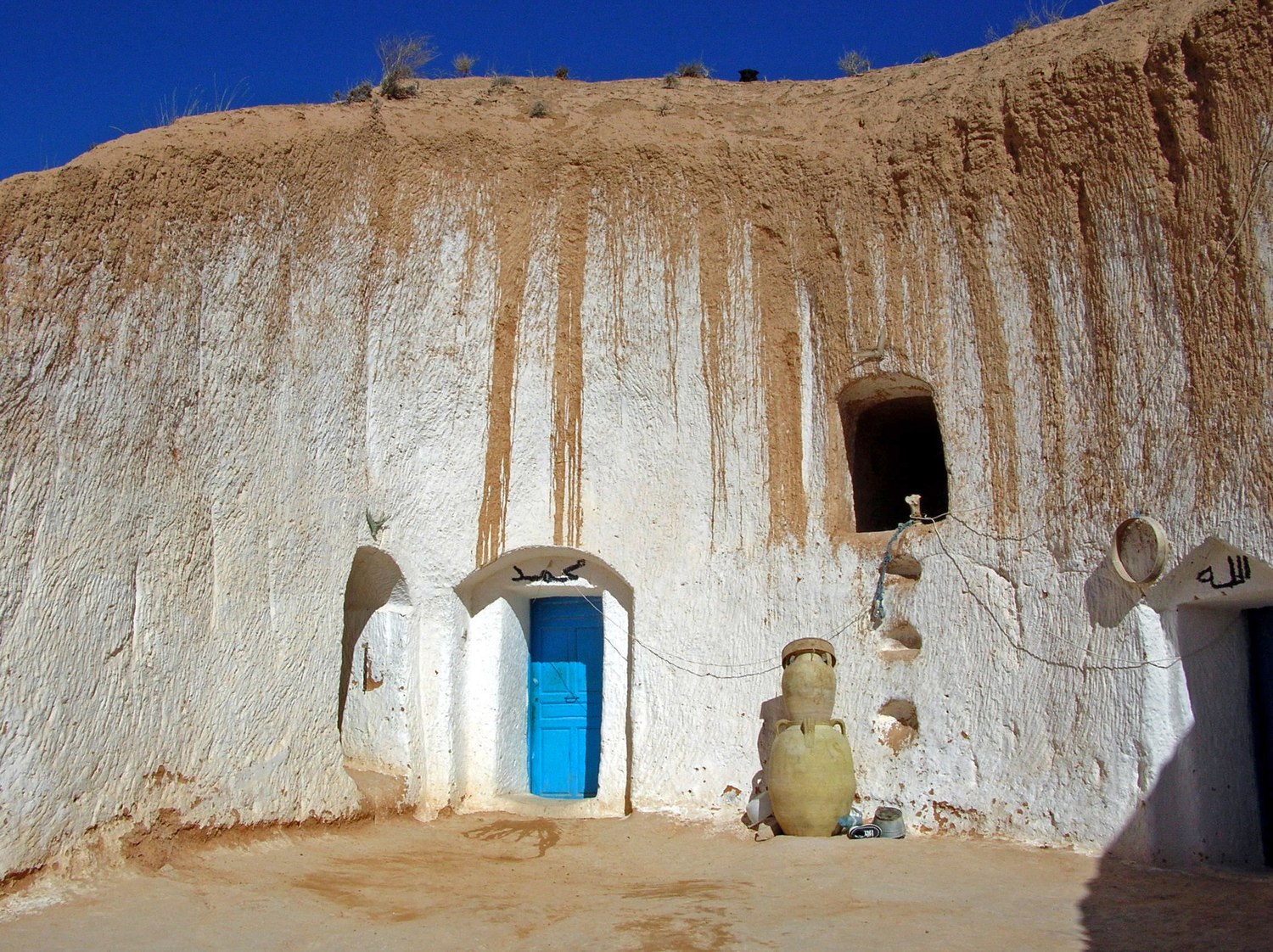
When you reach the film sets in the middle of the desert, expect a group of local souvenir sellers and owners of fennec foxes or falcons hanging around them at all times. These people will place the animals on your shoulders without asking and then very aggressively demand money for the photo, so if you’re not interested in that kind of experience, be firmly dismissive from the very start. Access to the sets is otherwise completely free, and they look their best in the soft afternoon sun, when long shadows pick out their shapes.
22. Chott el Djerid: a giant salt lake
Between the desert towns of Douz and Tozeur lies Chott el Djerid, the largest salt pan in the Sahara, which in summer dries out into an endless white crust glittering in the sun. A tarmac road runs straight across this giant lake, and driving along it is an utterly surreal experience, because the enormous heat very often produces the optical illusion known as a mirage, where the salt flat seems to ripple and turn into a sheet of water. In winter, by contrast, the depression partly floods with water and takes on incredible shades of pink and purple.
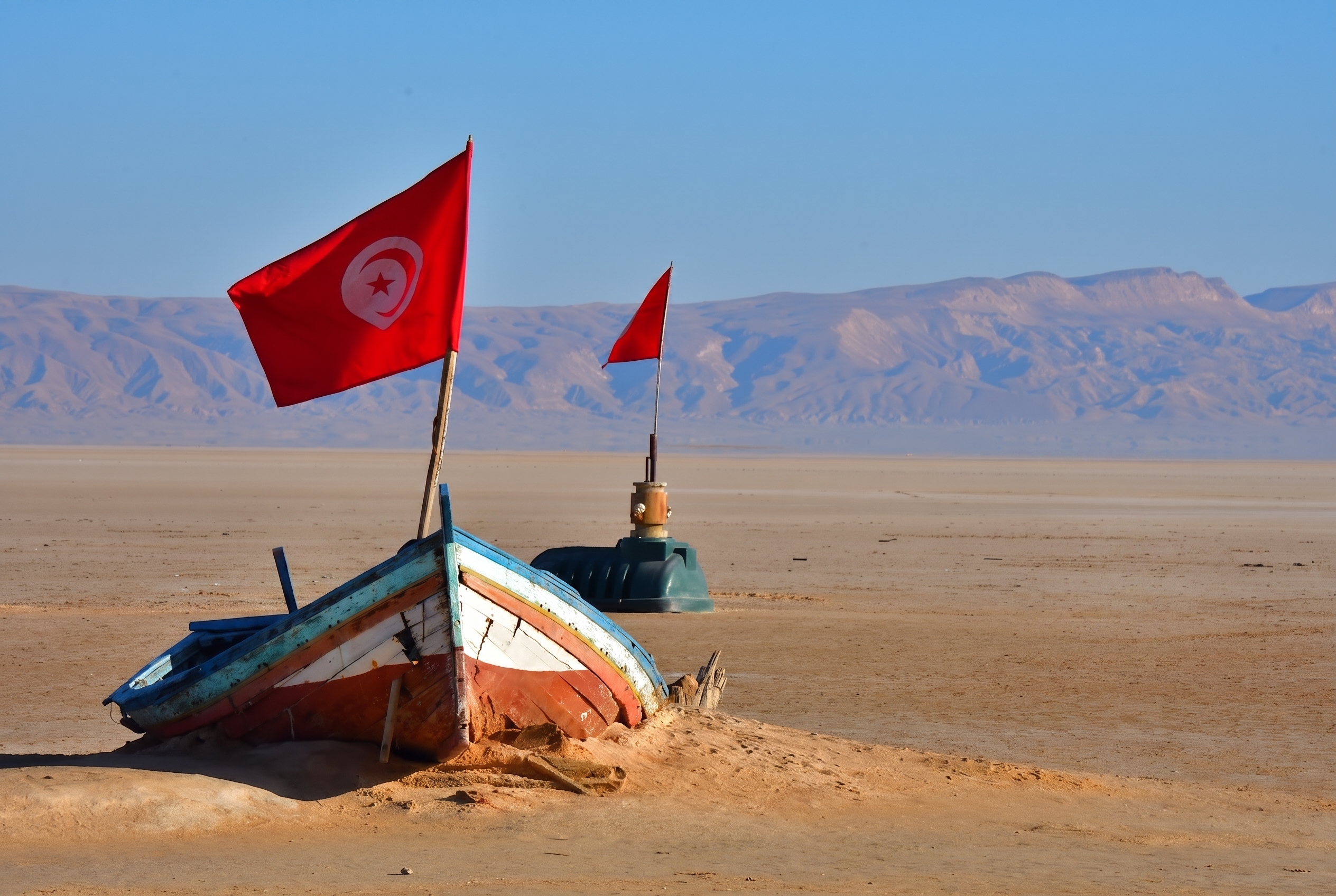
Along the road crossing the lake you’ll find several rest stops with small stalls where you can buy desert roses and safely photograph the crystalline salt up close. Under no circumstances, though, try to drive your rental car off the paved road onto the salt flat itself, even if it looks perfectly solid. The salt crust is very treacherous — in many places deep mud lurks beneath it, and getting a stuck car out of it in the middle of the wilderness would be enormously difficult and costly.
Where to stay in Tunisia: which area suits whom
Tunisia is mostly sold as a popular all-inclusive destination, but choosing the right location is absolutely key to how much you’ll ultimately enjoy your whole stay. While some travellers are after perfect service and the warmest possible sea for swimming, others prefer easy access to historical monuments and buzzing old markets.
Location simply determines whether you’ll have a peaceful beach holiday or days full of discovering Roman ruins and exploring narrow alleys. Let’s take a look together at the most popular areas so you can choose exactly the resort that suits you best.
💡 Tip: Alongside package deals, it’s worth comparing the current accommodation offers in Tunisia for a DIY trip too. With all-inclusive resorts it really pays to read reviews from the last few months, because the quality of individual hotels varies more than in Europe.
Overview of the areas
- Djerba tempts you with the warmest sea and longest swimming season in the country. Travellers praise its calmer pace and endless beaches, but bear in mind you’ll be furthest here from the big historical monuments in the north.
- Hammamet and Jasmine Hammamet are the ideal choice for those who want to be closest to the capital, Tunis, and famous Carthage. You’ll find very modern resorts here that reviews rate as exceptionally good and superbly equipped for a holiday with kids.
- Sousse and Port El Kantaoui form a very lively resort with a lovely marina and plenty of options for evening entertainment. This area is also pleasantly close to the stunning amphitheatre in El Djem and the historic town of Monastir.
- Monastir and Skanes come into their own when you want the airport literally within reach and to avoid long transfers. The atmosphere here is noticeably calmer than in neighbouring Sousse, which suits laid-back relaxation.
- Mahdia boasts perhaps the loveliest sandy beaches on the whole central coast. It’s a generally quiet, less touristy destination people visit for crystal-clear water and total relaxation.
Specific accommodation tips
- Radisson Blu Palace Resort & Thalasso Djerba sits on the island of Djerba and travellers recommend it for its renowned thalasso centre and beautiful quiet beach, where you’ll relax perfectly.
- Iberostar Selection Royal El Mansour is in Mahdia and is a highly rated adults-only hotel located right by a famous long sandy beach.
- Hotel Bel Azur Thalasso & Bungalows in the popular resort of Hammamet works as a huge family resort right by the sea, where by guests’ accounts both kids and adults keep busy.
- Movenpick Resort & Marine Spa Sousse stands right by the sandy beach in Sousse, with the big advantage that you’ll be very close to the historic medina.
- Concorde Green Park Palace is in Port El Kantaoui and offers a stunning, sprawling site with many pools, said to satisfy even the most demanding holidaymakers.
- Hotel Dar Said is a charming little boutique hotel right in the picturesque blue-and-white town of Sidi Bou Said, which lovers of authentic, romantic atmosphere will especially appreciate.
What to eat in Tunisia: a practical guide for vegetarians
Local gastronomy is heavily influenced by French and Arab cuisine, with local cooks loving to add the spicy paste harissa to everything. Although the local cuisine is famous for lamb couscous and spiced merguez sausages, by travellers’ accounts lovers of purely meat-free dishes get their fill here too.
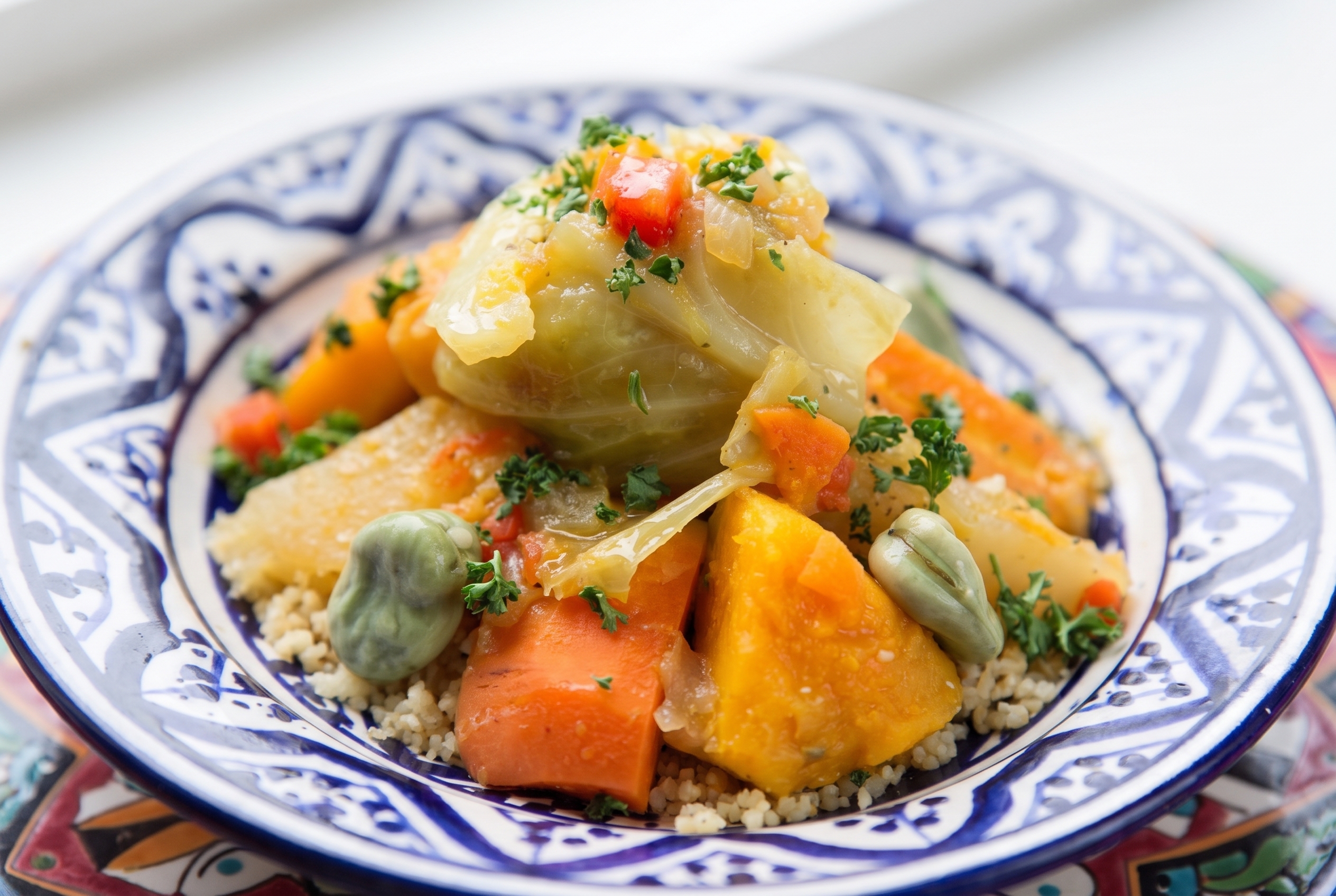
If you don’t eat meat, you’ll be pleased that the basis of many traditional recipes is fresh vegetables, pulses and a huge amount of excellent olive oil. Just watch out very carefully for the fact that locals love to add egg and tuna to almost everything (including vegetable salads and plain pizza) without it being mentioned in the name. For that reason it really pays to learn the French phrases “sans thon” (no tuna) and “sans œuf” (no egg) and to always double-check when ordering.
- vegetable couscous is the absolute national dish, and in most traditional restaurants there’s a purely vegetable version full of pumpkin, chickpeas and carrot.
- brik is a wonderfully crispy triangular pastry parcel of fried dough, classically filled with tuna and egg, so ask the staff for the version without tuna.
- lablabi is a thick chickpea soup with pieces of stale bread, naturally vegetarian and guaranteed to keep you full for half a day 😅.
- kafteji is made of fried, chopped vegetables (typically pumpkin, peppers and potatoes) and makes an excellent vegetarian main course or a hearty side.
- salade mechouia is a fantastic mix of grilled peppers and tomatoes generously doused in olive oil, often eaten with fresh baguette.
- omek houria will surprise you as a smooth carrot salad with a good dose of spicy harissa, perfect for taking the edge off a little hunger.
- harissa isn’t so much a dish in itself as the legendary hot paste of chilli and garlic, added to literally everything and found on every table.
- mint tea with pine nuts and dates is the most typical end to any good meal, and locals really know how to savour this sweet ritual.
Getting around Tunisia: taxis, louages and rental cars
If you decide to leave the gates of your hotel resort and head out to explore the surroundings, you have several fairly reliable transport options to choose from. Whether you pick local taxis, trains or shared vans, by all accounts travelling around the country is quite cheap, even if it sometimes takes a little patience and haggling.
Taxis and how to avoid overpaying
You’ll spot city taxis at a glance by their bright yellow colour, and it’s an absolute must to insist the meter is switched on before the ride starts. It often happens, especially at Tunis airport, that touts start approaching you right inside the terminal and offer an overpriced ride. It’s always best to ignore these offers with a smile, head straight to the official rank outside the hall, and definitely not get into the first car parked right at the exit.
Louage: shared vans between towns
For journeys between towns, travellers love using so-called louages, which are shared eight-seater vans with a fixed route and price. They work on a very simple principle: they leave their own stand only once they’re completely full. For longer routes along the coast, especially if you’re heading to the monuments, the train linking Tunis, Sousse and Sfax works brilliantly, while around the capital you can easily hop on the TGM suburban railway, which cleverly connects Tunis, Carthage and Sidi Bou Said.
Rent a car, or go with a tour
If you’re planning to explore the south of the country and the oases at your own pace, a rental car definitely makes sense, but be aware the local driving style is noticeably more aggressive and chaotic than you’re used to. As for trips into the Sahara itself, those are usually done on an organised basis with an experienced driver, so it’s best not to venture into the sand dunes on your own at all, to avoid getting into trouble for nothing.
How much does a holiday in Tunisia cost
You’ll be glad to know that this North African country has long been one of the absolute cheapest destinations with genuinely warm sea that you can visit from Europe. It’s even very often the case that a week-long hotel stay here on an all-inclusive basis works out cheaper than paying for just half-board in popular Croatia. Below you’ll find a rough budget for two people for a week’s stay, which naturally varies a lot depending on high or low season.
- an all-inclusive package for two people for a week costs roughly €820 to €1,400, depending on the hotel level and the month.
- DIY accommodation can be found for a couple in the range of €290 to €620 for seven nights, if you book ahead.
- eating out (outside the hotel) is very affordable, and eating in local restaurants means budgeting around €120 to €250 for the week.
- transport using local taxis and shared louage vans will cost you around €40 to €120 for the week, depending on how much you get out and about.
- excursions into the desert or to the monuments with a guide can add roughly €80 to €250 for two people to your budget.
Money and the dinar
The local currency is the Tunisian dinar (TND), which is further divided into 1,000 millimes. It’s extremely important to know that the dinar is a strictly closed currency, which means you can’t legally buy it anywhere in advance outside the country, and you can’t take it out either beyond a purely symbolic amount. So change money only after landing, at the airport or in your hotel, and don’t forget to keep all your exchange receipts. Before you fly out you have to spend the rest or change it back at a bank, and you’ll need those paper receipts to do so. As for paying by card, it works fine in hotel resorts, better restaurants and large supermarkets in the cities, but everywhere else cash simply rules.
💡 TIP: Read our detailed guide on how to find cheap flights if you’re considering a DIY trip and want to save.
What to watch out for in Tunisia
Although this country is largely very welcoming to tourists, there are a few things it’s good to mentally prepare for in advance. When you know what to expect, you’ll avoid needless stress and enjoy your holiday in complete peace.
- pestering and haggling in the medinas can be tiring, but keep in mind that a polite, clearly stated no doesn’t always work best.
- fake “guides” will often approach you at monuments claiming they’ll show you around, then demand a hefty sum at the end.
- taxis without a meter are a classic tourist trap, so always insist it’s switched on before the ride begins.
- the closed currency and cash can catch inexperienced travellers off guard, so remember you can’t take dinars out and you’ll need banknotes outside the hotel.
- clothing in mosques and medinas should be respectful of the local culture, so covered shoulders and knees are definitely a good idea.
- only bottled drinking water is a rule you should follow without exception to avoid unpleasant stomach trouble.
- strong sun and heat on desert trips can be deceptive, so always wear a head covering and drink huge amounts of fluids.
- current government travel advice is worth checking before every trip, because the border areas with Libya and Algeria have long been advised against for visits. Check your own government’s official foreign travel advice before you go.
Tunisia with kids
Families with small children love this country, and no wonder, because local hoteliers are usually superbly prepared for little visitors. The resorts here offer plenty of entertainment and comfort, so parents can really relax while the smallest ones are safely looked after.
- the shallow entry into the sea on the north-east of Djerba is absolutely ideal for families with small children, because the water there is as warm as coffee and safe.
- all-inclusive resorts with water parks can be found all along the coast and are an endless source of holiday fun for kids.
- camels and ponies on the beaches tempt you into a ride, but in fairness it’s worth flagging that the welfare of these animals is often questionable, so it’s good to think it over first.
- short flights from most European hubs take around three hours, easily manageable even for kids who aren’t keen on flying.
- the fact that you can communicate in English and German in the resorts makes it much easier to sort out any requests around children’s meals or entertainment programmes.
Where next: more tips for a cheap beach holiday
If you’re still not entirely sure where to head for the sea this year, you can find inspiration in our other articles. I’ve put together plenty of useful guides and tips to help you plan the very best holiday.
- Where to go on holiday in September
- A holiday in Egypt
- What to see in Marrakech
- How to find cheap flights
- Travel insurance
Frequently asked questions
Finally, I’ve clearly compiled answers to the most common questions travellers usually have about this popular North African destination. I hope this practical information helps you with the final planning of your dream trip.
When is the best time to visit Tunisia?
May, June, September and October are generally considered the very best months to head to this magical North African country for a relaxing holiday. During this period you’ll reliably avoid the biggest summer heat, but still enjoy beautifully warm seas and very pleasant evenings ideal for strolls. If you’re considering a trip in the middle of summer in August, you need to prepare yourself mentally and physically for truly extreme heat. For example, on the popular island of Djerba, the sea reaches an impressive 29.6 °C in this month, but daytime temperatures commonly climb to 33.7 °C in the shade, which can be exhausting for many people.
Is Tunisia safe?
Tourist areas and large hotel resorts are considered very safe and travelers move around them routinely without any problems. The main annoyances you might encounter as tourists are usually just overly pushy street vendors in the markets and occasional attempts to overcharge for services or souvenirs. However, increased caution is needed if you’re planning to travel independently to more remote regions. Border areas with Libya and Algeria are not recommended for visits at all due to heightened security risks. Before any trip, it’s always wisest to carefully monitor current travel advisories from your foreign ministry.
What currency should I take to Tunisia?
There’s definitely no point trying to get money before your departure, because the Tunisian dinar is a strictly closed currency that cannot be exported and you can’t legally buy it abroad anyway. The best strategy is to take euros or US dollars with you and exchange them gradually once you’re there at the airport, at your hotel, or in official exchange offices. As for card payments, they’ll work reliably in most large hotels and better restaurants in cities. Everywhere else, especially in traditional markets, medinas, or when paying for smaller services, you’ll definitely need local cash.
Can you swim in Tunisia in October?
Yes, the autumn months are absolutely ideal for a seaside stay and travelers very often praise this timing. Temperatures are already somewhat more bearable than in the sweltering August, but the water remains beautifully warm throughout the summer and positively invites long swimming sessions. If you head to the sunny island of Djerba, for example, you can expect the sea to average a lovely 26.5 °C in October and daytime air temperatures to stay around a very pleasant 28.4 °C. An autumn holiday in this North African country is thus a perfect choice for anyone wanting to extend their summer.
Can vegetarians eat well in Tunisia?
Local gastronomy is fortunately quite generous to lovers of meat-free food, so you’ll definitely eat well and to your fill. Traditional cooks work with large amounts of fresh vegetables and legumes, which means you can enjoy vegetable couscous, chickpea soup lablabi, fried kafteji mixture, or excellent salads. However, you need to be extremely careful that tuna and boiled eggs are customarily added to almost everything here, even to dishes where you wouldn’t normally expect them. Before ordering, therefore, always insist on requesting the dish “sans thon” (without tuna) and “sans œuf” (without egg).
How do I get to the Sahara?
Trips to the sand dunes are among the very most popular experiences, but it’s definitely not recommended to head into the desert on your own without experience. Most travelers choose a comfortable organized two-day excursion, which you can purchase directly from your hotel rep or in local agencies. These trips are commonly organized from popular resorts such as the island of Djerba or the city of Sousse and include a 4×4 ride and overnight stay in the desert. Alternatively, you can head to the desert towns of Douz and Tozeur, which serve as the main gateways to the Sahara, and hire a vetted local guide with a vehicle directly on site.
Do I need a visa for Tunisia?
The good news is that for ordinary tourist stays, a visa is currently not required for most international visitors. You only need a travel passport that must be valid for at least six months after your planned return home. Upon entry to the country, you simply fill out a simple arrival card, which you submit to passport control. However, it’s extremely important to remember that administrative requirements can change very quickly over time. Therefore, before purchasing any flights or package holidays, always double-check the most current information directly on the official website of your foreign ministry.
Do I need to cover up in Tunisia?
Although you’re in a Muslim country, dress codes for tourists are very relaxed and surprisingly tolerant here. Within hotel resort grounds, by the pool, and on the beach, completely normal beachwear applies, just as you’re used to in Europe. However, the situation changes once you venture out to the old medinas and especially if you plan to visit the vicinity of mosques or other religious monuments. In such cases, it’s definitely appropriate out of respect for local culture to have your shoulders and knees covered. Simply wear a longer skirt or linen trousers and throw a light scarf over your shoulders, which will also elegantly protect you from the harsh sun.
Tips and Tricks for Your Vacation
Don’t Overpay for Flights
Search for flights on Kayak. It’s our favorite search engine because it scans the websites of all airlines and always finds the cheapest connection.
Book Your Accommodation Smartly
The best experiences we’ve had when looking for accommodation (from Alaska to Morocco) are with Booking.com, where hotels, apartments, and entire houses are usually the cheapest and most widely available.
Don’t Forget Travel Insurance
Good travel insurance will protect you against illness, accidents, theft, or flight cancellations. We’ve had a few hospital visits abroad, so we know how important it is to have proper insurance arranged.
Where we insure ourselves: SafetyWing (simple monthly subscription) and TrueTraveller (for extra-long trips).
Find the Best Experiences
Get Your Guide is a huge online marketplace where you can book guided walks, trips, skip-the-line tickets, tours, and much more. We always find some extra fun there!