If you’re planning a trip to Cape Town in South Africa, you’ve probably been spooked by two things: catastrophic water shortages and constant power outages. The good news right from the start is that in 2026, these two major concerns no longer apply. It’s precisely because of these outdated warnings that people often postpone their trip to southern Africa, missing out on one of the most beautiful cities in the world.
The major daily power cuts, known as load shedding, were suspended on March 26, 2024. South Africa now has the most stable energy supply in more than five years. Hotels still keep backup generators on hand, but you no longer need to plan your vacation around outage schedules.
Similarly, all previous water restrictions have been lifted. After the famous and frightening “Day Zero” of 2018, no limits are in place today, and in early 2026 the city also lifted its preventive Early Drought Caution notice. The risk of summer restrictions has passed, although conserving water, for example by taking shorter showers, remains basic courtesy in Cape Town.
Cape Town is a mix you won’t find just anywhere: dramatic nature, turbulent history, and cuisine you’ll be licking your fingers over—which is exactly why people (rightfully) go crazy for it. Let’s dive into a complete guide with 22 tips on what you absolutely can’t miss in the city beneath the iconic Table Mountain.
TL;DR
- Electricity and water are fine: Load shedding ended in spring 2024 and the drought threat has been averted for 2026.
- Table Mountain doesn’t wait: The cable car only runs in good weather. As soon as it’s clear in the morning, drop everything and head up.
- Buy Robben Island tickets from home: They’re sold out far in advance and you won’t get them on-site.
- Cape Point isn’t the southernmost point: Although many guides claim it is, the southernmost tip of Africa is Cape Agulhas.
- The ocean is freezing even in summer: The Atlantic off Cape Town is cooled by the cold Benguela Current, so swimming is only for the brave.
- Safety is about common sense: After dark, don’t walk (except on the Sea Point promenade and Waterfront) and use the ubiquitous Uber.
The full destination guide: Africa — guide and what to see
When to Visit Cape Town
When planning your trip, don’t forget one important geographical fact: the seasons in the southern hemisphere are exactly reversed. The city experiences its biggest tourist influx from December to March, when hot, dry summer weather prevails. During this period, accommodation prices are naturally highest and fairly long queues form at the most famous attractions. Plus, summer often brings strong southeasterly winds. Locals call it the “Cape Doctor,” and this unpredictable force can unexpectedly close the Table Mountain cable car and popular beaches.
From June to August, on the other hand, Cape Town experiences winter. It’s noticeably colder, often rainy and windy, but hotel prices drop to genuine lows. During this period, which stretches into November, you also have the best chance of spotting majestic southern right whales all along the coast. So winter has its very specific and powerful charm for travelers.
The best compromise for visiting has long been April to May and then September to November. The weather during these weeks is much more pleasant than the scorching summer, and tourist crowds are far more tolerable. Spring months (September and October) are also when the entire province bursts into beautiful colors, which you’ll especially appreciate when visiting botanical gardens or traveling south on the peninsula.
Where to Stay in Cape Town
Choosing the right neighborhood in Cape Town is very important because it directly affects your personal safety and how you’ll get around in the evenings. The best choice for tourists has long been the V&A Waterfront area, City Bowl (the center right below the mountain), or the coastal neighborhood of Sea Point. From these prime locations, you can easily get everywhere by inexpensive Uber, and during the day you can walk around without any problems.
When booking, keep in mind that some accommodations charge a special nightly city levy of about 2 to 4 dollars per night. Cape Town is also planning significant increases in rates for short-term rentals so that platforms like Airbnb or Booking.com pay standard commercial tariffs similar to traditional large hotels. Here are specific tips on where to strategically stay:
- Radisson RED V&A Waterfront: This modern and playful hotel is located right in the safest zone of the Waterfront. You have walking access to the best restaurants and museums in the area. On the roof you’ll also find a beautiful pool with an incredible view of the entire Table Mountain.
- The Bay Hotel: If you’re after true luxury with an ocean view, this hotel in Camps Bay is clearly top-tier. It’s located right across from the famous white-sand beach with the majestic mountain ridge of the Twelve Apostles rising behind you.
- The Winchester Hotel: This iconic historic building sits right on the safe and popular promenade in Sea Point. It’s a great starting point for evening walks along the ocean, and you’ll find plenty of excellent, affordable cafes and restaurants in the area.
💡 Tip: If you’re looking for a more detailed breakdown of individual neighborhoods and other specific hotels, check out our separate article Where to Stay in Cape Town.
💡 On this map you can compare what’s currently available — you’ll immediately see how much the price changes a few blocks away.
22 Things to See and Do in Cape Town
Let’s look at the specific places that make this African metropolis such a unique destination. Cape Town is huge in size, and you’ll do best to cleverly divide your itinerary by neighborhoods and peninsulas so you don’t spend half the day just making exhausting trips through traffic jams.
1. Table Mountain
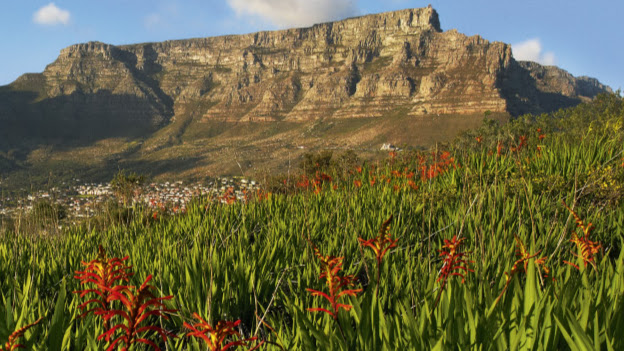
This majestic flat-topped peak rising directly above the city center is the undisputed symbol of the entire city. You’ll be taken up by the modern cable car (Table Mountain Aerial Cableway) with a rotating cabin, allowing all passengers a perfect 360-degree view during the ride itself. At the top, maintained trails, unique flora, and breathtaking views await you.
A return ticket for an adult costs 450 ZAR and for children 230 ZAR. If you have a valid student card, you’ll pay 320 ZAR for a return ticket. These prices are valid from July 1, 2026 through the end of June 2027. With one hundred South African rand equaling roughly €5, the mountain trip is very reasonably priced and definitely worth treating yourself to.
One crucial rule applies here that you should follow. The cable car only operates in good weather and safe conditions. When the so-called “tablecloth” (locals call it that) descends on the mountain—a thick layer of clouds—operations close without any warning. As soon as you wake up to clear skies in the morning, immediately cancel everything, head up the mountain, and reschedule the rest of your itinerary. You can of course also hike up via the well-known and steep Platteklip Gorge route. But keep in mind that the path provides no shade, and in summer months you should definitely not attempt it around midday.
2. Kirstenbosch National Botanical Garden
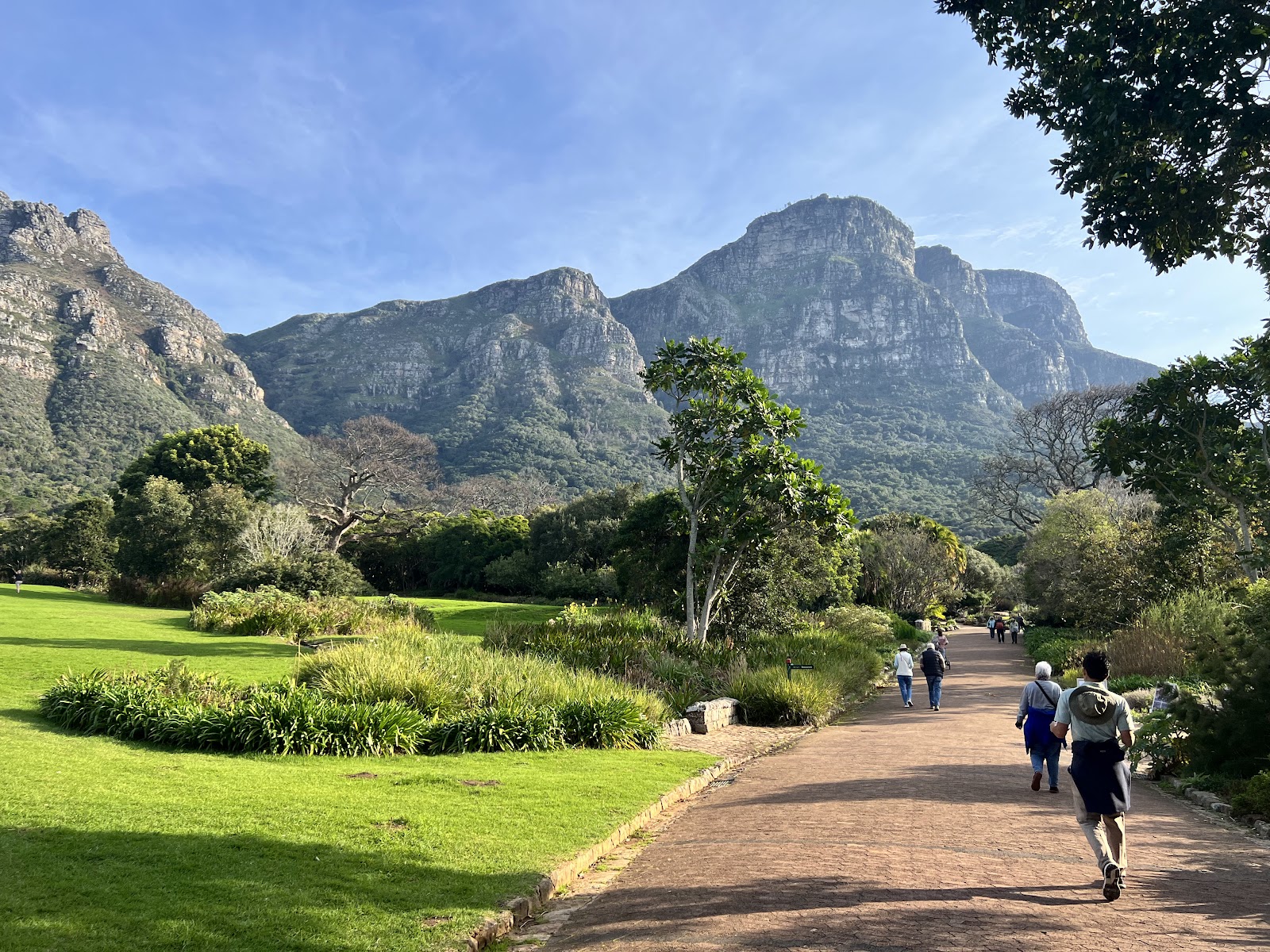
Kirstenbosch Botanical Garden spreads across the foothills of Table Mountain’s eastern slopes and is a true national treasure. On Google it holds a rating of 4.8 from over 34,395 reviews, making it the highest-rated place in the entire city. The garden focuses exclusively on indigenous South African plants and its total area is incredibly vast.
The biggest draw for most visitors is the popular canopy walkway called “Boomslang”, which translates to tree snake. This elevated wooden walkway gracefully winds high among the tree crowns, offering breathtaking views of the surrounding mountains and the colorful garden itself. It’s one of the most photogenic spots in the country, and photos from here look absolutely fantastic.
During the summer months, highly acclaimed summer concerts are held on the garden’s sprawling lawns. Locals love to bring picnic blankets and wicker baskets full of good food and enjoy live music in stunning surroundings right beneath the illuminated mountain. If you visit during South African spring, roughly from September to October, the entire area transforms into a vibrant palette of colors. Blooming fynbos and rare protea species attract many small birds, so in addition to plants you’ll see beautiful fauna.
3. V&A Waterfront
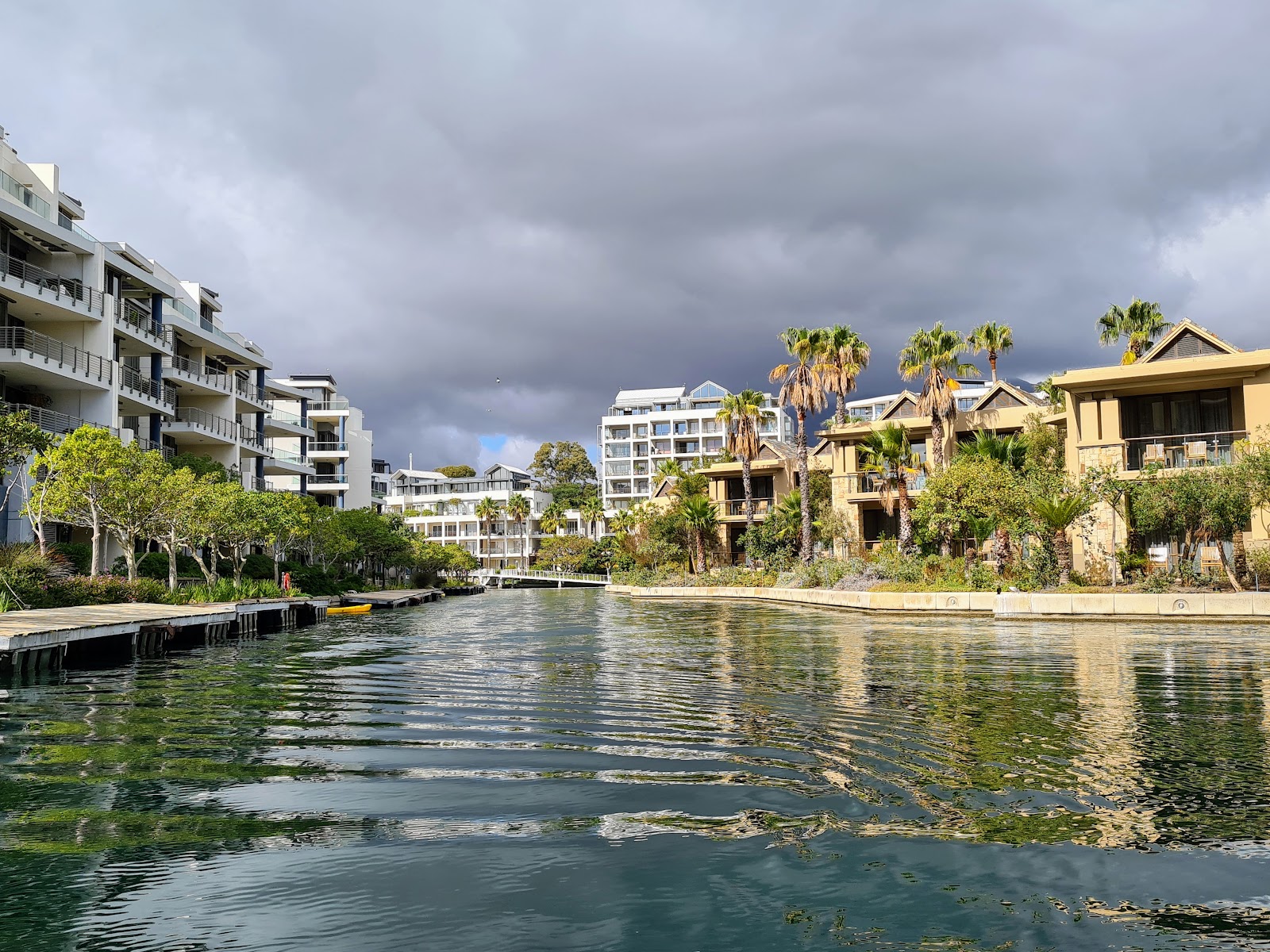
This historic but completely rebuilt and modernized harbor is today the pulsing heart of all tourism. With a fantastic rating of 4.6 from over 110,476 reviews, it’s by far the most-reviewed place in our entire selection. You’ll find very safe promenades, hundreds of shops, excellent restaurants, and street performers of all kinds.
The V&A Waterfront is a place where you can safely spend late evenings without any concerns. The entire sprawling complex is closely guarded by private security and has a very relaxed, holiday atmosphere. This is also where popular sunset cruises or historic ferries heading to the Robben Island memorial depart.
I recommend stopping by for a relaxed afternoon coffee and watching from a bench as seals often sunbathe directly on wooden jetties among anchored luxury yachts. It’s a fascinating contrast of modern wealthy city and wild untamed nature in a single frame. You’ll also find great food markets here where you can taste local specialties at very reasonable prices.
4. Robben Island
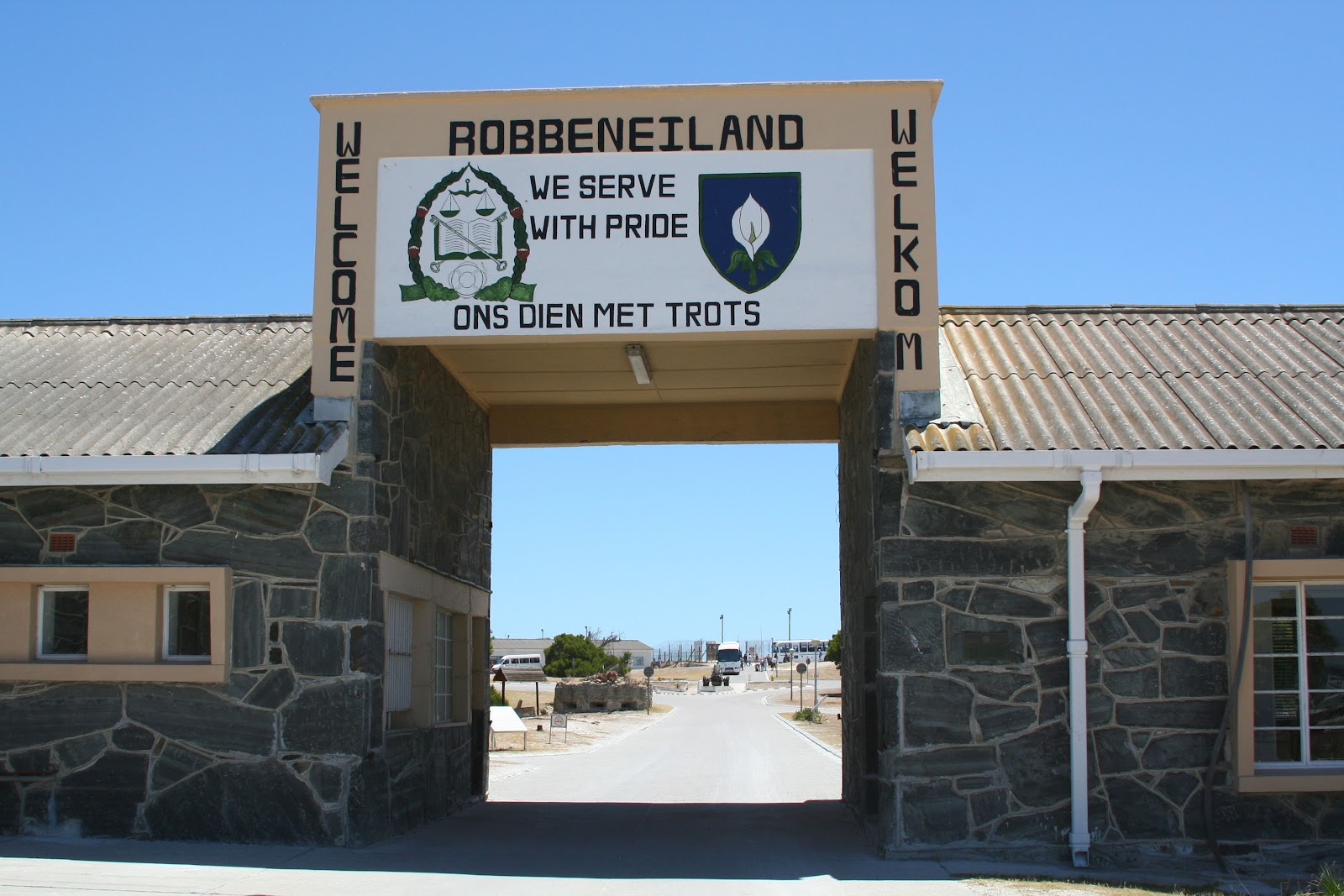
This seemingly unremarkable island in Table Bay harbors a very dark history. This is where Nelson Mandela was imprisoned for 18 long years along with many other fighters against the regime. Today the island functions as an extensive museum and powerful monument to democracy’s triumph over oppression. The entire tour is a deeply emotional experience because visitors are often guided by former political prisoners themselves, who share their very personal and painful memories.
Tickets for this excursion cost from 400 ZAR for South African citizens with valid ID, and for foreign visitors about 825 ZAR (which is approximately €42.50). This total price includes the return ferry from Waterfront harbor, a bus tour of the island itself, and detailed commentary from guides directly in the prison blocks.
💡 Tip: The ferry only runs in calm seas and tickets are regularly sold out weeks in advance. Definitely book them from home, don’t count on buying them on-site. If your crossing is unexpectedly cancelled due to bad weather, you may not be able to get an alternative slot at all during high season.
5. Zeitz MOCAA and African Art
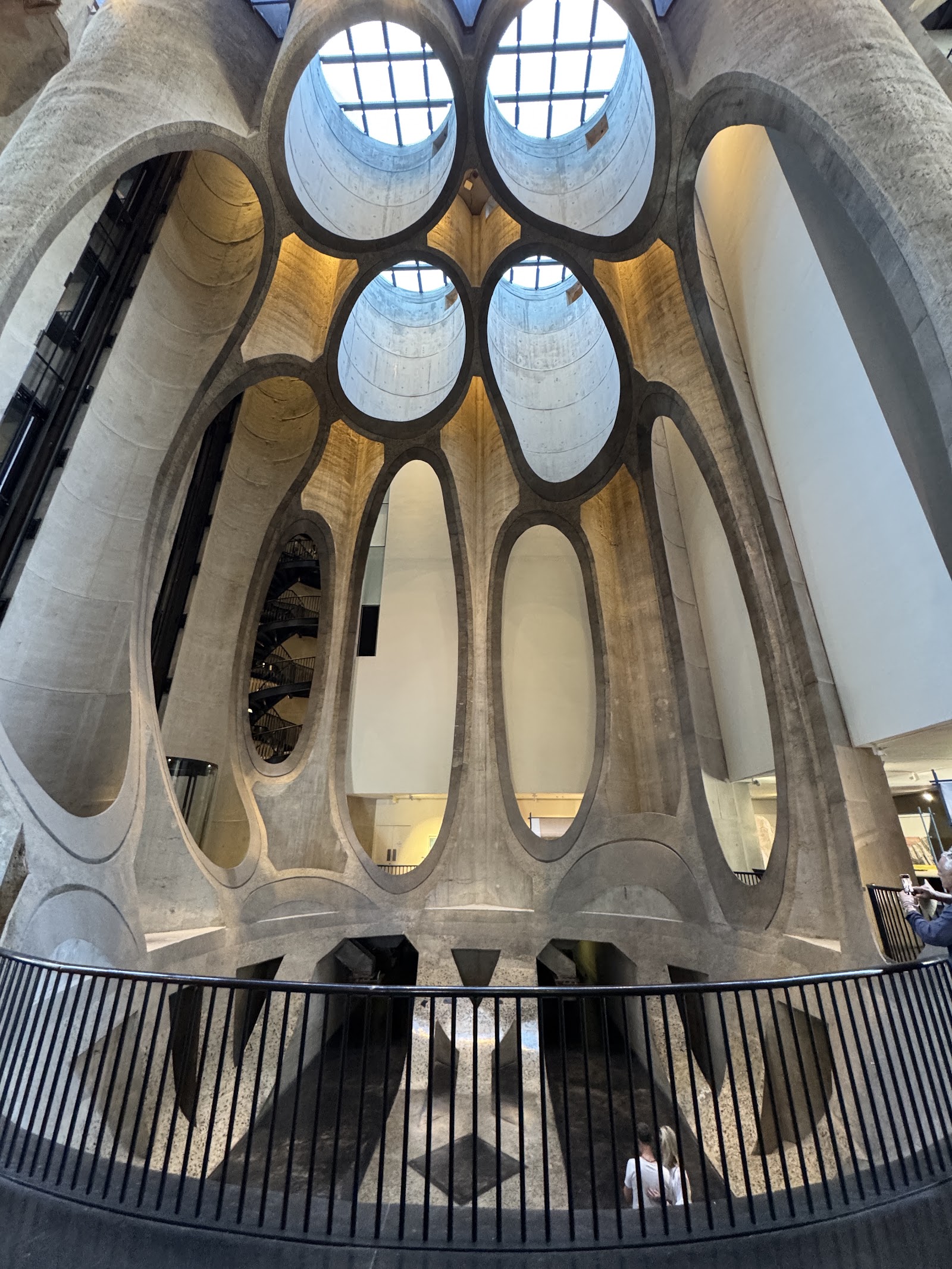
This museum is a true revelation not only for passionate art lovers but also for fans of modern architecture. It’s designated as the largest museum of contemporary African art in the world, housed in a historic grain silo right in the heart of the Waterfront. On Google it holds an excellent rating of 4.4 from 5,604 reviews and definitely deserves your attention.
The brilliant renovation of the massive concrete tubes was designed by the famous British architect Thomas Heatherwick. The inner atrium, which looks as though it’s been carved into the shape of a giant grain of corn, feels like a stunning futuristic cathedral. From the upper floors you also get a beautiful view of the entire harbor area and the mountain beyond.
Believe me, even if modern art normally leaves you cold, the building itself is reason enough to go inside. The exhibitions constantly change and showcase the very best that the contemporary African creative scene across the entire continent has to offer. It’s a great program for an afternoon when it’s windy outside.
6. Bo-Kaap
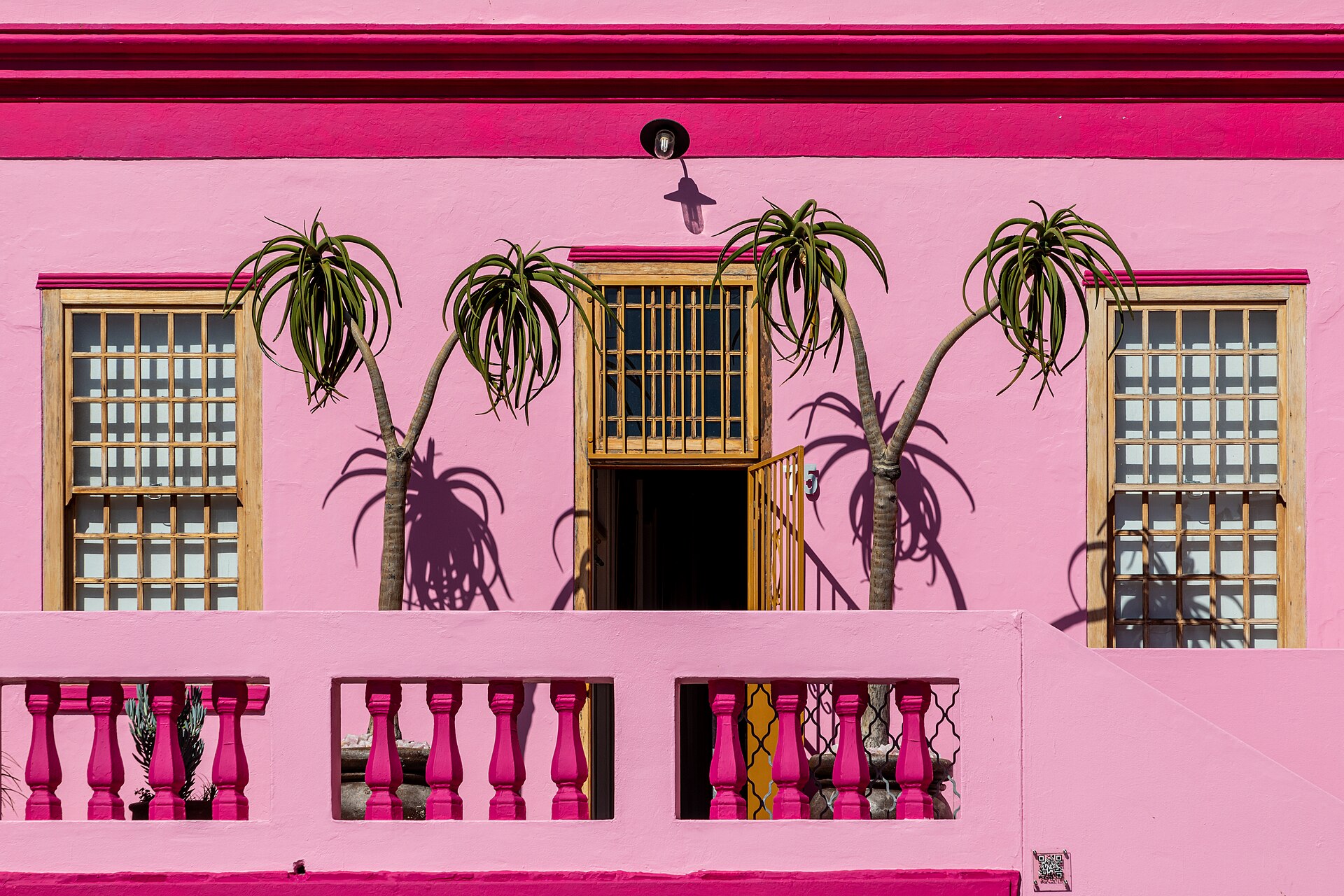
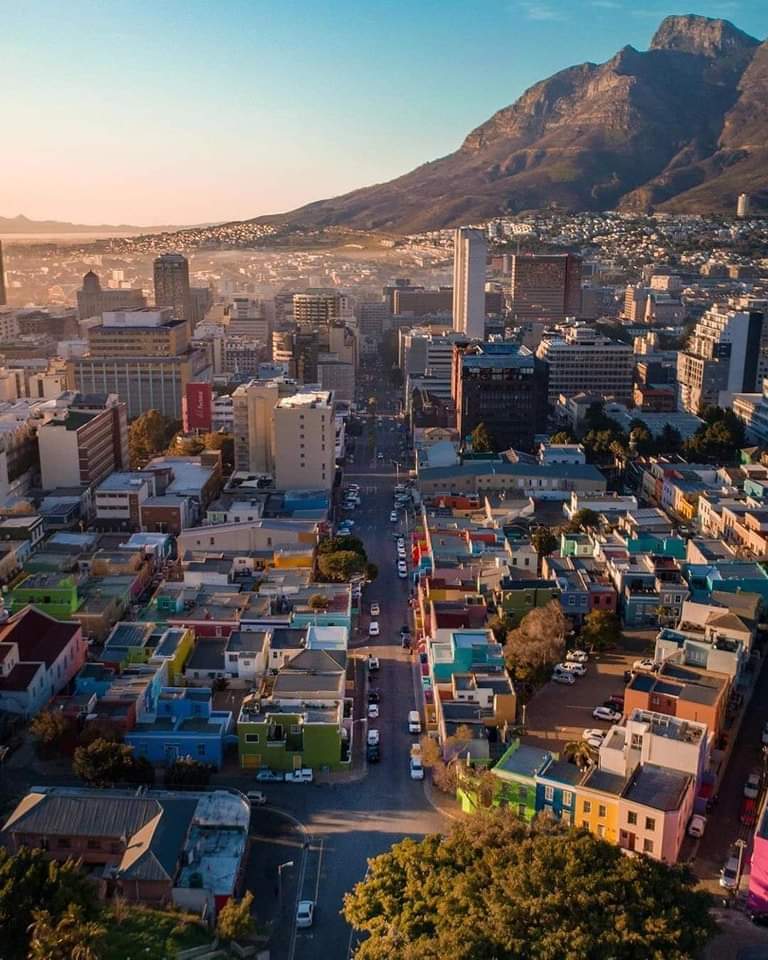
The Bo-Kaap neighborhood is probably the most colorful and cheerful place you’ll ever see. This historic enclave spreading across the slopes of Signal Hill is home to the traditional Cape Malay community, whose roots trace back to slaves brought from Asia. The brightly painted house facades and old cobbled streets create a perfect visual contrast to the modern skyscrapers down in the city center.
For a deeper understanding of the local culture and complex history, definitely visit the Iziko Bo-Kaap Museum, which has a very good rating of 4.3 from 6,655 reviews. You’ll learn everything essential about the history of local residents, their old customs, and difficult times during the apartheid era, when this neighborhood miraculously escaped being razed to the ground.
💡 Tip: Always keep in mind that Bo-Kaap is primarily a normal residential neighborhood, not artificial film sets built for tourists. Photograph here with maximum respect for local residents, don’t peek boldly over fences, and definitely don’t enter anyone’s doorstep or homes without invitation.
7. Boulders Beach (Simon’s Town)
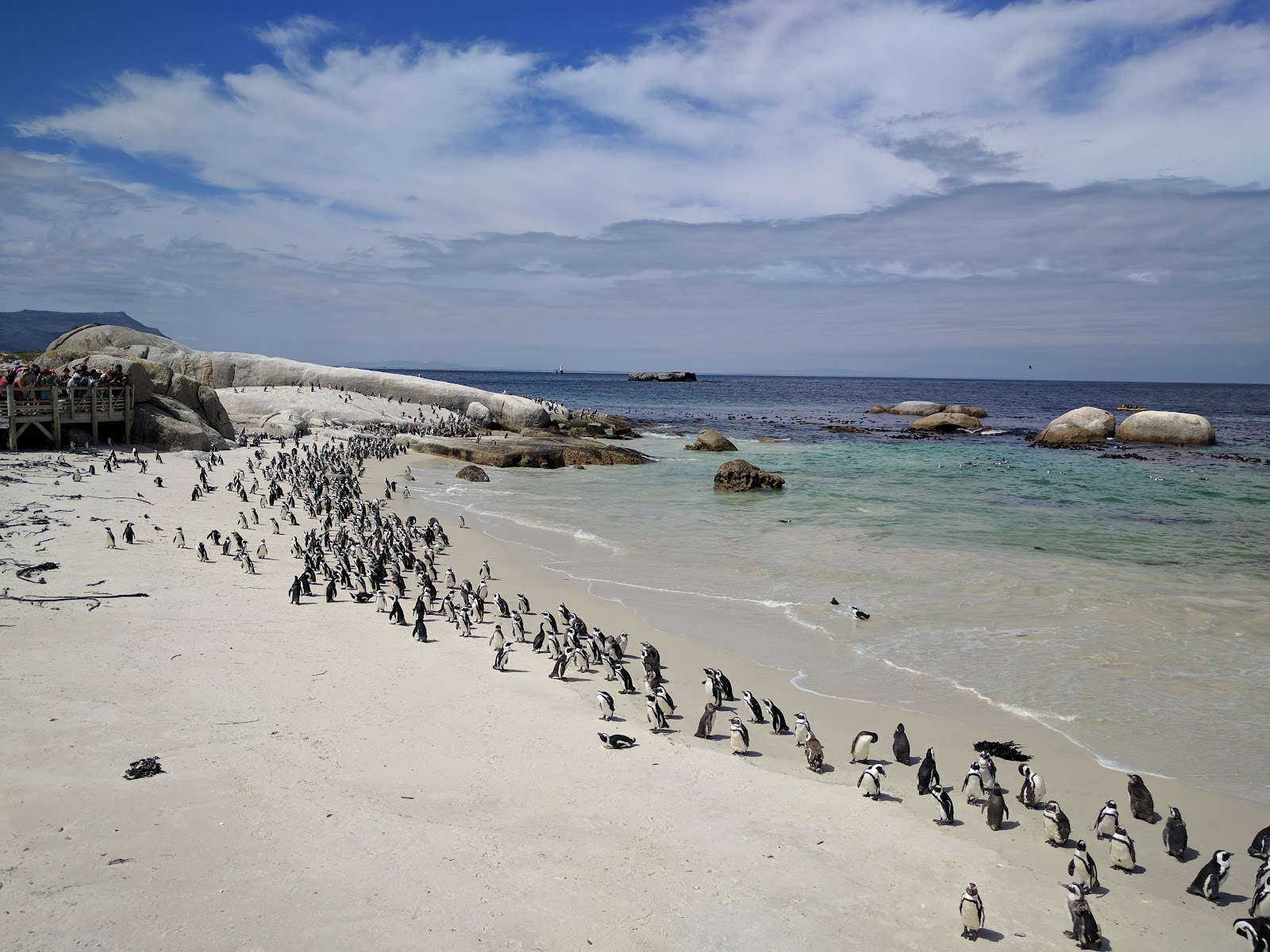
The idea of small penguins waddling across a white beach in the hot African sun sounds a bit absurd, but at Boulders Beach it’s daily reality. This protected beach is home to a large colony of endangered African penguins and boasts a rating of 4.6 from 28,830 reviews.
The area is under strict national parks management, and you’re only allowed to move along elevated wooden boardwalks. These safely lead you just meters from the birds’ nests. The penguins are very used to people and often perform amusingly in the ocean waves right below the viewing platforms. But you must be careful not to scare them or touch them.
It’s a unique experience because you simply won’t see wild penguins this close and in such numbers anywhere else in Africa. The beach is located in the village of Simon’s Town, which is an ideal stop on your journey heading south down the peninsula.
8. Cape Point and the Cape of Good Hope
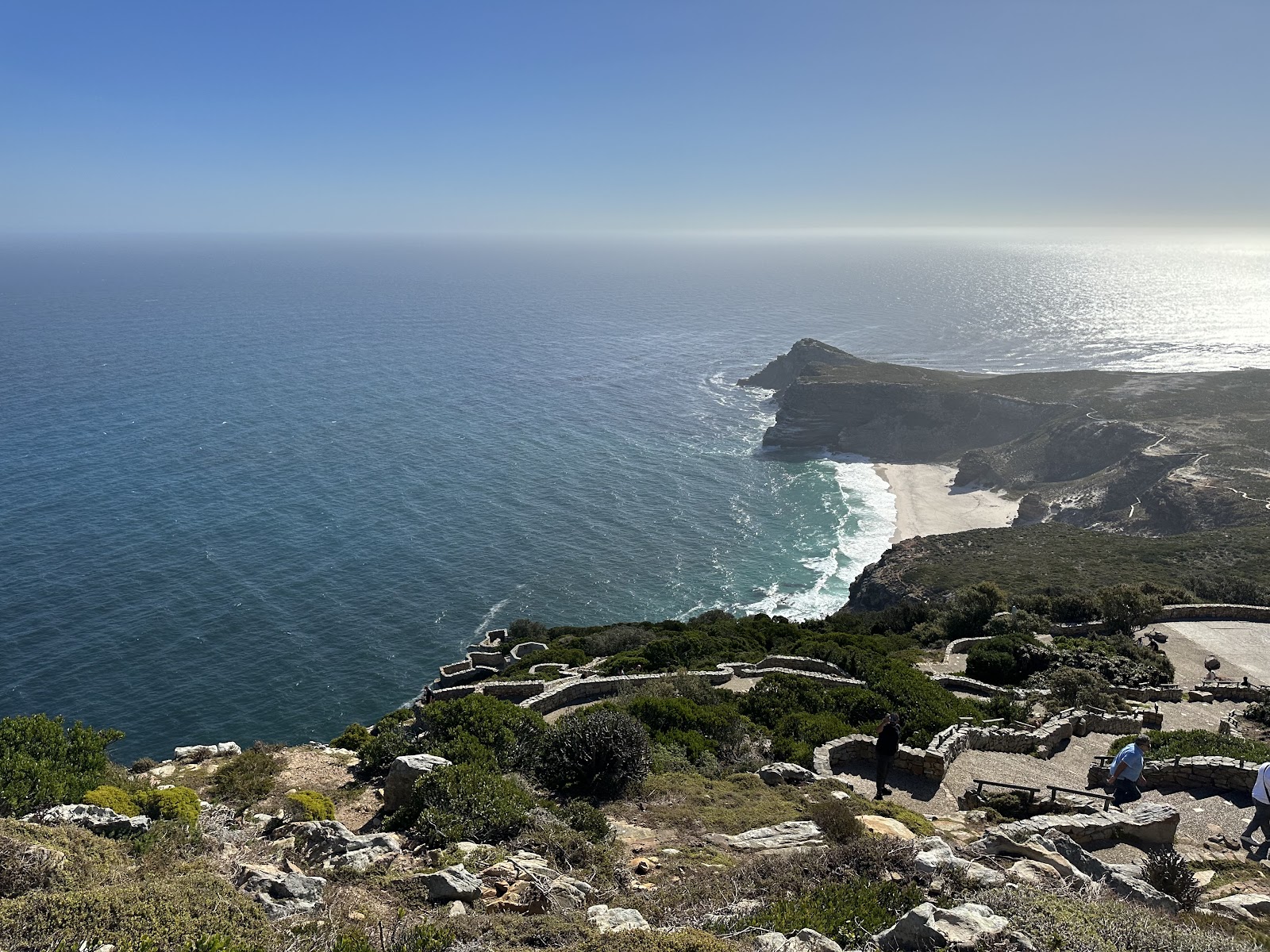
The journey to the very end of the Cape Peninsula is among the best things you can do in the entire city area. Dramatic steep cliffs whipped by wild ocean, and an expansive nature reserve full of baboons and ostriches create the perfect backdrop for the famous Cape of Good Hope and neighboring elevated Cape Point. A funicular called the Flying Dutchman can comfortably take you up to the historic lighthouse at Cape Point.
In addition to the ocean views themselves, you can take many beautiful hiking trails along the cliffs. But always keep in mind that the local baboon troops are very bold and you must never pull out any food in front of them, or they’ll very quickly relieve you of it.
💡 Tip: One common travel myth needs to be set straight here. Neither Cape Point nor the Cape of Good Hope is Africa’s southernmost point, although a great many articles and printed guides mistakenly claim so. The actual southernmost tip of the continent and the place where the Atlantic meets the Indian Ocean is Cape Agulhas, which lies about 150 kilometers further southeast.
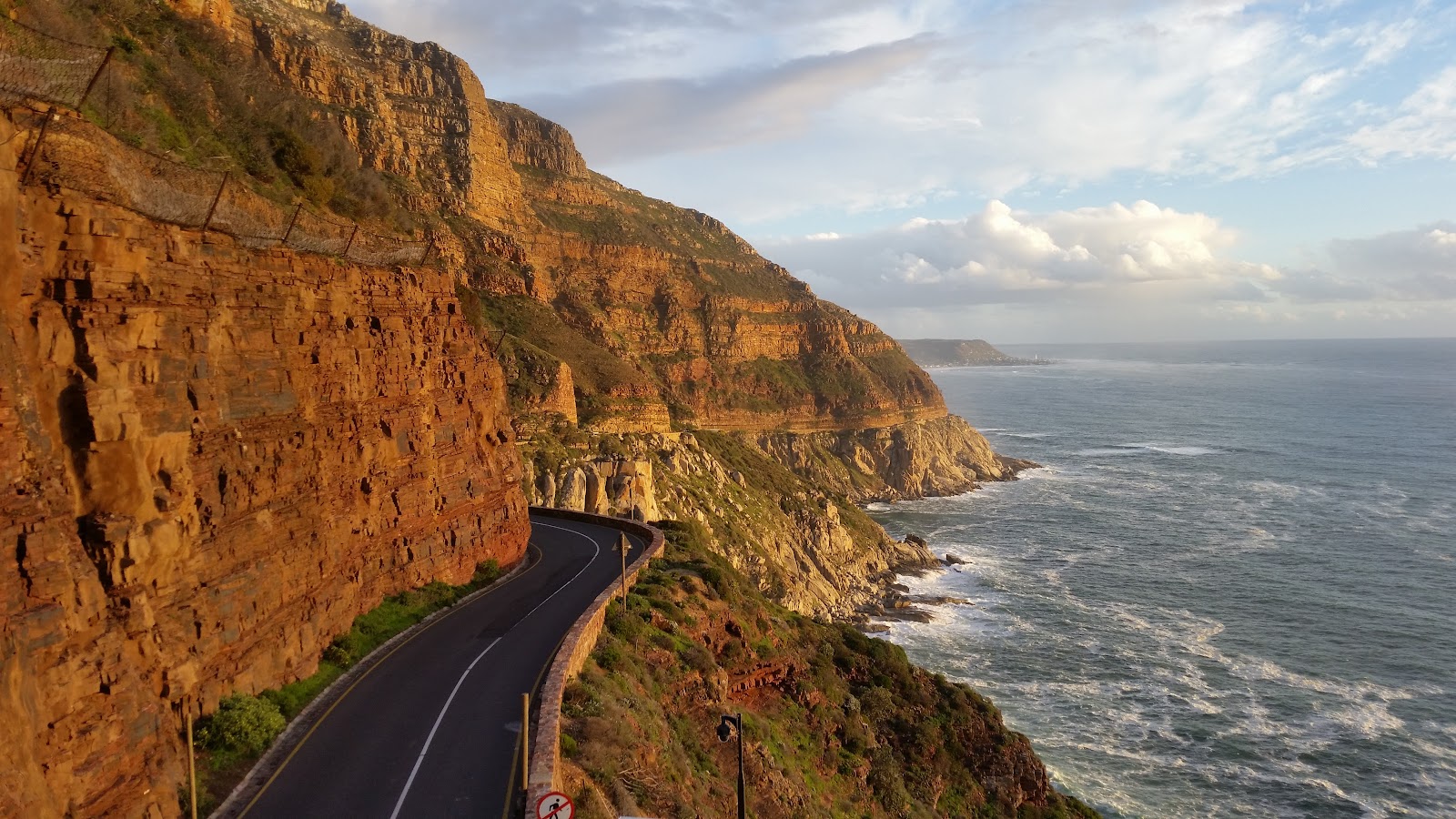
9. Chapman’s Peak Drive
If there’s a road that could objectively be called an artistic engineering feat, it’s Chapman’s Peak Drive. This scenic route, almost carved into steep rocky cliffs plunging straight into the sea, connects Hout Bay with the Noordhoek area. It offers panoramas at each of over a hundred sharp turns.
Driving this road requires a toll collected at barriers on the Hout Bay side. Along the way you’ll encounter several rest stops and viewpoints where you can safely pull over, photograph a beautiful sunset, or just sit on a stone wall and listen to the roar of waves far below you.
💡 Tip: For driver safety, the road regularly closes during strong winds or after threatened landslides following heavy rains. So definitely check online for its current accessibility before you drive there, so you don’t make the trip unnecessarily and have to take the difficult route back over the mountains.
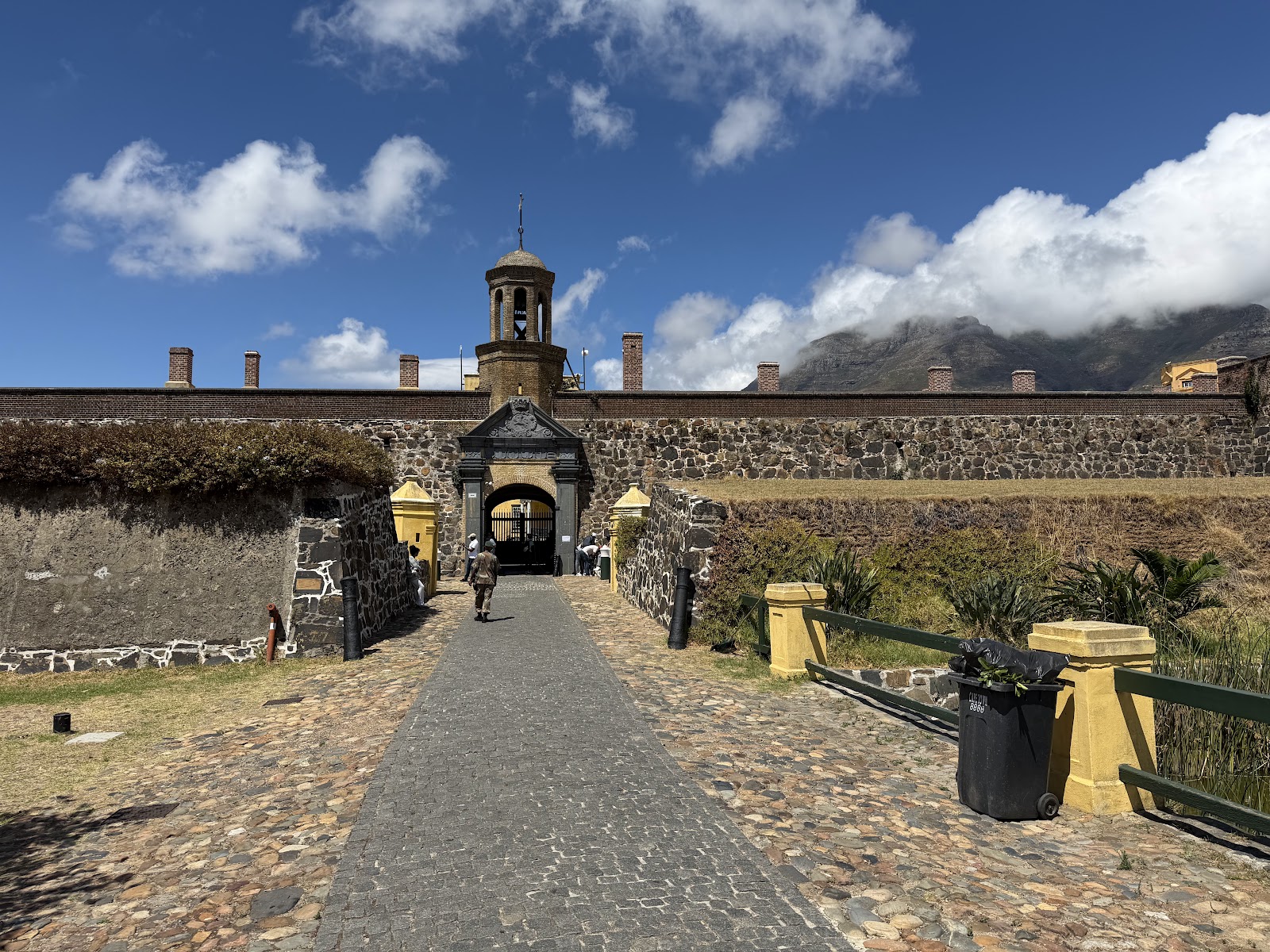
10. Castle of Good Hope
This massive pentagonal fortress near the city center is a unique piece of preserved history. It’s designated as the oldest surviving colonial building in the entire country, and its construction began as early as 1666 under the direction of the powerful Dutch East India Company (VOC). Today it has a very decent Google rating of 4.3 from 13,081 reviews.
Interestingly, the fortress originally lay directly on the ocean shore. Due to extensive land reclamation for the construction of the new modern harbor, it’s now located quite far inland. Inside the thick stone walls you’ll find a military museum, historical exhibitions, and regularly scheduled changing-of-the-guard ceremonies.
It’s a fascinating excursion into the days when Cape Town was just a small supply station for ships sailing to the Far East. A visit will take about an hour and a half and provide you with great context for further exploration of the entire city.
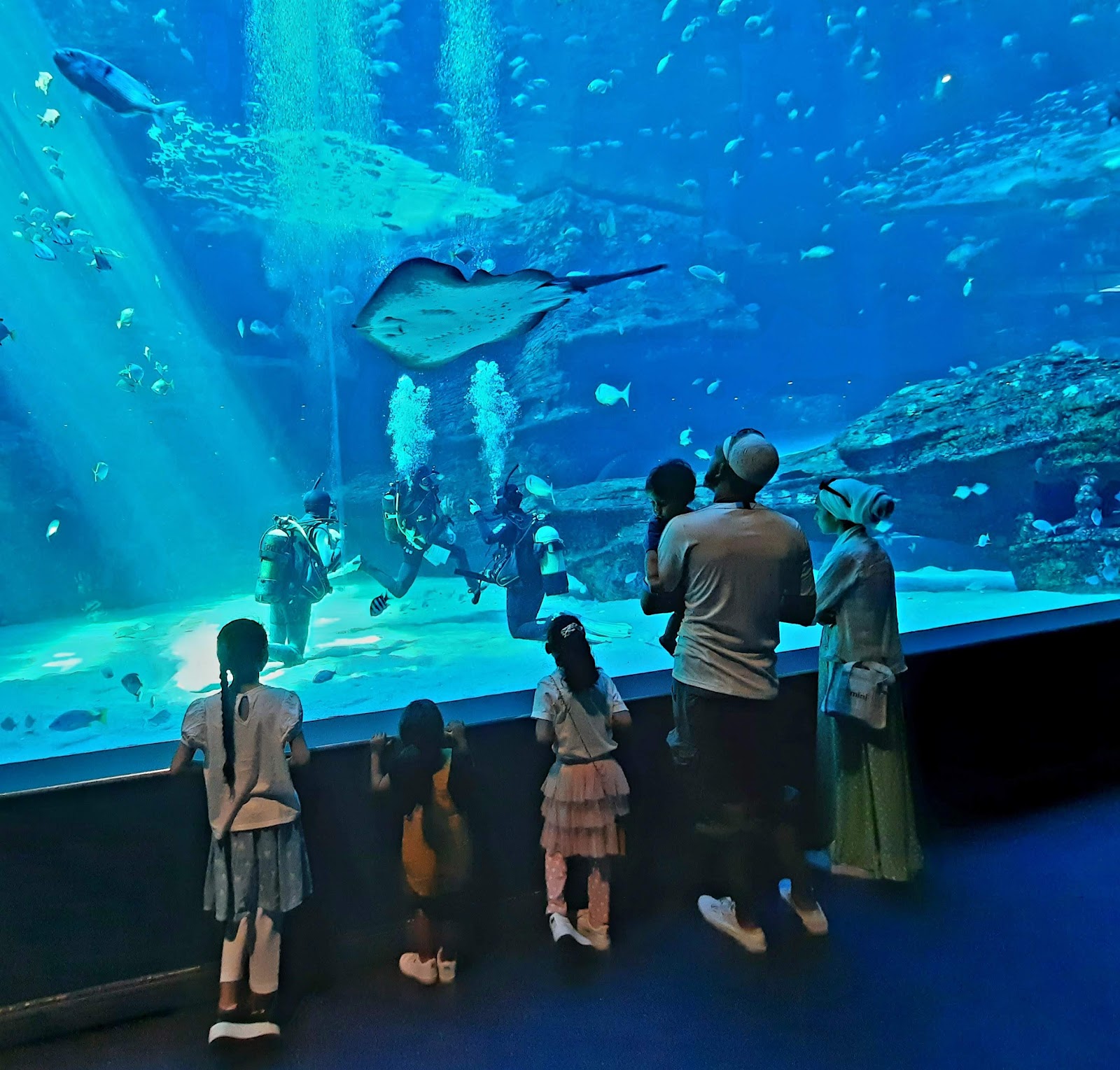

11. Two Oceans Aquarium
If you’re looking for a great program for when it’s raining outside or the notorious “Cape Doctor” is blowing, the aquarium on the Waterfront is a great safe bet. It carries an excellent rating of 4.6 from 25,222 reviews and is simply fantastic not only for families with children but for all lovers of the underwater world.
The aquarium’s name directly references the fact that South Africa lies at the boundary of two completely different marine ecosystems—the very cold Atlantic and the somewhat warmer Indian Ocean. You’ll see sharks, huge turtles, elegant rays, and even another penguin species.
The exhibits are exceptionally modern, educational, and place great emphasis on marine environmental protection and rescuing injured marine animals. Don’t miss the beautiful kelp forest tank, which creates an almost hypnotic and very calming impression. Set aside a good two hours for your visit.
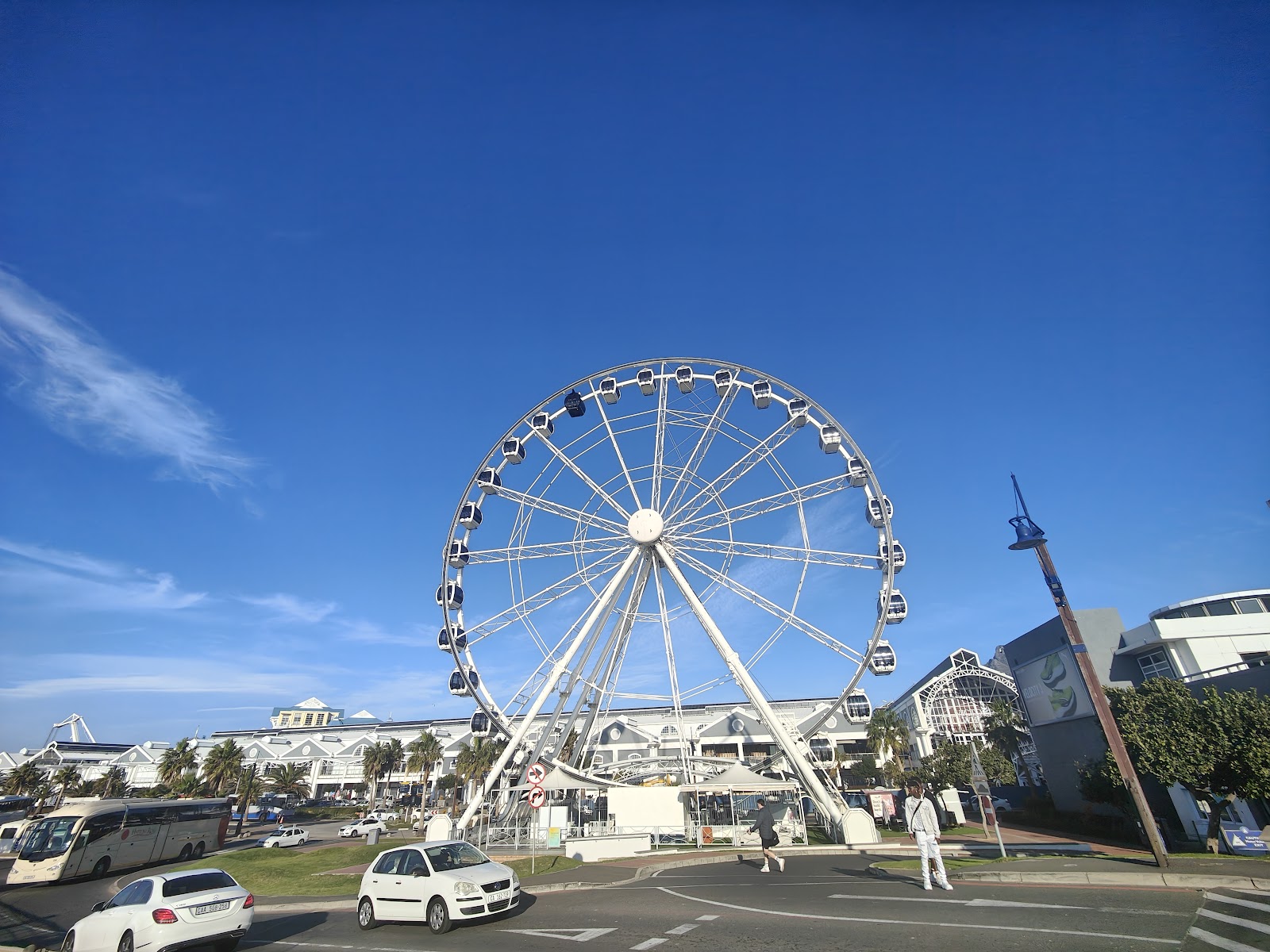
12. The Cape Wheel
Right in the heart of the bustling tourist harbor V&A Waterfront stands The Cape Wheel, an unmistakable giant observation wheel. With a rating of 4.5 from 10,577 reviews, it’s among the popular leisure attractions across all age groups. The ride in enclosed, air-conditioned cabins usually lasts about fifteen minutes and you’ll complete several full rotations.
From up high you’ll get a great view of the entire actively functioning working harbor, the large stadium built for the football World Cup, and of course the iconic silhouette of Table Mountain in the background. It’s a great, undemanding activity for late afternoon when the sun starts to set and the city turns golden.
Unlike the high cable car up the mountain, this wheel normally operates even in slightly worse weather, so you can confidently use it as a backup plan when the surrounding mountain peaks unexpectedly disappear into clouds and you want to see the city nicely from above.
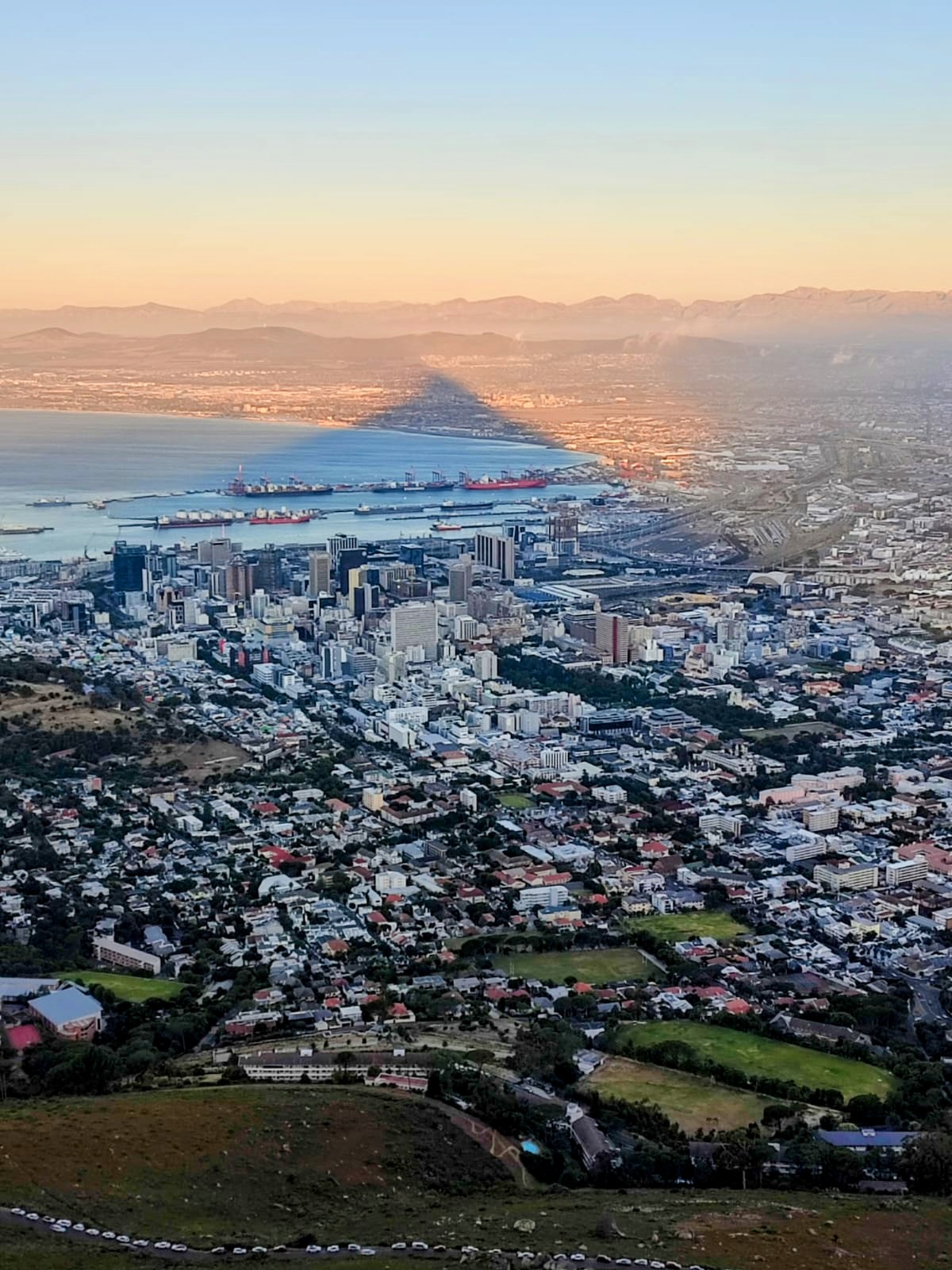
13. Signal Hill and the Noon Gun
Signal Hill forms a figurative ridge to the neighboring Lion’s Head mountain and separates the busy city center from the coastal Sea Point neighborhood. It’s by far the best spot for watching the sunset in the entire city. You can comfortably drive all the way to the top by car, making it a very accessible viewpoint without any need for uphill climbing.
An interesting feature of this place is the old historic cannon (Noon Gun), which fires every day except Sunday at exactly noon. This unique tradition has been functioning since the early 19th century and originally served sailors in the bay to precisely synchronize their ship chronometers. The shot is so strong and loud you’ll hear it reliably throughout the city center.
In the evening, the Signal Hill viewpoint quickly fills with locals and tourists who spread small refreshments on the hoods of parked cars and watch together as the sun slowly sinks into the cold waters of the Atlantic. It’s one of the loveliest and cheapest experiences you can have here.
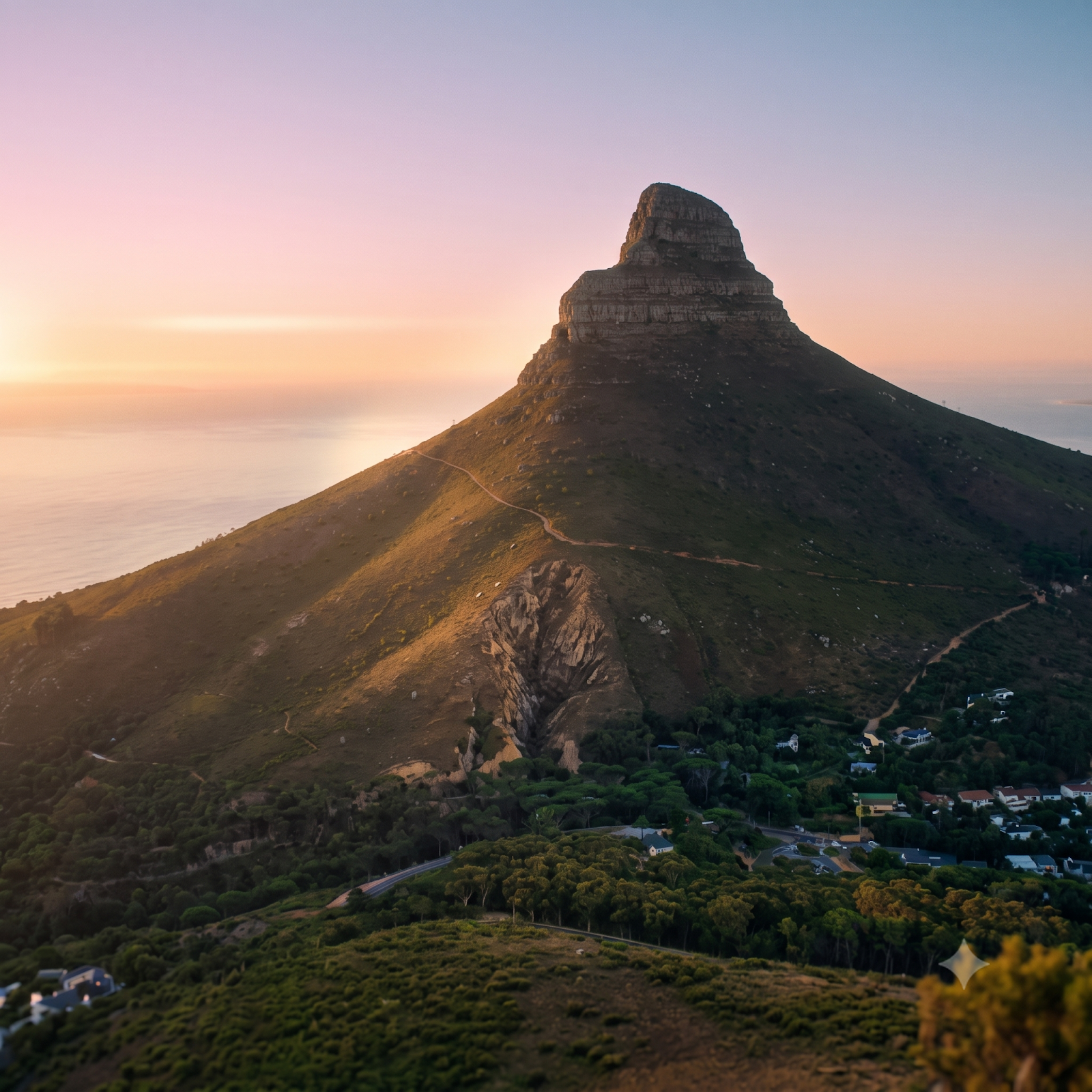
14. Lion’s Head
This pointed rocky peak, perched right next to the Table Mountain massif, is a true mecca for all active travelers. It’s reached by a popular spiral trail that winds around the entire mountain, offering constantly changing fantastic views of the city, bay, and surrounding wealthy beaches.
The Lion’s Head hike is a great local classic for watching the sunrise. Locals also love coming here in large numbers during the full moon, when the trail is sufficiently lit by moonlight and the thousands of city lights shine magically below you.
While it’s a somewhat steeper climb, where chains and steps set into the rock are sometimes used in certain sections, your reward will be a view that many well-traveled visitors consider even more impressive than from Table Mountain itself. The reason is simple: from here you have both the imposing mountain and the endless ocean in perfect view simultaneously.
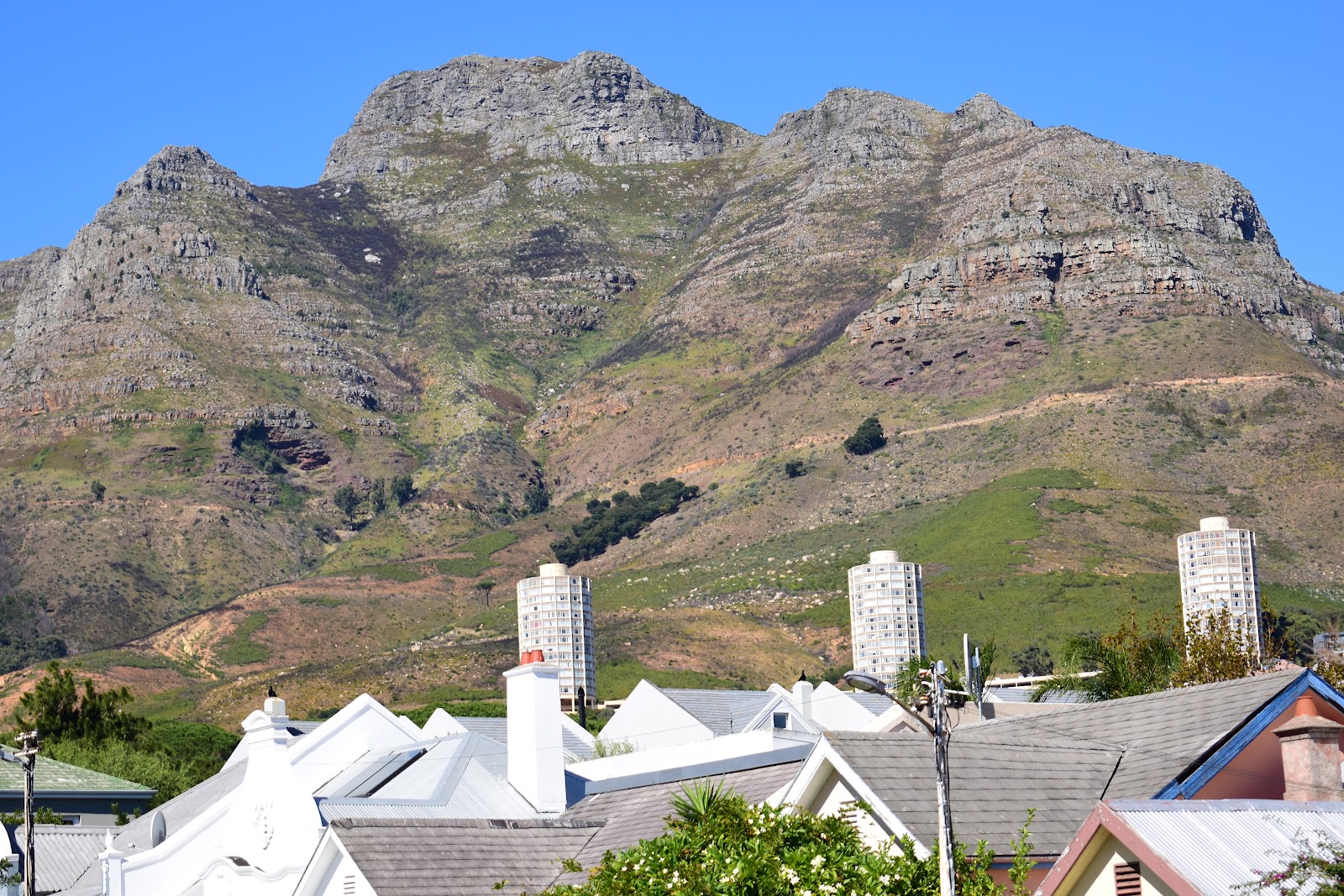
15. Camps Bay and Clifton
When you drive through the narrow gap between mountains on the western side of the peninsula, you’re met with a view straight from the pages of a luxury vacation catalog. The beaches of Camps Bay and neighboring smaller Clifton beaches offer brilliant white sand lined with green palm trees and the dramatic wall of the Twelve Apostles peaks.
But there’s one major catch that unpleasantly surprises many unprepared tourists. The water in the Atlantic along this coast is absolutely freezing, even in the middle of the hottest summer. It’s due to the cold Benguela Current flowing from Antarctica along the entire coast.
While it might be a comfortable 30 degrees on the scorching beach, the water rarely exceeds 13 to 15 degrees Celsius. Swimming is thus an experience more for hardcore cold-water enthusiasts, and most visitors come here mainly to sunbathe on the sand, play beach volleyball, and sip drinks at modern bars on the beachfront promenade.
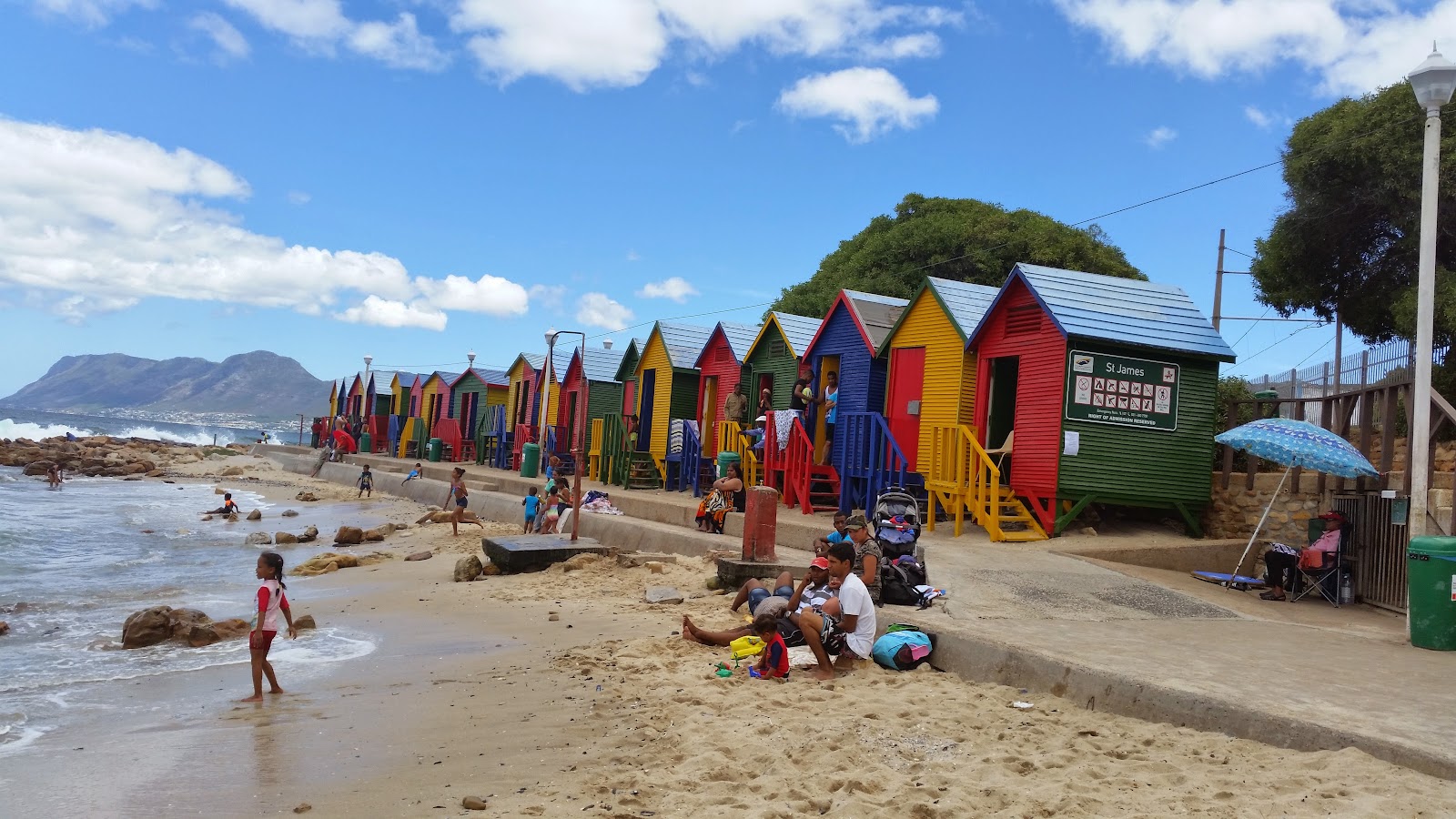
16. Muizenberg and Surfing
If you still want to enjoy normal swimming or are eager to learn to surf, you need to head to the opposite side of the peninsula, to the wide False Bay. The Muizenberg beach here is famous for its brightly colored bathing boxes, which are among the most photographed icons of South Africa.
The key advantage of Muizenberg is the physical fact that the water here is noticeably warmer than on the Atlantic side at Camps Bay. The shallow bay and long, beautifully rolling waves make it probably the absolute best place in the country for your very first surfing lesson.
Around the beach you’ll find countless professional surf schools, equipment rentals, and laid-back cafes with great coffee. There’s a wonderfully relaxed, bohemian atmosphere that sharply contrasts with the luxury and polish of the beaches on the other side of the mountains. Stop here for an afternoon and soak up the real beach vibe.
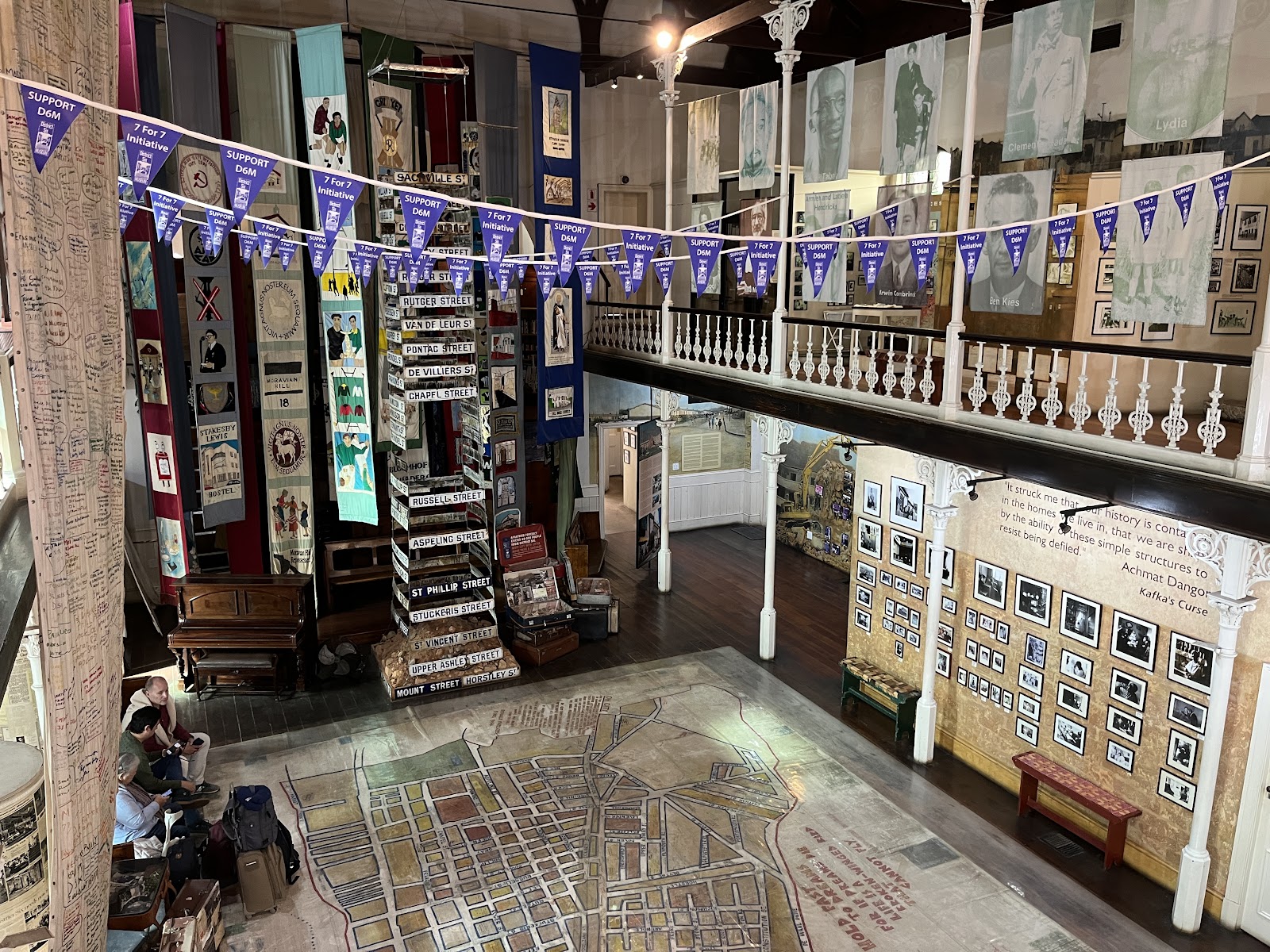
17. District Six Museum
A visit to Cape Town wouldn’t be complete without trying to understand its complex and very painful past. The District Six Museum is dedicated to a neighborhood that was once a vibrant and multicultural center of the city, until the apartheid regime in the 1960s declared it an exclusive whites-only zone.
Subsequently, over 60,000 original residents were forcibly evicted to the periphery, and the entire neighborhood was ruthlessly razed to the ground. The museum, created in the premises of a former church, maps the fates of these displaced families with immense sensitivity and detailed documentation.
Through preserved old photographs, remnants of street signs, and displayed personal items, it’s one of the most powerful and emotionally moving places in the city. The exhibition doesn’t cheaply invoke political judgments but serves as an essential and harsh reminder of the terrible history local society went through in the last century.
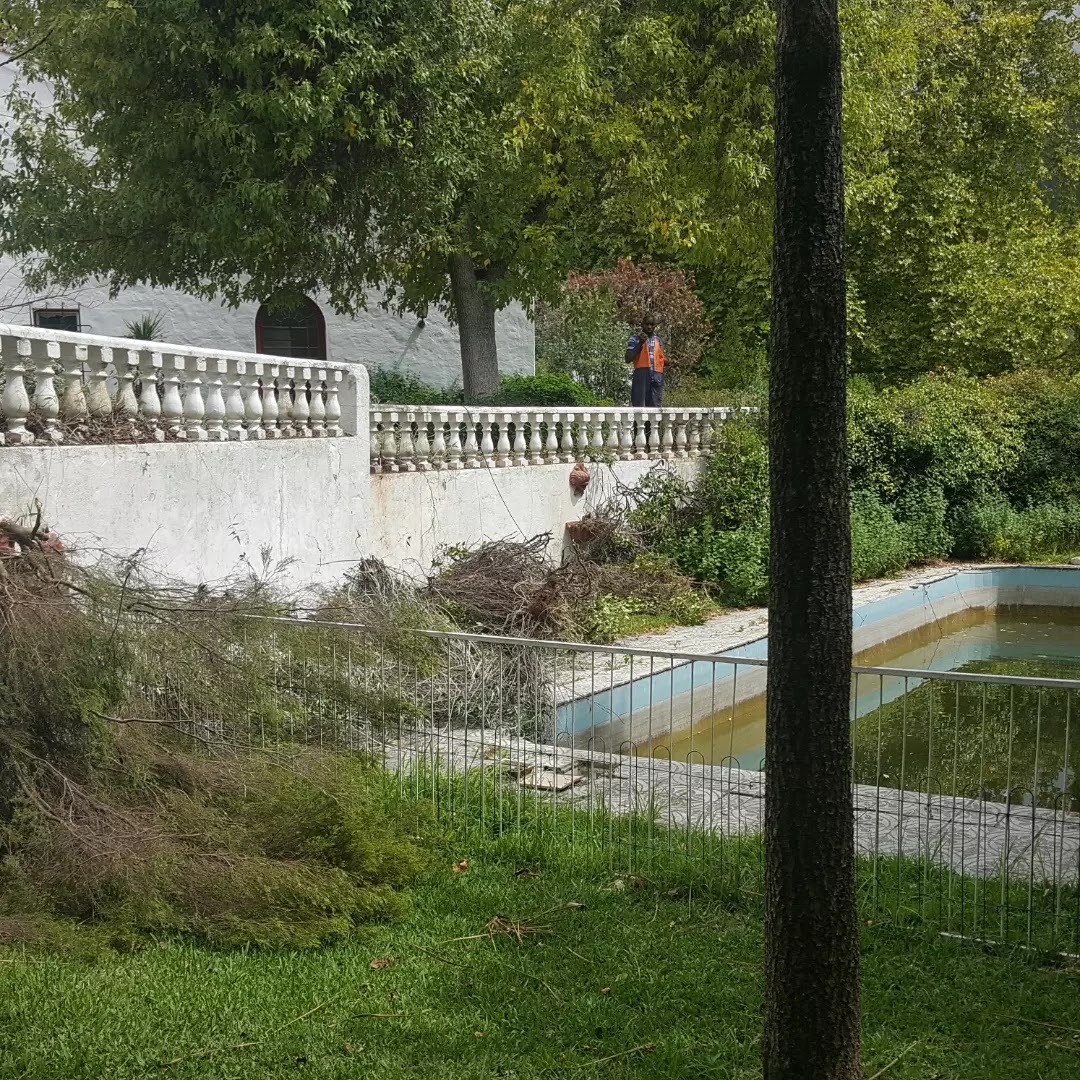
18. Constantia and the Oldest Vineyards
You don’t need to drive deep into the interior to fully enjoy top South African wine. Just a half-hour drive from the city center, in a green valley, lies Constantia, the oldest wine-growing region in all of South Africa, whose tradition reaches back to 1685.
The luxurious local vineyards nestle on green slopes beneath the mountains and offer beautiful historic estates to tour. Among the true top tier are Groot Constantia with a rating of 4.4 (1,284 reviews), picturesque Klein Constantia at 4.4 (872), somewhat more modern Beau Constantia 4.4 (1,456), beautiful Constantia Glen 4.3 (1,092), and immensely elegant Steenberg 4.5 (557).
💡 Tip: Visiting vineyards combined with tasting acclaimed white wines is a wonderful program for an entire afternoon and doesn’t require consuming food. But remember that tasting alcohol and driving a car absolutely don’t mix. If you want to taste, safely order an Uber, hire a private driver, or use an organized tour bus.
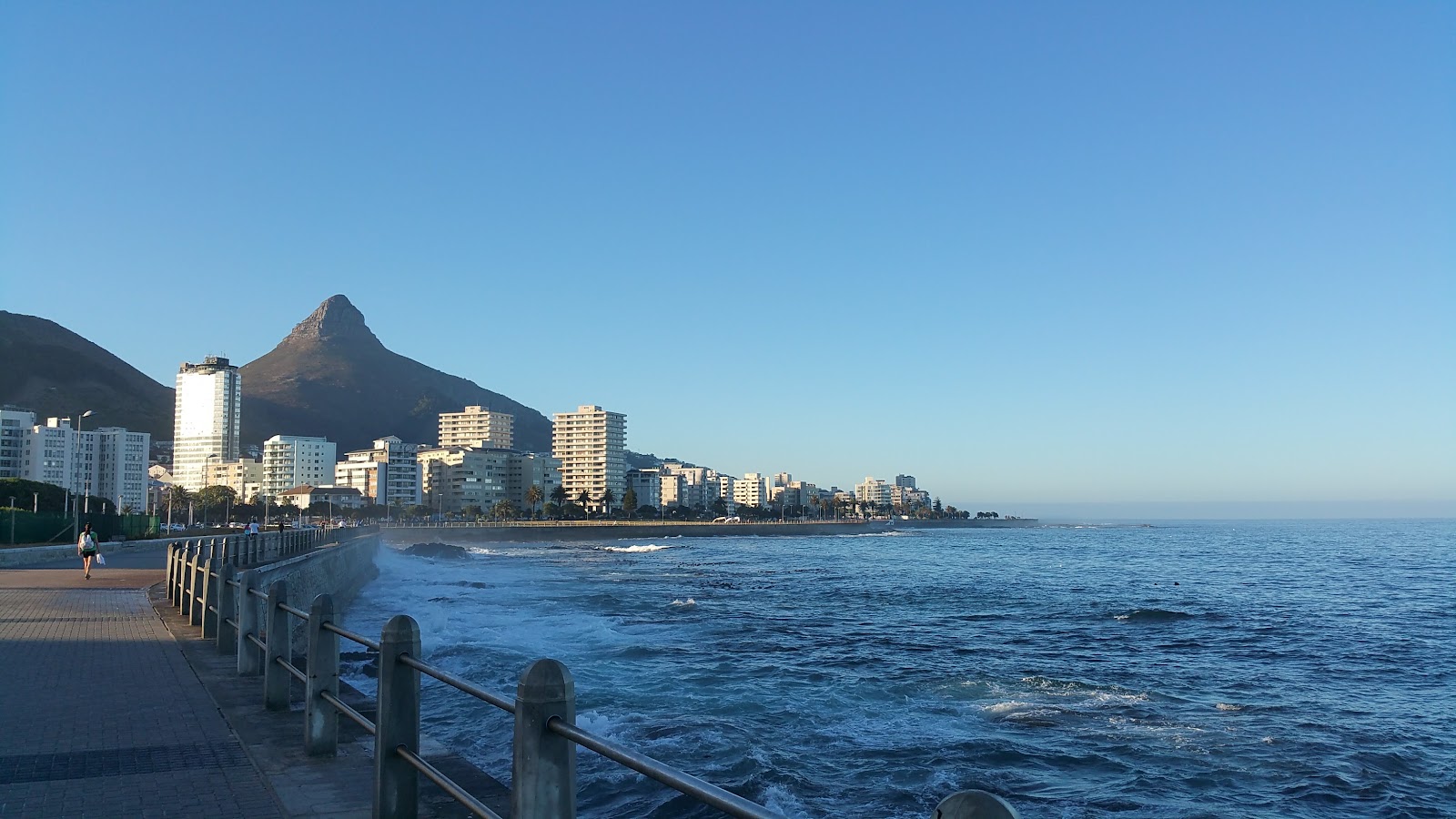
19. Sea Point Promenade
This several-kilometer-long wide paved promenade along the ocean shore is where all of Cape Town comes to exercise and relax. It stretches along the entire Sea Point neighborhood and is completely free and open to everyone.
During late afternoon, the promenade quickly fills with joggers, families with children, rollerbladers, and dog walkers. Along the way you’ll pass several excellent outdoor gyms, children’s playgrounds, and interesting public art installations. There’s also an extensive complex of great outdoor pools filled with salt water.
But what’s by far most important for travelers: the Sea Point promenade is considered the safest evening walk in the entire city. It’s well-lit, constantly monitored by security patrols, and full of people, so you can safely enjoy a walk by the ocean here even long after sunset.
20. Cape Flats and Township Tours
On the outskirts of Cape Town stretch the so-called townships, sprawling poor neighborhoods in an area called Cape Flats, which arose extensively during apartheid. Visiting these places can offer deep insight into the reality of life for a significant portion of residents, but you need to approach it with maximum respect and caution.
The basic safety rule is clear: never, under any circumstances, venture into townships on your own, because they are very complex areas with extremely high crime. If you want to see this environment, go there exclusively with a verified registered local guide as part of an organized tour.
Make sure it’s a fair agency that guarantees an equitable share of profits for the local community, and strictly avoid any exoticization of poverty. A properly led tour will safely take you to community centers, introduce you to local small entrepreneurs, and show you the incredible pride and resilience of the people here.
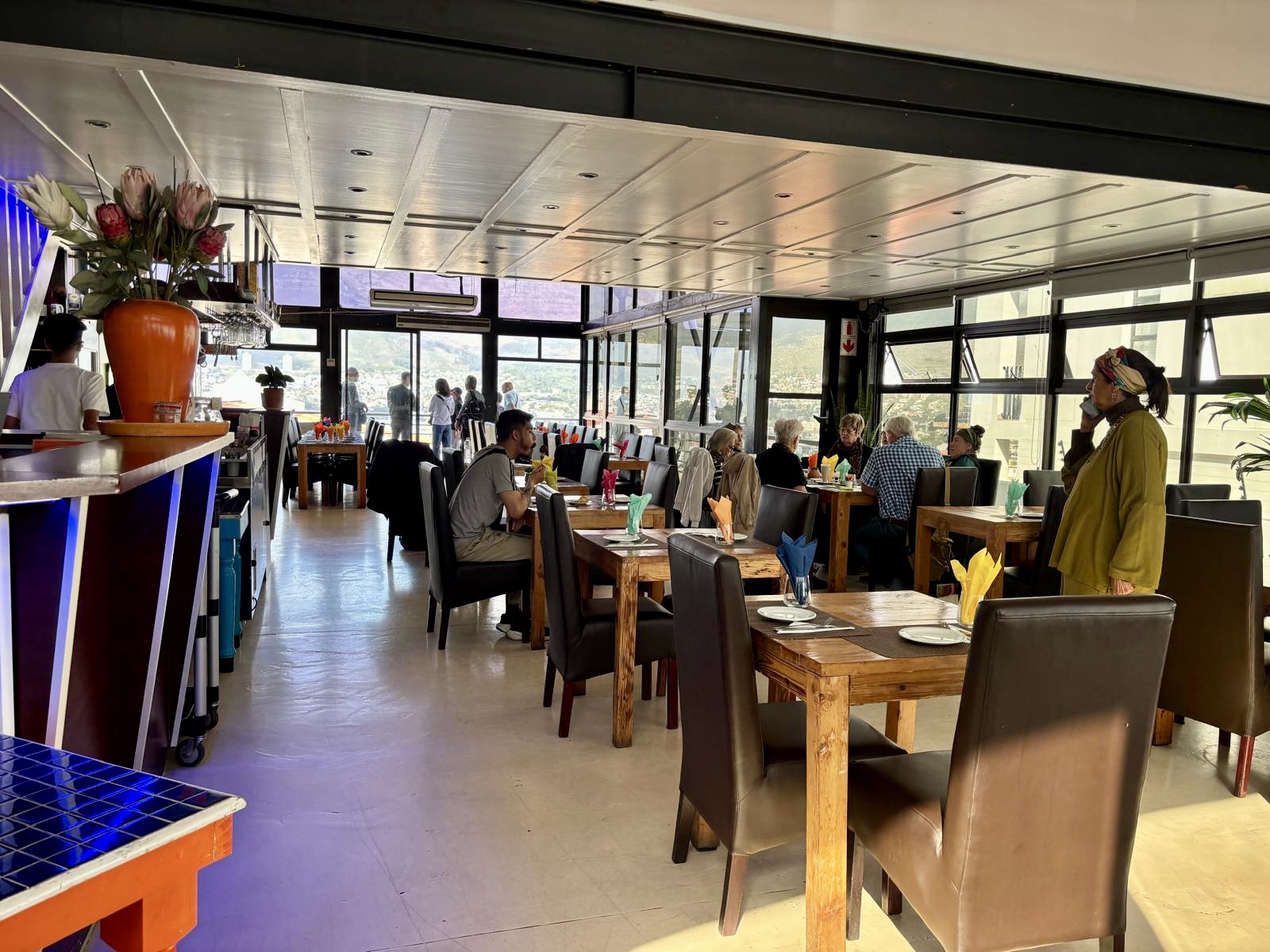
21. Where to Eat: Cape Malay Cuisine and Vegetarian Eateries
Although South Africa is really heavily focused on meat—traditional grilling called braai, dried biltong, or baked bobotie you’ll encounter on every corner—Cape Town is paradoxically a great haven for vegetarians and vegans.
You definitely must try the meatless staples of traditional Cape Malay cuisine. Delicious spicy chutney, vegetable sambals, sweet koekesisters, or crispy vegetable samosas and stuffed roti flatbreads, which you can best buy in the Bo-Kaap neighborhood. The city is also full of fantastic Ethiopian and Indian restaurants where getting by without meat is completely normal.
If you’re looking for explicitly entirely plant-based establishments, the Google community (as of September 5, 2026) recommends these gems. Excellent is Wild Eatery with a rating of 4.9 (184 reviews), Middle Eastern Nish Nush SA 4.8 (900), community-oriented The Sunshine Food Sprouting Co 4.8 (251), creative Romeo&vero The Vegan Butcherie 4.7 (244), Ethiopian classic Madam Taitou 4.7 (1,079), Italian Pizzasaurus 4.7 (165), cozy Ground Zero Cafe 4.7 (534), and very stylish The Conscious Kitchen 4.5 (77).
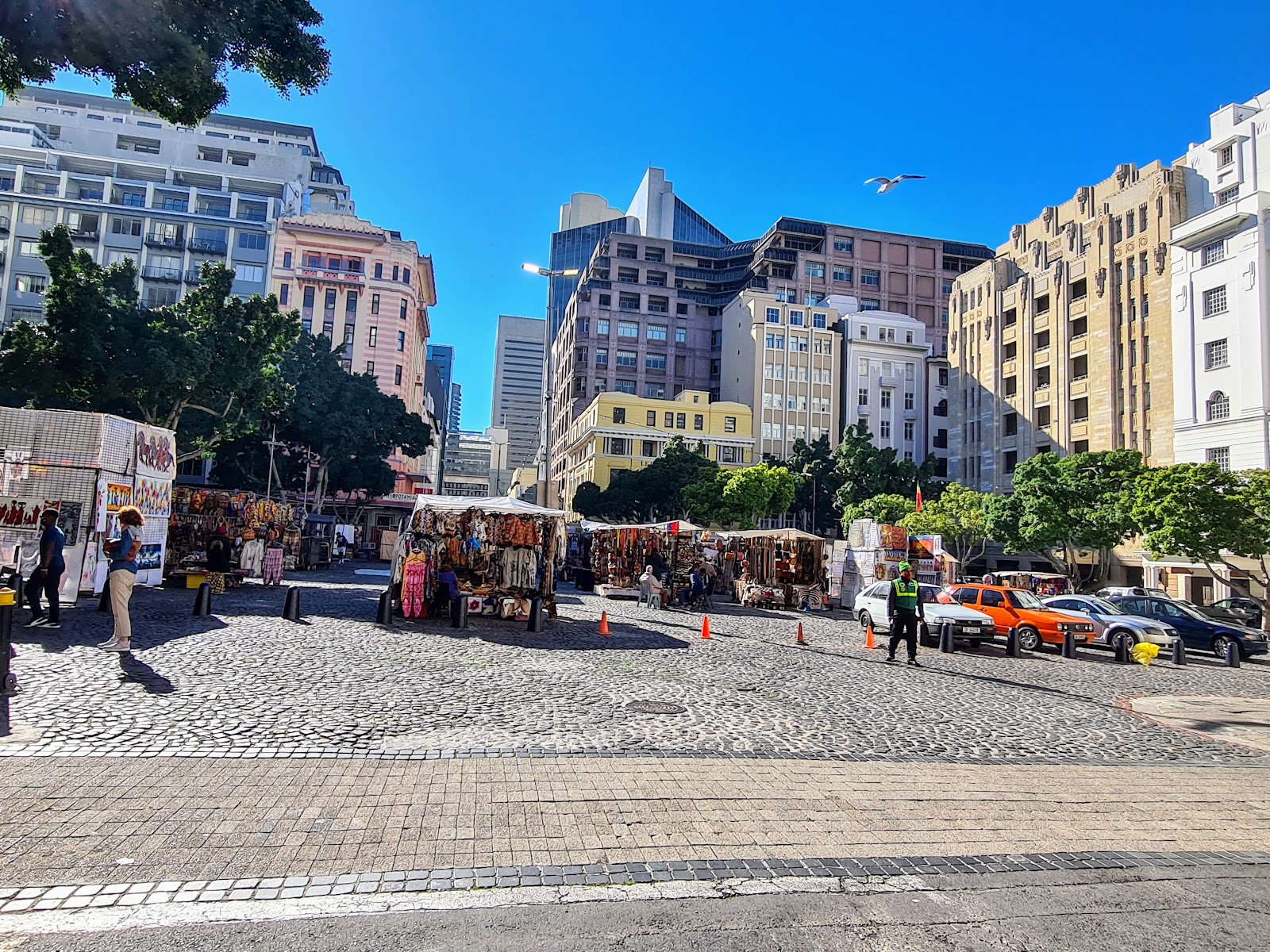
22. Greenmarket Square and the Historic Center
Right in the middle of the city’s commercial center (in the area called City Bowl) you’ll come across the historic Greenmarket Square. This old cobbled square is one of the very oldest public spaces in the city and today serves as a bustling marketplace with African handicrafts.
You’ll find dozens of stalls with hand-carved figurines from across Africa, traditional beaded jewelry, colorful fabrics, and precision leather goods. It’s the ideal place to buy original souvenirs, but expect that haggling over price is fundamental here and vendors can sometimes be very persistent.
The surrounding smaller streets are lined with beautiful historic art deco buildings. When walking in this busy area, be somewhat more careful with your personal belongings. It’s better not to hold your phone in your hand on the street at all and be cautious about petty pickpocketing, which is completely common in the center of any major city.
Where to Go from Cape Town
If you have more time in the city, definitely venture out to explore the wider area. Most of these places can be managed as day trips, but if you can, rent a car and embark on a longer road trip heading east along the coast (the so-called Garden Route).
- Stellenbosch and Franschhoek: Beautiful historic wine towns about an hour’s drive inland. You can admire typical white Cape Dutch architecture, and in Franschhoek take a ride on the famous wine tram (Cape Winelands tram), which transports you between individual estates.
- Hermanus and whales: The town of Hermanus, located by Walker Bay, is one of the best places in the world to observe whales directly from shore. If you’re traveling between July and November, it’s a great stop. Southern right whales come here to give birth to their young, and you can often take cautious kayak trips too.
- More inspiration: Also check out our article Where to Stay in Cape Town, which will help you strategically plan a base for all your trips to the surrounding area.
Frequently Asked Questions
Got your head full of questions before the trip? You’re not alone! Cape Town is a specific destination where it really pays to know a few practical details in advance. We’ve prepared a quick summary of the most important things travelers commonly ask about, whether it’s safety on the streets, local transport via Uber, or the much-discussed swimming in the cold ocean. 😉
Is Cape Town safe?
Safety in Cape Town simply requires using common sense. During the day, tourist areas are safe, but after dark, definitely don’t walk anywhere on foot outside the safe zones of the Waterfront and Sea Point Promenade. Don’t show off expensive items on the street and keep your phone in your pocket. If you use Uber for getting around and avoid outlying neighborhoods, you’ll minimize risk to the level of any major city in the world.
Do I need to rent a car?
For getting around the city center itself, the Waterfront, and beaches in Camps Bay, you’ll easily manage with the Uber app, which works fantastically here and is very cheap. However, for exploring the entire Cape Peninsula, the Cape of Good Hope, or more distant wine regions, a car is definitely useful. Keep in mind, though, that in South Africa you drive on the left, and in parking lots there are so-called “car guards” who watch over cars and expect a tip of a few rand for their service.
What about power outages (load shedding)?
This problem doesn’t need to worry you anymore. The long-standing rolling power cuts, known as load shedding, were suspended nationwide on March 26, 2024. Currently, the energy supply in the country is the most stable it’s been in the past five years and no longer affects tourism in any way.
Are there any water restrictions in place?
No, no water consumption restrictions are in effect anymore. The well-known crisis from 2018 has fortunately been averted, and the city even lifted the preventive Early Drought Caution at the beginning of 2026. Nevertheless, tourists are still expected to be mindful and avoid wasting drinking water unnecessarily.
Is Cape Point the southernmost point of Africa?
No, it definitely isn’t, even though many people think so and guides often state it. The true southernmost tip of the African continent is Cape Agulhas, which lies approximately 150 kilometers southeast of Cape Town. Cape Point is “only” the most southwesterly tip.
How many days do I need for a visit?
For your visit to make sense and avoid stress, I recommend setting aside at least 4 to 5 full days for Cape Town itself. One day will be taken up by the peninsula and the Cape of Good Hope, a second day for Table Mountain and the city center, a third day for Robben Island with the Waterfront, and the remaining days you can use for beaches, wineries, or Kirstenbosch Gardens.
Can you swim in the ocean?
It depends on your personal cold tolerance. The water on the Atlantic side (Camps Bay and Clifton beaches) is absolutely freezing even in summer due to cold currents and sits at only around 13 to 15 degrees Celsius. You’ll find significantly warmer water on the False Bay side (Muizenberg beach), where people commonly go to learn to surf.
Tips and Tricks for Your Vacation
Don’t Overpay for Flights
Search for flights on Kayak. It’s our favorite search engine because it scans the websites of all airlines and always finds the cheapest connection.
Book Your Accommodation Smartly
The best experiences we’ve had when looking for accommodation (from Alaska to Morocco) are with Booking.com, where hotels, apartments, and entire houses are usually the cheapest and most widely available.
Don’t Forget Travel Insurance
Good travel insurance will protect you against illness, accidents, theft, or flight cancellations. We’ve had a few hospital visits abroad, so we know how important it is to have proper insurance arranged.
Where we insure ourselves: SafetyWing (simple monthly subscription) and TrueTraveller (for extra-long trips).
Find the Best Experiences
Get Your Guide is a huge online marketplace where you can book guided walks, trips, skip-the-line tickets, tours, and much more. We always find some extra fun there!