The famous Icehotel in Sweden is built from pure ice, and in spring it simply melts and flows back into the river. It sounds like madness, but this fleeting concept is exactly what the whole frozen beauty in the little village of Jukkasjärvi is built on. In over thirty years of existence, hundreds of thousands of travellers have slept in its icy beds, happily paying serious money to be voluntarily frozen for a night. If you’re thinking about taking on this Arctic challenge too, you probably have a lot of practical questions buzzing around your head. Whether you can even fall asleep at minus five degrees, whether you’ll freeze on a midnight trip to the toilet, and above all, whether the whole thing is worth the money. We’ve put together the answers to all of those questions — read on so you bring home only the best memories from Lapland (and not a cold 😅).
TL;DR
- Baseline temperature: Inside the ice rooms the temperature stays steadily at -5 °C, no matter how bitterly cold it is outside.
- Golden booking rule: Book a maximum of one night on ice — spend the rest of your stay far more comfortably in the classic heated cabins the resort offers.
- Rough prices: A night in a basic ice room starts at around 6,000 SEK (roughly €530), but the numbers climb sharply over the Christmas holidays.
- What’s included: With your night you get a special expedition sleeping bag, a hot lingonberry juice delivered to your bed in the morning, and unlimited access to a warm building with a sauna.
- Cheaper option: If you don’t want to sleep on ice, you can walk through the complex during the day like a gallery. A day ticket costs 325 SEK (about €30).
- When to go: The traditional winter hotel opens from December to April, but thanks to the solar-powered ICEHOTEL 365 you can sleep on ice even in July.
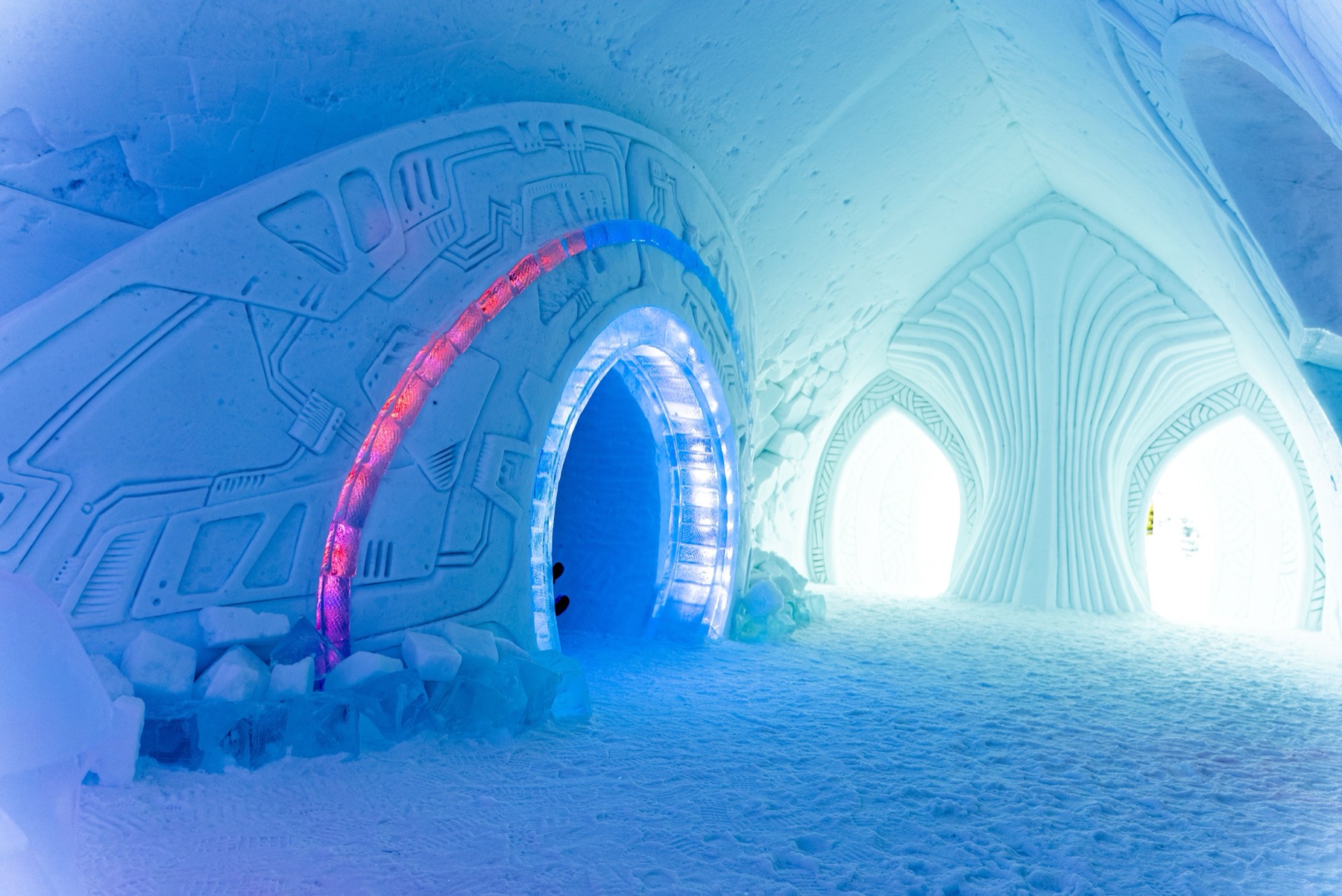
The full destination guide: Sweden — guide and what to see
14 Things to Know Before Visiting the Icehotel in Sweden
Planning a trip to the far north can be a bit of a puzzle, especially when you’re heading off to sleep in a freezer. To help you get the most out of the legendary Icehotel and avoid any nasty surprises, we’ve written down everything you need to know.
1. What the Icehotel Actually Is and How It’s Built
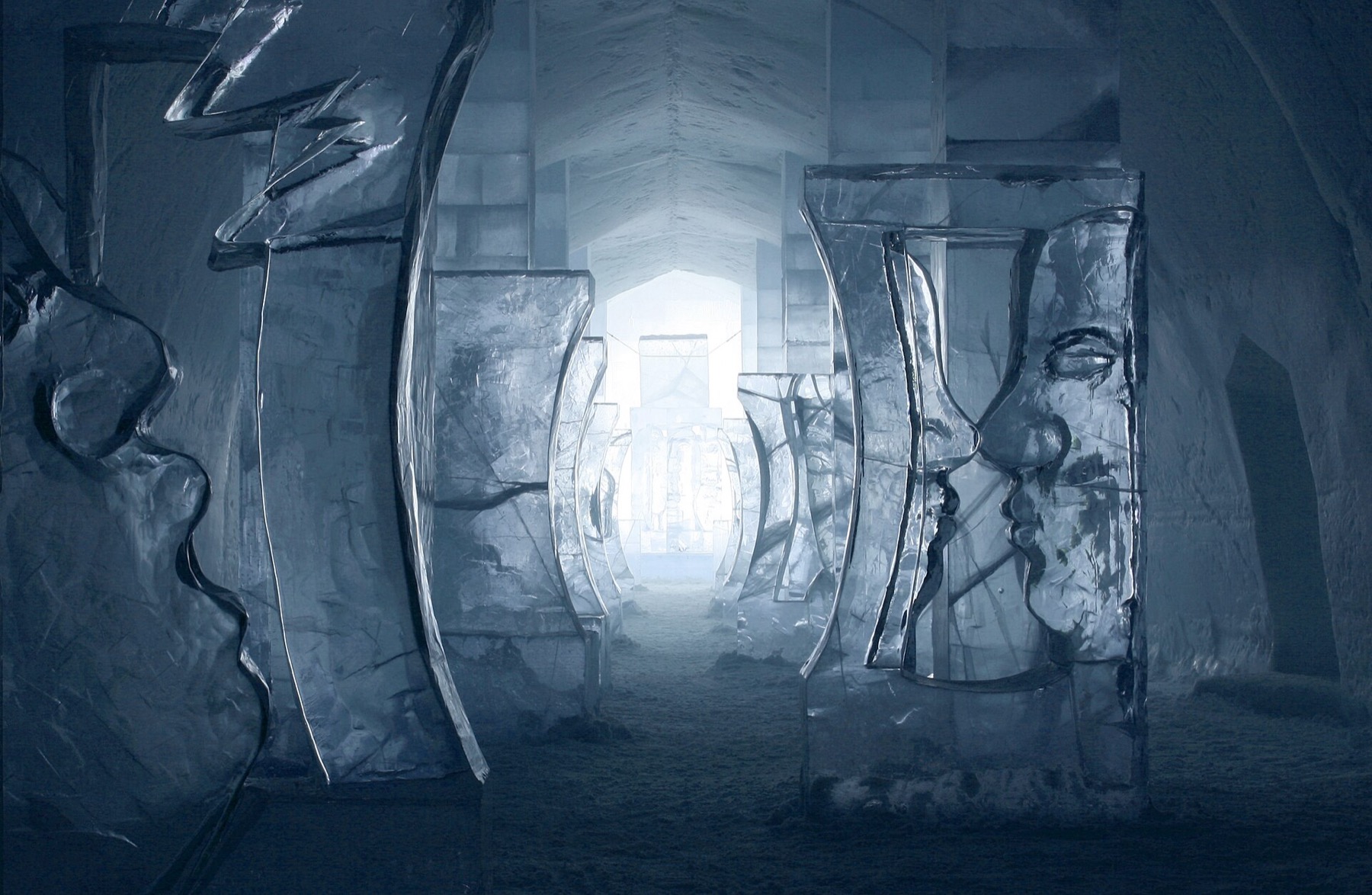
The history of this unique project goes all the way back to 1989, when an ice-art exhibition was held in Jukkasjärvi and a few daredevils decided to spend the night in the gallery. Today it’s the oldest and largest ice hotel in the world, reborn from scratch every winter. The only building material is water from the nearby Torne River, which holds the title of one of the last wild and clean rivers in Europe. Its ice is so crystal clear you can read a newspaper right through it.
The timing of the construction is fascinating too, because the preparations start much earlier than you’d probably expect. Every spring, when the ice on the Torne is at its thickest, workers cut out enormous blocks weighing several tonnes. These giant cubes are then stored in huge refrigerated halls, where they wait out the short northern summer, ready for the autumn build. No concrete is used to join the blocks — instead they use a material called snice. It’s a special mix of snow and ice that works as perfect insulation and gives the whole huge structure incredible strength.
Every year, artists from all over the world go through a strict selection process, and many of them sculpt in ice for the very first time in their lives — but the hotel gives them the tools, training and freedom to create. The results speak for themselves: each edition delivers a design that will never be repeated.
💡 Tip: The hotel runs regular guided tours where guides show you the exact ice-cutting techniques and explain just how tricky it is to build a structure with no solid foundations at all.
2. When It’s Open and Why the Hotel Melts in Spring
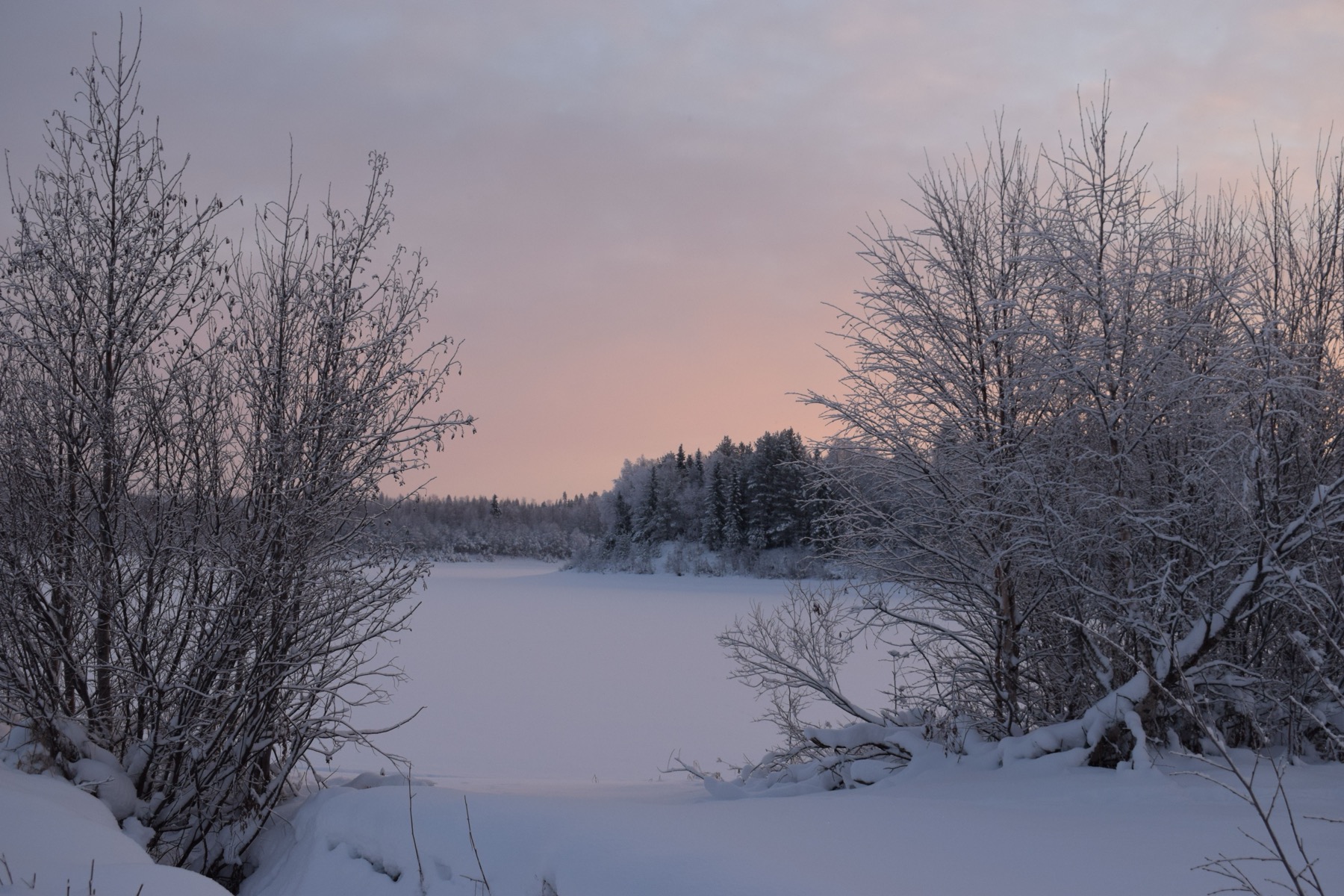
The classic winter Icehotel has a very tightly defined season that bows entirely to the whims of northern nature. The hotel usually opens from mid-December and runs until about mid-April. For the upcoming 2026/2027 season, the 37th edition is set to open exactly on 11 December. At this time real winter reigns above the Arctic Circle and you can fully soak up that genuine Arctic atmosphere, when temperatures drop towards minus thirty and the landscape is buried under mounds of fresh snow.
December and early January also bring the phenomenon of polar night, when the sun never rises above the horizon and you can enjoy a magical blue twilight all day long. As the days start to stretch out in spring and the sun regains its strength, the hotel simply closes. The structure is left to its fate and gradually melts and flows back into the Torne River, where it came from in the autumn.
This constant cycle and the transience of the art give the whole place an incredibly poetic and eco-friendly dimension. It’s not just a tourist attraction but more of a giant art installation that fully respects nature’s rhythms. Guests confirm that knowing your room will vanish from the face of the earth in a few months makes the night an even more powerful experience.
💡 Tip: If you want to see the artists at work, it pays to arrive in the very first days after the December opening. You can often watch the sculptors up close as they put the finishing touches on some of the suites, which is a fascinating sight.
3. ICEHOTEL 365 in Sweden: How the Year-Round Ice Hall Works
For many years the rule was that you had to head out for the ice experience strictly in the harshest winter and endure a demanding journey across snowy Lapland. That changed in 2016 with the birth of ICEHOTEL 365. It’s a huge, specially insulated hall that keeps below freezing all year round, using very modern and sustainable technology.
This year-round complex is cooled entirely by solar energy, of which there’s plenty in Lapland during summer thanks to the midnight sun. And it works beautifully simply: the more the sun shines and warms in summer, the more energy the solar panels produce to cool the icy interior. So you can arrive in the middle of a hot July, stroll along the river in a T-shirt through green meadows, then change into a chunky winter overall and go cool off in the ice gallery.
Within the 365 hall you’ll find the most luxurious accommodation types and the famous ice bar, which draws visitors all year long. It’s an ideal solution for travellers who can’t stand the brutal Arctic winters but still want to tick a night on ice off their bucket list. It creates a surreal contrast you won’t forget in a hurry.
💡 Tip: Even if you visit the 365 hall in the middle of summer, bring a really good winter hat and warm socks. The hotel will lend you a thermal cape, but your own accessories will make the visit far more pleasant.
4. Ice Room Types: From Basic to Works of Art
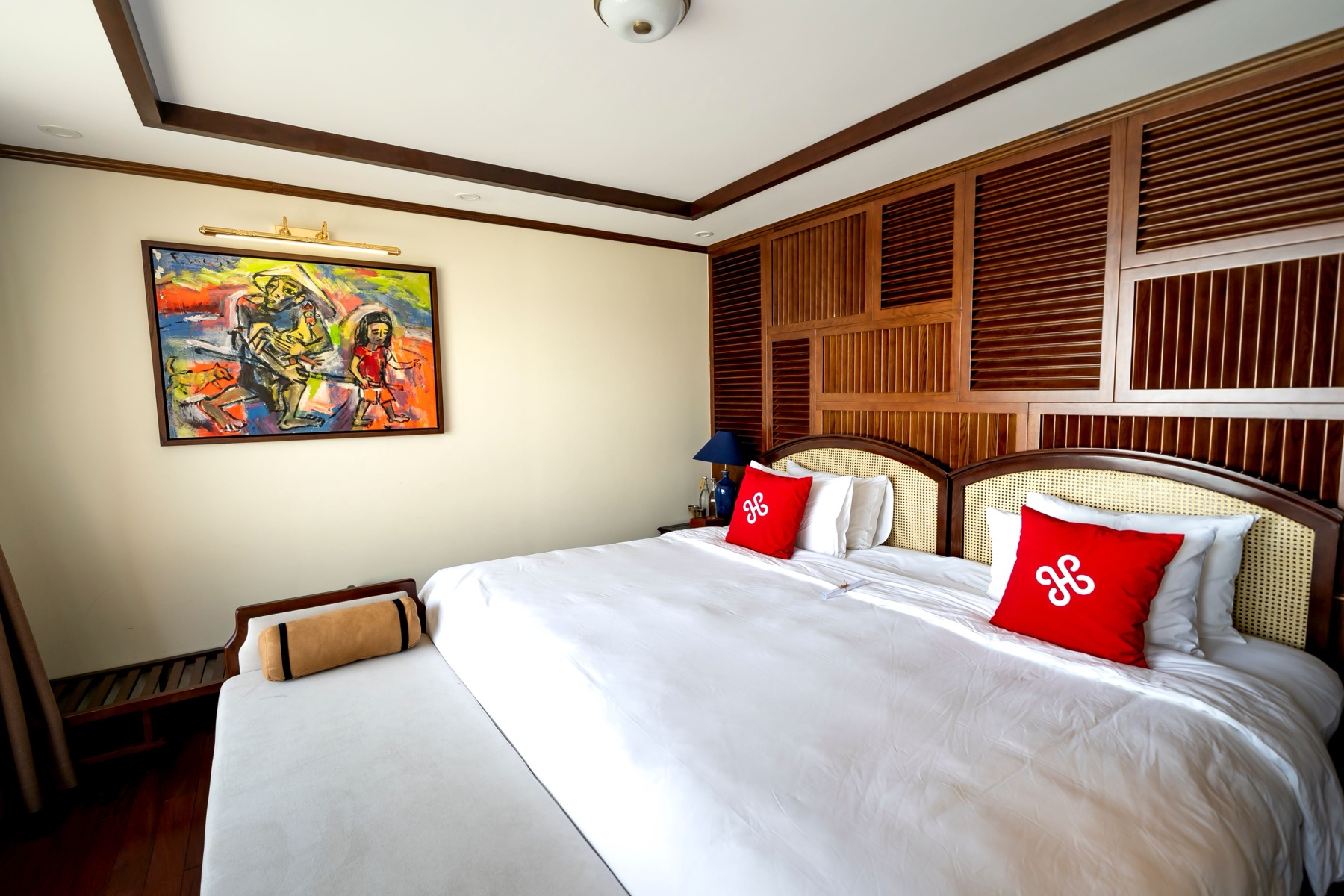
Once you’ve firmly decided on a night on ice, you’ll have a few accommodation levels to choose from, differing dramatically in decoration and price. The most basic and least decorated option is the Ice Room, a standard room with an ice bed. It has no specific artistic decoration, no sculptures on the walls, and serves purely as the practical, cheapest choice for those who just want to tick off that frozen feeling.
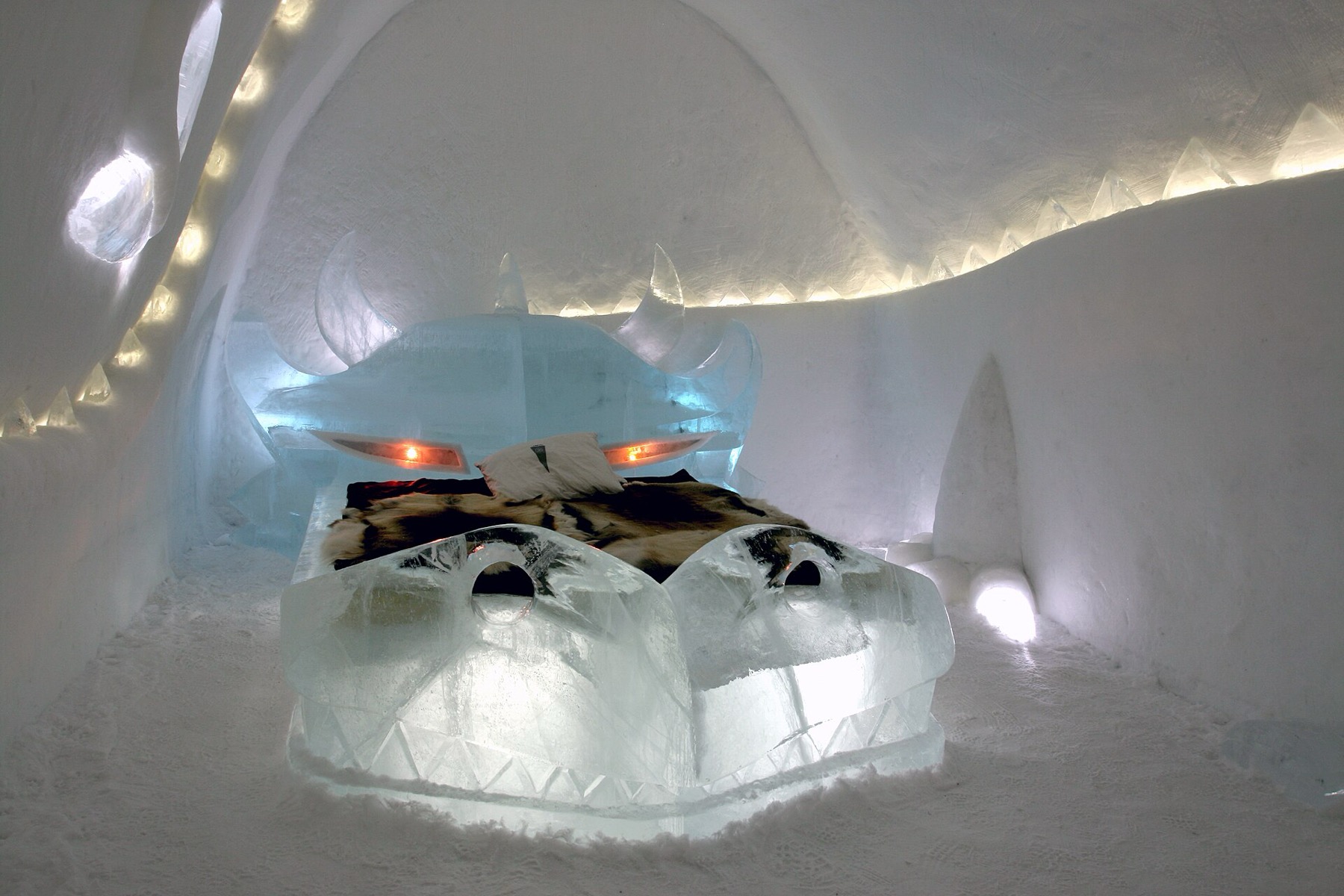
A big step up are the famous Art Suites — those breathtaking rooms whose incredible photos circle the internet worldwide. Each suite has its own unique theme, from abstract geometric shapes resembling the cosmos to detailed carved sculptures of animals or fantastical creatures from local legends. Sleeping in a room like this feels like a night spent inside an art gallery, with the illuminated ice giving the whole space a magical glow.
If you crave absolute, undisturbed luxury, the year-round ICEHOTEL 365 hall has Deluxe Suites named Hilla, Jáuvre and Johka. These rooms are not only beautifully decorated by world-class artists, but also come with a private heated relaxation room with its own sauna and toilet. That means you never have to dash across a freezing courtyard at night — a detail many guests would pay their weight in gold for.
💡 Tip: If you book a basic Ice Room, don’t be sad about missing the art. All the empty Art Suites are open during the day as a regular gallery, so you can inspect and photograph them in detail before their guests move in for the evening.
5. Warm Rooms and Why You Should Combine Them with Ice
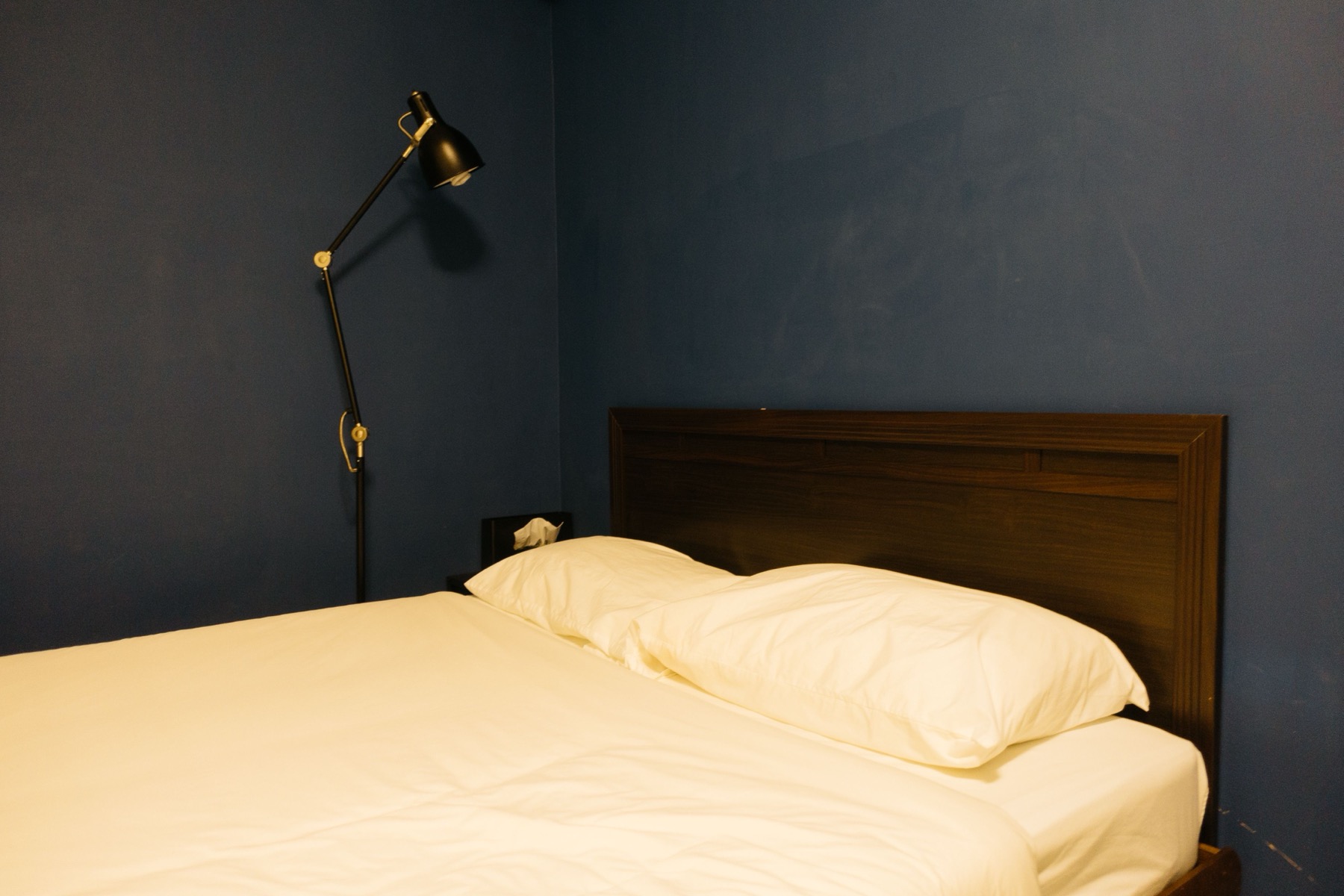
One of the most common mistakes eager first-time visitors to the north make is the desire to spend an entire long weekend in an ice room. But as the smiling staff and hundreds of guest reviews will confirm, the ideal length of a stay on ice is exactly one night. Sleeping in the cold is a very specific and physically demanding experience that will tire you out rather than actually let your body rest and recover after the flight.
So I’d recommend spending the rest of your dream holiday in classic warm rooms, of which the Jukkasjärvi resort has several types. Very popular and cosy are the wooden Arctic Cabins, which offer pleasant northern warmth and their own kitchenette, or the far more modern hotel rooms from the Kaamos range. You get the best of both worlds: one night of genuine Arctic challenge and then a comfortable safety cushion by the radiator.
The hotel’s booking system is perfectly set up for this proven strategy and even suggests great-value packages combining one ice night and two warm nights. A huge advantage is that during a stay in a warm room, you can walk through the ice hotel complex free of charge at any time as visitors, without having to pay the day entrance fee.
💡 Tip: If you book a combined stay, always plan the ice night for the very first day. You’ll be full of adrenaline and excitement, which will help you overcome the cold, and for the rest of your stay you’ll just be warming up in the sauna.
6. Icehotel Sweden Prices: A Night on Ice and in a Warm Cabin
Sweden generally isn’t a cheap European destination, and a night in a world-unique hotel that has to be laboriously rebuilt every year naturally comes at a premium. The price for one night in a basic Ice Room ranges from around 6,000 SEK (roughly €530) for two people. The richly decorated Art Suites work out a few hundred euros more, while the luxury Deluxe rooms with their own sauna reach astronomical heights.
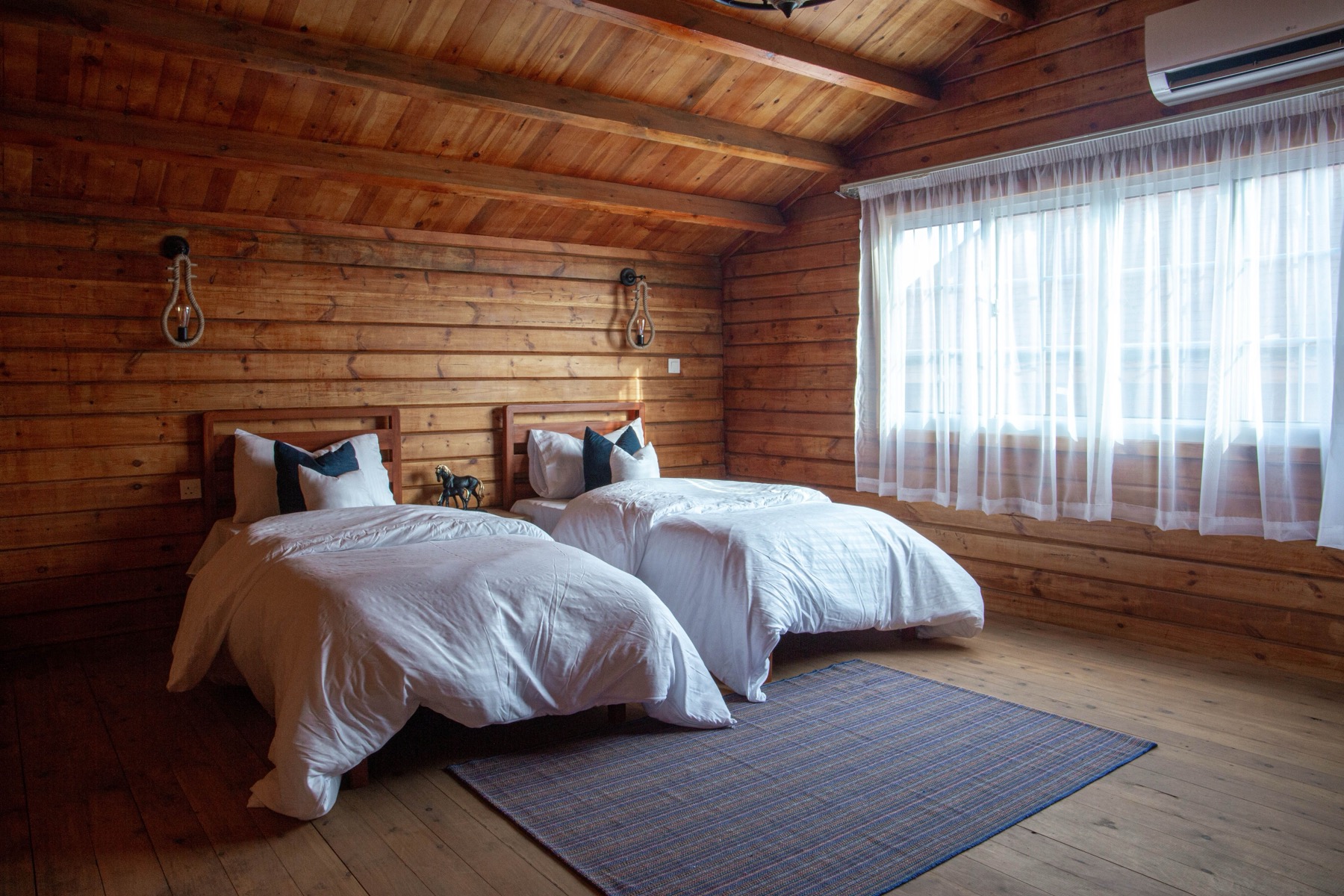
Accommodation in the warm Kaamos rooms or the cosy Arctic Cabins is a little friendlier to your wallet — expect to pay around 3,000 to 4,000 SEK per night (roughly €270 to €350). But it’s important to stress that the hotel uses very dynamic pricing, much like the airlines, so the amounts constantly change according to current demand and occupancy.
Guest experiences clearly show that the key to a better price is planning far in advance. If you book your stay six months ahead, you have a chance of grabbing much nicer rates than if you go looking for a free room a month before departure.
💡 Tip: If you want to save significantly, avoid the dates around Christmas, New Year and Valentine’s Day, when prices shoot up to their yearly peaks. You’ll find noticeably cheaper accommodation right at the start of December after opening, or towards the end of March and in April.
7. What It’s Really Like: Sleeping at Minus Five Degrees
The idea of sleeping in a room carved from pure ice may sound terrifying at first, but physics is one hundred percent on your side. Regardless of whether it’s a pleasant zero outside or an Arctic storm raging at minus thirty, the temperature inside the ice rooms stays steadily at -5 °C. The bed itself is of course carved from a solid ice block, but on top of it lies a classic comfortable mattress covered with a thick layer of genuine reindeer hides. These act as a perfect natural insulator.
Before bed, the smiling staff hand you a special expedition sleeping bag tested for extreme cold. You mustn’t wear too many layers of clothing inside, because the sleeping bag works primarily by reflecting your own body heat back to you. The ideal kit is quality merino thermal underwear, one pair of really warm woollen socks, and above all a proper winter hat, since most heat escapes from an uncovered head.
In their reviews, guests agree that sleep on ice is surprisingly deep and quiet, because the thick snow walls absorb all the noise from outside. Getting up and dressing in a freezing room in the morning does require a hefty dose of willpower, so you’ll welcome the warmth of the neighbouring building with open arms. 😅
💡 Tip: People who suffer from claustrophobia sometimes fear being zipped tightly into the sleeping bag. If that’s your case, the staff will happily lend you two sleeping bags that can be zipped together, giving you far more room to move during the night.
8. Everything Included in the Price
For your hard-earned money you don’t just get a freezing ice bed, but a fairly comprehensive and well-thought-out service. The most important bonus is access to the large heated Riverside Lobby building, which is open to guests 24 hours a day. Here you have spacious lockable lockers for all your luggage, since you take only the absolute essentials for sleeping into the ice room.
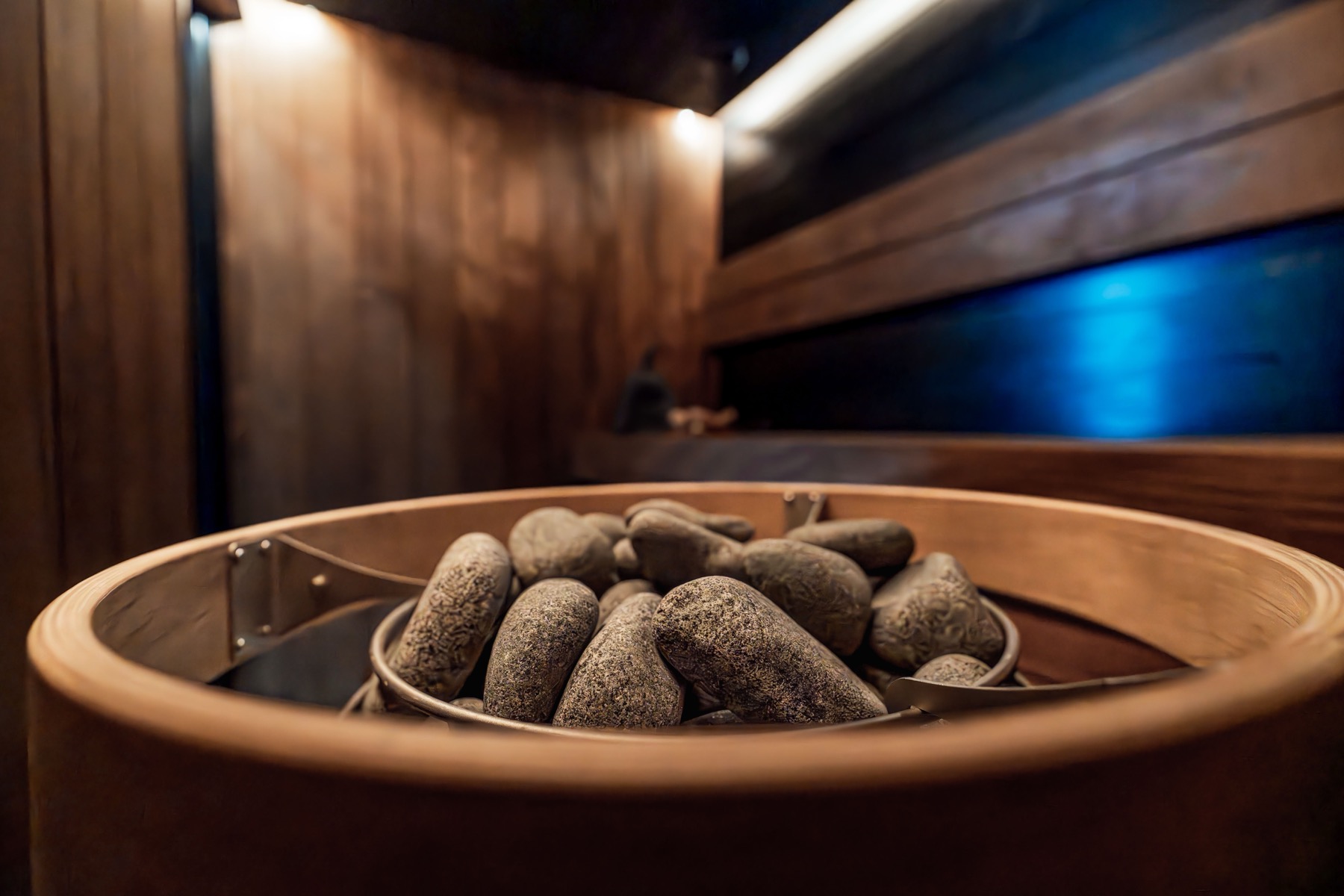
In this pleasantly warm building you’ll also find clean toilets, spacious showers and a huge Finnish sauna. The sauna is key to your evening preparation before lying down on the ice, because it warms you deeply and relaxes stiff muscles. So there’s no need to worry that you’ll have nowhere to carry out your usual hygiene in the middle of the wilderness in the evening, or that you’ll have to shiver in your coat from the afternoon on.
And then there’s the legendary, universally loved morning ritual. Around half past seven in the morning, a member of staff quietly enters your room and wakes you with a mug of hot lingonberry juice, handed straight into your sleeping bag. It’s a detail worth the early wake-up in a frozen room all on its own: hot juice straight into the sleeping bag is simply perfect.
💡 Tip: In the evening before bed, warm up really thoroughly in the sauna, but avoid drinking large amounts of liquid. The last thing you want in the middle of the night is to have to climb out of your sleeping bag and run across the courtyard to the toilet in the next building.
9. A Cheaper Alternative: Daytime Gallery Entry
For plenty of travellers, the price of a night on ice is simply too high, or they just don’t fancy sleeping in a sleeping bag in the cold. Luckily, the hotel management has this covered and offers a great alternative for everyone. During the day, usually between ten in the morning and six in the evening, the whole ice complex works as a unique art gallery open to the general public.
A day ticket costs a very bearable 325 SEK (about €30), while children aged 4 to 12 pay just a symbolic 39 SEK. With this ticket you can freely wander through absolutely all the ice corridors, peek into the breathtaking Art Suites, photograph the details of the illuminated ice sculptures and simply soak up all that magical Arctic atmosphere, without having to freeze there overnight.
For many people this is actually the best choice, because they enjoy all the visual art during the day and then calmly return in the evening to their affordable guesthouse in nearby Kiruna, where they take a hot shower and fall asleep in a normal bed.
💡 Tip: If you decide on just a daytime gallery visit, come in the early afternoon or just before closing time. Around midday, coachloads of tourists often roll in, and the narrow ice corridors can get needlessly crowded.
10. The ICEBAR and Legendary Drinks in Ice Glasses
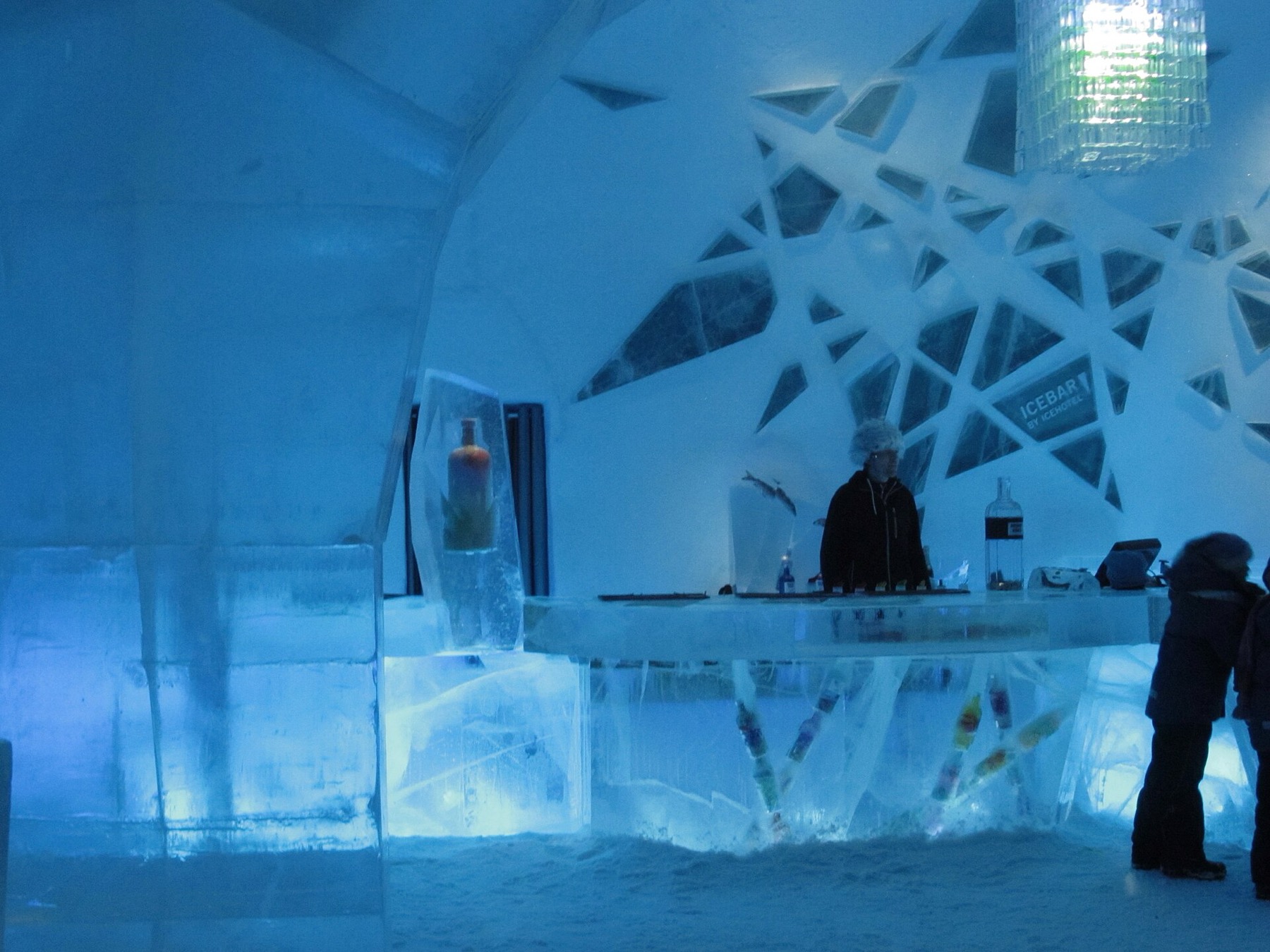
A visit to the ice complex definitely wouldn’t be complete without a stop at the famous, world-renowned ICEBAR, which is also part of the year-round 365 hall. Even if for some reason you decide to skip the tour of the art rooms, a drink at the massive ice counter is simply a must. The interior of this bar changes completely every year according to the designers’ concepts, but it always offers a dance floor made of ice and beautiful colourful light installations.
The absolute speciality and main draw here are the drinks served in massive glasses carved from pure ice straight from the Torne River. Don’t worry that the bartender will drop ice cubes into your drink — the glass itself keeps your drink perfectly chilled the whole time you’re sipping it. The selection of original cocktails is surprisingly varied, and if you don’t drink alcohol, the skilful bartenders will gladly mix you excellent and beautifully colourful non-alcoholic versions from local syrups.
To avoid the unpleasant surprise of the ice glass sticking to your bare hands after a few minutes, you get special gloves with your order at the bar. A drink from an ice glass is a little slippery, a little heavy and a little overpriced — and yet you’ll be telling everyone about it back home. 😁
💡 Tip: The ice glasses are fairly heavy and slippery. If you’re travelling with small children, the staff can prepare them a sweet non-alcoholic drink in a normal cup on request, to avoid unnecessary accidents and spilled juice on the ice floor.

11. The Ice Church for Unforgettable Weddings
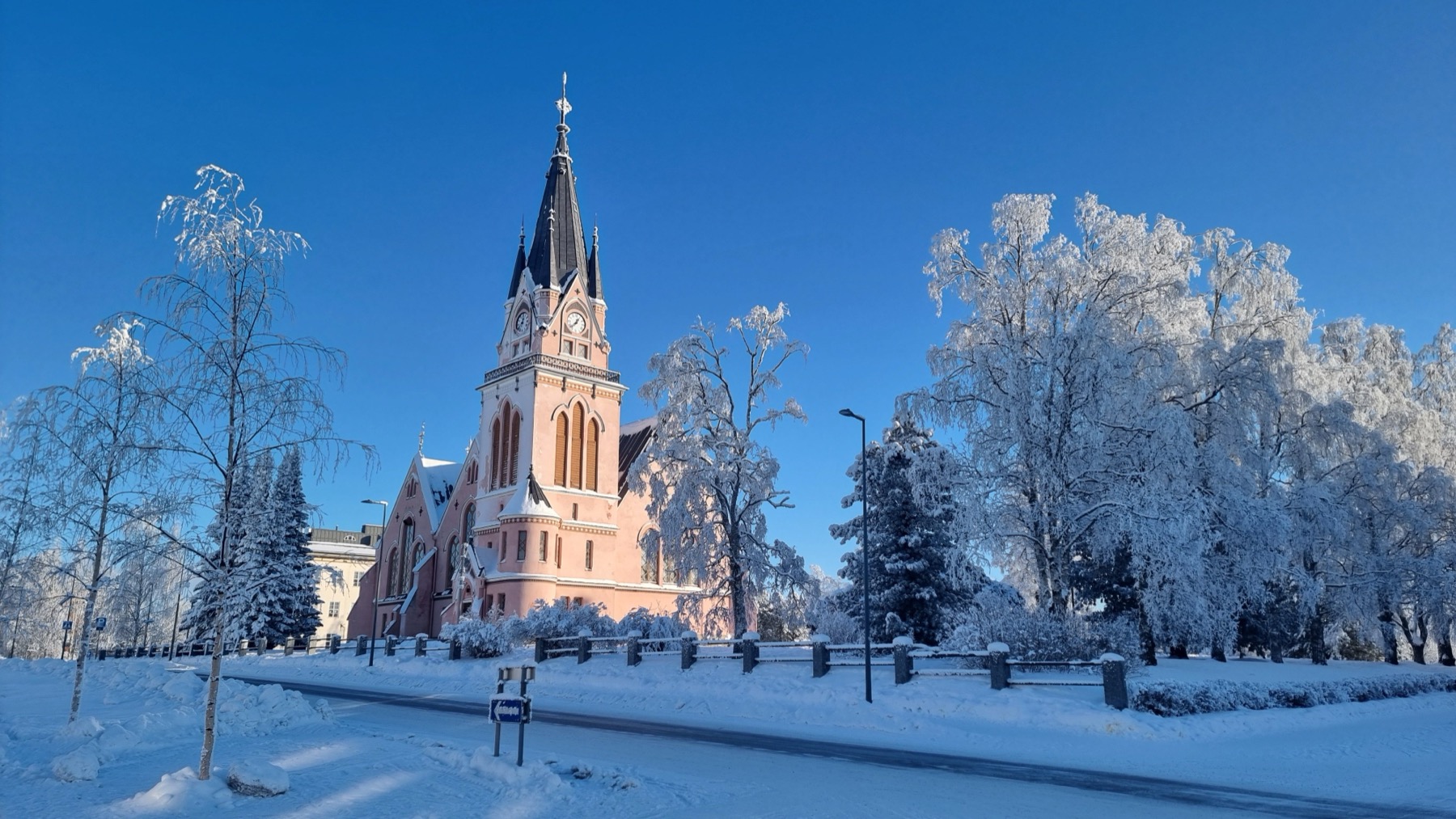
Part of the sprawling winter complex, regularly from December to April, is a beautiful smaller ice church that’s officially consecrated by the local pastor from Jukkasjärvi. Every winter dozens of couples in love come here from all over the world to say their “I do” in a unique, frozen setting. A wedding at minus five degrees naturally takes a fair amount of courage, but professional photos of the bride in a white fur surrounded by illuminated ice blocks are simply phenomenal.
Besides extravagant weddings, ceremonial christenings and regular Sunday services for the local community and visitors are held here too. Thanks to the perfect silence, the atmosphere inside is very intimate and solemn, heightened by special dimmed lighting that plays in all shades of blue and purple.
For ordinary tourists the church is fully accessible with a standard day ticket, so even if you’re not planning a wedding, you can calmly sit down on the wooden pews covered with warm reindeer hides and take in the incredible acoustics that the precisely carved ice vault naturally creates.
💡 Tip: If you’re a keen photographer, the church offers some of the best lighting conditions in the whole complex. Try focusing on the details of the altar, which is often carved into the shape of intertwined trees or crosses of crystal-clear ice.
12. Winter Activities Around the Icehotel
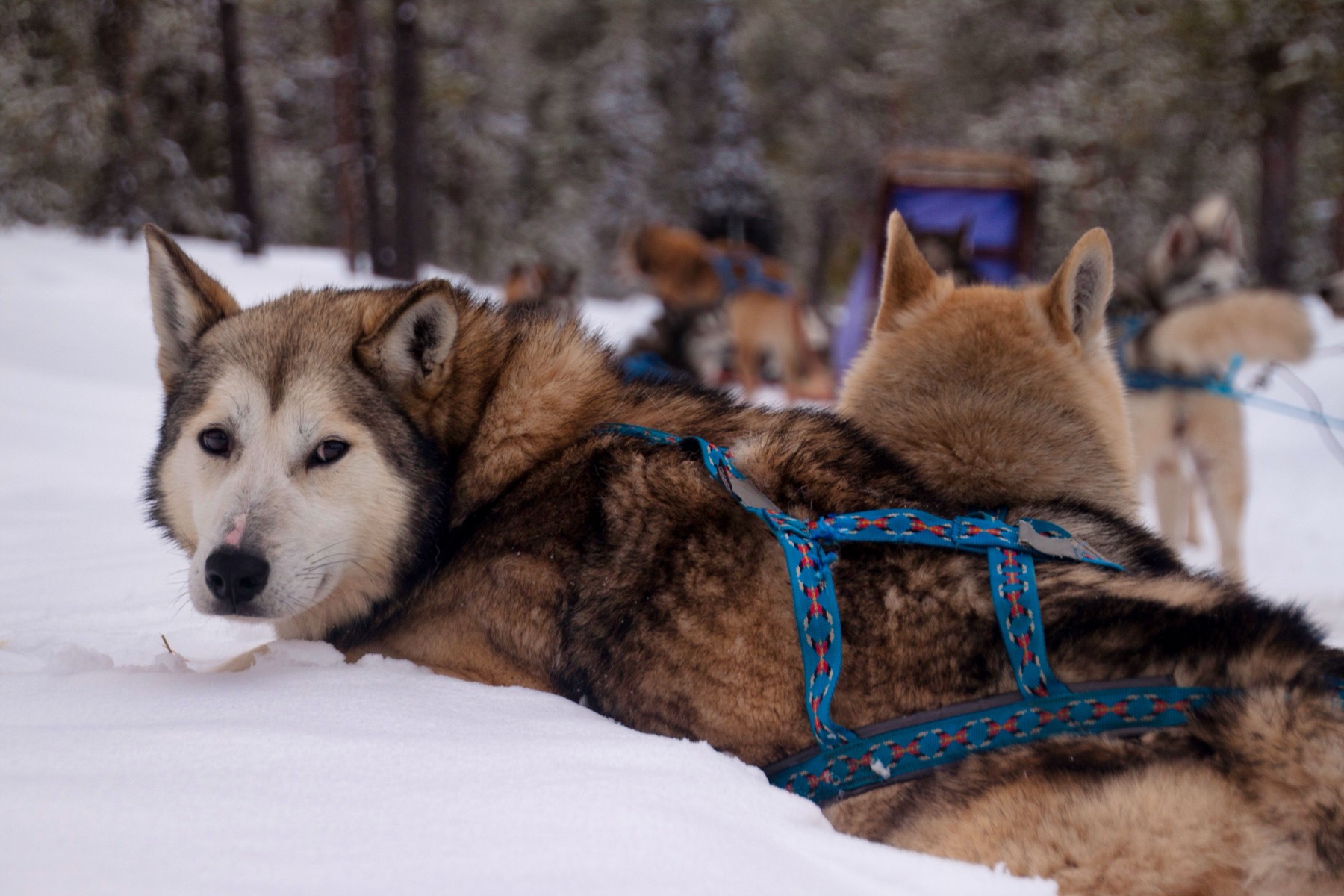
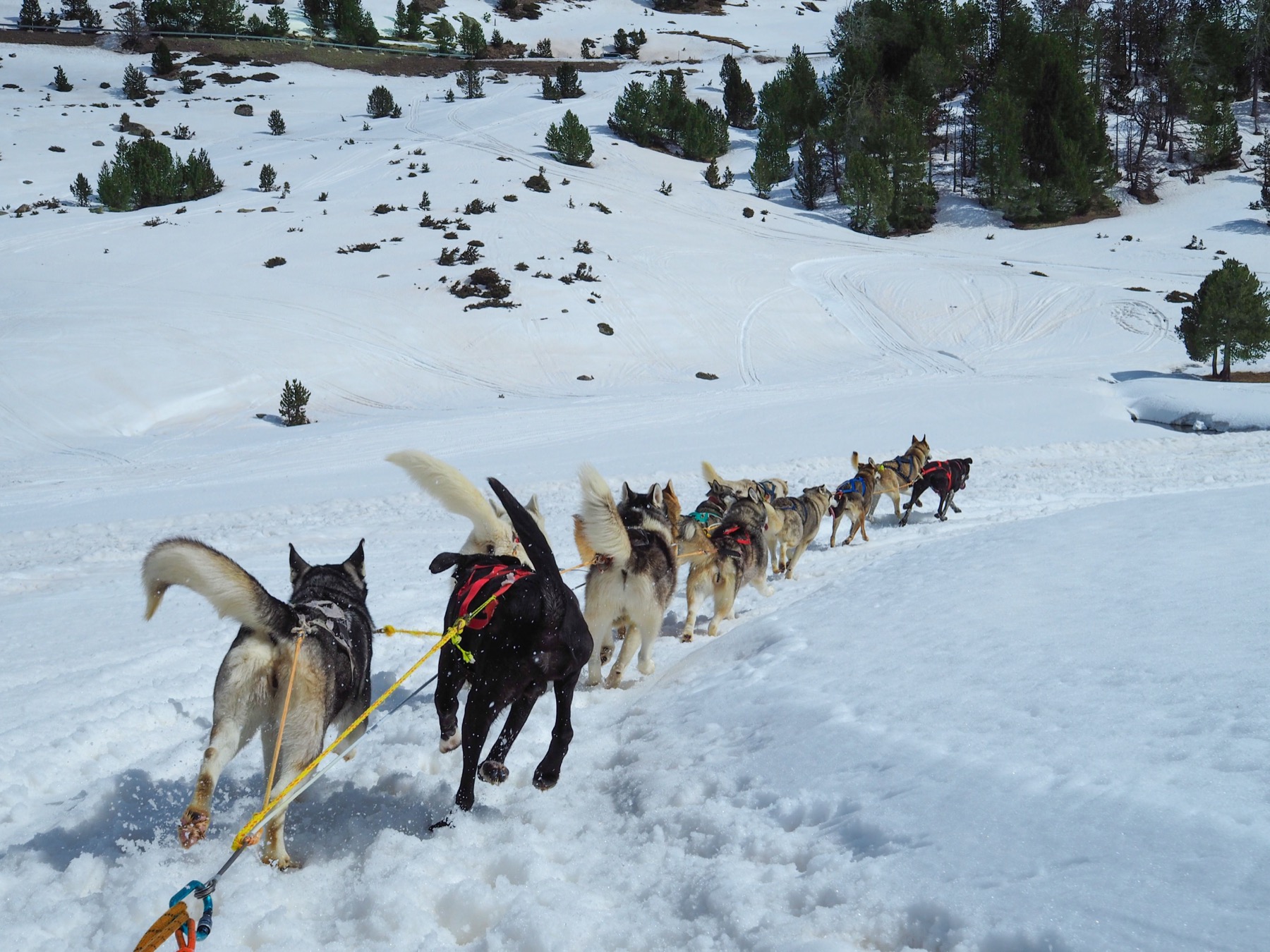
A stay in snowy Jukkasjärvi is definitely not just about sitting in an ice room and sipping hot juice. The surrounding rugged wilderness offers dozens of amazing activities, which the hotel reception will happily help you book. The most popular is undoubtedly a dog sledding ride (husky safari). Being pulled by a pack of enthusiastic dogs across vast frozen lakes and through snowy forests is one of the absolute highlights of any northern trip.
You’re sure to fall for the adrenaline-fuelled snowmobile rides too, or the evening expeditions in search of the magical northern lights, which take place far from the village’s light pollution. From a cultural point of view, a fantastic experience is a visit to the Sámi open-air museum Nutti Sámi Siida, which lies just a short drive from the hotel. Here you’ll learn all about the indigenous people of Lapland and their fascinating life, which has been closely tied to reindeer herding for centuries.
As for local gastronomy, northern cuisine draws heavily on the wilderness. On restaurant menus you’ll commonly see traditional reindeer meat or fresh Arctic fish. If you or your partner don’t eat meat, don’t worry: the chefs will gladly prepare fantastic meat-free options from local mushrooms, potatoes and wild forest berries, seasoned to a world-class standard.
💡 Tip: If you’re planning a dog sledding ride, watch out for the cold. For safety reasons, many operators cancel rides once the outside temperature drops below -20 °C, because breathing in icy air during physical exertion is dangerous for you and the animals alike.
13. Who the Ice Experience Is For and Who Should Skip It
There’s a fairly widespread myth that a night on ice is only for couples in love on their honeymoon or extreme adventurers who thrive on discomfort. In reality, though, families with older children regularly come to the Icehotel too, for whom sleeping in a sleeping bag on an ice bed is a huge and enormously fun experience. The hotel officially recommends a stay on ice for children from about six years old, but it mainly comes down to their temperament and tolerance of the cold.
On the other hand, before booking you have to honestly admit to yourself that a night at minus five degrees isn’t a luxury wellness break but rather a little Arctic expedition. It requires the ability to adapt and to put up with a bit of discomfort while getting dressed in the morning.
If you suffer from severe claustrophobia in zipped-up sleeping bags, have more serious circulation problems, or simply and honestly can’t stand the cold, I’d recommend saving your money. It’s not for everyone, and that’s perfectly fine. Come during the day, photograph the ice sculptures and warm up with a coffee in the cosy lobby? That’s a lovely holiday too. ☺️
💡 Tip: If you’re not sure how your body will react to the sleeping bag and the cold, try spending one night on your balcony or in the garden during the winter months before your trip. You’ll get a very good idea of what actually awaits you up north.
14. What Else to See Nearby and Ice Alternatives
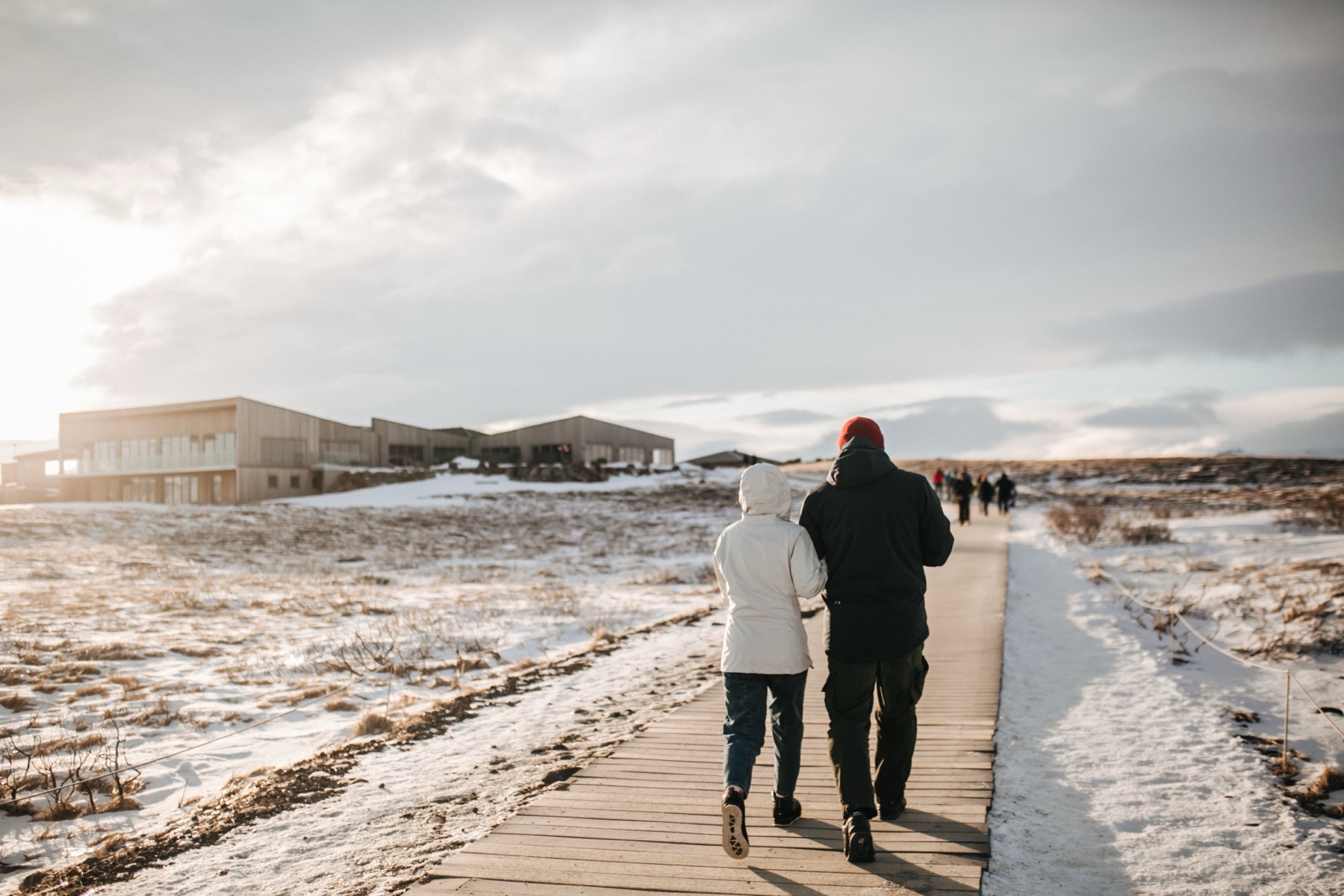
Kiruna is a genuine one-off: because of the massive iron-ore mining in the LKAB mine, which has undermined the stability of the ground, the entire town is being moved several kilometres away. So you can watch with your own eyes the fascinating process of buildings being relocated on special chassis to the new centre, while the old one gradually disappears from the world.
And if the ice concept has captured your heart but Sweden doesn’t suit you for some logistical reason, you’ll find similar ice hotels in the neighbouring Nordic countries too. A great alternative that travellers often recommend is the Norwegian Sorrisniva Igloo Hotel in Alta or the beautiful Finnish Snowhotel in Kirkenes, which work on a very similar and no less magical principle.
💡 Tip: If you choose Kiruna as your base and just commute to Jukkasjärvi, plan a tour of the underground LKAB mine. You’ll descend hundreds of metres below ground and understand the enormous scale of the mining that drives the whole region. Entries need to be booked well in advance.
Where to Stay
💡 Accommodation and experience tip: We prefer to look for accommodation on Booking.com, which usually has the best cancellation terms. It’s then worth comparing and buying tickets, tours and activities through GetYourGuide.
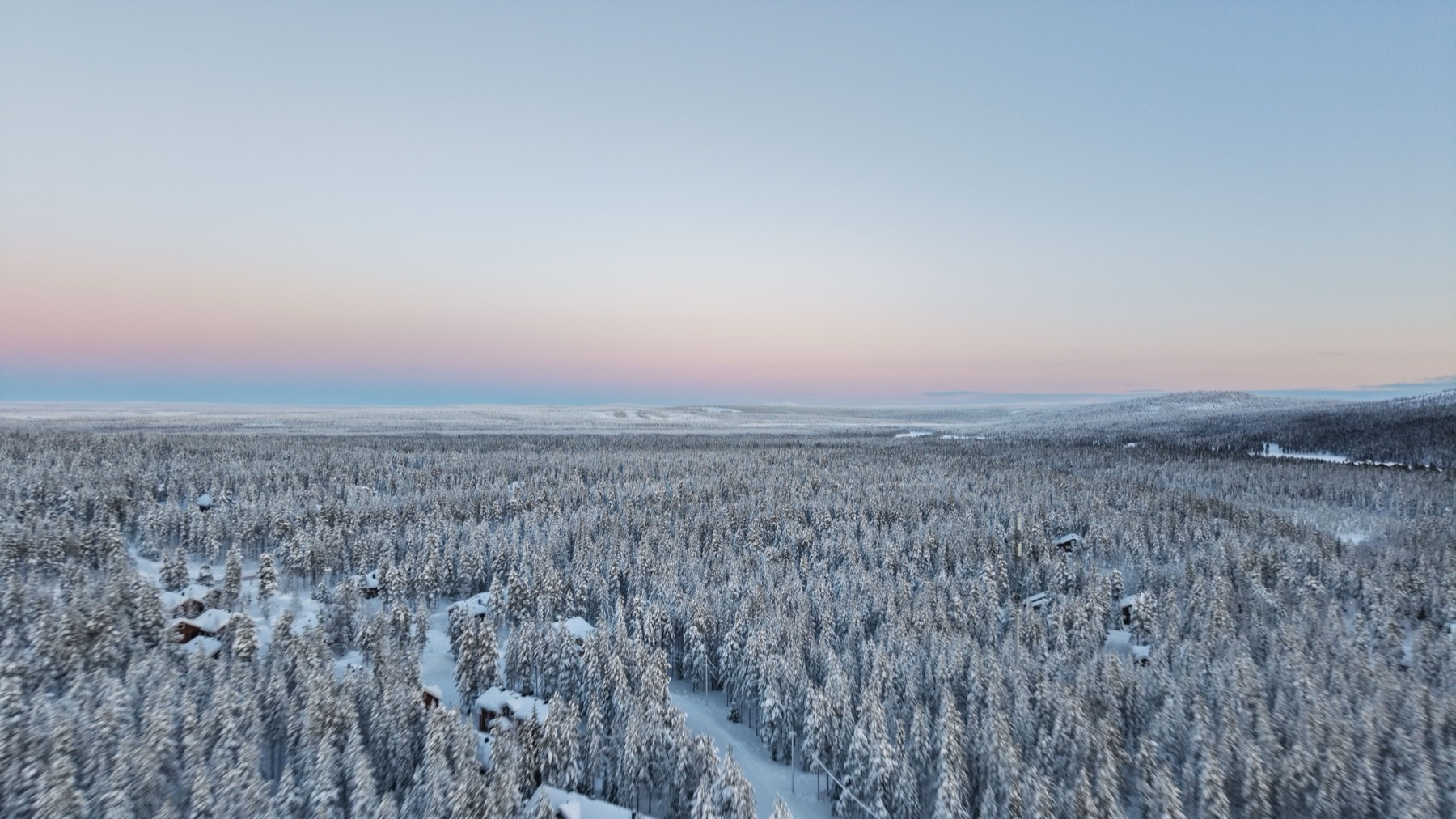
If the legendary Icehotel is already hopelessly booked out for your dates, or you’re simply after a more affordable base for your trips, the surrounding area offers superb alternatives. Kiruna is a short drive from Jukkasjärvi and has accommodation for every budget.
Tips for Great Hotels Nearby
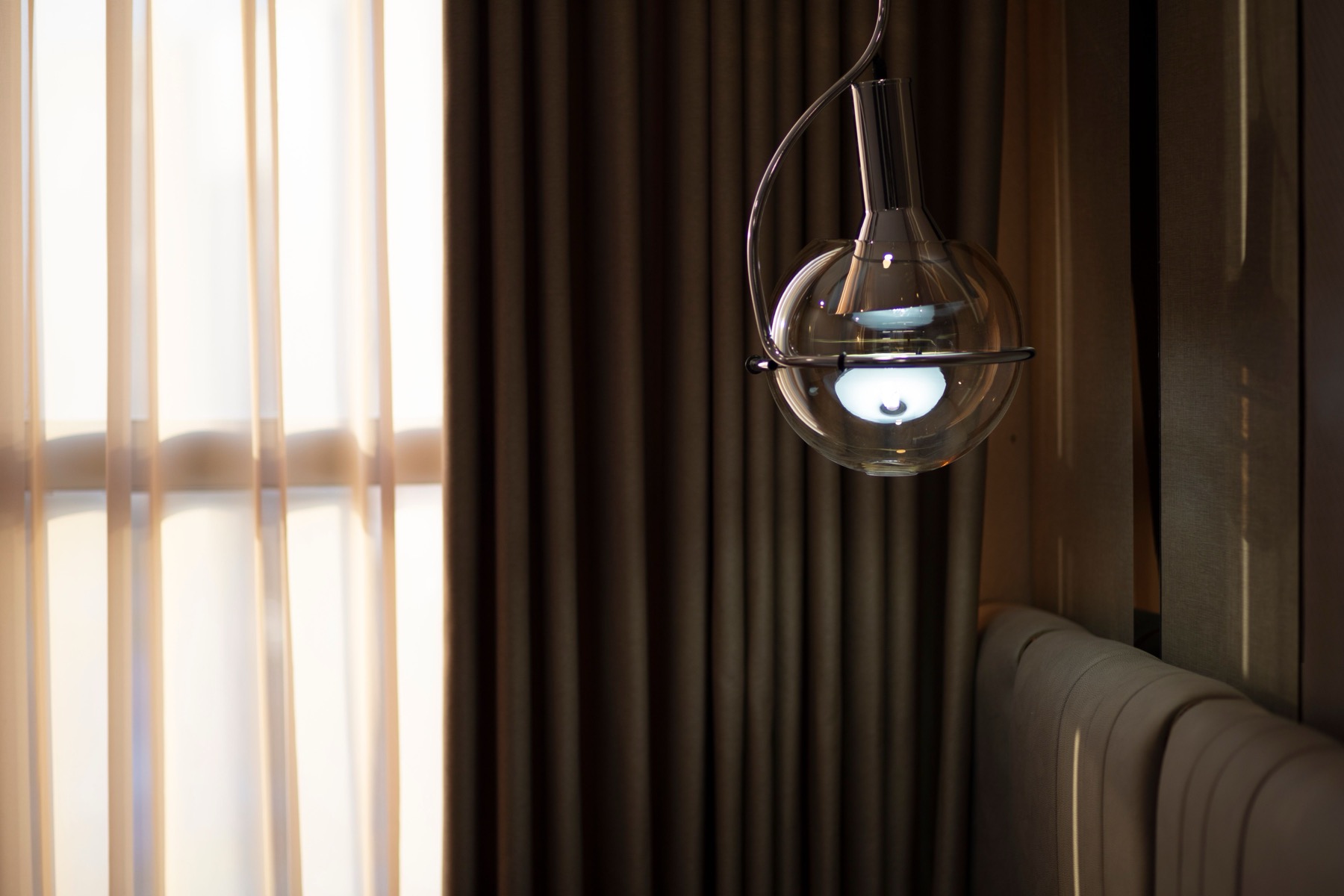
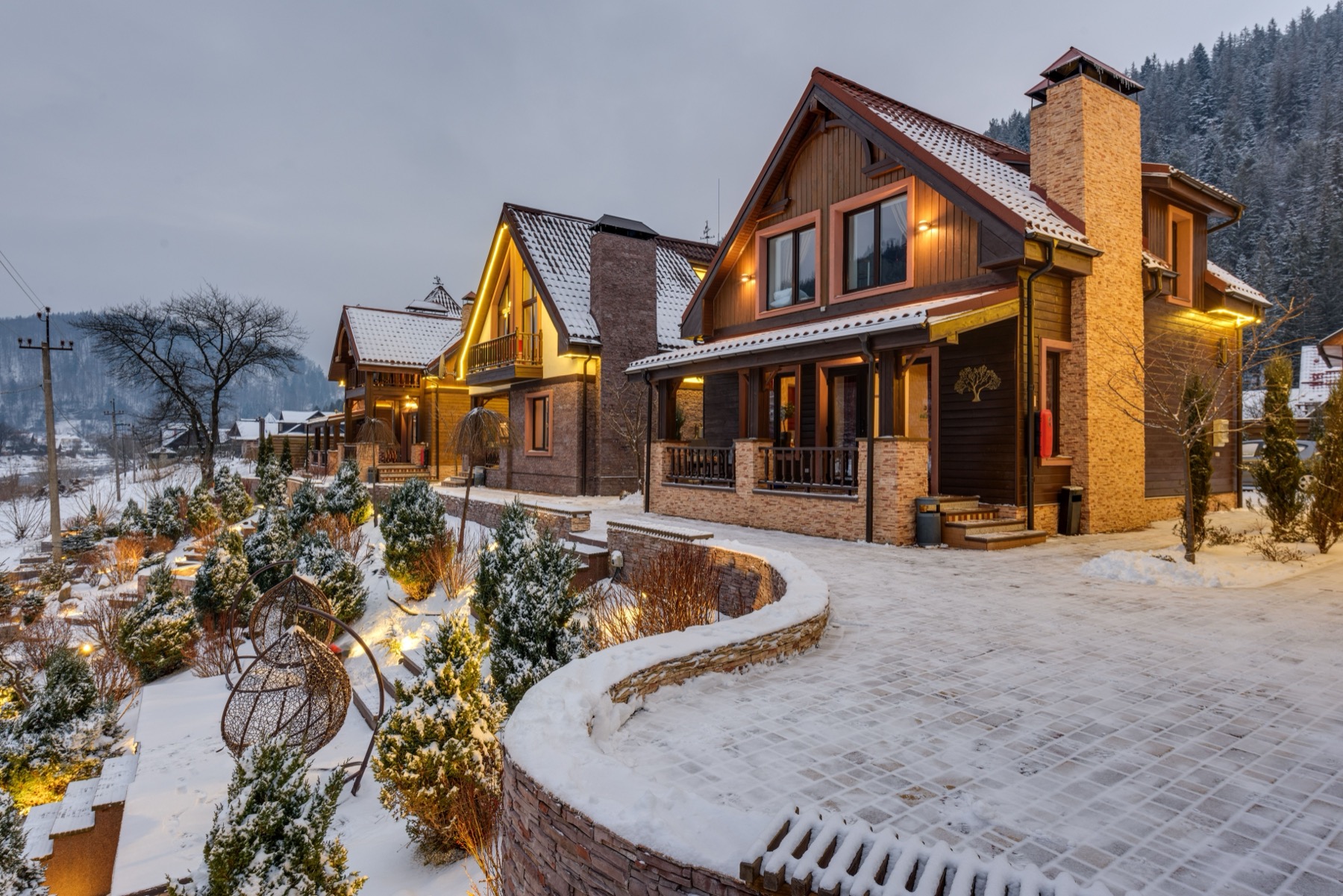
Right in nearby Kiruna, the resort Camp Ripan is very popular among travellers, boasting an excellent Arctic spa. Here you can soak in outdoor hot pools after a whole day in the cold and enjoy some typical northern relaxation.
Another great choice is the modern Scandic Kiruna, which stands right in the newly built town centre. The rooms are beautifully clean, the breakfasts generous, and thanks to the strategic location you’re really just a short walk from the bus and train for your other Arctic trips.
Where to Eat
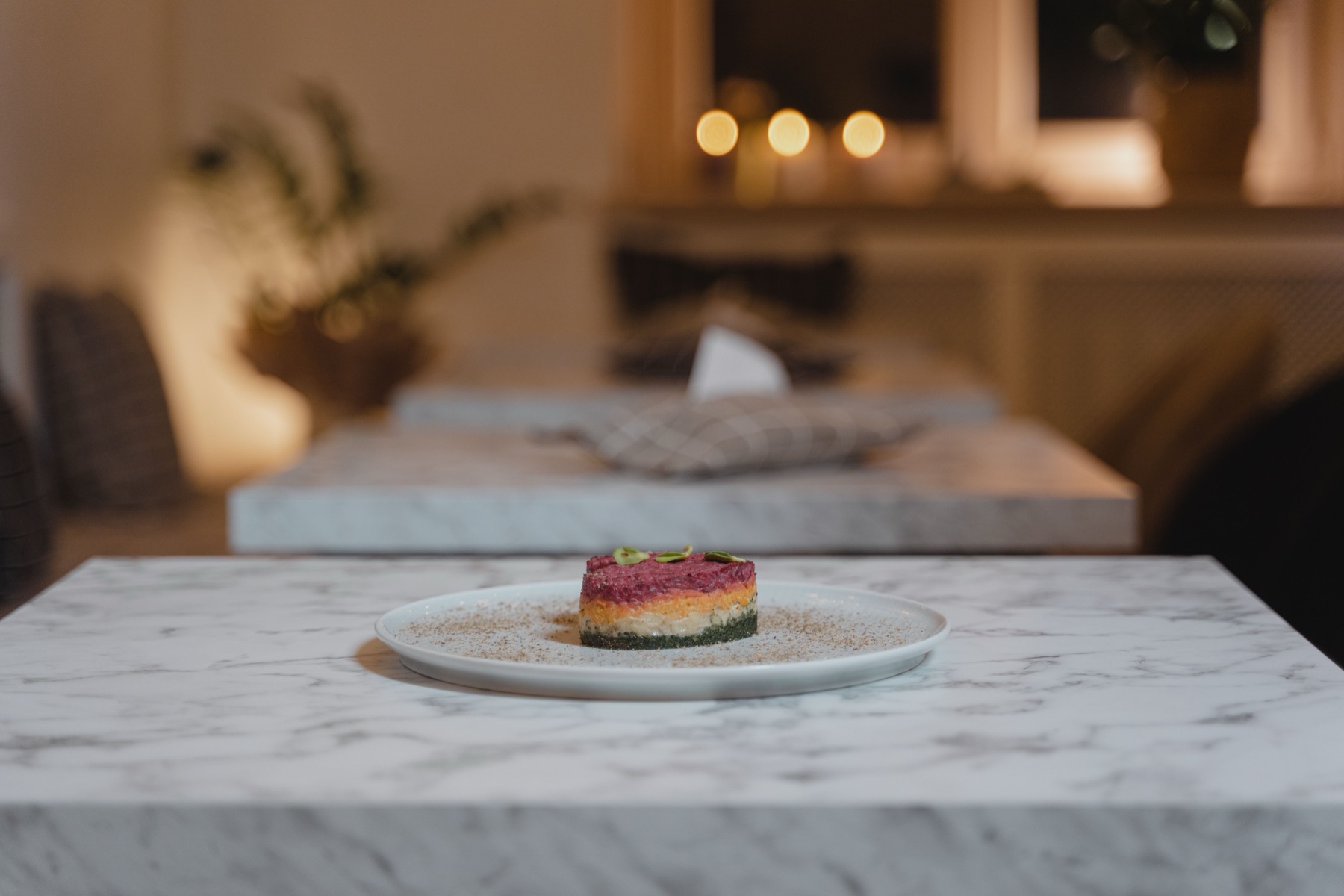
Lappish cuisine is all about the wilderness, mushrooms and northern berries, and you should definitely try it during your visit. Even though you’re in a relatively remote area, you’ll find surprisingly top-notch gastronomy here.
Restaurants You Shouldn’t Miss
Right across from the ice complex you’ll find the celebrated Icehotel Restaurant. The prices are understandably higher, but their well-crafted tasting menu is genuinely worth it and perfectly complements the exclusive experience of the accommodation.
If you’re after something more traditional, a short walk from the hotel is The Old Homestead (Hembygdsgården). They have gorgeous wooden interiors and make the best waffles and hearty soups far and wide. In Kiruna itself, be sure to try the renowned bistro SPiS, which offers fantastic local ingredients in a modern Nordic guise.
How to Get to Jukkasjärvi
The journey above the Arctic Circle may seem like a huge logistical challenge at first glance, but thanks to Sweden’s excellent infrastructure you’ll manage it fairly easily. Most travellers coming from abroad choose the fastest option, which is the plane. You can get there with one quick transfer at Stockholm’s Arlanda airport, with the domestic connecting flights to Kiruna most often operated by SAS or Norwegian. Flights can be found at very reasonable prices in sales, but bear in mind that direct flights to Lapland appear only very rarely, more as seasonal charters. The nearest airport to the Icehotel in Sweden is Kiruna.
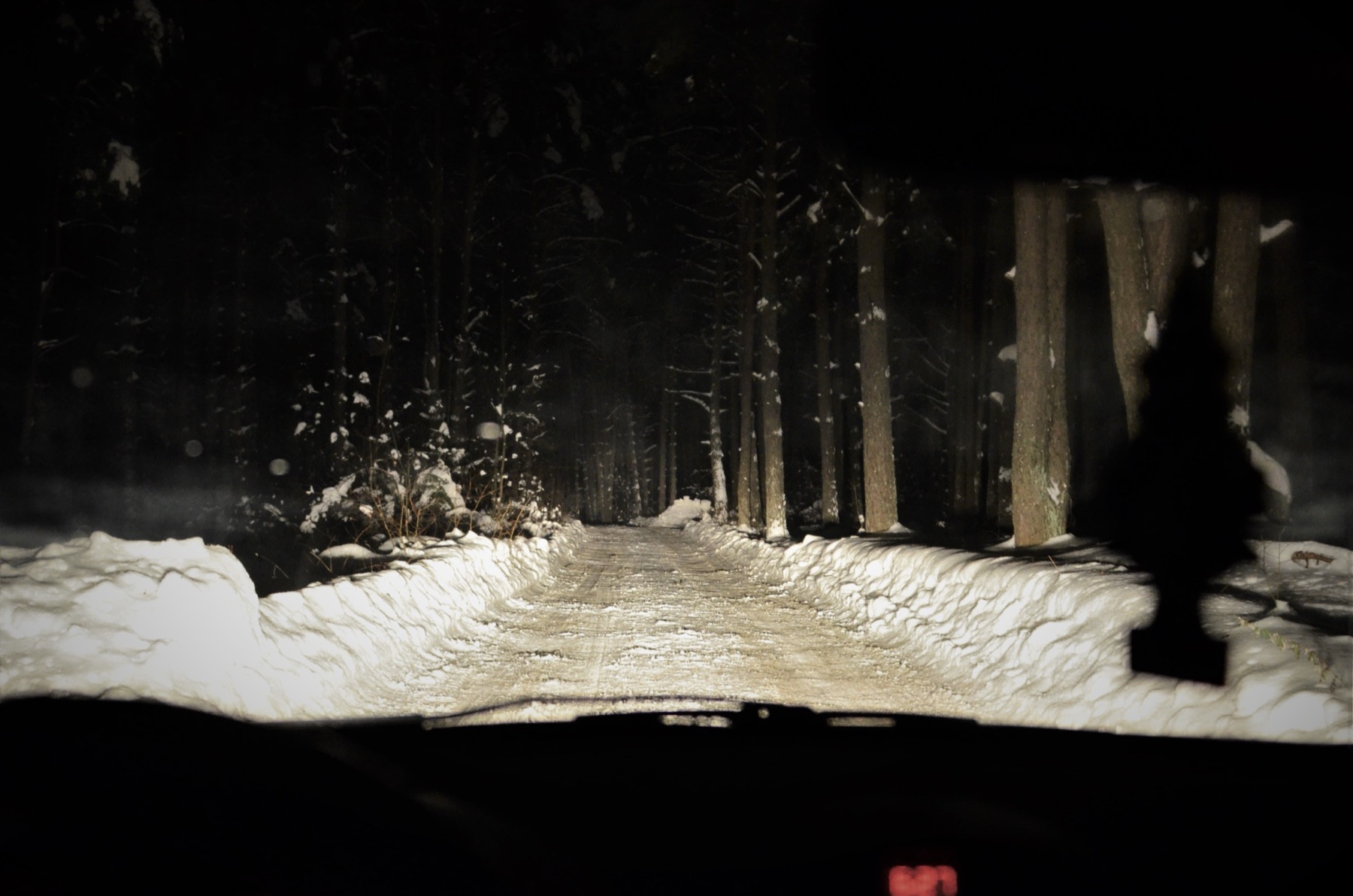
Once you’ve safely landed at the small Kiruna airport, you’re pretty much there. Jukkasjärvi lies just about 17 kilometres away, which means roughly twenty to thirty minutes of easy driving. The simplest option is to use the direct airport transfers, which the Icehotel organises itself for a fee and which connect with arrivals from Stockholm. If you prefer more independence, taxis usually wait in front of the airport, or you can hop on the local bus, which is the most affordable option, though it takes a bit of planning around the timetables.
For lovers of train romance there’s one more very popular alternative. You can fly only to Stockholm and from there board the night train (operated by SJ or Vy) that takes you straight to Kiruna in 15 to 18 hours. It’s a wonderful experience, waking up in the middle of a snowy wilderness while also saving on one night’s hotel. Just watch out that the Malmbanan line tends to be overloaded with freight trains in winter, and delays are no great rarity here.
💡 Tip: If you want to rent a car at Kiruna airport, there’s no need to panic about driving on snow. Swedish rental companies automatically fit all cars with top-quality studded winter tyres, which grip safely into the packed ice on the roads.

Sample Budget for Three Nights
Winter Lapland is without a doubt a premium destination, and I’d recommend having a decent financial cushion ready, because Nordic prices can sometimes take you by surprise. To give you a better idea of roughly how much money to set aside, we’ve put together a realistic sample budget for one person for a long weekend (3 nights). This itinerary includes the golden standard: one night on ice, two nights in the comfort of a warm room, and basic activities. Prices are approximate, converted for 2026 at a rate of roughly €0.09 per 1 SEK.
The biggest item is naturally the accommodation itself. As we’ve already mentioned, dynamic pricing plays a huge role, but if you avoid Christmas, the budget looks roughly like this:
- Return flight (with a transfer via Stockholm to Kiruna): €180 – €260
- 1 night in a basic Ice Room: approx. €260 per person (based on two people sharing)
- 2 nights in a warm Kaamos room: approx. €140 per person
- Airport transfer to the hotel and back: approx. €35
- Husky safari (half-day sledding trip): approx. €120
- Food (lunches and dinners in restaurants): approx. €140
- TOTAL estimate for a long weekend: roughly €880
If you decided to save money and visit the Icehotel only during the day as part of a tour (entrance fee €30) and spend all three nights in a regular hotel in Kiruna, your budget per person would drop to around €600. So it all comes down to your priorities.
💡 Tip: If you want to save money on food, look out for the “dagens rätt” (daily menu) in restaurants during the day. For around €12 you get a hot main course, an unlimited salad buffet, bread and coffee, which will keep you full until the evening. Buy alcohol exclusively at the state-run Systembolaget shops — in bars it’s extremely overpriced.
Where to Next
If you’re already planning a trip to the far north, don’t miss our other guides, which will help you save both time and money:
- Sweden: 30 tips on what to see and do
- Prices in Sweden: how much a holiday costs
- Kiruna: 18 tips on what to see and do
- Swedish Lapland: 20 tips on what to experience above the Arctic Circle
- Northern lights in Sweden: when, where and how not to miss them
Frequently Asked Questions
Here are the most common questions about staying at the Icehotel that you often ask us.
How much does a night at the Icehotel cost?
Prices are very dynamic and depend on occupancy. A basic ice room (Ice Room) starts from 6,000 SEK (approximately €550) per night for two people. Richly decorated art suites (Art Suites) start at around 8,000 SEK. During Christmas holidays and Valentine’s Day, prices rise by up to tens of percent, so book early. It’s also worth checking out the various package deals that the hotel offers on its website.
What is the temperature inside and can you freeze?
The ice rooms maintain a constant temperature of -5 °C, even when the outdoor thermometer shows minus thirty. You don’t need to worry about freezing at all. The staff provides you with a special expedition sleeping bag tested for extreme cold, and you sleep on an insulating layer of genuine reindeer hides.
Can you visit the Icehotel just for a tour?
Yes, and it’s a very popular and affordable option for most tourists. During the day (usually from 10 AM to 6 PM), the complex functions as an art gallery. A day ticket costs 325 SEK (around €30) and you can explore all the ice chambers and the famous ICEBAR at your leisure. Families also benefit from discounted children’s rates.
What should I bring for sleeping in an ice room?
Forget thick sweaters – they would actually do more harm than good. For the sleeping bag, you only need one layer of quality wool thermal underwear (preferably merino wool) and warm wool socks. The absolutely crucial item is a comfortable winter hat, because most heat escapes through your head. Excess clothing would prevent the sleeping bag from properly reflecting your body heat back to you.
When is the Icehotel open?
The classic winter hotel built from snow opens from mid-December to mid-April, before it finally melts in spring and flows into the river. However, the complex also features a special luxury hall called ICEHOTEL 365, cooled by solar energy. You can visit it for ice art anytime throughout the year, even in the middle of summer.
Are there heated toilets on the premises?
Of course, nobody leaves you to freeze. While the ice rooms themselves don’t have toilets or showers, there’s a heated building called Riverside Lobby open 24 hours a day in close proximity. There you’ll find very comfortable bathrooms, clean toilets, a hot sauna, and lockable lockers for your luggage. You can comfortably prepare for the night in warmth.
Can you sleep in the ice with children?
Yes, families with children are regular guests at the hotel. Management recommends ages six and up, but it very much depends on how accustomed the particular child is to winter and discomfort. Most children perceive it as a huge and incredibly fun adventure that they remember their whole lives. The hotel also offers children’s sizes of Arctic sleeping bags.
What’s the best way to get to Jukkasjärvi?
The fastest option is to fly to Stockholm and from there take a connecting domestic flight to the small airport in Kiruna. Flights are most commonly operated by SAS or Norwegian. From Kiruna airport, it’s only about twenty minutes to Jukkasjärvi. You can use the hotel’s own transfers, a taxi, or the local bus, which stops near the accommodation.
Tips and Tricks for Your Vacation
Don’t Overpay for Flights
Search for flights on Kayak. It’s our favorite search engine because it scans the websites of all airlines and always finds the cheapest connection.
Book Your Accommodation Smartly
The best experiences we’ve had when looking for accommodation (from Alaska to Morocco) are with Booking.com, where hotels, apartments, and entire houses are usually the cheapest and most widely available.
Don’t Forget Travel Insurance
Good travel insurance will protect you against illness, accidents, theft, or flight cancellations. We’ve had a few hospital visits abroad, so we know how important it is to have proper insurance arranged.
Where we insure ourselves: SafetyWing (simple monthly subscription) and TrueTraveller (for extra-long trips).
Find the Best Experiences
Get Your Guide is a huge online marketplace where you can book guided walks, trips, skip-the-line tickets, tours, and much more. We always find some extra fun there!