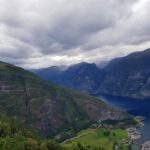
Norway fishing holidays are a dream for anglers everywhere, because you can fish in the sea for free without any license at all, which makes this country an absolute paradise for lovers of the sport. But if you’re heading north with visions of a freezer packed to bursting, I have to slow you down right at the start, because the strictest rules in history now apply for 2025 and 2026. The Norwegian government has decided to crack down hard on overfishing and organized smuggling of fish meat, so export quotas have been dramatically reduced, mandatory daily catch reporting has been introduced, and massive inspections take place at borders and on ferries, ending in astronomical fines. These rules deserve to be gone through one by one — otherwise you risk paying more at the border than you spent on the entire holiday.
TL;DR
If you don’t feel like wading through every paragraph and just want the essentials, I’ve put together a quick summary for you. These are the most important points you need to know before you cast your line.
- Sea fishing is free: You don’t need any fishing license, but you may only use hand tackle (rod, spinning gear) and you must keep at least 100 metres away from salmon farms.
- New 2026 export quota: You may take a maximum of 15 kg of fish or fillets per person out of Norway (and from 2027 it will drop to just 10 kg), no more than twice a year. The era of vans full of freezers is definitively over.
- Registered camp required: To be able to take fish home at all, you must stay at an officially registered business (turistfiskebedrift) that reports your catches to the authorities daily. Anyone fishing on their own, so-called wild, may not export a single gram.
- Trophy fish exemption abolished: The former exemption for one large trophy fish on top of the quota no longer applies; everything now counts uncompromisingly towards the total 15 kg limit.
- Ruinous fines at the border: Smuggling fish over the limit carries a base fine of 8,000 NOK plus 200 NOK for each additional kilogram, and customs officers routinely check ferries to Denmark and Germany too.
- You always pay inland: If you head to lakes or rivers, you need a local license from the inatur.no portal, and for salmon fishing you also need the state fee fiskeravgift of 338 NOK.
The full destination guide: Norway — guide and what to see
10 Things You Need to Know About Norway Fishing
Here are the things you really should read before you leave, because they’ll save you from unpleasant surprises at the border and on the water. From the exact export limits through minimum sizes to rough rental prices for a cabin, so you know exactly what awaits you up north.
1. Sea fishing is free, but with clear boundaries
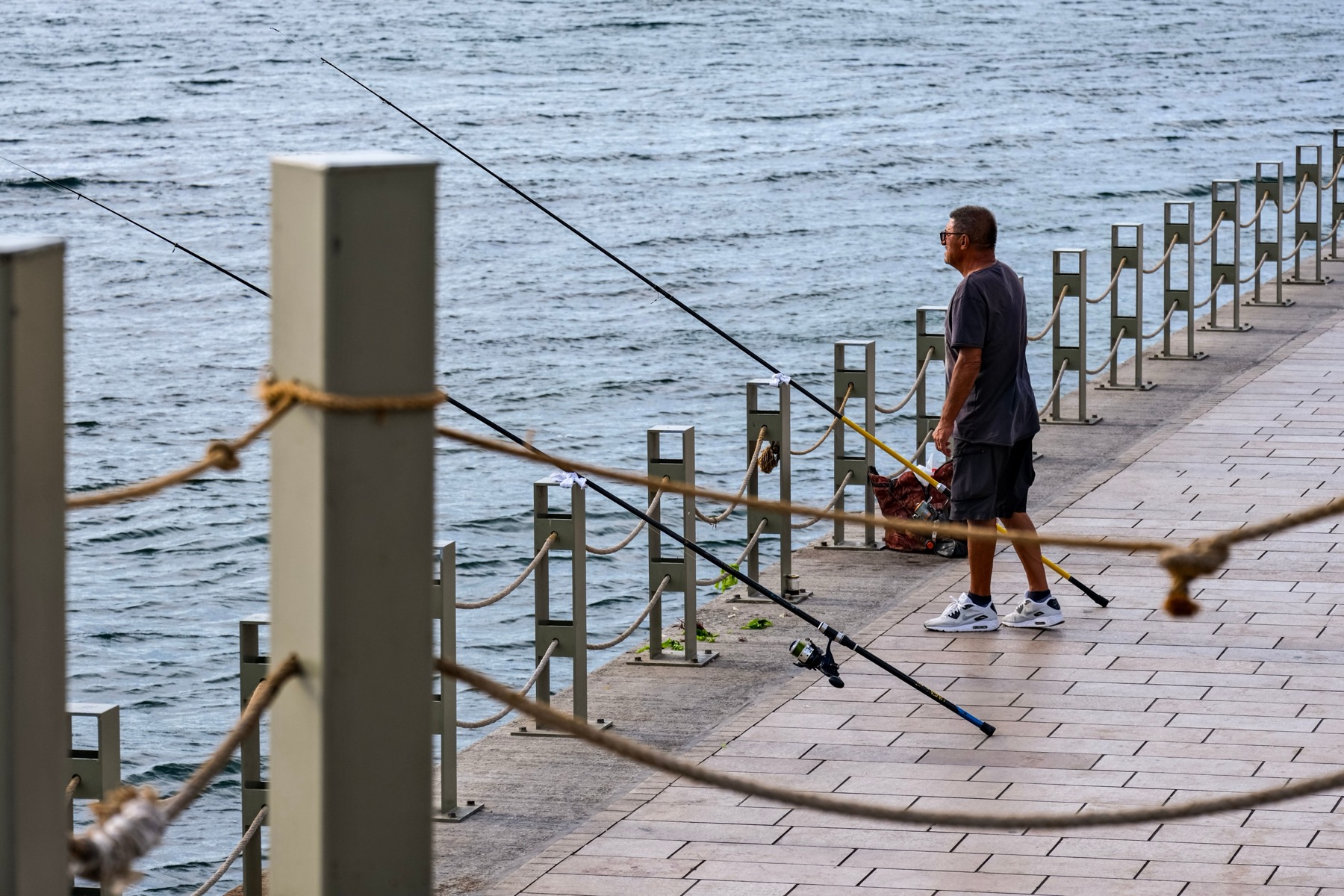
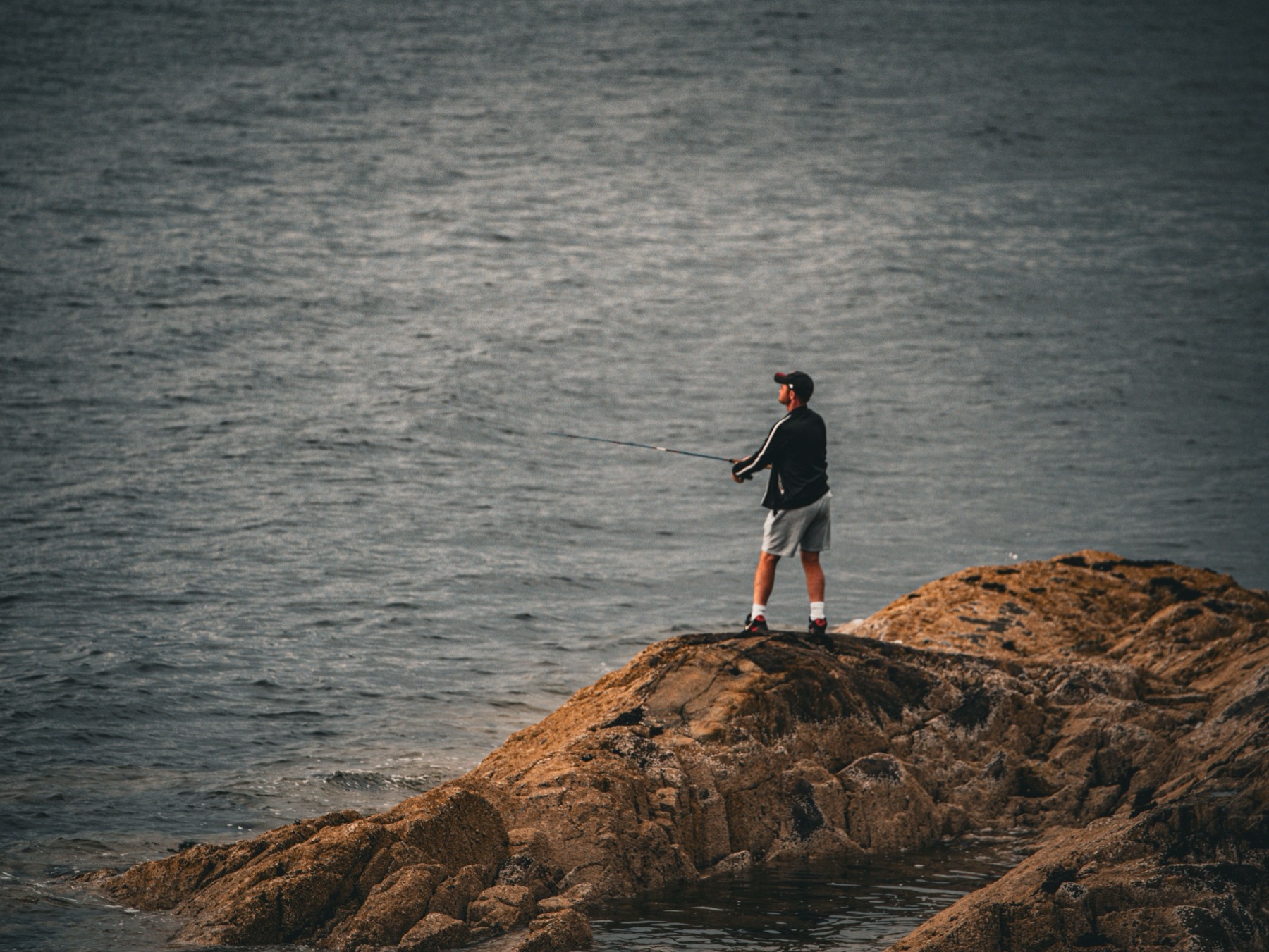
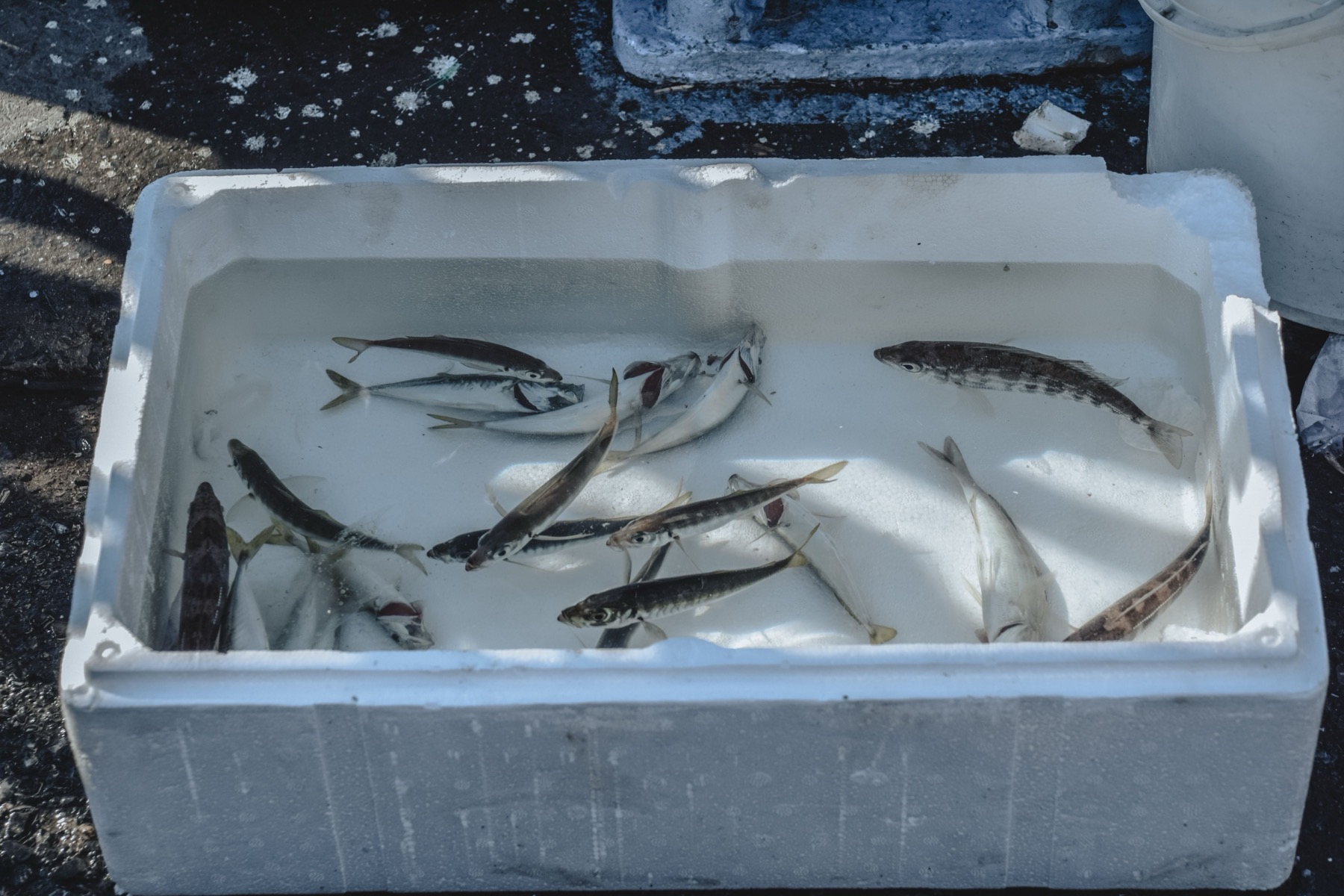
Norwegians keep it simple: the sea belongs to everyone, so tourists can fish it without any fees or state licenses. But it has its strict rules, because as a foreigner without permanent residence in Norway you may only use hand tackle, which in practice means a classic rod, hand line, spinning gear or a pilker. Using any nets, pots, traps or so-called longlines is completely forbidden — those are reserved for professional local fishermen only.
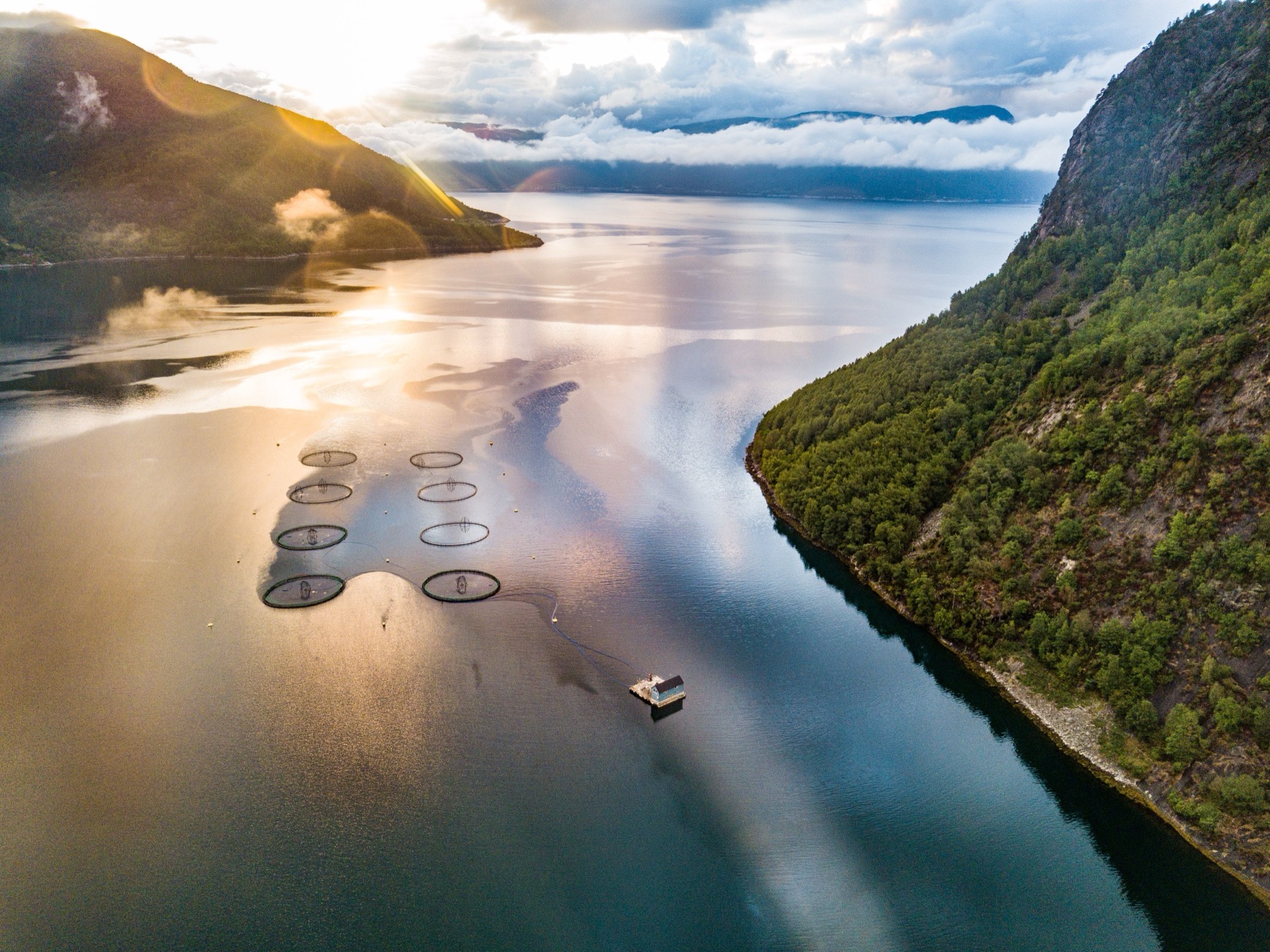
You need to be extremely careful around the huge aquaculture farms where salmon is raised, because the law requires you to keep at least 100 metres from the nearest farm while fishing. With a boat you must not come closer than 20 metres to the structures and anchor lines, so you don’t disrupt operations or damage the nets. Another absolute rule is a strict ban on selling your catch — everything you pull from the sea is exclusively for your personal consumption on the spot or for legal export within the quota.
💡 Tip: Undersized fish must be released back into the water immediately and as gently as possible. If a fish is so injured it wouldn’t survive, you must keep it and count it towards your daily catch, which is why barbless hooks are recommended if you’re fishing in areas with lots of small fish.
2. The export quota dropped to just 15 kg in 2026
This is probably the single most important piece of information in the whole article, because from 1 January 2026 a new, much stricter export quota of 15 kg of fish or fish products per person applies. Right up until the end of 2025 you could take out 18 kg, but the Norwegian government decided to gradually tighten the limits, and it’s already been approved that from 2027 this limit will drop to just 10 kg. On top of that, you can use this quota a maximum of twice per calendar year, so the era of hauling vans full of freezers back to central Europe is definitively over.
To make it even trickier, the quota may only be used by a person over 12 years of age, and you must carry it across the border in person. So it’s not possible to load fish into your car for a friend who’s flying home by plane, because during a customs check everyone named on the export document must be physically present. The popular exemption for a so-called trophy fish has also been completely abolished — anglers used to bring one whole trophy home on top of the quota, so today even the largest halibut you catch counts mercilessly towards your fifteen kilos.
💡 Tip: The export quota applies exclusively to sea fish. If you had a valid license and legally caught salmon, trout or char inland, these freshwater and anadromous fish have their own customs regime and do not count towards the 15 kg sea limit.
3. Registered businesses (turistfiske) are an absolute must
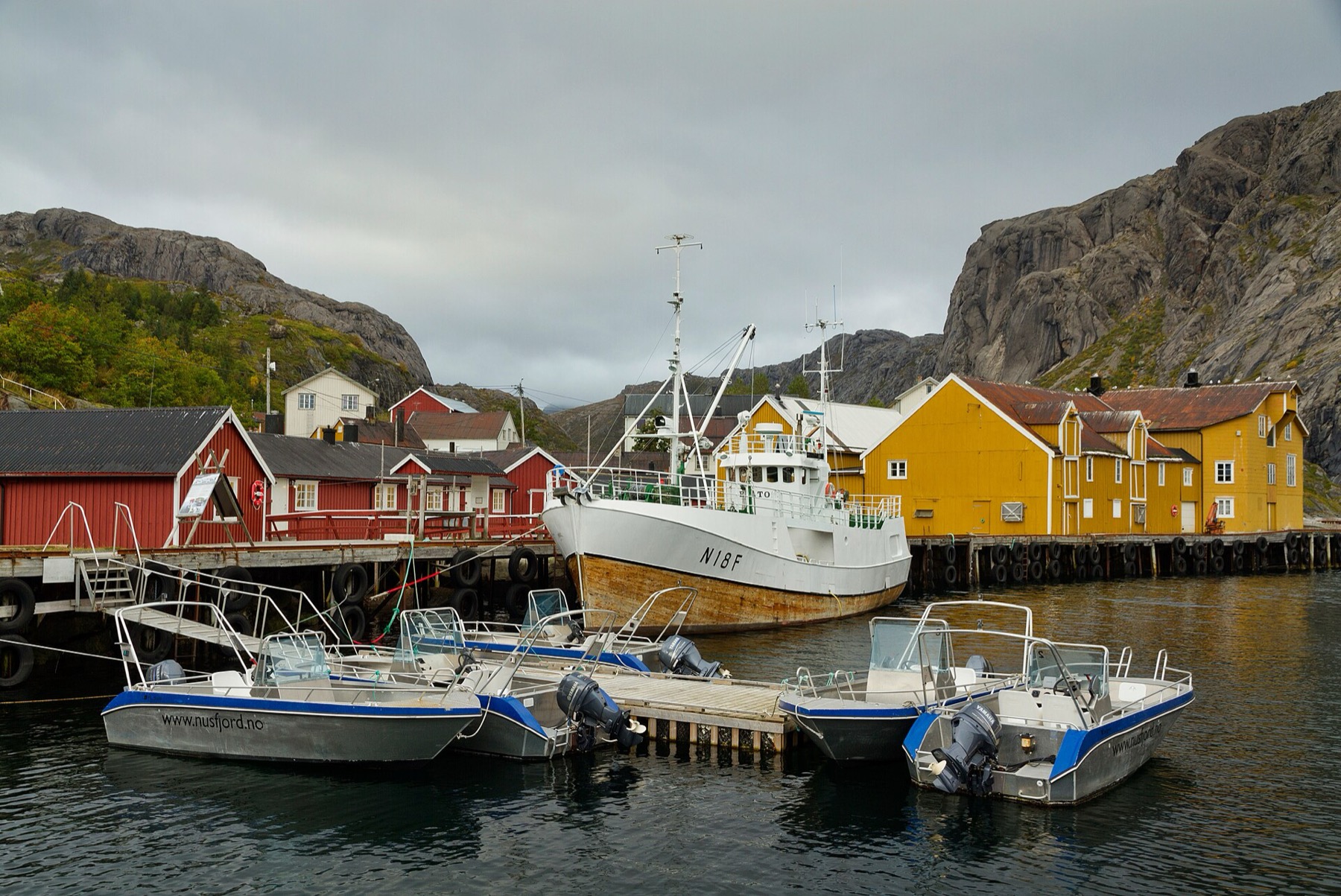
To be able to take those 15 kilos of fillets home at all, you must spend your stay at an officially registered turistfiske business — a camp or landlord listed in the register of the Norwegian Directorate of Fisheries (Fiskeridirektoratet). If you go wild with your own tent, fish from shore, or rent a cabin from a private person who isn’t in the register, your export quota is exactly 0 kg and you may not take anything at all across the border.
Since August 2025 these registered camps have had an obligation to report their guests’ catches on a daily basis, which in practice means that after every return from the sea you must tell the camp manager what you caught (or that you caught nothing). Only after this electronic report has been sent to the authorities may the camp issue you a standardized export document. This is now strictly individual (your name, date of birth, the business’s company number), and without it you’d better not show up at the border with fish in your trunk at all.
💡 Tip: How do you know a camp is officially registered? Serious accommodation providers and tour operators actively advertise this registration on their websites under the label “registrert turistfiskebedrift”. You can also easily verify the complete list of all approved businesses in the public database on fiskeridir.no.
4. Minimum sizes and protected species (table)
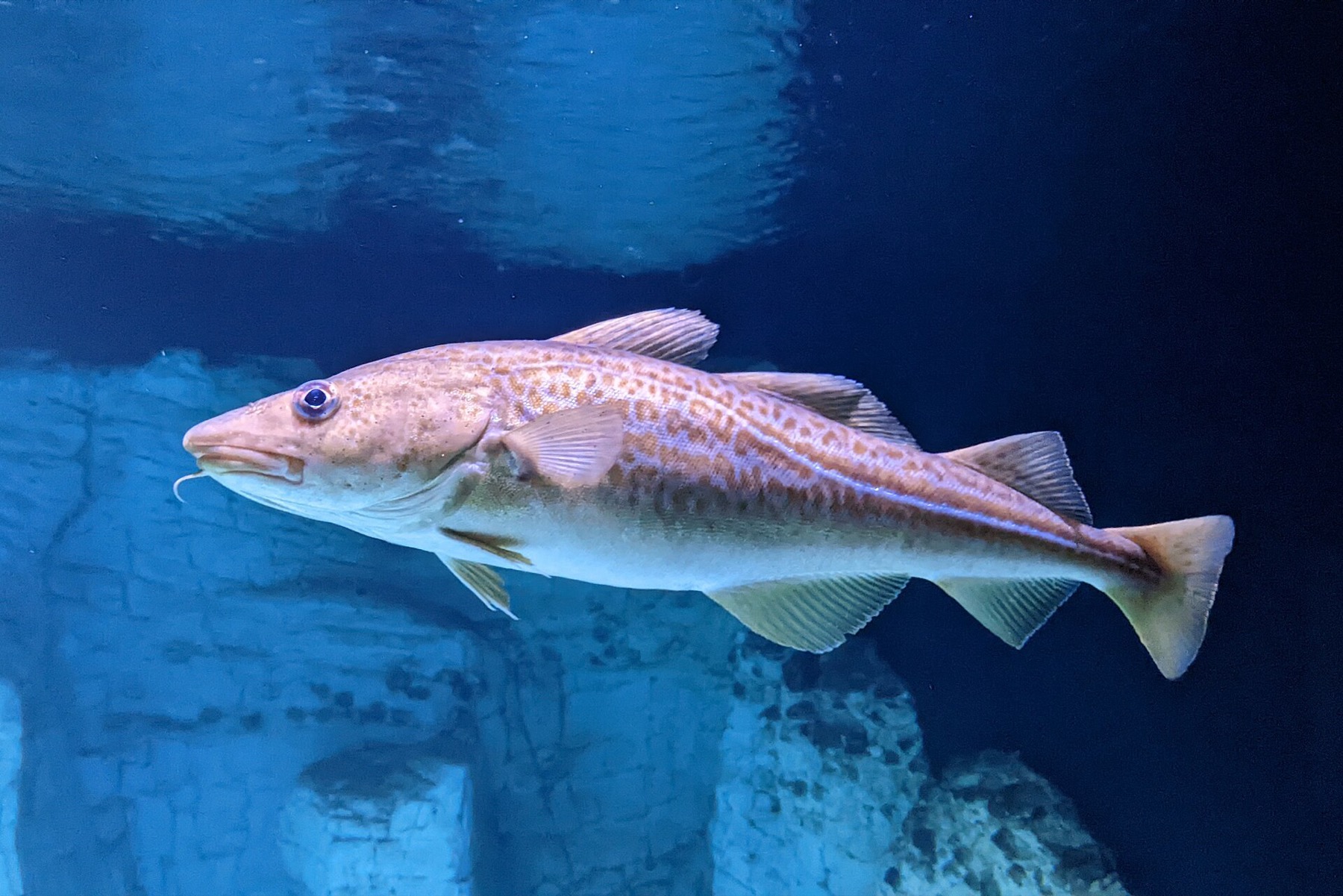
Norwegians take fish protection really seriously and update the minimum sizes regularly, so if you’re not sure whether a fish is big enough, let it go. Otherwise, check this out. A big change happened with the popular Atlantic cod (torsk), where north of the 62nd parallel (if you’re fishing close to shore within 4 nautical miles) the minimum size was raised to 55 cm to protect the vulnerable coastal population.
| Fish species | Minimum size | Specific area and note |
|---|---|---|
| :— | :— | :— |
| Atlantic cod (torsk) | 55 cm | North of 62°N, INSIDE 4 nautical miles from the baseline. |
| Atlantic cod (torsk) | 44 cm | North of 62°N, OUTSIDE 4 nautical miles (further out at open sea). |
| Atlantic cod (torsk) | 40 cm | South of 62°N (except the Oslofjord, where a full ban applies). |
| Halibut (kveite) | 84 cm | Applies nationwide. Note: specimens over 2 metres must be released — they are important spawners. |
| Greenland halibut (blåkveite) | 45 cm | Applies nationwide. |
| Redfish (uer) | 32 cm | Inside 12 nautical miles (at open sea it’s 30 cm). |
| Whiting (hvitting) | 32 cm | Applies nationwide. |
| Saithe (sei), mackerel | No size limit | No minimum size is set for recreational anglers. |
A completely separate category is year-round protected species, which include spurdog, basking shark, blue ling, Atlantic bluefin tuna and European eel. Pay special attention to the winter closed season for halibut, which in the north usually runs from around Christmas to 20 April, and the complete ban on cod fishing in the Oslofjord, where three extensive no-take zones were declared from 2026, in which you may not fish for anything at all.
💡 Tip: Always keep a reliable tape measure on the boat and download a size chart to your phone. If you’re not sure about the species or size of a fish, the best and most ethical solution is to return it to the water.
5. Border inspections and ruinous fines
If you think you’ll hide those few extra kilos of fillets among your clothes and customs won’t notice, you’re playing Russian roulette with your own bank account. The Norwegian customs administration (Tolletaten) has poured enormous resources into fighting smuggling and routinely checks not only the land crossings into Sweden and Finland, but also all ferries to Denmark and Germany, where they have mobile X-ray scanners and specially trained dogs at their disposal.
The penalties for exceeding the quota are absolutely draconian. The base on-the-spot fine is 8,000 NOK, plus 200 NOK for each kilogram (or part thereof) of fish over the limit, and the customs officers will of course confiscate your entire catch, including the legal part. Norwegian media (such as NRK or TV2) regularly report on real cases where undisciplined tourists left in tears. In 2025 a driver with more than 200 kg of fish got a 50,000 NOK fine, and recently a record seizure resulted in an incredible fine of 224,000 NOK (nearly €20,000), which now borders on criminal prosecution.
💡 Tip: Customs officers have the right to check every corner of your car, caravan and roof box. Don’t try to argue or bargain with them — fines are issued on the spot, and if you don’t pay they can confiscate your vehicle.
6. Inland and lakes: where you pay the state fee
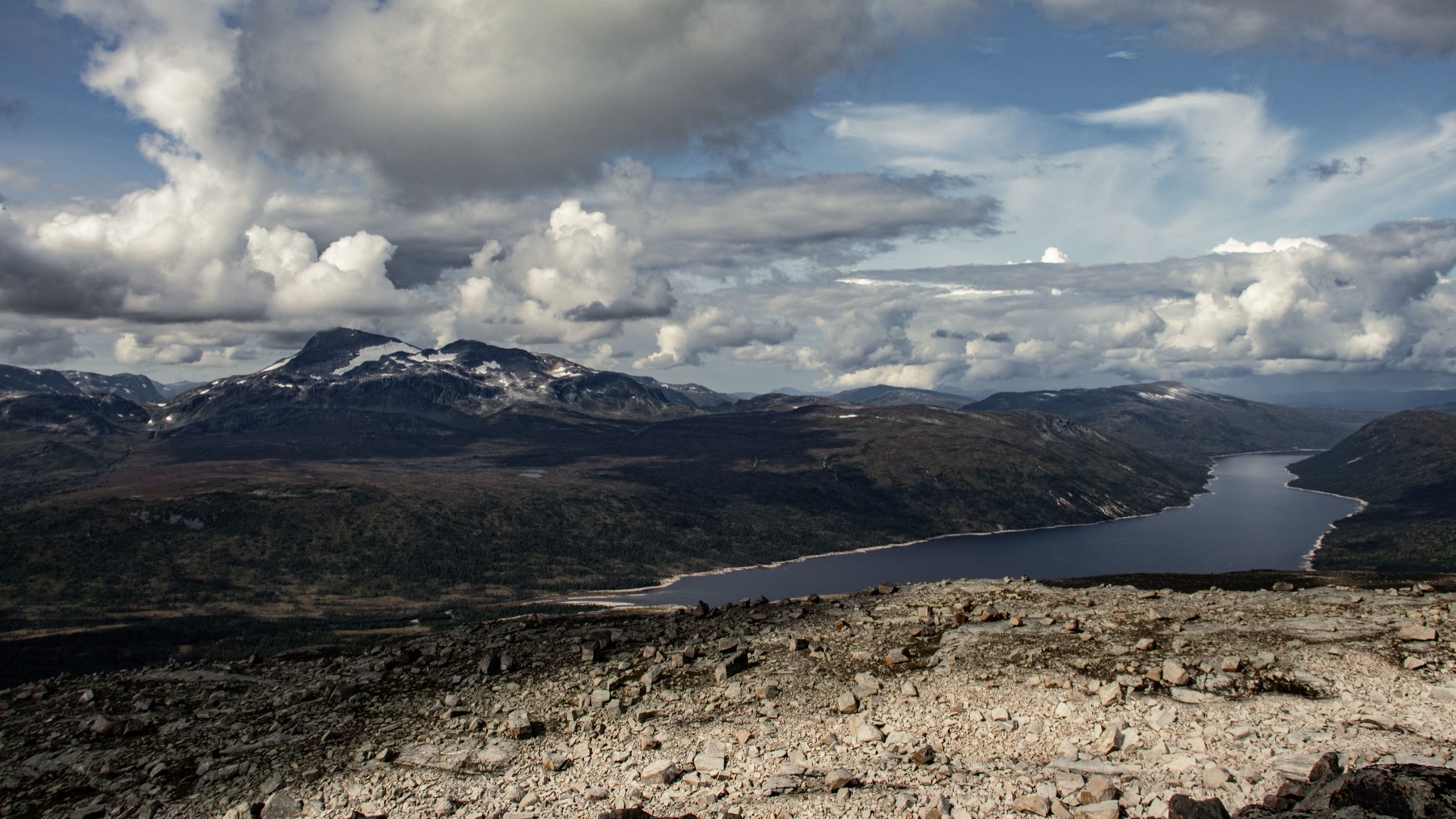
As soon as you leave the salty waters of the ocean and head to Norway’s rivers or mountain lakes, you find yourself in a completely different legal world, where you always pay to fish. This system consists of two distinct layers that visitors very often confuse, so we need to explain them clearly to help you avoid problems with the local wardens.
The first layer is the state fee called fiskeravgift, which for 2026 amounts to 338 NOK. This fee is mandatory ONLY if you’re planning to fish anadromous species, meaning salmon, sea trout and sea char in rivers. It’s paid online through the portal of the Environment Directorate (Miljødirektoratet) and applies nationwide. But if you’re just going to catch ordinary brown trout or pike on a normal mountain lake, you don’t need this state fee, because it was abolished for freshwater fish back in 2002.
The second layer is the local license (fiskekort), which you have to buy from the specific owner of the water — and this applies to absolutely all lakes and rivers. Most of these licenses can now be obtained simply online on the inatur.no portal, or at local petrol stations and camps. Prices for a day of trout fishing on ordinary lakes are very friendly and usually range in the tens to low hundreds of Norwegian kroner per day.
💡 Tip: If you plan to camp on state land, consider buying the year-round Norgeskort from the Statskog organization, which covers thousands of lakes across national parks like Femundsmarka or Saltfjellet and works out much cheaper than buying individual day licenses.

7. The salmon crisis and famous rivers
Salmon fishing in Norwegian rivers used to be a truly royal discipline — and a pretty pricey affair. But today things look grim: salmon returns from the sea have fallen to historic lows and the authorities had to take radical steps. Back in June 2024, 33 salmon rivers were completely closed overnight, and restrictions continued in the following years, when famous rivers like Gaula or Orkla were even closed in the middle of the main summer season.
If you still decide to try your luck on one of the open rivers in central Norway (Trøndelag), be prepared for a complicated process. Besides the state fee, you have to buy a specific zone, a so-called beat, through the elveguiden.no portal. Prices vary dramatically, from a few hundred NOK per day on shared stretches up to tens of thousands of kroner for exclusive private beats with accommodation. A chapter all of its own is the legendary Alta river in the far north, which the average mortal can barely reach, because the overwhelming majority of licenses are drawn by lottery for local residents only.
💡 Tip: Before a salmon trip it’s absolutely critical to follow the latest information on miljodirektoratet.no, because the rules can change literally overnight for conservation reasons, and your pre-paid license may become worthless due to a blanket fishing ban.
8. When to go: winter skrei vs. summer ease
Choosing the right time of year fundamentally affects what you end up seeing on the end of your rod, because fishing in Norway follows a very specific calendar. The absolute peak for experienced sea dogs is the period from January to April, when the migrating Arctic cod known as skrei arrives at the shores of northern Norway (Lofoten, Vesterålen, Senja). In these months it’s common to catch monster specimens weighing 15 to 30 kilograms, but you have to be ready for extremely harsh winter weather, snowstorms and very short days that limit the time you spend on the water.
For most ordinary visitors, therefore, the summer season from June to early September is far more pleasant. During this period the midnight sun reigns in the north, so you can head out on the water at two in the morning in complete calm; the popular halibut is caught, huge schools of saithe (pollock) are active, and salmon are running up the rivers at the same time. Anyone looking for peace and quiet and not wanting to fight the crowds can try September or October, because the atmosphere is completely different — just bear in mind that many smaller camps close for the winter at the end of October.
💡 Tip: If you’re going primarily for the giant halibut, experienced local guides agree that the very best chance of landing a big flatfish comes in August and September, when the water is warmest and the fish move onto the shallower sandbanks.
9. Safety at sea and boat licenses
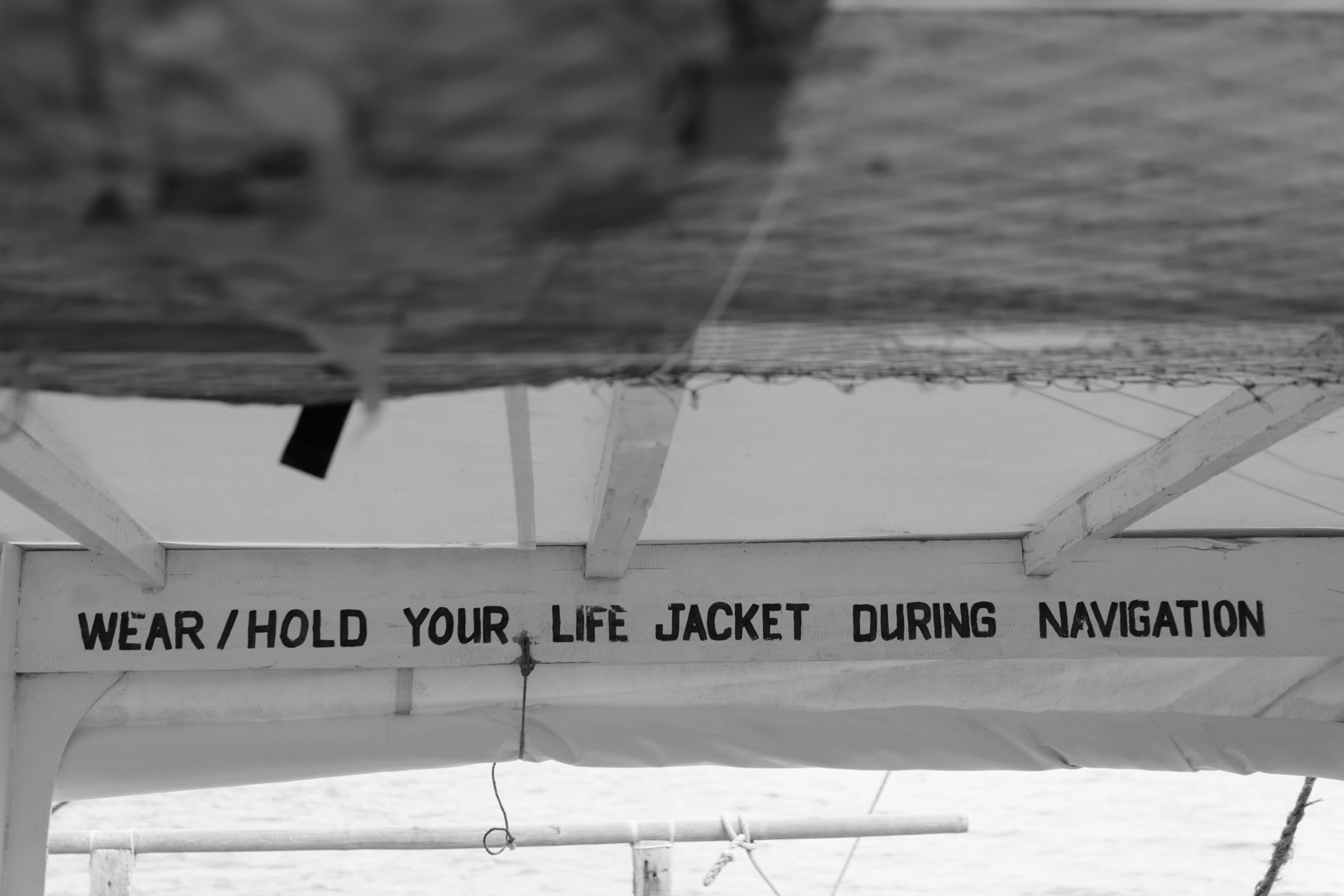
The northern ocean doesn’t forgive mistakes, and safety must always be the absolute priority on board. Norwegian weather can change in as little as twenty minutes, so constantly checking the forecast on the yr.no app is an absolute necessity. The basic rule for surviving in Arctic water (which is just 4–10 °C even in summer) is a quality floating thermal suit, because falling overboard in an ordinary jacket means fatal hypothermia within a few short minutes. Serious camps routinely rent these suits and tour operators require them as mandatory equipment.
The second thing readers ask us a lot: do you need a license for the boat? Norwegian law is clear: if you were born after 1 January 1980, you need a valid boating license for any boat that is longer than 8 metres OR has an engine stronger than 25 horsepower. Given that typical robust camp boats are around 19 feet long and have engines of 50 to 115 horsepower, most quality vessels fall into exactly this category, and the Norwegian authorities routinely recognize international certificates (ICC).
💡 Tip: Before every trip out to open sea you’re obliged to report your planned route and expected return time to the camp manager. Always keep your mobile phone in a 100% waterproof case and ideally add a VHF radio for emergencies in areas without signal.
10. What a typical fishing trip looks like and how much it costs
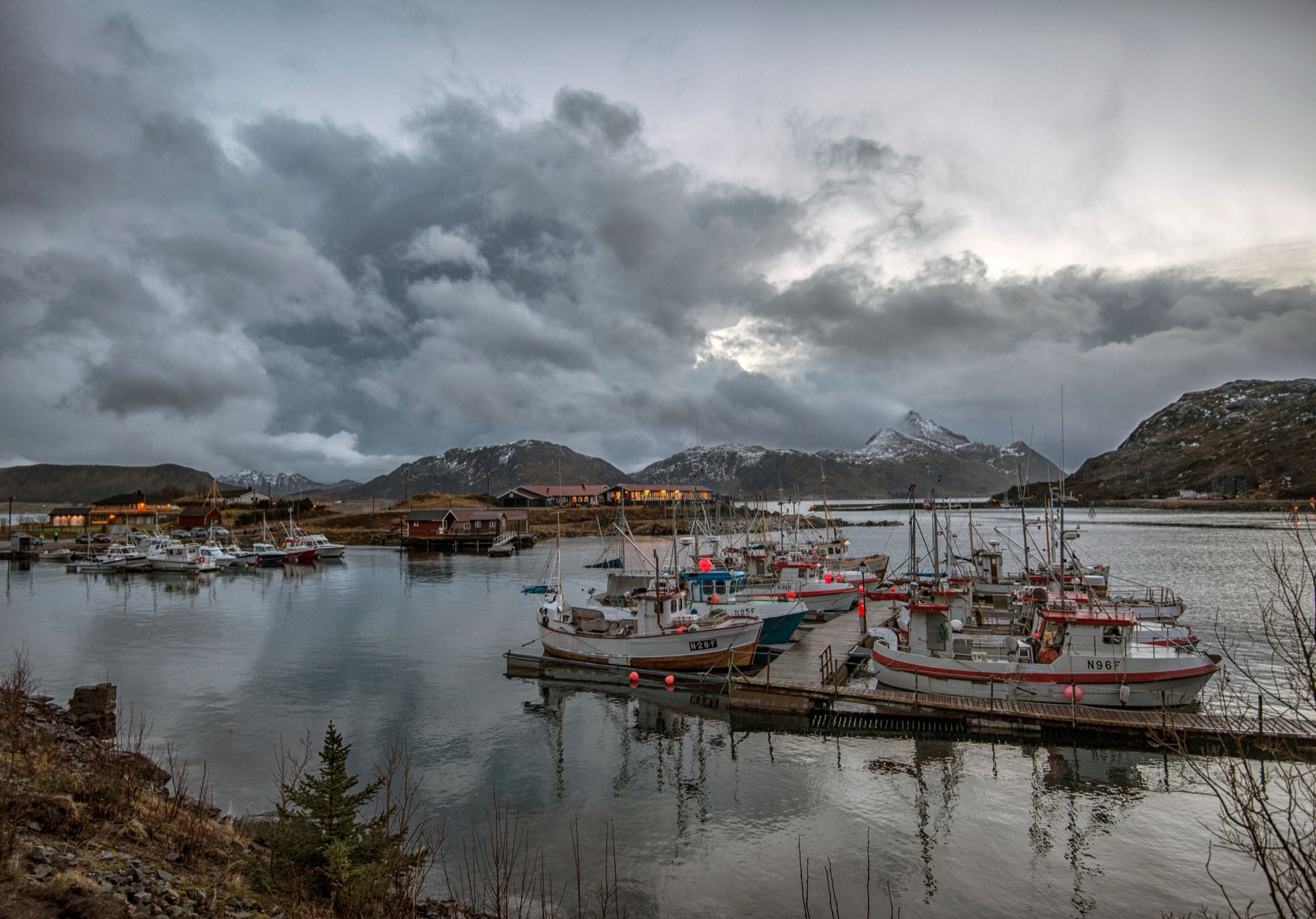
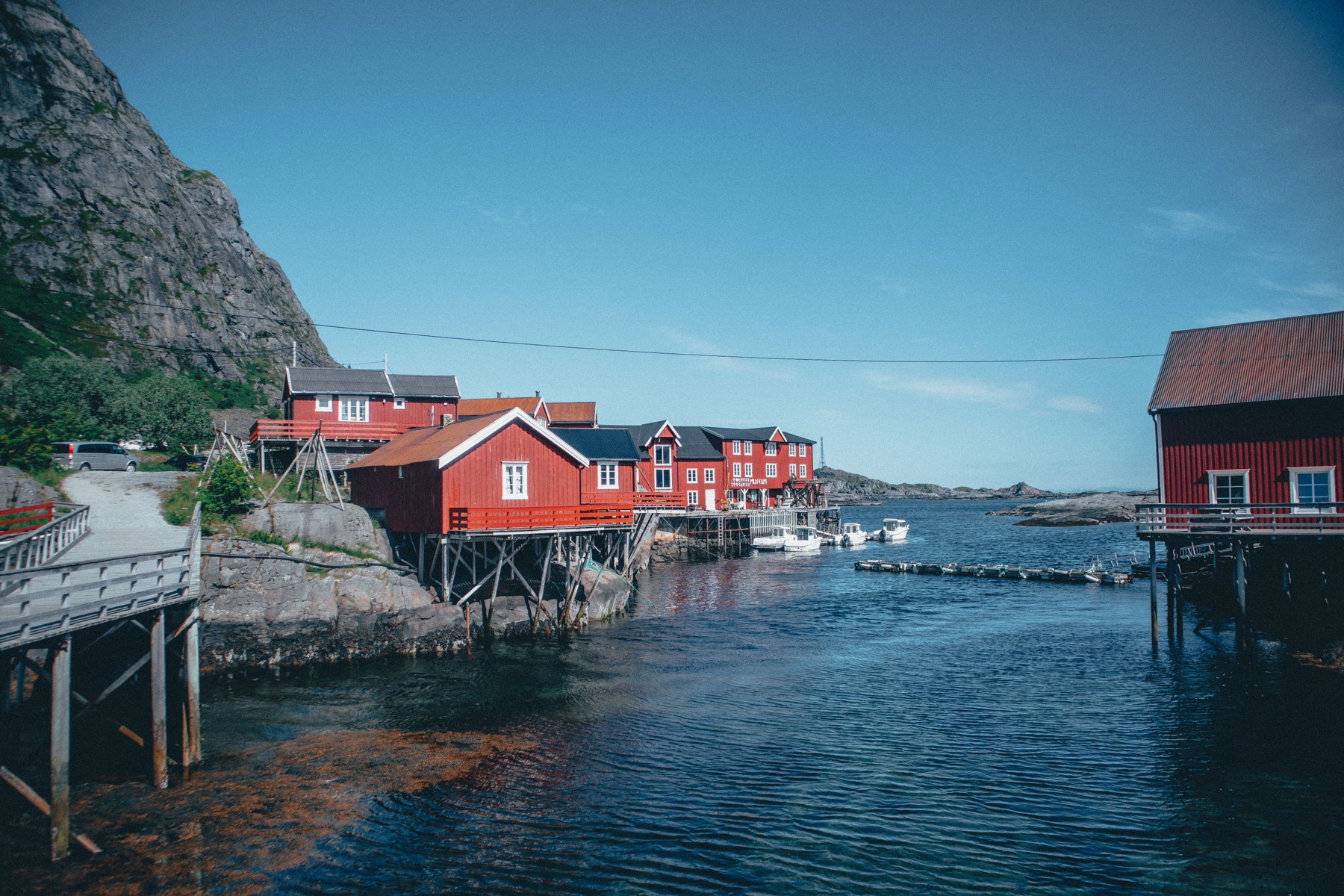
The overwhelming majority of fishing parties stick to the tried-and-tested model, where a group of four to six people heads north for seven to ten days. The most popular destination for these trips remains the area of central Norway, specifically the islands of Hitra and Smøla, while those heading for more prestigious catches and more dramatic scenery go much further north to the islands of Senja, Lofoten or Vesterålen.
If you don’t want to deal with your own transport across the whole of Sweden and the wear on your car, specialized tour operators are an option. For example, a popular tour operator offers ten-day trips to the island of Hitra, where in the 2026 season a complete package will cost you roughly €600 with caravan accommodation, up to €860 in a fully equipped apartment. This price usually includes coach transport, ferries, accommodation, a spot in a safe boat and guide services. If you set off north on your own, renting a quality house for 6 people with two powerful boats on the island of Senja costs roughly 47,000 NOK per week, which, per person and after splitting the fuel costs, comes out to very similar amounts.
💡 Tip: With the falling export quotas, the very point of these trips is changing significantly. These days it simply isn’t worth driving thousands of kilometres just to fill a freezer with meat — the goal is to enjoy a perfect sporting experience through catch & release, evening gatherings with a view over the fjord and a fresh dinner straight from the sea.
Practical summary and rough prices (2026)
Here are the numbers that will come in handy when planning — the Norwegian krone is fairly weak right now, so roughly 10 NOK ≈ €0.85 and you’ll instantly know where you stand.
- Base export fine: 8,000 NOK (+ 200 NOK for each kg over the limit).
- State salmon fee (fiskeravgift): 338 NOK per year.
- Day license for a normal mountain lake: 50 to 150 NOK.
- Thermal suit rental at a camp: approx. 500 to 800 NOK per week.
- Tour operator trip (accommodation, coach, boat): €620 to €1,030 per person for 10 days.
- Rental of an average cabin with a boat for 4 people: 20,000 to 35,000 NOK per week.
- Boat fuel for a week of intensive fishing: 2,000 to 4,000 NOK depending on engine power.
Where to stay: fishing cabins and camps
If you’re not going through a tour operator, put real thought into choosing your camp. You need a place that is registered in the Fiskeridirektoratet system, otherwise you won’t be taking any fish home from Norway. Another advantage of such camps is that they have powerful boats, a professional covered filleting room with running water, and freezers big enough for your quota. We prefer to look for accommodation on Booking.com.
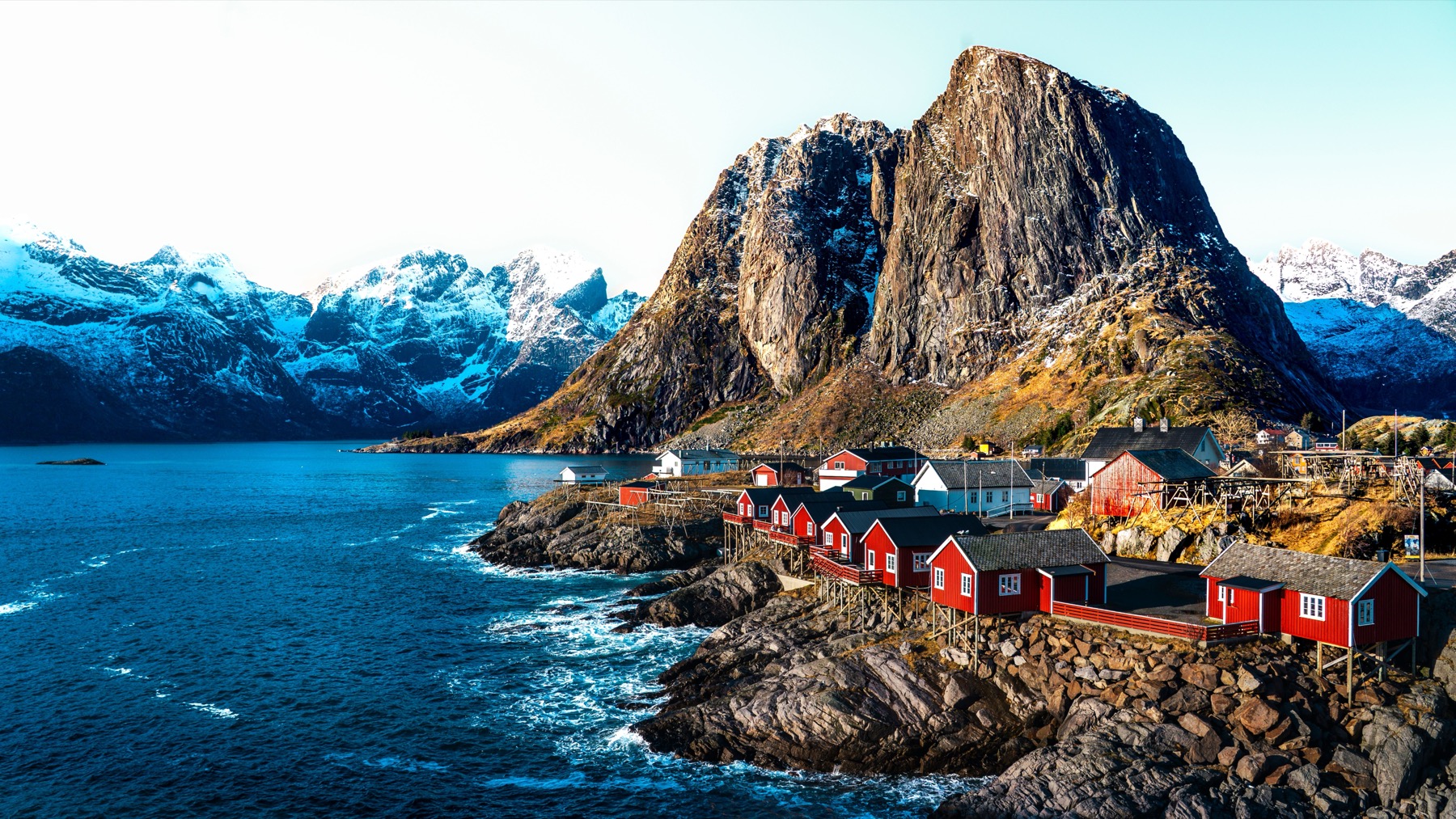
- Vesterålen (quality for the demanding): The highly rated Vesterålen Kysthotell offers a great base with superbly equipped boats right in the heart of the islands, giving you ideal access to deep waters for landing giant cod.
- Hitra (the central Norway classic): A short drive from Trondheim you’ll find the Dolmsundet Marina complex, a huge, professionally run resort perfectly geared to European fishing parties, offering powerful boat rentals and enormous freezer capacity.
- Senja (the wild north): For lovers of rugged nature and halibut, a fantastic choice is the Hamn i Senja resort, which combines high-standard apartment accommodation with first-class service for open-ocean expeditions.
Where to next
If you’re interested in more practical information about travelling around Scandinavia, we’ve written plenty of other useful guides for you. Find out when is the best time to visit Norway so you can avoid the worst of the weather, and be sure to check out our huge article with 50 tips on what to see in Norway.
If you’re planning to travel in your own car, we’ve covered all the ferry routes and prices to Norway in detail, and don’t forget to look at our detailed breakdown of how much an ordinary holiday in Norway costs. And if you’re wondering which specific area to head for, get inspired by our guides to the fairy-tale island of Senja or the quieter Vesterålen.
Frequently Asked Questions
Before you start packing your rods and thermal suits, take a look at a few questions that keep coming up when it comes to fishing in Norway. It might just save you some unnecessary stress before you leave.
Tips and Tricks for Your Vacation
Don’t Overpay for Flights
Search for flights on Kayak. It’s our favorite search engine because it scans the websites of all airlines and always finds the cheapest connection.
Book Your Accommodation Smartly
The best experiences we’ve had when looking for accommodation (from Alaska to Morocco) are with Booking.com, where hotels, apartments, and entire houses are usually the cheapest and most widely available.
 🚗 Car rental on the roadVerified rental cars in Norway
Search with the DiscoverCars comparison engine — it compares prices from dozens of local and international rental companies, and most bookings come with free cancellation.
Compare car prices in Norway →Don’t Forget Travel Insurance
Good travel insurance will protect you against illness, accidents, theft, or flight cancellations. We’ve had a few hospital visits abroad, so we know how important it is to have proper insurance arranged.
Where we insure ourselves: SafetyWing (simple monthly subscription) and TrueTraveller (for extra-long trips).
Find the Best Experiences
Get Your Guide is a huge online marketplace where you can book guided walks, trips, skip-the-line tickets, tours, and much more. We always find some extra fun there!