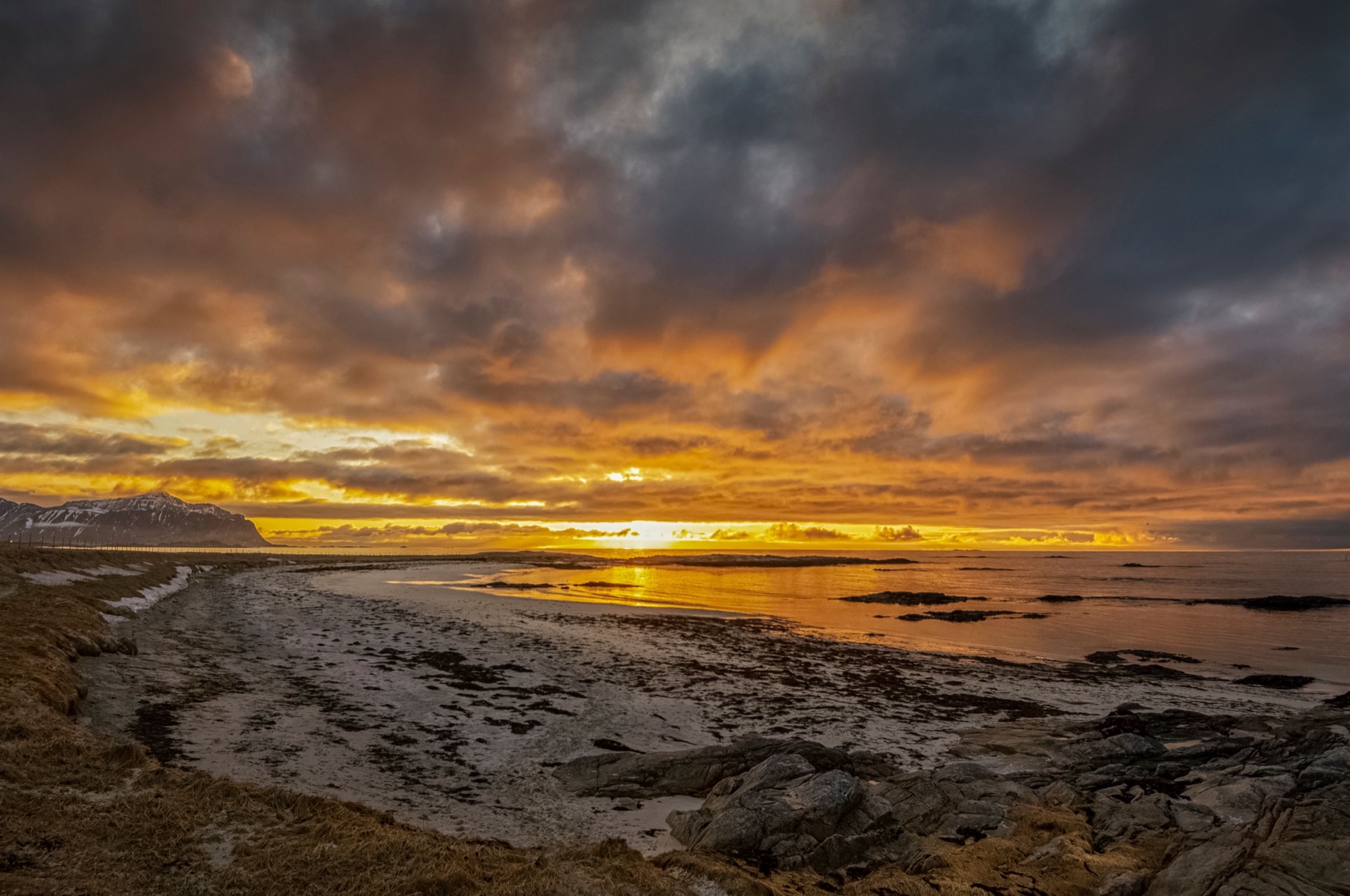
Above the Arctic Circle in summer, the midnight sun in Norway only just brushes the horizon before slowly climbing back up again. Midnight at these latitudes looks like one endlessly long sunset that never quite drops below the horizon. Lukáš and I experienced these unbelievably bright nights in the Lofoten Islands in July 2026 with our little Jonáš, and I vividly remember how that magical light reliably kept us awake until two in the morning. It’s a truly fascinating natural wonder that will completely throw off your natural body clock — but it’s absolutely worth seeing at least once in your life. So where should you go, when should you set off, and how on earth do you get a few hours of sleep? You’ll find all of that below.
TL;DR
- The ideal window: The best time to travel to northern Norway is roughly from 10 June to 5 July, when the sun never sets across a huge area and you also stand the best chance of the warmest weather.
- The right location: You’ll only see the midnight sun above the Arctic Circle — that means destinations like Bodø, the Lofoten Islands, Tromsø, the North Cape, or Svalbard.
- The Oslo myth: Neither the capital, Oslo, nor popular Bergen get the midnight sun, because they lie too far south. There you’ll only experience bright nights in summer.
- The weather reality: Northern Norway is a coastal region, and fog or low cloud are far more common here than the postcard-perfect clear skies you might imagine.
- Nighttime activities: The complete absence of darkness means you can head out on a mountain hike, rent a sea kayak, or play golf at two in the morning without a second thought.
- Saving your sleep: A good blackout eye mask is an absolute must, because even with hotel curtains, plenty of light will still find its way into your room.
The full destination guide: Norway — guide and what to see
10 Things You Need to Know About the Midnight Sun in Norway
Now let’s get down to it: here’s the practical information that will genuinely save you a headache before your trip above the Arctic Circle. I’ll show you where to find the most beautiful spots without the crowds, how to deal with a wrecked sleep schedule, and why you should pack a winter hat even in mid-July.
1. What It Actually Is and Why You Shouldn’t Go to Oslo
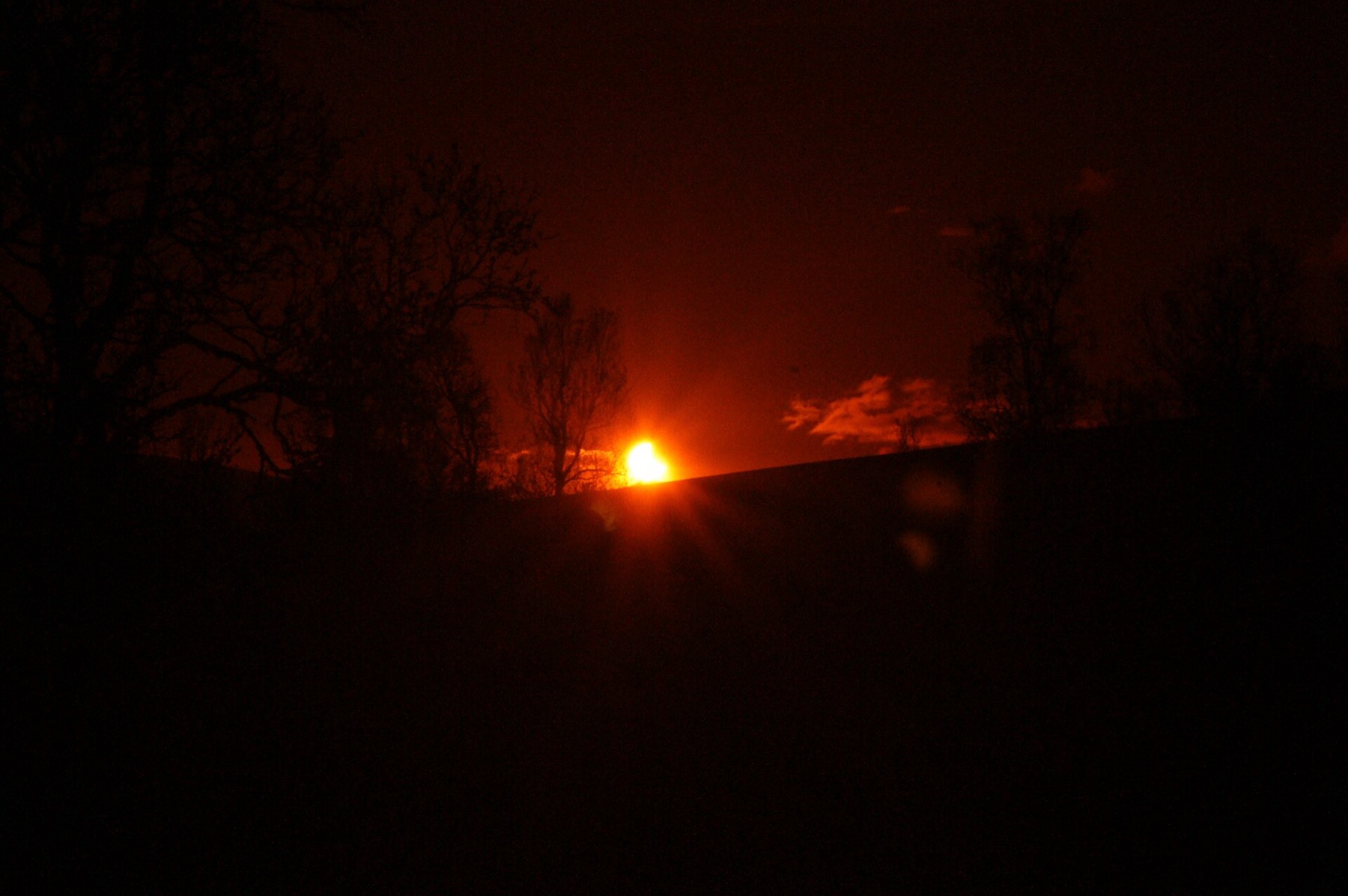
The midnight sun is an astronomical phenomenon in which the sun’s disc stays above the horizon for a full 24 hours. In practical terms, it means that if you look north at midnight, you’ll see the sun sitting just above the horizon. This only happens above the Arctic Circle (66°33′ north), because the Earth’s axis is tilted and in summer the North Pole leans directly toward the Sun. Thanks to atmospheric refraction, which bends the light, the sun is even visible a touch south of this magical line. In winter it works exactly the opposite way (the polar night, in Norwegian mørketid) and the sun simply doesn’t appear. Personally, we’d rather not choose that one. 😅
A huge mistake many travellers make is assuming they’ll see the midnight sun in Oslo, Bergen, or Trondheim. These cities do offer so-called white or bright nights, but the sun there really does dip below the horizon before midnight. In Oslo, for example, the sun sets around a quarter to eleven in the evening in mid-June and rises again before four in the morning. The night there never turns completely black and you can see perfectly well in the streets even at two a.m., but that iconic disc of sun hanging over the sea will simply be missing. If the midnight sun is your main reason for the trip, you’ll need to book flights much farther north.
💡 Tip: The midnight sun always shines from the north. When choosing accommodation or a camping spot, look for locations with a clear view to the north or northwest, otherwise the mountains will hide the sun from you.
2. When and Where You’ll See It Best (Handy Table)
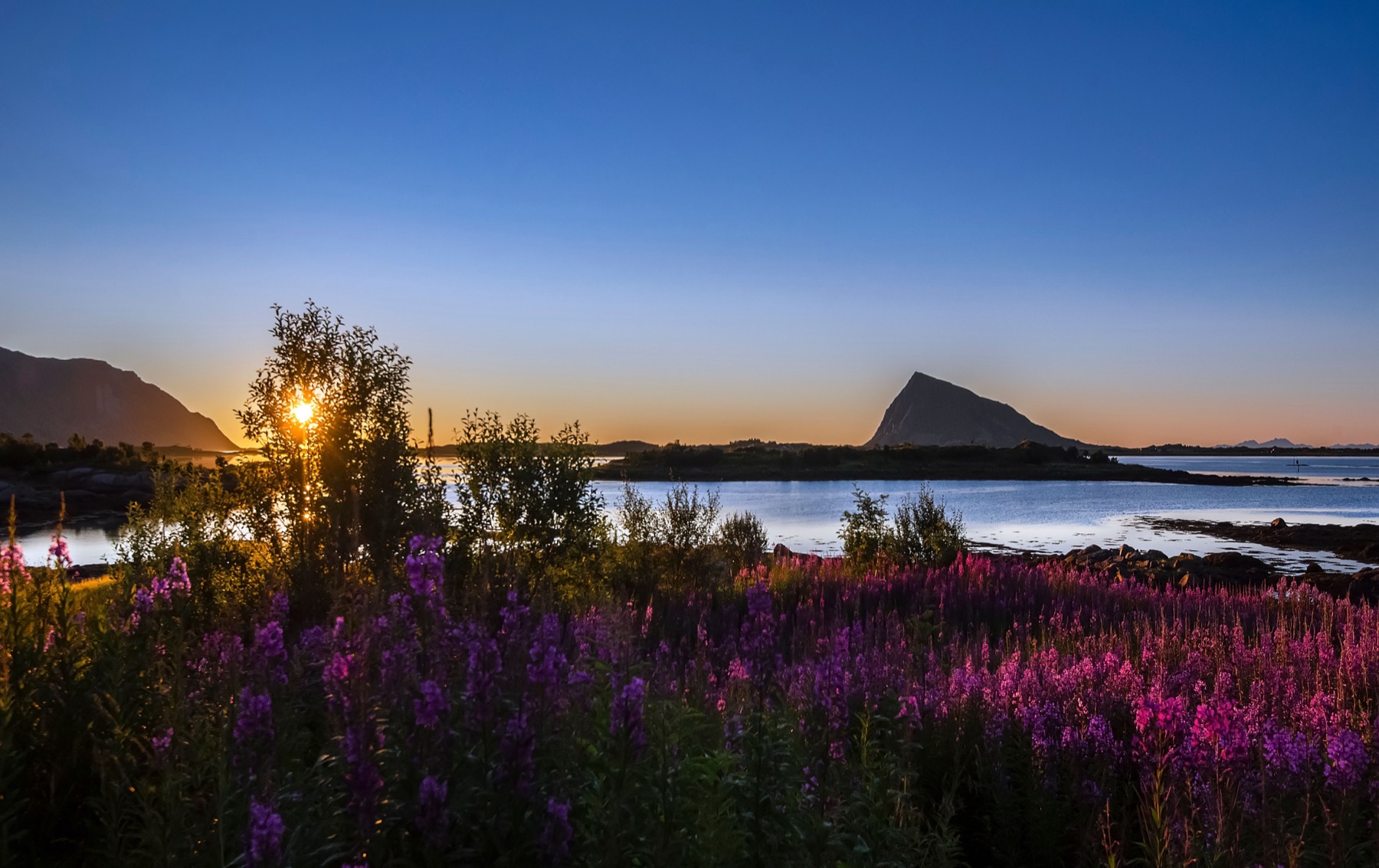
The farther north you go in Norway, the longer the period during which the sun doesn’t set at all. While just above the Arctic Circle the phenomenon lasts only a few weeks, on far-flung Svalbard people enjoy an incredible four months of constant daylight. Here’s an overview of dates for the most popular destinations. Just find your spot and plan your flights. The dates are based on astronomical calculations, so from year to year they shift by a day or two, which is nothing dramatic.
| Place | Latitude | Midnight sun period | Approx. length |
|---|---|---|---|
| Bodø | 67.3° | 4 June – 8 July | 5 weeks |
| Lofoten (Svolvær) | 68.2° | 28 May – 14 July | 7 weeks |
| Harstad / Vesterålen | 68.8° | 25 May – 18 July | 8 weeks |
| Tromsø | 69.6° | 20 May – 22 July | 9 weeks |
| Hammerfest | 70.7° | 16 May – 27 July | 10.5 weeks |
| North Cape (Nordkapp) | 71.2° | 14 May – 29 July | 11 weeks |
| Svalbard (Longyearbyen) | 78.2° | 20 April – 22 August | 18 weeks (4 months) |
The sun reaches its lowest point in the sky exactly at midnight, and slightly to the northeast. At the beginning and end of the periods listed, the sun’s disc only licks the horizon, whereas around the summer solstice (21 June) it sits noticeably higher in the sky at midnight. The second half of July in Lofoten no longer officially offers the midnight sun, but the nights there are still so extremely bright that the average visitor can barely tell the difference with the naked eye. Another great fringe destination is the remote little town of Vardø on the very northeast tip of the country, where the sun doesn’t set from 17 May to 26 July.
💡 Tip: If you’re planning your trip for late June or early July, I recommend heading to the Tromsø area or the Lofoten Islands. That’s exactly where you’ll find the ideal compromise between the length of the midnight sun and reasonable summer temperatures.

3. How on Earth to Sleep and What to Do with Kids
Constant daylight is a huge strain on the human body. Your body naturally loses its time anchors, and your brain simply refuses to start producing melatonin, which is absolutely essential for falling asleep. Most hotels up north do have decent blackout curtains, but if you’re travelling by camper, sleeping in a tent, or in a traditional Norwegian cabin, you’ll be fighting a real battle with that light. A personal eye mask and possibly earplugs (because the birds sing all night as if their lives depend on it) are the best investment you can make in your Nordic holiday.
If you’re travelling with small children, be prepared for the fact that explaining bedtime to them in full sunlight is a superhuman task. From our own experience with Jonáš in Lofoten, I can confirm that getting them to sleep in broad daylight takes an enormous amount of patience and a good dose of improvisation. A portable travel blind with suction cups for the window worked fantastically for us — it managed to make the room at least partially dark — and for outings we had the pushchair fitted with a special blackout cover. The key is to keep an absolutely uncompromising evening routine strictly by the clock, and to stop exposing the kids to direct sun about two hours before sleep.
💡 Tip: If you’re sleeping in a car or a cabin without blinds, locals recommend the old, tried-and-tested trick of taping tinfoil or black bin bags over the windows. It’s not exactly a design feature, but it works absolutely perfectly.
4. North Cape vs. Knivskjellodden: The Cliché and the Secret Tip
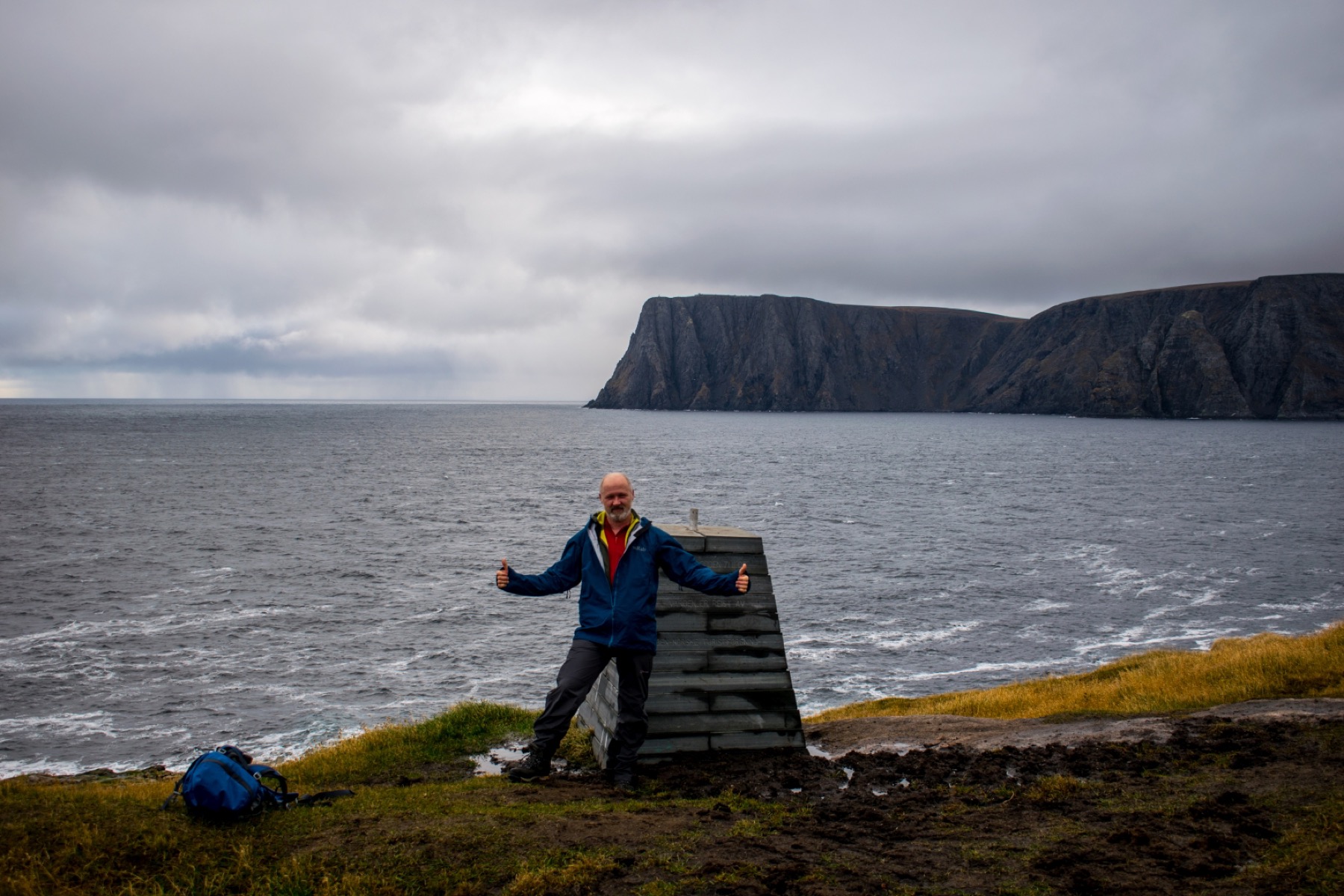
The North Cape (Nordkapp) is a huge 307-metre-high cliff on the island of Magerøya, marketed with the title of the northernmost point of Europe. Around the summer solstice, dozens of coaches from all over Europe pull up to the iconic globe-shaped monument so people can watch the sun over the Arctic Ocean together. It’s undoubtedly a powerful experience with a genuine end-of-the-world atmosphere, but you’ll have to reckon with enormous crowds and a fairly steep entry fee. Access to the entire visitor complex at the viewing platform costs around 300 to 400 NOK per person.
Few people know, however, that the real northernmost point of mainland Europe lies about 1.4 kilometres farther north and is called Knivskjellodden. No convenient road leads there — you can only reach it on foot along a fairly demanding eighteen-kilometre trail. It starts at a free car park right beside the main E69 road, and the round trip takes you five to six hours. Your reward will be an utterly raw place completely free of tourists, and above all a fascinating view back at the monumental North Cape cliff itself, bathed in the golden light of the midnight sun. In my opinion it’s a far better and more authentic experience.
💡 Tip: The island of Magerøya is world-famous for its treacherous fog. Before you set off on the hike to Knivskjellodden, check the radar carefully, because the weather there can change from one minute to the next.
5. Lofoten: The Most Beautiful Beaches and an Eternal Sunset
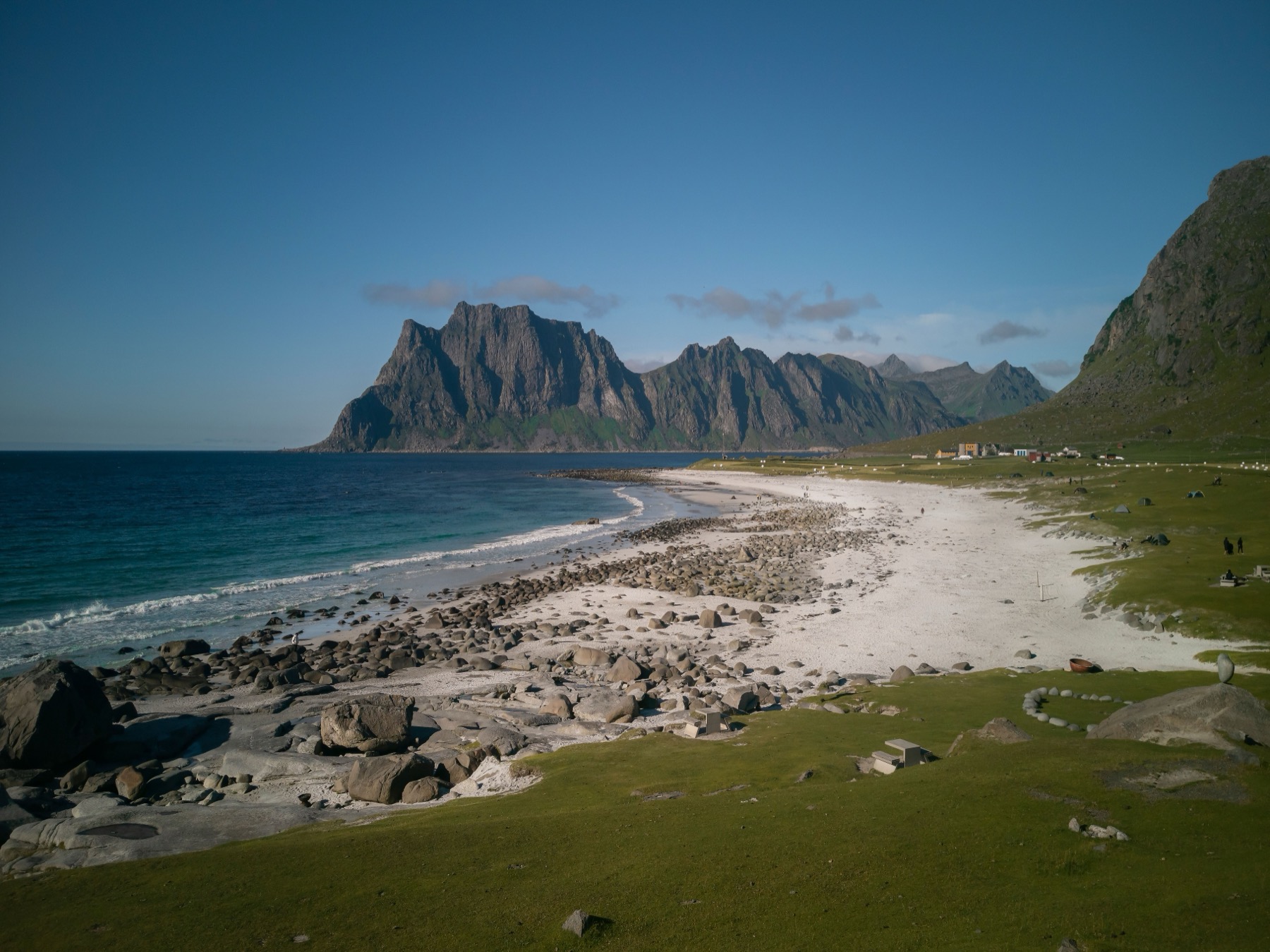
The Lofoten Islands are one of the most beautiful places on the planet in their own right, but under the midnight sun they take on an even more dramatic dimension. The key to success is finding spots that face north or northwest, because that’s exactly where the sun drops lowest at night. Uttakleiv and Haukland beaches on the island of Vestvågøy are among the most photogenic locations in all of Norway, and at midnight you’ll experience real magic here. White sand, turquoise water, and steep mountain peaks form a backdrop over which the sun hangs like a giant orange lightbulb at midnight. Just bear in mind that parking at the beach costs 50 to 100 NOK and camping runs to around 250 NOK.
If you don’t just want to sit on the beach, local operators offer fantastic experiences right out on the water. You can head out on organised sea kayak expeditions that regularly set off from the villages of Reine or Eggum. Gliding across quiet fjords when the sky is tinted purple and orange and the sea is completely calm is one of the best memories you can make. For those who prefer comfort, watching the sun straight from the deck of the famous Hurtigruten ships is a great option — in summer they sail along the entire Lofoten coast and offer unforgettable views.
💡 Tip: If you want to book a midnight kayak trip hassle-free in advance, I recommend using the GetYourGuide portal. Spots on these evening expeditions tend to sell out very quickly in high season.
6. Tromsø: A Cable Car to the Views and the Midnight Sun Marathon
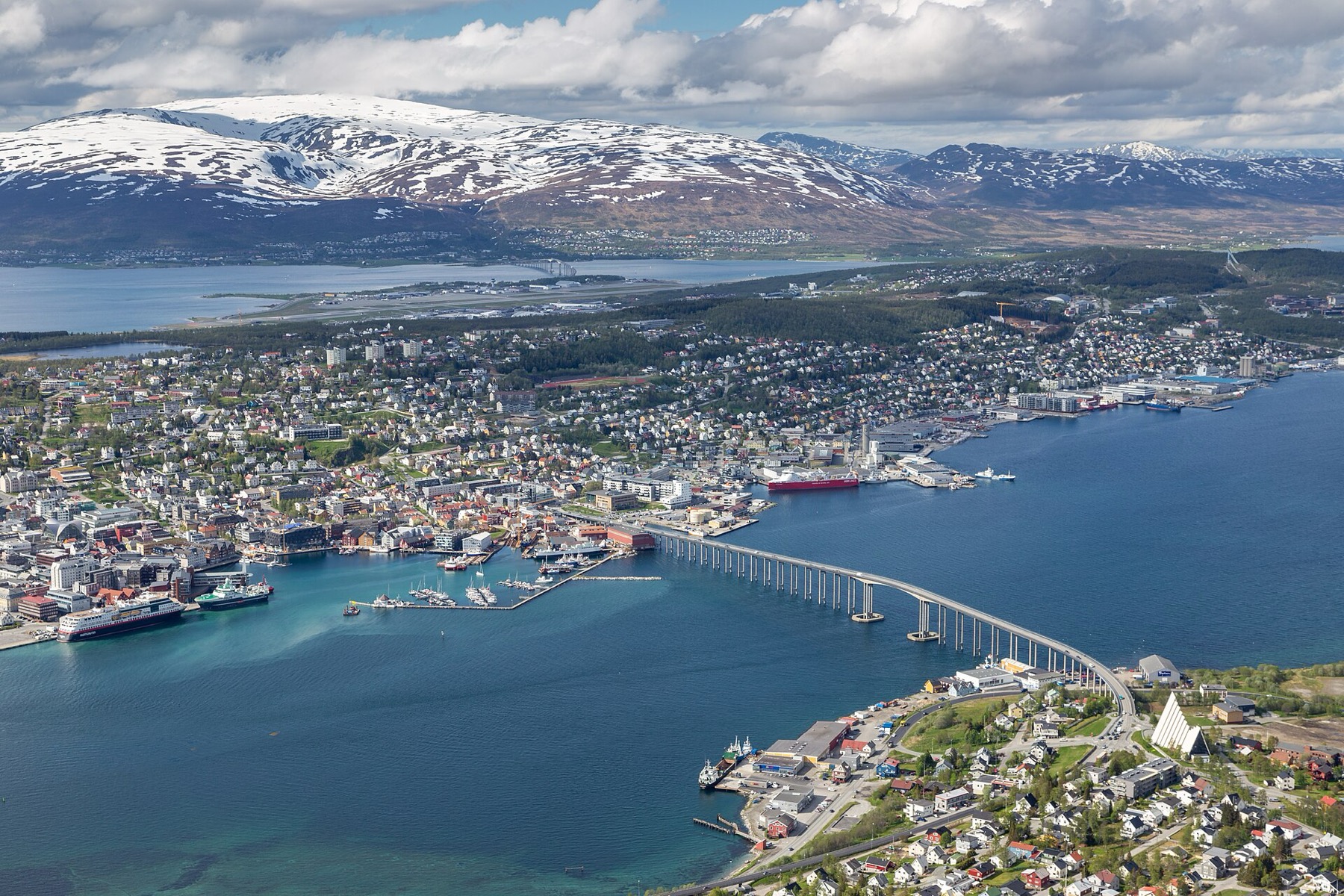
Tromsø is the largest city in northern Norway and makes the perfect base for Arctic adventures. The most popular spot for watching the midnight sun here is the viewpoint on Mount Storsteinen, which sits at an altitude of 421 metres. The Fjellheisen cable car whisks you up there in comfort, and in season from late May to late July it runs daily until midnight. A return ticket costs an adult 495 NOK, and for a child you’ll pay 280 NOK. Riding up around half past ten in the evening and watching the sun light up the whole city and the tangle of fjords far below you is simply an absolute classic.
But the city also lives the midnight sun very actively. Every June the famous Midnight Sun Marathon is held here — the only marathon in the world that starts at night and is run in full daylight. The next edition falls on 19 June 2027, and the organisers offer five different distances, from a children’s run to a full marathon. Around nine thousand runners from nearly ninety countries are said to line up at the start. And all of it in broad daylight, which is about as absurd as it sounds. 😁 If running isn’t your thing, you can head to the unique midnight concerts in the beautiful Arctic Cathedral (Ishavskatedralen), whose enormous glass wall lets in stunning golden light.
💡 Tip: If you’re planning to visit Tromsø during the marathon, book your accommodation as much as nine months in advance. The city’s capacity tends to be hopelessly sold out for these dates and prices shoot up.
7. Senja and Vesterålen: Wild Nature Without the Crowds
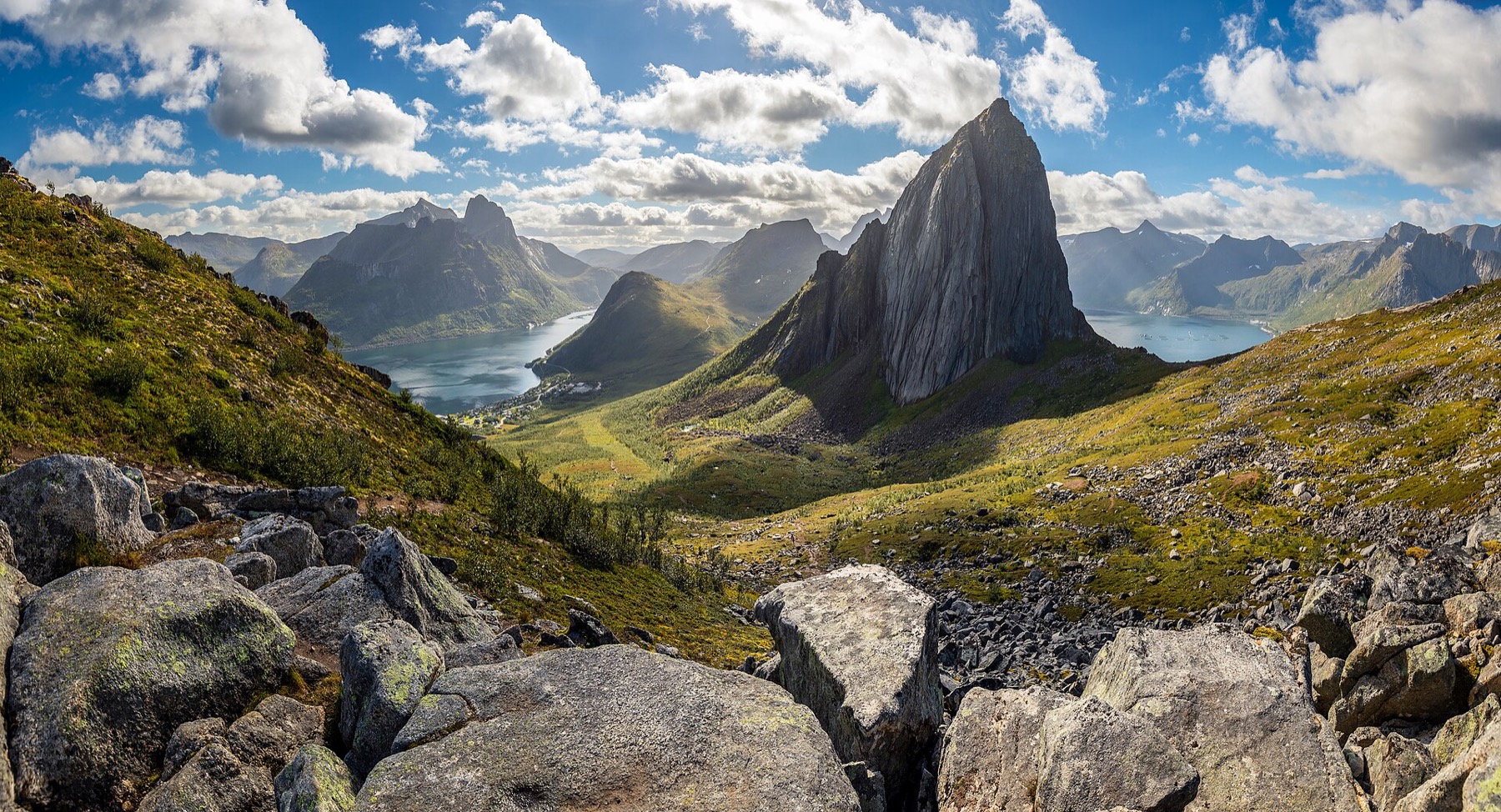
The island of Senja, often nicknamed “Norway in miniature” by locals, is a wonderful alternative to the overcrowded Lofoten. It offers equally dramatic mountains plunging straight into the ocean, but with far fewer tourists. For watching the midnight sun there’s the utterly perfect Tungeneset viewpoint, which opens up the iconic view of the jagged Okshornan peaks. Another huge draw is the climb up the majestic Mount Segla, which starts from the tiny village of Fjordgård. In summer people commonly hike here even at night to avoid the afternoon heat and enjoy this monumental peak all to themselves.
A little farther south you’ll find the Vesterålen archipelago, world-famous for its whale safaris. Boats set out from the towns of Andenes and Bleik on the island of Andøya in search of giant sperm whales, and in the summer months they even offer special midnight cruises. Seeing an enormous whale fluke rise from the ocean against the backdrop of the midnight sun is a scene straight out of a National Geographic documentary. According to many travellers, it’s an even more powerful experience than watching from the mainland.
💡 Tip: In summer, the Gryllefjord–Andenes ferry line runs between Senja and Vesterålen. It saves you hundreds of kilometres of tedious driving and is a gorgeous scenic experience among the fjords in its own right.
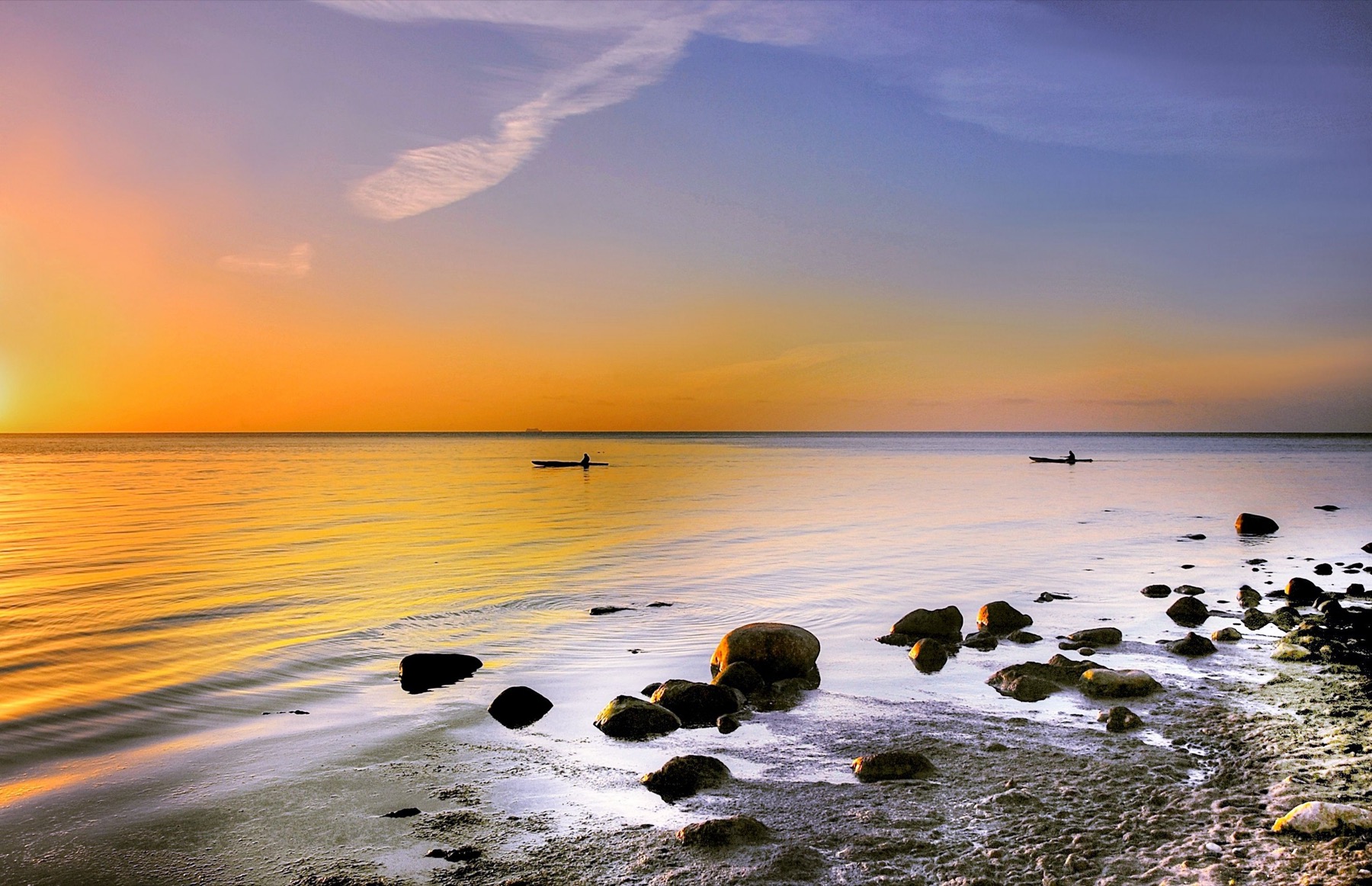
8. Golf, Kayaks, and Night Hikes: What to Do When the Day Never Ends
The very best thing about the midnight sun is that incredible sense of freedom, when you’re never under pressure from approaching darkness. Your itinerary can loosen up completely, and activities you’d normally have to squeeze in before evening can be shifted to the middle of the night without any stress at all. Night hikes are a huge hit up north, and what’s more, they’re perfectly safe. The popular climb up the steep stone steps of Reinebringen in Lofoten, for example, is usually clogged with crowds during the day, but if you set off at 11 p.m. you’ll have the hill almost to yourself and see the most beautiful colours in the sky.
And then there’s something I never expected to care about: the Lofoten Links golf course on the island of Gimsøy, straddling the 68th parallel. It regularly ranks among the best courses in the world, and the prestigious Golf Magazine named it the outright number one in Norway for 2025. Roughly from mid-May to late July it offers so-called Midnight Sun Unlimited Golf. Here players can hit balls for an incredible 24 hours a day right on the rugged Arctic coast — a concept you won’t experience anywhere else on the planet at this quality. There’s also a stylish lodge with ocean views right by the course.
💡 Tip: If you head out on a night hike, take a thermos of hot tea and a little something to eat. Most cafés and restaurants up north are long closed by midnight, so you’ll have to rely on your own supplies.
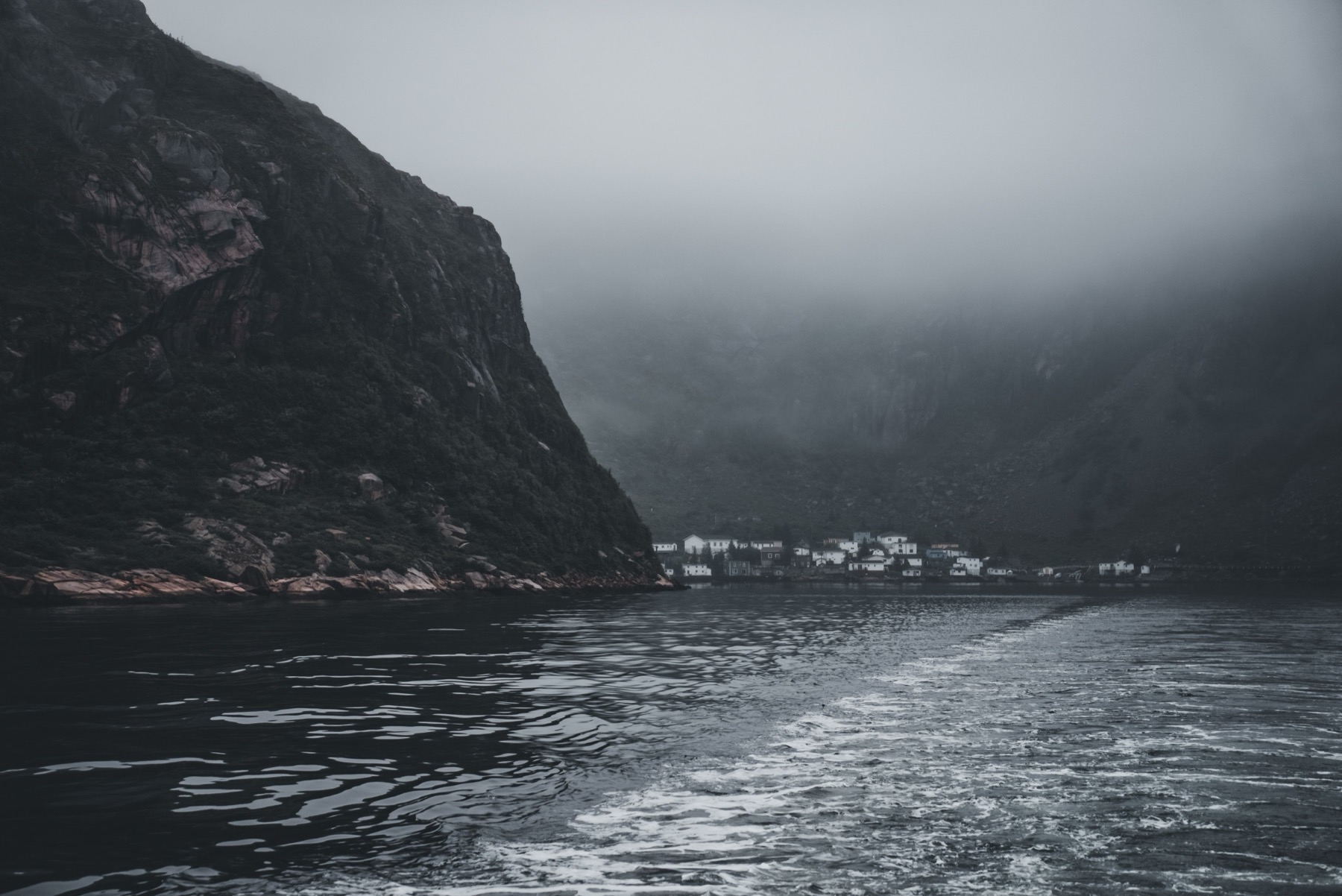

9. Fog, Rain, and Cold: Realistic Expectations
Looking at those perfect Instagram photos, it’s easy to get the impression that the midnight sun means endless evenings in a t-shirt and sunglasses. But the reality of northern Norway is far harsher — fog, low cloud, and persistent rain are utterly common phenomena here. The northern peninsula of Magerøya in particular, where the famous North Cape sits, is downright notorious for its treacherous Arctic fog. The chances that, after a long journey, you’ll see nothing at all at midnight because of that white murk are statistically fairly high, and you simply have to factor them in.
Temperatures in June and July up north most often range between 10 and 16 degrees Celsius, and once astronomical midnight approaches, the air off the ocean cools noticeably. Warm layers, a windbreaker, and a winter hat belong in your backpack even in July — but paradoxically, don’t underestimate the solar radiation either, because when the sun shines on you 24 hours straight, the total UV dose is simply enormous. You’ll need sunglasses and sunscreen up north even at three in the morning.
💡 Tip: Learn to read the detailed forecasts on the Norwegian weather site yr.no. It’s often worth driving just twenty kilometres farther to the next fjord, where the rain and cloud cover can be completely different.
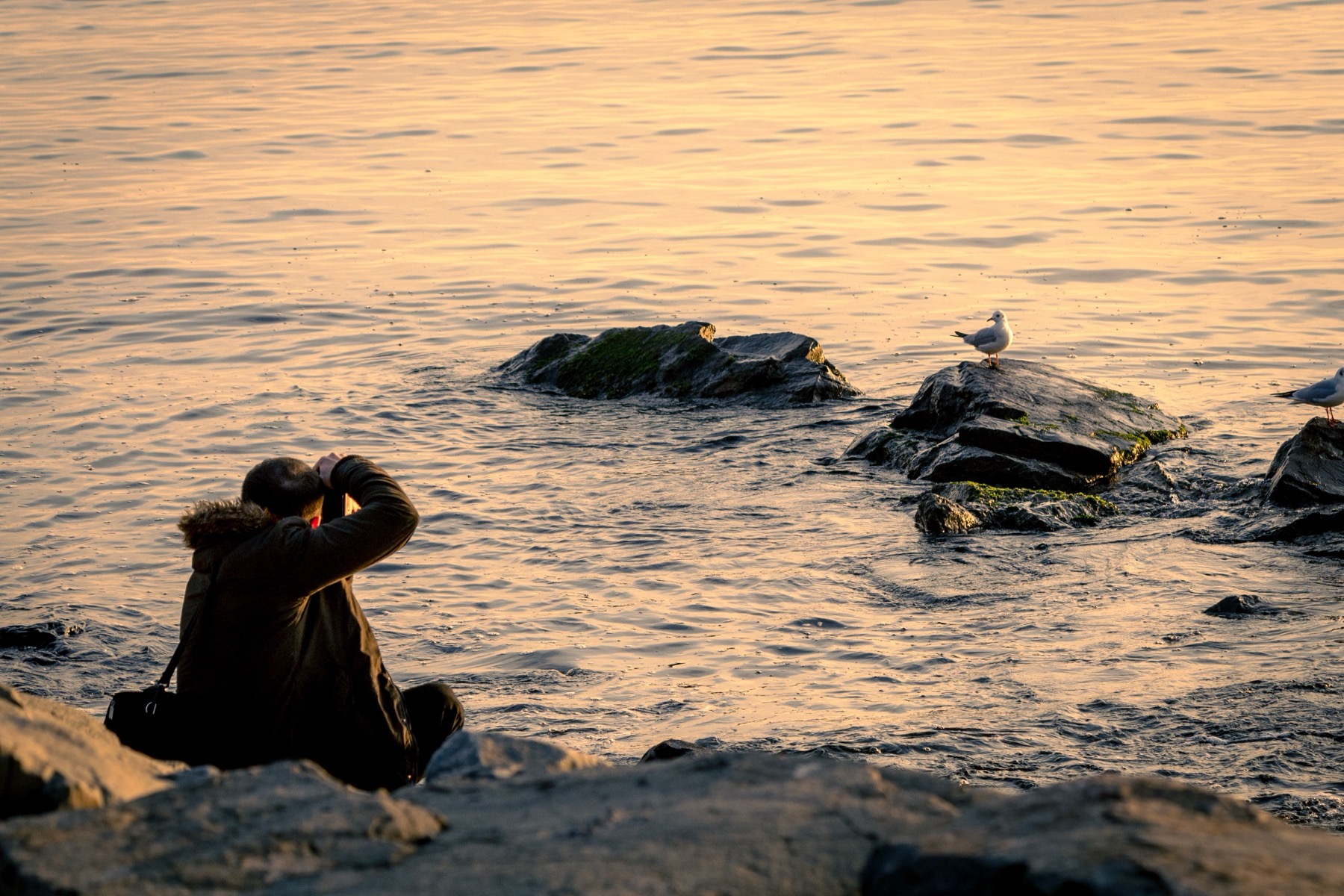
10. Photography: An Endless Golden Hour
For every keen photographer, the midnight sun season is an absolute dream come true. The classic golden hour, which in Central Europe lasts just a few dozen minutes before sunset, stretches out here into several long hours. It usually runs from roughly 9 p.m. until 2 a.m. The sun shines from a very low angle, creating unbelievably soft, warm light and casting dramatic, long shadows. That annoying stress of having to quickly catch the right moment before the sun drops behind the hill for good vanishes entirely.
One thing that’s easy to forget: at midnight the sun sits exactly to the north, so plan where you’ll stand accordingly. It’s very useful to download an app like PhotoPills to your phone, which shows you precisely where the sun’s disc will move at any given hour. You’ll get the best shots by placing the horizon in the lower third of the frame and letting the sky, reflected in the water’s surface, take centre stage. Because the light is very contrasty, modern phones sometimes struggle with exposure. Try manually lowering the brightness while shooting so the sky isn’t needlessly blown out and the colours stay beautifully saturated.
💡 Tip: Don’t forget to protect not just your eyes but also your camera lens. The low sun has a huge tendency to throw unwanted flare, so using a good lens hood is an absolute must.
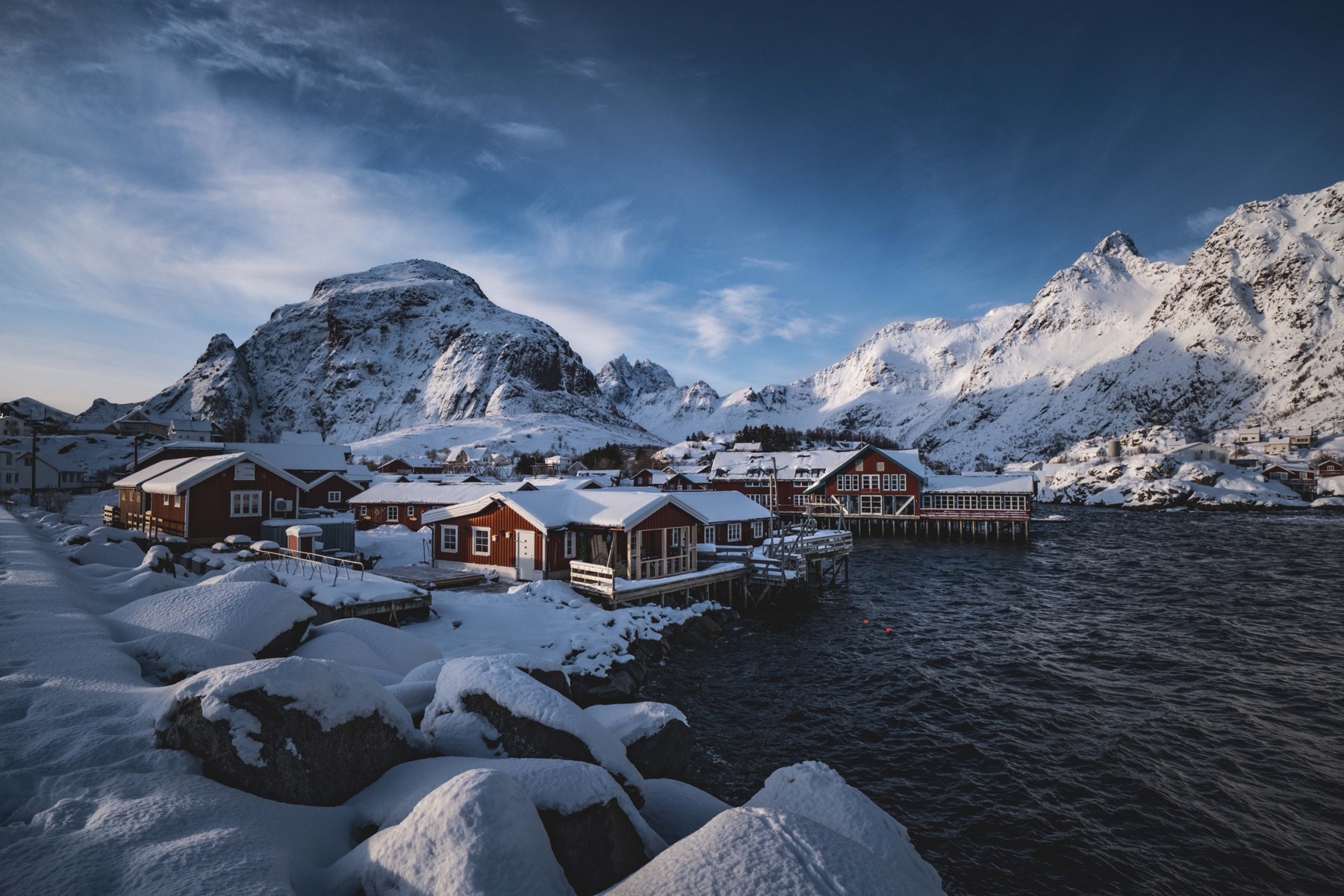
Where to Stay (and Not Go Mad from the Light)
💡 Accommodation and experience tip: We prefer to look for accommodation on Booking.com, which tends to have the best cancellation terms. Tickets, tours, and activities are then worth comparing and buying through GetYourGuide.
Accommodation up north is a chapter in itself. I’ve learned that a west-facing window won’t save your sleep, trust me. So what should you focus on? Look for places that offer views to the north, so you can watch the sun straight from your window with a mug of tea in hand. Before booking, always open the map and check which way your room’s windows face. At the same time, verify in the reviews that the hotel has good blackout curtains. Here are some great picks across popular destinations that meet these strict conditions:
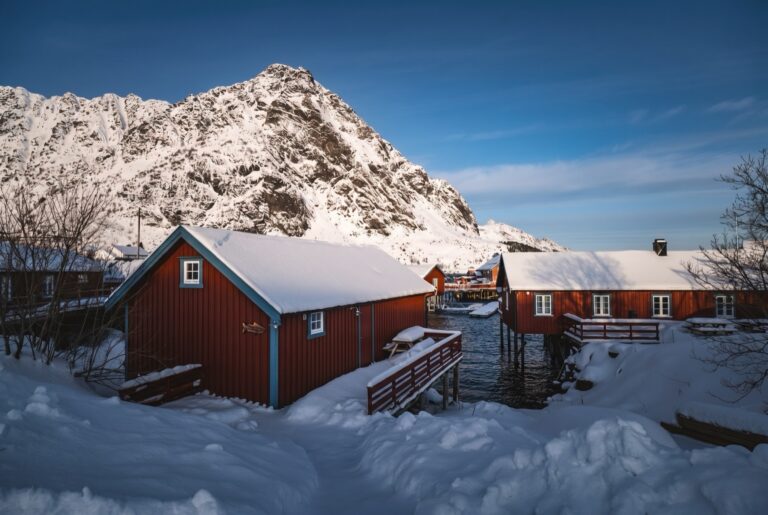
- Lofoten (Hamnøy): Stay in a traditional red fishermen’s cabin known as a rorbu, steeped in history. The utterly iconic choice is Eliassen Rorbuer, which offers the most beautiful views of the surrounding mountains and fjords straight from the wooden terrace. The cabins have their own little kitchen and comfortable beds.
- Tromsø: Right in the buzzing city centre I recommend the Scandic Ishavshotel. It sits right on the waterfront with a fantastic view of the harbour and the iconic Arctic Cathedral. It has great blackout curtains in the rooms and a fantastic, generous breakfast that will get you back on your feet after a sleepless night.
- North Cape (Honningsvåg): As a strategic base for trips to the cape and the trek to Knivskjellodden, the Scandic Nordkapp works brilliantly. It sits right by the main E69 road, offers easy parking and comfortable, quiet rooms.
- Bodø: If you’re starting your Nordic journey right here, the modern Scandic Havet is a great choice. It’s one of the tallest buildings in town, so from the upper floors you’ll get a luxurious ocean view straight from your bed.
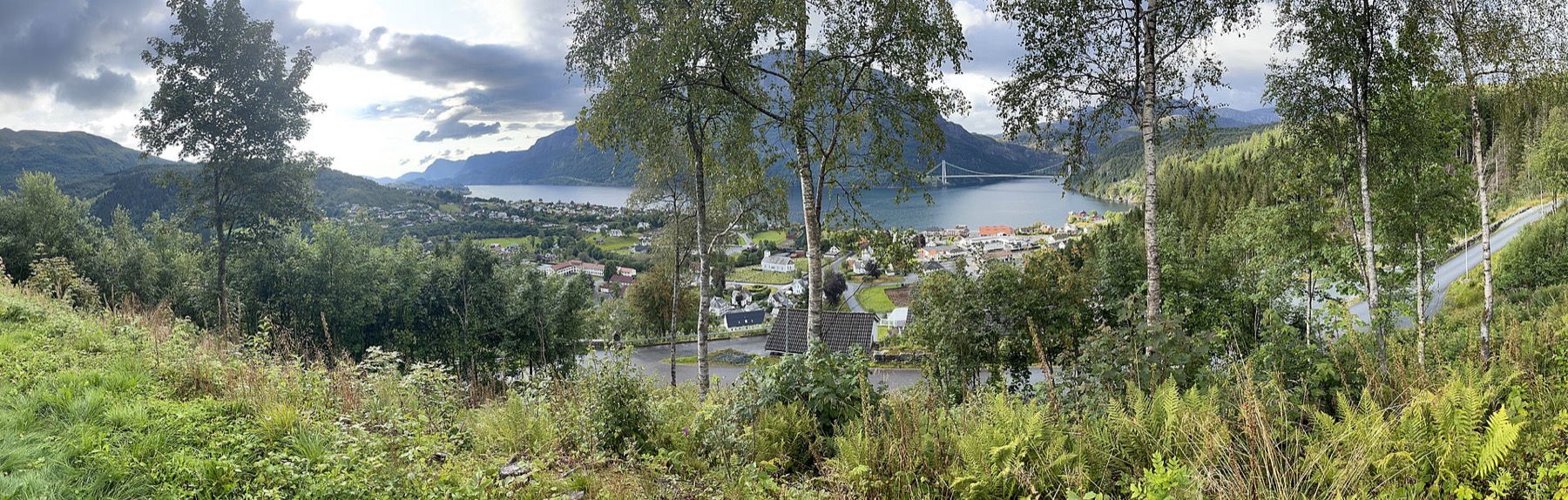
Practical Summary and Ballpark Prices
A holiday in Norway isn’t among the cheapest, and the northern regions are a notch pricier still than the south. I’ve put together a rough price overview for you (valid for 2026) so you can get a rough idea of your budget. I quote prices in Norwegian kroner (NOK); the exchange rate usually sits around €0.085 to €0.09 per 1 NOK.
- Fjellheisen cable car in Tromsø: 495 NOK (adult return), 280 NOK (child aged 6–17)
- Entry to the North Cape cliff: approx. 300–400 NOK per person (covers access to the visitor centre and parking)
- Parking at the Lofoten beaches (Uttakleiv): usually 50–100 NOK per day, camping around 250 NOK
- Guided midnight kayak trip: from 900 to 1,500 NOK per person
- Good sleep mask from the pharmacy: 150–200 NOK (worth bringing your own from home)
- A cup of coffee in a café: 45–60 NOK
- Gryllefjord–Andenes ferry: from 600 NOK for a car

Where to Eat (When You’re Hungry Even at Midnight)
Finding an open restaurant in the middle of a white night can be quite a challenge in northern Norway, even though the sun is blazing away. Most places close their kitchen uncompromisingly at 10 p.m., so if you head out on a night hike, plan a little ahead and keep supplies in your backpack — coming back from a trip to a sleeping town with a starving crew is otherwise a fairly common scenario.
Here are a few of our favourite spots that will save you, or at least offer a great culinary experience during the day:
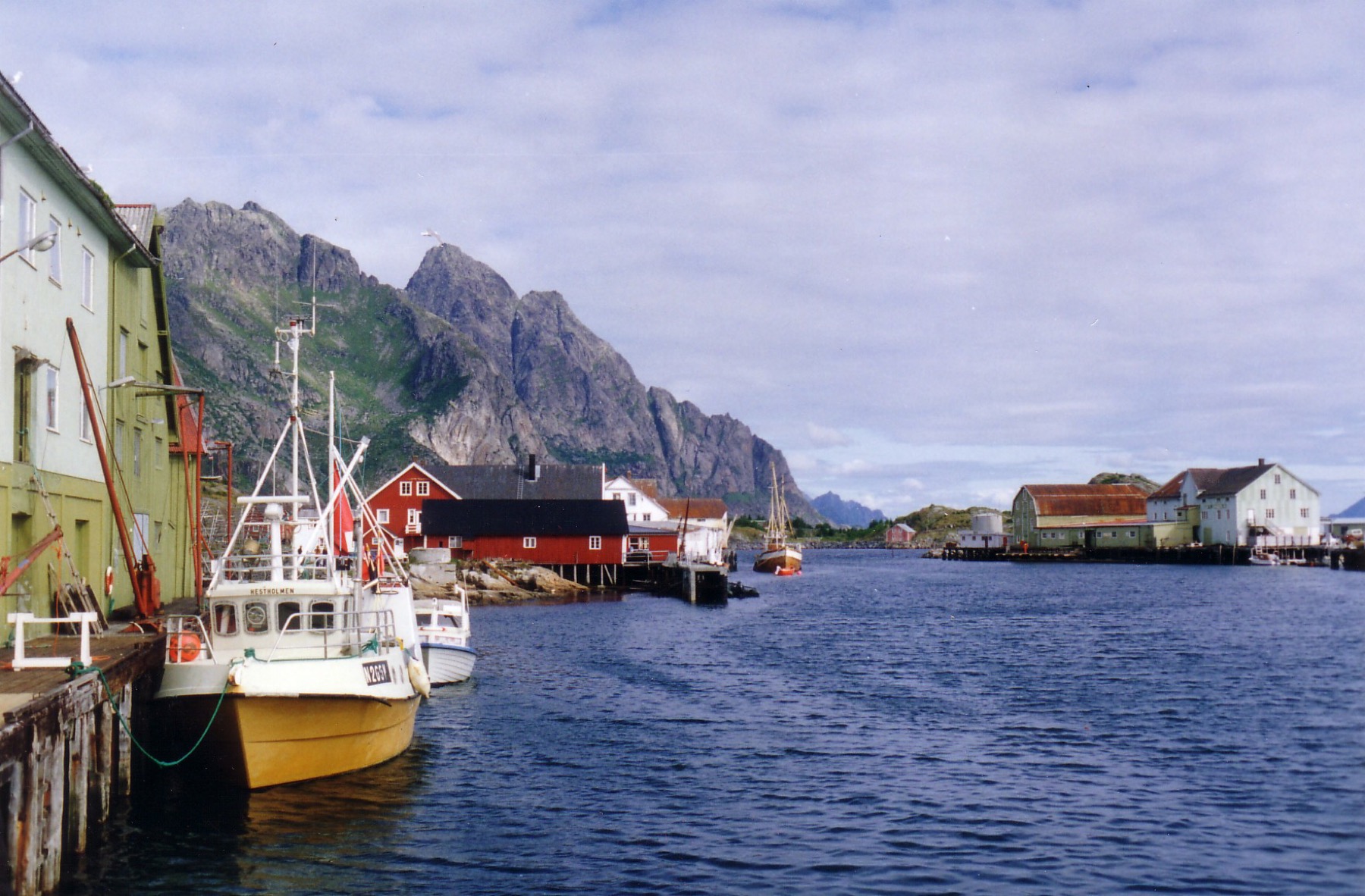
Fiskekrogen in Henningsvær (Lofoten)
The traditional restaurant Fiskekrogen sits right in the harbour of picturesque Henningsvær, and its fish soup is renowned far and wide. The kitchen no longer cooks at midnight, but during the day it’s one of the local classics; vegetarians in Henningsvær will do better in the cafés and bakery.
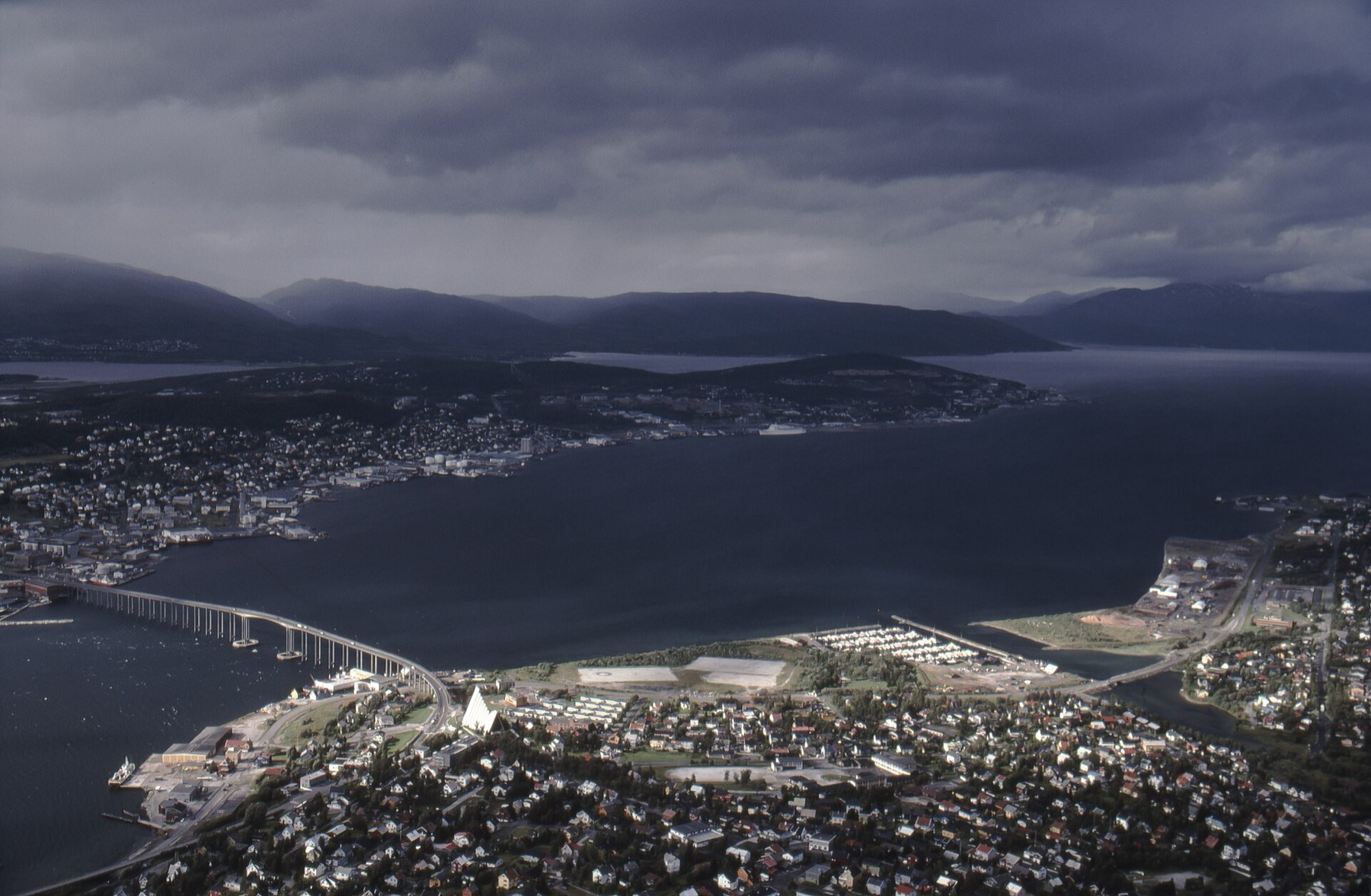
Mathallen in Tromsø
In the heart of the north, Mathallen Tromsø is worth a mention — a restaurant and delicatessen focused on local Arctic ingredients; the menu is dominated by reindeer and fish, and a reservation is a good idea because it tends to be full.
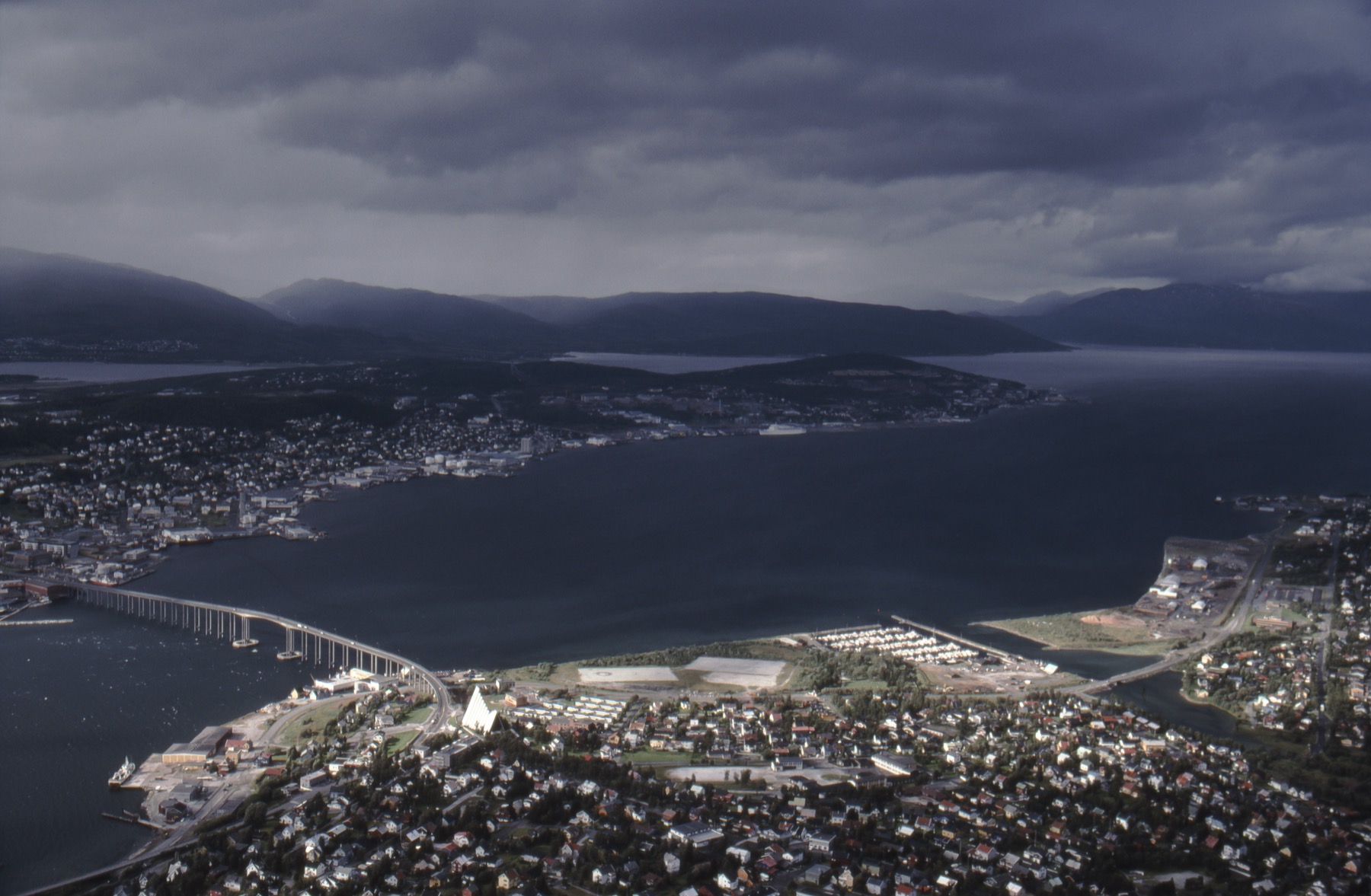
Where to Next
If you’re already planning your Norwegian itinerary, you’ll definitely find our other detailed articles handy. We’ve put together in-depth guides to the most beautiful places:
- Heading to the far north? Read our article North Cape: the northernmost point of Europe.
- If you’re drawn to dramatic mountains and fishing villages, don’t miss our big guide Lofoten: the complete guide.
- Wondering when the islands are at their best? Find out in the piece When to visit Lofoten.
- Looking for the best spots for photos? We’ve put together The most beautiful beaches in Lofoten.
- As a base up north, we recommend Tromsø: gateway to the north.
- If you’re torn over the right month for the whole country, take a look at When to visit Norway.
- And for lovers of peace and quiet without the tourist crowds, we have the article Senja: Lofoten’s wilder neighbour ready for you.
Frequently Asked Questions
Northern Norway and the phenomenon of the midnight sun raise plenty of questions, and believe me, the answers are surprisingly hard to track down. Because you often ask me the same things on Instagram and the blog, I’ve decided to gather everything in one place.
Here are the most common questions, which will hopefully help you get a little more clarity as you plan.
Tips and Tricks for Your Vacation
Don’t Overpay for Flights
Search for flights on Kayak. It’s our favorite search engine because it scans the websites of all airlines and always finds the cheapest connection.
Book Your Accommodation Smartly
The best experiences we’ve had when looking for accommodation (from Alaska to Morocco) are with Booking.com, where hotels, apartments, and entire houses are usually the cheapest and most widely available.
 🚗 Car rental on the roadVerified rental cars in Norway
Search with the DiscoverCars comparison engine — it compares prices from dozens of local and international rental companies, and most bookings come with free cancellation.
Compare car prices in Norway →Don’t Forget Travel Insurance
Good travel insurance will protect you against illness, accidents, theft, or flight cancellations. We’ve had a few hospital visits abroad, so we know how important it is to have proper insurance arranged.
Where we insure ourselves: SafetyWing (simple monthly subscription) and TrueTraveller (for extra-long trips).
Find the Best Experiences
Get Your Guide is a huge online marketplace where you can book guided walks, trips, skip-the-line tickets, tours, and much more. We always find some extra fun there!