You’re sitting in a hot stone pool, the Miño River flowing around you in Galicia’s Ourense, and this experience costs you absolutely nothing. But travel just a few kilometers further and you’ll find yourself in a grand nineteenth-century balneario where Madrid’s elite once came for summer retreats.
When people think of Spain, most picture southern beaches, but the real demand for thermal spas lies in the north. That’s where you’ll find the most beautiful historic spa complexes. The word balneario, by the way, doesn’t refer to an ordinary beach pool but to proper therapeutic baths.
In this article, you’ll find 21 Spanish thermal spas organized by region, from free natural springs in Galicia’s Ourense through the Pyrenean Panticosa and monastic baths in Castile to Arab hammams in Granada. I’ll explain what balneario means, how much it costs, and where you can bathe for free.
Quick Summary for Those Short on Time
- Most thermal springs are found in Ourense province in Galicia, with many freely accessible.
- Highest altitude spa is Panticosa in the Pyrenees, sitting at 1,636 meters above sea level.
- Spain’s largest thermal lake is at the Termas Pallares complex.
- Monastic baths from the twelfth century await at the five-star Castilla Termal Monasterio de Valbuena.
- Arab hammams, like the famous Hammam Al Andalus in Granada, operate on fixed time slots.
- Island spa connected to the mainland by a small bridge is La Toja in Galicia.
- Most popular spas right now are Archena, Elgorriaga, and Panticosa.
- A balneario is a therapeutic facility with medical supervision, not a regular aquapark.
- Basic entry price for a thermal circuit typically runs €20 to €35 per person.
- Best time to visit is November through March, when the south enjoys pleasant weather and the north’s hot springs provide the perfect refuge.
The full destination guide: Spain — guide and what to see
What Is a Balneario (and How It Differs from Standard Spas)
Head to Spain seeking thermal water and you’ll quickly learn that a balneario has clear-cut rules. It’s an official therapeutic facility with medical supervision, and patients often arrive with prescriptions for specific courses, inhalations, or hydrotherapy. So don’t expect a wild aquapark—expect a calm, health-focused environment instead.
The state subsidizes much of the stays at these facilities through the IMSERSO program, designed for Spanish seniors. Outside the main summer season, you’ll find mostly older locals in the pools; in July and August, facilities fill with tourists. For regular visitors, they sell what’s called a “circuito termal”—a one- to two-hour circuit of pools and saunas.
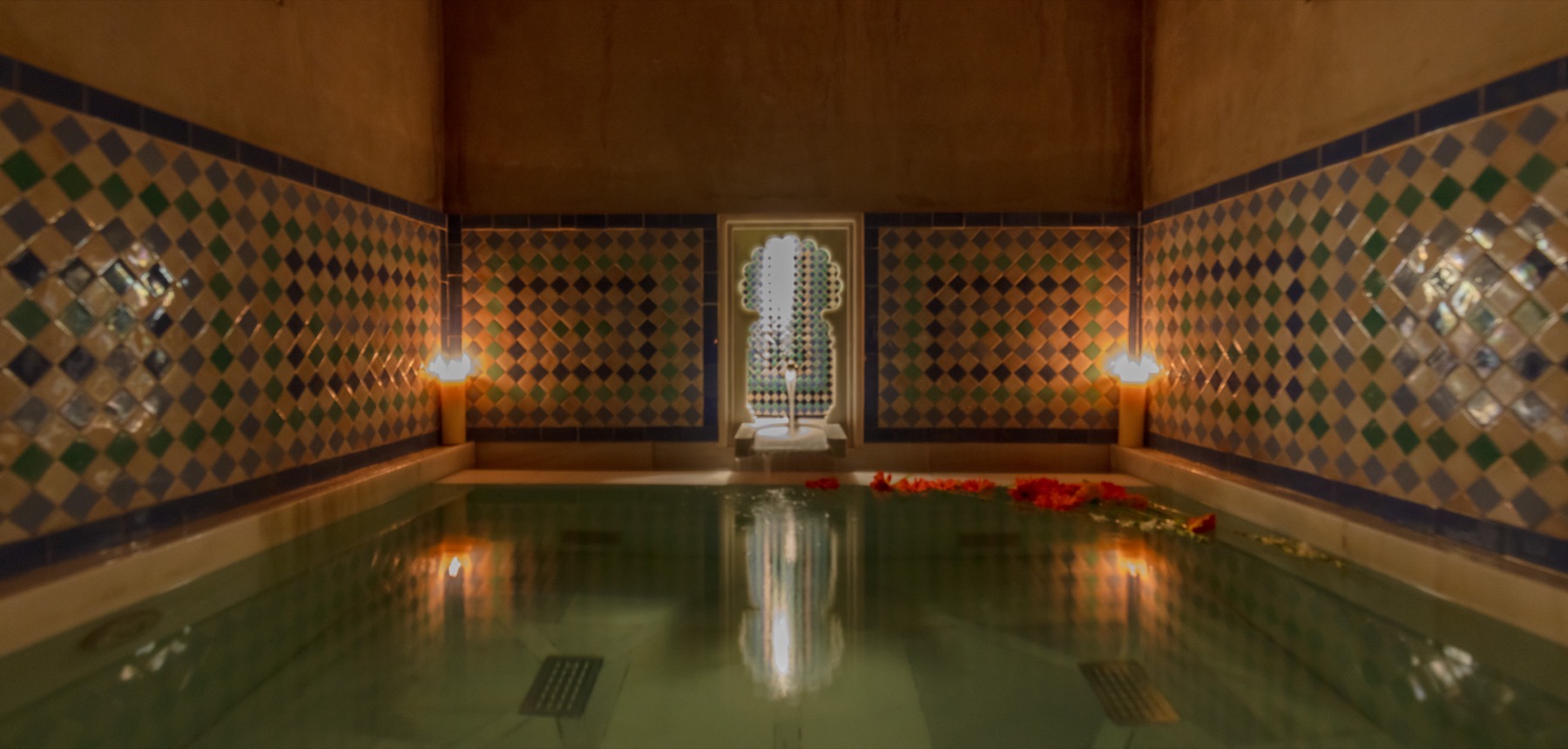
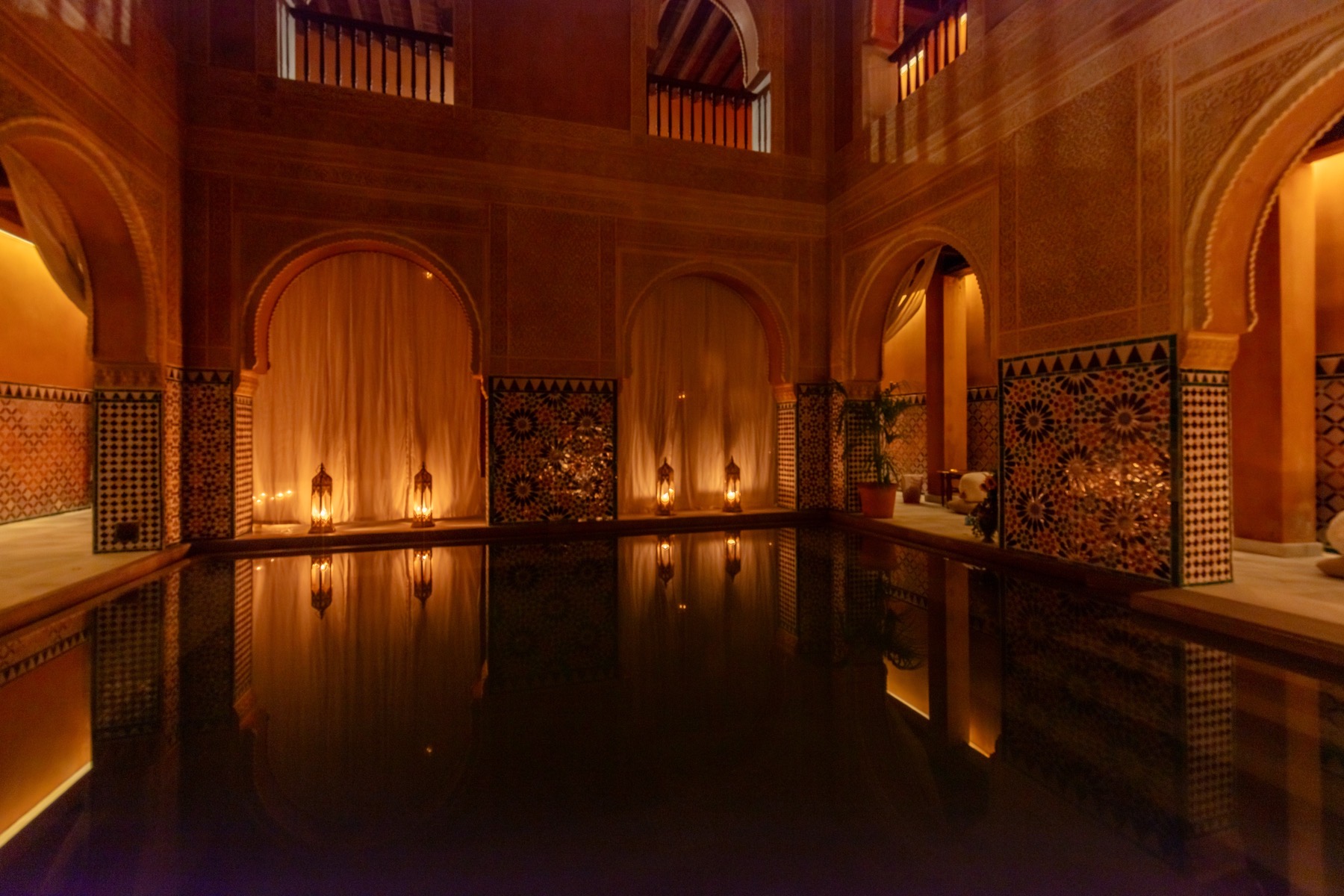
A completely different experience comes from Arab baths, or hammams. These aren’t classic balnearios because they operate on fixed 90-minute time slots and swimwear is typically worn inside. You must leave your phone in the changing room, and a short relaxation massage is often included in the entry price.
Ourense, a Galician city, is a complete one-of-a-kind with natural thermal springs. Popular springs like Termas de Outariz or Termas da Chavasqueira are freely accessible right by the river, and you pay either a token fee or nothing at all. A special city tram called Tren Termal can comfortably take you to these pools.
The history of many northern Spanish spas is closely tied to the development of railways in the nineteenth century. Spain’s elite used to travel by train to regions like Cantabria, the Basque Country, and Navarre. As a result, you can still bathe in grand buildings surrounded by sprawling parks that retain their original aristocratic atmosphere.
How Much It Costs and When to Go
Prices vary depending on what kind of experience you’re after and what you expect. The completely free natural thermal springs in Ourense cost either nothing or just a small fee of a few euros. If you buy a basic circuito termal at a classic balneario according to current 2026 pricing, expect to pay roughly €20 to €35 per person.
More elaborate experiences naturally cost more. For a reserved time slot in an Arab hammam, which typically includes a short massage, you’ll pay around €40. If you choose to stay overnight at one of the luxury spa hotels in the Castilla Termal chain or in complexes like Panticosa and La Toja, accommodation with access to thermal pools will be significantly more expensive.
Spain is an ideal spa destination from November to March. The south enjoys very pleasant winter temperatures, while the north often sees rain, making hot springs the perfect refuge. By contrast, August brings uncomfortable heat everywhere, and facilities burst at the seams with domestic holiday-makers.
💡 Tip: A spa stop is easy to combine with other travel. Spas in Galicia and Cantabria fit perfectly into a route along the famous Camino de Santiago, while high-altitude Panticosa in the Pyrenees is ideal for rest when crossing the border from France.
Where to Stay Near Spanish Thermal Spas
💡 Accommodation and experiences tip: We compare accommodation here to see what’s available and at what price. We prefer to search on Booking.com, where the cancellation terms are usually best. For tickets, excursions, and activities, it’s worth comparing and booking through GetYourGuide.
Booking accommodation right at a thermal spring has several clear advantages. You’ll avoid complicated commuting, can take an early dip before day visitors arrive, and in the evening you can go straight from the pool to bed. Most historic spas function as full-fledged resorts where you have all the comforts under one roof.
The most interesting spa hotels across Spain can be easily compared and booked through Booking, so you can verify thermal circuit availability for guests before you travel. Here are several specific recommendations for places with wonderful atmosphere that offer far more than just hot water.
Castilla Termal Monasterio de Valbuena (Valbuena de Duero, Castile and León) operates as a five-star hotel set within a twelfth-century Cistercian monastery. You’ll find it amid the famous Ribera del Duero vineyards, and you can enjoy the main thermal circuit in beautifully restored original cellars.
Castilla Termal Solares (Solares, Cantabria) is a historic nineteenth-century spa boasting its own mineral spring. The hotel is just a twenty-minute drive from Santander and its beaches, so it suits anyone wanting to combine coastal outings with restoration.
Gran Hotel La Toja (Illa da Toxa, Galicia) is an iconic luxury hotel on a small islet connected to the mainland by a narrow bridge. It offers its own balneario focused on treatments using local salt water and is perfect for romantic weekends.
Balneario de Panticosa (Panticosa, Aragón) comprises an expansive spa complex set right in a Pyrenean cirque at an elevation of 1,636 meters. In winter, the site is accessible by cross-country skiing, offering a brilliant contrast between snow sports and hot thermal relaxation.
Balneario de Archena (Archena, Murcia) brings together three separate hotels around one large thermal balneario. The entire complex is distinguished by stunning Moorish architecture and sits in the warmest region of all the spas mentioned, which you’ll especially appreciate during cooler months.
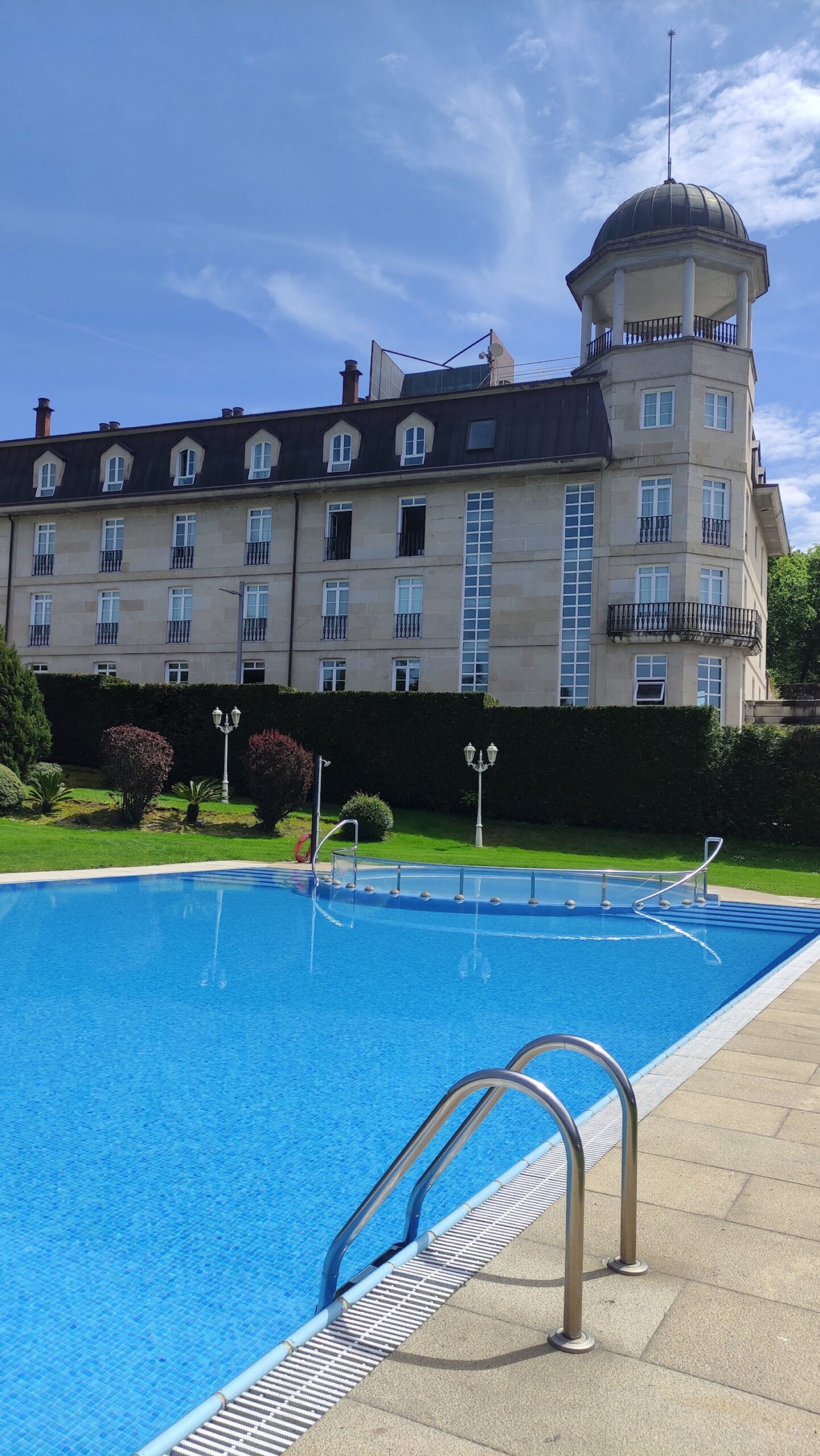
Balneario de Mondariz (Mondariz-Balneario, Galicia) is located in a municipality that historically developed around these very spas and is now actually the smallest autonomous municipality in all of Galicia. Aside from the renowned mineral water of the Mondariz brand name, guests frequently enjoy the adjacent golf course.
Galicia: Most Thermal Springs in Spain
Galicia in northwest Spain hides an enormous wealth of thermal springs that will pleasantly surprise you while traveling. You’ll find the most of them in Ourense province, where hot water bubbles up right on the banks of the Miño River and many natural pools are freely accessible to the public. It’s an ideal destination for those seeking the combination of wild nature and relaxing wellness.
If you’d rather prefer classic spa treatments with historical atmosphere, Galician balnearios like Mondariz or Cuntis will delight you with their well-preserved architecture. For more privacy, head to the island spa La Toja. Galicia simply offers thermal experiences for every type of traveler — you just need to choose which one suits you best.
1. Balneario de Mondariz (Mondariz-Balneario, Galicia)
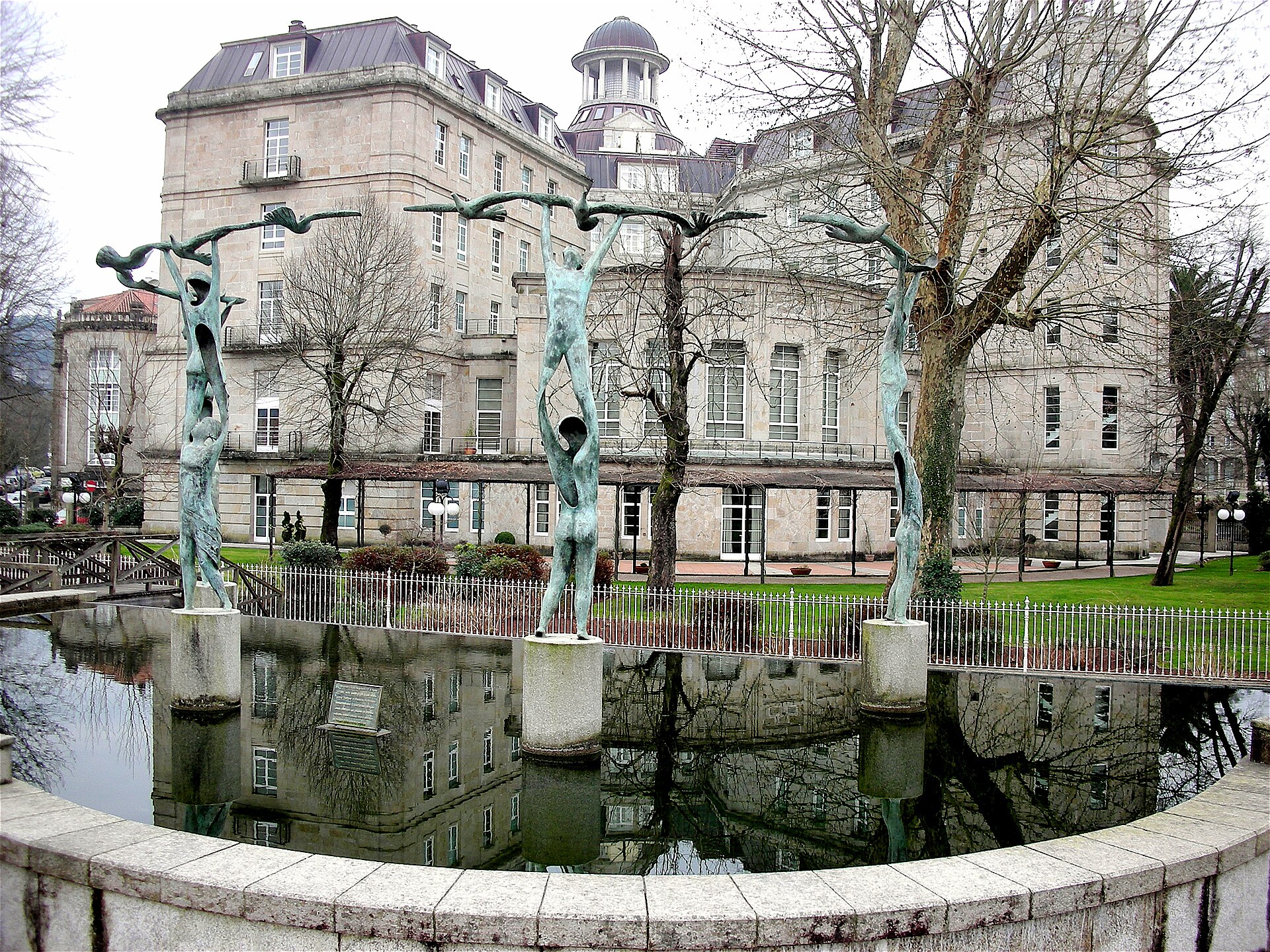
This historic spa complex is located in the town of Mondariz-Balneario, which at 2.31 km² is the smallest municipality in all of Galicia. The town is home to just 742 residents (according to 2025 data), but thermal water has attracted visitors here for over a hundred years. It was established as a separate municipality from the original Mondariz in the twenties of the last century, and since then it has maintained its air of elegance.
As early as 1925, the place received the title “Muy Hospitalaria Villa” from King Alfonso XIII, which hints at the level of care guests received here. Today the complex offers modern water therapies set within majestic historic buildings. You’ll find spacious pools with jets, a sauna world and outdoor relaxation zones sheltered from the wind.
Balneario de Mondariz is ideal for travelers who prefer a quiet atmosphere in a small town and traditional spa comfort. Don’t expect wild parties or bustling nightlife here — instead, enjoy peaceful strolls through well-maintained parks. 💡 Tip: Given the small capacity of the entire town, book your accommodation and spa treatments well in advance through the official website to ensure availability.
2. Termas da Chavasqueira (Ourense, Galicia)
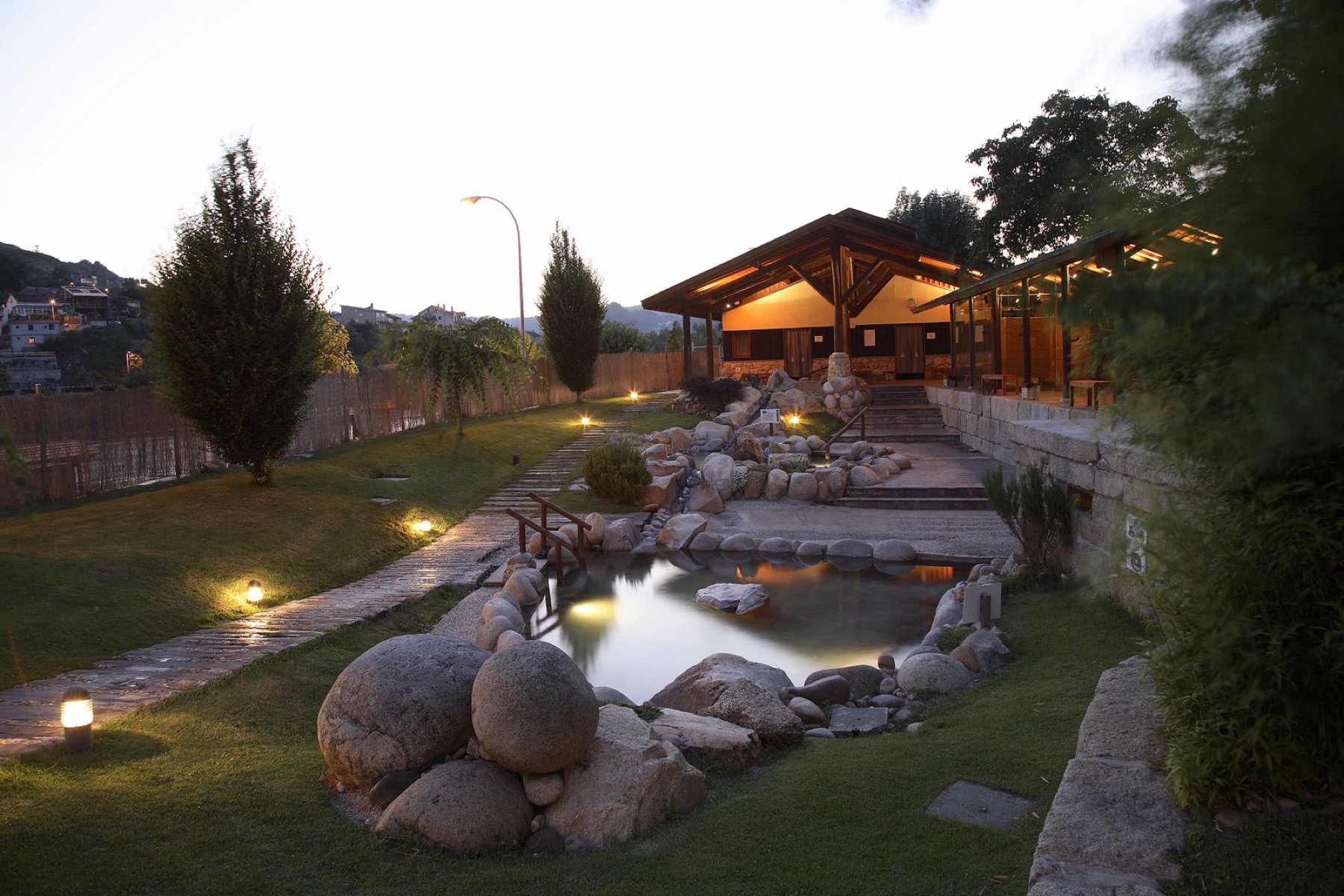
Right in Ourense you’ll find the Japanese-inspired thermal baths of Termas da Chavasqueira, located just a short walk from the city center on the banks of the Miño River. This complex stands out for its unconventional architecture inspired by classic Japanese onsens — not something you see every day in Europe. Wooden elements, stone walls and the overall zen atmosphere make it the perfect place to unwind after a day exploring monuments.
The thermal water here bubbles up into several outdoor pools where you can warm yourself even during cooler evenings. Thanks to its riverside location, you have beautiful views of the surrounding nature and flowing waters while soaking in the hot spring. It’s an excellent choice for couples seeking romance as well as for those wanting to experience a touch of exoticism in the heart of Galicia.
This complex is very popular with locals, so you might encounter small crowds on weekends. If you prefer quieter moments, visit on a weekday morning instead. 💡 Tip: Always check current opening hours and whether reservations are required on the official website beforehand — access rules may change seasonally and capacity is sometimes strictly limited to maintain a peaceful atmosphere.
3. Termas de Outariz (Ourense, Galicia)
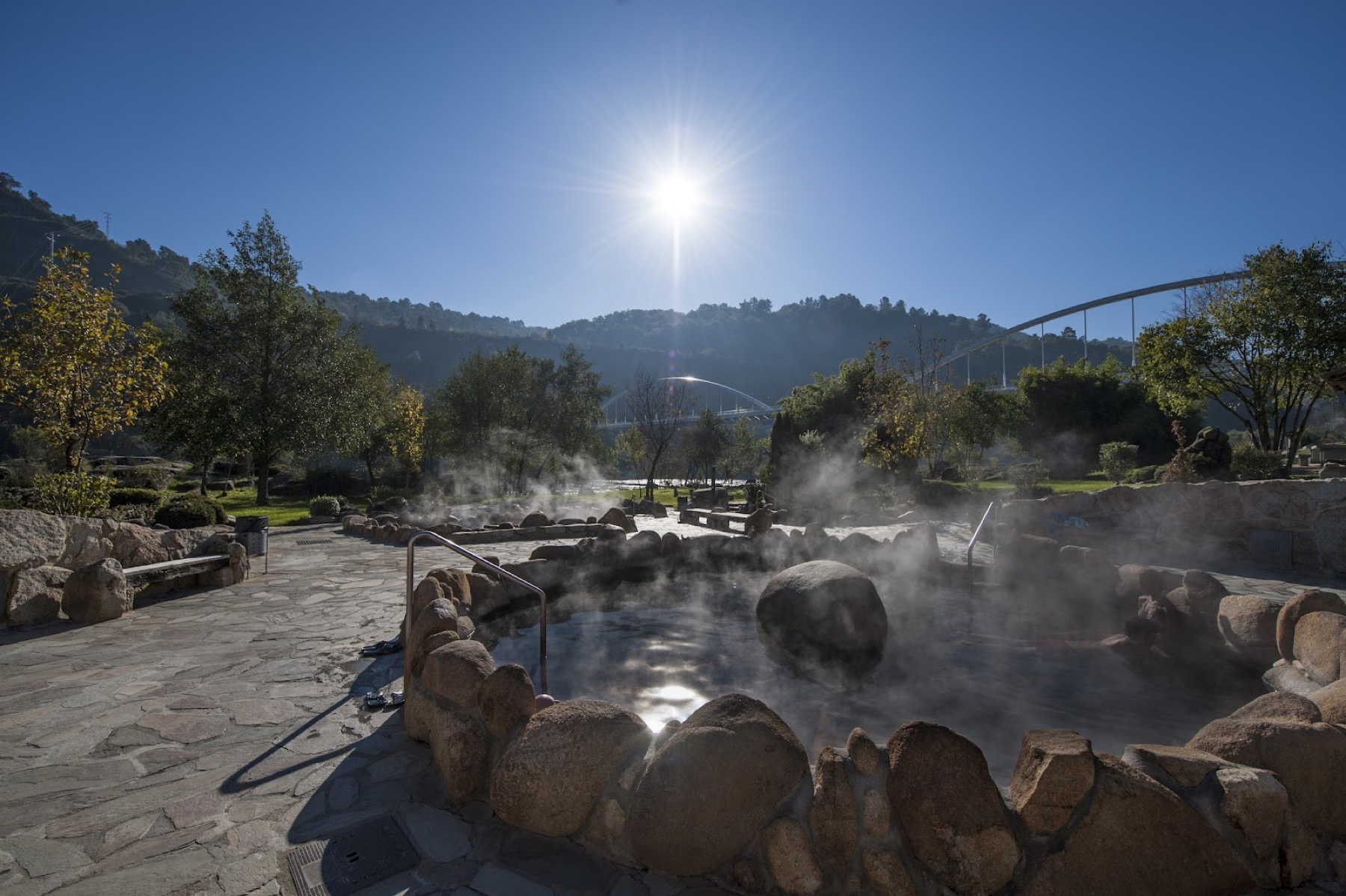
Your next stop along the thermal trail beside the Miño River in Ourense is the popular Termas de Outariz. This expansive complex is divided into two sections and offers both a Japanese zen zone and a Celtic section with stone pools. So during a single visit you can try different bathing styles and discover which relaxation approach suits you best.
The pools are set within beautifully maintained gardens that provide plenty of shade even on hot sunny days. The water has beneficial effects on skin and joints, so after bathing you’ll feel wonderfully relaxed. The spaciousness of the Outariz complex ensures that even when there are more visitors, people spread out nicely and you won’t be cramped in a tiny pool.
The place works well for families with older children as well as groups of friends wanting to combine a walk along the river with relaxation in hot water. There’s actually a lovely hiking trail leading directly from the city to the baths. 💡 Tip: Vehicle access to the pools is prohibited here — you’ll need to park at a lot on the opposite bank and cross to the pools comfortably via a pedestrian bridge.
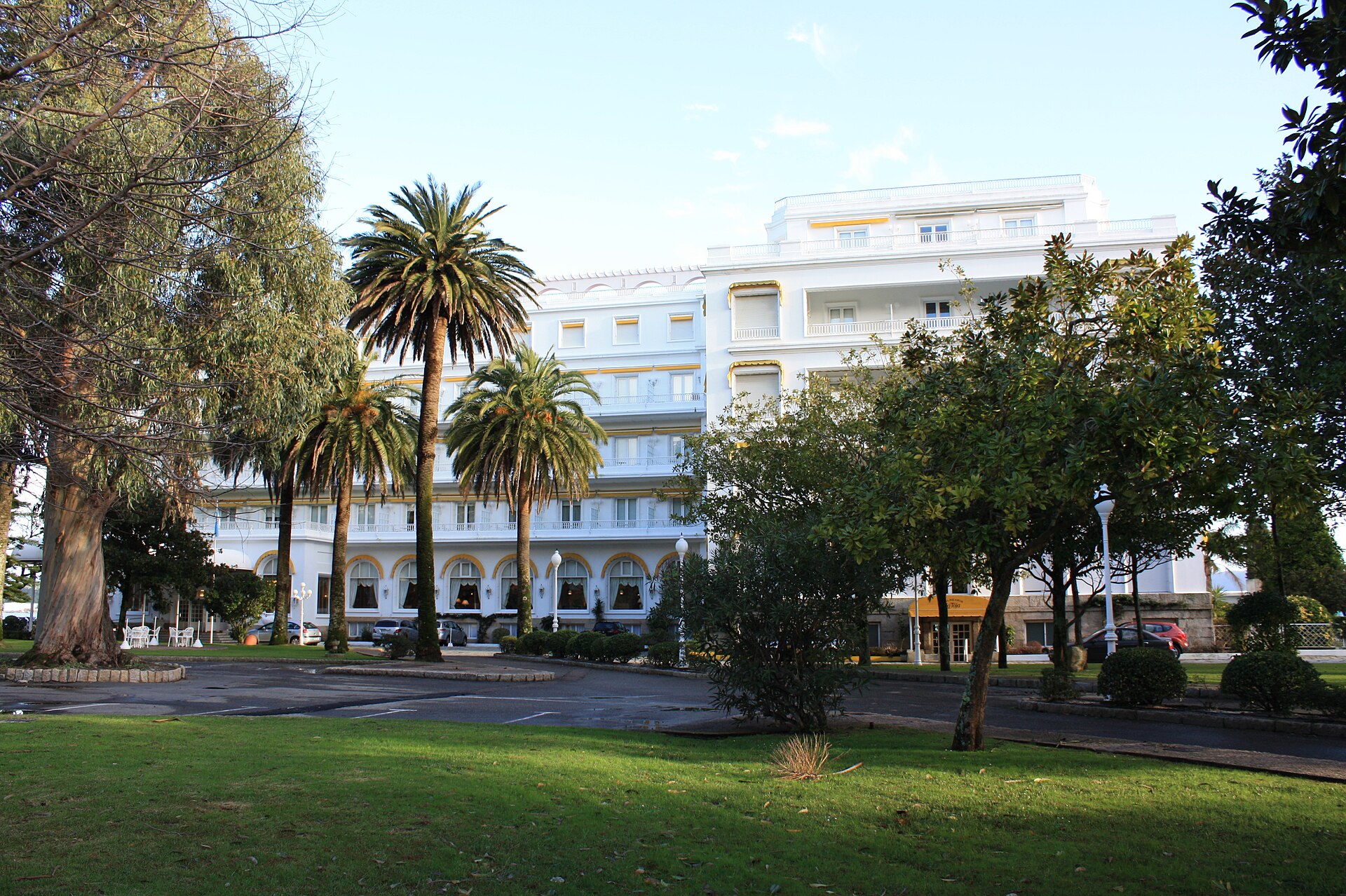
4. Balneario Isla de La Toja (O Grove, Galicia)
If you’re seeking perfect peace and exclusivity, you must head to La Toja Island. The entire island covers 110 hectares and according to 2022 data had only 83 permanent residents. Most of the area is taken up by recreational zones and protected nature. You’ll find a famous historic hotel with a spa that has drawn visitors for decades seeking premium care.
The island’s space is carefully divided so guests enjoy maximum comfort. It contains 32 hectares of private residential developments, a large golf resort covering 25 hectares in the north, and another 25 hectares of untouched pine forest in the island’s center. The mineral springs on La Toja are renowned for their effects on skin conditions and respiratory issues.
This place truly radiates premium atmosphere and suits those wanting to treat themselves during vacation with services in an isolated setting surrounded by greenery. The spa treatments themselves often use local mineral salts and mud. 💡 Tip: The island is connected to the mainland by a historic bridge from the town of O Grove — before your trip, check whether your hotel offers on-site parking, as spaces tend to be limited.
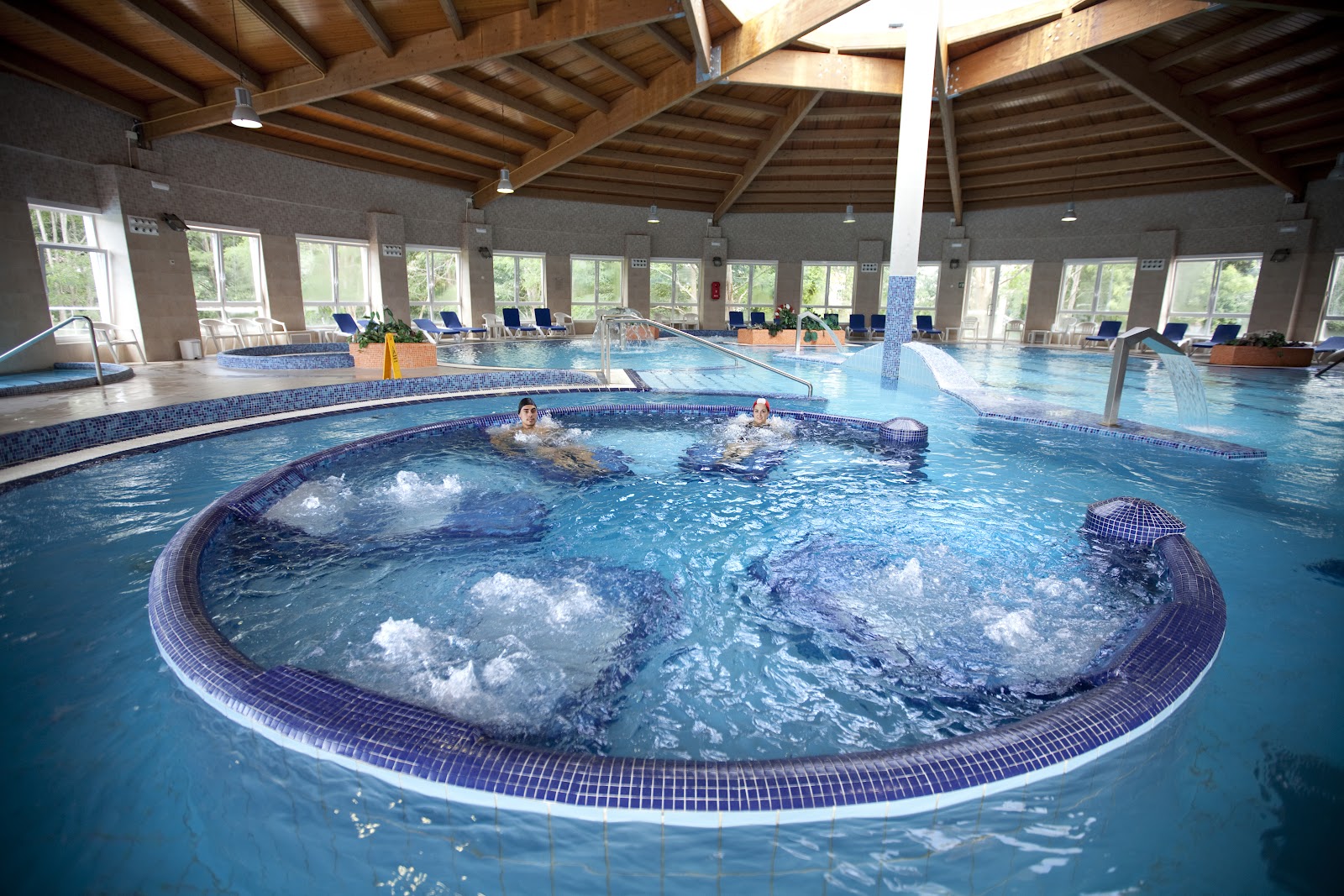
5. Balneario de Cuntis (Cuntis, Galicia)
You’ll find classic spa tradition in the town of Cuntis, which covers approximately 80 km² and lies just 27 kilometers north of the provincial capital. Around 4,469 residents live here (2025 data) and the entire life of the town revolves around hot springs. The local thermal water has ideal composition for treating joints and recovery after physical exertion.
Balneario de Cuntis offers enormous indoor spaces with glass ceilings, where you can swim in warm water regardless of the weather outside. Various massage jets, countercurrent systems and waterfalls beautifully relieve stiff muscles after long excursions in the area. The spaces are bright, modernly equipped and cleanliness standards are high.
This complex will be especially appreciated by travelers seeking professional wellness services and the calm atmosphere of a small Galician town where nobody’s in a hurry. It’s an excellent stop during a road trip through northern Spain. 💡 Tip: If traveling with children, check the spa’s website for specific family hours — some relaxation areas restrict access to adults only to maintain a peaceful atmosphere.
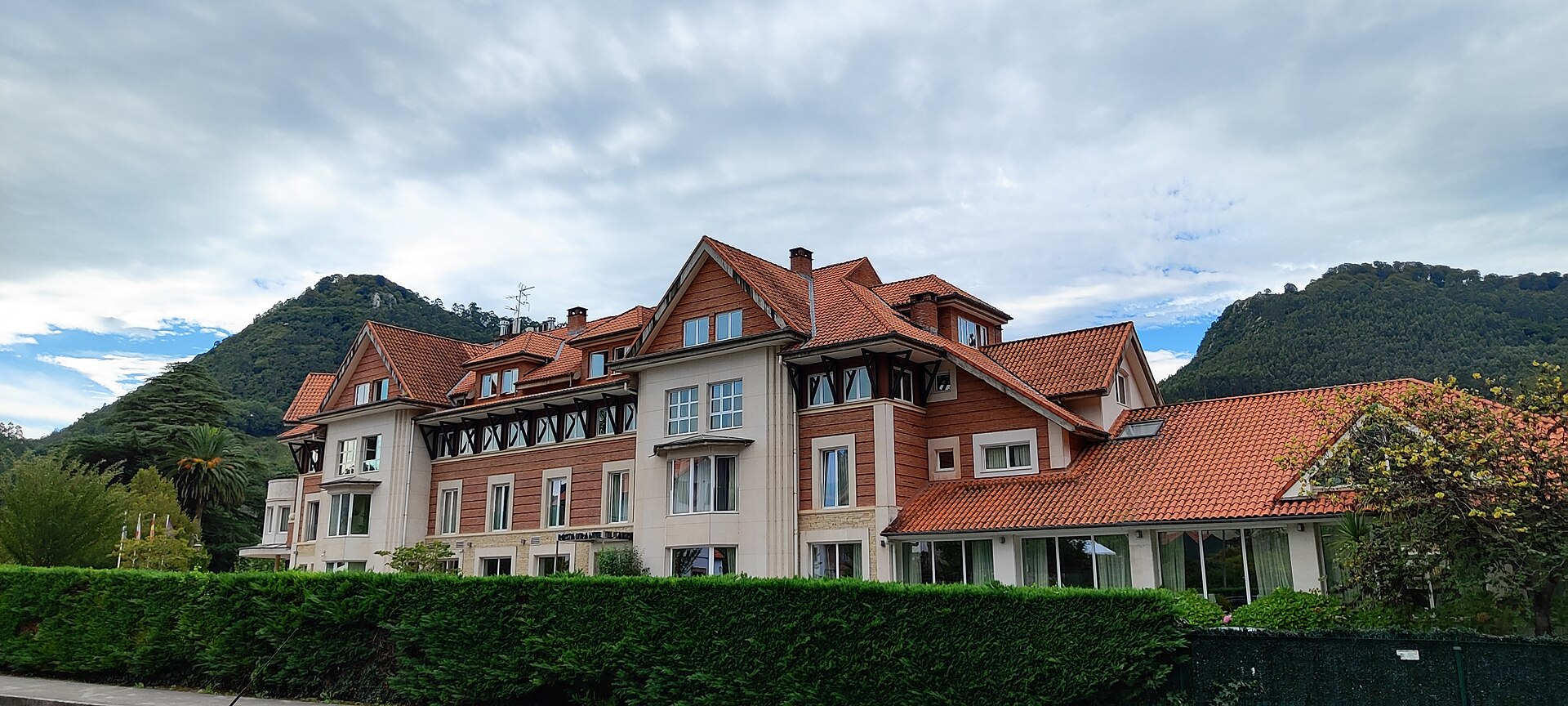
Cantabria, Basque Country and Navarre
Northern Spain’s coastline, also known as Green Spain, holds a completely different world than what you know from the sun-drenched south. Cantabria, Basque Country and Navarre offer wild nature where deep green mountains are constantly competing for attention with a turbulent ocean. This dramatic landscape is precisely where some of the most elegant thermal spas on the Iberian Peninsula are located.
In the 19th century, Madrid’s high society flocked here by train to escape the summer heat of the capital. The historic spa buildings still retain their aristocratic charm and nobility from that era. If you’re looking to combine mountain hikes, excellent cuisine and evening relaxation in warm healing water during your vacation, the northern regions will enchant you. Just keep in mind the weather here is more unpredictable and umbrellas come in handy more often than in Andalusia.
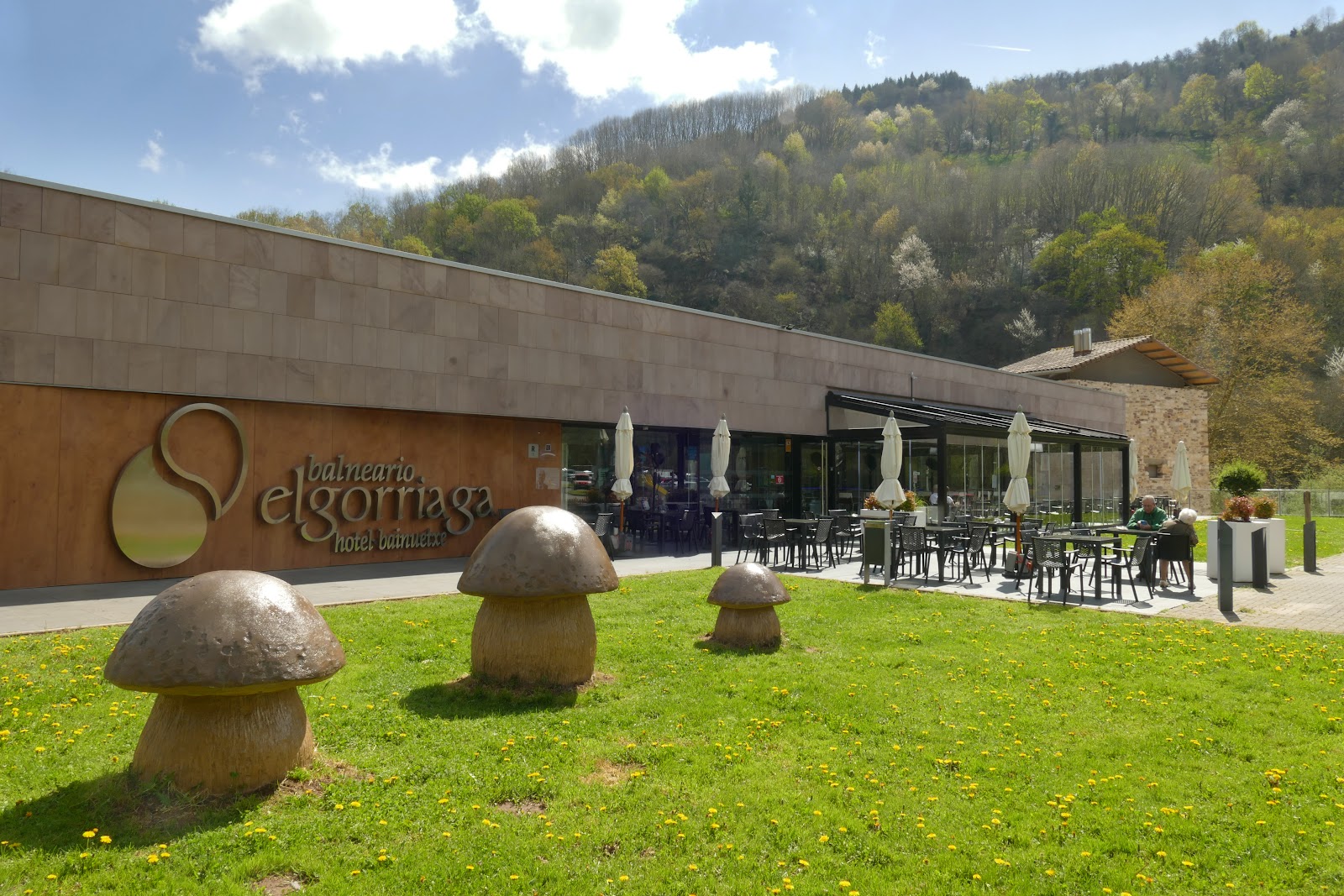
6. Balneario de Elgorriaga (Elgorriaga, Navarra)
Nestled in the picturesque Alto Bidasoa valley, just 54.3 kilometers from Pamplona, lies a peaceful thermal spa sanctuary surrounded by Navarrese nature. Local springs were discovered in 1846 by doctors Alejandro San Martín and Antonio Simonena, who extracted the first therapeutic salts through evaporation. The healing properties of the local water were later confirmed in 1919 by the spa’s director at that time, Mariano Mañeru. The village of Elgorriaga itself is tiny—in 2025 it had only 210 residents and sits at an altitude of 137 meters.
Today you’ll find a modern spa complex that has grown from its original historic roots into a comfortable base for travelers. The hotel section offers a total of 48 double rooms and 15 single rooms, complemented by 9 junior suites and 3 spacious suites for more discerning guests. The water here is highly mineralized and perfect for loosening tired muscles after hikes in the nearby Bidasoa and Berroarán mountains.
The whole place feels very intimate and is especially suited for couples or travelers seeking peace away from the main tourist trails. 💡 Tip: Given the hotel’s limited capacity and popularity with locals, it’s worth booking your stay well in advance—even several months before your planned visit.
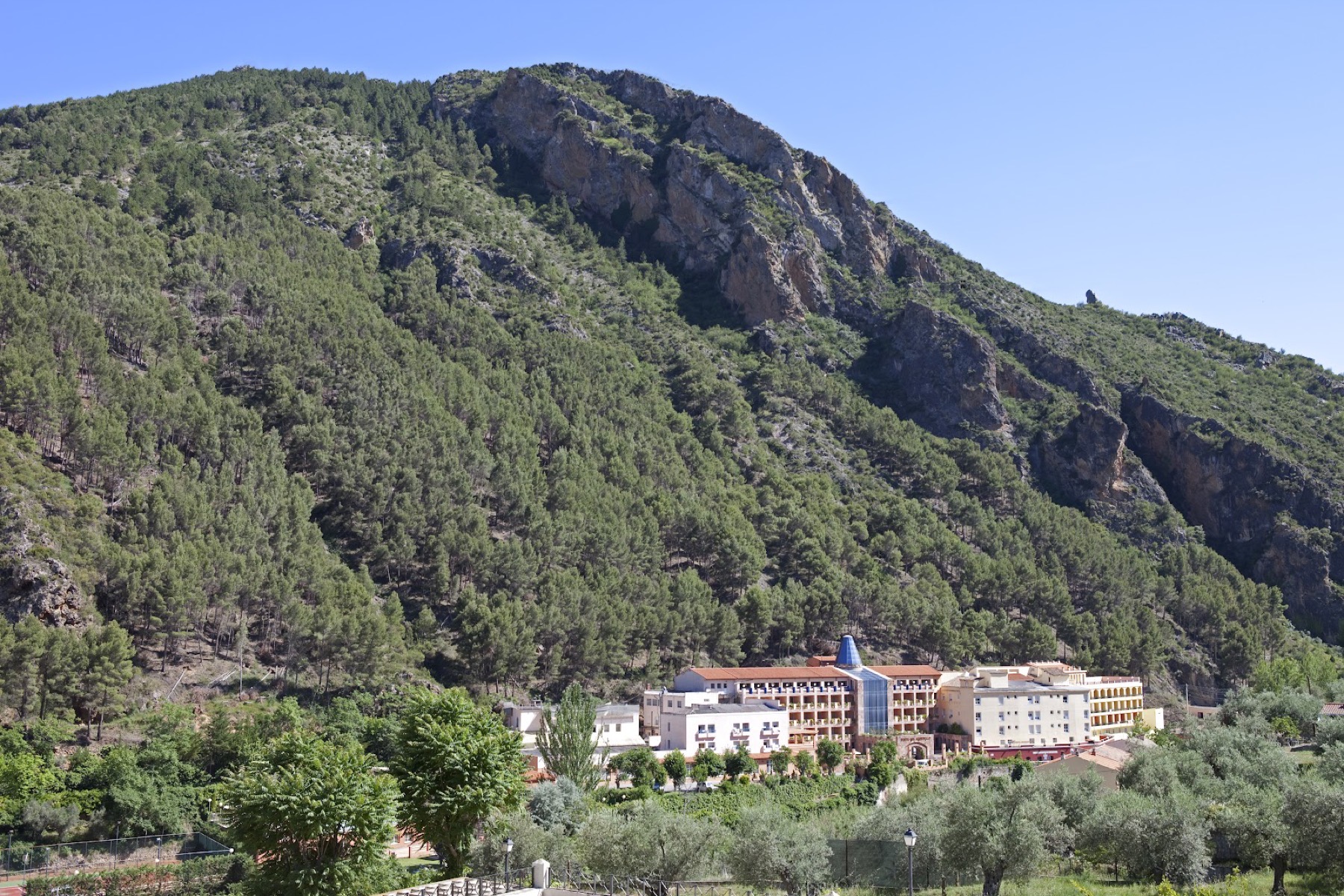
7. Balneario de Arnedillo (Arnedillo, La Rioja)
If you love genuinely hot water, this place will capture your heart. The local thermal springs filter through great depths and emerge at an impressive temperature of 52.5 °C (approximately 126.5 °F). The history of the town itself runs deep into the past—King Alfonso VIII granted it royal seat status way back in 1170. You’ll find it tucked in a river valley surrounded by mountains, where the highest peak reaches an altitude of 1,389 meters.
The spas and adjacent village are located about 12 kilometers from the larger city of Arnedo. Thanks to the deep valleys and surrounding mountains, there’s a unique microclimate here that invites all-day walks around the area. The healing water is rich in minerals and has traditionally been used for relaxation and health support. You can enjoy both modern indoor circuits and the atmosphere of an old spa town steeped in history.
The surrounding terrain with elevations ranging from 618 to 1,389 meters above sea level is ideal for both easy and challenging excursions. 💡 Tip: Head to the free-access natural pools by the river just beyond the town, where you can mix hot thermal water with cool river water to your exact preference.
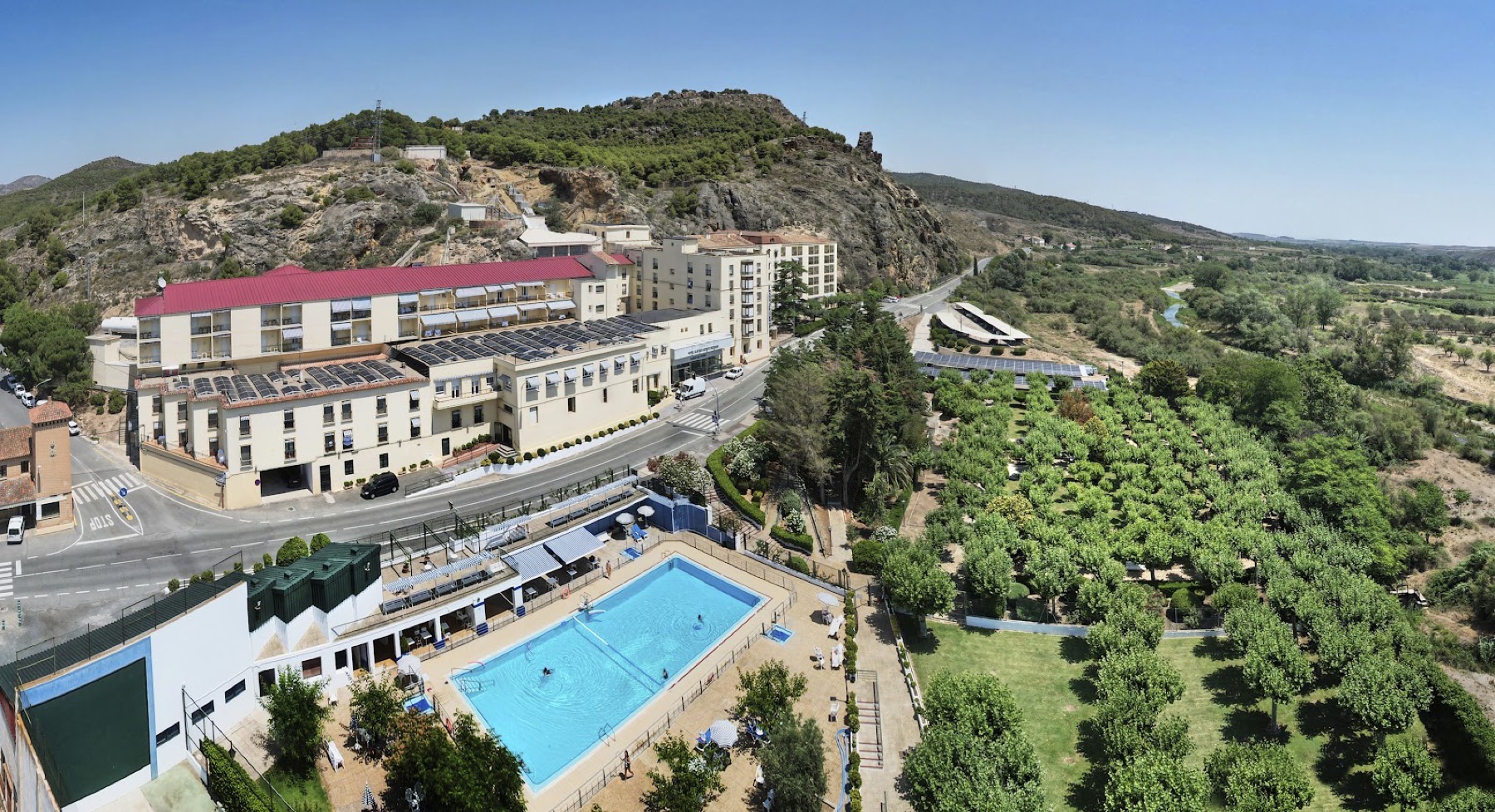
8. Balneario de Fitero (Fitero, Navarra)
On the banks of the Alhama River, exactly 104 kilometers from Pamplona, stands one of Navarre’s most popular spa complexes. The town of Fitero, with 2,370 residents, sits at a pleasant altitude of 421 meters, and its main draw is an outdoor hydrothermal pool with water heated to 34 °C. The water is ideal for unwinding after day trips and offers a perfect contrast to the cooler air of northern Spain.
According to 2026 pricing, a basic two-night package starts at €155 per person. For deeper relaxation, a three-day stay begins at €309. If you’re traveling with parents or are over 55, the spa offers a special five-day program starting at €407. Beyond bathing, you can also purchase local thermal cosmetics—a nourishing facial serum costs €31.90 and eye cream is €29.20.
The nearest larger town, Tudela, is 22 kilometers away, so you can easily reach here by public transport. 💡 Tip: If you love history, combine your afternoon soak with a morning visit to the local Cistercian monastery, one of the area’s most significant landmarks.
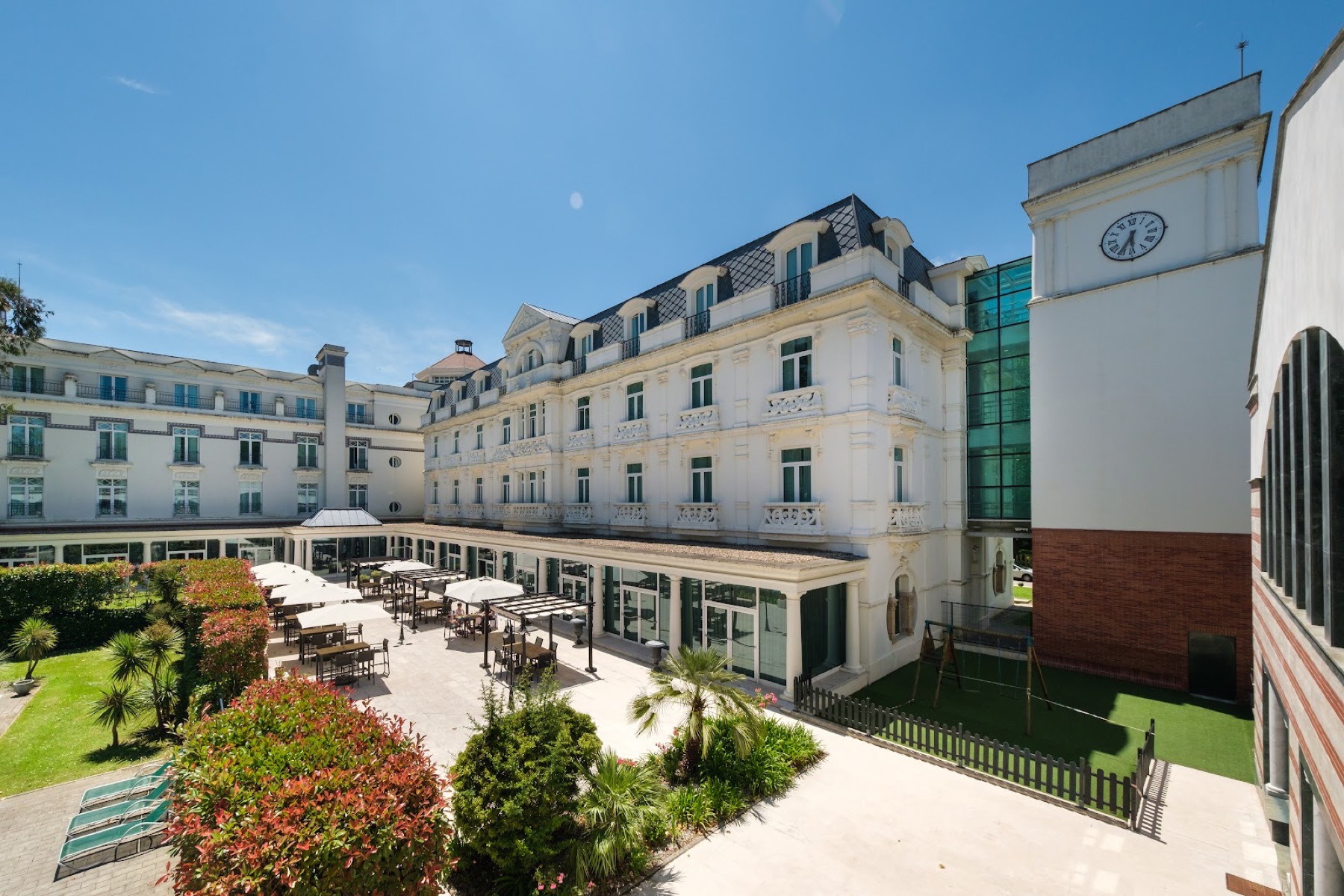
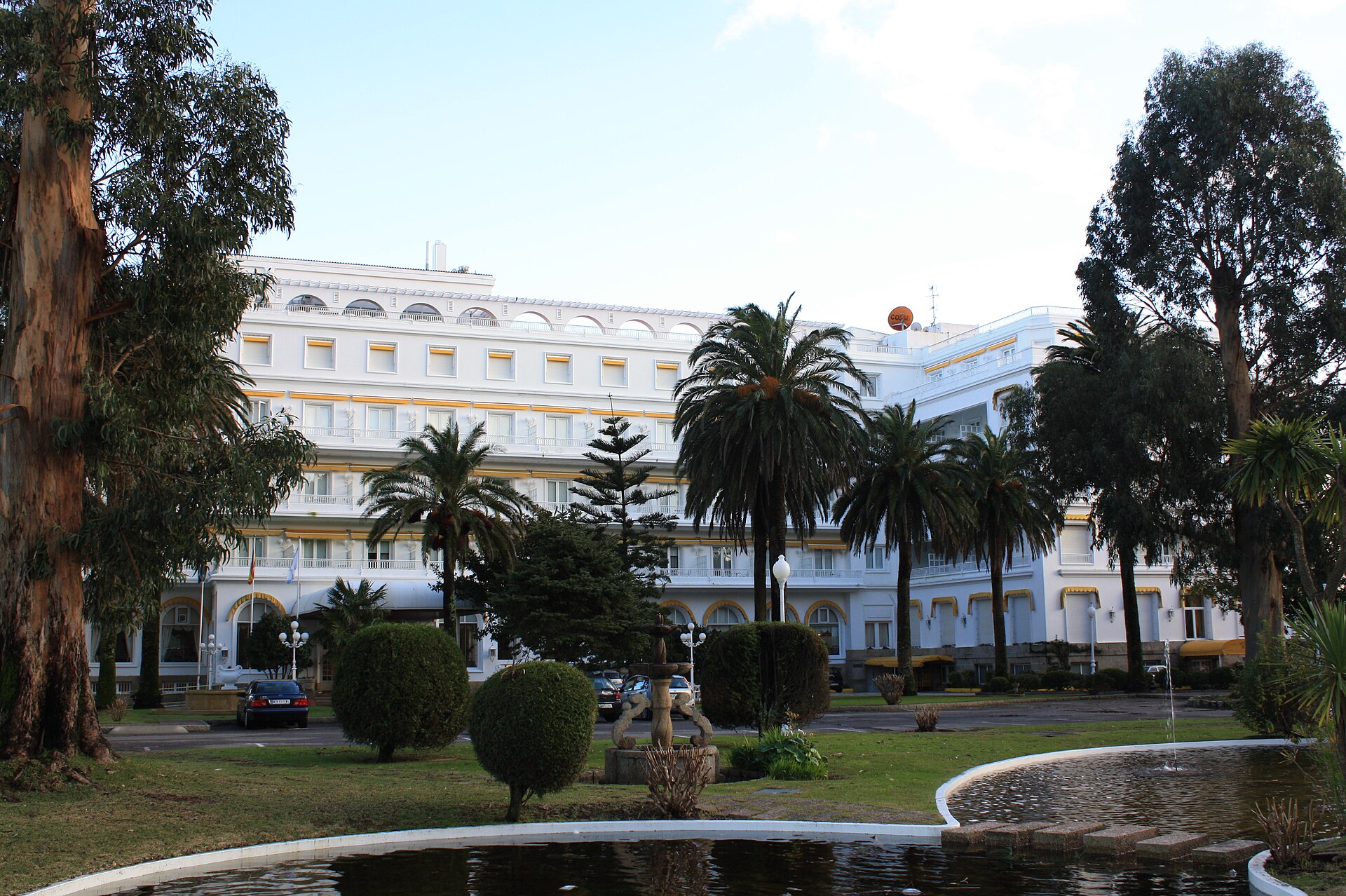
9. Castilla Termal Solares (Solares, Cantabria)
Cantabrian elegance embodied in a magnificent historic building—that’s the first impression this place will make on you. The classic white facade and expansive park clearly show that high society once came here to rest. Today it’s the perfect retreat for those seeking luxury accommodation and top-tier service in the calm setting of northern Spain.
Water from the local spring is renowned for its purity and delicacy, which the spa complex uses in extensive indoor pools with massage jets and relaxation zones. The interiors cleverly blend original architecture with modern design, so you feel like you’re in a period film but with all contemporary comfort. The place is perfect for romantic weekends and for travelers who want to pamper their aching backs after exploring the Cantabrian coast.
Before your trip, definitely check the official website, where the spa regularly updates seasonal packages and opening hours for thermal circuits for non-resident guests. 💡 Tip: Try to schedule your treatments for rainy afternoons—Green Spain gets plenty of them—and create a perfect contrast to the inclement weather outside.
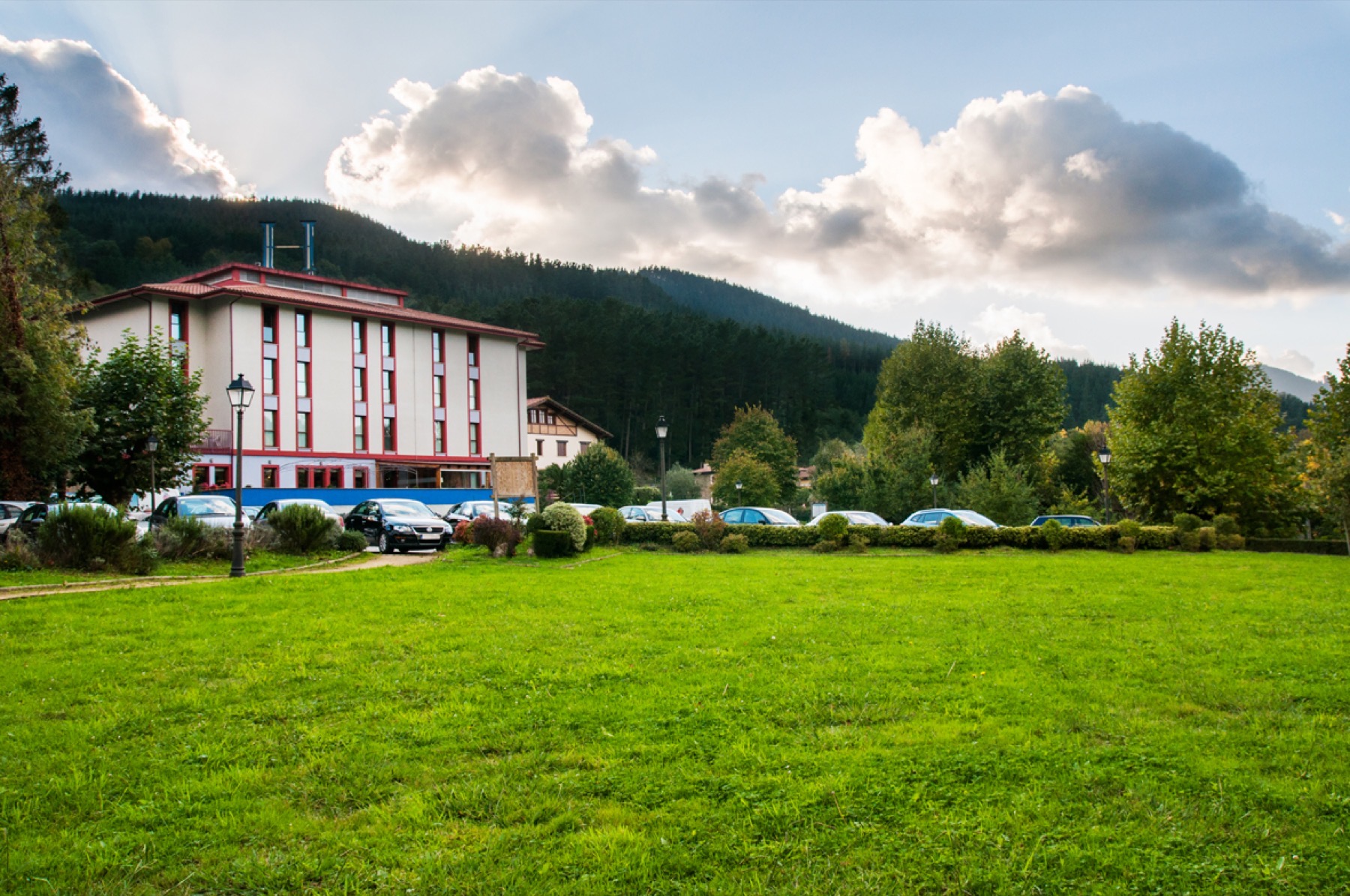
10. Balneario de Areatza (Areatza, Basque Country)
Right on the edge of Gorbeia Natural Park in the Basque Country, you’ll discover a spa that blends perfectly with the surrounding green landscape. The combination of wild mountain nature and healing springs makes this facility an ideal base for active travelers. While you can tackle forested hills and discover Basque villages during the day, in the evening you’ll soak in warm thermal water and let the minerals do their work.
The complex itself offers modern and functional facilities that focus primarily on hydrotherapy and muscle tension relief. The sulfur springs here have a distinctive character, and locals traditionally seek them out for their beneficial effects on skin and respiratory health. The atmosphere tends to be very relaxed and informal, so you can arrive here without hesitation with family or after a full day of trekking in muddy boots.
Check the website in advance to confirm all indoor circuits are open and what the current conditions are for entry with children. 💡 Tip: Basque cuisine ranks among the world’s best, so after your evening soak, head into the town center for traditional pintxos filled with local cheese and vegetables.
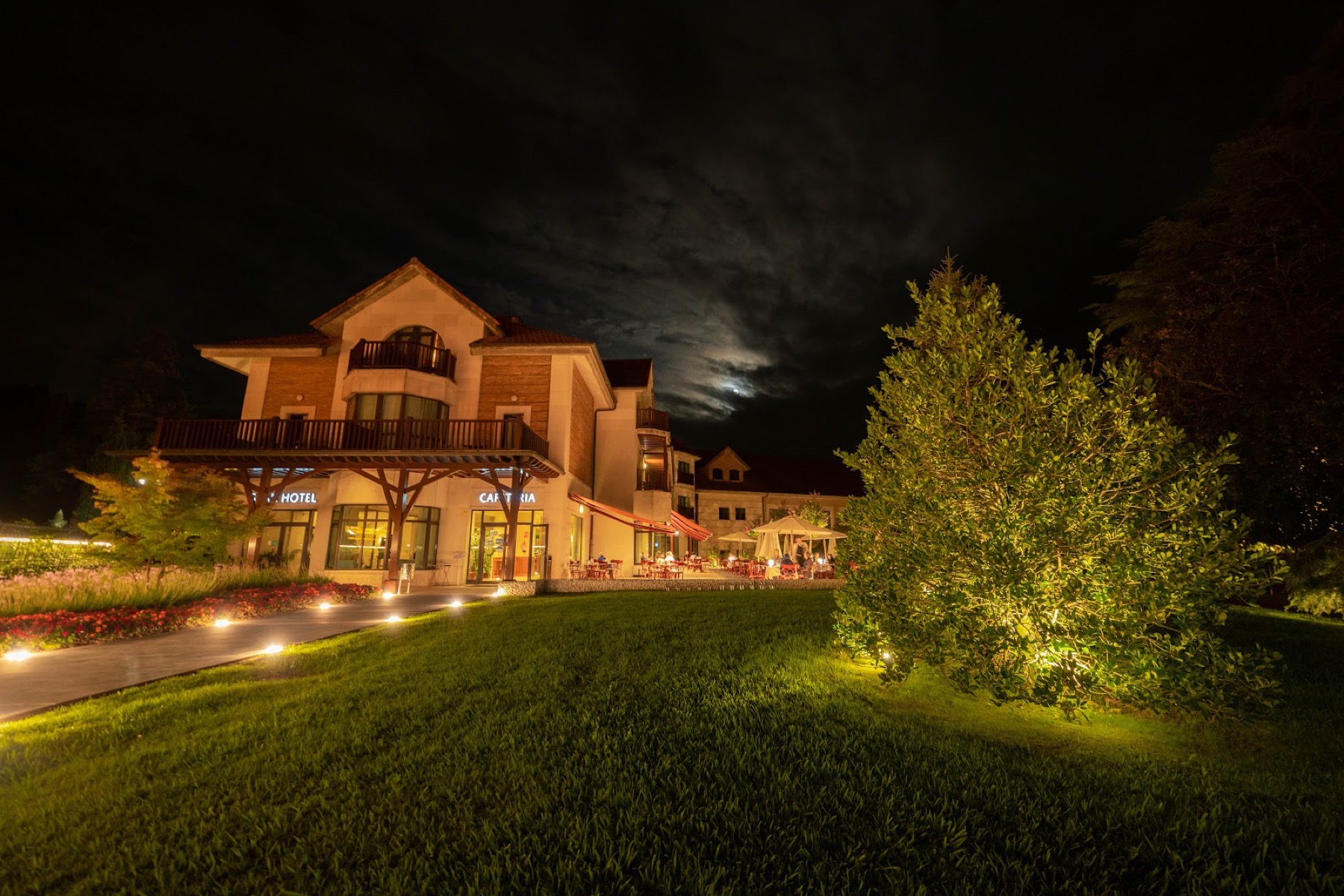
11. Balneario de Puente Viesgo (Puente Viesgo, Cantabria)
In the heart of the Valles Pasiegos valley, exactly 31 kilometers from Santander, lie some of Cantabria’s most renowned thermal spas. The town of Puente Viesgo sits at the strategic intersection of the A-8 motorway and roads N-623 and N-634, so you can easily reach it from both the coast and the interior. The local springs are famous far and wide, and the spa complex offers several options for enjoying the healing water.
According to 2026 pricing, basic admission to the Templo del Agua circuit costs €40 per person. If you want the full-day version of this program, expect €64. There’s also a more affordable option called Circuito Cántabro at €28, or its full-day version at €84. For more demanding travelers, there’s a Día Relax Delicatessen package at €76 or a luxurious anti-stress aromatherapy session for exactly €140. Two-person stay packages start at €156.
The spa is a popular weekend destination for northern coast residents, so it tends to be quite lively. 💡 Tip: Book your entry to the thermal circuits for weekday mornings to avoid the biggest crowds and enjoy Templo del Agua in a much more peaceful atmosphere.
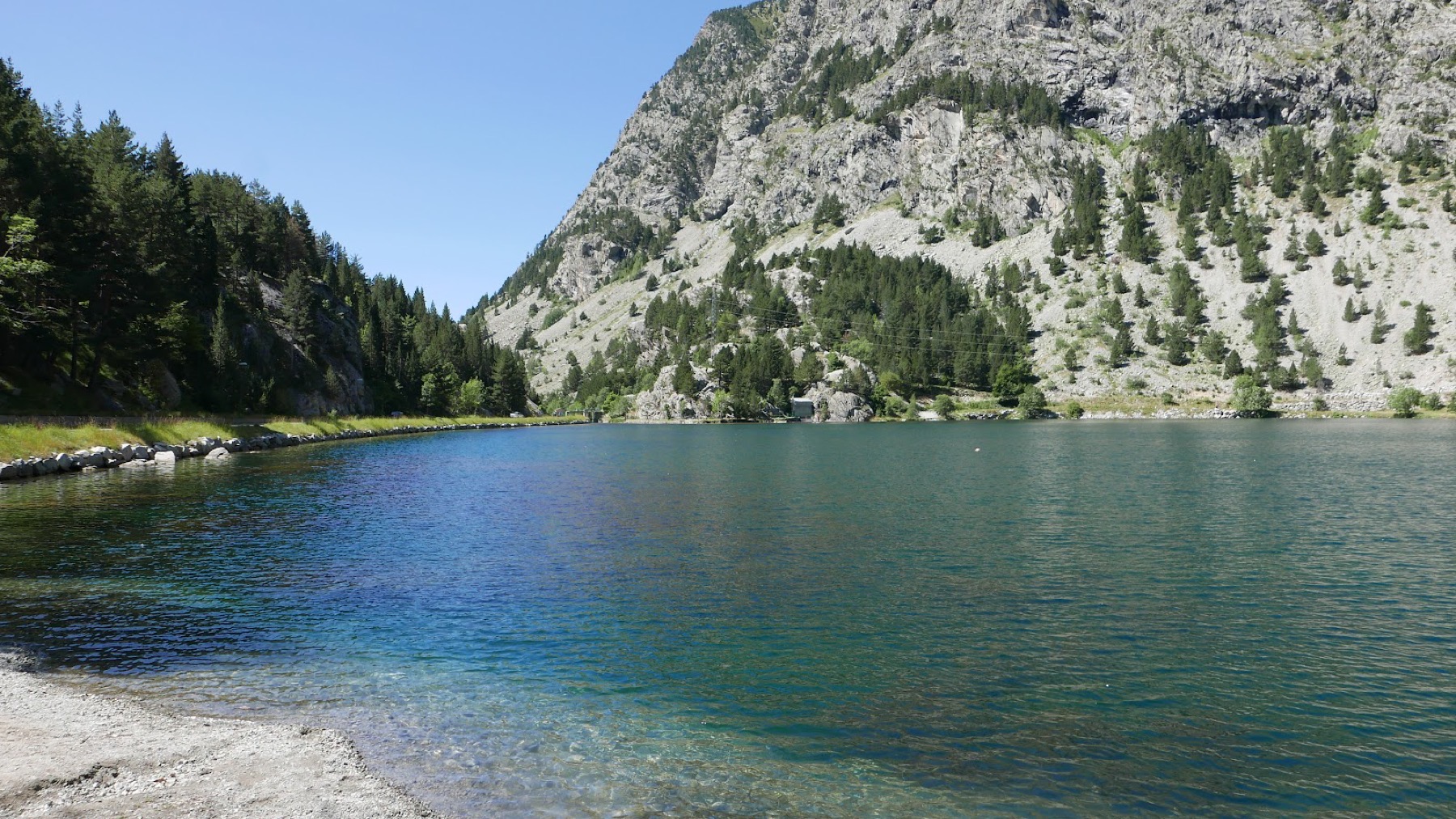
Aragon and Catalonia: Thermal Spas in the Pyrenees
The northeastern part of Spain offers a completely different spa experience than the hot south. In Aragon, you’ll immerse yourself in hot springs high in mountain valleys, or alternatively discover massive thermal lakes. This is where you’ll find the famous Panticosa complex at an altitude of 1,636 meters above sea level, as well as a giant thermal lake in the town of Alhama de Aragón.
Catalonia, meanwhile, draws visitors with its rich tradition of mineral waters, which you may know from bottles in shops. The thermal spas here often date back to Roman times and breathe with impressive history. This region is ideal for those of you who want to combine hiking in the Pyrenees with a proper evening recovery session in elegant surroundings.
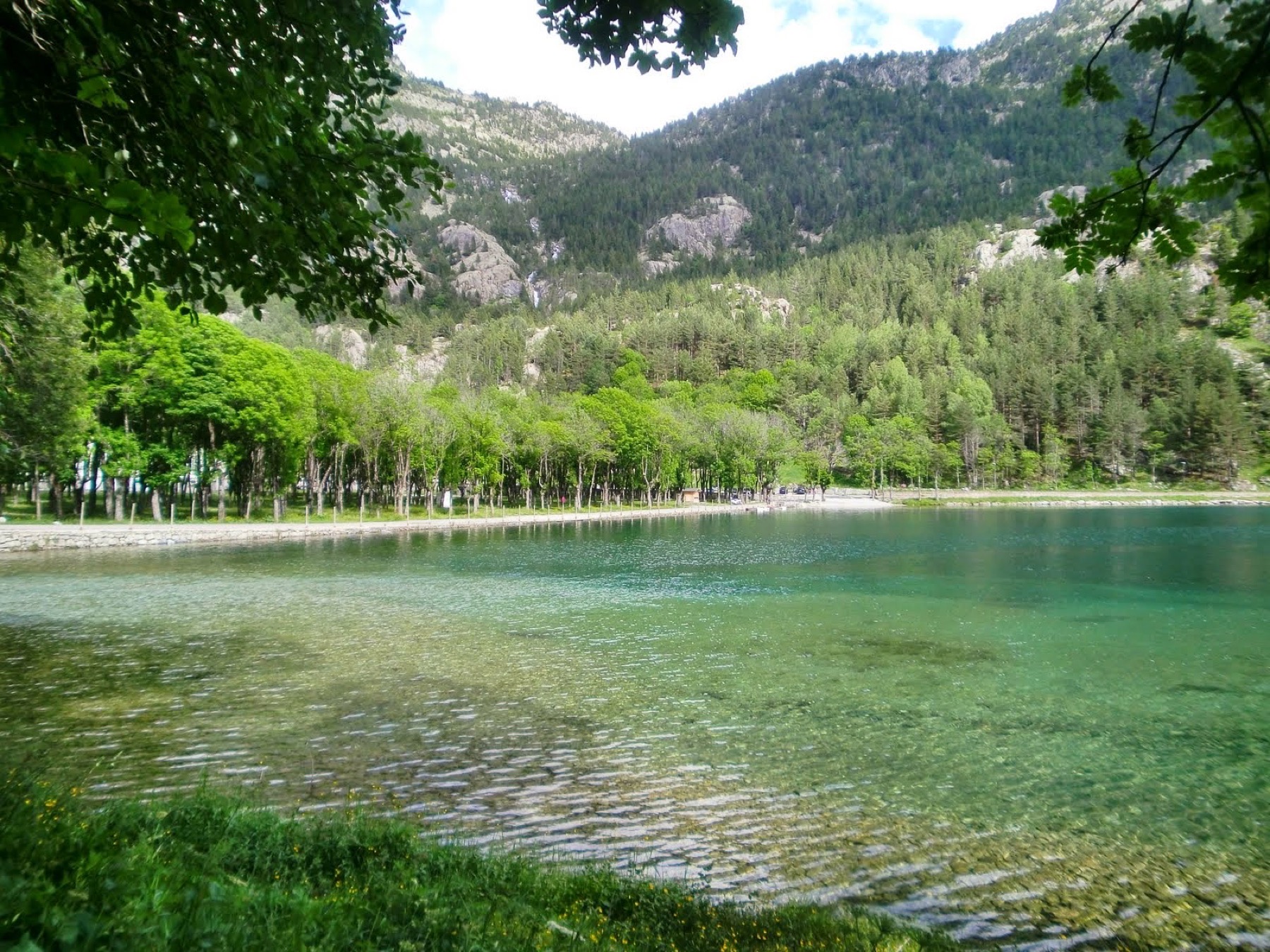

12. Balneario de Panticosa (Panticosa, Aragon)
This mountain resort is tucked away at an altitude of 1,630 metres in the picturesque Pyrenean valley of Valle de Tena. Due to the high elevation and shadow of surrounding peaks, the average annual temperature here reaches just 6.3 °C, so the contrast with the hot thermal water is quite noticeable. The spa is accessed via a fairly narrow eight-kilometre road from the village of Panticosa, but the views along the way are well worth it.
Water springs from several historic sources here, such as Tiberio, La Laguna, and the beauty and stomach spring (Fuente de la Belleza). The healing properties were known even to the ancient Romans, though the first actual spa building was erected here only in 1694. Thanks to its preserved nineteenth-century architecture, the entire complex was declared a site of national tourist interest in 1966.
Expect a rather luxurious mountain retreat that attracts tourists after demanding hikes. During winter the place transforms into a popular stopover for skiers, while in summer it serves as a perfect base for hiking. 💡 Tip: If you suffer from motion sickness, pack some tablets for the mentioned narrow access road – the bends can be quite treacherous.
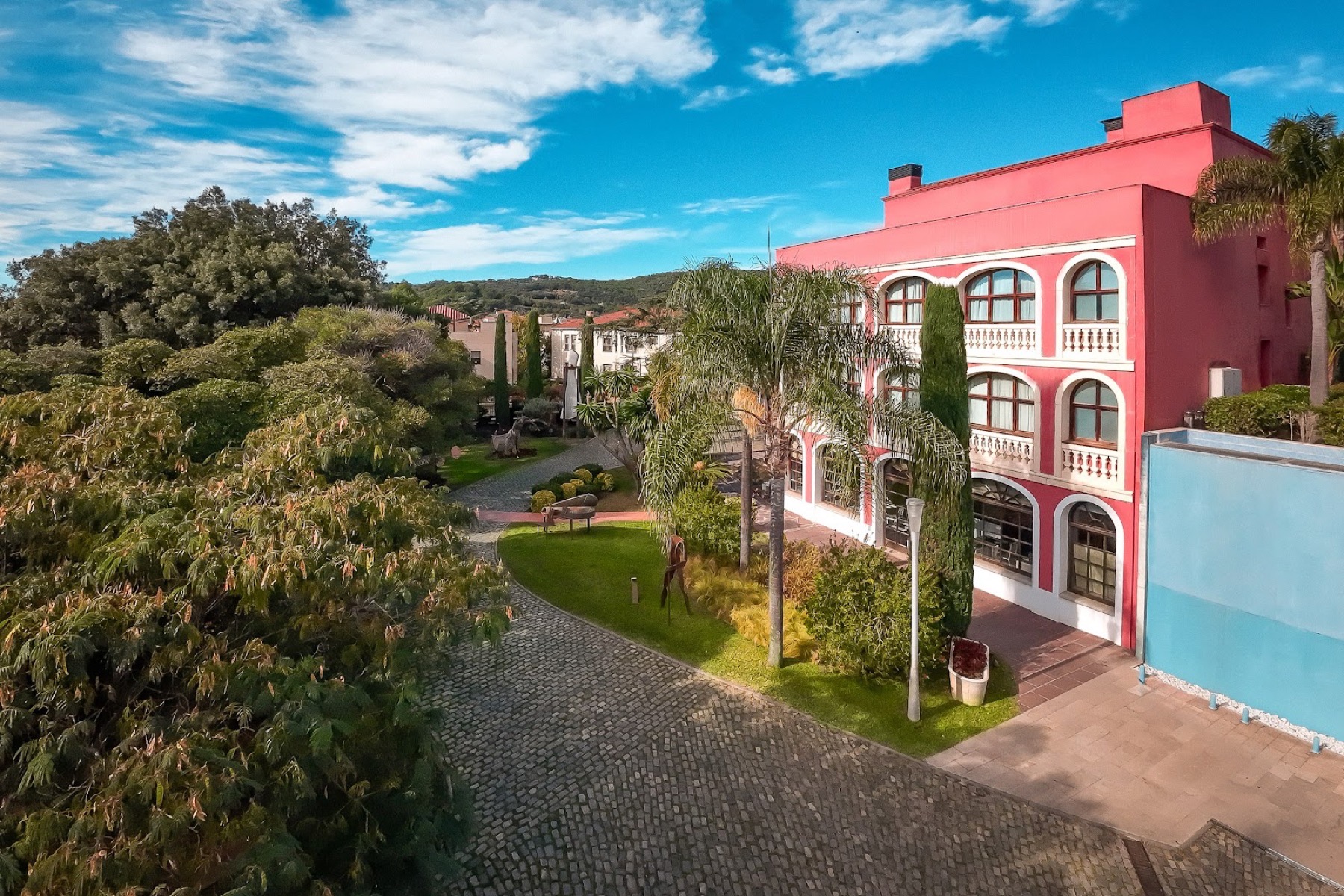
13. Balneari Blancafort (La Garriga, Catalonia)
A short distance from Barcelona you’ll discover an elegant spa oasis that will charm you at first sight with its manicured gardens and tranquil atmosphere. Balneari Blancafort is precisely the place people go to escape city noise and stress. The complex’s architecture tastefully blends historic elements with modern design, so you’ll feel very comfortable here.
Inside you’ll find spacious thermal pools with various jets, bubble beds, and cascades that beautifully relax tired muscles. The environment is overall very quiet and intimate, as the spa prides itself on the absolute privacy of its guests. Water from the local hot springs has excellent relaxing effects, and the treatments here are among the most sought-after in all of Catalonia.
This resort is ideal for couples seeking a romantic weekend escape or lovers of premium body and mind care. For families with very young children, on the other hand, this isn’t quite the place, as the operators’ main goal is to maintain maximum quiet throughout all spaces. 💡 Tip: Always check the current packages on the spa’s official website in advance – they often offer quite interesting combinations of accommodation with massages and unlimited spa zone access.
14. Termas Pallarés (Alhama de Aragón, Aragon)
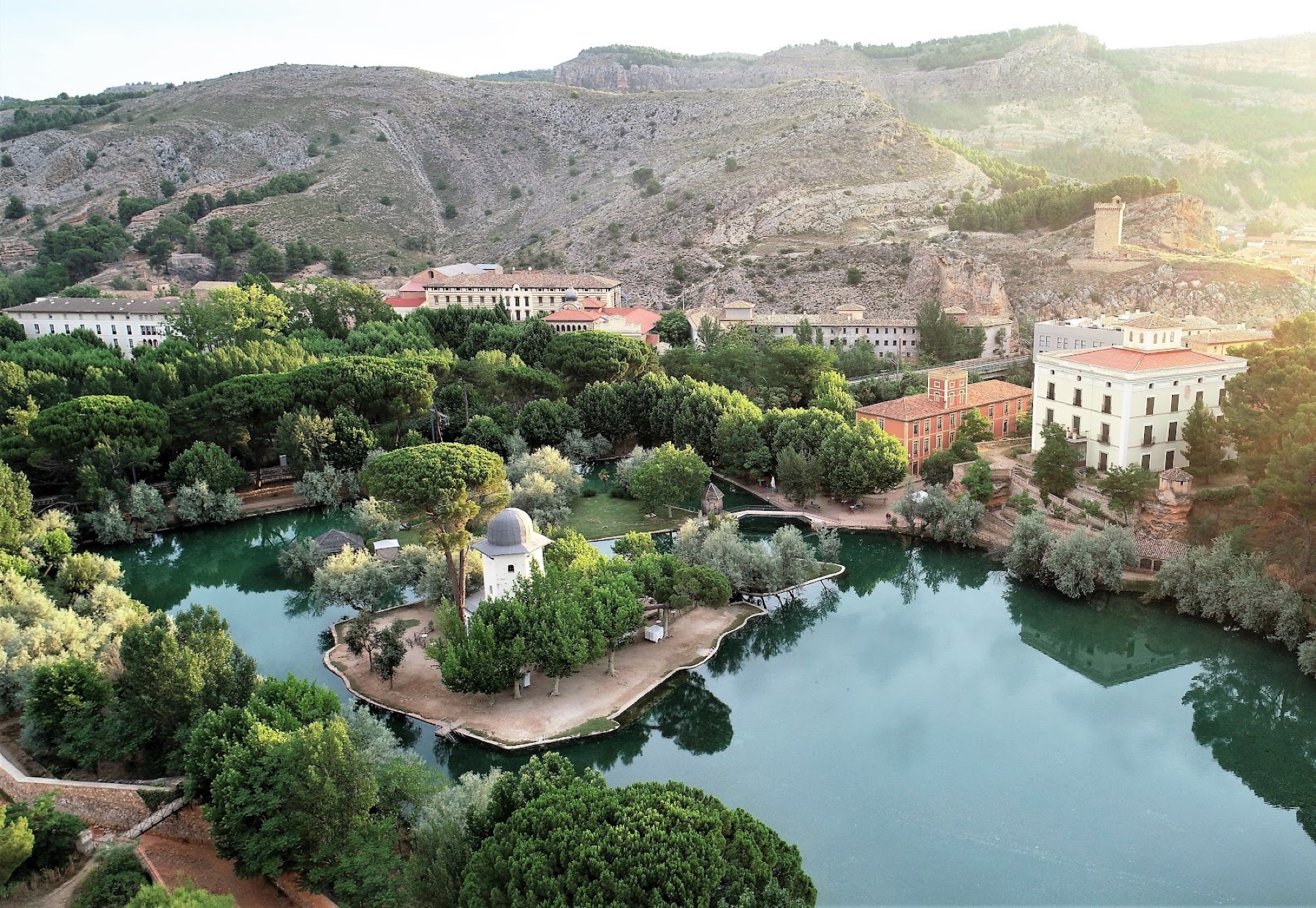
The main draw of this historic resort is the largest thermal lake in all of Europe, which according to the operator doesn’t freeze and maintains a stable temperature year-round. Bathing in such an enormous natural reservoir surrounded by mature trees has a completely different charm than classic indoor pools. The water flows continuously and naturally renews itself, so it’s beautifully clean.
Besides the famous lake, the complex also offers classic spa buildings with professional treatments that harness the power of the local healing springs. You’ll find a wide range of packages for different types of travellers. Basic accommodation with breakfast according to the 2026 price list starts from €48 per night, while the special Escapada Termal package begins at €63.
The spa also caters to older guests and has special value programmes prepared. The package for seniors over 55 with full board costs €115 per night, while half-board comes to €108 per night (prices may of course change during the season). 💡 Tip: The lake is a popular destination for day-trippers, so I recommend heading out for a swim early in the morning before the biggest crowds arrive from the surrounding area.
15. Vichy Catalán (Caldes de Malavella, Catalonia)
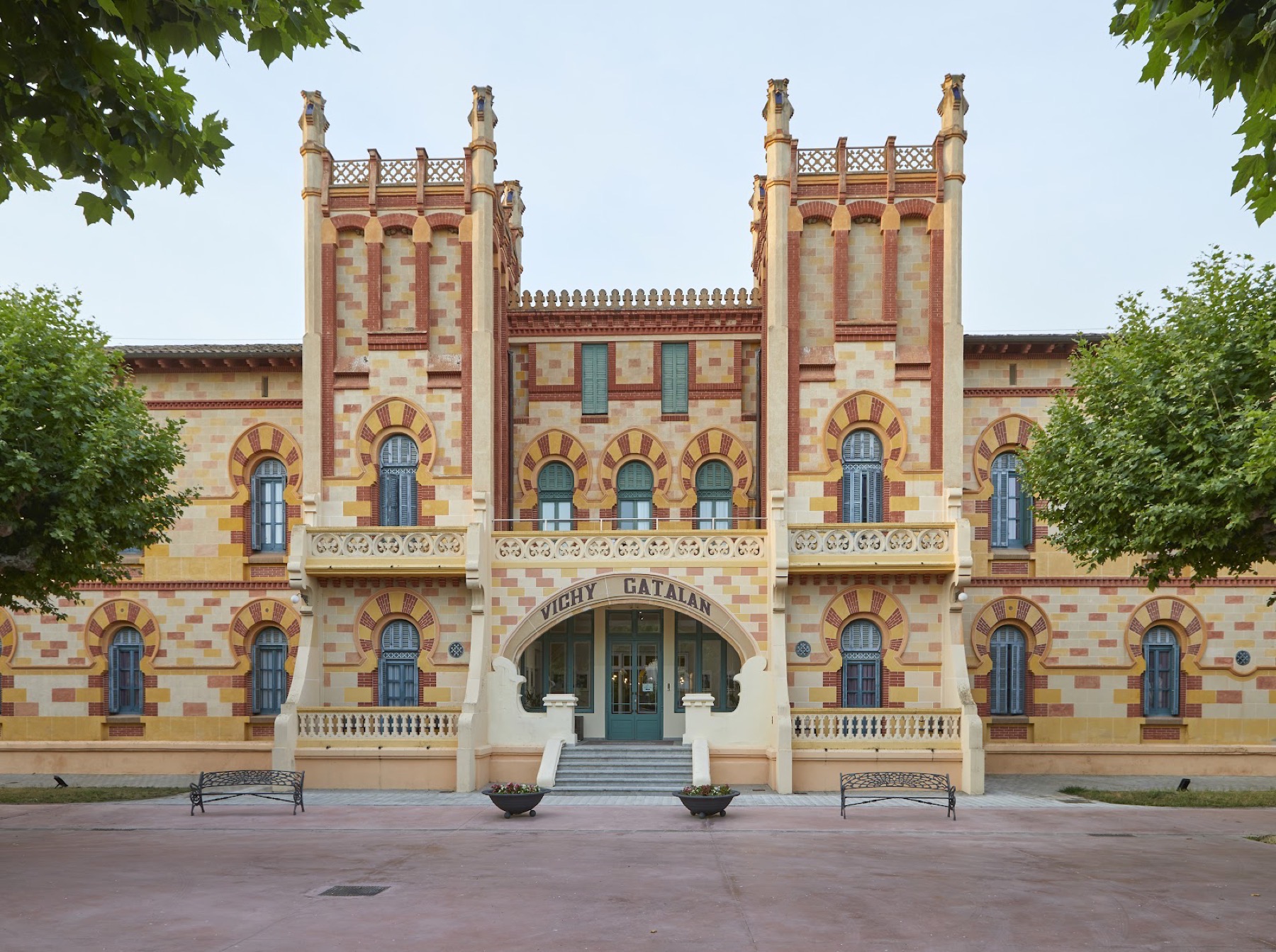
This name may sound familiar to you, because the springs here give rise to Spain’s most famous mineral water, which you can commonly buy in shops and better restaurants throughout the country. The spa building in the town of Caldes de Malavella is an absolute architectural gem. They built it in a beautiful neo-Mudéjar style, and simply walking the corridors feels like a journey into a fairy tale.
Water here springs naturally from deep underground, emerging very hot and highly mineralised, which you’ll feel upon your first immersion. The thermal circuit here includes various temperature zones, saunas, steam baths, and of course an outdoor pool surrounded by extensive gardens. Treatments revolve primarily around the beneficial effects of the famous mineral water itself.
The place will delight all admirers of history and lovers of old-world elegance. Conversely, fans of modern minimalist wellness centres made of glass and concrete should look elsewhere – here, classic style reigns supreme. 💡 Tip: If you don’t want to stay overnight, check their website for availability of day passes to the thermal circuit – they’re a popular weekend activity for local residents.
16. Termes de Caldes de Montbui (Caldes de Montbui, Catalonia)
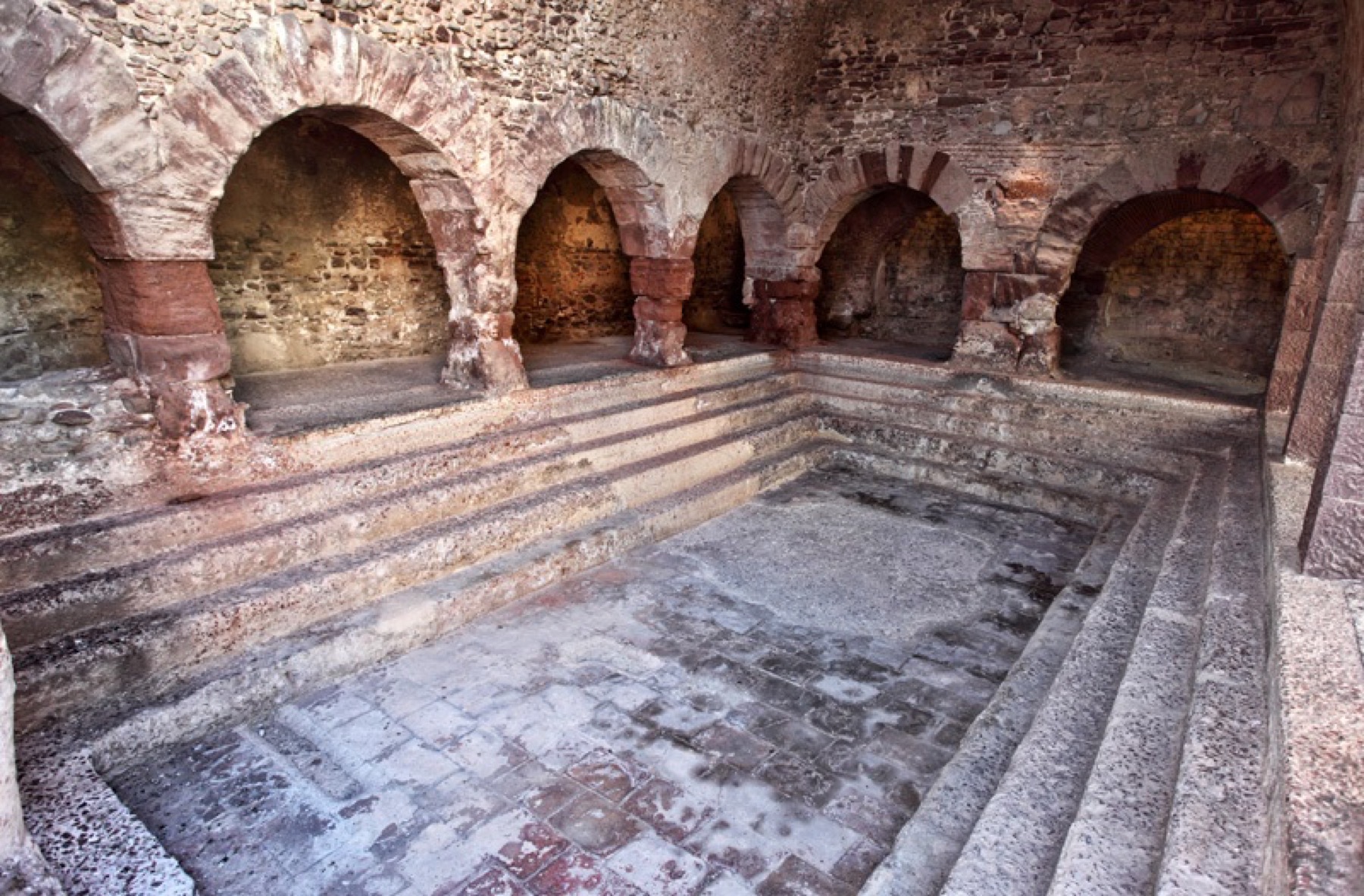
The town of Caldes de Montbui itself lies in close proximity to Barcelona and boasts the best-preserved Roman baths on the entire Iberian Peninsula. Thermal water springs right in the main square from the Font del Lleó fountain and is incredibly hot. Local spa houses draw water from precisely these deep and historically proven sources.
The traditional Termes de Caldes de Montbui complex offers you a very authentic Catalan experience. Don’t expect any giant modern water park, but rather an intimate and cosy environment of an old spa house where healing practices have been passed down through generations. Indoor pools under stone vaults are available, along with a range of classic massages.
A stop at these baths can be perfectly combined with exploring the surrounding ancient monuments and winding medieval streets full of small shops. It’s an ideal destination for those who love to soak up local atmosphere and don’t need excessive luxury. 💡 Tip: The water flowing from the spring in the square is truly boiling hot, so don’t touch it with bare hands – locals apparently used to regularly boil eggs in it.
Castile: Spas in Monasteries and Vineyards
Bathing in a setting several centuries old is an experience you won’t easily find elsewhere. Spain’s inland region offers a completely different atmosphere from the bustling coast and attracts mainly lovers of peace, history, and good wine. The Castilla Termal group has converted historic monasteries and old spas into luxury hotels here, so you’ll literally be bathing in monuments from the 12th century.
It’s an ideal stop for those who want to combine body care with discovering the Spanish countryside. If you’re travelling through the northern part of the country by car, set aside at least a weekend for this region. The journey will take you to places where time has stood still and where perfect relaxation plays the leading role.
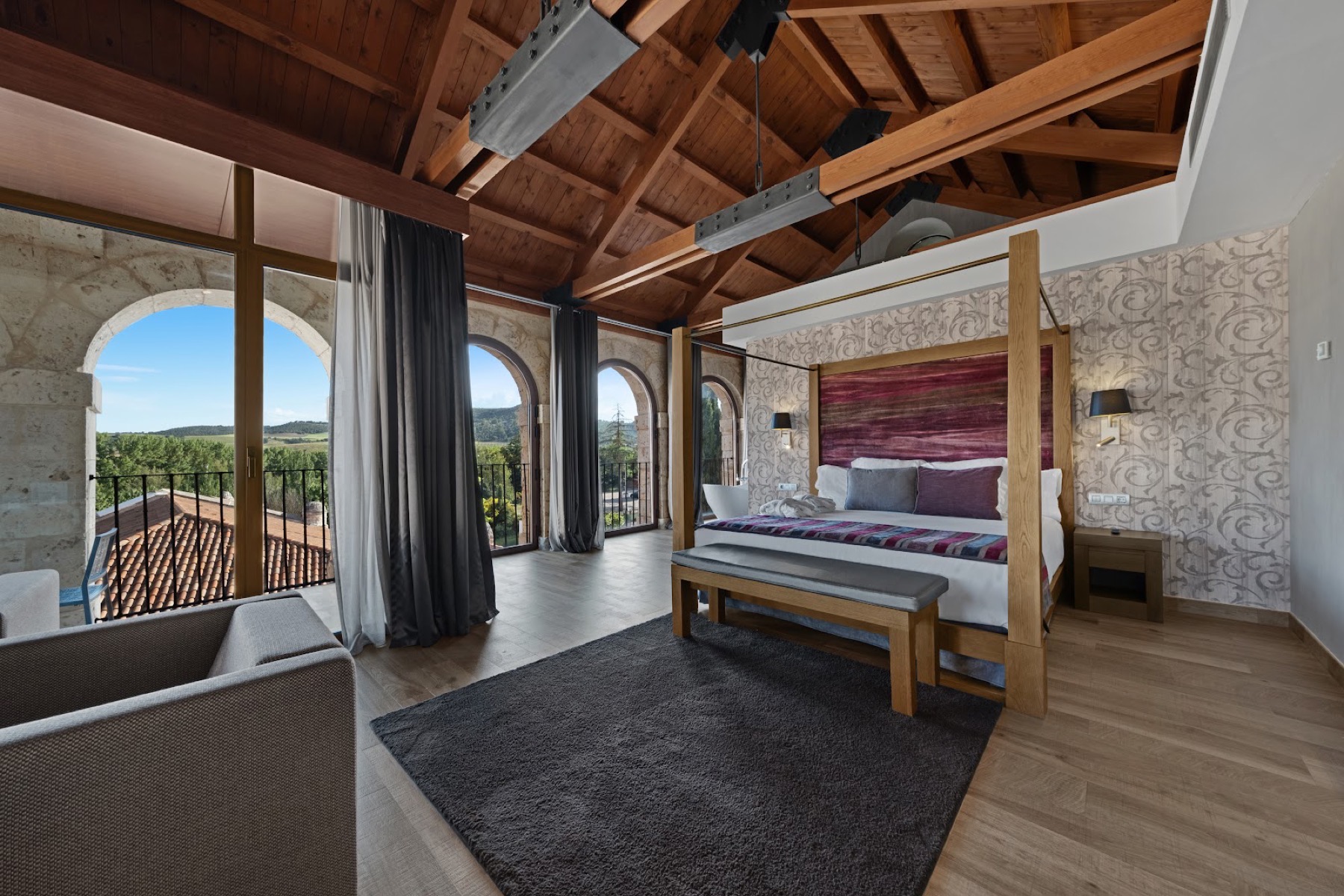
17. Castilla Termal Monasterio de Valbuena (Valbuena de Duero, Castile and León)
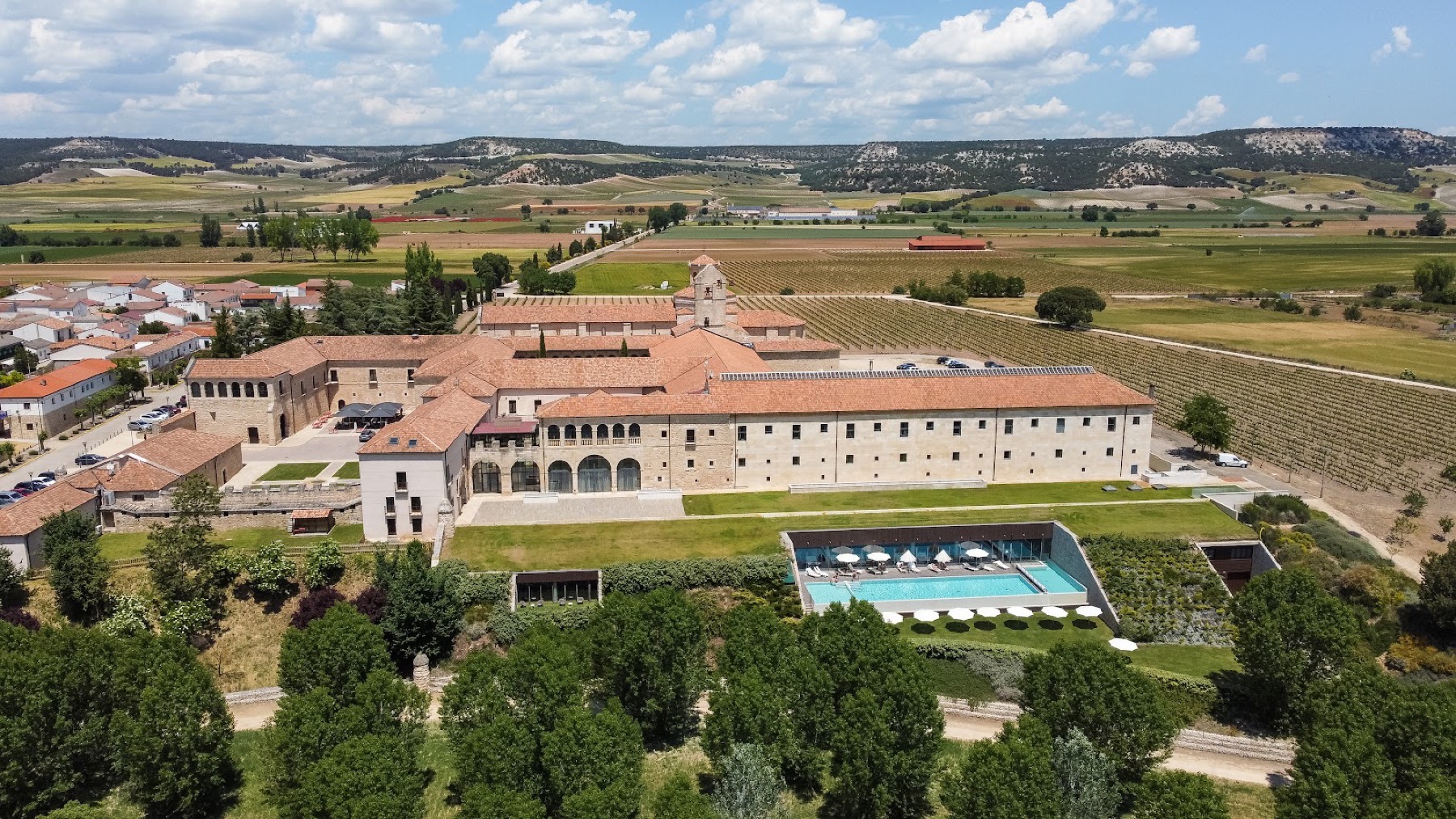
This five-star spa hotel is housed directly in the preserved building of an ancient monastery on the banks of the Duero River. The history of this fascinating place began as early as 15 February 1143, when it was founded by Estefanía Armengol. A few years later, in 1151, French Cistercian monks from the Abbey of Berdona arrived to take care of the monastery’s operations. Today the estate belongs to the luxury Castilla Termal hotel chain, and you can enjoy hot springs in spaces of incalculable historical value.
While relaxing in the water, you’ll be surrounded by original stone vaults and the immensely quiet atmosphere that monks cultivated here for long centuries. An interesting fact from modern history is that in 1967 the monastery was purchased by the archbishopric from the nearby city of Valladolid, and only in the late 1990s did work begin on its cultural and spa use. If you’re looking for a place where top-class body care meets deep history, you’ll be in your element here.
💡 Tip: Because this is an exceptionally popular historic resort, early booking of both accommodation and pool access is essential. Capacity is often limited, so always verify availability and exact conditions for this year’s season on the official website.
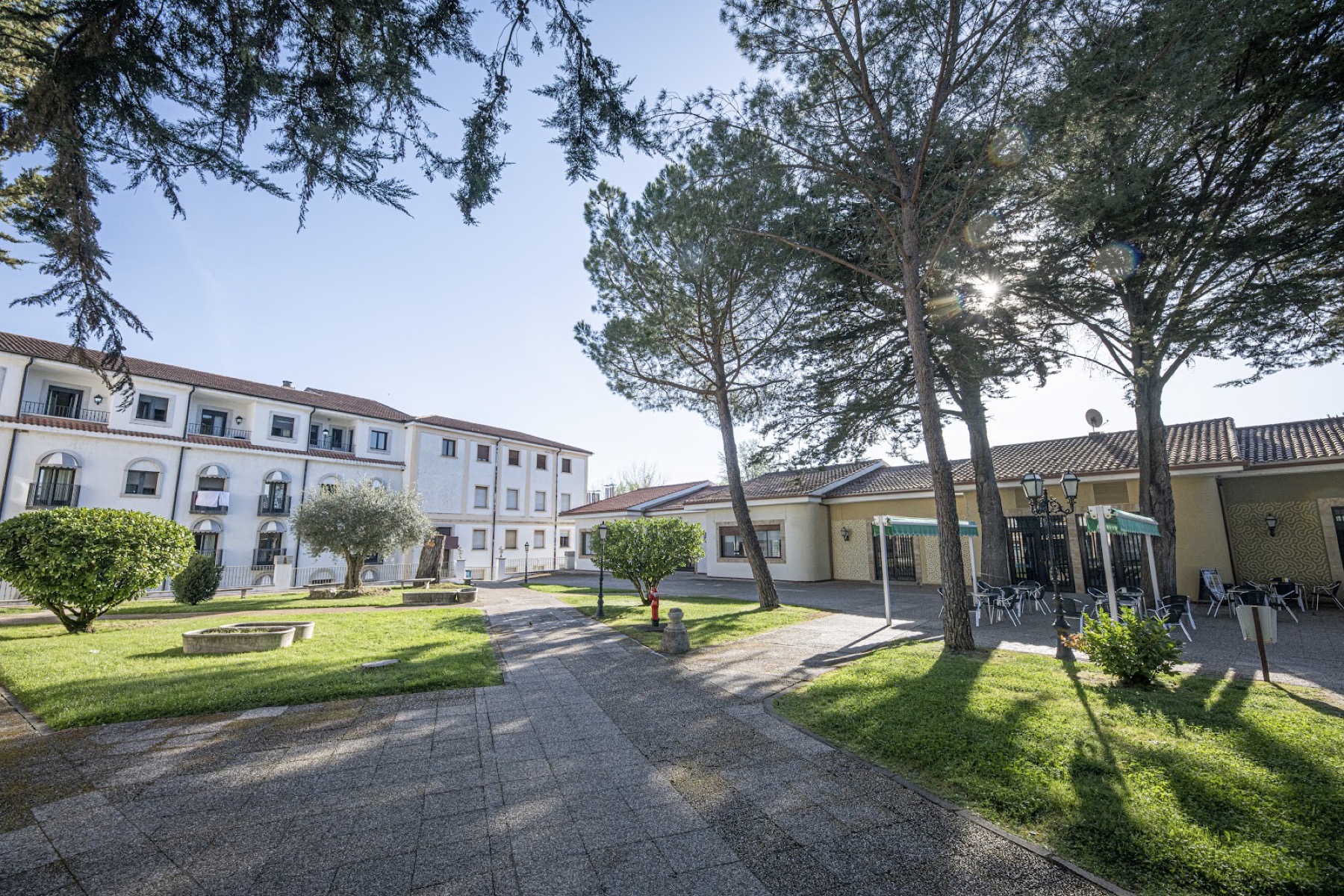
18. Balneario de Ledesma (Vega de Tirados, Castile and León)
The Balneario de Ledesma spa complex represents a classic Spanish healing resort that focuses primarily on traditional thermal care and health stays. It sits in the quiet and unassuming countryside of the Vega de Tirados area, and thanks to its more isolated location, it offers a complete escape from the bustle of major cities. Don’t expect any tourist crowds or pulsing nightlife here – the main draw is the surrounding peaceful nature and the beneficial effects of the local springs.
The entire facility operates as a comprehensive centre where you can easily arrange accommodation, meals and the wellness procedures themselves all under one roof. This place is perfect for more tranquil travellers or anyone who needs a proper rest after a long journey through Spanish monuments. You can complement bathing in warm water with various massages that will do you good after sitting in a car.
💡 Tip: This type of traditional spa often operates in a somewhat different regime than typical modern commercial hotels. Before heading here, carefully study their official website to find out whether they even allow single-entry visits for passers-by, or whether they focus exclusively on longer reserved stay packages.
Andalusia, Murcia and Extremadura
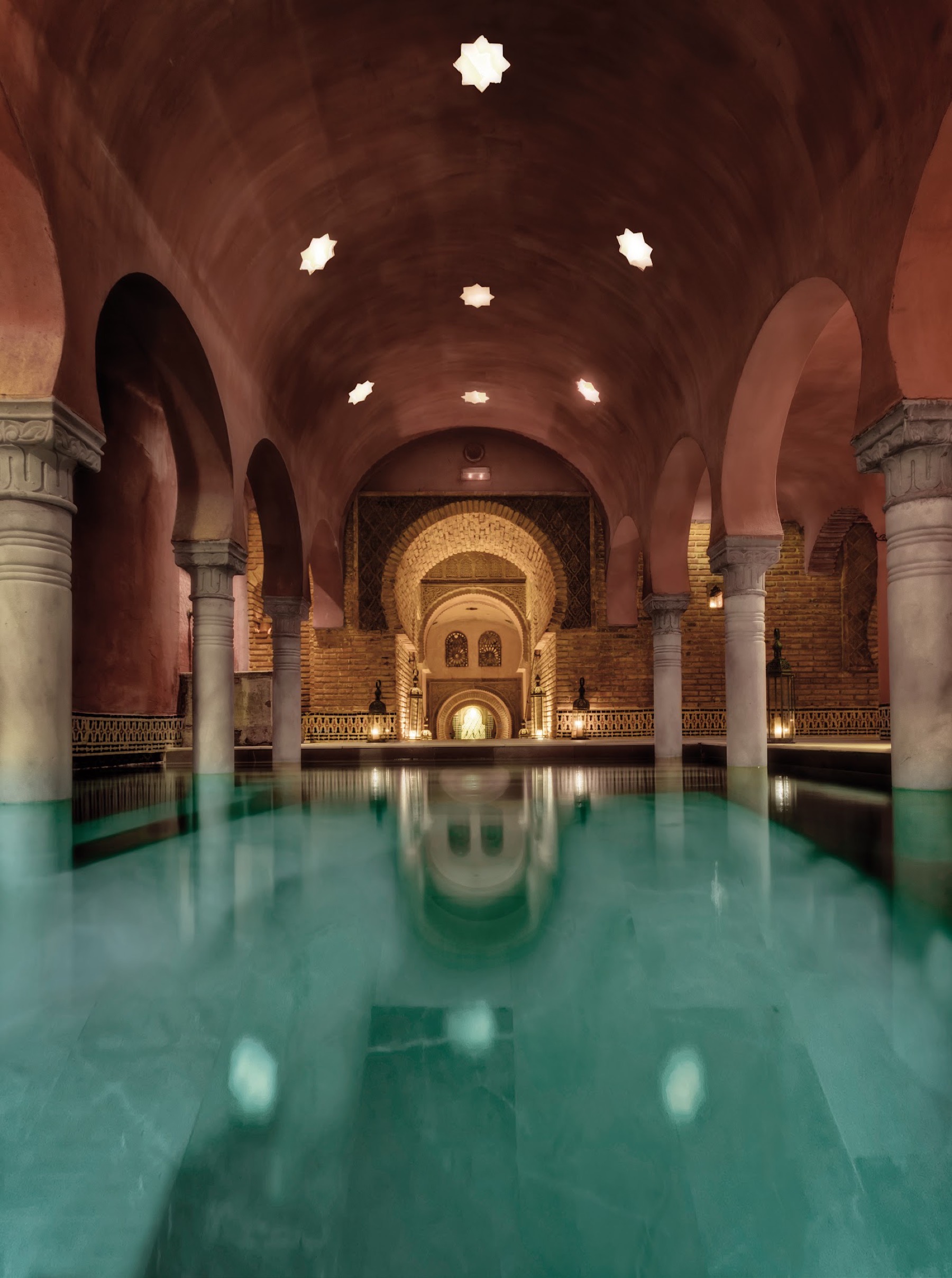
Southern Spain conceals two completely different worlds of relaxation. While the north is dominated more by classic spa culture, here you’ll encounter a strong Moorish legacy in the form of Arab baths called hammams. These dimly lit oases of calm with the scent of mint and fragrant oils instantly transport you back several centuries.
On the other hand, there’s also no shortage of traditional healing balnearios with sulphurous and saline water, often standing on the foundations of old Roman structures. The entire region is ideal for travellers who want to combine exploring hot Andalusia or historic Extremadura with deep relaxation. Most places are also excellently accessible by car from main routes, so you can easily add them to your itinerary.
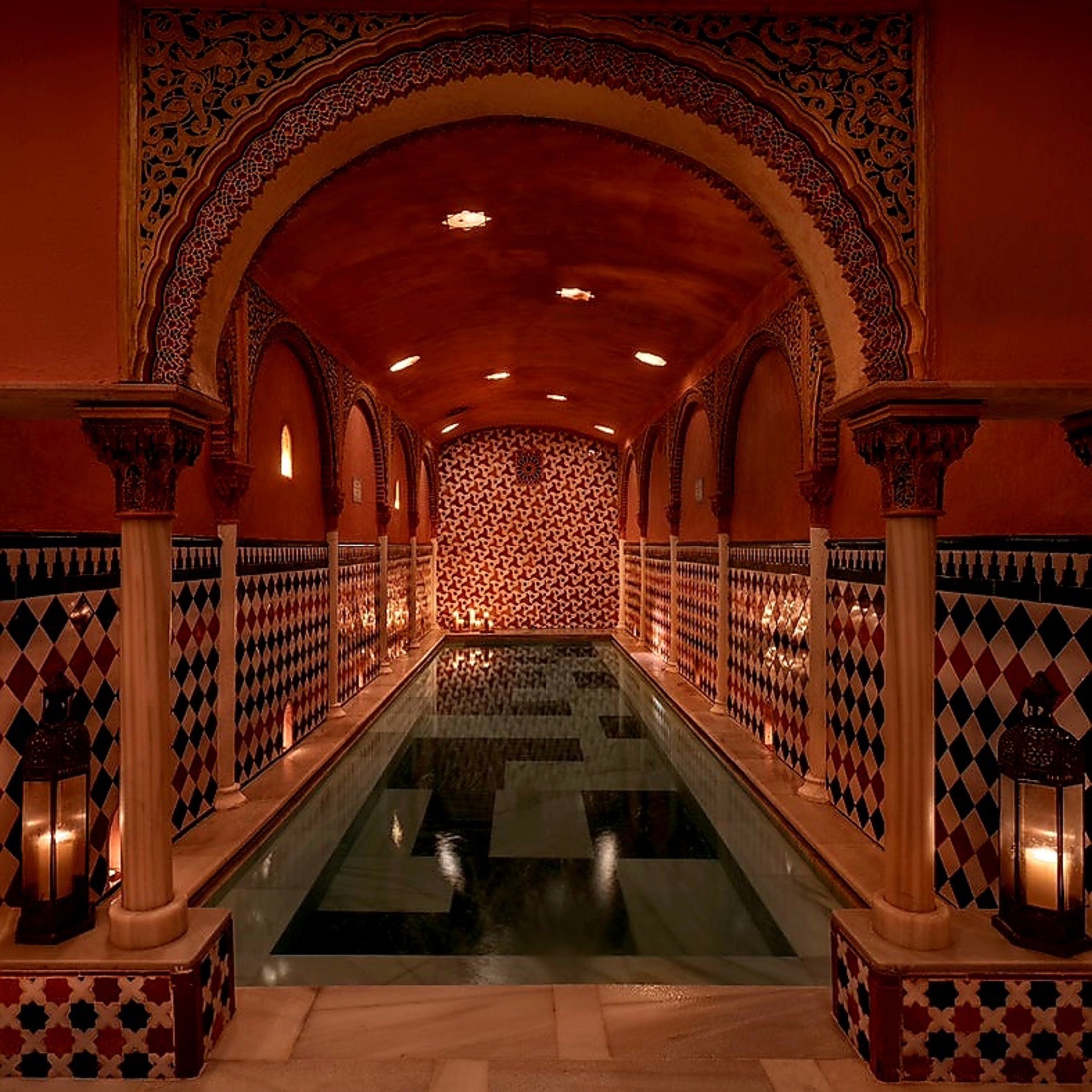
19. Hammam Al Ándalus (Granada, Andalusia)
This traditional hammam will immediately captivate you with its innovative massage centre Espacio Halmma, which combines ancient rituals with a modern approach. Unlike classic thermal pools with hot spring water, here they focus more on experiential care and deep body cleansing inspired by the heritage of ancient Al-Ándalus. An interior full of soft light, quiet splashing water and traditional oriental architecture will definitely slow you down and help you forget about stress.
During your visit you can indulge in relaxation and let yourself be cared for using natural products. The local procedures use, for example, black soap with eucalyptus and an exfoliating Kessa glove, which rids the skin of all impurities. The entire experience is complemented by the scent of Damascene rose, magical water lily or refreshing green tea with mint, which also excellently supports your digestion.
Head to this establishment if you’re looking for a more intimate and quiet atmosphere than noisy family waterparks. Admission to the baths themselves must be verified on the website, as the price list for 2026 primarily lists prices for additional products. 💡 Tip: You can take home a piece of relaxation in the form of their cosmetics, for example a nourishing hand cream with amber costs €24.95 and a pure oil elixir with hyaluronic acid can be purchased for €12.95.
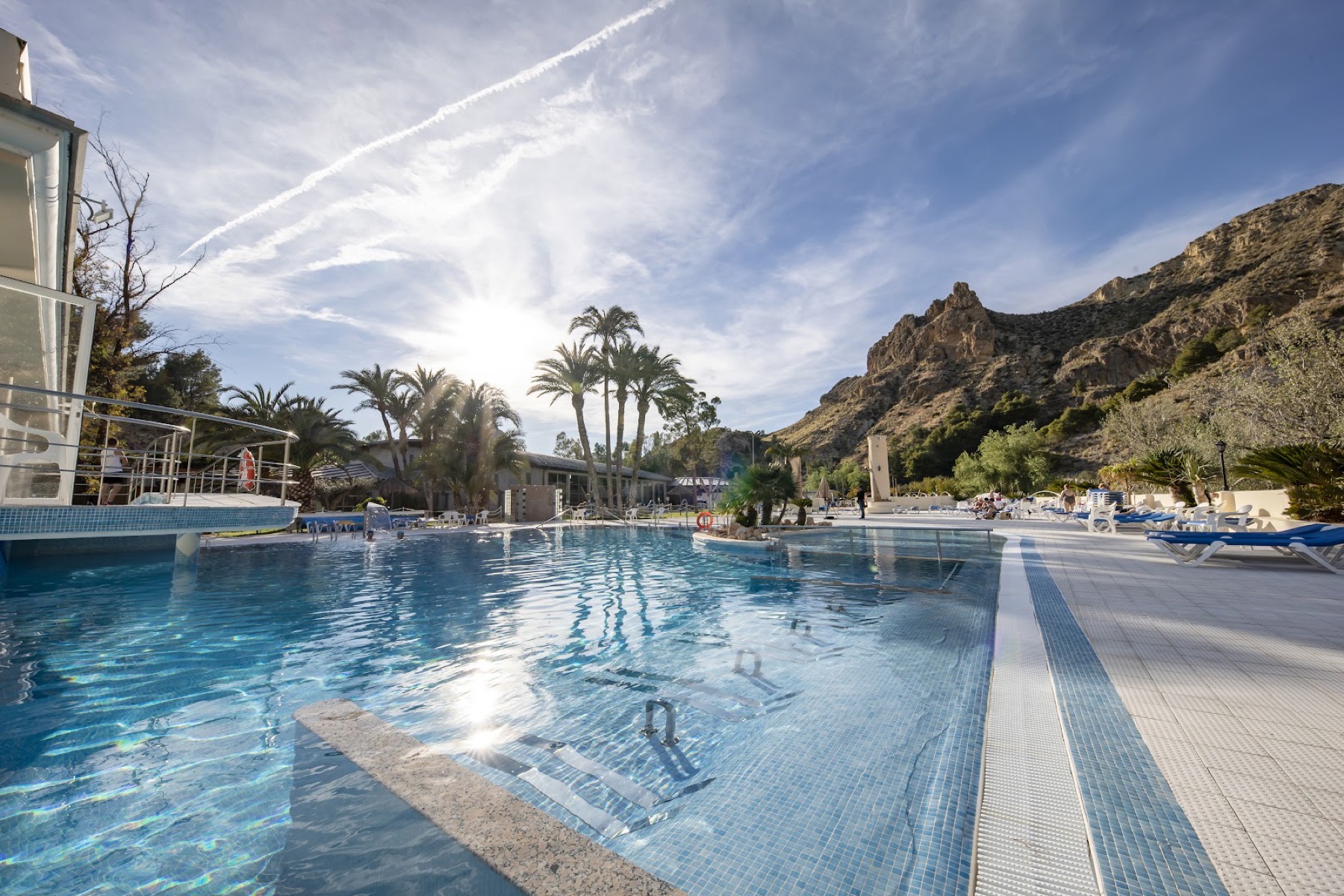
20. Balneario de Archena (Archena, Murcia)
This enormous thermal complex sprawls across an impressive area of more than 200,000 m², making it one of the most extensive places for relaxation in the region. You’ll find it in the beautiful natural setting of Valle de Ricote, right on the banks of the Segura River. The combination of rich greenery and beneficial water creates a perfect refuge for everyone who wants to rest from busy cities.
The complex is divided into several sections, so there really is something for everyone. You can try the spacious thermal pools Spa Piscinas Termales or the Balnea circuit, which offers 3,000 m² devoted exclusively to health and body care. If you’re travelling as a couple, the spa also offers special Sensum Dúo couple packages for privacy. The town of Archena has over twenty thousand inhabitants and hides an interesting history reaching back to the Iberians.
According to the price list for 2026 (which may change during the season), you’ll pay from €23 for basic admission to the thermal pools. Entry to the Balnea circuit starts at €30 and special couple procedures can be found from €60. 💡 Tip: If you’re planning a longer stay, look for packages with accommodation starting at €90 per night, and they often have a promotion for the fourth night free.
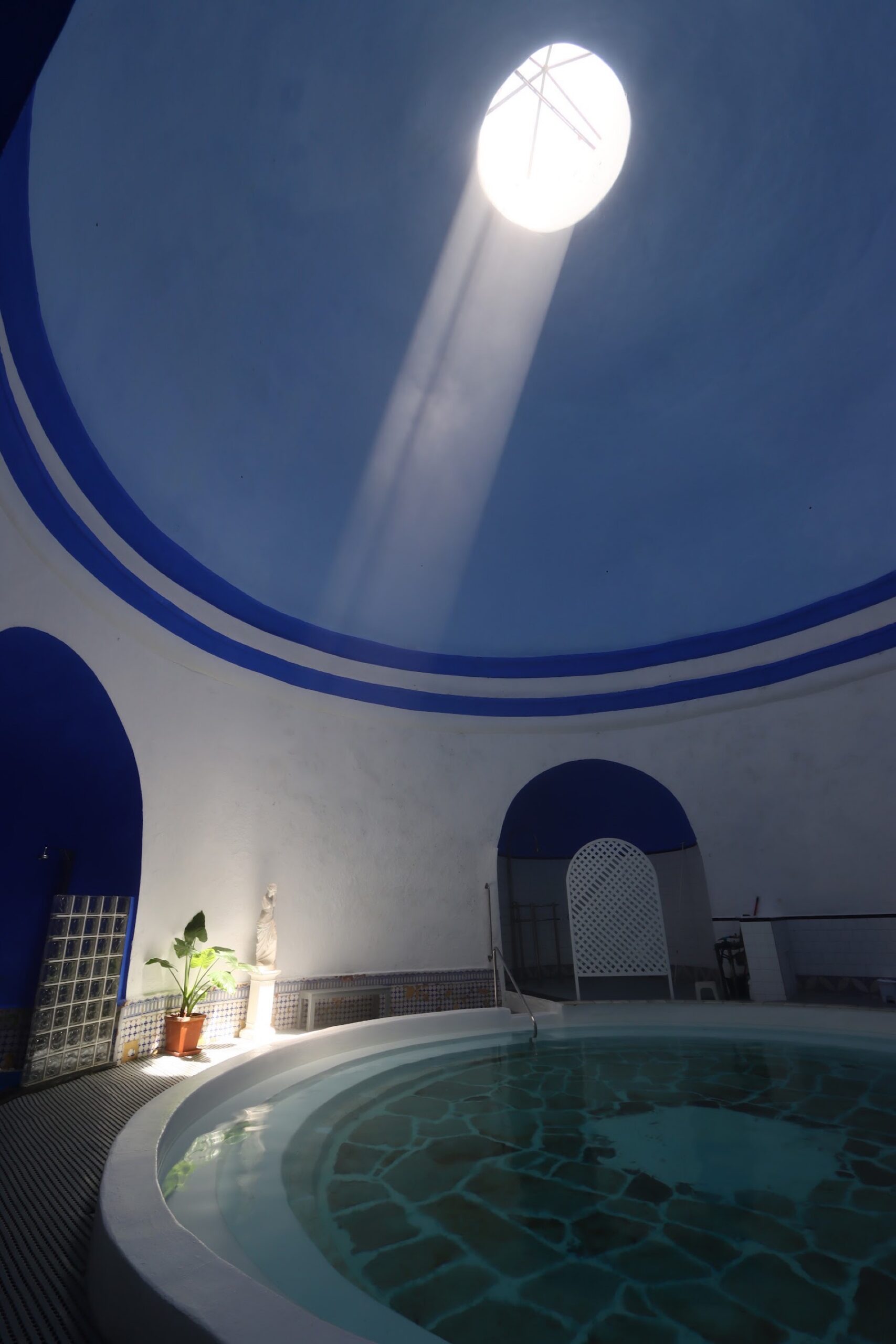
21. Balneario de Alange (Alange, Extremadura)
The history of this place is so rich that it quite possibly served as a recreational area for inhabitants of the ancient Roman city of Augusta Emerita, which lies just 16 kilometres away. The spa sits at an elevation of 323 metres and is located near Mérida, so it can be excellently combined with exploring ancient monuments. The water springs up here in the quiet setting of a small village that has just over eighteen hundred inhabitants.
The complex itself breathes history and architecture shaped by centuries, from Roman times through Moorish rule to the handover of the local castle to the Order of Saint James in the thirteenth century. You can not only bathe here but also admire beautifully preserved vaults and original pools that truly remember ancient times. It’s an ideal stop for history lovers who don’t mind a smaller and more intimate environment.
Unfortunately, precise prices for the baths themselves are not currently available, so you’d better check them directly on their website before your trip. For 2026, however, they offer another interesting activity you shouldn’t miss. 💡 Tip: If you don’t just want to bathe, head out on a guided tour of the complex for €4, which takes place every day at 14:00 and 19:30, and you’ll learn plenty of details about the local history.
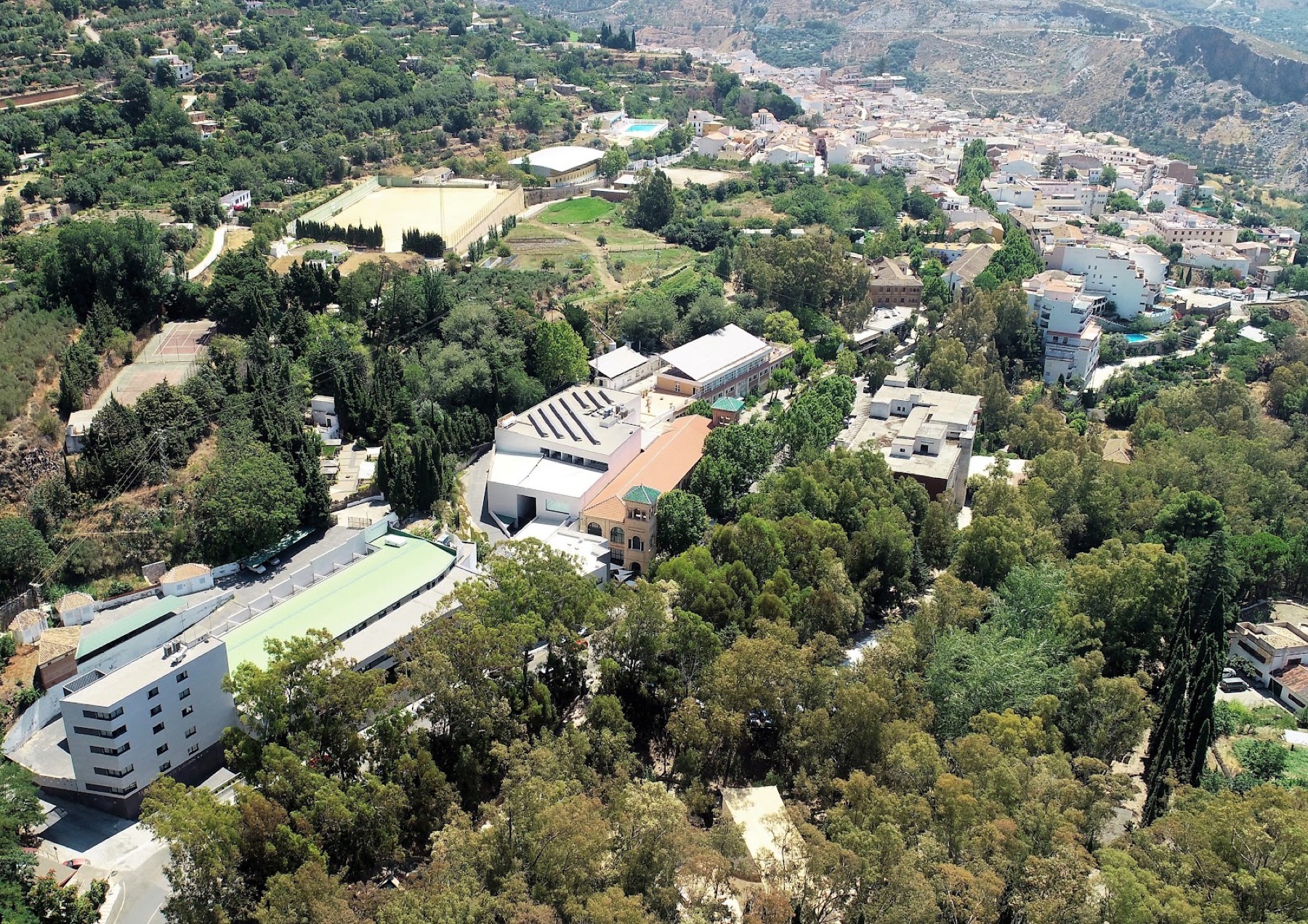
22. Balneario de Lanjarón (Lanjarón, Andalusia)
This Andalusian spa is unique for its strong focus on older travellers and healing stays, thanks to which an incredibly calm and relaxed atmosphere prevails here. It’s located in the eponymous small town with fewer than four thousand inhabitants, which has quite a wild history behind it. This is precisely where the great uprising of the Moors against Christian settlers took place at the end of 1568.
Today, thankfully, only peace and spring water reign here, the properties of which are carefully studied by experienced professionals. The water from Lanjarón is very famous in Spain, and the spa itself offers perfect facilities for complete regeneration of body and mind after demanding travel. The place suits adult visitors looking for quiet and health benefits more than families with small children.
According to the published price list for 2026 (prices may be adjusted during the year), here you can get a basic thermal escape package with accommodation from €63 per night. Simple accommodation with breakfast then starts at €48. 💡 Tip: If you’re travelling with parents or you yourself fall into the over-55 category, ask about special senior offers, which include full board from €115 per night or half-board from €108.
Practical Handbook: Reservations, Swimwear and What to Bring
Pack the basic equipment in your bag, without which you’re often not allowed inside. The basics are of course swimwear and rubber flip-flops, but in many places you’ll also be required to have a swimming cap. Some classic balnearios insist on it for hygiene reasons, so you’d better bring one from home, or you can buy one at reception. Towels and bathrobes are usually lent to you with your purchased admission, but always verify this beforehand on the website.
A typical spa visit takes place via the so-called circuito termal, which is a circuit with a precisely defined time slot. It usually lasts one to two hours and includes alternating warm pools, massage jets, saunas and rest areas. Capacities are very limited, so book your time slot well in advance online, especially on weekends or during public holidays.
Arab baths operate in a slightly different regime and you enter them for a reserved 90 minutes. Unlike historical traditions, swimwear is strictly mandatory for all visitors. During relaxation in the dim light and quiet, the use of mobile phones is strictly forbidden so you don’t disturb others. Part of the basic admission to a hammam usually also includes a short massage and sipping traditional tea.
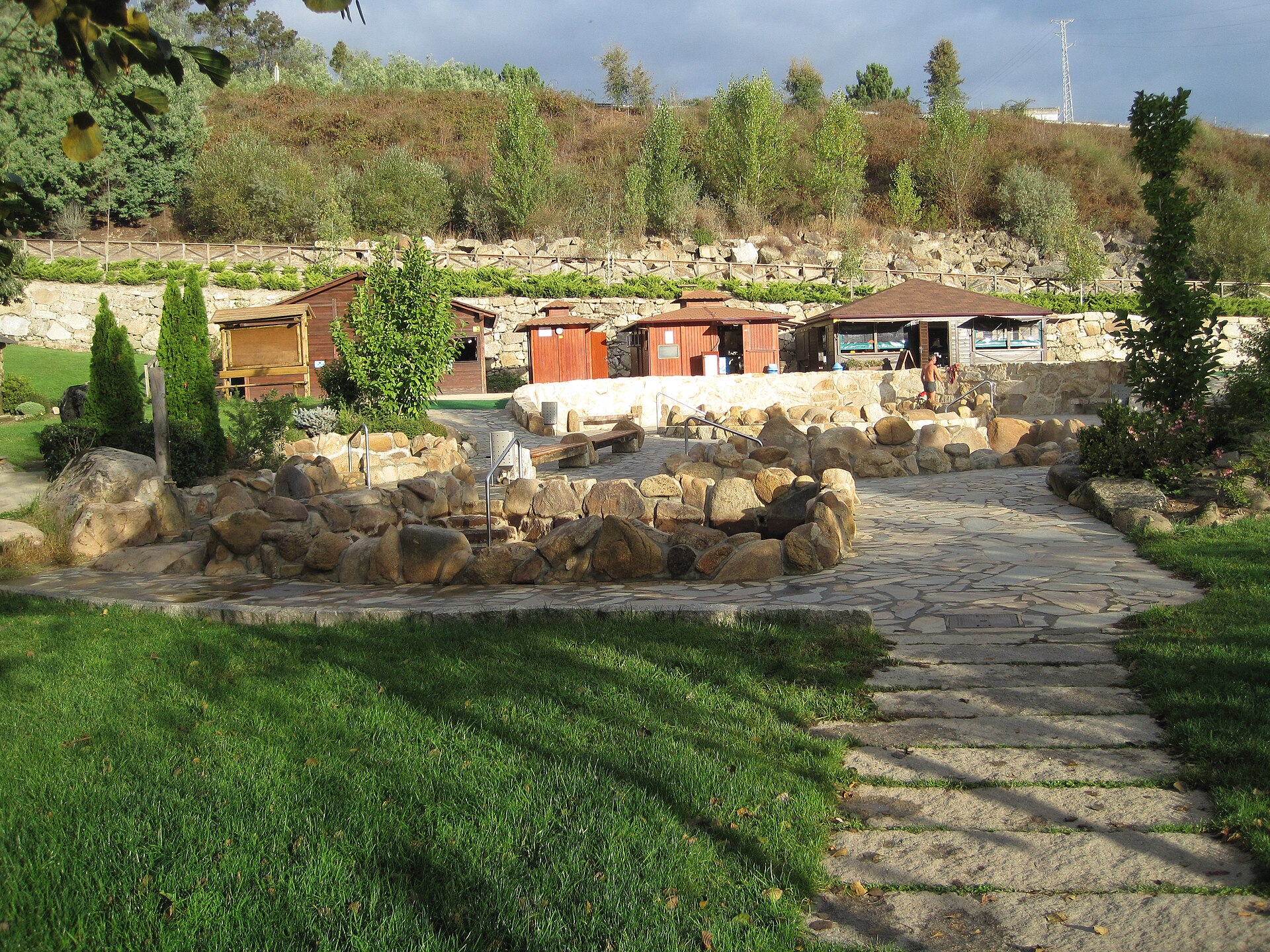
A completely different experience is offered by the freely accessible natural thermal springs along the Galician Miño River, where the popular city thermal train goes. Here be prepared for much more rugged conditions, as you often change right on the riverbank without much facilities. Head to the hot springs ideally early in the morning or conversely late in the evening, otherwise you’ll have major problems with parking and crowds of locals.
A classic balneario isn’t just a waterpark, but primarily serves the function of a healing facility with medical supervision. Part of the clientele comes here for long-term cures with prescriptions for mud wraps and inhalations. Many stays outside the main summer season are subsidised by the state through the IMSERSO programme, so in the pools you’ll mostly meet numerous groups of Spanish seniors.
If you’re travelling with family, very carefully study the rules of the specific establishment regarding children’s ages. Many spas protect their peace and allow entry only from age 16 or 18. On the other hand, there are also large complexes that have separate children’s pools or special family hours during which children’s laughter is welcome. 💡 Tip: Always look for the “horarios infantiles” section on the website, where you’ll find exact times for families with children.
Where Next: More Articles on Thermal Spas and Spain
- Kam na dovolenou ve Španělsku: Read our big overview of the entire country and get inspired for your next trip.
- Nejlepší termály a termální lázně v ČR: Great comparison with domestic offerings for those of you looking for relaxation closer to home.
- Nejlepší aquaparky a termály v Evropě: Comprehensive list of the most interesting places to head for warm water in Europe.
- Termály v Německu: Tips for the biggest European thermal complexes that are just a short drive away.
- Nejlepší termály v Itálii: Beautiful Italian variant of relaxation, where you’ll find classic spas and wild free springs in nature.
- Nejluxusnější hotely světa: Inspiration for demanding travellers when you want to enjoy your spa stay in truly grand style.
Frequently Asked Questions
Are you planning your first visit to Spanish thermal spas and still have a few uncertainties? I’ve written answers to the most common questions for you that will help with your preparation.
What is a balneario?
In Spain, it’s primarily a medical facility with medical supervision, where people go for therapeutic treatments, inhalations, and mud wraps with a medical prescription. However, balnearios commonly offer tourists a so-called circuito termal, which is a one- or two-hour entry to the area with pools and saunas for relaxation.
How much does entry to Spanish balnearios cost?
Prices vary greatly depending on the type of spa. A basic circuit or circuito termal will typically cost you 20 to 35 EUR per person according to 2026 price lists. For entry to Arab baths, you’ll pay around 40 EUR. However, you can also bathe completely free in natural outdoor thermal springs.
Where can you bathe in thermal water for free in Spain?
The best-known freely accessible springs can be found in the Galician city of Ourense in the northwest of the country. Stone pools with hot water lie right on the banks of the Miño River, where a special thermal train runs. Among the most popular are Termas de Outariz and Termas da Chavasqueira, where you either pay nothing or just a symbolic entrance fee.
Which Spanish spas are the best?
It’s hard to pick just one, because northern Spain offers a great many of them. The Castilla Termal chain complexes have an excellent reputation, as do the beautiful mountain baths in the resort of Panticosa and the luxury resort of La Toja. It mainly depends on what type of relaxation and what vacation budget you have.
Where are most thermal springs in Spain?
You’ll find the greatest concentration of hot springs and classic spa houses in northern Spain. The most can be found in regions like Galicia, Cantabria, Basque Country, Navarra, and La Rioja. Conversely, in the south of the country, demand for hot water naturally decreases, and you’ll encounter Arab hammam baths instead.
What is a hammam and how does it work?
Hammams are traditional Arab baths inspired by Moorish culture. Entry is purchased in precise 90-minute slots, during which you relax in dim light and silence in three differently heated pools. Unlike in the past, swimwear is strictly required today, and a short relaxing massage is often included in the entrance price.
When is the best time for Spanish spas?
The ideal time to go is in spring or autumn, when it’s pleasantly cool outside and the warm water will beautifully warm you up. During July and August, balnearios tend to be packed with tourists, while in the off-season they’re frequently visited by Spanish seniors as part of the state subsidy program IMSERSO.
Can children go to balnearios?
The answer isn’t straightforward—you always need to carefully study the rules of the specific establishment. Many traditional spas pride themselves on absolute silence and only allow entry from age 16 or 18. Other large complexes, on the other hand, offer dedicated children’s pools or special family hours for the youngest visitors.
Do I need a swim cap for the balneario?
In most classic Spanish balnearios, you will need one. Spa management requires it for hygiene reasons, so always pack it with you to be safe. If you forget it, at most large spa complexes you can purchase one directly at reception before entering the pools.
Can you also sleep at a balneario?
Yes, large spa houses function as luxury hotels at the same time, so you can comfortably stay there. Historically, these grand buildings were built in the 19th century near railways precisely so that Madrid’s elite could spend the night there. However, be prepared that accommodation with access to the thermal baths tends to be quite expensive.
Tips and Tricks for Your Vacation
Don’t Overpay for Flights
Search for flights on Kayak. It’s our favorite search engine because it scans the websites of all airlines and always finds the cheapest connection.
Book Your Accommodation Smartly
The best experiences we’ve had when looking for accommodation (from Alaska to Morocco) are with Booking.com, where hotels, apartments, and entire houses are usually the cheapest and most widely available.
 🚗 Car rental on the roadVerified rental cars in Spain
Search with the DiscoverCars comparison engine — it compares prices from dozens of local and international rental companies, and most bookings come with free cancellation.
Compare car prices in Spain →Don’t Forget Travel Insurance
Good travel insurance will protect you against illness, accidents, theft, or flight cancellations. We’ve had a few hospital visits abroad, so we know how important it is to have proper insurance arranged.
Where we insure ourselves: SafetyWing (simple monthly subscription) and TrueTraveller (for extra-long trips).
Find the Best Experiences
Get Your Guide is a huge online marketplace where you can book guided walks, trips, skip-the-line tickets, tours, and much more. We always find some extra fun there!