Tempted by camping in Sweden? In this Nordic country you’re allowed to sleep in someone else’s forest, walk across someone else’s land and pick a handful of blueberries — and it’s even written straight into the constitution. It might sound like total anarchy, but in practice it works beautifully thanks to a single rule: “don’t disturb, don’t destroy.” If you’re heading north with a backpack or a camper van, the greatest travel freedom in Europe awaits you. At the same time, it’s a topic surrounded by an incredible amount of myths and half-truths floating around the internet.
This article works as a complete manual so you don’t end up behaving like a bull in a china shop in Sweden’s wilderness. Swedes are raised from kindergarten on the philosophy of spending time outdoors, and nature is a sacred space to them. Unfortunately, foreign tourists often abuse the rules, which is gradually leading to more and more “no camping” signs popping up at popular lakes. So let’s take a look together at exactly what you’re allowed to do in Sweden’s forests, what is strictly forbidden, and how to enjoy this Nordic beauty with maximum respect.
TL;DR
- The basic rule of allemansrätten: You can move freely through nature and sleep there as long as you don’t disturb the landowner or damage the environment.
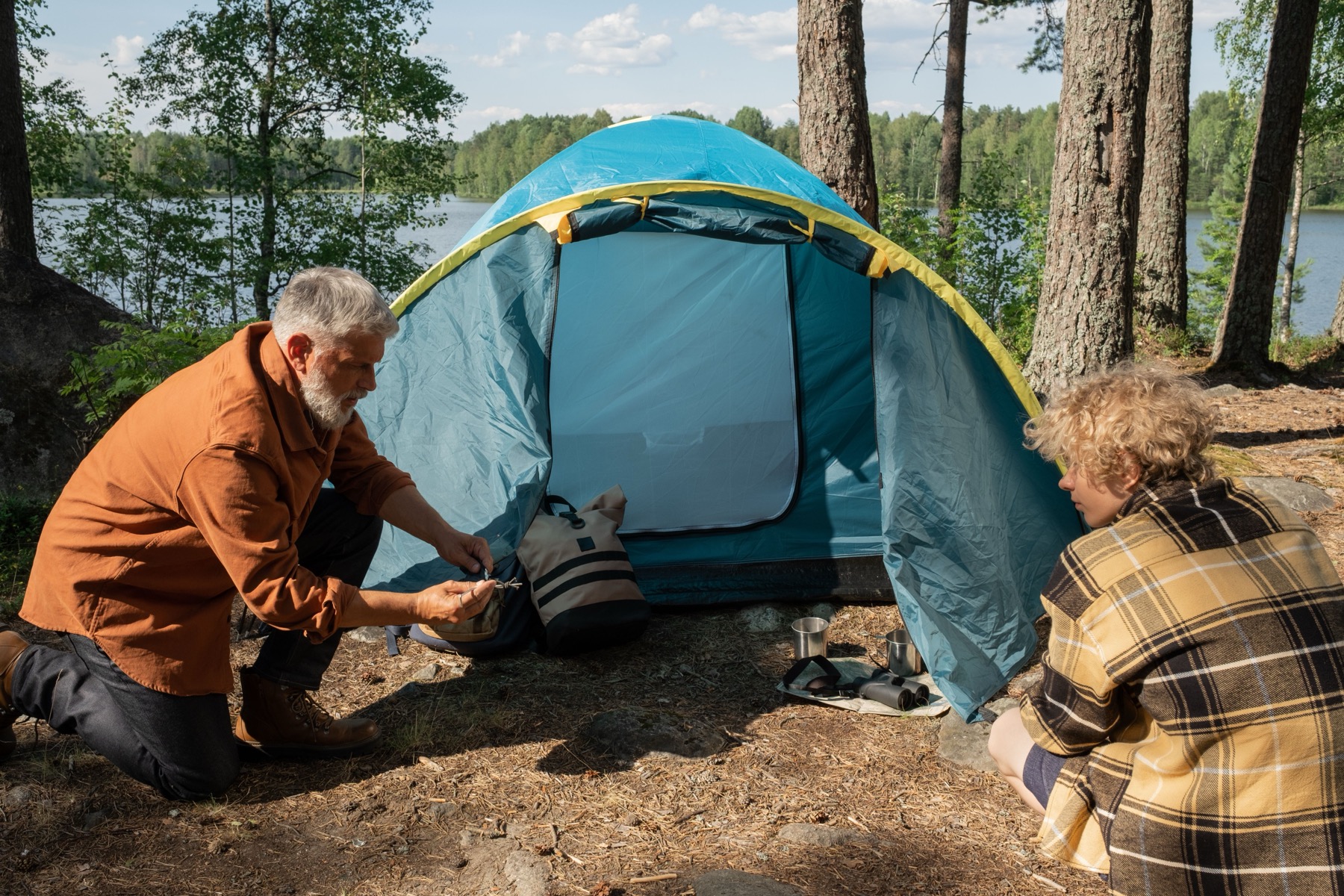
- Where to pitch a tent: Ideally out of sight of residential buildings (at least 150 metres away) and always for just one to two nights in the same spot.
- Camper vans and cars: The right of free access does not apply to motor vehicles, so you can’t drive your van off the road onto a meadow or a beach.
- Fire and bans: During summer there’s often a strict fire ban (eldningsförbud) that you must follow to the letter or face hefty fines.
- Wild berries: You can freely pick blueberries, lingonberries or mushrooms for your own use, but you must not pick protected plants.
- Campsite prices 2026: Official campsites cost roughly 300 to 450 SEK (€27–40) per night and often require a Camping Key Europe card.
- Mosquito season: In northern Sweden the aggressive “knott” midges will torment you from mid-June to August, so a head net is an absolute must.
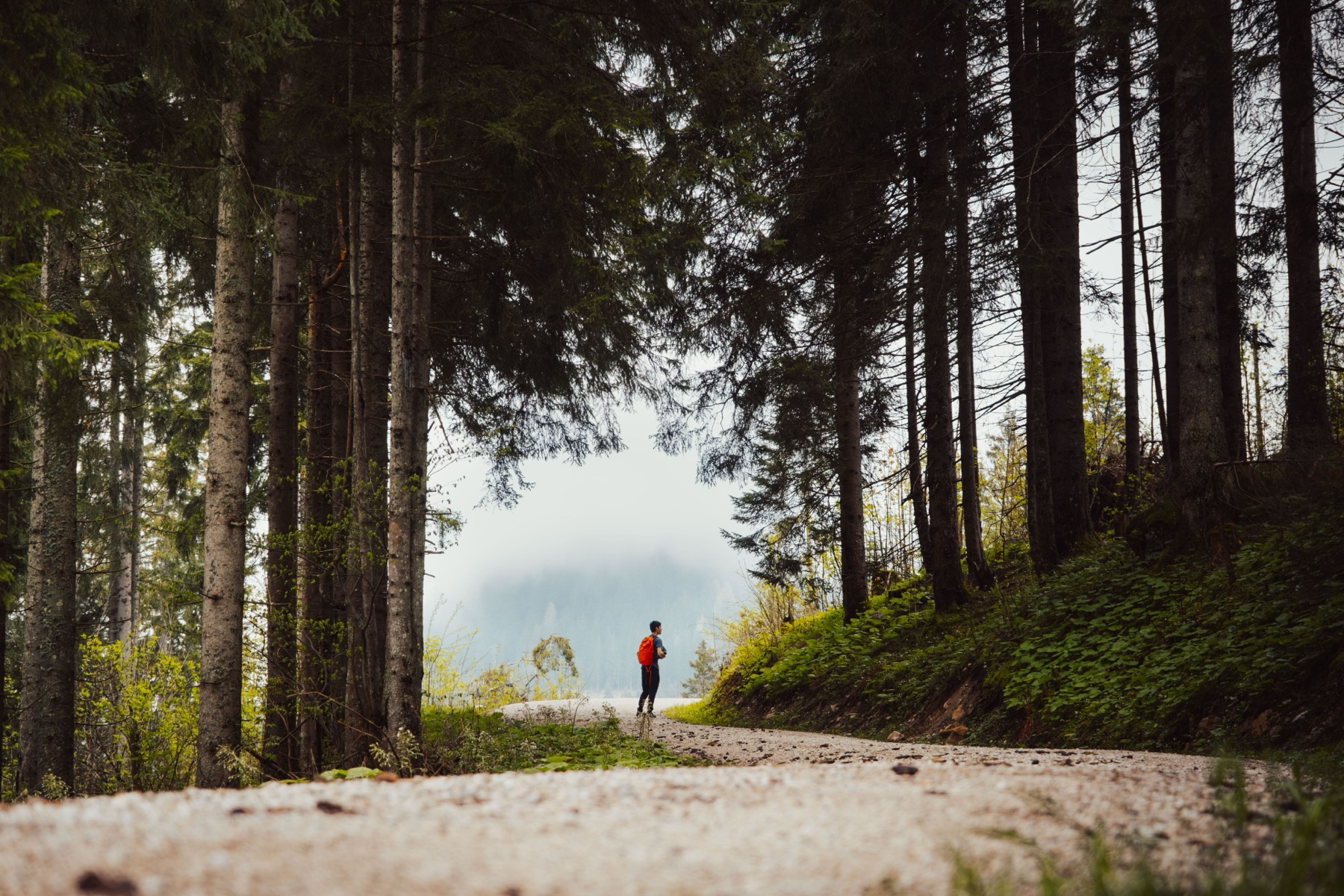
The full destination guide: Sweden — guide and what to see
14 Things You Need to Know About Camping in Sweden
Before you set off to explore the Nordic wilderness, it’s worth getting familiar with a few basic rules. Swedish nature is incredibly generous to travellers, but with this huge freedom comes a necessary dose of responsibility. That’s why we’ve summed up the most important information for you, so you know exactly what to expect.
Whether you’re planning to sleep in a tent with a backpack or travel in a more comfortable camper van, these practical tips will save you plenty of needless hassle — and maybe even a fine or two. Let’s look at the essentials you need to know for a trouble-free trip.
1. What is allemansrätten and why it works
Swedish nature has no barbed wire, and “no entry” signs are something you’ll only come across in very rare cases. This unique concept is called allemansrätten, which translates literally as the right of public access to the countryside. It’s a privilege that historically belonged to travellers on foot, so they could safely cross unfamiliar land and simply not freeze to death along the way in the harsh Nordic conditions. Today this concept forms the absolute cornerstone of Swedish national identity.
The whole wonderful system rests on an incredibly delicate balance between personal freedom and deep responsibility. From an early age, Swedes are raised on a philosophy called friluftsliv, meaning a life in harmony with nature. The core motto in Swedish is “inte störa, inte förstöra,” which means don’t disturb, don’t destroy. You can wander freely through deep forests, sprawling meadows and deserted coastline, but in return you must show maximum respect to nature and to the locals.
Thanks to this right, wild camping is by far the cheapest way to get to know the entire country. While classic hotels and restaurants can really drain your travel budget, staying in the forest costs you nothing at all and offers experiences money simply can’t buy. You do, however, need to know exactly where your personal freedom ends and someone else’s privacy begins. If you break the rules, you become the reason why even in very welcoming Sweden, unpleasant “no camping” signs are starting to appear at popular lakes.
💡 Tip: Learn the basic phrase “inte störa, inte förstöra”. If you get into a conversation with a local and show them you understand this concept, you’ll instantly win their sympathy and trust.
2. Where you can legally pitch a tent for wild camping in Sweden
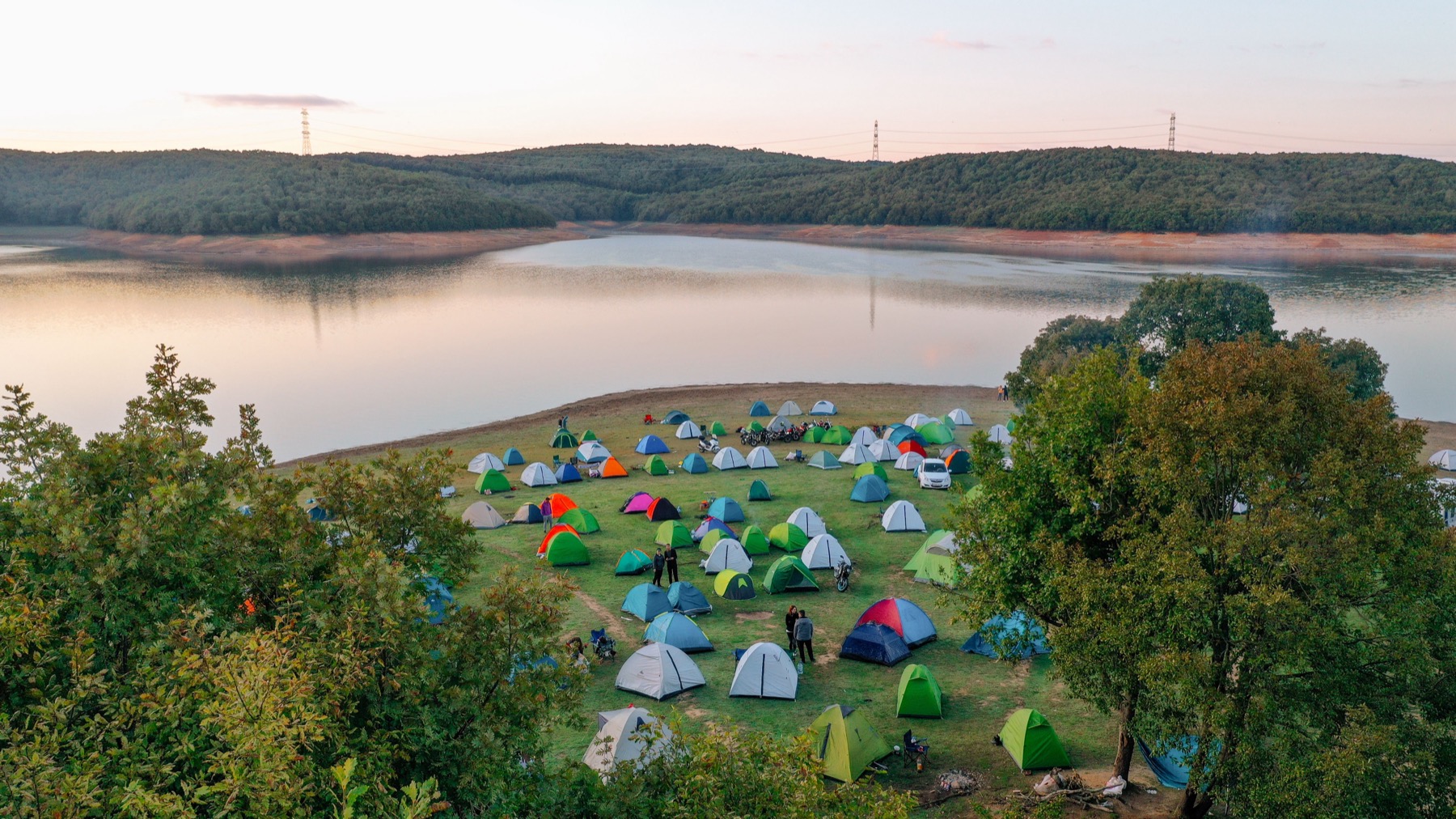
Wild camping is without doubt Sweden’s biggest draw and the reason adventurers head here from all over Europe. You can pitch your tent almost anywhere — in a deep forest, on a remote meadow or on the rocky shore of a lake. The law doesn’t state exact distances anywhere, but the unwritten rule is roughly 150 metres from the nearest dwelling. You should always choose a spot so the homeowners can’t see you directly from their living room window or terrace.
If you come across a livestock fence while wandering the countryside, you may climb over it or pass through a wooden gate without any trouble. But remember the absolutely crucial rule that you must always carefully close the gate behind you, so grazing animals don’t wander off. You’ll very often find ideal camping spots at the edges of dead-end forest tracks or in small clearings, where the ground is flat and mossy with enough shade for the morning sun.
Always check the ground you’re planning to sleep on, too. In the south of the country and in central Sweden you’ll find beautiful coniferous forests with soft moss, but in the north and in the archipelago you’ll often come across hard granite rock, where you simply can’t hammer in pegs. In that case a freestanding tent that you can pitch without anchoring into the ground will come in very handy.
💡 Tip: When looking for a place to sleep, use satellite imagery in map apps. From a bird’s-eye view you can easily tell whether there’s a summer cabin hidden behind that strip of trees that you can’t spot from the road.
3. Where camping is strictly forbidden
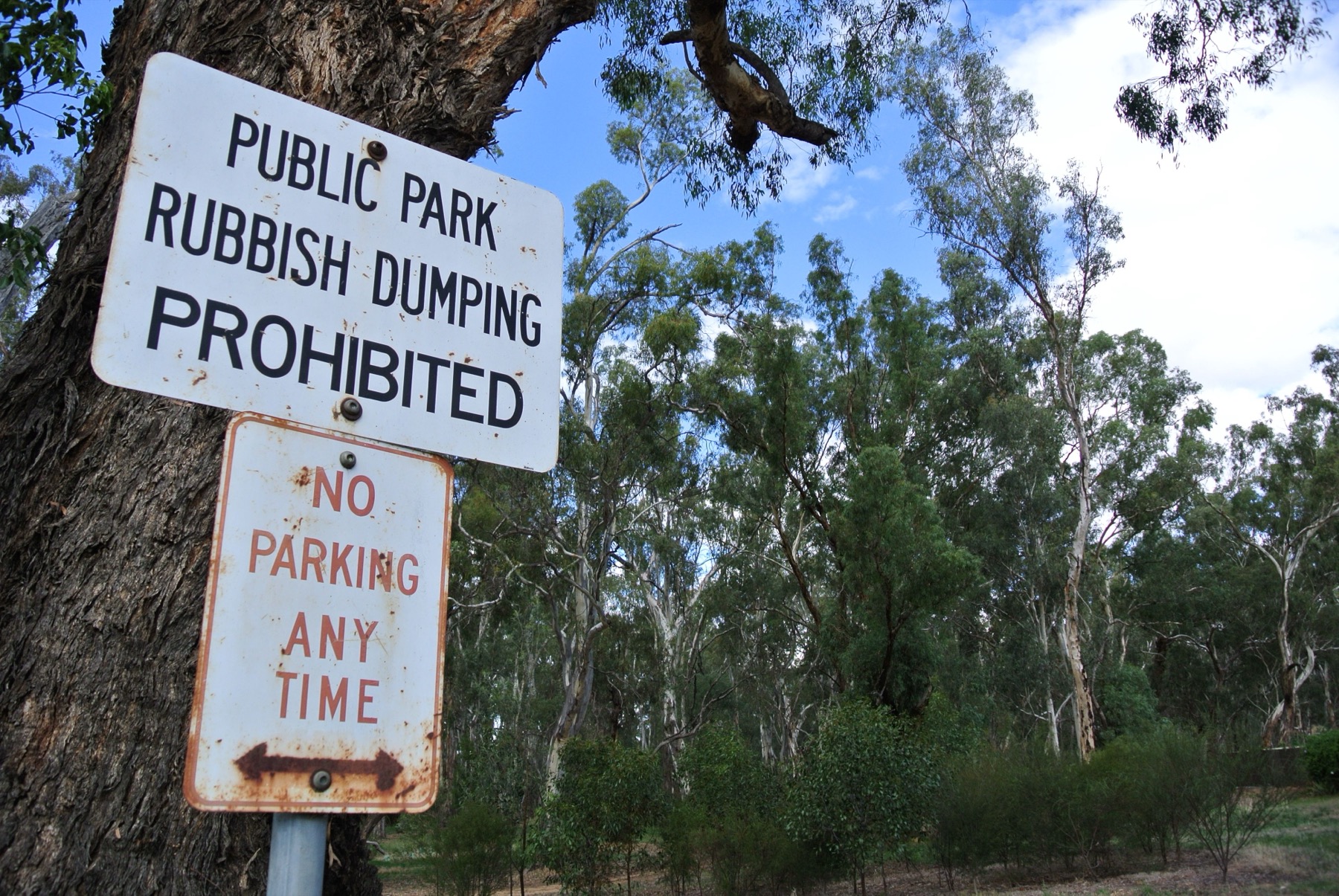
Your camping freedom hits a hard limit the moment you approach the private zone around houses, which in Swedish is called the hemfridszon. This is an untouchable space where owners have the right to absolute privacy and peace. Even if the house has no fence at all (which is completely normal in Sweden), you can’t take a shortcut across their manicured lawn to the lake, nor cheekily sit down on someone else’s wooden jetty.
Another huge exception is protected areas and national parks, where the right of public access gives way to strict nature conservation. In the famous Skuleskogen National Park on the High Coast, for example, you may camp only at clearly marked spots, otherwise you risk a really hefty fine. The limestone steppes called alvar on the islands of Gotland and Öland are also extremely sensitive, with a blanket ban on both camping and lighting fires to protect incredibly rare ecosystems that are vulnerable to every human step.
You also need to avoid cultivated fields and pastures with freshly sown grass. The “don’t destroy” rule means that you must not trample crops or ruin fodder meant for farm animals. If you’re not one hundred percent sure whether a given meadow is used for haymaking, it’s better to walk a few hundred metres further into a mature forest.
💡 Tip: If you’ve brought a drone and love shooting aerial footage, remember that a strict flying ban applies over national parks, so you don’t disturb nesting birds and wildlife.
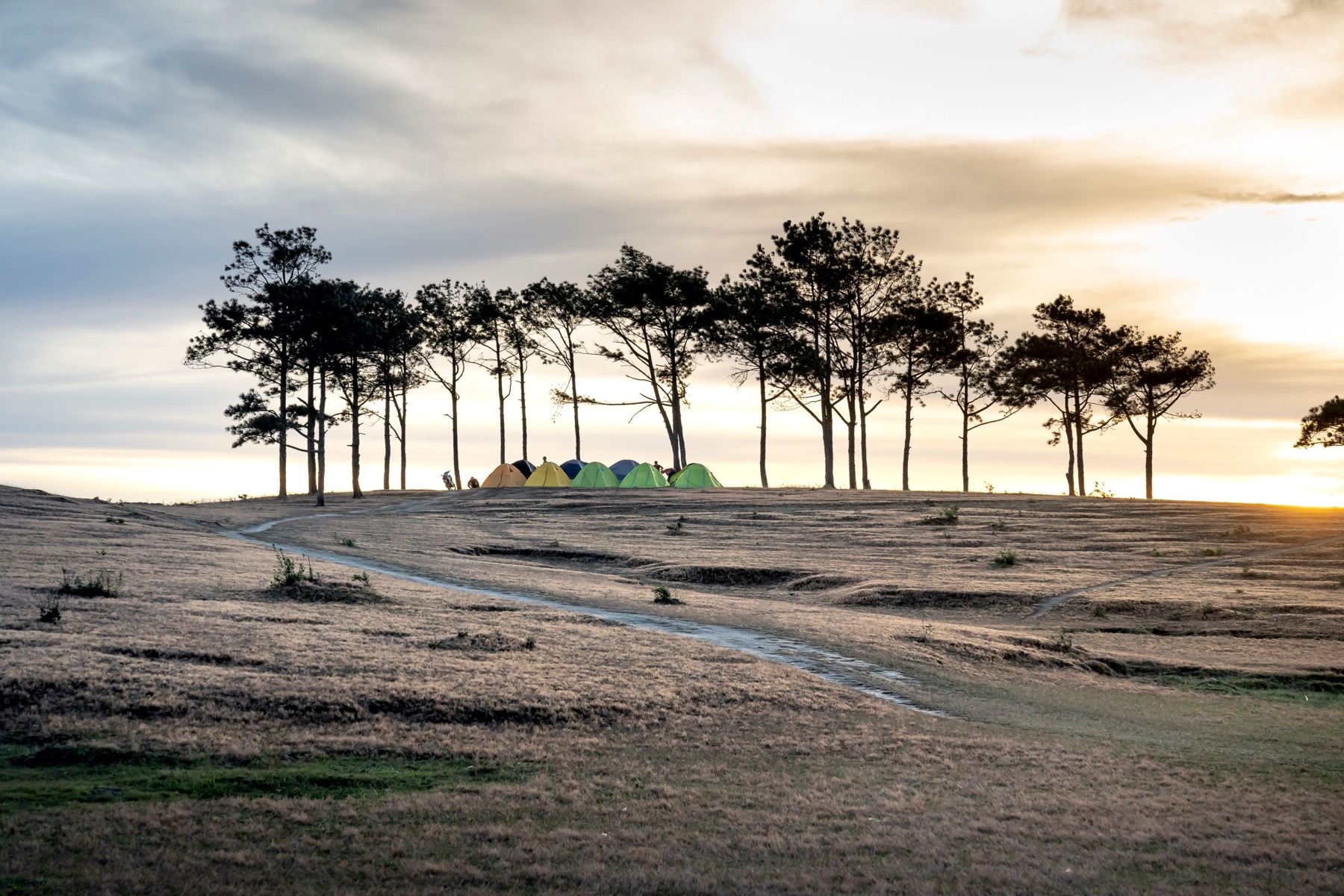
4. How many nights you can stay in one spot
Sweden’s right of public access is definitely not designed for you to set up a permanent summer residence on someone else’s land and spend your whole holiday there. The golden rule for all campers is that you may camp in one spot for one, at most two nights. After that you should pack up your tent pegs, carefully clean up every last scrap and move a bit further into the countryside.
This strict time limit has a very logical and ecological reason. Nature needs to rest, and the grass flattened under your tent has to breathe and stand up straight again. If you stayed in one spot for a whole week, you’d leave behind a ruined rectangle of dead vegetation that would take months to recover. On top of that, by moving on you minimise the risk of getting in the landowner’s way for too long or scaring off local wildlife.
If you’d like to stay longer in a truly magical spot, you must always ask the landowner for their explicit permission. Experienced travellers agree that if you politely knock on a local farmer’s door and ask, they’ll usually let you stay by their lake for a few days with a smile — as long as they can see you’re behaving responsibly and have no plans to throw noisy parties.
💡 Tip: Change spots every day and see it as an advantage, not a restriction. Every morning you’ll wake up with a brand-new view over a different lake or a different stretch of beautiful forest.
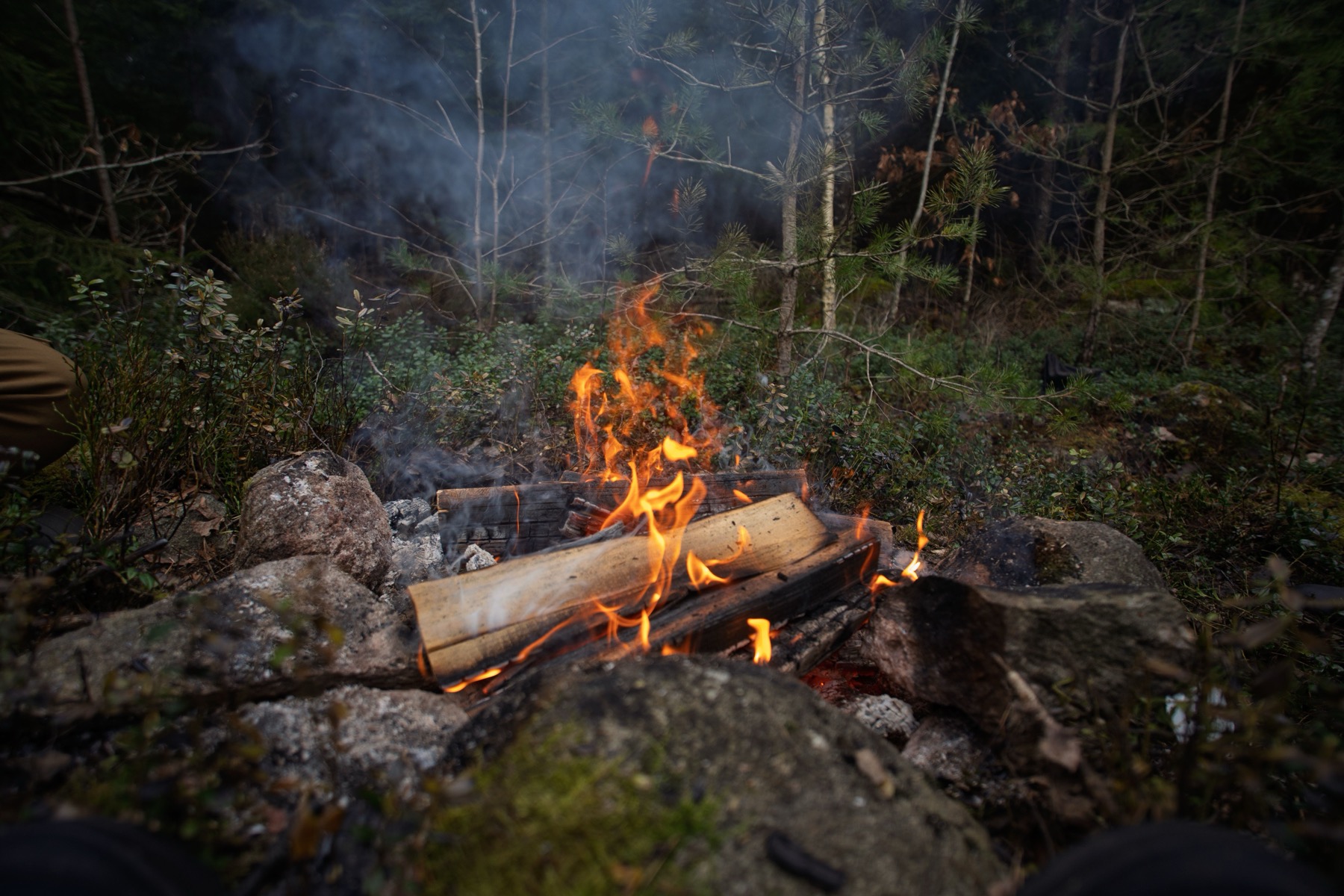
5. Fire in nature and the threat of summer drought
An evening campfire is an absolutely inseparable part of the Nordic camping adventure. You may light a fire in nature, but it takes common sense and, ideally, using existing, stone-lined fire pits, of which there are thousands all over Sweden. You must never light a fire directly on bare granite rock, because the extreme heat could crack the stone and damage it irreversibly — something Swedes consider barbaric.
During the dry summer months, however, there’s a crucial change, when the authorities often declare a strict blanket fire ban called eldningsförbud. In such a crisis situation you may not even strike a match at an official fire pit, and very often this strict ban also covers the use of ordinary gas stoves outside paved areas and gravel car parks. Breaking this ban is punished with astronomical fines, because forest fires are a huge threat to Sweden.
Once you’ve safely lit a fire, you may only use dry branches or cones that have fallen to the ground. Never leave a fire pit until the ash is completely cold, and always douse it with plenty of water from the lake just to be safe.
💡 Tip: Always check the current fire risk and any local bans in the free Brandrisk Ute app. If the app shows high risk, be prepared to have cold sandwiches for dinner instead of a hot soup.
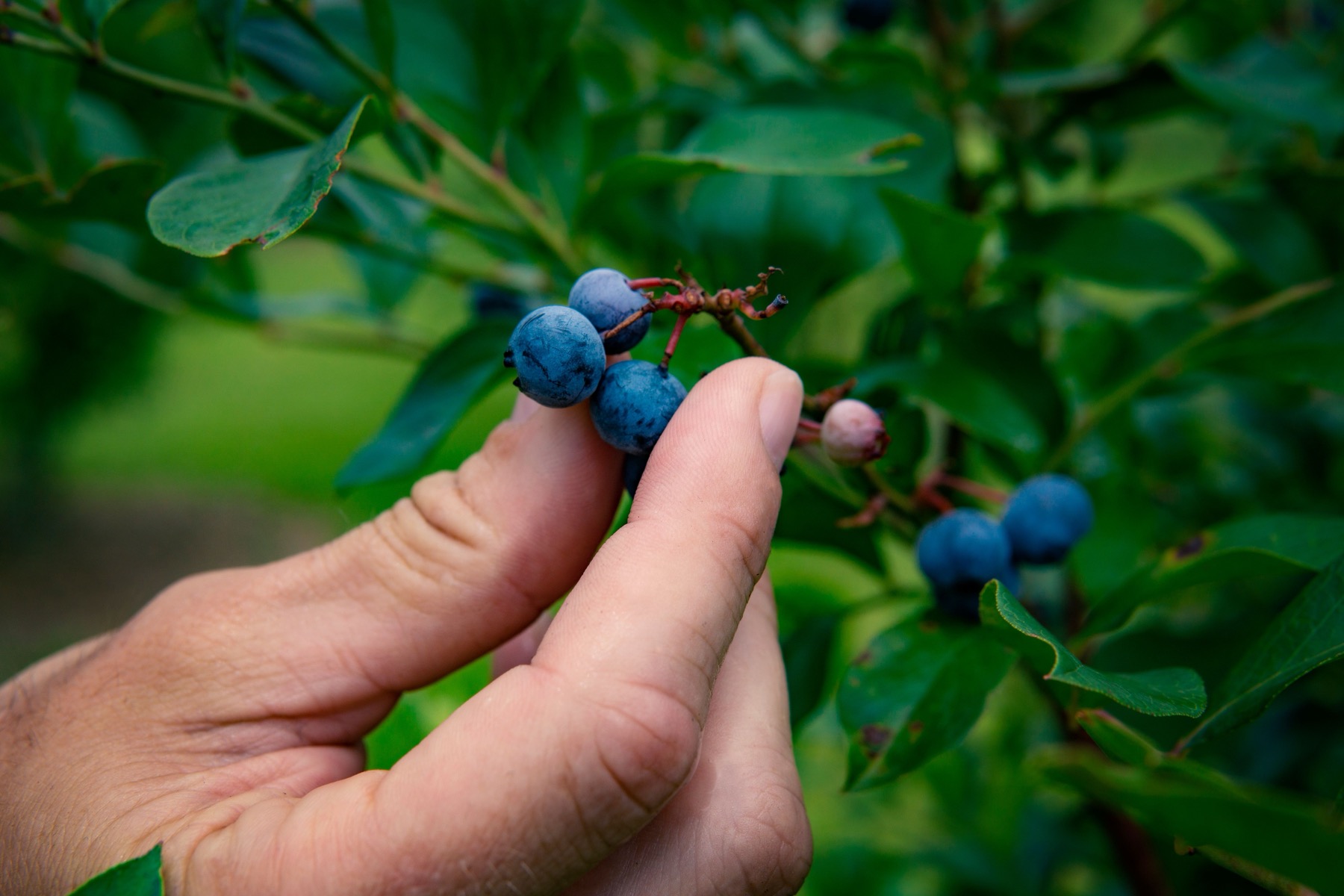
6. Forest self-service: what you can pick and eat
In autumn, the Swedish forest works like a giant natural supermarket where you don’t pay at the checkout and the opening hours are unlimited. Throughout summer and early autumn you can freely pick blueberries, lingonberries and the incredibly rare cloudberries, which grow mainly in the boggy areas of the north. Swedes love foraging for wild berries and use their harvest to make delicious homemade jams or add them fresh to their morning porridge.
If you prefer savoury flavours, you’ll be delighted by the ubiquitous mushrooms, which thrive incredibly well in the Nordic climate. The locals are huge fans of mushroom picking, and they prize yellow chanterelles and porcini most of all. There are so many forests here that you won’t have to fight anyone over your finds, and you’ll fill your basket during a short late-afternoon stroll. From fresh mushrooms you can then whip up an absolutely perfect vegetarian risotto on your camping stove, which after a day on your feet will taste like it came from a Michelin-starred restaurant.
You can also pick a bunch of wild flowers for your camping table, or gather some herbs for an evening tea. All these gifts of nature, however, may only be picked for your own personal use, not for large-scale commercial sale.
💡 Tip: For blueberries, buy a special plastic picking comb at a local supermarket. It’ll cut your picking time down to a minimum, and your fingers won’t stay purple for a week after you get home.
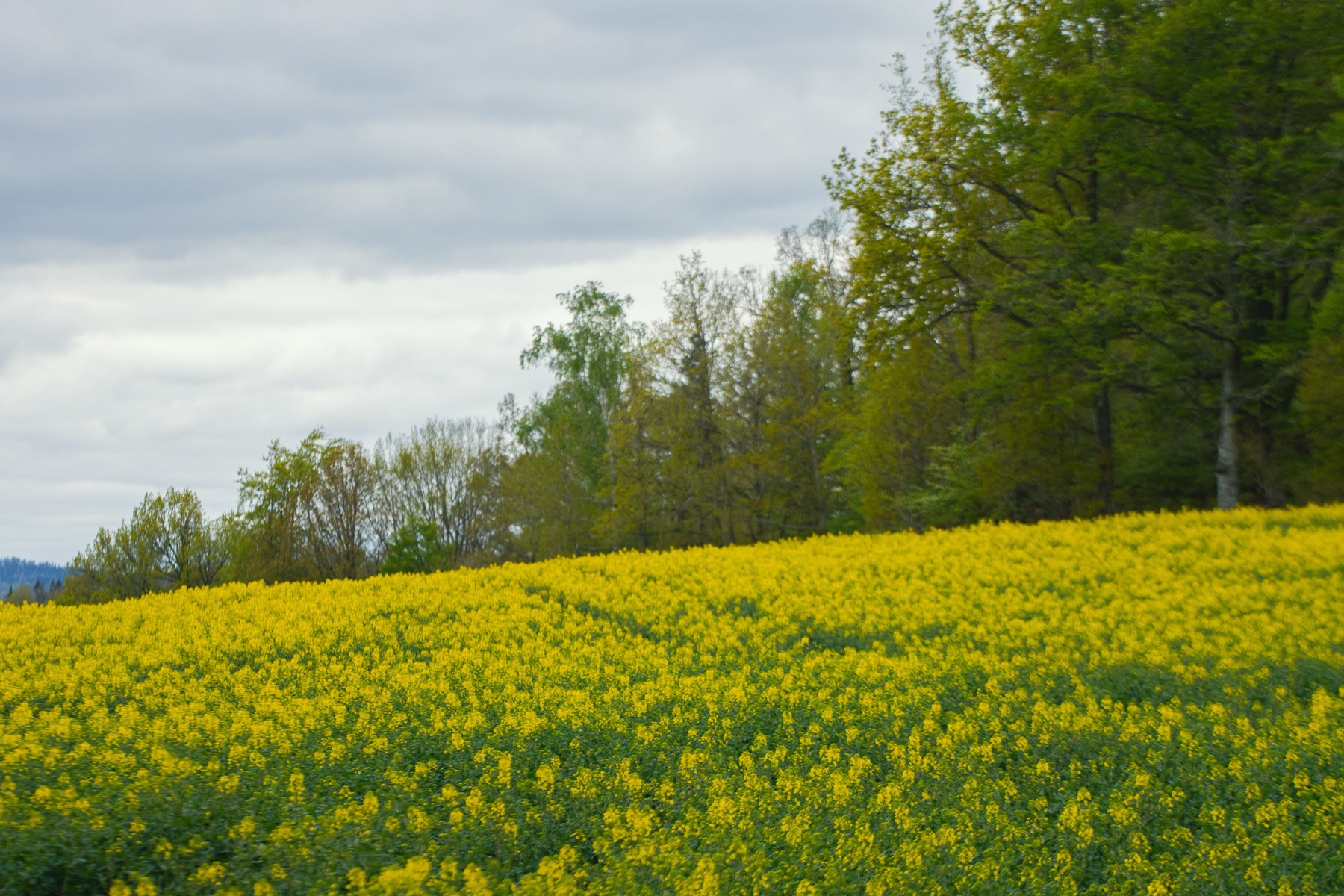
7. What doesn’t belong in your basket (what you must not destroy)
While berries and common mushrooms are freely available to everyone, there’s a clear list of things you must not touch in the forest. An absolute ban applies to picking protected plant species, which include, for example, all wild orchids you might come across, especially on the islands in the Baltic Sea. It’s equally strictly forbidden to take birds’ nests from the forest, collect eggs or disturb the young of wild animals in any way.
A very common and blameworthy mistake made by inexperienced campers is meddling with wood. For your evening fire you may collect dry fallen branches or cones straight off the ground. Under no circumstances, however, may you cut down living trees, cut off bark with a knife or break branches off standing trees — not even ones that look dried out at first glance.
Be careful, too, when moving close to sown fields. The right of free access in no way gives you permission to take a shortcut through growing grain or across a meadow that’s clearly ready for the upcoming harvest. Always walk around the very edge of a field instead, so you don’t ruin the farmers’ hard work and their crops.
💡 Tip: If you need firewood and the surrounding forest is just wet, pop over to the nearest petrol station or supermarket. They regularly sell neatly packaged bundles of dry firewood for roughly 60 to 80 SEK (€5–7).
8. Water, swimming and island freedom
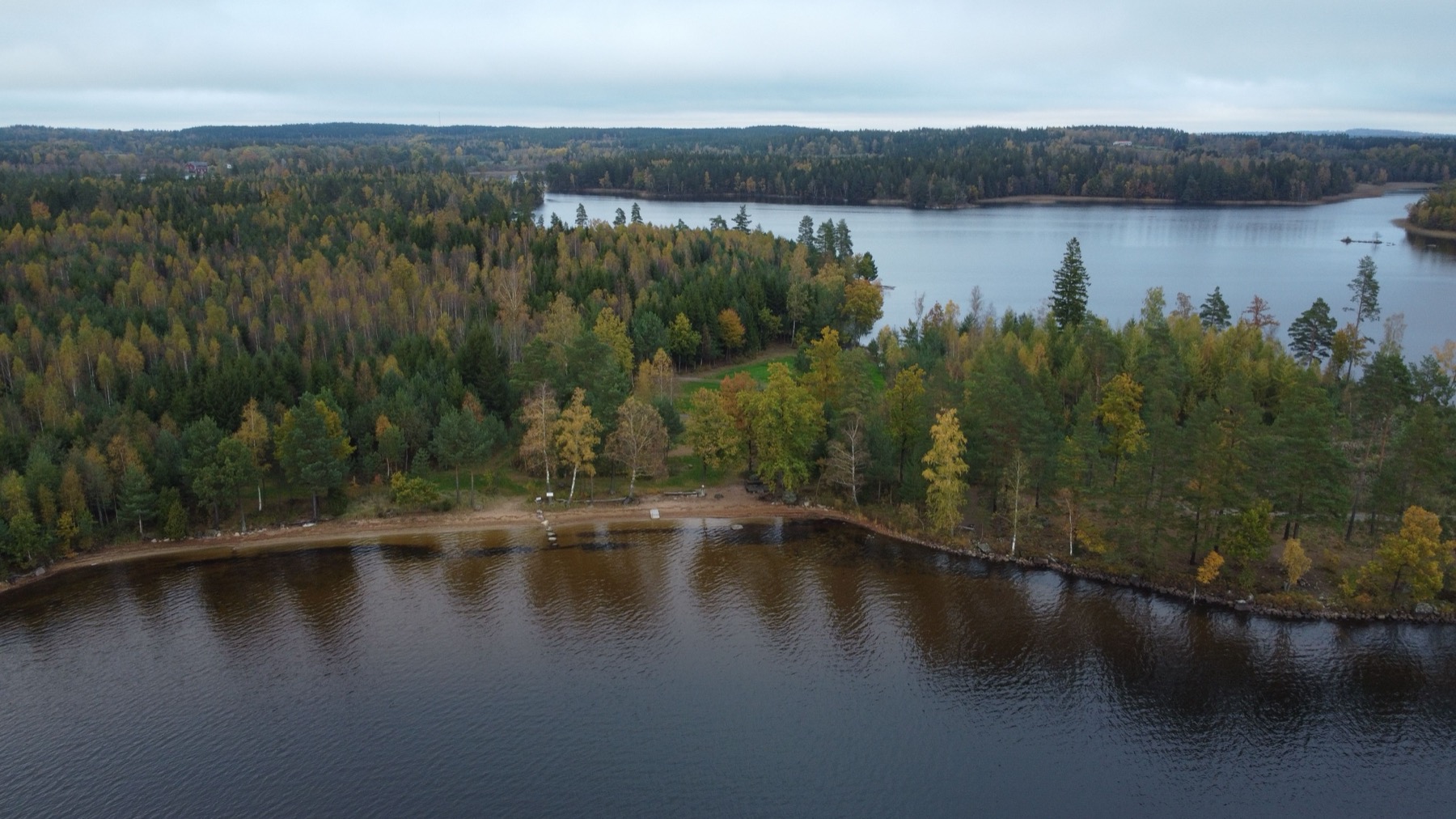
Sweden is a fascinating country of thousands of lakes, and water is an absolutely central element of every trip here. You can swim practically anywhere, as long as you’re not swimming right under the windows of a private cabin and disturbing the owners’ peace. If you have your own canoe, kayak or paddleboard, you can freely criss-cross the water and anchor your boat by the shore of one of the thousands of uninhabited islets for a day or two — they make perfect spots for isolated camping.
The water in Sweden’s streams and mountain rivers is often crystal clear in the north. Travellers on the long-distance Kungsleden trail rave about how they scoop water with a mug straight from the glacial stream and don’t need to filter it at all. In the south of the country, in lower-lying areas and around pastures, it’s much safer to use a good travel filter, though, to avoid very nasty stomach troubles that would ruin the rest of your holiday.
Fishing in Sweden is a chapter of its own. On the five largest lakes (Vänern, Vättern, Mälaren, Hjälmaren and Storsjön) and along the sea coast you can fish with an ordinary rod completely free of charge. On all other bodies of water, anglers have to buy a permit called a fiskekort, which is easy to get online and whose price starts at reasonable amounts of around 50 to 200 SEK (€4.50–18) per day.
💡 Tip: If you catch a trophy fish, Swedes strictly follow the “catch and release” rule. You may only take as many fish as you’ll eat for dinner that same day.
9. Travelling with a dog and protecting the young
Sweden is an absolute paradise for travelling with your furry companion, because there’s an endless amount of space to run and explore. European rules require a valid pet passport, a microchip and a valid rabies vaccination for entry, which is the standard we’re all used to when travelling within the EU. You do, however, have to be extremely careful about the strict local rules on moving through nature.
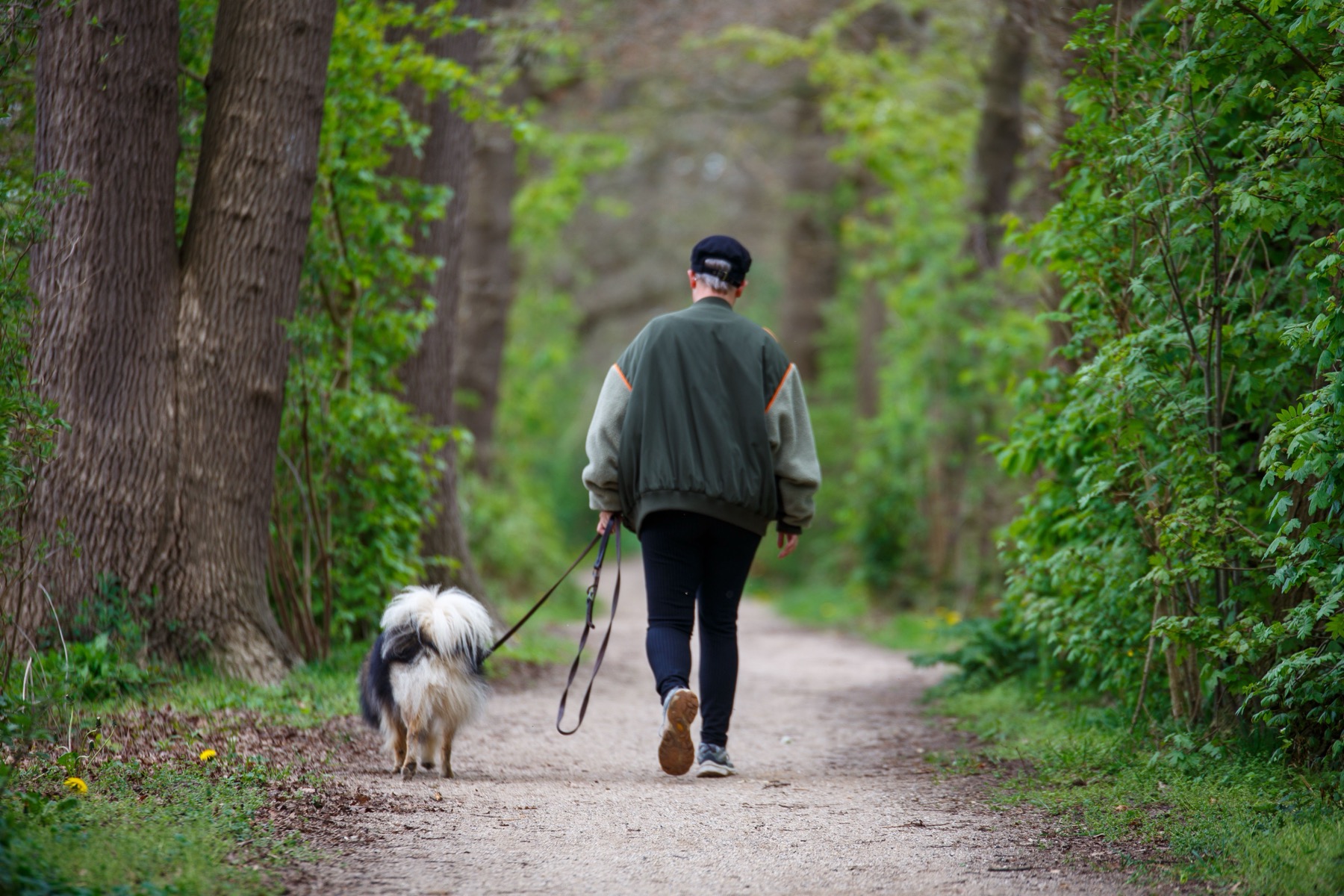
From 1 March to 20 August, Sweden has an uncompromising legal obligation to keep your dog on a leash in nature at all times. This regulation protects the young of wild animals and birds, which are at their most vulnerable during this spring and summer period. Swedes take wildlife protection deadly seriously, and a dog running loose in the forest can earn you not only very hostile looks from locals but also a hefty police fine.
Animals are hugely respected here. In the forests you’ll come across moose, and in the north and central part of the country there are around three thousand brown bears and hundreds of wolves. Both predators are extremely shy, though, and give humans a wide berth, so any fear of sleeping in a tent is completely unnecessary. And for the record, polar bears really don’t live in Sweden — that’s just a funny myth.
💡 Tip: Swedish restaurants and café terraces usually let dogs in without any problem, but they’re strictly banned from grocery stores and pharmacies.

10. Toilets in nature and the battle with rubbish
One of the least pleasant but absolutely essential aspects of wild camping is personal hygiene. If you’re sleeping deep in the forest without any facilities at all, you need to learn how to go to the toilet properly. The golden rule is to dig a small hole far enough away from water sources and your camp, and after you’ve done your business, carefully fill it with soil and cover it with moss so there’s not a trace left behind.
The biggest problem these days is toilet paper and the popular wet wipes. While ordinary toilet paper breaks down in nature after a few rains, wet wipes contain plastics and can lie in the forest for decades. If you use them, you must pack them out in a special sealable bag and only throw them away in the nearest bin. White paper fluttering in the bushes around popular camping spots is the worst possible calling card left by inconsiderate tourists.
Sweden also has a fantastic deposit system called pant. All plastic bottles and cans carry a deposit, and you can return them at special machines at every larger supermarket, where the amount is deducted from your shopping bill.
💡 Tip: Always carry a small lightweight trowel and sealable plastic bags for all your waste. In Sweden there’s nobody who will clean up after you in the forest, so everything you bring in, you have to take back out.
11. Vindskydd: free wooden shelters
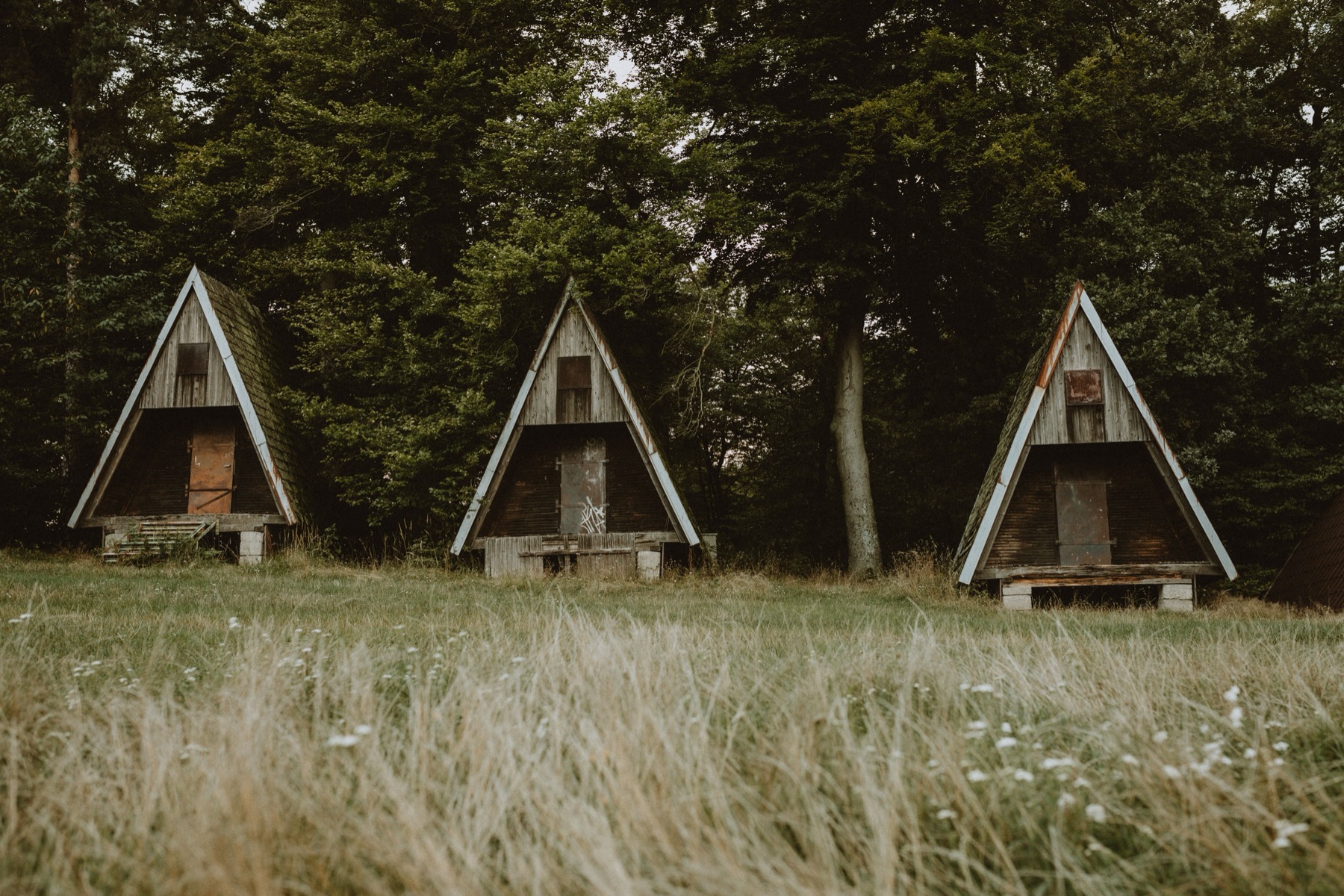
For outdoor and hiking lovers, Swedes have prepared an absolutely incredible bonus that has no equal anywhere else in Europe. Across the country you’ll find thousands of wooden shelters called vindskydd, which anyone passing by can use to sleep in free of charge. Most are very simple cabins open on one side, which will protect you perfectly from unexpected rain and strong wind.
At these shelters you’ll almost always find a well-maintained stone fire pit, a supply of dry firewood and a sharp axe. A little further into the forest there’s usually a clean dry toilet hidden away. Sleeping in a vindskydd on the shore of a quiet lake, cooking your morning porridge over the fire and listening to the rustling trees is the purest Swedish experience you can treat yourself to on your travels — and it saves you plenty of money on accommodation, too.
There’s an unwritten rule of shared decency here, though. If you arrive at a shelter that’s already partly occupied, politely ask whether you can join — Swedes will usually be happy to welcome you. When you leave in the morning, always clean up perfectly after yourself and ideally chop some fresh wood for the next tired travellers who’ll come after you.
💡 Tip: For finding these shelters, the Mapy.cz app works brilliantly, as it has a huge number of them logged in its free offline database — just look for the little cabin icon.
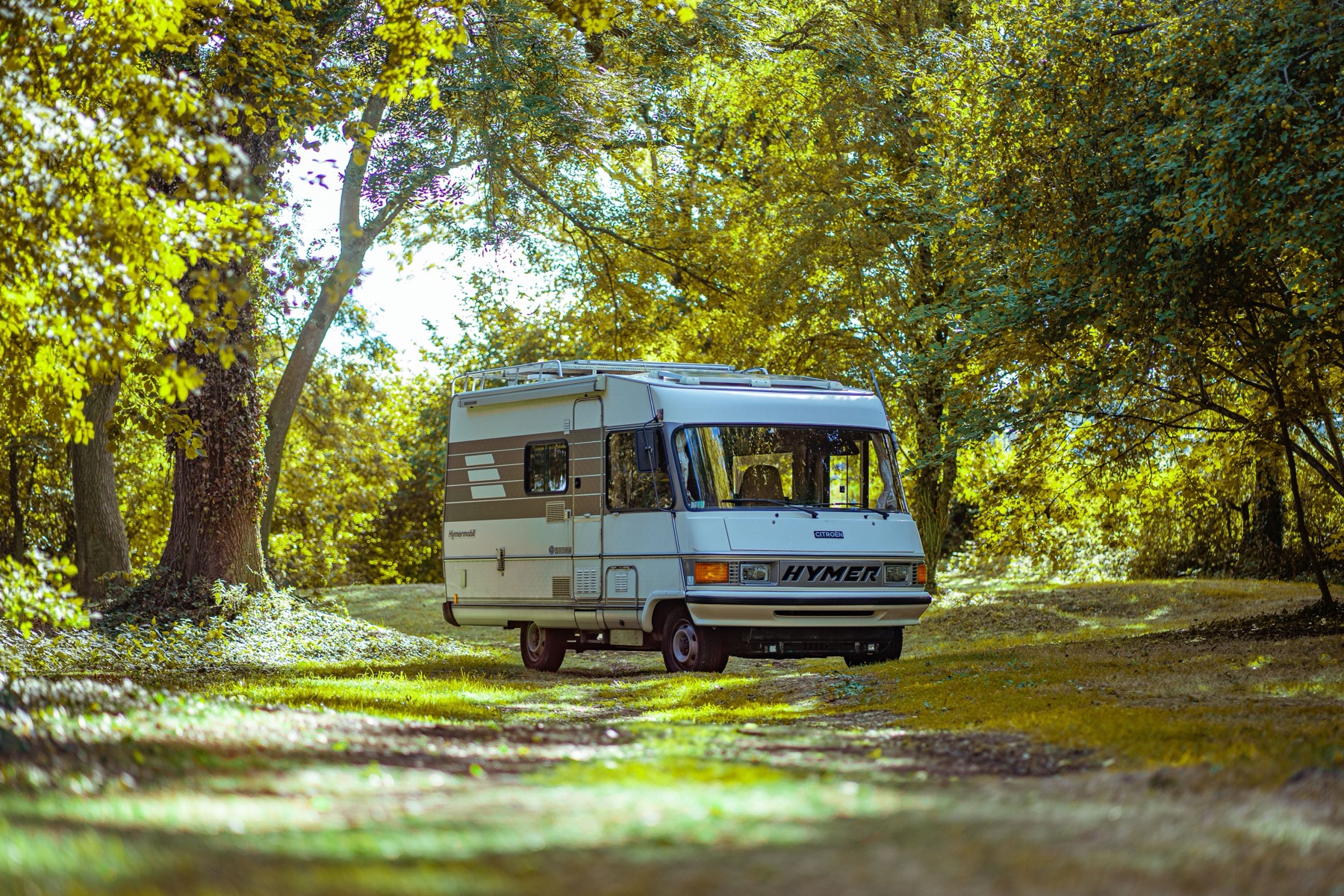
12. Camper vans and caravans follow different rules
Here we hit a huge stumbling block and by far the biggest myth that thousands of van and camper drivers from all over Europe naively believe. On social media you’ll often read the guaranteed piece of advice that in Sweden you can just pull over with your caravan anywhere. This is an absolutely fundamental mistake, though, because allemansrätten in no way applies to motor vehicles — it’s a law designed for people on foot.
Sweden’s off-road driving law (Terrängkörningslagen) strictly forbids driving any car or van off marked, surfaced roads. You must not park a camper van on a blooming meadow, you must not drive it onto a sandy beach and you must not set it up in the middle of a deep forest. You can only sleep in your vehicle at public tarmac car parks by the roads, at official gravel rest areas or in designated bays called ställplats.
In southern Sweden they’re also dealing with one very unpleasant phenomenon that’s rarely talked about. Authorities explicitly warn about night-time break-ins into camper vans along the main motorway routes, especially on the E4. Thieves often take advantage of the fact that tired people are fast asleep at rest areas. So always tidy your documents and valuables away into safety boxes and definitely don’t leave them lying on the front seats.
💡 Tip: If you’re travelling in a van, download the Park4Night app, where you’ll find thousands of verified and legal spots for safe overnight parking, including reviews from other travellers.
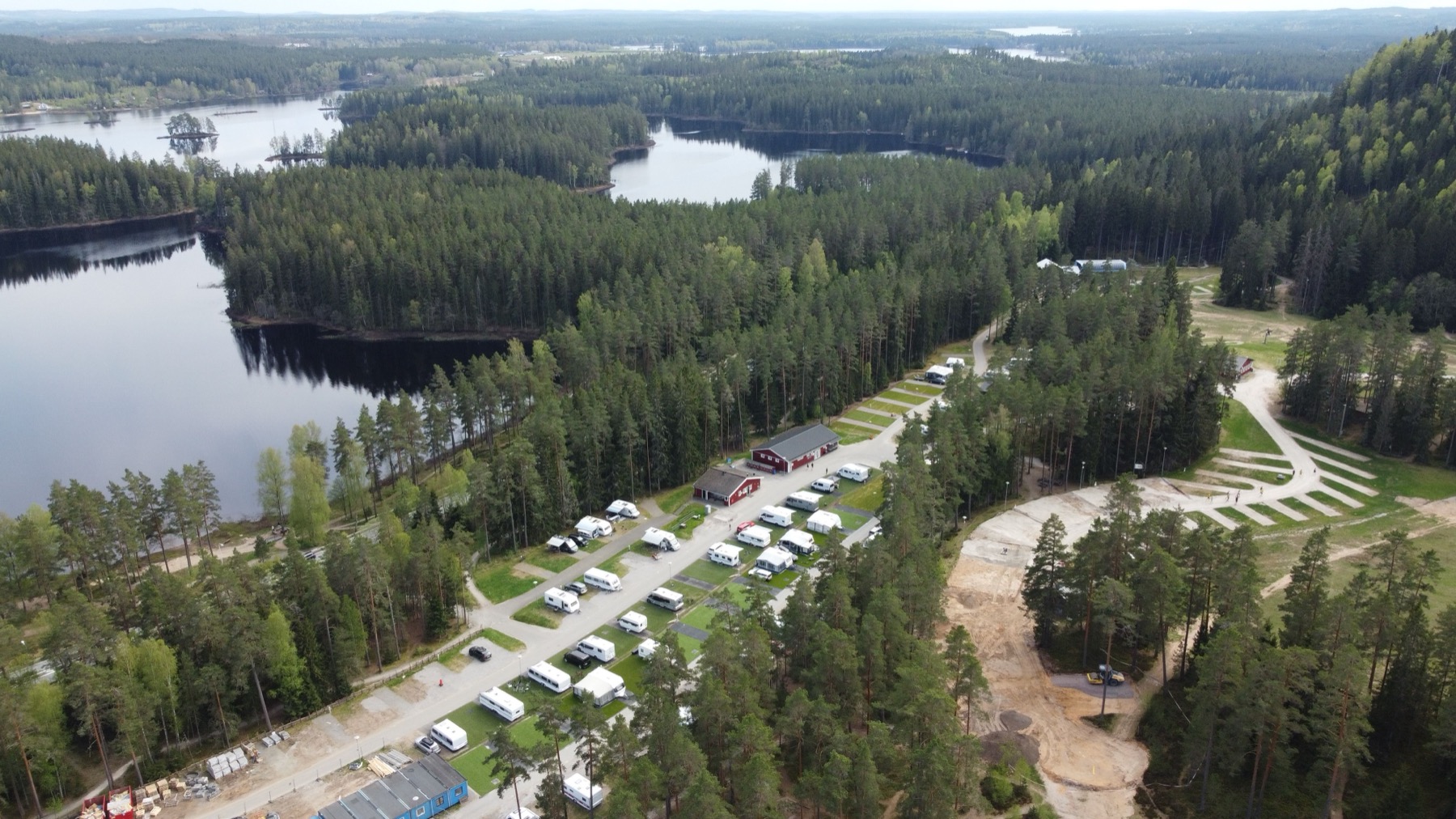
13. Classic campsites and cabins as a cheap alternative
If you don’t feel up to sleeping in the wilderness, are travelling with small children or simply need a hot shower and a washing machine, Sweden’s network of campsites will absolutely delight you. The campsites here are perfectly maintained, fitted with huge clean kitchens and very often located right on the shores of the most beautiful lakes. The dominant player on the market is the First Camp chain, which offers a guaranteed top-notch standard across the whole country.
To make life easier, it’s worth getting a digital Camping Key Europe card. It costs around 200 SEK (€18) a year, speeds up your evening check-in and offers attractive discounts on accommodation and ferries. For the 2026 season, prices for a tent or caravan pitch average from 300 to 450 SEK (€27–40) per night, depending on location and the campsite’s facilities.
The small red wooden cabins called stuga, which you’ll find at almost every campsite, are also a huge hit. They’re a brilliant and cheap alternative to expensive hotels, especially if there are more of you travelling. A basic cabin without its own bathroom (you use the campsite’s central facilities) costs you roughly 500 to 800 SEK (€45–70) per night, which is an absolutely fantastic price for expensive Sweden.
💡 Tip: For basic cabins at a campsite, you always have to bring your own bedding and towels, or rent them at reception for a hefty fee. Before you leave, you’re also expected to clean the cabin perfectly yourself.
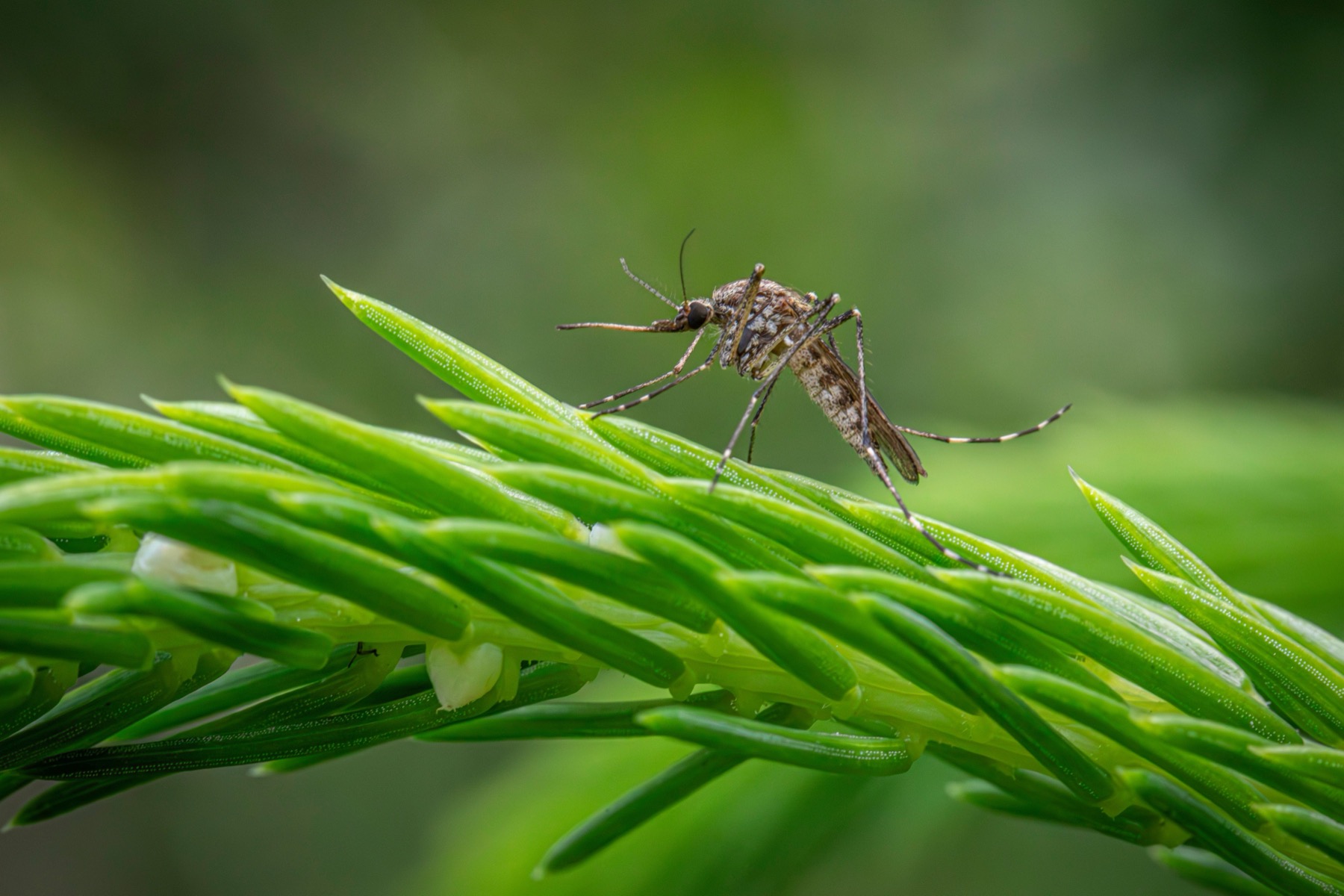
14. Mosquitoes, ticks and encounters with bears
When you look at the gorgeous photos from northern Sweden, it looks like the perfect Nordic idyll. People rarely tell you on camera, though, that from mid-June to mid-August the boggy areas will put your nerves to a real test with clouds of biting insects. Alongside ordinary mosquitoes, the north is home to extremely aggressive midges called knott, which can even crawl through an ordinary net and leave you with unpleasantly itchy bites.
A head net and a strong local repellent from the Mygga brand with a high DEET content are an absolute must in the north — gentle natural repellents simply don’t work here. When choosing a camping spot, try to find an open space on a small hill. Mosquitoes and knott hate a draught, so the wind becomes your best friend.
You do, however, need to be very careful about ticks, especially in the southern half of the country and in the beautiful Stockholm archipelago. This area is unfortunately known for an increased incidence of tick-borne encephalitis (TBE). If you’re planning to spend a lot of time in nature in southern Sweden, a TBE vaccination before your trip is a very sensible and far-sighted investment in your health.
💡 Tip: The insects are extreme in the north, but if you’re only heading to Stockholm or the southern coast, the mosquito apocalypse won’t affect you at all and the situation there is no worse than by a pond back home.
Where to stay
💡 Accommodation and experiences tip: We prefer to look for accommodation on Booking.com, where the cancellation terms tend to be best. For tickets, tours and activities, it pays to compare and book through GetYourGuide.
If you don’t plan to sleep deep in the forest every day, Sweden’s accommodation infrastructure will absolutely delight you. It’s thought through down to the last detail and offers options for every budget. The foundation is classic campsites, of which there are hundreds all over the country. The dominant player on the market is the First Camp chain, which offers superbly equipped sites with heated showers, huge kitchens and often a sauna right on the lakeshore. You could try, for example, the luxury campsite First Camp Arcus – Luleå in the north or the highly rated First Camp Moraparken – Dalarna in central Sweden. For a tent or caravan pitch you’ll pay on average 300 to 450 SEK (€27–40) per night. For a faster check-in and discounts, it’s worth getting a digital Camping Key Europe card for around 200 SEK (€18).
A very popular alternative for backpackers are the STF (Svenska Turistföreningen) hostels. These aren’t classic cheap hostels but often beautiful historic buildings or mountain lodges with perfect facilities. You’ll find lovely accommodation, for instance, at the STF Abisko Turiststation mountain station by the national park of the same name. There’s a membership system here — if you pay an annual fee (around 375 SEK, €33), you get significant discounts on every night. At these hostels you can cook with your own ingredients, which will save you huge amounts of money on restaurant dinners.
For owners of camper vans and caravans, Sweden has an absolutely brilliant system of so-called ställplats. These are bays reserved exclusively for motorhomes, which you’ll often find by harbours, near popular beaches or on the outskirts of towns. Unlike a classic campsite, you won’t find playgrounds or large kitchens here. Usually it’s a tarmac or gravel area with the option of connecting to electricity, filling up with clean water and emptying your chemical toilet. They often run fully automatically — you pay by card at a machine (the price is around 200 to 250 SEK per night) and get a code for the barrier.
One important thing to close with: in July, Sweden’s so-called industrisemester begins, when the entire country takes a mass summer holiday. On top of that come thousands of German and Dutch tourists. If you plan to head out during this period and want to sleep at popular campsites in the south or rent a cabin, book your spots months in advance, otherwise you’ll run into hopelessly sold-out capacities.
💡 Tip: In the Campercontact or Park4Night app you’ll find a detailed map of all Swedish ställplats, including current prices and reviews from other travellers.
Where to eat
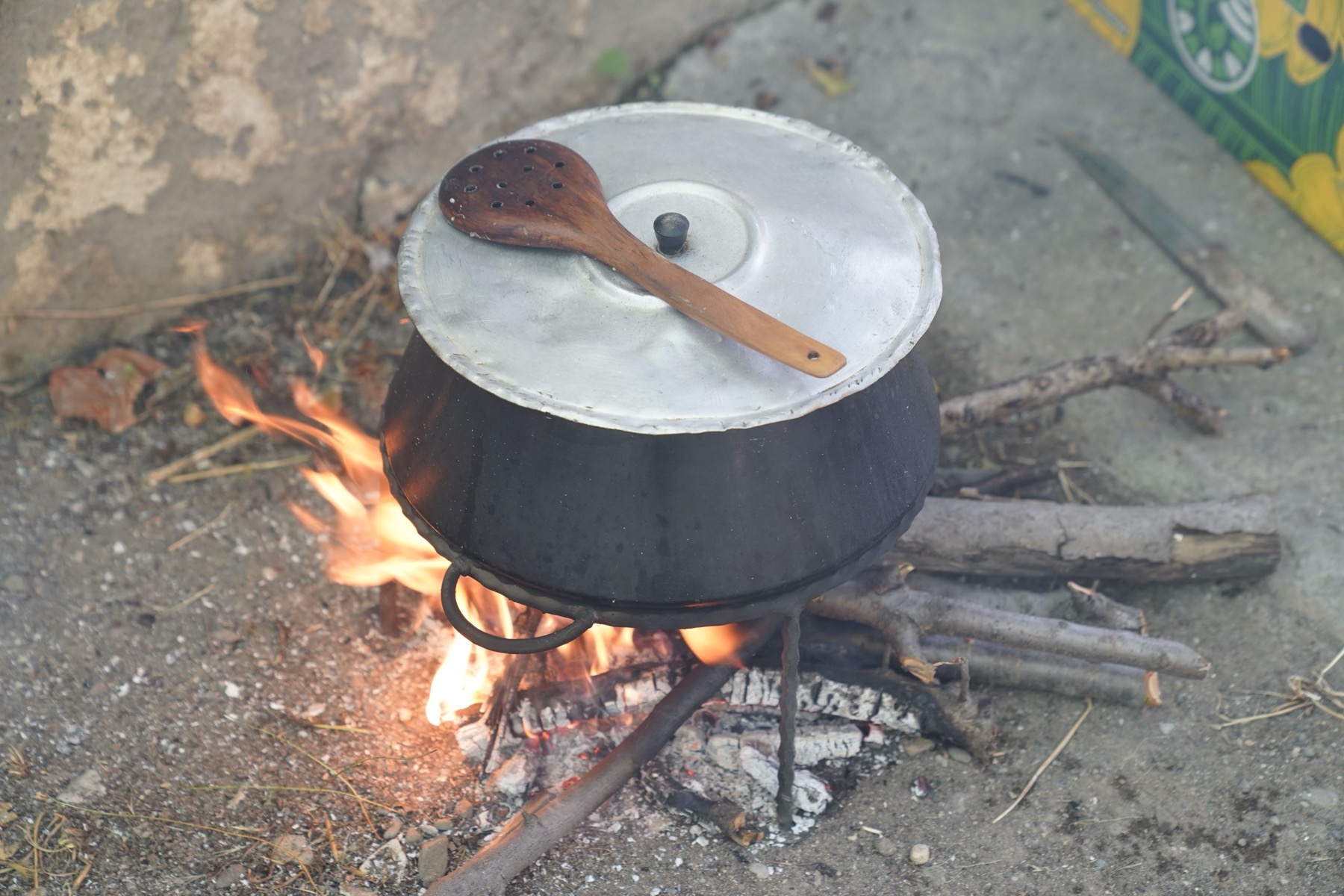
Sweden definitely isn’t one of the cheapest gourmet destinations, but that doesn’t mean you won’t eat well here. While camping, you’ll probably cook most of your meals yourself on a travel stove, but it’s still worth heading into civilisation now and then to sample some interesting local specialities.
If you want to eat well while sticking to your budget, look for the sign “dagens lunch” in restaurants after midday. It’s a very popular daily set menu, usually served from 11:00 to 14:00, and for a completely reasonable price (around 120–150 SEK) it gets you a main course, a big salad bar, drinking water and an excellent coffee to finish.
Traditional fika and classic treats
Be sure not to miss the famous meatballs (köttbullar) with mashed potatoes and hot lingonberries, which you’ll come across in traditional pubs and even at motorway rest stops. This iconic dish tastes completely different in its homeland than the version we know from the big furniture stores.
For those with a sweet tooth, the Swedish fika — a proper coffee break — is an absolute must. Stop by any cosy little café, treat yourself to a freshly baked cinnamon bun (kanelbulle) and gather energy for more exploring. Coffee here simply flows in abundance, and very often, with your first paid cup, you get the chance to refill for free (this great custom is called påtår).
What to pack for camping in Sweden
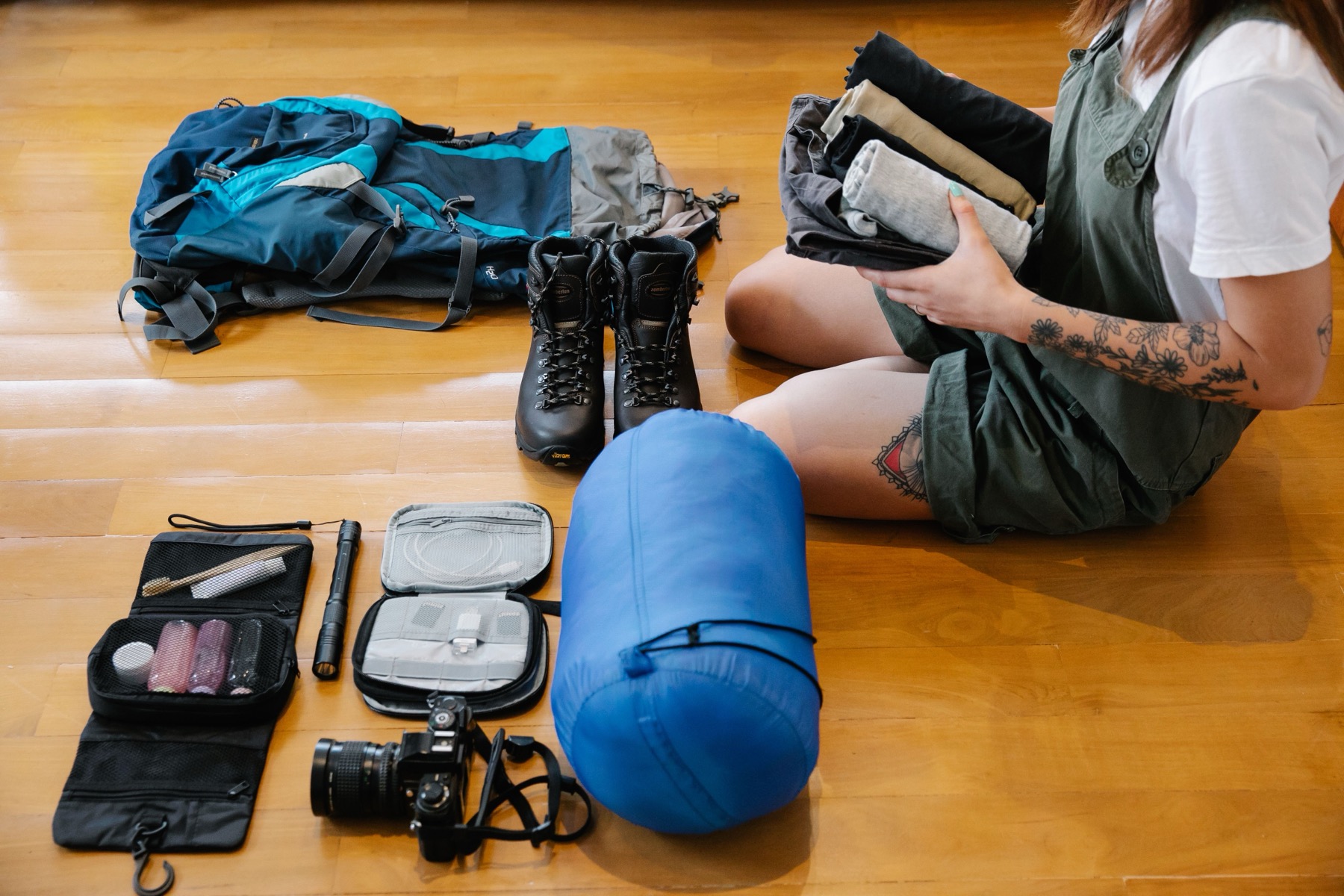
Packing for a Nordic adventure calls for a slightly different approach than a trip to the Mediterranean. The weather here changes incredibly fast, and even in mid-July you might be surprised by night-time temperatures close to zero, especially if you head north or into the mountains. The foundation is therefore a good three-season sleeping bag with a comfort temperature ideally around 0 to 5 °C and a reliable sleeping mat that insulates you from the cold ground. Your tent should have a good waterproof rating, because heavy summer rain is a completely normal occurrence in Sweden.
If you’re heading north of Stockholm between mid-June and mid-August, your most important piece of kit will be a head net. The aggressive knott midges can ruin any nature experience. Leave any gentle repellent at home; in Sweden, grab the local Mygga brand (around 90 to 120 SEK) at the first supermarket, as it contains a high percentage of DEET and works far more reliably against Nordic insects.
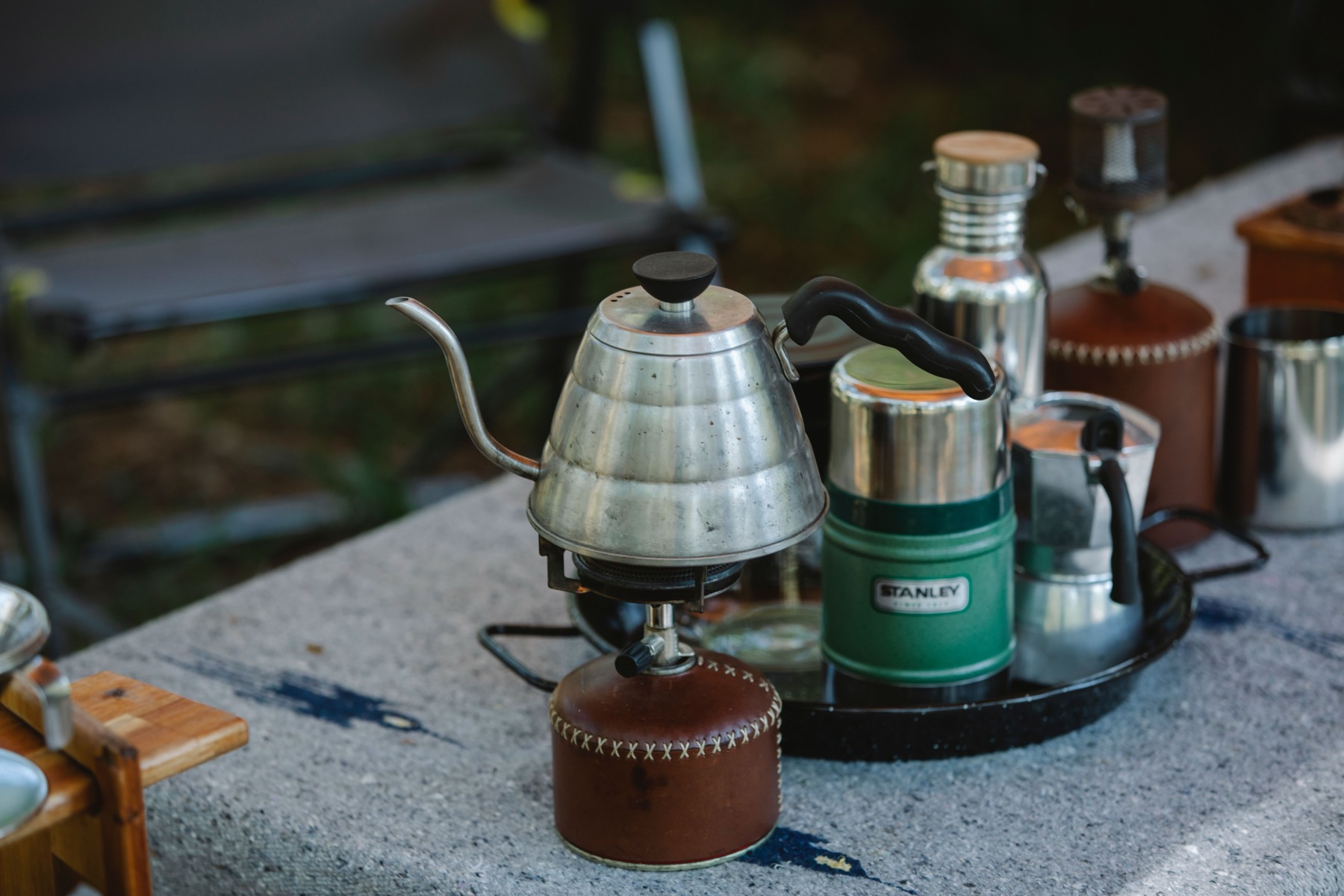
Cooking in nature is essential, but remember you can’t take gas canisters on a plane. You can buy them without any trouble at every larger Swedish petrol station or at Naturkompaniet outdoor shops for roughly 80 to 120 SEK. The water is crystal clear in the north, but if you’ll be moving around southern and central Sweden, definitely pack a good travel water filter (such as a Sawyer) so you can safely drink from the lakes.
Don’t forget a strong power bank. In the mountains and deep forests your phone constantly searches for a signal, which drains the battery at a huge rate, and the cold nights don’t help the capacity either. Also throw a sturdy lightweight trowel for burying your toilet in the forest into your backpack, along with plenty of strong plastic rubbish bags. Download offline maps from the Mapy.cz app straight onto your phone before you go — they work absolutely brilliantly here, even for the most remote forest paths and vindskydd shelters.
💡 Tip: Pack clothing made of sturdy fabric with long sleeves and trouser legs. Mosquitoes and knott midges will pierce thin summer materials and leggings with total ease.

Practical summary and indicative prices
Planning a budget for Scandinavia can sometimes be a bit scary, but if you rely on your own tent or cabins, it’s manageable with a smile. All prices are given for the 2026 season and converted at an indicative rate of roughly €0.09 per one Swedish krona (SEK).
- Tent pitch at a campsite: 300 – 450 SEK (€27 – 40) per night.
- Basic campsite cabin (stuga): 500 – 800 SEK (€45 – 70) per night.
- Ställplats for a camper van: 200 – 250 SEK (€18 – 22) per night.
- Camping Key Europe card: 200 SEK (€18) for the whole year.
- Wild camping in the forest: completely free.
- Good Swedish Mygga repellent: 90 – 120 SEK (€8 – 11).
- Fishing permit (fiskekort): from 50 to 200 SEK (€4.50 – 18) per day depending on location.
- Gas canister (bought locally): 80 – 120 SEK (€7 – 11), can’t be taken on a plane.
Where to go next
- Sweden: 30 tips on what to see and do
- Kungsleden: 14 tips for the King’s Trail
- Stuga: how to rent a Swedish cabin by the lake
- Prices in Sweden: how much a holiday costs
- When to go to Sweden: weather month by month
Tips and Tricks for Your Vacation
Don’t Overpay for Flights
Search for flights on Kayak. It’s our favorite search engine because it scans the websites of all airlines and always finds the cheapest connection.
Book Your Accommodation Smartly
The best experiences we’ve had when looking for accommodation (from Alaska to Morocco) are with Booking.com, where hotels, apartments, and entire houses are usually the cheapest and most widely available.
Don’t Forget Travel Insurance
Good travel insurance will protect you against illness, accidents, theft, or flight cancellations. We’ve had a few hospital visits abroad, so we know how important it is to have proper insurance arranged.
Where we insure ourselves: SafetyWing (best for everyone) and TrueTraveller (for extra-long trips).
Why don’t we recommend any Czech insurance company? Because they have too many restrictions. They set limits on the number of days abroad, travel insurance via a credit card often requires you to pay medical expenses only with that card, and they frequently limit the number of returns to the Czech Republic.
Find the Best Experiences
Get Your Guide is a huge online marketplace where you can book guided walks, trips, skip-the-line tickets, tours, and much more. We always find some extra fun there!