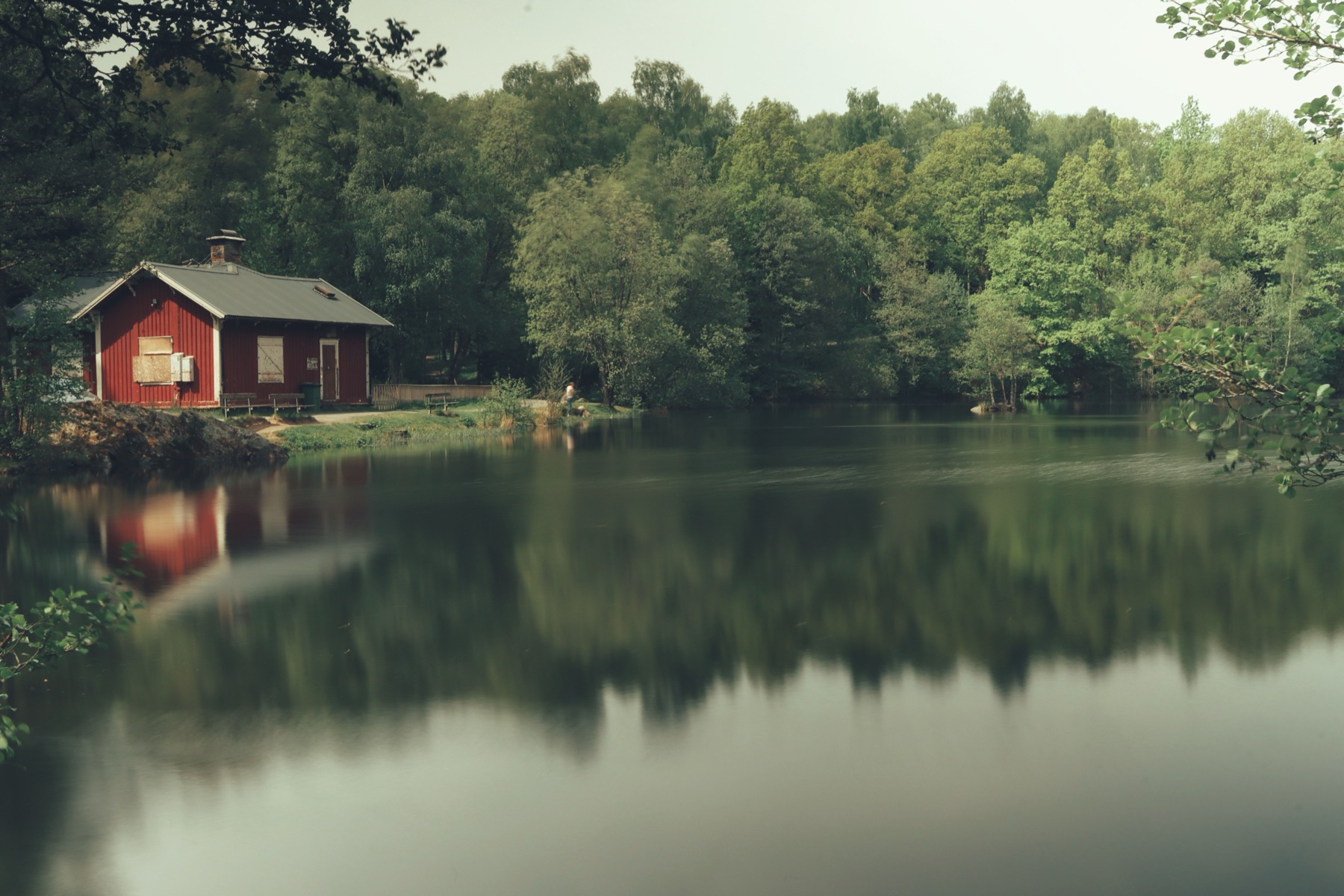
Småland Sweden is, for me personally, the perfect rural idyll. In the middle of deep forests and lakes, glassworks that are almost three hundred years old still operate, while villages where Pippi Longstocking, Emil of Lönneberga and the Children of Noisy Village grew up lie just a short distance away. Here, rugged Nordic nature blends perfectly with the magic of timeless children’s literature and world-class design.
If you’re looking for the best place for a road trip after arriving by ferry, you’ve just found it. Southern Sweden offers an archetypal landscape filled with granite boulders and traditional red cottages, without requiring you to drive thousands of kilometres to the far north. And honestly, it would be hard to find a better destination for families with children anywhere in Scandinavia.
This guide takes you through sixteen places and experiences worth your time, from Kosta Boda glassworks to historic Kalmar. I’ll also tell you where to stay, what to taste and which places you might be better off skipping.
TL;DR
- The heart of the Swedish countryside: Småland is home to red cottages beside lakes, endless forests and the phenomenon known as the stuga.
- The Kingdom of Glass (Glasriket): Historic glassworks such as Kosta Boda offer glassblowing demonstrations and huge outlets.
- A family paradise: The Astrid Lindgrens Värld theatre park in Vimmerby is one of the best family experiences in Europe.
- Historic Kalmar: Its Renaissance castle serves as a gateway to the sunny island of Öland.
- The birthplace of IKEA: In Älmhult, you’ll find the very first IKEA store and a fascinating design museum.
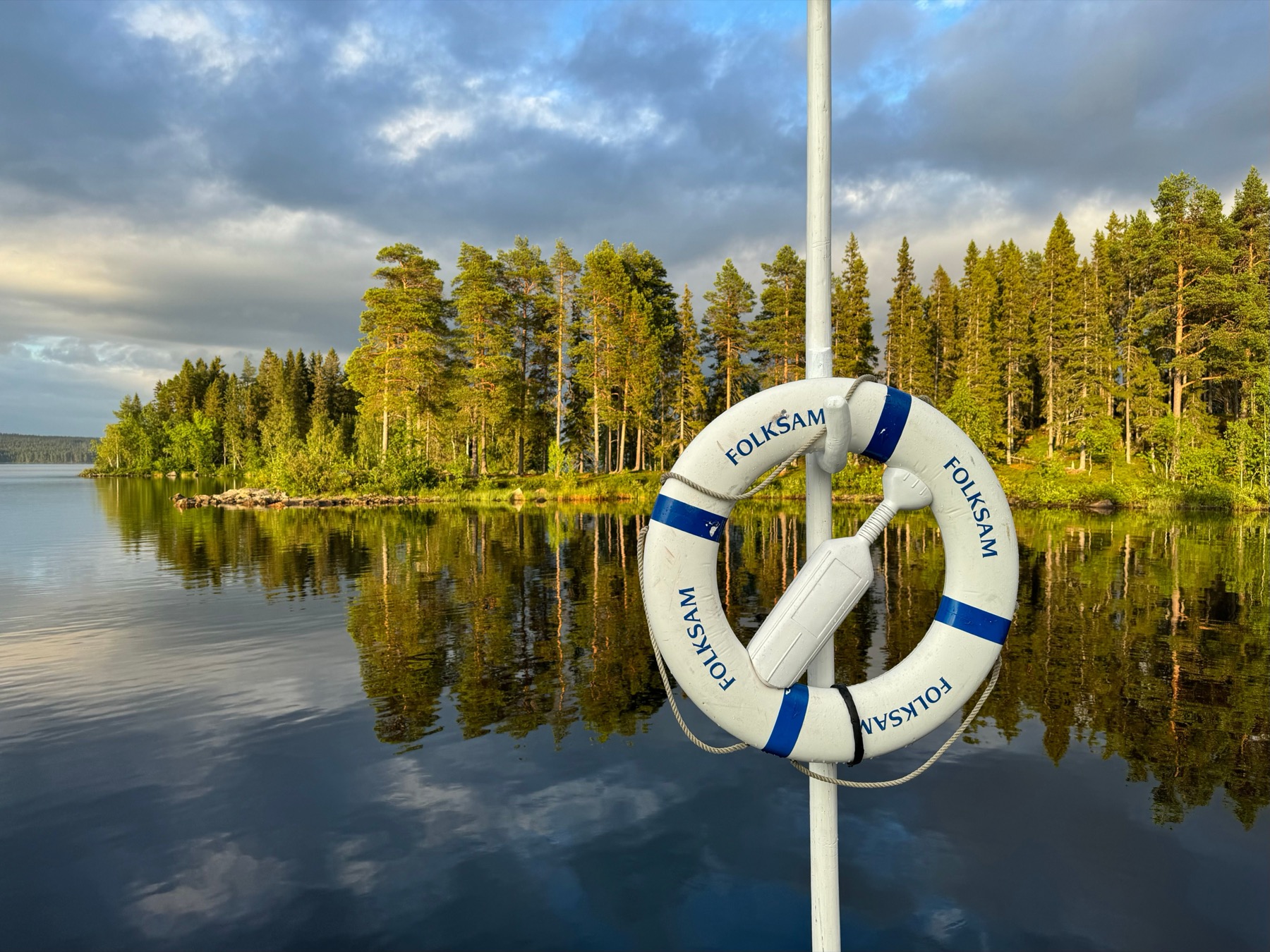
- Nature and lakes: Åsnen National Park and Lake Bolmen are ideal for canoeing and cycling.
- Prices and payments: Sweden is almost entirely cashless, prices are roughly twice those in Central Europe, and the exchange rate is approximately 2.2 CZK for 1 SEK.
The full destination guide: Sweden — guide and what to see
When to Visit Småland
The main summer season runs from late June to mid-August, when most Swedes take their so-called industrisemester, or industrial holiday. During this period, all the attractions, campsites and summer cafés are operating at full speed. Summer weather here is more reminiscent of northern Germany, with pleasant temperatures of around 20 to 25°C, and there are significantly fewer mosquitoes than in the north. The days are wonderfully long and the light lasts well into the night, making it absolutely ideal for an evening barbecue by the lake. Even in July, though, make sure to pack a good windbreaker and a warmer jumper, as evenings by the water can occasionally be surprisingly chilly.
If you visit in May or September, you’ll enjoy wonderful peace and lower prices, but you need to expect a few limitations. Many seasonal castles, museums and smaller restaurants switch to shorter opening hours or close altogether, sometimes leaving a note saying that the owners have gone on holiday. With amusement parks in particular, always check the current opening days in advance, as in autumn they often operate only on selected weekends.
The exception is the Kingdom of Glass (Glasriket) and the local countryside, which you can visit year-round. In autumn, Småland also turns into a paradise for mushroom hunters and blueberry pickers. Thanks to Sweden’s generous right of public access, you can legally gather them almost anywhere in the forest. The glassworks operate in winter too, when their hot furnaces offer a pleasant escape from the Nordic cold and create a beautiful contrast with the snowy landscape. It’s the perfect time for hot coffee and long evenings in the warmth.
Where to Stay in Småland
💡 Accommodation and experiences tip: We prefer to look for accommodation on Booking.com, where cancellation policies are often the most flexible. It’s also worth comparing and booking tickets, excursions and activities through GetYourGuide.
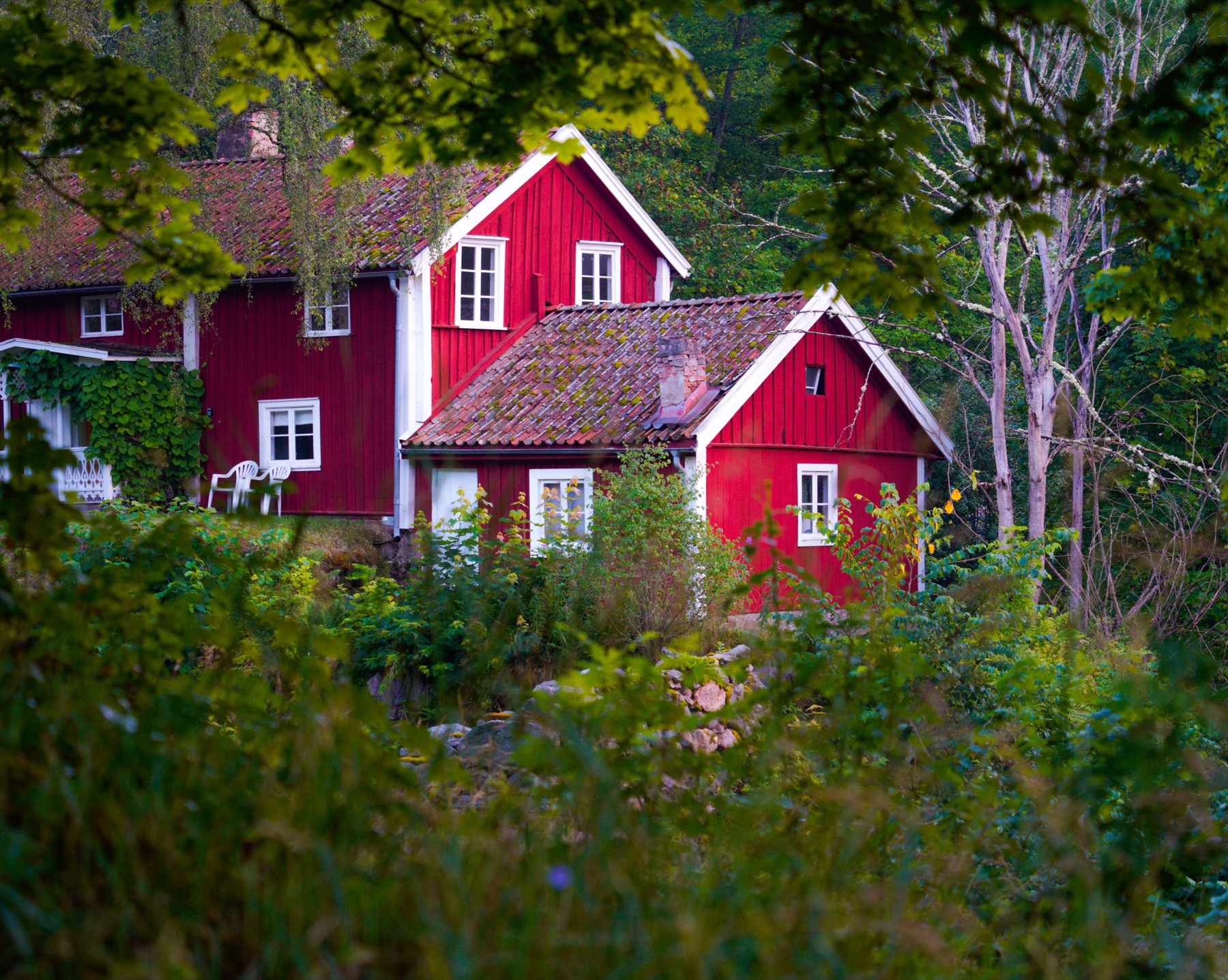
Småland is made for renting a traditional wooden cottage, or stuga, ideally right on the shore of one of the thousands of peaceful lakes. This type of accommodation gives you enormous freedom and your own kitchenette, which is an invaluable advantage when you see Swedish restaurant prices. Just be aware that bed linen and towels are often not included in the basic price. You’ll either need to bring your own or pay a fairly noticeable extra charge. Final cleaning (slutstädning) is also often charged separately if you don’t want to clean the cottage perfectly yourself before leaving 😅.
If you prefer hotels or fully equipped campsites, the choice here is broad and very good. For families with children, it makes most sense to stay around Vimmerby, which puts you close to all the storybook parks and saves you from spending hours in the car with little travellers. Couples, on the other hand, often choose romantic guesthouses near the historic glassworks or directly on the coast near Kalmar, from where it’s easy to cross to the sunny island of Öland.
Here are some specific accommodation tips that travellers have been recommending for years and that have excellent reviews:
- Kosta Boda Art Hotel: An utterly unique design hotel in the heart of the Kingdom of Glass, where everything from the chandeliers to the bar counter is made of glass. A double room with an excellent breakfast starts at around 1,800 SEK per night (approximately €330).
- Smålandsbyn i Vimmerby: A great choice for families visiting Astrid Lindgren attractions, as the property offers picturesque red cottages a short distance from the amusement park. A night in an equipped cottage costs around 1,200 SEK (approximately €220).
- Ödevata Gårdshotell: An eco-friendly rural hotel with a wonderful atmosphere among forests and lakes near Emmaboda, ideal for nature lovers and evening swims. Rooms start at 1,100 SEK (approximately €200) per night.
- First Camp Vimmerby: A large, perfectly equipped campsite offering pitches for caravans as well as cottage rentals, often with a pool and a huge children’s playground. During high season, cottages start at 900 SEK (approximately €165).
- Hestraviken Hotell: A more luxurious country estate on the Nissan River near Isaberg, ideal when you’re looking for peace and easy access to outdoor activities. A night for two costs 1,600 SEK (approximately €295).
16 Things to See and Do in Småland
The following list takes you through the very best that southern Sweden has to offer, whether you’re travelling with young children or looking for peaceful nature and absorbing history. Småland is a huge region, and distances can be deceptive on the map, so I recommend choosing just a few specific areas rather than spending entire days unnecessarily shut in a car. A holiday here should above all be about slowing down!
1. Astrid Lindgrens Värld in Vimmerby
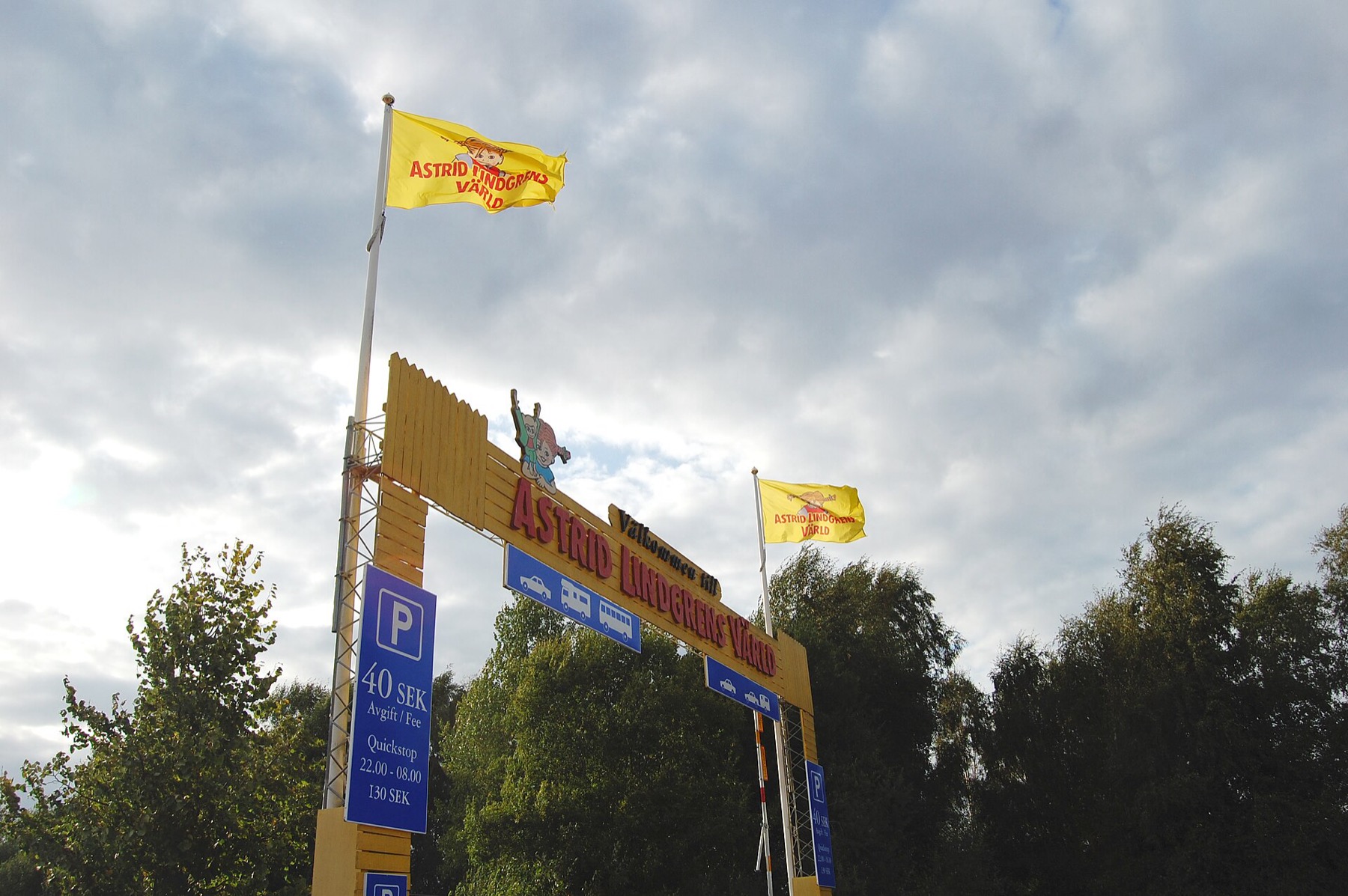
This huge Astrid Lindgrens Värld theatre park attracts around half a million visitors every year and is the absolute centrepiece of many family holidays in Sweden. Don’t expect flashing roller coasters or noisy fairground rides here. The entire park is built around expansive sets from Astrid Lindgren’s stories, spread across an incredible 180,000 square metres, where children can move around freely.
Live theatre performances take place continuously at different locations throughout the day. After the show, the actors smoothly jump off the stage and start playing with the children themselves. You can climb through the iconic Villa Villekulla, visit Matt’s enormous castle full of singing robbers or explore the maze of rooftops where Karlsson-on-the-Roof used to run. Everything is incredibly authentic, thoughtfully designed down to the smallest detail and set in a beautiful wooded park that provides plenty of shade even on hot summer days. Families from all over Sweden often bring their own wooden carts packed with food for the day and have picnics right on the grass.
The park is particularly ideal for children aged three to ten who know the stories and can immediately get swept up in them. Even though the performances are in Swedish, the visual storytelling is so powerful that the language barrier doesn’t matter at all. Admission varies dynamically by season, and during the busiest summer months adults pay more than 450 SEK (approximately €85), while children under two enter completely free.
💡 Tip: The park is genuinely enormous, and you won’t manage to see all of it in one day at a relaxed pace that children can enjoy without stress. Consider buying a two-day ticket, which works out considerably better financially and lets you spread the experiences out.
2. Vimmerby and Näs Birthplace
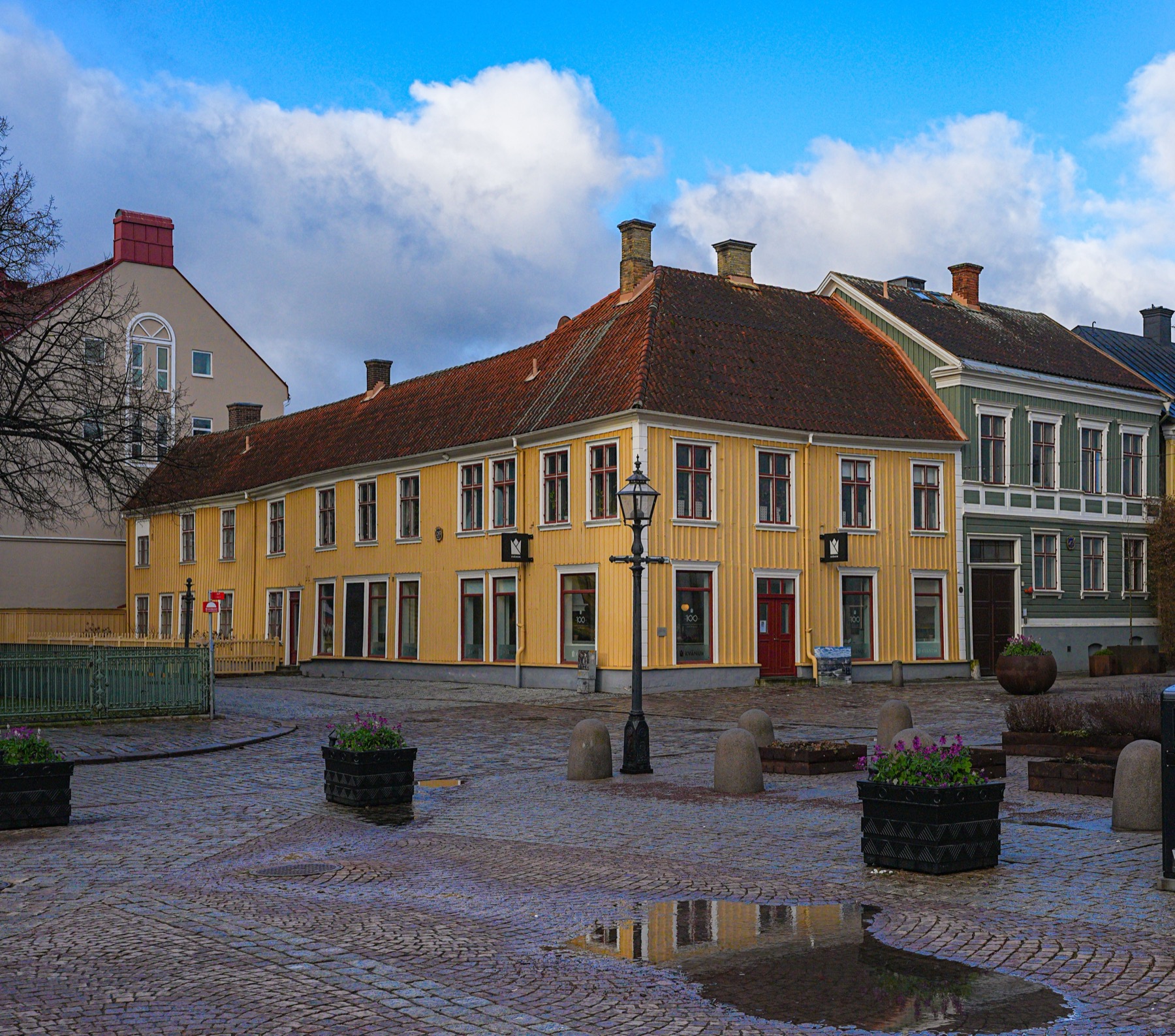
At first glance, Vimmerby itself is picturesque and very peaceful, but its main cultural attraction is the writer’s actual birthplace, known as Astrid Lindgrens Näs. The site offers a fascinating insight into the place where the famous author found her initial inspiration for all the timeless stories now known throughout the world.
The extensive grounds include a modern exhibition about her life, and you may be surprised by how openly it also discusses the more difficult chapters of her youth. Extensive gardens filled with flowers and old trees surround the house and practically invite you to take a slow walk. The gardens are carefully divided into different themed areas and reflect the writer’s lifelong love of nature and freedom. Inside the museum, there’s also a lovely shop where you can buy practically every book Astrid ever wrote.
The complex also includes an excellent café with outdoor seating, where you can enjoy a traditional Swedish fika—a strong coffee with sweet cinnamon pastry—and simply watch the world go by. A ticket to the main exhibition and adjoining gardens costs adults approximately 190 SEK (around €35). For adult visitors and literature lovers, this is often a much more powerful experience than the nearby amusement park itself.
💡 Tip: Allow at least three hours for your visit. Reading personal letters and looking through historical photographs can easily absorb you for much longer than you originally expect.
3. Katthult and Gibberyd: A Film Farm
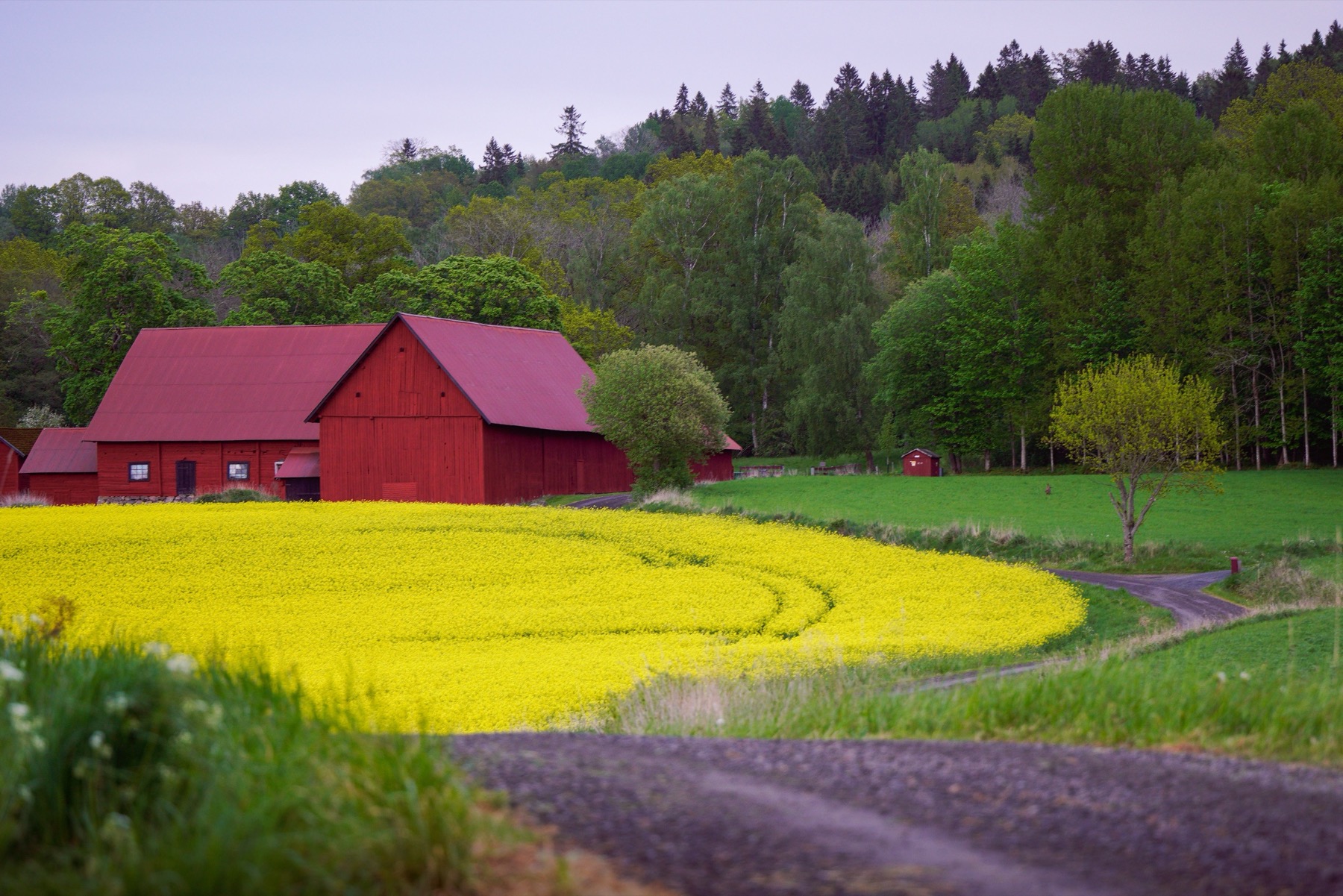
If you or your children ever loved the television series about mischievous Emil of Lönneberga, you simply have to see the village of Gibberyd with your own eyes. All those famous films were shot here in the 1970s, and Katthult farm still stands exactly as you remember it from the television screen.
You’ll walk around the large farmyard, see the red house with its flagpole—the one Emil used to hoist his little sister Ida instead of a flag—and watch farm animals grazing peacefully around you, exactly as you remember from the screen. During your visit, you can of course peek inside Emil’s famous woodshed, where dozens of little carved figures are sitting.
Admission to the farm is surprisingly cheap compared with other Swedish attractions, at around 60 SEK (approximately €10), and the entire visit takes about an hour. It’s a lovely, easy stop on your route that instantly transports you back to the carefree days of childhood.
💡 Tip: The farm is usually busiest around midday, so I recommend arriving first thing in the morning after opening time, when you’ll have the entire yard and woodshed almost to yourself.
4. Bullerbyn and Real-Life Sevedstorp
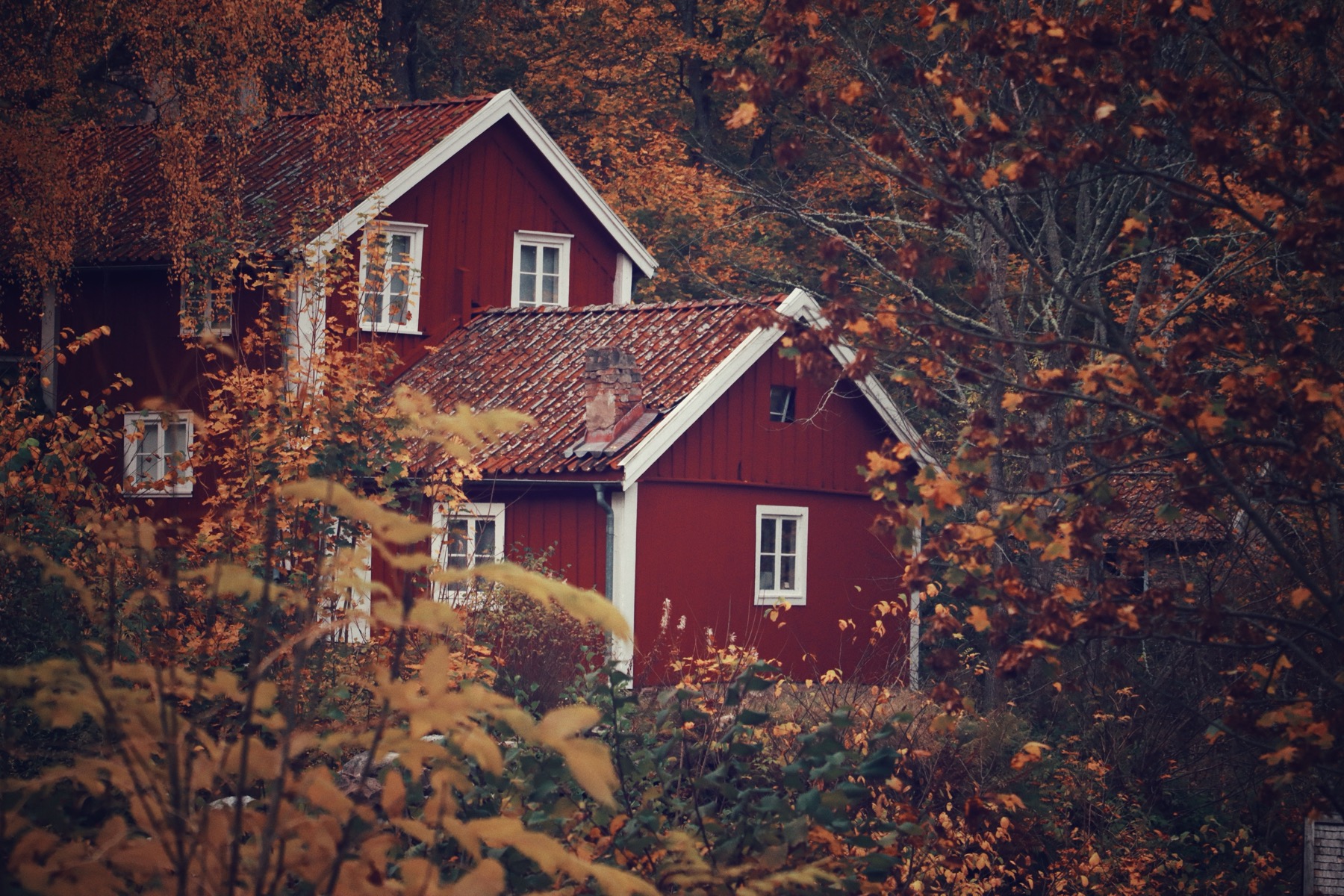
Just a short drive from Vimmerby lies the unassuming village of Sevedstorp, the real-life inspiration for the beloved Children of Noisy Village. Exactly three houses stand side by side here—the North, Middle and South farms—where Astrid Lindgren’s father grew up and where the film adaptations many of us remember from television were later shot.
The iconic houses are privately owned by local residents, so you can’t go inside, but you are free to walk around the village green. Children can jump into the hay in the old barn, climb through hollow trees and soak up the wonderfully peaceful rural atmosphere. It feels as though you’ve stepped straight into the middle of a book you’re reading. If you’re looking for tranquillity in its purest form, you’ll probably find it right here.
During the summer season, the village comes alive and is very welcoming to visitors. Sevedstorp is ideal for families looking for a quieter alternative to large, busy amusement parks, because time really does seem to have stopped here.
💡 Tip: In summer, the charming Café Sörgården operates right by the houses, serving excellent fresh waffles with homemade jam. Stop for an afternoon coffee, sit on a wooden bench and enjoy the Swedish countryside at its purest.
5. Kosta Boda: Sweden’s Oldest Glassworks
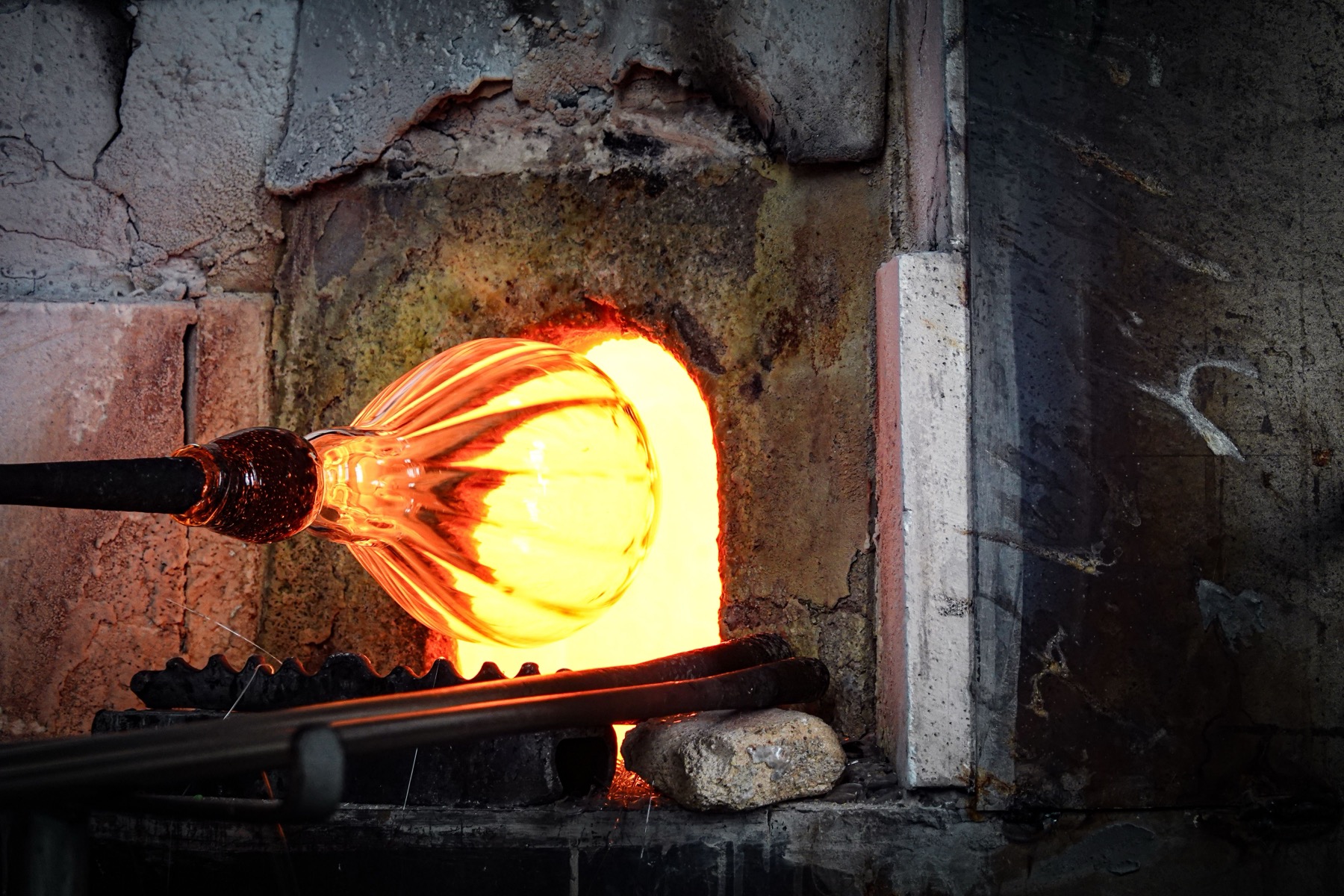
When people say Glasriket, or the famous Kingdom of Glass, Kosta Boda is its undisputed, uncrowned king. This iconic glassworks was founded as early as 1742 and remains at the absolute forefront of modern glass design. Its rich history is a fascinating example of how a rugged craft in the forest gradually became internationally acclaimed art.
You’ll stand just a few metres from the furnace, watching the master turn the blowpipe, and suddenly realise that an hour has passed. The warmth flowing from the hall is a pleasant bonus, even in October. Under supervision, you can even try blowing your own glass souvenir, which makes a wonderful memory not only for families with children but for anyone who enjoys making things.
Besides the working glassworks itself, you’ll find a huge designer-glass outlet where beautiful pieces can be bought for a fraction of their usual price. Look for items labelled andrasortering, or second quality, which may have tiny bubbles or other minor imperfections. If you love clean Scandinavian design, set aside at least half a day for Kosta, as there are countless boutiques and exhibition halls.
💡 Tip: The complex also includes the beautiful Kosta Boda Art Gallery, where you’ll see the boldest glass sculptures and installations, some of which sell for hundreds of thousands of Swedish kronor.
6. Orrefors and the Charm of Smaller Glassworks
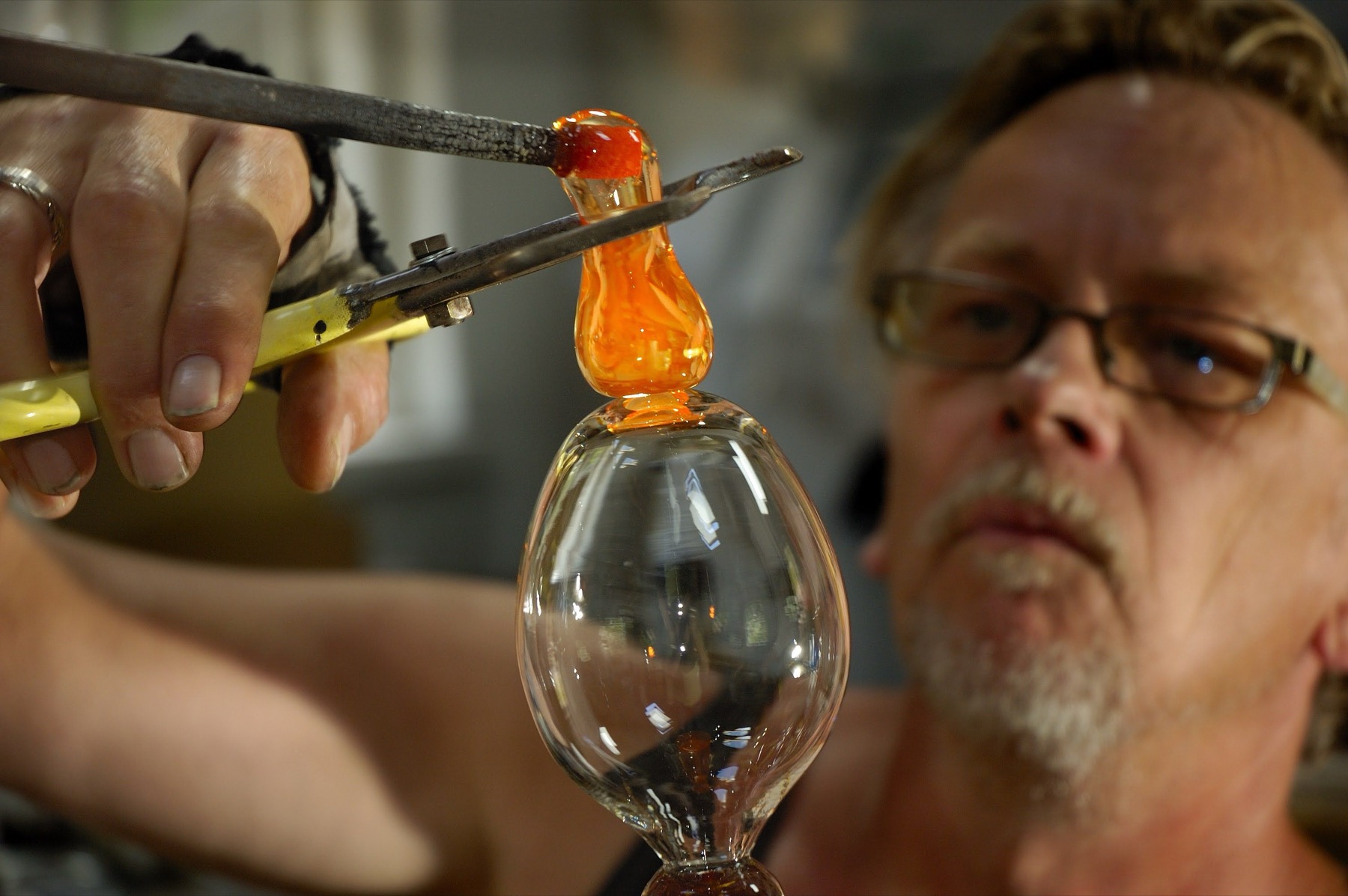
While Kosta is truly huge and busy with tourists, the Kingdom of Glass hides dozens of smaller glassworks with a much more intimate, personal atmosphere. One of the most famous historic brands is Orrefors, whose extensive site lies among deep spruce forests a short distance from Nybro and offers a fascinating glimpse into the region’s industrial past.
At smaller glassworks such as Målerås and Boda, you can often meet independent artists in person and chat with them about their techniques. It’s a wonderful, calming experience not only for adults but also for older children fascinated by the transformation of sand into fragile beauty. You can often look into workshops that visitors would never reach in the huge factories.
Every glassworks has its own distinctive style, ranging from classic cut crystal to wild, colourful animal sculptures. Driving between these small forest factories is one of the best autumn road trips you can take in southern Sweden.
💡 Tip: At most smaller glassworks, entry to the workshop is completely free. You pay only if you want to try blowing a glass ball yourself with the help of a master glassblower.
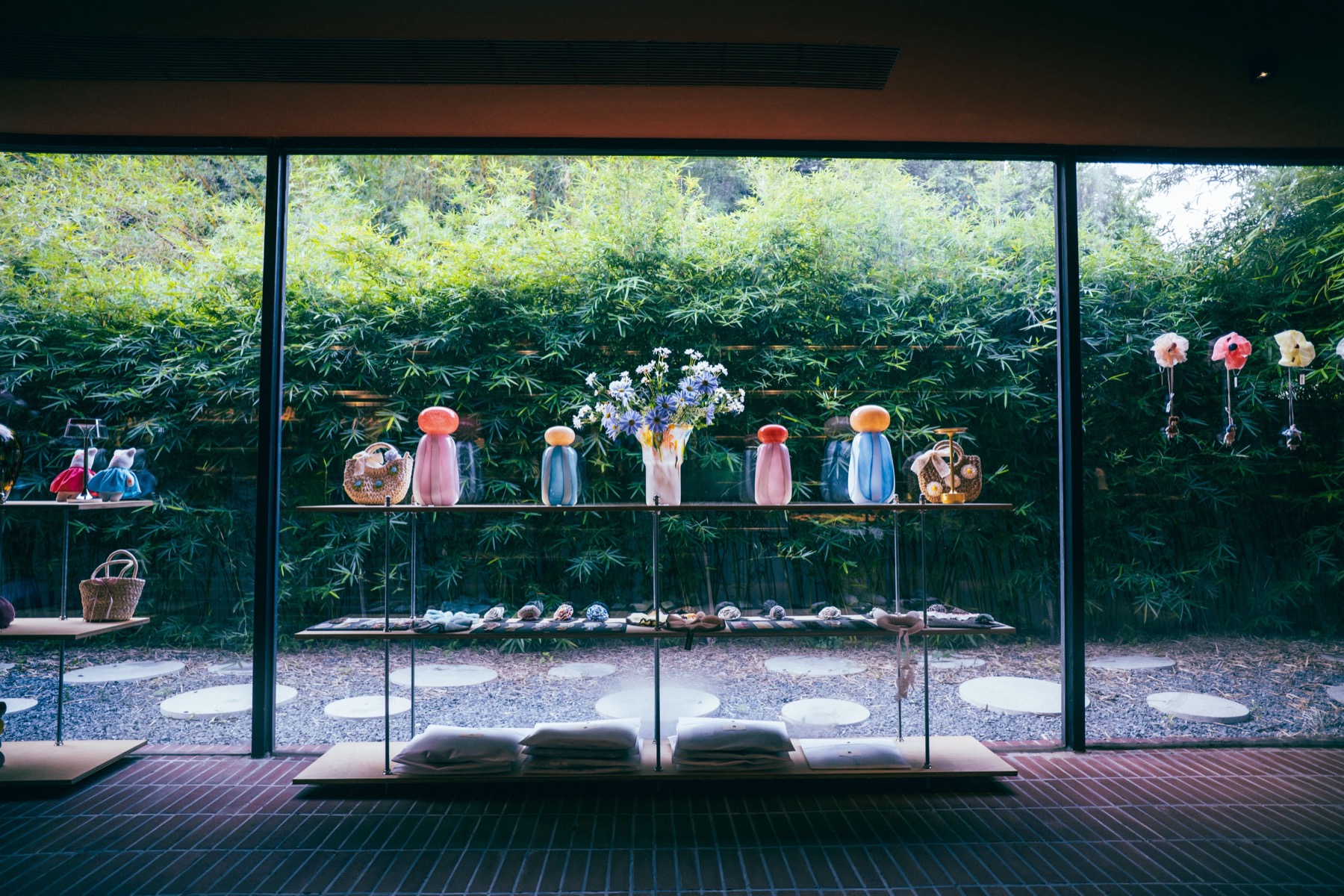
7. Hyttsill: A Traditional Glassworks Dinner
The history of hard glassmaking in Småland gave rise to a unique culinary tradition called hyttsill, which translates roughly as an evening feast inside a glassworks. In the past, the furnaces stayed hot all night, and poor glassworkers would gather around them after their shifts to warm themselves and cook food in the residual heat radiating from the glowing furnaces.
Today, this lovely community tradition comes alive for visitors and tourists. You sit at long wooden tables right beside the cooling furnaces, while a traditional menu is served to the sound of live Swedish music. Historically, the meal consisted of herring baked in the furnace, potatoes and sausages. Fortunately, excellent vegetarian options are now commonly available too, featuring roasted vegetables and local cheeses, and you’ll certainly enjoy them.
The evening has an incredibly friendly atmosphere. People chat around the tables, and master glassblowers occasionally put on a funny little demonstration with hot glass. It’s an experience you simply can’t get in an ordinary restaurant.
💡 Tip: Hyttsill is held only at selected glassworks and only on certain dates during the main summer season. Seats disappear incredibly quickly, so booking well in advance is absolutely essential.
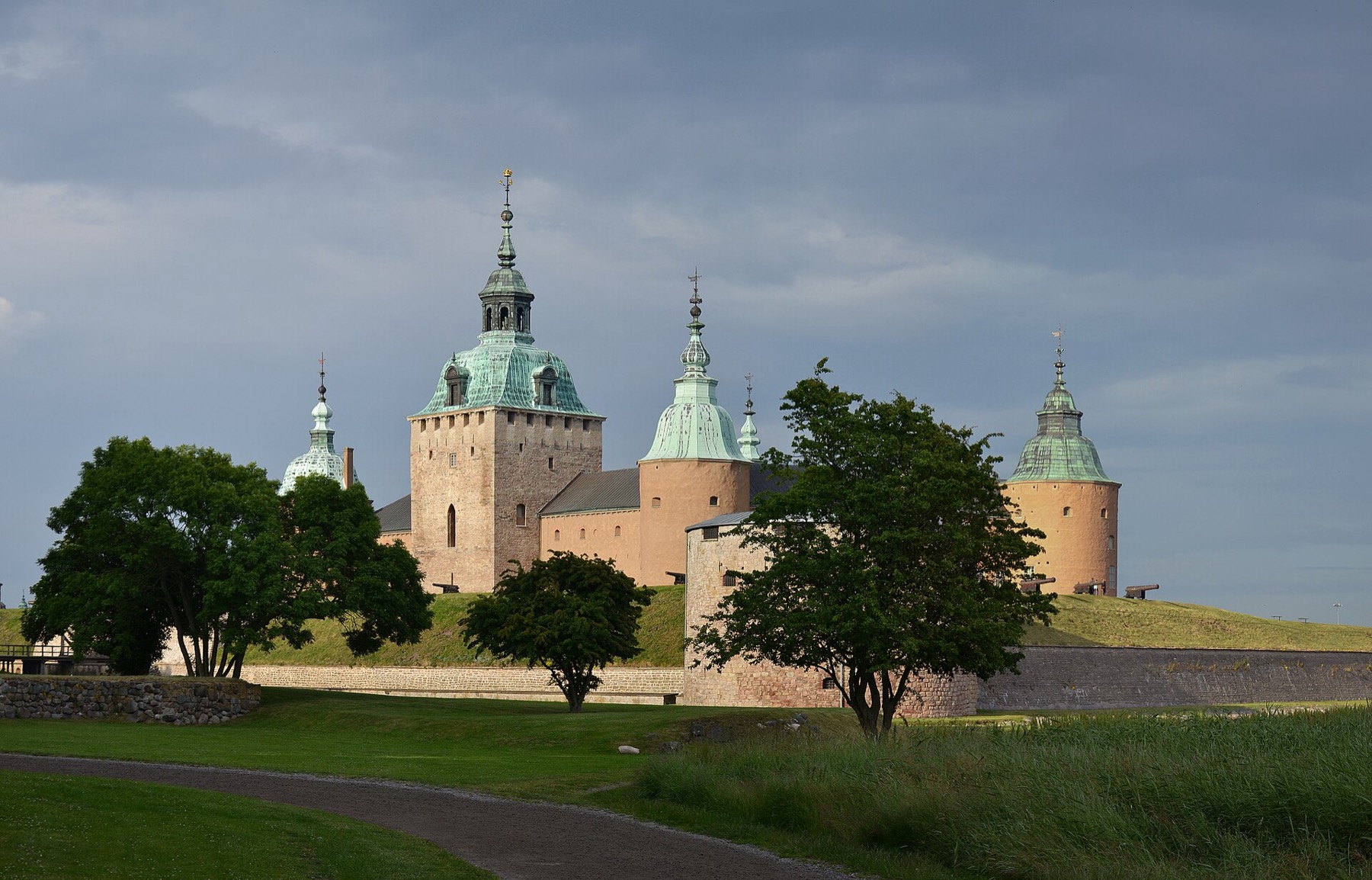
8. Kalmar and Its Renaissance Castle
As soon as you leave the deep forests of Småland and head towards the Baltic Sea, historic Kalmar welcomes you with its magnificent castle. Kalmar Castle is easily the best-preserved Renaissance castle in all of Scandinavia, and it looks incredibly majestic when its massive towers are reflected in the calm sea.
It was at this strategic location that the famous Kalmar Union was signed in 1397, joining Sweden, Denmark and Norway into one vast realm under the firm rule of the powerful Queen Margaret I. The castle interiors are beautifully restored today, and interactive tours immediately draw you into the harsh intrigues of medieval and Renaissance politics, when the castle served as the main defence against nearby Denmark. The guides wear period costumes and are genuinely excellent storytellers.
Admission to the castle costs around 170 SEK (approximately €30), and the entire complex offers plenty of fun for children too. They can join an exciting treasure hunt or complete special knightly challenges right in the large courtyard.
💡 Tip: If you don’t want to pay full admission, you can walk around the outer walls completely free of charge and enjoy beautiful views over the sea and the adjoining city park.
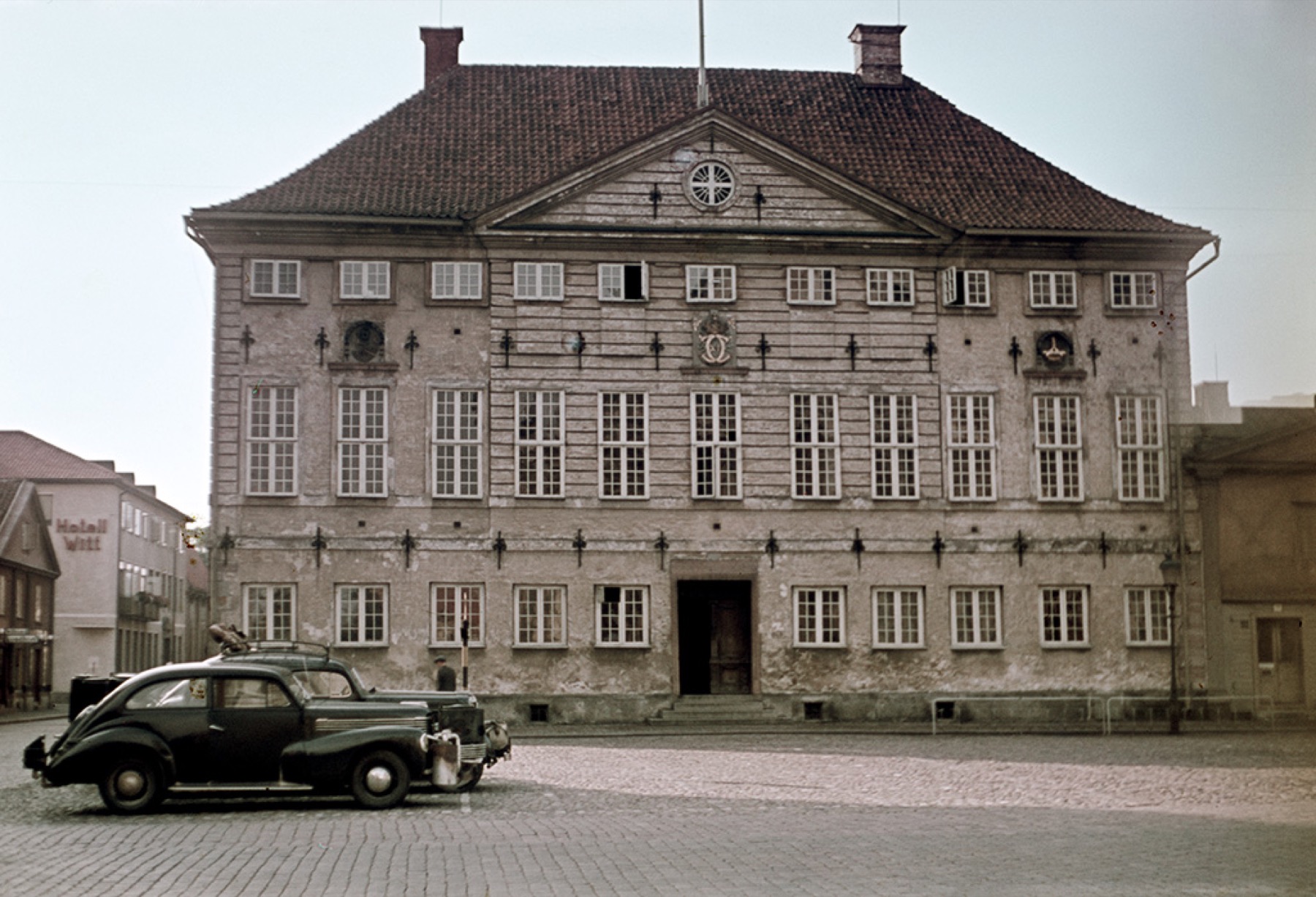
9. Gamla Stan in Kalmar
Kalmar itself is definitely worth more than a quick visit to its famous castle. Its picturesque historic centre, Gamla Stan, is filled with narrow cobbled lanes, remarkably preserved medieval town walls and old wooden houses that have survived centuries without a single injury. The whole city is very pedestrian-friendly, so you can happily leave your car in the park-and-ride car park by the harbour.
During your visit, be sure to stroll along the lively city marina, where luxury yachts and old sailing boats bob in the breeze, and stop for excellent coffee at one of the many local cafés. The atmosphere is relaxed and maritime: in summer, people sit on the terraces until late in the evening, while live music drifts up from the waterfront.
On the main square, Stortorget, you’ll find a beautiful Baroque cathedral surrounded by plenty of small independent boutiques and design shops. Kalmar is simply the perfect urban stop, full of great food, before you head out to explore the wilder nature of the nearby islands.
💡 Tip: In summer, farmers’ markets are often held on the main square, where you can taste fresh local produce and buy excellent cheeses for an evening picnic.
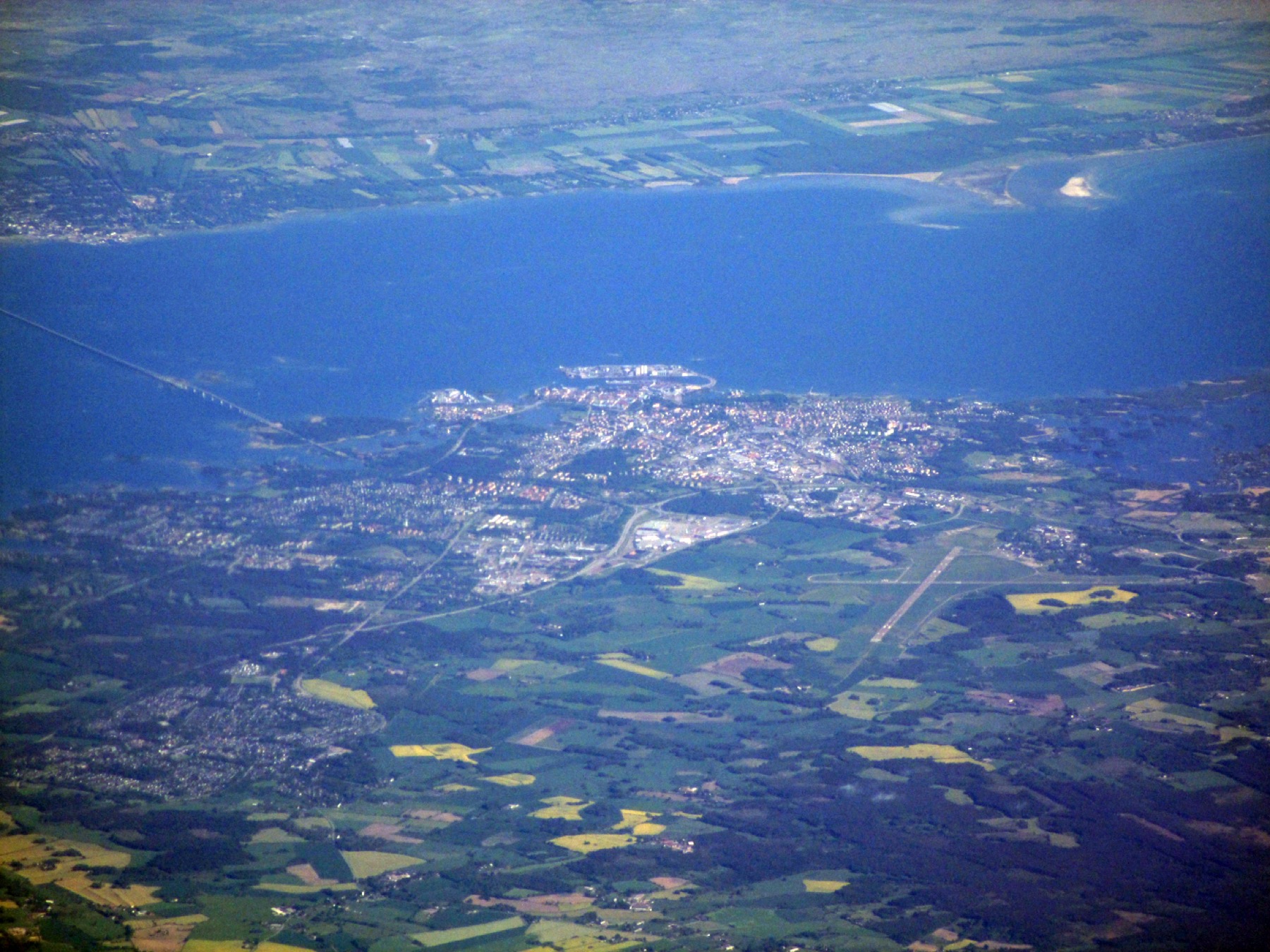

10. Öland Bridge and Gateway to the Island
From Kalmar, the impressive Öland Bridge stretches more than six kilometres across the narrow sea channel. When it officially opened in 1972, it was the longest bridge in Europe, and crossing it is still a remarkable visual experience, especially at sunset when the sea below you glows beautifully.
Crossing this enormous bridge is free and takes you directly to Öland, considered by locals to be Sweden’s summer Riviera: a flat island famous for hundreds of historic windmills, endless sandy beaches and the UNESCO-listed limestone steppe of Stora Alvaret. While Småland is wooded and a little rugged, Öland is essentially one enormous holiday beach filled with caravans and sunbathing Swedes.
If you’re spending several days in Småland, make at least a full-day trip to Öland—or, even better, give the island a separate several-day portion of your journey. The contrast between Småland’s deep, dark forests and flat, sunny Öland is utterly fascinating and shows you two very different sides of Sweden in a single day.
💡 Tip: At the very southern end of the island, you’ll find Långe Jan lighthouse, the tallest lighthouse in Sweden, with breathtaking views over the Ottenby bird reserve.
11. IKEA Museum in Älmhult
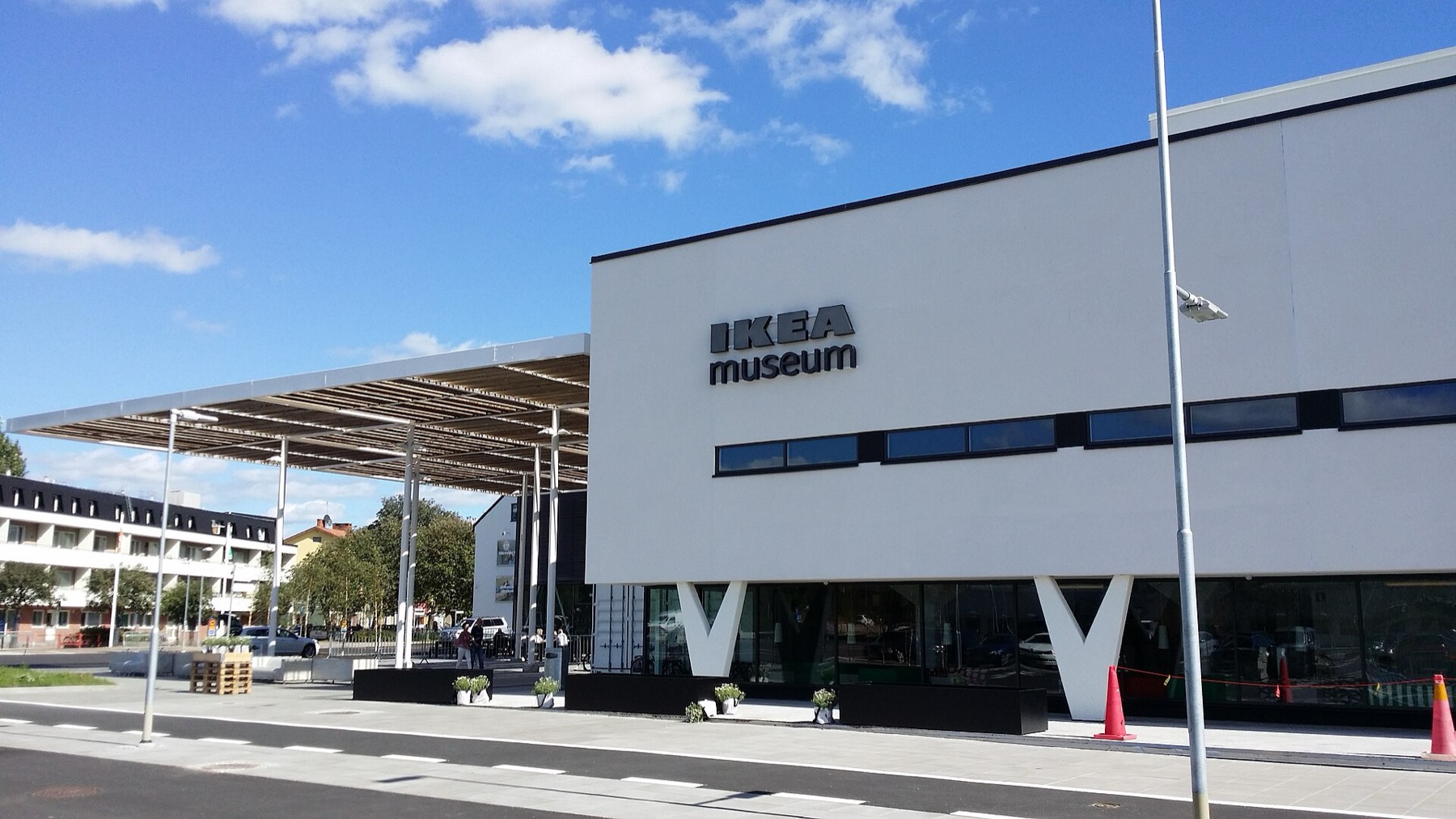
Småland gave the world one more global phenomenon: the blue-and-yellow furniture giant. In the unassuming town of Älmhult, the young Ingvar Kamprad opened his very first department store in 1958. Today, the original, beautifully renovated building houses the excellent and very modern IKEA Museum in Älmhult. Whether you love the brand or can’t stand it, you’ll find the story of its beginnings entertaining.
The extensive exhibition takes you engagingly through the company’s history, from its humble beginnings, when Kamprad personally delivered goods to customers by bicycle, through iconic printed catalogues to the biggest design mistakes, which the company now acknowledges with a smile and a sense of pride. You’ll also learn the amusing fact that the names of the furniture came about because of Kamprad’s dyslexia. To avoid having to remember complicated numbers, he named sofas and tables after real Swedish towns and lakes.
Naturally, the museum also has a huge company restaurant, where you can enjoy excellent vegetarian plant-based meatballs with lingonberries and mashed potatoes. Admission costs a very reasonable 60 SEK (approximately €10), making this an absolute must for fans of interiors and retro design.
💡 Tip: In the museum basement, you’ll find a special section where you can photograph your own cover of the famous IKEA catalogue and take it home as a funny souvenir.
12. Växjö and Utvandrarnas Hus Museum
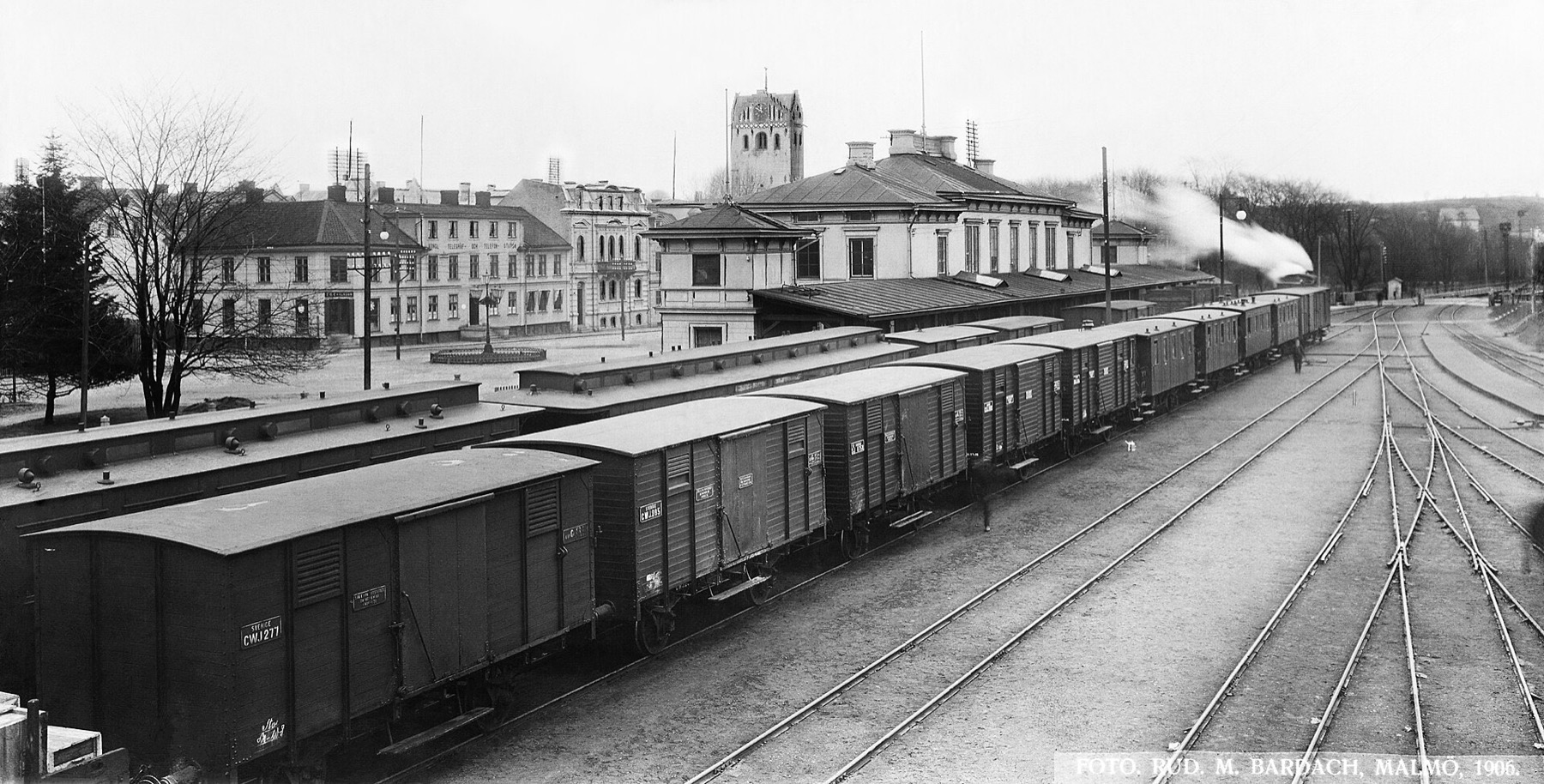
Växjö is rightly considered the capital of the Kingdom of Glass and lies directly on the shore of the beautiful lake of the same name. Its most interesting and moving sight is Utvandrarnas Hus, or the House of Emigrants, which tells the powerful and often very sad story of mass Swedish emigration.
In the 19th century, Småland was an incredibly poor region, and its stony soil could not support the area’s large families. Driven by severe famine and widespread poverty, more than one million Swedes—many of them from Småland—left to seek a new life and hope in America. The interactive exhibition is full of personal letters, ship tickets and period diaries. Honestly, some of them will hold your attention for longer than you expect. The exhibition also helps explain why Swedes are so proud today of the welfare state they built practically from scratch.
Växjö itself is also considered one of the greenest cities in all of Europe, with plenty of cycle paths, parks and excellent modern restaurants. A stop here provides a lovely balance to days spent in the deep forests and adds a little comfortable city life and excellent coffee to your journey.
💡 Tip: A beautiful circular trail approximately five kilometres long runs around Lake Växjö. It’s ideal for a relaxed early-evening run or a long walk before dinner.
13. Åsnen National Park and Its Lakes
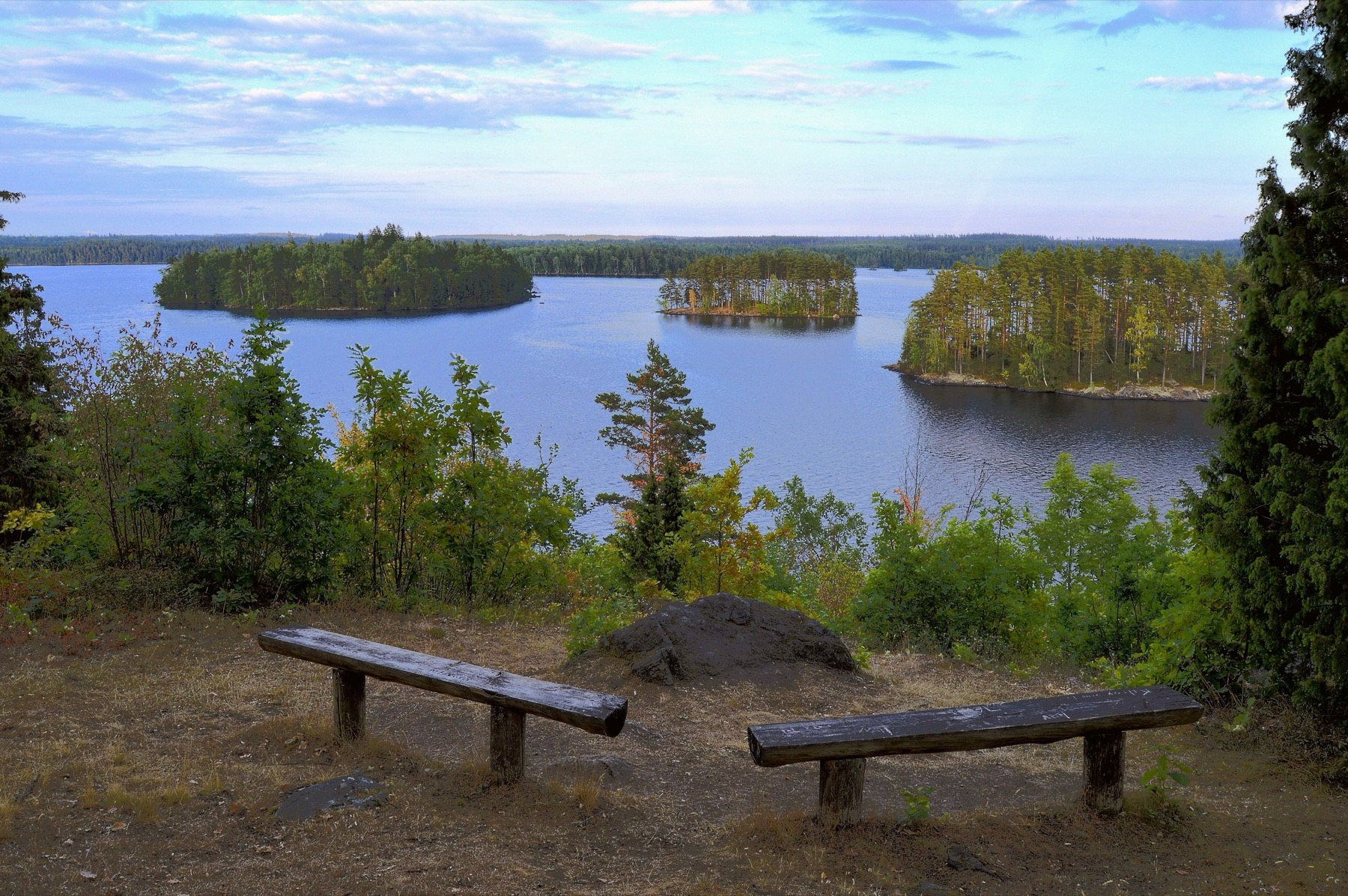
If you’re longing to become completely immersed in pristine Nordic nature, head for the breathtaking Åsnen National Park. This unique lake labyrinth consists of hundreds of small islands, deep deciduous forests and extensive wetlands that are home to huge numbers of birds, including rare white-tailed eagles. If you have binoculars, be sure to bring them.
The best way to explore Åsnen in depth is from a rented canoe or a fast sea kayak. The water is incredibly calm, safe and clean, and during a quiet paddle you may not meet another soul for several hours at a time. Boats are easy and inexpensive to rent at campsites right on the lake shore, where the owners will also provide basic instruction and life jackets.
Excellent, well-marked and carefully maintained hiking trails also run around the entire park. Most are beautifully flat and easy, so even small children and older travellers can manage them without the slightest difficulty. If you enjoy wandering, Åsnen will be right up your street.
💡 Tip: There are several official entrances to the park, but the best facilities and most beautiful views are at the Sunnabron entrance, which also has a modern visitor centre.
14. Lake Bolmen
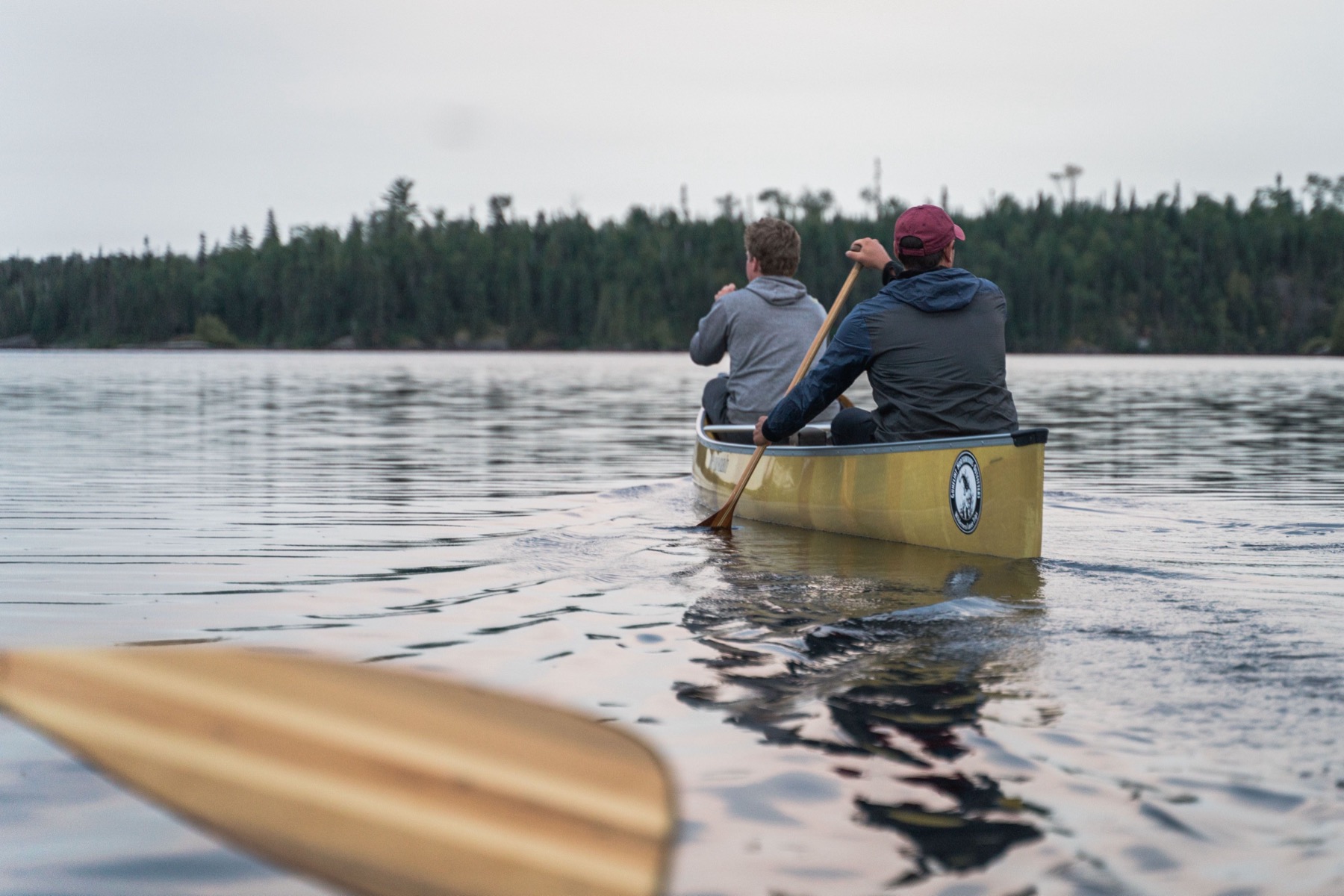
While Åsnen resembles a tangled labyrinth, Lake Bolmen is a vast and majestic body of water, the tenth-largest lake in Sweden. It has an astonishing 365 wooded islands, which locals like to point out means you have one island for every day of the year. If you enjoy swimming far from shore and discovering your own little patches of land, you’ll be in your element here.
Bolmen is the perfect destination if you want to rent a secluded lakeside cottage and enjoy absolute Nordic silence. Deep forests surround this huge lake; in autumn they’re full of blueberries and mushrooms, and the water is so exceptionally clean that it supplies drinking water to the whole southern part of Skåne.
Several small but very well-equipped campsites operate along the long shores, where you can easily rent bicycles and explore part of the lake on picturesque forest roads. After two days at Bolmen, you’ll understand why Swedes put their phones away every summer and simply sit by the water.
💡 Tip: If you’re not confident about long bike rides, rent a small motorboat at the campsite and set off to find your own deserted island for an afternoon picnic.
15. Isaberg and Outdoor Adventures
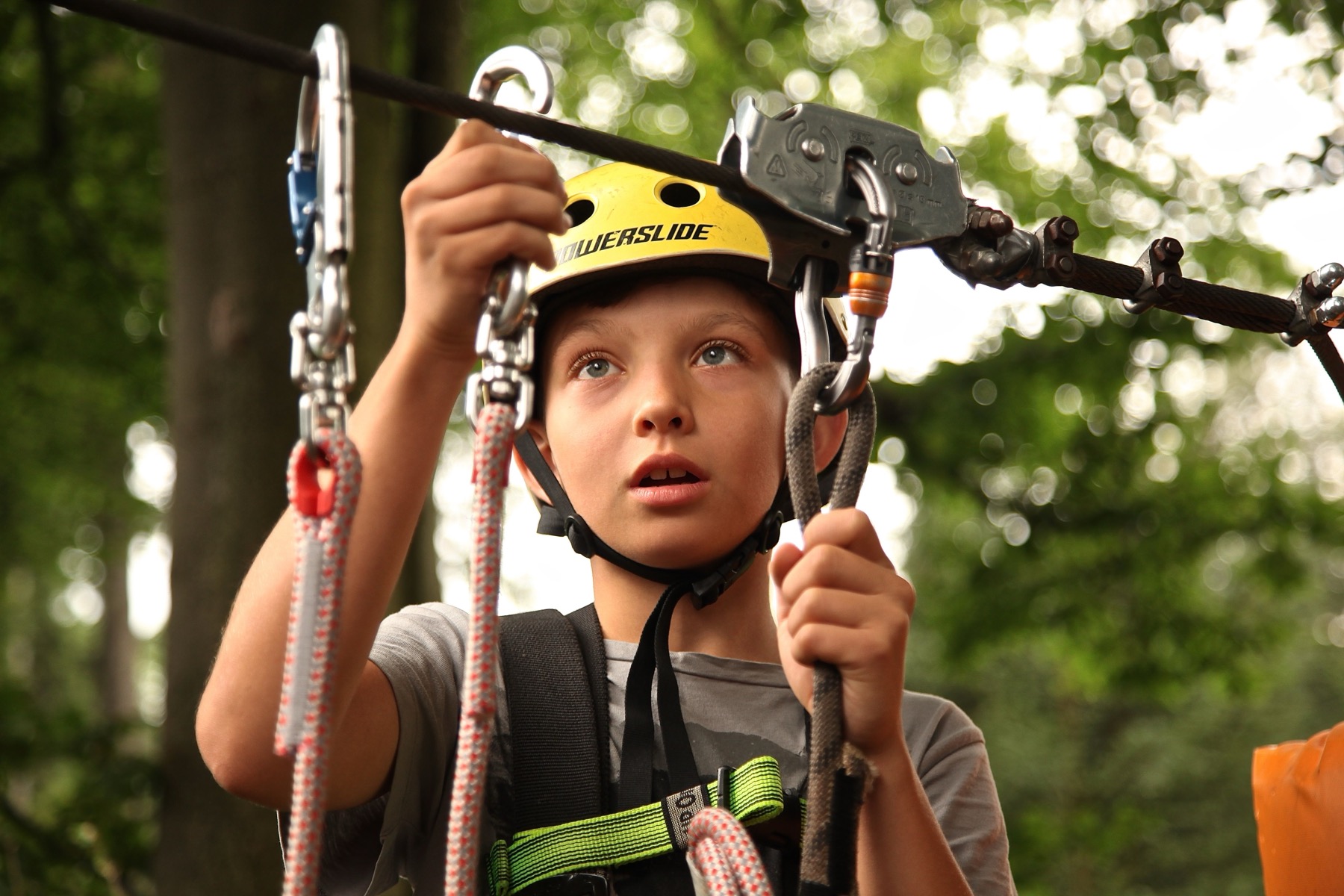
Although southern Småland has no high mountains, it offers excellent facilities for all kinds of outdoor sports, especially in the hilly Isaberg area. This prominent hill is a popular ski resort in winter, but in summer it turns into a huge adrenaline playground for mountain bikers and active travellers from all over Europe. The resort is equipped with modern lifts and rental shops offering every kind of equipment you could imagine.
You’ll find dozens of kilometres of perfectly prepared and signposted mountain-bike trails here. The selection ranges from easy family loops through the forest to technically demanding downhill runs packed with jumps. You can easily rent all the latest equipment directly at the resort, including modern e-bikes, so there’s no need to bring your own bikes on the roof of your car.
If you enjoy challenges and adrenaline, don’t miss the huge local high-ropes course or the fast alpine coaster, which is just as entertaining for adults as it is for children. You can experience similarly dramatic, though somewhat more rugged, scenery on foot in nearby Skäralid National Park. It is often combined with Isaberg in a southbound itinerary and offers breathtaking views from deep gorges.
💡 Tip: Isaberg’s high-ropes course has several levels of difficulty. The hardest black route will put your fitness to a serious test high in the treetops.
16. Traditional Fika and Ostkaka
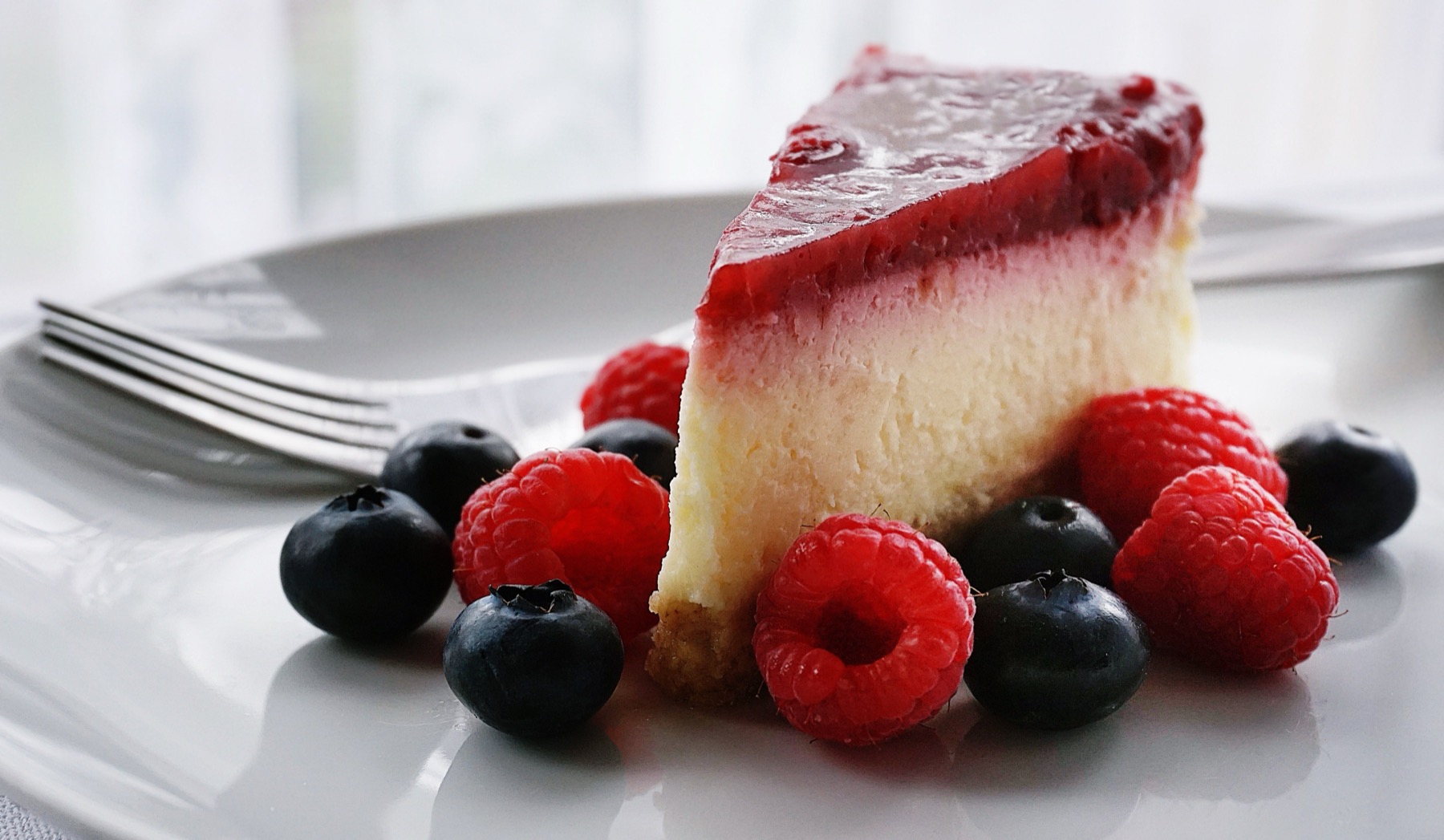
Småland’s cuisine is traditionally rustic, hearty and very meat-heavy, but fortunately you’ll now find plenty of excellent modern vegetarian options too. A culinary must is the Småland speciality called ostkaka. It’s a warm, rich curd-cheese dessert traditionally served with a generous helping of cloudberry or strawberry jam and a huge dollop of whipped cream.
During an active day, look for signs advertising dagens lunch, or an affordable set lunch, in restaurants. For around 130 SEK (approximately €25), you’ll get a main course, salad buffet, bread and coffee. Honestly, you probably won’t find better value for the amount of food anywhere in Sweden. At lunchtime, you can often choose an excellent vegetarian option such as vegetable quiche, creamy soups or roasted root vegetables.
Although the region is historically famous for its kroppkakor—large potato dumplings filled with pork and bacon, which locals love—the everyday ritual of fika is more likely to win your heart on the road. A large cinnamon bun with good filter coffee on a wooden jetty beside a lake is quite simply the best gastronomic experience you can have here.
💡 Tip: Remember that alcohol above 3.5% ABV, including wine, can only be bought in Sweden at the state-run Systembolaget shops. They are strictly closed on Sunday and on Saturday afternoons.
Where to Eat Well in Småland
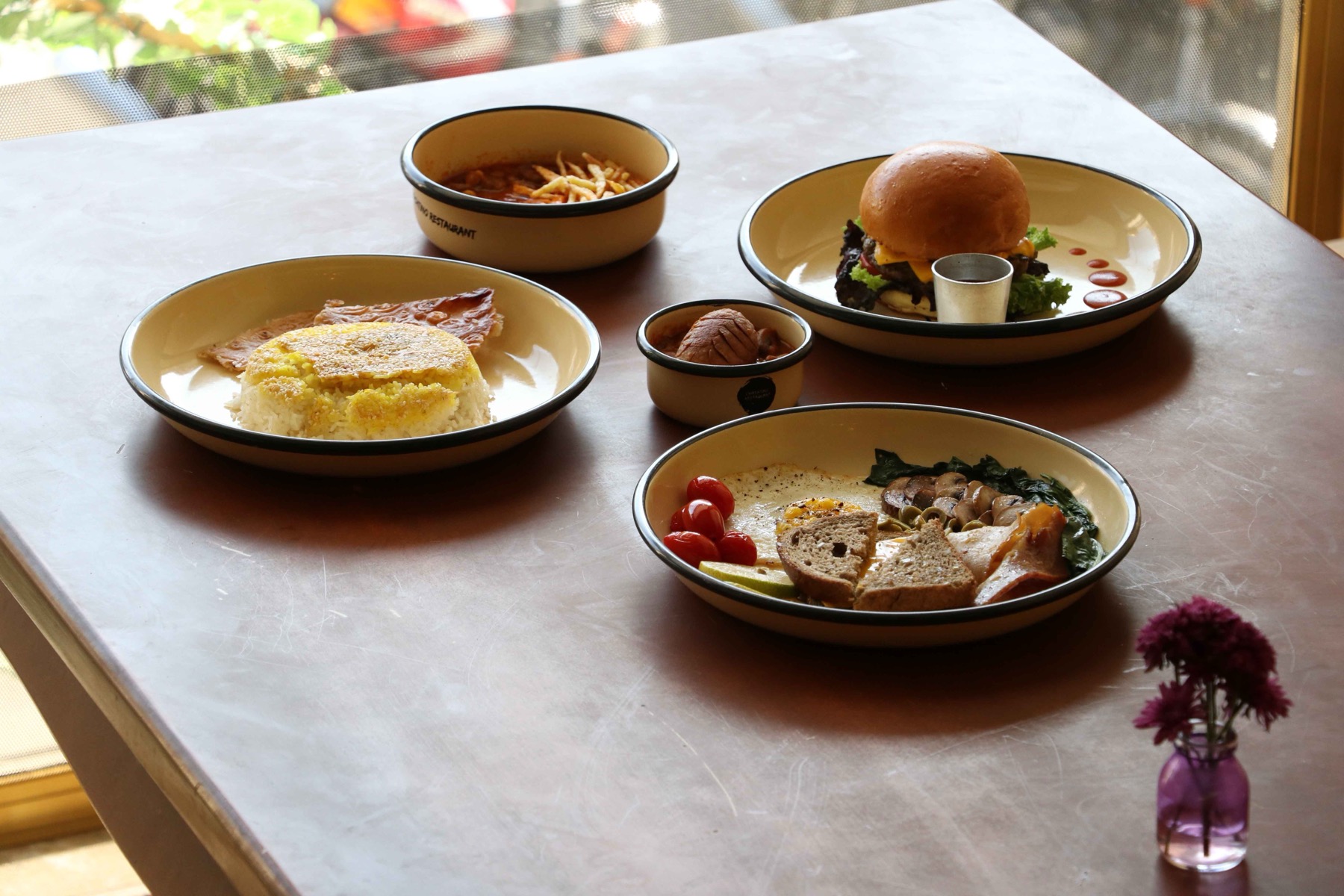
Although a typical Swedish holiday in a rented cottage usually involves evening barbecues by the lake and cooking with supplies from a local supermarket, it would be a real shame to miss out on the region’s food scene. Småland’s cuisine is traditionally hearty and homestyle, but restaurants today also complement it wonderfully with modern Nordic influences. I’ve picked out a few specific places for you, so be sure to save them to your map.
Michelin-starred dining and laid-back countryside charm
If you’re planning to explore Växjö and want to treat yourself to something truly special, head to PM & Vänner. This acclaimed restaurant is known not only for its Michelin star, but especially for its incredible wine cellar and local menu, which proudly showcases the very best of the surrounding forests and lakes. It is a more expensive experience, but worth every penny.
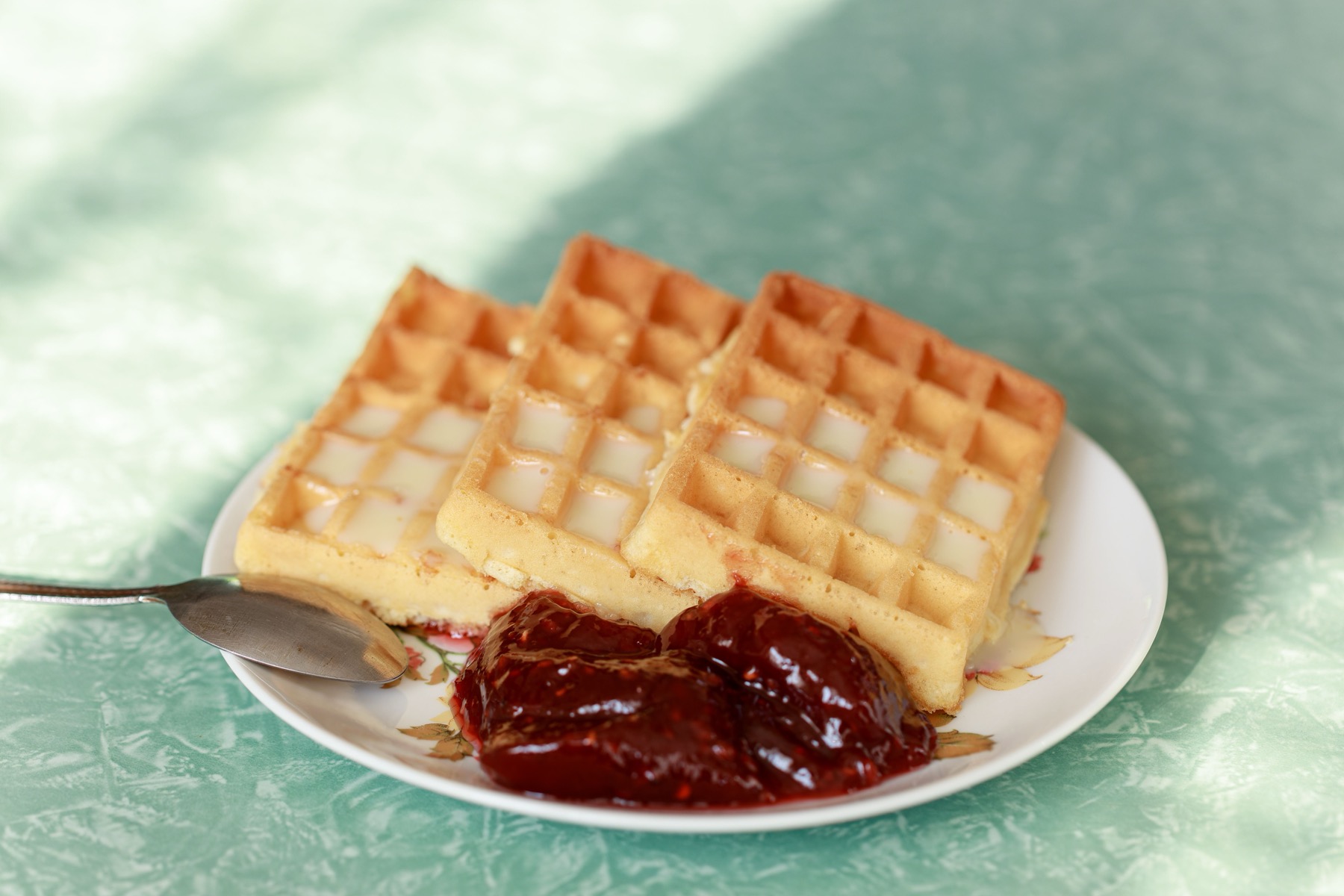
For a more relaxed atmosphere, try the legendary Café Sörgården in Sevedstorp itself—the village associated with The Children of Noisy Village. They make absolutely wonderful fresh waffles with homemade jam, a perfect treat for a summer afternoon. And if you want to try a Swedish classic, stop at the restaurant inside the IKEA Museum in Älmhult, where you can enjoy the country’s most famous meat and plant-based balls in a modern, playful setting.
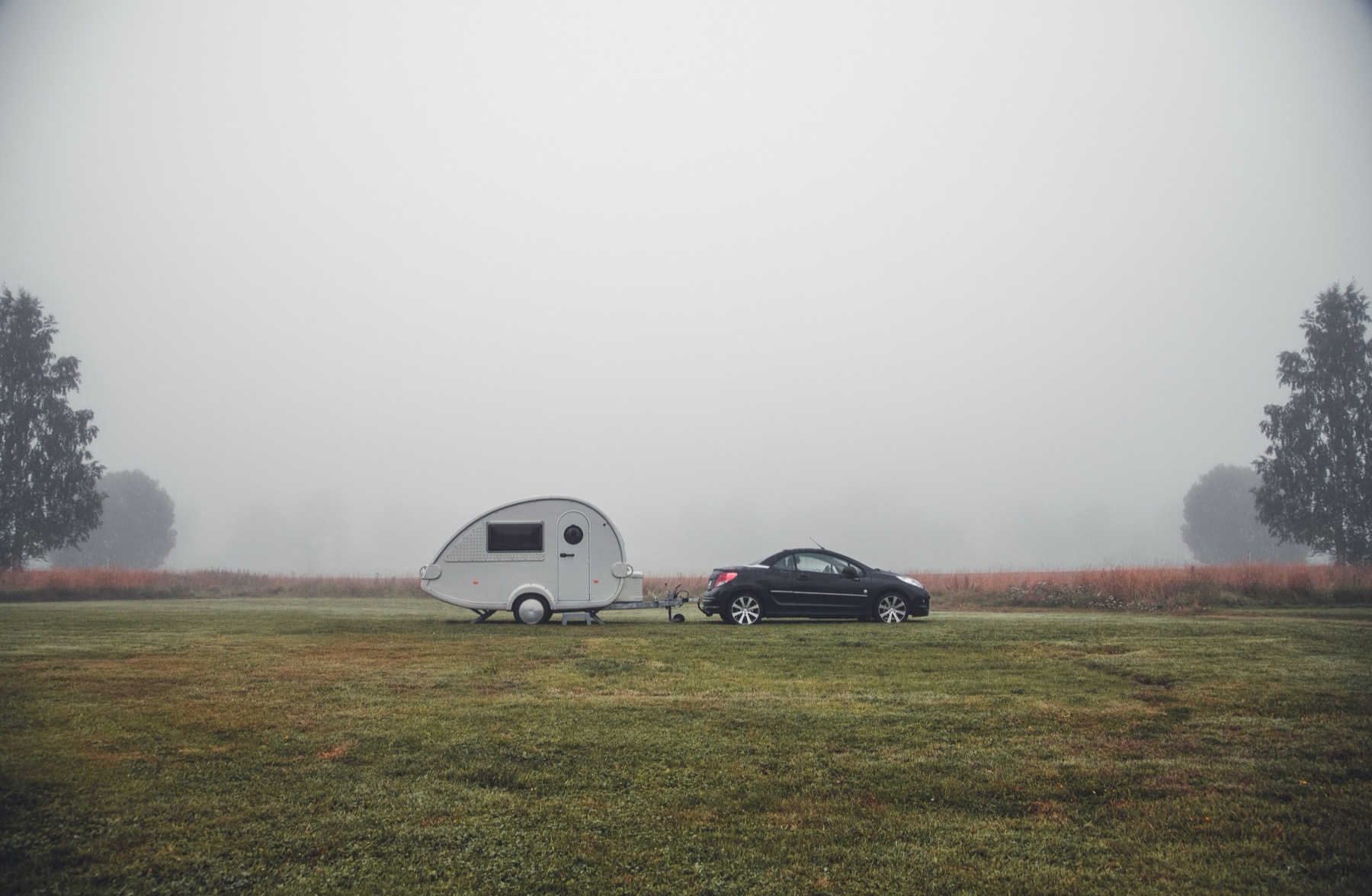
How to Get to Småland and Travel Around
Getting to Småland from Central Europe is surprisingly easy, and you have several ways to plan your journey. Most travellers choose to drive their own car and combine the trip with a ferry, which is the most practical option. You can travel through Germany, departing from Rostock, or via Poland, departing from Świnoujście, and arrive at the ports of Trelleborg or Ystad. From these southern ports, it is roughly 200 km to the heart of Småland, for example Växjö—a drive of just under three hours.
Another popular road-trip option is travelling overland through Denmark. Drive all the way to Copenhagen, then cross the famous Øresund Bridge into Malmö, Sweden (the car toll is approximately DKK 470, or just under €65). From there, Småland is only a short drive away on the well-maintained E4 motorway heading north.
If you don’t want to spend days behind the wheel, you can fly directly to southern Sweden. Smaller airports are located in Växjö and Kalmar, or you can fly to Copenhagen and board a direct train at the airport, taking you across the bridge and into Småland in just a few hours.
However you arrive, getting around Småland without a car can be quite challenging: the prettiest cottages are deep in the forests, and you certainly can’t count on a bus to remote lakes. If you stick to larger towns such as Kalmar, Växjö or Jönköping, though, Sweden’s trains and buses are excellent. In summer 2026, the Swedish government is also heavily subsidising public transport, so regional monthly train and bus passes are available for exactly half the usual price.

A 5-Day Småland Road Trip
If you have less than a week in Småland and want to see the best of it without rushing, this five-day itinerary offers the perfect balance of history, design and deep forests. The route assumes that you are arriving by car from the south, either by ferry or from Malmö.
Day 1: Historic Kalmar and Öland Start on the east coast. Spend the morning exploring Kalmar Castle and the picturesque streets of Gamla Stan. In the afternoon, cross the Öland Bridge and visit the limestone steppe of Stora Alvaret or its distinctive windmills. You can spend the night at a campsite on the island itself or return to Kalmar.
Day 2: The Kingdom of Glass and Växjö Leave Kalmar and head west into the deep forests, roughly 100 km away. Stop at Kosta Boda glassworks to watch glassblowing and shop at the designer outlet. In the afternoon, continue to Växjö, walk around the lake and visit Utvandrarnas Hus, the House of Emigrants.
Day 3: In Astrid Lindgren’s Footsteps Drive north to Vimmerby, about 130 km from Växjö. If you’re travelling with children, set aside the entire day for Astrid Lindgrens Värld. If you’re travelling without children, explore the gardens at her birthplace in Näs and head to the film location at Katthult in the afternoon. Spend the night in a traditional stuga in the surrounding forests.
Day 4: The Quiet of the Lakes From Vimmerby, head south again towards Åsnen National Park or the vast Lake Bolmen. Dedicate this day entirely to slowing down. Hire a canoe, enjoy a picnic on one of the deserted islands and, in the evening, warm up in a traditional wooden sauna on the shore.
Day 5: Design and the Journey Home On your way back to the southern ferry ports, stop in the town of Älmhult. Explore the fascinating IKEA Museum, enjoy vegetarian balls at the restaurant and stock up on cinnamon buns before you finally leave Sweden.
Where to Go Next from Småland
- To the sunny island of Öland: If Kalmar has tempted you with island life, take a look at our detailed article Öland: 16 Tips for What to See on Sweden’s Riviera, where you’ll find beaches, lighthouses and limestone steppes.
- Discover the whole country: Want to continue north from Småland to Lake Vättern or Stockholm? Read our comprehensive guide Sweden: 30 Tips for What to See and Experience.
- Practical accommodation tips: If you dream of having your own red cottage, we’ve put together a guide for you: Stuga: How to Rent a Swedish Cottage by a Lake. It explains what to look out for before booking.
- Travel logistics: If you’re planning a trip by car and ferry, you’ll find our article useful: Ferries to Sweden: Routes, Prices and How to Choose the Right One.
- What else to taste: Tempted by Nordic cuisine? Browse our list Swedish Cuisine: 18 Dishes You Have to Try.
Frequently Asked Questions
Planning a trip north brings up plenty of practical questions. Where do you actually need cash, who are the local parks suitable for, and how much time should you set aside in your itinerary for this rural paradise?
That’s why I’ve put together answers to the most frequently asked questions, so you can set off on your holiday feeling completely relaxed and fully prepared.
What exactly is Glasriket?
Glasriket, or the Kingdom of Crystal, is a geographical and cultural area in the forests between the towns of Växjö and Kalmar, where Swedish glass production has been concentrated since the 18th century. To this day, more than a dozen glassworks operate here, from giant companies like Kosta Boda to small artistic studios that you can visit and watch masters at work.
How many days do I need for Småland?
For a reasonable exploration of the region, I recommend setting aside at least 4 to 5 days. If you’re traveling with children to the parks and also want to relax at a lakeside cottage, a week-long stay is absolutely ideal so you don’t have to rush anywhere and can enjoy the legendary Nordic calm without packing your suitcases every day.
Is Astrid Lindgrens Värld suitable for young children?
Yes, the park is absolutely fantastic even for younger children (roughly ages 3 to 10), because you won’t find scary rides or aggressive noise here. Everything is designed as live theater and a giant playground where children can calmly climb through little houses and meet fairy-tale characters who play with them.
How much do park and museum entries cost?
Entry prices are quite high. The Astrid Lindgren park costs around 450 SEK (approximately €40) per person in season, Kalmar Castle runs 170 SEK (€15), and the IKEA Museum around 60 SEK (€5). You always pay everywhere by card—you won’t get anywhere with cash at Swedish attractions and many places don’t even accept it.
What’s the best way to get to Småland?
The most popular route for families is traveling by car and then taking an overnight ferry from Germany or Poland to the ports of Ystad or Trelleborg, from where you’re in Småland in under two hours’ drive. An alternative is to fly into Copenhagen, rent a car and cross the Öresund Bridge, or use the smaller airport directly in the town of Växjö.
When is the best time to visit?
If you want all the cafés and attractions open, go in July, when Sweden has its main holiday season (industrisemester). If you’re looking for peace and quiet, betting on nature and don’t mind shorter opening hours at landmarks, late August and September promise beautifully colored forests and an abundance of mushrooms that you can freely forage.
Can you swim in the Småland lakes?
Absolutely! Most of the large lakes have sandy shores and clean water that warms up nicely in shallow bays during July. At many campsites and public beaches you’ll find wooden piers from which people jump into the water after morning sauna sessions—an experience that’s an inseparable part of Swedish summer.
Where can you buy Swedish glass for less?
Right at the major glassworks, like Kosta or Orrefors, you’ll find huge outlet stores selling so-called second quality (andrasortering). Often these are tiny bubbles or asymmetries that a layperson won’t even notice, but the price can be half that of flawless pieces sold in regular boutiques.
Tips and Tricks for Your Vacation
Don’t Overpay for Flights
Search for flights on Kayak. It’s our favorite search engine because it scans the websites of all airlines and always finds the cheapest connection.
Book Your Accommodation Smartly
The best experiences we’ve had when looking for accommodation (from Alaska to Morocco) are with Booking.com, where hotels, apartments, and entire houses are usually the cheapest and most widely available.
Don’t Forget Travel Insurance
Good travel insurance will protect you against illness, accidents, theft, or flight cancellations. We’ve had a few hospital visits abroad, so we know how important it is to have proper insurance arranged.
Where we insure ourselves: SafetyWing (best for everyone) and TrueTraveller (for extra-long trips).
Why don’t we recommend any Czech insurance company? Because they have too many restrictions. They set limits on the number of days abroad, travel insurance via a credit card often requires you to pay medical expenses only with that card, and they frequently limit the number of returns to the Czech Republic.
Find the Best Experiences
Get Your Guide is a huge online marketplace where you can book guided walks, trips, skip-the-line tickets, tours, and much more. We always find some extra fun there!