

France beyond Paris is a completely different world, and knowing when to visit France will win you over completely. Endless lavender fields, jagged cliffs in Normandy and sleepy stone villages where time stands still are all waiting for you. The locals have truly mastered the art of living, something you’ll feel for yourself before long.
But this gorgeous country also has its unwritten rules and a distinctive bureaucracy that can give unprepared travellers a real headache. If you know how the lunch break works or how to dodge the motorway jams, though, you’ll save yourself a lot of stress. On top of that, knowing a single French word is often all it takes to get better service.
Thanks to that, your holiday instantly turns from a logistical battle into the pure joy of discovery. So drop the illusion that everything will somehow sort itself out, and prepare yourself properly for the French reality. That’s the only way to get the absolute most out of this wonderfully varied destination.
TL;DR
- Best months to travel: May, June and September offer the perfect compromise between pleasant weather, bearable crowds and reasonable prices.
- Summer holidays 2026: French schools close their doors on 3 July 2026 and the whole country then heads south, causing massive traffic chaos.
- Extreme heat: The south of France regularly battles temperatures around 35 to 43 °C in July and August, making midday sightseeing practically impossible.
- Crit’Air emission stickers: To drive into more than 25 large cities you need a special sticker costing €5.11, which you must order well in advance online.
- Motorway tolls: France has no vignettes – you pay tolls based on the distance driven, which works out at an average of €9.50 per 100 kilometres.
- The sacred lunch hour: Restaurants serve lunch strictly between 12:00 and 14:00, and arriving later means you’ll get a cold baguette from the bakery at best.
12 Things You Should Know
1. French Holidays and the Dreaded Traffic Hell
France is defined by extremely strong domestic tourism, which completely dictates the rhythm of the entire summer season. When the French go on holiday, the whole country starts moving and heads unmistakably south or towards the Atlantic coast. The summer school holidays traditionally begin in early July, which in 2026 falls on 3–4 July, and last a long eight weeks. During this period, accommodation on the Riviera and in Provence is at its most expensive, and endless queues form at the main tourist attractions.
If your circumstances allow it at all, definitely avoid driving at the turn of July and August. The phenomenon known as chassé-croisé happens regularly around 1 August, when the first wave of holidaymakers is heading home while the second wave is only just setting off for the sea. The A6 and A7 motorways, known by their poetic name Route du Soleil, turn into one giant car park full of honking cars at that moment. The Bison Futé traffic warning system forecasts a total of six so-called “black days” for 2026, when traffic on the main routes will completely grind to a halt.
If you have to make a crossing on these days, set off either in the middle of the night or prepare for long hours spent in a baking-hot car with little chance of smooth driving. A far better solution is to plan your long drives for weekdays, ideally a Tuesday or Wednesday. The roads tend to be noticeably calmer and you’ll avoid the worst of the stress.
💡 Tip: Download the official Bison Futé app to your phone – it alerts you to traffic peaks in real time and helps you cleverly plan a route around the congested stretches.
2. Summer and Scorching Heat in the South of France
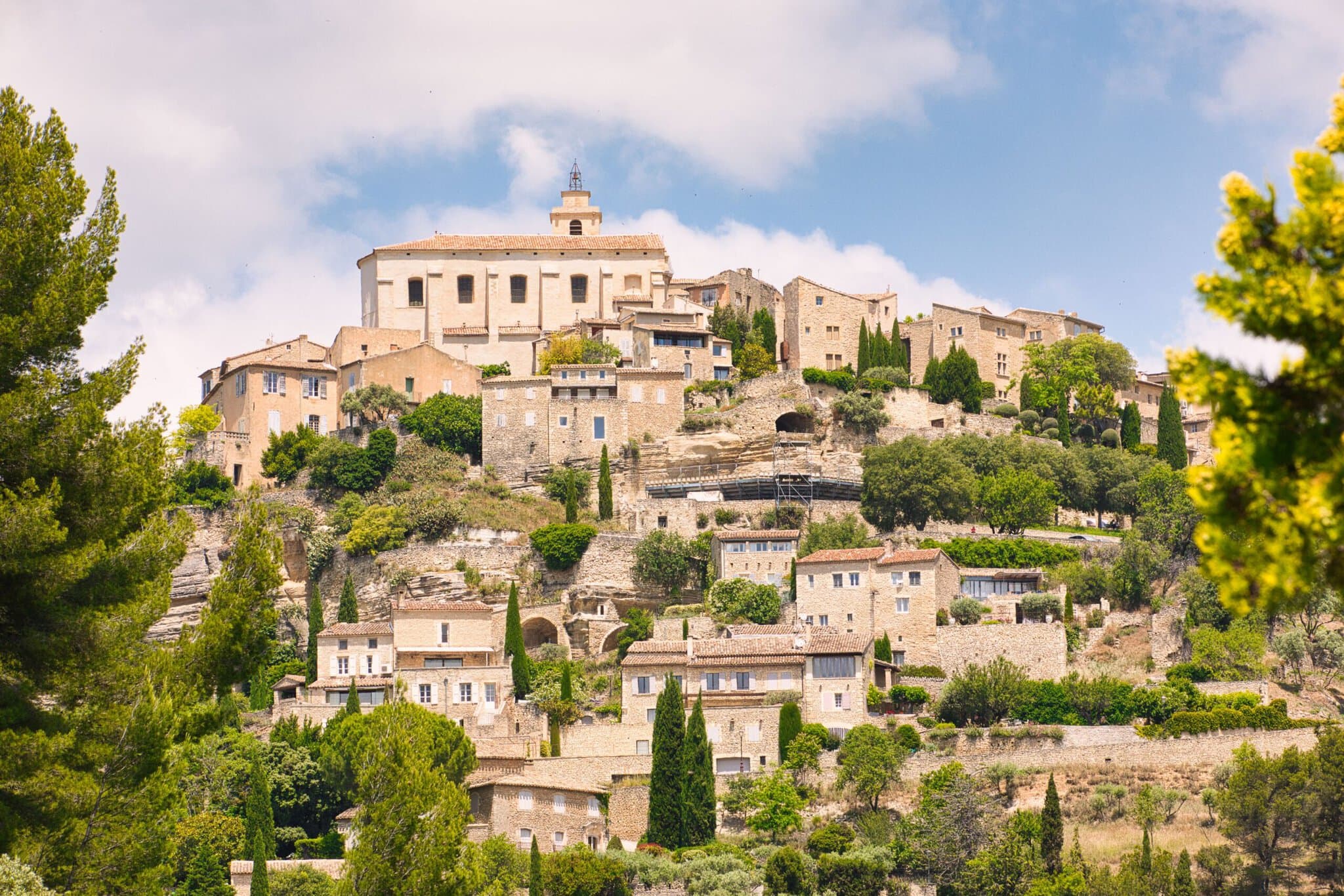
The south of France, which includes beautiful Provence and historic Languedoc, battles extreme temperatures in July and August that can completely wreck your travel plans. Temperatures during this period commonly range between 35 and 43 °C, with the sun beating down so intensely that colours lose their outlines at midday and fade to white. If you’re planning to walk around towns or explore famous Roman monuments like the mighty Pont du Gard aqueduct, August will cost you a huge amount of physical energy.
The rhythm of the day has to bow completely to nature during these months, which means early morning starts and a midday siesta in pleasant shade. Stone towns like Avignon or Aix-en-Provence radiate heat long past midnight, so finding accommodation with properly working air conditioning is an absolute necessity, not just a pleasant luxury. On the plus side, the south sees almost no rain – but bear in mind that by late summer the landscape can be rather parched.
The ideal months for exploring the southern regions are without a doubt May, June and September, when the weather is incredibly mild. In these months you can fully enjoy wandering the narrow streets without constantly hunting for shade, and the evenings are warm enough to sit outside. You’ll also reliably avoid the biggest crowds that pack out popular tourist spots to bursting point in summer.
💡 Tip: For sightseeing and hikes into national parks, always set off by eight o’clock in the morning at the latest, so you have the hardest part behind you before noon, when the heat becomes truly unbearable.
3. The French Riviera and the Ideal Swimming Season
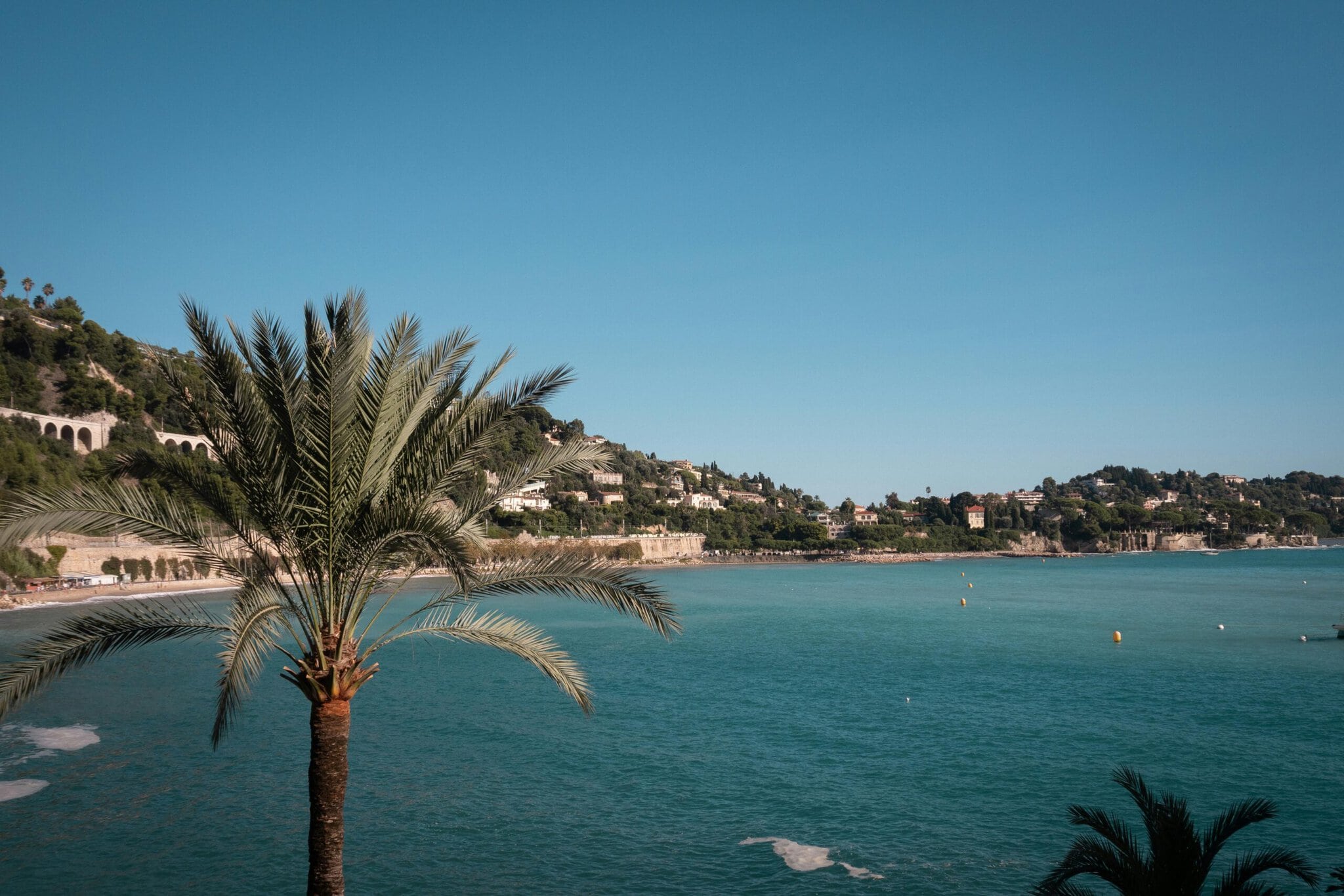
The French Riviera, or Côte d’Azur, is by far the most sought-after destination in all of France, and that brings certain logistical quirks. Demand for Nice, Cannes and Saint-Tropez overwhelmingly steamrolls every other region, so the summer months here mean a fight for every scrap of beach. The coastal roads regularly collapse under the onslaught of cars in season, and hunting for a parking spot in the narrow village streets will reliably fray every last nerve.
The biggest mistake you can make on the Riviera is trying to drive the whole thing in your own or a rented car. The solution is genuinely ingenious and simple, because the regional TER trains crisscross the coast with wonderful precision and will get you everywhere faster than a car. Pick vibrant Nice as your main base – from there you can reach Monaco in just twenty minutes for around five euros, while you’ll get to film-famous Cannes in under an hour. The stations are also often right in the town centres, just a few steps from the beaches.
If you’re coming purely for swimming, the sea reaches its ideal temperature from late June to early October. September is actually the Riviera’s best-kept secret, because the sea is beautifully warm after the whole summer and the crowds of families with children are long gone. The beaches in Nice are made entirely of pebbles, so if you long for fine sand, head instead to nearby Antibes or Italian-flavoured Menton.
💡 Tip: For intensive train hopping along the Riviera, it pays to get the regional Pass SudAzur ticket, which unlocks unlimited travel across the whole department and significantly cuts your travel budget.
4. When to See the Lavender in Bloom in Provence
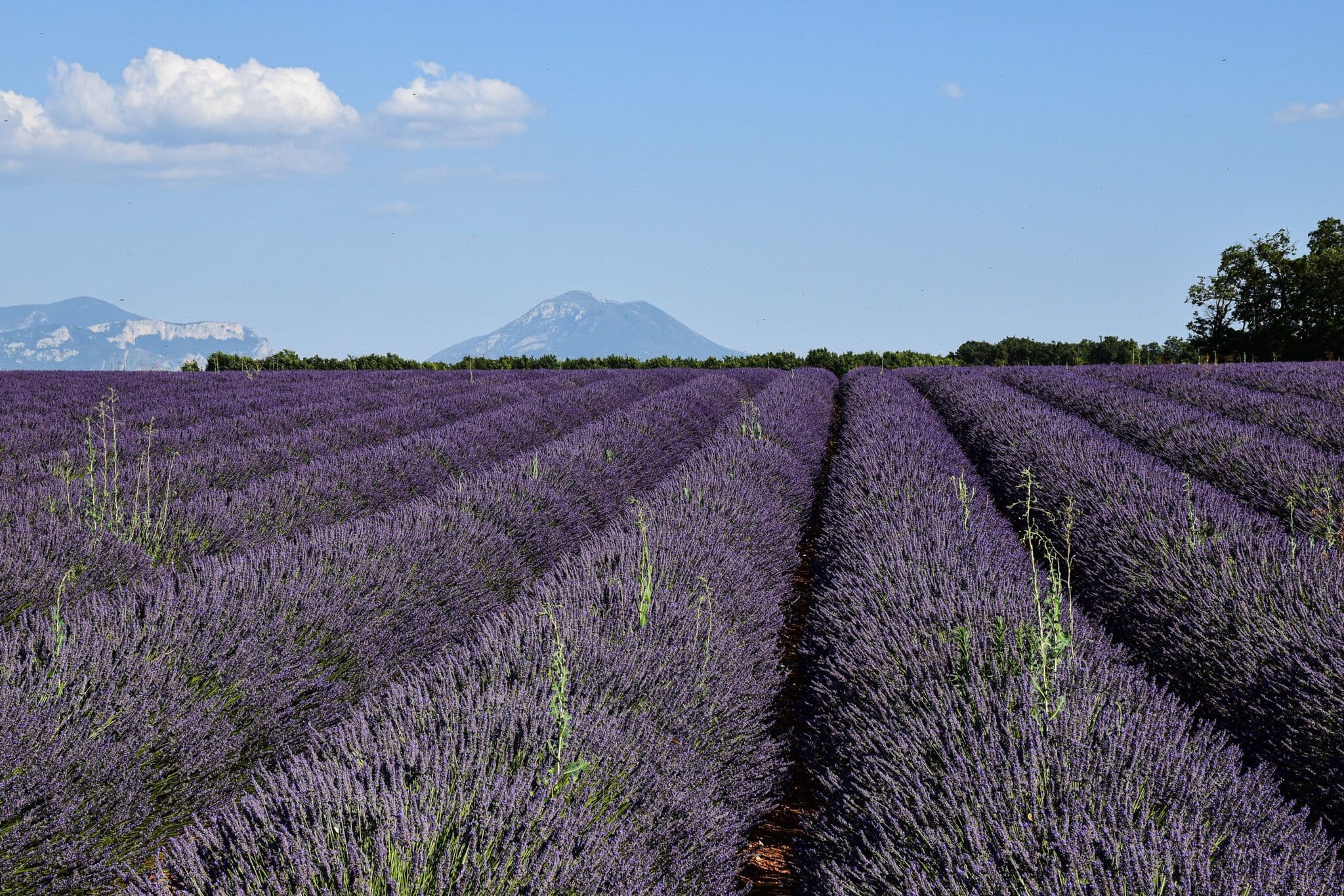
Many people arrive in Provence in August, pay thousands for accommodation, and then stare in huge disappointment at mown, parched brown fields. Lavender doesn’t wait for your holiday, and its life cycle is fairly strictly set by nature. The main flowering season lasts roughly from mid-June to the end of July, with the absolute peak of the most intense colour and scent coming in the last week of June and the first week of July.
A lot depends on altitude and the specific location, though. On the famous, tourist-favourite Valensole plateau the lavender blooms earliest and is often harvested as early as mid-July. If you’re planning a later trip, you’ll need to head higher into the Sault area, where true lavender keeps flowering into early August. The atmosphere around Sault is also noticeably calmer, and you’ll avoid the massive crowds that occupy every field in the lower areas in July.
The most common tourist trap is timing your trip exactly around the local lavender festivals. The famous festival in Valensole always takes place on the third Sunday in July, which sounds very promising, but it’s in fact often already a celebration of the harvest itself. So you can easily end up arriving at a grand festival with markets full of soaps, only to find the surrounding fields have long been mown bare.
💡 Tip: If you want the most beautiful lavender fields at Sénanque Abbey or in Valensole all to yourself, be there by half past six in the morning, when the sun is rising and the tour buses are still asleep.
5. Corsica and the Best Time to Visit the Island of Beauty
Corsica, which the French proudly nickname the Island of Beauty, is a truly unique chapter of French travel. This wild, mountainous island in the Mediterranean offers an incredible combination of dramatic granite mountains, deep river canyons and beaches of dazzling white sand. In August, however, the island experiences an absolute invasion of tourists from mainland France and neighbouring Italy, which drives accommodation and ferry prices to astronomical heights and leaves the roads bursting at the seams.
The best time to visit Corsica falls clearly in June and the first half of September, when the island breathes at a much calmer pace and you can genuinely relax. In June the landscape is still wonderfully fresh and fragrant after the spring rains, while in September you can fully enjoy the ocean warmed up over the whole summer. The mountain trek GR20, considered the toughest long-distance route in all of Europe, is safely passable from roughly mid-June, when the treacherous snow fields finally disappear from the highest passes.
Getting around the island demands fairly steady nerves and an experienced driver. The local roads are incredibly winding, narrow and often lined with free-roaming semi-wild pigs or goats that have absolute right of way. If you come outside the main season in April or October, bear in mind that many restaurants and hotels in the smaller resorts will already be closed. Your reward, though, will be utter solitude in beautifully clean, wild nature.
💡 Tip: Book ferries to Corsica from the ports in Nice, Toulon or Marseille up to six months in advance, because car capacity vanishes at lightning speed and prices rocket before summer.
6. Normandy and Brittany, Where the Weather Does As It Pleases
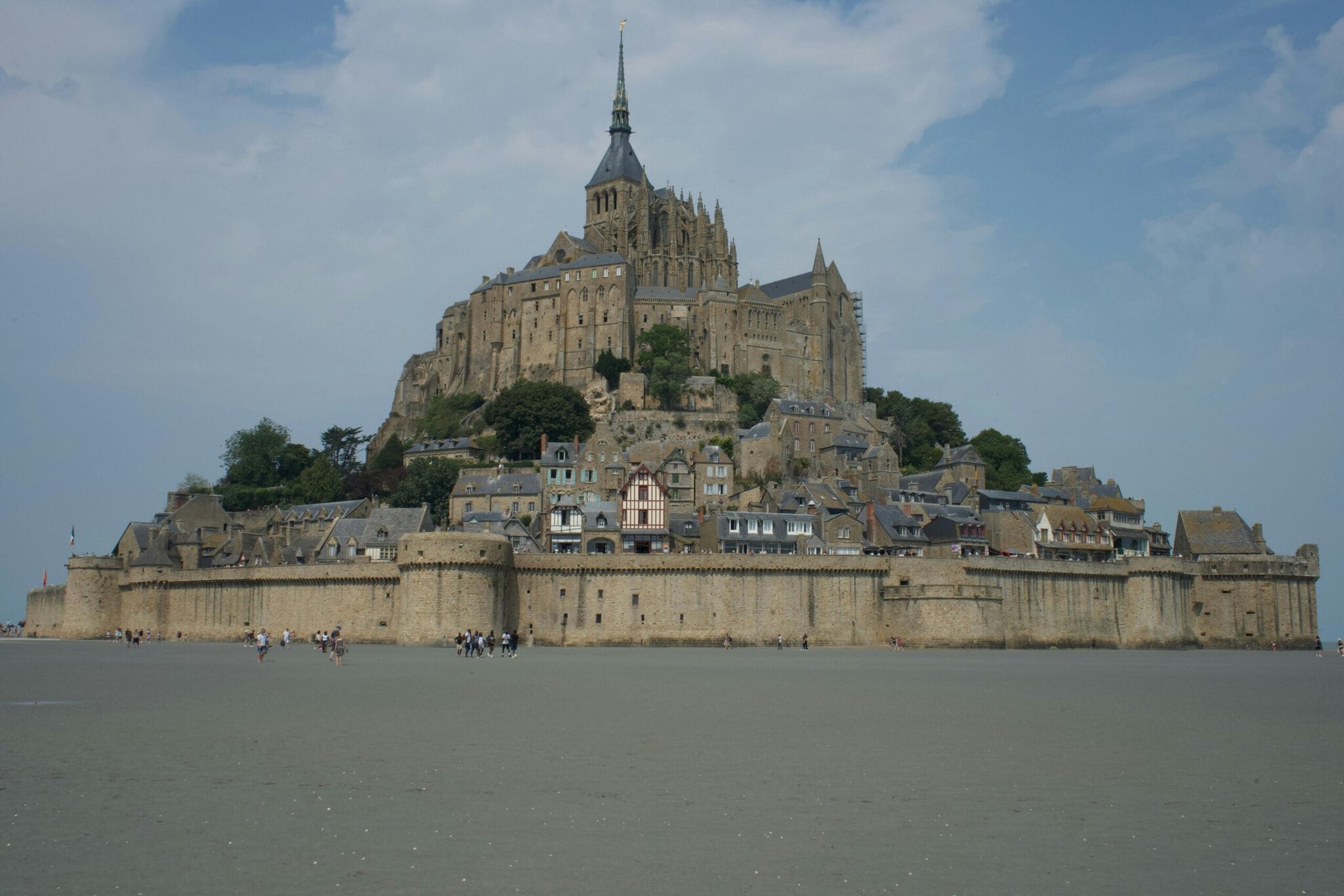
The north-west of France certainly won’t leave you cold, but don’t expect carefree sunbathing under a parasol like in the south. Normandy and Brittany are regions you visit for the raw beauty of the jagged cliffs at Étretat, rich history and excellent apple cider. The weather here does absolutely as it pleases, and strong wind with heavy rain can catch you in August just as easily as in autumn in October.
If you’re into history and planning a visit to the famous landing beaches, 2026 brings the 82nd anniversary of D-Day, with the main commemorative ceremonies taking place in early June. Between 5 and 7 June 2026 the entire Normandy coast will be extremely crowded, and accommodation tends to be sold out a year in advance for these dates. You’ll also have to reckon with massive road closures and strict security checks, so for a peaceful exploration of the memorials, choose a different time.
Packing for these northern regions calls for a tactical layering strategy, because in a single day you’ll routinely experience three different seasons. Quality sturdy footwear and a reliable waterproof jacket are an absolute necessity even in the middle of summer. Your reward for the capricious weather is the stunning, dramatic light that gave rise to the entire Impressionist movement, and a gorgeously green landscape full of grazing cows and ripening local cheeses. The local food is famous for its rich cheeses and excellent cider; I’d leave the celebrated Normandy seafood to local connoisseurs and instead savour a proper French cheese tart.
💡 Tip: The famous historic tapestry in Bayeux will be completely inaccessible for two years from autumn 2025 due to a major museum renovation and a loan to London. Save yourself the disappointment and plan a trip to the gorgeous chalk cliffs at Étretat instead.
7. The Alps for Lovers of Snow and Summer Treks Alike
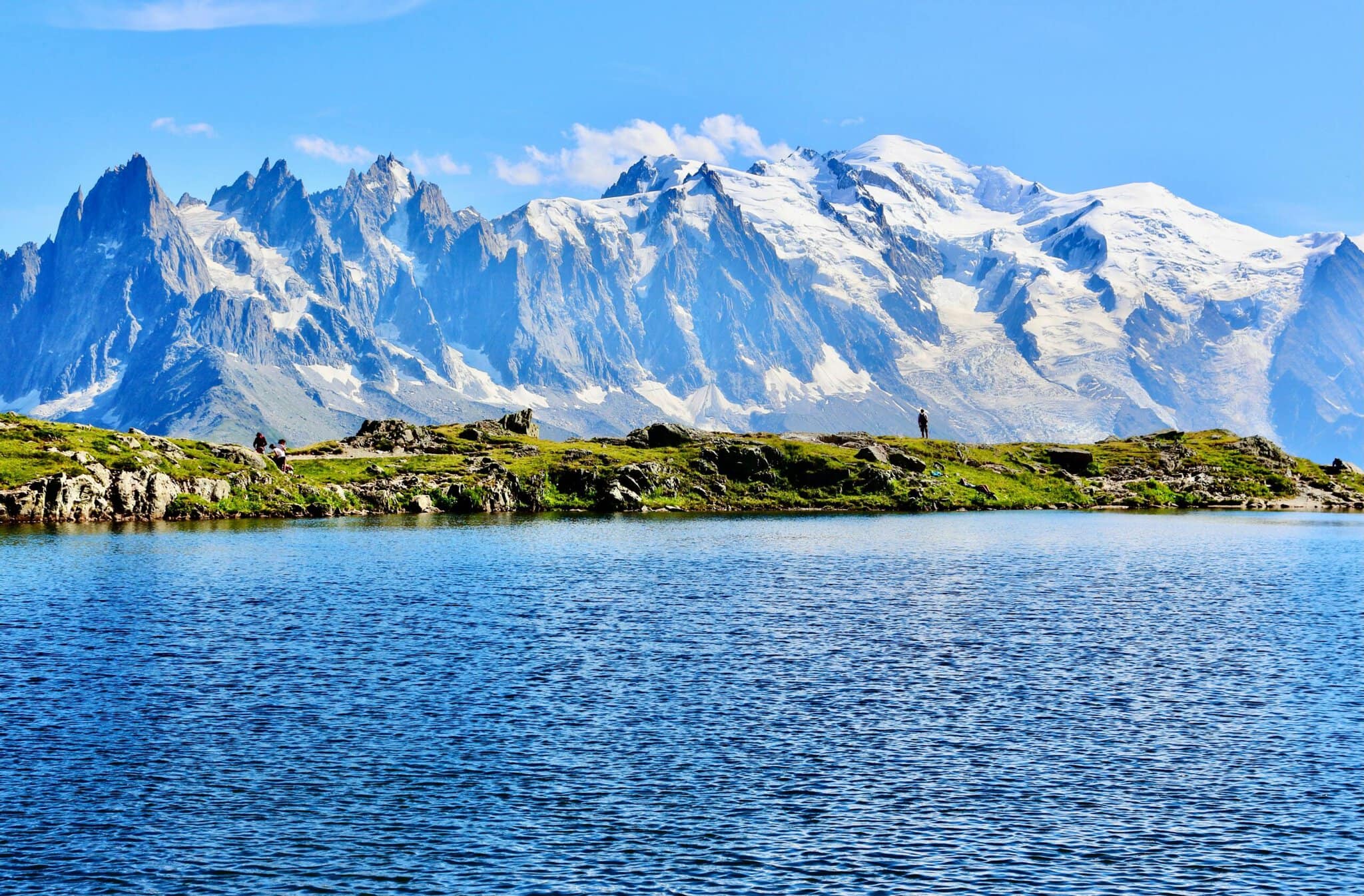
The French Alps offer two completely different seasons, each with something utterly unique and appealing about it. The winter season starts in December and usually ends in April, with the absolute peak coming during February, when French schools have compulsory spring breaks. If you long for perfect powder and half-empty slopes without queues, head to the Savoy Alps in January or else in the first half of March.
The summer season in the Alps is a wonderful chapter in its own right and is well worth experiencing. From late June to early September, the famous ski resorts smoothly transform into a paradise for hikers, climbers and cyclists. The glaciers beneath the iconic Mont Blanc melt rapidly, the mountain meadows bloom in dazzling colours and the cable cars comfortably whisk you up to enormous heights you’d otherwise have to hike towards all day long. August is by far the busiest in the mountains, because the French from the south flee the baking cities en masse in search of pleasant cool air.
If you’re heading for the famous long-distance Tour du Mont Blanc trek, the ideal weather window opens from mid-July to the end of August, when the route is reliably free of dangerous leftover snow. You must book the mountain refuges many months in advance, though, because interest in Alpine hiking has grown enormously in recent years and wild camping is strictly regulated in protected national park areas.
💡 Tip: In summer the weather in the highest mountains changes incredibly fast, and strong afternoon thunderstorms are almost the rule. Always plan your mountain hikes for very early morning and by the afternoon stay safe in the valley or at a mountain hut.
8. The Grape Harvest and Autumn Melancholy in the Vineyards
Autumn in France has an absolutely incredible charm, especially if you’re a lover of honest craft, good wine and great vegetarian food full of seasonal vegetables and cheeses. September and October are the months when the entire country focuses fully on the grape harvest and processing the crop. Regions like famous Bordeaux, the Burgundy slopes or the sprawling Loire Valley turn beautifully golden and deep red, while the cooler air smells pungently of fermenting grapes.
Visiting the wine regions during the main harvest takes a little more careful planning and patience. Many small family wineries don’t have much time for random tourists during this hectic period, so you’ll need to arrange any tastings well in advance via their websites or by phone. On the other hand, plenty of villages hold lively harvest festivals at this time, where you can taste local specialities and soak up the genuine rural atmosphere that’s a world away from classic mass tourism.
The weather in September tends to be still very warm and sunny in the south and south-west of the country, so you’ll get by comfortably in a T-shirt during the day. The mornings and evenings, though, are already noticeably cooler, creating those iconic autumn mists that drift lazily over the vineyards and lend the landscape a mysterious feel. It’s quite simply the ideal time for slow travel, discovering tucked-away little cheese dairies and long dinners in cosy bistros by the fireplace.
💡 Tip: If you want to actively get involved in an authentic grape harvest, many mid-sized wineries offer the chance to join the harvest for a few hours as part of experience packages that end with a generous shared lunch right among the rows of vines.

9. Christmas Markets in Alsace and a Winter Fairy Tale
When you say Christmas in France, one word has to come up immediately: Alsace. This distinctive region right on the border with Germany has taken Christmas decorations and winter atmosphere to absolute perfection. Towns like Strasbourg or magical Colmar transform completely into a perfect winter fairy tale as early as late November. The historic half-timbered houses are adorned with hundreds of tiny lights, giant teddy bears in the windows and fragrant fir branches at every turn.
Strasbourg quite rightly and proudly calls itself the Capital of Christmas, and its huge markets are among the oldest and most fascinating in all of Europe. Be prepared, though, for the narrow streets to burst at the seams under the crowds of visitors on December weekends, with accommodation prices across the wider region reliably tripling compared to the usual off-season rate. If you want to soak up the festive atmosphere without the crowds constantly pushing you along, plan your visit for a weekday, ideally right at the turn of November and December.
Winter in Alsace tends to be fairly sharp, cold and often very damp, so quality warm clothing is an absolute must. Luckily, the bustling markets will reliably warm you up with hot spiced mulled apple cider or the traditional thin, savoury tarte flambée, which also comes in fantastic cheese and mushroom vegetarian versions. The scent of freshly baked gingerbread is everywhere too, wafting out of every other wooden chalet.
💡 Tip: Strongly avoid parking right in the centres of Alsatian towns, which are often completely closed to all traffic during the Advent markets for security reasons. Use the spacious P+R park-and-ride car parks on the outskirts instead, from where a convenient tram will take you straight into the heart of the markets.
10. Motorways, Pricey Tolls and Low-Emission Zones
A car gives you absolute freedom of movement in France, but it’ll make you pay very dearly in return. Forget the classic annual vignettes you might be used to elsewhere, because here you pay a toll for every kilometre driven. That works out at an average of roughly €9.50 per 100 kilometres. On top of that, prices rose slightly again across the board from February 2026, so a long drive from, say, Paris down to the Riviera can easily cost you around €90 in tolls.
Watch out in particular for the new Free-Flow system, which is gradually being rolled out on the busy A4, A13 and A79 motorways. There are no classic barriers here – cameras simply read your number plate and you have to pay the toll yourself online within 72 hours, otherwise a hefty fine will unfailingly land at your home address. An even bigger trap for tourists is the Crit’Air emission stickers required to drive into low-emission zones. These zones apply to more than 25 large urban areas including Lyon and Marseille, where vehicles with a Crit’Air 4 or 5 sticker are banned from the centre.
You must buy this sticker exclusively on the official French government website for €5.11 including postage to the UK. There were political attempts in spring 2026 to abolish these zones, but the Constitutional Council blocked the proposal, so the strict rules still apply – and they naturally also cover cars with foreign plates. Order it at least three weeks before departure, as it arrives physically by ordinary post. Firmly ignore the dodgy reseller websites that cheekily flog you the same sticker for a ridiculous thirty euros.
💡 Tip: For completely smooth passage through the toll gates, get an electronic Télépéage box, which you simply stick to your windscreen and drive through the dedicated orange lanes at 30 km/h without stopping at all.
11. TGV Trains, Discounts and a National Sport Called Striking
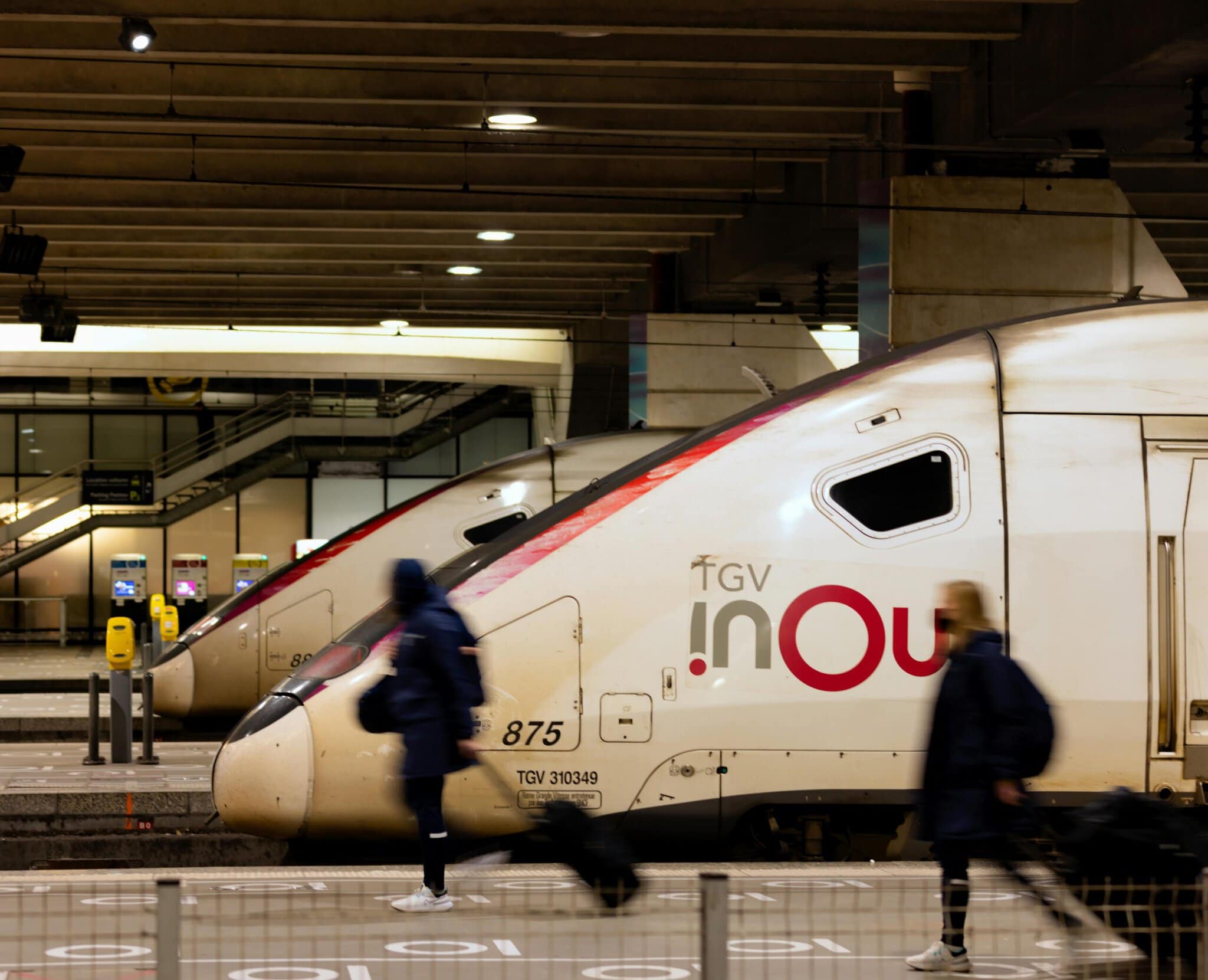
If you don’t fancy spending exhausting days on the incredibly expensive motorways, France’s TGV high-speed trains are an absolutely phenomenal and comfortable alternative. They’ll carry you safely across the whole country at speeds exceeding 300 km/h and offer far more space than a plane. The ticket sales system, however, works strikingly like airline pricing, so whoever books well in advance pays a fraction of the price.
The basic comfortable high-speed trains carry the TGV INOUI label and offer a well-equipped bar car and stable Wi-Fi. The low-cost version of the network is called OUIGO, and although it’s significantly cheaper, you’ll pay extra for every larger piece of luggage and the seats are a little more cramped. If you’re planning more than two longer high-speed trips, it’s definitely worth getting the €49 Carte Avantage discount card. It guarantees you a 30% discount on all TGV services for a whole year and sensible price caps even for last-minute ticket purchases.
Strikes by SNCF state railway staff are unfortunately as inseparable a part of France as a crispy morning croissant. For 10 June 2026, for example, another major national strike is firmly announced, which will guaranteed significantly cripple all public transport. So always download the official transport app and thoroughly check your service 24 to 48 hours before departure, so you have enough time to react and, if necessary, exchange your ticket free of charge.
💡 Tip: Tickets for the closely watched summer 2026 season officially go on sale at the French railways as early as 11 March. Set an alarm on your phone and buy them the very same day to get the lowest possible starting prices.
12. The Sacred Lunch Hour and the Golden Rule of Greeting
French gastronomy is a worldwide byword, but it works according to very strict rules that trip up plenty of completely unprepared tourists. At high noon the whole of France practically grinds to a halt and a hot lunch is served in restaurants exclusively between 12:00 and 14:00. If you turn up at a place with a rumbling stomach at quarter past two, the kitchen will already be uncompromisingly closed, and at most you’ll be saved by a cold baguette from the nearest bakery or a piece of traditional chickpea flatbread on the street.
The best value for money is found at lunchtime under the heading menu du jour, which for roughly €15 to €25 fills you up with an excellent starter and a fresh main course full of seasonal vegetables. A carafe of ordinary tap water and a basket of fresh bread are, incidentally, always free with every meal by law. The tip, called service compris, at 15% is already automatically included in every bill, so the staff are fairly paid. But if you were exceptionally pleased, it’s polite to round the bill up slightly or leave a few small coins in cash on the table, since you usually can’t add a tip via the card terminal.
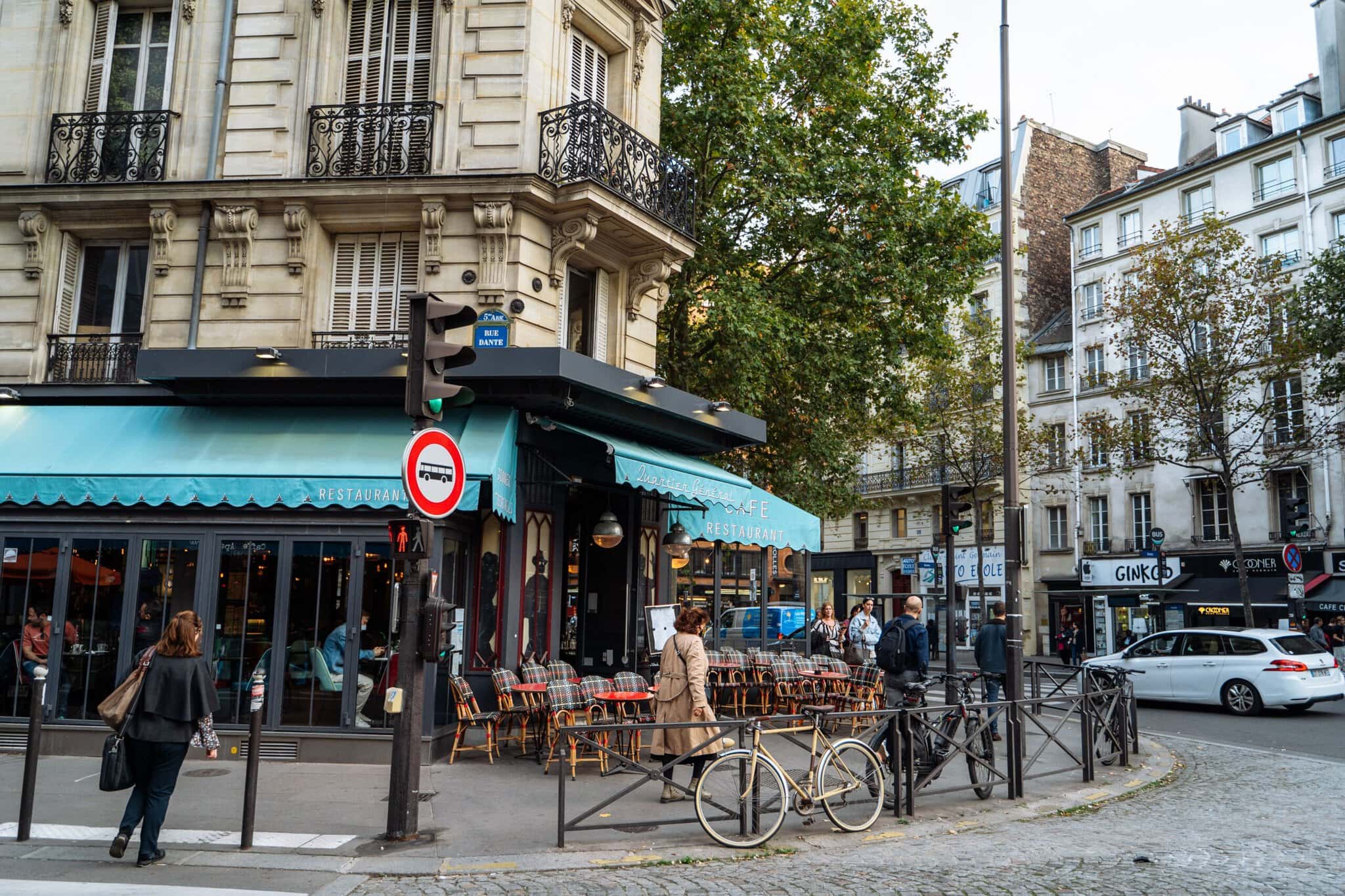
The single most important thing for getting by successfully, though, is the local language and etiquette. The French aren’t nearly as arrogant as is often claimed – they’re just extremely sensitive about basic politeness. There is one single absolute rule: you must always and in all circumstances say “Bonjour” first. Whether you’re walking into a small bakery, boarding a bus to greet the driver or addressing a busy waiter, you must make eye contact and greet them warmly. Only after this utterly crucial show of respect can you try to ask, ideally with the polite phrase “Parlez-vous anglais?”, whether they speak English.
💡 Tip: In an ordinary restaurant they’ll never bring you the final bill of their own accord, because in the local culture that would be taken as a very rude and tactless way of chasing the guest out. You always have to actively and clearly ask for it with the phrase “L’addition, s’il vous plaît”.
Practical Summary and Sample Prices (2026)
To give you a better idea of how much a trip to France in 2026 will actually cost you, we’ve put together a quick overview of the most important items:
- Motorway tolls (péages): approx. €9.50 per 100 kilometres driven
- Crit’Air emission sticker: €5.11 (including postage to the UK, buy only on the official website)
- Espresso at the bar: €1.80 – €2.50
- Lunch menu (menu du jour): €15 – €25 per person
- Dinner at an ordinary bistro (without drinks): €20 – €35 per person
- Train discount card (Carte Avantage): €49 per year
- Entry to Mont-Saint-Michel Abbey: €16 (high season from April to September)
- Basic entry to the Palace of the Popes in Avignon: €12
💡 Accommodation and experiences tip: We like to look for accommodation on Booking.com, where the cancellation terms tend to be the best. For tickets, tours and activities, it pays to compare and book through GetYourGuide.
Where to Go Next on the Blog
Once you’re clear on when to set off, take a look at some specific tips on where to go:
- 7-day road trip around France and a 14-day itinerary for those who want to drive across the country.
- Saint-Émilion near Bordeaux as a tip for an autumn wine stop.
- Saint-Malo and Dune du Pilat on the Atlantic coast.
Frequently Asked Questions
When is the best time to visit France?
The ideal time to visit most French regions is during the months of May, June, and September. The weather during these months is pleasantly warm, you’ll avoid the extreme August heat in the south, and at the same time you won’t have to fight your way through massive crowds of tourists, since French children are still (or already back) in school.
Do I need an eco sticker for France?
Yes, if you’re planning to drive to larger cities or metropolitan areas. Low-emission zones (ZFE) are now reliably in place in more than 25 major areas, including Lyon, Marseille, Strasbourg, and the popular Bordeaux. You’ll need an official Crit’Air sticker for €5.11, which must be ordered online well in advance, as it will be delivered physically by regular mail to your home address.
When do lavender fields bloom in Provence?
The lavender fields are absolutely most beautiful from mid-June to mid-July, when they have their most intense color. In lower elevations, which includes the famous Valensole plateau, the busy harvest takes place around mid-July. If you’re planning to travel a bit later, you’ll need to head straight to the higher areas around Sault, where true lavender typically keeps blooming until early August.
Are there really traffic jams everywhere in France in August?
Unfortunately yes, summer traffic here is really extremely demanding. Especially the turn of July and August represents the so-called chassé-croisé period, when massive waves of holidaymakers massively swap over. The main A6 and A7 motorways heading to the sunny south experience huge collapses at this time and endless traffic jams form. If you simply must travel in August, ideally plan longer journeys for weekdays and constantly monitor the official traffic news in the Bison Futé app.
When are the D-Day commemorations held in Normandy?
Traditional D-Day anniversary celebrations always take place at the beginning of June, with the 82nd anniversary being commemorated in 2026, and the main memorial events will be held primarily between June 5th and 7th. During this historically significant period, the entire coast is extremely crowded, accommodation tends to be sold out even a year in advance, and you must expect quite extensive security road closures.
Do I have to tip in France?
The service charge you’ll find on your bill labeled as service compris at 15% is always automatically included in the final price by law in France, so the staff is fairly compensated. Therefore, you’re not directly obligated to leave extra money, but it’s absolutely common and polite practice to round up the amount slightly or leave one or two euros in cash on the table if you were really satisfied with the service.
Can I really not get by with English in France?
The situation is indeed improving quite significantly among the younger generation and in large modern cities, but in the traditional countryside, English can be considerably more challenging. However, your overall approach is absolutely crucial, so never start a conversation directly in English. Always first greet with a genuine smile saying “Bonjour” and only then ask if the person speaks English, because this small gesture of respect for their native language works absolute wonders in communication.
Tips and Tricks for Your Vacation
Don’t Overpay for Flights
Search for flights on Kayak. It’s our favorite search engine because it scans the websites of all airlines and always finds the cheapest connection.
Book Your Accommodation Smartly
The best experiences we’ve had when looking for accommodation (from Alaska to Morocco) are with Booking.com, where hotels, apartments, and entire houses are usually the cheapest and most widely available.
 🚗 Car rental on the roadVerified rental cars in France
Search with the DiscoverCars comparison engine — it compares prices from dozens of local and international rental companies, and most bookings come with free cancellation.
Compare car prices in France →Don’t Forget Travel Insurance
Good travel insurance will protect you against illness, accidents, theft, or flight cancellations. We’ve had a few hospital visits abroad, so we know how important it is to have proper insurance arranged.
Where we insure ourselves: SafetyWing (best for everyone) and TrueTraveller (for extra-long trips).
Why don’t we recommend any Czech insurance company? Because they have too many restrictions. They set limits on the number of days abroad, travel insurance via a credit card often requires you to pay medical expenses only with that card, and they frequently limit the number of returns to the Czech Republic.
Find the Best Experiences
Get Your Guide is a huge online marketplace where you can book guided walks, trips, skip-the-line tickets, tours, and much more. We always find some extra fun there!


