As you weave through the narrow, shady lanes of Rome’s historic centre, you genuinely have no idea what’s waiting around the next corner. Lukáš and I were wandering the city just like that when we suddenly heard a thunderous roar of water bouncing off the old ochre palace facades. A few steps further, the alley unexpectedly opened up and we stood there, completely speechless, before a massive wall of gleaming white travertine and turquoise water — the iconic Trevi Fountain in Rome.
The Trevi Fountain is exactly the kind of landmark that utterly disarms you with its grandeur in person, no matter how many Instagram photos you’ve scrolled through. At the same time, though, you’ll likely be unpleasantly surprised by the sheer crowds jostling for the perfect selfie — which is why it’s absolutely essential to know the new rules for 2026.

TL;DR
- New fees: From February 2026, there’s a 2 € entry charge if you want to walk down to the fountain’s basin.
- Crowd control: Access to the water is limited to a maximum of 400 people at a time via special turnstiles.
- Trevi Fountain coin throwing: The traditional ritual is done with your right hand over your left shoulder, and all the collected coins go to charity.
- Best time to visit: You’ll get the best photos early in the morning around seven o’clock or late at night.
- Watch out for scams: Highly skilled pickpockets and trinket sellers operate in the crowds around the fountain.
- Hidden gem: Right next to the fountain you’ll find the underground archaeological site of Vicus Caprarius.
- Restaurants: Avoid places with touts and picture menus in five languages — they’re tourist traps.
The full destination guide: Rome — guide and what to see
When to Visit Rome and How Many Days You Need
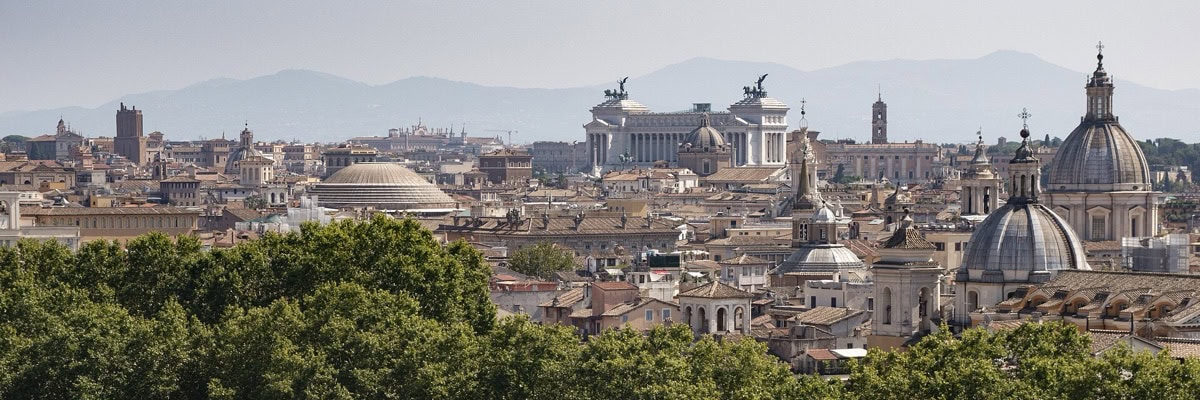
Rome won’t forgive you if you show up unprepared and rely solely on improvisation. The Eternal City is gorgeous, sure, but it’s also a bustling three-million-strong metropolis where ancient history collides with daily traffic jams and millions of fellow tourists. The secret to a successful trip isn’t ticking monuments off a checklist — it’s all about strategic timing and accepting the fact that you simply can’t see everything.
If you’re looking for that magical sweet spot between perfect sunny weather and at least somewhat bearable crowds, aim for October. Temperatures hover around a very pleasant 22°C, the air clears up beautifully, and the whole city is bathed in gorgeous soft autumn light that’s absolutely ideal for photography. May and September are lovely months too, but you’ll need to brace yourself — the city is bursting at the seams and hotels are fully booked well in advance.
Summer in Rome — July and August specifically — is a test of physical and mental endurance. Temperatures routinely climb to 35°C, the humidity turns the streets into a stifling greenhouse, and the sun-baked cobblestones radiate heat long after sunset. If you absolutely must go in summer, set your alarm for six in the morning, hit the main sights before ten, and observe a strict siesta in your air-conditioned hotel over midday — otherwise the city will absolutely flatten you.
After the frantic Holy Year of 2025, when the city was hit by a surge of tens of millions of pilgrims, 2026 brings a degree of relief. Infrastructure has been repaired, scaffolding has come down from the monuments, but crowds at the main icons like the Trevi Fountain will always be a given. For the visit itself, set aside at least four nights so you have time to linger over a morning espresso, sample local vegetarian specialities, and soak up the atmosphere without the constant stress of chasing buses.
Where to Stay in Rome: Picking the Right Neighbourhood
💡 Accommodation & experiences tip: We love searching for places to stay on Booking.com, which usually has the best cancellation policies. For tickets, tours, and activities, it’s worth comparing options on GetYourGuide.

Choosing the right neighbourhood will define your entire experience of the Italian capital, because Rome is enormous and a daily hour-long commute on a packed, un-air-conditioned bus will drain you in no time. We always recommend searching for accommodation on Booking.com, where you can filter by exact location and read real reviews from travellers who’ve already dealt with transport and nighttime noise on the ground.
For most travellers, the Monti neighbourhood is absolutely ideal. It sits strategically right behind the Colosseum and offers the perfect balance between easy access to the sights and an escape from the crowds. It’s a wonderfully bohemian area full of narrow lanes, brilliant little cafés, and vintage shops — and there’s a metro station right there. Highly rated options include the elegant Hotel Artemide or the cosier Salotto Monti, both just a few minutes’ walk from the ancient ruins.
If you’re after that quintessential romantic postcard vibe, you’ll fall in love with Trastevere across the river, where laundry hangs from washing lines and the evenings come alive in dozens of little trattorias. Bear in mind, though, that there’s no metro here at all, so you’ll need to reach the sights on foot or by crowded trams, which can be a bit of a slog first thing in the morning. Worth checking out here is the charming Hotel Santa Maria, tucked inside a former convent with a gorgeous inner courtyard where you can properly unwind after a full day of walking.
For families with children or those seeking peace and quiet, we recommend the elegant Prati neighbourhood near the Vatican. You won’t find winding medieval lanes here, but rather wide, flat boulevards — something you’ll hugely appreciate after a full day pounding Rome’s cobblestones. An excellent choice in this area is the NH Collection Roma Giustiniano, which puts St Peter’s Square just steps away so you can catch an early morning visit to the basilica without the insane queues.
10 Tips for Visiting the Trevi Fountain in Rome and Its Surroundings
Let’s dive into the most important things you should know about Rome’s most famous fountain before you head there. I’ll show you how to avoid the new entry fees, where to find fantastic food without the tourist markup, and which other breathtaking landmarks nearby you absolutely shouldn’t miss.
1. An Architectural Marvel in White Travertine
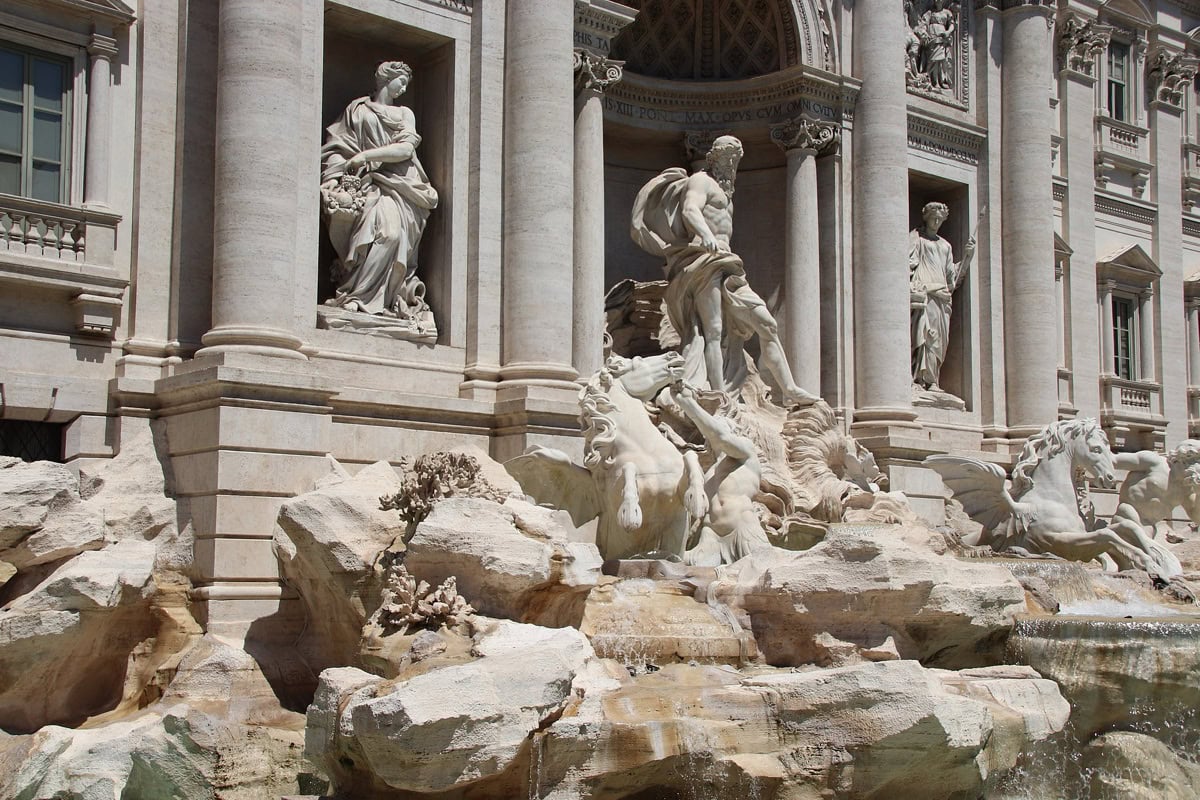
When you stand right in front of the fountain, its sheer scale is overwhelming — it occupies the entire rear facade of the majestic Palazzo Poli. This masterpiece of Baroque art was designed by architect Nicola Salvi in the eighteenth century, and its construction took an incredible thirty years. Salvi masterfully played with light and shadow on the snow-white travertine, which incidentally is the very same stone used to build the famous Colosseum.
The central figure of the sculptural ensemble isn’t Neptune, as many mistakenly believe, but the Titan Oceanus, standing proudly on a shell-shaped chariot pulled by sea horses. One horse is wild and restless while the other is calm and obedient, intended to symbolise the ever-changing moods of the sea itself. The entire scene feels incredibly dynamic, as if the water and sculptures are constantly surging out of the palace facade right towards you.
💡 Local tip: Look for the large stone vase in the bottom-right corner of the fountain — the Romans call it the Asso di Coppe (Ace of Cups). Legend has it that Salvi placed it there deliberately to block the view of the fountain from a local barber who had relentlessly and rudely criticised his work throughout the construction.
2. New Strict Rules and Turnstiles: Trevi Fountain Rome Tickets (2026)
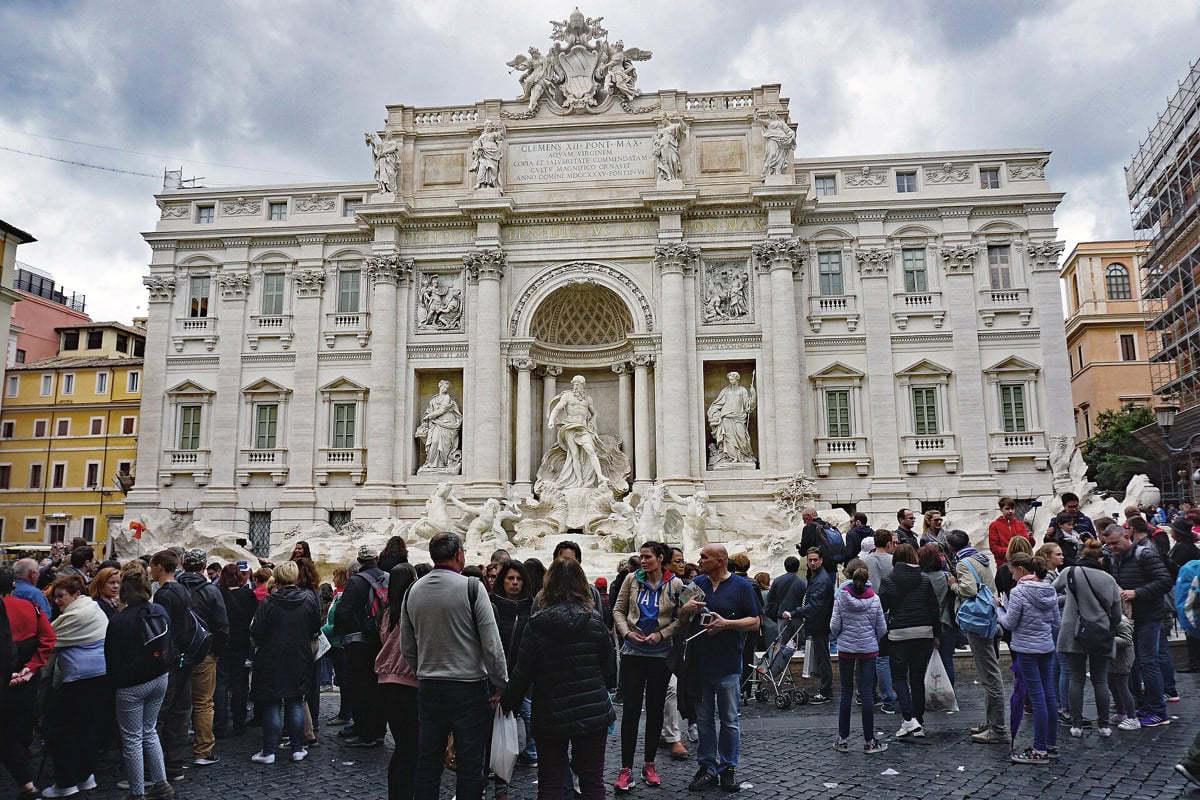
The extreme crush of tourists forced Rome’s city council to act, and from 2 February 2026 a completely new and very strict regime is in place at the fountain. If you want to walk down the steps right to the marble basin for the best photo, non-residents must pay a fee of 2 €. This designated area is now physically cordoned off and monitored by attendants.
Access down to the water is regulated by special turnstiles that allow a maximum of 400 people into the lower zone at any one time. Entry to this paid section is only possible between 9:00 and 22:00, so you’ll need to plan your visit carefully to avoid getting stuck in a long queue on the steps.
If you’d rather not pay or wait, you can still admire the fountain completely free of charge from the upper level of the piazza and the surrounding streets. Just be prepared that the view over everyone’s heads isn’t ideal, and whistle-blowing police officers will keep ushering you along so you don’t block the way for others.
3. The Traditional Trevi Fountain Coins Ritual and Charity
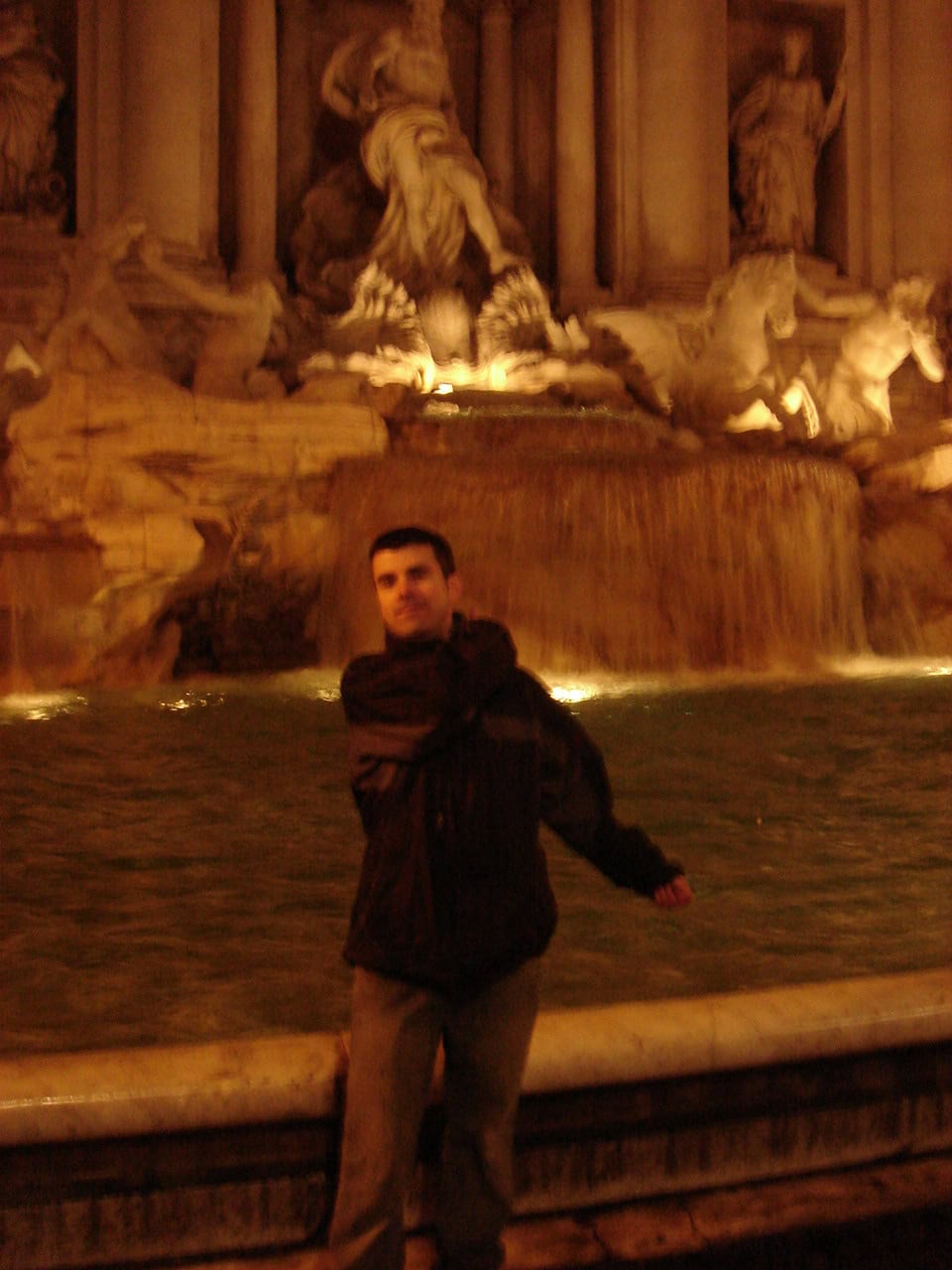
Tossing a coin into the Trevi Fountain is an absolute must for every traveller — but you’ve got to do it properly, or so the legend goes, the magic won’t work. Stand with your back to the water, take a coin in your right hand, and throw it over your left shoulder. One coin guarantees you’ll return to the Eternal City one day.
Throw two coins and legend says you’ll fall in love with an Italian; three coins supposedly guarantee a wedding in the near future. Whether or not you believe the superstition, your small contribution makes a huge real-world difference. Every single day, an astonishing 3,000 € ends up on the fountain’s floor — adding up to an enormous sum each year.
City workers regularly collect the money using specially designed giant vacuums, then clean and sort the coins. The entire proceeds go to Caritas, a Catholic charity organisation. Your spare change funds food supplies, soup kitchens, and assistance for Rome’s most vulnerable residents. That’s quite the Trevi Fountain meaning beyond the romance, isn’t it?
4. Hunting for the Perfect Crowd-Free Trevi Fountain Photos
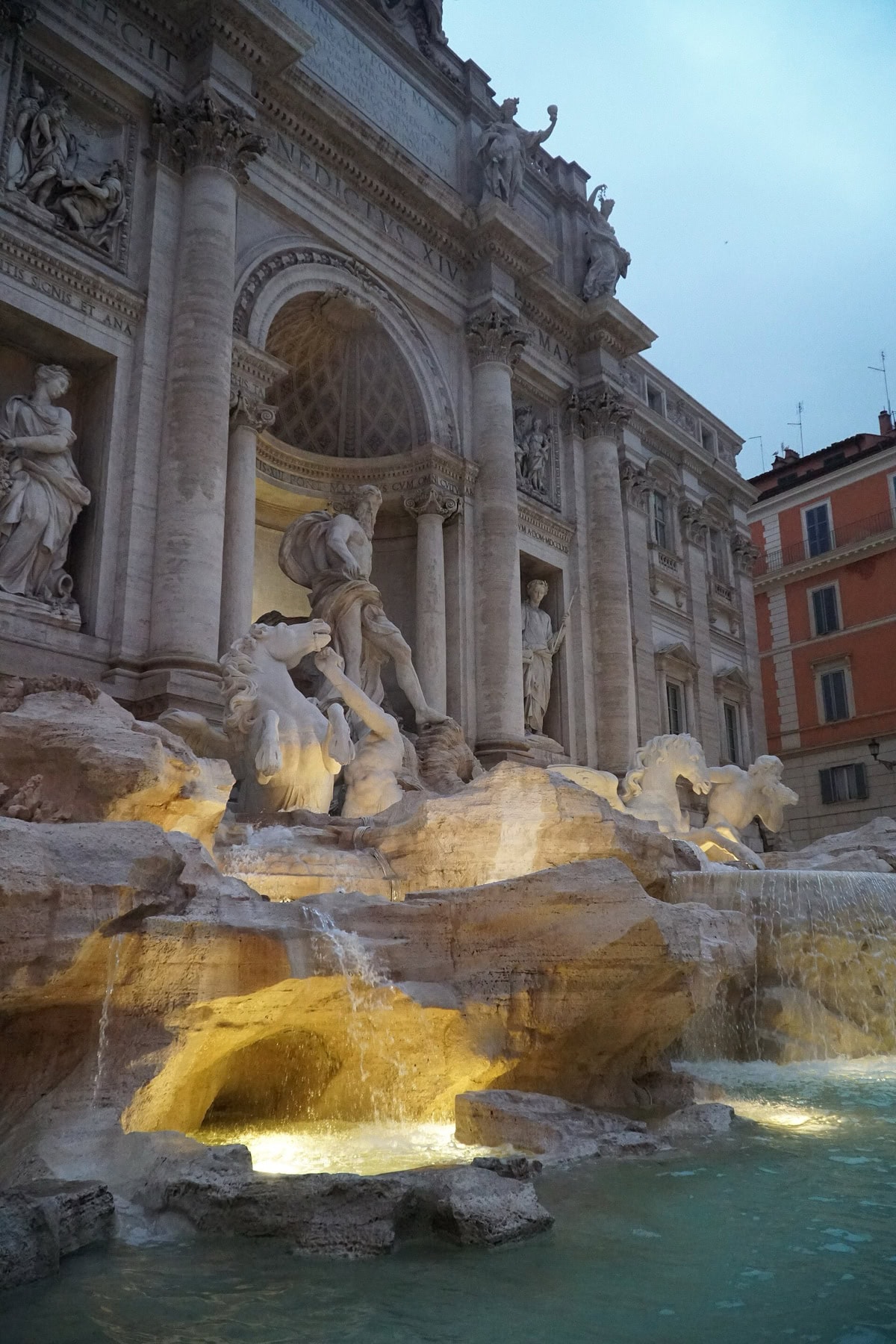
Seeing the fountain in peace and quiet, without hundreds of selfie sticks in the frame, takes determination and an early alarm. If you arrive around seven in the morning, the piazza will still be pleasantly sleepy and you’ll hear nothing but the soothing sound of cascading water. At this hour, you’ll also dodge the new paid entry regime, since the turnstiles don’t start operating until nine.
The morning light paints the travertine in gorgeous pastel tones and you’ll have plenty of space to truly soak in the atmosphere. The moment the clock strikes nine, organised tour groups start flooding in and what was a beautiful experience turns into a battle for every square inch of personal space.
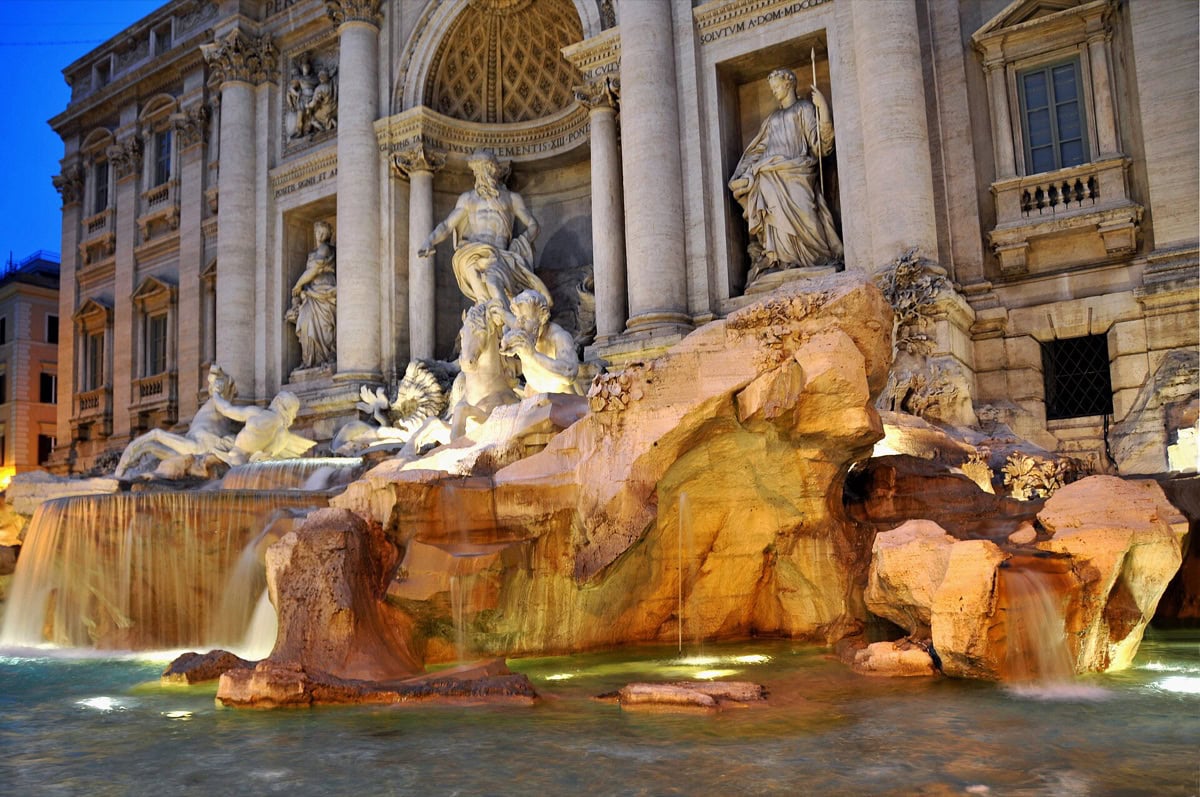
The second great option is a late-night visit. After eleven in the evening, most day-trippers are asleep, the fountain is beautifully and dramatically lit up, and the whole place reclaims that magical, cinematic atmosphere you’d struggle to find amid the daytime chaos.
5. Silver Screen Fame and La Dolce Vita
The Trevi Fountain is forever etched into world pop culture thanks to the cult film La Dolce Vita by director Federico Fellini. The scene in which the stunning Anita Ekberg wades through the icy water in a black evening gown, calling out to Marcello Mastroianni, is an absolute icon of Italian cinema.
Many tourists unfortunately try to recreate this famous scene, which is quite possibly the worst idea you could have in Rome. Stepping into the fountain’s basin, dipping your feet, or — heaven forbid — actually bathing is strictly forbidden and heavily penalised.
Local police monitor the piazza constantly, and the moment you so much as try to touch the water, they’ll be on you immediately. Fines for interfering with the monument are eye-watering, starting at 450 €, and in extreme cases you can even receive a temporary ban from entering the entire historic centre.

6. Defending Yourself Against Pickpockets and Street Sellers
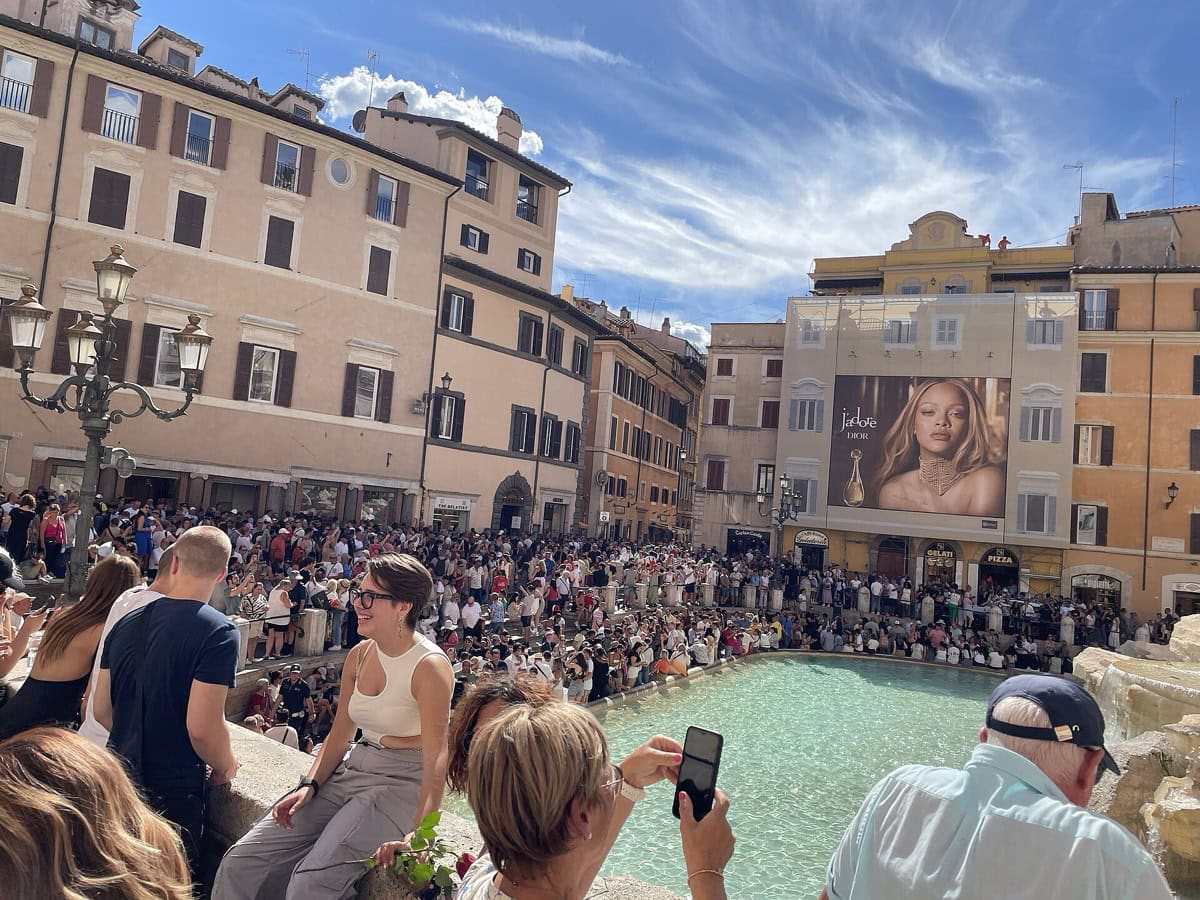
The huge concentration of people in a very small space makes the area around the fountain an absolute paradise for organised groups of pickpockets. The thieves here are incredibly skilled and strike the moment you’re mesmerised by the beauty of the monument with your phone held up for a photo. Always take your backpack off your back and hold it firmly against your chest.
Another nuisance is the ever-present street sellers. They’ll often approach you with a big smile, start complimenting your country, and casually press a rose into your hand or tie a colourful bracelet around your wrist, insisting it’s a gift. Don’t be fooled — seconds later they’ll very assertively demand ten to twenty euros.
The only effective defence is complete indifference and firmness. Don’t make eye contact, keep your hands in your pockets, and if they approach you, say a clear and loud “No, grazie.” The moment you stop to chat out of politeness, it becomes very difficult to shake them off.
7. Secrets Underground: Vicus Caprarius
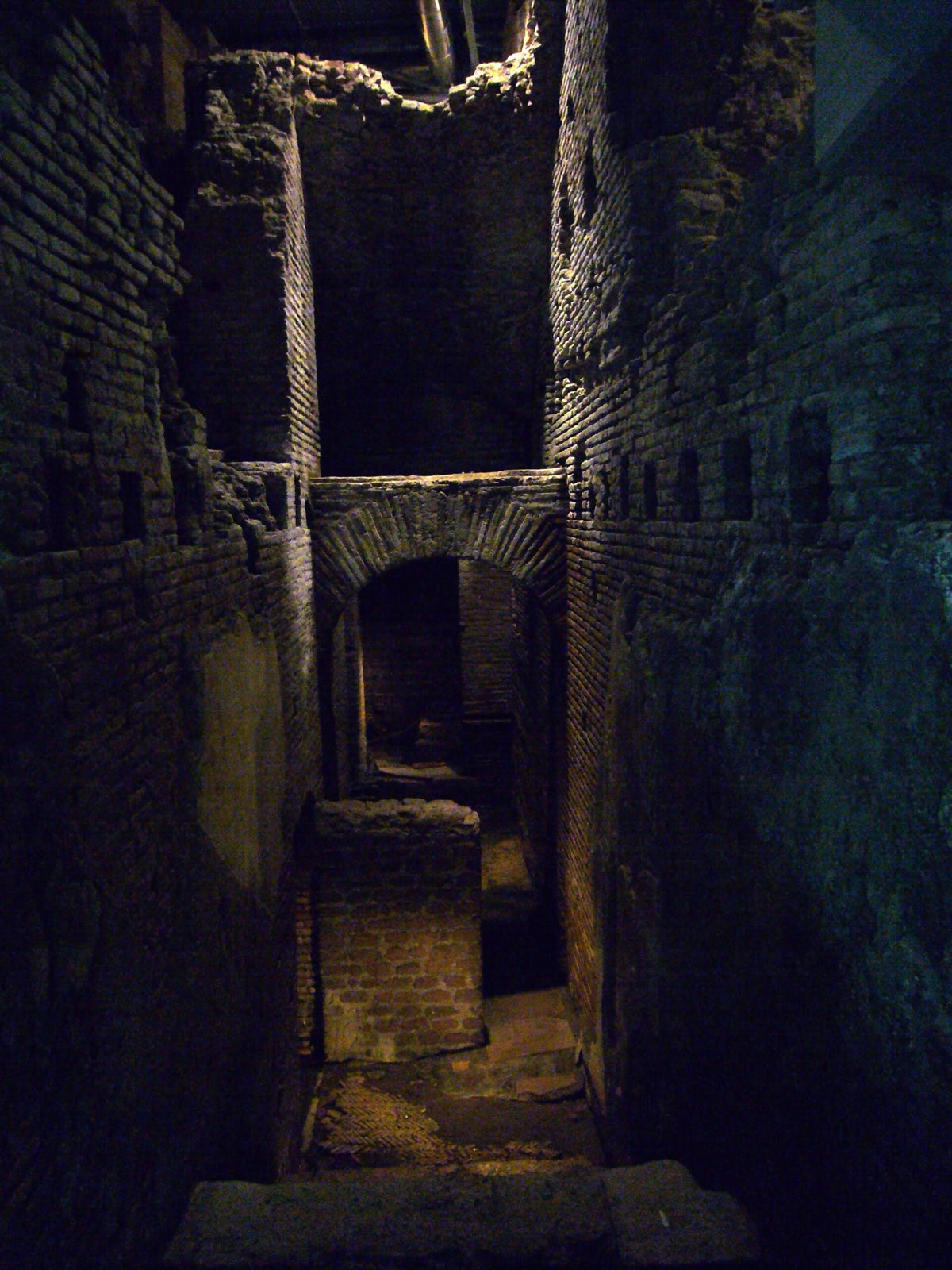
Most people toss their coin and immediately head off towards the Pantheon, completely unaware that just a few steps away lies a fascinating underground world. In the unassuming alley of Vicolo del Puttignani, you’ll find the entrance to the archaeological site of Vicus Caprarius, also known as the City of Water.
Once you descend below today’s street level, you’ll discover the remains of a luxurious ancient residence and a labyrinth of old passageways. The most remarkable part, though, is the fact that clean water from the two-thousand-year-old Aqua Virgo aqueduct still flows through here to this day — the very same aqueduct that directly feeds the Trevi Fountain above your head.
It’s a perfect — and wonderfully cool — escape from the madness of the crowds above. You’ll hear nothing but drops falling on ancient bricks and get to enjoy a piece of genuine Roman history in complete peace and quiet, which is an enormous rarity in the city centre.
8. Getting to the Trevi Fountain Location in Rome
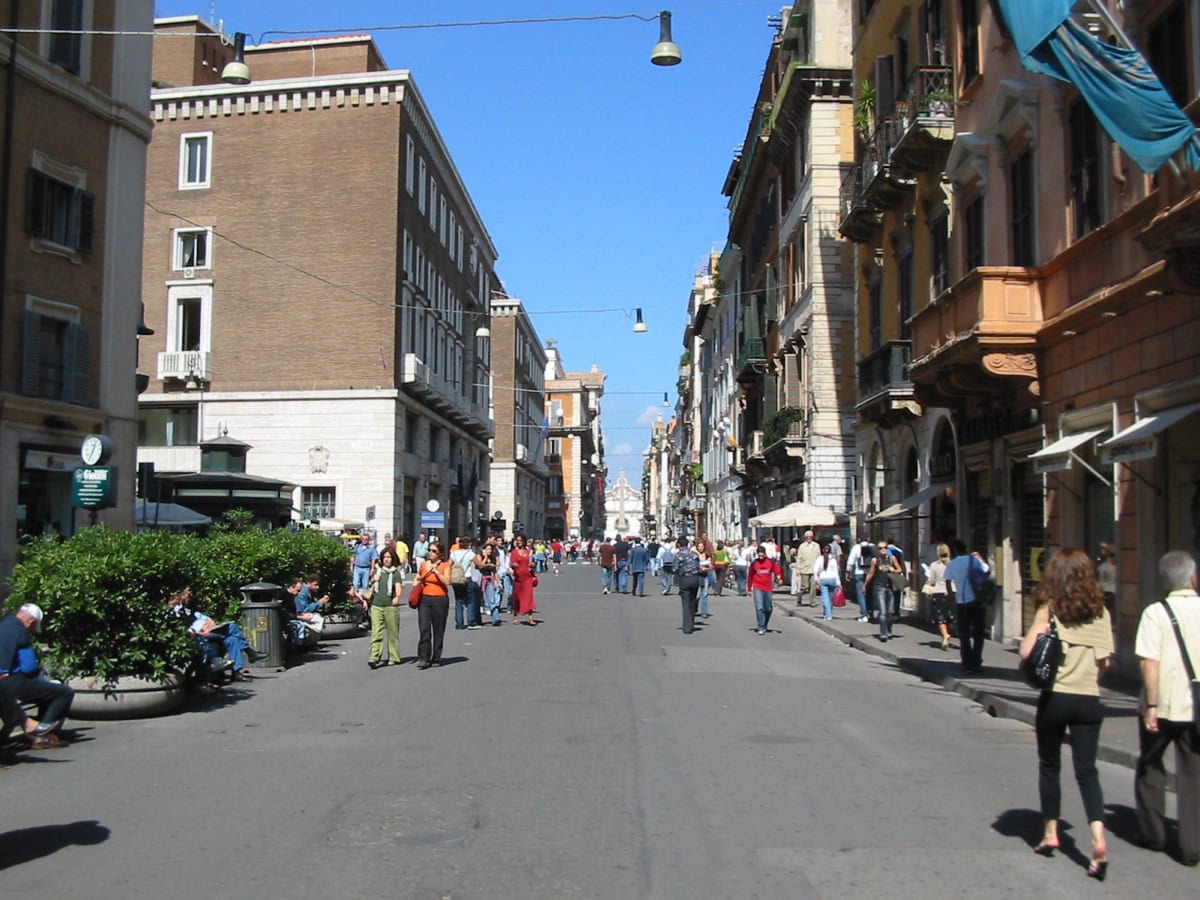
Rome’s historic centre is, for obvious archaeological reasons, largely cut off from the metro network, so you simply can’t get right to the fountain underground. The nearest stations on the orange Line A are Barberini or Spagna, from where it’s a brisk ten-minute walk through a maze of narrow streets.
Your best friend in this part of the city will be a reliable offline map on your phone and, above all, very good, comfortable footwear. The classic Roman pavement made from black basalt cobblestones, known as sampietrini, is extremely uneven, full of gaps, and will destroy your feet faster than a full day’s hike in the mountains. Forget about heels or flimsy flip-flops.
💡 Local tip: Don’t buy overpriced bottled water from hawkers. Dotted all around the centre are cast-iron drinking fountains called nasoni (big noses). The water is ice-cold, completely safe to drink, and free. Simply block the bottom spout with your finger and a jet of water shoots up from a small hole on top, right into your mouth.
9. The Pantheon and Brilliant Food Without the Tourist Trap
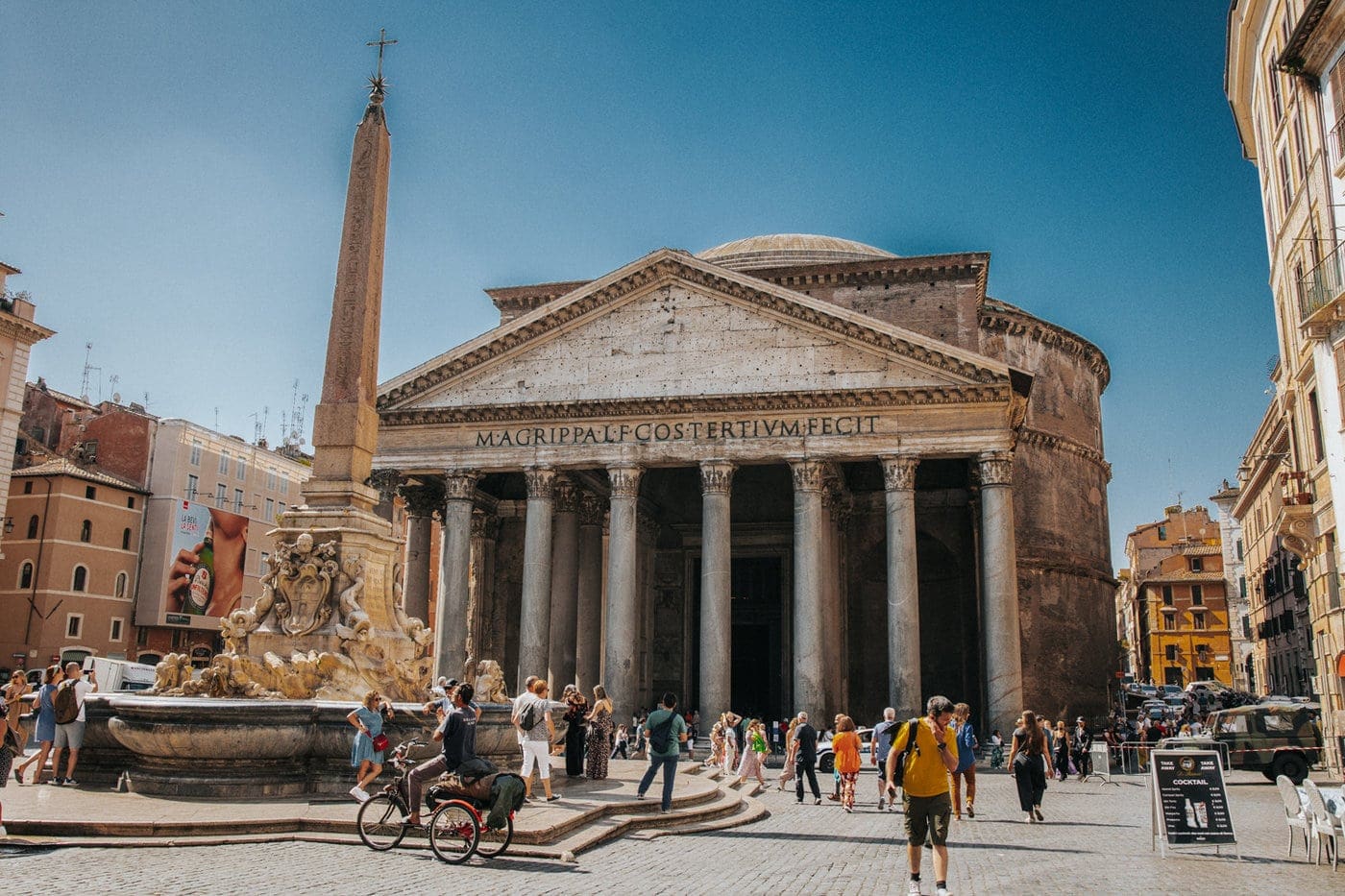
From the fountain it’s just a short walk to the Pantheon, the best-preserved ancient building in the world with its awe-inspiring concrete dome. Be aware, though, that entry is no longer free — it costs 5 € (rising to 7 € from summer 2026), and at weekends advance booking is absolutely essential, otherwise you’ll be stuck in an endless queue in the blazing sun.
A little further on lies the beautiful Baroque square Piazza Navona, which is a visual gem but a genuine minefield when it comes to dining. Restaurants with fountain views where a waiter actively beckons you in and offers a picture menu in English are classic tourist traps where you’ll pay a fortune for mediocre food.
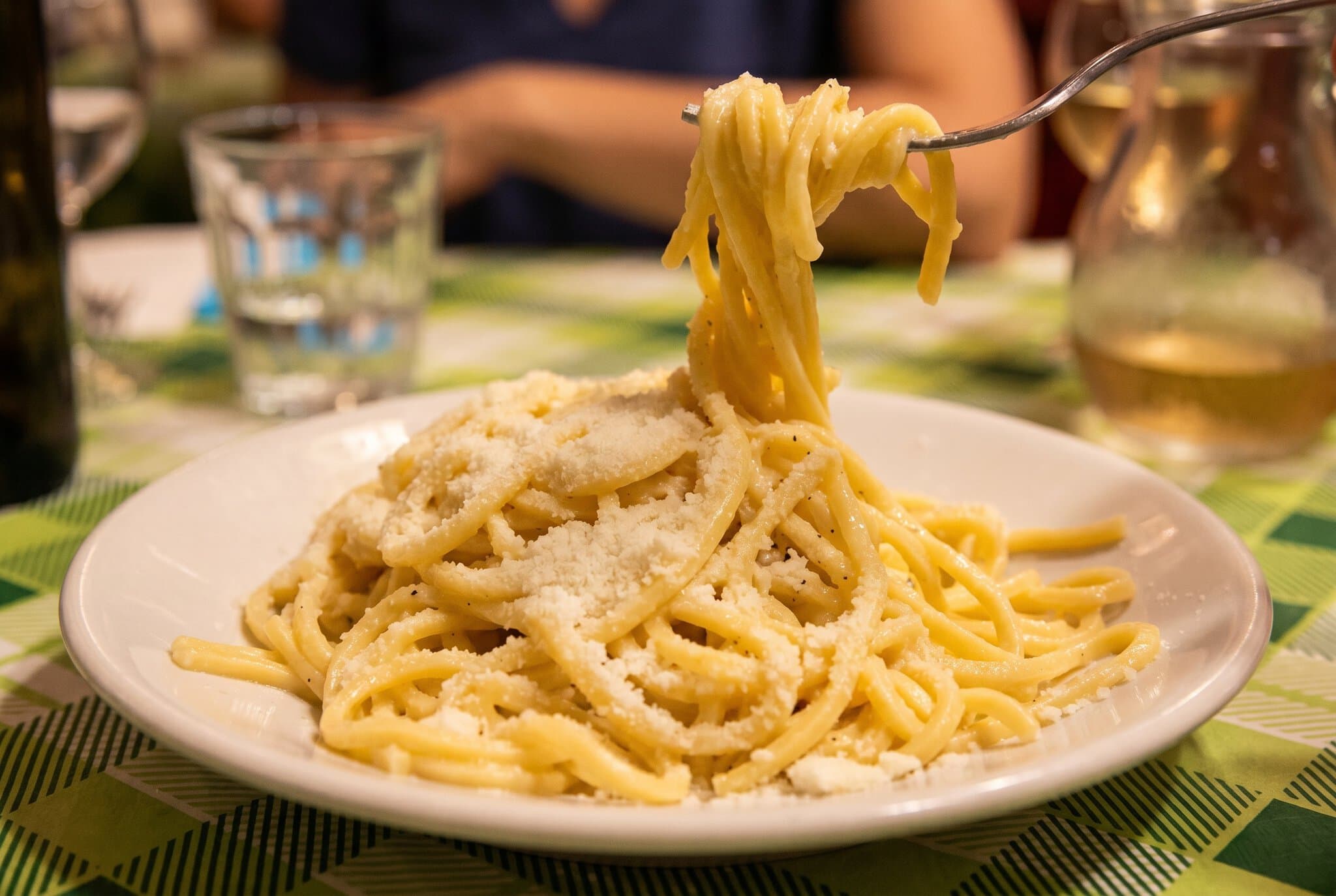
Lukáš and I became big fans of quick lunches at the nearby bakery Forno Campo de’ Fiori, where they bake utterly heavenly pizza bianca (just olive oil and salt) or pizza rossa, served straight into your hand. If you fancy something traditional and vegetarian, duck into a little trattoria in the Jewish Ghetto and order the fried artichokes (Carciofi alla Giudia) or a hearty plate of cacio e pepe pasta.
10. The Spanish Steps and the No-Sitting Rule

If you head north from the Trevi Fountain through the upscale shopping streets, you’ll reach the famous Spanish Steps. Their unique butterfly-wing design has been drawing visitors for centuries, and in spring they’re beautifully decorated with hundreds of blooming azaleas — an absolutely stunning sight in photos.
From a distance the steps look like the perfect spot for a rest, but I strongly advise you: do not sit down on them. The city introduced this ban to protect the historic marble, and police in hi-vis vests actively and uncompromisingly enforce it. The moment you so much as crouch down, you’ll hear a whistle blast and risk a fine of up to 250 €.
Instead of sitting, climb all the way to the top to the Trinità dei Monti church and continue left past the Villa Medici to the Pincio gardens. From there, you’ll be treated to one of the most stunning views of Rome, especially at sunset when the dome of St Peter’s in the distance glows in magnificent golden hues.
Map of points of interest for your phone
Day Trips and What Else to See in Rome

Once you’ve criss-crossed the historic centre and your feet are aching from the cobblestones, it’s time to venture out for more treasures. Rome offers incredible day-trip possibilities, both within the city and just beyond its borders.
Top landmarks within Rome:
- The Colosseum – The ultimate ancient icon. Don’t forget to buy your tickets exactly 30 days in advance — otherwise you won’t stand a chance of getting in without touts.
- The Vatican and Vatican Museums – Set aside a full day, get up for a seven o’clock start, and strictly follow the dress code requiring covered shoulders and knees.
- Castel Sant’Angelo – A fascinating fortress with a secret passageway to the Vatican and fantastic views from the upper terrace.
- Galleria Borghese – A breathtaking collection of sculptures and paintings in a beautiful park setting. Advance reservation is strictly mandatory here — without one, you won’t get in.
- Also check out our comprehensive guide to What to See in Rome, with a detailed itinerary and more practical tips.
Great train trips out of the city:
- Ostia Antica – A remarkably well-preserved ancient port just half an hour by train from the centre. There’s a fraction of the crowds compared to the Roman Forum, and you can wander among the ruins of old shops and bathhouses.
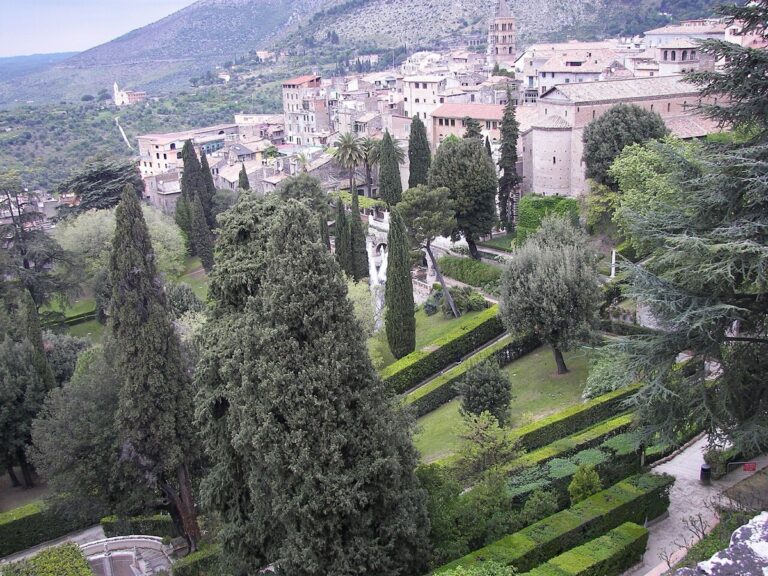
- Tivoli – A charming hilltop town home to the Renaissance Villa d’Este with its hundreds of enchanting fountains and gardens.
- Pompeii – If you have more time, hop on a high-speed train to Naples and experience a fascinating walk through the city buried under volcanic ash from Vesuvius two thousand years ago.
Frequently Asked Questions
Where can I find public restrooms near the fountain?
Public toilets are scarce in the historic center and usually require payment. Your best bet is to pop into any small café, buy an espresso at the counter for about 1.20 euros, and politely ask the staff for the restroom. By law, Italian bars must allow paying customers to use their facilities.
Can you drink the water from Fontana di Trevi?
Absolutely not! The water in the fountain basin circulates in a closed loop, is chemically treated, and full of coins, so it’s definitely not suitable for drinking. To refresh yourself and refill your bottles, use the small cast-iron drinking fountains (nasoni) found in nearby squares, which provide excellent, ice-cold drinking water for free.
Is there a strict dress code at the fountain?
Unlike the Vatican or Pantheon, where you’ll be turned away without question for bare shoulders and short shorts, there’s no dress code at the fountain square. It’s a public outdoor space, so you can wear whatever keeps you comfortable in Rome’s hot summer weather.
Can I pay by card at nearby shops?
Italy has made huge strides in cashless payments, and these days you can easily pay by card for a scoop of gelato or a slice of pizza. That said, we always recommend carrying a few small bills in 10 and 20 euro denominations, which come in handy for tossing coins in the fountain, tipping your barista, or buying bottled water at smaller kiosks.
What should I do in central Rome when it starts raining?
Rome’s summer storms can be quite intense, and the basalt paving stones instantly become dangerously slippery. The best experience is to duck into the nearby Pantheon and watch the rain pour directly inside through the 9-meter oculus in the roof onto the marble floor. Avoid the Spanish Steps in the rain—they’re extremely slippery.
How long does it take to visit the fountain?
Simply admiring the monument and tossing a coin will take about twenty minutes. However, if you arrive during peak season in the daytime and want to access the paid lower zone through the turnstiles, expect to spend more than half an hour waiting in line.
Are the new fountain tickets tied to a specific time?
Yes, due to the strict limit of 400 people at any given time, the paid zone operates on a regulated system to prevent dangerous crowding on the slippery marble steps. We always recommend checking the current reservation system on the city’s official website before your trip.
Tips and Tricks for Your Vacation
Don’t Overpay for Flights
Search for flights on Kayak. It’s our favorite search engine because it scans the websites of all airlines and always finds the cheapest connection.
Book Your Accommodation Smartly
The best experiences we’ve had when looking for accommodation (from Alaska to Morocco) are with Booking.com, where hotels, apartments, and entire houses are usually the cheapest and most widely available.
 🚗 Car rental on the roadVerified rental cars in Rome
Search with the DiscoverCars comparison engine — it compares prices from dozens of local and international rental companies, and most bookings come with free cancellation.
Compare car prices in Rome →Don’t Forget Travel Insurance
Good travel insurance will protect you against illness, accidents, theft, or flight cancellations. We’ve had a few hospital visits abroad, so we know how important it is to have proper insurance arranged.
Where we insure ourselves: SafetyWing (simple monthly subscription) and TrueTraveller (for extra-long trips).
Find the Best Experiences
Get Your Guide is a huge online marketplace where you can book guided walks, trips, skip-the-line tickets, tours, and much more. We always find some extra fun there!