

If you know what it’s like to fall so head-over-heels in love with a place that you simply have to return every single year, then you’ll completely understand our relationship with the Italian Dolomites — and especially with our absolute favourite, Cortina d’Ampezzo Italy. It’s our spiritual home and the base camp from which we set out on our summer and winter adventures, and I genuinely can’t imagine a year going by without us heading back here at least once.
I still remember our very first trips. We were young, full of energy, bikes strapped to the car roof, sleeping in a tent — until one September night the temperature plummeted below minus four and Lukáš and I lay there shivering like leaves, cocooned in our sleeping bags. 😅 Then came the campervan era, when we’d wake up to jaw-dropping mountain views right from bed on four wheels. It was incredibly romantic, and we still look back on it fondly, even though it sometimes meant washing in a freezing mountain stream and cooking spaghetti on a tiny stove that kept blowing out in the wind.
So what’s in store? Fifteen tips on what to see and do, some honest advice on where to sleep without blowing your budget, and a frank warning about something that’s going to change dramatically in 2026. Keep reading. 😉
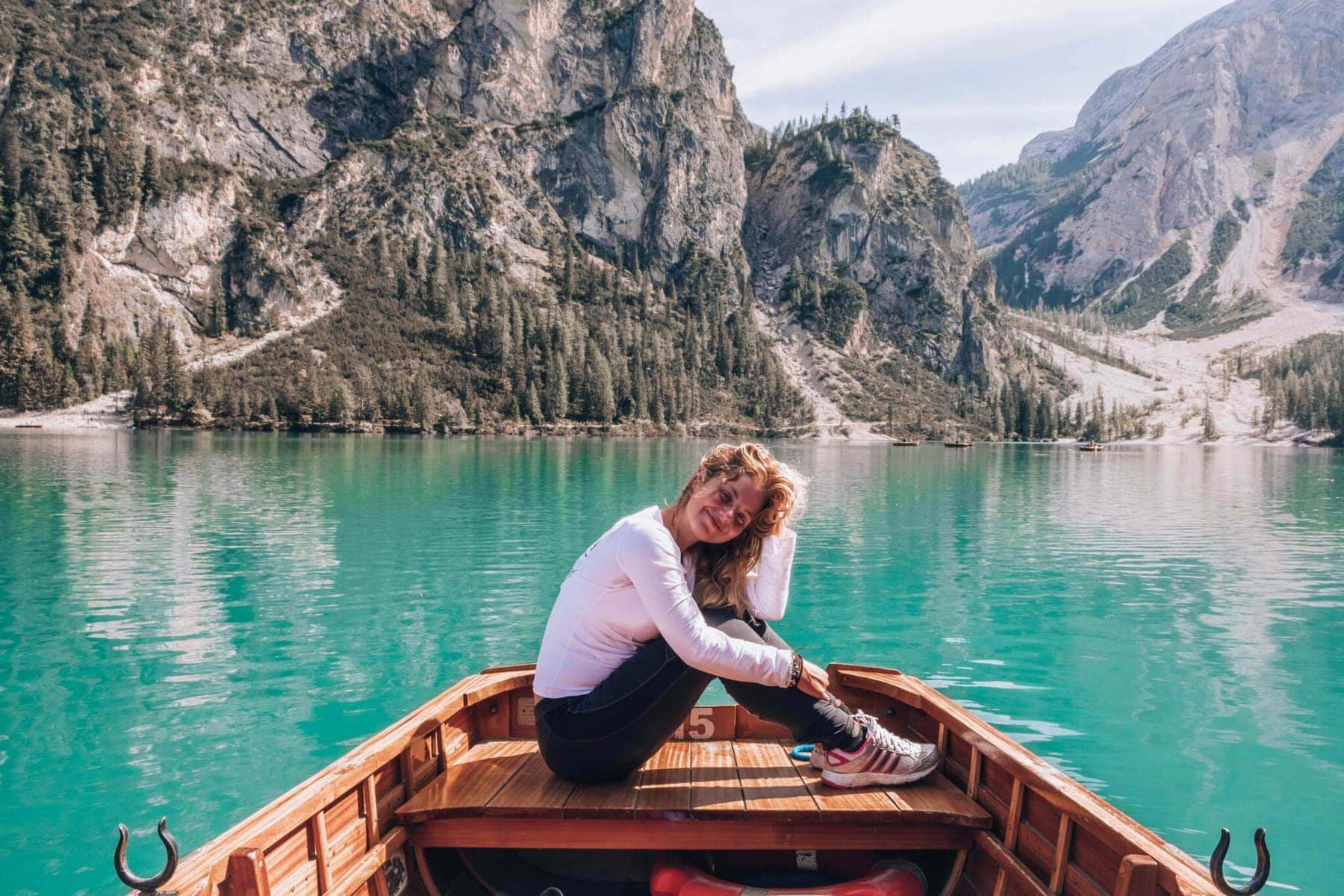
The full destination guide: Dolomites — guide and what to see
TL;DR
I get it — sometimes you just need the cliff notes because you’re packing your bags while the kids run circles around you. Cortina d’Ampezzo is the ideal base for exploring iconic Dolomite highlights like Tre Cime, Lago di Sorapis, and Cinque Torri, and picking the right accommodation will save you hours of unnecessary driving.
The best time for summer hiking is from 20 June to 20 September, but steer well clear of August — especially around the Ferragosto bank holiday — when it’s absolutely rammed and prices skyrocket. Also be aware that Cortina is hosting the 2026 Winter Olympics, so from autumn 2025 onwards expect significantly higher accommodation prices and construction everywhere you look. If you’re travelling with kids, focus on cable cars like Tofana and Faloria, which whisk you up to breathtaking viewpoints with zero effort.
Olympic Glory and Italian Charm (A Bit of Context)
Cortina d’Ampezzo isn’t just any mountain town. Before we dive into the specific tips, it’s worth understanding where you actually are. While most of the northern Dolomites in South Tyrol have a strong Austrian influence (German is spoken everywhere and apple strudel is on every menu), Cortina sits in the Veneto region. That means one thing: genuine Italian flair, Italian architecture, and — most importantly — proper Italian cuisine. ☺️
The town shot to fame back in 1956 when it hosted the Winter Olympic Games, catapulting it onto the map of the world’s most exclusive destinations and turning it into a playground for celebrities. Even today, you’ll spot glamorous ladies in designer fur coats browsing the Prada boutique on Corso Italia, right next to dusty-booted hikers who’ve just scrambled down a via ferrata. That incredible contrast is exactly what makes Cortina so magical. Now the whole town is buzzing with preparations for 2026, when the Olympic flame will return after seventy years with great fanfare.
Best Time to Visit Cortina and Weather
Timing your Dolomites trip is absolutely crucial and sometimes feels like a bit of an art form. Let me help you figure out when to go so you catch decent Cortina d’Ampezzo Italy weather and dodge the crowds that could seriously dampen your mood. From our own experience, getting the timing wrong can turn a mountain paradise into a surprisingly stressful ordeal.
The summer season, when all the mountain huts (rifugia) and cable cars are open, runs roughly from 20 June to 20 September. This is what we consider the golden window — the sweet spot worth aiming for. In June you might still encounter snow at higher elevations, but nature is beautifully fresh and just waking up. Whatever time you go, always check the weather forecast beforehand, because mountain weather is notoriously fickle and afternoon thunderstorms are a daily occurrence in July and August. Trust me, you do not want to be caught in a lightning storm on an exposed ridge — we once had to leg it off a mountain so fast that Lukáš’s colourful language probably echoed all the way down to the valley.
And now for one big, honest warning from our own experience. If you can possibly avoid it, skip August entirely. Italians have the national holiday Ferragosto in mid-August (typically around the 15th), and it feels like the entire country decamps to the mountains. It’s absolute mayhem — traffic jams on the mountain passes, hour-long queues for the Tre Cime car park, and trails so packed you’re essentially walking in single file. In 2026, the Olympic year, this August madness will likely be even worse as the town draws extra attention.
The winter season runs from 1 December through to early April. If you’re heading here to ski or simply soak up the snowy scenery with a mug of mulled wine in hand, be warned that the Olympic effect will send accommodation and service prices through the roof from autumn 2025 onwards. Booking early will be absolutely essential, or you’ll end up sleeping somewhere an hour’s drive from the centre.
How to Get to Cortina d’Ampezzo
Getting to Cortina from the UK is easier than you might think, which is probably another reason we keep coming back — even now with a little one in a car seat. The most practical route is to fly into Venice Marco Polo Airport, which is served by multiple airlines from London and other UK cities, including British Airways, easyJet, and Ryanair. From Venice, you can drive to Cortina in under two hours, depending on traffic and how many stops you need for feeding or letting the dogs stretch their legs.
If you’re driving through Austria (for example, if you’ve flown into Innsbruck or Munich instead), don’t forget the Austrian motorway vignette, and budget for the Brenner Pass toll. Once you cross into Italy, you’ll hit Italian motorway toll booths. Along the way you’ll inevitably stop at a service station, but I have to warn you about the famous Italian chain Autogrill. While it looks tempting and the coffee is genuinely great, their sandwiches and panini are a classic tourist trap with eye-watering prices. Pack your own snacks instead. 😁
Watch Out for ZTL Zones and Road Closures in 2026
Once you arrive in Cortina, pay very close attention to the so-called ZTL zones (Zona Traffico Limitato). These are restricted-access areas right in the historic centre. We’ve been caught out by these in Italy before — the zones are monitored by cameras, and the fine can land on your doormat up to a year and a half later, just when you’ve completely forgotten about it and think you got away with it.
Simply put, don’t drive into the centre unless your hotel has confirmed parking and registered your number plate with the authorities. Leave your car at one of the park-and-ride car parks on the edge of town and walk the rest. You’ll save yourself a fortune in fines — money much better spent on an Aperol Spritz or a fantastic dinner.
Another important heads-up for those planning a trip in 2026 or beyond. To protect the environment and manage the enormous increase in traffic, significant restrictions are planned on the mountain passes. Specifically, Passo Gardena is set to introduce a reservation system and toll charges from September 2026 to limit the number of vehicles, so do your homework before you set off.
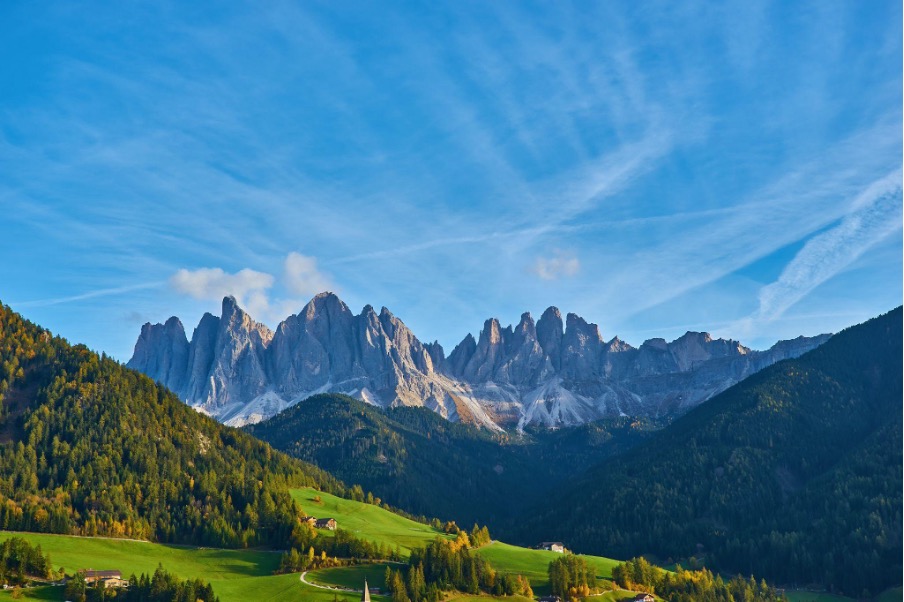
Where to Stay + How Much It Costs
Finding good, affordable accommodation in Cortina can feel like a full-time job — you’ll spend entire evenings hunched over maps and booking sites. The town has a reputation as a luxury destination, and you’ll find Cortina d’Ampezzo Italy hotels where a single night easily tops €400, which is frankly ridiculous for most of us. On the flip side, if you search carefully and plan ahead, there are real gems that won’t break the bank. Over the years we’ve tried absolutely everything, from campsites at €35 a night to lovely hotels now that we need a bit more comfort for little Jonášek.
Here are our tried-and-tested recommendations for where to rest your head:
1. Our TOP pick: B&B Hotel Passo Tre Croci Cortina. We absolutely fell in love with this place. It’s located just outside Cortina proper on a mountain pass, but that’s actually a huge advantage. You’re away from the town noise, the breakfasts are absolutely fantastic (which isn’t always a given in Italy), and the best bit: it’s literally a stone’s throw from the start of the famous Lago di Sorapis trek! Dogs are welcome for a small fee, and it’s very reasonably priced mid-range, leaving you plenty of budget for a great dinner out. 2. Dolomiti Sweet Lodge. If you prefer self-catering and want more space, this is one of the highest-rated apartment complexes right in Cortina. Brilliant location, spotlessly clean, and the gorgeous wooden interiors radiate that authentic Alpine cosiness where you feel completely at home after a long day out. 3. Hotel Villa Gaia. A traditional, family-run hotel with consistently solid reviews. It’s not some ultra-modern palace with white-gloved doormen, but it has enormous charm, incredibly friendly staff, and you can walk straight into the centre for dinner — which you’ll especially appreciate when you fancy a bottle of good wine and don’t want to drive. 4. HOTEL de LEN. Looking for romance, celebrating an anniversary, or simply want to treat yourself to absolute luxury after a gruelling hike? This design hotel boasts an incredible spa where you’ll be pampered like royalty. Prices in peak season climb above €300 per night though, so you’ll need fairly deep pockets.
Budget-wise, if you’re visiting in peak summer season, expect mid-range hotels to cost at least €150 to €250 per night for two. Campsites in the area run between €25 and €45 depending on whether you’ve got a small tent or a large motorhome. And remember my advice: from autumn 2025, with the Olympics approaching, we expect all these prices to jump at least twenty percent.
Cortina d’Ampezzo: 15 Things to See and Do
Let’s explore the very best that Cortina and its immediate surroundings have to offer. Most of these tips require at least a short drive or bus ride from the town centre, but I’ve included everything from challenging mountain adventures that’ll leave your legs aching for days to spots you can easily reach by cable car in trainers.
1. Stroll Along Corso Italia and Admire the Basilica
Every visit to Cortina should either start or end with a post-dinner stroll along the main pedestrian boulevard, Corso Italia. It’s the beating heart of the town, where the intoxicating scent of good espresso mingles with luxury designer boutiques and unassuming little shops selling local cheeses. In the evening especially, when the street lamps flicker on and that crisp mountain air drifts down from the surrounding peaks, the atmosphere is incredibly romantic — the kind you’ll fall for instantly.
The centrepiece of the whole town is the parish church Basilica Minore dei Santi Filippo e Giacomo. Its iconic 69-metre-tall white stone bell tower will pop up in practically every photo you take, no matter what angle you shoot from. Be sure to peek inside, too. Lukáš and I spent a solid fifteen minutes in there, and I nearly missed dinner because I couldn’t tear my eyes away from the beautifully carved wooden pews.
2. Discover History at the Olympic Ice Stadium
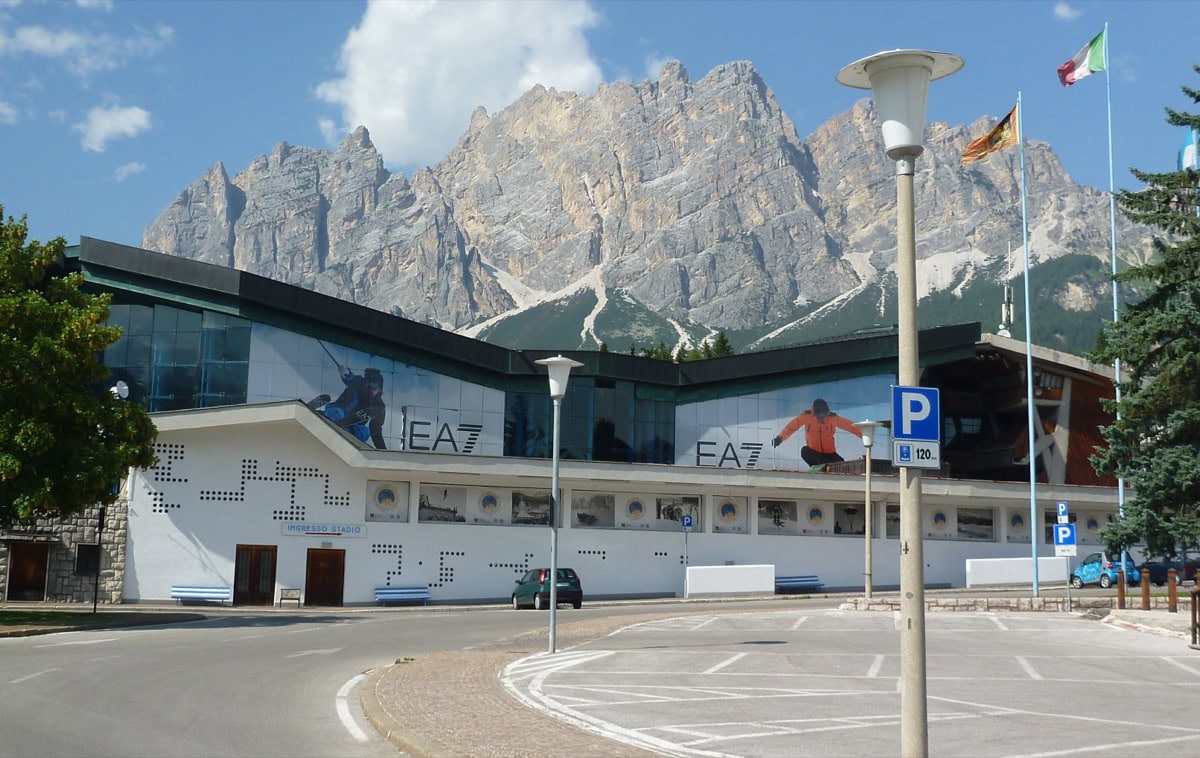
Since Cortina is a Winter Olympics venue, you absolutely can’t miss the Olympic Ice Stadium dating back to 1956. It’s a striking, slightly quirky building that oozes nostalgic retro charm from a bygone era. The moment you step inside, you’re hit by that distinctive chill and the scent of ice, instantly transporting you back to the days of grainy black-and-white sports broadcasts.
Besides the fact that you can go ice skating here even in summer — which, by the way, is a brilliant activity when it’s pouring outside and the kids are bored — you’ll also find loads of historical photographs and sporting memorabilia. For sports fans it’s an absolute must, and we spent a surprisingly long time here, even though Lukáš was mainly trying to work out whether they had a sausage stand open somewhere.
3. Ride the Freccia nel Cielo Cable Car to Tofana
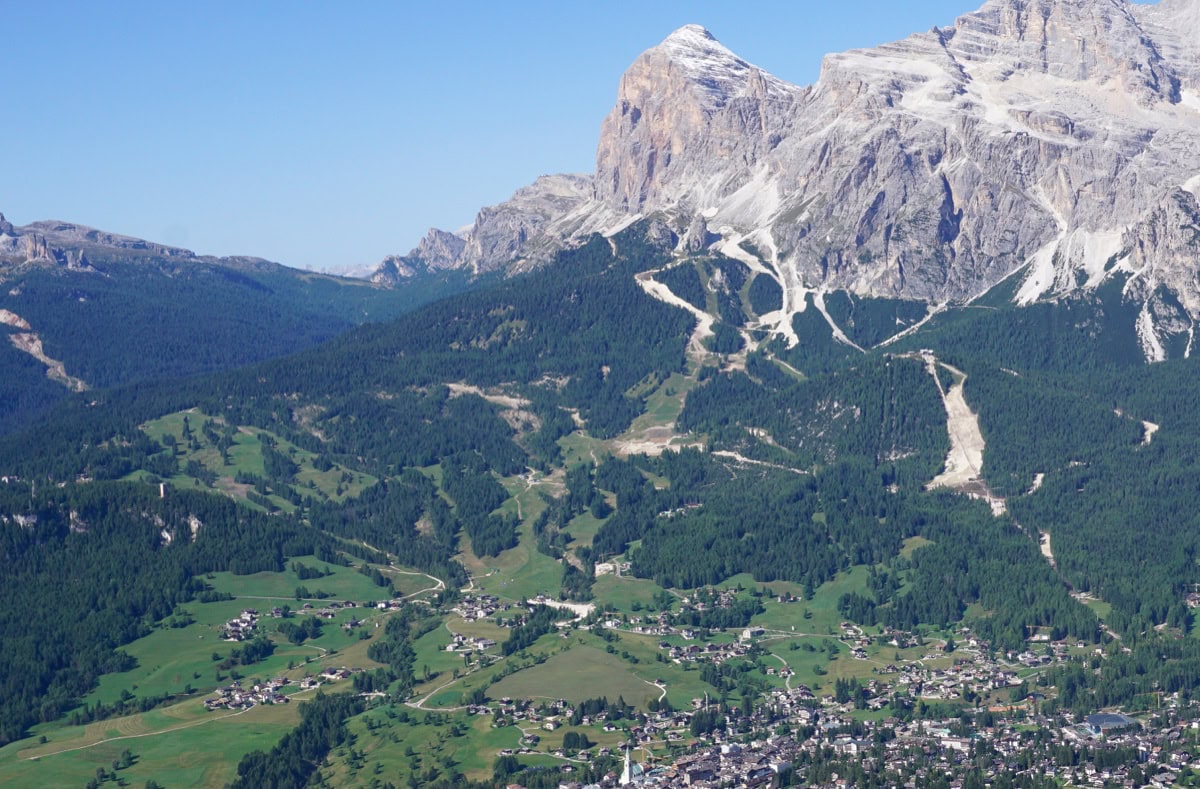
If you love panoramic views but don’t fancy slogging through thousands of metres of elevation gain with your tongue hanging out, this one’s for you. The cable car system whisks you from central Cortina up to the majestic Tofana di Mezzo massif, over 3,000 metres above sea level. It’s one of the highest peaks in the area and the view from the top is genuinely jaw-dropping. I’d recommend booking tickets in advance on the official Freccia nel Cielo website.
With our little Jonášek, we made cable cars our best friends this year, and Tofana was an absolutely brilliant choice. At the top there’s a viewing terrace you can reach with zero effort, where you can treat yourself to an overpriced but — given the location — completely justified cappuccino while gazing out over the entire Ampezzo valley. Just don’t forget a proper jacket and a hat, as it gets surprisingly cold up top even in the middle of August — something Lukáš of course underestimated, then spent the rest of the time stealing my scarf!
4. Catch the Sunset from the Faloria Cable Car
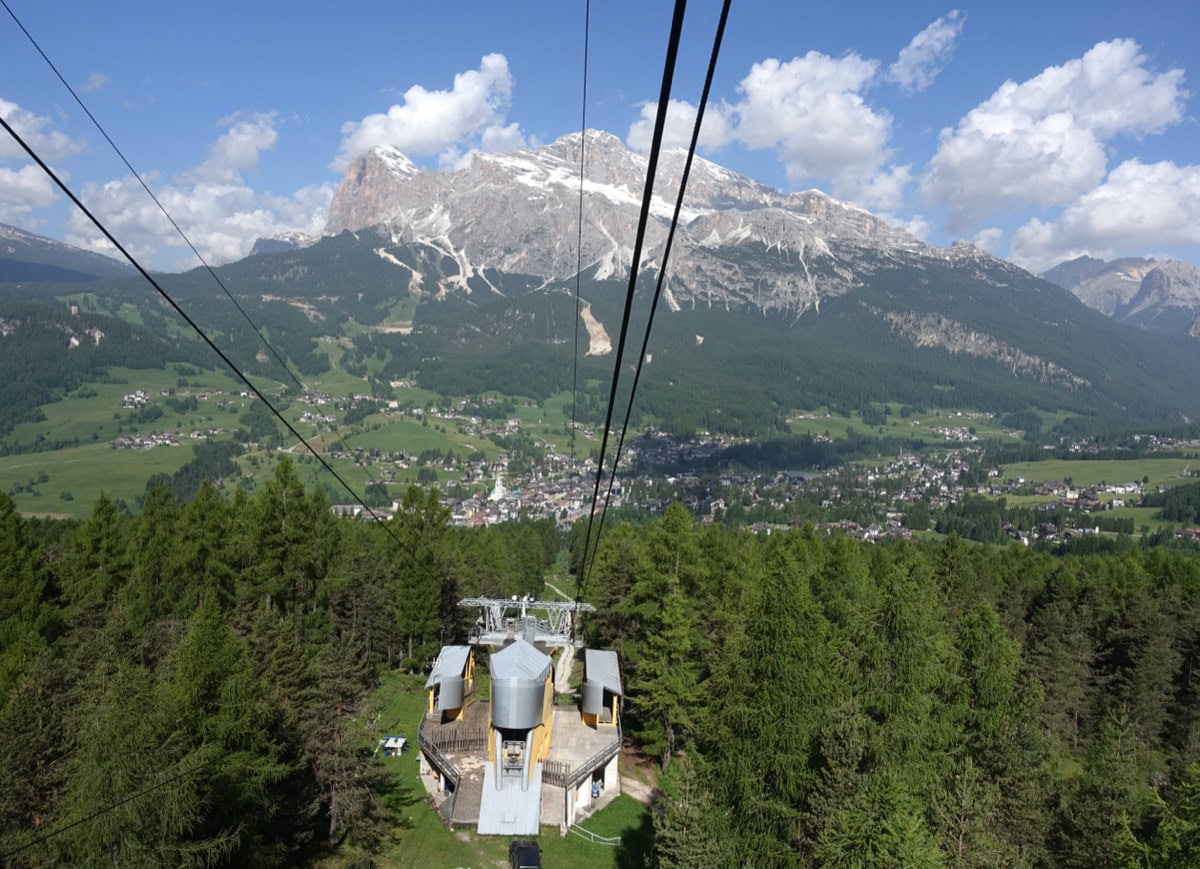
The second iconic cable car in Cortina heads in the opposite direction across the valley, up to Mount Faloria. The bottom station is just a short walk from the bus station in the town centre, so you can easily stroll there after a coffee in the piazza. The ride itself is quite an experience — the cable car climbs steeply alongside a rugged rock face, so close you feel like you could reach out and touch it. You can find tickets and timetables on the Faloria cable car website.
While Tofana is majestic, Faloria offers what I think is the most beautiful view of Cortina itself, from a completely different perspective. Especially in the late afternoon, when the setting sun paints the opposite rock massifs in deep orange and pink, it’s a sight fit for the gods. At the top station there’s a lovely mountain hut that serves excellent bombardino — a warm, boozy egg-nog-like drink that was our reward for successfully getting Jonášek to nap in his pushchair.
5. Explore the Open-Air War Museum at Cinque Torri
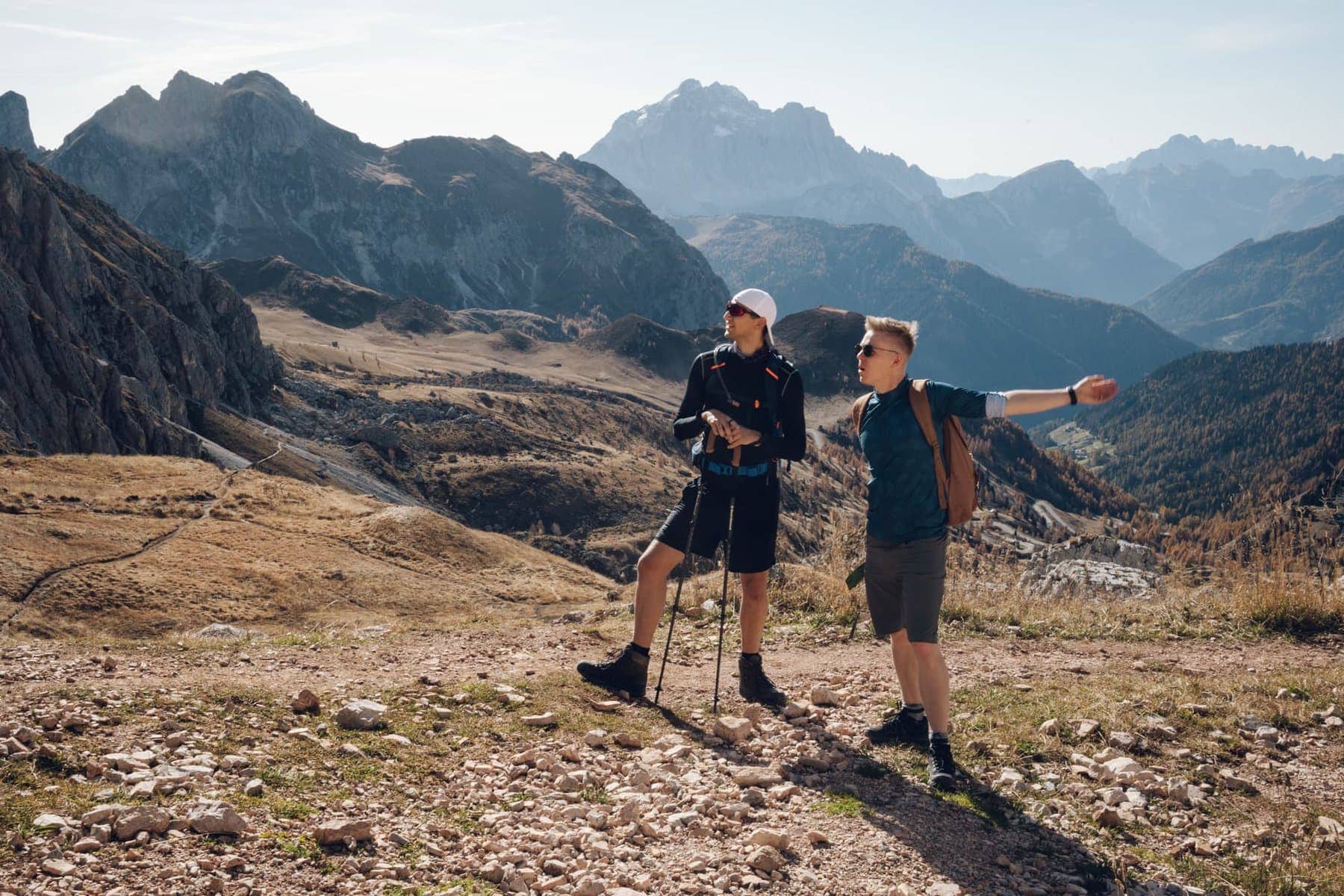
This spot is one of our absolute favourites in the entire Italian Dolomites, and we come back every single time we’re nearby. Cinque Torri — the Five Towers — is an incredible rock formation where you can wander freely beneath towering pinnacles and watch climbers balancing on sheer vertical walls. You can hike up on a fairly steep path, or take the comfortable chairlift, which — with little Jonášek in tow this year — we gratefully took.
What makes this place truly unique, though, is the extensive open-air World War I museum scattered among the rocks. Around the towers you’ll find reconstructed trenches, bunkers, and Italian artillery positions from the days when soldiers fought over every square metre. You can walk through them freely, read the information boards, and try to imagine how horrifically tough life must have been for those young soldiers in the brutal winters. It always sends a shiver down your spine.
6. Walk Through the War Tunnels on Lagazuoi

If the war history at Cinque Torri piques your interest and you want to go deeper — literally — you need to head to the nearby summit of Lagazuoi. During World War I, Austrians and Italians fought incredible underground battles here, mining beneath the mountains with explosives to attack each other. It’s a dark chapter of history set against some of the most beautiful scenery imaginable.
Today you can grab a helmet (available to hire at the cable car base station), switch on your headtorch, and walk through kilometres of dark, damp tunnels carved straight into the rock. It’s a powerful experience that will absolutely send shivers down your spine — and you might bump your head on the low ceiling once or twice. Forget the pushchair for this one, though. You’ll need sturdy hiking boots, strong legs, and zero claustrophobia.
7. Discover the Turquoise Lago di Sorapis (And a Warning for Dog Owners!)
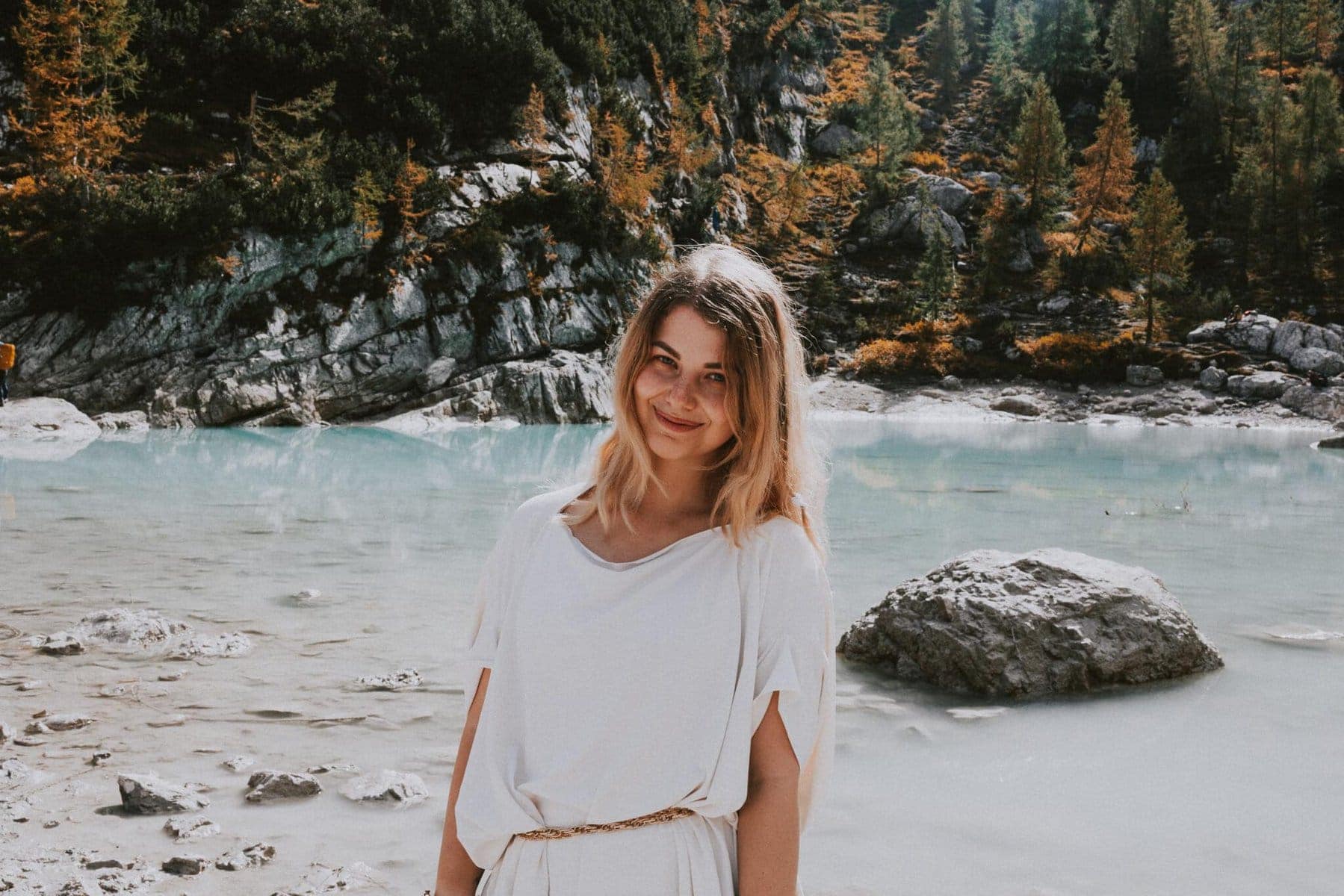
Lake Sorapis, with its impossibly milky turquoise water, is probably the most popular hike in the entire Cortina area. Photos of it have taken Instagram by storm, and it’s easy to see why — the colour genuinely looks like someone tipped a tin of paint in and went overboard with the filters. The trek starts at Passo Tre Croci and takes roughly two hours of fairly steep hiking one way.
Here’s my big, honest warning though. This trail really isn’t just a casual Sunday afternoon stroll through the woods. In the second half, there are fairly narrow ledge sections secured with steel cables and metal grating bolted into the rock directly above a sheer drop. We once took our dogs along, and I have to say our Kája is a bit of a clumsy oaf — we were genuinely sweating on those metal walkways and had to carry her in our arms above the void, which with a 20-kilo dog is absolutely not something you want to be doing. If your dog is afraid of heights or isn’t particularly agile, it’s best to leave them back at the hotel for this one.
8. Hike to the Iconic Tre Cime di Lavaredo
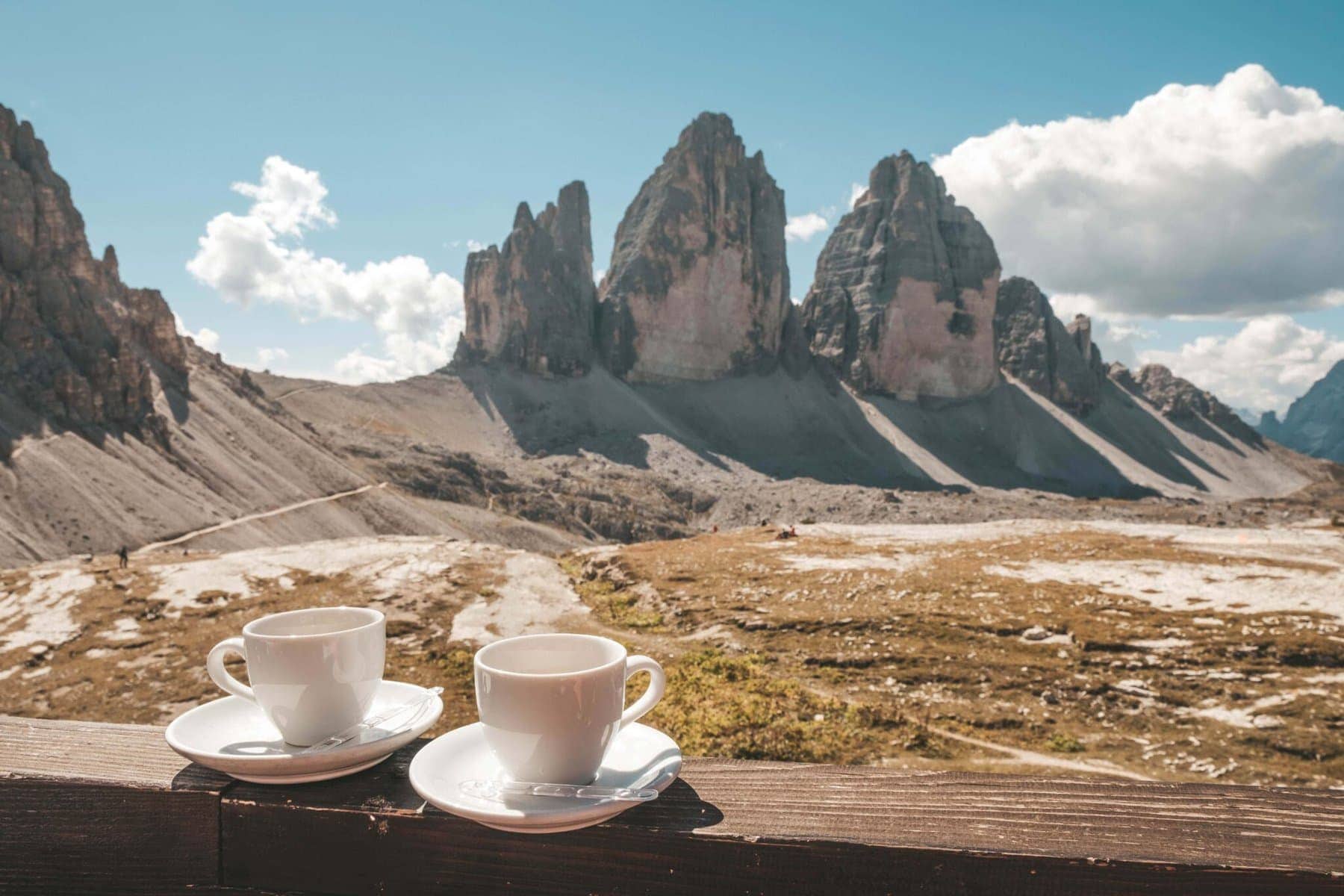
They’re not technically in Cortina itself, but they’re so close and so utterly majestic that you absolutely cannot miss them. Tre Cime is the unmistakable symbol of the entire Dolomites — practically every mountaineer knows their silhouette. You can drive there via Lake Misurina to Rifugio Auronzo, but the toll road charges a hefty fee and the car park at the top fills up early in the morning during the season, so set your alarm — and I mean that very seriously.
The circular route around these three massive stone pillars is relatively easy by mountain standards and can be done at a comfortable pace in roughly three to four hours. Along the way you’ll pass several excellent mountain huts where you can warm up with a bowl of hot soup and recharge. Check out our article with a complete guide and tips for more places you definitely shouldn’t miss in the immediate Tre Cime area.
9. Relax at Lago di Misurina and Head Up to Cadini di Misurina
If you’re already heading towards Tre Cime, definitely make a longer stop at Lake Misurina. It’s beautifully framed by massive mountains and has this wonderfully peaceful, old-world charm from the days when people came here to treat their asthma at the lakeside sanatorium. It’s the perfect spot for a flat, pushchair-friendly stroll along the shore and a superb ice cream from one of the local cafés — something we never skip.
If you’re after a challenge and a bit of an adrenaline rush, a cable car from the lake area leads to a short but seriously exposed trek to the Cadini di Misurina viewpoint. That famous “Mordor” view you’ve seen all over social media: a narrow path ending at a cliff edge with a jaw-dropping panorama of razor-sharp jagged peaks that look straight out of Lord of the Rings. Definitely not one for kids or dogs, though — one wrong step and it’s a very long way down.
10. Discover Autumn Magic at Croda da Lago and Lago Federa

This is my personal secret tip, and you’ll thank me for it — especially if you visit the Dolomites in late September or early October, when the crowds start to thin. The hike starts not far from Cortina and leads you to Lago Federa. In autumn, the surrounding larch forests blaze with incredibly vivid yellows and oranges, perfectly mirrored in the calm surface of the lake like a painted canvas.
By the lake sits Rifugio Croda da Lago, where they serve such fantastically hearty soups and homemade apple desserts that you won’t want to hike back. The trail is moderately challenging — you’ll break a sweat on the uphills — but the blissful quiet without thousands of tourists is absolutely worth it. Just don’t forget quality hiking boots, as the terrain can be slippery and full of treacherous roots.
11. Escape the Crowds in Valle di Ra Stua
Looking for somewhere to escape Cortina’s bustle and the selfie-stick-wielding hordes? Head north from town into the protected area near the Fanes-Sennes-Prags Nature Park. The Ra Stua valley is an absolute oasis of calm — think cows with enormous bells around their necks grazing on lush green pastures, babbling streams, and the feeling that time has simply stood still.
You can walk in from the Sant’Uberto car park along a pleasantly gentle trail. The mountain hut Malga Ra Stua at the end of the valley is a perfect destination for families with children — the path is wide enough even for an off-road pushchair, and the hut serves brilliant pancakes with homemade jam that will win over any little adventurer’s heart.

12. Drive the Legendary Passo Giau

For me, Passo Giau is hands down the most beautiful mountain pass in the entire Dolomites. The drive up alone is an experience in itself — a bit white-knuckle for the driver with all those tight hairpin bends and cyclists to watch out for, but pure bliss for the passenger who can’t look away from the scenery. At the top, over 2,200 metres above sea level, you’re rewarded with the iconic view of Ra Gusela peak towering above the pass like a sentinel.
I’d definitely recommend coming here very early for sunrise or in the late afternoon for a golden sunset — the colours are simply unbelievable, and we’ve taken some of our best-ever photos here. Fair warning: the car park at the top is often bitterly windy and cold, so a windproof jacket is a must even in mid-July. From here you can set off on loads of stunning hikes, including the trail to Cinque Torri, which Lukáš and I once did entirely on foot.
13. Soak Up the Atmosphere at the Snow Festival and Winter Events
Cortina comes alive not just in summer but especially in winter. If you visit during the colder months, keep a close eye on the local events calendar. There are Snow Festivals, Christmas markets, ski racing events, and the town square fills with people sipping mulled wine by the litre beneath dazzling Christmas decorations. The atmosphere is absolutely magical, and I love watching the elegant Italians in their stylish coats socialising late into the night.
With the 2026 Olympics on the horizon, the town is also planning a huge programme of cultural events designed to showcase authentic Italian culture and their trademark joie de vivre. Last time we were here, we stumbled upon a local band playing in a snow-covered square, Jonášek stared at the colourful lights with his mouth wide open, and Lukáš reckoned their local mulled wine was considerably stronger than anything he’d ever had at the Christmas markets back home.
14. Run or Walk the Old Railway (Cortina Trail)
You know those days when you just want an easy, flat, head-clearing stroll with barely any elevation gain? That’s exactly what the old Dolomite Railway trail is for — a former railway line that once ran right through Cortina itself. The tracks are long gone, but in their place there’s now a beautifully wide, flat gravel path that winds through the entire valley offering gorgeous views without breaking a sweat.
In summer you can walk, run, or cycle along it on a rented bike. For us, it was an absolutely perfect pushchair route with Jonášek — he didn’t whinge once because there were no jolting bumps whatsoever. In winter, the trail is often groomed for cross-country skiing, which is another brilliant way to enjoy those mountain panoramas without having to clamber up steep slopes waist-deep in snow.
15. Take a Day Trip to Iconic Lago di Braies
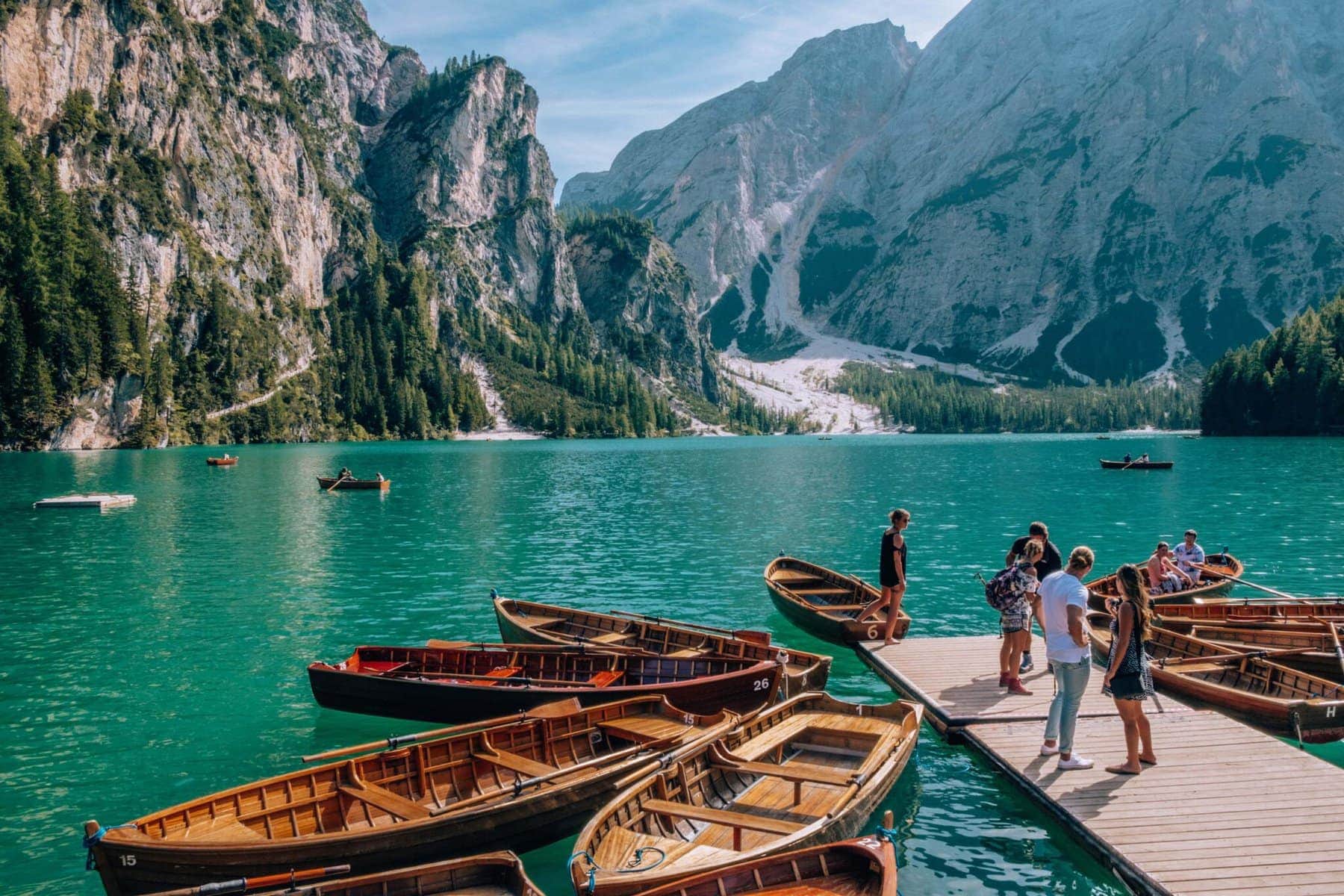
It’s about forty-five minutes’ drive north from Cortina, but skipping this gem would be an absolute crime and I’d never forgive myself. Lago di Braies — or Pragser Wildsee in German — is quite possibly the most photographed lake in the entire Dolomites and perhaps all of northern Italy. Wooden rowing boats moored at the jetty, deep emerald-green water, and the massive Seekofel peak as a backdrop — it’s a picture you could stare at for hours.
We once headed there at six in the morning to beat the Instagram crowds, hired a wooden rowing boat, and it was incredibly romantic — even though my hands were freezing as I tried to paddle. Since there’s loads of practical information and plenty of catches regarding the paid (and often sold-out) parking, I’ve written a separate article: Lago di Braies: Guide and Tips. Definitely give it a read before you go.
Map of points of interest for your phone
Cortina d’Ampezzo with Kids and a Pushchair
As I mentioned at the start, this year’s Dolomites trip was our big debut as parents. And I have to say, Cortina is surprisingly brilliant for travelling with little ones — as long as you adjust your expectations and accept that all-day scrambles up rocky ridges are off the table for a while. With one-year-old Jonášek, we simply had to forget about steep via ferratas and instead discovered a completely different perspective on the mountains — one we actually ended up really enjoying.
Cable cars are your best friends: Spacious cable cars will whisk you up to loads of beautiful spots, and they’ll almost always take a folded pushchair without any fuss. We rode the Tofana and Faloria cable cars this year and Jonášek was so thrilled by the smooth cabin ride that he spent the entire journey enthusiastically waving his arms and squealing at the other passengers.
Hotspots and pushchairs: Lago di Sorapis with a pushchair is an absolute non-starter — it’s terrain strictly for strong hikers or a good baby carrier. On the other hand, the gentle stroll around Lago di Misurina or the old railway trail are tailor-made even for a perfectly ordinary city pushchair. You can also push a pram to the first hut at Tre Cime, Rifugio Lavaredo, along the wide gravel road without too much shaking.
Italians and children: This is something I absolutely adore about Italy! Italians simply worship children and they’re not shy about showing it. In restaurants, nobody will scowl or roll their eyes when the baby cries or shrieks because they want to try your pasta. Waiters pulled faces for Jonášek, a high chair appeared instantly, and many cafés along the main street have comfortable baby-changing facilities.
Winter vs. Summer: Skiing and Dolomiti Superski
Cortina doesn’t hibernate in summer — far from it. But once the snow falls, it transforms into a place that skiers absolutely love, and I’ll admit I’m a bit jealous, seeing as I’m not much of a skier myself.
Cortina is part of the enormous Dolomiti Superski network, which is the Cortina d’Ampezzo Italy ski resort area at its finest. This means you can buy a single ski pass that covers an impressive number of kilometres of fantastic slopes across the entire Dolomites. Right in Cortina you’ll find three main ski areas: Tofana, Faloria-Cristallo, and Lagazuoi-5 Torri. Together they offer beautifully wide pistes with views you simply won’t find anywhere else in Europe — and even as a non-skier, I happily spent my time sunbathing on mountain hut terraces.
If you’re planning a ski trip, one personal piece of advice: definitely download the ski area map onto your phone beforehand, because these resorts are seriously extensive. If you tackle the famous Sella Ronda circuit, for instance, you can easily get lost and miss the very last cable car back to your valley — which would mean a very expensive taxi ride back to the hotel!
And once again, that Olympic effect. For the 2026 Winter Games, brand-new cable cars are being built and competition slopes are being upgraded. From the 2024/25 winter season you’ll already see plenty of construction activity, but the payoff will be state-of-the-art ski facilities. Do expect ski pass prices to rise, though — someone has to pay for all that shiny new infrastructure.
What to Eat and Where to Dine
Now for my favourite topic: Italian food! Forget classic Neapolitan pizza for a moment (though you’ll find that here too, and it’s excellent). Mountain cuisine in this region is in a league of its own — hearty, earthy, like a home-cooked meal from an Italian grandmother who happens to have Parmesan, loads of butter, and local herbs at her disposal.
What you absolutely must try:
- Canederli: The Italian take on bread dumplings, often stuffed with speck or cheese and served in a rich beef broth, or simply drizzled with melted butter and sage. It’s the perfect fuel after a full day’s hiking in the cold — guaranteed to warm you up and keep you going until dinnertime.
- Casunziei all’Ampezzana: This is a true local treasure and I could eat myself silly on them. They’re delicate half-moon pasta parcels filled with cooked beetroot, topped with poppy seeds and Parmesan. Sounds bizarre, I know, but the combination of sweet beetroot and fragrant butter is absolutely divine!
- Polenta with game: A classic for meat lovers. Golden cornmeal polenta served with an incredibly rich, slow-cooked ragù of venison or roe deer. Lukáš orders this practically every time.
- Formaggio di Malga: Local cheeses from mountain pastures with that distinctive, intense flavour. Always start by ordering a cheese board as a starter with your wine — you simply can’t go wrong.
Our Favourite Restaurants and Mountain Huts
While we’re on the topic of food, let me share the specific places where we’ve eaten the best meals. Baita Fraina is outstanding — an incredibly cosy family restaurant just outside the centre, where we always go for their famous stuffed pasta. The setting is all warm wood panelling, they have an excellent wine list, and you feel like you’ve been invited to someone’s home for a Sunday lunch.
If you happen to be hiking around Cinque Torri and you’re absolutely ravenous, you cannot miss Rifugio Averau. It has a reputation as the best-cooking mountain hut in the area, and I have to agree — their canederli and the views of the rock walls are in a class of their own. And for a quick, consistently excellent pizza in the evening after a day out, we always pop into Ristorante Pizzeria Croda Cafe right on Cortina’s pedestrian street.
What to Buy in Cortina (Shopping)
A stroll through the beautifully lit town centre will almost certainly get your wallet twitching. While the big-name luxury brands dominate, with a bit of luck you can also find gorgeous, authentically handcrafted souvenirs that’ll bring you joy long after you get home.
This is actually where I bought my first-ever hand-carved chopping board. It was in a little shop off the main street that sells figurines, wooden clocks, and all kinds of beautifully crafted bits and pieces — I simply couldn’t resist. Leather bags and wallets from the boutiques on Corso Italia are another classic purchase — Lukáš just sighs quietly when he sees how much I spend, but Italian leather simply smells different and lasts for years.
And a little insider tip for end-of-season visitors: if you come to Cortina in late March or early April, the local luxury sports shops have massive end-of-season sales on last year’s ski gear and gorgeous winter clothing. You can often snap up seriously high-end technical jackets, helmets, and accessories at a fraction of their original eye-watering prices.
Practical Tips to Wrap Up
To round things off, here are a few of those unglamorous but incredibly important practical bits. When you’re travelling independently, it’s always worth having these sorted before you go so you’re not scrambling with dodgy Wi-Fi or overpriced car hire on arrival.
We’ve got things pretty well dialled in after all these years, so whether you’re figuring out how to fly here or where to quickly sort travel insurance for mountain activities, here’s what works best for us.
Finding Flights
The closest major airport to Cortina is Venice Marco Polo, with plenty of direct flights from UK airports including London Gatwick, Stansted, Luton, Manchester, and Edinburgh via airlines like easyJet, Ryanair, and British Airways. We always hunt for cheap flights using comparison tools — it’s worth checking multiple sites for the best deals and keeping an eye out for off-season bargains.
From Venice airport, there are direct Cortina Express buses straight to Cortina, but we’ve always preferred having our own wheels — more on that below — because relying on Italian timetables can sometimes be a bit of a lottery.
Car Hire
Without a car, you’re honestly a bit stuck in the Dolomites. Summer buses do run, but they’re incredibly limiting and you won’t get back down from a remote mountain hut in the evening. We’ve had consistently good experiences with DiscoverCars, which we use all over the world and have never had any hassle with deposit returns.
Pick up your car right at Venice airport and you’ll be in the heart of Cortina in under two hours via a gorgeous scenic drive, with complete freedom to plan your mountain excursions and early-morning car park raids exactly as you please.
Don’t Forget Travel Insurance
Please don’t skip this one. Mountains are mountains, and a twisted ankle on a slippery rock during a descent from the lake can get eye-wateringly expensive very quickly — not to mention a potential rescue by the Italian mountain service, who tend to send a helicopter. Your EHIC/GHIC card covers basic state healthcare, but not mountain rescue or repatriation.
We’ve been using and happily recommending SafetyWing for a long time now — you can sort it out online in five minutes flat, even from the airport, and it covers a solid foundation for hiking activities. Lukáš also keeps it running for his winter skiing trips.
Mobile Data
Italy is in the EU, so your UK roaming allowance should work — though check with your provider since post-Brexit terms vary. Up in the mountains, signal can drop out at many huts, and if you venture northwest you might accidentally connect to a Swiss network and rack up hefty charges.
For reliable data and that extra peace of mind, we often use an eSIM from Holafly. You set it up beforehand via a QR code, there’s no need to swap your physical SIM, and data works smoothly even in spots where regular networks start to give up the ghost.
Frequently Asked Questions (FAQ)
I know that planning your first trip to this corner of the world can be a bit overwhelming, especially when you see all those Italian and German place names and hear horror stories about overflowing car parks. Every year our Instagram inbox fills up with the same questions.
So here are the most common questions we get about visiting Cortina d’Ampezzo and the wider Dolomites, along with my completely honest answers backed by years of coming here with Lukáš.
1. What to Do in Cortina?
Beyond the stunning mountain hikes and brilliant winter skiing, you can simply wander the pedestrian Corso Italia, ride the cable cars up to Tofana and Faloria for a coffee with a view, or explore the incredible open-air World War I museum at Cinque Torri. In short, you certainly won’t be bored — even if you don’t feel like trekking for miles with a heavy pack on your back. You can discover the turquoise Lago di Sorapis and plenty of other lakes large and small in the surrounding area.
2. What Does Cortina d’Ampezzo Mean?
The town’s name comes from two old words. “Cortina” in the local historical dialect means a small enclosed area, courtyard, or — as was common historically — a little walled cemetery next to a church. “Ampezzo” is the historical name for the broad green valley stretching along the wild Boite River. Together, they form a beautiful name for this picturesque mountain village that has since grown into a world-famous resort.
3. What to Do in Cortina When It Rains?
Don’t despair — head straight to the Olympic Ice Stadium for some retro-atmosphere skating, or treat yourself to a relaxing session at one of the town’s upscale hotel spas. Another great rainy-day option is to declare a shopping day on Corso Italia, wrap up warm, and spend the afternoon tasting excellent local red wine and cheeses in one of the many cosy Italian taverns.
4. How Do ZTL Zones and Parking Work?
Cars simply cannot enter Cortina’s town centre — the ZTL zone — without a special permit. It’s strictly monitored by cameras and backed by hefty fines that the Italians will absolutely track down and send to your home address. You’ll need to park at designated (usually paid) car parks on the outskirts. If you’re staying in the centre, sort it out with your accommodation in advance — they’ll register your number plate to grant you access.
5. Can You Enjoy Cortina Without a Car?
Yes, it’s definitely possible, but it involves a fair bit of compromise and you’ll lose a lot of flexibility. Local buses run reasonably well to the most famous spots like Passo Falzarego and Tre Cime, so you can reach the top attractions. Unfortunately, in peak summer the buses get very crowded, sometimes don’t stop, and you’re at the mercy of timetables that aren’t always adhered to with Italian punctuality. Hiring a car simply gives you that freedom we’ve come to rely on.
6. How Many Days Do You Need in Cortina?
To see the biggest highlights without rushing from place to place, we recommend setting aside a minimum of four to five full days. That’s the ideal amount of time for a good mix of a cable car ride, a proper full-day hike, and relaxing by beautiful turquoise lakes — without feeling like you need another holiday to recover from your holiday.
7. Will the 2026 Winter Olympics Affect Tourism in Cortina?
Absolutely, and quite significantly. From autumn 2025 and throughout the 2026 winter season, brace yourself for a major spike in accommodation prices, much larger crowds of sports fans, and likely various restrictions. Expect occasional road closures around key sporting venues and mountain passes like Passo Gardena. If you want to enjoy Cortina and the surrounding area in relative peace — and at something approaching normal prices — try to visit before the Olympic frenzy fully kicks off.
Tips and Tricks for Your Vacation
Don’t Overpay for Flights
Search for flights on Kayak. It’s our favorite search engine because it scans the websites of all airlines and always finds the cheapest connection.
Book Your Accommodation Smartly
The best experiences we’ve had when looking for accommodation (from Alaska to Morocco) are with Booking.com, where hotels, apartments, and entire houses are usually the cheapest and most widely available.
 🚗 Car rental on the roadVerified rental cars in the Dolomites
Search with the DiscoverCars comparison engine — it compares prices from dozens of local and international rental companies, and most bookings come with free cancellation.
Compare car prices in the Dolomites →Don’t Forget Travel Insurance
Good travel insurance will protect you against illness, accidents, theft, or flight cancellations. We’ve had a few hospital visits abroad, so we know how important it is to have proper insurance arranged.
Where we insure ourselves: SafetyWing (simple monthly subscription) and TrueTraveller (for extra-long trips).
Find the Best Experiences
Get Your Guide is a huge online marketplace where you can book guided walks, trips, skip-the-line tickets, tours, and much more. We always find some extra fun there!
More from Dolomites
Full guide →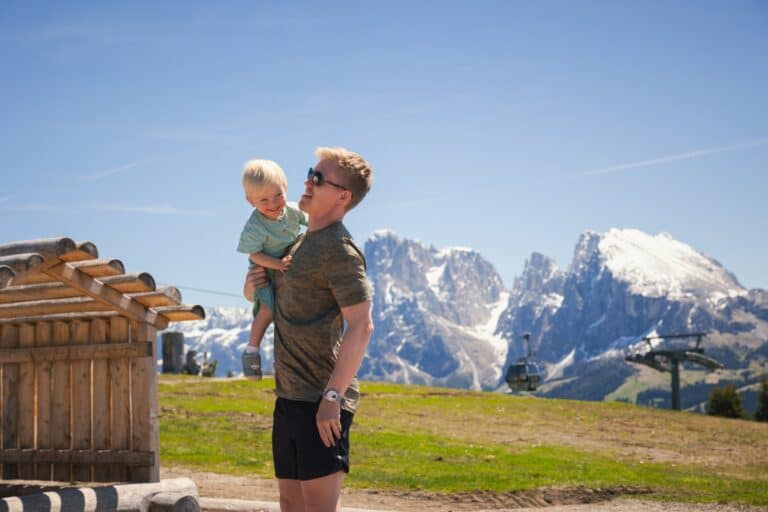 With kidsThe Dolomites with Kids: 12 Things to Do (Even with a Baby)
 ActivitiesDolomites Alta Via 1: The Queen of Multi-Day Treks in the Dolomites
 What to seeCroda da Lago & Lago Federa, Dolomites Italy: 10 Tips on What to See and Do
 What to seeSass Pordoi, Dolomites Italy: 10 Tips on What to See and Do
 What to seeLago di Carezza (Karersee), Dolomites Italy: 10 Tips on What to See and Do


