

If you look at climate data, you might think that the ideal time to visit northwest Australia is February, because the sea in Broome reaches almost 32 °C at that time. However, this is precisely when the hostile rainy season occurs and, most importantly, it’s peak season for dangerous jellyfish, so swimming is the last thing you’ll be thinking about.
Another thing that might disrupt your plans is the fact that the famous boat tours through the Horizontal Falls will soon end completely. The government has reached an agreement with traditional owners, and by the end of 2026, only one single operator will still be allowed to pass through these waterfalls, and they have an exemption for just a bit longer.
In this article, we’ll therefore explore when is actually the best time to head to the wild north so you can enjoy it to the fullest. We’ll go through in detail everything you can see in Broome and the surrounding area, and show you how traveling through the remote Kimberley region actually works.
Summary for Those Who Don’t Have Time to Read the Whole Article
- The dry season runs roughly from May to October, when the weather is pleasant with minimal rainfall.
- The dangerous jellyfish season lasts from December to April, when swimming in the sea is an enormous risk.
- Boat tours through Horizontal Falls are ending, and soon you’ll only be able to admire them from a plane or from a greater distance at sea.
- The dinosaur footprints at Gantheaume Point are only visible at low tide, so you need to time your visit carefully.
- Sun Pictures is the world’s oldest operating outdoor cinema, and definitely worth a visit.
- The natural phenomenon Staircase to the Moon occurs from March to October, when the full moon draws stairs above the bay.
- The famous Gibb River Road is passable only in the dry season, and is completely closed during the wet season due to flooded creek crossings.
- Purnululu National Park is accessible only a few months a year, and lies deep in remote country.
When to Visit Broome: Dry Season Versus Wet Season
Planning a trip to the far north of Western Australia requires careful consideration of the calendar, because the local climate is divided into two distinct periods. If we look at ERA5 model data, which captures air temperatures from 2015 to 2024 and sea temperatures from 2019 to 2024, we get a precise picture of what to expect in each month.
| I | II | III | IV | V | VI | VII | VIII | IX | X | XI | XII | |
|---|---|---|---|---|---|---|---|---|---|---|---|---|
| max (°C) | 31.8 | 32.3 | 33.3 | 34.5 | 32.1 | 29.6 | 29.1 | 30.3 | 32.0 | 33.0 | 33.7 | 33.4 |
| min (°C) | 27.4 | 27.5 | 27.4 | 25.6 | 21.7 | 19.2 | 18.2 | 19.5 | 22.4 | 25.1 | 27.0 | 27.9 |
| sea (°C) | 30.5 | 31.7 | 31.5 | 29.0 | 25.3 | 23.7 | 22.1 | 24.2 | 27.1 | 29.4 | 31.3 | 31.3 |
| rainfall (mm) | 323 | 97 | 71 | 19 | 19 | 6 | 1 | 5 | 2 | 2 | 14 | 101 |
| rainy days | 13.8 | 9.8 | 9.3 | 2.9 | 1.3 | 0.9 | 0.2 | 0.3 | 0.4 | 0.5 | 3.3 | 6.8 |
Generally speaking, the dry season runs roughly from May to October, which is the ideal time to visit for most travelers. During these months, the sky is clear and only 1 mm of rain falls in July, with statistics showing just 0.2 rainy days. Nights during this period are pleasant, as temperatures in July drop to an average of 18.2 °C, so you’ll sleep well even in a tent or campervan without needing air conditioning running constantly.
On the other hand, the wet season lasts from January to March, when the landscape transforms beyond recognition and travel becomes challenging. In January alone, 323 mm falls over 13.8 days, the sky is often overcast, and the air is saturated with high humidity. Nights during this period don’t drop below 27 °C, which combined with humidity creates the feeling of sleeping in a steam bath.
Many people would intuitively guess that the hottest month would be January or February, but actually the warmest month is April, when the average maximum temperature reaches 34.5 °C. It’s a transitional month when rainfall is already receding, but the land is still scorching and the air shimmers above the red sand. As for swimming, the sea is warmest in February at 31.7 °C, which under normal circumstances would sound like paradise for beach lovers.
Unfortunately, during these warmest months the sea is full of dangers, so you can’t safely enter it anyway. These data show that planning a trip to Kimberley requires compromise, where in the dry season you get passable roads and safer swimming in cooler water, while in the wet season you’ll see swollen rivers and green landscapes, but at the cost of impassable roads and intense heat.
Water Safety: Jellyfish, Crocodiles, and Vinegar on the Beach
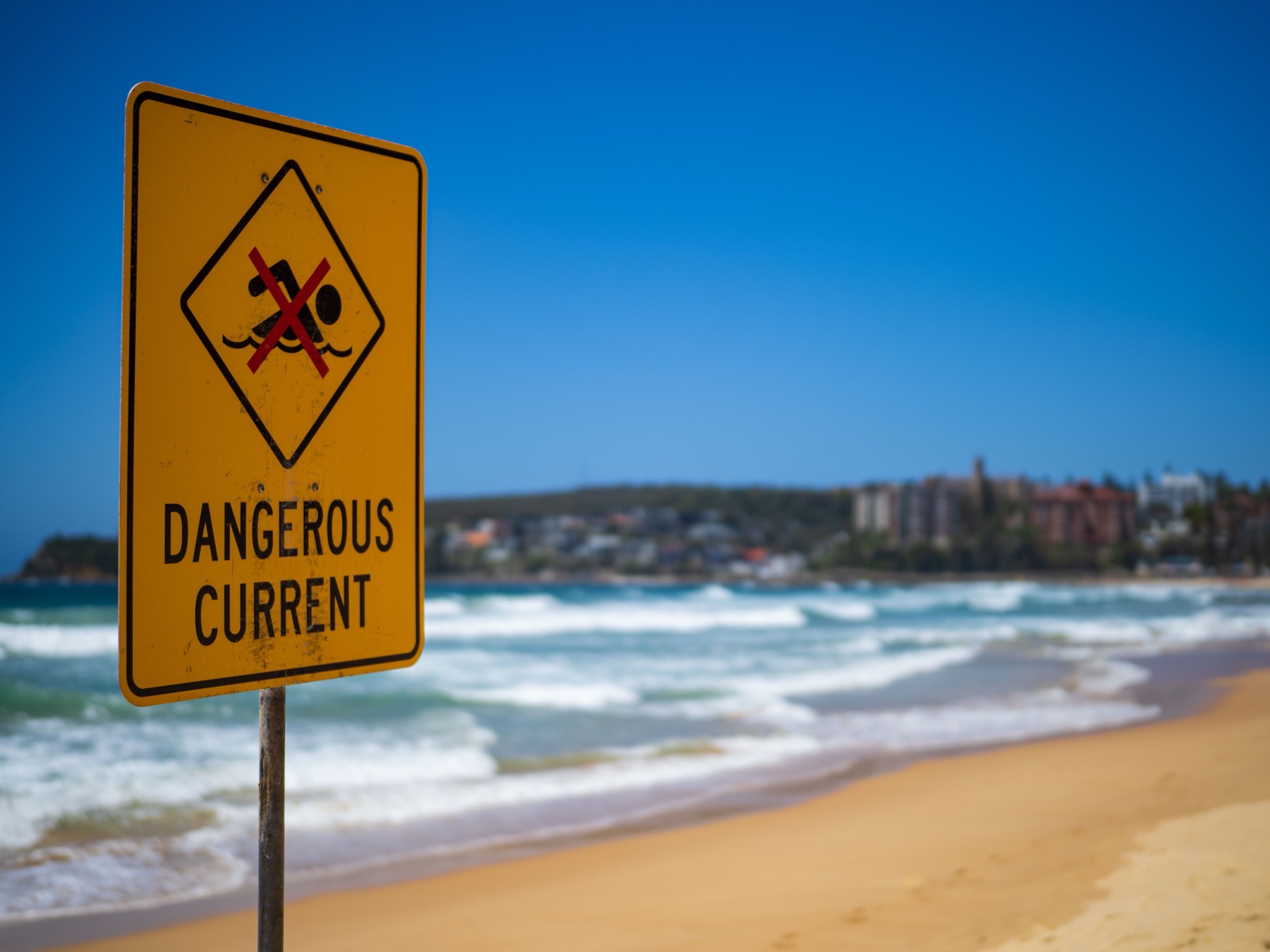
Northern Australia is famous for its untamed nature, which brings with it the need to respect local safety rules, especially when it comes to swimming in the ocean. The main threat to all swimmers is the jellyfish season, which runs from December to April, when very dangerous jellyfish species appear in the warm waters. If you decide to enter the water in Broome or on the Dampier Peninsula during this time, you’re exposing yourself to an enormous risk of encountering the tiny but extremely venomous irukandji jellyfish, which can cause serious health complications.
Local authorities take this threat very seriously and try to protect tourists by all available means. On main beaches such as Town Beach, Cable Beach, Gantheaume Point, and Entrance Point, you’ll find prominent stands with vinegar, which serves as essential first aid in case of a sting. Vinegar helps neutralize unfired stinging cells on the skin, so if an incident does occur, use it immediately and liberally before medical help arrives.
Besides dangerous jellyfish and sharks, these waters are also home to feared marine reptiles that command well-deserved respect. Although saltwater crocodiles appear at the famous Cable Beach only occasionally, it’s certainly not impossible and sometimes they do show up. In such cases, a very strict safety protocol kicks in, where when a crocodile sighting is reported, the beach is immediately closed and competent park rangers professionally remove the animal from the populated area.
To help you enjoy your time by the ocean with greater peace of mind, experienced lifeguards patrol Cable Beach during tourist season, carefully watching the water and activity on shore. It’s absolutely crucial to swim only in areas marked by lifeguards with special flags and to respect all their warnings unconditionally, as they know local conditions far better than any visitor.
Horizontal Falls: Famous Boat Tours Are Ending
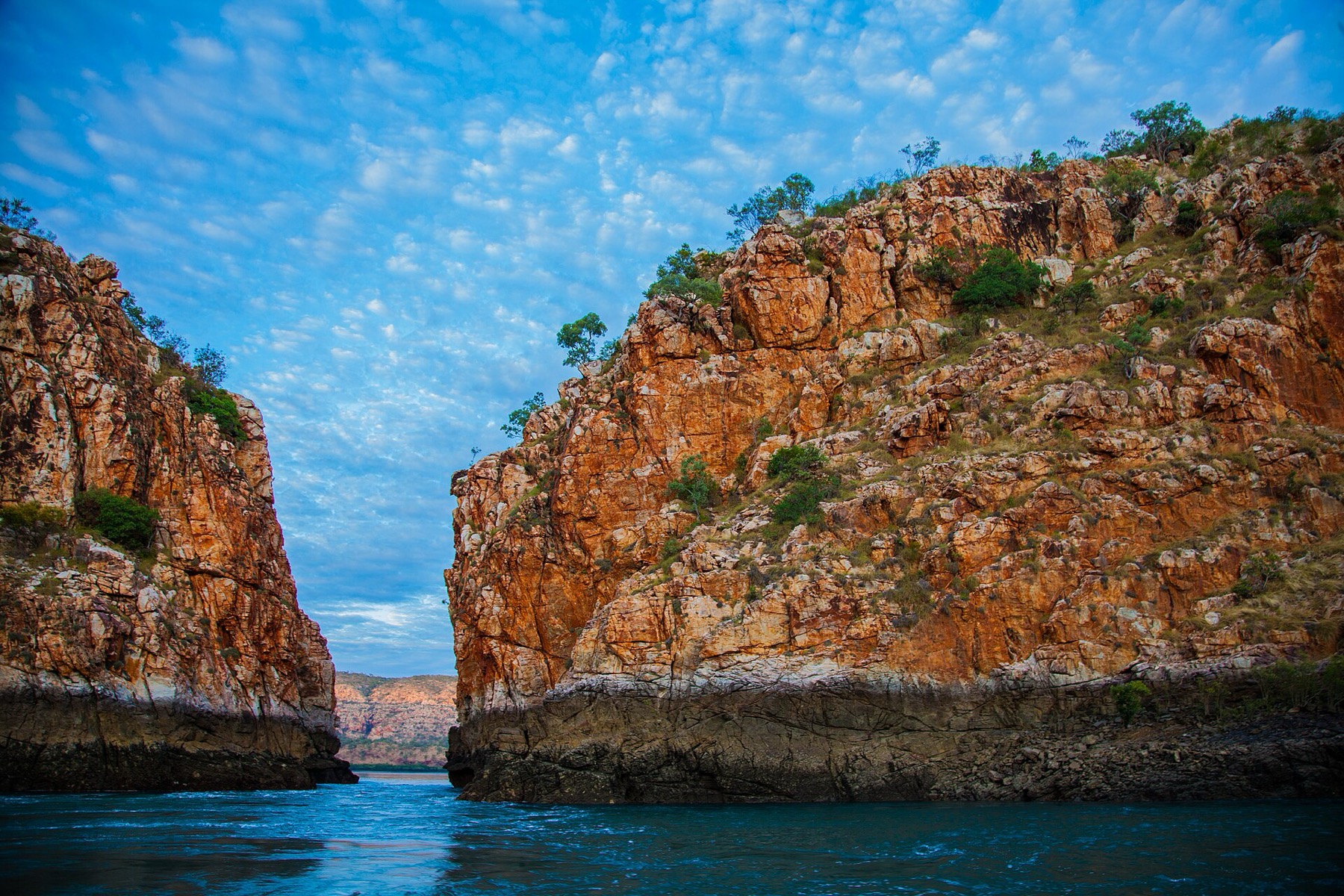
Talbot Bay harbors one of the greatest natural wonders of all of Western Australia: the fascinating Horizontal Falls, where enormous masses of water flow in both directions through narrow gaps in the cliffs. This phenomenon has attracted crowds of tourists for decades, who enjoyed adrenaline-fueled rides on fast motorboats right through the roaring currents. Unfortunately for adrenaline junkies, this chapter is slowly closing, as the Western Australian government has decided to gradually end all boat tours through these waterfalls.
This fundamental decision didn’t happen overnight and is the result of long negotiations and respect for local culture. Authorities took this step primarily after reaching an agreement with the traditional owners of this land, for whom the site holds enormous spiritual and cultural significance that doesn’t align with the commercial operation of fast boats. A serious accident in 2022 also played a role in this complex process, when a boat with 27 people on board unexpectedly crashed into a solid rock wall, leading to the immediate implementation of strict safety restrictions.
The shutdown schedule is set up gradually so the region can adjust. All other tour boat operators must end their tours by the end of 2026, so after this date the experience offerings will change radically. The main and most well-known operator, Horizontal Falls Seaplane Adventures, will stop passing through the waterfalls in March 2028, which will definitively close the era of these wild water adventures.
This doesn’t mean this natural wonder will disappear from tourist maps completely, just that the way you can admire it will change. After the definitive ban, the falls will still be accessible from the sea and air, but sightseeing boats will only sail safely to their mouth and won’t risk the journey through the narrow and fierce currents. You should always verify current dates and conditions directly with your chosen operators in advance, as the government measures timeline may still shift slightly over time.
12 Places Worth Visiting in the North
The northwest coast and vast interior hide a wealth of natural beauty, historical sites, and unique phenomena. We’ve put together a detailed list of twelve places in Broome and the wider Kimberley region that you shouldn’t miss on your trip, including practical information to help you plan your visit.
1. Cable Beach
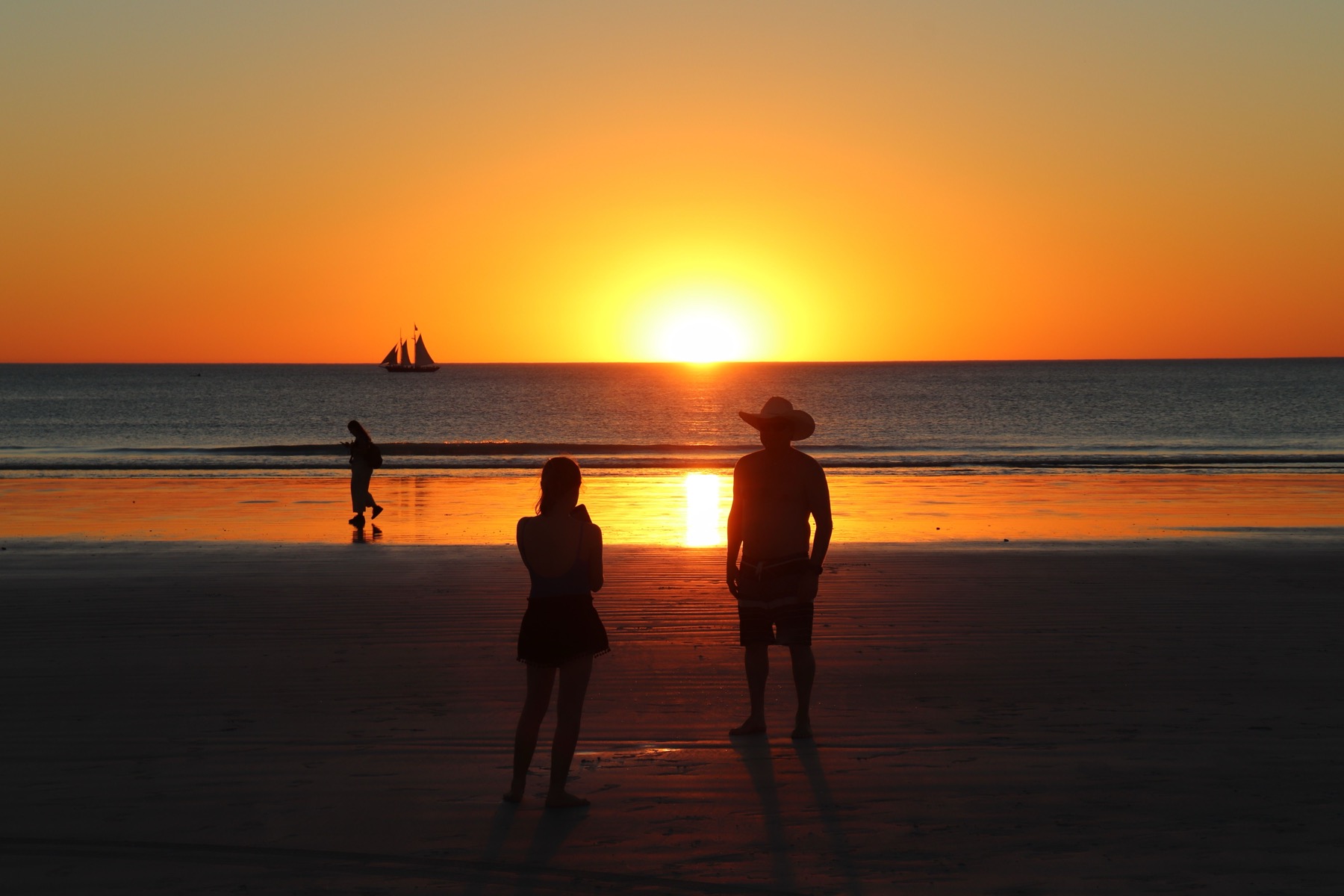
When you mention Broome, most people immediately think of the long stretch of Cable Beach, which ranks among the most famous spots on the west coast. This main Broome beach has 4.7 out of 238 reviews on Google, which shows that its reputation isn’t exaggerated and visitors love to return. Fine white sand contrasts with the turquoise waters of the Indian Ocean, while red cliffs rise in the background, giving the place an authentic Australian outback atmosphere.
A visit to this beach is worth it at any time of day, whether you head out for a morning walk when the sand is still cool, or arrive in the late afternoon. If you come outside jellyfish season, swimming in the crystal-clear water under lifeguard supervision is refreshing, especially when the sun is blazing high in the sky. The beach also serves as a gateway to exploring the Kimberley coast, and its size guarantees you’ll always find a peaceful spot.
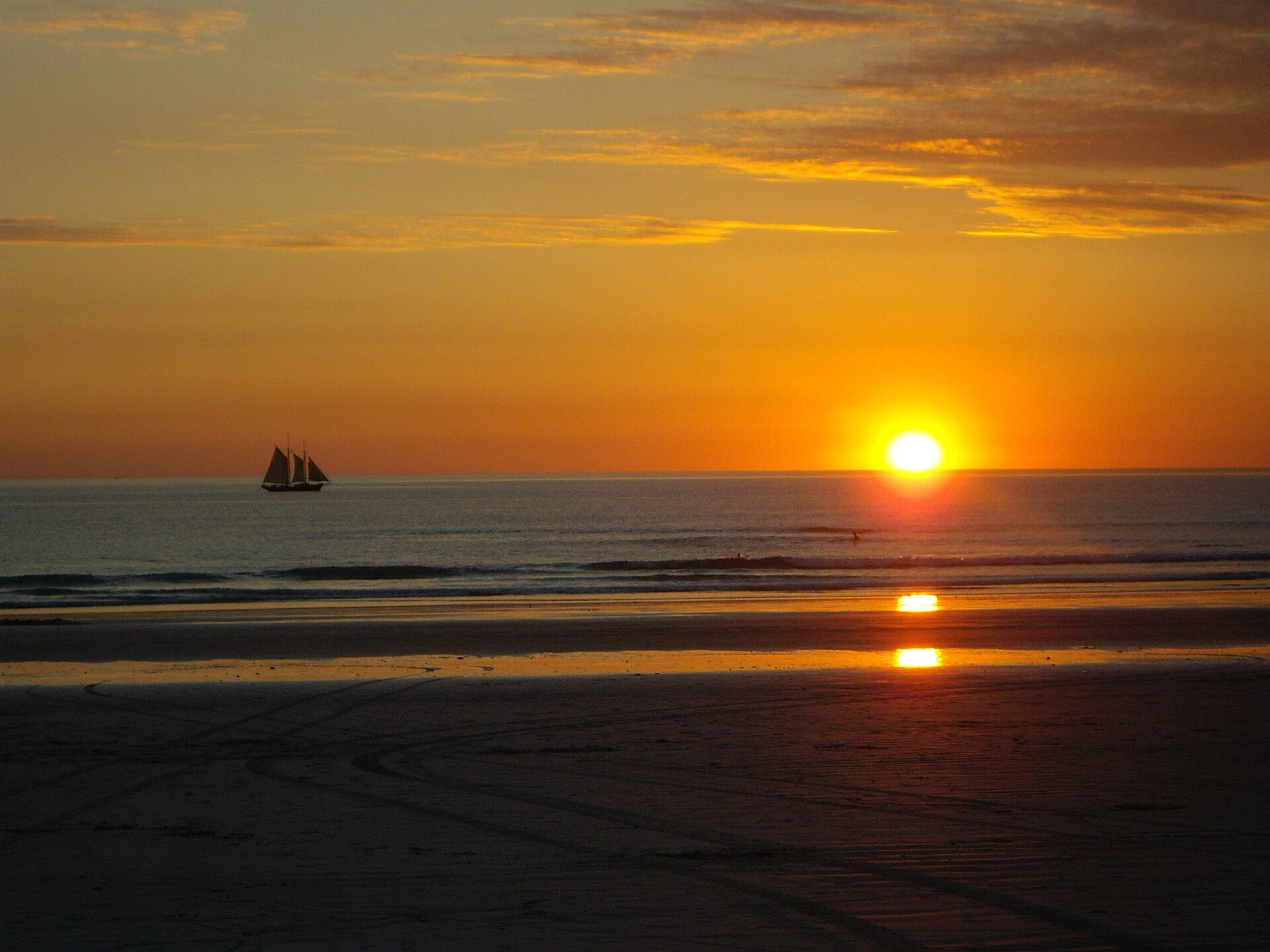
Most travelers, however, gather here mainly in the evening when the sky starts turning shades of orange, pink, and purple. 💡 TIP: Pack a picnic and head to the beach about an hour before sunset to find a good spot at your leisure for watching this natural spectacle, which creates the perfect backdrop for your holiday photos.
2. Camels on Cable Beach
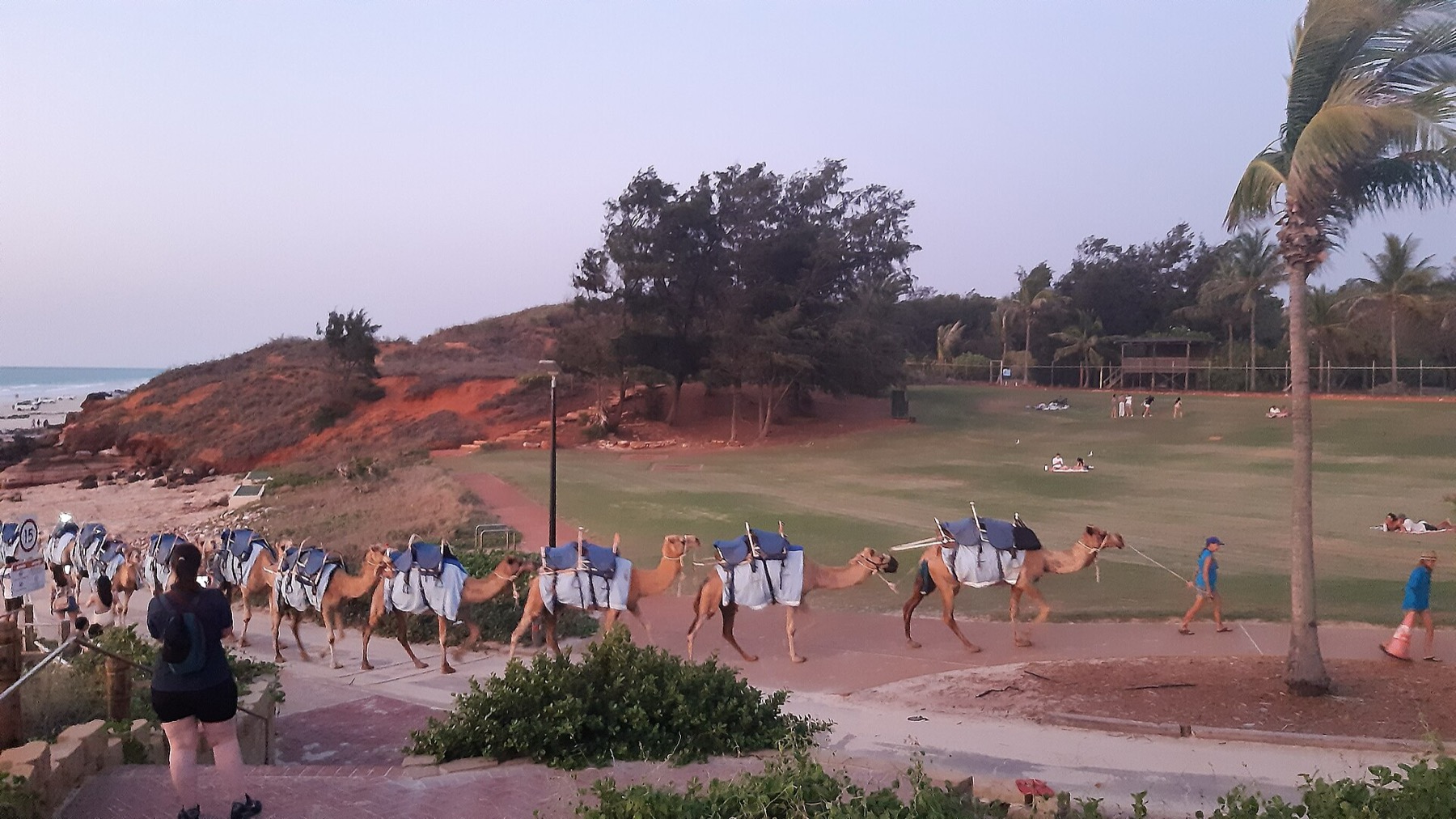
One of the most iconic and frequently photographed experiences that’s inseparable from Broome is undoubtedly a ride on camelback along the ocean shores. When you look up Broome Camel Safaris, you’ll see it has 4.7 out of 637 reviews on Google, making this experience one of the most popular tourist attractions in the entire area. The sight of a caravan of these majestic animals swaying slowly and gracefully across the white sand with the turquoise sea in the background is simply something you’ll fall in love with at first sight.
Prices naturally vary depending on which time of day and ride length you ultimately choose for your experience. If you’re on a tighter budget, a shorter ride will cost you roughly 40 to 50 AUD, which is a great opportunity to try this unconventional mode of transport for at least a little while and snap some beautiful photos. The rides themselves typically last a pleasant 30 minutes to a full hour.
But if you’re craving something truly magical and don’t mind paying a bit extra, one of the operators offers a stunning sunset experience for 105 AUD for adults and 75 AUD for children. During this premium ride, you’ll enjoy the most beautiful view of the setting sun directly from camelback. 💡 TIP: During peak tourist season, these evening rides tend to sell out well in advance, so definitely book your spots with plenty of time to spare.
3. Gantheaume Point and Dinosaur Footprints
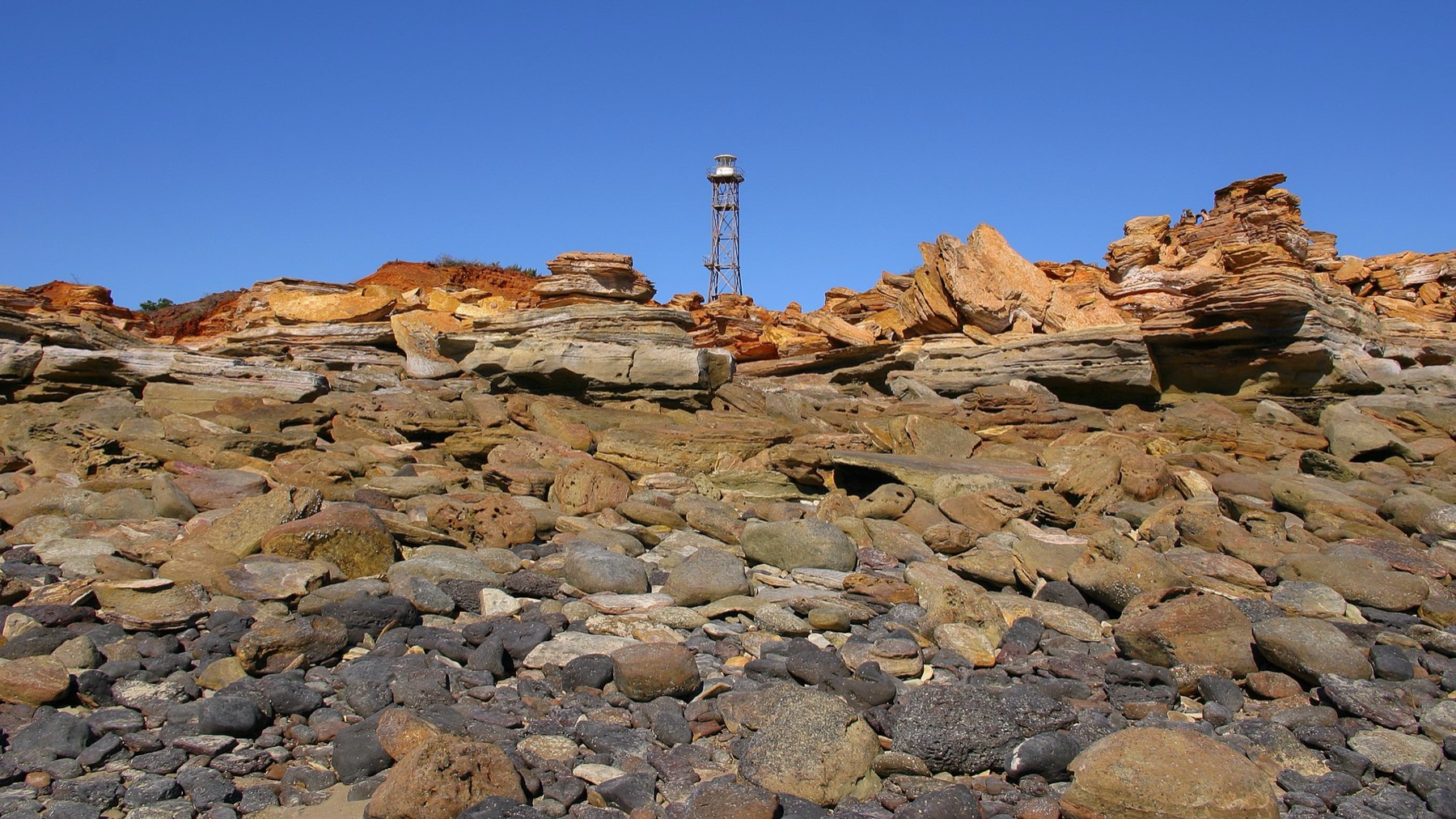
At the southern end of the bay lies Gantheaume Point, a place where vivid red sandstone cliffs plunge into the blue ocean. This location has 4.6 out of 1,435 reviews on Google, not only for its beauty but primarily for the mystery it conceals within its rocks. Right here you can walk in the footsteps of prehistory and touch a time when giant reptiles ruled our planet.
On these flat cliffs you’ll find fossilized dinosaur prints that are 130 million years old. They date from the Early Cretaceous period, when today’s Broome was an extensive river delta full of vegetation. These tracks stretch across various sections along roughly 80 km of coastline, and scientists have identified at least nine different species of prehistoric reptiles here to date, making the site a paleontological treasure.
However, you need to time your visit carefully and not just rely on luck. 💡 TIP: The fossilized prints lie on flat rocks about 30 meters from shore and are only visible at low tide, so check the current tide tables before your trip so you’re not just staring at waves hiding the tracks beneath.
4. Sun Pictures
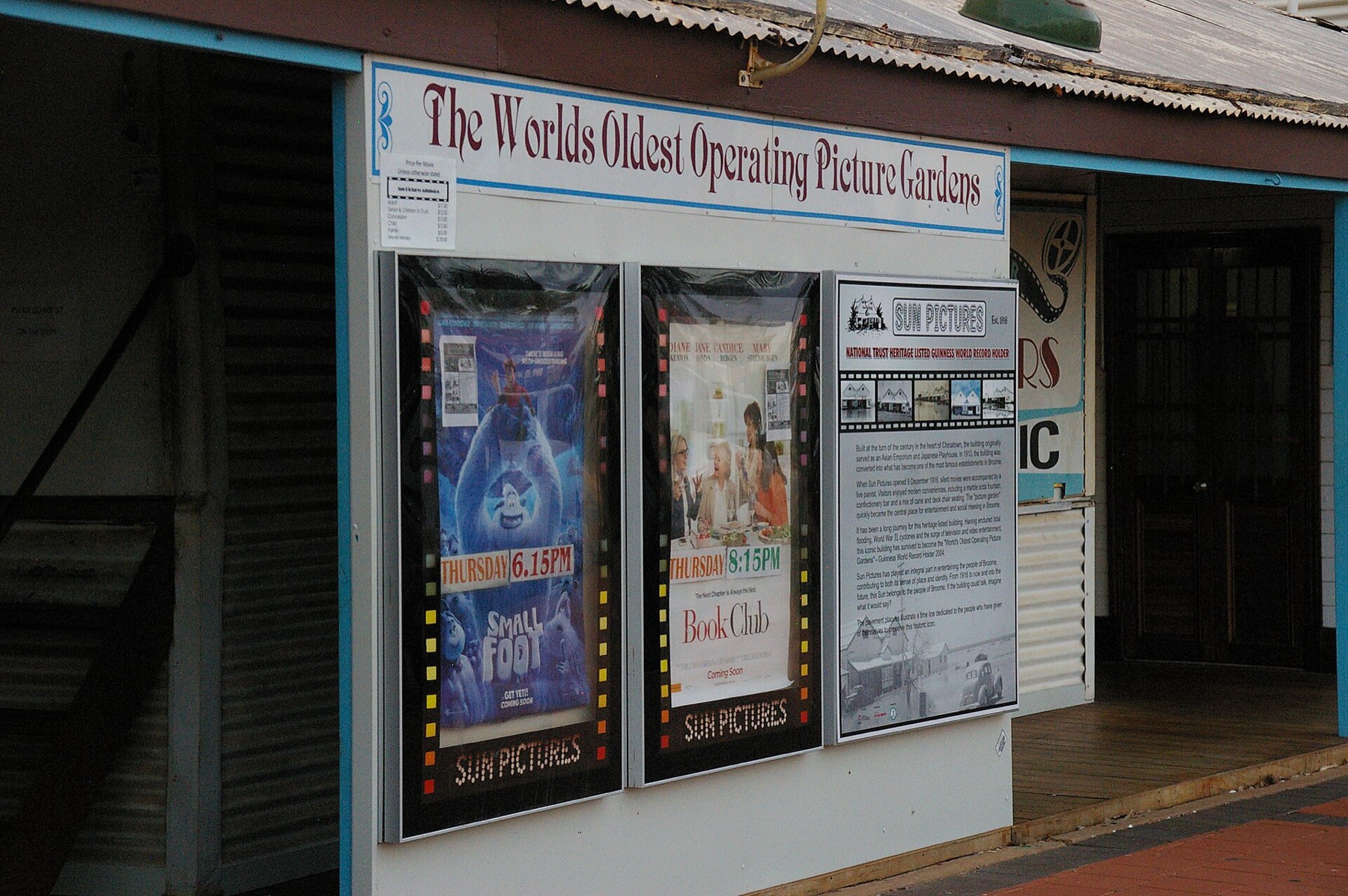
If you love history and slightly unconventional cultural experiences, a visit to the local cinema definitely shouldn’t be missing from your itinerary, because this isn’t just any ordinary movie theater. The atmospheric Sun Pictures cinema officially opened on December 9, 1916, making it an absolutely exceptional landmark that breathes the nostalgia of old times and the town’s pearling history. The building itself was purchased in 1913 by the then-famous pearler Ted Hunter, who transformed it with great vision into a place where classic silent films were initially screened for the entertainment of locals.
Today this place is a true world treasure that attracts film and history lovers from across the globe. The significance of this magical venue was confirmed internationally when Guinness World Records officially recognized it in 2004 as the oldest operating outdoor cinema in the world. Visiting this establishment is like taking a time machine journey to the days when cinematography was taking its first tentative steps.
Settling into comfortable canvas deck chairs in the evening, feeling the warm tropical air, and watching a film under the starry sky is simply an experience that’s absolutely inseparable from Broome. 💡 TIP: The cinema is located near the local airport, so don’t be surprised when an arriving plane occasionally roars overhead with tremendous noise, adding an absolutely unforgettable and slightly bizarre atmosphere to the whole evening.
5. Town Beach and Staircase to the Moon
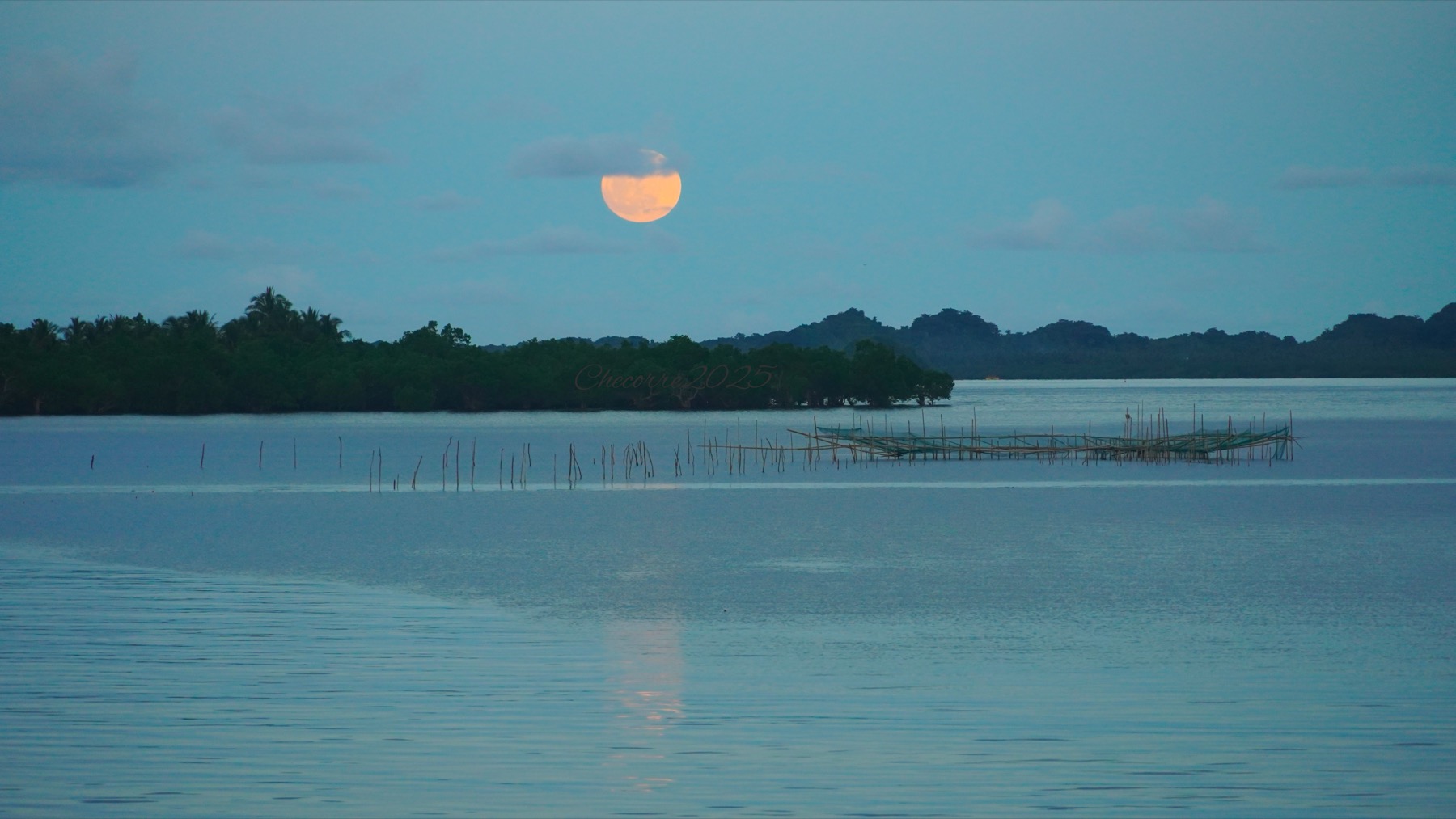
On the eastern side of the peninsula, a view opens onto the waters of Roebuck Bay, where Town Beach is located. This quieter beach has 4.6 out of 704 reviews on Google, and local Indigenous people have called this place Guwarri since ancient times. During the day it’s an ideal spot for relaxation, picnics in the shade of trees, or walks in the sand with views of the mangrove forests lining the coast.
But the most interesting things happen here after dark, when the bay becomes the stage for an unusual spectacle. This is the Staircase to the Moon phenomenon, which occurs when the full moon rises directly over the exposed floor of Roebuck Bay, and its reflection in the ripples of mud creates the illusion of glowing stairs ascending to the sky. In 2026 this phenomenon occurs from March to October; always check the exact dates on the town’s official website.
Besides Town Beach itself, popular viewing spots also include Mangrove Hotel, Roebuck Bay Lookout, Broome Golf Club, and Broome Fishing Club. 💡 TIP: On selected days when the phenomenon occurs, markets are held at Town Beach from 4 PM to 8 PM, where you can taste local food and buy souvenirs. Regular night markets usually take place here every Thursday roughly from June to September.
6. Willie Creek Pearl Farm
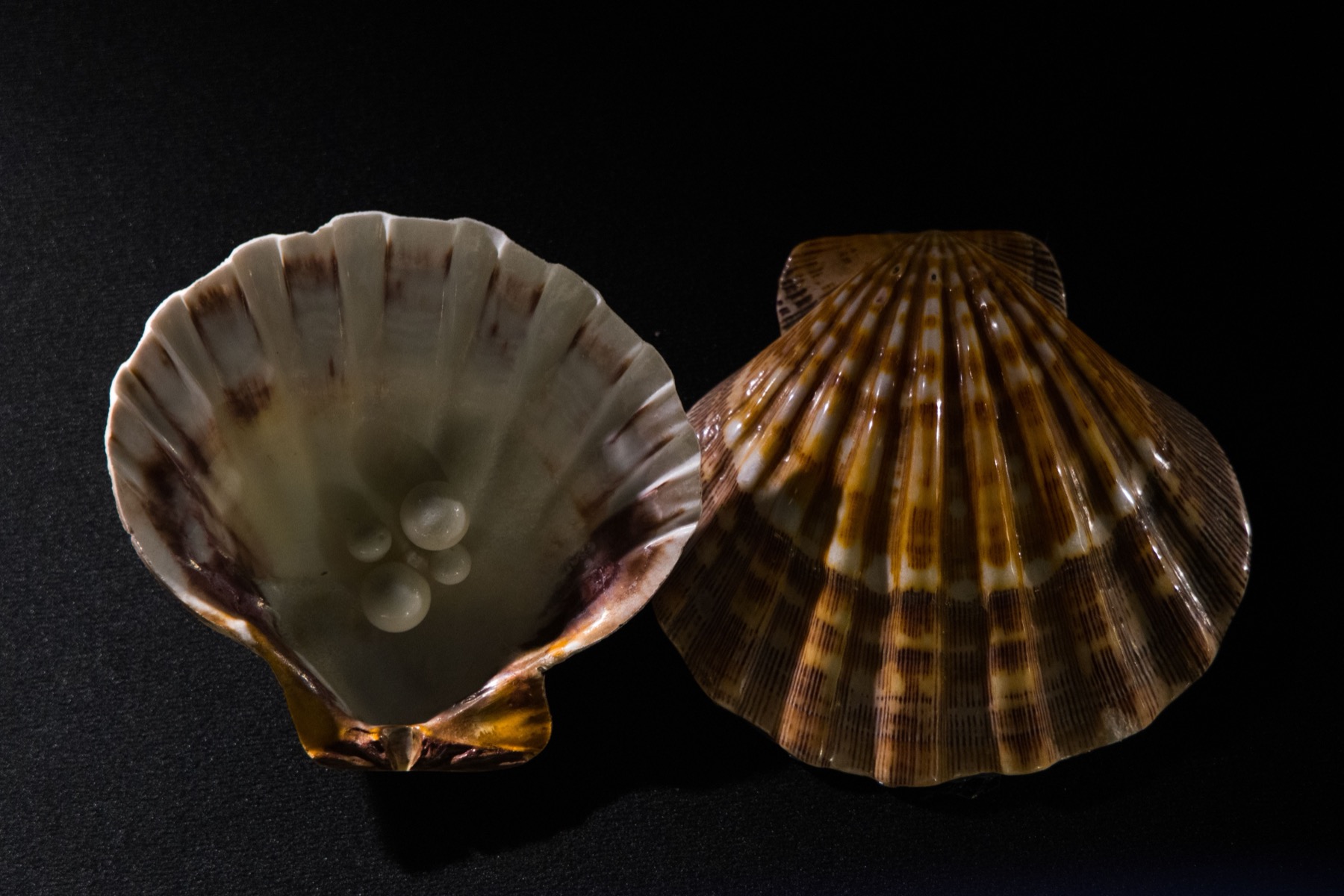
The region’s history is intertwined with pearl diving and cultivation, so understanding the local culture without visiting a pearl farm would be like visiting Paris and not seeing the Eiffel Tower. One of the best options is Willie Creek Pearl Farm, which has 4.7 out of 1,305 reviews on Google. It’s located in a scenic cove near town and offers a comprehensive look at how a grain of sand becomes a luxury jewel.
During the tours, guides introduce you to the process of cultivating these ocean treasures. You’ll learn how oysters are farmed, how the nucleus is inserted into them, and how pearls are finally harvested and graded according to criteria like size, shape, color, and luster.
The experience is designed to be interactive, so you won’t be bored. 💡 TIP: During the tour you can examine live oysters up close and see firsthand the amount of work and patience hidden behind every pearl necklace. The tour typically includes a boat trip around the cove, where farmers demonstrate pulling baskets of oysters directly from the water.
7. Malcolm Douglas Crocodile Park
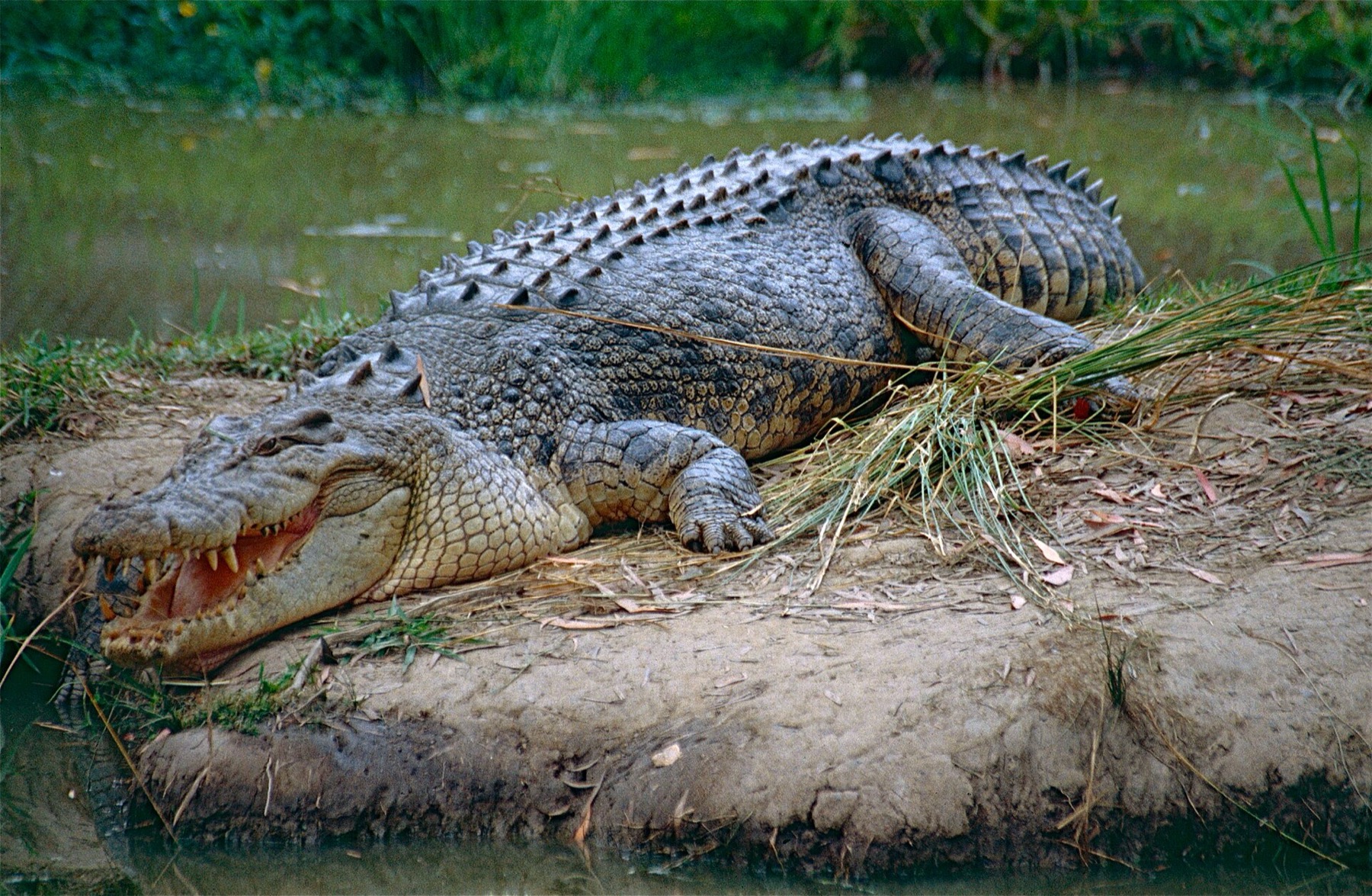
If you want to see some of the most feared predators of the Australian continent in safety, plan a trip to this park. It was founded by a documentary filmmaker and conservationist, and today Malcolm Douglas Crocodile Park has 4.6 out of 981 reviews on Google. This rescue centre is located just outside town and provides a home for numerous saltwater and freshwater crocodiles that would probably not survive in the wild due to conflicts with humans.
The best time to visit is in the afternoon when regular feeding of these prehistoric animals takes place. During guided tours, you’ll learn a wealth of information from the keepers about the biology, behaviour, and role of crocodiles in the northern Australian ecosystem. You’ll also find out what to do if you encounter them in the wild.
A visit to this place will leave a powerful impression on you. 💡 TIP: Seeing the power of their jaws with your own eyes as they snap shut with a crack just inches from you is an experience that will give you goosebumps, and after which you’ll understand why ignoring swimming bans in unfamiliar waters is risky.
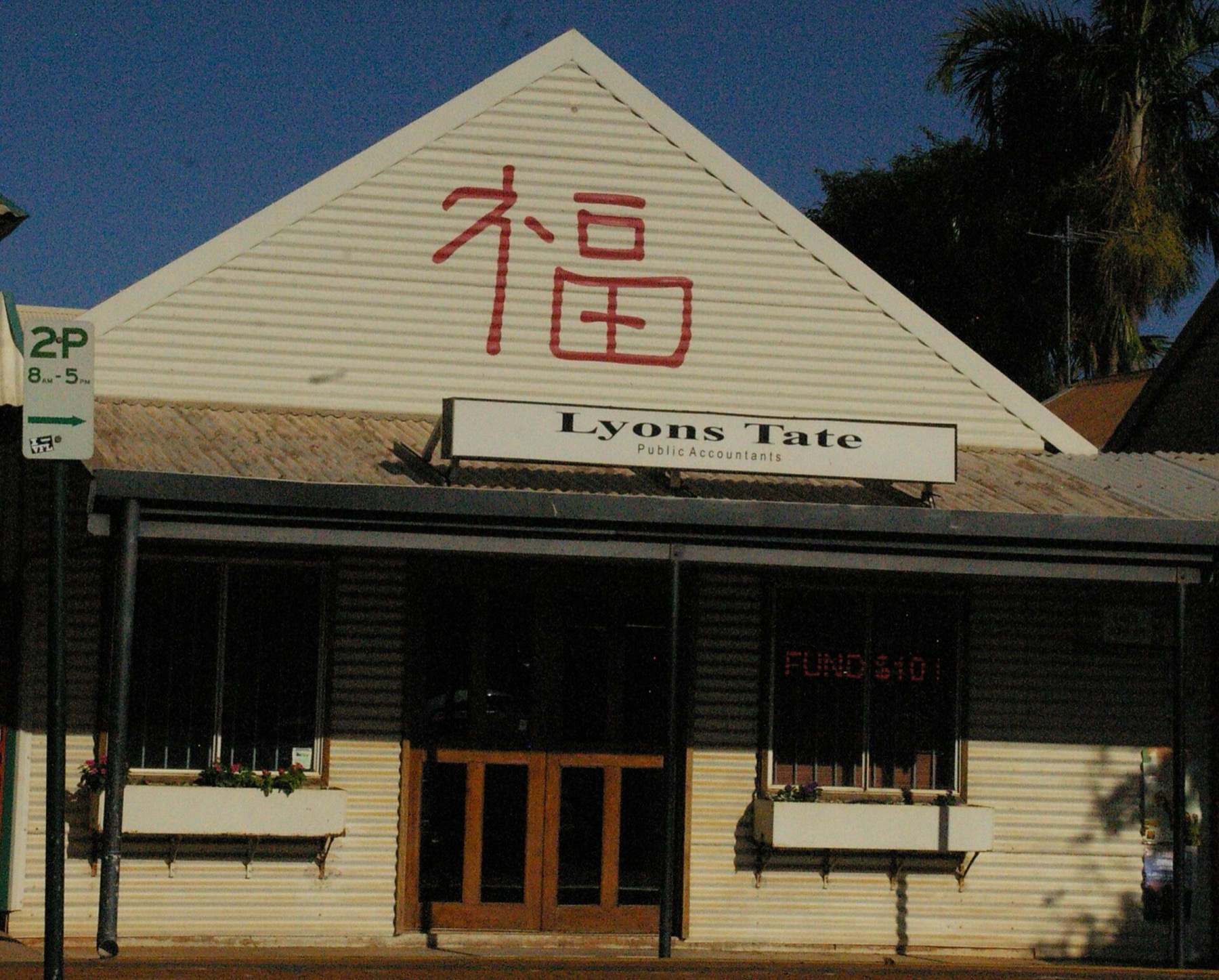

8. Chinatown and Broome’s Pearling History
The centre of activity and historic heart of the town can be found in the streets of the Chinatown quarter, which blends Asian, European, and Indigenous architectural influences. It was here, at the turn of the 19th and 20th centuries, that fortune seekers, divers, and merchants from Japan, China, Malaysia, and Europe came to try their luck in the dangerous but lucrative pearling industry. To this day, you can feel Broome’s pearling history, which shaped the town’s appearance and gave it its multicultural character.
As you walk the streets with their typical corrugated iron roofs, you’ll come across historic buildings, art galleries, and boutiques offering pearls from the entire region. It’s an ideal place for afternoon wandering and discovering fragments of the history that turned a dusty town into a pearling metropolis.
While exploring the town, look beyond the shop windows. 💡 TIP: In the streets, you’ll also find memorials dedicated to Japanese divers who risked and often lost their lives hunting for pearls. After your walk, relax in one of the cafés or try some Asian noodles that reference the quarter’s original inhabitants.
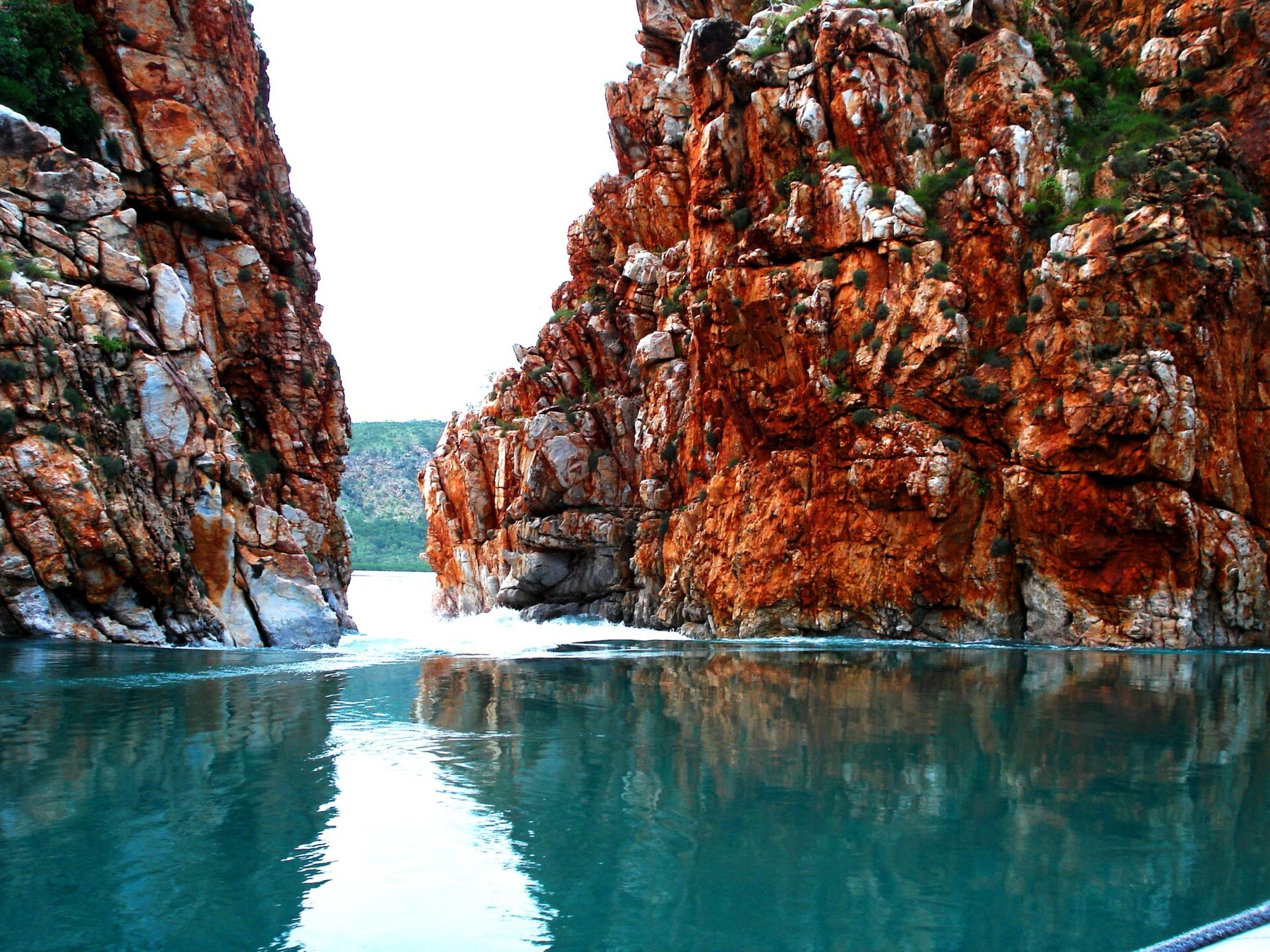
9. Horizontal Falls
This natural phenomenon, which we’ve already written about in connection with the end of boat tours, shouldn’t be missing from your list of the best things to see in the Kimberley region. Although the option to ride through them on a motorboat will soon close, the beauty of Horizontal Falls remains and continues to attract travellers from around the world. Masses of seawater are forced through two narrow gaps in the McLarty Range during powerful tides. This creates the effect of a waterfall that doesn’t flow downward but horizontally across the water’s surface.
As we’ve mentioned, other tour boat operators must cease operations by the end of 2026, and the main operator, Horizontal Falls Seaplane Adventures, will stop riding through the falls in March 2028. This decision was made out of respect for the concerns of traditional owners and partly due to safety following a tourist boat accident. The falls themselves aren’t going anywhere, though, and you’ll still be able to observe them from a safer distance.
If you want to see this phenomenon in its full scale, 💡 TIP: one of the best options is a scenic flight in a small plane from Broome or the town of Derby. From a bird’s eye view, the contrast between the rusty red cliffs and turquoise water boiling and foaming in the narrow channels stands out most impressively.
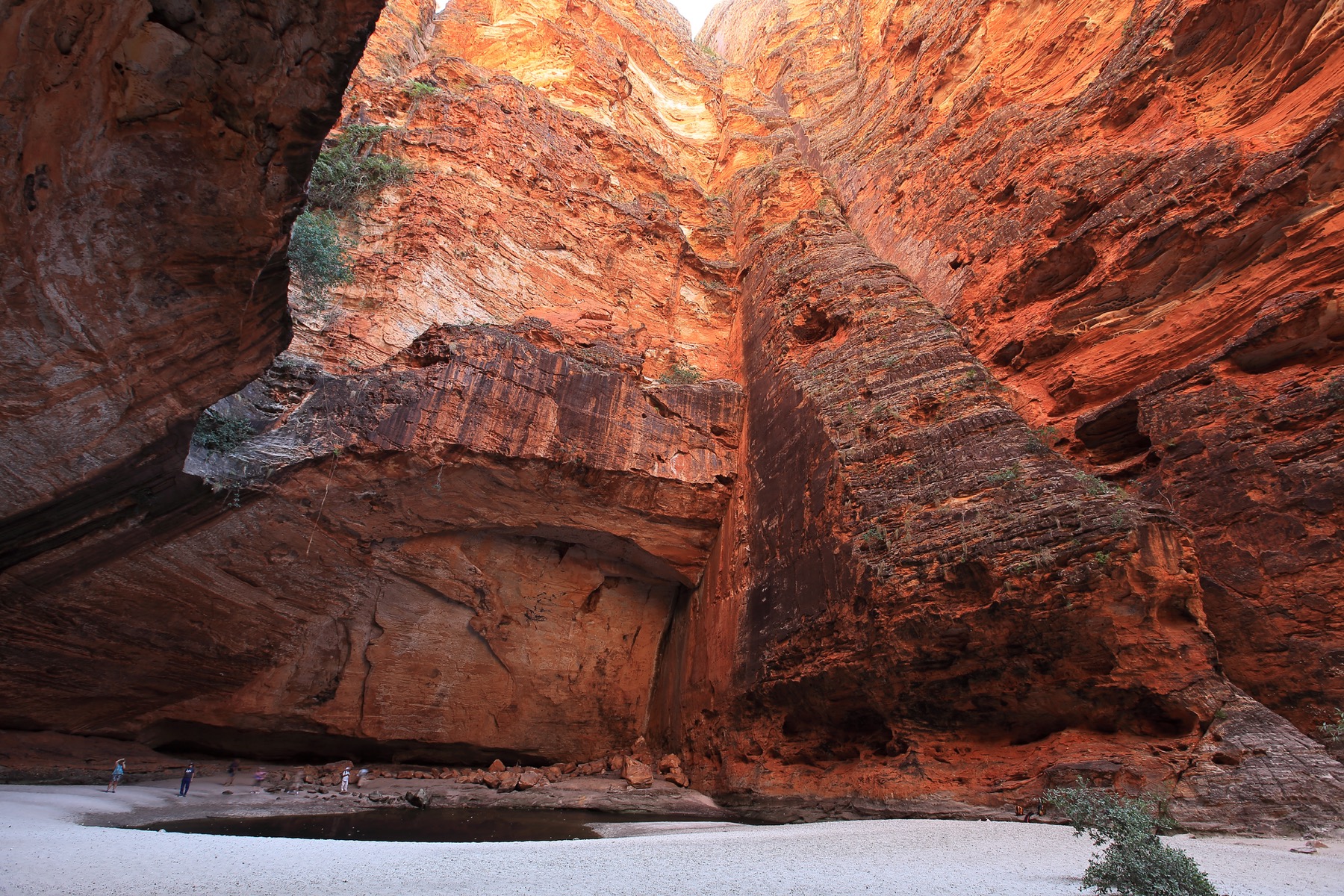
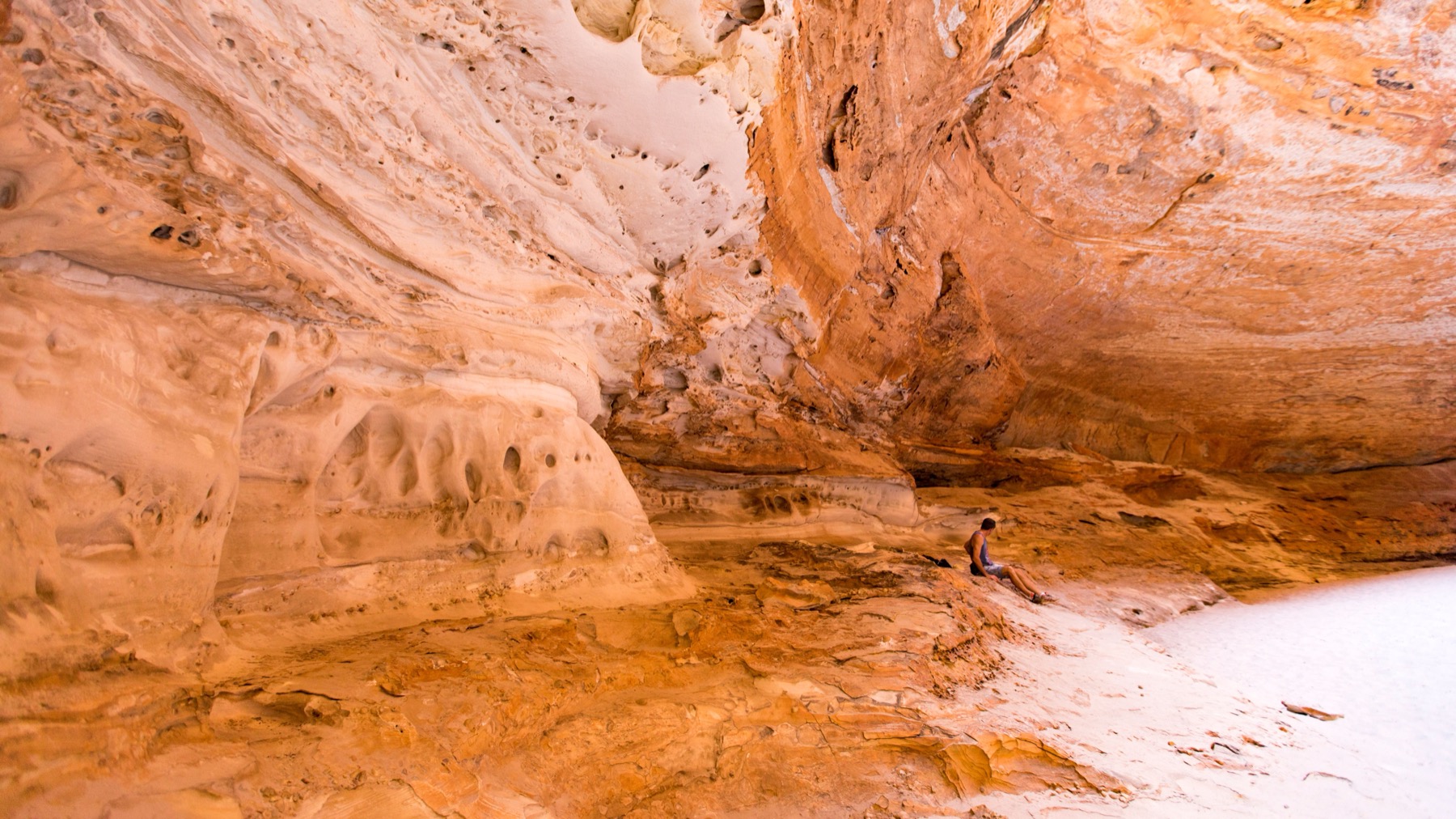
10. Purnululu and the Bungle Bungles
Deep in the parched and difficult-to-access interior of the Kimberley lies a place that looks as if it doesn’t even come from our planet but rather from some fantastic sci-fi film. It’s Purnululu National Park, which has 4.7 out of 320 reviews on Google, and whose most famous part is the absolutely unique striped domes called The Bungle Bungles (which has 4.5 out of 143 reviews on Google). This geological wonder was discovered for the outside world relatively recently, and was ceremoniously inscribed on the UNESCO World Heritage List on 5 July 2003, confirming its enormous global value.
Be prepared, however, that getting here isn’t just any Sunday afternoon excursion, as the journey requires careful planning and a truly reliable vehicle. The access road runs along the dusty and very bumpy Spring Creek Track, which you turn onto from the main highway about 250 km south of the town of Kununurra. The road is a challenge in itself and will test your driving skills and your vehicle’s durability.
Besides the terrain’s difficulty itself, you must also battle unforgiving timing. 💡 TIP: It’s extremely important to know that the park is open to the public only a few months a year during the dry season. Once the rainy season begins, local streams flood wildly, the current is incredibly fast, and the entire area becomes completely impassable, so plan your trip ideally for the Australian winter.
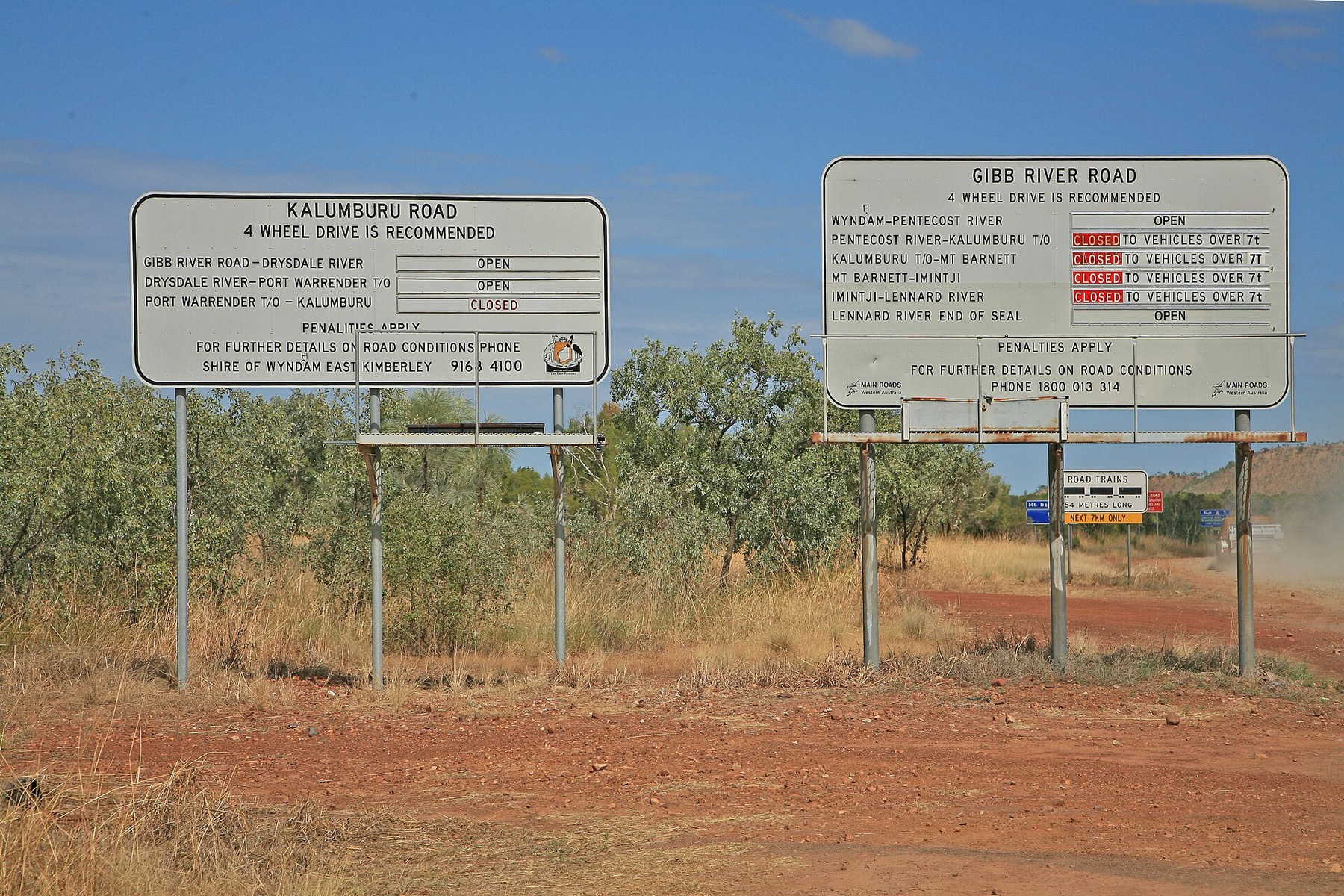
11. Gibb River Road and Gorges
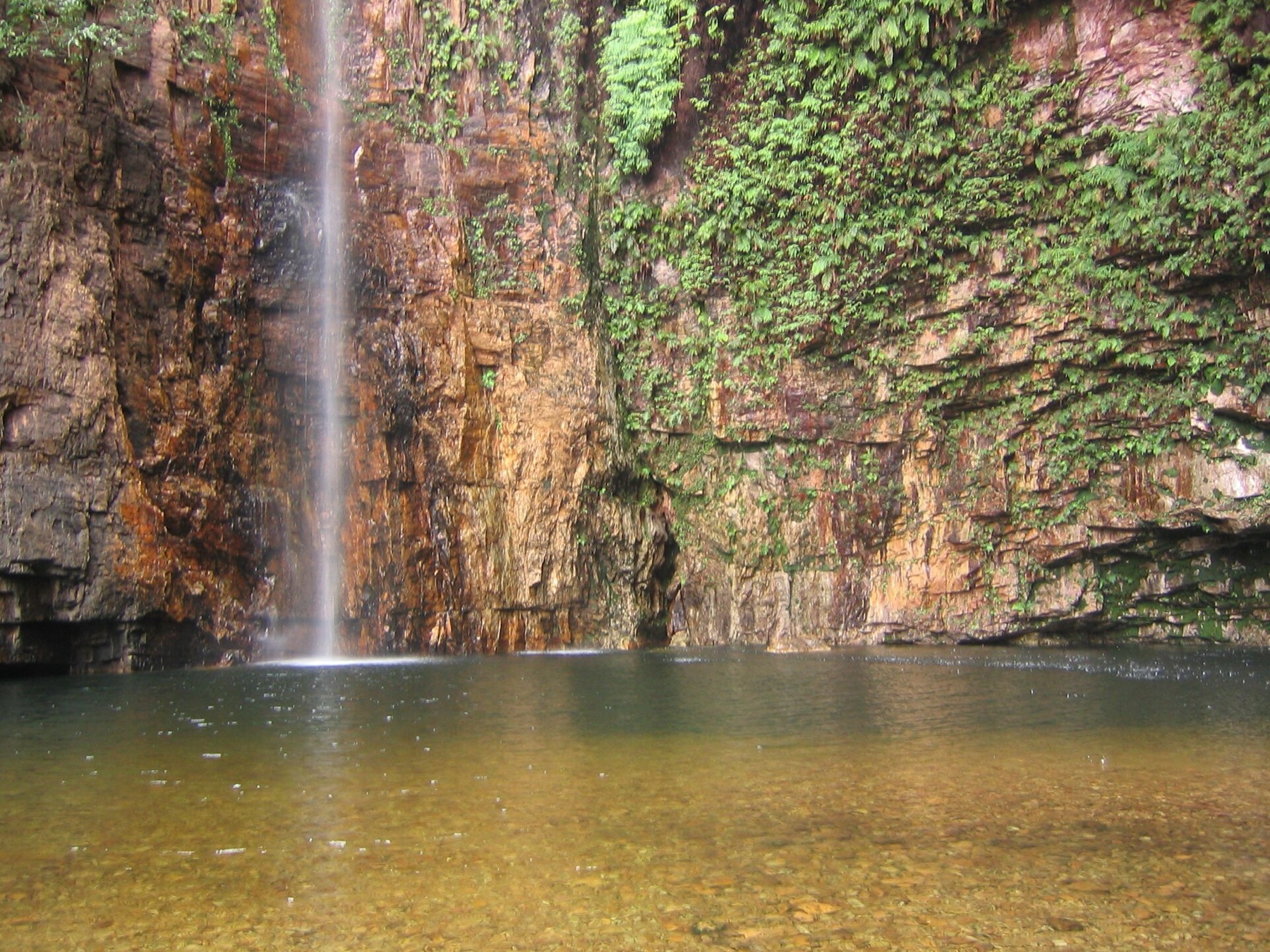
For lovers of adventure and remote dusty roads, the icon in the Kimberley region is a route that once served for cattle drives and today is a destination for off-road enthusiasts. Along the road, you’ll find a number of natural phenomena, among which deep gorges with clear water stand out. Worth stopping at are Manning Gorge, which has 4.7 out of 104 reviews on Google, or Emma Gorge (which has 4.6 out of 191 reviews on Google), where you can enjoy swimming under a waterfall.
The journey to these natural pools often requires some physical effort in the form of hikes over rocks and red dust, but the feeling when you finally immerse yourself in the cold water at the end makes it worth it. The best time to visit is usually in April and May, at the beginning of the dry season, when the gorge waterfalls have plenty of water after the rains and the road is freshly graded by heavy machinery.
Nature dictates its own rules here, though. 💡 TIP: Watch the calendar, because during the rainy season, roughly from December to April, this entire route is usually closed. River crossings are impassable and sections of road are damaged by water, so always check the current status on the Main Roads Western Australia website.
12. Simpson Beach and Quieter Beaches
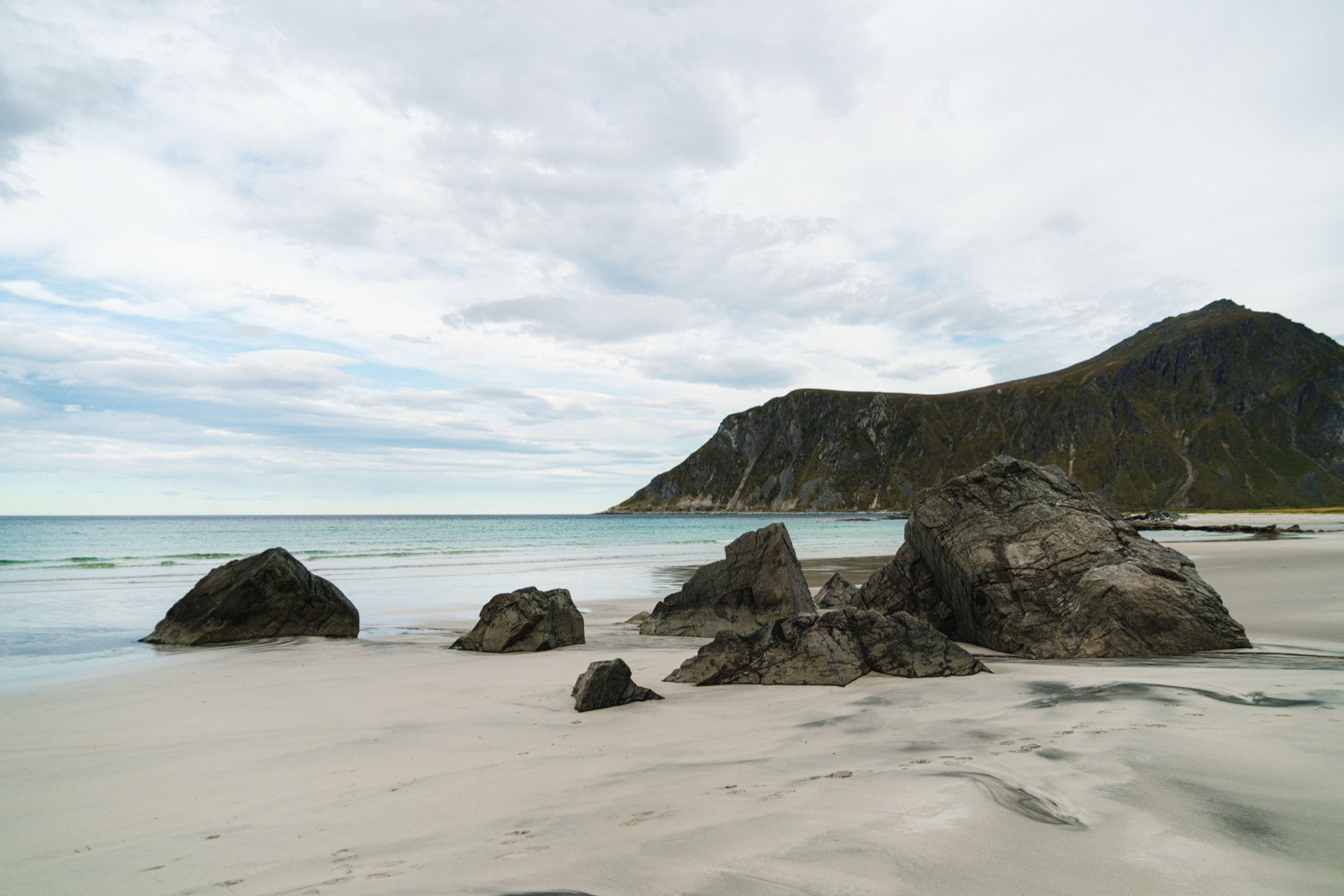
If you’ve had enough of the bustle and camel caravans on the main Cable Beach, the northern coast also offers places where you’ll find peace without crowds. An alternative for solitude lovers is Simpson Beach, which has 4.7 out of 101 reviews on Google, primarily thanks to its peaceful atmosphere. Here you can enjoy the feeling of remoteness and connection with Australian nature without being disturbed by engine noise or crowds of photographing tourists.
During walks along these less frequented beaches, you’ll occasionally come across interesting shells, washed-up pieces of driftwood, and can watch seabirds hunting in the shallow waters. It’s an ideal place to rest and recharge after crossing the parched Australian interior.
Even here, though, you need to be careful. 💡 TIP: Always remember that even on these more remote beaches, the same safety rules apply regarding jellyfish season and possible crocodile presence. You can never be too cautious in northern Australia, and watching your surroundings pays off even in secluded bays.
Kimberley: How to Get There and When to Visit
The Kimberley region is one of the last wild corners of the planet, and the logistics of getting there require more preparation than a typical resort holiday. The main artery for exploring the interior is the Gibb River Road, which is usually open to travelers only during the dry season, roughly from May to November. When the tropical rains hit, water turns this dusty track into impassable mud, river crossings rise, and the road is officially closed.
If you’re wondering when the best time is to start swallowing red dust, April and May, right at the beginning of the dry season, are usually ideal for off-road enthusiasts. At this time, the waterfalls in the gorges still have plenty of water after the rains, the landscape is still fresh, and most importantly, the road itself is freshly graded (maintained with heavy machinery), so you won’t face as much of a lottery as at the end of the dry season in October. Given the unpredictability of nature, however, you must always check the current state and passability of roads on the official Main Roads Western Australia website before departure and during your trip, where you’ll find up-to-date information about any closures.
Planning a visit to Purnululu National Park, a UNESCO World Heritage site, is a special chapter in itself. The park is a major attraction, but getting there is not easy. This park is also open only for a few months of the year during the dry season, because the access roads become impassable during the wet season. You need to monitor announcements from park rangers and understand that traveling through the Kimberley isn’t about ticking boxes off a list, but about respecting nature and being able to adapt your plans to current weather and road conditions.
Where to Stay
💡 Accommodation tip: We compare accommodation options here to see what’s available and at what price. We prefer to look for it on Booking.com, where the cancellation policies are usually the best. It’s also worth comparing tickets, tours, and activities through GetYourGuide.
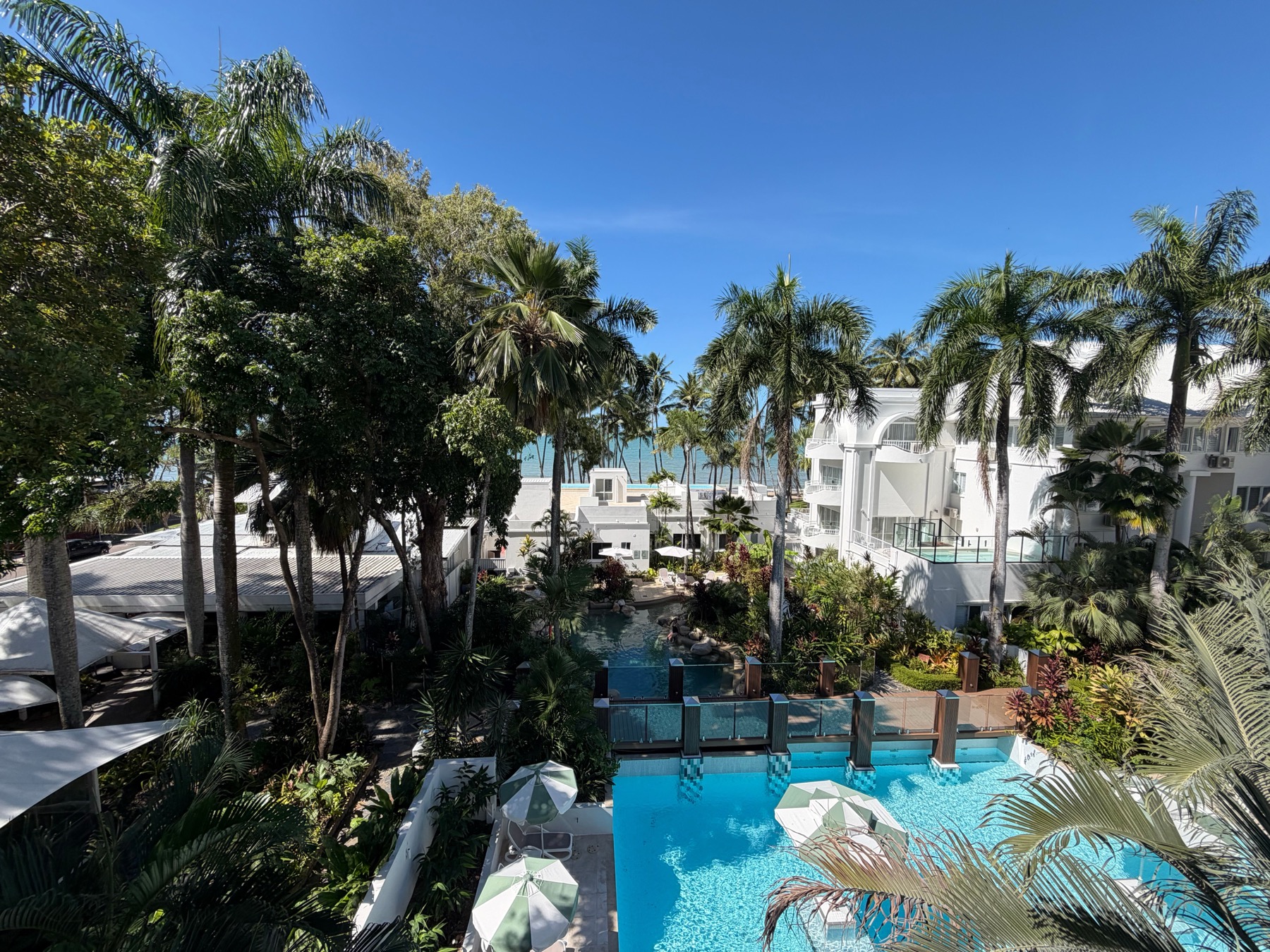
Finding good accommodation in Broome and surrounding Kimberley areas can be quite a challenge, especially if you decide to travel at the last minute without prior preparation. You need to account for the fact that the capacity of beds, hotel rooms, and especially campsites is very tight during the main dry season, because thousands of travelers flock here from all over Australia and abroad, seeking a sunny escape from the cold winter in the southern parts of the continent.
If you don’t want to spend your nights nervously driving between fully-booked receptions or sleeping in your car at an uncomfortable roadside rest stop, book your spots as far in advance as possible, even several months ahead. This is especially true for popular accommodation near Cable Beach, where most of the nicer resorts are located, but also for more budget-friendly options right in the center around Town Beach and the Chinatown quarter, which tend to sell out first.
Also keep in mind that if you head there accidentally or intentionally during the unpopular wet season, the situation paradoxically won’t improve, but rather get worse. A large portion of accommodation providers, glamping tents, and smaller family-run camps deeper in the interior along Gibb River Road completely shut their doors during these rainy months for both preventive and economic reasons. 💡 TIP: If you plan to camp in national parks like Purnululu, you must always purchase permits and sites in advance online through the parks management portal, because on-site bookings are often impossible due to lack of signal.
Where to Eat
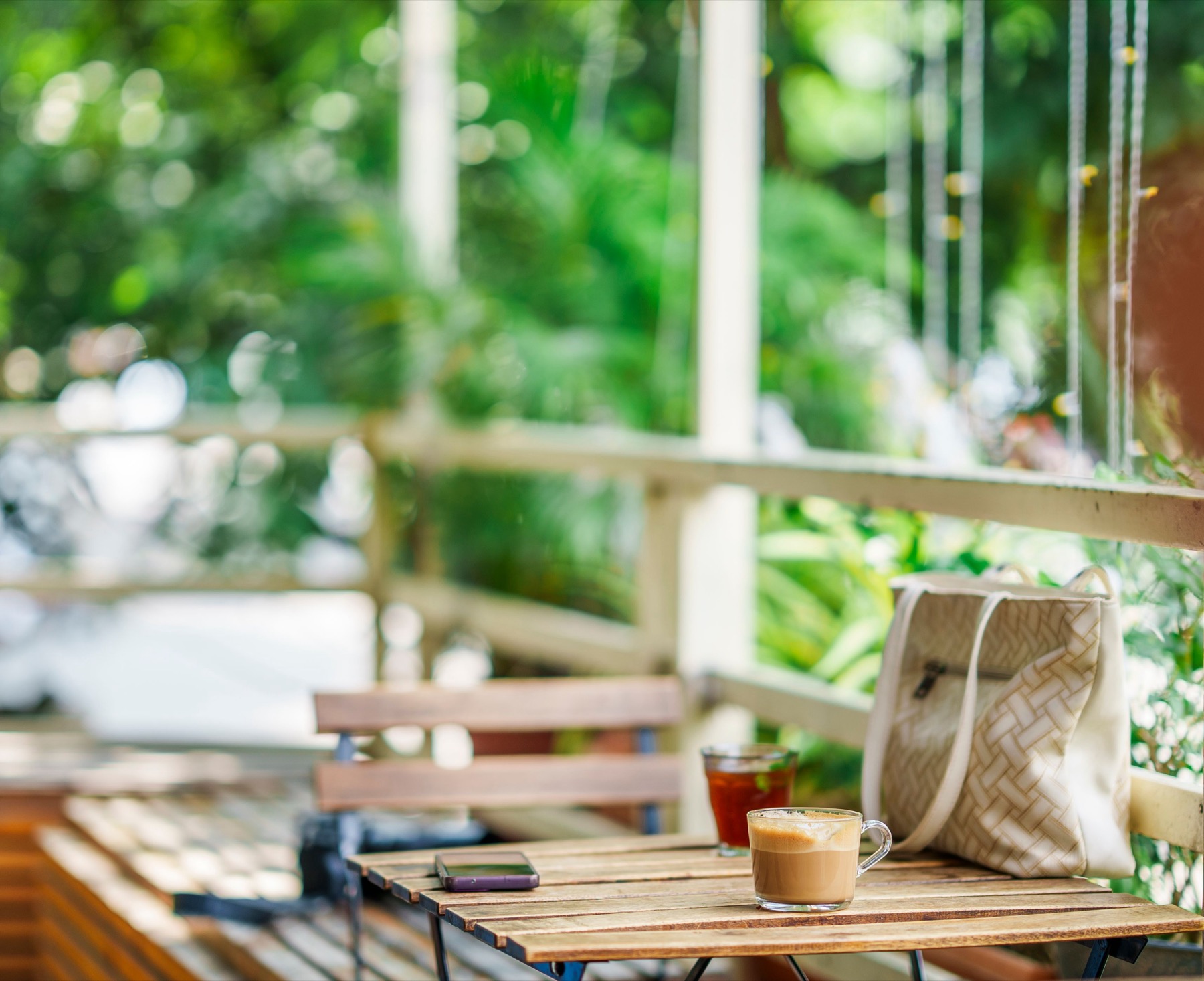
The culinary scene in the far north is more limited than in Australian metropolises, but you can still find places where you can eat well after a long day. The selection of restaurants and bistros is smaller and is mainly concentrated around Broome’s center and the Chinatown quarter. There you’ll also come across vegetarian dishes like Asian noodles, salads, or pancakes inspired by the Asian community that shaped the town.
In the more remote interior when traveling through the Kimberley, it’s essential to carry your own supplies in a fridge or cooler box, because places where you can buy hot food are scarce. Just like with accommodation, many businesses and cafés close during the wet season, so relying on being able to find food along the way might not work out.
Where to Go Next
If you’re interested in other destinations this continent has to offer, get inspired by our other guides. When planning your trip, the article Western Australia: What to See from Perth to Kimberley will help, where you’ll also find an overview section about the entire northern region. If your route starts in the south of the state, use the guide Perth, Australia: 18 Tips on What to See and Do.
For those who want to see the best the whole country has to offer, we’ve written Holiday in Australia: 30 Most Beautiful Places + Practical Tips. How to prepare for long drives, what to expect from local campsites, and how to choose the right vehicle is covered in the article Road Trip Through Australia: Routes, Car, Campsites and Budget. If you want to compare the green interior of the north with the red dust of the desert, check out Uluru and Red Centre: 14 Tips for Visiting the Red Heart. To discover the underwater world on the opposite coast, the article Great Barrier Reef: Tours, Prices and How to Experience It will guide you, and you can enjoy the big city bustle with our tips in Sydney, Australia: 31 Tips on What to See and Do.
On your way south along the western coast, the reef from the article Ningaloo Reef, Australia: 12 Places and Experiences Worth It is worth a stop.
Frequently Asked Questions
When is the best time to visit Broome?
The ideal time to visit is definitely the dry season, which typically runs from May to October. During these months, there’s stable sunny weather with minimal rainfall and more pleasant nighttime temperatures. This way you’ll avoid extreme downpours, unbearable humidity, and especially impassable flooded roads that are typical of the inhospitable rainy season from January to March, when hundreds of millimeters of water fall.
Is it safe to swim in Broome?
Swimming in northern Australia always carries certain risks, but during the dry season from May to November the ocean is relatively safe and lifeguards patrol the main beaches. The major problem, however, occurs during the warm months from December to April, when the main season for venomous jellyfish (including the Irukandji jellyfish) takes place, and during this period entering the ocean is not recommended.
Are there crocodiles at the popular Cable Beach?
Saltwater crocodiles appear at this turquoise beach only occasionally; it’s not their usual territory. However, authorities take safety seriously, so if someone reports a crocodile sighting, the beach is immediately closed to the public and park rangers remove the animal from the recreational area.
What is the Staircase to the Moon phenomenon?
It’s a unique natural phenomenon that occurs when the full moon rises just above the exposed bed of Roebuck Bay. The moonlight reflects in the ridges of the wet mud and creates an illusion of glowing stairs rising to the night sky, and you can observe this phenomenon in 2026 from March to October from several viewing points in the town.
When can you see the dinosaur tracks at Gantheaume Point?
The 130-million-year-old prehistoric reptile prints are located on flat sandstone rocks about thirty meters from the shore. Due to their location, these fossils are only visible at low tide, so you need to check the current tide tables before visiting the cliffs, otherwise you won’t see anything beneath the surface.
Can I still take a boat ride through Horizontal Falls?
Unfortunately, this option will soon end forever. Most operators of these adrenaline rides must stop by the end of 2026 according to government regulation. The only major operator, Horizontal Falls Seaplane Adventures, is allowed to ride through the falls until March 2028 at the latest, and after that the falls will be accessible only from a safe distance at sea or from a bird’s-eye view.
When exactly is the dusty Gibb River Road open?
This legendary inland route is typically open to travelers only during the dry season, roughly from May to November. During the heavy rainy season (usually December to April), the road officially closes due to flooded and impassable river crossings, and you always need to check the current status with Main Roads Western Australia so you’re not surprised by a closed gate.
Do I need a 4×4 vehicle to explore Kimberley?
Although you can reach the town of Broome itself via regular paved roads, a 4×4 vehicle is essential for exploring Kimberley and the deep interior. Without four-wheel drive and high clearance, you have no chance of safely traversing the Gibb River Road or reaching remote national parks, because a regular car can’t handle the dusty roads and deep river crossings.
How do I actually get to the town of Broome?
The easiest and fastest way for most travelers is definitely by plane, as the town has its own airport with regular flights, for example from Perth. If you decide on a classic road trip and drive along the Great Northern Highway, be prepared that the journey from the south of the state will take you several long days of continuous driving through dusty landscape.
How many days should I set aside for the wild north?
It mainly depends on your plans and what you really want to see. For exploring the town itself and relaxing on the main beaches, three to four days will suffice, but if you want to head out on a long expedition into the interior and explore the remote gorges of Kimberley, you need to set aside at least several weeks of carefully planned time.
Tips and Tricks for Your Vacation
Don’t Overpay for Flights
Search for flights on Kayak. It’s our favorite search engine because it scans the websites of all airlines and always finds the cheapest connection.
Book Your Accommodation Smartly
The best experiences we’ve had when looking for accommodation (from Alaska to Morocco) are with Booking.com, where hotels, apartments, and entire houses are usually the cheapest and most widely available.
Don’t Forget Travel Insurance
Good travel insurance will protect you against illness, accidents, theft, or flight cancellations. We’ve had a few hospital visits abroad, so we know how important it is to have proper insurance arranged.
Where we insure ourselves: SafetyWing (simple monthly subscription) and TrueTraveller (for extra-long trips).
Find the Best Experiences
Get Your Guide is a huge online marketplace where you can book guided walks, trips, skip-the-line tickets, tours, and much more. We always find some extra fun there!


