

If you’re planning a trip to the Argentine capital, I have some absolutely fantastic news for you right from the start. Buenos Aires is, for the first time in years, a normal city for card payments, which means you no longer need to travel with a thick envelope full of US dollars and worry about where to secretly exchange them on the street. In April 2025, most currency controls were lifted and payments became incredibly simplified for tourists.
Today, your foreign payment card charges at a rate very close to the most favorable one, so using it in restaurants or shops is completely safe and often the most sensible option. And here’s another bonus: as foreigners, you automatically get 21% VAT refunded on accommodation costs if you pay the hotel with your foreign card. A holiday in the land of tango suddenly makes much more financial sense without unnecessary stress.
The city itself is absolutely enormous and doesn’t read as one cohesive whole, but rather as a collection of completely different neighborhoods. While Recoleta will remind you of the most elegant streets of Paris, neighboring San Telmo is beautifully bohemian and slightly crumbling, Palermo overflows with greenery and hipster cafés, and Puerto Madero looks like a modern Dubai by the river. Let’s take a look at everything you absolutely cannot miss in Buenos Aires, what to watch out for, and how to fully enjoy this pulsating city.
Summary for those who don’t have time to read the whole article
- Money and payments: Forget about complicated black market exchanges; in 2026, you can pay with your foreign card at favorable rates, and you only need cash in pesos for small purchases.
- VAT on accommodation: When you pay for your hotel with a foreign card, you automatically get the 21% tax deducted as a foreigner, which saves considerable money.
- Paid attractions: Places that used to be free now often charge entrance fees. For example, the famous Recoleta Cemetery costs foreigners over 24,000 ARS and payment is exclusively by card.
- Getting around the city: You absolutely need a SUBE card for both metro and buses. If you register it with your passport upon arrival, you’ll travel significantly cheaper.
- Safety: The city is safe for tourists, but you must watch your pockets and not hold your phone casually in your hand by the road, where thieves on motorcycles could snatch it.
- Time allocation: Plan at least 4 full days for the city itself, and if you want to take day trips to the surrounding areas, add another two days.
- Vegetarian paradise: Despite Argentina being the land of beef, you’ll find an incredible number of excellent vegan and vegetarian restaurants here.
When to visit Buenos Aires
Planning a trip to South America requires a slightly different look at the calendar, because the seasons are exactly opposite to what we have in Europe. The most pleasant time is spring (October to November) or autumn (March to May). During these months, you’ll be greeted by very pleasant weather when you can spend entire days sightseeing and evenings sitting on restaurant patios without feeling like you’re being baked alive. Temperatures during this period stay around a comfortable twenty degrees Celsius, which is absolutely ideal for exploring such an enormous city.
If you’re considering a trip at the beginning of the year, be prepared that January and February are incredibly hot and humid in Buenos Aires. On the other hand, this period has one big advantage because locals flee en masse on summer vacation to the ocean and the city is half-empty. This significantly lowers accommodation prices and you avoid the worst traffic jams, although you’ll have to schedule your city tours for early morning and late afternoon because of the harsh sun.
Conversely, July and August represent Argentine winter, which means the cheapest flights and hotels, but also temperatures dropping to 8 to 15 degrees Celsius. You don’t need to fear any brutal frosts or snowdrifts, but you definitely must pack a warm jacket and sweater in your suitcase. The advantage of an August visit is then the huge international tango festival that brings the entire city to life. From early August, Semana de las Milongas takes place, followed by the Tango BA Festival y Mundial, where you can attend dozens of fantastic concerts for free.
When planning your time, also keep in mind local cultural customs. Argentines typically have dinner between nine and half past ten in the evening, so don’t be surprised at all that renowned restaurants often don’t even open before eight o’clock. Another important thing is attraction opening hours, because most major museums in the city are firmly closed on Mondays. 💡 Tip: A 10% tip is an unwritten rule here, and since it often can’t be added to card payments, it pays to always have a few small peso bills with you.
Where to stay in Buenos Aires
Choosing the right neighborhood is absolutely crucial for your overall city experience, because transfers between different parts eat up a lot of precious time. The safest and most tourist-friendly base is green Palermo, which offers hundreds of excellent cafés, designer boutiques, and restaurants. A somewhat more elegant and quieter alternative is aristocratic Recoleta, from where you’re within walking distance of the main attractions and museums. Bohemian San Telmo appeals more to backpackers and lovers of old times, while modern Puerto Madero resembles a luxurious Middle Eastern metropolis full of tall glass skyscrapers.
As mentioned above, there’s an absolutely crucial rule regarding taxes for foreigners in Argentina. If you pay for your hotel with a foreign payment card or international transfer, 21% VAT is automatically deducted from the price. This incredibly advantageous system works completely without paperwork directly on your bill; you just need to show your foreign passport with a tourist stamp at the hotel reception. Therefore, never pay for accommodation in cash, as you’d unnecessarily lose one-fifth of your money.
For specific hotels, I can recommend Mine Hotel Boutique in the heart of Palermo, which offers beautiful modern design, incredibly helpful staff, and a quiet interior courtyard with a pool, which you’ll really appreciate after a full day of walking around the city. If you’re looking for absolute luxury in Parisian style, check out the iconic Alvear Palace Hotel in the Recoleta neighborhood, where you’ll breathe in the atmosphere of old times and get absolutely the best service in the city. For lovers of smaller and more distinctive places, L’Hôtel Palermo is an excellent choice, which resembles a secret garden in the middle of a busy neighborhood and serves excellent homemade breakfasts. More detailed tips and analysis of individual parts of the city can be found in our separate article about where to stay in the Argentine capital.
💡 On this map you can compare what’s currently available — you’ll immediately see how much cheaper Palermo is than Recoleta.
22 tips on what to see and do in Buenos Aires
The city has so many layers that you could spend a month here and still have things to discover. Let’s look at the most interesting things that definitely shouldn’t be missing from your itinerary, so you can soak up the real atmosphere.
1. Plaza de Mayo and Casa Rosada
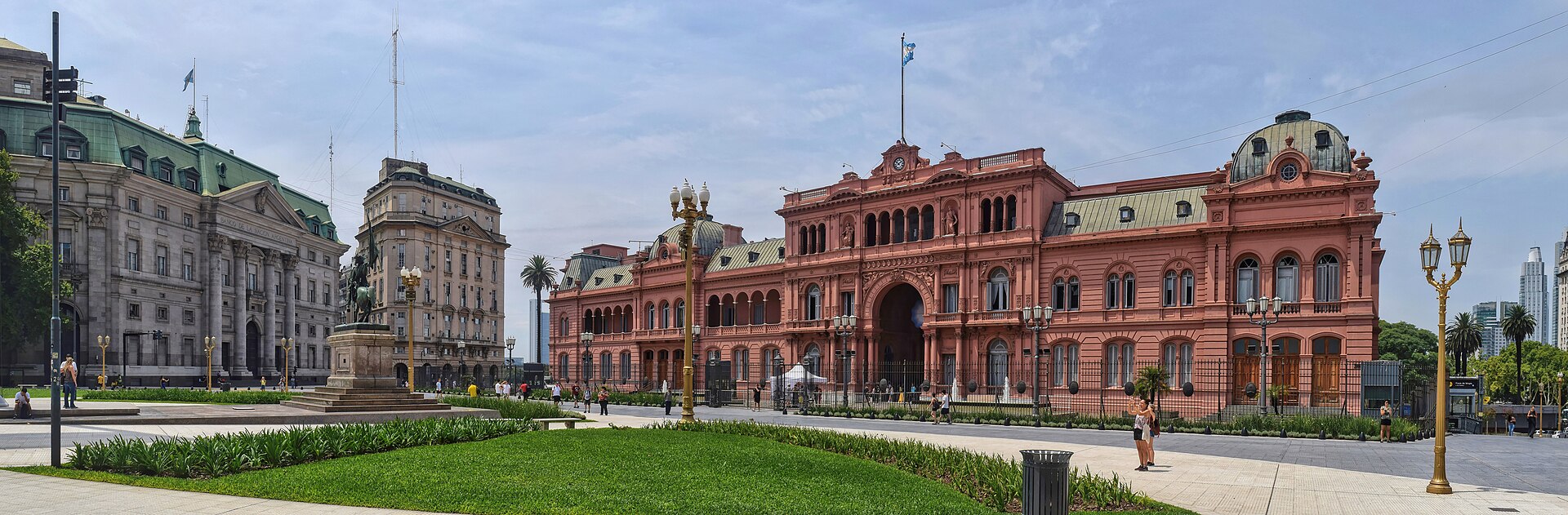
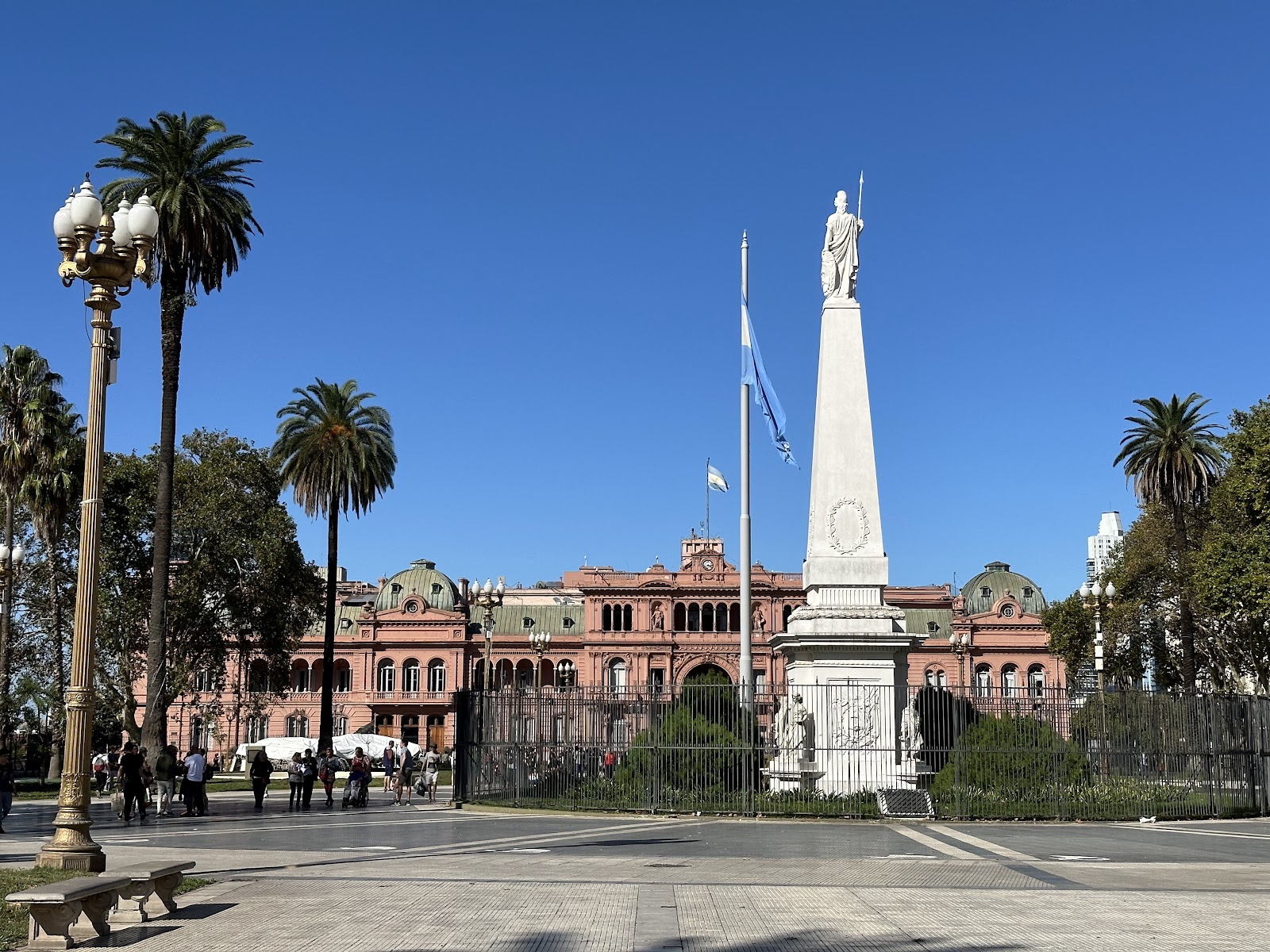
Every city tour should start at Plaza de Mayo, which is the most watched and historically most important square in the entire country. History has been written here for centuries, turbulent revolutions have taken place here, and to this day people come here to passionately protest or celebrate. The square is dominated by the unmistakable presidential palace Casa Rosada, whose typical pinkish color was supposedly created in the 19th century by mixing white paint with ox blood, which then served as an effective protection against moisture from the nearby river.
During a slow walk around the square, you’ll definitely notice white headscarves painted on the pavement. They symbolize the Mothers of Plaza de Mayo movement, which has regularly gathered here every Thursday afternoon since the dark days of military dictatorship, remembering their disappeared children. A short distance from the pink palace, you’ll also find the breathtaking Metropolitan Cathedral, which from the outside resembles a huge ancient temple rather than a classic Christian church, and it was here that the current Pope Francis preached for many years.
If you want to peek inside the famous presidential palace, come here on weekends when free tours of the richly decorated interiors take place. Just remember to reserve your spot well in advance online on the official website. 💡 Tip: You’ll encounter plenty of street vendors on the square, but keep your wallet deep in your pocket, because tourist traffic naturally attracts petty pickpockets here too.
2. Museo Nacional del Cabildo
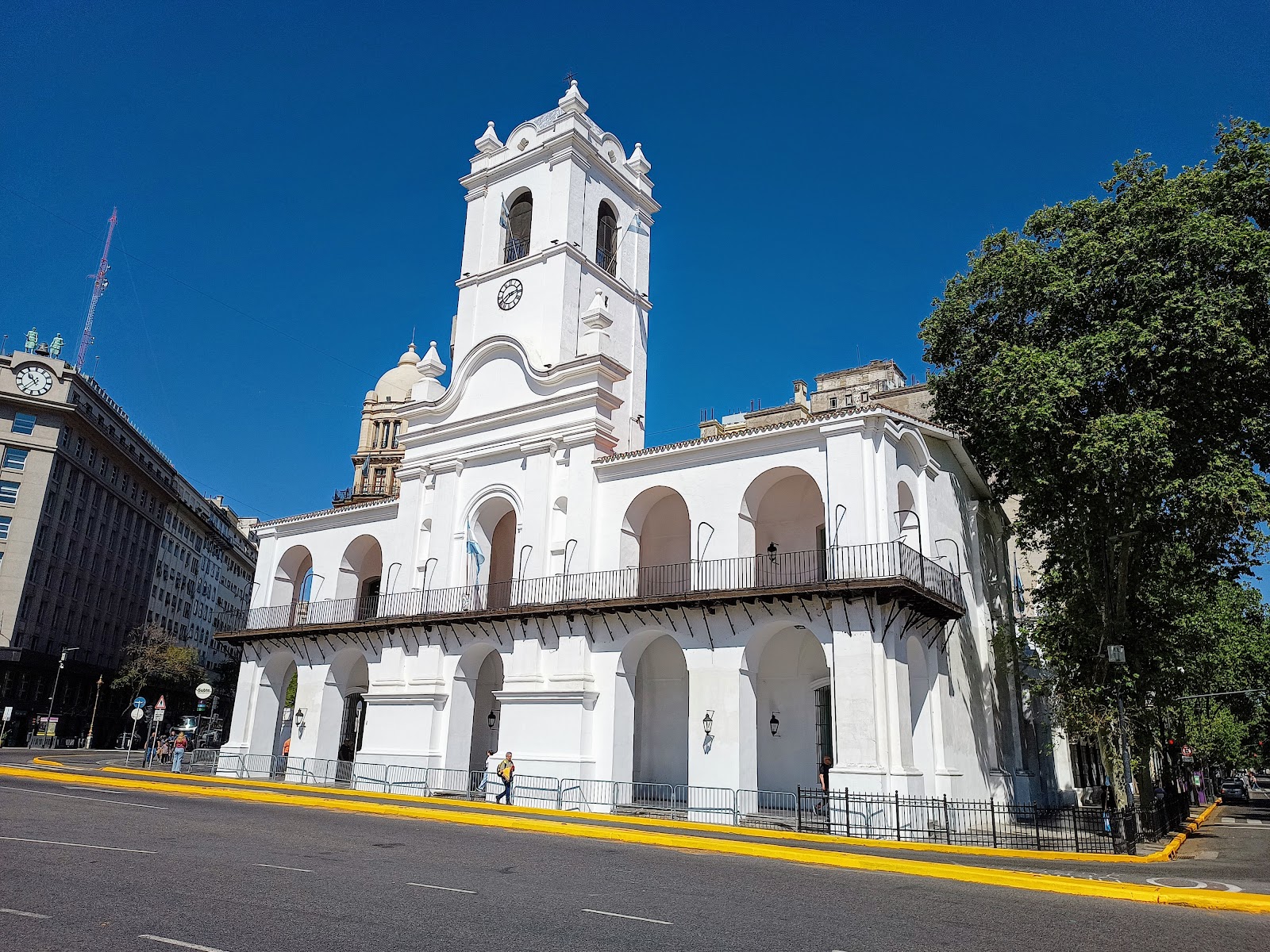
Right across from the pink palace stands a beautiful colonial building from 1580, which today functions as the Museo Nacional del Cabildo. Originally it served as the representative seat of Spanish colonial administration, and it was from here that the revolution was proudly declared in 1810, which eventually led to the independence of this entire enormous country. The building itself is a fascinating example of old colonial architecture, although it was mercilessly shortened twice in the past due to the construction of the surrounding wide avenues.
Inside you’ll find very well-presented exhibitions about the city’s complex history and the colonial era, but the main attraction is the view from the upper floor directly onto the entire Plaza de Mayo. From this historic balcony, you’ll capture some of the best photos of the whole square, and if you still have time, it’s worth stopping by the temporary exhibitions or sitting in the courtyard under the shade of trees.
💡 Tip: Entry to the museum is usually very cheap and the exhibition isn’t unnecessarily drawn out, so the entire visit will take you a pleasant hour and a half at most, which is absolutely ideal for escaping the midday sun. As elsewhere, the museum is closed on Mondays, so visit on another day.
3. Avenida Corrientes and Nightlife at the Obelisk
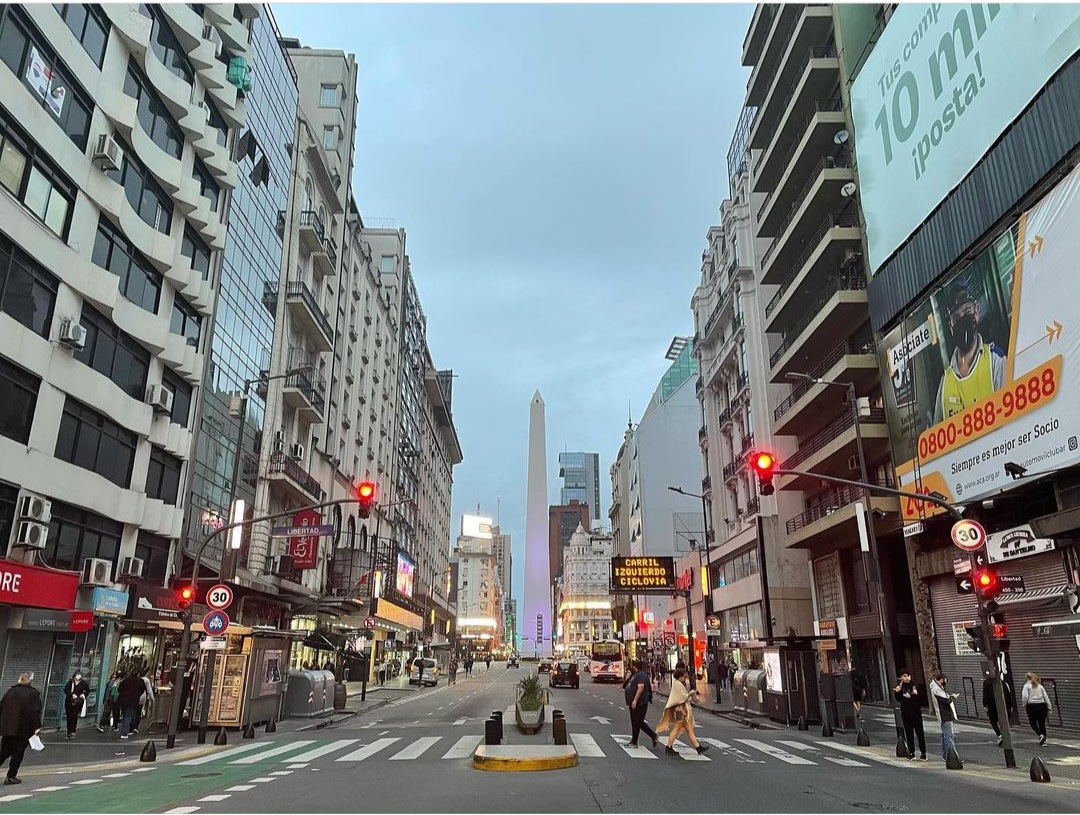
If you want to experience the real, never-sleeping Buenos Aires, you need to head to Avenida Corrientes, often nicknamed the street that never sleeps. This endlessly wide avenue is full of huge theaters, classic pizzerias, and especially famous bookshops that stay open well past midnight. All this evening bustle peaks at the iconic Obelisk at the intersection with Avenida 9 de Julio, which is said to be the widest avenue in the world, and crossing it completely on one green light is an almost superhuman feat.
When you come here after eight in the evening, you’ll see the city at its absolute best. Argentinians, as already mentioned, usually have dinner between nine and half past ten in the evening, so restaurants often don’t even open before then. This neighborhood is famous for its specific pizzeria style, because the local pizza al molde has very thick, fluffy dough and is generously covered with an incredible amount of stringy cheese—a tradition that comes from Italian immigrants.
💡 Tip: Stop by the legendary Café Tortoni from 1858, where the local elite and famous artists used to gather. The interior full of dark wood, luxurious marble, and colorful stained glass will instantly transport you back a hundred years. If you feel like a classic café con leche and traditional sweet medialunas (local croissants), you won’t find a better place to rest.
4. Palacio Barolo and Dante’s Inferno
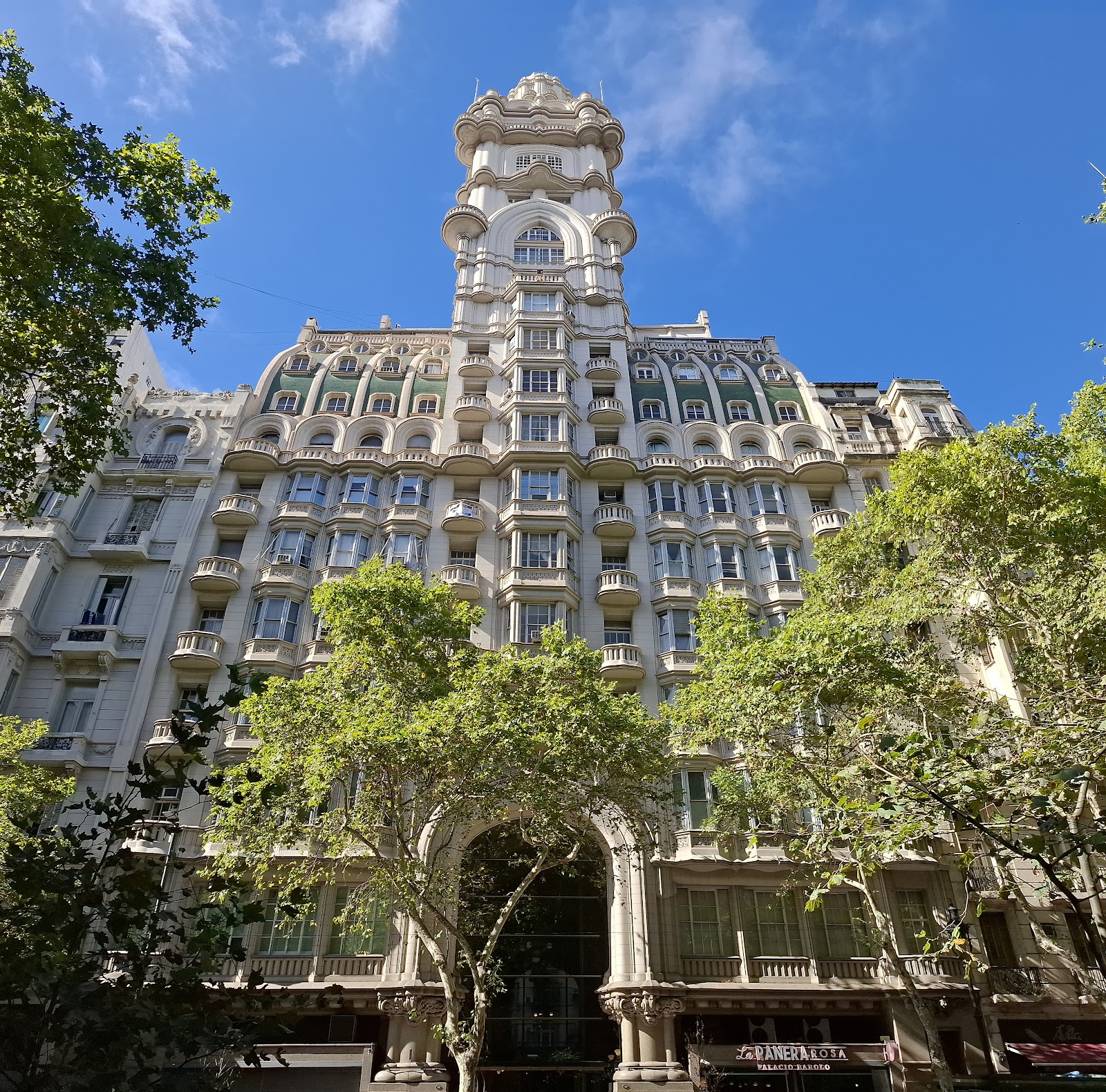
Just a short walk from the main action, you’ll find Palacio Barolo, an absolutely fascinating skyscraper from 1923 that was built as an architectural tribute to Dante’s famous Divine Comedy. Every detail of this unique building has its hidden meaning, and the entire structure is divided vertically into three symbolic parts. The basement and ground floor represent the dark and terrifying inferno, the middle floors symbolize purgatory, and the very top of the tower with its lighthouse represents heavenly paradise.
Today the building houses regular offices, but you can join an organized tour that takes you in detail through all levels right up to the roof itself. The view from the upper floors and the illuminated lighthouse over the entire city is absolutely breathtaking and worth every peso spent. Tours also run in the late evening hours, when you can treat yourself to a glass of good wine with a view over the endless lit-up city—an experience you won’t soon forget.
💡 Tip: Definitely buy your tour tickets well in advance online, because especially on weekends and in the evening hours, slots tend to sell out quickly. For architecture lovers, this is one of those stops it would be a sin to miss.
5. Hidden San Telmo at El Zanjón de Granados
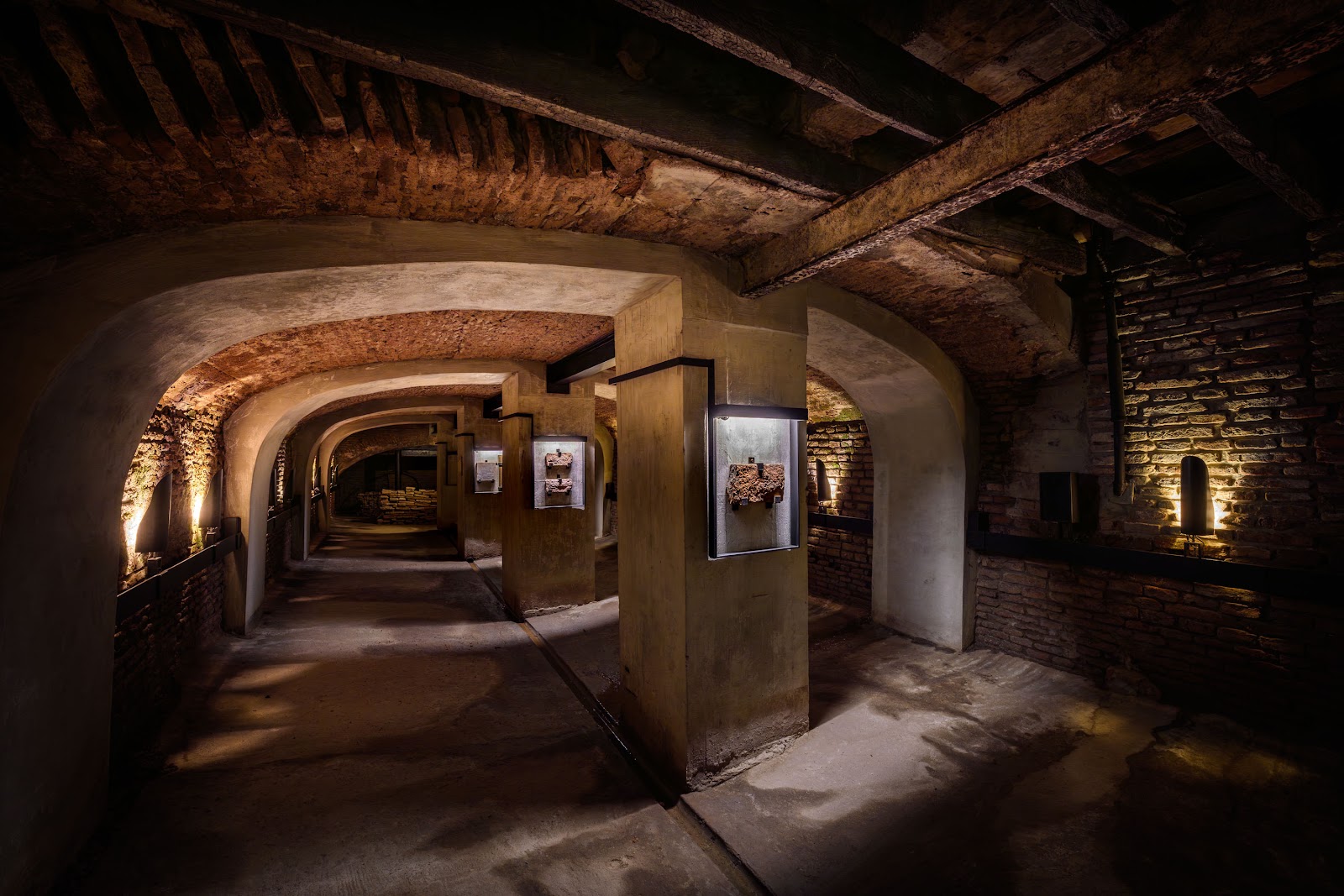
The San Telmo neighborhood hides one of the highest-rated places in the entire city, which unfortunately most regular tourists miss. It’s called El Zanjón de Granados and is an incredible system of underground tunnels and vaulted cellars that were accidentally discovered in the 1980s beneath an old townhouse. The owner originally just wanted to renovate the entire house into a restaurant, but instead uncovered forgotten 19th-century drainage channels that concealed centuries-old secrets.
Today this historic site is beautifully restored and functions as a fascinating archaeological museum, where you’ll learn interesting details about how the city changed and rose over the centuries. Tours are conducted with guides in both English and Spanish, and it’s absolutely essential to book them in advance because capacity is limited. Finding yourself suddenly in a quiet, brick underground just a few meters below the noisy metropolitan streets is an incredibly magical and calming experience.
💡 Tip: The tour lasts about an hour and a half, and the guides here are truly passionate about their work. After the tour, definitely walk through the surrounding crooked streets of San Telmo, which have retained their slightly crumbling, bohemian charm and are full of small cafés and dusty antique shops.
6. Mercado de San Telmo
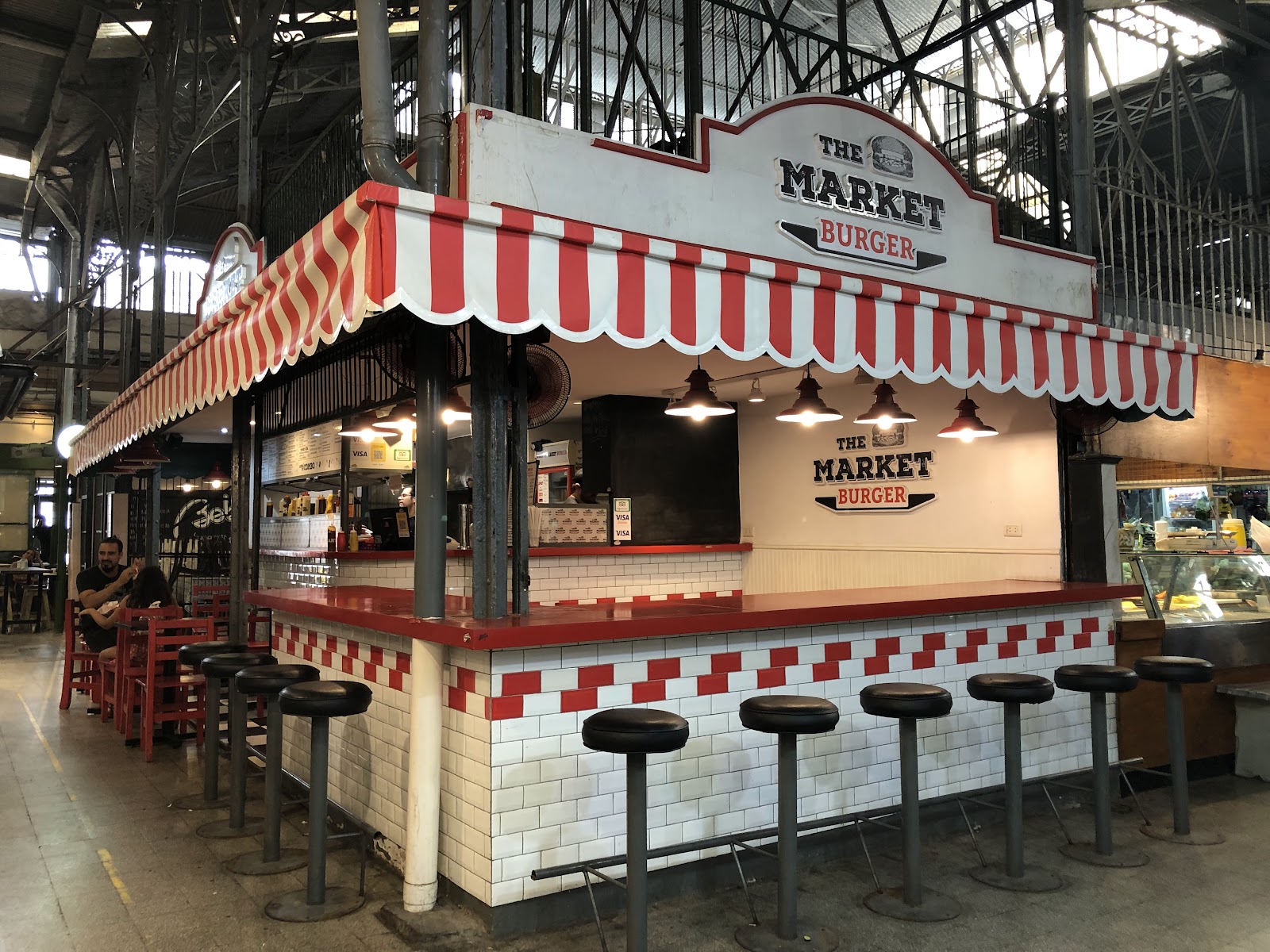
When hunger strikes or you fancy a good coffee, head to Mercado de San Telmo, a beautiful historic market from 1897. Its huge steel structure with a glass roof was designed by an architect clearly inspired by European buildings of that era, and today beneath it you’ll find a mix of classic vegetable stalls, dusty antique shops, and modern bistros with excellent food.
The atmosphere here is incredibly lively, everywhere smells of spicy spices, fresh coffee, and fresh pastries. You can eat really well here for very reasonable prices, whether you fancy traditional empanadas de humita (with corn filling) or prefer an excellent cappuccino from one of the local specialty roasters. For those with a sweet tooth, there’s a huge selection of desserts, naturally dominated by the omnipresent dulce de leche.
💡 Tip: During busy weekends there’s usually an enormous crowd and you’ll struggle to find a seat at the food stalls, so if you want to photograph the market in peace and look around properly, come here instead on a weekday morning. On Sunday, the entire space transforms into one big buzzing hive.
7. Sunday Feria de San Telmo and Plaza Dorrego
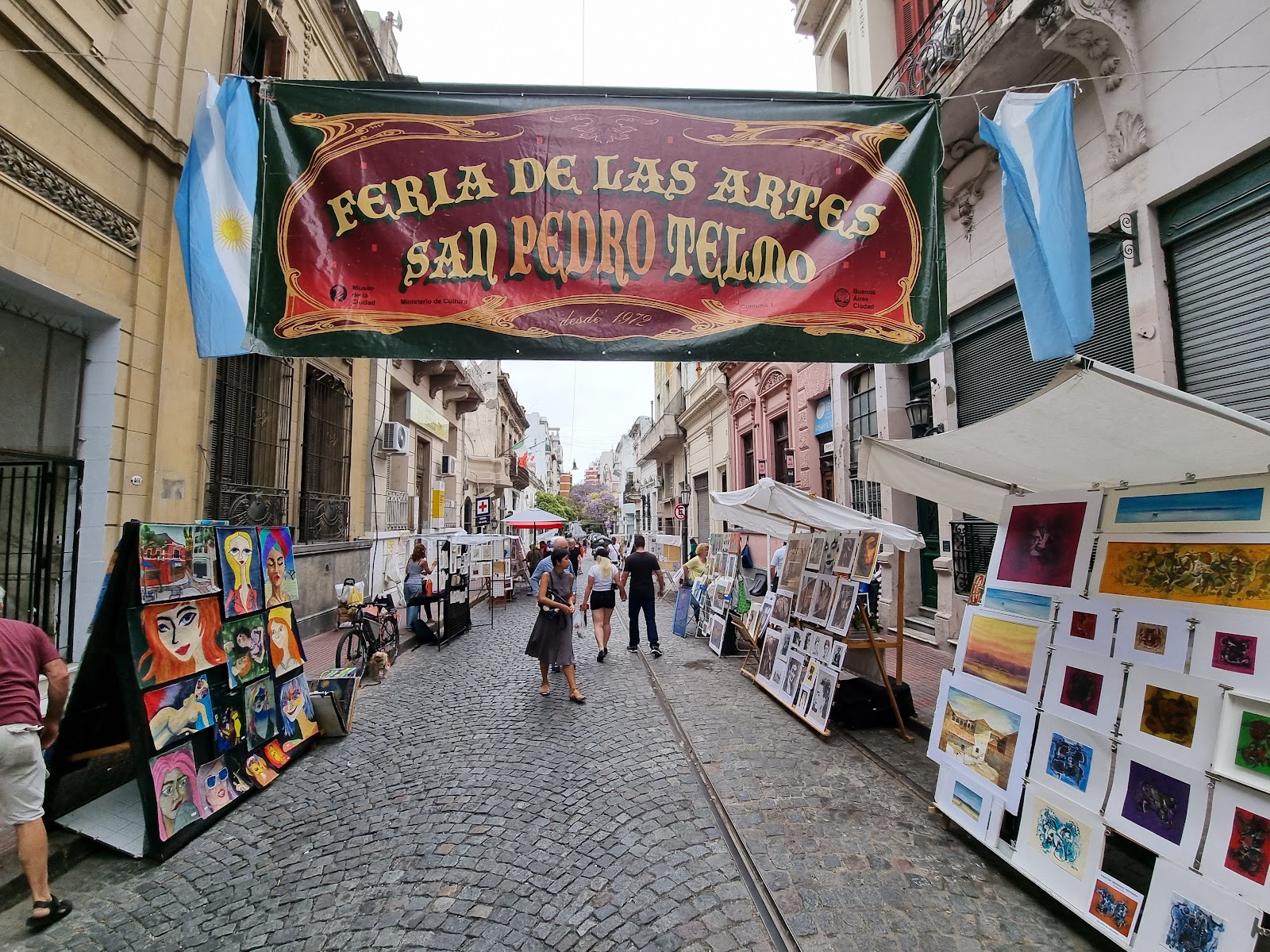
If your travel itinerary allows, definitely set aside an entire Sunday to visit the famous Feria de San Telmo market. It stretches along Defensa street for more than ten blocks, and you’ll find absolutely everything from valuable antiques to handmade jewelry, leather goods, and warm knitted sweaters. The streets are full of street musicians, dancers, and snack stalls, so it looks like one big happy festival.
The heart of the entire neighborhood and the figurative peak of the market is then the ancient Plaza Dorrego square, where sellers of the most interesting and bizarre antiques gather every Sunday. It’s on this square that in the early evening, milonga dancing begins in the open air. People simply put on their dance shoes and launch into such passionate tango on the cobblestones that you can’t take your eyes off it. First there are lessons for complete beginners, and then free dancing follows for everyone.
💡 Tip: Given the enormous crowds of people moving around here on Sunday, one basic rule applies: watch your personal belongings. San Telmo during the market is a frequent target for petty pickpockets, so don’t carry your wallet in your back pocket and keep your backpack in front of you.
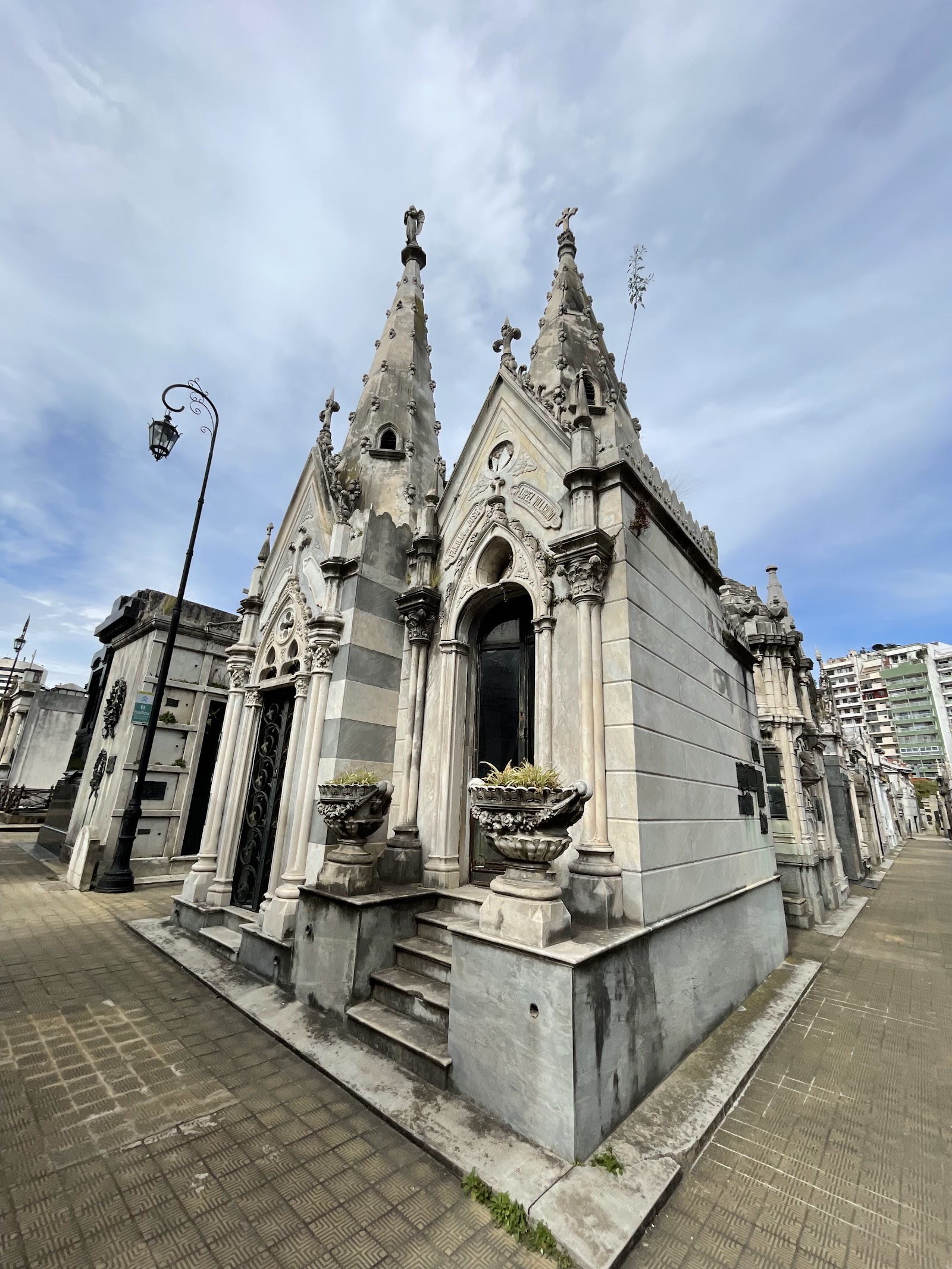
8. Recoleta Cemetery (no longer free!)
In the Recoleta neighborhood stands one of the most iconic sites in all of Argentina, the famous Recoleta Cemetery, which resembles a luxurious city of the dead more than a traditional graveyard. You’ll find over 4,700 ornate marble tombs and mausoleums decorated with angels, crosses, and detailed sculptures. The most famous spot is, of course, the tomb of Eva Perón (Evita), where queues constantly form with people who still bring her fresh flowers decades after her death.
While it used to be completely free to enter and the cemetery was a symbol of “free beauty,” that’s no longer the case. For foreign visitors, entrance is now significantly charged, and in July 2026 a ticket cost 24,030 ARS (approximately 16 USD or €15). What’s absolutely crucial: entrance fees are paid exclusively by card—they simply won’t take cash here at all. If you want to save time and avoid the queues, arrive early in the morning around nine o’clock.
💡 Tip: The cemetery is enormous and it’s easy to get lost, so I recommend taking a photo of the orientation map right at the entrance so you won’t have to search for the Duarte family tomb (where Evita rests) in the maze of paths. Many tombs are also quite dilapidated, which gives the place a very specific, almost slightly eerie atmosphere.
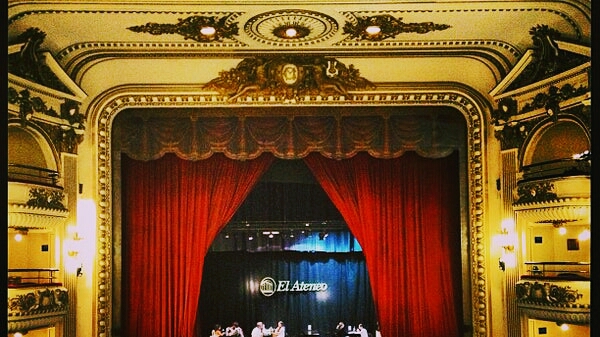
9. The Most Beautiful Bookstore El Ateneo Grand Splendid
If you love books or simply beautiful historic architecture, El Ateneo Grand Splendid will leave you stunned right at the door. This breathtaking bookstore is housed in a former theater and cinema from 1919, and the British newspaper The Guardian rightfully declared it the second most beautiful bookstore in the entire world. Best of all, entrance is completely free and they’re usually open from nine in the morning until nine in the evening, so you can visit virtually anytime.
The original enormous auditorium is now filled from floor to ceiling with shelves of books, while in the decorated boxes you can sit comfortably and read in peace. On the actual stage behind a heavy velvet curtain, there’s a café where you can order excellent coffee, listen to soft piano music, and admire the stunning painted ceiling. The whole thing feels incredibly elegant and majestic.
💡 Tip: The photos you’ll take here are among the best you’ll bring home from the city, so don’t forget to go up to the upper floors, where you’ll get the best panoramic view of the entire sea of books below you. It’s the ideal hideaway on days when it’s too hot outside or when it’s raining.
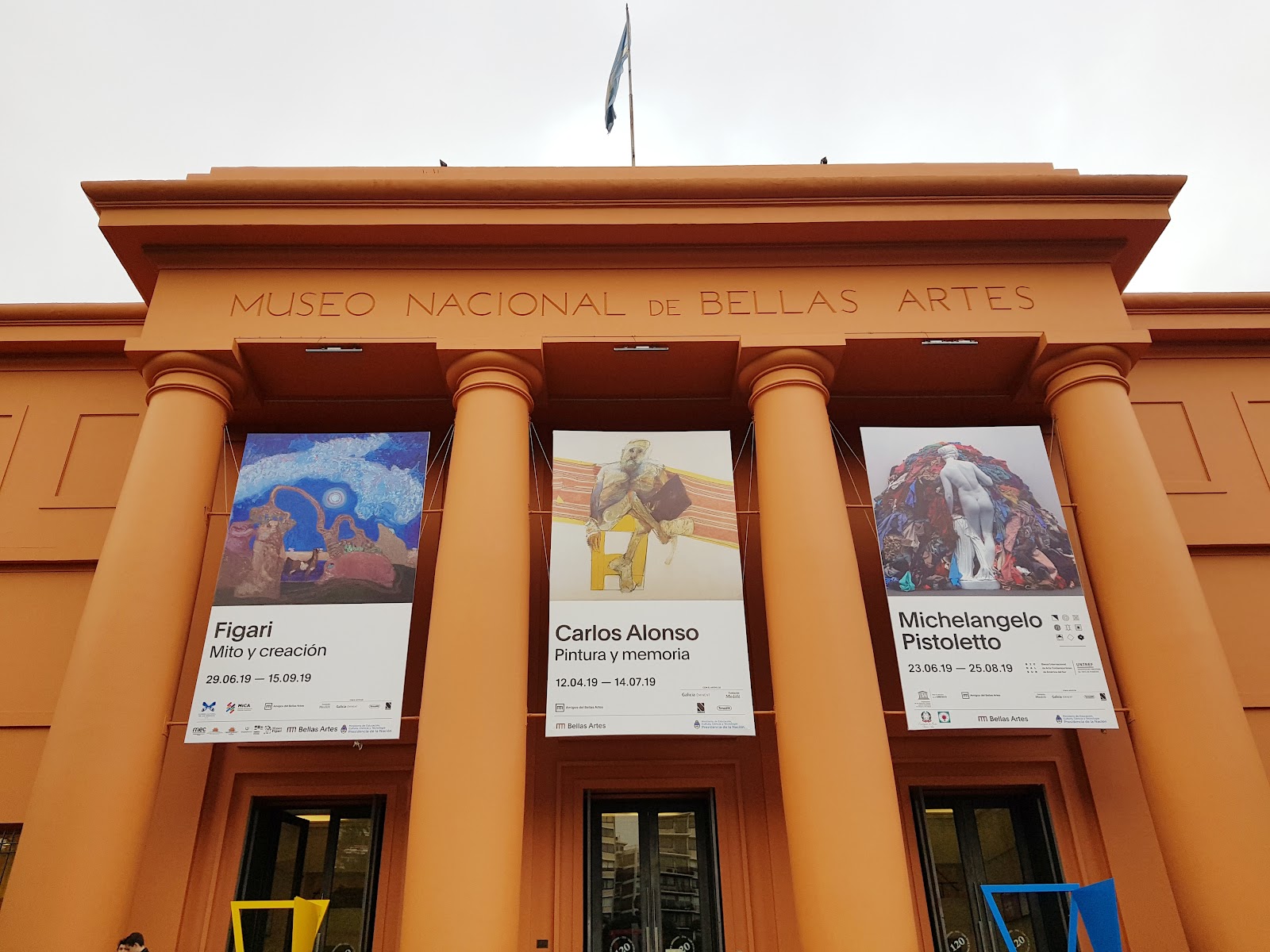
10. Museo Nacional de Bellas Artes
Right next to the famous Recoleta Cemetery stands a striking pink building that houses the Museo Nacional de Bellas Artes, which holds the largest collection of European and Argentine art in all of Latin America. Even if you’re not a devoted art lover, this place is definitely worth a visit because its enormous halls display originals by Rembrandt, Van Gogh, Monet, and Goya. Moreover, it’s one of the few world-class institutions of this caliber where entrance to the permanent collections is still completely free.
The museum also offers a fantastic overview of Argentine art from the 19th century to the present day, so you’ll gain excellent insight into the rich local culture and history. The spaces are huge, airy, and beautifully lit, so even if you spend several hours here, you won’t feel cramped. The collections are organized chronologically, so 19th-century Argentine art flows seamlessly into the contemporary scene.
💡 Tip: Most museums in the city, including this one, are closed on Mondays, so plan your visit for another day of the week. On weekends it’s naturally busier, but the spaces are so vast that crowds disperse quite easily and you can enjoy the art in peace.
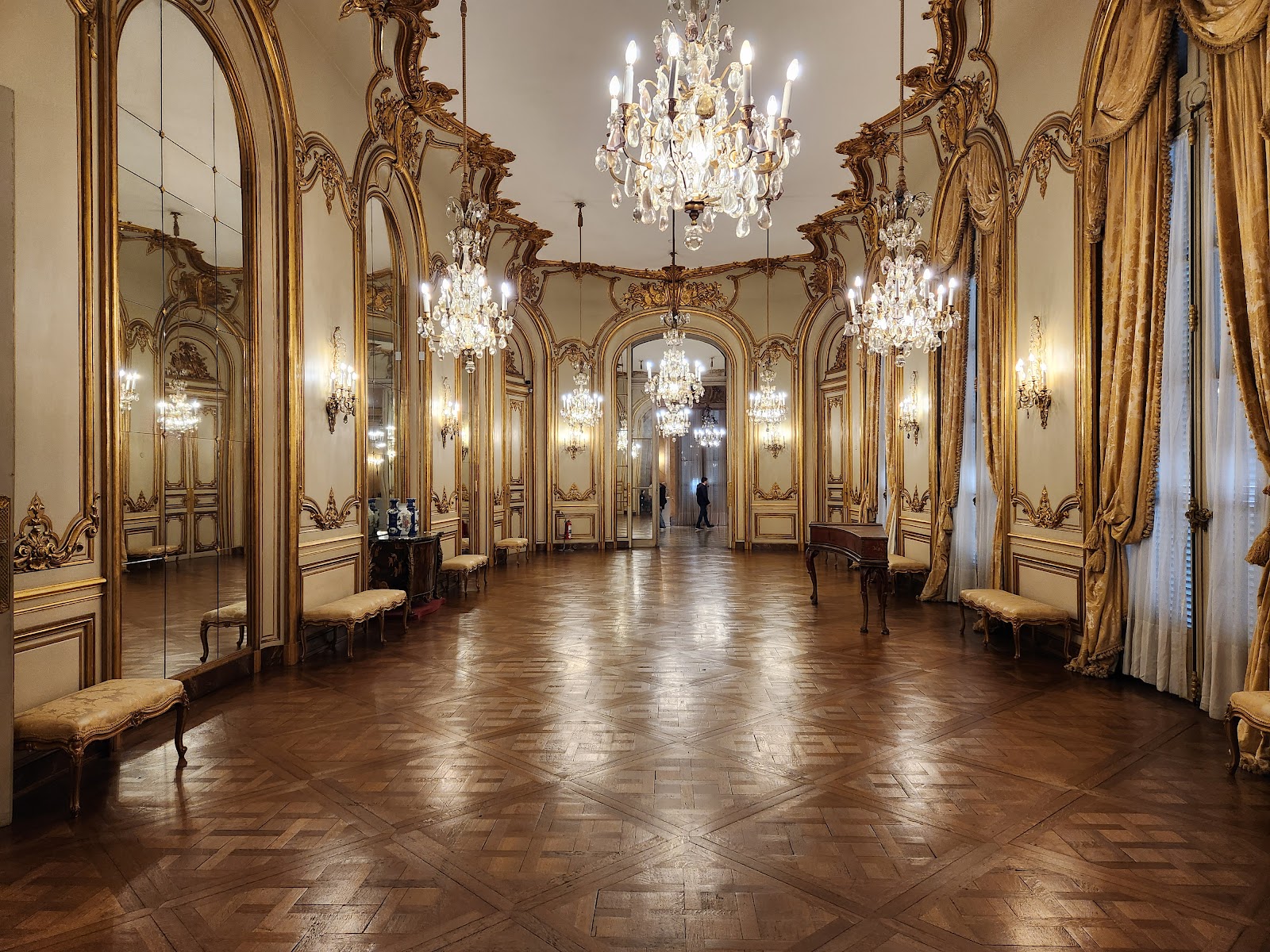
11. Museo Nacional de Arte Decorativo
If you’ve ever wondered how Argentina’s upper crust lived a century ago, you must visit the Museo Nacional de Arte Decorativo. This museum is housed in a stunning palace built in 1917 by the incredibly influential and wealthy Errázuriz family. The building is designed in perfect neoclassical style and the interiors are preserved exactly as the family once inhabited them in all their dazzling glory.
As you slowly walk through the enormous halls, you’ll see original furniture brought from Europe, historic tapestries, paintings, and incredibly detailed decorated ceilings. It feels more like touring a grand château on the Loire River than a museum in South America. It’s a wonderful contrast to the more modern parts of the city and a beautiful reminder of the era when Buenos Aires was one of the wealthiest cities in the world.
💡 Tip: Entrance fees are usually very low and they often host interesting temporary exhibitions of modern design that contrast beautifully with the historic palace setting. In the grounds you’ll also find a very pleasant café called Croque Madame where you can have coffee in the courtyard.
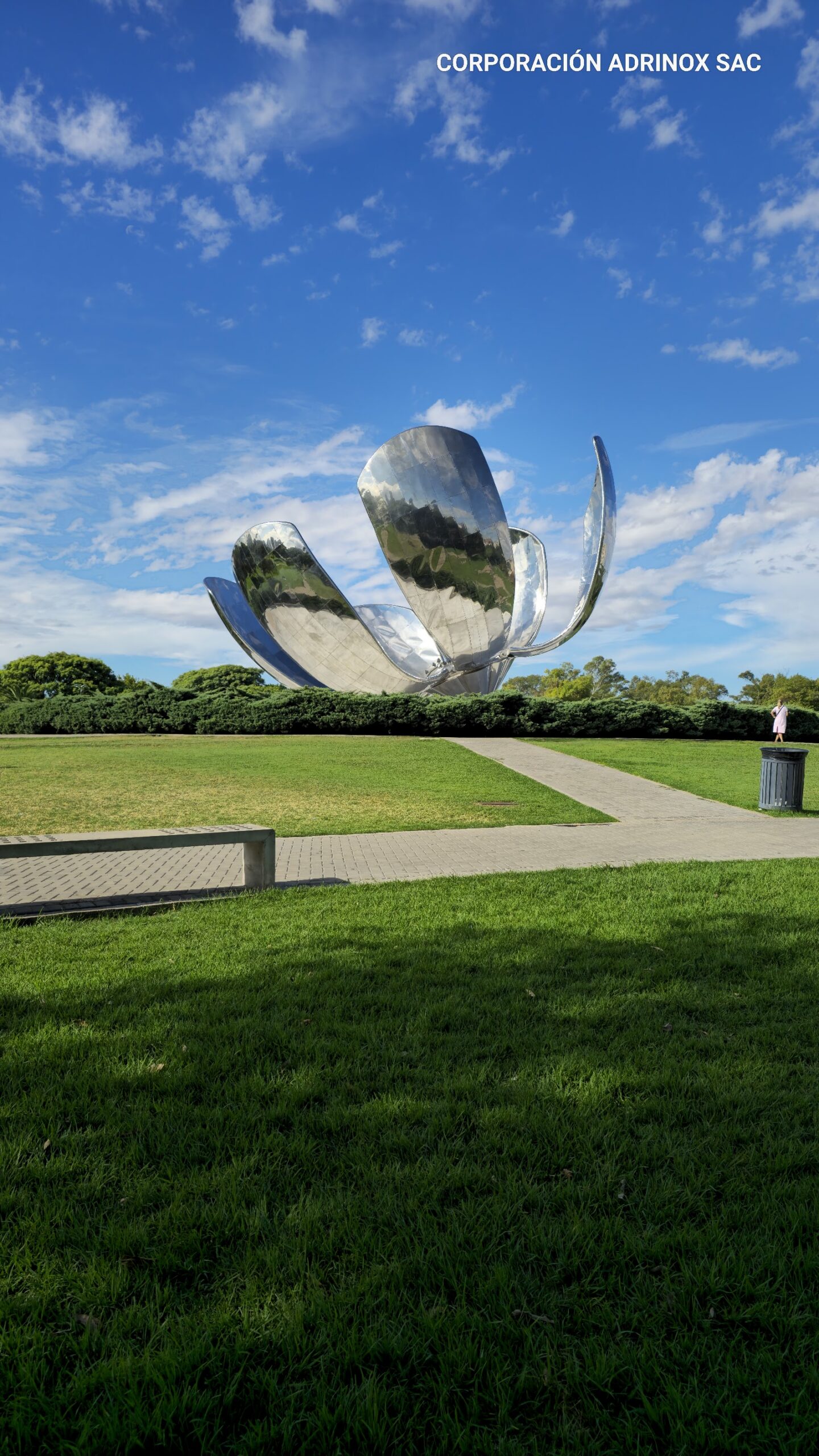

12. Floralis Genérica Flower
While exploring the Recoleta neighborhood, you definitely won’t miss the enormous silver sculpture that confidently sits on Plaza Naciones Unidas. Floralis Genérica is a twenty-meter-tall flower made of aluminum and steel, generously donated to the city by a local architect. The sculpture is designed to react to sunlight: its huge petals are meant to open every morning and slowly close again at sunset.
The truth is, however, that the complex hydraulic mechanism is often broken, so sometimes the flower stays open at night or doesn’t open at all. Nevertheless, it’s one of the most photographed modern symbols of the city and the surrounding spacious park offers a great spot for a short rest on the grass with a view of the glass skyscrapers in the background. If you’re lucky and the mechanism is working, it’s truly an impressive sight.
💡 Tip: The park around the sculpture is ideal for a small picnic. Just buy a few sweet medialunas at a nearby bakery, find a spot on the grass, and simply watch the bustle around you for a while. Entrance to the park is free and there are usually far fewer people here than in nearby Palermo.
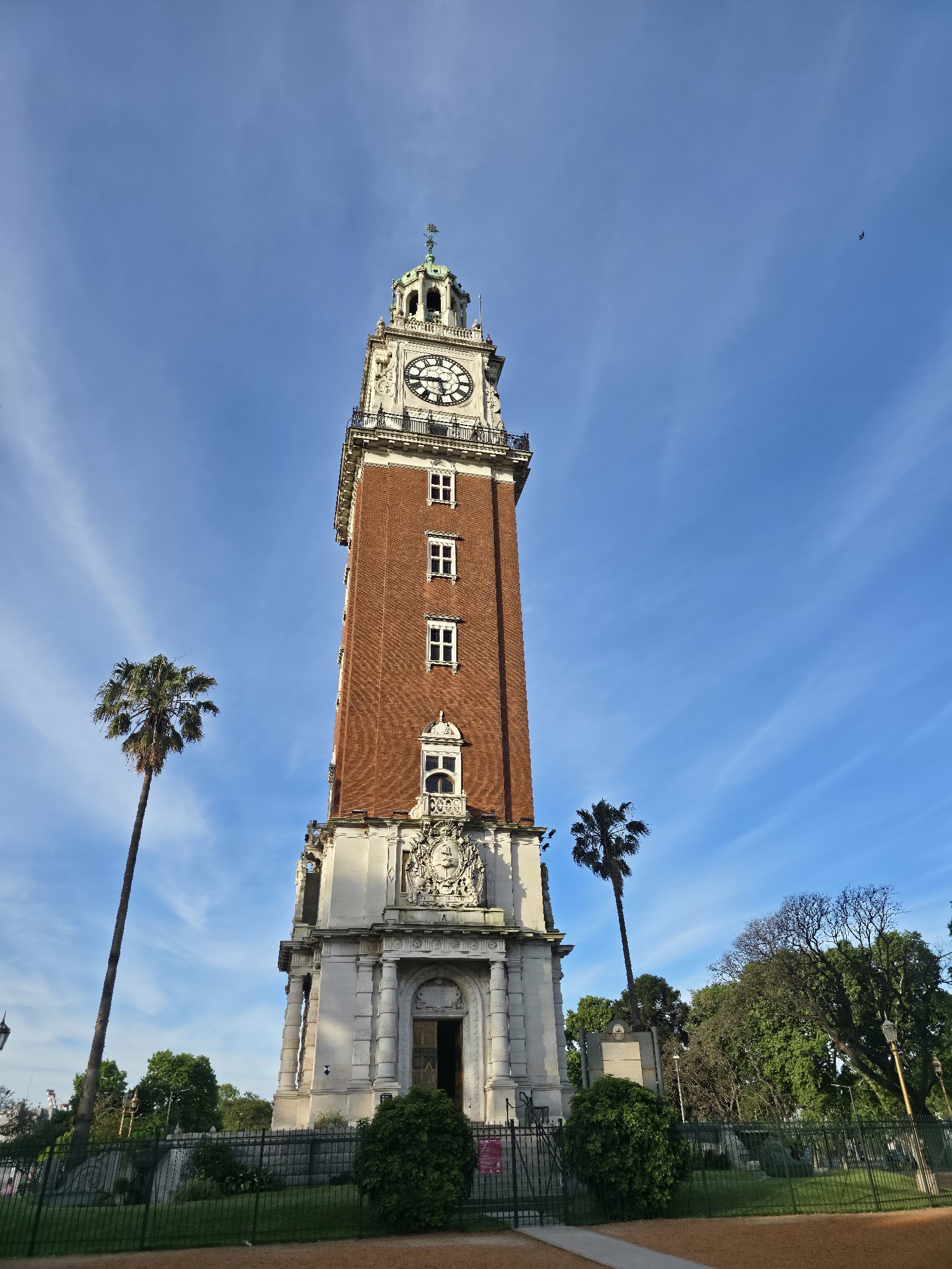
13. Torre Monumental in Retiro
Right by the main train station in the Retiro neighborhood rises an unmissable brick clock tower that looks like it could be London’s Big Ben’s twin. Torre Monumental was donated to the city by the large local British community in 1916 on the occasion of the centenary celebrations of Argentine independence. Interestingly, it was originally called Torre de los Ingleses (Tower of the English), but after the Falklands War in the 1980s, the Argentines quickly renamed it.
For a small fee, you can take an elevator up to the observation deck, which offers a great view of the old port, the busy Plaza San Martín, and the endless stream of trains and buses at the nearby main terminal. The tower tour doesn’t take much time, but the view of this part of the city is definitely worthwhile and you’ll take great photos from here.
💡 Tip: The area around the huge Retiro station is one of the busiest in the entire city, so keep a close eye on your personal belongings and don’t unnecessarily display expensive phones. This is where most petty thieves on motorcycles operate, so caution is warranted, especially if you arrive here with large luggage.
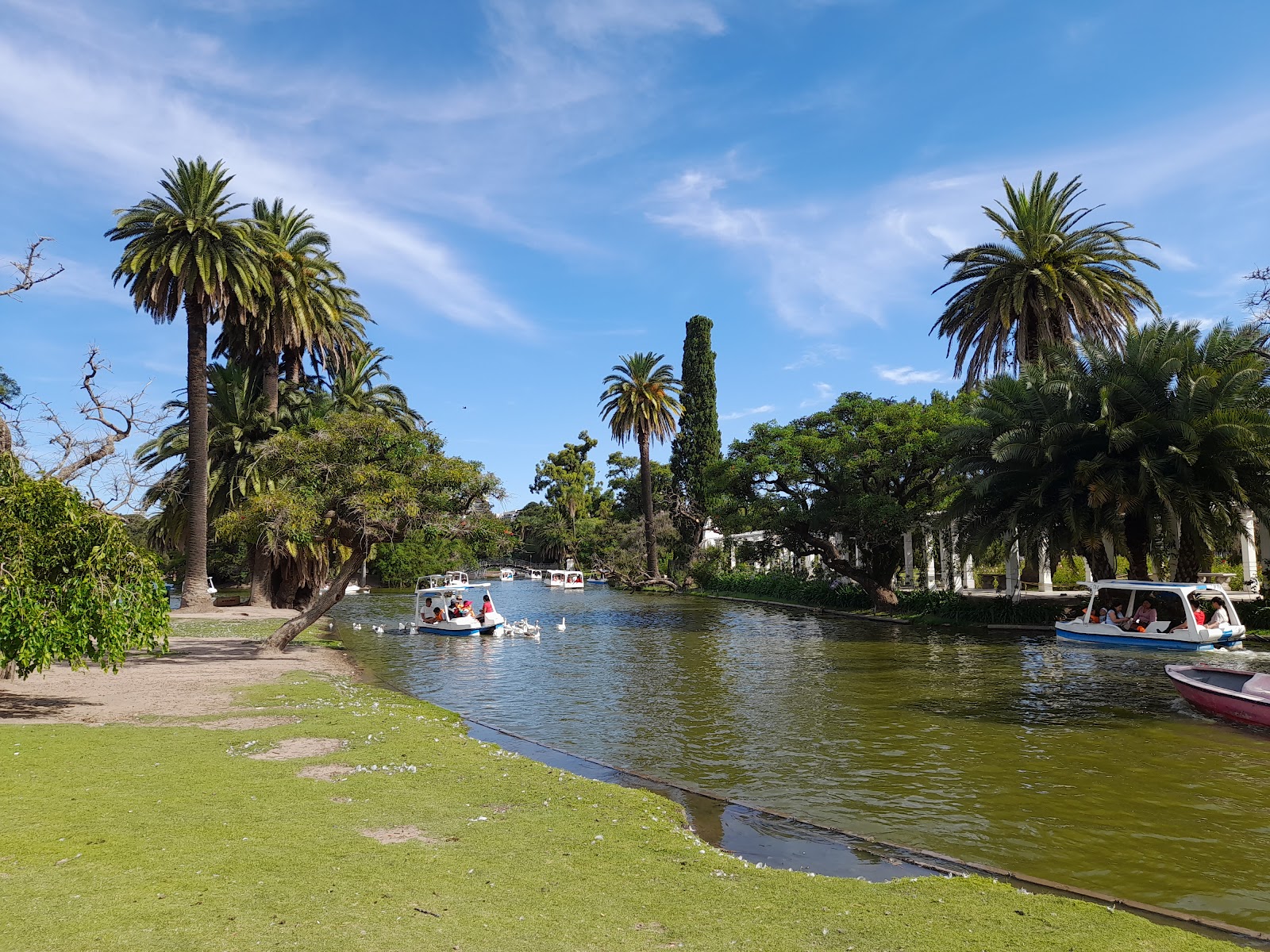
14. Bosques de Palermo and the Famous El Rosedal Rose Garden
When you want to take a break from traffic noise and hot concrete, head north to the massive park complex known as Parque Tres de Febrero, or more commonly just Bosques de Palermo. This enormous urban green space is made up of endless lawns, artificial lakes, and miles of paths. Simply put, it’s a place where time stops on weekends: locals lie on the grass, sip mate, and play football.
The absolute jewel of the entire park is the El Rosedal rose garden, where more than 18,000 rose bushes of all possible colors and varieties await you. In the middle of the garden stands an iconic white bridge that’s a must-have in any Buenos Aires photo, surrounded by wooden pergolas covered in climbing plants. Entry to the rose garden is completely free, but be careful—it’s often fenced and the gates are locked at night for security reasons.
💡 Tip: In the park you can rent paddle boats and take a ride on the local lakes, which is a great opportunity to relax. Don’t forget to bring a blanket and drinks, because that’s exactly how locals spend their weekends.
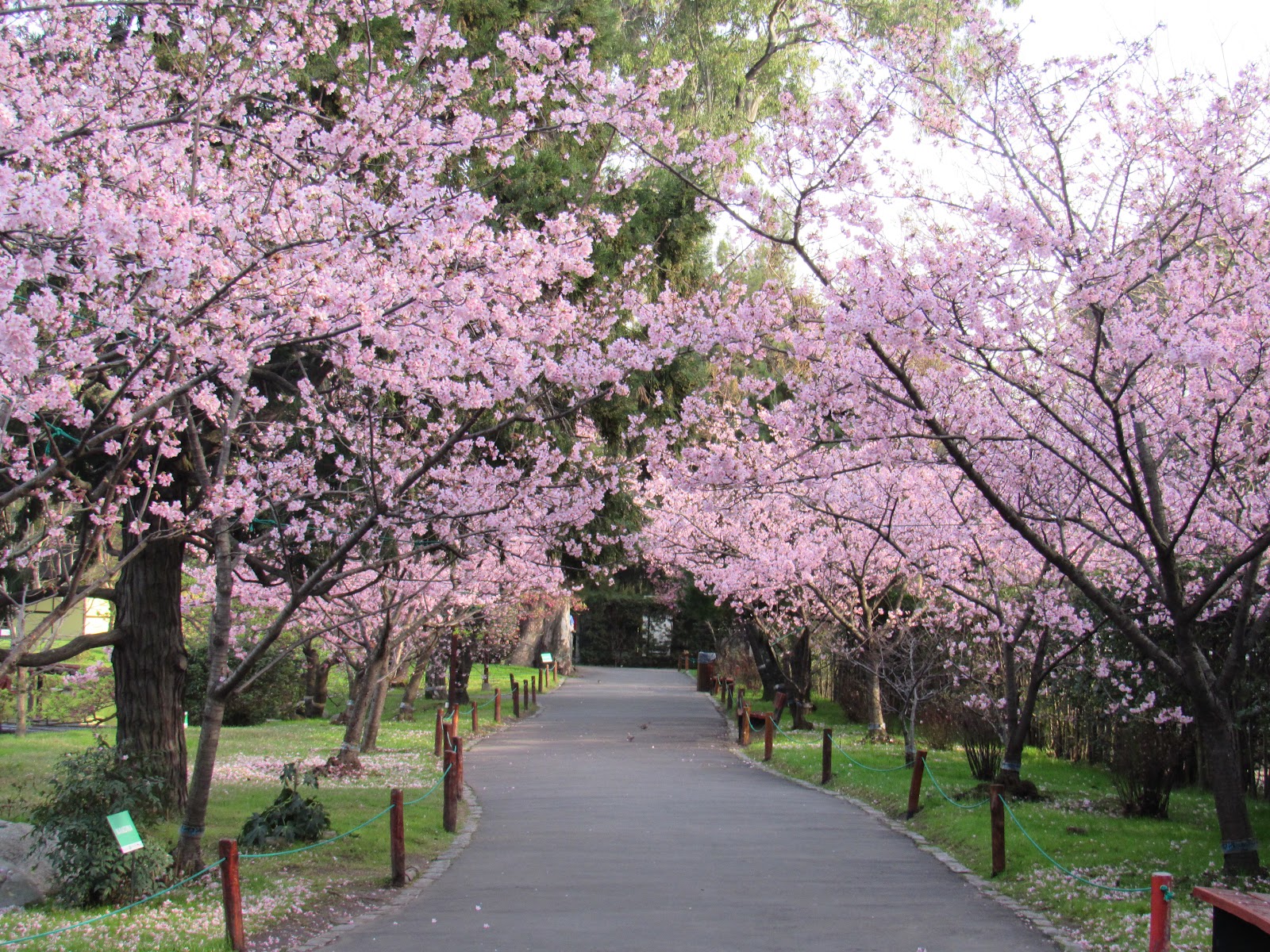
15. Jardín Japonés
Right on the edge of the sprawling Palermo parks you’ll find another green wonder. Jardín Japonés is one of the largest and most beautiful Japanese gardens built outside Japan itself. You’ll find yourself in a completely different world full of tranquility, red wooden bridges, carefully pruned bonsai, and ponds full of huge, colorful koi carp that you can feed with special pellets from a local vending machine.
The garden was created back in 1967 and to this day it’s maintained by the local Japanese community, who take care of every detail. There is a small entrance fee (around €10), but the money collected goes directly to its maintenance and a cultural foundation. Inside there’s also a traditional tea house and cultural center where interesting calligraphy or origami workshops are often held. It’s simply the ideal place to escape to when the huge city starts to overwhelm you a bit.
💡 Tip: Set aside at least an hour and a half for your visit to the garden and don’t rush. Especially early in the morning or late afternoon, when the sun isn’t so harsh, the atmosphere is absolutely magical.
16. Jardín Botánico Carlos Thays
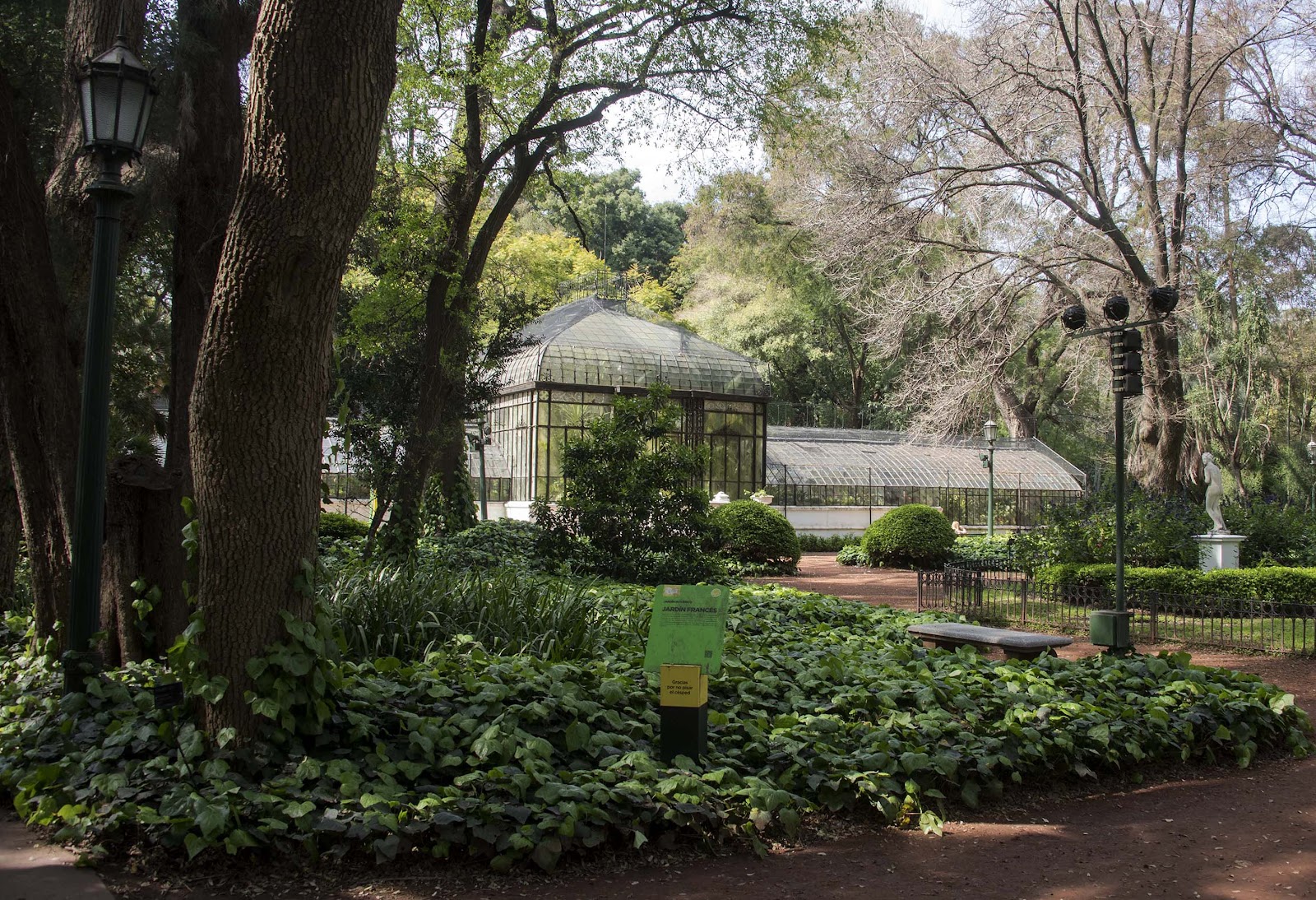
For the third green space, you can’t miss the historic botanical garden Jardín Botánico Carlos Thays in Palermo, which was opened to the public back in 1898. It’s named after the famous French landscape architect who designed most of the city’s important parks and gave it its current green face. Today there are over five thousand species of rare plants from around the world growing here, divided into several thematic sections.
The biggest attraction is the stunning Art Nouveau greenhouse made of wrought iron and glass, which was originally made for the World Exhibition in Paris and subsequently transported by ship to Argentina. The garden is full of sculptures, shady avenues, and entry is completely free. It was also known as home to hundreds of stray cats, but the city has been trying to solve this problem in recent years and the animals are gradually finding new homes, so you won’t encounter as many anymore.
💡 Tip: The botanical garden is an ideal place for a peaceful walk if you want to escape from the busy shopping streets of Palermo. Unlike the surrounding parks, there are far fewer people here and you’ll find plenty of benches hidden in the dense shade of trees.
17. MALBA and Frida Kahlo
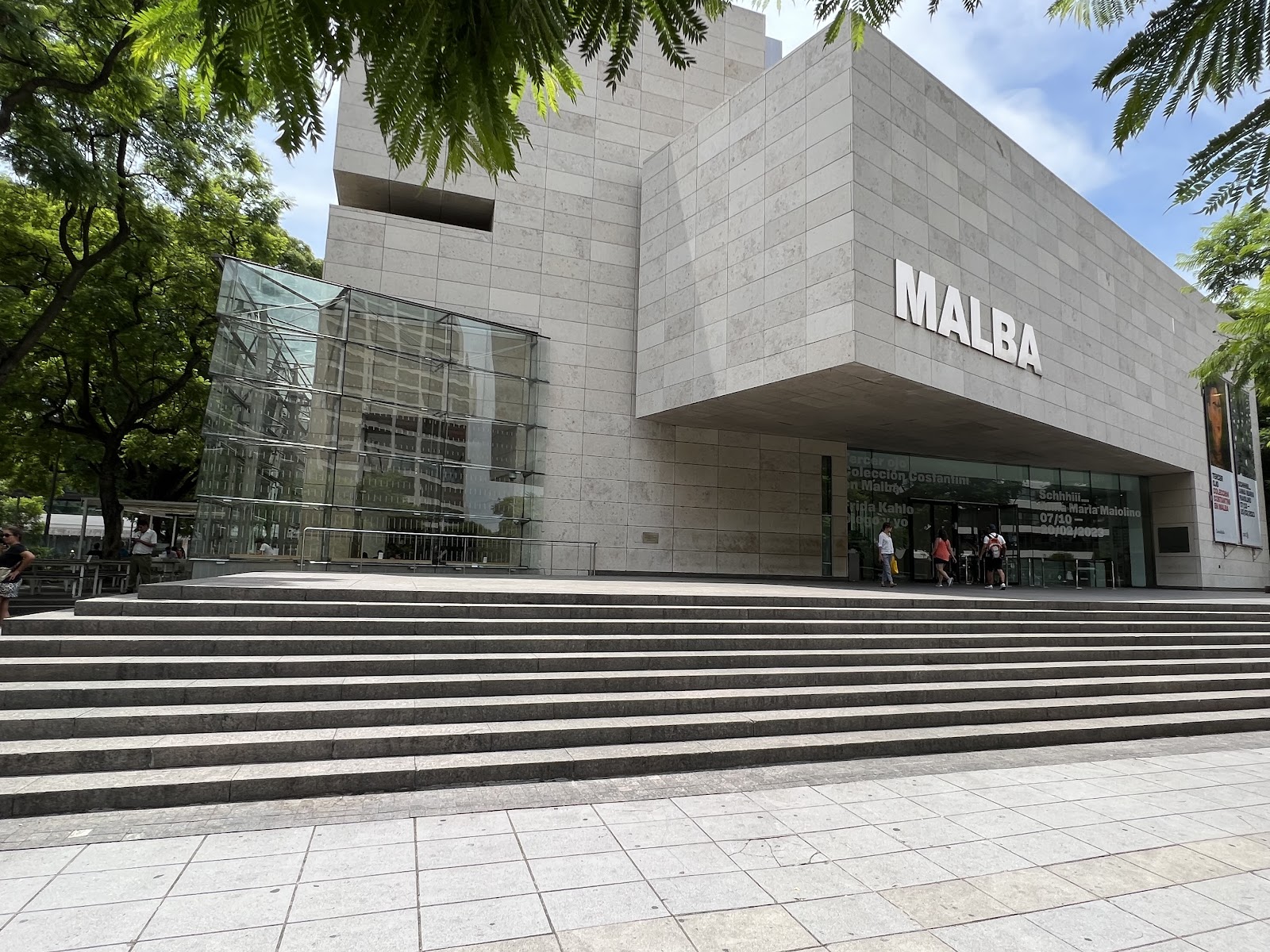
If you like modern art, then a visit to the MALBA gallery (Museo de Arte Latinoamericano de Buenos Aires) is an absolute must. This elegant, airy glass building in Palermo houses the most visited modern art collection in the city and offers a fantastic look at what was happening on the Latin American art scene in the 20th century. The collection is incredibly rich and expertly curated.
The biggest draw of the entire huge exhibition is of course the famous painting Diego y yo by Mexican painter Frida Kahlo, but you’ll also find great works by Diego Rivera, Tarsila do Amaral, and many outstanding Argentine artists. The museum also houses an excellent café and a design souvenir shop where you can get really stylish travel gifts.
💡 Tip: MALBA is one of the few museums that is open on Monday (unlike most others), but closes on Tuesday, so pay close attention to this when planning, so you don’t end up standing in front of closed doors.
18. Caminito in La Boca (Colors and Caution)
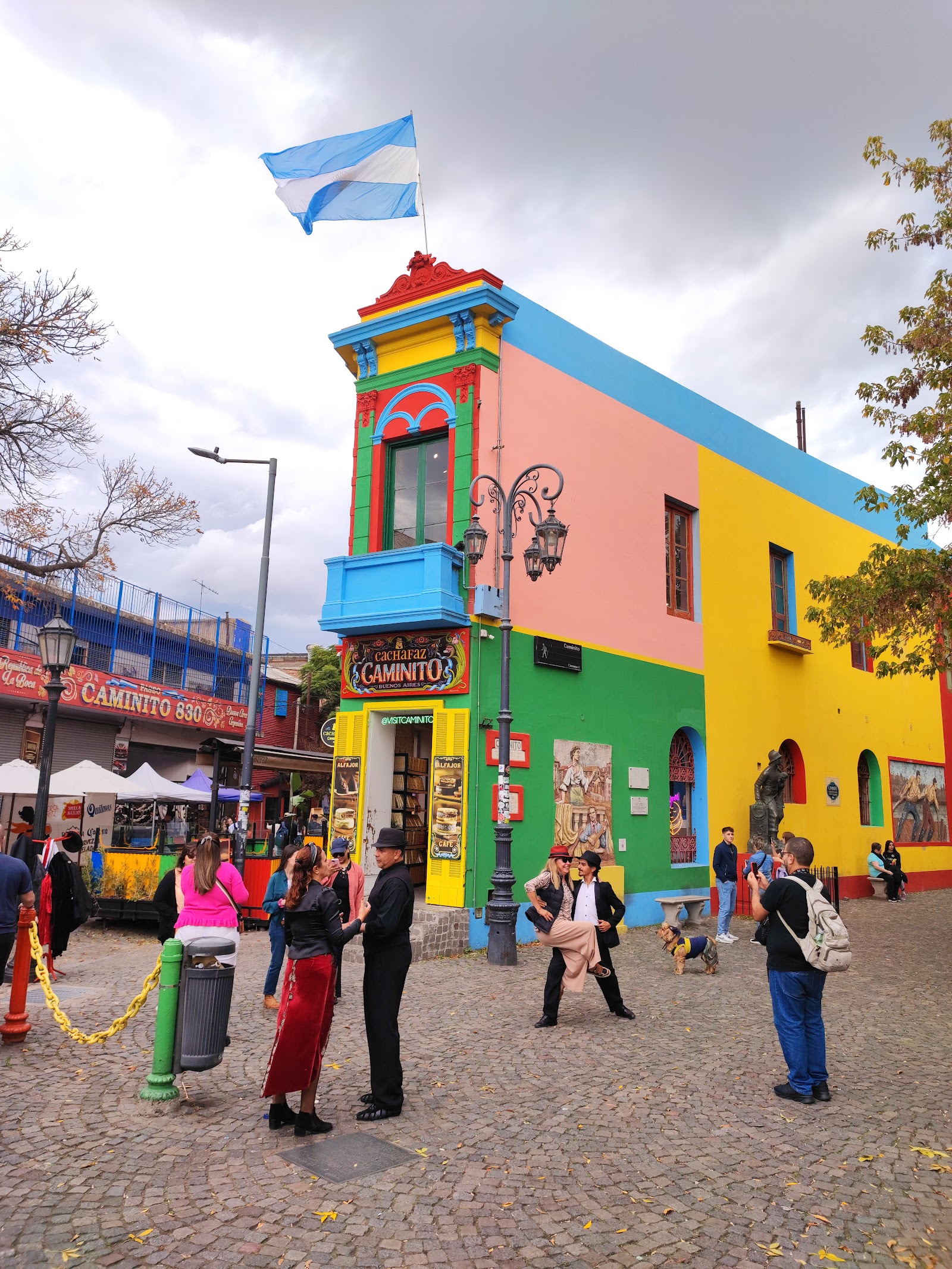
Almost everyone knows photos of the colorful tin houses from travel brochures. These typical houses stand in the La Boca neighborhood, specifically on the famous Caminito street, which is full of street artists, tango dancers, and souvenir stands. It was once a very poor working-class neighborhood where Italian immigrants built makeshift houses from leftover ship metal and painted them with leftover paint from the port. Today it’s a tourist attraction, but the atmosphere is still very strong.
However, it’s absolutely essential to mention safety rules here (without unnecessary scaremongering). Caminito itself and a few adjacent blocks are patrolled by tourist police and are completely safe during the day. But two blocks away you shouldn’t walk on foot, and once it gets dark, you simply leave the entire neighborhood by taxi. Don’t unnecessarily wave an expensive phone above your head in the crowd and time your visit for the morning or early afternoon.
💡 Tip: In La Boca you’ll also find the interesting Museo Benito Quinquela Martín, which displays paintings of port workers by the painter. It was this man who came up with the idea of colorful houses in Caminito and gave the neighborhood its current tourist face.
19. Fundación Proa and Art in the Port
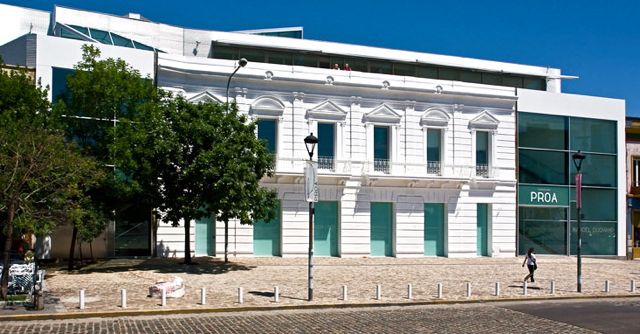
Right on the edge of noisy tourist Caminito in La Boca stands the unassuming but all the more interesting Fundación Proa building. It’s one of the best-curated contemporary art galleries in the city, which regularly brings top international and Argentine exhibitions to its modern and airy spaces. It’s a great cultural contrast to the traditional, even kitsch folklore that reigns outside on the colorful street.
The main insider tip here is the beautiful café located right on the gallery’s roof. From its sunny terrace you have an amazing view of the old industrial port with rusty cranes, the murky Riachuelo river, and the colorful roofs of the entire neighborhood. It’s simply the ideal place where you can sit down for a moment after weaving through crowds of tourists, have an excellent coffee, and watch the bustle below you in complete peace.
💡 Tip: Gallery tickets cost just a few euros and exhibitions change very often here, so if you like modern art and unusual installations, this place definitely won’t disappoint you.
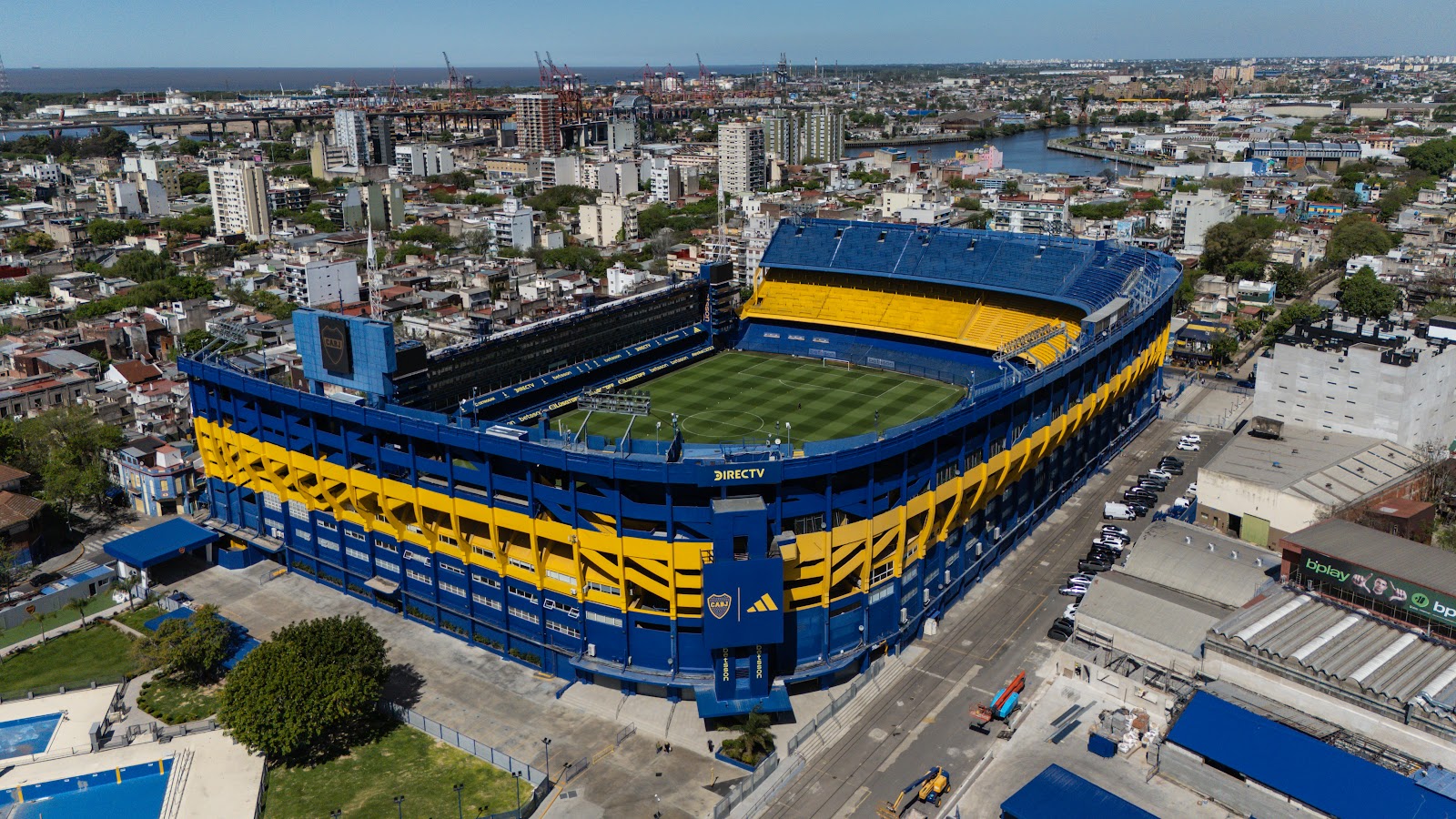
20. La Bombonera and Football Madness
Football in Argentina simply isn’t a sport, it’s a religion. And its main temple is the famous La Bombonera stadium, which belongs to the famous Boca Juniors club and where the legendary Diego Maradona once shone. The stadium is just a short walk from Caminito and its steep stands are built so close to the pitch that during matches the entire huge structure reportedly shakes noticeably under the onslaught of jumping fans.
Getting a match ticket as a tourist is quite an adventure and comes expensive, usually through agencies with a hefty commission. A much easier and more reliable option is to pay for a tour of the stadium and the adjacent museum, which cost around $32 USD in 2026. During two hours you’ll see the famous stands, the players’ locker rooms, and understand why football means absolutely everything to locals.
💡 Tip: If you’re a fan of the rival club, you can also head to the north of the city to the monumental Estadio Monumental where River Plate plays. There you’ll also find the huge Museo River Plate, which according to reviews is the largest football museum in the country.
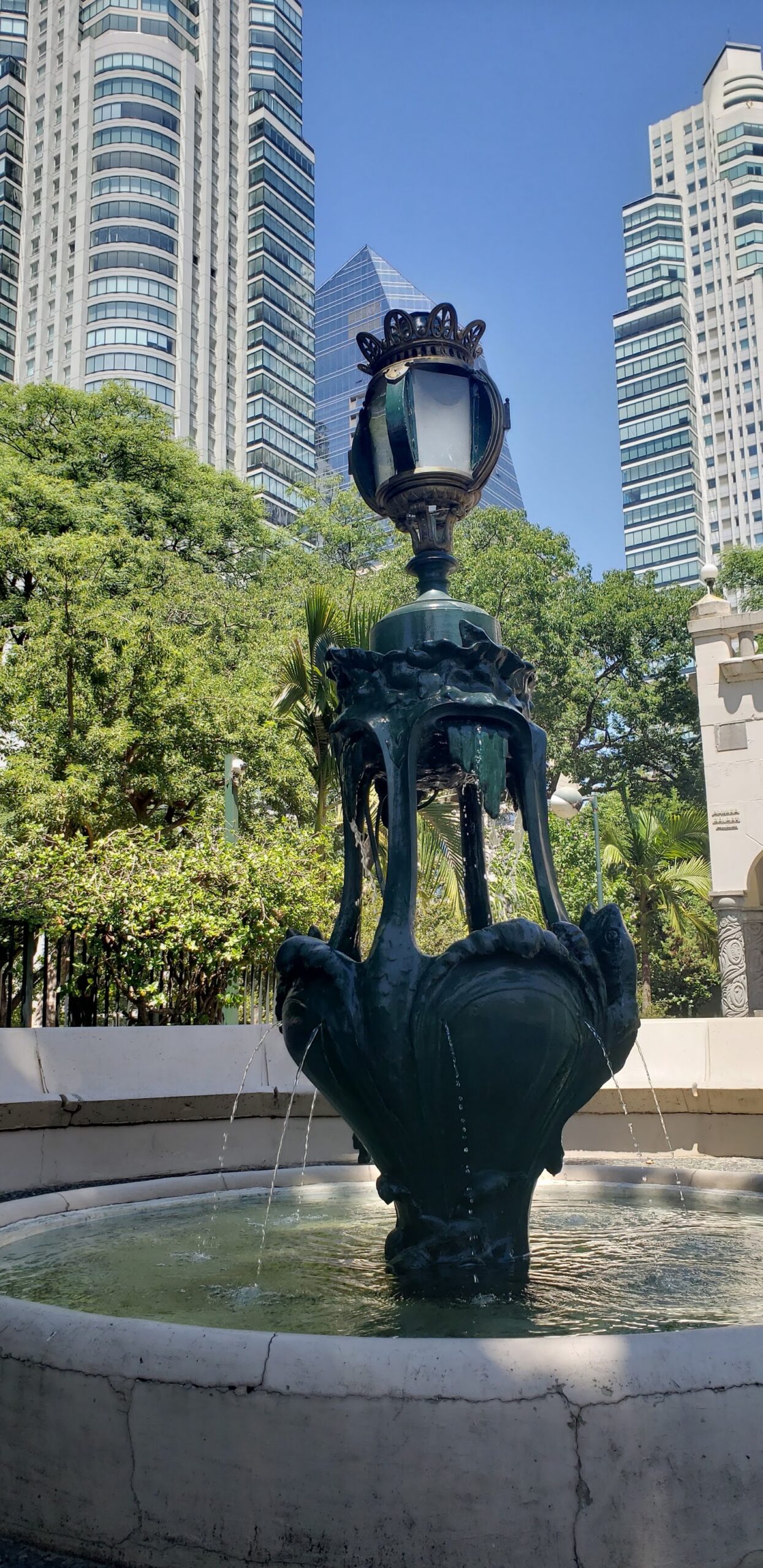
21. Puerto Madero and the Ecological Reserve
A complete contrast to the rest of the historic city is offered by Puerto Madero, which is the most expensive and modern district in all of Buenos Aires. Just a few decades ago, there were only abandoned brick docks by the river here, but today they have been transformed into luxury restaurants, above which glass skyscrapers proudly rise. The district is connected by the elegant pedestrian bridge Puente de la Mujer (Women’s Bridge), designed by the famous architect Santiago Calatrava and which, with a bit of imagination, resembles a couple dancing tango.
The best thing about this district, however, is hidden right behind those giant skyscrapers. Reserva Ecológica Costanera Sur is an incredible 350 hectares of wild nature full of lagoons, tall reeds, and diverse birdlife. Yet from here you have a view directly onto the modern city skyline. Entry to the sprawling reserve is free, rent a bike or just set out on a long walk and you’ll soon completely forget that you’re in a metropolis of fifteen million people.
💡 Tip: The reserve is absolutely ideal for a weekend bike trip, but don’t forget to bring plenty of water and sunscreen, because you won’t find much shade here and the sun can be really intense.
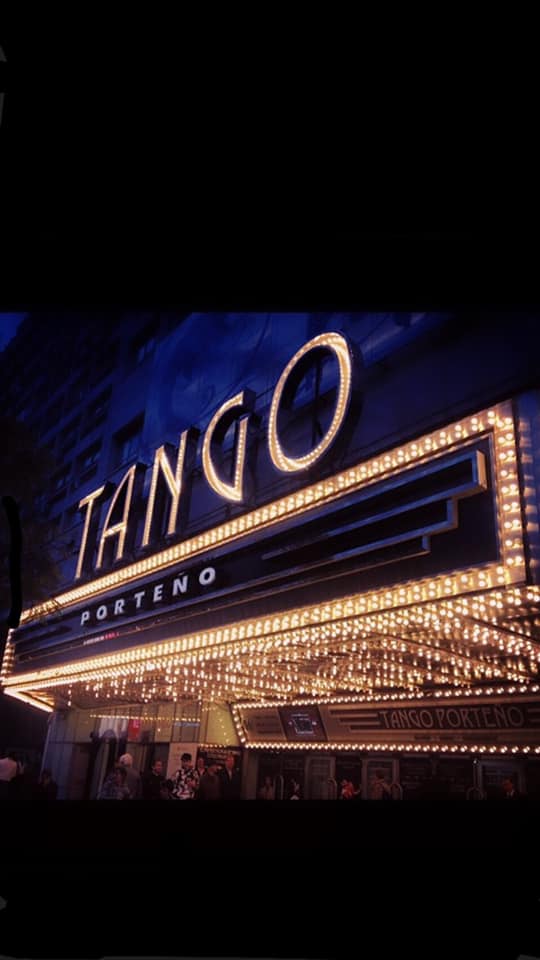
22. Tango: Tourist Show vs. Authentic Milonga
Being in Buenos Aires and not seeing tango would be the greatest sin. You basically have two options for experiencing it, and it’s important to know the fundamental difference. Tourist shows with dinner (for example at Tango Porteño or Piazzolla Tango) are completely professional, more expensive, and beautiful theatrical performances full of acrobatics, live orchestras, and sequins. It’s a stunning spectacle, but it has about as much in common with everyday life as a Broadway musical.
If you want to see how ordinary people dance, you need to go to a milonga, which is a traditional dance evening for locals. In clubs like La Viruta Tango Club in Palermo, the evening starts with public lessons for beginners and then dancing continues deep into the night. People drink wine, chat, and the atmosphere is incredibly relaxed. 💡 Tip: If you arrive in the city in August, the huge Tango BA Festival y Mundial takes place, during which there are dozens of fantastic concerts and milongas throughout the city completely free of charge.
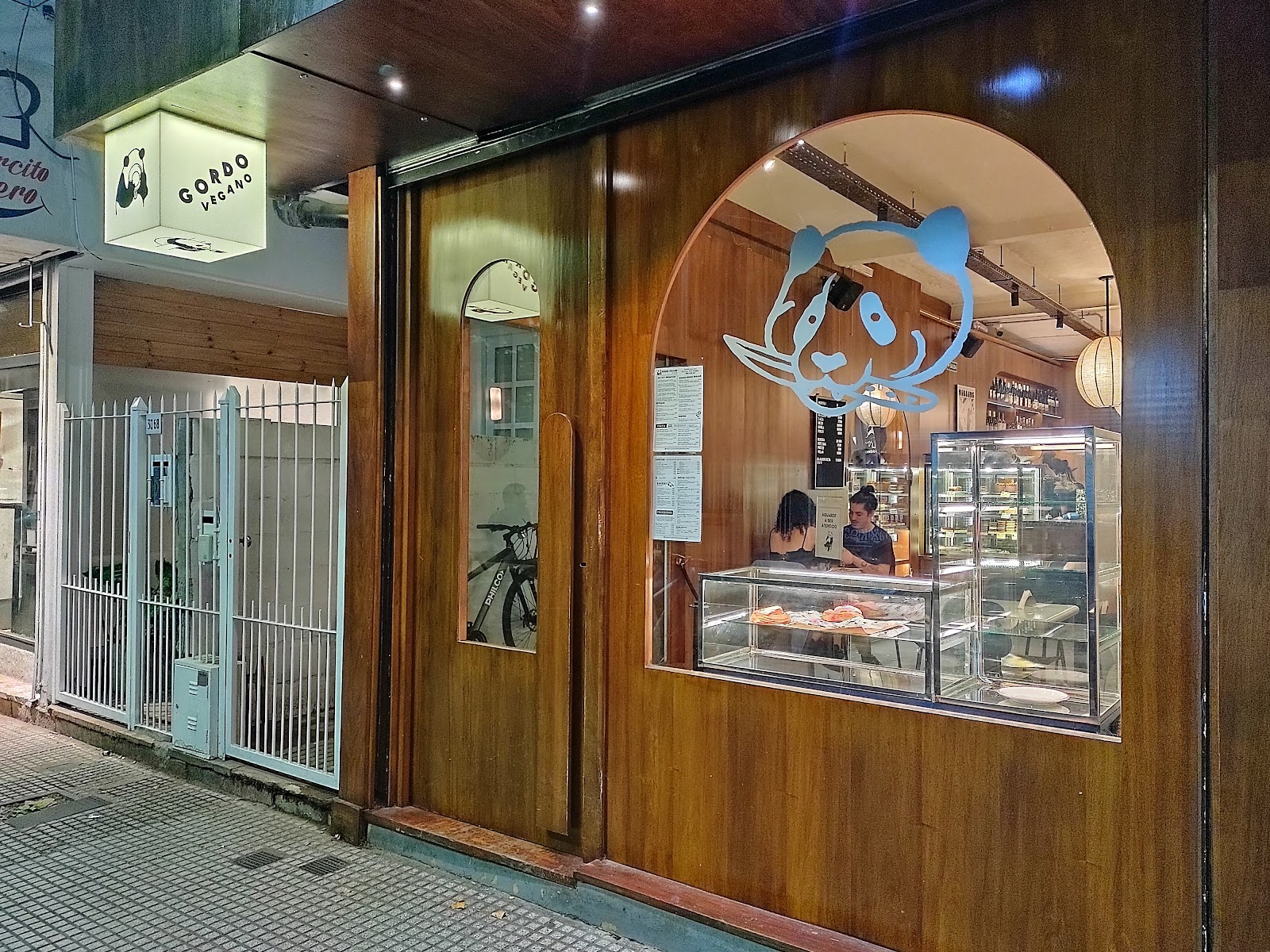
23. Vegetarian Feast: Vegan Parrilla and Pizza al Molde
Although Argentina is famous around the world for its beef (asado), sausages (chorizo), and meat empanadas, those of us who don’t eat meat definitely won’t go hungry here. On the contrary, Buenos Aires is an absolute paradise for vegetarians and offers plenty of great alternatives. An absolute hit and the best highlight of your trip will be a visit to La Reverde (a purely vegan parrilla). They have a traditional Argentine grill here, but everything that smells good and sizzles on it is exclusively plant-based. It’s simply a great way to experience the local culture without compromise.
Besides that, definitely try the renowned Gordo Vegano (one of the most famous vegan addresses in the city), or visit the excellent bistro Sampa in Palermo. And if that’s not enough, you always have a sure bet in the local excellent pizza. Traditional Argentine “al molde” pizza has a very high, fluffy dough and is generously covered with an incredible amount of cheese. For breakfast, don’t miss the sweet medialunas (local croissants) and coffee, ideally complemented by the ubiquitous sweet dulce de leche.
Where to Go Next from Buenos Aires
If you have more than five days allocated for Buenos Aires, I definitely recommend venturing beyond the city limits. Here are several great tips for interesting day trips:
- Tigre and the Paraná River Delta: Just about an hour’s train ride from Retiro station (or via Tren de la Costa) lies the charming town of Tigre. Here you transfer to small motorboats and cruise through an intricate network of islands and canals that serve locals as a favorite weekend retreat. Don’t forget to visit the huge Puerto de Frutos market.
- Colonia del Sacramento (Uruguay): From the port in Buenos Aires, fast ferries run by Buquebus company go directly across the wide Río de la Plata river. In just over an hour, you’ll step off in a beautiful colonial town listed as a UNESCO site. Don’t forget to bring your passport, because you’re crossing the border into Uruguay.
- La Plata: About an hour by bus to the south lies the city of La Plata, which is famous for its perfect square urban plan and a giant neo-Gothic cathedral. The main attraction here, however, is the Museo de La Plata, which houses one of the very best paleontological collections and dinosaur skeletons in all of South America.
- San Antonio de Areco: If you want to experience the real Argentine pampas and see real gauchos (local cowboys), head about two hours outside the city. You’ll find leather workshops, old taverns, and tremendous tranquility.
When planning your trip around South America, you might find our other articles useful too. Read about where to stay in Buenos Aires, where we break down the individual neighborhoods in more detail, or get inspired by our article Argentina: Guide to the Land of Tango, Steaks and Glaciers. And if you’re combining your trip with visits to other countries, check out our Peru 2025: Practical Guide to the Land of the Incas.
Frequently Asked Questions
Here you’ll find answers to the most common questions before traveling to Buenos Aires. Whether you’re dealing with money, safety, or transport from the airport, these practical tips will save you a lot of worry.
What’s the situation with payment and dollars in 2026?
The good news is that you no longer need to carry bundles of cash dollars and exchange them secretly on the street. Foreign exchange controls were lifted in April 2025, and foreign payment cards now charge at a rate very close to the best available (in August 2026, the rate was about 1,515 ARS per 1 USD). Cards are therefore safe and convenient, but always carry a small amount in pesos for tips and markets.
Is Buenos Aires safe for tourists?
Yes, the city is safe for tourists, but you must follow basic safety precautions. The risk of mugging is minimal; the biggest problem is the so-called motochorros (thieves on motorcycles) who may snatch your phone from your hand if you’re waving it carelessly near the street. In busy neighborhoods like Retiro, Constitución, or at markets, watch your pockets and wear your backpack in front.
How does transportation and the SUBE card work?
For the metro (Subte) and city buses, you absolutely need a rechargeable SUBE card, because cash payment is not accepted on buses at all. An empty card costs around 1,000 ARS and can be purchased at kiosks or train stations. It’s essential to register your card with your passport number – a registered ride in August 2026 cost 1,684 ARS, while an unregistered one was over 2,541 ARS.
What’s the best way to get from Ezeiza international airport?
Ezeiza airport is quite far from the city center. The most reliable option is the Tienda León bus, which will take you to their terminal in Puerto Madero for around 16,500 ARS (about 11 USD). Another option is an official taxi from the desk in the hall, which costs 25–30 USD (20% more expensive at night). Never accept ride offers from touts in the arrivals hall.
How many days do I need to explore the city?
For Buenos Aires itself, plan for at least 4 full days, as the city is huge and getting between neighborhoods takes quite a bit of time. If you want to enjoy the cafés in Palermo, tango in San Telmo, and take trips to the Tigre delta or ferry to Uruguay, plan your stay for at least 5 to 6 days.
How much does a vacation and accommodation cost?
For a mid-range hotel in a good neighborhood, you’ll pay around 80 to 150 USD per night; more luxurious options range between 200 and 500 USD. But don’t forget this fantastic benefit: when you pay with a foreign card, 21% VAT is automatically deducted from the hotel price. Restaurant food is very affordable, and you can typically get lunch in a good neighborhood for around 10–15 USD.
Do I need a visa for Argentina?
Most visitors from Europe, North America, and Australia do not need a visa for tourist stays of up to 90 days. You only need a travel passport that must be valid for at least 6 months after your planned return. However, always check the current entry requirements on your government’s official travel advisory website before traveling.
Tips and Tricks for Your Vacation
Don’t Overpay for Flights
Search for flights on Kayak. It’s our favorite search engine because it scans the websites of all airlines and always finds the cheapest connection.
Book Your Accommodation Smartly
The best experiences we’ve had when looking for accommodation (from Alaska to Morocco) are with Booking.com, where hotels, apartments, and entire houses are usually the cheapest and most widely available.
Don’t Forget Travel Insurance
Good travel insurance will protect you against illness, accidents, theft, or flight cancellations. We’ve had a few hospital visits abroad, so we know how important it is to have proper insurance arranged.
Where we insure ourselves: SafetyWing (simple monthly subscription) and TrueTraveller (for extra-long trips).
Find the Best Experiences
Get Your Guide is a huge online marketplace where you can book guided walks, trips, skip-the-line tickets, tours, and much more. We always find some extra fun there!


