

When you think of wine tasting, many of us picture carefree strolls through country wine cellars where you simply walk in off the street and the winemaker pours you a glass with a smile. But wine tasting in Tuscany works a little differently, and almost everywhere you’ll need to book in advance — otherwise you simply won’t get in. Anyone who shows up on the off chance usually ends up in a touristy enoteca on the town square, which is fine, but you’ll miss out on the real experience.
I’ll help you get to grips with the difference between a cantina and an enoteca, point you to specific places that are worth it, and we’ll also cover one thing a lot of people underestimate — drinking and driving. Italian rules on this are no joke.
TL;DR
- Booking is essential: You can’t just turn up at a traditional winery (cantina) unannounced — reserve your spot ideally days or even weeks ahead.
- Tasting prices: They vary wildly, from basic tours around €10 to premium experiences that will set you back €100 and more.
- Drinking and driving: Italy has a 0.5‰ limit, but drivers with less than three years’ experience have a strict zero-tolerance rule.
- When to go: The most beautiful time is the grape harvest in September and October, though some places limit visits then — while August is often closed altogether.
- Cantina vs. enoteca: A cantina means a guided tour with commentary, while an enoteca is more of a wine bar in town for a quick tasting.
- Where to taste without a booking: If you’re short on time, town wine bars will save the day — for example the excellent Enoteca la Fortezza right in Montalcino.
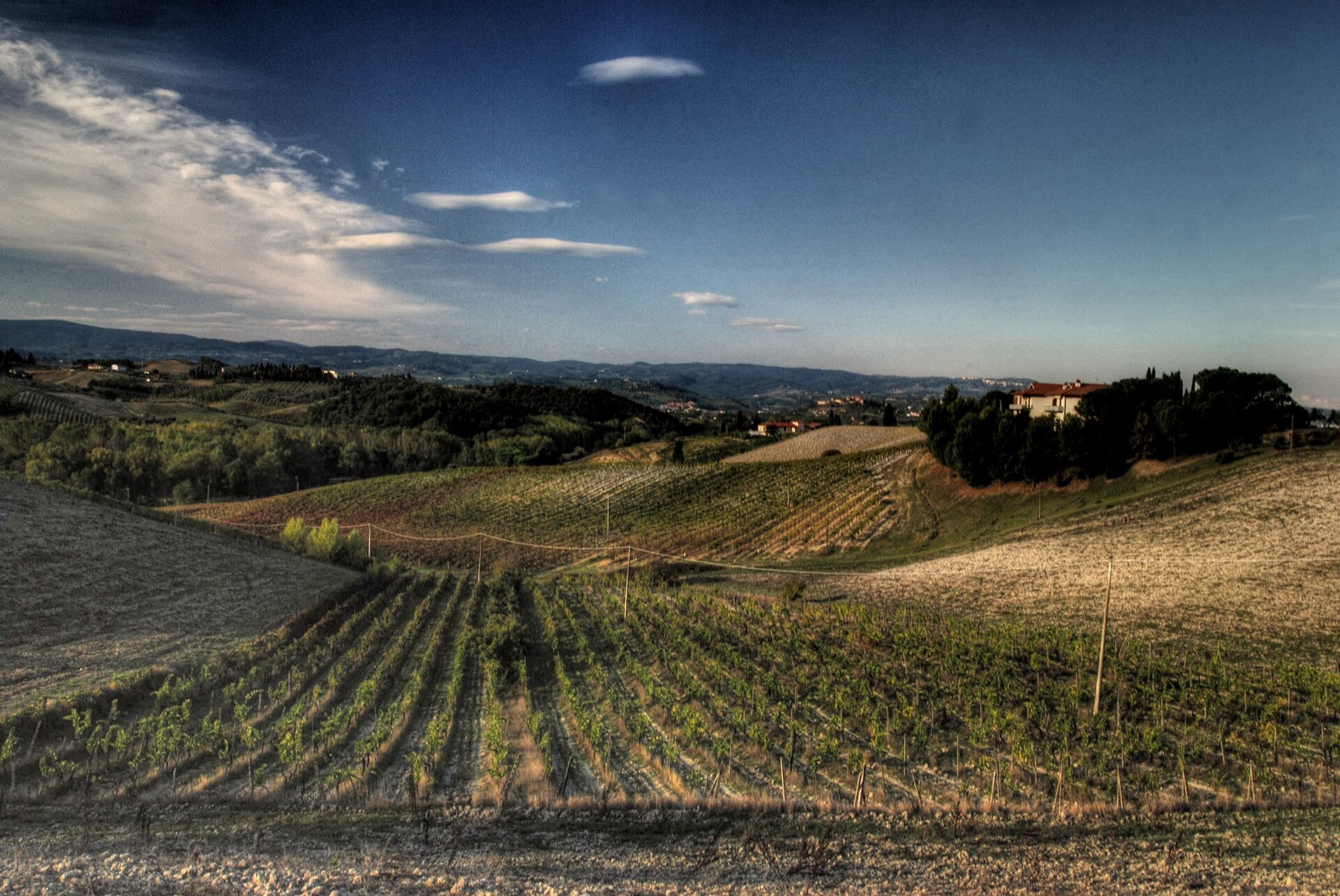
- Top tip: Stay at an agriturismo with its own vineyard — this solves the driving problem and lets you enjoy the wine in total peace in the evening.
Cantina, enoteca, or agriturismo? Three different things
Before you dive into planning your trip, it’s worth getting clear on the Italian terminology. The local names often get confused and mean completely different experiences, so you know exactly what you’re getting into. Italian wine culture is very specific and runs on different rules than we’re used to elsewhere. Take a look at this simple overview that will make it easier to navigate what’s on offer.
| Where you are | What it actually is | Booking needed |
|---|---|---|
| Cantina | The winery itself — a cellar tour and a guided tasting await you | Almost always required |
| Enoteca | A town wine bar, tasting by the glass, often serving food too | Usually not needed |
| Agriturismo with a vineyard | Farm stay where you taste the estate’s own wine in the evening | Arranged as part of your stay |
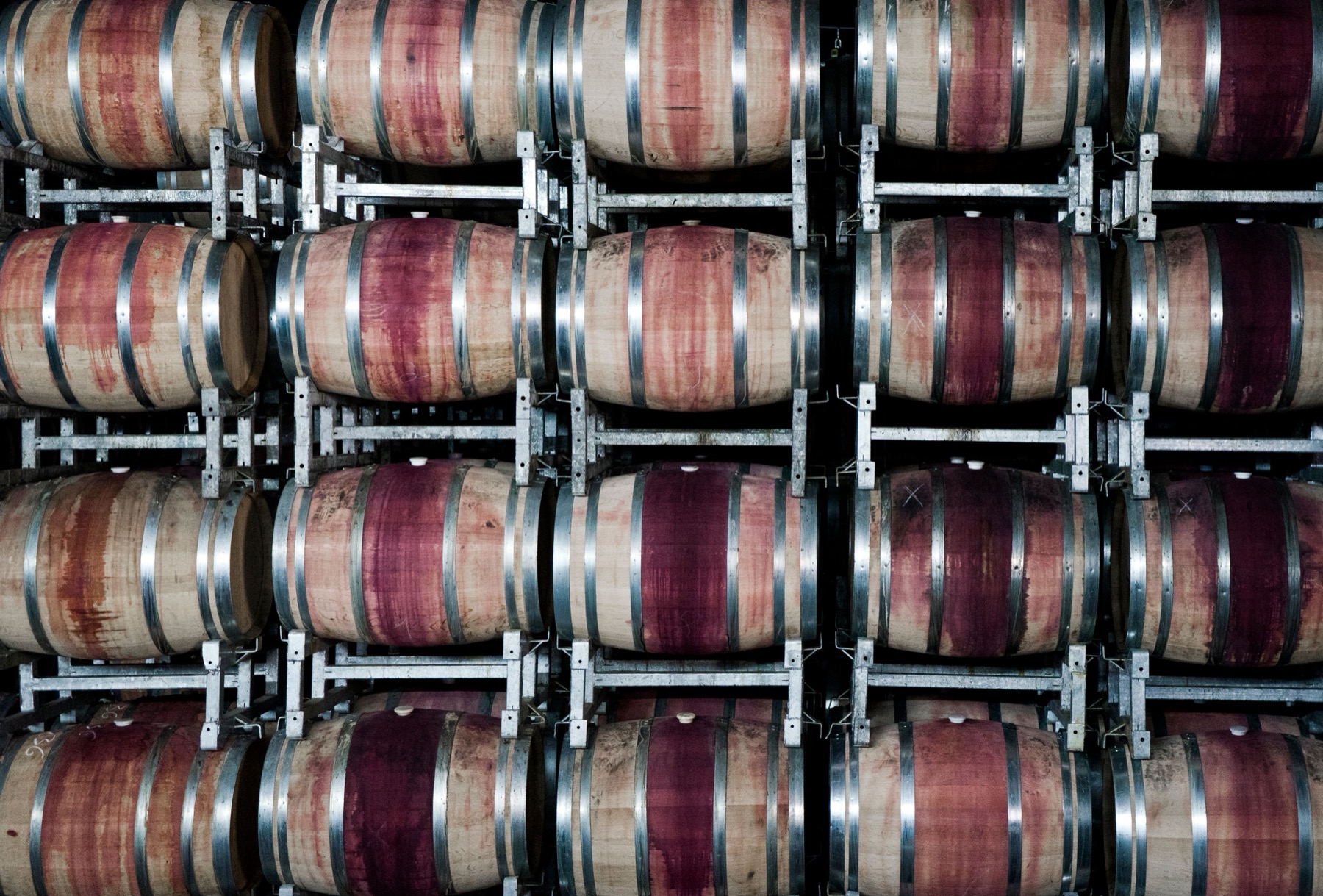
A visit to a classic cantina will reliably take you an hour and a half to two hours — you’ll walk among the vines, hear about the winemaking, see historic and modern cellars, and finally enjoy a guided tasting, which is usually the real highlight of the whole program. That’s exactly why a reservation is needed here — these are working agricultural estates, and the staff can’t just drop their work in the fields to look after random passers-by.
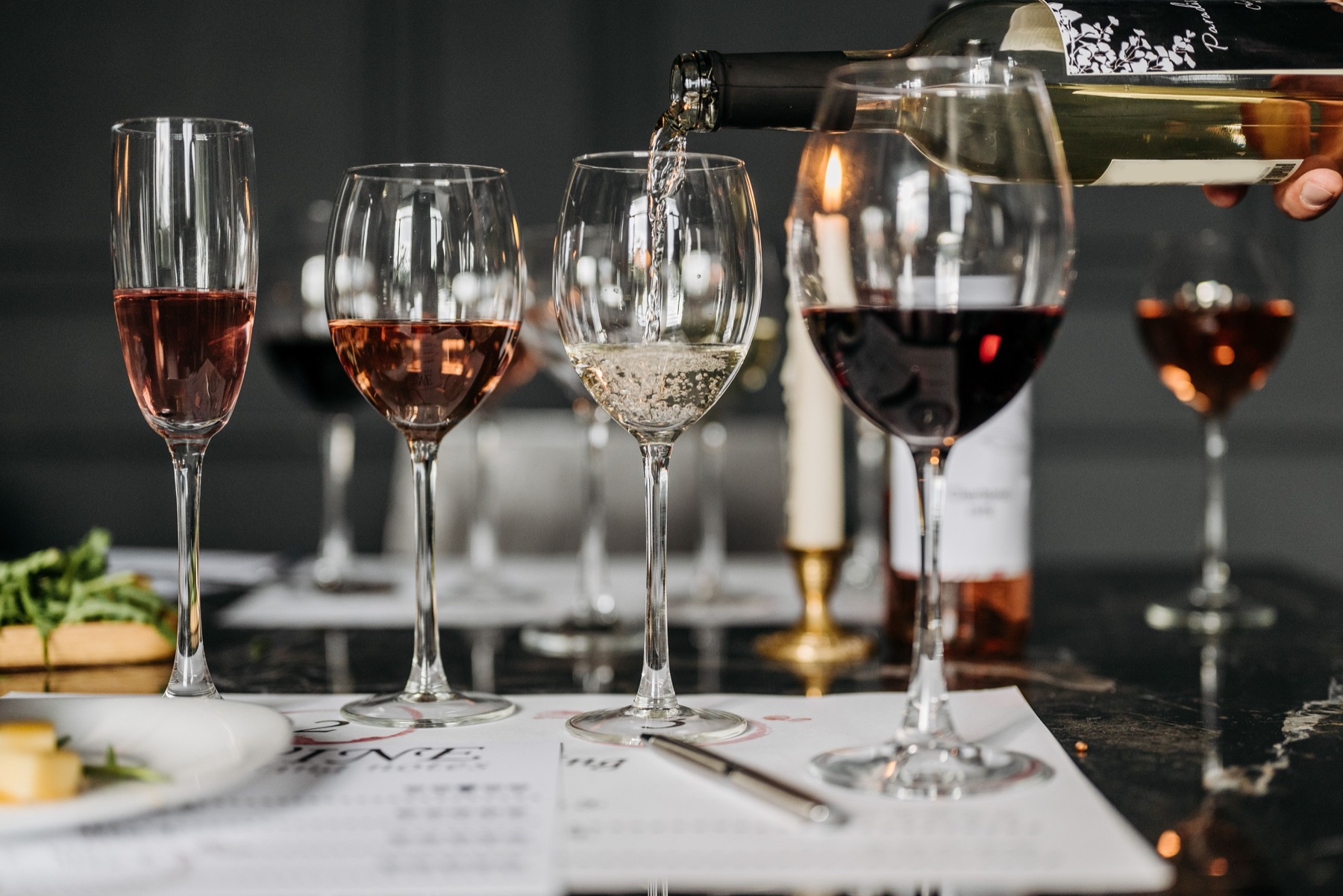
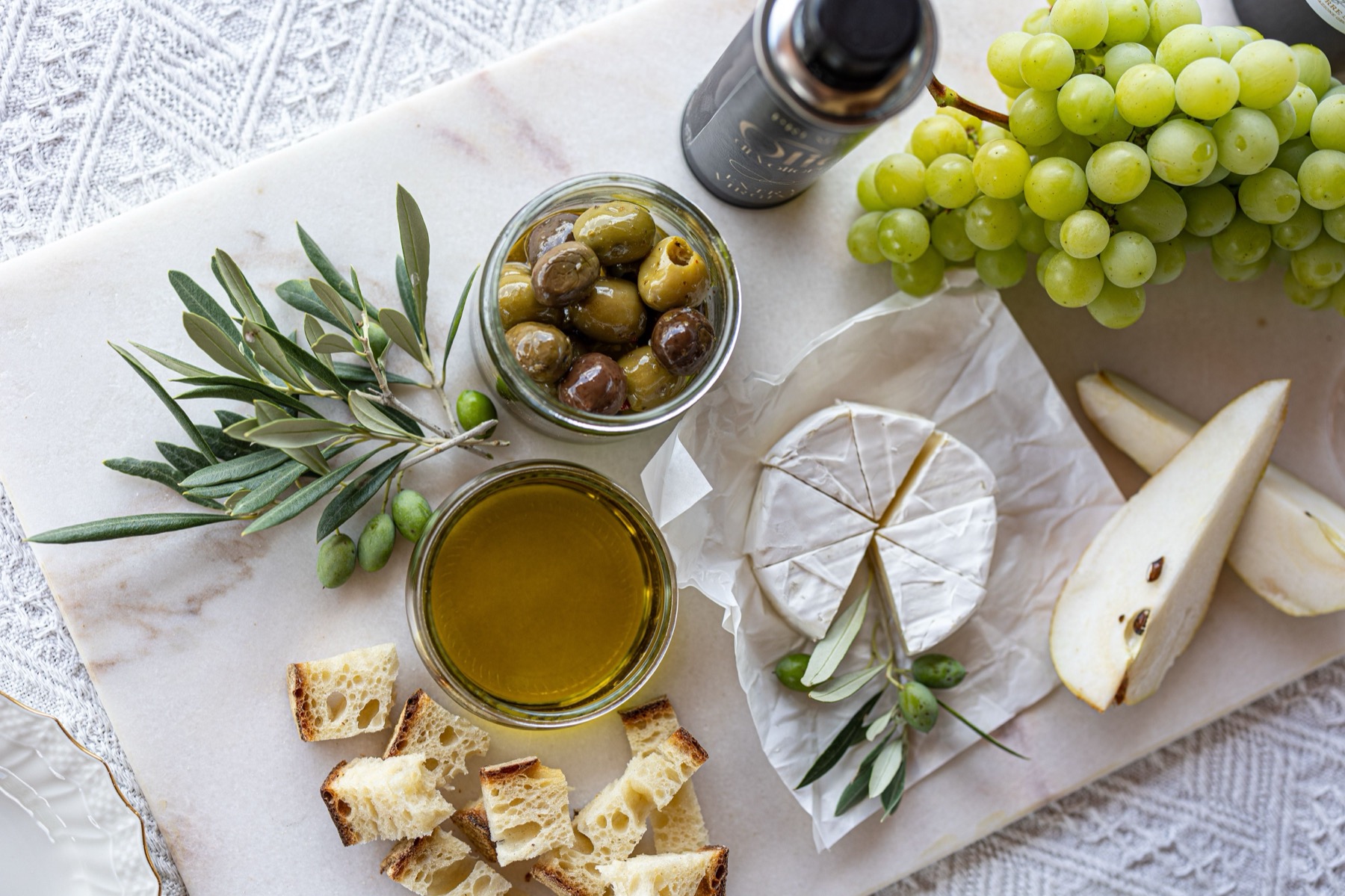
During the tasting itself in a cantina, you’re usually served three to six different samples, along with neutral homemade bread, excellent local olive oil, and pieces of mature pecorino cheese. It’s all beautifully organised and, thanks to the small groups, you have plenty of room to ask anything you’re curious about.
An enoteca, on the other hand, is essentially a specialist town wine bar that you’ll find in just about every Tuscan town, right on the main square. Here you can sit down at a table without any booking, order a glass of anything from the list, and add a plate of cheese or some olives. It’s an ideal solution for a spontaneous afternoon when you don’t feel like spending two hours on an organised tour but still want a taste of the local atmosphere.
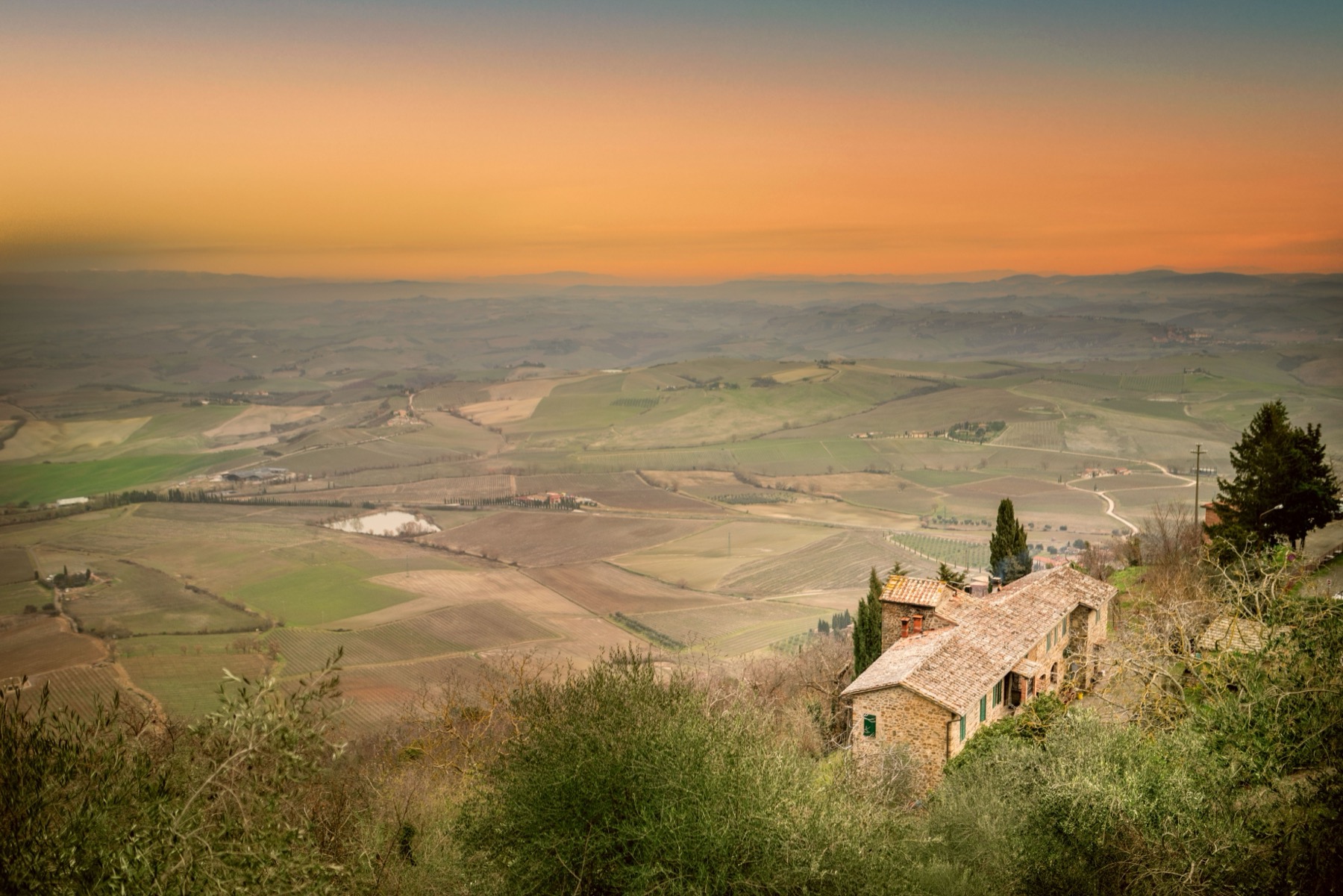
The third option is an agriturismo, a classic Italian farm stay. Plenty of these farms have their own smaller vineyards and automatically host evening tastings for their guests. It’s probably the most comfortable way to discover Italian flavours, because you don’t have to worry about driving anywhere — you can savour the wine in complete peace with a view of the setting sun.
💡 TIP: If you only have a few days in Tuscany, I’d recommend booking one big cantina for the morning and then spending the afternoon freely exploring smaller enotecas in the historic town centres.
How much wine tasting in Tuscany costs
Your tasting budget can vary a lot depending on exactly where you go and how exclusive an experience you’re after. Always keep in mind that the prices below are only a guide and wineries may change them over the course of the season. So always check the current amounts directly on their official website, where you’ll find the freshest info and can book your slot right away.
| Winery and type of experience | What’s included | Approx. price |
|---|---|---|
| Badia a Coltibuono | Basic tour with a tasting of 2 wines | from €10 |
| Badia a Coltibuono | Romantic picnic right in the vineyards | €65 |
| Castello di Brolio | Classic tour, 2 hours, held in the morning | €28 |
| Castello di Brolio | Vineyard tour, 2 hours, Thursday afternoon | €45 |
| Castello di Brolio | Entry to the gardens and museum including a small tasting | €8 |
| Antinori nel Chianti Classico | Standard estate tour with a tasting | from €35 |
| Biondi-Santi | Premium and highly exclusive tastings | from €100 ⚠️ |
| Organised tours from Florence | Half-day group tour with transport | from €70 |
| Organised tours from Florence | Private tour with your own driver | up to €600 |
If you’re looking for budget-friendly options, you’ll be pleased to know that basic tours start at a very reasonable €10. For this price you’ll usually get a shorter walk around the estate and a tasting of two samples, which is perfect for beginners. The happy middle ground then sits somewhere between €25 and €45, where you get a full two-hour excursion, a visit to historic cellars, and a richer tasting rounded off with local nibbles.
It’s important to realise that at some places you pay everything upfront when you book, which is typical for the popular Badia a Coltibuono winery, for example. That way they know for sure you’ll actually turn up and won’t needlessly block spots for other visitors. At the most famous names, like the legendary Biondi-Santi in Montalcino, you’ll need to book anywhere from two to six months ahead — and you’ll pay €100 and up for this prestigious experience. On top of that, they won’t let ordinary mass tour operators in at all, which is how they guard their exclusivity.
If you’d rather not deal with transport and complicated planning, you can take an organised tour straight from Florence or Siena. Group minibus tours start at around €70 and usually include a visit to two wineries plus a light lunch. For more demanding travellers there are private tours with your own driver — these can cost up to €600, but you get maximum flexibility and total comfort without a single worry.
💡 TIP: Be very careful when planning a summer holiday, because in August and on public holidays many premium estates are closed entirely.
Tuscany’s wine regions
Tuscany is vast, and each part has its own character, history, and the grape varieties that do best there. So you don’t get lost among all those bottles, I’ve put together an overview of the zones that are definitely worth your attention. Each region offers a slightly different atmosphere and set of flavours, so there’s genuinely something for everyone, whether you prefer light whites or heavy, age-worthy reds.
| Wine region | Main wine | What it’s known for |
|---|---|---|
| Chianti Classico | Chianti Classico DOCG | Lies between Florence and Siena; its symbol is the gallo nero (black rooster) |
| Montalcino | Brunello di Montalcino DOCG | Long-aged Sangiovese, the absolute top of the whole region |
| Montepulciano | Vino Nobile di Montepulciano DOCG | Wows with its stunning historic cellars right beneath the town |
| San Gimignano | Vernaccia di San Gimignano DOCG | First Italian wine with a DOC (1966), the only Tuscan white with DOCG |
| Bolgheri | Super Tuscans | Bordeaux varieties, the famous iconic cypress avenue |
| Maremma | Morellino di Scansano | The far south, more affordable and altogether less touristy |
| Elba | Aleatico Passito DOCG | Sweet wine, the first DOCG of the whole Tuscan Archipelago |
If it’s your first time in Italy for this, I’d recommend starting with the classic: Chianti Classico, which stretches across the gorgeously rolling countryside between Florence and Siena. You’ll spot it reliably by the fact that every certified bottle carries the black rooster on its neck, the historic symbol of the area. For true connoisseurs looking for the most complex flavours, on the other hand, it’s an absolute must to head further south to the area around Montalcino. The famous Brunello there ages for many years in enormous barrels and ranks among the very best wines you can taste anywhere in the world.
White wine lovers should definitely not miss the area around San Gimignano, home to the wonderful Vernaccia. It’s a huge rarity, because it’s historically the very first Italian wine to earn the prestigious DOC designation, back in 1966, and to this day it’s the only Tuscan white with the highest DOCG status. If you’re after something more modern and daring, on the other hand, head west towards the coast to the Bolgheri area, which made its name with the so-called Super Tuscan wines produced from French Bordeaux varieties.
For travellers on a tighter budget, the southern Maremma region is an absolutely fantastic choice. It’s nowhere near as busy with tourists as central Tuscany, you’ll find beautiful wild nature here, and the local Morellino di Scansano wine will delight you not only with great taste but with a very friendly price tag too.
💡 TIP: Always plan your visits around where exactly you’ve got your accommodation. Distances in Tuscany can look small on the map, but the winding country roads often make the journey a lot longer.
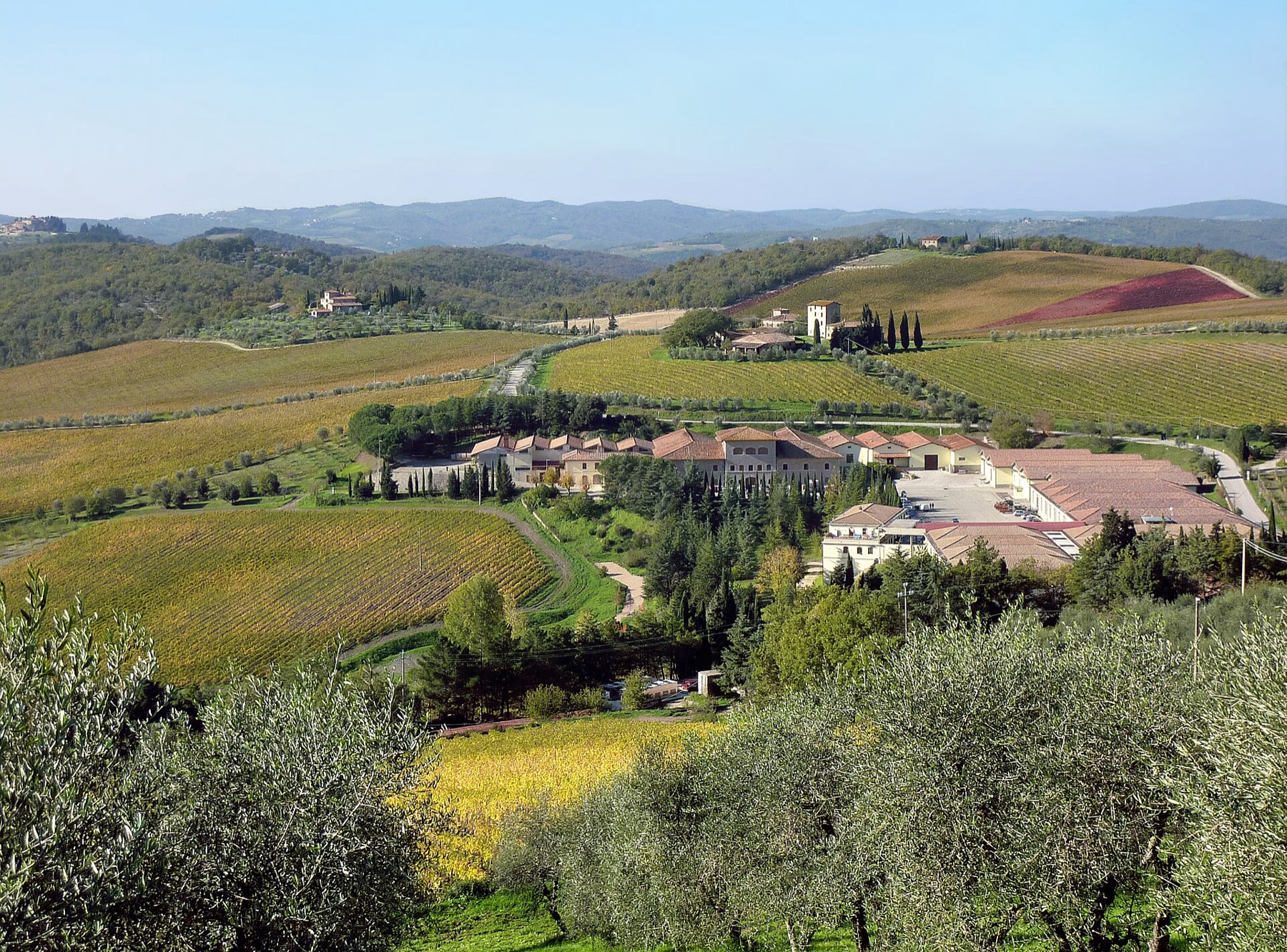
11 wineries worth visiting in Tuscany
Finding your way among thousands of producers can be a real headache, so I’ve picked places that have great ratings and a reputation for being worth the trip. Don’t forget to check availability for all of them in advance and secure your booking through their websites in good time, so you know for certain you’ll get in.
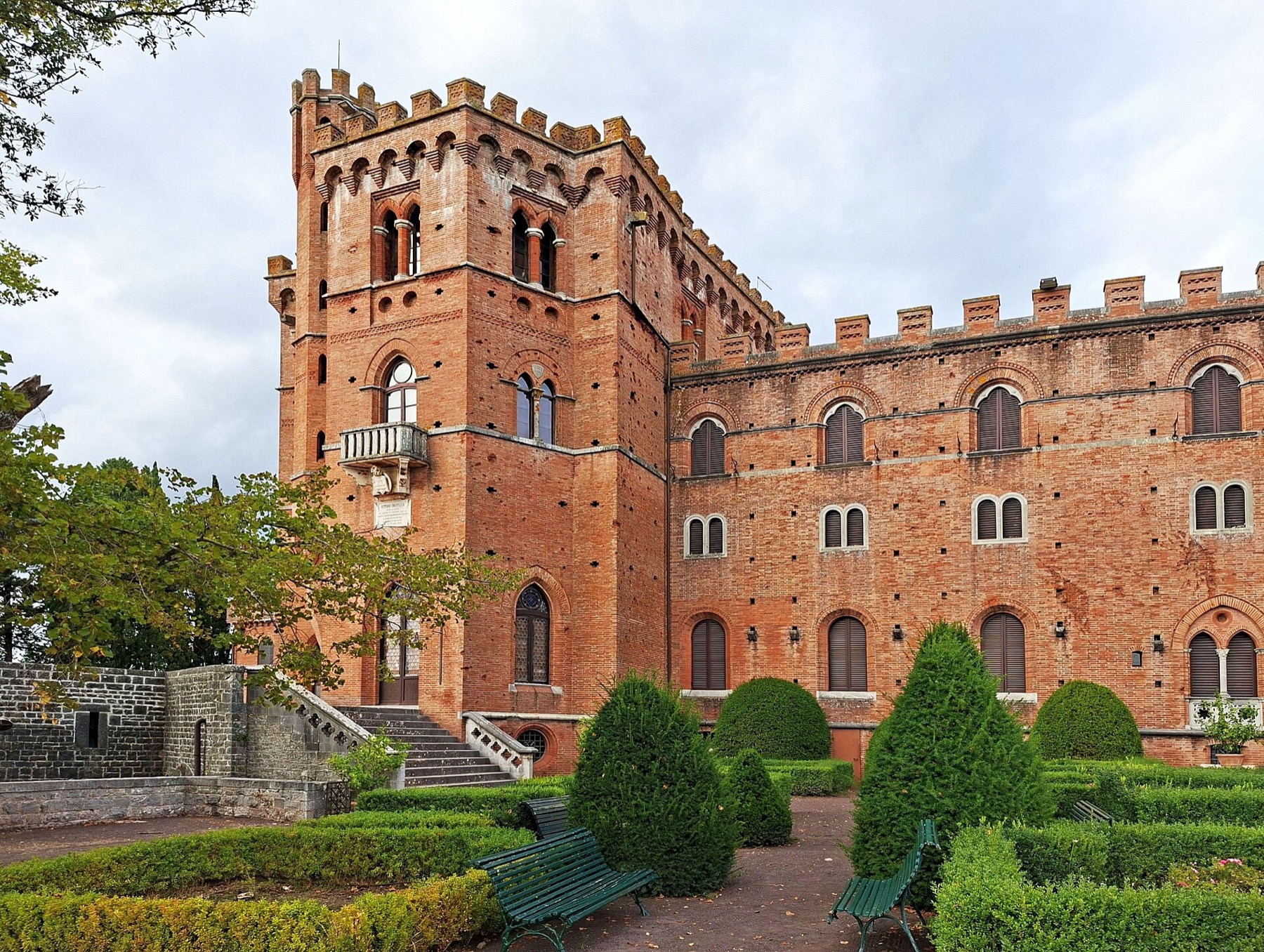
1. Brolio Castle (Castello di Brolio)
If you want to soak up some real history, you can’t miss this majestic castle, Castello di Brolio, in the Gaiole in Chianti area. It boasts an outstanding reputation and a 4.6-star rating from more than 3,300 visitors. This is where, thanks to the famous Ricasoli family, Chianti Classico itself was born, so you’ll be walking the very ground where the winemaking history of all of Tuscany began. It’s an estate that impresses from the gate onwards, whether it’s the castle itself, the cellars, or the views over the surrounding countryside.
Alongside the gorgeous views of the rolling landscape, it offers several types of tour to suit every visitor. The basic Classic tour runs in the morning and costs €28, while the Thursday afternoon Vineyard tour comes to €45. On these tours you’ll go straight into the historic cellars and find out exactly how the best wine is made from the Sangiovese grape.
For those of you who are in a hurry and don’t have time for a full guided tour, there’s a great option of entry to the gardens and museum with a small tasting for just €8. I’d definitely recommend at least walking around the outdoor areas, because that view of endless rows of vines and the surrounding hills really is worth it.
💡 TIP: Don’t forget to book your tour well in advance on their official website, because capacity tends to fill up very quickly in high season.
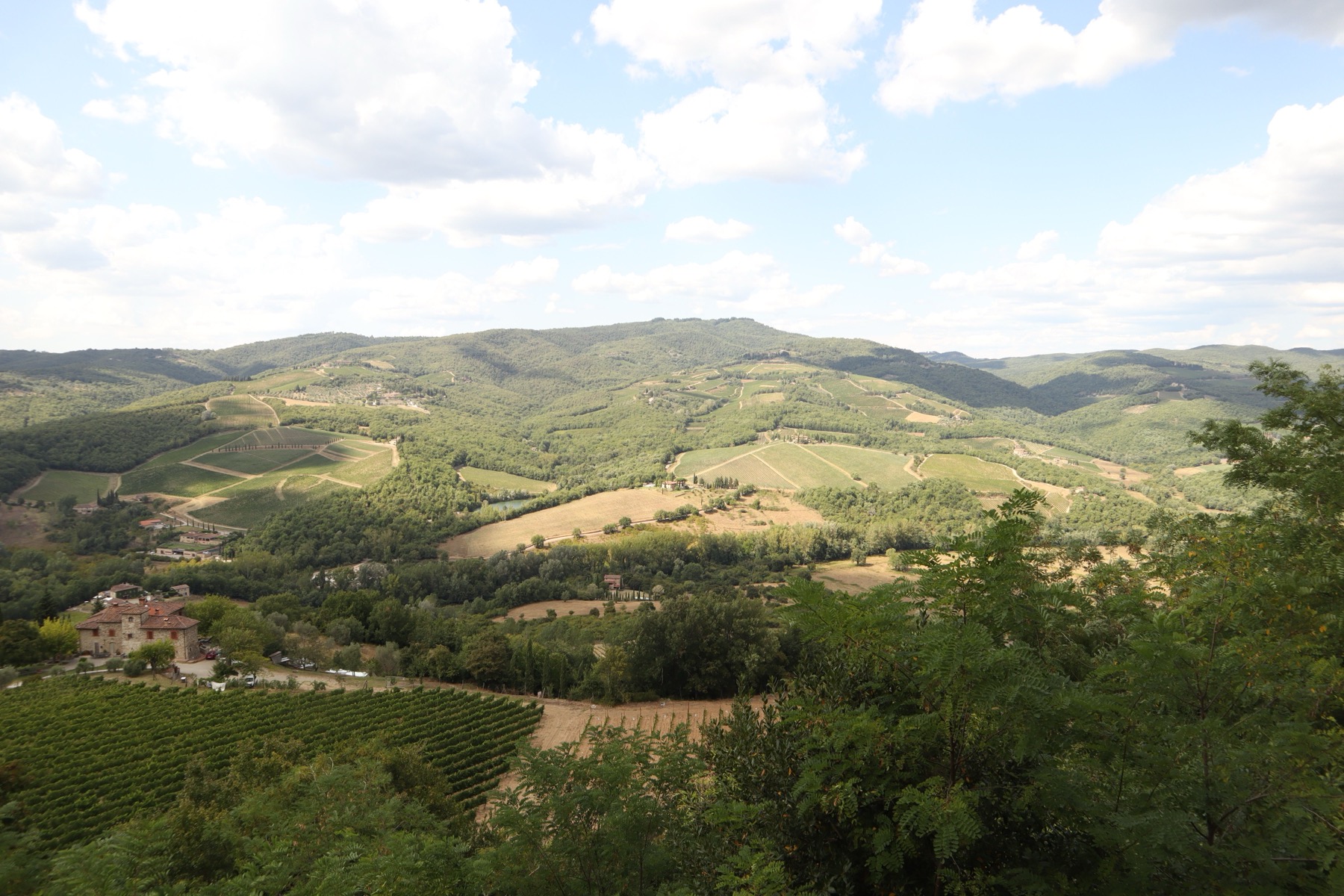
2. Antinori nel Chianti Classico
This place is an absolute dream for all lovers of modern architecture and design, because the futuristic building from 2012 is sensitively set right into the hillside and almost blends into the surrounding nature from a distance. You’ll find the Antinori winery in the San Casciano area, and with a rating of 4.5 from more than 2,300 reviews it ranks among the most sought-after destinations in the whole region. It’s a huge contrast to the old stone farms you’re used to in Italy.
Inside you’ll find a winery with gravity-fed grape processing, a modern art collection, and a rooftop restaurant with a view that draws some visitors here with no interest in wine whatsoever. The standard estate tour with a tasting starts from €35, and given the enormous popularity of this place, I warmly recommend not leaving your booking to the last minute.
The tasting itself usually takes place in glass-walled rooms that seem to float above the barrels of maturing wine. During the tasting, the guides will explain in detail the differences between the individual appellations and vintages.
💡 TIP: Even if you’re not planning a paid tour underground, you can visit the estate, wander the freely accessible parts, and admire that incredible building from the outside.
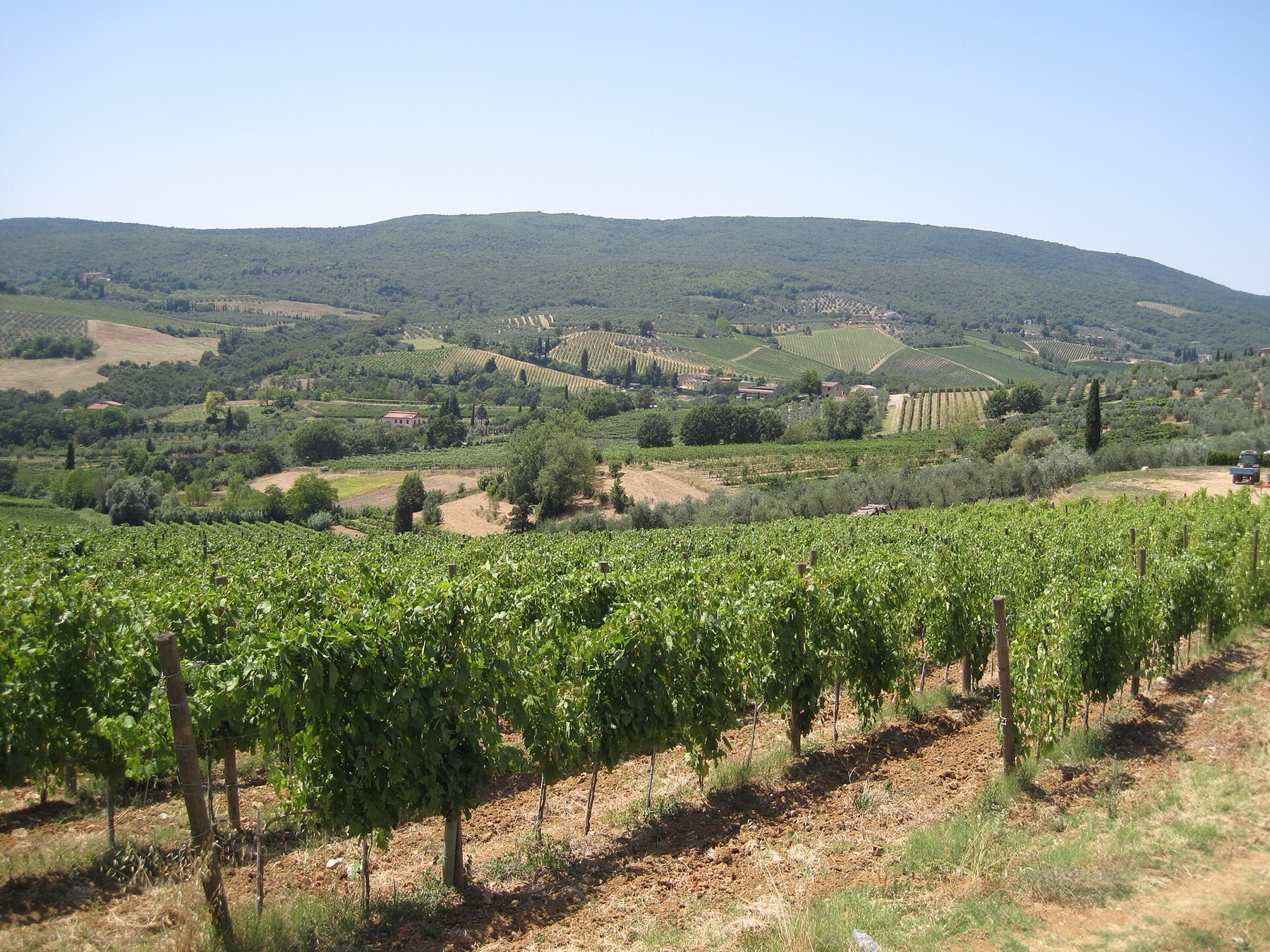
3. Tenuta Torciano Cantina & Ristorante
A short drive from the famous town of towers, San Gimignano, sits this family winery, Tenuta Torciano, which has by far the largest number of reviews in our list — over 3,200, with a gorgeous 4.7 rating. It’s a hugely popular and lively spot that combines a classic cantina with an excellent restaurant, so you can easily spend a whole afternoon here and truly unwind.
The big advantage is that alongside the great wine you also get to taste local culinary specialities, from excellent pecorino sheep’s cheese to fresh homemade pasta and truffle oil. The experience here is very much focused on traditional Italian hospitality and warmth, so get ready for a fairly loud, cheerful, and unforgettable atmosphere that’s guaranteed to sweep you along.
You’re also in the zone where the Vernaccia grape is grown. This is the first Italian wine ever to earn the prestigious DOC designation, and also the only Tuscan white with the highest DOCG status. Definitely have some poured for you to taste — it has a beautifully fresh, lightly mineral profile.
💡 TIP: If you’re travelling with a bigger group of friends, this place is an absolutely ideal choice, because you’ll love the owners’ family-run, laid-back approach.
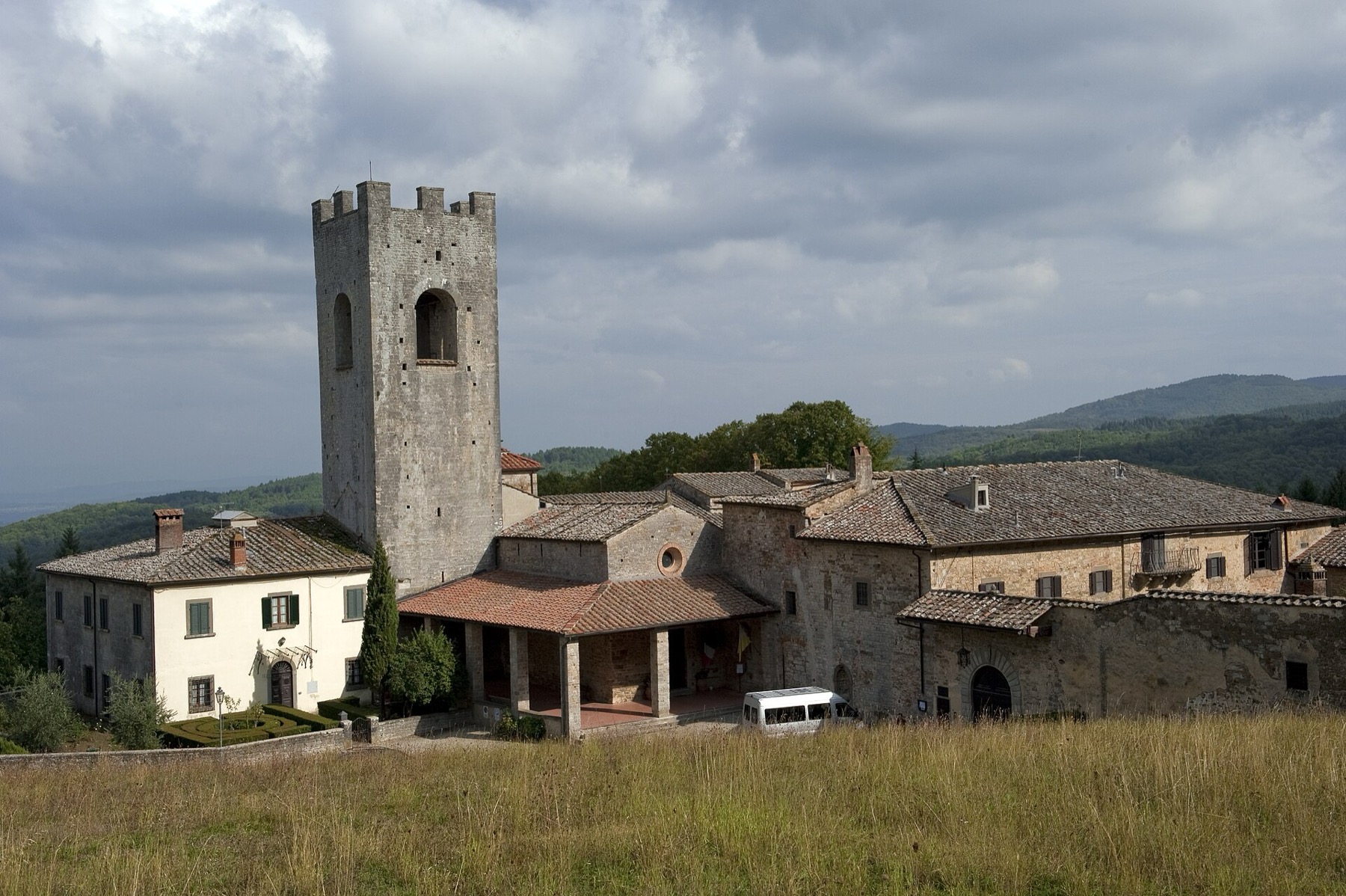
4. Badia a Coltibuono
Looking for something truly special with an enormous sense of place and deep history? Then head to the Gaiole in Chianti area to this former abbey, Badia a Coltibuono, which boasts Renaissance gardens and breathtaking frescoed halls. Travellers have taken to it warmly, as shown by the lovely 4.6 rating from just under four hundred people, who especially appreciate the incredible calm of the whole estate.
They have a perfectly preserved monastery and gorgeous historic cellars that are worth a detailed look in their own right. You’ll learn just how enormous an influence the monks once had on cultivating the vine and developing all of Tuscan agriculture. The basic tasting of two wines starts at a very friendly €10, which is a great price for this area.
If you want a little more and you’re planning a trip for two, you can treat yourself to a wonderful romantic picnic right in the vineyards for €65, where you’ll get a basket full of local goodies. But remember one important thing: here all services are paid for upfront when you book, so choose your date carefully.
💡 TIP: Try to plan your visit for the spring months, when these Renaissance gardens are in full bloom and make a fantastic backdrop for photos.
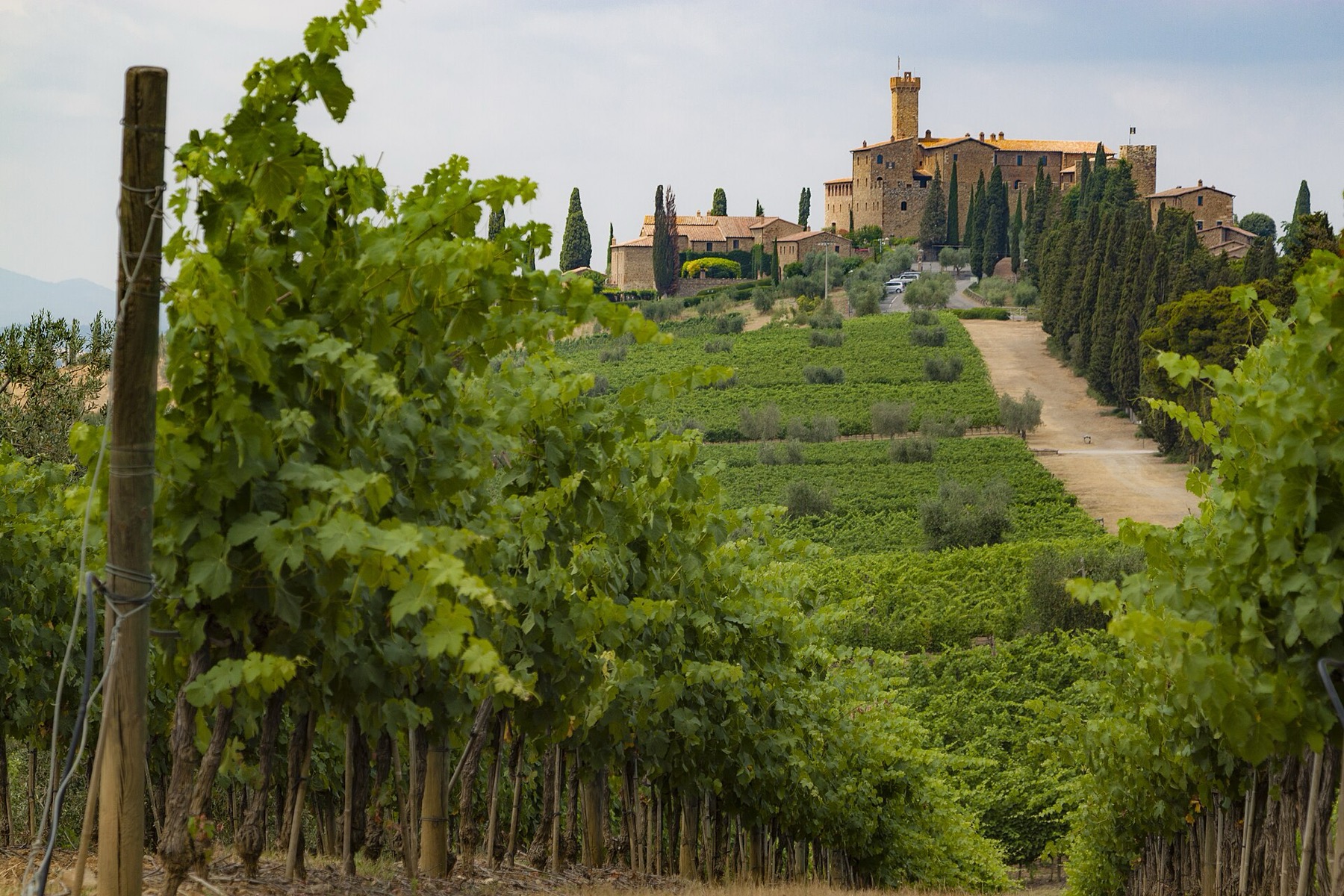
5. Castello Banfi Il Borgo
We’re moving south to the picturesque surroundings of Montalcino, where the landscape is dominated by this beautiful, sprawling complex, Castello Banfi. It belongs to an American company that once played a key role in putting the name Brunello on the world map. It’s a truly meticulously run estate that has long held a fantastic 4.8-star rating from more than 650 visitors.
The setting here is very elegant, you could even say luxurious, and the whole estate feels like it’s been carefully arranged for a period film. Definitely walk around the castle and stop by the local shop — the peaceful atmosphere that reigns here is absolutely characteristic of southern Tuscany, and you’ll tell it apart from the busier north instantly.
The tours here focus on explaining in detail what Brunello di Montalcino actually is. You’ll learn that it’s made from one hundred percent Sangiovese and that it has to age for many years in enormous oak barrels before it can even leave the winery gates. It’s a great school for anyone who wants to get to grips with the secrets of premium wines.
💡 TIP: The estate is also home to a wonderful museum of glass and bottle history, which you definitely shouldn’t skip — entry is often part of the tour route.
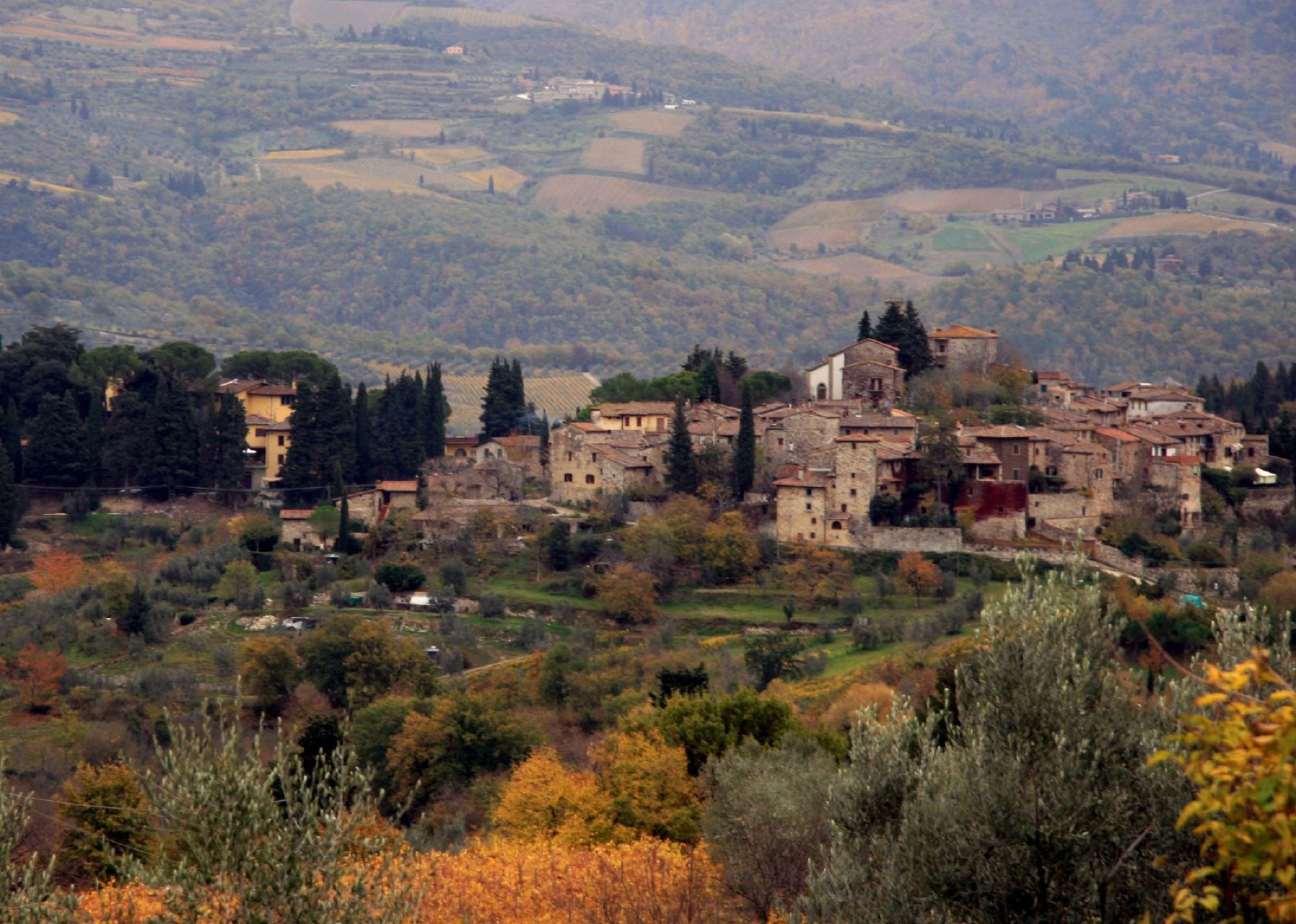
6. Azienda Agricola Podere Bucine
If you prefer smaller estates over big, famous names, this little family winery in Greve in Chianti will completely charm you. It holds the highest rating in our entire selection — a full 5.0 stars based on more than 450 reviews. That alone speaks to exceptional quality and huge guest satisfaction.
You won’t find any mass tourism here — instead, a very personal approach and the owners’ full attention, and they’ll happily look after you with a smile. It’s exactly at these intimate places that you often learn the most interesting details of a farmer’s everyday life and taste wines they’ve poured their whole heart into.
What’s more, you’re in the very heart of the Chianti Classico region, which you can tell from the fact that every certified bottle from this zone carries the black rooster symbol on its neck, the so-called gallo nero. During the tasting, fresh bread dipped in their own olive oil will be waiting for you, which pairs absolutely fantastically with the wine.
💡 TIP: The route to the farm can be a bit more of an adventure and runs along dirt tracks, so drive carefully and don’t let the sat-nav put you off.
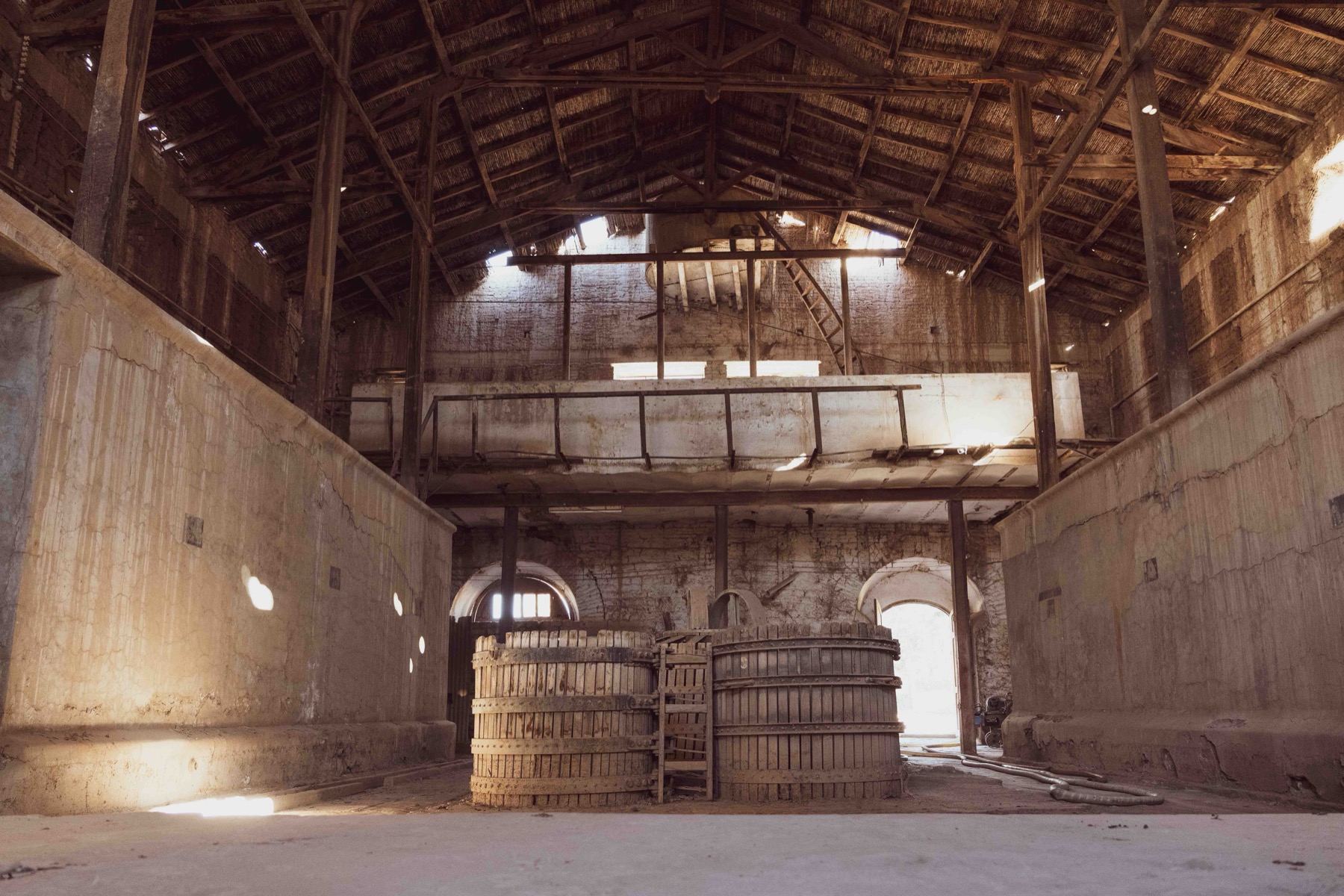
7. Cantalici Winery L’Antica Fornace di Ridolfo
Another hidden gem sits in the Castagnoli area near the little town of Gaiole in Chianti and boasts an almost perfect rating of 4.9 from more than 300 people. It’s exactly the place to go when you want a calmer atmosphere far from the biggest crowds and want to enjoy honest Tuscan craftsmanship in the gorgeous setting of an old brickworks.
The rooms here have a very rustic, authentic feel that contrasts beautifully with the more modern super-wineries like Antinori. The cellar tours are led very engagingly, and the guides will explain the whole process of ageing wine in traditional wooden barrels as well as modern stainless-steel tanks.
I recommend planning your trip here ideally in the spring months or at the start of autumn, when the surrounding countryside is beautifully coloured and you can savour that easy pace to the full. Ask the staff which vintages still need time — they’ll happily advise you on what to open right away and what to tuck away in the cellar.
💡 TIP: If you’re after a small family estate where a genuine Tuscan tradition washes over you, with none of the unnecessary commercial gloss, you definitely won’t put a foot wrong here.

8. Fattoria Viticcio
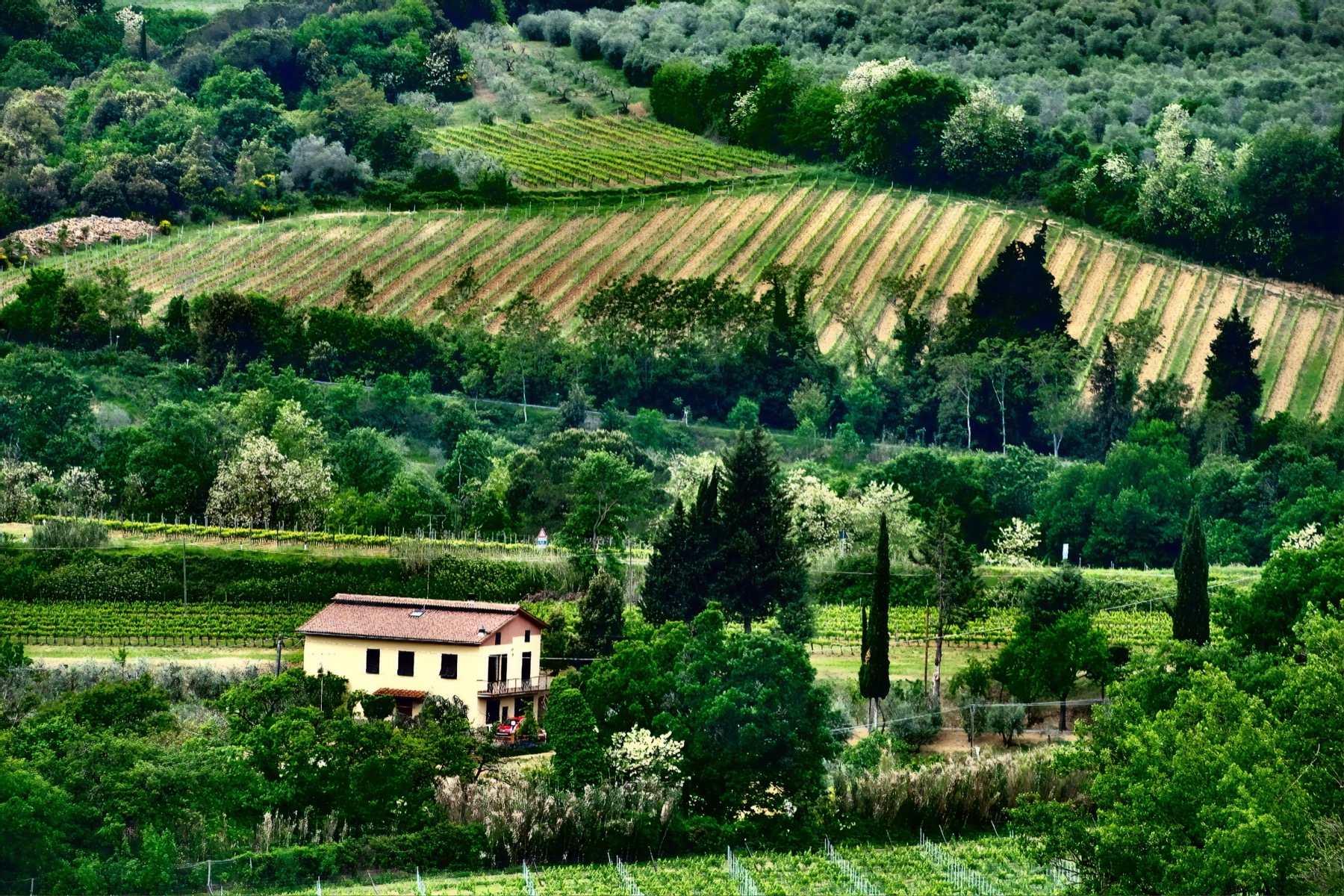
In the heart of the wonderful Greve in Chianti area lies this likeable and very photogenic winery, which has earned a solid 4.6 rating from more than two hundred reviews. The estate offers gorgeous views over rolling hills full of vineyards, exactly the sight that makes us all so happy to come to Italy.
The tours here tend to be led very clearly, in a relaxed and engaging way, so you’ll learn plenty of interesting facts about the local grape varieties without it sounding like a dull school lecture. The guides take you right among the vines, where they’ll show you how the vine is pruned and just how much influence the local soil has on the final taste of the wine in your glass.
Definitely leave yourself plenty of time so that after the guided tasting you can wander the whole estate at your leisure and take a few lovely photos to remember it by. They also have a beautiful outdoor seating area, where time somehow flows more slowly and you can fully enjoy the Italian la dolce vita.
💡 TIP: The wines from here are known for their excellent value for money, so definitely leave some room in your case for a few bottles to take home.
9. Rocca di Frassinello
This place is something completely different and will thrill lovers of modern design and architecture above all. You’ll find it in the south, in the Maremma area near the town of Giuncarico, and it stands out for its stunning modern architecture, designed by the famous architect Renzo Piano. That has earned it an excellent rating of 4.7 stars from nearly three hundred visitors.
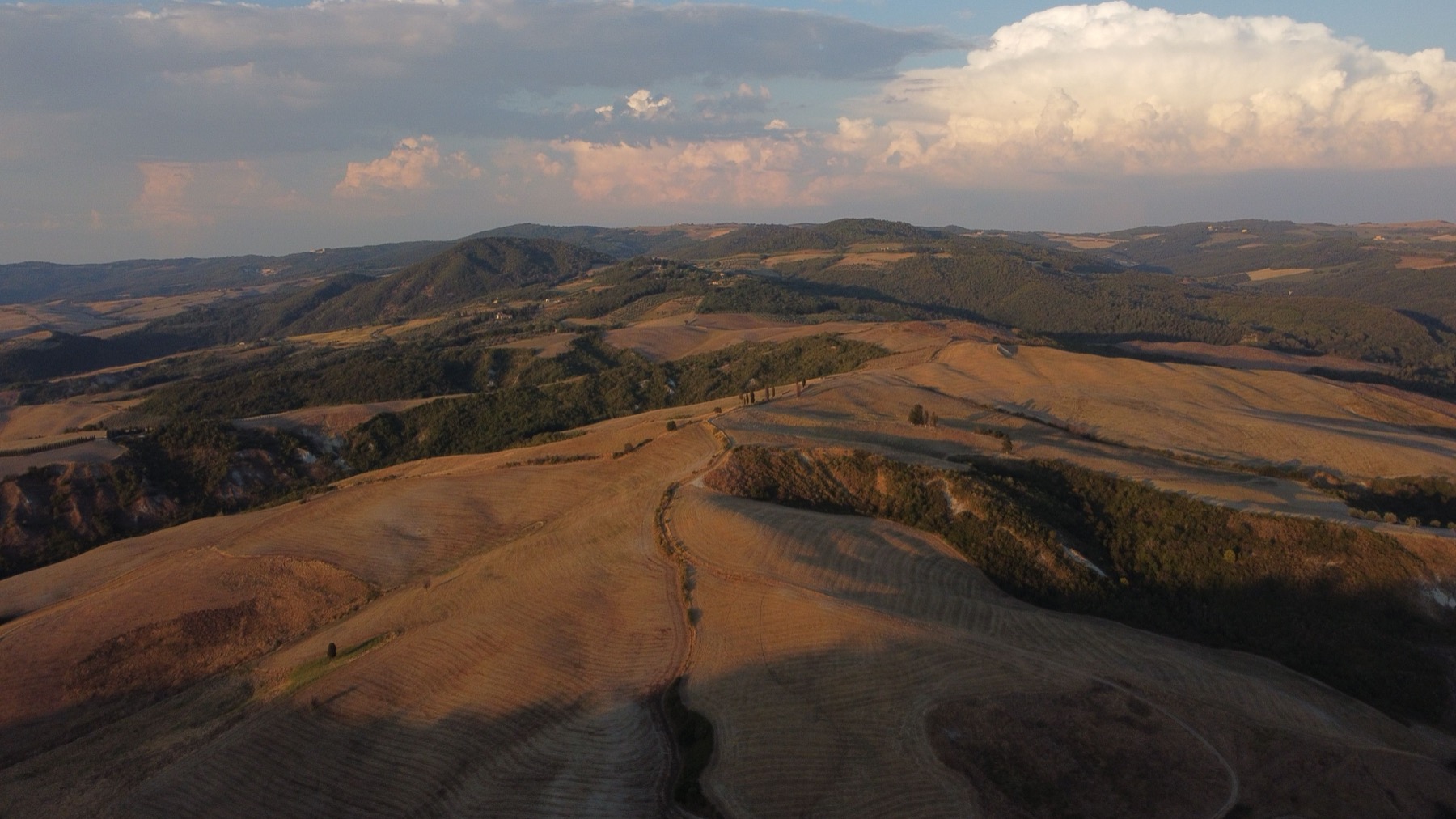
The Maremma region is generally less touristy and a little more affordable than central Tuscany, so here you’ll experience a completely different, wilder face of the region. The wines here are full of sunshine and, thanks to the proximity of the sea, have a very specific and unmistakable character that’s sure to pleasantly surprise you. The main grape grown here is Sangiovese under the local name Morellino di Scansano.
The whole winery building is designed as an enormous amphitheatre, in the middle of which the barrels of wine rest majestically. It’s an incredibly photogenic space that combines industrial elements with traditional winemaking, and a tour of this underground is an experience in itself.
💡 TIP: Because you’re fairly close to the coast, you can perfectly combine a visit here with an afternoon swim in the sea.
10. Enoteca la Fortezza di Montalcino
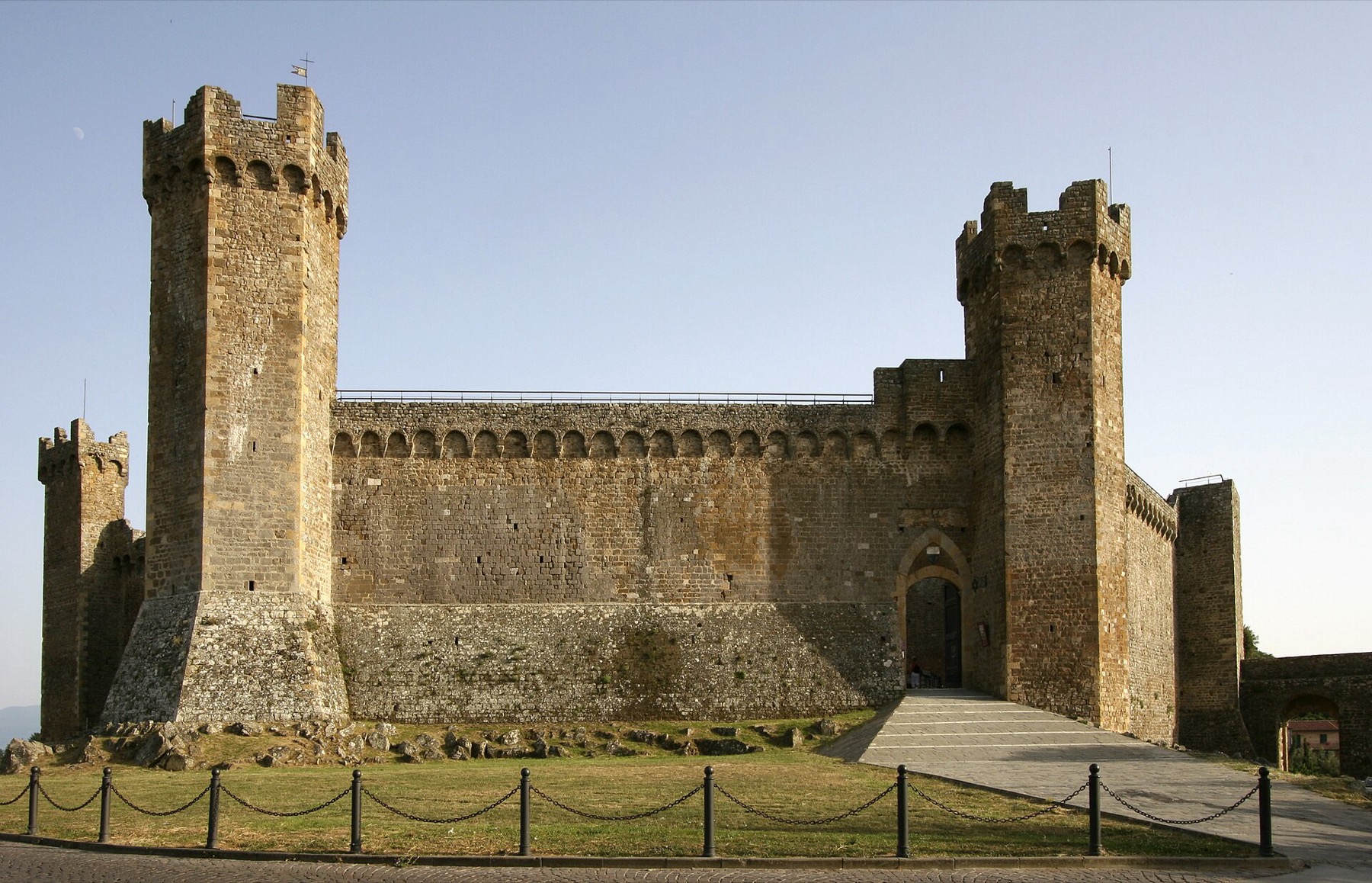
This isn’t a classic cantina surrounded by vineyards, but it simply belongs on our list because it’ll save you in a situation where you haven’t got anything arranged. This excellent enoteca is housed right inside the historic fortress in Montalcino and, with a rating of 4.3 from a respectable 900 people, ranks among the absolute most popular stops in the whole town.
The main advantage is that here you can taste the famous Brunello with no reservation at all — you simply walk in off the street, look over the wine list, and pick whatever you fancy at the bar. It’s an ideal solution for spontaneous day-trippers who don’t want to be tied to exact tour times but still long to sample the best of the local production.
The rooms of the old fortress give the tasting a wonderful historic atmosphere. They’ll happily serve you excellent sheep’s cheeses, olives, and fresh bread with your wine, so you can sort out a light lunch here in peace too. The staff are very knowledgeable and will gladly recommend a wine to match exactly what you like.
💡 TIP: Once you’ve finished your glass, definitely pay for entry onto the fortress ramparts. They offer a fantastic panoramic view over the entire Val d’Orcia valley.
11. Biondi-Santi
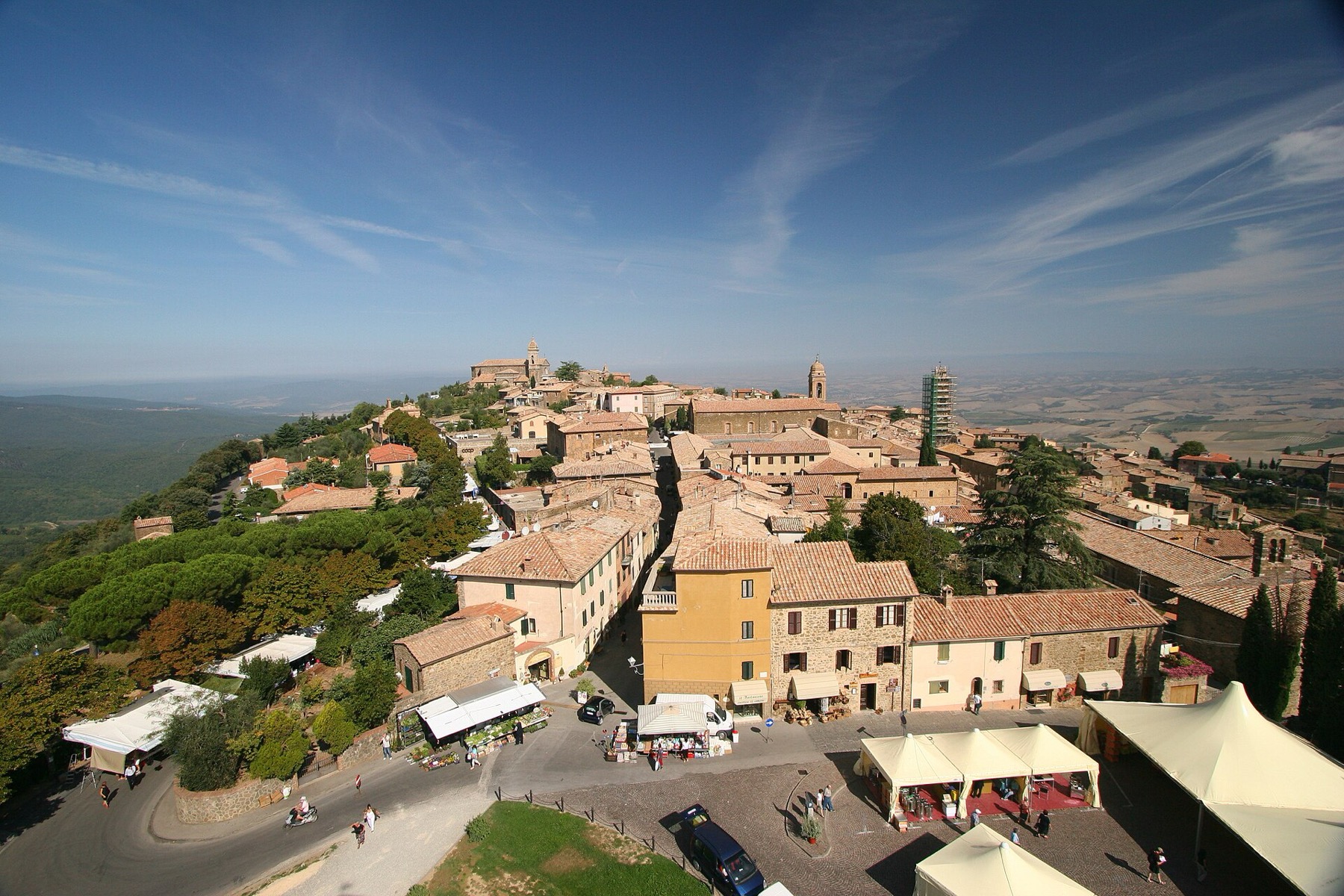
Finally, we have an absolute legend from Montalcino that every true wine lover should know. Although they don’t have a public rating on Google, their significance for the whole region is fundamental. It was on this very estate that the famous Brunello di Montalcino was historically created in 1888. It’s a very prestigious affair for genuine enthusiasts who want to taste wine with the deepest possible tradition.
Getting here, though, is by no means easy and takes a huge amount of planning. You have to book your slot anywhere from two to six months ahead, because interest from all over the world is enormous. On top of that, these premium and highly exclusive tastings start at €100 and up per person, so it’s an investment in a truly exceptional experience.
They won’t let ordinary mass tour operators in at all, which is how the winery keeps its intimate character. Visits are strictly Monday to Friday only, so you won’t get anywhere with a weekend trip here. If you’re planning a journey for the end of summer, be very careful, because in August they’re closed entirely and absolutely no one gets in.
💡 TIP: Brunello from this estate is renowned for its incredible longevity. If you take a bottle home, you can easily cellar it for several decades.
Tasting and driving: how not to get it wrong
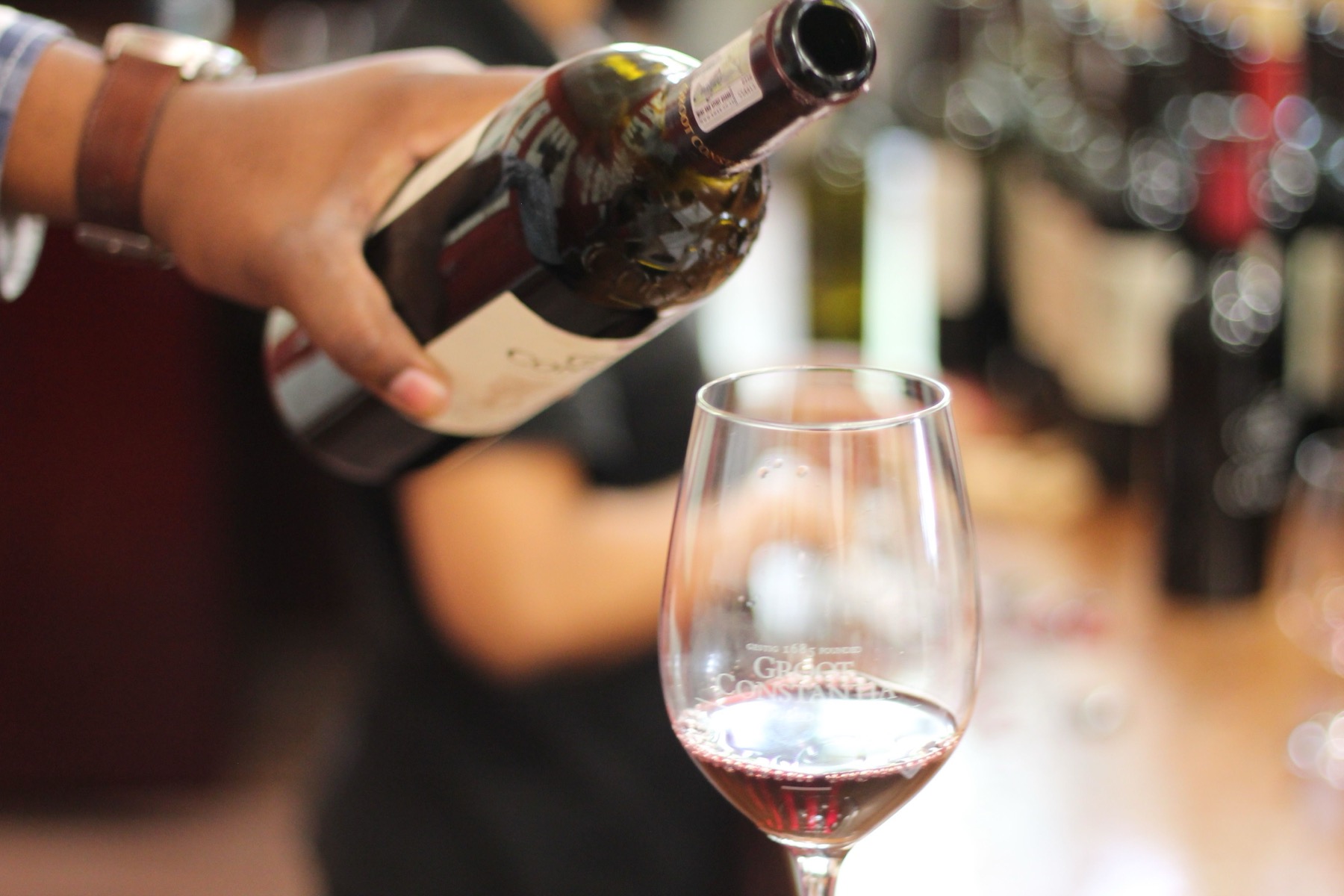
This is where a lot of people come unstuck, which is why I want to look at it in more detail. In Italy the drink-driving limit is 0.5‰, which sounds fairly generous, but for drivers with less than three years’ experience there’s a strict zero-tolerance rule. A standard tasting includes three to six generous samples, so you’ll reliably exceed the limit after even a single visit. The local police, the so-called carabinieri, tend to be especially active during the autumn harvest, and checks on country roads are completely routine.
So how do you avoid landing yourself with a huge fine and a ruined holiday? The first option is to have a designated driver in your group who only sniffs the wine, rolls it around on the tongue, and then spits it out. Every tasting has special spittoons ready for this, and believe me, it’s not rude at all — winemakers fully expect it. It may feel a bit odd to us, but in the professional wine world it’s a completely standard procedure.
The second, far more relaxed option is to pay for an organised tour with a driver, for example from Florence or Siena. Group minibus tours start at around €70 and usually cover transport, a visit to two wineries, and a light lunch. If you like your privacy and want to set your own route, you can hire a private car with a driver, but you’ll pay up to €600 for that. Another popular solution is to use a town enoteca, which you simply walk to on foot from your apartment while your car stays safely parked.
The most elegant route of all, and the one I personally recommend most, is to stay right at a winery or an agriturismo that makes its own wine. In the evening you simply sit down on the terrace, taste everything their vineyard has to offer with the owners, and then take just a few steps straight to bed. You save yourself a load of logistical hassle and get the most authentic Italian experience.
When to go for a wine tasting
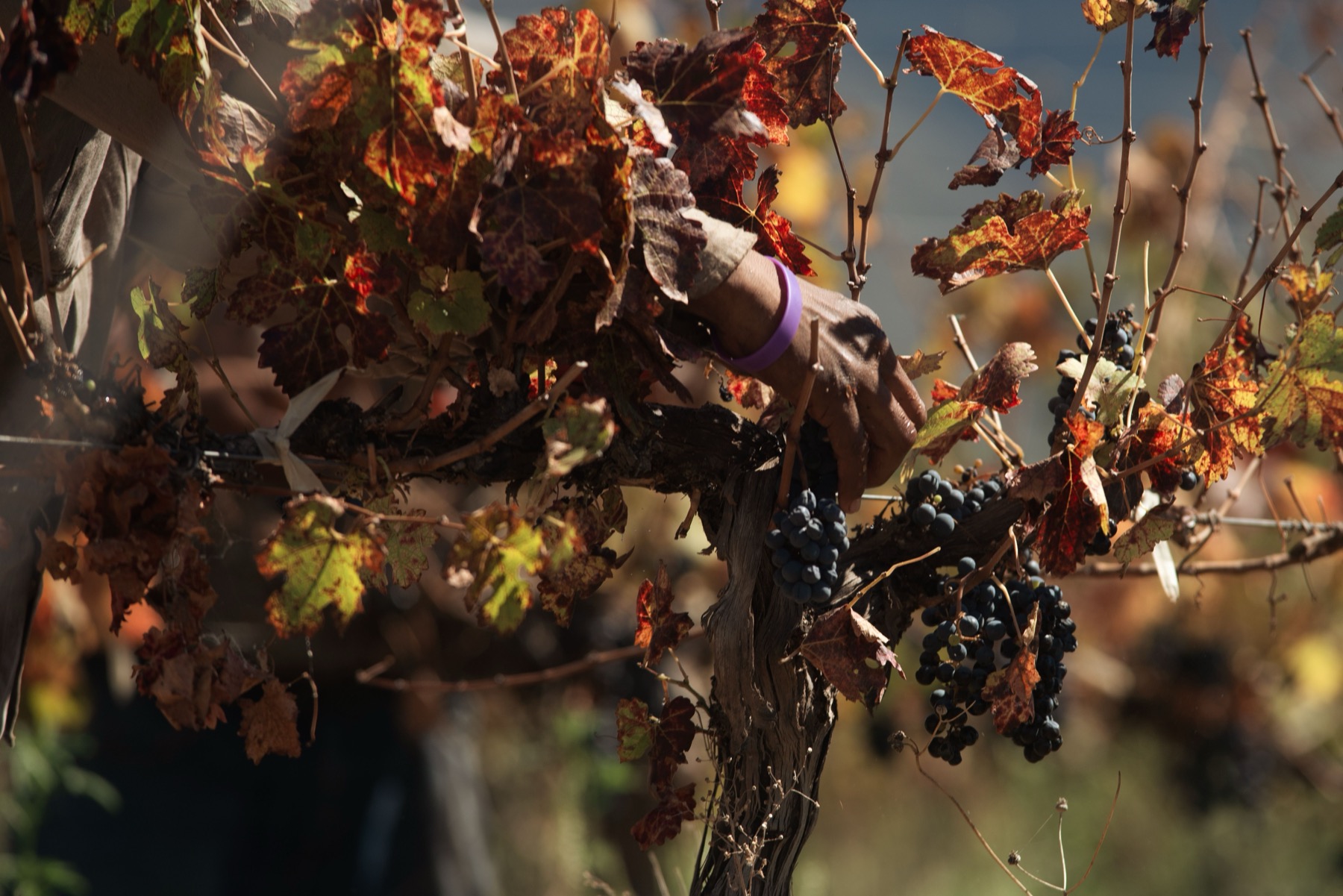
If you have the chance and want to experience the most authentic winemaking atmosphere, head to Italy in September or October, during the so-called vendemmia — the grape harvest itself. It’s absolutely the most beautiful season, full of golden and red colours, and you’ll catch the typical sweetish smell of fermenting must in the air everywhere. But you’ll need to bear in mind that wineries are extremely busy at this time, and some places significantly limit tourist visits during the harvest, simply because they have to work on the crop first and foremost.
A calmer alternative — and, in my view, an absolutely brilliant one — is the spring months from April to June, when the whole landscape wakes up and the vineyards are gorgeously fresh and green. In this period it’s generally much easier to get reservations even at the most sought-after places, and the weather is already very pleasant for long walks outside without roasting in 40-degree heat. A spring visit also has the advantage that winemakers have more time to look after you personally and answer all your curious questions.
But be very careful about August, when lots of Italians take their holidays because of the well-known Ferragosto holiday, and many businesses are simply closed entirely. As I mentioned, the famous Biondi-Santi winery, for example, doesn’t operate for the whole of August and absolutely no one gets in. As for winter, operation is a little more limited and the landscape feels a touch sleepy, but cellars generally stay open, everything is significantly cheaper, and you certainly won’t be squeezed in among annoying crowds of tourists. It’s the ideal time for those who are after peace and quiet and want the guide all to themselves.
Practical tips worth knowing
A few things that seem like trifles at first glance, but ultimately decide whether you’ll remember the trip as brilliant or as a lesson for next time. They’re seemingly small details, but they make an enormous difference to how much you end up enjoying the whole trip.
The single most important thing is planning and communicating in good time. Reserve your spots in advance, ideally by email, and at the truly top estates go ahead and book long months ahead. And if you’re trying to fit in as many places as possible in one day, hold on. Don’t do more than two tastings a day. Partly for safe drinking, and partly because after the third visit you won’t be able to tell anything apart properly anyway, and all the samples will start blurring into one.
Before the cellar visit itself, be careful with cosmetics and ideally don’t put on any perfume at all. A strong cologne or perfume will instantly overpower the delicate aroma of the wine for you and everyone around you, which can ruin the whole tasting. During the tasting it also pays to shop smart, because buying bottles right there on the spot tends to be noticeably cheaper than in a regular shop. Very often they’ll also offer you special vintages that never make it into standard worldwide distribution.
If you buy a larger quantity of bottles and don’t want to lug them around in the boot, don’t be shy about asking to have the wine shipped home. Larger producers routinely send insured deliveries abroad, so you don’t have to haul anything around. If you’re flying, remember the airlines’ strict security rules. ⚠️ You simply can’t take wine in your carry-on, so you’ll need to allow for a checked bag or use professional shipping. For travelling around the region itself, follow the brown signs reading Strade del Vino — these are the officially marked wine routes, which work as a great, logical framework for planning your whole day out.
Where to stay among the vineyards
💡 Accommodation and experiences tip: We prefer to look for accommodation on Booking.com, which usually has the best cancellation terms. For tickets, tours, and activities, it pays to compare and book through GetYourGuide.
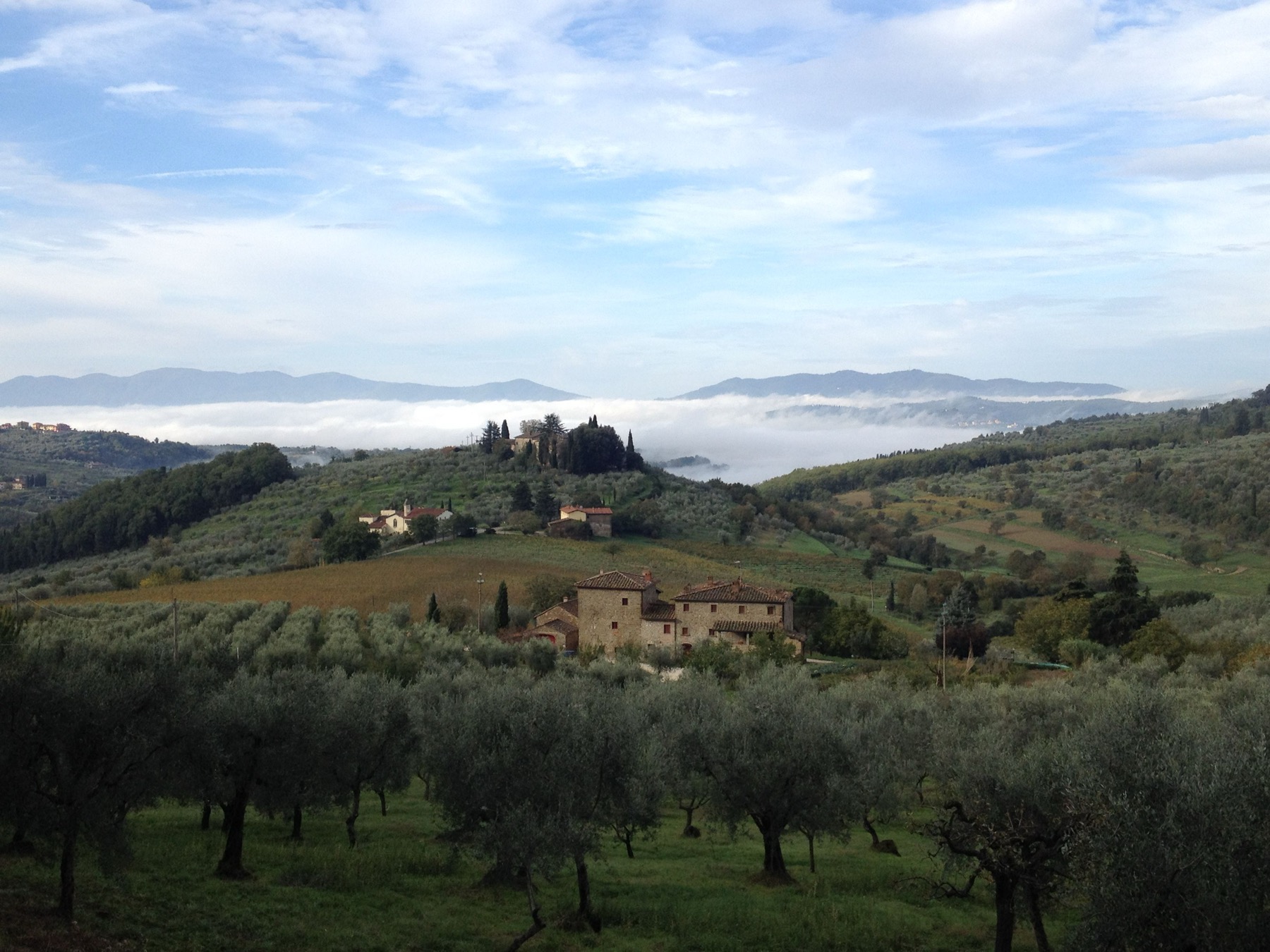
As I mentioned when it came to the driving problem, the best solution to the whole logistical puzzle is to choose the right accommodation. When you pick a stylish agriturismo or a working winery with its own guest rooms, you save yourself a lot of stress and get the real Italian experience. During the day you can explore historic sights in peace, and once you’re back at your room, all you have to do is head downstairs, order a board of local cheeses, have some local wine poured, and enjoy the sunset.
Prices in Tuscany vary enormously by location and level of luxury, so there really is something for everyone. You can get an ordinary family agriturismo off-season for roughly €80 to €145 per night for two people, while a stay in historic castles and luxury boutique hotels can easily set you back €330 and more per night. Always choose your accommodation based on which wine region you want to explore, so you don’t waste hours in the car on gruelling drives along country roads.
If you’re after specific inspiration, take a look at these highly rated options that have delighted plenty of travellers:
- In the Gaiole in Chianti area: A wonderful experience is offered by Castello di Tornano, where you sleep right inside a medieval castle and the pool is set into the former castle moat. Rated 4.5 out of 5 on Google by 210 guests.
- Around Siena: A great choice for food lovers is Agriturismo Villa il Castagno Wine Resort, a wine resort with vineyard views, its own restaurant, and a pool a short drive from Siena. Rated 4.6 out of 5 on Google by 198 guests.
- Right in Montalcino: For those looking for the absolute top and who don’t mind paying extra, there’s the stunning Castello Banfi – Il Borgo. A luxury boutique hotel right on the famous wine estate, from which you’ll never want to leave.
- In Greve in Chianti: You’ll get gorgeous views over the vineyards at the elegant Borgo del Cabreo, which combines traditional Tuscan architecture with modern comfort, a pool, and a terrace. Rated 4.9 out of 5 on Google by 259 guests.
If you don’t know exactly where to start your search, I’d recommend taking a look at our detailed article Agriturismo in Tuscany: 20 tips, prices, and how to choose, where you’ll find plenty more inspiration. For a broader overview of the various price categories, definitely check out our guide Accommodation in Tuscany: 30 tips from cheap to luxury. Sleeping right in the middle of green slopes is simply something you definitely shouldn’t miss on your Italian journey.
Where to next
If you’re still getting ready for Italy and fine-tuning the details, you’ll definitely find these other handy articles from our blog useful for planning an unforgettable trip.
- Tuscany: 30 most beautiful places and a 7-day itinerary
- Tuscan cuisine: 22 dishes you have to try
- Tuscany by car: a 7-day itinerary
- The most beautiful towns of Tuscany
- Siena and San Gimignano: 8 tips on what to see
- Weather in Tuscany: temperatures by month and when to go
Frequently asked questions
Tuscany has its own rules, and for a lot of travellers a first visit to the local vineyards can be a little confusing. That’s why I’ve put together answers to the most common questions I get from you about Italian tastings.
Whether you’re working out the ideal budget, transport, or how it all actually works with reservations, you’ll find everything neatly in one place here. It’ll help you get your bearings before you even set off.
Do I always need a reservation for a tasting?
At a traditional cantina, almost always yes, and well in advance – for famous estates, sometimes months ahead. However, if you just pop into a city enoteca, you won’t need any reservation and you can drop in spontaneously straight from the street for a glass and some good cheese to nibble on.
How much does an average tasting actually cost?
Prices start at a very pleasant €10 for the simplest tours, but most commonly you’ll find prices between €28 and €45 for a full two-hour experience. However, if you’re aiming for the absolute top tier and exclusive premium experiences with rare vintages, you can easily pay €100 or more per person.
How best to handle driving on a wine tour?
The safest option is to designate one driver who will only sniff and spit the samples into the containers provided, which is completely common and respected practice at wineries. Another great option is to book an organized tour with transport included, or cleverly stay overnight right at the winery, so you won’t be driving anywhere in the evening.
When exactly does the famous Italian harvest take place?
The famous vendemmia, as Italians call the harvest, takes place mainly during September and October. It’s a beautiful time full of colors and the distinctive aroma of fermenting must, but remember that winemakers have their hands full, so some estates prefer to limit tourist visits during this period.
Which winery should I visit for the first time?
If you’re going to Tuscany for this purpose for the first time, the ideal choice is the Chianti Classico area, which is perfectly accessible from Florence and Siena. Try starting at the stunning Castello di Brolio or the more peaceful historic monastery of Badia a Coltibuono, where you’ll experience the true Italian atmosphere. These are safe bets that are guaranteed to enchant you.
What is gallo nero?
Translated, it means black rooster, and it’s the official and very strictly protected symbol used to mark bottles of authentic Chianti Classico. If you see this symbol on the neck of the bottle, you have absolute certainty that you’re holding a certified, high-quality bottle from the finest historic zone lying between Florence and Siena.
Can you taste Brunello without a reservation?
Yes, you can definitely manage it, although a traditional cantina most likely won’t let you in without notice. A great solution is to head to Enoteca la Fortezza, which is housed right in the imposing fortress in Montalcino, where they’ll pour you excellent Brunello without any reservation right at the bar.
Is it worth buying wine directly at the winery?
Absolutely yes, buying directly at the source is usually noticeably cheaper than in regular shops or commercial wine stores. Plus, the staff there will often offer you exclusive limited-edition vintages for sale that never make it into standard worldwide distribution, so you’ll bring home a truly unique souvenir.
Tips and Tricks for Your Vacation
Don’t Overpay for Flights
Search for flights on Kayak. It’s our favorite search engine because it scans the websites of all airlines and always finds the cheapest connection.
Book Your Accommodation Smartly
The best experiences we’ve had when looking for accommodation (from Alaska to Morocco) are with Booking.com, where hotels, apartments, and entire houses are usually the cheapest and most widely available.
 🚗 Car rental on the roadVerified rental cars in Italy
Search with the DiscoverCars comparison engine — it compares prices from dozens of local and international rental companies, and most bookings come with free cancellation.
Compare car prices in Italy →Don’t Forget Travel Insurance
Good travel insurance will protect you against illness, accidents, theft, or flight cancellations. We’ve had a few hospital visits abroad, so we know how important it is to have proper insurance arranged.
Where we insure ourselves: SafetyWing (best for everyone) and TrueTraveller (for extra-long trips).
Why don’t we recommend any Czech insurance company? Because they have too many restrictions. They set limits on the number of days abroad, travel insurance via a credit card often requires you to pay medical expenses only with that card, and they frequently limit the number of returns to the Czech Republic.
Find the Best Experiences
Get Your Guide is a huge online marketplace where you can book guided walks, trips, skip-the-line tickets, tours, and much more. We always find some extra fun there!


