If you’re planning a trip up north, taking one of the many Sweden ferries is often the best possible choice, especially if you don’t want to be tied to expensive car rentals once you arrive. Sure, you can fly to Sweden in under two hours, but hand on heart, flying means giving up an enormous amount of freedom. Anyone who wants to bring a car full of camping gear, bikes or even a whole motorhome simply chooses the sea route. Crossing the sea isn’t just a tedious transfer, it’s a brilliant start to your holiday that also saves you a night’s accommodation along the way. You can stretch your legs, stock up on supplies and set off into the Nordic forests the next morning feeling rested.
Choosing the right route can be a real head-scratcher, though, because there are several options from Central Europe. It all depends on exactly where you’re setting off from and where in the north you’re heading. Let’s take a detailed look at how to pick the ideal route, how much it costs this year and which mistakes to avoid when booking your tickets.
The full destination guide: Sweden — guide and what to see
TL;DR
Before we dive into a detailed breakdown of individual routes, ships and practical tips, I’ve put together a quick overview of the absolute essentials. If you’re in a big hurry or just want to refresh the basic rules for Nordic travel, these few points will give you enough to get your bearings.
- Book your tickets well in advance: Ferry prices work much like plane tickets, so summer dates booked at the last minute can end up costing up to three times as much.
- Poland is ideal from the east: Routes from Świnoujście or Gdynia mean shorter driving and a longer rest on board.
- Germany suits western travellers: The ports of Rostock and Travemünde offer quick motorway access and very frequent sailings.
- Consider an overnight crossing: Although a ticket with a cabin is pricier, you save a night’s hotel on the mainland and don’t lose a day travelling.
- Take everything you need on board: During the crossing, the car decks are strictly locked for safety reasons and you won’t be able to reach your belongings.
- Don’t forget your documents: Sweden has extended its border checks at least until November 2026, so you must always carry your passport or ID card.
- The Øresund Bridge as an alternative: If you don’t want to be tied to an exact ferry departure, the Danish overland route across the famous bridge is a great option.
15 Things You Need to Know About Sweden Ferries
Choosing the right route and the crossing itself might look a little complicated at first glance, but once you know a few basic tricks, it’s actually a total breeze. While planning, you’ll definitely come across plenty of questions, whether about the correct car size in your booking, choosing a cabin, or travelling with pets.
That’s why I’ve put together this detailed list to walk you through everything that matters. You’ll find out what to watch out for the most, where you can cleverly save, and why it’s a good idea not to leave too many things until you’re at the port.
1. Why a Ferry Beats Flying
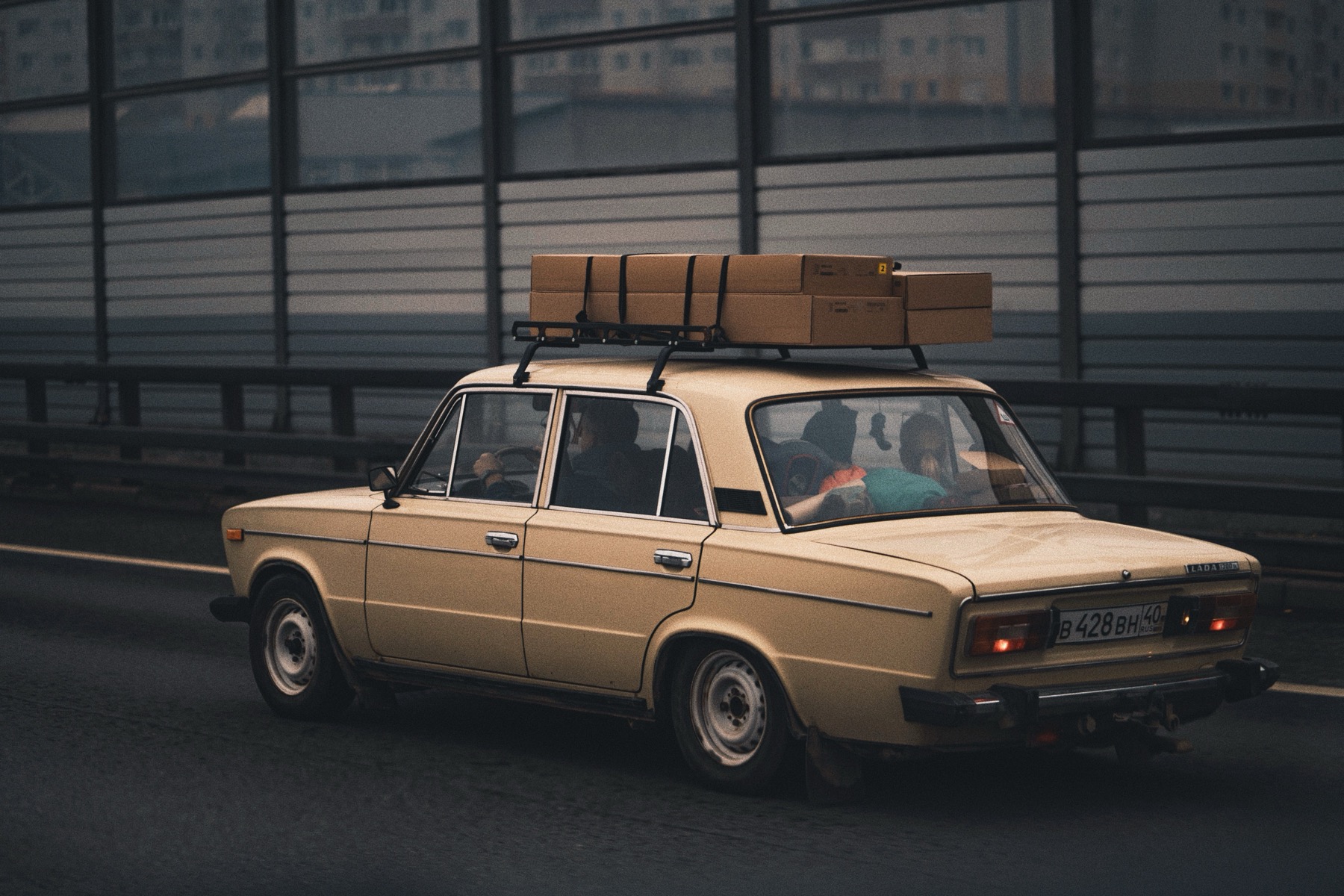
Travelling in your own vehicle gives you a freedom in a big country that flying simply can’t offer, and Sweden is made for camping, road trips and overnight stays in the wild. Car rentals up north will painfully inflate any holiday, whereas into your own boot you can easily stuff a tent, sleeping bags, a stove, supplies and even a paddleboard. Just the transport costs for a family come to roughly €750 to €780, and flying simply can’t beat that. Just add up plane tickets for four people with luggage, plus insurance on a pricey rental car and child car seats. Your own car comes out as the clear winner.
Another huge advantage of ferries is the complete absence of weight limits for luggage. On board, nobody cares how many heavy suitcases, bags or crates of drinks you’ve packed into the car. You simply pay for the total length and height of your vehicle and off you go with peace of mind. For families with kids that means the end of packing stress, with no need to weigh every backpack, worry about liquids in hand luggage or dread excess baggage at the airport desk. You just throw everything into the car, from your favourite camping chairs to sturdy waterproof hiking boots.
A ferry also gives you the brilliant option of bringing your pets up north without the stress of a flight in the dark cargo hold of a plane. On many ships, dogs can stay with you in special cabins or on designated decks, which makes the trip north an ideal doggy holiday. Thanks to its right of public access to nature (allemansrätten), Sweden is very friendly and welcoming for travellers with animals.
💡 Tip: Be sure to pack your own supply of your favourite wine or beer. In Sweden, you can only buy alcohol at the state-run Systembolaget shops, which have very limited opening hours, high prices due to excise duty, and are closed entirely on Sundays. Within the European Union you can legally bring up to 110 litres of beer and 90 litres of wine per person for personal consumption.
2. The Polish Classic: Ferries Between Sweden and Poland
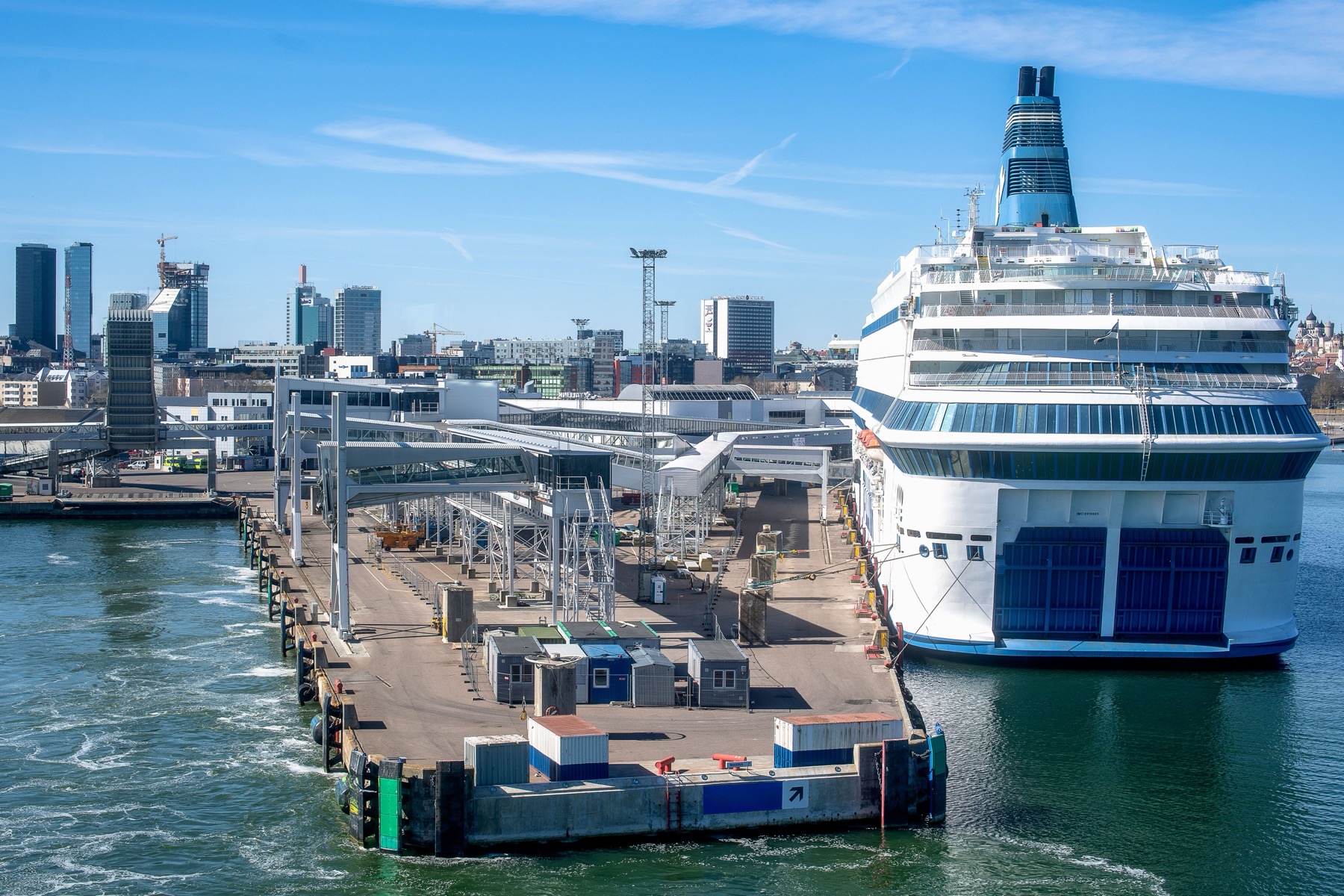
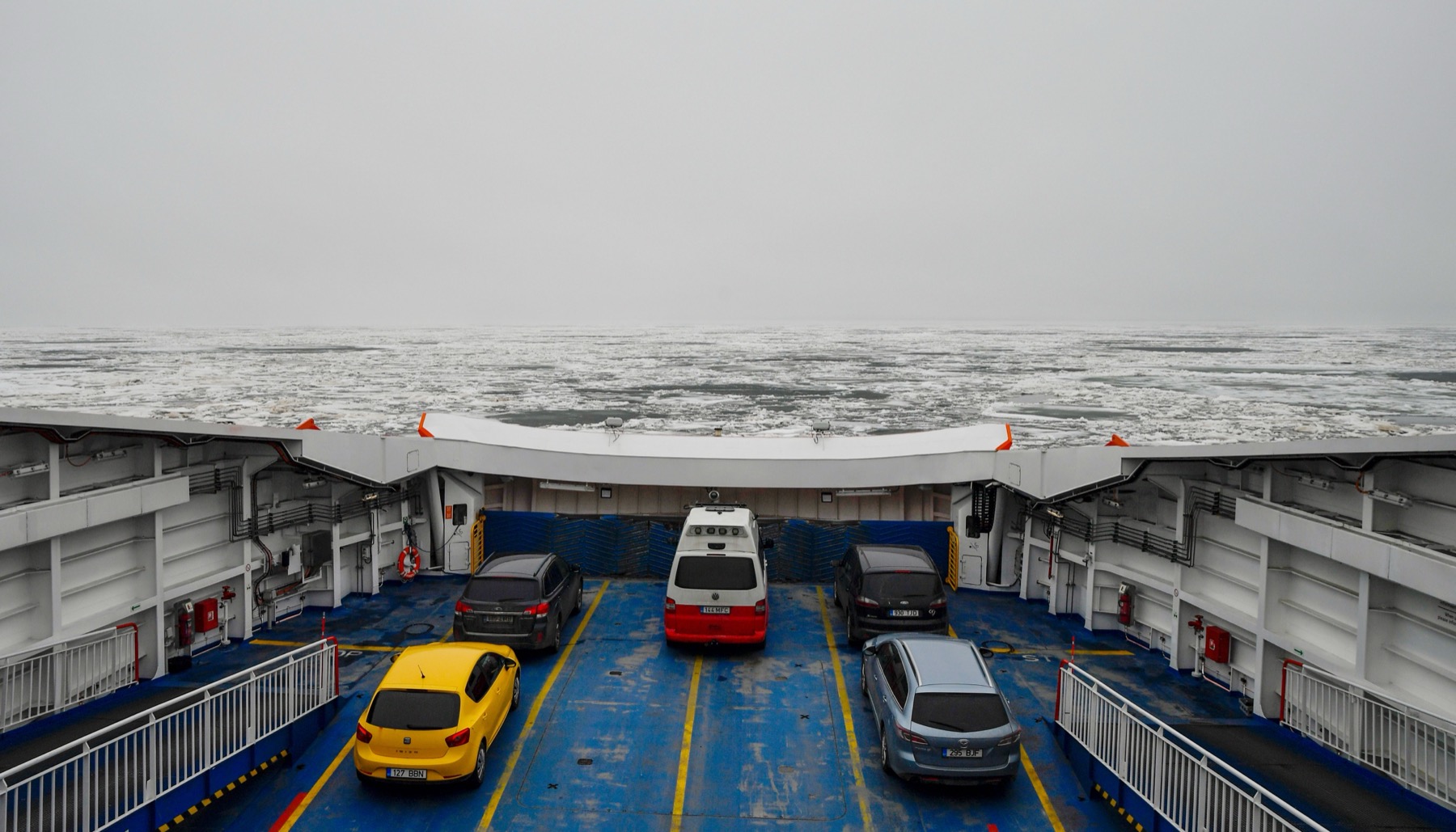
If you’re setting off from the east, it makes no sense to drag yourself across the whole of Germany. The port of Świnoujście lies under six hours of comfortable driving from the Czech border and offers excellent connections to Ystad or Trelleborg in Sweden. Three big companies operate here, namely Polferries, TT-Line and Unity Line. That means ships depart several times a day and you can pick the time that suits you best. On top of that, the drive through Poland along the new S3 expressway and the A1 motorway is perfectly smooth and very cheap on tolls.
The crossing from here takes around six to seven hours, which is absolutely ideal for a proper rest, a coffee in the restaurant and admiring the views out over the open sea. But do watch out for a change introduced in summer 2026, as Polferries has moved the check-in for motorised passengers in Ystad to new stands. So always check the port map that comes with your ticket by email very carefully beforehand, so you don’t end up wandering around right before departure.
Another great Polish option is the popular route from Gdynia to Karlskrona, operated by Stena Line. The crossing takes just under ten hours and it’s a totally strategic point if you’re planning to explore the eastern islands of Öland and Gotland, or if you’re heading straight towards Stockholm. You’ll avoid the long and often tiring drive across the whole of southern Sweden. Gdynia also has the advantage that you can make a lovely stop in historic Gdańsk before departure.
💡 Tip: When booking tickets on Polish websites, always try switching the currency from euros to Polish złoty. It very often works out that paying in the local currency ends up a few euros cheaper once your bank converts it. The same goes for filling up on the motorway on your way to the port.
3. Ferries to Sweden From Germany: The Motorway Express
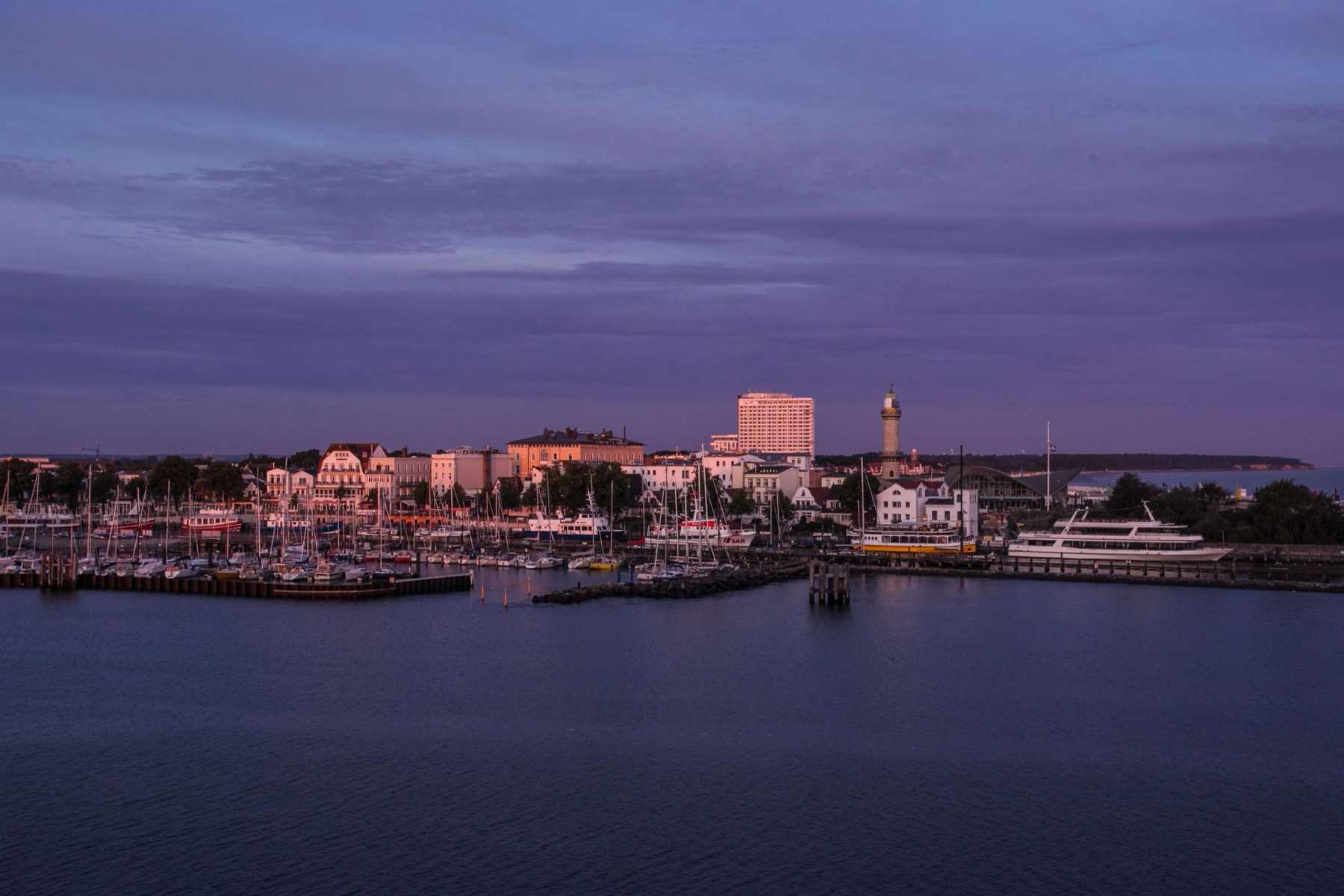
Travellers coming from further west usually prefer the German ports, because getting onto the motorway heading north is very smooth and the journey flies by incredibly quickly. From major European hubs you can reach the port of Rostock in under six hours of comfortable driving, spending most of that time on the toll-free German motorway. From Rostock to Trelleborg, modern ships operated by TT-Line and Stena Line sail regularly, with the crossing itself taking a very pleasant six hours. Just remember that German motorways tend to get very congested on Friday afternoons, so it’s better to travel overnight or early in the morning.
A little closer still lies the town of Travemünde, near historic Lübeck. From here, huge Finnlines ferries sail to Malmö, and TT-Line ships to Trelleborg. The sea crossing from here takes a bit longer, usually around nine hours, which makes it a great overnight route. You board in the evening, have dinner, sleep beautifully in a cabin and wake up right in Sweden.
German routes generally have the busiest timetables and enormous car capacity, so tickets are a bit easier to find here even outside the main booking windows. Even so, the Friday and Saturday evening departures disappear from the booking systems first, and leaving your purchase to the last minute definitely doesn’t pay off. The ports also have short-term parking well sorted out, in case you arrive well ahead of time and want to rest.
💡 Tip: If you choose the overnight crossing from Travemünde, arrive at the port a couple of hours early and take a stroll through the historic centre of nearby Lübeck, a UNESCO World Heritage Site famous for its traditional marzipan.
4. Ferries From Denmark to Sweden and Short Hops
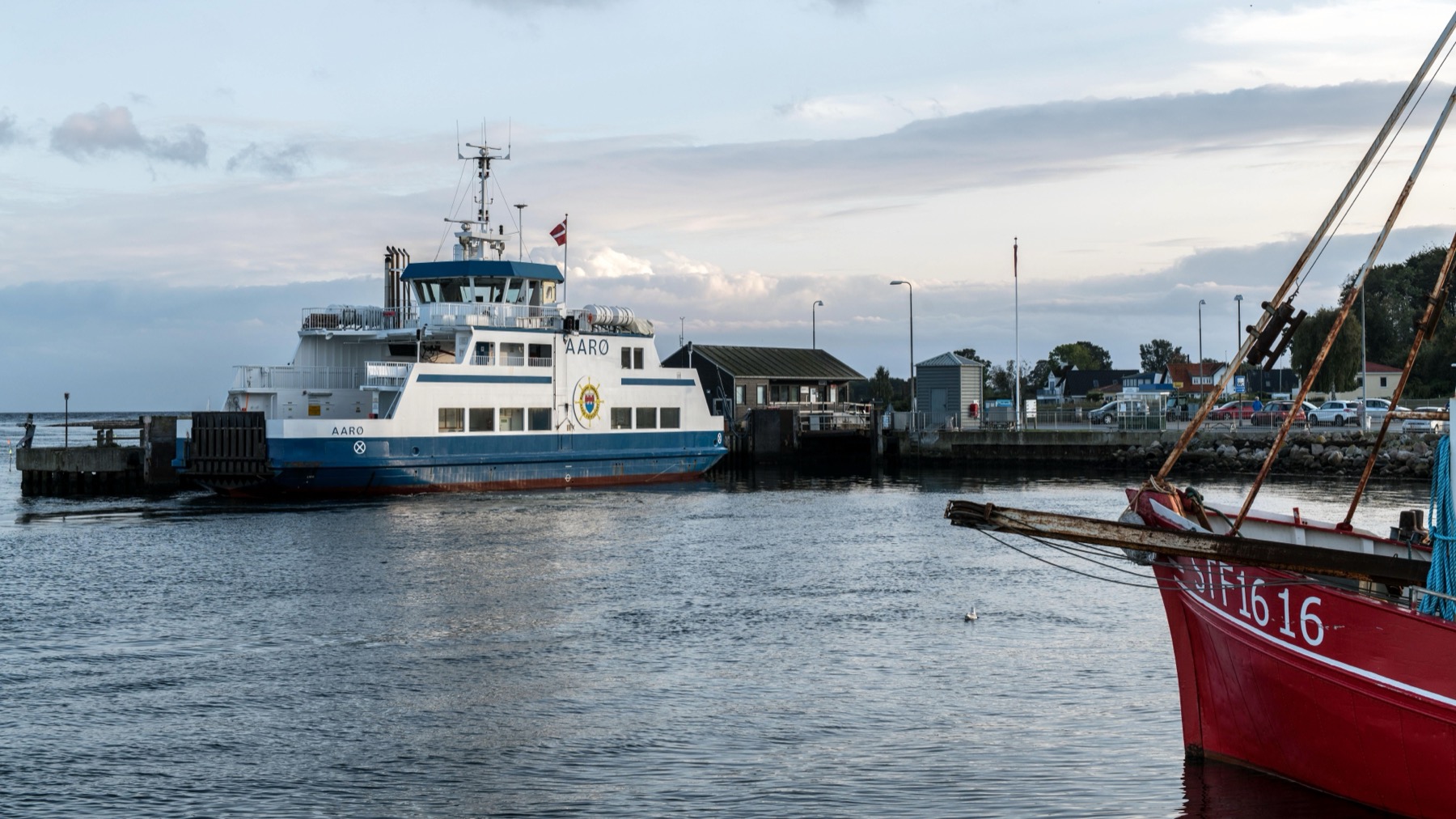
If you love driving, savour the feeling of freedom behind the wheel and don’t want to spend half a day on a ship, the Danish route is made for you. The most commonly used option is the very short ferry from the German port of Puttgarden to the Danish town of Rødby. This extremely busy route is operated by Scandlines, the crossing takes just 45 minutes and the ships shuttle back and forth practically non-stop, day and night. You’ve barely parked the car and grabbed a coffee on the top deck before they’re calling you back to your vehicle. Scandlines also has a very flexible Smile loyalty programme, where you collect points on food and drink purchases.
Alternatively, you can take the slightly longer route from Rostock to the Danish port of Gedser, which takes roughly two hours. Once you’re in Denmark, you’ll cruise comfortably along excellent motorways all the way to Copenhagen. From there, your dream of Sweden is within easy reach across the majestic Øresund Bridge, or you can choose another short ferry. Danish motorways are free, but do watch out for the strict speed limits, which the local police like to measure often.
That next hop is the legendary and heavily used shuttle between Helsingør in Denmark and Helsingborg in Sweden. The crossing across the strait takes just under twenty minutes and is a fantastic alternative for all travellers who want to avoid the heavy Copenhagen traffic and the high toll on the big Øresund Bridge. From the ship you get a lovely view of the famous Kronborg Castle.
💡 Tip: Scandlines offers so-called combined tickets, which include both the ferry to Denmark and the subsequent toll for crossing the Øresund Bridge. Buying this combination in advance online saves you a fair bit of money compared with paying on the spot.

5. Sweden Ferry Prices and How They’re Calculated
Pricing at sea strongly resembles the airlines, so a fixed price list practically doesn’t exist. The price always depends on the exact length and height of your car, the number of passengers, the chosen cabin and above all the date of the crossing. A car with two adults on the Rostock to Trelleborg route will cost a comfortable €60 off-season, but in mid-July it can easily climb over €200. I’d recommend considering so-called flexi tickets, which cost a little more but let you move your departure time if you get delayed in a queue.
Caravans and motorhomes have their own special tariffs, which are significantly more expensive due to the large space they take up below deck. Always enter the absolutely precise dimensions into the booking system, including a roof box, antenna or bike rack. If the port staff discover the car is actually longer or taller than stated, you’ll face a hefty surcharge, or in the worst case they won’t let you onto the packed ship at all. Booking systems often check your registration plate too, which you can usually change online up to a few hours before departure with most companies.
As a rough guide for 2026, budget around €100 to €200 for one crossing with a standard car, depending on the chosen route and how early you book. It always pays to compare different departure days, because shifting your holiday even by a single day forwards or backwards can knock as much as a decent third off the total price.
💡 Tip: The most expensive crossings tend to be Friday evening and Saturday morning, when changeover days occur. If you can set off on a Tuesday or Wednesday, you’ll not only save a lot of money but also avoid the endless queues at boarding.
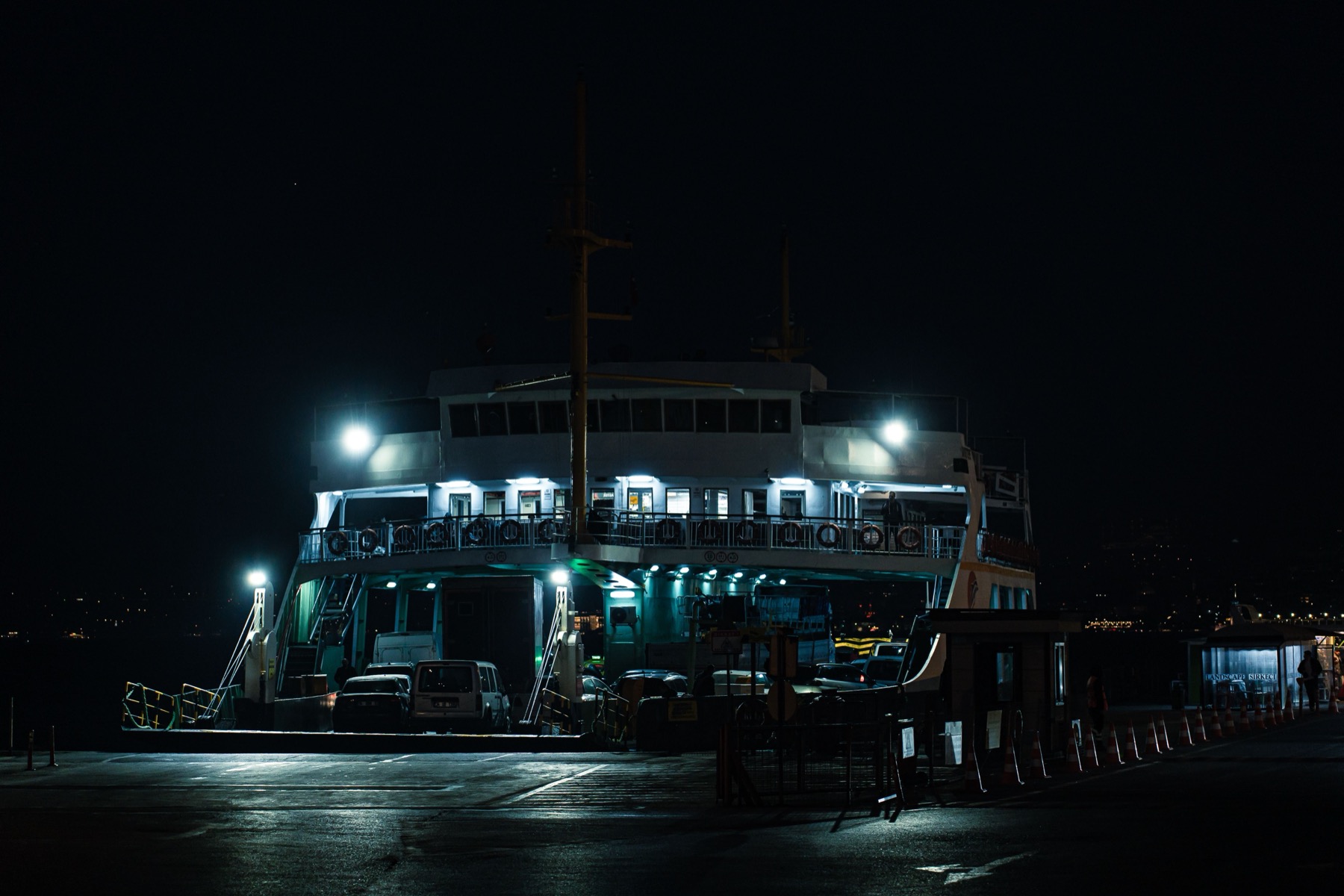
6. Daytime Versus Overnight Crossing
This is by far the biggest dilemma when planning any Nordic trip. Daytime crossings are logically always cheaper and you don’t necessarily need to add a cabin. You can sit in the huge glass-fronted café, read your favourite book on deck, explore the duty-free shops or simply stroll along the outer decks watching the waves. The main downside is that you lose practically a whole day of your holiday just crossing the sea.
An overnight ferry, on the other hand, works like your own floating hotel. You do pay a little more for the compulsory cabin, but on the other hand you save on mainland accommodation, which in Sweden commonly costs from around €80 a night upwards. In the morning you wake up beautifully rested, have breakfast with a view of the approaching Swedish coast and have the whole long day ahead of you for exploring and travelling. Most ships also offer an evening entertainment programme on overnight crossings.
Experienced travellers very often go for a clever combination of both options. On the way there, when everyone is full of energy and excited about the holiday, they travel during the day and enjoy the views. On the way back, when fatigue from the demanding road trip and the miles clocked up tends to take over, they prefer the overnight route to get a proper rest before the long drive home.
💡 Tip: If you go for a daytime crossing without a cabin, head straight for a good spot in the lounge right after boarding. The comfortable armchairs by the big windows tend to get snapped up within the first ten minutes of the deck opening.
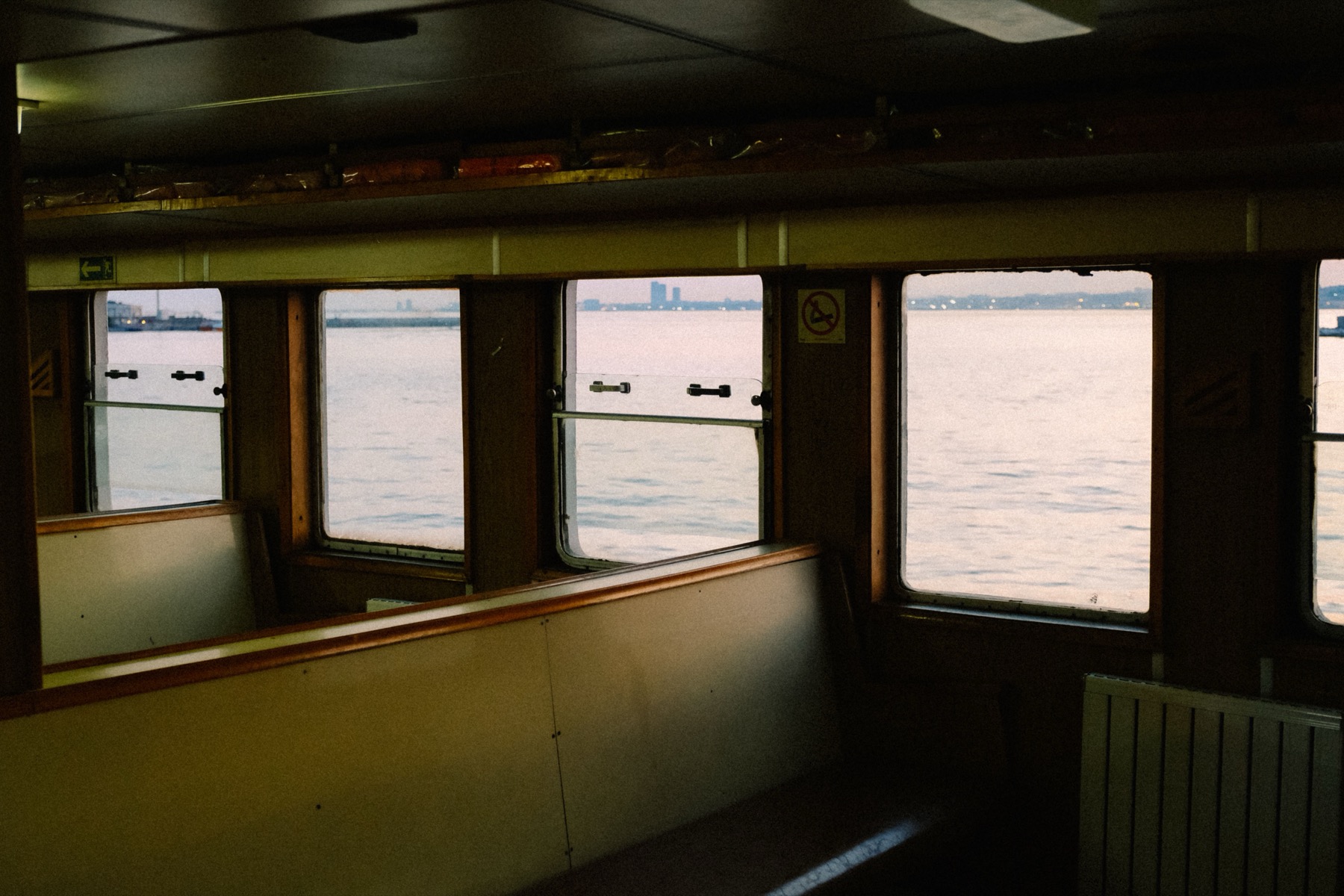
7. Cabins and Recliners: When to Pay Extra
On long overnight crossings, such as the typical Gdynia to Karlskrona route or Travemünde to Trelleborg, a cabin is usually absolutely compulsory for safety reasons. You can choose between a cheaper inner cabin without a window and a significantly pricier outer option with a beautiful sea view. Every single cabin has its own bathroom with a shower, toilet and clean bedding, so comfort is guaranteed. There’s even a small desk and chair.
If you’re travelling during the day, you don’t need a cabin, but you can rent a so-called Pullman seat. It’s a more comfortable reclining chair in a designated quiet zone, which costs just a tiny fraction of the price of a whole cabin. It’s a nice compromise for those who want to quietly nap for a few hours away from the noisy public areas. Just bear in mind that charging sockets tend to be scarce here, so a charged power bank comes in handy.
For families with younger children, though, a daytime cabin is enormously worth it and I warmly recommend it. The kids have their own space for an afternoon nap, you can put down all your heavy bags, shower in peace and rest in private. Unlike overnight crossings, the daytime rental price tends to be very reasonable, and that peace and quiet on a crowded ship is simply priceless in the summer season.
💡 Tip: Cabins sell out far faster than the actual car spaces below deck. If you’re planning a summer overnight crossing, book your tickets ideally four to five months ahead, otherwise you’ll be left with only the most expensive luxury suites.

8. Food on Board: Buffets and Your Own Snacks
Every larger ferry works like a small floating town and has several dining options. By far the most popular are the huge self-service buffets, which offer generous breakfasts and hearty dinners for a fixed price. You pay once at the entrance and eat as much as you can manage, and believe me, the salad counters, cheeses and fresh bread won’t let you leave empty. 😄 The onboard restaurants also serve traditional meatballs, and on most ships you can conveniently pay by card, in euros or in Swedish kronor.
Besides the big buffet, the ships also have smaller cosy cafés and bistros, where you can buy excellent coffee, a slice of pizza or a sweet cinnamon bun. Prices here are of course a bit higher than on the mainland, but they’re still perfectly manageable without ruining your travel budget. Coffee here is most often sold as a bottomless cup, so with a single mug you can sit and sip all morning long.
If you want to save money for experiences in Sweden, it’s perfectly legal to bring your own food on board. Nobody will chase you away if you pull your own filled baguettes, cheese from a cool bag or a flask of coffee out of your backpack on a public deck. Travellers do this completely routinely, it’s just really not polite to eat your own supplies at tables reserved for paying restaurant guests.
💡 Tip: If you know you’ll want to go for a big buffet dinner, buy your entry when booking your ferry ticket online. Most companies offer a discount of around ten to fifteen percent for buying in advance compared with paying on the spot.
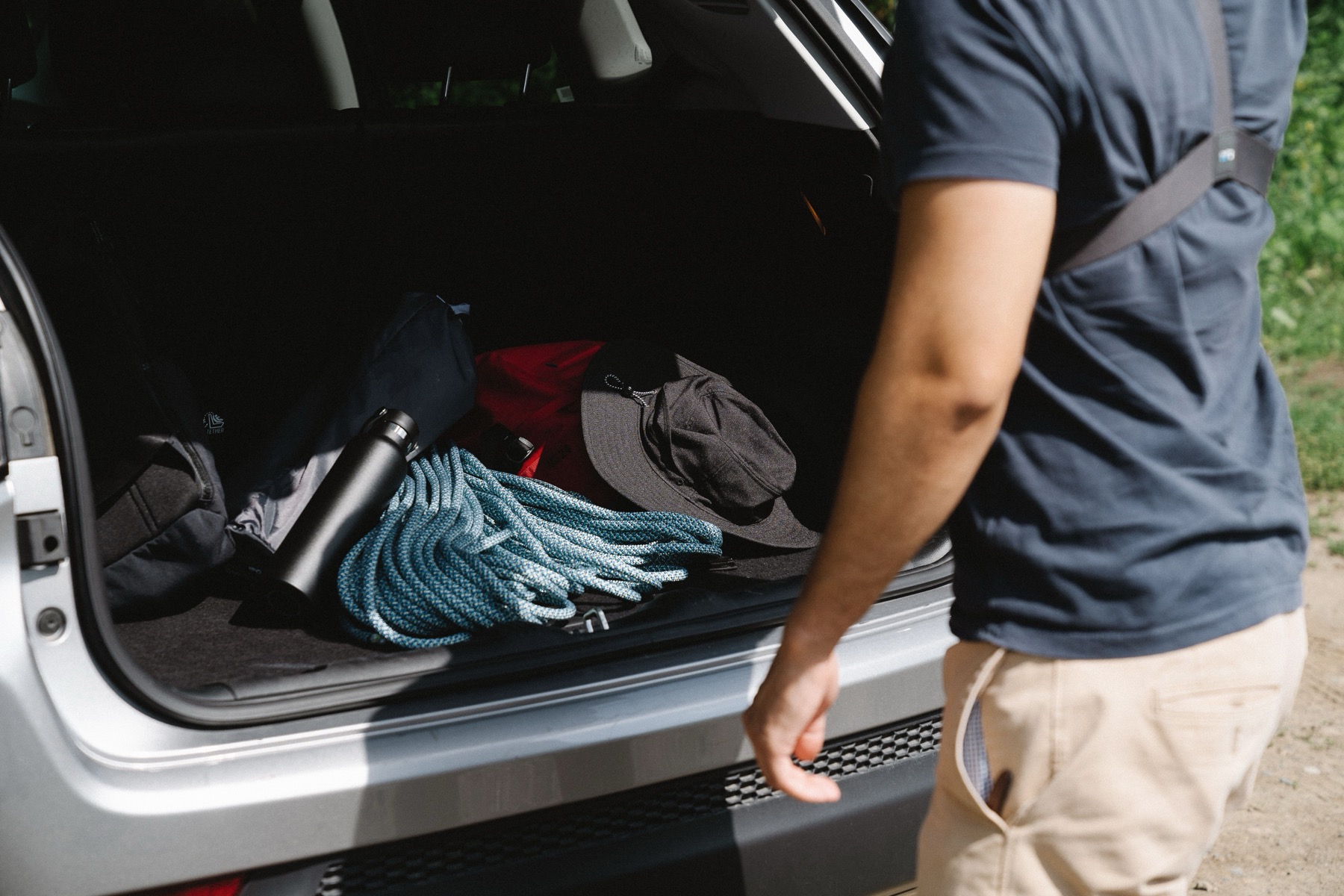
9. What to Take Up Top and What to Leave in the Car
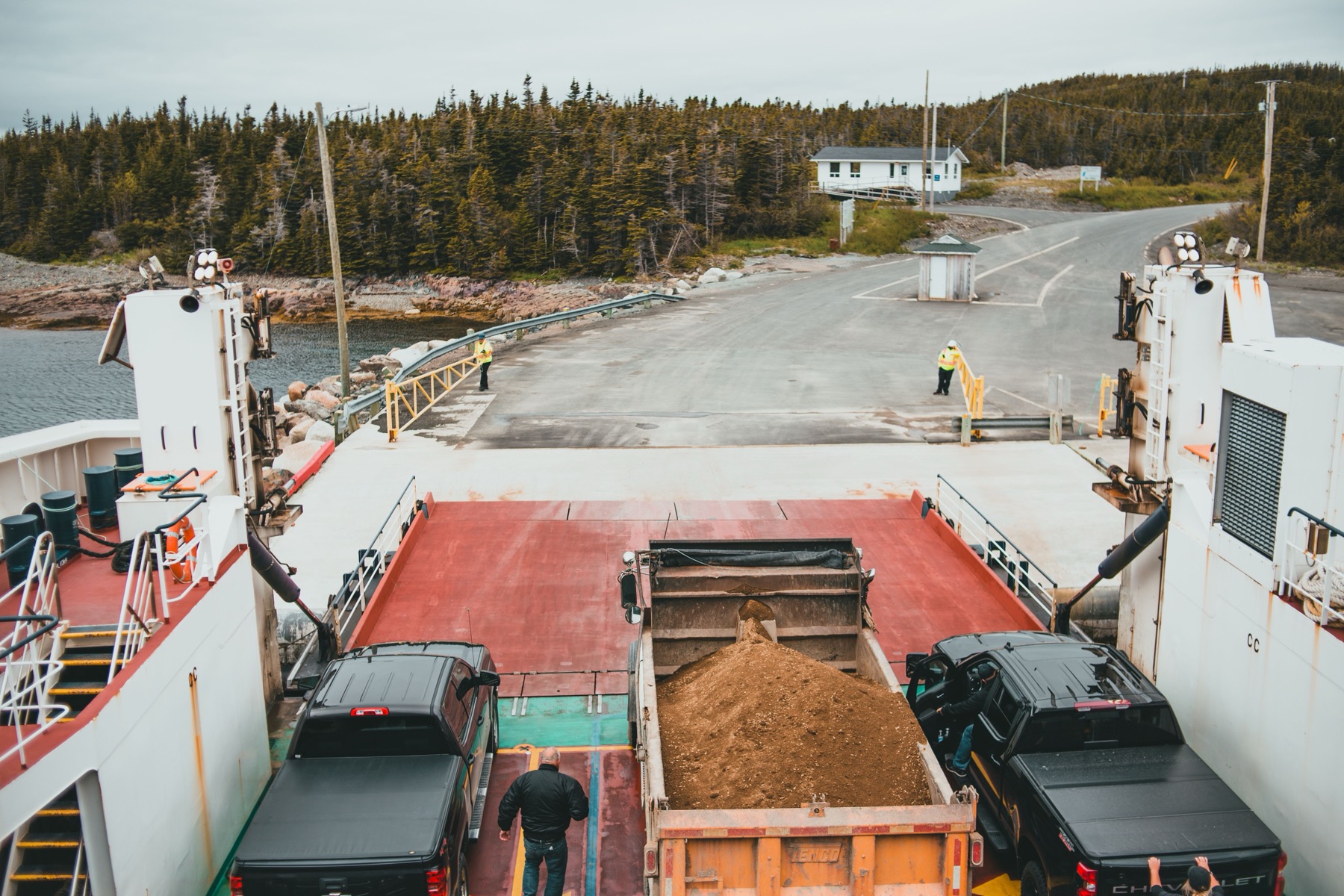
This is an absolutely crucial safety rule that often catches newcomers off guard and can spoil the start of their trip. During the entire crossing, the car decks are strictly locked and separated by watertight doors for strict safety reasons. Once you’ve parked after boarding and gone up the stairs to the passenger areas, there’s no way you’ll reach your car again, not even if you’ve forgotten important medication.
So prepare a handy carry bag (let’s call it your ship backpack) with everything essential while still at home. You’ll absolutely need your documents, wallet, phone, power bank, any medication, a warmer jumper and toiletries. The air conditioning on ships tends to be set to very low temperatures, and the sea wind will chill you quickly out on the top deck. If you plan to watch films, don’t forget to download them onto your tablet in advance, because onboard Wi-Fi tends to be expensive and slow.
In the car, on the other hand, leave all your heavy suitcases, camping gear and, most importantly, switch off the car alarm before you leave. The rocking of the ship on the waves reliably sets off the more sensitive motion sensors, and you really don’t want to be the person whose car flashes and honks wildly below deck the whole crossing, constantly draining its own battery while the ship’s PA calls out your registration plate.
💡 Tip: Before departure, find out from your vehicle’s manual exactly how to deactivate the tilt and interior motion sensor. On modern cars this is often done by double-pressing a button on the key, or deep in the on-board computer menu.
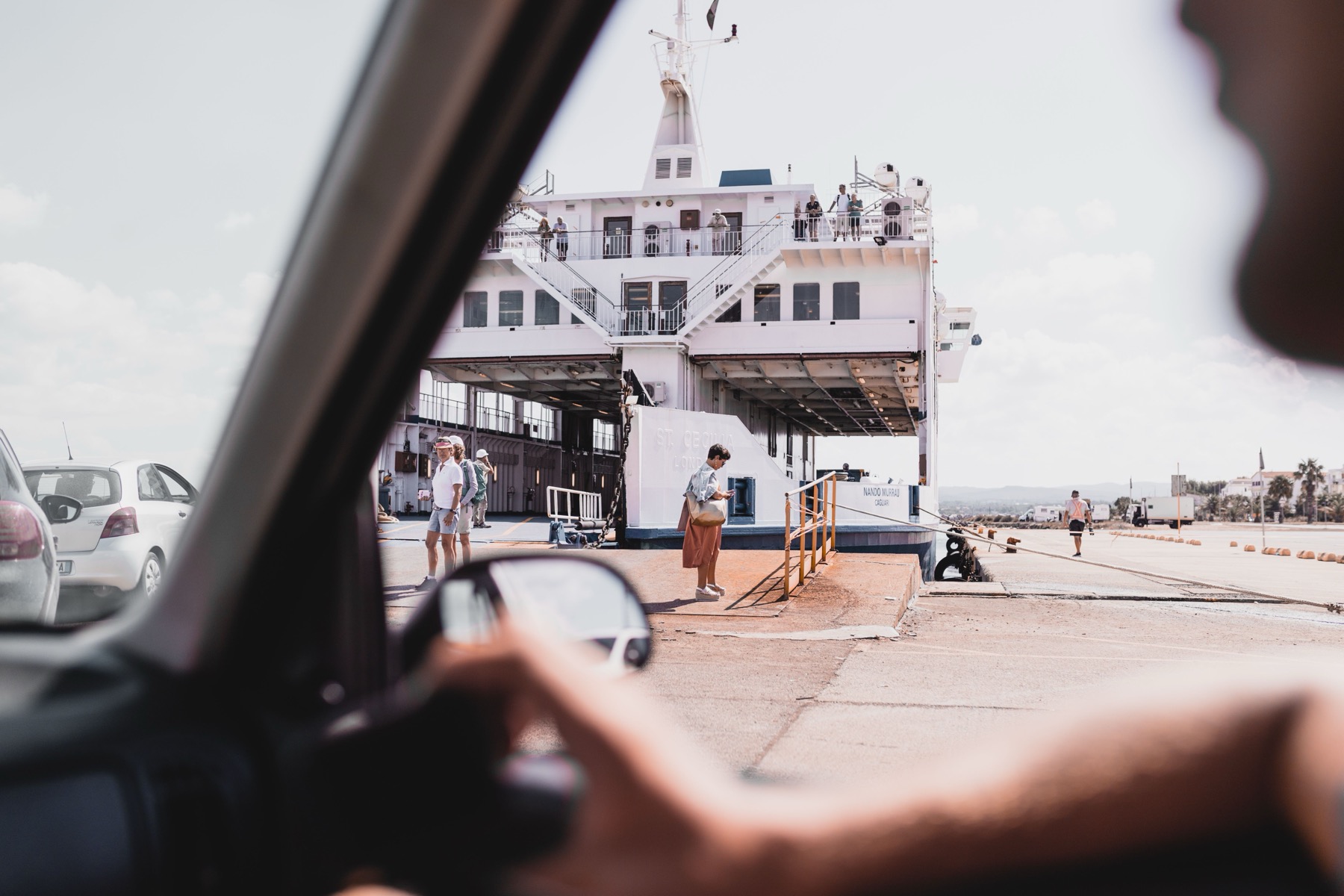
10. Check-In, Ports and Border Controls
Always arrive at the busy port with plenty of time to spare to avoid needless stress. As standard, you’re required to arrive sixty to ninety minutes before the ship actually departs. If you have a large motorhome or a car with a trailer, better allow a full two hours, because getting large vehicles on board and manoeuvring them takes considerably longer. The check-in process is otherwise very simple and resembles driving through classic motorway toll gates. Watch the signs above the lanes carefully, they tend to be split into cars, lorries and high-roof vehicles.
At the window you show your printed ticket or QR code and the documents of all passengers. Bear in mind that Sweden has extended its border checks at least until November 2026, so random police checks at the ferry exit are a common thing. They’ll check you right through your rolled-down window and the whole procedure usually takes just a few minutes.
So have your passport or ID card ready for every member of the party, including small children. If you’re travelling in a van or with a caravan, customs officers may ask you to open the boot or take a look inside the living area. But they’re always very polite and ask about the purpose of your trip. The good news is that the new European EES and ETIAS systems don’t apply to EU citizens at all.
💡 Tip: Store your documents in the glovebox so you have them instantly to hand. Digging for a passport lost at the bottom of a backpack in the boot while a queue of vehicles honks behind you isn’t exactly a pleasant experience.
11. Travelling by Train and Bus Without a Car
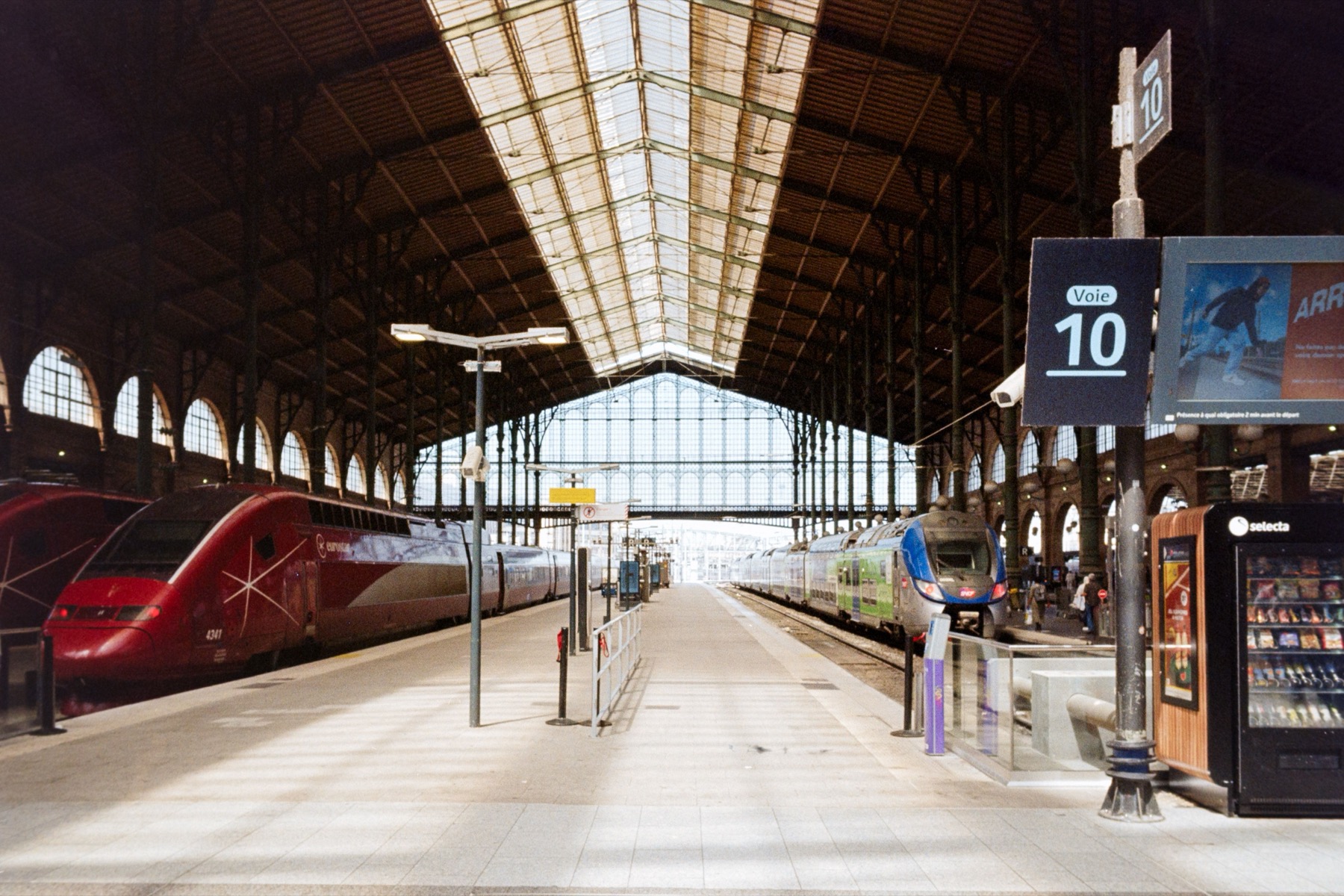
Ferries are of course not intended exclusively for drivers. Every ferry company caters for foot passengers too. Most large ports, whether it’s Rostock in Germany, Gdynia in Poland or Ystad in Sweden, have a direct train connection right to the terminal, or at least offer connecting shuttle buses from the city centre straight to the ship, so making your way over with a suitcase is a matter of moments.
A foot passenger ticket costs a real pittance and often comes to just a few dozen euros, which makes it a great option for students or Interrail pass holders. A big hit for 2026 is also the Snälltåget night train, which from August runs from Dresden via Berlin all the way to Stockholm. Here you don’t have to bother with the ferry at all, because the train either drives onto the ship in Germany or crosses the Danish bridges while you sleep soundly in a comfortable couchette car. Seat prices start at a very reasonable 499 Swedish kronor.
If you take a long-distance bus to Stockholm (often with FlixBus), the ferry price is already automatically included in the ticket. The bus drives smoothly below deck, the driver asks you to leave the vehicle, you take your valuables in your backpack and spend the crossing on the upper decks of the ship together with the other passengers from the cars. You return to the bus roughly fifteen minutes before docking at the port.
💡 Tip: If you plan a journey by Swedish trains connecting to the ferry, buy your tickets far in advance on the Swedish railways’ SJ website. They use dynamic pricing and tickets bought at the last minute on the day of travel tend to be extremely expensive.


12. Families With Kids and Travelling With a Dog
For families with younger children, a ferry is an outright blessing and a great start to the holiday. Most large ships have fantastically equipped children’s play areas with entertainers, where the little ones can safely amuse themselves for hours in a ball pit. Restaurants automatically offer discounted children’s menus and there are usually microwaves for warming up your own baby food. Older kids will appreciate the onboard cinema, arcade games or exploring the vast decks with views of the lighthouses. The journey passes for them incomparably faster than being strapped into a car seat somewhere on a scorching motorway.
If you’re travelling with your dog, you must absolutely declare it when you first book your ticket. The rules vary slightly by company, but generally the dog isn’t allowed to stay locked in the car below deck. You have to book it a special pet-friendly cabin, which often has a lino floor instead of carpet, or stay with it the whole time in designated areas in the corridors. On the outer decks you’ll then find special walking zones fitted with artificial grass, sand and a water hydrant.
Always keep the dog on a lead and don’t forget a valid European pet passport with up-to-date rabies vaccination, which Swedish customs officers check very diligently on entry to the country. Sweden is a wonderful country for dogs, just remember that from March to the end of August your dog must always be on a lead in nature. The reason is nesting birds and the protection of their young, and the locals take this really seriously.
13. Weather, Storms and Seasickness
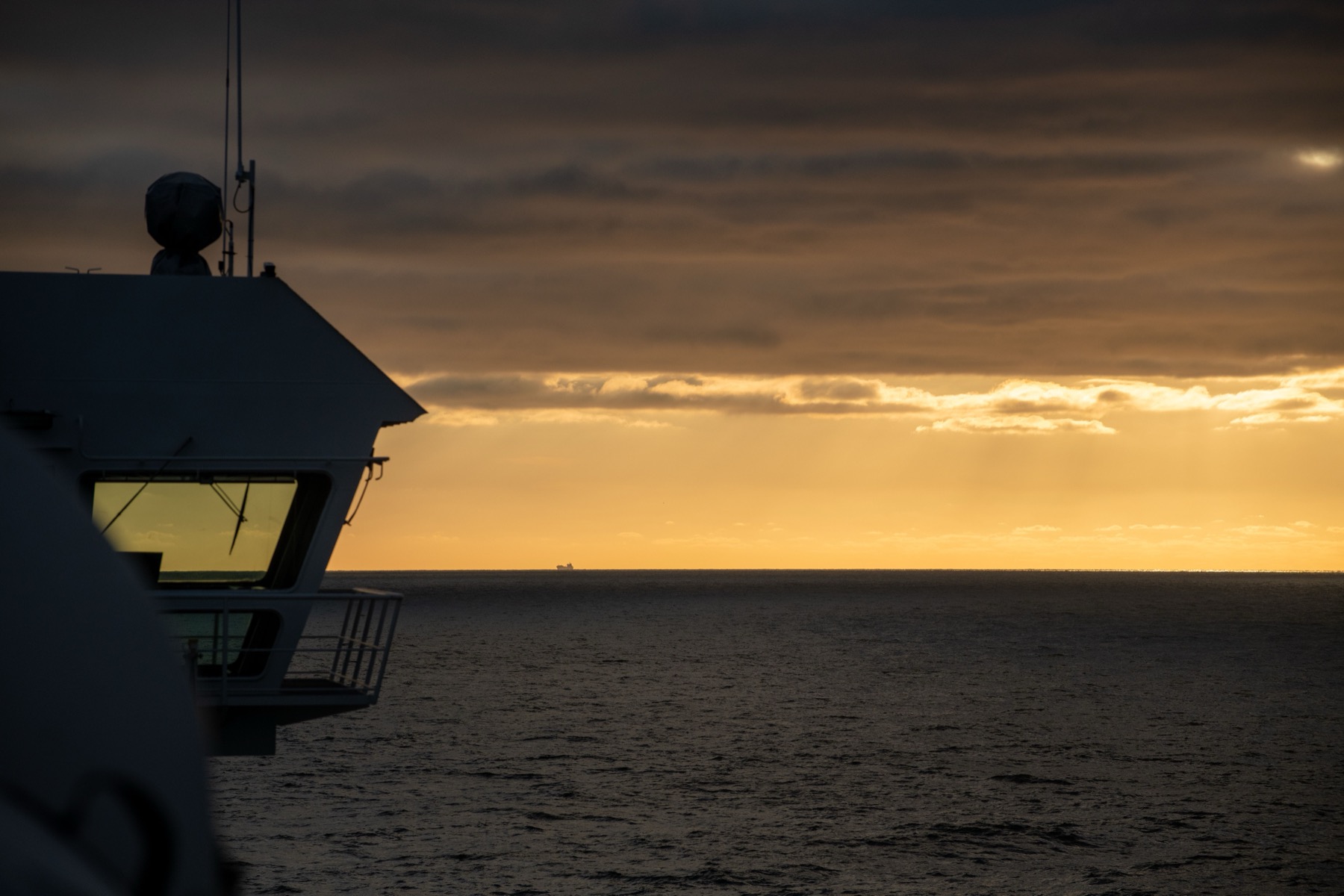
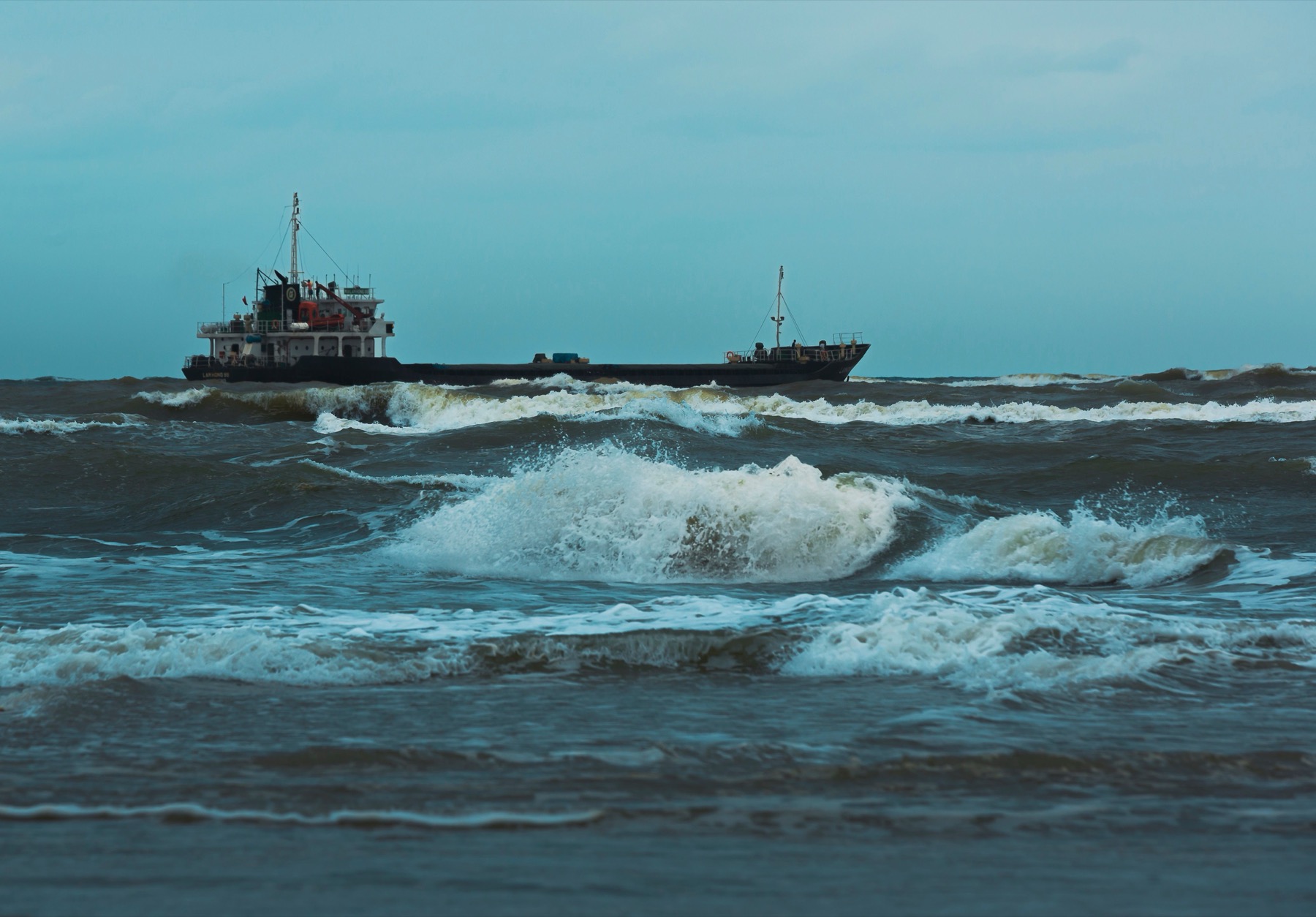
The Baltic Sea is usually gorgeously calm in the summer months and its surface resembles a mirror, but occasionally it can get properly choppy. You needn’t be afraid, though. Modern ferries are enormous steel giants well over two hundred metres long and equipped with incredibly powerful stabilisers, so you practically won’t feel the ordinary smaller waves inside the ship at all. The crossing is very smooth and maximally comfortable even for those who are otherwise a little afraid of water.
If you nevertheless know you suffer from unpleasant seasickness, book a cabin as low down near the waterline as possible and, ideally, as close to the middle of the ship as you can. It’s precisely in these spots that the rocking is felt the least. Definitely pack some ginger sweets or ordinary motion-sickness tablets (they can often be bought right at the ship’s information desk) and during the crossing try to look out at the fixed horizon, which greatly helps the brain process the whole situation better. Spending time in fresh, cold air also helps a lot.
In the event of extreme autumn or winter storms, it can occasionally happen that the ferry company delays the crossing by a few hours for safety reasons, or cancels it altogether. In that case they’ll automatically offer you a free rebooking onto the next available sailing, or a full refund. During summer this happens only very rarely, though, so there’s no need to stress about it.
💡 Tip: Avoid eating heavy fried food and drinking large amounts of alcohol before the crossing if the sea doesn’t look completely calm. A light snack and fresh air on the top deck work real miracles.
14. The Øresund Bridge as an Overland Alternative
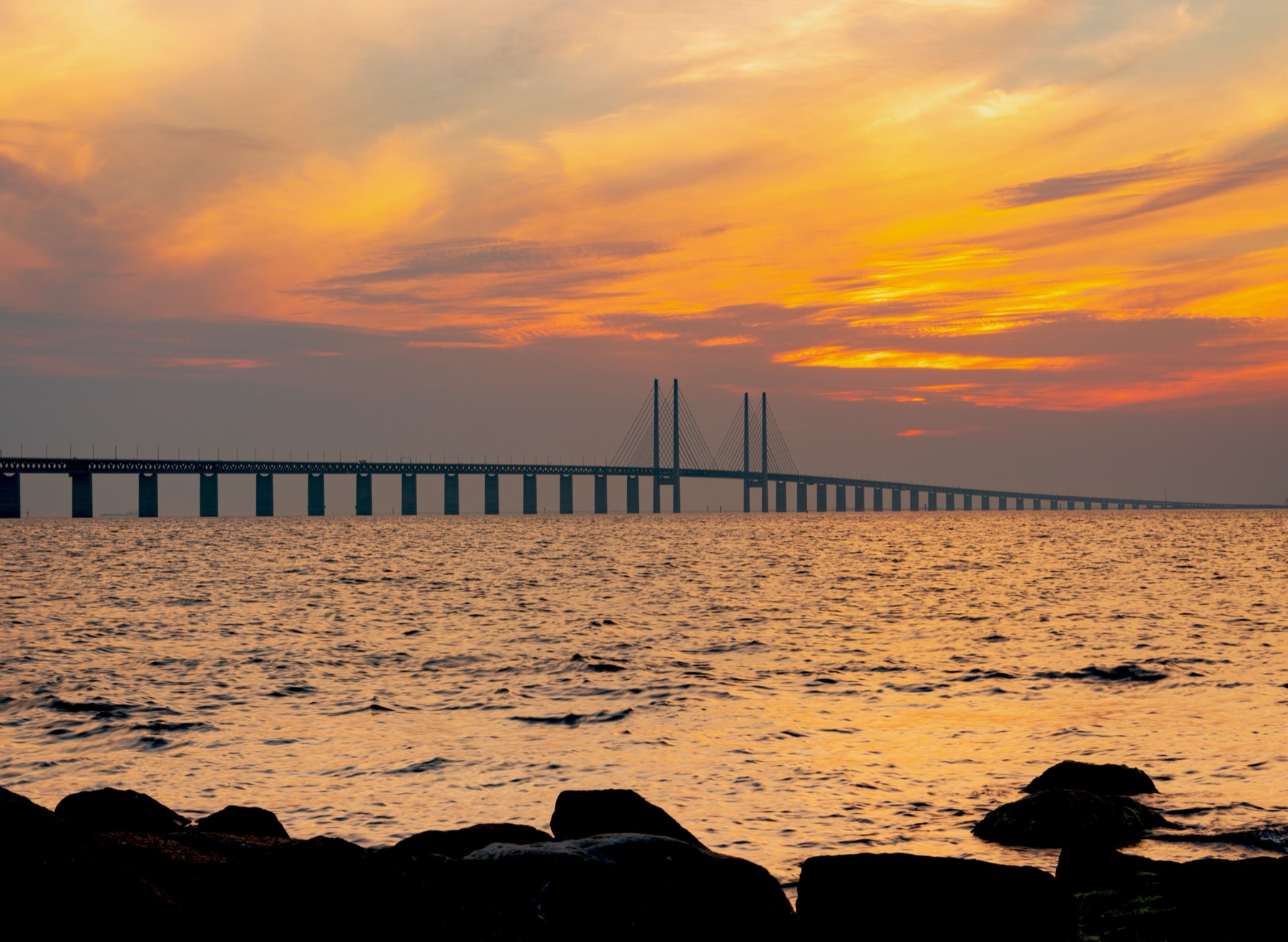
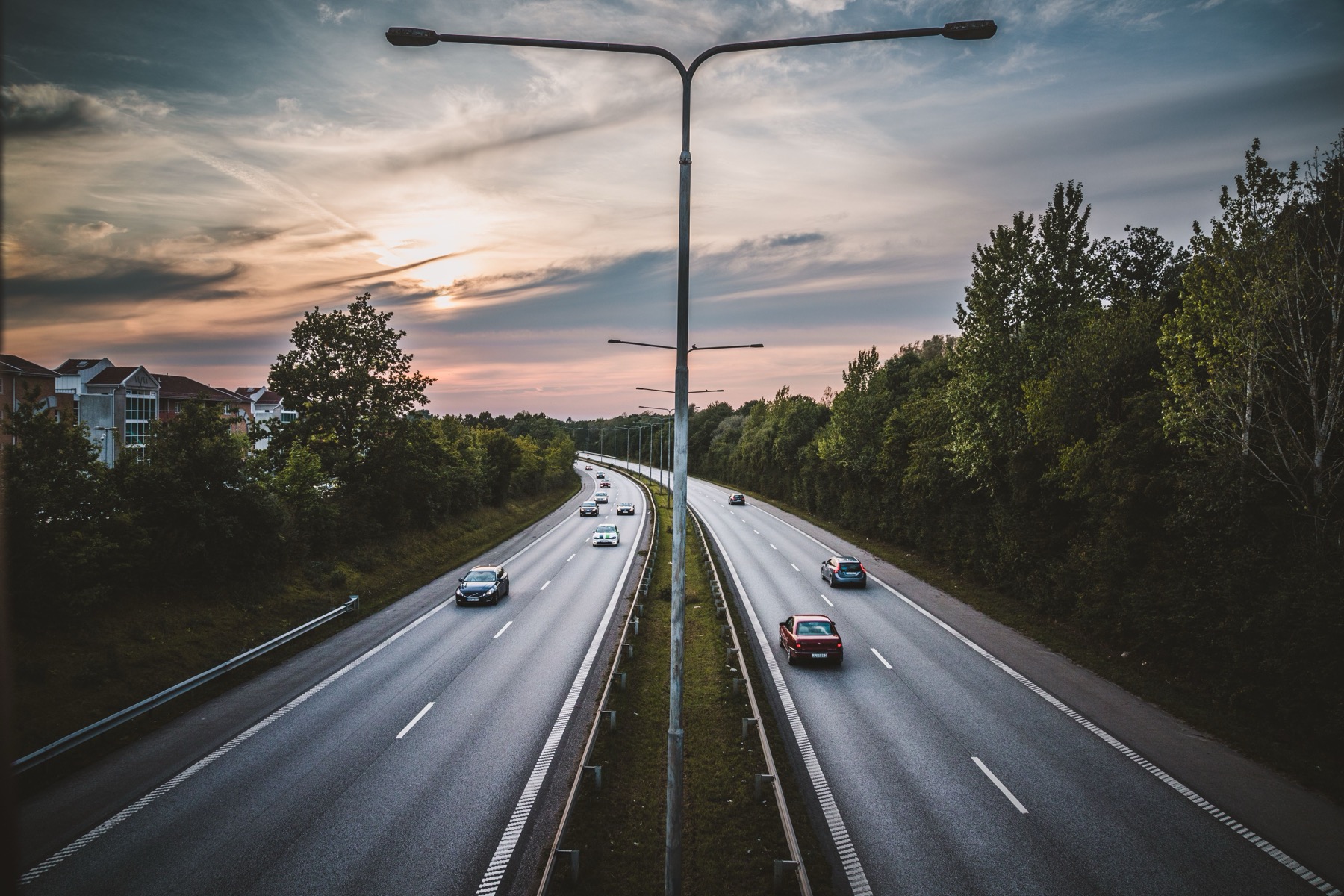
Anyone who doesn’t want to keep an eye on precise ferry timetables and prefers absolute freedom will choose the legendary Øresund Bridge, which elegantly connects Copenhagen in Denmark with Malmö in Sweden. This structure is sixteen kilometres long, part of the route runs through a tunnel beneath the sea, then the bridge rises above the surface and suddenly you have nothing but water and sky on both sides. Honestly, it’s worth the toll. Along the way you also pass over the artificial island of Peberholm, which serves solely to support the structure and nature.
A standard one-way toll for an ordinary car comes to roughly 470 to 510 Danish kronor, which works out at about €63 to €68 depending on the current exchange rate and season. On the Danish side, you can conveniently pay with any bank card at the automatic toll booths. If you know in advance you’ll be driving over the bridge both ways, it’s absolutely worth getting an annual ØresundGO subscription. With it, the price per crossing drops sharply to around 178 Danish kronor, and the whole initial investment pays for itself on your very first return trip.
The bridge is a great choice if you’re travelling at night or well off-season, when ferries don’t run as often. Just bear in mind that you’ll extend your journey a little by driving across the Danish islands, which means more fuel burned and possibly a toll for the other huge Danish bridge, Storebælt. For drivers, though, it means they can stay in the car the whole time and don’t have to wait around anywhere to board.
💡 Tip: Sort out your ØresundGO subscription contract online from the comfort of home at least a few days before your trip and link it to your registration plate. At the toll gate, the camera then automatically reads your plate and the barrier opens smoothly without any hold-up.
15. Where to Sleep After Landing and Where to Go
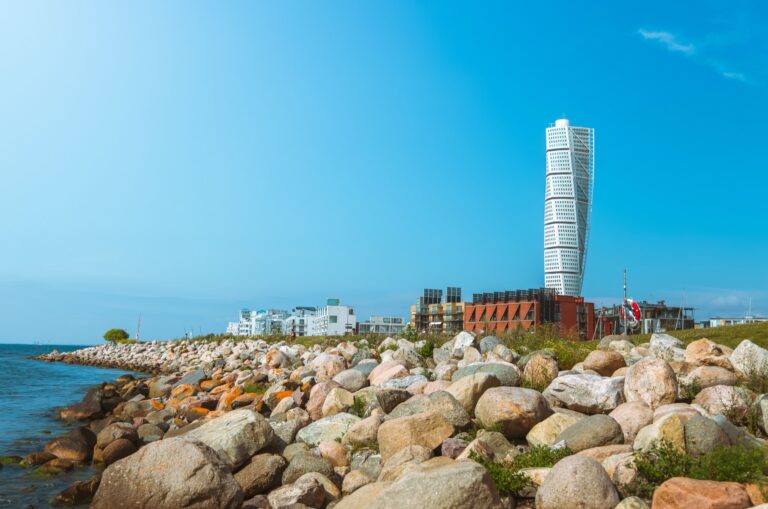
When you finally drive off the ship, especially after a long overnight crossing early in the morning, it’s nice to have a clear plan for what’s next. Some people head straight up the motorway to the far north, but the port towns and their nearby surroundings offer a huge number of lovely places for the first days of a Nordic road trip. It would be a huge shame to just breeze past this magical southern region of Skåne without a second glance, because it has a much milder climate and resembles continental Europe more.
If you land in Trelleborg after the journey from Rostock, head straight to the south-western tip towards the Falsterbo peninsula. Here you’ll find kilometres of dazzling white sand, picturesque colourful beach huts and an atmosphere that’s rightly nicknamed the Swedish Hamptons. It’s an ideal place to stretch your legs after the journey, walk the dog and breathe in the fresh sea air. Parking right by the beaches is paid, but it can easily be settled through Swedish parking apps.
Arriving in idyllic Ystad, you’ll find yourself right in the middle of romantic half-timbered houses that were made famous by the detective stories featuring Inspector Wallander. The town has a wonderful atmosphere and a short drive away lie the magical megaliths of Ales stenar, nicknamed the Swedish Stonehenge. The stones rise on a high cliff right above the sea and the view from there really takes your breath away.
If you arrive from Gdynia in Poland into Karlskrona, you’ll find yourself in a town wonderfully scattered across dozens of islands. From here it’s only a short hop to the famous island of Öland, which you reach across a free bridge. There you’ll find hundreds of windmills, the medieval Borgholm Castle and Solliden, the summer residence of the Swedish royal family, which is partly open to the public over the summer.
💡 Tip: Stop in Malmö in the Möllevången district. This multicultural heart of the city offers probably the very cheapest and best food in all of Sweden. You can buy a huge falafel here for a fraction of the price of an ordinary meal, which your wallet will certainly appreciate after arriving.
Where to Eat After Landing
The buffet on board tends to be pricey and not always tempting first thing in the morning, so most people sort out their first proper meal only once ashore. In Sweden there’s a simple rule: make the main meal of the day your lunch, when eateries offer dagens lunch for 120 to 150 SEK (around €11 to €14) including a salad buffet, bread and coffee.

Malmö and Surroundings
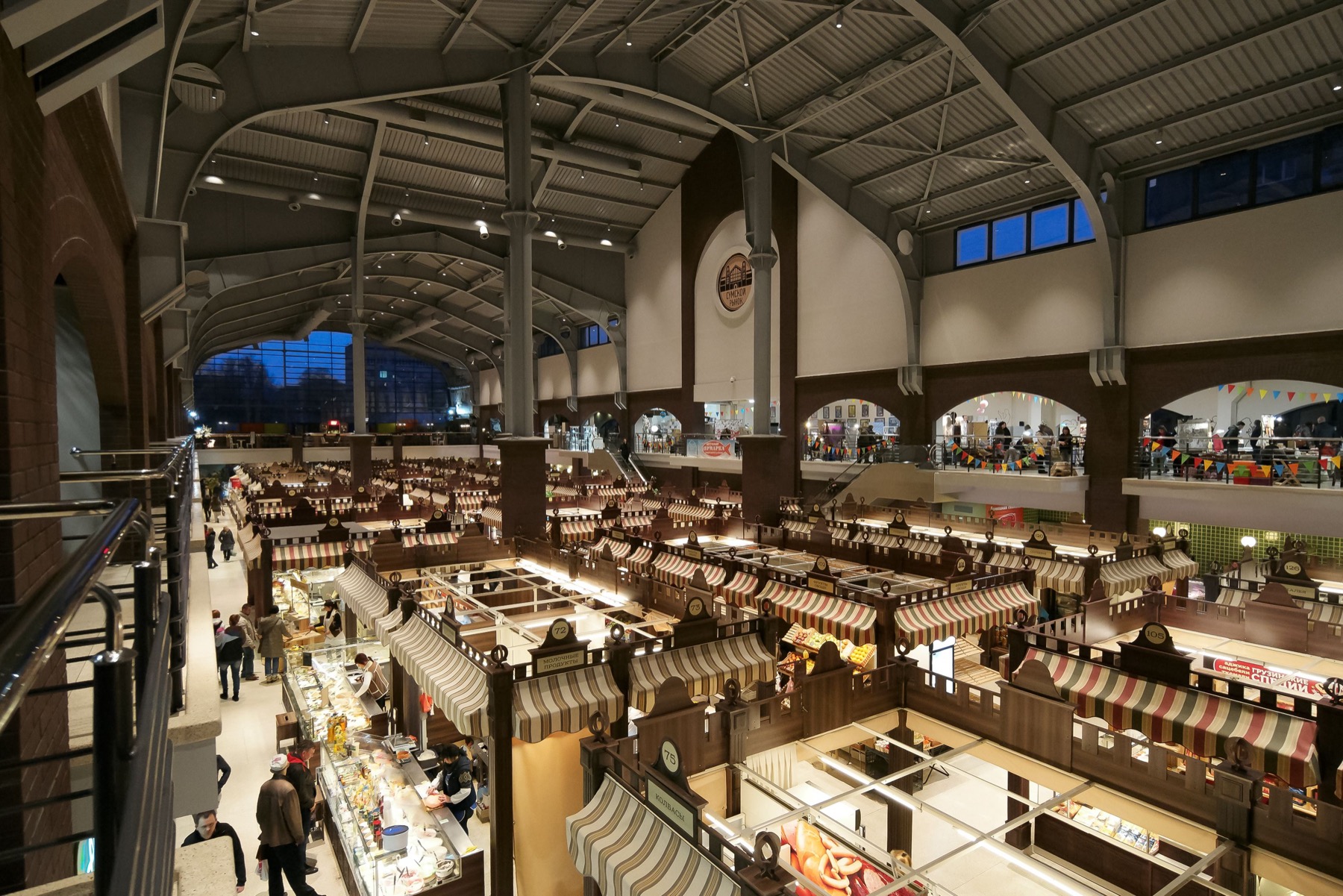
In Malmö the best address is the Möllevången district, where on every corner you can buy falafel or Middle Eastern street food for 50 to 80 SEK. A little further on stands the Malmö Saluhall market hall, an industrial building full of bistros, artisan bakeries and stalls selling cheeses, salads and coffee. The locals come here even for sandwiches with fried herring, which are a regional classic.
For traditional Swedish home cooking, husmanskost, head to Bullen, dating from 1897, where they serve meatballs with mashed potatoes and lingonberries. Prices are higher, but the old-pub atmosphere makes it worth it even for anyone who just has a soup or a vegetarian option.

Ystad and Trelleborg
After landing in Ystad in the morning, the ideal stop is the café and bakery Söderberg & Sara, where they bake the best cardamom bread in all of Skåne and serve speciality coffee. For a full lunch, drop into one of the eateries with a dagens lunch sign right in the historic centre.
In Trelleborg, right after driving off the ship, the cosy Två Spisar operates with a lunch menu. For a fixed price you get a main course of your choice, an unlimited salad buffet, crusty bread with butter, plus coffee and water. It’s the cheapest way to eat properly in Sweden.
💡 Tip: The ICA and Coop supermarkets have ready meals, salads and bread at the entrances to towns. Stocking up on supplies on your first day can save you a good few hundred euros over your whole road trip.
Comparison of Sweden Ferry Routes at a Glance
To make planning your whole journey across the Baltic Sea easier, I’ve put together a clear comparison of the most heavily used ferry routes heading from Central Europe up north. The choice always depends on how many kilometres you’re willing to drive on the mainland and how much time you’d rather spend resting on the waves. Take the prices as a rough starting point for an ordinary car with two passengers; in the summer peak they can jump up significantly.
- Rostock to Trelleborg (Germany): The most popular motorway classic. Operated here by TT-Line and Stena Line. The crossing takes a comfortable 6 hours and a ticket costs roughly €60 to €200. An ideal choice for travellers who want to get onto the motorway quickly and have the journey behind them soon.
- Świnoujście to Ystad (Poland): The perfect option from the east. Polferries and Unity Line ships make the journey in 6 to 7 hours. Prices start around €95, but you’ll often save by paying in Polish złoty. The port lies just a short drive from the border and driving on Polish motorways is now very comfortable and smooth.
- Gdynia to Karlskrona (Poland): A long overnight crossing operated by Stena Line. It takes 9.5 hours and prices range between €120 and €385, with a cabin compulsory. This route is a strategic gem if you’re heading to the east coast, the islands of Öland and Gotland, or if you’re going straight to Stockholm and want to avoid delays in southern Sweden.
- Puttgarden to Rødby (Germany and Denmark): A super-fast hop across the sea by Scandlines. It takes just 45 minutes and costs around €60 to €100. The ships shuttle constantly, so you don’t need to worry about an exact departure time. It connects to the Danish overland route towards the famous Øresund Bridge.
- Travemünde to Malmö (Germany): A Finnlines route that takes roughly 9 hours. It’s perfectly suited for an overnight transfer, where you load the car near Lübeck in the evening, sleep in a cabin and set off in the early morning completely rested, straight into Sweden’s wide streets.
Where to Stay
💡 Tip for accommodation and experiences: We prefer to look for accommodation on Booking.com, which tends to have the best cancellation terms. For tickets, tours and activities, it then pays to compare and book through GetYourGuide.
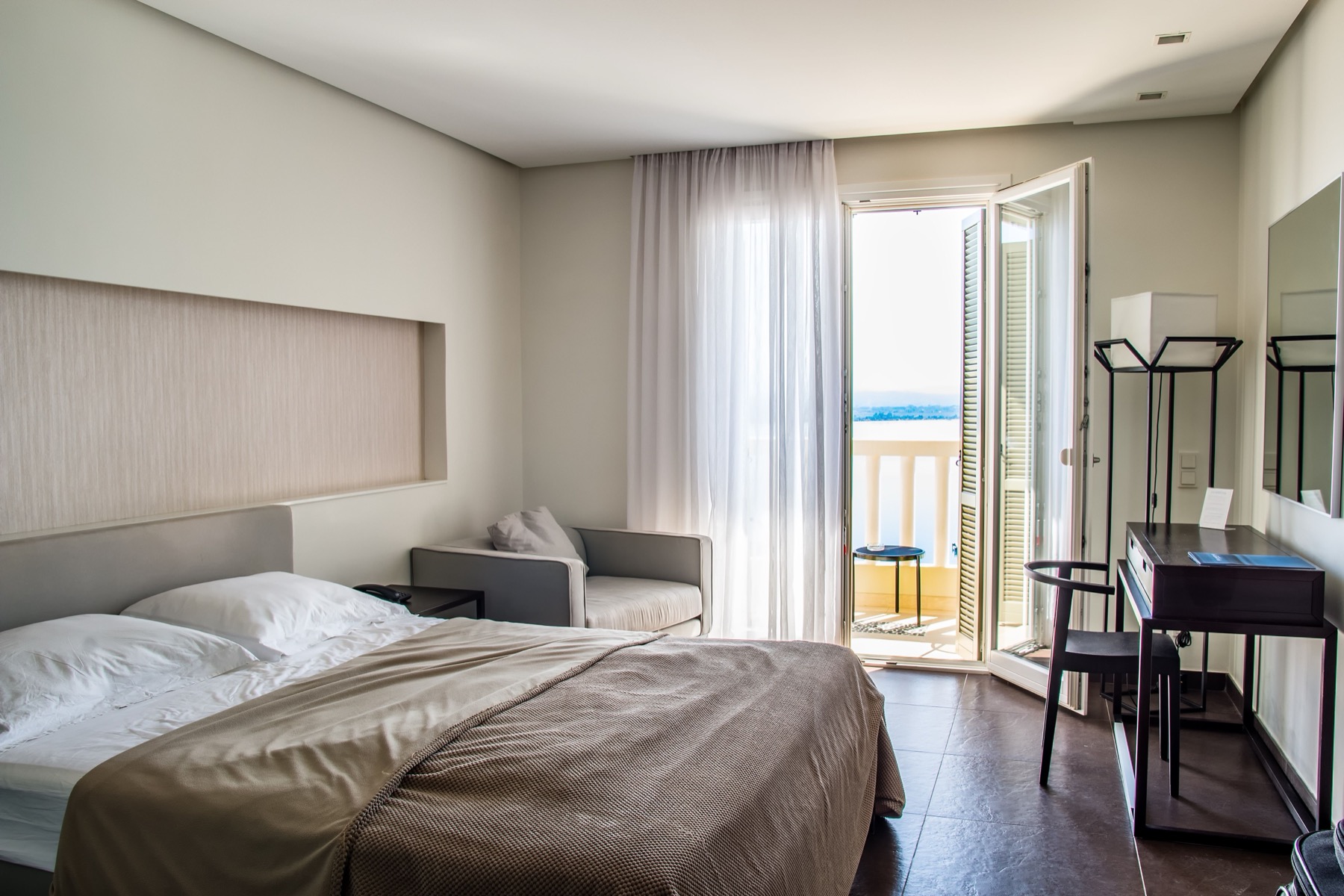
When you’re waiting for a morning ferry, or on the flip side arrive at the port late at night and don’t feel like hunting for a camping spot in the dark, a good hotel a short drive from the terminal is priceless. Here are some specific accommodation tips where you can lay your head and recharge without pointless driving back and forth, and where they also cater for fully loaded vehicles.
In the Polish port of Świnoujście, the modern Hampton by Hilton is a good bet. It lies just under five minutes’ drive from the ferry terminal, so morning boarding is completely stress-free with no long driving around. It offers very comfortable beds and a generous breakfast you can catch even before an early sailing. The hotel has its own secure car park. A double room here goes for around €100 a night.
In Trelleborg you’ll land after the journey from Rostock or Travemünde. Right in the town centre, just a few hundred metres from the terminal exit, you’ll find the pleasant Palm Tree Hotel. It offers clean rooms and, above all, excellent morning coffee before you set off to discover the nearby white beaches of the Falsterbo peninsula. The price for a double room starts at a very similar €100 and reception tends to be open around the clock.
If your ship docks in idyllic Ystad, you’ll find yourself right in the middle of romantic half-timbered houses. Try the historic Continental du Sud, which lies right opposite the port and is the oldest working hotel in all of Sweden. A room will cost you around €140, but that old-world atmosphere is completely unique and makes a wonderful start to a relaxed Scandinavian holiday.
And if you take the Danish route to Gothenburg, a great and very stylish experience is staying right on the water. Hotell Barken Viking is moored right in the city centre, and sleeping in historic cabins overlooking the harbour has enormous charm. You’ll pay from €115 a night and in the morning you can head straight into the buzz of the city or out to the wild west coast.
Practical Summary and Guide Prices
Before you start planning an exact budget, remember that ferry prices are highly dynamic and change with the season. If you buy a ticket in March for July, you’ll pay significantly less than if you book a week before departure. On board and in Sweden you can also pay by card everywhere, so you needn’t worry about exchanging a large sum of Swedish kronor in cash. Here are the guide rates for 2026 (car and two people), to which you should always add a note about summer price hikes:
- Rostock to Trelleborg (Germany): €60 to €200 one way.
- Świnoujście to Ystad (Poland): From €95 one way, but Polish sites in PLN may be a little cheaper still.
- Gdynia to Karlskrona (Poland): €120 to €385; the route is long and very popular for overnight transfers, so demand drives prices up.
- Puttgarden to Rødby (Denmark): Around €60 to €100, a quick hop to the Danish mainland.
- Øresund Bridge (no ferry): 470 to 510 DKK (around €63 to €68), dropping to roughly 178 DKK per crossing with an ØresundGO subscription.
And where should you head from the ports on a week-long road trip? From Trelleborg or Ystad there’s a beautiful southern loop on offer. Drive along the sunny beaches of the Falsterbo peninsula, the charming Söderåsen National Park full of deciduous forests, and continue through the picturesque apple orchards of the Österlen area. The roads here are wide, flat and driving is completely relaxed.
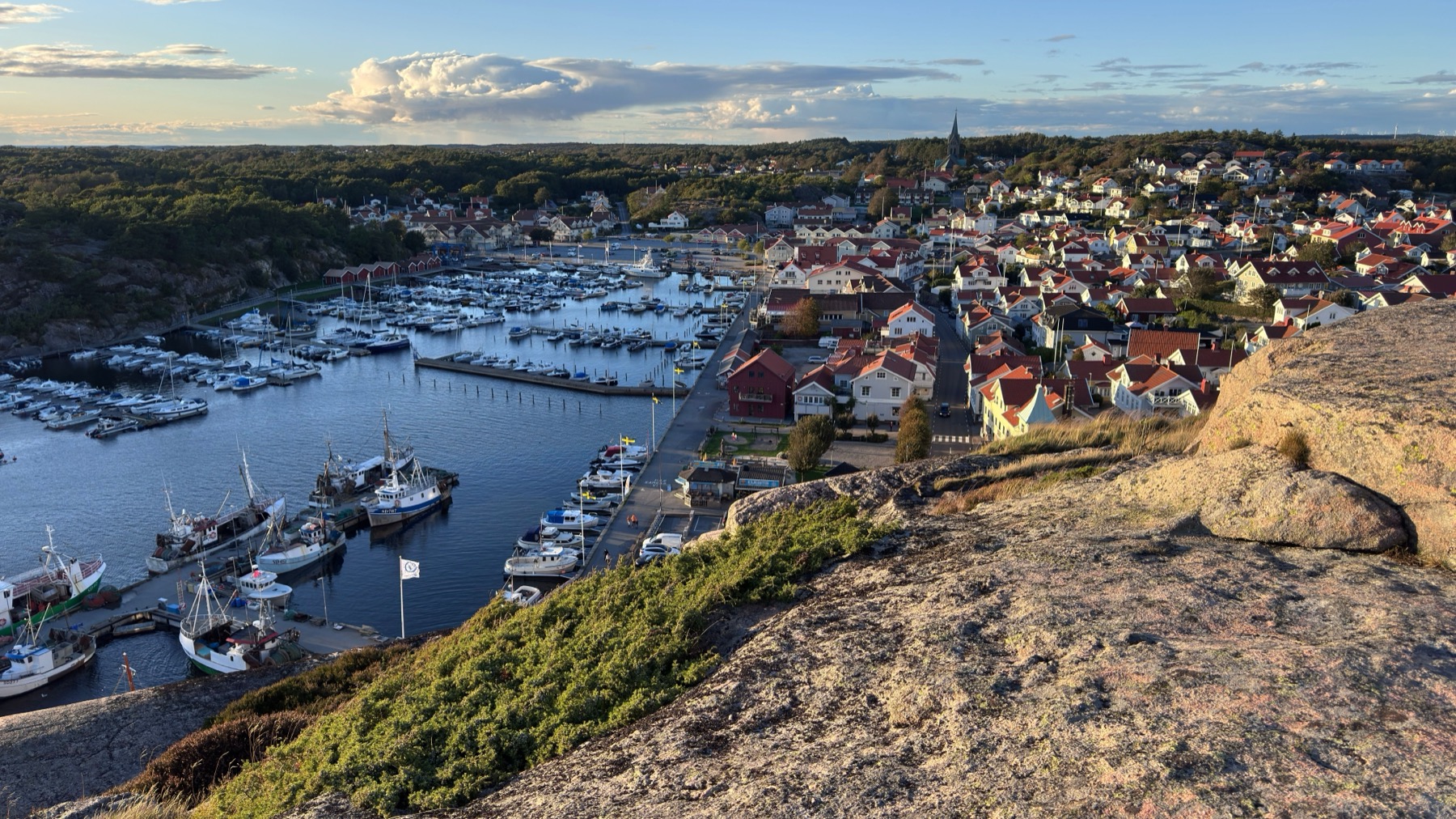
From Gothenburg, head straight to the west coast into the Bohuslän region. Awaiting you are stunning granite islands, picturesque fishing villages with red cottages and absolutely fantastic scenery for camping with a view of the salty sea. It does tend to be windier here, but those sunsets are worth it.
If you land in Karlskrona, your journey should head to the nearby island of Öland, full of historic windmills, or straight north along the east coast all the way to Stockholm and the huge Lake Vättern.
💡 Money-saving tip: If you’re travelling in summer 2026 and plan to leave the car parked for a while, take advantage of discounted public transport. The Swedish government subsidises public transport, so monthly passes across the whole of Sweden (including Stockholm and Gothenburg) cost exactly half price from July to December. A monthly pass can therefore be well worth it even for a five-day stay and will save you a lot of money on expensive city parking!
Where to Go Next
- Ystad and Skåne: 18 tips on what to see in southern Sweden
- Sweden: 30 tips on what to see and do
- Prices in Sweden: how much a holiday costs
- When to visit Sweden: weather month by month
- The Øresund Bridge: tolls, train and how to drive across
Frequently Asked Questions
Planning a trip north by car brings up plenty of practical questions, especially if you’re heading for a ferry with the whole family for the very first time. Below you’ll find brief and quick answers to what travellers ask most often before buying their ticket.
How much does a ferry to Sweden with a car cost?
The price depends on the season, route and how early you book. Short routes from Germany start at 60 euros, while popular Polish overnight services with a cabin can cost up to 300 euros for a car and two passengers. One simple rule always applies: book your tickets as early as possible, because prices shoot up steeply as the car decks fill up.
How long does the ferry crossing take?
The shortest crossing between Puttgarden in Germany and Rødby in Denmark takes just 45 minutes. Routes from Świnoujście in Poland take around six to seven hours. Longer overnight services, such as the route from Gdynia to Karlskrona or from Travemünde, take nine to ten hours, which is absolutely ideal for a full night’s sleep in a cabin.
Do I need a cabin on the ferry?
On shorter daytime routes you don’t need a cabin at all – you can just sit in the café or pay for a comfortable reclining seat. On longer overnight routes, however, booking a berth or entire cabin is strictly mandatory for safety reasons at most ferry companies, and without one they simply won’t let you board.
Can you travel to Sweden by ferry without a car?
Absolutely, every ferry company offers very cheap tickets for so-called foot passengers. You can easily reach the ports by train, or you can use direct long-distance bus services that drive straight onto the ferry and your ferry ticket is conveniently included in the total bus fare.
What’s cheaper than the Öresund Bridge?
If you want to save on the high toll for the big bridge, you can use the short and very frequent ferry between Helsingør in Denmark and Helsingborg in Sweden. The crossing over the strait takes just twenty minutes and works out considerably cheaper, especially if you don’t have an annual ØresundGO subscription.
When is the best time to book ferry tickets?
The golden rule is: the earlier you buy your ticket, the better for your wallet. If you’re travelling in peak summer season during July and August, buy your tickets up to six months in advance. On-site at the port, popular summer services are usually hopelessly sold out and the remaining ones cost a fortune.
Can I take a dog on the ferry?
Yes, travelling with a dog heading north is completely normal. However, you must declare it when making your reservation and possibly pay extra for a special pet-friendly cabin. Under no circumstances may you leave your dog alone locked in the car in the noisy and dark car deck.
What to do if there’s a storm?
Modern ferries are huge vessels equipped with very powerful stabilizers, so you’ll barely feel normal rocking on the waves. In the event of a really severe storm, the captain may delay the crossing by several hours or cancel it completely for safety reasons. The ferry company will then automatically offer you an alternative solution or a refund.
Tips and Tricks for Your Vacation
Don’t Overpay for Flights
Search for flights on Kayak. It’s our favorite search engine because it scans the websites of all airlines and always finds the cheapest connection.
Book Your Accommodation Smartly
The best experiences we’ve had when looking for accommodation (from Alaska to Morocco) are with Booking.com, where hotels, apartments, and entire houses are usually the cheapest and most widely available.
Don’t Forget Travel Insurance
Good travel insurance will protect you against illness, accidents, theft, or flight cancellations. We’ve had a few hospital visits abroad, so we know how important it is to have proper insurance arranged.
Where we insure ourselves: SafetyWing (simple monthly subscription) and TrueTraveller (for extra-long trips).
Find the Best Experiences
Get Your Guide is a huge online marketplace where you can book guided walks, trips, skip-the-line tickets, tours, and much more. We always find some extra fun there!