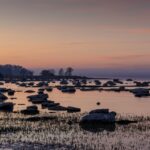
When planning a summer seaside holiday, Pärnu Estonia probably is not the first destination that comes to mind, because everyone automatically expects cold water from the Baltic region. Yet the shallow Gulf of Riga reliably shatters that myth, warming to an incredible 20–24 degrees in summer. Pärnu is a fully fledged resort with everything that comes with it, and it has genuine cult status among Finns and Estonians alike. This is where people come for broad beaches, excellent spas and endless white nights.
While many visitors rush along the highway straight to Tallinn, skipping this city would be a major travel mistake. Since 1996, Pärnu has officially held the title of Estonia’s summer capital, and in July the country’s cultural life moves here. You will find immaculately clean streets, elegant wooden villas from the turn of the century and an incredible sense of ease that immediately makes you slow down.
Pärnu is also much more than a seasonal beach resort: it is a proud spa centre with a tradition reaching back to the nineteenth century. So what can you actually expect from this summer capital? Let’s get straight to it.
Summary
Before we get into the details, here is a quick overview of the most important things to know before your trip.
- Why visit: Pärnu combines enormous sandy beaches, a historic centre and famous mud spas in one compact and beautiful package.
- When is the season: The city comes fully alive in July and August, but autumn and winter are also worth considering for spa time and peace.
- Sea temperature: Thanks to the very shallow bay, the water normally warms to a refreshing 20–24 °C in summer.
- How many days: Two days are enough for the city itself, but if you want to add nearby trips and spa relaxation, plan on at least four days.
- Approximate budget: Estonia is no longer cheap, so expect prices comparable to Western Europe and a daily budget of around €80–120 per person.
- How to get there: Pärnu lies directly on the Via Baltica, with excellent and affordable Lux Express buses running from Tallinn and Riga.
- Compared with Tallinn: It is much quieter and greener, giant cruise ships do not arrive here, and everything revolves around spa and beach culture.
The full destination guide: Estonia — guide and what to see
When to visit Pärnu
Choosing the right time is absolutely crucial when visiting Estonia, because the weather dictates practically everything. If you want to swim and enjoy a true holiday atmosphere, the peak season is July and August. During this period, the city fully embraces its nickname as the summer capital, the streets fill up and sea temperatures reach their maximum. Be prepared, though: accommodation prices rise sharply in these months, and hotels often sell out well in advance.
For travellers who would rather avoid the summer crowds, June and September are ideal months. In June, you can experience magical white nights, when the sun sets late and the sky never becomes completely dark. September brings beautifully coloured autumn scenery, very few mosquitoes and much friendlier prices, although swimming in the sea is then mainly for hardy swimmers.
Off-season spa breaks are a category of their own. While nobody would get you onto the beach in November or February, warming up in a hot sauna overlooking a frozen bay has a powerful charm. Thanks to its modern spa hotels, Pärnu works year-round, so if you want a break from dreary weather, a winter wellness weekend is an excellent choice.
How to get to Pärnu
Many travellers head to the Baltic region by car, which is an ideal way to visit Pärnu. The city lies directly on the Via Baltica (E67), which connects the whole region. It is roughly 1,500 kilometres from Central Europe, and Estonia’s roads are completely free for passenger cars. Pärnu is a perfect place to break up a long journey towards Tallinn with a few days by the sea.
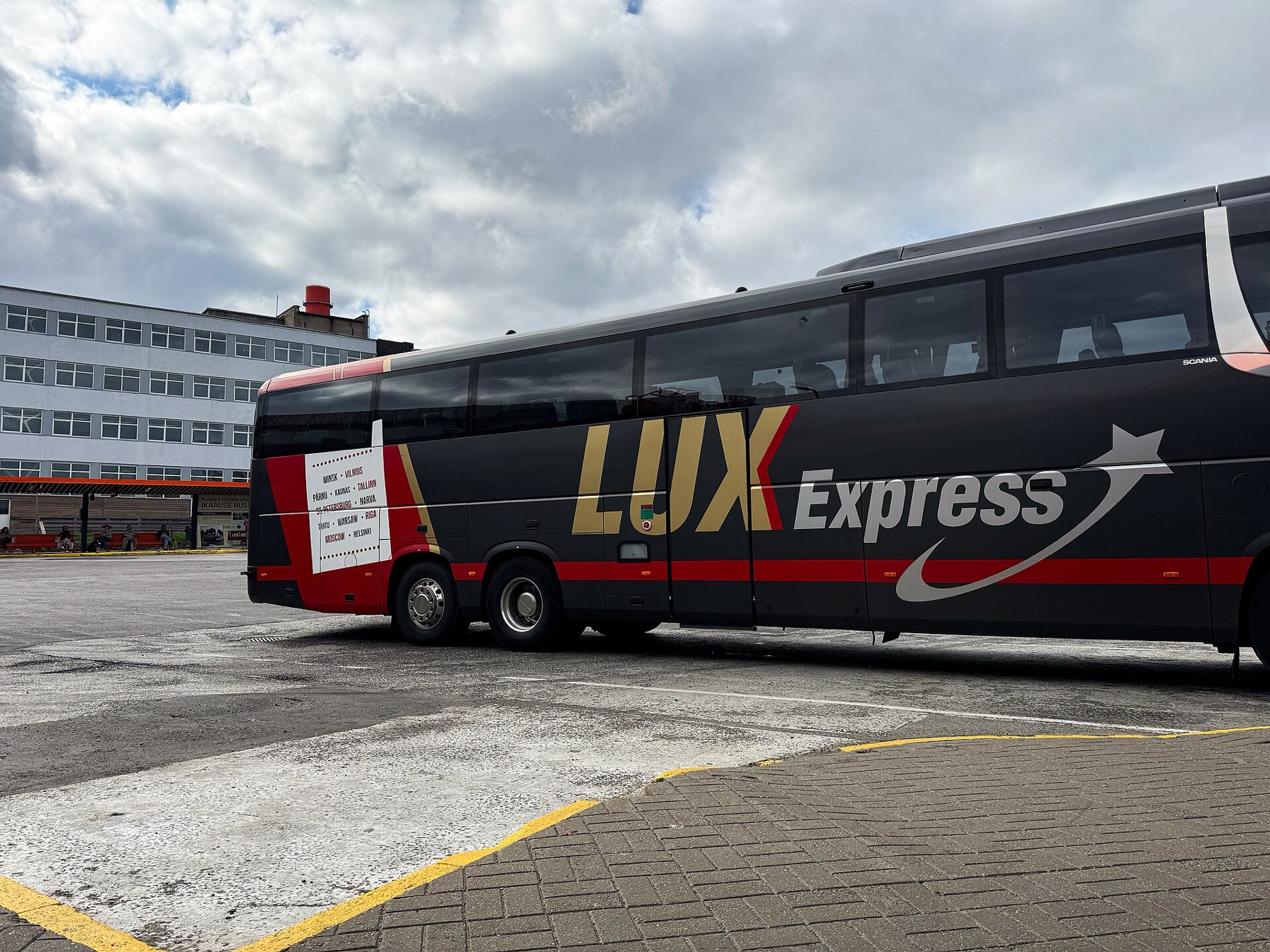
If you would rather not drive, the easiest option is to fly to Tallinn or Riga. From either capital, excellent Lux Express buses run to Pärnu. The journey from Tallinn takes just over an hour and fifteen minutes, tickets start at only €9, and the bus has screens, a coffee machine and a clean toilet. The bus journey from Riga takes around two and a half hours.
The city also has a railway station, but train connections are not as frequent or practical as the buses. The local airport mainly serves private flights and summer services to Estonian islands, so ordinary visitors will not use it. In the city centre itself, you can get around most easily on foot or on Bolt shared scooters, which you will find on practically every corner.
Where to stay in Pärnu
💡 Accommodation and activities tip: We prefer to look for accommodation on Booking.com, where cancellation policies are often the most flexible. It is also worth comparing and booking tickets, trips and activities through GetYourGuide.
The choice of accommodation is genuinely wide, but there is one major catch. In summer, crowds of Finns and Estonians arrive, so hotels disappear quickly and prices shoot up. If you are planning a summer trip, book your room through Booking.com even three months in advance. You can choose to stay right by the beach with a sea view, in the historic centre full of cafés, or in one of the famous spa complexes.
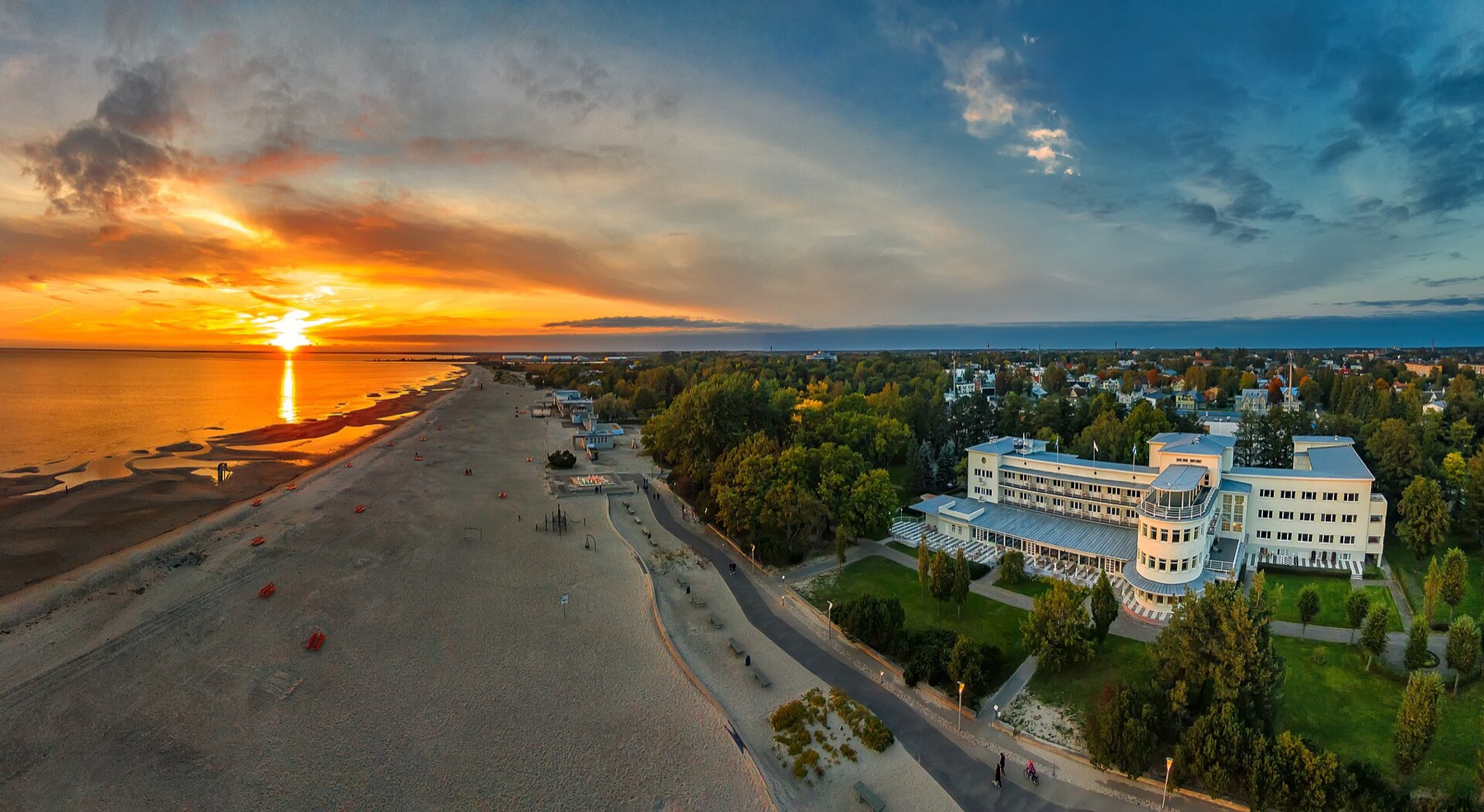
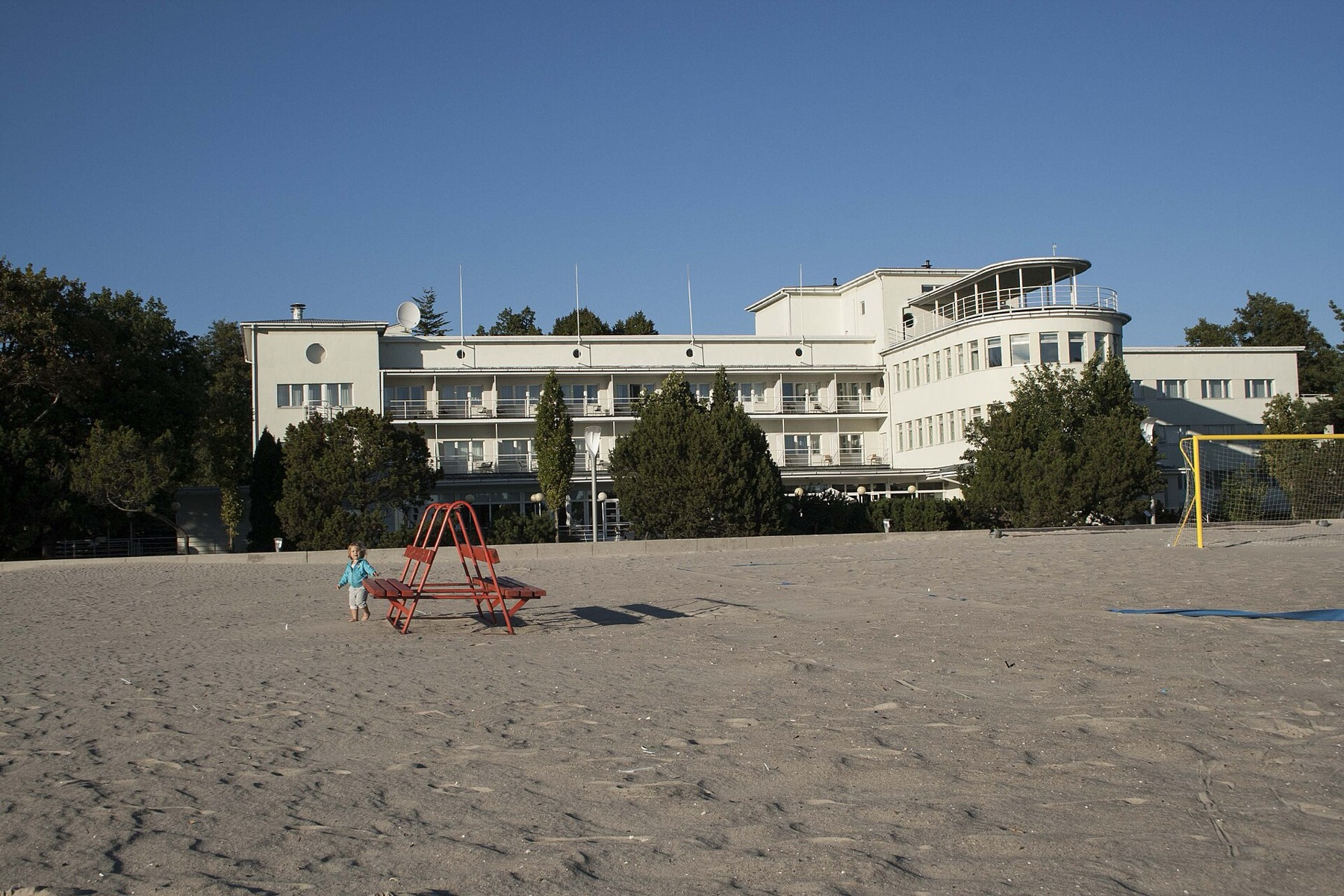
Probably the most iconic option is Hedon Spa & Hotel, housed in the historic 1927 mud-bath building. It offers incredible luxury, an adults-only Silent Spa area and a beautiful view of the beach promenade. If you are travelling with family and looking for water-based fun, book a room at Tervise Paradiis Spa Hotel & Water Park. This hotel boasts the largest water park in Estonia, and children are guaranteed to love it.
Rannahotell is a gem of Estonian functionalism right on the beach, and if you like stylish places with patina, this is your choice. Villa Ammende looks as though it was built for aristocrats at the turn of the century—and, more or less, it was. Modern Nordic design paired with traditional treatments is offered by Estonia Resort Hotel & Spa, while Strand SPA offers a somewhat quieter and more affordable location a little farther from the main buzz.
12 things to see and do in Pärnu
The best strategy is simply to alternate: beach in the morning, streets in the afternoon and sauna in the evening. The city rewards a slow pace, and you can comfortably walk almost everywhere.
1. The two-kilometre-wide beach
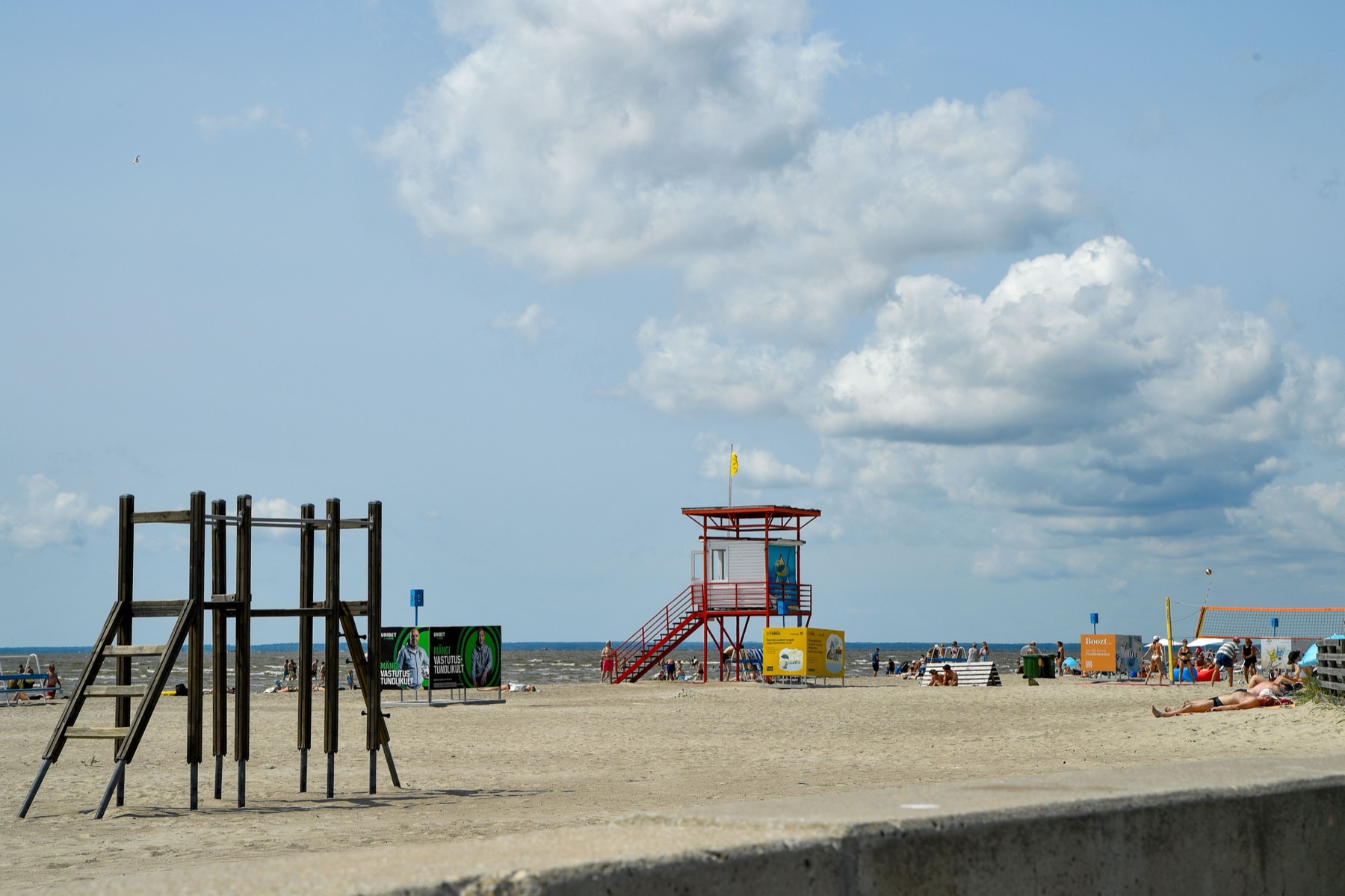
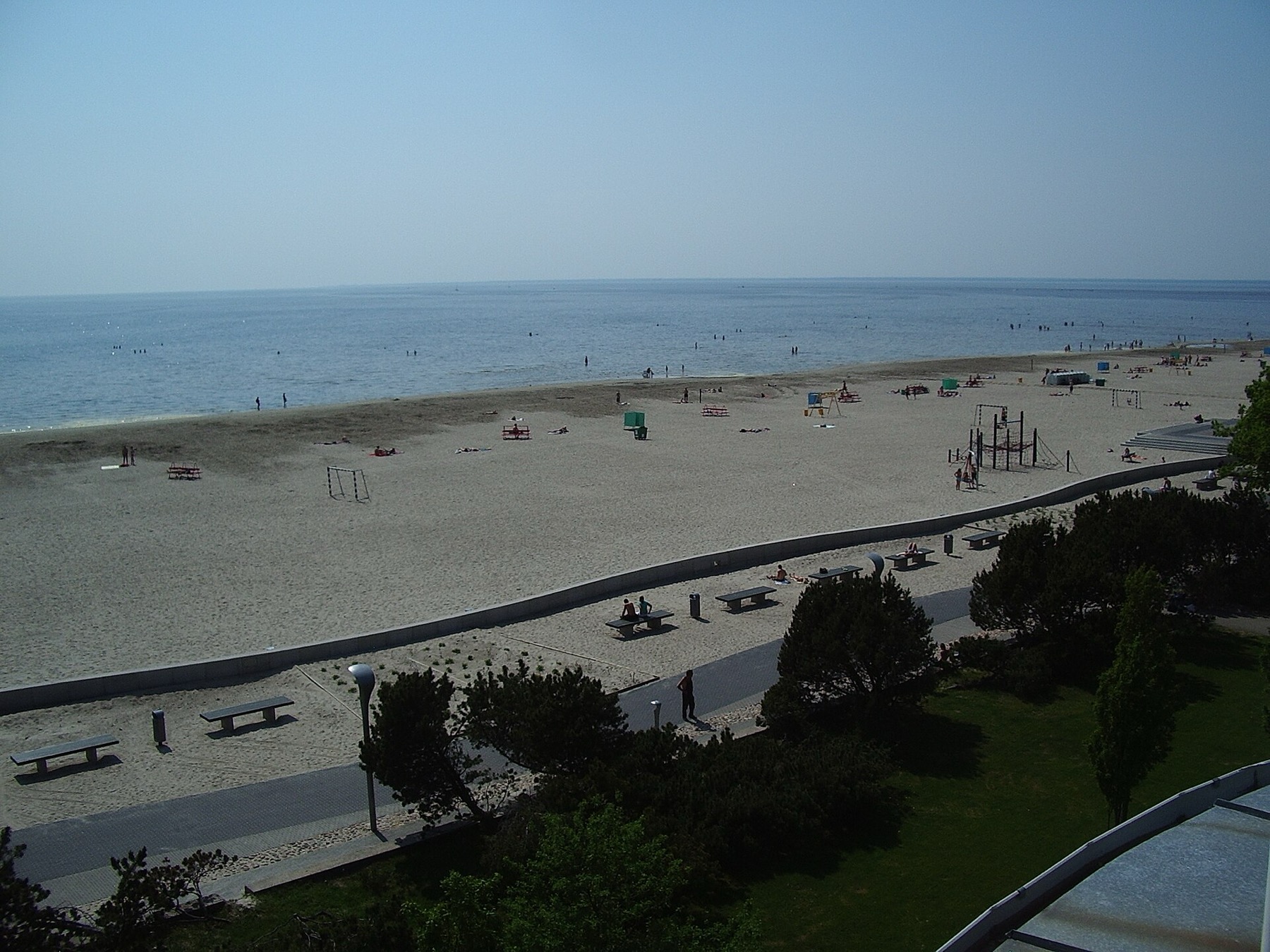
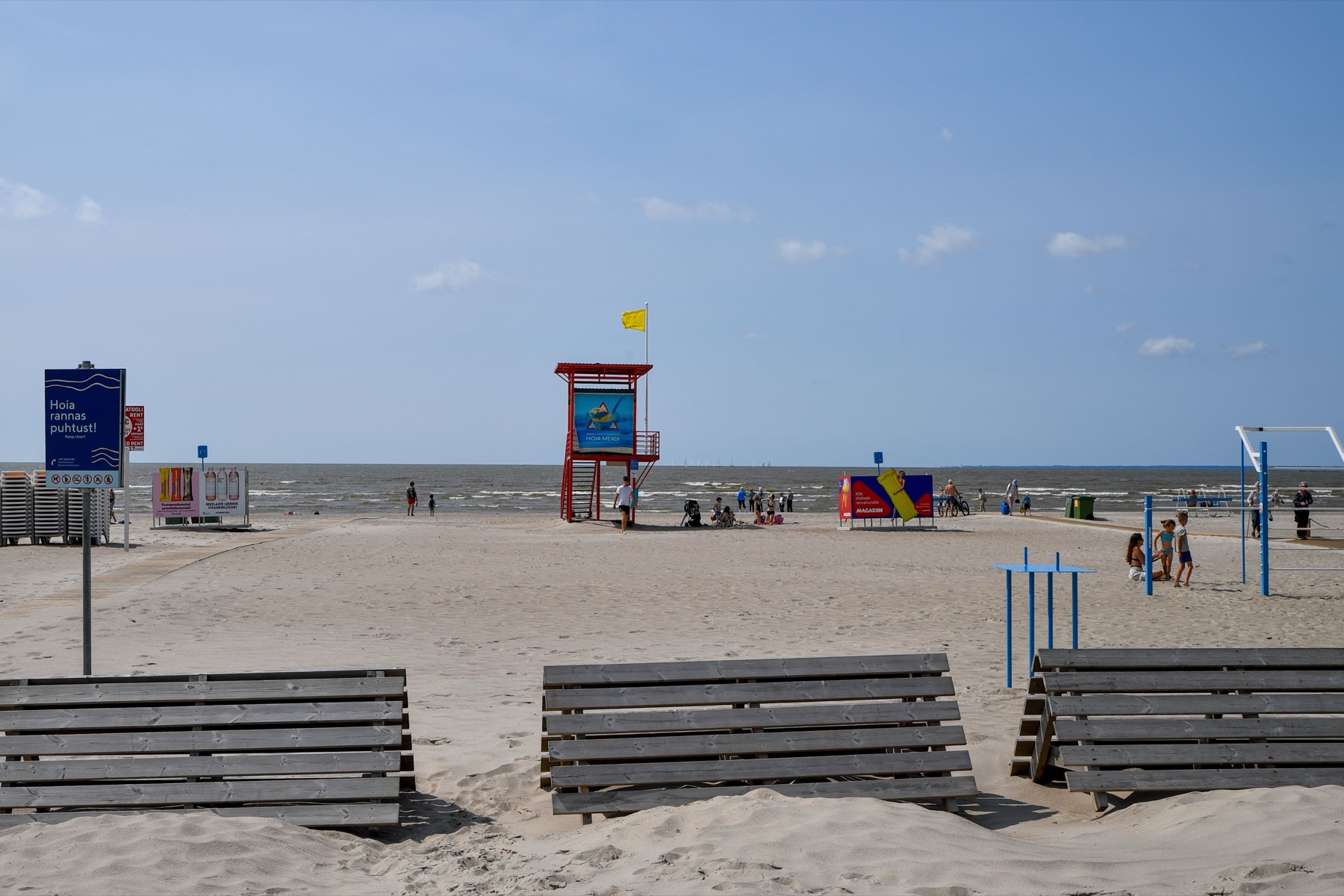
The main magnet of this entire resort is undoubtedly its sandy beach, stretching for an incredible two kilometres. The sand is brilliantly light and the water gets deep extremely gradually. That does mean you have to walk quite a long way for a proper swim, but the shallows allow the sea to reach the warmest temperatures in the entire Baltic region. It commonly rises above twenty degrees.
The beach has every comfort you could want, from changing rooms and showers to sun-lounger rentals. In the central section stands the iconic Rannahoone building (the beach house), a beautiful example of Estonian architecture from the 1930s. Summer bars and cafés cluster around it, where you can enjoy a drink with a view of the waves.
💡 Tip: If you are looking for more privacy, walk towards the ends of the beach. Most visitors settle right by the main entrance near the spa hotels.
2. Rannapark coastal park
A beautiful coastal park separates the beach from the city. It was established at the end of the nineteenth century and serves as a green, shady oasis, especially welcome on hot summer days. Its criss-crossing paved paths are perfect for cycling or rollerblading, and both can easily be rented here.
This is also where you will find some of the city’s most beautiful buildings. Dozens of historic wooden villas with carved verandas and balconies recall the golden age of imperial spa culture. Many have been beautifully restored and now operate as luxury guesthouses or summer homes for wealthy Estonians.
💡 Tip: The park has plenty of benches and lovely modern playgrounds. It is ideal for an afternoon picnic when you need a break from the sun.
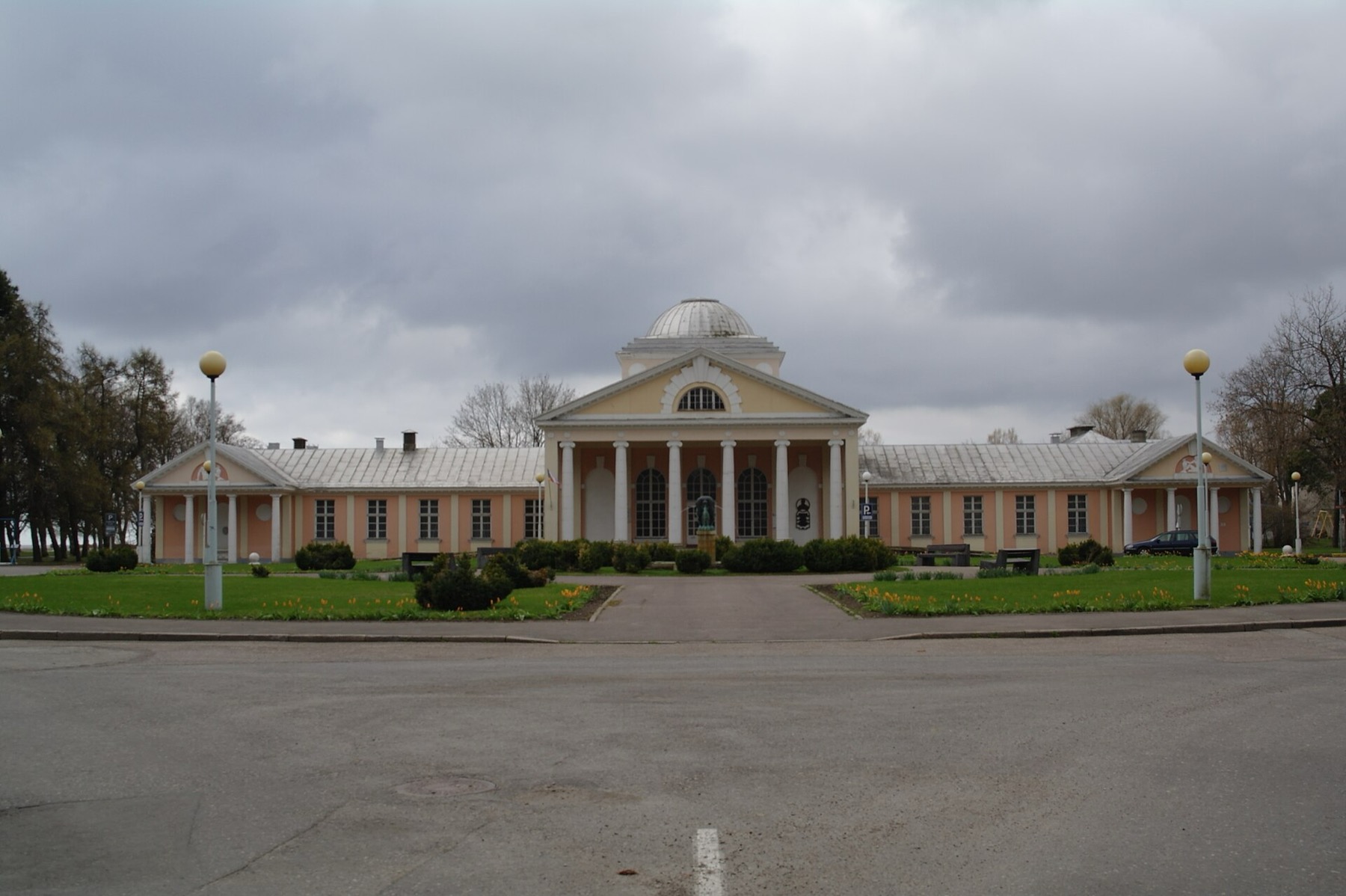
3. Iconic Mudaravila building
This is probably the most photographed building in all of Pärnu. The historic mud-bath building, Mudaravila, dates from 1927 and looks majestic with its neoclassical columns, resembling an ancient temple more than a spa. It helped establish the city’s reputation as an elite resort for the society of its day.
Today, the building has been carefully restored and serves as the gateway to the luxurious Hedon Spa complex. Even if you are not planning to stay there or have a treatment, make sure you see it from outside. A lovely little square with a fountain stretches in front of the entrance and looks great in photos.
💡 Tip: Try coming early in the morning or in the evening. The sun lights up the building beautifully, and you will avoid the groups of tourists who usually take photos here during the day.
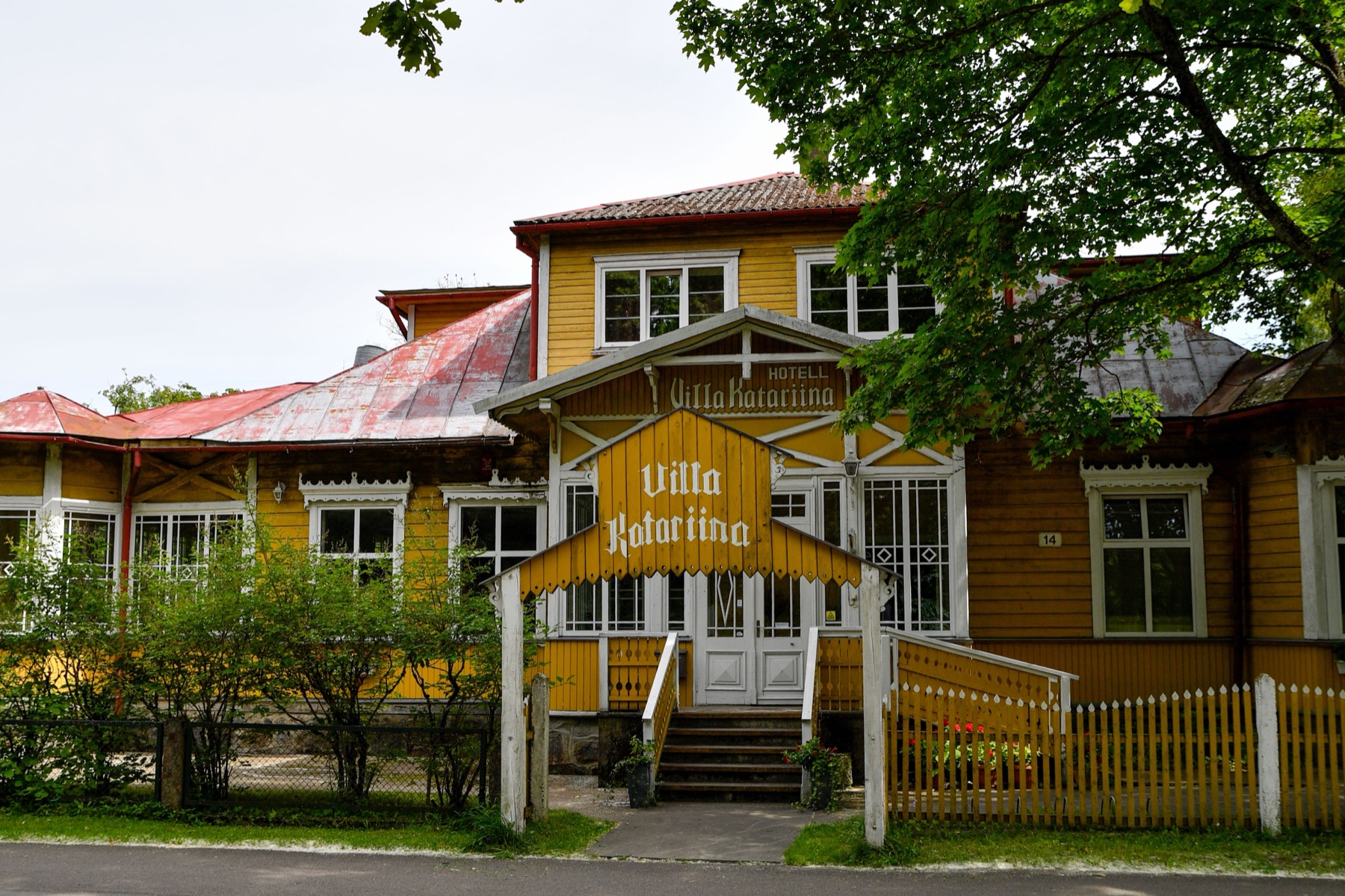
4. Wooden lacework in the city streets
While Tallinn has its stone medieval centre, Pärnu is proud of its so-called wooden lacework. The historic core consists of picturesque streets lined with Art Nouveau and wooden houses glowing in pastel colours. The finest examples of traditional architecture can be found on Supeluse and Kuninga streets, which connect the centre with the beach area.
Every house has unique details, carved window frames and decorated doors. The city works hard to preserve this historic character, so you will not find any tasteless modern extensions here. The atmosphere flows at an incredibly slow and easy pace.
💡 Tip: Remember to look up now and then. Many houses have beautiful old weather vanes and turrets on their roofs that you would completely miss while walking normally.
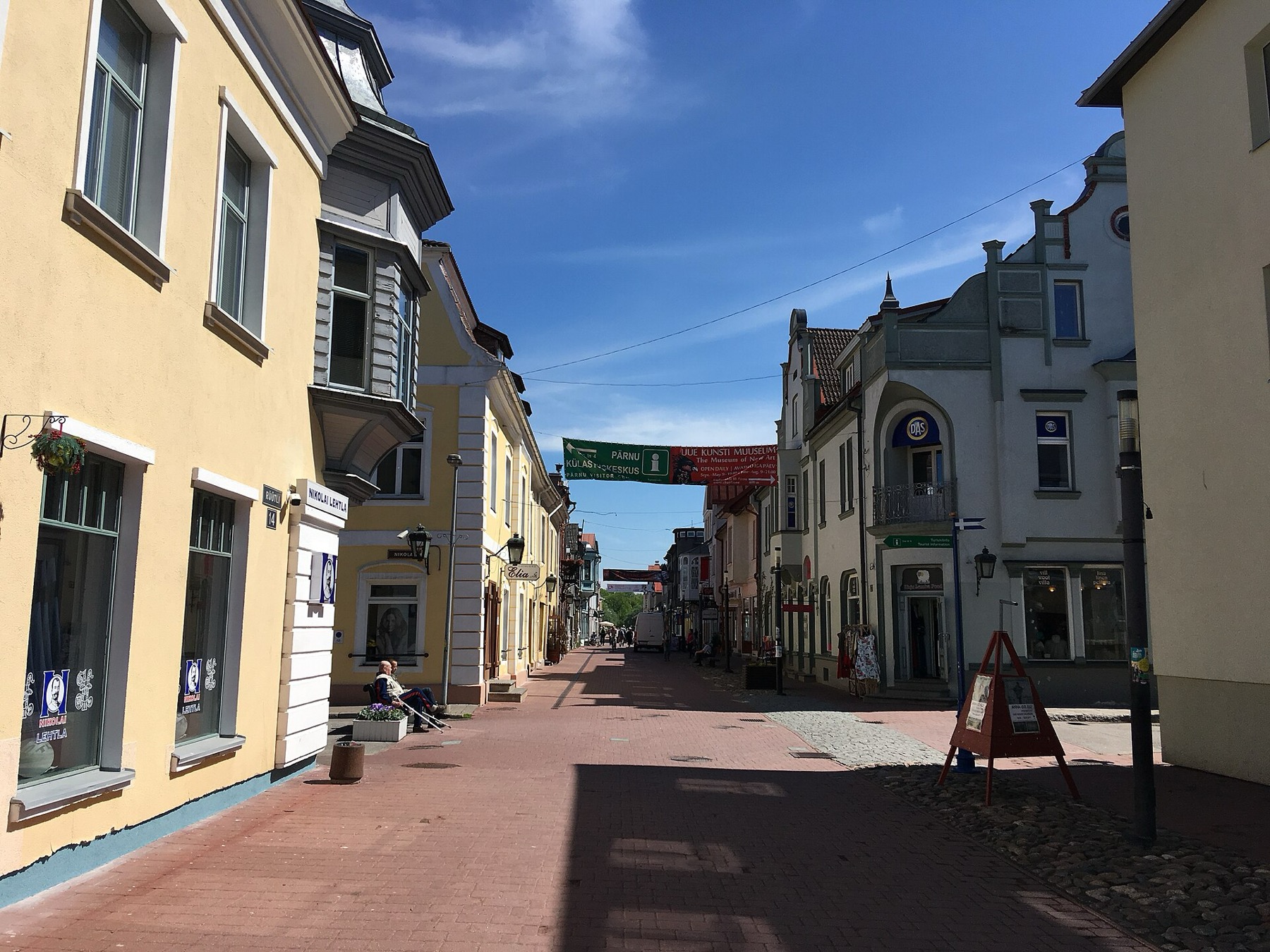
5. Rüütli Street pedestrian zone
Rüütli Street, whose name means “Knights’ Street”, is the heart of the city. It serves as the main pedestrian zone and centre of social life. You will find the best cafés, small boutiques run by local designers and excellent restaurants with outdoor terraces that are packed in summer.
This is the best place to soak up the true holiday atmosphere. Street musicians play here in the afternoon, and in the evening the street turns into a lively promenade where everyone comes to see and be seen. Stop at one of the bakeries for fresh bread or enjoy an excellent speciality coffee.
💡 Tip: At the end of the street you will find a small square with benches, a great spot for watching the bustle and people passing by.
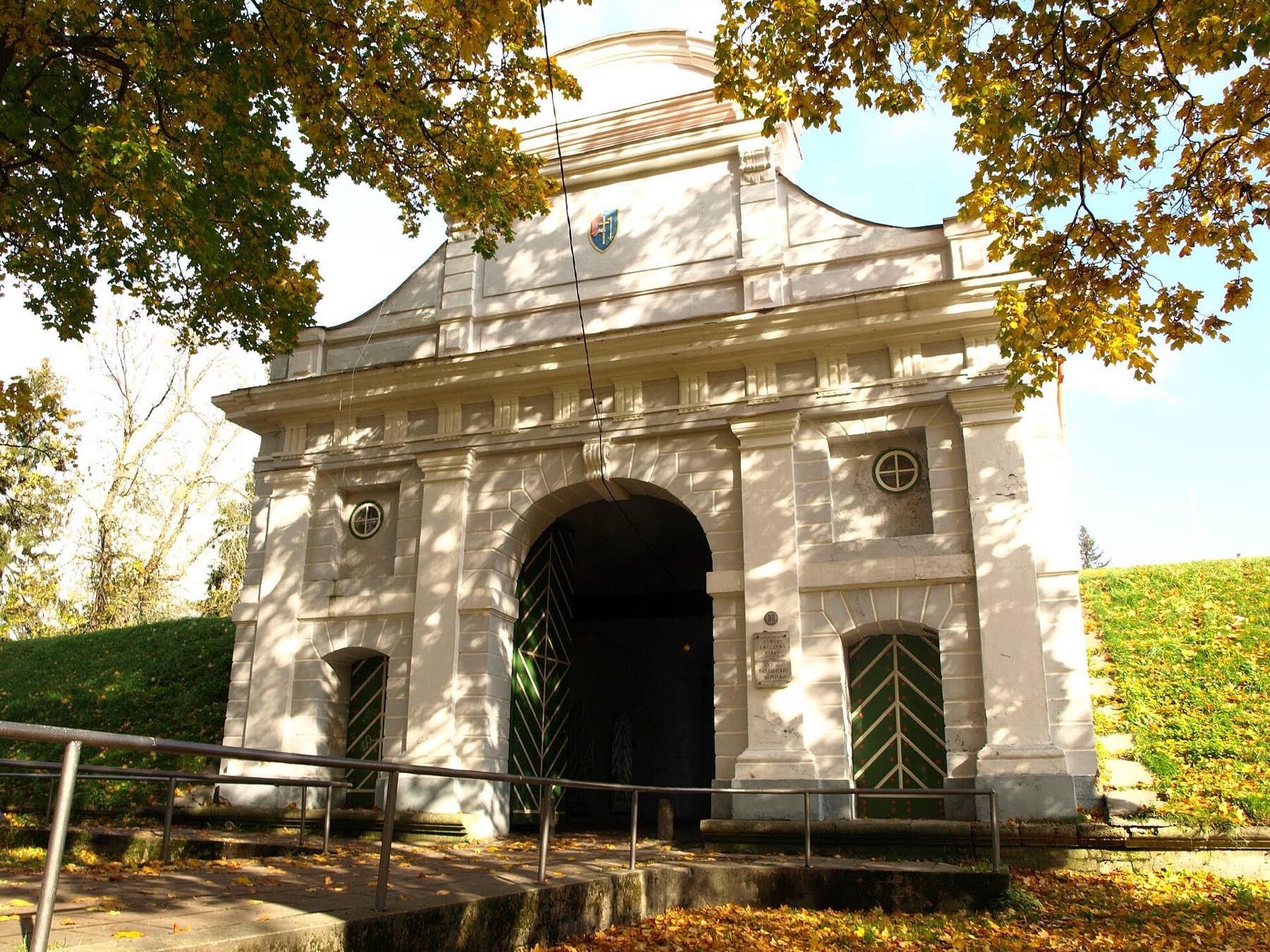
6. Tallinn Gate and Vallikäär
One of the city’s few surviving military monuments is Tallinn Gate (Tallinna värav), dating from the seventeenth century. It formed part of the original Swedish fortifications and served as the city’s main northern entrance. Horses no longer pass through it today, but it makes a beautiful historic gateway towards the river.
Just beyond the gate is the revitalised Vallikäär park, created on the site of the former moat. Local architects have done an excellent job, creating a beautiful leisure area with an arched bridge and modern amphitheatre. During the summer months, outdoor concerts and festivals are often held here.
💡 Tip: Try walking along the illuminated promenade beside the moat after dark. The reflections of the lights on the water are incredibly romantic.
7. The Red Tower (Punane torn)
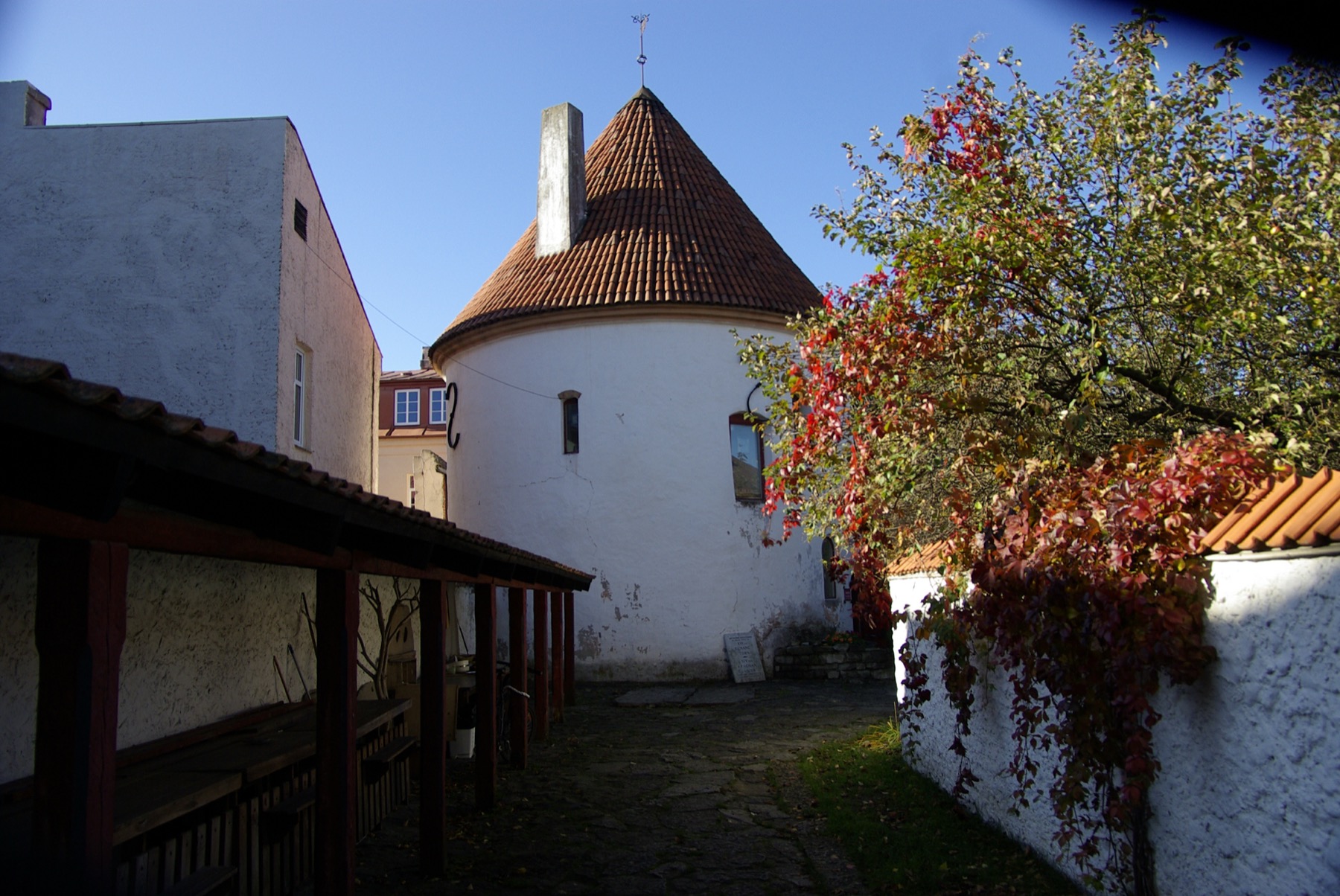
If you are interested in history, do not miss the Red Tower. It is the oldest surviving building in all of Pärnu, with foundations dating back to the fifteenth century. It originally served as a prison and defensive tower in the medieval walls. Although it is called the Red Tower, it is now plastered white; its name comes from the original red bricks.
Inside, you will find a modern panoramic cinema showing a short film about the city’s history. It gives a visually engaging explanation of everything the resort has experienced, from the Middle Ages through the imperial era, and for a few euros and half an hour of your time, it is definitely worth it.
💡 Tip: The tower is rather well hidden in an inner courtyard on Hommiku Street. You have to pass through an unassuming entrance to reach it.
8. Museum of Modern Art and Pärnu Museum
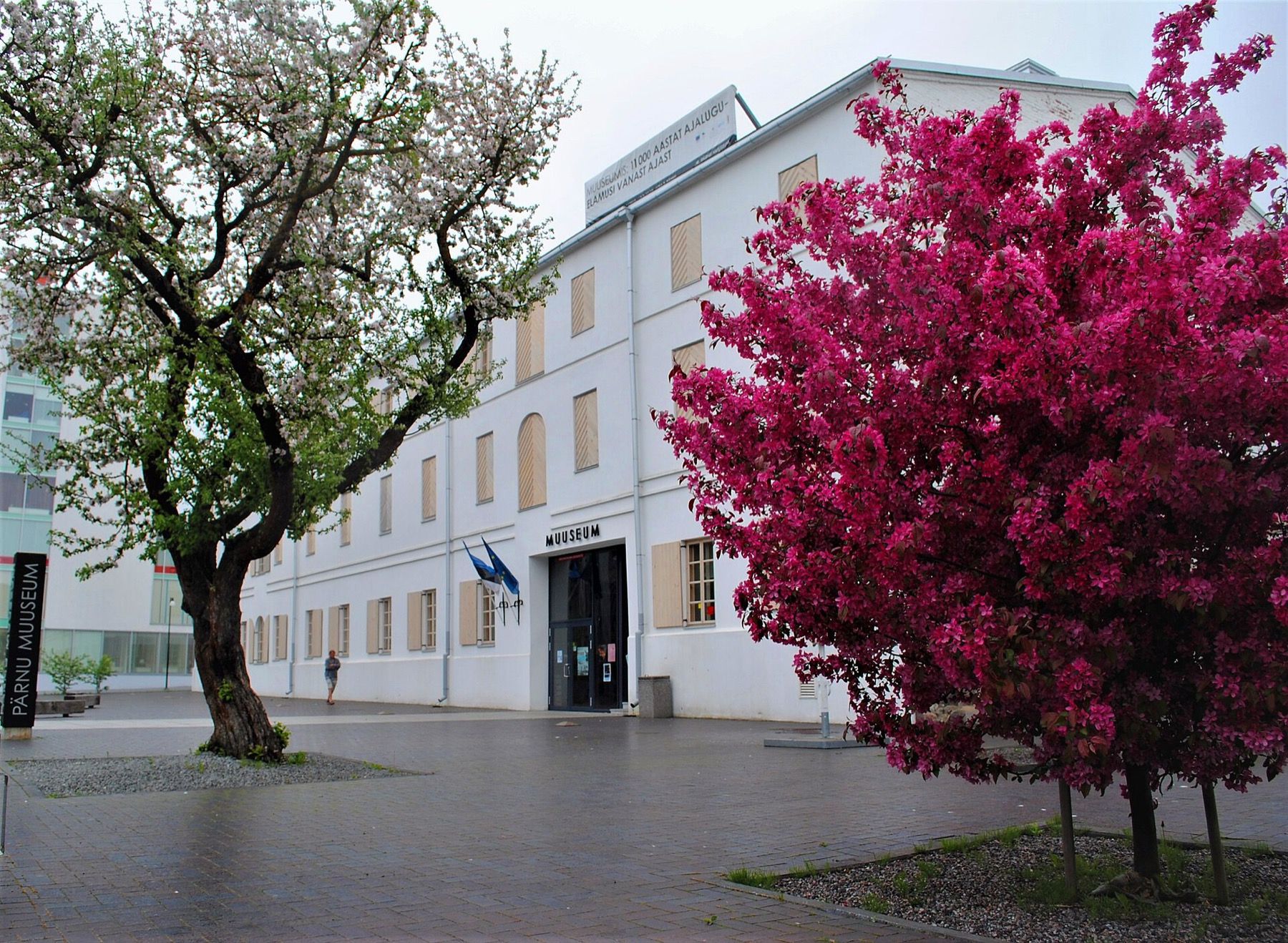
For rainy days, the city has some excellent museums up its sleeve. Pärnu Museum offers a traditional exhibition on the region’s history, but it is presented in a very modern and interactive way. Its biggest attraction is an 11,000-year-old wooden figurine, the oldest artwork discovered anywhere in the Baltic region.
If you prefer something more contemporary, head to the Museum of New Art (Uue Kunsti Muuseum). The collection focuses on contemporary work and provocative exhibitions, and documentary film festivals are often held here. You will always find something unexpected and inspiring.
💡 Tip: Most museums in Estonia are often closed on Mondays, so keep that in mind when planning your itinerary and avoid arriving at locked doors.
9. Walk along the stone pier
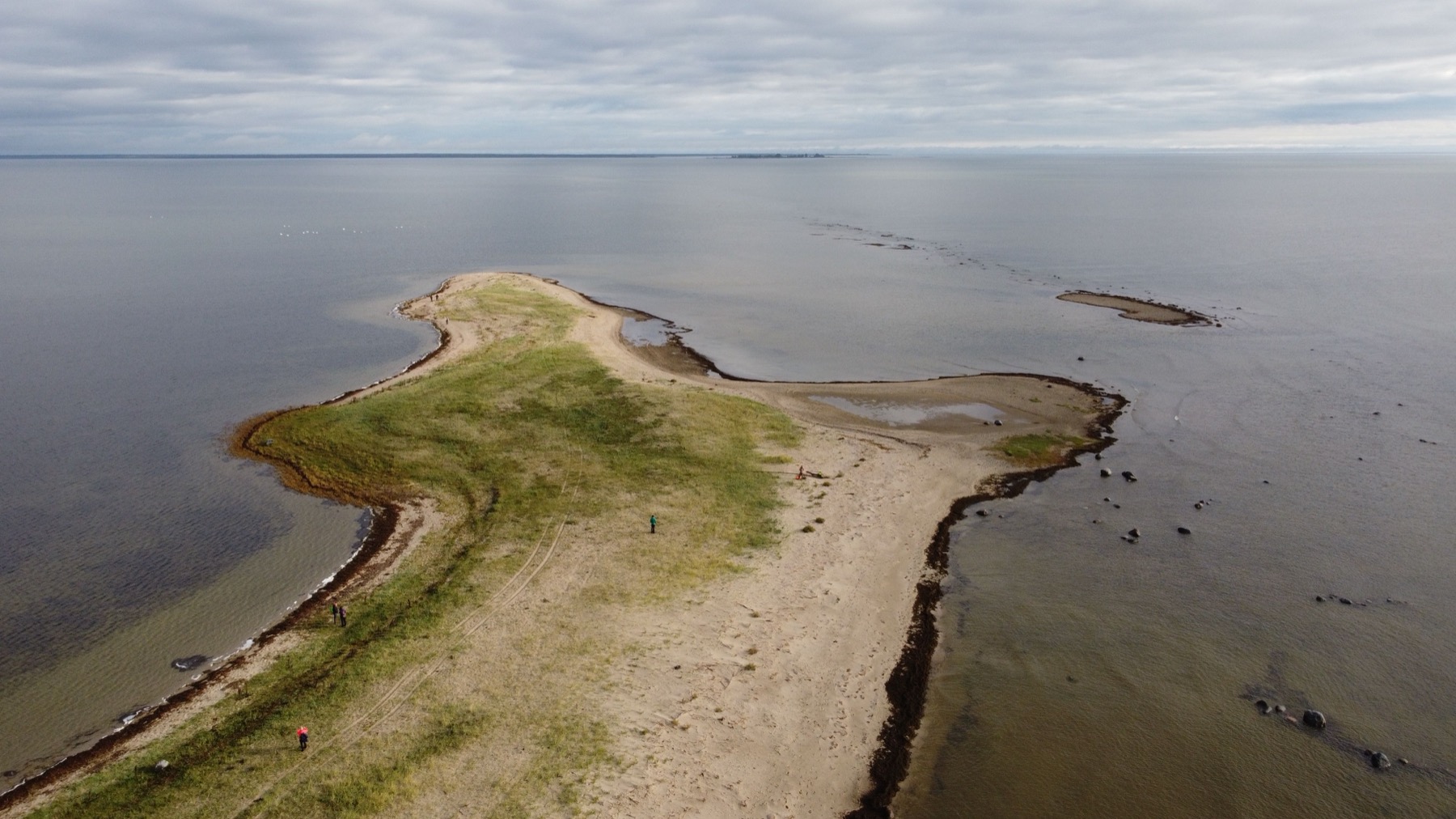
The two-kilometre-long stone pier (Pärnu muul) extends into the sea where the river flows into the bay. It was built in the nineteenth century to protect the harbour, but today it serves as a popular walking route. An old romantic legend says that a couple who walks all the way to the end and kisses there will stay together forever.
Walking to the tip and back can easily take an hour. It is a wonderful place for watching boats and the sunset. Just be careful: the stones are often slippery, and the wind can be quite strong.
💡 Tip: Do not come here in flip-flops or high heels. You will need sturdy footwear to walk over the uneven boulders.
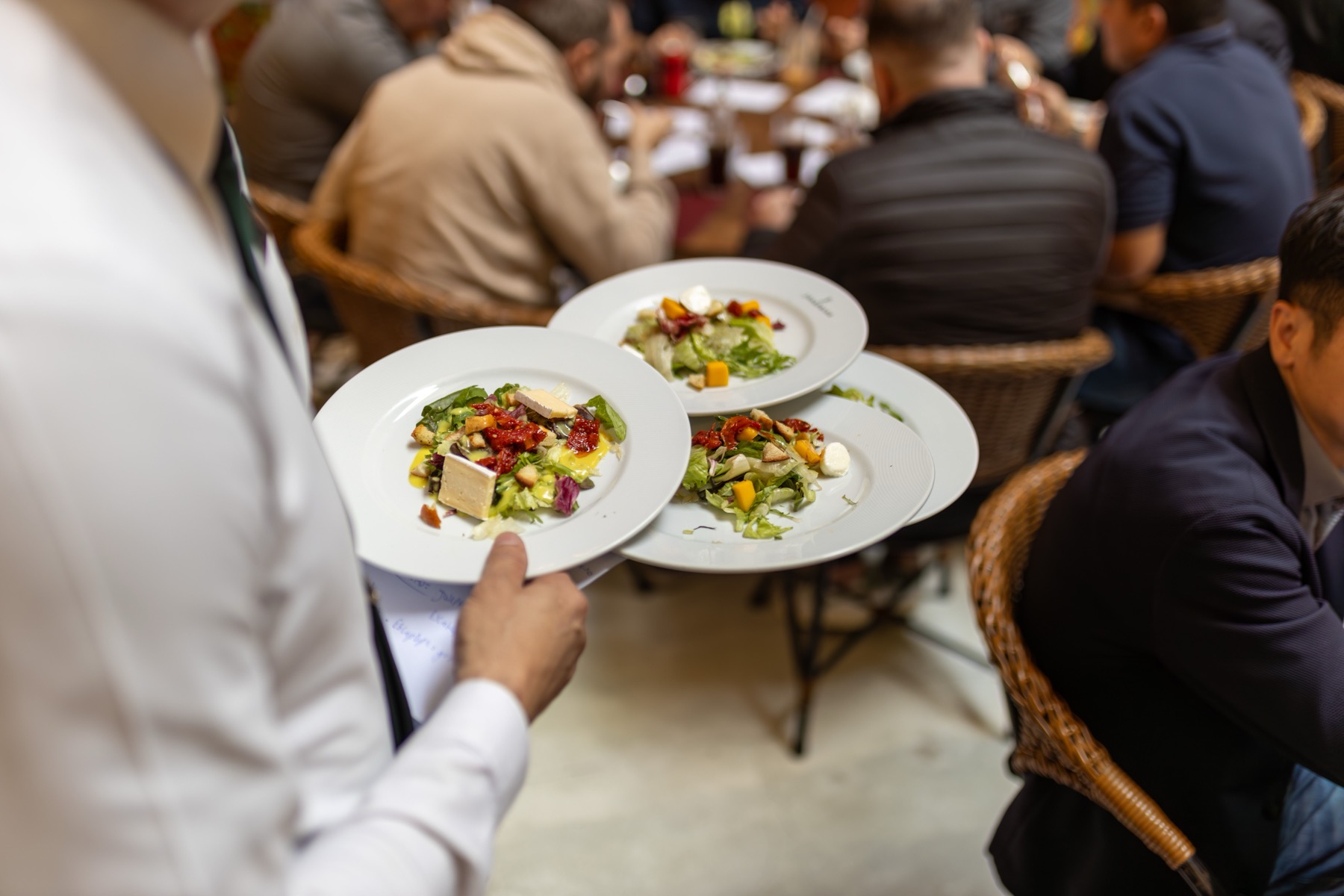
10. Culinary experiences and päevapraad
The food scene is of a very high standard, and restaurants along the promenade and in the centre offer excellent experiences. Fish and meat dishes are typical of Estonia, but you will also find a wide selection of vegetarian food—from modern cafés serving avocado toast and porridge to bistros offering proper hummus, falafel and vegetarian burgers. Try Supelsaksad, a beautiful café in a historic wooden villa, or head to Steffani for the excellent pizza it is famous for.
If you want to save money and eat like a local, look for the words päevapraad on restaurant boards. This means a daily special or set lunch, usually offered on weekday lunchtimes. For a very reasonable €5–8, you get a generous meal, which is a real budget-saver compared with standard evening prices.
💡 Tip: The promenade has plenty of summer pop-up cafés serving excellent fresh pancakes and waffles. They make an ideal sweet finish after an afternoon swim.
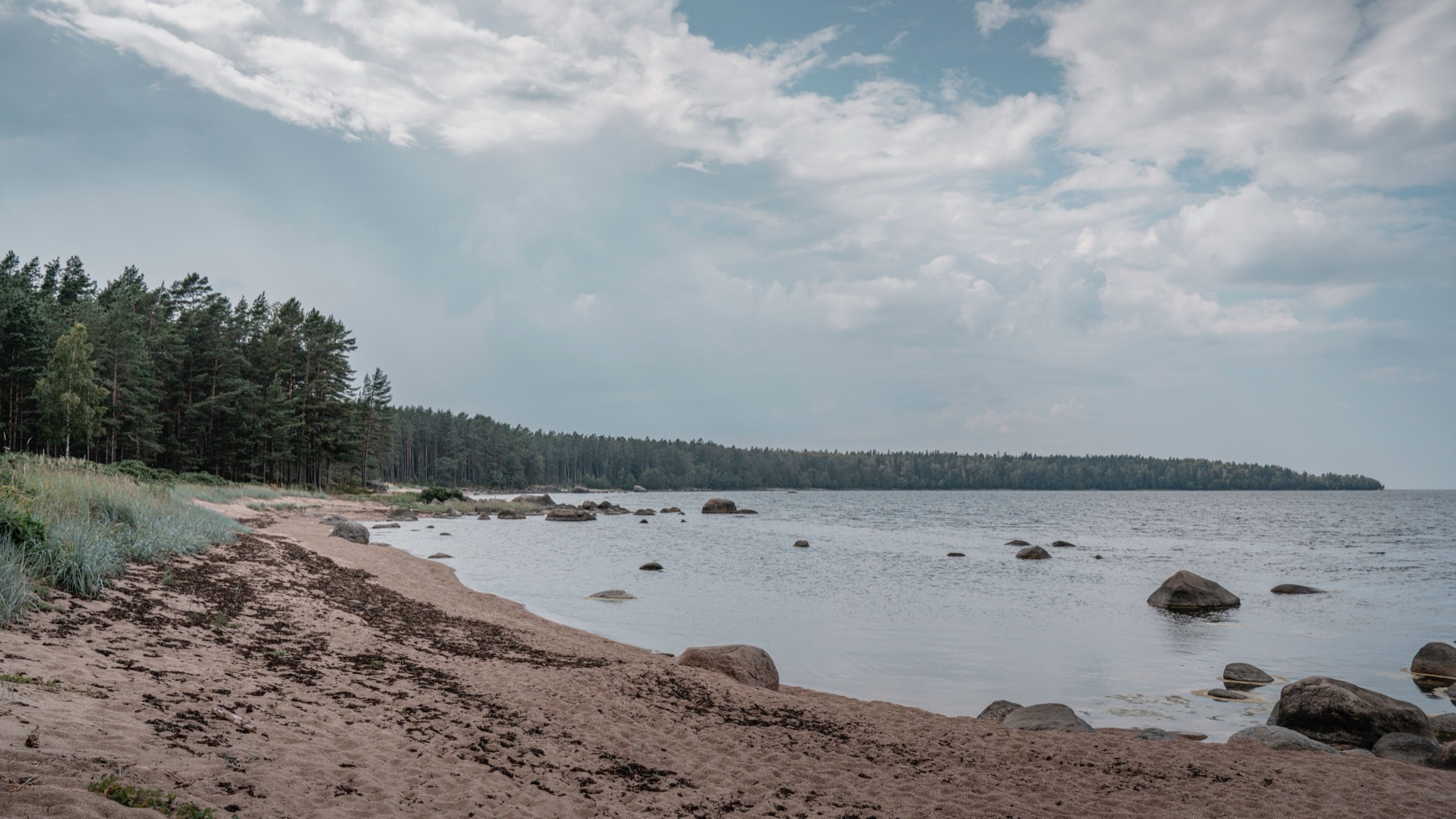
11. Day trip to Valgeranna Beach
If the main city beach feels too crowded in high season, simply travel a few kilometres west to Valgeranna. A beautiful stretch of coast bordered by dense pine forest awaits, smelling of resin and offering welcome shade.
It is considerably quieter, the water is just as shallow and warm, and the whole atmosphere feels much more natural. Right by the beach you will also find the excellent Valgeranna Seikluspark adventure park, where you can play among the treetops once ordinary sunbathing loses its appeal.
💡 Tip: It is easy to reach by car in about fifteen minutes, but there is also a pleasant and safe cycle path leading directly from central Pärnu.
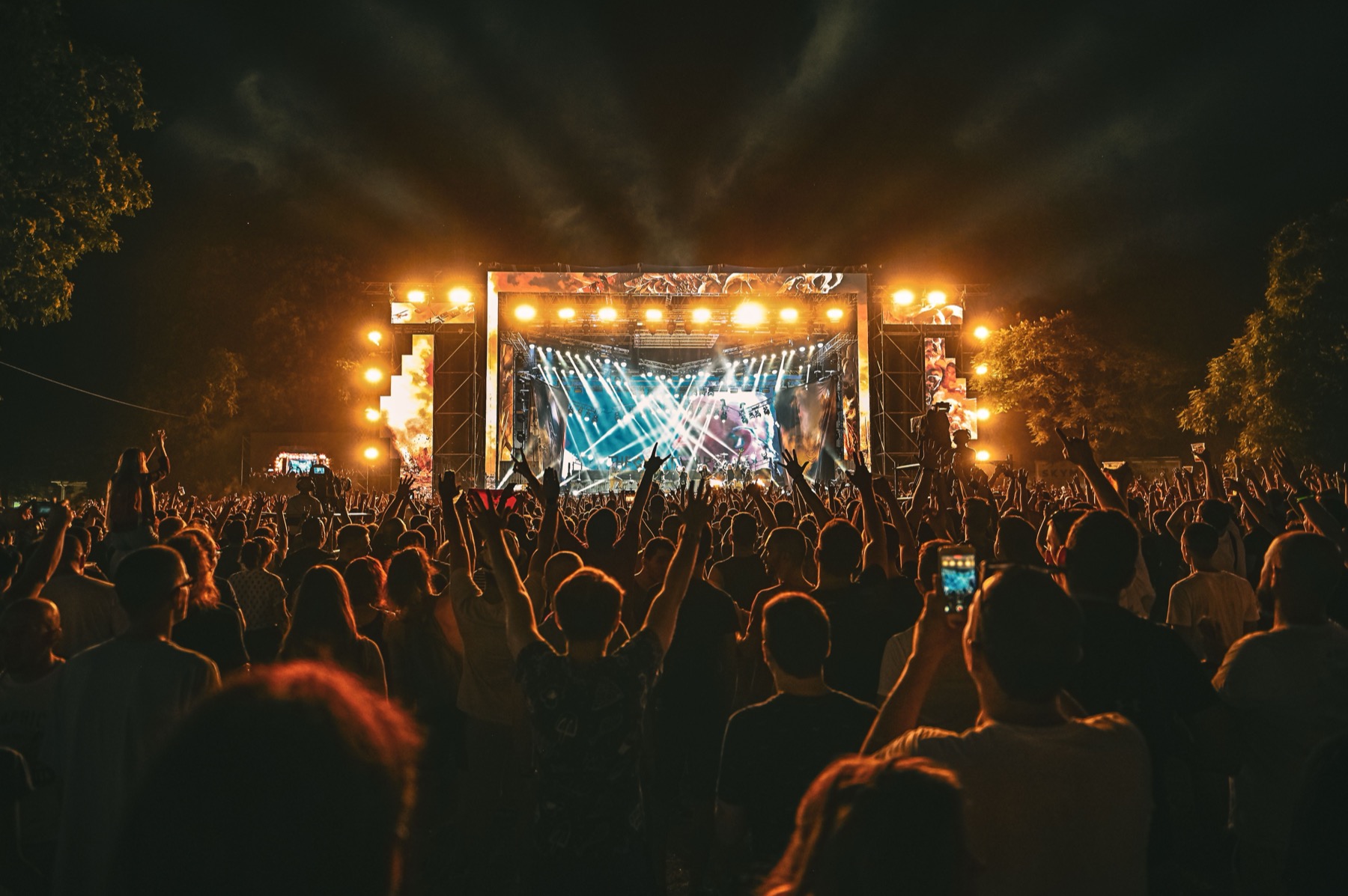
12. Summer festivals and cultural life
The city bursts at the seams in summer thanks to its rich cultural programme. The most prestigious event is the Pärnu Music Festival, usually held in July, attracting leading classical musicians from across Europe. Concerts take place in the modern concert hall as well as smaller churches.
Alongside classical music, there are street-food festivals, craft markets and sporting events. The city is alive from morning until night. If you enjoy company and entertainment, July weekends are made for you.
💡 Tip: Before you go, check the current events calendar on the official Visit Pärnu tourism website. You can often find excellent smaller events with free entry.
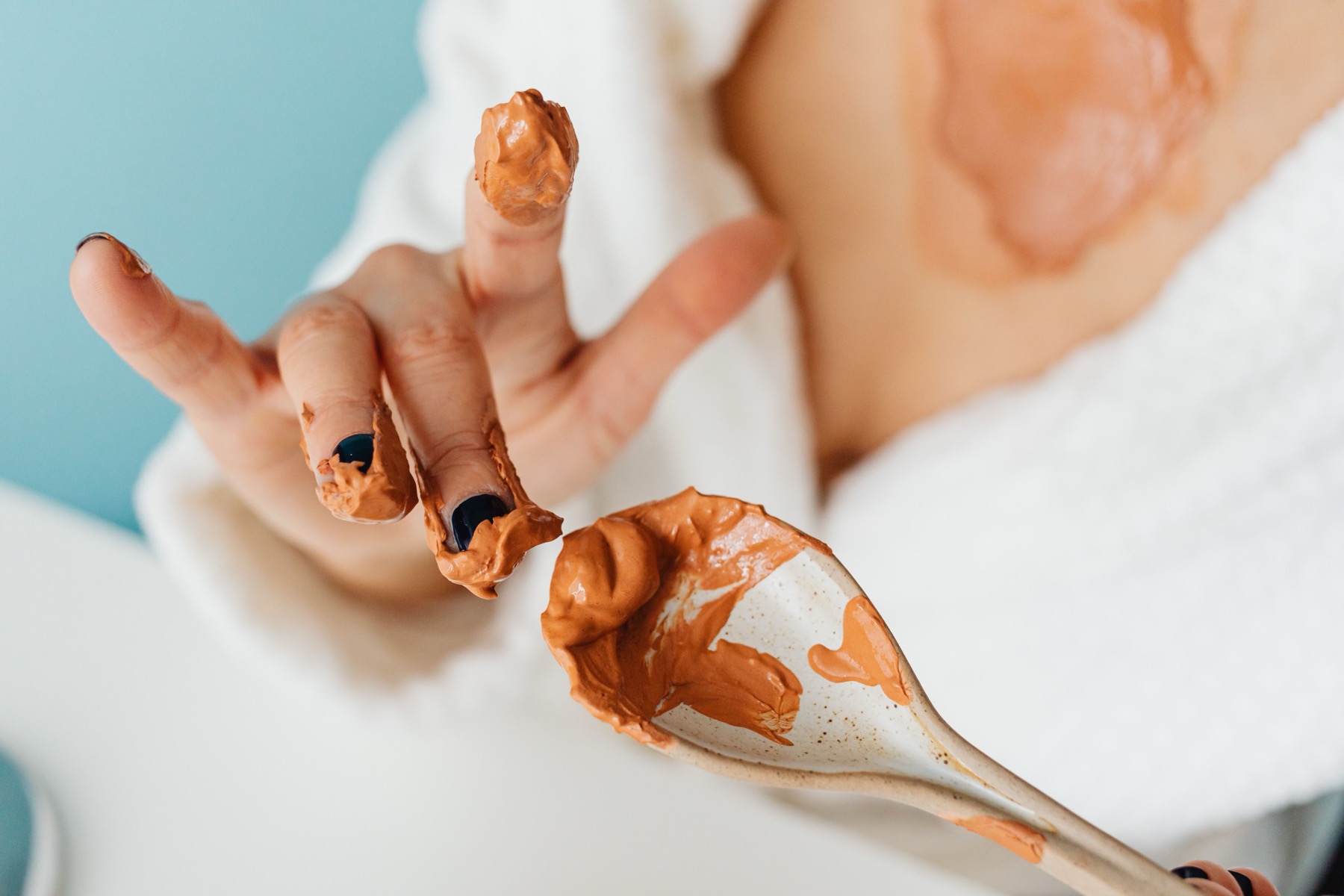
Mud baths and wellness
These spas are not a recent wellness trend—the tradition reaches back to the nineteenth century, when Russian high society came here for the healing properties of local sea peat and mud. However, the spa culture here is quite different from traditional Central European spa treatment. In Estonia, you will not see anyone sipping warm mineral water from a little cup.
Everything operates commercially and revolves around saunas, cold plunge pools and mud wraps. Finns come here in huge numbers because Estonian wellness maintains an excellent standard while being considerably more affordable than in Scandinavia. If you want genuine peace, book access to the adults-only Silent Spa zone at Hedon. You can look forward to treatments using Estonian mineral peat, salt pools and complete silence that will reliably reset your mind.
Pärnu with children
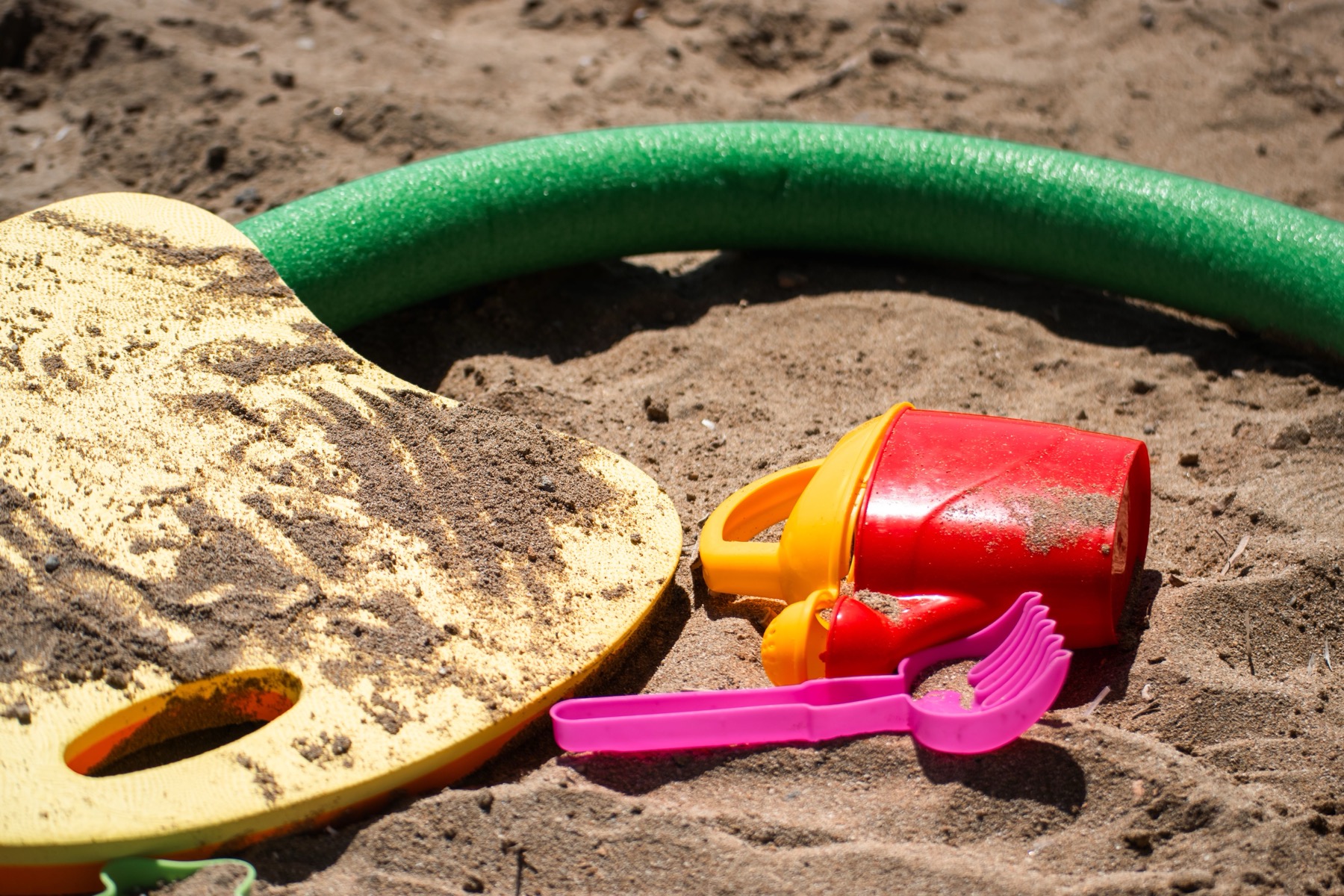
Travelling with family? You have found the holy grail. The bay’s long shallows are absolutely ideal and safe for young children, while the beach has a huge playground and plenty of ice-cream stands. The main reason families from across the Baltic region come here, however, is Lottemaa, a huge amusement and fairytale park. It is based on Lotte, an Estonian animated character, and is a village of inventors full of climbing frames and theatre. Admission is around €28, and children love it even if they have never heard of Lotte.
⚠️ Warning: The park is open only from 13 June to 30 August, so do not even try to visit outside summer. For rainy days or off-season stays, Tervise Paradiis, Estonia’s largest water park, with slides and a lazy river, is a reliable choice.
Day trips from Pärnu
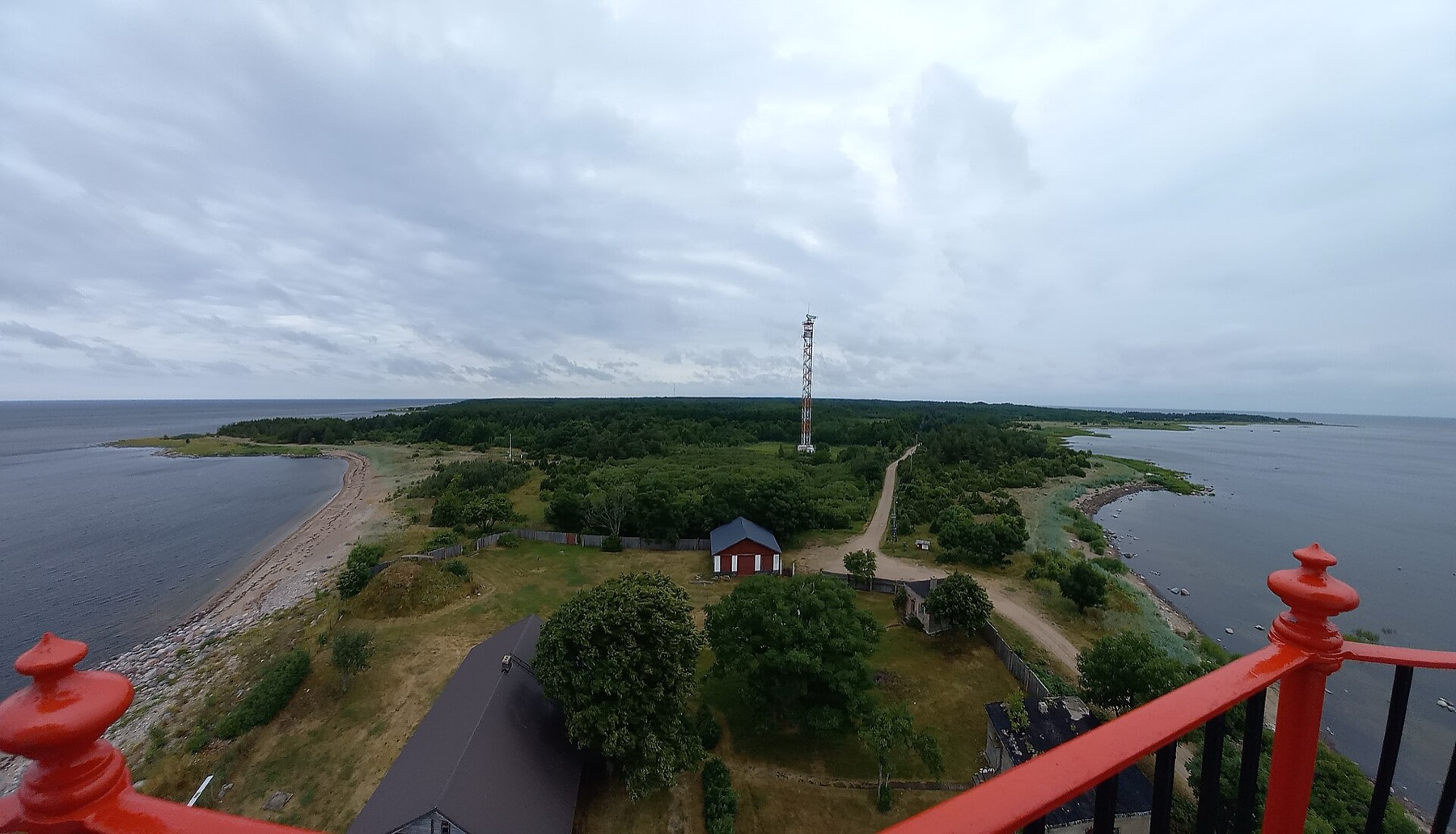
When you start to tire of the city, the surrounding area has a few things in store that you will not find just anywhere. Around forty kilometres away is a port with ferries to Kihnu Island. This UNESCO-protected island functions as Europe’s last matriarchy. Women commonly ride motorbikes in traditional striped skirts, and the best way to explore the island is by rented bicycle.
Inland, Soomaa National Park beckons with its deep marshes and peat bogs. If you arrive in spring, you may experience the so-called fifth season, when melting snow floods the forests and people travel by canoe between the tree trunks. Another excellent day-trip idea is the romantic spa town of Haapsalu, farther north, with its beautiful promenade.
How much does a stay in Pärnu cost?
Estonia is no longer the cheap eastern destination you may remember—inflation and tax changes have done their work, so forget the bargains of the previous decade. The current standard VAT rate is 24%, while accommodation is taxed at 13%, which naturally affects final prices. In summer, expect quality accommodation for two in a hotel to cost around €100–150 per night; luxury spas can cost twice as much.
A main course in an ordinary restaurant costs roughly €15–20, but if you take advantage of the päevapraad lunch offers, you can eat very well for around €5–8. Spa treatments and water-park admission start at around €20. Overall, it is sensible to allow for an approximate daily budget of €80–120 per person including accommodation, provided you are neither actively restricting yourself nor splashing out. Outside summer, accommodation prices drop by roughly a third.
Where to go next
If you are planning a wider road trip around the Baltic region, do not miss our other articles, which will help you plan:
- Estonia: 25 best things to see and do
- When to visit Estonia: weather month by month
- Tallinn: 20 best things to see and do in Estonia’s capital
- 10 interesting and practical things to know about Riga
- European holidays: 17 most beautiful places
Frequently asked questions
Planning your trip but still have practical questions on your mind? Here are answers to the things people most often ask before travelling to Pärnu.
How warm is the sea in Pärnu?
Thanks to the very shallow bay, the water in the summer months (July and August) typically warms up to 20 to 24 °C. It’s by far the warmest swimming in all of Estonia. So if you’re wondering whether to pack your swimsuit, definitely yes. A refreshing dip in these waters is priceless on summer days.
When is the best time to visit?
For swimming and beach life, definitely July and August. If you want peace and cheaper accommodation, head there in September. But people visit the spas year-round, even in the depths of winter. If you’re just looking for spa relaxation, winter has an incredible charm. Watching the frozen bay from a hot sauna is an experience you’ll fall in love with.
Is Pärnu expensive?
Unfortunately yes, Estonia is no longer a budget destination. Prices in restaurants and services are comparable to Western Europe, and in the summer season hotels charge premium prices on top of that. But you can save money by taking advantage of lunch menus at restaurants and booking accommodation well in advance.
How many days are enough for sightseeing?
For the city itself and the sights, one to two days will be enough. But if you want to add swimming in the sea, spa treatments and a trip to Kihnu Island, I recommend setting aside three to five days. I recommend stretching your itinerary to a long weekend, though. A slow pace and beach lounging simply belong perfectly to this destination.
Can you get there without a car?
Yes, absolutely no problem. From Tallinn there are excellent Lux Express buses, the journey takes an hour and a quarter and tickets start at €9. You can get there just as easily from Riga in Latvia. Plus, you can easily buy tickets online in advance, so you don’t have to sort anything out on the spot and just board comfortably.
Is a spa stay worth it?
Definitely, the spas here have a top-notch standard and a long tradition. Instead of drinking mineral water, though, prepare for mud wraps, mineral peat, excellent saunas and perfect Nordic relaxation. Many hotels also offer separate adult zones, so you definitely don’t have to worry about absolute peace for rest and recharging your batteries.
What to do in Pärnu with kids?
Kids will love the very shallow beach where they can play safely, and Estonia’s largest water park Tervise Paradiis. The absolute highlight is then the nearby Lottemaa amusement park. Most restaurants on the promenade are also very family-friendly, so you won’t have trouble finding food the kids will enjoy, and they often have small play areas too.
Is Lottemaa open year-round?
No, and be very careful about that. This popular amusement park is only open during the summer season, specifically from June 13 to August 30. Don’t go there at any other time. Outside this designated period, there’s simply no point in going to the park at all, because all you’ll find are firmly locked gates.
Tips and Tricks for Your Vacation
Don’t Overpay for Flights
Search for flights on Kayak. It’s our favorite search engine because it scans the websites of all airlines and always finds the cheapest connection.
Book Your Accommodation Smartly
The best experiences we’ve had when looking for accommodation (from Alaska to Morocco) are with Booking.com, where hotels, apartments, and entire houses are usually the cheapest and most widely available.
Don’t Forget Travel Insurance
Good travel insurance will protect you against illness, accidents, theft, or flight cancellations. We’ve had a few hospital visits abroad, so we know how important it is to have proper insurance arranged.
Where we insure ourselves: SafetyWing (best for everyone) and TrueTraveller (for extra-long trips).
Why don’t we recommend any Czech insurance company? Because they have too many restrictions. They set limits on the number of days abroad, travel insurance via a credit card often requires you to pay medical expenses only with that card, and they frequently limit the number of returns to the Czech Republic.
Find the Best Experiences
Get Your Guide is a huge online marketplace where you can book guided walks, trips, skip-the-line tickets, tours, and much more. We always find some extra fun there!