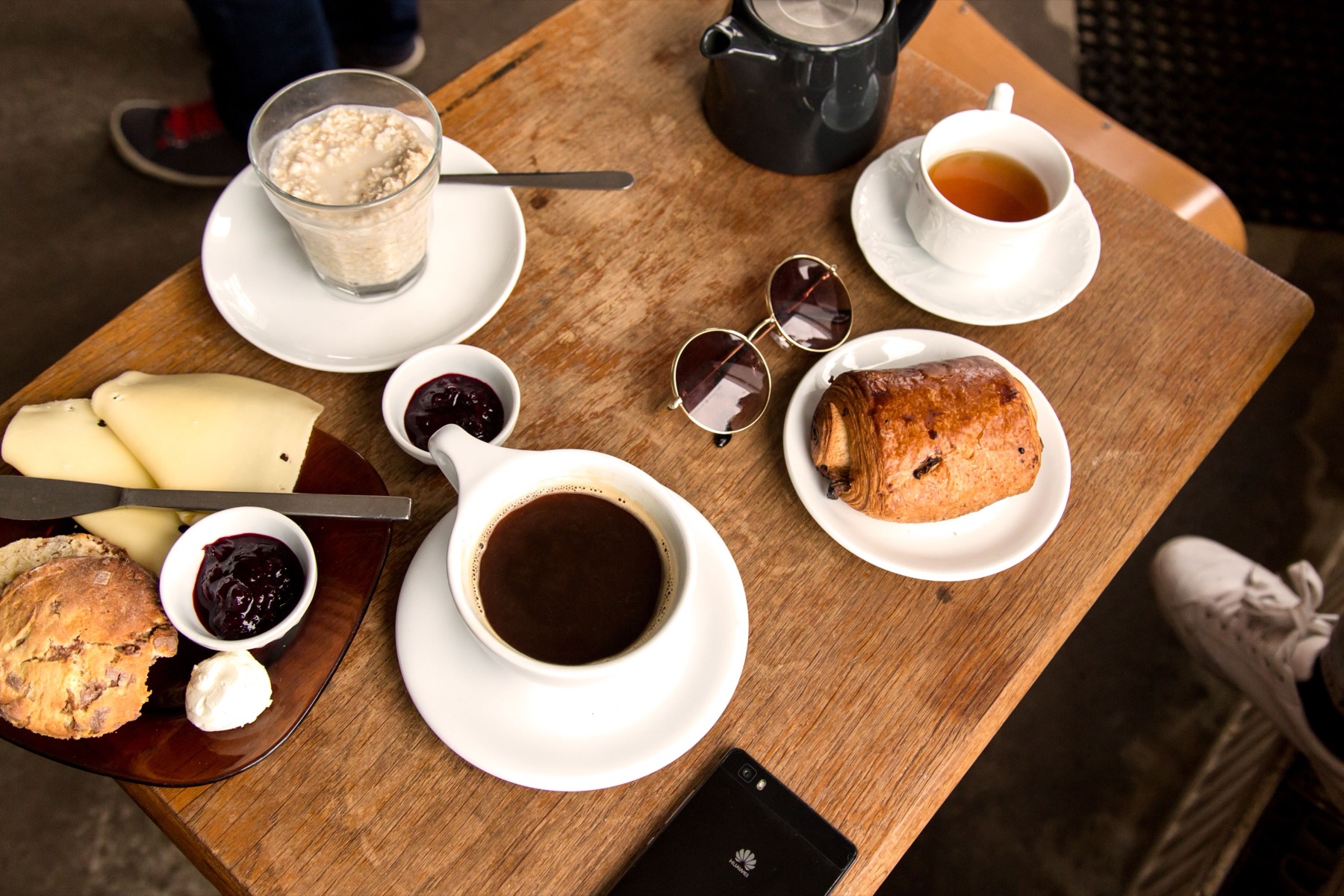
Did you know that Swedish cuisine hides plenty of surprises, like an official national holiday dedicated to the cinnamon bun? It’s celebrated on 4 October, and on that day the whole country smells wonderfully of cinnamon and cardamom. If you’re heading north, forget straight away about gulping down coffee from a paper cup on the go. In Sweden, time regularly stops for a ritual called fika, which is the absolute cornerstone of local culture. And Swedish cuisine has long been about far more than the famous IKEA meatballs. It’s a colourful mix of honest home cooking, a passionate love of local ingredients, and a modern approach that makes vegetarians happier here than perhaps anywhere else in Europe.
Personally, I dug deep into the secrets of Nordic food through long reading and planning, which is why today I’m bringing you a complete guide to the very best that Swedish tables have to offer. Swedes swear by the philosophy of lagom, which means exactly the right amount. Not too much, not too little — simply perfect balance, and it shows in everything from the design to the portion sizes on your plate. I’ve found out for you where to go for the best sweets, how the tricky business of buying alcohol works, and above all, how to eat in this famously expensive country without having to declare personal bankruptcy the moment you get home.
Summary for those who don’t have time to read the whole article
- Fika isn’t just a snack: It’s a sacred social ritual of drinking strong filter coffee and eating sweet pastries, typically a cinnamon bun.
- The lunch menu will save you: Look for signs reading dagens lunch — for roughly 120 to 150 SEK you get a main course, a huge salad buffet, bread and coffee.
- Vegetarians have it great: Sweden is one of the most meat-free-friendly countries out there, with practically every restaurant offering proper plant-based alternatives.
- Alcohol is under a strict monopoly: Beer above 3.5% and wine are sold exclusively in the state-run Systembolaget shops, which are completely closed on Sundays.
- Sweet culture is a phenomenon: Every Saturday locals head to supermarkets for lördagsgodis, mixing their own bags of pick-and-mix sweets by weight from enormous walls of candy.
The full destination guide: Sweden — guide and what to see
When to go for Swedish food
Planning a trip to the north takes a bit of calendar gymnastics, because Swedes take their holidays and time off incredibly seriously. The biggest gastronomic celebration of the year is without doubt the summer solstice, so-called Midsommar, which falls at the end of June. Cities empty out completely that weekend as everyone heads off to their summer cottages by the lakes. It’s an amazing chance to see traditional dancing and festive tables laden with new potatoes, but bear in mind that most ordinary restaurants and cafés stay firmly shut.
The second half of summer, on the other hand, belongs to lovers of boisterous outdoor parties, because August is the traditional month of the beloved crayfish feasts. Gardens are decorated with paper lanterns, and locals gather around long tables to devour heaps of food while loudly singing drinking songs. For those with a sweet tooth, autumn and winter are absolutely key. In early October comes the iconic Cinnamon Bun Day, when bakeries are bursting at the seams and the streets smell of spice.
From January until Easter comes the winter season of the fluffy semla. Travellers agree that the ideal compromise for a visit is the turn of August and September, when the biggest tourist crowds have thinned out but the cafés and market halls are still running at full tilt. The weather also tends to stay very pleasant for long walks around the sights, and the Baltic Sea is surprisingly at its warmest after summer.
Where to stay in Stockholm and Gothenburg
💡 Tip for accommodation and experiences: We prefer to look for accommodation on Booking.com, which usually has the best cancellation terms. For tickets, tours and activities, it pays to compare and book through GetYourGuide.
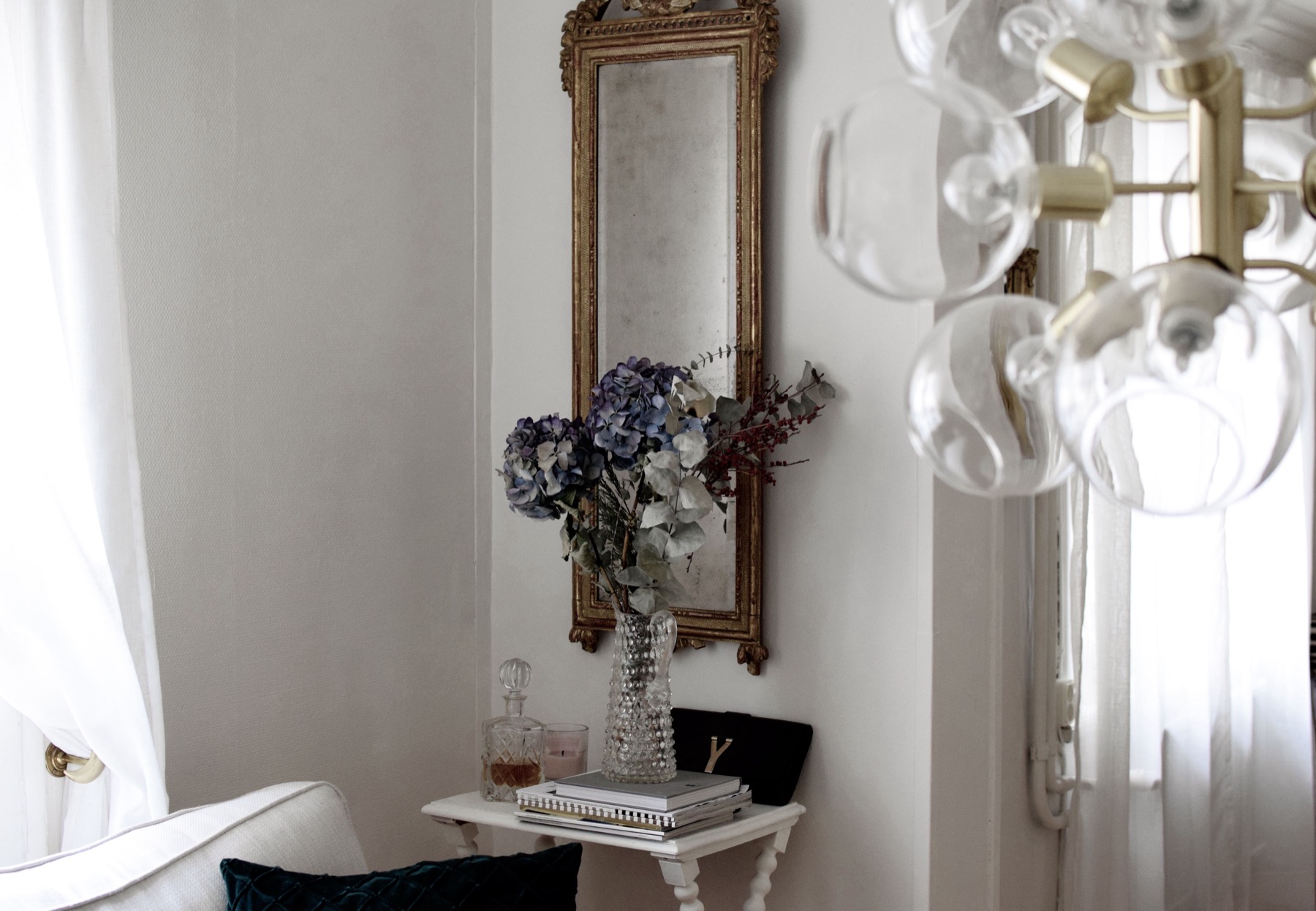
If you want the best cafés and restaurants right at your fingertips, choosing your accommodation strategically will save you plenty of time and money on pricey city transport. In Stockholm it pays to look for a hotel in the Norrmalm or Södermalm districts, where you’ll find the biggest concentration of great spots and celebrated bakeries. A standard double room in the centre will set you back around 1,500 to 2,500 SEK per night, which is roughly €135 to €225.
For travellers on a limited budget, a great option is Generator Stockholm, which offers stylish modern rooms a short walk from the main station at very reasonable prices. A golden middle path, with a fantastic breakfast and cosy design, is the popular Downtown Camper by Scandic, where you can even borrow bikes to explore the city. If you’re after real luxury with a waterfront view, book a room at the iconic Hotel Diplomat.
In Gothenburg, considered the uncrowned bistro-and-café capital of the west coast, stay right by the historic centre. A huge favourite among visitors is the design-led Clarion Hotel Post, set in a beautifully renovated old post office building. A very pleasant, more intimate alternative is the boutique Hotel Flora, just a few steps from the beloved market halls.
How (and where) to eat like a local
If you really want to understand Sweden, you have to play by their rules. The single most important word for your vocabulary is fika. It works as both a noun and a verb and refers to the time set aside to slow down, sit with your family or colleagues, and have coffee with something sweet. In many Swedish companies it’s an unwritten obligation that typically happens at ten in the morning and three in the afternoon. Anyone who skips fika is seen as an oddball, so don’t be surprised if no one picks up the phone at a Swedish office on a Friday afternoon.
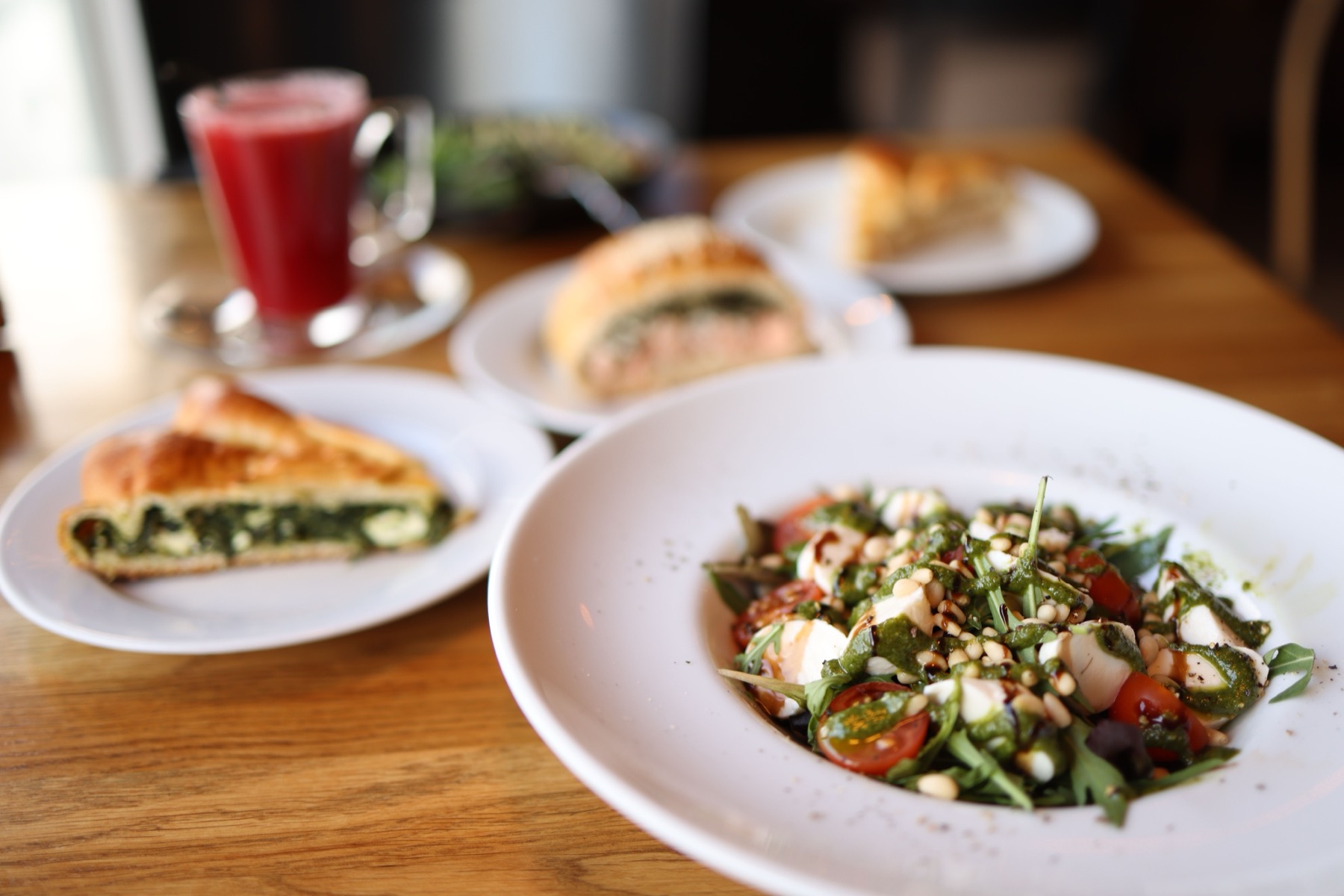
The second absolutely crucial thing for any traveller is dagens rätt or dagens lunch — the daily lunch menu. Sweden is generally an expensive country, and dinner at an ordinary Stockholm restaurant will easily run to 200 to 350 SEK. At lunchtime, though, most places offer a discounted set menu. For around 130 SEK you get not just a main course but, by Swedish standard, also unlimited access to the salad buffet, crusty bread with butter, tap water and coffee to finish. It’s hands down the best gastronomic trick for eating well and saving money for more trips.
When it comes to buying alcohol, you’re probably in for the biggest culture shock. Any alcohol above 3.5% can only be bought at the state-run Systembolaget shops. In an ordinary supermarket you’ll only find weak beer called folköl. The rules are uncompromising: you have to be at least 20, and on Saturdays they close on the dot of three. Since June 2025 things have eased up a little, though, as Sweden launched a pilot scheme for farm-gate sales, so at local breweries and wineries you can buy bottles straight from the producer after a tasting.
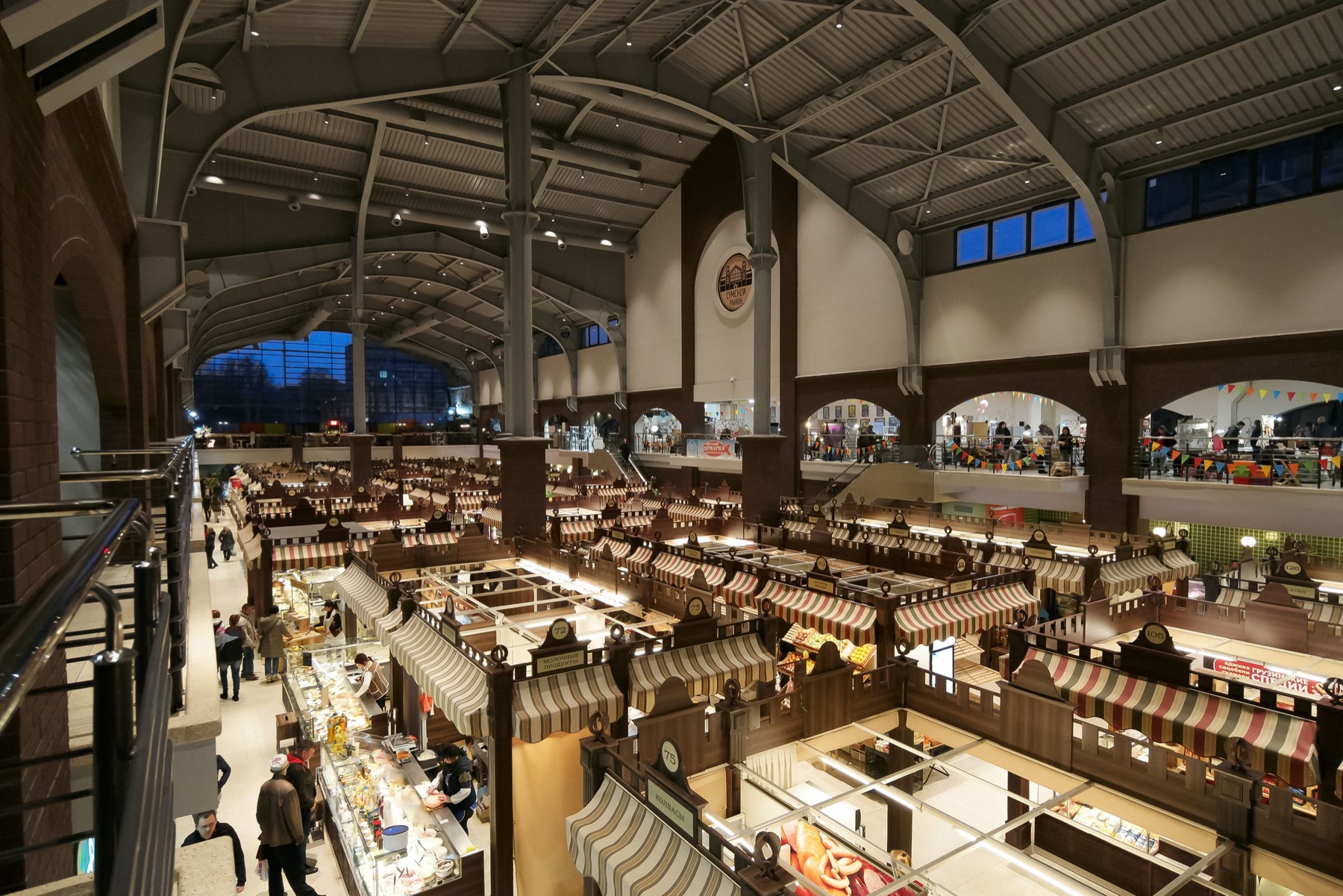
If you’re after the best places to soak up the local atmosphere and taste everything under one roof, head for the historic market halls known as Saluhall. In Stockholm, the absolute icon is the brick building of Östermalms Saluhall, which has been running since the 19th century and offers the finest delicacies. In Gothenburg, don’t miss Stora Saluhallen with its dozens of little stalls and bistros. In multicultural Malmö, I recommend the charming Malmö Saluhall, where traditional Nordic ingredients meet influences from around the world — and where you’ll also find a huge number of great vegetarian spots.
18 dishes you must try
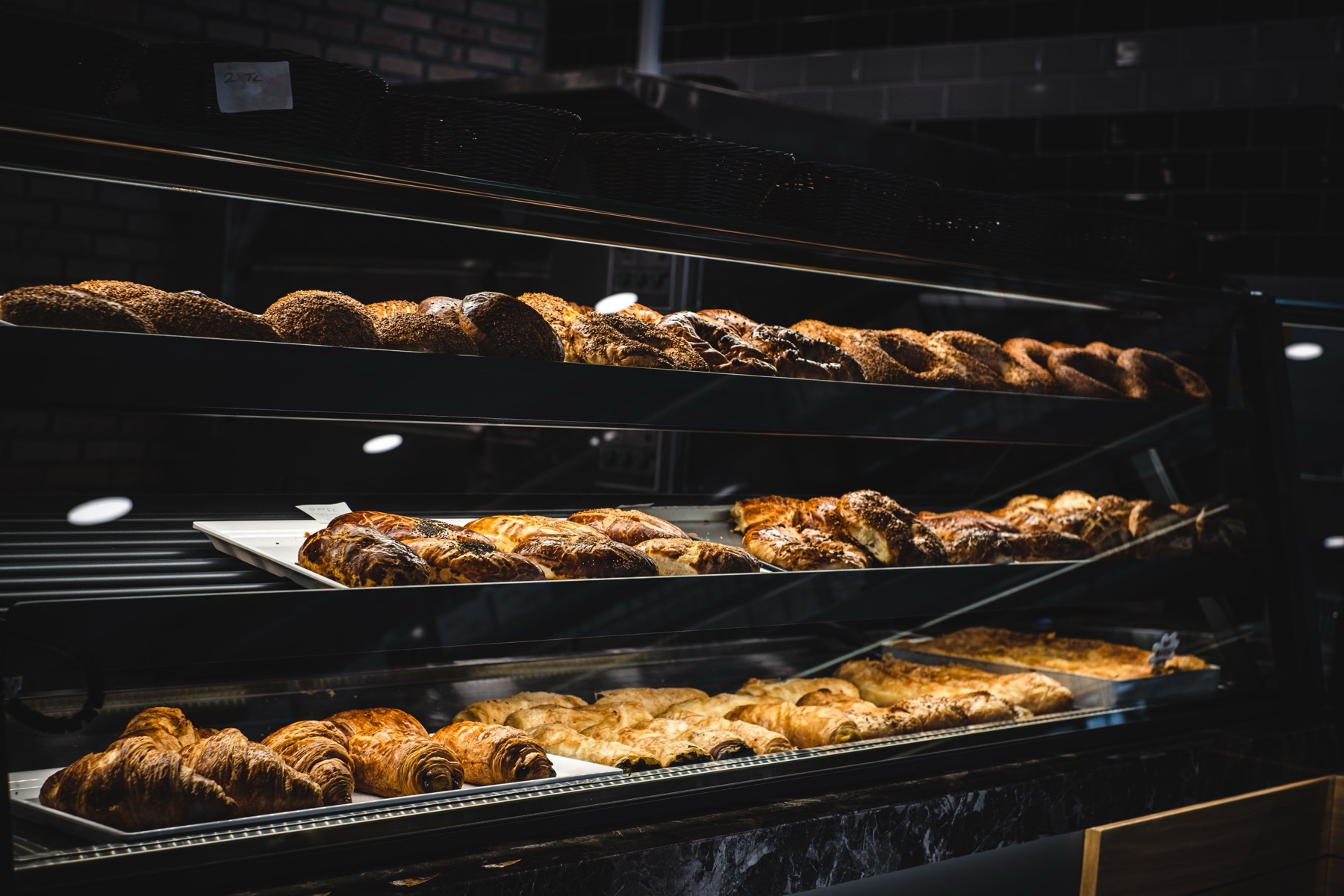
I’ve put together a detailed list of the most important things you shouldn’t miss up north — from sweet bakery treasures to hearty main courses.
1. Kanelbulle and Kardemummabulle
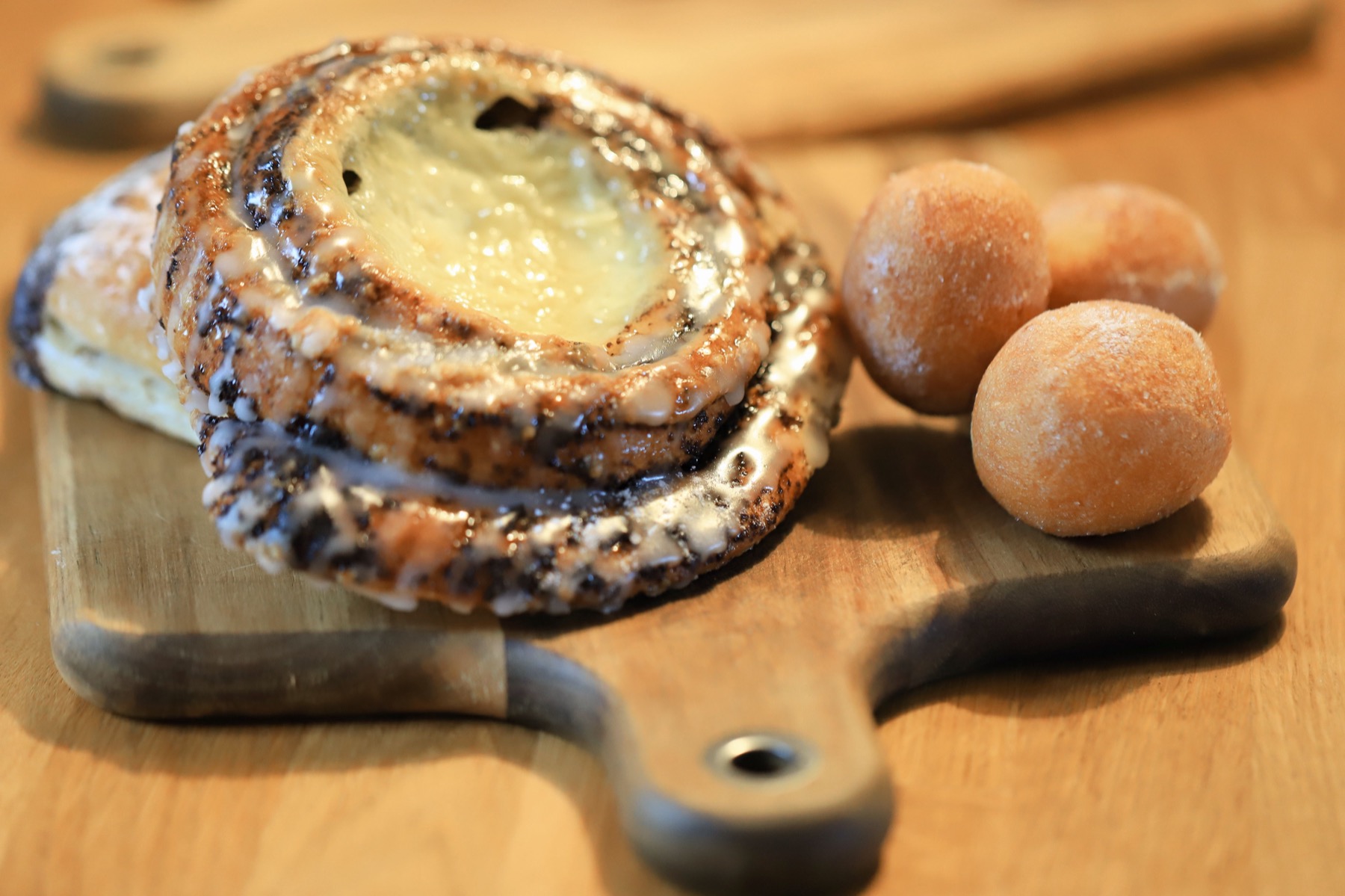
The cinnamon bun, or kanelbulle, is the absolute foundation of Swedish culture, and without it the famous fika ritual could hardly exist. This sweet treat was born in the 1920s, when ingredients like sugar and butter became more affordable after the First World War. Today they’re baked from beautifully fluffy leavened dough, generously slathered with butter and dusted with a good dose of cinnamon. Unlike the American versions drowned in sugar icing, the Swedish ones are simply sprinkled with coarse pearl sugar called pärlsocker.
You’ll happily enjoy this treat at any time of day, but it’s most often eaten during a morning or afternoon coffee break. At a classic café you’ll pay roughly 35 to 50 SEK for one, which is about €3 to €4.50. If you want to save, at supermarkets like ICA or Coop you can grab freshly baked buns at the bakery counter for as little as 15 SEK, around €0.60.
For the very best buns in Stockholm, locals love heading to the historic Vete-Katten café, where the ovens are perfuming the air from early morning. Traditional Swedish filter coffee makes a perfect pairing and is sure to warm you up. Just as popular is the slightly spicier kardemummabulle, with its bold, warming cardamom flavour, which many Swedes prefer even more.
💡 Tip: If you’re heading to Sweden in autumn, definitely circle 4 October in your calendar. This is the day of the official Kanelbullens dag, when bakeries across the country churn out millions of buns and you’ll bump into special festive offers on literally every corner.
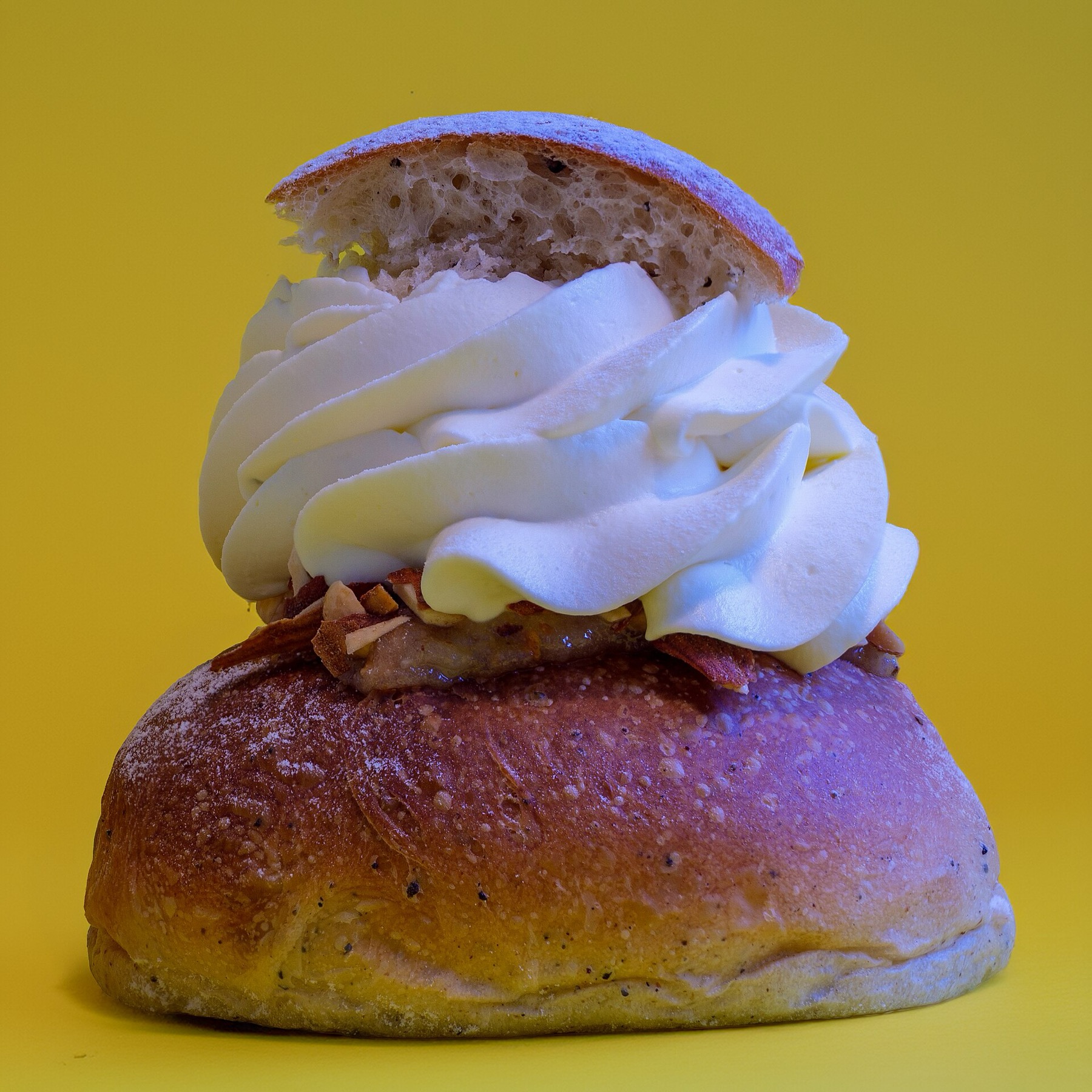
2. Semla
If you arrive in Sweden between January and Easter, you’ll run into a perfect sweet bomb called semla on every corner. It’s a fantastically fluffy wheat brioche, generously flavoured with ground cardamom and sliced in half. Inside hides an incredible amount of delicious almond paste and freshly whipped unsweetened cream. The top of the brioche serves as a small elegant lid, gently dusted with icing sugar just before serving.
But beware: the story behind this dessert is a little grim. Originally, semla was only eaten on Shrove Tuesday, right before the start of the spring fast. Legend has it that Swedish king Adolf Frederick loved this dessert so much that in 1771, after a huge feast, he polished off an incredible fourteen portions soaked in hot milk and died from overeating. Thankfully you’re no longer risking death today, but definitely expect an extremely filling experience. In cafés you’ll pay around 45 to 60 SEK for one, which is roughly €4 to €5.50.
In modern spots you’ll now find, alongside the classic, excellent fully vegan versions where the whipped cream is swapped for a plant-based variant. I warmly recommend trying the modern semla wrap, first introduced by the famous Stockholm bakery Tössebageriet, which instantly became a huge hit across the whole city.
💡 Tip: By unwritten rule, a classic semla is eaten by first gently dipping the dough lid into the whipped cream and eating it first. Only then do you dig into the rest of this sweet calorie bomb with a spoon or your hands.
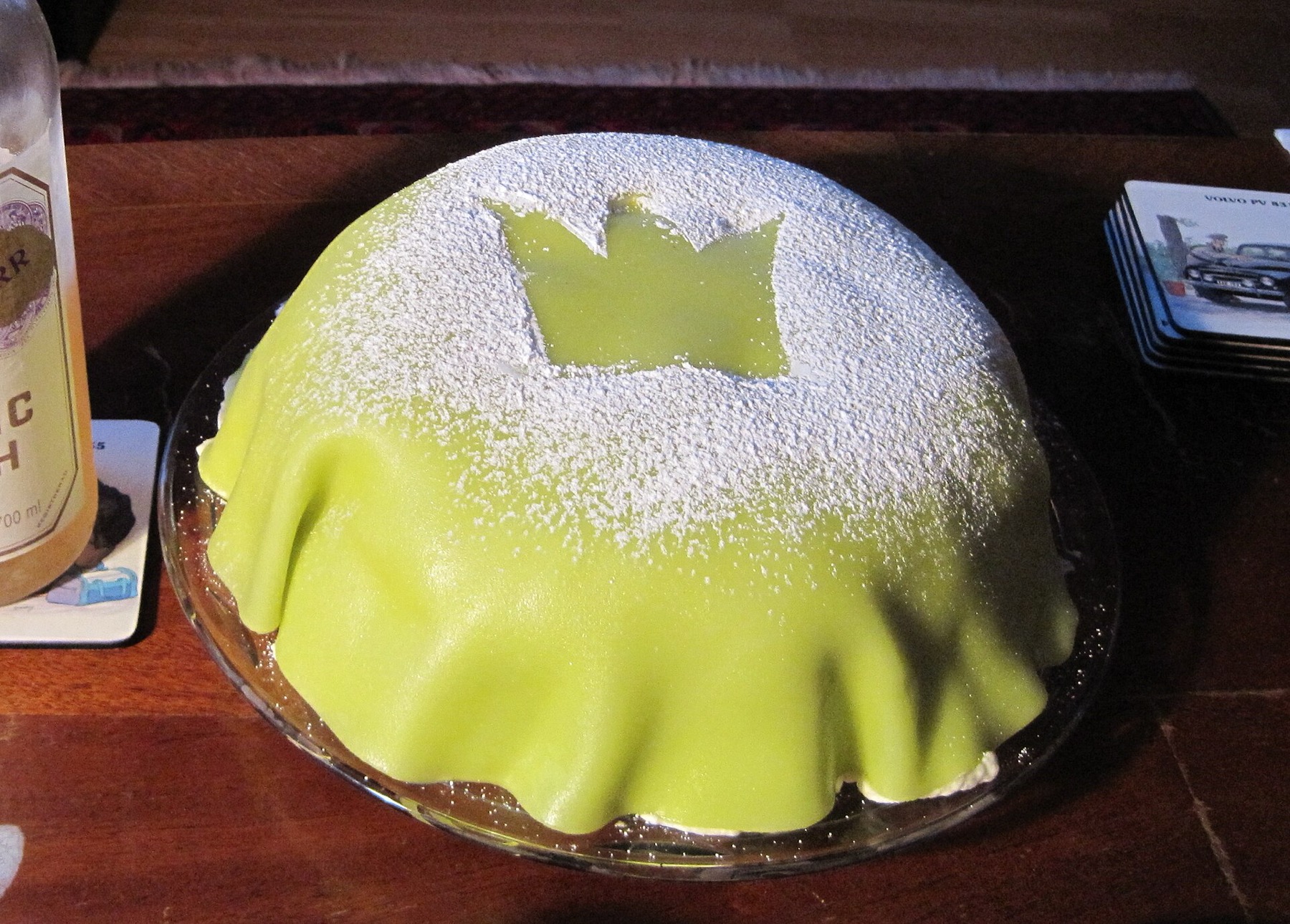
3. Prinsesstårta
In the display cases of Swedish patisseries you certainly won’t miss the bright green, perfectly smooth dome-shaped cake. It’s called prinsesstårta, or princess cake, and it’s one of the most iconic desserts in all of Scandinavia. It’s made of several thin layers of light sponge, vanilla cream, raspberry jam and an enormous mound of whipped cream, with the whole creation precisely wrapped in bright green marzipan topped with a small pink rose.
The original recipe was created in the 1920s by Jenny Åkerström, who worked as a respected home economics teacher to Sweden’s princesses. The cake was originally called simply the green cake, but because princesses Margaretha, Märtha and Astrid absolutely adored it, it earned its lofty name today. Flavour-wise it’s surprisingly light and nowhere near as over-sweet as the marzipan shell might suggest at first glance.
For one generous slice of this culinary gem you’ll pay 50 to 70 SEK at a good café, which is roughly €4.50 to €6.50. You’ll find the prettiest slices in the luxury food hall of the NK department store in central Stockholm, where the cake display is a feast for the eyes.
💡 Tip: During special holidays this famous cake changes colour. At Easter the marzipan coating is bright yellow, at Valentine’s it dons a pink coat, and at Halloween in autumn you’ll even come across orange versions decorated with little chocolate spiders.
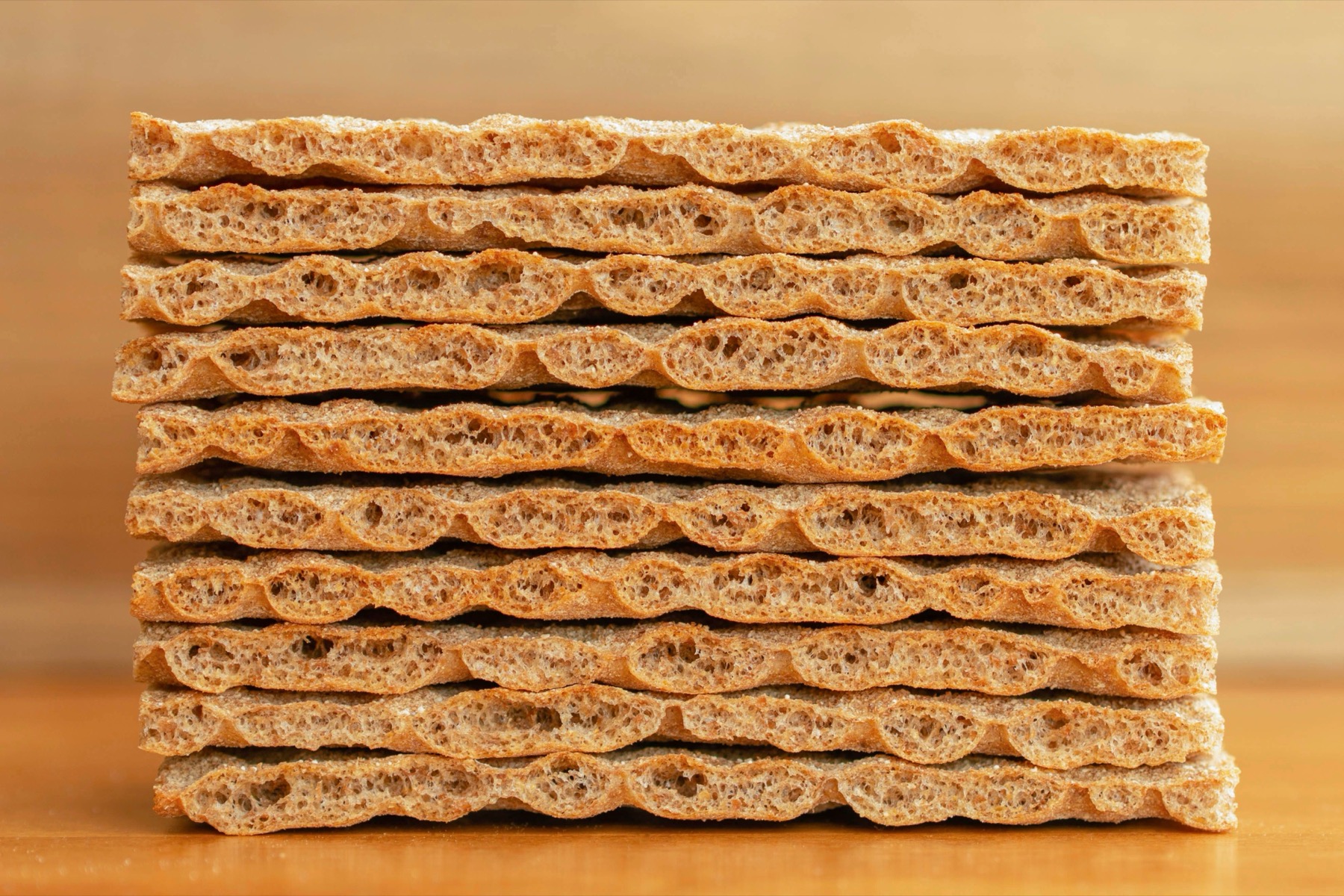
4. Knäckebröd
Forget for a moment about soft white bread from ordinary bakeries, because the real foundation of the Swedish diet, going right back to the rugged Vikings, is knäckebröd. It’s a very thin, hard and incredibly crispy rye crispbread, baked at high temperatures and then thoroughly dried out. In the past it was baked with a big hole in the middle so it could be threaded onto long poles hung from the kitchen ceiling, safely protected from rodents and able to keep without spoiling through the whole long Nordic winter.
Today these crispy pieces fill entire aisles in every supermarket, and you’ll find them in dozens of varieties, from plain rye to fancy ones with pumpkin seeds or coarse sea salt, with so much fibre that any nutritionist would be delighted. It’s a fantastic alternative to ordinary bread, which locals spread with butter for breakfast or love to serve as a side with hot soups.
In an ordinary shop like Willys or ICA you’ll pay 20 to 40 SEK for a large pack of quality crispbread, a bargain €1.80 to €3.50. The best-known and most traditional brand is the blue-and-yellow Leksands Knäckebröd, baked to the same family recipe since 1929.
💡 Tip: If you want to bring home a great and, above all, long-lasting edible souvenir, knäckebröd is the ideal choice. Try looking for premium brands from small bakeries in the Dalarna region, which have a wonderfully rustic flavour and beautiful paper packaging.
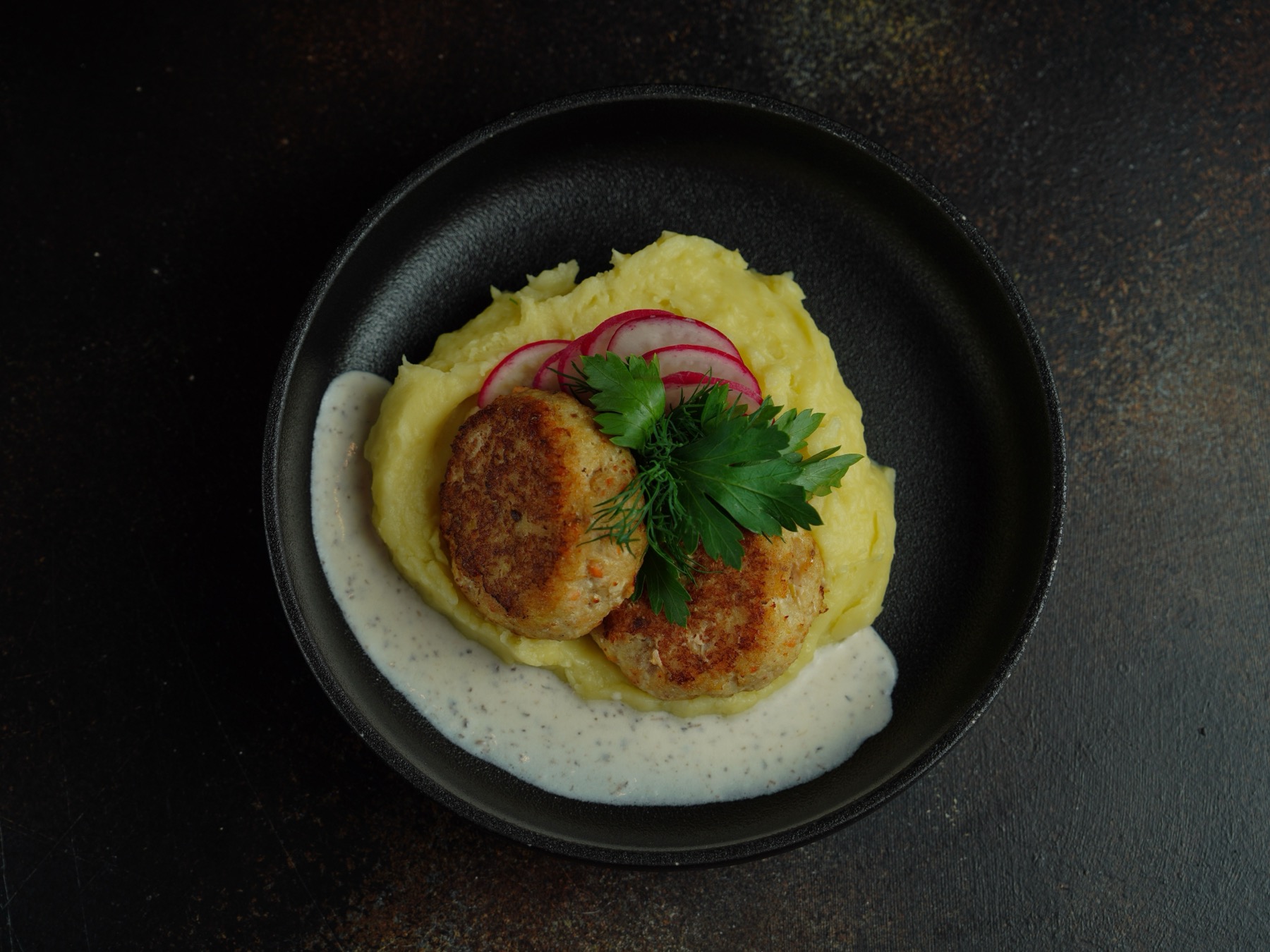
5. Köttbullar and Plantbullar
The local culinary classic that the blue-and-yellow furniture giant made famous worldwide is often a far cry from the real Swedish tradition. Swedes traditionally won’t hear a bad word about their köttbullar, dense meatballs made from a mix of beef and pork. Locals most often serve them smothered in a rich creamy sauce called gräddsås, with proper mashed potato, pickled cucumber and the classic sweet-and-sour lingonberry jam that must never be missing. In a traditional restaurant you’ll usually pay 180 to 250 SEK for a portion, roughly €16 to €22.
If you don’t eat meat, I have fantastic news from the world of modern gastronomy. Sweden is a total pioneer in plant-based food, and you can order plantbullar practically everywhere. These vegetarian and vegan balls are made from pea protein, oats or lentils, and restaurants give them the same care as the meat versions. They come with exactly the same creamy sauce in a plant-based version, plus lingonberries, so you definitely won’t miss out on this iconic cultural experience. I warmly recommend ordering the meat-free version with gusto at some traditional bistro.
In supermarkets you’ll also find whole frozen bags of these plant-based balls. A pack from the Anamma or Oumph! brand will set you back around 45 SEK (about €4) and makes an absolutely genius, quick dinner if you’re cooking for yourself in a rented cabin.
💡 Tip: Travellers very often recommend the Stockholm restaurant Pelikan on the island of Södermalm. The chefs there serve huge portions of this classic in a gorgeous historic interior, and on request they’ll happily prepare an excellent vegetarian version too.
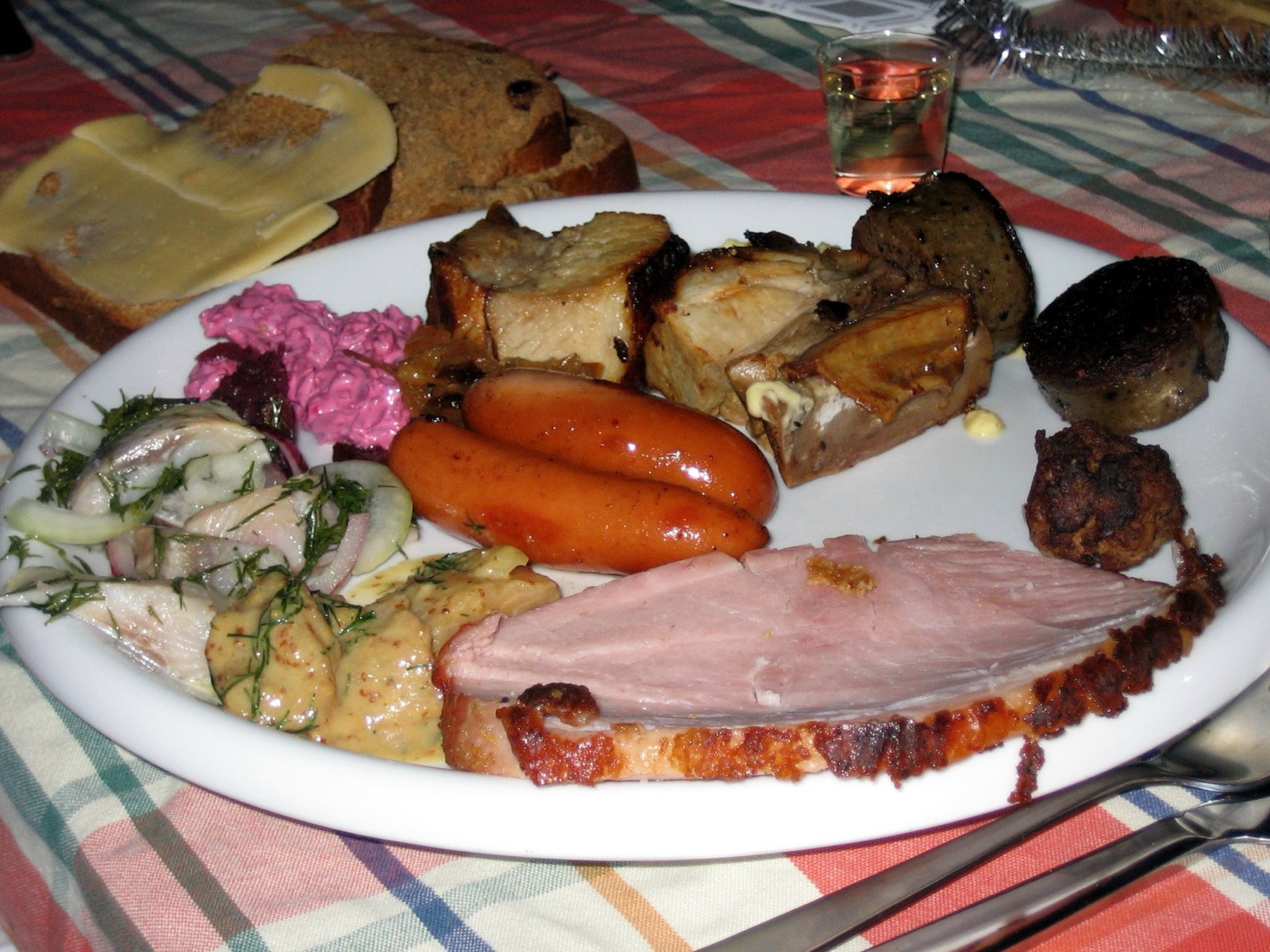
6. Sill (Pickled herring)
When it comes to festive tables, Swedes simply can’t imagine the holidays without the fish called sill. Pickled herring is an absolute cornerstone of the summer solstice Midsommar and the enormous Christmas table julbord. Locals traditionally pickle this fish in a sweet-and-sour brine of vinegar, water and sugar, to which they add all sorts of ingredients. So the tables reliably feature herring in mustard sauce, with loads of dill, with red onion, or even in a rich creamy garlic dressing.
This delicacy has deep historical roots across all of Scandinavia. In the harsh Nordic climate, salting and pickling were the only reliable way to preserve the abundant catches from the Baltic Sea for the long winter. Locals eat the fish with fresh new potatoes, sour cream and finely chopped chives. In restaurants, budget around 80 to 150 SEK for such a traditional starter, which is about €7 to €13.
In December and June, supermarkets almost overflow with jars in every flavour imaginable. The brand Abba is one of the best-known and most affordable on the market, though it shares only its name and country of origin with the famous pop group.
💡 Tip: For vegetarians and vegans there’s a wonderful Swedish trick called inlagd aubergine. The vegetable is pickled in exactly the same sweet-and-sour, mustardy brine as the fish, taking on a great firm texture, and so you can enjoy the traditional festive flavours completely meat-free and without compromise.
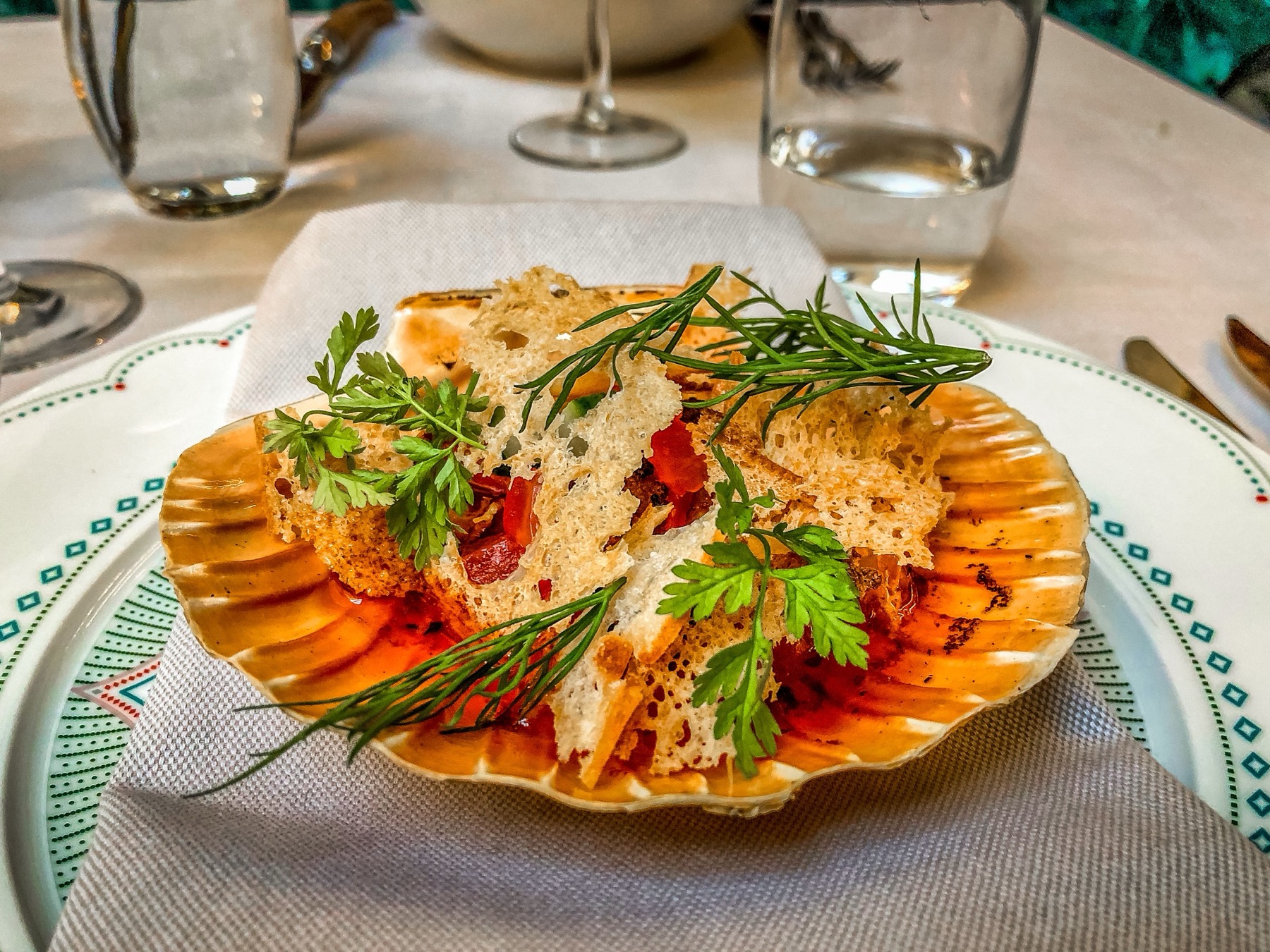
7. Gravad lax
Another huge pride of the Nordic seas and rivers is salmon, which Swedes love to prepare in dozens of different ways. The most iconic preparation is undoubtedly gravad lax, which literally translates as buried salmon. In the Middle Ages, fishermen salted the raw meat and buried it in cold sand on the beach, where under pressure and in the cold it fermented slightly and gained surprisingly long shelf life for the winter months.
Fortunately, nothing is buried in the sand anymore and the process is far more elegant. Local chefs cover fresh fillets with a mixture of coarse sea salt, sugar, crushed white pepper and a huge pile of fresh dill. The fish is left to mature in the cold for several days, giving it a wonderfully delicate texture and a fascinating sweet-salty flavour. Traditionally this culinary treasure is sliced into almost translucent slices and served with hovmästarsås, a very specific sweet mustard-dill sauce, alongside a piece of good crispy bread or boiled potatoes.
Locals most often buy this fish at the renowned historic market halls, like Stockholm’s Östermalmshallen, where you’ll pay around 350 SEK per kilo for premium quality (roughly €32). In ordinary supermarkets you’ll of course find vacuum-packed versions, which cost a much more palatable 80 to 120 SEK, roughly €7 to €11 per pack. This dish is an absolute staple of every festive buffet and spread.
If you’re heading to summer celebrations, you’ll most likely run into it in every household. And yet it was originally a poor man’s survival food: salt the fish, bury it, get through the winter. Today you’ll find it in a Michelin restaurant. That’s what I love about the Swedes.
💡 Tip: A hit of modern Nordic cuisine is gravad morot, cured carrot. The vegetable is baked in a salt crust, sliced wafer-thin and marinated in exactly the same dill mixture. The result looks and tastes incredibly similar, so definitely give this fantastic vegan delicacy a try.
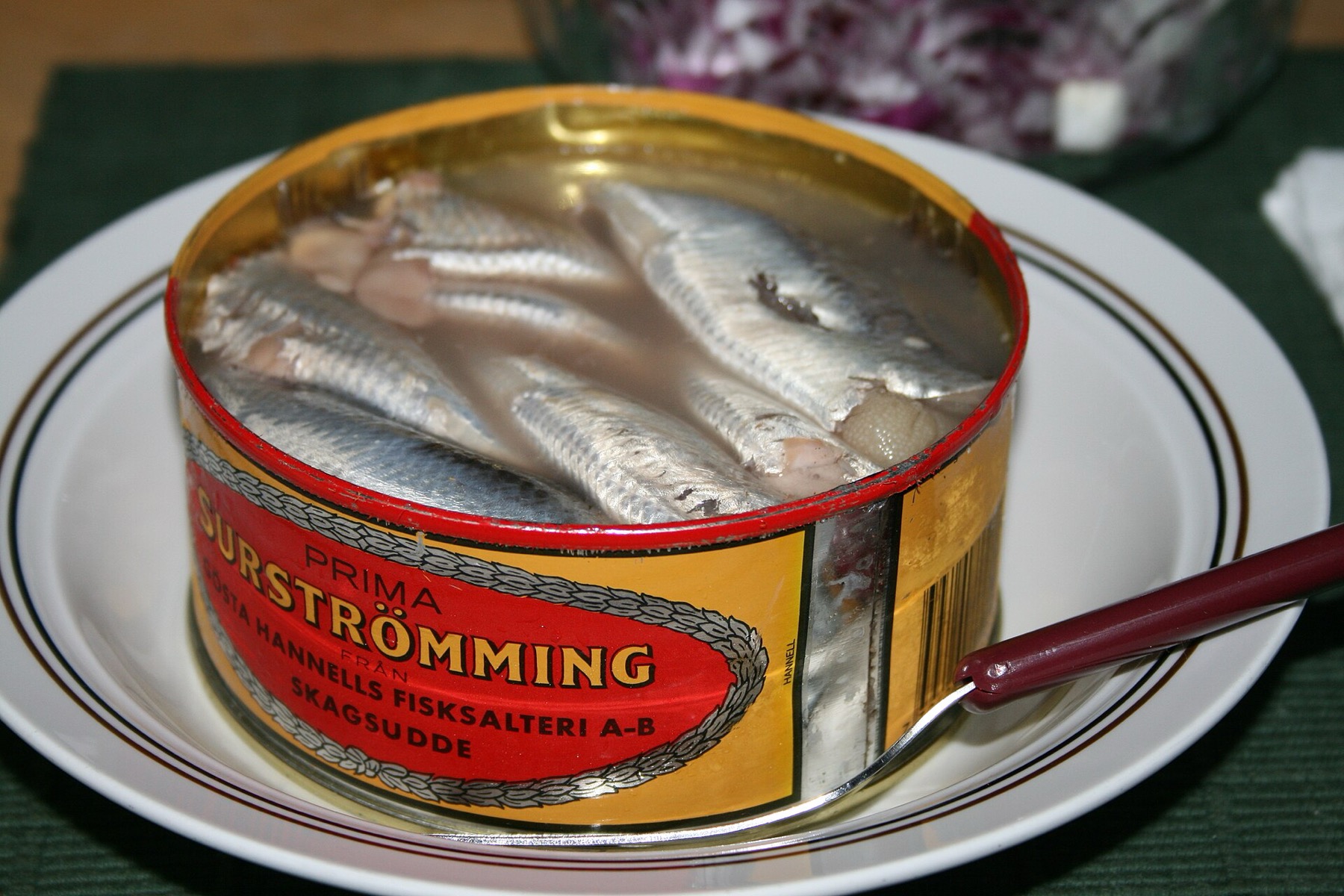
8. Surströmming
This is probably the most controversial and dreaded dish in all of Europe, one that absolute legends circulate about. Surströmming is fermented herring from the cold waters of the Baltic Sea, holding by a huge margin the dubious title of the smelliest food in the world. You may have seen viral videos on social media where tourists open a can in the living room and instantly throw up, but they’re doing it completely wrong and against all the unwritten rules.
Locals from northern Sweden really do eat this fish with great enthusiasm, but they follow a very strict ritual. The pressurised can is opened strictly and exclusively outside, ideally submerged in a bucket of water so the pressure of the built-up gases — and above all that hellish stench — is safely dampened. What’s more, the fish is never eaten on its own, because its flavour is extremely intense. Northerners carefully wrap the cleaned pieces of meat in thin bread called tunnbröd, along with slices of almond potatoes, a rich layer of sour cream and a huge amount of red onion.
It’s precisely the onion and cream that perfectly balance and overpower the strong fermented flavour. You can buy a can in every larger supermarket, with prices around 80 to 100 SEK (about €7 to €9). In restaurants this dish is, for understandable smell-related reasons, practically never served.
💡 Tip: If you’d like to be an eyewitness to this crazy tradition, the season always starts on the third Thursday in August, when special garden parties called surströmmingsskiva take place. For the more sensitive souls, though, I honestly recommend watching this ritual from a safe distance.
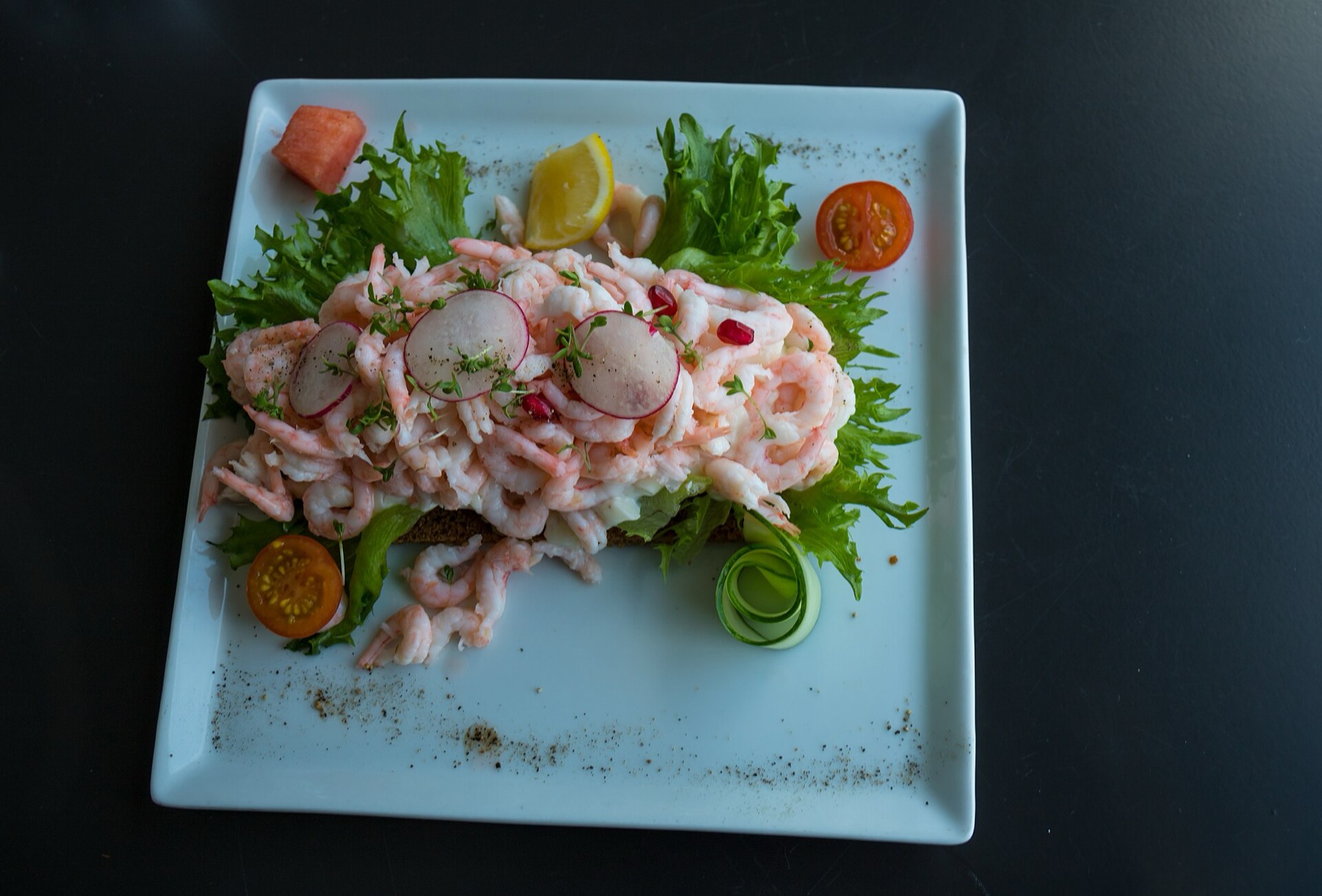
9. Räksmörgås
On the west coast, and especially around vibrant Gothenburg, the whole bistro-and-café culture is ruled by a huge shrimp sandwich called räksmörgås, which locals often shorten to the friendly räkmacka. But don’t expect any little canapé or light snack to eat on the go — this is a full-blown main course that commonly weighs several hundred grams and has to be eaten with a knife and fork.
The base is a hearty, thick slice of rye or light bread, on which local chefs pile fresh lettuce, slices of boiled egg and, above all, a huge heap of fresh, hand-peeled shrimp. Everything is finally drizzled generously with lemon and garnished with a proper spoonful of good mayonnaise and the essential sprig of dill. For this enormous portion you’ll usually pay 150 to 250 SEK in cafés, which works out to roughly €13 to €22 depending on how fancy the place is.
Swedes even have their own saying for the generosity and richness of this dish. When they say glida in på en räkmacka, it translates as sliding in on a shrimp sandwich, and it’s used for someone for whom everything in life comes easily, smoothly and without any effort.
💡 Tip: For vegetarians, most cafés offer a brilliant meat-free alternative in the form of äggmacka, a richly topped bread with boiled egg, chives and a luxurious seaweed caviar that gives you the right Nordic taste of the sea at a much lower price.
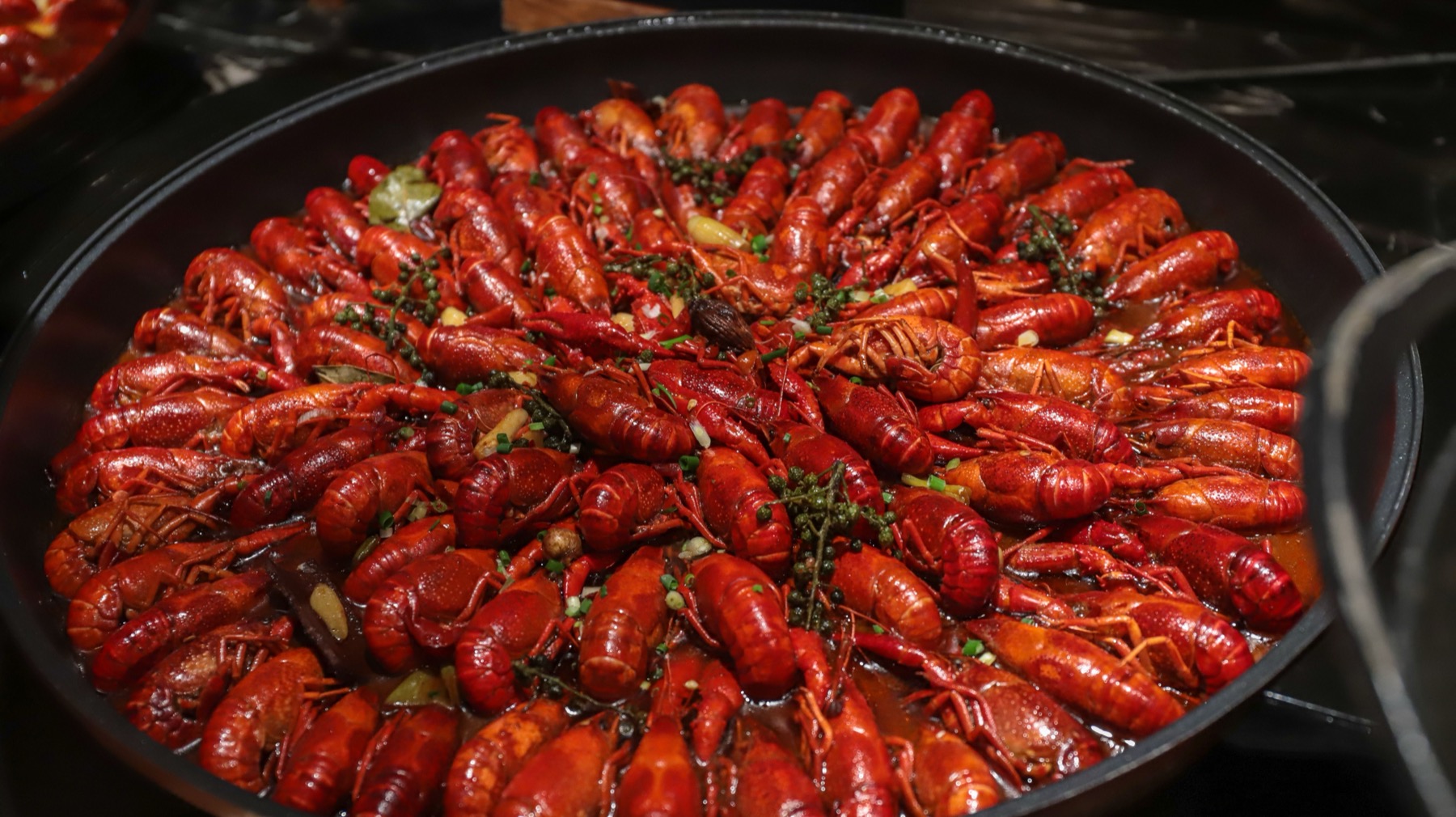

10. Kräftor (Crayfish feasts)
As the Nordic summer slowly starts drawing to a close, the whole of Sweden falls for yet another incredible food craze. August is the month of river crayfish and boisterous parties called kräftskiva. It’s an utterly unique and deeply rooted tradition, where families and friends gather in gardens or on terraces, always richly decorated with paper lanterns featuring a smiling moon.
Huge bowls in the middle of the table are piled with heaps of river crayfish, boiled in a strong brine of crown dill, beer and a good dose of salt. The crayfish are eaten strictly with your hands, everyone at the table wears funny paper hats and bibs tied round their necks, because with this food there’s simply no way not to get messy. In August you can buy a box of frozen or pre-boiled crayfish in every supermarket for around 150 SEK (about €13).
All that salty, aromatic food is traditionally washed down with ice-cold aquavit and beer. Before every shot, you also have to sing a chorus of one of the traditional drinking songs, snapsvisor, so the whole celebration is incredibly loud, cheerful and relaxed.
💡 Tip: Vegetarians needn’t fear the crayfish party at all and won’t have to sit there hungry. As a main course you can make an excellent Västerbottensostpaj, a rich cheese pie, or cook a whole artichoke, which you peel and dip into lemon butter much like the crayfish themselves.
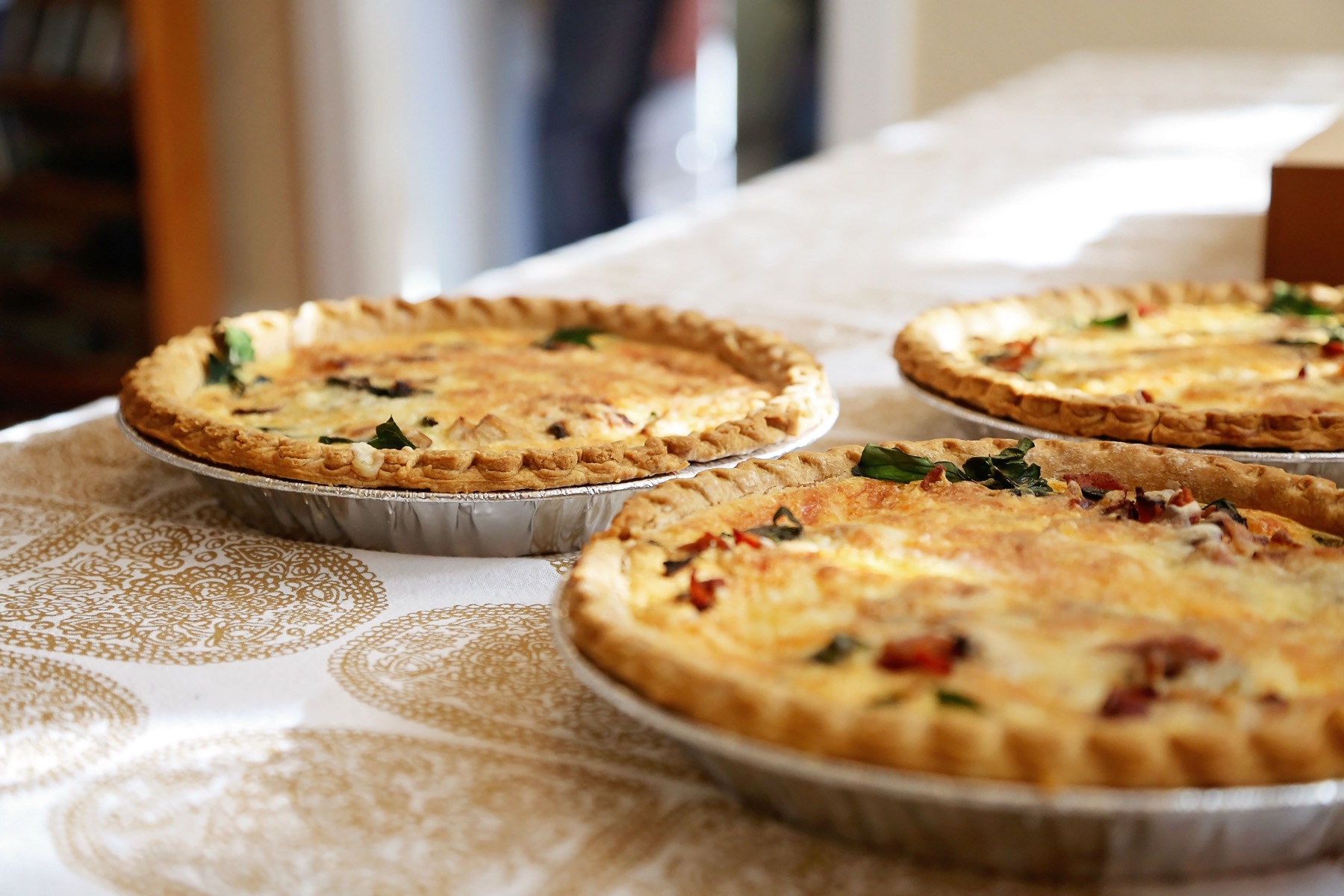
11. Västerbottensostpaj
This savoury cheese pie is an absolute jewel of the Swedish festive table and perfect proof that the very best things are often the simplest. It’s a classic quiche made from honest, crumbly buttery pastry, with a creamy filling of cream, eggs and, above all, a huge amount of the regional cheese Västerbottensost.
This exceptional hard cow’s cheese comes from the country’s rugged north and has an incredibly strong, sharp and slightly nutty flavour. Imagine a mature parmesan, but bolder and a little sharper — simply a cheese that refuses to stay in the background. The pie is baked golden and most often served lukewarm, and in cafés you’ll pay around 80 SEK for one big slice (roughly €7). For vegetarians it’s an absolutely fantastic and hugely filling main course that will fill you up perfectly at any celebration and give you plenty of energy.
Traditionally this pie is topped with a dollop of rich sour cream and finely chopped red onion. It doesn’t only grace the tables during the summer crayfish feasts — it’s also an absolute staple of the Christmas buffet and summer solstice celebrations.
💡 Tip: If you want to make a real Swedish cheese pie at home, you can sometimes find the original cheese in luxury specialty shops. I therefore warmly recommend bringing a piece of Västerbotten cheese straight from Sweden — in an ordinary supermarket it costs around 90 SEK (€8) and survives the journey in your suitcase without any problem.
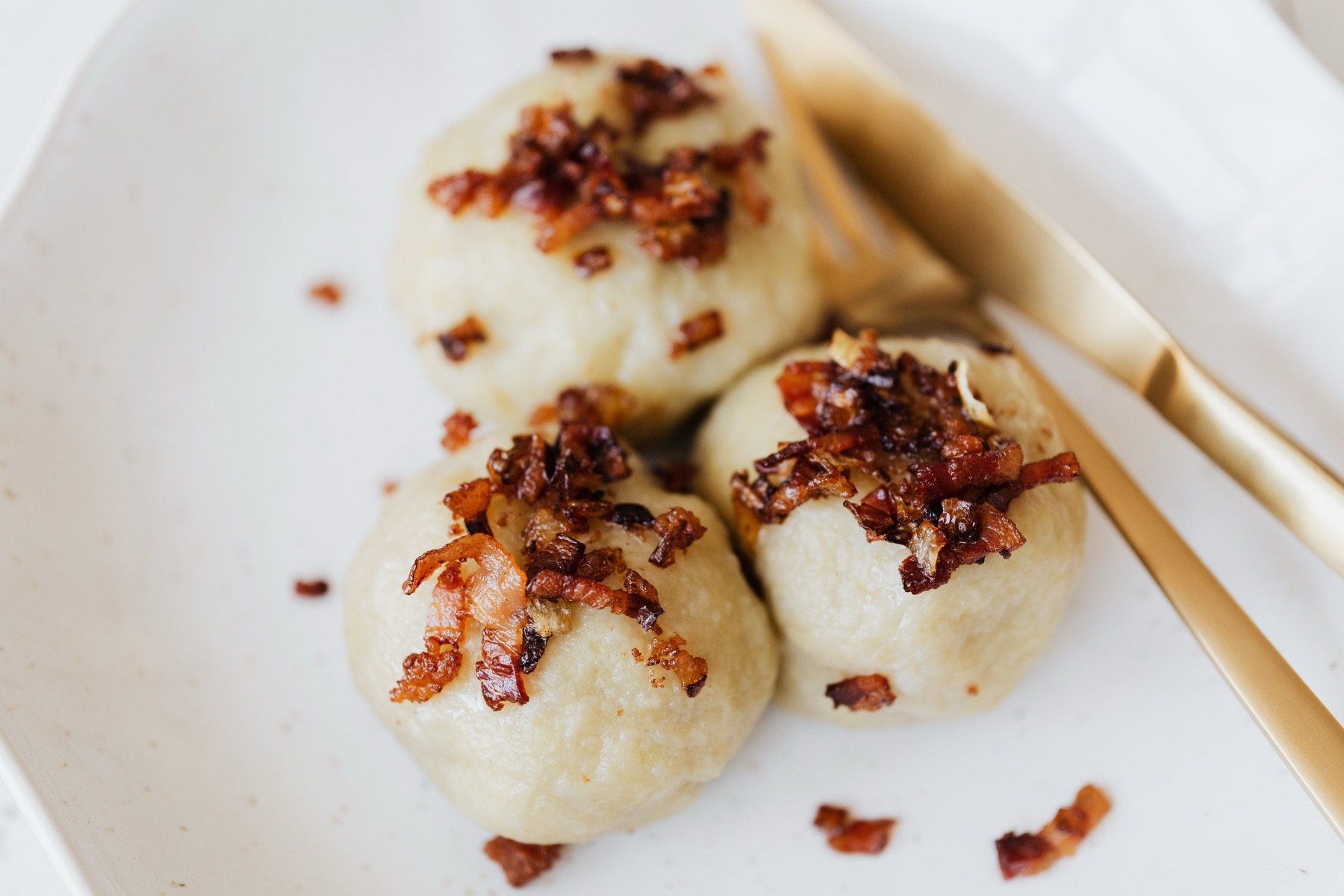
12. Kroppkakor and Palt
In the south of the country, especially on the sunny island of Öland and in the historic region of Småland, rustic home cooking is ruled by dense potato dumplings called kroppkakor. In the north of the country they’re called palt and form the backbone of the local diet. The dough is made from grated raw and boiled potatoes mixed with flour, giving them a very specific, dense and slightly sticky texture that’s a bit reminiscent of hearty central-European potato dumplings.
Locals traditionally fill these giant dumplings with a hearty mix of fatty pork, bacon and onion. After long boiling, they’re served cut in half, generously drizzled with melted butter and of course accompanied by the indispensable sweet-and-sour lingonberries. It’s an extremely heavy, calorie-rich dish that originally fuelled lumberjacks and farmers after a full day’s toil deep in the forest.
In traditional restaurants focused on so-called husmanskost (home cooking), you’ll pay around 140 SEK for a hearty portion, roughly €12. You can commonly buy them ready-made in supermarkets too, where you just heat the pack in a pan.
💡 Tip: For meat-free eating there’s an absolutely genius rescue. Many traditional restaurants make kroppkakor filled with a rich mix of wild mushrooms and caramelised onion. You definitely have to try this vegetarian delicacy — after a full day cycling around Öland, it’ll get you back on your feet in an instant.
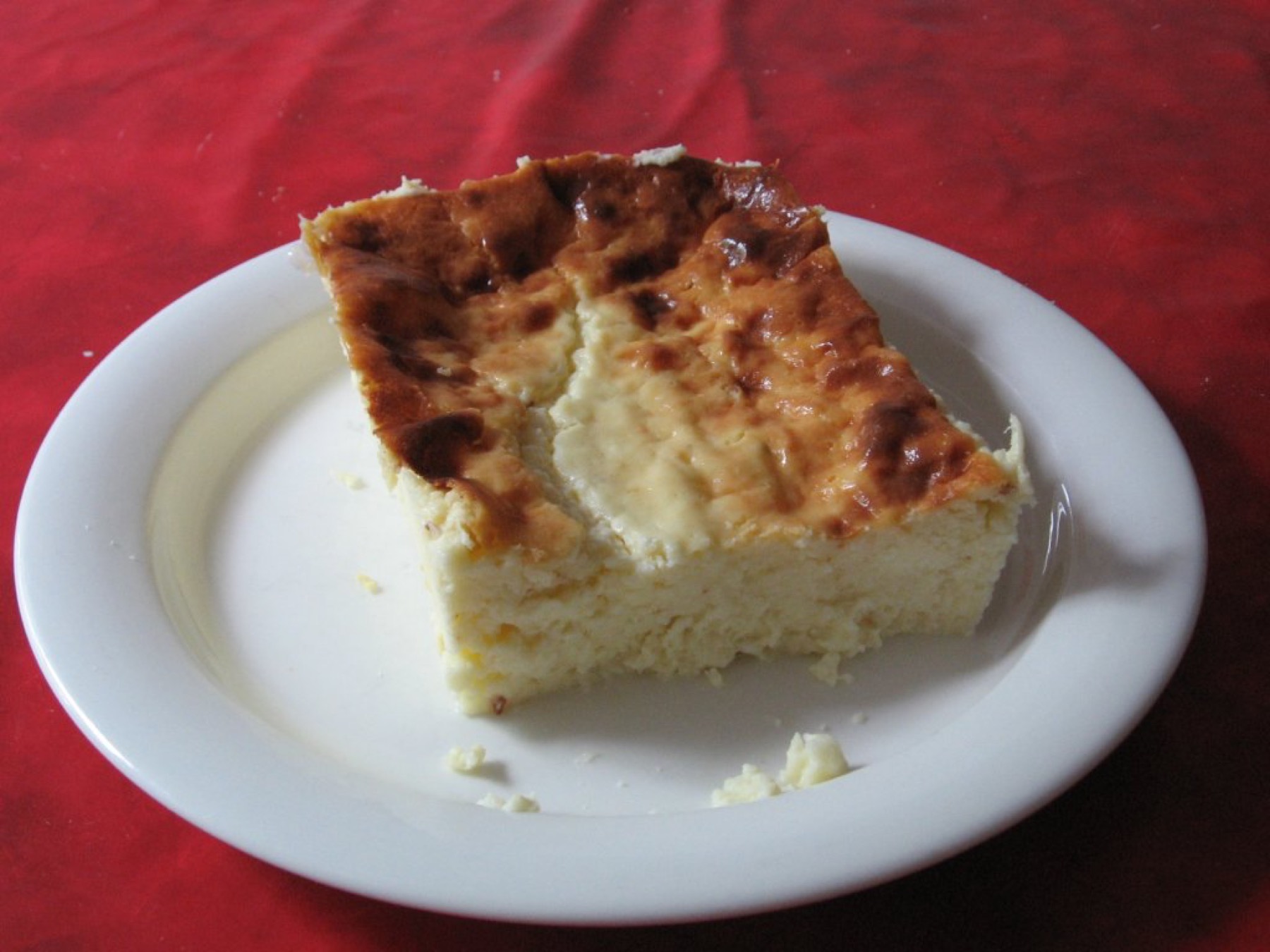
13. Ostkaka
When you see the word cheesecake on a dessert menu in Sweden, definitely pay attention. The famous Småland ostkaka has absolutely nothing to do with the classic American cake. It’s a very traditional, dense and slightly lumpy country dessert, carefully made from curds (milk curdled with rennet), fresh cream, eggs and bitter almonds. It’s precisely the almonds that give it a very specific, subtly marzipan-like flavour and a gorgeous aroma.
This cake is baked in the oven until a beautiful golden crust forms on the surface, and it’s always served strictly warm, or at least lukewarm. Local cafés generously add a huge mound of good unsweetened whipped cream and quality homemade jam. While in the south you’ll get strawberry, the further north you go the more likely you are to be served the rare cloudberry preserve. It’s an incredibly comforting and warming dessert.
In cosy cafés you’ll pay around 70 SEK (roughly €6.50) for a slice of warm ostkaka. But you can also easily buy it in supermarkets in the chiller, in an aluminium dish, and simply reheat it in the oven in the evening at your rented cabin.
💡 Tip: This dessert is so famous and beloved in the country that it has its own national day, which falls on 14 November. If you’re in Sweden around then, definitely pop into the nearest traditional café, where they’ll be baking it in large batches.
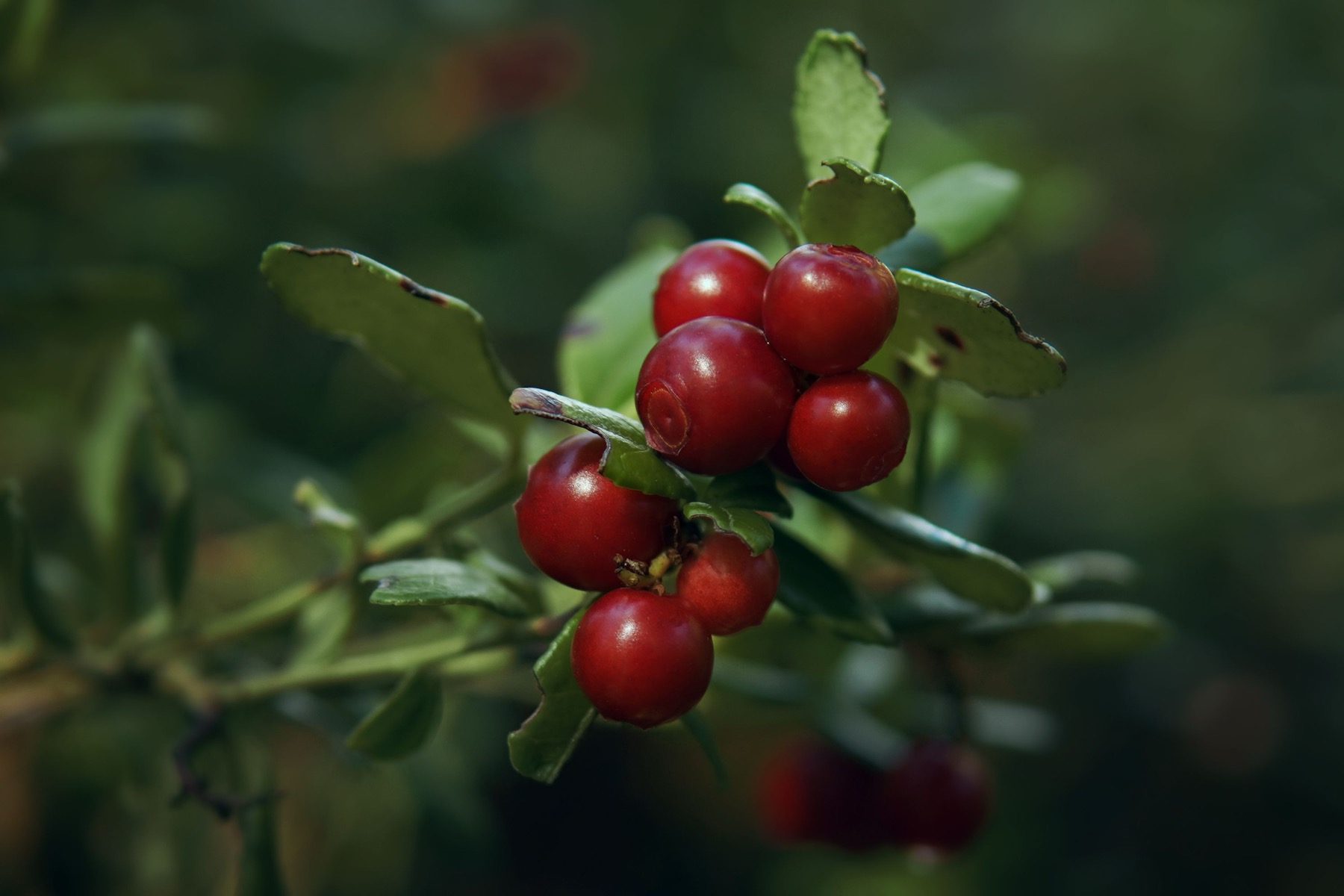
14. Wild berries (Hjortron and Lingon)
Sweden is more than two-thirds covered by deep forests, and thanks to the wonderful right of allemansrätten, everyone has free access to nature with the chance to pick wild berries. The real gold of the north is hjortron, the cloudberry. This tiny, amber-yellow berry grows only in remote bogs in the northern part of the country and is incredibly rare. Its flavour is tart-sweet and slightly earthy, and it makes a fantastic jam that you absolutely must try with cheeses or with warm ostkaka.
The second, far more common and ever-present queen of the forest is lingon, the Nordic lingonberry. It grows practically everywhere and forms the absolute, unshakeable foundation of the whole of Swedish cuisine. Local chefs serve lingonberry jam with just about everything, from potato pancakes to cheeses to morning porridge. A jar of quality jam will cost you around 50 to 60 SEK in the shop, which is about €4.50 to €5.50.
This tiny red berry adds the needed acidity and perfect freshness to any heavy dish. Swedes make huge stocks of wild berries for winter, to have enough vitamins during the long dark months.
💡 Tip: When you head out into nature, don’t forget to try blåbär, which are wild blueberries. Swedes make an excellent blue soup called blåbärssoppa from them, drunk hot from a thermos during winter sports and beautifully warming you from the inside.
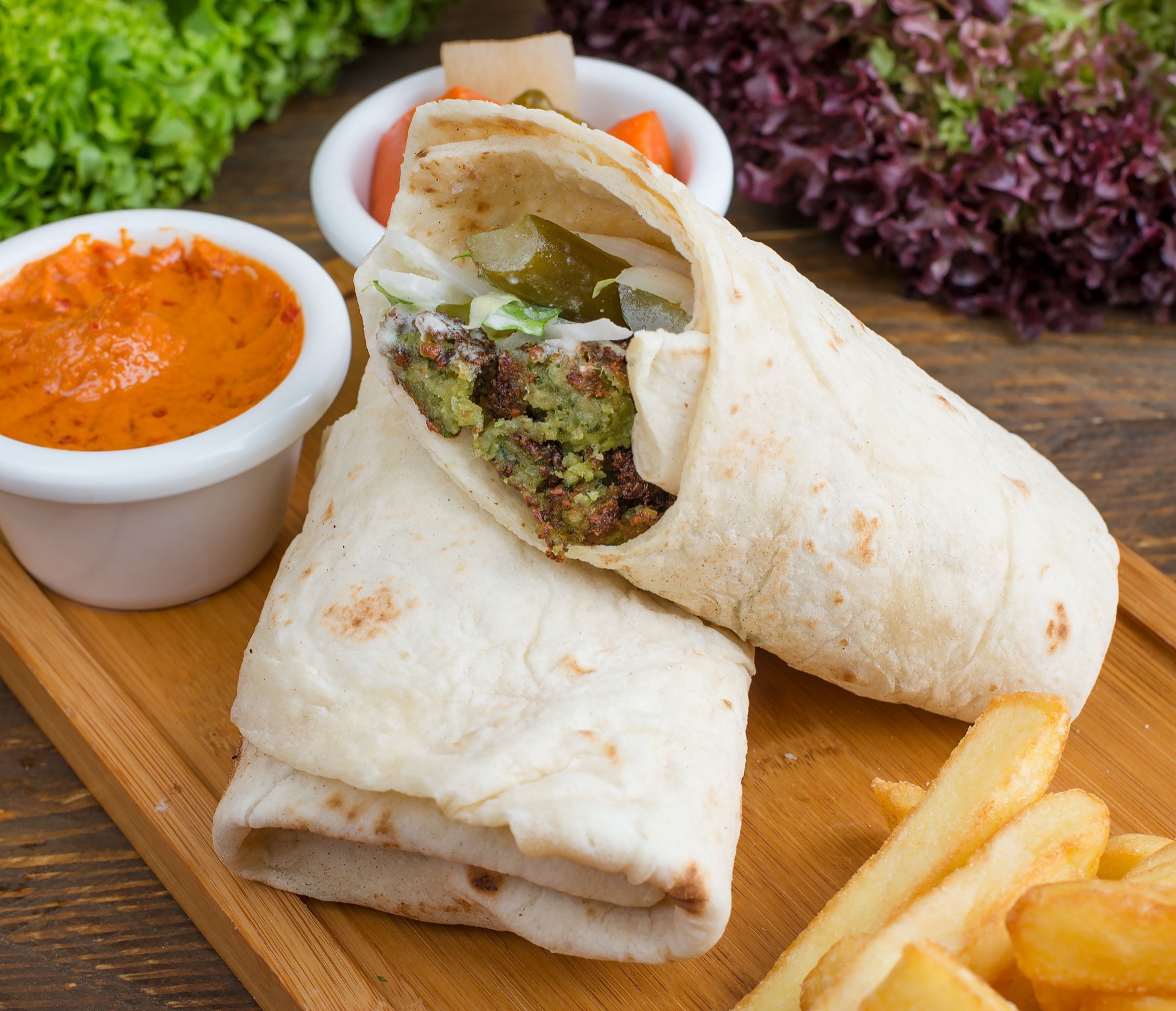
15. Falafel and Middle Eastern food in Malmö
It might quite surprise you that one of the absolute best dishes in Sweden is falafel. The city of Malmö in the very south of the country has become the unofficial falafel capital of all Scandinavia. Thanks to a huge community of immigrants from the Middle East, an incredibly strong, varied and authentic street food culture has grown up here, one that’s also very kind to your travel budget.
On every corner you’ll find small, unassuming bistros where they fry, right before your eyes, perfectly crispy chickpea balls that are beautifully green inside thanks to a huge amount of fresh herbs. They’ll wrap them for you in freshly baked Arabic bread with pickled vegetables, grilled halloumi cheese and douse them in garlic or spicy sauce. It’s a fantastic, hugely filling and naturally vegetarian dish that locals swear by.
Compared with ordinary restaurants, it also costs a fraction of the price. For a huge portion of falafel in bread you’ll usually pay just 50 to 70 SEK, which is a lovely €4.50 to €6.50. It’s hands down the best cheap food in the whole country.
💡 Tip: If you find yourself in Malmö, head straight to the Möllevången district, which locals affectionately call Möllan. This square and its immediate surroundings are full of the best falafel stalls, vegetable markets and a buzzing atmosphere you won’t find anywhere else in Sweden.
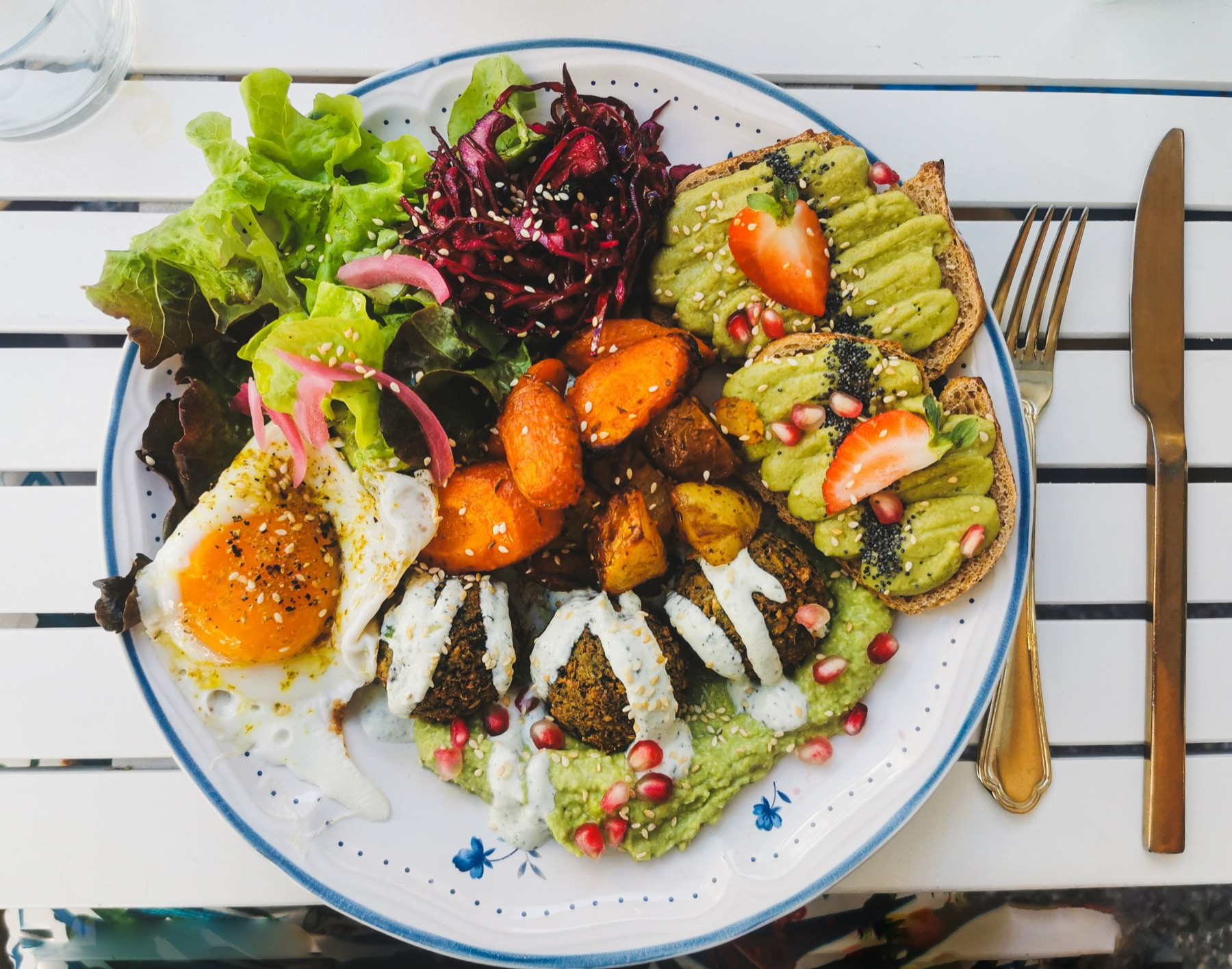
16. Vegetarian and vegan food (Oumph! and peas)
Since we’re on the subject of meat-free eating, I have to stress again that Sweden is an absolute promised land for vegetarians and vegans, full of endless options. Environmental protection and sustainability aren’t just empty marketing words here, but a real and deeply rooted way of life. Almost every restaurant, from a tucked-away motorway petrol station to a Michelin-starred spot in Stockholm, has thoughtful plant-based alternatives on the menu — and they’re definitely not just a boring, dry salad.
A huge culinary hit is the Swedish invention called Oumph!, a soy meat with an absolutely incredible texture. It’s added to burgers, wraps or pizza and tastes fantastic. Another Nordic superfood is humble yellow peas, from which they make excellent plant-based sausages, balls and local tempeh. The brand Oatly, which makes oat milks and creams, is also Swedish, of course, and you’ll find it in every café.
I warmly recommend exploring the shelves of ordinary supermarkets like ICA or Coop. The range of plant-based products, cheeses and meat alternatives here is absolutely gigantic, and a pack of vegan meat will set you back around 45 SEK (about €4).
💡 Tip: If you want to cook a quick dinner at your accommodation, buy some frozen plantbullar in the supermarket along with a ready-made plant-based sauce. Add some boiled potatoes and you’ve got a perfect Nordic feast for next to nothing and without any hassle.
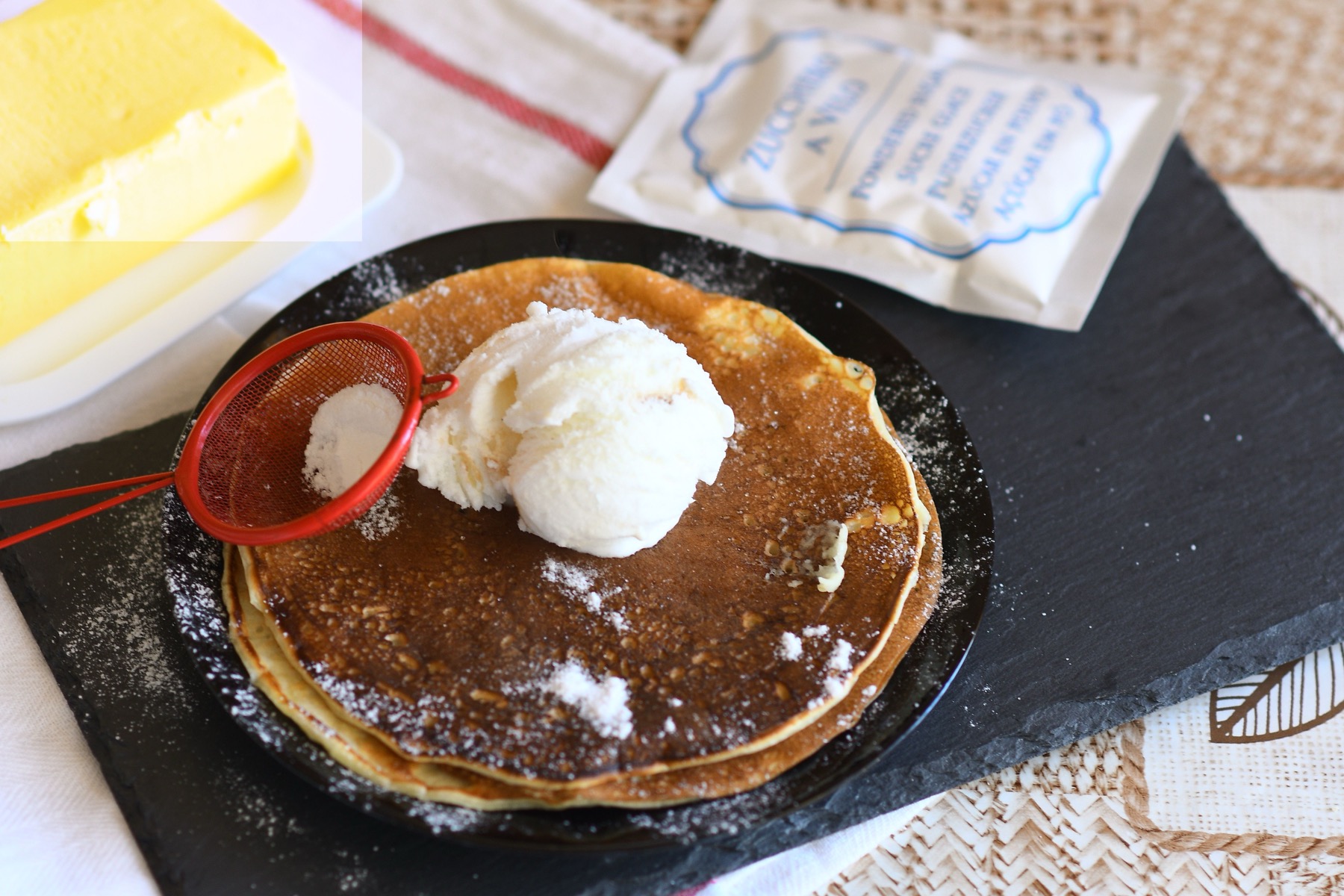
17. Saffranspannkaka
If you take the ferry to the fairy-tale island of Gotland in the Baltic Sea, look forward to a very specific and incredibly fragrant regional delicacy. Saffranspannkaka, the yellow saffron pancake, is a dessert you won’t easily find elsewhere on the Swedish mainland. But definitely don’t expect a thin French crêpe — this is a much denser and earthier affair.
The batter is made from leftover sweet rice pudding, rich cream, chopped almonds and above all a huge amount of expensive saffron, which lends it a bright yellow colour and an utterly unmistakable spicy aroma. The pancake is baked in a large dish in the oven and served cut into generous squares, always lukewarm or completely cold. An absolute must is a dollop of whipped cream and a special local jam made from salmbär (dewberry), which grows wild all over the island.
Definitely order this dessert in one of the romantic cafés tucked away within the medieval walls of the town of Visby. For one portion in a café you’ll usually pay around 85 SEK (roughly €7.50), and with an afternoon coffee it’s an absolutely perfect choice that transports you back to old times.
💡 Tip: Saffron is generally very popular in Sweden, but on the mainland it’s mainly used at Christmas, when it’s used to bake the famous yellow buns called lussebullar, served on St Lucia’s Day in mid-December.
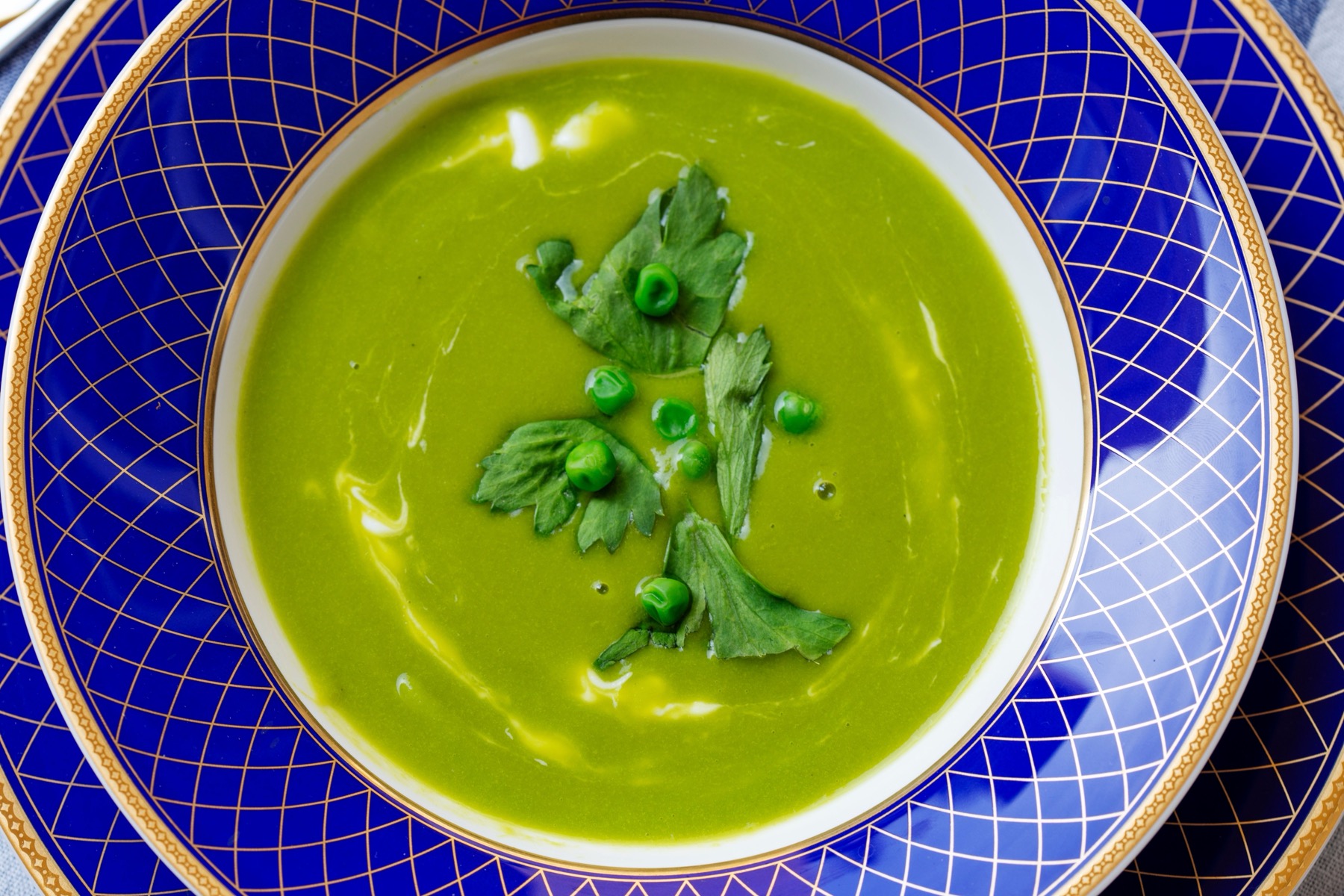
18. Ärtsoppa och pannkakor (Pea soup and pancakes)
This is probably the most beautiful and authentic showcase of the Swedish concept of husmanskost, which translates as honest traditional home cooking. Thursday has its strict and unchanging rules in Swedish cuisine, and in almost every canteen and restaurant you’ll come across a menu of thick yellow pea soup ärtsoppa, followed without fail by thin pancakes with jam and whipped cream.
This centuries-old tradition goes right back to the deep Middle Ages, when people needed to fill up properly and cheaply on Thursday before the coming Friday fast. Locals traditionally cook this soup with pieces of pork and season it with sharp Swedish mustard. But if you don’t eat meat, there’s no need to despair at all. Most restaurants can make a wonderful, purely vegetarian version of the soup on request, one that smells gorgeously of thyme and marjoram. The combination of savoury pea soup and sweet pancakes to finish is simply perfect.
For this hearty Thursday lunch menu you’ll pay around 130 SEK as part of the dagens lunch, which is a great €12. I warmly recommend popping into some traditional canteen for a Thursday lunch, because it’s an experience that simply belongs to a visit to Sweden.
💡 Tip: With this traditional Thursday ritual, locals often have a shot of warm punsch, a very sweet liqueur made from arrack, which makes an utterly surprising but very popular and warming combination with the pea soup.
Where exactly to taste it all
If you’re wondering where exactly to head for all these treats, I’ve put together a selection of the best spots in Sweden’s three biggest cities. In Stockholm, a visit to the historic café Vete-Katten is an absolute must, not far from the main station. This place has been running since 1928 and has kept its wonderful early-20th-century charm. Reviews all agree on one thing: their cinnamon buns are the reason some people in Stockholm get up earlier than they have to. And in season, the queues for semla tend to be longer than you’d expect. Prices for coffee and a pastry hover around 120 SEK (€11).
Another Stockholm gem is the Östermalmshallen market hall. It’s a gorgeous brick building full of the finest delicacies, where you can buy cheeses and pastries and gaze at counters piled with Nordic specialities. For a fantastic vegetarian experience with a view, definitely head to the restaurant Hermans on the island of Södermalm. Locals recommend their huge plant-based buffet, where for roughly 195 to 265 SEK (€18 to €24) you can eat as much great food as you can manage, plus you get the most beautiful view over the whole city.
In Gothenburg on the west coast, don’t miss the picturesque Haga district with its cobbled lanes. Right in the heart of the neighbourhood you’ll find the famous Café Husaren, renowned for its giant cinnamon buns called Hagabullen. They’re as big as a dinner plate, and two of you can easily share one for 90 SEK (€8). For great coffee and artisan pastries, head to the Da Matteo chain, dotted all over the centre. For a dagens lunch, the historic Stora Saluhallen market hall, full of little bistros, is ideal.
Multicultural Malmö in the south offers a completely different experience. If you’re after the best and cheapest falafel, head to Möllevångstorget square and its surrounding lanes. Local stalls here serve huge portions for just 50 to 70 SEK (€4.50 to €6.50). For a more modern, hipster vibe, visit the industrial Malmö Saluhall market hall, where you’ll find everything from artisan ice cream to fantastic vegan sandwiches and pizza, all in the gorgeous design setting of a renovated warehouse.
Vegetarians and vegans in Sweden
If you seek out meat-free food when you travel, I have the best news of all for you. Sweden really is a lifesaver for vegetarians and vegans (and I don’t mean that as a cliché from a tourist leaflet). Here, meat-free eating is simply a normal part of life, not an exception you have to painstakingly hunt down. Whether you drift into a luxury restaurant in Stockholm or pull over at a remote petrol station somewhere in the forests of Småland, there’s a huge chance you’ll find a proper plant-based dish on the menu that isn’t just a sad mixed salad.
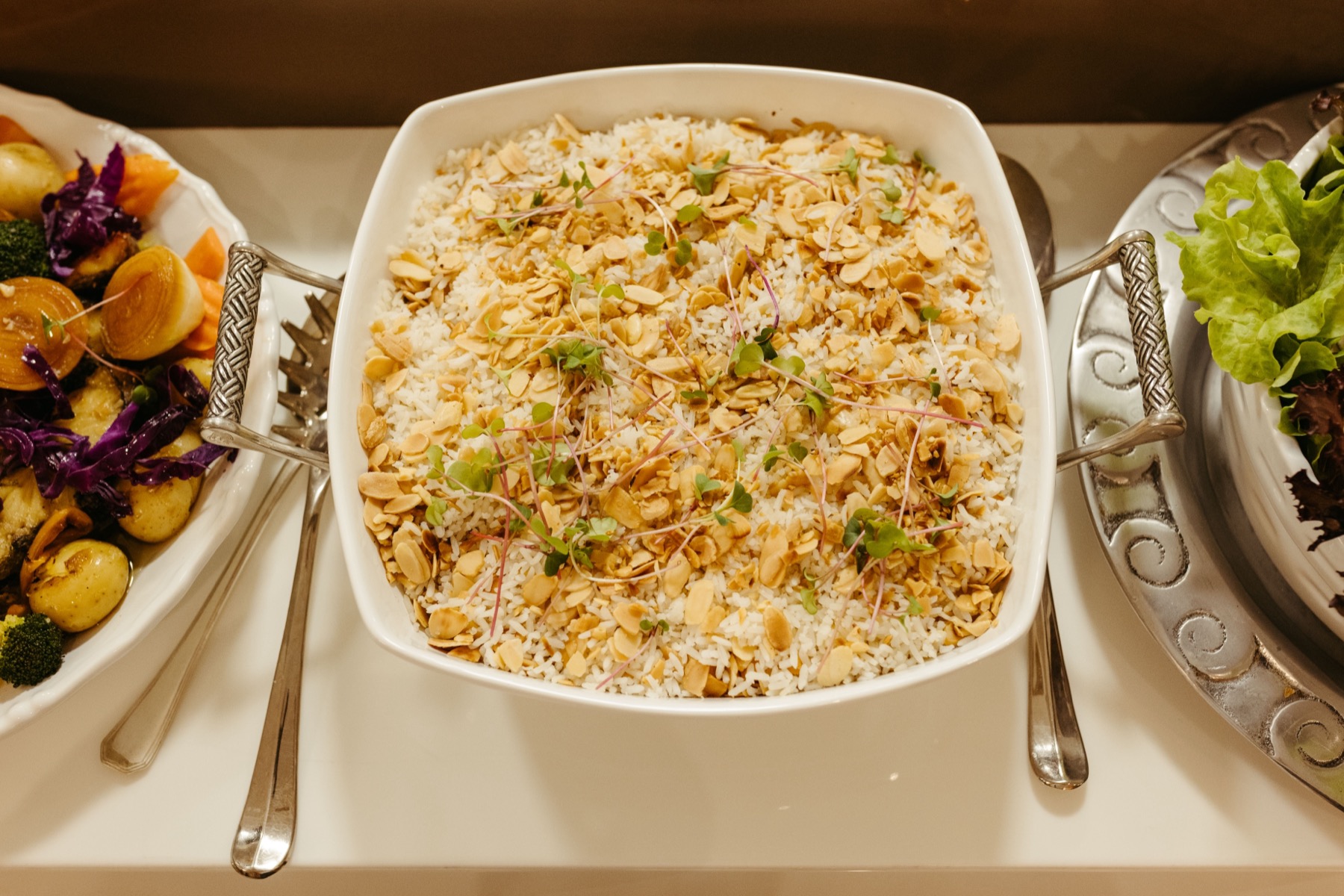
When reading menus, it pays to know the basic terminology. The word vegetarisk usually means lacto-ovo vegetarian food (containing cheese, milk or eggs), while the word vegansk denotes a purely plant-based dish. A huge advantage are the traditional dagens lunch menus. Within this lunch menu, most restaurants automatically offer one vegetarian option, plus there’s always a huge salad buffet where you can fill up on fresh and pickled vegetables, pulses and great homemade bread.
Sweden is home to many innovative brands that are changing global food. The giant Oatly, which makes oat milks and creams, comes from right here, so oat milk in your coffee is the absolute standard in every café at no extra charge. In supermarkets you’ll find entire aisles devoted to plant-based alternatives. Brands like Anamma or Oumph! offer fantastic vegan versions of traditional meatballs, sausages and mince.
Thanks to this approach, you don’t have to give up traditional cultural experiences either. You can get the classic Swedish meatballs in a plant-based version (plantbullar) with vegan creamy sauce, and even the beloved Christmas or solstice tables offer pickled aubergine instead of herring (inlagd aubergine) and plant-based versions of seaweed caviar. In Sweden, quite simply, eating meat-free doesn’t mean compromising on flavour or experiences.
What to drink
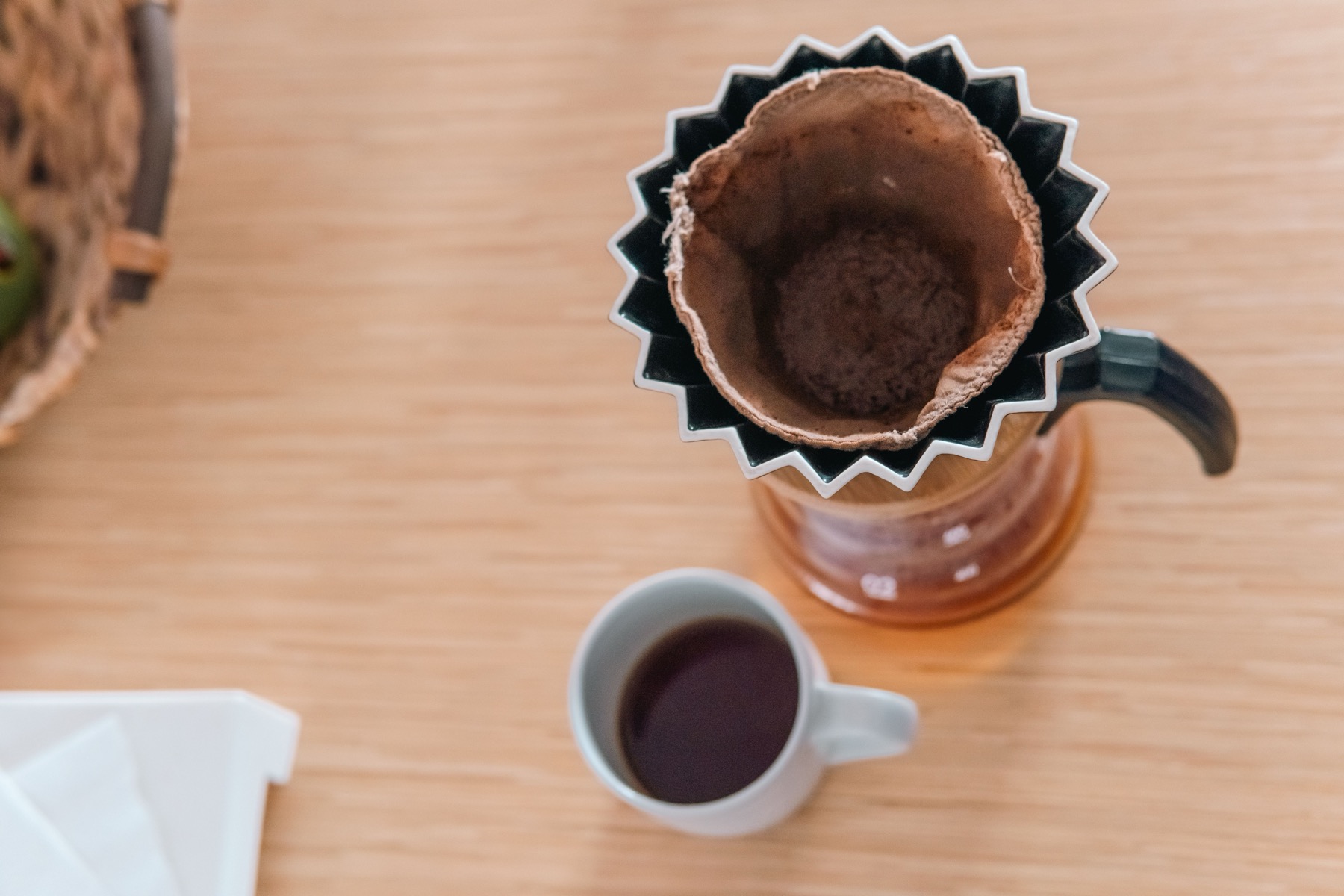
Sweden holds the world record for coffee consumption. The basis is strong, black filter coffee called bryggkaffe, which you’ll get in every café and petrol station. The great news is that almost everywhere you’ll automatically be offered påtår with your cup of filter coffee, meaning a free top-up. Just take your cup and refill it at the counter once you’ve finished. For one coffee you’ll usually pay around 35 to 45 SEK (€3 to €4).
When it comes to alcohol, things get more complicated and more expensive. The famous aquavit, or snaps, is a strong spirit flavoured with caraway or dill — served ice-cold in small glasses, and before each sip you have to sing. Yes, it’s compulsory. Another curiosity is punsch, a sweet liqueur historically imported from Asia, drunk either ice-cold with desserts or warm with Thursday’s pea soup.
Beer is divided into two strict categories. In supermarkets you can commonly buy only folköl, a light beer with an alcohol content up to 3.5%. It’s cheap and great for quenching your thirst. For stronger beers and wine you have to head to the state shop Systembolaget, where you can expect prices from 18 to 35 SEK (€1.60 to €3) for a quality beer. In a restaurant, a draught beer will easily set you back 75 to 95 SEK (€7 to €8.50), so an evening out at the bar can give your budget a serious airing.
Where to go next
If Sweden has stolen your heart and you want to keep planning, take a look at our other articles — I’ve got plenty more lined up for you. Find out more about which places not to miss, how it works with money, and when the best time to go is.
- Sweden: 30 tips on what to see and do
- Prices in Sweden: how much a holiday costs
- Stockholm: 25 tips on what to see and do
- Gothenburg: 20 tips on what to see in Sweden’s second city
- When to go to Sweden: weather month by month
Frequently asked questions
What exactly is fika?
Fika isn’t just an ordinary coffee break, but a deeply rooted social ritual and sacred tradition. It means taking a pause, sitting down with friends or colleagues, and calmly enjoying a strong drip coffee with something sweet, most commonly a cinnamon roll called kanelbulle. It typically happens twice a day, mid-morning and mid-afternoon, and it’s a moment for absolute relaxation.
Is Sweden vegetarian-friendly?
Absolutely! It’s without exaggeration one of the best European countries for meat-free dining. Almost every restaurant offers complete and creative vegan alternatives. Even traditional meatballs are commonly prepared in a plant-based version (plantbullar) with all the traditional sides, and oat milk for your coffee is available everywhere at no extra charge.
How much does a meal in a restaurant cost on average?
A typical dinner in a restaurant will cost you around 200 to 350 SEK (approximately €18–32), which can shake up your budget. To save money, it pays to eat out mainly at lunchtime. The daily menu called dagens lunch costs around 130 SEK (€12) and includes a main course, salad buffet, bread, water, and coffee.
When is the popular semla eaten in Sweden?
This fantastically fluffy brioche filled with almond paste and whipped cream was originally associated exclusively with Shrove Tuesday just before the start of the spring fast. Today, however, it appears in bakeries and cafés practically right after New Year’s, and its main season lasts roughly until Easter.
What does surströmming taste and smell like?
Fermented herring is famous for its extremely intense odor, which resembles rotten eggs and sewage. Locals, however, only open it outdoors under water and consume it wrapped in thin bread with potatoes, sour cream, and a generous amount of onion. The actual taste is surprisingly salty, delicate, and tangy.
Where can I buy alcohol for the evening?
Weak beer up to 3.5% alcohol (folköl) can be bought in regular supermarkets. Anything stronger (including beer and wine) is sold only in state-run Systembolaget stores. Remember that they have very strict opening hours, closing at 3:00 PM on Saturdays and uncompromisingly closed all day on Sundays.
What food should I bring home from Sweden?
An absolutely ideal souvenir is the hard crispy bread knäckebröd, which will last months in your suitcase. Definitely pack some quality lingonberry jam or rare cloudberry marmalade for cheeses. Coffee lovers will appreciate a package of locally roasted coffee, and for children, salty licorice or a bag of candies from the lördagsgodis section is great.
How can I save the most on food?
Besides smart use of the dagens lunch midday menu, it pays to drink tap water, which is always free in restaurants and is excellent. In the evening, instead of an expensive restaurant, buy food in supermarkets (look for cheaper stores like Willys or Lidl), where you can often find hot counters with food sold by weight for just a few kronor.
Tips and Tricks for Your Vacation
Don’t Overpay for Flights
Search for flights on Kayak. It’s our favorite search engine because it scans the websites of all airlines and always finds the cheapest connection.
Book Your Accommodation Smartly
The best experiences we’ve had when looking for accommodation (from Alaska to Morocco) are with Booking.com, where hotels, apartments, and entire houses are usually the cheapest and most widely available.
Don’t Forget Travel Insurance
Good travel insurance will protect you against illness, accidents, theft, or flight cancellations. We’ve had a few hospital visits abroad, so we know how important it is to have proper insurance arranged.
Where we insure ourselves: SafetyWing (best for everyone) and TrueTraveller (for extra-long trips).
Why don’t we recommend any Czech insurance company? Because they have too many restrictions. They set limits on the number of days abroad, travel insurance via a credit card often requires you to pay medical expenses only with that card, and they frequently limit the number of returns to the Czech Republic.
Find the Best Experiences
Get Your Guide is a huge online marketplace where you can book guided walks, trips, skip-the-line tickets, tours, and much more. We always find some extra fun there!