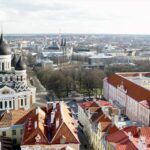
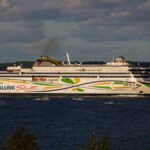
Considering a Baltic states road trip? You’ll visit three sovereign countries, cross borders without passport checks, drive on free motorways and cover distances that are manageable enough to see all three capitals and swim in the Baltic Sea in just 10 days. That’s exactly what makes this circuit, which has boomed in popularity in recent years, so appealing. Estonia, Latvia and Lithuania offer the perfect mix of untouched northern nature, excellent food and safety.
When you start looking at package tours, you may be surprised to find that classic coach circuits often sell out as early as winter. Tour operators also charge substantial sums for a 10-day dash through these three countries, and they often skip Estonia’s most beautiful islands altogether. The good news is that the Baltic states are among the easiest European destinations for independent travel.
If you set off in your own car from abroad, a family of four can do this 10-day road trip for €1,800–2,500, including everything. The same amount with a tour operator would cover a holiday for just two adults. I’ve put together a carefully tuned itinerary that takes you from Vilnius in Lithuania through Art Nouveau Riga to Estonian bogs and islands where time seems to have stood still.
Summary
- Length: Ideally 10 days (you can shorten it to 7 or extend it to 14 days).
- Distance and direction: Roughly 1,500 kilometres from the Czech border along Via Baltica, heading north.
- Transport: Your own car from abroad, or fly and rent a car (motorways are free throughout the Baltic states).
- Budget: Around €500–600 per person when travelling as a group of four (€1,800–2,500 for the whole family).
- When to go: Summer and early September are best; many island services close in winter.
- Don’t miss: Medieval Tallinn, spa-town Pärnu, Saaremaa and Art Nouveau Riga.
- Top tip: Don’t plan Tallinn as a quick afternoon stop. The city is at its best early in the morning or in the evening, after the cruise ships have sailed.
The full destination guide: Estonia — guide and what to see
How to plan your Baltic states road trip
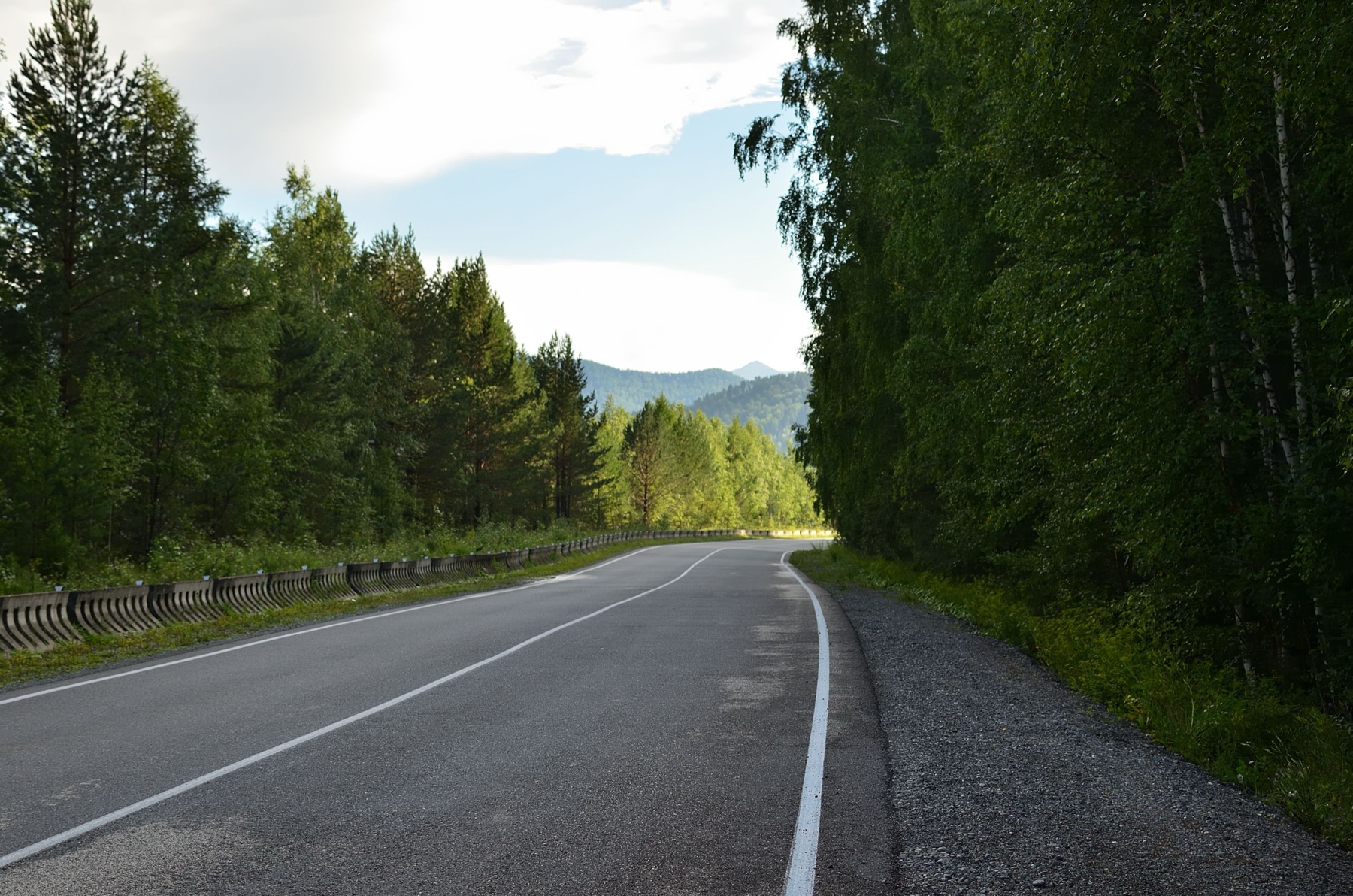
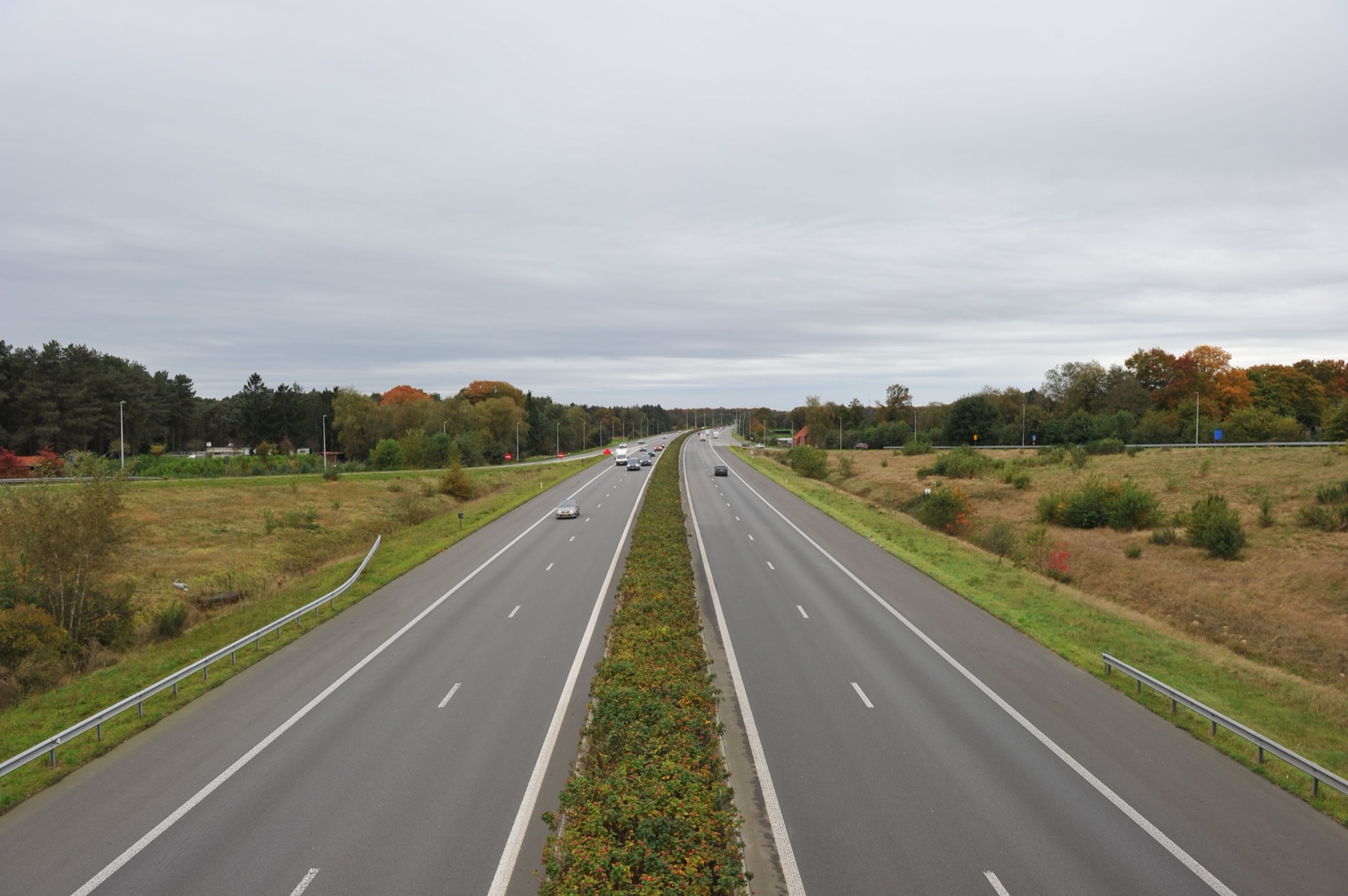
The backbone of your road trip will be the famous E67, known as Via Baltica. It technically begins in Prague, crosses Poland and then carries you like an invisible thread through Lithuania and Latvia to Tallinn in Estonia. From the Czech border to Pärnu, it’s roughly 1,500 kilometres, which is perfectly manageable with one overnight stop in Poland or Lithuania.
You essentially have two main options. The first is driving your own car from abroad. It’s by far the cheapest choice for families and groups of friends, and you can even pack a tent and save on accommodation at the region’s well-equipped campsites. A major advantage is that motorways in Estonia, Latvia and Lithuania are free for passenger cars, saving you a considerable amount on toll stickers or toll gates.
The second, much faster option is to fly to Tallinn or Riga and rent a car there. During the summer season, Eurowings operates a direct flight to Tallinn from Prague, taking just over two hours; year-round connections with a transfer are also available from airBaltic and LOT. Flying and renting a car saves at least three days of boring transit through Poland, but rental prices are higher in high season.
Allow an absolute minimum of 10 days for the circuit if you want to see all three capitals and the coast. The most common mistake travellers make is trying to squeeze the Baltic states into five days. Distances look misleadingly short on the map, but each drive between the capitals takes around four hours of actual driving. You’d spend your holiday behind the wheel and miss all the beautiful detours to national parks and the sea.
10-Day Baltic States Itinerary
This itinerary is designed for travellers setting off in their own car from abroad (or renting a car in Vilnius and returning it in Tallinn). The route sensibly travels from south to north, combining lively cities with unspoilt nature.
Day 1: Transit and Baroque Vilnius
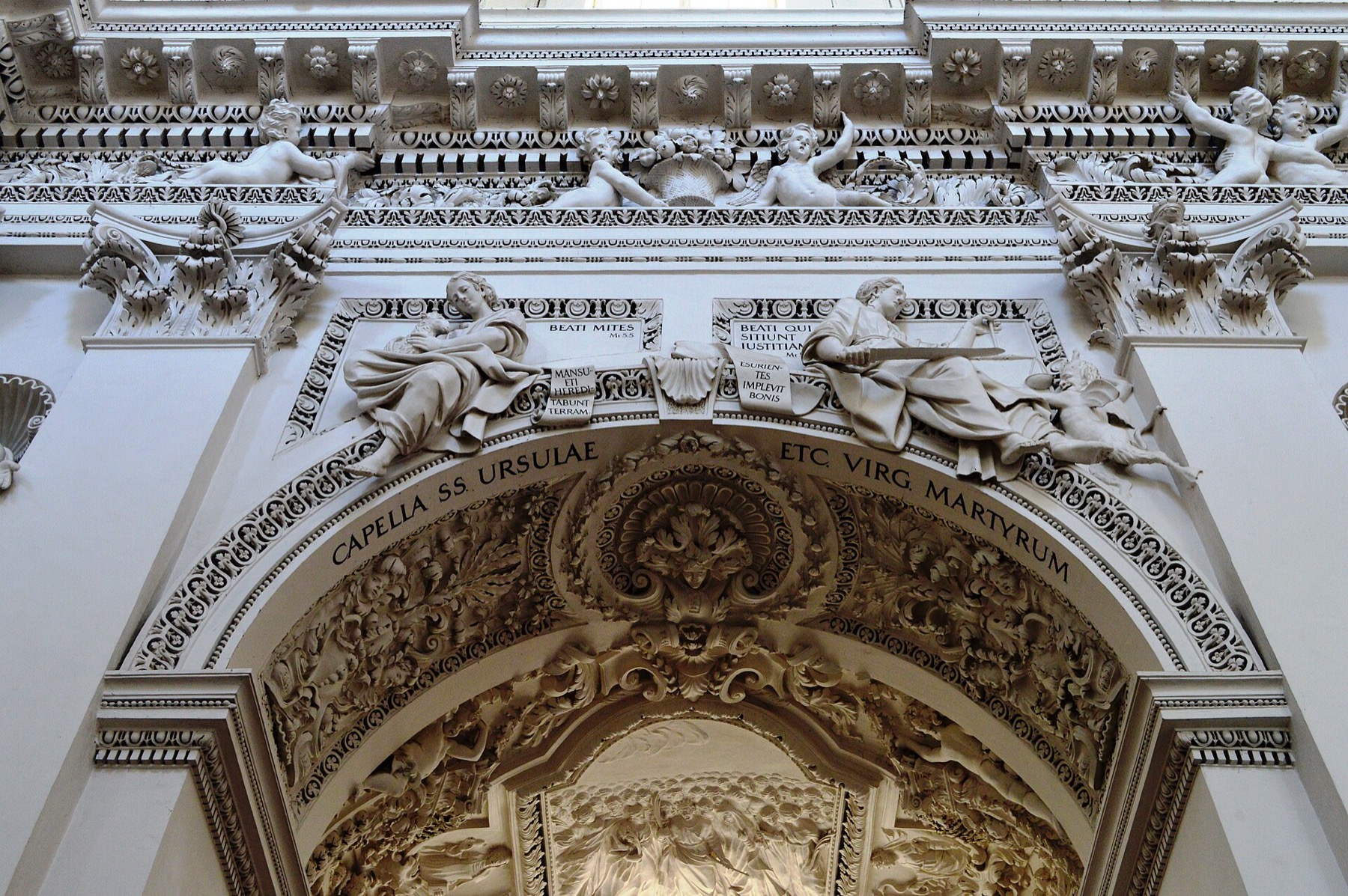
Your first day involves the longest stretch through Poland, where the motorways around Warsaw and Białystok are now largely complete. Your destination is the Lithuanian capital Vilnius, which you’ll probably reach in the late afternoon—just enough time to stretch your legs in the historic centre, filled with Baroque churches, narrow lanes and the slightly mad independent Republic of Užupis, complete with its own constitution and its own army of 12 people.
Vilnius will surprise you with its cosiness at first sight. Stop for coffee at one of the local roasteries and soak up the evening atmosphere on Cathedral Square, overlooked by Gediminas Castle. The city has an incredibly youthful energy, amplified by thousands of students in its winding lanes.
- Distance and time: Roughly 1,100 km from Prague, about 12 hours of actual driving.
- Where to stay: Ideally in Vilnius itself, where you’ll find plenty of affordable apartments.
- Approximate spend: Dinner in central Vilnius costs around €15–20.
- 💡 Tip: Try parking on the edge of the centre, as parking in Vilnius’s historic core is fairly expensive and the streets are narrow.
Day 2: Trakai Island Castle and the Hill of Crosses
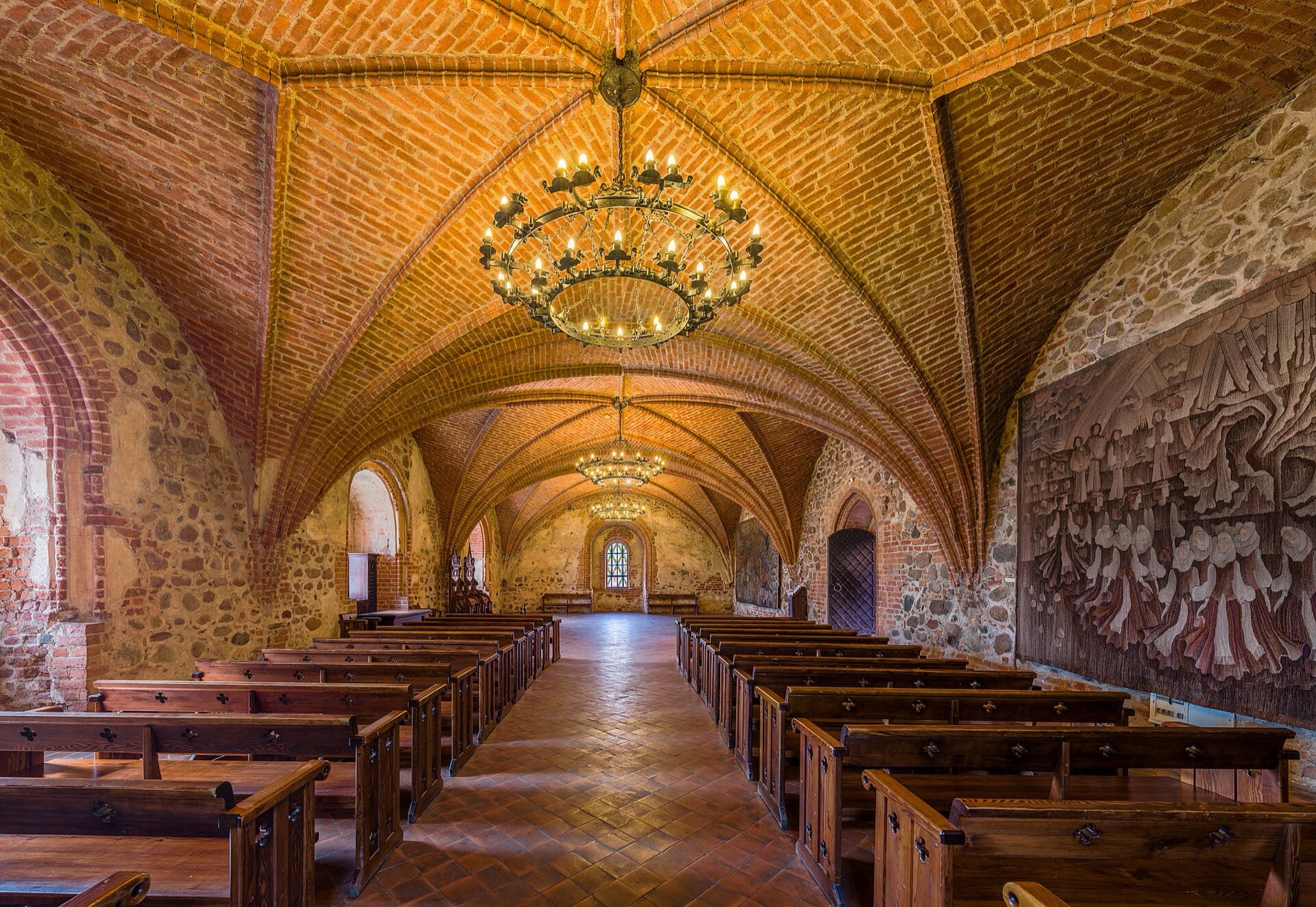
In the morning, head to nearby Trakai Island Castle, set on an island in Lake Galvė and one of Lithuania’s most photographed sights. Around noon, turn north and stop at the mysterious Hill of Crosses (Kryžių kalnas) near Šiauliai, where hundreds of thousands of crosses from around the world point towards the sky.
The history of the Hill of Crosses is genuinely fascinating: the Soviet regime tried to destroy it with bulldozers several times. People returned under cover of darkness to erect the crosses again, refusing to give up their pilgrimage site. It is an incredibly powerful place with a magical atmosphere. In the late afternoon, cross the Latvian border and arrive in Riga.
- Distance and time: From Vilnius to Riga via Šiauliai, you’ll drive roughly 350 km, taking about 4.5 hours.
- Where to stay: In Riga, look for accommodation near the historic centre so the sights are within walking distance.
- Approximate spend: Entry to Trakai costs around €12; the Hill of Crosses is free.
- 💡 Tip: Bring a small wooden cross to the Hill of Crosses and leave it there as a memento of your journey.
Day 3: Art Nouveau Riga and Jūrmala’s beaches
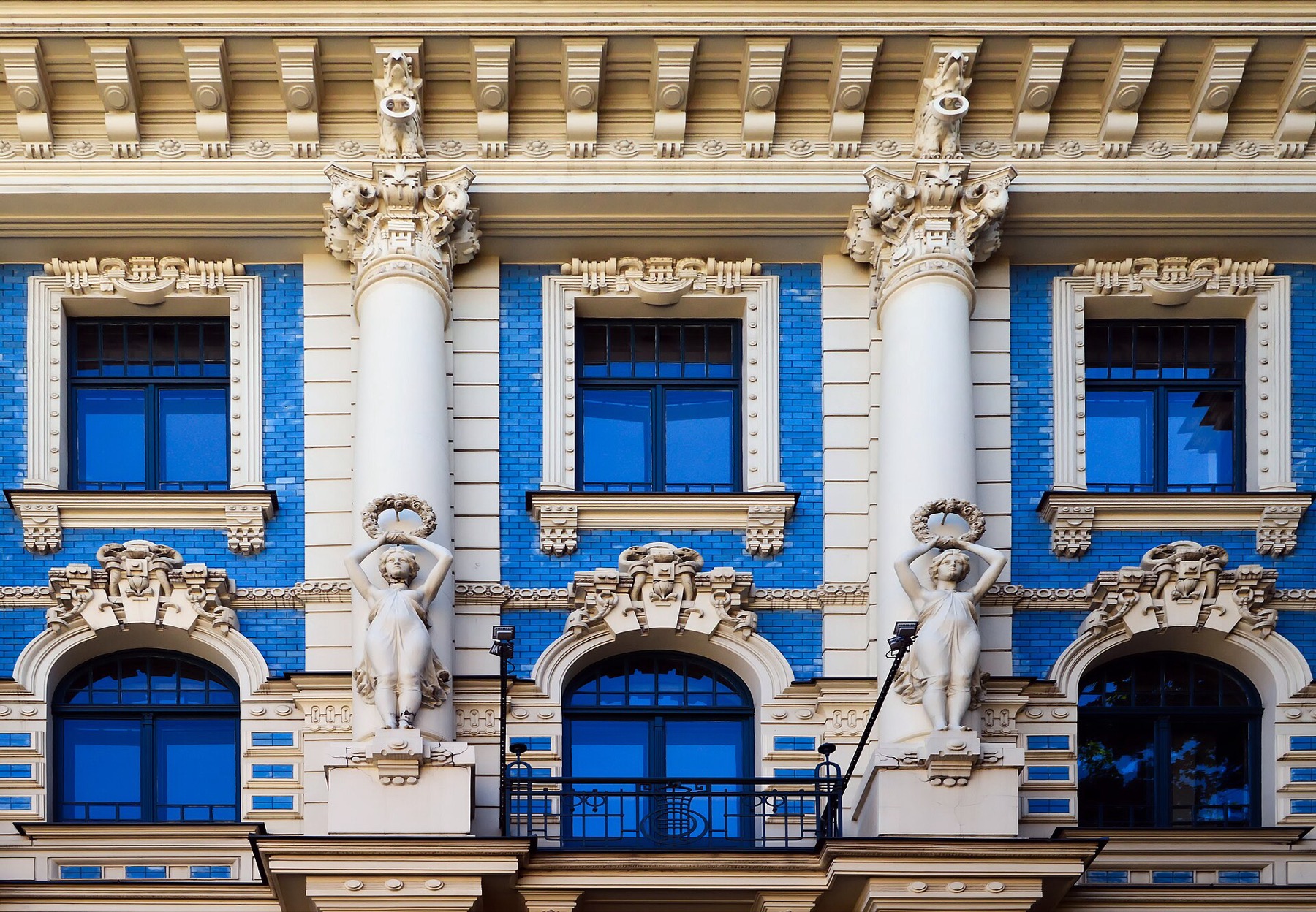
Spend the morning exploring Riga, Latvia’s capital and a natural hub for the whole Baltic region. Wander through the Old Town, look up at the extraordinary Art Nouveau façades and be sure to peek inside the huge central market, housed in former Zeppelin airship hangars.
The market is also a UNESCO World Heritage Site, and you can find the freshest fish and local cheeses here. In the afternoon, drive a few kilometres to the coast and the famous resort of Jūrmala. Kilometres of fine white sand, pine groves and nostalgic old wooden villas from the turn of the 20th century await you.
- Distance and time: Jūrmala is only 25 km from Riga, a drive of about 40 minutes.
- Where to stay: Spend your second night in the same accommodation in Riga and save yourself the hassle of repacking.
- Approximate spend: Driving into Jūrmala’s resort zone costs €3.
- 💡 Tip: You can easily buy the Jūrmala entry ticket online in advance or in the mobile app, avoiding possible queues at the machines.
Day 4: Along Via Baltica to summery Pärnu
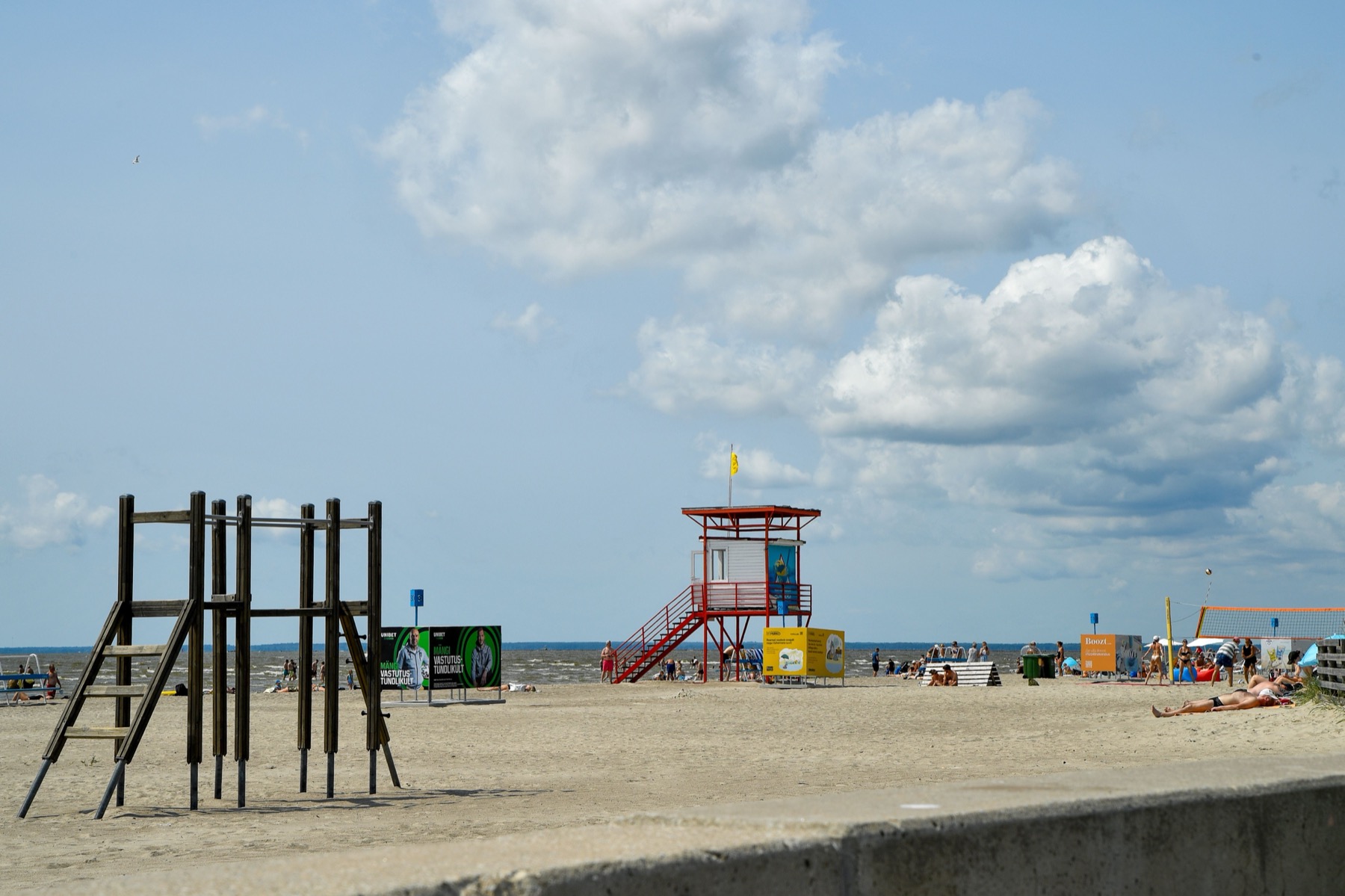
Today you’ll cross into Estonia along the famous E67, with the Baltic Sea often in sight. Your destination is Pärnu, Estonia’s summer capital, which wins visitors over with its two-kilometre sandy beach and wonderfully shallow, warm water.
The town has a two-hundred-year mud-spa tradition, beautiful wooden villas and a wonderfully relaxed, almost Nordic atmosphere. If you need a break from driving, take a long walk along the seafront promenade or rent a bike and explore the landscaped parks. Local cafés also bake absolutely phenomenal cinnamon rolls.
- Distance and time: The drive from Riga to Pärnu is 180 km and takes about 2.5 hours.
- Where to stay: Pärnu offers everything from campsites to luxury spa hotels, but book well ahead in summer.
- Approximate spend: An afternoon at the local water park or spa costs around €20–25.
- 💡 Tip: Pärnu Bay can warm up to 24 °C in summer, making it the warmest swimming spot in all of Estonia.
Day 5: Ferry to Muhu and Saaremaa
From Pärnu, head to the port of Virtsu, where ferries to Estonia’s islands depart. The crossing to Kuivastu on Muhu takes just 27 minutes, after which you can drive across the causeway to Estonia’s largest island, Saaremaa.
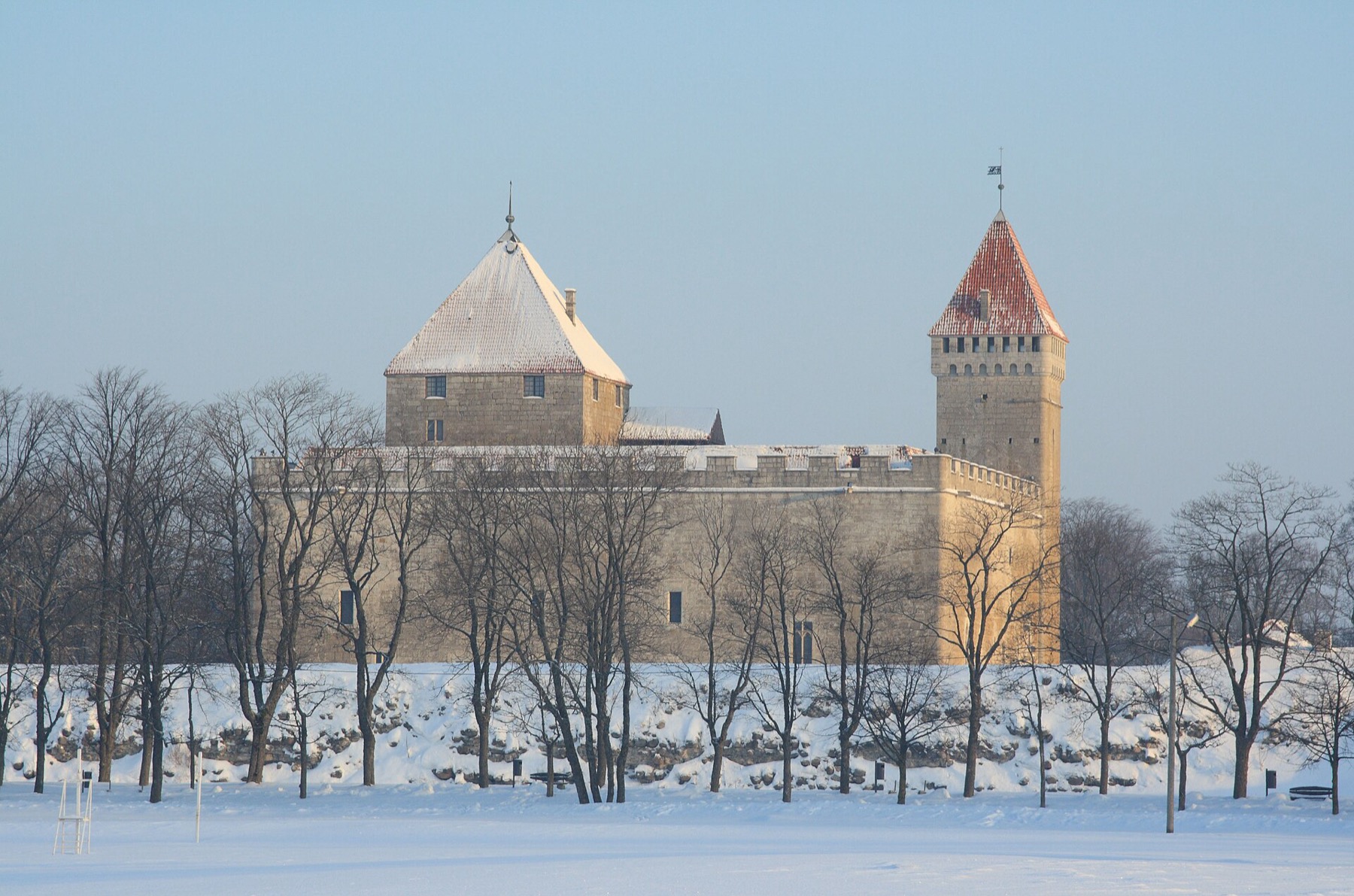
Stop in the open-air museum village of Koguva, admire the perfectly preserved bishop’s castle in Kuressaare and explore the dark green lake at the bottom of the Kaali meteorite crater. Island life moves incredibly slowly here, while the juniper-covered landscape feels more like northern Sweden.
- Distance and time: 70 km to the port, followed by another 80 km on the island. Around 2.5 hours of driving plus the ferry.
- Where to stay: The island capital Kuressaare is full of excellent mud-spa and wellness hotels.
- Approximate spend: The ferry costs €12 per car and €4.30 per passenger.
- 💡 Tip: In July and August, you absolutely must buy your ferry ticket (praamid.ee) online in advance to avoid an hour-long wait at the port.
Day 6: Wilder Hiiumaa and windmills
If you love lighthouses and empty beaches, board a local ferry to the northern island of Hiiumaa. It is much wilder and more heavily forested than neighbouring Saaremaa, and travellers love its extraordinary peace and quiet.
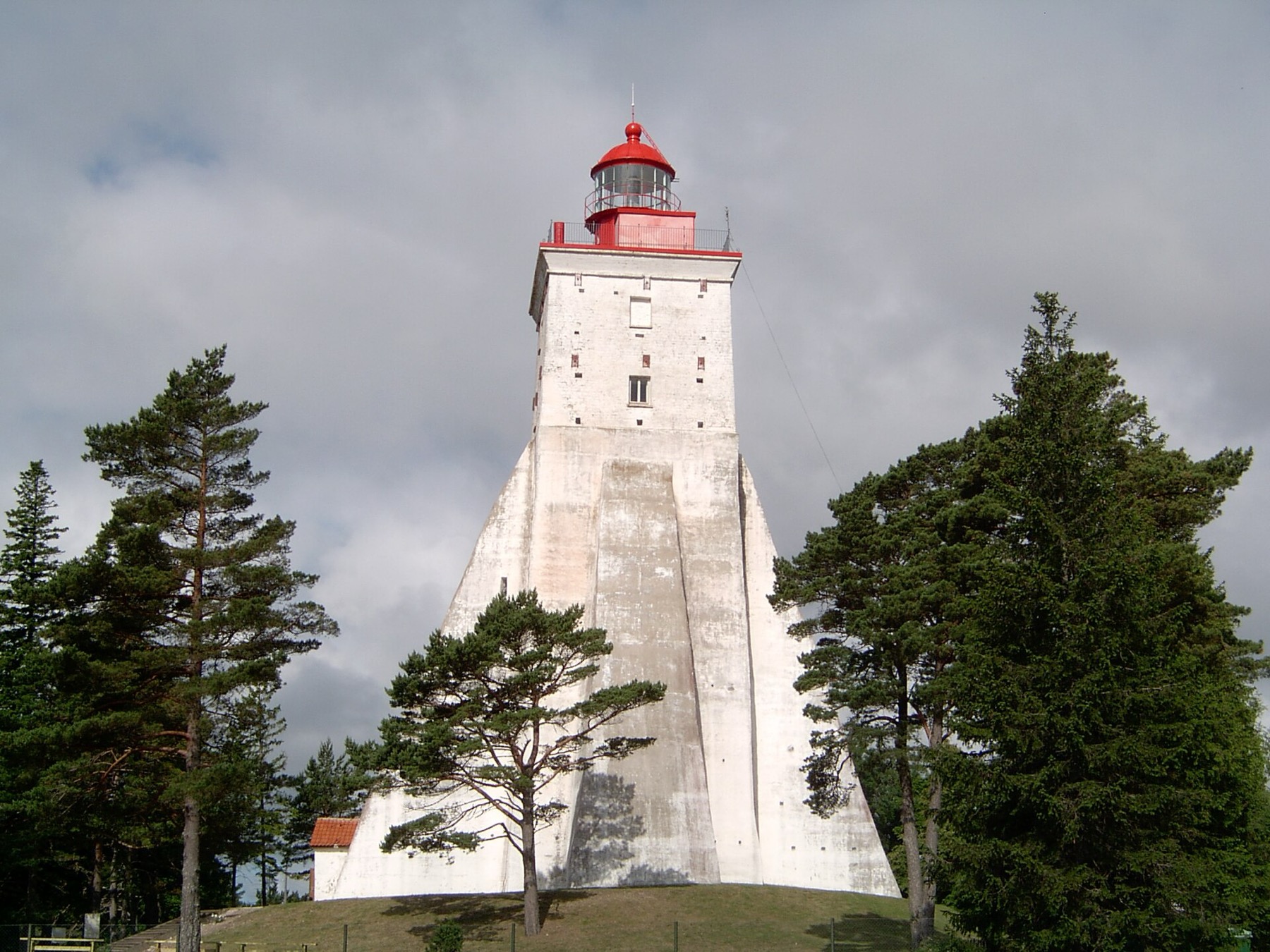
Climb the mighty Kõpu Lighthouse, dating from 1531, one of the oldest working lighthouses in the world. From the viewing platform, you’ll have a stunning view over dense pine forests and the rough sea. In the afternoon, take another ferry back to the mainland, arriving at Rohuküla port.
- Distance and time: You’ll cover roughly 120 km on the islands, but allow for two longer crossings, each lasting over an hour.
- Where to stay: Spend the night in the romantic spa town of Haapsalu on the mainland.
- Approximate spend: Two car ferries cost around €40 in total today.
- 💡 Tip: Ferries charge a 20% surcharge on weekend afternoons—towards the islands on Fridays and back on Sundays—so try to avoid these times.
Day 7: Medieval Tallinn and creative Telliskivi
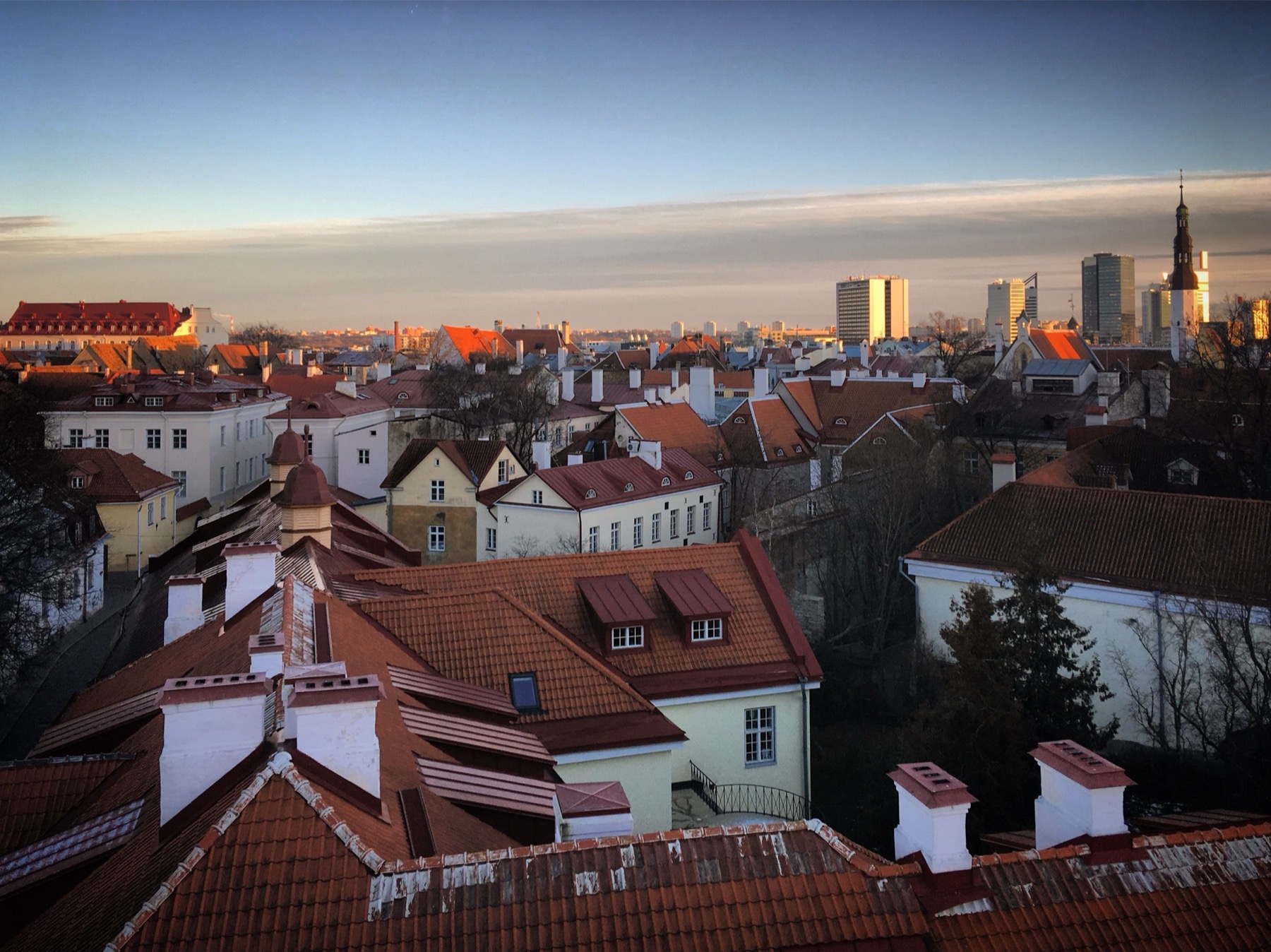
In the morning, drive to Estonia’s capital, where medieval walls stand alongside e-residency and a digital state that works better than your home internet. You’re most likely to experience the historic Old Town within its massive walls without crowds early in the morning or in the evening, after the huge cruise ships have left.
In the afternoon, head to Kalamaja and the hipster Telliskivi complex, where old factory halls burst with street art, design boutiques and excellent cafés. Also visit the nearby Seaplane Harbour and maritime Lennusadam Museum, where you can explore an actual British submarine from the 1930s in detail.
- Distance and time: Haapsalu to Tallinn is only 100 km, a drive of about 1.5 hours.
- Where to stay: Ideally stay on the edge of the Old Town or in Kalamaja, where it’s peaceful yet convenient.
- Approximate spend: Dinner in a modern Tallinn restaurant costs around €25–30.
- 💡 Tip: Don’t drive into Tallinn’s historic core; the cobblestones are unforgiving and parking is absurdly expensive. Use a park-and-ride car park or call a Bolt.
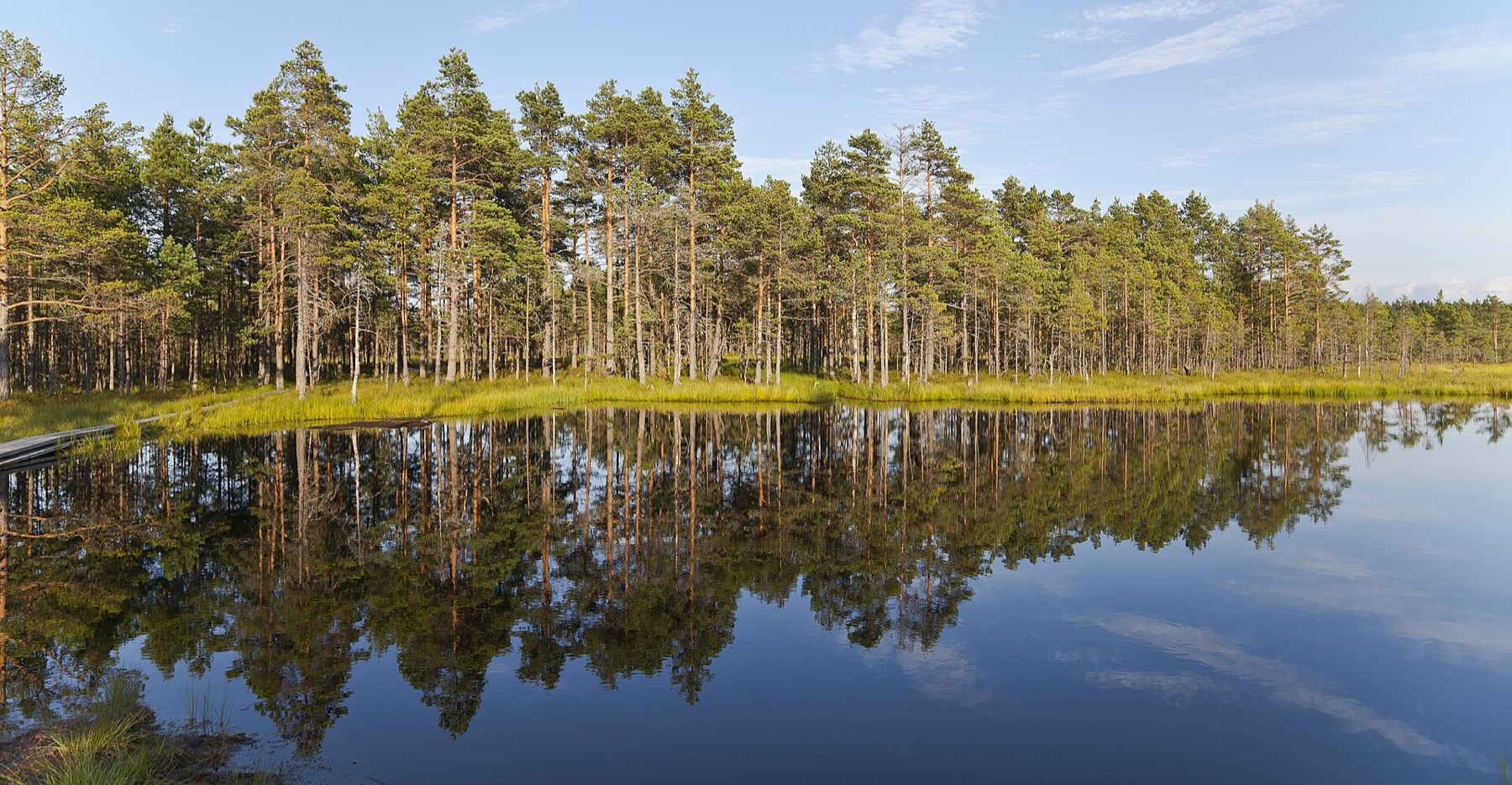
Day 8: Bogs and manor houses in Lahemaa National Park
Less than an hour’s drive east of Tallinn, you enter a completely different world. Lahemaa National Park showcases Estonia’s nature, and walking the wooden boardwalks across the Viru bog is an absolute must.
Don’t miss the captain’s village of Käsmu, with its glacial boulders on the beach, or the beautifully restored Baroque Palmse Manor. Walks through the pine forests are the ultimate balm for the soul, and with a little luck you may spot seals basking on boulders offshore.
- Distance and time: The round trip from Tallinn to the park is about 150 km, or around two hours of actual driving.
- Where to stay: Stay at your Tallinn base or spend the night in a romantic guesthouse inside the park.
- Approximate spend: The bog trails are completely free; you only pay for parking.
- 💡 Tip: If you visit the bogs in summer, pack a genuinely strong insect repellent—the mosquitoes can be relentless.
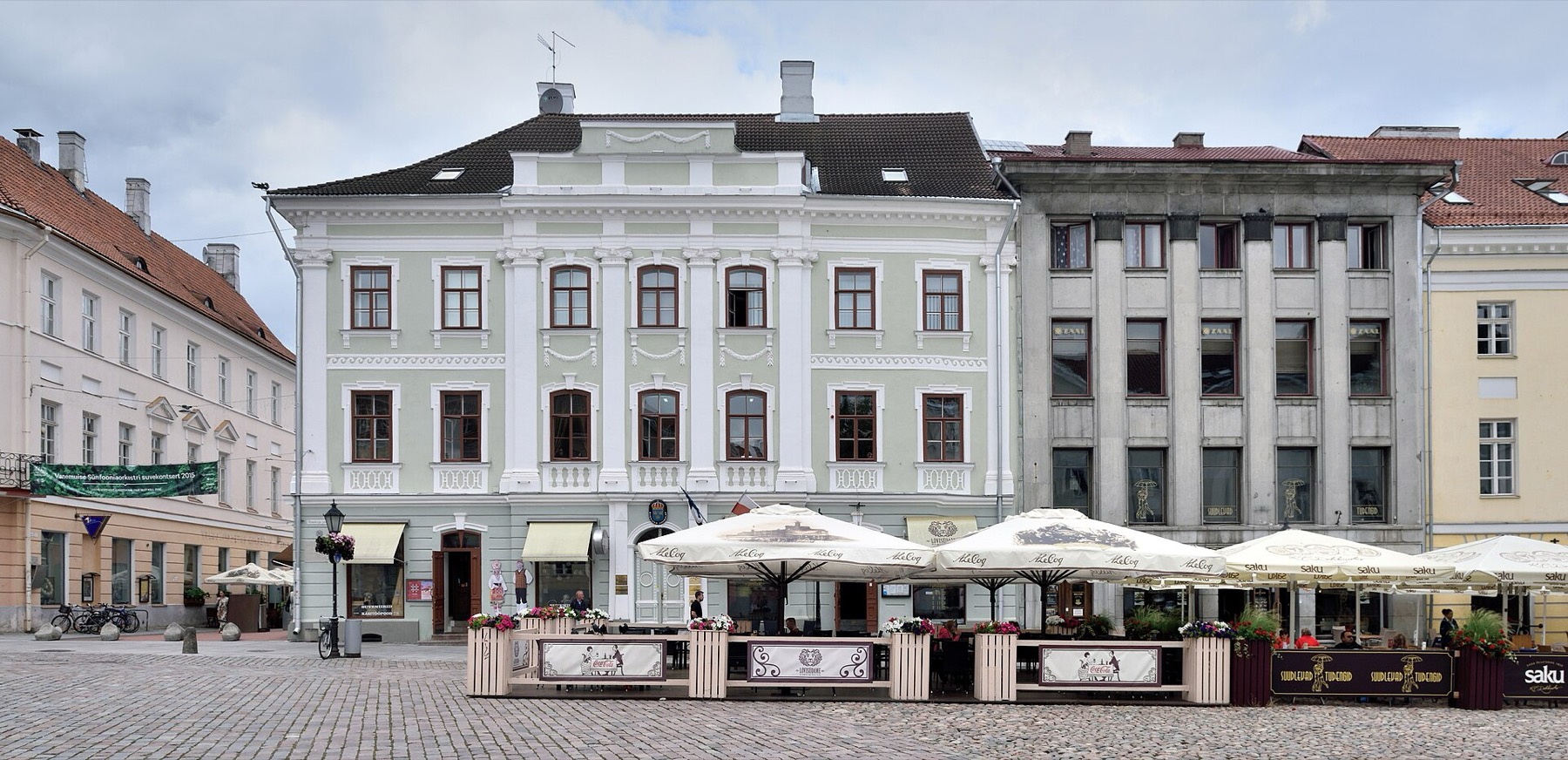

Day 9: Student Tartu and Estonian science
From Tallinn, head south to Tartu, Estonia’s university heart. The atmosphere is young, relaxed and café-oriented, while prices are noticeably friendlier than on the coast.
Your essential stops are the fantastic AHHAA Science Centre and the architecturally striking Estonian National Museum (ERM), built on a former Soviet airfield. In the evening, drop into the famous Püssirohukelder pub, housed in a huge former gunpowder cellar sunk deep into the hillside.
- Distance and time: Tallinn to Tartu is 185 km, roughly 2.5 hours on flat roads.
- Where to stay: You’ll find lovely, affordable apartments right in central Tartu near the Town Hall.
- Approximate spend: Family admission to AHHAA Science Centre costs €45.
- 💡 Tip: Tartu was European Capital of Culture in 2024, and its positive energy and renovated streets still reflect that legacy.
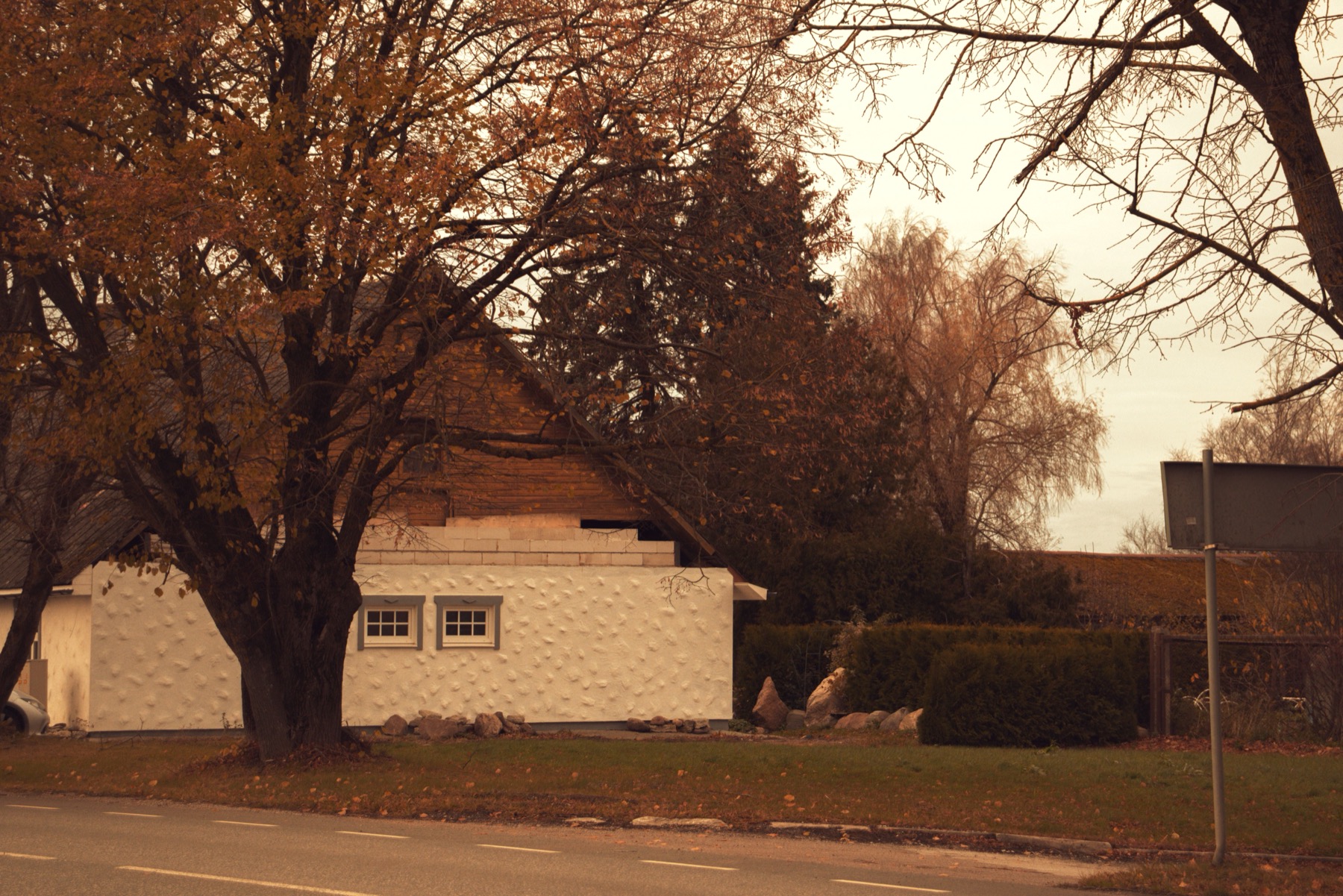
Day 10: Southern Estonia and the journey home
On the final day, the landscape suddenly begins to roll. The area around Otepää is dotted with lakes and serves as Estonia’s winter and summer sports hub.
Further on, near the Russian border, you’ll reach the distinctive Setomaa region, where locals preserve ancient traditions and sing UNESCO-protected polyphonic songs. From here, take the main roads through Latvia and Lithuania back towards your home country. Along the way, you can still pick up local smoked cheeses and Baltic amber as souvenirs of these wonderful days.
- Distance and time: Crossing southern Estonia takes about 100 km (1.5 hours); the subsequent journey home is over 1,200 km.
- Where to stay: Kaunas in Lithuania or Warsaw in Poland are good options for an overnight stop on the way back.
- Approximate spend: A traditional lunch in southern Estonia, such as the daily päevapraad, costs just €6–8.
- 💡 Tip: Southern Estonia is famous for its traditional smoke sauna, protected by UNESCO. If you have extra time, book this several-hour cleansing ritual.
How much does a Baltic states road trip cost?
If you think of the Baltic states as a cheap eastern destination, Estonia—with its euro and Nordic standards—may come as a slight shock, as prices are now closer to Berlin. Even so, driving your own car is extremely good value. A rough budget for a family of four on a 10-day road trip in their own car is €1,800–2,500.
This includes roughly €370 for petrol (4,000 km there and back from Prague), around €820 for accommodation in nice apartments booked through Booking or Airbnb, and approximately €200 for admissions and ferries. The rest goes on food—supermarkets are about 15% more expensive than at home, but the lunch menu (päevapraad) is a pleasant surprise. If you wanted to do the same circuit with a tour operator, you’d pay around €700–740 for one adult, meaning a family of four would approach €2,900, often without admissions or food.
Cars, rentals and driving in the Baltic states
Driving in the Baltic states is wonderfully easygoing: motorways in Estonia, Latvia and Lithuania are completely free for passenger cars, the roads are flat and, away from the main Via Baltica route, you’ll only see another car occasionally.
If you choose to fly and rent a car, make sure you check cross-border fees in the rental company’s terms. Most large companies allow travel between the three Baltic states without any problems, but it’s best to have this confirmed in writing. A one-week rental costs from around €150 off-season, but prices rise steeply in July.
Parking in the historic centres of Tallinn and Riga is very expensive, so travellers recommend leaving your car at a P+R car park or at your hotel and taking a tram or calling a Bolt into the centre. If you travel in winter, remember that winter tyres are mandatory from 1 December to 1 March, and petrol costs roughly €1.70 per litre.
When to take a Baltic states road trip
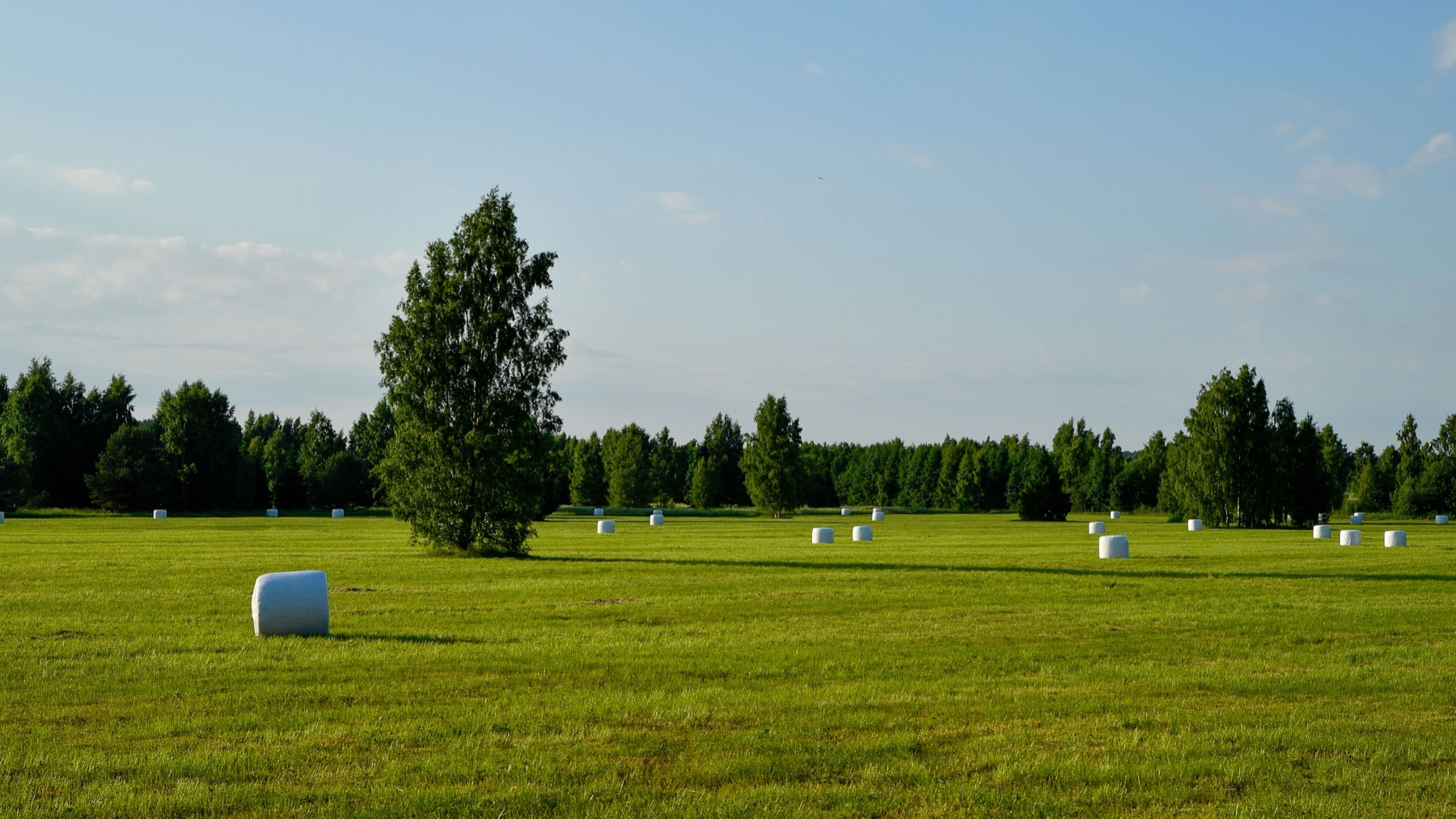
The Baltic states have a clearly defined season centred on summer. June, July and August are the best months for a road trip, with a warm September also possible, when the forests start turning beautiful colours. Summer temperatures are a pleasant 22–25 degrees, the days are incredibly long and the sea at Pärnu is genuinely warm—you can actually swim, rather than merely consider it.
Planning a winter or early-spring circuit is considerably more difficult. Be aware that Saaremaa and Hiiumaa are largely closed from November to April. Smaller guesthouses and rural restaurants shut, and life contracts to the main cities. Family attractions also have limited opening hours: the famous Lottemaa theme park near Pärnu is open only from 13 June to 30 August. A winter road trip mainly makes sense if you’re specifically heading to Otepää for cross-country skiing or want to enjoy heated mud spas at half price.
Where to eat along the way
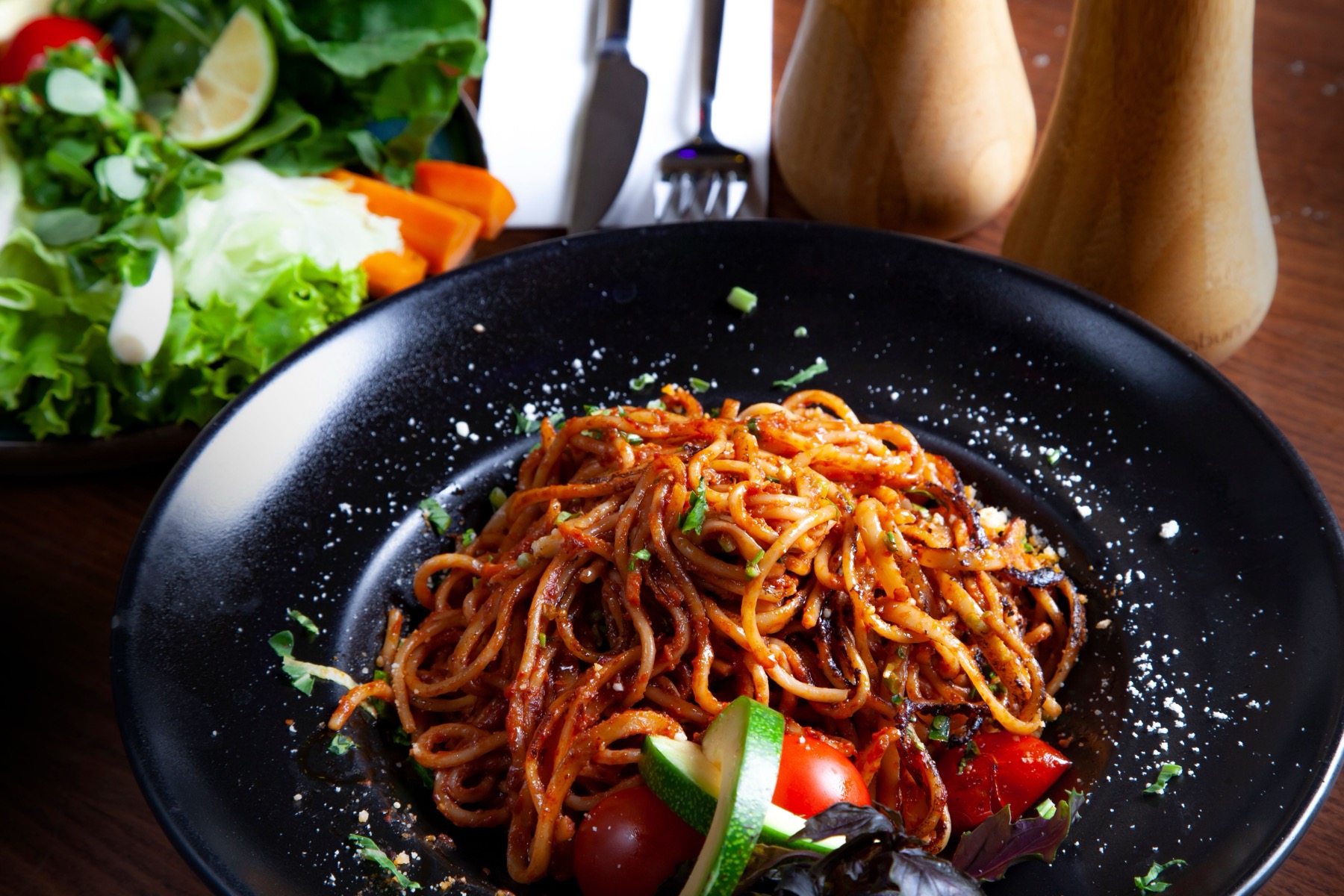
The Baltic states are a fantastic culinary surprise. Their food combines hearty Slavic portions with precise Nordic presentation. Local cuisine revolves around fresh fish, dark rye bread, potatoes prepared every possible way and wild berries. If you want to save money while eating locally, look for daily menus (päevapraad) at lunchtime—every pub offers them for just a few euros.
In Vilnius, stop at Etno Dvaras, one of the city’s most popular addresses. The speciality is cepelinai, potato dumplings filled with meat, though the menu also includes cottage cheese and mushroom versions. In Riga, try the Lido chain, a Latvian self-service restaurant with a huge selection of traditional food at excellent prices, where you can easily build a plate from side dishes and salads alone.
In Tallinn, the old-fashioned III Draakon tavern inside the Town Hall is great fun: you eat by candlelight and without cutlery. The local classic is elk soup, alongside savoury pies filled with mushrooms and cabbage. Päevapraad is the universal safety net along the entire route—a €5–8 lunch menu offered by almost every pub.
Itinerary variations
Ten days is ideal, but you can easily adapt the circuit to suit your time and travel style.
- Shorter 7-day option: Skip Lithuania and Latvia. Fly directly to Tallinn, rent a car and focus on Estonia’s triangle of Tallinn, the Lahemaa bogs and Pärnu, perhaps fitting in one island.
- Longer 14-day option: Add a stop in Kaunas, Lithuania, explore the sand dunes of the Curonian Spit (note that an environmental entry fee applies) and spend three extra, relaxed days on the Estonian islands.
- Car-free option: If driving worries you, the Baltic states are connected by the incredibly comfortable Lux Express buses. They have comfortable seats, screens and free coffee. They’ll take you from Riga to Tallinn in four hours, with tickets from €10. Train links between the capitals are not ideal yet, although Estonia’s orange Elron trains have begun running from Tallinn via Tartu all the way to Riga.
- Option with children: Slow down and take longer breaks. In Pärnu, visit the children’s wonderland of Lottemaa or the huge Tervise Paradiis water park; in Tallinn, children will love the old submarine at Lennusadam Museum, while in Tartu you should spend at least half a day at the interactive AHHAA Science Centre.
Where to stay along the route
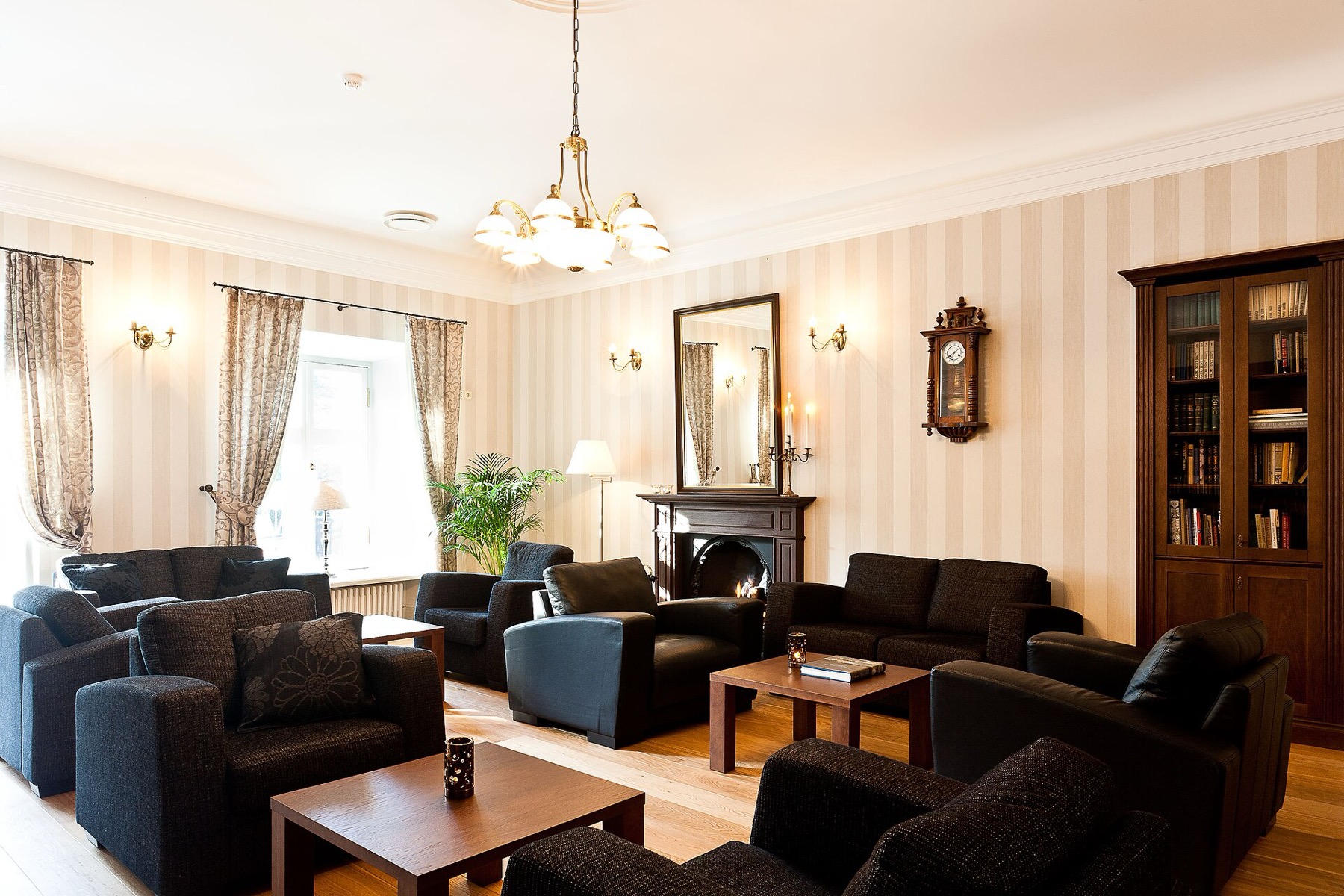
You’ll change accommodation fairly often during this road trip. It is always worth looking for hotels with private parking (often in a courtyard) so you don’t have to deal with expensive city zones. Here are specific places that have worked well on the route and that travellers happily return to:
- Vilnius (nights 1 and 2): In the historic centre, Artis Centrum Hotels has private parking and a highly praised breakfast. A little farther away, intimate Grotthuss Hotel occupies a Baroque house with just a few rooms, only minutes from the cathedral.
- Riga (night 3): Neiburgs Hotel & Restaurant in the Old Town offers the best combination of location and atmosphere in an Art Nouveau building. For a dependable large hotel with parking, choose Pullman Riga Old Town.
- Jūrmala (seaside detour): Right on the coast, Baltic Beach Hotel & SPA has its own beach area and wellness facilities—a pleasant break amid long drives.
- Pärnu (night 4): The neoclassical Hedon Spa & Hotel is a top choice, occupying the original historic mud-spa building right by the beach promenade.
- Muhu and Saaremaa (nights 5 and 6): Romance seekers can choose the restored 16th-century manor Pädaste Manor, with its own Michelin-starred restaurant. In Kuressaare, choose between GOSPA (Georg Ots Spa Hotel) with pools, popular Grand Rose SPA Hotel or the more traditional Spa Hotel Meri.
- Tallinn (night 7): Nunne Boutique Hotel by the city walls tastefully combines modern design with the medieval core. A cheaper option in a good location is Citybox Tallinn City Center.
- Lahemaa (night 8): Staying inside the national park has a special charm. Vihula Manor Country Club & Spa has its own park, sauna and the kind of peace you won’t find in a city.
- Tartu (night 9): Elegant Lydia Hotel in the university city centre has a pool and sauna, with everything within walking distance.
💡 Tip: Along the entire route, look for hotels with private parking, ideally in a courtyard. Vilnius, Riga and Tallinn all have paid, monitored city zones, so free hotel parking can save you as much as €15 per night.
Where to go next
If the Baltic states and northern Europe appeal to you, these detailed guides and practical articles about specific stops along the route will help with your planning:
- Estonia: 25 things to see and do
- Tallinn: 20 things to see and do in Estonia’s capital
- 10 interesting and practical facts about Riga
- Pärnu: beaches, spas and what to see in the summer capital
- Where to stay in Tallinn: the best neighbourhoods and hotels
- When to visit Estonia: weather month by month
- European holidays: 17 of the most beautiful places
Frequently asked questions
How many days do I need for the Baltics?
For a relaxed road trip covering Lithuania, Latvia, and Estonia, plan on a minimum of 10 days. A shorter timeframe means you’ll spend most of your time just driving, as the distances between the main cities always take around four hours.
Can I do the road trip without a car?
Absolutely. Between the major Baltic cities there are excellent bus services (e.g. Lux Express) with screens and free coffee. Once you’re in the cities, affordable Bolt or public transport works great, though trips to national parks will be logistically more challenging.
How much does this circuit actually cost?
Traveling by car from abroad, expect a budget of around €480 to €600 per person (with four people in the car). This includes fuel, accommodation in apartments, ferries, and entry fees to major sights.
What’s the best order for the Baltic countries?
If you’re driving from central or western Europe, a south-to-north route makes sense: Lithuania (Vilnius, Hill of Crosses), Latvia (Riga, Jūrmala), and finally Estonia (Pärnu, islands, Tallinn). The return journey then works as a faster motorway transit.
Are there toll motorways in the Baltics?
Good news right away: motorways in Lithuania, Latvia, and Estonia are completely free for passenger cars. There are no vignettes or toll stickers here, you only pay small environmental fees for entry to specific zones (e.g. Jūrmala or the Curonian Spit) and for ferries.
Do I need a green card and passport?
All three countries are part of the European Union and the Schengen Area, so there are no border controls and a valid ID card is sufficient. For your green card from mandatory insurance, always keep a printed copy in the car just in case.
Can I do the Baltic road trip with kids?
It’s an absolutely ideal family destination. Nature is safe, the beaches in Pärnu have very gentle and shallow entry into the water, and you’ll also find great family attractions like the AHHAA science center in Tartu or the Lottemaa amusement park.
How far is it from central Europe to Tallinn?
From major European hubs to Tallinn in Estonia, it’s around 1,500 kilometers. Pure driving time is around 17 to 18 hours, which is why the journey is typically split over two days with an overnight stay in Poland or Lithuania.
Is it better to go with a tour operator?
A tour operator is a good choice for people who don’t want to drive or plan. Financially, though, it’s not worth it, because for the price a couple would pay with a tour operator (around €1,400), a family of four can complete the road trip in their own car.
Tips and Tricks for Your Vacation
Don’t Overpay for Flights
Search for flights on Kayak. It’s our favorite search engine because it scans the websites of all airlines and always finds the cheapest connection.
Book Your Accommodation Smartly
The best experiences we’ve had when looking for accommodation (from Alaska to Morocco) are with Booking.com, where hotels, apartments, and entire houses are usually the cheapest and most widely available.
 🚗 Car rental on the roadVerified rental cars for your trip
Search with the DiscoverCars comparison engine — it compares prices from dozens of local and international rental companies, and most bookings come with free cancellation.
Compare car prices →Don’t Forget Travel Insurance
Good travel insurance will protect you against illness, accidents, theft, or flight cancellations. We’ve had a few hospital visits abroad, so we know how important it is to have proper insurance arranged.
Where we insure ourselves: SafetyWing (best for everyone) and TrueTraveller (for extra-long trips).
Why don’t we recommend any Czech insurance company? Because they have too many restrictions. They set limits on the number of days abroad, travel insurance via a credit card often requires you to pay medical expenses only with that card, and they frequently limit the number of returns to the Czech Republic.
Find the Best Experiences
Get Your Guide is a huge online marketplace where you can book guided walks, trips, skip-the-line tickets, tours, and much more. We always find some extra fun there!