Sri Lanka is like an enormous teardrop of emerald-green nature torn from the Indian subcontinent, yet for first-time travellers it’s far friendlier and more relaxed. If you’re planning an exotic holiday packed with wild elephants, endless tea plantations and picture-perfect beaches, this teardrop-shaped island will completely captivate you. Before you pack your bag, though, it pays to prepare for a few quirks that can catch you off guard once you’re there.
Getting your head around the two different monsoons can be a bit of a puzzle at first, but the great news is that somewhere in Sri Lanka the weather is always glorious. 2026 is a particularly good year for travellers: the crowds are still calmer and the island is rediscovering its rhythm, which you’ll really appreciate on the ground. For UK travellers, planning is simple too — just make sure you sort your tourist visa (ETA) in advance through the official portal before you fly.
Piecing together an itinerary can sometimes hurt more than the climb up Sigiriya itself — so I’ve put together 21 concrete tips on what to see and do, to help you plan your trip as painlessly as possible. I’ll tell you when the absolute best time to visit is, where to base yourself strategically in great hotels, and how to cleverly sidestep the most common tourist traps.
TL;DR
- Visa (ETA): Apply in advance for your 30-day tourist visa (ETA) exclusively through the official website eta.gov.lk before you travel.
- Two monsoons: The southwest coast is best in winter (December to March), while the eastern beaches are ideal over summer (May to September).
- Train to Ella: The legendary railway is being repaired in stages after a cyclone, so always check the current status of services online before you set off.
- Dual pricing: Be aware that foreigners pay high fees for entry to monuments and national parks (commonly around 30 USD / £24), so choose carefully.
- Vegetarian paradise: The local cuisine, built on rice, curry and lentils, is phenomenal, incredibly cheap and naturally meat-free.
- Safari ethics: Avoid the overcrowded Block 1 in Yala National Park and choose the calmer Udawalawe instead, where you’ll see dozens of elephants in much better conditions.
The full destination guide: Asia — guide and what to see
When to visit Sri Lanka
Deciding when to go to Sri Lanka is a little more complicated, because the island is shaped by two different monsoons that arrive at opposite times of the year. The Yala monsoon brings rain to the southwest of the island and the hills roughly from May to September, while the Maha monsoon drenches the northeast from October to January.
The golden rule is that for the classic escape from the British winter (December to March), the southwest coast and central highlands are ideal. If, on the other hand, you can only get away during the summer holidays, Sri Lanka offers brilliant conditions on the east coast, where July and August bring sunny weather perfect for swimming and surfing.
The trickiest months are October and November, when the monsoons overlap and it basically rains right across the whole island, so it’s best to avoid this period entirely. In the hills around Nuwara Eliya, expect a dramatic drop in temperature too — during the day it’s a pleasant 18°C, but at night temperatures plummet to as low as 5°C and hotels usually have no heating.
| Month | Max/min °C | Sea | Rainy days | Where to head on the island |
|---|---|---|---|---|
| January | 30/18 | 27 °C | 5 | SW and south are TOP, central highlands |
| February | 30/18 | 27 °C | 5 | SW and south are TOP (least rainfall) |
| March | 32/20 | 28 °C | 8 | SW and south, the east season begins |
| April | 32/21 | 29 °C | 14 | Transitional month, usually the most humid |
| May | 31/22 | 29 °C | 15 | Monsoon starts in the SW, head east |
| June | 30/21 | 29 °C | 15 | East coast (Trincomalee, Arugam Bay) |
| July | 29/21 | 28 °C | 12 | East coast, just occasional showers in the SW |
| August | 29/21 | 28 °C | 12 | East coast, the Cultural Triangle is fine |
| September | 29/20 | 27 °C | 13 | The east season slowly winds down |
| October | 29/20 | 27 °C | 17 | Rainiest month, ideally skip it entirely |
| November | 29/20 | 27 °C | 16 | Second rainiest month, rain across the island |
| December | 29/20 | 27 °C | 12 | Start of the main tourist season in the SW |
Where to stay in Sri Lanka
Accommodation in Sri Lanka will surprise you more than almost anything else: for the price of an average city hotel back home, you’ll get a villa with a pool and breakfast served in the garden. To save you hours of searching, I’ve put together a shortlist of the best specific hotels, split by area and type of traveller.
Beach resorts in the south (for couples and relaxation): If you’re after absolute luxury and romance, book Anantara Peace Haven Tangalle Resort in Tangalle, set on a vast coconut plantation right above the ocean, with breathtaking pool villas. For a more affordable but still gorgeous mid-range option, I recommend Lantern Boutique Hotel by Reveal in Mirissa, which sits right on the sandy beach and gets rave reviews for its generous breakfasts.
Colonial charm in Galle: For history lovers, staying inside the ancient UNESCO ramparts of Galle Fort is an amazing experience. The fabulous Galle Fort Hotel is a beautifully restored 18th-century Dutch villa with an inner courtyard and pool. Slightly more affordable but very stylish is Fort Bazaar, a 16th-century merchant’s house with an excellent restaurant and a designer spa.
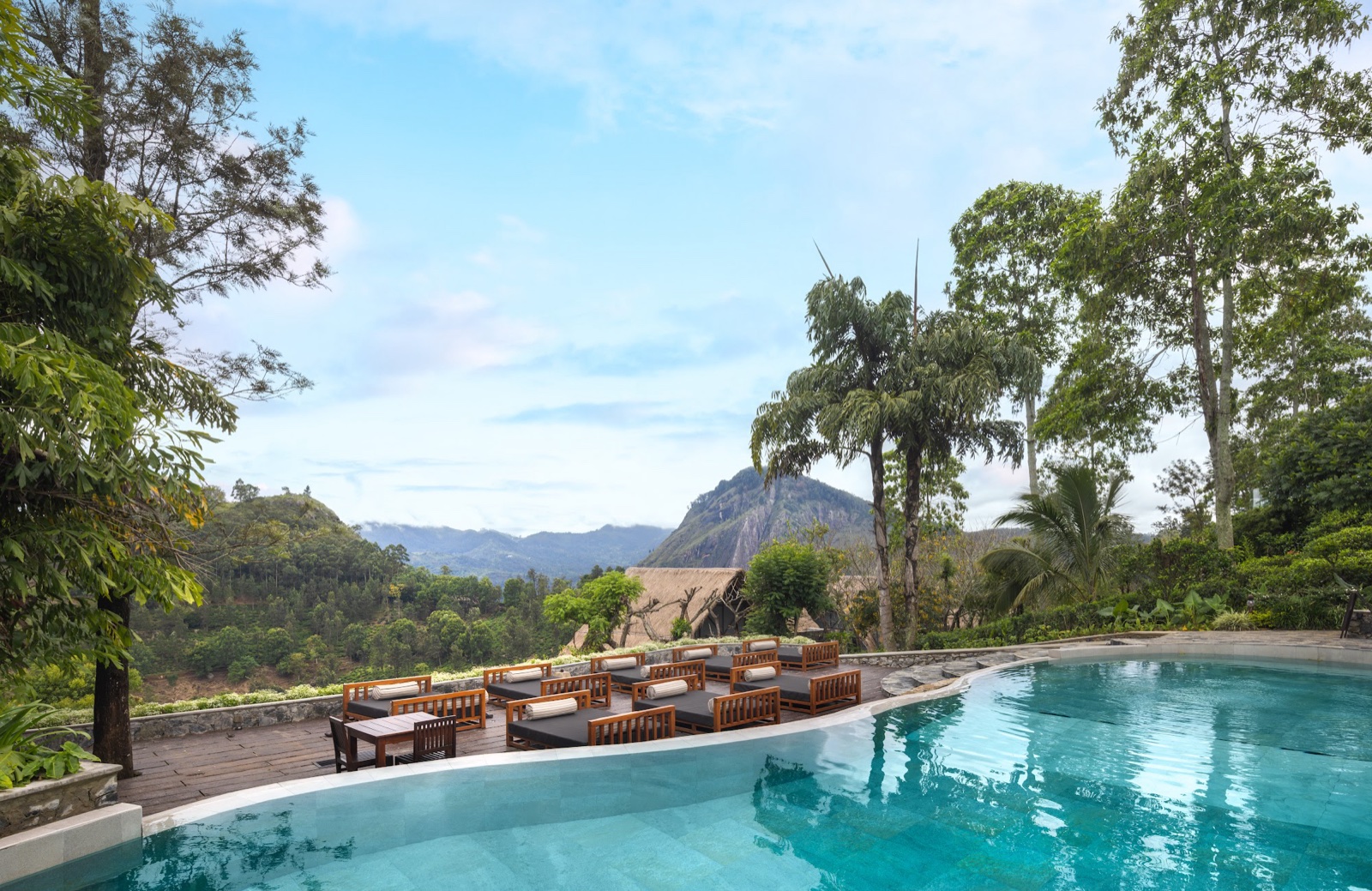
Mountain views in Ella and around: In the hill town of Ella, the affordable Zion View Ella Green Retreat is a total hit, with every room boasting a private balcony overlooking the famous Ella Gap, and guests can’t stop praising the home-cooked breakfasts. If you want an iconic Instagram stay, choose 98 Acres Resort & Spa, where you’ll sleep in chalets among the tea bushes and swim in an infinity pool with views of Little Adam’s Peak.
Bases for culture and safari: For exploring Sigiriya and the surrounding monuments, a strategic choice is Aliya Resort and Spa – Thema Collection, which scores points for its huge pool with direct views of the Lion Rock. For a stop in Kandy you’ll sleep like royalty in the boutique The Elephant Stables. If you’re planning a safari in the south and want an unforgettable experience, take a look at Wild Coast Tented Lodge near Yala National Park. The price is steep, but bear in mind it’s fully all-inclusive and even covers a luxury leopard safari with private rangers.
Families with children: If you’re travelling with kids and want to relax by the sea at the start or end of your trip, a great choice is Cinnamon Bentota Beach in Bentota. The resort offers children’s pools, a kids’ club and a special menu, and it’s just an hour from Colombo international airport — which you’ll appreciate after a long flight.
21 best things to see and do in Sri Lanka
A Sri Lanka itinerary traditionally breaks down into three parts: the ancient monuments of the Cultural Triangle, the central highlands with their tea plantations, and a beach finale at the end. The following tips will guide you through the most interesting places and activities you definitely shouldn’t miss.
1. Climb the famous Lion Rock at Sigiriya
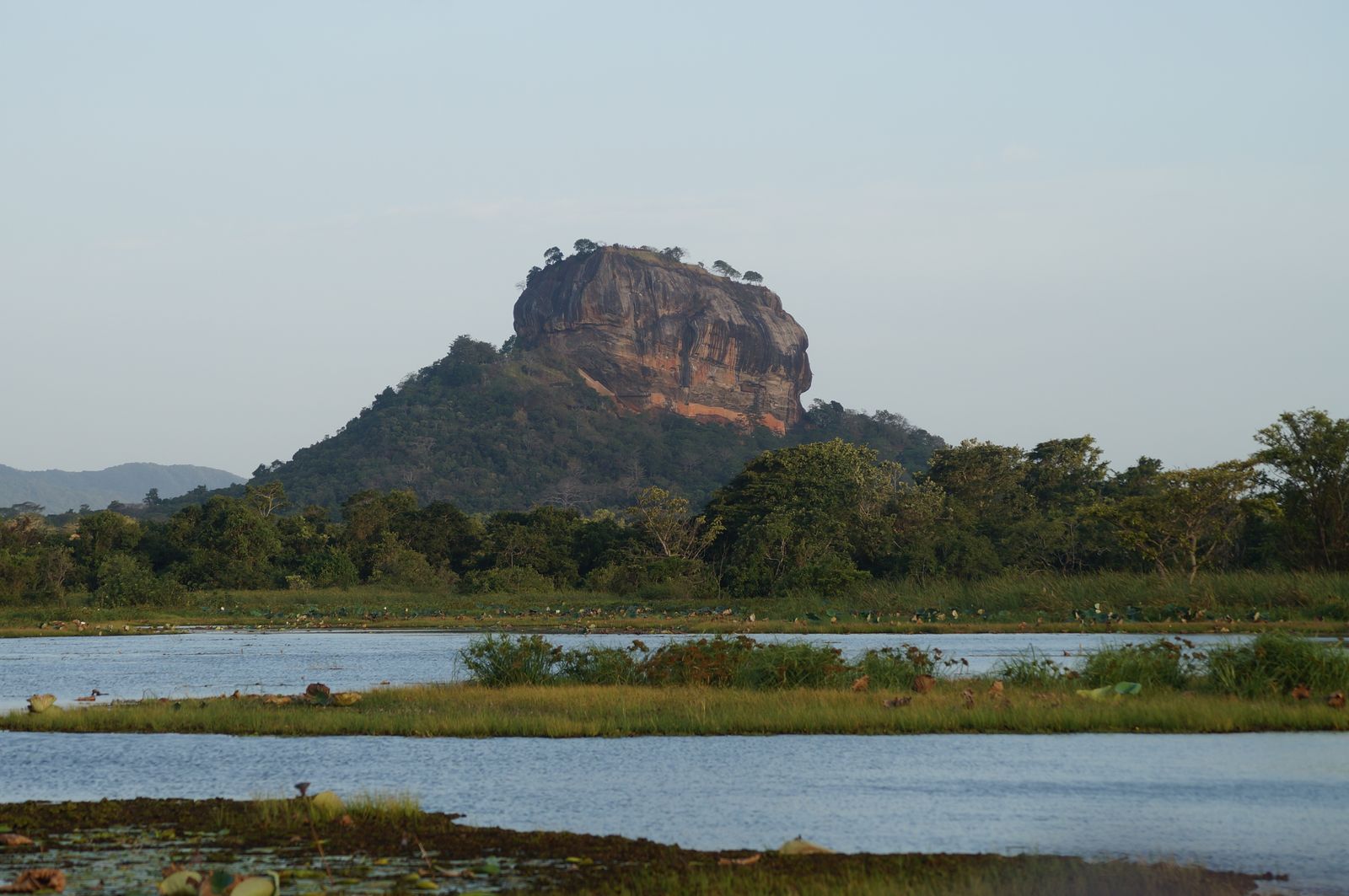
Lion Rock, or Sigiriya, is probably the most iconic landmark on the whole island and you’ll find it on just about every postcard from Sri Lanka. It’s a massive magma plug of an extinct volcano, on top of which King Kassapa built an impregnable palace in the 5th century, of which only impressive foundations and water tanks remain today.
Roughly 1,200 steep steps lead to the summit, which is no easy feat in the tropical heat. The entry fee is fairly high, ranging between 30 and 35 USD (around £24–£28) per person, so I recommend arriving right at opening time, around 6.30am, to dodge the biggest crowds and the punishing midday sun.
On the way up you’ll pass the famous frescoes of graceful women — and be very careful here, because photographing them is strictly forbidden and the guards enforce this rule firmly. The views from the upper terrace over the endless green jungle, however, make the early-morning effort absolutely worth it.
2. Pidurangala: the best view of Sigiriya
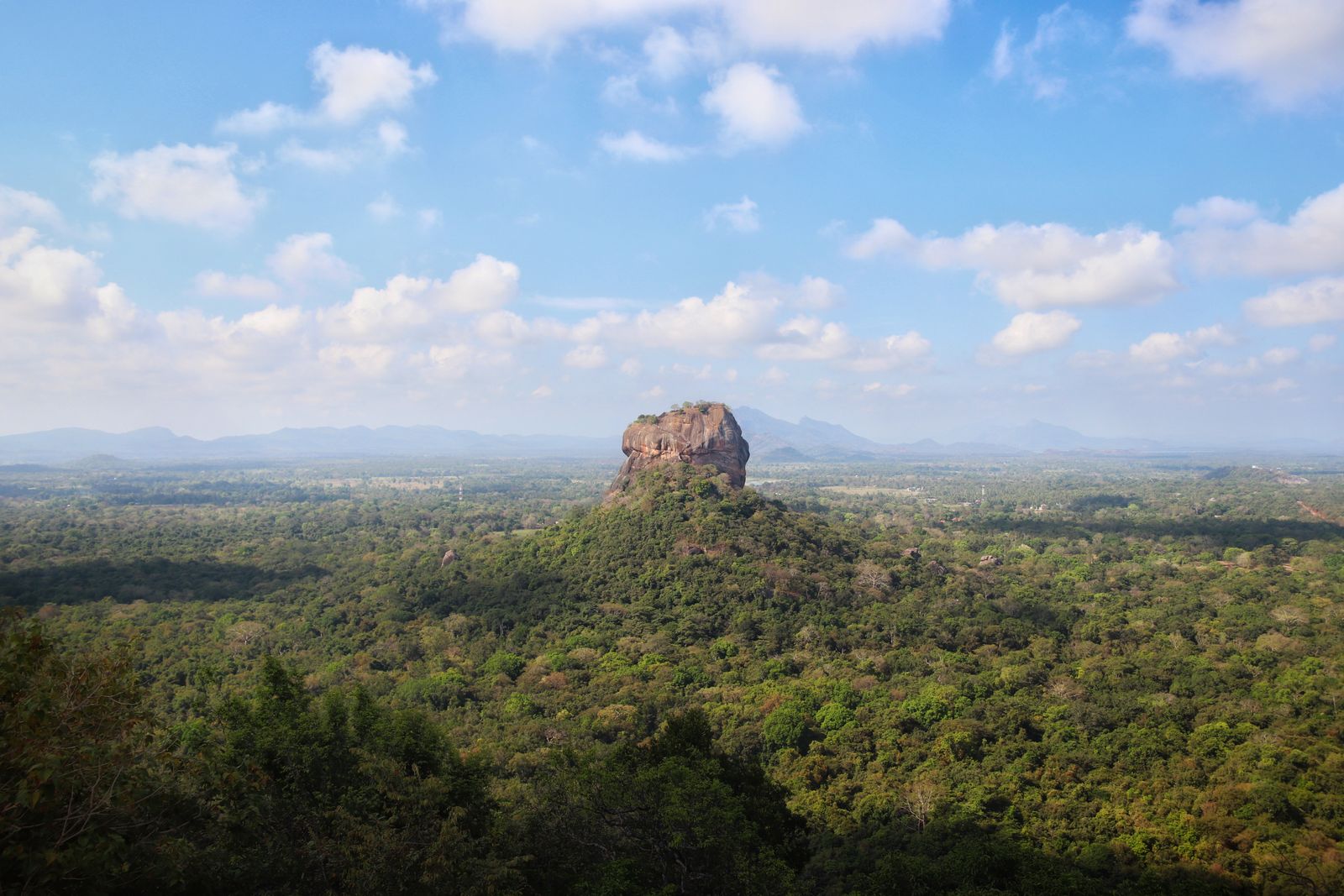
If you don’t fancy paying the steep entry fee for Lion Rock, or you simply want the best possible photos, head to the neighbouring Pidurangala rock. This slightly lower rock formation sits just next door and offers the absolute best view straight onto Sigiriya in all its majesty.
Entry here is a mere 500 Sri Lankan rupees (around £1.30), a fraction of the price of the monument opposite. The climb takes about 40 minutes and passes through the grounds of a functioning Buddhist temple, so don’t forget to cover your shoulders and knees until you’ve passed the sacred section.
💡 Tip: The very last stretch involves a bit of scrambling over larger boulders, so sturdy shoes are a huge advantage. You’ll enjoy the atmosphere most at sunrise, when the valley wakes up and wisps of morning mist drift through the rainforest canopy.
3. The fascinating cave temples at Dambulla
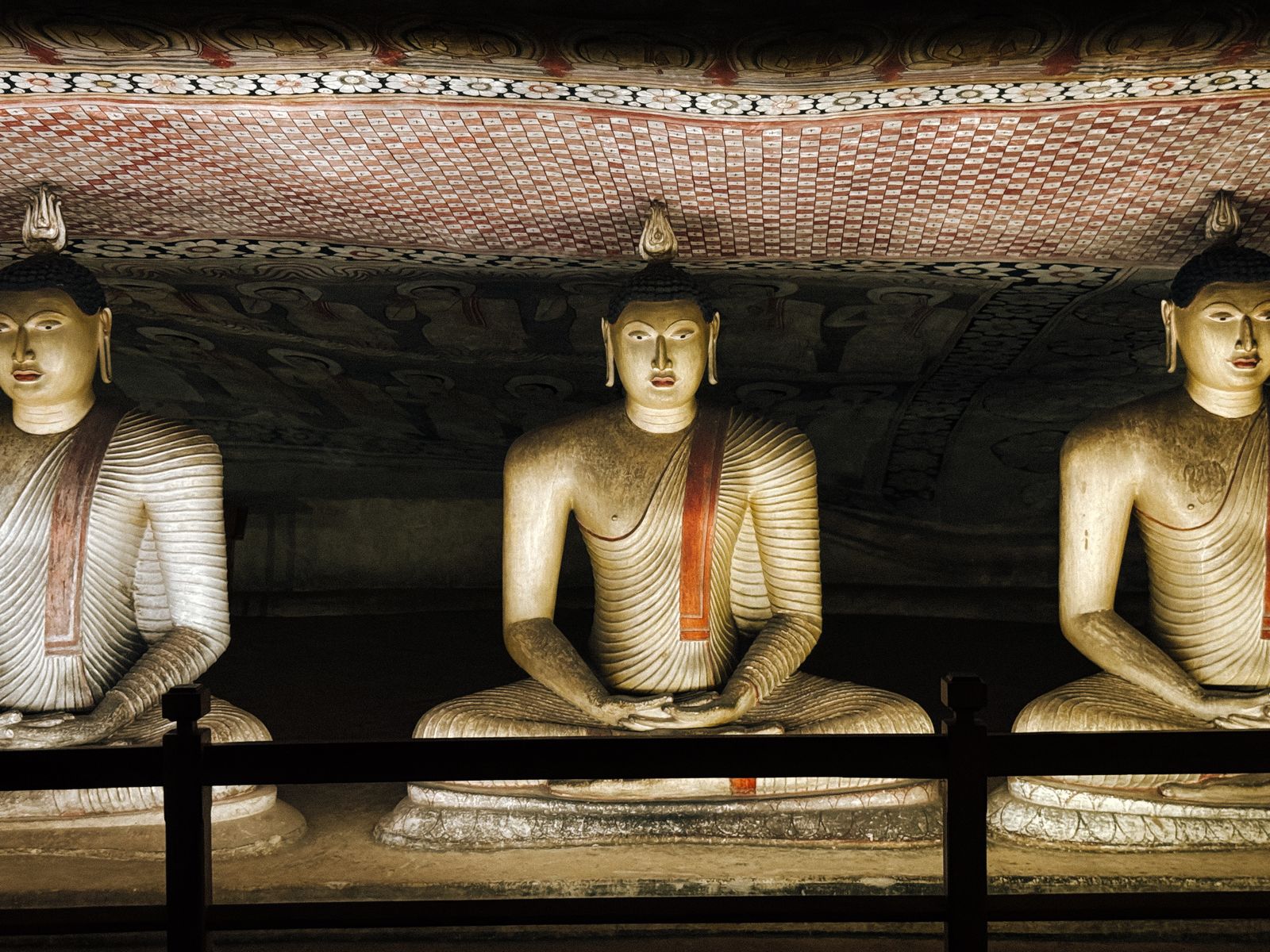
Just a short hop from Sigiriya is the town of Dambulla, home to the largest and best-preserved cave temple complex in Sri Lanka. Beneath an overhang of enormous rock lie five separate caves, packed from floor to ceiling with more than 150 Buddha statues in various poses.
Entry to the complex costs around 2,000 rupees (roughly £5) and the visit will take you about one to two hours. The walls and ceilings of the caves are adorned with incredibly detailed paintings that, despite their age and the humid environment, burst with vivid colours and tell stories from the Buddha’s life.
The complex sits on a hill, so a short climb awaits — with the local monkeys as your uninvited companions. At the foot of the hill stands the Golden Temple with its giant Buddha statue and free entry, but the real historical value lies up in the caves above.
4. Explore Polonnaruwa by bicycle
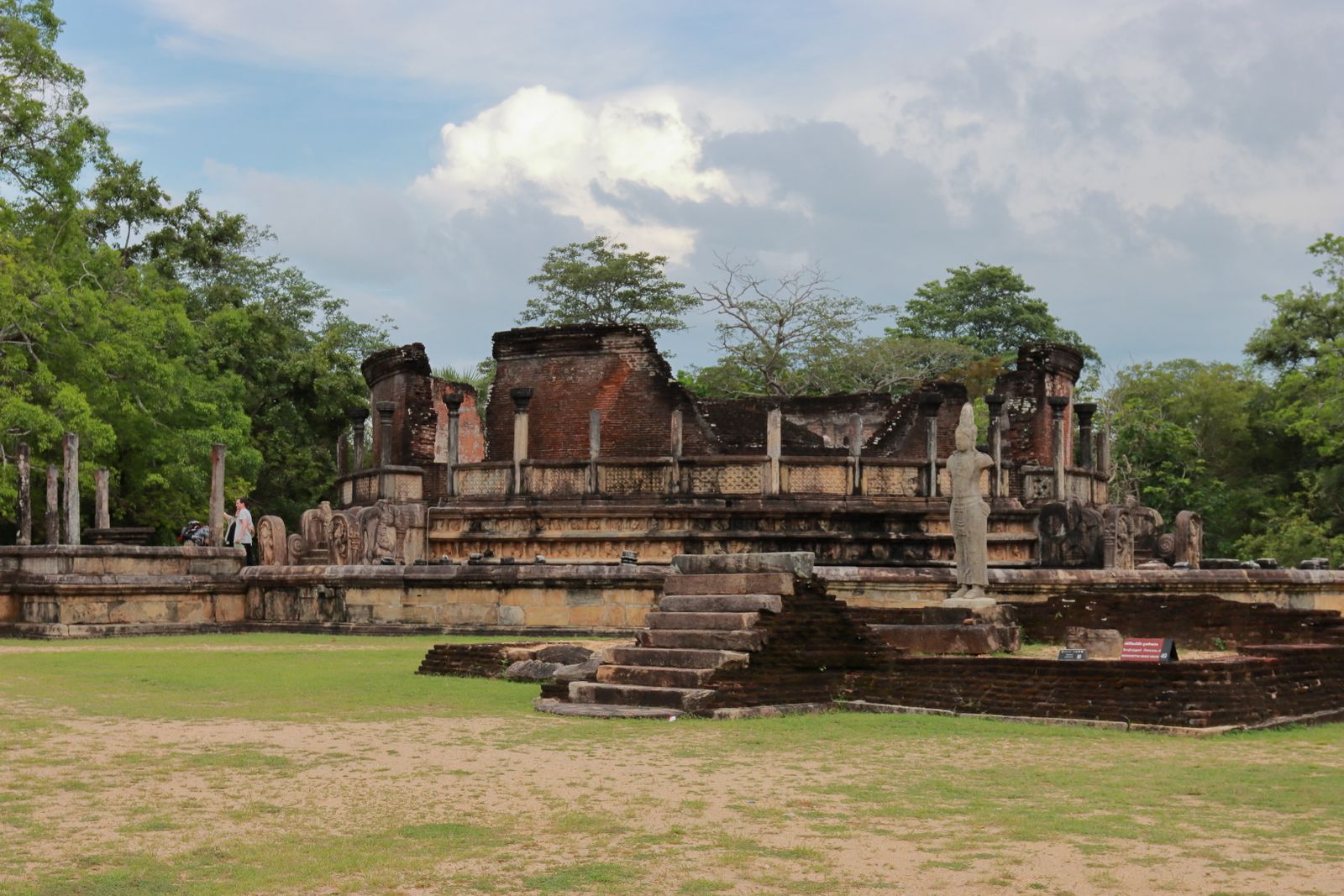
When deciding which ancient city to visit, travellers usually face a dilemma between Anuradhapura and Polonnaruwa. For a shorter holiday, Polonnaruwa is the much better choice, because the monuments are concentrated over a smaller area and are far better preserved.
The best way to enjoy the site is to rent a bicycle and cycle between the stupas and temples at your own pace. Entry costs 30 USD (around £24) and a cycling tour takes a pleasant three to four hours, with lovely flat terrain that anyone can manage.
The highlight of the whole visit is the Gal Vihara complex, where you’ll find four enormous Buddha statues carved directly into the granite wall. Cycling in the shade of old trees is exactly the kind of activity you never want to stop, because there’s another ruin waiting around every corner and you’re in no rush.
5. A stop in Kandy and the Temple of the Tooth
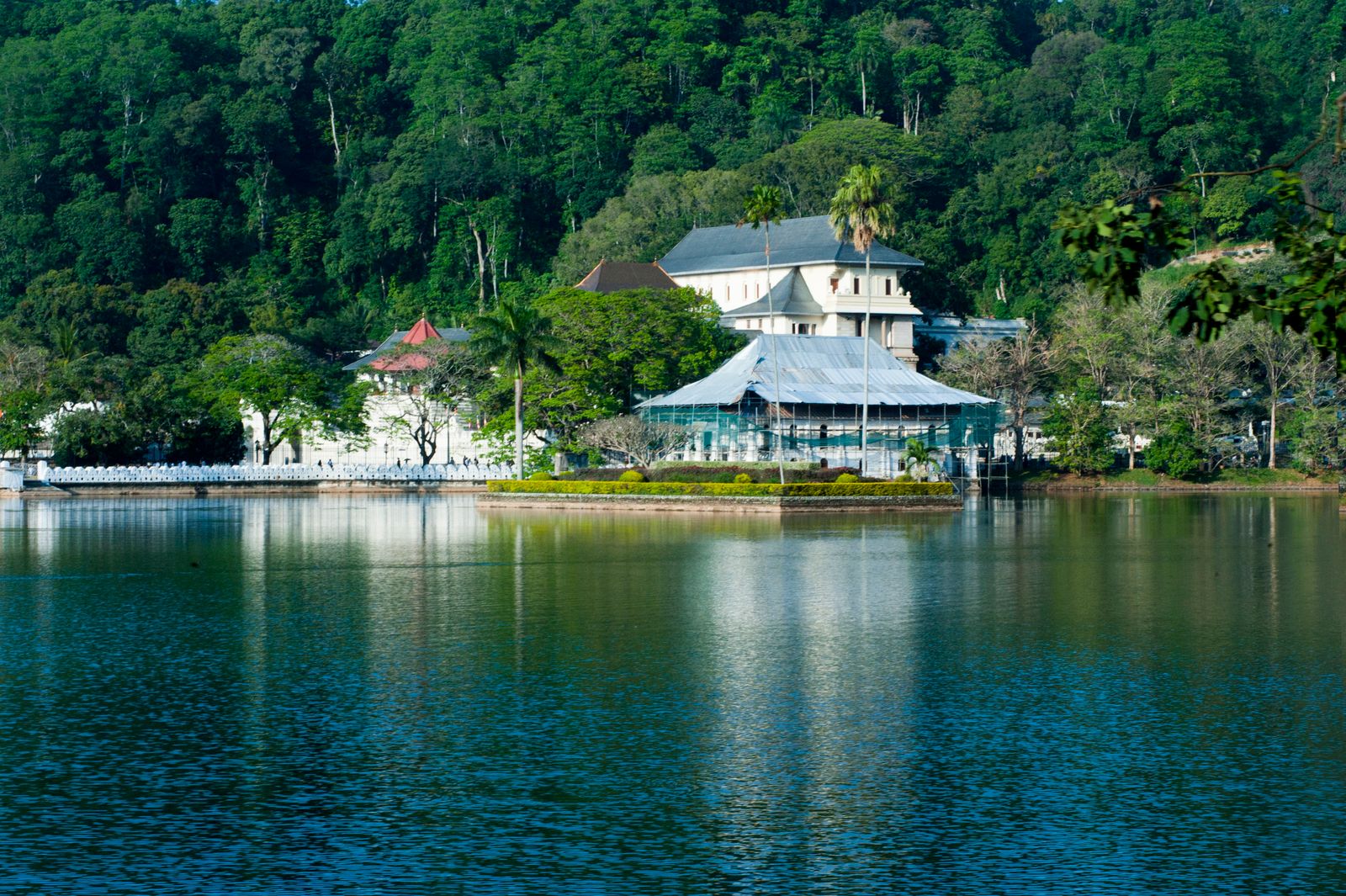
The city of Kandy sits in a valley surrounded by mountains and forms a natural gateway to the central highlands. Its most important landmark is the famous Temple of the Tooth (Sri Dalada Maligawa), where, according to tradition, a sacred relic is housed — making it one of the most important Buddhist pilgrimage sites in the world.
Entry costs 2,000 rupees (around £5) and the complex is open from early morning until evening. The most atmospheric time to visit is during the regular ceremonies (puja), when traditional drums echo through the temple and the scent of lotus flowers mingles with the smoke of incense sticks, though you should expect large crowds of worshippers.
Many travellers on forums agree that the city of Kandy itself is a touch overrated due to the heavy traffic, and that just one night here is plenty. Beyond the temple, it’s worth heading to the nearby Peradeniya Royal Botanical Gardens, which offer a wonderful display of tropical flora and huge colonies of fruit bats.
6. The legendary train journey towards Ella
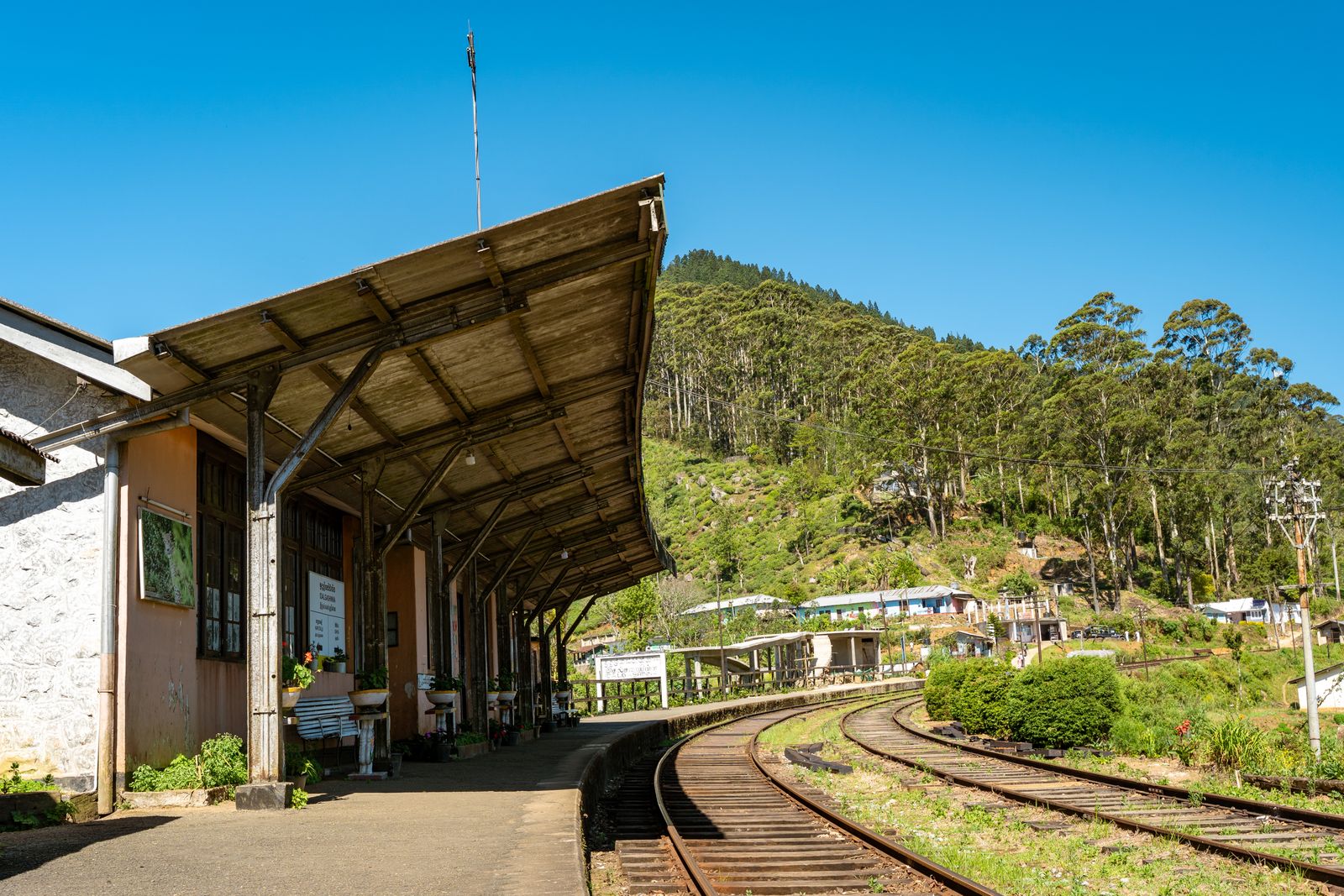
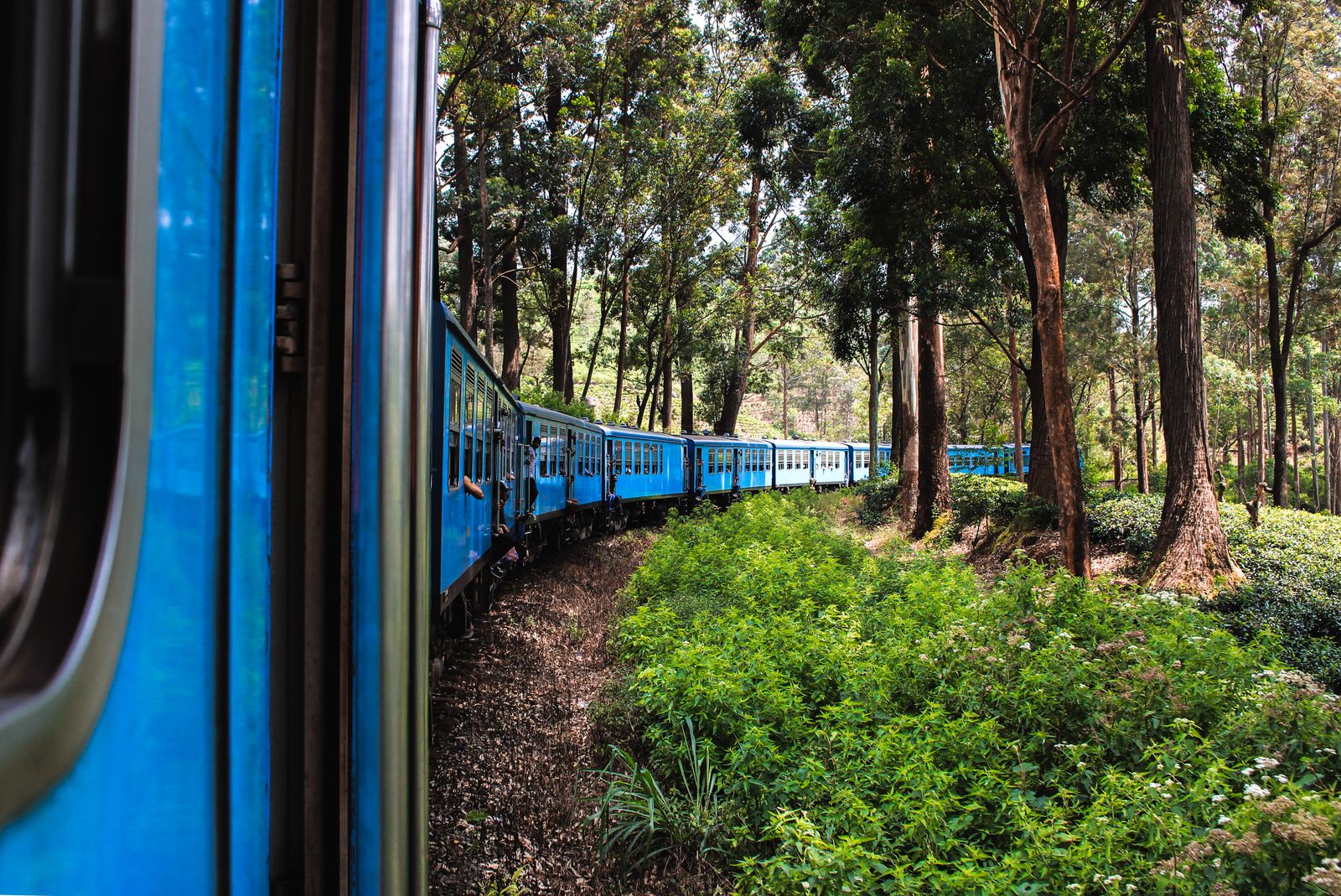
The train journey from Kandy to Ella regularly ranks among the most beautiful rail routes in the world. The train slowly creeps through lush green tea plantations, passes through dark tunnels and opens up breathtaking views into deep valleys.
⚠️ 2026 update: After the devastating Cyclone Ditwah, part of the line was seriously damaged and the train currently often runs only on the shortened Ambewela–Ella–Badulla section. The southern, most touristy stretch is being intensively repaired right now. Before your trip, you absolutely must check the current status of closures on the official website railway.gov.lk or via the 12go.asia portal. If the train from Kandy isn’t running, you can easily transfer by car or bus to Nanu Oya station and board the train there for the prettiest section.
The best experience is travelling in second class with windows that open, which is far better for photos than air-conditioned first class with sealed glass. Tickets vanish at lightning speed 30 days before departure, so rely on advance booking through 12go.asia, and on the way to Ella try to sit on the right-hand side in the direction of travel for the best views.
7. Ella and the magical Nine Arch Bridge
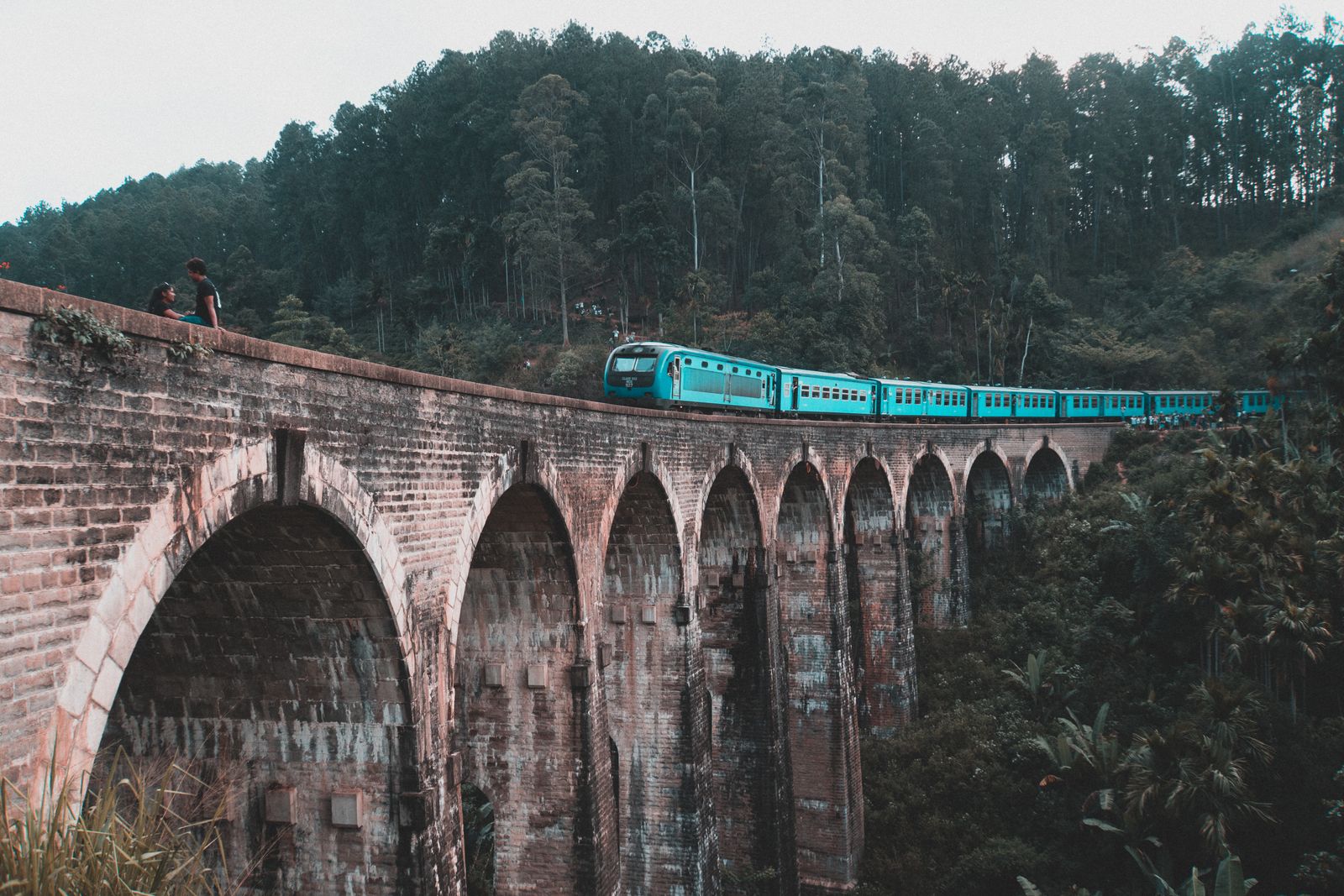
The mountain village of Ella makes a wonderful base for hikes, and its main calling card is the iconic Nine Arch Bridge. This stone viaduct in the middle of the jungle is a masterpiece of British colonial-era engineering and trains still run across it today.
Access to the bridge is completely free, and it’s best to arrive around 6 or 7am, when you’ll have peace and quiet for amazing photos without hundreds of other tourists. You can walk freely along the tracks themselves — just listen carefully for the horn of an approaching train in the distance.
💡 Tip: If you love aerial photography, be extremely careful, because flying drones near the bridge is dangerous due to wild bees. The noise of drones agitates them intensely, and in the past there have been several serious cases of tourists being stung after provoking the bees.
8. The Little Adam’s Peak and Ella Rock viewpoints
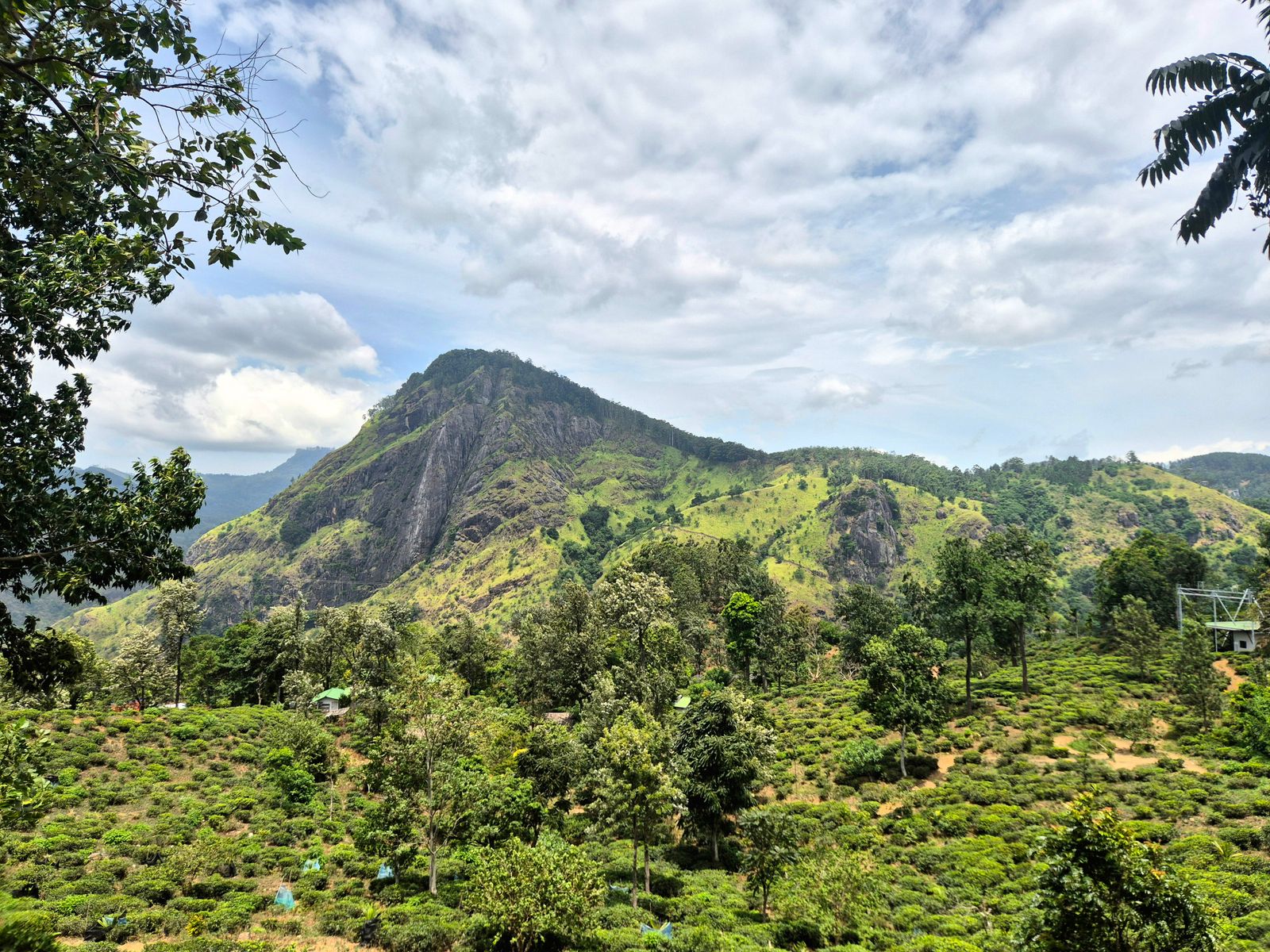
Straight from the centre of Ella you can set off on two popular hikes. The easier one is Little Adam’s Peak, a pleasant hour-long walk that ends with steps, rewarding you with a fantastic panoramic view over the whole Ella Gap area and the steep mountains opposite.
For more ambitious travellers there’s the challenge of Ella Rock. This hike takes three to four hours, starts with a walk along the railway tracks and continues with a fairly steep climb through a eucalyptus forest. After rain the path can get unpleasantly slippery, but the panoramic view from the edge of the cliff is incredibly rewarding.
Ella itself has transformed in recent years into a fairly bustling hub, sometimes nicknamed “the Khao San Road of the hills”. You’ll find plenty of Western restaurants, specialty coffee shops and bars here, which makes a rather welcome change after a week of rice and curry — for around two nights.
9. Ethical safari: choose Udawalawe over Yala
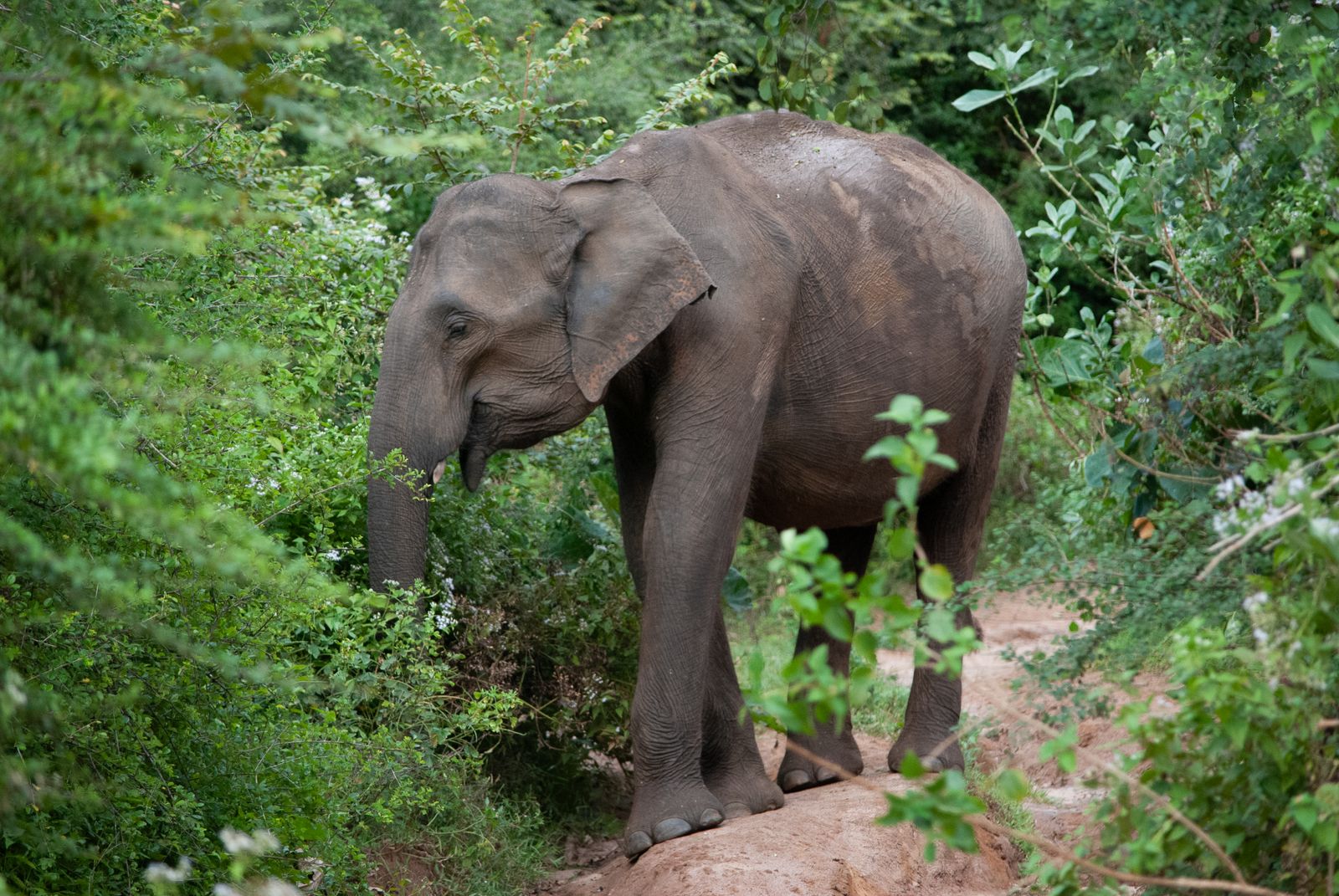
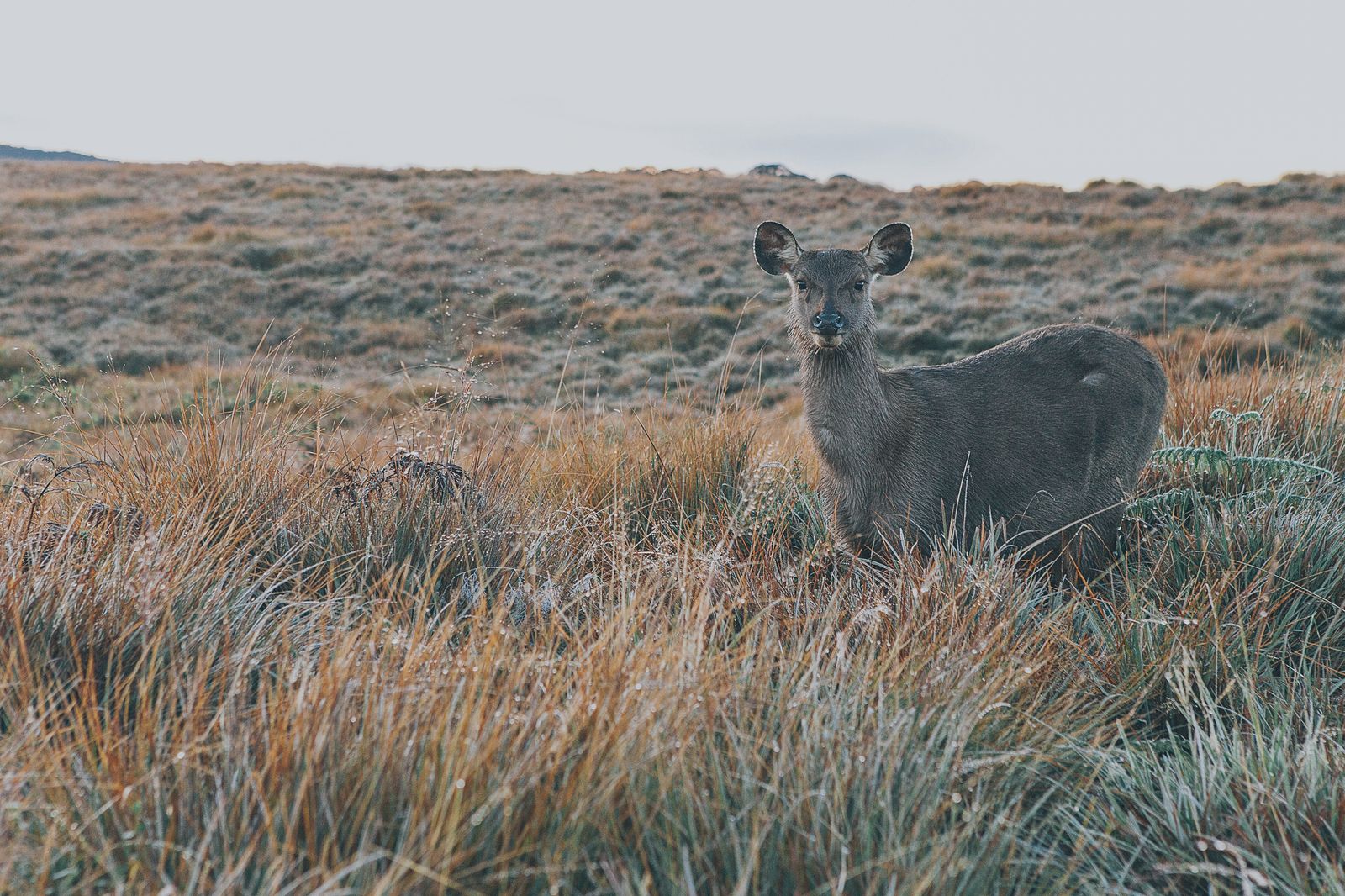
Seeing wild elephants and leopards in their natural habitat is the main reason many people travel here. The best-known national park, Yala, however, suffers from extreme tourist overload, and in the popular Block 1 you’ll commonly find jams of dozens of jeeps that stress and chase the animals just for a good photo.
A far better and more ethical choice is Udawalawe National Park. For an entry fee of around 35 USD (£28) plus the cost of a jeep, you’ll experience a much calmer safari in a park home to a population of about five hundred elephants — and the chances of seeing them up close are pretty much guaranteed.
If you’re still longing for leopards and want to try your luck in Yala, ask your driver for access to Block 5. There are far fewer cars, the wilderness is wilder, and you won’t feel like you’re contributing to the unsustainable mass tourism that does more harm than good to the animals.
10. The phenomenon of “The Gathering” at Minneriya
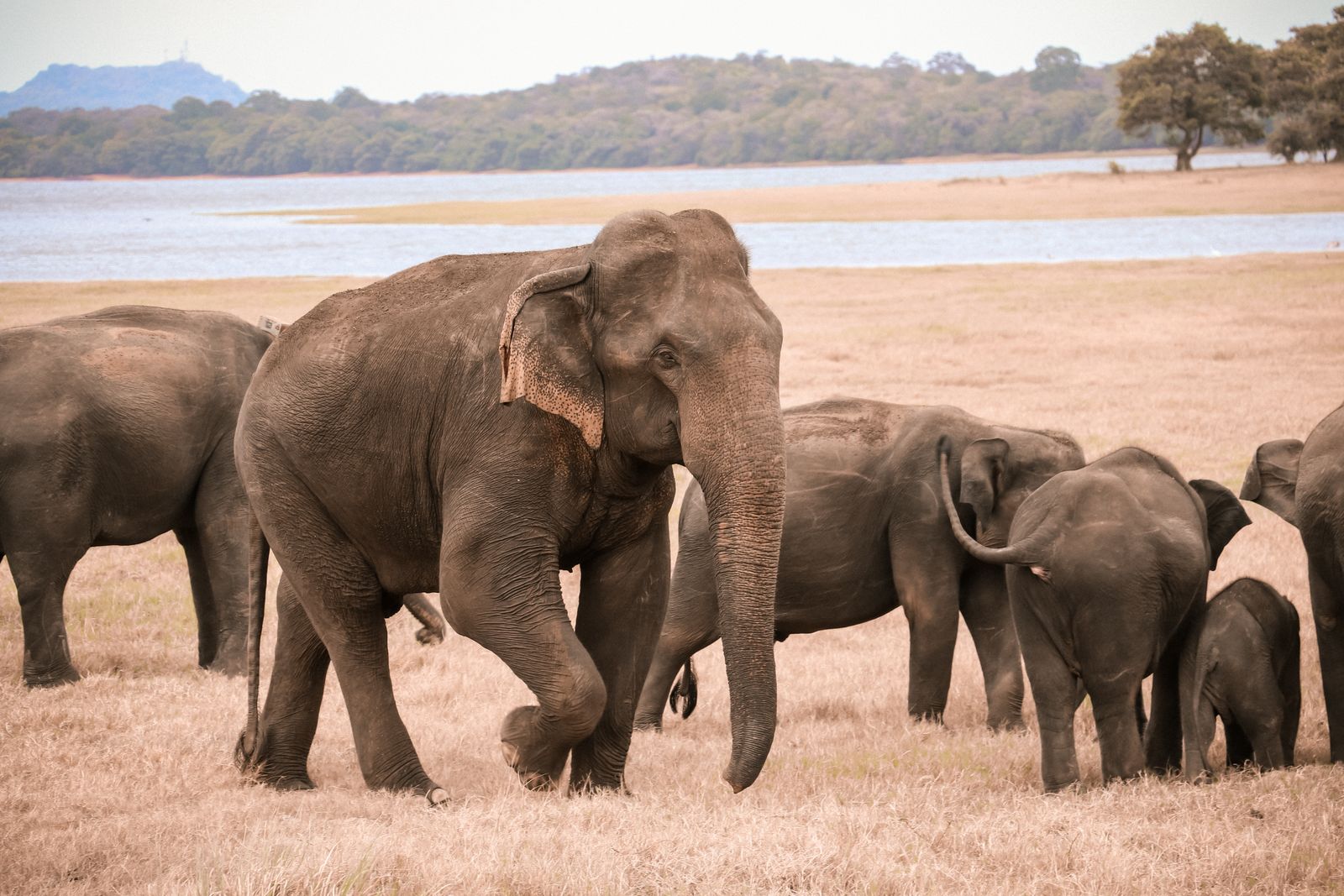
If you’re travelling to Sri Lanka during the summer holidays, you can’t miss the so-called “The Gathering” in Minneriya and Kaudulla national parks in the Cultural Triangle. During the dry season from July to September, enormous herds of elephants numbering up to 300 individuals converge on the local water tanks.
This vast concentration of elephants in one place is one of the greatest wildlife spectacles in all of Asia. Entry costs around 30 USD (£24) and jeeps usually set off in the afternoon, when the elephants emerge from the forest onto the open plains to reach the water.
Local guides and drivers know exactly where the elephants are at any given moment, so they move flexibly between Minneriya, Kaudulla and the Hurulu Eco Park. Simply trust them and let them take you wherever the chances of spotting the herds are best.

11. Whale watching in Mirissa and ocean ethics
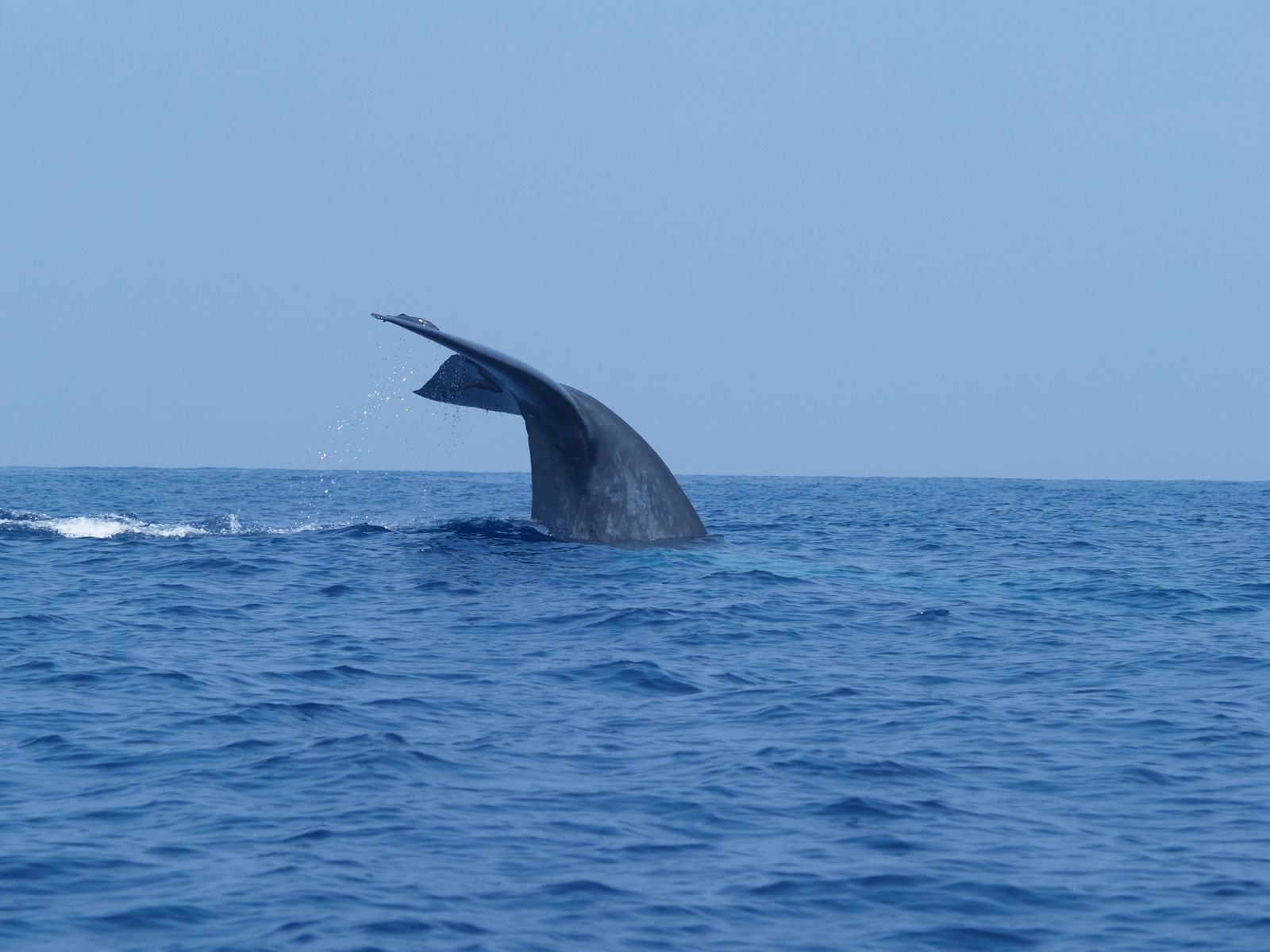
When a 25-metre blue whale surfaces in front of you, you’ll be utterly speechless. Southern Sri Lanka is one of the few places in the world where this can happen with a 90% probability. The main season in Mirissa runs from November to April, and the success rate of spotting these giants exceeds an amazing ninety percent in the winter months.
Unfortunately, here too the cheapest boats chase the animals recklessly and don’t keep safe distances. I strongly recommend paying a little extra for a verified and ethical operator, such as Raja & the Whales, which strictly follows international rules, doesn’t stress the whales, and serves an excellent breakfast on board.
The boat trip usually lasts three to five hours and sets off early in the morning. Be warned that the ocean can be quite choppy in the south, so if you suffer from seasickness, take a tablet around an hour before departure, otherwise you’ll spend the whole trip hunched in misery over the railing.
12. The best southwest beaches for the winter
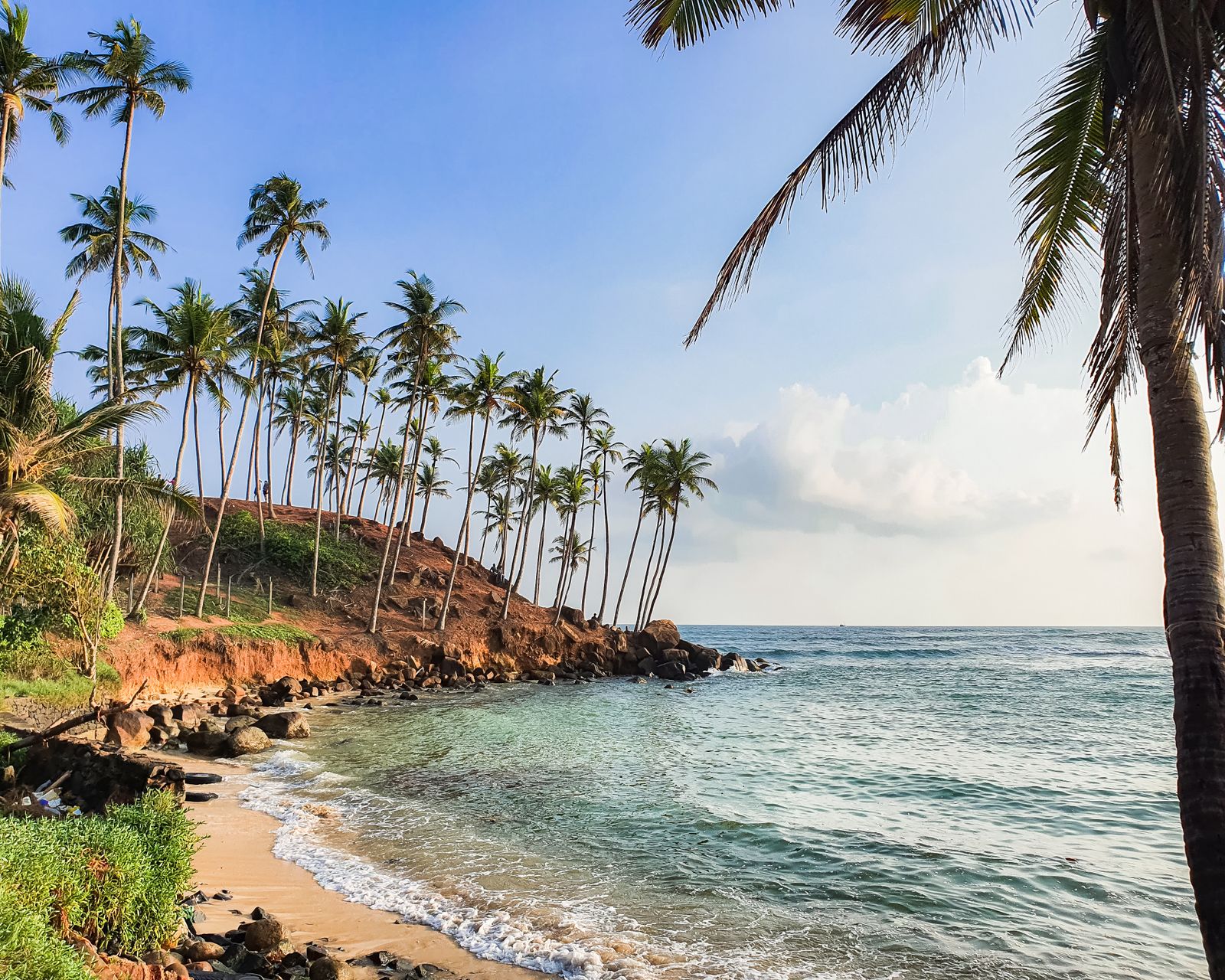
If you’re heading off on holiday from December to March, your steps should lead to the southwest coast, which is bathed in sunshine at that time. Each beach has a slightly different vibe, and it’s entirely up to you what you expect from a holiday by the ocean.
Mirissa is the centre of the action with plenty of beach bars and the photogenic Coconut Tree Hill. For families with children, the sheltered bay at Unawatuna is hands down the best, with no big waves and a sea that’s very calm and safe for swimming.
Lovers of long walks and absolute peace should head further south to the Tangalle area, where you’ll find kilometres of wild, deserted beaches — but expect a very strong surf here. If you’re after premium resorts and a wide range of water sports, the long sandy beach in Bentota will serve you beautifully.
13. Summer beaches and surfing on the east coast
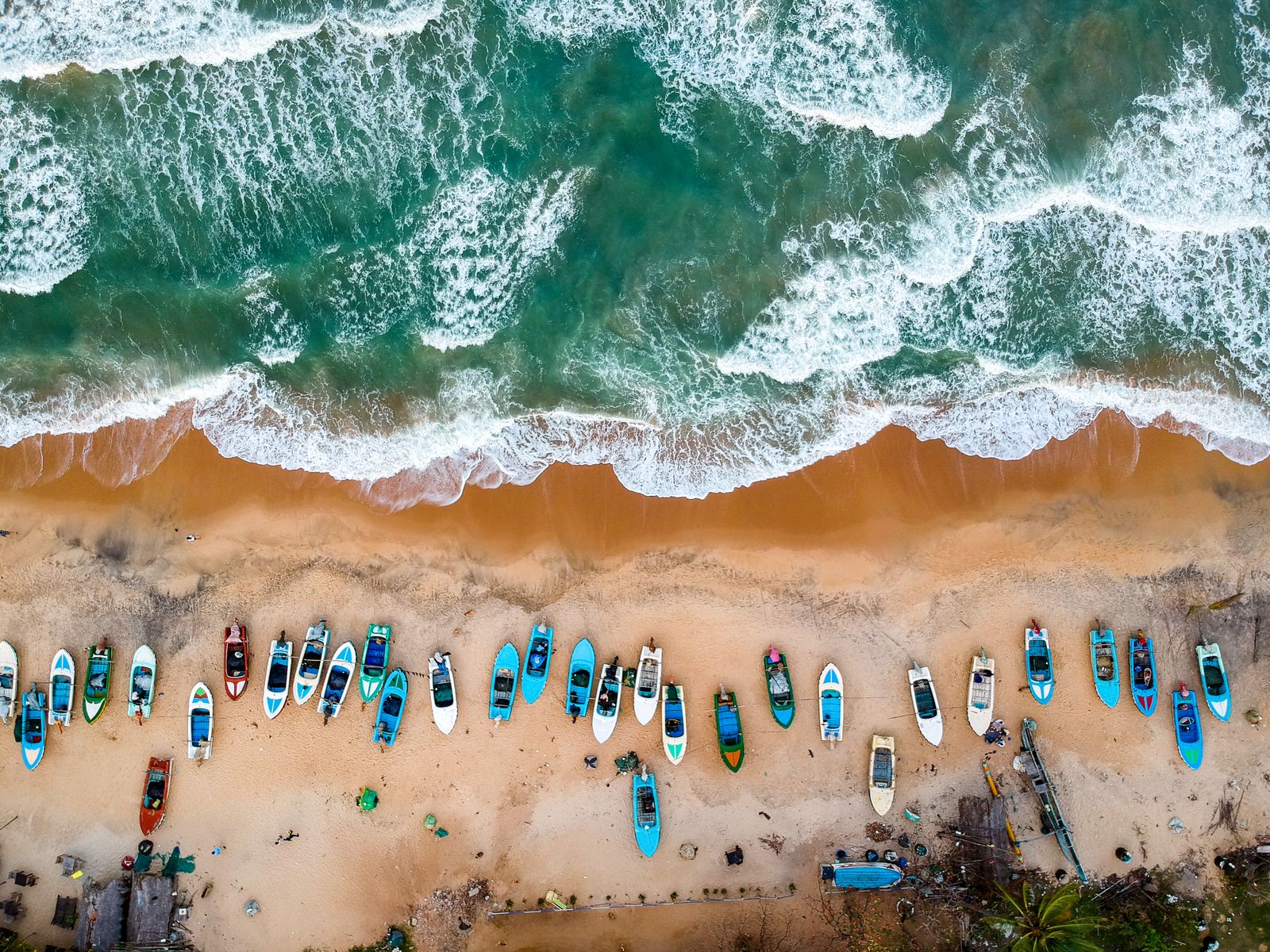
Travelling in the summer months from May to September? Then forget the southwest entirely — the sea there tends to be rough and it often rains. Instead, hop on a bus and head to the east coast, which is at its absolute peak in summer.
The mecca of the whole east is the surf town of Arugam Bay. Its laid-back atmosphere, evening parties and dozens of surf schools draw travellers from all over the world, and beginners can try their first waves on beaches like Peanut Farm or Whiskey Point.
For perfect relaxation with white sand and turquoise water, head further north to the town of Trincomalee. The beaches of Nilaveli and Uppuveli offer a gorgeous calm sea, and if you like snorkelling, you can pay for a boat trip to nearby Pigeon Island, where smaller reef sharks swim safely in the shallows.
14. Discover the unjustly overlooked north in Jaffna
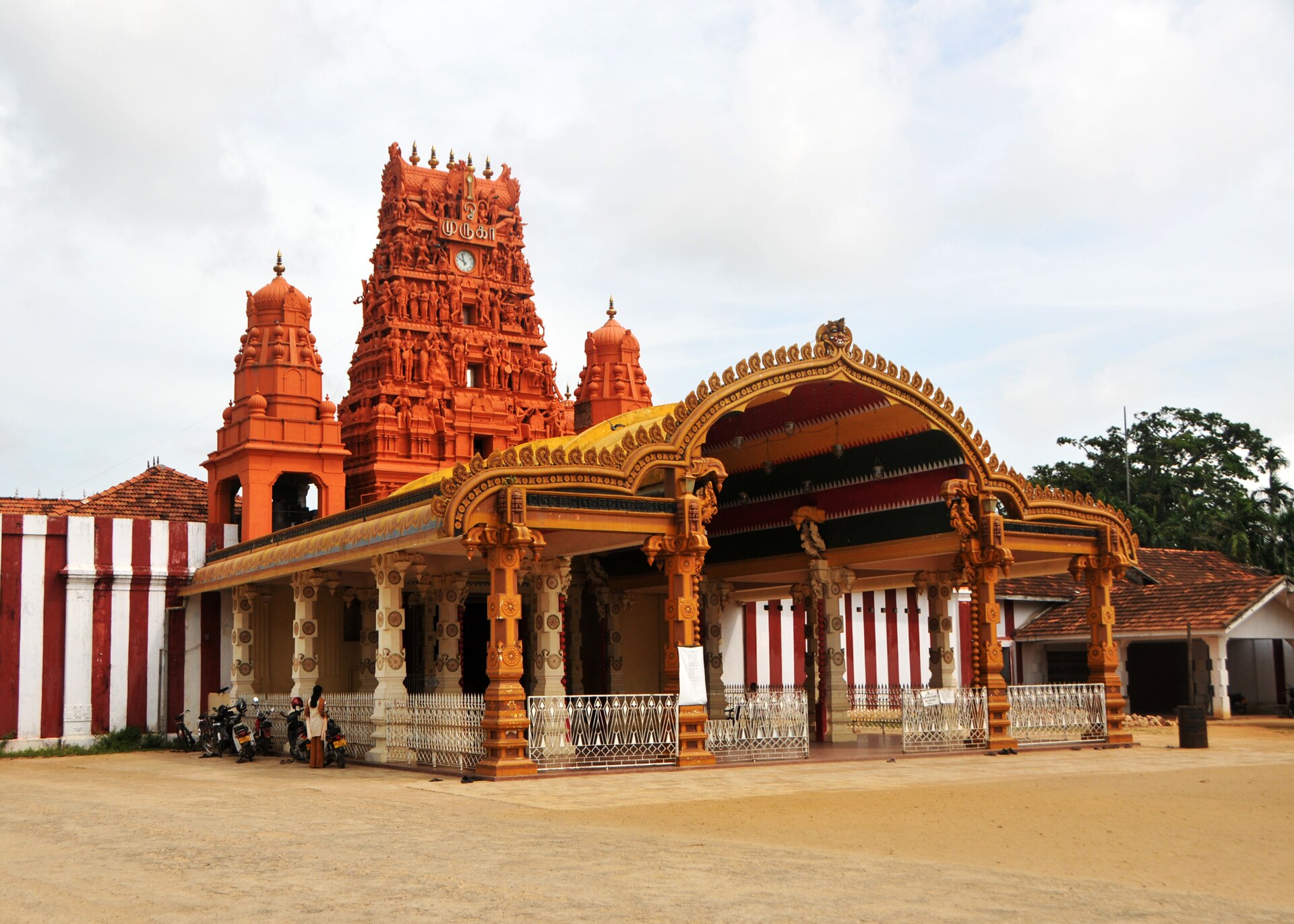
While most tourists circle round and round the southern half of the island, the truly authentic experience awaits in the north. The city of Jaffna and its surroundings are still waking up after a long civil war and offer a completely different, purely Tamil culture that is far closer, both visually and gastronomically, to southern India.
You can reach it comfortably by train from Colombo, and on the spot you can spend two very full days. The area’s landmark is the stunning Hindu Nallur Kandaswamy temple with its monumental golden tower, where men must remove their shirts before entering.
An interesting excursion is the ferry ride to the remote island of Delft, where herds of wild horses survive, left behind by European colonisers. Jaffna is a great choice for travellers who have been to Sri Lanka before and want to see something completely unique and untouched by the crowds.
15. Nuwara Eliya and a taste of Ceylon tea
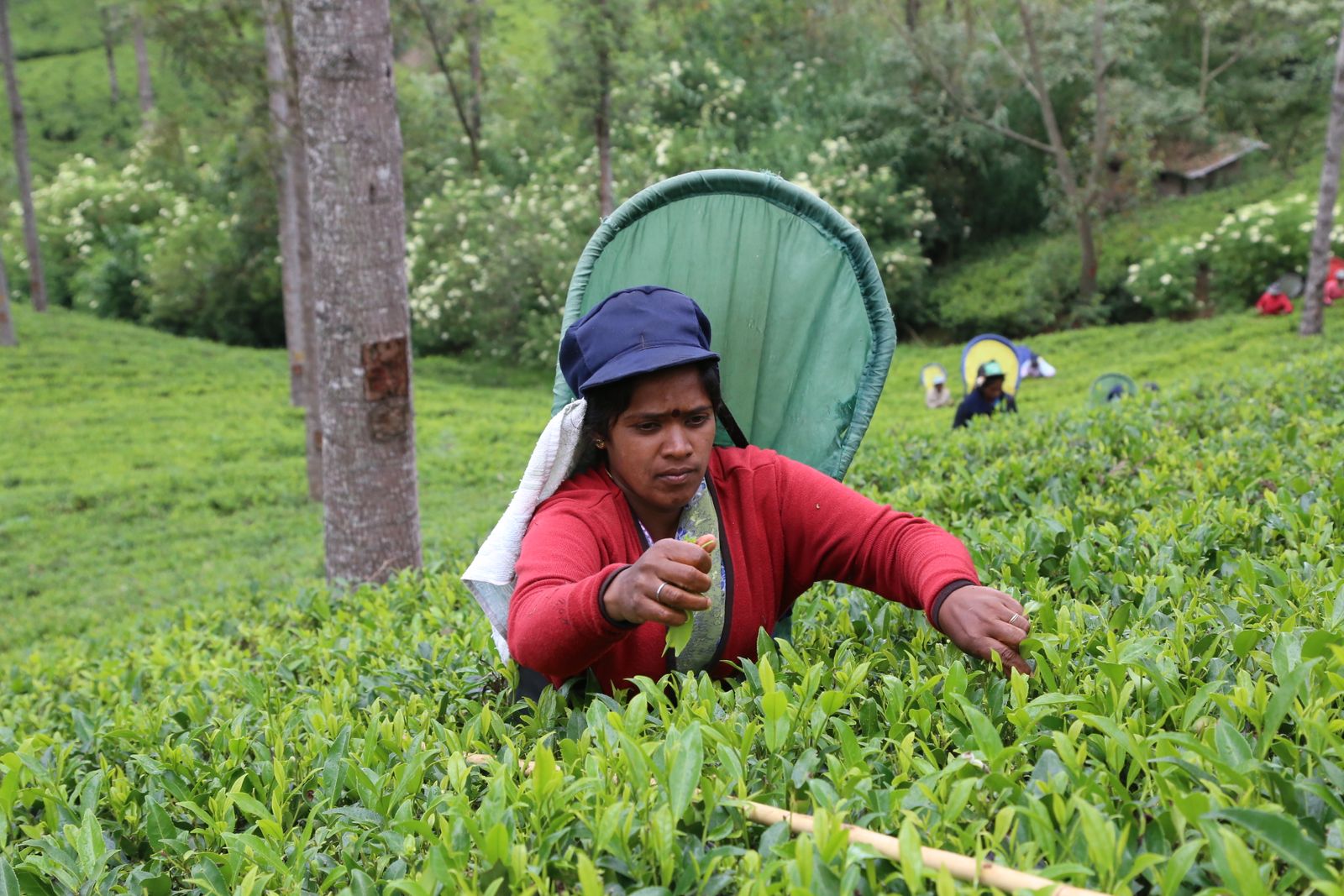
The central highlands hide the town of Nuwara Eliya, nicknamed “Little England” thanks to its British colonial architecture, racecourse and perfectly manicured lawns. Just don’t forget to pack warm clothes, because at an altitude of nearly two thousand metres it can sometimes get properly cold.
The best mountain experience is a visit to the legendary Lipton’s Seat viewpoint near Haputale, where Sir Thomas Lipton himself used to sit and survey his estate. I recommend setting off early in the morning by tuk-tuk, because after 10am the valley almost always shrouds itself in thick mist and you’ll get nothing from the views.
A visit to a working tea factory is, of course, a must, where you’ll see the whole leaf-processing process. A popular choice is, for example, Damro Labookellie, which offers tours of the operation and a tasting of black tea completely free of charge, though you should expect a slightly more touristy atmosphere.
16. Phenomenal Sri Lankan food and a vegetarian paradise
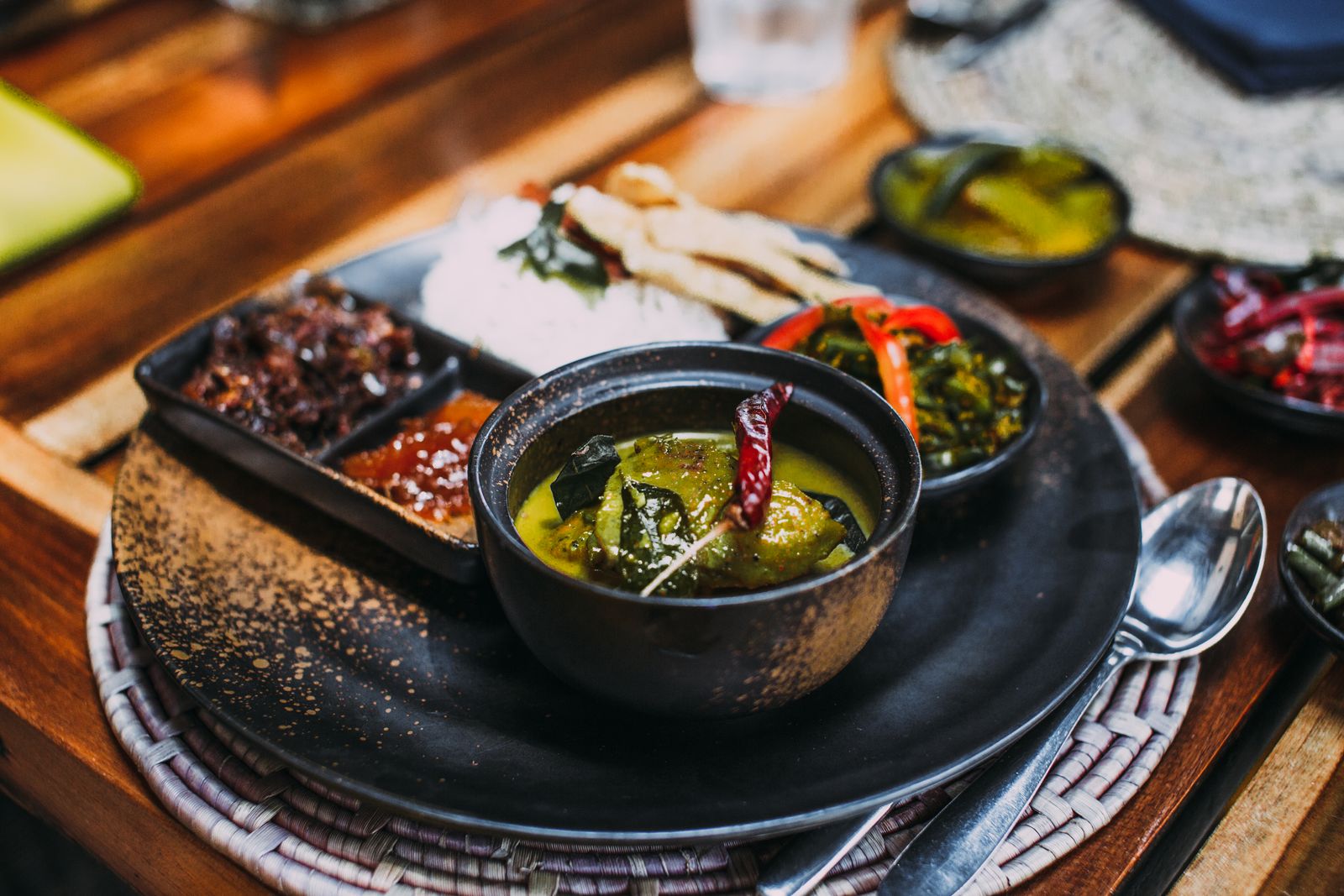
Sri Lankan food is, for me, one of the main reasons people keep coming back. If you don’t eat meat, you’ll be in seventh heaven, because the island is an absolute vegetarian paradise and almost all traditional dishes are naturally meat-free and unbelievably delicious.
The foundation of everything is the national dish “rice and curry” — not a single dish, but a huge mound of rice surrounded by three to seven small bowls of various vegetable curries. My absolute favourite is the creamy red-lentil dhal in coconut milk, fiery coconut sambol, and an amazing young jackfruit curry whose texture resembles pulled meat.
For breakfast, don’t miss “hoppers”, bowl-shaped pancakes made from rice batter, often with an egg cracked into the centre. At dinner, you’ll hear rhythmic chopping on the street, which signals the preparation of “kottu roti”, a delicious mix of chopped flatbreads with vegetables. Local food is incredibly cheap and in local eateries you’ll eat like a king for around £1. Meat and fish dishes are on the menus too — just occasionally watch out for a traditional ingredient called “Maldive fish” (dried, crushed fish), which cooks like to sprinkle even into otherwise purely vegetarian salads.
17. Slow down on an Ayurvedic retreat
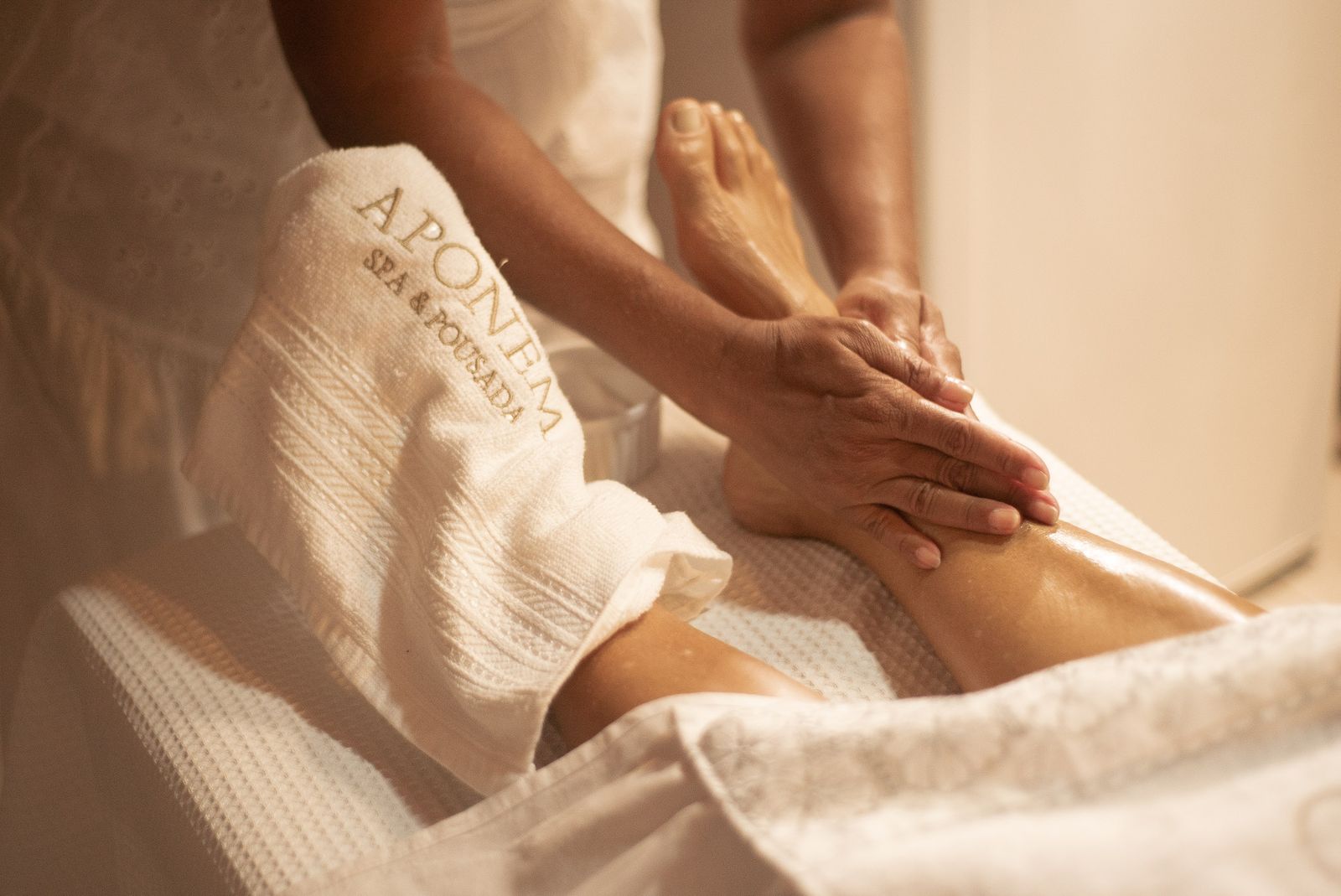
Sri Lanka is the cradle of the traditional natural medicine known as Ayurveda, and across the island you’ll find specialist resorts focused on deep regeneration of body and mind. But don’t expect ordinary wellness with a massage and a hot tub — an Ayurvedic stay is an intensive healing process.
The classic detox treatment known as panchakarma requires at least 14 nights, ideally a full 21 days, and begins with a detailed examination by an Ayurvedic doctor who determines your body type (dosha). Based on this, you’ll be given a strictly prescribed diet, daily herbal-oil massages and therapeutic treatments.
Prices for quality stays with full board and medical care start at roughly £105 (€120) per day. People come back from such a stay feeling like they’ve had a proper reset — and one prescribed by a doctor, not a hotel masseuse.
18. Budget for the high entry fees
While food, transport and accommodation are incredibly cheap in Sri Lanka, the entry fees for monuments and nature reserves can catch you out rather unpleasantly. The country applies a system of so-called dual pricing, where foreigners pay many times more than local residents.
A couple can easily spend over 200 US dollars (around £160) on entry to the main highlights of the Cultural Triangle and two national park visits alone. Entry to Sigiriya (30 USD), Polonnaruwa (30 USD) and safari (around 35 USD per entry) simply adds up very quickly, so factor this expense into your budget in advance.
Most entries must be paid in cash in local rupees, converted at the current exchange rate. Most banks charge a fee for ATM withdrawals, but the ATMs of the state-owned Bank of Ceylon and People’s Bank usually dispense cash with no fee, which definitely comes in handy for larger withdrawals.
19. Watch out for the most common tourist scams
Sri Lankans are incredibly kind and hospitable people, but in tourist areas you’ll come across a few well-worn traps. The most common scam is the “gem scam”, where a tuk-tuk driver or a random “friend” takes you to a gemstone shop and offers you fake sapphires with the promise that you’ll resell them at a profit back in Europe. Never fall for it.
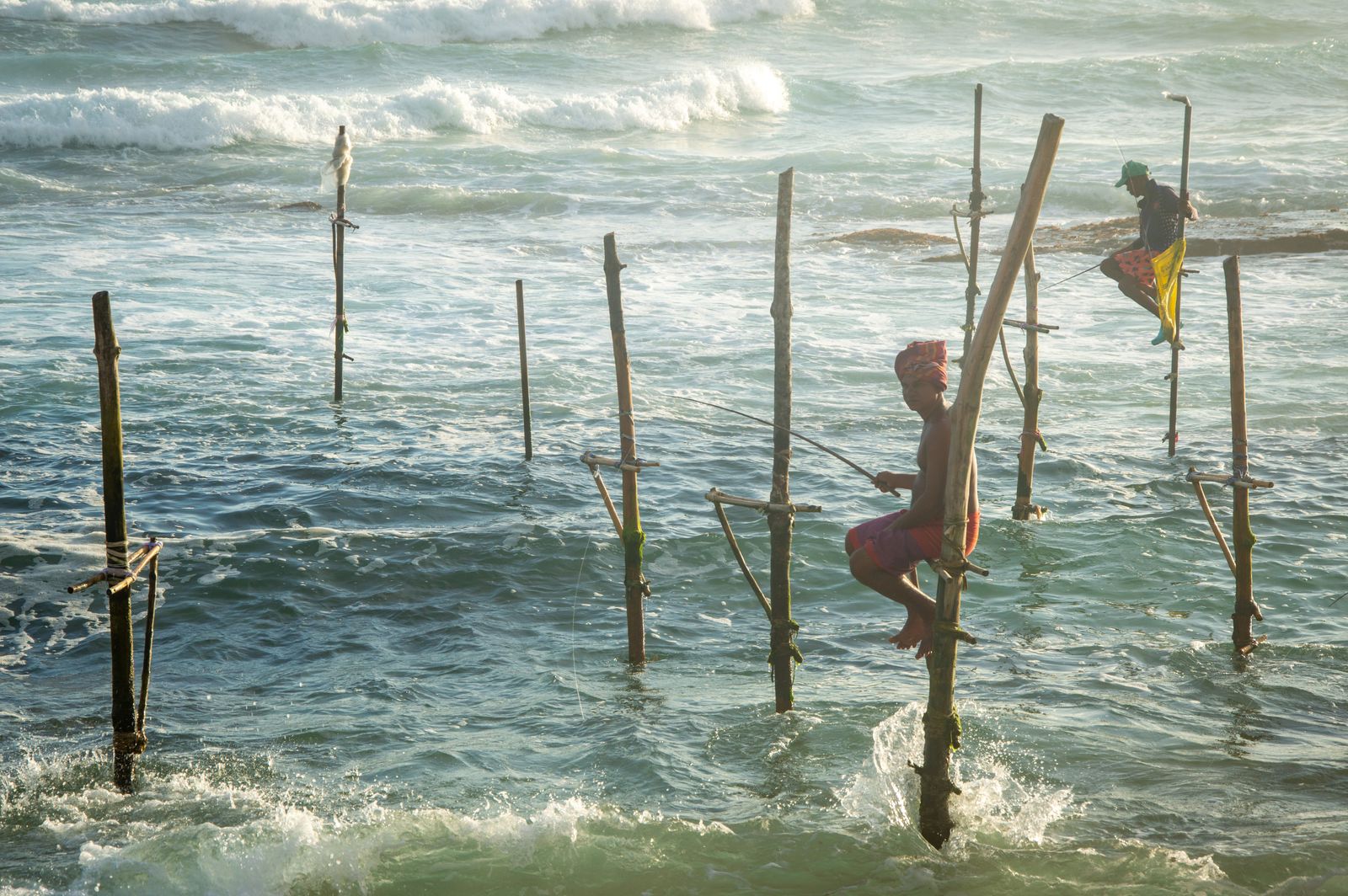
Also avoid organised visits to the so-called “Spice Gardens” around the town of Matale, where a fake doctor explains the benefits of spices for free, but then pressures you into buying ridiculously overpriced herbal creams. Likewise, the photogenic stilt fishermen near Koggala no longer fish — they just pose on their stilts for money from tourists.
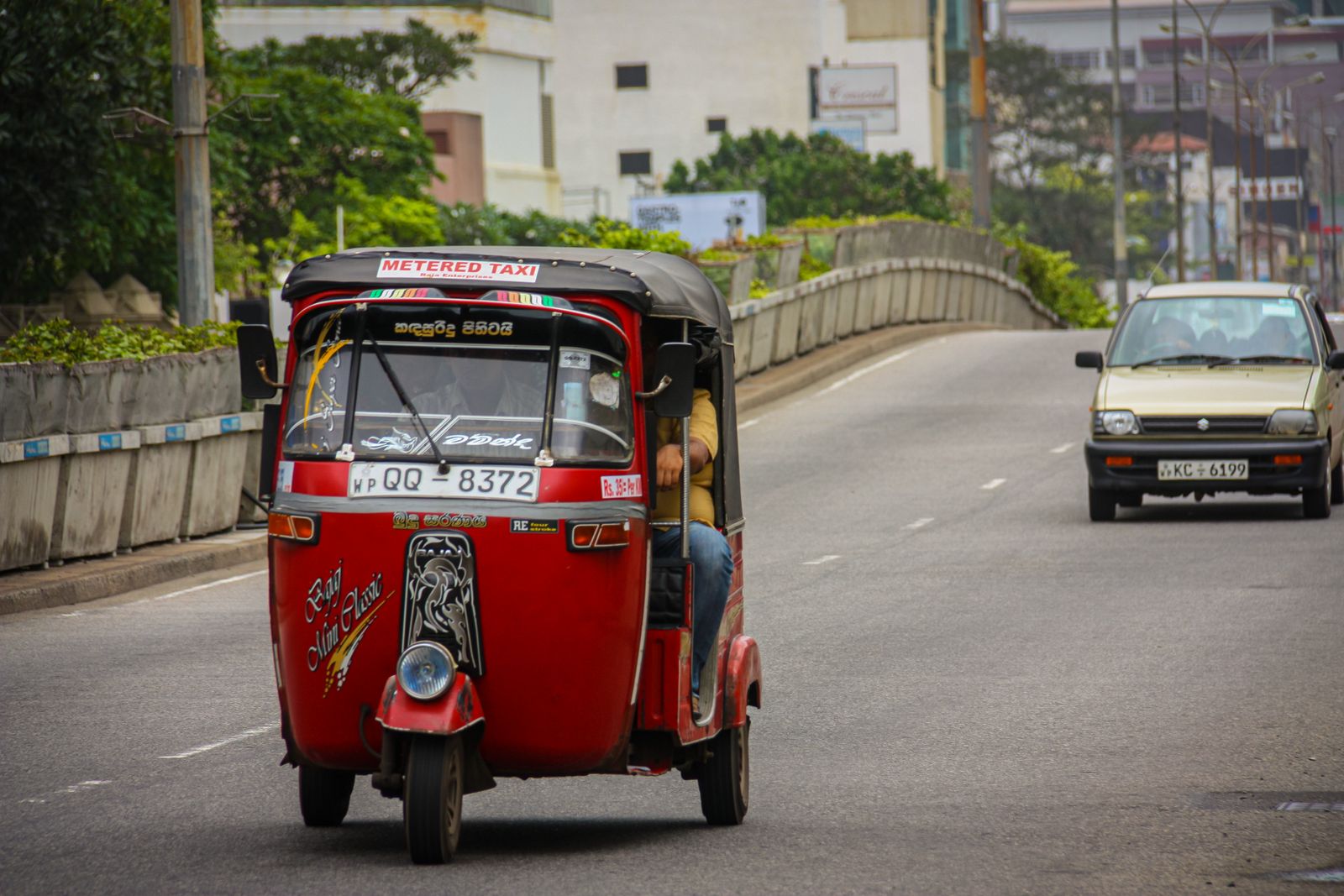
When getting around towns, it’s best to download the PickMe app, which works like an Asian Uber for tuk-tuks. With it, you’ll see a fixed price in advance and won’t have to haggle over nonsensical sums with drivers on the street. Also give the popular elephant “orphanage” in Pinnawala a very wide berth, where the animals suffer in chains, and instead visit the ethical Elephant Transit Home near Udawalawe, which genuinely returns rescued calves to the wild.
20. Sri Lanka is wonderful for travelling with children
If you’re hesitating about heading to Asia with younger children, Sri Lanka is an absolutely fantastic “starter” exotic destination. The locals are completely besotted with children, you’ll be met with smiles everywhere, and the island offers a perfect three-way mix: one moment you’re by the sea, the next you’re exploring monuments, and then you’re off hunting for animals in the jungle.
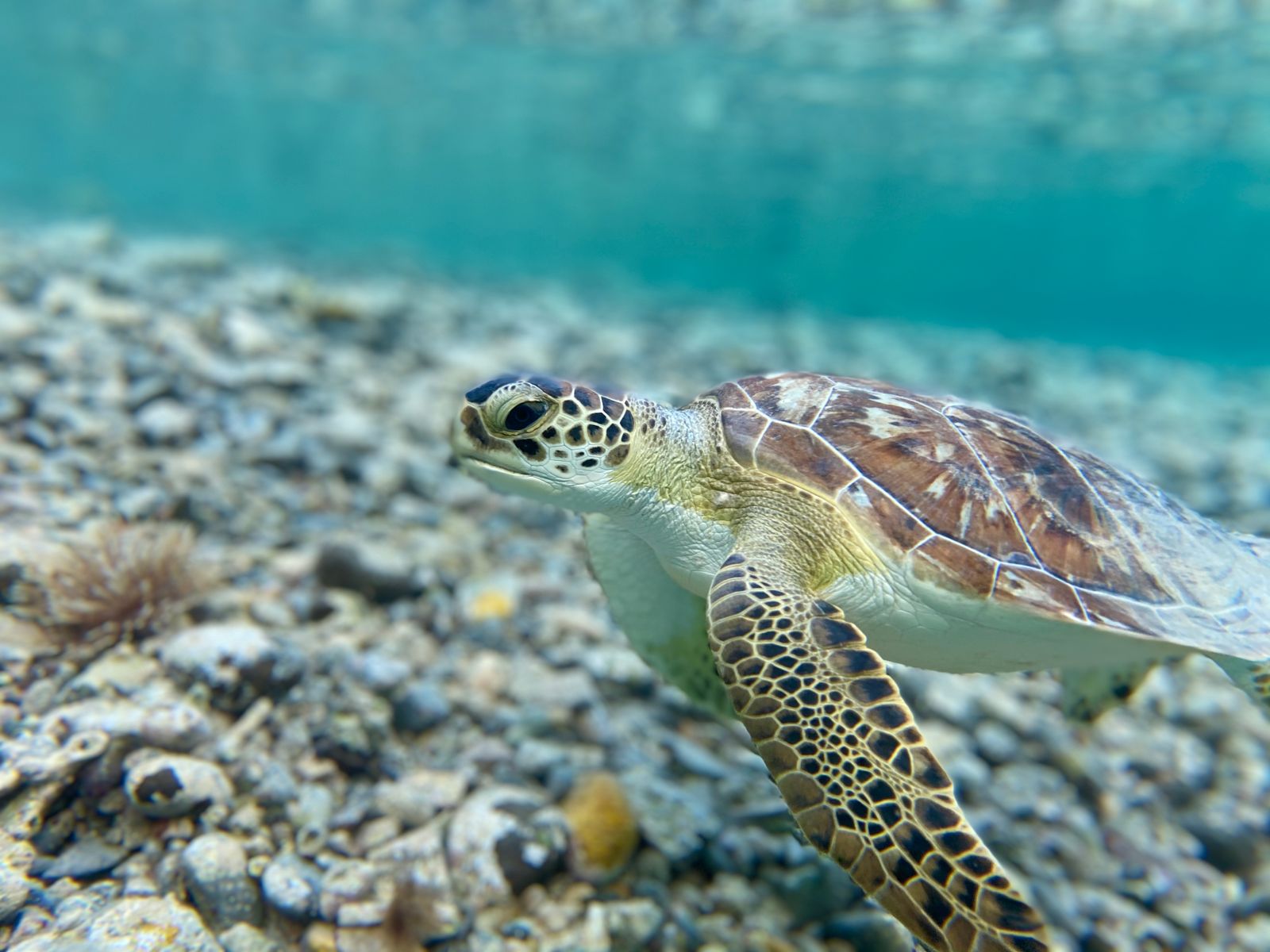
For families with limited time, it’s genuinely brilliant to hire a car with your own driver (it works out at roughly 50 to 70 USD / £40–£55 a day, all in), which gives you huge comfort. Children will be thrilled by the herds of elephants on safari, riding in a noisy, colourful tuk-tuk, or an outing to the turtle beaches.
The only minor obstacle can be the food, because the Sri Lankan definition of “not spicy” is still a pretty fiery experience for a child’s palate. Luckily, this is reliably saved by fresh fruit juices, roti flatbreads, rice, or the ubiquitous egg hoppers, which children can happily survive the whole holiday on.
21. How to plan a 10- and 14-day itinerary
For a classic 14-day holiday, I recommend a varied loop that heads from the airport through the Cultural Triangle into the hills and finishes on the southern beaches. Try this formula: Sigiriya and Dambulla (2–3 days) -> Kandy (1 day) -> by train into the hills to Ella (2 days) -> safari in the south (1 day) -> relaxing on the southern beaches (3–4 days) -> a short stop in Galle before flying home.
With ten days you have to be a bit ruthless: feel free to skip both Anuradhapura and Colombo, save the north and east coasts for next time, and pick just one hill town — ideally Ella.
When planning your route, always bear in mind that the average travel speed on Sri Lankan roads is just 30 to 40 km/h. So don’t plan more than one long transfer per day, and never let anyone push you into travelling after dark, when wild elephants very often step onto the unlit roads.
Map of points of interest for your phone
Where to go after Sri Lanka
Sri Lanka is often a gateway to further great Asian adventures. If you’re tempted by exploring other tropical islands with gorgeous nature, you can check out Indonesia and our tips on what to see in Bali.
If you prefer excellent street food and amazing temples, don’t hesitate to read our guide to Thailand without a tour operator: 11 tips for a DIY holiday or our detailed 2-week itinerary for a Thailand road trip. Lovers of buzzing Asian metropolises shouldn’t miss our guide to a Bangkok holiday with 18 tips.
On the long flights to Sri Lanka you’ll almost certainly be connecting in the Middle East. So why not make a multi-day stopover and use our 43 great tips for a holiday in Dubai? And if you’re planning to travel with just a backpack, you’ll definitely find our article on how to pack light in hand luggage handy.
More exotic destinations from our series: Cape Verde: holiday, 19 tips on what to see and when (not) to go · Zanzibar: holiday, 21 tips on what to see and when to go · Maldives: holiday, 21 tips on what to see and when to go · Mauritius: holiday, 21 tips on what to see and when to go · Dominican Republic: holiday, 21 tips and when to go · Abu Dhabi: holiday, 21 tips on what to see and when to go
Frequently asked questions
Planning a trip to an exotic destination always comes with a heap of practical questions. To save you hours of googling, I’ve put together answers to what travellers most often ask before flying off to the island. You’ll find everything here, from safety to necessary vaccinations.
Is Sri Lanka safe for tourists?
Yes, Sri Lanka is currently very safe and the economic crisis from 2022 has long been resolved. The country has stabilized and tourists face no threats, just watch out for petty theft and scams at markets, which is standard fare for any Asian destination. For solo female travelers, it’s one of the safest countries in the region.
Do I need a visa for Sri Lanka and how much does it cost?
Yes, you do, but from 2026 the tourist visa (ETA) for 30 days is completely free for Czech citizens. However, you must apply in advance online exclusively on the official government website eta.gov.lk. Be very careful of fraudulent unofficial websites that charge hidden handling fees.
When is the best time to visit?
It depends on exactly where you’re heading. For the classic loop and the southwestern beaches, the absolute best time is from December to March, when it’s dry and the weather is beautiful. The east coast, on the other hand, has its season during our summer holidays, from May to September.
How much does a 14-day vacation cost roughly?
Prices vary greatly depending on travel style. A backpacker using buses and staying in guesthouses can manage on $25–35 per day. A more comfortable holiday for a couple with a rental car and driver, entrance fees and better hotels runs around $150 to $250 per day for both people. The biggest expense on site tends to be the surprisingly expensive entrance fees to monuments.
Is that famous train from Kandy to Ella currently running?
After damage to the track by Cyclone Ditwah, the train still doesn’t run the entire route and often operates only on the shortened and most beautiful section from Ambewela through Ella to Badulla. Repairs are ongoing, so be sure to check the current connections via the railway website or the 12go.asia portal before departure.
Is it better to go on safari to Yala or Udawalawe?
I definitely recommend Udawalawe. Yala Park (especially Block 1) tends to be extremely overcrowded with hundreds of jeeps chasing animals and creating noisy traffic jams. In Udawalawe you’ll experience a much more peaceful safari with a huge and almost one hundred percent chance of close-up observation of large herds of elephants in the wild.
What vaccinations do I absolutely need for Sri Lanka?
No vaccination is mandatory, but as a traveller’s baseline, vaccination against hepatitis A and B and typhoid fever is strongly recommended. For longer stays and contact with animals, consider rabies. The good news is that malaria has been officially eradicated in Sri Lanka, so you don’t need to take antimalarial medication, but a quality repellent against dengue fever will definitely come in handy.
Is it easy to travel around Sri Lanka with small children?
Sri Lanka is one of the most family-friendly countries in Asia. It offers a great combination of beaches, safari animals, and easy trips that won’t bore the kids. Locals are extremely welcoming to families. Just be prepared that the food is sometimes very spicy, so you’ll rely on rice, flatbreads, and lots of sweet fruit.
Tips and Tricks for Your Vacation
Don’t Overpay for Flights
Search for flights on Kayak. It’s our favorite search engine because it scans the websites of all airlines and always finds the cheapest connection.
Book Your Accommodation Smartly
The best experiences we’ve had when looking for accommodation (from Alaska to Morocco) are with Booking.com, where hotels, apartments, and entire houses are usually the cheapest and most widely available.
Don’t Forget Travel Insurance
Good travel insurance will protect you against illness, accidents, theft, or flight cancellations. We’ve had a few hospital visits abroad, so we know how important it is to have proper insurance arranged.
Where we insure ourselves: SafetyWing (simple monthly subscription) and TrueTraveller (for extra-long trips).
Find the Best Experiences
Get Your Guide is a huge online marketplace where you can book guided walks, trips, skip-the-line tickets, tours, and much more. We always find some extra fun there!