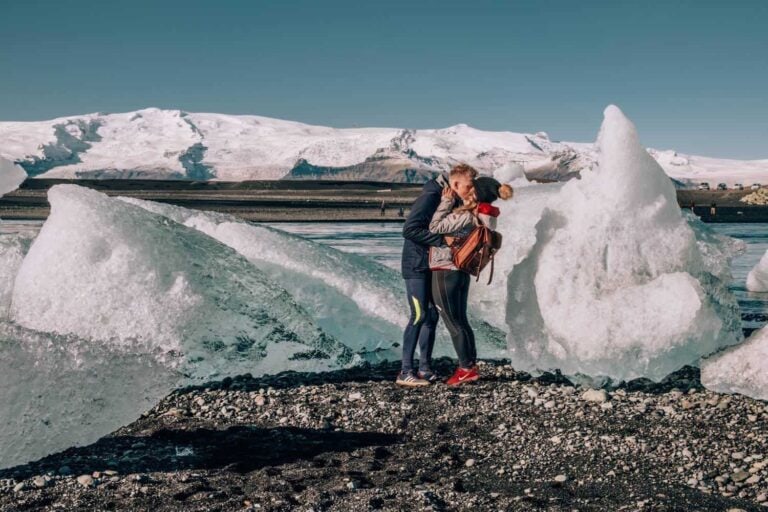
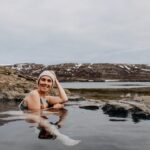
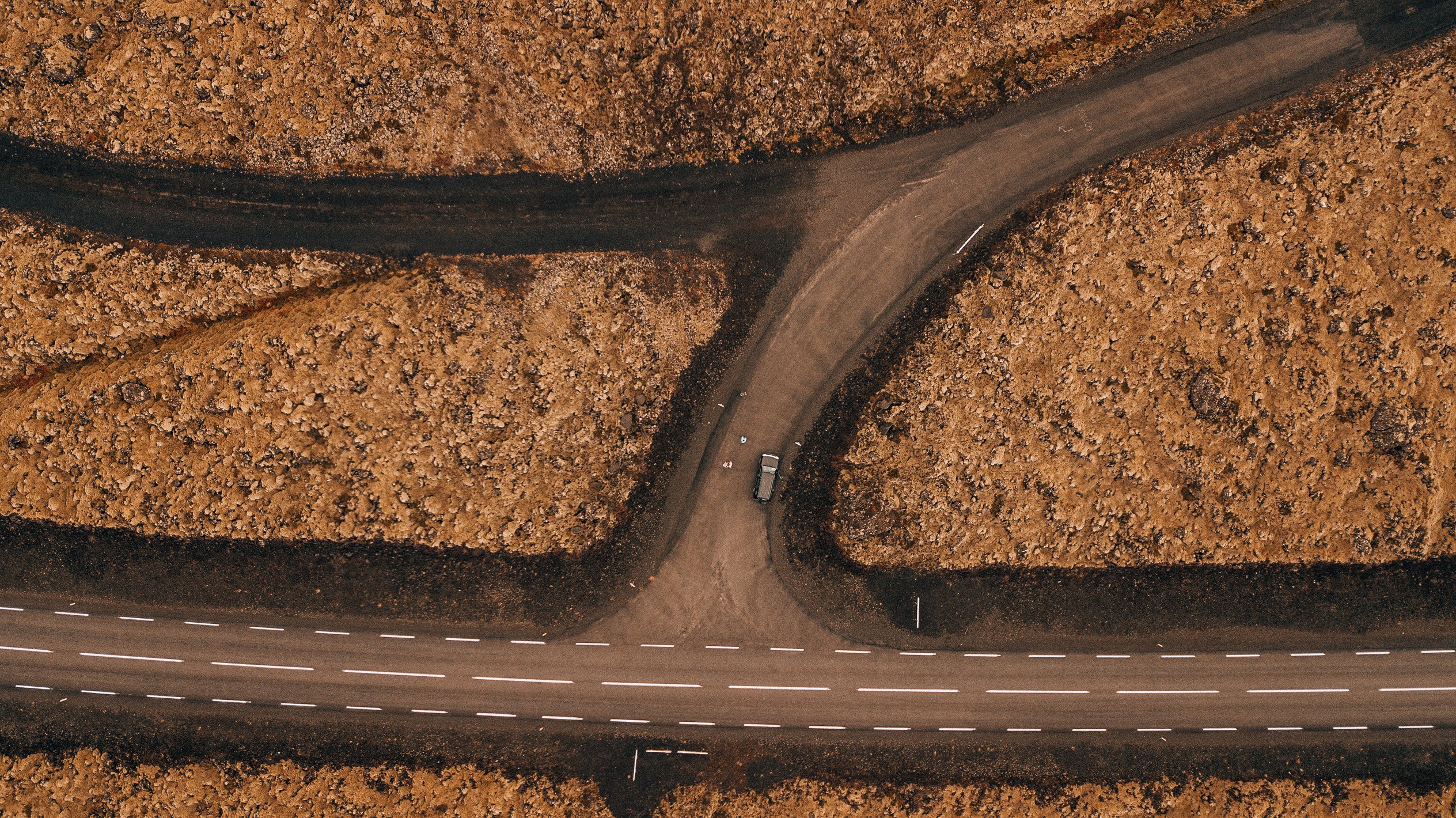
The wind smacks you in the face the moment you first step out of the airport terminal in Keflavík, and the air smells of damp earth and faintly of sulphur. All around you stretches an endless plain of black-grey lava carpeted with a thick layer of moss, so you feel as if someone has just dropped you off on another planet. That’s exactly how I remember arriving in Iceland with Lukáš at the turn of September and October 2018 — and how we first came face to face with the volcanoes in Iceland.
There’s no gentle warm-up here — this country throws you straight into its raw and utterly fascinating world. Our main goal back then was nature, and of course we were curious about what the Icelandic volcanoes look like up close.
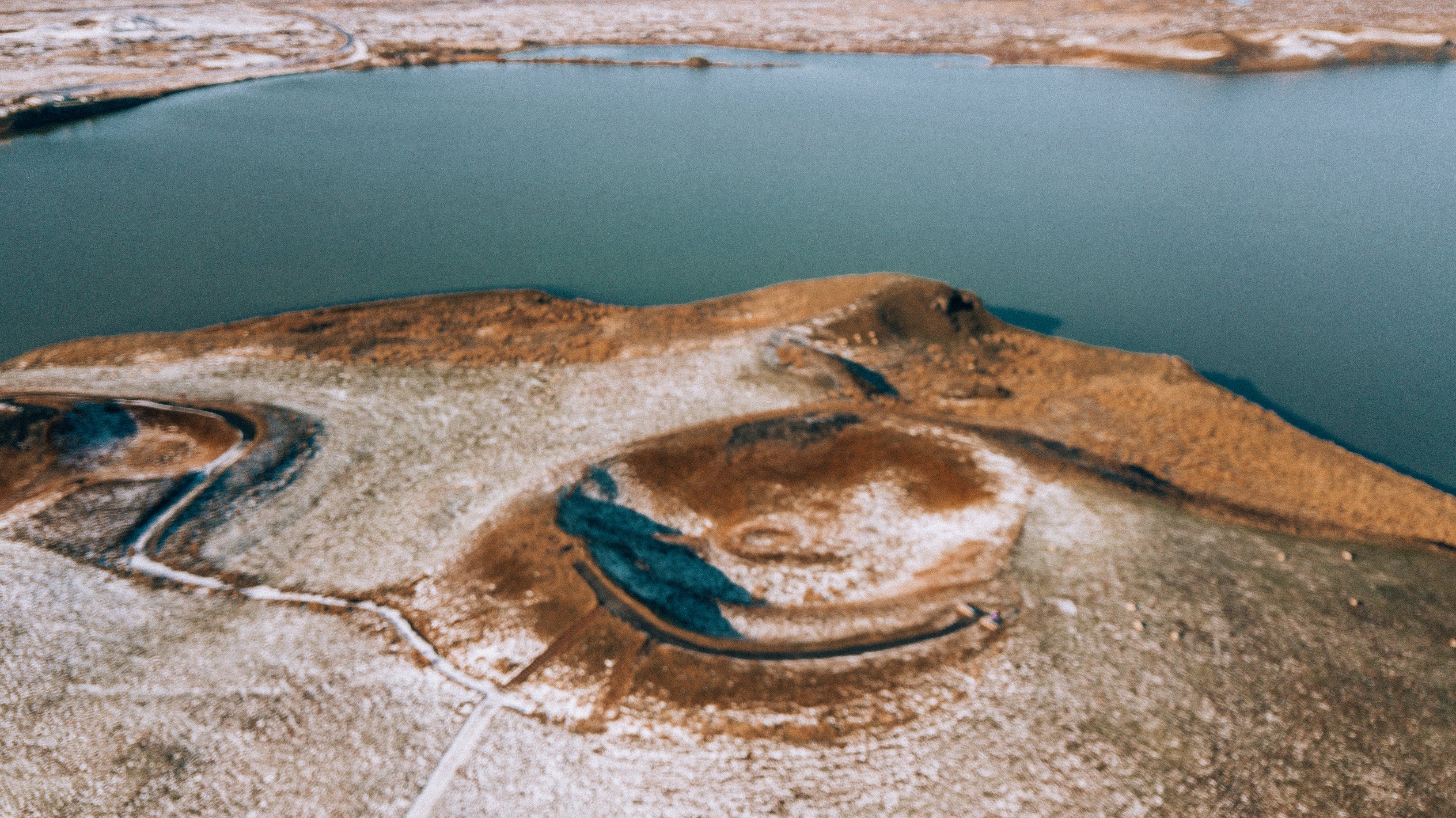
Although we didn’t see flowing lava at the time, because it happened to be a quieter period, we experienced the volcanic and geothermal landscape in plenty of places. On the very first day we walked among bubbling mud pools, and when we later stood on the ninth day of our road trip up north by Lake Mývatn, I literally felt like I was on Mars.
In recent years the situation has changed a lot, though, and volcanic activity on the Reykjanes Peninsula makes headlines almost constantly. Since 2021 the area near the airport has come to life and one eruption follows another.
In this article you’ll find a complete guide to volcanic Iceland along with plenty of tips on what to see and do in the active areas. I’ll show you where to find the most beautiful crater lakes, how things currently stand with safety, and why you really don’t need to worry about an eruption cancelling your flight home.
TL;DR
- No danger to aircraft: Eruptions on the Reykjanes Peninsula are effusive, which means the lava flows out calmly and no volcanic ash is produced. Keflavík Airport operates without restrictions.
- Where to see geothermal wonders for free: The Krýsuvík and Seltún area (a short drive from the airport) offers gorgeous colourful mud pools and hot springs.
- Evacuated Grindavík: The little town is closed to tourists because of ground fissures and is strictly guarded — respect that and don’t try to get in.
- The best volcanic landscape is up north: If you want to see a lunar landscape, head to Lake Mývatn, walk through the bubbling Hverir and peek into the Víti crater by the Krafla volcano.
- Nobody can guarantee flowing lava: Seeing fresh lava depends on huge luck with an ongoing eruption, but in Reykjavík you can visit the Lava Show, where they show you molten lava live.
- Safety first: Before any trip into the wild, absolutely always check safetravel.is.
The full destination guide: Iceland — guide and what to see
When to go and how to get there
Iceland is a year-round destination, but if you want to enjoy a road trip without constant stress over snowstorms and impassable roads, the best time to go is from late May to mid-October. Major carriers such as Ryanair, easyJet and Icelandair serve Keflavík from many European hubs, and the flights take roughly a few hours. Icelandair with a connection is a great choice too, because of its brilliant Stopover programme, which lets you break your trans-Atlantic journey in Iceland for up to seven nights at no extra cost to your ticket.
We traditionally hunt for cheap flights on our favourite price-comparison portals, but watch out for old printed guidebooks that often mention the budget airline PLAY Airlines, because it went bankrupt back in autumn 2025. If you’re planning a trip for August 2026, brace yourself for absolute madness, because on 12 August Iceland will experience a total solar eclipse visible directly from Reykjavík and Reykjanes — accommodation has been sold out well in advance and flight prices are astronomical.
To explore volcanoes and craters outside the capital you’ll absolutely need a car, because public transport beyond the metropolis is fairly limited even in summer. Lukáš and I have long had a good experience with car-rental comparison sites that we use all around the world. Definitely pay extra for quality insurance against paint damage from ash and sand (SAAP), because the Icelandic wind can literally sandblast a car down to bare metal with fine volcanic dust in a matter of minutes.
Also keep in mind that since 2026 Iceland has a new kilometre-based tax instead of a fuel tax, which for passenger cars and SUVs comes to ISK 6.95 (about €0.05) per kilometre driven, and the rental company will reliably charge it when you return the vehicle. And one small but absolutely crucial piece of practical advice: it’s so windy in Iceland that if you carelessly open the car door, the wind can tear it off its hinges — something no insurance covers — so always park into the wind and hold the door firmly with both hands when opening it.
Where to stay and how much it costs
The best strategic base for exploring south-west Iceland and the active Reykjanes Peninsula is clearly Reykjavík itself or the towns in its immediate vicinity. Don’t worry — the current volcanic activity in no way threatens the capital, because the eruptions take place roughly forty kilometres away and the lava flows into uninhabited valleys.
Accommodation in Iceland has never been cheap, and in high season prices rise even further, so it’s ideal to book everything several months in advance.
💡 Specific accommodation tips (check prices and availability on Booking.com, and book early — in season and around the 2026 eclipse they vanish months ahead):
- Northern Light Inn (Grindavík)
- Hótel Berg (Keflavík)
- Hótel Laxnes (Mosfellsbær)
For a decent double room in a simpler guesthouse with a shared bathroom you’ll pay around ISK 15,000 to 20,000 per night (about €100 to €135), while classic hotels in central Reykjavík with an en-suite bathroom and breakfast start at roughly ISK 30,000 (over €200) per night.
Booking.com is our favourite hotel search engine, and especially in Iceland it paid off enormously to look for accommodation with a small shared kitchen. By cooking your own dinners from local ingredients you save a fortune, because eating in restaurants takes a truly gigantic chunk out of your budget.
Active Reykjanes: 5 places you have to see
The Reykjanes Peninsula works like a huge geological laboratory broadcasting live, and it’s here that Iceland’s most famous volcanic eruptions are currently taking place. Since March 2021 the area has woken up to incredible activity and there have already been twelve volcanic eruptions that have completely redrawn the local maps.
The whole peninsula lies right on the rift where the North American and Eurasian tectonic plates pull apart, so the land here literally breathes, cracks and hisses in many places. Let’s take a look at the specific spots you can explore in complete safety.
1. Krýsuvík and Seltún (geothermal fairy tale)
When we arrived in Iceland, on the very first day we headed straight from the airport to the geothermal area of Krýsuvík, often marked on maps as Seltún, which lies about half an hour’s drive from Reykjavík. It’s an absolutely magical place just a short walk from the main road, where you stroll along wooden boardwalks right between hot springs and bubbling mud.
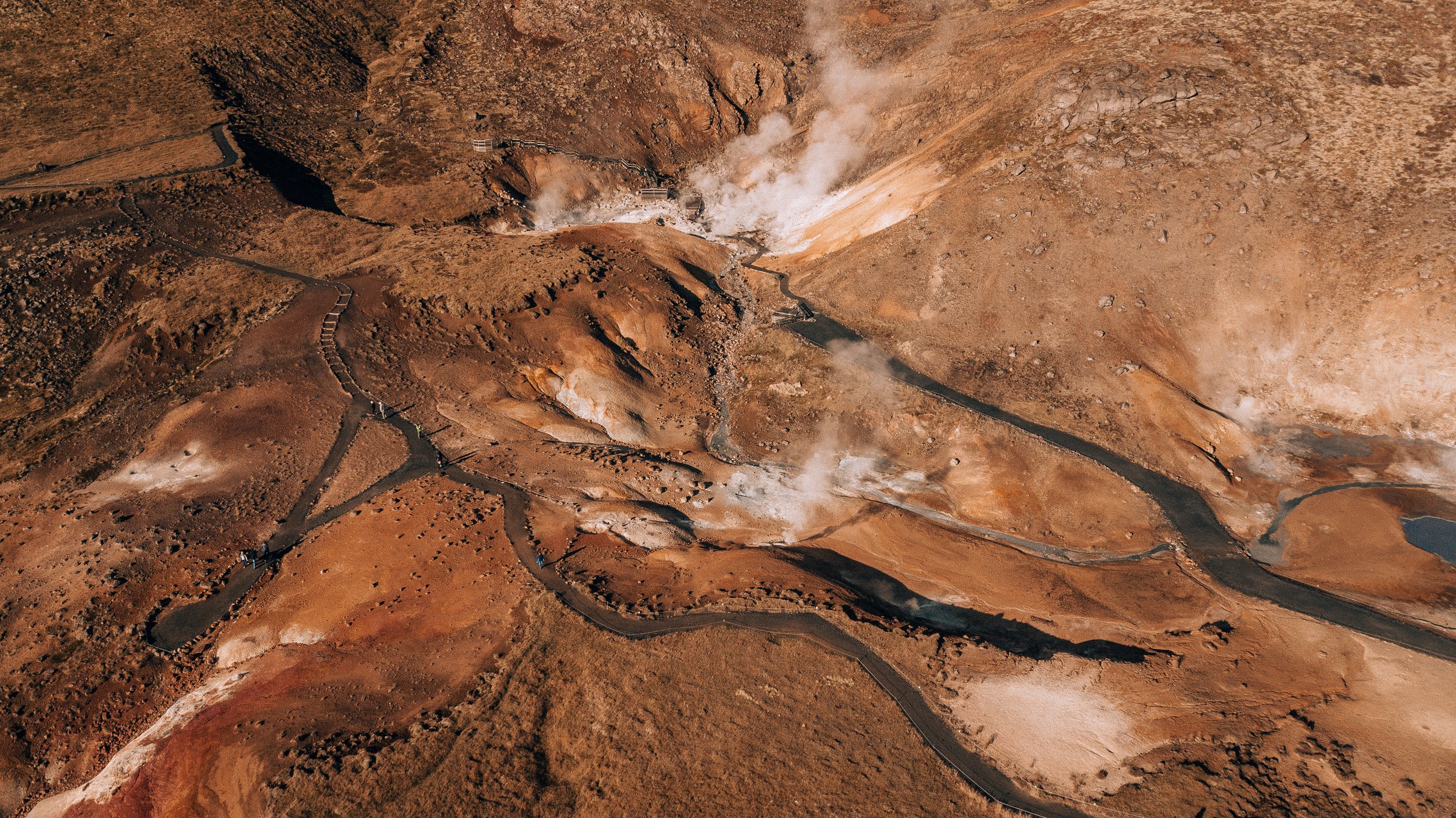
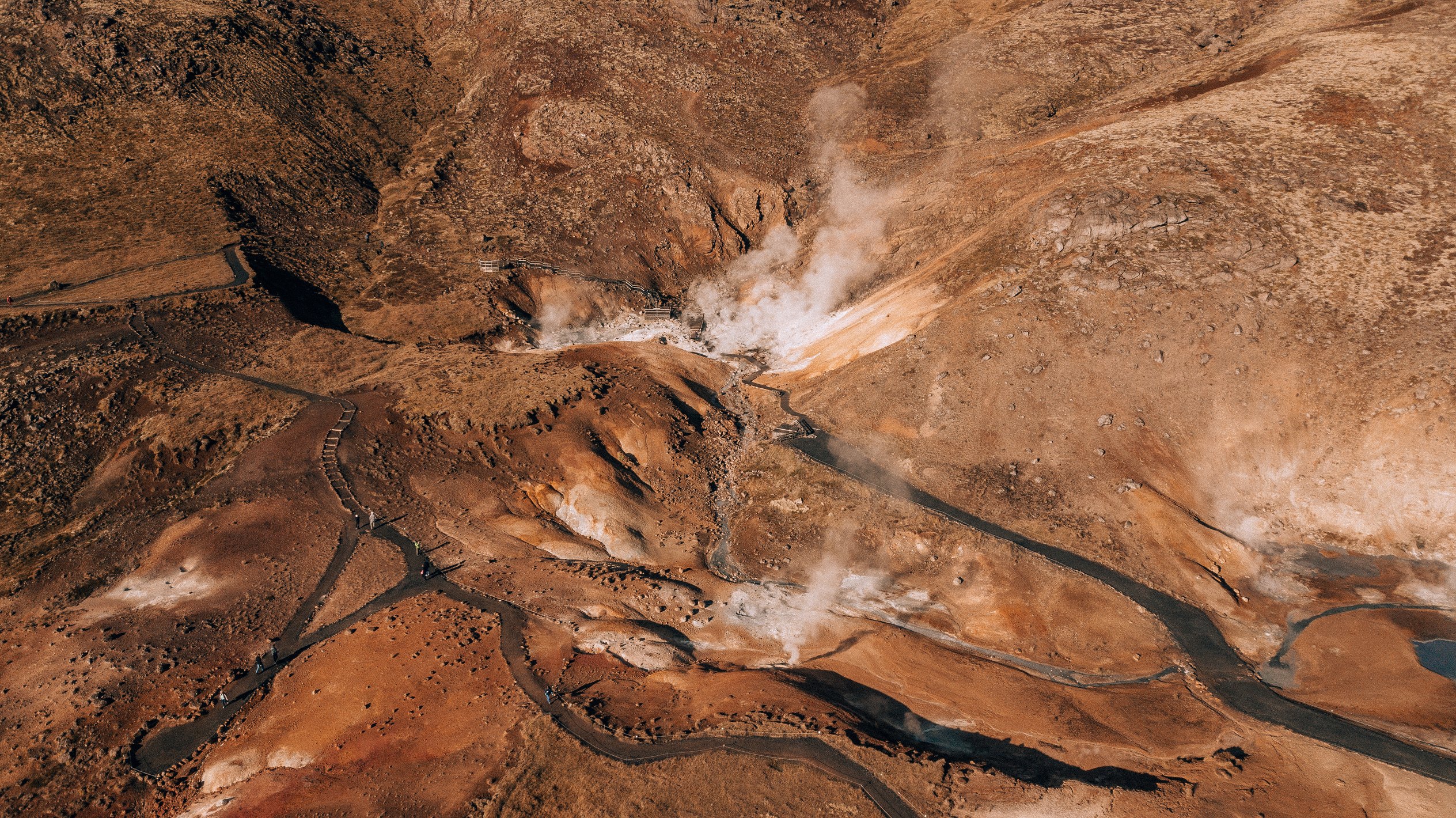
We spent a very pleasant hour there taking photos, and for the very first time we experienced that typical sulphurous odour and hissing steam first-hand.
The ground here plays with utterly incredible shades of bright yellow, brick red and poison green, all thanks to various leached-out minerals and tiny thermophilic bacteria for which this extreme environment is a natural home.
Entry is completely free, the area is perfectly accessible, and there aren’t nearly as many coaches full of tourists crowding in as at the famous nearby Golden Circle, so you can savour that raw Icelandic atmosphere in pretty pleasant peace.
2. Gunnuhver and the Bridge Between Continents
If you’re exploring the western coast of the Reykjanes Peninsula by car, you definitely shouldn’t skip a stop at the Gunnuhver geothermal field. It’s an enormously mighty and surprisingly loud mud vent from which such thick steam rises that at times you really can’t see even a step ahead, and the sound of escaping gases sometimes resembles a jet plane taking off.
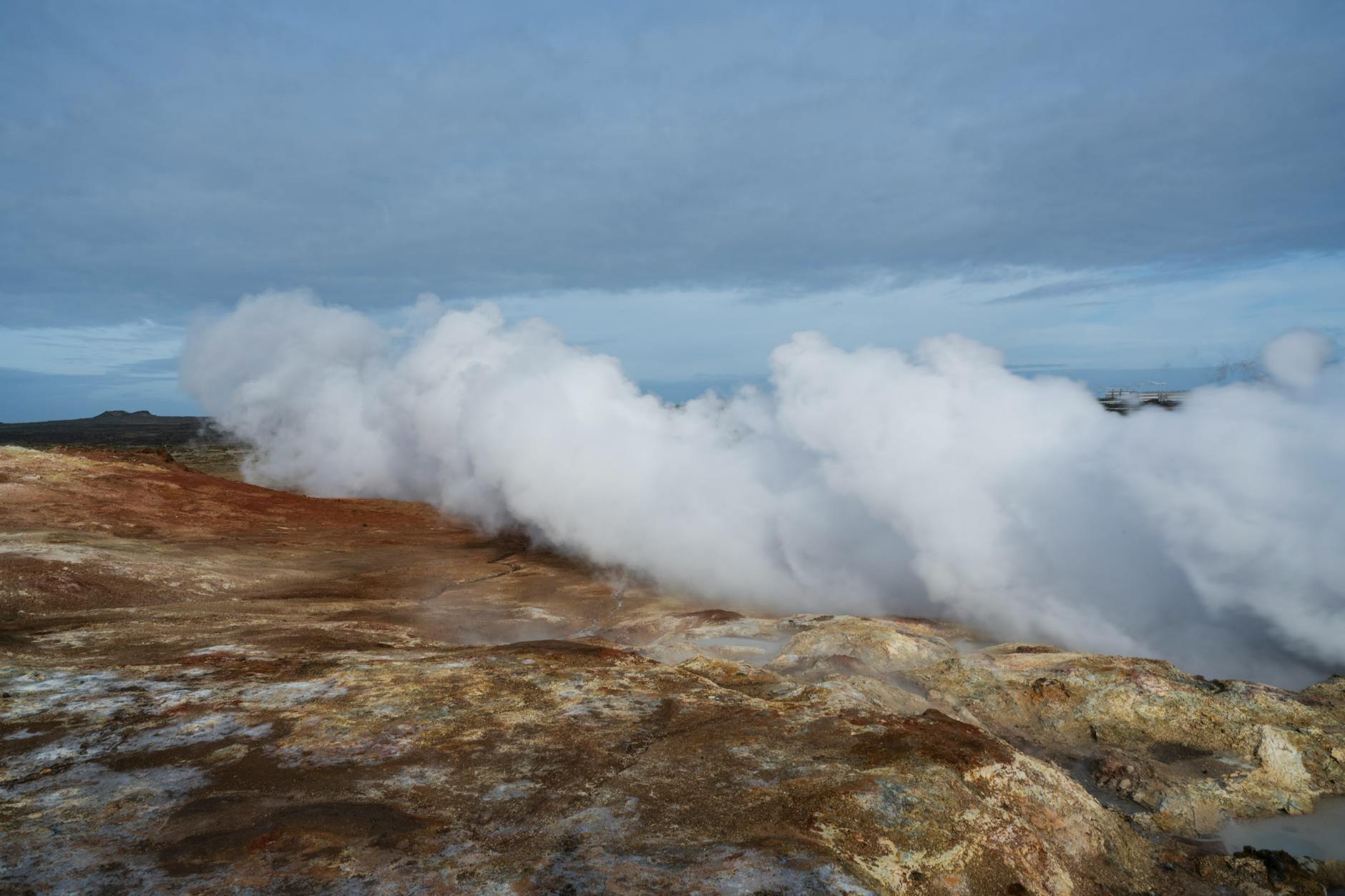
According to an old Icelandic legend, an evil spirit named Gudrun haunts this place — a clever local priest imprisoned her forever in a hot spring — and when you’re standing there in that roaring thick mist, you actually find these tales pretty easy to believe 😅.
Just a little further up the road to the north you’ll find the so-called Bridge Between Continents, a roughly fifteen-metre metal footbridge that arches elegantly over a deep sandy fissure in the black lava field.
It symbolically connects Europe and North America, so you can literally run from one mighty tectonic plate to the other in just a few seconds. It’s a fairly quick and interesting stop to stretch your legs after a long flight, and once again there’s no entrance fee whatsoever.
3. Evacuated Grindavík and the Fagradalsfjall lava fields
When the news talks about Icelandic volcanoes today, most people think of the area around the small fishing town of Grindavík, which until recently was home to just under four thousand local residents. But because of the massive fissures in its streets and the extreme amount of magma beneath the surface (in late May 2026 a record of more than 26 million cubic metres was measured here), the town had to be completely evacuated and has become rather a sad ghost town.
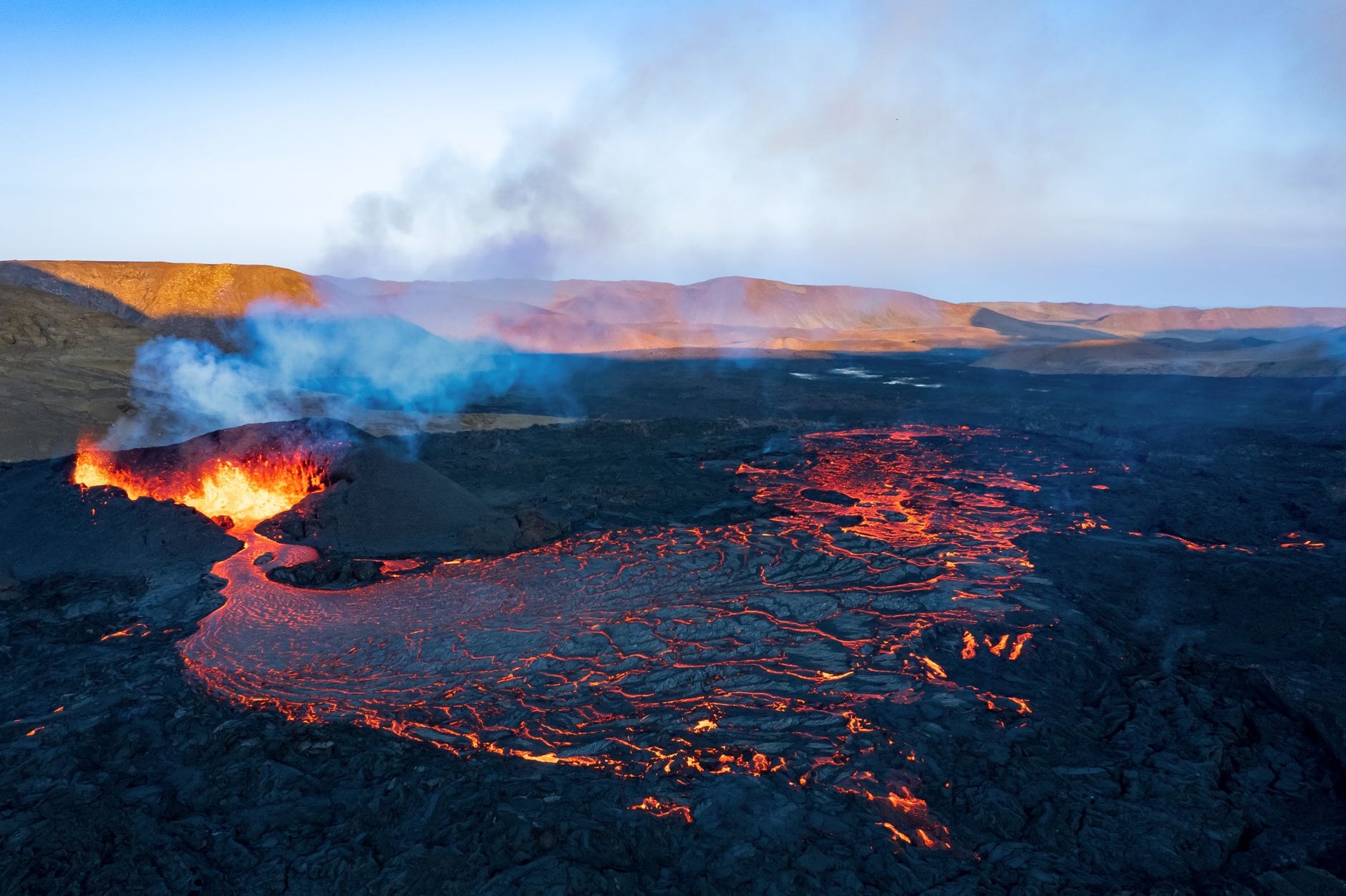
The authorities strictly prohibit entry here, all access roads are guarded by rescuers, and the area really is life-threatening, so please don’t try to sneak in out of curiosity and do respect the closures.
You can, however, head without any problem to the maintained car parks by the Fagradalsfjall volcano, where those very first well-known eruptions took place between 2021 and 2023. You’ll see huge and fascinating new lava fields, from which light smoke still rises in certain spots, even though the lava itself no longer flows.
Well-marked routes run through here — the most popular route A is about seven kilometres and takes you two to three hours of fairly steep climbing, while the shorter route C offers a roughly four-kilometre and even steeper hike for great views. The large car park at the foot is chargeable, and parking can be paid very conveniently via a local mobile app.
4. The Blue Lagoon and volcanic tension
The iconic Blue Lagoon with its beautiful milky-blue water lies in the immediate vicinity of the highly active Svartsengi volcanic zone, and in recent years it has been through a truly wild period thanks to the nearby eruptions. Because of increasing volcanic activity, local rescuers have had to evacuate it several times as a precaution, and it now has to be protected by newly built huge earthen berms designed to divert any flow of unstoppable lava.
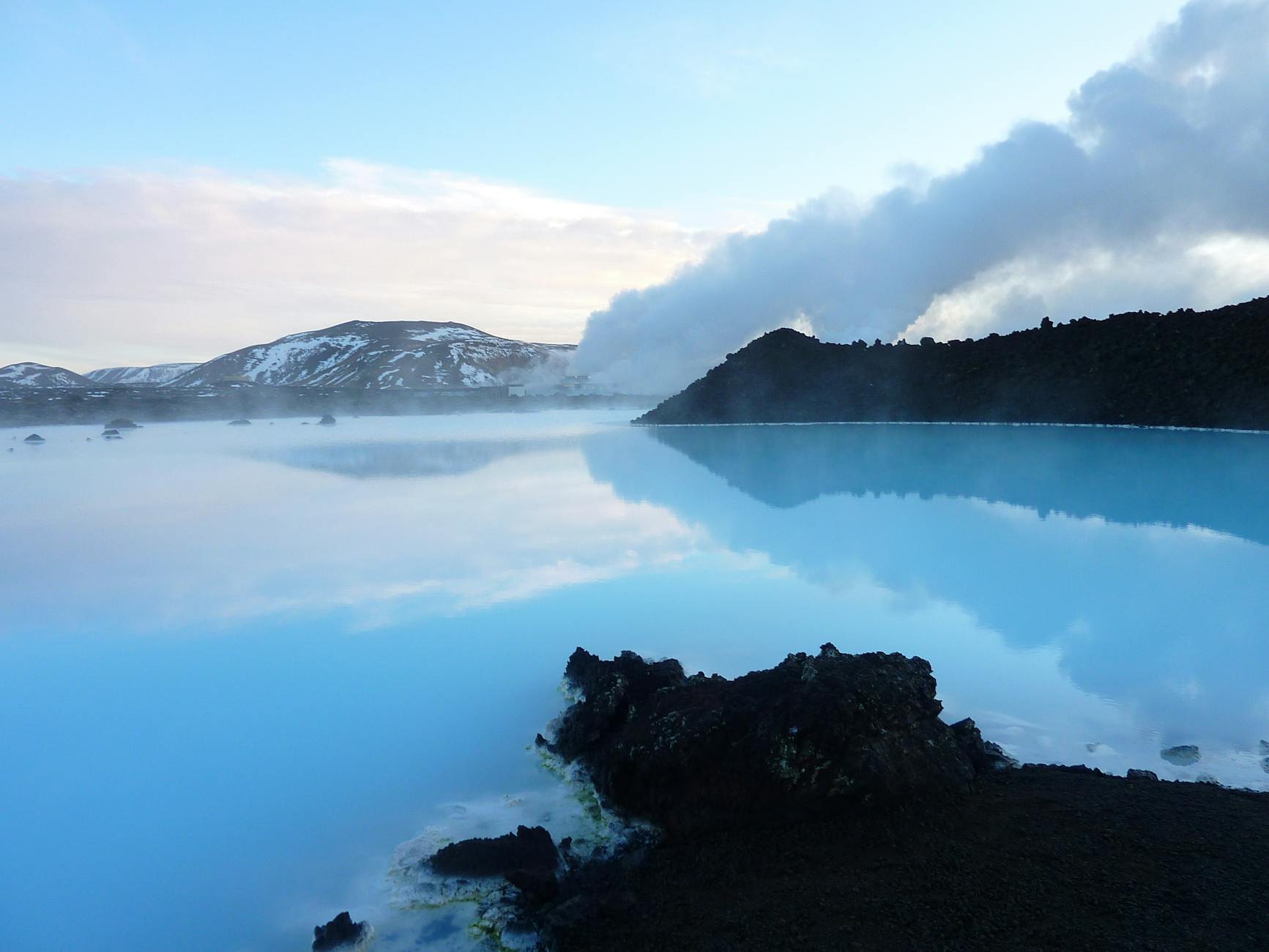
The complex has a brilliantly worked-out evacuation plan and since spring 2026 has been safely reopened in a so-called dynamic mode, but as a visitor you simply have to accept that the situation can change from one day to the next and your long-planned reservation may be cancelled.
The water in the lagoon is a lovely 37 to 40 degrees and contains healing silica mud that you can smear on your face as a natural mask right while bathing. A basic ticket costs roughly ISK 11,990 (a little over €80), and booking many weeks in advance is an absolute must these days.
A little practical tip for the ladies: that mineral water does amazing things for your skin, but it will turn your lovely hair into unmanageable straw for several long days, so definitely coat it with a huge layer of conditioner from the changing room before you get into the water and tie it up high.
5. Sky Lagoon as a calmer alternative
If the volcanic risk around the Blue Lagoon scares you a little, or you simply don’t want to spend time in massive crowds of tourists, Reykjavík offers one absolutely fantastic and much newer alternative called Sky Lagoon. It lies just a few minutes’ drive from the city centre, so getting there is no trouble at all, and unlike the lunar wilderness on the Reykjanes Peninsula it offers a breathtaking infinity pool that optically blends perfectly with the cold waters of the Atlantic Ocean.
The water here is beautifully clear and hot, and the whole complex is lined with artificial cliffs of dark basalt and traditional Icelandic turf houses. Entry with the basic Pure package, which includes the absolutely amazing seven-step Icelandic Skjól ritual, ranges between ISK 12,000 and 14,000 (roughly €80 to €95).
During this ritual you’ll warm up in a glass sauna with a giant window overlooking the ocean, walk through a refreshing cold mist and finish by scrubbing your body with a salt exfoliant — all of which feels far more intimate and luxurious than the more famous Blue Lagoon.
💡 Tip: It’s worth buying tickets and organised tours (of Iceland and beyond) online in advance on GetYourGuide — they fill up fast in season.
Craters and lava caves of the south and west
If you’re immensely interested in volcanic activity but the Icelandic volcanoes just happen to be spewing no lava at all, there’s absolutely no need to despair. The southern and western parts of the island offer an incredible number of ancient craters, perfectly preserved calderas and mysterious underground caves that you can explore in complete safety and without any fear of an unexpected eruption.
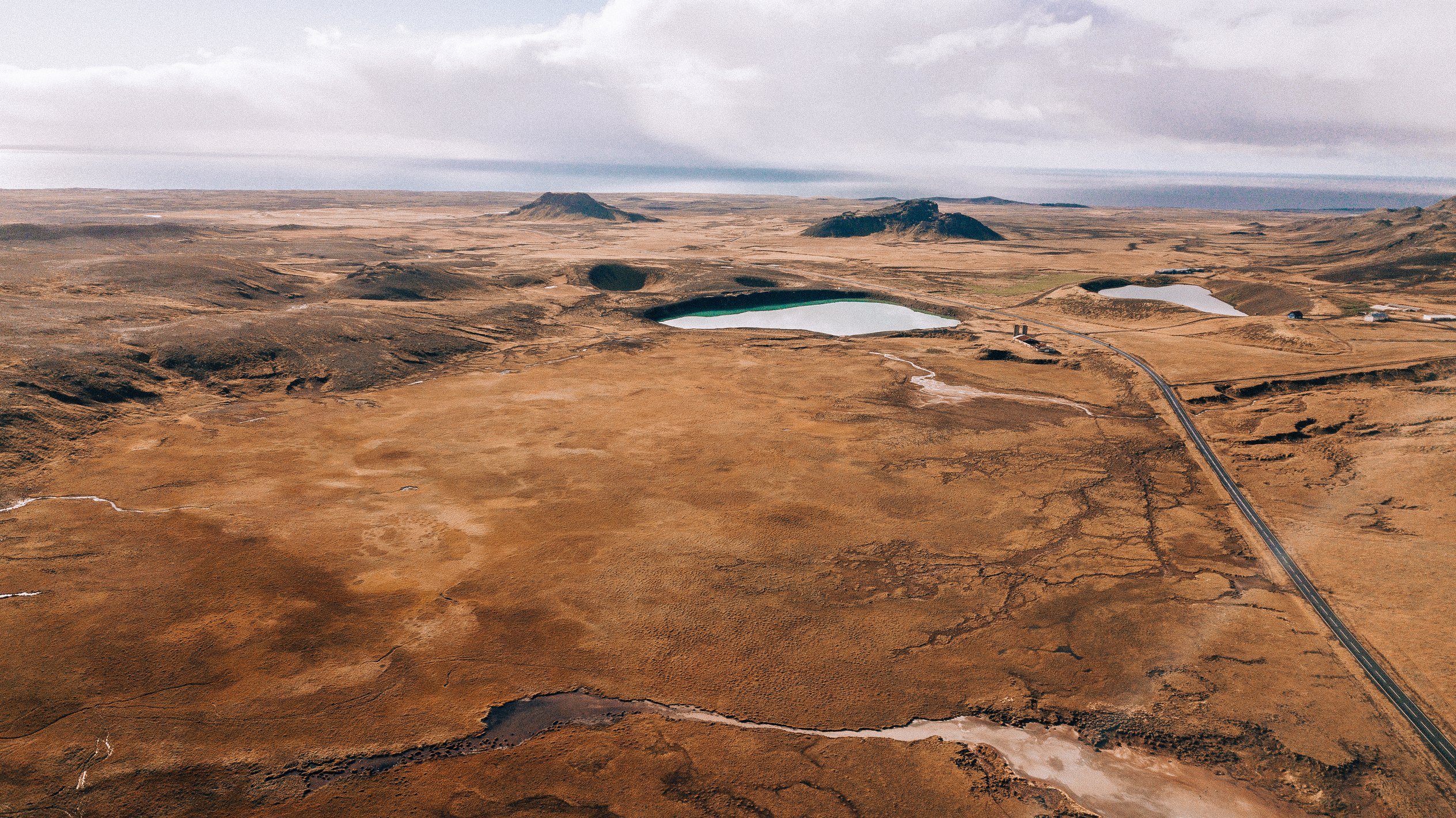
What’s more, a huge number of them are within perfect reach of a relaxed day trip from the capital.
1. Kerið (red crater with a blue eye)
A stop at the majestic Kerið crater was one of our very first big experiences on the very first day of our Icelandic journey. This ancient volcanic crater, which geologists estimate to be more than three thousand years old, has incredibly rich red walls made of coarse volcanic scoria, and at its very bottom lies a vivid blue, opaque little lake.
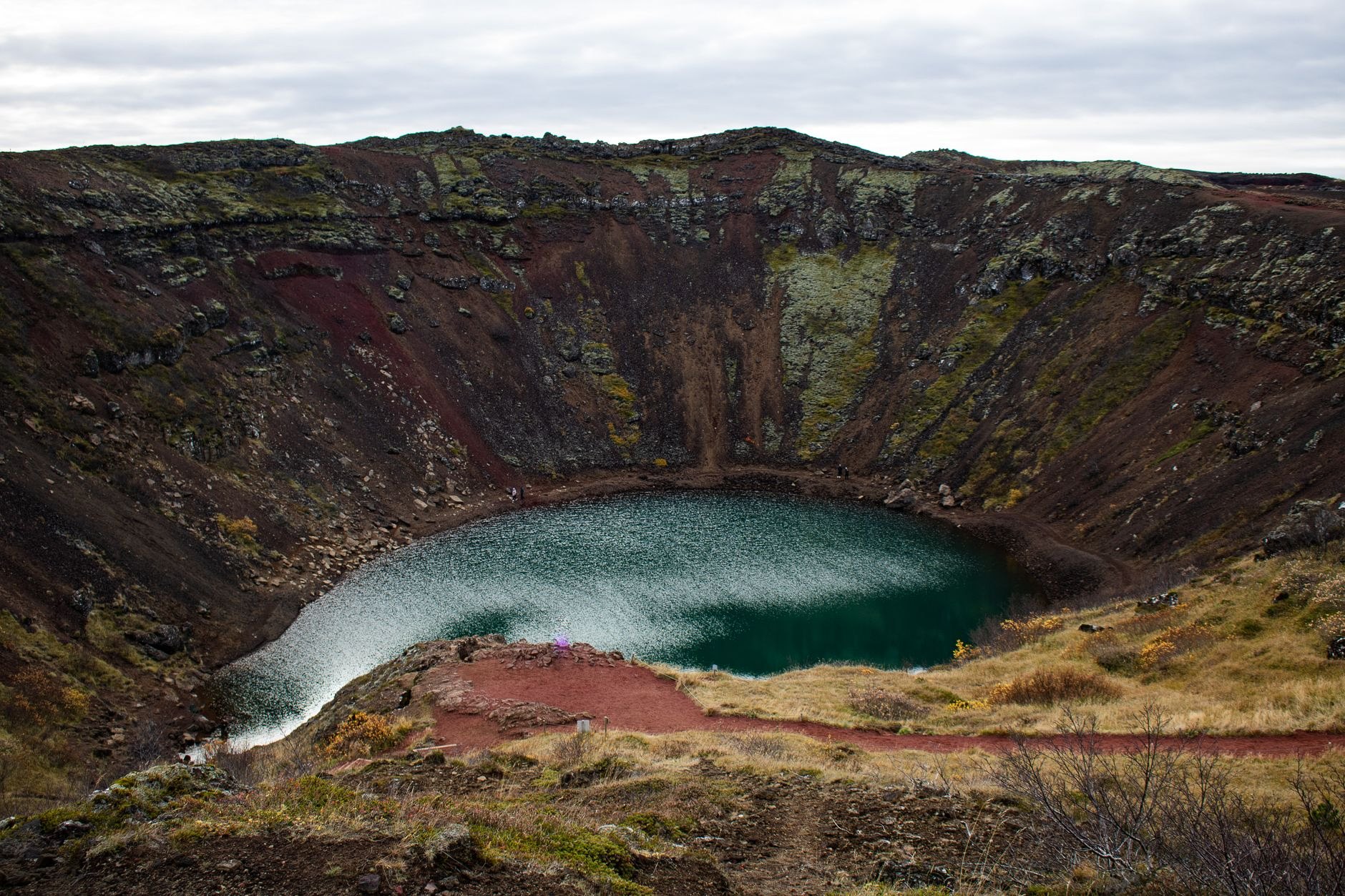
That natural colour contrast is even more striking in person than in any retouched photo from the internet, and back then we spent a lot of time there just quietly watching the reflections on the calm surface of the water.
You can comfortably walk along the entire upper rim of the crater, which offers a truly gorgeous panoramic view over the varied surroundings, and then descend all the way down to the water on maintained wooden steps.
Kerið lies on the immensely popular Golden Circle tourist route, and as one of the few purely natural sights in all of Iceland it has a paid entry, which currently comes to ISK 600 per person (about €4), while children under twelve luckily get in completely free.
2. The Raufarhólshellir and Vatnshellir lava caves
Do you want to see with your own eyes exactly what happens deep beneath the surface after scorching liquid magma has raced through at enormous speed? About thirty minutes’ comfortable drive from Reykjavík you’ll find the very popular Raufarhólshellir cave, a massive, kilometres-long lava tube with beautifully colourful mineral walls and gorgeous ice stalagmites that form naturally here during the colder winter months.
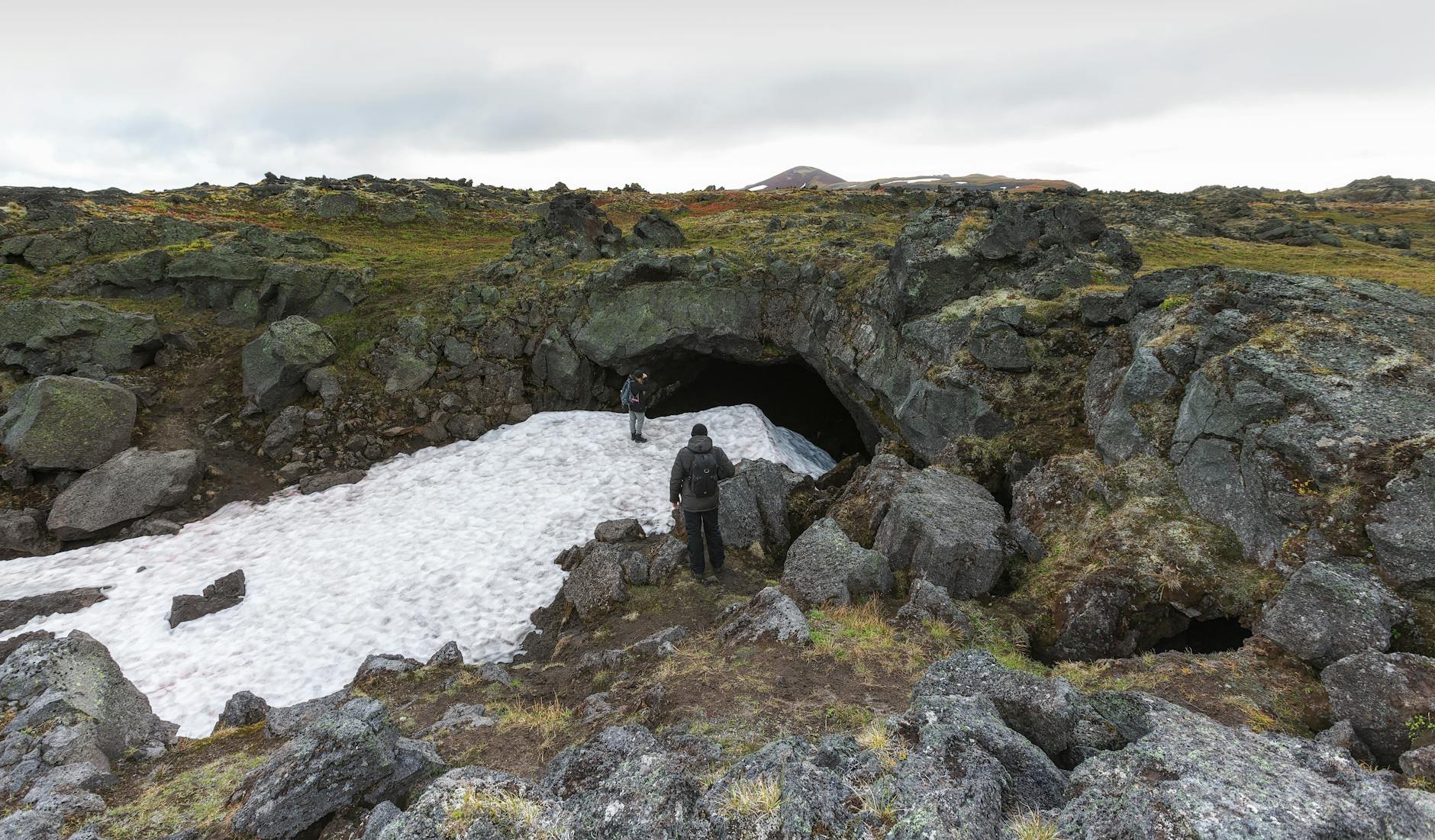
A basic one-hour tour with a very funny local guide costs around ISK 8,900 (about €60) and safely takes you into mysterious places you certainly wouldn’t dare venture into on your own.
Another really great and slightly wilder option is Vatnshellir cave, hidden on the magical Snæfellsnes Peninsula in the west of the country, into which you carefully descend down a narrow spiral metal staircase to a respectable depth of thirty-five metres. Entry here is a touch friendlier by Icelandic standards and comes to roughly ISK 5,400 for an adult (around €35).
In both cases you’ll be handed a protective helmet with a headlamp at the start of the tour, and you have to be prepared for the fact that deep underground it stays very uncomfortably cold all year round, so definitely don’t forget to bring a warm winter jacket and gloves even in the middle of summer.
3. Descent into the heart of the Þríhnúkagígur volcano
This is an absolute geological unicorn, and nowhere else on our entire planet will you find a similar crazy attraction. The volcano called Þríhnúkagígur (try saying that name three times fast 😁) has demonstrably been extinct for roughly four thousand years, but what’s incredible about it is that its huge magma chamber simply didn’t collapse in on itself after the last eruption, as usually happens — instead it stayed perfectly preserved.
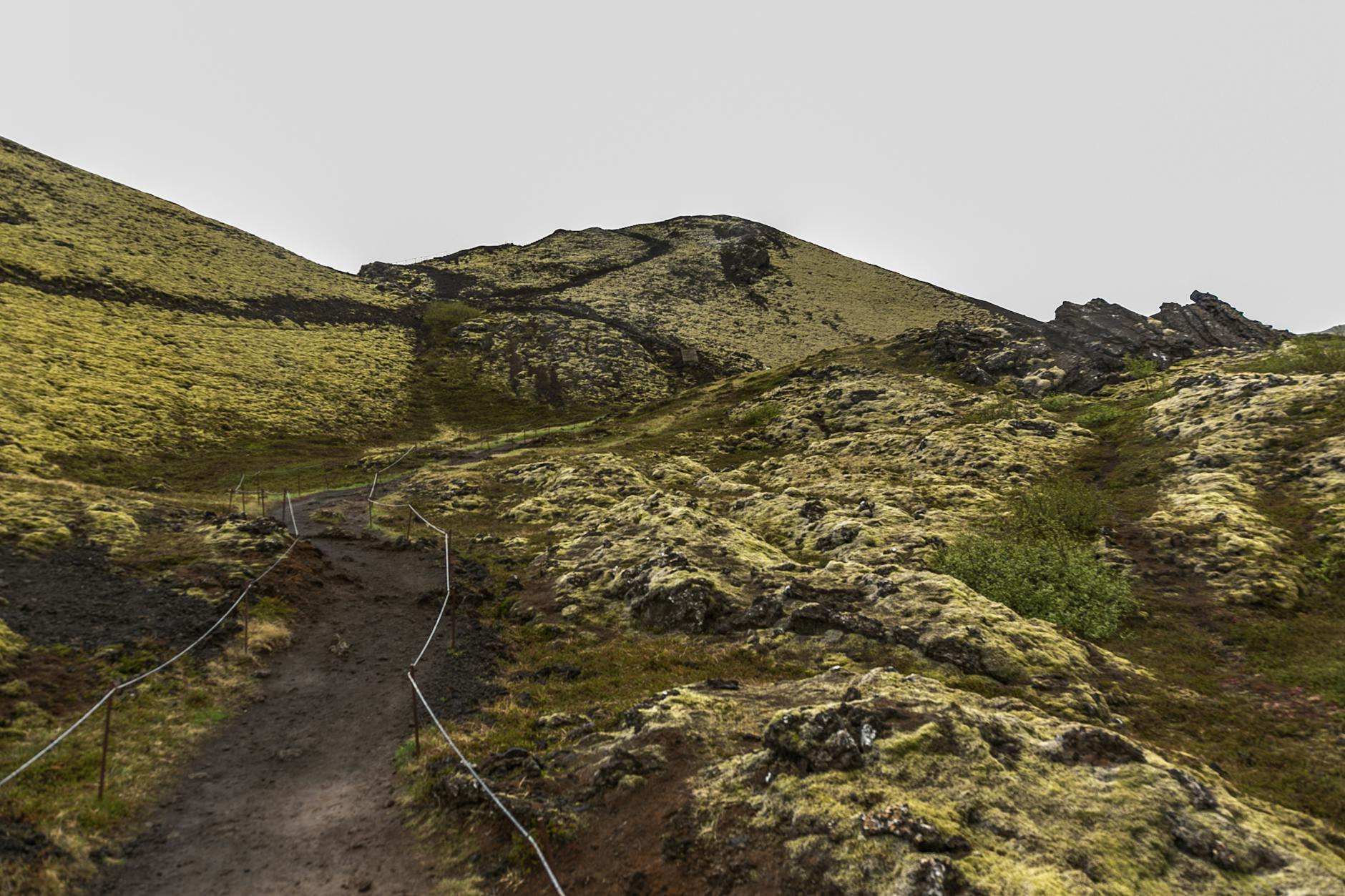
The specialist agency Inside the Volcano runs fascinating expeditions here in season from May to October, lowering you a full one hundred and twenty metres deep on a special open lift right into the huge interior of the earth, whose walls literally glow with every imaginable colour, from purple through poison yellow to rich red.
It’s an immensely exclusive and visually stunning experience, but you’ll pay dearly for it too, because a ticket costs well over ISK 50,000 (more than €340) and, due to limited capacity, you have to book it many months in advance directly through the organiser’s official website.
This whole trip will take about five to six hours of your itinerary, because to reach the volcano’s throat you first have to walk about three kilometres across a fairly rough lava field. The huge price of the tour luckily includes a traditional hot Icelandic meat soup to warm you up instantly after returning to the surface, but from our own experience we can happily confirm that if you speak up, they’ll gladly prepare an absolutely delicious meat-free vegetable version in advance too ☺️.
4. The Grábrók crater in the west
If you’re heading north-west out of Reykjavík along the main Ring Road (Route 1), definitely make a short stop at the Grábrók volcanic crater. This beautifully shaped crater, which rises right by the road, is a perfect spot to stretch your legs during a long drive.
It formed roughly three thousand years ago during a mighty fissure eruption and is now largely covered in wonderfully soft, grey-green Icelandic moss.
The climb up is completely undemanding and even small children can manage it, because well-maintained wooden steps that protect the fragile nature from being trampled lead all the way to the very top of the crater rim.
From the top you’ll get a breathtaking view down into the deep throat of the crater itself and across the sprawling surrounding Borgarfjörður lava field, and this whole little expedition will take you about thirty minutes with no entrance fee at all.
Mývatn and northern Iceland: where you feel like you’re on Mars
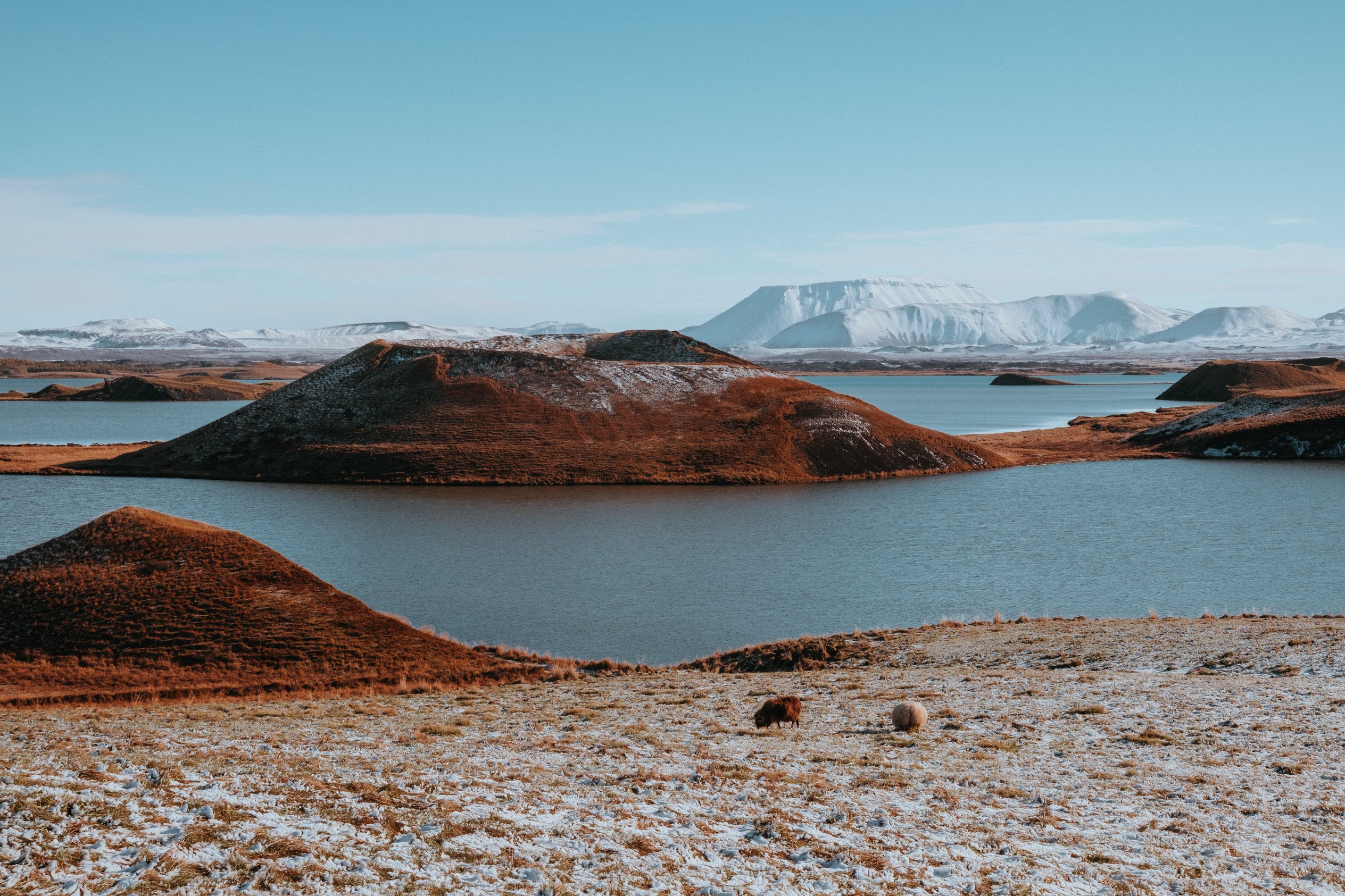
If you’re looking for the most epic and raw volcanic landscape on your trip, you simply have to head all the way north. When we arrived on the ninth day of our autumn road trip in the vast area of Lake Mývatn, I was completely lost for words.
All around us were deep cracks, symmetrical craters, hissing holes in the ground and huge pitch-black lava fields that stretched to the horizon. The northern volcano called Krafla has been sleeping peacefully for some time now, but its wild surroundings undoubtedly rank among one of the most interesting places in this whole Nordic country.
1. Hverir and Námafjall
You’ll reliably recognise the enormous Hverir geothermal field, located right at the foot of the colourful Námafjall mountain, from a distance by the huge clouds of steam rising to the sky and by the very specific and fairly strong sulphurous odour that faithfully resembles rotten eggs. Once you get used to that peculiar smell after a few minutes, though, an incredible walk awaits you across a literal lunar landscape covered in grey, loudly bubbling mud.
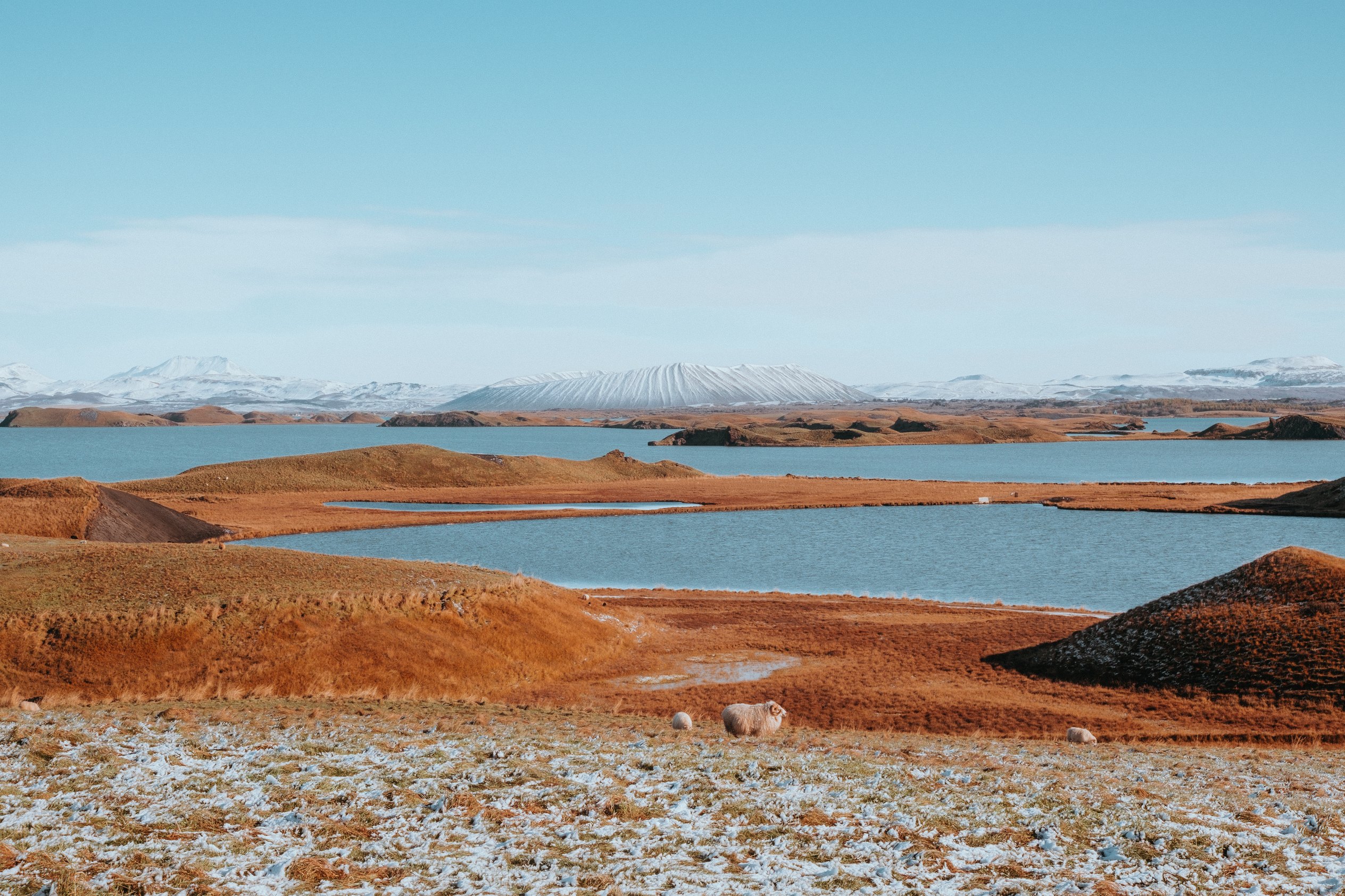
Everywhere you’ll see small stacks of piled-up stones from which, with an enormous, almost terrifying hiss, boiling steam constantly escapes from the depths of the earth.
The ground here plays with utterly incredible colours, with rich ochre and vivid orange dominating the view, and around the dangerous vents low rope barriers have been built for a good reason — you absolutely must not step beyond them under any circumstances.
The temperature of the bubbling mud and escaping steam here is truly extreme, and accidentally breaking through into the hot ground would mean instant, life-threatening burns. Entry to the Hverir area itself is completely free for all visitors — only at the large car park will you find modern machines for paying the parking fee.
2. The Krafla volcano and the Víti crater
Just a short drive over the hill from sulphurous Hverir lies the huge volcanic caldera of the Krafla volcano, and Lukáš and I arrived here back then in fairly cold and windy weather, which in my view only perfectly amplified the harsh, inhospitable atmosphere of the whole place.
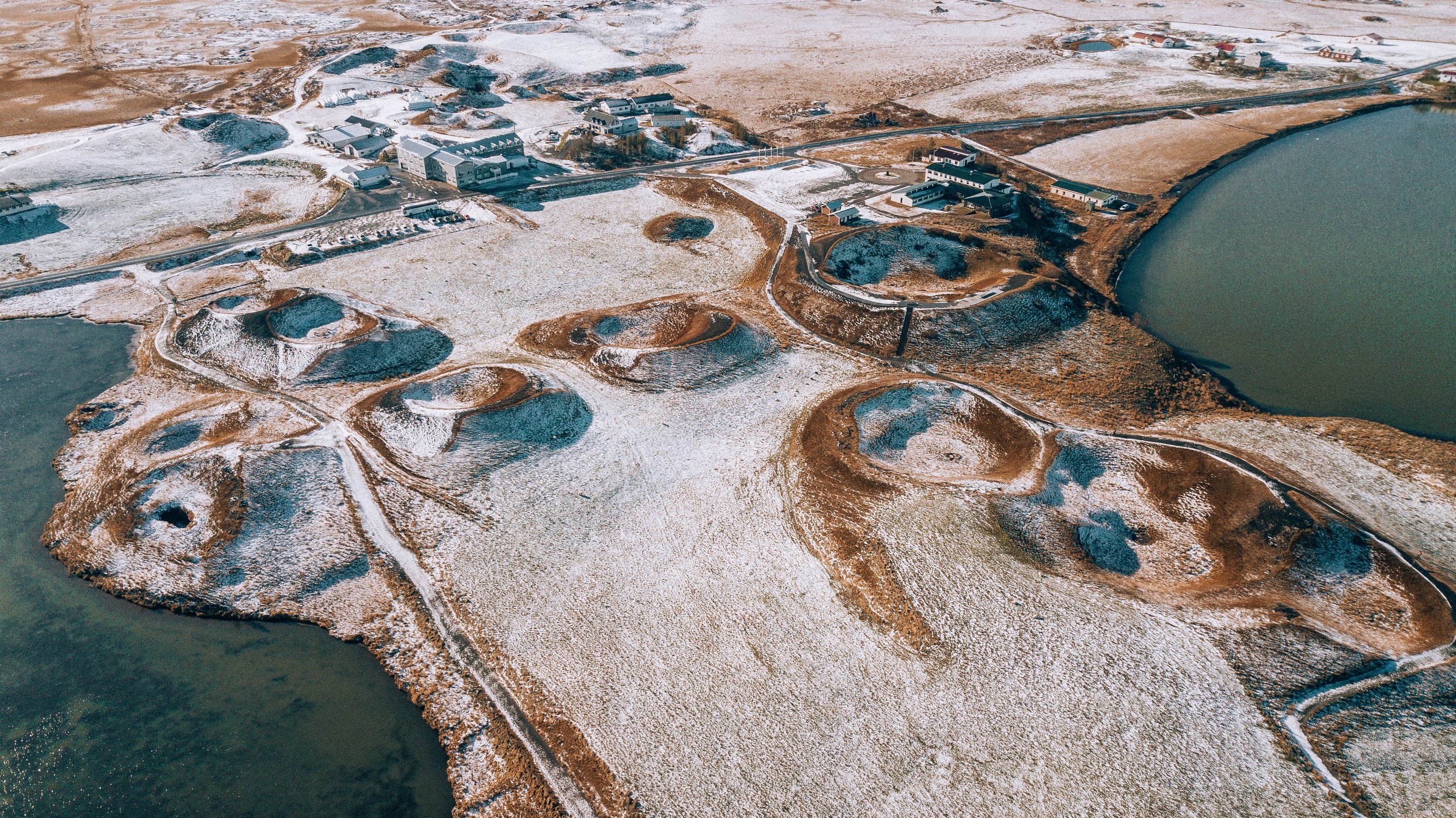
The biggest visual draw here is the enormous explosive crater named Stóra-Víti, which formed during an exceptionally massive and destructive eruption in 1724. Inside this majestic crater you’ll now find an amazing, fascinatingly opaque blue lake that contrasts incredibly sharply with the surrounding steep, dark-reddish walls and snow-capped peaks in the distance.
A pleasant walk right around the upper rim of the crater is fairly safe as long as there isn’t heavy ice, and it takes you about an hour at a slower pace, with absolutely fantastic views over the surrounding endless dark Leirhnjúkur lava fields.
There’s no entrance fee to pay at all, and just below the volcano itself you’ll even see a huge and architecturally interesting geothermal power plant that very cleverly uses the untameable force of the hidden volcano to produce clean energy for the entire surrounding region.
3. The lava town of Dimmuborgir
Almost within sight of the calm surface of Lake Mývatn you’ll find a huge area called Dimmuborgir, which translates fairly precisely as the Dark Castles. And I have to say this dramatic name fits the place absolutely perfectly and captures its mood.
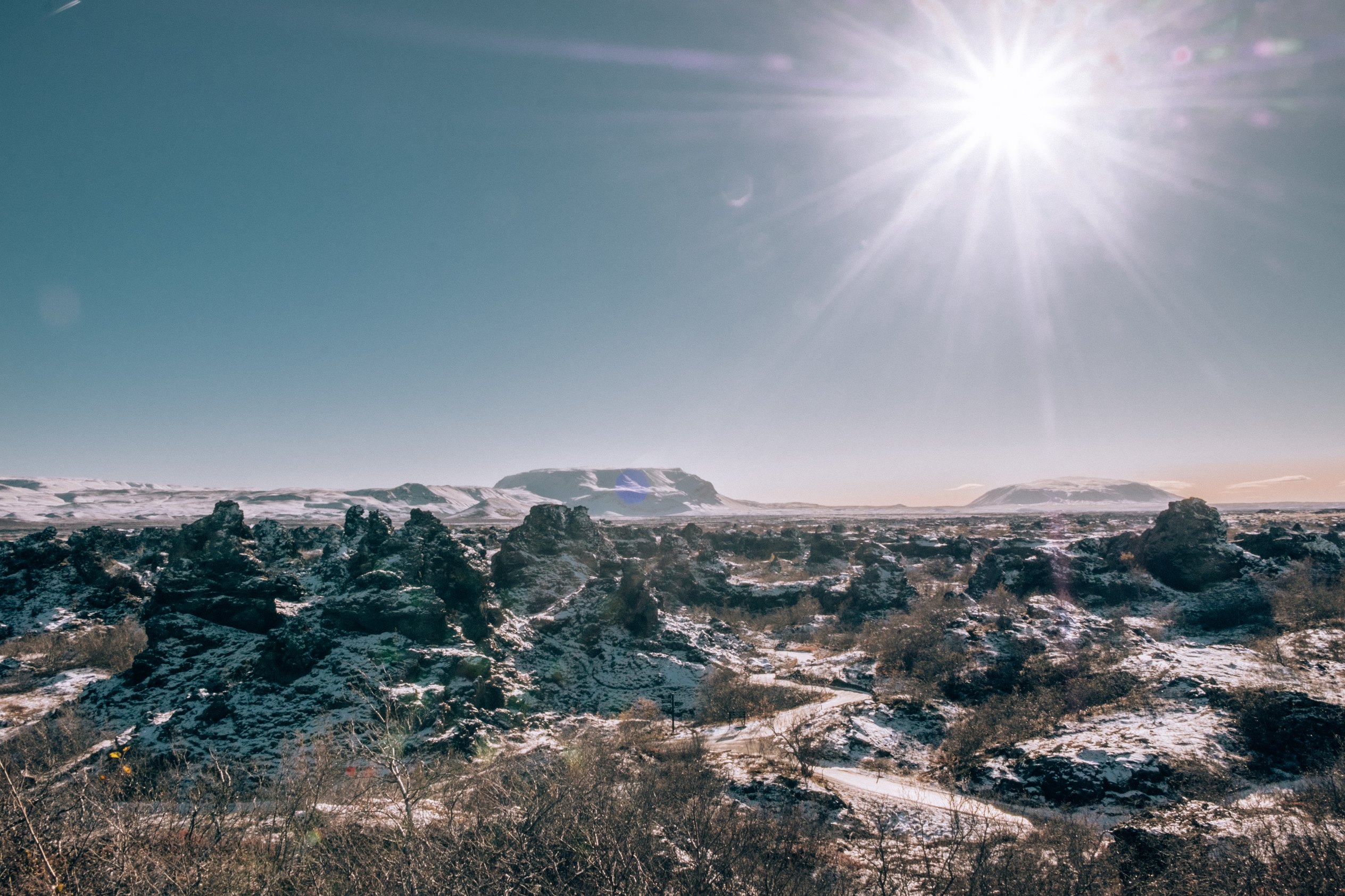
It’s an immensely vast field full of the most bizarre lava formations, tall black towers, fragile arches and gloomy caves that formed more than two thousand years ago when a giant lava lake suddenly cooled and its thin dome collapsed in on itself with a great crash.
Perfectly maintained and very clearly colour-marked trails of various difficulties and lengths lead right through this lava maze, so you can spend just a quick thirty minutes here, or easily several long hours wandering among the black rocks.
In rich Icelandic mythology it has long been believed that mysterious Dimmuborgir is the actual gateway to the underworld and home to evil trolls, and at Christmas the famous, mischievous Icelandic Christmas figures known as the Yule Lads supposedly slyly hide here from people.

4. The explosive Hverfjall crater
Once you’re near Mývatn, your attention definitely won’t miss the perfect giant cone of black volcanic ash that towers majestically over the whole lake and resembles a huge bundt cake someone has just plonked down here. This symmetrical explosive crater bears the name Hverfjall and represents one of the best and quickest ways to climb to the top of a really big volcano in Iceland without needing a guide or special mountaineering gear.
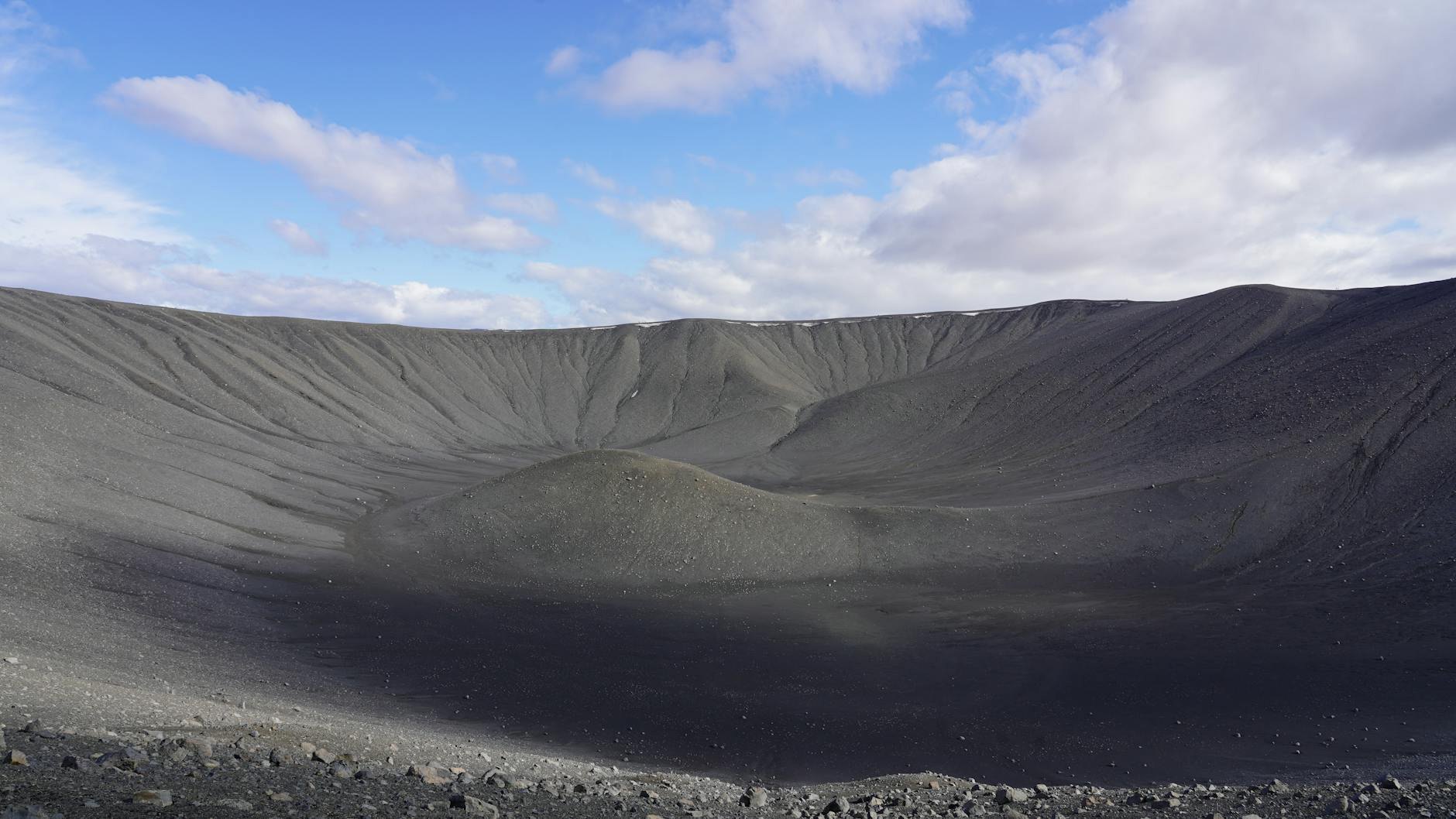
The way up along the maintained gravel path will give your thighs a bit of a workout, but the steep climb itself takes only around ten to fifteen minutes, so any reasonably fit traveller can manage it.
At the top a breathtaking view opens up into the gigantic black bowl of the crater itself, whose diameter measures over one kilometre, and you can walk right around its upper rim for a gorgeous circular view over the entire Lake Mývatn area — again with no entrance fee whatsoever.
💡 Tip: It’s worth buying tickets and organised tours (of Iceland and beyond) online in advance on GetYourGuide — they fill up fast in season.
Map of points of interest for your phone
Fire and ice: more unforgettable experiences between the elements
Iceland is definitely not just about lava and fire, but above all about a fascinating and constant battle between two extreme natural elements, because roughly eleven per cent of the entire island’s area is covered by massive, ancient glaciers.
Seeing such a huge mass of ice from a distance from the car is a nice experience, but standing right on it, feeling that ever-present chill and hearing with your own ears how the glacier constantly cracks and breathes quietly beneath you, is a completely different league of travel that you shouldn’t miss.
1. Glacier walks on Sólheimajökull and Skaftafell
The basic and absolutely critical rule that simply admits no exceptions is: never, under any circumstances, walk on any glacier alone without an experienced local guide, because dozens of metres deep and deadly crevasses lurk beneath the thin, tempting layer of snow. The most accessible and immensely popular glacier hikes are found all along the south coast, and by far the most common departure is to the beautiful Sólheimajökull tongue, which lies just about two hours’ drive from Reykjavík and where the ice is fascinatingly densely threaded with black stripes of volcanic ash from historic eruptions.
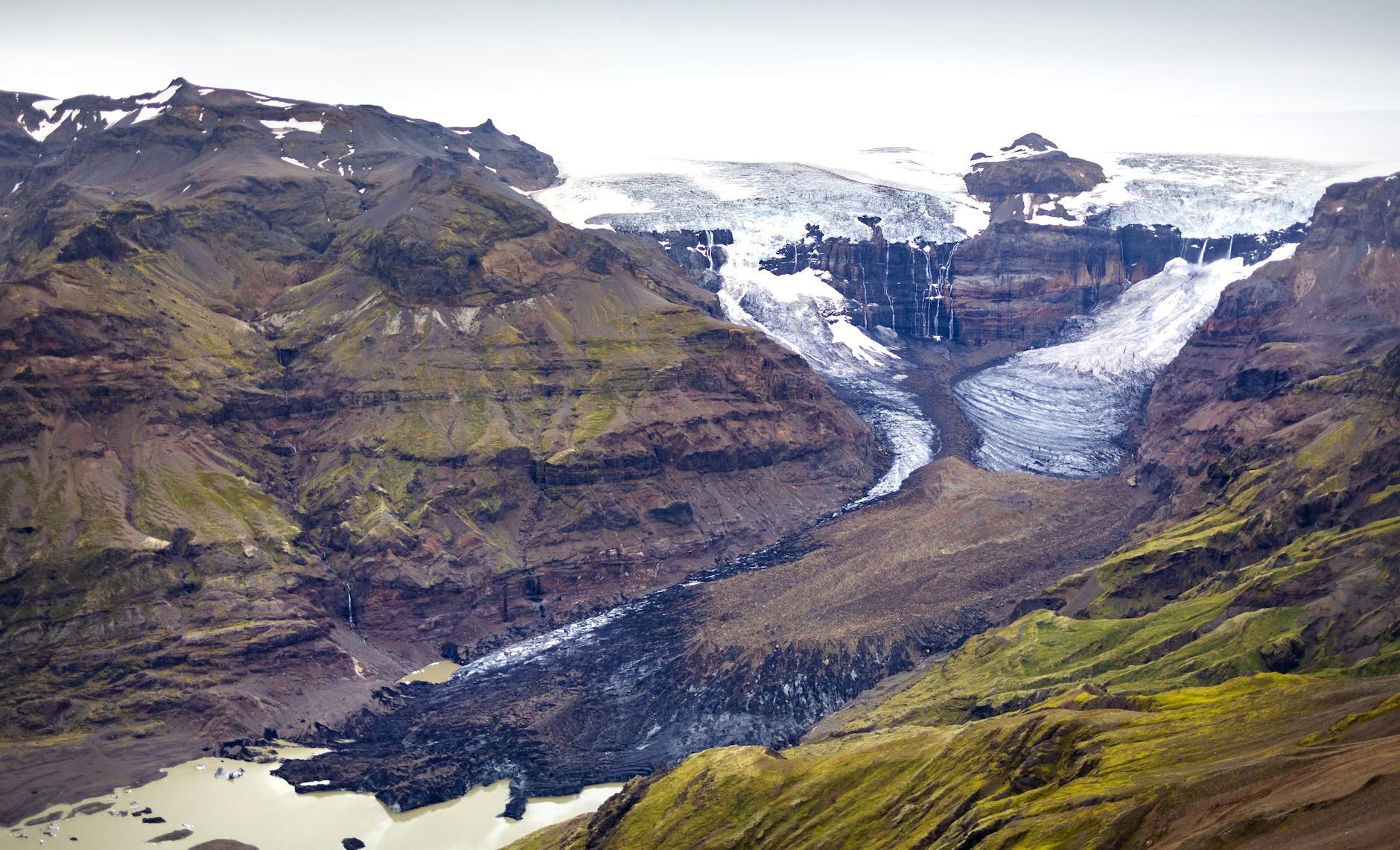
The second, slightly more dramatic option is the vast Skaftafell glacier in the more distant south-east, where the ice mass opens up before you on an even more monumental scale and offers breathtaking views down into a green valley.
For a basic hike with equipment, which usually takes three to five hours with about an hour and a half of actual time spent freezing on the ice, you’ll pay from ISK 12,000 upwards (around €80) with local agencies, and the guide will lend you a safety helmet, harness, sharp crampons for your boots and a hiking ice axe in advance.
2. Ice caves under the Katla glacier
Stepping into the icy heart of a glacier and being surrounded on all sides by crystal-clear, deep blue ice is one of the most iconic experiences you can treat yourself to in Iceland, but with the natural blue caves you have to hit the right winter season, otherwise you can’t get inside at all because of the melting water.
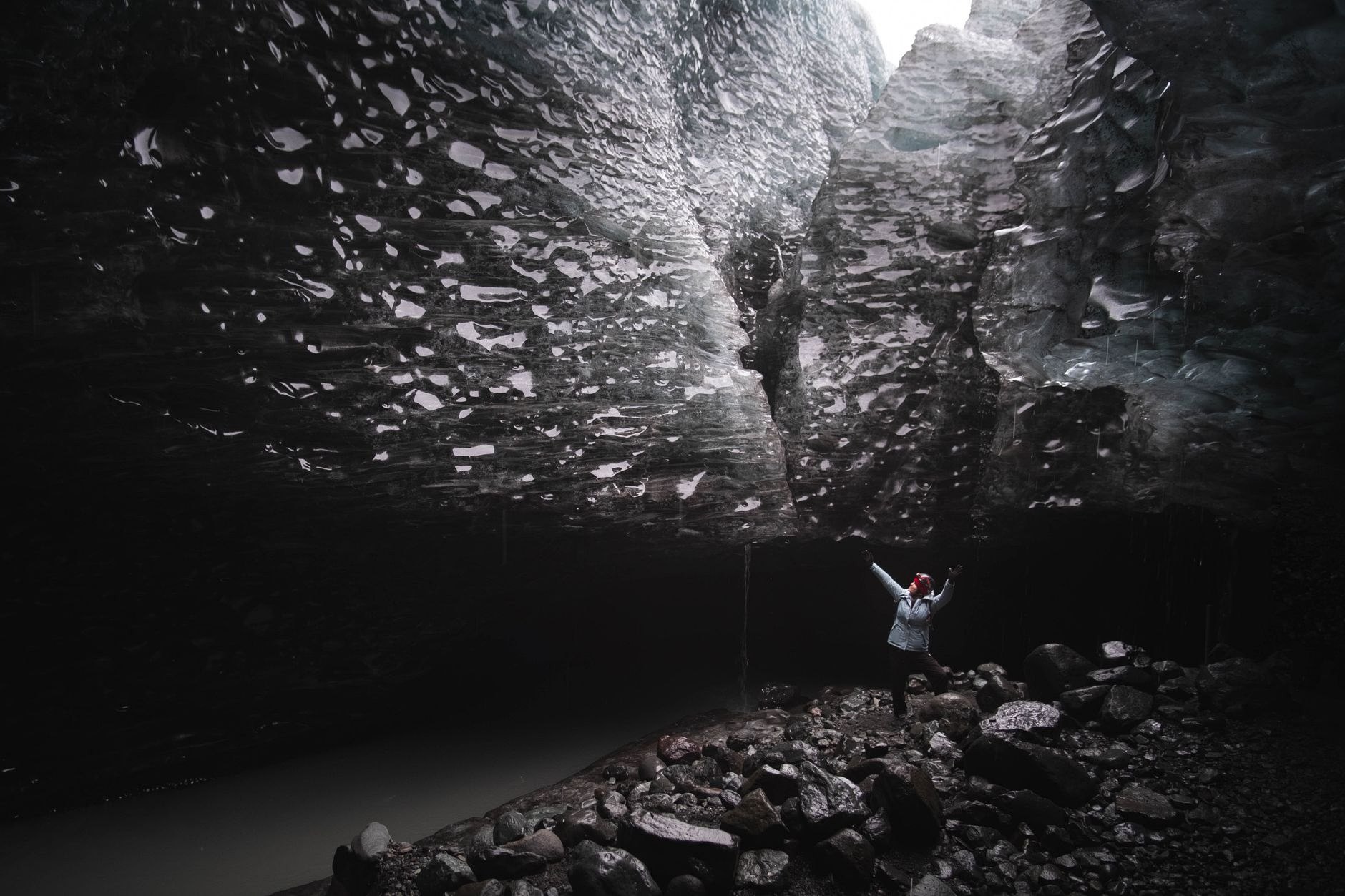
If you’re travelling in summer, though, and are desperate to see some kind of ice cave, the only available natural option is the wild caves hidden beneath the mighty Katla glacier near the little town of Vík, which thanks to their specific location are accessible with a guide all year round.
Don’t expect that bright blue, overexposed colour you know from popular Instagram photos by winter travellers, though. The ice on the Katla glacier is heavily mixed with pitch-black volcanic ash, so the whole cave feels much more dark, gloomy and dramatic, as if you suddenly found yourself in the set of some sci-fi film from a completely different, inhospitable planet.
3. Snorkelling in the Silfra tectonic fissure
Even though it might sound like utter madness to voluntarily climb in a wetsuit into water that even in the middle of summer is a mere two to four degrees Celsius, snorkelling in the Silfra fissure inside Þingvellir National Park ranks among the world’s best diving spots.
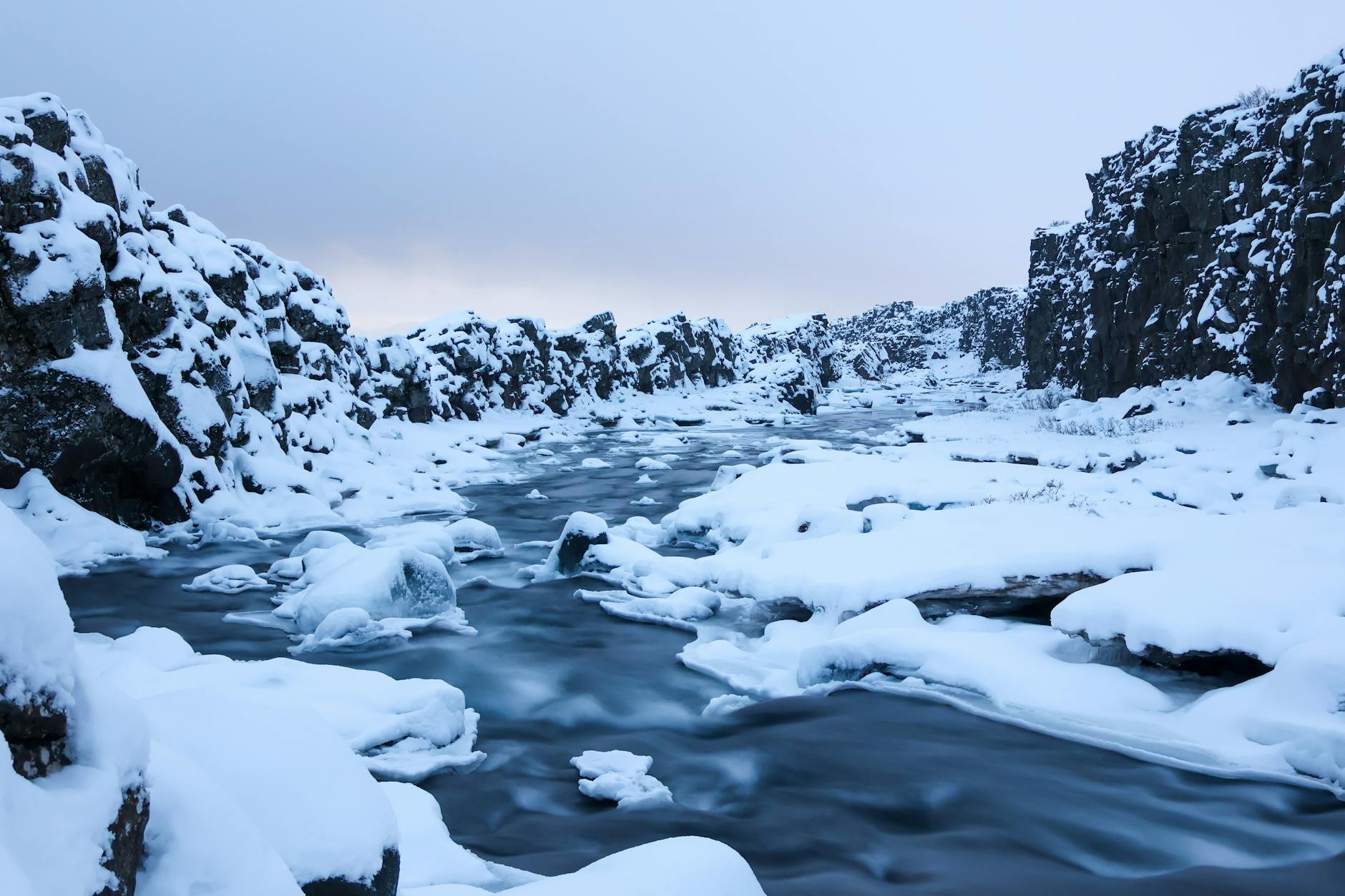
It’s a narrow and immensely deep tectonic crack lying exactly between the North American and Eurasian lithospheric plates, so while swimming you literally find yourself in a watery void between two enormous continents.
The icy water travels here over many decades through underground lava fields from the melting Langjökull glacier, which means it goes through such extreme filtration that it’s absolutely crystal clear and underwater visibility easily exceeds a full hundred metres.
Don’t worry that you’ll freeze to the bone in it within a minute, because the agency will kit you out in a waterproof dry suit in which you’ll float on the surface like a giant Michelin man, and you’ll pay roughly USD 145 per person for this roughly two-hour experience.
4. Whale watching in Húsavík
Seeing a tall spout of water from a blowhole and then a huge dark tail elegantly diving into the depths of the ocean is the dream of many people, and Iceland fortunately represents Europe’s absolute top for watching wild whales in their natural environment. The main season runs from April to October, with the absolute peak coming in the long summer months from June to August, when the sea is fairly calm and full of food.
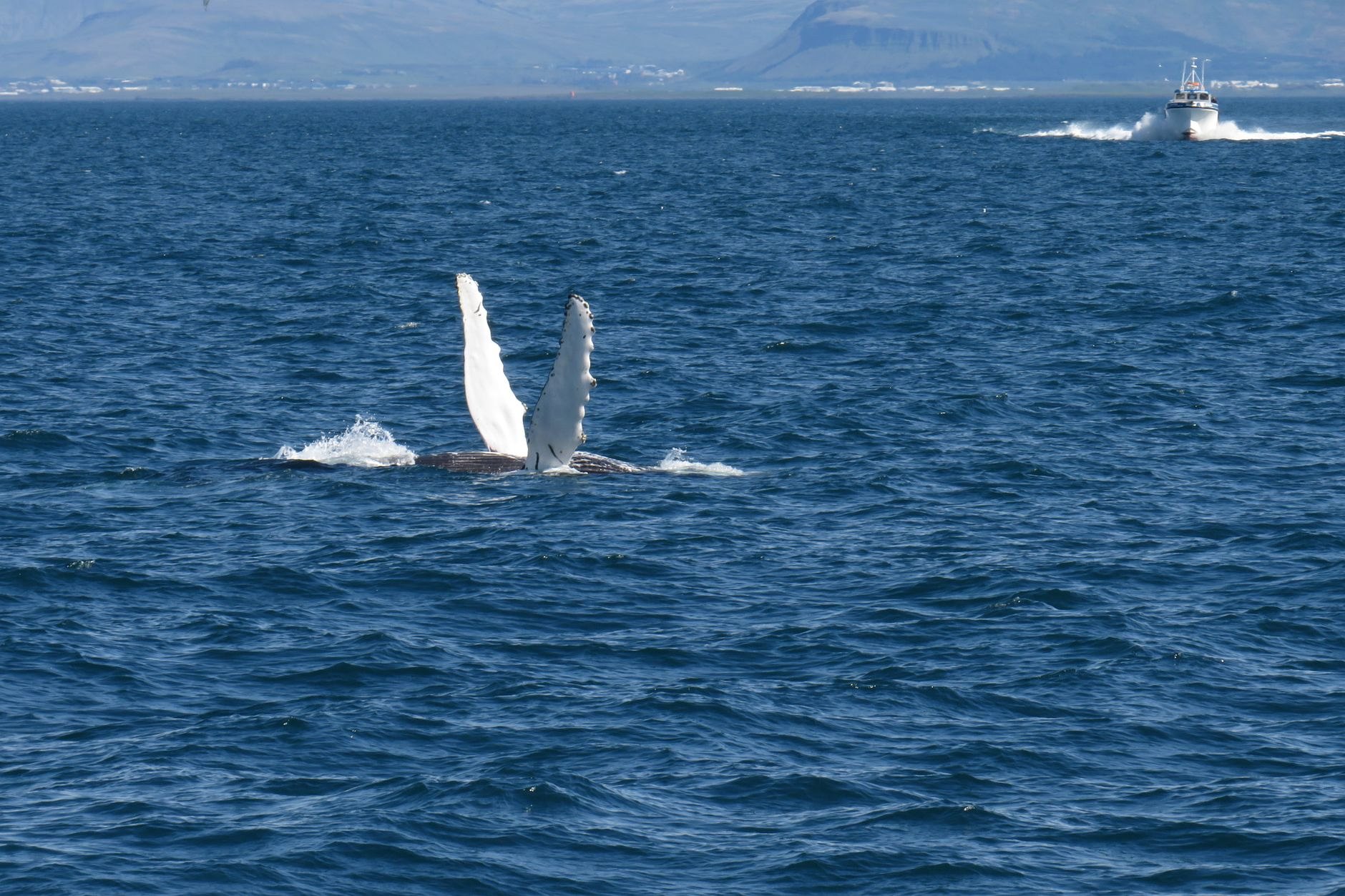
If you’re wondering where to head to see these gentle giants, go straight to the north of the island to the small fishing town called Húsavík, quite rightly nicknamed the whale-watching capital of all Europe.
The cold Skjálfandi bay here is incredibly rich in nutritious plankton and small fish in season, which reliably draws in huge numbers of various cetacean species, from cute smaller ones to mighty humpbacks, so the chance of spotting them here approaches near-certainty.
A sure thing: where to see lava even when the volcano is asleep
Many people think that when they land in volcanic Iceland, they’ll see glowing red lava flowing out of craters at literally every step of their trip. The truth, unfortunately, is that catching an ongoing safe eruption with your own eyes takes enormous luck, perfect timing and often a good dose of chance, because volcanoes simply do whatever they please.
If you’re not watching live news reports about sudden eruptions and no lava is flowing anywhere on the Reykjanes Peninsula, there are absolutely amazing places where you can fully enjoy this fascinating hot spectacle anyway.
1. The Lava Show in Reykjavík and Vík
If you don’t want to rely on the unpredictable mood of Mother Nature at all and risk disappointment, then a visit to the fantastic Lava Show is an absolute must for you. The owners of this unique Icelandic project came up with a safe way to melt real dark volcanic sand up to an incredible 1,100 °C in the dim light of a small theatre arena and then let it flow dramatically down a red channel right before the amazed eyes of the audience.
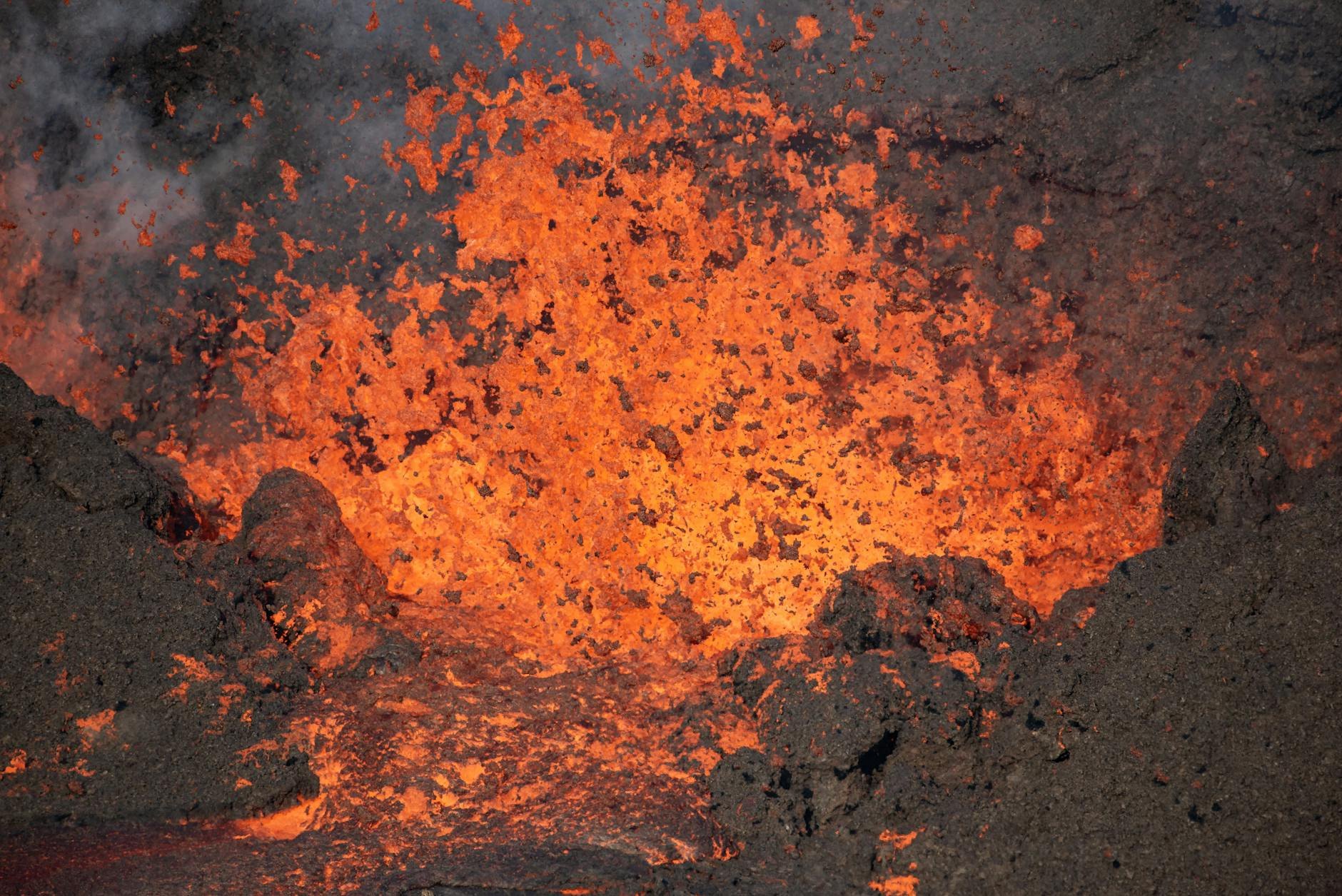
You see the heavy liquid magmatic mass, hear with your own ears how it loudly cracks and hisses as it cools, and above all you physically feel that overwhelming radiant heat that hits you in the face at once and makes you take off your jacket.
The experience of this fiery spectacle lasts a little under an hour, and a trained local guide explains everything essential about Icelandic volcanoes in a very funny, personal and engaging way.
You can currently visit this popular Lava Show either right in the centre of the capital Reykjavík (where an adult ticket costs ISK 6,590) or in the iconic little town of Vík on the windy south coast (at a slightly cheaper ISK 5,900, which is roughly €40). We both think it’s an absolute smash hit, and in my view it’s clearly one of the very best paid attractions on the whole island.
2. The Lava Centre in Hvolsvöllur
If your road trip takes you on the long drive along the south coast towards the most famous photogenic waterfalls, Seljalandsfoss and Skógafoss, you’ll most likely come across the village of Hvolsvöllur right by the main road, home to the very interesting modern building of the Lava Centre.
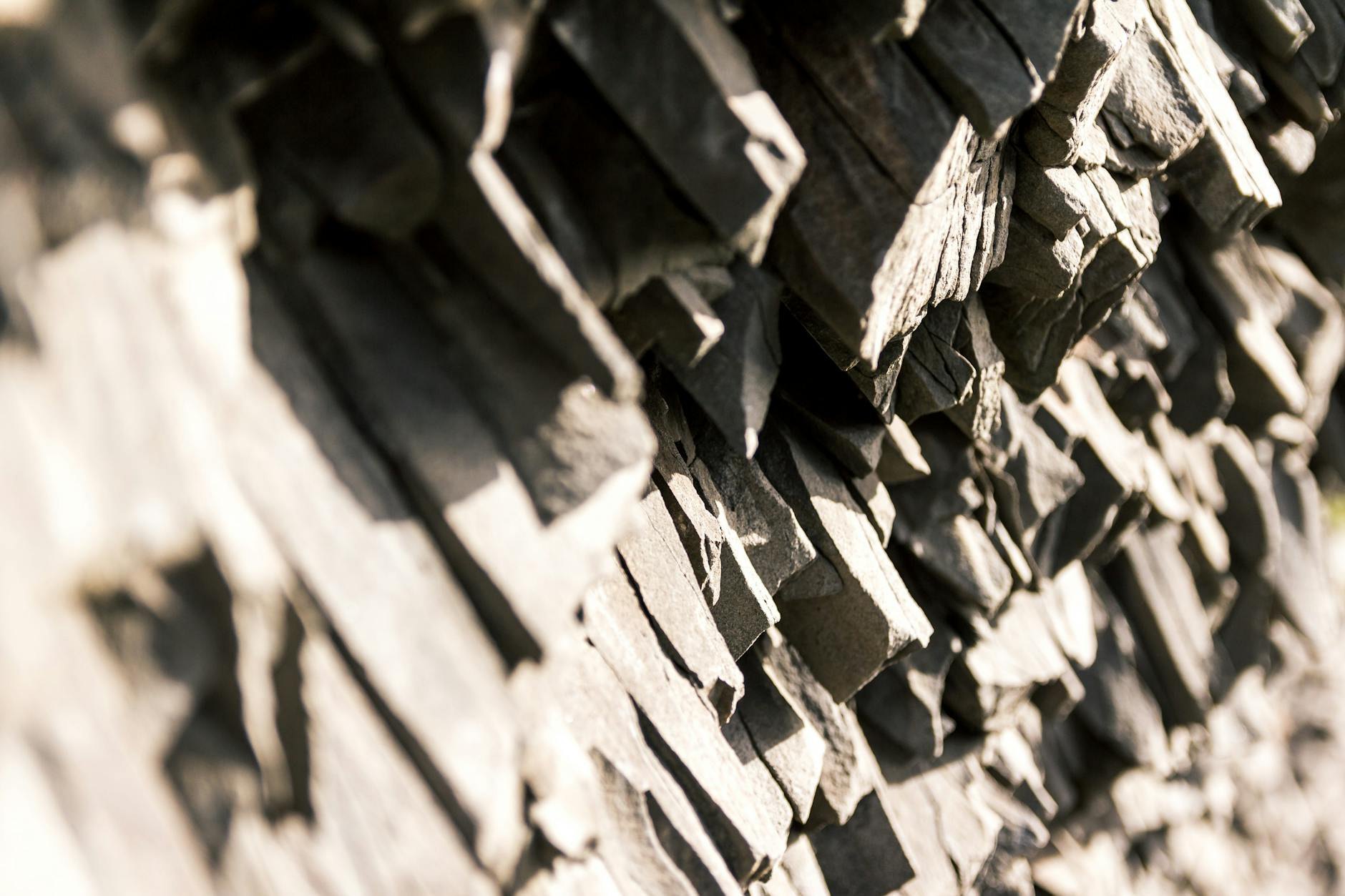
It’s a huge, architecturally sophisticated interactive museum devoted entirely to the complex geology and volcanology, where thanks to top-notch colour visualisations you can examine in detail the systems of active magma chambers pulsing beneath the whole of Iceland.
It’s an immensely educational and great stop especially when a storm is raging outside, it’s raining and a thoroughly unfriendly icy wind is blowing, which happens fairly often on the unpredictable Icelandic south. In the dimly lit museum you’ll finally properly understand why the whole country constantly trembles so strongly, what exactly triggers eruptions and how the dreaded explosions of volcanoes hidden deep beneath mighty glaciers actually work.
Volcanic safety: 5 rules for survival
The harsh and untamed nature in Iceland is definitely not just a pretty backdrop for nice photos for social media, but an uncompromising daily reality, and you never joke around with volcanoes. Icelanders are perfectly prepared for any volcanic eruptions, they have trained top-class rescue services and perfectly functioning information systems, so if you blindly follow their instructions, you’re in absolute safety even during an active eruption.
The thing is, enthusiastic tourists sometimes get a false sense that they’re simply immortal. Here are the basic survival rules you must not ignore for anything.
1. Follow the official websites
This recommendation is the absolute mantra of every safe road trip around Iceland and you should take it to heart. Before you even start the car in the morning and hit the road, always open the rescue services’ page Safetravel.is on your phone. You’ll immediately find all the colour-coded warnings about strong winds, approaching storms and any ongoing eruptions and closures there.
For really detailed monitoring of volcanic and seismic activity beneath the surface, the official Icelandic Meteorological Office (Vedur.is) is also brilliant, where you’ll find constantly updated real-time earthquake maps so you know where the ground is shaking most right now.
2. Invisible poisonous gases
When a fissure eruption is in full swing and lava is flowing into a valley, the very biggest and most insidious danger usually isn’t the slowly flowing hot mass itself (you can quite comfortably outrun that even on foot), but what you absolutely can’t see. Fresh volcanic fissures release large amounts of sulphur dioxide (SO2) and a range of other poisonous gases that are significantly heavier than ordinary air, so they accumulate unnoticed in deep valleys and natural hollows.
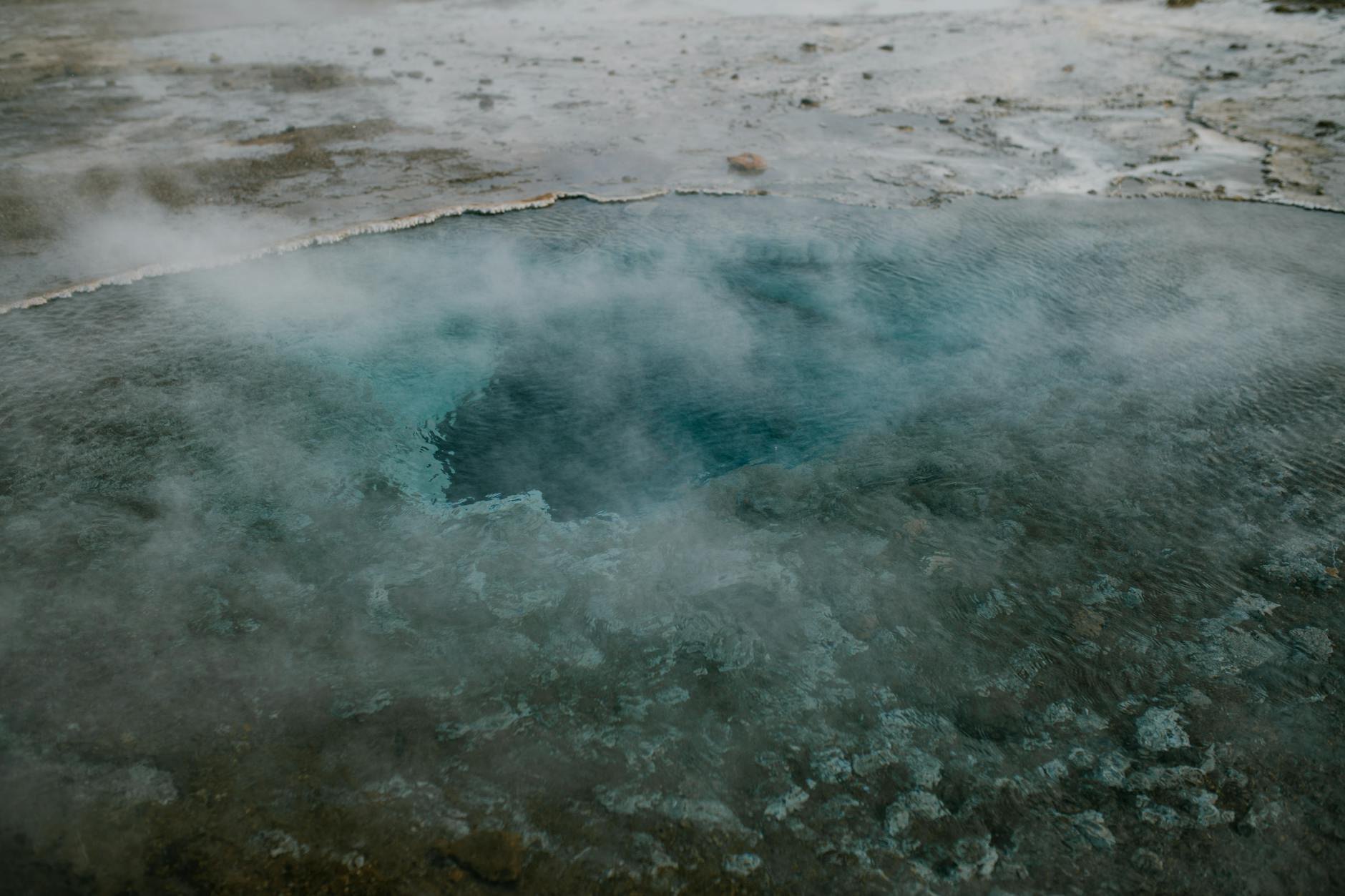
What’s more, if that traditional strong Icelandic wind that would mercifully sweep them out over the ocean happens not to be blowing, these pockets of gas can be deadly to tourists. The local authorities therefore constantly and carefully monitor the current air quality and any risks on the specialist website Loftgaedi.is, which you should definitely have saved in your browser bookmarks.
3. Never go near lava alone
If you’re ever lucky enough in Iceland to reach a site with a completely fresh and still smoking lava field via an officially permitted and safe route, definitely don’t be too curious and daring. The surface of freshly flowed lava does turn black and harden fairly quickly in the cold air, but don’t be fooled — beneath that thin and extremely fragile crust, molten magma at an unbelievable temperature of around one thousand degrees Celsius still hides in pockets.
Breaking through with your foot into even a small such pocket means a quick and utterly fatal end with burns incompatible with life, so never in your life go onto new lava fields alone and always keep to the marked, well-trodden paths explored by experts.
4. Respect closures and the police
The world-famous Icelandic rescue service called ICE-SAR is largely made up of incredibly devoted local volunteers who, exclusively in their own free time, rescue unprepared tourists from the very worst and most dangerous situations imaginable. If the state authorities or police suddenly block a certain road and quickly declare an evacuation or closure of a chosen volcanic area, believe that they have a very good and well-founded geological reason for it and certainly don’t just want to ruin your expensive holiday out of boredom.
So don’t try to secretly go around the guarded tracks somewhere or find a gap in the barriers at night, because these local rescuers really have better and more important things to do in Iceland than needlessly risk their own health and lives for someone who absolutely and at any cost needed a photo of a glowing volcano for their Instagram.
5. Watch out for the Icelandic wind and car doors
Even though it isn’t directly related to volcanoes, this is one of Iceland’s most underestimated risks, and it can nastily wreck your travel budget. The Icelandic wind has absolutely brutal force, and if you carelessly and abruptly fling the car door wide open at a stop by some natural sight, a strong gust can literally tear it off its hinges in a second or bend it so you can’t close it any more (it’s called door-ripping).
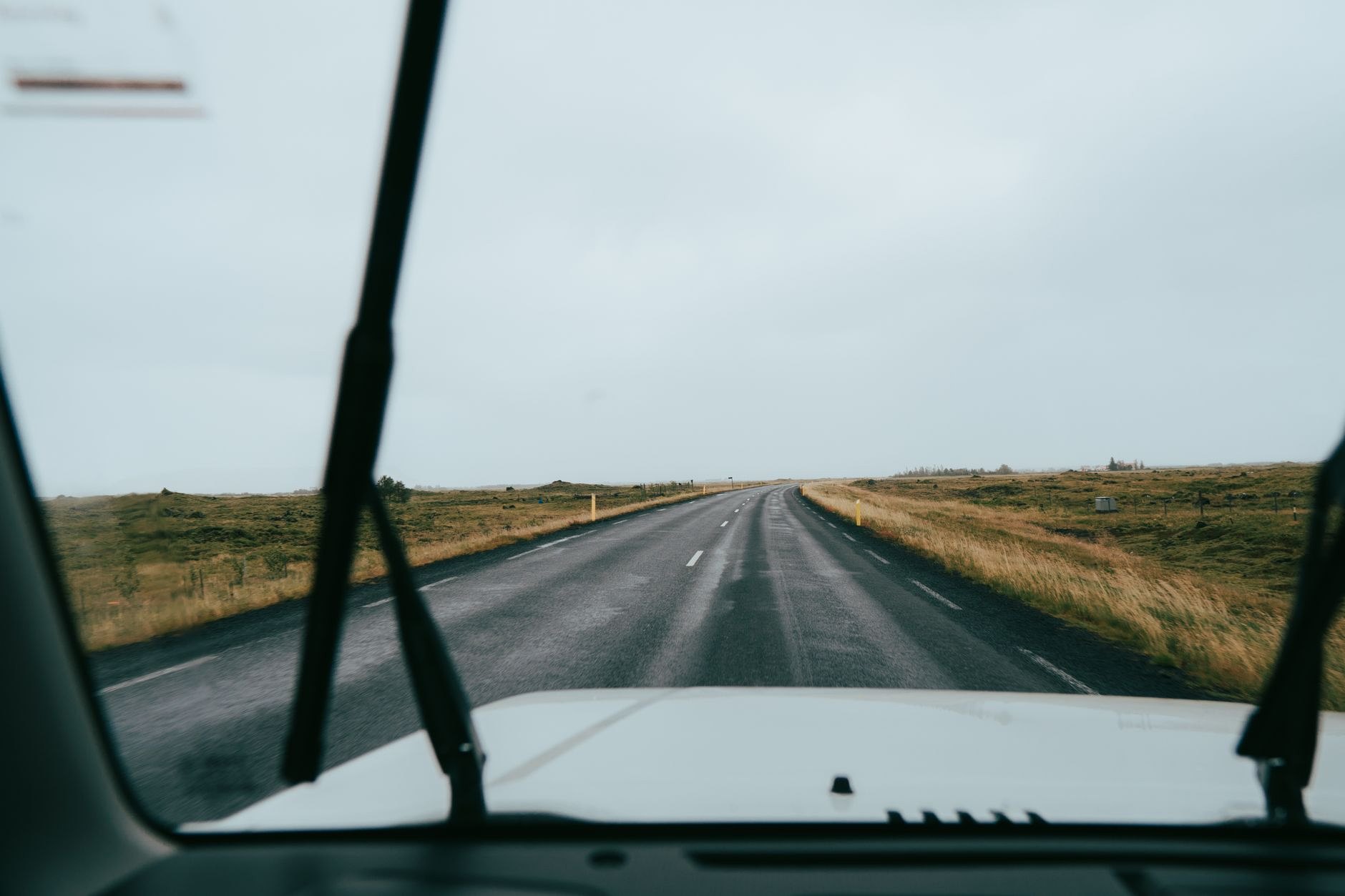
It’s immensely important to know that absolutely no rental insurance covers this specific mechanical damage, so every time you get out, especially in the flat areas of the south, always park the front of the car directly into the wind and hold the door really firmly with both hands whenever you open it, so it always faces into the wind.
Where to eat (without ruining your budget)
Dining on the island is a really big chapter in itself, and the final bills in local restaurants can hurt even hardened travellers quite a bit. It’s commonly said that the very cheapest hot meal in the whole city is the famous Icelandic hot dog, or pylsa, with crispy onions and sweet mustard, which you buy at the little red stand Bæjarins Beztu Pylsur a short walk from the harbour.
You’ll pay a friendly ISK 820 (about €5.50) for it, and locals make a huge deal out of it, just as the braver ones tuck into traditional fermented shark, hákarl, with a shot of the famous caraway spirit Brennivín (known as Black Death) or the hearty fish stew plokkfiskur.
Since Lukáš and I have both long eaten meat-free, though, and fermented shark really doesn’t tempt us, we simply don’t go for such local animal specialities and instead deliberately seek out great local vegetarian alternatives.
Our absolute daily lifesaver, especially during those long drives around the volcanoes and endless lava fields, is called the Bónus supermarket, which you’ll reliably recognise from afar by its very distinctive yellow logo with a little pink piggy (alternatively we also use the Krónan or Nettó shops).
They have by far the best food prices here — we constantly buy cheap supplies of cheese, tons of our favourite hummus, delicious sweet rye bread rúgbrauð and above all huge piles of traditional thick skyr yoghurt, which we basically lived on quite happily for a large part of our first and subsequent road trips.
When we then feel like treating ourselves and relaxing in Reykjavík after a whole day of freezing, we eagerly go for fantastic, wood-scented pizza at the cosy spot PizzaRé or at the modern but renowned pizzeria Flatey, where the menu has absolutely perfect vegetarian options with fresh cheese and vegetables (a large crispy pizza there comes to roughly ISK 3,500, which is around €24), and we also absolutely love tucked-away Asian and Indian places like Himalayan Spice, where in those freezing temperatures they cooked us the unbeatably best and thickest chickpea dal for miles around.
And remember one golden rule: tap water in Iceland is one of the very cleanest and tastiest in the whole world, so only complete fools buy bottled water in plastic here! Just be careful with the hot tap water in the sink, because it’s heated straight from geothermal wells and smells fairly strongly of sulphur, so for drinking always run only the absolutely ice-cold, crystal-clear water into your bottle.
Where to go next in Iceland
If you’ve already mapped out the south and the volcanoes have won you over, the island still has an enormous amount to offer. Try reading our other guides and plan your trip down to the details:
- Not sure what not to miss in the capital? Check out our article Reykjavík: what to see and do.
- If you’re short on time, the absolute classic is the Golden Circle, where you’ll see the biggest geysers.
- For those of you who love bathing in hot water in the middle of the wilderness, we’ve put together the 16 best hot springs in Iceland.
- And if you’re planning a longer trip around the island, our Iceland road trip itinerary will help you organise it day by day.
Frequently asked questions
Is it safe to fly to Iceland when there are reports of volcanic eruptions?
Absolutely yes, fear of flight paralysis is unnecessary. Eruptions on the Reykjanes Peninsula are fortunately of the effusive type, which in practice means that molten lava simply flows relatively calmly from fissures in the ground, but without creating those giant explosive clouds of volcanic ash. Ash is the only thing that directly threatens aircraft engines (as happened in 2010 during the famous eruption of the volcano hidden beneath the Eyjafjallajökull glacier). Thanks to this, Keflavík Airport has operated reliably the entire time and none of the eruptions since March 2021 have caused any flight cancellations.
Can I see flowing lava in person anywhere?
In nature only if you have tremendous luck with perfect timing and happen to catch an ongoing safe fissure eruption to which rescue authorities legally permit public access. It really depends on chance and most of the time on Reykjanes you’re looking at “just” impressive but newly solidified and only slightly steaming lava fields that are no longer flowing. If you want to see liquid glowing magma with one hundred percent certainty and in complete safety, it’s better to buy a ticket to the stunning Lava Show in Reykjavík or the one in the south in Vík.
Is the famous Blue Lagoon currently open to tourists?
Since the beginning of March 2026, the Blue Lagoon has been safely operating for visitors again, however it functions in a so-called dynamic regime dependent on seismic warnings. Although a massive protective barrier against lava was hastily built around it, because the complex simply lies directly in the active risk zone near the Svartsengi volcano, it can occasionally happen that rescue services temporarily and completely preventively close it during elevated seismic risk. Always check the current status and bathing availability directly on the official Blue Lagoon website.
Is the capital city Reykjavík itself or the town of Grindavík in danger?
Reykjavík lies at a safe distance of about forty kilometers from the main eruption sites and thanks to favorable terrain is completely safe, so you definitely don’t need to worry there and can peacefully explore the streets. The small town of Grindavík with just under four thousand inhabitants unfortunately wasn’t so lucky, because it lies directly on the threatened fault line. It was already evacuated long-term at the end of 2023 and due to enormous deep cracks in the streets and the real risk of deadly ground collapse, free access to it is strictly prohibited by authorities.
Where can I find beautiful volcanic landscapes for free, even when there’s no eruption happening?
On the active Reykjanes Peninsula near the airport, definitely head to the beautifully colorful geothermal area of Krýsuvík/Seltún, check out the loudly bubbling mud spring Gunnuhver, or cross the small Bridge Between Continents. If you’re traveling by car all the way to Iceland’s far north, the most “alien-like” and spectacular area is the wider surroundings of Lake Mývatn, specifically the sulfur fields of Hverir, the area around the Krafla volcano, and the dark labyrinth of Dimmuborgir. All these amazing and wild natural sites have completely free admission year-round and charge no entry fee.
How can I tell in the field if I’m at risk from dangerous volcanic gases?
Deadly dangerous and completely invisible to the naked eye volcanic gases, such as sulfur dioxide (SO2), can treacherously appear in the vicinity of active lava fields and because they are heavier than normal air, they secretly accumulate in deep valleys and depressions in the terrain. Fortunately, the current wind direction and precise concentration of this dangerous air pollution is constantly monitored and evaluated by the Icelandic Environment Agency, so for your own safety always carefully check the fresh green numbers at Loftgaedi.is before every trip to volcanic areas.
Is it possible to descend directly into the deep crater of a huge volcano in Iceland?
Yes, it is possible, and in an incredibly unique way! The extinct and very old Þríhnúkagígur volcano near bustling Reykjavík is the only one in the entire world offering tourists the opportunity to ride a small elevator directly down into its enormous and fantastically colorful magma chamber. However, this is an absolutely premium and quite expensive travel experience (with a price over €200), which due to the challenging terrain is only accessible to the public during the main summer season from May to the end of October and definitely requires firm online booking many months in advance.
Tips and Tricks for Your Vacation
Don’t Overpay for Flights
Search for flights on Kayak. It’s our favorite search engine because it scans the websites of all airlines and always finds the cheapest connection.
Book Your Accommodation Smartly
The best experiences we’ve had when looking for accommodation (from Alaska to Morocco) are with Booking.com, where hotels, apartments, and entire houses are usually the cheapest and most widely available.
 🚗 Car rental on the roadVerified rental cars in Iceland
Search with the DiscoverCars comparison engine — it compares prices from dozens of local and international rental companies, and most bookings come with free cancellation.
Compare car prices in Iceland →Don’t Forget Travel Insurance
Good travel insurance will protect you against illness, accidents, theft, or flight cancellations. We’ve had a few hospital visits abroad, so we know how important it is to have proper insurance arranged.
Where we insure ourselves: SafetyWing (simple monthly subscription) and TrueTraveller (for extra-long trips).
Find the Best Experiences
Get Your Guide is a huge online marketplace where you can book guided walks, trips, skip-the-line tickets, tours, and much more. We always find some extra fun there!