

Influencer marketing has been growing in popularity in recent years. Some brands feel that if they’re not collaborating with influencers, they might as well not exist. But what’s the real story behind a successful influencer marketing strategy?
Working with Instagrammers, YouTubers, and bloggers can be a genuinely profitable move for brands, but a poorly chosen collaboration can drain your budget with zero visible results. In the worst cases, it can even damage your brand. Influencer marketing is part of a content strategy that we evaluate in the same way as other campaigns within our content plan (campaigns tab).
Experience from Both Sides
Over the past year, Lukáš and I have tried both roles. The influencer role with our blog Loudavým krokem, and the brand role — working with influencers on behalf of clients. Being on both sides of the fence has given us first-hand insight into the pitfalls and challenges these collaborations can bring.
We’ve seen it time and again — brands handing out products to bloggers with bought followers on Instagram. Even more often, we’ve witnessed pointless collaborations with influencers who have absolutely no connection to the product.
We’ve peeked behind the curtain at agencies specialising in influencer marketing and have been baffled more than once by what brands are willing to pay for.
In this article, we’ll answer whether influencer collaborations make sense for you, how to choose the right blogger, YouTuber, or Instagrammer to work with, and how to spot fake versus genuine followers. We’ll also share tips on how to build quality partnerships.
Let’s Start at the Beginning — What Is Influencer Marketing?

It’s a practice where brands partner with individuals who have influence over a specific segment of potential customers. They don’t have to be celebrities, and it’s not limited to YouTubers and Instagrammers (even though they get the most attention). It could be an influential website, a Twitter account, a blog, or even a Facebook group.
The big advantage of working with influencers is a much higher ROI — return on investment, in plain English. Studies suggest that the ROI of influencer marketing is 11 times higher than traditional digital channels (Facebook ads, Google Ads).
However, reaching those numbers is far from easy. What’s more, if a campaign isn’t executed professionally, the brand risks losing not just its investment but also part of its reputation.
Is Influencer Marketing Right for Every Business?
Yes — provided there are influencers active in your industry. If you sell clothing, there are dozens of large and small bloggers, YouTubers, and Instagrammers interested in fashion who can promote your brand.
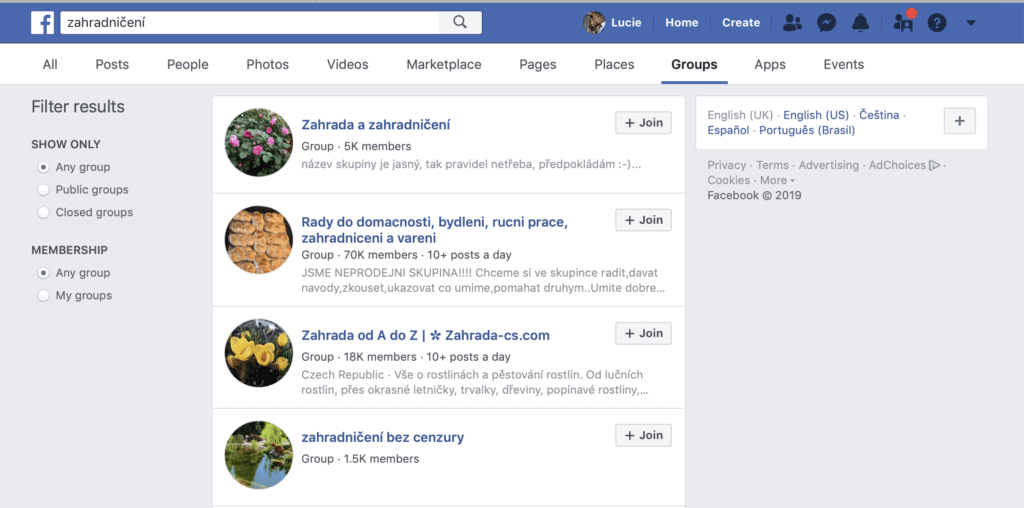
But if you sell lawnmowers, you’ll probably need to look for niche blogs and websites about gardening, monitor Facebook groups on the topic, and you might find slim pickings.
Sure, you could find a YouTuber or Instagrammer with a big garden to showcase your mower, but if their audience is mostly 18–24-year-olds, chances are it won’t be a very effective collaboration.
How to Choose the Right Influencer
Choosing the right, high-quality influencer is the single most important part of any influencer marketing strategy. But how do you pick the right one? And what type of influencer should you be looking for?
Blogger, YouTuber, or Instagrammer? And Is Facebook Dead?
Each type of influencer brings something slightly different to the table. In the following sections, we’ll introduce each type and explain how to tell the good from the mediocre.
Why Work with Bloggers?
- Ranking at the top of search engines without paying for ads
- Long-term promotion even from a one-off collaboration (with blogs that have strong SEO)
- Content for your social media channels
- Higher credibility for readers than paid advertising
- Short-term (strong social media presence) and long-term sales boosts (blogs with solid SEO)
- Building quality backlinks (blogs with solid SEO)
Quick explainer: Not sure what SEO is? It stands for Search Engine Optimisation — a broad set of tools and techniques aimed at getting a web page to rank as high as possible in search engine results.
Truly high-quality blogs are still relatively rare, but if you find one, these bloggers can get you to the top of Google without spending a penny on ads. How? Many bloggers focus on SEO and optimise their articles to rank for specific search terms.
Influencer Marketing Example: Loudavým krokem x Motel One

At Loudavým krokem, we arranged a collaboration with the brilliant Motel One hotel during a trip to Munich. Just three days after we published our article about Munich, it appeared on the eighth position on Google for the query “things to do in Munich“.
It was very likely that within 2–3 months it would reach the very top positions. Because we genuinely enjoyed our stay at Motel One, the hotel was recommended as accommodation in Munich within the article. So Motel One landed in a top-ranking Google article for “things to do in Munich” — simply by hosting us.
That article isn’t going anywhere, and anyone searching for the query in the coming months will likely come across it. Some of our articles have held top positions for several years.
How to Spot a Quality Blog
- The blog has strong SEO — it shows up when you search for relevant keywords
- The blog has a strong social media presence — plenty of followers on Facebook, Instagram, Twitter
- The blog is active (at least 6 posts per year, ideally 12 or more)
- To compare blogs, you can use tools like SimilarWeb, which show you traffic volume and sources
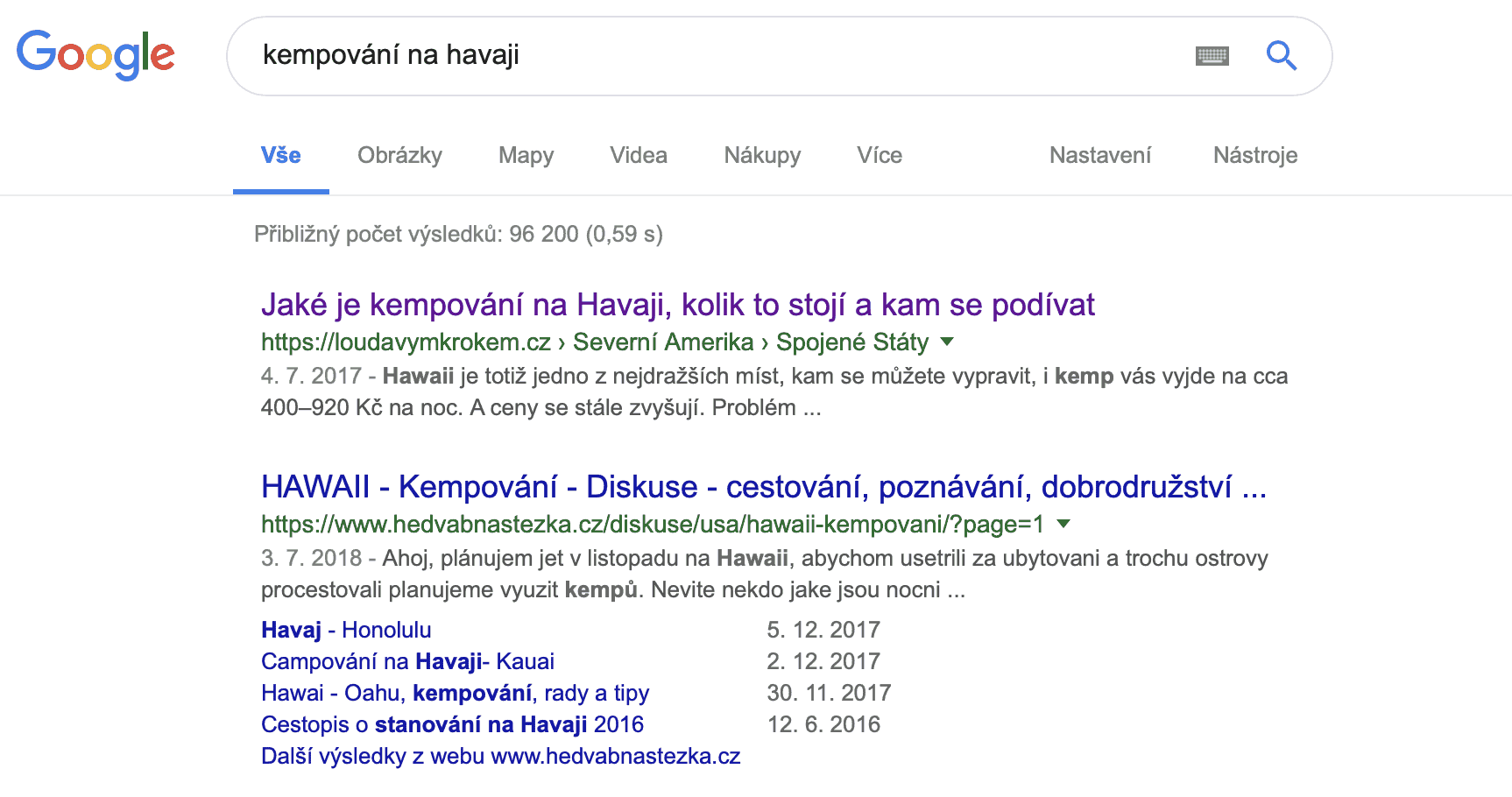
We’ve described how to recognise a quality blog in simplified terms, but you get the idea. If a blog focuses on, say, mapping historical landmarks across a country and you can’t find it on Google even with very specific queries, it’s probably not the ideal blog to collaborate with.
What Do Collaborations Look Like and How Much Do They Cost?
- If your product or service is genuinely interesting to bloggers, you might get featured for free
- Reviews (a standalone article about your product/service) average around €120, though the price can be higher or lower depending on the blog’s quality (but don’t expect less than about €60)
- Link insertion into an existing article
You’ll often discover a well-ranked article (one that appears at the top of search results) and want your brand featured in it. If the blogger likes your product or service, you can arrange a link insertion. For well-ranked articles, prices typically start at around €10/month.
Why Work with Instagrammers
- Building and strengthening your brand
- Original photos and creative product presentation
- Clear and trustworthy advertising
- A one-off but intense reach
- Some of the most active communities live on Instagram
With over one billion active users, Instagram has become arguably the most popular platform for influencer marketing collaborations. A well-chosen influencer can present your product to their audience far more engagingly and authentically than your in-house marketing team. On top of that, followers trust their favourite Instagrammers far more than a paid ad under your brand’s name.
As a result, brands are flocking to Instagrammers and handing out products left and right to get their name in front of as many users as possible. Unfortunately, this has also spawned profiles with bought followers whose feeds look more like an online car boot sale than genuine content.
How to Spot a Quality Instagram Influencer — and Why Follower Count Means Nothing
- Engagement
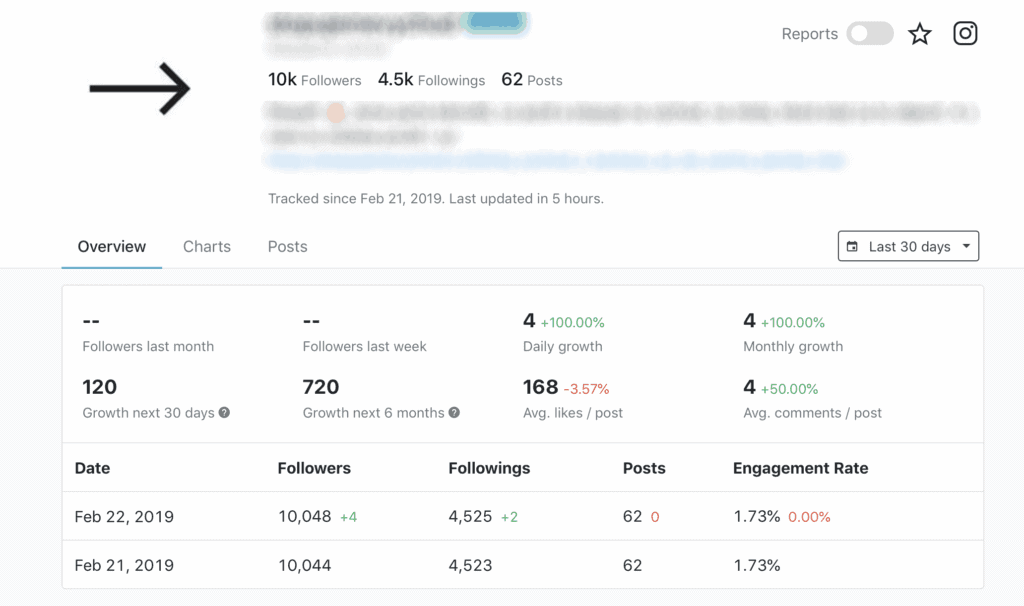
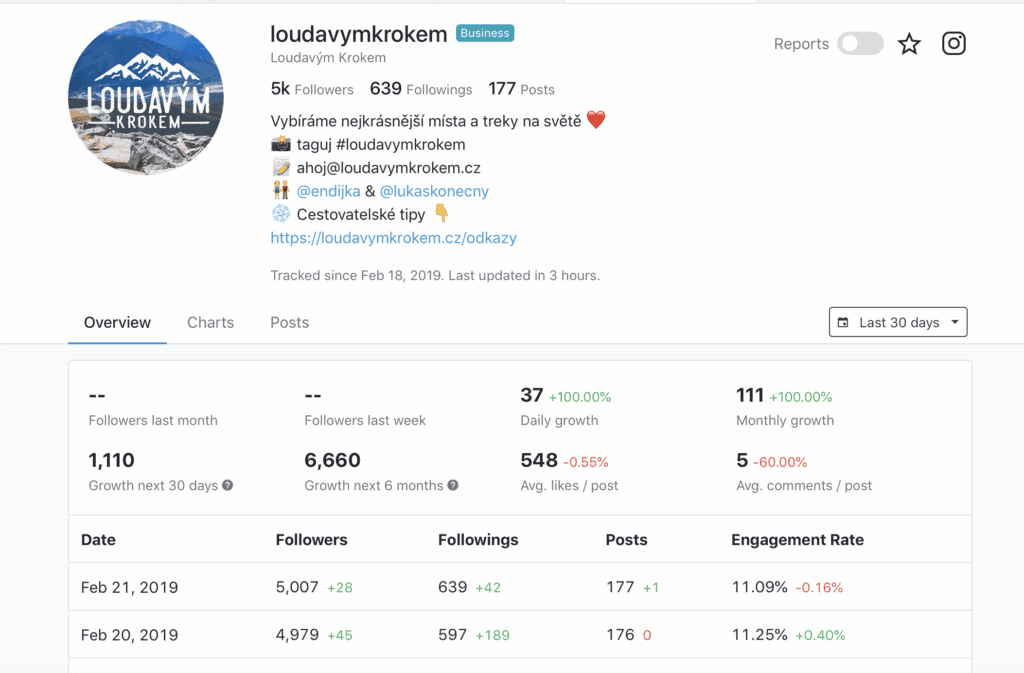
A quality influencer can no longer be judged by follower count alone. So what matters? Engagement. For smaller accounts (under 10k), it should be above 5%. For mid-size accounts (10k–100k), above 3%. For mega accounts, 1–1.5% is typical. You can easily check engagement using tools like IGBlade or similar analytics platforms.
Engagement shows what percentage of a user’s followers are actually active. If a profile with 50,000 followers has a 10% engagement rate, that means 5,000 followers are regularly interacting with their posts.
You Can Spot Profile Quality at a Glance
A quick way to gauge an influencer’s quality is to scroll through their last 5–6 photos and look at the number of likes and comments.
- If your influencer has 10,000 followers but only 100–200 likes per photo, something’s off.
- If there are very few comments under their photos (under five), something’s off.
How Big Should an Account Be, and How Much Do Influencers Charge?
When it comes to Instagram, size often doesn’t matter as much as you’d think. What’s important is that the account targets your ideal audience. If you sell baby nappies, a 19-year-old lifestyle influencer with 90,000 followers will do less for you than a mum influencer with a few thousand followers whose audience is exclusively other parents.
Keep in mind that the bigger the account, the more you’ll pay. We’ve broken down account sizes below. Internationally, micro-influencers are typically defined as accounts with under 100,000 followers, but in smaller markets, the scale is different. The vast majority of influencers sit between 10,000 and 30,000 followers.
Micro-influencers (under 10,000)
Many brands rely on so-called micro-influencers with higher engagement (under 10,000 followers) who will do a review just for the product itself. If they charge a fee, prices typically range from €25 to €60. Unfortunately, these accounts may lack certain platform features — for instance, Instagram historically restricted the “swipe up” link in Stories to accounts with over 10,000 followers (though link stickers are now more widely available).
Mid-tier influencers (up to 30,000)
You can sometimes negotiate a review for just the product, but it’s increasingly rare. Most will charge a fee in the range of a few hundred euros depending on the number of deliverables. These Instagrammers can be worth it if they have at least 4% engagement.
Major influencers (over 30,000)
If you want big reach, you can partner with a larger influencer who’s selective about collaborations and gives each one proper attention. Bigger influencers are often managed by agencies or managers. Pricing is individual, but as an example, an account with 50,000 followers and 4% engagement might charge around €300–€400 for 3–5 Story mentions and 1–2 feed posts.


A Few Notes on Pricing
The prices mentioned above are purely indicative and can vary enormously. Every blogger (unless represented by an agency) sets their own rates. The figures above are averages and prices that have been quoted to our clients by agencies.
When pricing a collaboration, it’s not just about engagement — reach, the influencer’s exclusivity, and the time required all play a role. Some collaborations are more time-consuming, and that should be reflected in the price. By exclusivity, we mean how often an influencer takes on brand deals. An influencer who churns out one collaboration after another is less attractive to brands than one who carefully selects their partnerships.
Why Work with YouTubers
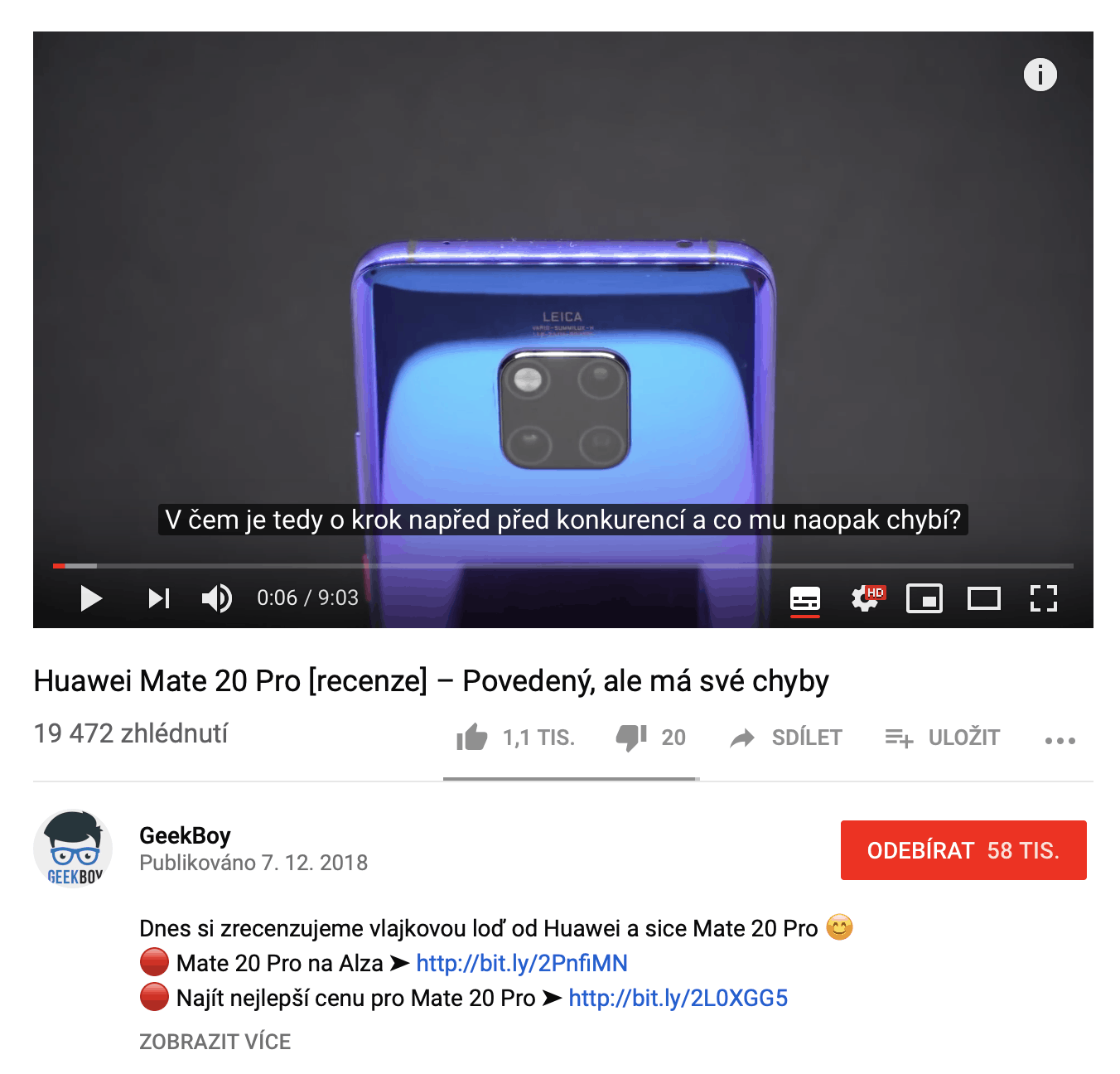
Video is the most popular content format today. YouTubers have long since joined the celebrity ranks, and while Instagram may be the marketer’s darling, a quality YouTube collaboration can be worth several Instagram partnerships combined. Unlike Instagram, YouTube content isn’t nearly as ephemeral — it can drive traffic for months or even years after publishing, much like a blog post.
- An entire video dedicated to your product is possible
- Credibility and clarity
- Permanent links in the video description
- Discoverability on YouTube, long-term promotion
How to Spot a Quality YouTuber/Vlogger

- Subscriber count vs. views on the latest video — at least a quarter of subscribers should have watched the most recent video. So if a YouTuber has 20,000 subscribers, the latest video should have around 5,000 views
- Comments — just like on Instagram, comments matter. If there are none, the YouTuber’s community isn’t particularly strong
- Ratings — the odd thumbs-down is perfectly normal (every influencer has their detractors), but if there’s an unusually high number, you probably don’t want to work with that YouTuber
- Experience with sponsored content — watch a few videos and see how the YouTuber presents products from existing partnerships. You might find their style doesn’t suit your brand. Sometimes it’s better to go with a smaller YouTuber who presents products more professionally. You don’t want someone to damage your brand, after all
- Always request their analytics — there’s nothing worse than poorly targeted advertising, so always ask the YouTuber for audience demographics and stats
How Much Does a YouTube Collaboration Cost?
As with Instagram, prices vary widely. Smaller YouTubers will feature your product in exchange for the product itself or a few hundred euros, while bigger YouTubers can charge several thousand for a single video.
Is Facebook Dead?
Yes and no. Once again, you need to go through the influencer’s Facebook page and assess it thoroughly. Ideally, ask the influencer for their post reach statistics. Organic reach on Facebook has been cut to almost nothing, which is why many influencers don’t focus on it — but successful Facebook pages do still exist.
Facebook Groups
What’s far more interesting is when an influencer runs an active Facebook group. It might be a group about travel or weight loss. These groups can be valuable from as few as 500 members. Why? Because group members share a narrow interest — which is exactly what marketers love. Just make sure the community is genuinely active.
How to Work with Influencers
Before you start reaching out to influencers, create a simple spreadsheet. Include columns for: Name, Email, Address, Instagram, Instagram Followers/Engagement, Blog, YouTube, Facebook, Date Contacted, Product Sent (Yes/No), Deliverables, Satisfaction, and Notes.

It’s crucial to keep track of the influencers you want to work with, monitor their deliverables, and record your satisfaction with how they presented the product.
How to Reach Out to Influencers
Most influencers list an email address on their social media profiles or websites, but you can also approach them directly on the platform itself.
As a rule of thumb, the more well-known the influencer, the more likely your message will get buried. For bigger names, always go with email.
Never write a generic message like “Dear blogger,” — influencers delete those straight away. Put in the effort. Address them by name. Tell them why you specifically want to work with them. Whether you like it or not, they probably receive dozens of such messages every week — and just as you’re choosing them, they’re choosing you.
Contracts
You’d be surprised how often it happens — you send a product, wait patiently, and hear nothing back. If it’s a cheap product, you can absorb the loss, make a note next to the influencer’s name, and move on. But if we’re talking about expensive products or an agreed monetary fee, we always recommend backing the collaboration with a contract that covers the following:
- What product you’re providing and its value
- What deliverables the influencer commits to
- The deadline for delivering them
- What happens if the influencer doesn’t fulfil their obligations (typically, they pay the market value of the products received)
Don’t Dictate What Influencers Should Write
We often see brands adding clauses to contracts stating that the influencer must not speak about the brand negatively — only neutrally or positively. But any decent influencer will refuse to sign that (we certainly wouldn’t) if they haven’t tried the product yet. What you can include is a clause allowing either party to withdraw from the agreement if the product doesn’t meet the influencer’s expectations.
Generally, our approach with influencers is: if the product falls short of their expectations for any reason, we appreciate honest private feedback. Alternatively, you can agree on returning the product.
A quality influencer doesn’t lie and won’t promote anything they’re not genuinely happy with. And that’s precisely why a well-executed influencer collaboration is so valuable.
Working Through an Influencer Marketing Agency — Yes or No?

There are several agencies that specialise in influencer marketing. They’re best suited for collaborations with major influencers they represent, as their services tend to be quite pricey.
What to Demand from Agencies
Agencies should present you with a table of influencers containing the following information:
Instagrammers
- Engagement rate — a reputable agency doesn’t base pricing on follower count alone but on the follower-to-engagement ratio
- Demographic data
- Language (if the Instagrammer posts in a language that doesn’t match your target market, it’s pointless)
- Story and post reach
- Average likes and comments per post
- Average click-throughs from the influencer to your website
Bloggers
- Monthly blog readership and focus area — unique visitors and average time on page
- Assurance that the blog is free of technical issues — for example, a broken SSL certificate (which causes browsers to warn visitors the connection isn’t secure and may block access entirely)
- The blog’s ranking among competitors in its niche
- An example review from a previous collaboration along with its results — blog collaborations are highly measurable
- Top 10 keywords from organic search
YouTubers
- Subscriber count vs. views on the latest video
- Demographic data
- Content focus
Why We Don’t Work with Agencies
We decided to stop working with agencies (both as bloggers and on behalf of our clients) after trying several collaborations. Beyond technical issues (an agency’s tracking code that was supposed to measure readership ended up slowing down the blog and throwing dozens of errors in SEO audits), we also encountered nonsensical offers and a staggering ignorance of the industry. Why are agencies still calculating collaboration prices based on follower count? It simply doesn’t make sense.
How to Approach Influencer Marketing Differently
For smaller budgets, you can use apps like Rewards, where influencers sign up themselves. These collaborations tend to be less personal — influencers won’t go through your careful vetting process — and may ultimately be less effective. On the flip side, they save you a lot of legwork and can be a quick way to get your brand out there.
What If an Influencer Reaches Out to You Directly?
If an influencer contacts you directly, ask for their media kit (here’s an example of ours), which should contain all the key stats we’ve mentioned. If the stats aren’t there or the influencer doesn’t have a media kit at all, that tells you something. It doesn’t necessarily mean you should write them off immediately, though. Browse their profiles, and if the collaboration looks promising, ask for additional stats or run your own analysis.
Well, that was quite a deep dive! If you’ve got any follow-up questions, drop them in the comments. 🙂
If you’d like to collaborate with us, don’t hesitate to get in touch.
BONUS: Online Course on Legal Aspects of Influencer Marketing
Very few people pay attention to whether influencer collaborations with brands or agencies are legally compliant. And beyond potential issues with regulators, it can erode followers’ trust in the influencer, damage the brand, and look unprofessional on the agency’s part.
The online course by Petra Dolejšová — Law in Influencer Marketing — is useful for every marketer, influencer, or brand manager who wants to do their job properly and within the law. The course is short — just 30 minutes.
What you’ll learn:
- How collaborations should and shouldn’t be disclosed
- What influencer marketing means from a legal perspective
- Which products and goods influencers are prohibited from promoting
- What counts — and doesn’t count — as advertising when done by an influencer
- How to handle barter deals and gifted products
- What to watch out for in influencer collaborations
- What influencer contracts should look like

Tips and Tricks for Your Vacation
Don’t Overpay for Flights
Search for flights on Kayak. It’s our favorite search engine because it scans the websites of all airlines and always finds the cheapest connection.
Book Your Accommodation Smartly
The best experiences we’ve had when looking for accommodation (from Alaska to Morocco) are with Booking.com, where hotels, apartments, and entire houses are usually the cheapest and most widely available.
Don’t Forget Travel Insurance
Good travel insurance will protect you against illness, accidents, theft, or flight cancellations. We’ve had a few hospital visits abroad, so we know how important it is to have proper insurance arranged.
Where we insure ourselves: SafetyWing (simple monthly subscription) and TrueTraveller (for extra-long trips).
Find the Best Experiences
Get Your Guide is a huge online marketplace where you can book guided walks, trips, skip-the-line tickets, tours, and much more. We always find some extra fun there!


