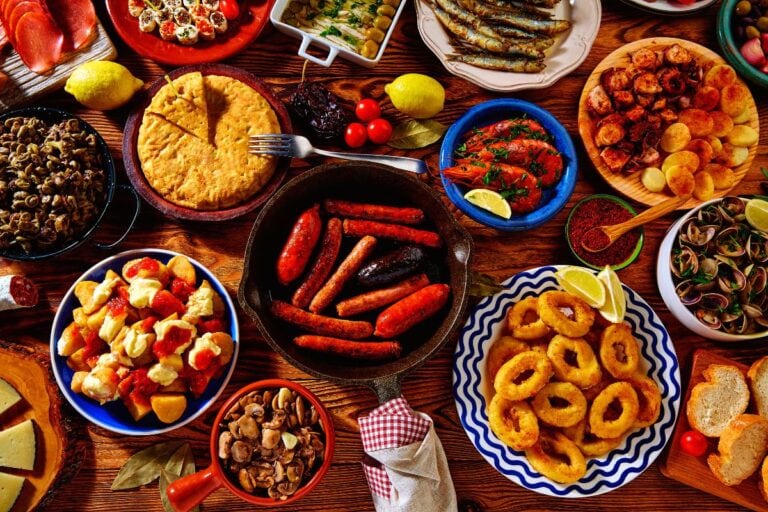
In Spain, people don’t eat to live — they live to eat. Food functions as social glue here, setting the rhythm of the entire day and defining the pride of each region. If you’re planning a trip to the Iberian Peninsula, there’s one thing I need to warn you about upfront. Food is a sacred ritual here, and wolfing down a sandwich on the go simply isn’t done.
To truly understand the local culinary scene, you need to accept that eating means sitting down and sharing plates in the middle of the table. It means talking over each other and letting time drift by. In this article, you’ll find 16 classic Spanish tapas dishes you shouldn’t miss on your trip. I’ll also help you navigate local customs, figure out when to head to a restaurant, and how to order like a true local.
Right from the start, though, I have a confession to make. Lukáš and I aren’t exactly typical tapas bar visitors, because we’re both vegetarians and half of Spain’s bar classics revolve around cured ham and seafood. Luckily, we have a friend called Gábi who lived in Spain for several years, and we visited her there multiple times. Gábi absolutely loves tapas and always dragged us out to tapas bars. Thanks to her, we learned how things work, what to order as a vegetarian, and what dishes make everyone else swoon.
TL;DR
- Tapas are small portions of food traditionally shared in the middle of the table. They’re meant to accompany beer or wine and spark conversation.
- In Granada and León, you get tapas for free with every drink you order. With each subsequent round, the quality of the food usually goes up.
- Spaniards eat much later than we’re used to in the UK. Lunch runs from 2 to 3:30 pm, and dinner doesn’t start until after 9 pm.
- The Basque Country in the north is famous for its pintxos — culinary masterpieces speared with a toothpick on a slice of crusty bread.
- Tap water has been free since 2022, and every restaurant is legally required to bring it to you upon request.
- Tipping isn’t expected in Spain because staff receive a proper salary. For exceptional service, it’s common to leave five to ten percent or simply round up the bill.
The full destination guide: Spain — guide and what to see
How (and Where) to Eat Like a Local
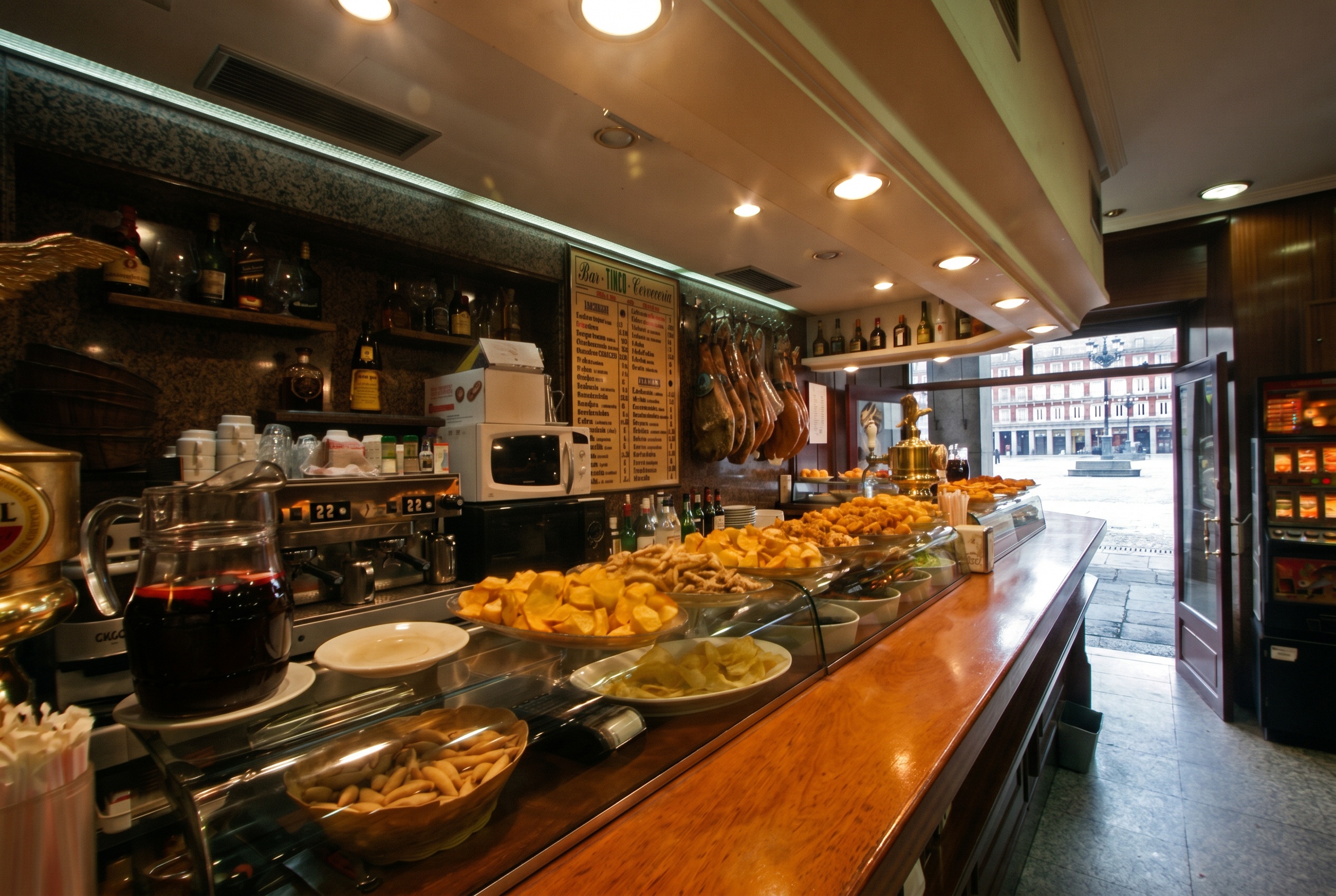
Try to impose your usual British eating schedule on Spanish reality and you’ll hit a brick wall. You’ll be hungry, needlessly frustrated, and will very likely end up in overpriced tourist traps. Adapting to the local timetable is a matter of survival — and respect for the culture. There’s one iron-clad rule you need to remember. Any restaurant open at six in the evening is aimed exclusively at tourists — locals wouldn’t dream of having dinner at that hour.
Let’s walk through a typical Spanish day. Morning starts gently with desayuno, when most people knock back a coffee and munch on toasted bread rubbed with crushed tomatoes. The main meal of the day arrives in the afternoon between two and half past three. The working day grinds to a complete halt and restaurants fill to bursting. The best value for money is the daily set menu called menú del día, which typically includes a starter, a main course, dessert and a drink.
After the meal comes the sacred sobremesa — a time when nobody rushes anywhere and passionate debate continues at the table. The afternoon hunger gap is then filled by merienda, a small snack around six o’clock. Dinner is lighter and more social, and in scorching Andalusia it’s perfectly normal for people to sit down to eat at quarter to eleven at night.
The Difference Between Tapas, Raciones and Pintxos
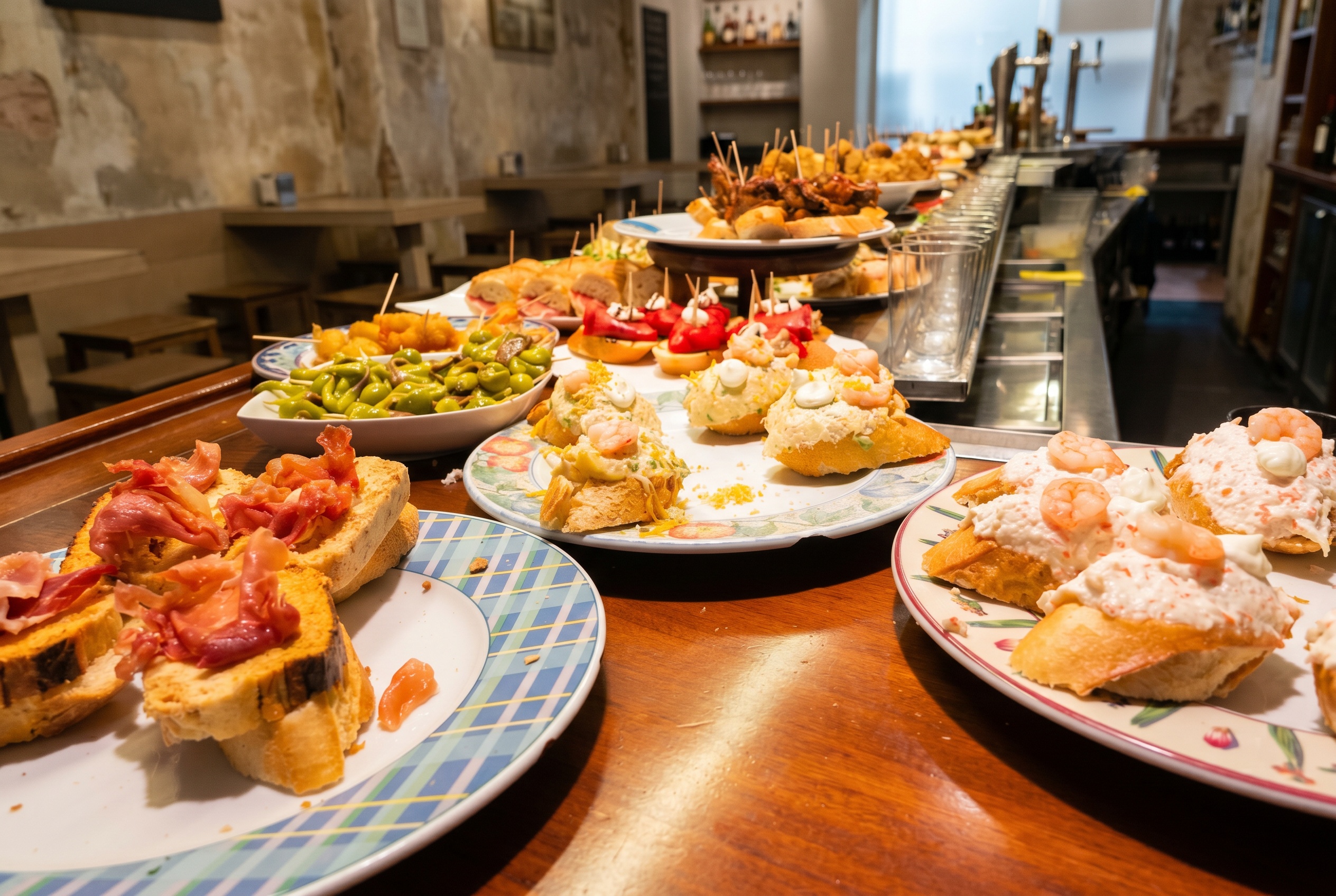
The word tapa originally meant “lid.” A famous story has it that bartenders in the south used to cover wine glasses with a slice of cheese to keep the flies out. Today it’s a nationwide phenomenon with thousands of regional faces. Madrid’s culture revolves around sharing larger portions called raciones or half-sized media raciones. A typical Madrid evening means bar-hopping with gusto — you hit three or four bars, order each one’s signature dish, and move on. This ritual is known as tapeo.
Up north in the Basque Country, the culture of small bites has been elevated to absolute visual and flavour perfection. Locals call them pintxos, from the Spanish word for “to pierce.” A pintxo is a miniature masterpiece speared with a toothpick on a slice of bread that you pick out yourself from groaning bar counters. The golden rule for the northern coast is clear: have no more than two pieces at one bar, wash them down with the local sparkling wine, and continue to the next place. Don’t throw away the toothpicks — the staff use them to tally up your bill at the end.
Where You Get Free Food and How to Order
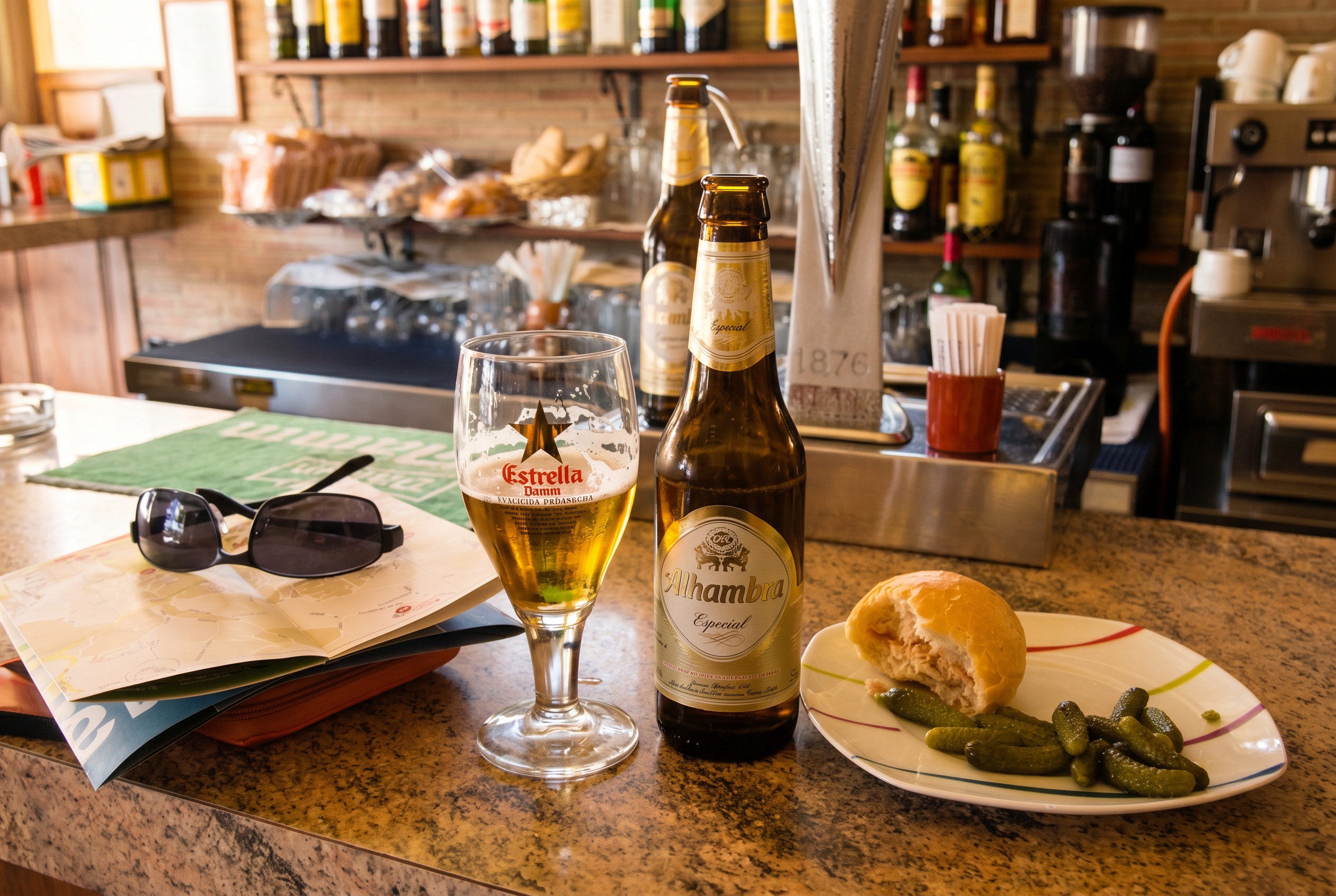
In Andalusia, a wonderful old tradition lives on — one that will delight every budget-conscious traveller. Head to the city of Granada or certain parts of Seville, order a beer, and a small plate of food will automatically appear alongside it — completely free. With each subsequent drink, the size and sophistication of the dishes that land on your table tends to increase. You’ll start with simple olives and almonds, but by your third beer you might receive a generous portion of stewed chickpeas or cheese croquettes. Surprisingly, you’ll find the same custom up north in the city of León.
💡 Tip from Gábi: In Granada, never order food straight away. Order a beer or wine first, wait to see what plate arrives with it, and only then decide whether you’re still hungry.
Spanish waiters can come across as a bit brusque or rushed to British visitors. Don’t expect your server to check on you every five minutes. Want to order another drink? You’ll need to catch the waiter’s eye or simply wave them over — this isn’t considered rude here. As for tipping, nobody actively expects it. The custom is more to round up the final amount, or leave a few coins for particularly good service.
16 Spanish Tapas Dishes You Must Try
I’ve put together a list of the most iconic small plates you’ll encounter in bars across the country. Lukáš and I personally tested all the vegetarian options, while the meat and fish dishes come recommended by Gábi, who after years of living in Spain knows them better than many locals. Spain is anything but uniform, and that diversity is reflected perfectly on the plate.
1. Patatas bravas
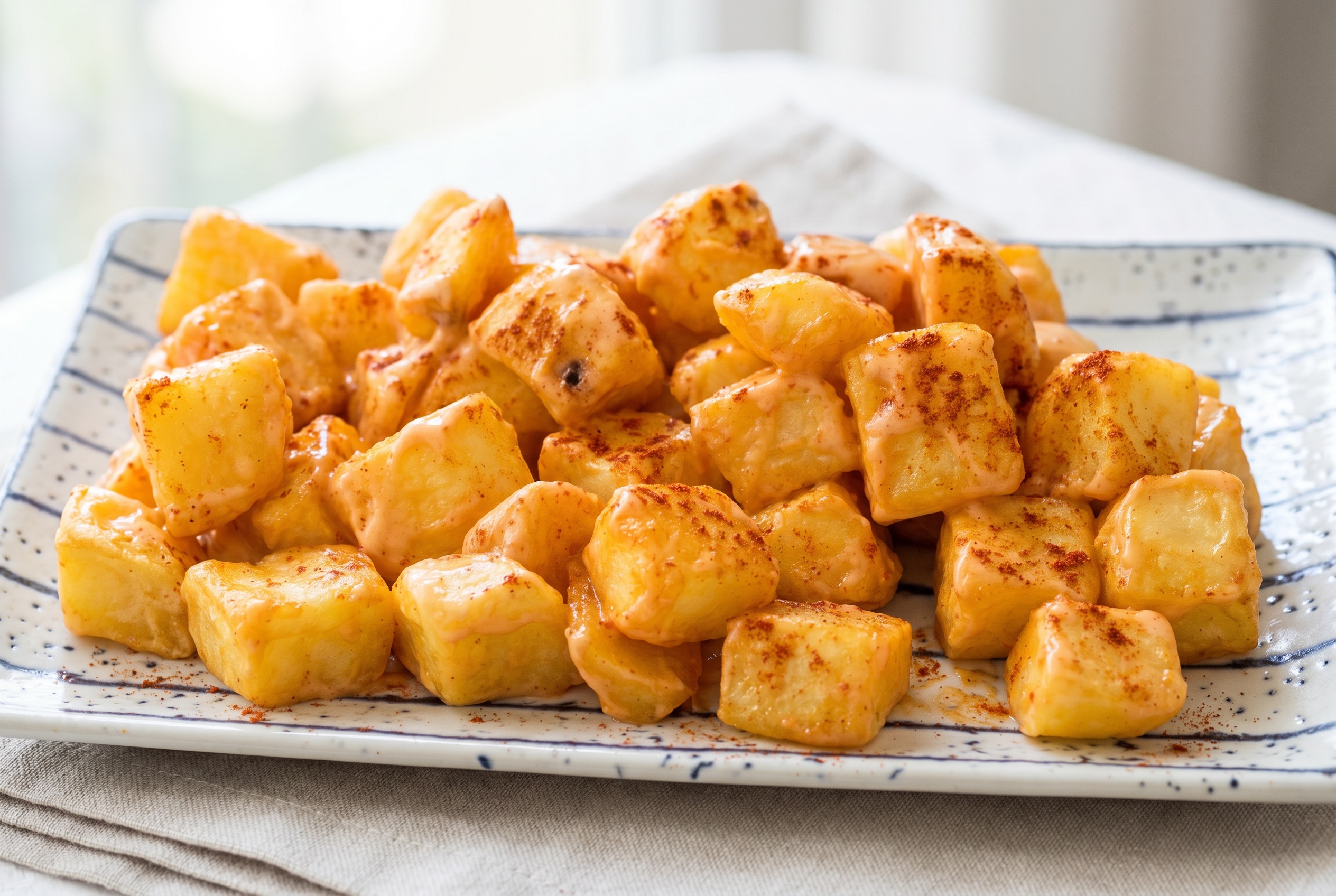
What’s a trip to Spain without trying the ultimate potato classic? You’ll find it on the menu at virtually every traditional bar, and it rarely disappoints. Patatas bravas are irregularly cut chunks of potato that are first slowly confit in olive oil and then flash-fried until crispy. This double cooking process ensures they’re beautifully soft inside with an irresistible golden crust on the outside.
The real secret, though, lies in the sauce — and it varies dramatically depending on which region you’re in. In Madrid, the traditional salsa brava is made from smoked paprika, meat or vegetable stock, and a touch of flour for thickening. You won’t find tomatoes anywhere near it. The result is a mildly spicy, earthy flavour that pairs perfectly with the potatoes.
In Catalonia and along the eastern coast, by contrast, the potatoes come with a rich tomato sauce spiked with chilli. Sometimes a generous dollop of garlic mayonnaise (alioli) is added, which beautifully mellows the heat. It’s the ideal vegetarian choice — pair it with a cold draught beer and it will keep you going all afternoon.
2. Tortilla española
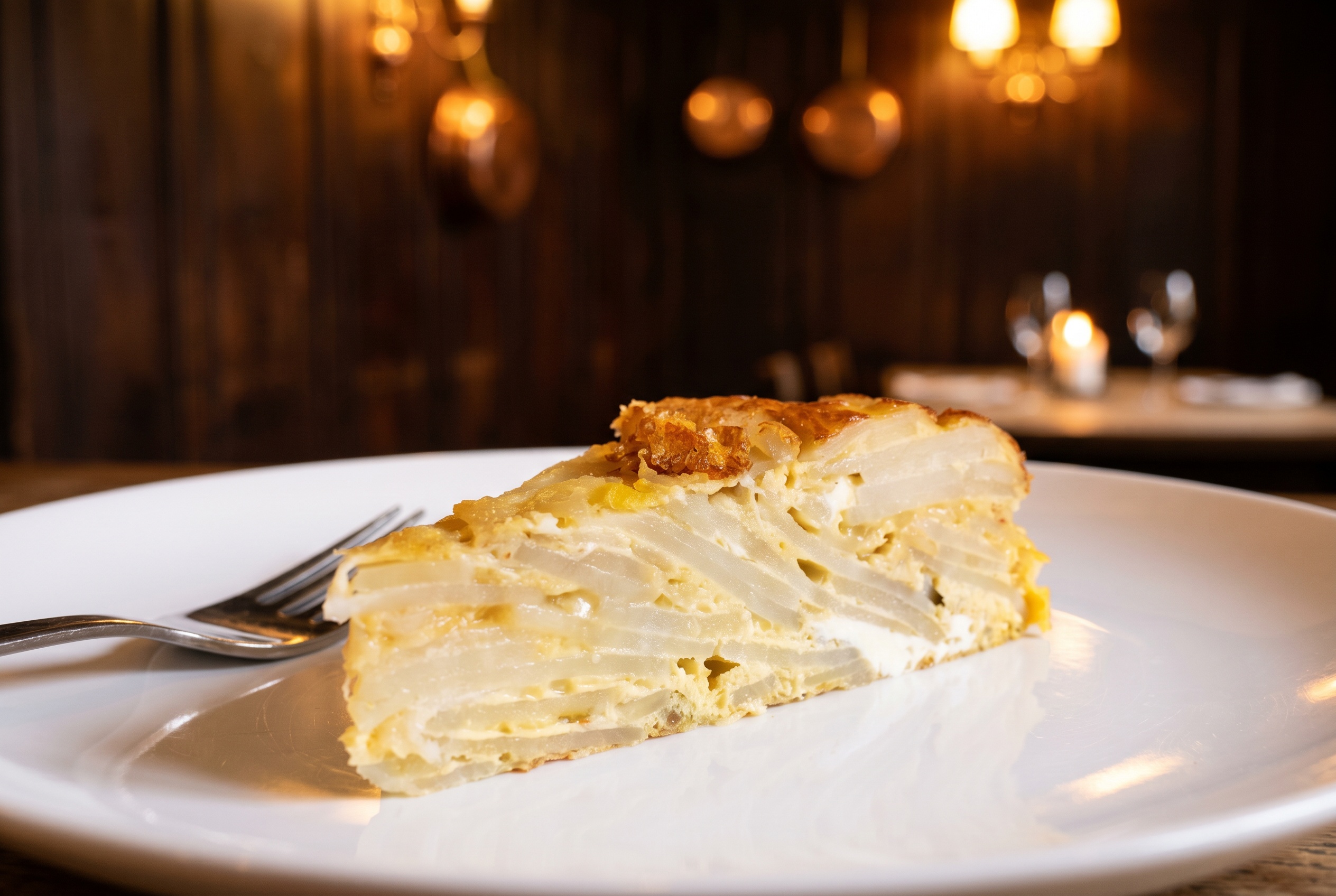
The Spanish omelette is a phenomenon that unites the entire country, from the snow-capped Pyrenees to the sun-drenched beaches of Andalusia. The basic recipe is almost unbelievably simple — all you need is quality potatoes, eggs, a generous amount of olive oil and a pinch of salt. A proper tortilla should be firm on the outside but still slightly runny and creamy in the centre — what locals call jugosa.
The question of whether onion belongs in this national dish sparks fierce, nationwide debate. The country is irreconcilably divided into two camps. Onion supporters call themselves concebollistas and insist that onion adds essential sweetness and moisture. Opponents, known as sincebollistas, believe onion spoils the pure flavour of eggs and potatoes. Whichever version you try, you’re in for a treat.
Tortilla is served either warm straight from the pan, or cold, cut into small cubes or wedges. In the morning, you’ll often see it perched on a chunk of fresh bread as a hearty breakfast. Vegetarians swear by it because it’s a reliable lifeline in bars where meat and cured sausages otherwise reign supreme.
3. Jamón ibérico de bellota
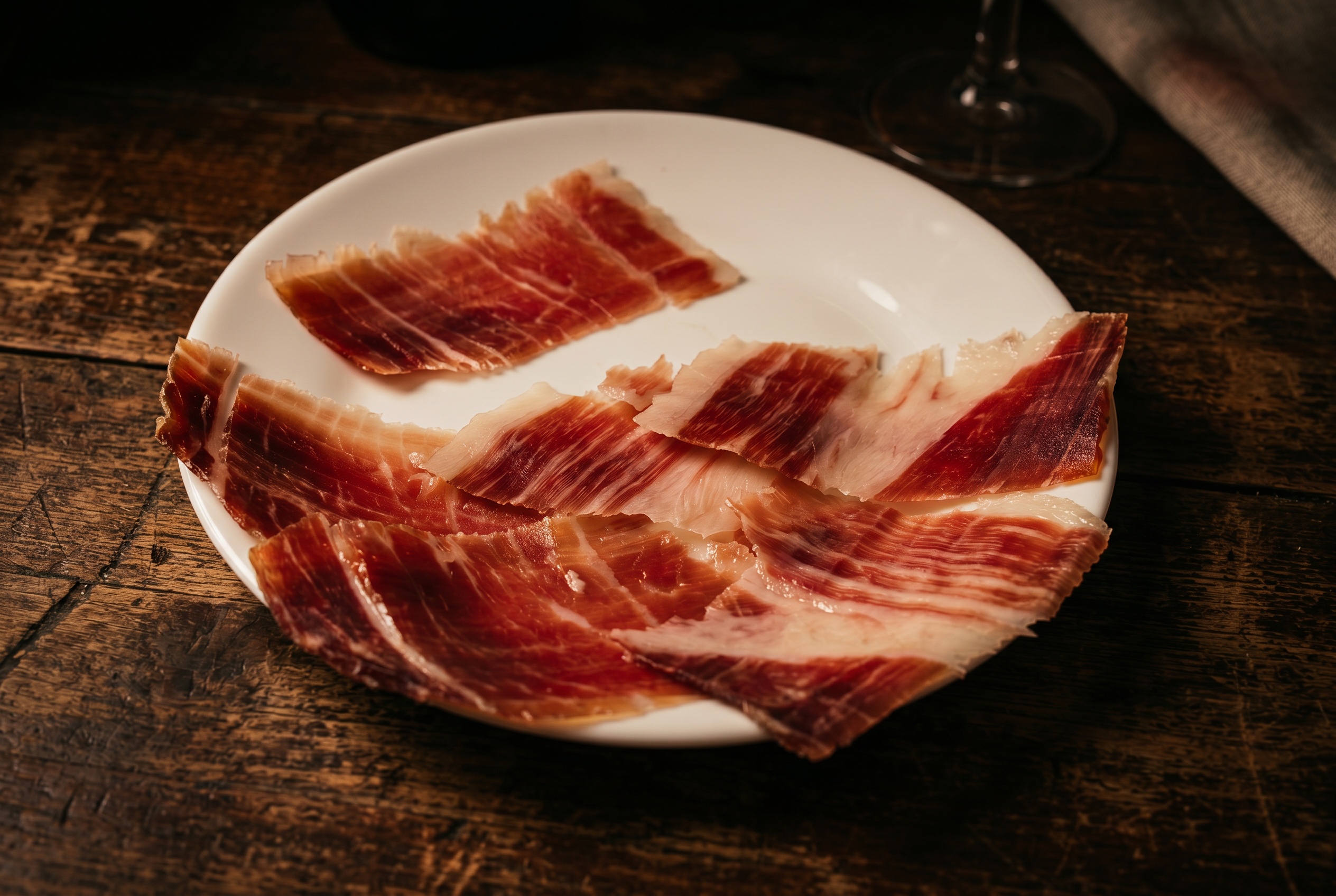
This world-famous cured meat is often dubbed the “caviar of ham” in gastronomic circles. It’s not just any dried pork leg — it’s a product with strictly protected origin. It comes from black Iberian pigs that roam freely through vast oak groves in southwestern Spain, feeding exclusively on fallen acorns during autumn and winter.
It’s precisely the acorns that give the meat its distinctive nutty flavour and fat rich in oleic acid. Connoisseurs say that slices of this premium ham literally melt on the tongue thanks to the high content of healthy fats. Carving the leg is a highly prestigious profession — the masters of this craft are called cortadores. A bad cut can irreversibly ruin the entire delicacy.
This speciality is always served at room temperature so all its flavour nuances can shine. On the plate it looks deceptively simple — no sides or sauces needed. Locals most commonly pair it with a glass of dry sherry or a full-bodied red wine from the Ribera del Duero region. It’s an experience you’ll pay a premium for, but Gábi considers it the absolute pinnacle of Spanish gastronomy and never fails to add that if you haven’t tried jamón, you haven’t really been to Spain.
4. Croquetas
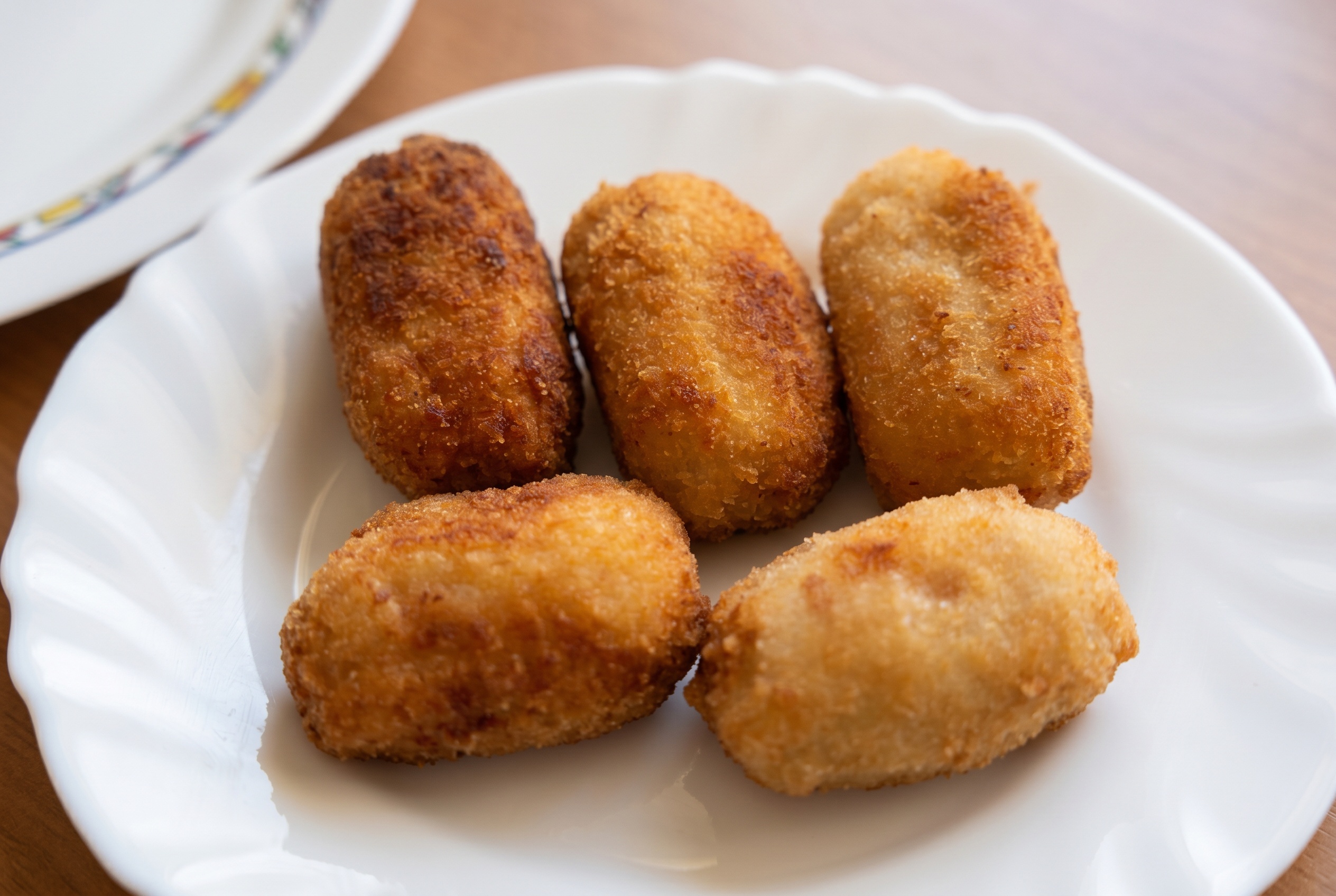
At first glance, they look like ordinary fried cylinders, but don’t let their humble appearance fool you. Well-made croquetas are a true masterpiece and the ultimate test of any Spanish chef’s skill. The base isn’t mashed potato, as many people wrongly assume, but a proper, very thick béchamel sauce that needs to be cooked for a long time to lose any floury taste.
Once cooled, the béchamel mixture is shaped into small cylinders, coated in egg and breadcrumbs, and deep-fried in hot oil. The contrast between the crispy shell and the molten interior is exactly what makes croquetas so utterly addictive. When you bite in, the hot filling should ideally flood across your tongue.
Although the most common variety is stuffed with bits of cured ham, there are plenty of meat-free alternatives. I’d recommend trying croquetas filled with porcini mushrooms or with spinach and pine nuts, which are hugely popular among vegetarians. The versions made with strong Cabrales blue cheese are also excellent — they’ve got real punch and pair beautifully with a heavier red wine.
5. Pimientos de Padrón
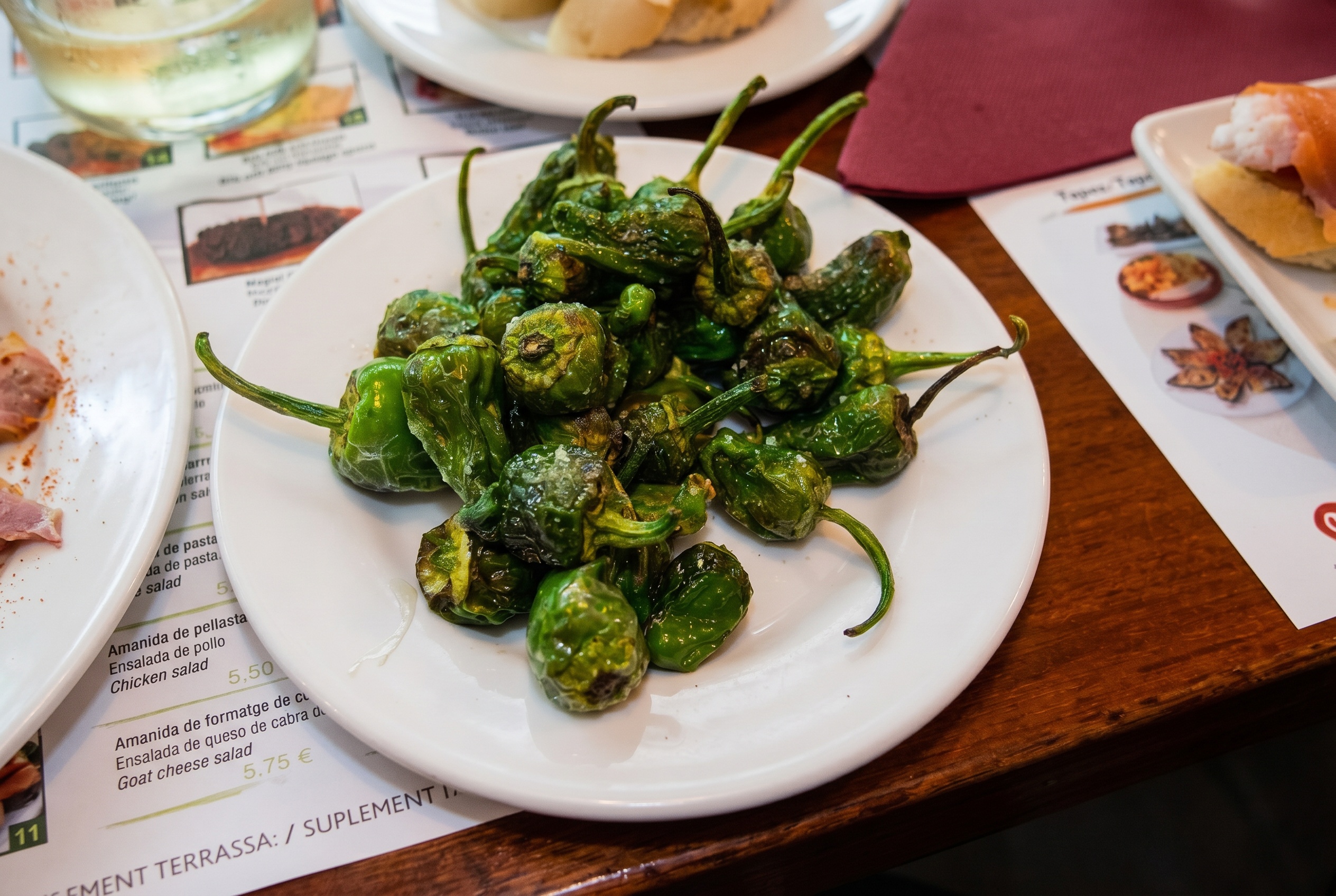
If you enjoy a bit of culinary thrill, these small green peppers from the Galician town of Padrón will be right up your street. A local saying goes that some are hot and some are not. Eating them is a bit like playing Russian roulette — roughly one in ten peppers packs an unexpectedly fiery punch. They all look exactly the same, too.
The preparation is wonderfully minimalist, letting the ingredient itself shine. The whole peppers are tossed into a scorching hot pan with a generous glug of quality olive oil and fried at high heat. Within moments, their skin blisters and takes on a light char. They’re then scattered with coarse sea salt and served straight to the table.
You eat them simply with your hands — grab the stem and bite off the rest. They make a brilliant vegetarian snack whose saltiness positively screams for another sip of cold beer. From personal experience, a single plate in the middle of the table vanishes within minutes, so don’t be shy about ordering a double portion.
6. Gambas al ajillo
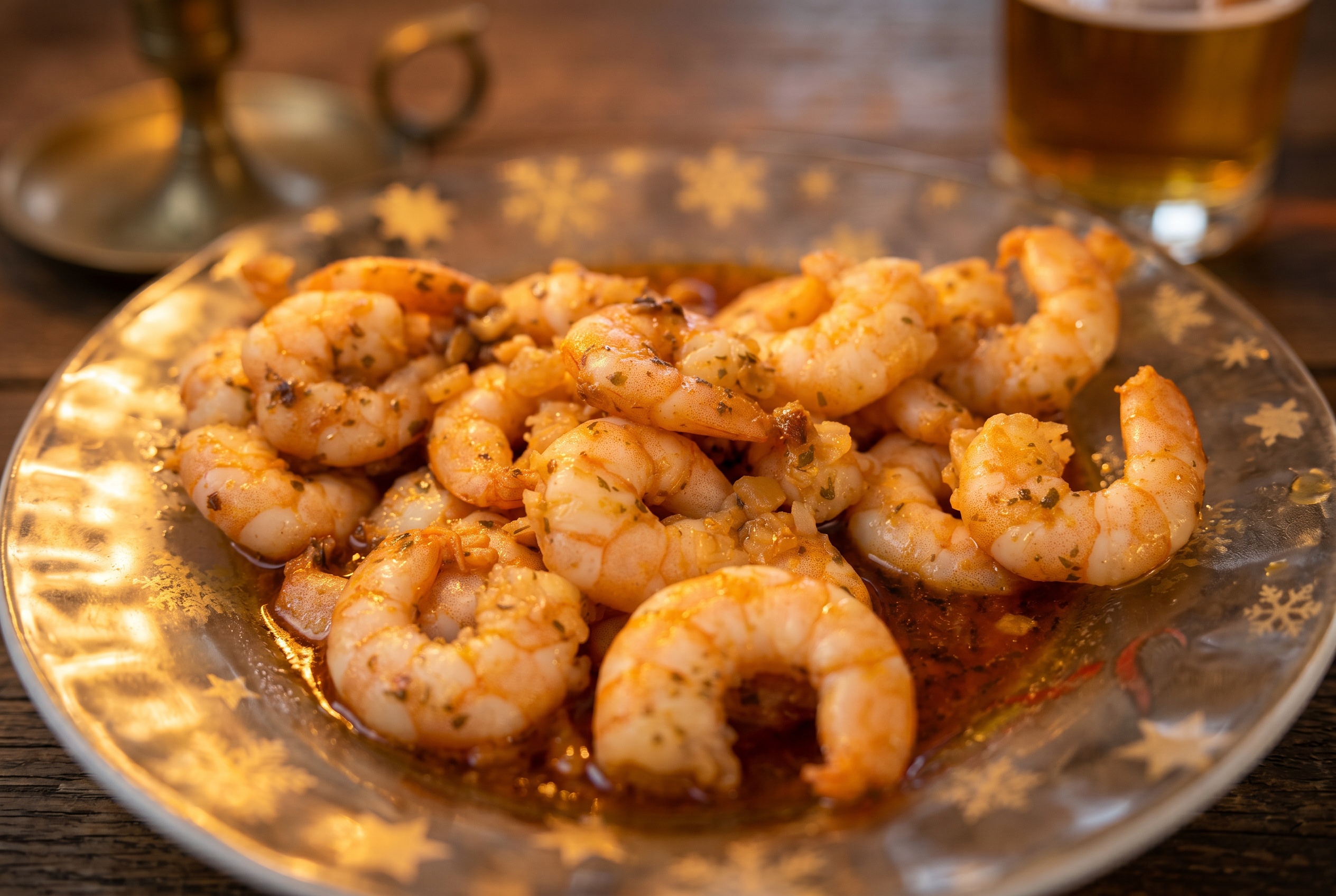
This Andalusian classic is a treat for all seafood lovers. It’s an incredibly fragrant and rather dramatic dish that often arrives at the table still sizzling furiously. The prawns are cooked in a traditional clay dish called a cazuela, which retains heat superbly. The key is top-quality olive oil in which plenty of sliced garlic and a piece of dried chilli pepper are briefly sautéed.
Once the garlic starts to turn golden, fresh peeled prawns are tossed into the dish. They cook for just a couple of minutes so they stay beautifully tender and juicy. The whole dish is served piping hot, the oil still bubbling, filling the air with an utterly intoxicating scent of garlic and the sea. Local chefs are meticulous about not overcooking the ingredients.
The bread that comes alongside is an essential part of the experience. Chunks of fresh baguette are used to mop up the flavoured oil from the bottom of the dish, which many consider the very best part. Gambas are the first thing Gábi orders absolutely everywhere, washed down with a glass of dry white wine — ideally a Galician Albariño.
7. Pan con tomate
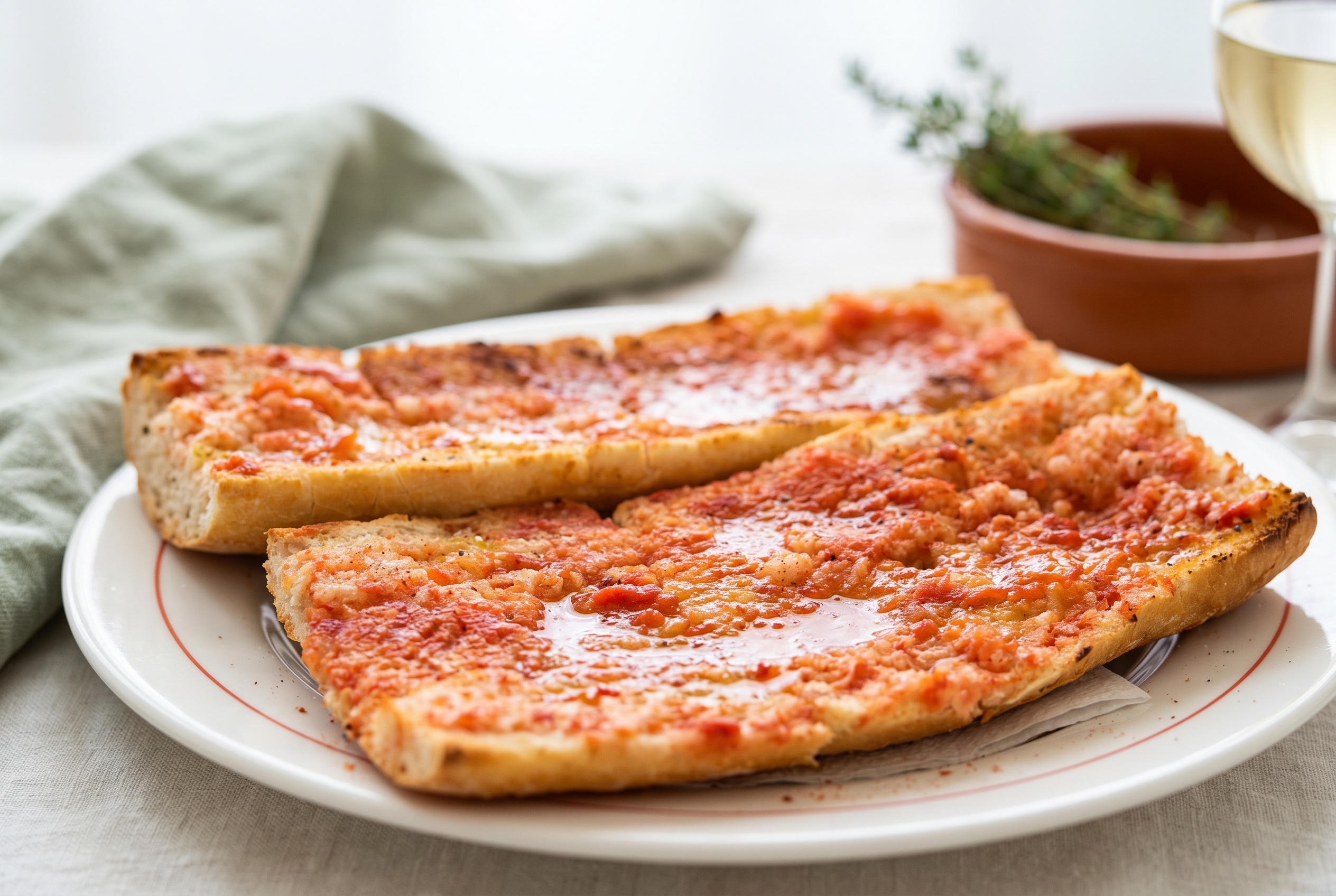
Catalans call it pa amb tomàquet, and it’s the absolute bedrock of their gastronomy. Although it might seem like plain bread with tomato, there’s immense power in simplicity. The key is getting the right ingredients — rustic bread with a sturdy crust, ripe and juicy tomatoes, quality extra virgin olive oil and flakes of coarse salt.
In many traditional establishments, they won’t bring you a finished dish — instead they’ll serve the components separately so you can prepare it yourself. A toasted slice of bread is first rubbed with a clove of raw garlic, which releases its potent aroma into the rough crumb. Then a halved tomato is taken and vigorously rubbed into the bread so that only the skin remains, which you discard.
Finally, everything is generously drizzled with olive oil and sprinkled with salt. It’s the perfect vegetarian breakfast, but it also works as a side with cheese or an afternoon snack. You’ll find it all along the eastern coast, and I guarantee that once you’ve tasted it in this authentic form, you’ll never want plain dry bread again.
8. Pulpo a la gallega
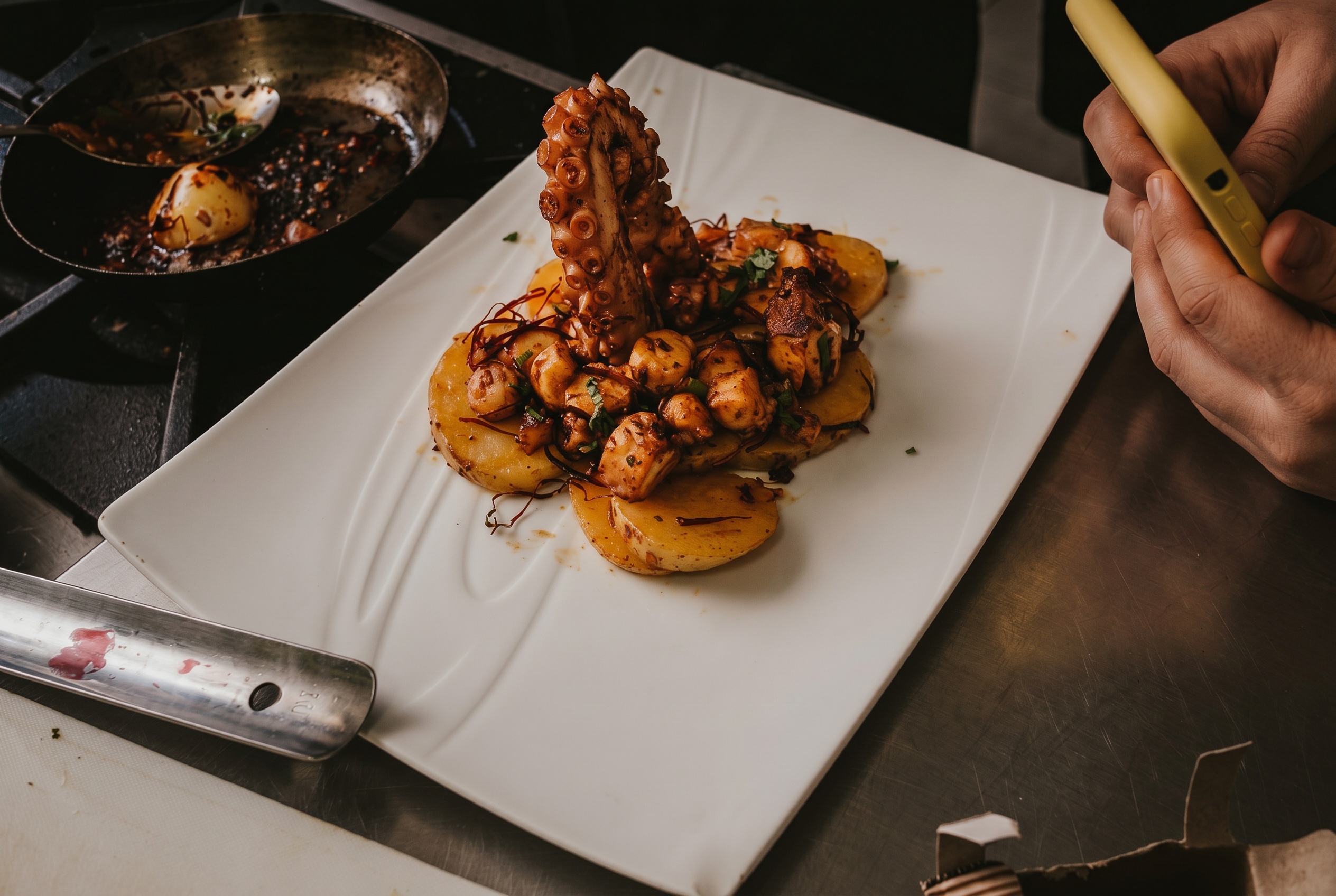
While the Andalusian south smells of frying and garlic, Spain’s northwestern tip smells of the pure ocean. Galicia produces the finest seafood in all of Europe, and octopus is its uncrowned king. It’s traditionally boiled in a large copper pot until perfectly tender, with the secret to the right texture lying in gradually dipping the tentacles into boiling water to prevent the skin from peeling off.
This Galician speciality is served in a very specific way. The tentacles are snipped with scissors into thick rounds and arranged on a round wooden board. The wood absorbs excess water and keeps the dish warm. The meat is then generously dusted with sweet and hot smoked paprika, seasoned with coarse salt and drizzled with olive oil.
It’s often served on a bed of boiled potatoes that soak up all the wonderful flavours from the oil and paprika. Locals wash down their octopus with sparkling wine sipped from white ceramic bowls, which lends the whole experience a beautifully rustic atmosphere. This is a dish people come back to northern Spain for time and again.
9. Gilda
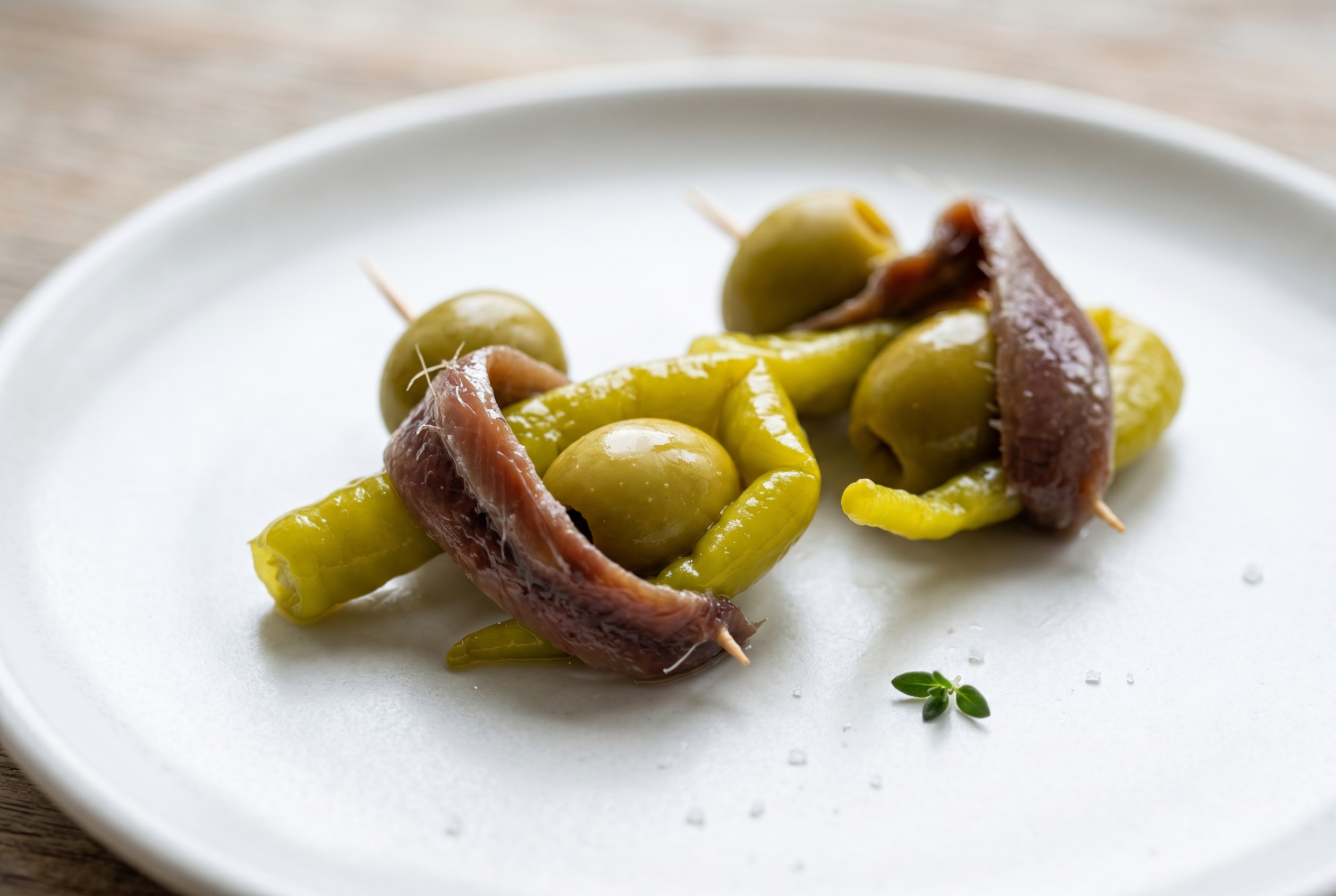
This unassuming creation on a toothpick is considered the very first Basque pintxo in history. It was born in the 1940s in San Sebastián and named after the famous film starring Rita Hayworth. Just like the film’s leading lady, this bite is meant to be green, salty and a little bit spicy. It’s a perfect demonstration of how you can create maximum flavour from minimal ingredients.
The classic version is made up of three basic components. Pitted green olives are alternately threaded onto a toothpick along with pickled Basque peppers called guindillas and quality anchovies from the Cantabrian Sea. The whole thing is finished with a drizzle of olive oil. The combination of acidity, saltiness and gentle heat makes it the perfect starter for a long evening.
If you don’t eat fish, don’t despair. Bars nowadays commonly offer vegetarian versions where the anchovy is replaced with a piece of smoked cheese, sun-dried tomato or marinated artichoke. Whatever version you choose, Gábi insists that the entire Gilda must be eaten in one bite so all the flavours meld together properly in your mouth.
10. Salmorejo and Gazpacho
Summers in southern Spain are long and utterly merciless. The locals’ answer to the scorching heat is cold tomato soups that are incredibly refreshing. The more famous gazpacho is a liquid vegetable blend of tomatoes, cucumbers, peppers, onion and garlic, blitzed with vinegar and ice-cold water. It’s so thin that on the beach people often drink it straight from a glass instead of water.
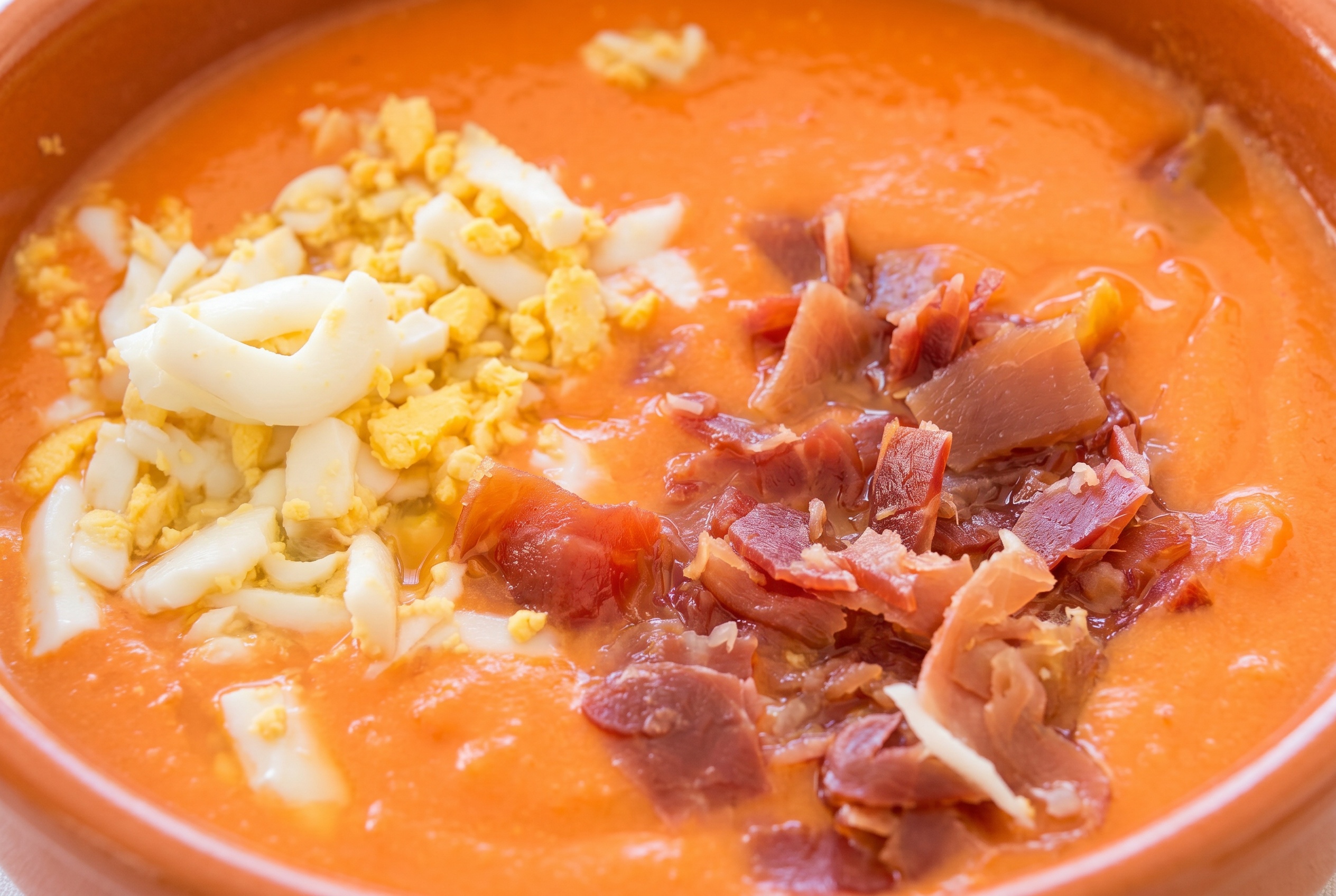
Its richer, thicker cousin from Córdoba is salmorejo. This dense, creamy emulsion contains only tomatoes, stale bread, garlic, vinegar and an enormous amount of olive oil. The bread and oil give the soup the consistency of a thick purée with a beautiful deep orange colour. It’s a substantial dish that works perfectly well as a light lunch on its own.
While the base of both soups is naturally vegan, you need to watch out for the toppings. Salmorejo is traditionally served sprinkled with chopped boiled egg and cured ham, so if you’re vegetarian, remember to ask the waiter in time for a version without the meaty garnish (sin jamón). With a drizzle of quality oil on top, it tastes absolutely divine even without it.
11. Queso Manchego
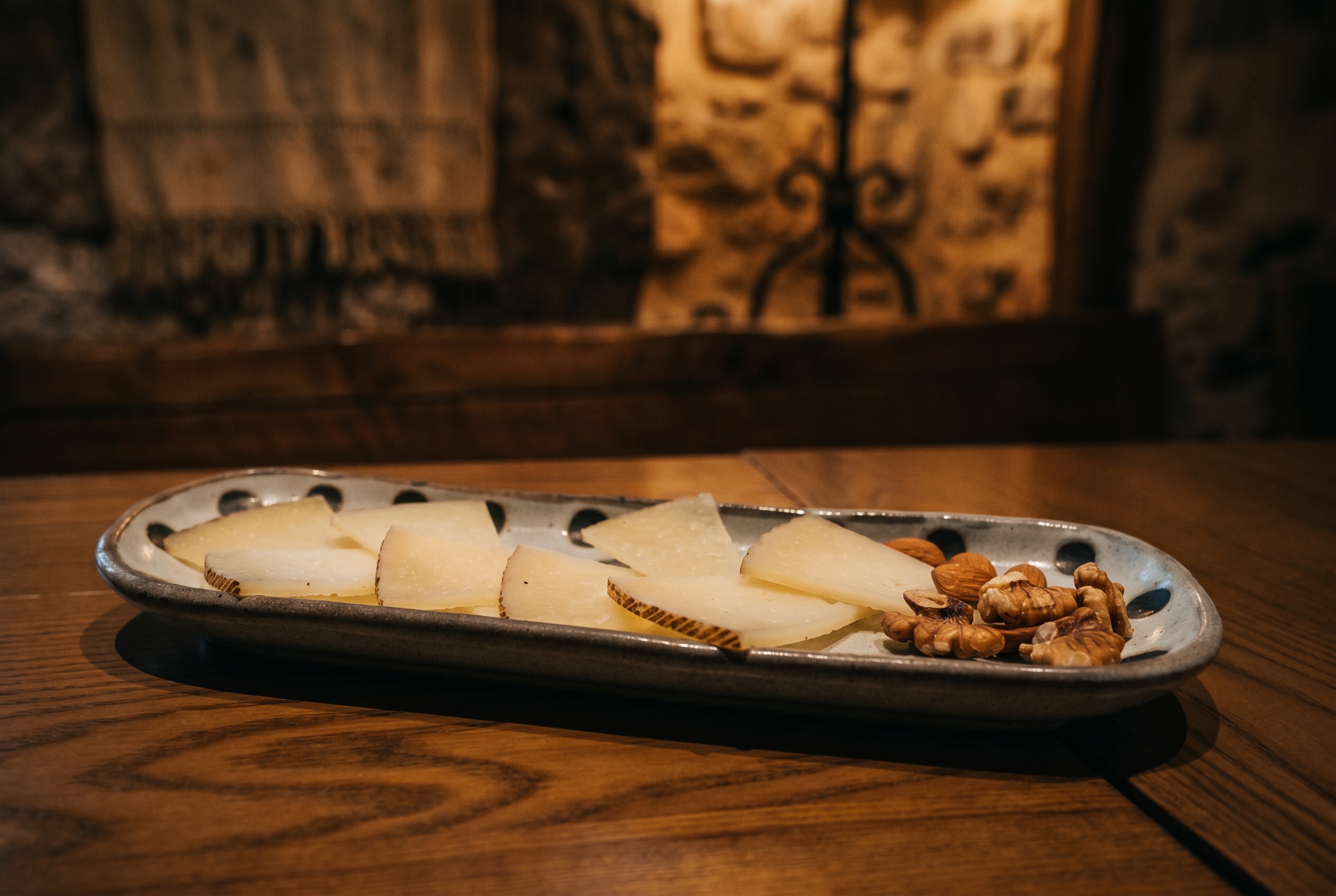
Spain boasts hundreds of outstanding local cheeses, but the one from the central La Mancha region has earned worldwide fame. It’s made exclusively from the full-fat milk of Manchega sheep that graze on the parched central Spanish plains. You’ll recognise it instantly by the distinctive zigzag pattern on the hard rind, which originally came from the imprint of woven grass moulds.
The flavour and texture change dramatically with ageing. Semi-cured cheese aged for a few months has a mild, slightly sweet taste and creamy consistency. More mature versions labelled curado or viejo are much harder, crumblier and have a pronounced, slightly spicy nutty flavour with salt crystals. The older the cheese, the more intense the experience.
On the tapas menu, you’ll most commonly find it cut into thin wedges. A genius vegetarian combination is pairing it with quince paste called membrillo, whose sweetness perfectly balances the saltiness of the aged cheese. Locals like to add a handful of toasted almonds and, of course, a glass of full-bodied red wine that harmonises beautifully with the sheep’s milk.
12. Berenjenas con miel
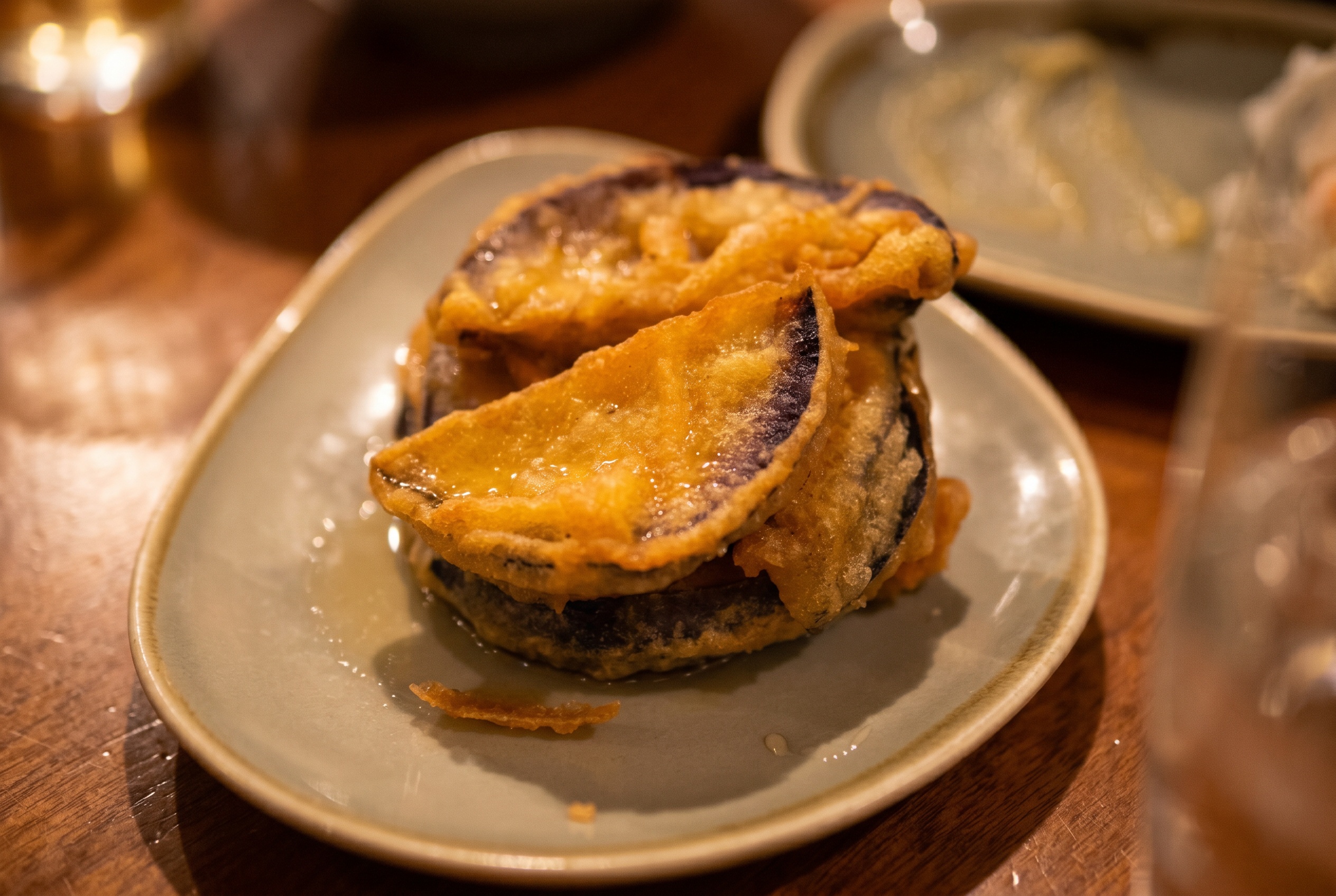
A journey through Andalusia wouldn’t be complete without tasting this sweet-and-salty delicacy that carries a strong legacy of the region’s Arab past. These are thin slices or chips of aubergine coated in fine flour and flash-fried in a deep layer of olive oil until absolutely crispy. The aubergine mustn’t absorb too much fat, which requires the oil to be at just the right temperature.
The key element is the dark sauce generously drizzled over the hot aubergine at the end. This isn’t regular bee honey but sugarcane molasses — known in Spanish as miel de caña. This thick, almost black liquid has a caramel, slightly bitter taste that creates a phenomenal contrast with the salty, crispy batter.
You’ll find this dish in every decent tapas bar in the south, particularly around Málaga and Córdoba. For vegetarians, it’s an absolute must because it delivers a complex flavour experience you won’t easily forget. It’s proof that even the most ordinary vegetable can be transformed into an unforgettable culinary wonder with a little imagination.
13. Pescaíto frito
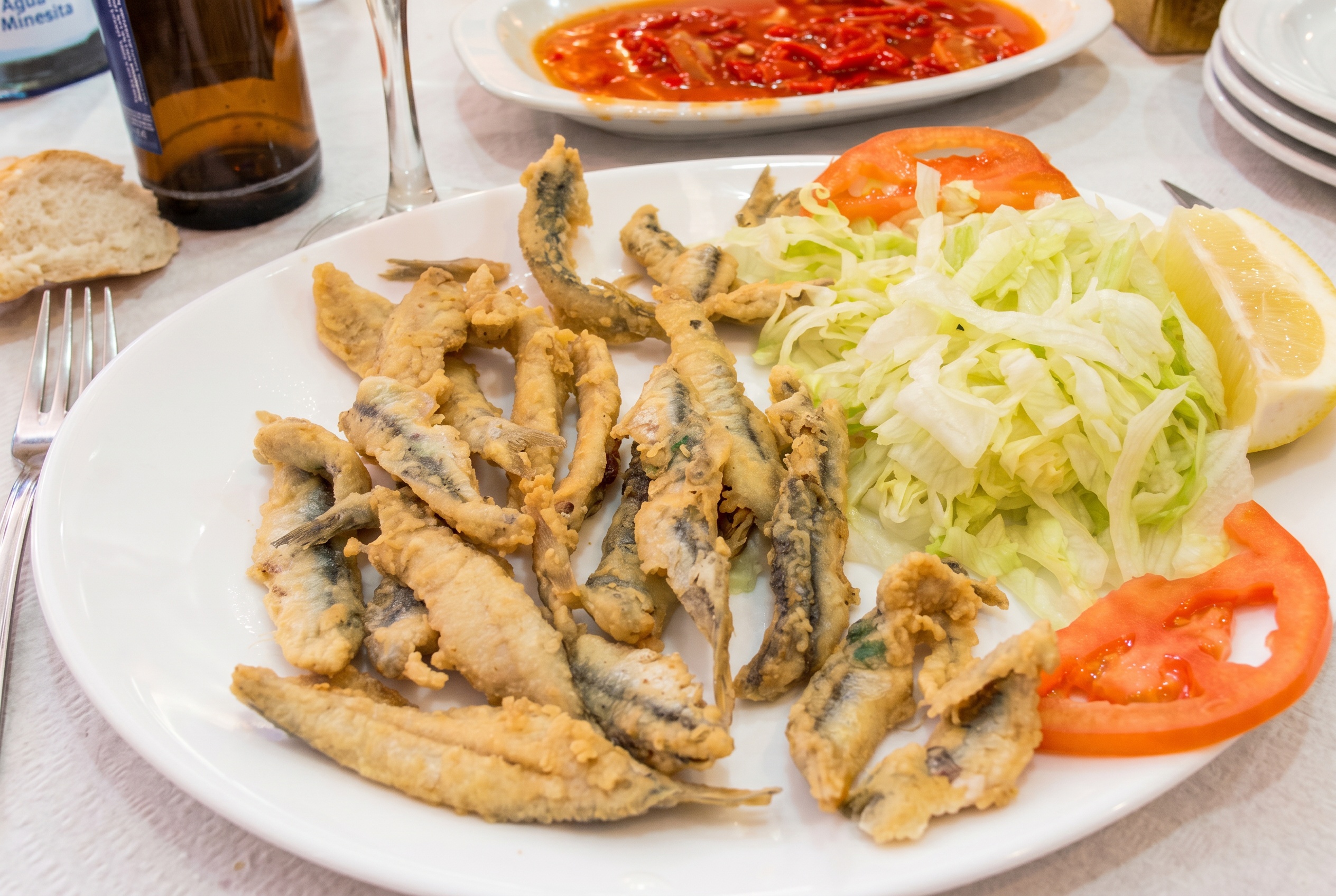
While fish in the north is baked or elaborately braised in sauces, the south has found a much more straightforward approach. In coastal Andalusian towns especially, frying small fish has been elevated to an art form in its own right. The base is a mix of small fish and seafood including tiny anchovies, squid rings and small cod pieces.
The fish are lightly dusted in a special chickpea or wheat flour and plunged into scorching olive oil. The result is an incredibly light and airy crust concealing juicy fish underneath. The secret is that the batter must never be heavy or overpower the delicate taste of the sea. Straight from the oil, the fish go onto a paper napkin to soak up excess fat.
They’re served with zero fuss, often in a simple paper cone or on a ceramic plate. The only permitted accompaniment is a wedge of fresh lemon squeezed over the pile just before eating. This crispy local treat is traditionally eaten with your hands and is the go-to companion for an afternoon cold beer with a view of the waves.
14. Ensaladilla rusa
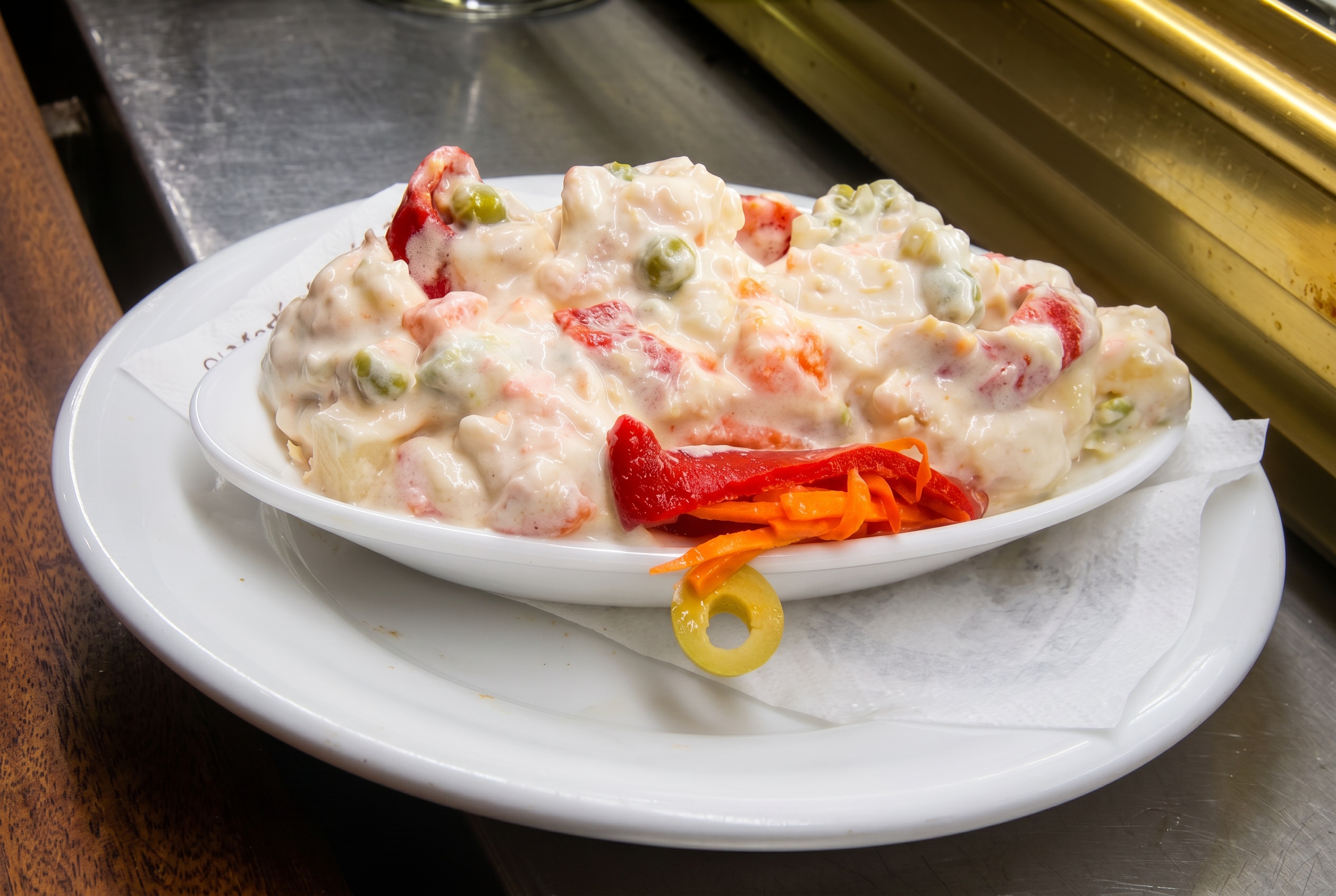
Spain’s take on the potato salad may carry the label “Russian” in its name, but the Spanish have thoroughly claimed it as their own — you’ll spot it in the display case of every other bar. The base is very finely diced boiled potatoes and carrots mixed with peas and a generous amount of creamy mayonnaise. A proper ensaladilla should be rich, well-chilled, and the mayo must bind everything firmly together.
What makes this salad a truly Spanish affair are the added ingredients. You’ll almost always find bits of pickled peppers, olives, and often hard-boiled eggs in the mix. Quality tinned tuna is very commonly folded into the mixture, adding a bolder flavour but also ruling it out for vegetarians. Every family and every bar has its own secret recipe they’re fiercely proud of.
If you don’t eat fish, don’t worry. Many establishments will happily serve a vegetarian version without tuna — just ask the staff beforehand how they prepare it (sin atún). You’ll often get a small mound of salad on a slice of crusty bread or alongside a bowl of little salted breadsticks called picos, which are perfect for scooping.
15. Champiñones al ajillo
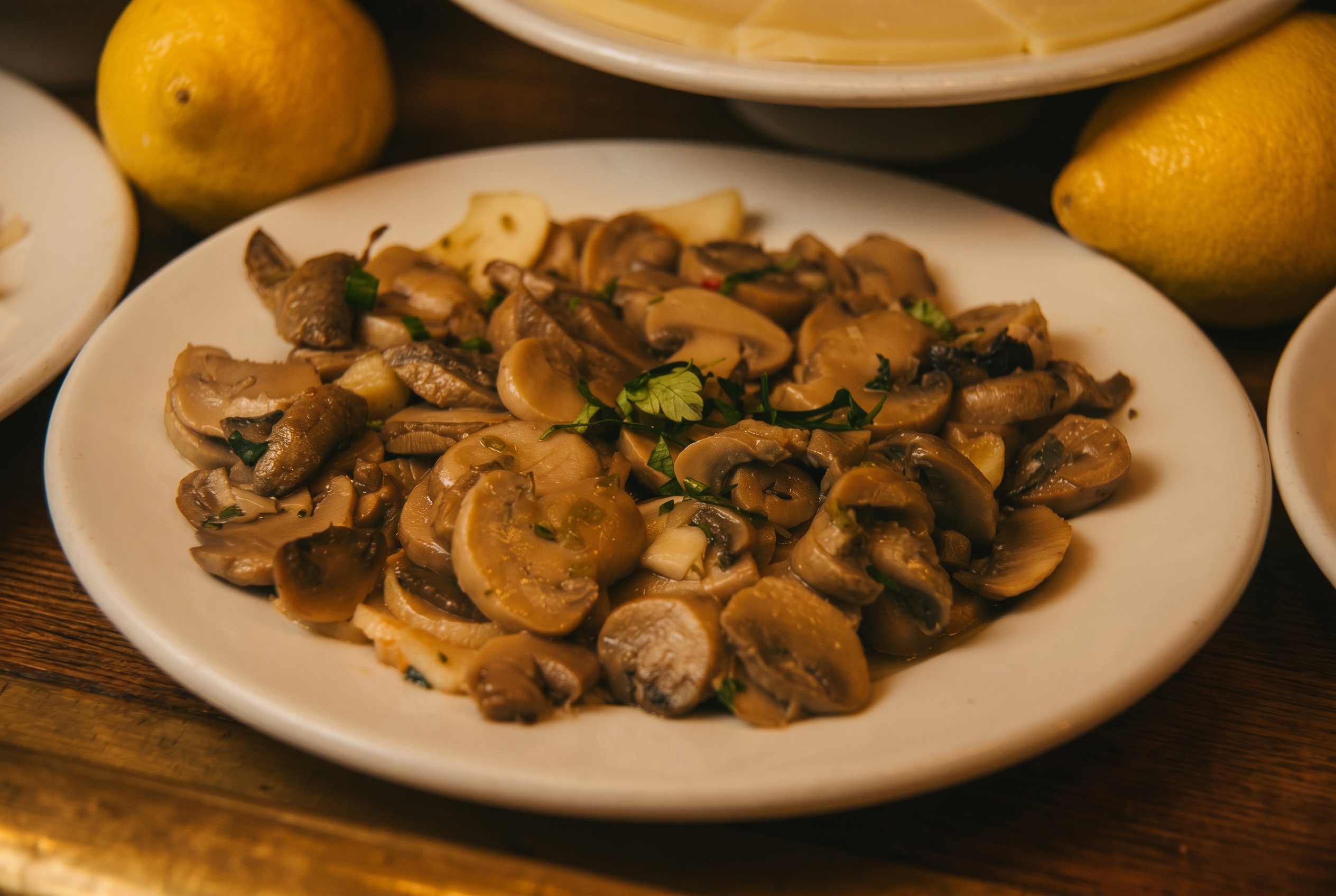
If you’re looking for a dish that warms you up and leaves you feeling utterly content, garlic mushrooms hit the spot perfectly. In central Spain, particularly in Madrid, there are bars that specialise in nothing but this single dish. The foundation is fresh, meaty mushroom caps seared on a hot cast-iron plate or in a clay dish.
As they cook, the mushrooms soak up a generous amount of olive oil flavoured with crushed garlic, fresh parsley and sometimes a splash of white wine. Inside each cap, a pool of delicious hot juice forms that you need to sip carefully to avoid burning yourself. The flavour is deeply earthy, aromatic and pleasantly intense thanks to the garlic.
They’re often served speared on a toothpick through a small piece of bread. This is a fantastic vegetarian tapa that holds its own against any meat dish in terms of flavour. That little piece of bread under the mushroom isn’t just for show either — its job is to soak up all those glorious garlic juices that would otherwise go to waste on the plate.
16. Churros con chocolate
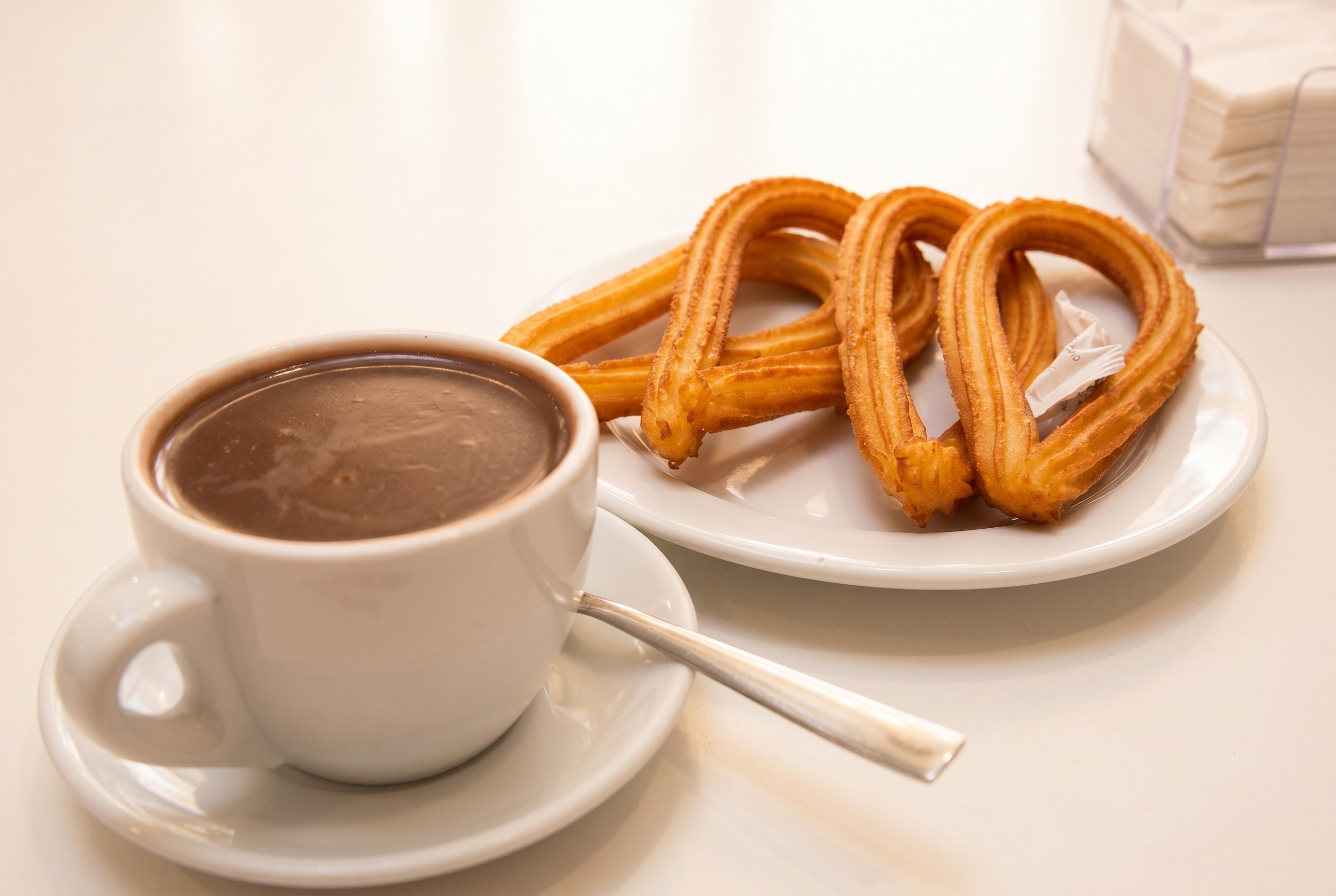
Although this isn’t a classic savoury tapa to have with beer, this sweet marvel absolutely deserves its place on our list. It serves as a traditional breakfast, an afternoon snack, and a legendary hangover cure after a long night out. Churros are pieces of choux-like dough shaped into sticks or teardrops and fried in hot oil until golden. They’re beautifully crispy on the outside while remaining cloud-soft inside.
The magic lies in the chocolate they’re dipped into. Forget thin cocoa made from powder. Spanish hot chocolate is so thick that a spoon practically stands up in it, and the texture resembles a warm chocolate pudding more than anything else. It’s not overly sweet either, creating a lovely contrast with the fried dough.
In Madrid, you’ll find the famous Chocolatería San Ginés, which has been running non-stop since the nineteenth century and stays open late into the night. Vegetarians with a sweet tooth will be in heaven — dunking hot, crispy dough into thick chocolate is simply an experience that can brighten even the most drizzly day. And any chocolate left in the cup? Don’t be polite — drink it straight down.
What to Drink: Wine, Beer and Local Specialities
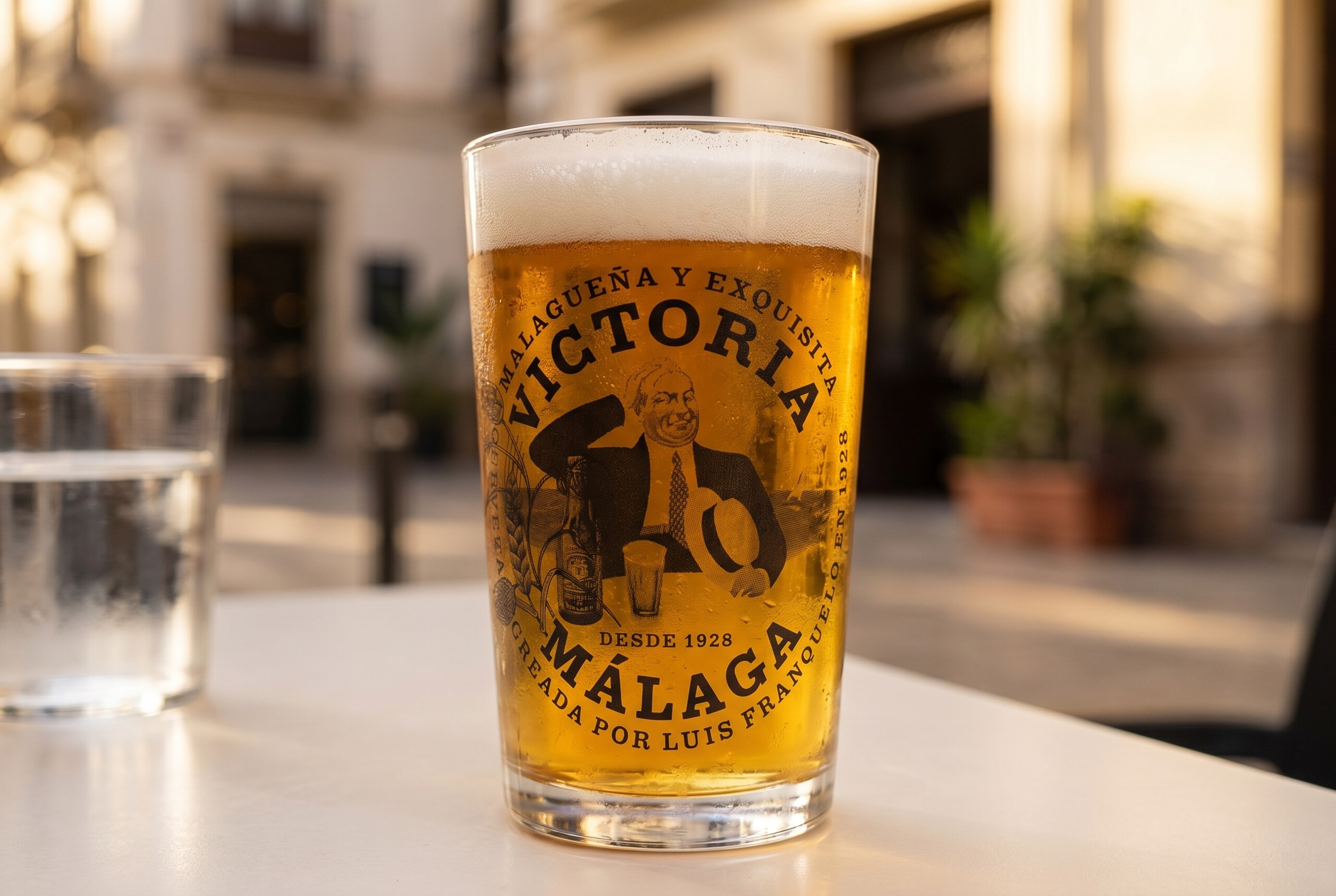
Spain boasts the largest area of vineyards in the world, and wine tourism is booming. When you say Spanish red, most people immediately think of the renowned La Rioja region. Its wines age for years in oak barrels, giving them characteristic notes of vanilla and leather. The rival region of Ribera del Duero produces more robust, full-bodied wines that are ideal with heavier evening dishes.
If you’re a fan of bubbles, you’ll love Catalan Cava. It’s made using the same traditional method as genuine French Champagne but from local grape varieties, making it far more affordable. The south’s absolute gem is sherry from Jerez de la Frontera, which incidentally becomes Spain’s gastronomic capital for 2026. A dry, ice-cold Fino with its almond notes pairs fantastically with olives and cheese.
If wine isn’t your thing, beer will save the day. But instead of ordering a pint, try asking for a caña — a small glass of draught beer. Because it’s a smaller pour, your beer won’t go warm in the heat, meaning you can order a fresh, cold one with every new plate. A brilliant summer alternative is tinto de verano — red wine mixed with lemon soda and ice. It’s far more refreshing than the deceptively strong sangría.
Where Next
If Spanish culture has captured your imagination and you’re planning a wider itinerary, make sure to check out our other guides. Here are some articles to help you plan:
- Heading to Catalonia? Read about what to see in Barcelona and where to go on the picturesque Costa Brava. Don’t miss a stop in historic Girona either.
- Fancy the centre and east of the country? We’ve got guides to the capital Madrid, sunny Valencia and coastal Alicante. The unique cliff-hanging houses of Cuenca are also worth a look.
- Love the south and Andalusia? Explore the history and monuments in our Granada guide, plan your stay with Málaga holiday tips, or discover where the wind blows in surfer-favourite Tarifa.
- If you’re heading to the green north, don’t skip the pilgrimage city of Santiago de Compostela and the port city of Vigo.
- For resort lovers and skyline chasers, we’ve put together tips for Benidorm.
- And if you want to dive even deeper into Spanish cuisine, explore our comprehensive guide to traditional Spanish food.
Frequently Asked Questions
What exactly does the word tapas mean?
Originally, the word meant lid or cover. Bartenders in the south used it to cover glasses of wine to keep insects out. Today, the term refers to small portions of food meant for sharing, served as an accompaniment to alcoholic and non-alcoholic drinks in bars.
What time do people eat dinner in Spain?
Spaniards eat much later than we do. Lunch takes place between 2:00 and 3:30 PM. Dinner in Madrid typically starts around 9:00 PM, while in the hot Andalusian south, it’s not unusual to sit down to eat after 10:00 PM.
Are tapas really free in Spain?
Yes, but only in certain regions. The most famous places with this tradition are Granada in Andalusia and the city of León in the north. When you order a beer or wine there, you automatically get a small plate of food for free. In Madrid or Barcelona, on the other hand, you typically pay for food.
What’s the difference between tapas and pintxos?
While tapas are small portions of food on a plate, pintxos are visually elaborate bite-sized snacks typical of northern Basque Country. They usually consist of various ingredients expertly arranged and held together with a toothpick on a slice of crusty baguette. You select them yourself directly from the bar.
Do I need to leave a tip in restaurants?
Tipping is neither mandatory nor expected, as servers receive regular wages. However, it’s common practice to round up the bill or leave a few euros on the table as thanks for good service. For exceptional service, it’s customary to leave around five to ten percent of the total.
Is water free in restaurants and bars?
Yes, since 2022, a law requires all hospitality establishments to offer tap water completely free of charge. Just ask for agua del grifo when ordering and the waiter will bring you a glass or pitcher of water at no cost.
How do you pay in Basque pintxos bars?
The system is based heavily on mutual trust. When you arrive, you get a plate and help yourself to pintxos from the counter. You keep the toothpicks that hold the food together. When leaving, the waiter simply counts your toothpicks and charges you accordingly.
Can you eat vegetarian in Spain?
Absolutely, even though the country is famous for meat and fish. In bars, you’ll easily find patatas bravas, cheeses, bread with tomato, pimientos de padrón, or classic potato tortilla. Larger cities are also experiencing a huge boom in modern meat-free restaurants.
Tips and Tricks for Your Vacation
Don’t Overpay for Flights
Search for flights on Kayak. It’s our favorite search engine because it scans the websites of all airlines and always finds the cheapest connection.
Book Your Accommodation Smartly
The best experiences we’ve had when looking for accommodation (from Alaska to Morocco) are with Booking.com, where hotels, apartments, and entire houses are usually the cheapest and most widely available.
 🚗 Car rental on the roadVerified rental cars in Spain
Search with the DiscoverCars comparison engine — it compares prices from dozens of local and international rental companies, and most bookings come with free cancellation.
Compare car prices in Spain →Don’t Forget Travel Insurance
Good travel insurance will protect you against illness, accidents, theft, or flight cancellations. We’ve had a few hospital visits abroad, so we know how important it is to have proper insurance arranged.
Where we insure ourselves: SafetyWing (simple monthly subscription) and TrueTraveller (for extra-long trips).
Find the Best Experiences
Get Your Guide is a huge online marketplace where you can book guided walks, trips, skip-the-line tickets, tours, and much more. We always find some extra fun there!