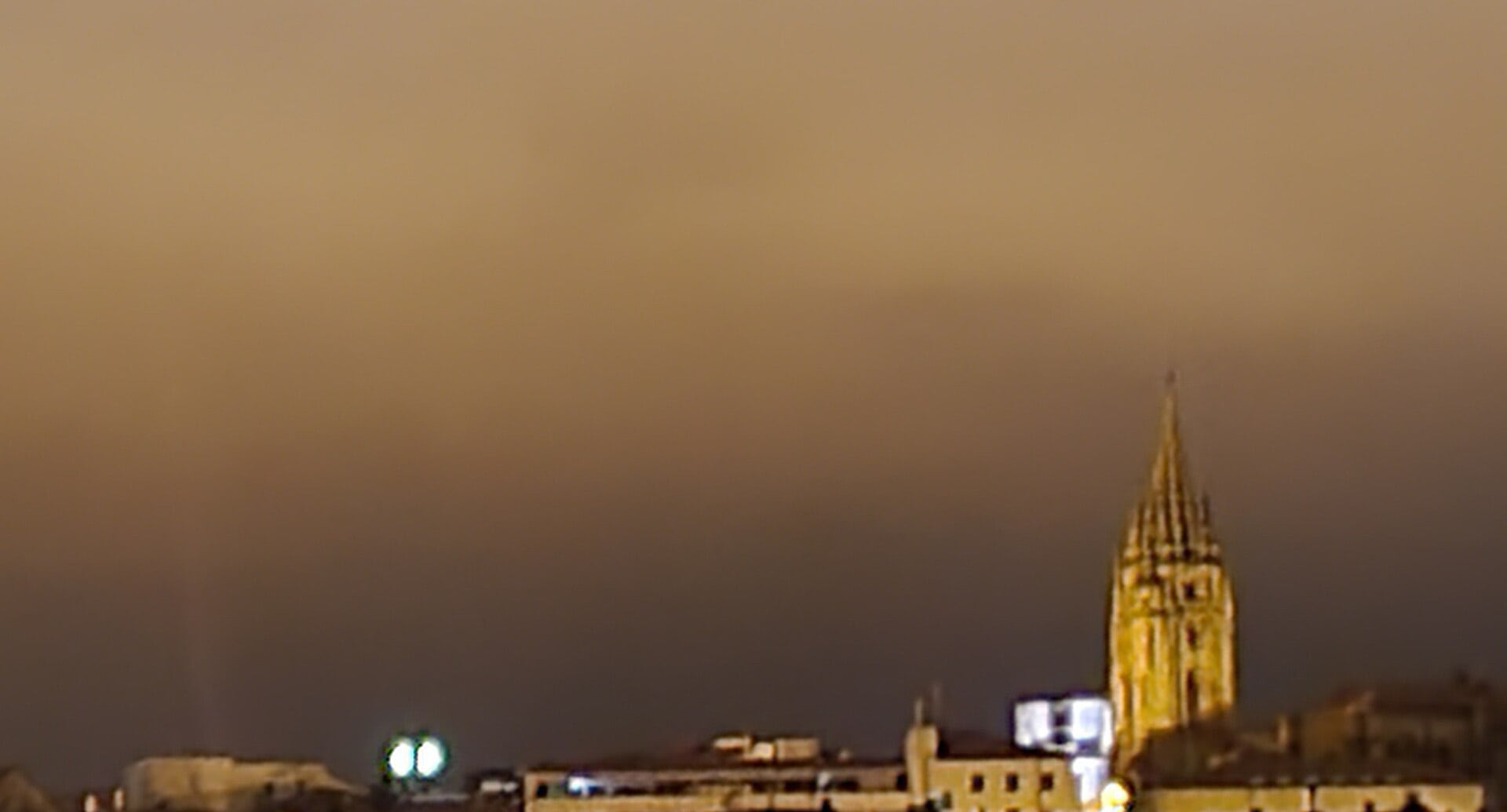
Cross the invisible border between the parched Castilian plateau and Spain’s northern coast, and you’ll experience a dramatic shift in scenery that catches virtually every traveller off guard. The ochre and brown tones of southern Spain suddenly give way to lush, impenetrable greenery, and the air grows heavy with moisture from the untamed Atlantic. Oviedo Spain and the surrounding region of Asturias — often called España Verde, or Green Spain — feel more like wild Ireland, only with incomparably better food and far more dramatic limestone mountains. Asturias and its capital Oviedo form a world unto themselves, where ancient history blends with breathtaking nature and a distinctive culture you simply won’t find anywhere else on the Iberian Peninsula. Sun-seekers who crave all-day lounging on packed beaches tend to give this corner a miss, because this land belongs first and foremost to foodies, mountain lovers, and enthusiastic drivers. They understand perfectly well that the occasional rain cloud is simply the price you pay for the juiciest pastures and the finest produce imaginable. I’ve put together this detailed guide to help you know exactly what to expect from Spain’s green north.
TL;DR
- Green north: Asturias is a region of striking contrasts, where towering mountains rise just a few kilometres from the wild Atlantic coast.
- Historic heart: Oviedo boasts unique pre-Romanesque monuments protected by UNESCO and a stunning Gothic cathedral.
- Coastal life: Gijón is a vibrant seaside city with endless beaches and a fishermen’s quarter that buzzes from morning to night.
- National park: Picos de Europa will wow you with deep gorges, glacial lakes, and the famous sanctuary of Covadonga.
- Local gastronomy: The quintessential experience is drinking sharp cider poured from a height and sampling pungent mountain cheeses.
- Weather: Be prepared for rain — it falls far more often than in the south, and that’s the secret behind the region’s gorgeous landscapes.
- Getting around: A hire car is absolutely essential for reaching remote beaches and mountain villages.
The full destination guide: Northern Spain — guide and what to see
When to Visit Oviedo and Asturias
Unlike sun-drenched Andalusia, where summer heatwaves can be genuinely dangerous, northern Spain marches to a completely different and far milder beat. The only reliable window of relatively dry, sunny weather runs from June to September, when you can enjoy the outdoors to the fullest. Even in the height of August, temperatures hover around a very pleasant 22–26 °C, creating ideal conditions for hiking and city exploration. The ocean stays fairly cool and refreshing even in summer, so don’t expect bath-like waters — think of it more as an invigorating dip after a mountain trek.
The rest of the year, the northern coast is characterised by frequent rainfall, strong winds, and overcast skies. But it’s precisely this damp climate blowing in from the Bay of Biscay that makes the region so dazzlingly green and the pastures so incredibly fertile. If you visit in spring or autumn, make sure to pack a quality waterproof jacket and sturdy shoes, because the weather in Oviedo Spain can change literally from one minute to the next. Winter brings heavy snowfall to the higher reaches of the Picos de Europa — great news for experienced mountaineers, less so for casual visitors.
Where to Stay in Asturias
💡 Accommodation and experience tips: We like to search for stays on Booking.com, which usually offers the best cancellation policies. For tickets, tours, and activities, it’s worth comparing options on GetYourGuide.
Choosing the right base for exploring the region depends mainly on whether you prefer city culture, the sound of the ocean, or the solitude of high mountains. If you’re after elegance and history, Oviedo itself is an excellent choice, giving you easy access to every corner of Asturias. In Oviedo, you could treat yourself to the luxurious Eurostars Hotel de la Reconquista, a historic palace with magnificent courtyards that transports you back in time the moment you step inside. For sea lovers and nightlife fans, the coastal city of Gijón is a perfect fit, with countless modern hotels right on the seafront promenade.
There I’d recommend the popular NH Gijón, located just steps from the famous San Lorenzo beach and offering fantastic ocean views. If your main goal is trekking in the national park, however, the most strategic base is the mountain town of Cangas de Onís. The Parador de Cangas de Onís, a former monastery nestled in stunning natural surroundings, offers an unforgettable experience brimming with peace and an almost mystical atmosphere. You can easily and securely book accommodation across all of Asturias through Booking.com, where you’ll also find charming rural cottages known as casas rurales — the most authentic way to experience the region.
14 Best Things to See and Do in Oviedo and Asturias
Oviedo and the wider province offer such an incredible wealth of natural and cultural treasures that you’ll struggle to decide where to go first. Let’s dive into the very best that should absolutely feature in your Asturian itinerary.
1. Oviedo: San Salvador Cathedral and the Holy Chamber
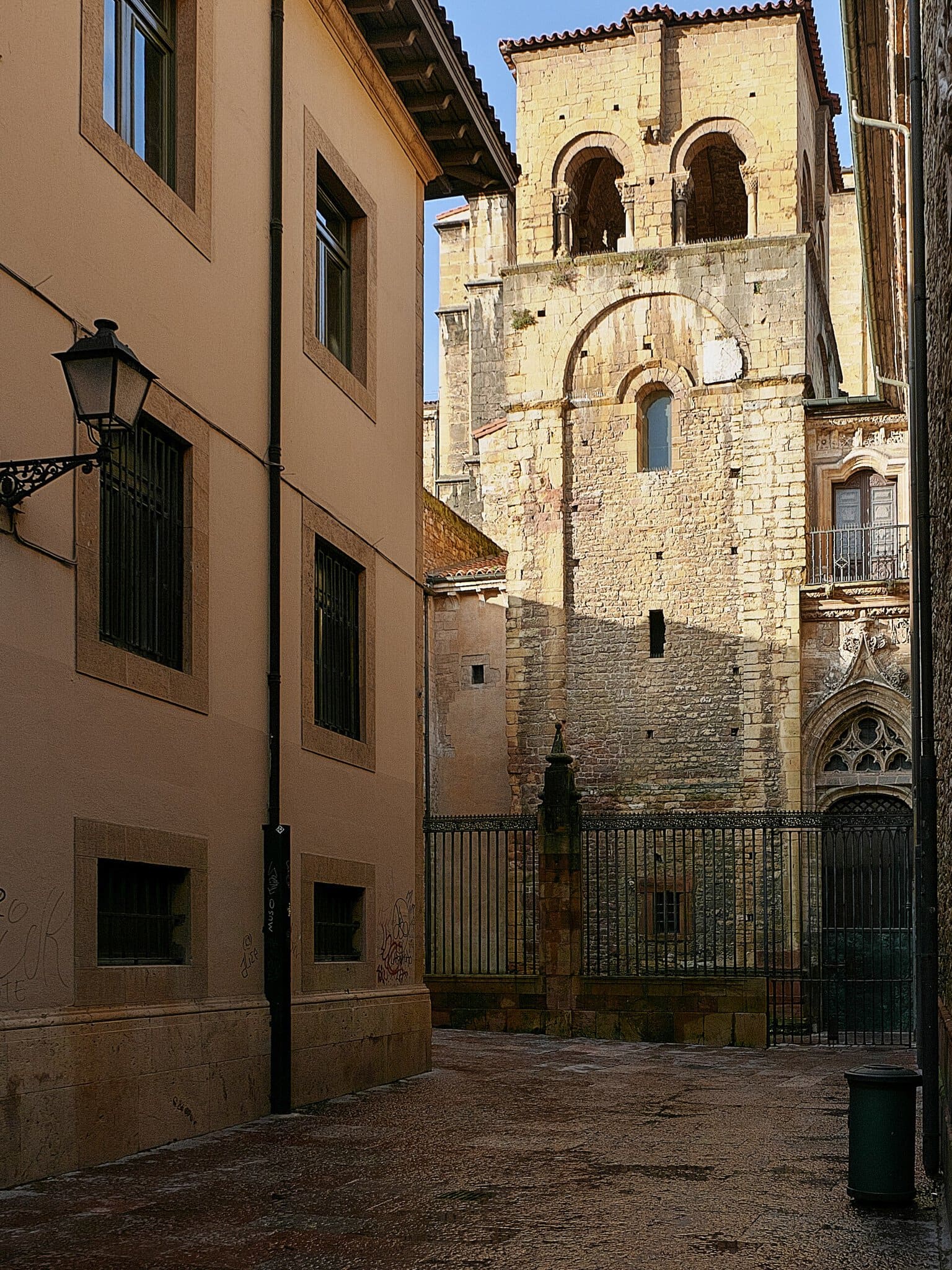
The spiritual heart and soul of the entire city is undoubtedly the majestic San Salvador Cathedral, whose tower dominates Oviedo’s skyline. This awe-inspiring Gothic structure was built gradually from the 13th to the 16th century, and its asymmetric façade with just one completed tower gives it a uniquely distinctive character. The cathedral has always been a crucial stop for pilgrims heading to Santiago de Compostela, who would pause here to pay their respects to the sacred relics. Entry to the main nave costs around 7 euros, which includes a very helpful audio guide that walks you through the rich history of the site.
The greatest treasure of the entire complex, however, is the Cámara Santa — the Holy Chamber — dating back to the 9th century and inscribed on the UNESCO World Heritage List. Inside this dark, mysterious room lies the legendary Sudarium of Oviedo, a cloth that believers claim was wrapped around the head of Jesus Christ after his crucifixion. You can also admire exquisite gem-encrusted crosses here, including the Cruz de la Victoria (Cross of Victory), which serves as the proud symbol of all Asturias and features on its flag.
💡 Insider tip: If you want to experience the cathedral without the tourist crowds and coach groups, head there first thing in the morning when it opens. The sunlight filtering through the coloured stained glass creates a truly magical atmosphere.
2. Oviedo: Strolling Through the Old Town (Casco Antiguo)
Oviedo’s historic centre, known as the Casco Antiguo, is remarkably well preserved, elegant, and — best of all — entirely pedestrianised. Winding streets are lined with colourful townhouses, stone palaces bearing noble coats of arms, and dozens of cosy cafés that practically beg you to sit down for an afternoon break. The city is famous for its immaculate cleanliness and beautifully maintained public spaces, regularly winning awards as the cleanest city in all of Spain. Don’t miss the Plaza de la Constitución, home to the historic town hall and the lovely church of San Isidoro.
One of the old town’s most charming quirks is the sheer number of life-sized bronze statues you’ll stumble upon at literally every turn. You can snap a photo with a bronze Woody Allen — who publicly declared his love for Oviedo, calling it a fairytale place beyond reality — or with the adorable comic-strip character Mafalda. If you’re a market fan, a visit to the Mercado del Fontán is an absolute must: under elegant iron arches, local farmers sell the freshest cheeses, vegetables, and crusty bread you’ll find anywhere.
💡 Insider tip: On weekends, local musicians often gather in the Plaza del Fontán to play the traditional Asturian bagpipes (gaita), lending the whole square an unforgettable and distinctly Celtic atmosphere.
3. Oviedo: Pre-Romanesque Churches on Mount Naranco (UNESCO)
Just beyond the city limits, on the slopes of the lush Monte Naranco, a pair of architectural treasures of incalculable value lie hidden. These are unique pre-Romanesque structures from the 9th century, commissioned by the Asturian kings at a time when the rest of the peninsula was under Moorish rule. The most famous is Santa María del Naranco, originally a royal summer palace of King Ramiro I, which impresses with its elegant proportions and ornate balconies. This building is so exceptional that it lent its name to an entire architectural style — the so-called Ramirense architecture.
A few hundred metres further up the path, you’ll come across the little church of San Miguel de Lillo, of which only about a third of the original structure survives today. Even so, it fascinates with its detailed stone reliefs depicting scenes of daily life, including acrobats and musicians. You can reach the monuments either via a pleasant hour-long walk from Oviedo’s centre or a short ride on a local bus, and combined admission to both sites costs around 4 euros.
💡 Insider tip: Try to time your visit for the late afternoon, when the setting sun bathes the ancient stone in golden light and you get a fantastic view over the whole of Oviedo spread out in the valley below.
4. Gijón: San Lorenzo Beach and the Coastal Promenade
If Oviedo represents the historical and aristocratic soul of the region, then Gijón is its pulsing, untamed heart right on the coast. The city’s main draw is the gorgeous San Lorenzo Beach, stretching over a mile and a half in a perfect crescent shape. Fine golden sand is washed by the waves of the Bay of Biscay, attracting keen surfers from across Europe all year round. The beach is flanked by a broad, always-bustling promenade known locally as El Muro, where locals walk, jog, and cycle in all weathers.
Swimming in the ocean here is more of an experience for the hardy, as the water rarely climbs above 20 °C — but as a post-sightseeing cool-down, it’s absolutely brilliant. At low tide, the beach widens dramatically, opening up a vast expanse for beach volleyball, football, or long romantic walks along the rocky shoreline. At the eastern end of the promenade stands the church of San Pedro, its silhouette against the crashing waves one of the most photographed scenes in all of Gijón.
💡 Insider tip: Along the promenade you’ll notice special numbered stone stairways, called escaleras. Locals habitually arrange to meet at a specific stairway number — most popularly “Escalera 4,” where the sand is softest.
5. Gijón: The Historic Fishing Quarter of Cimadevilla
The oldest and without doubt most charismatic part of Gijón is the Cimadevilla peninsula, once home to poor fishermen, sailors, and tobacco workers. Today, the quarter has transformed into the city’s bohemian hub, full of narrow cobbled lanes, weathered but photogenic houses, and dozens of traditional bars and restaurants. This is where most locals and visitors flock after sunset to enjoy genuine Asturian hospitality and lively evening entertainment. As you wander, you’ll also come across the remains of ancient Roman baths — a reminder that this strategic spot has been settled since antiquity.
At the very top of the peninsula sprawls the expansive Cerro de Santa Catalina park, offering sweeping panoramic views over the ocean and both of the city’s beaches. On the highest point of the cliff stands the monumental concrete sculpture Elogio del Horizonte by the celebrated Basque artist Eduardo Chillida. Stand right in the centre of this massive artwork and you’ll hear a fascinating acoustic effect that amplifies the sound of waves crashing on the rocks far below.
💡 Insider tip: Set aside time for an evening “txikiteo” — essentially a bar crawl through Cimadevilla’s alleyways. Head for wherever you hear the most noise and see the most people spilling out onto the pavement — that’s a sure sign of the best atmosphere.
6. Traditional Asturian Cider and the Art of Pouring It
Visiting Asturias without tasting the local apple cider — known as sidra — would be an unforgivable traveller’s sin, because this drink defines the entire local culture. Don’t expect a sweet, fizzy commercial drink, though: Asturian sidra is naturally fermented, unfiltered, and has a very distinctive, almost earthy tartness. It’s drunk in special establishments called sidrerías, where the floor is often covered in sawdust because a good deal of the drink ends up on the ground during pouring. The whole ritual of drinking sidra is a fascinating social affair with its own strict, unbreakable rules.
The key part is the pouring itself, called escanciar. The server raises the bottle high above their head and sends a thin stream arcing down into a wide glass held in the other hand, low near the hip. This acrobatic feat serves to rapidly aerate the drink, giving the cider a few seconds of light effervescence and fully releasing its apple aroma. Only a small measure is ever poured — a culín — which you must drink straight away in one go, before it “dies” and loses its freshness.
💡 Insider tip: Never pour the cider yourself straight from the bottle on the table — you’d be showing a serious lack of etiquette. If the server isn’t nearby, feel free to ask anyone at the next table; locals love the chance to show off their escanciar skills.
7. Tasting Local Cheeses (Cabrales) and the Famous Fabada
Asturias’s green pastures produce some of the finest dairy products in all of Spain, and the region proudly calls itself the “land of cheeses,” with over 40 different varieties made here. The most famous by far is Cabrales, an intensely pungent blue cheese that matures for several months in natural limestone caves high in the Picos de Europa. Its aroma is so powerful you can smell it from metres away, and it’s best enjoyed spread on crusty bread alongside a refreshing glass of sidra — a perfect vegetarian treat. Also well worth trying are the creamy Afuega’l pitu and the delicately smoked Gamonéu.
When it comes to main courses, the undisputed symbol of the region is fabada asturiana, which you’ll find on the menu at absolutely every traditional restaurant. It’s an incredibly hearty, rich stew of large white beans slow-cooked with cured sausages, black pudding, and pork. It’s the ultimate calorie bomb that local meat lovers tuck into mainly during the colder months to refuel after a hard day in the mountains. If you’d rather skip the meat, excellent alternatives include superb local potato tortillas or sweet frixuelos pancakes filled with apple compote.
💡 Insider tip: If you want to bring back Cabrales cheese as a souvenir, have it vacuum-sealed at the shop. Otherwise, its intense aroma will reliably permeate your entire luggage — and your clothes — for years to come.
8. Picos de Europa National Park and Its Limestone Peaks
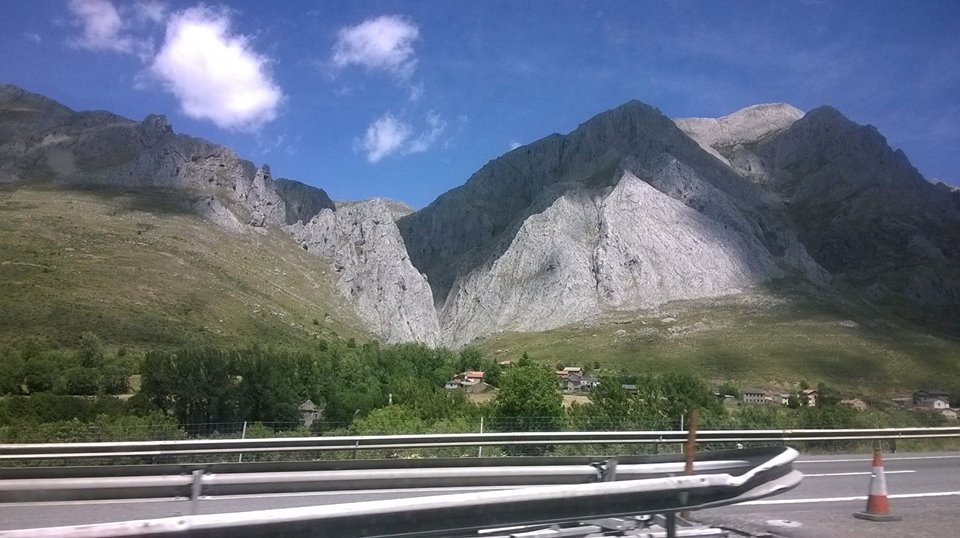
The Picos de Europa — literally “Peaks of Europe” — are one of the oldest and most spectacular national parks on the entire Iberian Peninsula. They owe their poetic name to Spanish sailors returning from the Americas, because the jagged limestone summits were the first land they spotted on the horizon from their ships. This breathtaking massif lies just 15 kilometres from the Atlantic coast, yet its highest serrated peaks soar to an impressive 2,600 metres above sea level. It’s precisely this dramatic proximity of ocean and high mountains that creates the frequent fog and rain that have carved deep karst gorges over millions of years.
Several gateways lead into the park, with the Asturian side renowned for its rich green pastures and deep valleys where herds of goats and cattle roam freely. For hikers, the absolute highlight is the famous Ruta del Cares, a trail carved directly into a sheer cliff face high above a wild river. The route is fairly long but almost completely flat, meaning anyone with sturdy footwear can manage it — and the views down into the gorge are utterly breathtaking.
💡 Insider tip: The weather in the Picos de Europa is extremely unpredictable. Even when bright sunshine blazes in the valley below, thick dripping fog can engulf you higher up. Always carry a waterproof layer and a warm jumper in your daypack.

9. Covadonga Sanctuary and the Birth of the Spanish Reconquista
If you have any interest in European history, the valley of Covadonga will feel like an utterly magical place, because this is where the story of modern Spain began. In this wild mountain gorge, Visigothic nobleman Pelayo defeated a Moorish army in 722 AD, launching the famous Reconquista — the centuries-long Christian reconquest of the Iberian Peninsula. The sanctuary of Santa Cueva itself is dramatically carved right into a sheer limestone cliff, beneath which a thundering waterfall plunges into a crystal-clear pool below.
A long stairway leads up to the cave chapel, where a wooden image of the Virgin of Covadonga and the tomb of King Pelayo himself are kept — pilgrims often ascend on their knees. Facing the cliff stands a monumental neo-Romanesque basilica built from pinkish limestone, its twin slender towers creating a striking contrast with the surrounding forest green. The entire site holds enormous national and spiritual significance; for Spaniards, Covadonga is a symbol of resistance, pride, and national identity.
💡 Insider tip: Parking at the sanctuary is very limited and virtually impossible in high season. Leave your car down in the town of Cangas de Onís and take the regular shuttle buses — you’ll save yourself a lot of stress navigating the mountain switchbacks.
10. The Glacial Lakes of Lagos de Covadonga
From the Covadonga sanctuary, an incredibly narrow, steep, and winding mountain road climbs even deeper into the national park, up to a magical pair of glacial lakes. Lakes Enol and Ercina sit at around 1,100 metres above sea level and represent one of the most iconic landscapes in all of Spain, frequently appearing on TV broadcasts of the famous Vuelta a España cycling race. Crystal-clear water mirrors the surrounding jagged peaks, and on the lush green banks, herds of brown Asturian cows graze freely with bells tinkling around their necks.
A very pleasant, undemanding circular trail loops around both lakes, taking roughly two to three hours and leading to several fantastic viewpoints. During peak summer — typically June to September — and on public holidays, the road up is completely closed to private vehicles during the day to prevent traffic gridlock. The only way up during these times is by a special shuttle bus from car parks in the valley, with a return ticket costing around 9 euros.
💡 Insider tip: The cows by the lakes may be photogenic and accustomed to people, but they’re still semi-wild animals. Don’t get too close, don’t pet them, and definitely don’t feed them human food — it’s not worth the risk.
11. Fuente Dé Cable Car and Heavenly Views
Although this engineering marvel sits just across the border in neighbouring Cantabria, it’s an inseparable part of the Picos de Europa experience and easily accessible from the Asturian side. The Fuente Dé cable car is one of the longest single-span aerial tramways in all of Europe, and the ride is an adrenaline rush you won’t quickly forget. The glass-walled cabin whisks you in under four minutes from the deep valley floor at 1,070 metres up to the upper station of El Cable, perched at a staggering 1,823 metres.
What makes the whole thing truly jaw-dropping is that the 750-metre height difference is conquered without a single support pylon — the cabin simply hangs in open space in front of a colossal vertical rock face. From the upper station, the views are genuinely breathtaking, and you can set off on several hikes of varying difficulty into the heart of the central massif. A return ticket costs around 17 euros, and in summer I strongly recommend buying tickets online well in advance, unless you fancy standing in a very long queue.
💡 Insider tip: Head up on the very first cable car of the morning. In the afternoon, thick cloud cover frequently rolls in from the ocean and fills the valley, leaving you staring at nothing but impenetrable white mist from the viewpoint.
12. Dramatic Cliffs and Beaches (Playa del Silencio)
The Asturian coastline, known as the Costa Verde, is wild, untamed, and dotted with hundreds of small coves hidden between steep limestone cliffs. The absolute crown jewel is Playa del Silencio — the Beach of Silence — which regularly features in rankings of the most stunning beaches in all of Spain. No wide road leads down to this perfect crescent-shaped cove; you have to leave your car on the clifftop and descend a fairly steep gravel path, which reliably deters the casual tourist hordes.
Don’t expect soft sand here — the beach is made up of smooth pebbles on which wild Atlantic waves crash with a thunderous roar. There are no facilities whatsoever, no refreshment stalls, no toilets — just the raw, primal power of nature surrounded by silvery rock walls that shield the cove from the wind. It’s the perfect spot for meditation, reading a book, or watching the sunset as the surrounding cliffs catch gorgeous purple and golden hues.
💡 Insider tip: Because of the pebbles and sharp underwater stones, I’d recommend packing water shoes in your bag. Even if you don’t plan on swimming, walking barefoot on the beach is a rather painful form of accidental acupuncture.
13. The Charming Fishing Village of Cudillero
While driving along the Asturian coast, you absolutely mustn’t miss Cudillero, widely regarded as the most picturesque village in the entire north of Spain. The buildings are literally squeezed into a narrow ravine plunging steeply towards the ocean, with colourful houses sporting wooden balconies stacked tightly together in several tiers — the whole effect resembles a gigantic natural amphitheatre. Local legend has it the village was founded by Vikings, and to this day it retains a very distinctive, slightly isolated seafaring atmosphere.
The best experience is simply getting lost in the maze of miniature staircases and narrow alleys that lead to several brilliant viewing terraces with a bird’s-eye view of the harbour square below. Down by the water, you’ll find a row of excellent restaurants where you can watch fishing boats bobbing on the waves from the outdoor terraces. Although Cudillero is very popular and can get packed in summer, climbing just a few streets higher instantly brings blissful quiet among the locals’ drying laundry.
💡 Insider tip: Make your way to the Faro de Cudillero lighthouse, perched on a nearby cliff. A beautiful, easy coastal path leads there, and it’s where you’ll get the best photos of the churning ocean.
14. Coastal Town of Ribadesella and the Tito Bustillo Prehistoric Caves
On Asturias’s eastern coast lies the elegant resort of Ribadesella, uniquely divided by the broad mouth of the River Sella right where it flows into the ocean. On one bank sits the historic centre full of bars and shops, while the other side is lined by the long Santa Marina beach, around which wealthy returning emigrants from the Americas — the so-called Indianos — built grand villas in the early 20th century. The town truly comes alive in August during the famous international canoe race on the Sella, accompanied by a raucous week-long festival.
The real treasure here, though, is the remarkable Tito Bustillo cave complex, inscribed on the UNESCO World Heritage List. Inside these vast limestone caverns lie some of the most significant prehistoric paintings in the world, dating back an astonishing 15,000 to 25,000 years. To protect the fragile microclimate, daily visitor numbers are strictly limited, so you’ll need to book tickets on the official website potentially a month in advance — otherwise you’ve no chance of getting in.
💡 Insider tip: Right next to the cave is an excellent modern museum with interactive exhibits that brilliantly explain the lives of prehistoric hunters. The museum visit is a great alternative if tickets to the actual cave have sold out.
Map of points of interest for your phone
Where to Go Next from Northern Spain
If you’ve got a hire car and extra time, northern Spain opens up a wealth of further adventures. To continue exploring Basque culture, head over to the modern city of Bilbao with its world-famous Guggenheim Museum, or to nearby San Sebastián, the undisputed capital of Spanish gastronomy. If you’re craving sunshine and want to experience the completely different Moorish atmosphere of the south, you could fly down to Andalusia — I’d recommend working through our guide to the 20 most beautiful places in Andalusia. There you’ll find gems like Seville, historic Córdoba, or the breathtaking city of Granada with the Alhambra Palace.
Another fascinating stop in the south is the cliff-edge town of Ronda, or the coastal city of Málaga. Adrenaline junkies shouldn’t miss the famous Caminito del Rey walkway. If you’d rather explore big cities, it’s easy to catch a high-speed train to Madrid, or you could discover Gaudí’s architecture in Barcelona. Fans of modern architecture and great food will love sunny Valencia, and for those seeking beach relaxation and party vibes, the Balearic island of Ibiza is a perfect pick. And if food is your thing in general, be sure to check out our guide to traditional Spanish cuisine.
Frequently Asked Questions
What’s the best way to get to Oviedo and Asturias?
The quickest route is to fly into the port city of Santander in neighboring Cantabria or to the resort town of Bilbao in the Basque Country, then continue by rental car. While there are no direct flights from Prague to Asturias, you can easily reach Asturias Airport (OVD) with one connection. The airport is located just a few kilometers from Oviedo.
Do I really need a car to travel around Asturias?
Although fairly reliable bus and train services run between Oviedo, Gijón and the other larger towns, a car is an absolute necessity for truly discovering the region. Without one you won’t be able to reach the remote beaches, the mountain viewpoints in the Picos de Europa, or the picturesque fishing villages along the coast, where public transport hardly runs at all.
Is the ocean in Gijón warm enough for summer swimming?
Swimming in the Bay of Biscay is more of an experience for hardy souls, because even in the warmest part of August the water here rarely exceeds 20 degrees Celsius. What’s more, the ocean is often wild and full of strong undercurrents, so it’s more popular among surfers in wetsuits than among families with small children looking for warm thermal baths.
How much will a ride on the Fuente Dé cable car cost me?
A return ticket on this breathtaking cable car will set you back about 17 euros for an adult, with children naturally getting a discount. Given the enormous popularity of this attraction, I strongly recommend buying tickets online in advance for a specific time slot, to avoid waiting in the queue at the ticket office for several hours.
What exactly is the famous fabada asturiana?
Fabada is an absolutely iconic symbol of Asturian cuisine that you’ll come across at every turn. It’s a very rich, calorific stew of large white beans, to which blood sausages, chorizo and various kinds of smoked pork are added, so unfortunately this dish is definitely not suitable for vegetarians.
Will I be able to get by in English in the smaller Asturian villages?
In hotels and better restaurants in Oviedo or Gijón you’ll have no problem with English, but in the countryside and the mountains English is spoken only very rarely. It’s definitely worth learning at least some basic phrases in Spanish and downloading an offline translator onto your phone, because the locals will hugely appreciate your effort and will be far warmer toward you.
How does summer transport to the Covadonga Lakes work?
During the summer tourist season and on public holidays, there’s a strict daytime ban on private cars driving directly up to the lakes. You have to park down in the valley and use the special shuttle buses that run up and down the mountain road, with a return ticket costing 9 euros, and you can stay up at the top for as long as you like.
Is Asturian sidra sweet like classic British cider?
Not at all — traditional Asturian sidra is completely unfiltered, naturally fermented, and its taste is very earthy and markedly tart, so it bears no resemblance to the sweet commercial ciders we’re used to from our bars. What’s more, it’s served in a special way, poured from a great height into wide glasses so that it aerates for a second.
Tips and Tricks for Your Vacation
Don’t Overpay for Flights
Search for flights on Kayak. It’s our favorite search engine because it scans the websites of all airlines and always finds the cheapest connection.
Book Your Accommodation Smartly
The best experiences we’ve had when looking for accommodation (from Alaska to Morocco) are with Booking.com, where hotels, apartments, and entire houses are usually the cheapest and most widely available.
 🚗 Car rental on the roadVerified rental cars in northern Spain
Search with the DiscoverCars comparison engine — it compares prices from dozens of local and international rental companies, and most bookings come with free cancellation.
Compare car prices in northern Spain →Don’t Forget Travel Insurance
Good travel insurance will protect you against illness, accidents, theft, or flight cancellations. We’ve had a few hospital visits abroad, so we know how important it is to have proper insurance arranged.
Where we insure ourselves: SafetyWing (simple monthly subscription) and TrueTraveller (for extra-long trips).
Find the Best Experiences
Get Your Guide is a huge online marketplace where you can book guided walks, trips, skip-the-line tickets, tours, and much more. We always find some extra fun there!