TL;DRThe ten essentials for long-distance cycle touring here are all tried and tested over 2,500 km and 45 days in the saddle. Top of the list is bike tools — a pump, two puncture repair kits, a spare chain and inner tube — plus padded cycling shorts and anti-odour clothing with silver thread. Other must-haves include beeswax for saddle sores, a bike first-aid kit, a portable coffee maker (Aeropress or Nanopresso), and a smart helmet with Livall speakers. For camping, they recommend the Marmot Tungsten UL 3P tent, an inflatable sleeping mat, a Pinguin mini stove, and a fire steel instead of matches. One thing not worth lugging around: extra food, if you’re cycling through Europe.
Heading out on a long-distance cycling tour and wondering what essential cycling gear to bring along? We spent 45 days in the saddle, covering 2,500 km across Europe, and we’re happy to share our experience — what you should definitely pack and what’s better left at home.
Search for flights on Kayak. It’s our favorite search engine because it scans the websites of all airlines and always finds the cheapest connection.
Book Your Accommodation Smartly
The best experiences we’ve had when looking for accommodation (from Alaska to Morocco) are with Booking.com, where hotels, apartments, and entire houses are usually the cheapest and most widely available.
Don’t Forget Travel Insurance
Good travel insurance will protect you against illness, accidents, theft, or flight cancellations. We’ve had a few hospital visits abroad, so we know how important it is to have proper insurance arranged.
Where we insure ourselves: SafetyWing (best for everyone) and TrueTraveller (for extra-long trips).
Why don’t we recommend any Czech insurance company? Because they have too many restrictions. They set limits on the number of days abroad, travel insurance via a credit card often requires you to pay medical expenses only with that card, and they frequently limit the number of returns to the Czech Republic.
Find the Best Experiences
Get Your Guide is a huge online marketplace where you can book guided walks, trips, skip-the-line tickets, tours, and much more. We always find some extra fun there!
TL;DRMix and match to keep costs down: hostels run £3–£17 a night on Booking.com or HostelWorld, budget hotels and guesthouses £8–£50, and Airbnb short lets £8–£50 (the authors landed a whole house in Playa del Carmen for £8 a night, a month-long stay). Or go free with couchsurfing, house sitting through TrustedHousesitters, home swaps on HomeExchange, and camping. Volunteering via WWOOF, WorkAway or HelpX gets you a bed for anywhere from £0 to £20 a night in exchange for work. For any journey over eight hours, take the overnight option — an overnight ferry from Greece to Italy, say, or a night train from Bangkok down to the coast.
Cheap accommodation is available all around the world. Beyond hotels, there are plenty of lodging options you can get for a fraction of the price — or even completely free. Here’s our guide on how to save money on accommodation while travelling.
Do you know what most people think? That travelling is expensive. But that’s simply not true. Travel costs can be reduced in many ways, and finding cheap accommodation alone can save you thousands on the road.
Travelling is only expensive if you choose it to be. The handful of hotels you find on the first page of Google are just a tiny fraction of the options available to you.
You can find a place to stay anywhere and at any price, sometimes even for free. It all comes down to your willingness, ability to step out of your comfort zone, and a bit of luck.
So let’s take a look at where to find cheap accommodation and what your options are.
Hostels
Hostel
Price: €4 – €20 per night
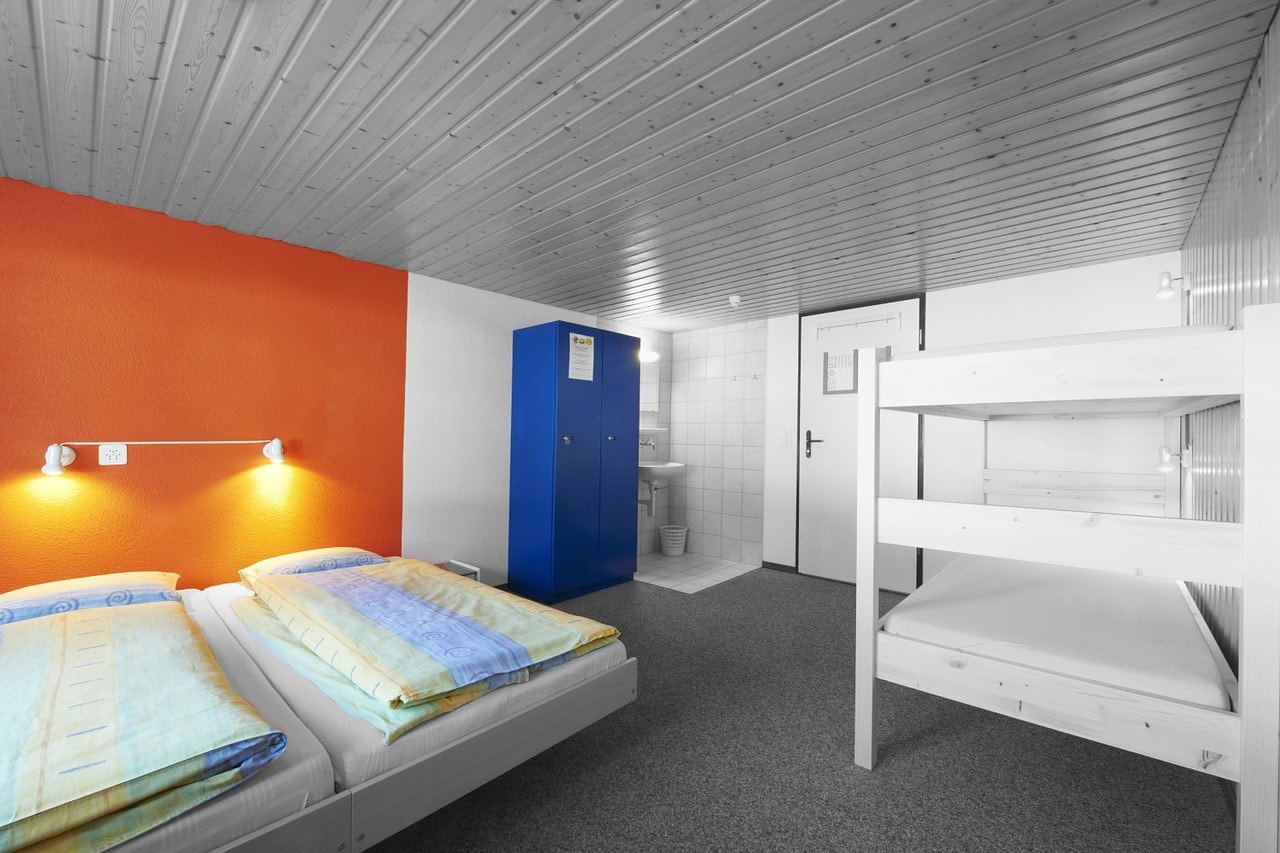
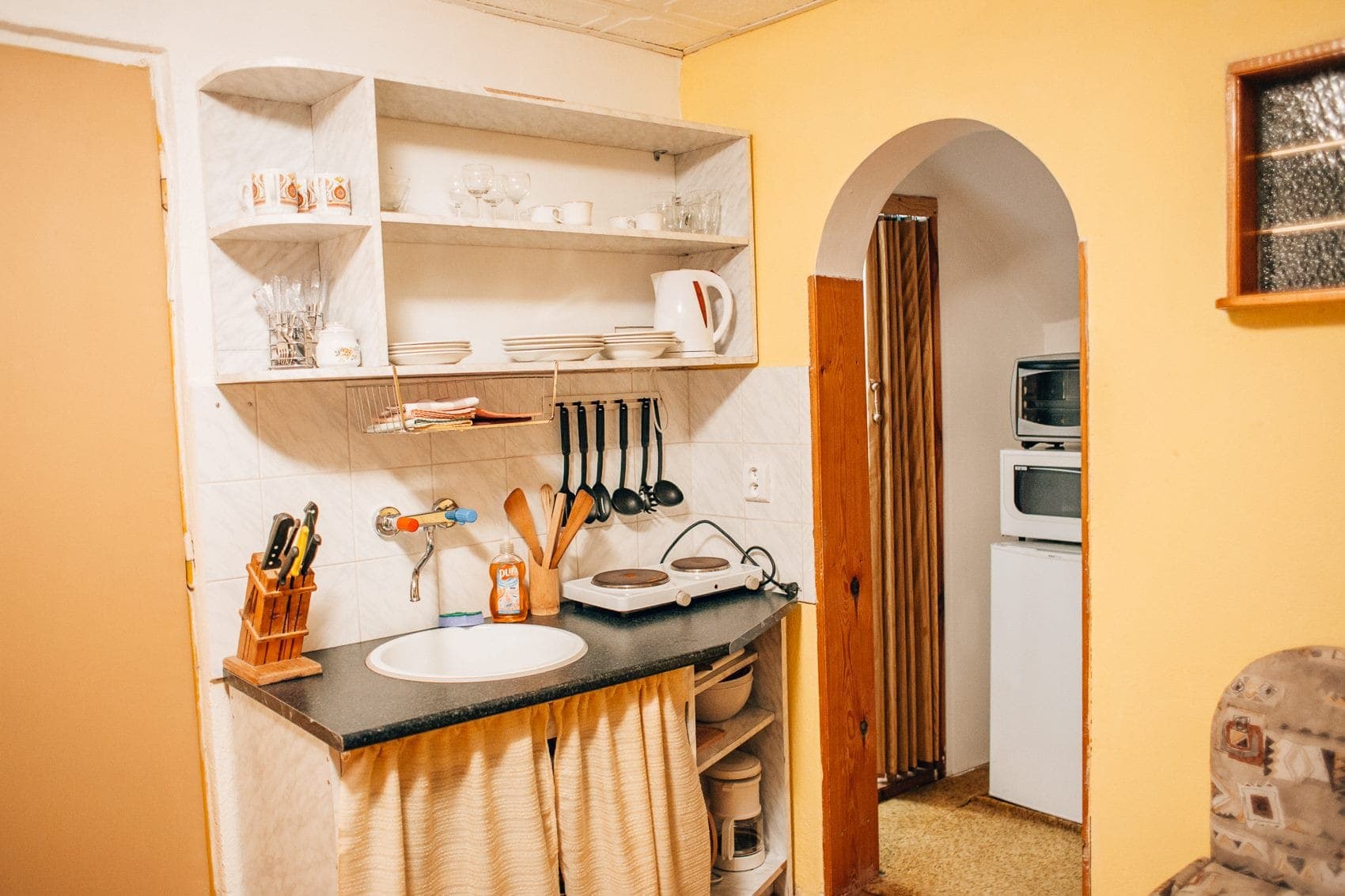
Hostels are the best way for travellers to save money on the road. You share a room and bathroom with other people — sometimes even ten other travellers. That’s what makes a bunk bed so incredibly affordable. Every room has lockable lockers, and in most cases, you’ll get a simple breakfast in the morning.
The quality of hostels varies from place to place, but we’re almost always pleasantly surprised. It’s not unusual for hostels to have their own pool or restaurant, and Wi-Fi and air conditioning are standard in more developed countries (or available for a small fee).
Besides the low price, hostels are a fantastic opportunity to meet other travellers — you bump into them at every turn. The shared kitchen and common areas practically invite you to make new friends.
If you’re not into socialising and prefer undisturbed sleep, you can always book a private room instead.
Budget Hotels and Guest Houses
Staying in a budget hotel
Price: €10 – €60 per night
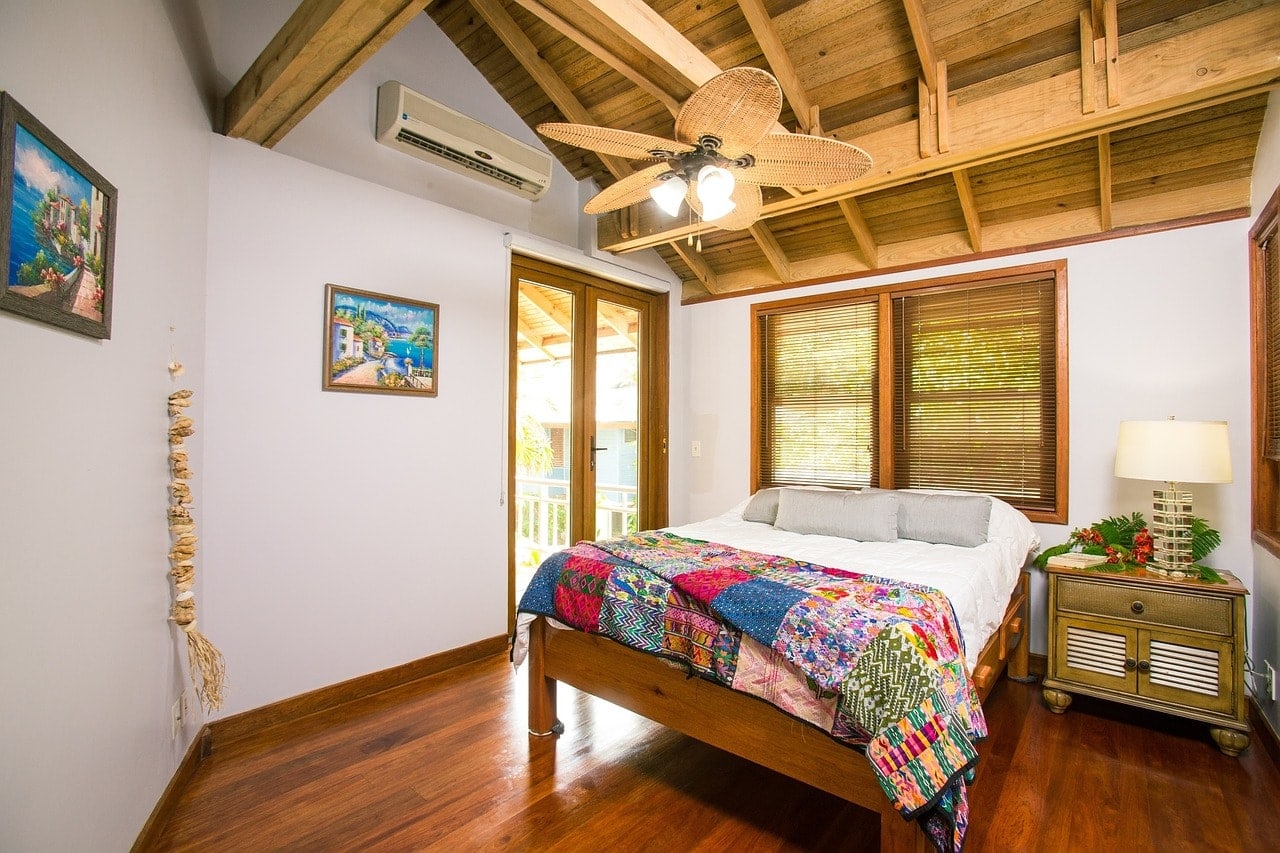
Guest houses and budget hotels offer more privacy than a hostel, but usually without a kitchen and at a higher price. Breakfast isn’t typically included either. On the other hand, you get a standard-sized room, a comfortable double bed, and the peace and quiet that hostels sometimes lack.
We tend to choose this type of accommodation when we have work to do and need to focus.
Read reviews carefully, especially regarding the location
Short-Term Room and Apartment Rentals
Short-term rentals
Price: €10 – €60 per night
When people have a spare room in their house or flat and live in a great location, they often offer it for rent. You can stay with them for the price of a budget hotel, but you get access to the entire flat, including the kitchen and living room.
A short-term rental in a residential neighbourhood also offers a deeper insight into local culture and everyday life. You essentially get to experience what it’s like to live as a local. That’s something no hotel or hostel can give you.
Check the location on the map and look at transport connections
Longer stays are cheaper — don’t be afraid to negotiate the price
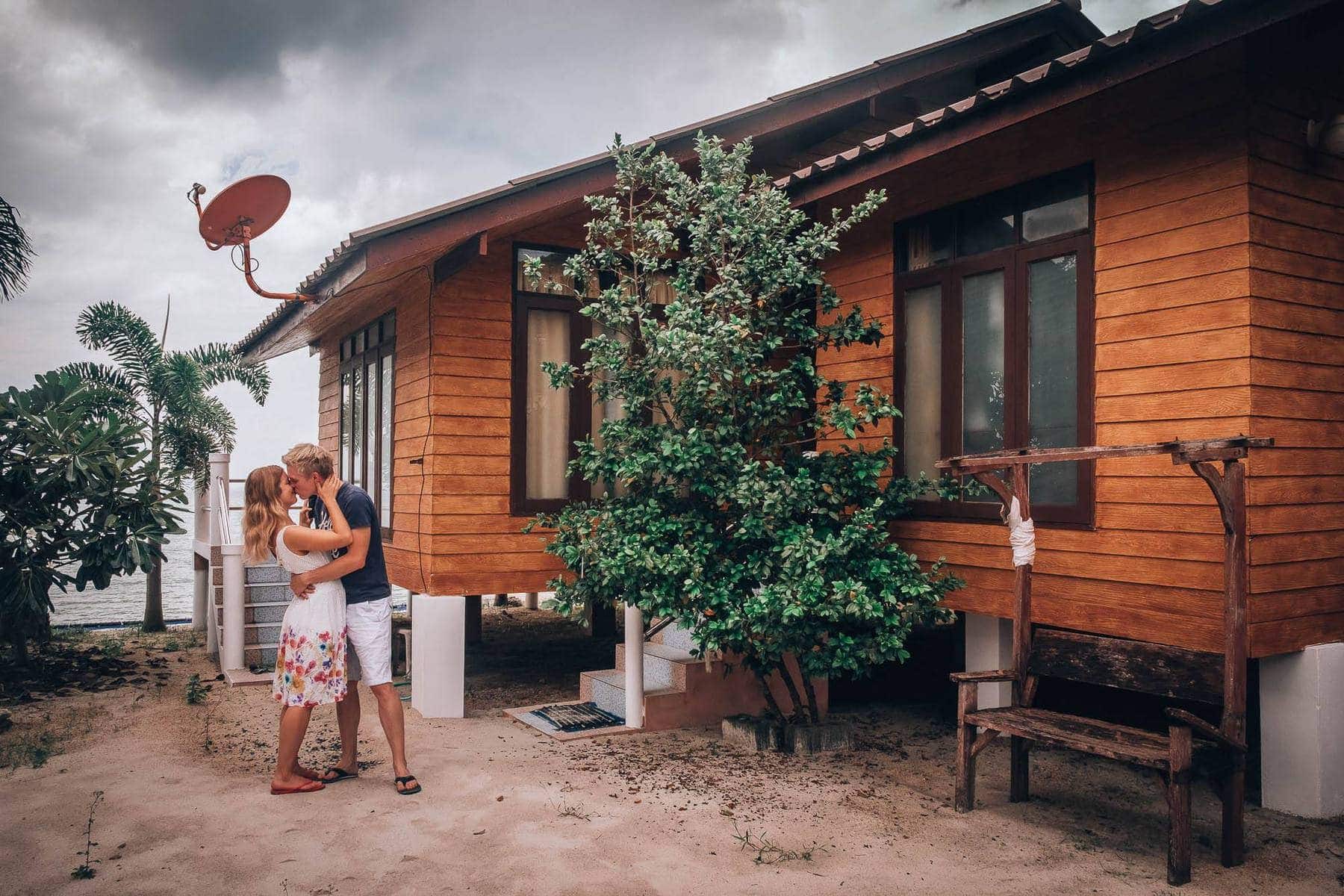
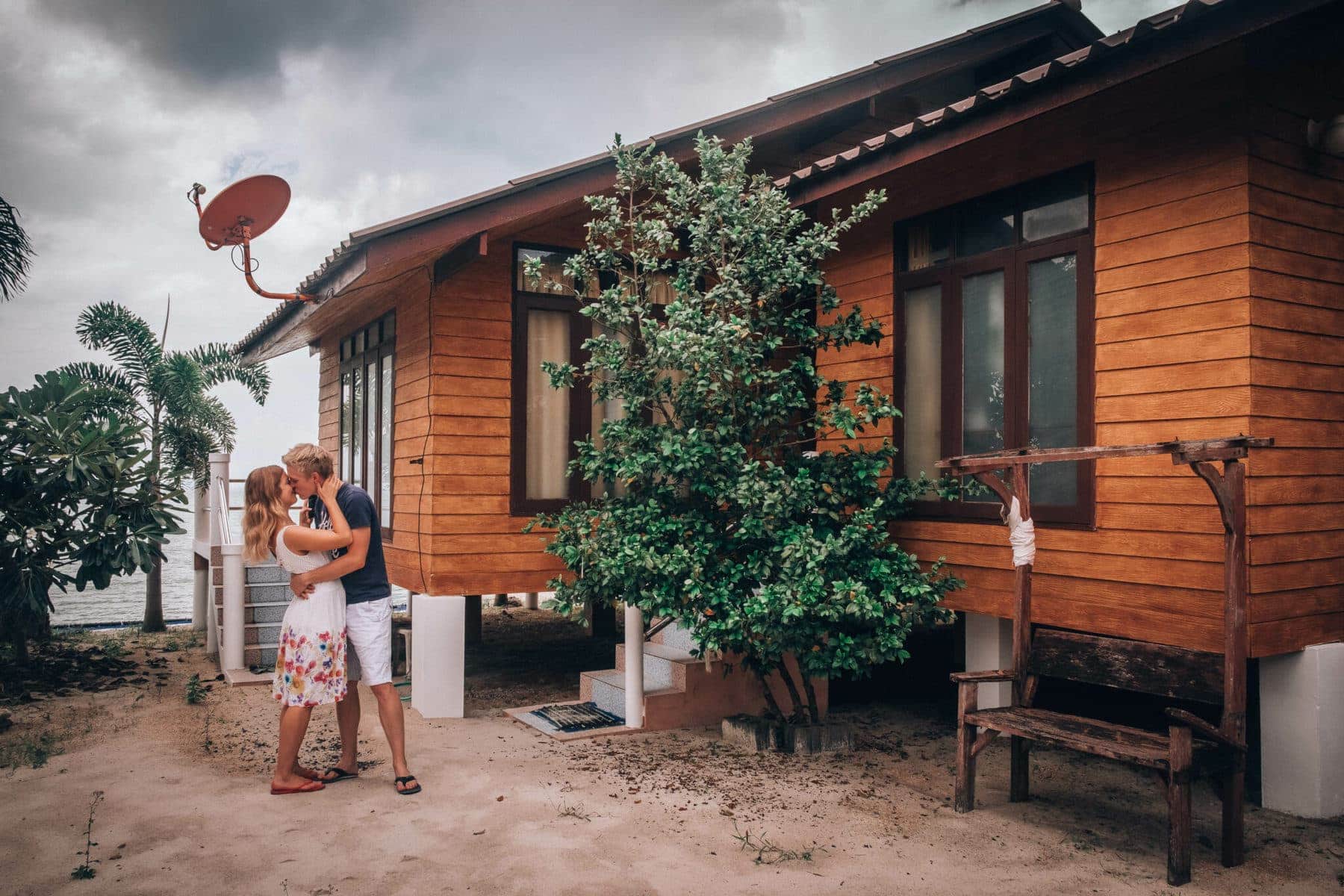
During our travels, we’ve rented countless houses, flats, and rooms. For example, in the beachside town of Playa del Carmen, we lived in a fully equipped house for an entire month, which cost us just around €10 per night.
Camping
Camping
Price: €0 – €20
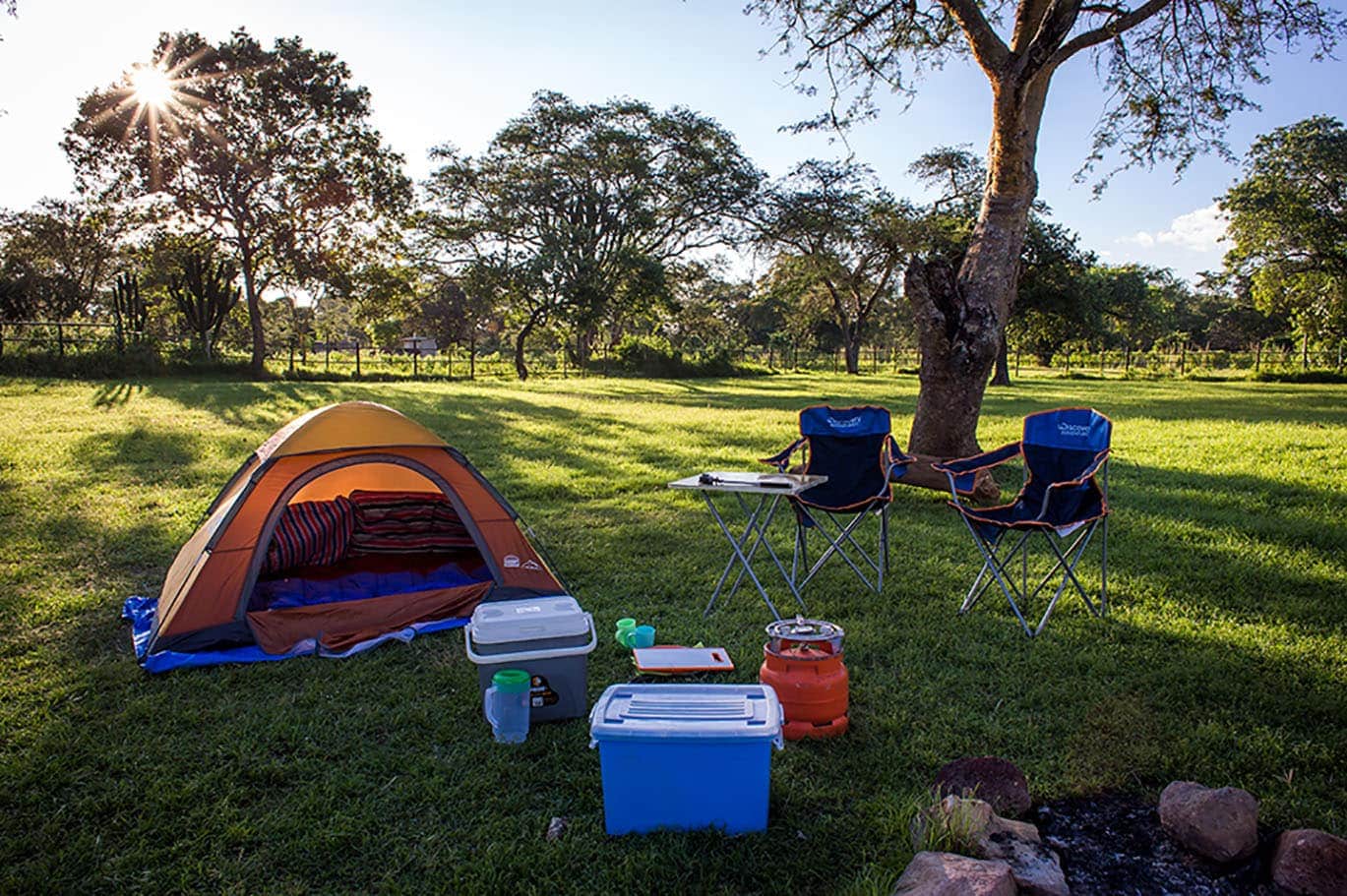
Packing a tent or a travel hammock and heading into nature is often the cheapest and most fun option. From wild camping in a forest by the road to pitching your tent at a fully equipped campsite — it’s always an adventure.
With a tent, you can reach places that many travellers never visit. For the right choice of tent and sleeping bag, check out our packing guide.
Camping tips
Always carry enough water — a source won’t always be nearby
Store food well sealed, ideally hung from a tree
Leave the campsite in the same condition you found it
You might be surprised, but there are loads of people around the world looking for someone to look after their home while they’re away for an extended period.
Most of the time, this means caring for dogs and cats, watering the garden, and maintaining the house. In return, you get the entire house for free — and not uncommonly, a car too!
Clarify and write down your responsibilities with the owner beforehand
Don’t search for specific dates — be as flexible as possible
Fill out your profile carefully; house sitting is based on mutual trust
Homestay
Staying with locals
Price: €10 – €60 per night
Living with locals is the best way to fully experience a foreign country. And when you don’t speak the language, it’s quite an entertaining experience too. A homestay differs from short-term rentals in that you actively participate in family life. You have breakfast with the host family, sometimes dinner, and if agreed upon, you even help around the house.
How to choose the right homestay
To find a homestay, simply search Google for your destination name along with the word “homestay.” You’ll usually find several websites offering them right away.
Communicate as much as possible in advance, and if you’re searching on the spot, agree on everything before you pay. This mainly concerns meals, the standard of accommodation, and any help your host might expect. That way, you won’t be unpleasantly surprised.
Lukáš and Lucie recommend
Where to stay in the world
6 accommodations — hotels and other lodging options
If you’ve never heard of Couchsurfing, it’s high time you signed up. It’s a huge community (over 5 million people) of individuals who offer their couches and spare beds to travellers for free.
Why do they do it? Because they love meeting new people and often share the same travel spirit. You communicate intensively with every host before your stay, and you both leave reviews afterwards. If you’re an introvert and feel uncomfortable chatting with strangers, Couchsurfing might not be the best option for you.
Tips for successful Couchsurfing
Fill out your Couchsurfing profile as thoroughly as possible — you need to earn your host’s trust
Always put effort into your accommodation request — the more personalised, the better
Expect to spend time chatting with your host or even going on a day trip together
Instead of paying with money, you can pay for your accommodation with work. There are countless opportunities around the world, from specialised tasks (a doctor in Africa) to basic jobs anyone can do (building a fence around a farm in Scotland).
This typically gets you into schools, hostels, farms, or even on a boat.
Tips for finding accommodation in exchange for work:
WWOOF, WorkAway, and HelpX are the best platforms for finding volunteer opportunities
Always clarify in advance how many hours of work per day the host or organisation expects and whether meals are included
Sometimes you have to pay to volunteer — watch out for that!
Home Exchange
Home Exchange
Price: membership fee on HomeExchange or LoveHomeSwap
Several specialised websites offer home exchange services. For many people, it’s a very cheap way to enjoy a holiday in comfort while their own home is well taken care of.
If you own a house or a nice flat, definitely register on one of these websites. You might just manage to swap homes for a week with someone who lives right by the sea or high in the mountains.
Getting your first reference is always the hardest part — keep trying even after a few rejections
Choose exchanges appropriate to the quality of your own home — nobody will swap a luxury villa for a run-down flat on the outskirts of town
You don’t even need your own property to start; HomeExchange works on a credit system — read the terms and conditions carefully
Overnight Transport
Overnight travel
Price: the cost of a ticket or flight
If you have a journey of more than eight hours ahead of you, consider overnight transport. Trains, planes, buses, and ferries often offer night services specifically designed for sleeping. You won’t find a shower on board, but you’ll fall asleep and wake up in a completely different place!
We took a night ferry from Greece to Italy and spent the entire night on the upper deck. The pleasant breeze alternated with diesel fumes, but it was an experience we fondly look back on.
The overnight train from Bangkok south to the coast was also worth it. After a comfortable night in an air-conditioned carriage, we were woken by the morning sun in our berths and watched the Thai countryside roll by outside the windows.
Tips for overnight travel:
If possible, choose a seat with the most legroom
On trains, book a lower berth rather than an upper one — the air conditioning often blows directly in your face or lights shine on you up top
Bring earplugs, a hoodie (in the tropics, AC can cool carriages down to 16°C), and a sleeping mask
In Asia, use 12go.asia — we’ve had excellent experiences with them
Southeast Asia and India are a category of their own, where the differences in accommodation quality and availability are truly enormous. We therefore recommend doing thorough research before heading to these regions.
PLANNING A TRIP? YOU MIGHT FIND THIS USEFUL:
What to pack
Check out our packing guide to help you prepare. Choose the right travel backpack, browse our travel gear recommendations, and don’t forget anything important at home.
Search for flights on Kayak. It’s our favorite search engine because it scans the websites of all airlines and always finds the cheapest connection.
Book Your Accommodation Smartly
The best experiences we’ve had when looking for accommodation (from Alaska to Morocco) are with Booking.com, where hotels, apartments, and entire houses are usually the cheapest and most widely available.
Don’t Forget Travel Insurance
Good travel insurance will protect you against illness, accidents, theft, or flight cancellations. We’ve had a few hospital visits abroad, so we know how important it is to have proper insurance arranged.
Where we insure ourselves: SafetyWing (best for everyone) and TrueTraveller (for extra-long trips).
Why don’t we recommend any Czech insurance company? Because they have too many restrictions. They set limits on the number of days abroad, travel insurance via a credit card often requires you to pay medical expenses only with that card, and they frequently limit the number of returns to the Czech Republic.
Find the Best Experiences
Get Your Guide is a huge online marketplace where you can book guided walks, trips, skip-the-line tickets, tours, and much more. We always find some extra fun there!
TL;DRFlights are usually the most expensive part of any trip, but you can slash the price dramatically. How do you find cheap flights? Search through comparison tools like Google Flights, Skyscanner or Kiwi, stay flexible with your dates and destination, and track prices over time. It also helps to set up price alerts, search in an incognito window, fly on weekdays, and compare departures from different airports. Sometimes it even pays off to book a return as two one-way tickets. In this guide you’ll find 15 proven and lesser-known tips that can easily save you hundreds of pounds on a single ticket.
Travelling isn’t expensive — but flights usually are. They’re often the single biggest cost of the whole trip. We’ll teach you how to hunt down cheap flights and save as much money as possible.
If you’re not patient, travelling can end up costing you a fortune. It’s not unusual for the first fare you come across to be ten times more expensive than the cheapest possible option on the very same route.
So how do you find the cheapest flights and often save hundreds of pounds?
After five years of travelling together we’ve learned a thing or two, and we’re happy to share the tips that will help you save money when booking your tickets.
The best flight search engines
Using flight search engines is the most convenient way to stumble upon cheap flights. These sites scan the offers of dozens of airlines and compare them side by side.
Start your search with the comparison tools and always try several of them. You never know which one will show the best price.
We always start with Kiwi and Skyscanner to get a sense of the price. Then we check the other search engines too, and finally we look at the website of the airline we found through the search.
A search engine (formerly Skypicker) that specialises in low-cost flights and can combine even complicated connections. It offers a brilliant map where you can roughly sketch out where you’d like to fly from and to. Its newer Nomad feature lets you plan multi-week trips with several stops.
Skyscanner is the most widely used search engine and is especially popular in the UK and the US. It has an incredibly broad database of flights, which is why — alongside Kiwi — it’s always one of the first places we look for tickets. Searching Skyscanner UK for cheap flights is a great starting point.
AZair may look like it’s stuck in the last decade, but for anyone with a little patience it’s the ultimate tool. It offers a huge range of configurations, and the “I don’t care where I fly” feature is simply genius.
As well as scanning the search engines, make use of their email alerts. If you have a rough idea of when and where you want to fly, the system lets you receive an email whenever the price changes.
Subscribing to cheap flight deals
Useful flight deal sites
There are also plenty of companies out there that hunt down the cheapest flights online and let you know about them, hoping you’ll book through them and they’ll earn a commission.
Take advantage of this and sign up to as many as you can. Some of the best ones to follow include:
If you’re not set on flying to one specific place, you’ve got wonderful freedom. The search engines will help you find cheap flights all over the world, and you might just end up in some remote corner you’d never even planned to visit.
A bit of flexibility and spontaneity can save you a whole lot of money.
Sign up to airline newsletters
The best sales are announced by the airlines themselves, and they usually let their subscribers know first.
Signing up to their newsletters gives you access to these “secret” offers. It’s not unusual to get an email with a 50% discount on a particular route.
There are loads of these newsletters, though. We recommend setting up an email filter and saving them to a separate folder, or even creating a dedicated email address just for them.
Which newsletters should you sign up to? It naturally depends on where you’re flying to and from, but this list covers most of Europe and the UK well:
Major airlines flying from the UK
British Airways, Virgin Atlantic, American Airlines, Air Canada, Air France, Finnair, Delta Air Lines, Eurowings, Iberia, KLM, Lufthansa, United Airlines, Turkish Airlines, Qatar Airways, Emirates, Scandinavian Airlines, Austrian Airlines, Swiss International Air Lines, flydubai, Transavia Airlines.
Low-cost carriers flying within Europe (besides the above)
Other airlines flying within Europe (besides the above)
Aeromexico, Avianca, Condor Flugdienst, Wamos Air, Air China.
When is the right time to book flights
The best time to book flights is usually between 4 and 11 weeks before your planned departure. The cheapest days to fly out are Tuesday, Wednesday and Saturday, as they fall outside peak times and tickets are cheaper.
Mondays and Sundays, on the other hand, are the most expensive days to depart.
Early-morning flights tend to be cheaper
Early departures and long layovers usually save you money
If you don’t mind getting up early and spending a few hours at the airport, you can make your tickets even cheaper. Connections with a layover longer than six hours tend to be cheaper than those with a comfortable, quick transfer.
Don’t fly in peak season
We never fly anywhere other than out of season any more. Not only are the tickets far cheaper (easily by 60%), but the weather is usually milder and there are far fewer tourists too.
Book flights in January
Because demand for flights always cools off in January, it’s a great time to buy.
You can usually pick up long-haul flights for around £250 without even trying hard. Whether you’re planning to fly in spring or summer, January is the best month to book.
Avoid school holidays and bank holidays
If you can possibly avoid them, never fly during holidays and bank holidays. Ticket prices are often as much as 100% higher! So cross these off your list automatically:
Summer school holidays
Christmas, New Year and Easter
Public holidays in your destination
Long weekends and bank holidays both at home and in your destination
Book early in the morning or late at night
While we’ve got no hard test to back this up, some flight hunters swear that prices dip slightly when fewer people are sitting at their computers. Why not give it a try?
Don’t be afraid to fly from other airports
Flying from your nearest big airport is convenient, but you often end up paying far too much. Always at least check the surrounding airports to see whether a flight is cheaper from there. From the UK you’ll often fly cheaper from:
London Stansted, Luton or Gatwick (instead of Heathrow)
Manchester
Birmingham
Bristol
Edinburgh or Glasgow
You’ll see that the differences can run to dozens of pounds — sometimes much more. In that case it’s definitely worth spending a few extra hours on a train or coach to reach a cheaper airport.
Fly with low-cost carriers
When searching for flights, always check whichairline to find out which airlines fly to your destination. There’s a good chance you’ll find several low-cost carriers flying for a fraction of the price of a regular ticket — think cheap flights with Ryanair or easyJet.
For these airlines, look up the connection directly on their own websites. They sometimes block the search engines from showing their flights.
Thanks to low-cost airlines you can get to the other side of the world and back for a few hundred pounds — but it comes with a few catches. These carriers charge fees for just about everything, from checked bags and onboard food to printing your boarding pass.
Their tickets are also usually non-refundable and non-changeable, and they often fly from smaller, out-of-town airports. So before you book that cheap flight, read the rules carefully and weigh up whether it’s worth it. You’ll find a full list of low-cost airlines on Wikipedia.
Flying with low-cost carriers
Book long flights in separate legs
For flights with a layover, it sometimes pays to book each leg of the journey separately. You can save anywhere from 5% to 20% on the price. You do need to time the flights carefully so you have enough buffer for the transfer even if there’s a delay. Miss your connection and things get complicated fast.
Always check, too, whether it’s cheaper to book two one-way tickets. We’ve had it happen more than once that two singles came out cheaper than a single return.
Use an incognito window and a VPN
Has it ever happened to you that you searched for a flight, and a few hours later the very same search showed a more expensive fare?
This can happen because some companies (including the search engines) use cookies in your browser to artificially bump up the price. An incognito window or clearing your cookies solves the problem.
When booking domestic flights, it’s always worth using a VPN to make it look like you’re actually in that country. For example, a flight from one Mexican city to another will be noticeably cheaper if you book it “from Mexico” rather than “from the UK”.
How to prove an onward flight
Planning a long-term stay abroad and not sure when you’ll want to come back? Then study the country’s entry requirements carefully.
As a measure against illegal immigration, countries often require so-called “Proof of Onward Travel” — basically a ticket leaving the country. You don’t necessarily have to fly back to where you came from, but you do need to prove you intend to leave. This is a particular headache for us long-term travellers. Often we don’t even know the month we’ll want to fly out, let alone where to!
Luckily there’s a service that solves the problem for us. For a few euros, OneWayFly will issue a genuine ticket valid for 14 days. They cancel it themselves later, but you’ve got valid documentation for the immigration desk.
Proof of onward travel
When hand luggage only pays off
Travelling with hand luggage only can save you money. With full-service airlines a checked bag is usually included in the price, but with low-cost flights you have to pay extra for it.
But is the money you save worth the hassle of squeezing everything into the weight and size limits of a cabin bag?
Bear in mind that the limits for the bag you take into the cabin are usually very strict. Often it can’t weigh more than seven kilos! And given that the bag or case itself weighs over two kilos, there really isn’t much room left for your stuff.
In our experience it’s pretty comfortable to fly with hand luggage only for long weekends, but for longer trips it just isn’t worth it for us. So weigh it up for yourself: the £30 or so saved on a checked bag, or 20 kg of extra capacity.
Tips for cheap flights
Read all the way to here? Then you’re clearly serious about finding cheap flights! We’ve passed on all the knowledge and experience we have. So off you go — go find your dream cheap flights!
If you’ve got any follow-up questions, or your own tips on how to save even more on flights, drop us a comment below the article.
PLANNING A TRIP? THEN YOU’LL WANT TO READ THIS:
What to pack
Take a look at our travel packing guide, which will help you get ready. Pick the right travel backpack, browse handy travel gadgets, and don’t leave anything important at home.
Car hire
We regularly use the comparison site DiscoverCars.com, which helps us choose a car hire provider.
Travel insurance is an absolute must. For shorter trips we go with AXA (50% off) and for longer trips the British insurer True Traveller. Check out our comparison of all the insurers and pick the one that suits you best.
What’s the best flight search engine?
We always start on Kiwi and Skyscanner to get an idea of the price. Then we check other search engines as well, and finally the airline’s website that we found through the search engine.
When is the right time to buy plane tickets?
The best time to buy plane tickets is typically within 4-11 weeks before your planned departure. The best days to fly are Tuesday, Wednesday and Saturday, as they’re off-peak and tickets are cheaper.
Tips and Tricks for Your Vacation
Don’t Overpay for Flights
Search for flights on Kayak. It’s our favorite search engine because it scans the websites of all airlines and always finds the cheapest connection.
Book Your Accommodation Smartly
The best experiences we’ve had when looking for accommodation (from Alaska to Morocco) are with Booking.com, where hotels, apartments, and entire houses are usually the cheapest and most widely available.
Don’t Forget Travel Insurance
Good travel insurance will protect you against illness, accidents, theft, or flight cancellations. We’ve had a few hospital visits abroad, so we know how important it is to have proper insurance arranged.
Where we insure ourselves: SafetyWing (best for everyone) and TrueTraveller (for extra-long trips).
Why don’t we recommend any Czech insurance company? Because they have too many restrictions. They set limits on the number of days abroad, travel insurance via a credit card often requires you to pay medical expenses only with that card, and they frequently limit the number of returns to the Czech Republic.
Find the Best Experiences
Get Your Guide is a huge online marketplace where you can book guided walks, trips, skip-the-line tickets, tours, and much more. We always find some extra fun there!
TL;DRThe fastest route is 20 minutes a day with an online course, such as Onlinejazyky.cz, which combines the best bits of textbooks, apps and classroom courses and costs 2490 CZK on average for the whole thing. Classic language school courses (30 hours for 4690 CZK), by contrast, plus private tutoring, turned out to be pricey and not that effective — you just don’t get that daily contact with the language. Apps like Duolingo or Memrise are free and handy for vocab, but they won’t get you fluent on their own. You can pick up the basics of a language in four weeks if you study every day, ideally two 20-minute sessions with a break in between, and the real key is getting over your fear of speaking and treating mistakes as part of learning.
Have you tried everything and still feel like you’re barely getting started? Or maybe you’re ready to pick up a new language but have no idea which approach is actually worth your time? Effective language learning is something I’ve spent serious money chasing over the past year — on courses, private tutors and textbooks — and a good chunk of that money was completely wasted. So what actually worked, and what didn’t?
Search for flights on Kayak. It’s our favorite search engine because it scans the websites of all airlines and always finds the cheapest connection.
Book Your Accommodation Smartly
The best experiences we’ve had when looking for accommodation (from Alaska to Morocco) are with Booking.com, where hotels, apartments, and entire houses are usually the cheapest and most widely available.
Don’t Forget Travel Insurance
Good travel insurance will protect you against illness, accidents, theft, or flight cancellations. We’ve had a few hospital visits abroad, so we know how important it is to have proper insurance arranged.
Where we insure ourselves: SafetyWing (best for everyone) and TrueTraveller (for extra-long trips).
Why don’t we recommend any Czech insurance company? Because they have too many restrictions. They set limits on the number of days abroad, travel insurance via a credit card often requires you to pay medical expenses only with that card, and they frequently limit the number of returns to the Czech Republic.
Find the Best Experiences
Get Your Guide is a huge online marketplace where you can book guided walks, trips, skip-the-line tickets, tours, and much more. We always find some extra fun there!
TL;DRSafe travel in Asia and beyond comes down to 12 practical rules. Skip the tap water everywhere except Singapore, Hong Kong, Japan and South Korea, and guard against smog with proper nanofibre face masks. Never keep your documents, cash and electronics in one bag — use a money belt or bum bag instead. Carry a spare passport (£20) plus scanned copies of your documents, and sort out travel insurance before you go (AXA with a 50% discount, Twisto Premium at £3 for 30 days, or True Traveller for longer trips). Lock your backpack, don’t flash large amounts of cash, and learn the classic scams — fake “chefs” in Sri Lanka or freshly scratched scooters in Thailand that riders blame on you. Risks across Asia range from malaria, dengue and road accidents to polluted air and outright cons, and you’ll want to avoid the tap water in China, Thailand, Vietnam, India, Indonesia, Cambodia, Laos, Nepal and the Philippines.
Where there are lots of tourists, there’s always the danger of being robbed. After several of our friends were pickpocketed in Bali and Thailand, we decided to put together these safe travel tips to help you stay protected on your next adventure. And since theft isn’t the only risk you face in Asia, we’ve expanded this article with a few more universal tips too!
Dangers of Travelling in Asia
Asia is a fascinating continent full of contrasts — from buzzing metropolises to breathtaking natural scenery. But it comes at a price: alongside countless unforgettable experiences, there are also potential risks. Below, we outline the dangers you should be prepared for when travelling in Asia, so you can enjoy your holiday to the fullest and stay safe.
Infectious diseases: Parts of Asia have high rates of malaria, dengue, and other tropical diseases. Make sure to get vaccinated before you go.
Poor hygiene standards: Food and water may not meet Western standards. Improperly stored food and contaminated water can cause digestive issues or more serious health problems.
Traffic accidents: Road accidents are extremely common. Tourists aren’t used to local driving rules and often come home with more than just holiday memories — sometimes a broken leg too.
Animals and insects: Asia is home to plenty of venomous snakes, but an even bigger problem is disease-carrying insects — mosquitoes in particular.
Extreme weather and tsunamis: Tropical storms, monsoons, and typhoons are common across Asia. The continent is also home to many seismically active zones, which means a risk of earthquakes and subsequent tsunamis.
Scams and theft: Travellers are frequently targeted by con artists and pickpockets.
Dangerous activities: Adrenaline-fuelled activities like diving, trekking, or climbing are brilliant experiences, but if you’re not properly equipped or don’t approach them responsibly, they can end in tragedy.
12 Safe Travel Tips You Need to Know
Lukáš and I have travelled through many countries, and we practically live by these 12 rules. Every traveller should know them.
1) Tap Water
In the UK and Europe, we’re used to drinking tap water — the “only” danger being the trace amounts of antibiotics and microplastics. That’s a concern, sure, but you won’t end up with parasites or vomiting. In Asia, it’s a completely different story. Practically only Singapore, Hong Kong, Japan, and South Korea have safe drinking water straight from the tap. Don’t drink it in Thailand or China. Or Vietnam. In fact, don’t drink it anywhere except those four countries.
Tap Water in Asia — Where Not to Drink It
In many Asian countries, drinking water straight from the tap isn’t recommended due to possible contamination. Here’s a list of countries where we wouldn’t touch the tap water:
China
India
Indonesia
Cambodia
Laos
Nepal
Philippines
Thailand
Vietnam
In these countries, stick to bottled water or water that has been properly treated (e.g. by boiling, using iodine tablets, or filtration). Keep in mind that the risk of waterborne illness can vary not only between countries but also between different regions within the same country.
2) How to Protect Yourself from Smog
You might not think much about this — you’re young, fit, and healthy as a horse, telling yourself “now or never!” That’s fine, but protect your lungs. Air pollution is responsible for 9% of lung cancer deaths. More than 2 million people die each year from the effects of polluted air.
And if that still doesn’t convince you — breathing in toxins all day wrecks your skin (yes ladies, that’s why your complexion always clears up in the mountains — it’s the cleaner air!) and reportedly worsens your sleep by up to 60%. The World Health Organisation has listed air pollution as one of the 10 biggest killers of humanity. And 65% of people who die from its effects are in Asia.
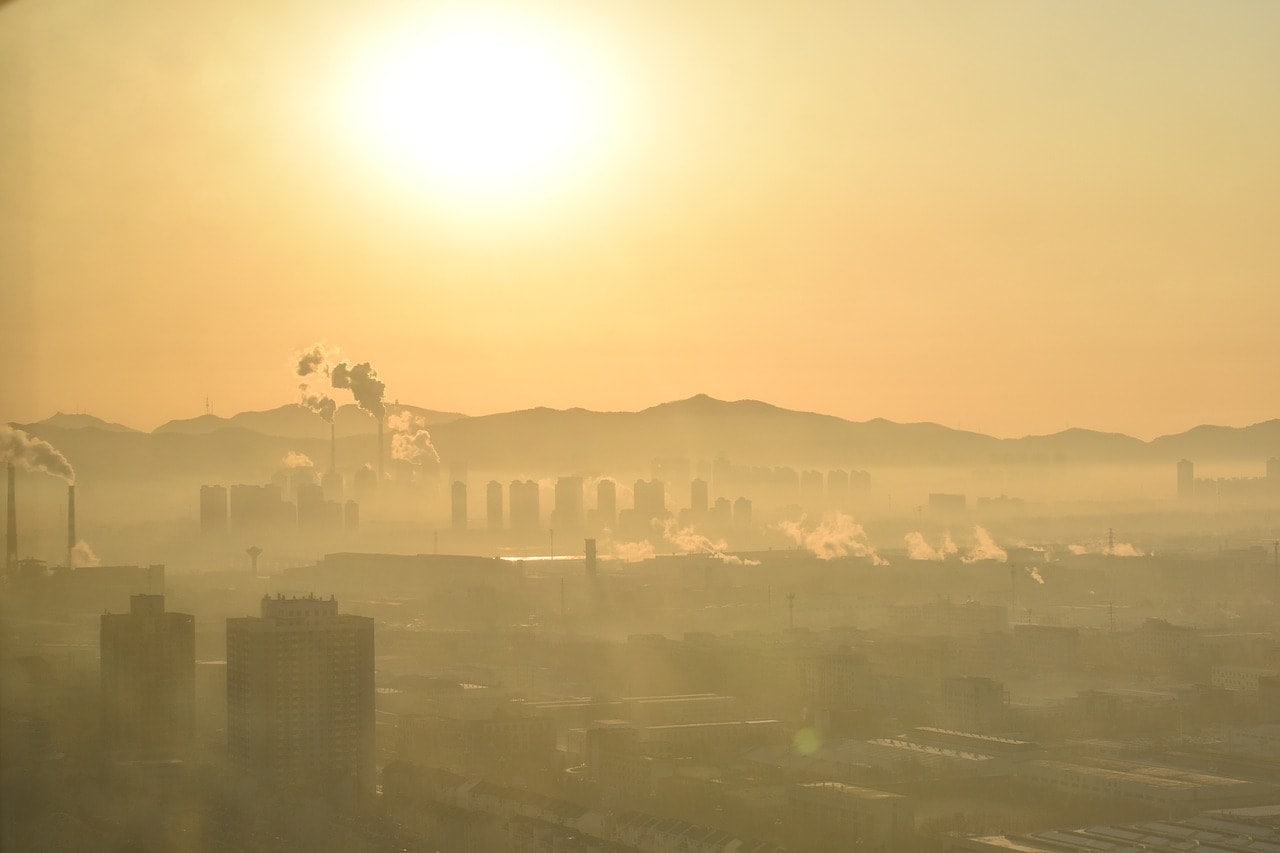
Smog in China
How to protect yourself? Get yourself some quality nanofibre face masks and an anti-smog and antiviral scarf. Don’t buy cheap masks in Asia — the vast majority of them don’t protect the wearer, they protect others from the wearer! That’s why it’s crucial they have a nanofibre barrier filter.
3) Never Put All Your Valuables in One Bag
Never carry your documents, money, and expensive electronics in a single bag — even when you’re heading out for a day trip. If you’re not staying somewhere with a safe, you can hide some of your cash in socks (some people even tuck it into dirty socks!) or under the lining at the bottom of your suitcase, if you have one. Basically, somewhere that isn’t immediately visible.
Always carry documents and larger amounts of cash on your body — whether in an inside pocket, a bum bag, or a money belt (more on that in point 4). Never put them in your backpack.
4) Get a Money Belt or Bum Bag
Lukáš and I wouldn’t dream of travelling without a money belt and a bum bag. A money belt is worn under your shirt — ours fits two passports, cash, credit cards, and even a phone (though that does make it a bit obvious 😄). On top of that, we both carry bum bags for smaller amounts of cash and our phones.
If you’re travelling on a shoestring and roughing it, it’s worth investing in underwear with a hidden pocket, or even a sleeping bag liner with an internal pocket.
Tip: Some travellers even sew their own hidden pockets into their underwear.
6) Get a Second Passport
Yes, it’s perfectly legal to hold two passports in the UK. It’ll cost you around £85, but if you ever lose one, you’ll be grateful for the foresight. Bear in mind, though, that you’ll still lose any visas stamped in the passport that’s lost or stolen.
Get a second passport as a backup
7) Scan All Your Documents to the Cloud or a USB
If you do end up losing all your documents, at least you’ll have something to prove your identity. This should speed things up at the British Embassy or consulate. Obviously, you can’t travel on scanned copies, but they make the replacement process much smoother.
8) Quality Travel Insurance Is Essential
We’ve written about travel insurance many times before. For shorter trips, we tend to use basic European policies, but for longer and more adventurous journeys, True Traveller is our go-to. They’re a British company with excellent conditions, generous coverage limits, and we don’t know anyone who’s had issues with them. We used True Traveller when we travelled through Mexico. For UK travellers, they’re one of the best options on the market — definitely worth checking out.
9) Lock or Buckle Up Your Backpack
If your backpack has zips and you’re carrying expensive electronics, it’s a genuinely good idea to secure it with a small padlock. We use one whenever we’re wandering through markets or navigating crowds. A tiny suitcase lock does the job. If you can’t be bothered with a lock, consider getting a roll-top urban backpack that fastens with buckles instead. In packed areas, swing your bag round to the front and wear it on your chest.
10) Never Flash a Wallet Full of Cash
The golden rule is to never reveal that you’re carrying a lot of cash — especially in large markets, areas known for theft, or in crowds. Keep larger sums in the hidden pocket of your underwear or your money belt, and only carry small amounts in your wallet.
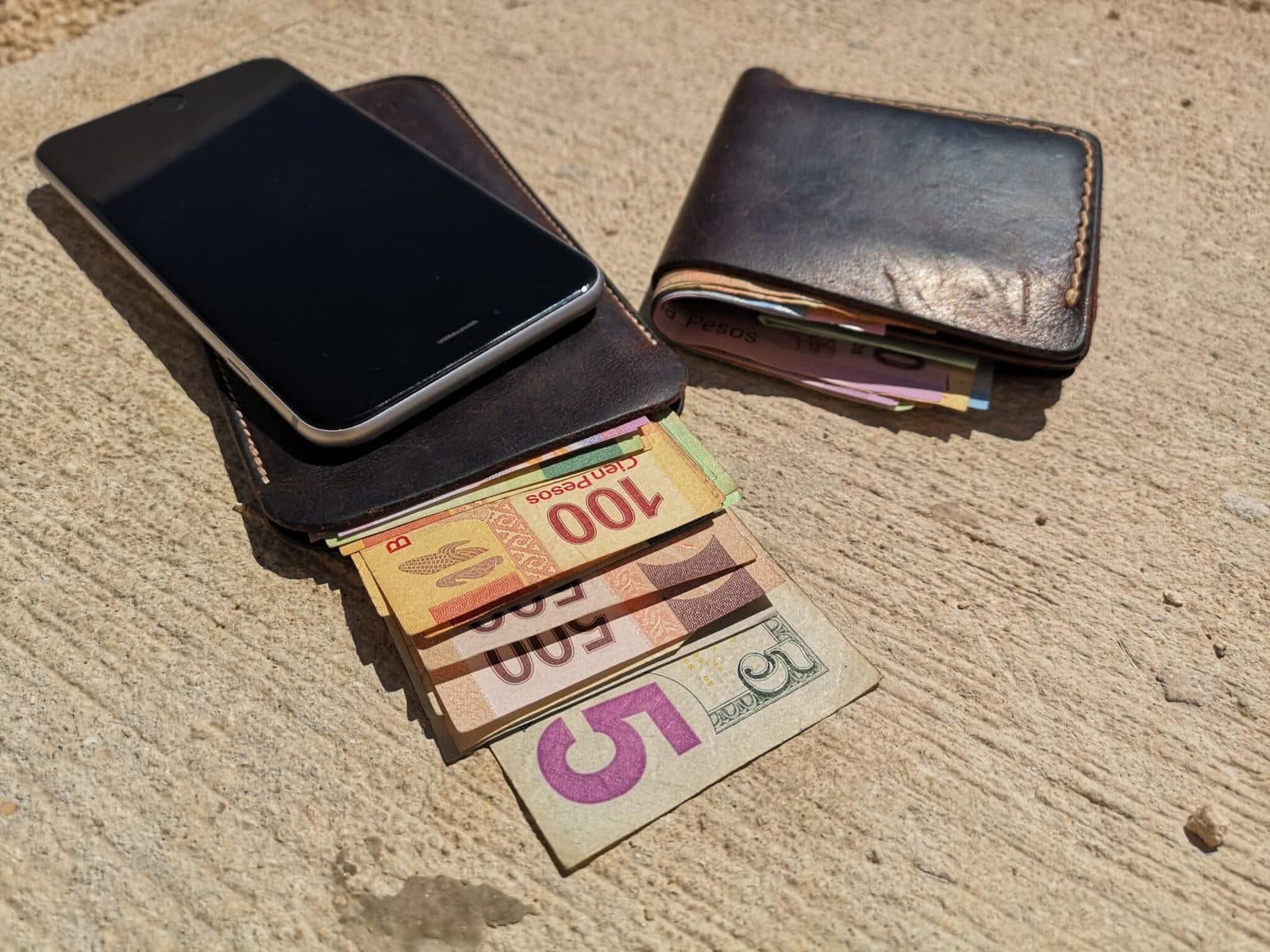
We hide our money in various spots. One trick that’s served us well: an empty phone case buried at the bottom of our backpack.
Money hidden in a phone case
11) You Don’t Have to Plan Everything, But Research Common Scams
A lot of people these days travel without planning or reading guidebooks. That’s absolutely fine — we love living day to day, booking excursions spontaneously, and reserving accommodation just hours before arrival. But the one thing we always research before a trip is the common scams in our destination.
Examples of scams:
In Sri Lanka, someone on the street might claim to be your hotel’s chef to lure you into an overpriced shop and pressure you into buying something. In Thailand, jet ski and motorbike rental companies are notorious for painting over scratches with water-soluble paint — and then blaming you for the damage when you return it.
Lukáš and I aren’t big planners, but we always read up on scams and local tactics. It helped us enormously in Morocco, for example.
12) Card Insurance and Low Spending Limits
Before you set off, check what insurance comes with your bank cards. Set low spending limits — you can always increase them via your phone if needed. A smart move is to travel with a card that has online payments disabled. The best option is probably Revolut, where you can toggle online payments on and off through the app, plus it often offers the best exchange rates.
Have a read of our articles about Revolut, Curve, and other travel-friendly payment cards to make sure you’re clued up.
Frequently Asked Questions About Safe Travel in Asia
Is it safe to drink tap water in China?
No, drinking tap water directly in China is not recommended. Use bottled water or water that has been properly treated.
How can I avoid food poisoning in India?
Avoid food that hasn’t been properly cooked or baked, and don’t drink water from unknown sources. Only eat fruit that you can peel yourself. Vegetarian dishes are also generally safer.
Is it safe to travel solo in Thailand?
Yes, Thailand is considered a relatively safe destination for solo travelers. However, as always, it’s important to stay alert and use common sense.
Is transportation safe in Vietnam?
Transportation in Vietnam can be chaotic, especially in major cities. Stay alert when traveling around town and adapt to the local driving style.
Is Japan a safe country to travel to?
Yes, Japan is considered one of the safest countries in the world for travelers. However, it’s still important to follow basic safety precautions.
Is tap water safe to drink in Singapore?
Yes, tap water in Singapore is safe to drink. The city maintains high standards for water quality.
What’s the biggest danger when traveling to Bali?
Bali is generally a safe place to travel, but some areas are known for petty crime like pickpocketing. The main risks come from sports activities or riding scooters.
Is it safe to travel to South Korea given its proximity to North Korea?
Yes, South Korea is among the safest countries, and despite political tensions with North Korea, the likelihood of any direct impact on travelers is extremely low.
What’s transportation like in Malaysia? Is it safe?
Transportation in Malaysia can be challenging, especially in Kuala Lumpur. Be careful when driving in the city and follow local traffic regulations.
Is it safe to travel solo in the Philippines?
Yes, the Philippines is relatively safe for solo travelers. However, it’s important to be cautious, especially in remote areas and at night.
Is tap water in Taiwan safe to drink?
Although tap water in Taiwan goes through a purification process, both locals and travelers often prefer bottled water for drinking due to taste and other quality considerations.
Is Mongolia safe for travelers?
Mongolia is generally considered safe for travelers, but you should stay alert in areas with high tourist concentrations, where pickpocketing is common.
How can I avoid food poisoning in Cambodia?
Avoid eating uncooked food and don’t drink water from unknown sources. It’s better to drink bottled water and eat food that has been properly cooked or baked.
Tips and Tricks for Your Vacation
Don’t Overpay for Flights
Search for flights on Kayak. It’s our favorite search engine because it scans the websites of all airlines and always finds the cheapest connection.
Book Your Accommodation Smartly
The best experiences we’ve had when looking for accommodation (from Alaska to Morocco) are with Booking.com, where hotels, apartments, and entire houses are usually the cheapest and most widely available.
Don’t Forget Travel Insurance
Good travel insurance will protect you against illness, accidents, theft, or flight cancellations. We’ve had a few hospital visits abroad, so we know how important it is to have proper insurance arranged.
Where we insure ourselves: SafetyWing (best for everyone) and TrueTraveller (for extra-long trips).
Why don’t we recommend any Czech insurance company? Because they have too many restrictions. They set limits on the number of days abroad, travel insurance via a credit card often requires you to pay medical expenses only with that card, and they frequently limit the number of returns to the Czech Republic.
Find the Best Experiences
Get Your Guide is a huge online marketplace where you can book guided walks, trips, skip-the-line tickets, tours, and much more. We always find some extra fun there!
TL;DRDigital nomad life means earning online with just a laptop and a decent internet connection, and freelancing is the easiest way in — think copywriting, online marketing, building websites or tutoring over Skype, plus one-off gigs on platforms like Fiverr. There are ten key steps: picking your field, getting involved in communities (Facebook groups like Nomádky na cestách), brushing up your English, building experience and a client base, and finally sorting out your pricing and putting together an online portfolio. Southeast Asia is the go-to first destination — you can live comfortably there for under 18,000 CZK a month, while flights out start around 8,000 CZK, which is why most nomads stick around for 2–4 months.
Right now, I’m sitting on the terrace of our little house in Playa del Carmen, Mexico. This morning I did a ten-minute yoga session, followed by a Spanish lesson, and now I’m sipping coffee and going through my emails. Within a few minutes, I’ll wrap up the work that needs doing, then snap my laptop shut and decide that today is a day for relaxing. We’re heading to the beach. Would you like a life like this too? So why aren’t you living it yet? If you’ve ever dreamed of how to become a digital nomad, this article is for you.
Search for flights on Kayak. It’s our favorite search engine because it scans the websites of all airlines and always finds the cheapest connection.
Book Your Accommodation Smartly
The best experiences we’ve had when looking for accommodation (from Alaska to Morocco) are with Booking.com, where hotels, apartments, and entire houses are usually the cheapest and most widely available.
Don’t Forget Travel Insurance
Good travel insurance will protect you against illness, accidents, theft, or flight cancellations. We’ve had a few hospital visits abroad, so we know how important it is to have proper insurance arranged.
Where we insure ourselves: SafetyWing (best for everyone) and TrueTraveller (for extra-long trips).
Why don’t we recommend any Czech insurance company? Because they have too many restrictions. They set limits on the number of days abroad, travel insurance via a credit card often requires you to pay medical expenses only with that card, and they frequently limit the number of returns to the Czech Republic.
Find the Best Experiences
Get Your Guide is a huge online marketplace where you can book guided walks, trips, skip-the-line tickets, tours, and much more. We always find some extra fun there!
TL;DRWorking well with influencers comes down to picking someone who actually fits your industry and audience, not chasing follower counts. On Instagram, engagement is what matters (above 5% for accounts under 10,000 followers, above 3% for those with 10,000–100,000), while for bloggers it’s all about SEO strength and traffic — a blog review costs around 3,000 Kč on average, and slotting a link into an existing post starts from 250 Kč a month. Micro-influencers on Instagram often ask for 600–1,500 Kč or just the product itself, while YouTubers‘ rates per video range from a free product to several tens of thousands of Kč. You can gauge quality from likes, comments and reach statistics, which the influencer should share in their media kit — and it’s worth backing any collaboration with a contract that spells out deliverables and deadlines.
Influencer marketing has been growing in popularity in recent years. Some brands feel that if they’re not collaborating with influencers, they might as well not exist. But what’s the real story behind a successful influencer marketing strategy?
Search for flights on Kayak. It’s our favorite search engine because it scans the websites of all airlines and always finds the cheapest connection.
Book Your Accommodation Smartly
The best experiences we’ve had when looking for accommodation (from Alaska to Morocco) are with Booking.com, where hotels, apartments, and entire houses are usually the cheapest and most widely available.
Don’t Forget Travel Insurance
Good travel insurance will protect you against illness, accidents, theft, or flight cancellations. We’ve had a few hospital visits abroad, so we know how important it is to have proper insurance arranged.
Where we insure ourselves: SafetyWing (best for everyone) and TrueTraveller (for extra-long trips).
Why don’t we recommend any Czech insurance company? Because they have too many restrictions. They set limits on the number of days abroad, travel insurance via a credit card often requires you to pay medical expenses only with that card, and they frequently limit the number of returns to the Czech Republic.
Find the Best Experiences
Get Your Guide is a huge online marketplace where you can book guided walks, trips, skip-the-line tickets, tours, and much more. We always find some extra fun there!
TL;DRLearning to ride a scooter in Asia starts off the road entirely — a car park, a side street, a football pitch — and you build up slowly, ideally staying under 30 km/h, helmet on, riding a light, new rental scooter (110cc is ideal). You start it by squeezing both brakes and hitting IGNITE, you steer by leaning like on a bicycle, and you always brake with both levers together. Even so, bear in mind that Thailand has the second-highest road death rate in the world after Syria, a quarter of accidents involve alcohol, and riding without a helmet costs you a 200–300 THB fine. You’ll also need an international driving licence in category A to ride legally in Thailand — category B no longer counts, and without it your insurer won’t pay out if something goes wrong.
You’re heading to Asia and you want to rent a scooter, but you’ve never sat on one before. How do you start it? How do you give it gas? Does a scooter have gears? We’ve put together a simple guide on how to ride a scooter in Asia. And also a warning that it’s really not a great idea.
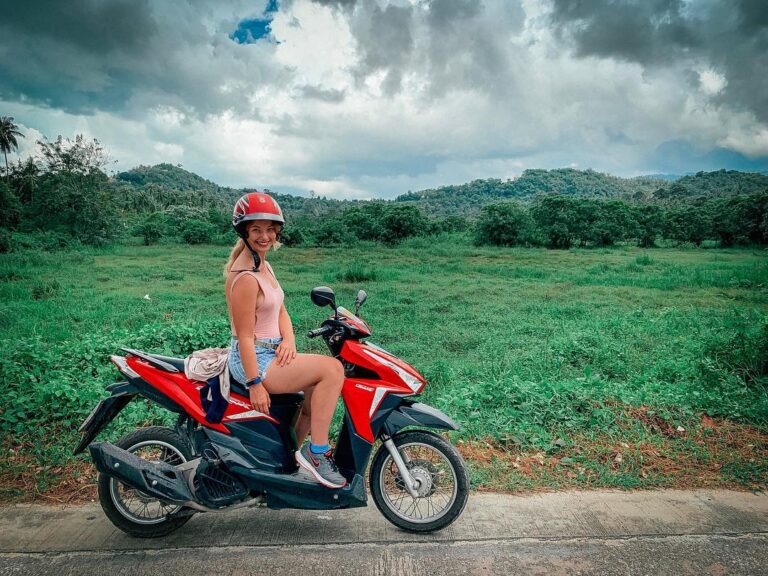
This is how you should NEVER dress for riding a scooter
A scooter is the most convenient way to get around Asia — but also the most dangerous
In Thailand and other Asian countries, a scooter is the easiest way to get around if you’re planning to stay in one place for a while, but you always have to keep in mind that it’s also the most dangerous form of transport.
Thailand ranks second in the world for road deaths, right after Syria — and most of them happen on scooters. Riding a scooter for the very first time in Thailand is not a good idea at all. But if you’ve made up your mind, we know there’s nothing we can do to stop you. So at the very least, read our guide carefully.
Driving in Asian countries comes with a few differences that might catch you off guard. In most countries they drive on the left, drivers often won’t give way to scooters, and it’s not unusual for other riders to brush right past your handlebars.
Before we get into the actual how-to, here are a few tips for those of you who’ve never sat on anything like this before.
Is it a good idea to ride a scooter for the first time in Asia?
Of course it isn’t. The roads in Asia are absolute chaos, and if you’re not experienced, you’re gambling with your own life. The website Farang Deaths documents fatal tourist accidents in Thailand. And there are, frankly, a horrifying number of them.
On top of that, you now need a category A motorcycle licence — a regular car licence is no longer enough. So at least for riding in Thailand, you’ll need to complete proper motorcycle training back home before you go.
Tips for renting a scooter in Southeast Asia
Practise riding off the road first! Car parks, side streets or even a football pitch are ideal.
ALWAYS WEAR A HELMET.
Learn to ride slowly. Riding at higher speeds is actually much easier — the tricky part is going slowly, where you have to focus far more on your balance.
Rent NEW, lightweight scooters without a big engine (ideally 110cc). The newer, the safer.
If you lose control at low speed, jump off and let the scooter fall to the ground. Better a scratched scooter than a broken leg.
Don’t touch the exhaust! Passengers in particular can easily get burned.
Don’t ride off the tarmac.
A step-by-step guide to riding a scooter
Get on the scooter. Keep both feet on the ground; if you’re short, at least keep one foot down. That gives you stability.
Unlock the ignition with the other end of the key, insert the key and turn it to the ON position.
Flip up the kickstand with your left foot, and grip the handlebars with both hands.
To start, squeeze both brakes (or at least the left one = rear) and press the button on the right handlebar (IGNITE / IGNITION). The scooter should start. If it just sputters, press the button again and add a little throttle (twist the right grip towards you), but keep holding the brake.
You’re ready to go! Slowly release the brakes and add throttle. You’ll feel the scooter start to roll forward gently.
As soon as you feel yourself moving, lift your feet off the ground and rest them on the scooter.
Turning is easy — just lean slightly in the direction you want to go. It’s exactly like riding a bicycle. At higher speeds, turn by leaning; at lower speeds, use the handlebars too.
Always use both brakes when stopping. The front brake is more effective, but it throws all the weight forward and the scooter can jerk unpleasantly or skid. So always brake with both and never take your hands off the brakes!
Start out carefully and ride slowly. We recommend keeping it to 30 km/h max until you really get the hang of it.
Now you know how to control a scooter. But that’s only part of what you need to learn. Far more important is behaving in a way that keeps you out of accidents.
Tourists end up in hospital every single day. A friend of ours fell off his scooter in Thailand while riding slowly (around a corner), broke his leg badly, had to undergo several operations and still isn’t fully recovered.
Don’t take safety lightly! Here are a few basic tips to help you avoid the worst.
In Thailand, unfortunately, you can’t get anywhere without a scooter
Safety rules for riding a scooter in Asia
ALWAYS WEAR A HELMET! Half the tourists you’ll see on the road ride without a helmet. They reckon they’ve got their scooter 100% under control. What they forget is that an accident doesn’t have to be their fault. Plus, riding without a helmet is an easy way to land a fine (200–300 THB, roughly 5–8 €, in Thailand).
DON’T RIDE WITH ALCOHOL IN YOUR BLOOD. Riding down to the beach, having a few beers and heading home in the evening sounds like a dream holiday — but 25% of all accidents in Thailand are caused by drunk riders. If you’re planning to drink, use Grab (the Asian Uber).
SOLID SHOES AND LONG TROUSERS. Flip-flops can fall off while you ride, and if you’re not wearing long trousers, you’re asking for a “Farang Tattoo.” That’s what the locals call the burns tourists get on their legs from the tarmac or the exhaust. Never dress like Lucie does in the photo!
INTERNATIONAL DRIVING PERMIT. Even if nobody asks to see your licence when you rent, the law says you must have one. And a category B (car) licence isn’t enough — you need category A too. If you can’t prove to your insurance provider that you were legally entitled to ride the scooter on the day of the accident, they won’t pay out a penny.
CHECK THE SCOOTER’S INSURANCE. Police checks may ask you to show that the scooter is insured. Only rent from places that insure their scooters, and ask them to show you where the certificate sticker is.
BAGS GO IN THE STORAGE COMPARTMENT. Backpacks, handbags and anything else you carry should go in the storage space under the seat before you set off. This saves you a lot of trouble — like thieves who can rob you even while you’re riding (and probably cause a crash in the process).
FAQ – Frequently Asked Questions
Is it safe to ride a scooter in Asia?
There isn’t, most travelers know at least someone who wiped out on a scooter.
Is it safe to ride a scooter in Thailand?
It’s not. Thailand is one of the most dangerous countries for getting around by scooter.
IMPORTANT: the previous attempt left part in CZECH. Translate ABSOLUTELY EVERYTHING, not even ONE Czech word may remain.
Is it hard to drive a scooter?
Riding a scooter isn’t difficult.
Tips and Tricks for Your Vacation
Don’t Overpay for Flights
Search for flights on Kayak. It’s our favorite search engine because it scans the websites of all airlines and always finds the cheapest connection.
Book Your Accommodation Smartly
The best experiences we’ve had when looking for accommodation (from Alaska to Morocco) are with Booking.com, where hotels, apartments, and entire houses are usually the cheapest and most widely available.
Don’t Forget Travel Insurance
Good travel insurance will protect you against illness, accidents, theft, or flight cancellations. We’ve had a few hospital visits abroad, so we know how important it is to have proper insurance arranged.
Where we insure ourselves: SafetyWing (best for everyone) and TrueTraveller (for extra-long trips).
Why don’t we recommend any Czech insurance company? Because they have too many restrictions. They set limits on the number of days abroad, travel insurance via a credit card often requires you to pay medical expenses only with that card, and they frequently limit the number of returns to the Czech Republic.
Find the Best Experiences
Get Your Guide is a huge online marketplace where you can book guided walks, trips, skip-the-line tickets, tours, and much more. We always find some extra fun there!
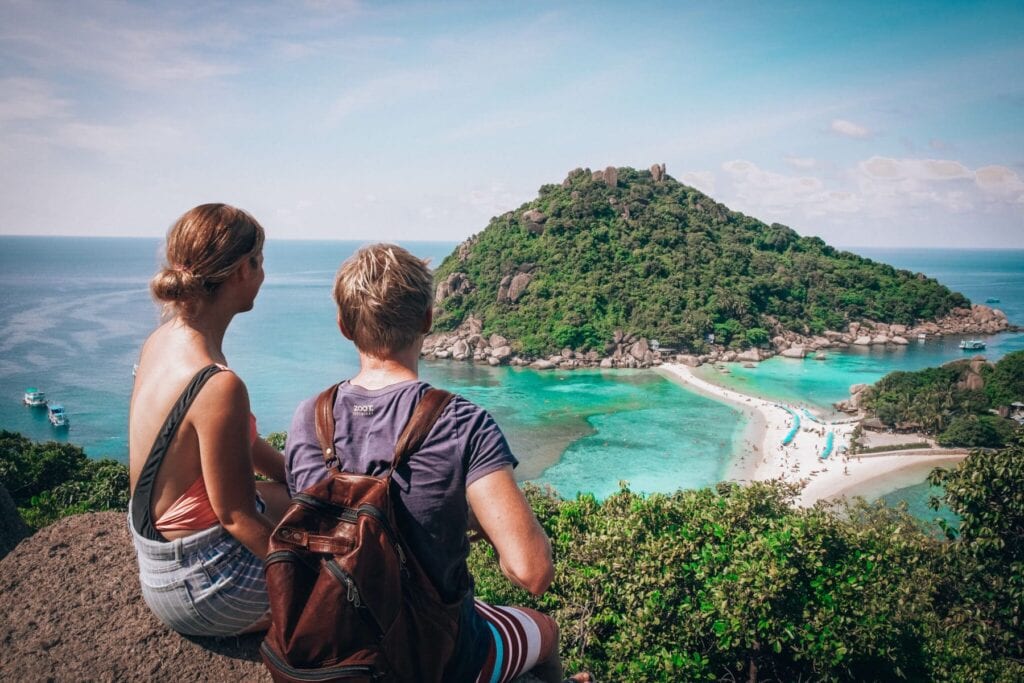
TL;DRThere’s plenty to see on Koh Samui: the big golden Buddha at Wat Phra Yai, the smiling Buddha at Wat Plai Laem, the Hin Ta and Hin Yai rocks, the Na Muang waterfalls, the mummified monk at Wat Khunaram, and trips out to Angthong Marine Park or snorkelling at Koh Tao and Koh Nang Yuan — 13 tips in total for things to do on the island. The best time to visit is December to April, when it’s dry with temperatures of 25–32°C. A hostel bed costs 300–500 THB a night, street food comes in at 50–100 THB, and day trips usually run 1000–3000 THB per person. You can fly in directly, or take a train or bus to Surat Thani followed by a ferry.
Are you heading to the Thai island of Koh Samui and want to know what not to miss? In this guide, Koh Samui, Thailand: 13 Best Things to Do and See, we spent a whole month on the island, traveled around the entire island, and took many trips to the surrounding islands, and here is a list of the best things to see and do on Koh Samui in Thailand. We’ve also added some practical information on how to get to Koh Samui and where to stay.
Are you wondering how to get from Bangkok to Koh Samui? You can choose from the following options:
By plane directly to Koh Samui(most expensive option), via Bangkok Airways or Thai Airways.
By plane to Surat Thani, then by ferry(mid-range option), via Nok Air or Air Asia.
By train to Surat Thani, then by ferry(cheap option), definitely book your train tickets via 12GO.asia, and then simply pick up your tickets in Bangkok; we have great experience with them.
By bus to Surat Thani, then by ferry(cheapest option), again, book via 12GO.asia. Personally, we chose to travel by train to Surat Thani, and then continued by ferry. The train was a sleeper, so we slept the whole way and it was relatively comfortable. Why? I hate flying, so I avoid it if possible :).
12go Asia Reviews
What is 12Go Asia? Can we trust it? Absolutely yes!
12Go Asia is a reliable platform for booking transport in Southeast Asia. It offers a wide selection of connections – from buses and trains to ferries and private transfers. Its great advantages include a clear user interface, online payment options, and clear information about available carriers.
Bookings are mostly hassle-free, but sometimes it can happen that some connections are not currently available or that tickets need to be physically picked up at the station. Overall, however, 12Go Asia saves us time and facilitates travel in regions where transport organization can be more complex.
Koh Samui is a tropical island in Thailand with warm weather all year round. Average temperatures here range between 25 to 32 °C. The main season with minimal rainfall lasts from December to April, when the weather is ideal for beach activities.
The rainy season starts in October and lasts until December, but the rains are often short and quickly pass. The highest humidity is in the summer months, when there can be brief showers.
Where to Stay on Koh Samui?
We’ve compiled the best accommodation tips for Koh Samui in Thailand for you.
Koh Samui Vacation: Accommodation Tips
Sasitara Thai Villas – Located near Choeng Mon Beach, these villas are styled in the Ayudhya Thai architectural style, built from authentic Thai teak wood. It’s a beautiful complex with a wellness center, pool, and restaurant.
The Spot – Villa The Spot is a 3.5-star golf hotel offering free Wi-Fi, parking, and two outdoor pools. It’s close to the most beautiful beaches – Chaweng and Lamai.
Amaya Resort Amaya Resort is a 4-star hotel located just an 18-minute walk from Lamai Beach.
Aforetime Beach House (very cheap option) – This is a 63-year-old original Thai wooden house by the sea on Taling Ngam Beach.
Koh Samui Accommodation: where We Stayed and why not Anymore
We stayed a short distance from Nathon Pier in a beach house we booked via Airbnb. Unfortunately, we didn’t have a very good experience. Nathon Pier is a pleasant, quiet town where you can find everything you need, but the beaches simply aren’t great, and our house, though superbly equipped, was in a totally noisy location.
Our place was then at a misleading price of 13,000 (we were the first guests), today it’s 30,000-50,000 per month and definitely not worth it.
Our accommodation on Koh Samui looked beautiful, but it was definitely not ideal.
If you’re looking for inspiration for hotel resort accommodation, be sure to check out the vacation offers in Thailand on the Invia portal.
The beaches near Nathon Pier are not what you want for a relaxing vacation. They are full of trash. Try Lamai instead.
Koh Samui, Thailand: 13 Best Things to Do and See
If you’re heading to Koh Samui and don’t know what to do there, we have 13 tips for you on what to see on Koh Samui.
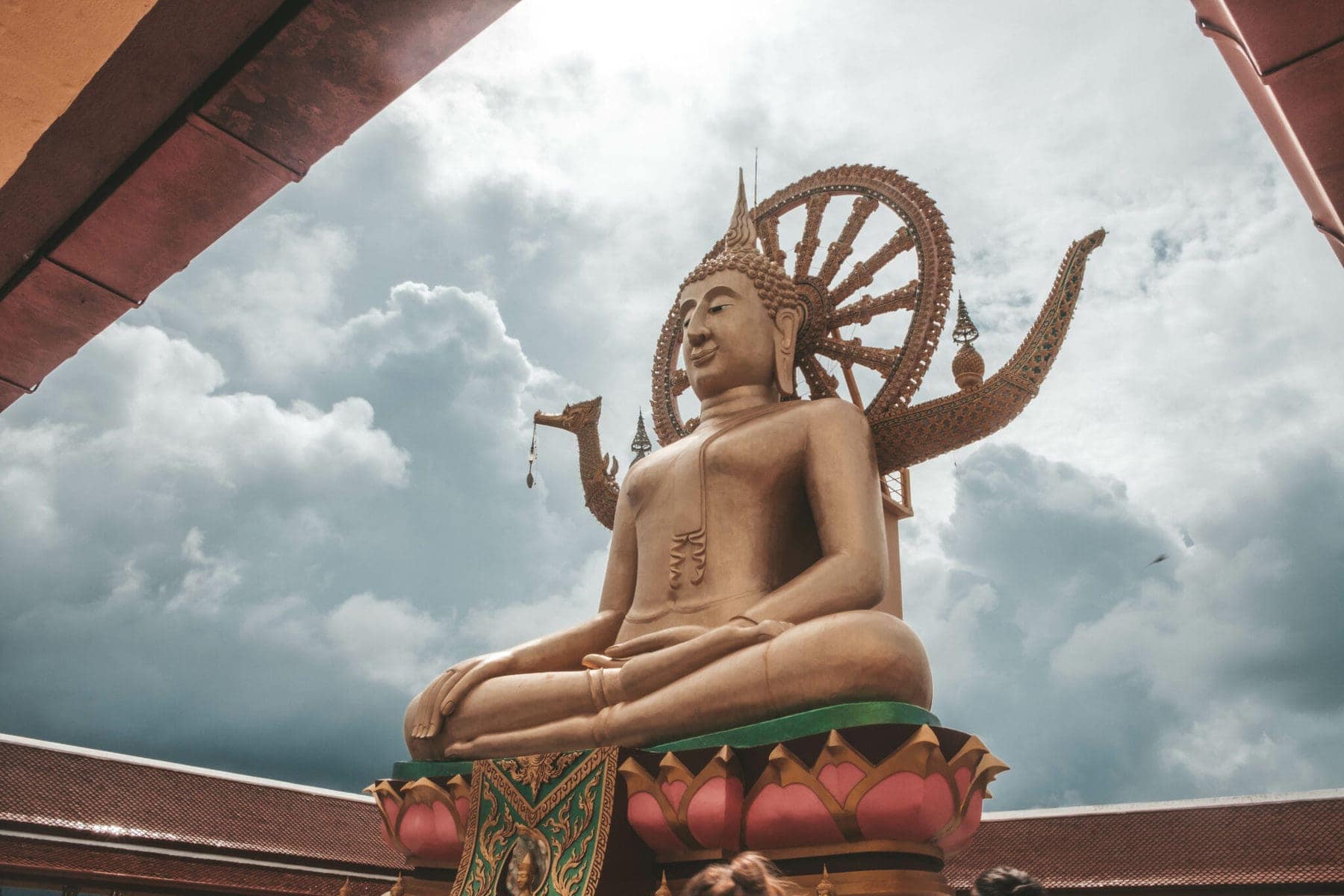
1) Visit the Famous Big Buddha – Wat Phra Yai
Twelve-meter Buddha on Koh Samui
The icon of Koh Samui is the twelve-meter golden Buddha at Wat Phra Yai temple, which you can even see from the plane if you decide to travel to Koh Samui by air.
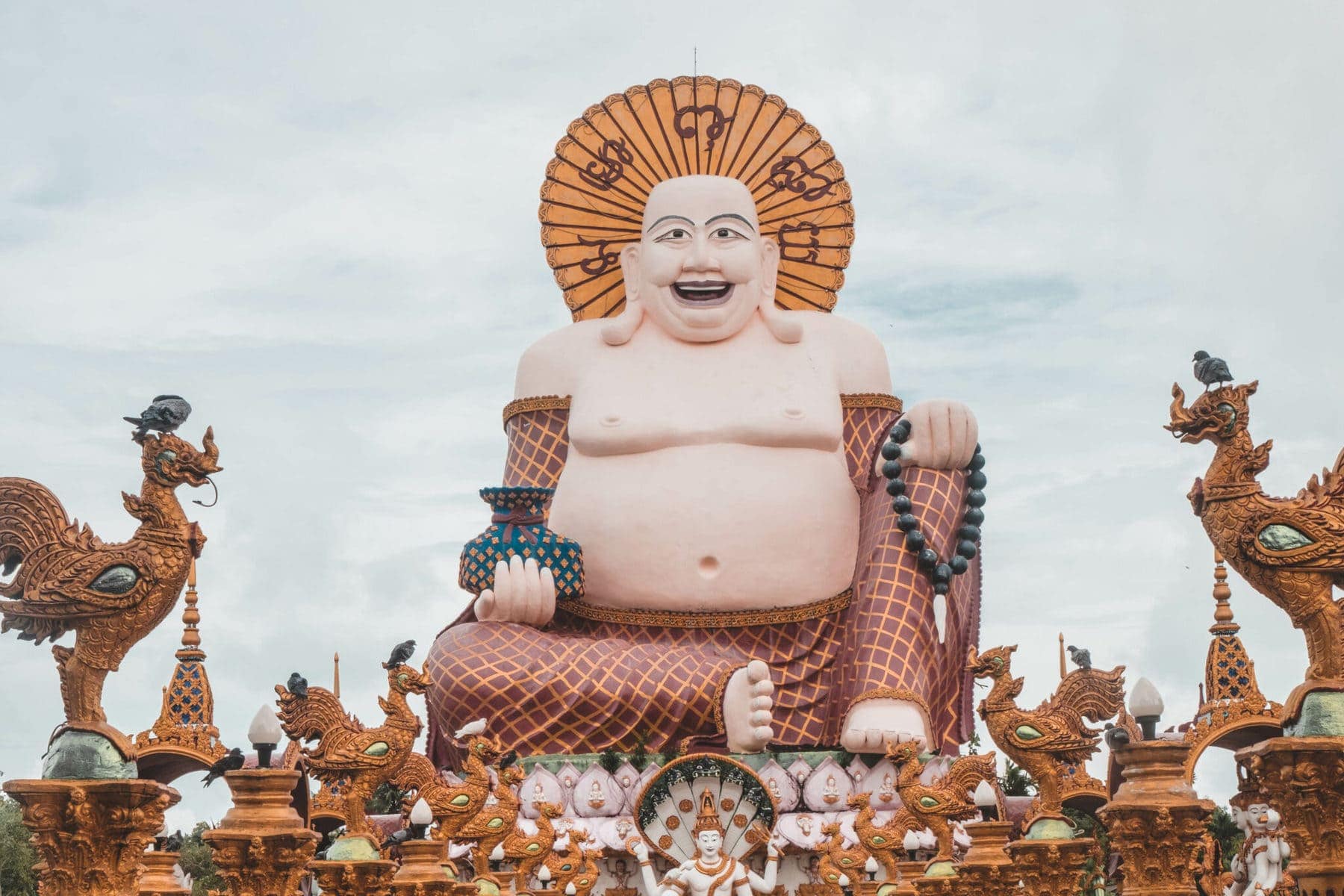
2) the Laughing Buddha and other Temples Wat Plai Laem
The Laughing Buddha
Another frequent stop on Koh Samui is the widely smiling Buddha and Guanyin, the goddess of mercy and compassion, who has 18 arms. The laughing Buddha is my favorite attraction on Koh Samui. When I look at the photos, I always have to smile.
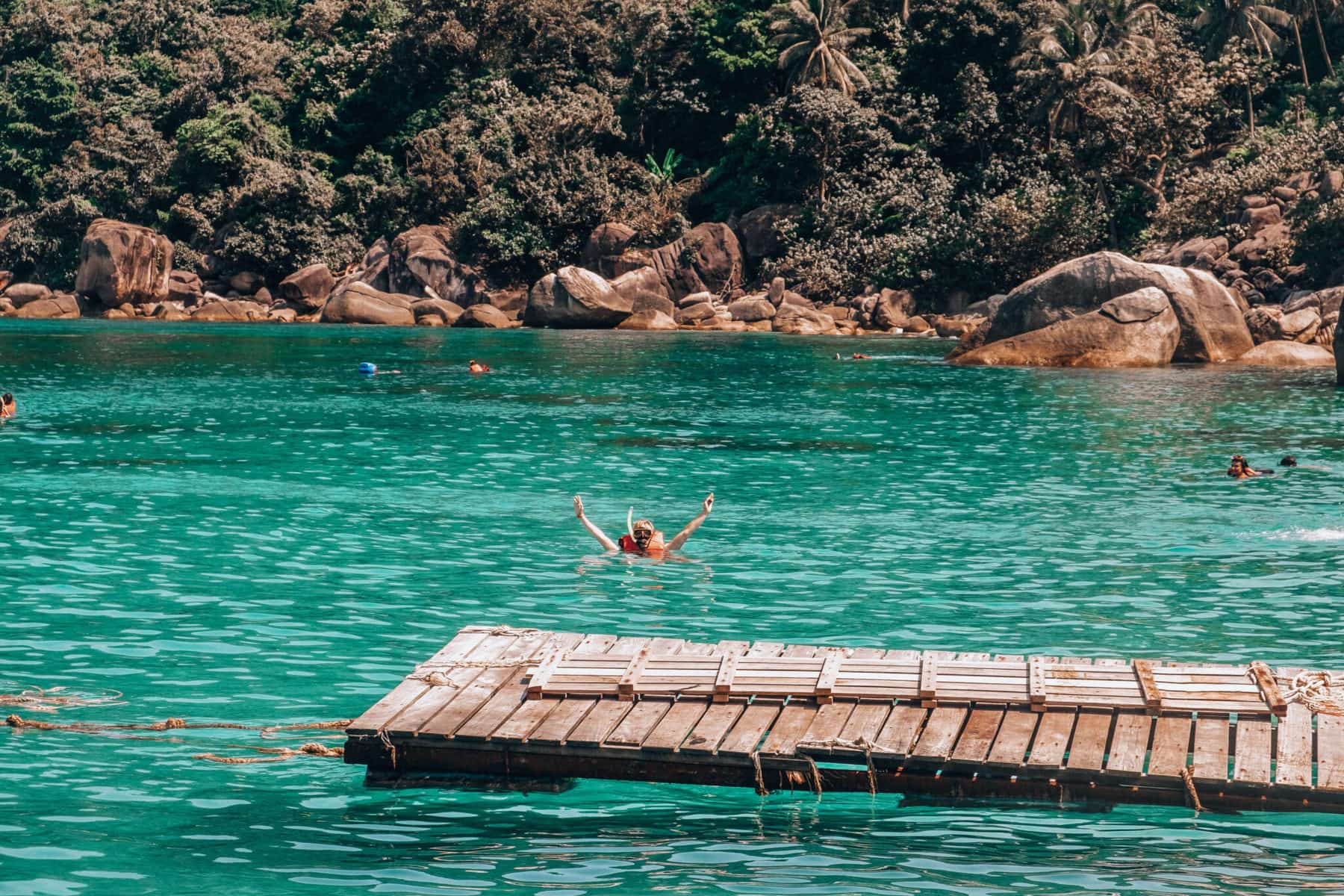
3) where to Go on Koh Samui: Go Snorkeling on Koh Tao
Through Koh Samui Tour, you can book a snorkeling trip to Koh Tao, where you’ll spend an hour snorkeling. The trip also includes free lunch + unlimited drinks, and you’ll also visit Koh Nang Yuan.
🔗 These are affiliate links — they don't change your price and help us create content. · All experiences →
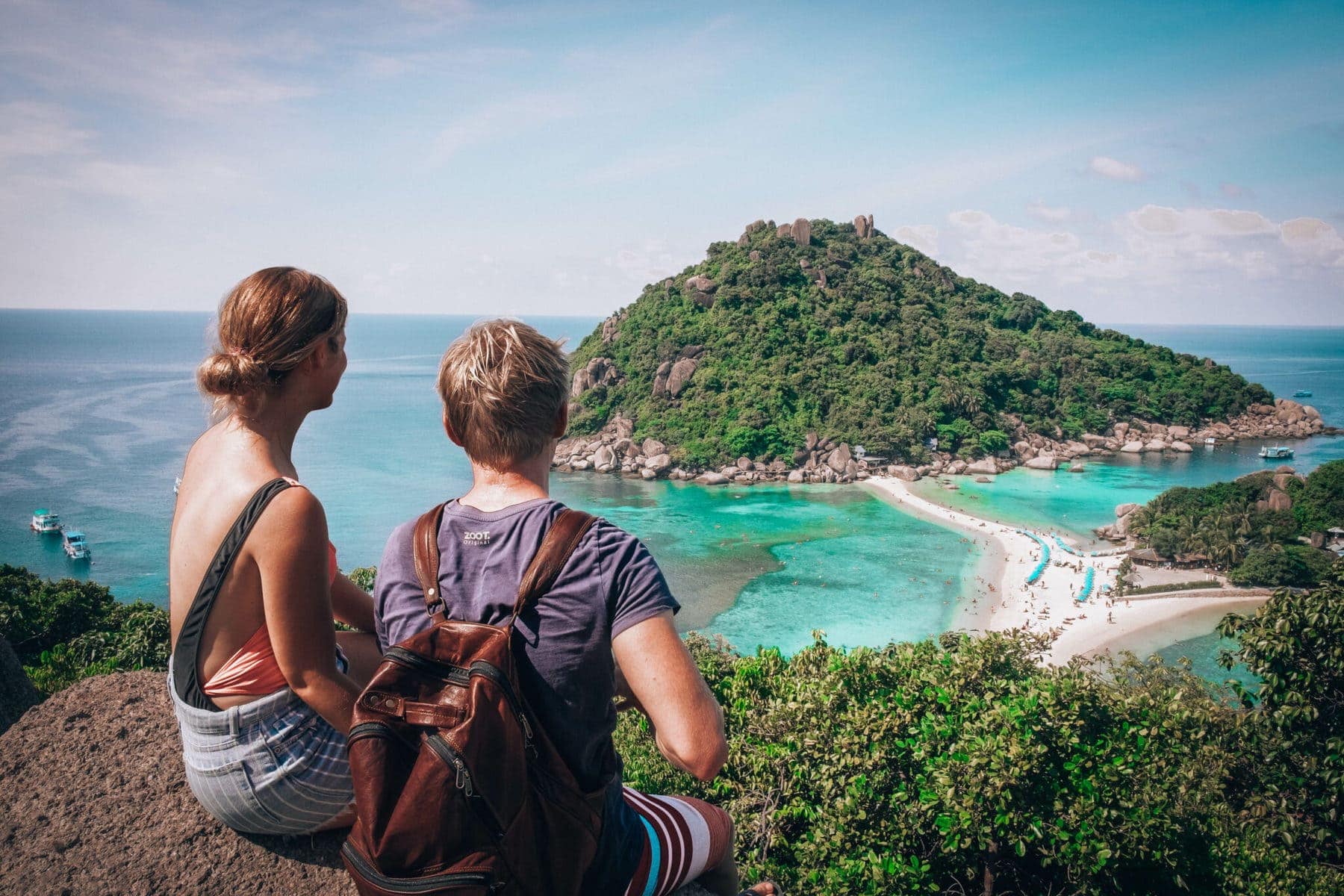
4) Koh Nang Yuan
The most beautiful place in all of Thailand was definitely Koh Nang Yuan island. During high season, it’s usually incredibly crowded, but in November, we enjoyed empty beaches and had the island almost to ourselves. A visit to Koh Nang Yuan was part of a paid snorkeling trip to Koh Tao.
The Best of Thailand
5) Go to the Friday and Saturday Markets in Fisherman’S Village
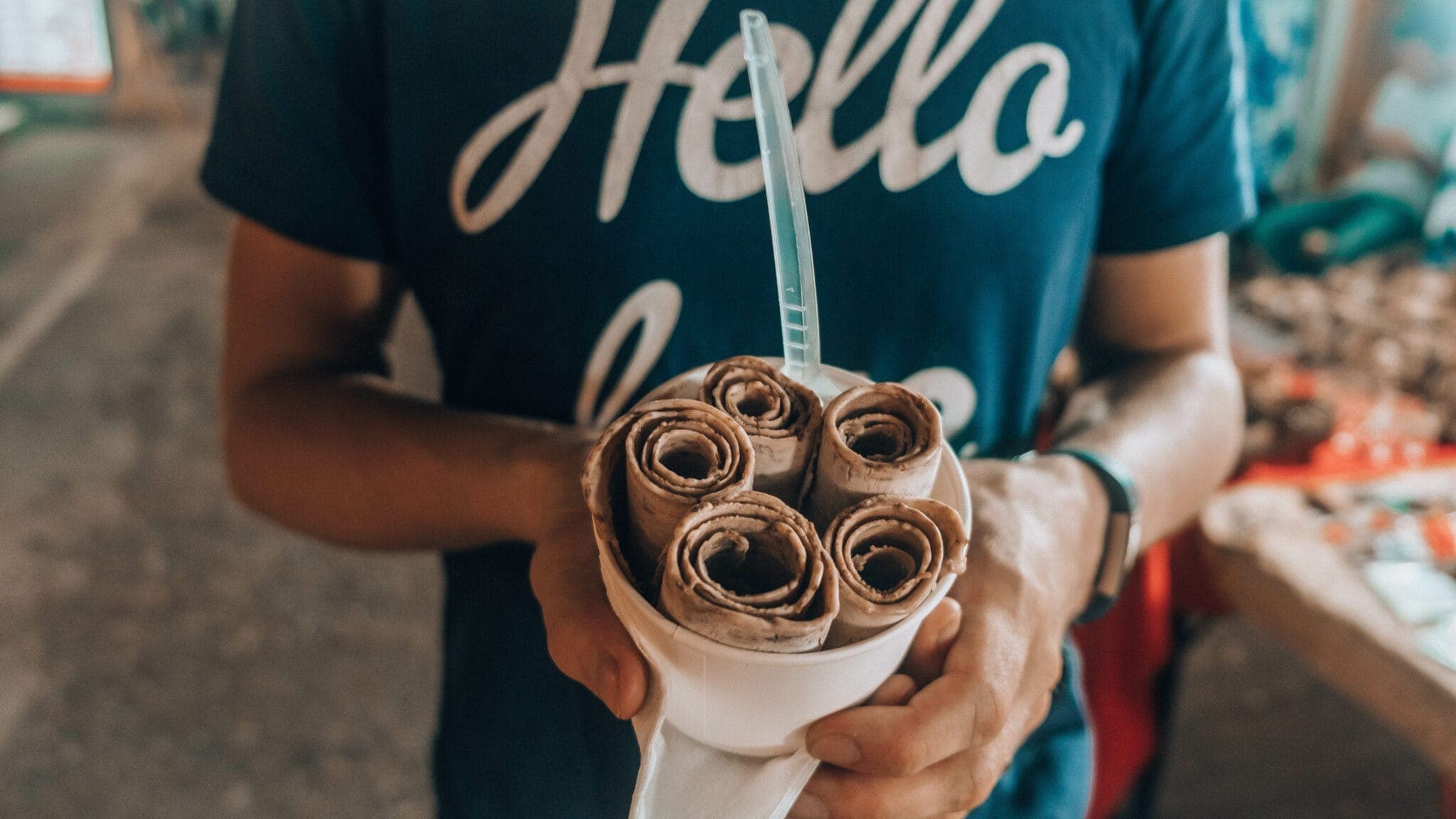
Fisherman’s Village offers everything a spoiled European could wish for. Beautiful cafes, tasteful souvenirs, and quality food. However, everything comes with European prices. The regular Friday and Saturday markets are the opposite. Tryrolled ice cream, coconut, or sushi for 3 CZK/piece there.
We’ve never had better ice cream! Banana with Nutella
If you’re not on Koh Samui for long but want to soak up as much of the local nature as possible, you can try the Sky Fox zipline course, which will take you through the local scenery.
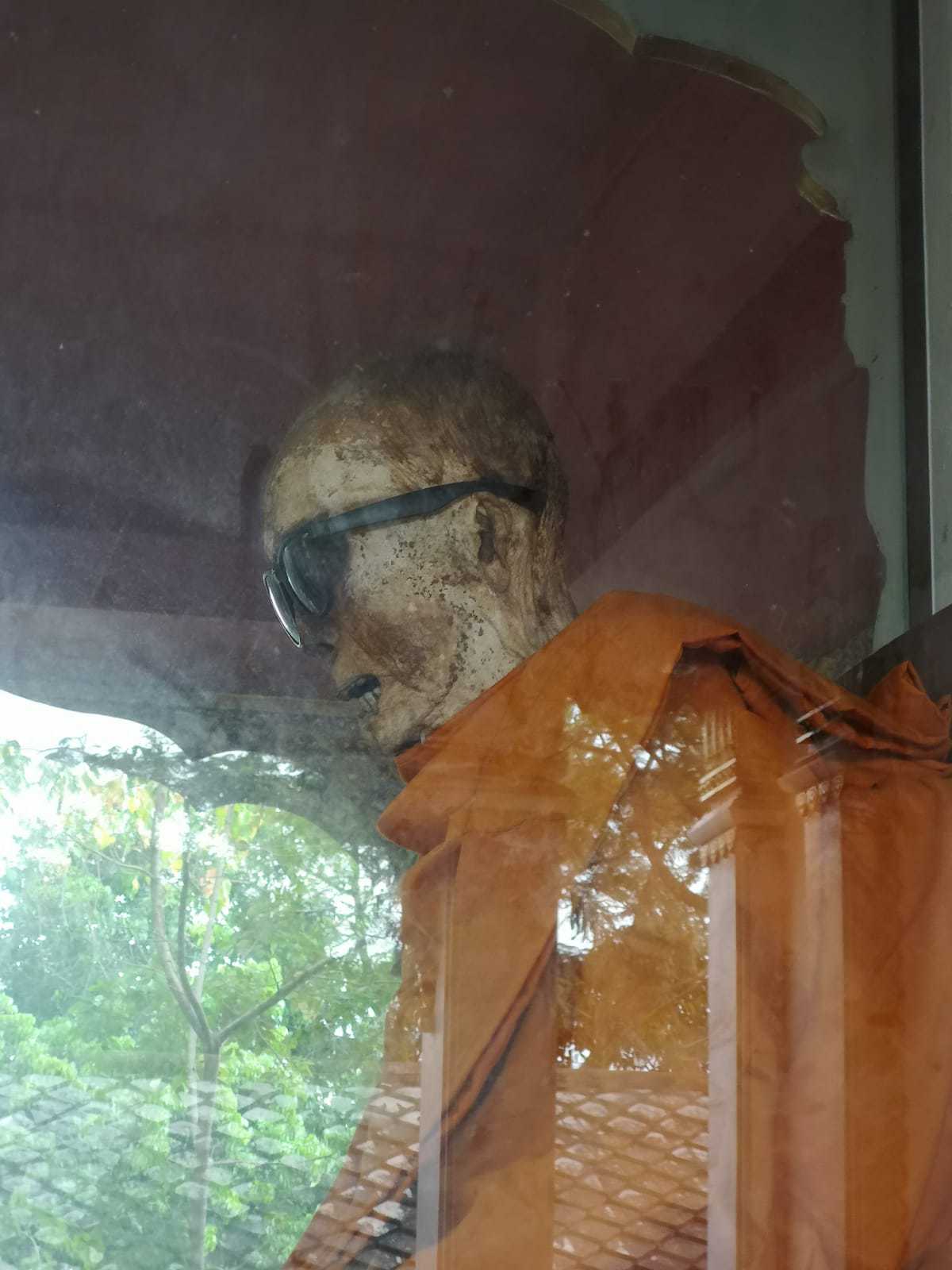
7) Mummified Monk at Wat Khunaram
Mummified Monk on Koh Samui
A somewhat unusual attraction is the mummified monk at Wat Khunaram from 1973. This is monk Luong Pordaeng, who died in 1973, and has been on display here ever since. Quite well-preserved, I’d say.
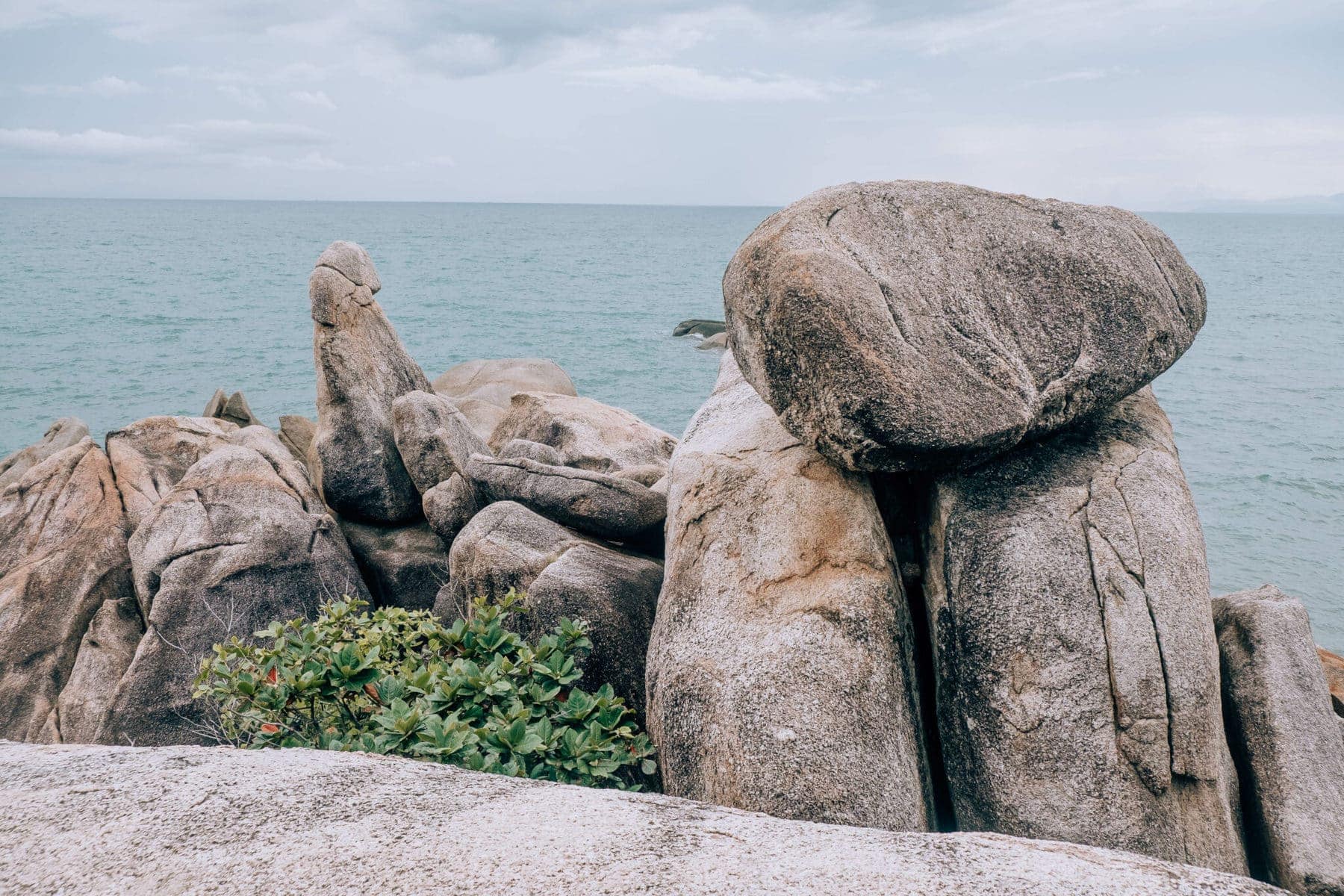
8) Grandma and Grandpa Rocks – Hin Ta and Hin Yai
Grandma and Grandpa Rocks in the shape of genitals
Naming rocks as grandma and grandpa is popular even in the Czech Republic, but here they have quite unexpected shapes. They look like male and female genitals. Yes, a giant penis and vagina.
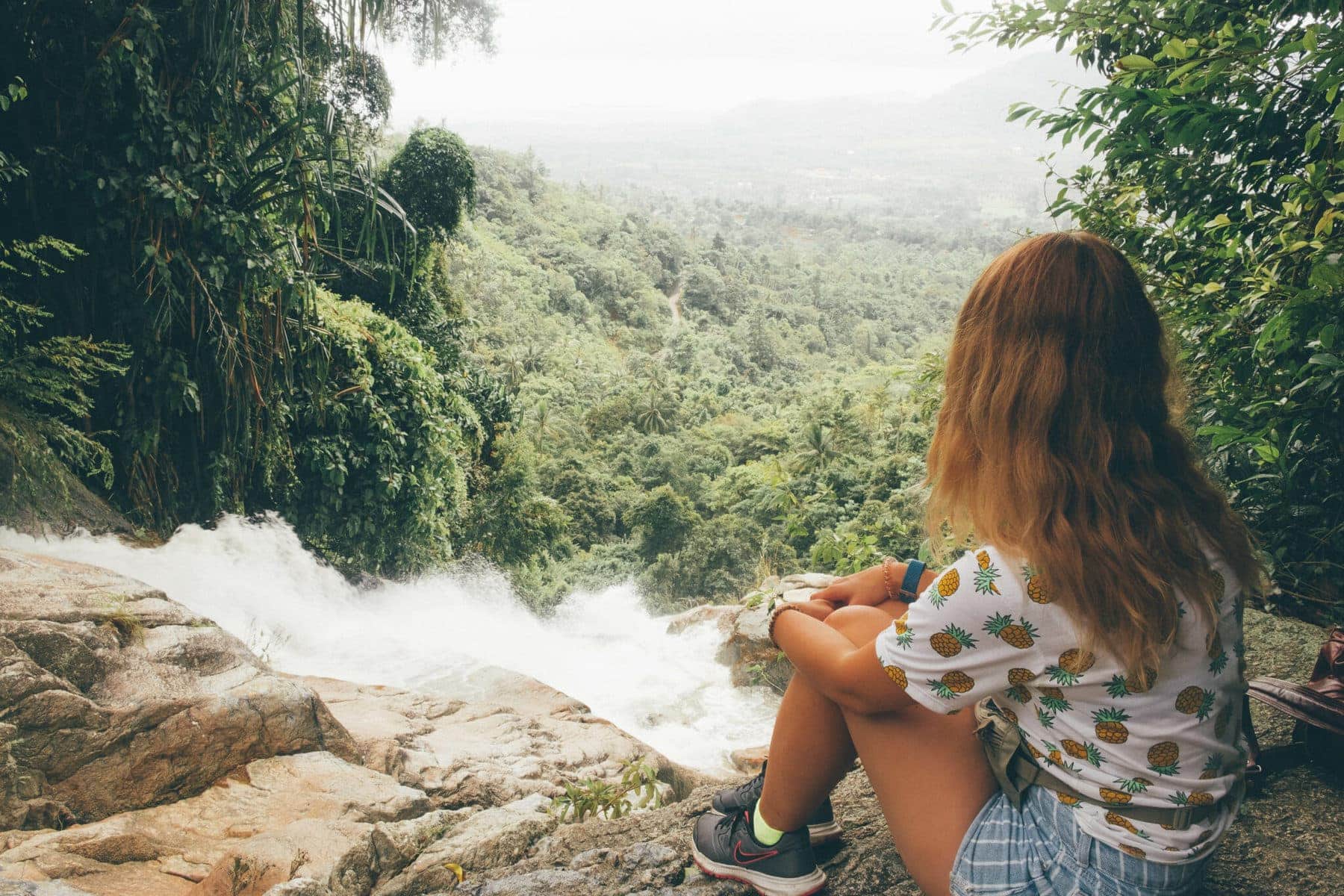
9) Na Muang Waterfall – Na Muang and Na Muang 2
Waterfalls on Koh Samui
Two waterfalls in the jungle, to which you can be driven by jeep (and we definitely recommend it!). Be aware, the jeep will only take you to the start of the trek, and then a very steep climb awaits you. You can even swim at the first waterfall, Na Muang 1, but not at the second waterfall, which is another 30 minutes higher, though the views here are amazing on a clear day.
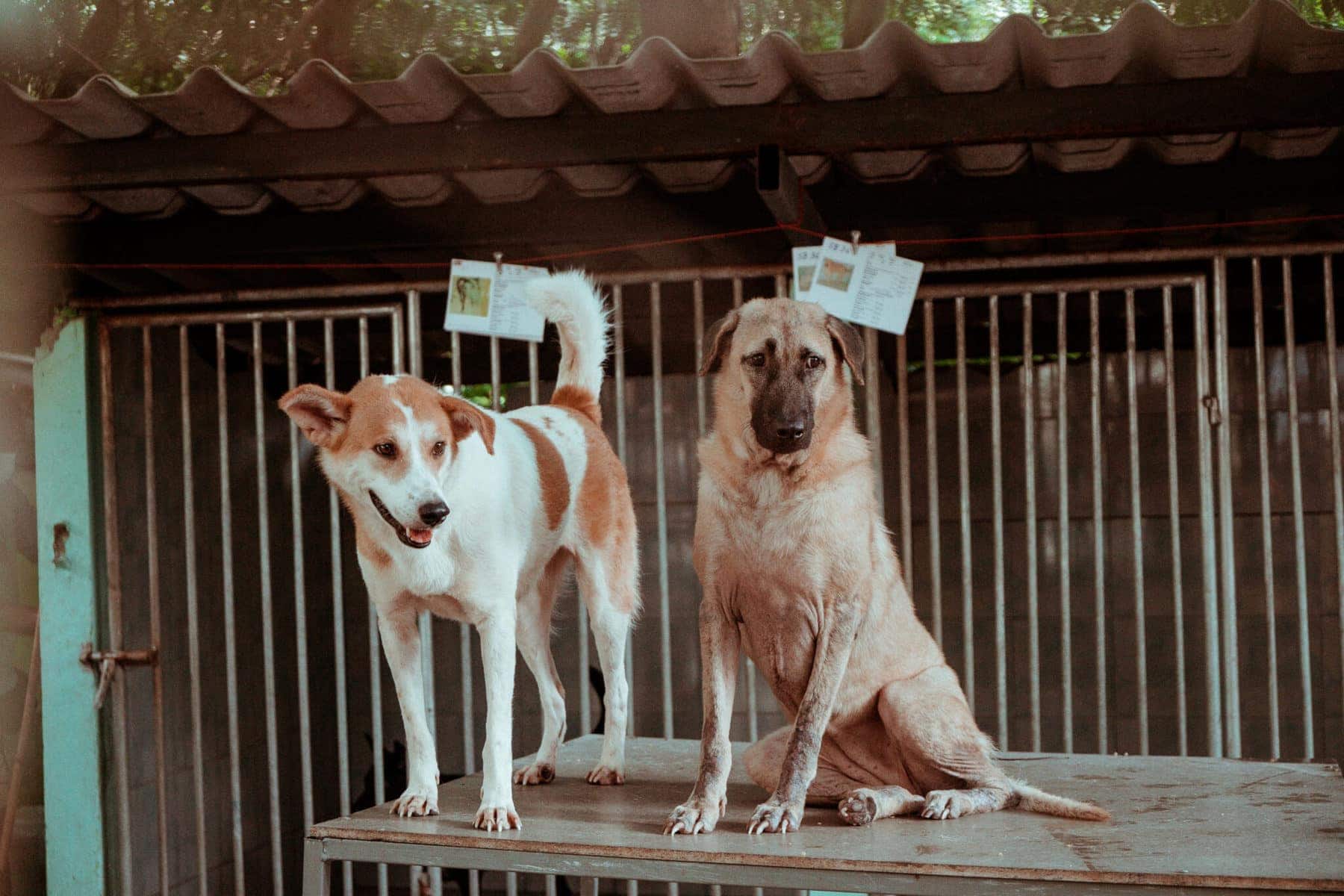
10) Visit a Dog and Cat Orphanage
On Koh Samui, you’ll see many dogs that do as they please. Locals are used to feeding them and playing with them, even if they don’t own them. Very often, they don’t belong to anyone at all. When such a stray dog gets sick, a local calls the orphanage, and they take care of it.
The orphanage also houses dogs that are dangerous and bite people, or have lost their paws. You can simply come to the orphanage, play with the dogs and kittens, or sign up as a volunteer. However, we recommend visiting the shelter first before immediately starting to volunteer. You can also adopt a dog from the orphanage and take it home to the Czech Republic. They will be happy to help you with the paperwork.
If you arrive on Koh Samui outside of November, definitely go on a trip to Ang Thong Marine Park for a trek. Reportedly, there’s nothing more beautiful than the view from Mae Koh of Emerald Lagoon or snorkeling on Wua Talap island. Unfortunately, we were on Koh Samui in November and couldn’t take this trip. But it’s a shame not to mention it here.
In 1976, Nim Thongsuk began filling the family garden with beautiful statues. The garden is a peaceful place with a waterfall, where not many tourists visit, because the path to it is very steep and it’s not a good idea to go there by scooter at all. Our friend fell off her scooter on the way to the gardens, which was the main reason we didn’t go there ourselves.
13) Full Moon Party
If you love parties, this is exactly for you. If – like us – you hate parties, then definitely avoid this. The Full Moon Party is a huge beach party on Koh Phangan that takes place every month during the full moon. Many companies will take you here from Koh Samui; you can even book a VIP package where they’ll pick you up from your hotel and bring you back (anytime you want between 11 PM and 7 AM).
💡TIP: If you’re heading to Thailand and not limiting yourself to just Koh Samui, check out the guide to Thailand by Matouš from travelbible.
Lukáš and Lucie recommend
Where to stay in Koh Samui
5 accommodations — resorts, hotels and other lodging options
Koh Samui island offers many options for excursions. Among the most popular are Ang Thong National Park, where you can enjoy island hopping and snorkeling. Another interesting destination is the Big Buddha, which is the dominant landmark of the island. The Na Muang Waterfalls are a great place for a refreshing dip in nature. For lovers of the underwater world, an excursion to Koh Tao is ideal, as it offers some of the best diving conditions.
Prices on Koh Samui
Koh Samui is affordable for both backpackers and more demanding travelers. Accommodation in cheap hostels starts at 300-500 THB per night, while luxury resorts can cost over 10,000 THB per night.
Food at street stalls costs 50-100 THB, while in restaurants, prices range from 150 THB upwards. Scooter rental costs around 150-300 THB per day. Excursion prices vary, but usually range between 1,000-3,000 THB per person.
Koh Samui Highlights
Finally, we’ve prepared a few interesting facts about Koh Samui for you.
The Big Buddha is an iconic landmark of the island.
The rock formations Hin Ta and Hin Yai resemble human figures and are associated with interesting legends.
Ang Thong National Park offers beautiful views and opportunities for kayaking and snorkeling.
Chaweng Beach is the busiest area with a vibrant nightlife.
The mysterious Wat Plai Laem temple is adorned with colorful statues and offers a peaceful atmosphere.
The Na Muang Waterfalls provide refreshment in tropical nature.
Koh Tao island near Koh Samui is one of the best places for diving in Thailand.
The night markets on the island offer authentic Thai specialties and souvenirs.
Monkeys on the island were formerly used for picking coconuts; today, they are kept in sanctuaries.
Koh Samui is a popular destination for wellness retreats and traditional Thai massages.
Thailand Itinerary: What to Visit in Thailand
Thailand offers countless wonderful places, whether you’re looking for exotic beaches, bustling cities, historical monuments, or natural beauty. We’ve put together tips for your itinerary:
Bangkok – a Vibrant Metropolis
The Grand Palace and the Temple of the Emerald Buddha (Wat Phra Kaew) – the most sacred place in Thailand
Wat Arun (Temple of Dawn) – an iconic temple on the banks of the Chao Phraya River
Floating Markets – an authentic experience of Thai commerce on water
Khao San Road – a famous street for travelers with a vibrant nightlife
Northern Thailand – Nature and Culture
Chiang Mai – an ancient city with over 300 temples, including the famous Wat Phra That Doi Suthep
Chiang Rai – home to the White Temple (Wat Rong Khun)
Pai – a picturesque village in the mountains, ideal for relaxation and exploring nature
Southern Thailand – Islands and Beaches
Phuket – the largest Thai island with beautiful beaches and a vibrant nightlife
Koh Phi Phi – an iconic island with azure water, known from the movie “The Beach”
Koh Samui – ideal for luxury stays, beautiful temples, and waterfalls
Koh Tao – a diver’s paradise with some of the best coral reefs
Historical Sites
Ayutthaya – former capital of the Siamese Kingdom with fascinating ruins
Sukhothai – historical park with remnants of ancient temples and Buddha statues
National Parks and Nature
Khao Sok National Park – tropical rainforest with lakes, limestone mountains, and rich wildlife
Erawan National Park – stunning waterfalls with turquoise water in Kanchanaburi province
FAQ
When is the best time to visit Koh Samui?
The best time is from December to April, when it’s dry and temperatures are pleasant.
How do I get to Koh Samui?
You can fly directly to Samui International Airport or take a ferry from mainland Thailand.
Is Koh Samui suitable for families with children?
Yes, the island offers many family-friendly beaches, amusement parks, and a safe environment.
Tips and Tricks for Your Vacation
Don’t Overpay for Flights
Search for flights on Kayak. It’s our favorite search engine because it scans the websites of all airlines and always finds the cheapest connection.
Book Your Accommodation Smartly
The best experiences we’ve had when looking for accommodation (from Alaska to Morocco) are with Booking.com, where hotels, apartments, and entire houses are usually the cheapest and most widely available.
Don’t Forget Travel Insurance
Good travel insurance will protect you against illness, accidents, theft, or flight cancellations. We’ve had a few hospital visits abroad, so we know how important it is to have proper insurance arranged.
Where we insure ourselves: SafetyWing (best for everyone) and TrueTraveller (for extra-long trips).
Why don’t we recommend any Czech insurance company? Because they have too many restrictions. They set limits on the number of days abroad, travel insurance via a credit card often requires you to pay medical expenses only with that card, and they frequently limit the number of returns to the Czech Republic.
Find the Best Experiences
Get Your Guide is a huge online marketplace where you can book guided walks, trips, skip-the-line tickets, tours, and much more. We always find some extra fun there!
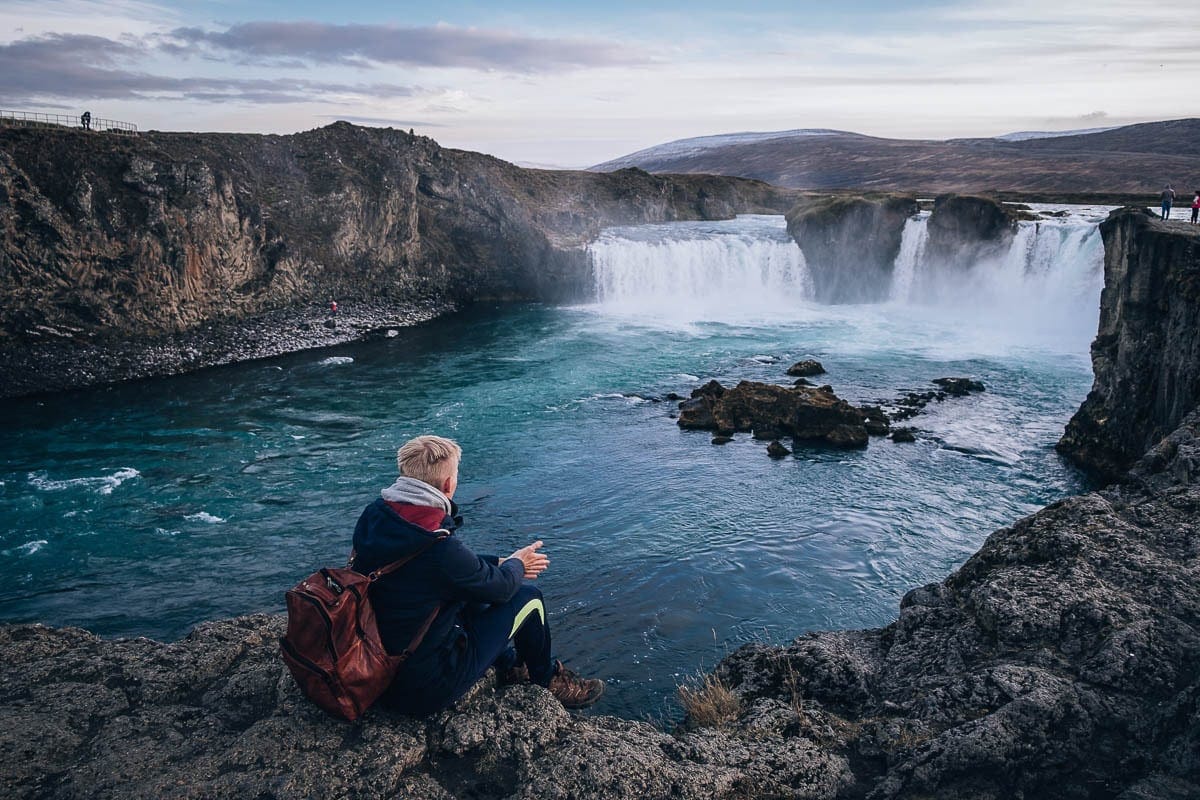
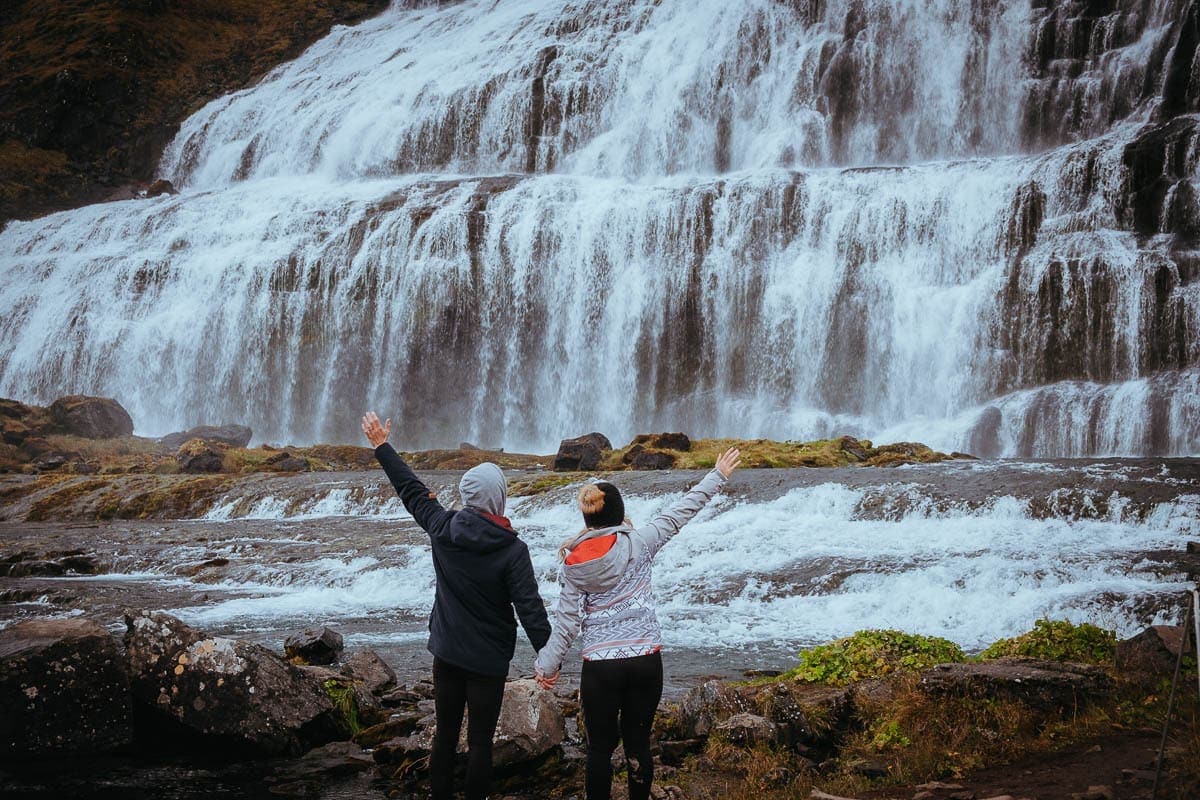
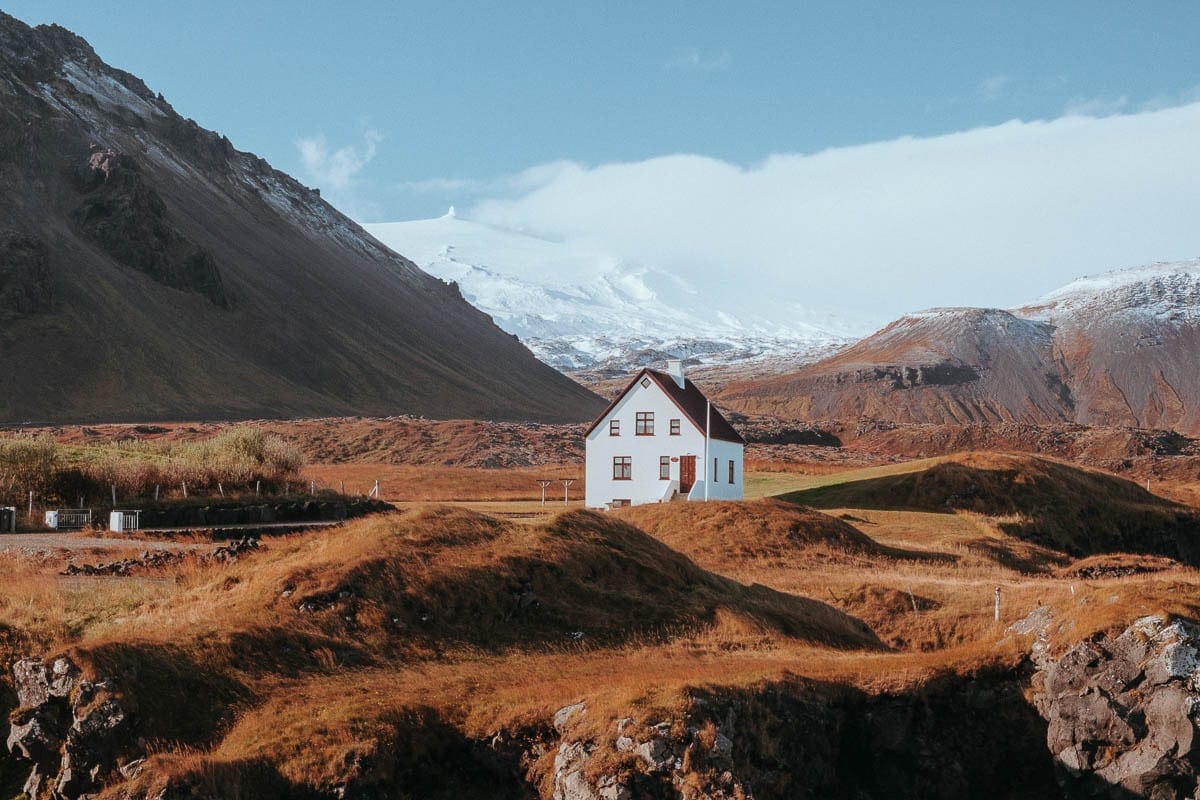
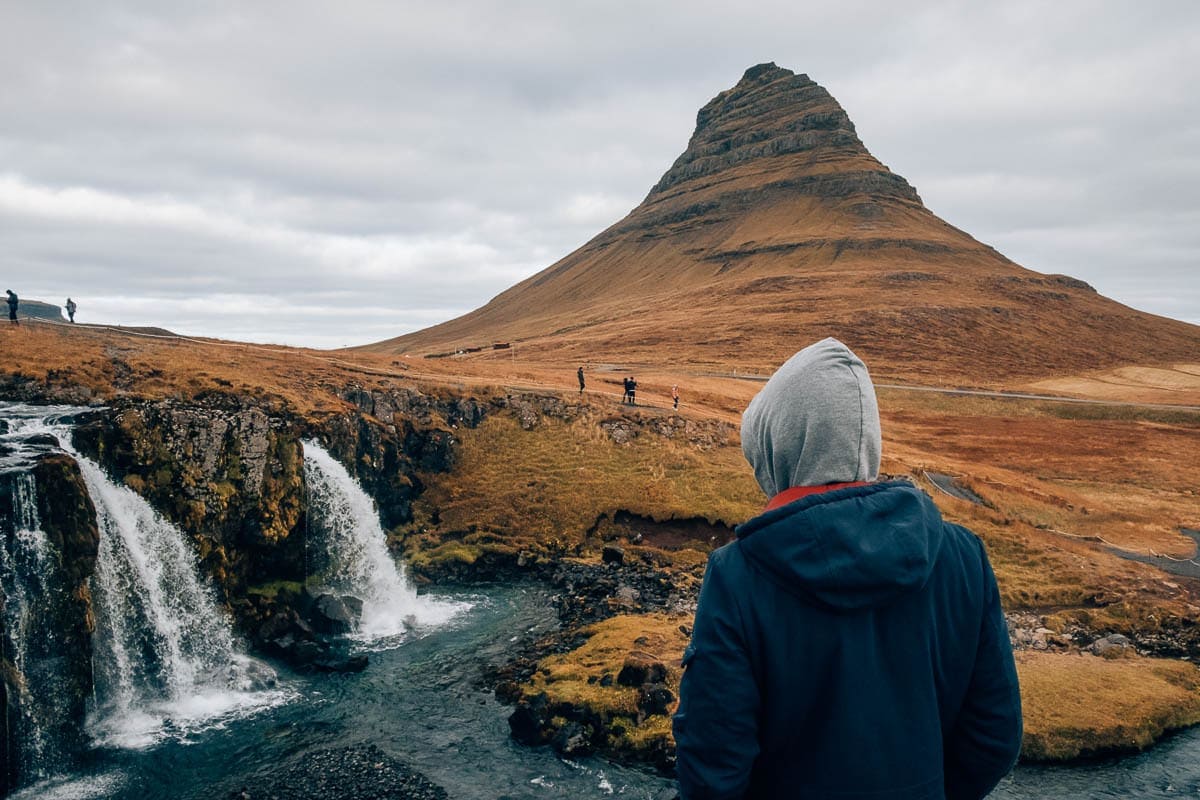
TL;DRThis two-week road trip loops the entire Ring Road, taking in the Westfjords and the Snæfellsnes peninsula, with stops at the Blue Lagoon, the Jökulsárlón glacier lagoon, the Gullfoss, Skógafoss and Dynjandi waterfalls, Reynisfjara‘s black sand beach and the geothermal area at Geysir. Summer (June–August) is by far the safest time to circle the whole island and venture inland, and a 4×4 is a legal requirement if you want to tackle the F-roads. Travelling as a group of four, the fortnight worked out at roughly 28,000 CZK per person, excluding flights, thanks to hostel stays and cooking your own meals — though from January 2026 there’s also a new mileage charge of around 1.18 CZK/km to factor in. Book accommodation ahead: at least a week out of season, and a month or two if you’re travelling in high season.
Would you like to know how to see as much of Iceland as possible in 14-15 days? Where to see and where to stay? We’ve put together an itinerary for a 14-15 day roadtrip around Iceland, including a map with directions and accommodation tips.
Going on a road trip is truly the best way to see the country and you can live out of your rented car (with additional camping gear) or campervan, which is well-suited for an immersive outdoors trip. Considering the tips provided here, renting an affordable campervan in Iceland expands your list of accommodation options and ensures you have someplace to stay while you wander around Iceland.
Remember, Iceland is one blast after another and you can’t do everything in 14 days. Plus, sometimes you’ll be surprised by bad weather – yes, even in summer it can snow. But we tried to cover the most beautiful and interesting. How much it all cost us, you can find in the next article here in the link.
Day 1) Blue Lagoon (optional day)
Blue Lagoon
From Keflavík we can go to the famous turquoise thermal baths Blue Lagoon. Remember to book your tickets early, at least a week in advance in the low season and a month or two in the high season. If it seems expensive, don’t worry, there are many thermal pools all over Iceland that are either a few crowns or even free. You can see the best ones here in the article.https://www.instagram.com/p/Boug0BFlKOD/Blue Lagoon is 20 km from the airport and is located in the lava fields near the town of Grindivik. Before it became a major tourist attraction, it was mainly used for therapeutic purposes. The water here is rich in minerals such as silica and sulphur, making bathing suitable for people suffering from skin diseases such as psoriasis or atopic eczema.
Tip 1: How to save money on accommodation: Iceland is experiencing a tourist boom that the country cannot cover (especially the construction of accommodation). Accommodation prices are therefore high and it is best to book early. Even in low season you may have a problem finding accommodation under 1000 CZK per person. Better not wait for cheap flights, a thousand saved on flights can cost you a lot of money on accommodation.
Day 2) Krýsuvik Geothermal Area and Thingvellir Plains
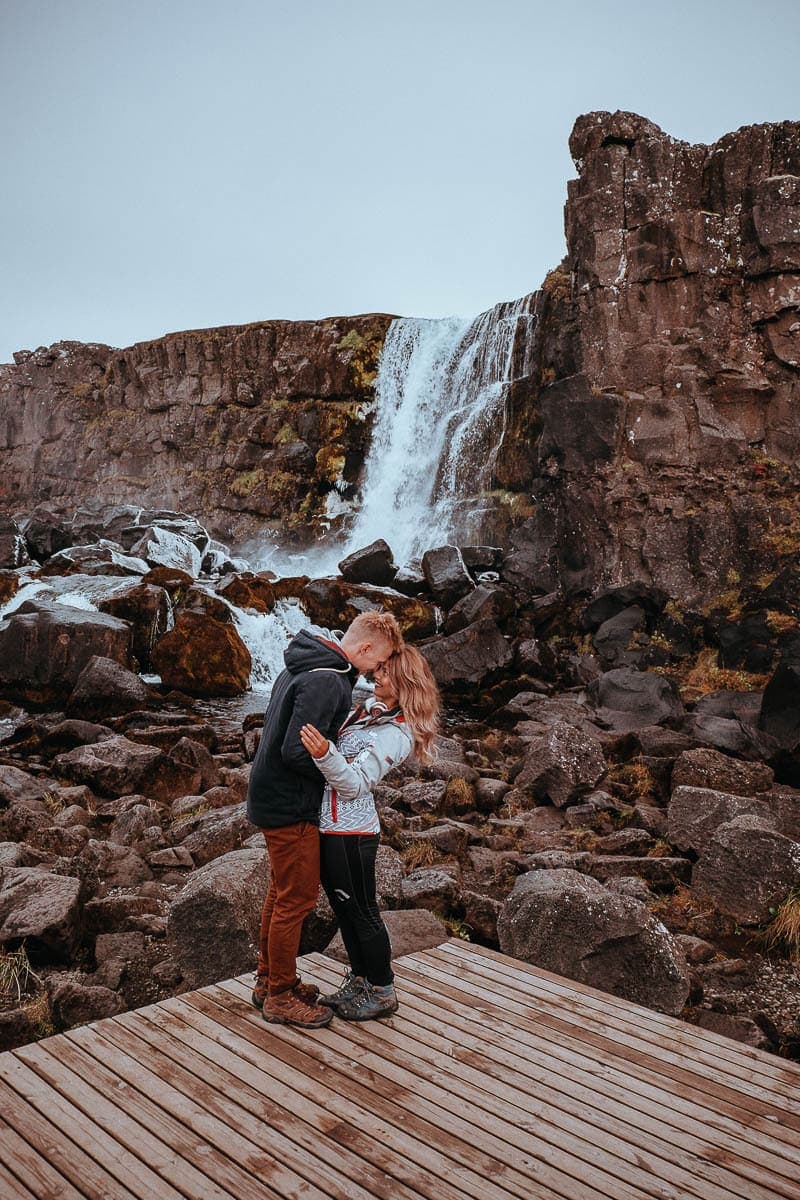
Thingvellir, Krýsuvik, Oxarafoss
From Keflavík we headed towards Krýsuvik, it will take you approximately 45 minutes. In this geothermal area we spent a pleasant hour walking around the bubbling mud pools. After the walk, we headed to the Thingvellir parliamentary plain, where the world’s oldest parliament was probably established.Walk to the waterfalls
The journey to Thingvellir takes approximately 70 minutes. In Thingvellir we walked through the canyon to the beautiful Oxarafoss waterfall and finished the day with the Kerid crater, which was formed some 3 million years ago. It is 70m deep and 70m wide and you can walk around for a small fee. The whole walk will take you no more than 20 minutes.
Tip 2: How to save on accommodation: If there’s anywhere that’s really worth travelling with more than one person, it’s Iceland. You can sleep in beautiful hostels in rooms for four, where you also have cooking facilities. You can reduce the price of accommodation to 500-700 CZK per person!
Where to stay
Our cheap variant (up to 1500 CZK): Ljósafossskóli Hostel – this hostel is a former school! In addition, the price includes breakfast, which is served in the former school canteen, Lukas totally fell in love with it.
Geysir, Brjarnafell, Gullfoss,Hrunalaug Hot Springs
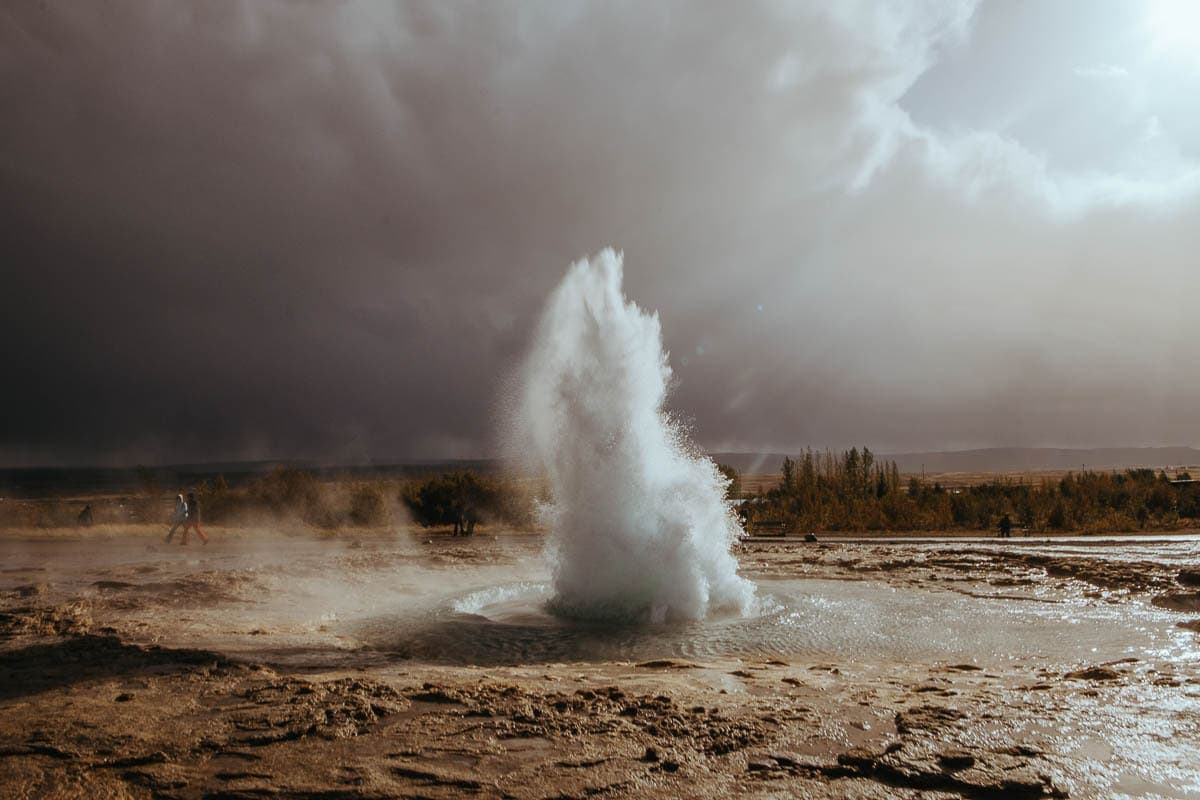
On the third day we went to the thermal area of Geysir, where there is a geyser of the same name. If you want to see him shoot water into the air, book more time. At Geysir we also went to the viewpoint on the Bjarnalfell hill, but it was not worth it, plus we managed to change all the seasons in the process, we had sun, crazy wind, rain and hail. They caught us right at the top.
Geysir Thermal Area
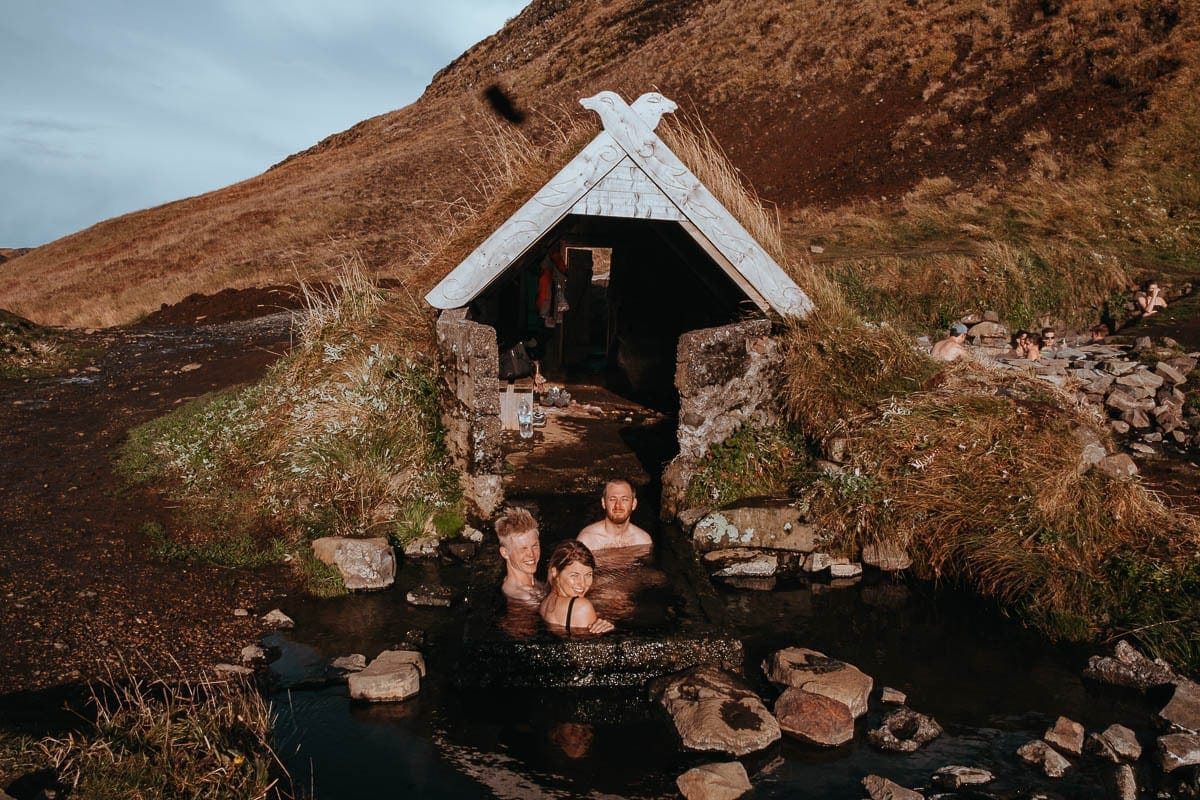
From Geysir we went to the massive Gullfoss waterfalls, and we ended the day at the Hrunalaug Hot Springs, 30 km away.We recommend travelling to Iceland with at least 4 people, it will reduce the cost significantly
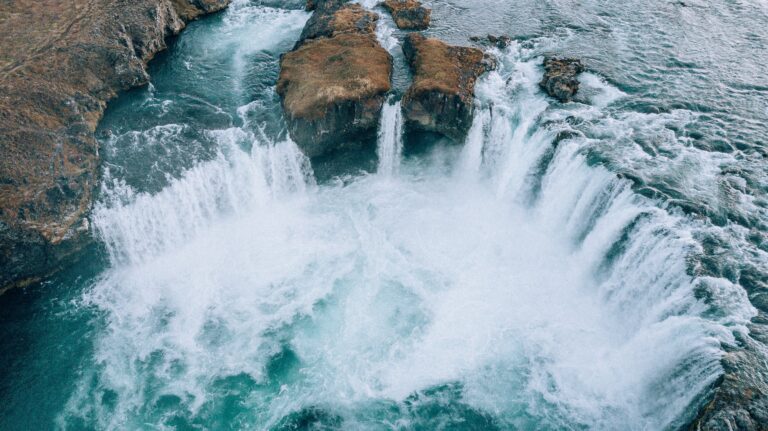
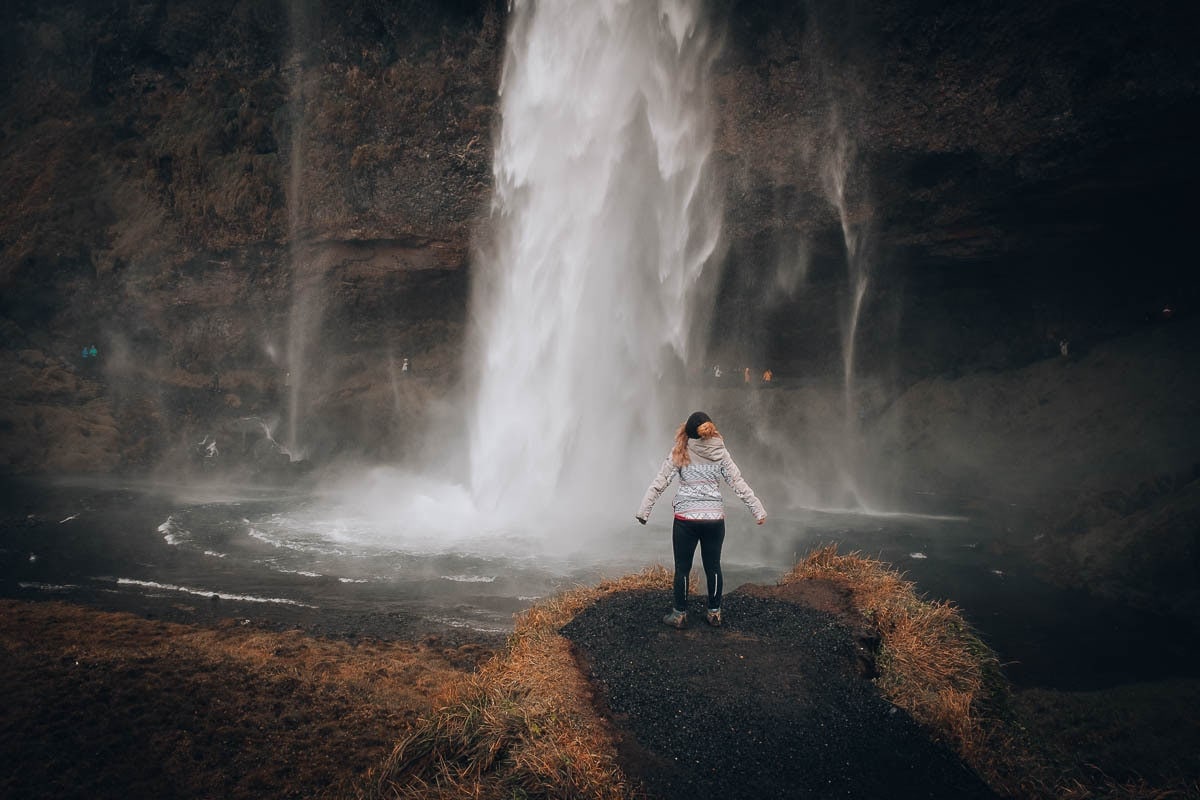
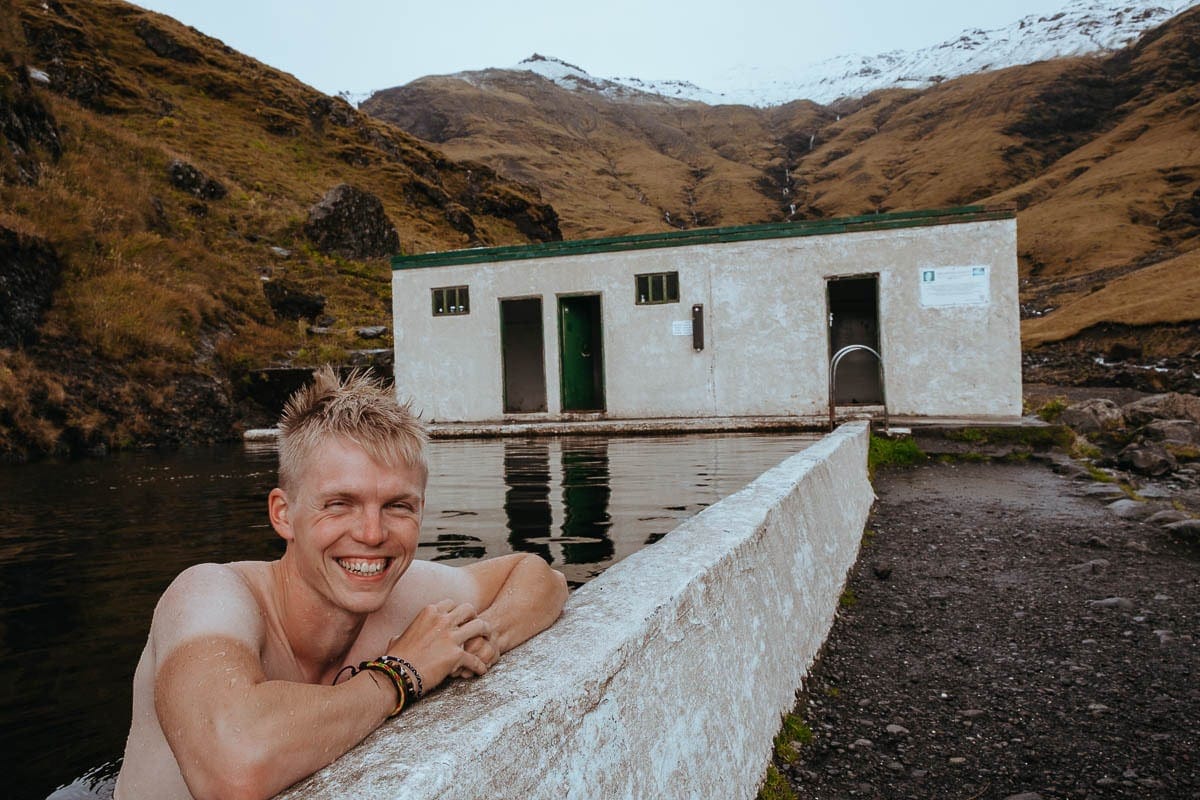
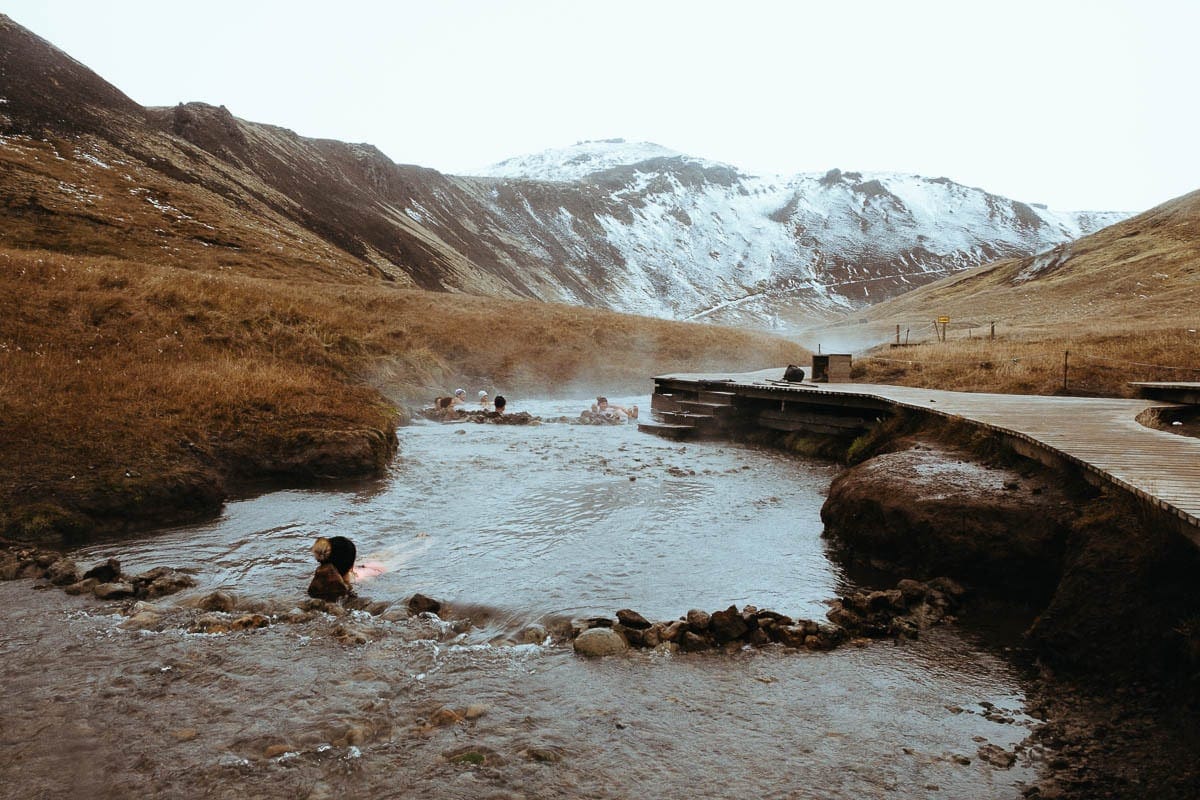
In the morning we went to Gluggafoss, Seljalandsfoss, Gljufrafoss and Skogafoss waterfalls. They are all breathtaking, and if you think you’ll have enough waterfalls, you won’t! After the waterfalls we went to Seljavallalaug swimming pool. Beware, this photogenic thermal pool isn’t that hot, and if you’re there out of season, it can be lukewarm. The changing area is slightly disgusting. A thermal pool every day: our motto in Iceland
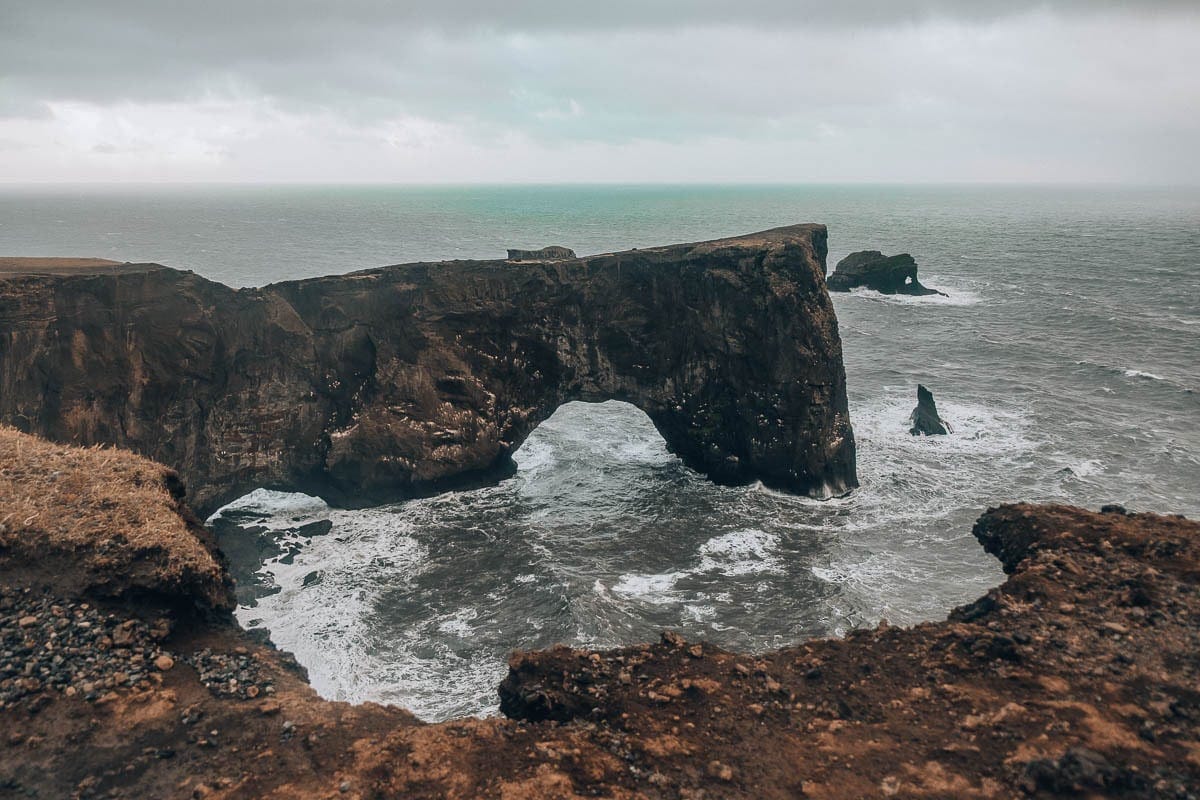
We ended the day with a view from Cape Dyrholay, the black beach of Reynisfjara, which is considered the most beautiful beach in Iceland. Unfortunately we missed the troll rocks of Reyningdrangar in daylight. But maybe you’ll have better luck!
Cape Dyrholay
We spent the morning at the glacial lake Jökullsárlón, which is considered one of the most interesting and beautiful phenomena in Iceland. 60 years ago there was a huge glacier on this spot and it is unfortunately clear that soon there will be no lake here. We spent about two hours here, and then continued on to the Hoffelsjokull glacier, where you will also find the excellent Hoffel hot tubs. One of the most beautiful mountains in Iceland is definitely Eystrahorn, which you can see on the drive to Berufjörður, where we decided to spend the night.
Tip 3 How to save on accommodation:use cashbacks! For example, we save money by paying for all accommodation with our Twisto card! You can save 5-13%.
In the morning we continued driving around the fjords. Our next stop was Reyjdarfjordur, where you can take a short hill climb (about 2 hours) to Graenefell. We continued on to the easternmost point of Iceland, Neskaupstadur. We took a look at the Easter Caves of Paskahellir, where you can find crystals in the stones (if you try for a while).
Short climb to Graenefell
Honestly, we expected more from the Easter Caves, so if you need to skip something, I would choose to skip them. We found accommodationin Egilstadir, but as we still had plenty of time, we headed to the popular Seydisfjordur (30 minutes away), where the famous photos of the church with the rainbow walkway are from.
Seydisfjordur
Most of all we fell in love with the horses in Iceland
Papuchalky, Laugarfell, Snaefell, Hengifoss
We started the day with Borgasfjodur (an hour away from Egilstadir) where you can see puffins in season. We don’t recommend going there in low season because there is nothing there. Then we went to the thermal pools again, this time we chose the luxurious Laugarfell lakes. Don’t worry, the price is not high. On the way you can see the famous Snaefell mountain. and if you have enough time, on the way back to the Hengifoss waterfalls, which are the third highest in Iceland. The journey to the waterfalls will take about 30 minutes.
What would a day in Iceland be without hot pot!
Where to stay:
Same accommodation as the previous day!
Day 8) The mighty Detifoss waterfall
Detifoss
Detifoss, Selfoss, Husávik
In the morning we went to the massive Detifoss waterfall, the road is often closed and not suitable for small cars. Read our second article for advice on how to get equipped for Iceland. If you have good weather, you can also walk from Detifoss to Selfoss. We had to skip Selfoss due to the inclement weather and headed to our destination – the beautiful harbour town of Husávik.
The port of Husávik is especially famous for its whale-watching trips. Since we have seen them several times on our travels, we decided to skip this trip and spent the morning exploring the town.
Husavik, town of whalesBut if you’ve never been on a whale watching trip, you should definitely consider investing – it’s one of the most popular trips in Iceland, costs 2000-2500 CZK per person and takes 3-4 hours. You can spend a lovely morning or afternoon there. During the high season (July 1-August 19), departures are at 10:00 a.m., 2:30 p.m. and 6:30 p.m. The season is otherwise from May to September. Book your whale watching in advance, dates fill up quickly in high season(link to booking).
In the afternoon, we headed to Mývatn (about an hour drive from Husavík), where people go mainly for bird watching. And even if we don’t care much for birds, this landscape is breathtaking in itself.This is exactly how I imagine Mars. It took us about an hour and a half to walk around the craters, and then we went to Viti Crater and Krafta Volcano. We ended the day with a sunset at the Godafoss waterfall.Godafoss
Where to stay
Our cheap option (up to 2 500 CZK): unfortunately we booked late and everything good was already sold out, so we ended up in Amma Guesthouseyou try the futuristic Hafnarstræti Hostel or Akureyri H.I. Hostel, both places have great reviews.
In the morning we headed to the traditional sod houses at Eyjafjordur. 40 km from the Arctic Circle is the picturesque harbour of Sigufjordur, where we stopped for a short walk. If you like picturesque towns, stop in Hofsos as well. Traditionally, we ended our tenth day in the Grettislaug thermal pool.View from Grettislaug
On the eleventh day we had a long crossing along the south side of the western fjords. Not to worry, the road is truly magical, pure and it is the least visited part of Iceland. I think the romantic term “raw” is often used for this type of landscape. Maybe even a little rough. But you won’t be bored here. Actually, make sure you make it to the finish line, almost every kilometer calls for a stop. And of course for those of us with cameras – the photos. In the evening we stayed in a beautiful cabin where we watched the Northern Lights. What more could you ask for!
In the morning we started the day with a swim in the thermal lakes of Pullurin and an hour later we were exploring the western fjords. The journey is adrenaline-fuelled, long and takes more time than Google says. You pass over the beautiful Arnardfjordur and the harbour of Bildudalur. We ended the day with the Dynjandi Fairy Waterfall, where we spent at least an hour and a half. Some say it is the most beautiful waterfall in Iceland. I feel like I want to say that about everyone! In the evening we arrived in Isafjordur, where we stayed.
Luxury variant (up to 6000 CZK ): Tangs (I haven’t seen a 9.9 rating on the booking site for a long time)
Day 13) Isafjordur and the Viking landscape
Isafjorfur, Littlibaer, Holmavík, Búðardalur
Isafjordur is famous for with its dramatic vistas and wooden houses z 18. and 19th century original fishing settlements. If you are interested in local history, you can visit the museum. Instead, we continued straight on along the northern side of the western fjords. The weather was really cold at the beginning of October. Those who will be in Iceland during the season (which ends in mid-September) can go for a coffee at the Littlibaer sod house. Unfortunately, traveling in the off-season has its downsides. On the other hand, we saved money on overpriced Icelandic coffee.
A Viking landscape you can’t help but love
And so we set off through the Viking countryside, admiring the breathtaking views, almost getting stuck in a blizzard, but eventually we made it through Holmavík to our accommodation in Búðardalur.
Our trip was coming to an end, the penultimate day we devoted Snaefellness peninsula, where our first stop was in Stykkisholmur. One of our destinations was a waterfall Kirkjufellfosswho is the most photographed waterfall in Iceland. Unfortunately, we were a bit disappointed, because all the tourists in Iceland were hiding here and the magical view of the waterfall is only from one particular angle. From other angles, it looks quite ordinary. If we lived in Iceland, I would absolutely need a horseWe made up for it in the romantic village of Arnastapi, where it is worth stopping for a longer walk. There are beautiful rock formations in the water and you can see snow-capped mountains in the distance.
Our last stop was Snæfellsjökull, a 700,000 year old stratovolcano whose summit is covered by a glacier. We stayed in the town of Atranes just outside Reykjavik.
Reykjadalur,Hallgrimskirkja, The Sun Voyager, Harpa
Since we were leaving late in the evening, we decided to go to the hot Reykjadalur River on the last morning. It is a 45-minute climb to the thermal river. Yes, an ascent to a real hot river! But beware, if it’s cold and the wind is freezing, you might want to give the river a miss. You have to change outside.Hot river in Iceland
So we didn’t go to Reykjavik until the afternoon, the weather was not in our favour, but honestly we didn’t mind. After those two weeks in Iceland we were so full of impressions, cold and liquorice that we had expensive Icelandic coffee and enjoyed our last moments in this land of ice in the warmth of a café.
In Reykjavík you can visit Hallgrímskirkja, a strange looking church that reminded me more of a spaceship, in good weather you can even climb the church tower for about 200 CZK. Take a look at the futuristic Harpa concert hall and of course, don’t forget The Sun Voyager, a modern sculpture of a ship on the shore, which is probably the most popular attraction in Reykjavik.
Iceland is one hit after another and definitely worth a visitDo you want to know how much it cost us? You can find the exact budget in our next article
Take a look at our travel packing guideto help you prepare. Choose the right travel backpack, check out the travel gadgets and don’t forget anything important at home.
🔗 These are affiliate links — they don't change your price and help us create content. · All experiences →
Tips and Tricks for Your Vacation
Don’t Overpay for Flights
Search for flights on Kayak. It’s our favorite search engine because it scans the websites of all airlines and always finds the cheapest connection.
Book Your Accommodation Smartly
The best experiences we’ve had when looking for accommodation (from Alaska to Morocco) are with Booking.com, where hotels, apartments, and entire houses are usually the cheapest and most widely available.
Don’t Forget Travel Insurance
Good travel insurance will protect you against illness, accidents, theft, or flight cancellations. We’ve had a few hospital visits abroad, so we know how important it is to have proper insurance arranged.
Where we insure ourselves: SafetyWing (best for everyone) and TrueTraveller (for extra-long trips).
Why don’t we recommend any Czech insurance company? Because they have too many restrictions. They set limits on the number of days abroad, travel insurance via a credit card often requires you to pay medical expenses only with that card, and they frequently limit the number of returns to the Czech Republic.
Find the Best Experiences
Get Your Guide is a huge online marketplace where you can book guided walks, trips, skip-the-line tickets, tours, and much more. We always find some extra fun there!