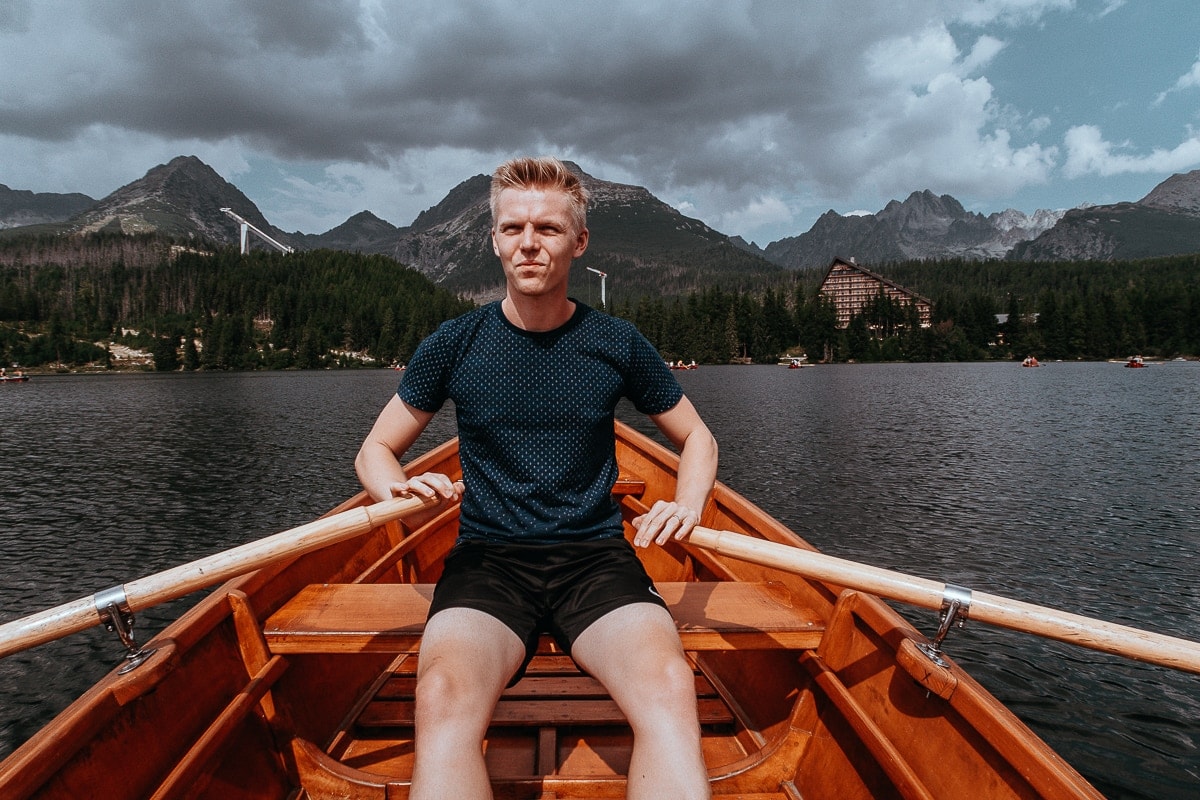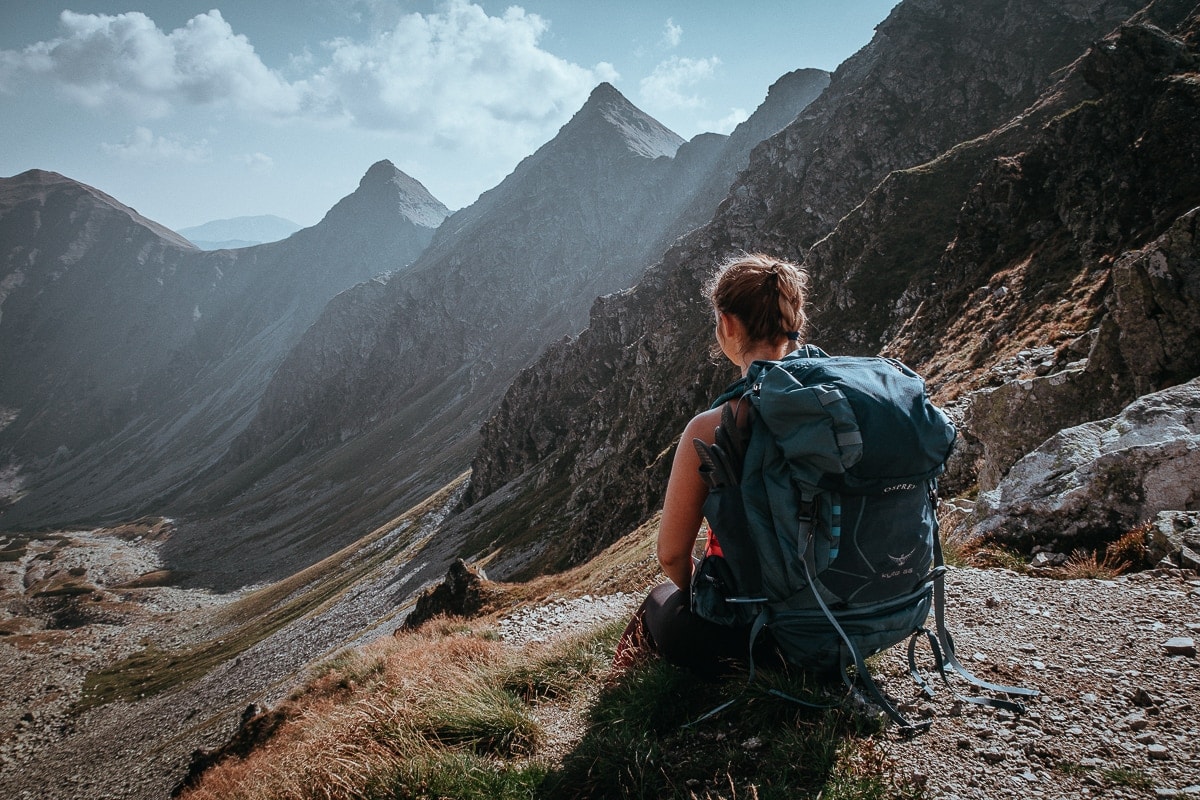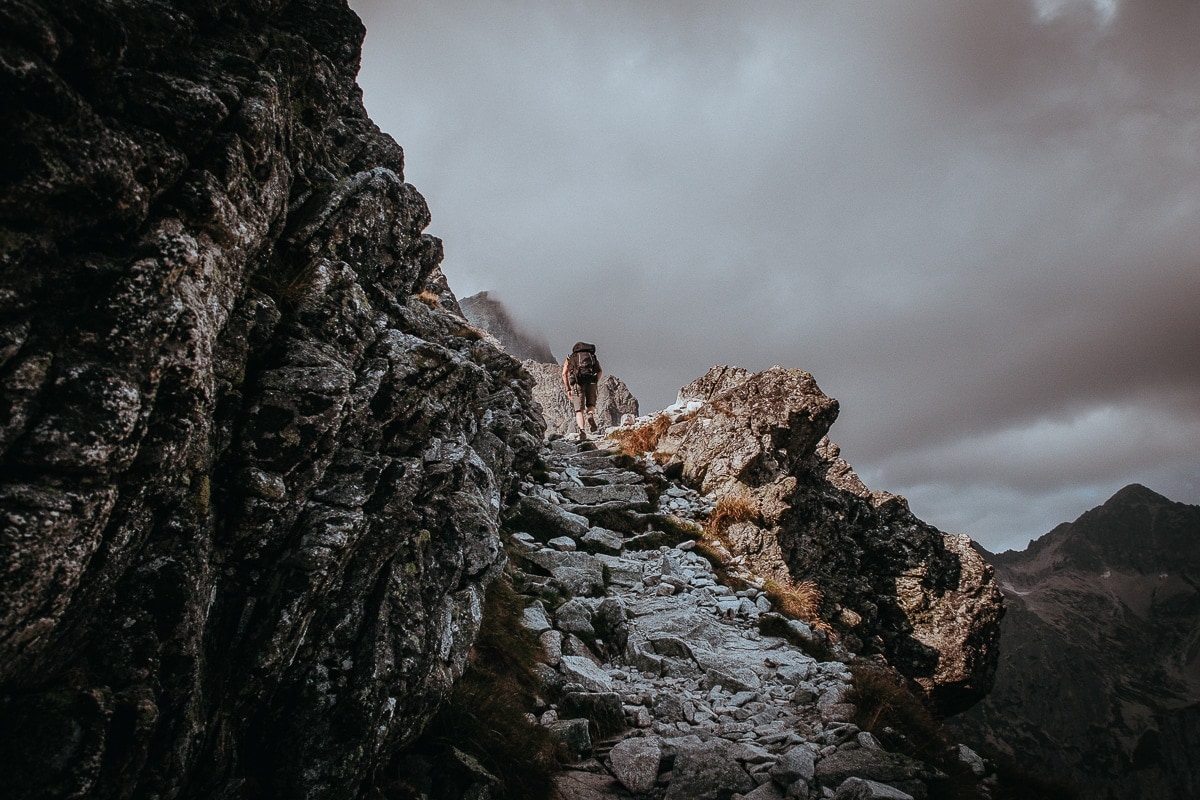
Travel Gifts: 21 Best Gift Ideas for Travellers

TL;DRHere are 21 spot-on Christmas gift ideas for travellers in 2019, split into categories for general trips, photographers and cyclists. Top picks include the Wacaco Nanopresso travel espresso maker, Cocoon’s waterproof wash bag, an RFID-protected document organiser, and Czech-made Skinners barefoot shoes. For photographers, there’s the flexible Joby Gorillapod tripod and the Peak Design Capture clip, while cyclists get the Livall smart helmet with built-in lights and music. There’s also a universal travel adaptor that works in over 220 countries, and an Onlinejazyky language course you can study for just 20 minutes a day.

Every year we put together a list of the best travel gifts for adventurers, and this year is no exception. I’ve hand-picked items we’ve been using and loving long-term, plus a few products we’ve had our eye on. If you don’t find something that’s right for your loved ones here, have a look at our gift guide from last year too. I’d also love to hear your own suggestions in the comments!

21 Best Travel Gift Ideas

I’ve tried to pick different items from last year, but you’ll have to forgive me for mentioning a few repeats. Mainly because last year I had them on my wish list, and now I’ve had a full year of experience with them to share with you.

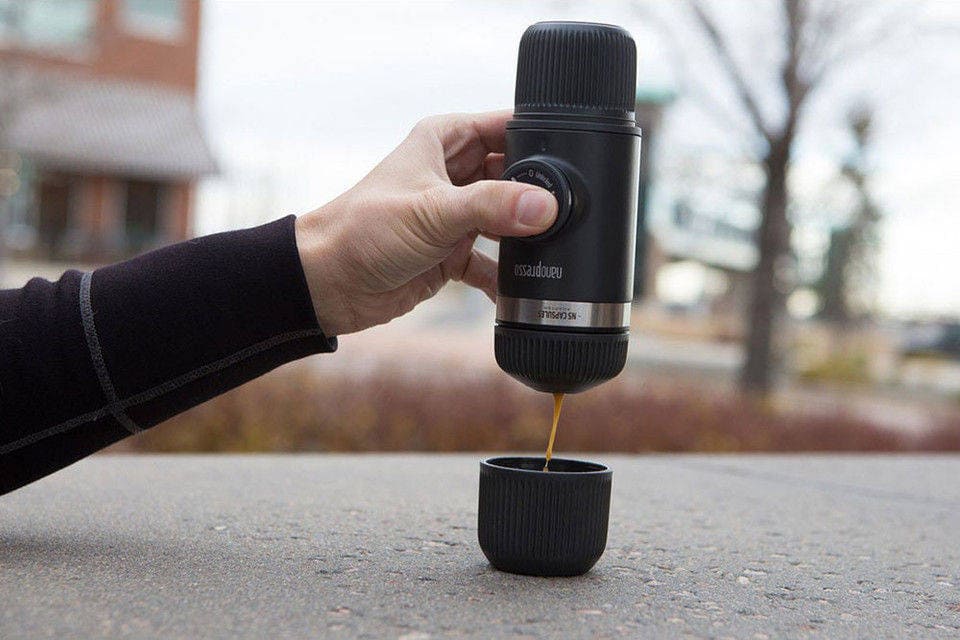
1) Wacaco Nanopresso

If you follow us on social media, you’ve surely spotted our Wacaco. It’s hands down the best thing we’ve ever received. Seriously. A portable espresso maker is an absolute must-have for any coffee addict who travels.

With this little wonder, you can make a perfect espresso anywhere you can get hold of ground coffee and hot water. In Mexico, we used it every single day because our accommodation didn’t have a coffee maker for a full five months.
2) Toiletry Bag

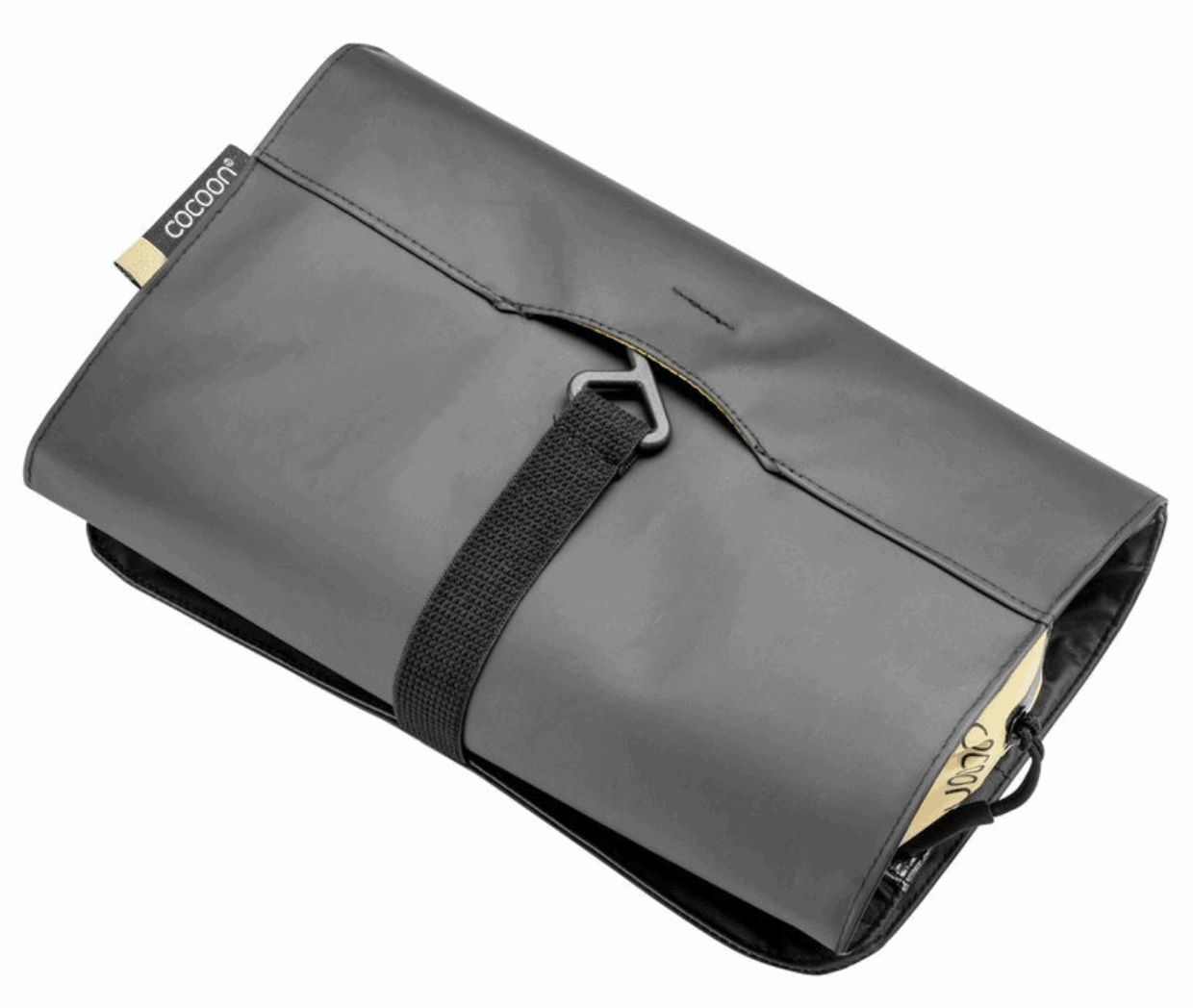
My quest for the perfect toiletry bag could fill an entire novel — or more accurately, a tragedy. I’ve gone through so many that it’s honestly embarrassing. In the end, I carry two: a roll-up hanging one for makeup, brushes and jewellery, and a classic one for shampoo, conditioner and moisturiser.

If you’re looking for a great travel gift for a woman, check out the high-quality waterproof toiletry bags from Cocoon. I think I desperately need one myself.
3) RFID-Blocking Document Organisers

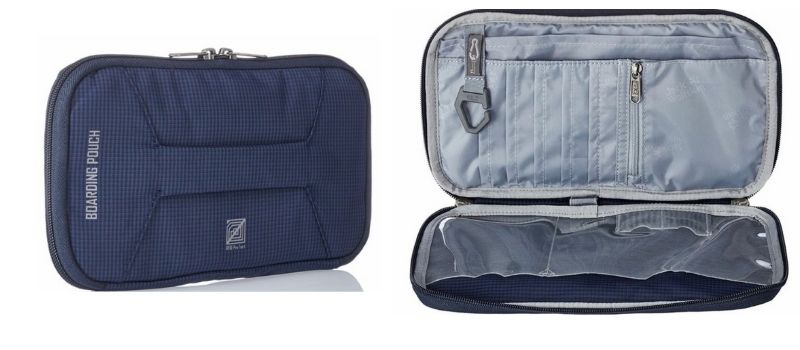
Last year I mentioned packing organisers; this year I’d like to highlight security document organisers with RFID protection against electronic theft.

Over the past year, I’ve heard so many alarming stories that these seem like essential kit for anyone travelling to big cities. I personally like the Jack Wolfskin Boarding Pouch organiser, but there’s a great selection of travel organisers to choose from.
4) Sock Shoes – Barefoot Skinners

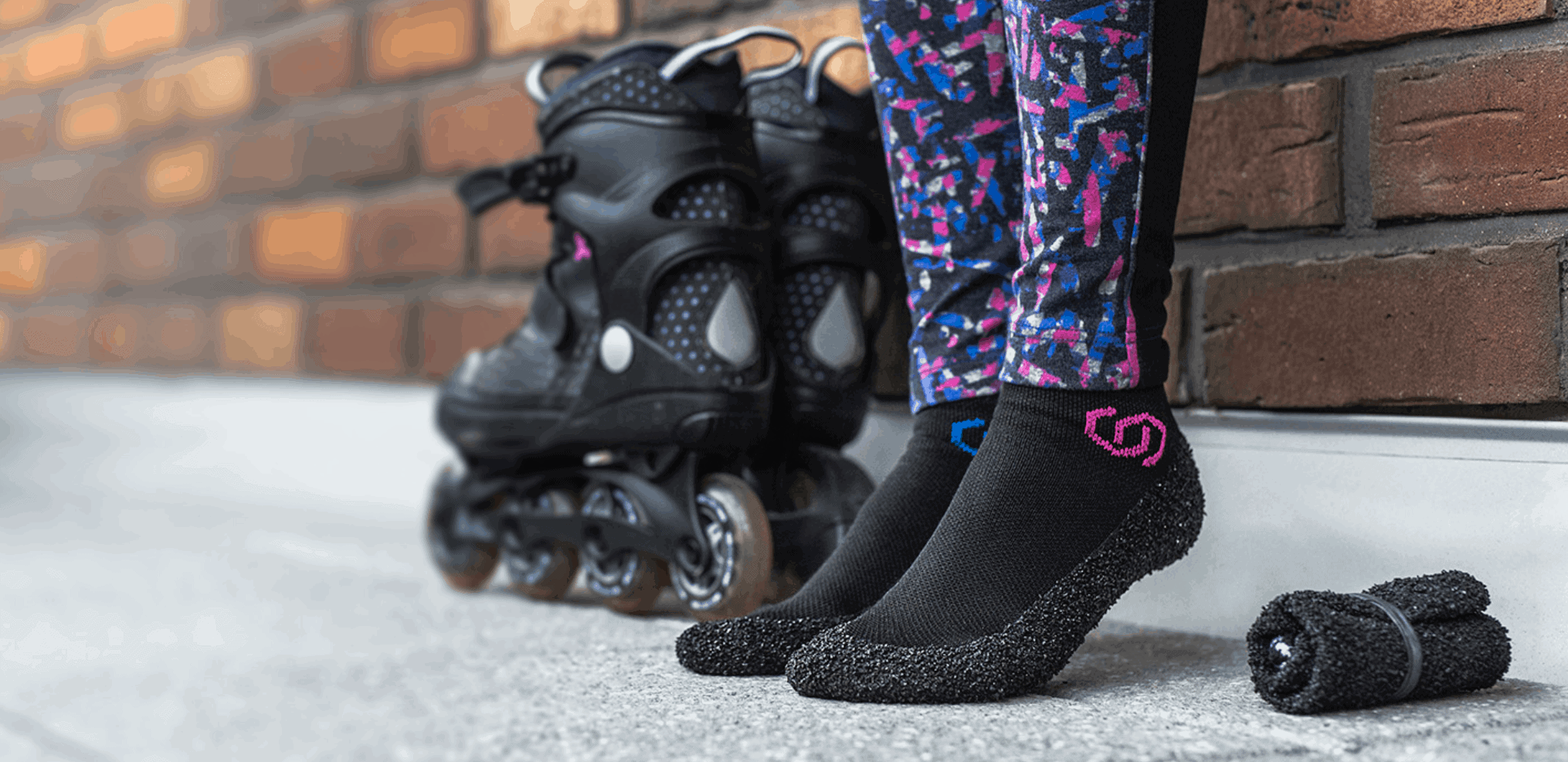
If you’ve ever been camping, on a long-distance cycling trip, or anywhere with a heavy backpack, you’ve probably wondered about a spare pair of shoes. That’s where the Skinners barefoot sock shoes come in. They’re not just backup shoes — they double as water shoes, running shoes, workout shoes, and they’re perfect for wearing on the plane.

I’ve been testing them since early October, and so far I’m thrilled. I was worried that walking in them would hurt (I’m a bit of a princess when it comes to my feet), but that turned out to be completely unfounded. Instead, it felt like a never-ending gentle foot massage! Another bonus is that you only need to know an approximate shoe size, making them an easy gift to buy.
5) Mementerra Travel Journal

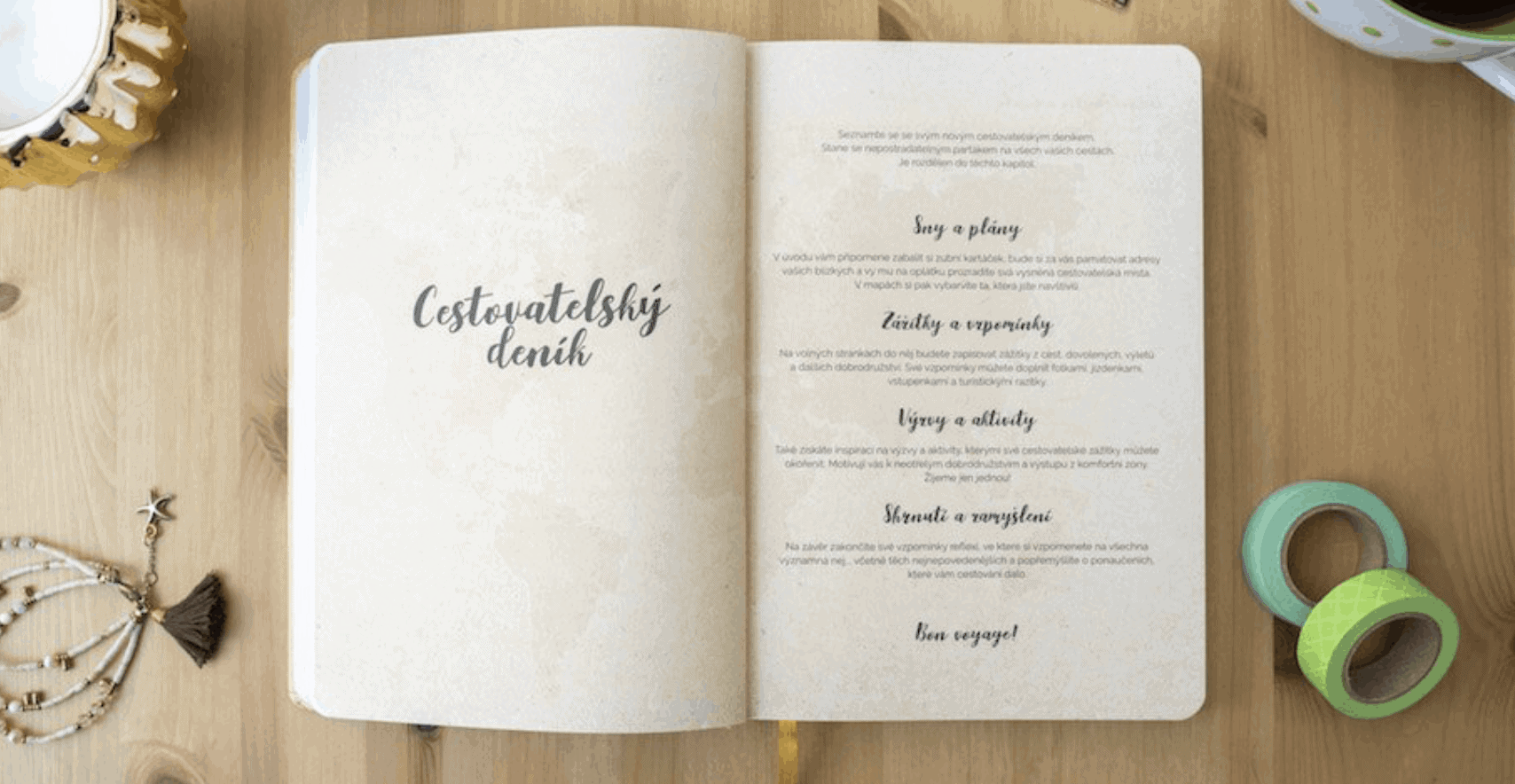
For those of us who love all things paper, the Mementerra journal makes a lovely gift. I personally adore its design — they’ve hit my taste perfectly. The inside is divided into four sections: Dreams & Plans, Experiences & Memories, Challenges & Activities, and Summary & Reflections.
6) Head Torch – Not Just for Campers

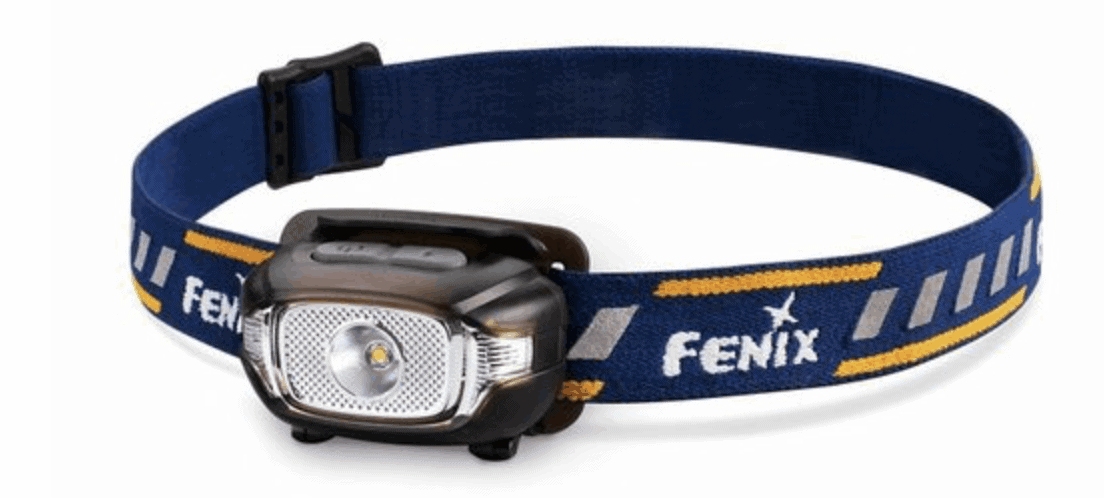
I have no idea why we still haven’t bought a head torch, even though we talk about it every time we go camping. We could have used one three years ago in Hawaii, and this year we missed it in the Tatras and the Dolomites.

Unfortunately, I can’t recommend a specific model, but there’s a solid selection of head torches to browse online.
7) A Photogenic, Quality Rain Jacket

Having a high-quality rain jacket that actually looks good is no longer a pipe dream. The only reason I don’t have a stylish yellow one is that we bought our green ones the day after we got absolutely drenched in the Tatras. A solid quality rain jacket is always a welcome gift.
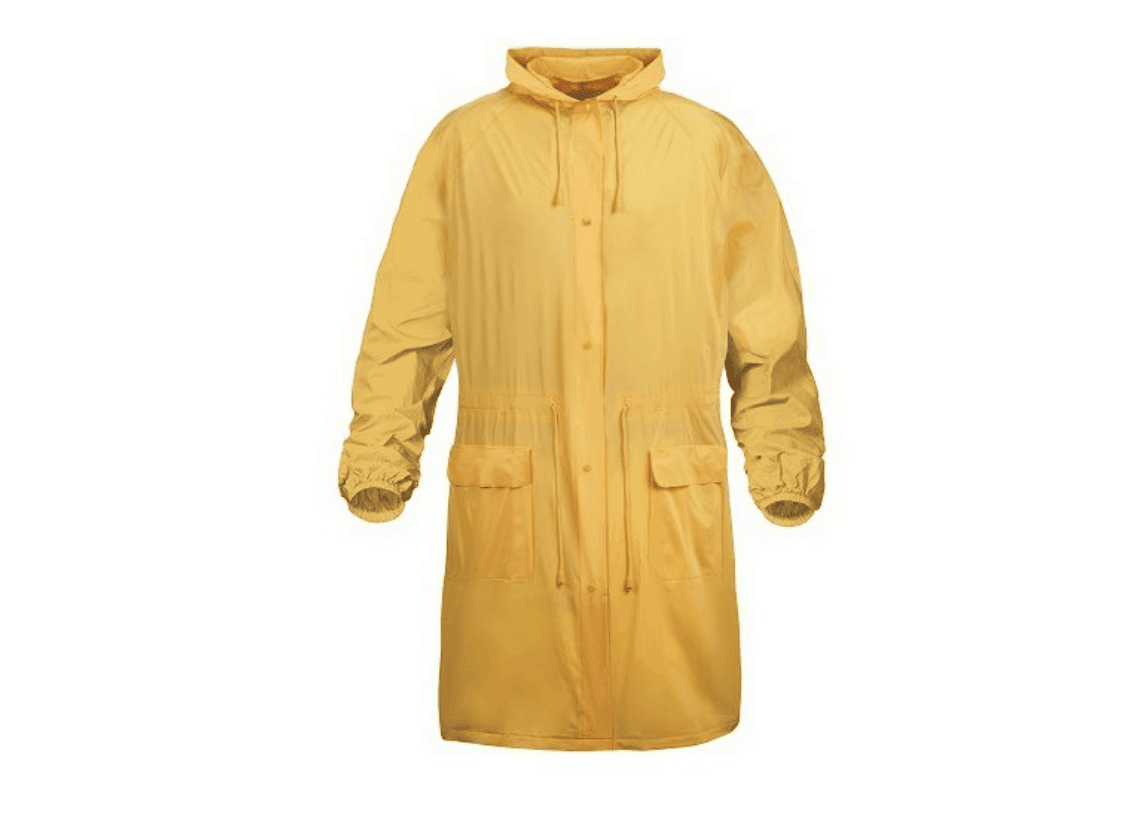
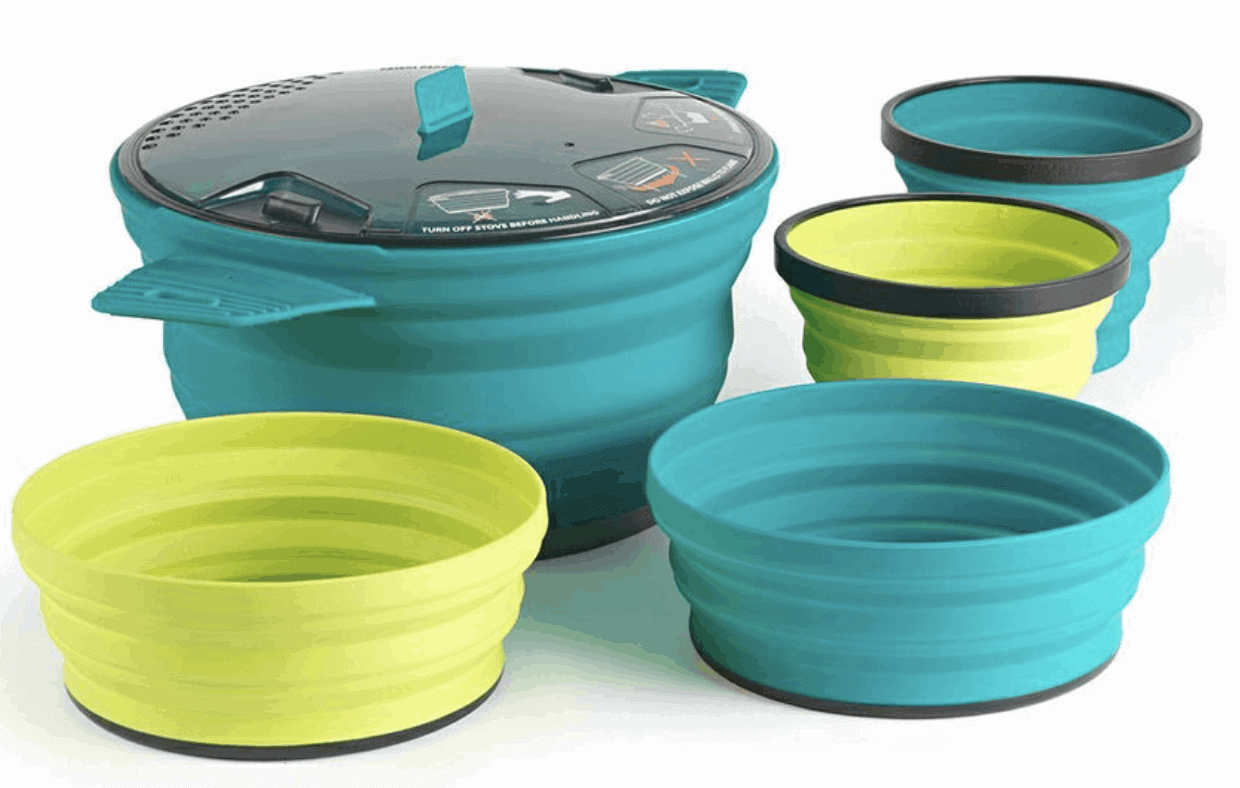
8) Collapsible Cookware Sets

For any friends and family who camp without a car, collapsible cookware is an absolute game-changer. We really wish we’d discovered this about three years earlier. We wouldn’t have had to eat out of the same pot we’d just cooked in. These days we’ve solved the problem by travelling by car, but lightweight collapsible sets are brilliant for backpackers.
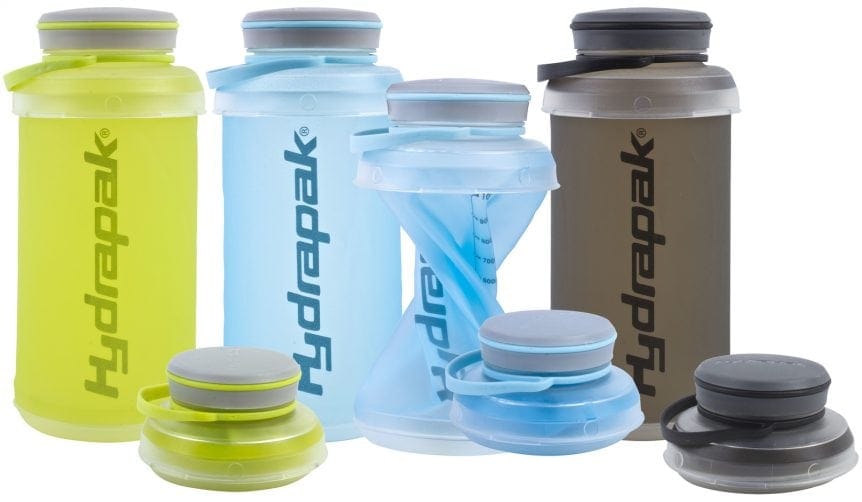
9) Hydrapak

Our favourite travel water bottle — and it solves that annoying problem of trying to fill a bottle under a low tap. The Hydrapak collapses to a quarter of its full height. We use it daily, whether we’re heading into town, to the gym, or on a trip. It’s great for camping, hiking, and even casual city breaks.
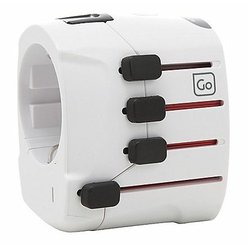
10) Universal Travel Adapter

Last year I recommended the power cube we use on our trips. If that’s not your cup of tea, you could go for a universal travel adapter that’s compatible in over 220 countries worldwide. It’s one of those practical travel gifts that every frequent flyer genuinely appreciates.
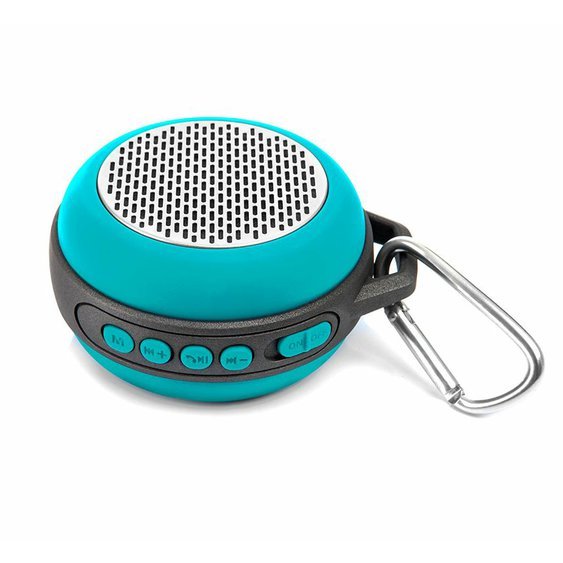
11) Portable Bluetooth Speaker

Even I was surprised by how much we used a portable speaker on our travels over the past year. We got it free with a phone and it came with us everywhere. The speaker has been useful not just for music and podcasts, but also for conference calls with clients.
12) Online Language Course

I’d always been sceptical about online language courses, but trying one completely changed my mind. After just six weeks, my partner and I could get by in Spanish during our time in Mexico. The lessons are interactive, there’s both a phone app and a desktop version, and you learn grammar as well as vocabulary. Just 20 minutes a day is enough for effective language learning.

There are some brilliant options out there for English speakers — platforms like Duolingo, Babbel, or Rosetta Stone all make excellent gifts for travellers. An annual subscription to a language app is a thoughtful, unique gift for any travel lover.

13) Photo Keepsakes

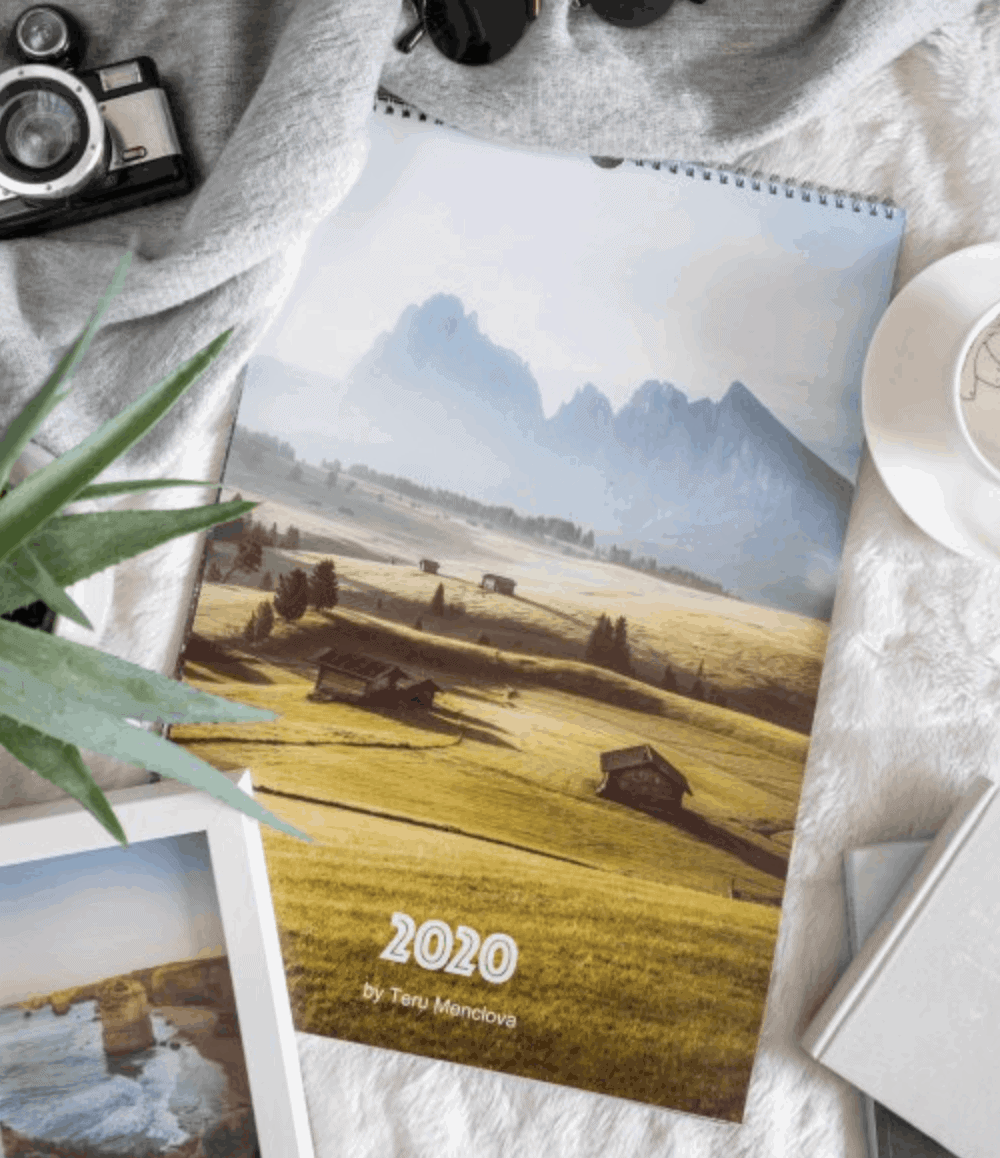
One of the most popular gifts I’ve ever given was a calendar made from photos of our travels together. Calendars are also appreciated by people who didn’t come along on the trip — mums and grandmothers especially. In our family, custom photo calendars are always the biggest hit with the grandparents.

Services like Photobox, Shutterfly, or Snapfish make it incredibly easy to create beautiful custom photo calendars, canvas prints, and photo books from your travel snaps. They’re personal, unique, and always bring back wonderful memories.

TIP: You can also commission a custom painting based on a favourite travel photo — a truly unique travel gift!
14) Performance Outdoor Clothing

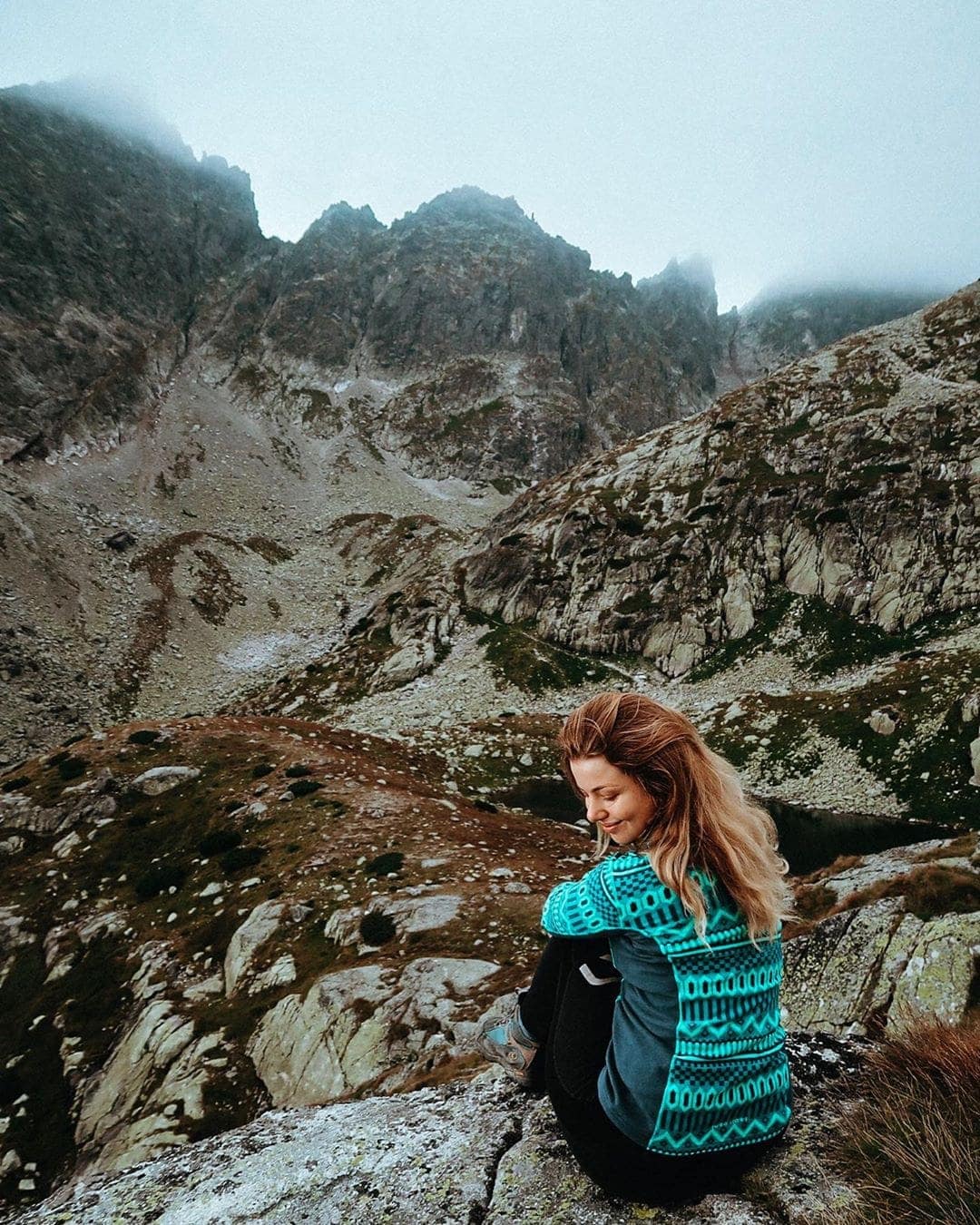
You can never have too much quality outdoor performance clothing if you travel to the mountains regularly. Just like last year, I wholeheartedly recommend Kari Traa for women. I still haven’t found a better brand that flatters the female figure while also being genuinely functional gear.

I’ve stayed loyal to it all year and haven’t looked at anything else. For men, we don’t have a particular favourite brand, but Norwegian outdoor brands are well worth exploring.
15) Beautiful Books for Travellers

I only read fiction electronically on my Kindle (also an excellent travel gift for bookworms, by the way), but I love collecting colourful cookbooks and beautiful coffee-table travel books. If you’ve got someone like that in your life, here are my picks.
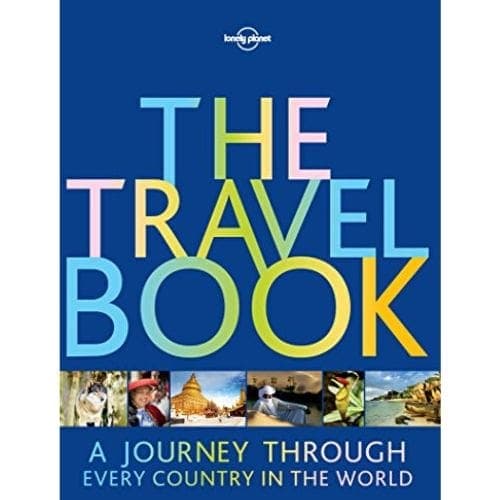
The Travel Book by Lonely Planet

The most beautiful travel book I’ve ever held in my hands. Absolutely stunning photography and a treasure to browse through.
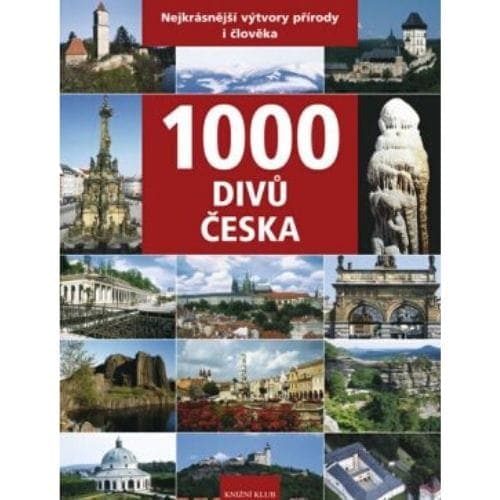
1000 Wonders of Czechia

Lots of you asked about this book when we were browsing through it on Instagram. We started using it to explore the Czech Republic and its hidden gems — a great gift for anyone interested in Central European travel.
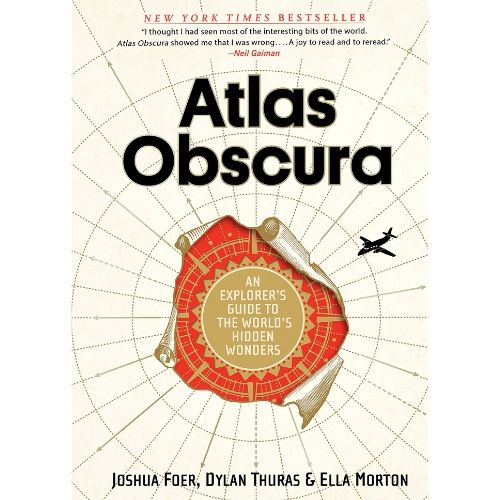
Atlas Obscura

An atlas of the world’s most bizarre and mysterious places. I love flipping through it — it never fails to amaze me.
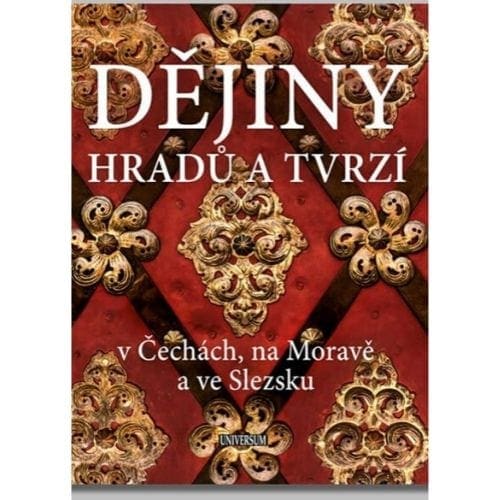
History of Castles and Fortresses in Bohemia, Moravia and Silesia

Probably the best book you can find about Czech castles and fortresses — perfect for history buffs. We have a companion volume on châteaux by the same author at home, and Lukáš has his nose buried in it every weekend.

Travel Gifts for Photographers

I’m a passionate amateur photographer. It’s one of the things I love investing in, and any photography-related gift makes me incredibly happy. These are some of the best unique travel gifts for photography enthusiasts.


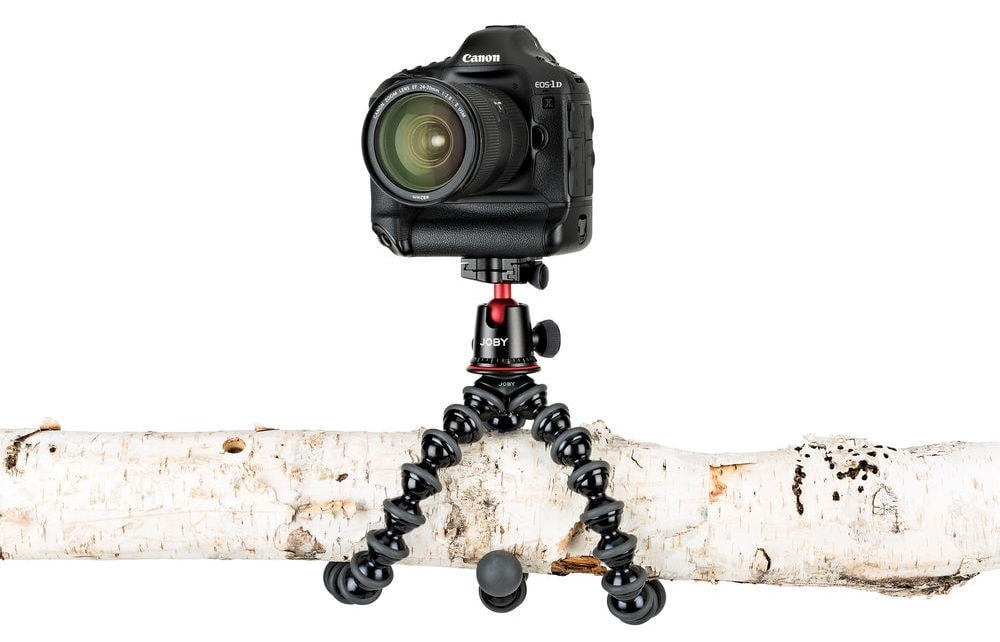
16) Gorillapod by Joby – A Tripod You Can Mount Anywhere

This is my absolute favourite piece of travel gear. Luky got it for me a year ago before our road trip to Iceland, and I can’t imagine any trip without it now. You can mount it virtually anywhere — on a chunk of ice (yes, we tried), a railing, a tree branch — it’s compact and incredibly easy to handle.
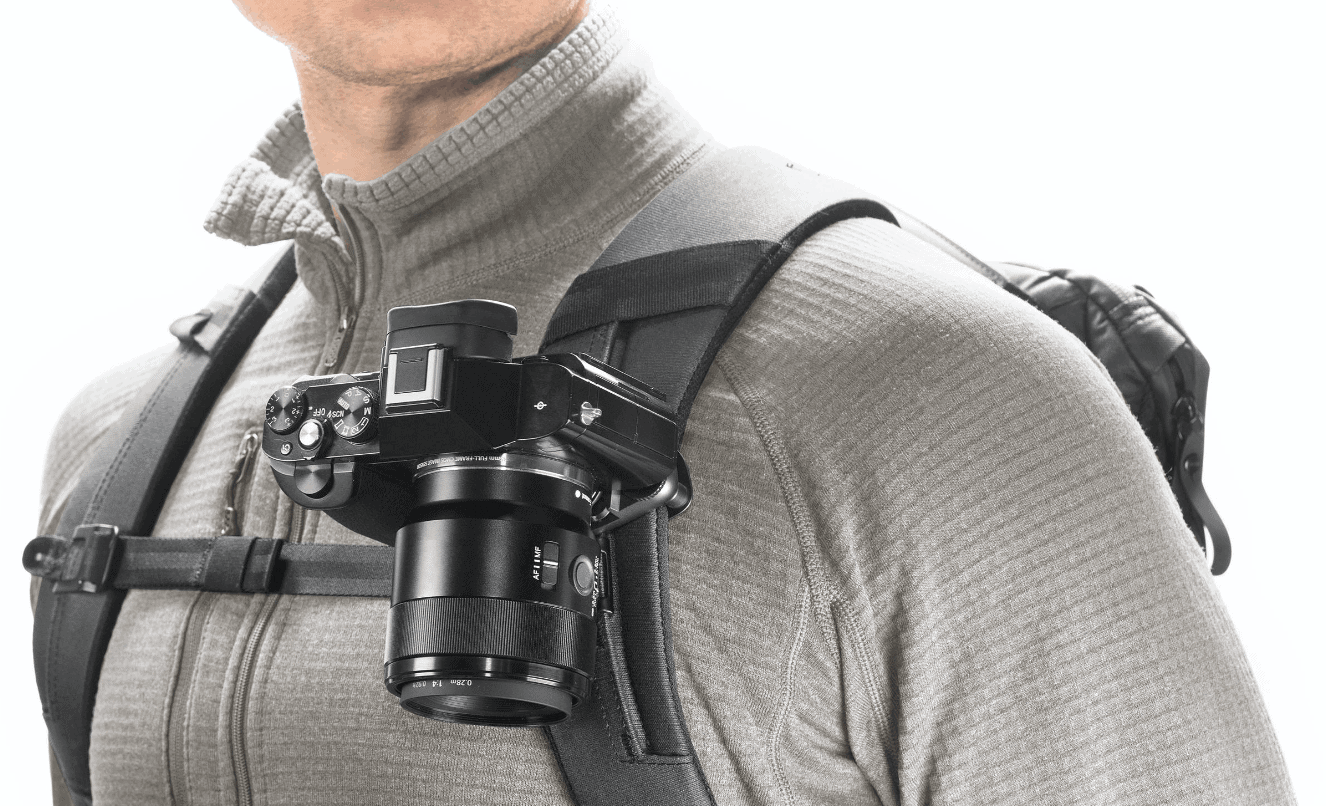
17) Peak Design Capture – Safe, Easy Camera Carrying

If anyone reading this wants to make me happy — this is the piece of gear I somehow still don’t own but desperately need (Santa, are you taking notes?).

The Capture is the safest, most comfortable, and most accessible way to carry your camera on hikes. You clip your camera onto your backpack or rucksack strap using the Capture, keeping it secure and always within reach.
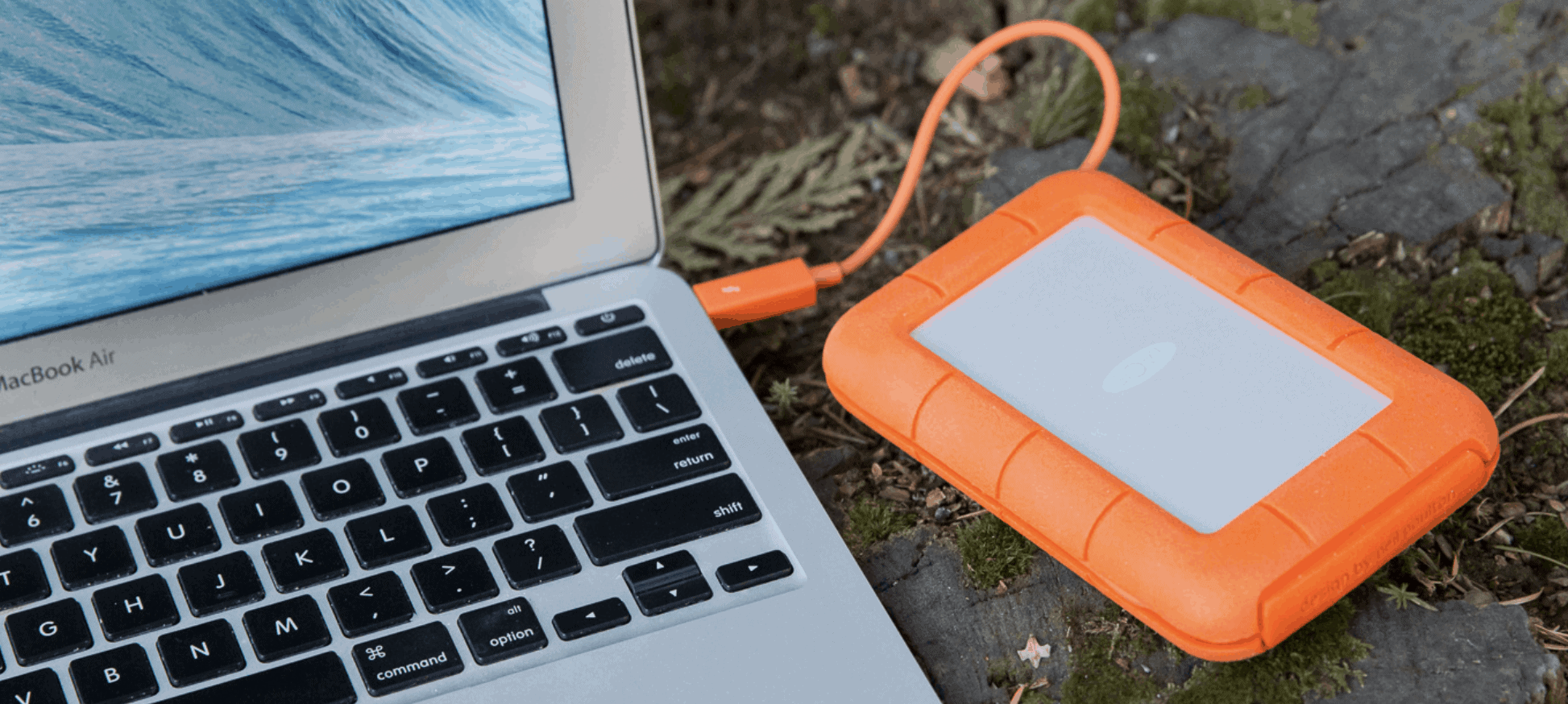
18) LaCie External Hard Drive

For MacBook users, there’s no better choice than the LaCie Rugged Thunderbolt. It’s no wonder it’s so popular among bloggers and content creators. I already have two at home. If your loved ones use Windows, Seagate and Western Digital also make excellent rugged options.
Travel Gifts for Cyclists

After our cycling trip from the Czech Republic to Greece, I thought I’d never get on a bike again. I was wrong — I missed it within about a month. I think I can officially call myself a cyclist now; the only remaining challenge is figuring out how to cycle with our dog.

19) Livall Smart Helmet

This is a pricier gift, but if you’ve got a cyclist-gadget-lover at home — like my husband — it’ll go down a treat. The Livall helmet is ideal for long-distance cycling, letting you listen to music or podcasts while riding.
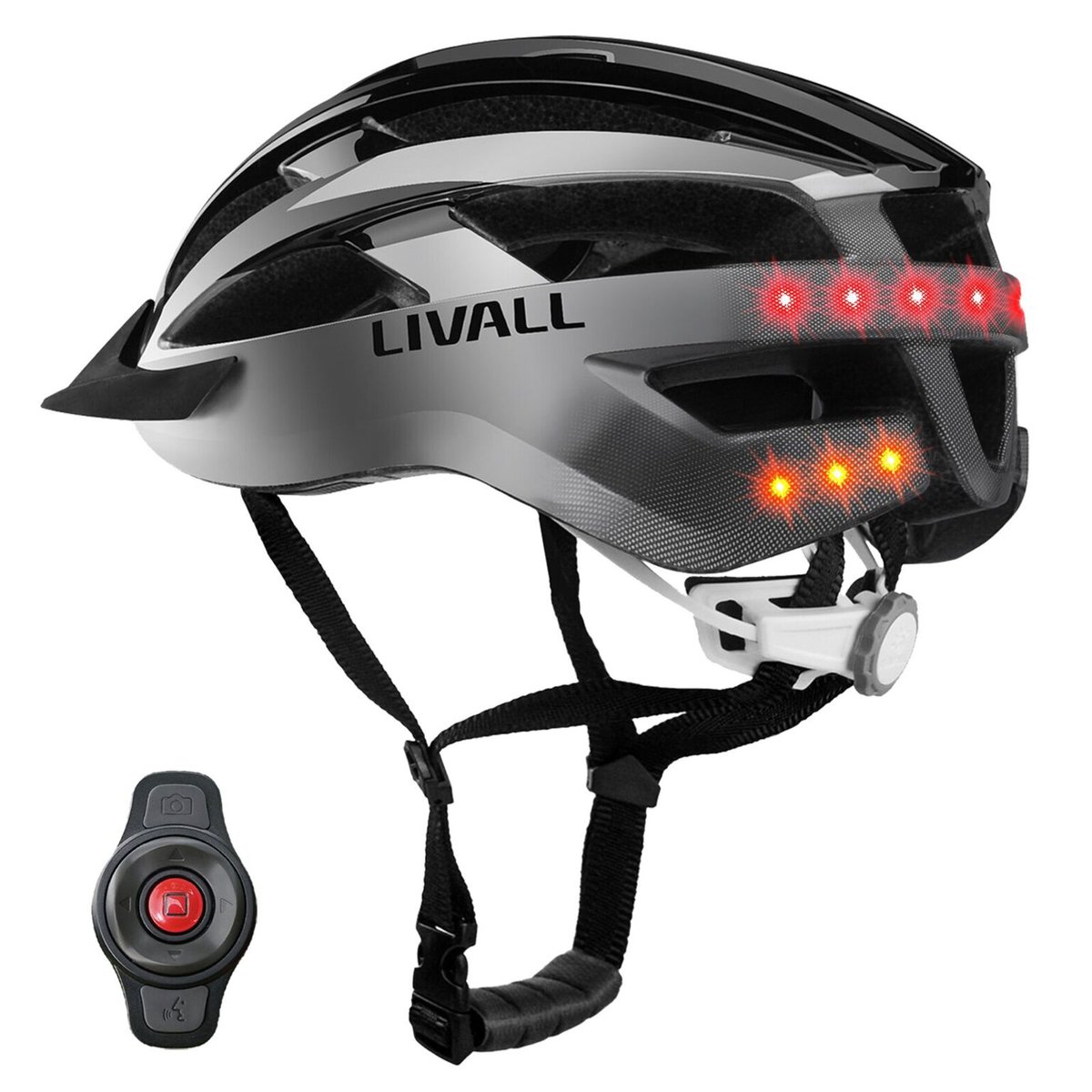
You can also use the helmet to communicate with other cyclists who have one, though you need a phone connected to Wi-Fi, which is a bit impractical — we didn’t use that feature much.

What we did use a lot was the flashing light feature at night. It’s far better than standard reflectors because you light up like a Christmas tree and there’s no way anyone can miss you.

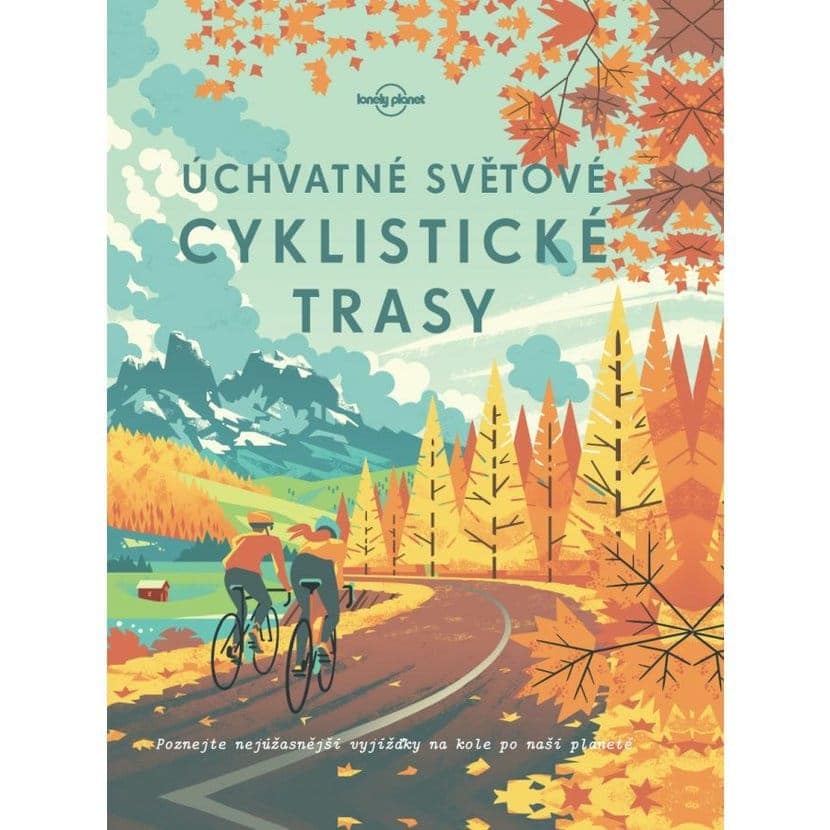
20) Book – Epic Bike Rides of the World

Every book by Lonely Planet is a treasure you want on your shelf, and this one is no exception. When I saw it in a bookshop, I almost bought it on the spot — even though we weren’t planning any such trip. It’s a stunning coffee-table book showcasing the world’s most incredible cycling routes.
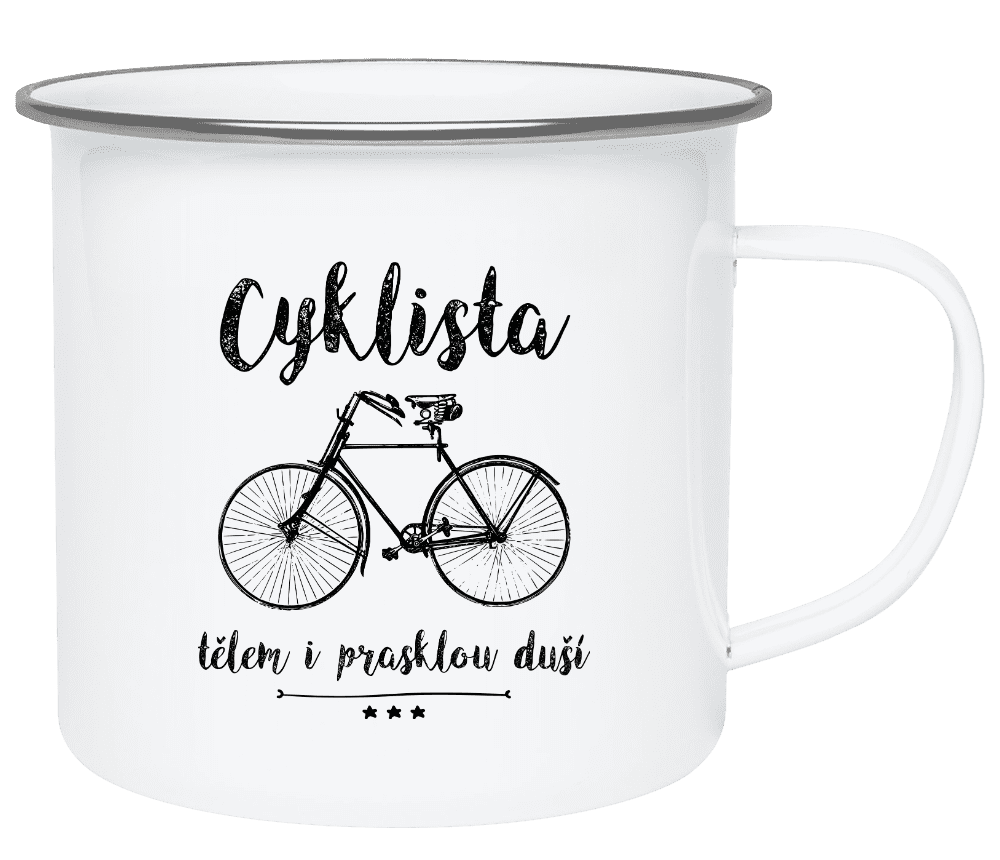
21) Cyclist Mug – A Fun Little Gift

A fun little stocking filler for passionate cyclists. There are plenty of cycling-themed mugs and enamel cups out there — browse the options and pick your favourite.
That’s it for this year’s list! I hope at least something caught your eye and made your Christmas shopping a little easier. If you’re hungry for more inspiration and this roundup wasn’t enough, be sure to check out our gift guide from last year too.

Tips and Tricks for Your Vacation

Don’t Overpay for Flights

Search for flights on Kayak. It’s our favorite search engine because it scans the websites of all airlines and always finds the cheapest connection.

Book Your Accommodation Smartly

The best experiences we’ve had when looking for accommodation (from Alaska to Morocco) are with Booking.com, where hotels, apartments, and entire houses are usually the cheapest and most widely available.

Don’t Forget Travel Insurance

Good travel insurance will protect you against illness, accidents, theft, or flight cancellations. We’ve had a few hospital visits abroad, so we know how important it is to have proper insurance arranged.

Where we insure ourselves: SafetyWing (best for everyone) and TrueTraveller (for extra-long trips).

Why don’t we recommend any Czech insurance company? Because they have too many restrictions. They set limits on the number of days abroad, travel insurance via a credit card often requires you to pay medical expenses only with that card, and they frequently limit the number of returns to the Czech Republic.

Find the Best Experiences

Get Your Guide is a huge online marketplace where you can book guided walks, trips, skip-the-line tickets, tours, and much more. We always find some extra fun there!
Landštejn Castle: Interesting Facts and Trip Tips

TL;DRLandštejn Castle is a sprawling Romanesque-Gothic ruin in the Bohemian Canada region near Jindřichův Hradec, reachable from Staré Město pod Landštejnem (3km along the red trail) or Slavonice (9km), by bus route 340030 or by car via the D3 motorway. In summer it’s open nearly every day from 9am to 4.30pm, with tickets costing 90 CZK for adults, 60 CZK for children and students, and 230 CZK for a family ticket. There are no set tours or guides here — one quirky highlight is a stash of sixty stone cannonballs from a Hussite siege, found in an old well and now on display just past the first gate. You can easily combine the visit with the boulder known as Ďáblova prdel, the U Jakuba lookout tower, or the chateaux at Nová Bystřice, Dačice and Český Rudolec.

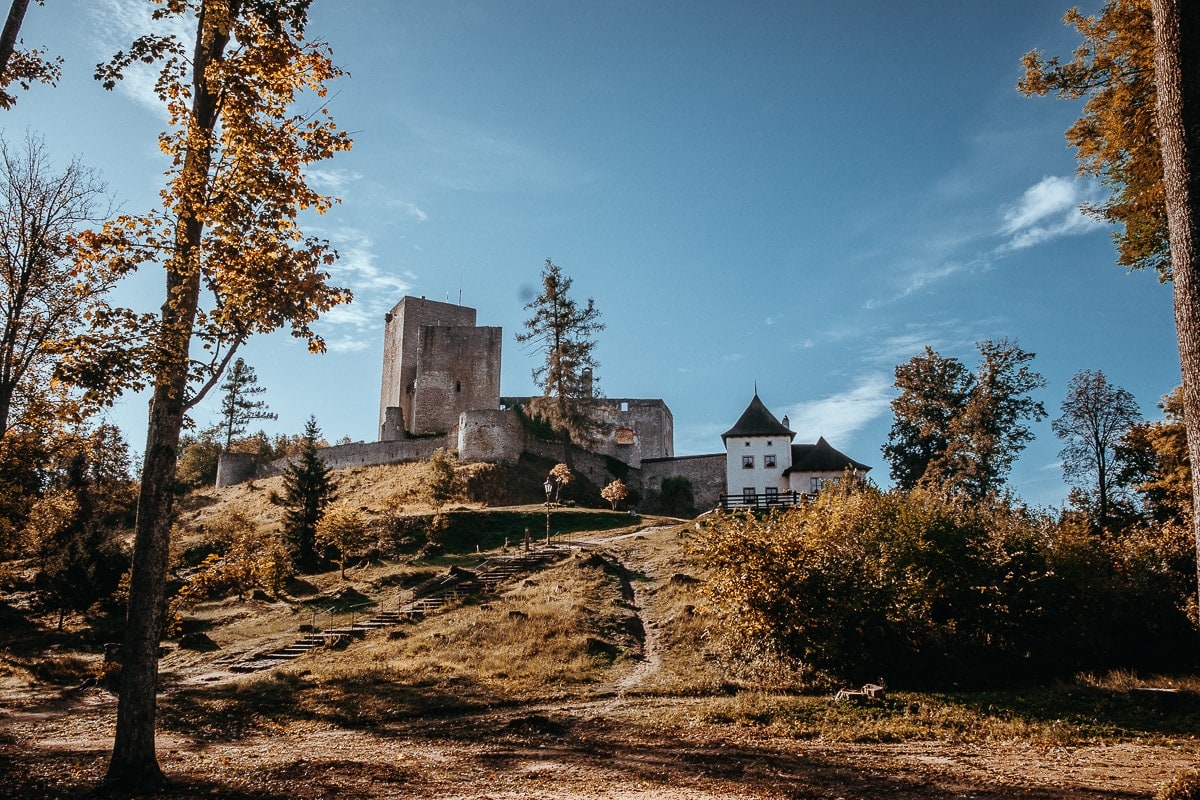
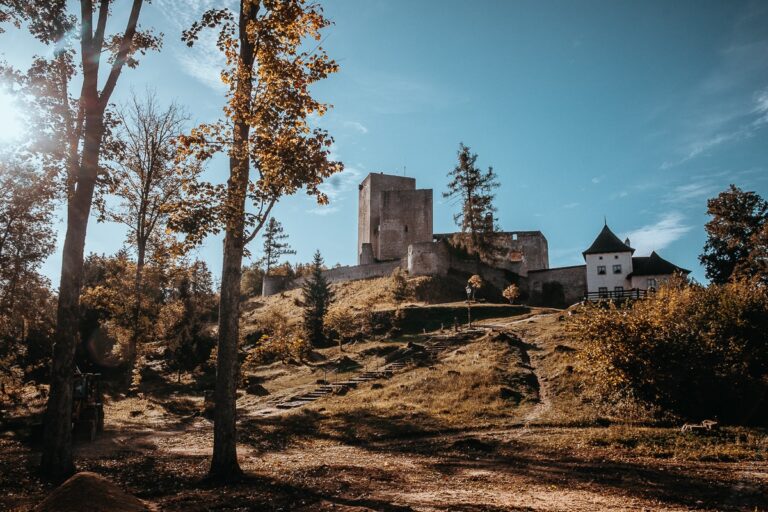
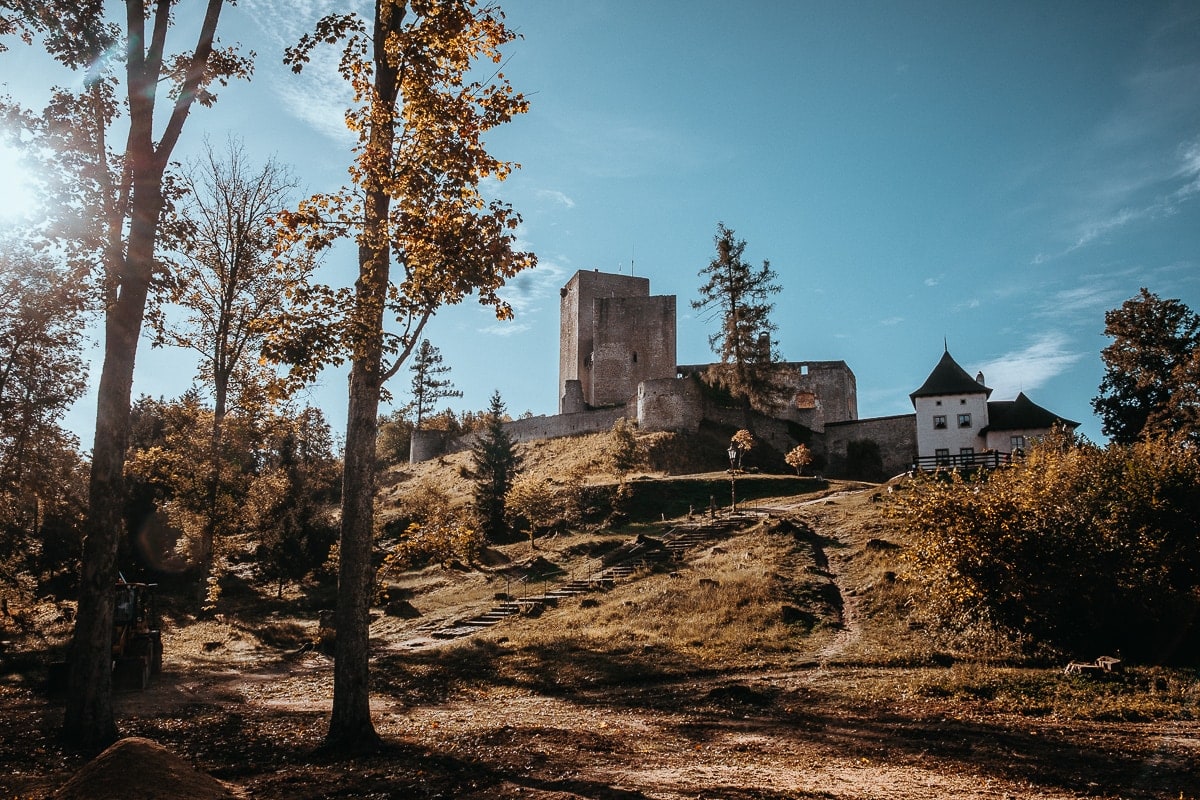
Landštejn Castle, one of the most impressive and best-preserved castle ruins in the Czech Republic, hides in the deep forests of Czech Canada, a picturesque region around Jindřichův Hradec. The castle was built in the 13th century, and to this day you can still see remnants of the original Romanesque structure and the Gothic palace around the courtyard. Landštejn Castle is a beautiful place for a day trip that you can easily combine with visits to other attractions in the region.

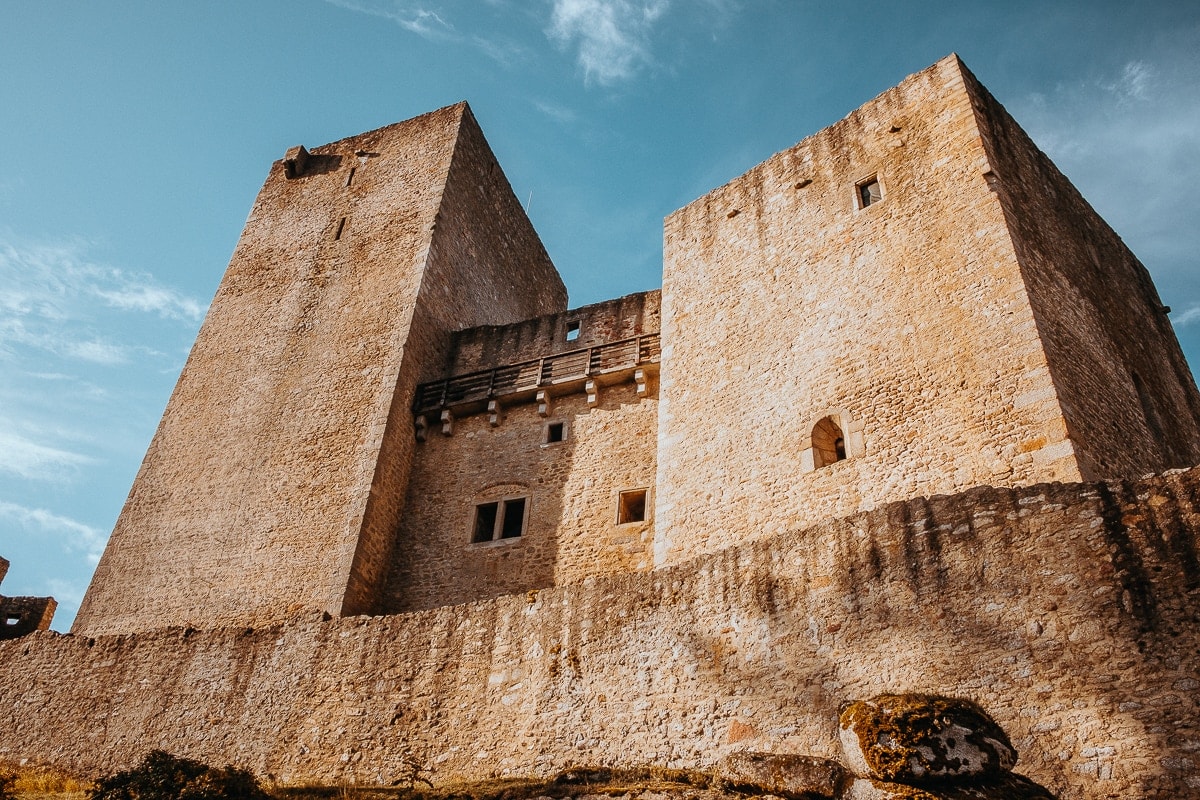
Landštejn Castle from a distance
Landštejn Castle

How to Get to Landštejn

By Bus

There is a bus stop right next to the castle called Staré město pod Landštejnem, Landštejn, served several times a day by bus no. 340030 from Jindřichův Hradec or from Slavonice.

By Car

If you’re driving from Prague, the best route is via the D3 motorway. Take exit 100 towards Jindřichův Hradec, drive through the town and continue towards Nová Bystřice — from there it’s just a short drive to the castle. If you’re coming from abroad, the nearest major airports are Prague (about 2.5 hours) and Vienna (about 2 hours).

On Foot or by Bike

Following the red-marked trail, you can reach Landštejn either from Staré Město pod Landštejnem (3 km) or from Slavonice (9 km). If you also plan to visit Český Rudolec Chateau, you can combine both sights into one full-day trip, as a 9 km long blue hiking trail connects the two.

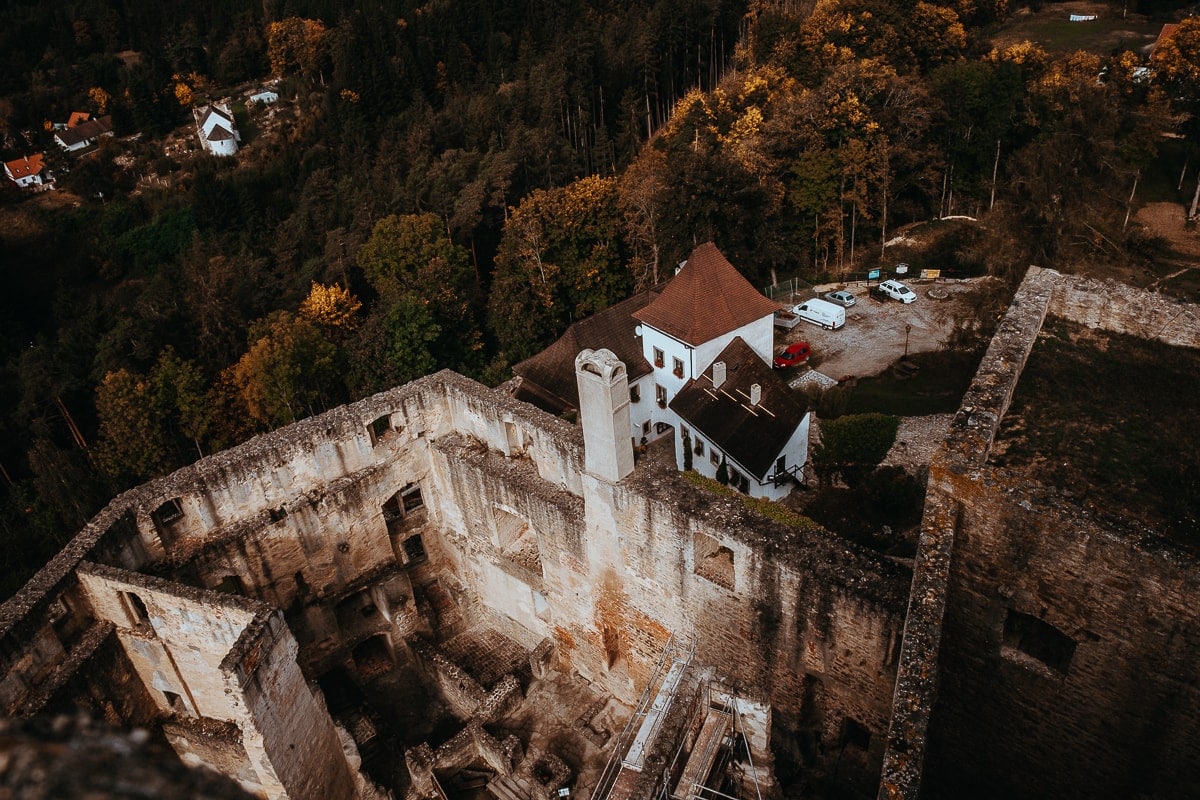
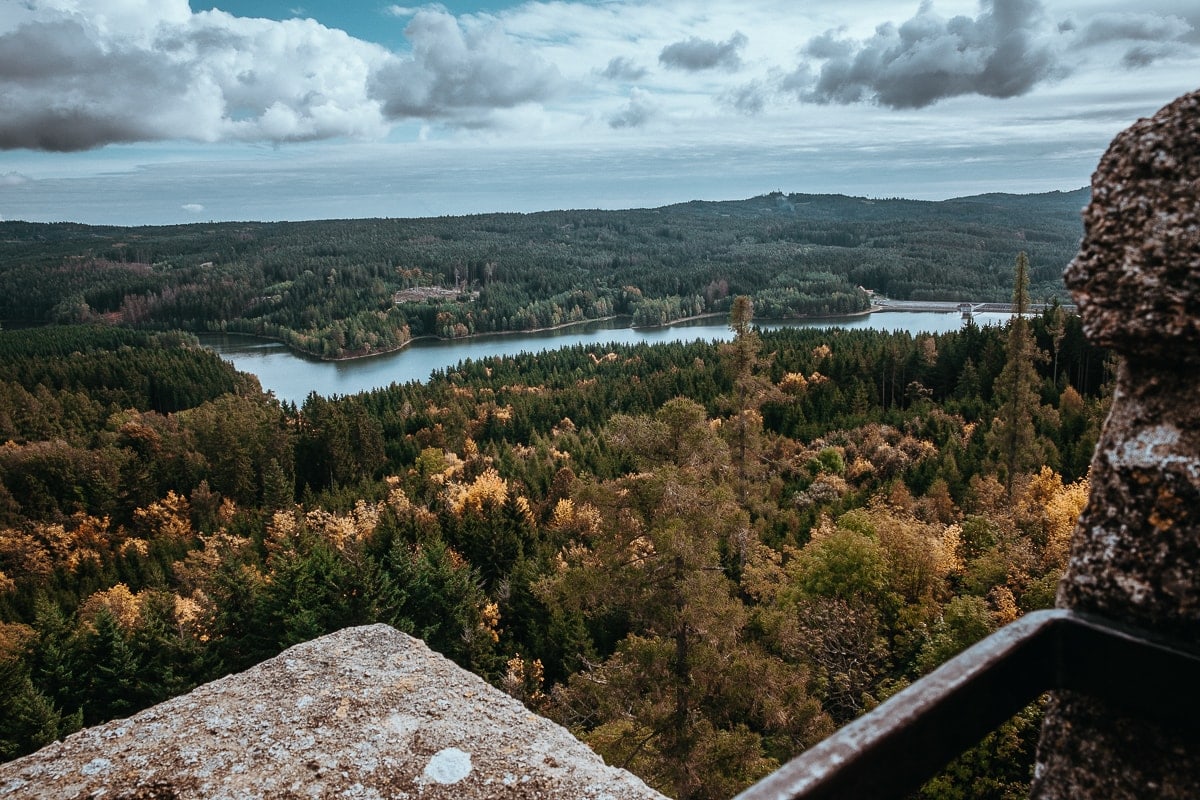
Landštejn Castle from one of its towers
Landštejn Castle seen from one of its towers

Admission and Opening Hours

Opening Hours

Opening hours vary throughout the year. During summer, the castle is open almost every day from 9:00 to 16:30. You cannot enter outside visiting hours, so make sure to check the official website before your visit to confirm it will be open.

Admission Fees

There are no guided tours available at the castle — you explore it freely on your own. You only pay for entry to the castle grounds.

  • Adults: 90 CZK (approx. €3.60)
  • Children, youth, and students: 60 CZK (approx. €2.40)
  • Family ticket: 230 CZK (approx. €9.20)

For more information about discounted or free admission, read more here.

Landštejn Castle photographed from the ramparts
Landštejn photographed from the ramparts

History of Landštejn

According to the local castellan, Landštejn Castle is the only Romanesque-style castle in Europe that has survived to the present day. The construction of the first structures dates back to the 12th century, but unfortunately no sources have been found that would describe the reason, appearance, or exact date of the original construction.

In the 16th century, Landštejn became one of the largest castles in the territory of the then Czech lands. Due to a turbulent history, it changed owners many times and, as a result, gradually fell into disrepair over a period of 150 years.

In 1771, the castle was struck by lightning, burned down, and was subsequently abandoned until the 1960s. That’s when Karel Veselý appeared on the scene.

Veselý wanted to save the castle, and although he had no education or experience in archaeological work, he and his friends set about clearing the interior of the castle and then carried out amateur repairs.

Partly because of these unprofessional interventions, restoration work has been ongoing since 2019 and is expected to continue for some time.

View from Landštejn Castle over Czech Canada
View from Landštejn over Czech Canada

Interesting Facts About Landštejn Castle

Almost no interior rooms or furnishings have survived in the castle, but the entire grounds were — and still are — full of archaeological finds that tell the story of the castle’s history.

Because there were no funds to clean out the local well in the 1960s, it wasn’t explored until relatively recently. The well had been filled in during the Renaissance period, and no one had looked inside since.

At the bottom of the well, archaeologists discovered sixty stone cannonballs from the time when the castle was besieged by the Hussites. The cannonballs are displayed just past the first gate!

lukas a lucka
Lukáš and Lucie recommend
Where to stay in Czech Canada
3 accommodations — hotels and other lodging options

Accommodation Nearby

We assume you’re not just making a quick stop in Czech Canada, so we’ve selected some great accommodation options from which you can explore the entire region with ease. You can also search for more options on Booking.com.

[lgc_column grid=”33″ tablet_grid=”33″ mobile_grid=”100″ last=”false”]

Zámecký Penzion Český Rudolec

penzion cesky rudolec

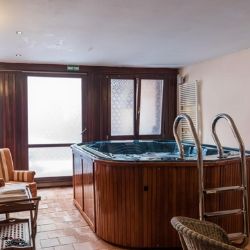
A guesthouse with a view of Český Rudolec Chateau. They have an indoor pool and excellent breakfasts. A great place to stay while exploring Czech Canada.

[/lgc_column] [lgc_column grid=”33″ tablet_grid=”33″ mobile_grid=”100″ last=”false”]

Accommodation at Giordanů

ubytovani u giordanu

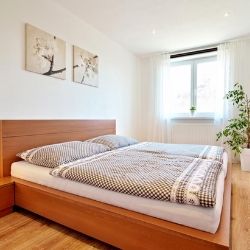
A beautiful historic house, cosy rooms, a friendly host, and a great location in the town centre. Highly recommended for history lovers.

[/lgc_column] [lgc_column grid=”33″ tablet_grid=”33″ mobile_grid=”100″ last=”true”]

Hotel Telč in the Centre of Telč

hotel telc

“The staff were kind, friendly, helpful, and very communicative. The rooms were beautifully renovated. Breakfast was included and served as a generous buffet.”

[/lgc_column]

Trip Tips Near Landštejn

Devil’s Backside Rock Formation

About 30 minutes by car from Landštejn, hidden in the forests, you’ll find a curious rock called Ďáblova prdel (literally “Devil’s Backside”), shaped — as you might guess — like a bottom. It’s one of the most striking natural formations in the Czech Canada nature park. You can combine the visit with a climb up to the U Jakuba Lookout Tower.

Nová Bystřice Chateau

This originally Gothic castle, later rebuilt into a four-wing Renaissance chateau, is one of the few heritage sites in the Czech Republic still in private hands. The custodians are gradually restoring it and opening it to the public. You must book a tour of Nová Bystřice Chateau in advance.

Dačice Chateau

There are actually two chateaux in Dačice — we recommend visiting the so-called New Chateau. It houses two unique libraries with original furnishings from the 1830s! The chateau features Empire-style interiors and also serves as the town museum.

Český Rudolec Chateau

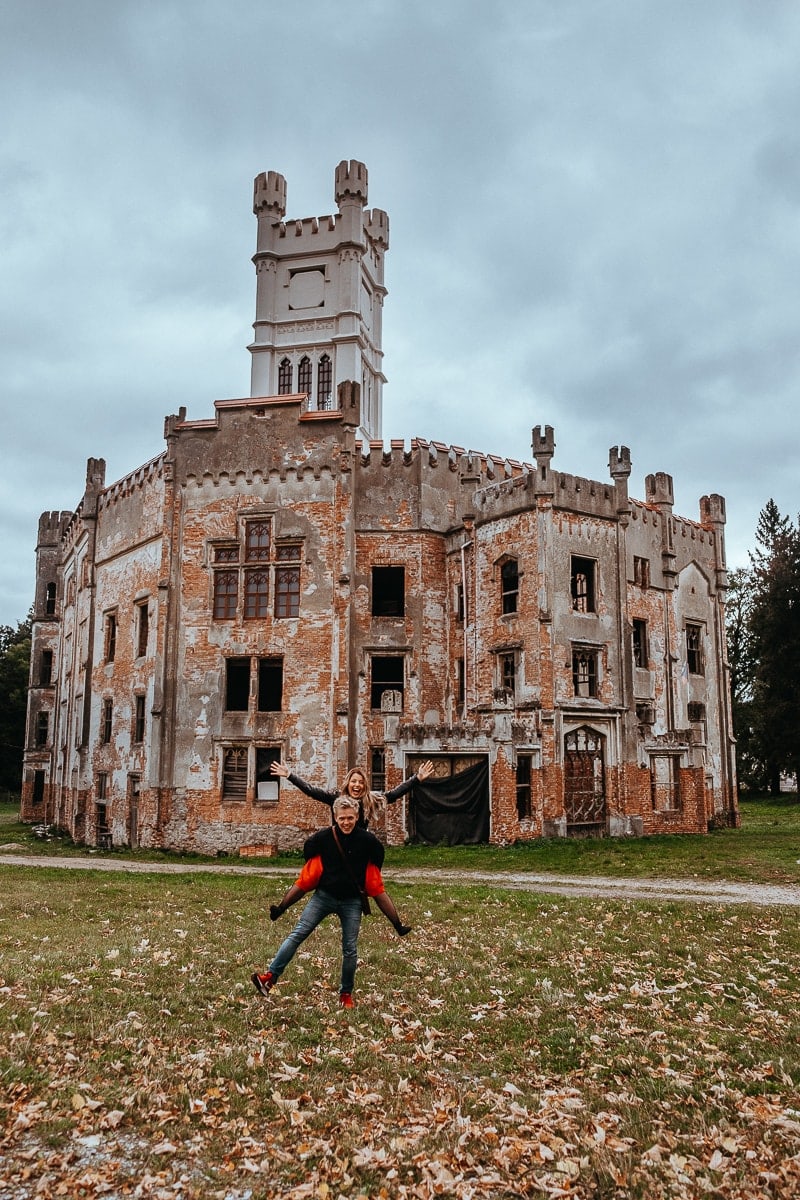
The romantic neo-Gothic Český Rudolec Chateau was built on the ruins of an older fortress in 1860 but spent many years in a state of complete disrepair. Now, dedicated volunteers have taken the chateau — nicknamed the “Little Hluboká” — under their wing and are gradually restoring it.

Tips and Tricks for Your Vacation

Don’t Overpay for Flights

Search for flights on Kayak. It’s our favorite search engine because it scans the websites of all airlines and always finds the cheapest connection.

Book Your Accommodation Smartly

The best experiences we’ve had when looking for accommodation (from Alaska to Morocco) are with Booking.com, where hotels, apartments, and entire houses are usually the cheapest and most widely available.

Don’t Forget Travel Insurance

Good travel insurance will protect you against illness, accidents, theft, or flight cancellations. We’ve had a few hospital visits abroad, so we know how important it is to have proper insurance arranged.

Where we insure ourselves: SafetyWing (best for everyone) and TrueTraveller (for extra-long trips).

Why don’t we recommend any Czech insurance company? Because they have too many restrictions. They set limits on the number of days abroad, travel insurance via a credit card often requires you to pay medical expenses only with that card, and they frequently limit the number of returns to the Czech Republic.

Find the Best Experiences

Get Your Guide is a huge online marketplace where you can book guided walks, trips, skip-the-line tickets, tours, and much more. We always find some extra fun there!
Slovakia: A Complete Guide to the Tatras Traverse

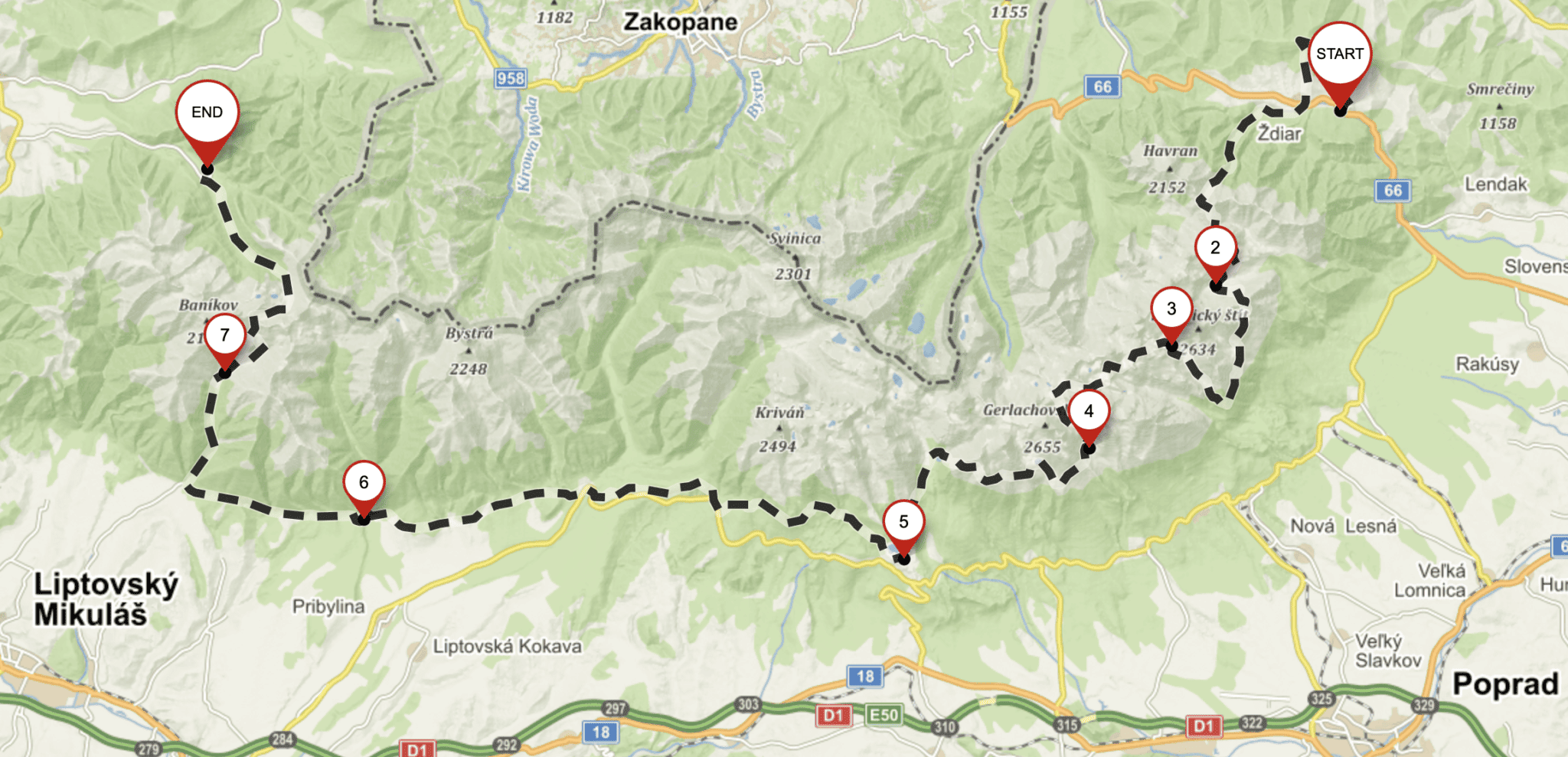
TL;DRCrossing the entire Tatra National Park takes seven days, covers 82 to 101 km depending on the route, and involves 4655 metres of ascent and around 40 hours of walking. The route runs from Ždiar via huts including Chata pri Zelenom plese, Téryho chata, Sliezsky dom, Štrbské Pleso, Chata Orešnica and Žiarska chata, finishing at Chata Zverovka, with the chained section over Priečne sedlo being the toughest and most exposed stretch. Staying at all six huts comes to 220.5 EUR per person, and the whole crossing for two people, travel from Prague included, works out at roughly 20,000 CZK. The best time for a Tatra crossing is late August into September, when the weather’s more settled and storms less frequent than during the main season from 16 June to 31 October.

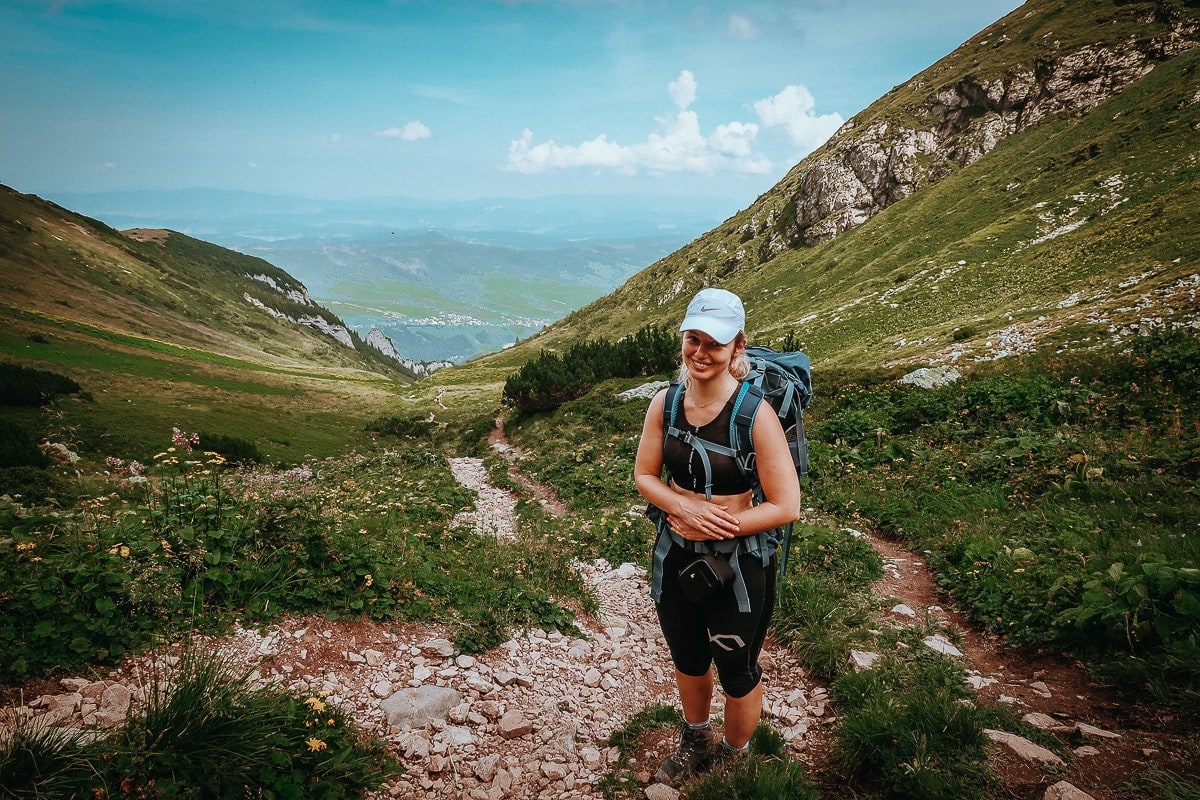
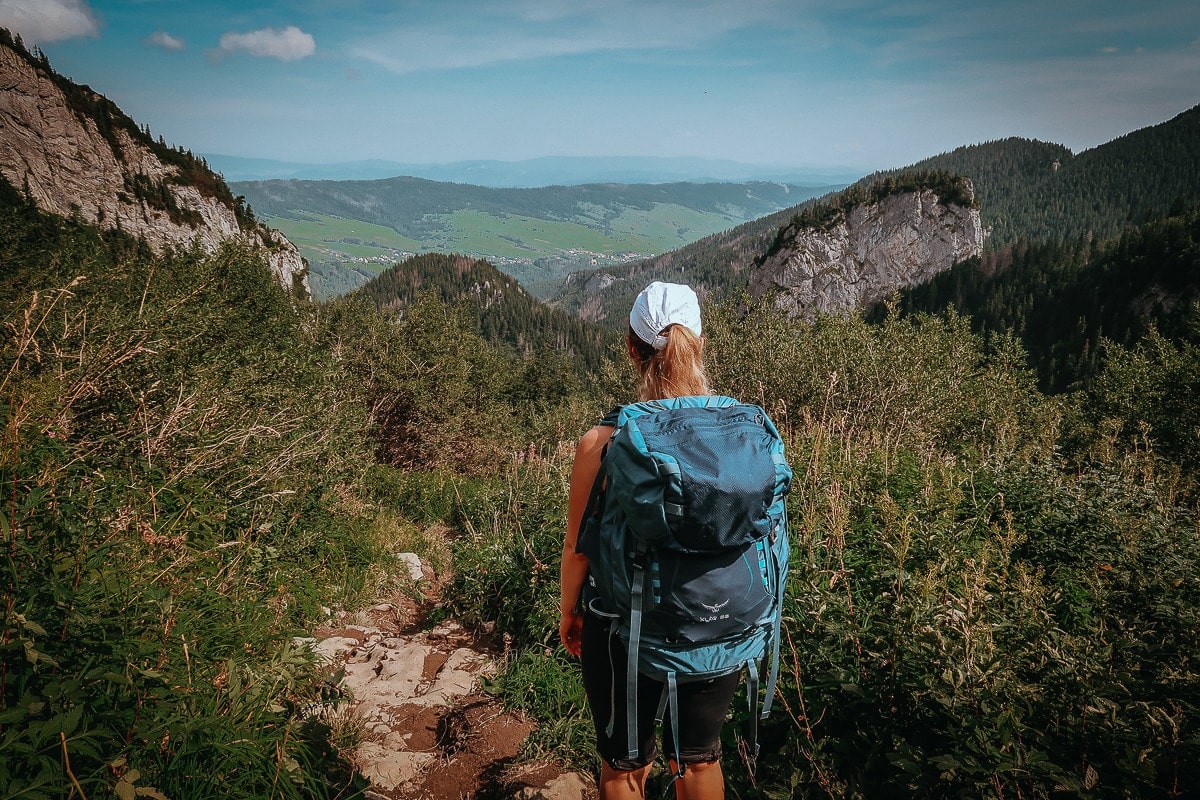
In Slovakia: A Complete Guide to the Tatras Traverse, I will share an itinerary for traversing the entire Tatra National Park — a dream for many a mountaineer. With our itinerary, you’ll cross the Tatras in seven days, visit all the interesting mountain huts, see and conquer several ridges, and even have to climb using chains. But since we, completely untrained city dwellers from Prague at the time, completed and managed the journey, you have nothing to fear.

The Tatras Traverse Takes Seven Days

Since the traverse starts and ends on opposite sides of the Tatras, it doesn’t make sense to drive to Slovakia. Therefore, plan your trip so that you arrive in Slovakia in the evening and start the traverse in the morning.

The route starts in the mountain village of Ždiar in the Eastern (Belianske) Tatras. We recommend taking the train to Poprad and from there getting a taxi ride for €18.50 all the way to your accommodation. Buses from Poprad are infrequent, and unless you set off from Prague at six in the morning, you probably won’t catch one anyway. Stay at the Penzion Ždiar, where you can kick off your holiday with some delicious halušky!

At a Glance:

  • 82 to 101 km, depending on the chosen route
  • 4,655 meters of elevation gained
  • approximately 40 hours of walking
  • 6 mountain huts

How much it Costs

A train or bus journey from Prague to Poprad costs 400 CZK to 800 CZK, depending on the time of day, class, and carrier. A taxi from Poprad to Ždiar is 18.5 EUR, accommodation totals 220.5 EUR per person.

Most accommodations include half-board, so you typically only need to buy lunch. Together with snacks and teas we bought along the way, we spent approximately 20 EUR per day.

In total, the Tatras traverse for two people, including transport to and from Slovakia, comes to approximately 20,000 CZK.

AccommodationPrice per person (mostly half-board)
Penzion Ždiar44 EUR
Chata pri Zelenom plese23 EUR
Téryho chata37 EUR
Sliezsky dom55 EUR
SHB Štrbské pleso21 EUR
Chata Orešnica38 EUR
Žiarska chata20.5 EUR
Zverovka26 EUR
Total220.5 EUR / 5,700 CZK

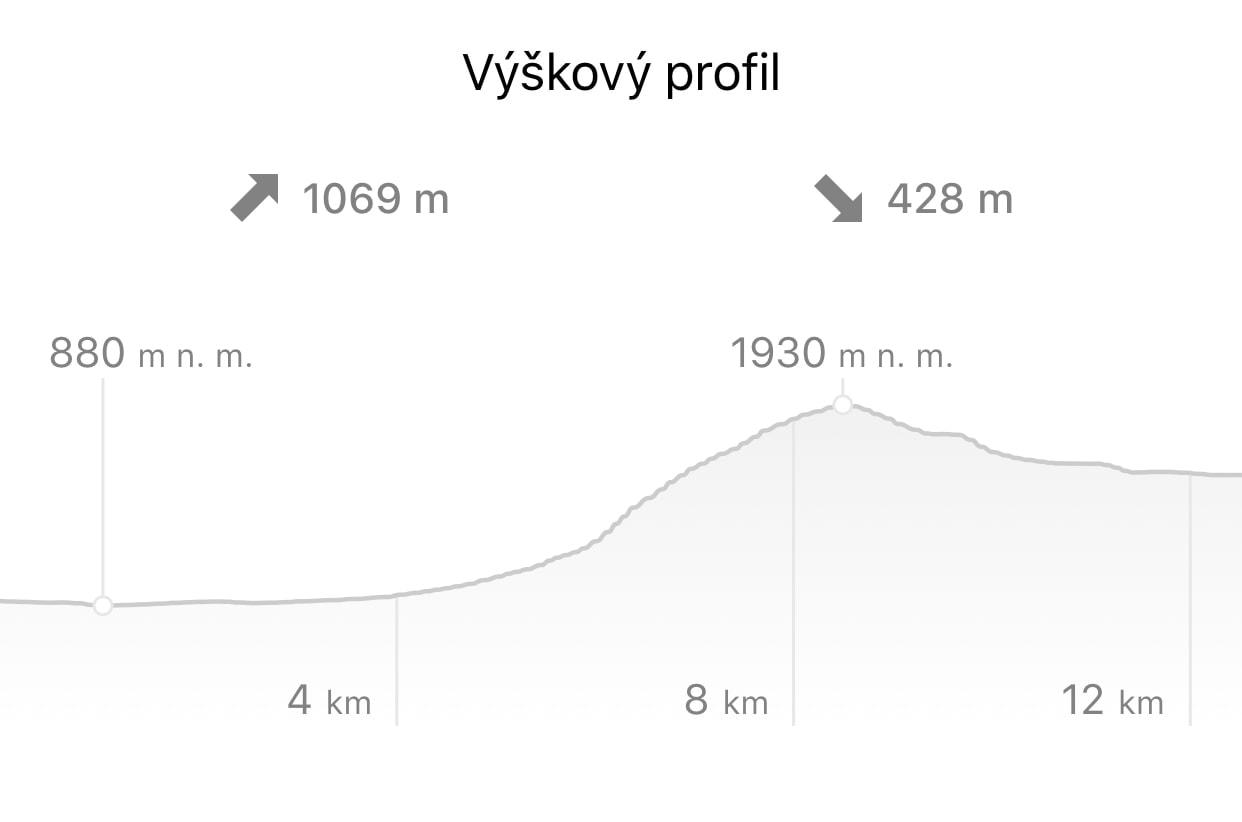
Day 1: Ždiar – Chata pri Zelenom plese

  • Section Length: 12.5 km
  • Section Time: 6:59 hours including lunch
  • Total Elevation Gain: 1,069 m

Prepare for a tough start. From Ždiar, you enter the Tatras from the lowlands, and although the first kilometer seems easy, a steep ascent follows. And it won’t stop until you gain 1,000 m over just a few kilometers. Your reward is the view from Široké sedlo, which you’ll reach after three hours.

Then it’s just a few tens of meters of elevation gain to Vyšné Kopské sedlo, and from there, it’s a relaxing four kilometers to the hut by Zelené pleso.

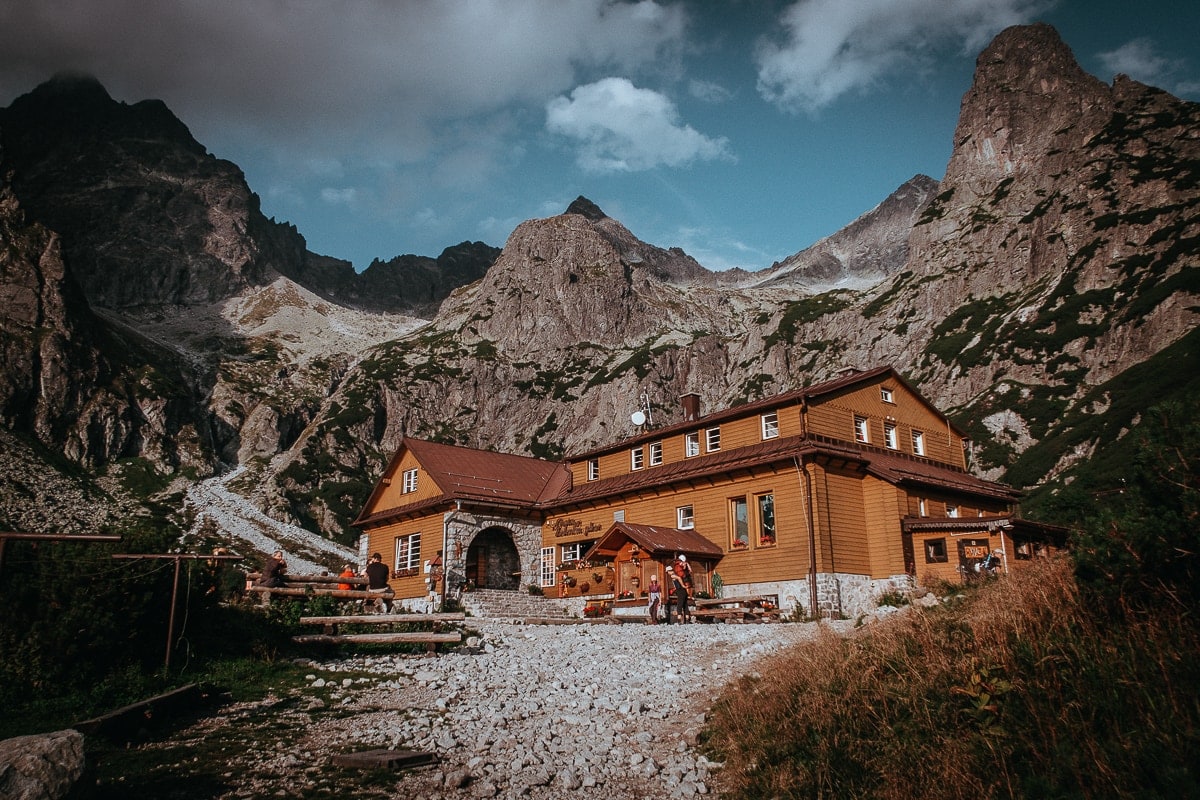
Chata pri Zelenom plese - informace
  • Accommodation with half-board: 23 EUR/person (16 EUR with KČT discount)
  • Reservations: Chata pri Zelenom plese
  • Accommodation Type: From double rooms to dormitory-style accommodation in a barn.
  • Do they have a shower? Yes.
  • Do you need a sleeping bag? No, if you book in advance.

Day 2: Chata Pri Zelenom Plese – Téryho Chata

  • Section Length: 11.4 km
  • Section Time: 8:32 hours including lunch
  • Total Elevation Gain: 974 m

On the second day, you’ll spend time at high altitudes and hike most of the way on exposed high-mountain sections. Therefore, we strongly recommend checking the weather forecast so you don’t get caught in a storm in the middle of a section where there’s only rock as far as the eye can see. From the hut, you’ll head to the Svišťovka peak, which involves a very steep ascent, partly using chains.

But don’t worry, many children went there with us too. You’ll conquer 500m of elevation gain in about two hours, and then it’s a beautiful walk to Skalnaté pleso, where you can have lunch. The route continues along the red trail towards Zamkovského chata, where you can refresh yourself before the final ascent to Téryho chata. It starts gradually and ends with a climb along the base of a high mountain.

Expect an elevation gain of 400m over the last two kilometers. The reward is accommodation in a hut that is a short distance from Lomnický štít. The hut has no showers, no hot water, but they have a pleasant wood-burning stove and excellent pancakes.

Terryho chata - informace
  • Accommodation with half-board: 37 EUR/person (26 EUR with KČT discount)
  • Reservations: Téryho chata
  • Accommodation Type: Six and twelve-bed rooms. Heated by stove.
  • Do they have a shower? No.
  • Do you need a sleeping bag? Not if you book in advance. You’ll get a communal one. But bring your own.

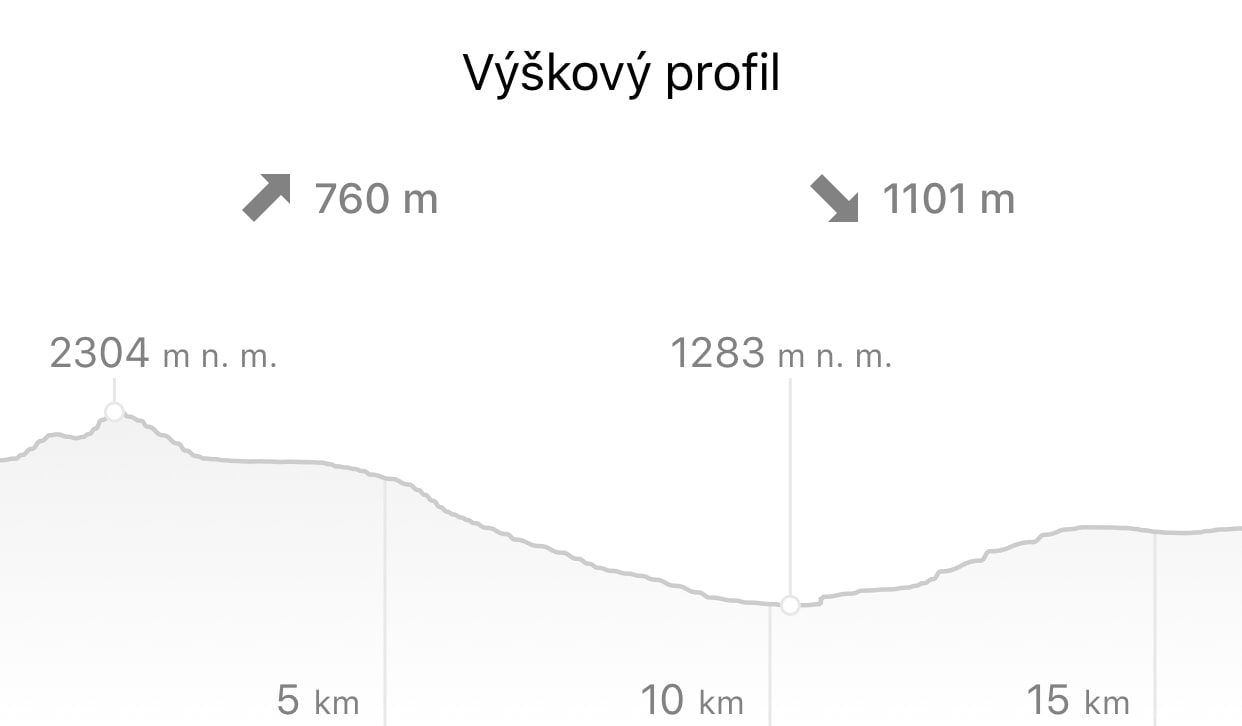
Day 3: Téryho Chata – Sliezsky Dom

  • Section Length: 16.2 km
  • Section Time: 9:25 hours including lunch
  • Total Elevation Gain: 760 m

If you go via Polský hřeben, the route is four kilometers shorter, but you’ll gain 970 m in elevation.

This is probably the most difficult section of the entire traverse, as you’ll encounter two dangerous sections with chains. This is where a helmet comes in handy, as you’ll be climbing steeply upwards at a 60-degree angle towards the ridge, and rocks occasionally fall. One such stray rock hit me above the knee, and luckily, I was holding firmly onto the chain at that moment, otherwise I probably would have fallen quite a way down.

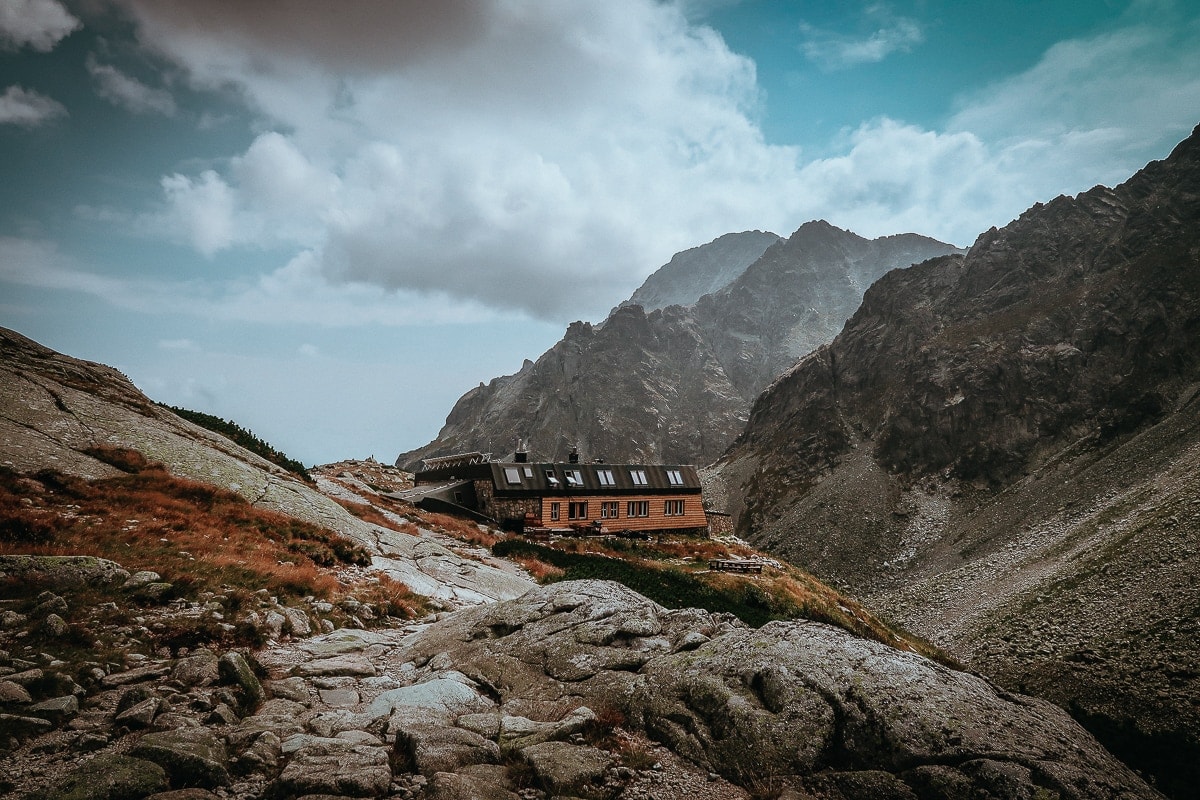
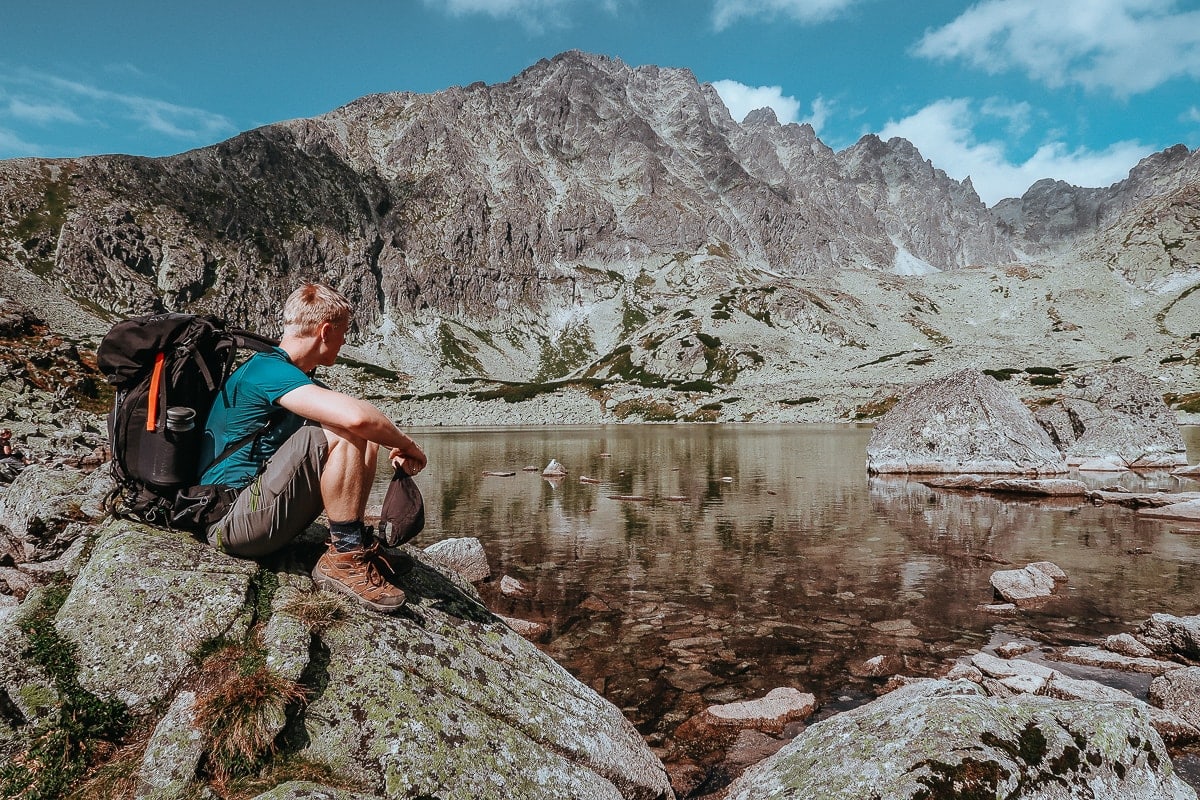
After overcoming the chains at Priečne sedlo (reportedly the most challenging thing you can experience on a hike in the Tatras), a gentler descent follows, and about an hour and a half’s walk to Zbojnícka chata. The entire journey offers magnificent views and a series of lakes (Sivé, Ledové, and Starolesnianské pleso). Bring binoculars; with a bit of luck, you’ll see a group of climbers conquering one of the surrounding peaks.

At Zbojnícka chata, have some steamed dumplings and decide which way to go; you have two options. If Priečne sedlo didn’t deter you, take the route over Polský hřeben, where there are two sections with chains, similar to those at Priečne. Alternatively, choose the longer but safer route through Velká studená dolina to Rainerova chata and via Hrebienok to your destination for the day, Sliezsky dom.

Sliezsky dom is a luxurious, the highest-altitude mountain hotel in Slovakia. Dinner and breakfast are served buffet-style in the hotel restaurant; tourist accommodation is located on the side of the main building.

Sliezsky dom - informace
  • Accommodation with half-board: 55 EUR/person
  • Reservations: Sliezsky dom
  • Accommodation Type: Beautiful 12-bed dormitory with a luxurious bathroom.
  • Do they have a shower? Yes.
  • Do you need a sleeping bag? Yes.

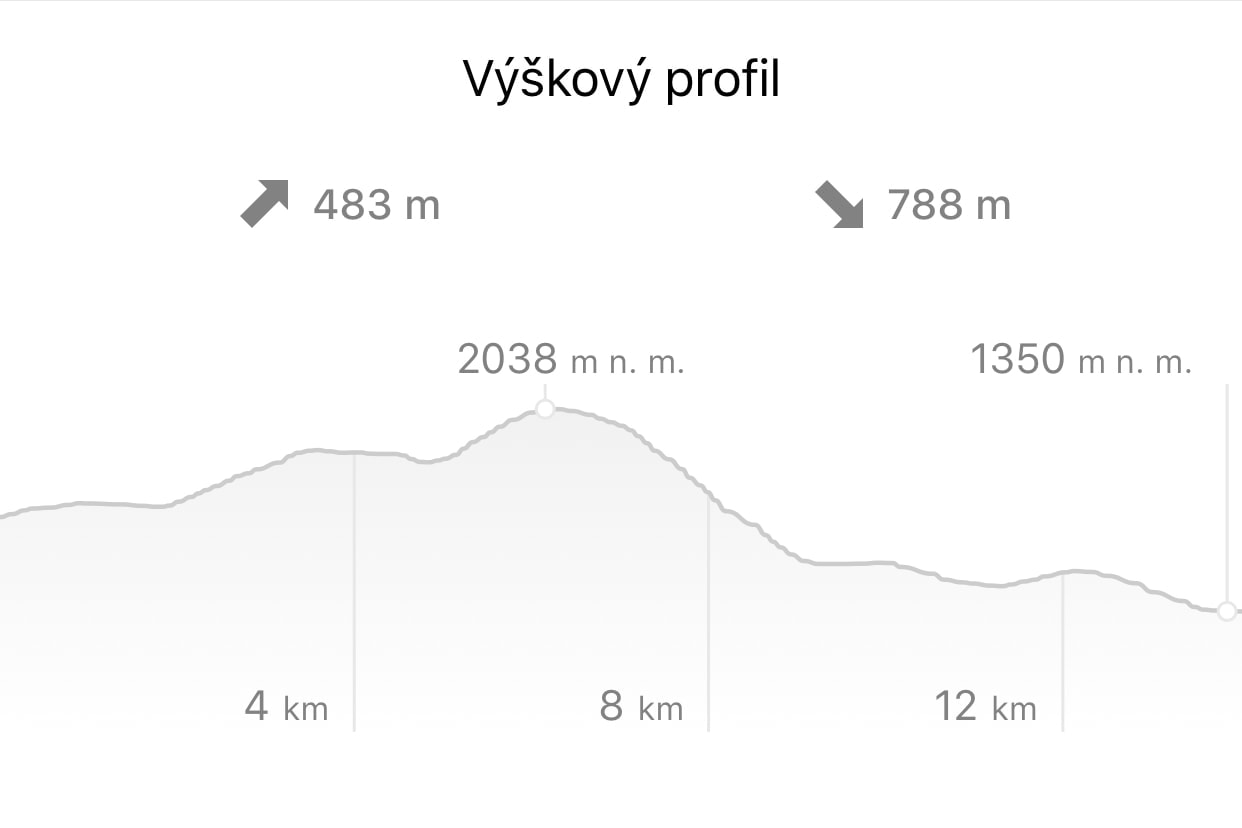
Day 4: Sliezsky Dom – Štrbské Pleso

  • Section Length: 14 km
  • Section Time: 8:28 hours including lunch
  • Total Elevation Gain: 483 m

The full-day transfer from Sliezsky dom to Štrbské pleso is best started early in the morning. Most of the way, you’ll be exposed to direct sunlight with no possibility of shade. For 7.5 km from Sliezsky dom to the Ostrva peak, we walk along the High Tatras with views of the lowlands, Poprad, and Slovak Paradise.

Batizovské pleso, which you’ll encounter along the way, is a great opportunity for a snack and a rest. After reaching the Ostrva peak, you’ll see Popradské pleso deep in the valley, to which you’ll descend 500 meters of elevation over a short 2.7 kilometers. And believe it or not, going down is harder than going up! The good news is that after Ostrva, you only have an hour and a half of comfortable walking to Štrbské pleso. For accommodation, we recommend the tourist hostel SHB Štrbské Pleso.

SHB Štrbské Pleso - informace
  • Accommodation without meals: 21 EUR/person
  • Reservations: SHB Štrbské Pleso
  • Accommodation Type: Hostel with double and multi-bed rooms.
  • Do they have a shower? Yes.
  • Do you need a sleeping bag? No.

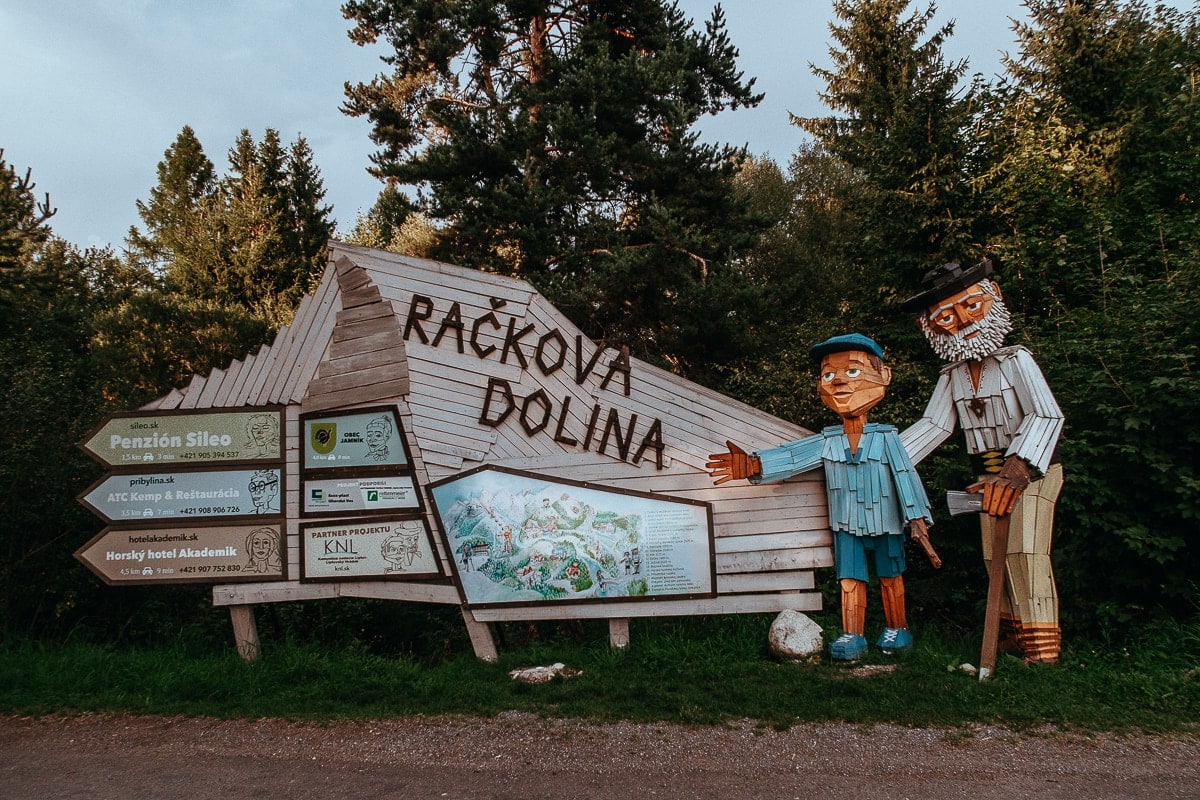
Day 5: Štrbské Pleso – Chata Orešnica (Račkova Dolina)

  • Section Length: 3.8 km
  • Section Time: 48 min without bus ride
  • Total Elevation Gain: 118 m

The following day involves a more than twenty-kilometer hike from the High Tatras to Račkova dolina. If you want to avoid this somewhat boring trek, do as we did. We left our backpacks at the hostel in Štrbské pleso and went to relax. We rented a paddle boat on the lake, tried all three local cafes, including the Zubačka restaurant and the pancake house.

At 5:30 PM, we boarded a bus (from the main parking lot) and at 6:00 PM, we got off at the Pribylina, Račkova dolina stop. From there, it was just under 4 kilometers to our next accommodation along an unfrequented asphalt road, a trek of less than an hour. We arrived at the charming guesthouse Chata Orešnica, where they have an open bar after dinner, and a pond and horses on the property.

Chata Orešnica - informace
  • Accommodation with half-board: 50 EUR/room + 13 EUR half-board/person
  • Reservations: Chata Orešnica
  • Accommodation Type: Standard hotel rooms.
  • Do they have a shower? Yes.
  • Do you need a sleeping bag? No.

Day 6: Račkova Dolina – Žiarska Chata

  • Section Length: 12.4 km
  • Section Time: 4:09 hours
  • Total Elevation Gain: 587 m

From Račkova dolina, the transfer to Žiarska chata takes just over four hours, as more than half of the route is almost flat. Up to the crossroads in Žiarska dolina, where there is a large parking lot, the path is marked as suitable for families with children.

Along the way, you can only stop at Baranec hut, which, however, was not open to the public during our visit, only to accommodated guests. It is also the only section whose mapping in online maps (Mapy.cz) differs from reality, and after about three kilometers from the start of the path, you need to continue along the red trail slightly to the right into the forest, even though the main road, used by bikes, goes another way.

From Žiarska dolina, a steady, at times steeper, ascent awaits you up to Žiarska chata. You can either take the new asphalt road, which, however, is used by scooter riders coming down from Žiarska chata, or walk along the marked blue trail through the forest. Both paths are equally long and converge into one asphalt road for the last two kilometers.

At Žiarska chata, expect a grumpy man at the counter. If you stay in the tourist dormitory (an attic with ‘cubicles’), don’t forget to ask for a shower token. It’s included in the price, although no one will tell you. You can’t buy more, because ‘3 minutes for a shower must be enough for you’. If you get wet on the way, like we did, the hut has a drying room that the staff will open for you free of charge.

On this section, expect views primarily of the opposing Low Tatras.

Žiarska chata - informace
  • Accommodation with half-board: 9.5 EUR/person + 5 EUR/person breakfast + dinner approx. 6 EUR/person
  • Reservations: Žiarska chata
  • Accommodation Type: ‘Boxes’ in the attic.
  • Do they have a shower? Yes.
  • Do you need a sleeping bag? YES!
lukas a lucka
Lukáš and Lucie recommend
Where to Stay in the Tatras
6 accommodations — cottages, wellness hotels and other lodging options
⭐ TOP CHOICE 🏡 Pension
Penzion Ždiar
Guesthouse in the eastern Tatras in the town of Ždiar, where the Tatra crossing begins. Accommodation with excellent halušky and great value for money.
★★★★ 44 EUR/person
Check availability
🏔️ Mountain Hut
Chata pri Zelenom plese
Our favorite mountain hut in the Tatras with accommodation ranging from double rooms to dormitory lodging in the barn. The hut has showers and half board.
★★★★ 23 EUR/person with half board (16 EUR with KČT discount)
Check availability
🏔️ Mountain Hut
Téryho chata
High mountain hut near Lomnický štít with excellent pancakes and cozy wood stoves. Heated by stoves, no showers, but with running hot water.
★★★★ 37 EUR/person with half board (26 EUR with KČT discount)
Check availability
⭐ Luxury
Sliezsky dom
Luxury, highest-altitude mountain hotel in Slovakia with buffet at dinner and breakfast in the hotel restaurant. Beautiful 12-bed dormitory with luxury bathroom.
★★★★ 55 EUR/person with half board
Check availability
🏡 Pension
SHB Štrbské Pleso
Tourist hostel in Štrbské Pleso with double and multi-bed rooms. Accommodation with shower, without half board.
★★★★ 21 EUR/person without meals
Check availability
🏡 Pension
Chata Orešnica
Charming guesthouse in Račková dolina with a bar open after dinner and with a pond and horses on the property. Standard hotel rooms with shower.
★★★★ 50 EUR/room + 13 EUR half board/person
Check availability

Day 7: Žiarska Chata – Chata Zverovka

  • Section Length: 10.9 km
  • Section Time: 5:15 hours including lunch
  • Total Elevation Gain: 664 m

On the last day, prepare for a steeper ascent that begins right after Žiarska chata. We took the blue trail to Smutné sedlo; more adventurous hikers can choose an alternative route over Baníkov peak along the green trail, but expect at least three extra hours.

You’ll climb the entire elevation gain in the first three kilometers; the rest of the route is a pleasant descent, where you’ll descend almost a kilometer over eight kilometers. Along the way, magnificent views of Baníkov, Plačtivé, Roháče, and several lakes await you. Roughly halfway, you’ll come across the new Ťatliakova chata, where you can have lunch and a draft Kofola or beer.

Although an asphalt road leads from here all the way to Zverovka, no one rents scooters here, so you’ll have to walk the last section too. 🙂 Here you are fully in a tourist area, as on the way down you’ll meet many mothers relentlessly pushing strollers uphill.

The entire hike ends at Zverovka hut. However, if, like us, you arrive at Zverovka around two o’clock, you can catch a bus directly at the hut and get a ride to Podbiel train station. From there, you’ll travel to Žilina and transfer to a train to the Czech Republic.

When to Go to the Tatras

The main season in the Tatras is from June 16 to October 31; outside this period, many hiking trails are completely closed, primarily due to snow. These closures may persist later into the season; always check the TANAP website for current closures.

However, going on the traverse right in June is not a good idea. Snow lies in the saddles, and it’s still cold and rainy. Most people go on the traverse during July and August, but afternoon thunderstorms are frequent then, and the Tatranská magistrála is full of day-trippers.

We recommend the turn of August and September for the traverse, when thunderstorms are less frequent and the weather is more stable. It might be colder at higher altitudes, but it’s never warm there anyway. Moreover, the days don’t shorten as much yet, and you have enough daylight for every part of the route.

Slovakia: A Complete Guide to the Tatras Traverse

While it might sound trivial, quality equipment is essential to safely complete the trek and enjoy it to the fullest. Even a small detail, like a forgotten plaster, can turn a day hike into a nightmare. Similarly, a good quality backpack makes a huge difference. Although everyone warned us that carrying backpacks all day would be the hardest part (and that we should train in advance), it turned out to be easy (even without training). So, what shouldn’t you forget:

Curious what we pack for our trips and treks? Check out our equipment list!

Also, don’t forget to write down the mountain rescue phone number.

Frequently Asked Questions about Crossing the Tatras

Can an untrained person manage to cross the Tatras?

Yes, if they have the right equipment and avoid crossing via Priečne sedlo.

Is it necessary to book accommodation in advance?

Yes, absolutely everything. Some chalets are fully booked months in advance. We booked almost 5 months ahead.

Do mountain chalets provide meals for vegetarians?

Yes, but you need to inform them in advance and ideally remind them a day before. At worst, they’ll always cook you a dumpling or a pancake.

Do I need a sleeping bag for the trek?

Yes. Although the chalets are equipped with bedding and blankets, they are not always sufficient. We recommend a sleeping bag for hygienic reasons alone.

When is the best time to cross the Tatras?

The ideal time is late August and the first half of September.

Tips and Tricks for Your Vacation

Don’t Overpay for Flights

Search for flights on Kayak. It’s our favorite search engine because it scans the websites of all airlines and always finds the cheapest connection.

Book Your Accommodation Smartly

The best experiences we’ve had when looking for accommodation (from Alaska to Morocco) are with Booking.com, where hotels, apartments, and entire houses are usually the cheapest and most widely available.

Don’t Forget Travel Insurance

Good travel insurance will protect you against illness, accidents, theft, or flight cancellations. We’ve had a few hospital visits abroad, so we know how important it is to have proper insurance arranged.

Where we insure ourselves: SafetyWing (best for everyone) and TrueTraveller (for extra-long trips).

Why don’t we recommend any Czech insurance company? Because they have too many restrictions. They set limits on the number of days abroad, travel insurance via a credit card often requires you to pay medical expenses only with that card, and they frequently limit the number of returns to the Czech Republic.

Find the Best Experiences

Get Your Guide is a huge online marketplace where you can book guided walks, trips, skip-the-line tickets, tours, and much more. We always find some extra fun there!
South Bohemia, Czech Republic: 6 Best Things to Do and See

TL;DRČeská Kanada in South Bohemia is packed with day-trip options: there’s Dačice Castle, home to the world’s first sugar cube, and Český Rudolec Castle (nicknamed “little Hluboká”). Add the Renaissance gem of Slavonice, with a tower boasting over 170 steps, the Romanesque ruins of Landštejn Castle, the privately owned Nová Bystřice Chateau, and the castle in Jindřichův Hradec, famous for its one-of-a-kind “black kitchen”. A two-day trip works well, with a base in Jindřichův Hradec — it’s cheaper and parking’s far easier than in České Budějovice. The Česká Kanada region runs along the Austrian border and was declared a nature park in 2004.

South Bohemia is one of the most beautiful and culturally richest regions of the Czech Republic. People often come here for historical monuments, cycling trails, and various activities that keep South Bohemia literally packed all year round. And it is here that the magical region of Czech Canada lies. In this guide South Bohemia, Czech Republic: 6 Best Things to Do and See, we share tips for a trip around Czech Canada. Today, we bring you tips for a trip around Czech Canada.

We tourists who go on weekend holidays around the Czech Republic still have gaps. We all know Český Krumlov and Hluboká. But who among you has visited the mysterious Landštejn Castle, the Renaissance chateau Nová Bystřice, or Český Rudolec?

In cooperation with the South Bohemian Tourism Board, we went to Czech Canada for two days and visited both well-known and almost unknown places. Are you looking for a tip for a weekend or a one-day trip to historical sites and nature? Then you’ve come to the right place. 🙂

We also filmed a commented video for the article, Czech Canada: Tips for Trips around South Bohemia.

What Does Czech Canada Mean?

Czech Canada is a region in South Bohemia that stretches along the Austrian border and also lies in an area where a historical border between Bohemia and Moravia existed. The reason for the name Czech Canada is primarily the vast forests, which, unfortunately, are largely affected by bark beetles, especially in the Dačice area. There are also many water bodies, granite subsoil, and reportedly, more raw weather.

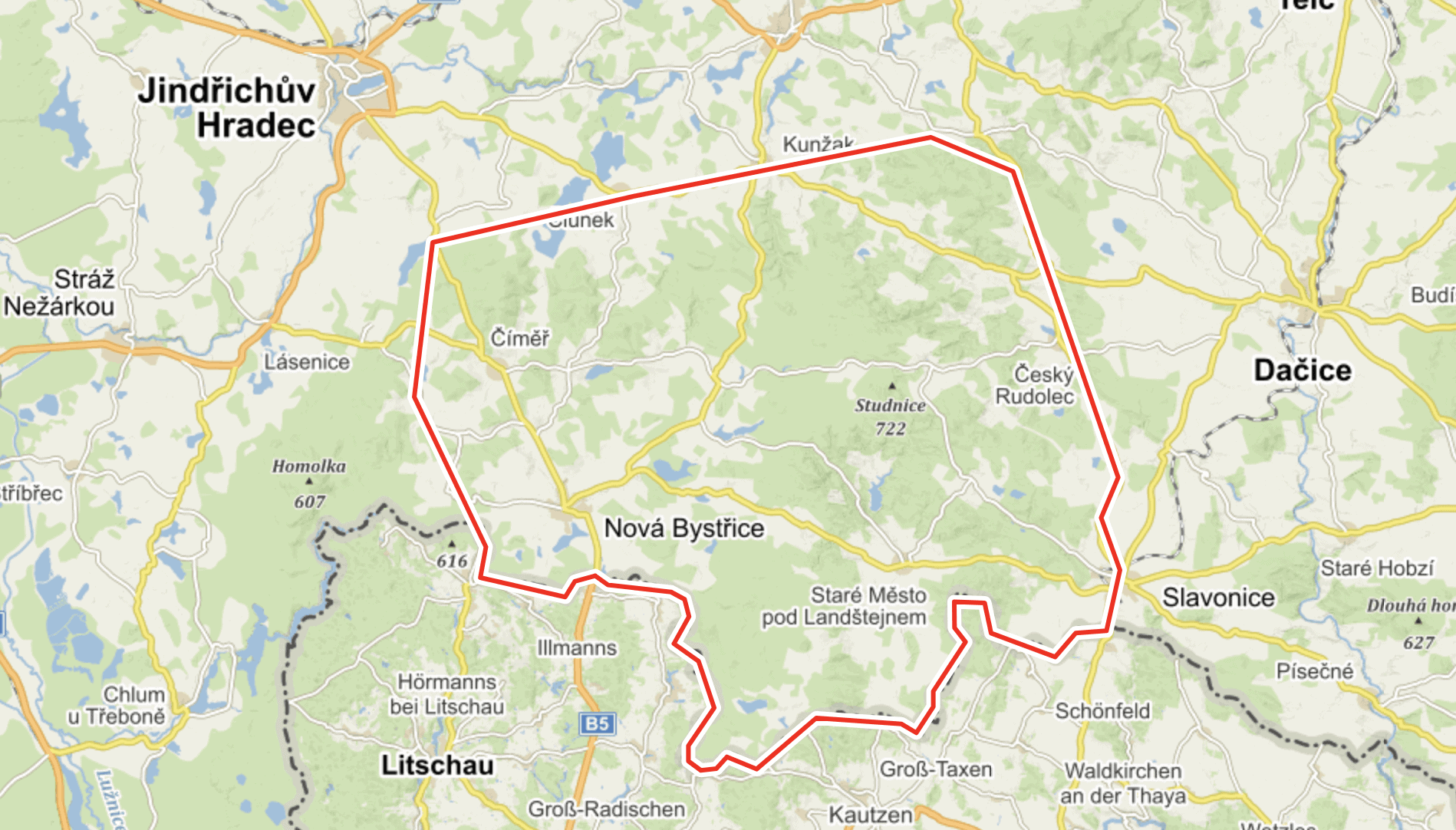
A part of the historically known Czech Canada was declared a nature park in 2004, and you’ll find a whole range of towns and monuments here, including the famous castle and chateau in Jindřichův Hradec, the ruins of Landštejn Castle, and many other more or less known historical landmarks.

As part of exploring the Czech Republic, we set off for Czech Canada and visited primarily the lesser-known places that tourists haven’t discovered yet. Follow our paths and discover.

Where to Stay?

We recommend staying, for example, in Jindřichův Hradec, because České Budějovice is more expensive and parking is more challenging. At the same time, Jindřichův Hradec has many interesting establishments for breakfast and dinner, more so than if you were in a smaller town or village.

If you’re lucky and it’s available, you can try to book a very nice guesthouse at a pleasant price – Penzionek JH. You can also try the portal Intebohemia.cz and choose from an offer of several dozen cottages in Czech Canada.

Dačice Chateau

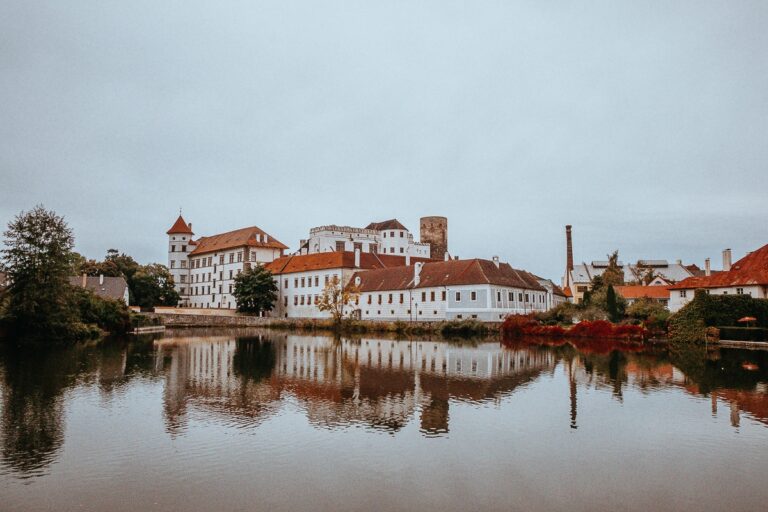
Dačice is a town that most tourists pass by because it lies between Telč and Slavonice, two beautiful towns with well-preserved historical centers. This is a great pity, as at least the chateau here is worth a visit.

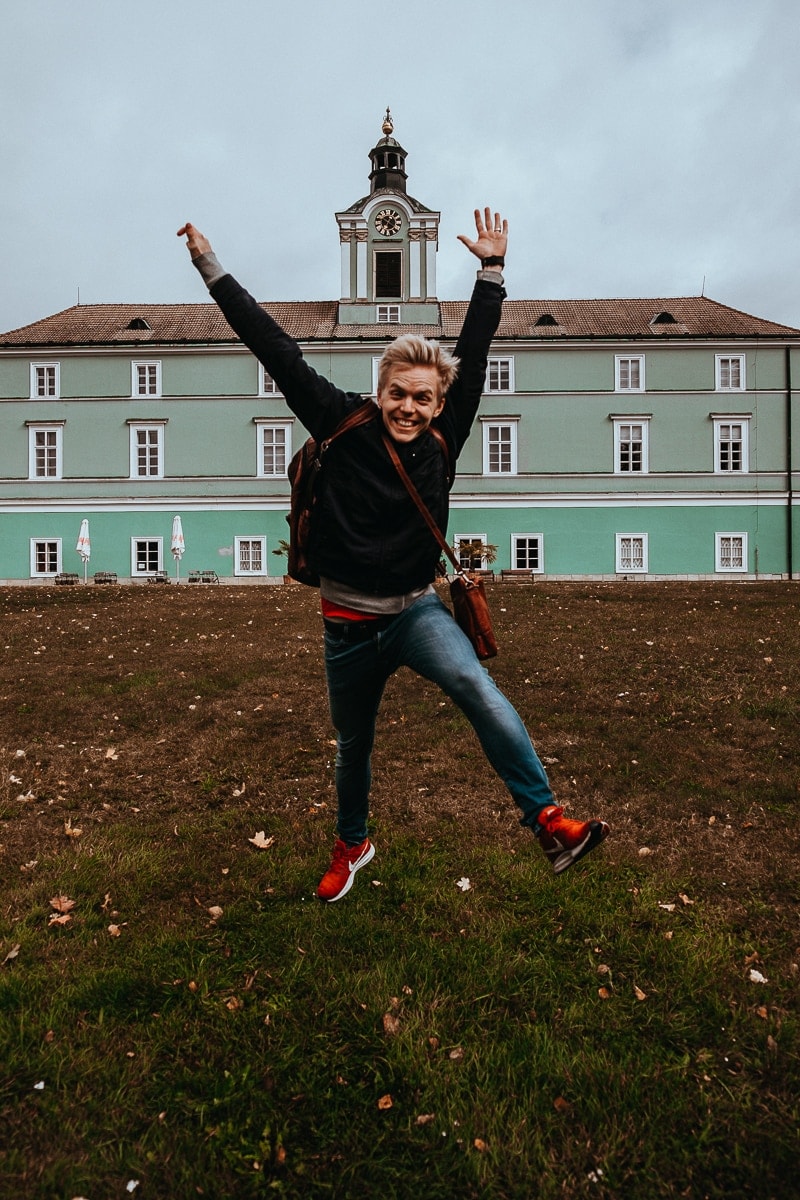
The New Chateau in Dačice, built in 1591, was constructed by Oldřich Krajíř of Krajek. The chateau was originally Renaissance, in the eighteenth century it was rebuilt in the Baroque style by a new owner, and during the nineteenth century, it underwent reconstruction in the Empire style.

The chateau houses a magnificent Art Nouveau library and a children’s table designed for education, which Emperor Franz Joseph I presented to Baroness Marie Sturmdefer. You will also find an early realistic work by František Kupka from his student days here.

In Dačice, you will also find the so-called ‘Old Chateau,’ which is more of an urban Renaissance palace. It was built by Albrecht Krajíř of Krajek between 1572 and 1579 and is remarkably well-preserved. In the twentieth century, the town hall was located there, and since 1991, several municipal departments have had offices there.

Dačice is also known as the place where the world’s first sugar cube was created. Jakub Kryštof Rad, its inventor, was in charge of the Dačice refinery in the first half of the nineteenth century, and at the urging of his wife, who injured herself while cutting the unsuitable sugar loaves produced at the time, he created a press for small sugar cubes. He first presented his invention in Vienna as ‘tea sugar,’ and the patent for its production was immediately purchased by Prussia, Saxony, Bavaria, Switzerland, and England. Cubes similar to Rad’s are still produced today.

Dačice Chateau Visiting Hours

The chateau does not have fixed opening hours; they often change, so before your trip, check the current visiting hours.

Český Rudolec Chateau

Little Hluboká or Moravian Hluboká. That’s the nickname for the as-yet unrestored Český Rudolec Chateau, a short distance from Dačice. It has stood here since 1860 (it was built on the site of a former Gothic fortress) and is one of the pearls of Czech Canada. Its modern history is quite sad; the chateau was robbed several times since World War II and eventually nationalized. Members of the local JZD (agricultural cooperative) lived there for a while, and during the 1970s, the remaining valuables that had been preserved in the chateau were lost.

Attempts at restoration never succeeded, but now it seems that something is finally starting to happen. In 2016, the repair of the tower was completed, an inn next to the chateau was renovated, and interested parties can request a tour. The chateau itself is definitely worth a stop!

How to get to Český Rudolec Chateau?

You can look inside by arrangement at the adjacent guesthouse. The chateau is privately owned, and you enter at your own risk; the interiors are in poor condition.

Slavonice

The town of Slavonice is known as a ‘Renaissance pearl’ due to its unusually well-preserved historical core. Slavonice is the westernmost town of the historical territory of Moravia, and it is nicknamed ‘Little Telč.’ Some online sources claim that Telč is prettier, but that’s not true. Slavonice and Telč cannot be easily compared, as both are beautiful towns, and the fact that far fewer tourists visit Slavonice adds to their charm. Only just over 2,300 inhabitants live in the town, so you have a fairly good chance of enjoying the sights and local atmosphere all to yourself.

In the middle of the town, you’ll find an observation tower with over 170 steps, accessible to the public. From the gallery at the top of the tower, you can see the entire town and its wide surroundings. In good weather, you can see all the way to Austria.

Beneath the town center is a medieval underground complex of corridors that served as a drainage system. Only a small part of the corridors is accessible to the public, although the underground connects most of the cellars of houses around both squares.

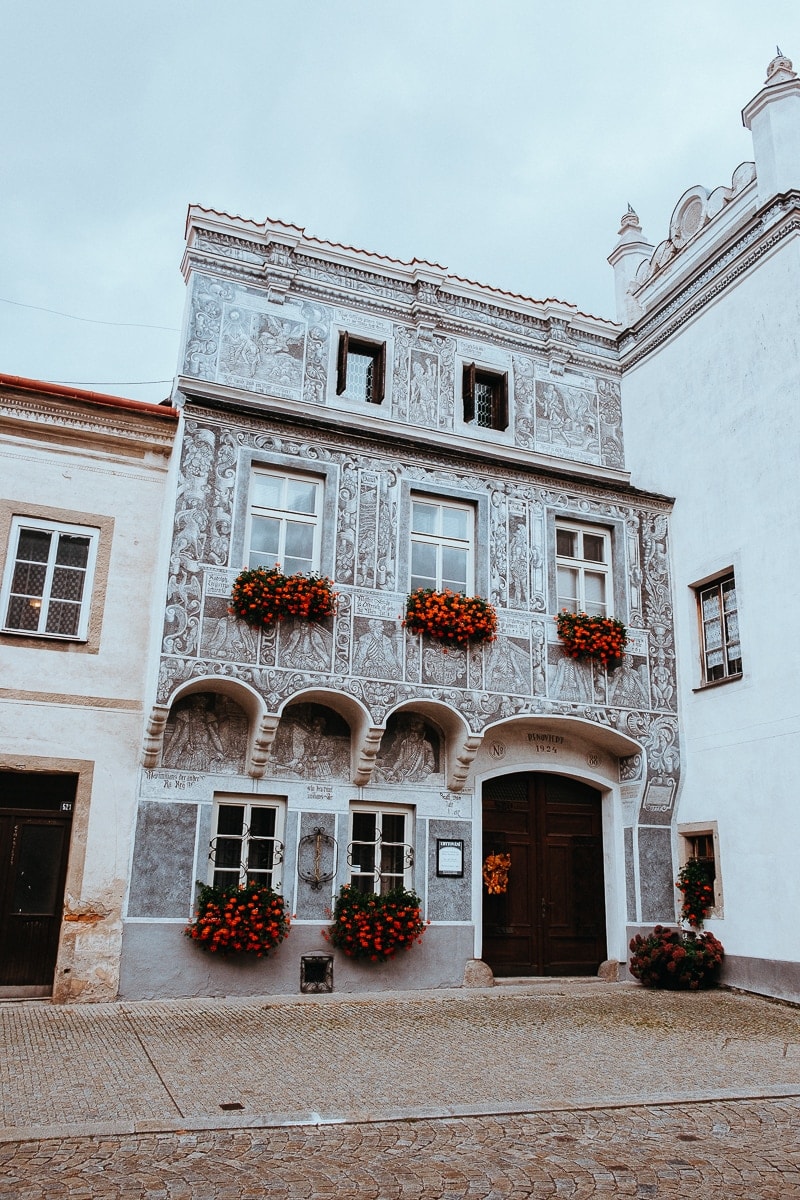
The entire town is known primarily for its incredible number of well-preserved burgher houses, which are decorated with Renaissance paintings and figural sgraffiti. The town naturally attracts artists, so you’ll find many charming workshops with original goods here.

lukas a lucka
Lukáš and Lucie recommend
Where to stay in Czech Canada
2 accommodations recommended for your holiday

Landštejn Castle

The ruins of the mighty Landštejn Castle are the only preserved Romanesque-style castle in Europe. We don’t know exactly when or by whom it was built, but based on architectural elements, it’s likely to have been sometime in the 12th century. After the completion of new fortifications in the 16th century, it became one of the largest castles in the Czech lands.

The castle often changed owners, and in 1771, it was struck by lightning, which caused a large fire. Since then, the castle was most likely abandoned and fell into disrepair until the 1960s , when restoration work began by Karel Veselý, whose dream was to make Landštejn accessible to the public. Veselý cleared the castle himself, primarily with his friends and borrowed tools, and although experts somewhat resent his unprofessional work on the castle, he has made an enormous contribution to how the castle looks today.

Restoration work is currently underway at the castle, primarily removing concrete from the historical walls, which was used in the 1970s in an attempt to preserve them. Unfortunately, this is not a suitable method, so the castle is essentially being repaired from scratch today.

Landštejn Castle Visiting Hours

The castle is open almost every day during the summer from 9:00 AM to 4:30 PM, but since opening hours change throughout the year, it’s better to check them here.

You can freely walk through the castle without a guide; there are educational panels inside, and from the two towers, there’s a magnificent view of the surrounding nature.

Nová Bystřice Chateau

The chateau complex in Nová Bystřice is private and is looking for a buyer who would renovate it and devise a cultural use for it. If you want to look inside, you must arrange a tour in advance, but it’s definitely worth it.

The Kyncl family, the chateau’s administrators, care for it with love and are gradually renovating the premises. The original Gothic castle that stood here was built in the 13th century and was surrounded by a deep moat, which would be filled from a nearby pond in case of danger. It also had a watchtower, which you won’t find on the grounds today.

The castle was later rebuilt into a chateau, and in the 17th century, after a fire, it was reconstructed in the Renaissance spirit. Later, it underwent further Baroque modifications and has remained so until today.

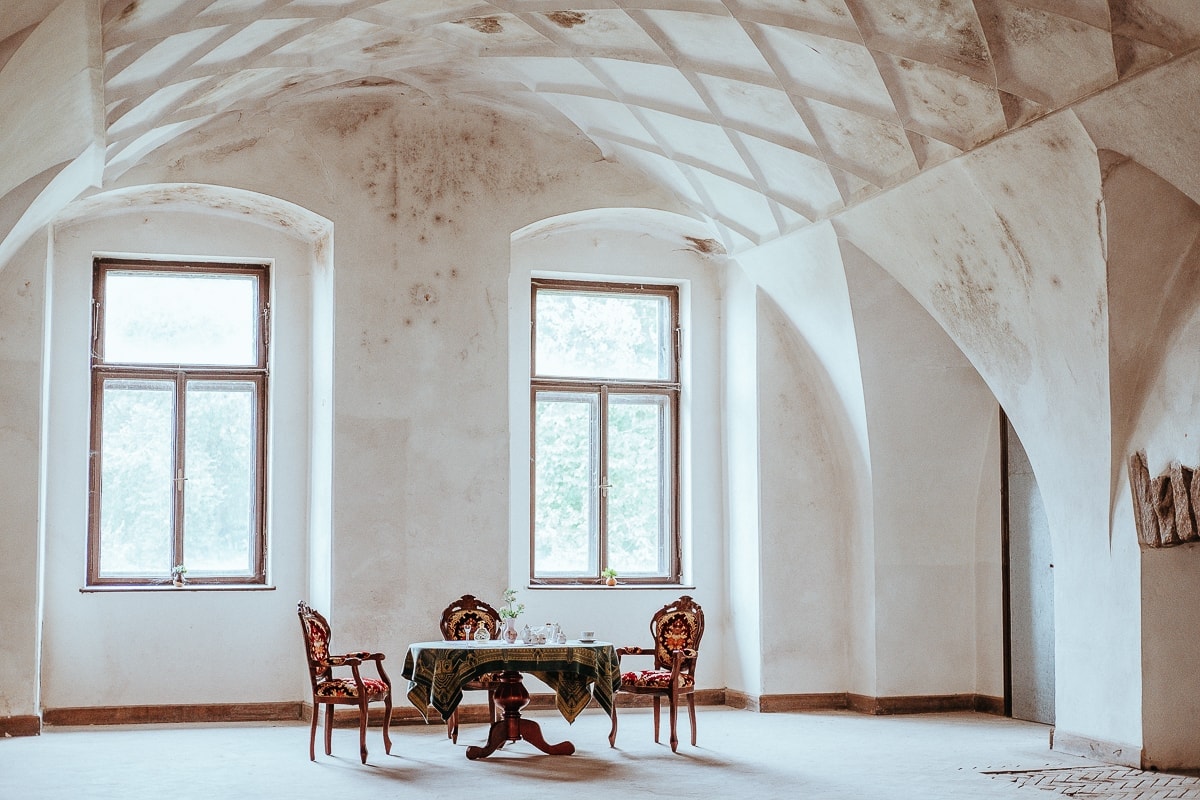
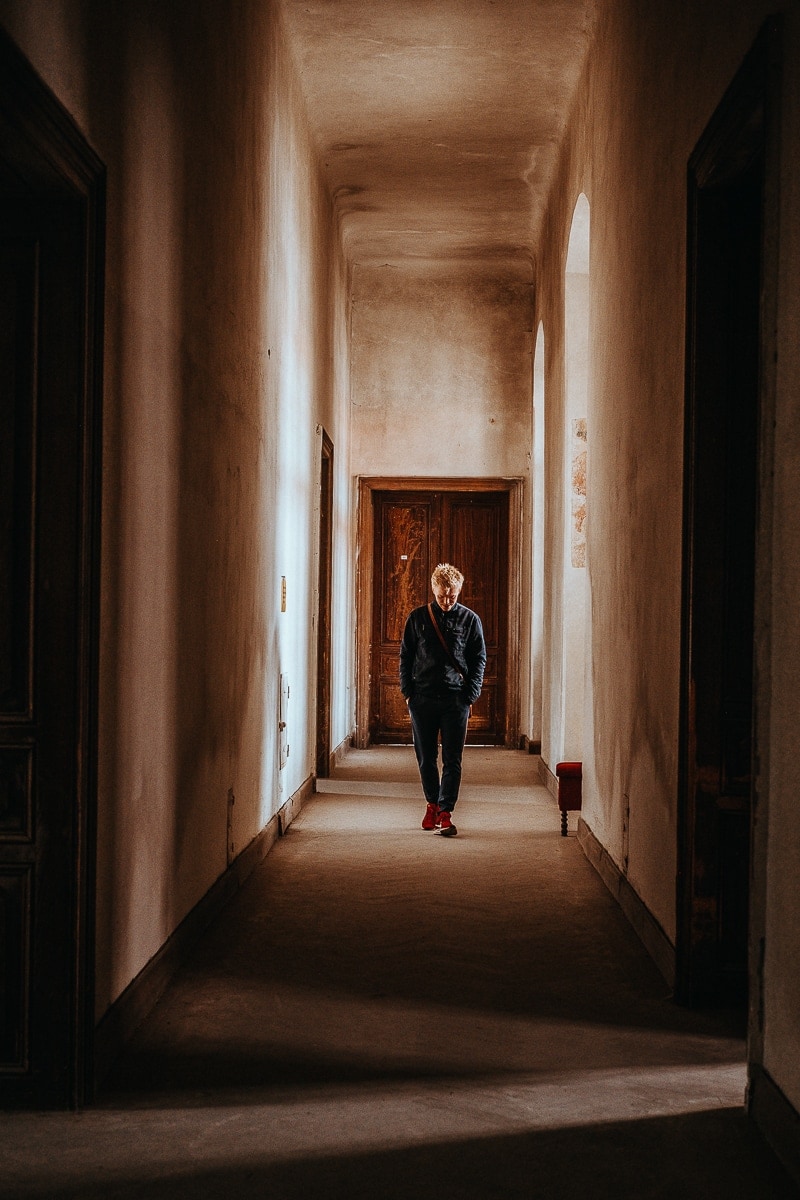
The chateau is exceptional in that you’ll find almost no furnishings inside. Most rooms are completely empty, and although that might sound uninteresting, the opposite is true.

How to get to Nová Bystřice Chateau?

Call or write to the administrator at spravce@zameknovabystrice.cz; current contact details can be found on the chateau’s website.

Jindřichův Hradec Chateau

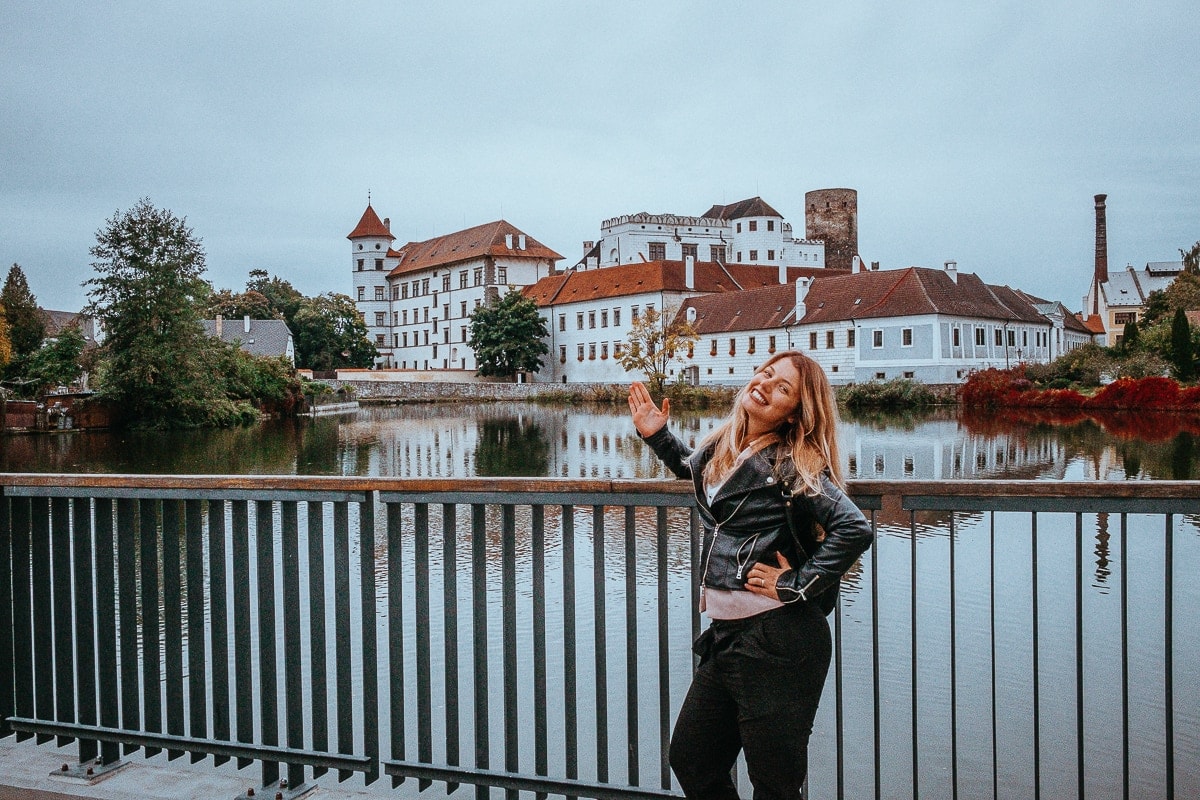
The town of Jindřichův Hradec lies precisely on the 15th meridian, and the first records of it date back to the 13th century. The most significant monument here is the enormous complex of the Renaissance chateau, which originated from the original Gothic castle, retaining many Gothic elements to this day.

At the chateau, be sure to visit the so-called ‘black kitchen,’ which is the oldest (theoretically) functional kitchen in Czech castles and chateaux. One of the legends about the White Lady, Markéta Rožmberská, is connected to it; she supervised this kitchen to ensure that sweet porridge was cooked every Maundy Thursday for all the poor of Jindřichův Hradec.

The chateau is state-owned and in very good condition. You can choose one of the four tour routes and don’t forget to visit the so-called rondel in the chateau garden. This ‘garden house’ is breathtaking inside, and on its walls, you’ll find various exotic and mystical creatures and people. To the right of the main entrance, notice the heads of Chinese people. Where did they get the likeness of Chinese people and their dragons in the 16th century? 🙂

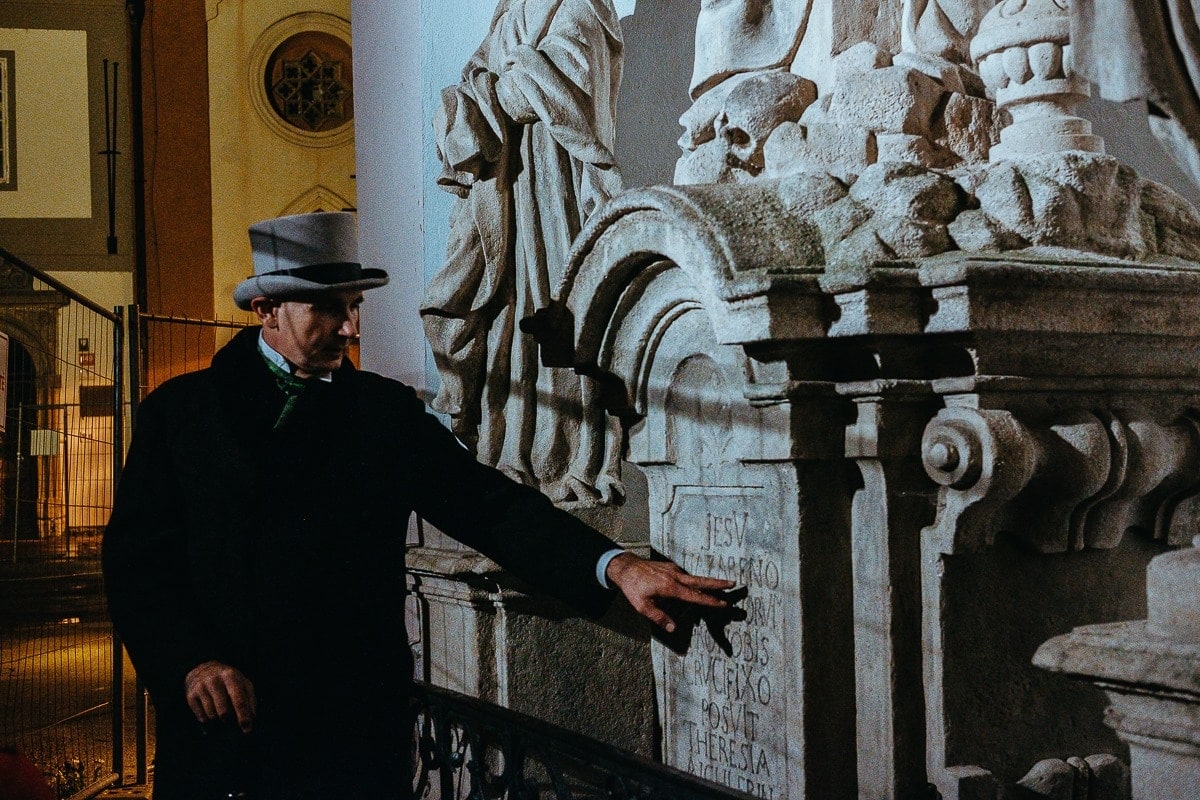
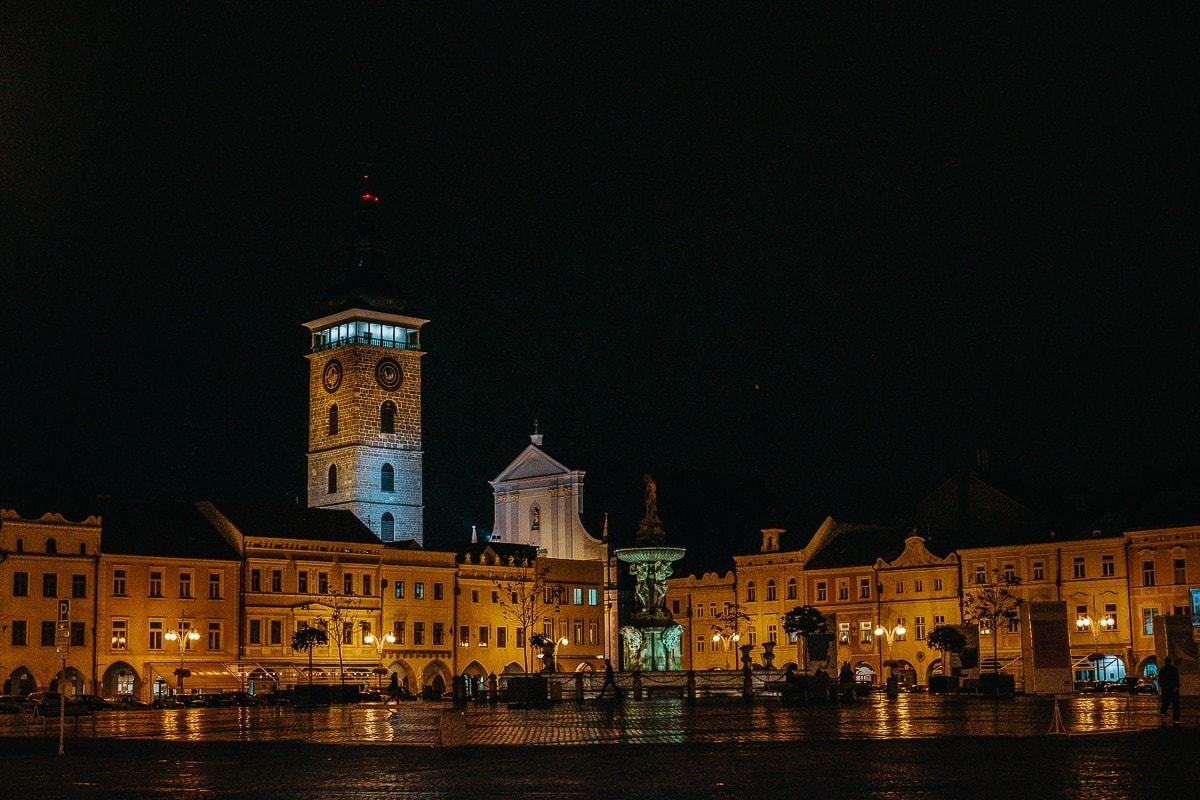
Bonus Tip: Guided Walks around České Budějovice

What do you know about České Budějovice? Lucka is from Písek, and the only thing she knew was that it was founded by Přemysl Otakar II, just like Písek. How much are we kicking ourselves now for not discovering the history of this beautiful city sooner!

Please, if you ever go there, take a guided tour. And if you think a guided tour sounds boring – it’s not. We hung on our guide’s every word and wanted to stay in Budějovice for at least a week.

Ancient and magical history is woven into almost every cobblestone in the center of Budějovice. ☺️ For coffee shop lovers, there are many beautiful establishments you’ll surely adore.

Map of Sights in Czech Canada

South Bohemian Tourism Board

This article was created in cooperation with the South Bohemian Tourism Board as part of the Monuments Live project. Thank you for inviting us to the beautiful South Bohemian region!

jiznicechy pohodove

Tips and Tricks for Your Vacation

Don’t Overpay for Flights

Search for flights on Kayak. It’s our favorite search engine because it scans the websites of all airlines and always finds the cheapest connection.

Book Your Accommodation Smartly

The best experiences we’ve had when looking for accommodation (from Alaska to Morocco) are with Booking.com, where hotels, apartments, and entire houses are usually the cheapest and most widely available.

Don’t Forget Travel Insurance

Good travel insurance will protect you against illness, accidents, theft, or flight cancellations. We’ve had a few hospital visits abroad, so we know how important it is to have proper insurance arranged.

Where we insure ourselves: SafetyWing (best for everyone) and TrueTraveller (for extra-long trips).

Why don’t we recommend any Czech insurance company? Because they have too many restrictions. They set limits on the number of days abroad, travel insurance via a credit card often requires you to pay medical expenses only with that card, and they frequently limit the number of returns to the Czech Republic.

Find the Best Experiences

Get Your Guide is a huge online marketplace where you can book guided walks, trips, skip-the-line tickets, tours, and much more. We always find some extra fun there!
Best Annual Travel Insurance: A Comparison by Travellers

TL;DRPro dlouhodobé cestování a digitální nomády vycházejí nejlépe… Počkat, mám to přeložit do angličtiny. For long-term travel and digital nomads, Safety Wing and True Traveller come out on top, since unlike standard travel insurers back home, they don’t limit how many days you spend abroad or how often you pop back. Safety Wing’s monthly plans start at $56.28 (the Essential plan, covering up to $250,000) or $150.50 for Complete, with cover up to $1,500,000. True Traveller works out at roughly €450 a year, with limits up to €6 million, and you can take out a policy for as long as 18 months. The more cautious option is World Nomads — pricier, but with the best cover for extreme sports. Gadget and luggage cover, by contrast, rarely pays off.

Whether you’re a digital nomad, a long-term traveller, or just planning an extended trip, the right annual travel insurance is an absolute must-have before you set off.

Insuring your health while abroad is a non-negotiable necessity. But there are countless insurance companies out there, and comparing them is far from straightforward.

On top of that, once you start looking into your options, a whole flood of questions hits you. Should I get health insurance only? Or should I also cover my phone and laptop? What about luggage? Or flight cancellations?

Best annual travel insurance for long trips

Don’t want to read further and just want to buy the best? Here are our two top recommendations:

1) Safety Wing – top travel insurance for long-term trips

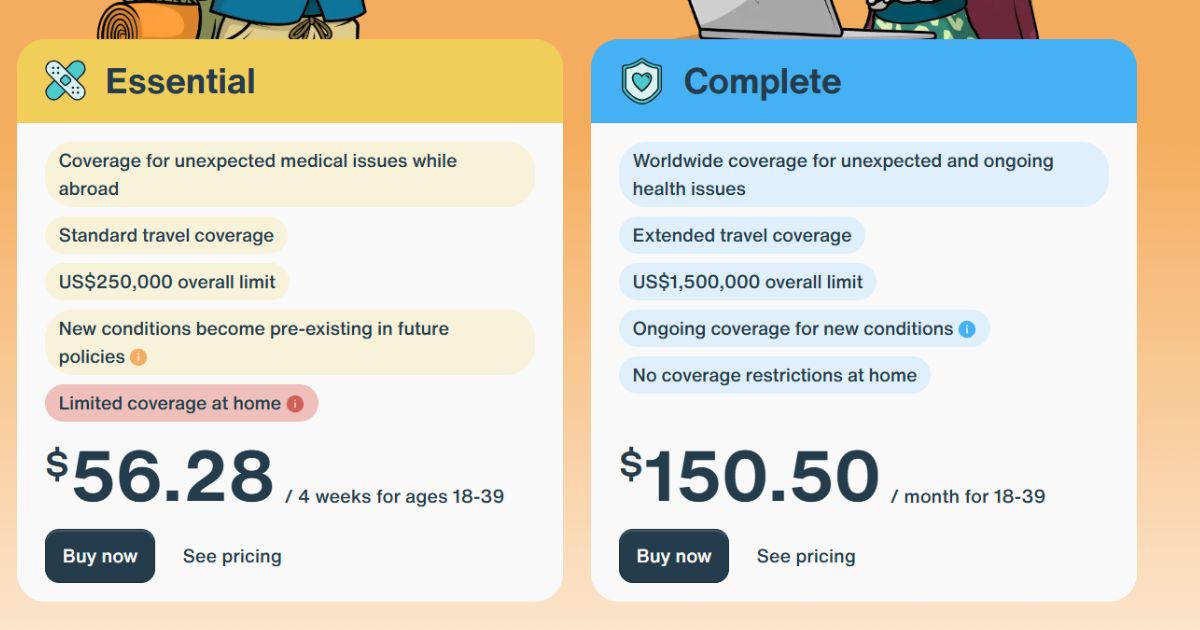
Safety Wing is travel insurance tailor-made for digital nomads and frequent travellers. You can be continuously insured and pay monthly (you can cancel anytime). The basic plan without US coverage starts at $56.28 per month, and you can travel anywhere in the world.

You can purchase the insurance even from abroad, and after 90 days you can return home for up to 30 days while still being covered. This eliminates the hassle of calculating when it’s worth cancelling your domestic health insurance and when it’s not.

Another great advantage of Safety Wing insurance is that you don’t have to return home at all – unlike many traditional insurers that limit you to 45 or 90 days abroad before requiring a trip back.

The Essential plan for individuals aged 10–39 starts at $56.28 per month (you can add extended US coverage or adventure sports), and coverage includes medical treatment, hospitalisation, hospital transfer, lost luggage, trip interruption, and flight delays. The overall coverage is capped at $250,000 per incident.

More comprehensive coverage is offered by the Complete plan. The main advantage of this plan is its high overall coverage limit of $1,500,000. It covers not only unexpected medical issues but also ongoing healthcare and preventive check-ups. Additional covered services include:

  • Transfer to a better-equipped hospital.
  • Lost luggage coverage.
  • Mental health support.
  • Theft protection.
  • Coverage for trip delay or interruption due to family reasons.
  • Repatriation or funeral costs in case of death.

The price for individuals aged 18–39 starts at $150.50 per month, with the option to add extended US coverage or adventure sports.

Safety Wing insurance plans and pricing
Insurance plans at Safety Wing

Why don’t we recommend a mainstream UK insurer right away? Because they come with too many limitations. They impose limits on the number of days abroad, credit card-linked policies often require you to pay medical expenses with that specific card, and they frequently limit how many times you can return home.

2) True Traveller – ideal for backpackers, gap year, and frequent travellers

True Traveller is the most flexible and comprehensive long-term travel insurance you can find – especially for its price. For around €450 per year, you get worldwide travel insurance (USA and Canada available as an add-on). Coverage limits are generous (up to €6 million), and you can add various travel packages, including extreme sports and skiing. Non-manual work is included in the basic plan, and manual work can be added for an extra fee.

True Traveller offers three main plans: True Value, Traveller, and Traveller Plus. Each plan offers a different level of coverage. The cheapest True Value plan includes medical expenses up to £2.5 million, but coverage is more limited than the other two plans. The Traveller plan offers higher limits for medical costs, as well as trip cancellation and delay coverage, while Traveller Plus has the highest limits and also includes higher amounts for legal expenses.

Another advantage of True Traveller insurance is that you can choose whether to add coverage for specific activities or winter sports, allowing you to tailor the insurance to your specific needs and reduce costs.

When it comes to flexibility, True Traveller allows home visits during your trip – insurance is paused while you’re home and resumes when you head back out. The insurance can also be easily renewed while travelling, in case you forget to renew your contract on time.

Just like Safety Wing, the insurance can be purchased while you’re already on the road, and you can be covered without a return ticket.

True Traveller insurance plans overview

Is it worth insuring your belongings?

While insurance for accidents, evacuation, and natural disasters is standard for long-term travelling, you should think twice about whether you really need to insure anything else.

Just because an insurer offers gadget cover doesn’t mean it’s worth it. As you’ll discover from their price lists, insuring a MacBook or iPhone is quite expensive.

If you’re travelling with a professional camera and several devices, such add-on coverage can easily cost you more than €600 per year, while insurers typically only cover individual items up to around €600–800.

I understand that the thought of buying a new laptop for €2,000 fills you with dread (similar to our experience when we drowned a nearly new MacBook Pro in a tent). But is it really worth paying the insurer an extra €600 every year “just in case”?

Luggage insurance is practically pointless because insurers typically exclude electronics from it. I don’t know about you, but for us, most of the value in our luggage is the tech we’re carrying.

What type of travel insurance to choose

Travel insurance can be divided into three categories, each covering something completely different.

Travel health insurance

Standard health insurance from your home country usually doesn’t apply when you’re abroad.

💡 The exception is travel within the European Union and certain EEA countries, where your European Health Insurance Card (EHIC) will give you access to basic necessary medical care in case of a health issue. However, you’ll be treated under the same rules as locals – if healthcare is expensive for residents, it’ll be expensive for you too. More info here.

So it’s crucial to get properly insured. Because what will you do if you catch an illness or have an accident somewhere in New Zealand, Uganda, or anywhere else that requires immediate local treatment?

Local treatment can cost a fortune, and without proper insurance you’ll be paying thousands of pounds for care that you’re used to getting for free through your national health service.

Keep in mind that almost no insurer will allow you to receive long-term treatment abroad. As soon as it’s feasible, they’ll repatriate you to your home country, where your ongoing treatment will be covered by the national health system.

Medical evacuation insurance

When signing an insurance contract, you’ll often come across the term “emergency medical transportation.” It’s either included in your policy (with most insurers) or available as a standalone product. What is evacuation insurance for?

This type of insurance is most commonly used when the hospital where you end up isn’t equipped to handle the treatment you need. A typical example is when the hospital doesn’t perform the type of surgery you require.

Your attending doctor may request a transfer to a better-equipped facility. And it’s precisely this additional transfer that’s covered by the special insurance package. We strongly recommend getting evacuation coverage as part of your main insurance, not as a standalone service. With a standalone service, only the transfer itself is covered – not the subsequent treatment!

What type of travel is evacuation insurance most useful for? Primarily if you’re heading on long hikes into the wilderness, or travelling through less developed countries with inadequate healthcare infrastructure. In larger cities and developed countries, you generally won’t need evacuations. Transfer insurance can also be arranged for individual trips.

Coverage limits range from around €20,000 to millions (including unlimited limits). It might not seem obvious at first, but a helicopter evacuation with a search and rescue operation from remote mountains can rack up an astronomical bill, so we recommend a minimum limit of around €120,000.

Travel insurance for belongings

A separate category is insurance for third-party liability, loss and theft, or flight delays. These are often included with credit cards, but you need to carefully read the terms and conditions.

This type of insurance is often the most expensive item, especially if you want to cover photography equipment and electronics you’re travelling with. Many travel health insurance plans already include this type of coverage to a limited extent, or offer it as an add-on.

If you don’t get a good deal bundled with your health insurance, or if you don’t have bonus coverage through a credit card, this type of insurance is often not worth purchasing at all. Why?

  • There’s a very small chance something like this will actually happen
  • When something does happen (e.g., your hire car gets broken into), the insurer will likely find an exclusion in the contract to avoid paying out
  • When something does happen, replacing stolen equipment or buying a new flight out of pocket may be cheaper than the insurance itself
  • In many cases, you’re entitled to compensation from a third party even without insurance (e.g., for delayed flights)

As an example, let’s look at the popular product missed connection insurance. Most insurers require a minimum of two to four hours between flights as a baseline condition, or they won’t consider your claim at all.

You only need delay insurance if you’re travelling on two separate tickets. If you have a connecting flight on a single booking (one airline), the plane will either wait, or you’ll get an alternative flight/compensation. And how many connecting flights are actually missed? It’s 0.1% to 1.5%. And how many times a year do you fly? 🙂 Missed connection insurance simply doesn’t pay off.

Tips for choosing the right insurance

When choosing long-term insurance, you should focus mainly on specialised providers, most of which are international. Why? Because mainstream domestic insurers typically have significant limitations for “long-term” coverage:

  • They impose limits on travel days. You’ll encounter 30, 60, or 90-day limits after which you must return to your home country, even if just for a quick airport turnaround.
  • If the insurance is tied to a credit card, they may require you to pay 50%–100% of your travel costs with that specific credit card.
  • If you do find annual insurance, the number of home visits is often limited. Often, your second return home in a given year will invalidate your policy, with no refund.

Also watch out for excess (deductible) payments. Either the excess is charged every time you make a claim, or just once for the entire insurance period. The second option is obviously better, because if you claim multiple times in one period, you only pay the excess once.

When renewing your policy, keep in mind that if you made a claim during the previous period (say, for emergency dental treatment), they may exclude dental cover in the new year (or charge extra for it).

Overview of the best annual travel insurance

Below is an overview of insurers that specialise in long-term travel and digital nomads. We’re assuming you have standard health insurance in your home country.

All the insurers mentioned allow you to take out a policy even when you’re already travelling and don’t restrict the time you spend abroad. This means you don’t need to repeatedly return home during the insurance period.

SafetyWing

SafetyWing is our number one pick. SafetyWing is a startup that brought the subscription model (think Netflix or Spotify) to the insurance world.

Don’t be put off by the word “startup.” Although the idea was born from digital nomads like us, their underwriting partner is one of the best insurance companies in the world – Tokio Marine.

SafetyWing is a worldwide, location-independent safety net for all freelancers and digital nomads. That’s why they already offer a whole range of features that other companies lack.

SafetyWing worldwide coverage for digital nomads

What’s really great about SafetyWing?

  • Monthly subscription. You pay monthly and, just like Netflix, you’re not committed to any fixed term. You can cancel the next payment at any time.
  • Affordable price. Actually one of the lowest when you compare like-for-like coverage from other providers.
  • Annual cap on excess. No matter how many times you claim in a year, you’ll pay a maximum of $250 in total excess.
  • Zero excess for many claims, such as emergency dental treatment, hospital transfer, trip interruption, lost luggage, travel delay, third-party liability, and more.
  • Covers treatment at private facilities. You don’t need to seek out public hospitals and doctors. Especially in developing countries, private doctors are often far superior.
  • Pays hospitals directly. Unless you specifically insist on a different facility, SafetyWing settles bills directly. That means you won’t have to pay invoices yourself (and then wait for reimbursement).
  • Home country coverage. Even if you don’t have health insurance in your home country (e.g., if you went to work in Canada for a year), SafetyWing covers you at home too – for up to 30 days per 90 days of insurance. That’s a total of 120 days per year of insurance.
  • Same price whether monthly or annual. With most insurers, the shorter the policy, the more you pay per day. With SafetyWing, you always pay the same rate. This makes it a great option even for shorter trips.

What to watch out for with Safety Wing

Insurance for trips to the USA is more expensive, so we recommend only activating the US add-on for the period you’re actually there. Once you leave, switch back to the cheaper plan.

After 364 days of insurance, the contract deactivates – unless you confirm the renewal via email. Make sure you don’t miss this.

Insurance longer than 28 days is billed every 4 weeks. So you don’t have to pay a large sum upfront, unlike with most other insurers. You can find the full policy wording here.

SafetyWing also offers special plans for startups and online businesses with employees around the world. Through a single subscription, you can provide medical care for your team anywhere on the globe. The product is called Remote Health.

SafetyWing insurance calculator

True Traveller

True Traveller is a British insurer particularly popular among residents of the European Economic Area, as it’s only available to EEA residents.

The cheaper plans from True Traveller offer good value, at least if you commit to a minimum of one year. Unlike SafetyWing, they offer a whole range of add-on coverages (which SafetyWing includes as standard) that can add up.

What’s really great about True Traveller?

  • Coverage up to £10 million, which many competitors can’t match.
  • Policies can be taken out for up to 18 months. Plus, you can extend them. The downside is that you pay the premium upfront in full.
  • The basic plan covers over 90 sports and activities.
  • You can return home as often as you like. However, the insurer won’t cover you while you’re in your home country.
  • Medical expenses over £500 are paid directly. Lower amounts must be paid out of pocket and then claimed back.
  • Adding USA and Canada coverage is cheap. On an annual contract, the add-on costs around $90.
  • 97% of Trustpilot reviews rate the insurer as excellent.

What to watch out for:

  • Add-ons cost a lot. Extending an annual policy (costing around $500) by just one week costs an incredible $50.
  • If there’s a contracted public hospital or doctor nearby, they won’t cover treatment at a private facility.
  • High excess. When ordering, tick the option for zero excess. It’ll cost you roughly $50 per year and pays for itself with even a single claim. The default excess ranges from $42 to $150 per event.
  • Working abroad isn’t covered by default. You’ll need to purchase the Adventure Pack add-on, which covers manual labour and volunteering.

World Nomads

For the more conservative travellers, World Nomads is still on the market – an insurer with a long track record. Their main selling point is the ability to purchase insurance even when you’re already travelling. How innovative! Today, almost every competitor offers this too, so you can certainly do better.

This insurer is quite expensive and has different terms (and prices) for each country, but they still maintain their client base, largely thanks to their reputation and excellent extreme sports coverage in the most expensive package. That’s why it’s insurance for adrenaline junkies and extreme athletes who need a no-compromise service.

Advantages of World Nomads

  • They can pay hospitals directly, but it doesn’t always get arranged in time. In that case, you’ll have to pay out of pocket and wait 3–6 weeks for reimbursement.
  • Excellent extreme sports coverage in the most expensive package.

What to watch out for:

  • World Nomads works with multiple underwriters, so every policyholder has different terms (depending on their home country). Prices, conditions, limits, and benefits all vary.
  • Policy extensions are expensive. One extra week beyond your contracted period costs around $80.
  • You’re only allowed to return home once during your trip. Nomads who frequently return home will need to buy shorter policies at higher prices.

TIP: Travel insurance is definitely worth it because you never know what might happen, so don’t forget about it when planning your trip.

Frequently asked questions (FAQ)

Do airlines provide compensation for lost or delayed luggage?

Yes. Every airline handles it slightly differently, but in principle, if your luggage is delayed, they’ll reimburse the costs you had to incur because you didn’t have your belongings (toothbrush, clean shirt, etc.). They can also compensate for damaged or even lost luggage. You can find more about your rights under the Montreal Convention and EU regulations here.

Why do I need to fill in my home country when buying insurance? I’m a digital nomad and don’t live anywhere.

Because insurers need to know where to evacuate you if you’re seriously injured or need long-term care. For most people, this will be their country of citizenship – where you have family, access to healthcare, and don’t need a visa to enter. Note that some insurers don’t explicitly require you to be a resident of that country.

When should I buy insurance? Should I wait until departure day, or even until I’m already travelling?

The sooner you buy your insurance, the better. You should head to the airport or border with an active policy already in place. Terms vary by insurer, but coverage often doesn’t kick in until at least 4 hours after purchase. If you buy insurance at the airport, there’s a risk the insurer won’t cover a delayed flight.

How to choose travel insurance suitable for a visa application?

Some countries require proof of paid travel insurance before they’ll let you in. Examples include Schengen area countries (for non-EU citizens), the USA, and Canada. Always check the specific requirements of the country you’re visiting, but the insurers mentioned in this article should be accepted worldwide.

Can you compare long-term travel insurance plans anywhere?

Yes! For UK-based travellers, comparison sites like Compare the Market or GoCompare let you compare travel insurance policies side by side. However, for specialist long-term and nomad insurance like the ones we recommend here, you’ll often need to compare them manually.

Tips to make your travels easier

  • Regularly scan all documents you collect on the road. Especially medical records, receipts for clothing, electronics, expensive items, and travel gear. Keep documentation for everything you buy and pack into your luggage, and scan all receipts immediately after your luggage is delayed. Store everything in cloud storage.
  • Keep all travel documents in digital form. Especially your passport, driving licence, visas, and passport entry stamps.
  • Travel with payment cards that are designed for travellers. Leave a backup card with a family member and just write down its numbers. It could come in handy for online payments if your wallet gets stolen.
  • Always carry a physical copy of your insurance contract and passport on your person at all times. If you have an accident, first responders need to be able to identify you without your help (e.g., if you’re unconscious).
  • Check what global emergencies your insurance covers. For example, during the coronavirus pandemic, you only had 10 days to leave countries for which the US CDC issued a Warning Level 3. Within a week, that essentially covered all of Europe. If you stayed in affected countries, any claims related to COVID (hospitalisation, cancelled flights, etc.) were not covered.

Tips and Tricks for Your Vacation

Don’t Overpay for Flights

Search for flights on Kayak. It’s our favorite search engine because it scans the websites of all airlines and always finds the cheapest connection.

Book Your Accommodation Smartly

The best experiences we’ve had when looking for accommodation (from Alaska to Morocco) are with Booking.com, where hotels, apartments, and entire houses are usually the cheapest and most widely available.

Don’t Forget Travel Insurance

Good travel insurance will protect you against illness, accidents, theft, or flight cancellations. We’ve had a few hospital visits abroad, so we know how important it is to have proper insurance arranged.

Where we insure ourselves: SafetyWing (best for everyone) and TrueTraveller (for extra-long trips).

Why don’t we recommend any Czech insurance company? Because they have too many restrictions. They set limits on the number of days abroad, travel insurance via a credit card often requires you to pay medical expenses only with that card, and they frequently limit the number of returns to the Czech Republic.

Find the Best Experiences

Get Your Guide is a huge online marketplace where you can book guided walks, trips, skip-the-line tickets, tours, and much more. We always find some extra fun there!

5 Best Fitness Apps: At Home & On the Road

TL;DRBased on the author’s own experience, five apps stand out for working out “at home or on the road”: Jillian Michaels (11 programmes running 6–12 weeks, prices from £1.60 to £2.80 a week), Sweat by Kayla Itsines (the BBG programme, $4.9 a week), Freeletics (HIIT sessions lasting 5–30 minutes, annual membership around £58), DownDog (yoga that’s free or costs a few tens of dollars a year) and Fitbit Coach (personalised training from £2.70 a month if you pay annually). You don’t need a gym for any of them — just your phone or tablet and maybe a mat — and most only require basic English. Sweat and Freeletics deliver the fastest results, in the author’s view, while DownDog and Fitbit Coach are perfect for yoga or coached walks and runs.

Finding the right app for working out took me a really long time. I tried dozens of them, so which are the best fitness apps in my experience?

How I Got Into Working Out With Apps

I’ve loved being active since I was 16, and I used to spend every day at the gym. I went to pretty much every class you can think of. Yep, that’s right — I danced Zumba, Latin Dance, and Step Aerobic, sweated through spinning and kickboxing, and tried every Les Mills class available. Body Pump was my absolute favourite, along with Power Yoga. But then I started travelling.

I Started Working Out at Home in Canada

In Canada, gym classes were too expensive and, more importantly, way too far from where I lived, so I started flirting with home workouts — and fell in love with them. I began exercising at home and only went to classes for my beloved aerial yoga once or twice a week. I even kept working out during our road trip across the USA, doing jumping jacks at campsites, on beaches, and in forests.

Not every day, of course, since we spent most of our time climbing in the mountains. But on days when we’d been driving all day, I’d work out in the evening under the midnight sun in Alaska. When we got back home, I realised that going to the gym was eating up about three hours of my day (by the time you get there, change, work out for an hour, shower…)! So I went back to just attending aerial yoga and doing everything else at home.

Benefits of Working Out With Apps

  • You save time
  • You save money on classes and gym memberships
  • You can work out whenever you want (though I wouldn’t recommend exercising late at night — it messes with your sleep!)

Drawbacks of Working Out With Apps

  • You miss out on social interaction (that’s why I still go to a yoga class once a week when I can)
  • It’s a bit easier to slack off

1) The Jillian Michaels Fitness App

This was the first app that really clicked for me, and I used it for a year and a half. I already knew Jillian Michaels from before and knew that her programmes genuinely deliver results.

One great thing about this app is that you can set what equipment you have. If all you’ve got is a mat, that’s perfectly fine. There are 11 programmes in total, and they vary in length — some run for 6 weeks, others up to 12 weeks. You don’t work out every day, but 3 to 6 times a week depending on the programme.

What Programmes Does It Offer?

You can choose a programme focused on legs, arms, abs, or full body. Jillian also has several programmes for pregnant women (divided into first, second, and third trimester), including a post-partum programme. After each workout, you rate how hard (or easy) it was, and the app adjusts accordingly.

There are also short 7-minute programmes for abs, arms, legs, cardio, and full body.

Another brilliant feature is the workout generator, where you can create a custom workout to suit your needs. You choose whether you want 10, 20, 30, or 45 minutes, how intense you want it (easy, medium, or hard), and then pick the focus area (glutes and thighs, abs, arms, chest, back, full body, cardio, or stretching).

https://www.youtube.com/watch?v=Wsmc36dbL2E

The app tracks your progress — you can add progress photos and log your weight, and it calculates how many workouts you’ve completed and how many calories you’ve burned in total.

How Much Does It Cost?

  • You can try it free for 7 days, after which it costs between €2 and €3.50 per week (less than a single gym entry), depending on the plan you choose.
  • On a month-to-month plan, 30 days costs about €14 ($14.90)
  • If you buy it for 3 months (€29), it works out to around €10 per month
  • With an annual subscription ($99), you’ll pay roughly €8 per month

Recipes Included in the Price

Your subscription also includes daily meal plans, and you can choose whether you’re vegetarian or vegan. The recipes automatically generate a shopping list. The catch is that the recipes are designed for the US market, so some ingredients may be harder to find or pricier in the UK — but they’re great for inspiration.

Do I Need to Know Another Language?

The app is entirely in English, so if you’re reading this, you’re good to go. The interface is intuitive and the exercises are demonstrated visually, so it’s easy to follow along.

TIP: If you want to support your weight loss with nutrition too, check out a keto diet approach — it pairs really well with regular workouts.

2) Sweat by Kayla Itsines

Probably the biggest hit among workout apps, because it delivers some of the fastest and most dramatic results. If you search “BBG progress” (BBG is the programme name), you’ll see incredible transformations after just 12 weeks. When I decided to get back into working out while in Thailand, I went for this app — and I was blown away.

https://www.instagram.com/p/BqHnOcoAaQ3/

Unlike the Jillian Michaels app, Sweat only has four programmes:

  • Body and Mind
  • PWR
  • BBG Stronger
  • Post Pregnancy

I went with the famous BBG Stronger. From the very first session, it’s an absolute beast — I was dripping with sweat within minutes, and the next day my muscles were screaming as if they wanted to grow overnight.

How Does the BBG Programme Work?

The BBG programme was originally developed as a personal trainer programme for the gym, but most people have adapted it for home use.

You do 28-minute strength sessions 3 times a week — targeting abs and arms, full body, and legs. The other 3 days are lighter cardio; Kayla recommends a brisk 35-minute walk. You could walk to work instead of driving, or take the dog for a proper walk (but you really need to keep up a fast pace). One day features a challenge — a series of exercises you need to complete in the shortest time possible.

https://www.instagram.com/p/BpA8oaXAcel/

You can schedule your workouts however you like, or follow the pre-made calendar that’s set up for you.

Just like the Jillian Michaels app, Sweat also includes meal plans with recipes and a place to log your progress. The app can also connect to Apple Health via iOS, so if you track your steps with a Fitbit, for example, you’ll see them in the app’s calendar.

What Are the Downsides?

I’d say the main drawback is that you need dumbbells and occasionally other equipment, which isn’t exactly practical when you’re travelling. Fortunately, it’s usually only for a couple of exercises — I substitute dumbbells with water bottles and use an imaginary skipping rope. I’ve also managed to replace other equipment with a chair or whatever happens to be nearby.

Note: The Body And Mind programme doesn’t require any equipment, but it focuses on stretching, bodyweight work, balance, and core strengthening.

I also find it slightly less user-friendly than the Jillian Michaels app.

How Much Does It Cost?

You can either pay monthly at $29, which works out to about €4.50 per week, or go for the annual membership at $119, bringing it down to roughly €2 per week.

Is It Easy to Navigate?

The app is entirely in English and very straightforward to use. The “Community” tab also has interesting discussions, articles, and recipes. Just knowing how the BBG programme works (see above) is enough to get started.

3) Freeletics

Freeletics is right up there with Sweat as one of the biggest hits among fitness apps, thanks to the incredible results people achieve (check out the video below — it shows a 15-week transformation, and YouTube is full of similar ones). My partner Lukáš uses this one, so I asked him to share his review.

What Is Freeletics?

Freeletics is a suite of fitness apps for mobile phones that creates personalised workout and nutrition plans. They also have apps for running and gym workouts, though I don’t have experience with those.

The workouts are HIIT-based — that’s High-Intensity Interval Training. Sessions typically last between 5 and 30 minutes.

Freeletics isn’t for everyone — at least not at first. From day one, it pushes you hard, and during those first few days I finished every session feeling like I was truly at my limit.

Freeletics Coach = Artificial Intelligence

The app coaches you, meaning it adjusts your workout plan based on your performance. You rate every session immediately afterwards. The app always asks the same things: how the workout felt, how tired you are, whether you managed to maintain proper form throughout, and which exercises gave you the most trouble.

Based on this feedback, it does a remarkable job of estimating your muscle condition and adjusts the following week’s workouts so you build strength evenly. Over time, the app introduces new and more complex exercises.

Gamified Rewards to Keep You Motivated

The app works with personal records. It features signature workouts named after Greek gods, which you do once a week. What matters is how quickly you can complete the routine. The goal is to be at least a little bit faster each time while still maintaining proper form.

Of course, you could cheat — the app only knows what you tell it. But if you log everything honestly, the results can be truly remarkable.


How Much Does Freeletics Cost?

An annual membership comes to roughly $80 (about €75) per year, which is pretty good value. Especially when you consider that a gym membership in a major city can easily run €40–60 per month. With our link, you’ll get a 20% discount to start. 😉

They also offer a 14-day money-back guarantee.

Do You Need Any Special Language Skills?

The app is available in multiple languages including English, so you’ll have no issues navigating it. The key phrases repeat throughout, making it very easy to follow.

4) DownDog

Lukáš and I both love yoga — when we were living in one place, we used to go together regularly. We fell in love with this app because it lets us practise yoga with guidance even while travelling. All we need is a phone or a tablet.

The app offers four basic modes:

Full Practice – A complete session including a warm-up, a series of standing and seated poses, and a cool-down. You can set it anywhere from 20 to 100 minutes.

Short Practice – A condensed version of Full Practice that still includes all the key elements. It can be shortened to just 10 minutes, so we mainly use this mode for quick sessions during the day.

Quick Flow – A solution for a really fast workout that skips the warm-up.

Restorative – A mode focused on stretching and relaxation, ideal for the evening when you don’t want to get too energised before bed.

You can also set five difficulty levels, so there’s something for everyone regardless of experience.

The app works like a clever “mixer.” It contains a huge library of individual poses that get combined into tailor-made sessions based on the settings you choose.

How Much Does It Cost?

The app is largely free — you don’t need to pay to use it. Paying unlocks additional settings, but you can easily get by without them. The premium version costs a few dozen dollars per year, and the price seems to change constantly as they’re always running promotions. 🙂 We got our annual membership for $30.

5) Fitbit Coach

If you’ve been following us for a while, you probably know we’ve been loyal to our Fitbit fitness watches for years — they travel with us everywhere around the world. They track our steps, calories burned, and sleep. You can download the Fitbit Coach app, which gives you access to a personalised fitness trainer.

The App Tests Your Fitness Level

First, you take a Fit Test where the app assesses your current fitness level. Then it asks you to rate how challenging the workout was, and uses that information to tailor future workouts for you.


Programmes

Fitbit currently offers four programmes:

  • Get Moving (for beginners)
  • Get Lean (for weight loss)
  • Get Strong (for toning and strength training)
  • Daily Dose (perfect for anyone with a busy schedule)

Beyond that, there’s a range of individual workouts to choose from. I was particularly impressed that you can go for coached outdoor runs or stair workouts with your Fitbit Coach. There are even coached power walks (brisk walking sessions). Your Fitbit Coach gives you real-time audio cues during walks or runs, telling you when to speed up or slow down for optimal results.

The Perfect App for Tech Lovers

What I love about this app is that it’s seamlessly connected with your Fitbit and suggests workouts based on how active you’ve been throughout the day. For all you tech enthusiasts out there, this is absolute perfection!

How Much Does It Cost?

On a monthly plan, it comes to about €8 per month. With the annual plan (roughly €40/year), it works out to just over €3 per month.

Is It Easy to Use?

The app is in English and quite intuitive. To get the most out of features like audio coaching during runs and walks, you’ll want to be comfortable with spoken English.

Don’t fancy paying for apps? You can always work out at home using free resources online! YouTube is packed with fantastic free workout videos for every fitness level.

Tips and Tricks for Your Vacation

Don’t Overpay for Flights

Search for flights on Kayak. It’s our favorite search engine because it scans the websites of all airlines and always finds the cheapest connection.

Book Your Accommodation Smartly

The best experiences we’ve had when looking for accommodation (from Alaska to Morocco) are with Booking.com, where hotels, apartments, and entire houses are usually the cheapest and most widely available.

Don’t Forget Travel Insurance

Good travel insurance will protect you against illness, accidents, theft, or flight cancellations. We’ve had a few hospital visits abroad, so we know how important it is to have proper insurance arranged.

Where we insure ourselves: SafetyWing (best for everyone) and TrueTraveller (for extra-long trips).

Why don’t we recommend any Czech insurance company? Because they have too many restrictions. They set limits on the number of days abroad, travel insurance via a credit card often requires you to pay medical expenses only with that card, and they frequently limit the number of returns to the Czech Republic.

Find the Best Experiences

Get Your Guide is a huge online marketplace where you can book guided walks, trips, skip-the-line tickets, tours, and much more. We always find some extra fun there!
Cycling in Albania: Road Conditions, Safety & What to Expect

TL;DRAlbania’s great for cycling: drivers are careful and locals go out of their way to be friendly, though roads away from the main routes can be rough, and cutting through on farm tracks rarely pays off. The authors rode the coastal route from Shkodër to Sarandë in 4 days, covering 375 km via Durrës, Kolonjë and Dhërmi, with the toughest climb (a 10% gradient) between Kolonjë and Dhërmi. They recommend using mapy.cz instead of Google Maps, getting an Albanian SIM card with data, and staying at Camping Legjenda in Shkodër for 13 euros a night for two. Charging e-bikes and getting online was never an issue, thanks to wifi at hotels and campsites.

When we decided to ride our e-bikes from Central Europe to Greece, it was Albania that terrified us the most. The information about cycling in Albania and its road conditions was scary, and so were the ideas our friends and family had about the country.

We imagined bandits lurking around every corner and roads at least as bad as in Uganda. On top of that, we were riding e-bikes, so we worried about finding places to charge. And then there was the internet — during the entire month and a half we spent riding from Central Europe to Greece and back through Italy, we were also working remotely. So how did it actually turn out?

Cycling Through Albania: Route from Shkoder to Sarande

We chose the coastal route from the city of Shkoder all the way down to Sarande. We were hoping the roads would be in better condition than those in the interior. The entire crossing took 4 days, during which we covered 375 km.

Shkoder to Sarande cycling route in Albania
Shkoder to Sarande cycling route

Day 1: Shkoder – Durres

From Shkoder to Durres there’s almost no elevation gain, but also nothing to see, so we mostly rode at over 20 km/h. You ride along the main road, so expect heavy traffic.

The road was new in 2018, but as soon as we tried turning off the main route, we were met with endless dirt tracks or very poor roads (which usually ended up as dirt tracks anyway).

Route Info: Shkoder – Durres

Day 2: Durres – Kolonje

This stretch gave us a lot of trouble — not because of the elevation, as there’s almost none, but rather because of our own stupidity. First, we didn’t want to take any risks and rode on the motorway. Yes, cycling on the motorway isn’t allowed in Albania either, but the GPS showed no alternative route, and we didn’t feel like finding our own way through fields in 40°C heat.

Goatherd in the Albanian mountains
A goatherd in the Albanian mountains

From Durres we had planned to ride all the way to Vlore or Fier, but in the end we decided to stop after 72 km in Kolonje at a small hotel. We wanted to rest. It was a mistake. There was no proper road leading to the hotel, and we spent about 3 hours pushing our bikes through fields in relentless heat. Needless to say, we didn’t get any rest, and we would have been better off riding all the way to Vlore.

Route Info: Durres – Kolonje

Day 3: Kolonje – Dhermi

From Kolonje we set off towards Dhermi — 107 km awaited us. We started in high spirits, forgetting that the most brutal climb of the entire trip lay ahead. At first we rode past beautiful beaches with turquoise water and felt the urge to stop constantly. At a petrol station we sat on plastic chairs, leisurely enjoying espressos and croissants, in no rush at all.

I don’t know how we got so carried away, but the mistake dawned on us after we’d been climbing non-stop for two hours. No matter how much we wished for a downhill stretch around every bend, all we got was an even steeper climb with a 10% gradient.

Cycling uphill in Albania
A well-deserved photo after the climb

We had to charge our batteries before the summit and didn’t reach the top until after sunset. The temperature had dropped from 40°C to near freezing, and for the first time all summer we pulled out our jackets. A long descent awaited us, putting our brakes to the test — we were grateful our e-bikes had powerful lights.

Route Info: Kolonje – Dhermi

Day 4: Dhermi – Sarande

This leg was no less challenging — we spent the entire day tackling hills with a 9% gradient — but the scenery was stunning and, most importantly, we set off on time this time. Although we had a few critical moments along the way, with locals even offering to drive us to our destination, we made it. We arrived in Sarande once again in the evening hours at sunset, looking forward to the Greek island of Corfu ahead.

Route Info: Dhermi – Sarande

lukas a lucka
Lukáš and Lucie recommend
Where to stay in Albania
6 accommodations — campsites, hotels and other lodging options

How We Navigated

We recommend mapy.cz over Google Maps or any cycling-specific apps. We tried literally everything, and mapy.cz was the most accurate. In Albania, you also need to rely on common sense — new roads are being built, but not as quickly as you’d need them to be.

We therefore don’t recommend inventing shortcuts unless you have bikes suitable for rough dirt tracks. A shortcut in Albania is always a bad idea.

Is Albania Safe for Cyclists?

No, it’s not dangerous — we were surprised by how considerate Albanian drivers are. While our friends who travelled Albania by car complained that Albanians drive “like maniacs,” towards us they behaved far better than drivers in Croatia.

What’s more, Albanians themselves cycle a lot — Shkoder itself is packed with cyclists! If we hadn’t been fair-haired and loaded with panniers, we would have blended right in. Overall, Albanians are very kind, friendly, and helpful — even though many don’t speak English, they’ll go out of their way to help you with hand gestures and whatever it takes.

When you ride through villages, people wave and greet you, curious children often come running, grinning at you, and if they’re learning English at school, they shout “How are you!” During our entire trip, not a single person was unfriendly towards us.

Stunning views on the road to Sarande

Internet and Charging in Albania

Charging was straightforward, just like elsewhere, and the internet wasn’t a problem either. In Shkoder we bought a local Albanian SIM card with data, and most hotels and campsites had Wi-Fi. As elsewhere in Europe, it was occasionally unstable, but nothing that couldn’t be solved with mobile data. If you’re planning to cycle in Albania and work remotely, consider getting an eSIM from Holafly for hassle-free connectivity throughout your trip.

Beautiful Albanian beaches

Where We Slept in Albania

In Albania we camped twice, stayed once in an Airbnb, and once in a hotel. We highly recommend Camping Legjenda in Shkoder, where we arrived from Montenegro and decided to stay two nights.

It was the best campsite of our entire trip — a gorgeous pool, stable Wi-Fi, a cheap yet absolutely amazing restaurant and bar. Plus, it cost just €13 per night for both of us. In Dhermi we camped at The Sea Turtle Camp, which has mountain views and is just a short walk from the beach. It’s nothing luxurious, but it does the job. For other accommodation options, you can also browse Booking.com for deals along the Albanian coast.

Tips and Tricks for Your Vacation

Don’t Overpay for Flights

Search for flights on Kayak. It’s our favorite search engine because it scans the websites of all airlines and always finds the cheapest connection.

Book Your Accommodation Smartly

The best experiences we’ve had when looking for accommodation (from Alaska to Morocco) are with Booking.com, where hotels, apartments, and entire houses are usually the cheapest and most widely available.

Don’t Forget Travel Insurance

Good travel insurance will protect you against illness, accidents, theft, or flight cancellations. We’ve had a few hospital visits abroad, so we know how important it is to have proper insurance arranged.

Where we insure ourselves: SafetyWing (best for everyone) and TrueTraveller (for extra-long trips).

Why don’t we recommend any Czech insurance company? Because they have too many restrictions. They set limits on the number of days abroad, travel insurance via a credit card often requires you to pay medical expenses only with that card, and they frequently limit the number of returns to the Czech Republic.

Find the Best Experiences

Get Your Guide is a huge online marketplace where you can book guided walks, trips, skip-the-line tickets, tours, and much more. We always find some extra fun there!
Central Slovakia: Why Visit and What to Do There?

TL;DRCentral Slovakia’s Banská Bystrica region is well worth the trip, starting with the romantic mining village of Špania Dolina, the Harmanec Cave (a steady 6 degrees Celsius year-round), the baroque Calvary of Banská Štiavnica and the Bank of Love in Banská Štiavnica, where you can rent a memory box for €12 (adults). Spring and autumn are the best times to visit, while cyclists should aim for May to September, when the local Cyklobus services run. Getting to Banská Bystrica by train or coach takes roughly 7 to 7.5 hours. The region also has Pustý hrad castle near Zvolen, the wooden church at Hronsek with room for 1,100 worshippers, and Svätý Anton Mansion, the finest baroque monument in Slovakia.

Slovakia isn’t just the Tatras (even though we all love them) and Bratislava. This beautiful country has so many stunning corners that you could spend years exploring without going anywhere else. We fell in love with Central Slovakia in June, explored the Banská Bystrica region and we’re already looking forward to coming back. We visited the Bank of Love, descended into a mine, and saw a village so romantic it could rival the famous Hallstatt in Austria.

Map of Central Slovakia Attractions


Things to Do in the Banská Bystrica Region and Surroundings

Harmanecká Cave

A boy inside Harmanecká Cave
Visiting Harmanecká Cave in Central Slovakia, Banská Bystrica region

For a long time, we’d been skipping caves on our trips, and it was only here that we realised what a mistake that was. If you can, head to Central Slovakia and visit this stunning stalactite cave located in the Kremnické vrchy mountains (on the border with Veľká Fatra), 16 km northwest of Banská Bystrica, near the village of Harmanec.

After a short but very steep 1.5 km hike from the car park, you’ll reach Harmanecká Cave, which sits on the Kotolnica hill at 821 metres above sea level. Since you have to climb 260 metres from the car park, you’ll enjoy beautiful views of the surrounding hills. The total length of the cave is 3,123 metres, but only one kilometre is open to tourists. Even on hot summer days, the temperature inside the cave stays around 6°C year-round.

During World War II, partisans hid here from the Nazis. Today, only thousands of bats call it home over winter. But don’t worry — in summer you’ll encounter just a few stragglers (bats, that is). We only spotted one.

Harmanecká Cave Information
  • Opening hours: Varies by season, usually Tuesday to Sunday all day, check current hours here
  • Price: €6 adults, €5 students, €3 children

Vodný Splav Rakytovo (Water Flume)

Vodný splav Rakytovo water flume
Vodný splav Rakytovo

If you’re already visiting Harmanecká Cave, make sure to stop by the last functioning water flume in Slovakia — and indeed in all of Europe. Water flumes were historically used to transport timber from the forest down to the valley. This flume is 2,450 metres long, starting at an altitude of 700 metres and ending at 532 metres. Next to the flume there’s a charming little cottage that makes a lovely backdrop for photos.

Banská Bystrica

Banská Bystrica - city panorama view
Banská Bystrica – panoramic view of the city

This charming city was once reportedly declared the most beautiful city in Czechoslovakia. Whether that’s true, you’ll have to judge for yourself, but today it’s a dynamically developing cultural centre and an excellent base for hiking and cycling.

The main square frequently hosts live music events, there are plenty of restaurants with outdoor seating, and the city even has its own leaning tower (the Clock Tower from 1552), which tilts at 9 degrees and can be climbed. Banská Bystrica is the sixth largest city in Slovakia, serves as the cultural and economic hub of Central Slovakia, and is inseparably linked to the mining history of the region.

Wine and Cheese

Hiadlovský Farm
Hiadlovský Farm

Slovakia isn’t just about brynza cheese, halušky (potato dumplings) and borovička (juniper spirit). The local cheeses and wines are outstanding, and if you visit Central Slovakia, you should at least give them a try. We headed to Hiadlovský Farm for wine and good food, where we tasted not only local volcanic wines but also other wines from across Slovakia.

Špania Dolina

Špania Dolina village
Špania Dolina

Špania Dolina is a gorgeous mining village known primarily for its centuries-long history of copper mining. The copper mining has its own museum, but make sure you also explore the rest of the village, where you’ll find a one-day experiential historical school that completely charmed us. The village itself is so beautiful that I wouldn’t hesitate to rank it among the most beautiful villages in Europe.

Špania Dolina Information
  • Museum opening hours: By appointment only, call +421 905 651 057
  • Historical school opening hours: By appointment only, minimum 10 people

Pustý Hrad (Desolate Castle)

Pustý hrad castle ruins near Zvolen, Slovakia
Pustý hrad near Zvolen, Slovakia, photo: Slovakia.travel

Until 1992, nobody really knew, but near the town of Zvolen lies the most extensive castle ruins not only in Slovakia but in all of Central Europe. The castle was built in the 12th century, but the site had been inhabited since the Bronze Age, as proven by Václav Hanuliak’s long-running archaeological research on the upper castle between 1992 and 2008.

Wooden Church in Hronsek

Wooden articular church in Hronsek

Five evangelical articular churches have been preserved in Slovakia, and one of them is located in the village of Hronsek. This wooden evangelical articular church was built entirely without a single nail or metal element. The church also impresses with its unique wooden construction that incorporates several European architectural elements. Some say it resembles Scandinavian stave churches, though the connection has never been confirmed. The church seats 1,100 people (though it doesn’t look like it at all!) and has excellent acoustics.

Banská Štiavnica

Banská Štiavnica panoramic view
Banská Štiavnica

Banská Štiavnica sits in the heart of the Štiavnické vrchy mountains in Central Slovakia and is undoubtedly the most romantic town in the region. Some compare it to Český Krumlov, but the locals aren’t too keen on that comparison. You’ll find plenty of lovely cafés and restaurants here. The town supports an alternative art scene, attracting interesting personalities from all over Slovakia. The town is home to the Bank of Love, dedicated to the world’s longest love poem. Banská Štiavnica — like other towns in the region — is deeply connected to its mining past, but you’ll also find numerous galleries and museums.

Štiavnica Calvary

Štiavnica Calvary
Štiavnica Calvary

The Štiavnica Calvary is one of the most beautiful Baroque calvaries in Europe. It stands on Scharffenberg Hill (Ostrý vrch) and is visible from virtually every direction. When you walk up the beautiful Way of the Cross, you’ll be rewarded with views of the town and its surroundings. It used to be incredibly run-down, so if you visited in the past, you’ll be amazed at the majestic place it has become after renovation. Today it’s one of the most visited sites in the region.

Štiavnica Calvary before renovation

Bank of Love with Harry Potter-Style Paintings

Bank of Love: During the exhibition, the paintings themselves tell you the story

Did you know that the world’s longest love poem was written by a Slovak? If not, you’re not alone — we had no idea either. All the more reason to head to Banská Štiavnica, where a love story worthy of Shakespeare took place.

Young Andrej Sladkovič was tutoring the wealthy Maria Pischlová and the two fell madly in love. But as often happens, Maria’s parents didn’t want their daughter to marry the penniless Sladkovič. Andrej left to study in Bratislava, and Maria married another man in the meantime. So he wrote her a poem — Marína.

Today, on the site of her house, there’s a museum where moving, talking paintings retell their story (yes, just like in Harry Potter). But there’s also the Bank of Love, where you and someone special — a partner, sibling, or even a friend — can rent your own box for life and keep something inside that reminds you of your relationship and love.

Bank of Love Information
  • Opening hours: Mon–Sun 9:30–19:00
  • Admission: Tours every hour on the hour
  • Price: Adults €12, Children €0 to €10

Visit One of the Local Mines

Standing in front of Štôlňa Bartolomej mine
We visited the Štôlňa Bartolomej mine and were far from bored.

A visit to Central Slovakia wouldn’t be complete without exploring one of its mines. You’ll be given a coat, helmet and torch before heading deep into the region’s history. We visited the Štôlňa Bartolomej mine and were far from bored. As the oldest and most thematically extensive mining exhibition in Slovakia, it showcases the development of ore mining in Central Europe from the Middle Ages to the end of the 20th century.

lukas a lucka
Lukáš and Lucie recommend
Where to stay in central Slovakia
5 accommodations recommended for your vacation

The Only School in the World with Compulsory Falconry

The only school with compulsory falconry

This is the kind of school that, once you visit (and you really should), will make you want to move your children to Slovakia — or go back to primary school yourself. In Central Slovakia, there’s an absolutely amazing school, ZŠ s MŠ M. Hella Štiavnické Bane, where falconry is a compulsory subject. The school has built its own small zoo on the grounds — besides birds of prey, they have a tropical greenhouse with monkeys, caimans, turtles and other animals.

Children voluntarily come to school even on weekends because they can ride horses, train their birds of prey, or watch baby birds hatch. The school features a vertical garden, and the children learn to collect rainwater in barrels to water the school garden, which even has a Provence-style corner. You can partially experience this wonderful atmosphere too, as the small zoo with birds of prey is open to the public.

Kaštieľ Svätý Anton (Manor House)

Kaštieľ Svätý Anton manor house
Kaštieľ Svätý Anton

The Slovak word “kaštieľ” doesn’t mean a church or monastery, as you might think — it actually translates to a manor house or small château. This is considered the most beautiful Baroque monument in Slovakia. What fascinated us most was the story of Svätý Anton’s restoration — our guide explained that the wallpaper in the rooms had once been dark green, and today the rooms are beautifully pastel-coloured after layers of dust were carefully removed.

How to Get to Central Slovakia

  • From the UK, the most convenient option is to fly to Vienna or Bratislava, then take a train or bus to Banská Bystrica. Budget airlines like Ryanair and Wizz Air serve both airports regularly.
  • You can also reach Banská Bystrica by bus, with a transfer in Bratislava. The journey from Bratislava takes about 3 hours.
  • Alternatively, you can fly into Budapest and drive or take a bus from there — the journey is approximately 3.5 hours.

How to Get Around Central Slovakia

Slovakia has a good railway and bus network. For finding connections, we recommend the Slovak transport search engine.

If you love cycling, you can take many trips from Banská Bystrica by bike, either bringing your own on the train or using one of the local bike and e-bike rental shops.

Banská Bystrica also runs the Cyklobus” project, which operates from May to the end of September. Thanks to this service, you can explore a really wide area by bike.

Best Time to Visit the Banská Bystrica Region

Although there are ski resorts near Banská Bystrica and Špania Dolina reportedly looks incredibly fairytale-like in winter, the best time to visit is spring and autumn, when Banská Štiavnica is said to be at its most beautiful. For cycling, May to September is ideal, as that’s when the Cyklobus service runs. If you visit in summer, expect more tourists — especially in Banská Štiavnica — but it’s still nothing compared to major tourist hotspots, so there’s no need to worry.

Where to Stay in Banská Bystrica

[lgc_column grid=“50″ tablet_grid=“50″ mobile_grid=“100″ last=“false“]

Budget Option

Budget accommodation in Banská Bystrica, Slovakia

GRAN Hostel

If you prefer budget accommodation, check out Gran Hostel — probably the most tastefully decorated hostel in the area, complete with a shared kitchen.

[/lgc_column] [lgc_column grid=“50″ tablet_grid=“50″ mobile_grid=“100″ last=“true“]

Our Pick

Apartmány Vansovej nad Hronom in Banská Bystrica

Apartmány Vansovej nad Hronom

These apartments impressed us with their beautiful design and very reasonable price. They’re located in a quiet zone but easily accessible from the city centre and the train station. There’s also a nearby bus stop for convenient transfers.

[/lgc_column]

Where to Stay in Banská Štiavnica

[lgc_column grid=“50″ tablet_grid=“50″ mobile_grid=“100″ last=“false“]

Budget Option

Guesthouse in Banská Štiavnica

Penzion Cosmopolitan II.

Right in the centre of Štiavnica, you’ll find this lovely guesthouse, Penzion Cosmopolitan II. It offers a sauna, hot tub, and barbecue area — all at a great price.

[/lgc_column] [lgc_column grid=“50″ tablet_grid=“50″ mobile_grid=“100″ last=“true“]

Our Pick

Apartmány pod Kalváriou

Apartmány pod Kalváriou

This apartment is set in a peaceful location below the Calvary in Banská Štiavnica. If you plan to cook some of your own meals, you’ll appreciate the fully equipped kitchen. The apartment is 1 km from the Old Castle of Banská Štiavnica.

[/lgc_column]

Tips and Tricks for Travelling in Slovakia

Where to Find More Information

We were able to take this multi-day trip thanks to an invitation from the Slovak Ministry of Transport and Construction. We fully recommend their website slovakia.travel, as well as the official websites of Central Slovakia and Banská Štiavnica.

What to Pack

Check out our packing guide to help you prepare. Choose the right travel backpack, browse our travel gadget picks, and make sure you don’t forget anything important at home.

Car Rental

We regularly use the comparison site DiscoverCars.com to help us find the best car rental provider.

Motorway Vignette

Don’t forget to purchase a motorway vignette for Slovakia. You can now buy one online: Slovakia motorway vignette.

Booking Accommodation

Booking.com is our favourite hotel search engine. We always compare hotels with local apartments and rooms on Airbnb (get a discount here). Read about how we find cheap accommodation.

Don’t Forget Travel Insurance

Travel insurance is an absolute must. For shorter trips, we use AXA (50% discount) and for longer journeys, the British insurer True Traveller. Check out our comparison of travel insurance providers and choose the one that suits you best.

Experiences & tickets
traveler-rated · GetYourGuide
From Bratislava: Northern Slovakia Guided Day Tour
★★★★★ 4.6 · 84 reviews
from €157
I want this experience →
🔗 These are affiliate links — they don't change your price and help us create content. · All experiences →

Tips and Tricks for Your Vacation

Don’t Overpay for Flights

Search for flights on Kayak. It’s our favorite search engine because it scans the websites of all airlines and always finds the cheapest connection.

Book Your Accommodation Smartly

The best experiences we’ve had when looking for accommodation (from Alaska to Morocco) are with Booking.com, where hotels, apartments, and entire houses are usually the cheapest and most widely available.

Don’t Forget Travel Insurance

Good travel insurance will protect you against illness, accidents, theft, or flight cancellations. We’ve had a few hospital visits abroad, so we know how important it is to have proper insurance arranged.

Where we insure ourselves: SafetyWing (best for everyone) and TrueTraveller (for extra-long trips).

Why don’t we recommend any Czech insurance company? Because they have too many restrictions. They set limits on the number of days abroad, travel insurance via a credit card often requires you to pay medical expenses only with that card, and they frequently limit the number of returns to the Czech Republic.

Find the Best Experiences

Get Your Guide is a huge online marketplace where you can book guided walks, trips, skip-the-line tickets, tours, and much more. We always find some extra fun there!
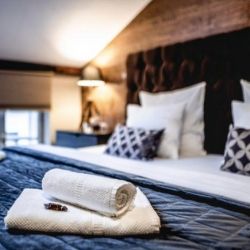
BanglaKIDS: Why Education Is the Most Powerful Weapon Against Poverty

TL;DREducation is the single most effective weapon against poverty: UNESCO and the Education Commission reckon literacy alone could lift up to 170 million people out of extreme poverty, and every dollar spent on schooling in the poorest countries pays back fivefold. Bangladesh has 166.4 million people, a quarter of over-15s can’t read or write, and 1.3 million children aged 5–14 are working instead of sitting in a classroom. The charity ADRA runs the BanglaKids programme, which has helped more than 6,500 children across 28 schools over 20 years, alongside the Chalantika centre in Dhaka supporting 92 families living beside a slum. To back these projects, a charity film called BanglaKIDS has been made, with tickets available through the Darujme platform.
When we were in Uganda, I wrote an article about why you should never bring sweets to children in developing countries. Today, we’ve teamed up with a nonprofit to bring you an article about how you can truly help children (and not just children) in the developing world. The link between education and poverty is staggering — and understanding it is the first step towards making a real difference.

Literacy Could Lift 170 Million People Out of Extreme Poverty

Support children’s education. Education is the key to pulling any country out of poverty. Why? According to statistics from the UNESCO Global Education Monitoring Report and the Education Commission’s Learning Generation Report, 170 million people could be lifted out of extreme poverty simply by leaving school with basic reading and writing skills. Research has shown that education leads to lower birth rates, reduces the risk of teenage pregnancy, and consequently lowers mortality rates among children and young mothers during childbirth.

Every Dollar Invested in Education Returns Fivefold

Invitation to the BanglaKIDS film screening What’s more, when children attend school, they’re far more likely to secure better jobs in the future. Each year of schooling reportedly increases future earnings by 10%, and every dollar invested in education yields 5 dollars in return in countries affected by extreme poverty. This is one of the reasons we decided to support the nonprofit organisation ADRA, which helps children from disadvantaged families in Bangladesh access better education. Bangladesh currently has a population of 166.4 million, and 25% of people over 15 are illiterate. Around 1.3 million children aged 5–14 work instead of attending school, just to help feed their families. Like us, the people at ADRA are well aware that education is one of the most effective tools for combating poverty — opening up new opportunities for young people. With an education, they can find better-paying jobs, develop their skills, and support their entire families. ADRA currently runs two long-term projects in Bangladesh: BanglaKids and Čalantika. To support these projects, the charity film BanglaKIDS was created in collaboration with travel blogger Weef, showcasing children from across Bangladesh in various life situations. If you’d like to support ADRA’s efforts and learn more about children in Bangladesh, you can purchase a ticket to the film premiere or a link to stream it online through the darujme platform. BanglaKIDS film

More About the BanglaKIDS and Čalantika Projects

BanglaKids is a long-term development programme focused on providing targeted support for the education of children and young people in Bangladesh. Donors sponsor a specific child and receive updates on their life situation and school progress — they can even exchange letters. The programme has been running for 20 years, and donors — primarily from the Czech Republic and Slovakia — have helped more than 6,500 Bangladeshi children during that time. BanglaKids supports children across 28 schools throughout Bangladesh: 20 village schools, 7 boarding schools, and one urban school. Thanks to the programme, children can access primary, secondary, and even bachelor-level education. Čalantika is an educational centre for children and their parents in Bangladesh’s capital, Dhaka. It’s located next to a slum where around 10,000 families live in tin shelters above a lake filled with rubbish. These families often can’t afford the materials and fees required for their children’s education, which means kids end up working instead of going to school — or girls are married off at a young age. Čalantika currently supports 92 families. It provides children with quality education, school uniforms, nutritious daily meals, and medical care. Parents can attend courses on topics like parenting, hygiene, pregnancy, human rights, and more. Many of the mothers themselves never completed primary school, so literacy classes are available for them too. Weef in Bangladesh

How Does Education Reduce Poverty?

The education poverty statistics speak for themselves: every additional year of schooling can increase an individual’s earnings by up to 10%, and educated women tend to have fewer children, invest more in their families’ health, and break the cycle of intergenerational poverty. When communities gain access to quality education, the ripple effects are enormous — from improved public health to stronger local economies. Organisations like ADRA demonstrate that even small, targeted investments in education can transform entire communities. If you’d like to be part of that change, consider supporting one of their projects in Bangladesh.

Tips and Tricks for Your Vacation

Don’t Overpay for Flights

Search for flights on Kayak. It’s our favorite search engine because it scans the websites of all airlines and always finds the cheapest connection.

Book Your Accommodation Smartly

The best experiences we’ve had when looking for accommodation (from Alaska to Morocco) are with Booking.com, where hotels, apartments, and entire houses are usually the cheapest and most widely available.

Don’t Forget Travel Insurance

Good travel insurance will protect you against illness, accidents, theft, or flight cancellations. We’ve had a few hospital visits abroad, so we know how important it is to have proper insurance arranged.

Where we insure ourselves: SafetyWing (best for everyone) and TrueTraveller (for extra-long trips).

Why don’t we recommend any Czech insurance company? Because they have too many restrictions. They set limits on the number of days abroad, travel insurance via a credit card often requires you to pay medical expenses only with that card, and they frequently limit the number of returns to the Czech Republic.

Find the Best Experiences

Get Your Guide is a huge online marketplace where you can book guided walks, trips, skip-the-line tickets, tours, and much more. We always find some extra fun there!
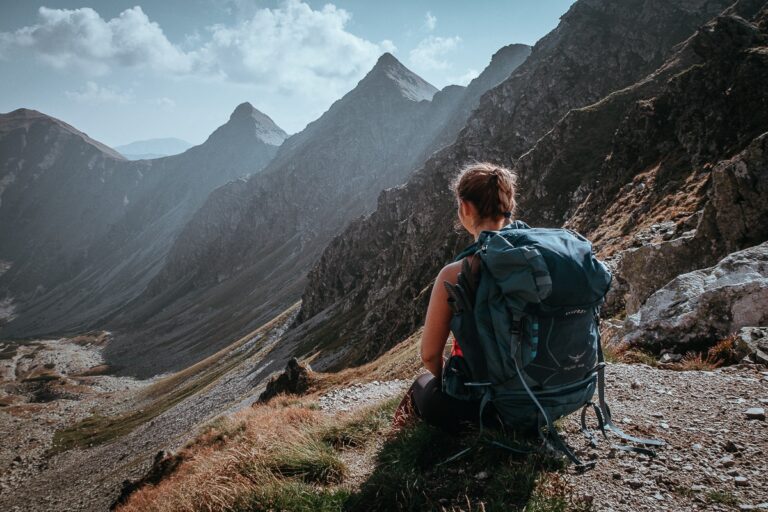
Notion: How I Finally Organised My Life

TL;DRThe author explains how Notion let him ditch a scattered workflow spread across Trello, Evernote, Google Docs, Airtable and Apple Reminders, replacing it all with one system built on GTD principles. The key element is an Inbox tab, where every task and idea lands before being sorted into Someday/Maybe, Projects, Waiting For, To-Do and Today folders. Notion also doubles as his personal CRM for contacts and birthdays, a database of books he’s read, a workout calendar, and a way to manage client projects at his agency, LK Media. He’s sharing his entire Notion dashboard for readers to copy for free, and the article finishes with a step-by-step guide to building a database and linking it to your Today page.

Notion is the app that helped me organise my entire life. If you’ve ever wondered how to use Notion effectively, this article is for you — in the first part, I describe my personal workflow in every detail, and in the second, I break down the tools and features I use within Notion.

Before you dive in: If you end up liking Notion, please consider signing up through my referral link. You’ll get $10 in credits for later use, and I’ll receive a small reward from Notion too. It costs you nothing, and it gives me one more reason to keep writing about Notion. 🙂

Tips and Tricks for Your Vacation

Don’t Overpay for Flights

Search for flights on Kayak. It’s our favorite search engine because it scans the websites of all airlines and always finds the cheapest connection.

Book Your Accommodation Smartly

The best experiences we’ve had when looking for accommodation (from Alaska to Morocco) are with Booking.com, where hotels, apartments, and entire houses are usually the cheapest and most widely available.

Don’t Forget Travel Insurance

Good travel insurance will protect you against illness, accidents, theft, or flight cancellations. We’ve had a few hospital visits abroad, so we know how important it is to have proper insurance arranged.

Where we insure ourselves: SafetyWing (best for everyone) and TrueTraveller (for extra-long trips).

Why don’t we recommend any Czech insurance company? Because they have too many restrictions. They set limits on the number of days abroad, travel insurance via a credit card often requires you to pay medical expenses only with that card, and they frequently limit the number of returns to the Czech Republic.

Find the Best Experiences

Get Your Guide is a huge online marketplace where you can book guided walks, trips, skip-the-line tickets, tours, and much more. We always find some extra fun there!