TL;DRGolf Hořehledy is a nine-hole course in the village of Hořehledy, in the Brdy protected landscape area, part of the PilsnerGolf Resort alongside Hotel pod Kokšínem. Green fees run 300 Kč on weekdays and 700 Kč at weekends. Two-night stay packages for two start at 5,500 Kč for the golf option, or 6,500 Kč for the romantic break or golf taster. A five-night beginner’s package costs 13,900 Kč and includes half board, entry tickets to local sights, and free coaching with an instructor. Hotel rooms start from 900 Kč. Nearby you’ll find Spálené Poříčí Chateau, the 4.5km Za mlynáři nature trail to Bradava, and the Jince natural swimming lake.
Lucka and I had never played golf, and my idea of it was that it’s a very expensive sport reserved for a chosen few who have plenty of time and money to spend all day standing on the green, hitting balls into the distance. How wrong I was!
For our very first encounter with golf, we headed off at the invitation of Martin Kopčák to the nine-hole course in the little village of Hořehledy, which lies within the Brdy nature reserve. The course at Golf Hořehledy is part of the PilsnerGolf Resort, which also includes the Hotel pod Kokšínem, where we stayed.
It’s an ideal spot for a weekend full of sport, cycling, and exploring the surrounding landmarks and nature trails. Besides golf, the area also offers a tennis court, a chateau, a natural swimming biotope, and plenty of hiking and cycling routes.
You can choose from several stay packages, focused either on golf or on hiking and cycling. The golf packages include unlimited access to the course, and the romantic package even throws in a candlelit dinner right on the golf course.
With these packages, you can spend either a weekend or a whole week at the resort. Each package also includes half board, tickets to nearby attractions, and unlimited access to the tennis court next door.
Romantic package for 2 people – €260 / 2 nights
Golf package for 2 people – €220 / 2 nights
Beginner package for 2 people – €560 / 5 nights
Introduction to golf for 2 people – €260 / 2 nights
Right on the golf course sits the Hotel pod Kokšínem, which offers affordable accommodation (from €36) along with its own restaurant. You can pick from rooms of various sizes, from a single room all the way up to a multi-room royal apartment.
The hotel is dog-friendly, which we made the most of ourselves. 🙂
Hotel pod Kokšínem
The restaurant focuses mainly on meat dishes, which — according to other guests and online reviews — are excellent. We’re vegetarians, and although the menu only had a handful of vegetarian options, the chef happily put together a luxurious three-course candlelit dinner for us.
The whole resort sits in the hilly landscape of the Brdy hills, surrounded by nature and tiny villages. For golfers, it’s certainly a welcome change — at many courses you find yourself looking out over tower blocks and bulky urban buildings instead.
Pilsner Resort Hořehledy
The course was built twenty years ago and is immaculately maintained. The greenkeeper, Martin Kopčák, actually lives right on the grounds and you’ll find him out on the course every single day.
Thanks to the terrain, almost the entire game is played on a gentle slope — which, depending on how you look at it, is either a pleasant bit of variety or a fun challenge.
If you book one of the stay packages, you’ll get several hours of coaching with an instructor for free. That makes it perfect for complete beginners who want to find out whether golf is the game for them.
Lukáš playing golf for the first time
Day Trips in the Area
The Chateau in Spálené Poříčí
This Renaissance chateau dating back to 1617 is flanked by two extensive parks, and although the complex is mainly used by the local secondary school these days, you can still visit the chateau with a guide.
The real highlight is the ceremonial hall with its beautifully restored Renaissance ceiling. The chateau has served many purposes over the years and, in the 18th century, it even briefly guarded the St Vitus treasure.
Spálené Poříčí Chateau
The “Following the Millers to Bradava” Nature Trail
This four-and-a-half-kilometre nature trail leads you from Hořehledy all the way to Spálené Poříčí. It follows the little Bradava river, and along the way you’ll pass six different mills that once used the river’s power to grind flour.
The Natural Swimming Biotope at Jince
Not far from Hořehledy you’ll find a natural swimming pool. Special plants have been planted in the water to purify it naturally, without any chemicals. In summer it gets fairly busy, as it’s a favourite spot for locals to cool off on hot days.
The Brdy Protected Landscape Area
The surrounding countryside falls within the Brdy Protected Landscape Area, which is criss-crossed with hiking and cycling trails. From Hořehledy you can set off on a new trip every single day, and even after several days you’ll still be spoilt for choice.
How to Get to Hořehledy
Getting there: Hořehledy lies in the west of the Czech Republic, just south of Plzeň (Pilsen). If you’re flying in from the UK, the easiest route is to fly into Prague — there are direct flights from major UK airports such as London, Manchester and Birmingham — and then pick up a hire car. From Prague, take the D5 motorway and leave at EXIT 62 towards Rokycany (remember you’ll need a Czech motorway vignette to use the D5). Continue towards Spálené Poříčí on road no. 117, then in the village of Lipnice turn left towards Těnovice and Hořehledy. The resort is on your left just before the village — follow the local signs.
From Plzeň (Pilsen): take the E49 expressway and road no. 19 towards Spálené Poříčí and Hořehledy. The resort is on your right just past the village. Follow the local signs.
Tips and Tricks for Your Vacation
Don’t Overpay for Flights
Search for flights on Kayak. It’s our favorite search engine because it scans the websites of all airlines and always finds the cheapest connection.
Book Your Accommodation Smartly
The best experiences we’ve had when looking for accommodation (from Alaska to Morocco) are with Booking.com, where hotels, apartments, and entire houses are usually the cheapest and most widely available.
Don’t Forget Travel Insurance
Good travel insurance will protect you against illness, accidents, theft, or flight cancellations. We’ve had a few hospital visits abroad, so we know how important it is to have proper insurance arranged.
Where we insure ourselves: SafetyWing (best for everyone) and TrueTraveller (for extra-long trips).
Why don’t we recommend any Czech insurance company? Because they have too many restrictions. They set limits on the number of days abroad, travel insurance via a credit card often requires you to pay medical expenses only with that card, and they frequently limit the number of returns to the Czech Republic.
Find the Best Experiences
Get Your Guide is a huge online marketplace where you can book guided walks, trips, skip-the-line tickets, tours, and much more. We always find some extra fun there!
TL;DRThe 2020 pandemic hit the small Czech firm nanoSPACE, a maker of anti-mite bedding, with a flood of demand for its BreaSAFE nano masks and respirators (nicknamed Cinderella) that crashed its unautomated shop on an old version of Prestashop. Orders jumped from a normal 3 a day to 1000 a day, over 3500 orders got stuck in the system, and its Heureka rating sank to 53%, with customers accusing the firm of fraud and making threats. The fix was a 10-day switch to a fully automated Shoptet setup, linked to the Skladon external warehouse and the Pohoda accounting system, which let the firm deliver over 200,000 nano masks to a hospital in Písek and see its Heureka rating climb back to 97% within a month.
Overnight, every e-commerce owner’s worst nightmare descended on our small family business nanoSPACE, and with each passing day, another disaster hammered yet another nail into our virtual online coffin. This is a story about crisis management — the kind you never plan for, but desperately need to get right.
What I’m about to describe really happened, though bear in mind that it’s based on my memory and my perception of events. I decided to share this with the world because I believe our cautionary tale might genuinely help someone else. This is an article about what the COVID crisis taught us about running an online shop.
The coronavirus crisis in our family nano-tech company nanoSPACE arrived two months before the disease actually reached the Czech Republic. We started sensing that something was happening on 24 January, when we met for the nanoSPACE general meeting. We were discussing the way forward. Although we’d been growing in previous years, nanoSPACE needed a cash flow injection, and we urgently needed to invest far more in e-shop development, marketing, and new products.
nanoSPACE traffic growth in January 2020 — from 100 daily users to 11,000
What You Need to Know About nanoSPACE
Before we go any further, I should tell you what we actually do. NanoSPACE is the world’s first manufacturer of anti-dust-mite pillows, duvets, covers, and bedding featuring a nanofibre barrier. Our typical customers are people with dust allergies and asthma sufferers. As supplementary products, we also sold nanofibre face masks, antiviral scarves, nano respirators, nano air purifiers, and nano coatings.
We manufacture anti-allergy bedding made with nanofibre
None of us earned a living from nanoSPACE, nor did we draw any income from it. If anything, we were pouring money into it, and my dad even put up his land as collateral. NanoSPACE was a passion project — we believed in nanotechnology, and most importantly, as allergy sufferers ourselves, we knew the nano products worked brilliantly. At that point, we were convinced that none of us could commit to it full-time and that we needed to bring in an outsider to lead the company. nanoSPACE had one employee at the time, who was responsible for running the e-shop.
For Us, the Crisis Started on 24 January
But that day — the day of our general meeting — something happened. It was as if the universe sent us a sign saying “hold on a bit longer,” because on 24 January, nanoSPACE sales skyrocketed.
Typical daily orders = 3 / Daily orders during the January panic = 1,000
Although this part might seem boring to some, it’s absolutely crucial to the whole story. The entire e-shop operation was handled by a single person. I was only marginally involved with nanoSPACE at the time — I earned my living doing online marketing for my clients and was 100% booked up.
How Things (Didn’t) Work
One person was enough to keep the e-shop running back then. We had just a few orders a day, with the absolute maximum being 10. Nothing on our e-shop was automated. That meant stock levels had to be updated manually, and the shop wasn’t integrated with our accounting system or delivery partners.
When an order came in, someone had to:
manually deduct the items from stock on the e-shop
manually create an invoice in the Byznys accounting system (re-typing all the information)
manually create a shipping label for the courier (again, re-typing everything).
Then the label was printed, the order packed, and handed over to the courier. Processing a single order could easily take 10–15 minutes. I should also mention one delightful detail: our e-shop ran on a very buggy, outdated version of PrestaShop. Changes often didn’t save when you clicked “Save,” and the system loved kicking us out of the admin panel. A crisis management plan? We didn’t even know we needed one.
How nanoSPACE operated before the change
But back to the crisis. As I mentioned, something started happening on 24 January. News about Wuhan was spreading and people began panic-buying face masks. We were actually pleased — orders for our nano masks and antiviral scarves shot up. Masks and scarves were a supplementary line we purchased from a supplier. We had a decent amount of stock in the warehouse, so we weren’t too worried.
The real storm hit over the weekend of 25–26 January. On the e-shop, these products were still listed as “in stock at supplier.” I was visiting family in Moravia at the time, watching orders roll in one after another. I should have disabled the ordering right then and there.
Error 500 — our daily companion on PrestaShop
By Friday evening I was already nervous about whether there’d be enough stock, but at the time I was incredibly naive about logistics. Back then, I knew very little about running an e-shop — what would you expect from someone whose day job was online marketing? I started asking whether the supplier really had enough stock. What I should have also been asking was whether we could actually ship that volume of orders.
Three times over the weekend, we called the supplier to confirm they had enough stock. Three times they confirmed they did. But on Sunday evening, my gut feeling got the better of me and I changed the product status on the e-shop from “In stock at supplier” to “Sold out.”
When Your Supplier Strings You Along
My “bad feeling” turned out to be spot on. On Monday, the supplier told us they could only deliver a quarter of the order, with the rest coming in two weeks. I won’t keep you in suspense — we never saw that stock. The supplier kept pushing back deadlines, making excuses, and ultimately delivered nothing. I’ll never know whether they had the promised stock that weekend and sold it to someone else, or never had it at all. From Tuesday 28 January onwards, we finally disabled orders for masks and scarves.
We still had FFP3 respirators from the company PARDAM in our range, but demand for those was still low at this point. Then from Monday 27 January, media reports started multiplying, saying that ordinary masks wouldn’t protect you and you needed respirators. Another wave of customers crashed our shop.
BreaSAFE respirators, of which we’d sold a few dozen in the entire history of our e-shop, were now selling by the dozen every hour! The BreaSAFE respirator was dubbed the “Cinderella” in the Czech media. A product that had been completely marginal vanished from every warehouse overnight. It turned out this nano respirator was the best on the market. Eventually, we had to disable orders for respirators too.
We Had Over 3,500 Orders in the System. People Were Emotionally Blackmailing Us
From Monday 27 January, the phone didn’t stop ringing. Hundreds of emails and Facebook messages poured in every day. People tracked down our personal phone numbers, email addresses, and social media profiles. Emotional blackmail became a daily occurrence — by early February, my inbox was filling up with photos of sick children, elderly grandmothers, husbands recovering from surgery, and more.
We were still waiting for stock. As I mentioned, we waited in vain for the nano masks and scarves, and even the respirator delivery was delayed. When the respirators finally arrived, the government issued a decree saying we could only sell to the state. We interpreted this to mean we could still fulfil orders placed back in January. Two days later, a tax authority inspection showed up, and while checking our respirator pricing, they informed us we couldn’t ship the January orders either.
Ban on respirator sales — decree from the Czech Ministry of Health
But the hardest part was yet to come — it arrived with the spread of the coronavirus across Europe. At the beginning of February, I’d planned to head to Portugal and Spain for six weeks. My husband Lukáš and I both work remotely, so we like to escape the Czech winter for a while.
People Were Abusing Us and Making Threats — Our Rating Crashed to 53%
When we left, things still looked hopeful. I still believed we could somehow make it work. I was sending regular updates to customers about what was happening, when we expected stock, and how to cancel orders. Half of them never even opened a single message, so I started running sponsored posts on Facebook, targeted at our website visitors.
By the end of February, our rating on Heureka (a major Czech review platform, similar to Trustpilot) had plummeted to a red 53%. People were threatening us with consumer protection authorities and calling us thieves and scammers.
Our rating collapse on Heureka
At the beginning of March, the real catastrophe began. The coronavirus was spreading across Europe. Getting through to us on the phone was as impossible as getting through to the public health authorities. Internally, we had to start using our personal phone numbers for company communication.
Stock was nowhere in sight — we only had respirators, which we weren’t allowed to sell to the public. The Ministry of the Interior eventually bought them, but only after news about our respirators sitting in a warehouse went viral.
People Wanted Anything with the Word “Nano” on It
People started buying everything on our e-shop that had “nano” in the name. They cleaned out the nano bedding, bought nano neckties, nano plasters, and even nano coatings. Nano was incredibly hot. We tried explaining that not all nano is created equal, but it didn’t make much difference. People wanted anything that was nano. We were inundated with questions about whether our bedding could be cut up and sewn into face masks. Meanwhile, behind the scenes, it was absolute chaos.
I was in Spain, waiting for the next disaster to hit. Case numbers were climbing fast. Nobody in the Czech Republic was paying attention yet — all eyes were on Italy. So there I sat, glued to my screen in Spain, watching the curve and sensing that things were about to get very ugly. We still had a few prepaid days left in Andalusia.
Then the Czech Republic announced border closures. We panicked that we might not make it back by car and decided to cut our trip short and rush home.
Who Would Collapse First?
In two days, Lukáš drove 2,600 km so we could cross the border before midnight on Sunday. There was an eerie atmosphere everywhere. We’d never seen motorways so empty. In northern Spain, everyone was coughing. We were racing towards a mandatory 14-day quarantine. Somewhere on one of those motorways, a fateful text message arrived: “The České Budějovice hospital is collapsing due to a lack of face masks.”
But I was the first to collapse. My mum worked at a hospital in Písek, which wasn’t equipped for coronavirus cases. That hospital was supposed to receive protective equipment via České Budějovice.
Over the weekend, our colleagues converted the bedding production line and we started sewing nano face masks. The material we normally used for bedding wasn’t suitable, so our colleague Josef Handrejch sourced appropriate nano material within 24 hours and production started on Monday.
By Thursday 20 March, we’d delivered 3,000 nano face masks. A text came back from České Budějovice saying that thanks to us, they could send out ambulances again. In the end, we managed to bring together several textile companies in South Bohemia, and between the crisis headquarters and the Písek hospital, we delivered over 200,000 nano face masks.
For Some People We Were Heroes, for Others Thieves and Scammers
My life in quarantine is a blur. Journalists called. Customers called. People who wanted to sew or help in some other way called. Some days I handled 1,500 emails and messages on customer support while simultaneously doing the freelance work that actually paid my bills. I was pulling sixteen-hour days.
I’d get out of bed at six in the morning and drag myself from the computer to bed at midnight. My head hurt, my eyes ached, I forgot to eat and drink. I was grateful to have a husband and that Wolt existed. Weekends didn’t exist. People in neighbouring flats were cleaning and relaxing — we didn’t even have time to make a cup of tea.
And it still wasn’t enough — our Heureka rating was stuck at 50%. We were waiting for masks and scarves, while respirators could still only be sold to the state. Our system was clogged with orders from people who refused to cancel them.
Build a New E-shop in 10 Days and Automate Everything
By this point, I was convinced that even when the stock arrived, it wouldn’t solve anything. This was crisis management in business at its rawest — we needed to completely overhaul our systems.
We needed a new, fully automated e-shop
We needed help with logistics
We needed to switch accounting systems
But first, I had to convince everyone else this was the right move
My dad agreed with automating order processing but wanted to transition the accounting gradually. In the end, my approach won out. The only catch was that I had to organise and execute the whole thing myself.
The current nanoSPACE website
1) Choosing an E-commerce Platform and Migrating Data
The choice of platform had been made long ago. I’d wanted to switch to Shoptet since October. It was originally planned for February, but the coronavirus derailed that. Lukáš helped me pull the data out of PrestaShop via XML exports, and I’d already set up the category structure.
I thought that with photos, descriptions, and products loaded into the system, I was basically done. Perhaps it was a blessing I thought that, because if someone had told me how much I’d need to sort out in those 10 days, it would have floored me.
Lukáš and I worked intensively on SEO to make sure we didn’t lose our search engine rankings during the migration. We reworked the menu structure and site architecture, introduced new URLs and product descriptions based on keyword research, and started actively optimising for strategic keywords. Nobody had done that before. Organic traffic — thanks to targeting terms like “nano face masks,” “antiviral scarves,” and related keywords — shot up from a few dozen visitors to tens of thousands per day.
Search volumes were absolutely extreme throughout February, March, and April. Tens of thousands of people were searching online for nanofibre protective equipment. We were gearing up for restocking.
nanoSPACE search engine traffic
In the meantime, we were cancelling customer orders, so on top of everything else, I was processing refunds to help my colleague. Anyone who ran a theatre, festival, or event business and had to process mass refunds during the COVID months will understand that this is not a five-minute job.
2) Automating Fulfilment — Using an External Warehouse
Right, so we had Shoptet, and now I needed to figure out how to automate as many processes as possible. Shipping and fulfilment worried me the most, so I started looking for someone who could handle it for us.
I found a fulfilment company called Skladon, which I’d heard of before, and downloaded their free PDF about their services. Less than two hours later, I got a call from Skladon’s director, Patrik Babinec. He wanted to help.
Patrik Babinec is exactly the kind of person you need when you’re completely at a loss. He explained everything patiently, and I have to say he was the first person who made me feel that once we had stock, we could actually handle it. So we connected Skladon to Shoptet via a plugin and began transferring physical stock to their warehouse.
3) Automating Accounting
I don’t even do my own taxes. I can’t stand paperwork. And now I needed to move the accounting not just to a new accountant, but to an entirely different accounting system and integrate it with Shoptet. All with the expectation of processing several thousand documents per month.
We hired an accountant who worked with the Pohoda accounting system. Although it’s supposedly one of the most modern accounting systems in the Czech Republic, for those of us who don’t deal with accounting day-to-day, it was utterly baffling.
Launch day was approaching, and every day I’d discover something I’d forgotten. It felt like I was building a plumbing system — every evening I’d think it was finished, but every morning I’d find a pipe that I had no idea where to connect.
I was learning the meaning of terms like invoice liquidation, pre-posting, and inventory management. I was calling Pohoda and Shoptet every other day. Just as often, I’d end up with my head on the desk, feeling like I could never pull this together.
While Shoptet’s customer support was phenomenal, Pohoda’s support was the polar opposite. I got bounced between customer support and technical support, and they couldn’t help me with anything. In the end, Lukáš had to find most of the answers himself online.
We managed to link Shoptet and the GoPay payment gateway with Pohoda. Now invoices are automatically generated in Shoptet and then, using bank statements and GoPay transaction reports, automatically matched and reconciled with account movements. 1,500 documents are processed in about 10 minutes.
By the end of March, I was alternating at regular intervals between feelings of total triumph and utter despair. By early April, everything was ready.
I was fine-tuning the last details, like transactional emails, but we were confident the new e-shop was ready for action. I joked that some businesses need an agency, while others just need a phone, relentless questioning, and one husband who can solve even the greatest mysteries of the universe (or rather, the mysteries of our accounting system).
How nanoSPACE operated after switching to Shoptet
On 7 April, the moment of truth arrived. The first antiviral scarves reached Skladon’s warehouse and sold out within minutes. In fact, we sold more than we had in stock. The system wasn’t ready for that kind of demand.
I Was Starting to Think We Were Cursed. Turns Out It Was Our Supplier
When more stock arrived after Easter and we started fulfilling orders, another blow came. The company that supplied our antiviral scarves — and previously our masks — had opened pre-orders for a new product called “virus-killer mask,” and then failed to deliver. Although pre-orders for this product were never possible on our e-shop, customers confused us with the supplier because we’d been selling their products. They called and wrote to us calling us scammers and thieves, demanding their money back.
We started considering pulling their products entirely so people would stop associating us with them. Then came the final straw: journalists from Hlidacipes.cz (a Czech investigative outlet) discovered that the company was suspected of falsifying certificates and test results. There was no room for discussion — we pulled their products immediately and decided that going forward, we would only source products from members of the Czech Nanotechnology Industry Association.
Surely Things Would Calm Down Now
Within days, we developed the first prototype of our own nanoSPACE antiviral scarf, using the best available nanofibre membrane from the Roudnice-based company PARDAM (the nano respirator manufacturer). We also launched sales of nano face masks from the Zlín-based company SPUR, along with nano filters.
nanoSPACE antiviral scarf in pink
Despite the initial teething problems, we ironed out the system with Skladon very quickly, and even wholesale orders now run through the e-shop. Thanks to this automation and the phenomenal work of my colleague on customer support, we managed to climb from 53% on Heureka back to 97% within a single month.
nanoSPACE Heureka at the end of May 2020
There was no longer any doubt about who would be running nanoSPACE full-time. I must have proven myself during the crisis, because as of May I officially became the COO of nanoSPACE. It sounds impressive, but we’re still a small company, and only time will tell whether it was the right move for nanoSPACE — and whether it was the right move for me.
If there’s one single takeaway from this story, it’s this: automate everything from day one. None of us knows what kind of black swan event will come next. I recently read something about giant Asian hornets… 🙂
Tips and Tricks for Your Vacation
Don’t Overpay for Flights
Search for flights on Kayak. It’s our favorite search engine because it scans the websites of all airlines and always finds the cheapest connection.
Book Your Accommodation Smartly
The best experiences we’ve had when looking for accommodation (from Alaska to Morocco) are with Booking.com, where hotels, apartments, and entire houses are usually the cheapest and most widely available.
Don’t Forget Travel Insurance
Good travel insurance will protect you against illness, accidents, theft, or flight cancellations. We’ve had a few hospital visits abroad, so we know how important it is to have proper insurance arranged.
Where we insure ourselves: SafetyWing (best for everyone) and TrueTraveller (for extra-long trips).
Why don’t we recommend any Czech insurance company? Because they have too many restrictions. They set limits on the number of days abroad, travel insurance via a credit card often requires you to pay medical expenses only with that card, and they frequently limit the number of returns to the Czech Republic.
Find the Best Experiences
Get Your Guide is a huge online marketplace where you can book guided walks, trips, skip-the-line tickets, tours, and much more. We always find some extra fun there!
TL;DRWorking from home properly comes down to ten specific habits: a fixed routine, prioritising tasks with to-do lists (the author swears by a Bullet Journal), cutting back on social media, planning meals ahead, and above all, a decent workspace.
Lighting that supports your circadian rhythm matters more than you’d think, along with an ergonomic desk, a good chair (you’ll spend up to 1,900 hours a year sitting in it) and a laptop stand to stop headaches and back pain. The author also recommends blue-light glasses and regular movement — three thirty-minute walks a day plus yoga. A side-by-side comparison of two working weeks, one in Portugal and one in Spain, shows just how much your surroundings shape productivity.
When the pandemic hit, a huge number of people suddenly found themselves stuck at home, having to figure out fast what we freelancers and digital nomads have been perfecting for years – how to make a home office actually work and stay productive when working from home.
A lot of people quickly realised that working from home can be far more demanding than working in an office. More than once you glance up and it’s already noon, you haven’t really started yet, and now you also have to sort out what you’re going to eat.
If you’ve got kids at home on top of a partner, working from home can feel downright impossible. Instead of putting in eight focused hours, you end up sitting at the computer from morning till night and still get nothing done.
So I’ve put together a few tried-and-tested tips to make working from home more pleasant and help you get things done more efficiently.
Does a routine belong in a home office?
I’m not sure why most people assume that working from home means you work whenever you feel like it. Those who want to be successful freelancers and digital nomads have to be strict with themselves.
They have to manage their time far better and never break their own routines. Because if you work “whenever you want”, you’ll probably find you’re busy all day yet haven’t actually finished a single task!
1) Set up a work-from-home routine
It pays to set clear boundaries around your working hours. Everyone does it differently. I once listened to a podcast with a woman who gets up in the morning, dresses as if she’s going to the office, walks over to her desk, and when she’s done, changes back into her home clothes. It helps her mark out the time when she’s working.
Lukáš and I, on the other hand, have a clean-desk routine. That means when we finish work, we tidy up our workspace. We pack the laptops away into their bags, even though we know we’ll pull them out onto the exact same spot the next day.
Then we go and do some exercise, and that marks the end of the working day. I work out regularly between five and six o’clock every single day.
Regular walks are extremely important
2) Learn to manage your time and priorities
Never rely on your memory. Ever. In the afternoon you should walk away from your computer with a clear head, knowing you don’t need to remember anything for the next day because all your tasks are written down.
Basic rules for working efficiently
Write down your ideas and tasks
Deal with your inbox every day, don’t put it off
Set your main goals for each day
Always work on one task at a time, never several at once
Keep simple to-do lists
There are countless methods, techniques and systems for staying on top of your tasks and projects. Dive into productivity books and you’ll find thousands of them. The most important thing, though, is to find a system that works for you – not one you end up working for.
Your system needs to be as simple and effective as possible. Personally, the method that works best for me is the Bullet Journal, where I keep all my projects and my daily agenda. It’s so wonderfully simple that I was able to start using it overnight. Alongside the Bullet Journal I also use a classic planner and the Notion app for managing team projects.
For my part, I’d recommend these books
Getting Things Done
The Bullet Journal Method
Tools of Titans
A reward for a productive day
3) How not to get distracted by social media
Almost everyone is horrified when their phone’s screen-time stats reveal how many hours a day they actually spend on Instagram.
More than 2 hours is a lot, even if you manage social media for a living. I average around 1.5 hours, and that’s part of my job (as a social media manager). My friends who don’t work in social media routinely spend 5 hours a day on Instagram.
It doesn’t matter what you do in your free time, but if you feel like social media is creeping into your working hours, it’s time to do something about it:
My tips for keeping social media time in check
During the day I don’t keep my phone next to the computer or within arm’s reach. Yes, if someone calls, I simply get up and walk over to it. It’s good for your body. Try putting it a few steps away from your computer and you might be surprised how strong the urge is to keep picking it up.
I have a clearly set time when I go on social media. When I do, I don’t feel guilty – I go there to read something, have a laugh, reply to messages.
If I need social media for work, I try to use management tools as much as possible – for example Facebook Creator Studio, where I schedule posts for Facebook and Instagram. So I usually only open Instagram itself to plan Instagram Stories, and I’m very careful not to drift off onto my own feed.
Being productive often takes a big dose of self-control. But I always remind myself that technology should serve us, not the other way around.
Thanks to the way I treat technology and social media, I have plenty of time for offline activities and I handle my work comfortably.
The first step to solving a problem is admitting you have one. If you know this is an issue for you, I’d recommend reading the book Digital Minimalism by Cal Newport.
My little corner where I take long phone calls
4) How not to spend half your day on food
It sounds amusing at first glance, but this is one of the things we constantly struggled with at home. Last year we realised we were often spending 2–3 hours a day cooking and eating.
That’s because we’d first argue about what to cook. Then about which ingredients we were missing and what we could actually make, and finally about which of us would do the cooking. These days we’ve got it sorted.
To avoid discovering halfway through that we don’t have the ingredients for a meal, we plan our menu a week in advance. On Sunday we order a whole week’s worth of groceries for online delivery (we use a service similar to a local supermarket’s delivery) or pop out to do the shopping ourselves. Then Lukáš and I take turns cooking.
When we’re swamped with work, we usually sort it out with a food delivery app like Uber Eats, Deliveroo or Just Eat. If Lukáš is away, I’ll grab a healthy ready-made meal for lunch.
How important is the environment you work in?
For my part, I can honestly say that a pleasant working environment is the single most important thing for me, though for a long time I tried to convince myself it didn’t really matter where I worked from.
When I look back at my Bullet Journal and planner from this year and compare two weeks in Portugal with two weeks in Spain, I see an incredible difference.
In Portugal, according to my Bullet Journal, I was getting through 10 tasks a day and still had time left for my favourite activities, like morning yoga on the rooftop or trips to the beach. We managed to cook for ourselves and watch our favourite series too. In Spain, though, you can see something was off – sometimes there are no entries at all and I was only getting through 2–3 tasks a day. We didn’t go on many trips either, and we ordered takeaway far more often.
What made such a difference? The working environment.
A home office working environment
Our little house in Portugal was made for working. It was beautifully bright, with very comfortable chairs and a great desk, while also being a lovely place to relax. We genuinely enjoyed spending time there.
Our flat in Spain wasn’t bad as such, but it was much darker, with very uncomfortable chairs and a wobbly table. The furnishings were older and it was harder to unwind there – we much preferred being out and about.
Why am I telling you all this? Because to work effectively from home, you need to create a workspace where you actually feel good.
5) Good lighting is the most important thing for productivity
It might sound trivial, but the single most important thing everyone should sort out at home is lighting.
It’s well established that poor lighting while you work is linked to negative effects on both our mental and physical health – things like eye strain, headaches, fatigue, as well as stress and anxiety in the work environment.
Numerous studies have shown that the right lighting can boost productivity and improve our mood(you can read more about how light affects mood here).
circadian rhythm
We should try to light our homes throughout the day in a way that supports our circadian rhythm. Daylight is best for working, so you should work in the brightest room in your home, ideally near a window. But what if you don’t have that option or your windows are small?
The best solution is bulbs that simulate sunlight as closely as possible. For darker rooms, get a “sun-style” light fitting that mimics natural daylight.
For our flat we chose smart bulbs from Philips, which can be set so the light intensity gradually changes as the day progresses.
The Philips app has presets for reading and concentration, and you can even switch on lights designed to energise you. The idea that light supports work and learning is backed by research too – several universities have spent years studying the effect of lighting on students’ performance.
Although Lukáš and I live in a very bright flat with one entirely glass wall, some days – especially in winter – it gets pretty dark in here too. On top of that, smart bulbs are absolutely ideal for the evening.
For the past year we only used candles in the evening for the sake of good sleep hygiene, but smart bulbs adapt and give off only a soft, dimmed light in the evening, so they don’t disrupt your wind-down before sleep. Proper sleep hygiene and quality sleep are crucial for your productivity and creativity.
The light source you choose matters too. During the day you should rely on overhead ceiling lighting, which is best for working from home.
Towards the evening you should switch to spot lighting from lamps (we got ourselves a nice floor lamp). In the evening, light should ideally come from below – we haven’t quite cracked that yet, but we use lanterns for it. And if you want to give a space a unique sparkle and a touch of elegance, go for crystal lamps.
I’d recommend reading this book on the topic: Why We Sleep by Matthew Walker.
6) How to choose a desk for working from home
For us women, design matters; for men, it’s all about function. To pick the right desk for work, you’ll need to combine both approaches. The look of the desk will carry different weight for everyone, but if you care about how things in your home look, don’t lower your standards. You might just have to search a little longer. You should feel good even while you work.
At the same time, you should never buy a work desk based on looks alone. What matters is that your legs fit comfortably underneath and the work surface is wide enough to hold everything you need.
Lukáš and I usually have so much stuff on the desk that instead of two separate work desks we got one enormous dining table. At least that leaves room in the flat for the piano and a vanity table. It also forces us to keep up our daily routine.
Our work and relaxation space
7) How to choose a chair for your home office
If you work 40 hours a week, you’ll spend roughly 1,900 hours a year sitting. Anyone setting up a home office shouldn’t be afraid to invest in a quality chair.
It’s one of the things I’m honestly looking forward to once Lukáš and I move into a house.
What should a quality chair have?
Lower back support
Plenty of adjustable parts – everybody is different, so a quality office chair has anywhere from 5 (up to 14) different parts you can adjust and customise
Breathable material – definitely avoid anything that is or looks like leather. On a chair like that you’ll at least end up with a sweaty backside in summer, and at worst you’ll break out in a rash. Go for a material that breathes.
TIP: Don’t underestimate how you light your work corner at home – good task lighting makes a real difference to how comfortably you work.
8) How to force yourself to sit up straight
If you ask me about one thing I’d invest in right from the start, I’d recommend a laptop stand. These stands are especially popular among digital nomads, but I think anyone who works on a laptop should use one.
We digital nomads love the freedom that working from a laptop brings, but our backs can’t stand laptops. Working on a laptop forces us to hunch over the screen.
Raising the laptop screen to eye level not only forces you to sit up straight, it also reduces eye strain and headaches. Having the laptop elevated also means it overheats noticeably less – something anyone who edits video or photos at work will appreciate.
With a stand you’ll also need an external mouse and keyboard. I bought a matching set. The stand is designed for digital nomads, so it weighs next to nothing. You will need a bit more desk space, though, so keep that in mind if you’re also buying a desk.
9) How to deal with headaches
When I was dealing with a crisis over the past few months and had to work 14 hours a day, I had unbearable headaches. I’m used to headaches – I get them from the computer all the time – but this was so bad that if I hadn’t known it was screen-related, I might have started worrying about my health.
It got to the point where I’d look at the monitor in the morning and the pain would hit instantly. So we finally made an investment Lukáš and I had been mulling over for ages: we bought computer glasses that block blue light. Since I started wearing them, I haven’t had a single headache!
For everyday wear I use GUNNAR Gunmetal with clear lenses (they block 30% of blue light), and for the evening GUNNAR Gunmetal with amber lenses (blocking 70% of light). Lukáš went for DEV1S Cyclops.
10) How to deal with back pain
Working from home often means you don’t budge from the house all day. Especially if you don’t have a dog, the weather’s miserable, and there’s food in the fridge. But humans aren’t built to sit around all day, and it’s not good for our bodies.
Even though it might feel like it’s doing you no harm, the problems can show up six months or a year later. And then they hit you hard.
That’s why I recommend making movement a mandatory part of your working day. We go for three 30-minute walks a day, and around midday we do yoga or some other workout.
If you’re into yoga, I recommend the Down Dog app, which Lukáš and I have been using for a year and a half now. You can choose the length of your session and which body part you want to work on.
I know some of you are thinking that walks are a waste of time. But did you know that plenty of successful entrepreneurs, like Steve Jobs, used to go for walks because a stroll in the fresh air stimulates ideas?
For my part, I can say that our walks not only clear our heads, but I often come up with solutions to problems I’d been wrestling with for hours.
Tips and Tricks for Your Vacation
Don’t Overpay for Flights
Search for flights on Kayak. It’s our favorite search engine because it scans the websites of all airlines and always finds the cheapest connection.
Book Your Accommodation Smartly
The best experiences we’ve had when looking for accommodation (from Alaska to Morocco) are with Booking.com, where hotels, apartments, and entire houses are usually the cheapest and most widely available.
Don’t Forget Travel Insurance
Good travel insurance will protect you against illness, accidents, theft, or flight cancellations. We’ve had a few hospital visits abroad, so we know how important it is to have proper insurance arranged.
Where we insure ourselves: SafetyWing (best for everyone) and TrueTraveller (for extra-long trips).
Why don’t we recommend any Czech insurance company? Because they have too many restrictions. They set limits on the number of days abroad, travel insurance via a credit card often requires you to pay medical expenses only with that card, and they frequently limit the number of returns to the Czech Republic.
Find the Best Experiences
Get Your Guide is a huge online marketplace where you can book guided walks, trips, skip-the-line tickets, tours, and much more. We always find some extra fun there!
TL;DRThe best personal development books for 2025 include Atomic Habits by James Clear, The Power of Now by Eckhart Tolle, The 7 Habits of Highly Effective People by Stephen R. Covey, along with Detoxikuj život and Maják v srdci by Barbora Englischová, or Thinking, Fast and Slow by Daniel Kahneman. There are 12 life-changing picks here, all about self-awareness, building healthy habits and better relationships, plus a separate list of business and marketing reads (think Na volné noze, Bad Blood, Zero to One) and the books the author started out with themselves, like Why We Sleep and Digital Minimalism. All told, you’ll find 36 recommended books here, split into categories covering personal development, business, and the author’s own reading journey.
There are plenty of ways to spend your evenings in 2025. You could waste them scrolling. Buy stuff you don’t need. Binge-watch films. Play video games. My recommendation? Read. Since I keep a record of every book I’ve read, I decided to put together a list of the best personal development books that have genuinely made a difference in my life.
I’m sharing 12 transformational books that I’ve either learned a great deal from or whose lessons I’ve deeply integrated into my daily life. After reading each of these, I feel like I understand the world a little better and live a little more intentionally.
So what can self-improvement books bring to your life?
What Is Personal Development
Personal development is a journey of gradually peeling back the layers of who you are, recognising both your light and your shadows, and beginning to consciously shape your life. It’s a process of becoming aware of your emotions, your weaknesses, your strengths, and the areas where you feel there’s room for growth. The best personal development books can serve as brilliant guides that offer you a fresh perspective on the world, help you navigate tough times, and direct your attention exactly where it needs to be.
What Self-Improvement Books Can Actually Do for You
I believe that when you approach books with an open mind and a willingness to change something in your life, they become an incredibly powerful tool for transformation. So what can the best personal development books bring you?
Healthier relationships: When you work on yourself, your relationships naturally improve — both personal and professional. You might even realise that holding onto dysfunctional or toxic relationships simply isn’t worth your energy.
Improved self-worth: They teach you how to believe in your abilities and how to push through challenges — especially helpful for anyone struggling with low self-esteem or a lack of confidence.
Solutions to problems along the way: They provide clear, actionable steps that help you reach your goals and shift your mindset.
Building healthy habits: Many books show you how to create beneficial habits that uplift every area of your life.
Fresh perspective and clarity: The best personal development books open your eyes to new ways of seeing the world, which can transform your decision-making and relationships.
Best personal development books
Best Personal Development Books Everyone Should Read
Personal development is a wonderfully broad topic, and it really depends on what you want to focus on. This list is a curated selection of top-rated books from both well-known and lesser-known authors — there’s truly something for everyone. Below, you’ll also find personal development books on business and marketing, plus a list of books that I personally started with years ago.
Detox Your Life – Barbora Englischová
This book is written straight from the heart, with love and genuine understanding. Author Barbora Englischová wrote it for everyone who feels it’s time for a change. You probably know that feeling — wanting to transform everything in your life but having no idea where to start. In Detox Your Life, you’ll discover that real change isn’t easy, but it’s absolutely worth the effort. The reward is a fulfilling life in balance — body, mind, and soul. Here’s a little excerpt from the book:
“There are no shortcuts, and if someone tells you otherwise, they’re lying. If you want to change your life, you have to change everything. Think of it like a model ship made of building blocks, sitting on a shelf for years. Nobody wants to take it apart because the instructions were lost long ago. You know you’d never be able to put it back together the same way. And that’s the moment. That’s when you take it apart, brick by brick. Then you slowly start rebuilding, and you realise some pieces need replacing, others need fixing, and some are brand new. In the end, a different ship emerges — one that shares only the raw material with the original. Otherwise, they have nothing in common. The reward waiting at the end is a fulfilling life, a balance between body, mind, and soul, a sense of lasting happiness, and the knowledge that this is exactly what life is meant to be about.”
Best personal development books – Detox Your Life
The 7 Habits of Highly Effective People – Stephen R. Covey
Stephen Covey doesn’t just scratch the surface in this book — he doesn’t merely show you how to be more productive, but how to live a truly fulfilling and balanced life. His seven habits give you a roadmap for organising your time more effectively, setting meaningful goals, and building valuable relationships. Covey teaches us how to act with vision and proactivity while maintaining inner calm and balance.
Lighthouse in the Heart – Barbora Englischová
Lighthouse in the Heart, again by Barbora Englischová, is one we’d recommend to anyone who feels unsatisfied with their life and is ready for a change. This book helps you find your inner compass — that quiet voice guiding you in the right direction.It shares personal stories showing that even in the darkest moments, there’s a light of hope. At the end, you’ll find a practical guide for working on your happiness day by day, step by step.
The Path to My Lighthouse – Barbora Englischová
I genuinely enjoyed Bára’s books. They’re free of unnecessary complexity and written with real empathy for anyone going through a rough patch. The Path to My Lighthouse tells the story of a deep inner journey that helps you shift your approach to life and gradually piece together the puzzle so you can start living the life you’ve always dreamed of. It guides you towards a deeper understanding of yourself, towards authenticity, and towards the kind of love that should infuse every step of your journey through life.
Best personal development books – The Path to My Lighthouse
Atomic Habits – James Clear
James Clear builds on the concept of habit change and takes it even deeper. He demonstrates how even the smallest but consistent changes can have an enormous long-term impact on your life. This book teaches you how to build habits that lead to better health, greater productivity, and an overall happier life. It provides concrete steps for staying motivated and achieving your goals.
Way of the Peaceful Warrior – Dan Millman
This beautiful book blends philosophy and personal development through the story of a young athlete who encounters a wise mentor. It’s a profound journey of self-discovery where the hero faces his fears, pushes past his limits, and learns to embrace life’s challenges with calm and courage. The book shows you how to let go of negative thoughts and find inner peace, even in the midst of life’s storms.
Thinking, Fast and Slow – Daniel Kahneman
Did you know that your mind operates in two distinct modes? Nobel Prize winner Daniel Kahneman reveals in this fascinating book how our thinking actually works. On one hand, there’s fast, intuitive thinking that often leads us astray, and on the other, slower, more logical thinking that guides us towards better decisions. Once you understand these two systems, you’ll begin to see why you make certain choices — and how to avoid common cognitive traps.
The Power of Now – Eckhart Tolle
How many times have you caught yourself tormented by thoughts about the past or anxiety about the future? Eckhart Tolle teaches us in this remarkable book to live HERE and NOW. He shows how to free yourself from the constant stream of thoughts and find peace in the present moment. When you learn to be truly present, you shed the stress and anxiety that so often weigh you down unnecessarily.
The Four Agreements – Don Miguel Ruiz
The Four Agreements, rooted in ancient Toltec wisdom, presents four simple yet extraordinarily powerful principles: be impeccable with your word, don’t take anything personally, don’t make assumptions, and always do your best. Don Miguel Ruiz encourages us to free ourselves from the limiting beliefs we picked up in childhood and to find freedom in both our thoughts and actions.
Best personal development books
Freedom from the Known – Krishnamurti
Krishnamurti challenges us in this profound book to take a bold step — to examine our thoughts, emotions, and behaviour in an entirely new way.The goal is to discover who we truly are beneath all the layers imposed on us by society, family, and education. This book opens the door to deep self-knowledge and helps you understand how to create an authentic life aligned with your true self.
The Magic of Thinking Big – David Schwartz
David Schwartz urges us in this inspiring book to dare to think on a bigger scale. He shows how our way of thinking shapes what we achieve in life, and how a shift in perspective can lead to unexpected success. The book focuses on how to set ambitious goals and develop a mindset that drives you towards greater fulfilment and achievement.
Daring Greatly – Brené Brown
Brené Brown explores a topic many of us consider a weakness — vulnerability. Yet she reveals that the courage to be vulnerable is actually the path to genuine personal growth. She teaches us how to face our fears and open ourselves to new opportunities, even when it means putting ourselves at risk. Only when we dare to be truly authentic and open can we reach bigger goals and forge deeper connections with others.
Hardwiring Happiness – Rick Hanson
Rick Hanson comes with a revolutionary idea — happiness isn’t something to chase externally, but a state we can consciously cultivate from within. He offers practical methods for building a positive outlook on life and developing the ability to be happy regardless of external circumstances. The book focuses on noticing and appreciating the positive aspects of everyday life.
Outwitting the Devil – Napoleon Hill
Napoleon Hill focuses on what matters most in this classic book — how to take control of your mind and consciously use it to achieve success. His philosophy is built on setting clear goals and the discipline required to reach them. He teaches us that our thoughts hold immense power and that how we think literally shapes our future.
The Charisma Myth – Olivia Fox Cabane
This fascinating book reveals the secrets of charisma — that invisible force that allows some people to attract others like a magnet. Olivia Fox Cabane breaks down the various aspects of charisma and demonstrates that it’s not an innate trait but a skill that can be developed. The book contains practical exercises, meditation techniques, and visualisation methods to help you strengthen both your first impression and your inner confidence.
Convict Conditioning – Paul Wade
Imagine being able to improve your physical fitness without expensive equipment or a gym membership. Paul Wade shows you in this practical book how to build strength and tone your body using nothing but your own bodyweight. His methods are highly effective and can be practised anywhere, anytime.
Burn Slow – Veronika Jelínková
Veronika Jelínková dives into biohacking and optimising both health and overall performance. You’ll learn how to improve your physical health and mental wellbeing, from techniques for calming the mind to tips for optimising your daily routine. This book is for anyone who wants to push the boundaries of their performance and live a healthier, more intentional life.
23 Anti-Procrastination Habits – S. J. Scott
Do you keep putting things off? S. J. Scott offers 23 specific strategies in this practical book to beat procrastination and start making real progress on your projects. Every tip is easy to apply in everyday life and focuses on concrete techniques and habits that help you overcome laziness and stop delaying what matters.
How to Finally Overcome Panic, Anxiety, and Fear – Klaus Bernhardt
For those of you wrestling with anxiety and fear, German psychiatrist Klaus Bernhardt offers hope through practical techniques that help you regain control over your emotions. The book presents natural ways to manage and gradually overcome feelings of panic, anxiety, and fear — without the need for medication.
Goals in Work and Personal Life – Jörg Knoblauch
Jörg Knoblauch teaches us in this practical book how to set goals that are not only achievable but also meaningful and fulfilling. He shows how to turn dreams into concrete steps and how to plan both your work and personal life effectively. The book gives you tools for finding balance across different areas of life and demonstrates how small daily efforts can lead to long-term success.
Overcoming Anxiety and Fear for Good – Klaus Bernhardt
For those of you dealing with anxiety and fear, German psychiatrist Klaus Bernhardt brings hope through practical techniques that help you regain control over your emotions. The book explores how to manage and progressively overcome feelings of panic, anxiety, and fear — all without medication. Bernhardt shows you how to build stronger psychological resilience through simple yet effective exercises.
Tiny Habits – B. J. Fogg
B. J. Fogg came up with a revolutionary idea — big changes start with the tiniest steps. This book presents a simple yet powerful system for beating procrastination and building new habits gradually, in a way that’s truly sustainable. Fogg, an expert in behavioural science, explains how small changes can yield massive results over the long term.
The Bullet Journal Method – Ryder Carroll
In an era of digital apps, Ryder Carroll brings a refreshingly analogue approach to organising your time and life. The Bullet Journal is more than just a planner — it’s a system that helps you keep track of your goals, projects, and daily tasks while also providing space for creativity and reflection. This method boosts your productivity and personal growth by teaching you to be more present and focused.
Best Self-Development Books on Business and Marketing
I’ve also put together a selection of the best self-development books on business and marketing — ones I’ve enjoyed and that both aspiring and established entrepreneurs will find invaluable.
The bible for every entrepreneurial freelancer. Robert Vlach literally transformed our professional life overnight with this book.
Thanks to it, we became professionals in pricing and client management within six months. Knowing your craft simply isn’t enough for a successful freelance business.
The secret behind massive popularity in an age of constant distraction. A masterpiece on how global hits are made.
The book dissects “virality.” Almost nothing becomes popular on its own. Films, songs, and apps don’t become famous simply through word-of-mouth sharing.
Discover why Impressionism, Facebook, and Star Wars became cultural phenomena.
Have you heard of the startup Theranos, where Elizabeth Holmes claimed — right up until her downfall — that she could diagnose any disease from a single drop of blood?
It was a fraud, and Elizabeth fooled the entire world. Investors poured hundreds of millions of dollars into the company, which at one point was valued at an incredible nine billion USD.
A concise book by brilliant investor Peter Thiel, who reveals a hard truth: there’s no point in creating a better version of something someone else already does brilliantly.
A new Bill Gates wouldn’t be developing an operating system today, and another Larry Page wouldn’t be building a search engine, because Google, Facebook, and Windows already hold their irreplaceable positions in the market.
Peter shares advice on how to find the next business idea that will be a true leap from zero to one.
A short and beautiful book about how Resistance works and how to overcome it.
I’d recommend this to anyone doing creative work. I re-read it often whenever I hit a creative block during my work.
Steven Pressfield has written several similar books (Do the Work, Steal Like an Artist) — I definitely recommend getting them all 😊
The War of Art – Book Review
Have you ever given up on an exercise routine or a diet? Bought a gym membership you never used? Purchased a treadmill or a piano that just gathered dust? Been meditating consistently for a while, then suddenly stopped?
If you answered yes to any of the above, you’ve encountered Resistance — that force that follows you through life every time you try to create something meaningful.
This book teaches you how to recognise Resistance and how to fight it effectively.
Self-Development Books I Started With
There are so many personal development books on the market today, and I know that different titles resonate with different people. Since I had my own starting point with this genre, I’ve put together a few more books to round things off — the ones I read first and that can serve as excellent guides for a better life.
After reading Why We Sleep, we stopped using alarm clocks, cleared the bedroom of everything except the bed, and introduced complete darkness at night.
This book is the ultimate guide to sleep. You’ll learn how your body repairs itself during sleep and why sufficient, quality sleep is the fundamental prerequisite for longevity and robust health.
Why We Sleep – Book Review
Sleep is extremely important for proper body function. If you regularly sleep less than six or seven hours a night, you’re wrecking your immune system, which leads to increased illness. Tested and confirmed by yours truly. ✌️
When you’re sleep-deprived, you crave more food. Lack of sleep causes higher levels of the hunger hormone while suppressing the hormone that signals fullness. 🧀🍔
Long-term sleep deprivation is linked to a higher incidence of Alzheimer’s disease, hardening of the arteries, and related cardiovascular diseases.
What I changed after reading the book and the results 👇
I stopped feeling tired. For about six months, I don’t think I yawned once during the day. In the evening, I can now prepare properly for sleep and fall asleep exactly when I need to. I concentrate better and don’t crave sweets as much as I used to.
I got smart bulbs for the house 💡 and set up automated scenes. They turn on a warm yellow at sunset and gradually dim to a night-light glow by 11 PM. Plus, ceiling lights switch off progressively and the light source shifts below eye level.
I enabled night mode on all my devices to suppress blue light. I also got blue-light-blocking glasses for both myself and Lucka, which we wear whenever we need to work on the computer in the evening.
Ideally, I try to close the laptop around 6 PM. But that doesn’t always go to plan 😊
About the microbes within us, around us, and their fascinating influence on our lives.
Every body contains millions of microbes that you need to survive. Contrary to popular belief, the vast majority of microbes are desirable and absolutely vital for our functioning!
This book is packed with fascinating insights about the human body, and despite being based on countless scientific studies, it’s genuinely engaging and entertaining to read.
Cal Newport will give you back several hours of your day by teaching you how to use technology with intention. This straightforward guide shows you how to reclaim the time stolen by internet companies like Facebook.
I applied the book’s advice to my own behaviour and cut my unproductive screen time by 70%, without it affecting my business (I make my living working on a computer).
Digital Minimalism – Brief Book Review
I picked up this book in late 2019, when it was freshly published. I was drowning in a flood of digital noise at the time and had only ever managed to escape it temporarily. Here’s what I took away from it 👇
First and foremost, it’s essential to give yourself time alone. I noted down: go on long walks, leave the phone at home, and write little “letters” to yourself. Just small reflections whenever something makes you happy or you’re in the mood. 😊
You need to distance yourself from the fruits of the attention economy. 👨💻 Stop using “likes” and set aside office hours for meaningful conversation with family and friends. I’ve informally reserved 6–7 PM each day for longer phone calls with family 🙂
The key is spending your free time productively. 🏋️♀️ I plan any light entertainment (series, etc.) in advance, so I never find myself firing up Netflix at midday and watching until evening. Each week I set myself a task — fix something or build something: kitchen doors, the garden…
The general rule is that demanding activity beats passive consumption. That’s why Lucka and I go to the gym three times a week, hike at weekends, and I’ve recently added regular squash and I’m starting to flirt with golf. 🏌️♂️
Above all, do what you love. My list of small daily favourites: – Morning yoga with incense sticks – Morning meditation – Drinking tea – Working on the computer with headphones – Deep work without interruptions – Tidying the house and my desktop – Walks with the dog
Newport writes about the difference between “contacting” and “conversing.” Contacting happens through digital crutches like Messenger or texts, but real conversation is only worthwhile when both parties make time to either 1) have a phone call or 2) meet face-to-face.
So rather than sending meaningless emojis to your parents, call them once a week for a couple of hours. Those neurons in your brain simply won’t fire the same way as when you perceive someone as a whole — their facial expressions and everything that comes with a face-to-face interaction
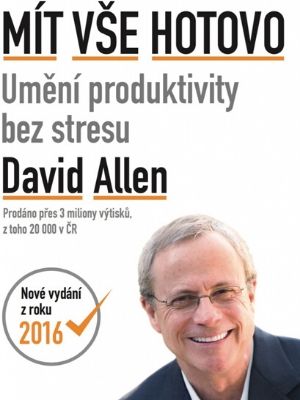
Plenty has been written about the GTD method, but the original book by David Allen remains the best resource for learning it properly.
Whether you decide to adopt GTD in its entirety or just cherry-pick certain elements, it will definitely help you clear your head and free yourself from work-related stress.
Focus (The Hidden Driver of Excellence) is essential reading and has only grown in relevance since its publication in 2013.
Daniel Goleman scientifically explains how attention works and presents tools for maintaining focus and concentration in modern life.
You won’t believe what you’ll discover — and if you let it, this book will most certainly change your life for the better.
Focus – Book Review
This book is absolutely packed with information and brilliantly describes everything in your life that’s capable of stealing your attention.
Goleman logically explains how smartphones, emails, and even our own thoughts sabotage our deep focus. And because of that, we can’t do our work well or on time. 😎 Focus is a book that offers a practical guide to living life more attentively. 🙏
You’ll learn to be more present, concentrate better, and engage with complex questions that few people make time for in today’s hectic world. 💡
After every 20 pages, the book throws a little quiz at you — three questions about the content you’ve just read. There’s a good chance you won’t know a single answer.
That’s because you weren’t paying ENOUGH ATTENTION. At least I wasn’t. Keep that in mind when you first open the book 😊
A brilliant book that explains in ten points why your view of the world is distorted and why things are actually better than they seem. 💡 It’s full of statistics and evidence that the planet and humanity aren’t heading towards doom as fast as we think.
Bill Gates was so blown away by this book that in its year of publication (2018), he bought a copy for every graduating secondary school student in the USA as a gift for life. 😲
It’s an excellent handbook for learning how to better work with the information available to you.
An absolutely brilliant book for everyone who’s forgotten everything they learned about first aid.
By pure coincidence, I was reading it on the very day I later had to help save a stabbing victim’s life. And thanks to proper first aid, he survived. 😲
It’s an excellent guide and I’d recommend it to absolutely anyone who has ever felt helpless when someone around them was in trouble.
Through the Eyes of a Paramedic – Book Review
This week, I helped save someone’s life on the street with a group of friends. 🙏
Unlike a similar situation years ago, I didn’t freeze — I knew exactly what to do, and because of that, the person most likely survived. I seem to have a knack (or bad luck?) for finding myself in these situations… which is why I want to recommend this book: THROUGH THE EYES OF A PARAMEDIC. 💡
You probably know the feeling — you arrive at a car accident or find someone who’s collapsed and you don’t quite know what to do 😲 because you’ve forgotten everything from school: 1) how to assess injuries 2) how to stabilise the person 3) how to avoid putting yourself at risk. That used to be me too.
But I always run towards these incidents, so I took a first aid course to actually be useful. 💪
It refreshed my memory on resuscitation, recognising common emergencies — stroke, epileptic seizure, and so on. In the end, you’ll still end up on the phone with the emergency dispatcher, but when you know how to prepare the patient for the paramedics (recovery position, keeping them conscious, finding out what happened, getting contact details, etc.), you save them precious seconds and minutes. And then this week, a new book arrived from Jan Melvil Publishing, written by a veteran paramedic.
⚡️ I ABSOLUTELY RECOMMEND IT ⚡️ to everyone who isn’t confident about their first aid knowledge, and even to those who think they couldn’t care less. It’s clearly written by someone with real experience, and he brilliantly explains how to act in specific situations. Plus, it’s quite funny and easy to remember.
In the book you’ll learn: – How to handle first aid for the most common injuries and illnesses – Why you should start resuscitation with chest compressions and never breathe into a stranger’s mouth – How to treat a small child – How to communicate with dispatchers so the ambulance can be sent as quickly as possible
For example: did you know that in traffic accidents, passengers are sometimes found up to 70 metres from the car? They either get thrown out in a really nasty crash, or wander off into the fields completely disoriented. That’s why police always search the surrounding area, even when it looks like they’ve found everyone 😊 Or did you know why people with low blood pressure sometimes faint? For instance, when they stand up too quickly and their brain doesn’t get enough oxygen due to the low pressure, it simply shuts itself down (induces fainting) so they drop to the ground and the pressure equalises.
These people don’t need an ambulance — they need their blood pressure to stabilise. They usually walk away healthy and on their own two feet. The biggest risk is during the fall — they often hit their head on the pavement, for example.
How do I get started with personal development?
Personal development can mean something slightly different for everyone depending on the area you want to focus on. You can start your personal development journey through coaching, online courses, lectures, and especially the best self-development books, which can bring perspective and help into your life. It’s important to find your own path that makes sense to you, whether that’s through books, workshops, or specialized training.
What does personal development include?
Personal development can cover many topics, depending on what exactly you want to focus on. You can include education, organization, interpersonal relationships, working with your emotions, meditation, work-life balance, communication, and many other areas in personal development.
Tips and Tricks for Your Vacation
Don’t Overpay for Flights
Search for flights on Kayak. It’s our favorite search engine because it scans the websites of all airlines and always finds the cheapest connection.
Book Your Accommodation Smartly
The best experiences we’ve had when looking for accommodation (from Alaska to Morocco) are with Booking.com, where hotels, apartments, and entire houses are usually the cheapest and most widely available.
Don’t Forget Travel Insurance
Good travel insurance will protect you against illness, accidents, theft, or flight cancellations. We’ve had a few hospital visits abroad, so we know how important it is to have proper insurance arranged.
Where we insure ourselves: SafetyWing (best for everyone) and TrueTraveller (for extra-long trips).
Why don’t we recommend any Czech insurance company? Because they have too many restrictions. They set limits on the number of days abroad, travel insurance via a credit card often requires you to pay medical expenses only with that card, and they frequently limit the number of returns to the Czech Republic.
Find the Best Experiences
Get Your Guide is a huge online marketplace where you can book guided walks, trips, skip-the-line tickets, tours, and much more. We always find some extra fun there!
TL;DRThis year’s best Czech and Slovak travel blogs list runs to 21 picks, starting with Loudavým krokem (Lucka and Lukáš, 45,000–50,000 readers a month, with trips across Iceland, Uganda, Morocco, Canada and the US), through Czick on the Road, which focuses on South America and Brazil, to Cestujzamenej, winner of the Travel category at Slovakia’s Superbloger festival, covering nearly forty countries. Also worth a look is Za horami, packed with practical trekking tips for Armenia, Georgia, Kyrgyzstan and Nepal, the blog Holka s bucket listem, which follows the Pacific Crest Trail over more than 4,000 km, and autovylet.cz, running since 2012 with over 2,400 articles on trips at home in the Czech Republic and abroad. Other blogs on the list cover Norway, Peru, Slovenia and New Zealand.
Whether you’re after inspiration for off-the-beaten-path trips, want to learn how to save money while travelling, or are curious how much a journey to faraway countries actually costs, you’ll find the answers on travellers’ websites. We asked a thousand people which travel blogs inspire them the most, and here’s the result! These are some of our favourite Czech and Slovak travel blogs worth following.
Search for flights on Kayak. It’s our favorite search engine because it scans the websites of all airlines and always finds the cheapest connection.
Book Your Accommodation Smartly
The best experiences we’ve had when looking for accommodation (from Alaska to Morocco) are with Booking.com, where hotels, apartments, and entire houses are usually the cheapest and most widely available.
Don’t Forget Travel Insurance
Good travel insurance will protect you against illness, accidents, theft, or flight cancellations. We’ve had a few hospital visits abroad, so we know how important it is to have proper insurance arranged.
Where we insure ourselves: SafetyWing (best for everyone) and TrueTraveller (for extra-long trips).
Why don’t we recommend any Czech insurance company? Because they have too many restrictions. They set limits on the number of days abroad, travel insurance via a credit card often requires you to pay medical expenses only with that card, and they frequently limit the number of returns to the Czech Republic.
Find the Best Experiences
Get Your Guide is a huge online marketplace where you can book guided walks, trips, skip-the-line tickets, tours, and much more. We always find some extra fun there!
TL;DRYou can turn travel photos into cash on microstock sites like Shutterstock, Adobe Stock, Dreamstime, 123RF, Alamy or Bigstock, where a single shot might fetch anywhere from $0.10 to over $200 depending on the site and licence. Realistically, a portfolio of 250–350 photos can bring in anywhere from a few hundred to a few thousand dollars a year, with Shutterstock usually the top earner. What sells best is technically sharp, generic imagery (yes, even the clichéd stuff), tagged with spot-on keywords you can find using tools like Keyword.io. You can speed up uploading with StockSubmitter, a batch tool that sends your photos to every site at once. Don’t expect any money to land, though, until you’ve been submitting regularly for months.
“I only sell photos from trips and vacations and I make about $500 a month.” That sentence kick-started me to start selling my travel photos in December 2016. How to earn thousands to tens of thousands of crowns from travel photos? Which photo banks are the most profitable? And why do I devote myself to travel photography?
Search for flights on Kayak. It’s our favorite search engine because it scans the websites of all airlines and always finds the cheapest connection.
Book Your Accommodation Smartly
The best experiences we’ve had when looking for accommodation (from Alaska to Morocco) are with Booking.com, where hotels, apartments, and entire houses are usually the cheapest and most widely available.
Don’t Forget Travel Insurance
Good travel insurance will protect you against illness, accidents, theft, or flight cancellations. We’ve had a few hospital visits abroad, so we know how important it is to have proper insurance arranged.
Where we insure ourselves: SafetyWing (best for everyone) and TrueTraveller (for extra-long trips).
Why don’t we recommend any Czech insurance company? Because they have too many restrictions. They set limits on the number of days abroad, travel insurance via a credit card often requires you to pay medical expenses only with that card, and they frequently limit the number of returns to the Czech Republic.
Find the Best Experiences
Get Your Guide is a huge online marketplace where you can book guided walks, trips, skip-the-line tickets, tours, and much more. We always find some extra fun there!
TL;DRSetting up a WordPress blog in 15 steps means buying a domain and web hosting, installing WordPress, and sorting out your login details. The authors recommend Blueboard.cz for hosting, which comes to about 79 Kč a month, with domains from 149 Kč a year — roughly 1000 Kč a year all in. You can buy the domain and hosting together and install WordPress with a single click. The whole process, from buying the domain to logging into the admin panel, takes about 1 hour — all you need is a card and a decent internet connection.
So you want to start your own blog but have absolutely no idea how to handle the technical side? We’ve been there, and we’re happy to help! Here’s a detailed guide on how to start a WordPress blog — from purchasing a domain and web hosting to installing your content management system in 15 easy steps.
Search for flights on Kayak. It’s our favorite search engine because it scans the websites of all airlines and always finds the cheapest connection.
Book Your Accommodation Smartly
The best experiences we’ve had when looking for accommodation (from Alaska to Morocco) are with Booking.com, where hotels, apartments, and entire houses are usually the cheapest and most widely available.
Don’t Forget Travel Insurance
Good travel insurance will protect you against illness, accidents, theft, or flight cancellations. We’ve had a few hospital visits abroad, so we know how important it is to have proper insurance arranged.
Where we insure ourselves: SafetyWing (best for everyone) and TrueTraveller (for extra-long trips).
Why don’t we recommend any Czech insurance company? Because they have too many restrictions. They set limits on the number of days abroad, travel insurance via a credit card often requires you to pay medical expenses only with that card, and they frequently limit the number of returns to the Czech Republic.
Find the Best Experiences
Get Your Guide is a huge online marketplace where you can book guided walks, trips, skip-the-line tickets, tours, and much more. We always find some extra fun there!
TL;DRThis round-up covers 18 free WordPress plugins, tested from a shortlist of over 200 candidates, that improve page speed, SEO, security and the overall look of your blog. Key picks include W3 Total Cache (which speeds up pages by up to 80%) and Autoptimize for streamlining your code, plus Yoast SEO for content analysis and sitemap generation, Akismet for filtering out 99.9% of comment spam, and ShortPixel, which compresses 100 images a month for free with average savings of 90%. There’s also security kit like WordFence Security and Really Simple SSL, and tools for building an email list, such as Mailerlite and Q2W3 Fixed Widget. You can check your speed gains at tools.pingdom.com.
We tested 200+ WordPress plugins and put together a bulletproof combo of the best WordPress plugins that will boost your blog’s traffic, search visibility, loading speed and security. They’re sorted by category, with instructions on how to set each one up.
Search for flights on Kayak. It’s our favorite search engine because it scans the websites of all airlines and always finds the cheapest connection.
Book Your Accommodation Smartly
The best experiences we’ve had when looking for accommodation (from Alaska to Morocco) are with Booking.com, where hotels, apartments, and entire houses are usually the cheapest and most widely available.
Don’t Forget Travel Insurance
Good travel insurance will protect you against illness, accidents, theft, or flight cancellations. We’ve had a few hospital visits abroad, so we know how important it is to have proper insurance arranged.
Where we insure ourselves: SafetyWing (best for everyone) and TrueTraveller (for extra-long trips).
Why don’t we recommend any Czech insurance company? Because they have too many restrictions. They set limits on the number of days abroad, travel insurance via a credit card often requires you to pay medical expenses only with that card, and they frequently limit the number of returns to the Czech Republic.
Find the Best Experiences
Get Your Guide is a huge online marketplace where you can book guided walks, trips, skip-the-line tickets, tours, and much more. We always find some extra fun there!
TL;DRYou can save up to 7% on everyday spending with cashback and better exchange rates from cards like Twisto, Revolut and Curve, which beat what banks and bureaux de change typically offer. Twisto gives cashback up to 13% (2–3% on average) at more than 150 online shops including Zoot, Mall.cz and Booking.com, and new customers get 50 CZK. Revolut saves you roughly 5% on currency exchange thanks to a fee-free interbank rate, letting you pay in more than 150 currencies. Curve rolls all your cards into one, offers cashback with partners such as Tesco, Lidl and IKEA, and throws in an extra £5 if you use the promo code UUATX.
We all love it when we manage to save a bit of money on things we’d buy anyway. Discount codes and cashback deals are great, but for some reason many of us still shy away from fintech cards and alternative financial services. Yet these payment cards are one of the simplest ways to cut down on payment fees and save money on everyday purchases.
Search for flights on Kayak. It’s our favorite search engine because it scans the websites of all airlines and always finds the cheapest connection.
Book Your Accommodation Smartly
The best experiences we’ve had when looking for accommodation (from Alaska to Morocco) are with Booking.com, where hotels, apartments, and entire houses are usually the cheapest and most widely available.
Don’t Forget Travel Insurance
Good travel insurance will protect you against illness, accidents, theft, or flight cancellations. We’ve had a few hospital visits abroad, so we know how important it is to have proper insurance arranged.
Where we insure ourselves: SafetyWing (best for everyone) and TrueTraveller (for extra-long trips).
Why don’t we recommend any Czech insurance company? Because they have too many restrictions. They set limits on the number of days abroad, travel insurance via a credit card often requires you to pay medical expenses only with that card, and they frequently limit the number of returns to the Czech Republic.
Find the Best Experiences
Get Your Guide is a huge online marketplace where you can book guided walks, trips, skip-the-line tickets, tours, and much more. We always find some extra fun there!
TL;DRA LinkedIn profile that actually gets noticed combines a decent profile photo (smiling, clean background), a professional cover image that fits your industry, and a sharp headline and summary that spell out what you actually do, rather than a vague label like “Cryptocurrency Enthusiast”. It’s worth adding at least two relevant pieces of media (links, CV, event photos) to your summary and to each role, since the last two you add show up directly on your profile. For education, list your bachelor’s and master’s degrees with a description of the field and supporting media; for work experience, stick to roles that are actually relevant. Don’t skip the extra sections either — volunteering, skills and recommendations all count. And if you’re in the Czech Republic, it’s worth having a Czech version of your profile too, not just English.
Want your LinkedIn profile to look truly professional? Want to use LinkedIn to attract more people to your projects — completely for free? Here are simple, actionable steps to create a standout LinkedIn profile that gets results.
Search for flights on Kayak. It’s our favorite search engine because it scans the websites of all airlines and always finds the cheapest connection.
Book Your Accommodation Smartly
The best experiences we’ve had when looking for accommodation (from Alaska to Morocco) are with Booking.com, where hotels, apartments, and entire houses are usually the cheapest and most widely available.
Don’t Forget Travel Insurance
Good travel insurance will protect you against illness, accidents, theft, or flight cancellations. We’ve had a few hospital visits abroad, so we know how important it is to have proper insurance arranged.
Where we insure ourselves: SafetyWing (best for everyone) and TrueTraveller (for extra-long trips).
Why don’t we recommend any Czech insurance company? Because they have too many restrictions. They set limits on the number of days abroad, travel insurance via a credit card often requires you to pay medical expenses only with that card, and they frequently limit the number of returns to the Czech Republic.
Find the Best Experiences
Get Your Guide is a huge online marketplace where you can book guided walks, trips, skip-the-line tickets, tours, and much more. We always find some extra fun there!



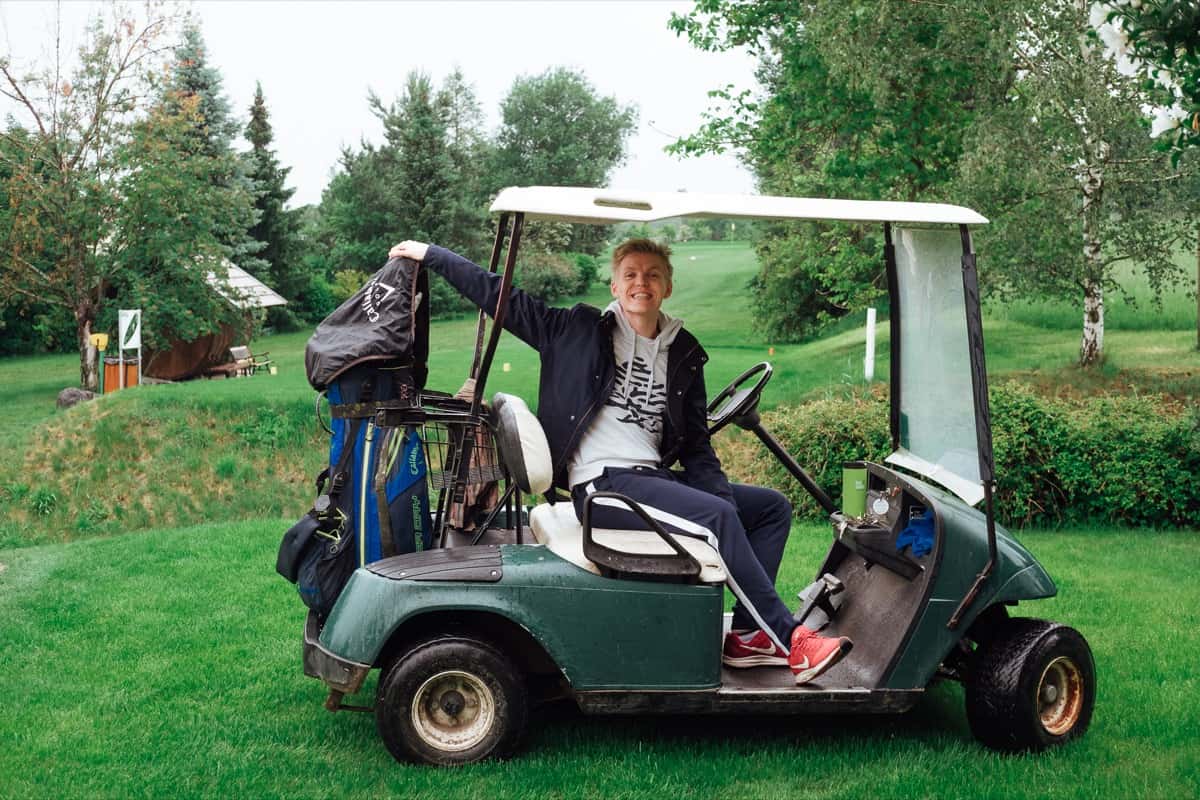




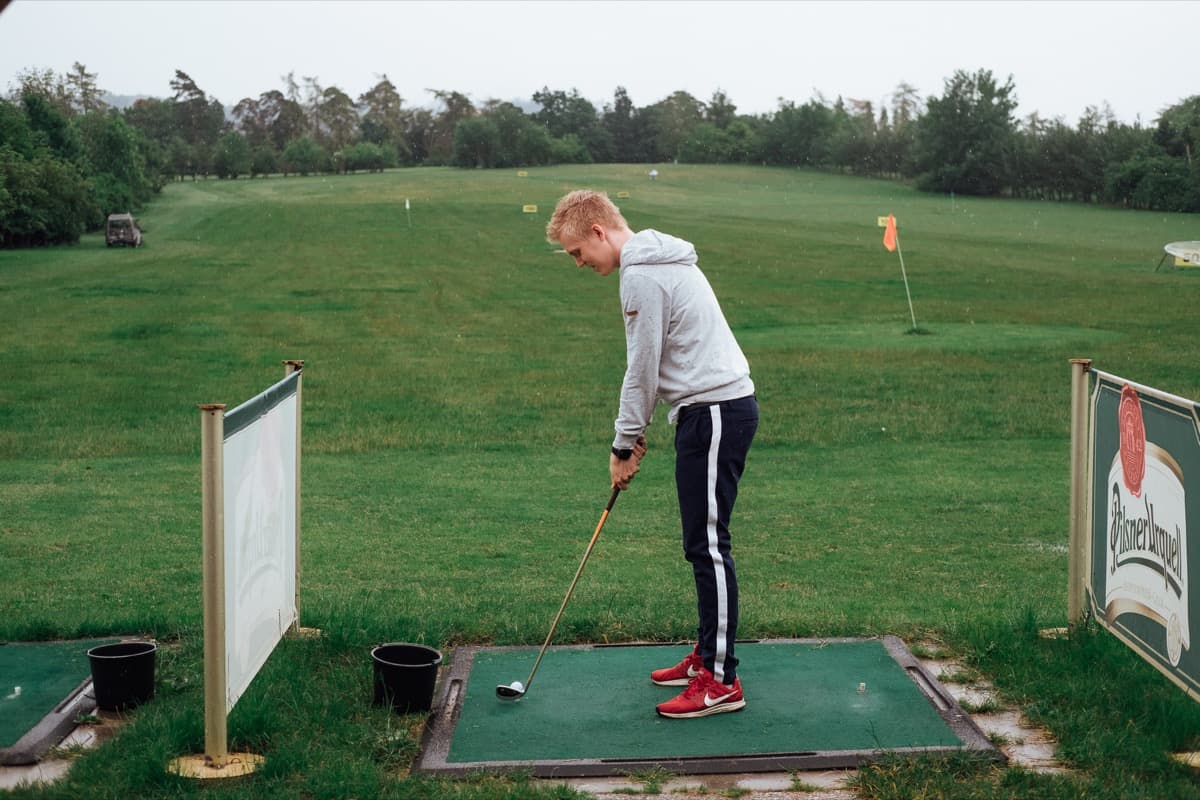
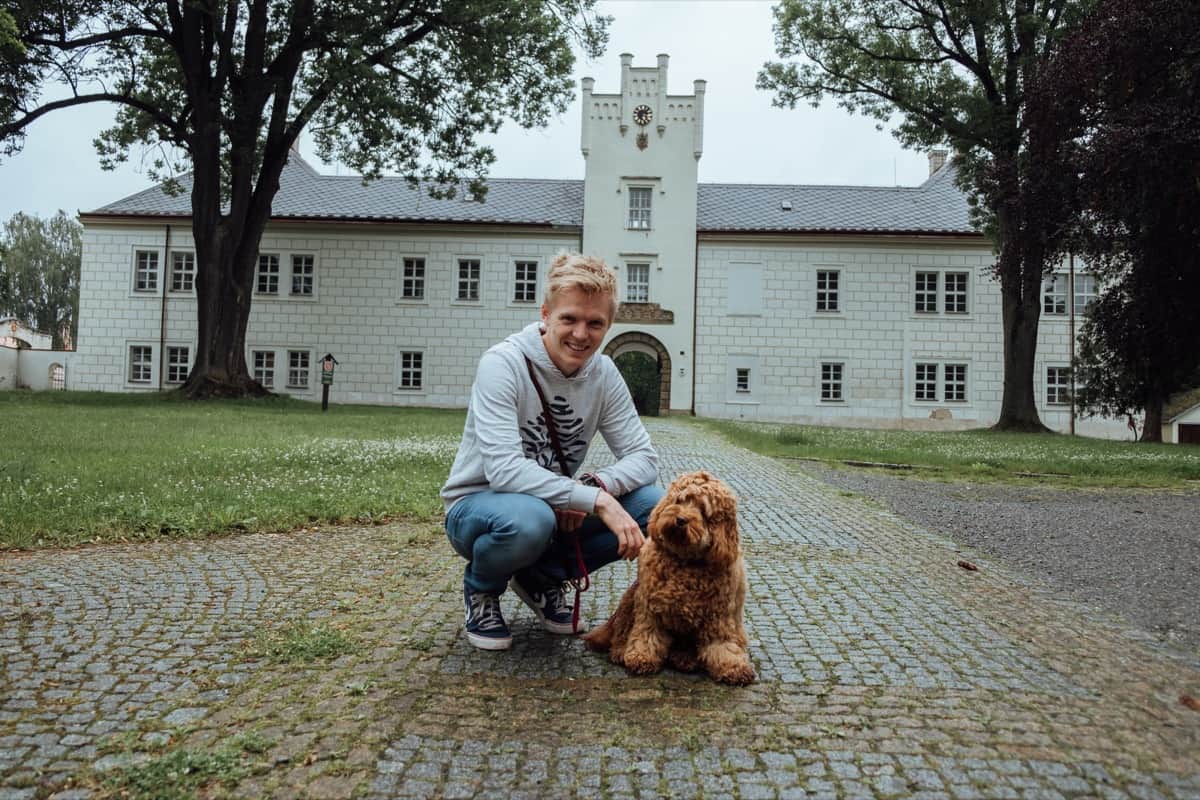

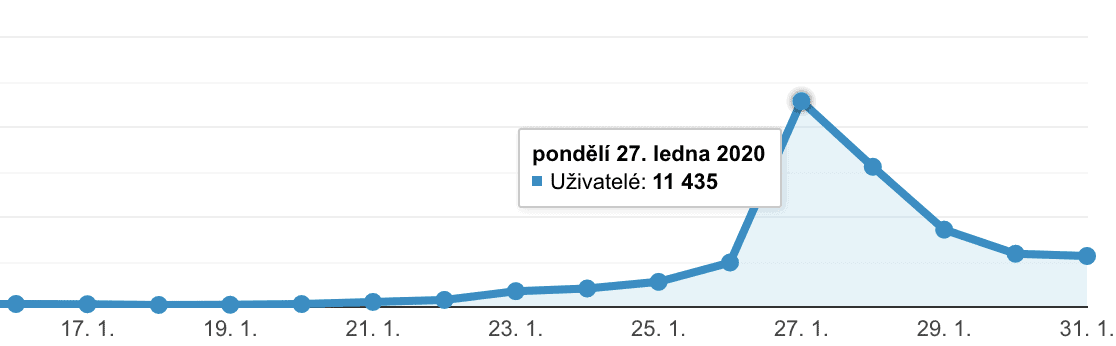

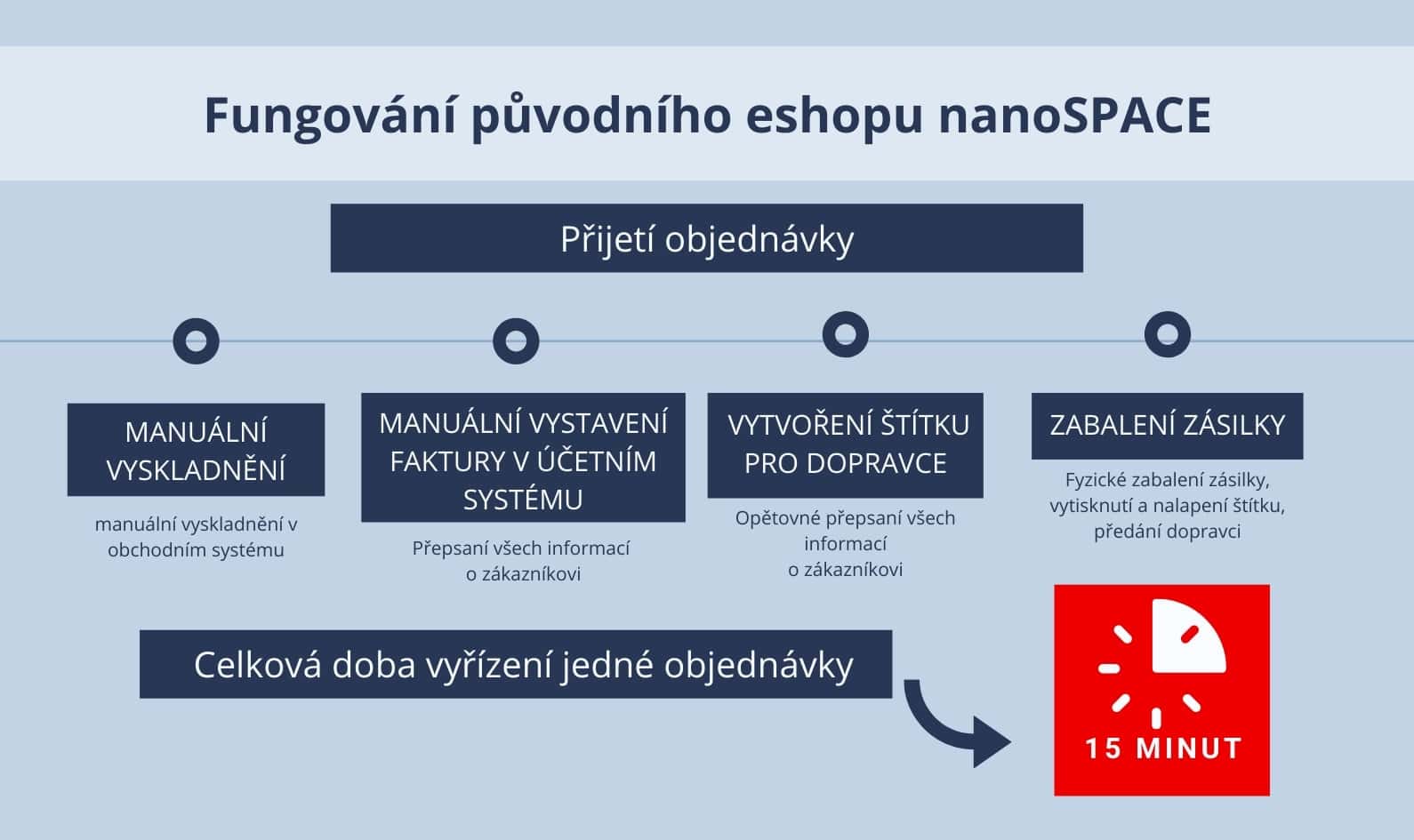
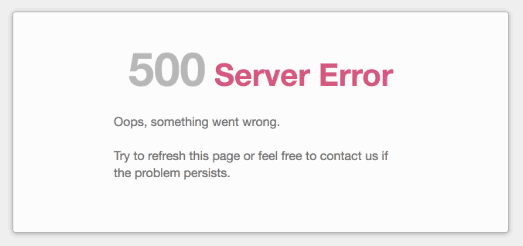
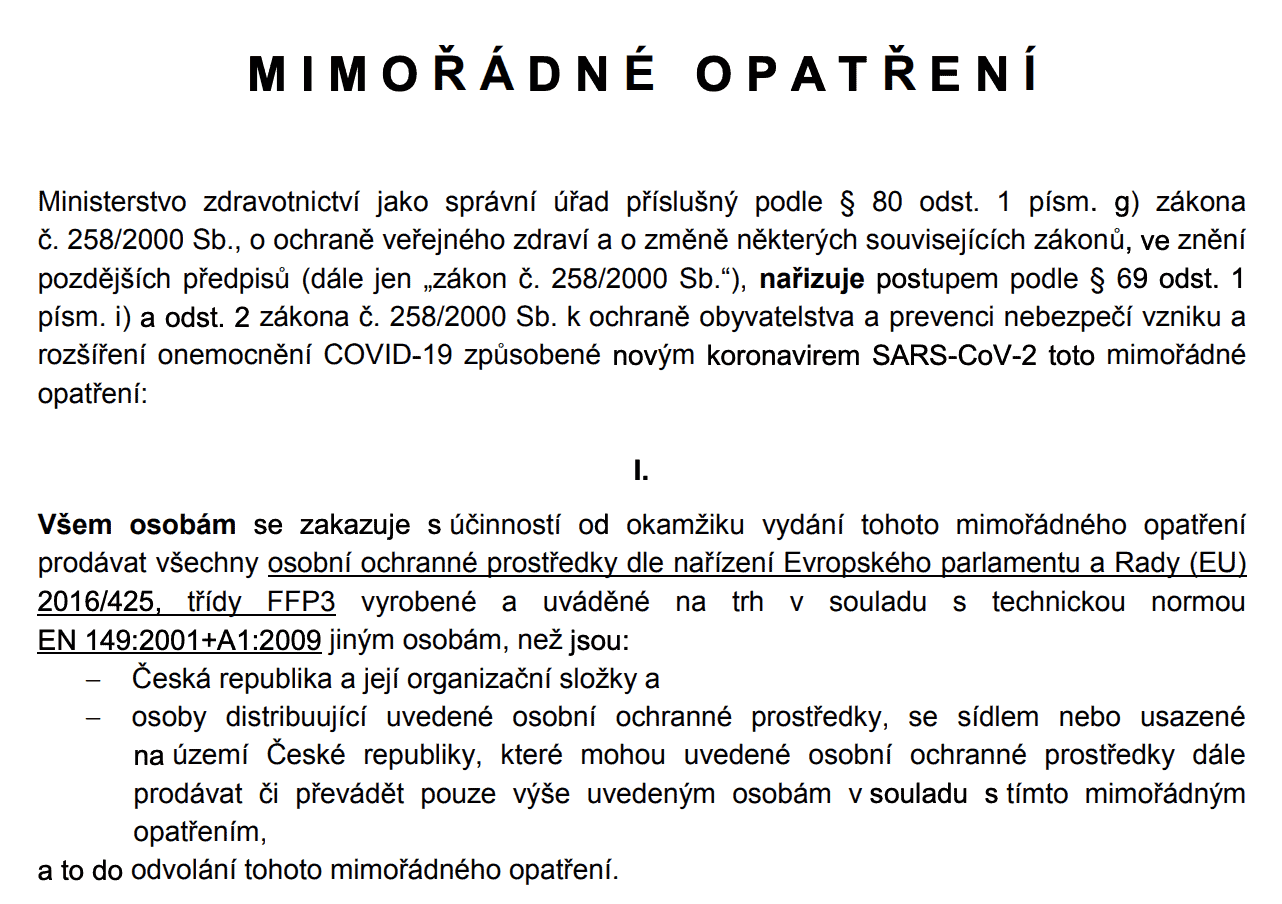
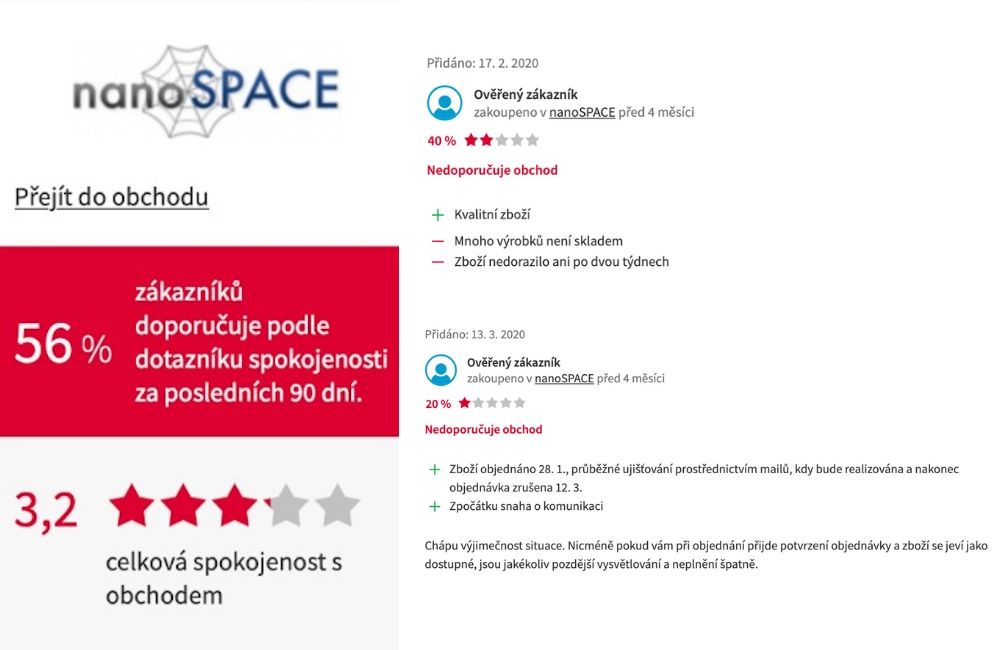
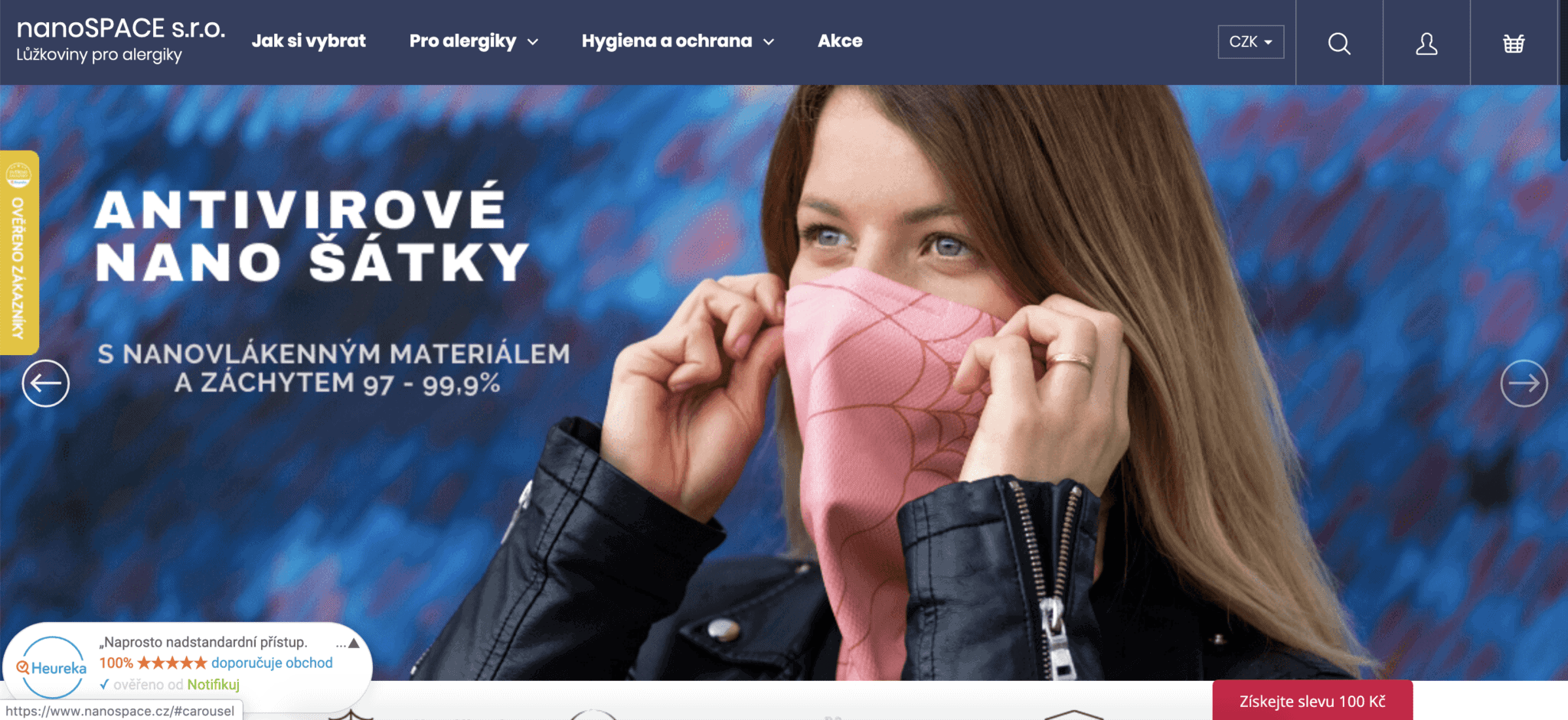
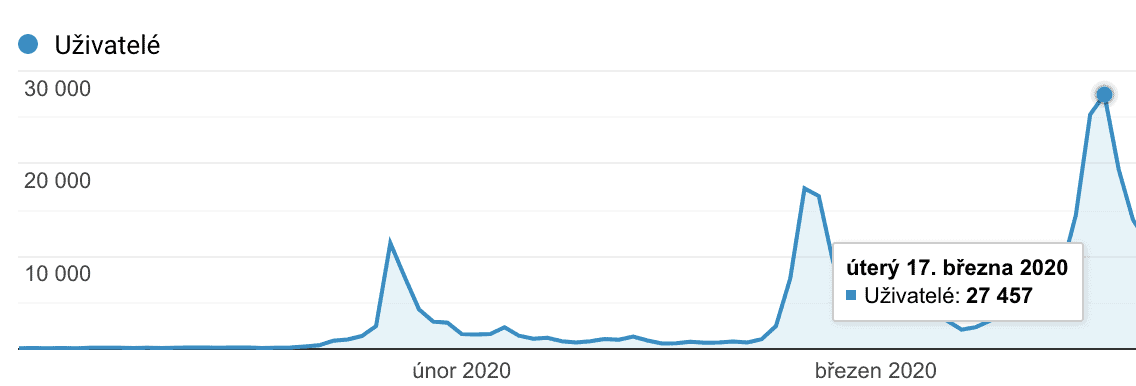
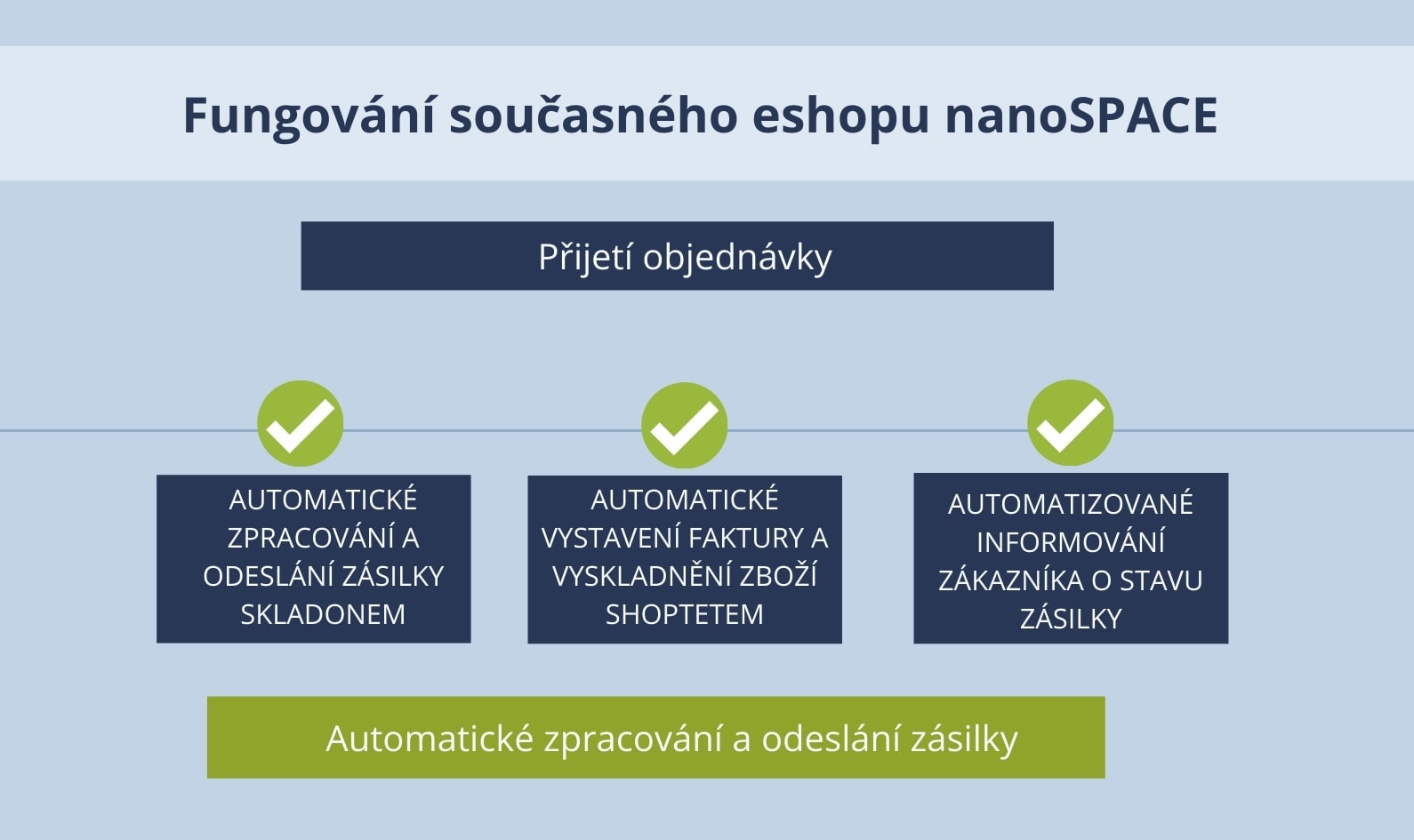

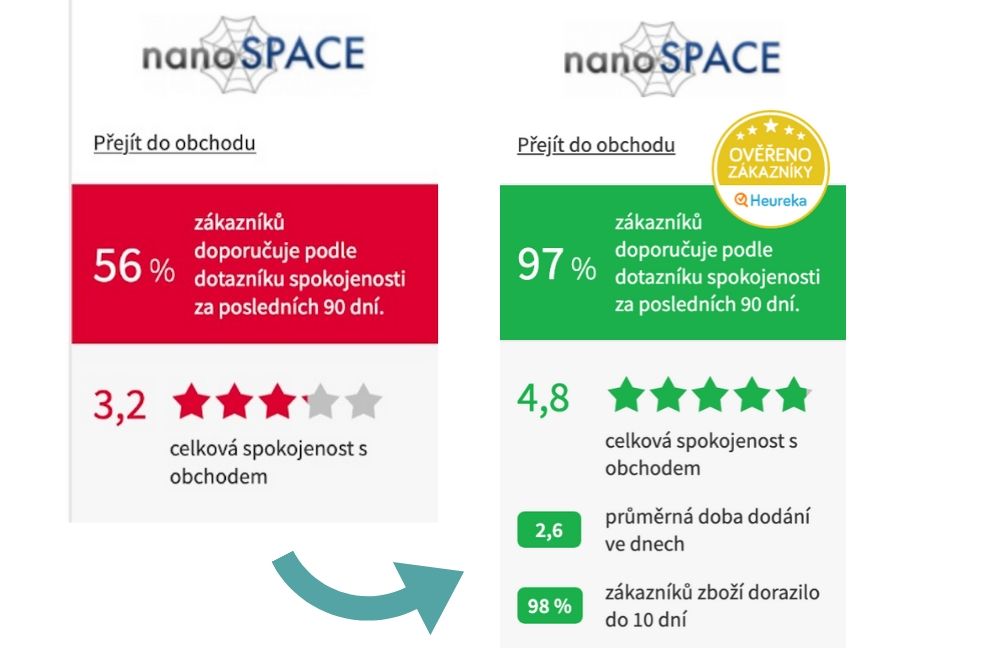





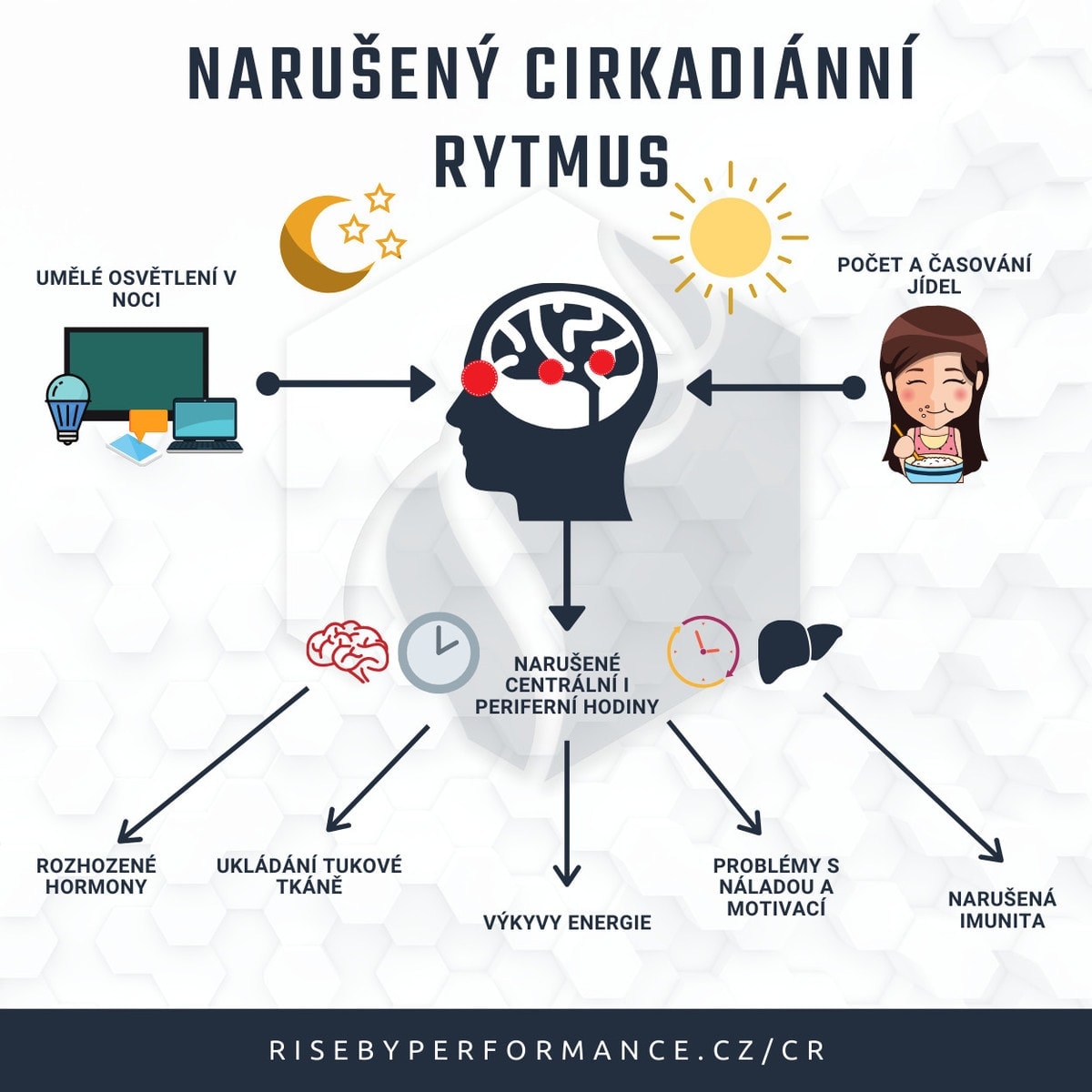



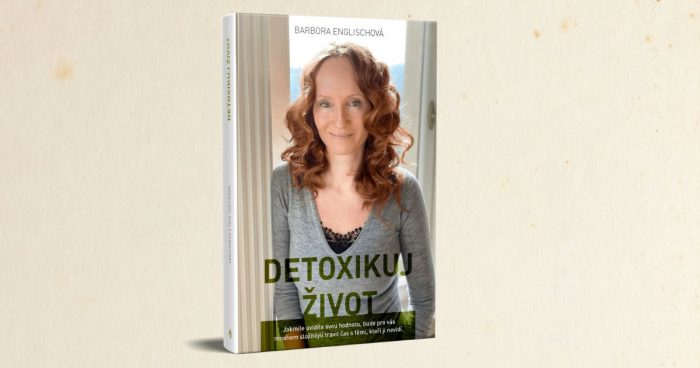







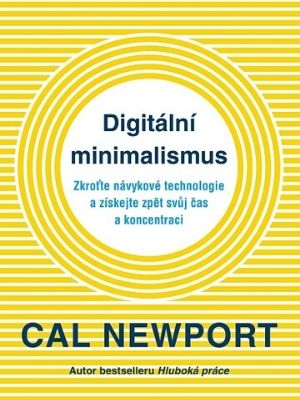
 🙂
🙂