

1) Cycling Multi-Tool
You might think this is an obvious tip. Who’d set off on a long tour without tools for bike repairs? The trick is that we specifically recommend a CYCLING multi-tool. Don’t make the same mistake we did — leave all those separate screwdrivers, Allen keys, and spanners at home. Get yourself a compact cycling multi-tool and you won’t need anything else. Don’t forget a mini pump, at least two puncture repair kits (the glue in one might dry out), a spare chain, a spare inner tube, and if you’re confident enough, a brake bleed kit. We’d also count a bike lock as essential cycling gear — besides its main purpose, it comes in handy for all sorts of other tasks.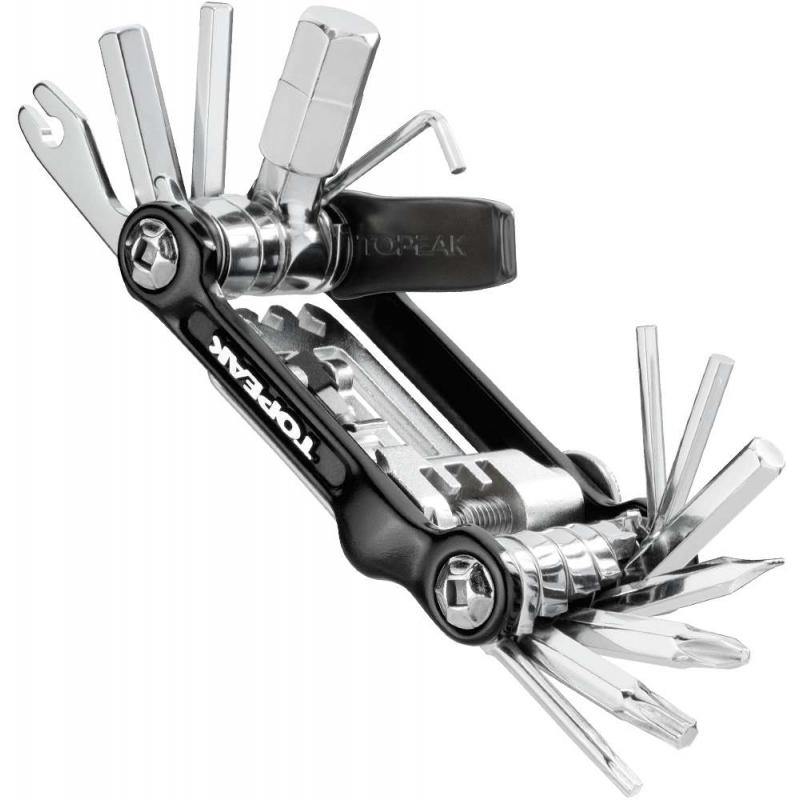 Extra tip: Check that your bike doesn’t have any non-standard nut bolts. This is particularly common on e-bikes, where you may need a special wrench to remove the rear wheel.
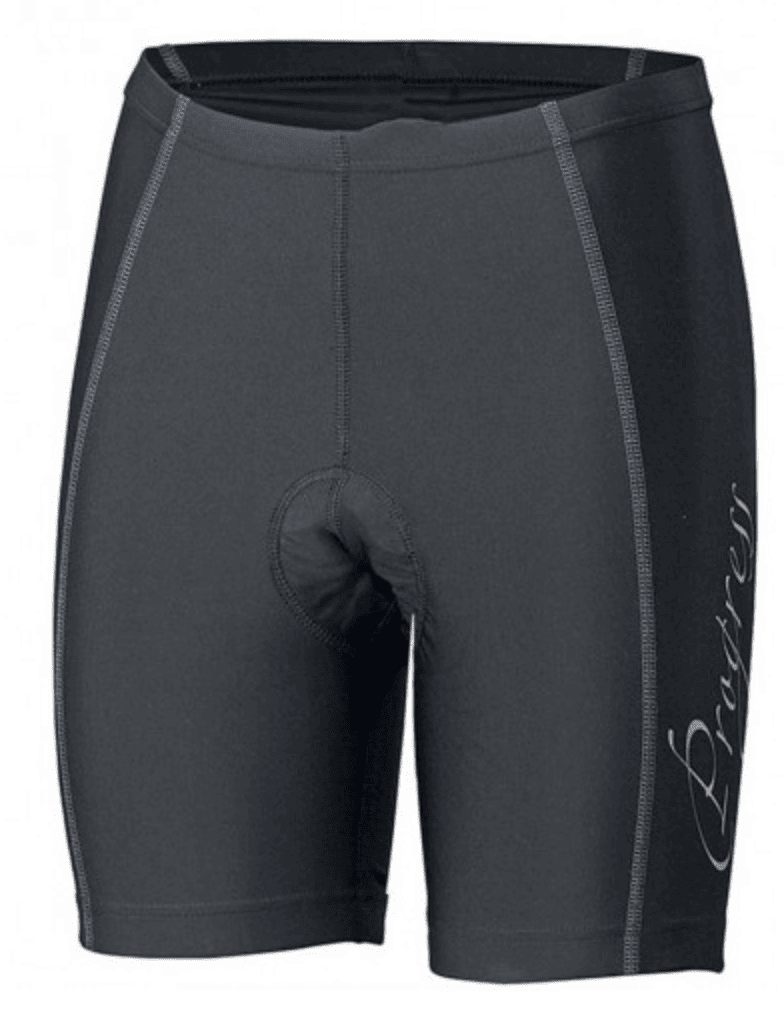
2) Proper Cycling Clothing
-
Padded Cycling Shorts
-
Silver-Infused Clothing
3) Beeswax Cream for Saddle Soreness
Saddle soreness is every beginner cyclist’s biggest fear. We carried beeswax balm with us and applied it to any mild chafing. It worked like a charm every time.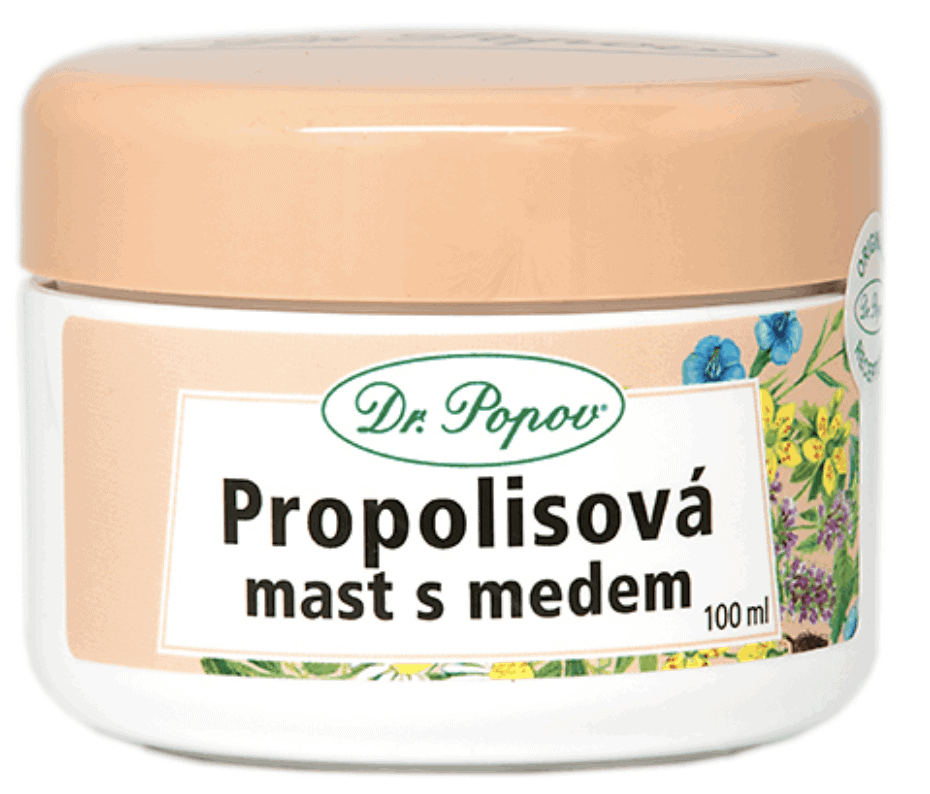
4) Touring in Europe? Don’t Overpack on Food
One of the most common pieces of advice cyclists get is “pack loads of food — you’ll be starving!” While that might apply to remote wilderness trails, it’s overkill for a European tour. If you’re riding through Europe, forget about tins, dehydrated meal pouches, and similar bulk. You’ll find a supermarket or a restaurant around every corner, and your legs will thank you for those saved kilograms. If you don’t mind popping into a shop every other day (we certainly didn’t), just carry food for one to two days. The exception is porridge ingredients for breakfast — we always kept plenty of those on hand.5) Spices
One thing you should definitely pack is a basic spice kit — that is, if you plan on cooking along the way. Salt, pepper, and a vegetable stock cube combined with fresh veg can put a smile on any tired cyclist’s face. A few small sachets of spices weigh next to nothing, and they can be surprisingly pricey abroad.6) Cycling First Aid Kit
Drivers are required to carry a first aid kit, but what about cyclists? We strongly recommend one. You’re just one tumble away from scrapes, bruises, or an open wound — and trust us, you can fall off your bike even when you’re not riding it. Try this compact cycling first aid kit.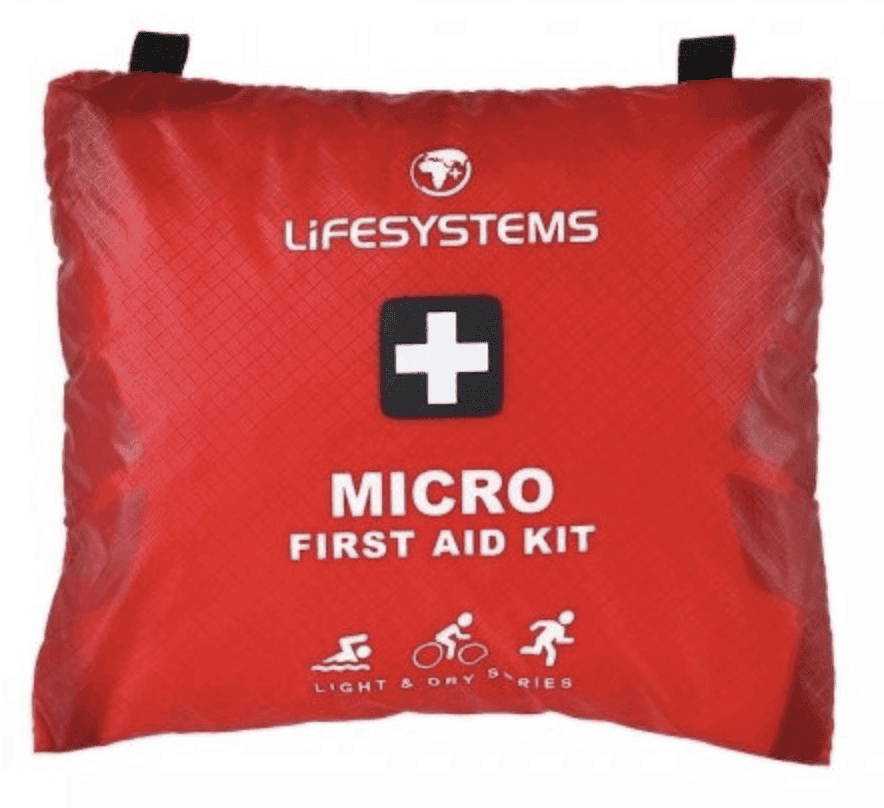
7) Portable Coffee Maker
Love your coffee? If so, you probably won’t be satisfied with a sachet of instant (and if you are, skip this section). An Aeropress, or even better a Nanopresso, are ideal travel companions. With a Nanopresso you can make a brilliant espresso anywhere you have access to hot water. It’s genuinely tiny — it practically disappears inside a pannier. And what better way to start an early morning in your tent than with a proper hot coffee?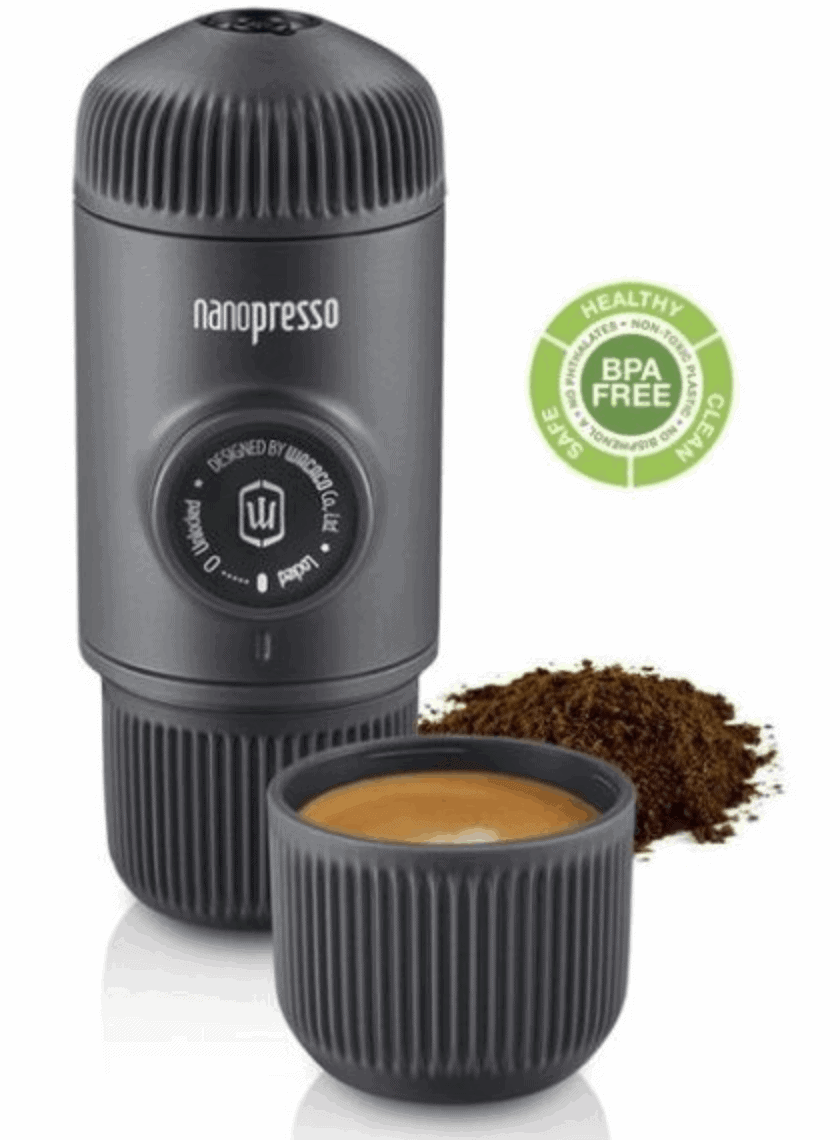
8) Packable Daypack
Pannier space is always at a premium, and lugging around a full-sized backpack for those off-bike moments just isn’t realistic. Thankfully, outdoor brands came up with the perfect solution: a packable daypack. This clever bit of cycling gear folds down small enough to fit in your pocket!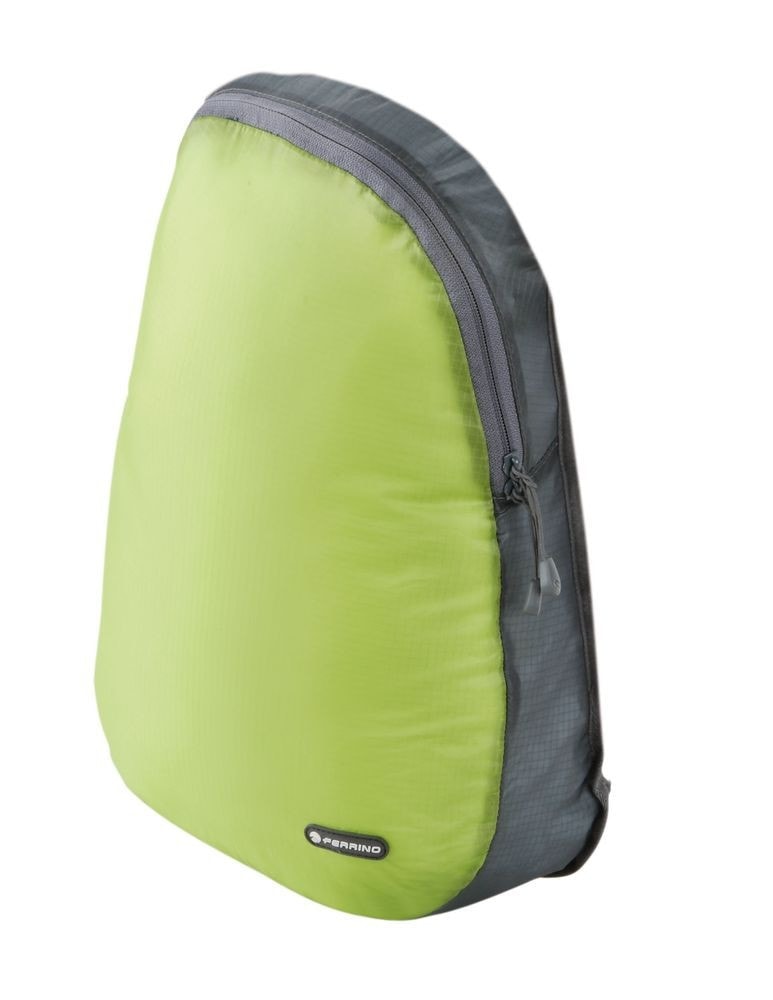
9) Smart Helmets with Built-In Speakers
Love listening to podcasts? Music? Audiobooks? Then you’ve probably been frustrated that it’s not really practical on a bike — wearing earbuds means you can’t hear passing cars or your riding partner calling out. With smart helmets like these (by Livall), you can have both. They have built-in speakers that sit just above your ears, so you hear your audio and your surroundings at the same time. They also come with a handlebar remote, and at the press of a button the helmet flashes to signal turns — much like car indicators. This is particularly useful at dusk or at night when hand signals are practically invisible. The helmets pair with your phone, so you can take calls on the go. We even used them for occasional work calls mid-ride. We thought we’d get good use out of the walkie-talkie feature too, but it turned out to be fairly useless — it requires a constant internet connection. Perhaps once unlimited data becomes the norm, it’ll be more practical.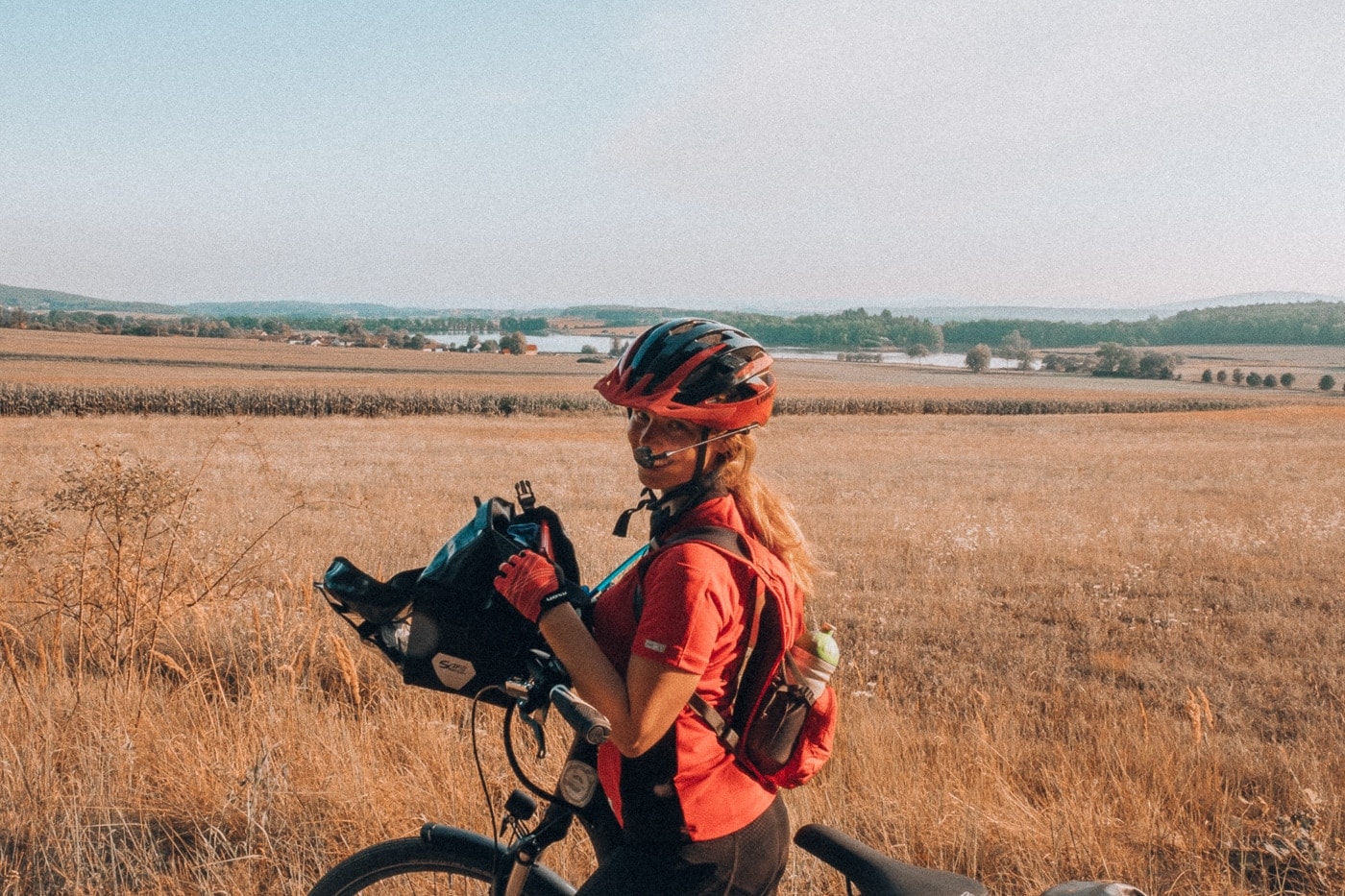
10) Camping Gear
-
A Proper Tent
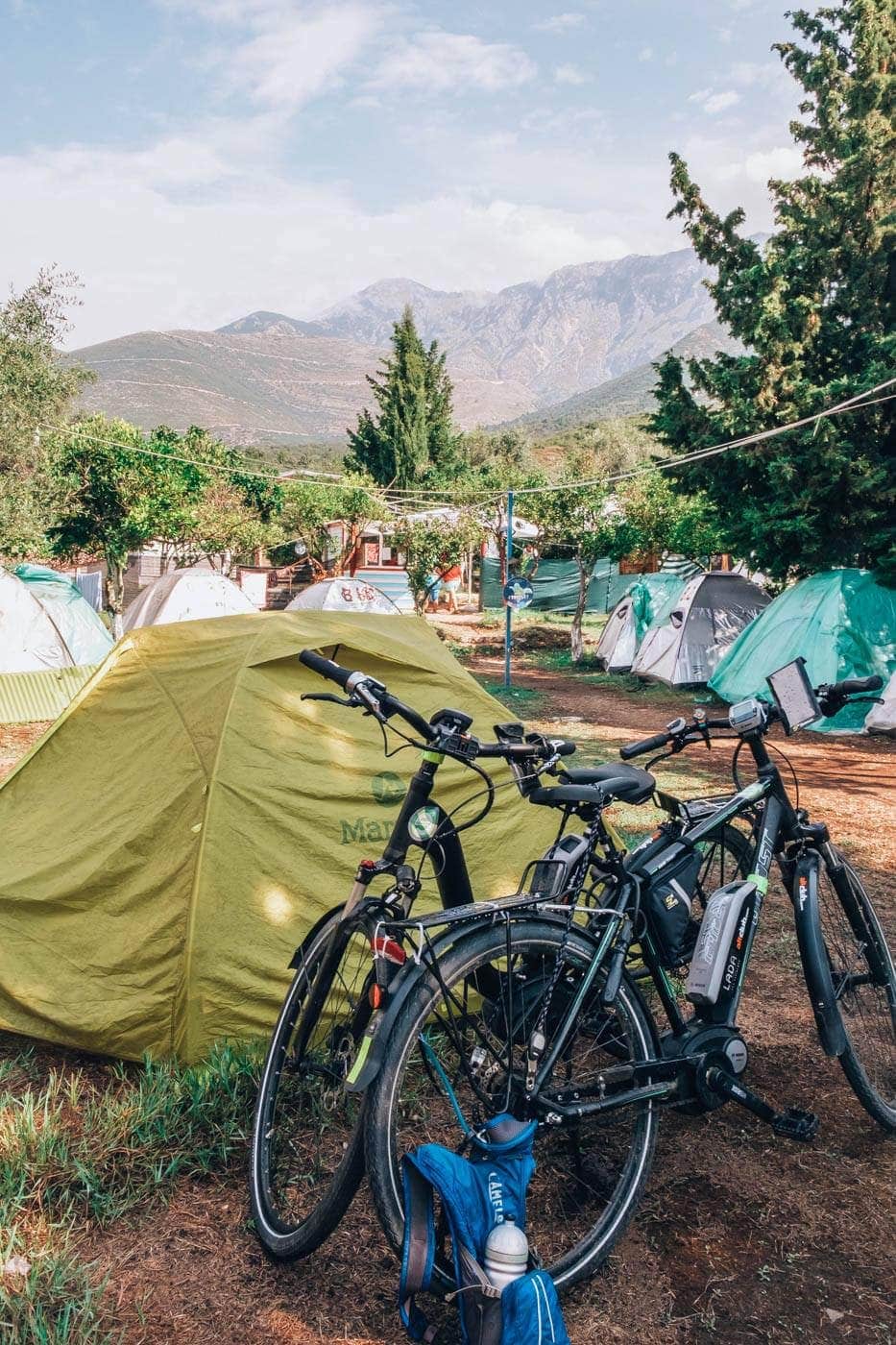
-
Inflatable Sleeping Pad
-
Mini Camping Stove
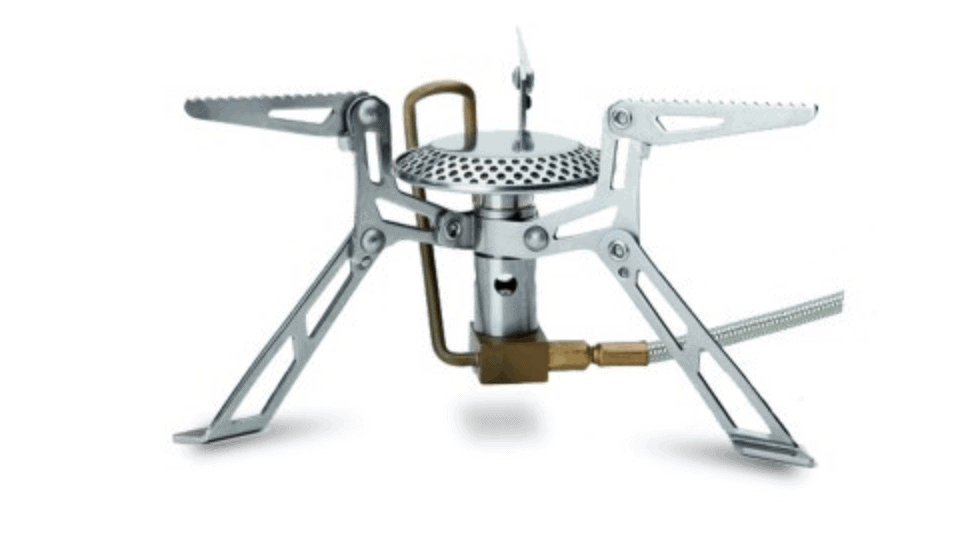
-
Fire Steel
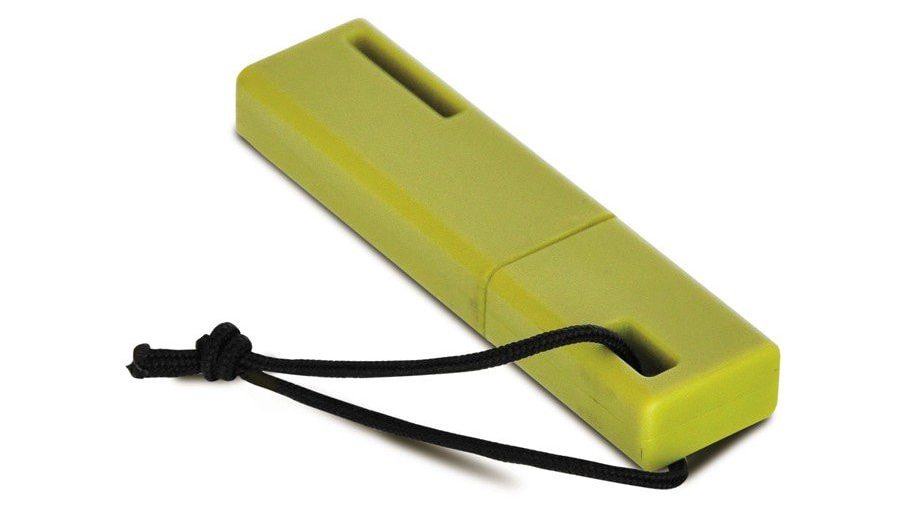 [visual-link-preview encoded=”eyJ0eXBlIjoiaW50ZXJuYWwiLCJwb3N0Ijo1MjQwOCwicG9zdF9sYWJlbCI6IlDFmcOtc3DEm3ZlayA1MjQwOCAtIETDoWxrb3bDoSBjeWtsaXN0aWthOiBOYSBlbGVrdHJva29sZWNoIHBvIEV2cm9wxJsgMjAxOCIsInVybCI6IiIsImltYWdlX2lkIjo1MjQyMSwiaW1hZ2VfdXJsIjoiaHR0cHM6Ly9sb3VkYXZ5bWtyb2tlbS5jei93cC1jb250ZW50L3VwbG9hZHMvMjAxOC8wNy9sb3VkYXZ5bS1rcm9rZW0ta29sYS0zNzB4MjMwLmpwZyIsInRpdGxlIjoiRMOhbGtvdsOhIGN5a2xpc3Rpa2E6IE5hIGVsZWt0cm9rb2xlY2ggcG8gRXZyb3DEmyAyMDE4Iiwic3VtbWFyeSI6IiIsInRlbXBsYXRlIjoidXNlX2RlZmF1bHRfZnJvbV9zZXR0aW5ncyJ9″]
[visual-link-preview encoded=”eyJ0eXBlIjoiaW50ZXJuYWwiLCJwb3N0Ijo1Mjc2NCwicG9zdF9sYWJlbCI6IlDFmcOtc3DEm3ZlayA1Mjc2NCAtIEtvbXBsZXRuw60gdsO9YmF2YSBuYSBrb2xvLCBiZXoga3RlcsOpIHNlIG5lb2JlamRldGUgLSBkw6Fsa292w6EgY3lrbGlzdGlrYSIsInVybCI6IiIsImltYWdlX2lkIjo1Mjc3MSwiaW1hZ2VfdXJsIjoiaHR0cHM6Ly9sb3VkYXZ5bWtyb2tlbS5jei93cC1jb250ZW50L3VwbG9hZHMvMjAxOC8wOC9EU0NGMjI2OC0zNzB4MjMwLmpwZyIsInRpdGxlIjoiS29tcGxldG7DrSB2w71iYXZhIG5hIGtvbG8sIGJleiBrdGVyw6kgc2UgbmVvYmVqZGV0ZSAtIGTDoWxrb3bDoSBjeWtsaXN0aWthIiwic3VtbWFyeSI6IiIsInRlbXBsYXRlIjoidXNlX2RlZmF1bHRfZnJvbV9zZXR0aW5ncyJ9″]
[visual-link-preview encoded=”eyJ0eXBlIjoiaW50ZXJuYWwiLCJwb3N0Ijo1MjQwOCwicG9zdF9sYWJlbCI6IlDFmcOtc3DEm3ZlayA1MjQwOCAtIETDoWxrb3bDoSBjeWtsaXN0aWthOiBOYSBlbGVrdHJva29sZWNoIHBvIEV2cm9wxJsgMjAxOCIsInVybCI6IiIsImltYWdlX2lkIjo1MjQyMSwiaW1hZ2VfdXJsIjoiaHR0cHM6Ly9sb3VkYXZ5bWtyb2tlbS5jei93cC1jb250ZW50L3VwbG9hZHMvMjAxOC8wNy9sb3VkYXZ5bS1rcm9rZW0ta29sYS0zNzB4MjMwLmpwZyIsInRpdGxlIjoiRMOhbGtvdsOhIGN5a2xpc3Rpa2E6IE5hIGVsZWt0cm9rb2xlY2ggcG8gRXZyb3DEmyAyMDE4Iiwic3VtbWFyeSI6IiIsInRlbXBsYXRlIjoidXNlX2RlZmF1bHRfZnJvbV9zZXR0aW5ncyJ9″]
[visual-link-preview encoded=”eyJ0eXBlIjoiaW50ZXJuYWwiLCJwb3N0Ijo1Mjc2NCwicG9zdF9sYWJlbCI6IlDFmcOtc3DEm3ZlayA1Mjc2NCAtIEtvbXBsZXRuw60gdsO9YmF2YSBuYSBrb2xvLCBiZXoga3RlcsOpIHNlIG5lb2JlamRldGUgLSBkw6Fsa292w6EgY3lrbGlzdGlrYSIsInVybCI6IiIsImltYWdlX2lkIjo1Mjc3MSwiaW1hZ2VfdXJsIjoiaHR0cHM6Ly9sb3VkYXZ5bWtyb2tlbS5jei93cC1jb250ZW50L3VwbG9hZHMvMjAxOC8wOC9EU0NGMjI2OC0zNzB4MjMwLmpwZyIsInRpdGxlIjoiS29tcGxldG7DrSB2w71iYXZhIG5hIGtvbG8sIGJleiBrdGVyw6kgc2UgbmVvYmVqZGV0ZSAtIGTDoWxrb3bDoSBjeWtsaXN0aWthIiwic3VtbWFyeSI6IiIsInRlbXBsYXRlIjoidXNlX2RlZmF1bHRfZnJvbV9zZXR0aW5ncyJ9″]Tips and Tricks for Your Vacation
Don’t Overpay for Flights
Search for flights on Kayak. It’s our favorite search engine because it scans the websites of all airlines and always finds the cheapest connection.
Book Your Accommodation Smartly
The best experiences we’ve had when looking for accommodation (from Alaska to Morocco) are with Booking.com, where hotels, apartments, and entire houses are usually the cheapest and most widely available.
Don’t Forget Travel Insurance
Good travel insurance will protect you against illness, accidents, theft, or flight cancellations. We’ve had a few hospital visits abroad, so we know how important it is to have proper insurance arranged.
Where we insure ourselves: SafetyWing (simple monthly subscription) and TrueTraveller (for extra-long trips).
Find the Best Experiences
Get Your Guide is a huge online marketplace where you can book guided walks, trips, skip-the-line tickets, tours, and much more. We always find some extra fun there!


