A port city full of red bricks, endless canals, and modern architecture that reflects majestically on the surface of the Elbe. Hamburg, Germany is exactly the kind of destination guaranteed to surprise you with its relaxed vibe and incredible variety, whether you love fascinating history or you’re on the hunt for the best cafés. The “Venice of the North” actually hides more bridges than London and Amsterdam combined, which alone promises unforgettable strolls along the water.
I’ve put together 22 tips on what to see and do in Hamburg so you can get the absolute most out of your visit. Together we’ll walk through the iconic brick complex of Speicherstadt, I’ll help you book a slot for the Elbphilharmonie viewing platform, and we won’t skip the essential practical info either. You’ll also learn where to base yourself strategically and how to make the most of the local public transport so that getting around town doesn’t cost you a fortune.
Whether you’re planning a quick weekend escape from the daily routine or a longer holiday full of exploring northern Germany, this city is bound to steal your heart. Hamburg offers an absolutely perfect mix of rugged port romance and modern design, best enjoyed with a good coffee in hand while you watch giant container ships gliding through the harbour.
TL;DR
- Miniatur Wunderland: The world’s largest model railway for €25, where you must book a timed entry several weeks in advance.
- Speicherstadt: A fascinating complex of historic warehouses protected by UNESCO, best photographed after dark.
- Elbphilharmonie: The iconic concert hall with the Plaza viewing terrace, which you can access for free with a prior online reservation.
- Ferry line 62: The best way to experience a scenic cruise on the Elbe completely free with a standard public transport ticket.
- HafenCity: A modern district full of stunning architecture that, together with the main museums, will easily fill an entire day.
- St. Pauli and the Reeperbahn: A legendary district famous for its lively nightlife, where the Beatles once launched their career.
The full destination guide: Germany — guide and what to see
When to visit Hamburg
Northern Germany is defined by its changeable coastal weather, for which locals even have their own word — Schietwetter — so it really pays not to underestimate your prep and to pack layers. The best time to visit is without a doubt the summer months from June to August, when temperatures usually climb to a pleasant 25 °C and the days are wonderfully long. The setting sun also lends the brick buildings in the harbour a beautiful golden glow that you’ll fall in love with. Just bear in mind that this is peak tourist season, so you’ll meet the biggest crowds at the key landmarks and accommodation tends to be at its most expensive.
If you prefer a calmer pace and smaller crowds, late spring or early autumn is a great choice, when the city turns beautiful shades of colour and hotel prices drop to a more reasonable level. Even though May or September may occasionally surprise you with a rain shower and the typical strong sea wind, the city has a wonderfully melancholic atmosphere during this period. It always pays to have a quality waterproof jacket on hand, because classic umbrellas often don’t hold up in the strong local wind and you’d end up fighting with them instead.
Winter months bring colder weather and early sunsets, but the city takes on a completely different charm at this time that’s worth experiencing. The pre-Christmas period is absolutely magical thanks to the many markets scattered across the city, which smell of roasted chestnuts, hot mulled wine, and traditional gingerbread. In winter you’ll also enjoy the indoor exhibitions, cosy heated cafés, and the countless museums far more, so a bit of rain doesn’t have to bother you at all. ☺️
Where to stay in Hamburg
💡 Tip: You can compare accommodation options in Hamburg all in one place — check availability and prices in Hamburg. It pays to book well ahead, as the best value-for-location deals disappear first.
💡 Tip for accommodation and experiences: We prefer to look for accommodation on Booking.com, which tends to have the best cancellation policies. For tickets, tours and activities it’s worth comparing and booking through GetYourGuide.
Choosing the right district for your stay can fundamentally shape your experience of the city, so think carefully in advance about exactly what you expect from the trip. If you’re visiting for the first time and want all the main attractions within easy reach, pick the modern HafenCity district or central Neustadt and Altstadt. In the historic centre, prices per night usually range from €100 to €190, but the huge advantage is that you can reach everything on foot and save a lot of time. A great option, for example, is the stylish 25hours Hotel HafenCity, which offers a playful nautical design right in the heart of the most modern district with a view of the docks.
A cheaper and very trendy alternative is the Altona district, which offers plenty of great independent cafés and beautiful views from the cliffs above the Elbe. Younger travellers and lovers of lively nightlife often look for accommodation around the Reeperbahn in St. Pauli, where you’ll find the best bars and affordable hostels from as little as €40 a night. Just keep in mind that the streets stay alive until the early hours, so it’s not exactly ideal for a quiet family sleep.
For a quieter stay with excellent public transport access, the St. Georg area is a great fit — it’s just a short walk from the main station and offers slightly friendlier prices than the historic centre itself. I recommend the very popular Hotel Volksschule, created through a sensitive renovation of an old school building, which scores highly for its fantastic breakfasts. Whichever location you choose, always book your accommodation well in advance, because Hamburg is a very sought-after destination year-round and the best properties disappear incredibly fast.
You’ll find a detailed overview of the districts and specific hotels in our separate article Where to stay in Hamburg, where we compare HafenCity, Altona and St. Pauli and recommend 12 hotels from hostels to luxury. It’s worth checking accommodation availability as soon as possible.
22 best things to do in Hamburg, Germany
Let’s take a detailed look at a complete list of the most beautiful places and activities that you definitely shouldn’t miss during your visit. Get ready to discover breathtaking architecture, giant ships, and hidden green oases that make up the unmistakable character of this fascinating city.
1. Speicherstadt
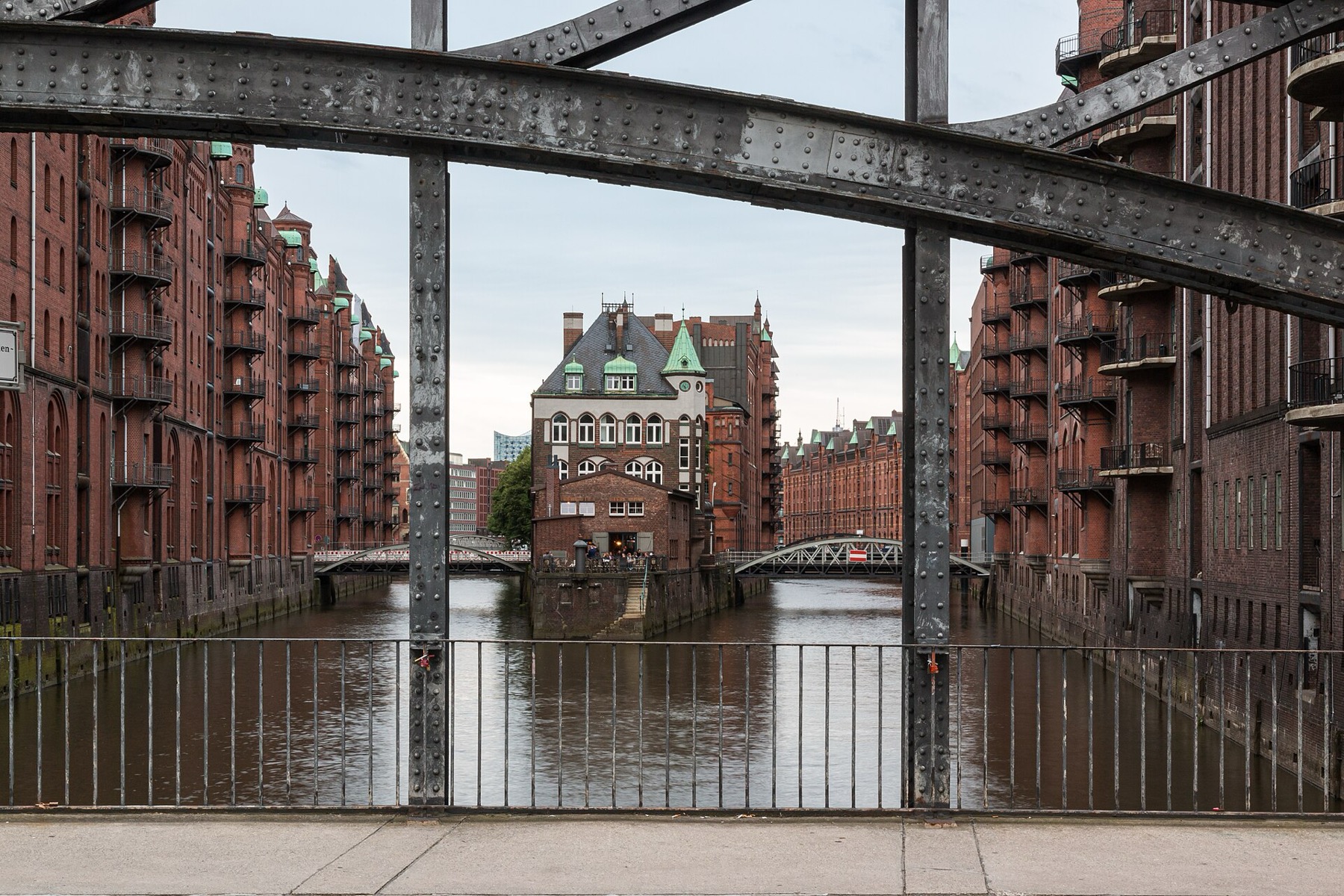
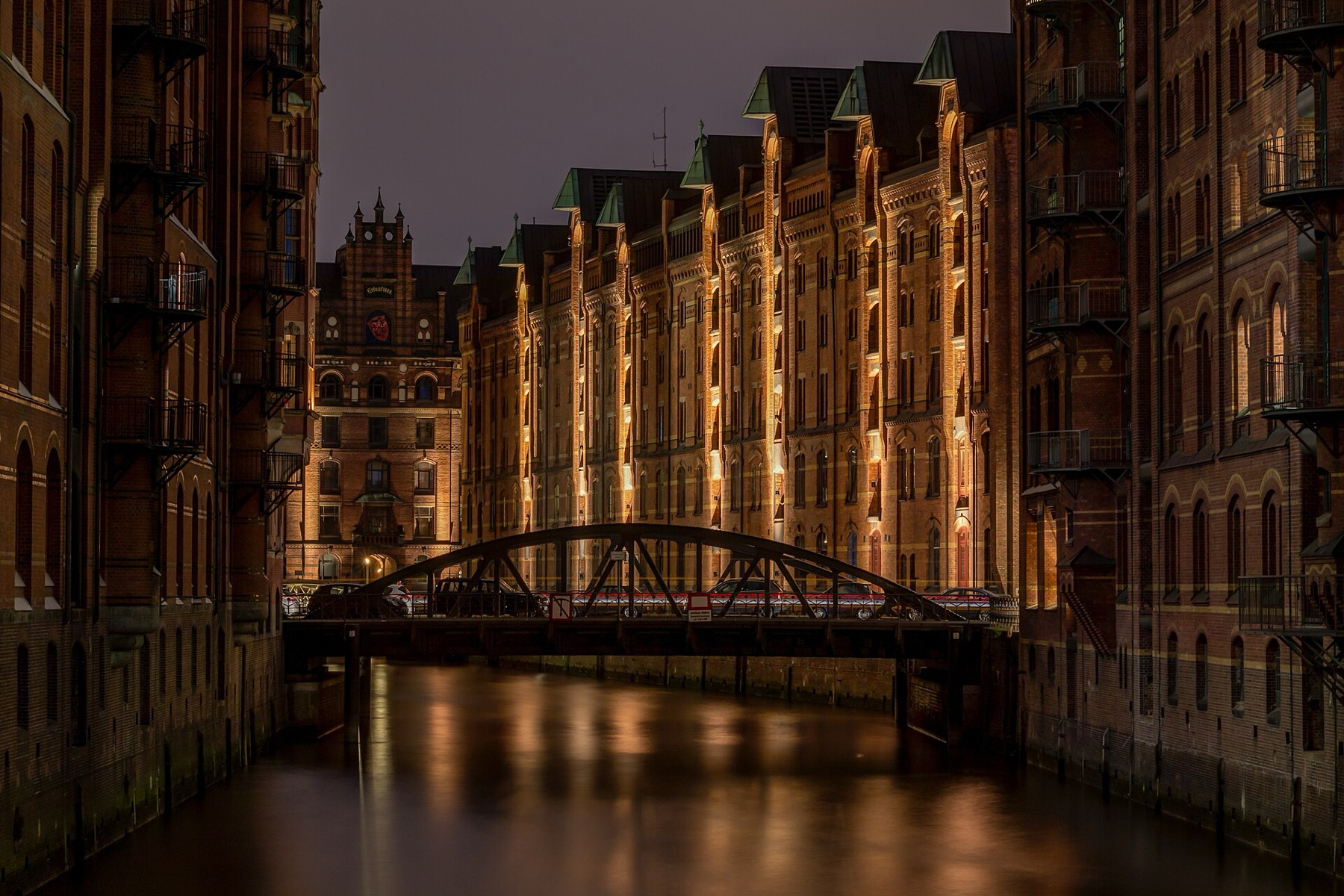
The largest continuous complex of historic warehouses in the world is an absolute landmark of the city and rightly boasts a place on the UNESCO World Heritage list. The entire district is threaded with a maze of water canals, above which massive red-brick buildings rise, topped with typical copper roofs and ornamental neo-Gothic gables. Wandering these lanes is completely free, and you’ll be met by the genuine atmosphere of the days when coffee, cocoa, Oriental carpets, and expensive spices from all over the world were stored here on a grand scale.
The complex was built at the end of the 19th century, and its buildings stand on thousands of oak piles driven deep into the river mud. Be sure to stop by the so-called Wasserschloss, or Water Castle, an incredibly photogenic building standing right at the confluence of two canals, now home to a cosy tea house. A walk between these majestic buildings will literally transport you back to the golden age of the Hanseatic merchants.
💡 Tip: The whole area is at its most photogenic right after sunset, when the romantic evening lighting comes on. The brick walls and bridges begin to reflect beautifully on the dark surface of the canals, creating an absolutely magical spectacle.
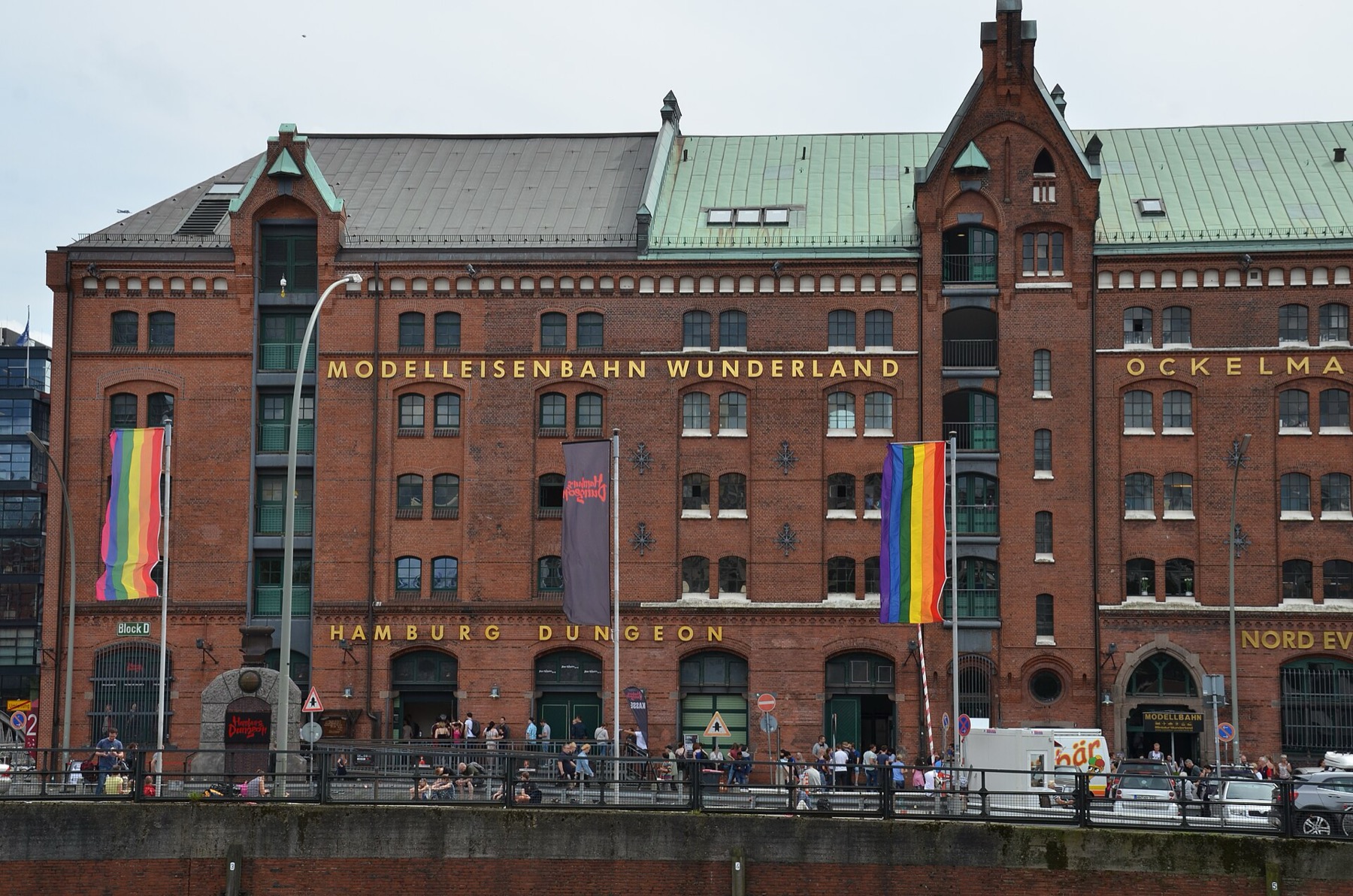
2. Miniatur Wunderland
The world’s largest model railway is located right in the heart of Speicherstadt and reliably delights adults and children alike, regardless of age. This fascinating attraction keeps growing, and by 2026 you can look forward to brand-new sections, including detailed models of the rainforest, a slice of the Andes, or even the dry Atacama Desert. Every detail here is worked out to absolute perfection, with day and night alternating at regular 15-minute intervals, so you’ll see all the little towns beautifully lit up.
An adult ticket costs about €25, and the visit can easily take half a day if you want to see everything properly and at a relaxed pace. You’ll admire a miniature airport with planes actually taking off and landing, detailed Alpine villages, snowy Scandinavia, and bustling cities full of tiny figures with their own funny stories. The creators have a huge sense of humour, so if you look closely, you’ll spot lots of amusing little scenes from everyday life.
💡 Tip: Booking a timed ticket online is an absolute must, because in high season it can sell out weeks in advance. You simply won’t get tickets on the spot, and it would be a huge shame to miss this experience.
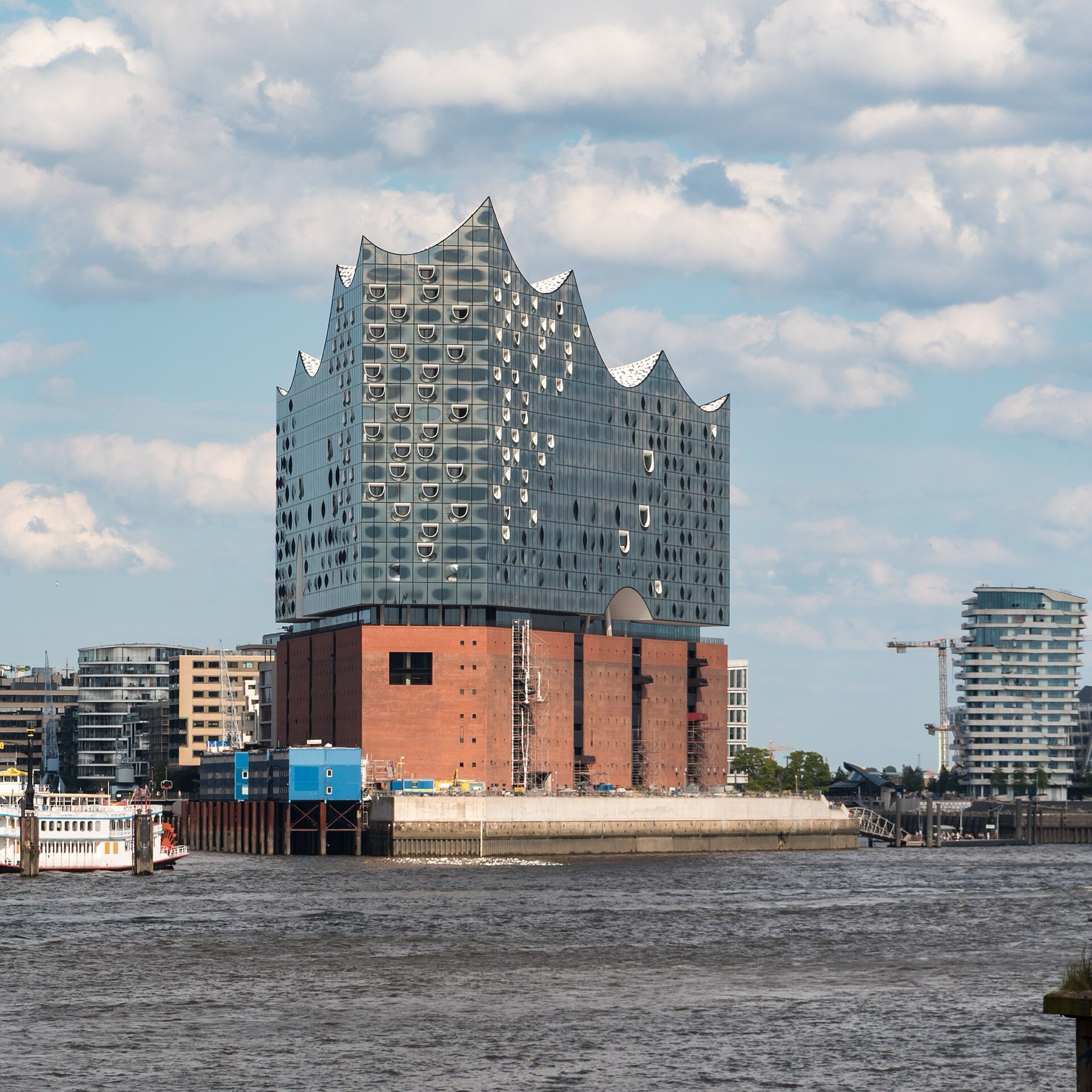
3. Elbphilharmonie
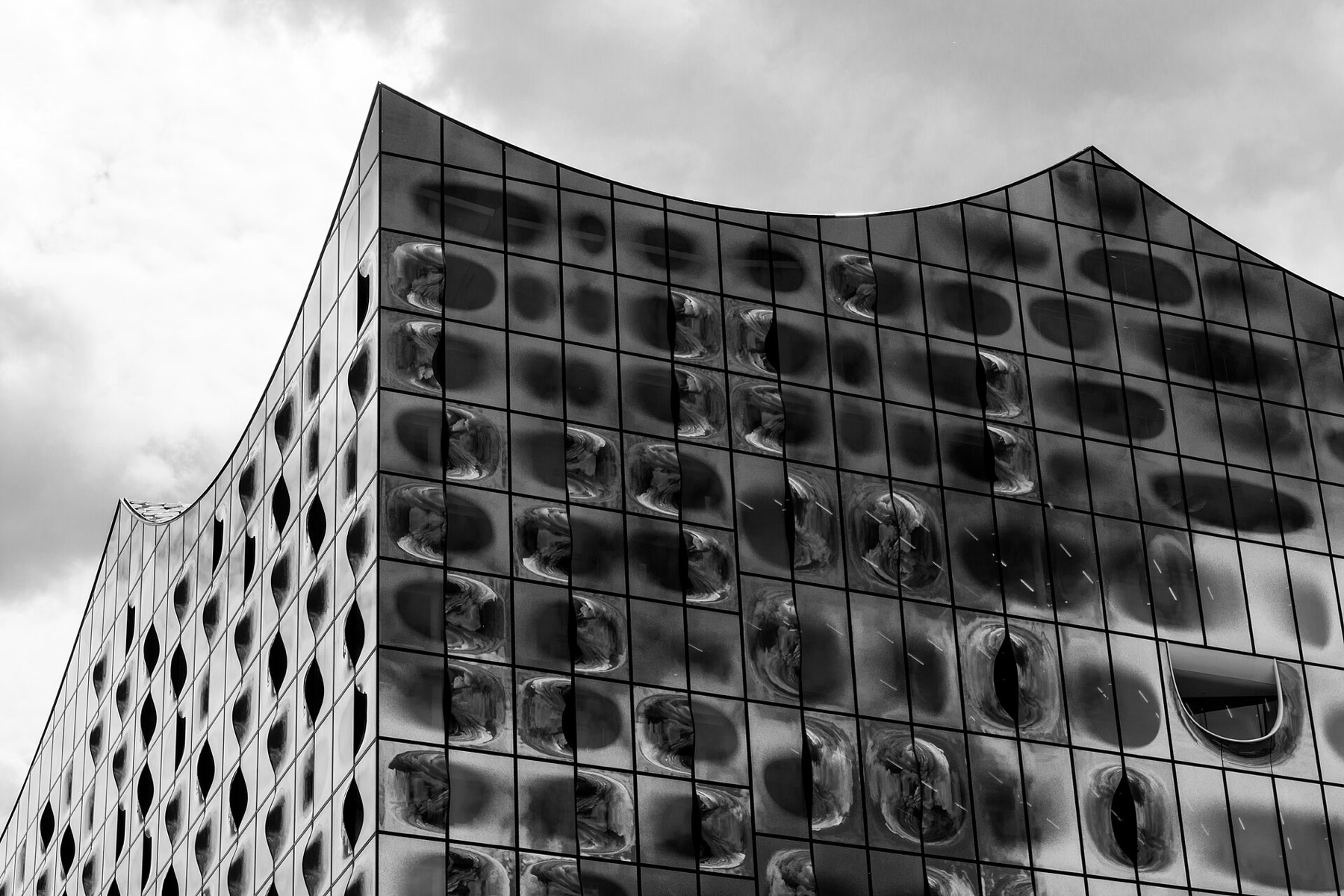
The iconic concert hall, whose shape resembles taut ship sails or stormy waves, has become a modern symbol of the city since it opened. The lower part is an old brick warehouse, topped with a stunning glass structure that beautifully reflects the sky and the surrounding water and changes colour with the weather. Architecturally it’s an absolute gem that dominates the entire harbour and draws every visitor’s gaze from afar.
Right between the brick and glass sections is the so-called Plaza, a publicly accessible viewing terrace with a fantastic view of the city and the giant cranes in the distance. You can walk all the way around the building and watch the bustle on the river and the towers of the historic churches. A unique curved escalator over 80 metres long carries you up, and it’s a huge architectural experience in itself — because of the curve, you can’t even see the end of it.
💡 Tip: Access to the viewing terrace is free, but you must reserve a timed slot in advance on the official website. Without a valid reservation, you unfortunately won’t be let onto the curved escalator, and you’d have to hope there’s space at the box office.
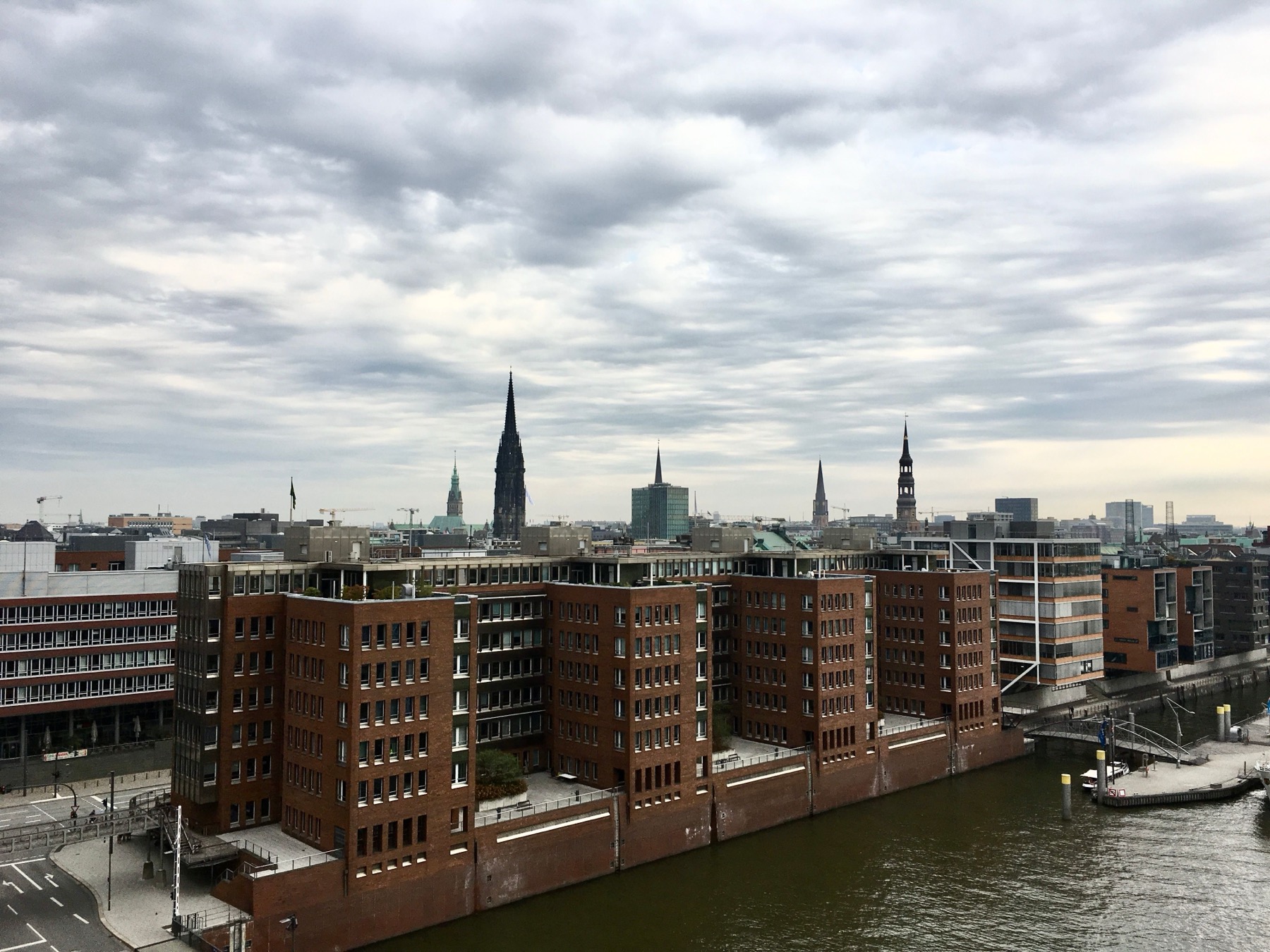
4. The modern HafenCity district
Right next to historic Speicherstadt, Europe’s largest urban development project is rising, completely reshaping the face of the old harbour. HafenCity is a showcase of top-tier modern architecture, where every building was designed by renowned international architects, forming an incredible contrast to the brick warehouses nearby. Here you’ll find wide waterside promenades, modern residential blocks, luxurious glass offices, stylish cafés, and futuristic bridges connecting the individual islets.
This whole huge area, including a visit to the Elbphilharmonie, Speicherstadt, and Miniatur Wunderland, will reliably fill an entire day. It’s definitely worth heading here with comfortable shoes and not planning any big trips to more distant parts of the city on the same day. It’s fascinating to see how the city coped with the threat of flooding, as all the new buildings and promenades are raised on special plinths.
💡 Tip: Stop by the so-called Magellan Terraces, a cascading square dropping right down to the water. It’s an ideal spot to relax with a cup of good coffee while watching the boats drift by.
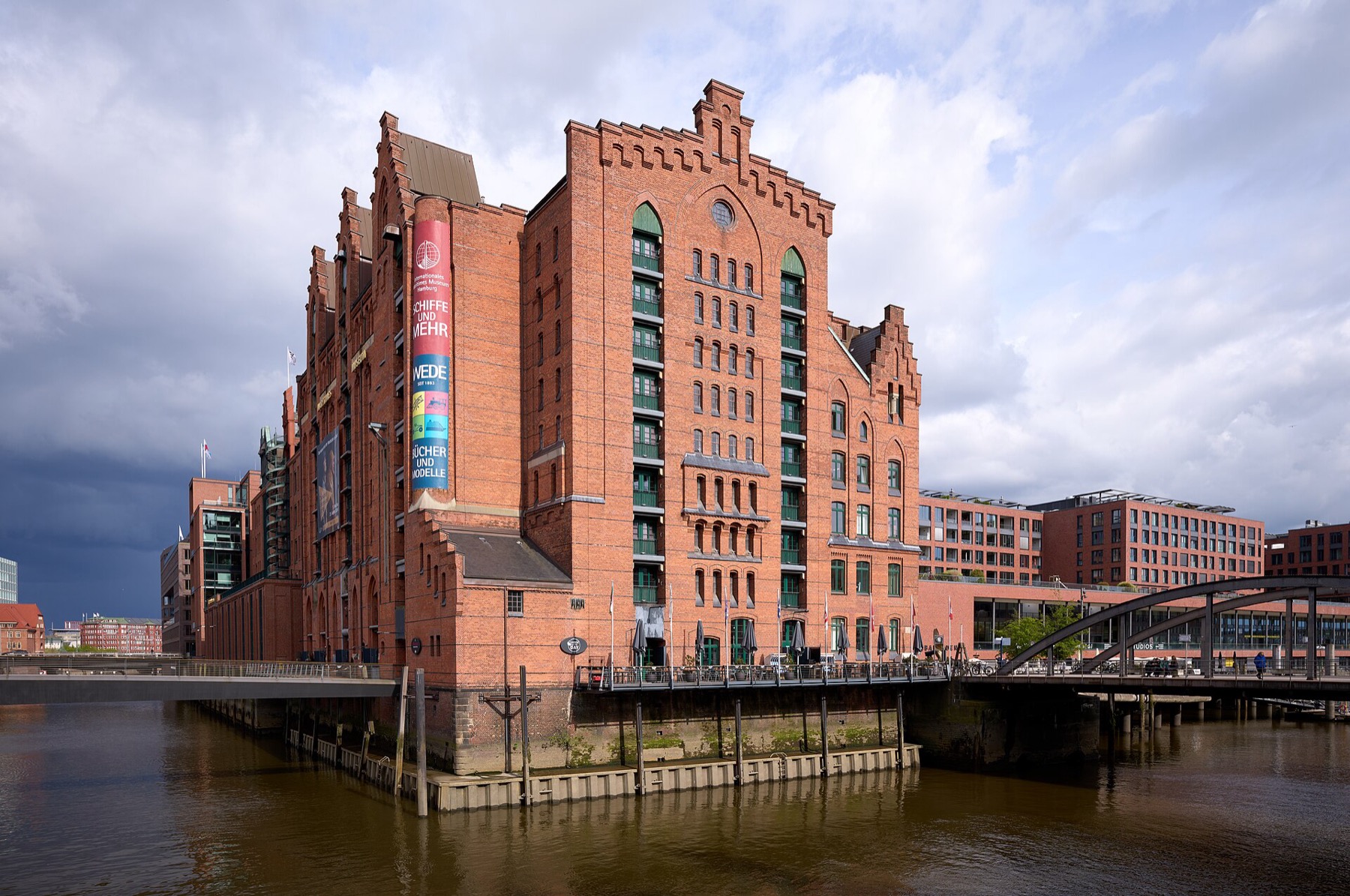
5. International Maritime Museum
If seafaring and the history of maritime exploration fascinate you, this museum housed in the huge historic Kaispeicher B warehouse will completely absorb you. The exhibition spreads across an incredible nine floors and presents thousands of precise ship models, nautical charts, uniforms, ship propellers, and historic navigation instruments from all over the world. The collection is so extensive that it maps the entire history of humankind’s conquest of the oceans, from antiquity through famous battles to today’s giant container ships.
The tour is designed to be very interactive, so you can try a modern ship-steering simulator or take a detailed look at the reconstructed cabins of ocean liners. The museum is an absolutely great choice for rainy days, of which there are quite a few in northern Germany, and it’s guaranteed to keep the whole family entertained for hours.
💡 Tip: Set aside at least three to four hours for a thorough tour of all nine decks. If you’re in a hurry, focus mainly on the floors dedicated to modern shipping and large sailing ships, which tend to be the most visually appealing.
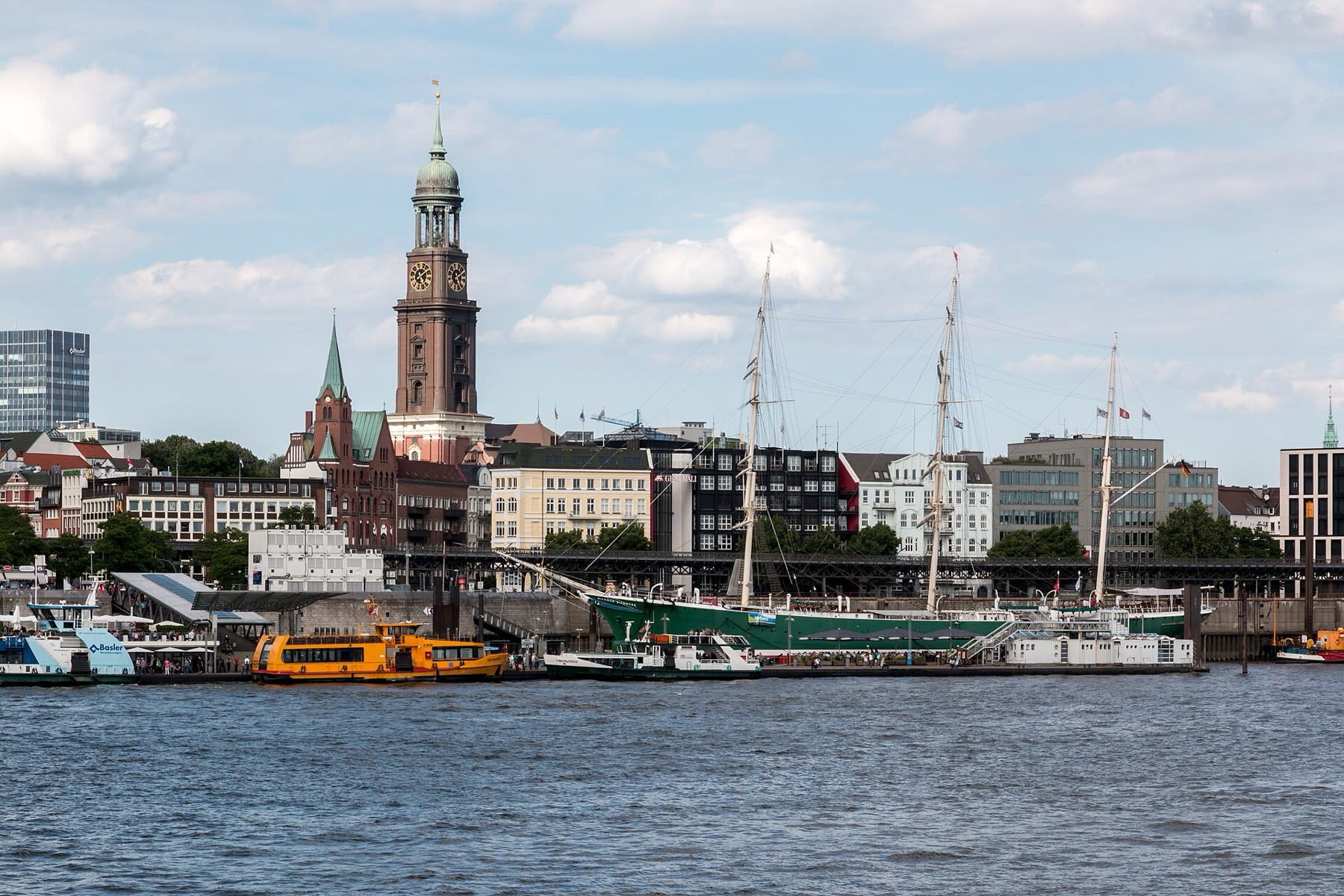
6. Ferry line 62 as a scenic cruise
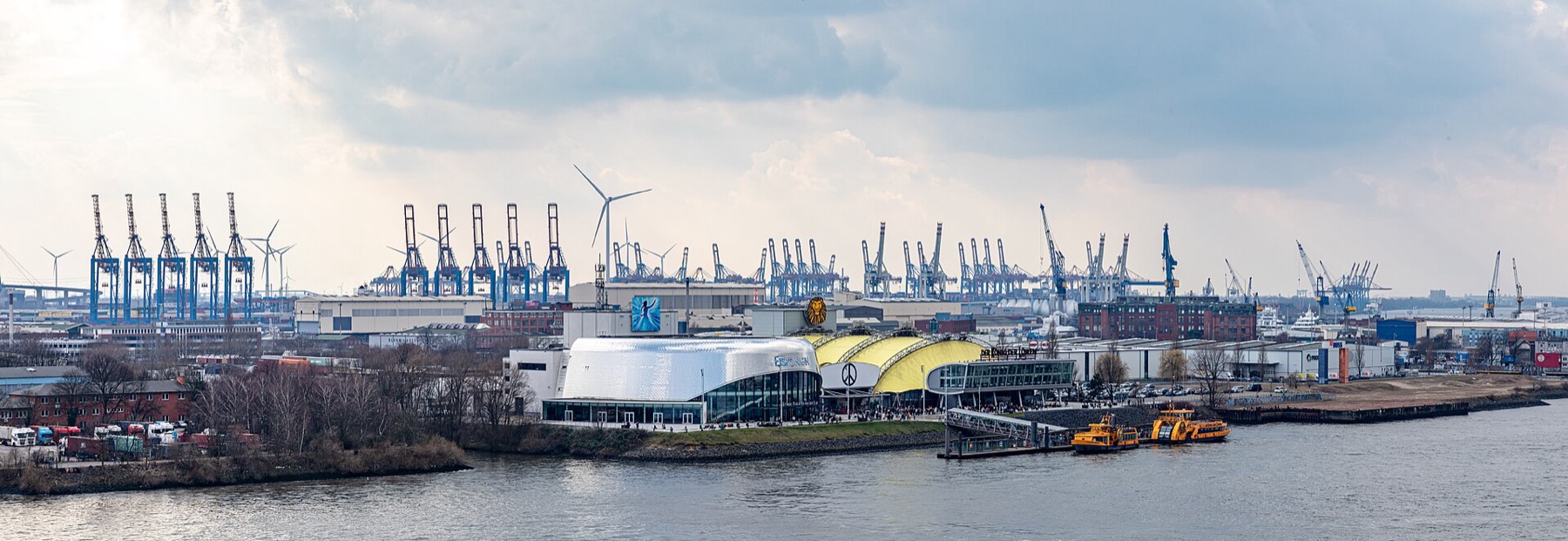
Experiencing the city from the water is an absolute must, but you don’t have to buy expensive tickets for commercial sightseeing boats to do it. The best insider tip is to use the regular yellow ferry number 62, which runs as part of the public transport network and accepts a standard day ticket. The ferry departs from the main Landungsbrücken pier and heads towards the island of Finkenwerder, with a one-way trip taking about thirty minutes.
This route takes you past the biggest harbour landmarks, the famous fish market, and the giant shipyards, giving you a fantastic sense of the sheer scale of the entire port. It’s absolutely the best value-for-experience you can get in the city, and along the way you’ll also see the enormous docks where some of the world’s largest ships are repaired.
💡 Tip: Try to grab a spot on the open upper deck right by the railing, from where the photos are best. You can make the return trip on the same boat, or take a walk along the sandy Elbstrand beach at the Neumühlen stop.
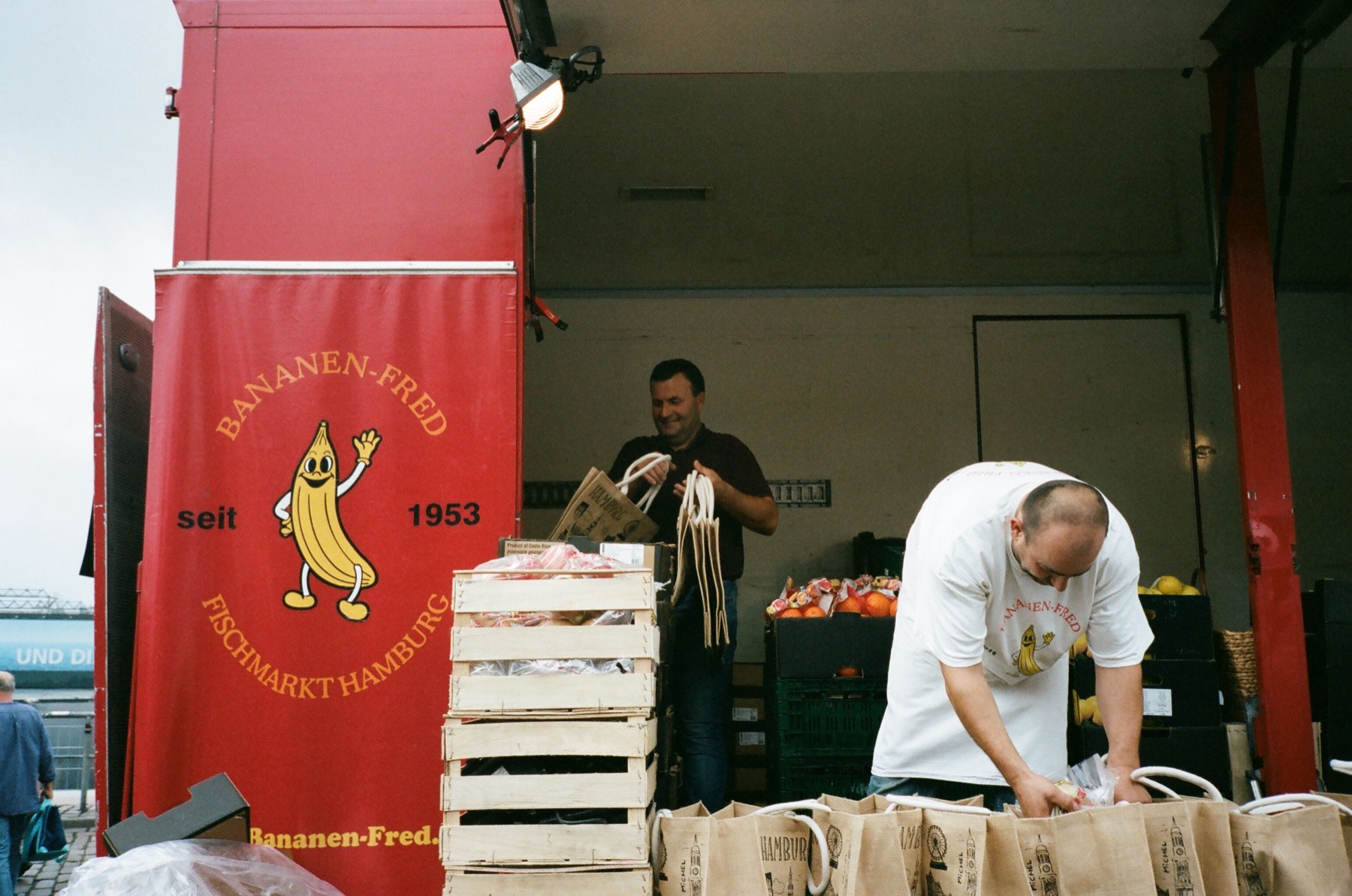
7. The Sunday Fischmarkt
If you don’t mind an early start on the weekend, you can’t miss the legendary Sunday market in the Altona district, held right by the river with a tradition dating back to the 18th century. The Altonaer Fischmarkt comes alive at early dawn and offers an incredible, noisy spectacle, where vendors with typical northern German humour loudly hawk their goods and haggle with visitors from the beds of their trucks. And it’s far from just fish — the market is full of stalls with fresh fruit, huge bouquets, clothing, and all kinds of local delicacies.
After a wild night on the Reeperbahn, locals commonly come here for a traditional fish roll called Fischbrötchen, a quintessential Hamburg classic that they wash down with a hot coffee. Even if you’re not a fan of fish and prefer a plant-based diet, the atmosphere of the historic auction hall alone, with its early-morning live music and dancing crowds, is well worth the early wake-up.
💡 Tip: The market ends fairly early — the stalls usually start packing up around 9:30 a.m., so don’t forget to set your alarm. It’s best to combine a visit to the market with a long morning walk along the waterfront.
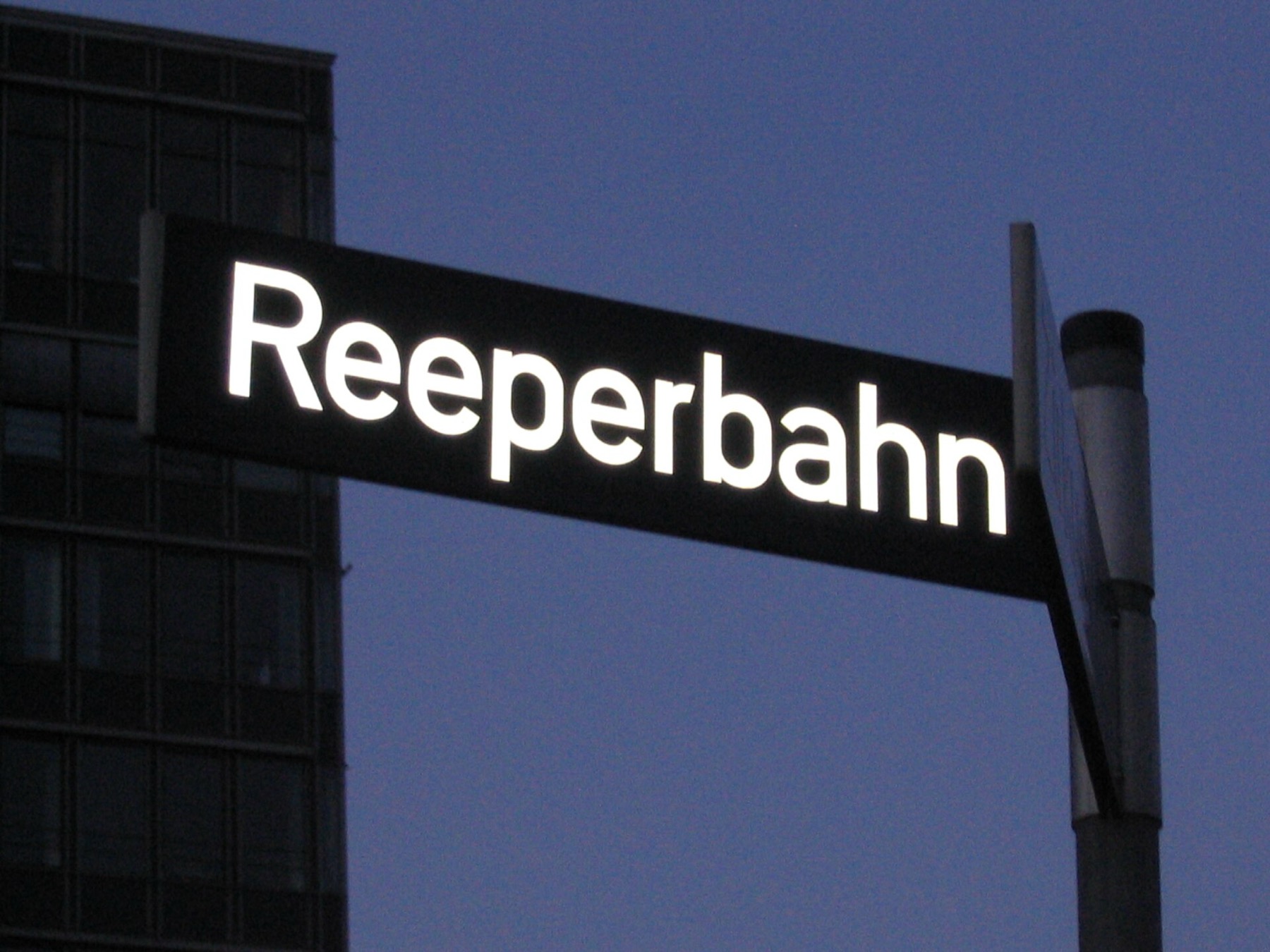
8. The Reeperbahn and St. Pauli
Germany’s most famous entertainment district only comes to life at sunset, its colourful neon signs glowing far and wide. The main artery, the Reeperbahn, and the surrounding lanes in St. Pauli form a pulsing hub of nightlife, where you’ll find hundreds of bars, music clubs, theatres, and iconic cabarets. It’s a place with a grittier but very authentic atmosphere that has been an inseparable part of the port city for decades.
It was in the small local clubs here that the legendary Beatles kicked off their stellar career in the early 1960s, commemorated today by the special Beatles-Platz shaped like a giant vinyl record. Although the district has a somewhat wild reputation, it’s fairly safe — you just need to be ready for a huge concentration of people and a noisier environment.
💡 Tip: Head here in the early evening for a great dinner at one of the many trendy restaurants and then simply stroll along the illuminated streets. It’s enough to soak up the distinctive atmosphere and grab a drink at one of the calmer bars nearby.
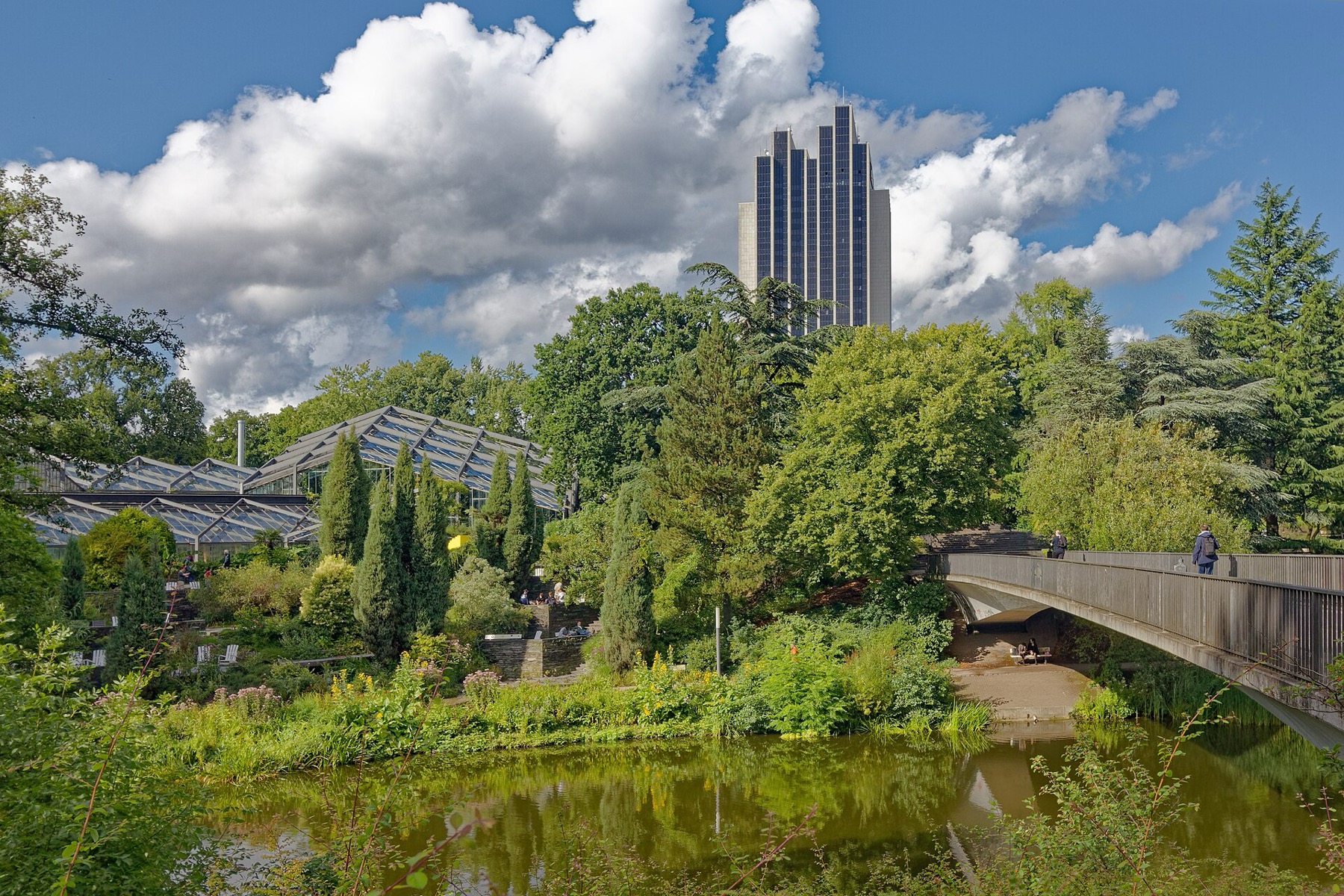
9. Planten un Blomen park
Right in the heart of the bustling city lies a sprawling green oasis that offers a perfect escape from the traffic noise and tourist crowds. Planten un Blomen park is a carefully maintained complex of beautiful themed gardens, home to the largest Japanese garden in Europe, romantic ponds full of water lilies, a rose garden, and even a tropical greenhouse. Besides endless walks, you can play mini golf, giant chess, or in summer go skating on the large roller rink.
While in winter part of the park turns into a magical and very popular ice rink, in summer the crowds are drawn here by evening water light shows that are completely free for all visitors. The fountains dance to the rhythm of classical and modern music while colourful lights create a beautiful choreography projected right onto a wall of water.
💡 Tip: Before the evening fountain show, don’t forget to bring your own blanket and something nice to drink, because the benches fill up very quickly. The atmosphere of a summer picnic on the grass at sunset is absolutely magical here.
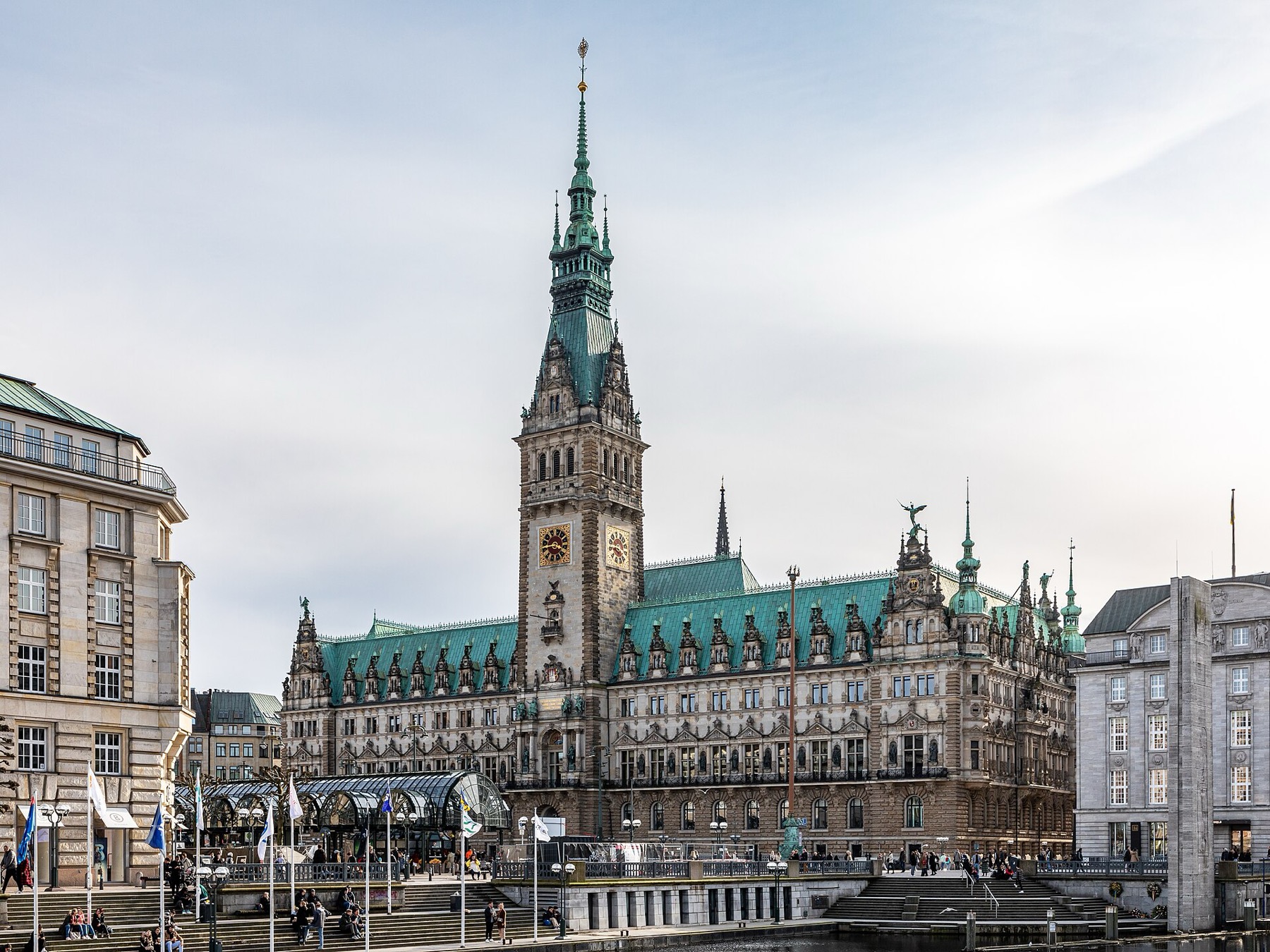
10. The Rathaus town hall
On the main square, a stunning neo-Renaissance town hall rises high, instantly joining the ranks of the most photographed landmarks of your trip. The Rathaus boasts an incredible 647 rooms — that’s more, by the way, than London’s Buckingham Palace — and its richly decorated sandstone façade is simply breathtaking. The building stands on thousands of oak piles driven deep into the muddy subsoil to keep it from sinking into the soft ground, which is very typical of historic Hamburg.
If you love history and grand architecture, I definitely recommend joining a guided tour of the stunning interior halls, which are full of golden chandeliers, intricate leather wallpaper, and rare paintings. Even without a ticket, though, you can freely wander the beautiful inner courtyard with its fountain of the goddess Hygieia, which, thanks to its decoration, feels more like an Italian palace park.
💡 Tip: The main shopping streets and elegant promenades converge right in front of the town hall, making it an absolutely ideal starting point for exploring the historic centre on foot and picking up small souvenirs.
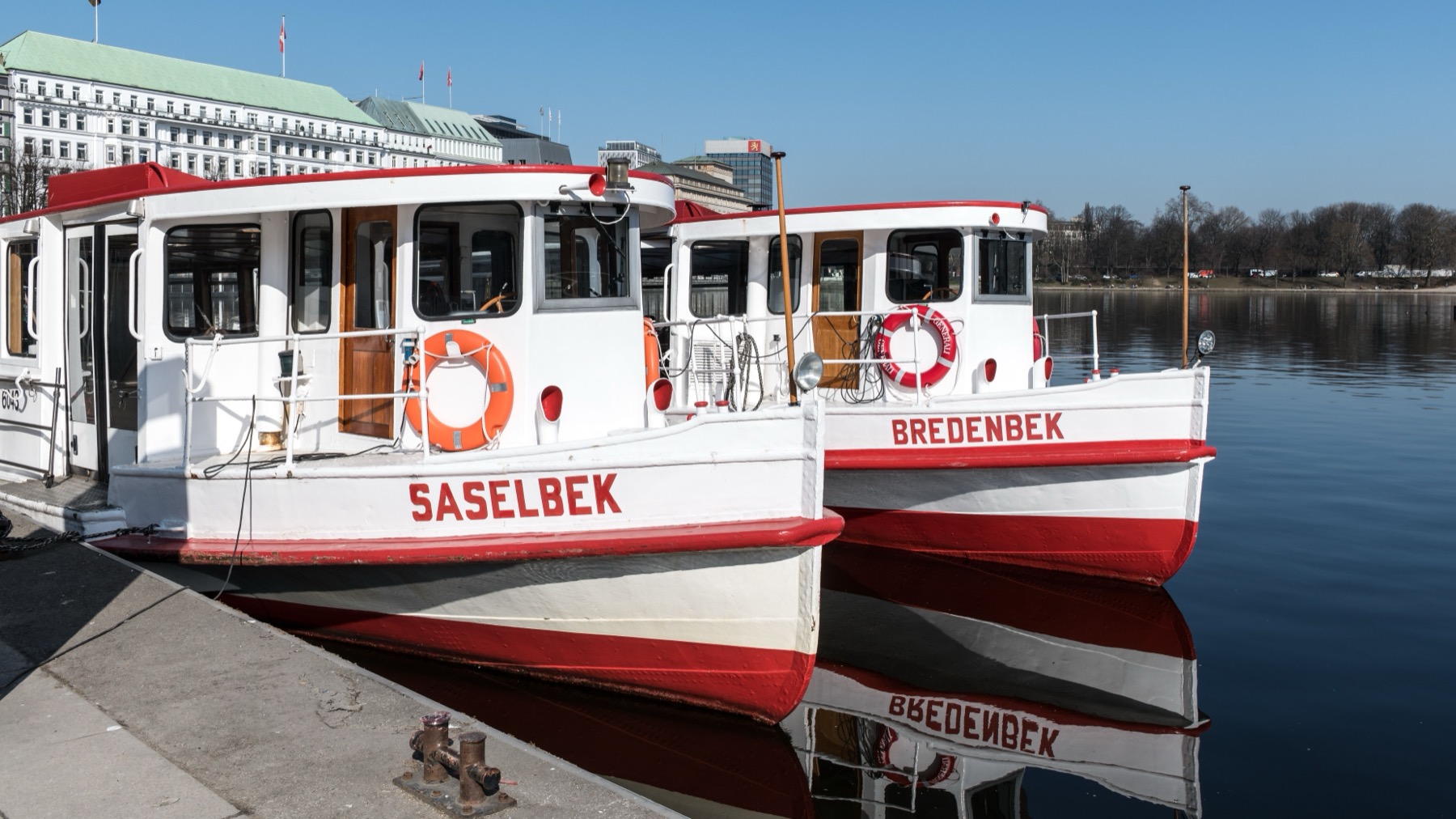

11. The Alster lakes
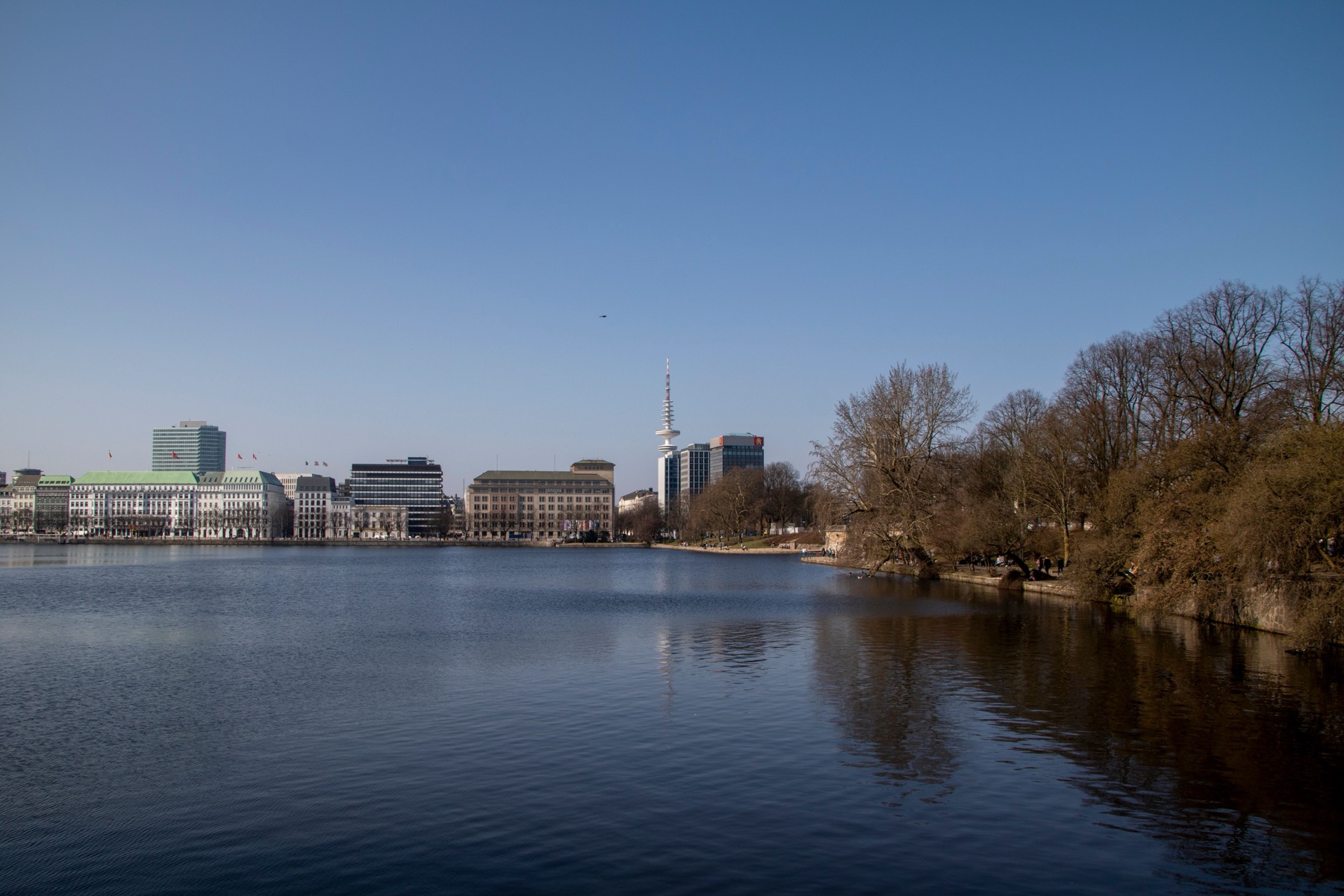
Right in the city centre, just a few steps from the historic town hall, lie two large artificial lakes, the Binnenalster and the Aussenalster, forming the metaphorical blue heart of the metropolis. The lakes are surrounded by wide promenades, carefully maintained green parks, and elegant villas, making them the favourite recreational zone for all the locals. Along the water you’ll constantly meet runners, cyclists, and people who’ve come here after work to relax on a bench with a good book.
In the warmer months, the best activity is renting a pedal boat, canoe, or paddleboard, letting you explore the vast lakes and adjacent quiet canals on your own. From the water you get a completely different perspective on the luxurious residential districts and private gardens, which you often can’t see at all from land through the trees.
💡 Tip: In the middle of the inner lake, the tall Alsterfontäne fountain jets up, one of the city’s main landmarks. Sit on the steps by the famous Jungfernstieg waterfront, grab a coffee, and enjoy the relaxed atmosphere with a view of the water.
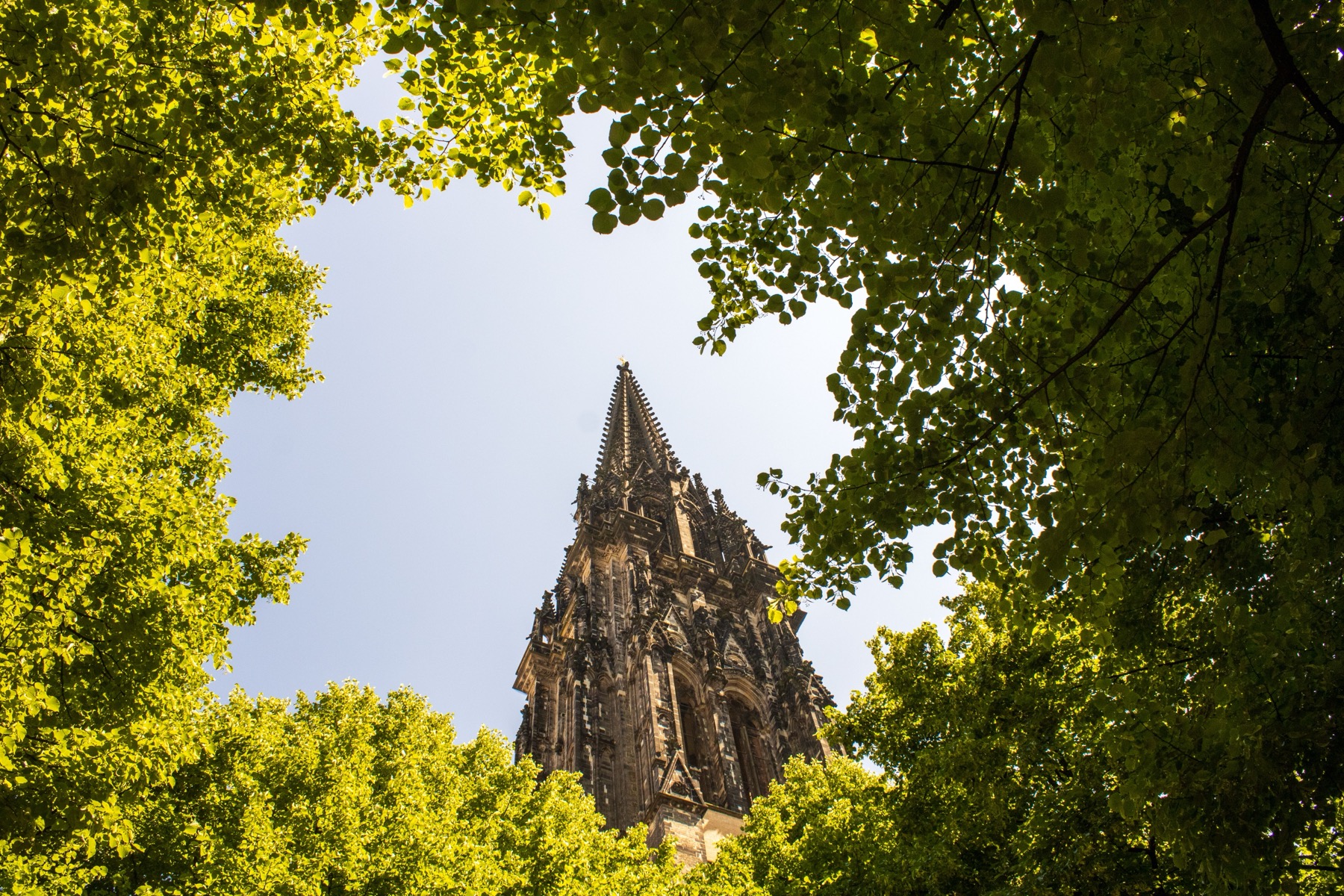
12. St. Nicholas Memorial (St. Nikolai Mahnmal)
From afar you’ll spot a tall black tower that looks almost like an apparition amid the modern glass buildings. St. Nicholas Church was almost razed to the ground during massive Allied bombing in World War II, and its charred ruins were deliberately left in this state as an incredibly powerful anti-war memorial. The place has a very strong, sombre atmosphere that’s guaranteed to make you reflect on the city’s turbulent history.
In the vast underground spaces beneath the church there’s a very interesting exhibition documenting the city’s destruction, while a glass lift takes you up the 76-metre-high tower. From there you’ll get a fantastic panoramic view of the entire historic centre, the modern harbour, and the nearby town hall.
💡 Tip: If you’re on a tight budget and wondering which viewpoint in the city to pay for, St. Nicholas Tower is an absolutely outstanding choice thanks to its central location and deep historical significance.
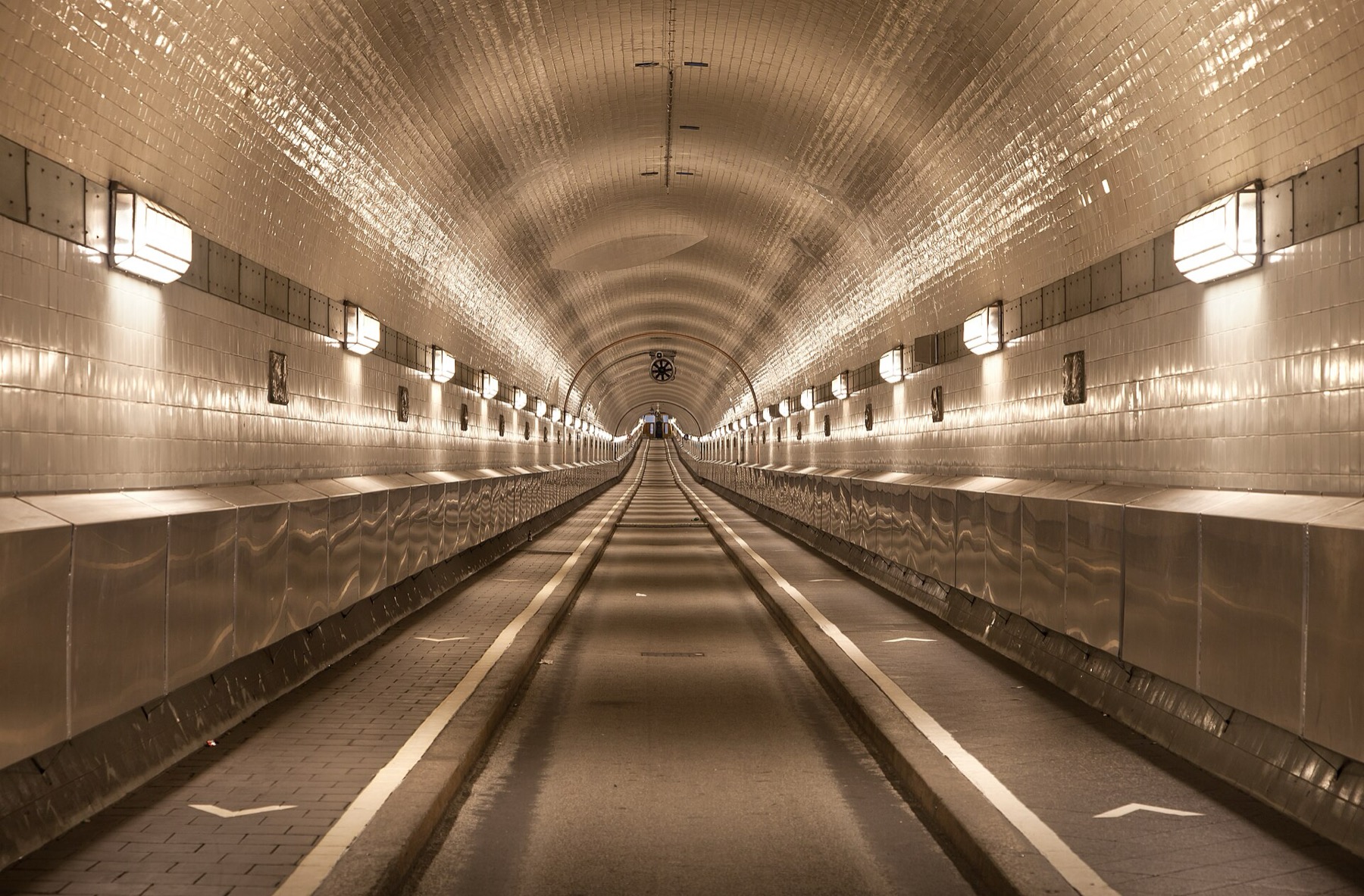
13. The Old Elbe Tunnel (Alter Elbtunnel)
This historic engineering marvel from 1911 lets you cross on foot or by bike right beneath the bed of the huge Elbe river. You descend into the tunnel via giant historic lifts with wood panelling that once carried horse-drawn carts, and to this day they’re operated by staff in period uniforms. The tunnel itself is beautifully lined with glossy tiles featuring reliefs of sea creatures, and thanks to its lighting it looks incredibly photogenic.
The walk through the underground tube to the other side of the river is about 400 metres long and completely free for pedestrians all day. As soon as you take one of the lifts up on the opposite bank in the Steinwerder district, you’ll be treated to one of the most beautiful and open views of the entire city skyline.
💡 Tip: You’ll get the best skyline photos of the Elbphilharmonie and the church towers right from the viewing platform on the south bank, just by the tunnel exit. It’s an absolute stunner, especially at or just after sunset.
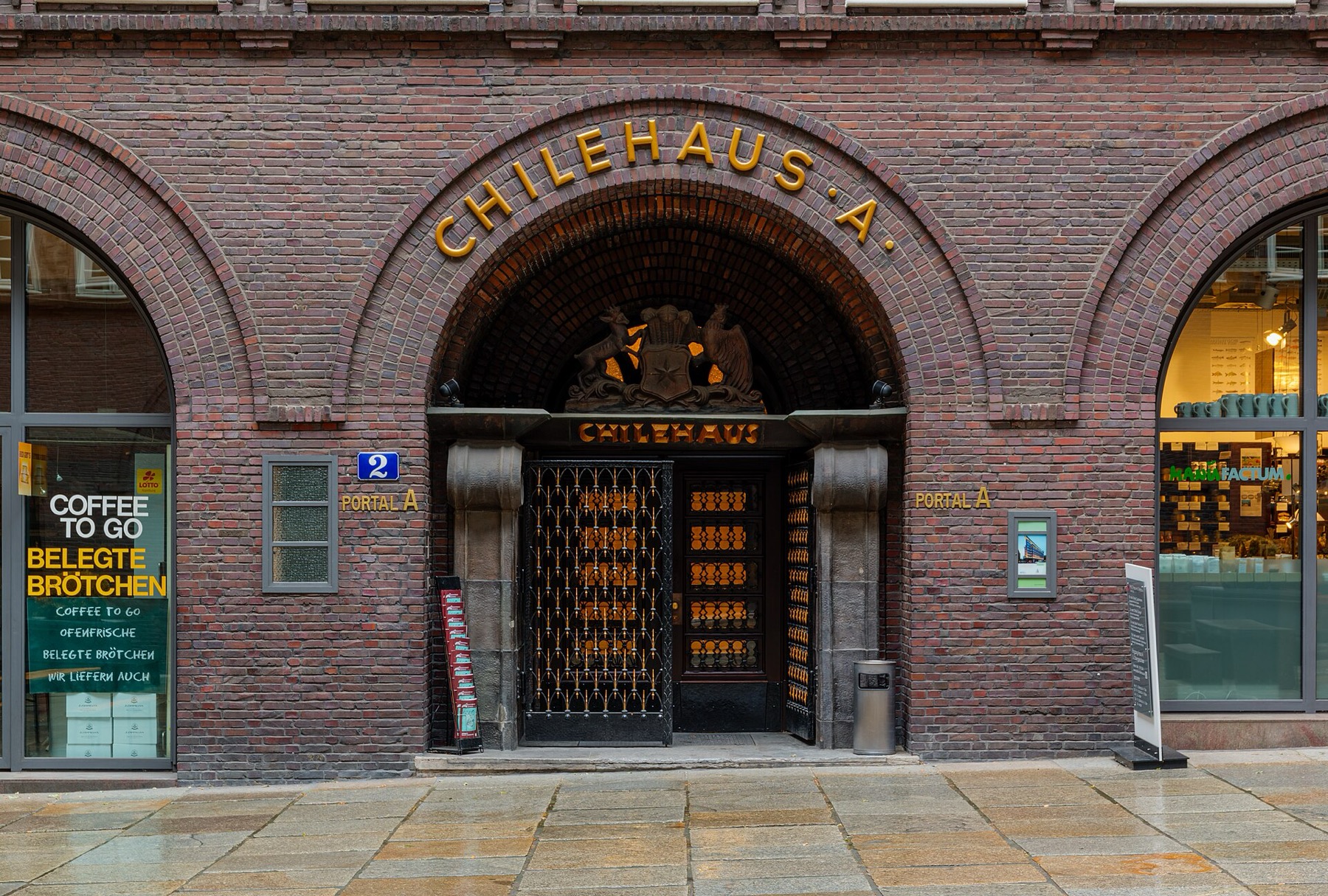
14. The Kontorhausviertel and Chilehaus
Lovers of the unique expressionist architecture of the 1920s will absolutely be in their element in this historic office district. The best-known building is the iconic Chilehaus, whose incredibly sharp corner resembles a huge ocean liner, and together with Speicherstadt it rightly belongs on the prestigious UNESCO list. The whole area is built from dark fired brick and is distinguished by an incredible emphasis on geometric detail and elaborate façade ornamentation.
The buildings originally served as the headquarters of large trading companies, the so-called Kontore, which managed overseas trade from here. Today they house modern offices, but you can pop into many of the beautifully decorated entrance halls, foyers, and majestic staircases free of charge during business hours.
💡 Tip: Stand right on the corner of Burchardstraße and Pumpen, from where the tip of the Chilehaus can be seen at its most dramatic, sharpest angle. A photo from this spot is one of the city’s most iconic architectural shots.
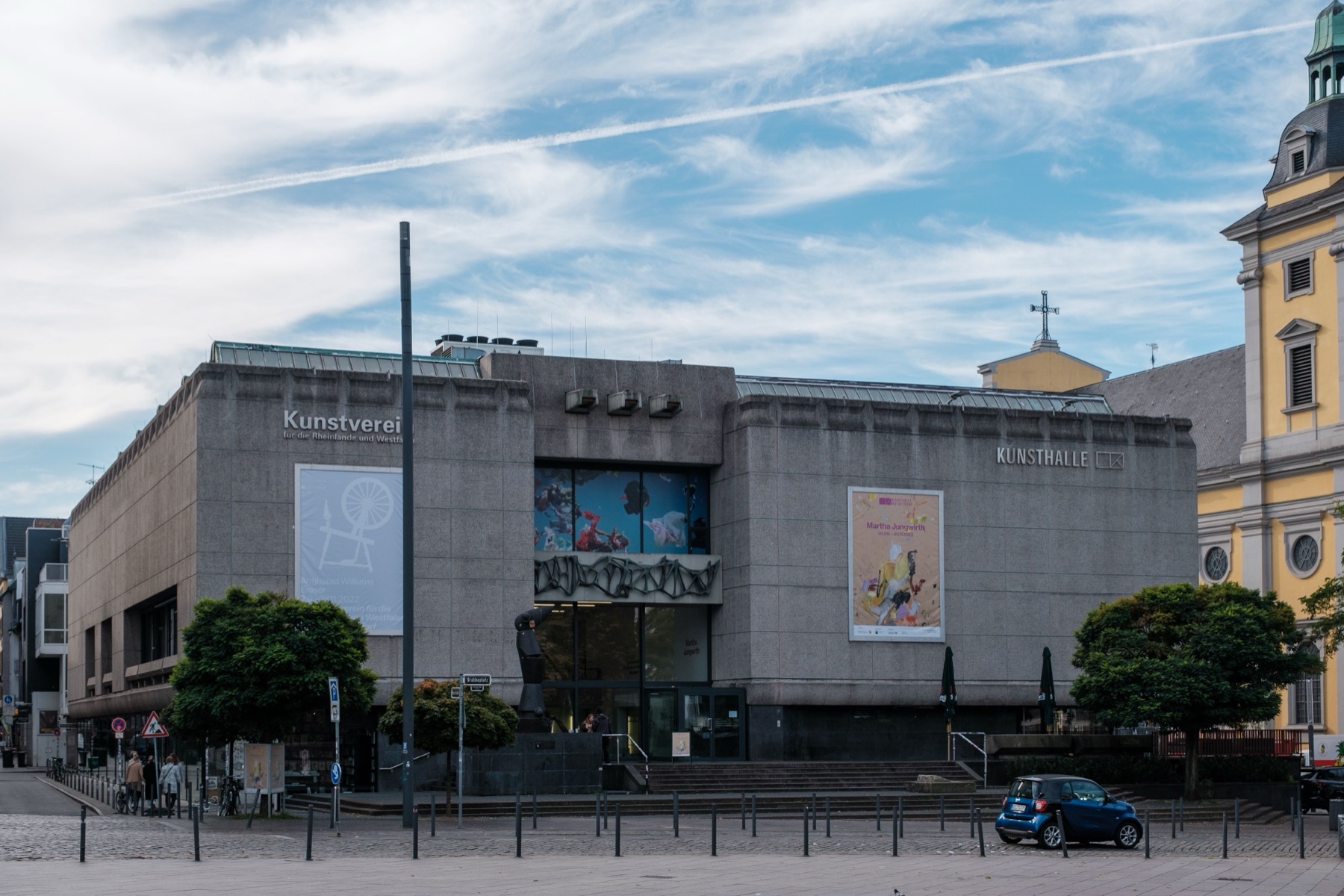
15. Hamburger Kunsthalle
If you want to admire art during your trip, don’t miss one of the largest and most important art museums in all of Germany, located right near the main station. The Hamburger Kunsthalle consists of three interconnected buildings of different ages and hides stunning collections spanning eight centuries of artistic creation, from stunning medieval altarpieces to provocative contemporary installations. The complex is huge, and art lovers will easily spend an entire day here without the slightest problem.
The biggest draw of the whole gallery is undoubtedly the famous painting Wanderer above the Sea of Fog by the Romantic painter Caspar David Friedrich, which has become a global icon of German Romanticism. Besides that, you’ll of course also find stunning works by other great masters such as Rembrandt, Manet, or Edvard Munch.
💡 Tip: If you’re mainly interested in modern art, you can head straight to the newest, bright building called the Galerie der Gegenwart, which focuses on works from 1960 to the present and is architecturally very interesting in its own right.
16. Dialog im Dunkeln
This unique experience will completely change your perspective on everyday life and force you to perceive the world with senses other than your dominant sight. Dialogue in the Dark is a deeply interactive exhibition where blind guides lead you in absolute darkness through simulated everyday situations, such as a walk through a busy park, a visit to a market, or sitting in a bar. For an hour and a half you find yourself in a world where you must rely one hundred percent on touch, hearing, and smell.
It’s an incredibly powerful and emotional experience that naturally breaks down the barriers between sighted and blind people and teaches us far greater empathy. Tours take place in small groups, so you don’t need to worry about getting lost, and there are specially designated times for English-speaking visitors.
💡 Tip: Be sure to arrange your English tour tickets well in advance online, because group capacity is strictly limited and it often sells out for the whole day on the spot.
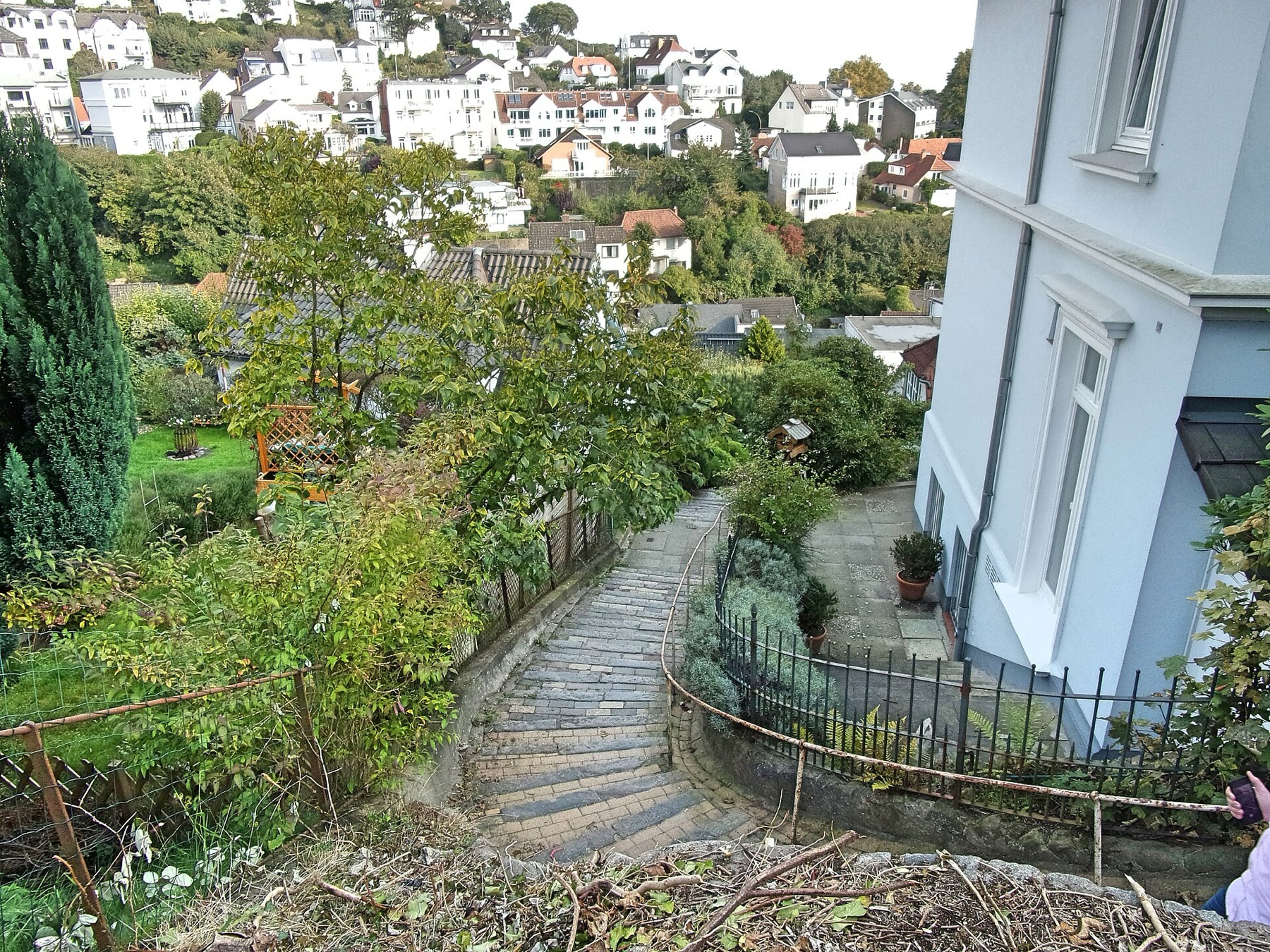
17. The stairway district of Treppenviertel Blankenese
For a perfect escape from the bustling centre, hop on the S-Bahn suburban train to the picturesque district of Blankenese, which will instantly surprise you with its almost Mediterranean atmosphere. This former fishing village is built on a steep slope above the river and is threaded with an incredible labyrinth of nearly five thousand steps, narrow winding lanes, and small squares. There are absolutely no cars here, just beautiful old villas with lovingly tended gardens and breathtaking views of the passing container ships.
Walking down the maze of staircases to the river and then back up is quite a decent workout, but you’ll be rewarded with the most magical scenery, more reminiscent of the sunny Italian Riviera than cool northern Germany. Down by the water there’s also a lovely sandy beach and several excellent cafés where you can recharge.
💡 Tip: It’s best to let yourself get lost in the lanes and not follow the map on your phone at all — sooner or later you’ll always end up either down by the river or up at the main road, from where buses conveniently run back to the station.
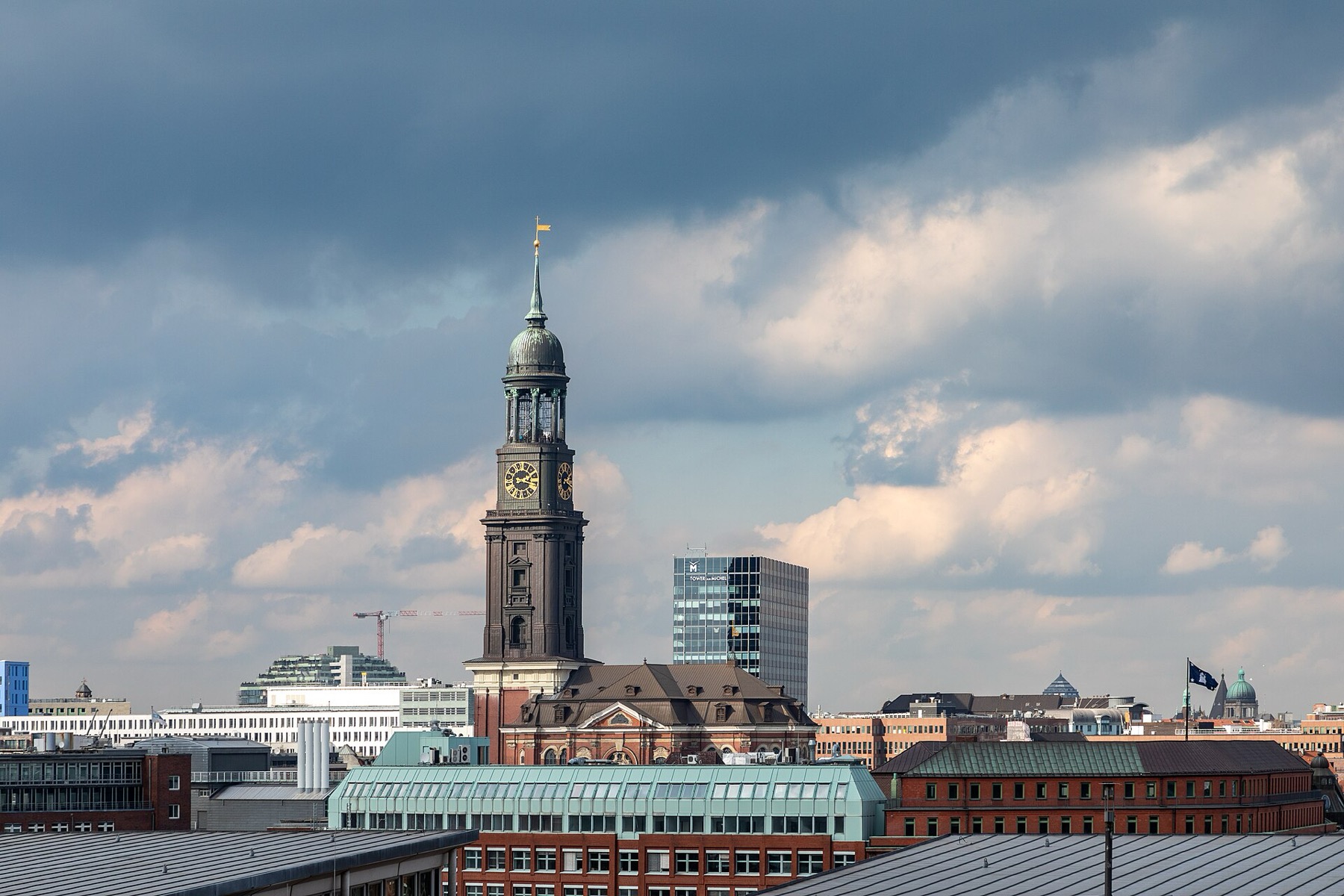
18. St. Michael’s Church (Michel)
The most important Baroque church in the city, which locals have lovingly nicknamed Michel for generations, served for centuries as the most important landmark for sailors returning home from long voyages. Its majestic tower with a huge clock rises to a height of 132 metres and hides the most beautiful viewing platform of all, from which you can see the city centre and the sprawling harbour at your feet. Luckily, you don’t have to climb up on foot, because most of the way can be covered comfortably by a modern lift.
Interestingly, the church was completely destroyed twice by an enormous fire during its turbulent history and then meticulously rebuilt to its original beauty. Besides the view from the tower, the vast underground crypt and the stunning bright interior, which boasts several beautiful organs, are also well worth a visit.
💡 Tip: Try to plan your visit for the evening hours, when the church offers special night climbs up the tower. The sight of the endless sea of lights of the pulsing harbour and the illuminated night city is absolutely unforgettable.
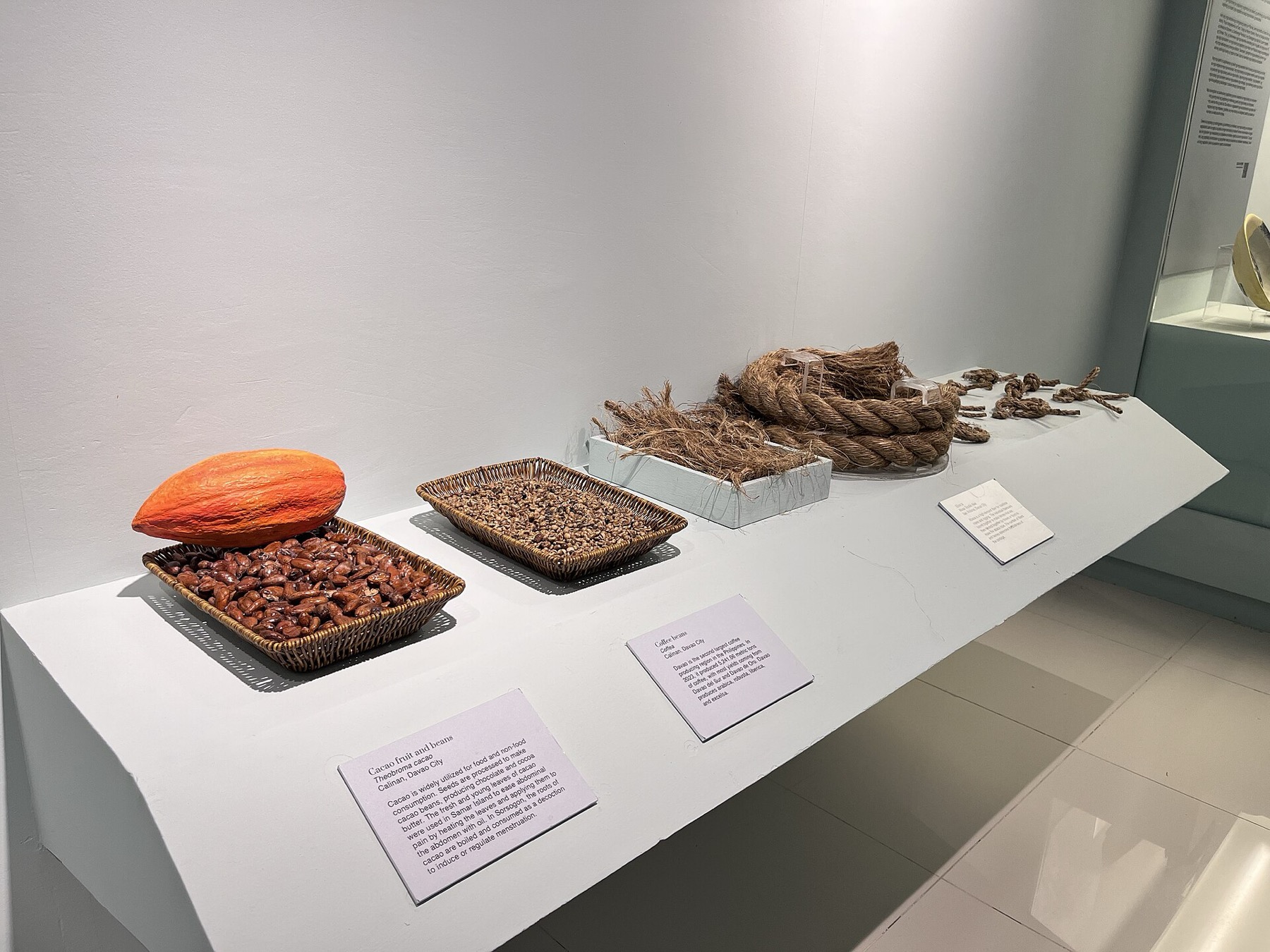
19. The Chocoversum chocolate museum
If you or your kids have a sweet tooth, this wonderfully interactive museum is one you definitely shouldn’t miss while wandering the city. Chocoversum guides you through the entire complex process of making chocolate, from growing cocoa beans in the rainforest to the final bar, all led by a very entertaining guide. This is no boring exhibition behind glass — during the tour you’ll taste the various stages of cocoa processing at every step, including liquid chocolate straight from the machine.
The best part of the whole programme is the chance to make and decorate your very own chocolate bar exactly to your liking, which you then take home as the very best and tastiest souvenir. While you wait for the chocolate to set, you’ll learn plenty of fascinating facts about the historic maritime trade in this precious commodity.
💡 Tip: You can only visit as part of an organised guided tour, so it’s best to reserve your tickets and preferred language (German or English is available) for a specific time in advance online.
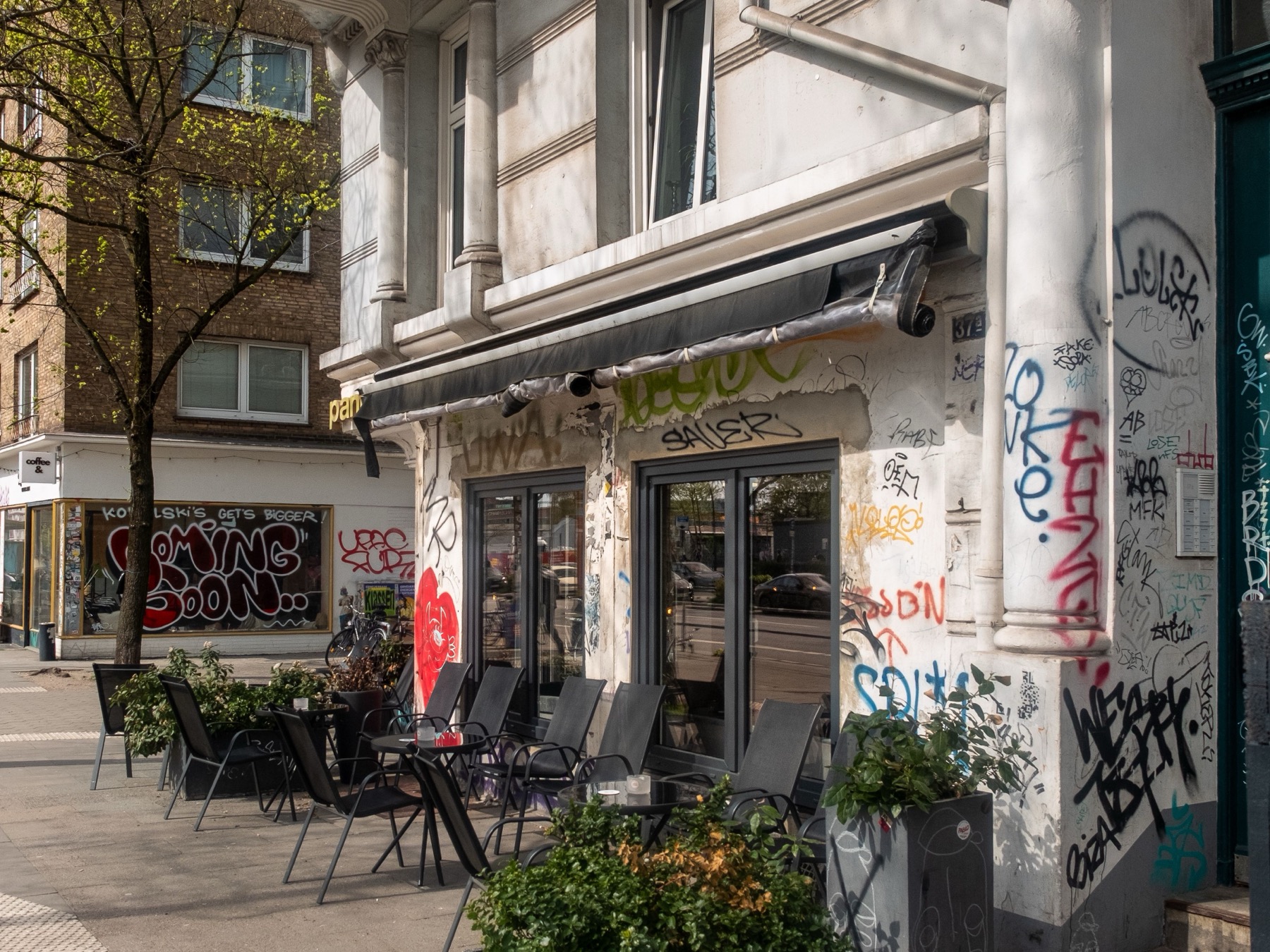
20. The hipster district of Schanzenviertel
For the best alternative culture, colourful street art, and independent boutiques, you have to head to the Sternschanze district, known simply as Schanze for short. This area has long been a hub for local bohemians, students, and independent artists, which is reflected in the incredible number of cosy cafés, great vegan bistros, and small shops selling sustainable fashion. The whole district has a very relaxed, deliberately slightly shabby feel that gives it just the right character.
The heart and symbol of the whole district is the former Rote Flora theatre, which has functioned as an autonomous cultural centre since the late 1980s, its façade covered from top to bottom with political slogans and graffiti. On weekends there are great flea markets here, and as evening approaches, dozens of very popular bars come to life.
💡 Tip: Set aside time for a slow wander along Susannenstraße and Schulterblatt, where you’ll find the best independent cafés and bakeries. It’s an absolutely ideal spot for a late weekend brunch and people-watching.
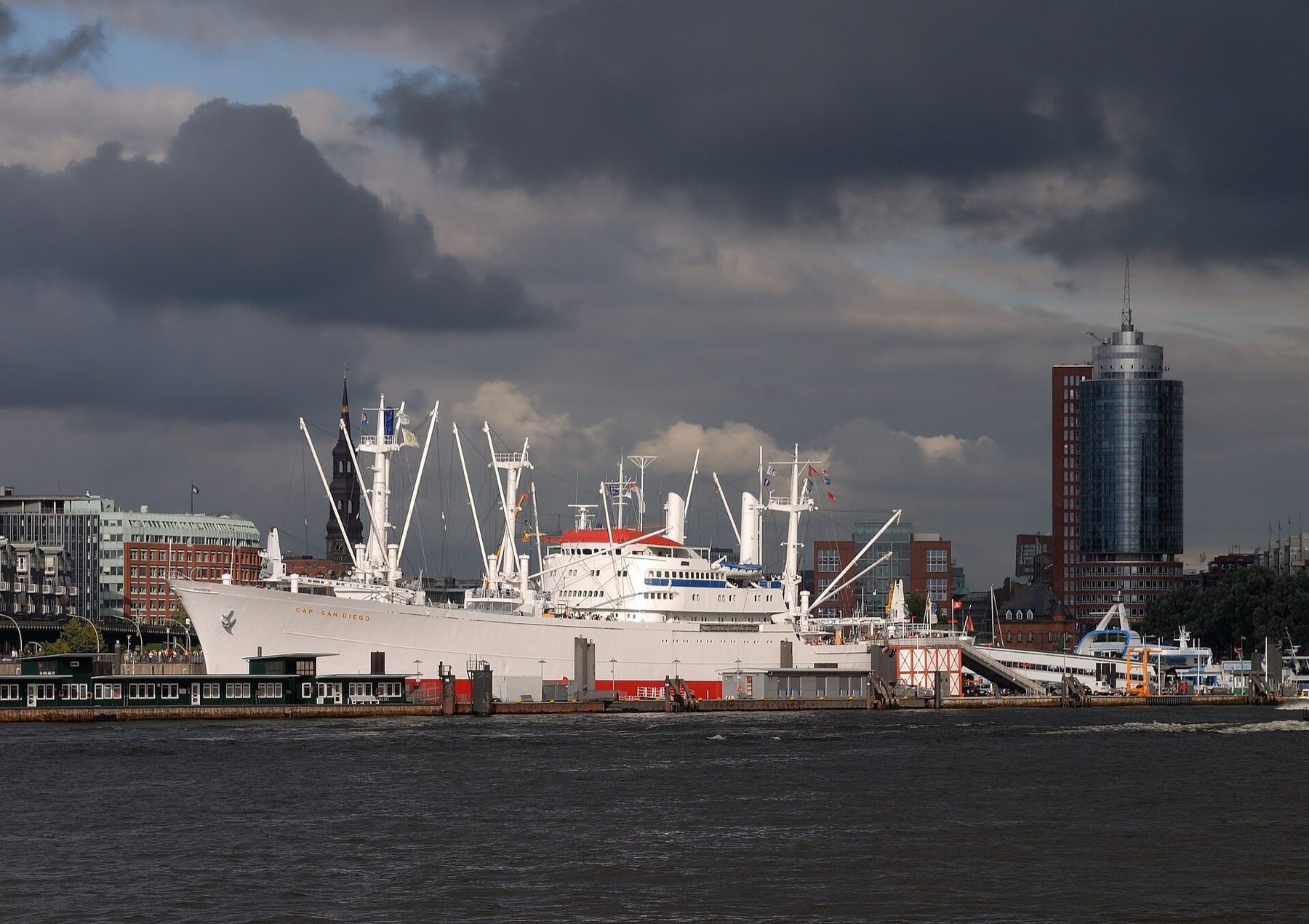
21. The museum ships Cap San Diego and Rickmer Rickmers
Strolling along the main harbour promenade of Landungsbrücken, you simply can’t miss two giant historic ships that today serve as fascinating floating museums. The Cap San Diego is a huge and very elegant cargo ship from the 1960s, nicknamed the White Swan of the South Atlantic, and you can explore it from the noisy engine room all the way up to the command bridge. The Rickmer Rickmers, on the other hand, is a beautiful three-masted sailing ship from the 19th century that breathes true historic maritime romance.
Touring both of these vessels is extremely interesting, because it lets you take a close look at the cramped crew cabins, the enormous cargo holds, and the elegant officers’ dining rooms. You can vividly imagine just how incredibly hard, yet at the same time adventurous, daily life on the open ocean was.
💡 Tip: If you’re travelling with children, they’ll be guaranteed to love clambering through the narrow corridors and steep staircases on the ship far more than a classic quiet museum. Just be really careful with your head — the ceilings below deck are treacherously low in places.
22. Green and sustainable dining
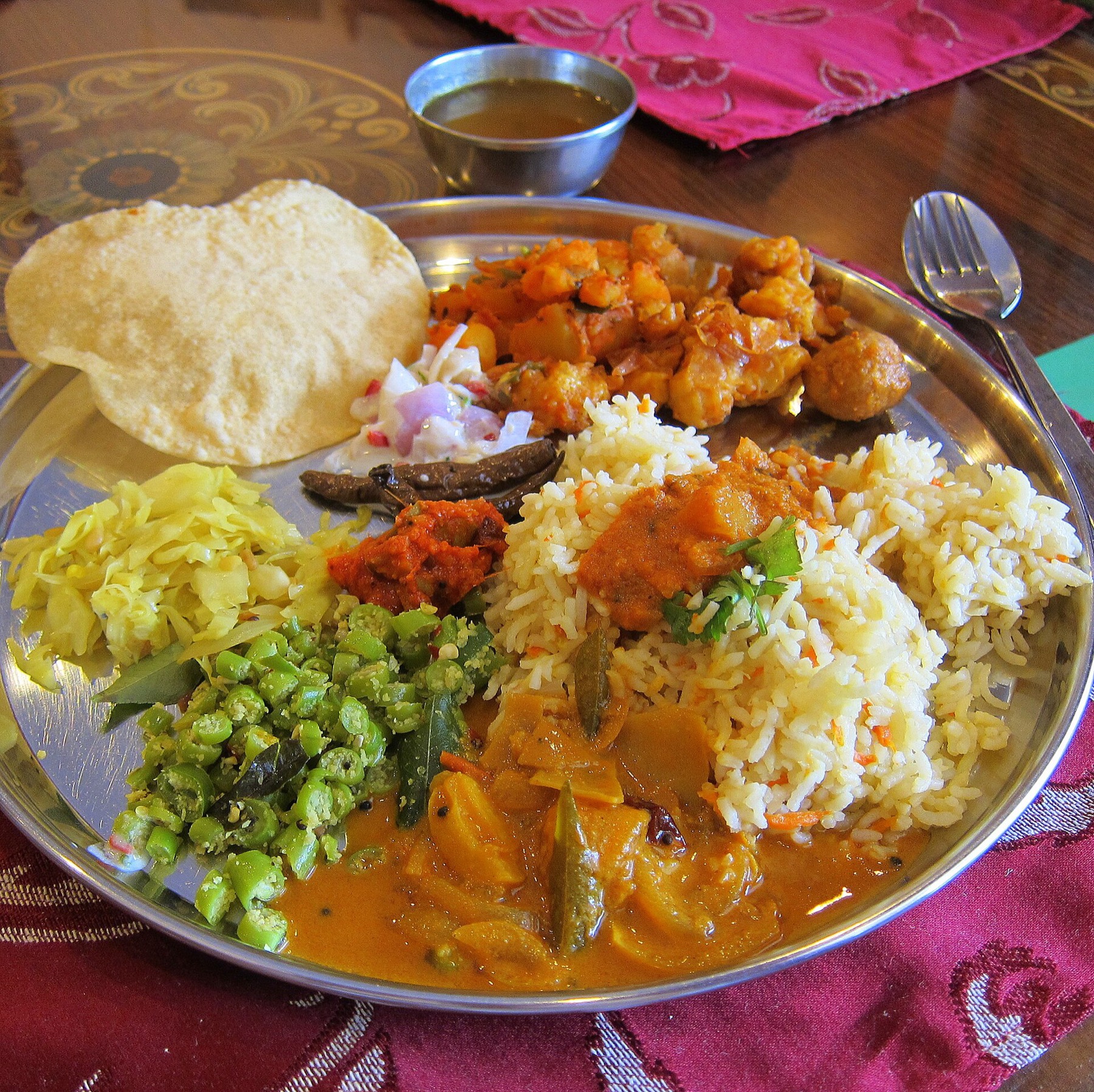
Hamburg is incredibly friendly to plant-based food, and you’ll find a huge number of fantastic spots focused on ethical and sustainable eating. If you’re after a cosy, homely atmosphere, definitely head to the book café Kapitel 3 in the Altona district, where you can enjoy a completely vegan menu alongside great coffee and lose yourself in one of the many displayed books that line the walls.
Another great stop for lunch or coffee is the very popular Café geen, which tempts you with an absolutely excellent all-vegan selection of fluffy desserts and main dishes and offers very pleasant outdoor seating in the garden on sunny days. For lovers of quality Asian cuisine there’s the immensely popular Citta Vegan House, where they masterfully combine vegan Asian fusion dishes in a beautiful, photogenic setting.
💡 Tip: Most of these popular vegan spots tend to be quite full during lunch and dinner, so it pays to arrive either right after opening or to book a table in advance. Especially on weekends, demand for tables in these places is huge.
Where to go from Hamburg
Northern Germany is a great starting point for further exploration, and thanks to the excellent high-speed rail network you can easily reach more distant cities too. If you’re drawn to other big cities, read our article on what to see in Berlin, which you can reach by train in under two hours. For lovers of more southerly regions and Bavarian culture, I recommend exploring our tips on what to do in Munich.
If you’re planning a trip in winter and want to soak up that real festive atmosphere, be sure to check out our big guide to the Christmas markets in Germany, where you’ll find inspiration for the most beautiful Advent destinations. And if you need a proper rest after long walks around the city, pick one of the amazing relaxing stays in our article on wellness hotels in Germany.
Frequently asked questions
How many days do I need to visit Hamburg?
For a relaxed visit to all the main sights and to soak up the local atmosphere, I recommend setting aside at least two to three full days. The HafenCity district alone, with Miniatur Wunderland, Speicherstadt and the Elbphilharmonie, will easily take up almost a whole day, and you can then spend another day exploring the city centre, the town hall, the lakes and a sightseeing ferry ride.
What’s the best way to get from the airport to the city centre?
The connection is incredibly easy and fast, because there’s an S-Bahn station (line S1) located directly below the terminal, with trains running every ten minutes. The journey to the main station (Hauptbahnhof) takes just 25 minutes and a regular public transport ticket is valid, so you don’t need to buy any special airport tickets.
Is the city suitable for families with children?
Absolutely yes, there’s a huge range of attractions for children, led by the magnificent Miniatur Wunderland, which is an absolute hit for all generations. Most museums have great interactive features, you’ll find plenty of climbing frames and playgrounds in the parks, and exploring the historic museum ships or riding the yellow ferry is fun for children of all ages.
How’s the transport and is the Hamburg Card worth it?
The city centre is quite spread out and the sights are sometimes far apart, so you’ll definitely need to use the metro (U-Bahn) or S-Bahn trains. The Hamburg Card tourist card offers unlimited transport and discounts on admission to many museums, so if you’re planning to visit several paid attractions and don’t want to walk everywhere, it’s very good value for money.
What budget should I expect for admission fees?
Admission to the main commercial attractions isn’t exactly cheap, budget around €70 to €95 per adult if you want to see the most important sights. The ticket to Miniatur Wunderland alone costs €25, and tours of ships or museums run around €10 to €15 per person, but fortunately there are plenty of places like Speicherstadt or the Elbphilharmonie viewing platform that are completely free.
Do I need to buy tickets in advance for the main attractions?
For the most popular attractions it’s an absolute must, especially for Miniatur Wunderland, where tickets can sell out weeks in advance during peak season and you can’t buy them on site. Similarly, you need to reserve a free time slot in advance for entry to the Plaza viewing terrace in the Elbphilharmonie building, otherwise they simply won’t let you through to the escalators.
What can you do in the city when it’s raining?
Northern Germany is quite well known for its typical rainy weather, which locals call Schietwetter, but the city is brilliantly prepared for it. Besides Miniatur Wunderland, you can take shelter in the enormous nine-storey Maritime Museum, visit the interactive chocolate museum Chocoversum, or easily spend half a day admiring art in the beautiful Hamburger Kunsthalle gallery.
Tips and Tricks for Your Vacation
Don’t Overpay for Flights
Search for flights on Kayak. It’s our favorite search engine because it scans the websites of all airlines and always finds the cheapest connection.
Book Your Accommodation Smartly
The best experiences we’ve had when looking for accommodation (from Alaska to Morocco) are with Booking.com, where hotels, apartments, and entire houses are usually the cheapest and most widely available.
 🚗 Car rental on the roadVerified rental cars in Germany
Search with the DiscoverCars comparison engine — it compares prices from dozens of local and international rental companies, and most bookings come with free cancellation.
Compare car prices in Germany →Don’t Forget Travel Insurance
Good travel insurance will protect you against illness, accidents, theft, or flight cancellations. We’ve had a few hospital visits abroad, so we know how important it is to have proper insurance arranged.
Where we insure ourselves: SafetyWing (simple monthly subscription) and TrueTraveller (for extra-long trips).
Find the Best Experiences
Get Your Guide is a huge online marketplace where you can book guided walks, trips, skip-the-line tickets, tours, and much more. We always find some extra fun there!