Many people see Frankfurt am Main as little more than a huge airport or a serious financial hub filled with glass skyscrapers. But this German city has far more to offer than big business and long layovers. It’s a surprisingly relaxed, lively destination where you can enjoy a lot without spending a fortune.
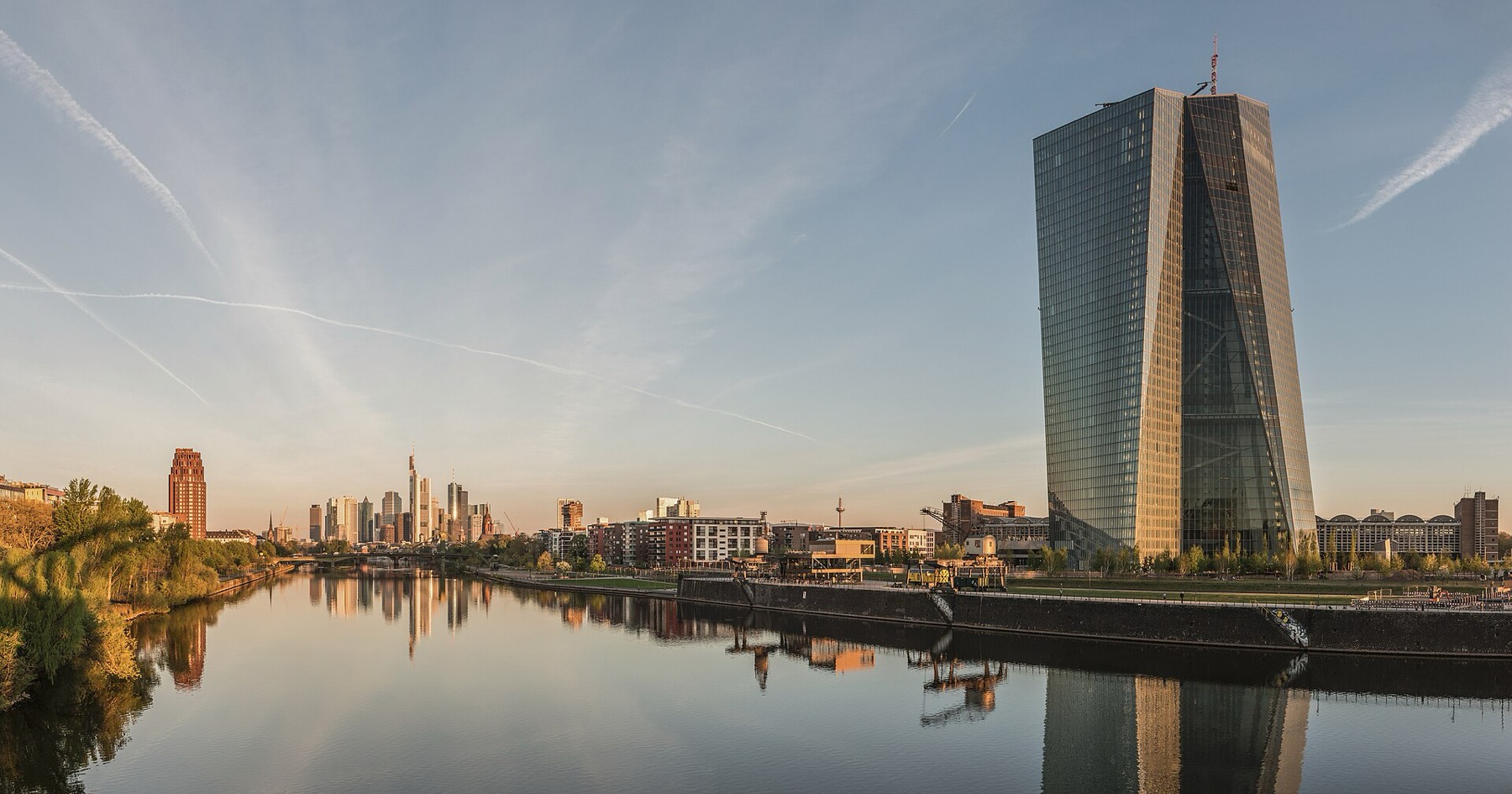
The historic centre, with its charming half-timbered houses, creates an incredible visual contrast with the modern architecture that has earned the city its playful nickname, Mainhattan. If you have just one day here while waiting for a connecting flight, head out and soak up the atmosphere—spending hours at the airport would be a real shame.
In this guide, I’m sharing 18 things to see and do in Frankfurt so you can make the most of your visit. I’ll show you where to find the best city views for just a few euros, where to try the famous apple wine and which neighbourhoods have the most laid-back atmosphere.
TL;DR
- Best view: Head up the Main Tower for a bird’s-eye view of the city, all for just €9.
- Free history: Explore Römerberg Square and the beautifully reconstructed Altstadt without spending a cent.
- World-class art: Städel Museum houses outstanding collections and offers free admission on the last Saturday of the month.
- Local atmosphere: Sachsenhausen is full of cosy taverns serving traditional Apfelwein.
- A green escape: Palmengarten Botanical Garden is the perfect place to get away from the city buzz.
- Easy transport: The quickest and most convenient way to get from the airport to the city centre is by suburban train.
The full destination guide: Germany — guide and what to see
When to Visit Frankfurt
Spring and autumn are undoubtedly the best seasons to visit, with pleasant temperatures for exploring the city on foot all day. In spring, the parks and riverbanks turn beautifully green, while the autumn colours in September and October give the modern skyscrapers a romantic touch.
If you’re planning a trip, though, check the dates of the city’s major trade fairs, which attract visitors from around the world. During these large international events, accommodation prices can skyrocket and the city gets very busy, so check the current trade fair calendar before booking your flights.
In summer, the streets can feel like a furnace, as concrete and glass hold on to the heat. If you visit during the summer holidays, plan your longer walks for early morning, then escape the midday sun in one of the excellent air-conditioned museums or in the shade of the botanical garden.
Winter brings a magical festive atmosphere, as Frankfurt’s Christmas markets are among the oldest and loveliest in Germany. The historic centre fills with the scent of roasted chestnuts and hot apple wine, so even if your fingers get cold, you’ll leave with warm, unforgettable memories.
Where to Stay in Frankfurt
💡 Tip: Compare accommodation options in Frankfurt in one place—check availability and prices. For a detailed comparison of neighbourhoods and 12 hotels, see our guide to where to stay in Frankfurt.
💡 Accommodation and activities tip: Compare accommodation here to see what’s available and at what price. We prefer to look for places on Booking.com, where cancellation policies are often best. It’s also worth comparing and booking tickets, tours and activities through GetYourGuide.
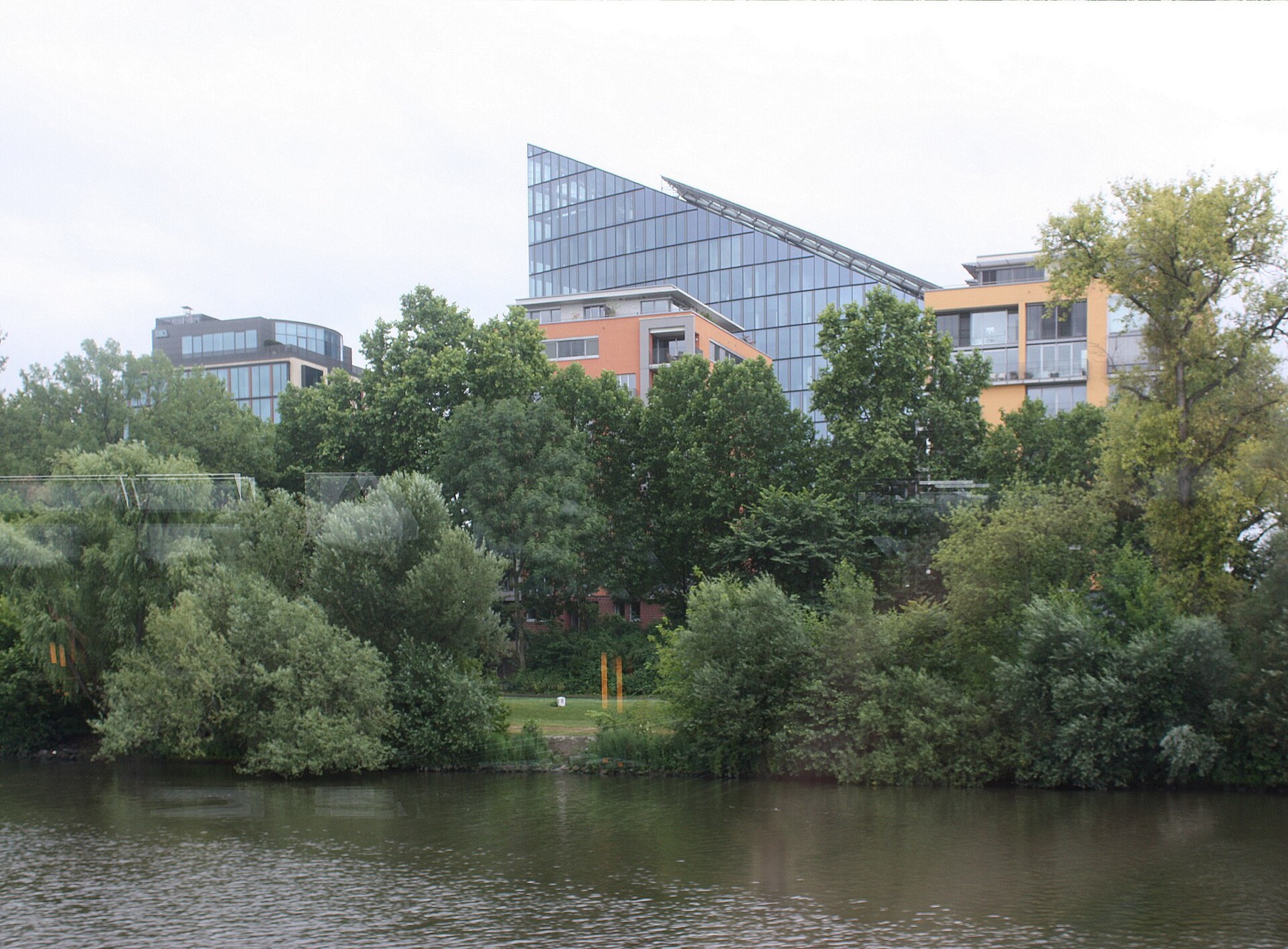
The best neighbourhood for you depends on what kind of traveller you are and how long you’re staying. If this is your first visit and you want all the main sights within walking distance, look for accommodation in Altstadt or Innenstadt, both just a few minutes’ walk from the river and town hall.
If you’re after peace and local character, you’ll love Sachsenhausen, just across the river, with its great cafés and traditional taverns. For a more luxurious stay, elegant Westend is an excellent choice, with beautiful 19th-century villas and plenty of upscale business hotels.
For practical travellers catching an early flight, Bahnhofsviertel near the main station is a strategic choice. Suburban trains run from here directly to the airport terminals, and you’ll also find a wide selection of affordable hotels and international eateries for a quick dinner.
💡 Tip: Compare accommodation options in Frankfurt in one place—check availability and prices. For a detailed comparison of neighbourhoods and 12 hotels, see our guide to where to stay in Frankfurt.
For a more luxurious stay, travellers often recommend the iconic Steigenberger Frankfurter Hof, housed in a magnificent historic building and offering first-class service right in the heart of the action. For great value, the popular Motel One Frankfurt-Römer is just a few steps from the main square. If you love modern design and sustainability, Scandic Frankfurt Museumsufer is a great fit, with lovely views of the skyline and River Main.
Frankfurt Germany: 18 Things to See and Do in One Day
Let’s take a look at the best this German city has to offer. You’ll soon see that most of the main sights are easy to explore on foot and that your trip doesn’t have to break the bank if you know where to go.
1. Römerberg Square and the Historic Heart of the City
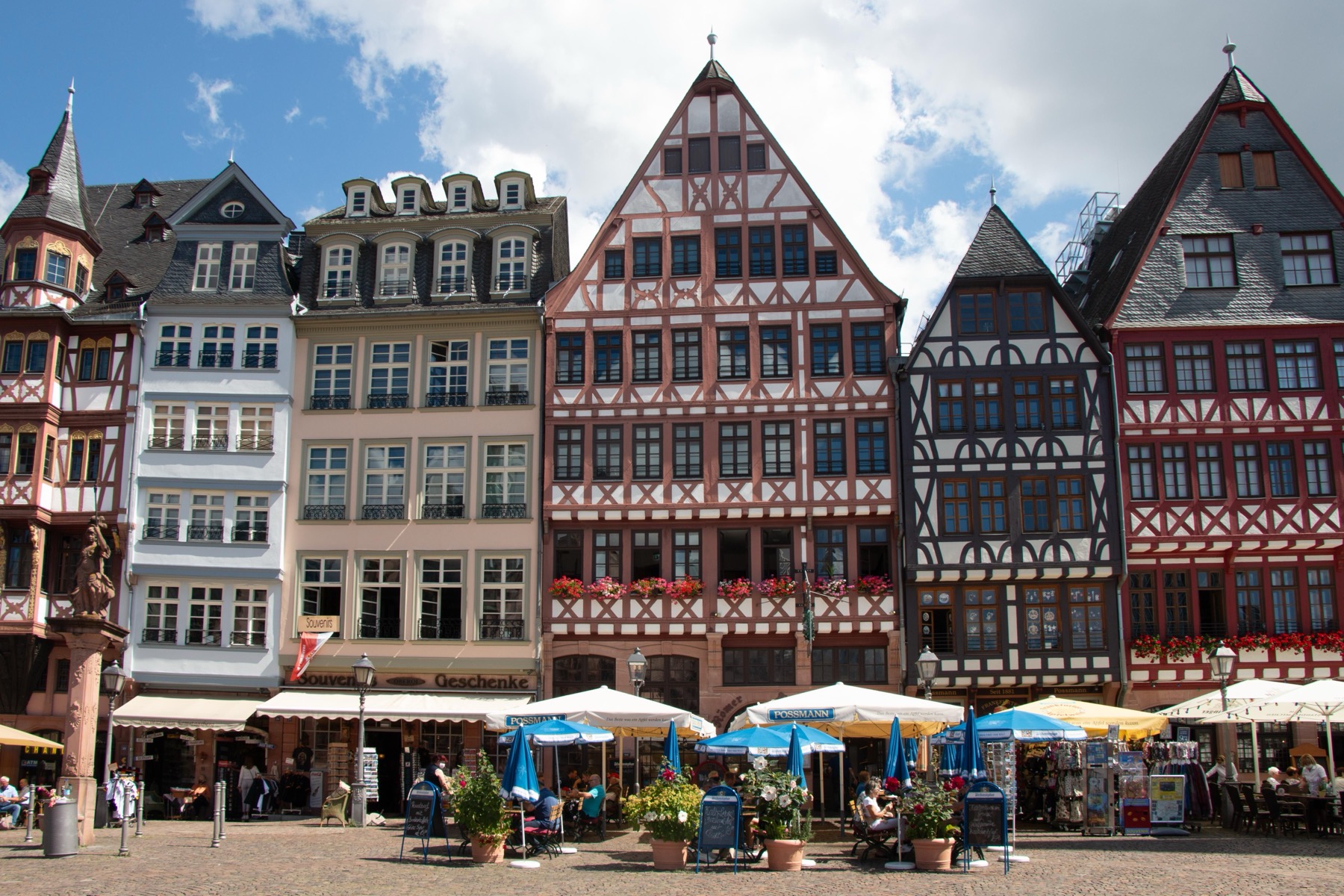
This beautiful historic square is the perfect place for almost any Frankfurt visit to begin. It’s lined with stunning half-timbered houses known as the Ostzeile, which look as if they’ve stepped out of an old German fairy tale. Best of all, you can wander around for free.
Here, you’ll really appreciate the fascinating architectural contrast for which the city is famous. Stand by the Renaissance Fountain of Justice in the middle of the square and look up: the tips of ultra-modern skyscrapers rise behind the historic rooftops, creating an incredibly photogenic scene.
Markets and festivals take place here throughout the year, and the Christmas market is one of the best-known in the country. It can get quite busy during the day, but the atmosphere is sure to win you over, so don’t leave this iconic spot off your itinerary.
💡 Tip: To photograph the square without the crowds, come early in the morning after breakfast, when it’s still peaceful and the morning sun lights up the façades beautifully.
2. The Old Römer Town Hall
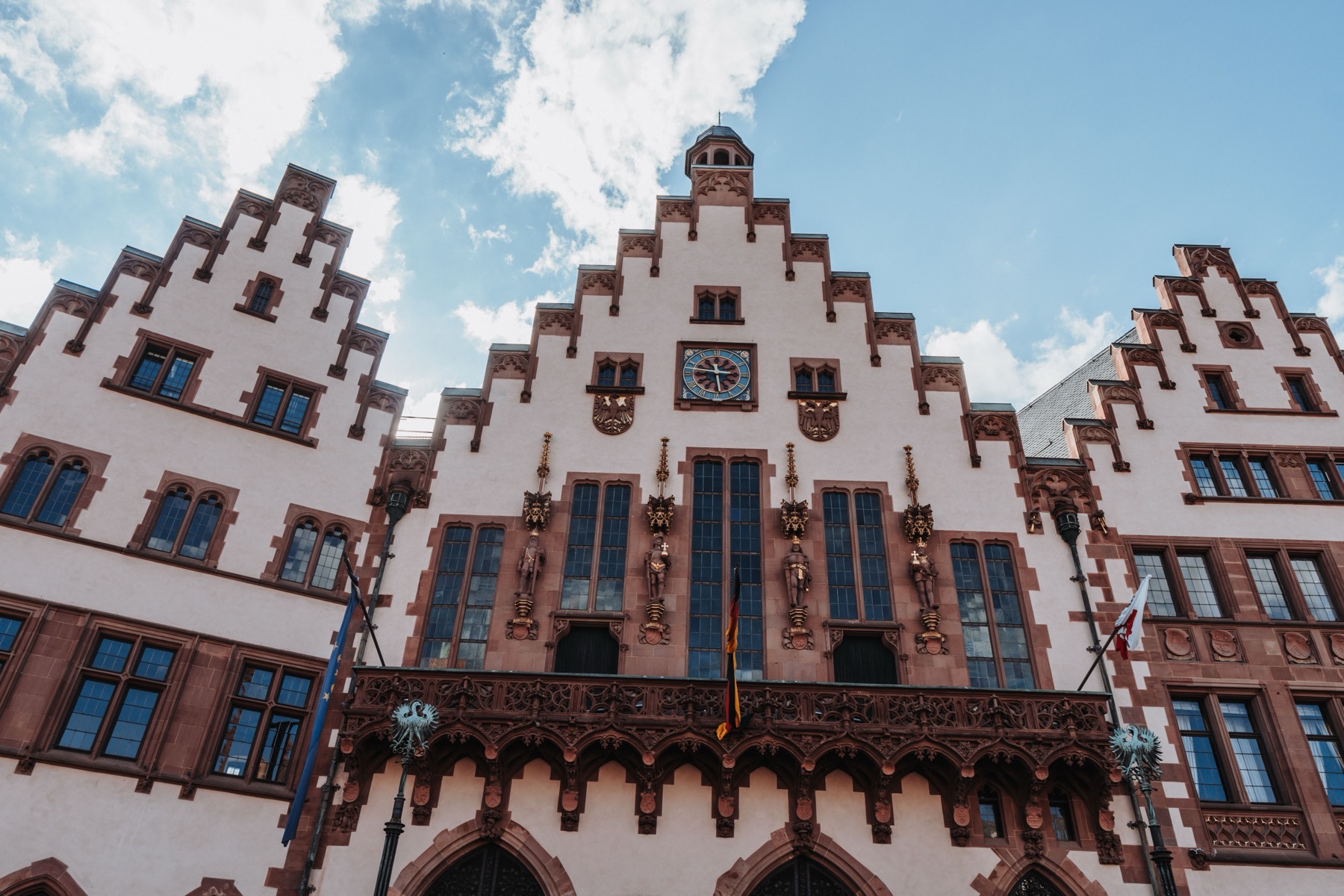
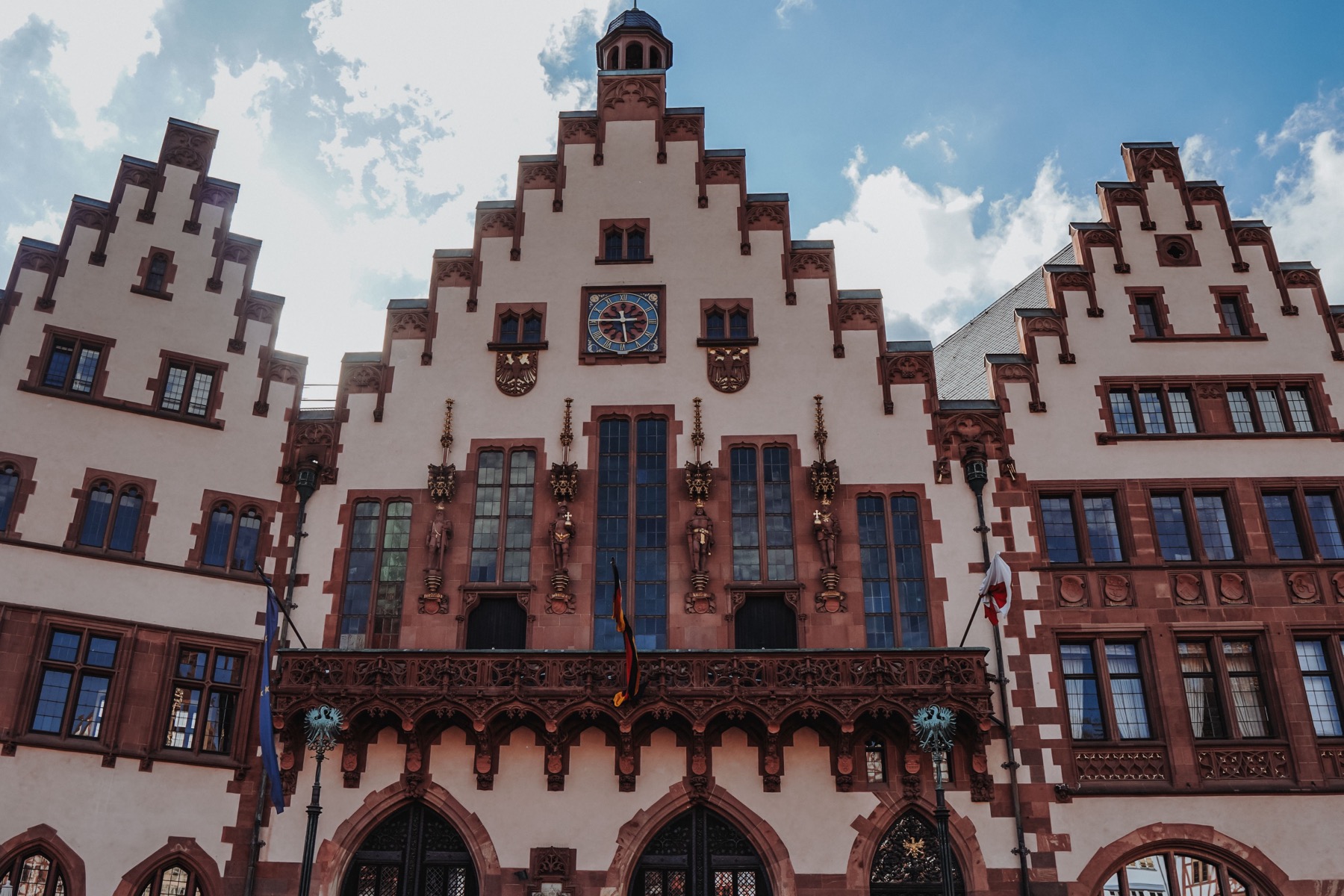
On the square, you can’t miss the three striking buildings with stepped gables that have served as the city hall for more than 600 years. It’s probably the most photographed landmark in the city, and its iconic red-brick façade is quintessentially Frankfurt.
The town hall has a rich history and was once the setting for grand celebrations following the coronation of Holy Roman Emperors. It still serves as the city’s municipal offices, but some of its most beautiful historic rooms are open to curious visitors who want to step back into the medieval past.
The highlight is the magnificent Imperial Hall, where you can admire portraits of more than 50 rulers who helped shape European history. The visit doesn’t take long, but it transports you to another era, when the grandest banquets in the land were held here.
💡 Tip: The town hall is open to the public every day from 10:00 to 17:00. I recommend arriving right at 10:00, when it’s still quiet and you can avoid the larger guided tour groups.
3. The Reconstructed Old Town (Altstadt)
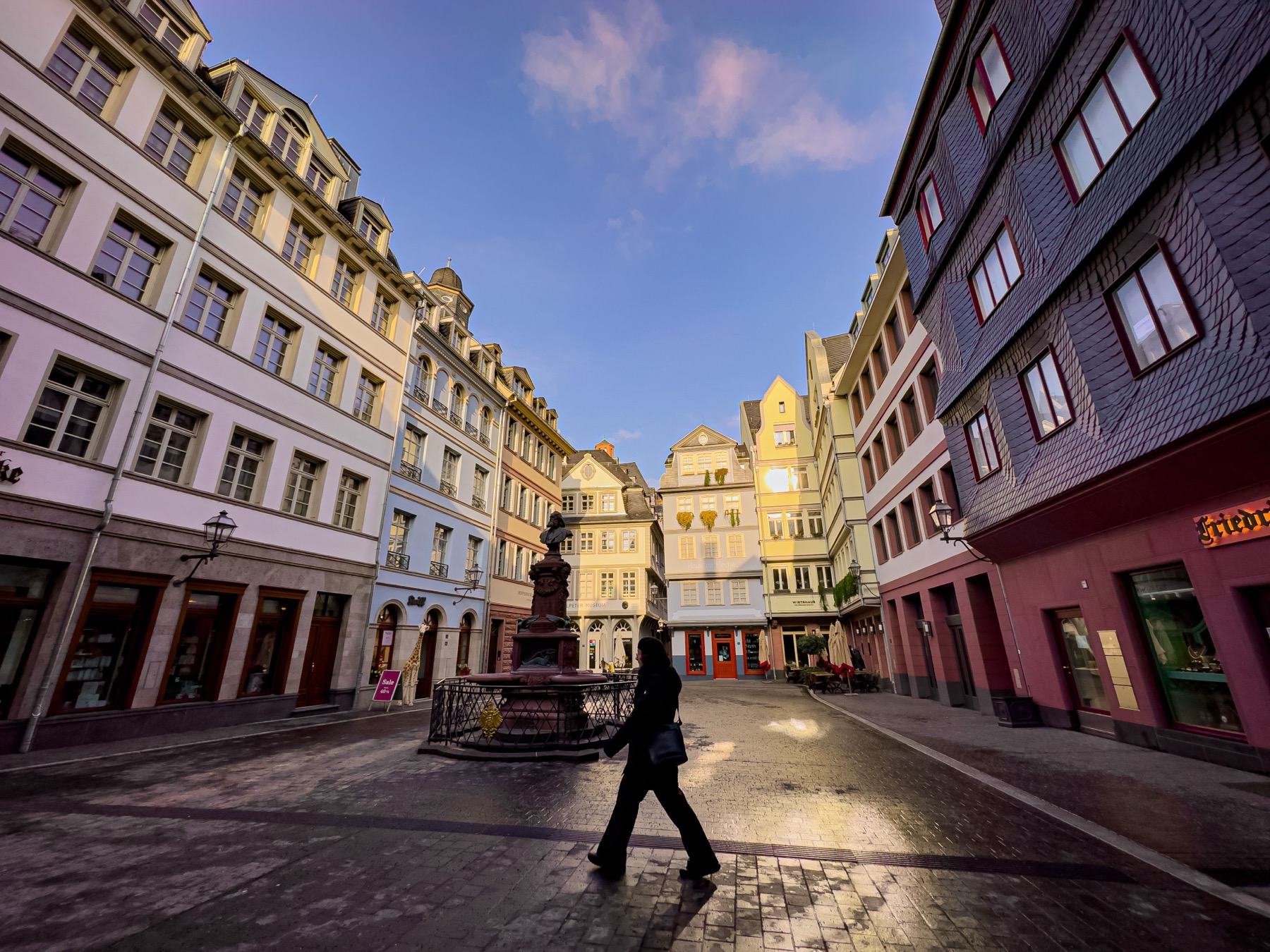
The old town, linking the town hall with the nearby cathedral, has undergone an impressive and extensive reconstruction in recent years. Architects and historians worked hard to recreate the lanes destroyed during the Second World War, down to the smallest details.
As you wander through the winding lanes, you’ll come across independent boutiques, cafés and craft workshops that give the area a wonderfully lively feel. Leave yourself plenty of time to roam without a set route and discover hidden courtyards that rarely make it into guidebooks.
Remember to look up and take in the intricate details on the façades, many of which are decorated with interesting sculptures and gold ornaments. It’s a thoughtful example of how a complicated past can be woven into the present-day life of a modern European city.
💡 Tip: Entry to the neighbourhood is free, so you can come back at different times of day to enjoy both the daytime buzz and the romantic glow of the historic street lamps in the evening.
4. Main Tower and Its Sky-High Views
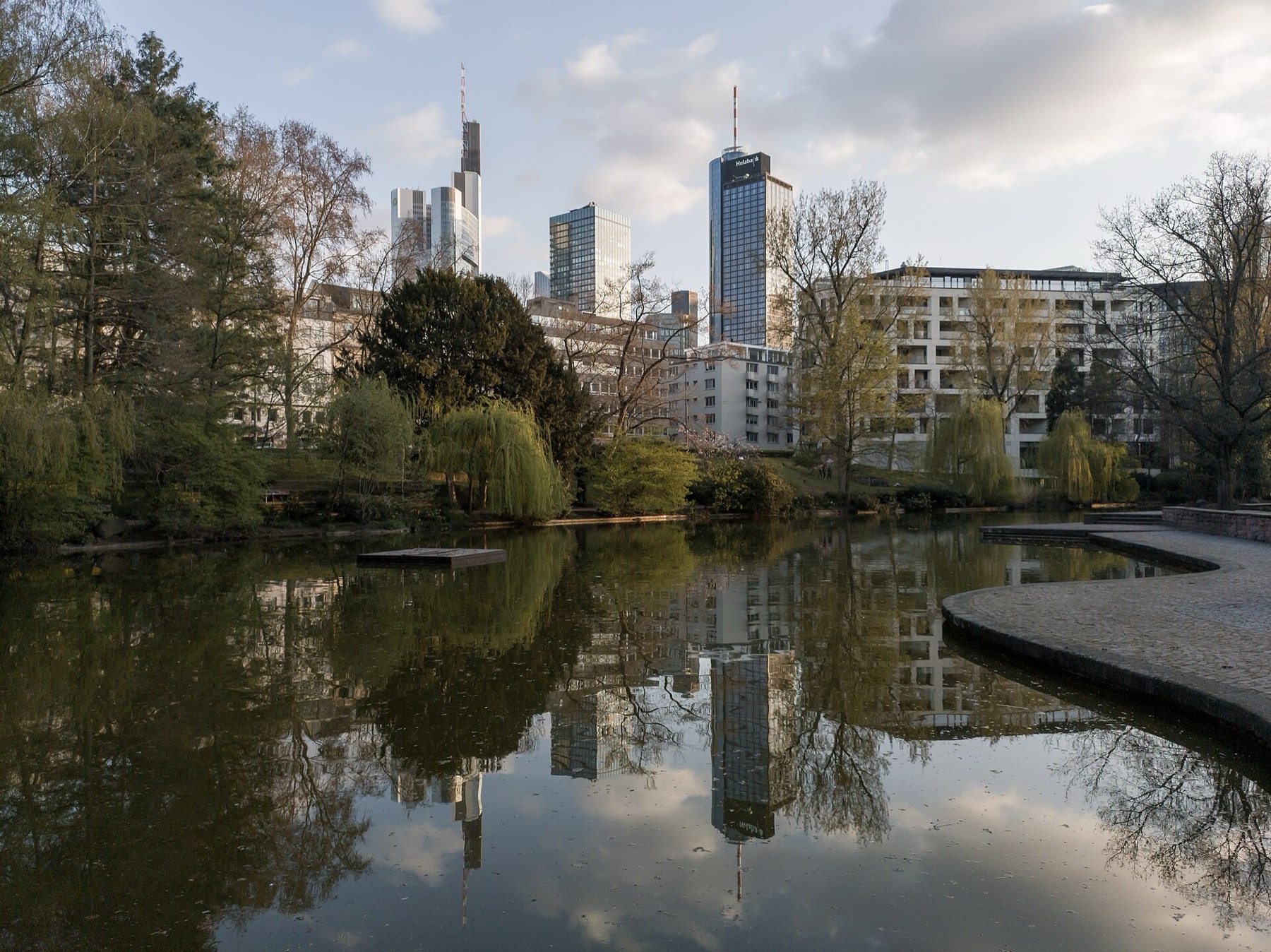
This is a must for every visitor: the view of the skyscraper-filled city from 200 metres up is simply breathtaking. A high-speed lift takes you up to 190 metres, and you climb the remaining ten metres by stairs to reach the open-air observation deck.
Compared with other major cities, the observation deck is surprisingly affordable: an adult ticket costs just €9. During the summer season it’s usually open until 21:00, so you can come for sunset and watch the city lights gradually come on.
On a clear day, you can see not only the historic centre but also the distant green peaks of the Taunus range. Everything is well organised, and there’s plenty of room at the top to take photos safely without jostling with other visitors at the railings.
💡 Tip: If you don’t like crowds or long waits, queues are usually shortest between 10:00 and 12:00 on weekdays. Weekend afternoons can get very busy, so it’s worth arriving early.
5. Art Treasures at Städel Museum
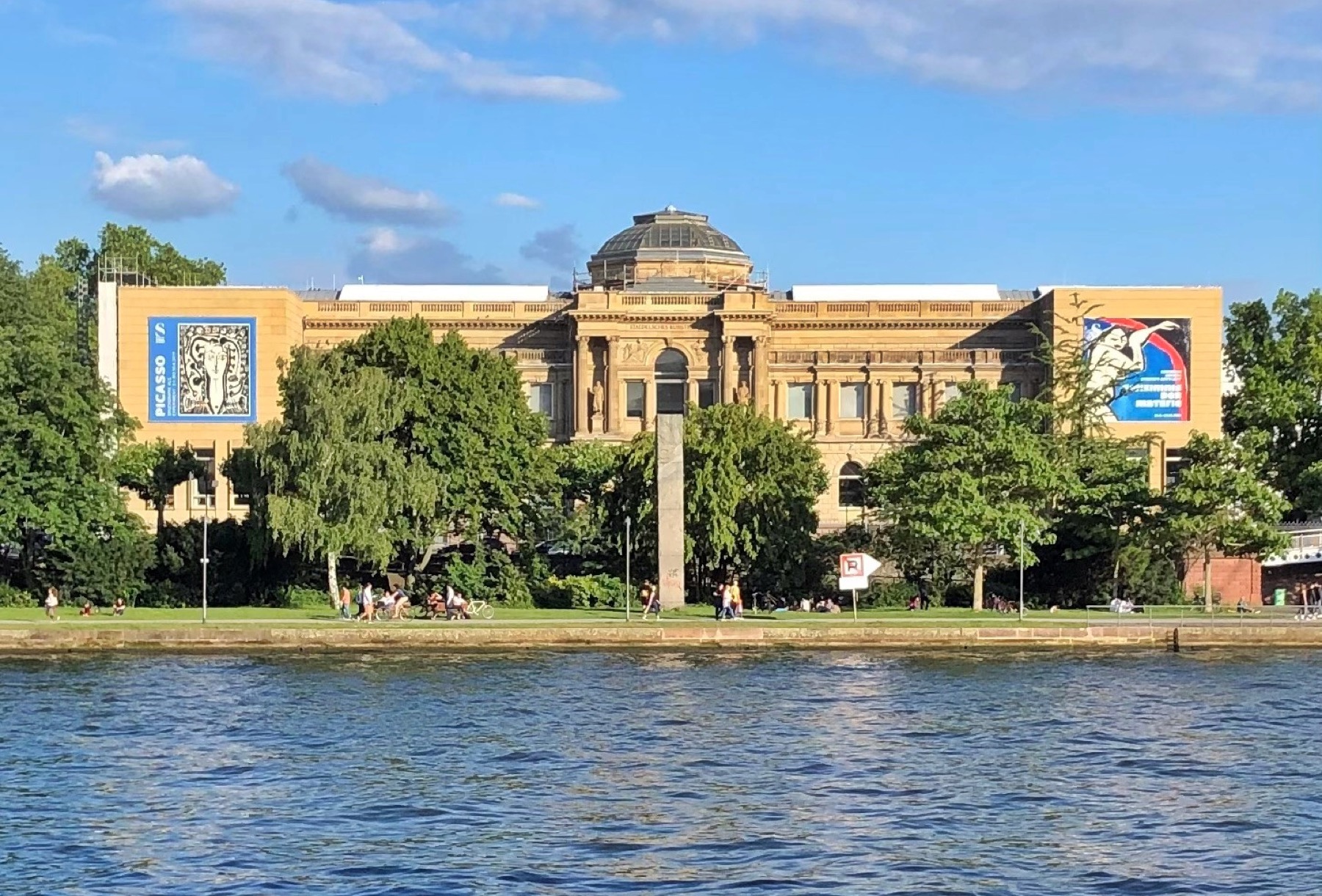
If you love art, this museum on the Museumsufer will feel like heaven. It houses the finest art collection in the city, taking you on a fascinating journey from the 14th century and the Renaissance to contemporary art.
Among the works on display, you’ll find paintings by world-famous masters such as Rembrandt, Monet and Picasso. The collection is laid out thoughtfully and clearly, so you won’t feel overwhelmed by the sheer volume of art and can take your time exploring.
General admission costs between €16 and €18, depending on the day; special temporary exhibitions may cost a little extra. The museum is normally open from 10:00 to 18:00, but it’s closed on Mondays, so don’t turn up to find the doors shut.
💡 Tip: Want to save your money for coffee and cake at the museum café? Plan your visit carefully: admission is free on the last Saturday of each month. It’s a fantastic opportunity that locals make good use of, so expect it to be a little busier.
6. Museumsufer Along the River
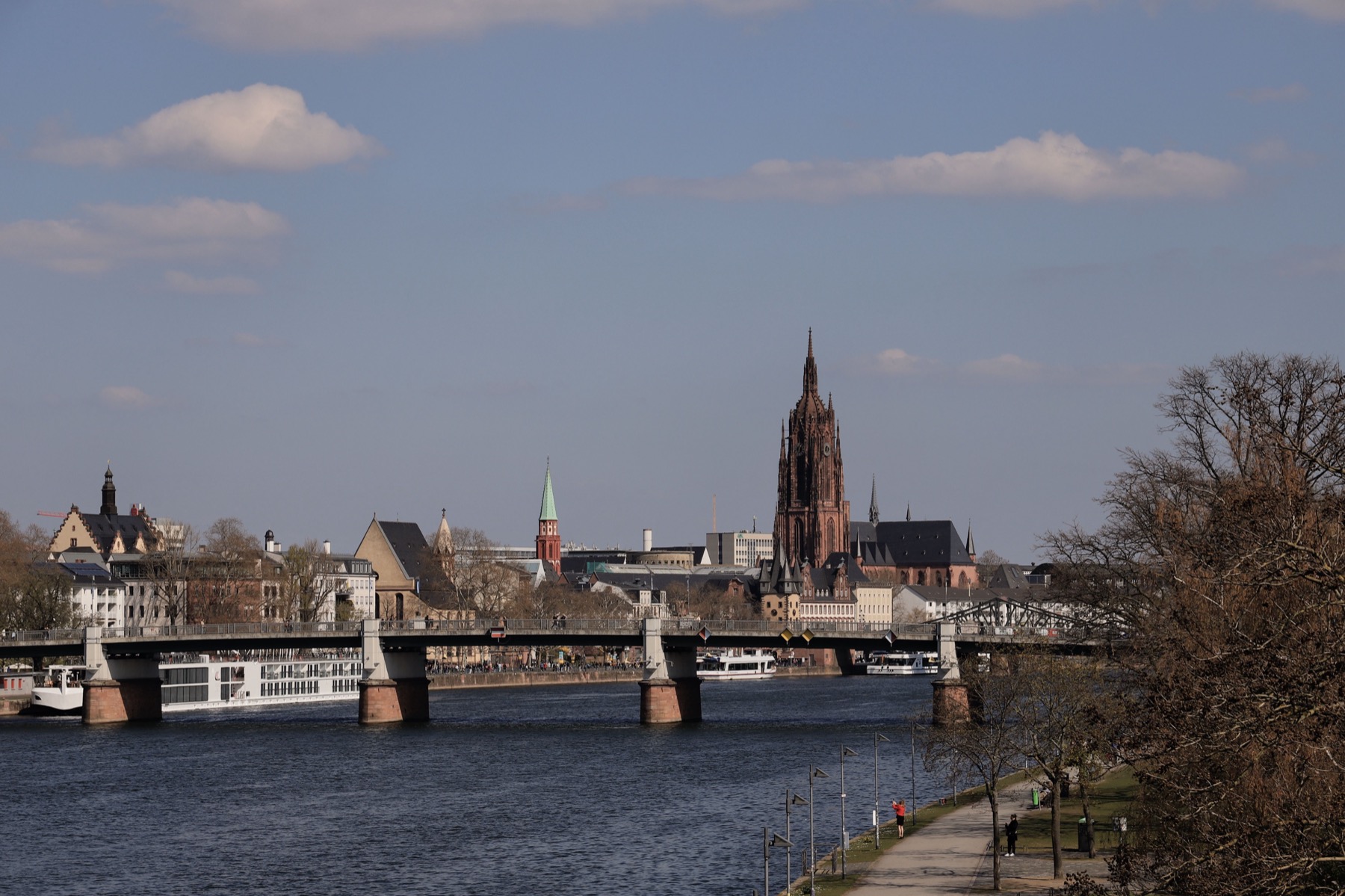
Along the peaceful River Main stretches one of Germany’s most important cultural areas, home to 15 excellent museums. A stroll along this tree-lined riverbank is wonderfully relaxing, especially when the sun is shining and glinting off the water.
On one side, you’ll see beautiful historic villas housing many of the museums; on the other, there’s a spectacular view of the skyscraper skyline. It’s the kind of place where locals come for long weekend walks, runs along the river or a coffee on a bench.
Alongside the famous Städel Museum, you’ll find the Museum of World Cultures and the Museum of Communication, among others, so there’s something for everyone. Even if you don’t plan to go inside, the riverfront atmosphere is sure to recharge your batteries after a busy morning in the crowded centre.
💡 Tip: If you’re visiting in late summer, the huge cultural festival Museumsuferfest takes place here in August, transforming the riverbank into a lively celebration of food and music.
7. German Architecture Museum
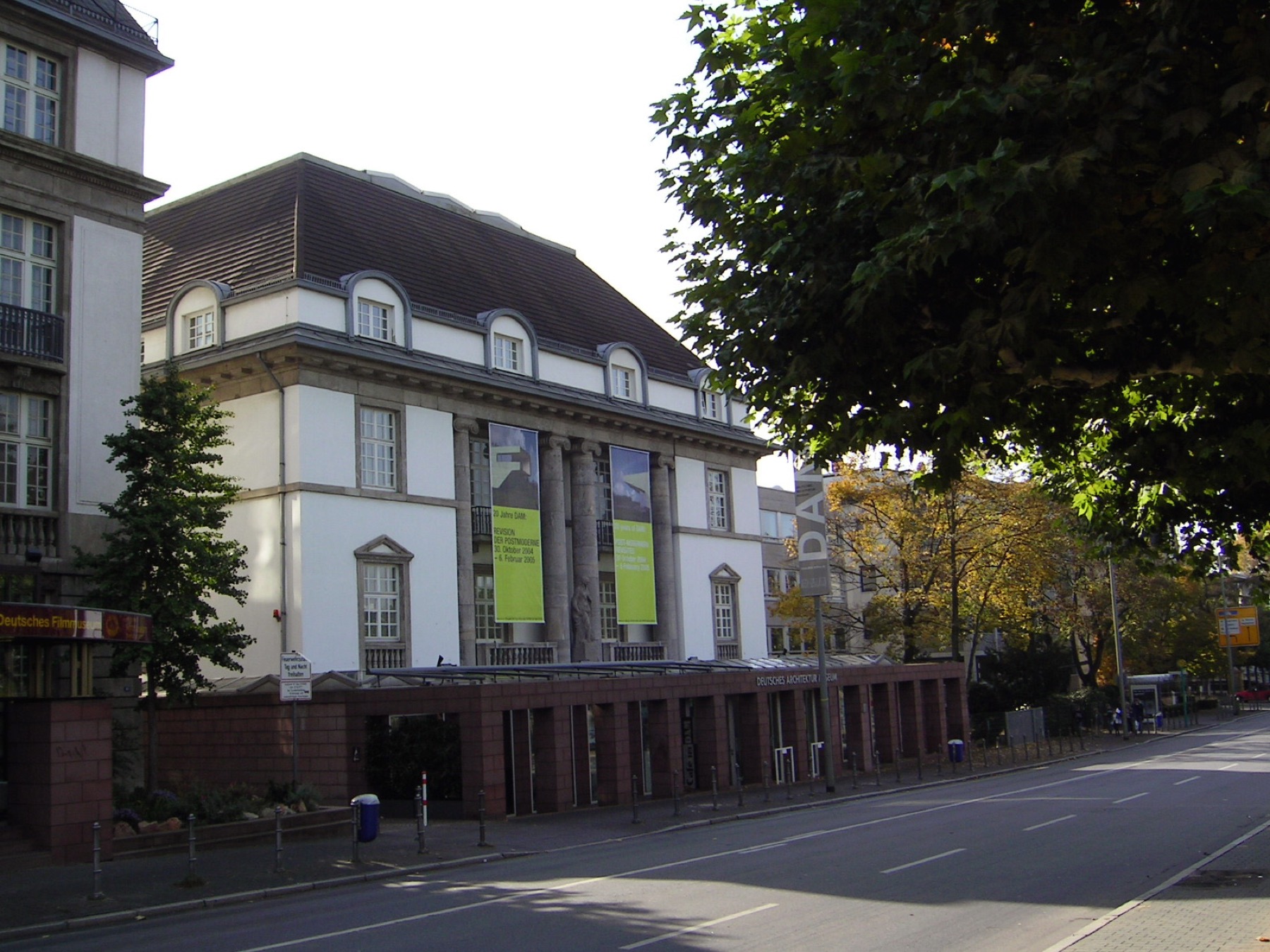
This museum is an important part of the Museumsufer and fits perfectly in a city full of modern skyscrapers. It’s housed in a beautiful 19th-century villa, where architects boldly inserted a modern concrete structure, making the building a work of art in its own right.
Inside, you’ll find fascinating building models and urban plans that help explain how modern cities are built and planned. The exhibits are easy to follow even if you’re not an expert, exploring not only architectural history but also how we might live in the future.
The exhibitions change fairly often and frequently focus on current topics such as ecology and sustainability in construction. It’s a great stop if you want a break from the summer heat or an unexpected shower while learning something fascinating about the world around us.
💡 Tip: Before you go, check the museum’s official website to see what’s currently on, so you know what architectural topic to look forward to.
8. Eiserner Steg Pedestrian Bridge
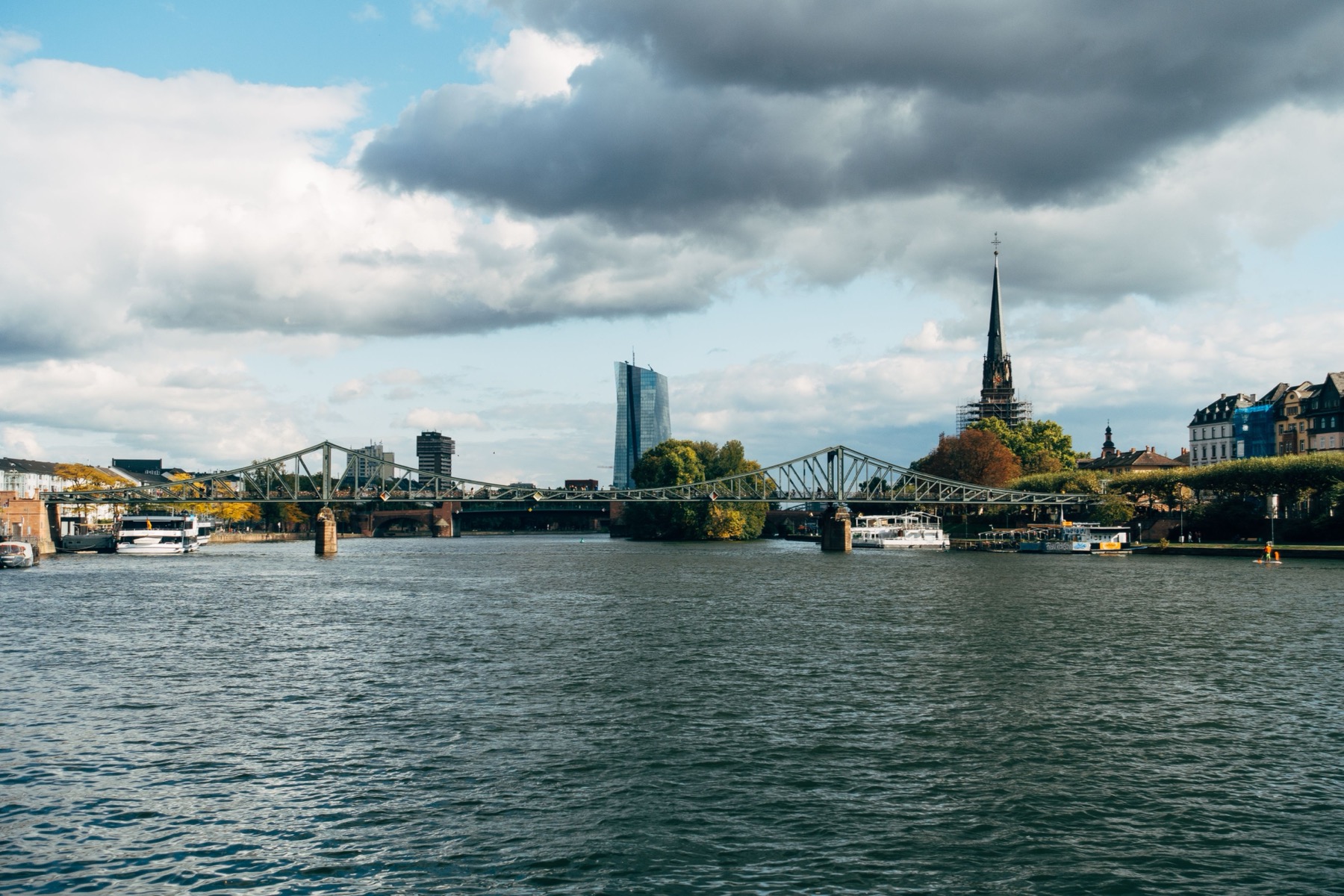
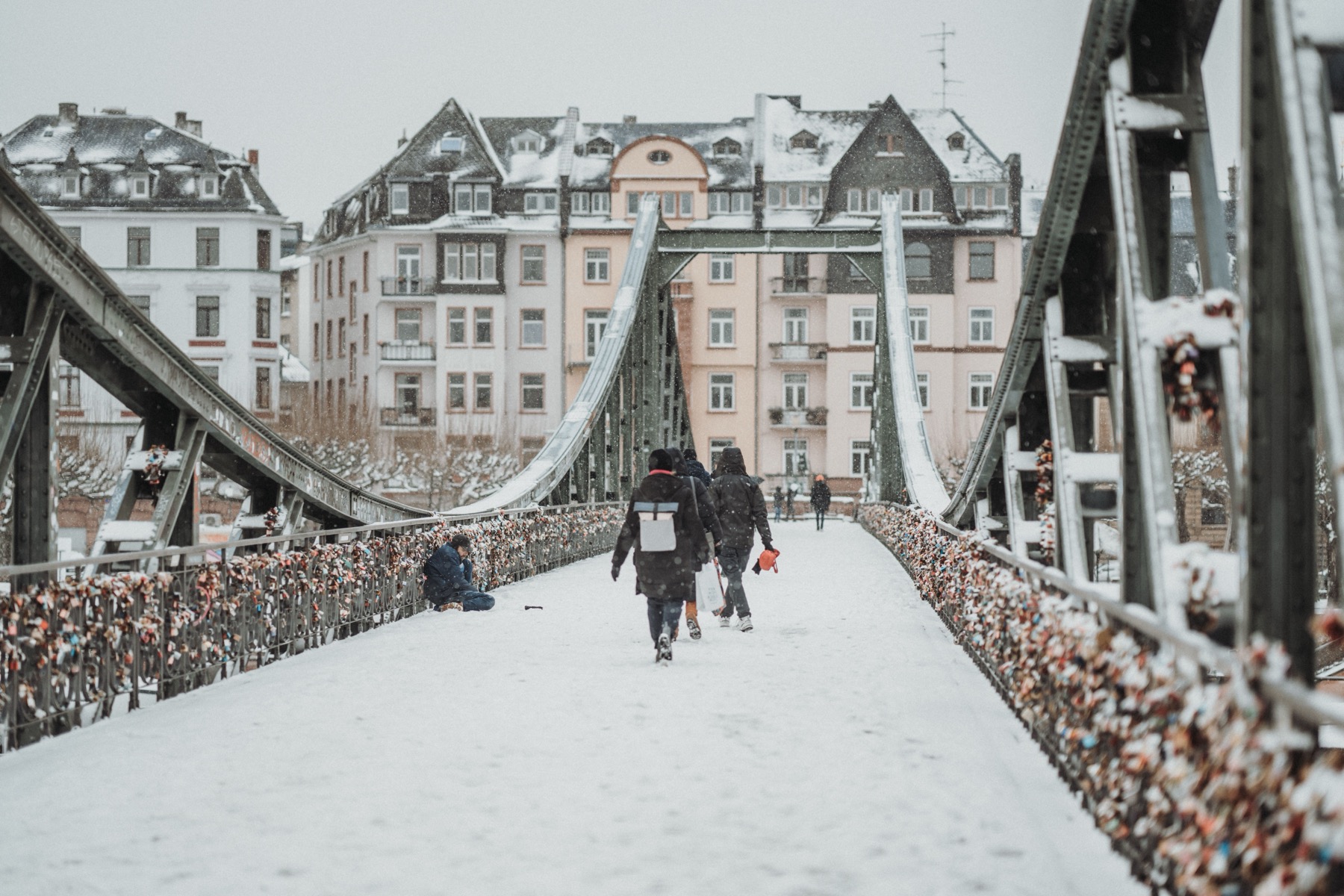
This iconic iron footbridge connects the historic centre with Sachsenhausen and is one of the most popular spots in Frankfurt. Since it was built in the 19th century, it has undergone many changes, but it has kept its distinctive industrial charm, attracting photographers from around the world.
The railings are covered in thousands of love locks, left by couples as a symbol of everlasting devotion. From the middle of the bridge, you’ll get one of the best views of the shimmering river and the financial district’s skyscrapers rising in the background.
Look closely and you’ll spot a large Greek inscription on the steel structure, quoting a passage from Homer’s Odyssey and adding a touch of mystery. Walking across is a must for every visitor—many of the city’s famous postcard views come from here.
💡 Tip: Come early in the morning, when a light mist still hangs over the river and the city is just waking up. It’s peaceful and crowd-free, so you can take beautiful photos without strangers in the frame.

9. Laid-Back Sachsenhausen
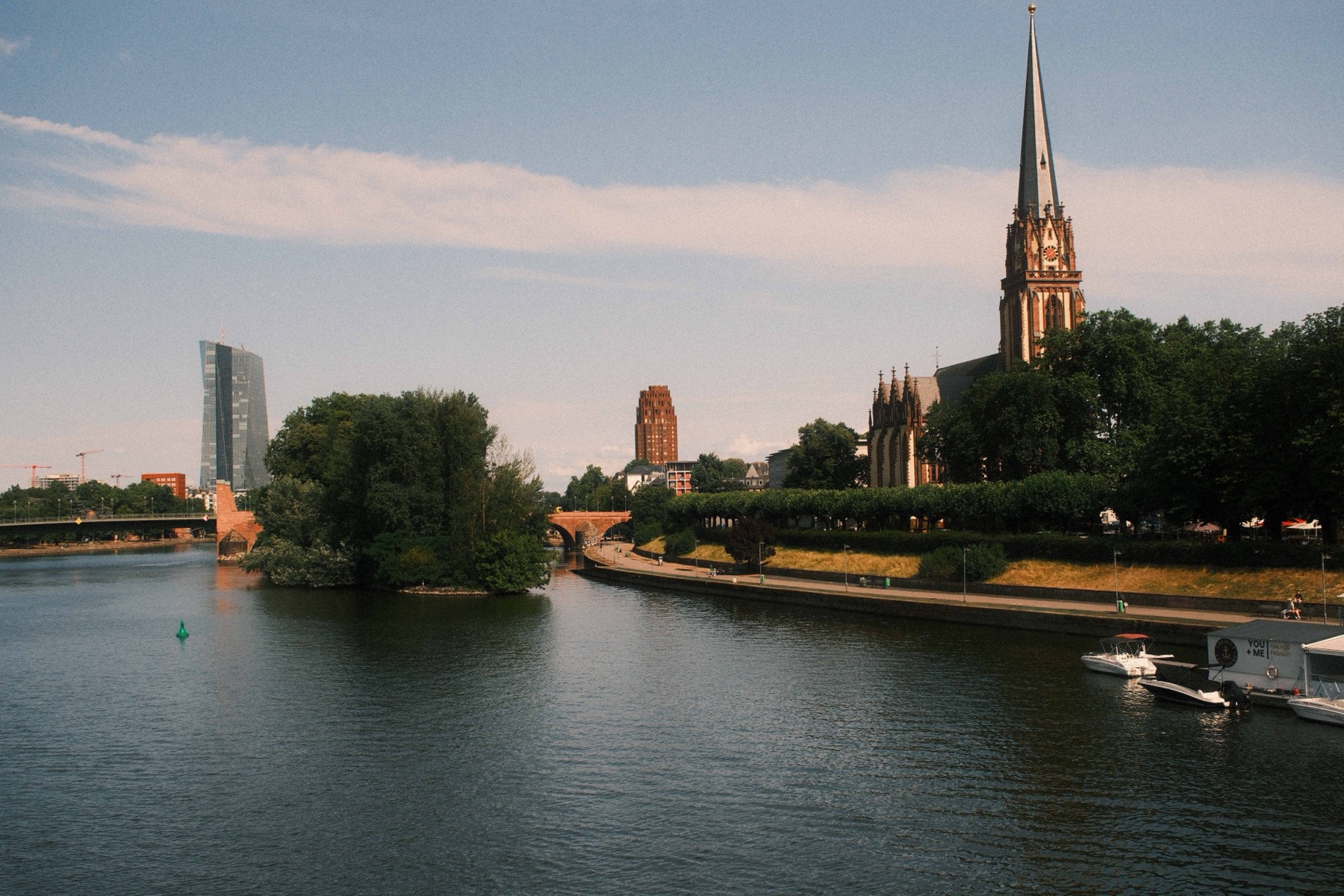
As soon as you cross the river southwards, you’ll find yourself in a completely different, much quieter world that moves at its own gentle pace. Sachsenhausen is a popular residential neighbourhood with handsome townhouses, where you’ll find the local atmosphere that’s hard to come by in the busy business district.
By day, it’s perfect for a relaxed stroll along narrow cobbled lanes, browsing small independent shops and lingering on the terraces of cosy cafés. People enjoy laid-back weekend brunches, and nobody seems in a rush—a welcome change after the bustle around Hauptwache.
Many travellers consider this the city’s most pleasant neighbourhood for visitors who want a taste of local life. Set aside at least a few hours to explore, ideally in the late afternoon, when the area starts to come alive for the evening.
💡 Tip: Take a walk along Schweizer Straße, the main artery of this charming neighbourhood, lined with excellent bakeries and small family-run shops selling local specialities.

10. Traditional Apfelwein in Alt-Sachsenhausen
While you’re in Sachsenhausen, make sure to visit its historic old quarter, well known for its traditional taverns. This is where the local speciality, Apfelwein, is served in generous quantities: a refreshing apple wine with a distinctive, slightly tart taste.
The drink is traditionally served in distinctive blue-grey stoneware jugs called Bembel and poured into special glasses with a diamond pattern known as Geripptes. It’s completely meat-free, of course, so vegetarians can enjoy it too, and it’s especially refreshing on a hot summer day.
The atmosphere in these old taverns is especially friendly and lively in the evenings. People sit at long wooden tables and often strike up conversations with complete strangers. It’s a wonderfully authentic experience full of laughter, and you’d be missing out if you didn’t try this local tradition.
💡 Tip: If you find the apple wine too tart at first, ask for it to be diluted with sparkling water. Locals call this a Sauergespritzter, and it goes down much more easily.
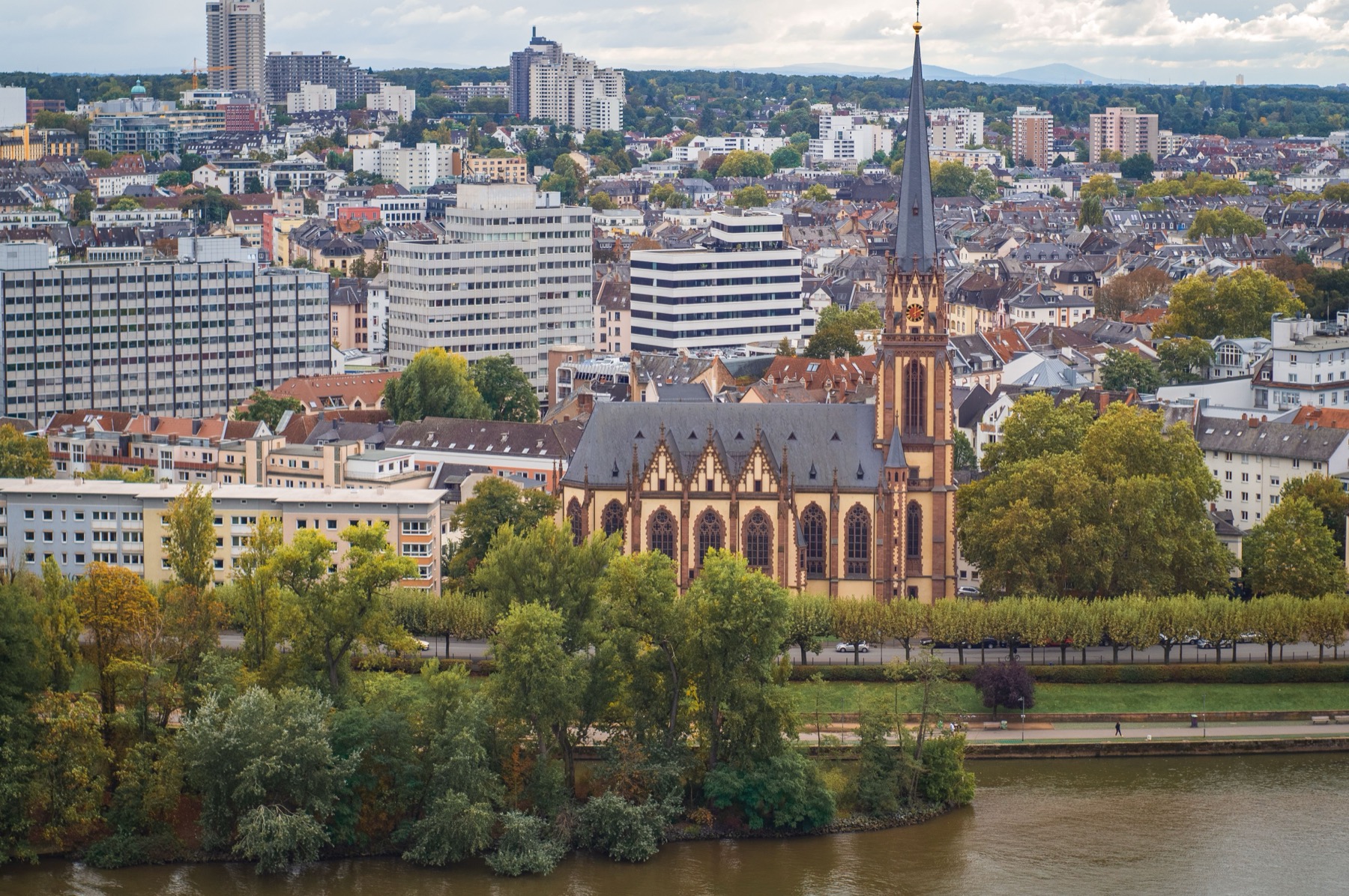
11. Imperial Cathedral (Kaiserdom)
This monumental building, made of striking red sandstone, is one of the most important historic landmarks in Germany. For centuries, elections and coronations of Holy Roman Emperors took place here, giving the cathedral enormous historical significance.
Step inside and the height of the nave is immediately impressive, along with the beautiful Gothic details that survived the heavy bombing of the Second World War. For such an important church, the interior is surprisingly restrained, allowing the beautiful historic frescoes by the altar to stand out.
If you’re up for a climb, take the narrow spiral staircase to the church tower, with more than 300 steps. The reward for your efforts is a fantastic panoramic view from 66 metres up, taking in the reconstructed old town and the surrounding modern skyscrapers.
💡 Tip: Entry to the cathedral itself is free; you only pay a small fee to climb the tower, and the views make it well worth it.
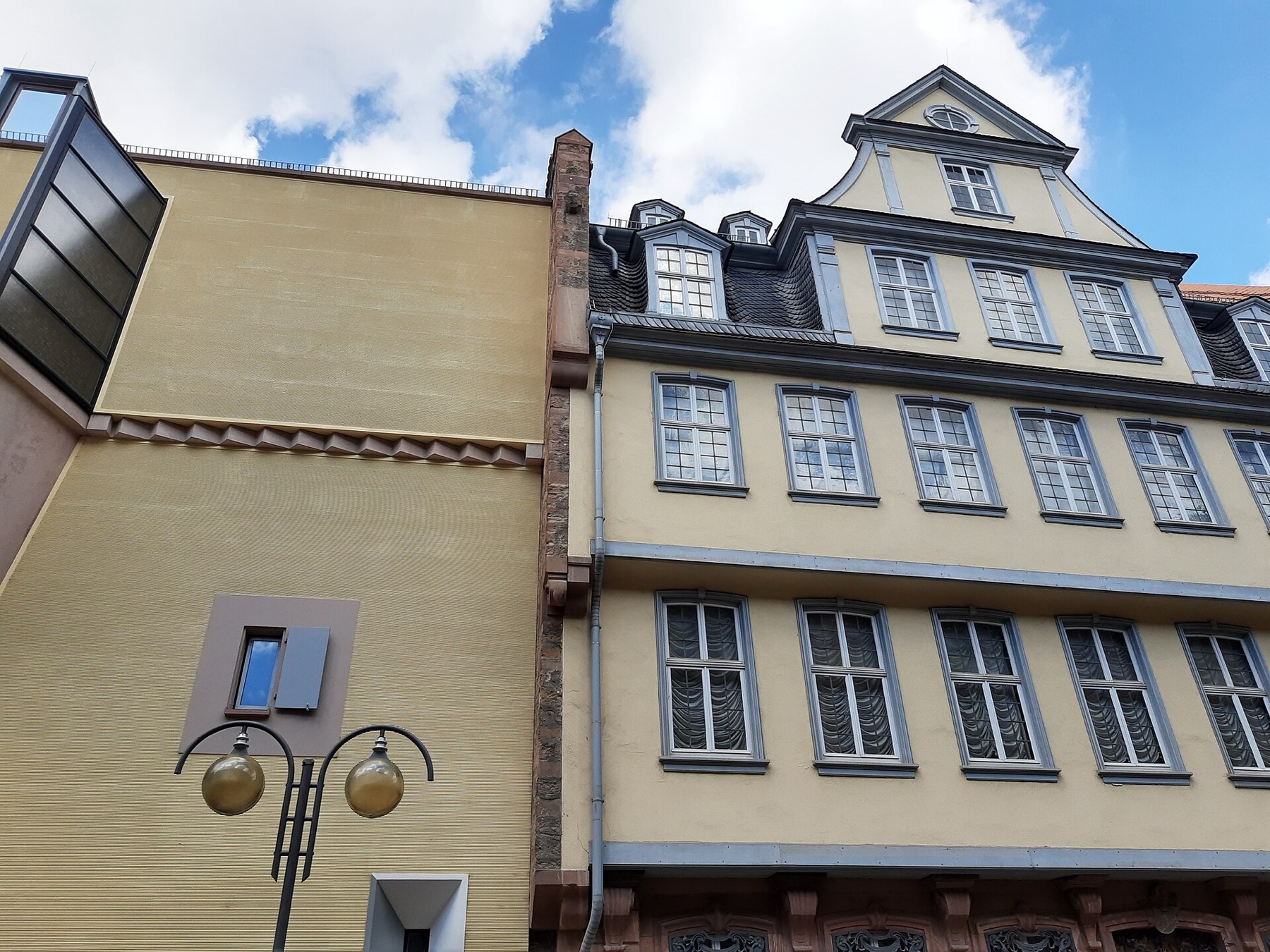
12. Goethe House and Literary History
For literature and history lovers, a visit to the birthplace of Germany’s most famous writer, Johann Wolfgang von Goethe, is a must. The great poet spent his childhood and early youth in these rooms and wrote his first major works here, including the famous novel The Sorrows of Young Werther.
The house was almost completely destroyed during the war, but was later painstakingly restored to its original appearance, including period furniture and original paintings. Walking through the rooms feels like stepping into a time machine and returning to the 18th century, when the house was alive with everyday middle-class life.
Right next door, you’ll also find a modern museum dedicated to Romanticism and literary collections, offering a deeper look at Goethe’s complex life and his enormous influence on European culture. Allow around one or two hours for the visit; it’s a lovely change of pace from the busy shopping streets nearby.
💡 Tip: Inside the house, don’t miss the unique astronomical clock on the ground floor. It fascinated young Goethe and is still a remarkable mechanical curiosity.
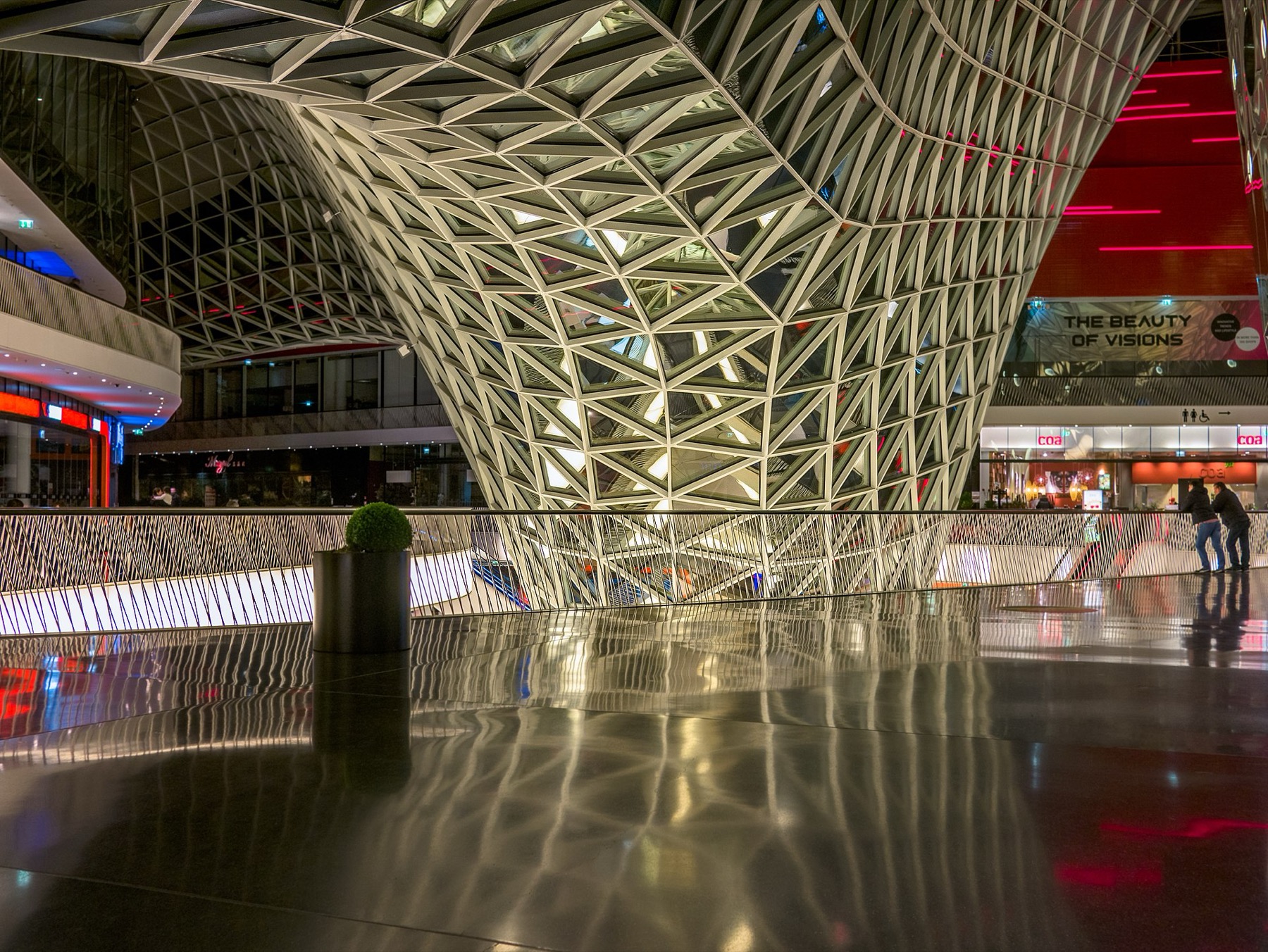
13. Zeil Shopping Street and Modern Architecture
This broad pedestrian street is the main hub for shoppers and one of the busiest shopping streets in Germany. You’ll find huge department stores, fashion boutiques and international chains, making it the place to go if you’d like to bring home something new to wear.
The shops aren’t the only reason to visit: the street is also a showcase of striking modern architecture. The best example is MyZeil shopping centre, with its incredible glass façade, which looks as if it’s been sucked into a giant funnel—a fantastic backdrop for photos.
Even if you’re not planning to spend any money, it’s worth walking along the street to soak up the buzzing city atmosphere. You’ll often come across street performers, dancers and musicians entertaining passers-by and adding to the energy of this lively area.
💡 Tip: Need a break from shopping? Take the escalators to the top floor of MyZeil, where you’ll find a terrace with surprisingly good city views.
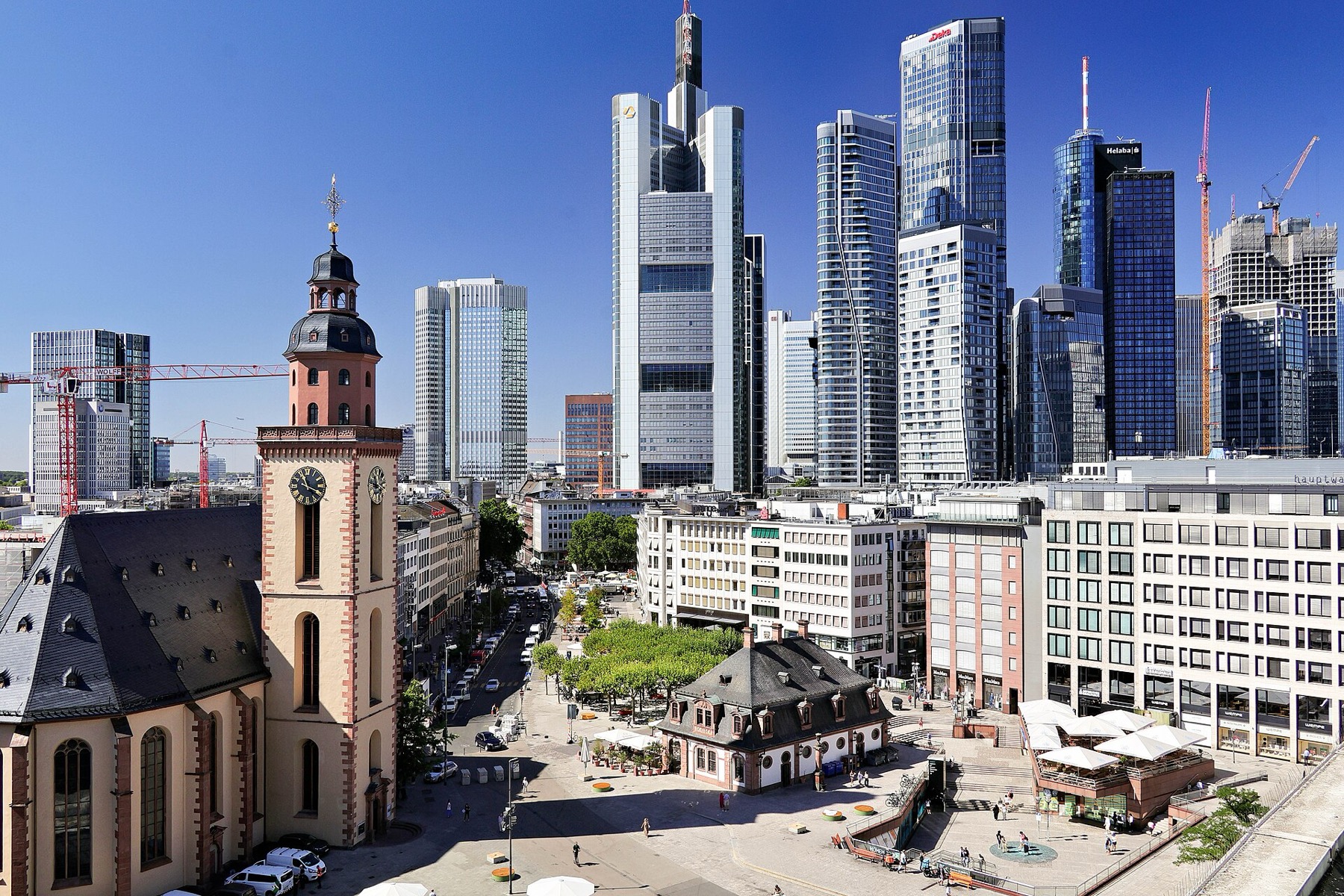
14. Hauptwache Square
At the end of Zeil shopping street, this busy square is a real focal point of the modern city and an important transport hub. It takes its name from the former 18th-century Baroque guardhouse, which now looks like a historic surprise among the surrounding glass-fronted commercial buildings.
The picturesque guardhouse is now home to a popular café, where people stop to rest after shopping and watch the activity on the square. Below ground, you’ll find a large network of U-Bahn and suburban train connections, making it easy to get to all corners of the city and the airport.
The square is often used for demonstrations, markets and street performances, so there’s always something going on. It’s also a handy landmark for finding your way around or meeting friends if your group gets separated.
💡 Tip: Just beside the square, St Catherine’s Church offers a lovely contrast to the modern buildings around it and a surprisingly peaceful retreat from the noise outside.
15. Palmengarten Botanical Garden
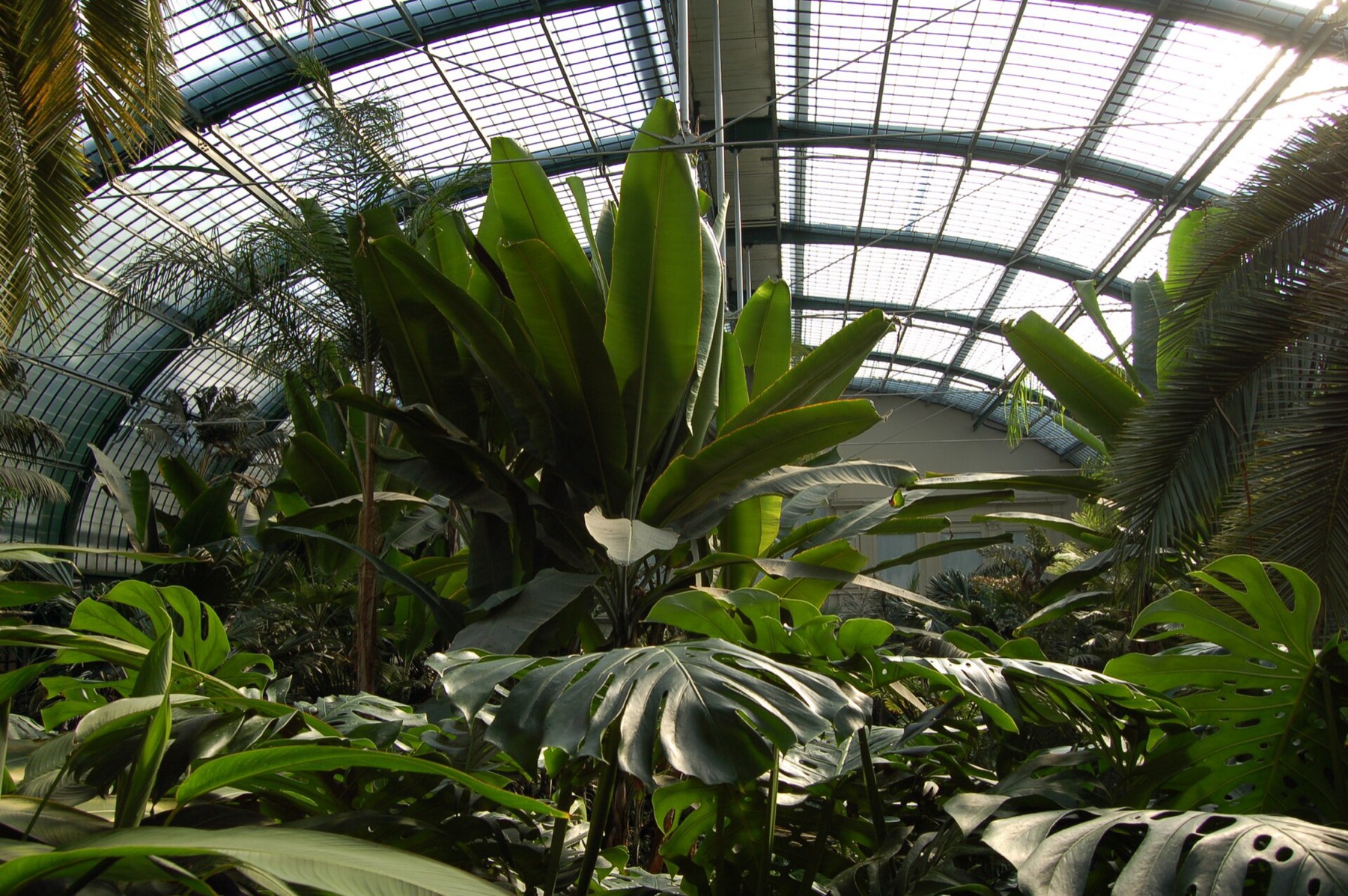
When you’ve had enough of the city noise, there’s no better place to escape to than this beautiful green oasis, one of the largest botanical gardens in the country. The garden is normally open from 9:00 to 18:00 and showcases an incredible collection of plants from around the world, from dense rainforests to arid deserts.
The main draw is the vast historic greenhouses filled with exotic palms and orchids, where you can enjoy a tropical climate even in the middle of a cold German winter. You can take a boat out on the peaceful pond, admire artificial waterfalls or simply sit on a bench and listen to the exotic birds.
Exploring the whole garden could easily take half a day, so if you’re short on time, at least visit the main palm house. It’s a wonderful spot for nature photography, with beautiful plant details everywhere you look.
💡 Tip: During the summer months, the garden often hosts open-air evening concerts. Surrounded by illuminated greenery, they have a truly magical atmosphere.
16. A Boat Trip on the River Main
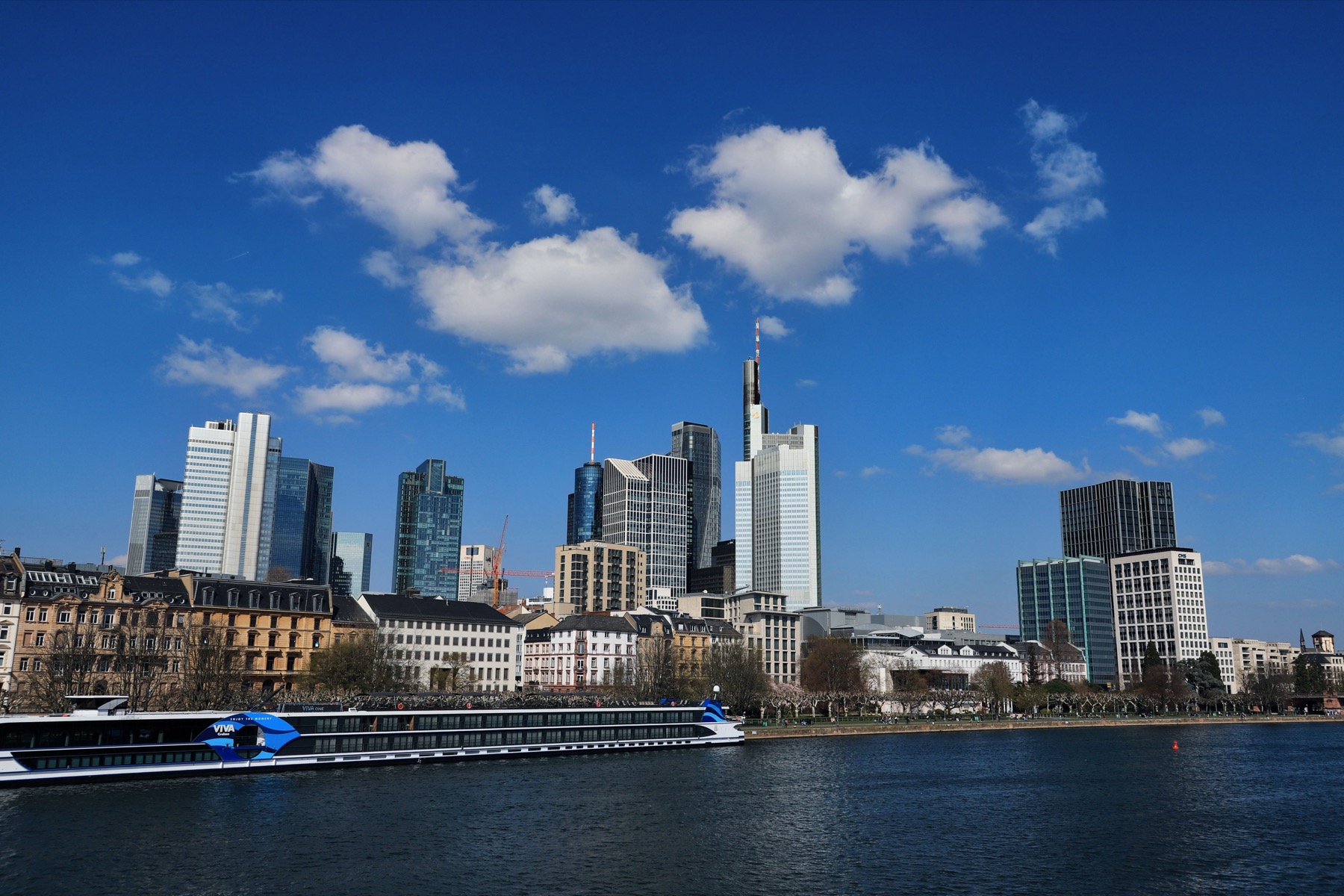
Seeing the city from a sightseeing boat is a completely different and wonderfully relaxing experience, giving you a fresh perspective on the famous skyline. You’ll glide beneath a series of historic and modern bridges and enjoy a great view of the museum embankment without tiring out your feet.
Operators offer several different cruises, from short 50-minute trips to longer 100-minute sightseeing tours. Tickets are easy to buy at the landing stage by Eiserner Steg, where most sightseeing boats depart regularly.
On hot summer days, the gentle breeze on the water feels wonderful and gives you a welcome break from the sun-baked streets. It’s a great option for families with children and couples looking for an easy but memorable afternoon activity.
💡 Tip: For something special, book an evening cruise at sunset, when the skyscrapers are reflected on the dark river and the whole city begins to glow.

17. Local Food to Try (Including Vegetarian Options)
Frankfurt is a cultural crossroads, and that’s reflected in its wide variety of restaurants, cafés and casual eateries. The city is famous around the world for its meat-based frankfurters, but the local food scene is also very vegetarian-friendly, so you won’t go hungry.
In lively Bahnhofsviertel, especially, you’ll find countless excellent international restaurants serving delicious Lebanese falafel, hearty Indian curries and Asian noodles with tofu. Locals also recommend Handkäse mit Musik, a traditional aged cheese marinated in vinegar and onions and served with fresh bread—a great meat-free option to enjoy with a beer.
For quieter, cosier cafés, head to the residential Westend, where you can enjoy a slice of cake with your speciality coffee. The atmosphere is far more relaxed than in the tourist centre, making it a lovely place to rest after a day of walking.
💡 Tip: Kleinmarkthalle is also well worth a visit. Its dozens of stalls sell fresh fruit, cheese and baked goods, making it the perfect place to pick up supplies for an afternoon picnic by the river.
18. Exploring Frankfurt with Kids
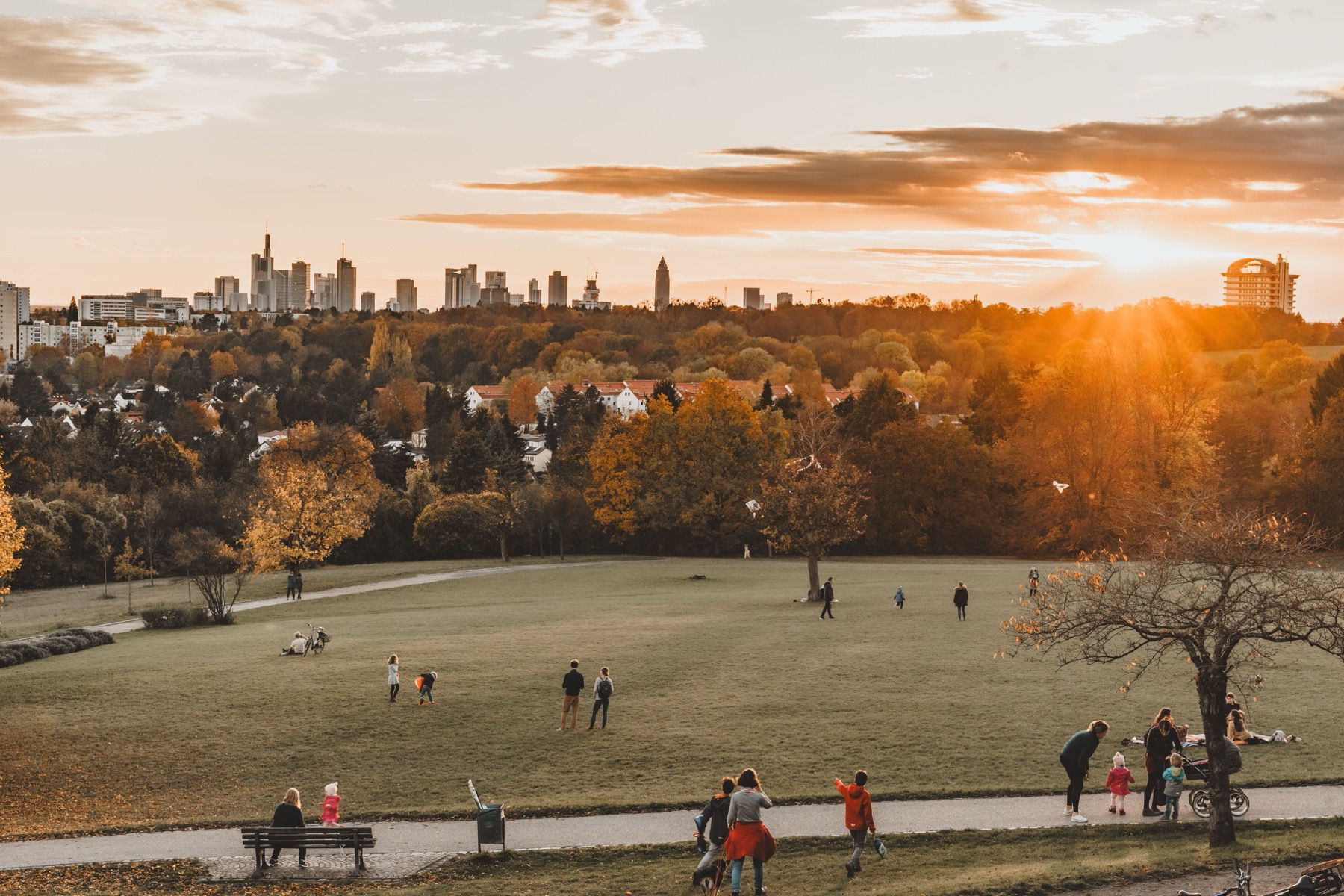
It might not seem like it at first, but this business-focused city is surprisingly well equipped for families, with plenty to keep all ages entertained. Most pavements are wide, and the city centre is flat and easy to navigate with a pushchair, so you won’t have to contend with steep steps and kerbs.
A huge hit with young explorers is the Senckenberg Natural History Museum, home to one of Europe’s largest collections of dinosaur skeletons. Children can spend hours running around in wide-eyed wonder, then fall into bed exhausted that evening.
Another great option is the large parks surrounding the historic centre, with plenty of modern, safe playgrounds. Add a sightseeing boat trip or a visit to Palmengarten’s huge greenhouses, and you have everything you need for a stress-free family weekend.
💡 Tip: Older children and teens will love taking the fast lift to the top of Main Tower. The tiny cars far below are a fascinating sight.
Where to Go Next from Frankfurt
If you have more than one day, the surrounding area offers fantastic day trips by train that are well worth considering. Popular options include the romantic Rhine Valley, dotted with castles, and the nearby Taunus range, ideal for an easy hike in nature.
The surrounding scenic vineyards, where the famous Riesling is grown, are also a big draw and easy to explore by rental bike. From Frankfurt’s main station, ICE high-speed trains can whisk you to other German cities, each with its own distinctive atmosphere.
- If you’re drawn to alternative culture and 20th-century history, read our guide to things to see in Berlin.
- For great parks, beer gardens and beautiful museums, head south and get inspired by our tips on things to do in Munich.
- If you love harbour views and red-brick architecture, check out our guide to things to see in Hamburg.
- Planning a winter trip? Don’t miss our guide to the most beautiful Christmas markets in Germany.
Frequently Asked Questions
Is Frankfurt an expensive city for tourists?
Although it has a reputation as a wealthy financial center, you’ll find plenty of activities and sights that are either very affordable or even completely free, such as a stroll through the historic Römerberg square. Entrance fees to viewpoints are rather cheaper compared to other major cities, and food at international bistros around the train station won’t put too much strain on your travel budget either.
How many days do I need to explore the city?
To see the most important sights in the center, one full day packed with walking will comfortably suffice. However, if you want to visit more museums along the riverbank, go to the Palmengarten botanical garden, and enjoy the evening atmosphere in taverns at a leisurely pace, I recommend planning a whole weekend here.
What’s the fastest way to get from the airport to the center?
The journey is incredibly easy and quick because there’s an underground train station directly beneath the airport terminal. From there, S-Bahn commuter train lines (S8 and S9) run regularly and take you straight to the central main station or into the city center itself in about fifteen minutes.
Is the Bahnhofsviertel district safe for evening walks?
The area around the main station does have a somewhat poor reputation in the long term, and you’ll encounter homeless people in some alleys, but in recent years it has significantly gentrified and is changing for the better. During the day and early evening it’s a very lively place full of excellent bistros, but late at night I recommend being cautious and sticking to the main lit streets.
Can I get around the center on foot only?
Absolutely, the historic center, the Zeil shopping street, and the museum embankment are very compact, and the most important sights are close to each other. Walking is actually the most pleasant way to discover the narrow alleys that you can’t reach with public transport at all.
Does the city offer enough options for vegetarians?
Yes, the local food scene is incredibly diverse, and on every corner you’ll find establishments with meat-free offerings, from Asian cuisine to Middle Eastern falafel. Definitely try the traditional marinated cheese Handkäse mit Musik or stop by for the local apple wine Apfelwein, which is consumed here in large quantities and is completely meat-free.
Is a visit to the Main Tower skyscraper worth it in the evening too?
Absolutely yes, after dark it’s perhaps an even greater experience than during the day because you’ll see the whole city beautifully lit up with thousands of lights from the surrounding offices. Just check the current opening hours in advance, as they may differ slightly between winter and summer months, so you make it before closing time.
Tips and Tricks for Your Vacation
Don’t Overpay for Flights
Search for flights on Kayak. It’s our favorite search engine because it scans the websites of all airlines and always finds the cheapest connection.
Book Your Accommodation Smartly
The best experiences we’ve had when looking for accommodation (from Alaska to Morocco) are with Booking.com, where hotels, apartments, and entire houses are usually the cheapest and most widely available.
 🚗 Car rental on the roadVerified rental cars in Germany
Search with the DiscoverCars comparison engine — it compares prices from dozens of local and international rental companies, and most bookings come with free cancellation.
Compare car prices in Germany →Don’t Forget Travel Insurance
Good travel insurance will protect you against illness, accidents, theft, or flight cancellations. We’ve had a few hospital visits abroad, so we know how important it is to have proper insurance arranged.
Where we insure ourselves: SafetyWing (simple monthly subscription) and TrueTraveller (for extra-long trips).
Find the Best Experiences
Get Your Guide is a huge online marketplace where you can book guided walks, trips, skip-the-line tickets, tours, and much more. We always find some extra fun there!