

Chances are you started dreaming of Lofoten because of the photos – red rorbu cabins perched over turquoise water, jagged peaks plunging straight into the sea, the northern lights dancing above a snow-covered village. But then the practical doubts creep in: how much does it actually cost, when is the best time to go, and should you book a tour or do it on your own? We’ve been through all of it ourselves, and we know this is exactly what decides whether your dream trip turns into a relaxed adventure or an overpriced headache.
On this page you’ll find three things: up-to-date tour and flight prices that we refresh every morning, our specific tips from our own trips and articles, and a clear plan for when and what to book so you don’t overpay needlessly. No fluff – just what you need to plan the trip.

What to see and do in Lofoten
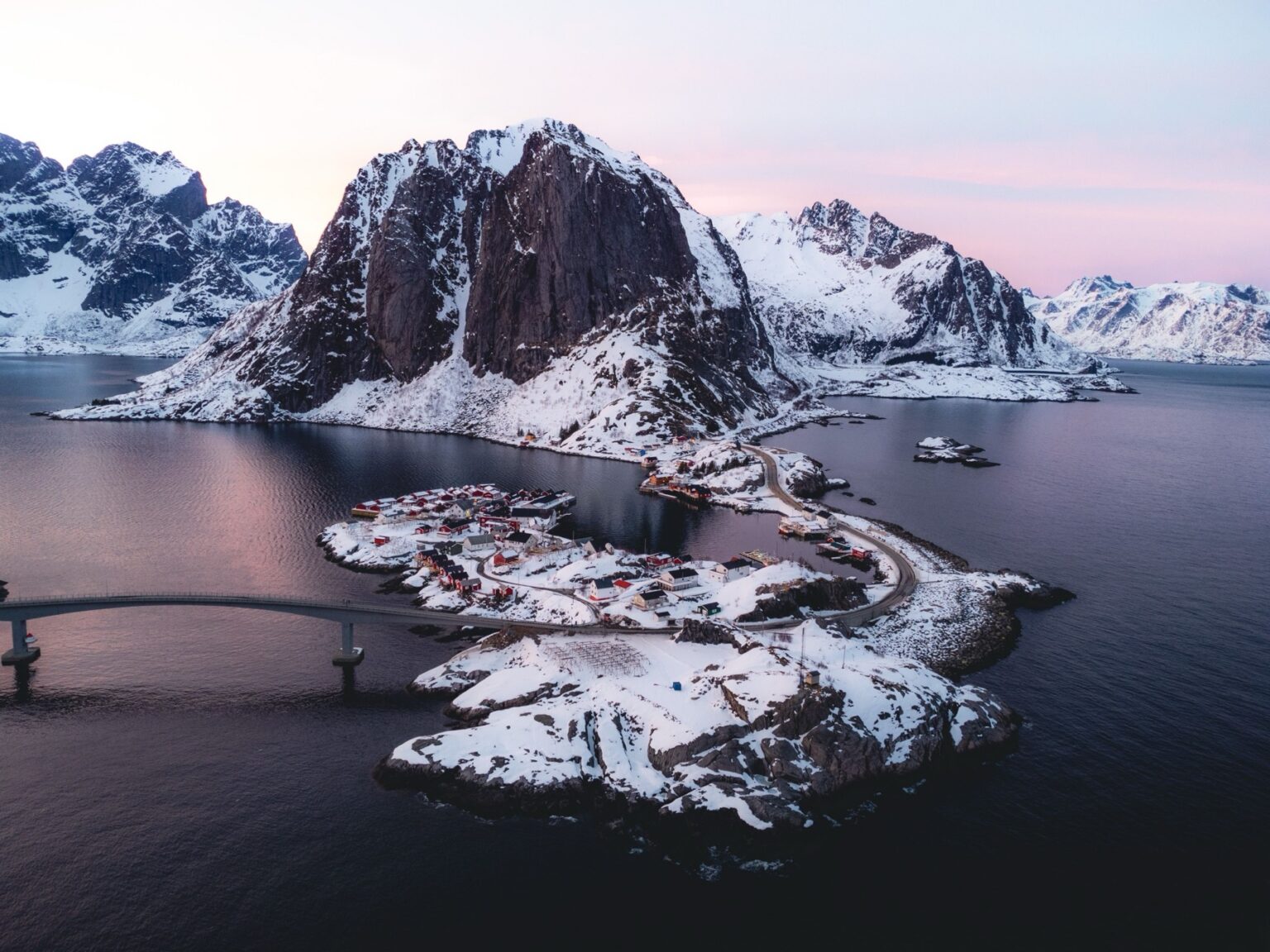
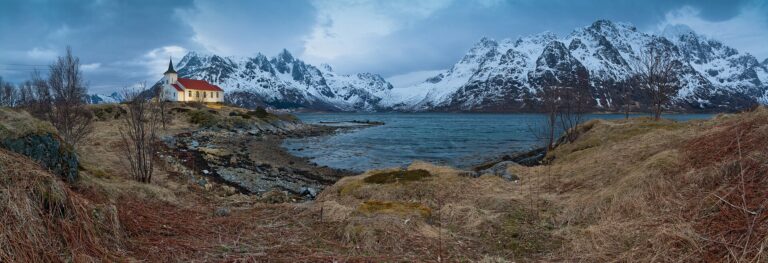
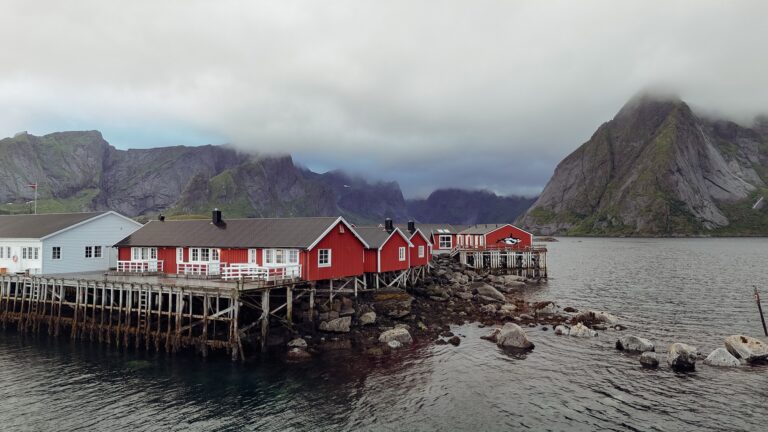
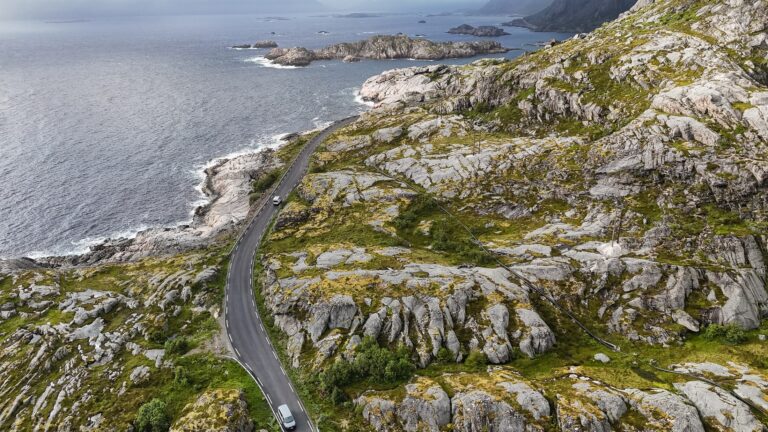
Lofoten is small but packed with spots that’ll have you pulling over every five minutes. The absolute classic is Reine and Hamnøy – the most photogenic corner of the entire archipelago – and above it, the climb up Reinebringen via the purpose-built Sherpa steps, rewarded with a view that’ll take your breath away.
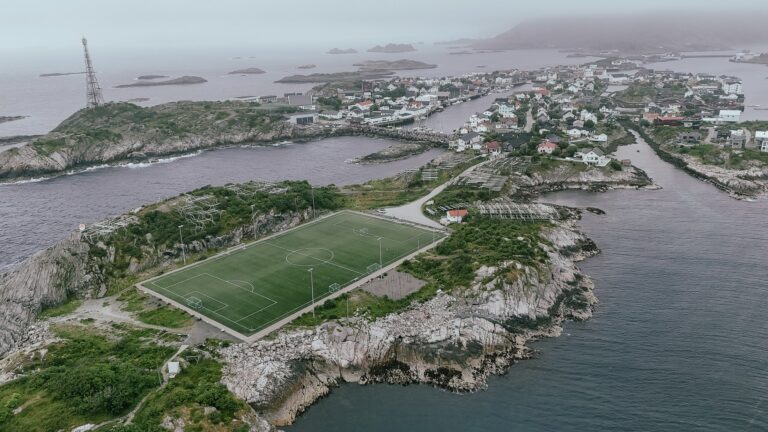
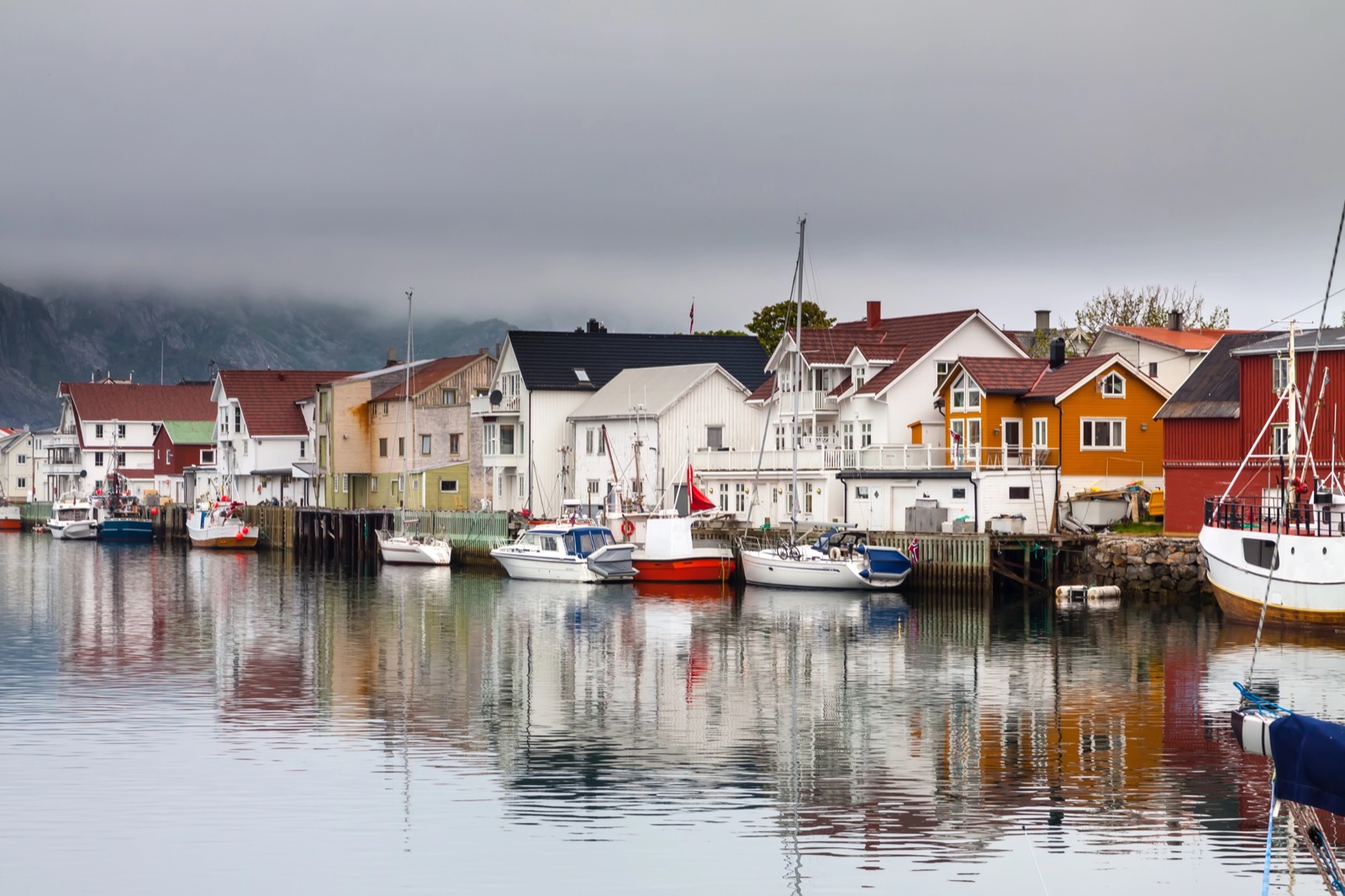
- The picturesque fishing village of Henningsvær – the “Venice of the North”, with its legendary football pitch wedged among the rocks.
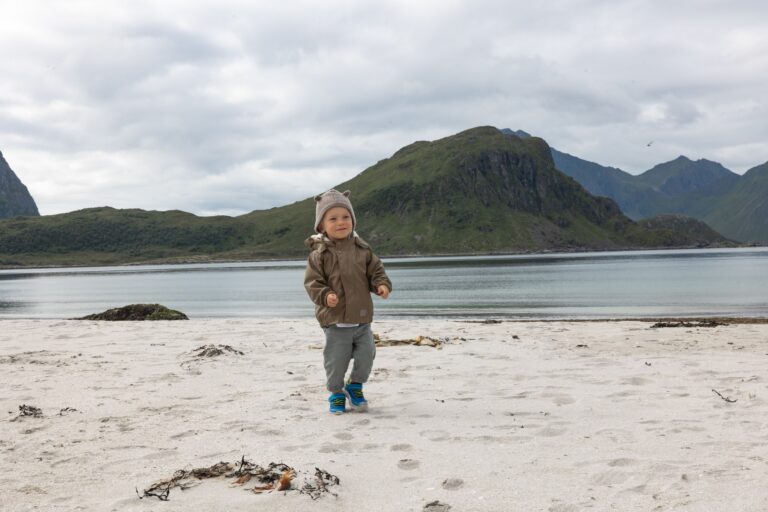
- White Caribbean-style beaches – Haukland and Uttakleiv, where the water only looks warm ☺️
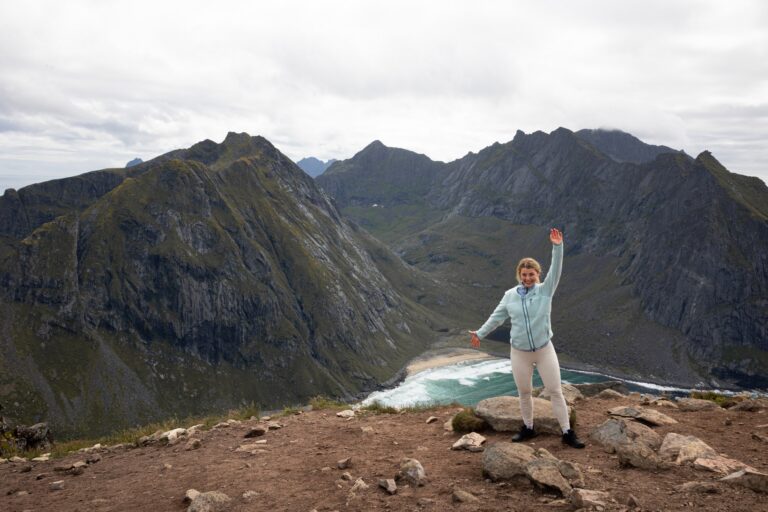
- Hikes and treks for everyone – from easy strolls to summits with sweeping fjord panoramas.
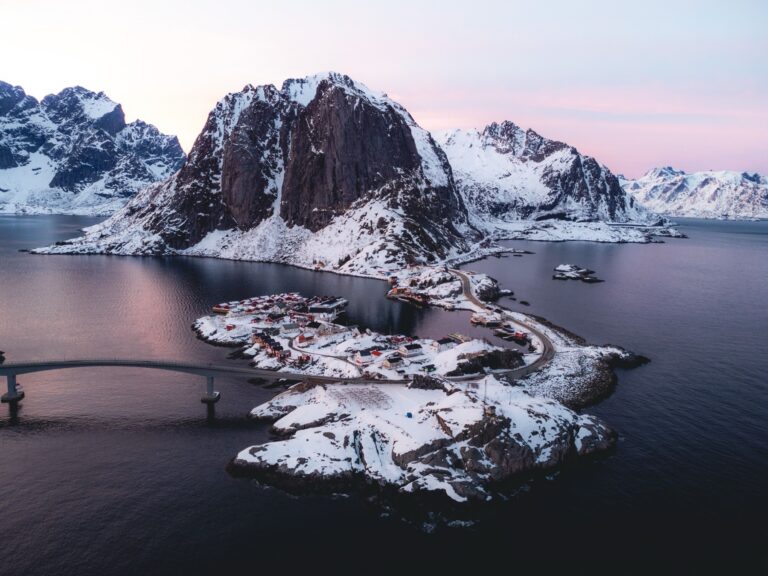
- In winter, the main draw: the northern lights and the magic of snow-covered Lofoten.
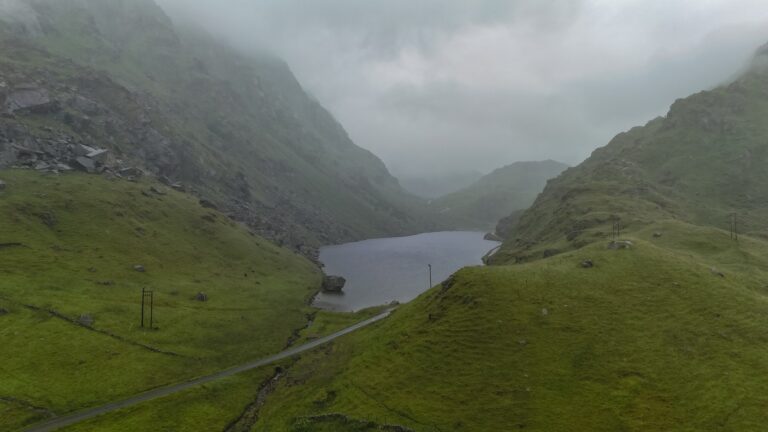
- Hidden gems away from the crowds – places where you’ll meet more Norwegians than tourists.
If you want to see the best of it all in one place, check out our roundup of 15 things to see and do, or jump straight to our ready-made 7-day day-by-day itinerary.
When to visit Lofoten
Lofoten has two completely different faces, and the time you choose depends on what you want from the trip. Summer (June–August) means the midnight sun, the most stable weather for hiking, and the freedom to drive everywhere without worrying about snow. But it’s also the priciest and busiest season – accommodation and rental cars get snapped up months in advance.
The other extreme is winter (late September–March), when people come mainly for the northern lights, the snow and the dramatic atmosphere. The weather is changeable and the days are short, but the reward is scenery you simply won’t experience in summer. We break down exactly when and where the aurora shines best in our article Lofoten in winter.
Our advice: for hiking and easy-going photography, go in June or August; for the northern lights, between October and February. Whenever you go, expect the weather to change from one hour to the next – which is why it’s worth having a backup plan for rainy days up your sleeve.
Our tip from the groundOur tip from the groundOur tip from the groundLofoten isn’t about ticking off a list – it’s about the experiences you’ll look back on. Here’s our top pick of what’s worth adding to your trip:
- Climbing Reinebringen – the iconic view over Reine, your reward for conquering hundreds of Sherpa steps.
- Photography in Reine and Hamnøy – the most photogenic corner of Lofoten, especially at sunrise and sunset.
- The Haukland and Uttakleiv beaches – white sand and turquoise water straight out of the tropics, just a few degrees colder ☺️
- Chasing the northern lights in winter – we cover where and when to see them in our article on the northern lights.
- A stroll through Henningsvær and around that legendary football pitch wedged among the rocks.
- Discovering hidden gems off the main routes, where the crowds don’t reach.

How to get to Lofoten
There’s no direct flight from the Czech Republic to Lofoten, so you’ll fly with a connection in Oslo (most commonly), or via another Nordic capital. From there you either continue on a regional flight to one of Lofoten’s small airports, or to mainland Bodø, where the ferry to the archipelago departs. From Prague, expect the journey to easily take a full day with connections.
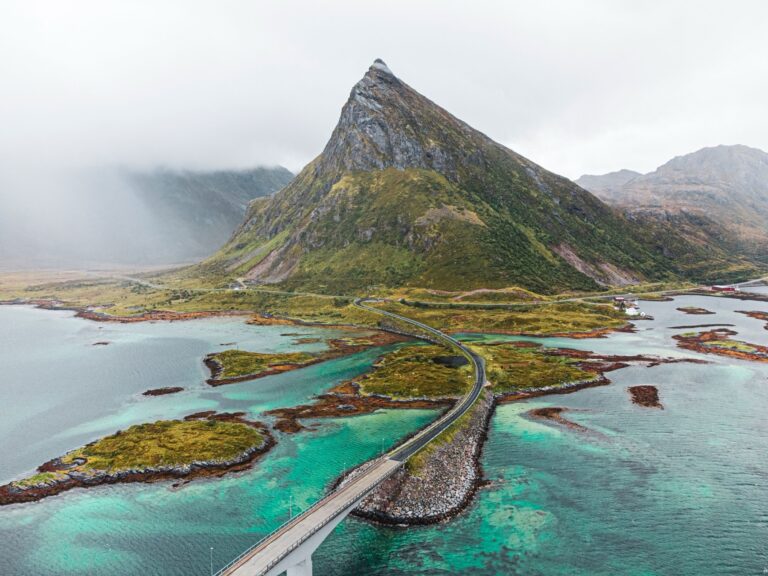
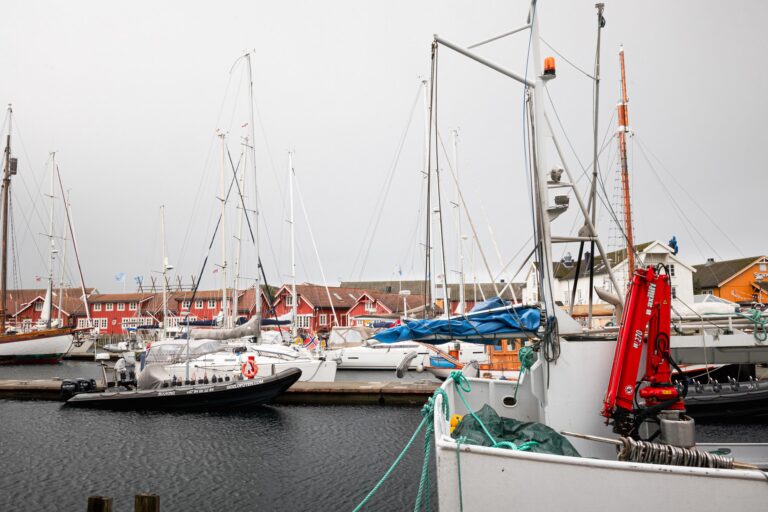
The most convenient option is to fly north, rent a car and explore Lofoten at your own pace – the archipelago is linked by a single main road, the E10, with bridges and tunnels. The ferry from Bodø is a beautiful alternative, letting you arrive at the islands from the sea. We cover the detailed logistics of departures and connections in our article on Bodø and the ferry.
Renting a car
In Lofoten, a car almost always pays off – public transport is sparse, and many of the most beautiful spots (beaches, viewpoints, hidden gems) are practically out of reach without one. Without your own wheels you’re stuck relying on a tour or the limited buses, and that strips away most of Lofoten’s magic. On the other hand, you don’t need to worry about a car if you’re on a short organised trip where the operator arranges transport.
- Book well in advance through rental comparison sites – cars are often sold out in season.
- Watch out for the insurance and deposit amount – the hold on your card can run to several tens of thousands of NOK.
- Factor in ferry and toll costs (Norwegian tunnels and bridges); some are charged automatically via your number plate.
- Fill up thoughtfully – petrol stations are scarce on the islands and prices are high.
Where to stay in Lofoten
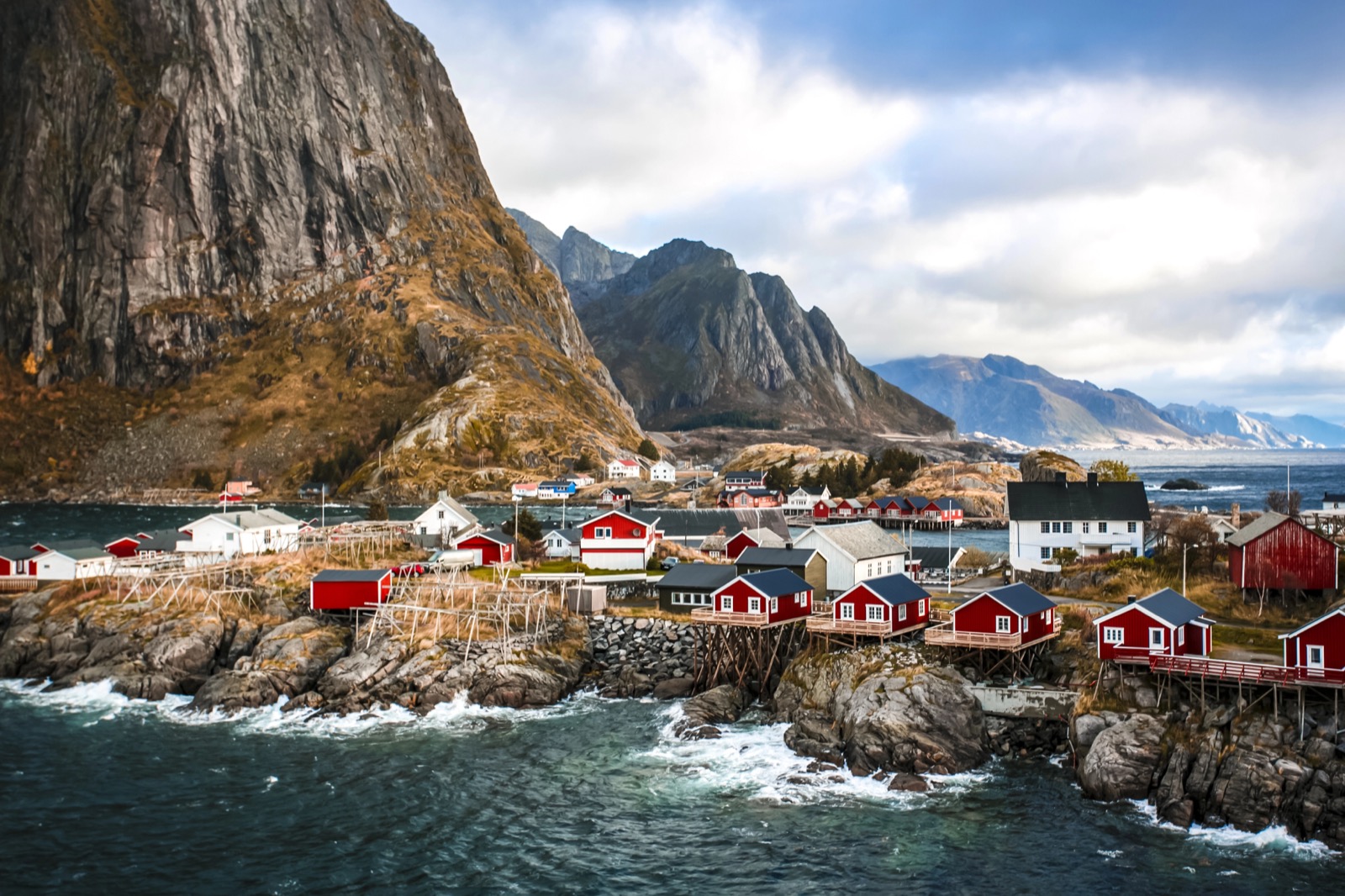
The classic – and an experience in itself – is a rorbu, originally a fisherman’s cabin on stilts above the water, now converted into cosy accommodation. You’ll also find guesthouses, apartments and a handful of hotels. Where exactly you base yourself depends on what you want to see: the south around Reine is the most photogenic, the centre around Leknes is handy for the beaches, and the north around Svolvær and Henningsvær is the place for buzz and restaurants.
- Reine / Hamnøy – the prettiest scenery, ideal for photographers and hikes in the south.
- Henningsvær / Svolvær – the most life, restaurants and activities, up in the north.
- Leknes and around – a practical base for the Haukland and Uttakleiv beaches.
Accommodation in Lofoten is the most expensive item and the first to sell out on the whole trip, so sort it out first. We compare specific areas and types of accommodation in our article Where to stay in Lofoten.
Package tour or independent travel?
The “tour or independent travel” question is absolutely crucial in Lofoten, because it affects both the cost and the experience. Here’s our honest comparison:
A tour is worth it when…
- you don’t want to deal with logistics, flights, the car and accommodation and want everything sorted in advance;
- it’s your first time travelling this far north and you want the reassurance and company;
- you’re short on time and want to see as much as possible without planning;
- you’re travelling in winter for the northern lights and would appreciate an experienced guide who knows where to go.
Go independent when…
- you want freedom and your own pace – stopping at every viewpoint, sleeping in after a hike;
- you enjoy planning and want to save by self-catering and sharing a car;
- you want to discover hidden gems off the tour routes;
- you’re happy to sort your bookings ahead of time and don’t mind the changeable weather.
The two of us are firmly in the camp of doing Lofoten independently – a car, a rorbu and your own itinerary give this destination a whole different dimension. But a tour does make sense for those who want to skip the logistics or are heading north for the first time in winter to chase the aurora. If you’re on the fence, take a look at our 7-day itinerary and see whether you fancy tackling it yourself.
Budget: daily costs in Lofoten
| Level | Accommodation | Food | Transport & activities | Total/day |
|---|---|---|---|---|
| Backpacker | 320 NOK–500 NOK (hostel, campsite, shared rorbu) | 135 NOK–230 NOK (self-catering, supermarket) | 230 NOK–360 NOK (shared car, free hikes) | 680 NOK–1 090 NOK |
| Standard | 820 NOK–1 360 NOK (rorbu, apartment) | 320 NOK–550 NOK (mix of cooking and restaurants) | 410 NOK–680 NOK (own car, a few trips) | 1 550 NOK–2 600 NOK |
| Comfort | 1 590 NOK–2 700 NOK (hotel, premium rorbu) | 680 NOK–1 140 NOK (restaurants) | 910 NOK–1 820 NOK (car, boat trips, guides) | 3 200 NOK–5 700 NOK |
These prices are rough estimates per person per day and reflect the fact that Norway is one of the most expensive countries in Europe. You’ll save the most on food by self-catering and on transport by sharing a car. You’ll find a detailed budget and tips on how to cut costs in our article How much a trip to Lofoten costs.
How to save when planning
- Book flights ideally 2–4 months ahead – there are few connections to northern Norway and last-minute tends to be the most expensive. Search for flights with our flight finder.
- Accommodation is the first thing to sell out – book a summer rorbu as much as six months in advance. Our accommodation tips.
- Reserve a car in advance; on the spot it’s often gone or significantly more expensive. Booking ahead is almost a necessity here.
- The biggest overspend is on restaurant meals – self-catering and shopping at the supermarket can slash your budget by tens of percent.
- If you’re considering an organised trip, check out our section of current tours and compare it with the cost of doing it on your own.
- Popular hikes and guided boat trips fill up in season – we sum up what to book early below, in what to book early.
Practical information
- Language: Norwegian, but you’ll get by in English absolutely everywhere without any trouble.
- Payments: Norway is practically cashless – you can pay by card even at the tiniest stall, and you’ll barely need any cash.
- Currency: the Norwegian krone (NOK), not the euro – expect a higher price level than back home.
- Connectivity: the signal is surprisingly good even outside the villages; get an eSIM so you can skip pricey roaming and have navigation and offline maps on hand.
- Safety: Lofoten is extremely safe – the biggest risks are the weather and slippery steps on the hikes.
- Tip: always carry a waterproof jacket and layers – the weather changes from one hour to the next.
One thing worth mentioning about the hikes: respect closures and the current trail conditions (Reinebringen, for instance, is occasionally closed for step maintenance). It pays to check the weather before heading up and to bring plenty of water.


