

In peak summer season, the concept of a hidden gem in the Lofoten Islands of Norway usually has an extremely short shelf life. A million tourists a year squeeze onto islands that are home to just twenty-five thousand permanent residents, and the famous E10 highway regularly bursts at the seams.
On the most popular hikes, human traffic jams form, and the hunt for the perfect photo for social media often feels more like a fight for survival. Yet the recipe for escaping the crowds is surprisingly simple and requires no complicated planning.
In this article you’ll find 7 tips for hidden spots that mass tour groups steer clear of — usually because the bus simply can’t turn around there. All it takes is a quick turn off the main route, sacrificing an extra ten minutes of driving, and you’ll enjoy Lofoten in total peace.
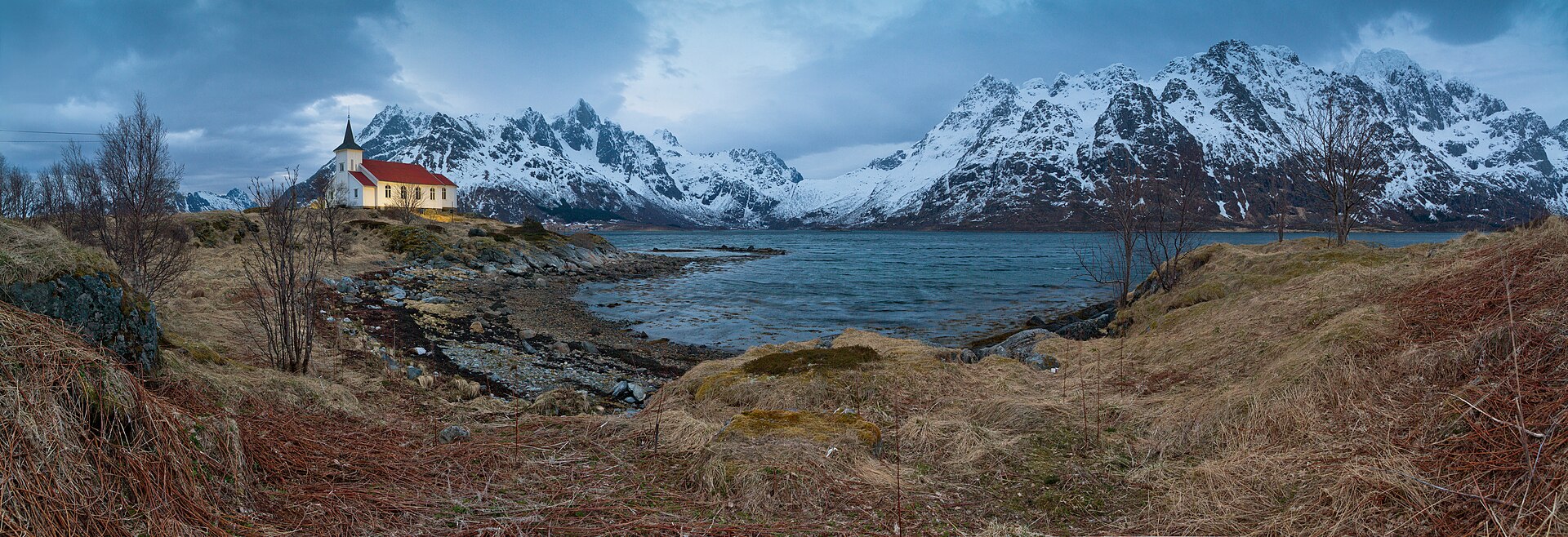
TL;DR
- Skrova is an island oasis: Just thirty minutes by ferry from Svolvær, you’ll discover a car-free spot nicknamed the Hawaii of the North for its white beaches.
- Værøy and Røst for adventurers: If you have more than ten days in Norway, head to the far south, where a feeling of the absolute end of the world awaits.
- Swimming without paying: Instead of the overpriced parking at the famous Haukland beach, set your navigation to the quieter Storsandnes, with sand just as soft.
- Animals and flat terrain: The island of Gimsøy offers Icelandic horse rides and the Aalan Gård farm, where you can buy the best Norwegian cheeses straight from the owners.
- Architecture on a cliff: The Glasshytta glassworks in the village of Vikten sits at the very end of a dead-end road and offers a mesmerising view of the wild ocean.
- Fredvang and surroundings: The iconic curved bridges lead you to a peaceful area that makes a great alternative to overcrowded Reine.
- Accommodation in Ballstad: Choose a lively fishing harbour over the touristy open-air museums and avoid the clicking of camera shutters right at dawn.
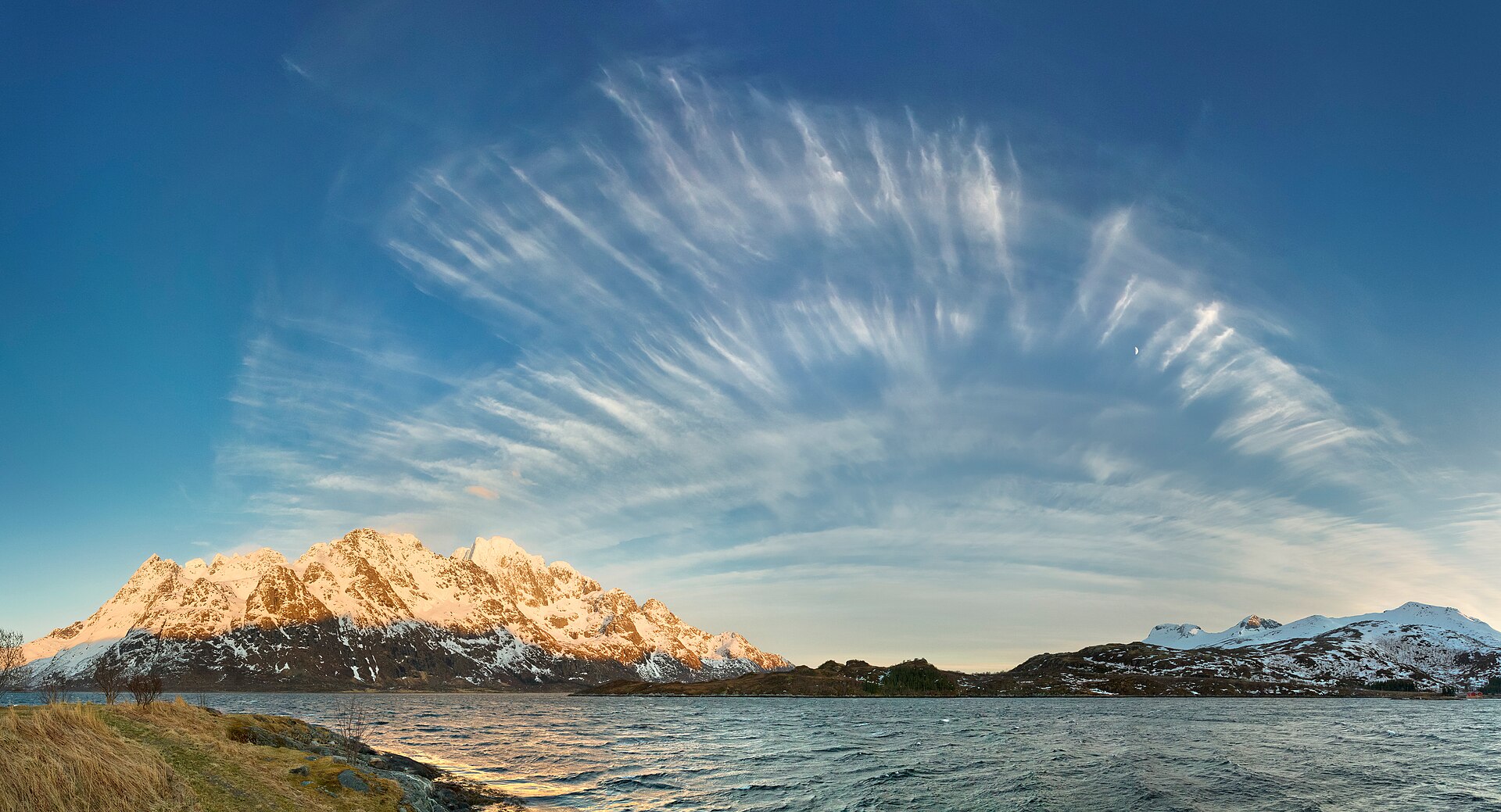
The full destination guide: Lofoten — guide and what to see
When to visit Lofoten and what weather to expect
The islands see the biggest rush during July and August, when the midnight sun and more stable temperatures draw visitors in. In high season, the idea of a hidden gem really does have a fleeting life, as a million tourists a year squeeze onto islands home to just twenty-five thousand permanent residents. What was a secret tip last year can have an absolutely packed motorhome car park this year. But if you want to experience real peace and don’t mind the occasional shower, consider the shoulder months like May or September. On the most popular hikes, human traffic jams often form, so escaping the main route is your only chance at an authentic experience.
In May, nature is only just waking up and snow still lies on the mountain peaks, which creates breathtaking contrasts for your photos. September, on the other hand, brings the first chances to see the northern lights, while the famous E10 highway is already pleasantly empty and accommodation prices drop slightly. Weather in the north is a chapter all of its own, and the yr.no weather app will reliably become your best friend — without it, you soon won’t even set off on a short walk to the nearest fjord.
Expect that within a single hour you can experience sharp sunshine, a sudden downpour and thick fog firsthand, so layering technical clothing is an absolute must. In 2026, also be prepared for the Norwegian summer to bring unexpected heat, but the icy wind off the ocean will always reliably send the feels-like temperature plummeting. So don’t forget to pack a quality waterproof jacket and a warm hat, even if you’re flying north in midsummer.
Where to stay in Lofoten away from the crowds
💡 Tip for accommodation and experiences: We like to look for places to stay on Booking.com, where the cancellation terms tend to be the best. Tickets, tours and activities are then worth comparing and booking through GetYourGuide.
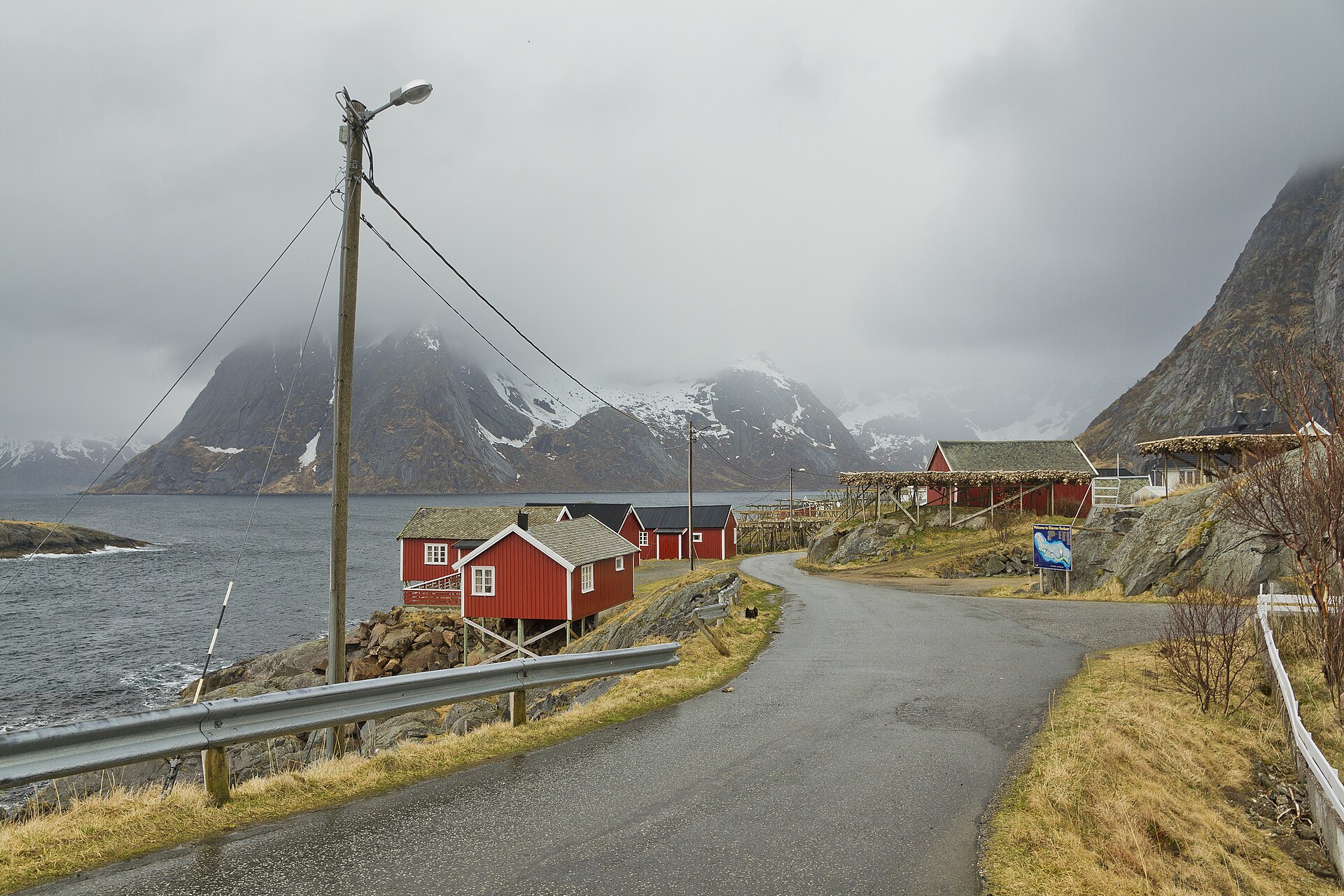
Most visitors automatically head for famous little villages like Hamnøy or Reine, where the traditional red rorbu cabins are crammed one on top of the other. As a result, camera shutters of eager perfect-shot hunters are clicking under your window from six in the morning. A far more authentic experience is offered by Ballstad, an active fishing harbour where life naturally pulses regardless of the tourist season — and it’s no artificial open-air museum.
If you’re after a premium experience and the budget isn’t holding you back, take a look at Hattvika Lodge, which offers beautifully renovated rorbu on a completely different level. You’ll have a private sauna at your disposal and can easily rent sea kayaks to quietly explore the surrounding silent coves. Another great choice in Ballstad is Hemmingodden Lodge, where you’ll find perfect facilities and, on top of that, you’re sitting right in the middle of the archipelago, so everything is strategically close by for exploring both north and south.
For lovers of history and Nordic design, Nusfjord Arctic Resort is worth considering — it sits in a sheltered cove and offers the unique atmosphere of an old whaling settlement. Eating in Norway can really hammer your budget, because in Kiwi or Rema 1000 supermarkets you’ll spend roughly three times what you’d normally pay at home in the UK. Restaurants are expensive across the board, and in 2026 a standard main course will easily set you back between 200 and 400 NOK (roughly £15–£30).
When you do decide to splash out on a ready meal, head to the Bringen Kaffeebar café, where they make fantastic specialty coffee and traditional Norwegian pastries. Norwegian coffee culture maintains an incredibly high standard, and this spot is the perfect refuge when one of those famous Lofoten downpours blows through outside.
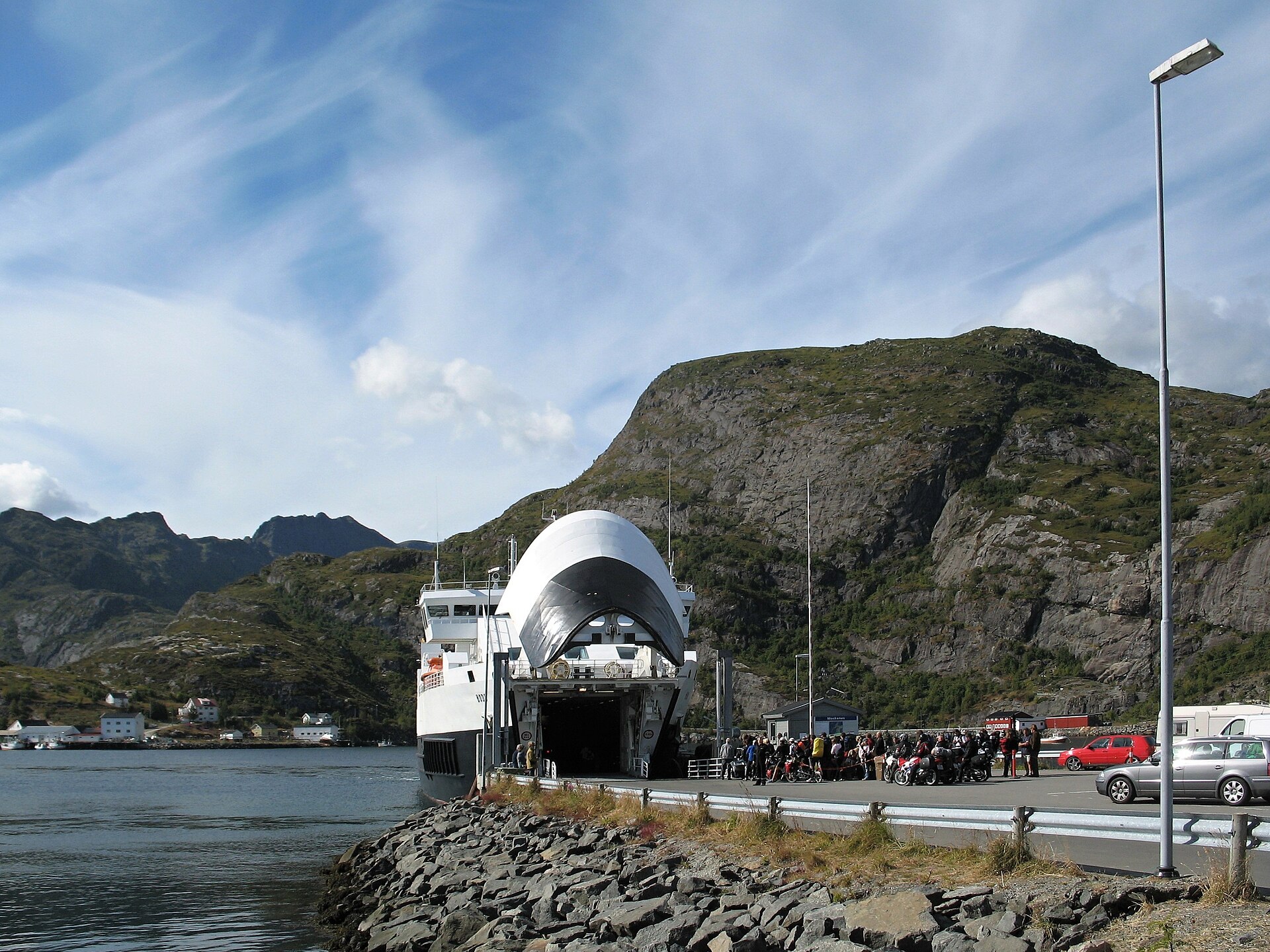
7 things to see and do in Lofoten without the crowds
Let’s take a look together at the specific places that most guidebooks quietly overlook, or that tourists simply don’t have time for. I’ll show you how to avoid paid car parks and where to soak up the genuine Nordic atmosphere.
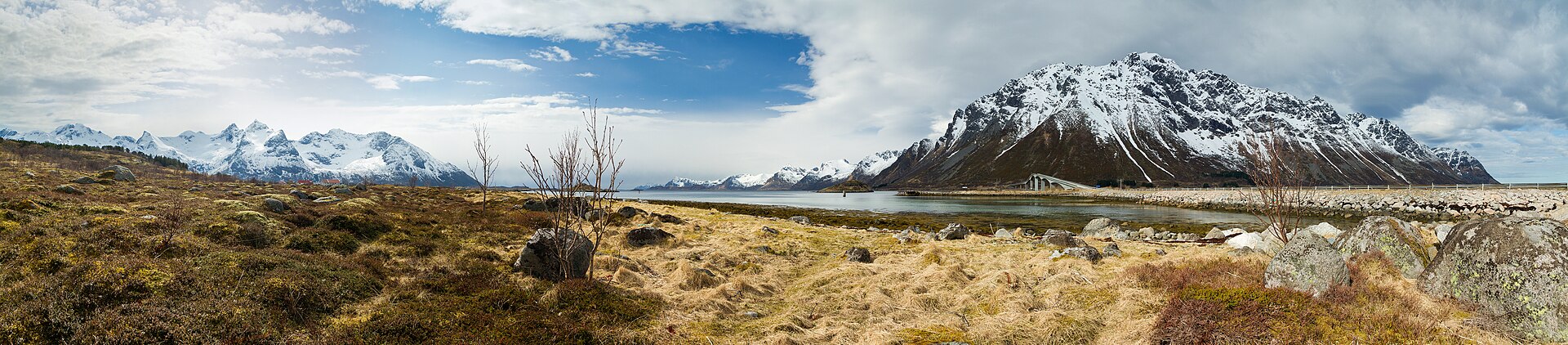
1. Skrova island, the unexpected Hawaii of the North
If your base is in Svolvær or its immediate surroundings, this is hands down your best possible day trip. The little island of Skrova is home to fewer than two hundred permanent residents, and there’s no through traffic or busy road at all — which makes it the perfect escape from the ever-present summer bustle.
Leave the car parked peacefully in Svolvær, and after a pleasant thirty minutes aboard the ferry, you’ll step out into a completely different world. Locals nickname Skrova the Hawaii of Lofoten, because thanks to its specific geographical position it statistically has the most hours of sunshine in the entire Nordic region.
Dazzling white sandy beaches without the crowds await you here, along with unique outdoor art galleries and photo exhibitions scattered freely across the rugged landscape. You can walk the whole island at a comfortable pace in a few hours and enjoy a quiet stroll through a fishing village from the days before social-media crowds discovered Norway. You’ll also appreciate the flat local terrain if you’re travelling with small children or a pushchair, as there are no dangerous drop-offs.
💡 Tip: Tickets for the smaller local ferries usually work without complicated reservations, but in high season be sure to arrive at the harbour with a little time to spare. If you’re looking for organised activities, you can easily book boat trips through popular portals, which often sail right past these more remote, quiet islets.
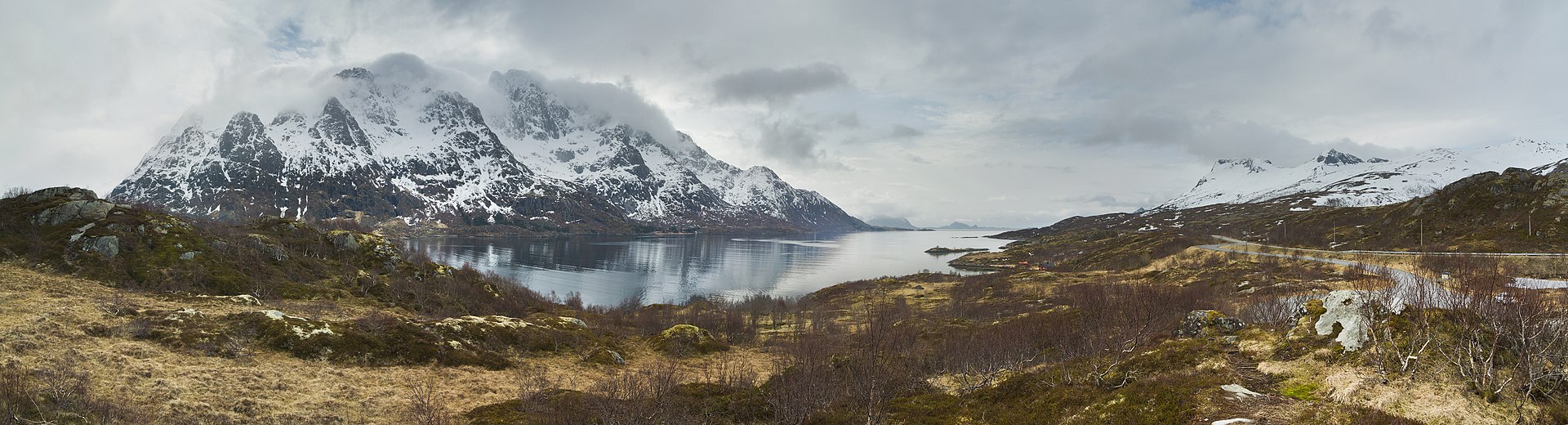
2. The far south: the islands of Værøy and Røst
On a classic seven-day holiday, skip these two islands with a clear conscience, because you’d burn far too much precious time on tricky logistics and waiting for boats. But if you have ten or more days and the feeling of the absolute end of the world appeals to you, then take note and slot them into your travel itinerary.
The ferry from Moskenes harbour to the island of Værøy takes over an hour and a half, and the sea here can get seriously rough, so weaker stomachs should pack motion-sickness tablets. Your reward, however, will be dramatic cliffs plunging straight into the churning ocean and huge flocks of seabirds wheeling overhead.
Røst is even more remote and flatter still, made up of hundreds of tiny islets and reefs where hundreds of thousands of adorable puffins nest. It’s a fascinating place where time stopped long ago and the locals still make their living exclusively from the traditional drying of cod on enormous wooden racks that line the entire coastline.
While in the north you’ll be jostling for a spot at a viewpoint with dozens of motorhomes, here you’ll meet only a few stray birdwatchers and local fishermen. Accommodation capacity is very limited, though, so book your stay in this far-flung area several months in advance to avoid being left without a roof over your head.
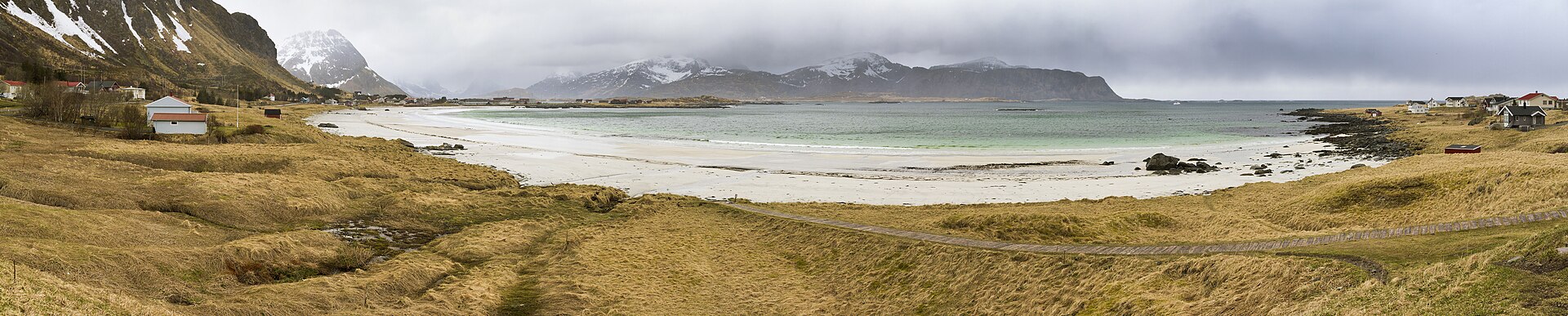
3. Storsandnes beach will save your wallet
Haukland beach is undeniably gorgeous and deservedly tops global beauty rankings, but its enormous fame has taken a cruel toll in recent years. In high season you’ll easily pay 100 to 200 NOK (around £8–£15) for parking, then fight a ruthless battle for a free square metre against dozens of campervans and pitched tents.
So try the clever alternative and punch the nearby Storsandnes beach into your phone’s navigation. It sits strategically off the congested main E10 tourist route, access is completely easy, and the white sand here is just as soft as at the more famous spots nearby.
You’ll enjoy total peace, you won’t have that uncomfortable feeling of sitting in the stands of a packed stadium, and on top of that you’ll save a decent chunk of cash on parking. The spot is surrounded on all sides by steep green hills that naturally shelter the bay from the worst of the icy ocean wind and provide a great refuge for families with children.
Even in the height of summer, the water is a refreshing ten to twelve degrees, so swimming here is more for genuine hardy souls, but for long romantic walks along the waves it’s an absolute paradise. Don’t forget to bring a flask of hot tea and savour the rugged Nordic landscape exactly the way Norwegians themselves love it best.
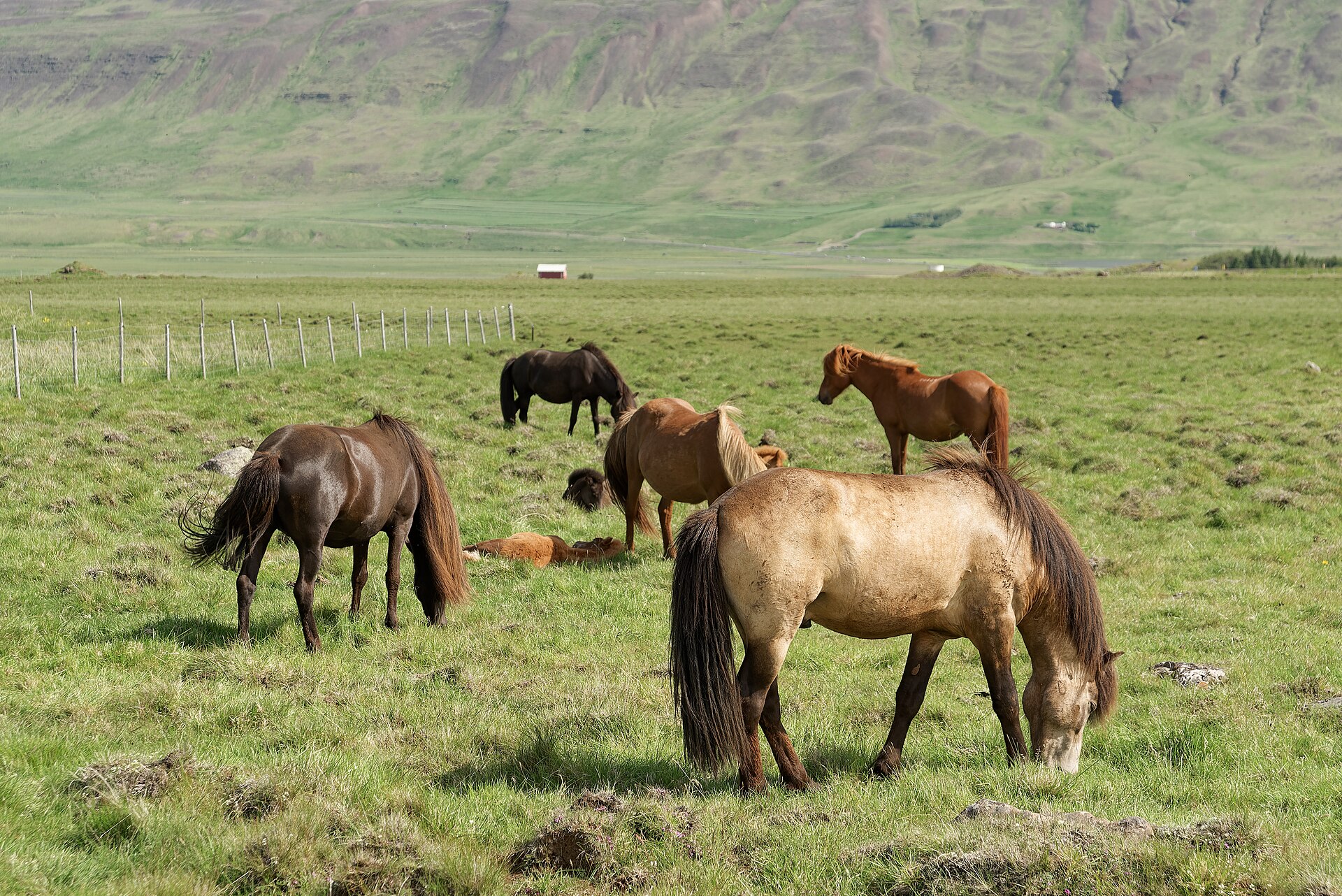
4. Gimsøy and a ride on Icelandic horses
The vast majority of tourists simply speed straight past the island of Gimsøy without a second glance, because by local standards it’s unusually flat and offers none of the dramatic peaks visible from afar. But for lovers of peace and families with children it’s a pure blessing, because you won’t find any human traffic jams on the trails here, nor any overpriced tourist attractions.
Head straight for the popular Hov Gård farm, which keeps a herd of beautiful Icelandic horses and offers rides along the white sandy Hov beach. The simple contact with these calm animals against a backdrop of endless ocean and green meadows is guaranteed to delight you and recharge your batteries with positive energy for the rest of your Nordic trip.
Right next to the farm you’ll also find the famous Lofoten Links course, which regularly ranks among the most beautiful golf courses in the world. Thanks to the flat terrain, the whole area is perfect for relaxed early-evening walks where your legs can finally rest from the constant climbing of steep hills.
The local marshes and sprawling peat bogs also offer absolutely ideal conditions for birdwatching and photographing the midnight sun, which reflects beautifully in the shallow pools here during the summer months. Stop for a moment on the deserted shore and listen to nothing but the cry of the gulls and the rustle of the wind in the tall Nordic grass.
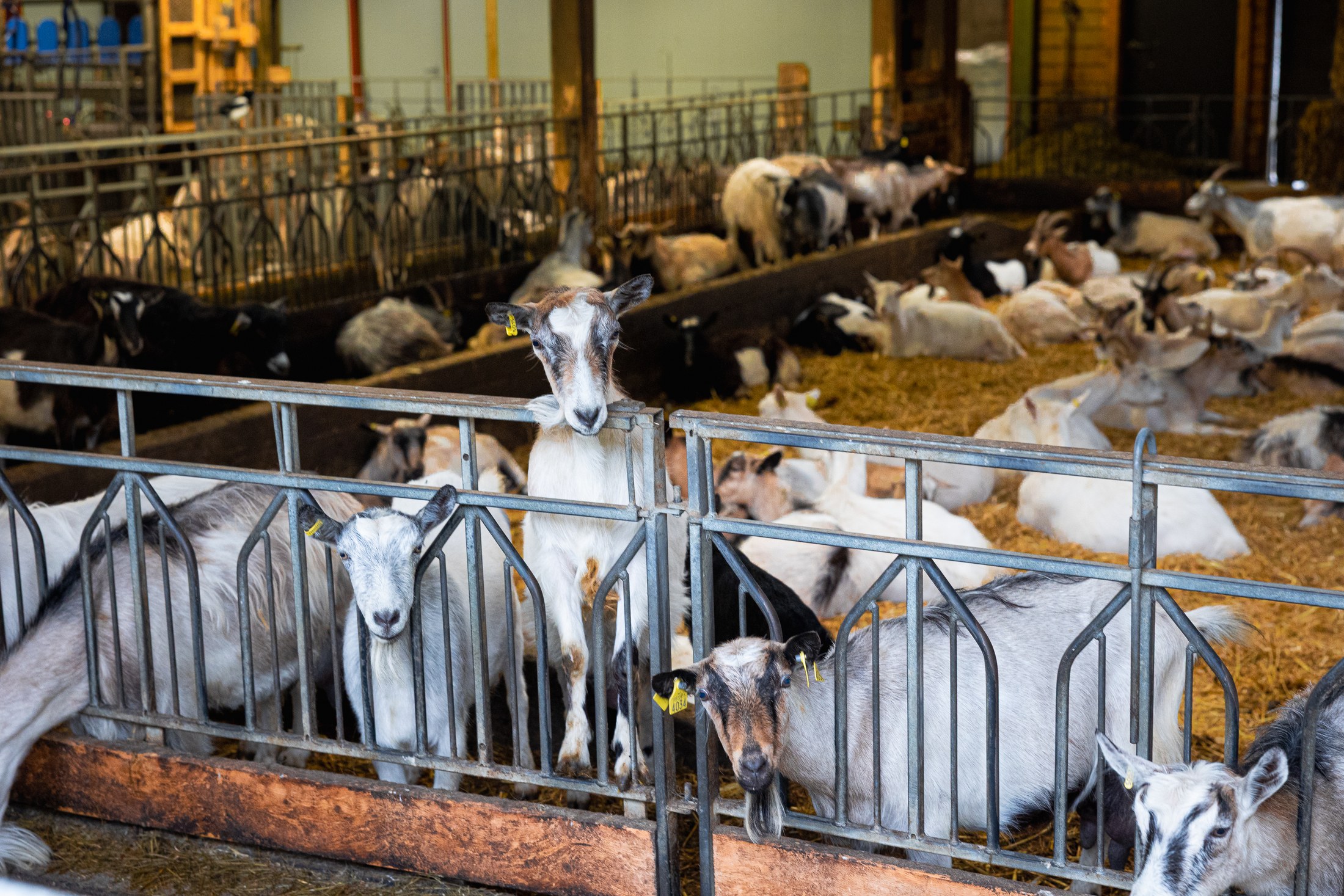
5. The family goat farm Aalan Gård
💡 Our tip: We headed to Aalan Gård first, but the goats happened to be up in the mountains — so we drove over to Lofoten Gårdsysteri, which also has a stunning view. Both farms have a café and, above all, a tasting of local cheeses, including the typical brown brunost. It’s exactly that slow, honest side of the Lofoten Islands that makes it worth the trip.
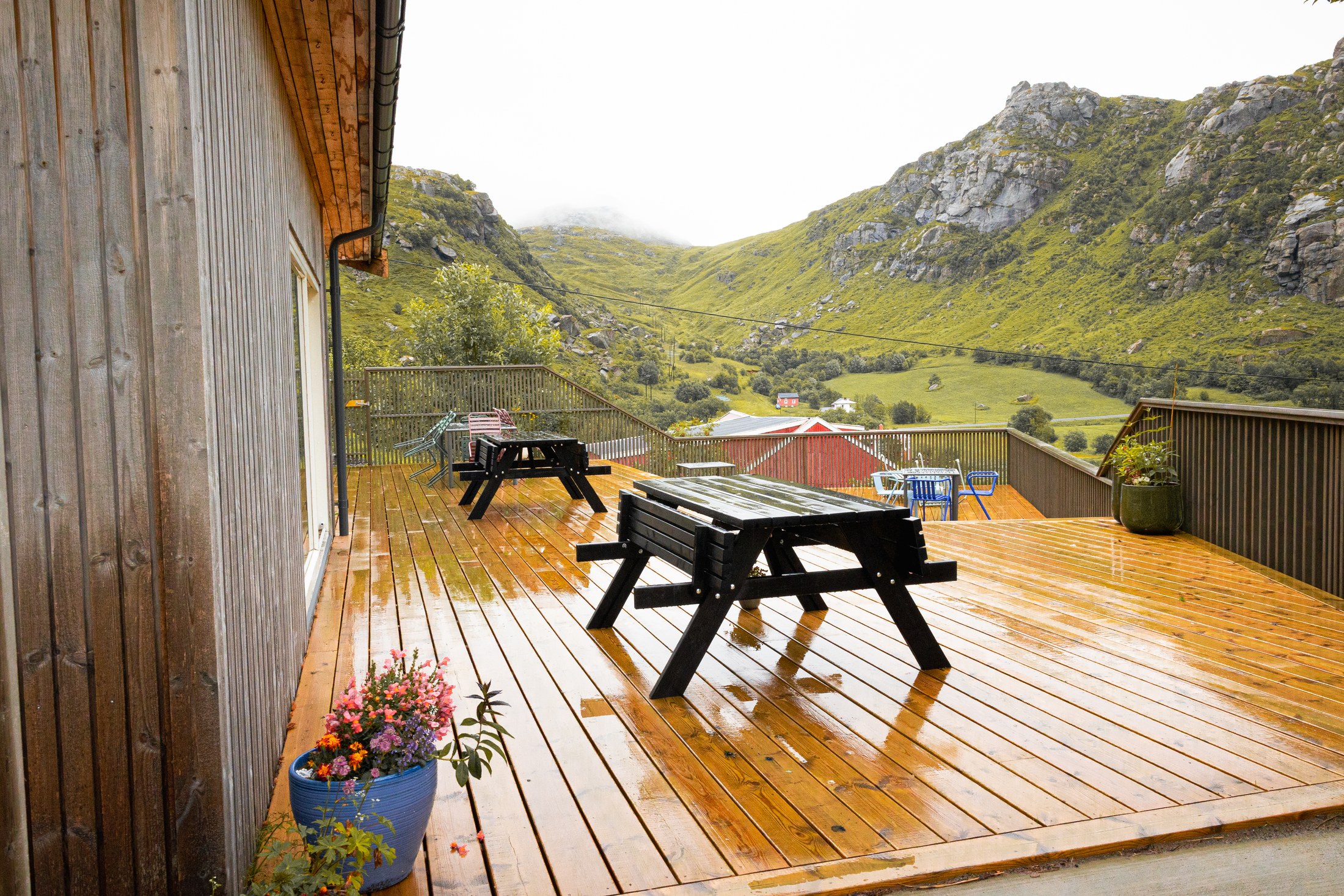
Roughly in the middle of the entire archipelago lies Aalan Gård, a fully working family goat farm and traditional cheese dairy with an enormous heart. Its premium cheeses are proudly stocked by the best Michelin restaurants across Norway, but you can buy them straight from the source in the small, cosy farm shop.
The goats roam freely outside across the surrounding pastures, you can watch them up close, and the whole place breathes an incredibly warm, homely atmosphere that’s rather a rarity by Norwegian standards. The owners are very forthcoming and will happily describe in English the entire intricate process of making their many award-winning herb cheeses.
It’s a little Nordic miracle of sorts, where commercial tourism hasn’t yet fully taken hold and everything is done with genuine love for honest craftsmanship. The farm also includes a beautiful herb garden, from which wonderful scents drift across the surroundings — almost incongruously Mediterranean in the cool air.
You can also taste excellent coffee here and freshly baked homemade cakes, which you can enjoy in peace at wooden tables overlooking the green valley. It’s an absolutely ideal stop to stretch your stiff legs during the longer drives between the individual islands.
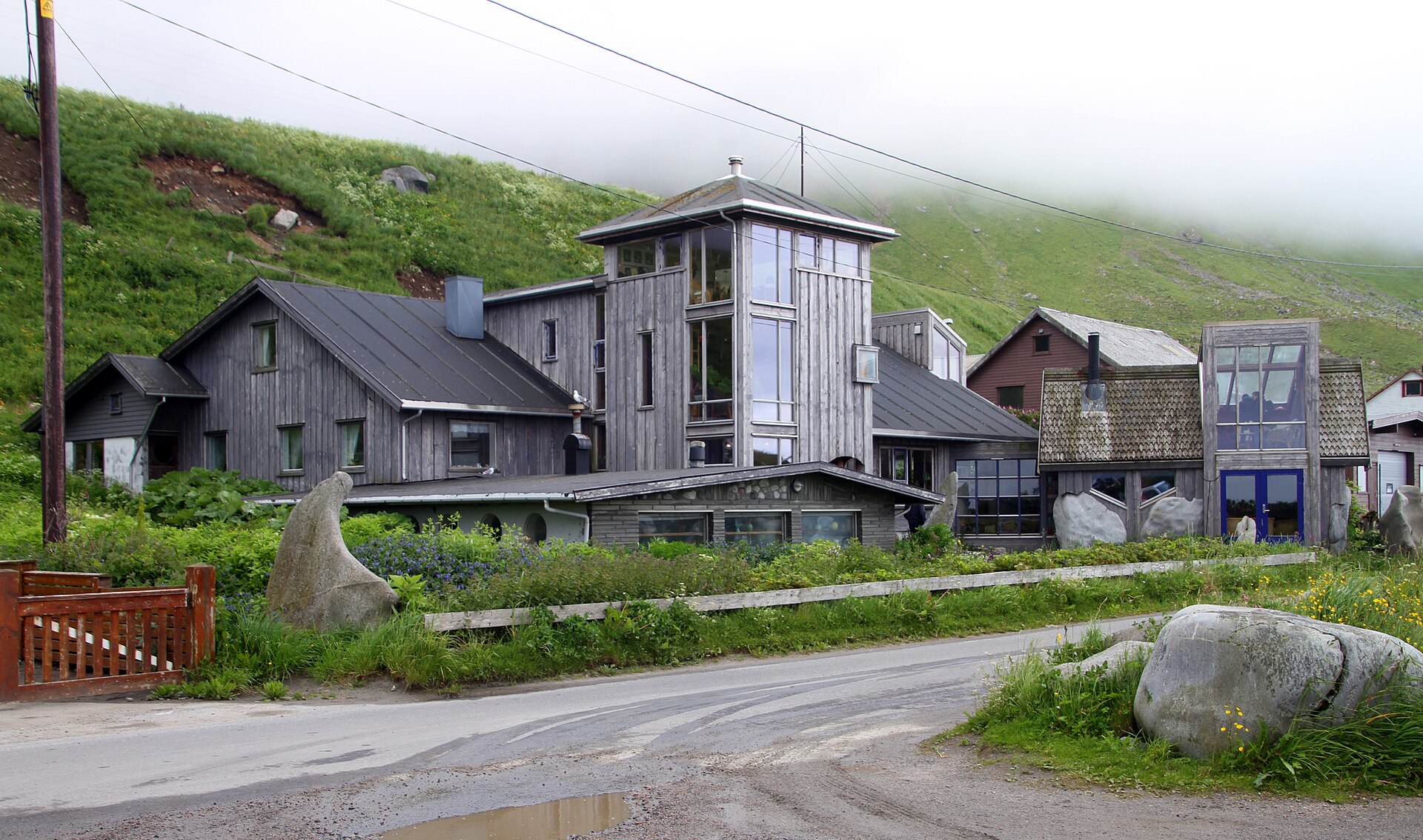

6. Architecture at the Glasshytta glassworks in Vikten
To reach this fascinating glass workshop you have to deliberately turn off the busy main road and continue along a narrow lane right to the very end of the road by the churning ocean. The glassworks building in the village of Vikten is a fascinating architectural gem, set with great sensitivity into the surrounding rugged Nordic landscape.
Inside, through the glass walls you can safely watch master glassblowers shaping molten glass into beautiful colourful vases. The exhibition is full of fragile and very expensive pieces, so move around with great care and enjoy the play of light passing through the displayed coloured shards.
A similar architectural experience is offered by the famous Nusfjord, which does charge an entry fee — but it’s precisely thanks to this that the tourist crowd is pleasantly filtered here. You’ll see some of the best-preserved yellow fishermen’s cabins, which contrast beautifully with the dark cliffs all around. While in Nusfjord, be sure to drop into the local Italian restaurant, where they bake excellent pizza — something you and your kids will definitely appreciate after days on the road.
Right in front of the entrance to the Vikten glassworks there’s also a vast stony beach where huge waves from the open sea crash wildly against the coastal rocks. It’s an immensely photogenic spot that shows the harshest and least welcoming face of Norwegian nature in all its breathtaking beauty.
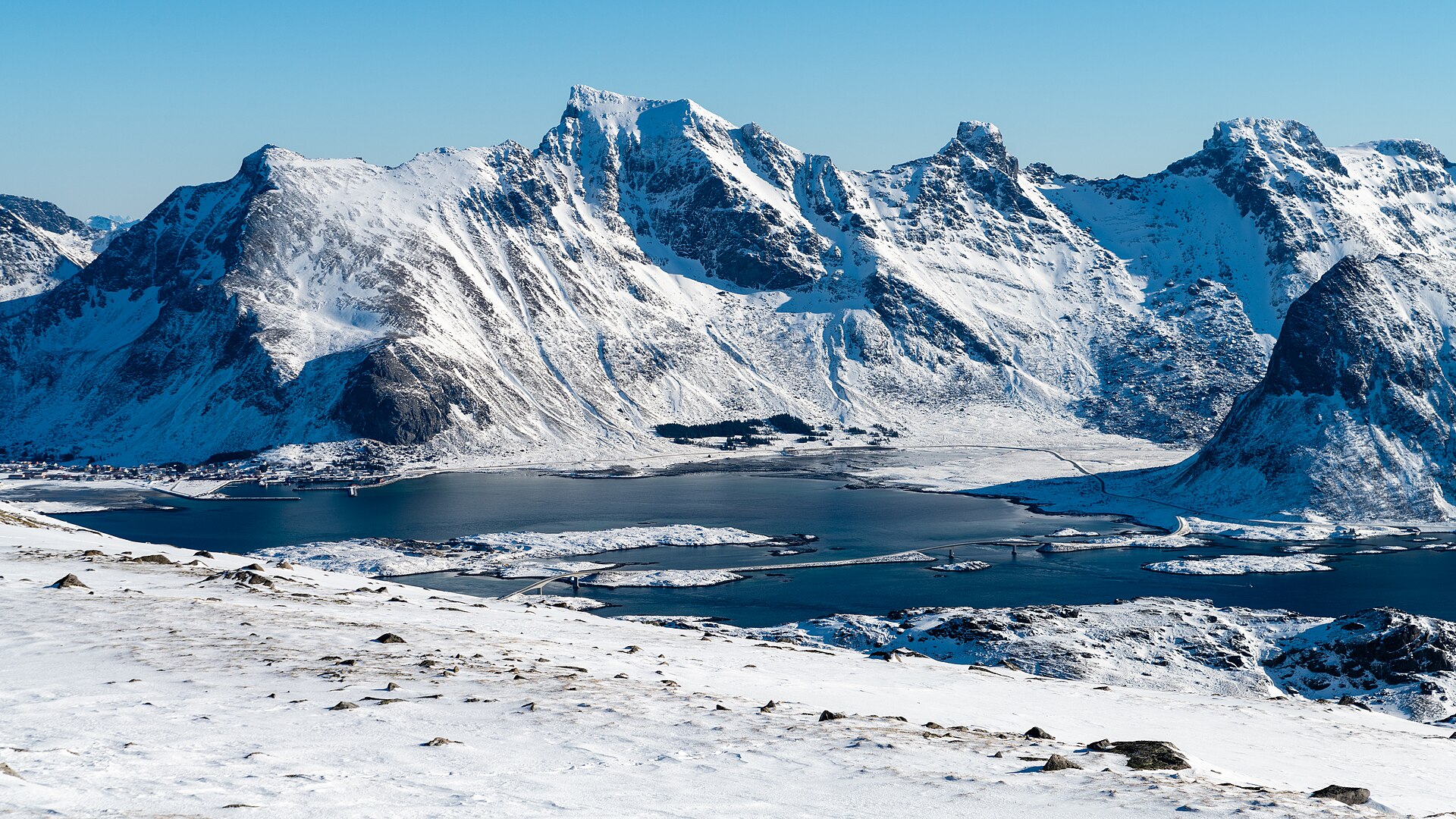
7. Fredvang and the iconic curved bridges
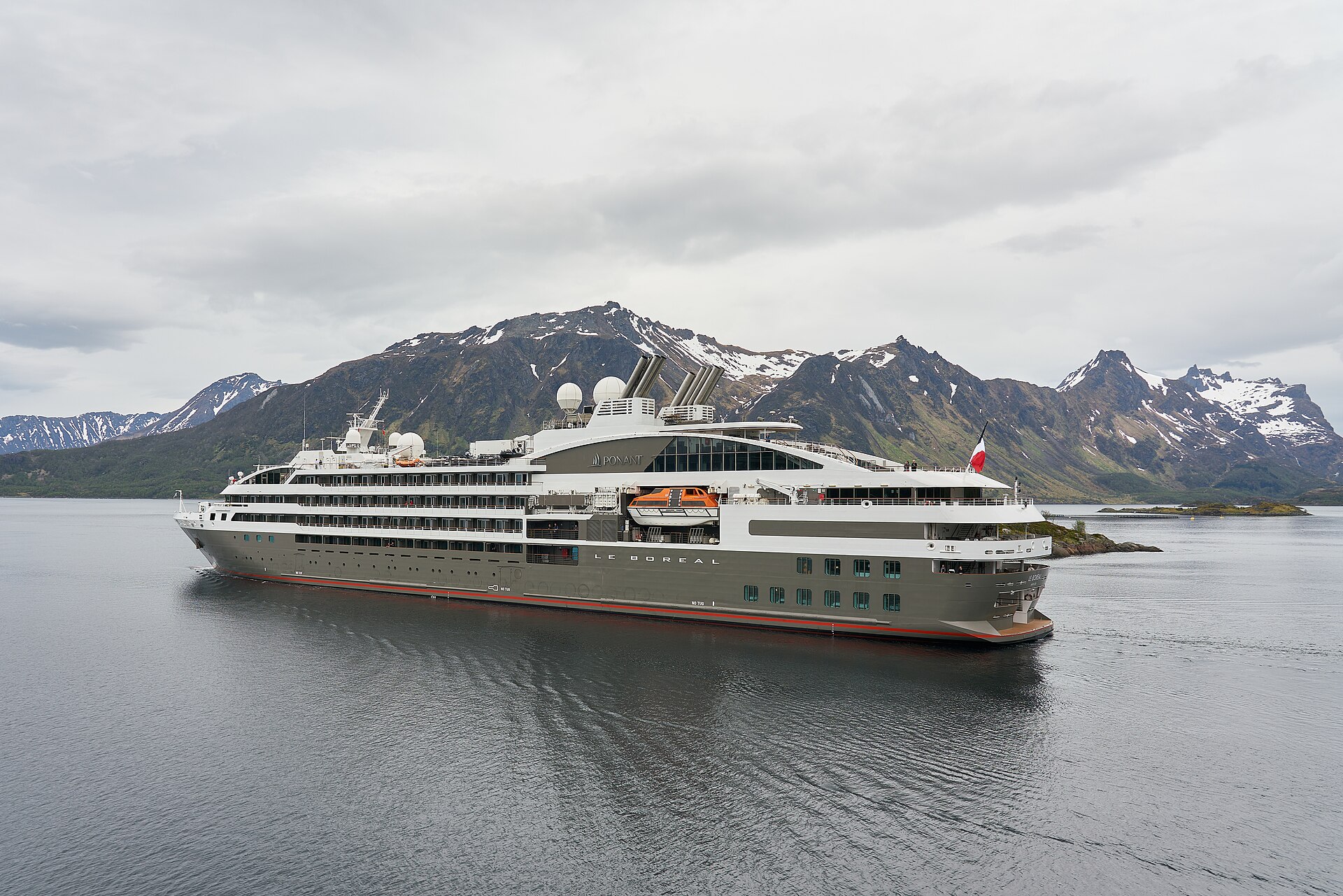
Two elegant curved bridges leading to the more remote island of Fredvang look from a distance like a set straight out of a sci-fi film, and they lie just ten minutes’ drive from the main E10 route. Most hurrying tourists, sadly, only snap a quick photo from afar and carry on south towards the perpetually congested town of Reine.
Yet the area around Fredvang offers sparse, scattered settlement and incomparably more peace than the overcrowded villages just a few kilometres away. Here you’ll find the trailheads of several less-frequented hikes that will safely lead you to hidden sandy beaches on the western coast of this picturesque island.
If hunger strikes near the main road while you’re exploring these parts, head to nearby Sakrisøy, where you’ll see iconic yellow cabins and find the renowned Anita’s Sjømat bistro. While it’s not exactly a secret spot, their selection of excellent local cheeses and sweet desserts is well worth a quick stop to refuel. The local speciality here is the famous fish burger with prawns, but even without it you’ll find plenty to enjoy.
Families with smaller children will, in Sakrisøy, absolutely appreciate the neighbouring Lofoten Toy Museum, which holds an extensive collection of historic toys. It’s an absolute lifesaver and jackpot rolled into one, for when your little ones grow tired of views over endless Norwegian mountains and you need to change the programme for a while.
Where to go next from Lofoten
If you’re planning a wider loop around northern Norway, be sure to check out our big guide to Lofoten, where you’ll find detailed itineraries and tips for the most famous sights of all. You’ll get a complete overview of the entire archipelago and be able to combine the hidden spots from this article with the biggest draws.
For lovers of the ocean and white sand, we’ve written a separate article focused purely on the most beautiful beaches in Lofoten. In it you’ll find detailed parking instructions, sand-quality ratings and tips on which beaches you can safely camp on in a tent or motorhome.
Frequently asked questions
How much does a vacation in Lofoten cost?
Norway is among the most expensive countries in the world, and the Lofoten Islands are its premium destination. Expect to pay at least €1,600 to €2,400 for a week-long stay for two adults in 2026, including flights, car rental, and more modest accommodation in cabins. Food prices in supermarkets are roughly three times higher than in the Czech Republic, so it’s worth bringing some supplies from home and cooking at your accommodation.
Can you pay cash on the islands?
You practically don’t need cash in Norway and you can pay by card at 99% of places or with your smartphone. From buying ferry tickets to a small coffee at a roadside stand, you’ll find payment terminals everywhere, so you don’t even need to withdraw Norwegian kroner in paper form. Even public toilets at rest stops or smaller refreshment stands are now fully equipped with contactless terminals.
Are the roads in Lofoten dangerous?
The main E10 road is in very good condition, but it is extremely narrow and full of bends. During the summer season, you’ll constantly need to dodge wide caravans and motorhomes, which requires a great deal of patience and frequent reversing into widened passing places. Especially in sections around cliffs and on narrower bridges, we recommend slowing down and arming yourself with patience.
Can I wild camp in Lofoten?
Norway applies the so-called right of access to nature (Allemannsretten), so wild camping is legal. However, you must maintain a distance of at least 150 meters from the nearest dwelling and you must not camp on cultivated land or in explicitly prohibited areas. The rule always applies that you must not leave any litter behind, and you must leave nature in the same condition.
What about mosquitoes and insects?
On the coast itself, you won’t be bothered much by mosquitoes thanks to the constant ocean breeze. However, the situation changes dramatically as soon as you venture deeper inland toward the lakes and marshes, where you definitely won’t get by without strong repellent and long sleeves in July and August. It’s worth investing in quality local insect repellents, which you can buy in any supermarket or pharmacy.
Is the tap water drinkable?
Norwegian tap water is one of the cleanest and best-tasting in the entire world. Don’t buy bottled water in supermarkets at all, you’d be wasting money unnecessarily, just bring your own reusable bottle and refill it at gas stations or in your accommodation. Water in natural mountain streams is also crystal clear and safe to drink, provided there are no herds of sheep above you.
Do I need to book ferries in advance?
On the main route from Bodø to Moskenes during the summer season, advance booking is absolutely essential, otherwise you risk waiting for many hours at the port. Smaller local ferries, for example the one to Skrova island, usually operate without reservations and you just need to join the queue of cars. Nevertheless, always check the current timetables in advance, as departure frequencies may vary.
Tips and Tricks for Your Vacation
Don’t Overpay for Flights
Search for flights on Kayak. It’s our favorite search engine because it scans the websites of all airlines and always finds the cheapest connection.
Book Your Accommodation Smartly
The best experiences we’ve had when looking for accommodation (from Alaska to Morocco) are with Booking.com, where hotels, apartments, and entire houses are usually the cheapest and most widely available.
 🚗 Car rental on the roadVerified rental cars in Norway
Search with the DiscoverCars comparison engine — it compares prices from dozens of local and international rental companies, and most bookings come with free cancellation.
Compare car prices in Norway →Don’t Forget Travel Insurance
Good travel insurance will protect you against illness, accidents, theft, or flight cancellations. We’ve had a few hospital visits abroad, so we know how important it is to have proper insurance arranged.
Where we insure ourselves: SafetyWing (simple monthly subscription) and TrueTraveller (for extra-long trips).
Find the Best Experiences
Get Your Guide is a huge online marketplace where you can book guided walks, trips, skip-the-line tickets, tours, and much more. We always find some extra fun there!
More from Lofoten
Full guide → Travel story · most readWhat to Pack for Lofoten, Norway: A Packing List for Every Season
 When to goWhen to Visit Lofoten, Norway: Weather Month by Month and the Midnight Sun 2026
 ActivitiesReinebringen Norway: 6 Things to Know — The Hike, Steps & Current Status
 Getting thereLofoten Islands by Campervan: Parking & Rules for 2026
 With kidsLofoten Norway with Kids: 8 Tips on What to See and Do


