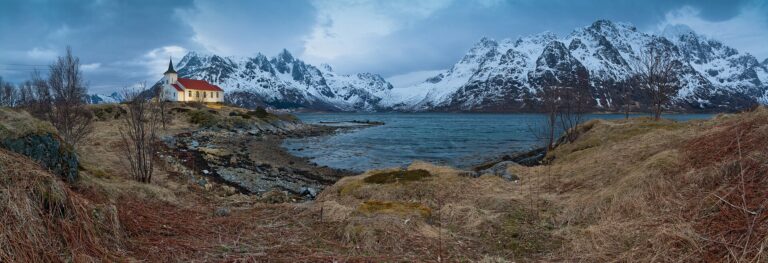
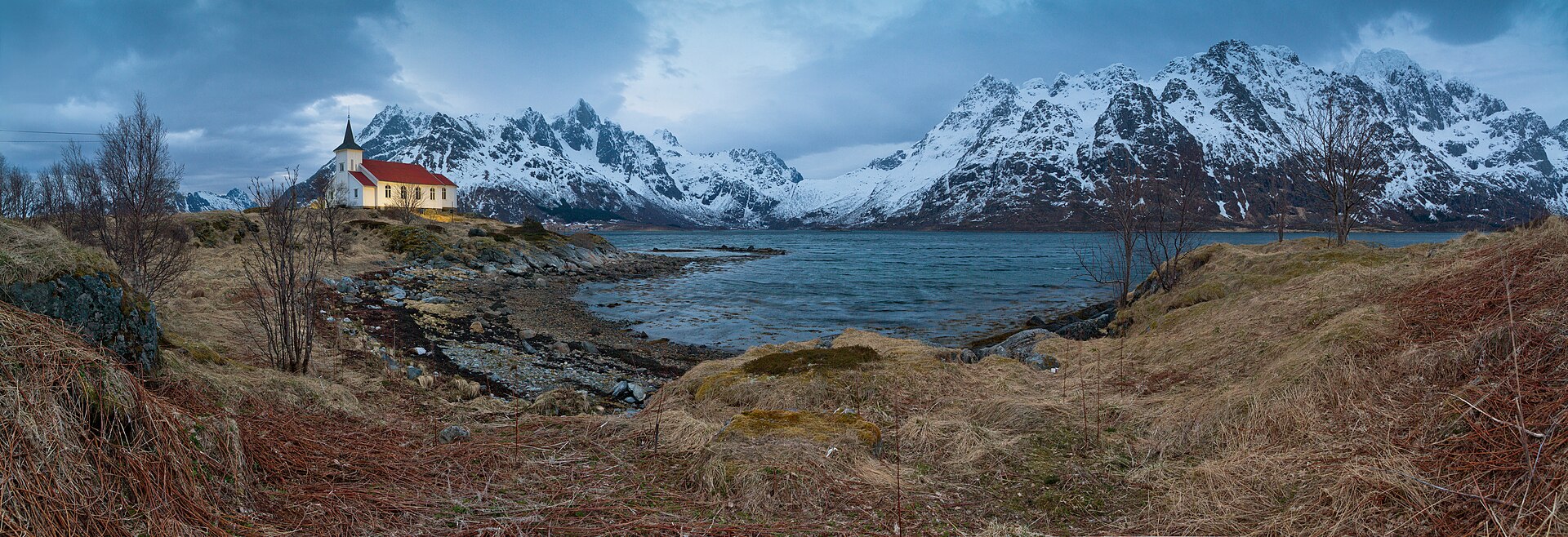
When you picture a summer holiday above the Arctic Circle, you probably imagine endless sunshine and a bright blue sky. But the reality in this part of Lofoten, Norway is often very different, and rain is simply an inseparable part of the experience here. Forget those perfect Instagram illusions of clear skies above jagged peaks for a moment, because it’s the mist and low cloud that give this landscape its truly raw, dramatic atmosphere.
The golden rule for a successful itinerary is wonderfully simple: keep a three-day buffer in reserve in case of bad weather. Don’t try to cram every sunny day full of activities until it bursts, and don’t panic when heavy raindrops are already drumming on the roof of your wooden cabin on the very first morning. Before you even head out into the grey, drizzly day, open the Norwegian app yr.no, which will quickly become your indispensable compass.
The weather in this region changes literally from one minute to the next, so learn to read the ninety-minute radar above all. If the app forecasts a short rain-free window in the afternoon, be ready to dash out immediately. Until then, though, you need a solid wet-weather plan so you don’t end up just sitting idly in your room. Here’s my tried-and-tested crisis plan, packed with activities to save the day when the weather simply refuses to cooperate.
You’ll immediately notice that we’re not writing this topic from some guidebook — on our trip to Lofoten it rained for the first few days straight, so we tested our backup plan firsthand. And believe it or not, we definitely didn’t miss out on the experiences.
💡 Tip: If the weather turns and you discover you’ve only packed summer layers, head to Sport Outlet Svolvær — an outlet store with outdoor clothing where you can snag great pieces at a great price and quickly kit yourself out.
TL;DR
- The yr.no app is essential: Watch the detailed precipitation radar, because the weather on the islands changes incredibly fast.
- Vikings under one roof: The Lofotr Viking Museum in Borg offers a huge reconstructed longhouse where you can warm up by the fire.
- Café culture: Henningsvær and Svolvær hide great art galleries and cosy cafés, perfect for waiting out the showers.
- Arctic sauna sessions: Rent a sauna with an ocean view — an absolutely magical experience in the rain and mist.
- A historic bakery: In the village of Å you’ll find an old bakery with an oven from 1844 that makes the best cinnamon buns.
- Icy refreshment: The Magic Ice gallery in Svolvær lends you warm ponchos and serves drinks in a glass carved from ice.
- Local supermarkets: Shops like Kiwi or Rema 1000 will save you when you can’t face heading out to a restaurant in the rain.
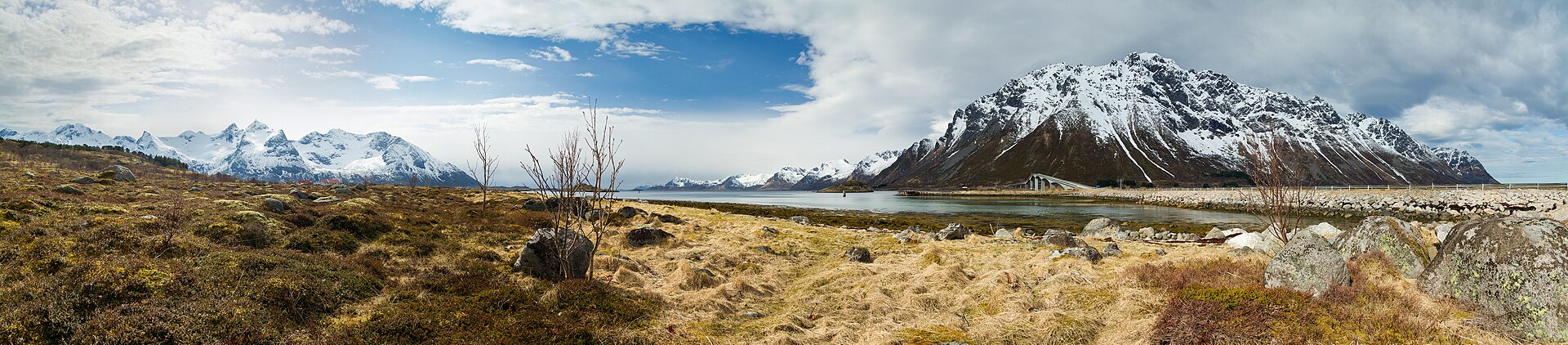
The full destination guide: Lofoten — guide and what to see
When to visit Norway and how to handle the weather in Lofoten
If you’re planning a trip up north, you have to accept the fact that in July it rains on average nine days a month. In August, AccuWeather statistics show as many as eleven rainy days, which really isn’t some anomaly but a completely normal Arctic standard. The Norwegian climate is simply unpredictable, and heavy clouds often hang low over the ocean for several days at a stretch, so it’s best to prepare yourself mentally in advance.
Don’t let that put you off, though, because it’s those dramatic clouds rolling over the sharp peaks that create the most beautiful photographic scenery you’ll take home. Summer temperatures usually hover between just ten and fifteen degrees Celsius, which clearly means that the key to success is good layering. Pack a reliable waterproof jacket and trousers to protect you from the strong sea wind, and throw in a warm hat too.
The yr.no app, run by the Norwegian Meteorological Institute, will become something of a religion for you. The weather in Lofoten can change from one minute to the next, and the sky can clear at lightning speed, so be sure to learn to read their ninety-minute precipitation radar in detail.
When it’s been raining for several days in a row, the best cure is a change of attitude and slowing the pace down altogether. Rain gives you a perfectly legitimate excuse to rest without any guilt that you’re missing yet another demanding hike up to the Reinebringen viewpoint. Brew yourself a good coffee in your room, listen to the monotonous roar of the ocean, and enjoy the genuinely melancholic face of Norway — the very thing travellers from all over the world come here for. If you’re travelling with kids, simply slip them into rubber waterproofs and go splashing in the nearest puddles together, because that too will leave you with great memories.
Where to stay in Lofoten and enjoy the cosy life
💡 Tip for accommodation and experiences: We prefer to look for accommodation on Booking.com, where the cancellation policies tend to be the best. For tickets, tours and activities, it pays to compare and book through GetYourGuide.
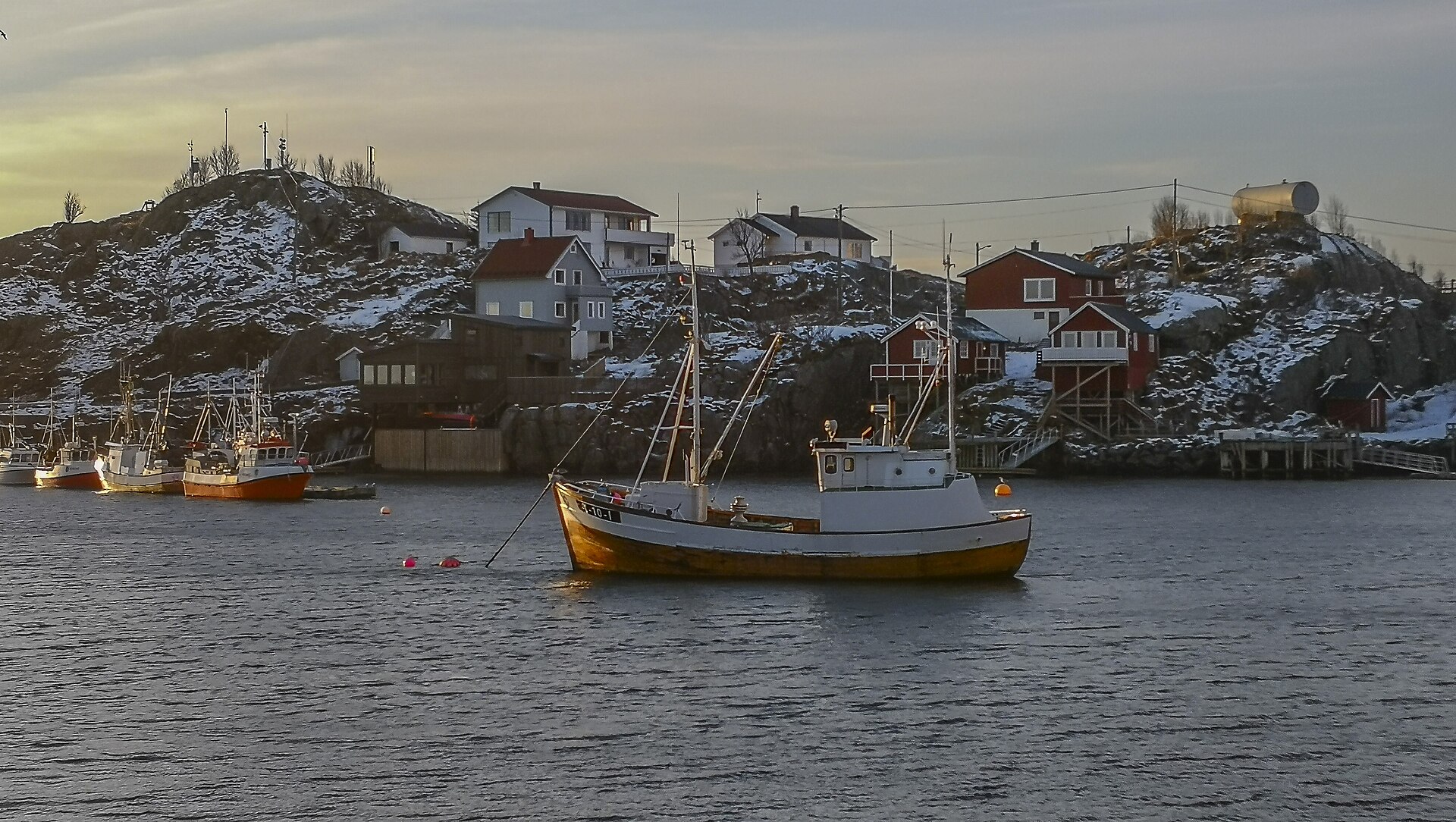
Choosing the right accommodation is absolutely crucial for rainy days, because you’ll probably spend far more time there than you originally planned in your itinerary. Traditional red fishermen’s cabins known as rorbuer offer the perfect refuge, where you can sit warm and snug by the window and simply watch the stormy sea outside. They’re usually all-wood, incredibly cosy and often fitted with a handy little kitchenette, which you’ll appreciate enormously when cooking warm dinners using ingredients bought at the local Rema 1000 or Kiwi supermarkets. Food prices here are roughly three times higher than back home in the UK, but cooking for yourself still pays off significantly.
If you’re looking for a strategic spot with the best access to amenities, choose the larger town of Svolvær for your stay. You’ll find plenty of well-known restaurants, shops and interesting galleries here, all within fairly easy walking distance even in a real downpour. A great, proven choice is the modern Thon Hotel Lofoten, which sits right in the harbour and is famous far and wide for its absolutely fantastic breakfasts, where you can comfortably wait out the morning showers.
For lovers of total peace and wellness, I recommend the area around the picturesque little village of Ballstad. The stylish accommodation here often combines traditional architecture with modern Nordic luxury in beautiful taste. A truly exceptional spot is the renowned Hattvika Lodge, where you can stay in beautifully restored cabins and make use of their private sauna in bad weather, enjoying harbour views while all hell breaks loose outside.
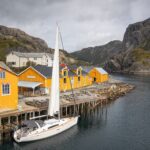
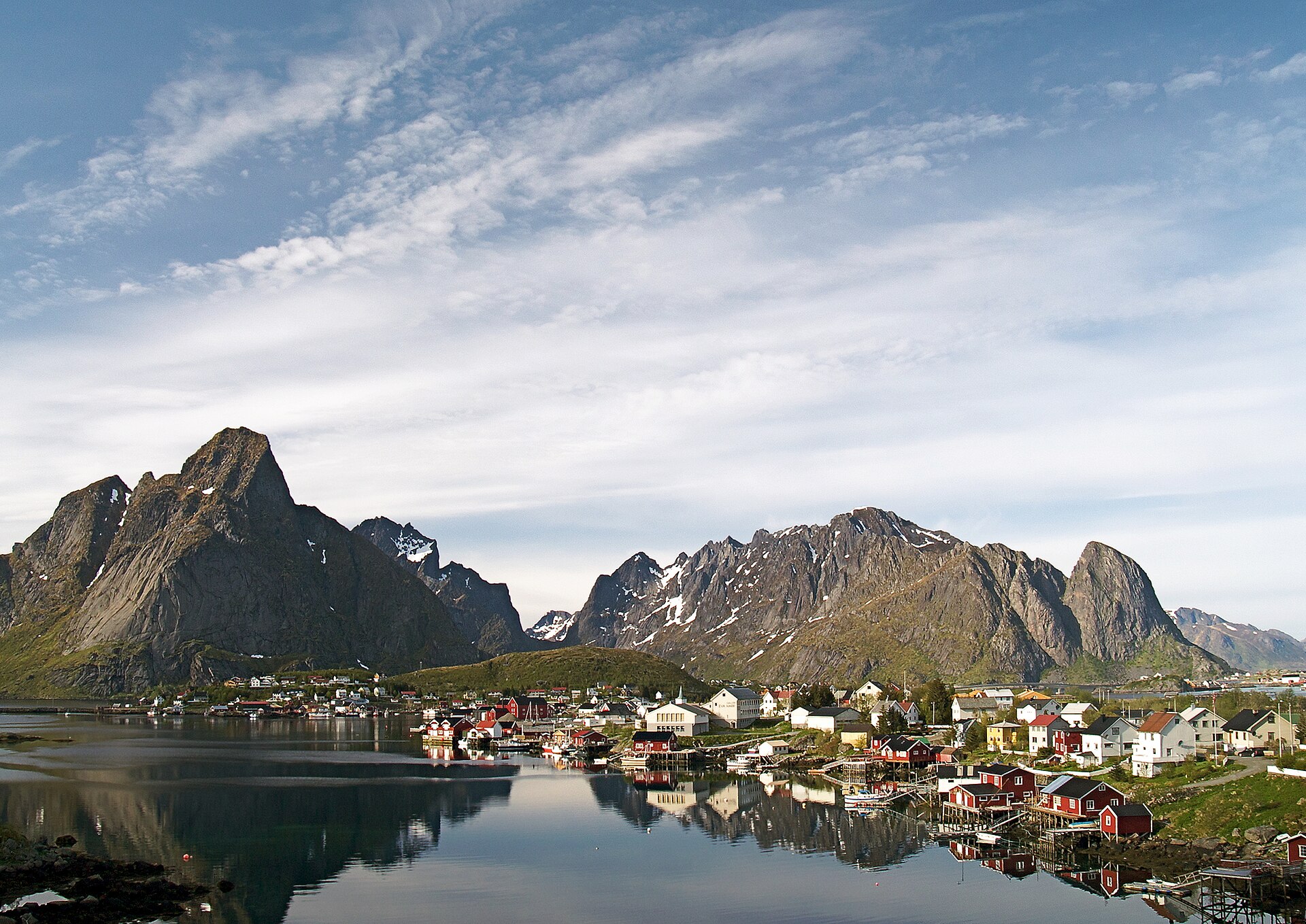
The third very popular location is the southern tip of the whole archipelago around the photogenic villages of Reine and Hamnøy, where the mountains are at their steepest and the surrounding scenery is unbeatably dramatic. Even if the thick mist might mean you don’t see the mountain peaks at all, the yellow and red houses on stilts still look wonderfully mystical. Book a night in the iconic Eliassen Rorbuer, which rightly ranks among the most photographed places in all of Norway and offers a truly amazing, authentic experience of staying right above the water.
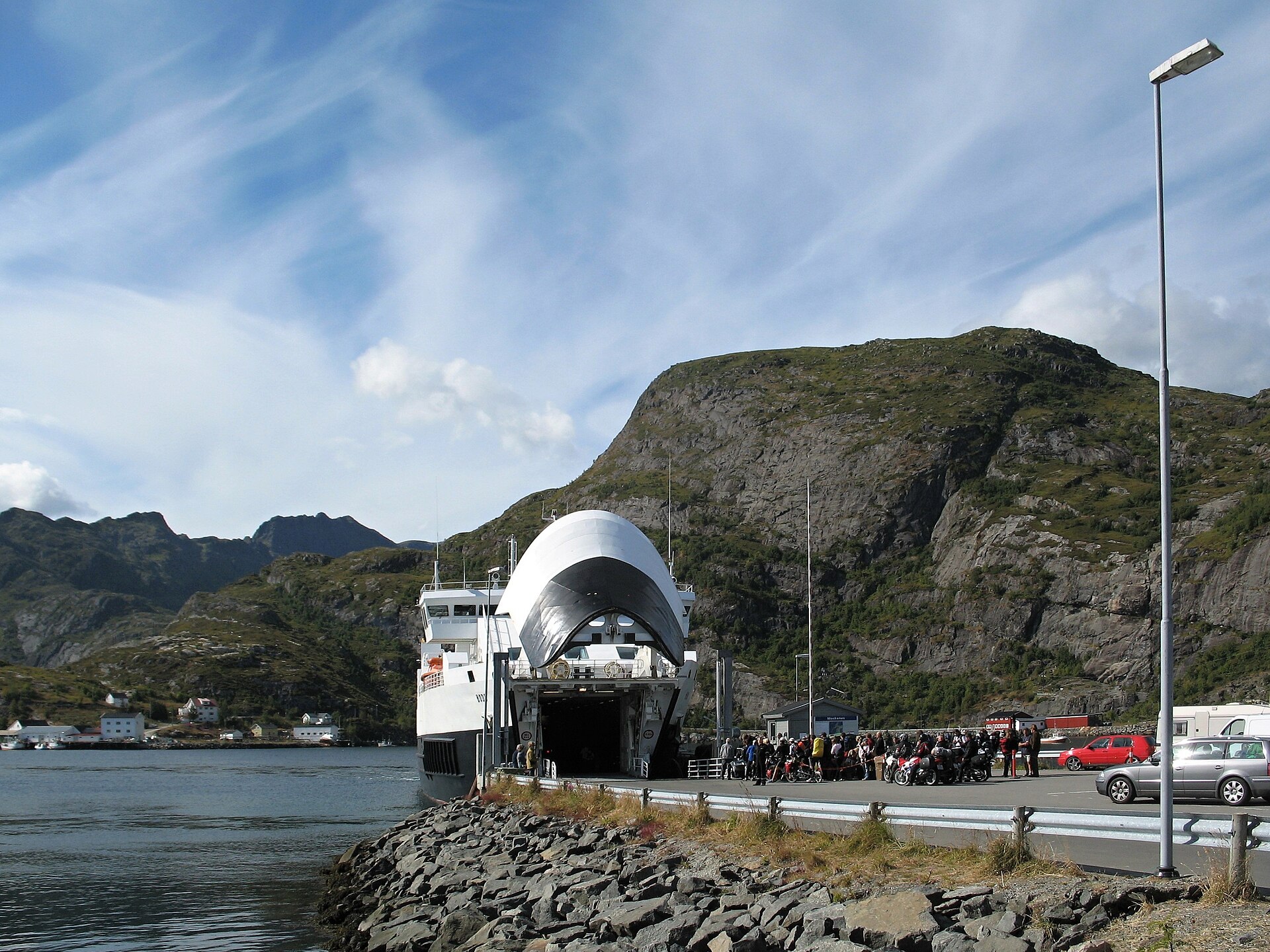
7 Things to See and Do in Lofoten, Norway When It Rains
Let’s take a look together at a concrete rescue plan for those days when the sky over the islands turns grey and there’s no point setting off on mountain hikes. I’ve put together seven brilliant indoor activities and experiences that will show you a slightly different — but no less fascinating — side of this Nordic paradise.
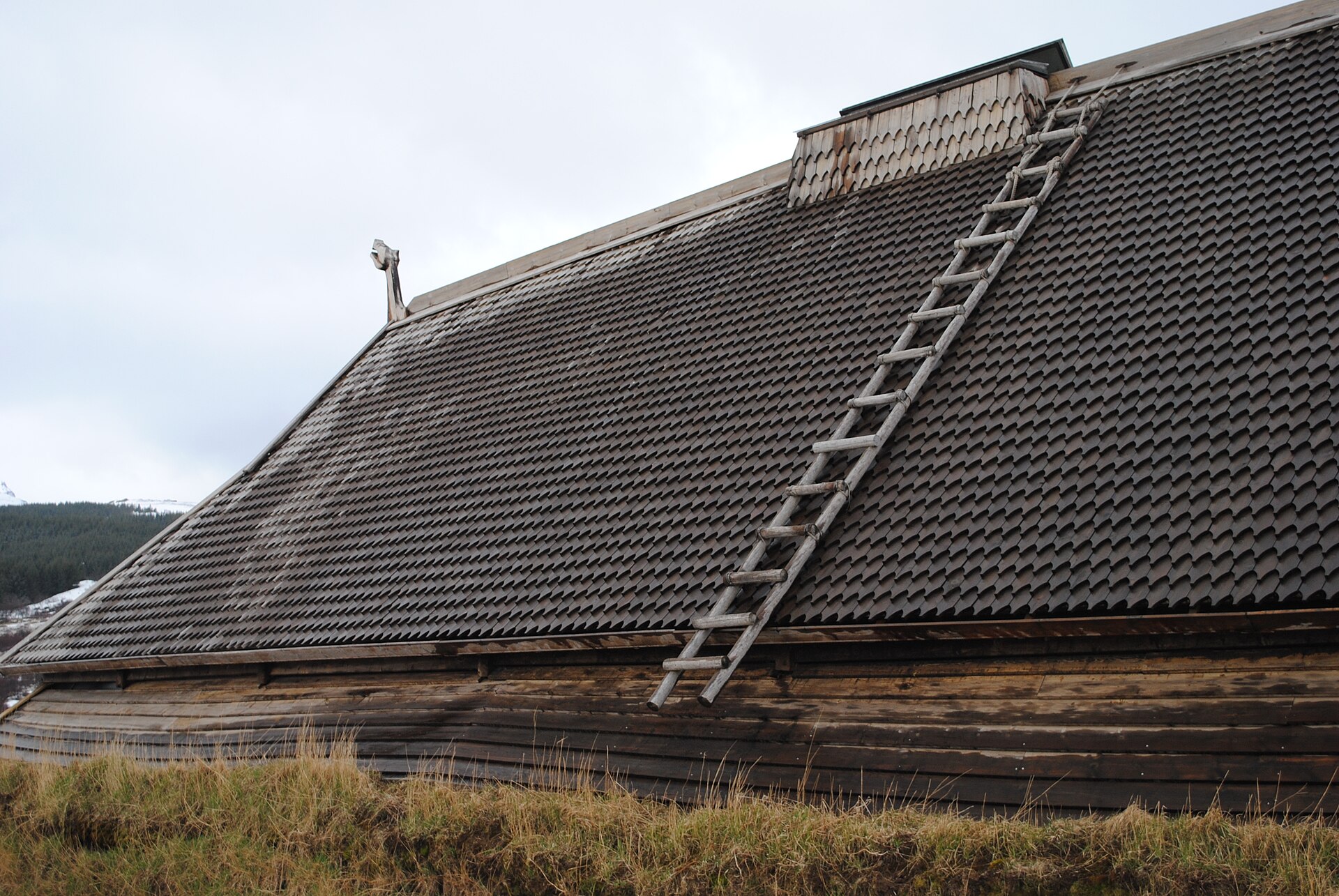
1. Lofotr Viking Museum in Borg
When it’s bucketing down right from early morning and there’s no point at all in spending time outside in nature, hop in the car and head towards the village of Borg. This is home to the phenomenal Lofotr Viking Museum, which reliably works as the perfect escape from the worst of the Arctic weather. The main, unmissable attraction is the eighty-three-metre-long reconstructed Viking longhouse, which stands exactly on the site of a hugely important archaeological find from the last century.
Inside this magnificent, imposing building an open fire crackles away cheerfully, the air smells wonderfully of wood and traditional tar, and within a few seconds you’ll forget all about the chill outside. You can browse detailed demonstrations of period crafts at your leisure, chat with friendly guides in historical costumes, and soak up an atmosphere more than a thousand years old. Admission for 2026 is around 250 Norwegian kroner per adult (roughly €22), which is definitely worth it for this fairly extensive, interactive experience.
💡 Tip: If the weather clears up even briefly or it’s just lightly drizzling, be sure to pop out and explore the immediate surroundings of the museum itself. On the adjacent green pastures you’ll find beautiful Nordic horses, sheep and even pigs grazing freely, which gives the whole sprawling site a wonderfully authentic rural feel that will delight not just adults but, naturally, kids too.
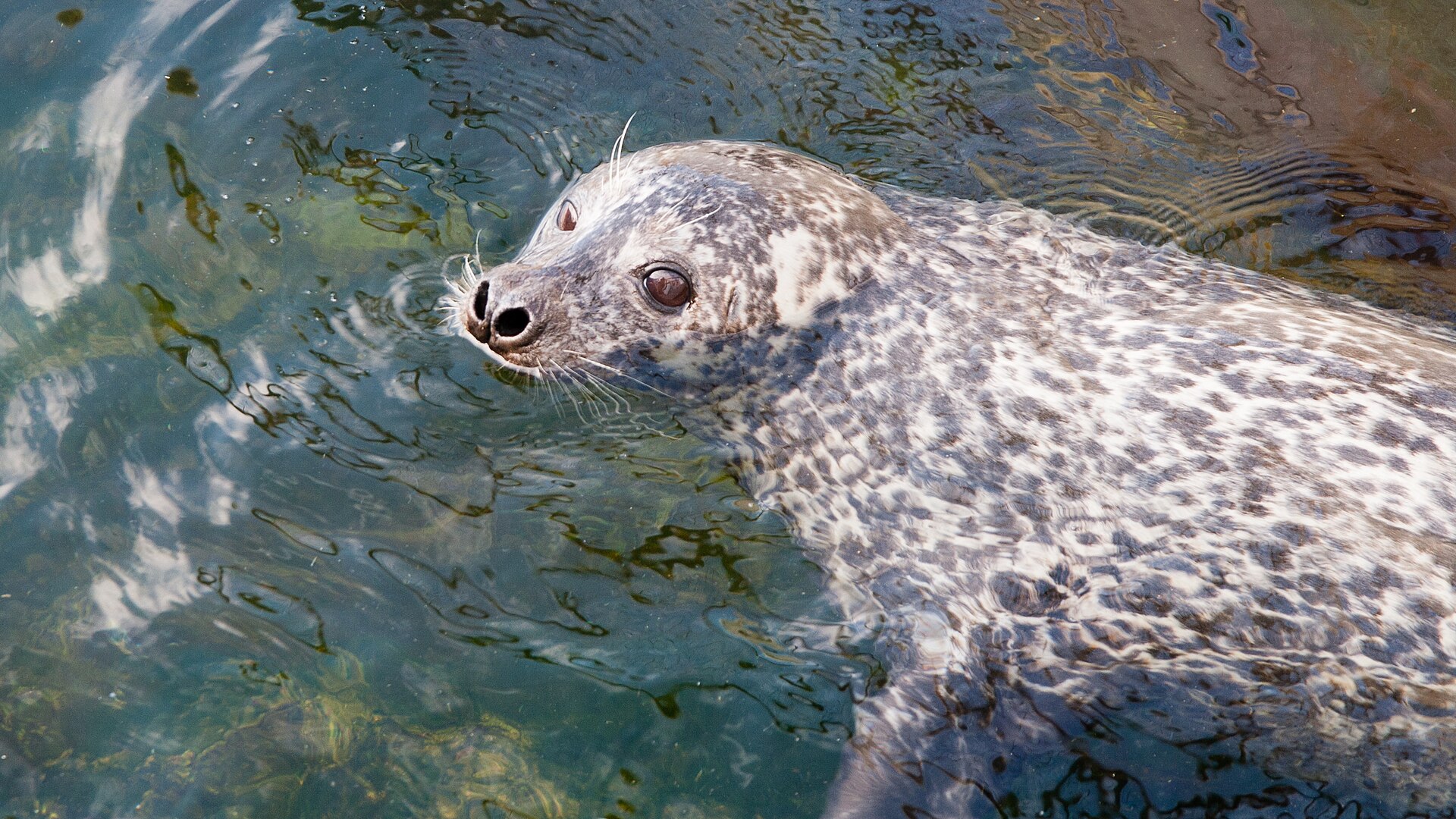
2. Lofoten Aquarium in Kabelvåg
A tip from us: right next to the aquarium is the interactive SKREI museum, which uses sound, light and atmosphere to tell the story of how cod fishing shaped northern Norway over the centuries — and a single ticket gets you into both. The aquarium also offers seal and otter feeding; the rain spoiled it for us, but we still enjoyed the seals anyway.
If you’re after a calmer, more relaxed programme for a drizzly morning, head straight to the nearby town of Kabelvåg. The renowned Lofoten Aquarium here isn’t one of those giant marine worlds you might know from big cities in western Europe, but it’s a very intimate, charming Nordic affair. All the exhibits focus exclusively on the local marine ecosystem, so you’ll learn plenty of interesting facts about the incredibly harsh life in the surrounding icy waters.
The main and undoubtedly most popular draw of the whole exhibition is the regular feeding of otters and seals in the outdoor pools. Be sure to check the feeding times in advance on their official website, because it’s an absolute hit and visitors will happily stand watching, utterly captivated, for a good twenty minutes at a time. The keepers tell engaging stories about the habits of these playful animals and explain just how perfectly they adapt to the harsh Arctic conditions.
Inside the heated building itself you’ll also find interesting exhibits on the famous skrei cod, which is historically and economically absolutely vital to this particular region. The whole visit, including watching the animals, takes about two leisurely hours, after which you can enjoy a warm cup of tea and a slice of cake in the little on-site café. It’s simply an ideal, safe refuge for days when the rain is coming down in sheets and you need to warm up.
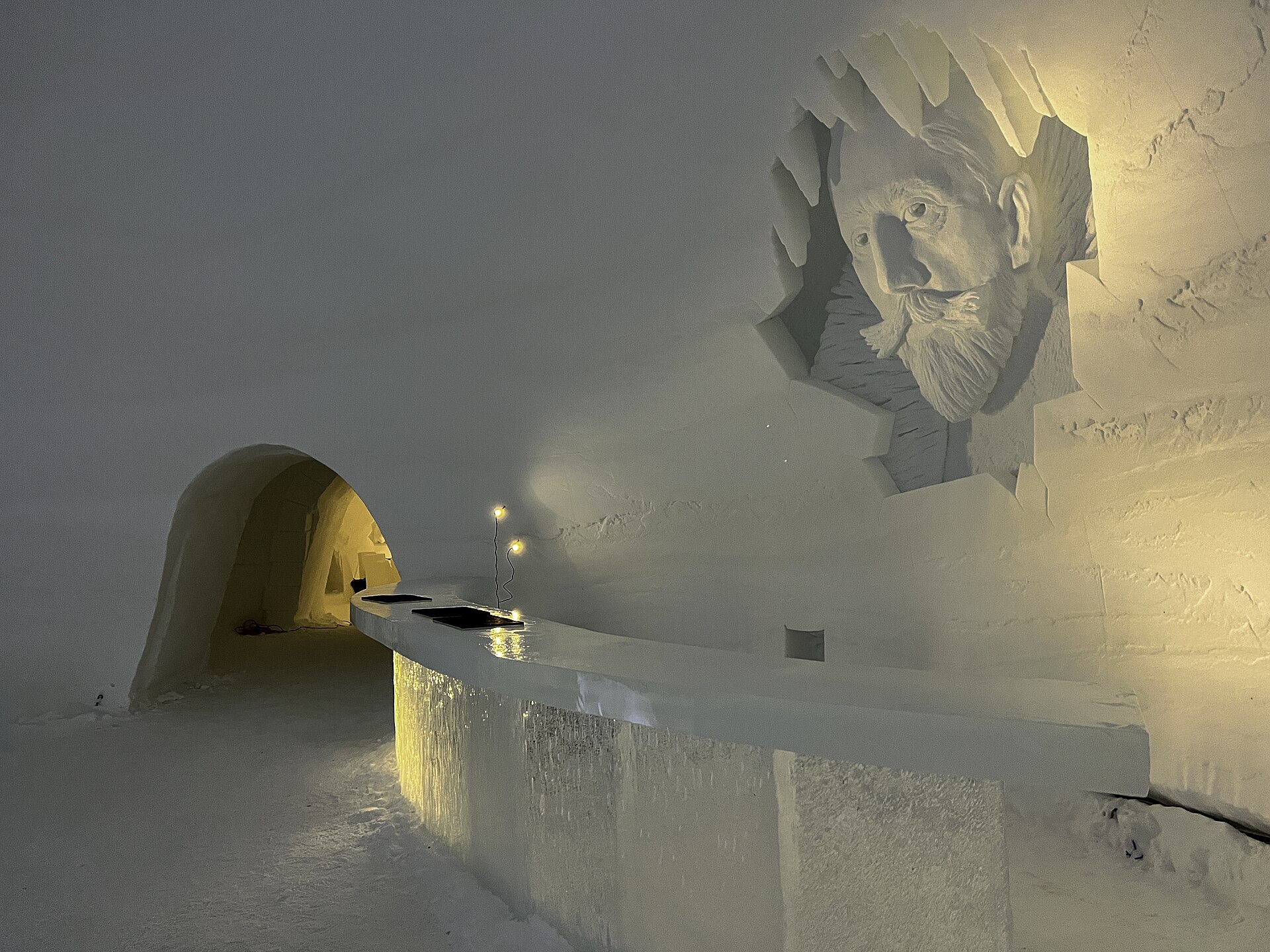
3. The Magic Ice gallery in Svolvær
When it’s already unpleasantly cold and wet everywhere outside, why not take that Arctic feeling to its absolute extreme? Park your car as close to the centre of Svolvær as possible and visit the unique, frosty Magic Ice gallery. Although at first glance it might come across as a slightly gimmicky tourist trap, on a really rainy day this unusual concept works brilliantly and will reliably lift your spirits.
Right at the entrance, at reception, you’ll be kitted out with huge insulated ponchos and really warm gloves, so you don’t freeze within a few minutes inside the icy gallery interior. You’ll then walk through a dark, mysterious room full of beautifully lit ice sculptures that tell old tales of local fishermen and harsh Nordic mythology in a very original way. Skilled sculptors from all over the world come here to renew these fragile works regularly, so the whole exhibition is a little different each new season.
The price of a basic ticket, which comes to around 300 Norwegian kroner (roughly €26), also includes a popular welcome drink served in a glass carved from pure ice. At the illuminated bar you can choose, for example, excellent non-alcoholic options made from local wild berries, which taste absolutely fantastic in this unusual frozen setting. As a visual diversion and a great way to spend about an hour, it works a treat.

4. The Glasshytta glassworks and the wild Storsandnes beach
Misty, drizzly days with very low cloud have their own unmistakable, distinctive charm, which comes out best and most intensely on the coast near the small village of Vikten. This is home to the famous, tourist-favourite Glasshytta glassblowing workshop, whose building is itself a great architectural gem, sensitively set into the rugged rock cliff. Inside you’ll find wonderfully pleasant warmth radiating from the roaring furnaces, and you can watch the master glassblowers at their demanding work from right up close.
The pieces on display from this family workshop very often combine clear blown glass with quartz crystals from the surrounding mountains, making them beautiful and utterly unique souvenirs from your travels. Just please be really careful as you move through the shop’s narrow aisles, because there are very fragile and fairly expensive pieces on display all around you (if you’re travelling with little ones, it’s best to keep a firm hold of their hand). The sight of the molten glass and the craftsmen’s skilled hands will captivate you completely.
When the rain eases off to an acceptable drizzle in the afternoon, give the iconic and often very crowded Haukland beach a miss — every campervan heads there once the rain stops. Instead, punch the wonderfully peaceful Storsandnes beach into your sat nav, which offers very easy access practically right from your parked car. Pull on a quality waterproof softshell, slip into your wellies and go for a walk across the wet sand strewn with washed-up shells, where you’ll have the roaring ocean almost entirely to yourself.
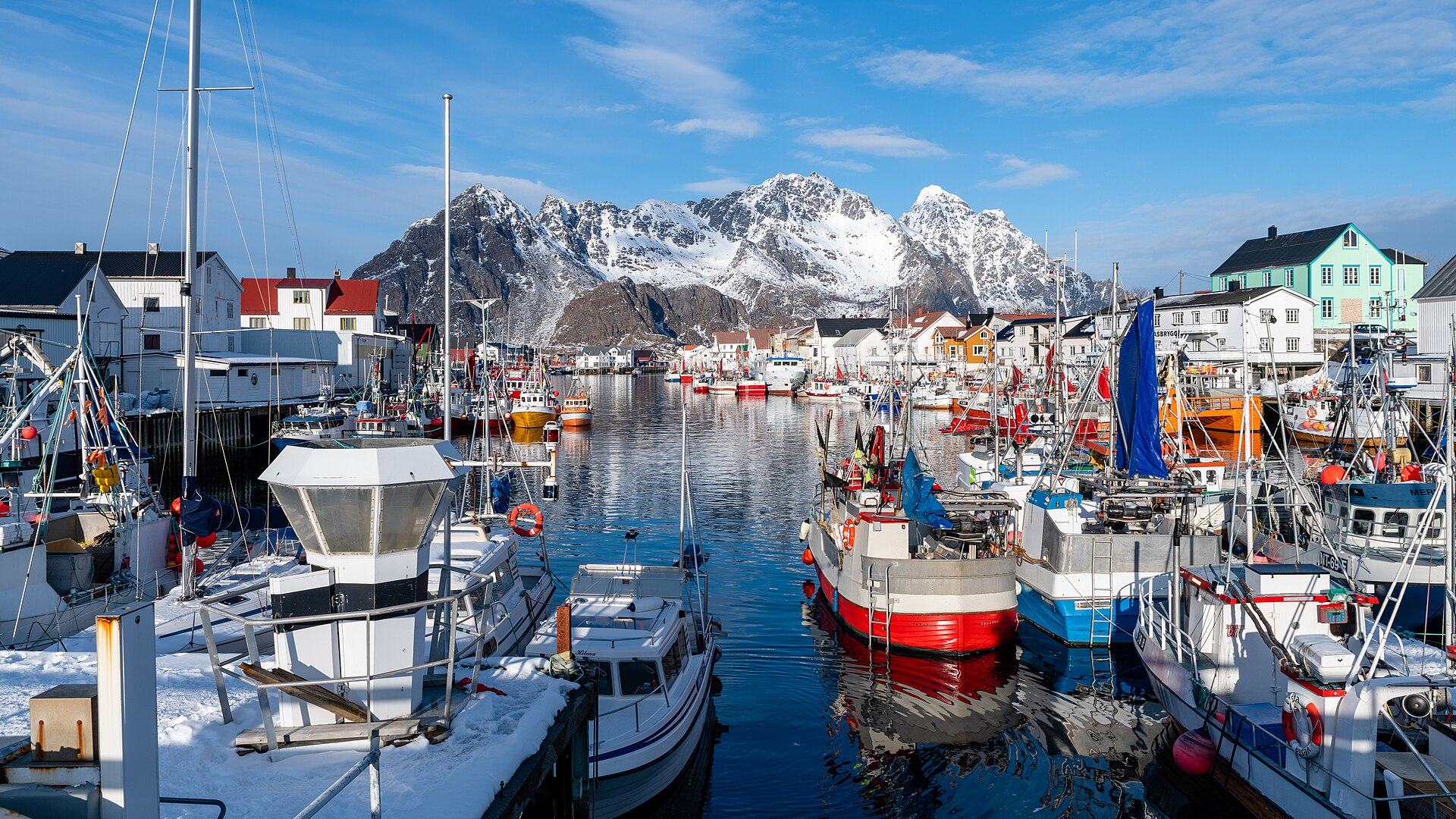

5. Coffee and art in Henningsvær
If there’s one particular place in the archipelago that easily keeps its great, buzzing atmosphere even in the heaviest downpour, it’s definitely the fishing village of Henningsvær. It spreads picturesquely across several small islets linked by bridges and offers an amazing concentration of culture in a fairly small space. Your first steps here should lead straight to Trevarefabrikken, an old abandoned factory converted into a huge community and seriously hip space.
This impressive industrial building offers loads of seating, huge glass windows looking out over the stormy fjord, and a thoroughly laid-back Nordic atmosphere. You can settle in with a favourite book, order an excellent speciality coffee and sample the superb vegetarian food from their seasonal local menu. Nobody here will bat an eyelid if you linger for an entire afternoon, just watching the world go by from the warmth.
Once the worst of the rain lets up a little, set off to explore the nearby, much-visited art galleries the village is famous for far and wide. You’ll find very interesting spots here like KaviarFactory, a respected modern art gallery aptly housed in a former caviar factory. On the way back to your parked car, don’t forget to stop in at one of the small craft workshops, where local artisans sell beautiful hand-knitted jumpers with traditional Norwegian patterns that are guaranteed to keep you warm.
6. The historic bakery in the village of Å and a toy museum
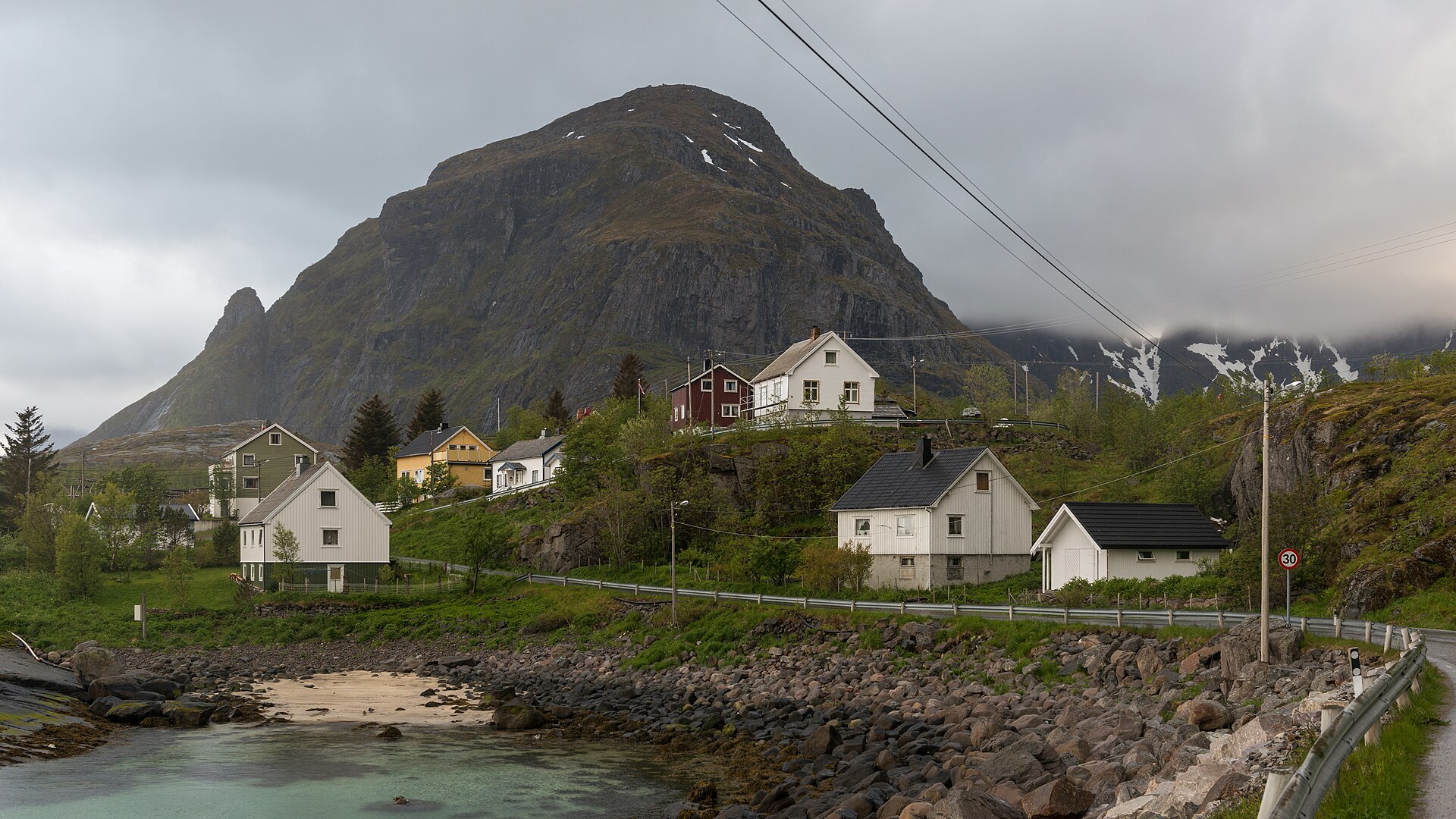
At the very end of the main E10 road, where the tarmac finally runs out and only the endless, stormy ocean continues beyond, lies the wonderfully picturesque and superbly preserved historic village of Å. These days it essentially functions as one big living open-air museum, and weaving your way among its old red wooden buildings is a lovely experience in itself. Your main anchor point here will be the traditional Bakeriet på Å bakery, whose sweet aroma you’ll catch from a distance for sure.
Be sure to buy some freshly baked, still-warm cinnamon buns called kanelboller, lovingly made here to very old original recipes. They are admittedly fairly pricey by UK standards, but baking them in the original historic wood-fired oven from 1844 simply costs something, and that perfect flavour is utterly indescribable. Eat them in the cosy warmth of your car or under a shelter and watch the thick mist roll majestically and silently across the dark fjord as you do.
On the way back north, definitely stop on the photogenic little island of Sakrisøy, famous for its unusual mustard-yellow houses, which look stunning in the mist. This is where you’ll find the charming Lofoten Toy Museum, also known as Dagmar’s Museum of Dolls and Toys — the very first official toy museum in all of Norway. For adult visitors it’s a wonderful wave of warm nostalgia and an altogether fascinating spectacle of thousands of old bears and historic dolls carefully rescued from around the world.

7. Fjord cruises and an Arctic sauna
It might sound a touch paradoxical and crazy at first, but bad, drizzly weather actually heightens the whole experience of a fjord cruise. Set off on an organised sightseeing trip, for example into the very narrow and dramatic Trollfjord, which you can easily and quickly book through portals like GetYourGuide. When the steep black rock walls plunge into the thick mist and hundreds of temporary waterfalls created by the rain stream down the slopes all around, the whole landscape looks like something straight out of a fantasy novel.
What’s more, the boats used for these cruises are fully covered and very well heated, so you’ll enjoy this dramatic natural scenery in complete comfort and dryness, with a cup of hot tea or coffee in hand. The experienced crews know these unpredictable local waters perfectly and know exactly where to sail for the very best views of the majestic sea eagles hunting in the low cloud. The whole cruise usually lasts around three hours and rightly ranks among the best things you can experience here.
Once back on dry land, I warmly recommend ending this rainy, chilly day in a proper Arctic sauna. Plenty of the better places to stay, such as the previously mentioned Hattvika Lodge in Ballstad, offer the great option of renting a private sauna with a huge glass window looking right out over the harbour. You’ll thoroughly warm up your frozen bones, and if you’re feeling brave enough, you can cool off like the hardy locals with a quick plunge into the icy Norwegian Sea.
Map of points of interest for your phone
Where to go next from your Lofoten adventures
Once the clouds finally part and the sun peeks out, you’ll be ready to set off on more adventures. Definitely read our big guide to Lofoten, where you’ll find a complete itinerary for the most beautiful sunny days, including tips on stunning mountain treks.
If you’re intrigued by the history of the Nordic peoples, take a look at our dedicated article focused entirely on the Lofotr Viking Museum, where you’ll discover plenty more fascinating details. And if you’ve fallen in love with the artistic atmosphere of the fishing villages, you won’t want to miss our in-depth piece on everything the picturesque Henningsvær has to offer.
Frequently Asked Questions
Jak často a jak moc prší na Lofotech během léta?
V hlavní letní sezóně, tedy v červenci a srpnu, musíte počítat v průměru s devíti až jedenácti deštivými dny za měsíc. Déšť má většinou podobu rychlých a intenzivních přeháněk, které se střídají s polojasnou oblohou, ale občas může jemně mrholit i několik dní v kuse, což je pro Arktidu naprosto typické.
Kde nakoupit jídlo, když se nám v dešti nechce do restaurace?
Norské supermarkety jsou skvěle zásobené a najdete je v každém větším městečku. Sítě jako Kiwi nebo Rema 1000 nabízí široký výběr čerstvých surovin, pečiva i hotových jídel, takže si snadno uvaříte teplou večeři přímo v pohodlí vašeho pronajatého rorbu, a ještě ušetříte za dražší restaurace.
Jsou silnice bezpečné k řízení i za vydatného deště?
Hlavní silnice E10, která protíná celé souostroví, je ve velmi dobrém stavu a poměrně bezpečná i za mokra. Dávejte si ale rozhodně větší pozor na užších vedlejších silnicích, kde se mohou tvořit velké hluboké kaluže, a počítejte s tím, že se v mlze výrazně snižuje celková viditelnost.
Má smysl platit si výlety lodí, když je ošklivě?
Rozhodně ano, protože mlha a déšť dodávají fjordům naprosto neuvěřitelnou a mystickou atmosféru. Většina výletních lodí má navíc prostorné a dobře vyhřívané kajuty s velkými okny, ze kterých můžete naprosto pohodlně a hlavně v suchu pozorovat padající vodopády a strmé skalní stěny.
Jakou aplikaci na sledování počasí je nejlepší používat?
Místní obyvatelé i zkušení cestovatelé nedají v Norsku dopustit na bezplatnou aplikaci yr.no, kterou spravuje Norský meteorologický institut. Její naprosto největší výhodou je velmi přesný devadesátiminutový radar, díky kterému spolehlivě odhadnete, kdy zrovna přestane pršet a vy můžete vyrazit ven.
Co si sbalit na sebe, abychom přežili špatné počasí?
Základem je kvalitní nepromokavá a větruodolná bunda s dobrou kapucí, pod kterou se snadno vejde teplý svetr nebo lehká péřovka. Nezapomeňte na nepromokavé kalhoty a především spolehlivé trekové boty s goretexovou membránou, protože teploty tu v létě běžně klesají i k deseti stupňům.
Kolik zhruba stojí vstupy do muzeí a galerií?
Ceny se samozřejmě mohou s každou sezónou lehce měnit, ale pro rok 2026 počítejte s tím, že hlavní atrakce jako Viking Museum nebo ledová galerie Magic Ice stojí kolem 250 až 300 norských korun na dospělou osobu. Menší lokální galerie a muzea mívají vstupné zhruba poloviční, tedy okolo 100 až 150 NOK.
Tips and Tricks for Your Vacation
Don’t Overpay for Flights
Search for flights on Kayak. It’s our favorite search engine because it scans the websites of all airlines and always finds the cheapest connection.
Book Your Accommodation Smartly
The best experiences we’ve had when looking for accommodation (from Alaska to Morocco) are with Booking.com, where hotels, apartments, and entire houses are usually the cheapest and most widely available.
 🚗 Car rental on the roadVerified rental cars in Norway
Search with the DiscoverCars comparison engine — it compares prices from dozens of local and international rental companies, and most bookings come with free cancellation.
Compare car prices in Norway →Don’t Forget Travel Insurance
Good travel insurance will protect you against illness, accidents, theft, or flight cancellations. We’ve had a few hospital visits abroad, so we know how important it is to have proper insurance arranged.
Where we insure ourselves: SafetyWing (simple monthly subscription) and TrueTraveller (for extra-long trips).
Find the Best Experiences
Get Your Guide is a huge online marketplace where you can book guided walks, trips, skip-the-line tickets, tours, and much more. We always find some extra fun there!